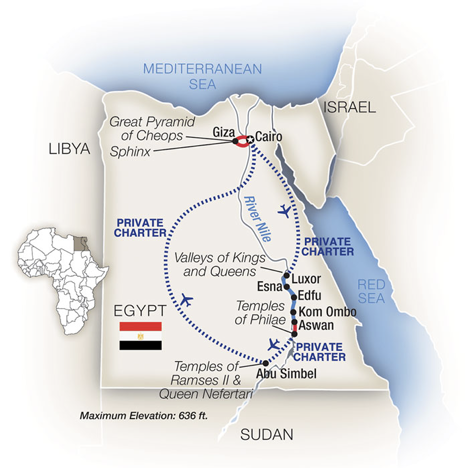
This was our return visit to Egypt, having previously traveled there with our son Evan in 2008. Our 10-day journey began in Cairo with visits to the recently opened Grand Egyptian Museum (GEM), the Great Sphinx and Pyramids of Giza, including overnight stays at the legendary Mena House overlooking the pyramids. We then flew to Luxor for a private visit to Tutankhamun’s tomb before embarking on a four-night Nile cruise. Along the way, we explored the Temples of Karnak, Luxor, Kom Ombo, and Edfu, the Philae Temples on Agilika Island, and spectacular Abu Simbel, with its colossal statues of Ramses II. We also enjoyed a felucca ride and visited Old Cairo landmarks, including the Church of Abu Serga, the Hanging Church, Ben Ezra Synagogue, Sultan Hassan Mosque, and Khan el-Khalili Market. We capped our journey with a two-day private tour of Alexandria and its ancient landmarks. It promised to be a wonderful blend of ancient history and spectacular monuments — and it did not disappoint.
Off to Cairo – October 16-17, 2026
Our United flight from Newark to Frankfurt was delayed for reasons unknown, and we departed considerably later than scheduled. It seemed almost certain that we would miss our connecting Lufthansa flight to Cairo. Fortunately, the gods were on our side! The flight made up much of the lost time, and upon landing in Frankfurt, we were met by a Lufthansa agent who whisked us off in a van directly to our departing gate, bypassing passport control and other formalities. We arrived just in time for boarding and, remarkably, landed in Cairo earlier than anticipated. After clearing immigration, we joined four fellow travelers for the drive to the legendary Mena House Hotel in Giza. After a stressful journey, we were delighted to settle in with a breathtaking view of the pyramids—a magical welcome to Egypt!
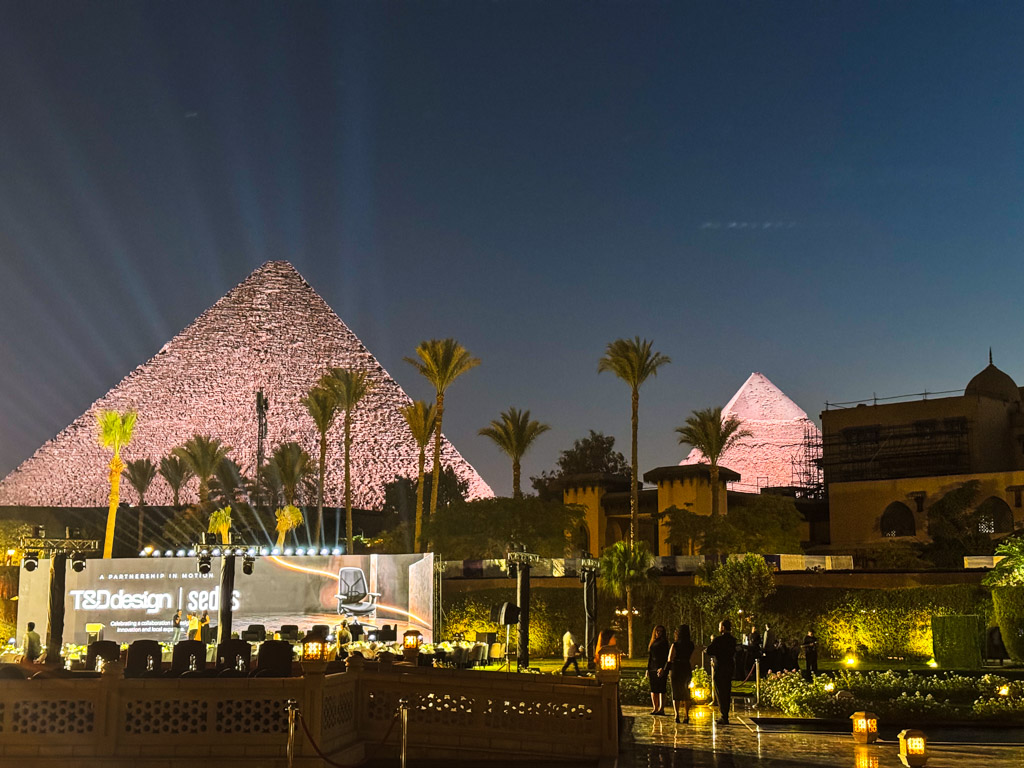
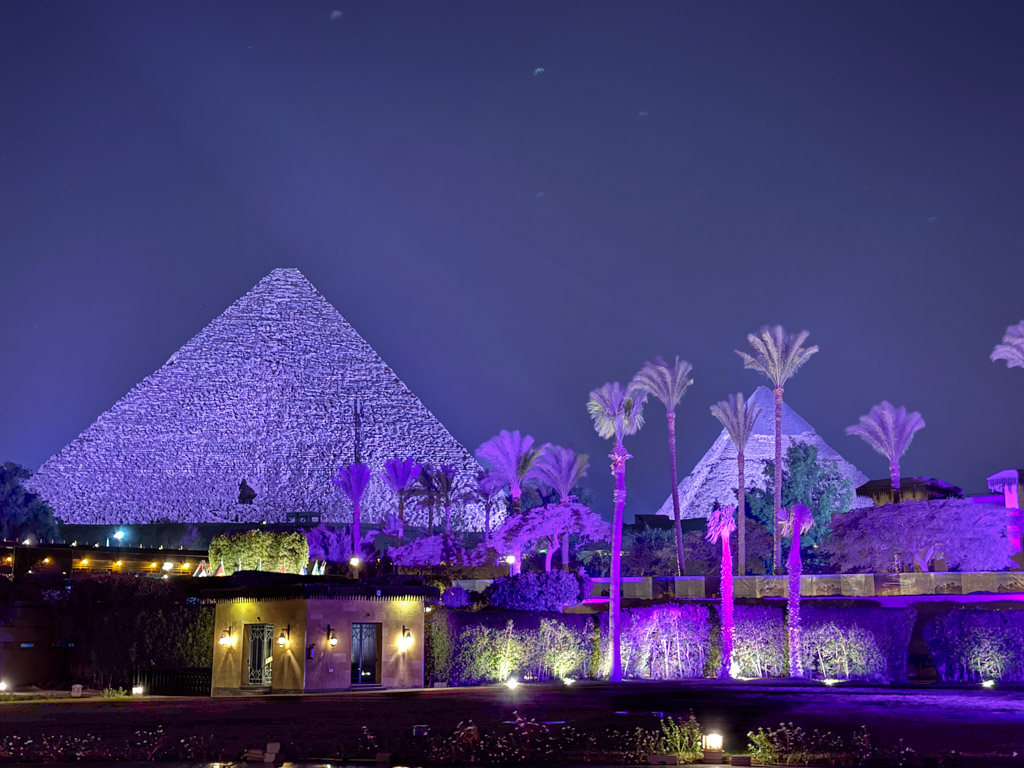
Preview of Cairo & Welcome Reception – October 18, 2026
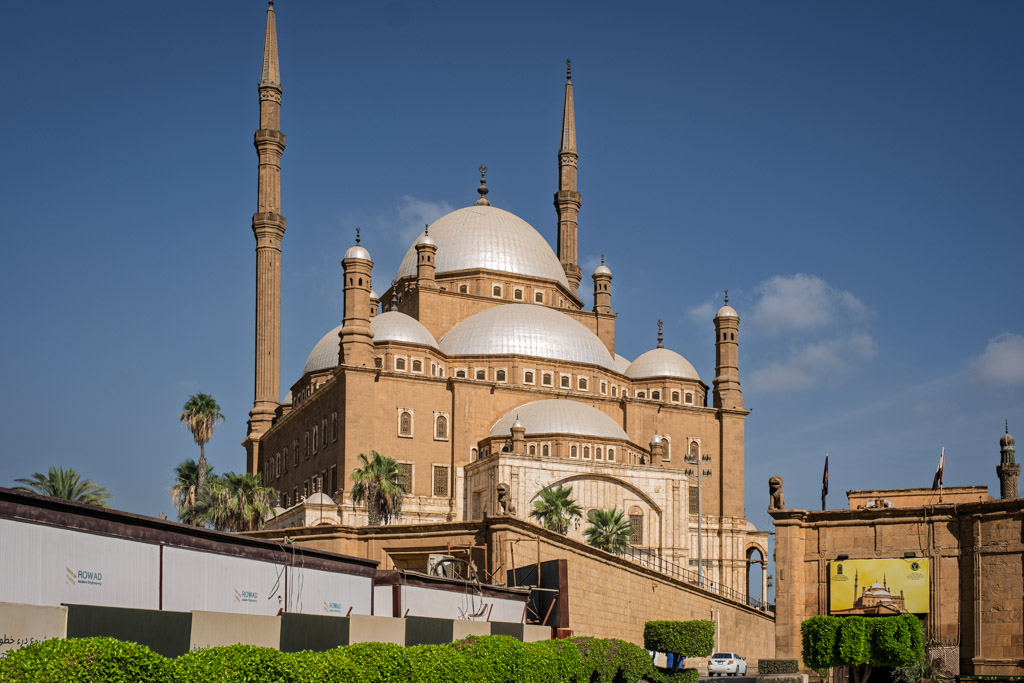
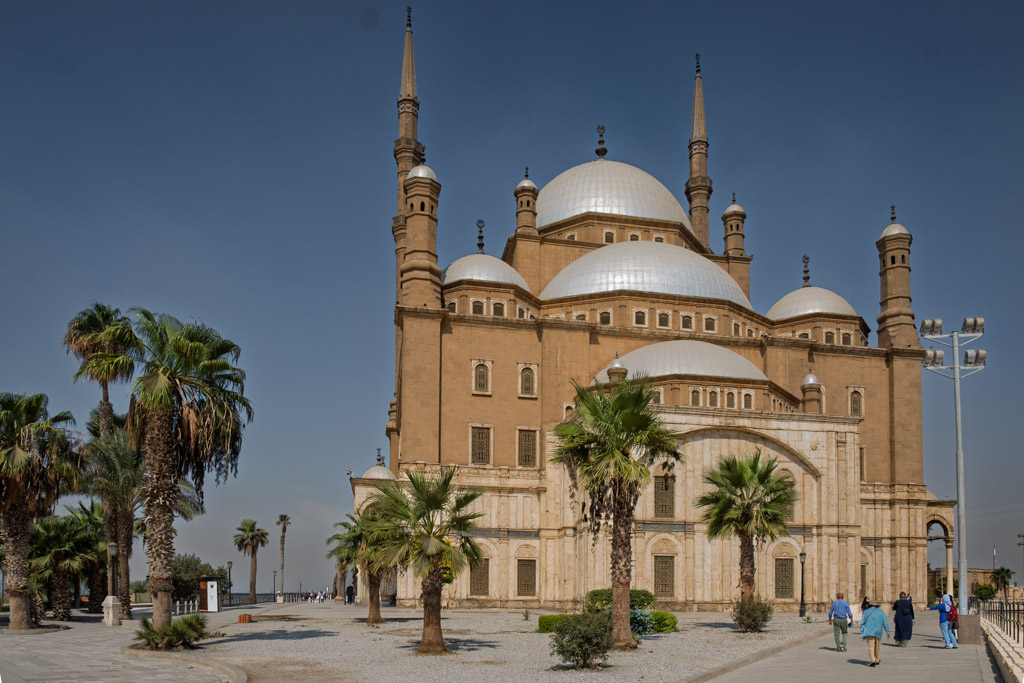
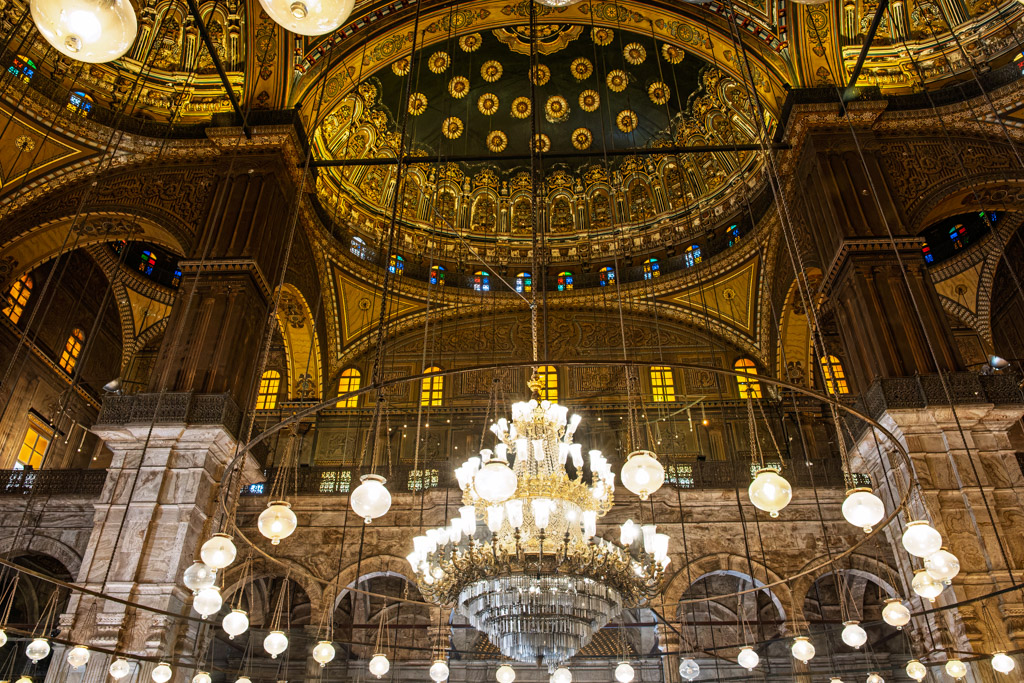
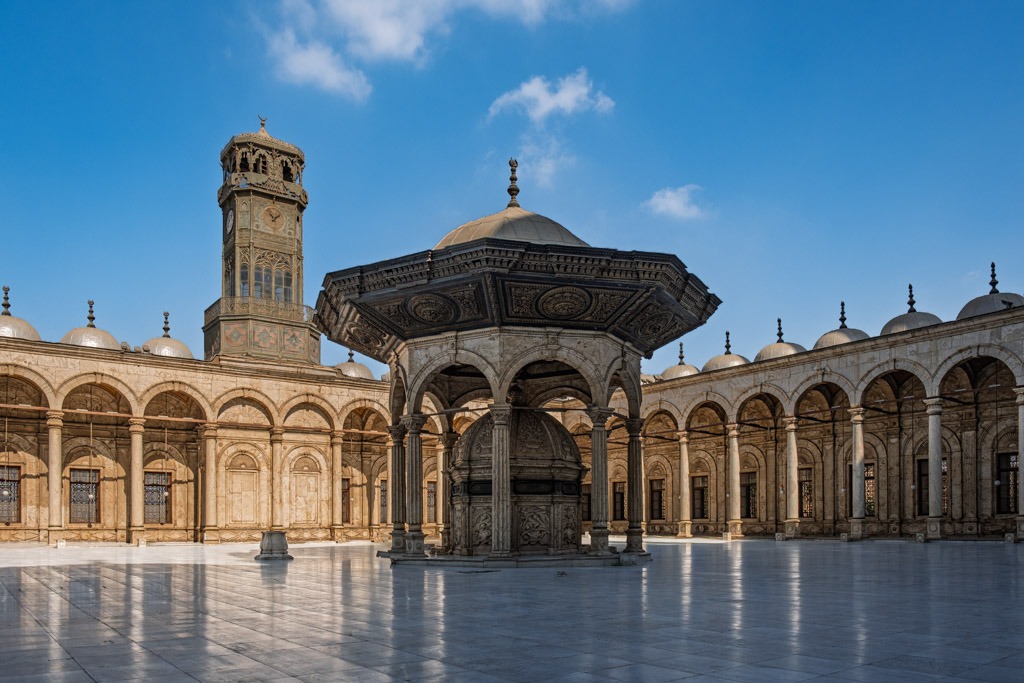
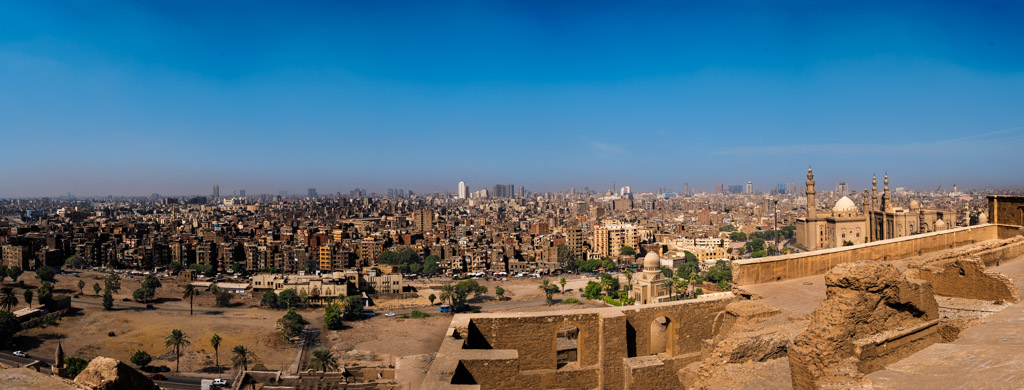
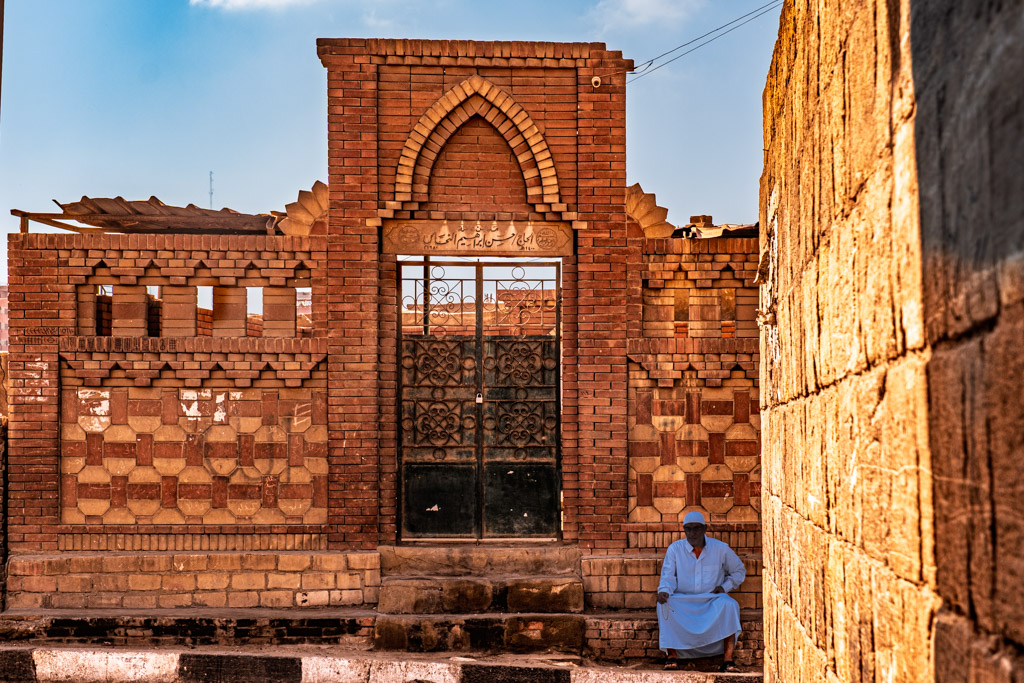
Soon after breakfast, we set off on a privately guided tour of Cairo, accompanied by Shimaa, our delightful and knowledgeable guide. Our first stop was the Citadel of Saladin, perched high on the Muqattam Hills. As we explored its historic grounds, Shimaa explained how Saladin began building this formidable fortress in the 12th century and how it later served as a seat of power for Egypt’s rulers. From its elevated vantage point, we enjoyed sweeping views of Cairo, including the vast historic cemetery known as the City of the Dead, where generations of Cairenes have been laid to rest and some families still reside. We then spent considerable time at the magnificent Mosque of Muhammad Ali, also known as the Alabaster Mosque. With its imposing central dome, graceful minarets and Ottoman-inspired architecture, it dominates the Citadel’s skyline. Inside, the soaring domes and alabaster-clad walls of the vast prayer hall were breathtaking. We also admired the spacious courtyard and its fountain, taking in the mosque’s beauty and serene atmosphere.
From the Citadel, we continued to the National Museum of Egyptian Civilization (NMEC) in historic Fustat, one of Cairo’s oldest districts. The museum traces Egypt’s story from prehistoric times through the Pharaonic, Greco-Roman, Coptic and Islamic eras to the present day. Its exhibits offered a fascinating glimpse into the cultures and achievements that shaped Egypt over millennia. The highlight was the Royal Mummies Hall, where we came face-to-face with the remarkably preserved mummies of ancient pharaohs and queens. Among them were celebrated rulers such asThutmose I, Ramses II, Seti I and Queen Hatshepsut, whose reigns left an enduring mark on Egyptian history. Understandably, photography was not permitted in this section of the museum.
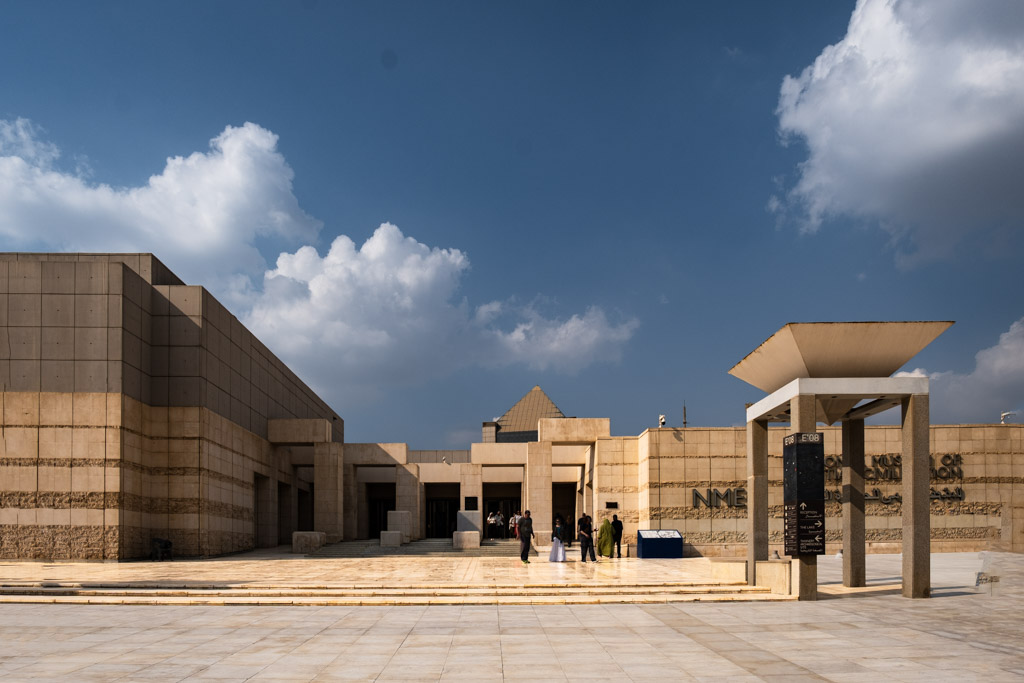
After a memorable morning immersed in Cairo’s history, we returned to the hotel to freshen up for a cocktail reception and dinner, officially marking the start of our Egyptian adventure. We had the opportunity to meet our Tour Director Mark Helbig and some of our 30 fellow travelers and get acquainted before setting off together to explore the wonders of Egypt.
The Pyramids of Giza and the Treasures of the Grand Egyptian Museum – October 19, 2026
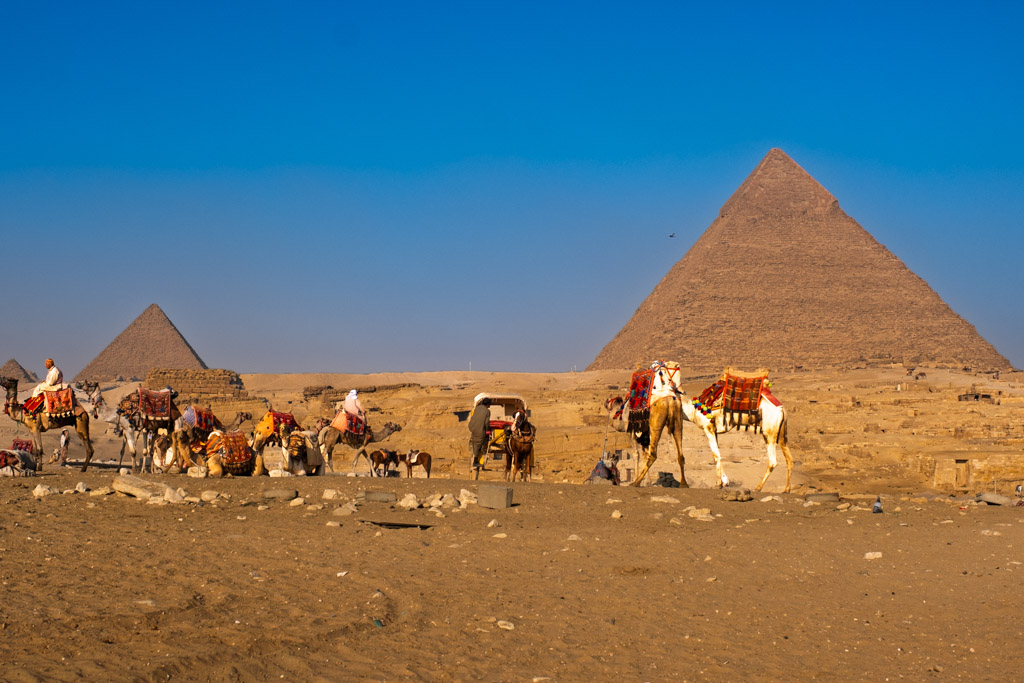
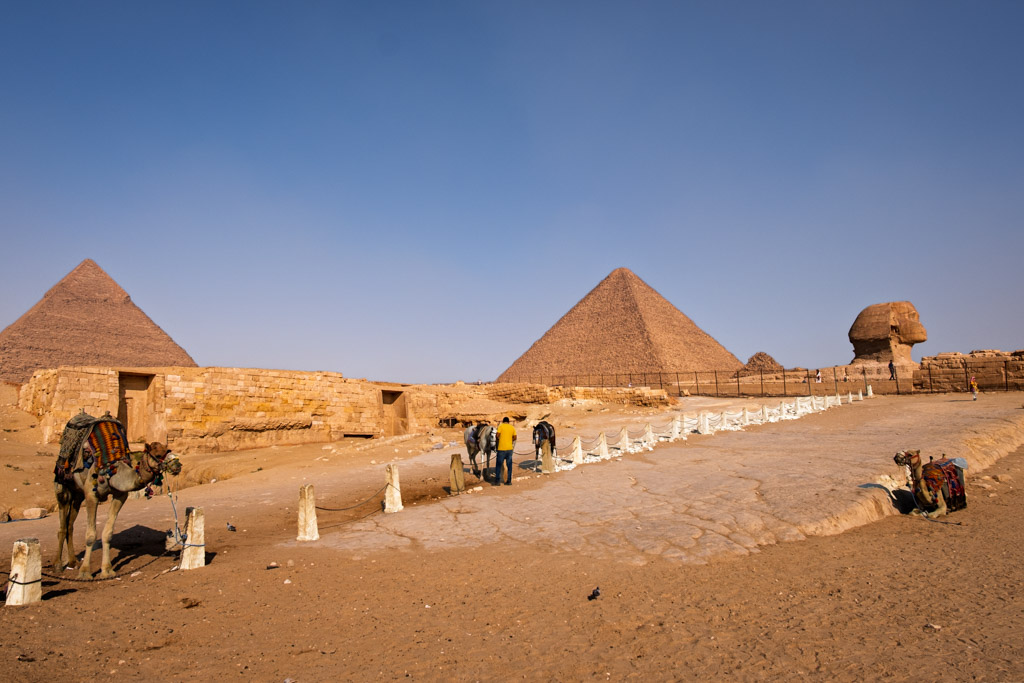
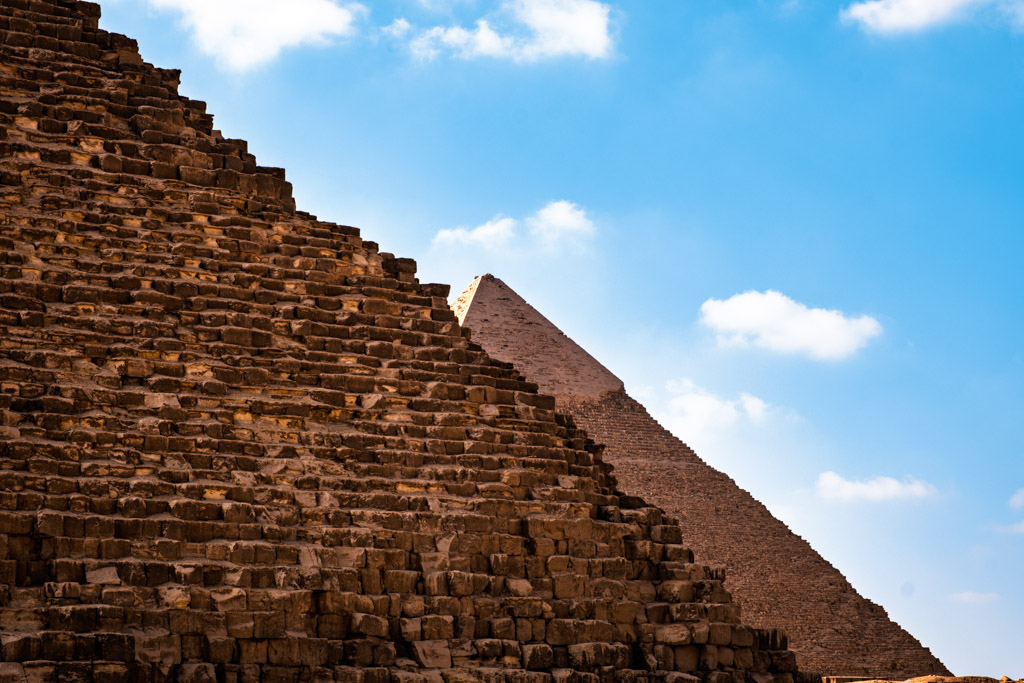
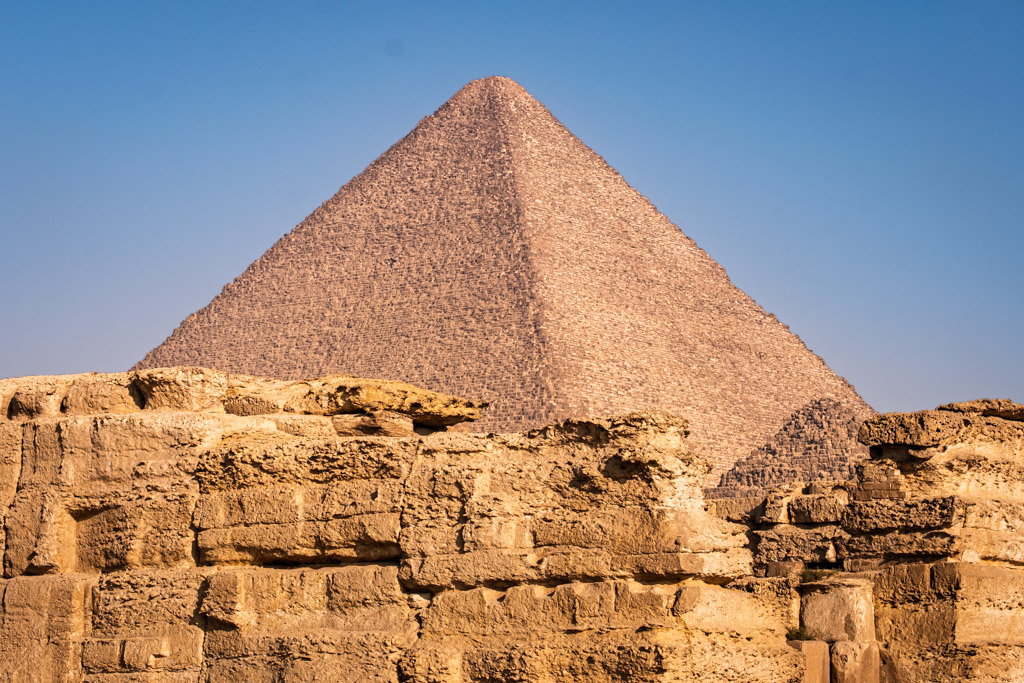
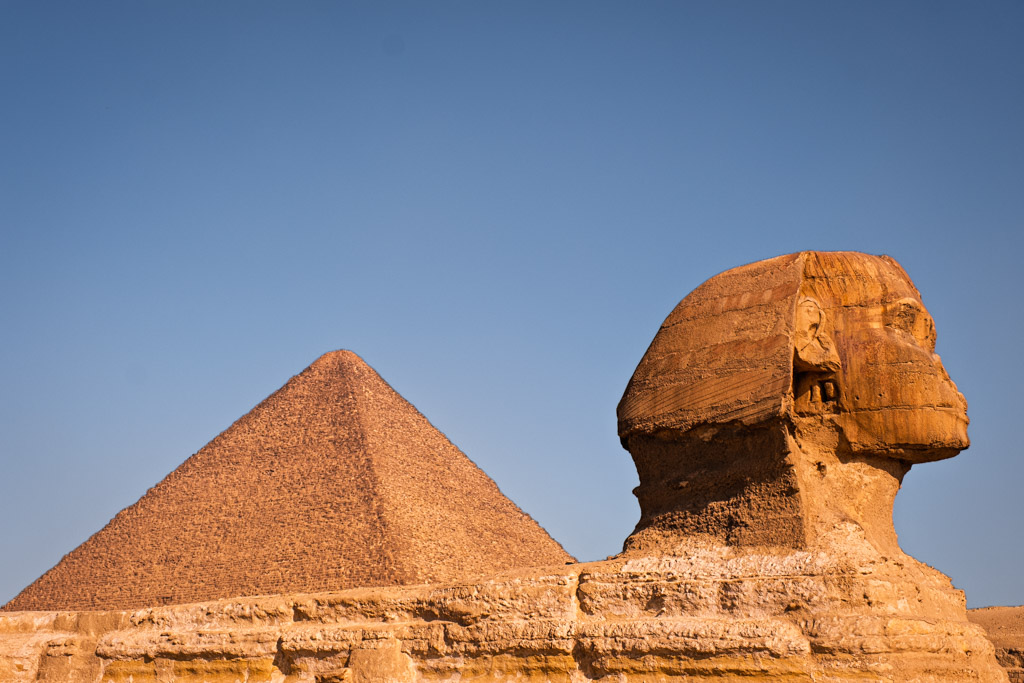
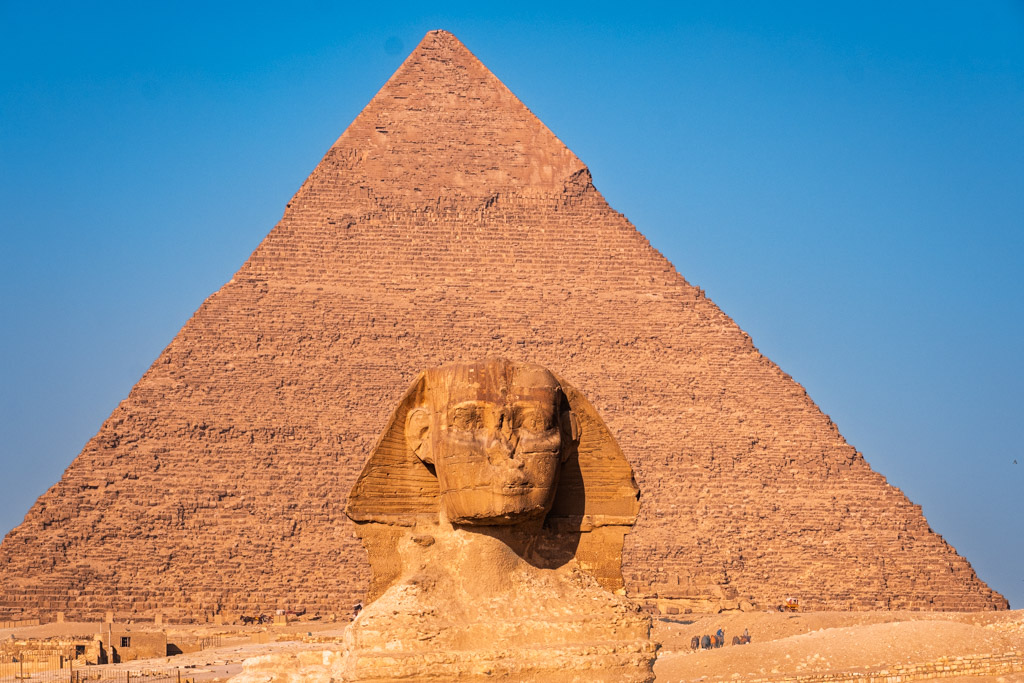
This morning, we explored the legendary Giza pyramid complex on a guided tour with Manal Fathy, an exceptional Egyptologist whose knowledge brought the ancient monuments to life. We began at the Great Sphinx, one of the world’s most iconic monuments. Carved from limestone, this colossal figure combines the body of a lion with the head of a king, traditionally identified as Pharaoh Khafre. Standing watch over the Giza plateau for some 4,500 years, the Sphinx continues to inspire wonder, even as questions about its origins and purpose remain. From there, we embarked on a walking tour of the pyramids, taking in the immense scale and extraordinary engineering of these ancient structures. The Great Pyramid, built for Pharaoh Khufu around 4,500 years ago, is the oldest and only surviving wonder of the ancient Seven Wonders of the World. We also admired the neighboring pyramids of Khafre and Menkaure, marveling at the ingenuity and ambition behind these monumental tombs. Manal was emphatic that these extraordinary structures were built by ancient Egyptians, not aliens, as some have speculated.
Our final stop of the day was the Grand Egyptian Museum (GEM), a magnificent institution near the Giza pyramids, decades in the making. Its striking architecture, spacious galleries and beautifully curated treasures offer a remarkable journey through ancient Egyptian civilization. Our guide, Manal, introduced us to its layout and led us through some of its most important exhibits, beginning with the colossal statue of Ramses II and the monumental Grand Staircase. The undisputed highlight was the entire collection of Tutankhamun’s treasures, including the gold death mask, the gold throne, the scarab pectoral, the chariots, the innermost gold coffin, and the canopic shrine, whose exquisite craftsmanship and historical significance left us in awe. Despite Manal’s insightful tour, we barely scratched the surface. With its vast collection and extraordinary breadth, the GEM deserves several days to explore fully.
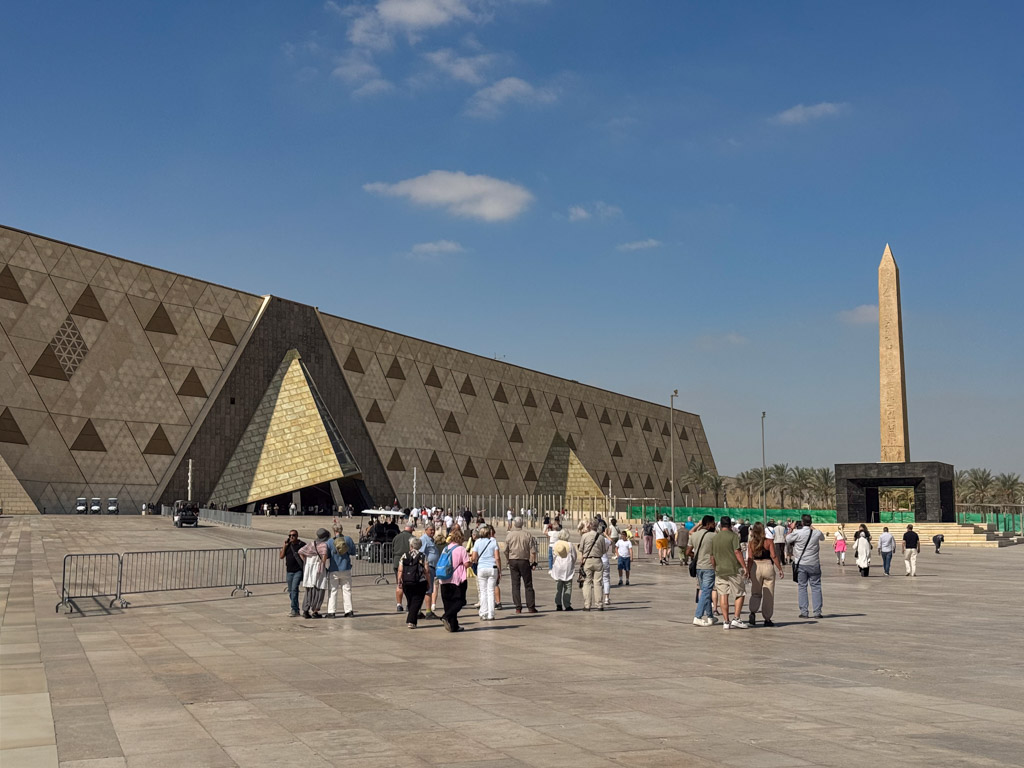
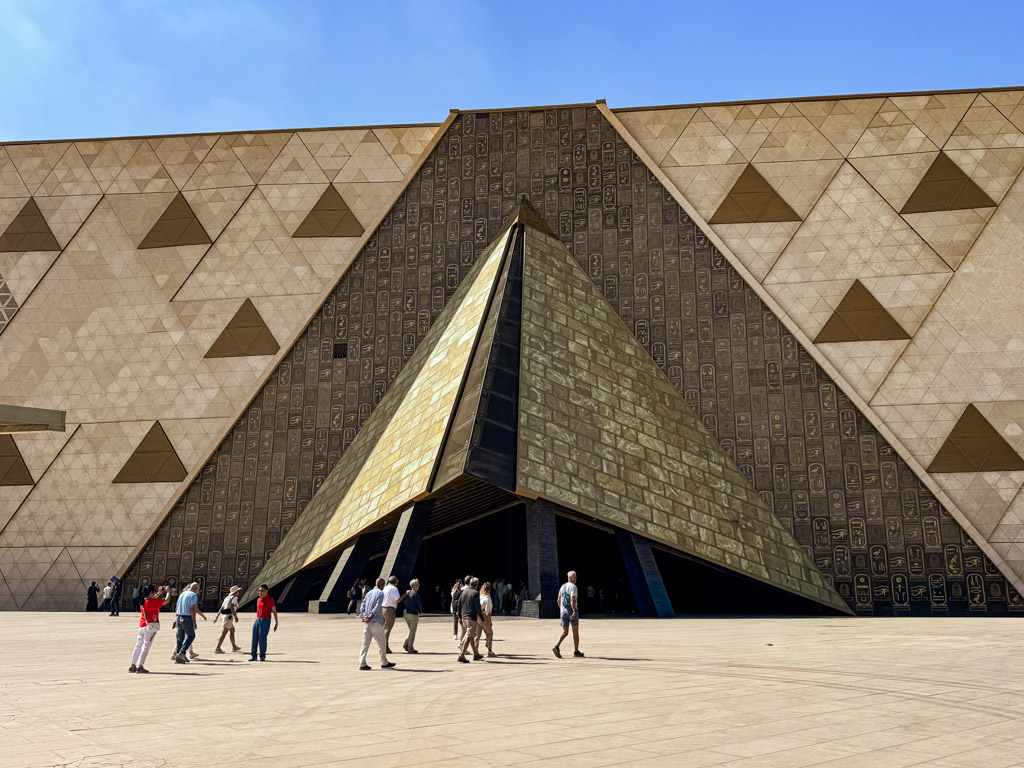
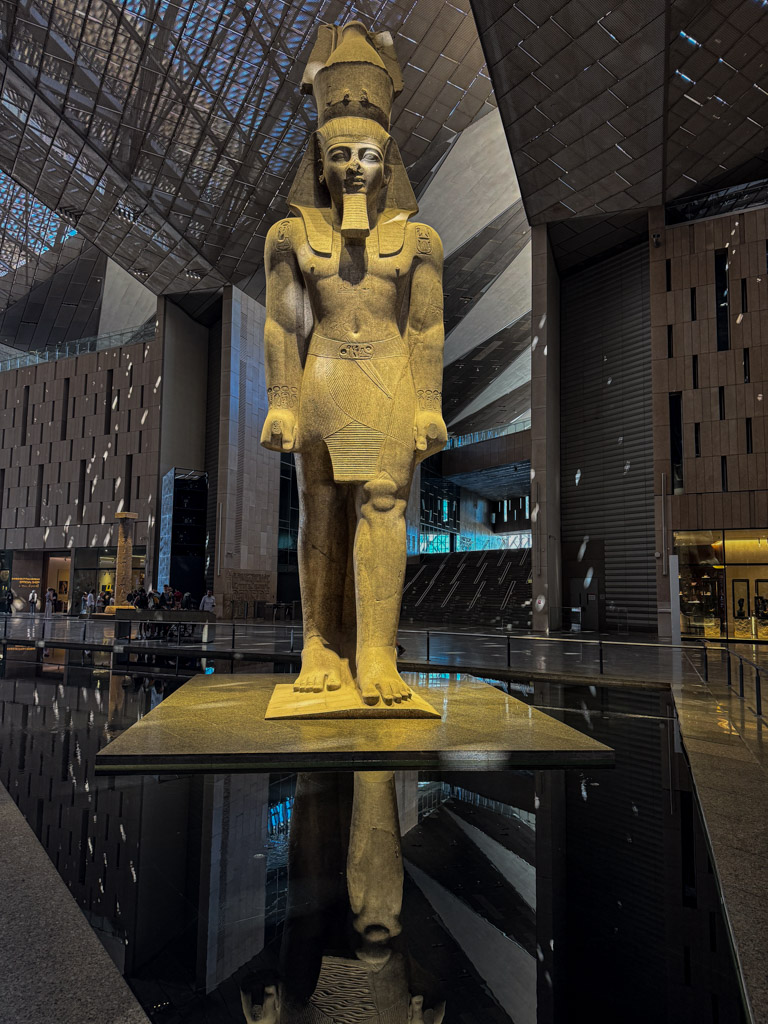
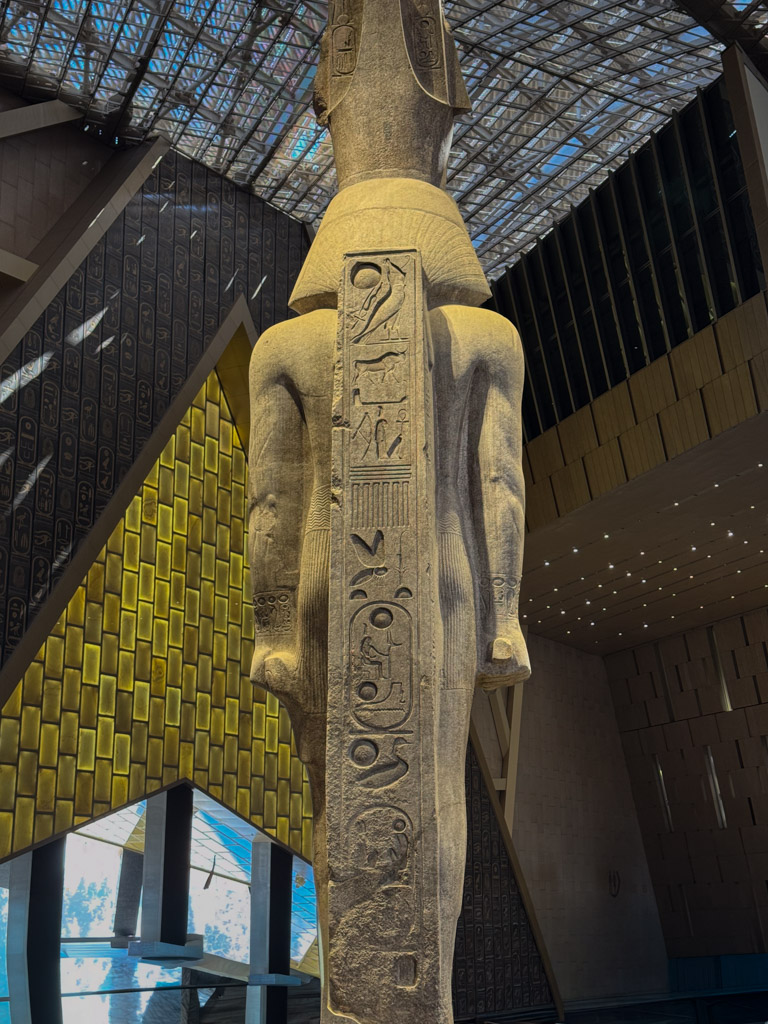
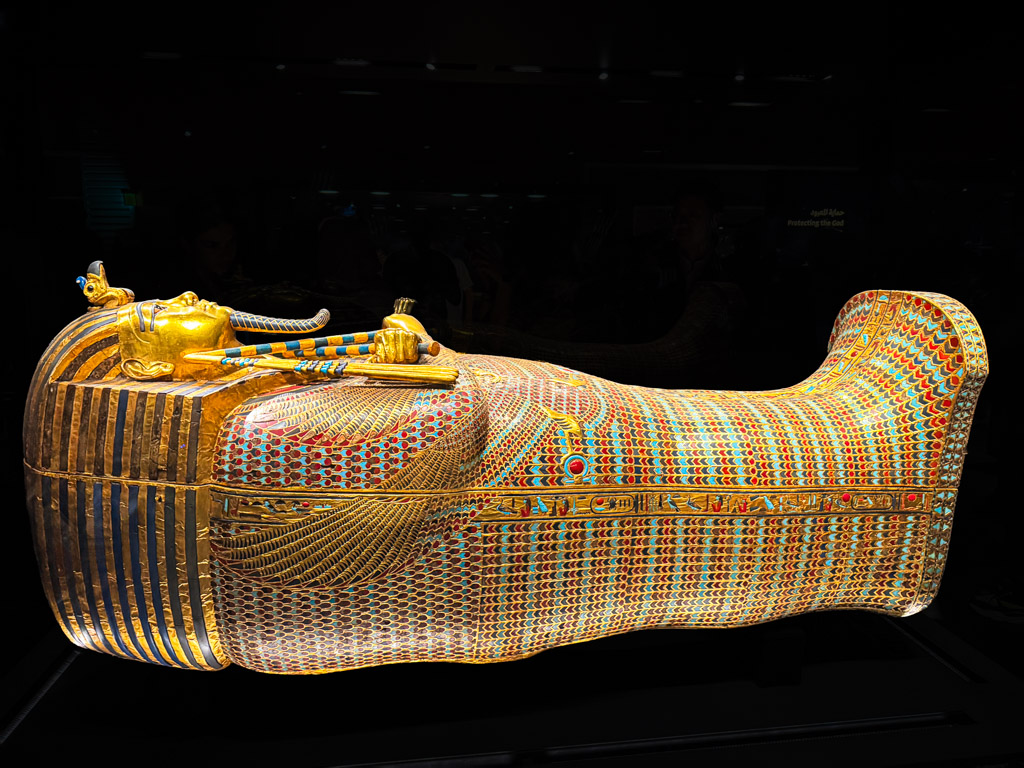
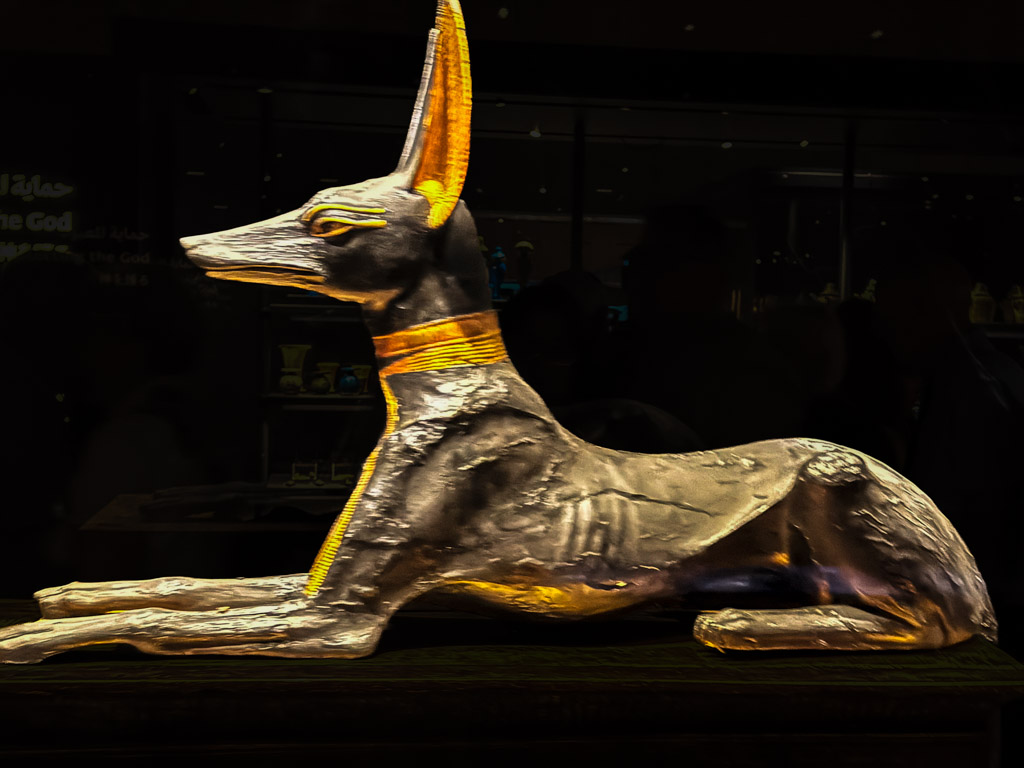
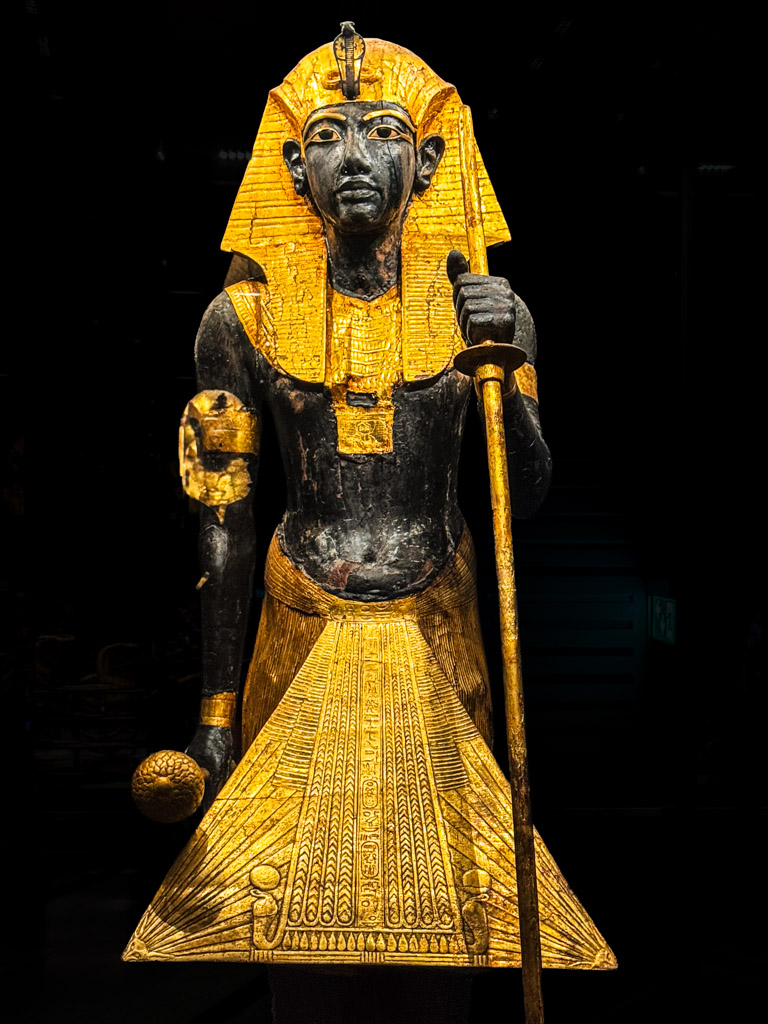
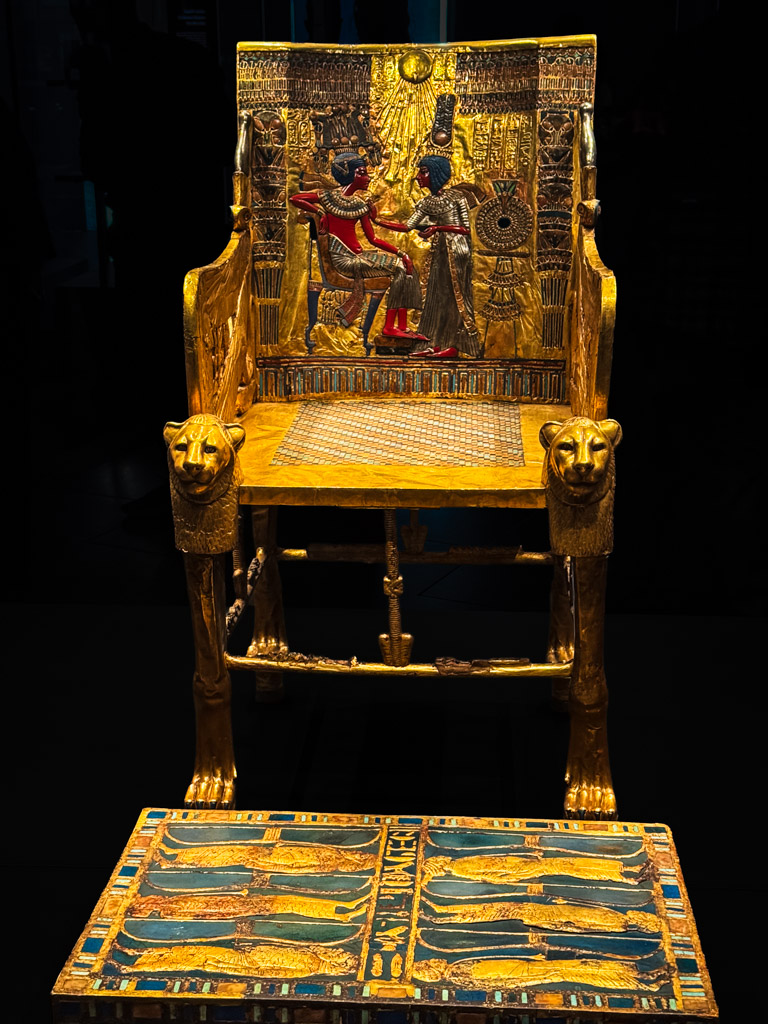
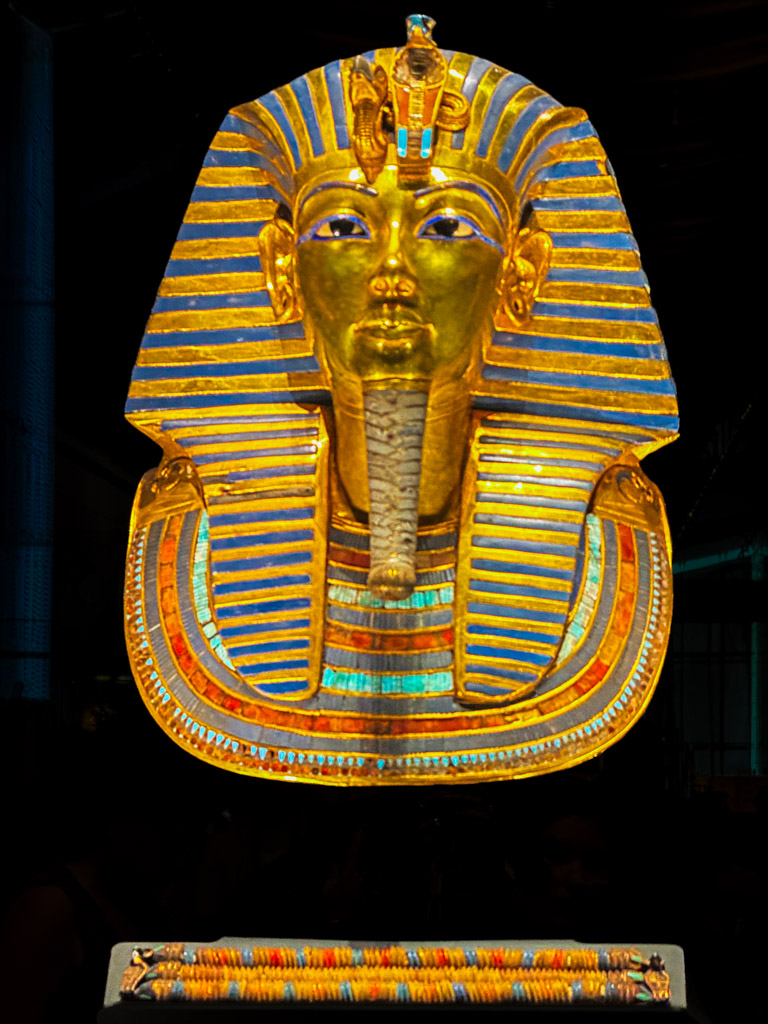
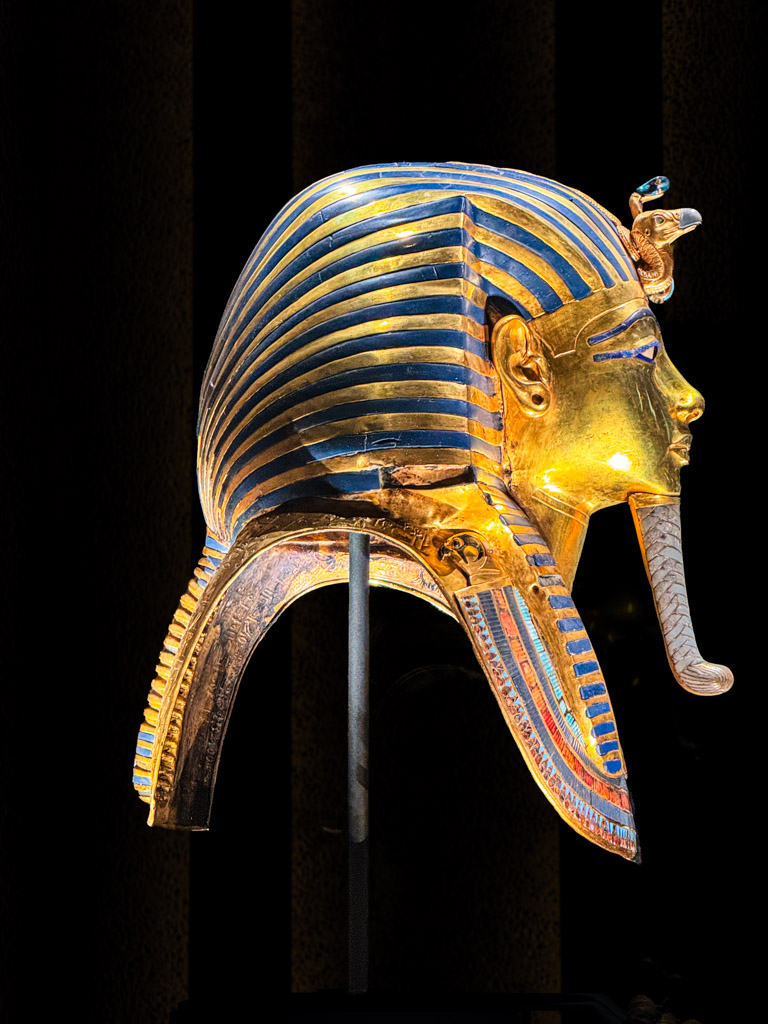
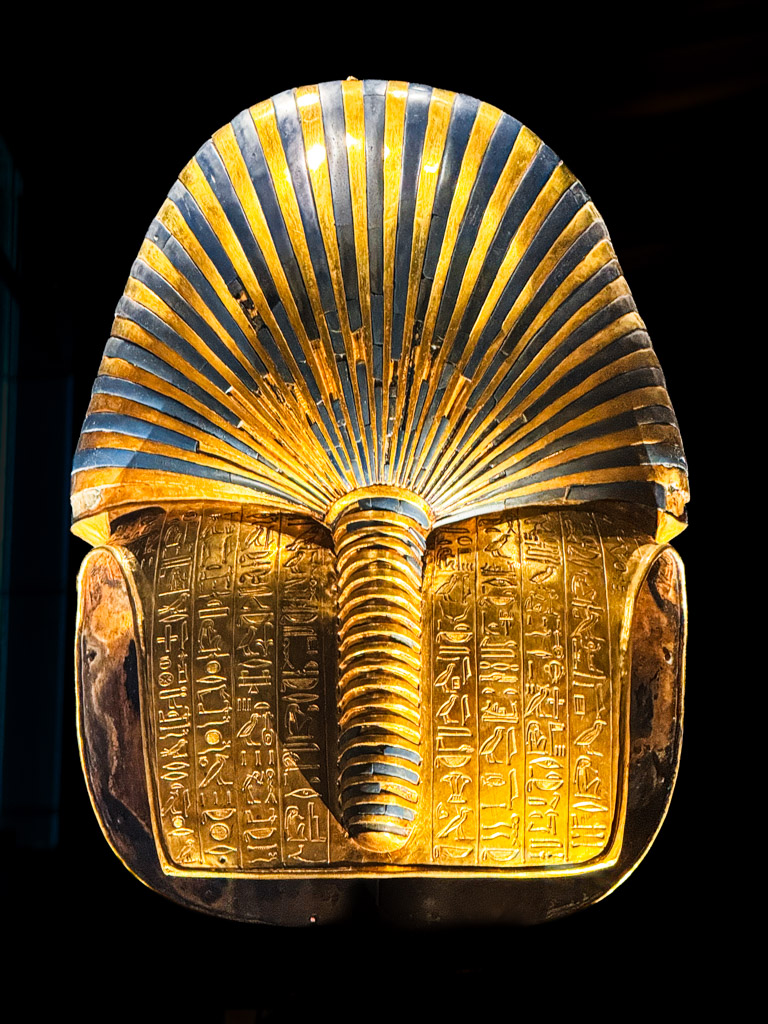
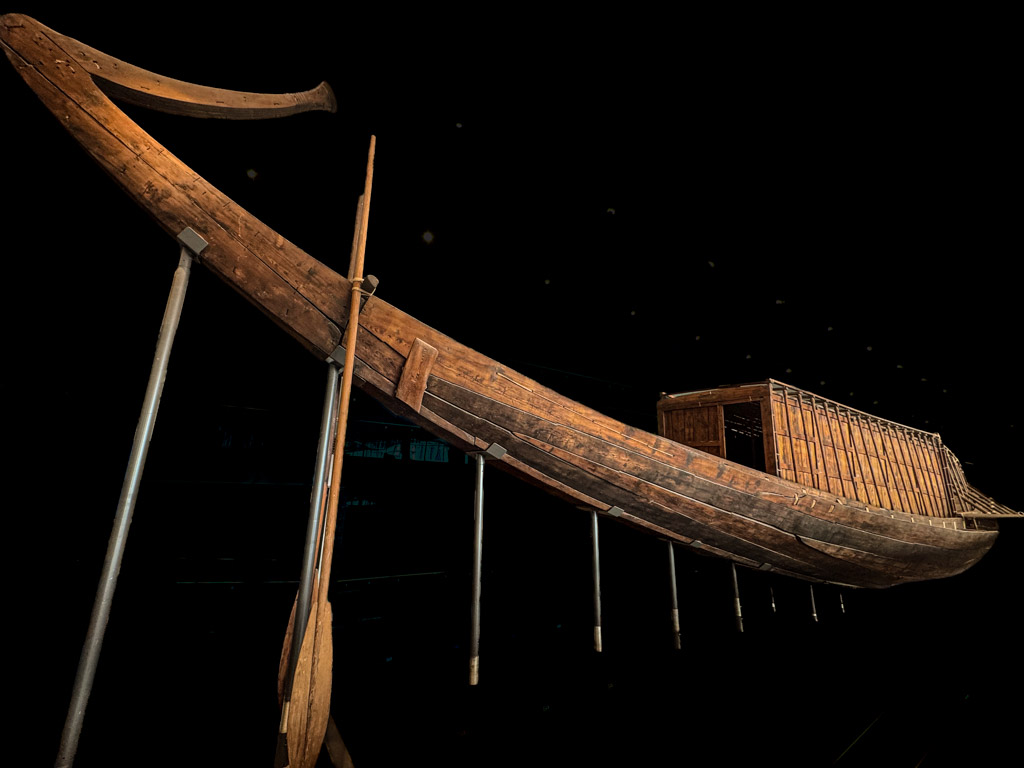
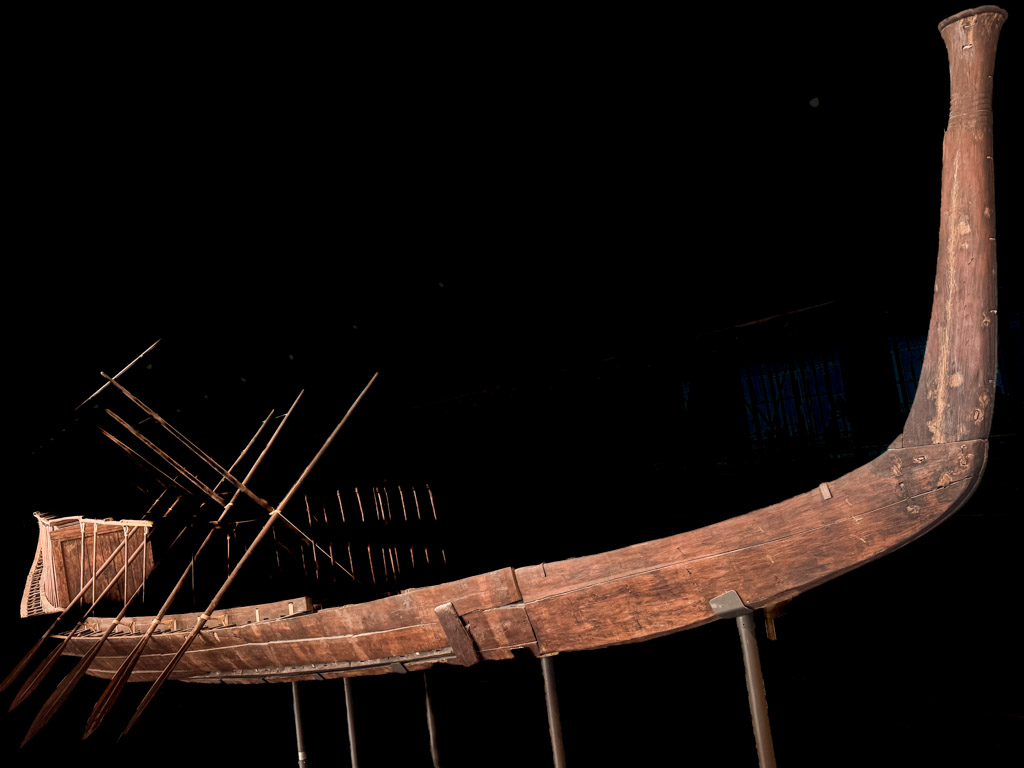
Before concluding our visit to the GEM, we explored the section dedicated to the boats of King Khufu. Discovered in 1954 in sealed pits beside the Great Pyramid, the ancient wooden vessels had been carefully dismantled and preserved for some 4,500 years. The first boat was painstakingly reassembled over more than a decade, while the second is undergoing meticulous restoration and reconstruction. In a remarkable feat of engineering, the fully reconstructed boat was transported intact to the GEM in 2021.
Luxor’s West Bank: Deir el-Medina & the Valley of the Kings – October 20, 2026
Today was another busy and unforgettable day. We started early with a morning drive to Sphinx International Airport for a chartered flight down to Luxor. Located near the Giza Pyramids, Sphinx International Airport is a modern facility strategically built to boost tourism—specifically designed to accommodate day-trippers and international visitors arriving from neighboring countries and European hubs to tour the nearby Giza plateau and the Grand Egyptian Museum (GEM). Our flight to Luxor opened another exciting chapter of our Egyptian adventure. After landing in Luxor and a short drive, we boarded the luxurious Oberoi Zahra, our Nile cruiser and home for the next few days.
After lunch, we set out to explore the West Bank of Luxor, an area rich in archaeological treasures associated with the pharaohs of ancient Egypt. We were accompanied by Adel Idris, an archaeologist with four decades of experience who is now an Egyptologist of exceptional knowledge and experience. His scholarly yet engaging manner brought the ancient sites to life, providing historical context and fascinating insights that deepened our appreciation of the monuments and the people who built them.
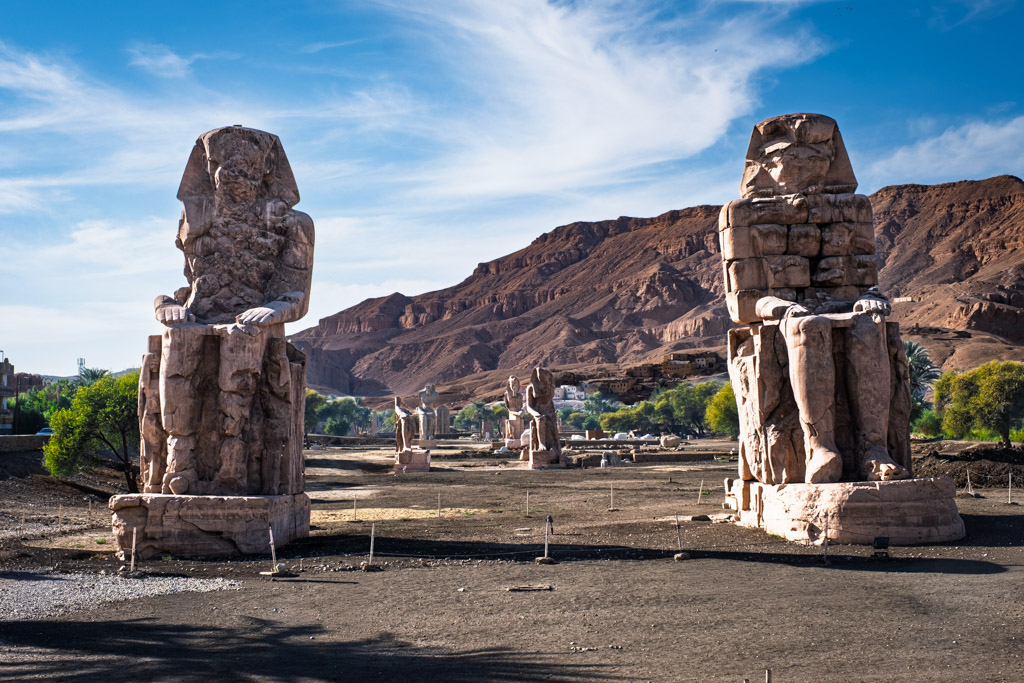
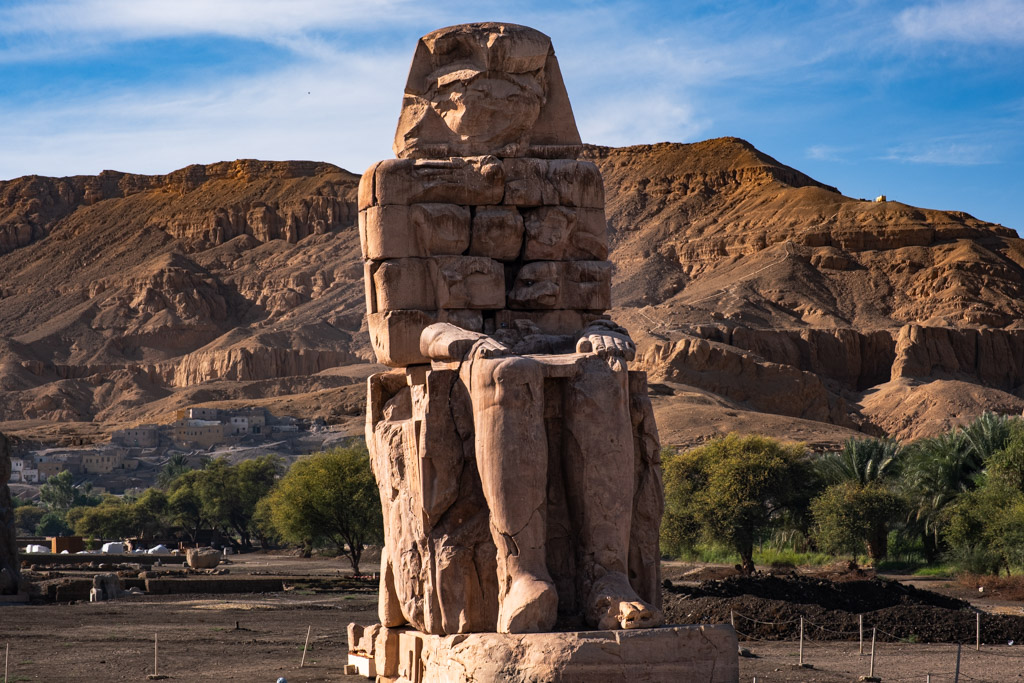
Our first stop was a photo opportunity at the two majestic Colossi of Memnon, enormous seated statues of Pharaoh Amenhotep III that have stood guard over the Theban necropolis for more than 3,000 years. These imposing sandstone figures once flanked the entrance to his now largely vanished mortuary temple.
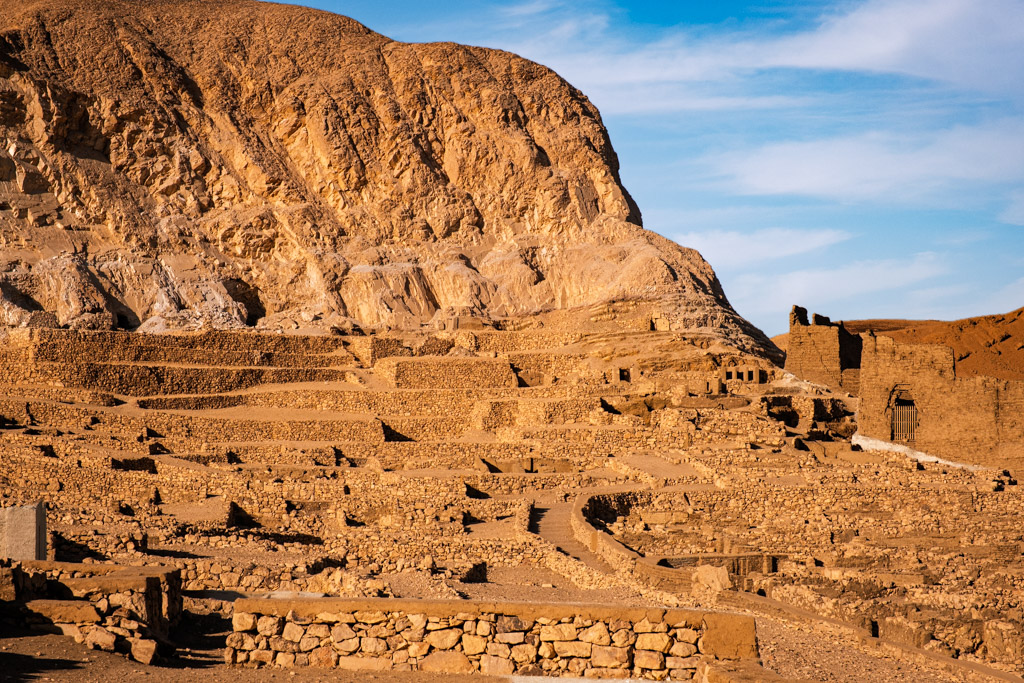
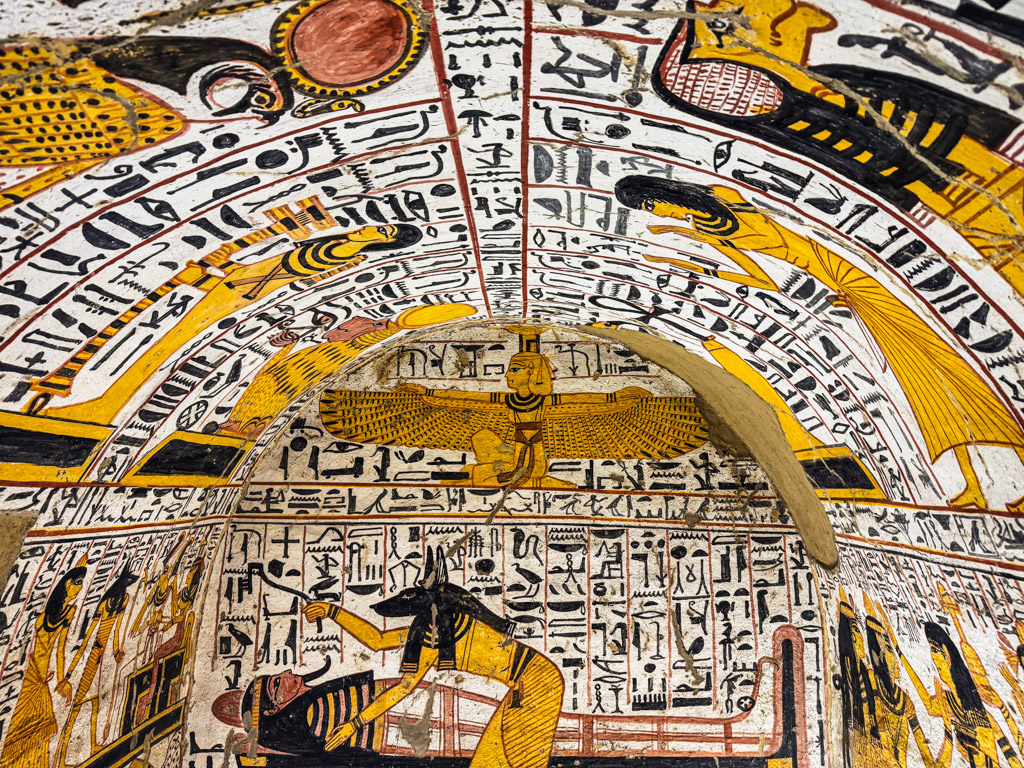
Our next stop was Deir el-Medina, the ancient workers’ village where the skilled artisans, craftsmen, and laborers responsible for building and decorating the royal tombs in the Valley of the Kings and the Valley of the Queens lived. Unlike most ancient Egyptian workers, these specialists were highly trained and worked on projects commissioned by the pharaohs. Their settlement offers a rare glimpse into the everyday lives, family relationships, beliefs, and working conditions of the people who created the magnificent royal burial chambers. Here, we visited two beautifully decorated tombs belonging to senior officials who supervised the work. Their remarkably preserved paintings, rich in color and intricate detail, offered a striking contrast to the modest village where these craftsmen and their families lived.
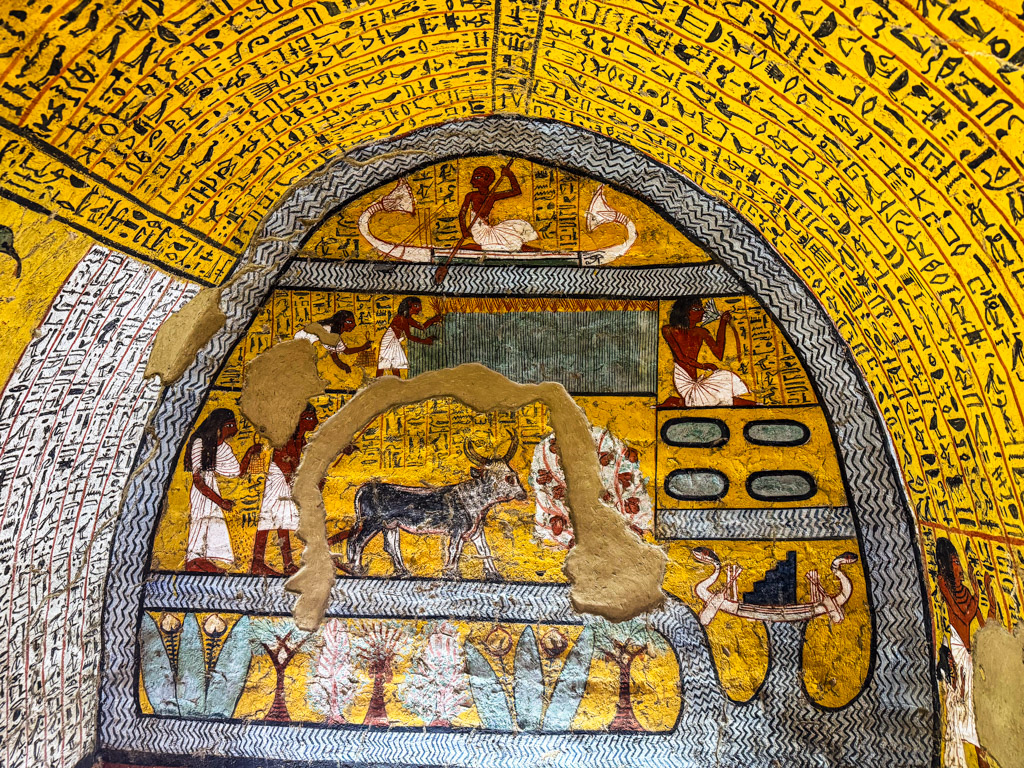
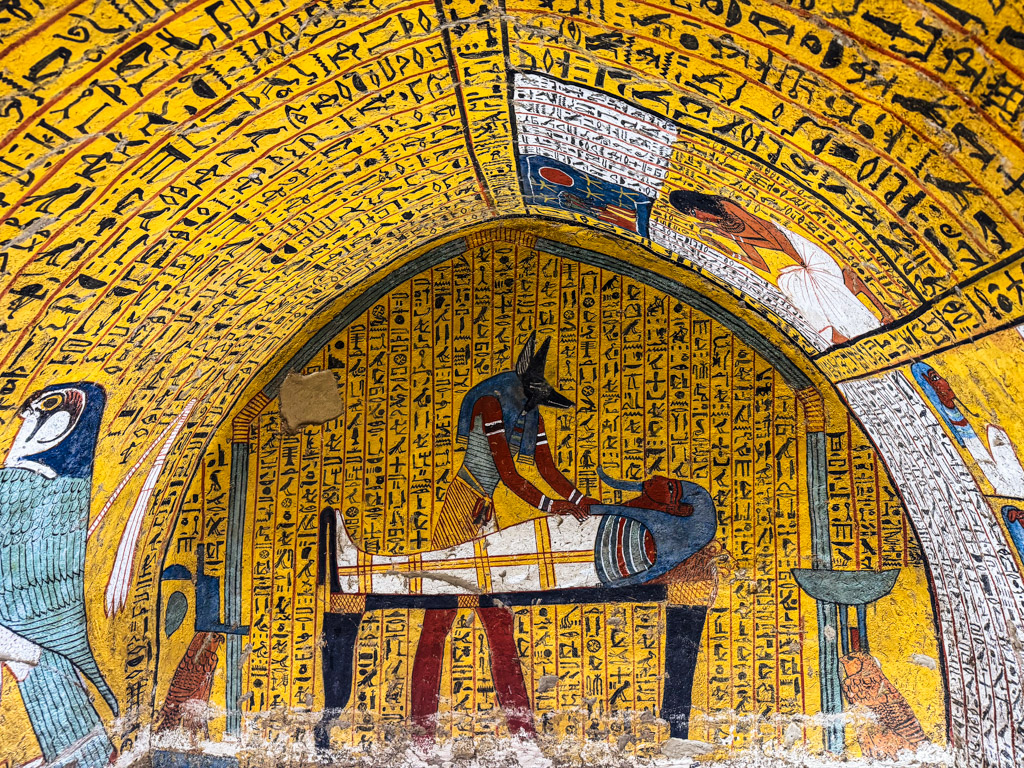
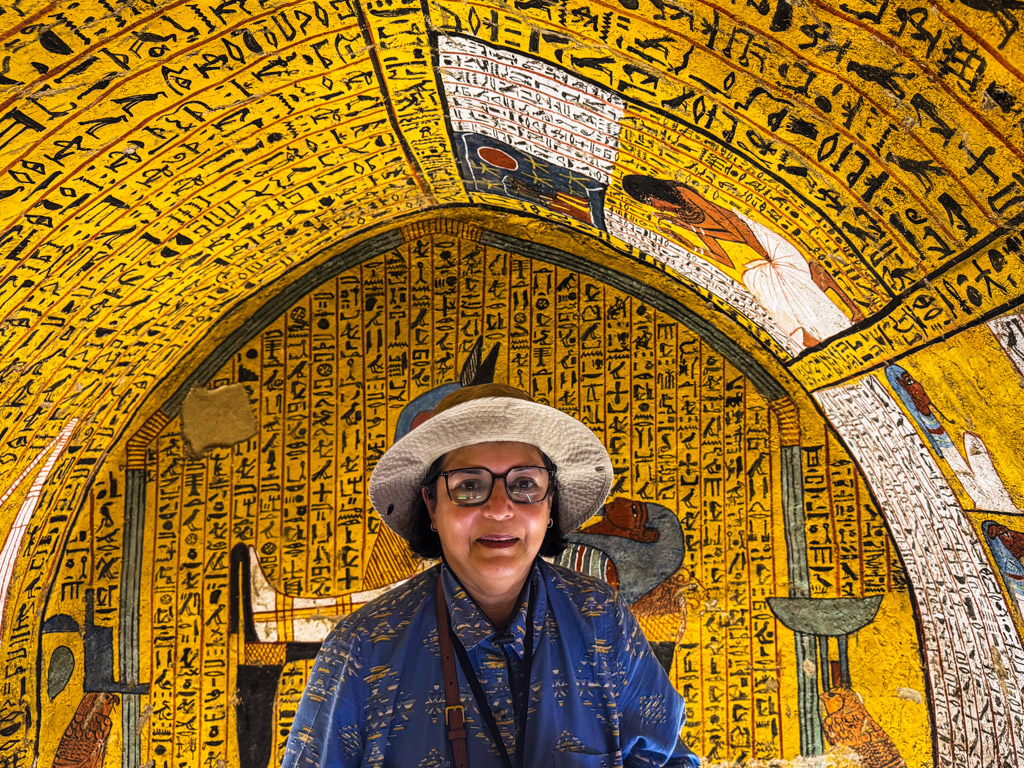
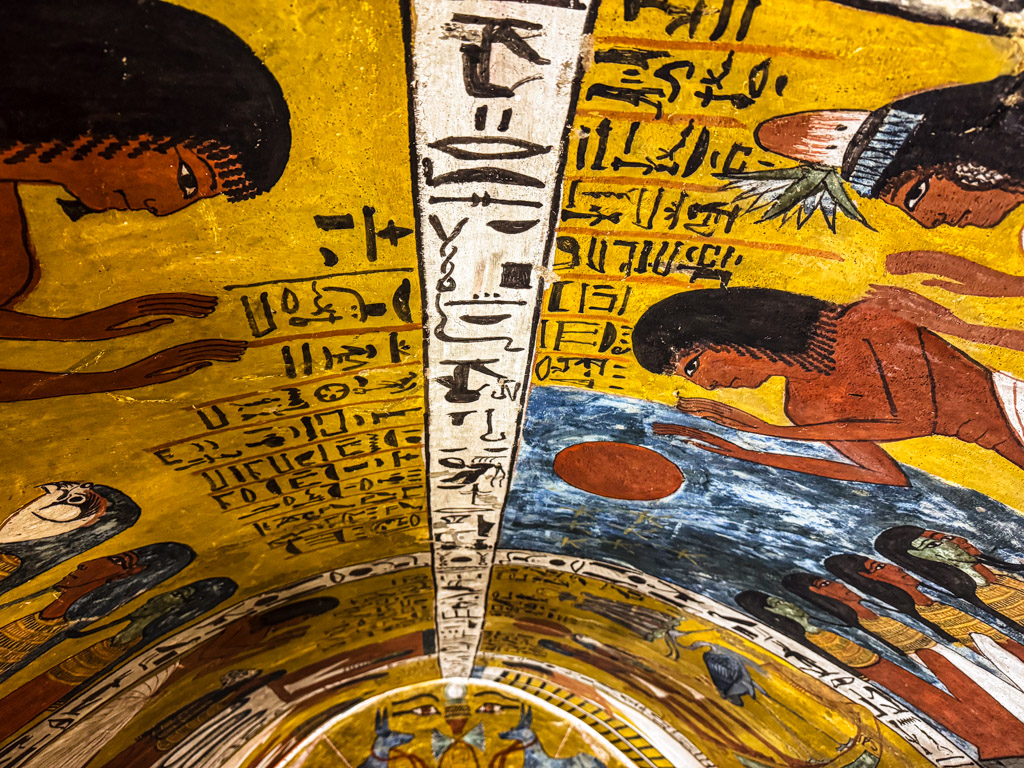
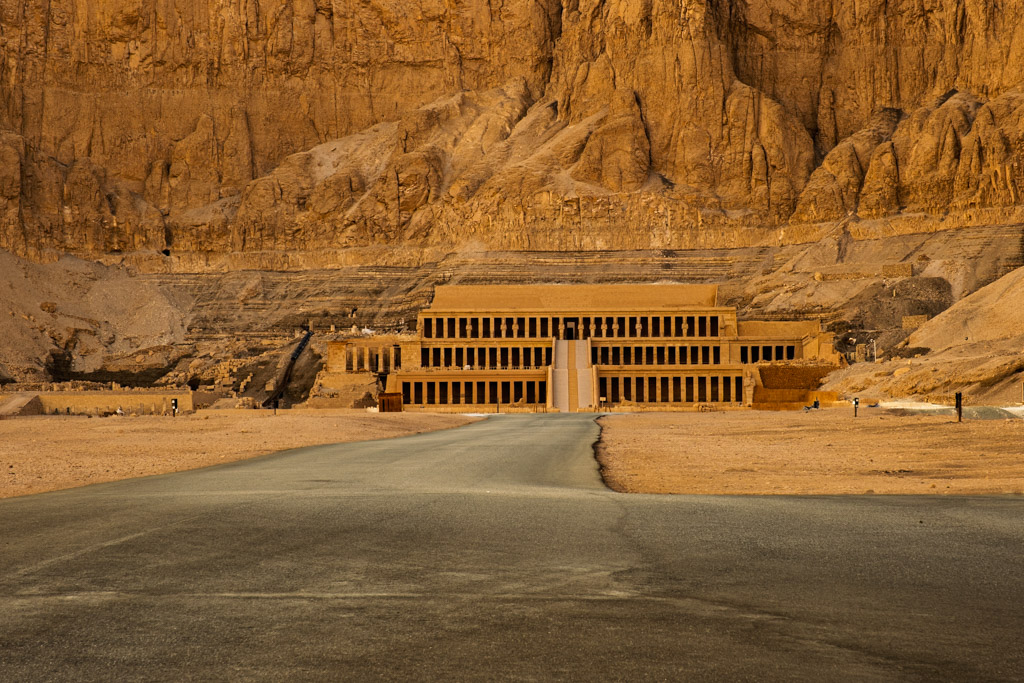
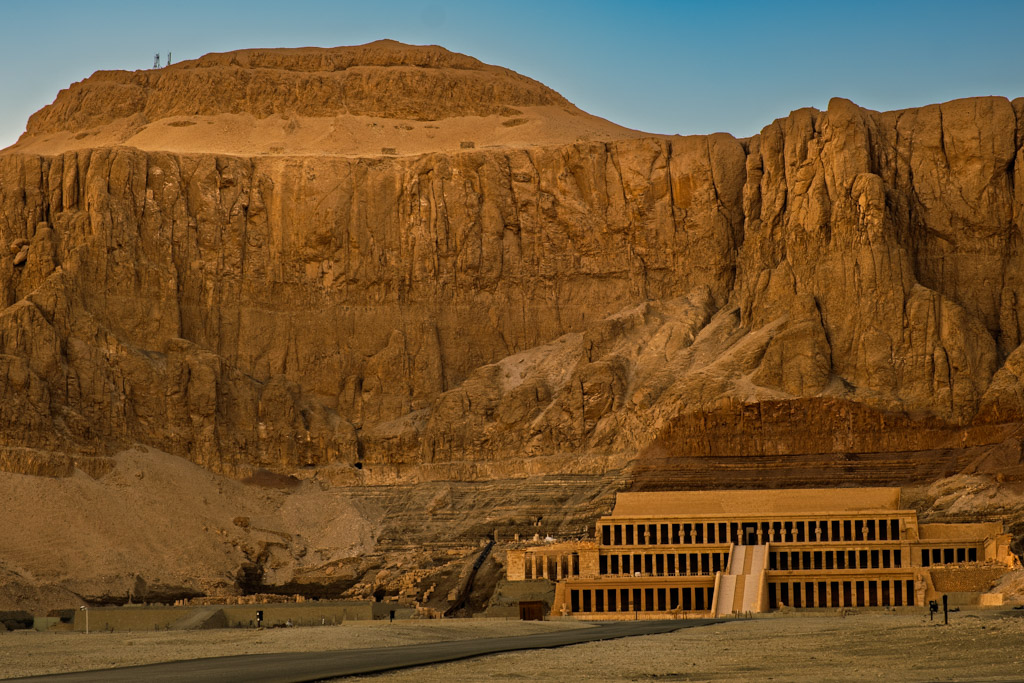
After leaving Deir el-Medina, we continued toward the Valley of the Kings, pausing along the way for photographs of the magnificent Mortuary Temple of Hatshepsut at Deir el-Bahri. Built during the Eighteenth Dynasty for one of ancient Egypt’s most remarkable rulers and only female pharaoh, Queen Hatshepsut, the temple is renowned for its striking terraced design, elegant colonnades, and dramatic setting against the towering limestone cliffs. Its architecture remains a testament to the ambition and artistic sophistication of her reign.
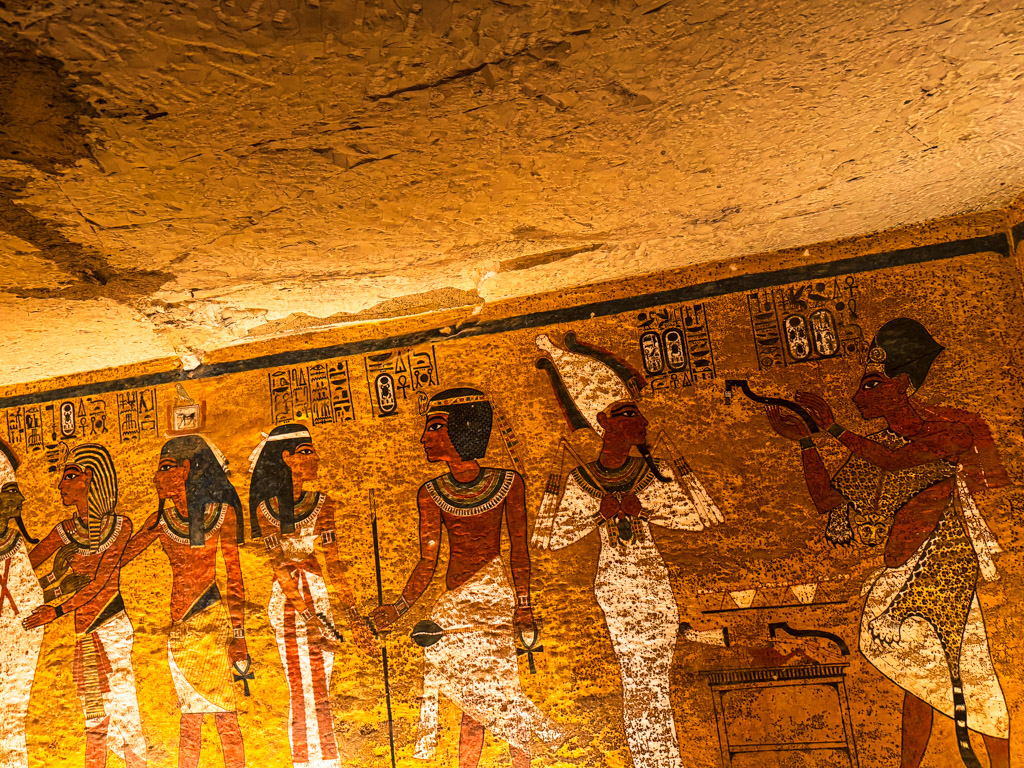
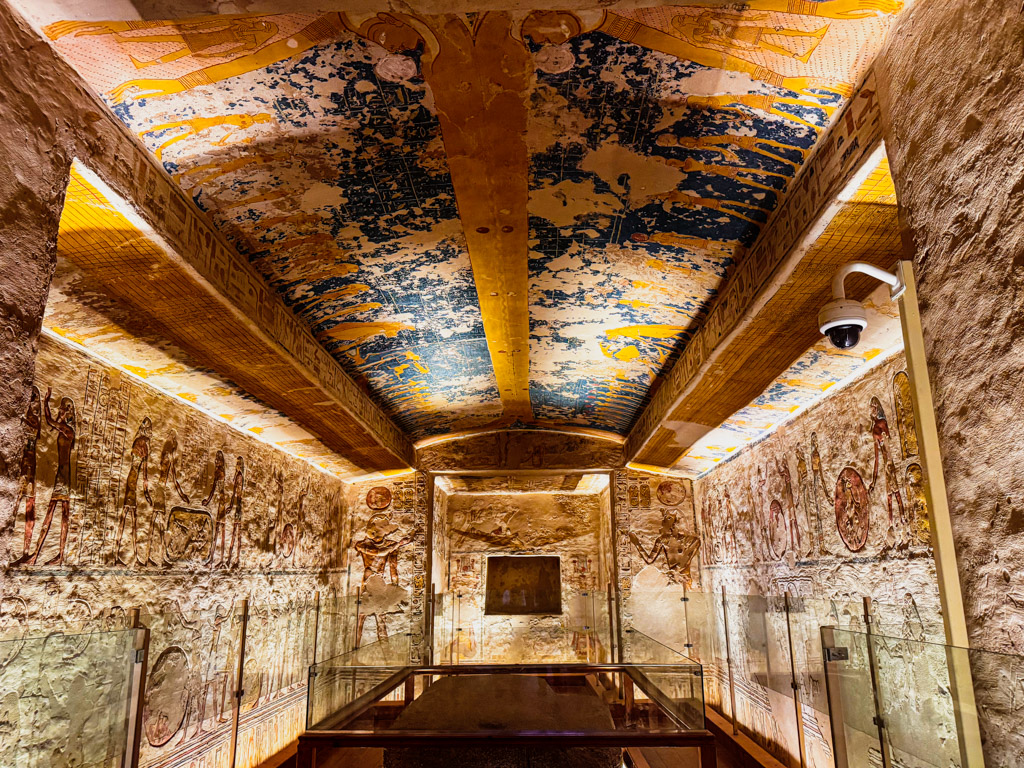
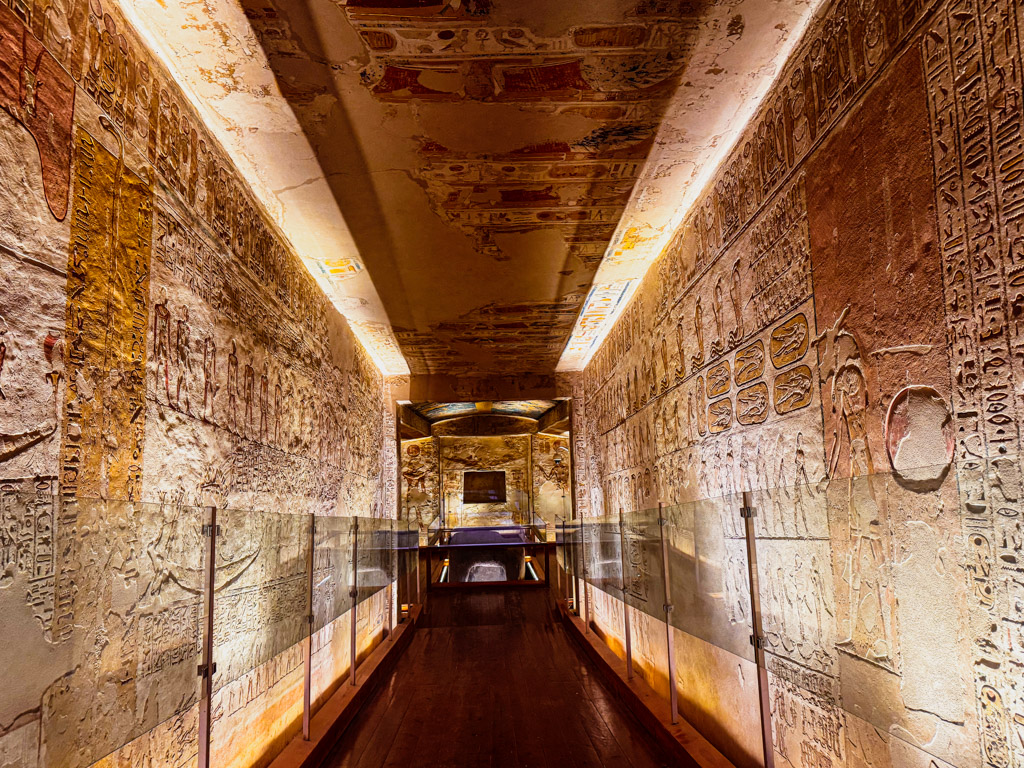
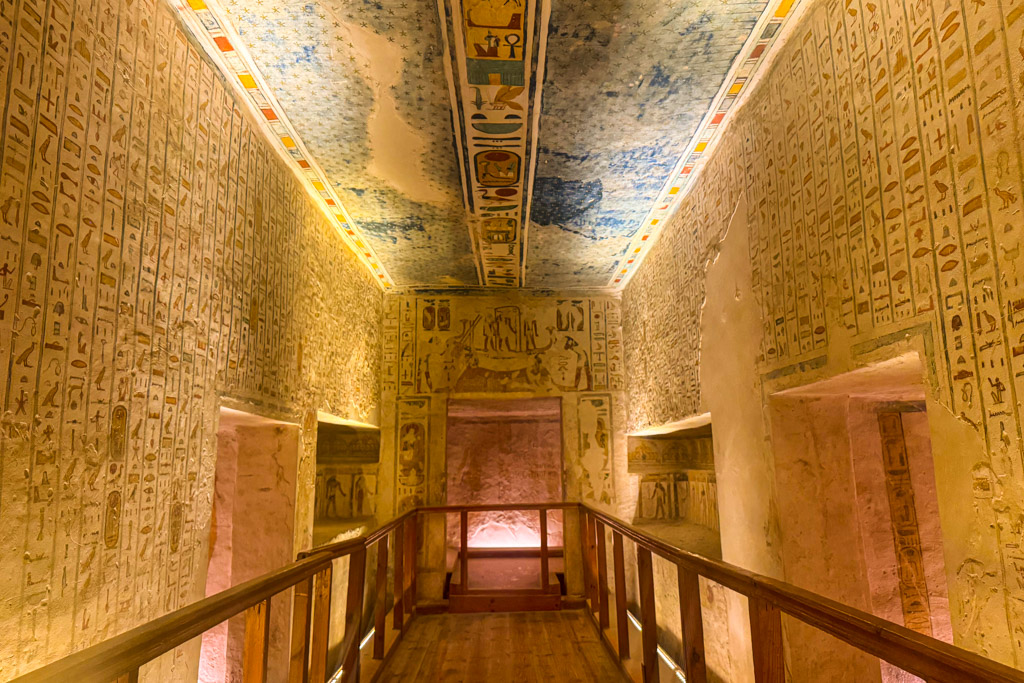
We then proceeded to the highlight—and the most eagerly anticipated experience of the day: an exclusive, private after-hours visit to the legendary Valley of the Kings. Nestled among the barren hills of the Theban necropolis, this extraordinary burial ground served as the final resting place for numerous pharaohs of the New Kingdom. Hidden deep within the surrounding rock, their tombs were adorned with elaborate paintings and inscriptions intended to guide them through the afterlife.
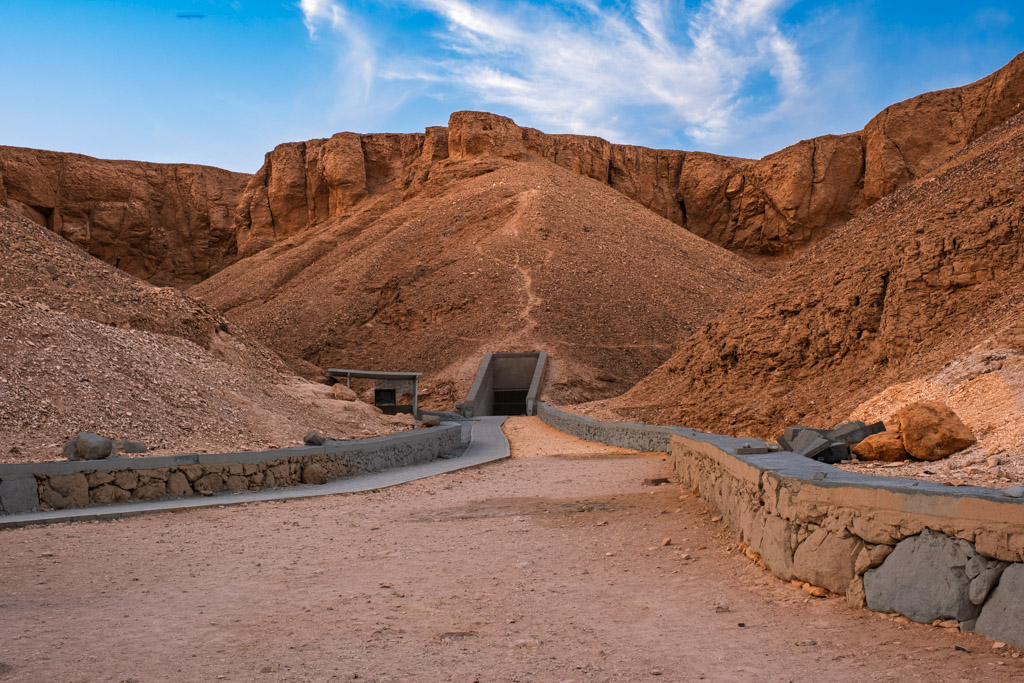
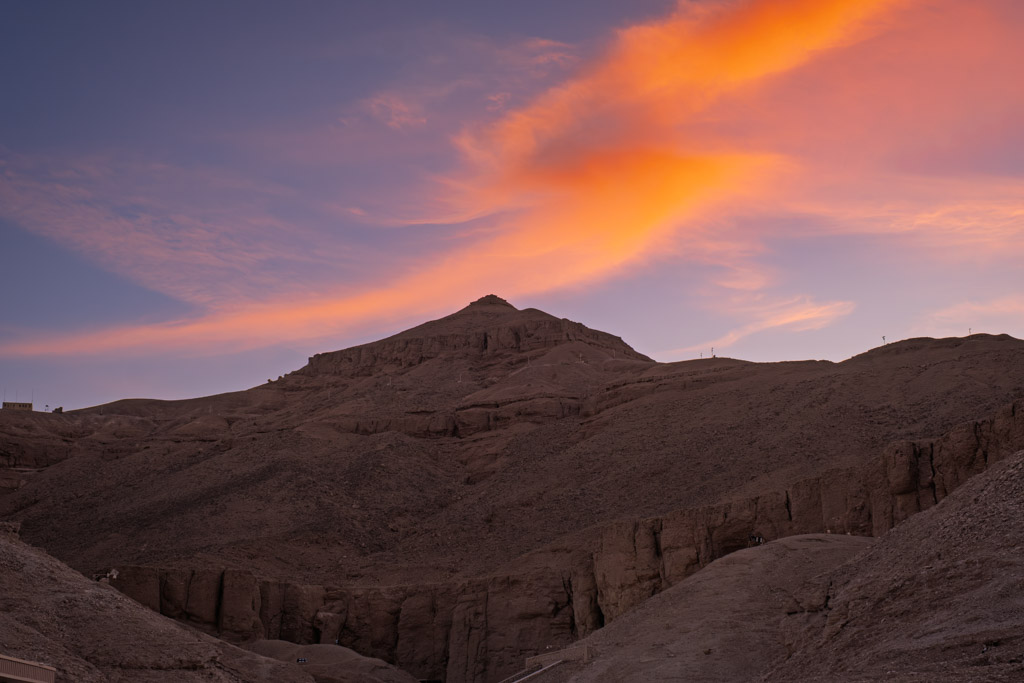
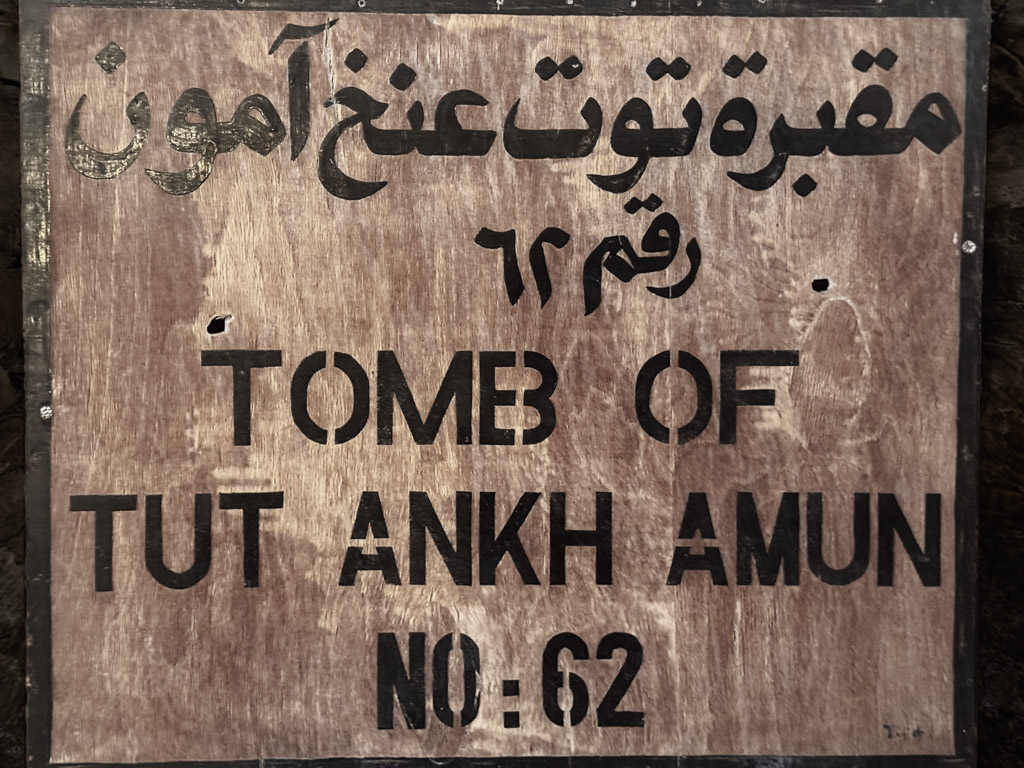
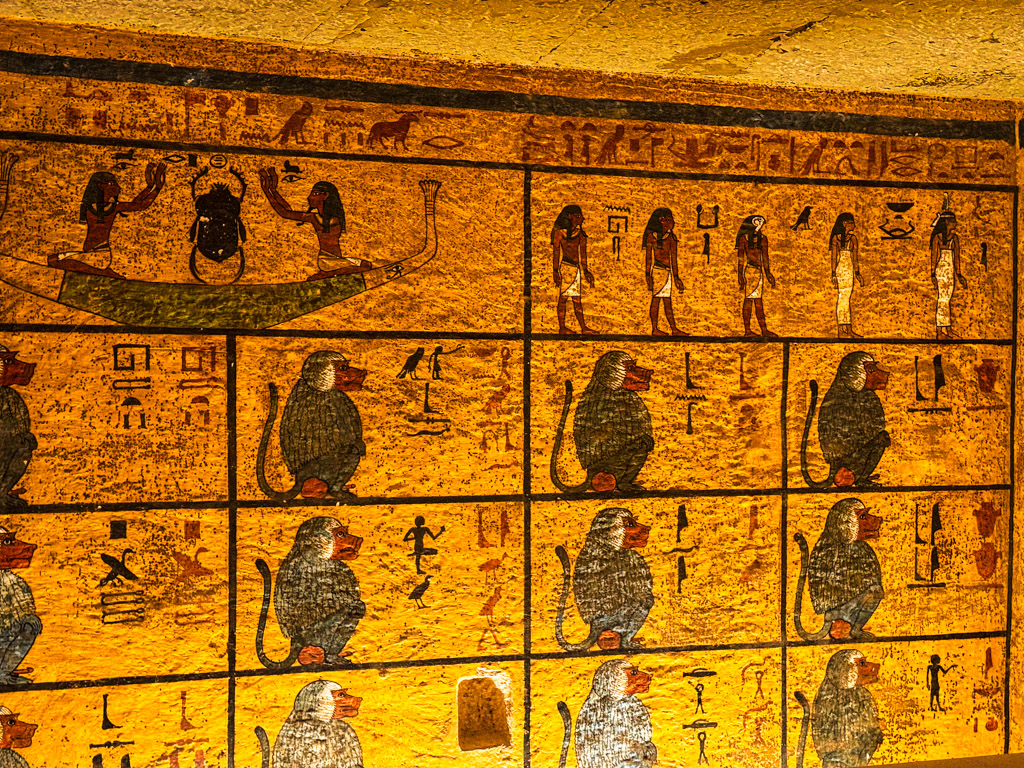
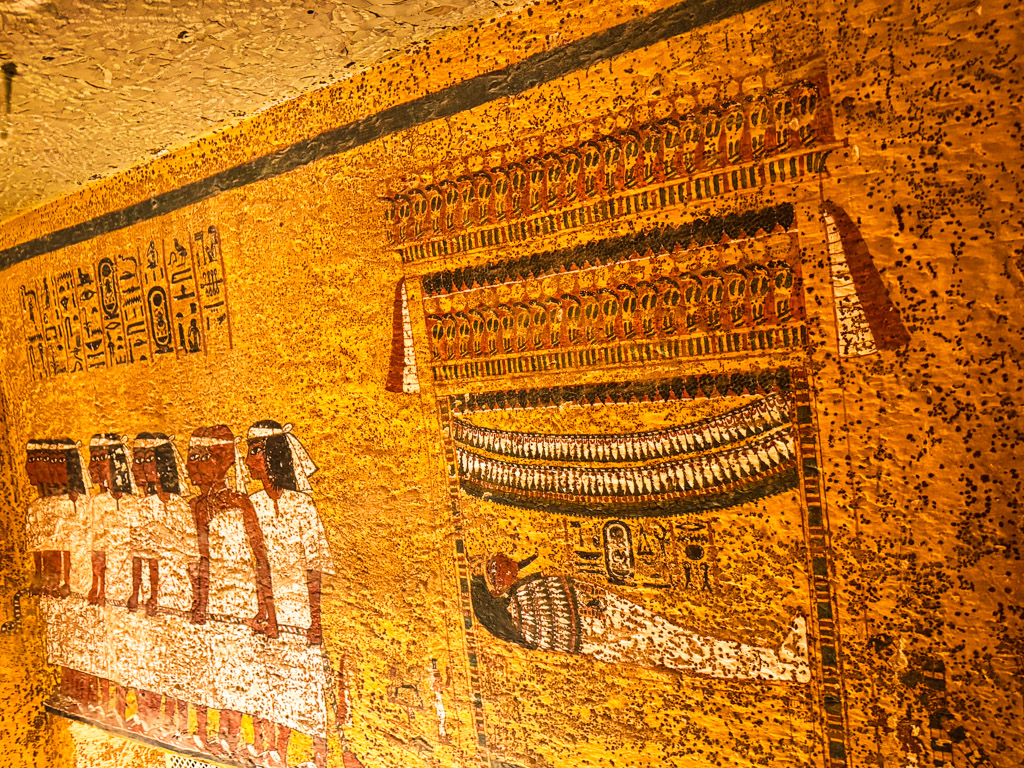
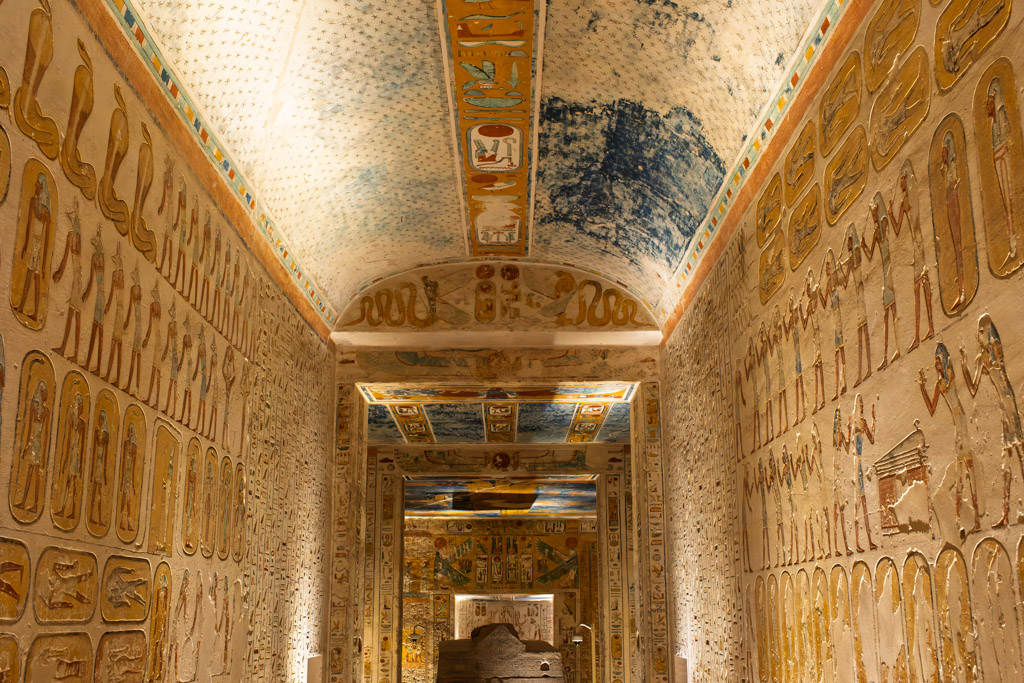
The privilege of exploring the valley after regular visiting hours made the experience particularly special. Our visit included the tomb of Tutankhamun, the young pharaoh whose burial chamber was discovered by Howard Carter in 1922, largely intact and filled with an astonishing collection of funerary treasures. We also had the opportunity to see Tutankhamun’s mummy, which still rests in his tomb but in a special glass case designed to preserve the remains and to allow them to be viewed by visitors, as well as the tombs of Ramses VII and Ramses IV. The vivid wall paintings, intricate hieroglyphics, and remarkable craftsmanship in these subterranean chambers were simply breathtaking. It was an unforgettable encounter with ancient Egypt, made all the more meaningful by Adel’s expert explanations and insights throughout the day. After an extraordinarily rewarding afternoon, we returned to the Oberoi Zahra, enjoyed dinner aboard, and retired for the night.
Exploring Luxor’s Magnificent Temples – October 21, 2026
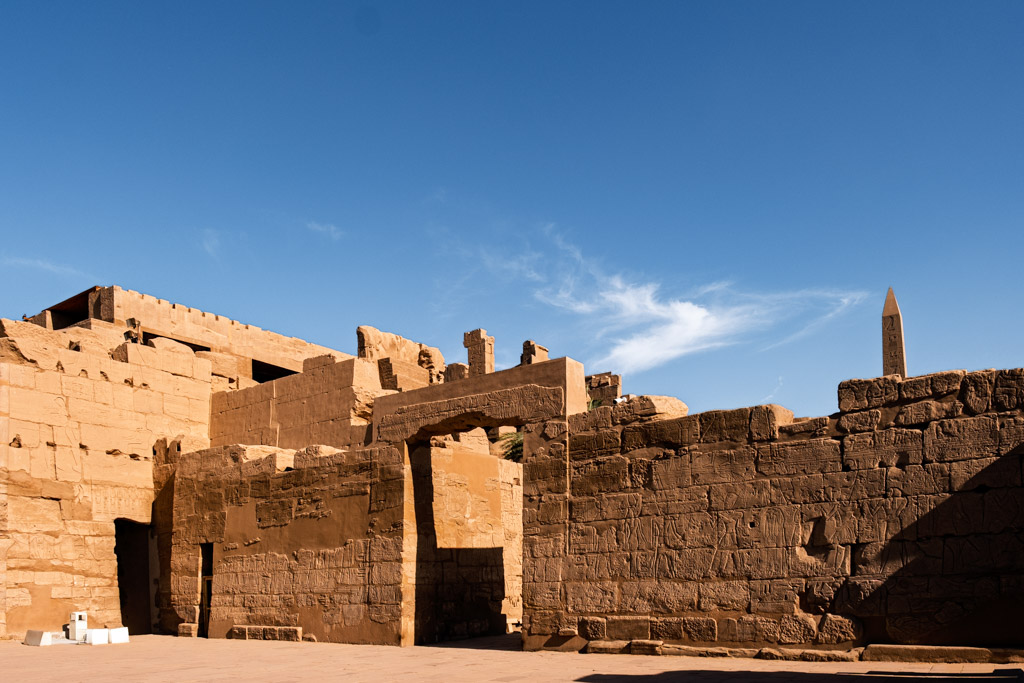
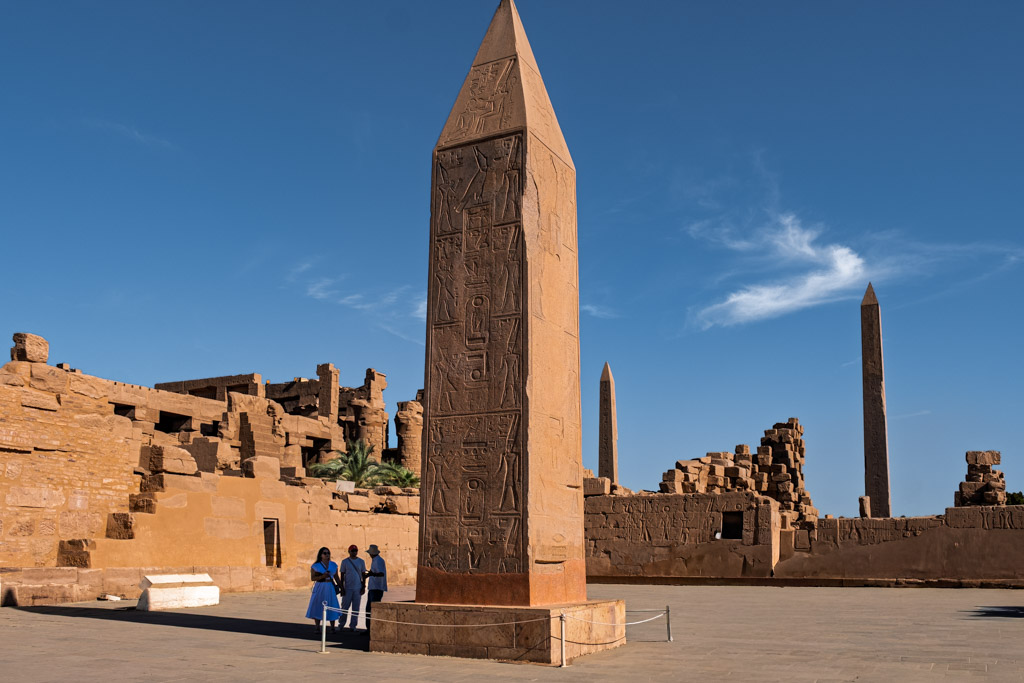
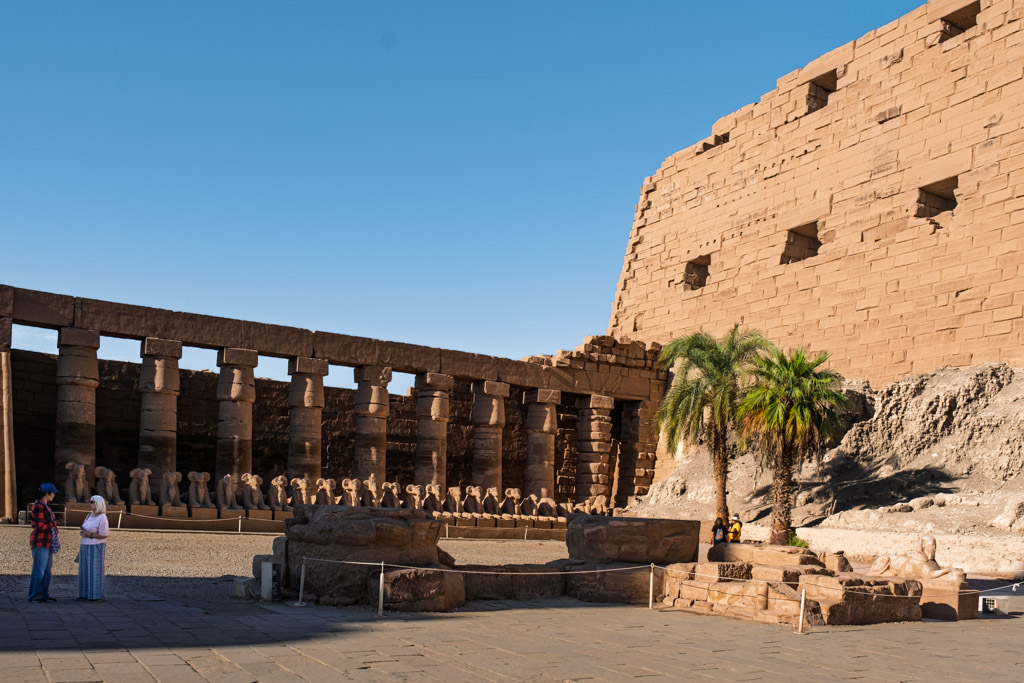
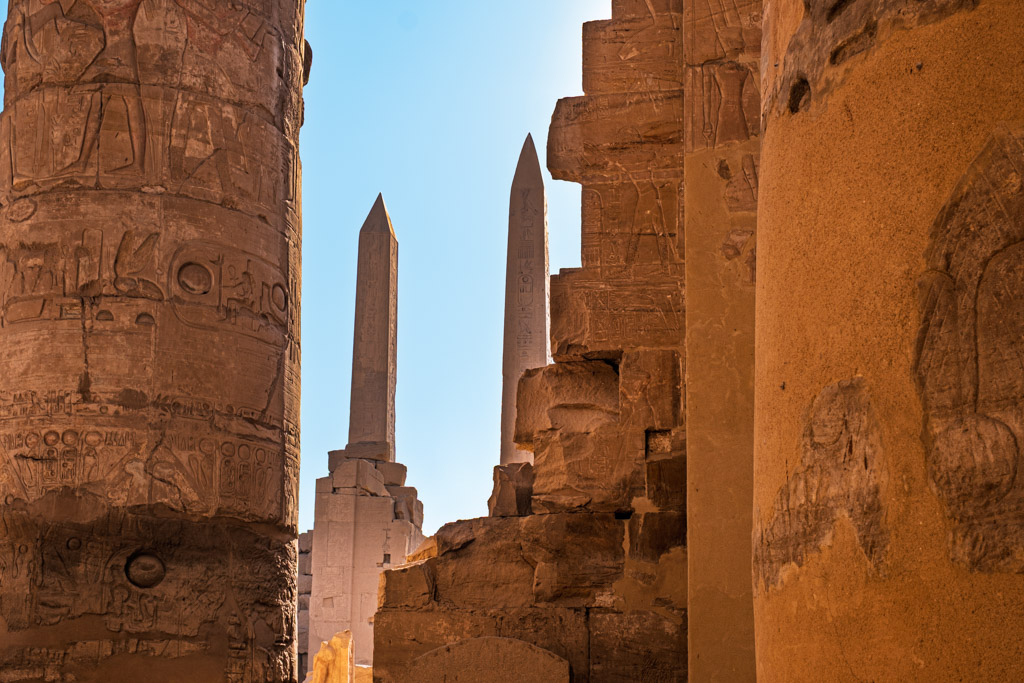
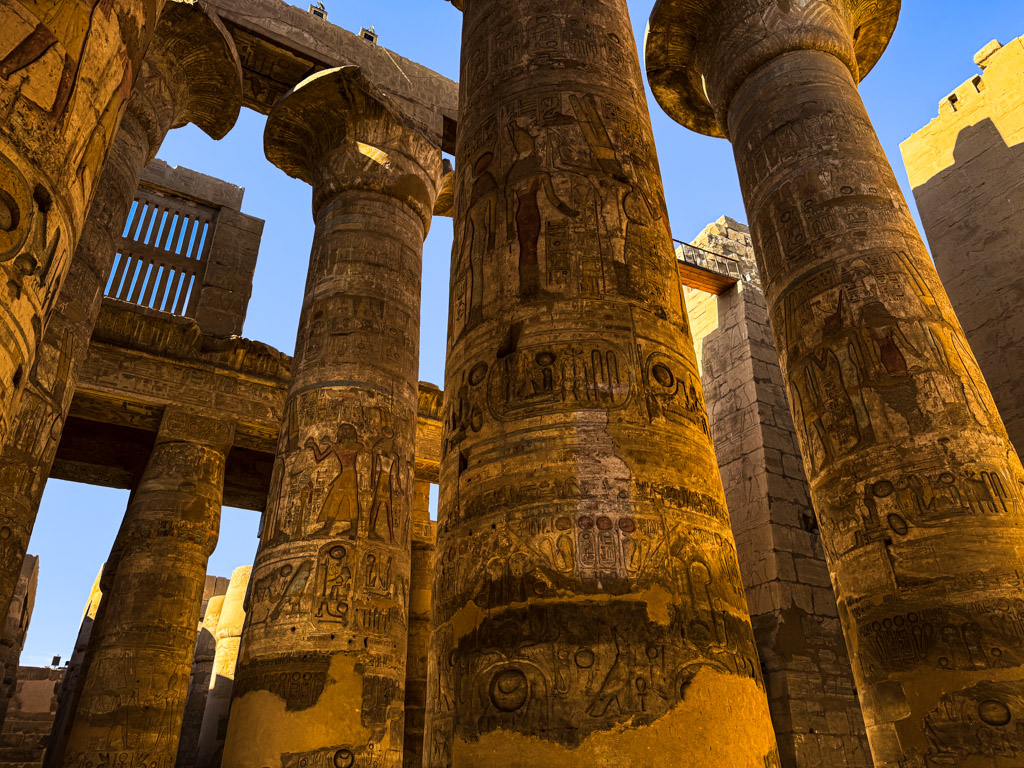
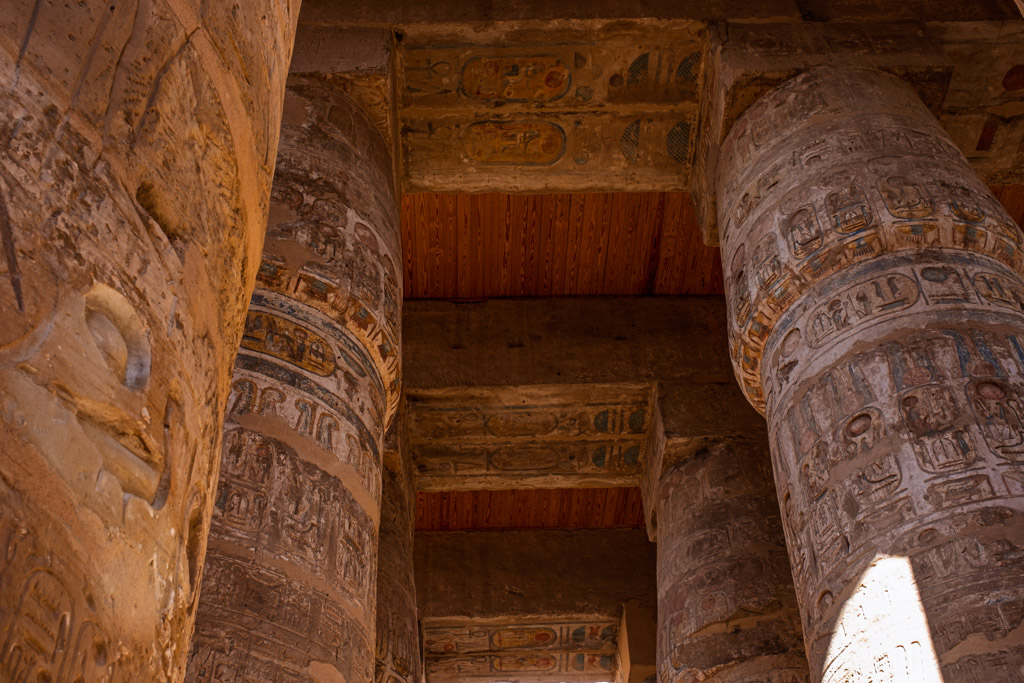
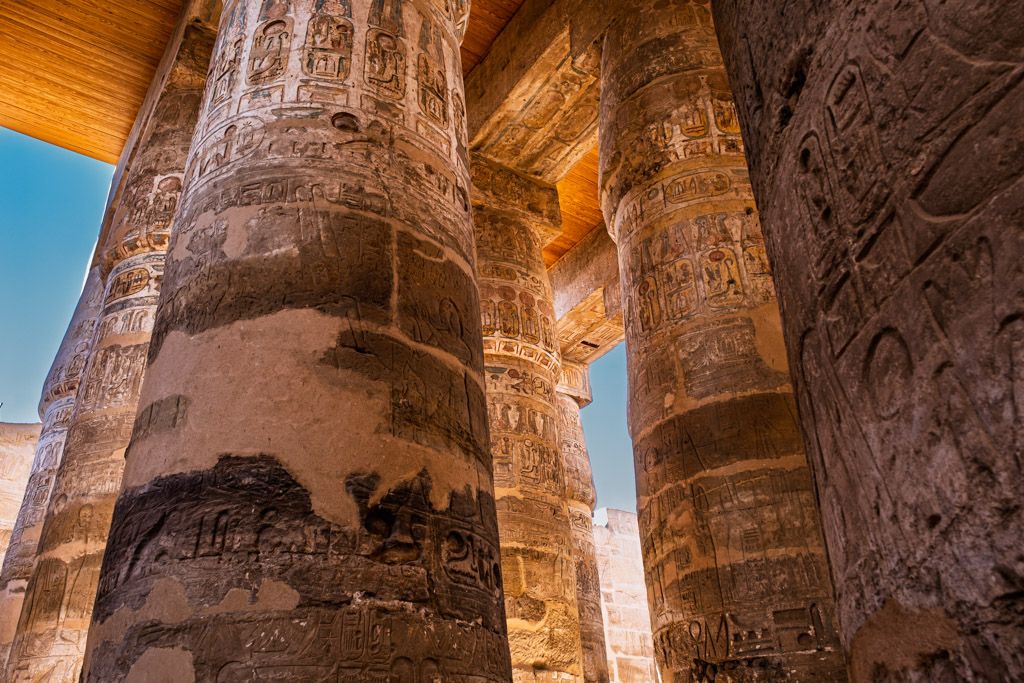
Our Nile cruiser remains docked in Luxor, and today’s morning was devoted to exploring the city’s magnificent temple complexes. We began at Karnak, one of the largest and most remarkable religious complexes ever built. Developed over more than 2,000 years by successive pharaohs, Karnak comprises several major temples, smaller sanctuaries, monumental gateways, and towering obelisks. Accompanied by Adel, our expert Egyptologist, we explored its fascinating history and architectural wonders, including the awe-inspiring Great Hypostyle Hall, with its 134 massive columns arranged in 16 rows. Walking among these towering columns, many adorned with intricate carvings and hieroglyphics, offered a vivid glimpse into the grandeur and spiritual significance of ancient Egypt.
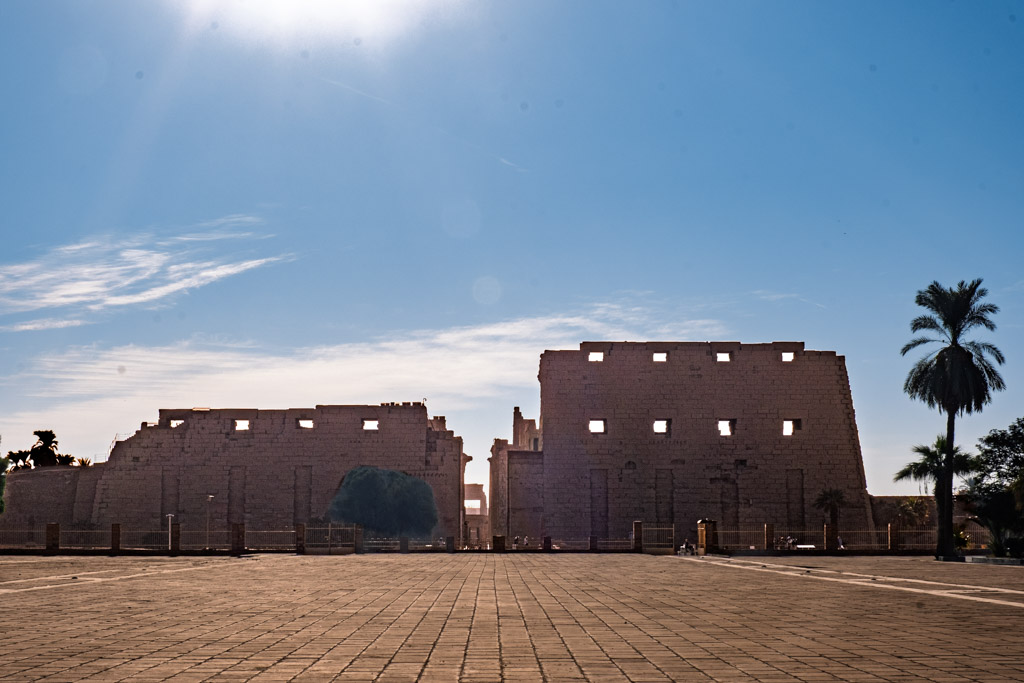
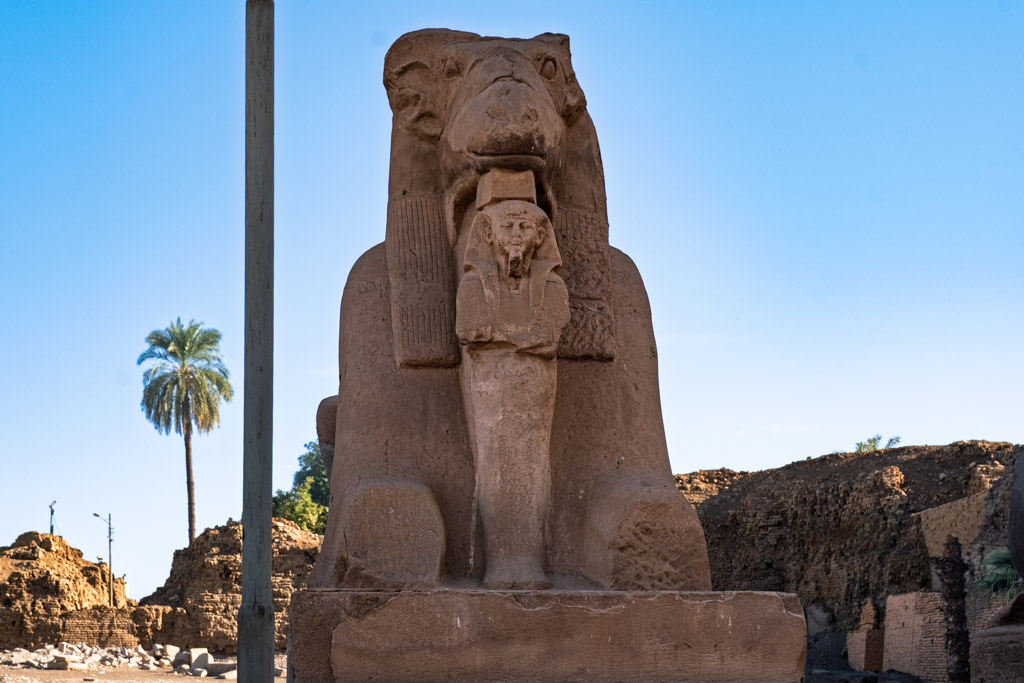
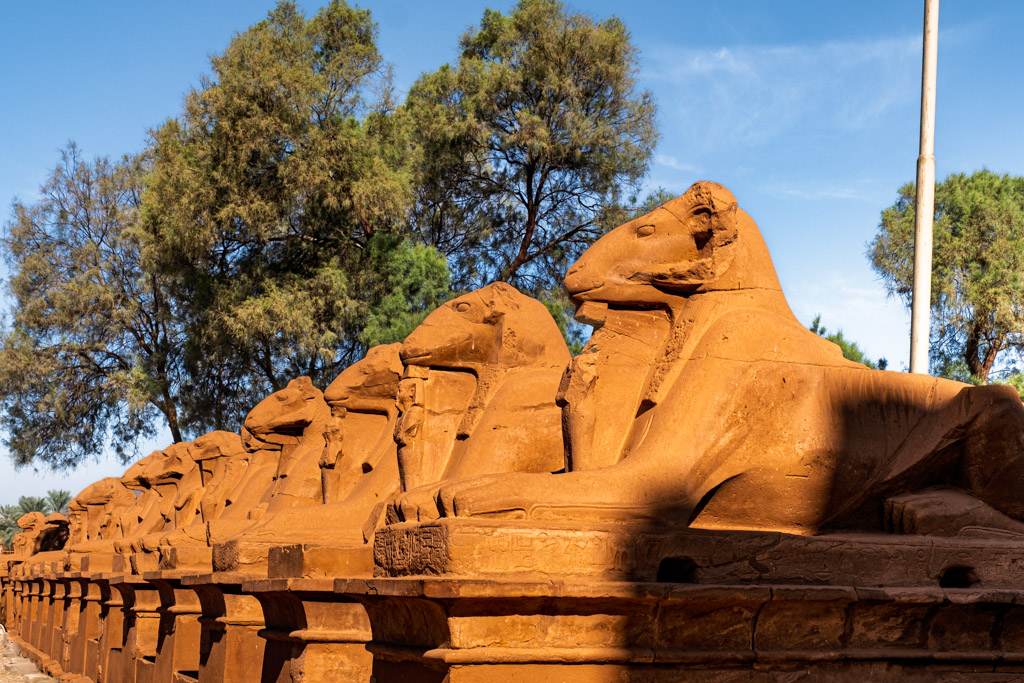
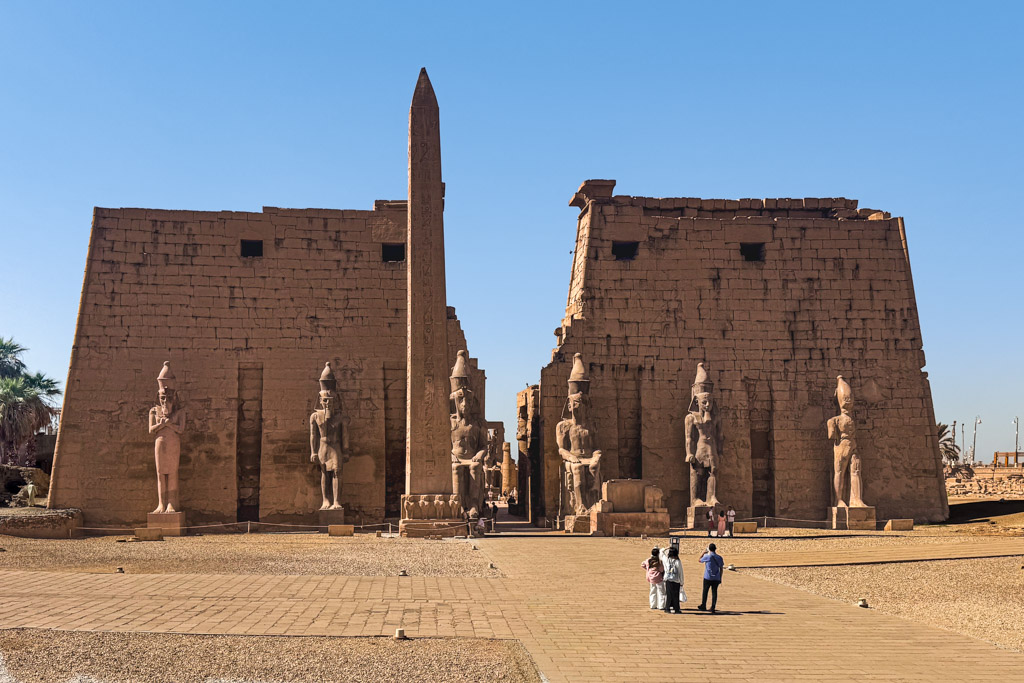
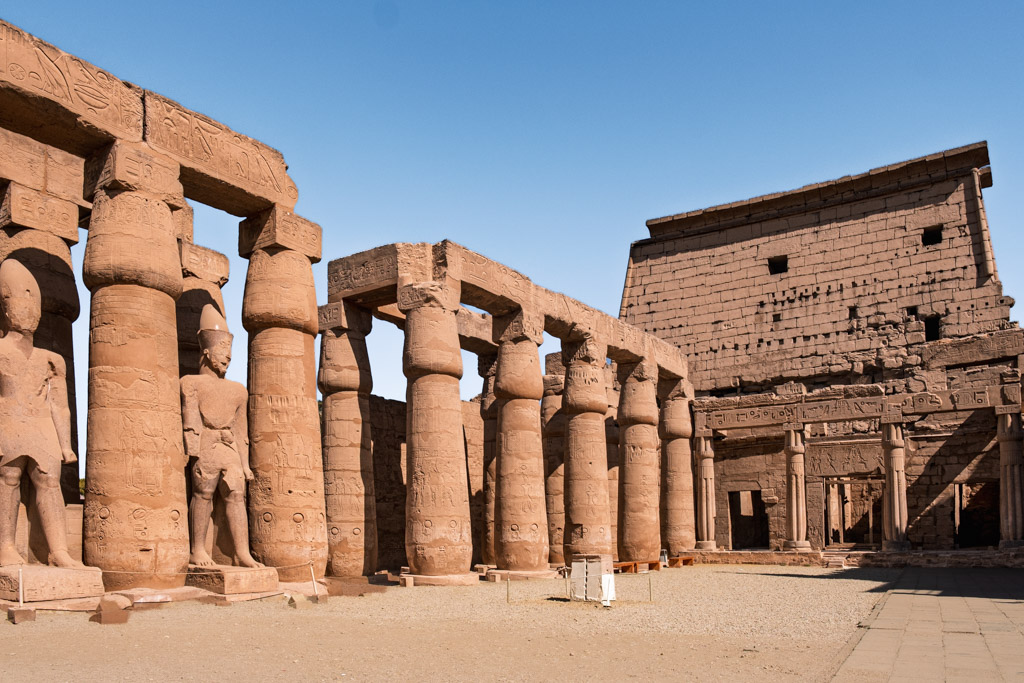
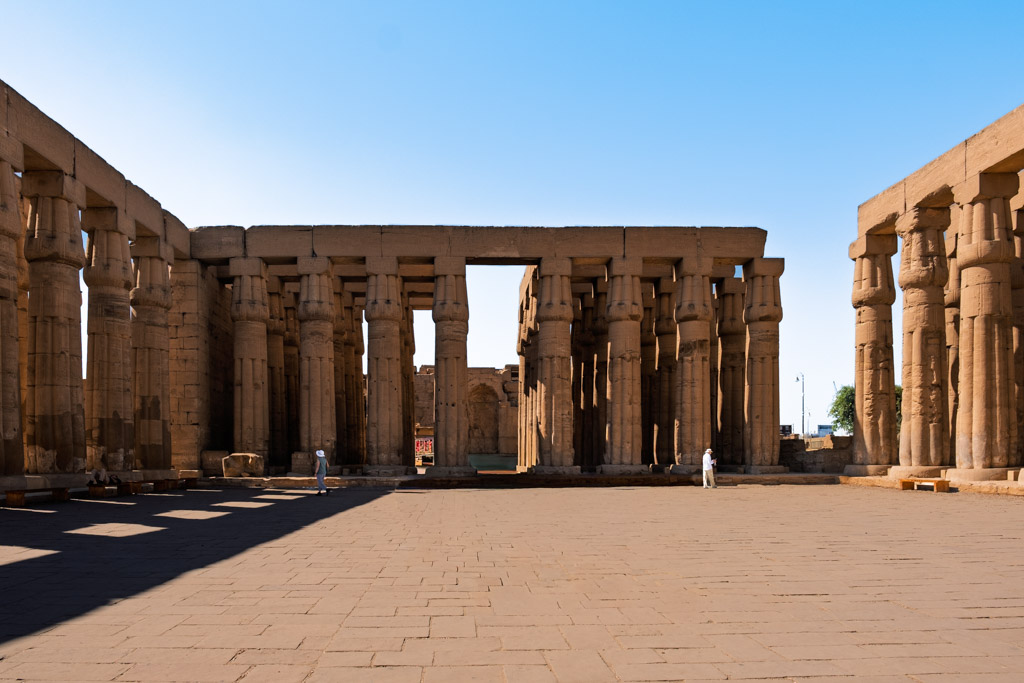
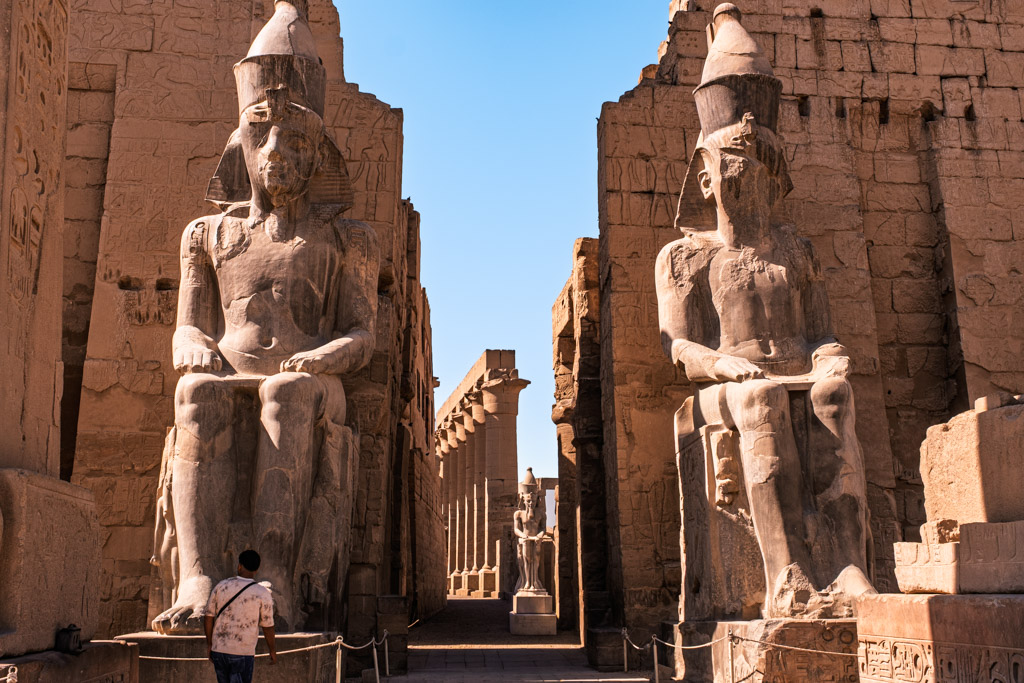
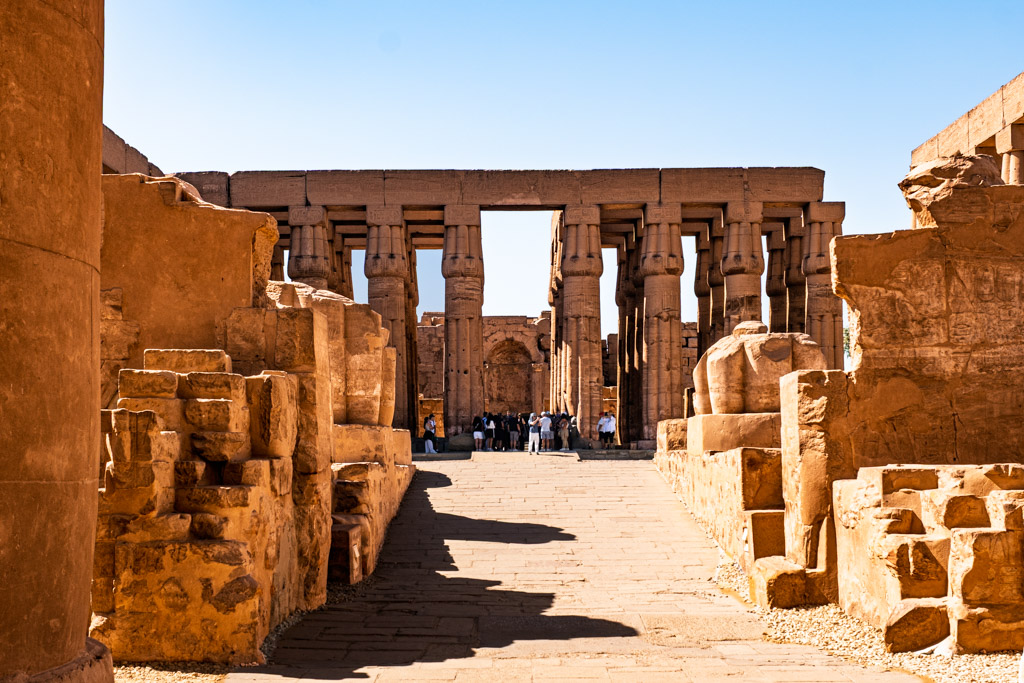
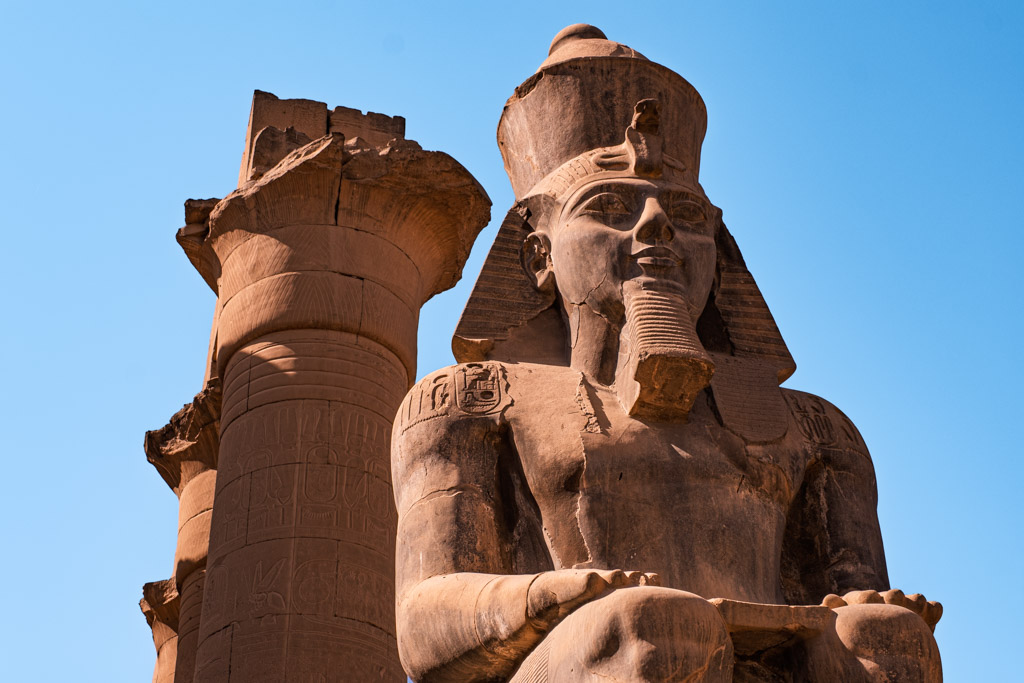
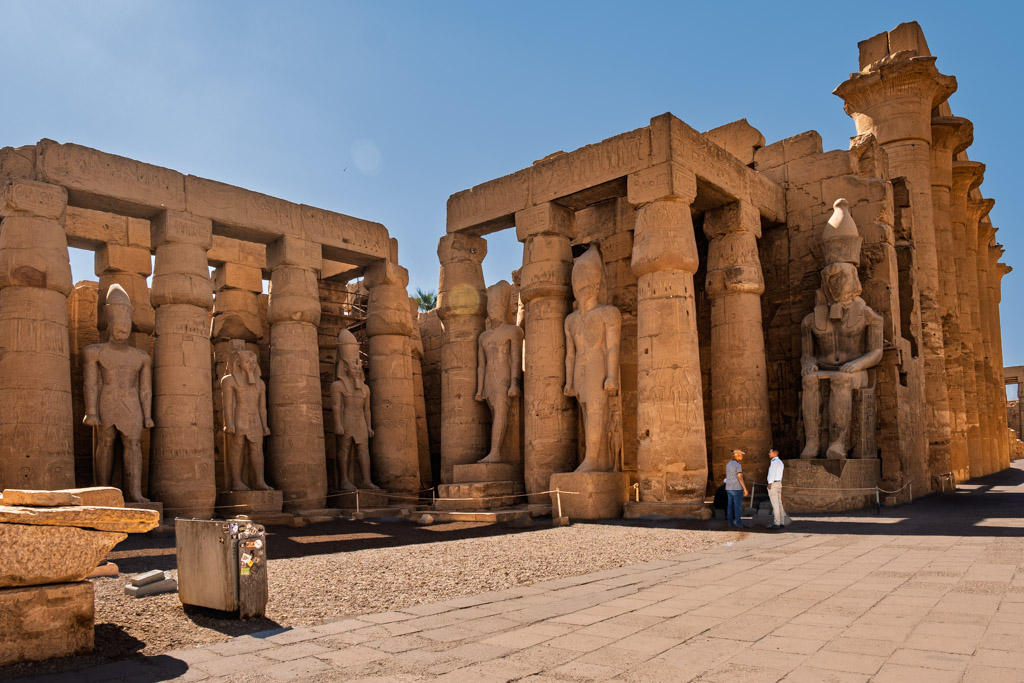
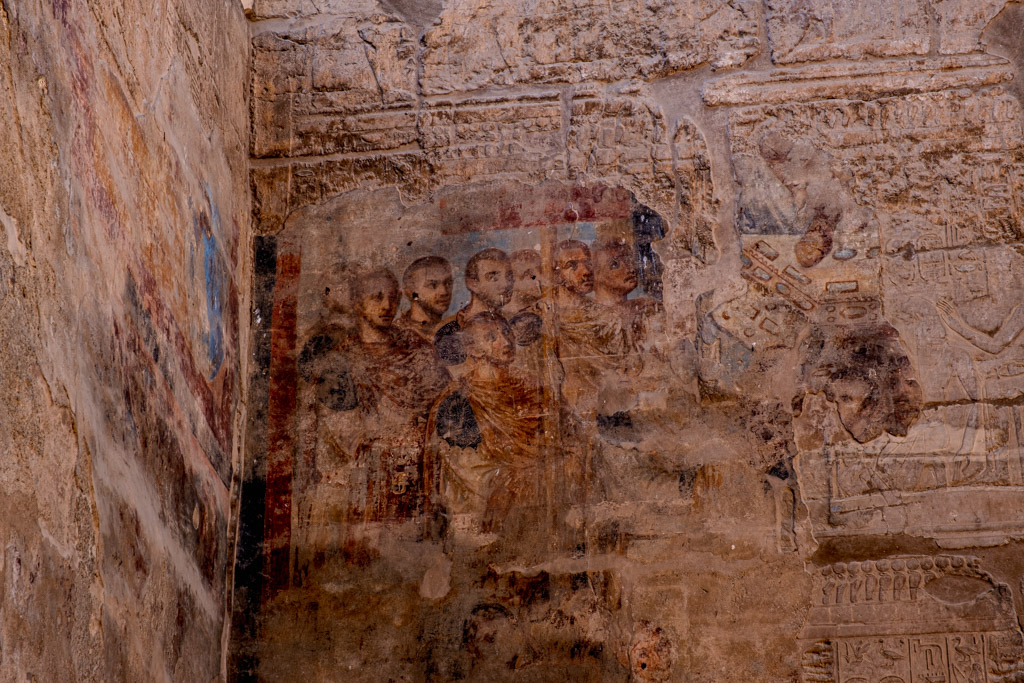
Our morning continued with a visit to Luxor Temple, another extraordinary monument on the east bank of the Nile. Unlike Karnak, which was primarily a vast religious precinct, Luxor Temple was closely associated with the royal cult and the annual Opet Festival, when the statues of the gods were ceremonially carried from Karnak to Luxor. Its imposing statues, elegant colonnades, and richly decorated walls reflect the power and artistic achievements of Egypt’s New Kingdom rulers. It is from Luxor Temple that one of a pair of obelisks was moved to Place de la Concorde in Paris, leaving one obelisk to stand proud in the temple. Three churches were excavated here, including one that has an altar and remnants of a wall painting of the last supper. Signs of both Greeks and Romans are visible here in the capitals of the columns and in the text and reliefs on the walls. Some of us walked three times anti-clockwise around a giant scarab hoping for good luck.
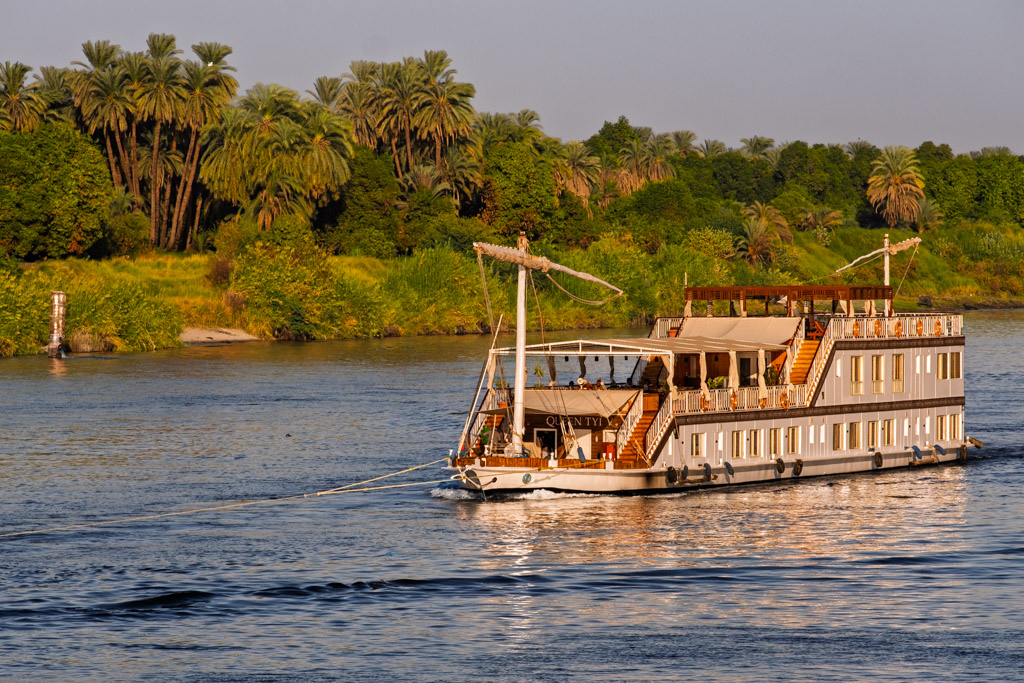
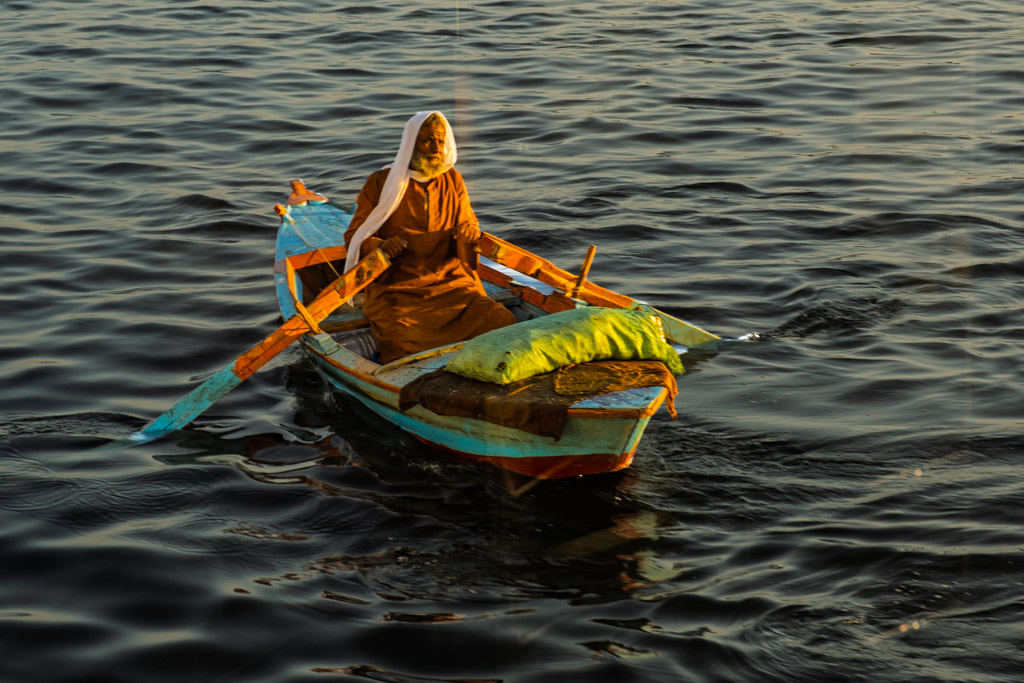
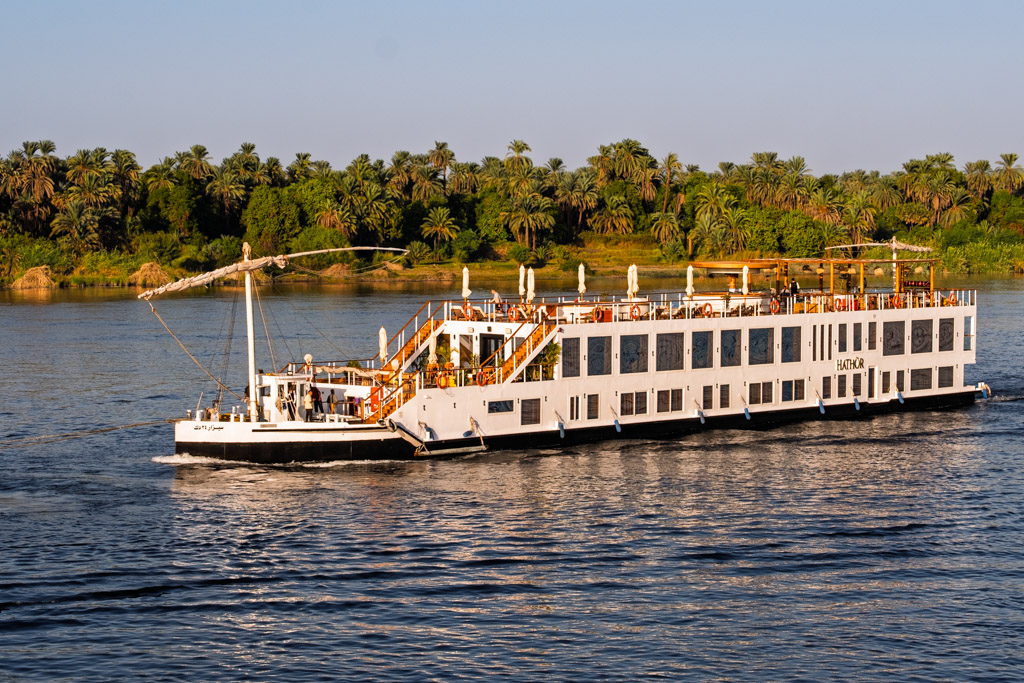
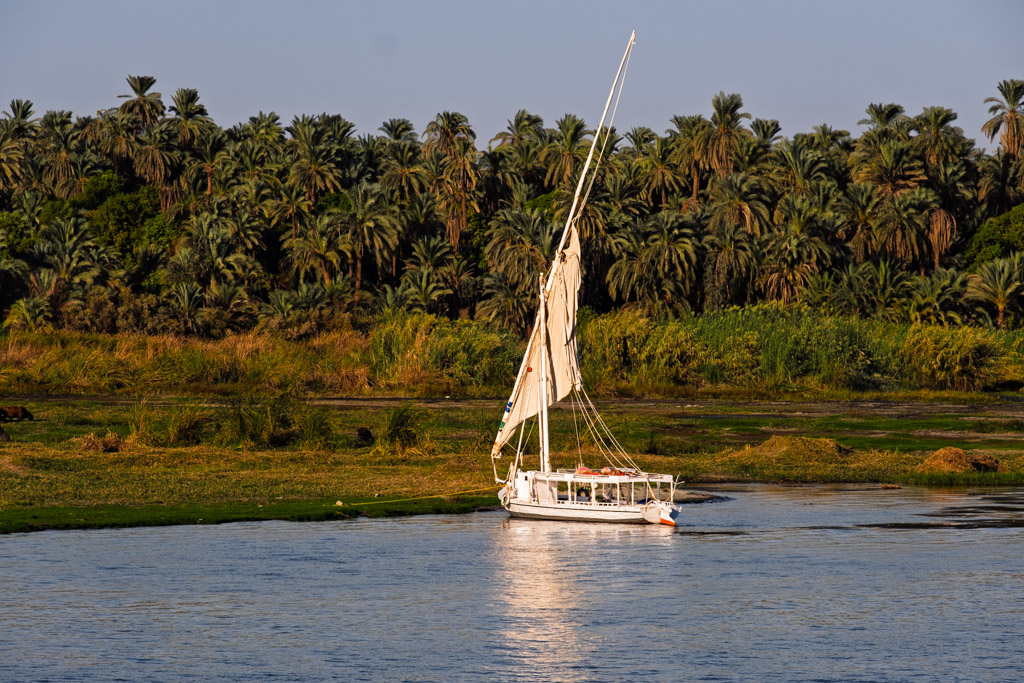
We returned to the cruiser for lunch as the Oberoi Zahra set sail for Esna, our next stop. The leisurely cruise offered a welcome opportunity to relax and enjoy the ever-changing scenery along the Nile, with its lush green banks, rural villages, and glimpses of everyday Egyptian life. Later that evening, we passed through the Esna Lock, the principal navigation lock on the Nile cruise route between Luxor and Aswan.
Exploring the Temples of Horus & Twin Gods – October 22, 2026
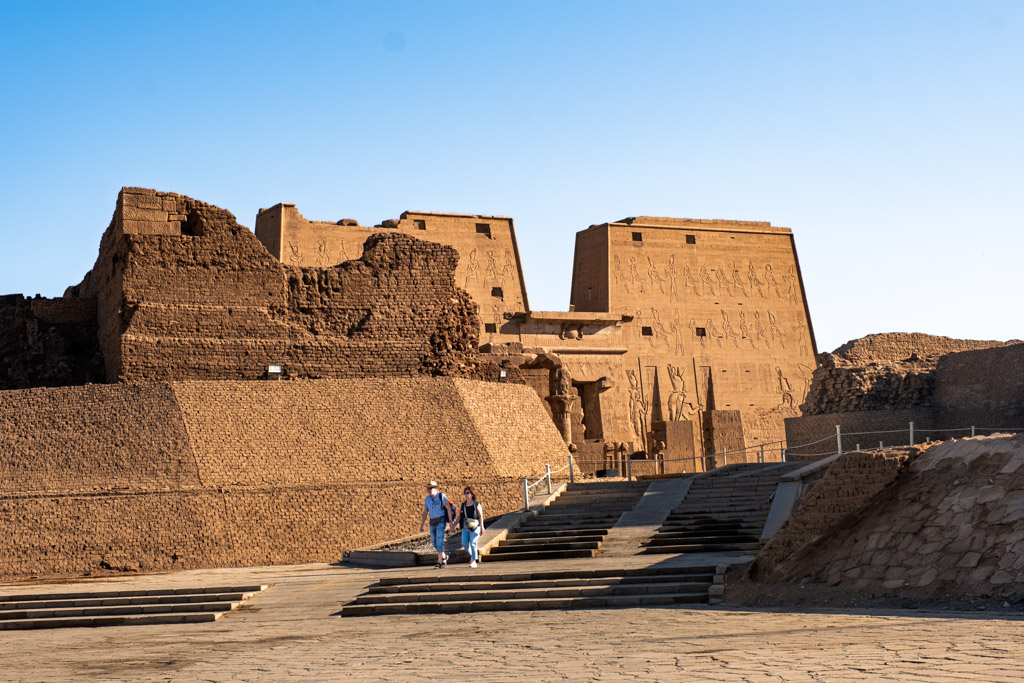
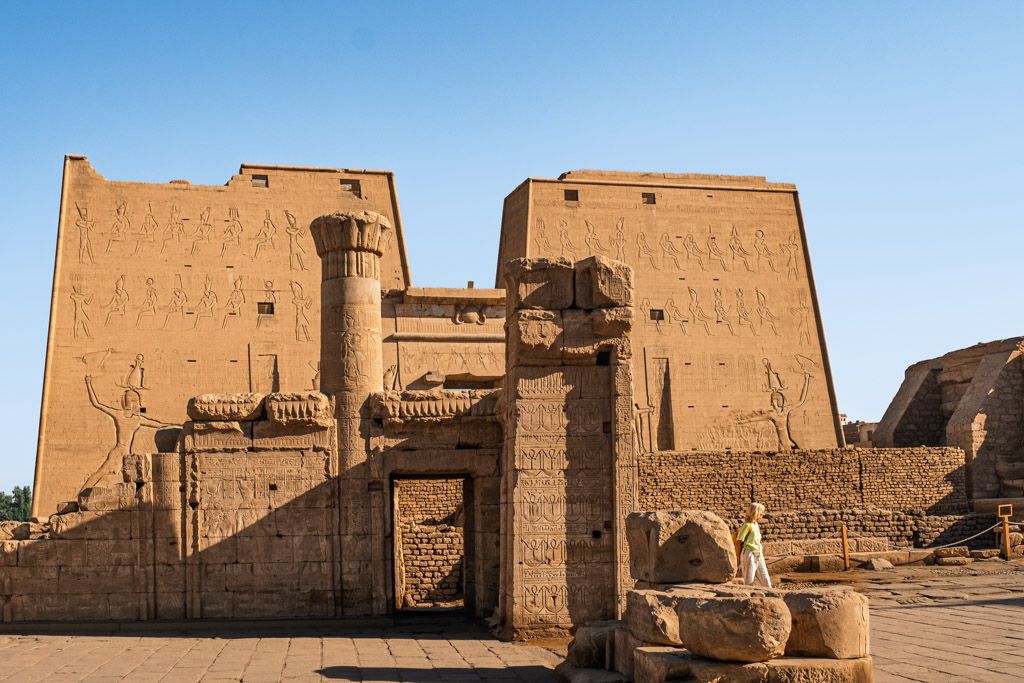
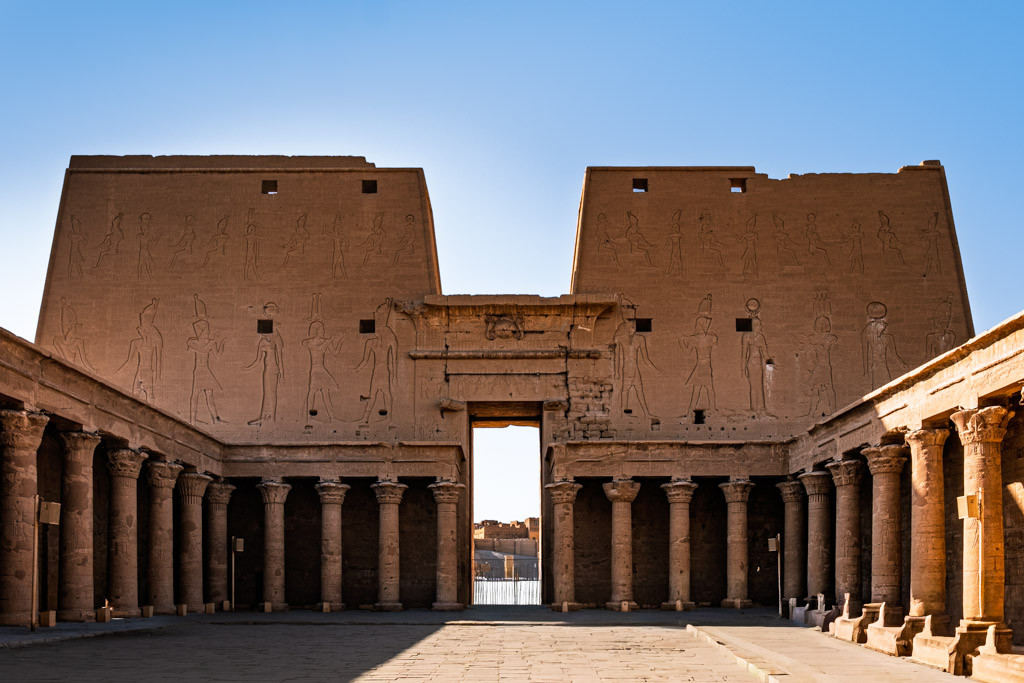
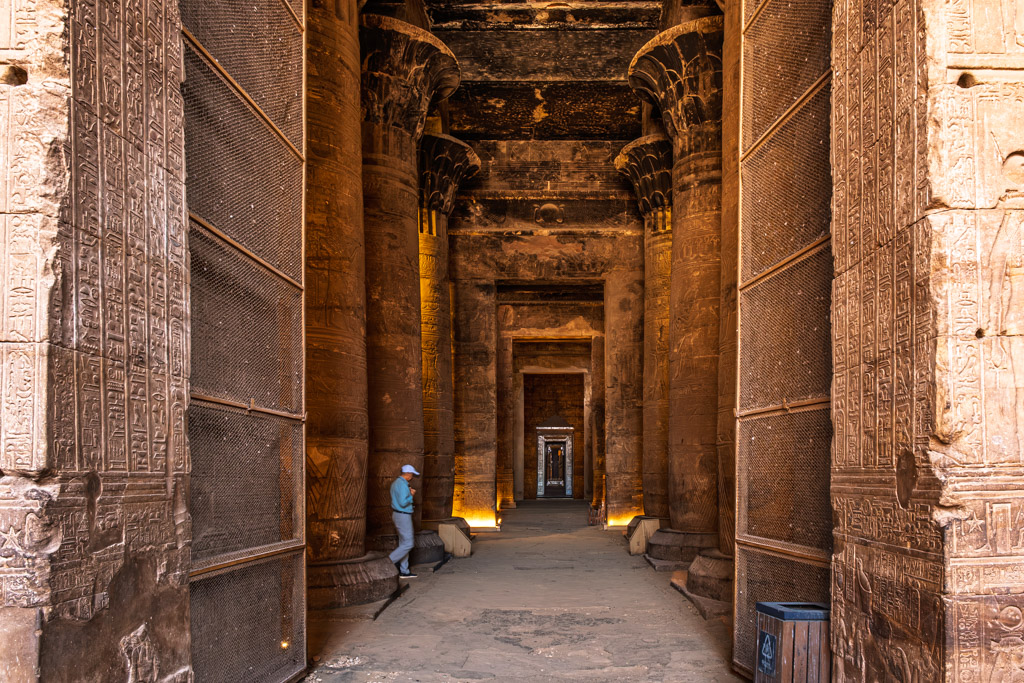
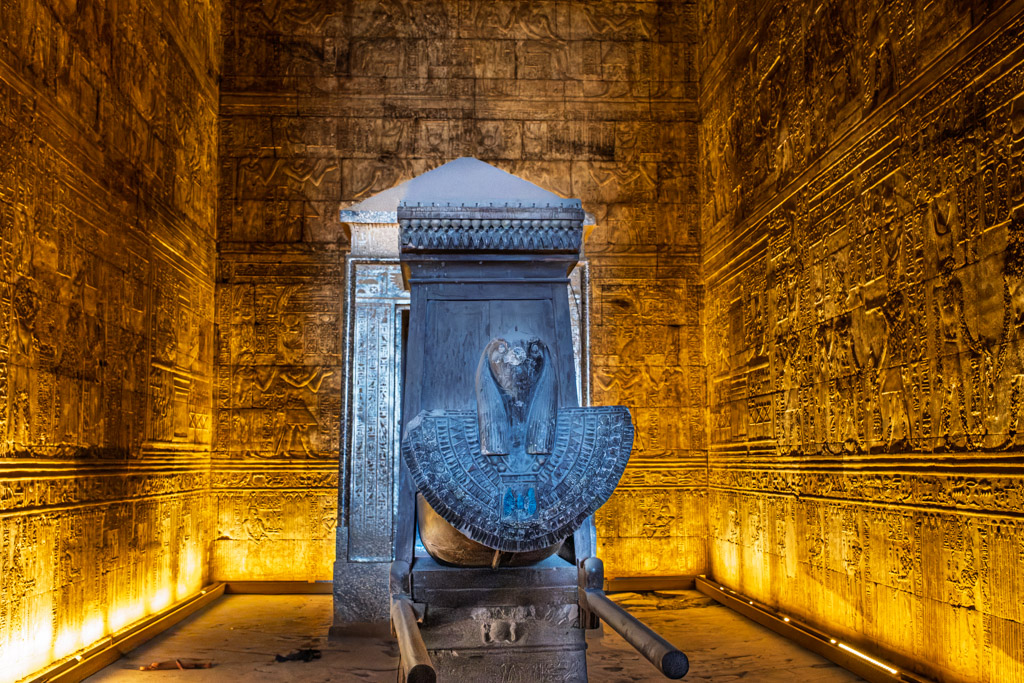
This morning, our Nile cruiser docked at Edfu, a small town on the west bank of the Nile, between Luxor and Aswan. Its principal attraction is the magnificent Temple of Horus, one of Egypt’s best-preserved ancient temples. Dedicated to Horus, the falcon-headed god of kingship and protection, the temple was built over approximately 180 years during the Ptolemaic period. Its towering walls, imposing entrance, and remarkably intact roof offer a rare glimpse of an ancient Egyptian temple in its original form. Accompanied by Adel, our Egyptologist, we explored the temple’s history and symbolism. Colossal statues of Horus guard the entrance, while intricate reliefs inside recount his legendary conflict with his uncle Seth. Adel also explained how the carvings depict Ptolemaic rulers (these are Egyptian rulers of Greek descent) presenting offerings to the gods and performing sacred rituals to affirm their authority. Walking through the vast halls, we admired the remarkable craftsmanship and imagined the generations of builders and priests who brought this sacred place to life. Adel’s insights made the visit especially engaging, offering us a deeper appreciation of ancient Egypt’s mythology, religious traditions, and artistic achievements.
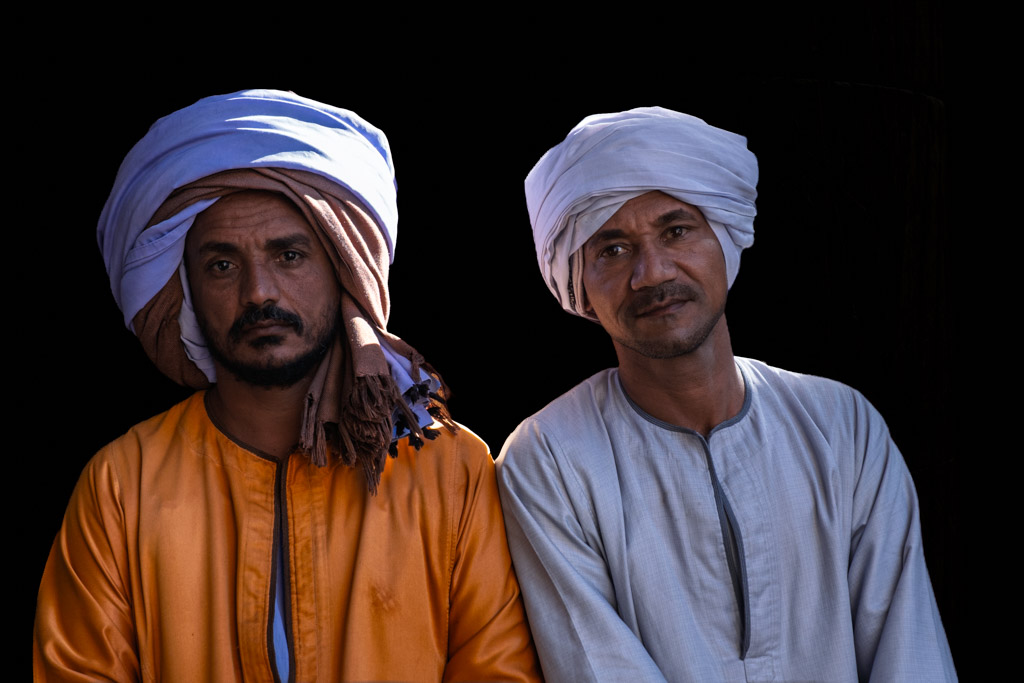
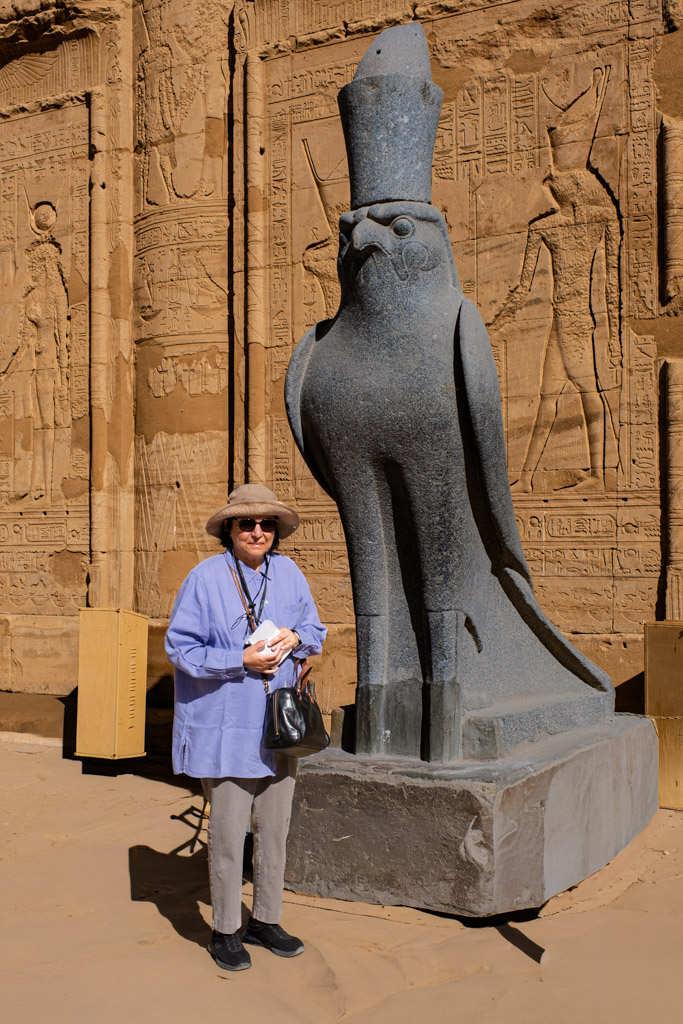
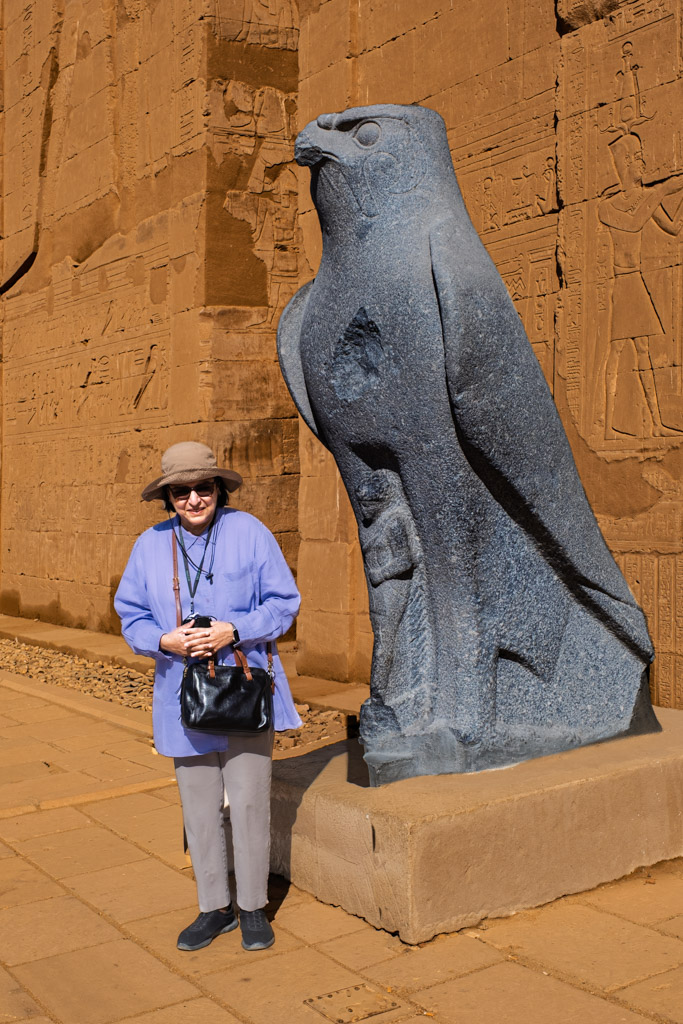
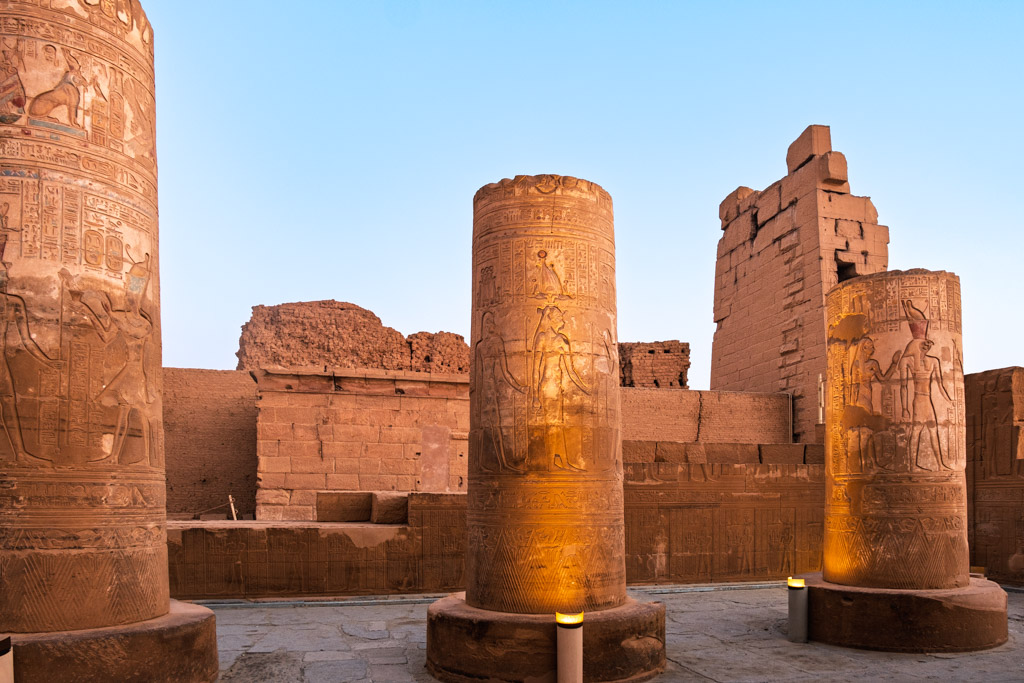
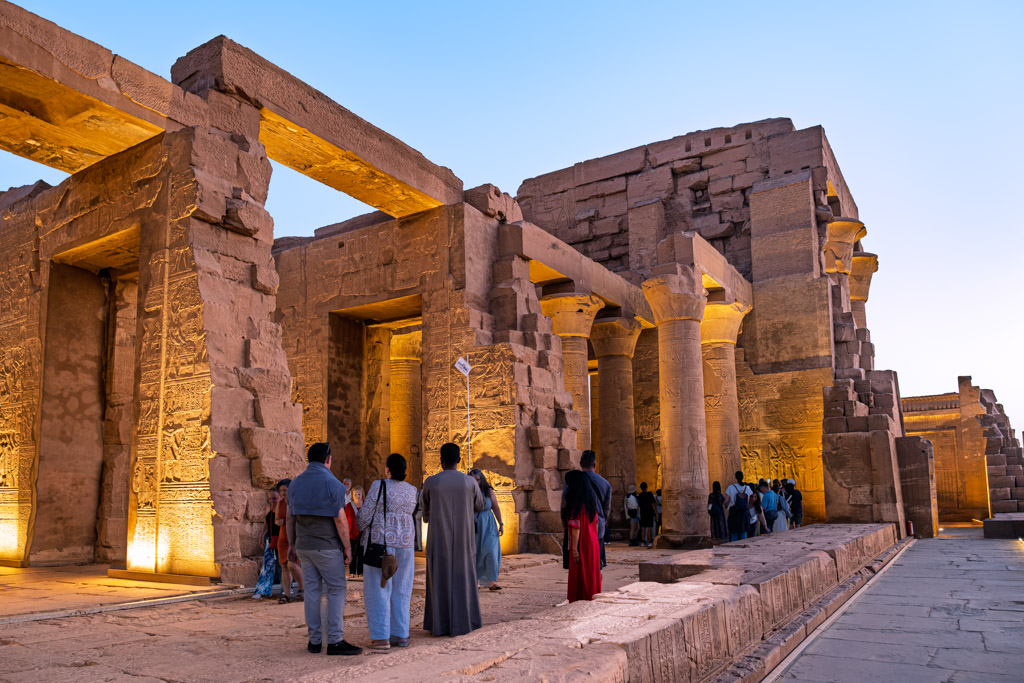
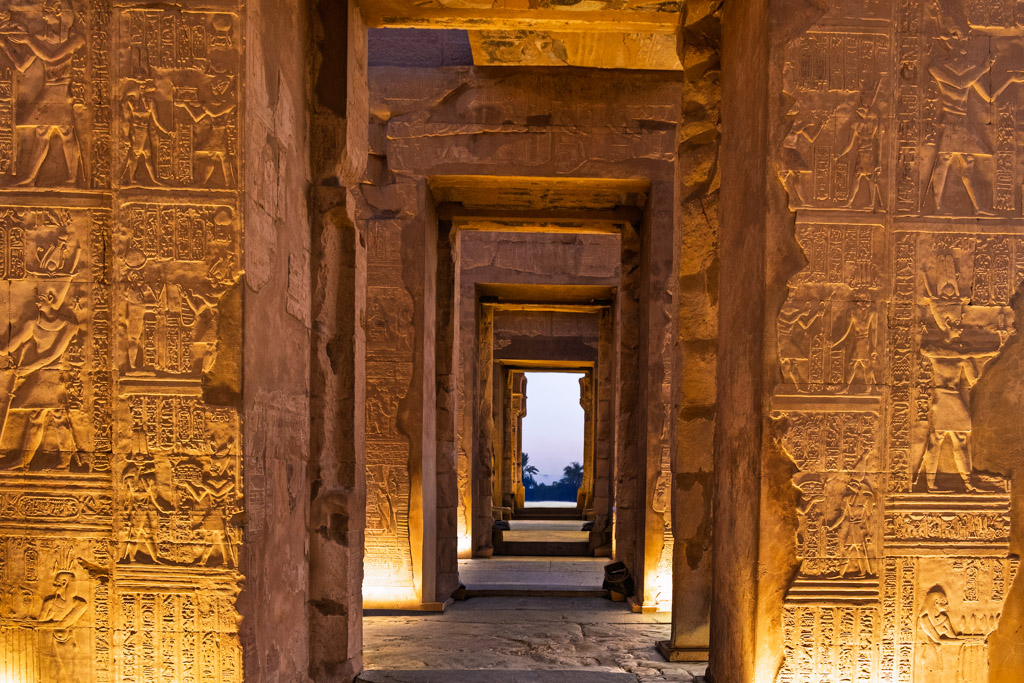
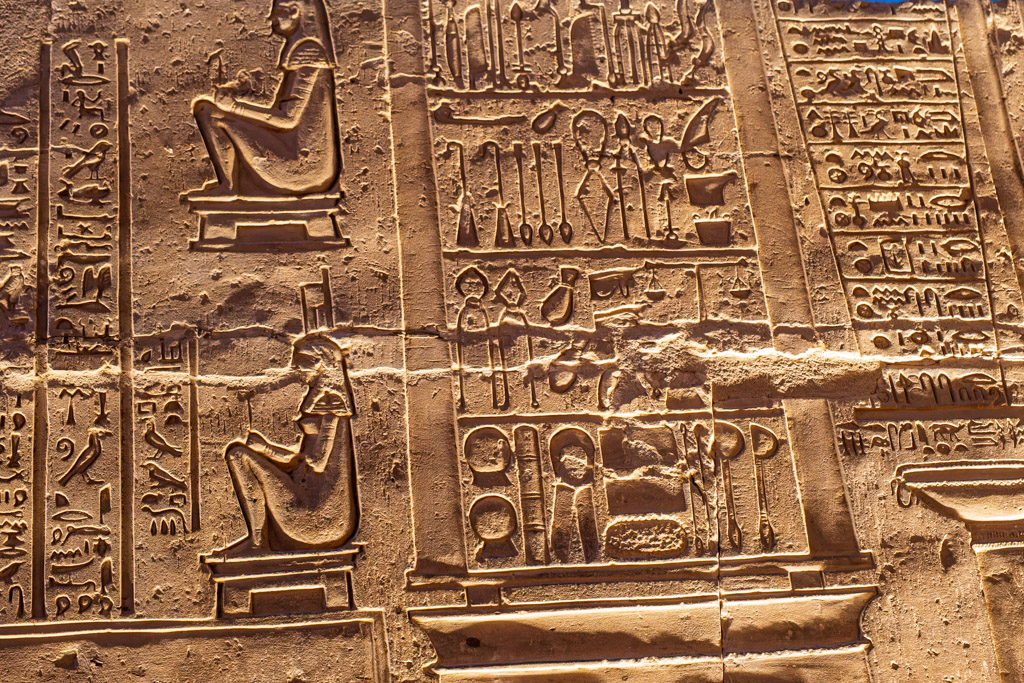
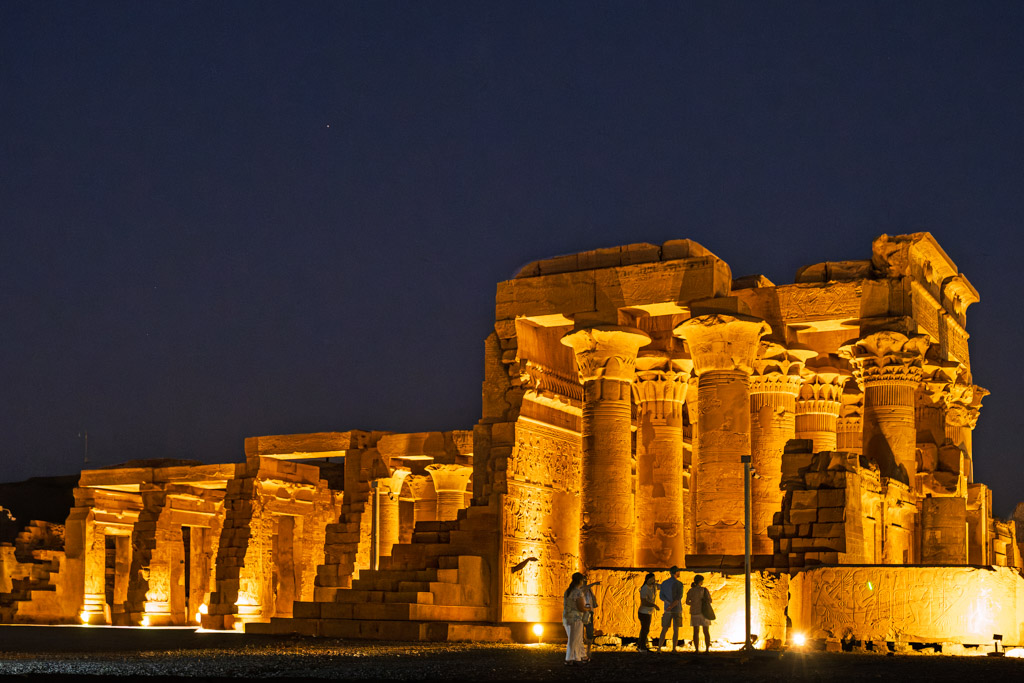
Following our tour of the Temple of Horus, we returned to our Nile cruiser for lunch before sailing to Kom Ombo, arriving at sunset. There, just a short walk from our ship, we explored the remarkable double temple dedicated to Sobek, the crocodile god, and Horus the Elder. Its distinctive symmetrical design featured two parallel sets of halls and sanctuaries, each dedicated to one of the deities. With Adel’s expert guidance, we learned how the temple served both religious and practical purposes. Its walls were adorned with intricate reliefs depicting the gods, pharaohs and sacred rituals. Among the most intriguing was a carving showing what appeared to be medical and surgical instruments, offering a fascinating glimpse into ancient healing practices. Many of these instruments like forceps, for example, are still used today, though more evolved. The complex also featured a relief associated with a calendar of festivals and a remarkable scene depicting the pharaoh receiving the symbols of kingship from the gods. We also visited the temple’s small crocodile museum, where mummified crocodiles offered a striking reminder of Sobek’s importance in ancient Egyptian worship.
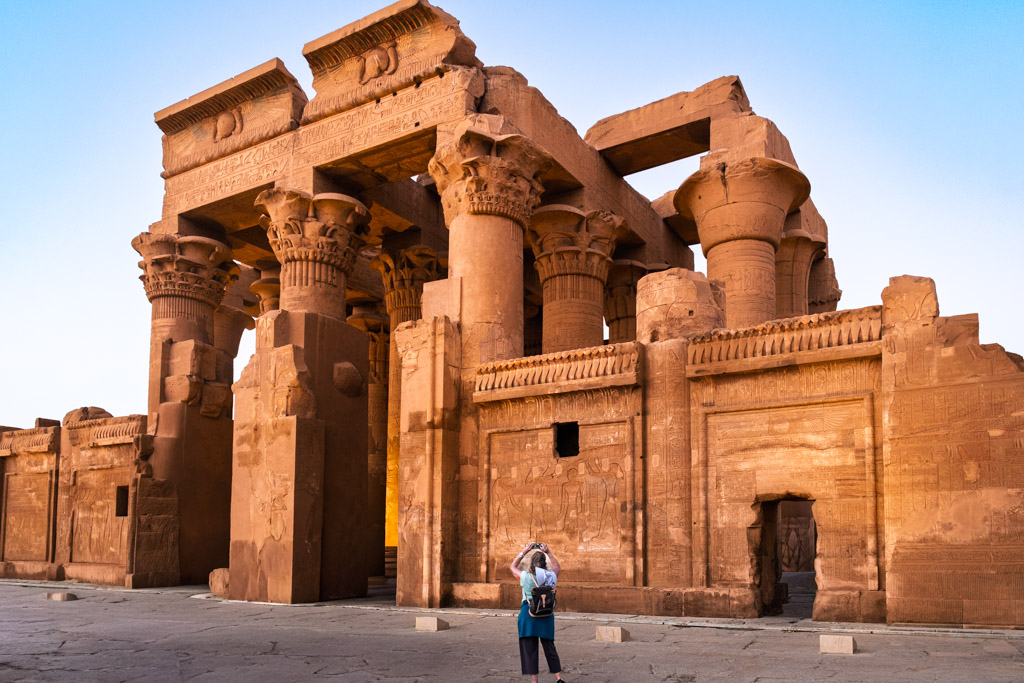
Philae Temple and a Sunset Sail – October 23, 2026
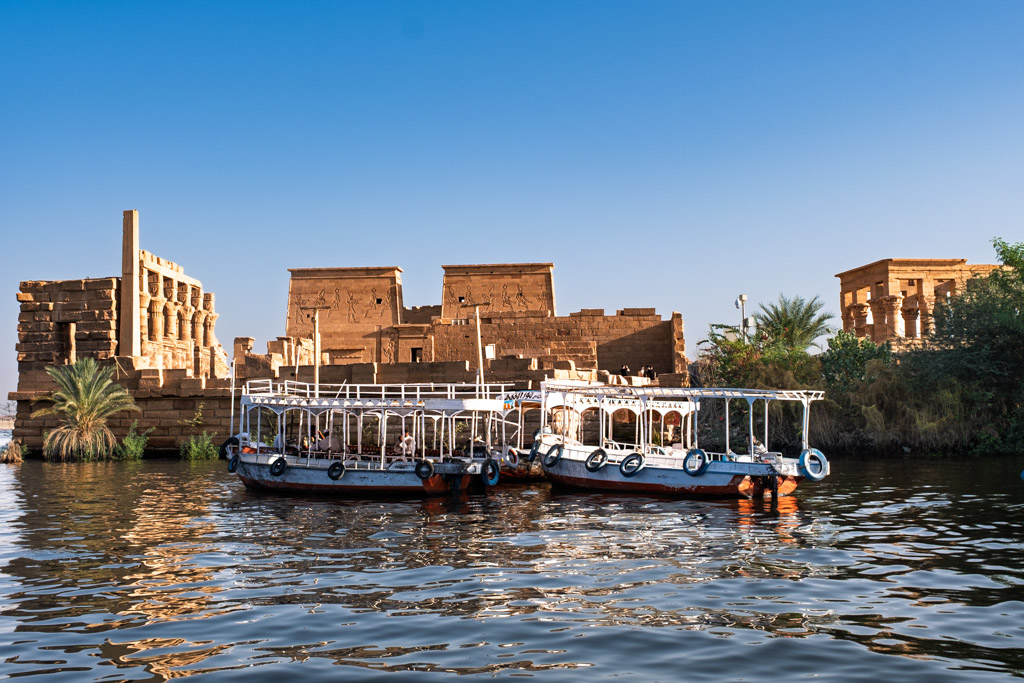
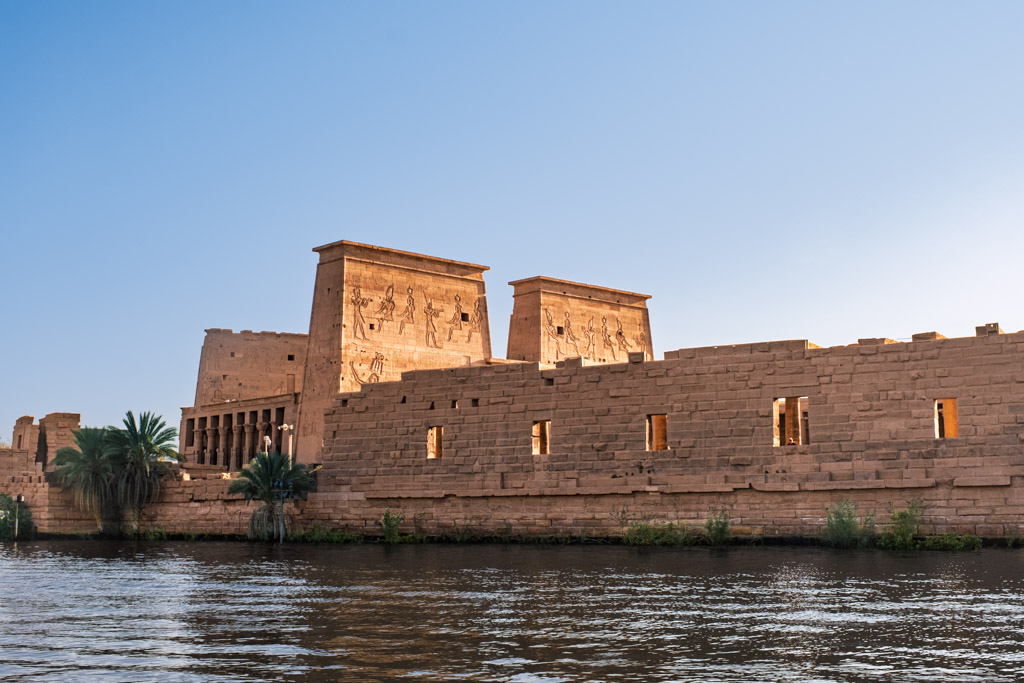
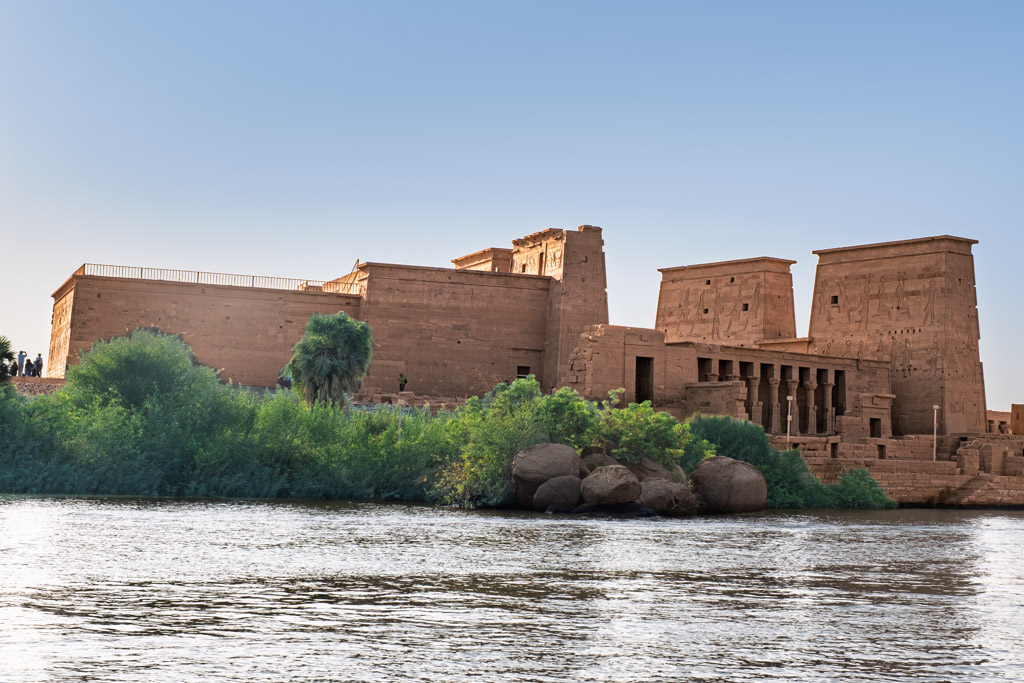
We went to bed in Kom Ombo and awoke in Aswan. Our morning began with a short drive to the river and a boat ride to Agilkia Island, where we explored Philae Temple with our Egyptologist, Adel. Dedicated to Isis, the goddess of motherhood, magic and healing, the beautifully decorated sanctuary was among the last major temples built in the traditional Egyptian style. Decorations begun by later Ptolemies and the Roman emperors Agustus and Tiberius were not completed, except for Hadrian who added a gate to the complex. The temple was closed during Justinian’s time and late in his reign was converted into a church. Originally situated on Philae Island, it was relocated to Agilkia in the 1970s to save it from the rising waters of the Nile.
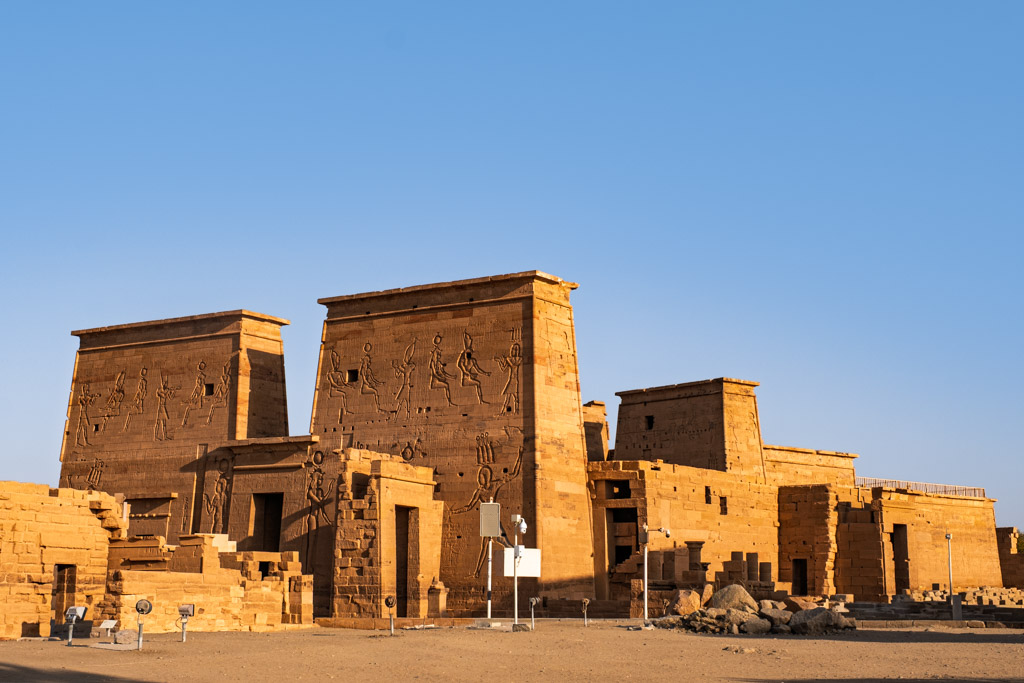
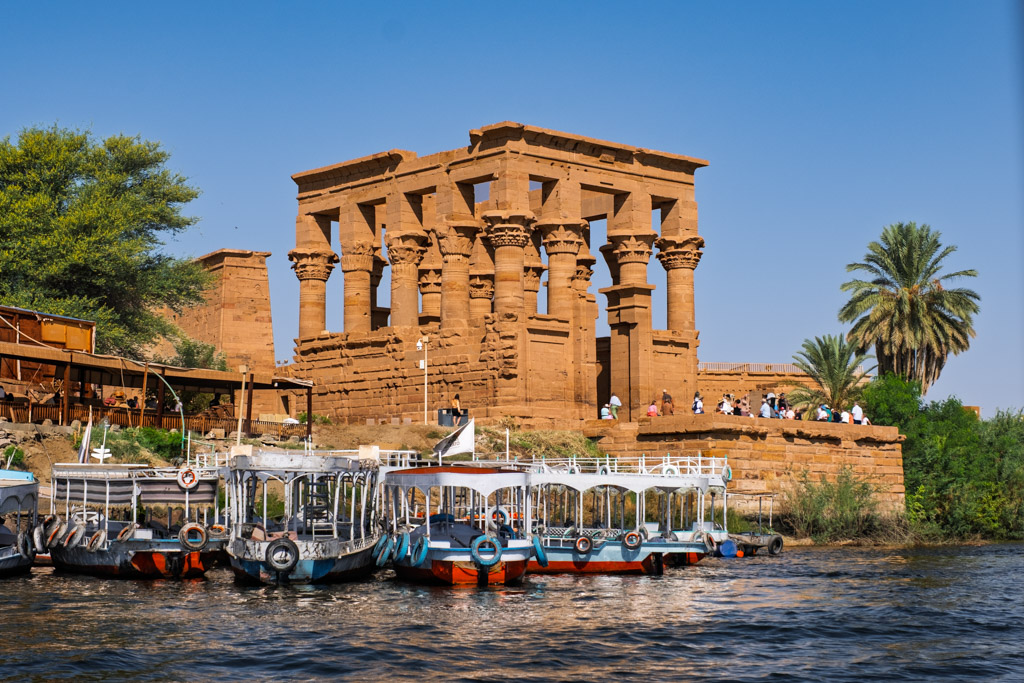
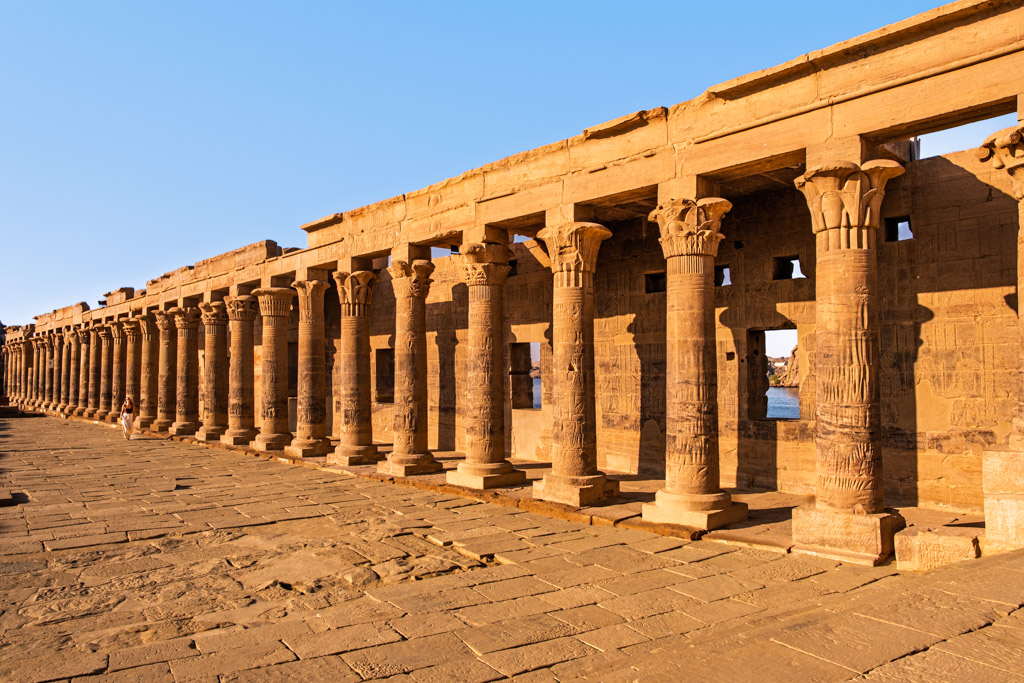
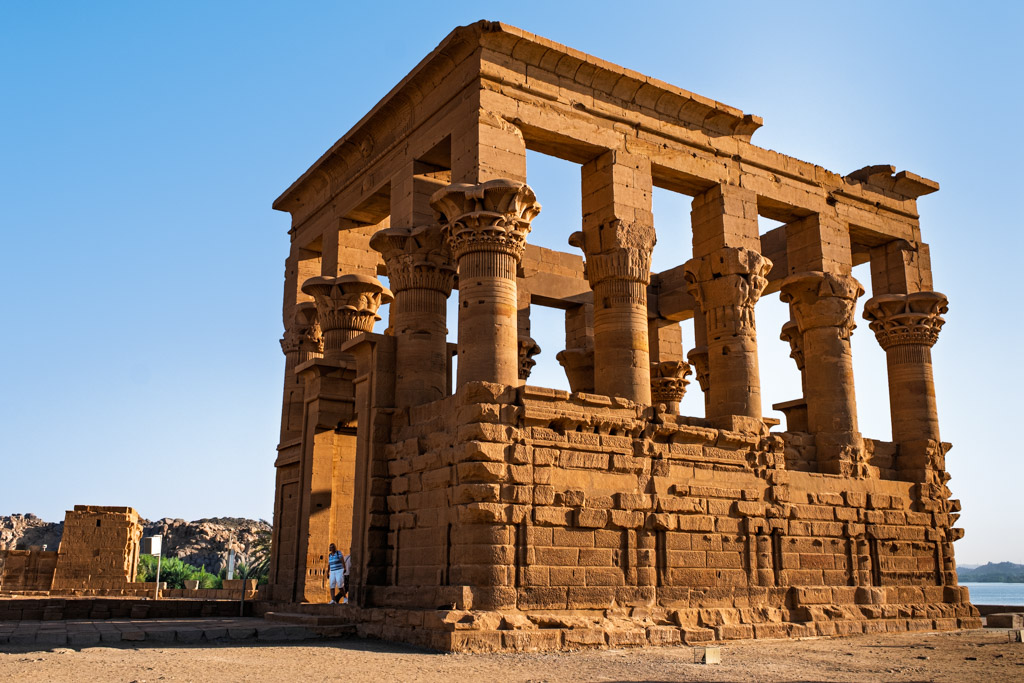
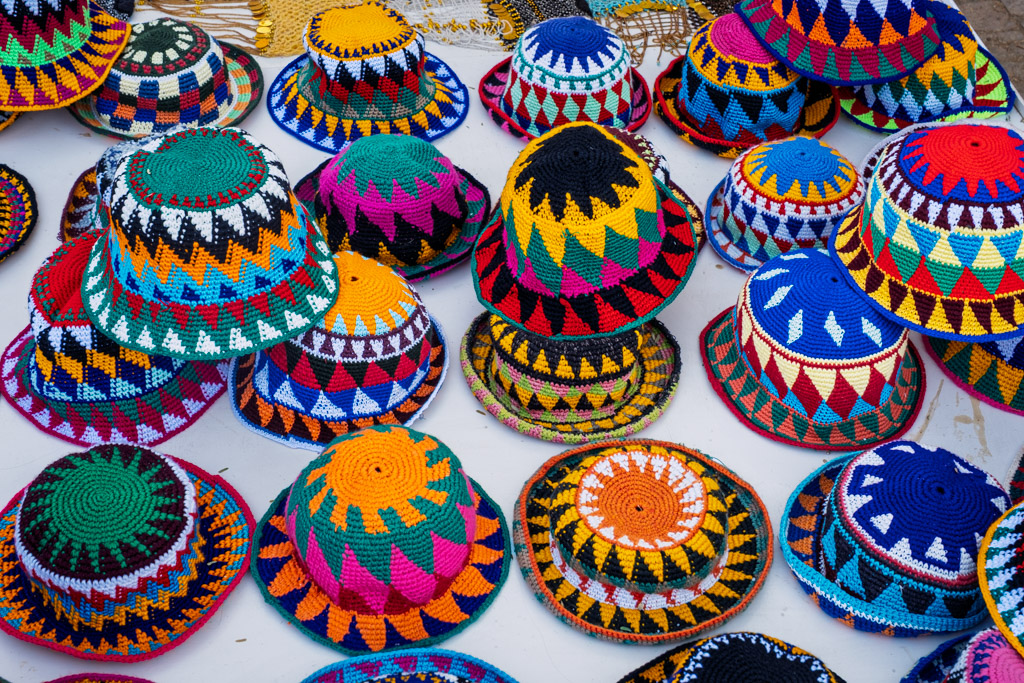
We then visited the Aswan High Dam, a remarkable feat of modern engineering completed in 1970. It transformed Egypt’s management of the Nile, helping control floods, provide irrigation and generate electricity, while creating the vast reservoir of Lake Nasser, which is where some of Egypt’s Nile crocodiles now reside, or in other parts of Africa. Many of the Nubian villagers (three-quarters of a million) who used to inhabit this area were relocated to build the dam. Adel, our Egyptologist, is a Nubian from this area.
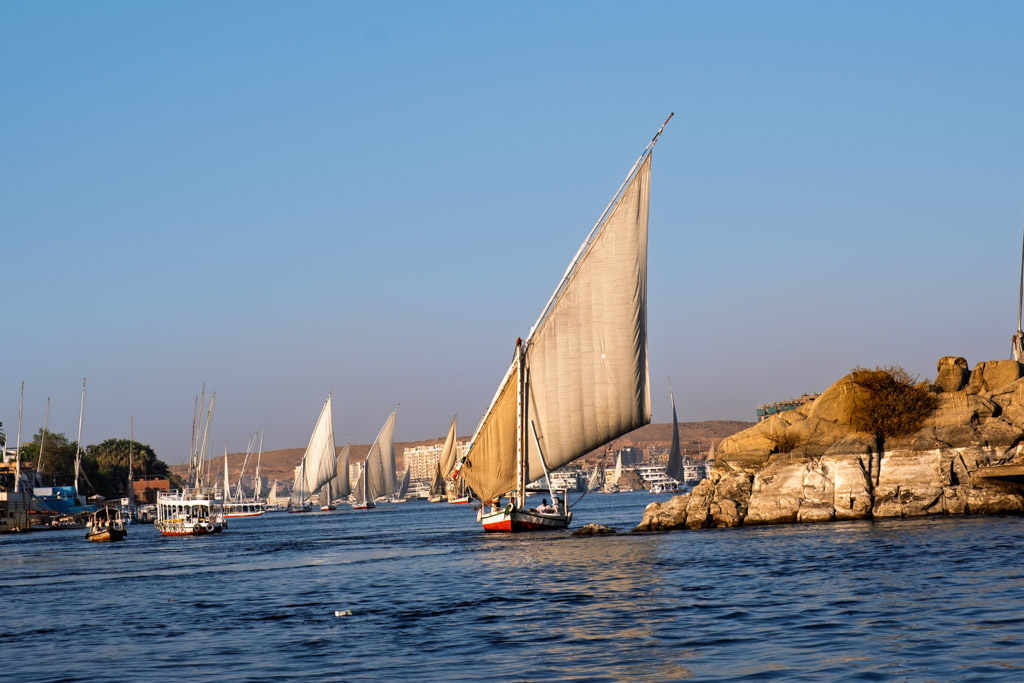
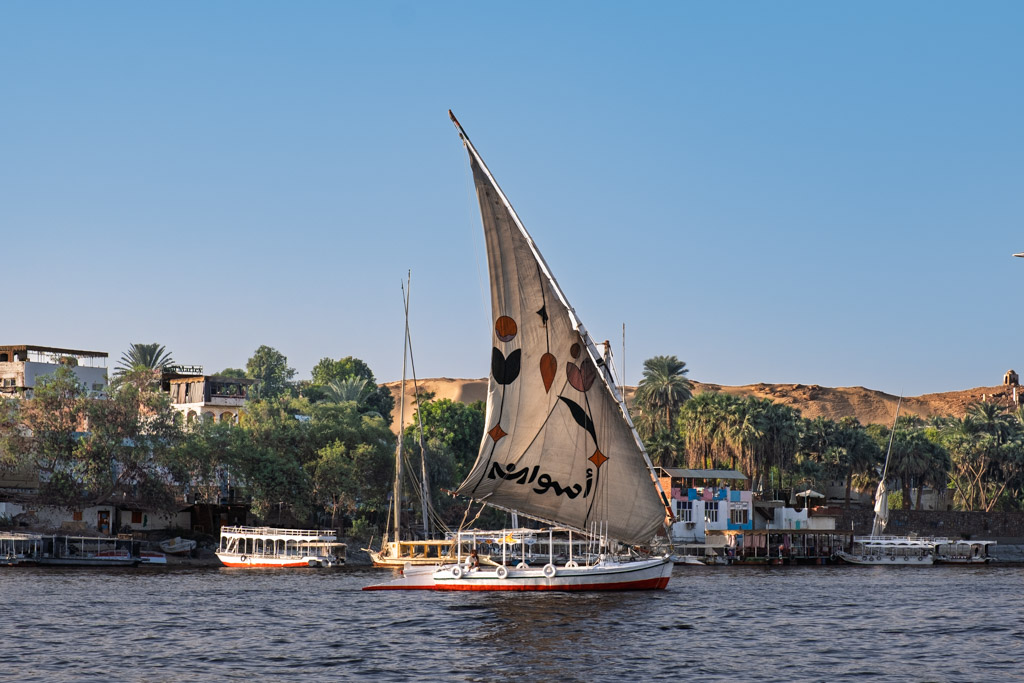
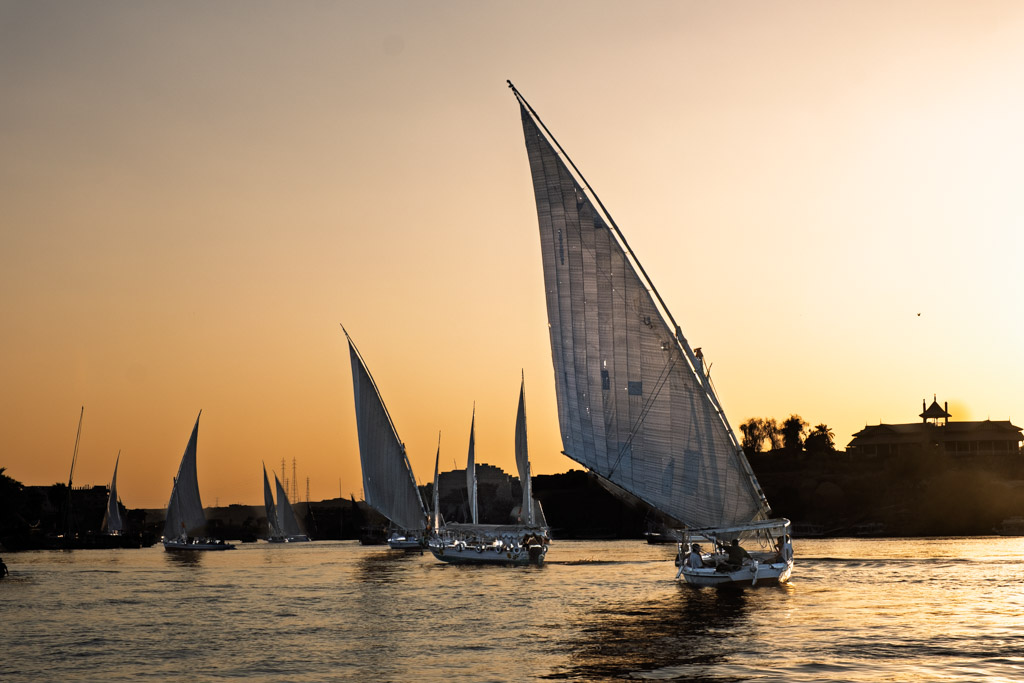
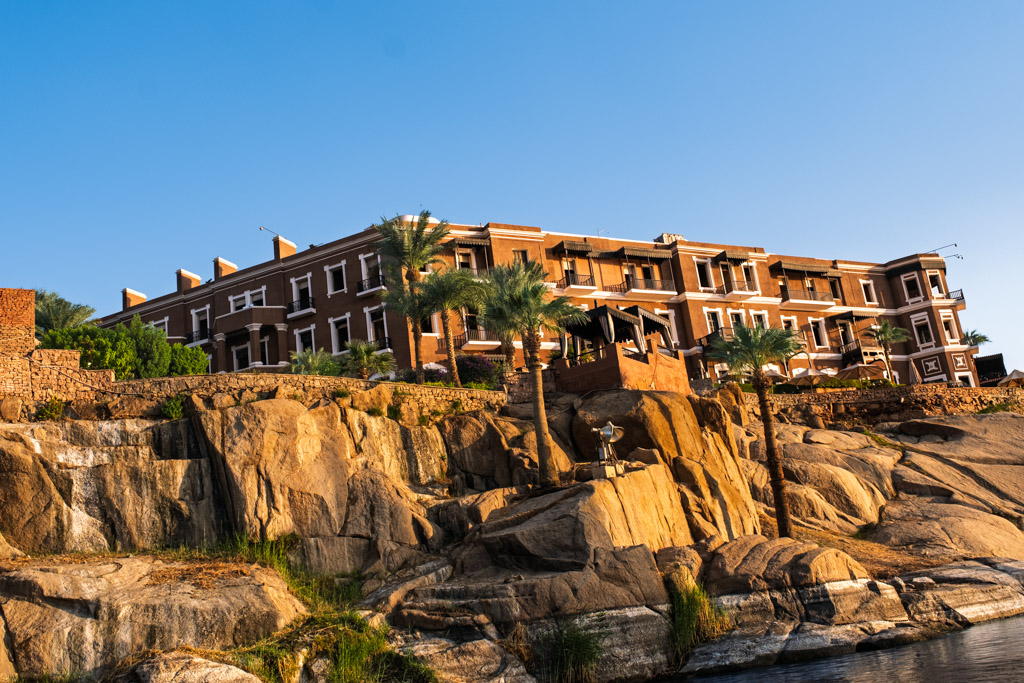
After lunch aboard the ship, we enjoyed some free time before a relaxing sunset felucca sail on the Nile. Feluccas are traditional Egyptian wooden sailboats, distinguished by their tall, triangular lateen sails. For centuries, they have carried people and goods along the Nile. Today, they offer a peaceful way to experience the river. As we leisurely sailed on our felucca, we passed the famous Old Cataract Hotel, perched on pink granite rocks overlooking the Nile near Elephantine Island. The hotel famously inspired Agatha Christie as she wrote Death on the Nile. The evening continued with a lively Nubian folklore performance in the ship’s lounge, followed by dinner.
Abu Simbel: The Temples of Ramesses II – October 24, 2026
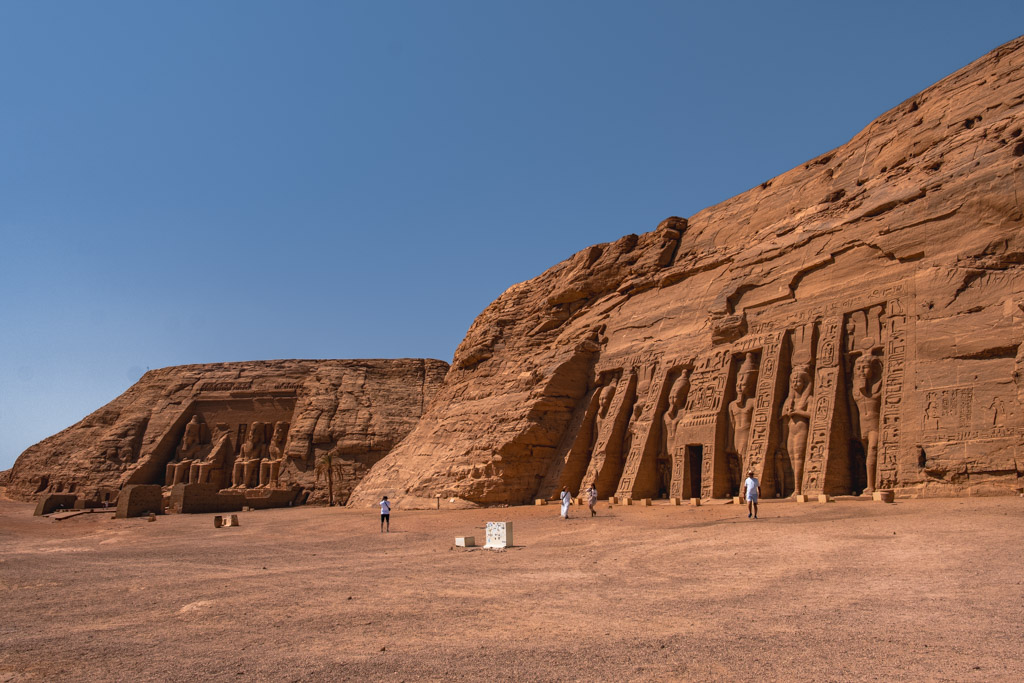
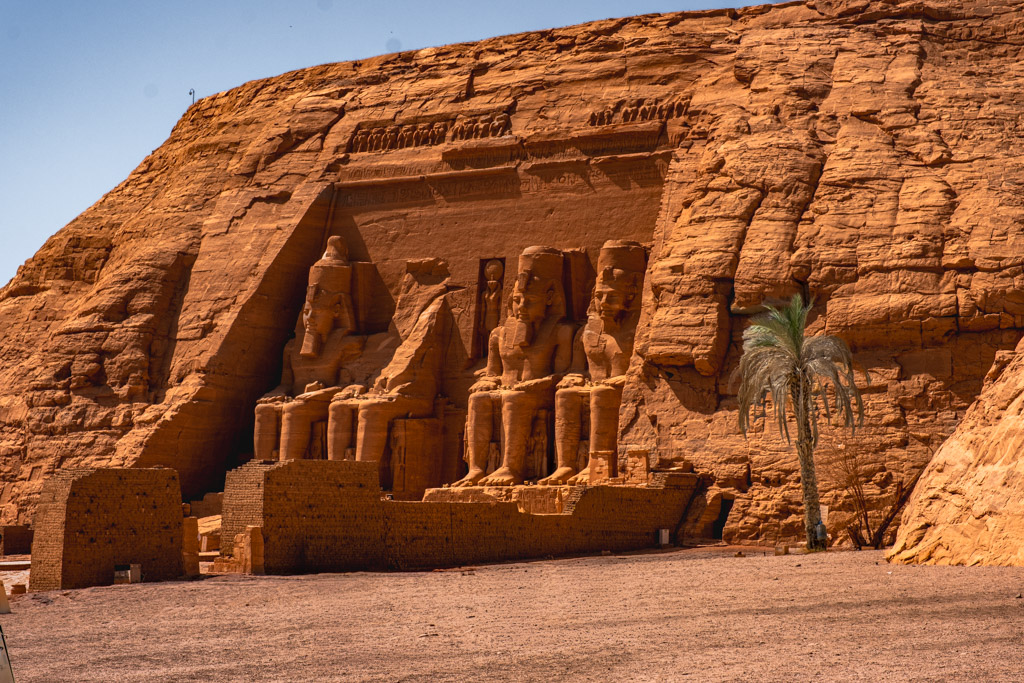
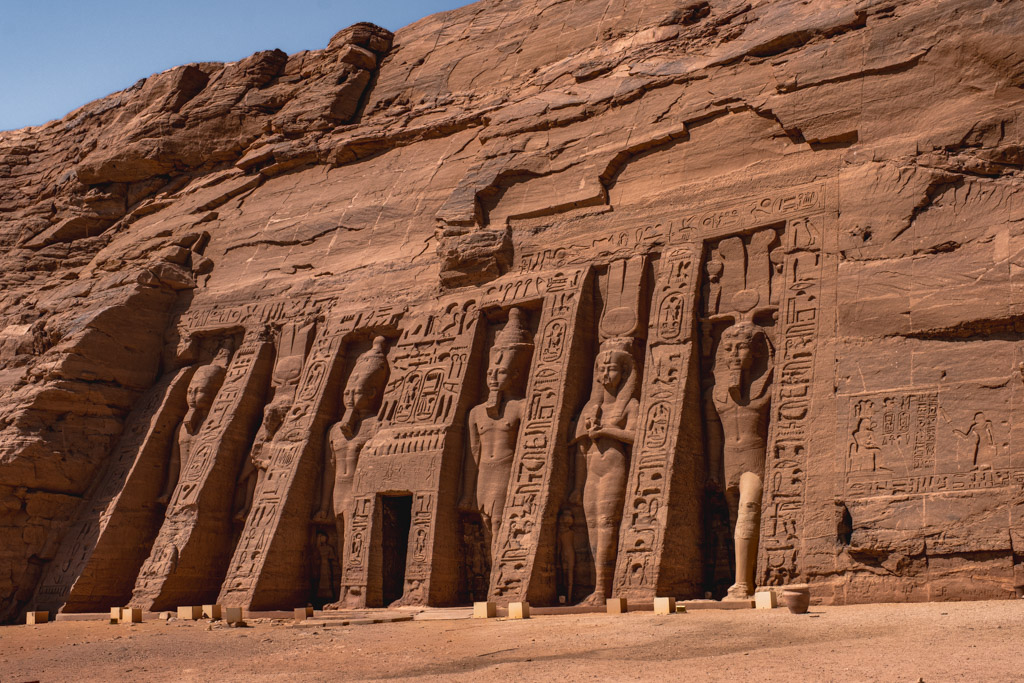
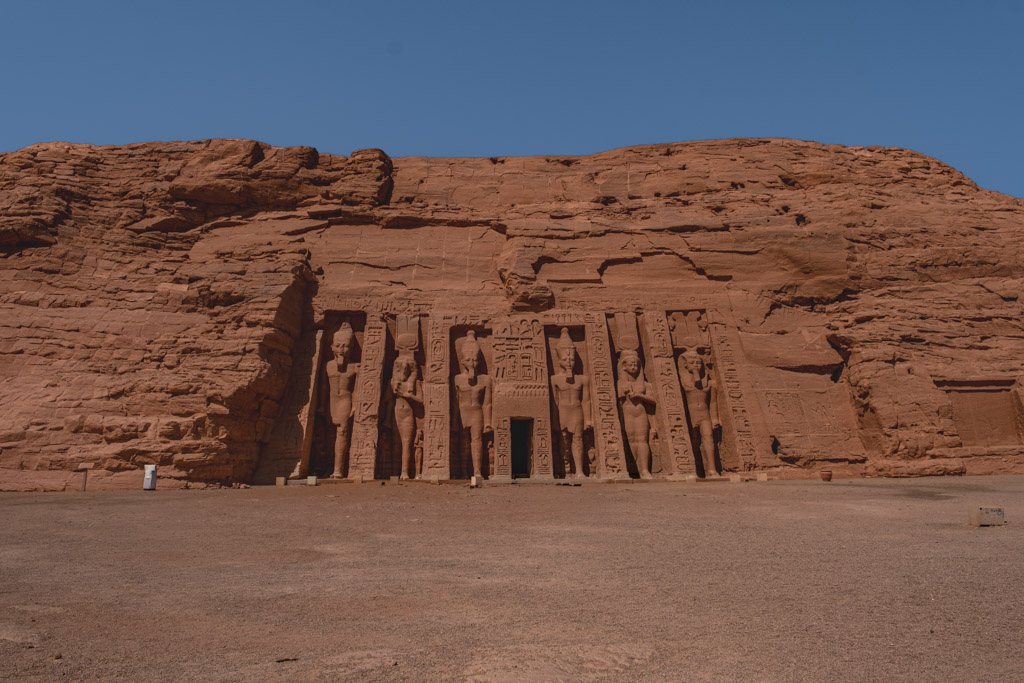
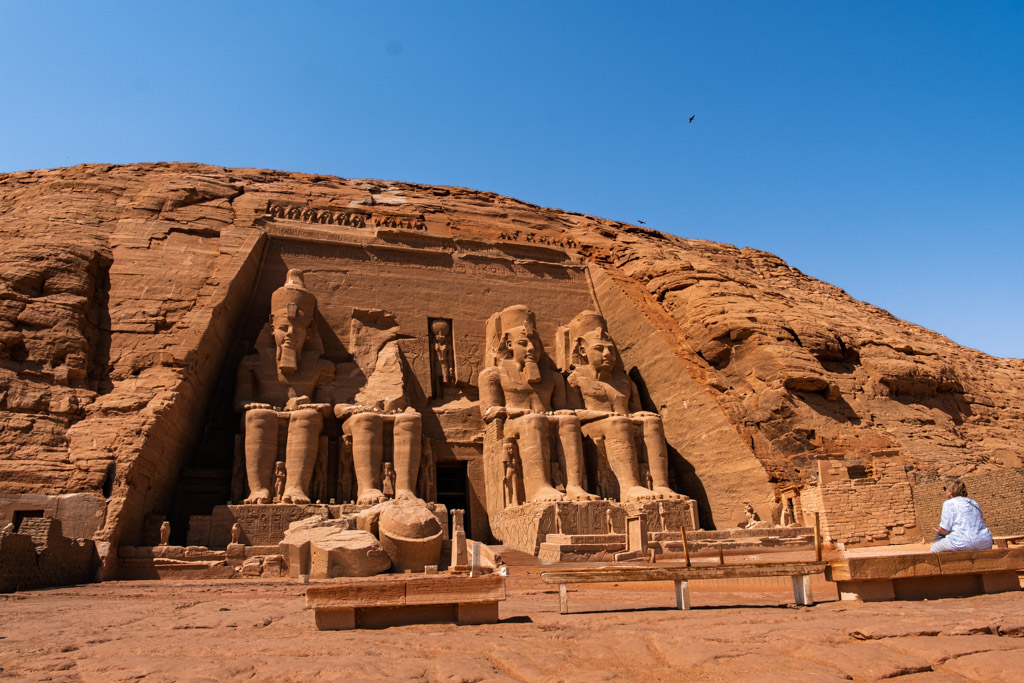
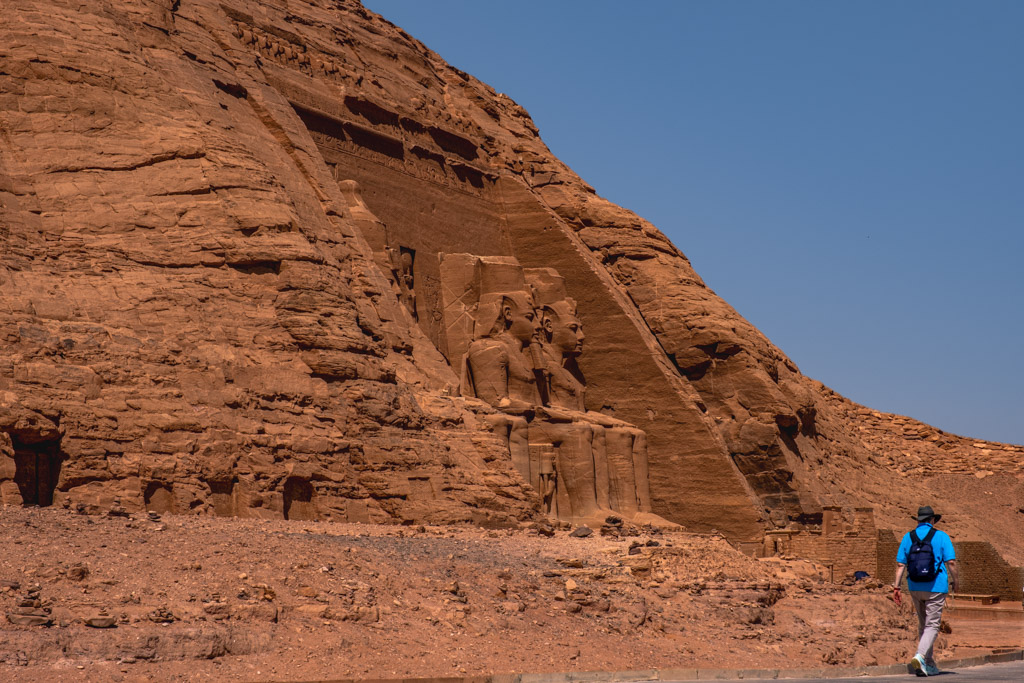
We disembarked from our beautiful Nile cruiser and headed to Aswan International Airport for a chartered flight to Abu Simbel, in southern Egypt. There, we visited two magnificent rock-cut temples commissioned by Ramesses II in the 13th century BC. The Great Temple, carved into a sandstone cliff, was dominated by four colossal seated statues of Ramesses II, each about 65 feet tall, flanking the entrance. Smaller figures of members of the royal family stood at their feet. The adjoining temple, dedicated to the goddess Hathor and Queen Nefertari, featured six impressive standing statues on its façade—four of Ramesses and two of Nefertari, depicted at nearly equal scale, an unusual honor for a royal queen. With Adel’s insightful commentary, we learned how these extraordinary monuments celebrated Ramesses II’s power and divine status. We also heard the remarkable story of their rescue. When the construction of the Aswan High Dam threatened to submerge Abu Simbel beneath Lake Nasser, UNESCO launched an international campaign to save the temples. Jacqueline Kennedy helped persuade President John F. Kennedy to secure American financial support for the effort. Between 1964 and 1968, the temples were painstakingly cut into huge blocks, moved to higher ground and reassembled. In recognition for help received from the U.S, the Egyptians gifted the Temple of Dendur, which now resides in The Metropolitan Museum in New York City. After completing our tour of Abu Simbel, we returned to Cairo on a chartered flight and checked into the luxurious St. Regis Cairo, an elegant hotel overlooking the Nile in the heart of the city.
Cairo’s Hidden Gems: City of the Dead & Sultan Hassan Mosque – October 25, 2026
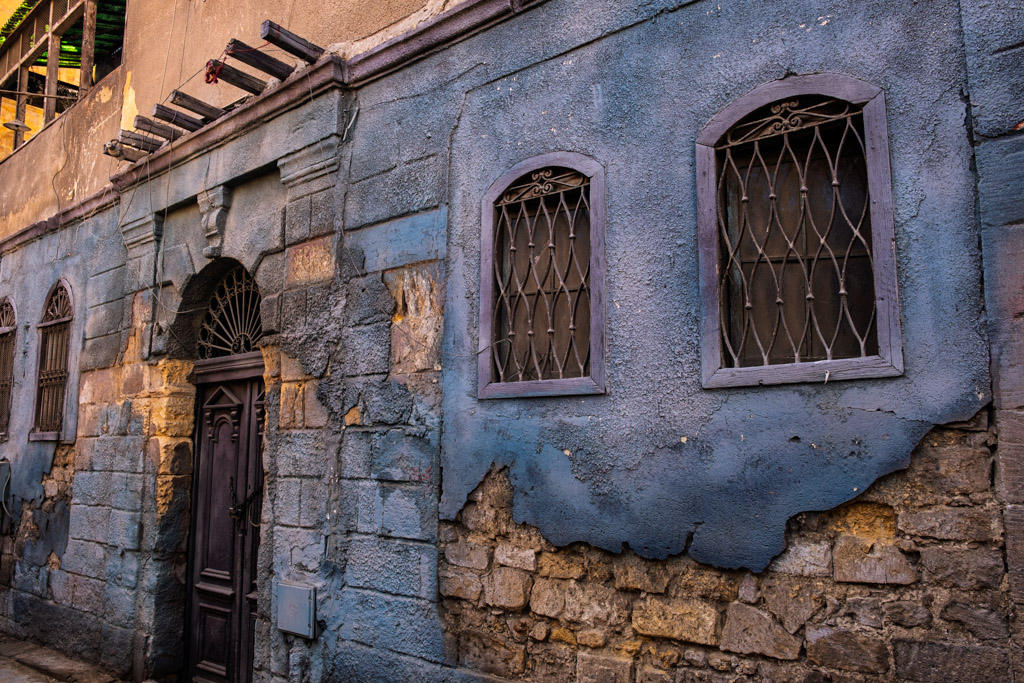
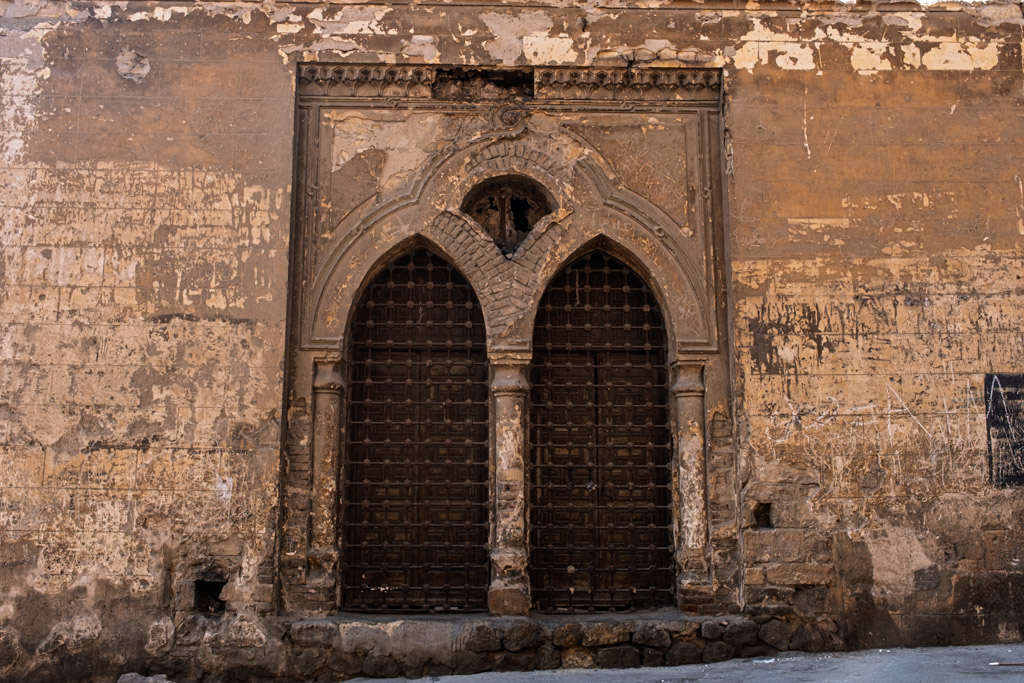
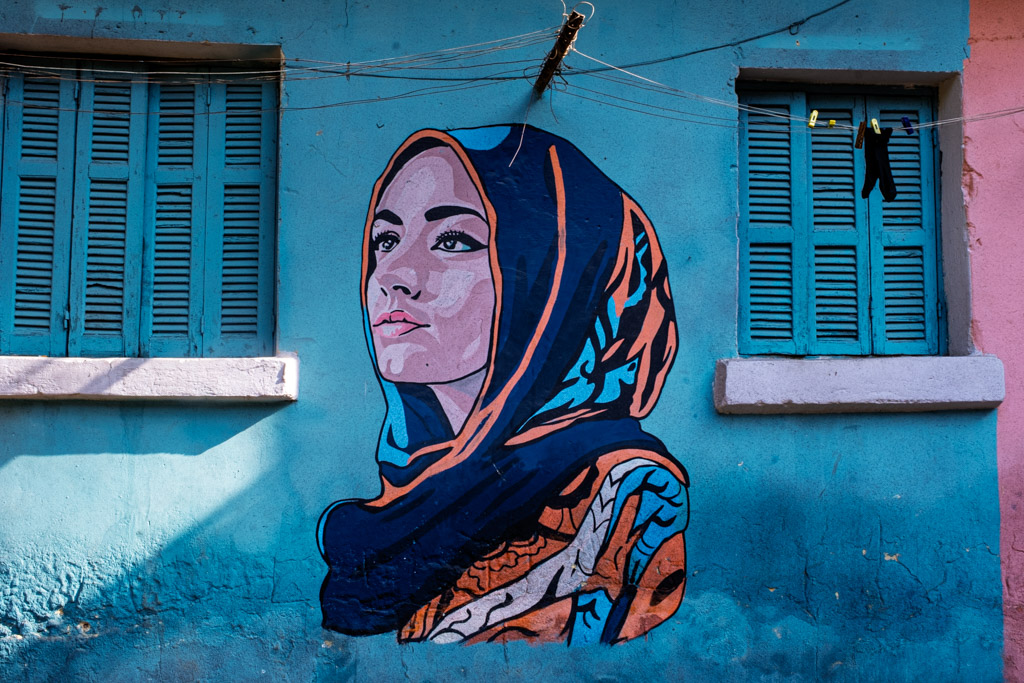
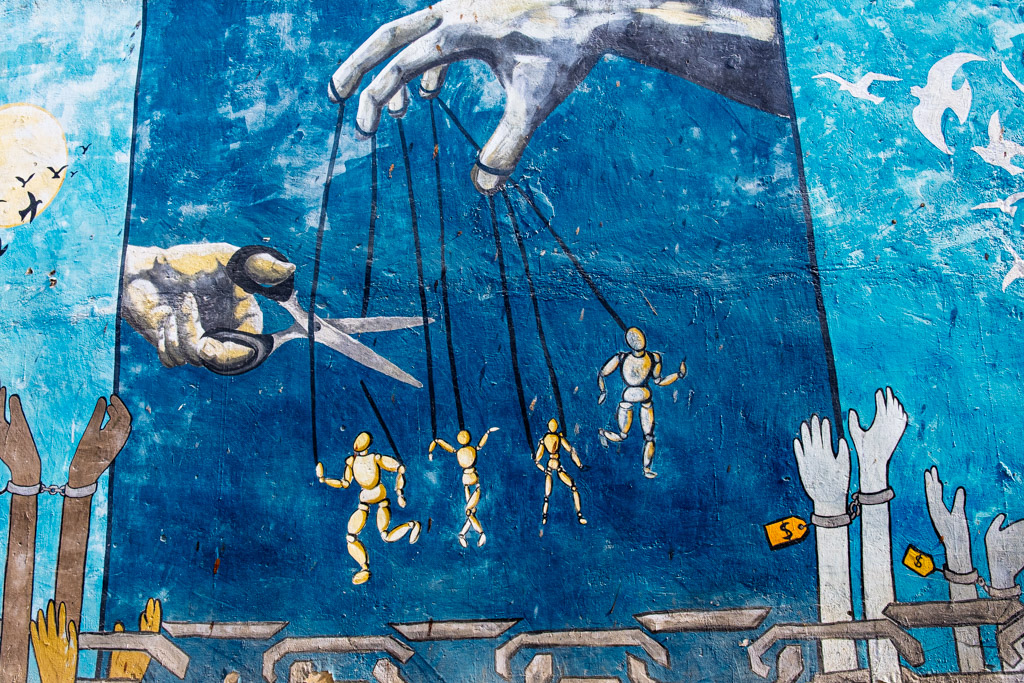
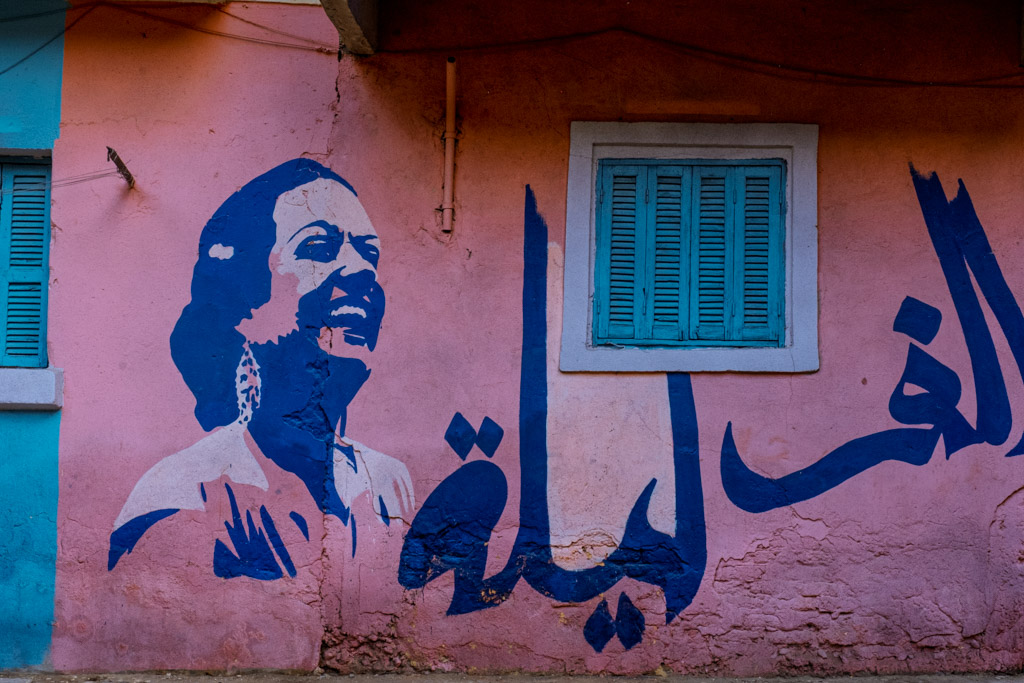
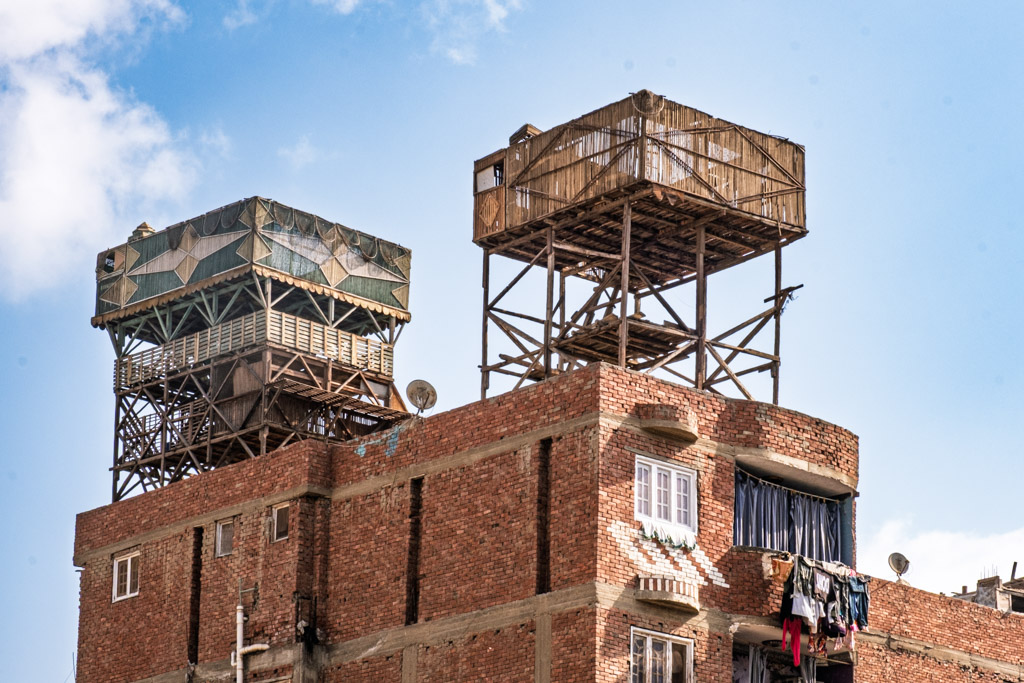
Today, we joined our Egyptologist, Manal, for a fascinating walking tour of Cairo’s City of the Dead, a historic necropolis that has evolved into a lively residential neighborhood. Amid centuries-old tombs and mausoleums, we saw mosques, small shops, workshops and homes, with residents going about their daily lives. During our walk, we visited a glassblowing workshop, a leather workshop, a jewelry shop and a glass shop. Manal also pointed out the many pigeon lofts scattered throughout the area, a distinctive feature of the neighborhood. The City of the Dead offers a remarkable blend of historic monuments and everyday life, providing a glimpse into a lesser-known side of Cairo, far removed from its famous pyramids and ancient temples.
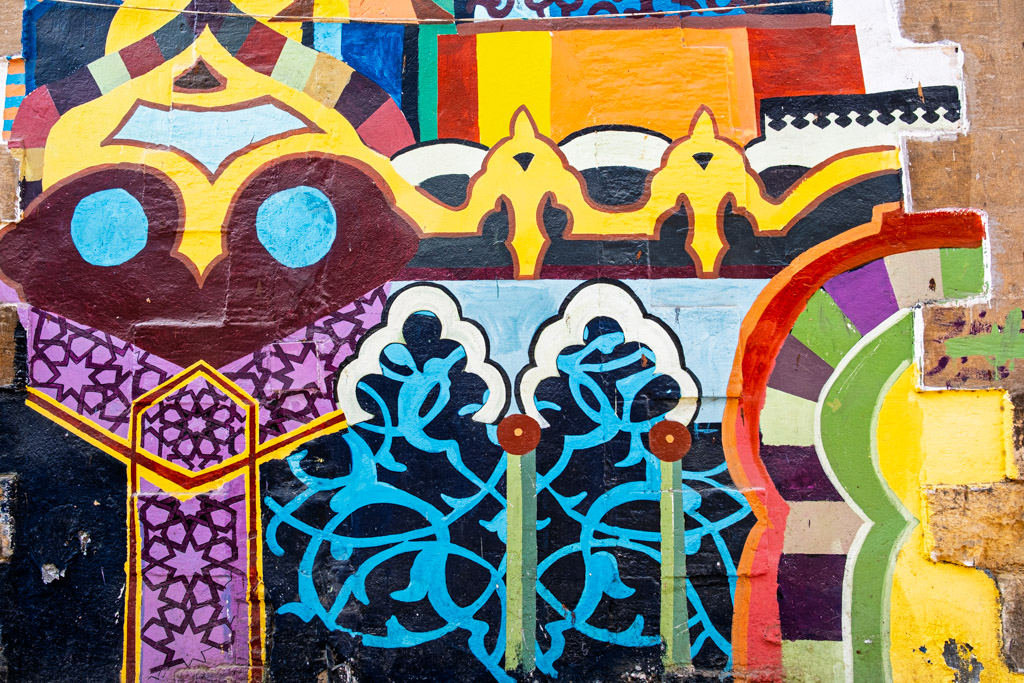
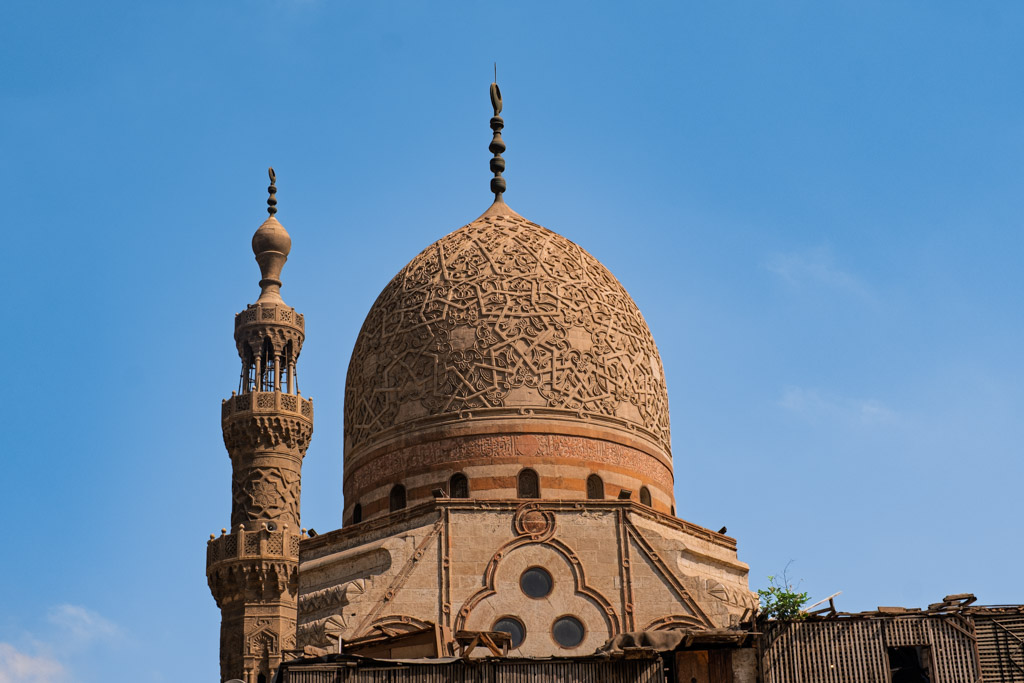
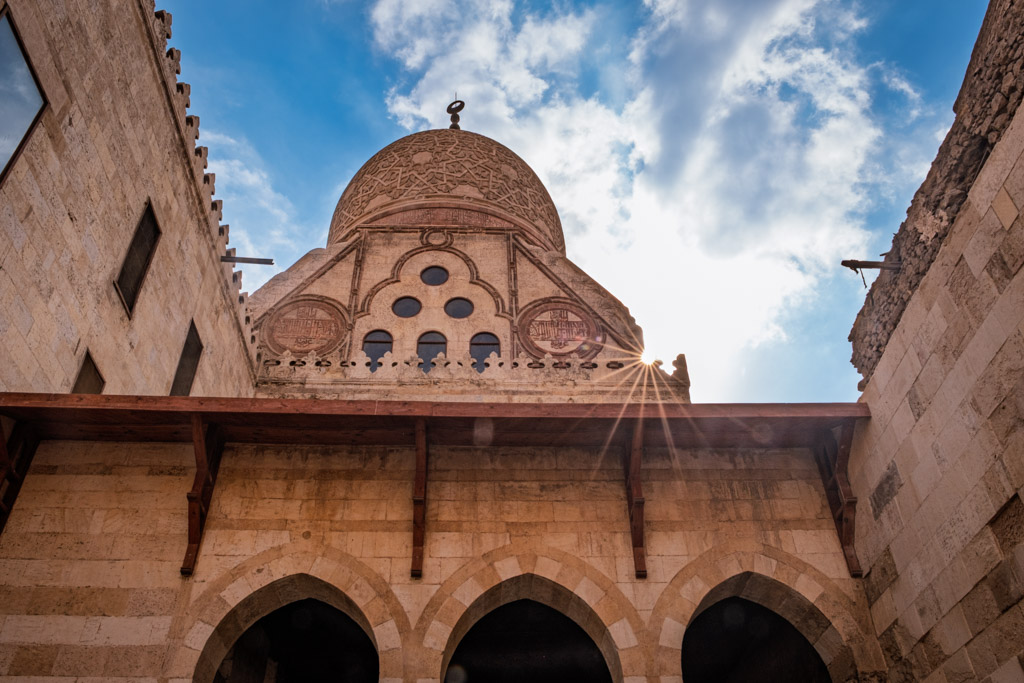
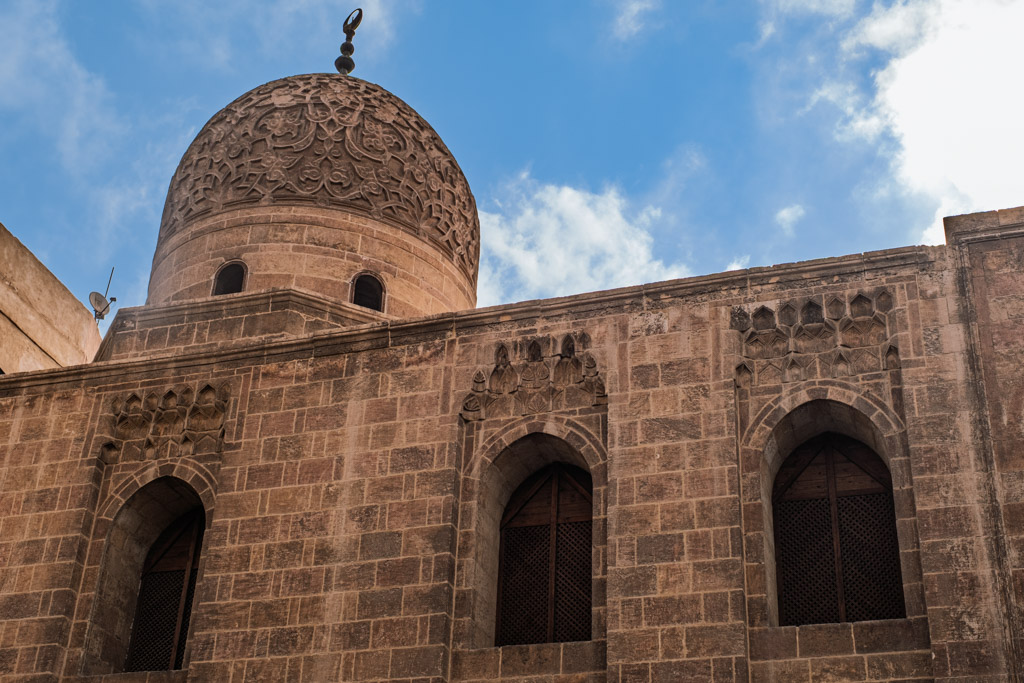
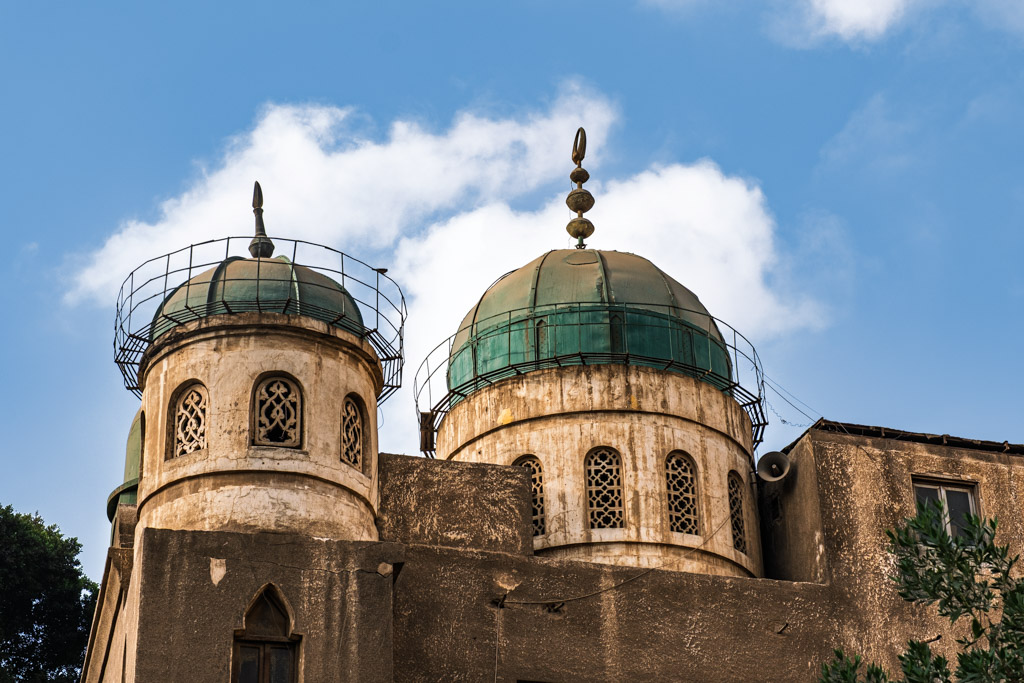
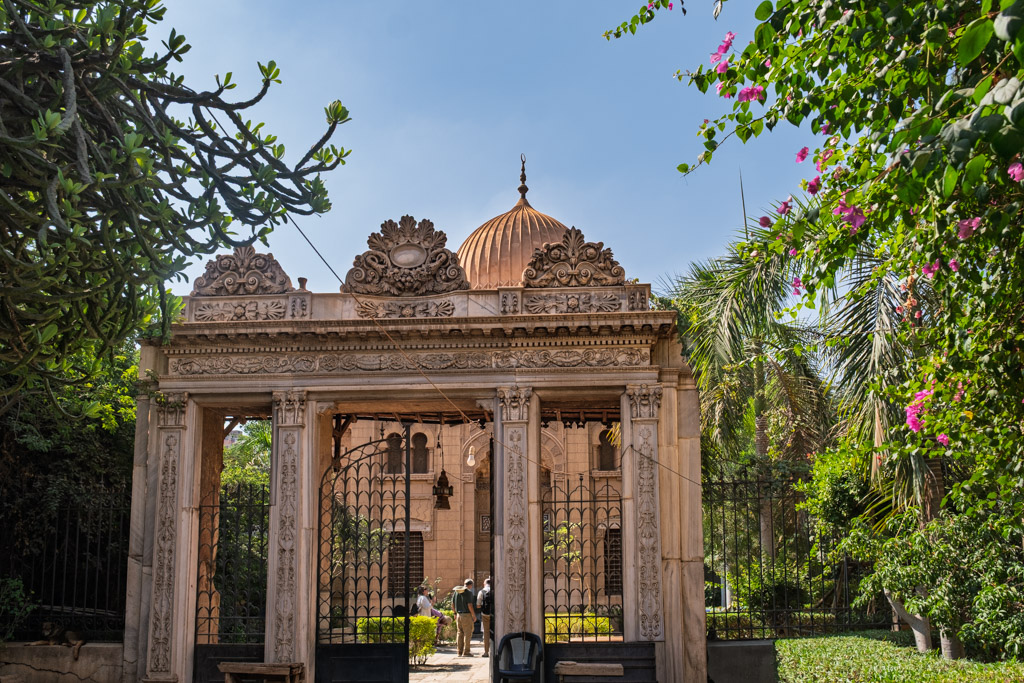
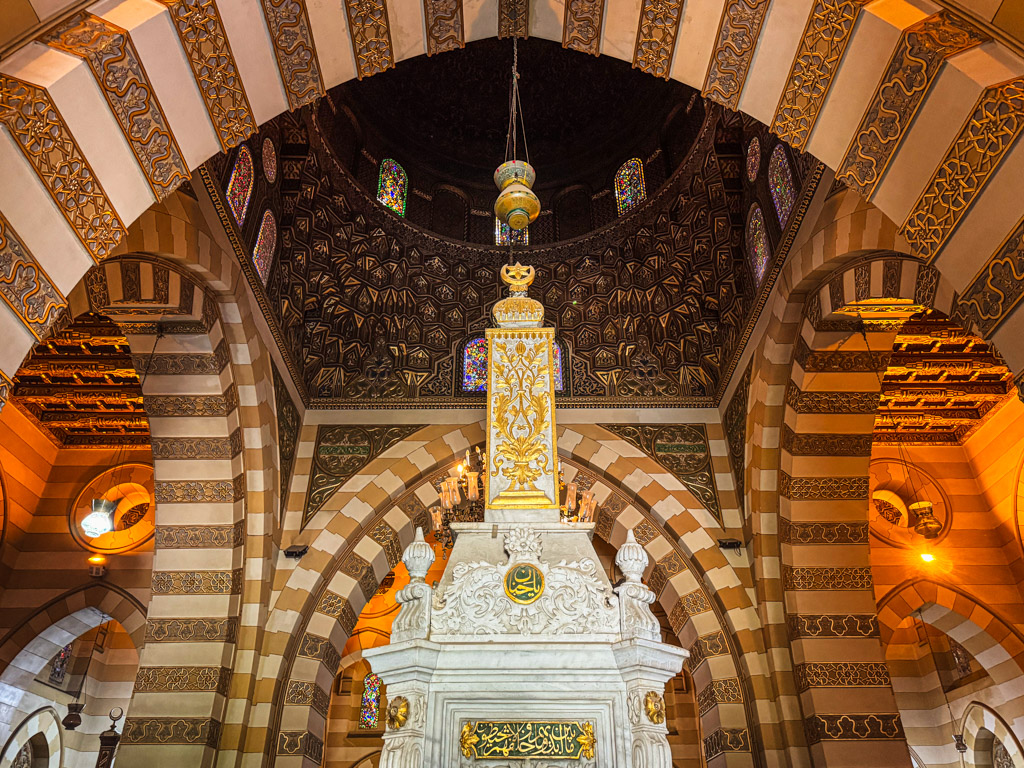
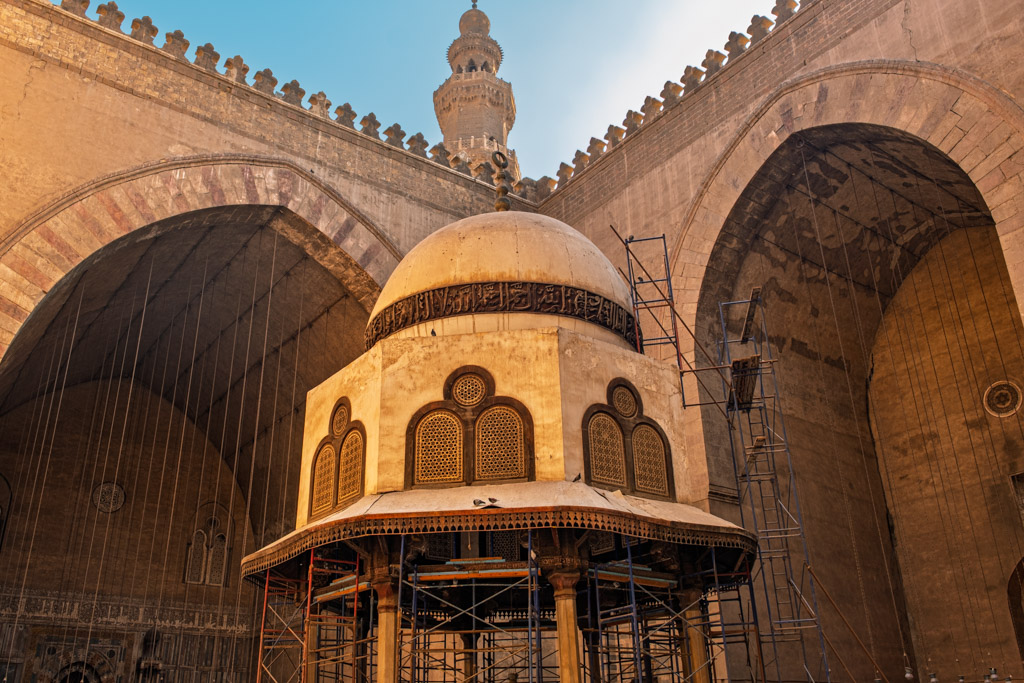
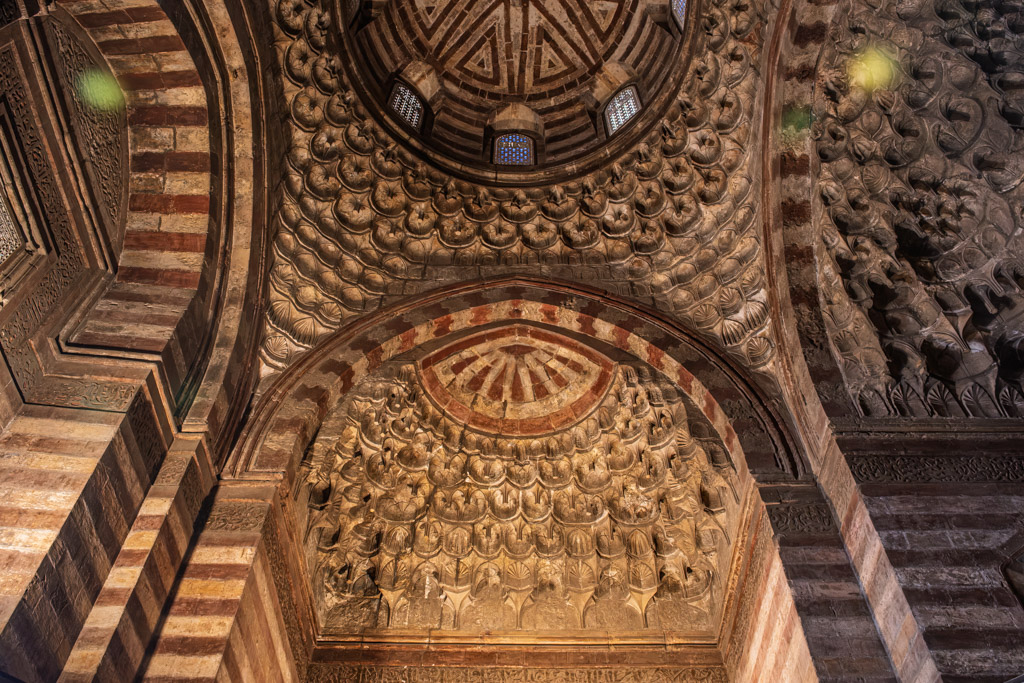
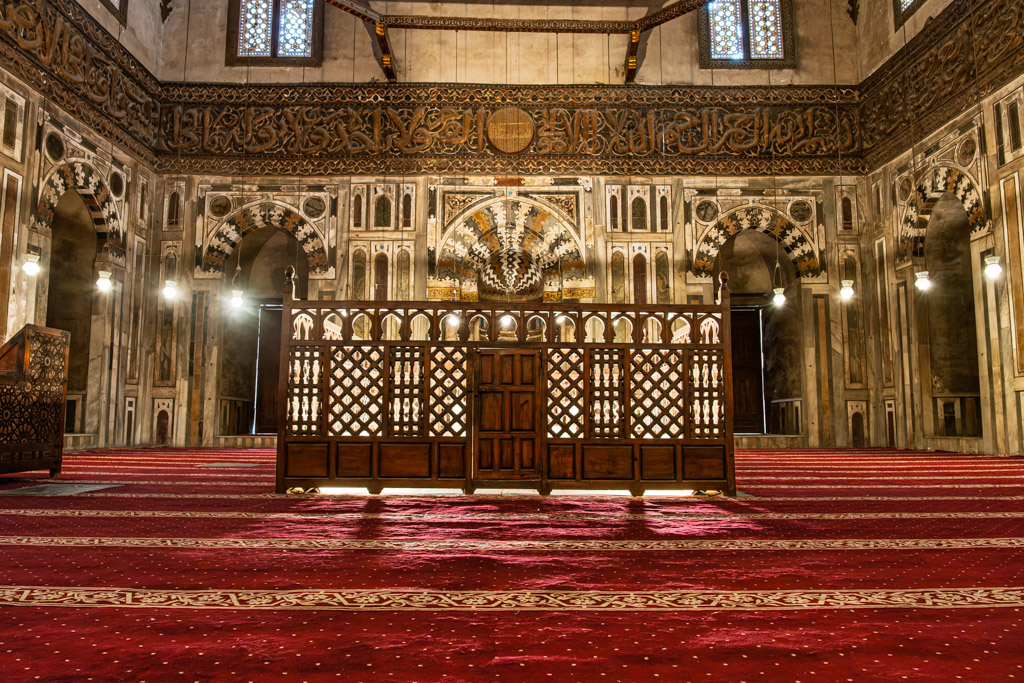
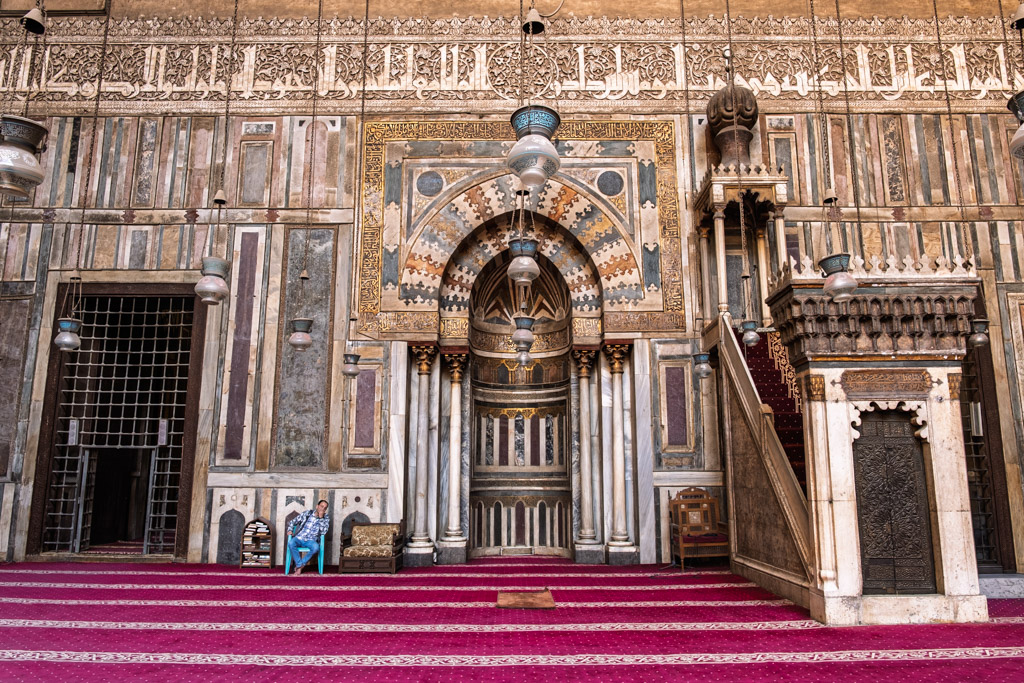
After lunch at Granita, a restaurant in the former Aga Khan Gardens, we joined Manal for a guided tour of the magnificent Sultan Hassan Mosque, one of Cairo’s finest examples of Mamluk architecture. Built in the 14th century, the mosque and madrasa (religious school) impress with their monumental scale and elegant design. We explored the vast central courtyard, surrounded by four imposing vaulted halls, each representing one of the four major schools of Sunni Islamic jurisprudence. Inside, we admired the intricately carved stonework, soaring arches and ornate mihrab, which indicates the direction of Mecca. Manal brought the monument’s history to life, explaining how it served as both a place of worship and a center of learning, reflecting the power and ambition of the Mamluk sultans.
Old Coptic Cairo & Farewell – October 26, 2026
On the final morning of our tour, we explored Old Coptic Cairo with our Egyptologist, Manal. This historic district, which predates the founding of Cairo in the 10th century, is renowned for its early Christian heritage and the remains of the ancient Roman settlement of Babylon.
Our first stop was the Ben Ezra Synagogue, one of Cairo’s most important Jewish landmarks. Although photography was not permitted inside, Manal explained its history and significance. Originally a Coptic Christian church, it was converted into a synagogue in the 9th century and is best known for the discovery of the Cairo Geniza, a vast collection of Jewish manuscripts and documents that shed light on centuries of religious and everyday life.
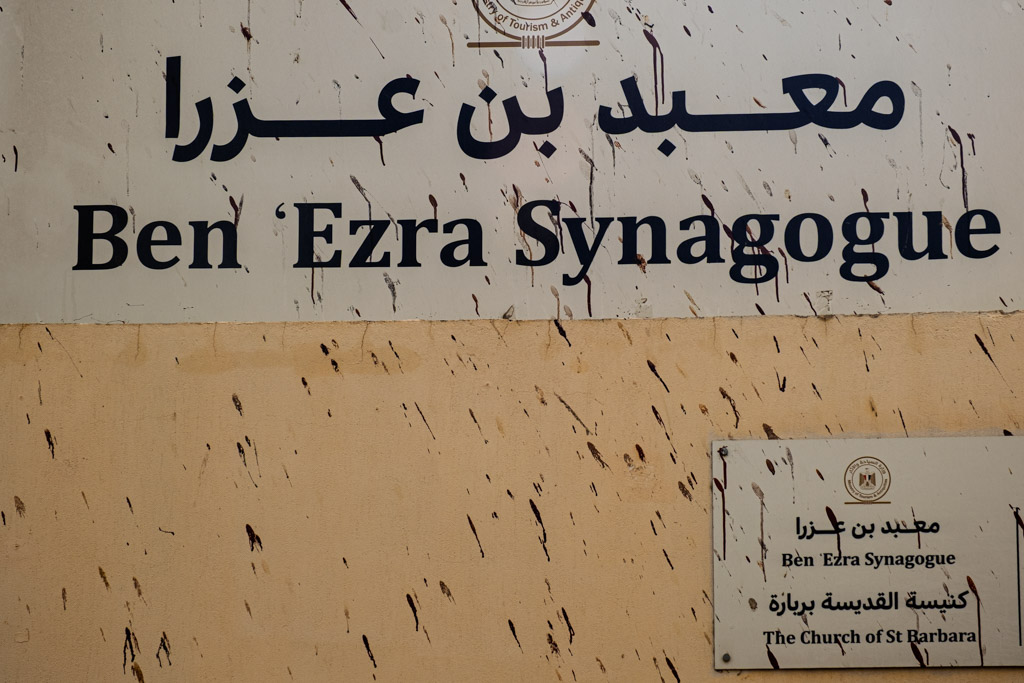
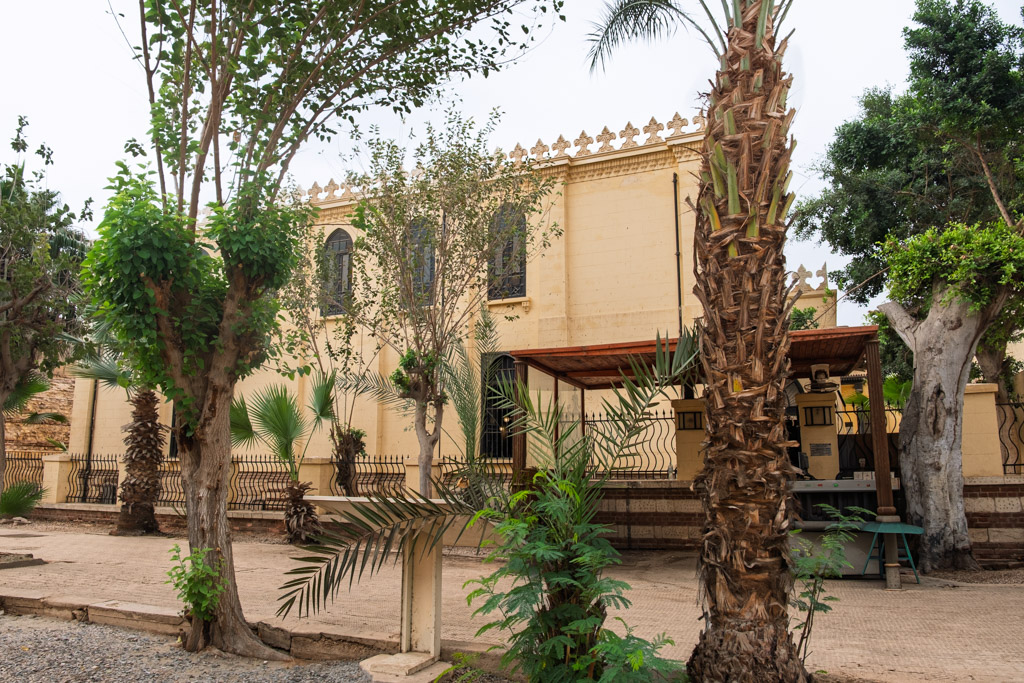
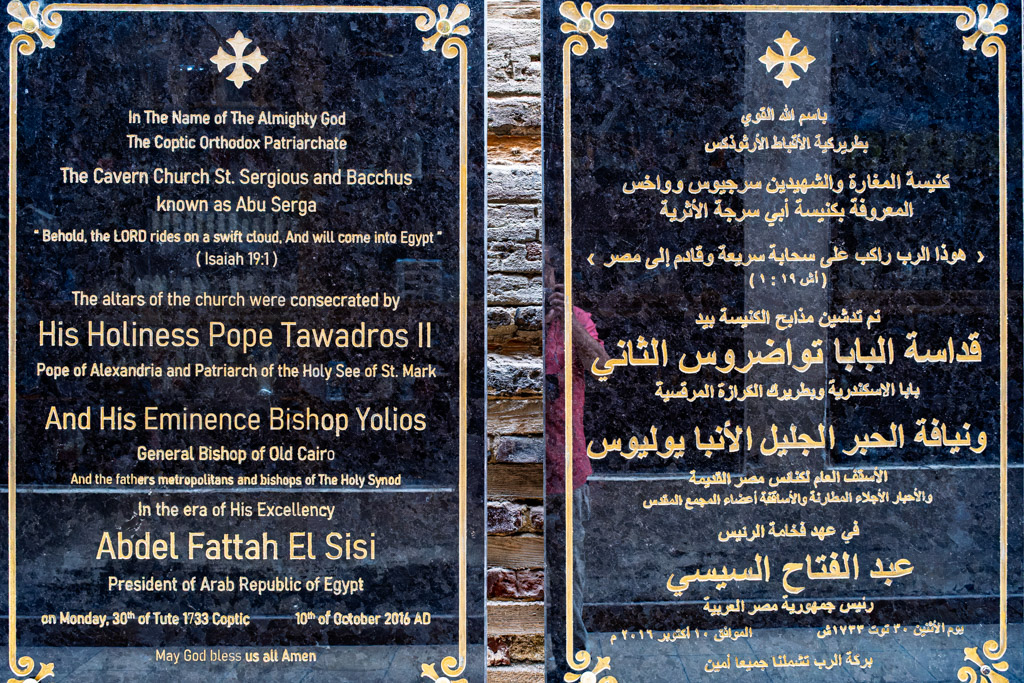
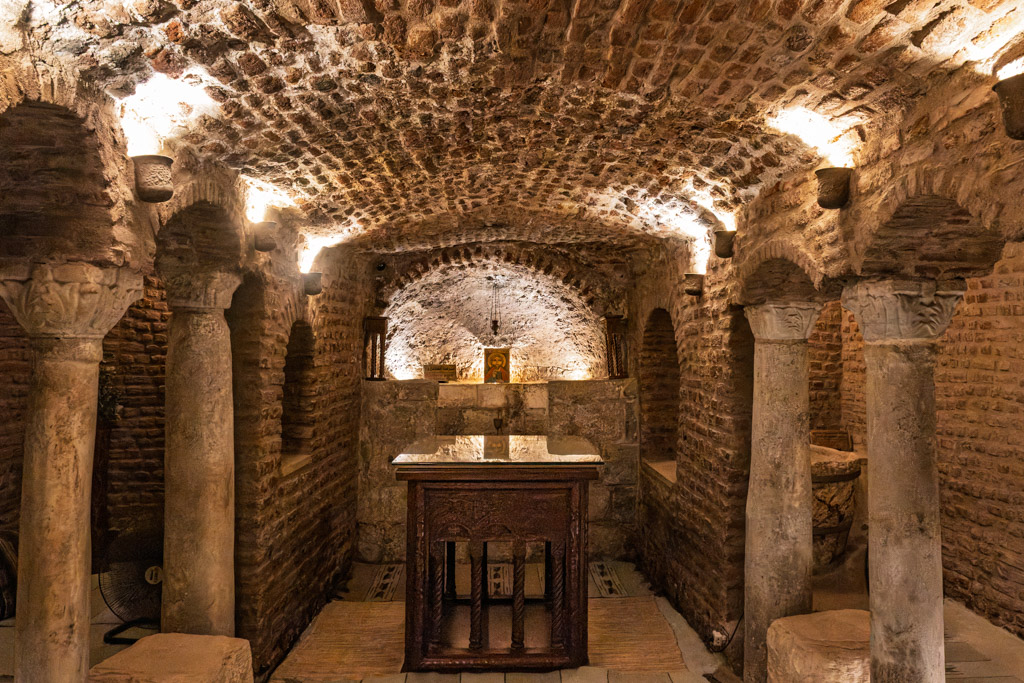
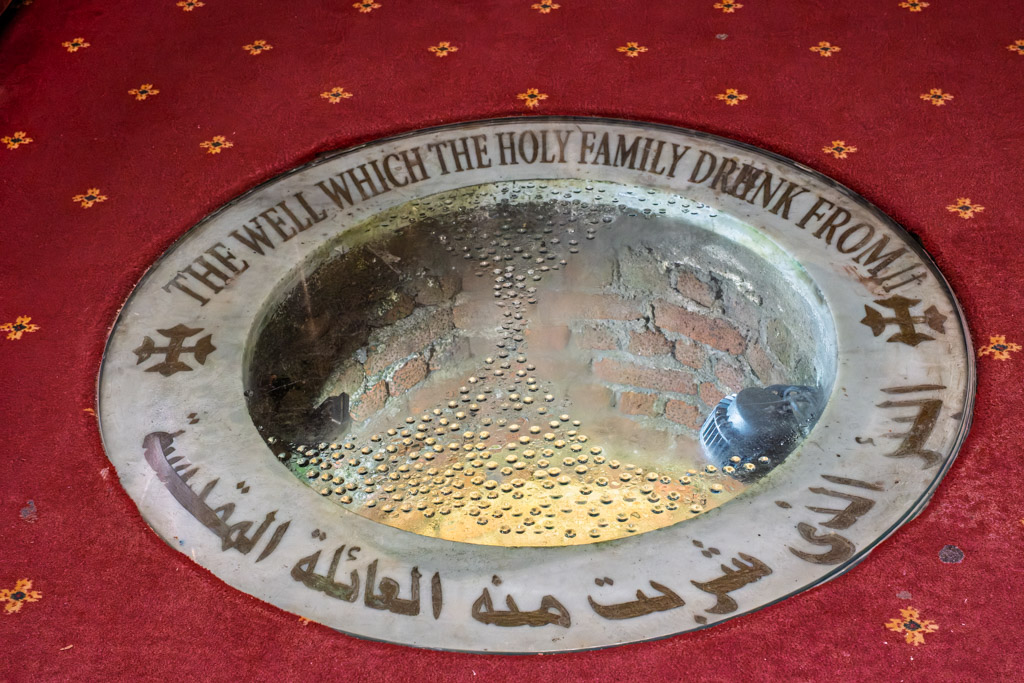
We then visited the nearby Church of Abu Serga (Saints Sergius and Bacchus). According to Coptic Christian tradition, the church was built over a cave where the Holy Family—Joseph, Mary and the infant Jesus—rested during their flight into Egypt. We descended into the ancient crypt, traditionally believed to have sheltered them, an important site of pilgrimage for Christians.
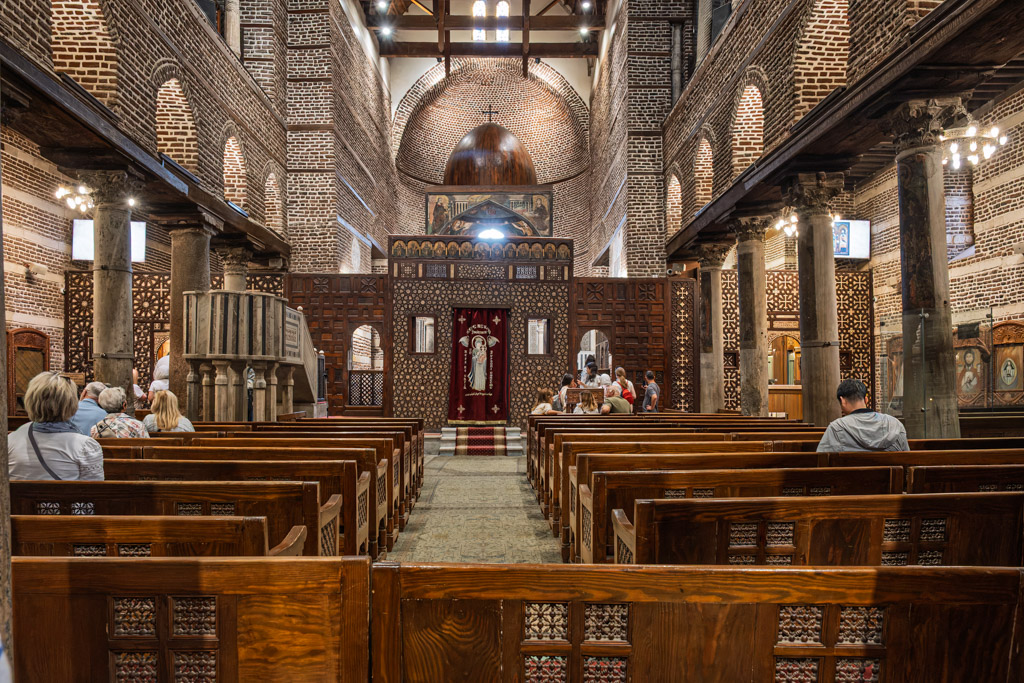
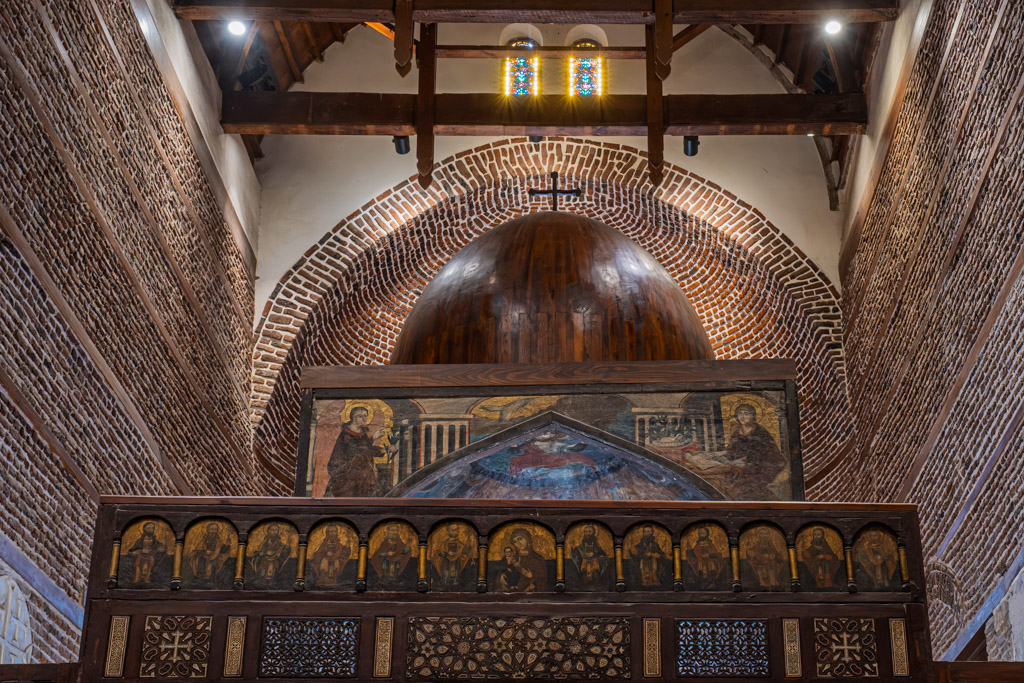
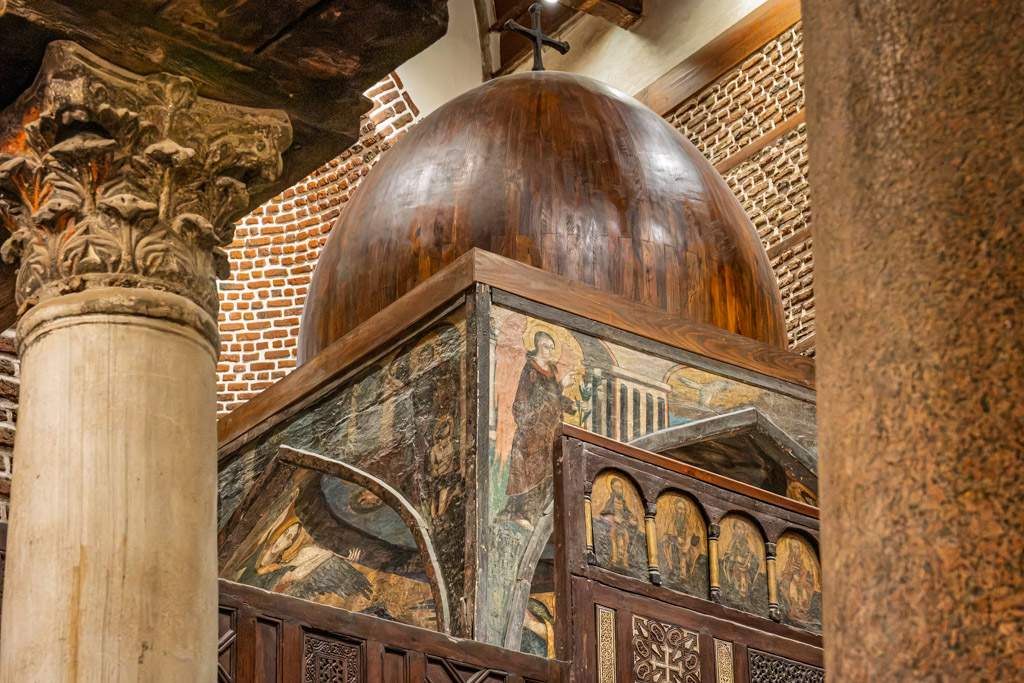
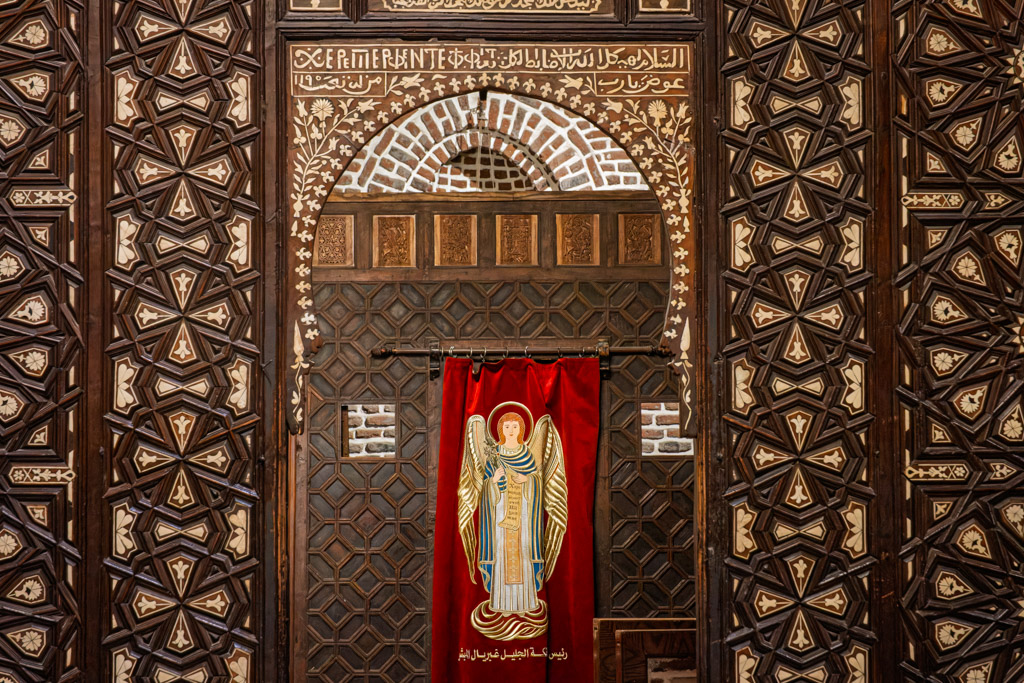
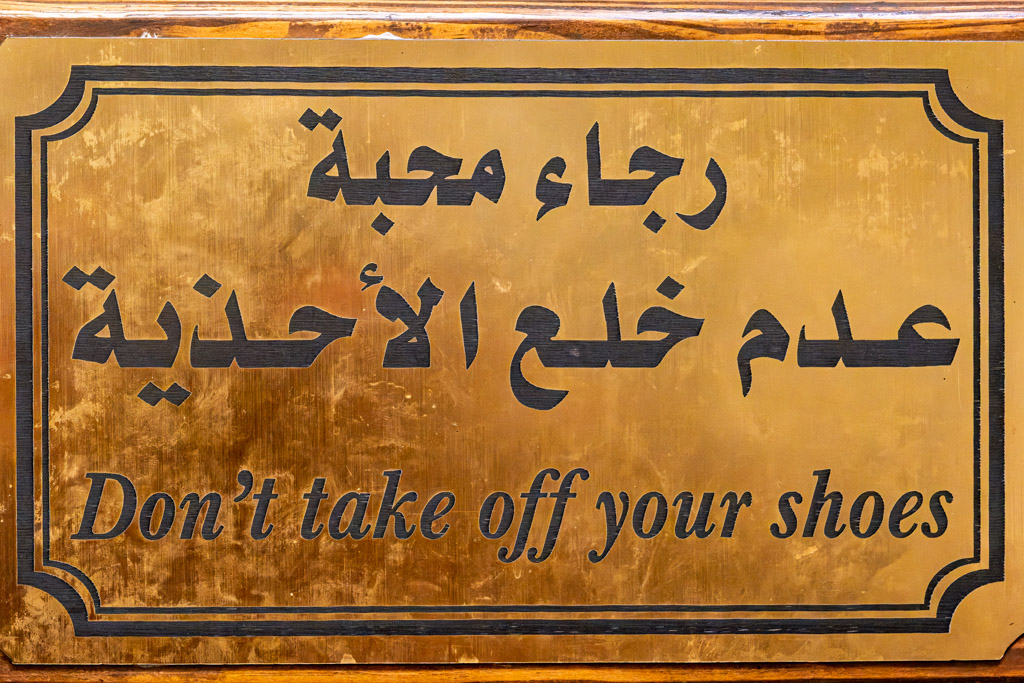
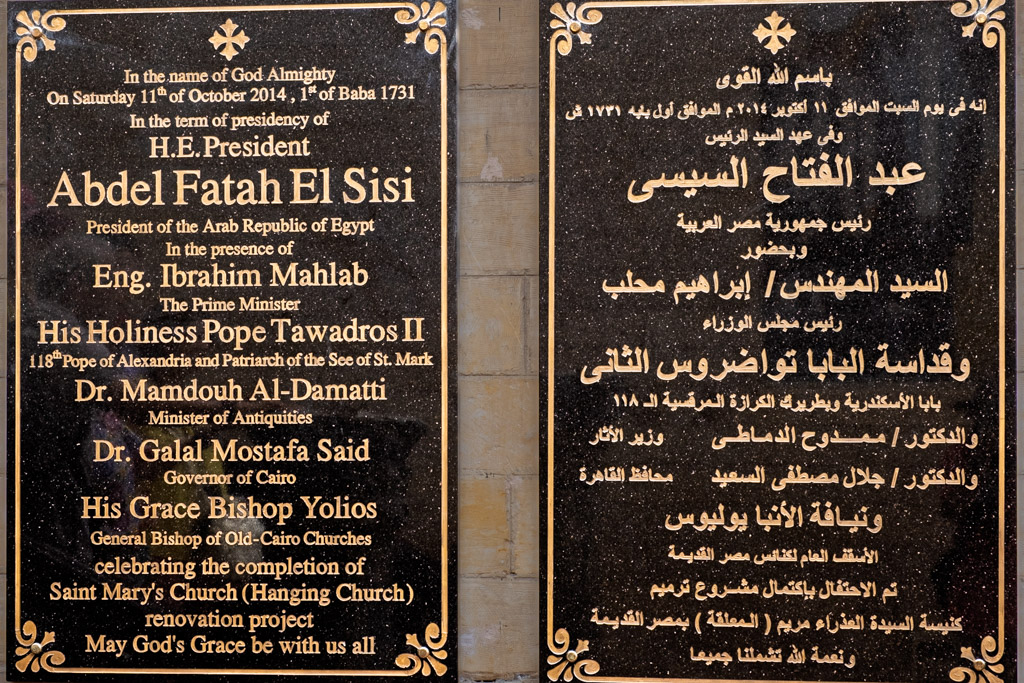
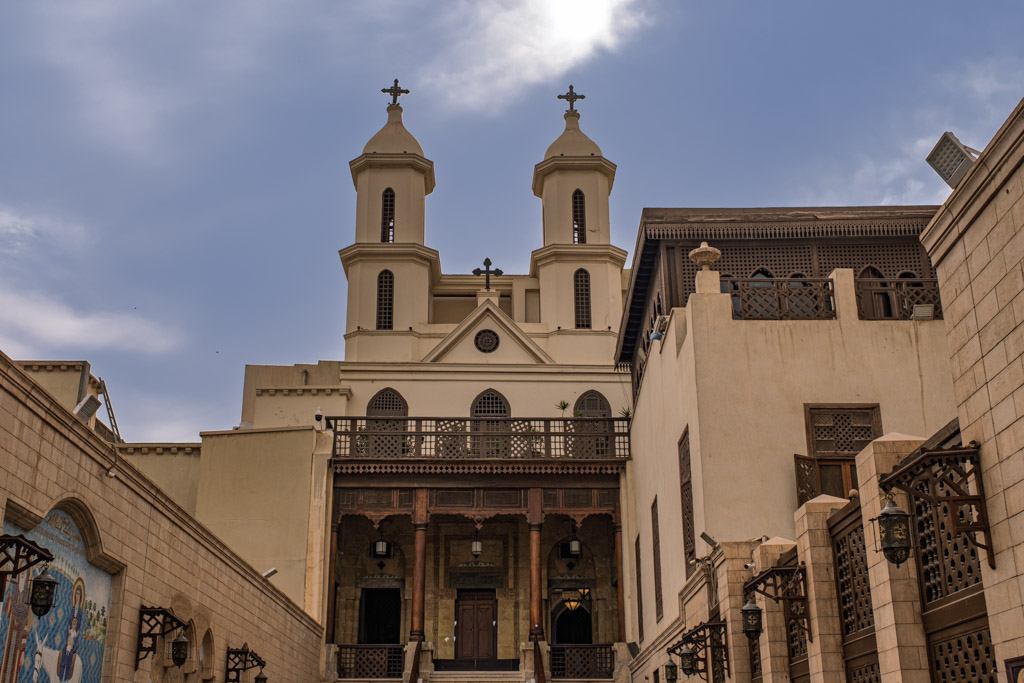
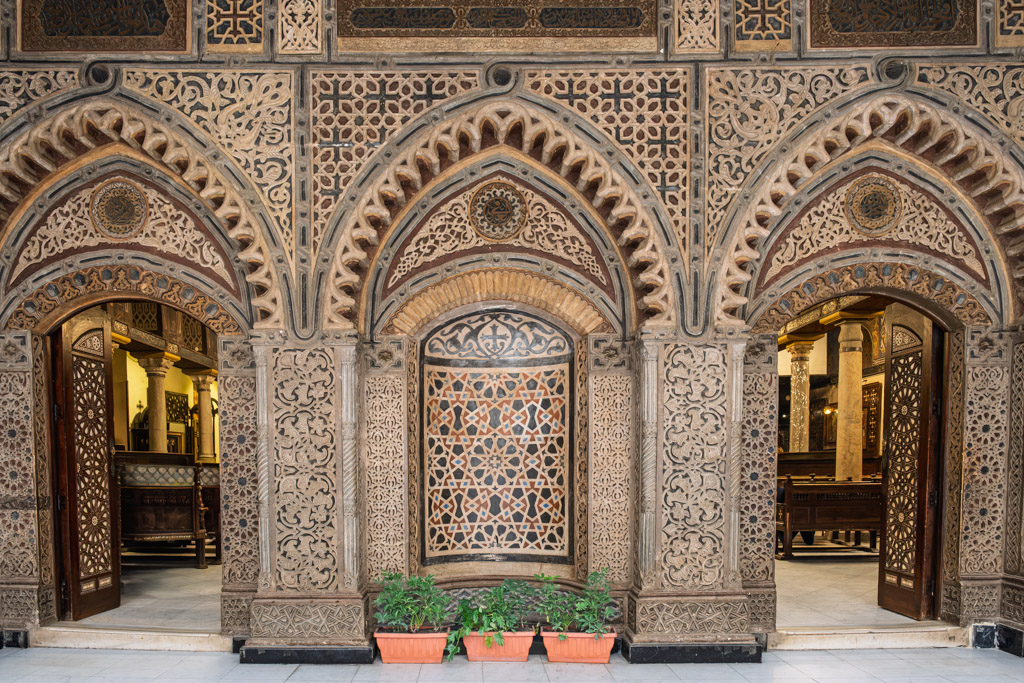
Our final stop was the Hanging Church, one of Cairo’s best-known Coptic Christian landmarks. Manal explained that its name derives from its position above the gatehouse of the ancient Roman fortress of Babylon. Dedicated to the Virgin Mary, the church is known for its wooden ceiling, intricate iconostasis—a wall separating the nave from the sanctuary, and collection of religious icons. It also served for a time as the seat of the Coptic Orthodox patriarch.
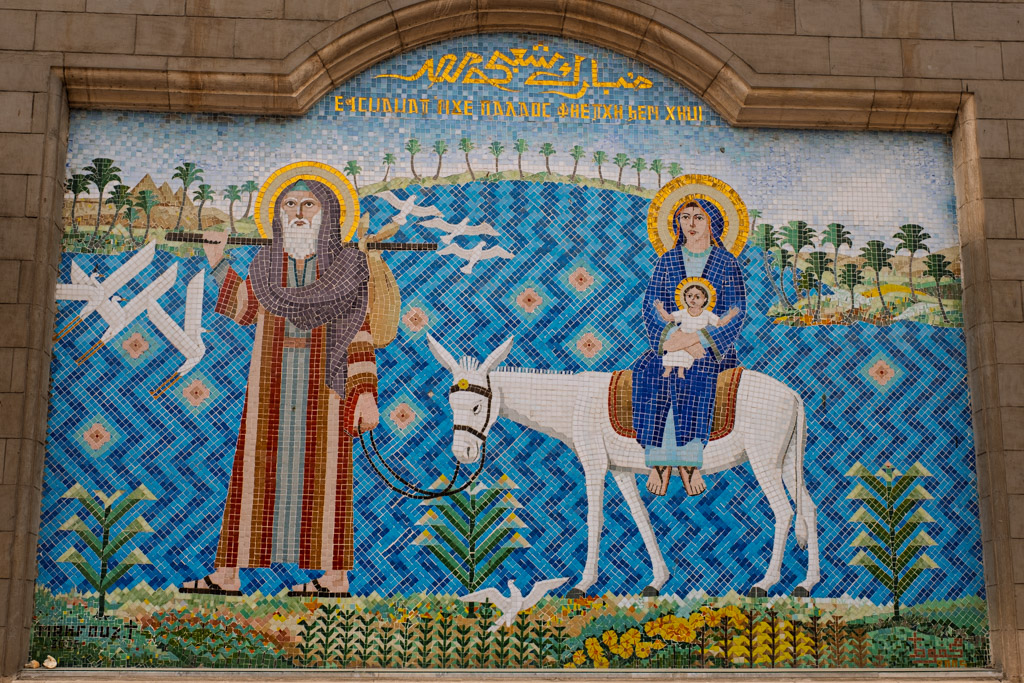
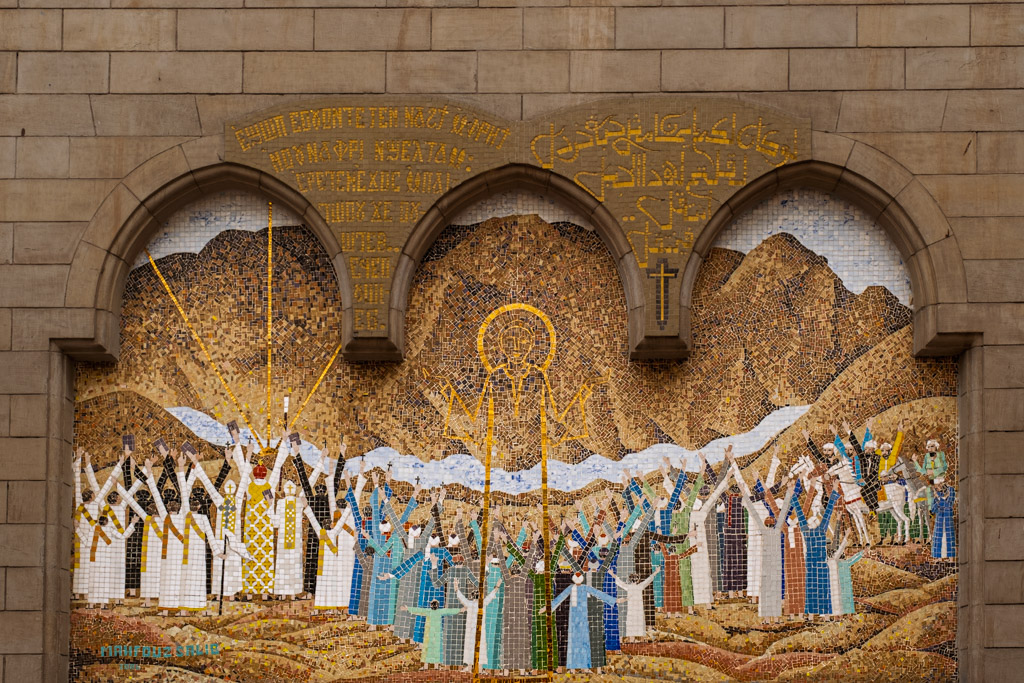
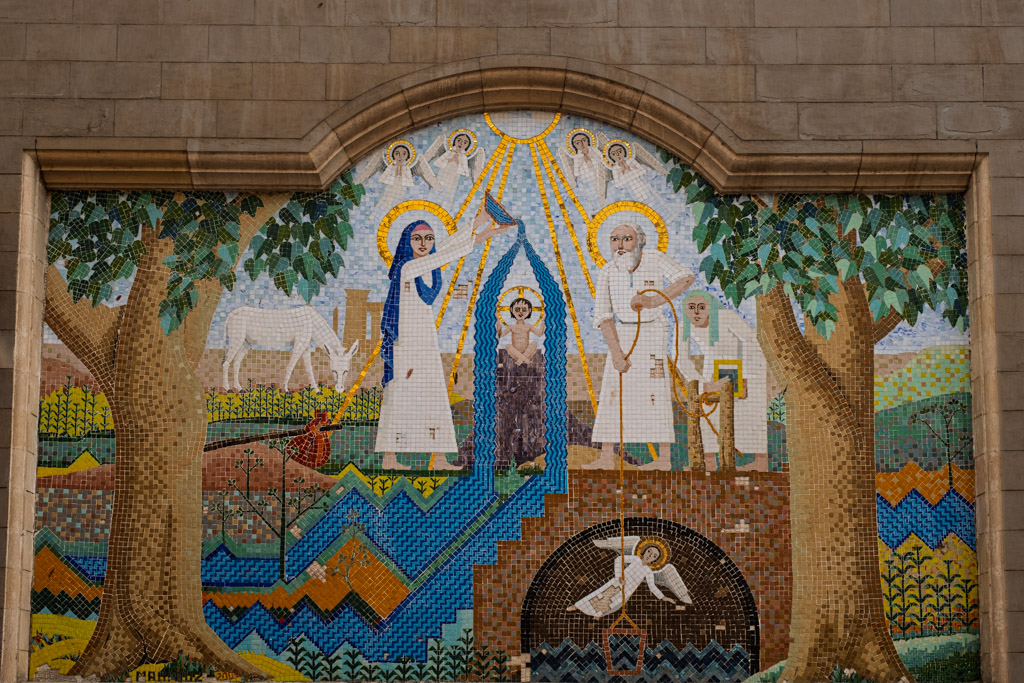
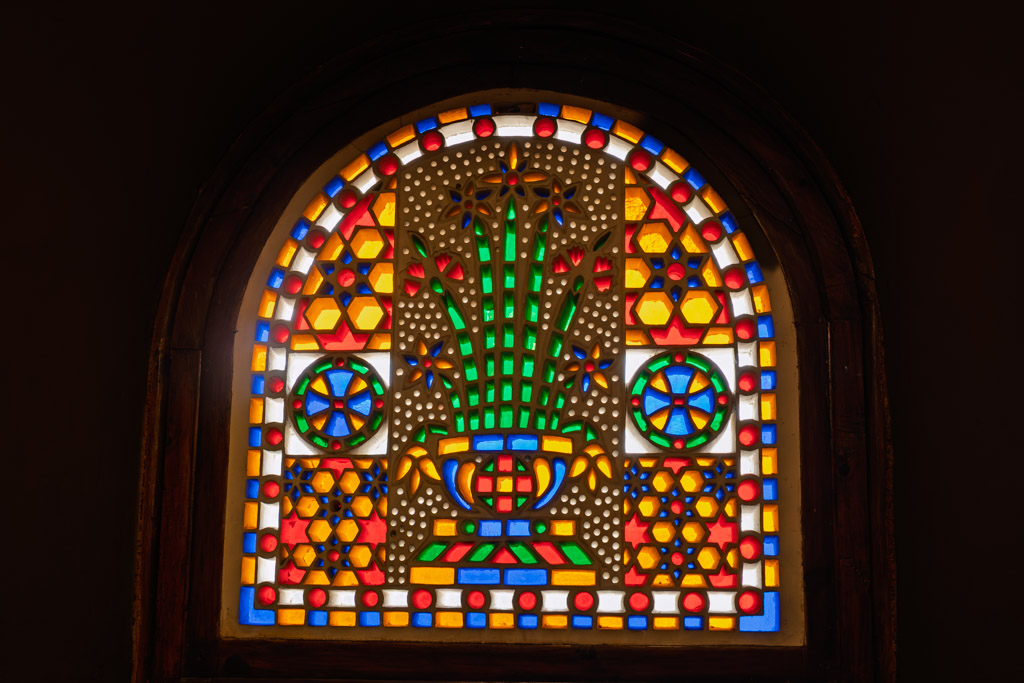
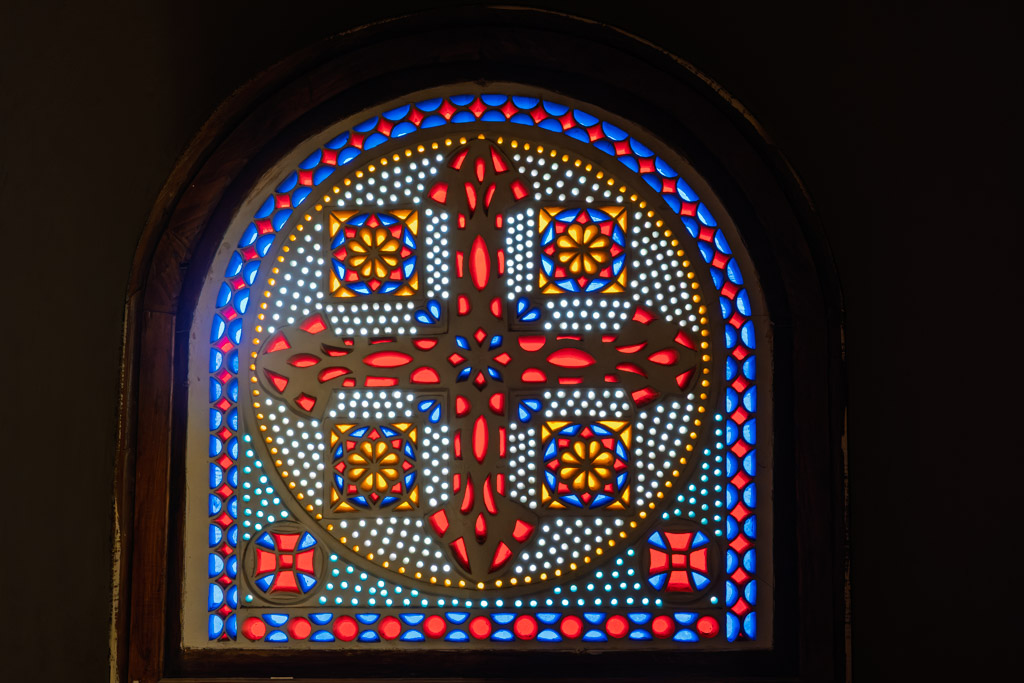
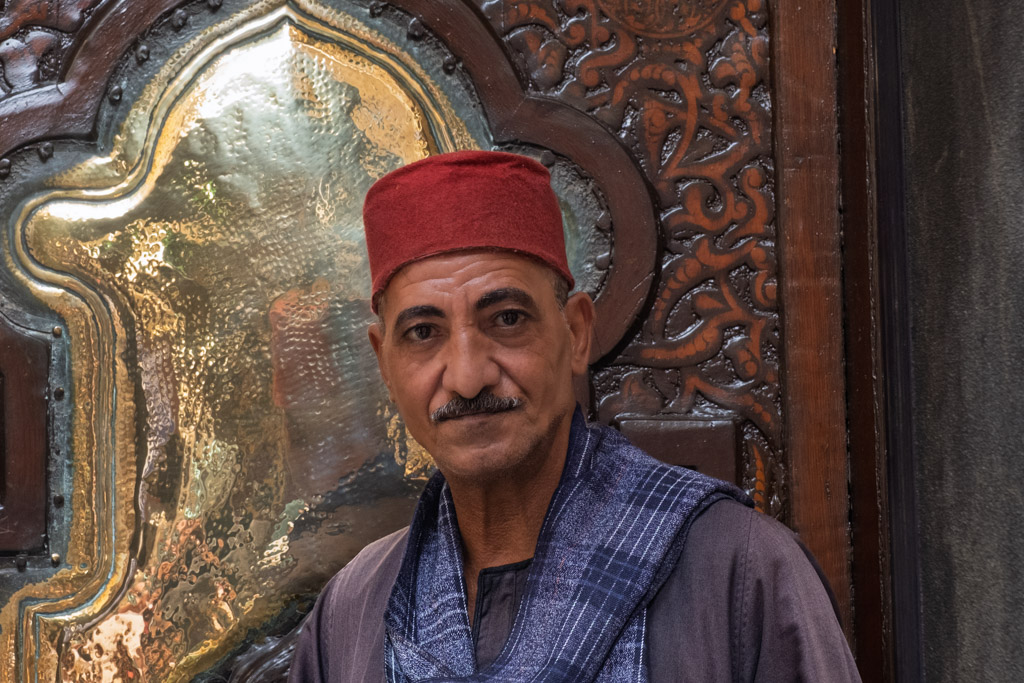
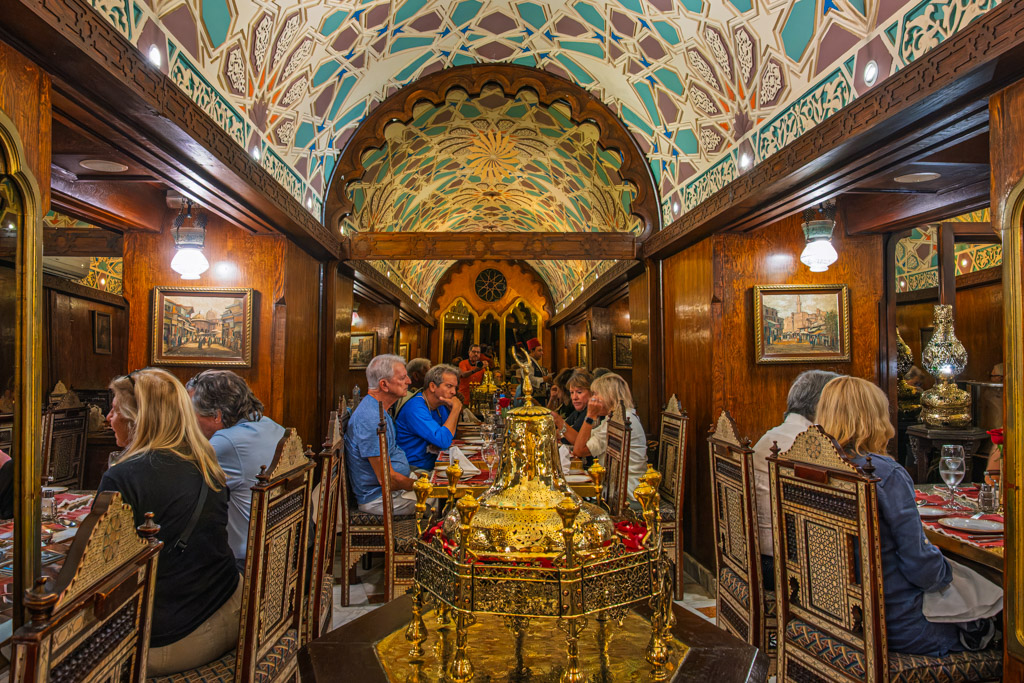
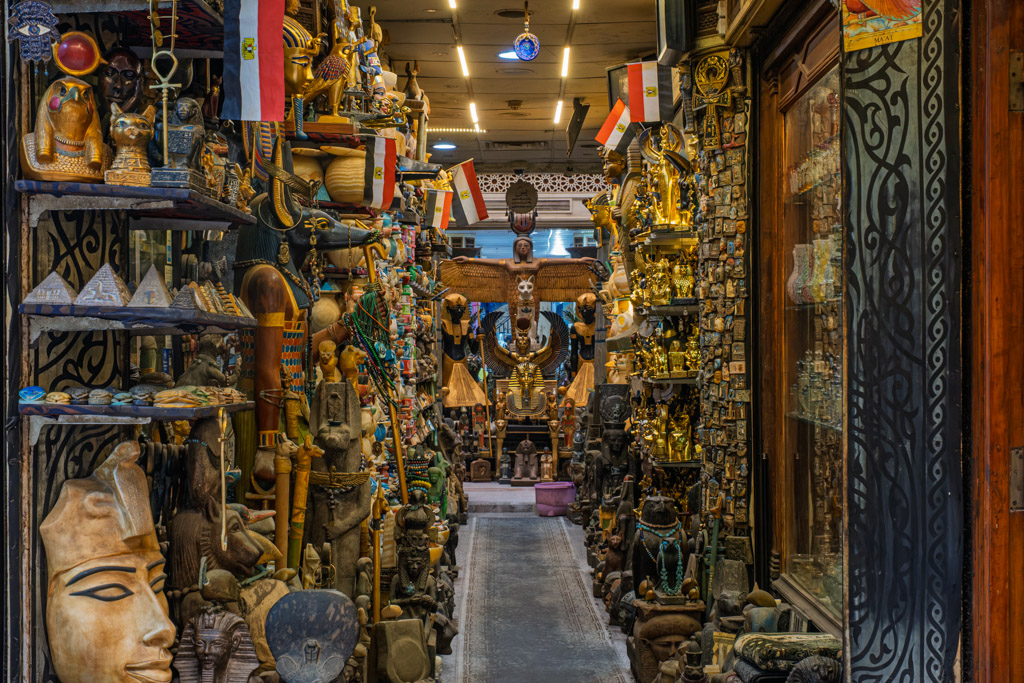
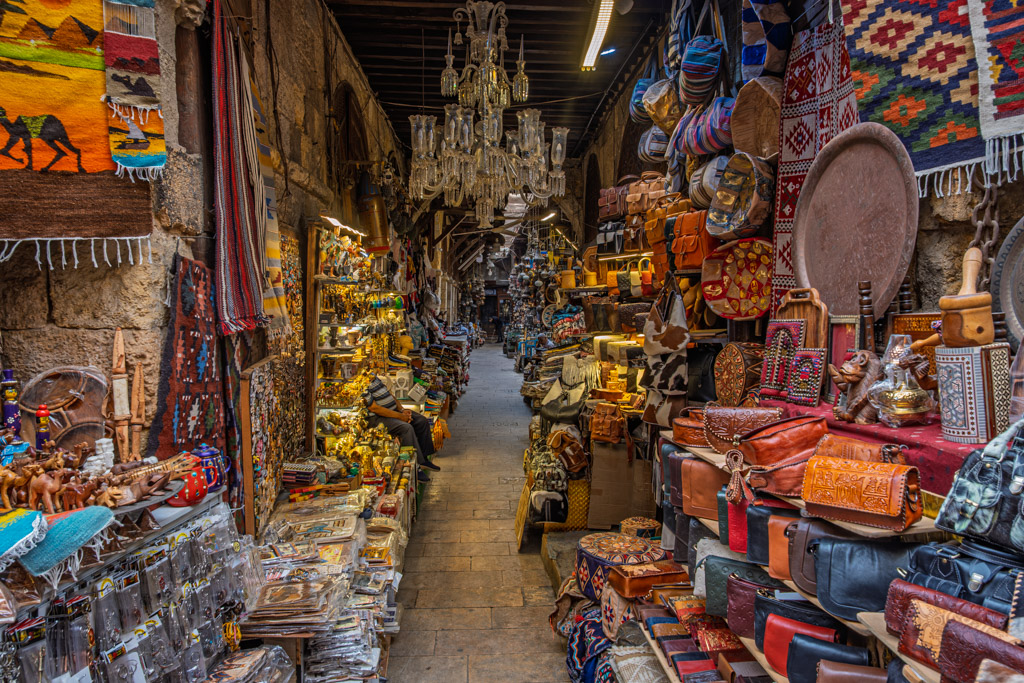
A short bus ride took us to Khan el-Khalili, Cairo’s famous bazaar, where we enjoyed lunch at the renowned Naguib Mahfouz Restaurant, known for its traditional Egyptian cuisine and elegant oriental-style interiors. Named after Egypt’s Nobel Prize-winning novelist, the restaurant offered a welcome respite from the bustle of the market. After lunch, we spent an hour browsing the lively bazaar, admiring its colorful displays of spices, jewelry, textiles, lanterns, souvenirs and other goods. We then returned to the hotel for some relaxation before getting ready for our farewell reception and dinner, bringing our memorable Egyptian experience to a close.
Discovering Historic Alexandria – October 27, 2026
Although our guided tour of Egypt officially ended yesterday, our Egyptian adventure continues! Today, we began a two-day privately guided tour of Alexandria, which we had arranged before leaving for Egypt. After a scenic, approximately three-hour drive from Cairo through stretches of countryside and cultivated fields, we arrived n Alexandria and met our local guide, Maha Ashour, a very pleasant lady with a bubbly personality and great passion for her city. Founded by Alexander the Great in 331 BC, Alexandria was once a major center of Greek culture, learning, and commerce. It was home to the legendary Great Library of Alexandria and the Lighthouse of Alexandria, the latter one of the Seven Wonders of the Ancient World.
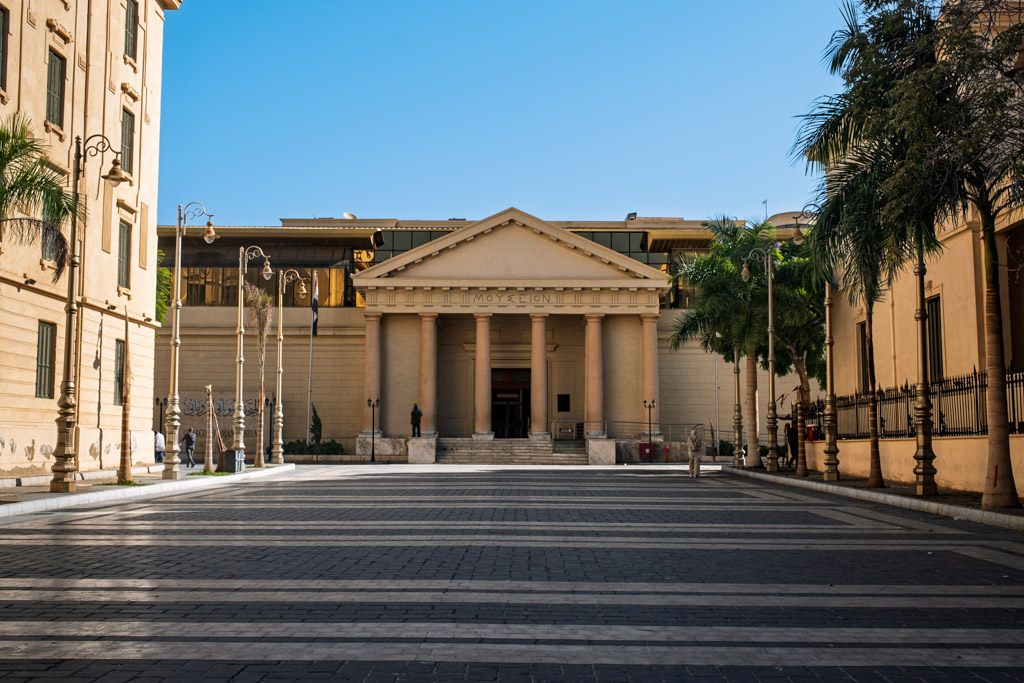
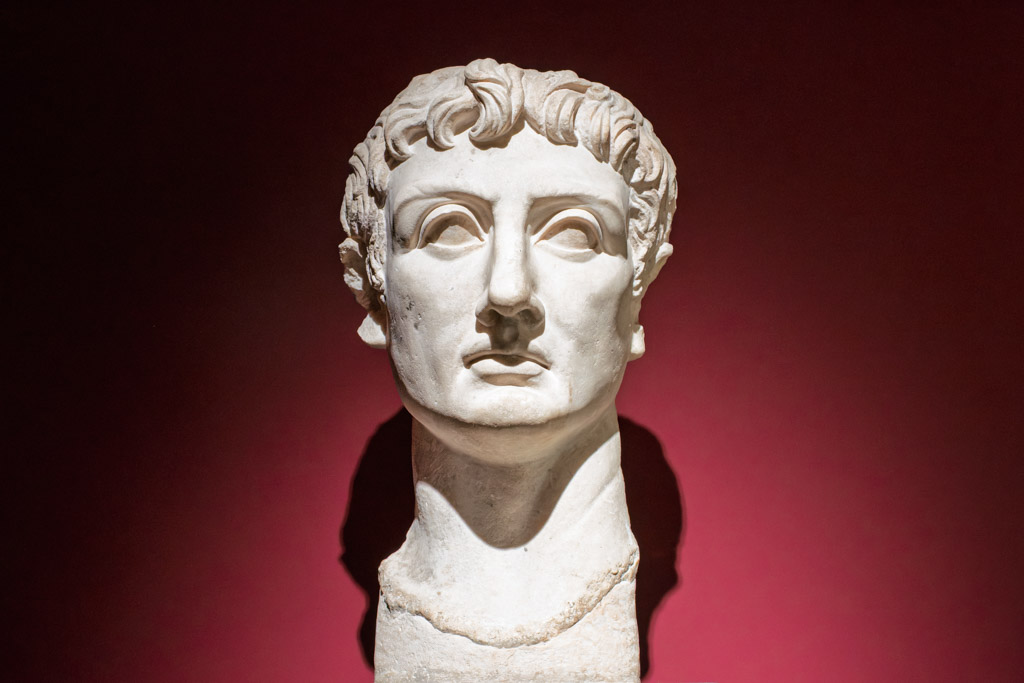
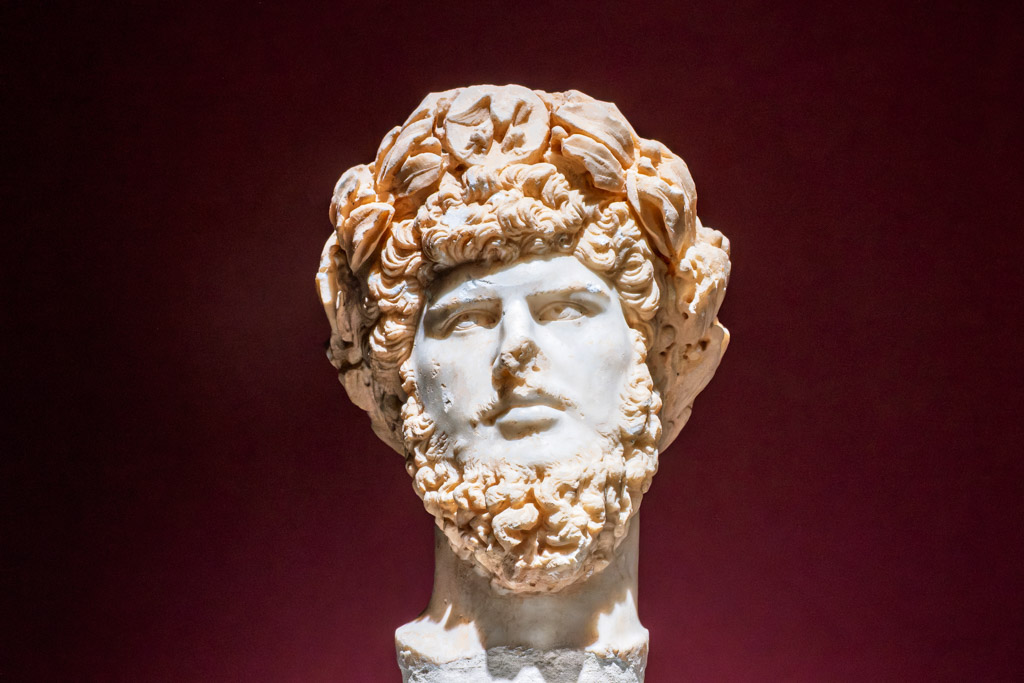
Our first stop was the Greco-Roman Museum, which reopened on October 11, 2023, following extensive renovations. Accompanied by Maha, we wandered through galleries filled with ancient statues, elaborately decorated sarcophagi, coins, pottery, and exquisite jewelry many of which were found underwater. Sculptures of Egyptian and Greco-Roman gods offered a glimpse into the blending of religious beliefs, while everyday objects revealed how people lived centuries ago. Maha’s insightful explanations brought these treasures to life, highlighting Alexandria’s remarkable role as a meeting place of Egyptian, Greek, and Roman civilizations. We thoroughly enjoyed this museum; its scale and the number of tourists visiting it were manageable.
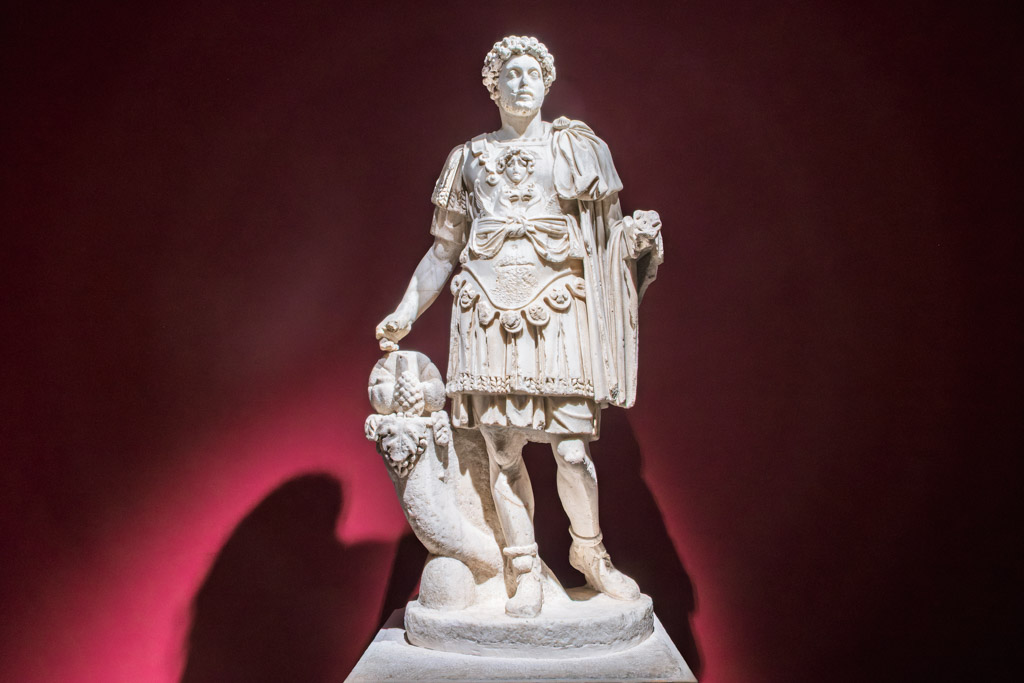
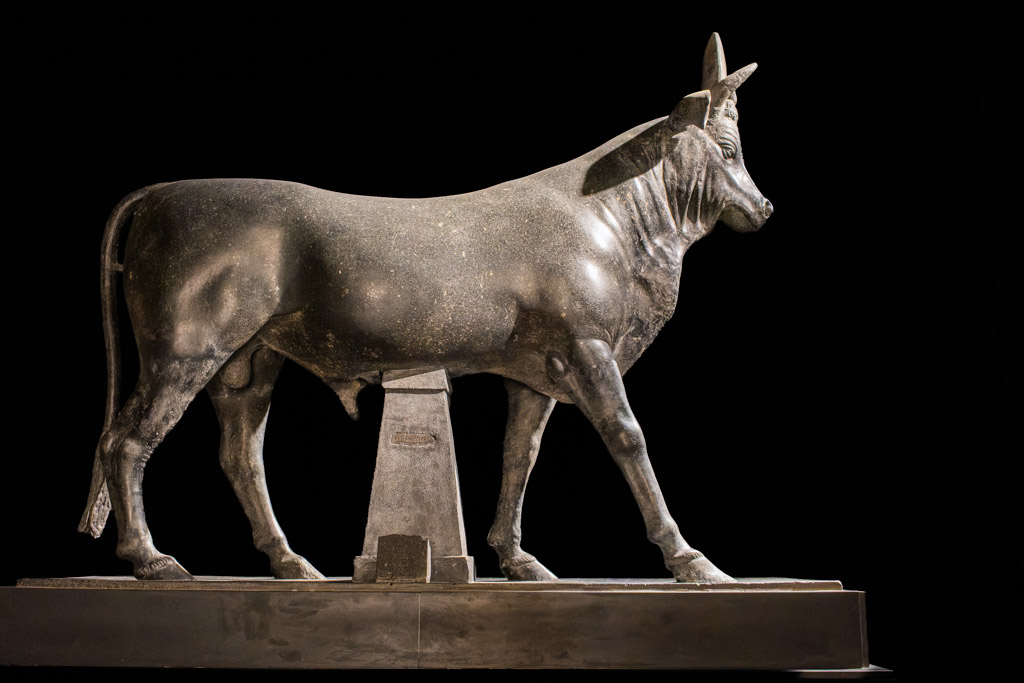
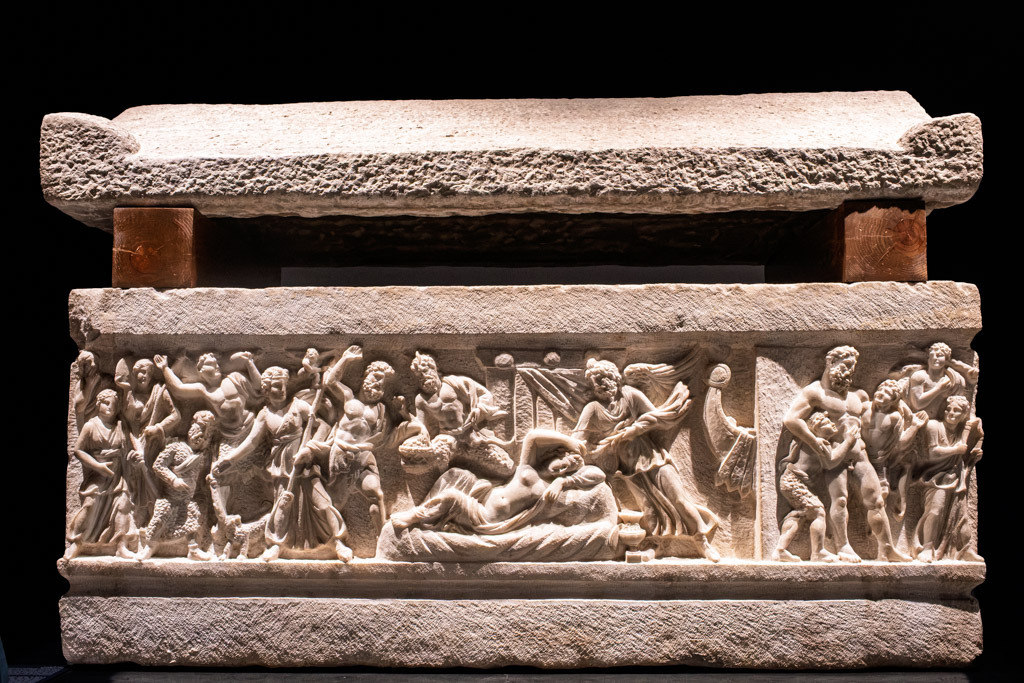
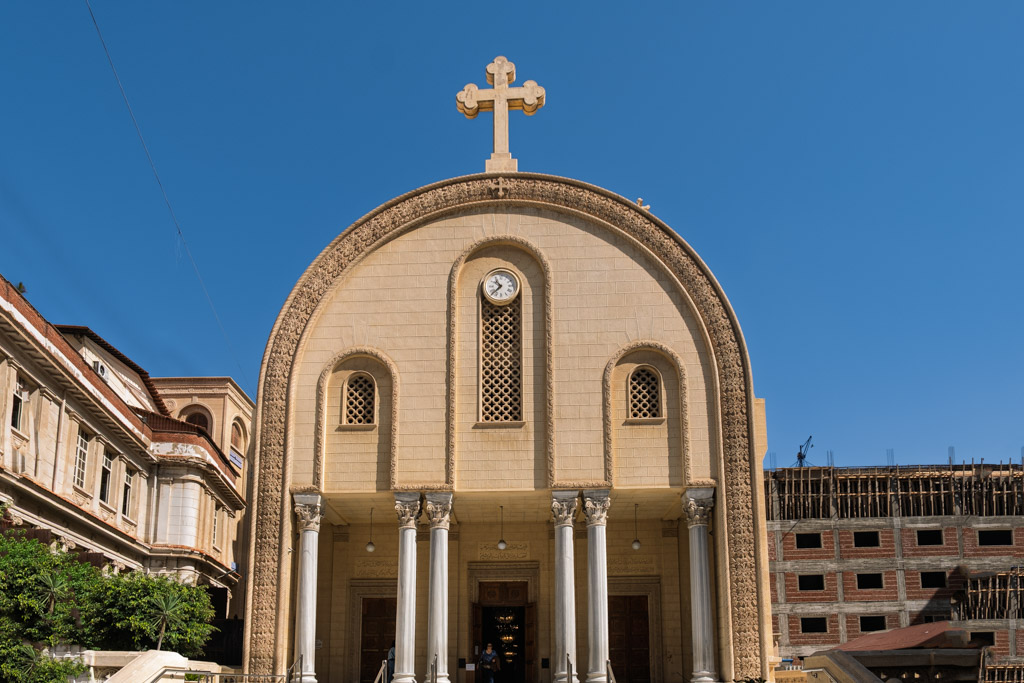
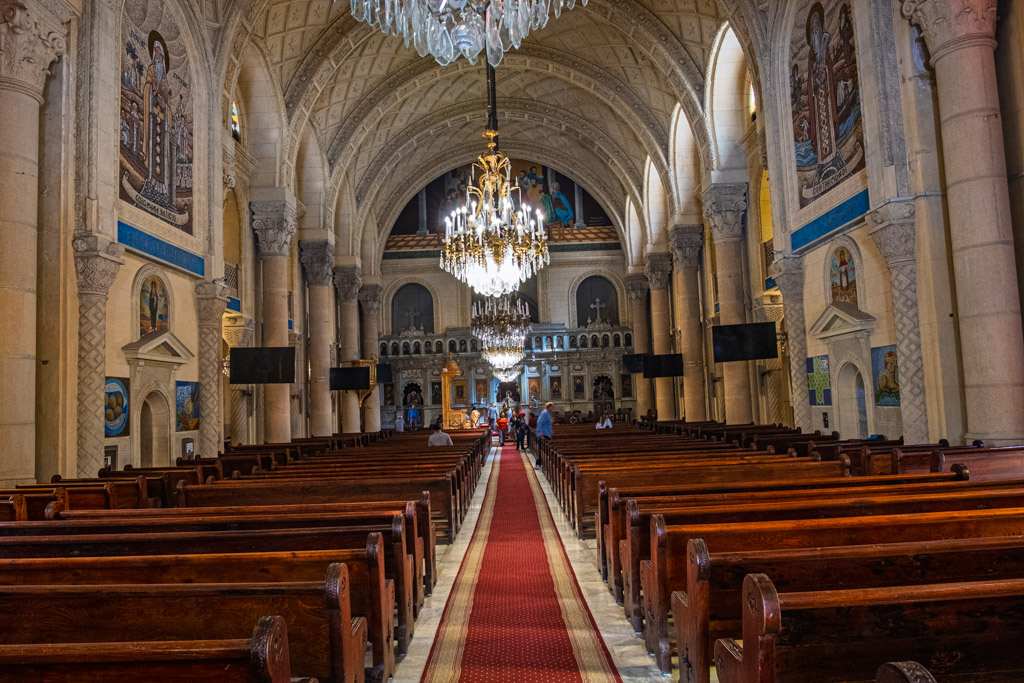
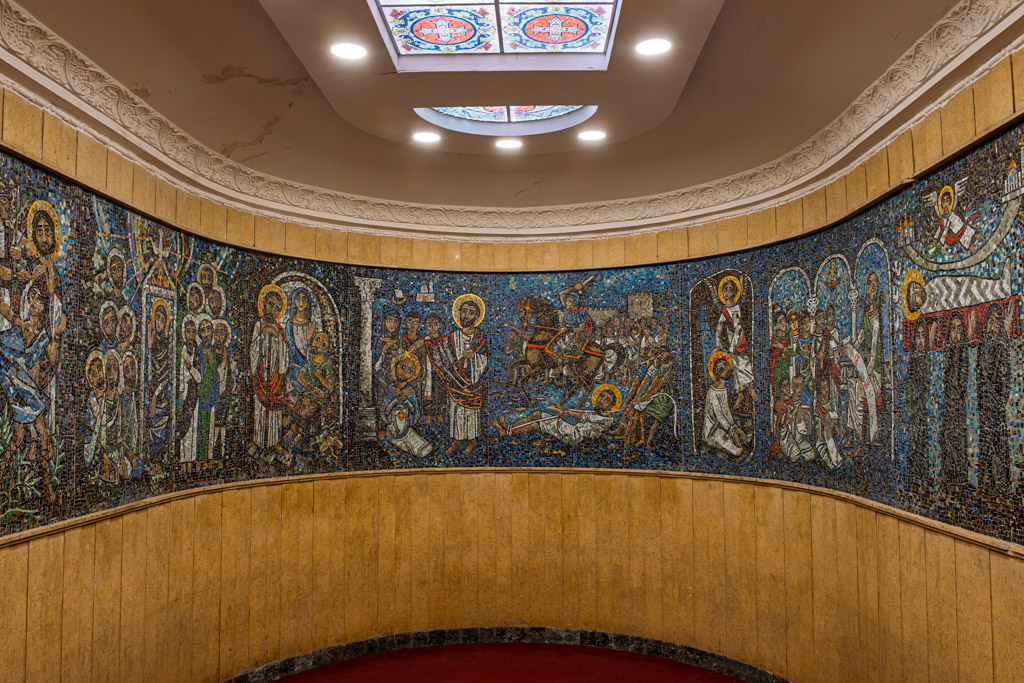
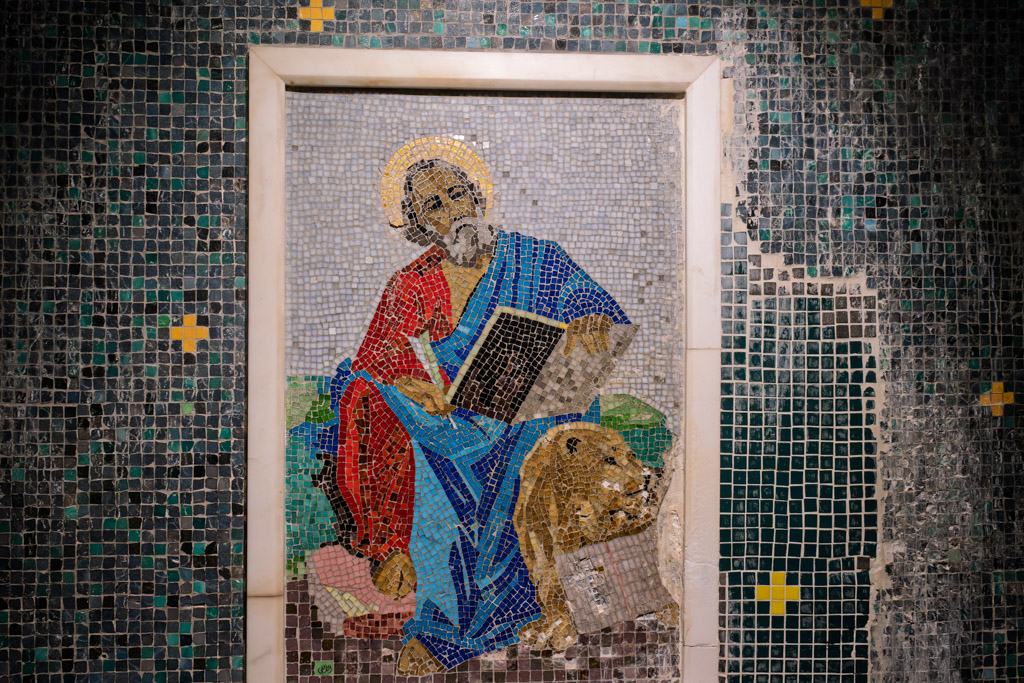
We next visited St. Mark’s Coptic Orthodox Cathedral, one of Christianity’s oldest and most important historic sites in Egypt. According to Coptic tradition, St. Mark the Evangelist brought Christianity to Alexandria around AD 60 and founded the church there. The present cathedral was rebuilt in the mid-20th century and inaugurated in 1968. It underwent further restoration following a terrorist attack in 2017, with renovations inaugurated in 2022. An interesting piece of history is that St. Mark’s remains were once buried here before Venetian merchants took them to Venice, where they now rest in St. Mark’s Basilica. The Coptic Church, however, retained his head, which is believed to be kept in a sealed reliquary within the cathedral, alongside the remains of Anianus the Cobbler, traditionally regarded as the first Egyptian convert to Christianity, and several other saints. Also of note, Coptic churches do not have statues, only icons, mosaics, and paintings.
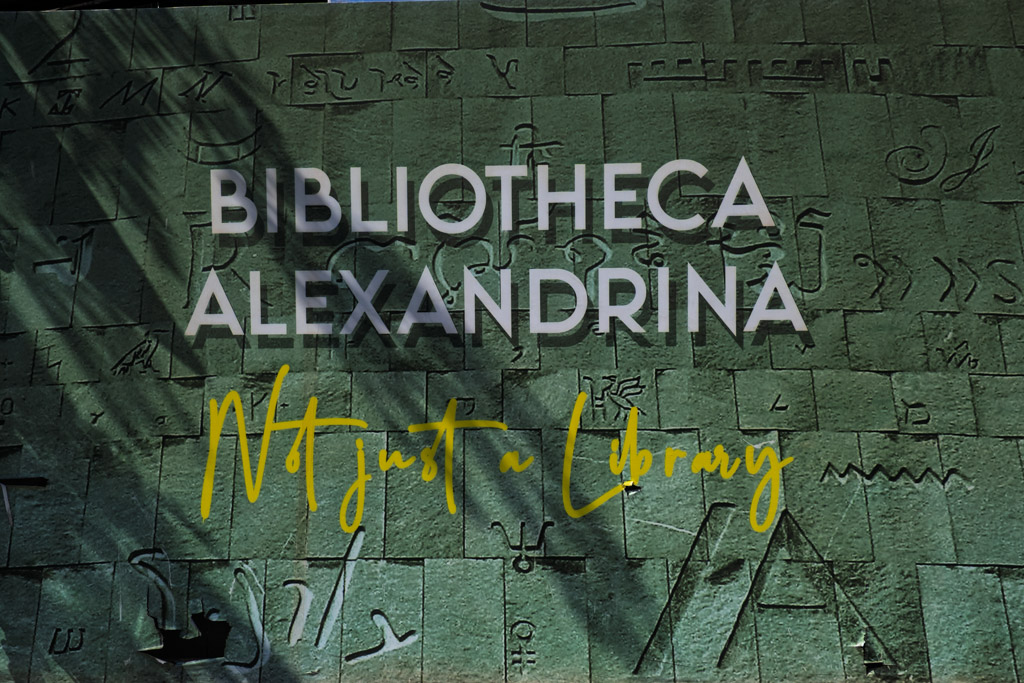
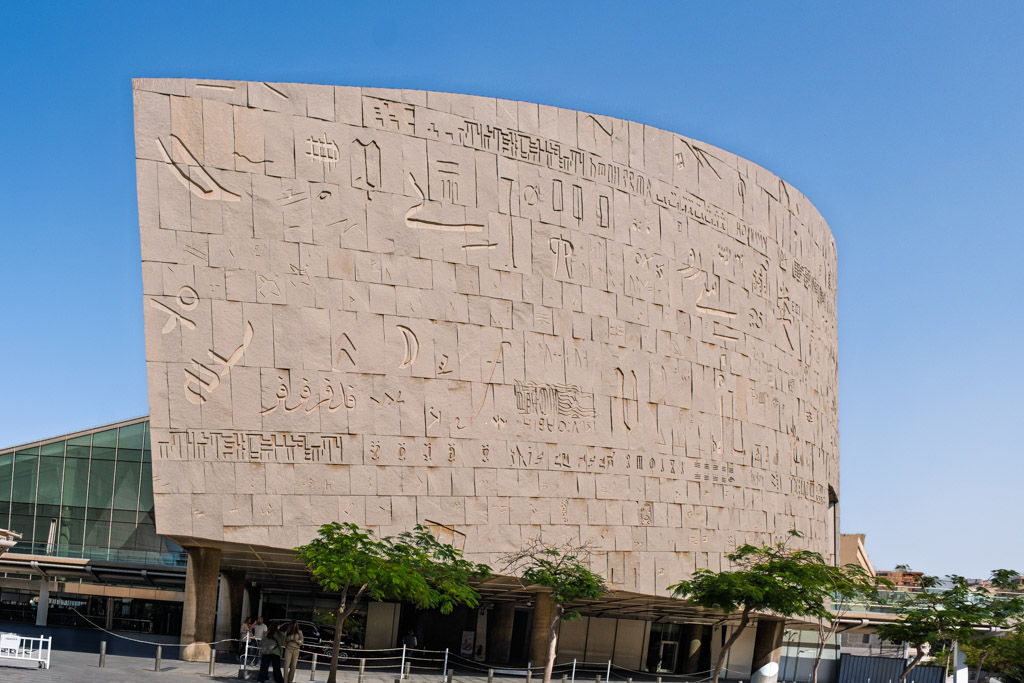
Our next stop before lunch was the Bibliotheca Alexandrina, a striking modern tribute to Alexandria’s ancient library. Designed by the Norwegian firm Snøhetta in collaboration with Egypt’s Hamza Associates, the building features a sloping, circular roof symbolizing a rising sun and an exterior granite wall engraved with characters from numerous writing systems. Inside, the library houses an extensive book collection, several floors of reading rooms, art galleries, specialized museums, and research centers. As Maha explained, this architectural landmark seeks to revive Alexandria’s historic legacy as a center of knowledge and learning.
Following Maha’s recommendation, we stopped for lunch to try feteer pizza, a flaky Egyptian pastry filled with vegetables, cheese, and pastrami which is flavored with a mixture of salt, garlic, and fenugreek and then air dried. It was absolutely delicious. We then drove along Alexandria’s scenic Corniche, enjoying views of the Mediterranean and passing the elegant Stanley Bridge, known for its distinctive towers, Islamic architectural influences, and graceful blend of modern engineering and traditional design. The bridge was designed to enhance the seafront while preserving existing features, notably the beach cabanas. We then continued to the Royal Jewelry Museum, our final stop of the day.
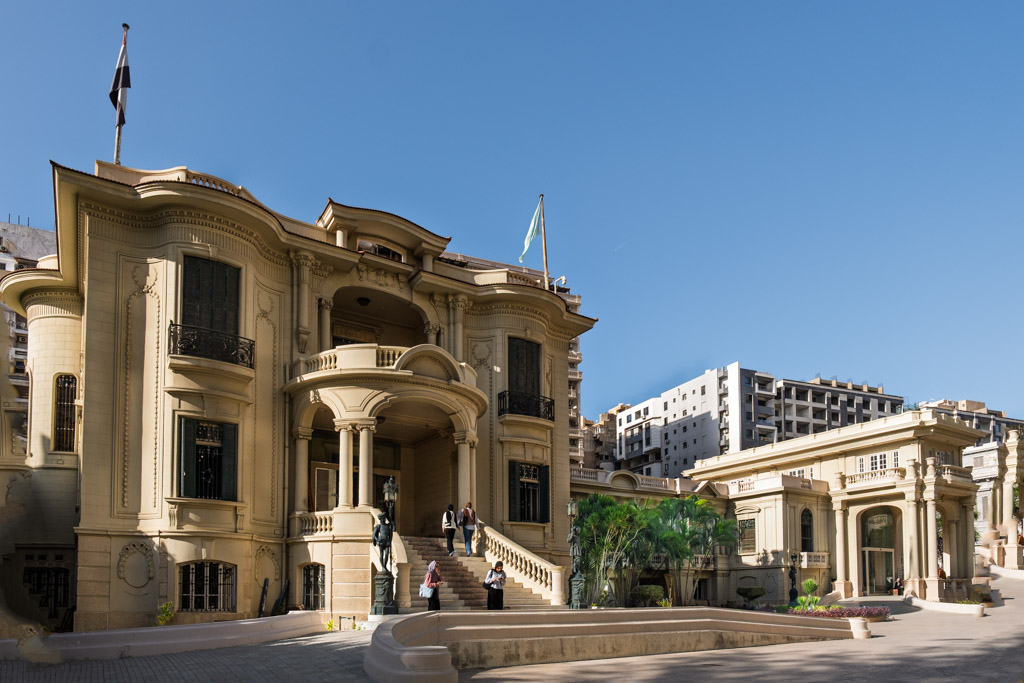
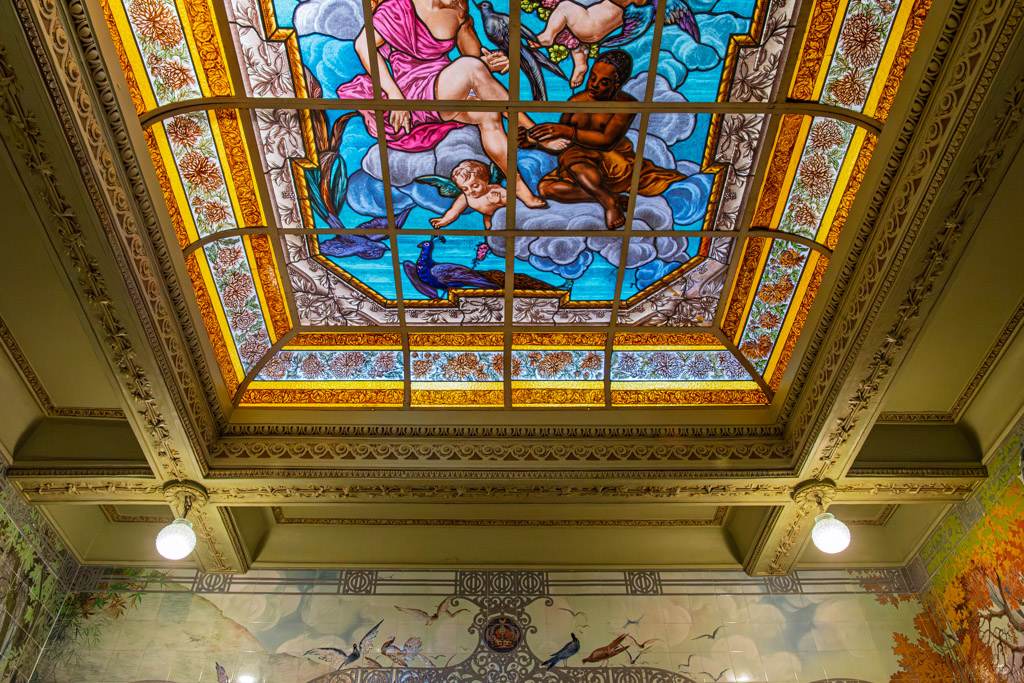
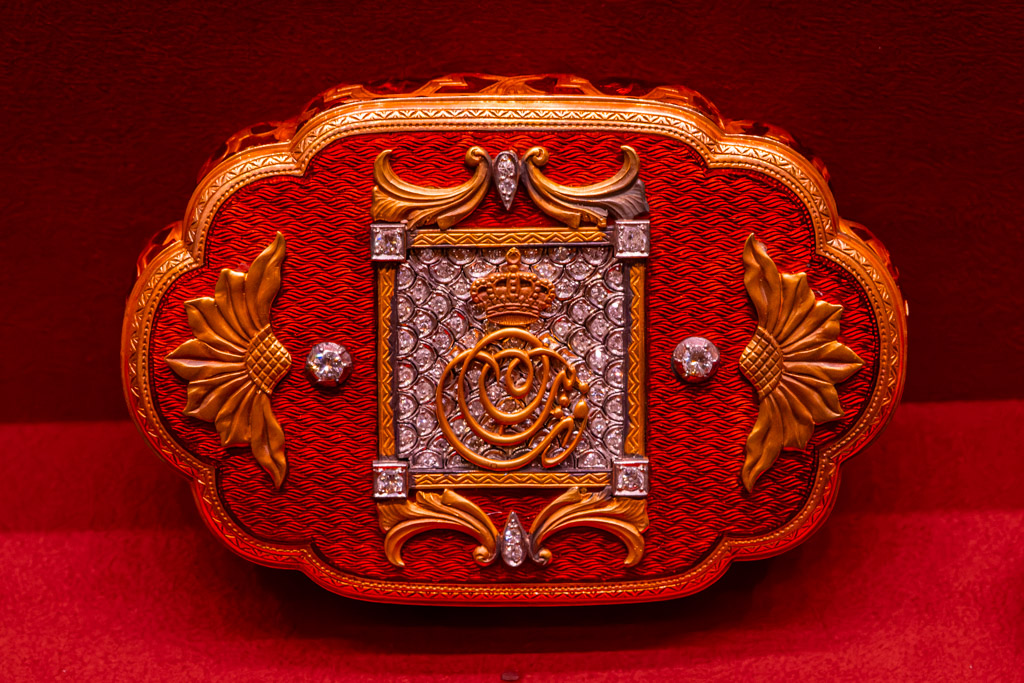
Housed in the former palace of Princess Fatma Al-Zahra, a member of Egypt’s royal family, the museum showcases approximately 11,000 pieces from the collection of the Muhammad Ali dynasty. Guided by Maha, we admired diamond-encrusted crowns, elaborate necklaces, jeweled tiaras, medals, rings, broaches, watches, grooming and cosmetic sets all encrusted with precious ornaments and made of gold or silver or both. The palace itself was equally impressive, with ornate interiors, stained-glass windows, and beautifully decorated ceilings. Maha’s explanations offered a fascinating glimpse into the royal family’s opulent lifestyle before the monarchy ended in 1952.
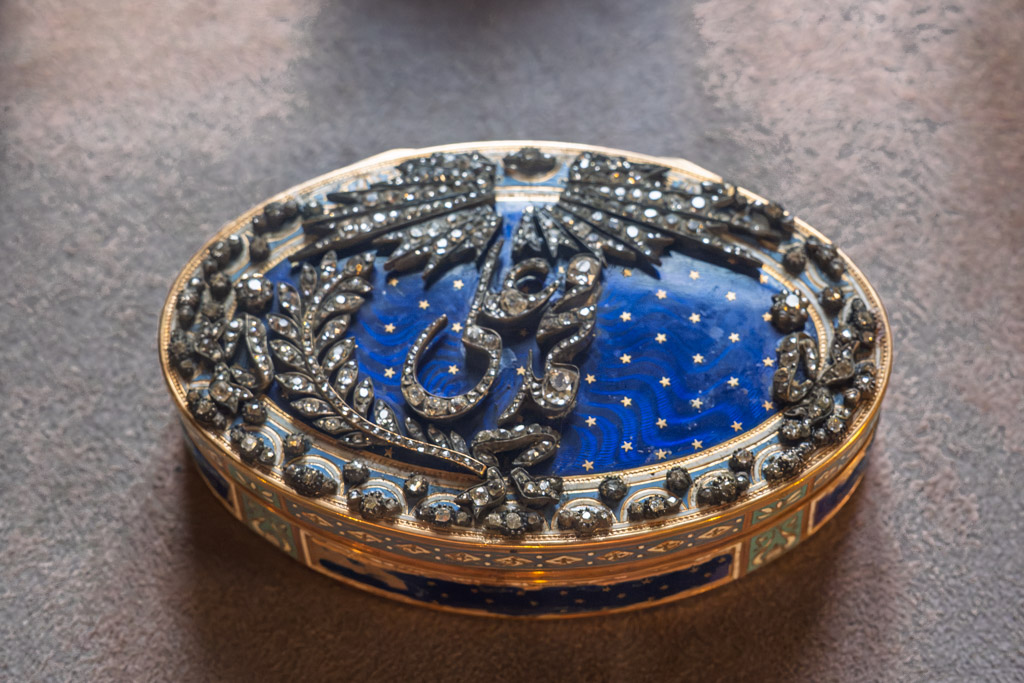
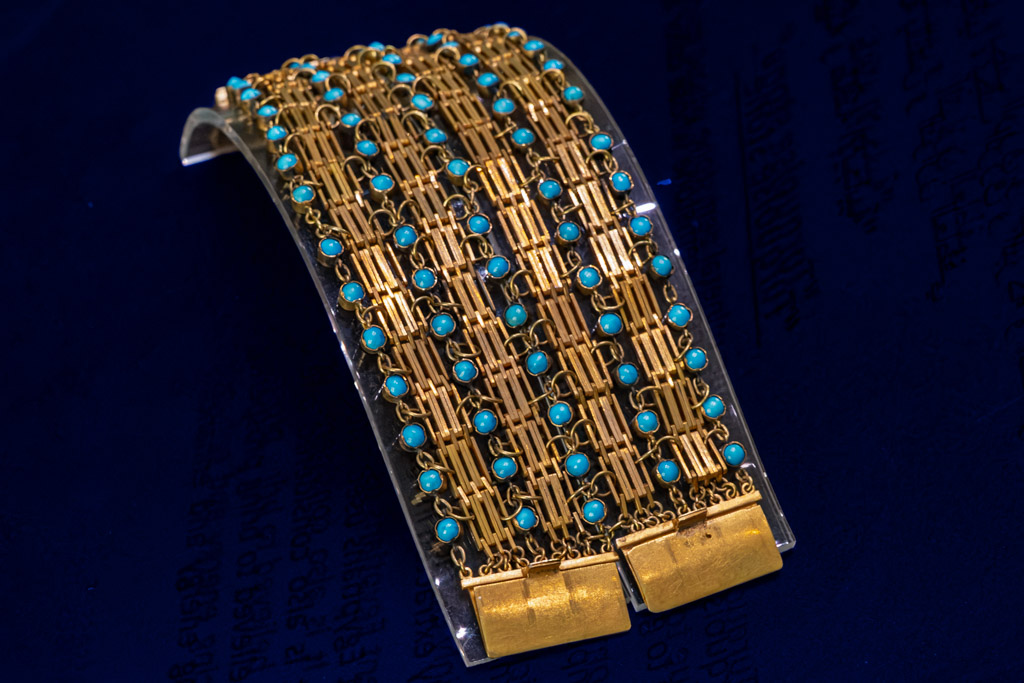
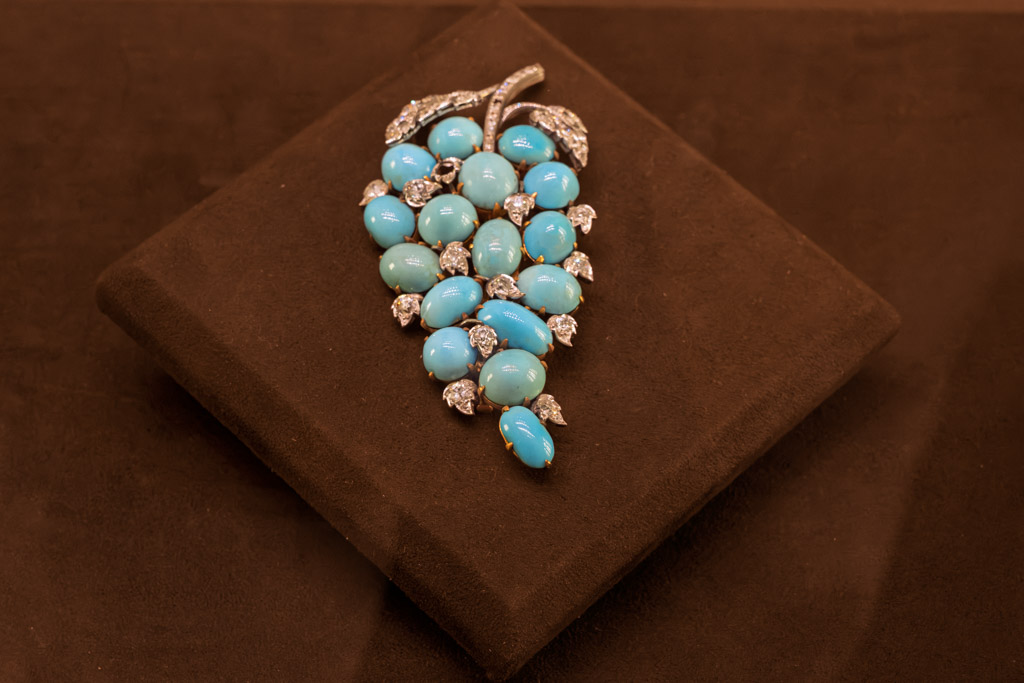
We checked into the Steigenberger Cecil Hotel (formerly the Cecil Hotel where luminaries like writers Agatha Christie and Lawrence Durrell [Alexandria Quartet], and actor Omar Sharif have stayed),
Alexandria’s Ancient Treasures – October 28, 2026
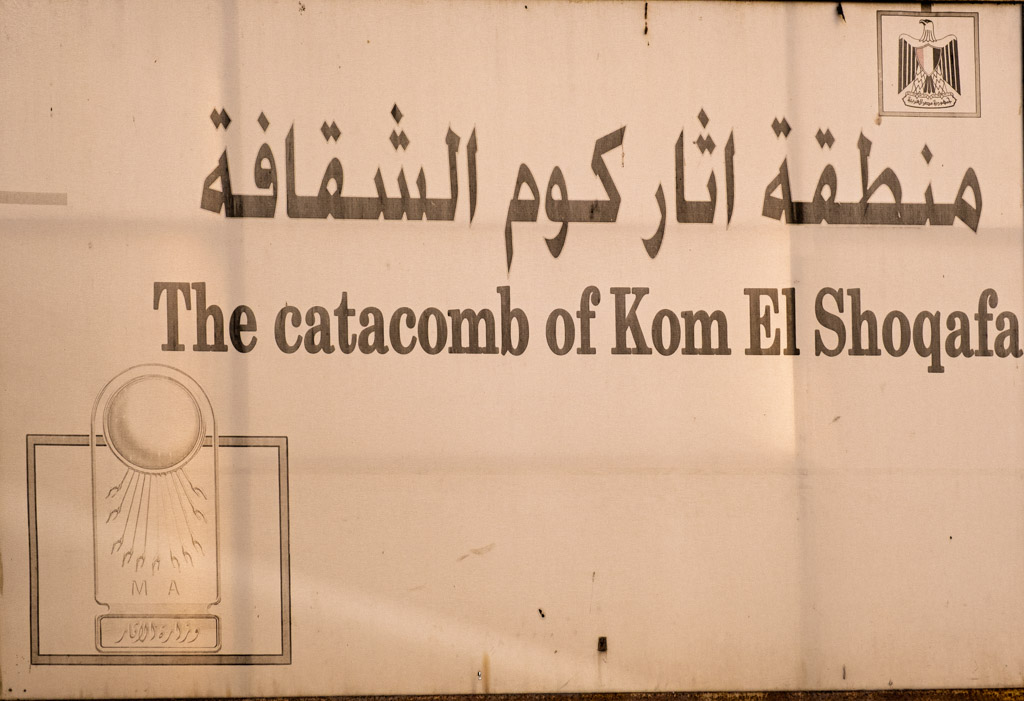
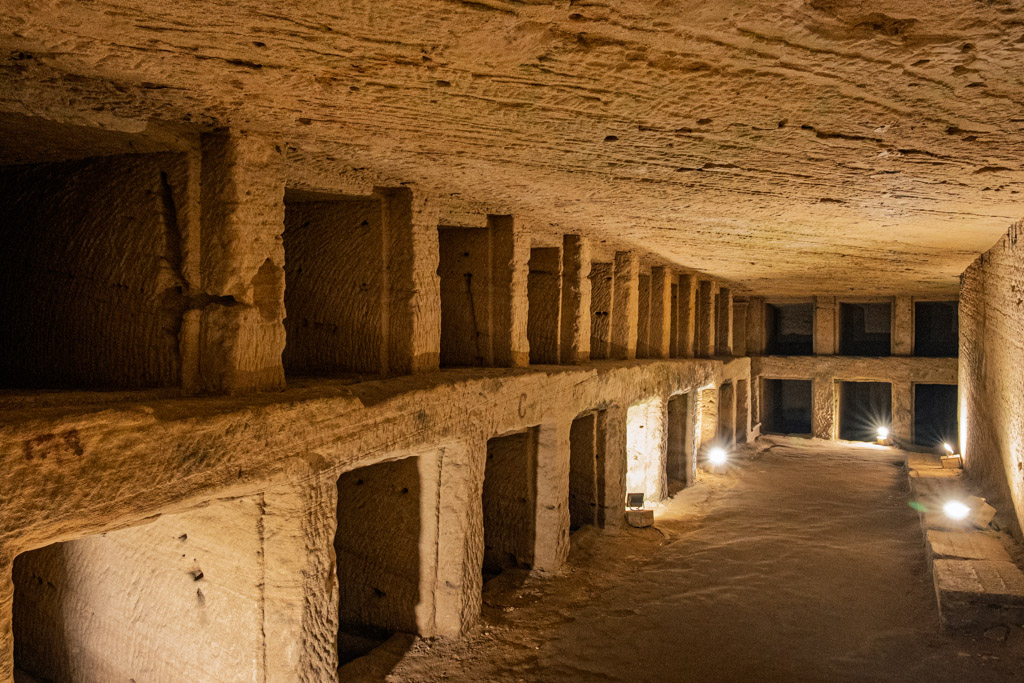
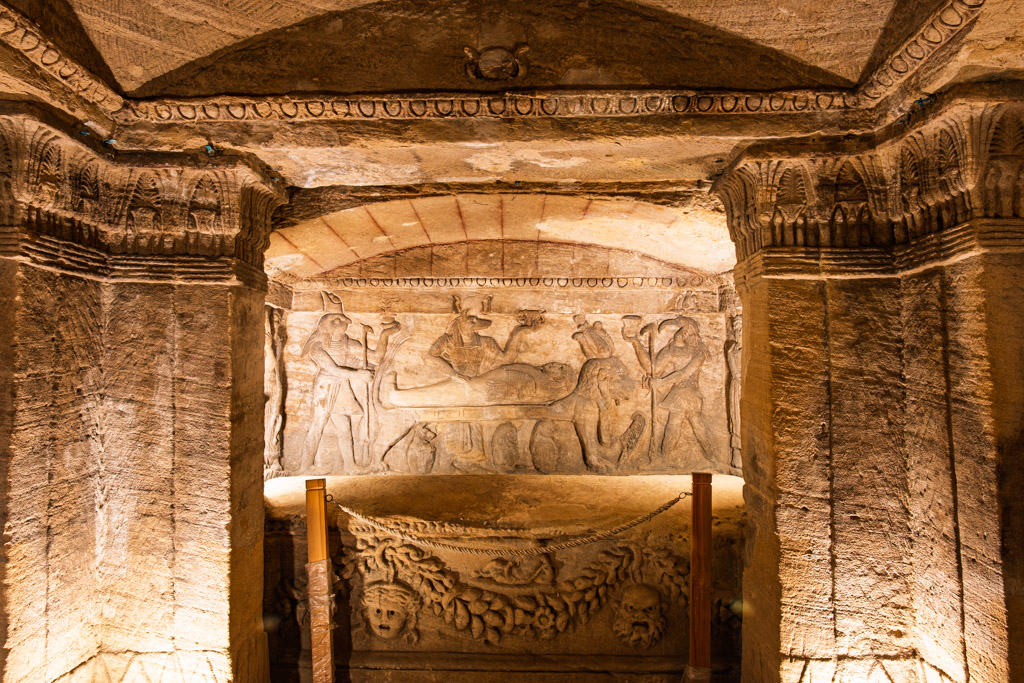
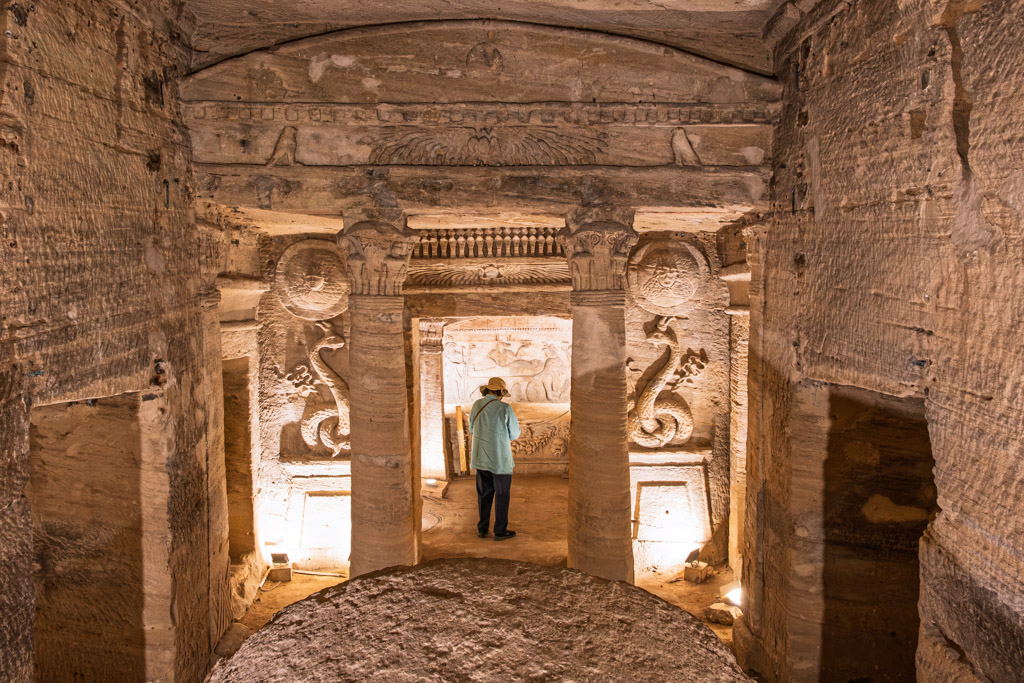
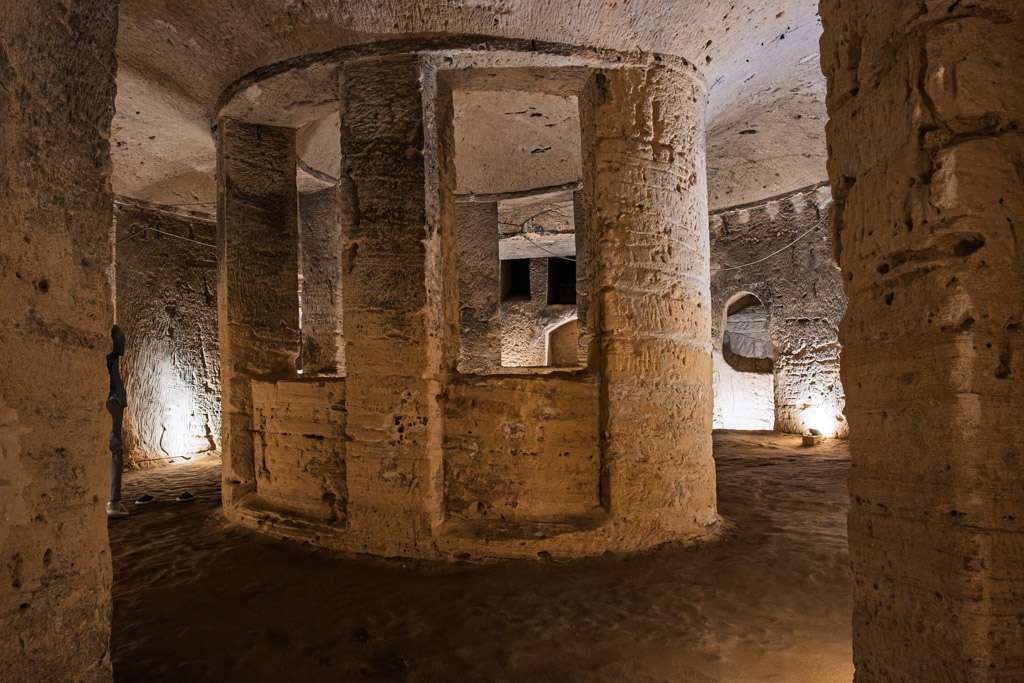
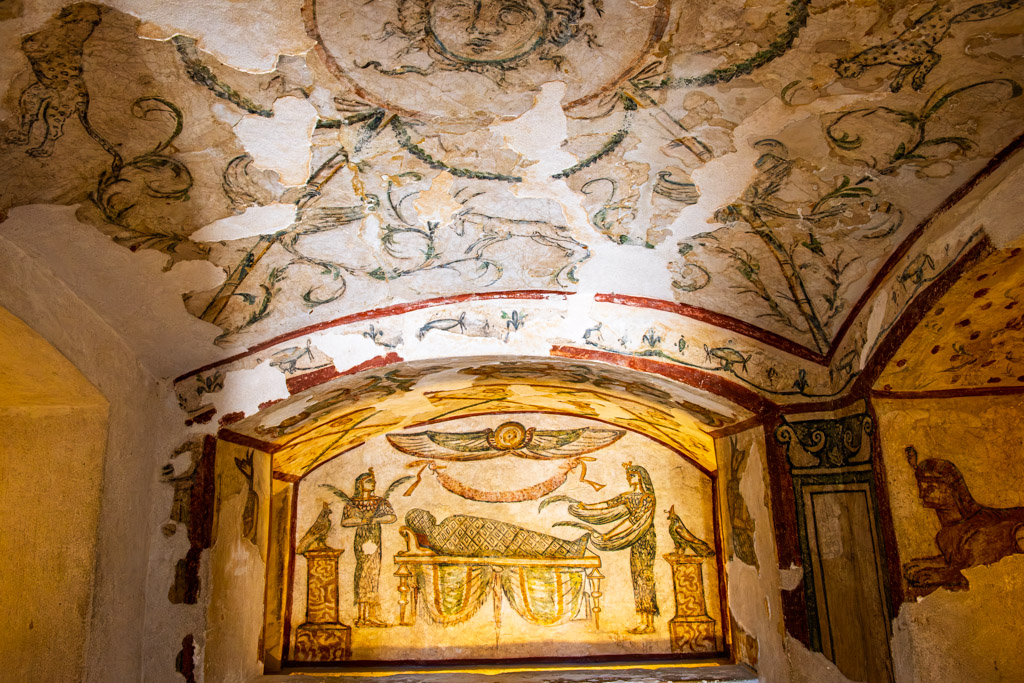
Our final day in Alexandria began with a visit to the Catacombs of Kom El Shoqafa, a remarkable underground necropolis dating primarily to the second century AD. The catacombs were accidentally discovered in 1900 when, according to popular accounts, a donkey fell into an opening in the ground, leading to the uncovering of this extraordinary archaeological site. Accompanied by our knowledgeable guide, Maha, we explored its burial chambers, passageways, and intricately decorated tombs, which blend ancient Egyptian, Greek, and Roman artistic traditions and burial practices. Maha’s insightful explanations of the burial customs, religious symbolism, and architectural features brought this fascinating site to life, offering a glimpse into Alexandria’s rich multicultural heritage. We were truly impressed with this site because of this blending of three cultures in one location, unlike previous catacombs we have seen in Rome and Paris where the burials were mostly Christian.
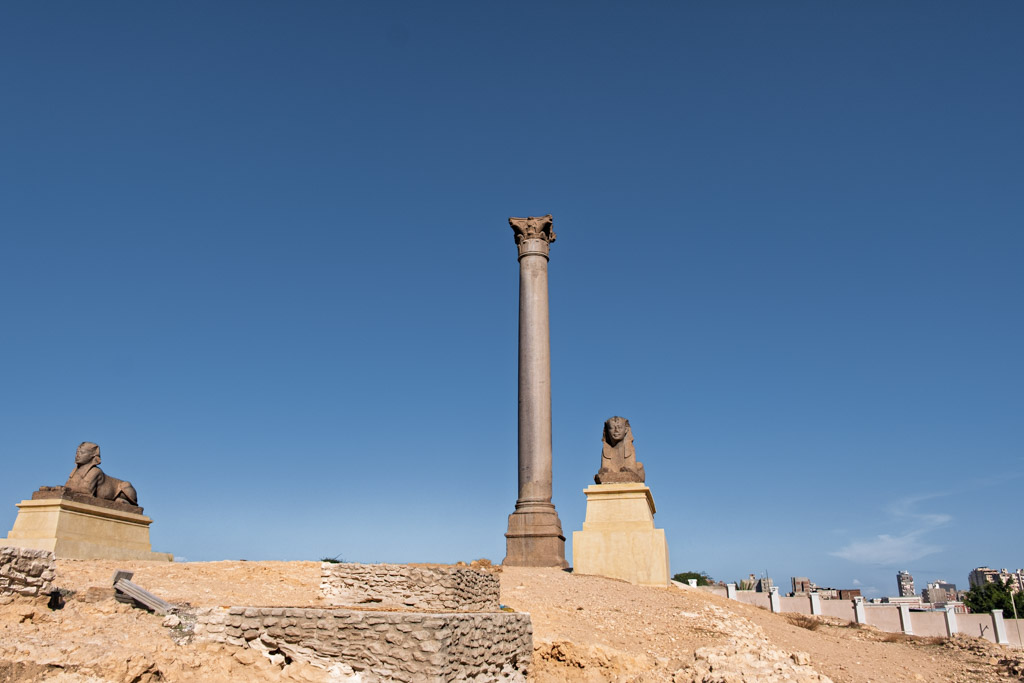
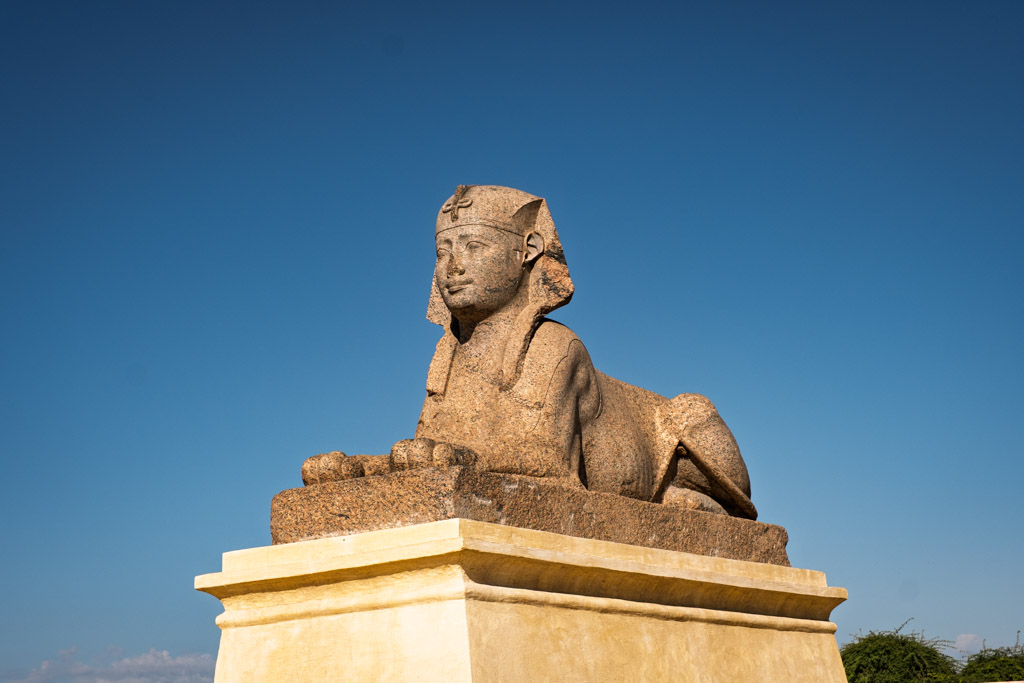
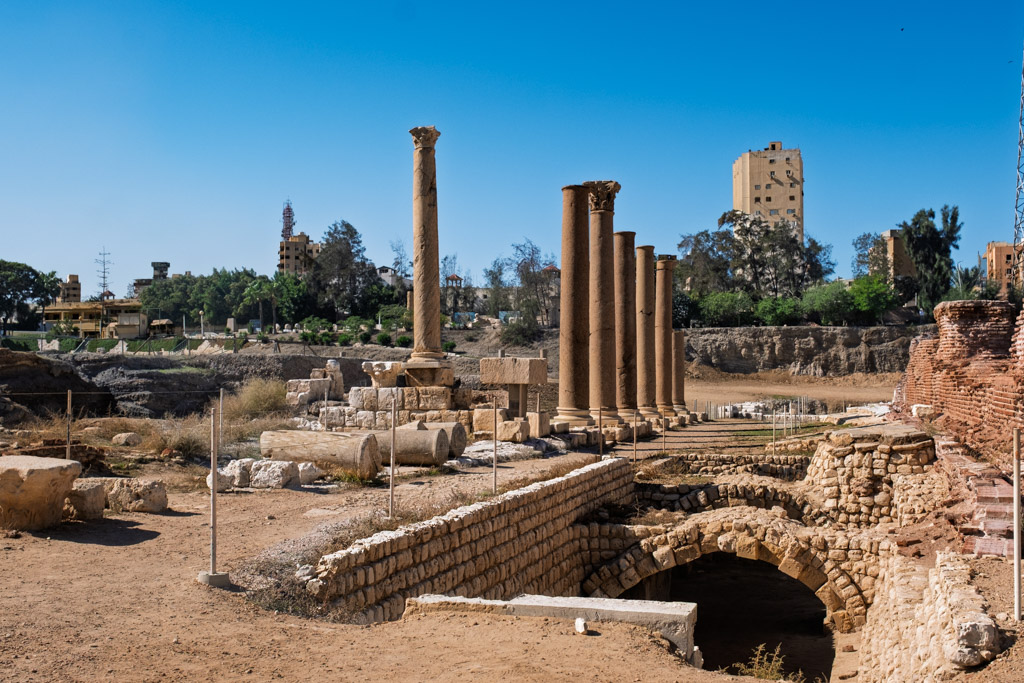
Our next stop was Pompey’s Pillar, an imposing granite column rising approximately 27 meters (89 feet) above the ruins of the ancient Serapeum, once a major temple dedicated to Serapis, a deity combining the features of Osiris the god of the underworld and Apis the bull. The original statue of this god is now in the Greco-Roman Museum which we visited yesterday. During Maha’s guided tour, we learned about the site’s importance in ancient Alexandria and the temple’s destruction in the late fourth century AD. Maha also explained that, despite its name, the pillar has no connection to Pompey; it was erected around AD 298 in honor of Emperor Diocletian. Carved from a single piece of red Aswan granite, this magnificent monument remains a striking reminder of Alexandria’s rich Greco-Roman heritage.
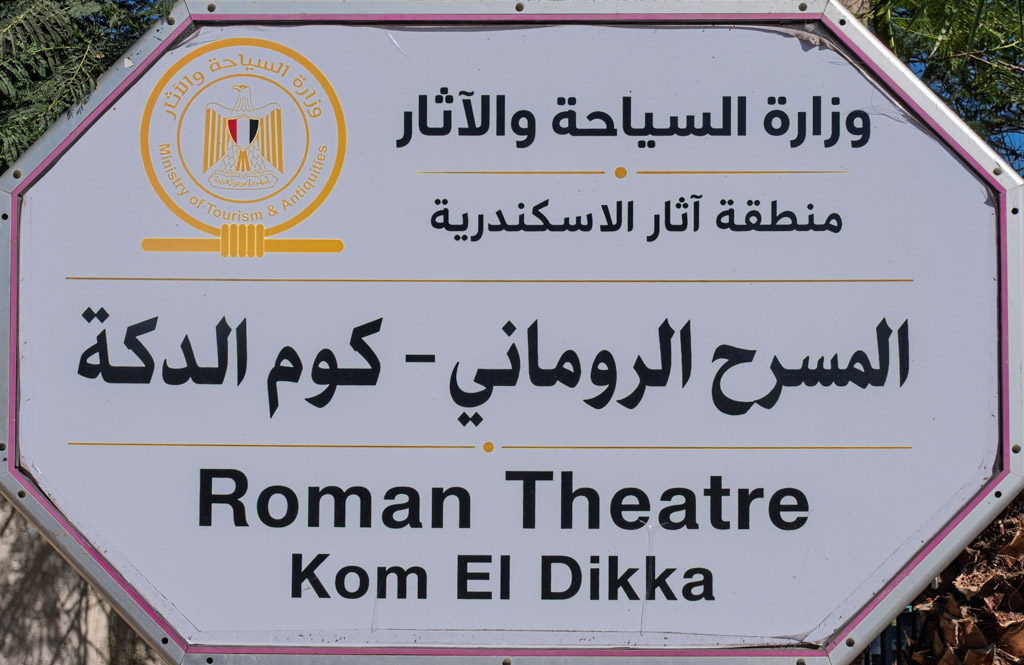
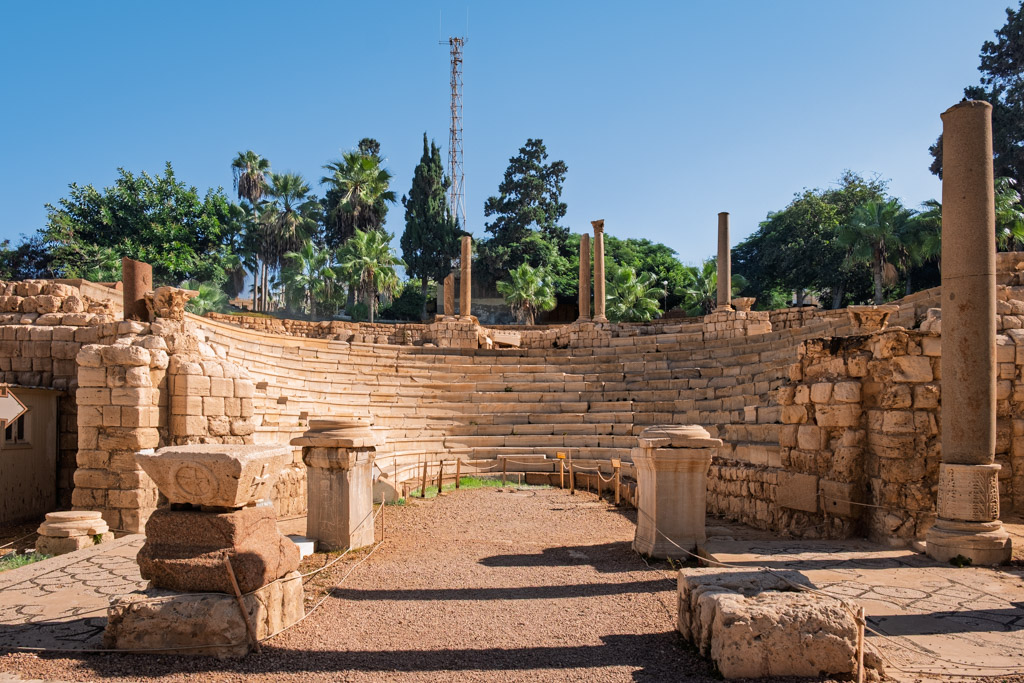
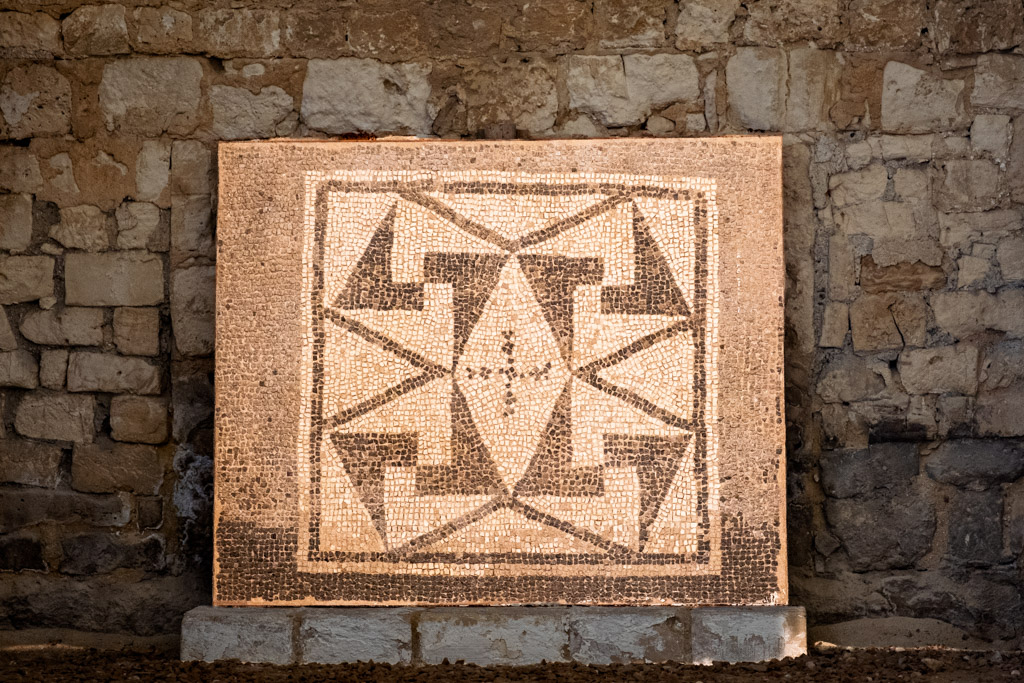
We then continued to the Roman Amphitheatre at Kom El-Dikka, a relatively well-preserved, fourth-century AD theater with semicircular tiers of marble seating and fragments of mosaic flooring. During Maha’s guided tour, we learned that, despite its popular name, the structure was likely an odeon, used primarily for musical performances and poetry recitals rather than gladiatorial contests. The surrounding archaeological site also contains the remains of Roman baths, residential buildings and lecture halls, offering a fascinating glimpse into Alexandria’s cultural, social and intellectual life during the Roman and Byzantine periods.
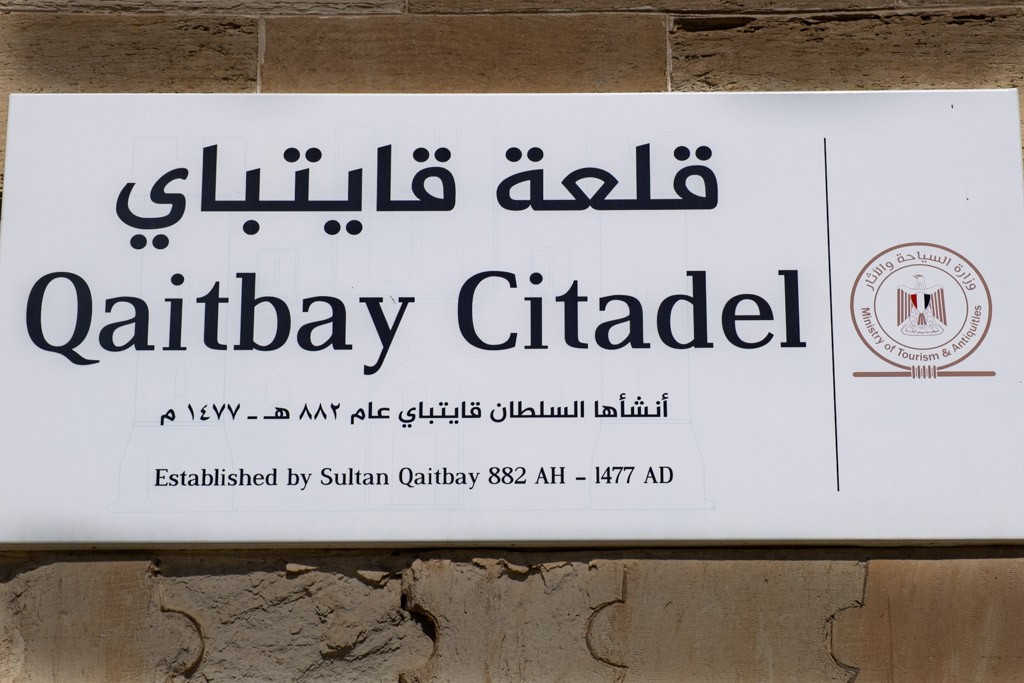
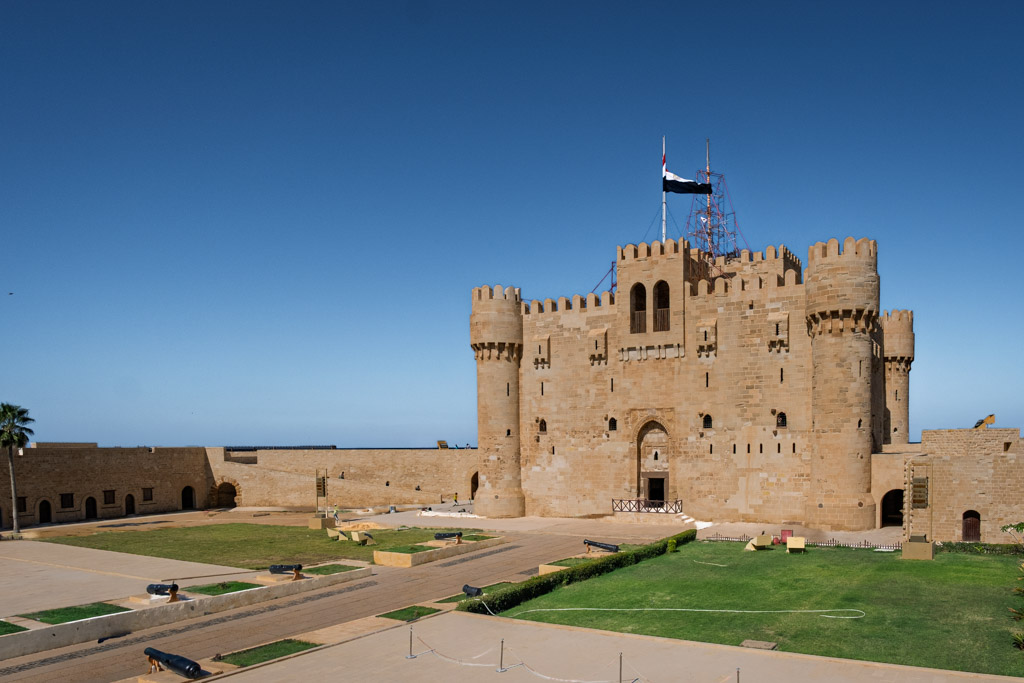
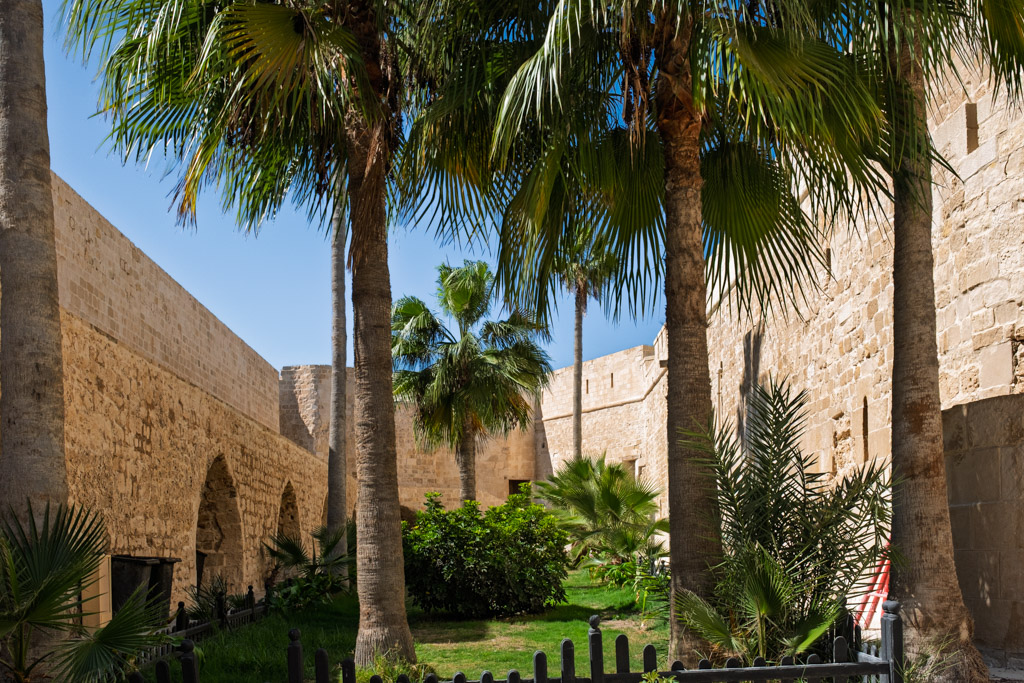
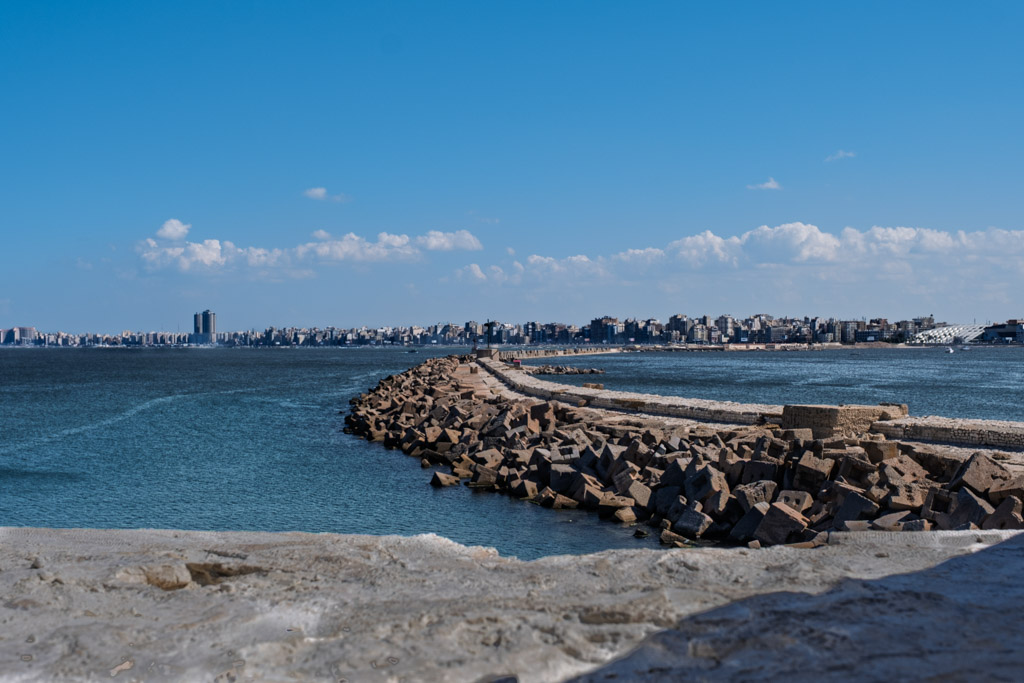
After a brief walking tour of Alexandria’s old market district, which was considerably smaller than Cairo’s famous Khan el-Khalili bazaar, we continued to the Citadel of Qaitbay, a striking 15th-century fortress standing on a promontory along the Mediterranean coast. During Maha’s guided tour, we learned that the Mamluk Sultan Qaitbay ordered its construction between 1477 and 1479 to defend Alexandria’s harbor against naval attacks. Remarkably, the fortress occupies the site of the legendary Lighthouse of Alexandria, or Pharos, one of the Seven Wonders of the Ancient World, which was severely damaged by earthquakes and eventually collapsed in 1303. Stones from the lighthouse’s ruins were reused in building the fortress. Maha explained the citadel’s defensive design, including its massive stone walls, watchtowers and inner keep, which housed soldiers and supplies.
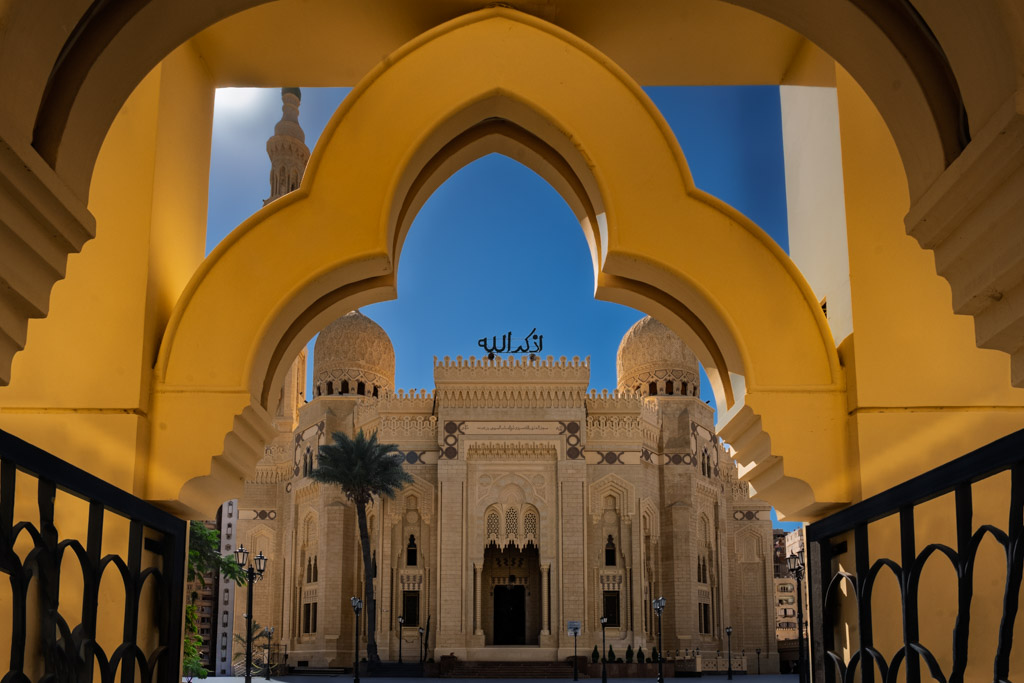
After lunch at the aptly named Fish Market, a seafood restaurant highly recommended by Maha, we visited the Abu al-Abbas al-Mursi Mosque, one of Alexandria’s most celebrated religious landmarks. Maha explained that it is dedicated to a 13th-century Andalusian Sufi scholar who settled in Alexandria and became an influential spiritual figure. The mosque was redesigned in the 20th century by Italian architects Eugenio Valzania and Mario Rossi, with construction completed in 1945.
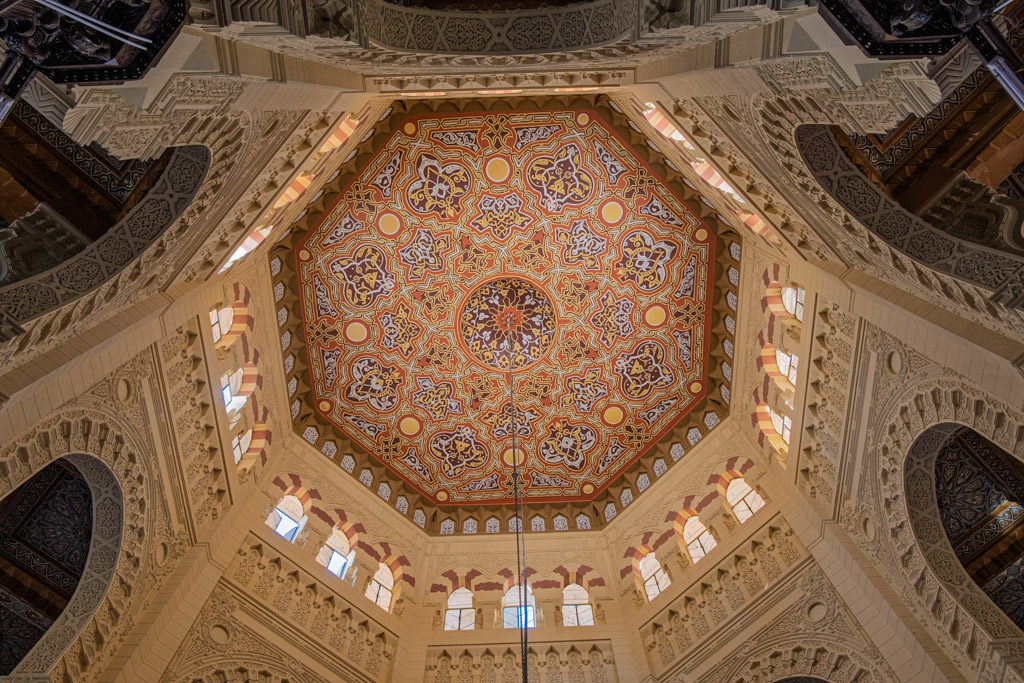
This brought our fascinating two-day tour of Alexandria to a close, leaving us with a deeper appreciation of a city shaped by Greek, Roman, Egyptian and later Islamic civilizations. After a memorable visit to this historic coastal city, we drove back to Cairo and returned to our hotel, where we prepared for our departure to the United States the following morning, bringing our Egyptian adventure to a close.
Farewell Egypt – October 29, 2026
We said ma’a salama to Egypt and began our journey home via London. Both legs of the flight were otherwise hassle-free, except for yet another one of Christabel’s bizarre falls! This time, she somehow tipped over while seated in a chair in the United Club lounge at Heathrow Airport. And Albert, as usual, was nowhere to be seen!