
When we started traveling in 2010, we used to post our travel diary with pictures on a commercial website. Unfortunately, we lost all the posted content as this website shut down without notice, leaving us scrambling to come up with a more permanent alternative.
Now that we have our own travel website, we are attempting to recreate some of the lost blogs based on notes, itineraries, Wikipedia, and good old-fashioned memory. This is one such recreation. It’s a labor of love, piecing together the adventures that shaped our lives and sharing them with you once again.
In this recreated blog, join us on a fascinating 17-day journey through China and Hong Kong. From the ancient cities and timeless treasures of China to the majestic Yangtze River gorges and the bustling streets of Hong Kong, our adventure was a perfect blend of culture, nature, and excitement.
Arrival in Hong Kong – September 16, 2013
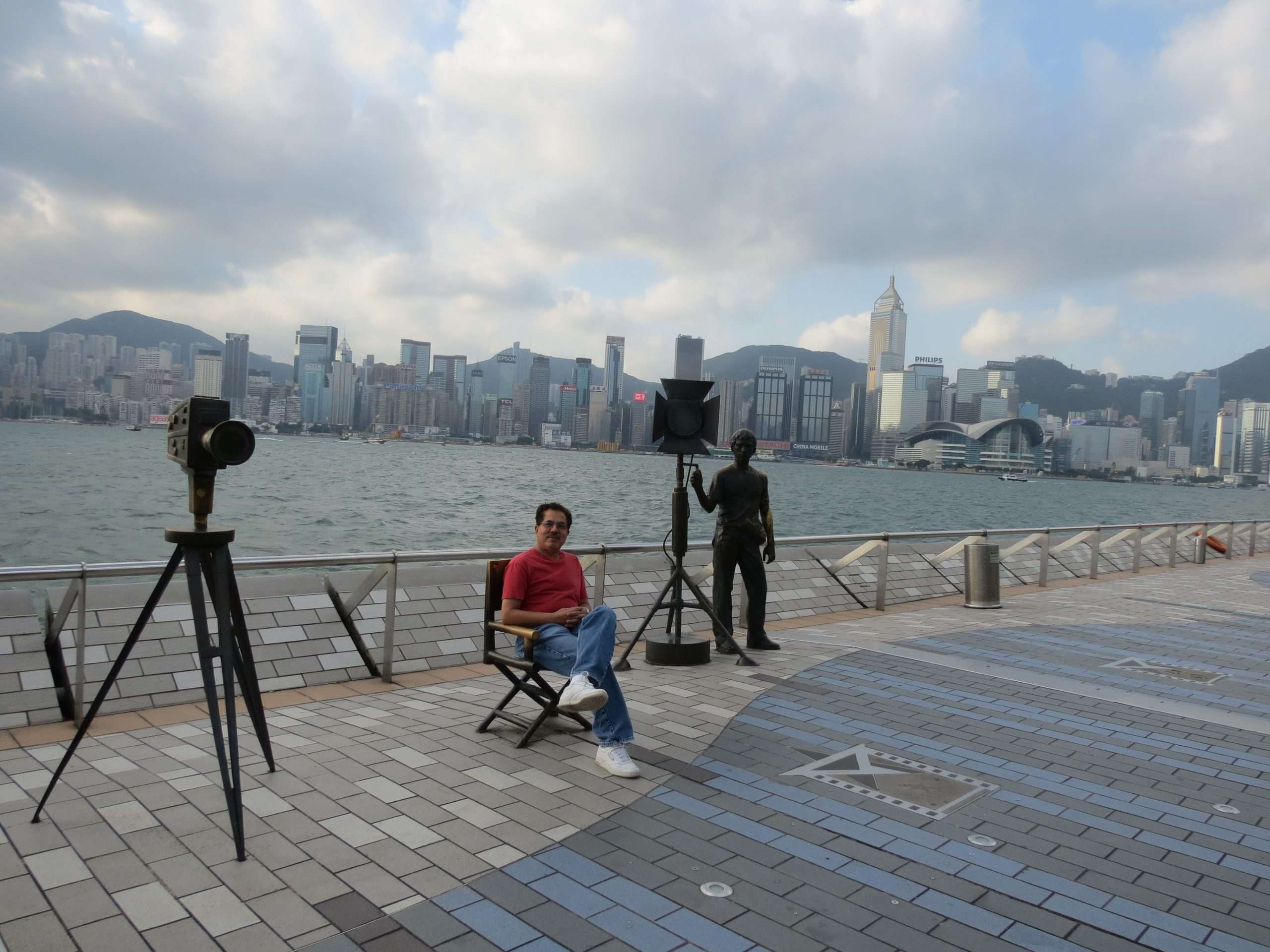
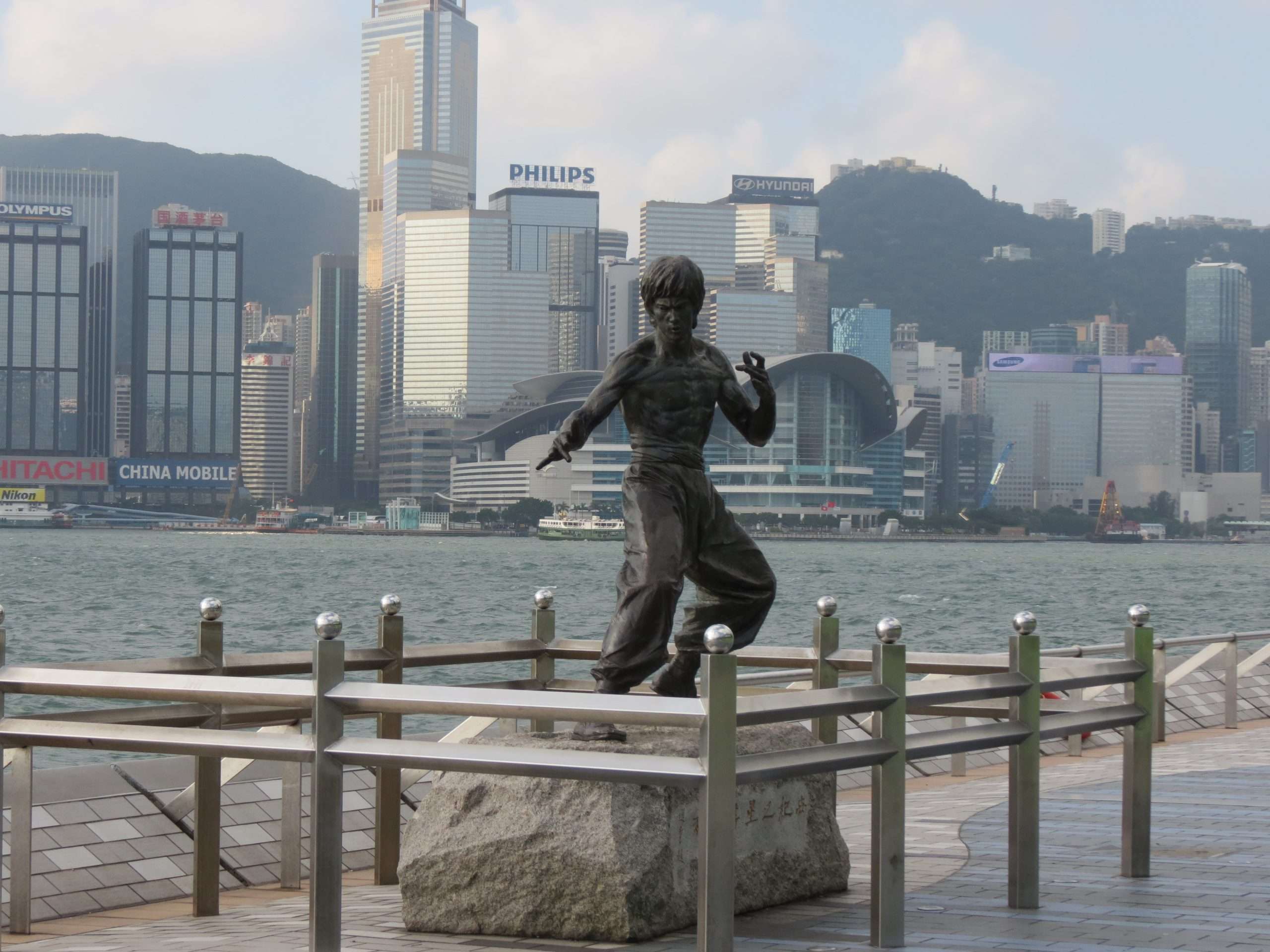
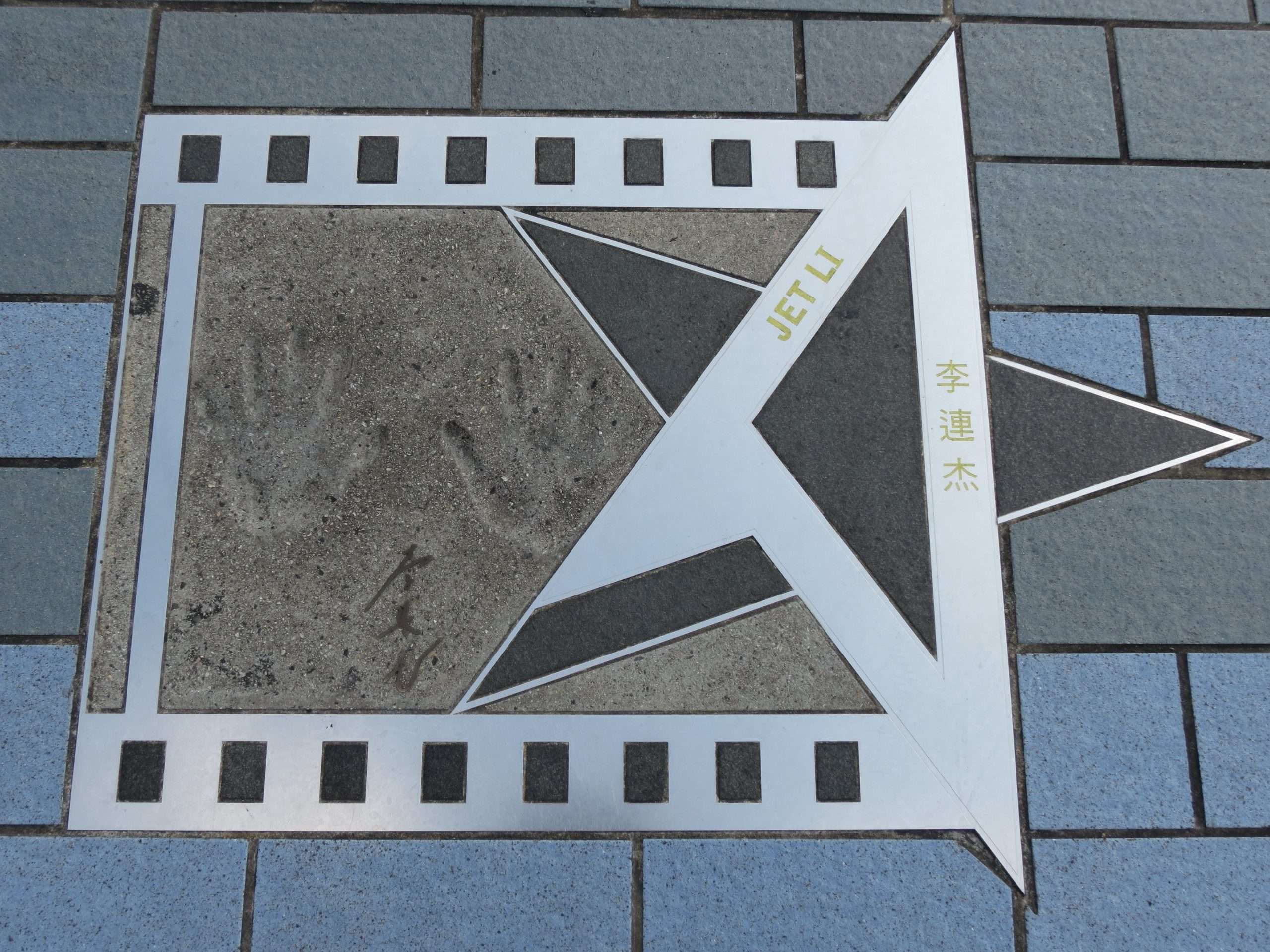
We arrived at around 8 PM after an uneventful 16-hour flight. After checking in at the Kowloon Shangri-la, we went for a walk along the Avenue of Stars. We saw a bronzed statue of Bruce Lee. His handprints were not included since he passed away in 1973, but many other Hong Kong and Chinese stars have their handprints on the sidewalk, including Jet Li.
Day trip to Lantau Island – September 17, 2013
Today, we took a trip to Lantau Island to see the bronze Buddha at the Po Lin Monastery. The Ngong Ping cable car, which takes you to the monastery, was closed for renovation, as was the monastery itself. However, we were able to visit the museum under the Buddha and enjoyed a delicious vegetarian lunch. Lantau is strictly Buddhist, so animals are not killed. As a result, there are feral cows, dogs, and other animals roaming freely. It was amusing to see traffic signs for Cow Crossing.
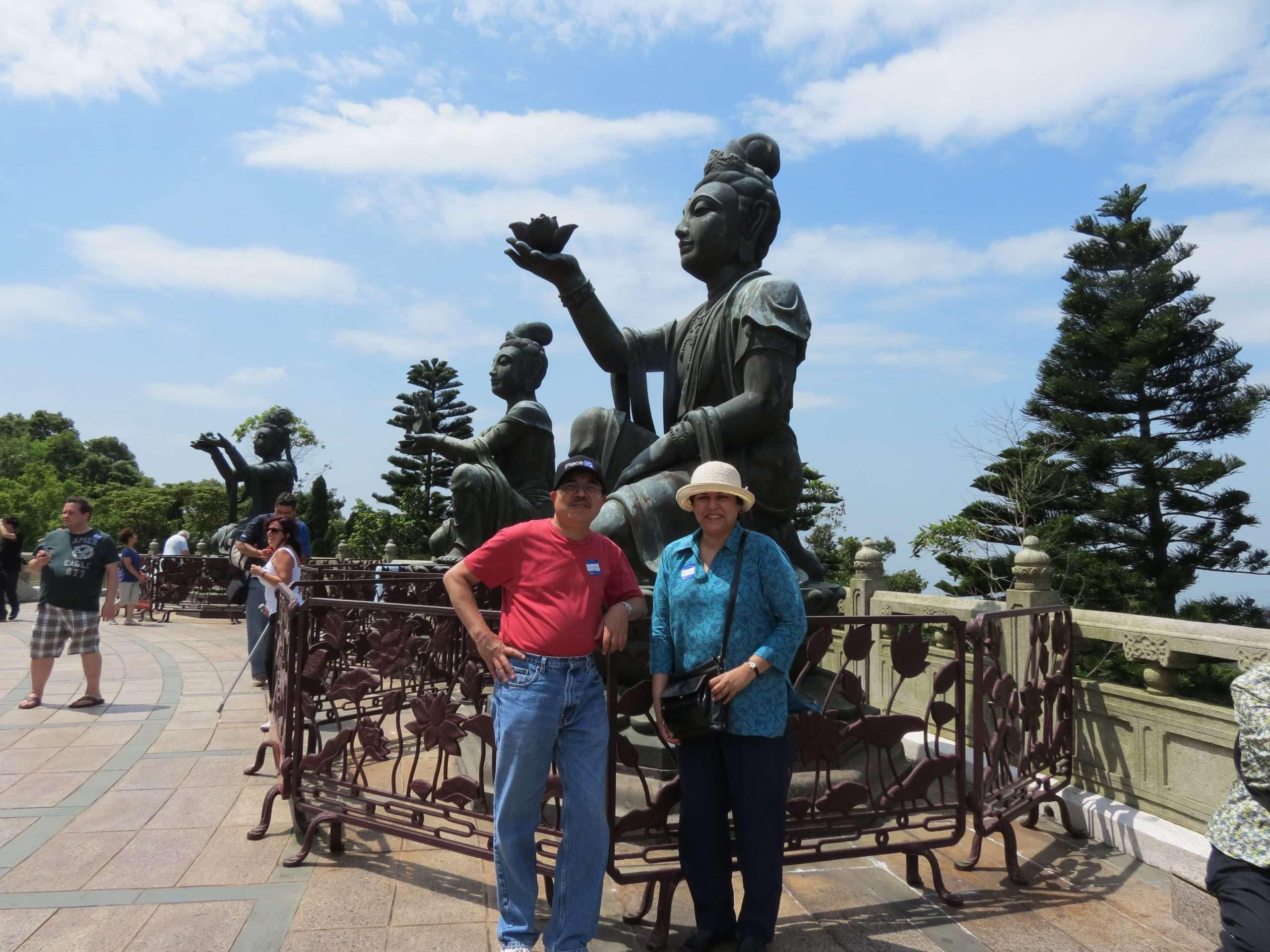
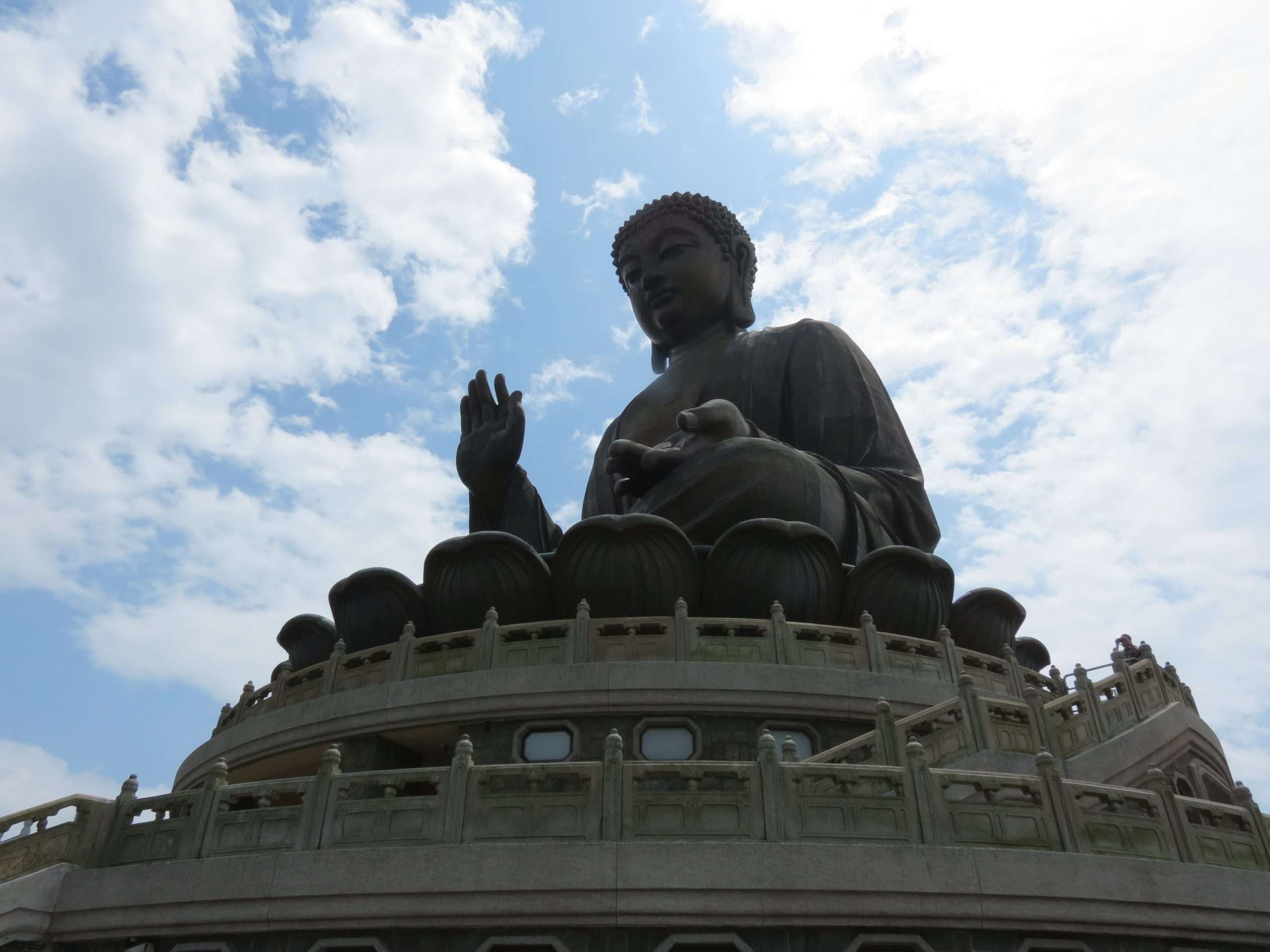
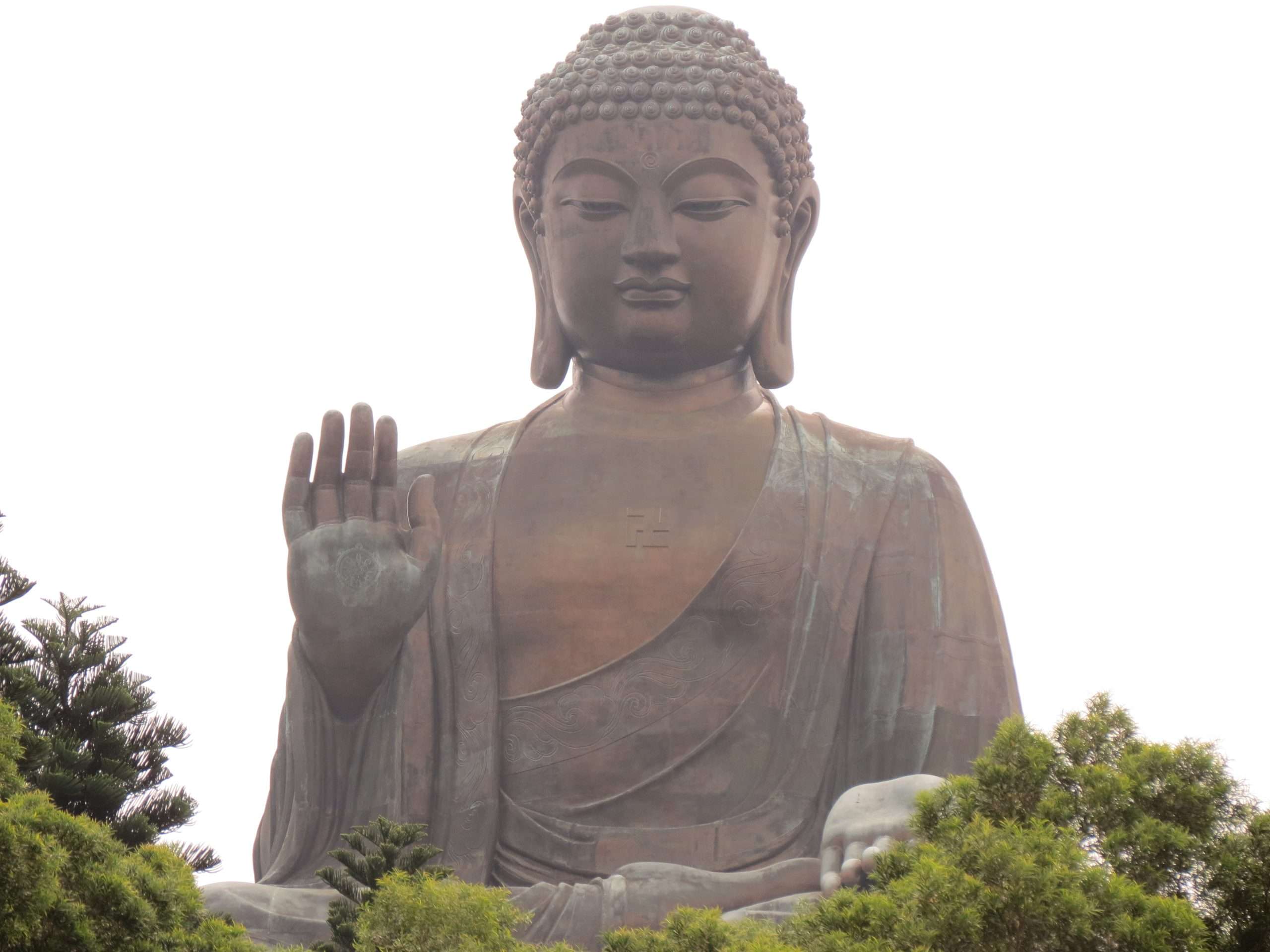
The Buddha statue is relatively new but is now one of the largest in the world. It was cast in mainland China and then shipped over. The relics beneath the monastery are from monks in Sri Lanka.
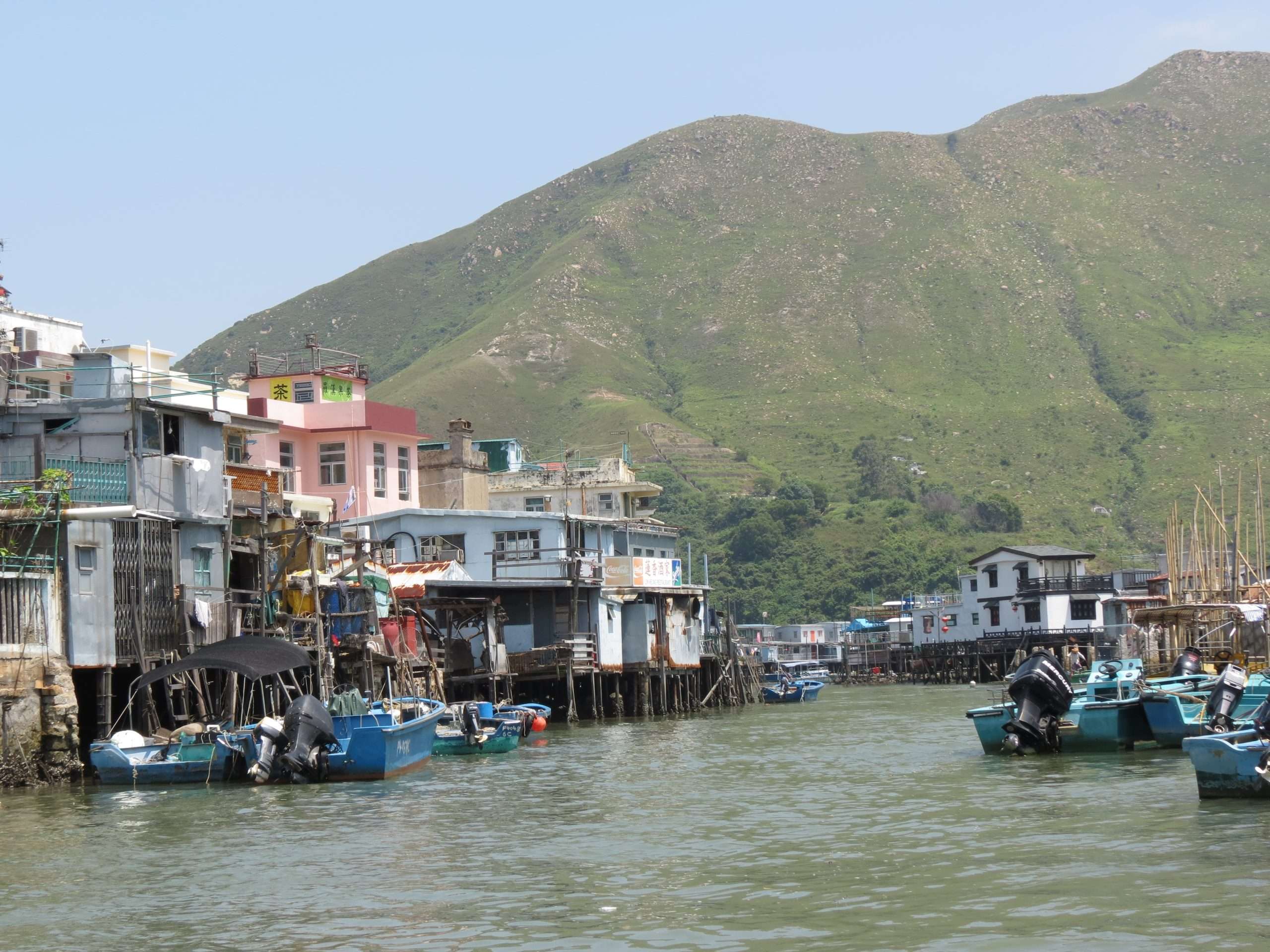
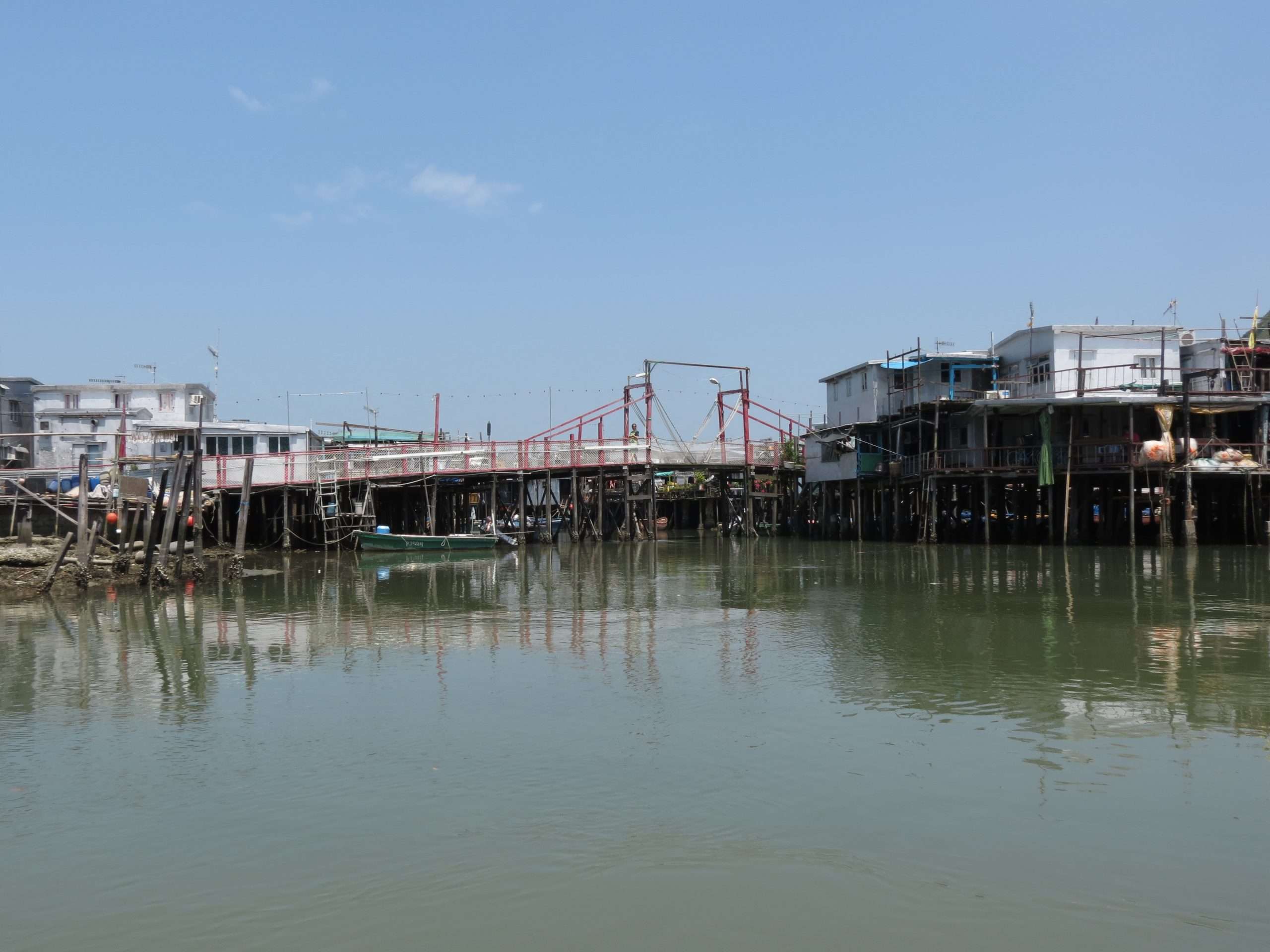
We also visited the fishing village of Tai O, where the houses are built on stilts. We took a boat ride to see the pink dolphins, but unfortunately, they did not make an appearance. Apparently, when dolphins get older, they turn pink.
Exploring Hong Kong – September 18, 2013
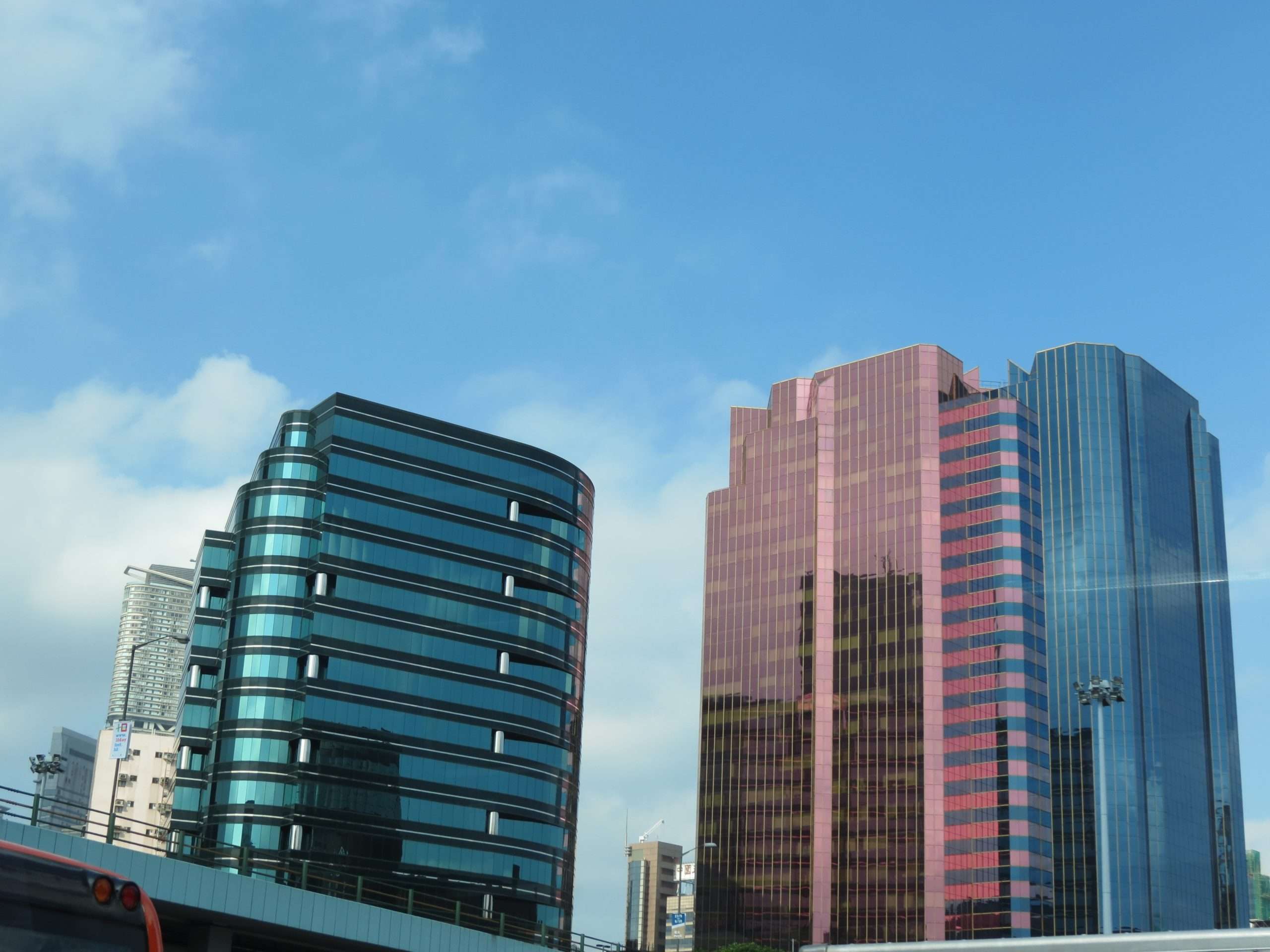
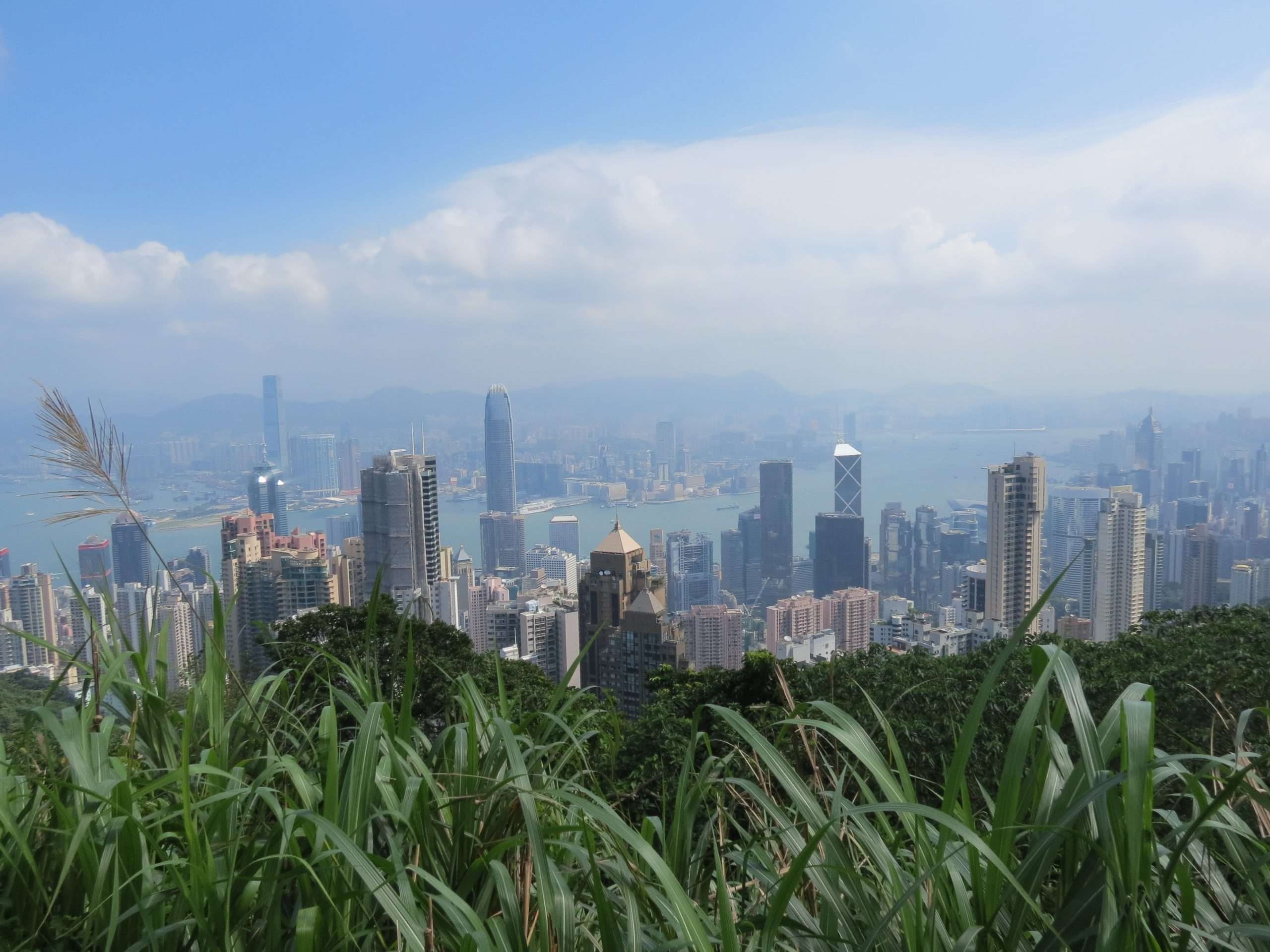
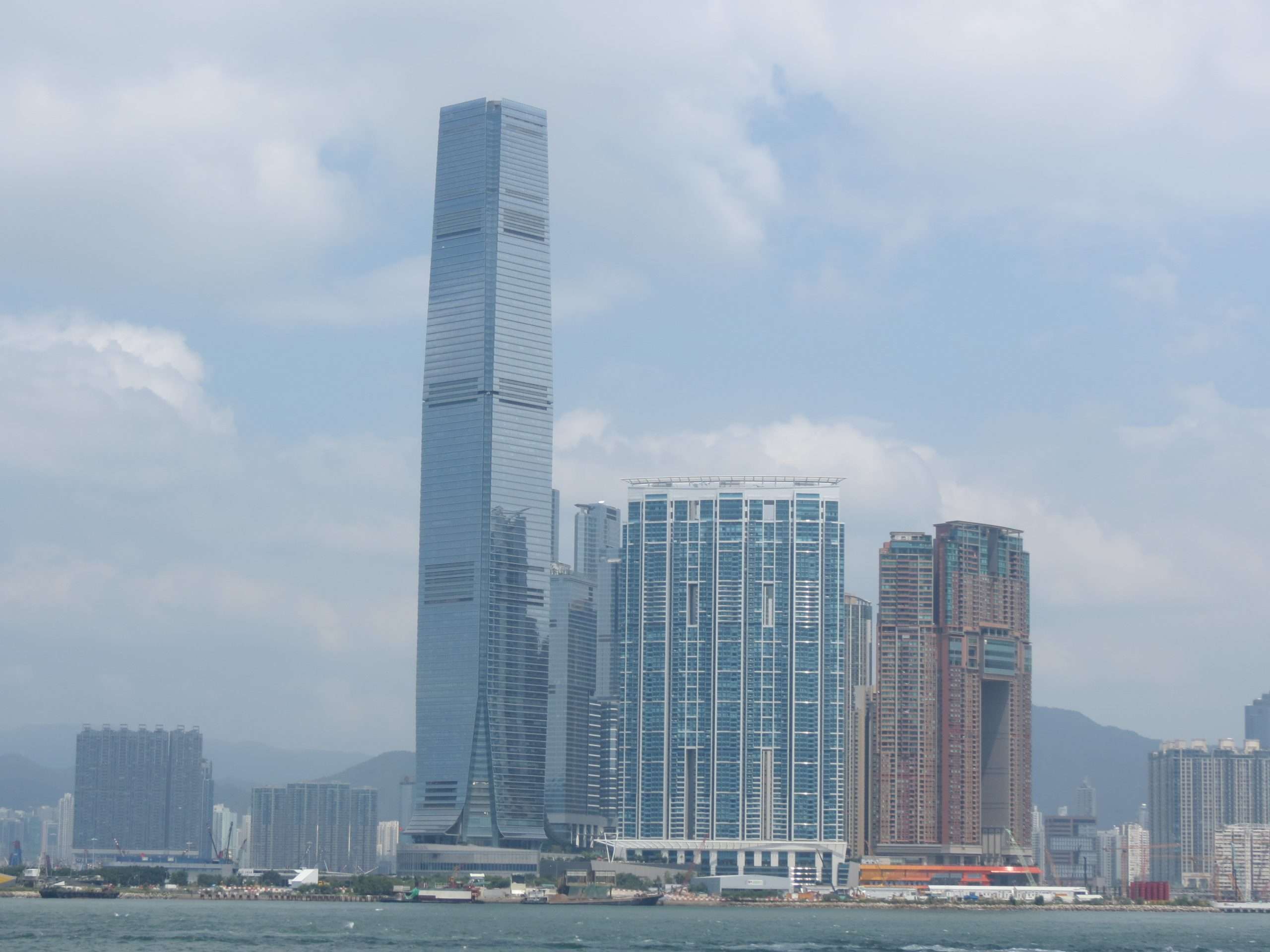
Today, we toured Hong Kong Island by bus, funicular, and ferry. After seeing all the very tall buildings and Victoria Peak, our final destination was the History Museum to view the “Story of Hong Kong” exhibits. It tells the story in eight parts, beginning with the environment and prehistoric Hong Kong, through the various dynasties and folk culture, and then on to the Opium Wars, the birth and growth of the city, the Japanese occupation, the modern metropolis, and the return to China.
Lunch was dim sum at Jade Garden. It was packed, and the food was excellent. Tonight, we dined at Lei Garden near the hotel before preparing to check out tomorrow.
From Hong Kong to Shanghai – September 19, 2013
We flew from Hong Kong to Shanghai’s Pudong Airport via Juneyao Air. For a 2.5-hour flight, they served us a delicious lunch. From the airport, we took a maglev train for an 8-minute ride to catch the bus downtown. In that short time, the train reached speeds of over 300 kilometers (around 186 miles per hour). We met Fun-Fun, our guide for Shanghai. She had a bubbly personality with a great sense of humor (for example, she joked, “If the train crashes, it’s not made in China but in Germany”). Fun-Fun told us that Shanghai has the third-largest river, suspension bridge, Big Ben clock, and more. Today is the Autumn Moon Festival, and moon cakes can be found everywhere.
Our hotel is the Waldorf Astoria Shanghai on the Bund. The word “Bund” comes from Hindi and refers to the 1.6-kilometer (1-mile) embankment along the Huangpu River, where many banks and consulates are located. We have a fabulous view of the river from our hotel room, where we can see all sorts of river traffic, though not container ships. The room is magnificent — granite everywhere, chandeliers, and an amazing electronic toilet.
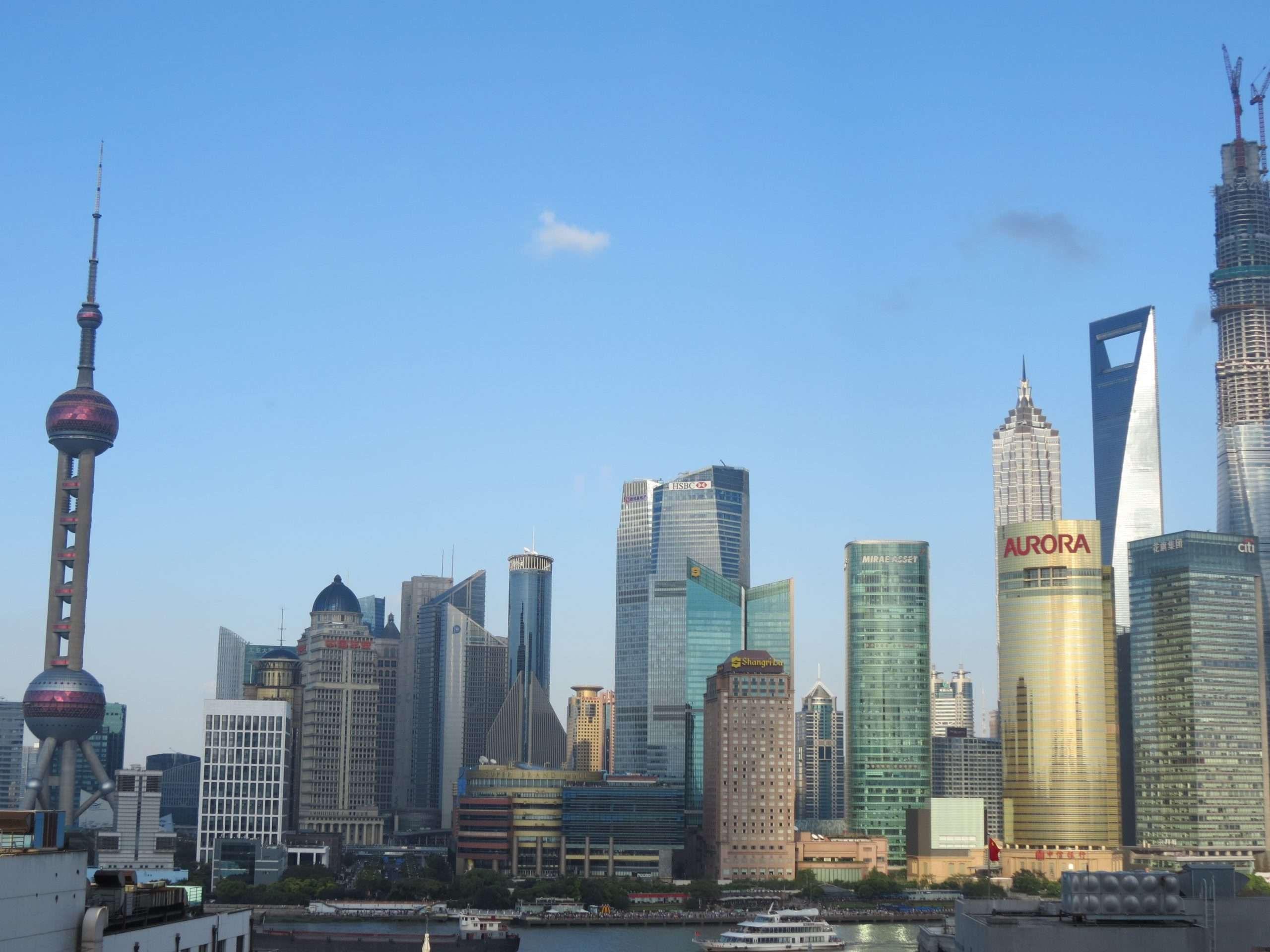
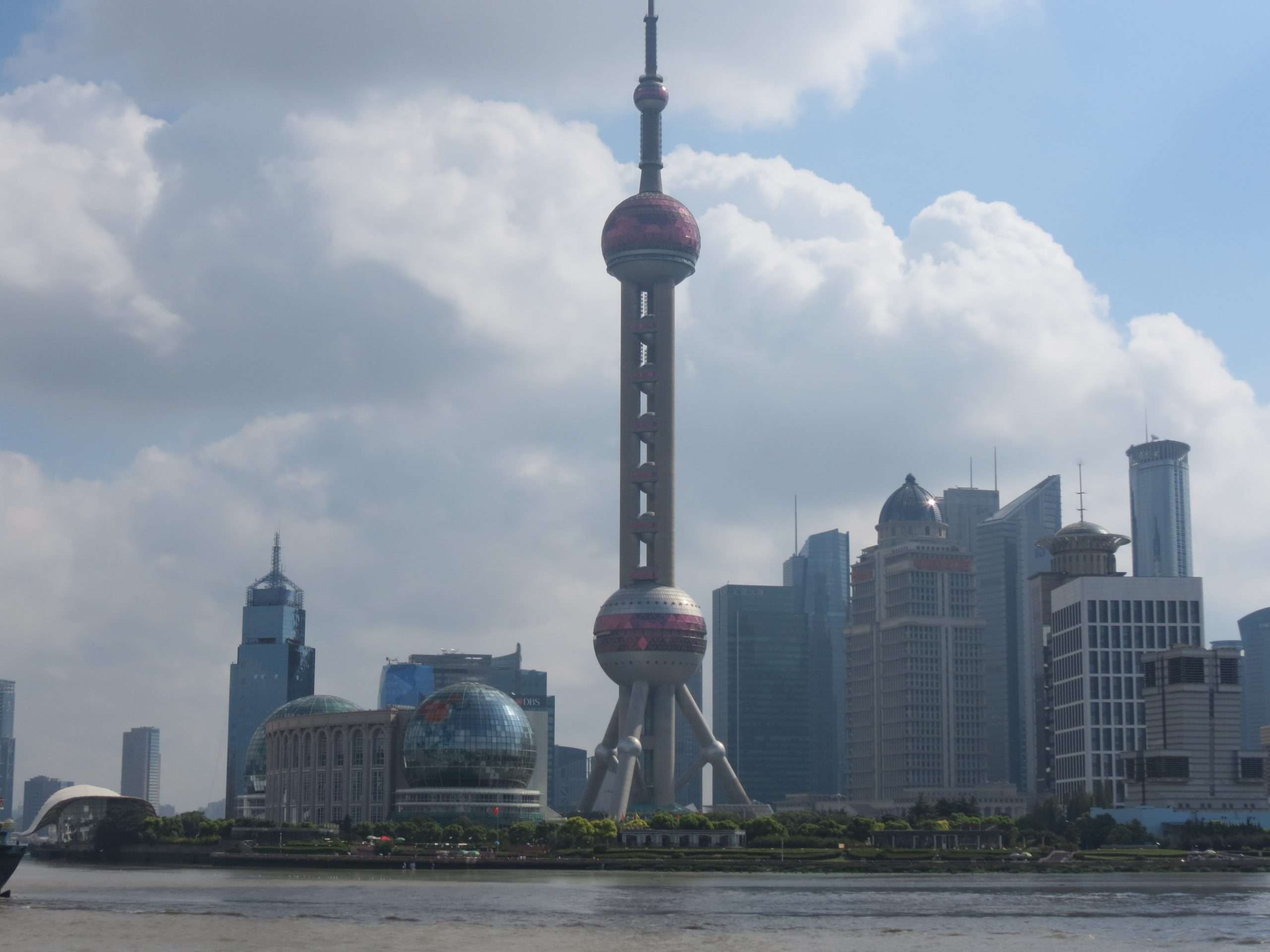
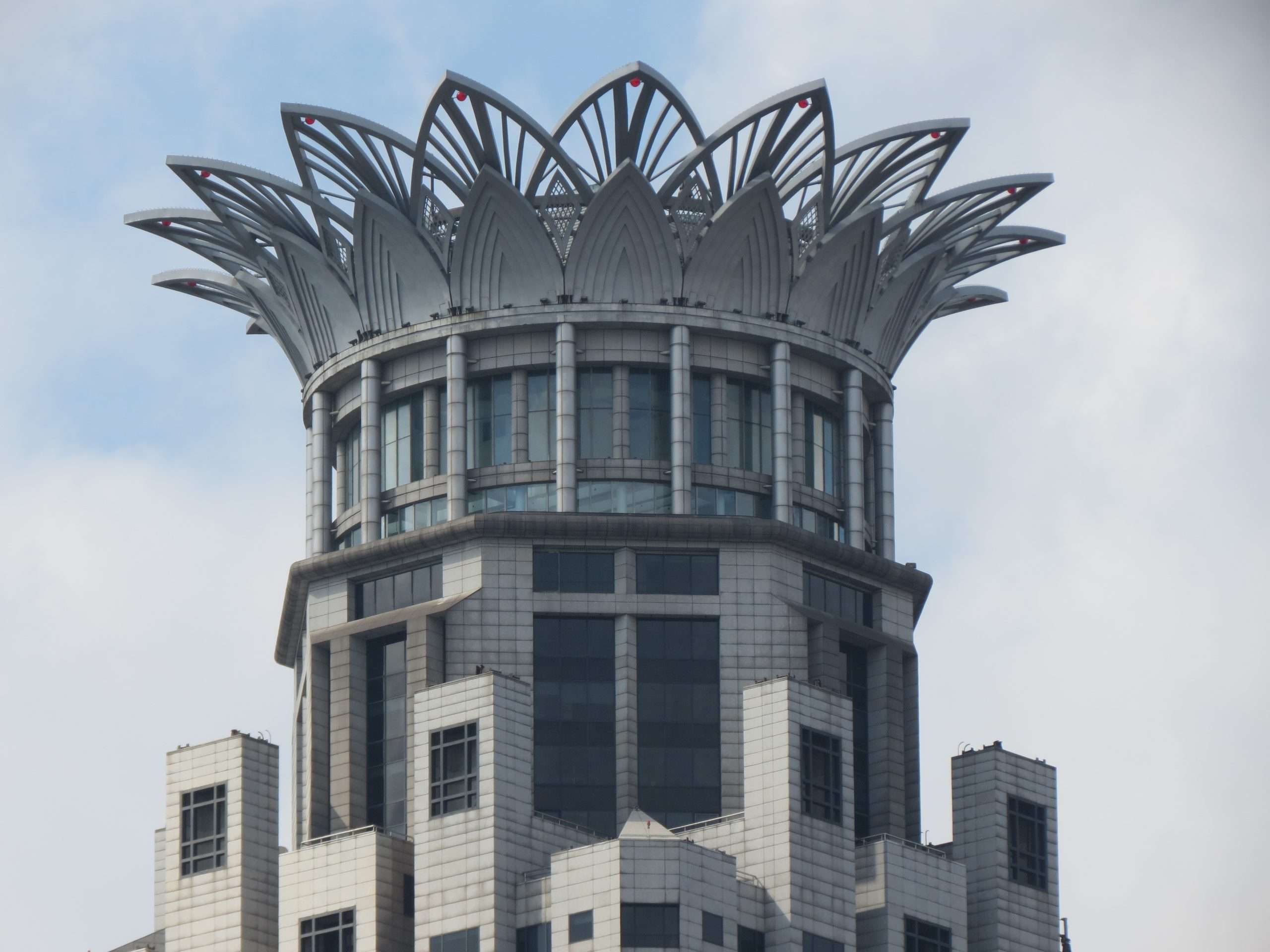
We went for a walk on the Bund, which was very, very crowded. It reminded us of something Charles de Gaulle once said: “China is a big country, inhabited by many Chinese.”
We had dinner at the Grand Brasserie. After having Chinese food for breakfast, lunch, and dinner for two days in Hong Kong, we opted for continental cuisine. The food was excellent.
Exploring Shanghai – September 20, 2013
This morning, we had a magnificent breakfast at the Grand Brasserie. There was an incredible selection of jams (blueberries, lemongrass, red bean; pineapple, ginger, rosemary; mango, orange, grapefruit; sesame, raspberry, fig). Christabel tried to get the recipes but was told they were the chef’s secret.
After breakfast, we walked with Fun-Fun on the Bund. She pointed out all the buildings, such as the Oriental Pearl TV Tower (which has many onion-shaped domes and spikes) and the Shanghai World Financial Center, which looks like a bottle opener and has 100 floors. We visited Yu Garden in the old district, where we learned that goldfish are called “happy fish” because no one eats them as they taste bad. The garden was built by an official for his parents, and all the buildings are original except for the study, which was bombed during WWII.
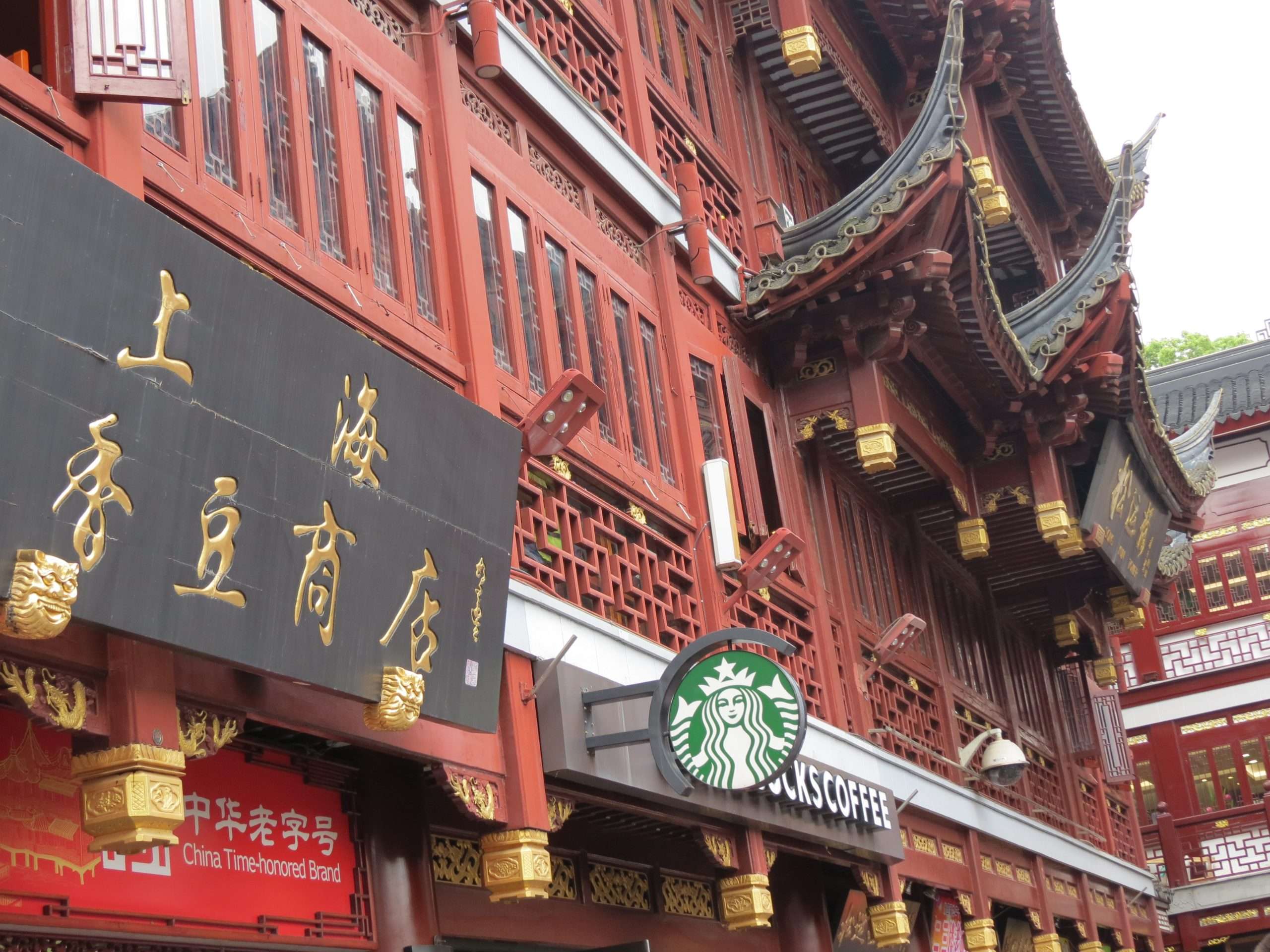
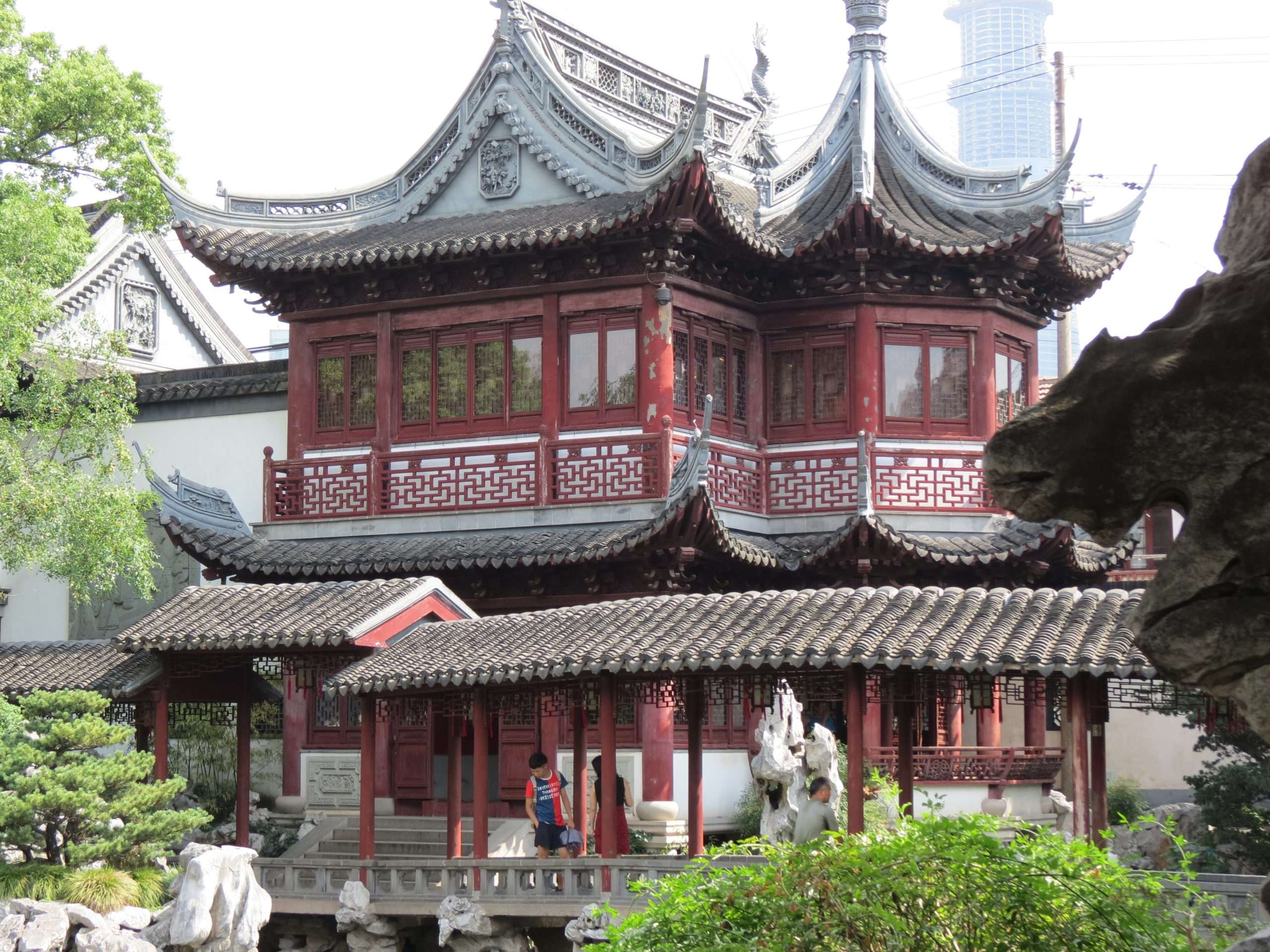
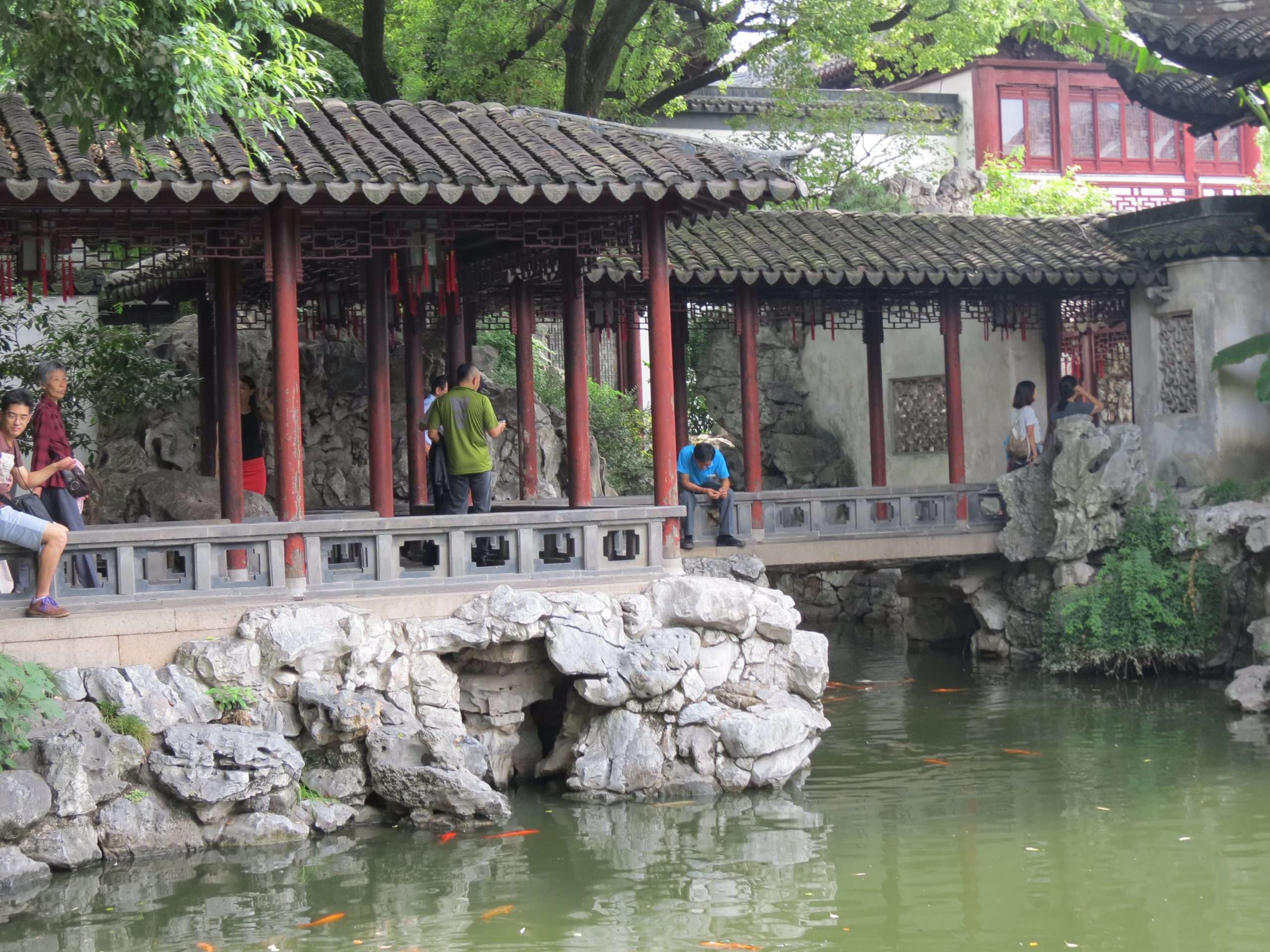
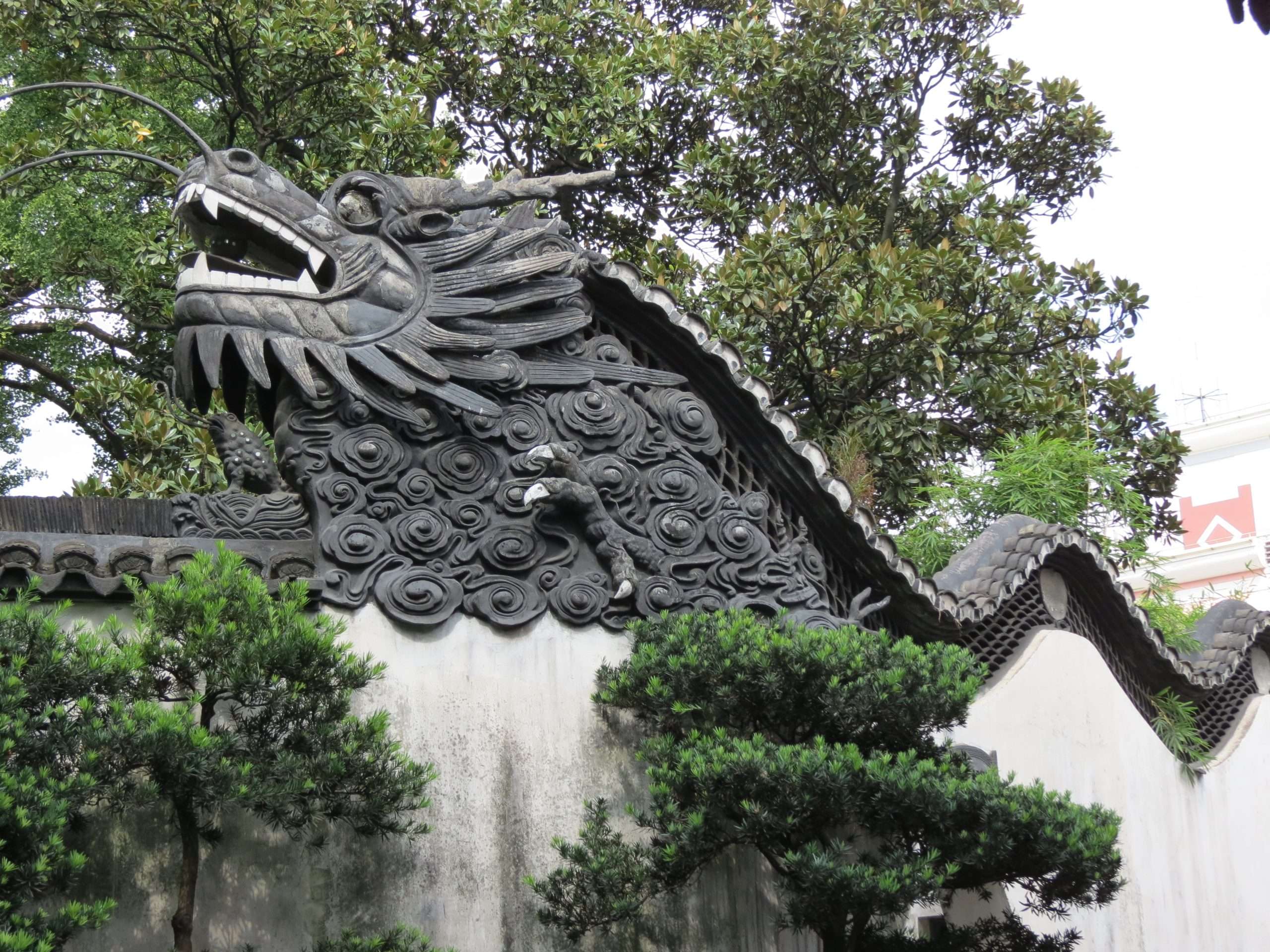
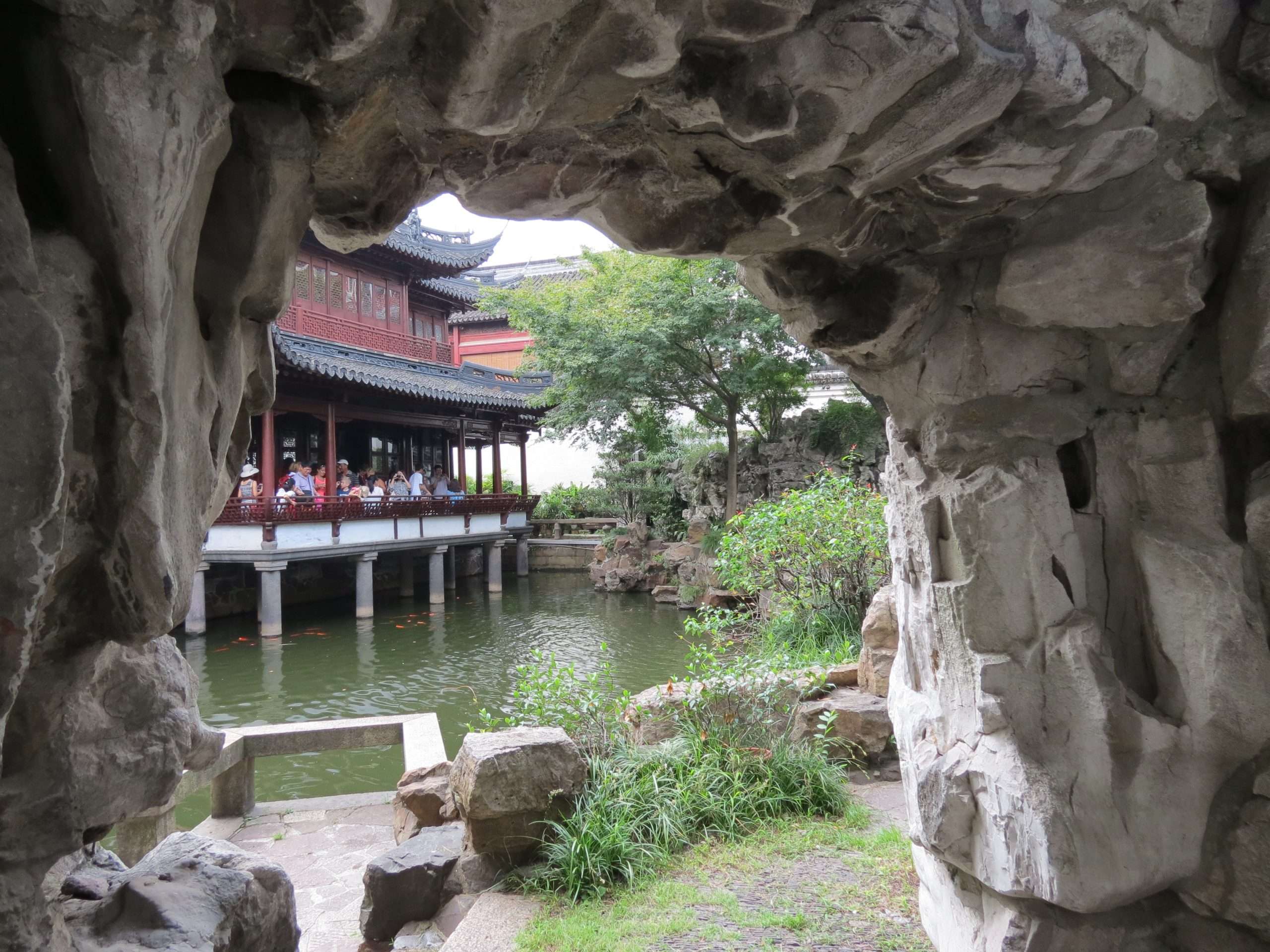
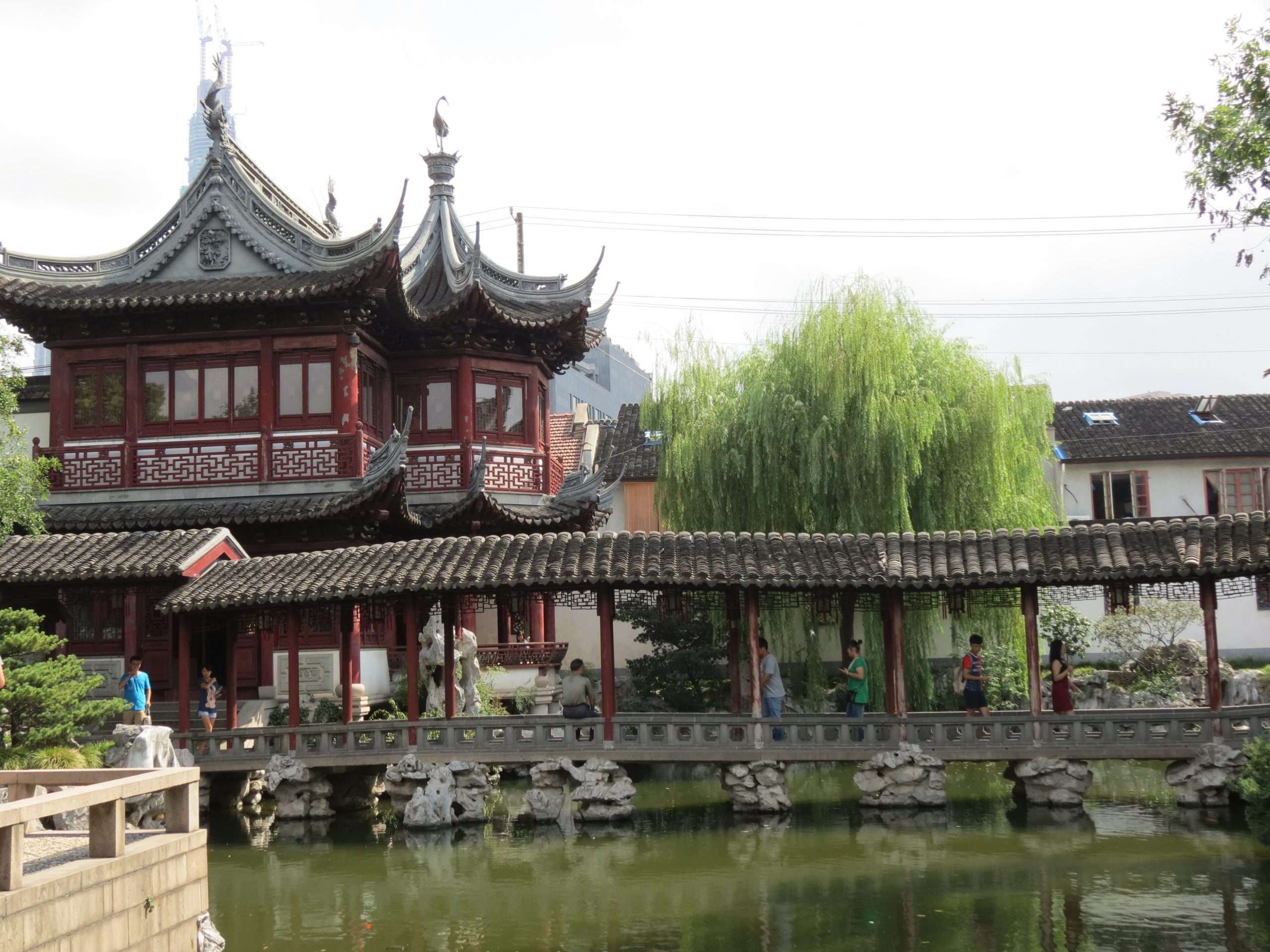
We also visited the old town section, which was very crowded. Many of the shops were full of trinkets, resembling marketplaces you see elsewhere.
Lunch was at M on the Bund, with a specially prepared menu for us. We had sweet pea and lettuce soup finished with mint, pancetta, and cream, followed by roasted chicken breast with olives, sautéed greens, and potato galette. Dessert was a pavlova.
In the afternoon, we visited the Shanghai Ghetto. Our first stop was Huoshan Park, where Jewish refugees used to gather for recreation. Fun-Fun shared a funny story about how people would walk their birds in the park. Apparently, people bring their birds in cages to the park so the birds can meet their friends, just like their owners do. Some of the buildings in this area have Dutch-style architecture, and the area was known as “Little Vienna.”
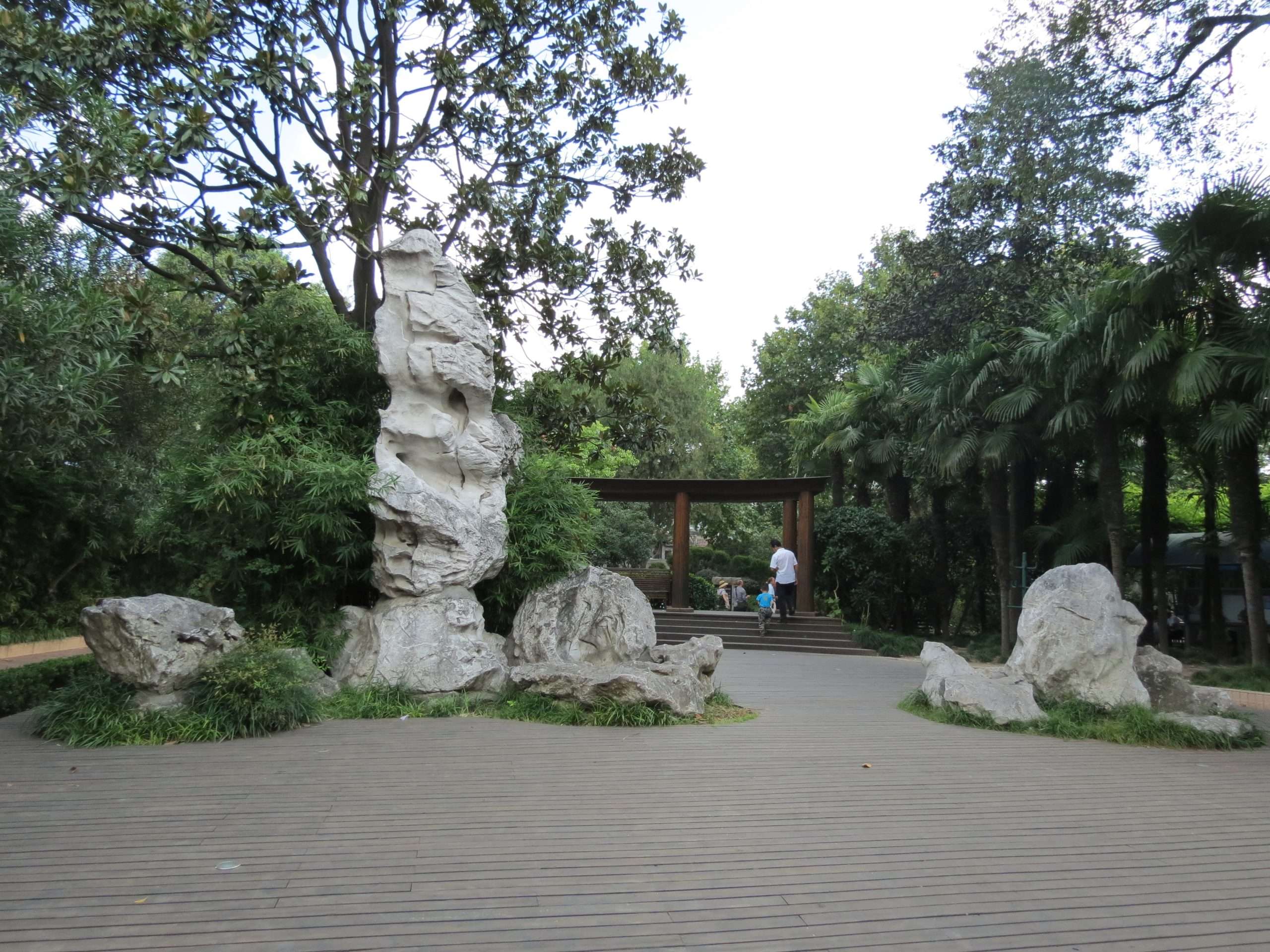
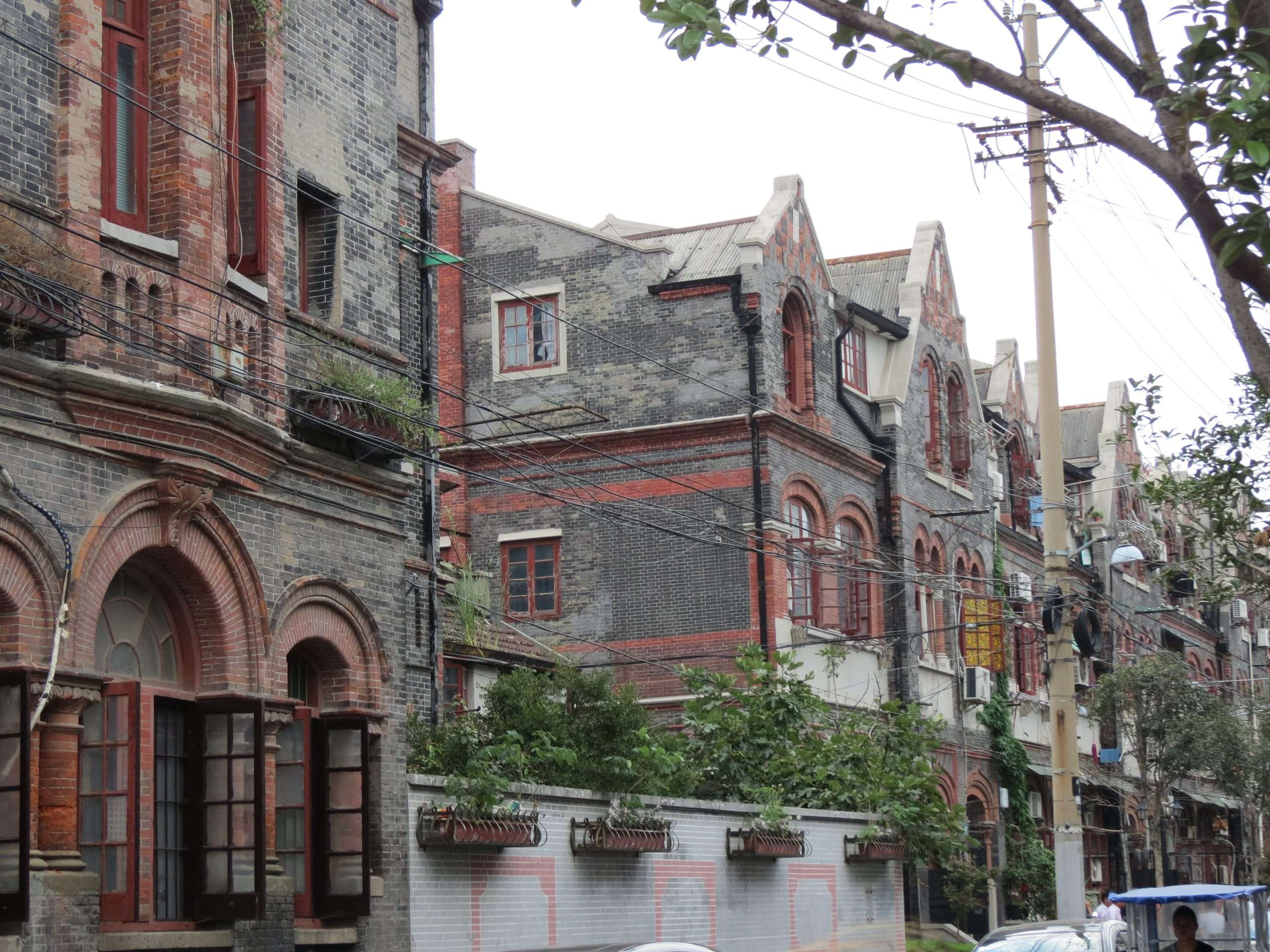
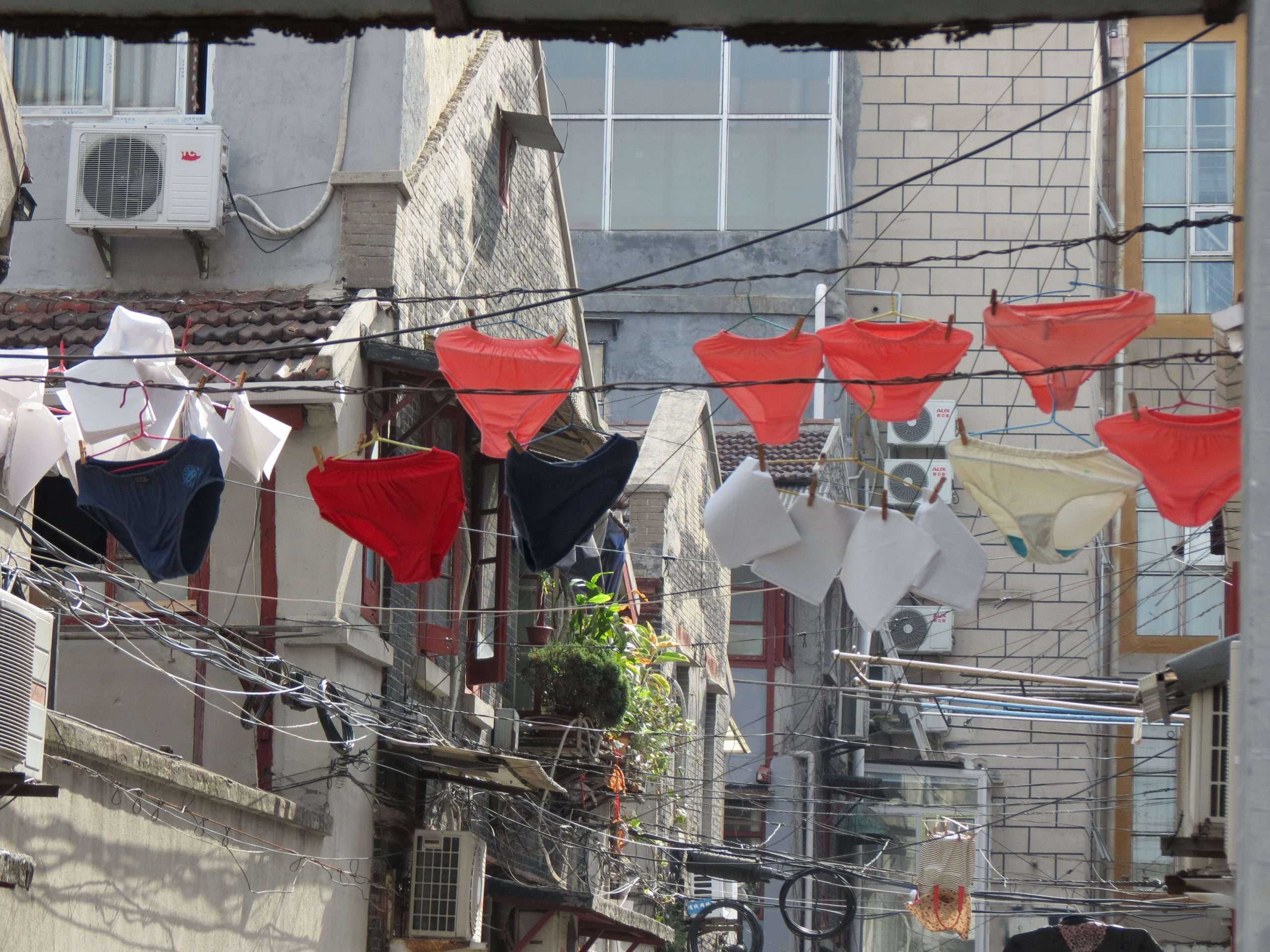
We visited the building at 59 Zhoushan Road, where Michael Blumenthal lived as a boy. We could only visit the common areas. Blumenthal was the Secretary of the Treasury under President Carter and is now the director of the Jewish Museum in Berlin. We wondered how long these buildings will remain, given the city’s rapid expansion and modernization efforts.
Next, we visited the Shanghai Jewish Refugees Museum. Some 24,000 Jewish refugees settled in the Hongkou district, thanks to Dr. Fengshan Ho, the consul general in Vienna, who stamped their papers, allowing them to escape the Nazis. He is often referred to as the “Chinese Schindler.” The Ohel Moshe Synagogue, part of the museum, was built by Russian Jews and was restored in 2007 using original drawings found in the city archives. Other parts of the museum display passports, travel documents, and the histories of some of the refugees, both during their time in Shanghai and after they left China.
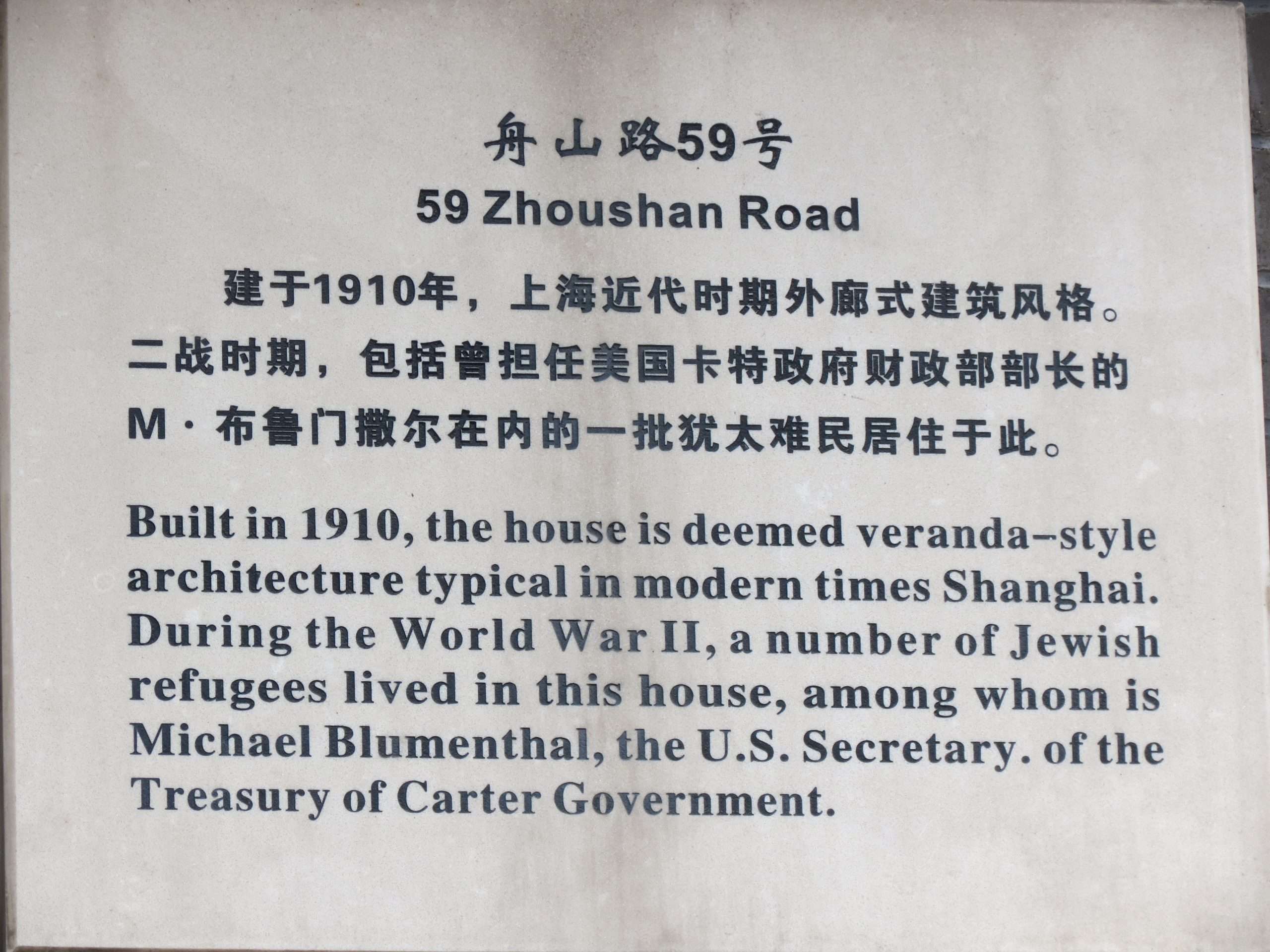
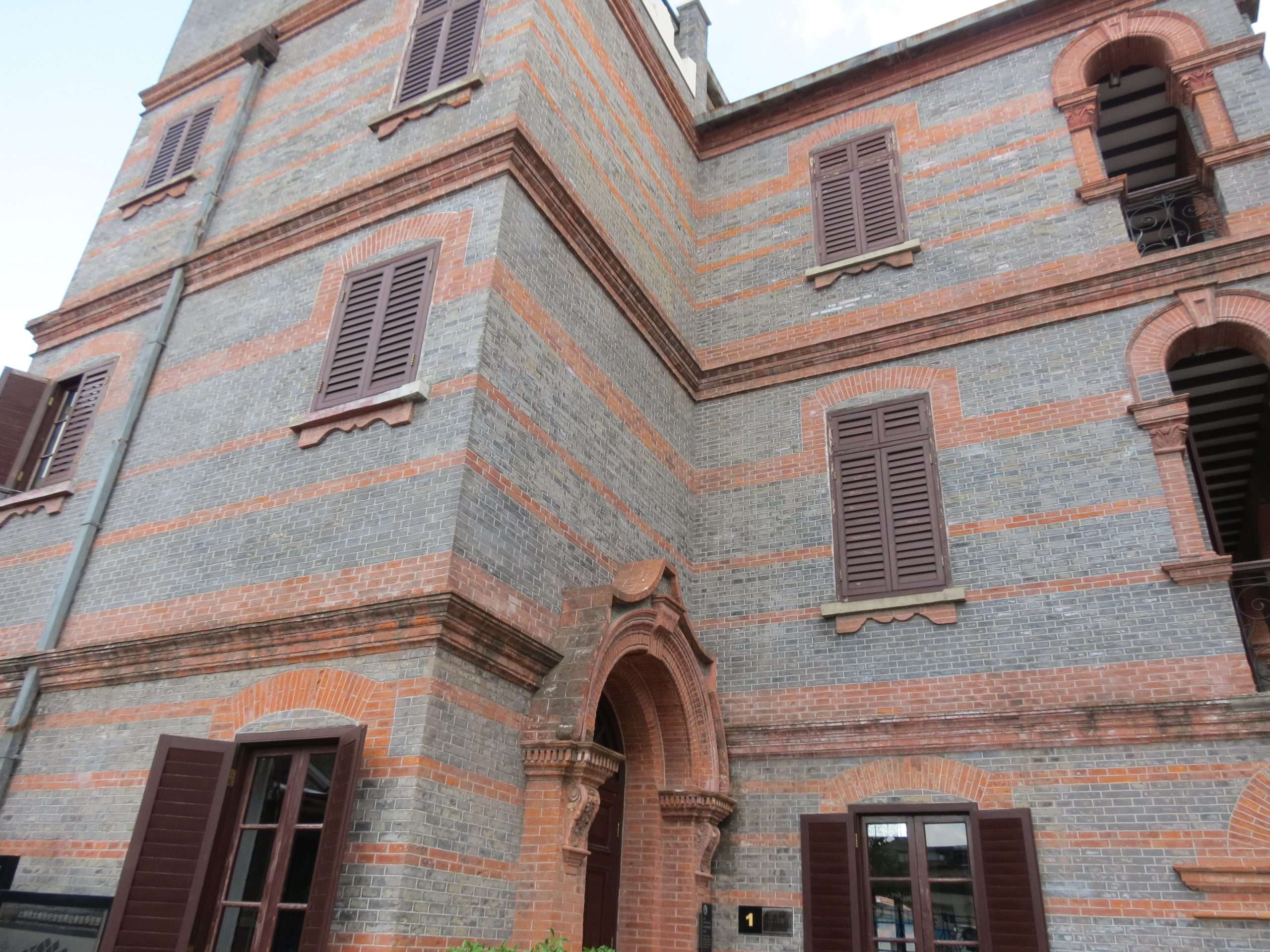
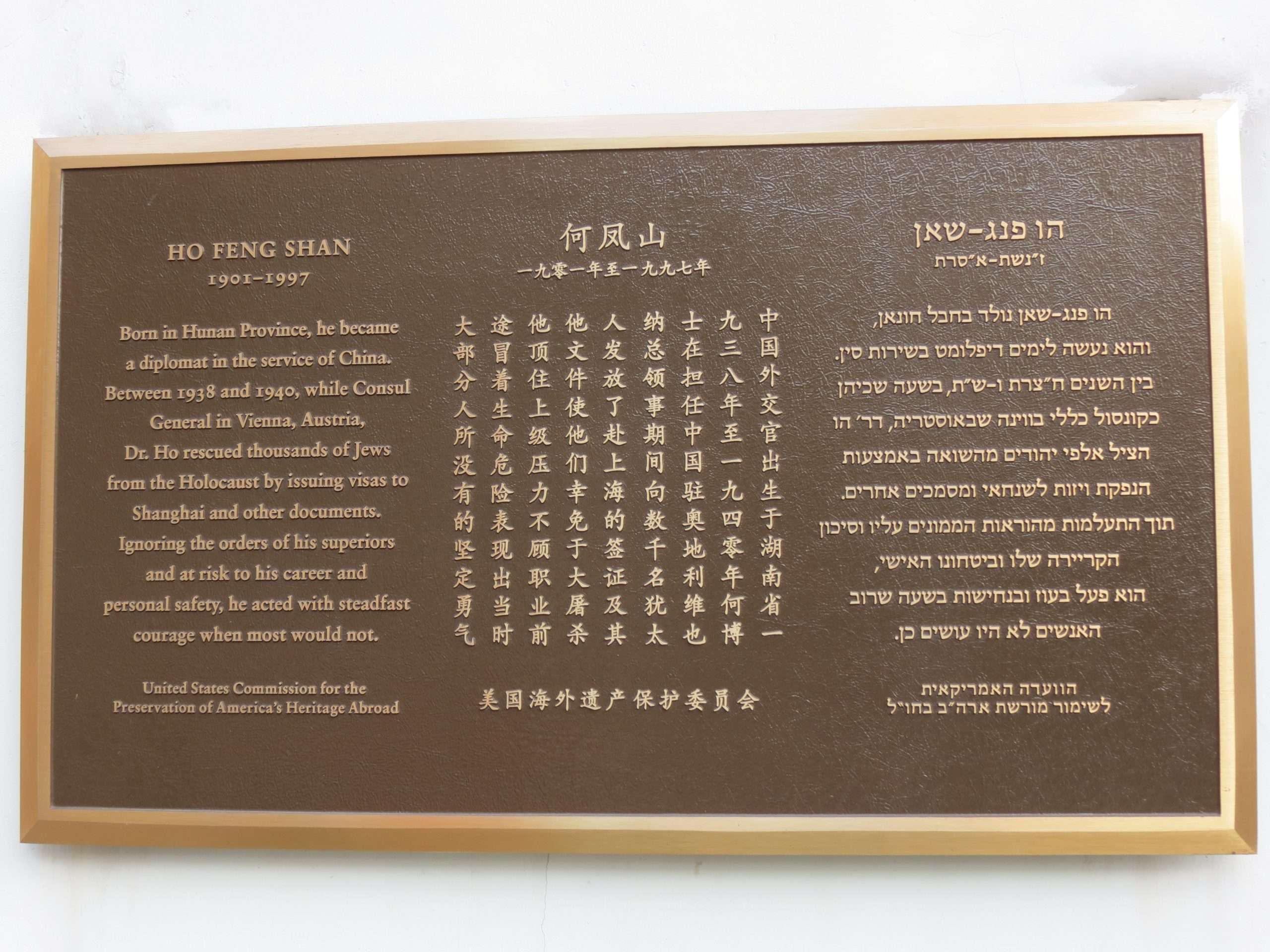
What’s truly remarkable is how well the Chinese treated the Jewish refugees and how well they integrated. These Jewish refugees were the first to teach the local Chinese population how to play Western instruments, such as the violin. There’s even a section in Shanghai where both sides of the street have shops selling musical instruments.
We stopped by the Fairmont Peace Hotel to see the Art Deco lobbies. The jazz bar was closed, but the hotel, owned by the Sassoon family—one of the three extremely wealthy Jewish families in Shanghai—is beautiful.
The evening’s entertainment was a performance by the Shanghai Acrobats, an amazing show like Cirque du Soleil.
Another Day in Shanghai – September 21, 2013
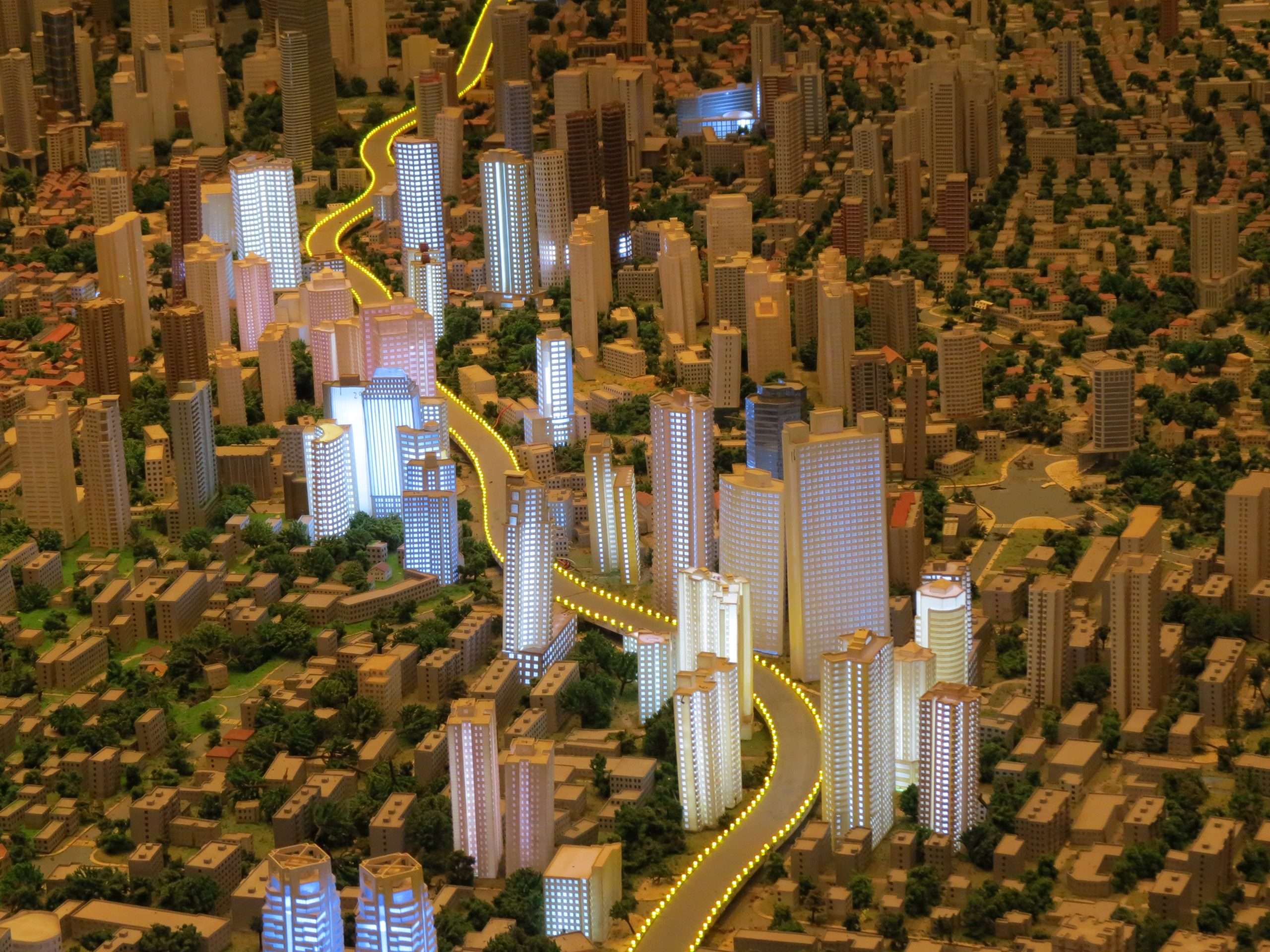
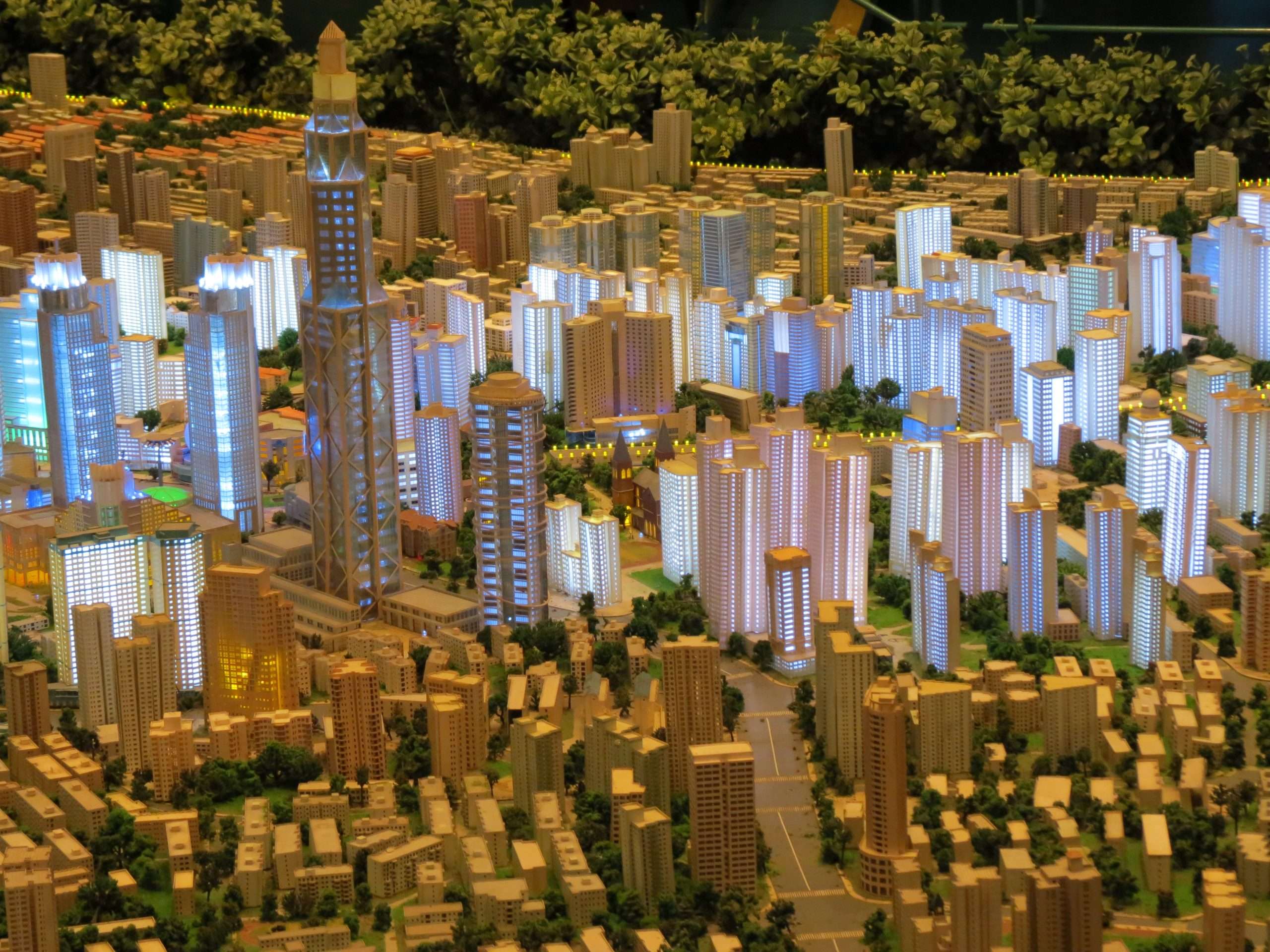
It was a rainy day. We visited the Shanghai Urban Planning Exhibition Center, which is an urban planner’s delight. The highlight was a model of the master plan for the entire inner ring road area of downtown Shanghai—simply mind-blowing. Next, we stopped by the Shanghai Museum, which has four floors of exhibits. There were long lines to see a special exhibition of French Impressionist paintings from the Clark Museum in Williamstown, MA. At the museum shop, Christabel bought a scarf featuring a motif from one of the bronzes in the museum. We visited the jade, furniture, porcelain, and bronze collections.
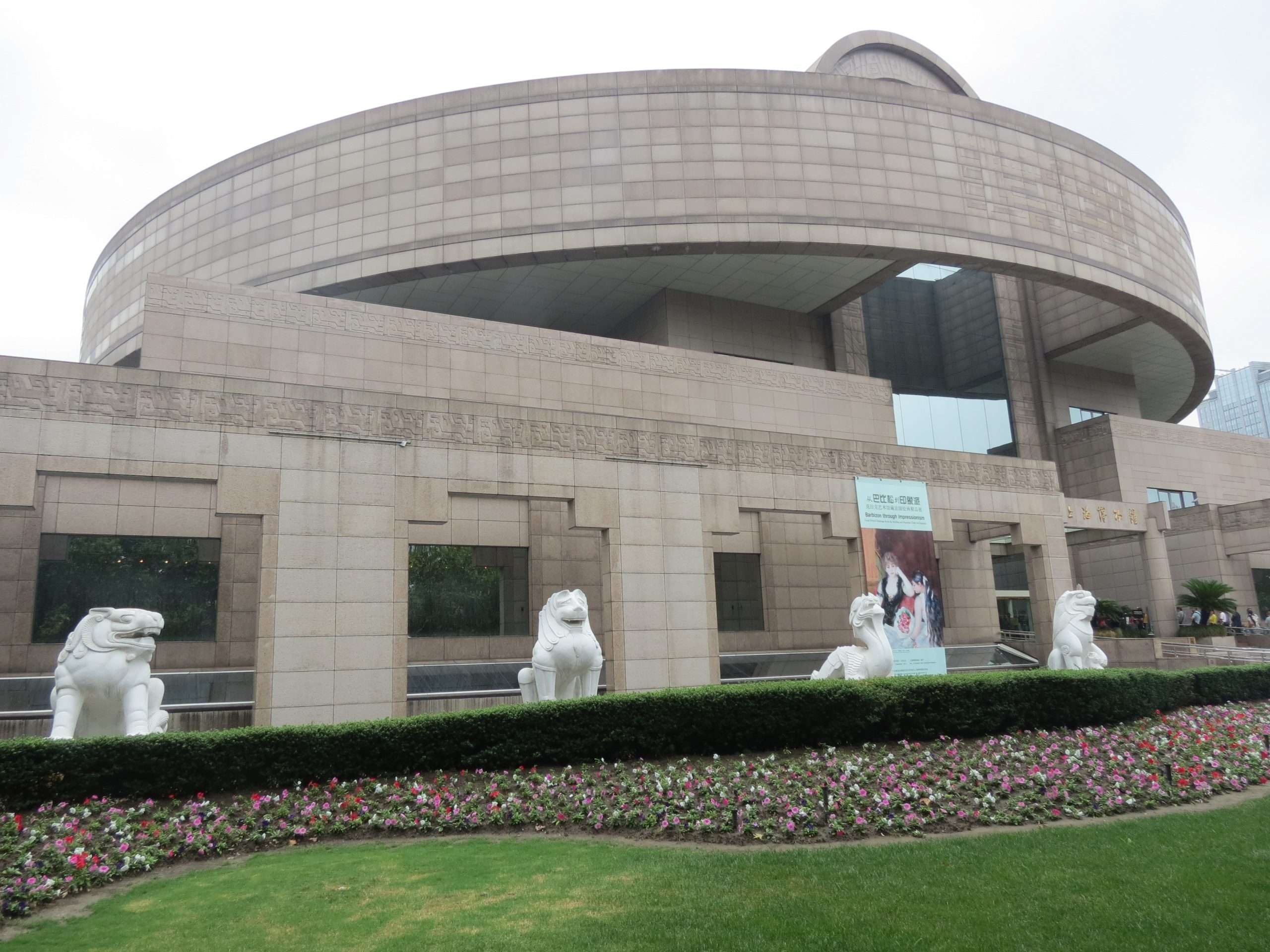
Our next stop was Xintiandi in the French Concession, where we had lunch at Yè Shanghai. Following Fun-Fun’s recommendation, we enjoyed juicy dumplings with pork and crab, sesame pockets with chicken, long beans with bamboo shoots, and hot and sour soup—all very delicious! However, we didn’t get to see much of the French Concession.
We visited the silk factory and received a brief explanation of silk-making. We saw the most incredible silk comforters and bought a few silk scarves.
Dinner last night at Jean-Georges was delicious. Our reservation was for 6:30, and we arrived promptly. The couple who was supposed to join us never showed up, so after waiting for 30 minutes, we started without them. We had the crab cake, scallops, and snapper, and for dessert, Jean-Georges’ famous chocolate cake. The restaurant overlooks the Bund, so we had a magnificent view of all the boats sailing by.
Journey to Yichang & Embarkation – September 22, 2013
Today, we flew to Yichang (a 2-hour flight) to join the Yangzi Explorer for a river cruise, departing from Shanghai Hongqiao Airport—no maglev train this time. The Waldorf Astoria provided an incredible boxed lunch, not sure why, since lunch was served on the flight. Yichang is a very industrial city, with parts resembling the suburbs of Mumbai.
The highlight of the trip so far was a stop at the Haojue Foot Massage. We were seated in chairs while young men and women in uniforms worked on our feet for nearly an hour. Our feet have never felt so clean and relaxed—truly happy feet!
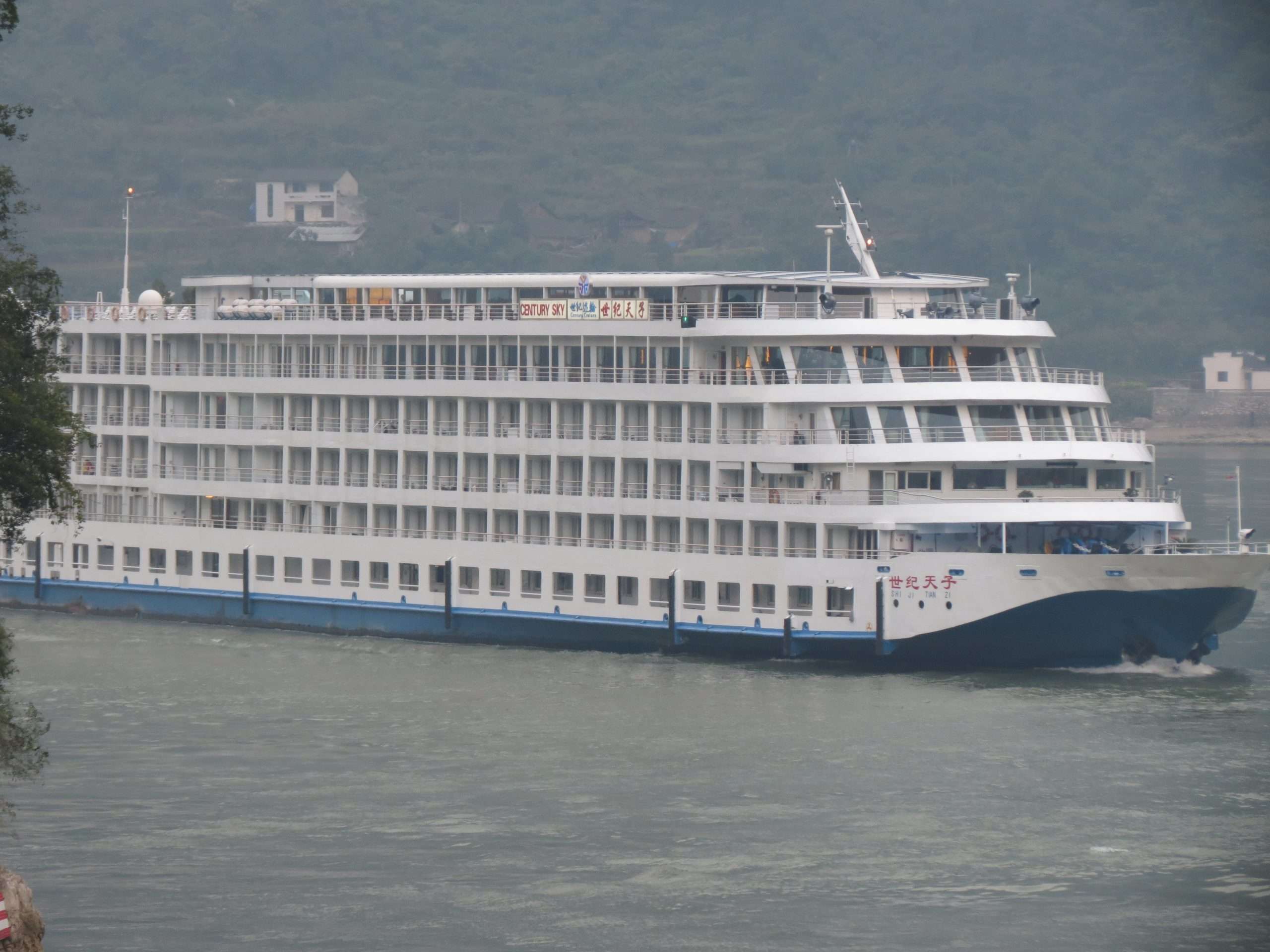
Our boat is the MS Yangzi Explorer. Our cabin is on the fourth deck (Wu Deck), quite large and comfortable. The Yangtze is the third-longest river in the world, after the Amazon and the Nile. It is called Chang Jiang or “Long River” by the Chinese and the Yangtze by foreigners.
Yangzi Explorer/Three Gorges – September 23, 20 13
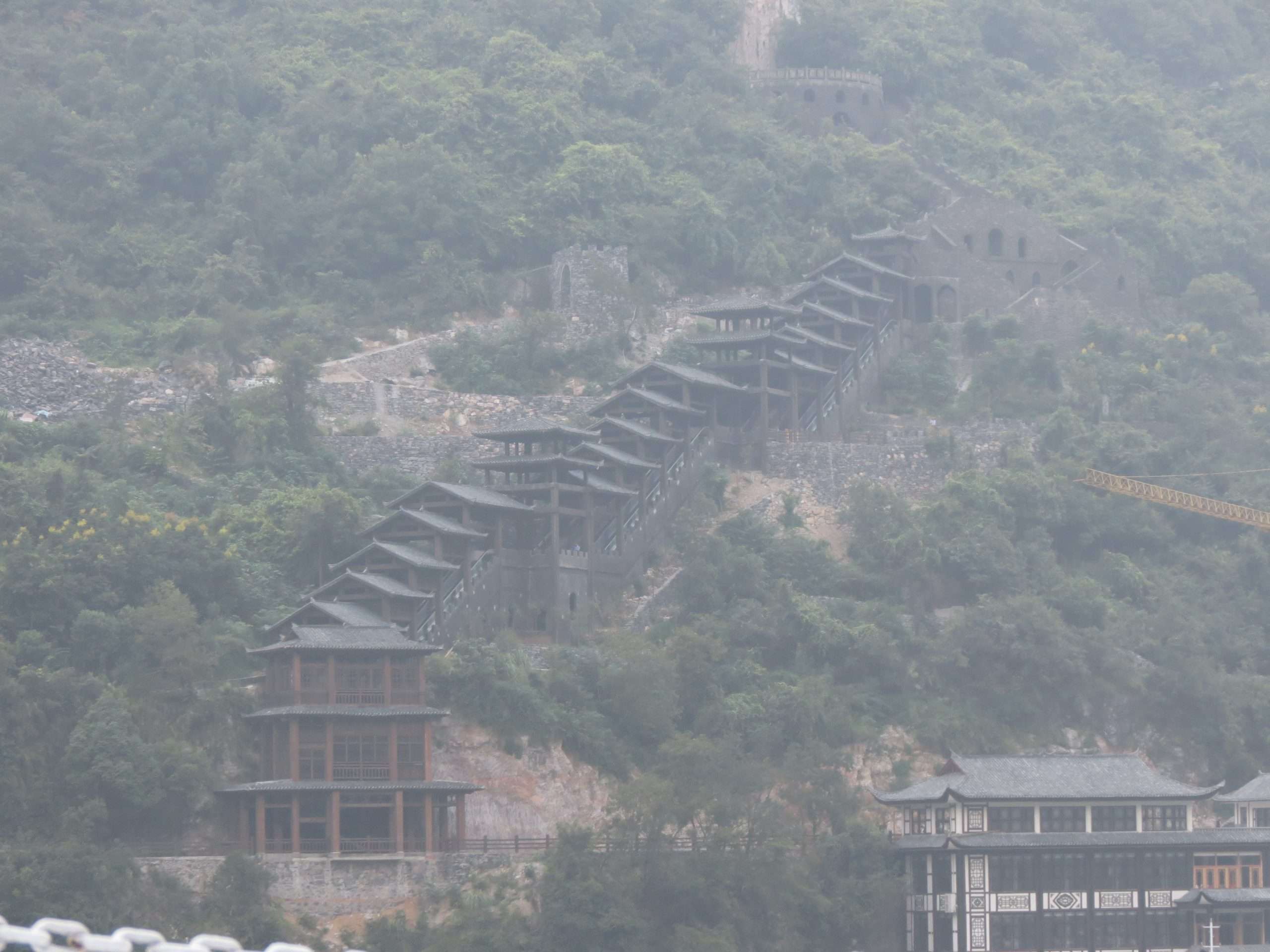
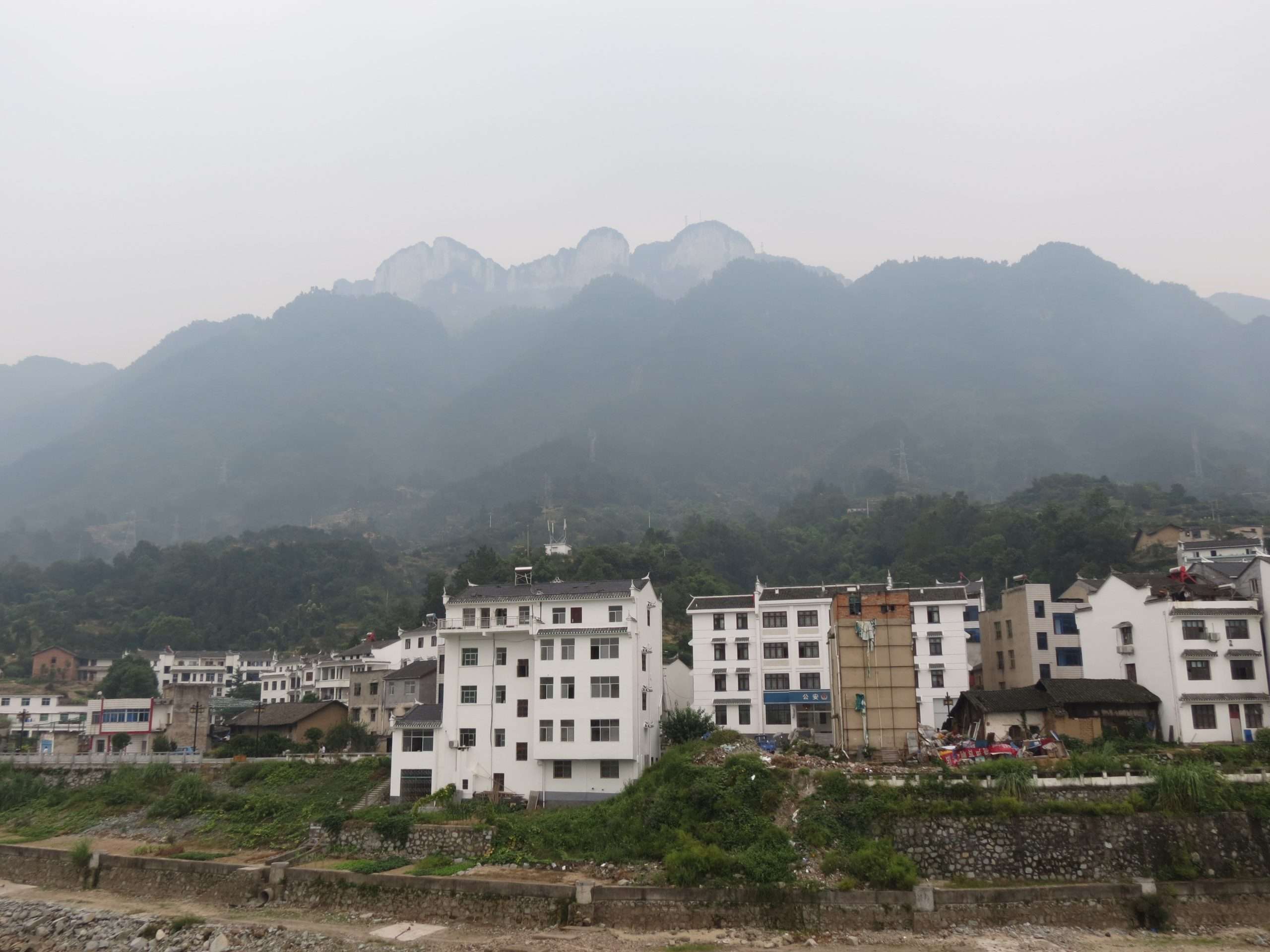
Christabel started the day with Tai Chi in the morning. We passed through the Xiling Gorge but opted out of the optional tour to see the Tujia customs, the boat trackers, or feed the monkeys. Instead, we attended a lecture on the Yangtze River. In the afternoon, we visited the Three Gorges Museum and the dam, though it was too foggy to see the dam clearly. Later, we attended a lecture on traditional Chinese medicine. At the captain’s reception, we enjoyed some excellent cocktail food. In the evening, we sailed through the five locks. While it was difficult to see the action, we could feel the boat rising as the locks flooded. The day ended with a variety show put on by the crew.
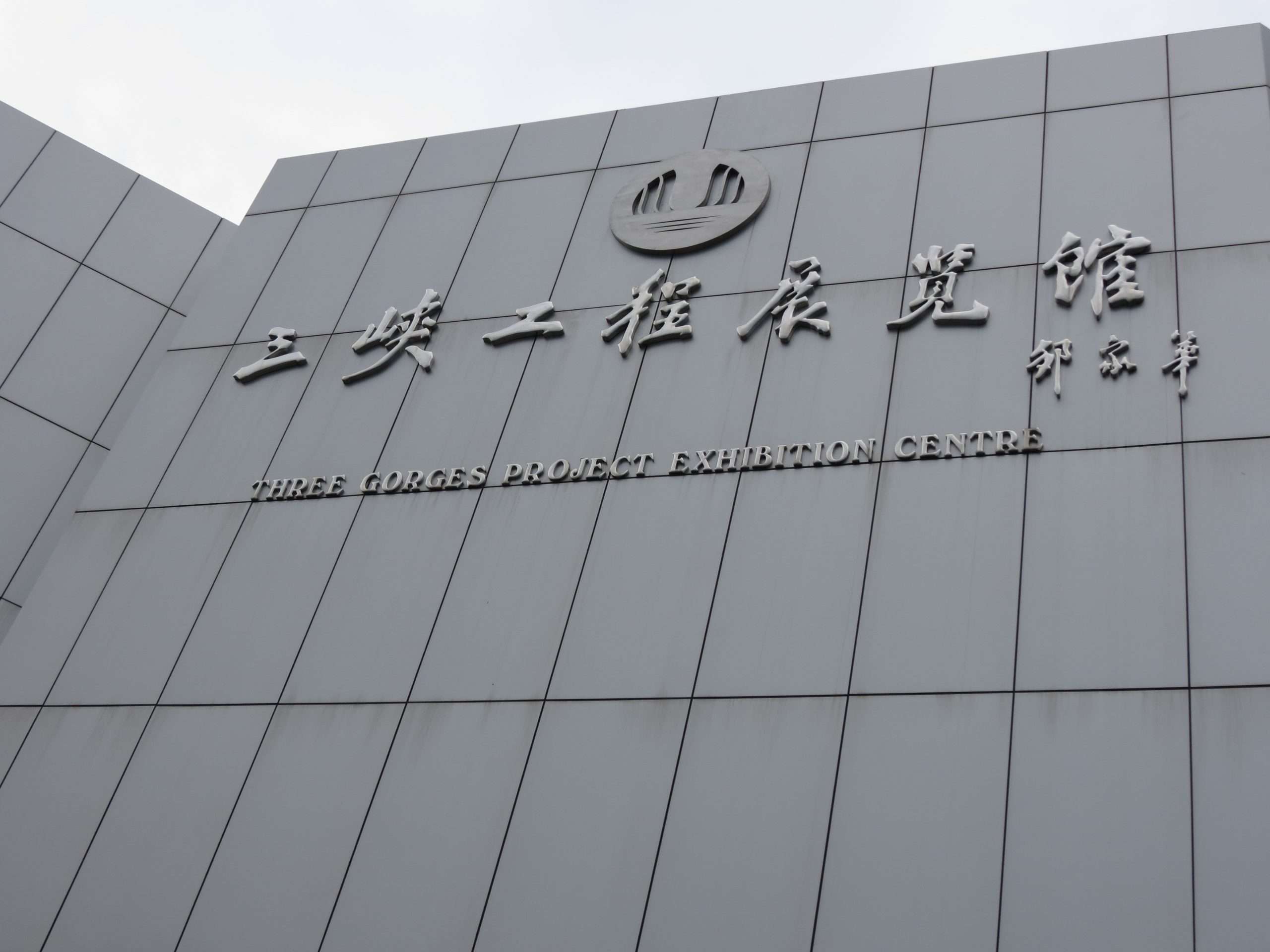
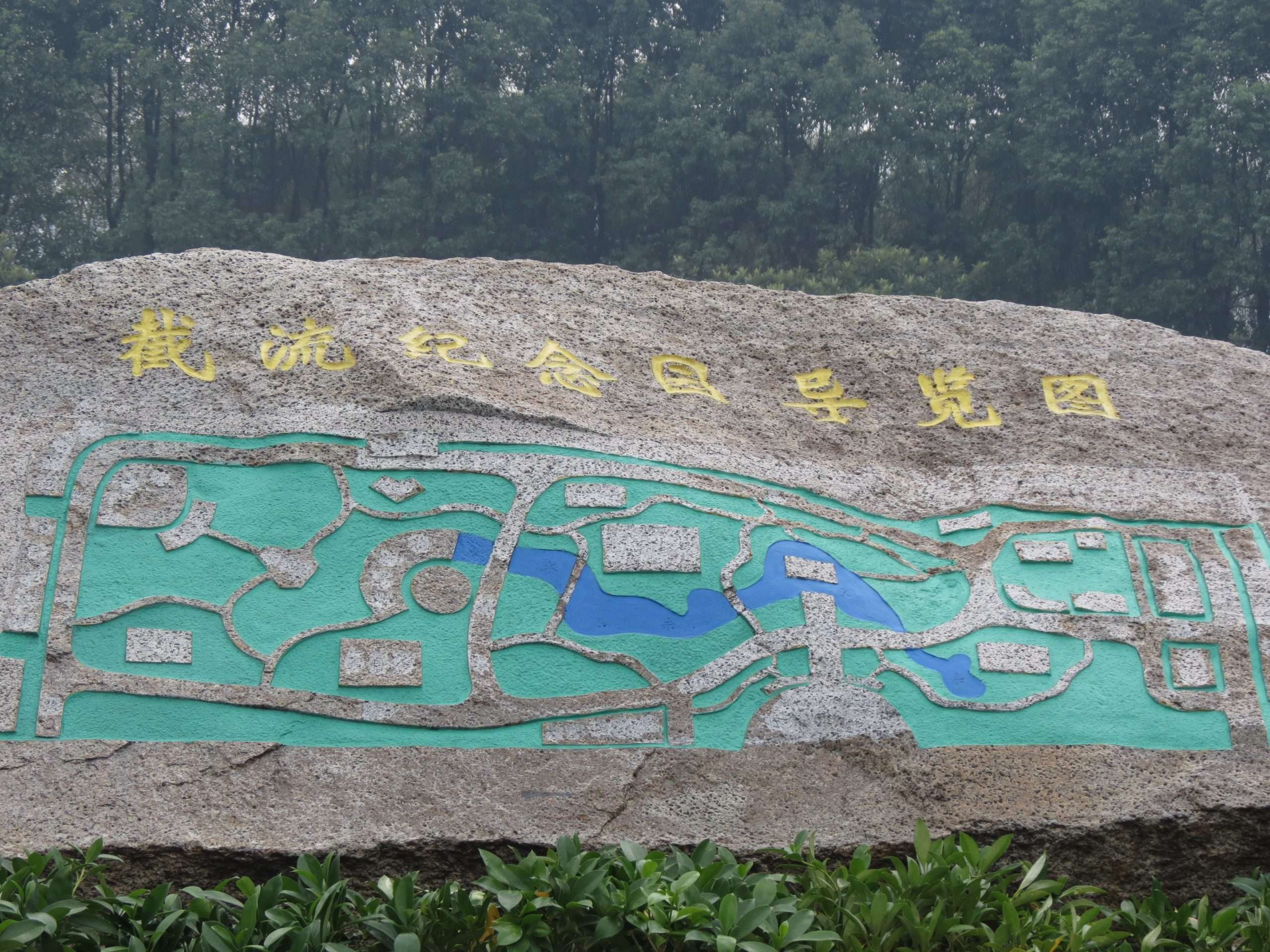
The Three Gorges Dam was constructed for flood control, energy production, navigation, irrigation, pollution reduction, and possibly other purposes. The project led to the submersion of thirteen cities, 140 towns, and 1,300 villages, displacing approximately 1.5 million people. Additionally, around 1,300 archaeological sites were lost. The total cost of building the dam was $30 billion U.S. dollars.
Cruising the Three Gorges – September 24, 2013
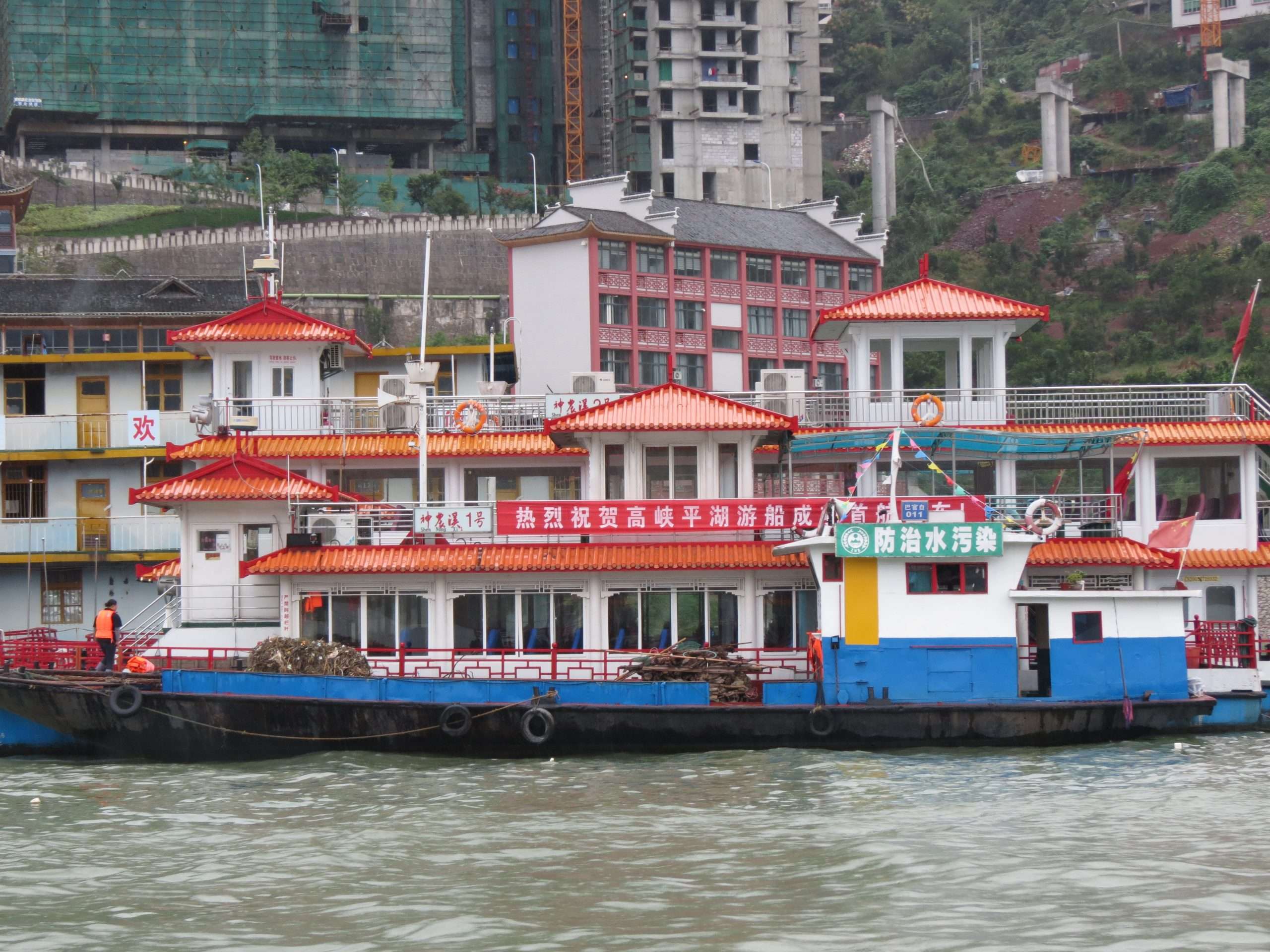
Tai Chi began at 7:00 this morning. We are docked at the relocated city of Badong. It was very rainy today. We took a long ferry ride to the Shennong Stream and then boarded a pea pod boat (sampan). We observed the boat trackers, who wore grass sandals and were fully clothed—unlike in the past when they tracked boats completely naked. We saw hanging coffins and enjoyed the beautiful scenery, with mist covering the tops of the peaks. We passed through the Wu Gorge and saw the Goddess Peak of the Wu Mountains. The Goddess is the small pinkish stone that stands apart from the peak.
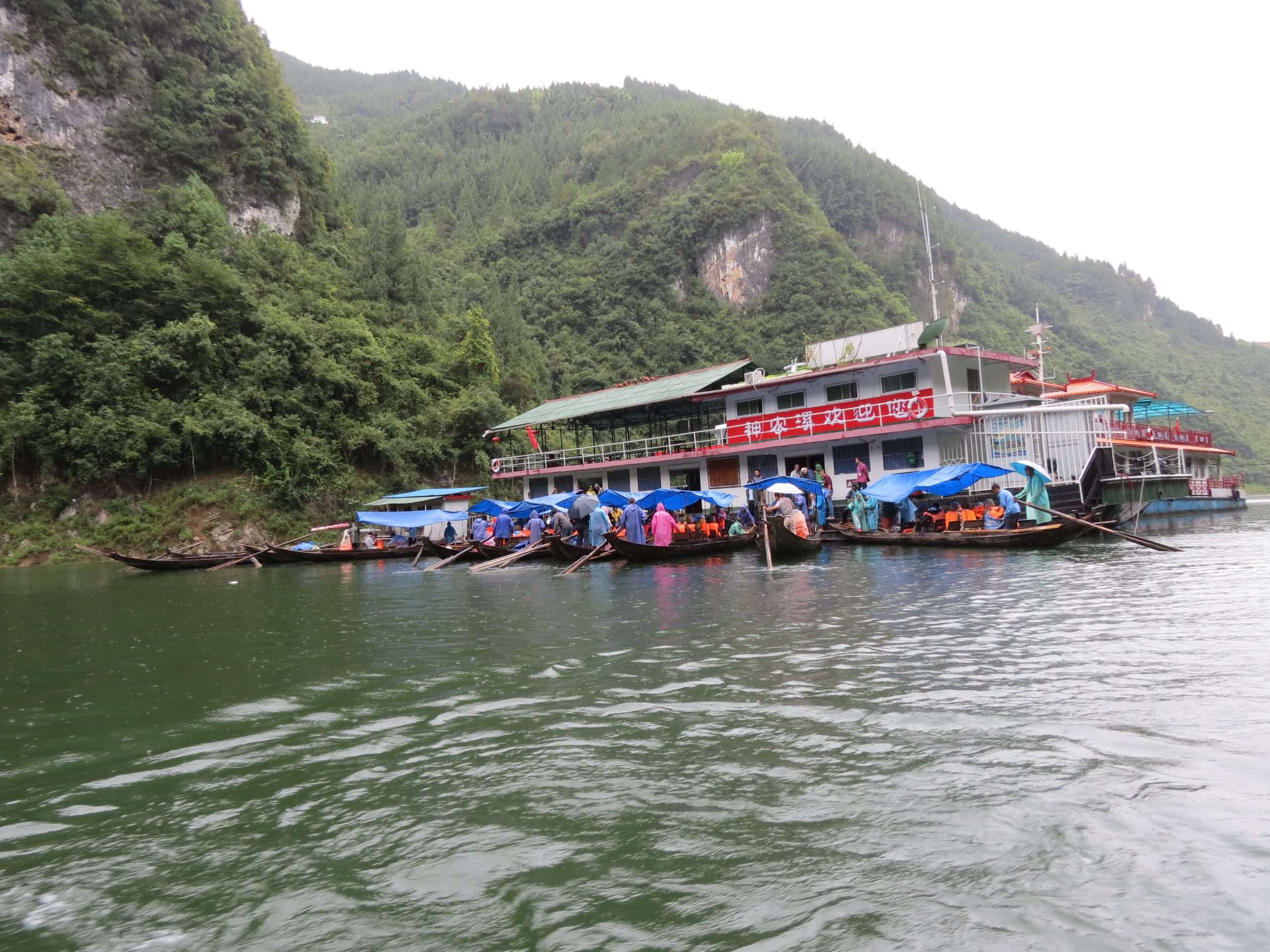
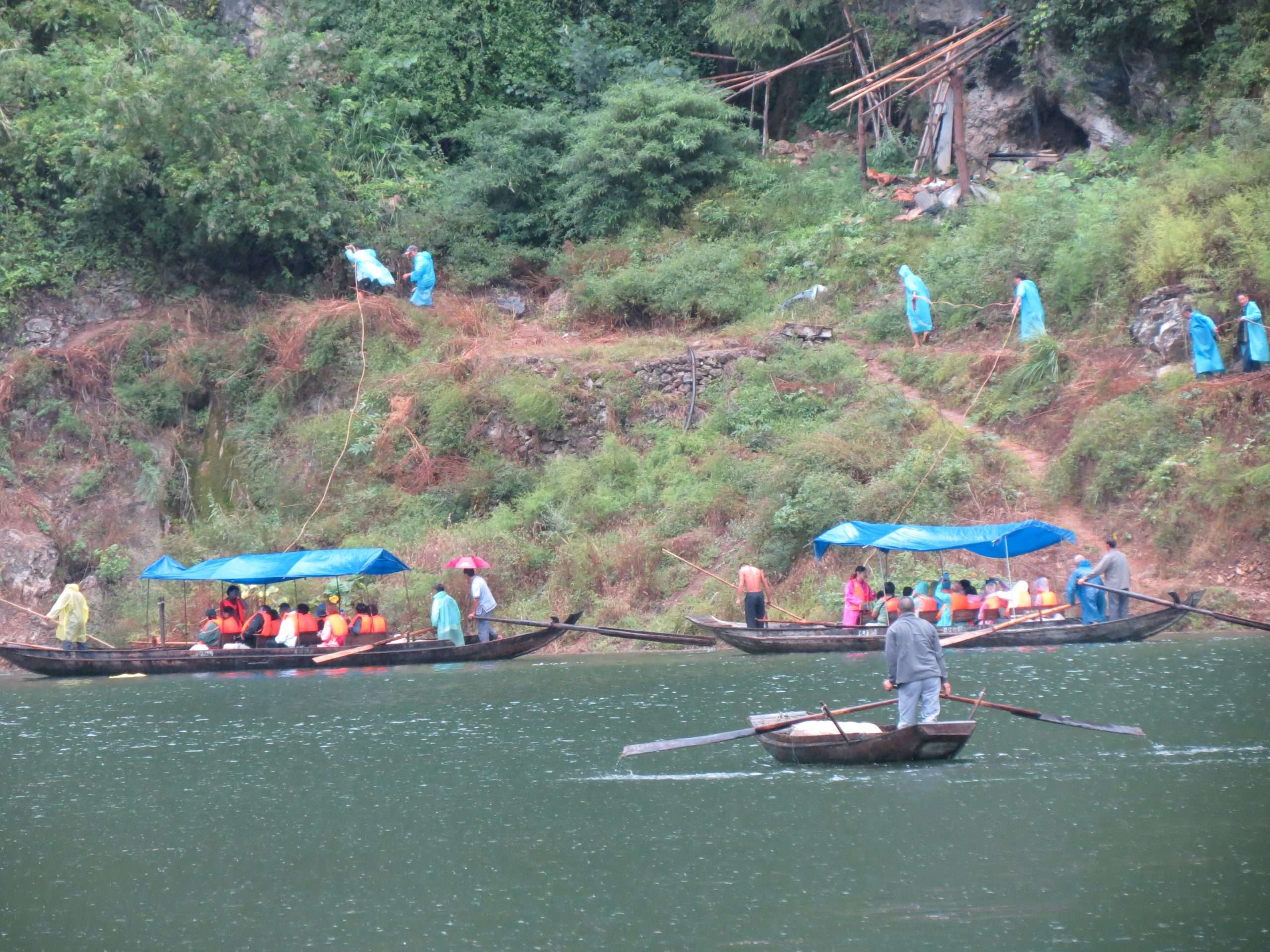
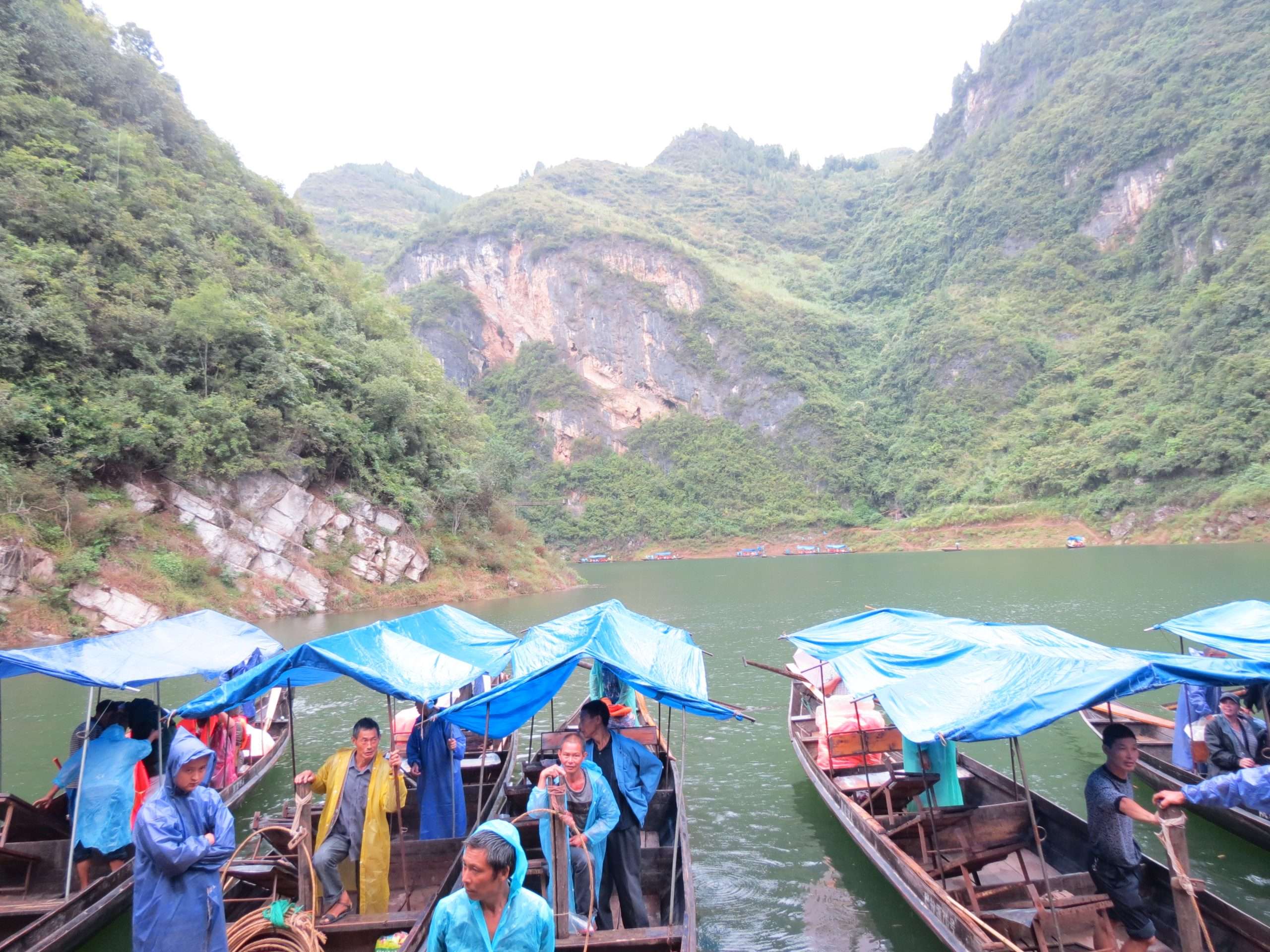
The hanging coffins are made of petrified wood and contain remains and items for the afterlife. These belong to the Han people. Most of these coffins are now in museums. The Tujia people are a minority group, and the one-child policy does not apply to them.
We were supposed to go on an optional tour to the Baidicheng (White Emperor City), but the rain nixed that plan. A great pity because this place has great historical significance and a temple that dates back over 1,950 years. We attended the calligraphy demonstration by Master Wong, whose grandfather was a very famous state painter. He showed two styles of calligraphy, Zuan and Kai. Then he demonstrated freestyle Chinese painting. There was a quiz on the calligraphy lecture. Three people won, and Master Wong painted their names in Chinese and affixed his seal in red.
Later we attended the Chinese silk embroidery lecture. Amazing stuff: regular, irregular, French knot. Single-sided, double-sided, and two-sided pictures (tigers and leopards). The woman who does this generally does portraits as state gifts. Her name is Zhu Shouzhen, but her Western name is Martha. We also passed through the Qutang Gorge, where the scenery was stunning. After dinner, the talent show was a riot. The Aussie group performed “Waltzing Matilda.” The crew did a couple of dances, followed by a ridiculous silent movie production skit, and ended with line dancing.
Our Last Day of the River Cruise – September 25, 2013
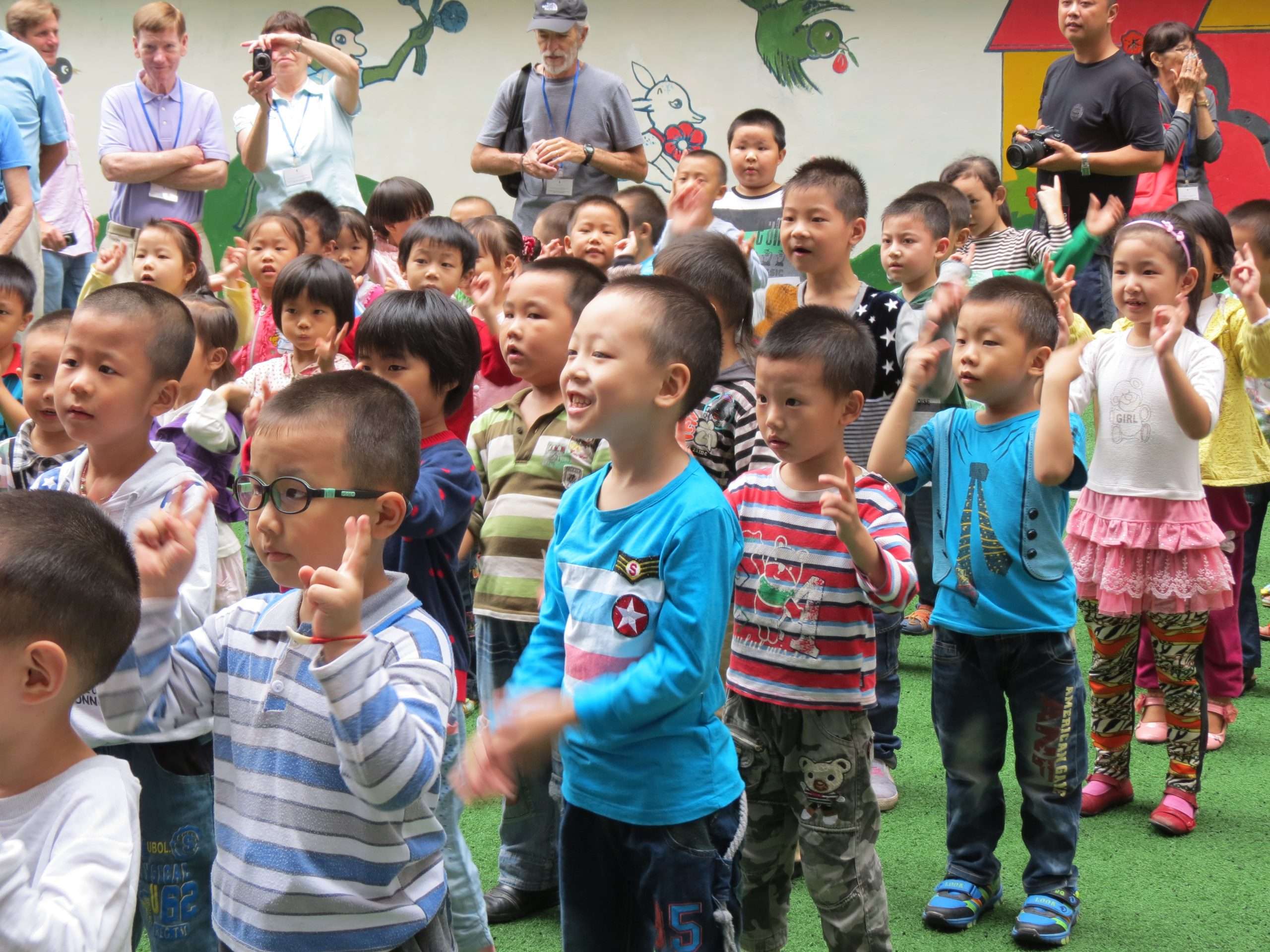
Fengdu, the ghost city—another relocated city. According to our guide, Bonnie, people have larger houses thanks to the relocation. We walked through a market (bazaar) that was cleaner than any other we’ve visited—no flies, dirt, or smells, not even in the meat market. We then stopped by a daycare center with very cute kids. Afterward, we visited a couple of old houses that were relocated as part of a complex of mansions. They must have been magnificent at one time, but the owners lost them during the Cultural Revolution. These houses date back to the Qing dynasty. We would have liked to visit the temple where all the spirits reside.
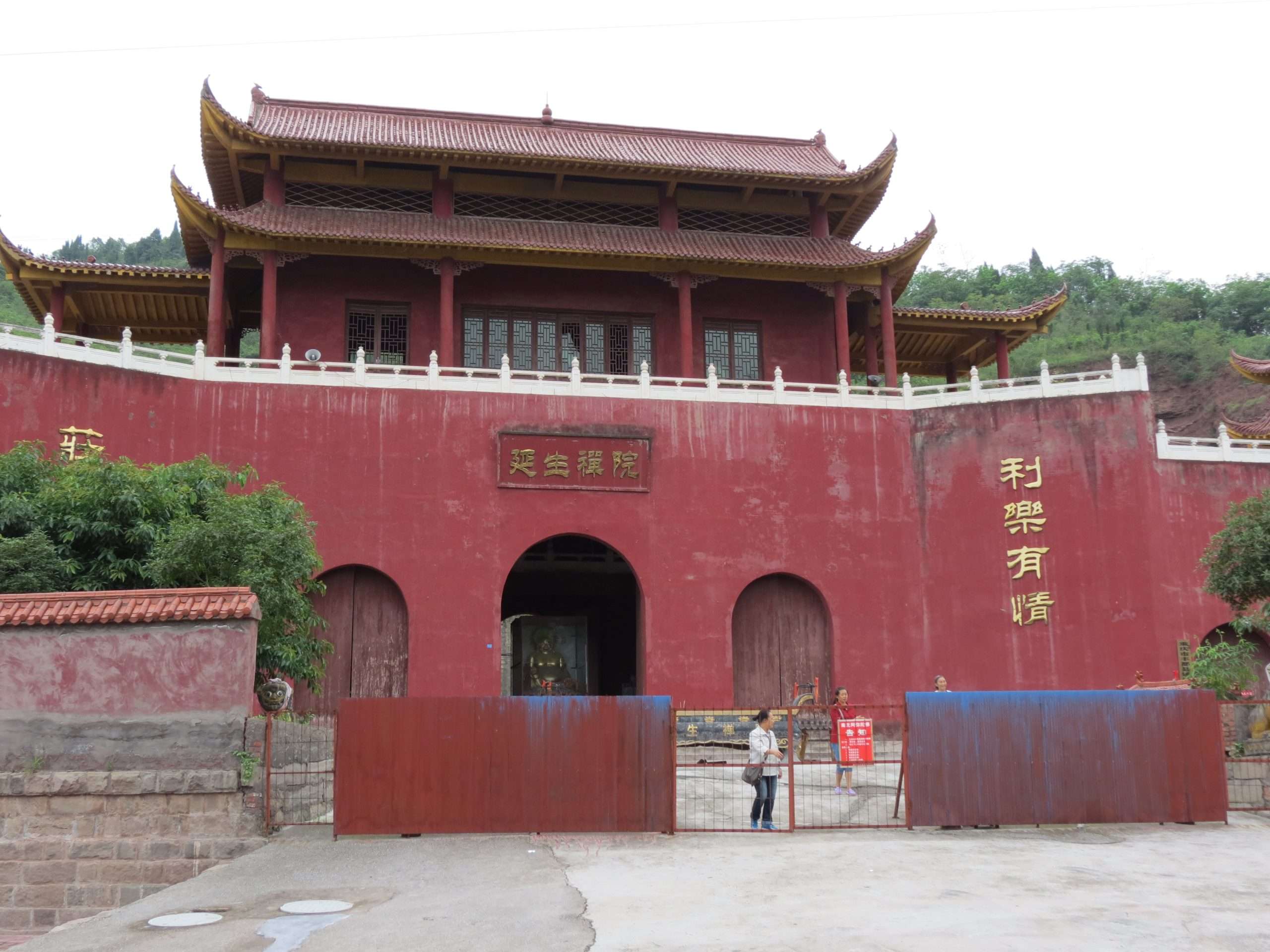
We attended a lecture on snuff box painting. The bottles can be made of rock crystal or man-made crystal and are stoppered with semi-precious stones. We bought a man-made bottle painted by Shelly, the woman who gave the lecture. She demonstrated how they are painted. Prices vary greatly depending on the type of crystal and the intricacy of the painting.
Next, we attended a lecture on pearls—freshwater and saltwater. Black pearls come from Tahiti, and yellow pearls from Indonesia. We’re not sure where pink pearls come from. Saltwater pearls are more expensive because only one can be found in each oyster, unlike freshwater pearls, where several can be found in each oyster. Additionally, saltwater pearls are found deep in the ocean, requiring deeper dives. To determine whether a pearl is natural or artificial, you can bite them, rub them together, or feel them. Real pearls are very cold to the touch, leave bite marks, and flake.
Lastly, we attended a dumpling-making session. Dinner was a grand affair, with the wait staff dressed up and pictures with the emperor and his concubines. Each dish at dinner was from a different province.
A Day of Discovery in Chongqing and Guilin – September 26, 2013
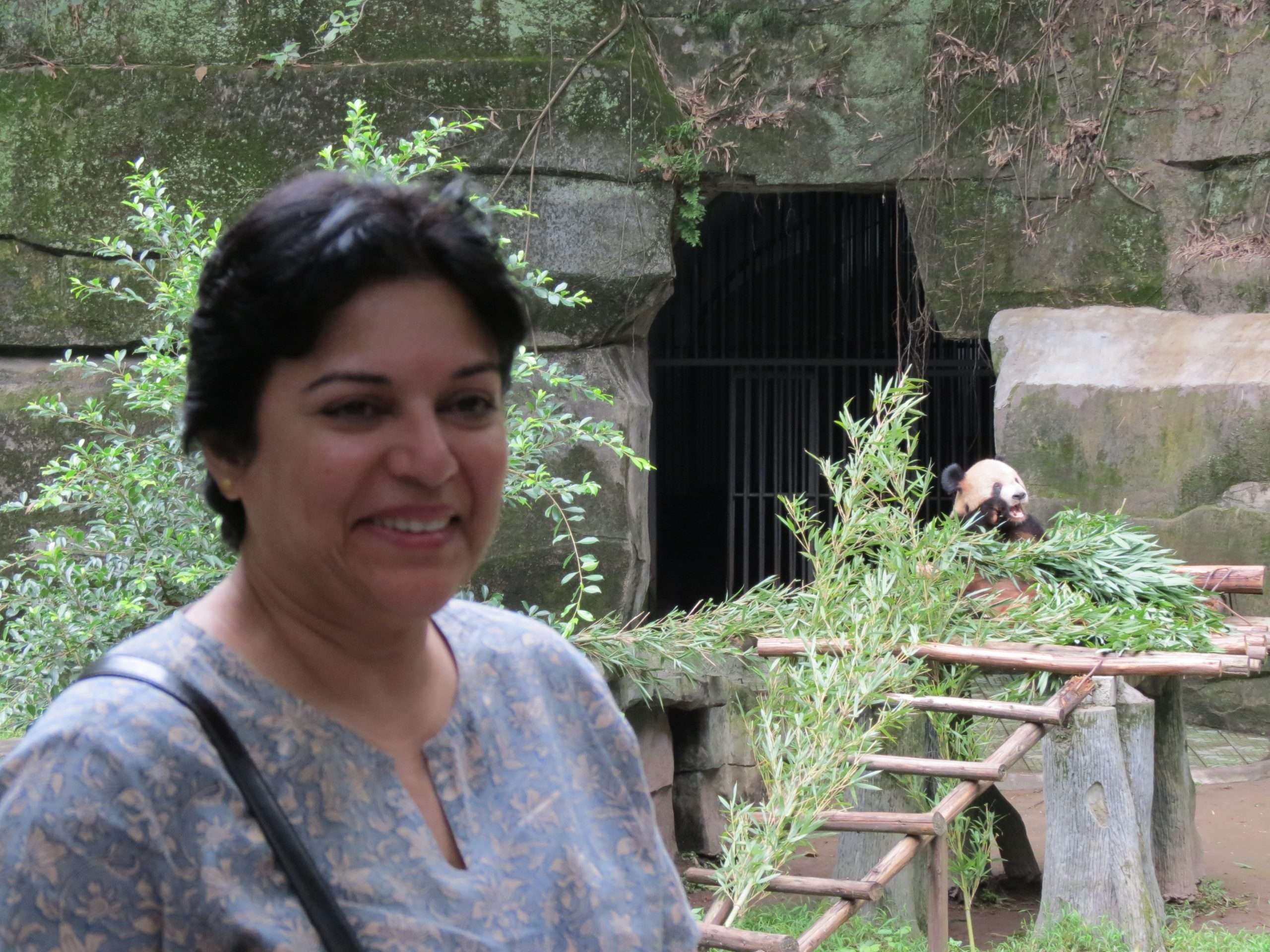
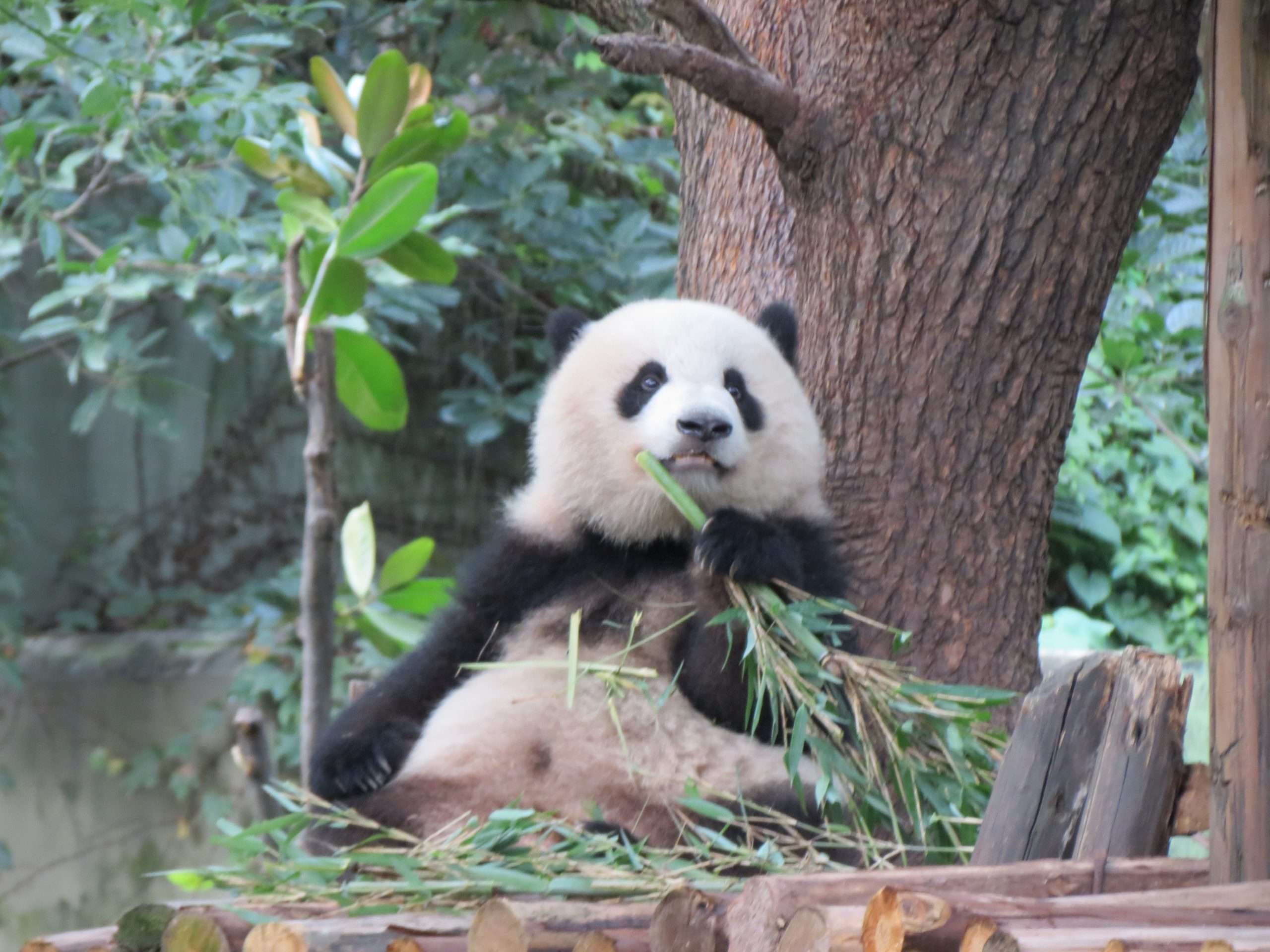
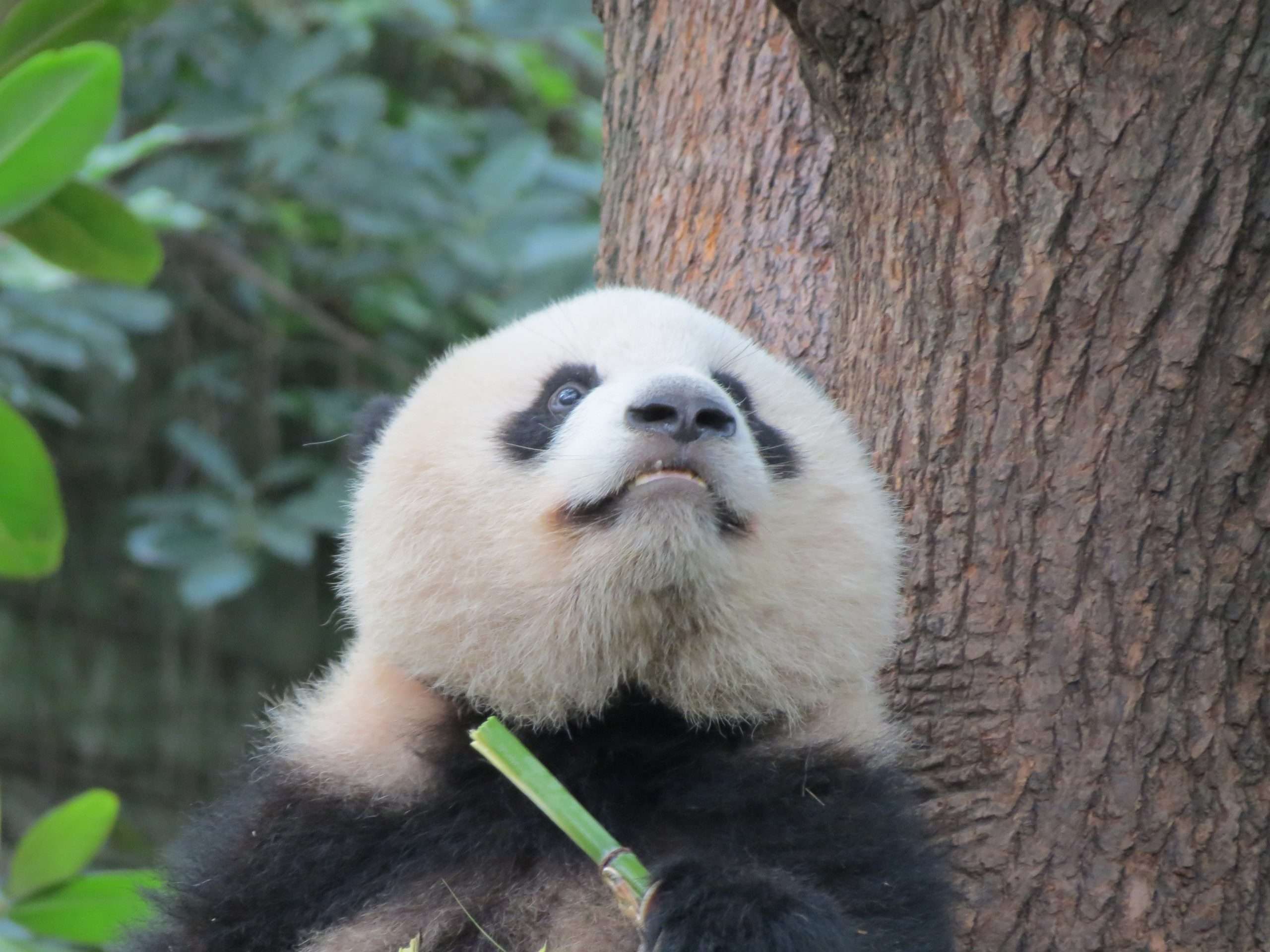
Today we disembarked from the Yangtxe Explorer and visited the Chongqing Zoo. The park was lively with people practicing Tai Chi, dancing with fans, and playing badminton. We saw red pandas (also known as lesser pandas), which resemble raccoons, as well as several giant pandas. They were all incredibly adorable.
We then headed to Guilin. We arrived at the scenic city of Guilin, the city of osmanthus, which is popular with Chinese tourists. This is because it features two major rivers, the Li River and the Peach Blossom River. There are four bridges built in the style of famous foreign bridges, such as the Golden Gate Bridge and the Ponte Vecchio.
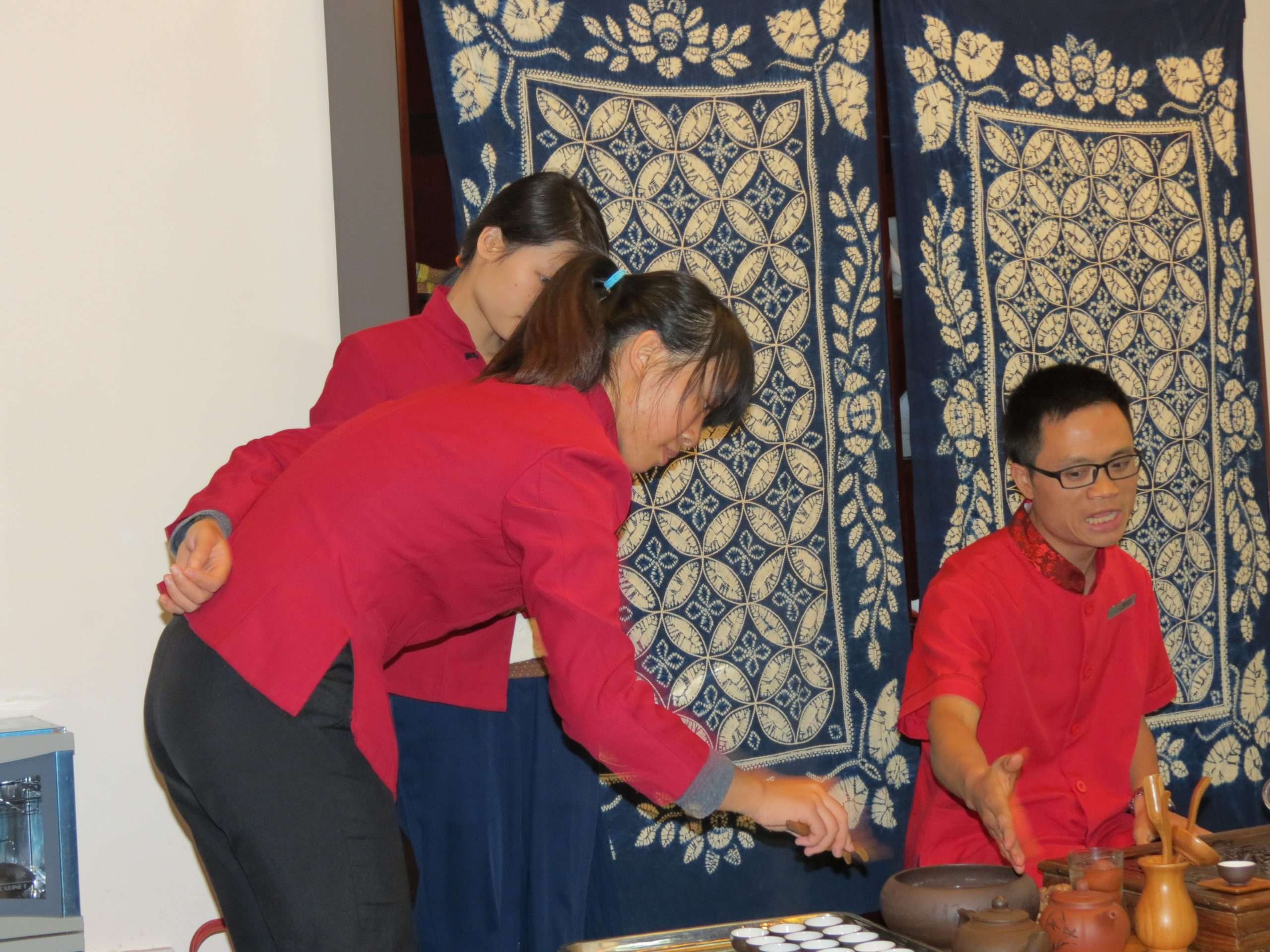
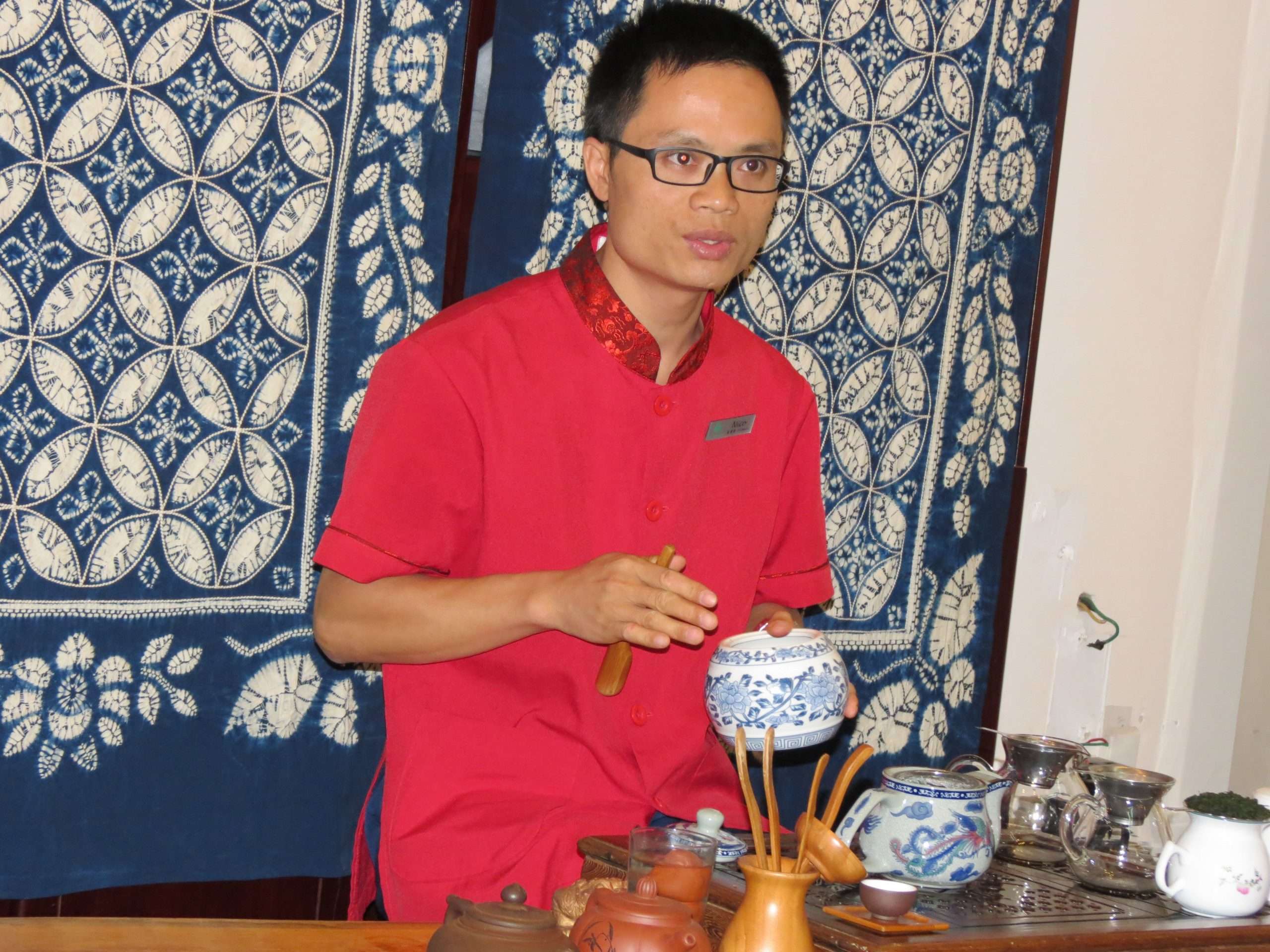
After landing in Guilin, we were met by Effie, a bubbly young woman, who took us to a tea institute. There, we were treated to a wonderful demonstration of how tea is brewed and got to taste several varieties, including yellow tea, compressed tea, and osmanthus tea. With the osmanthus tea, the tea master didn’t steep the tea but simply poured hot water over the leaves in a strainer.
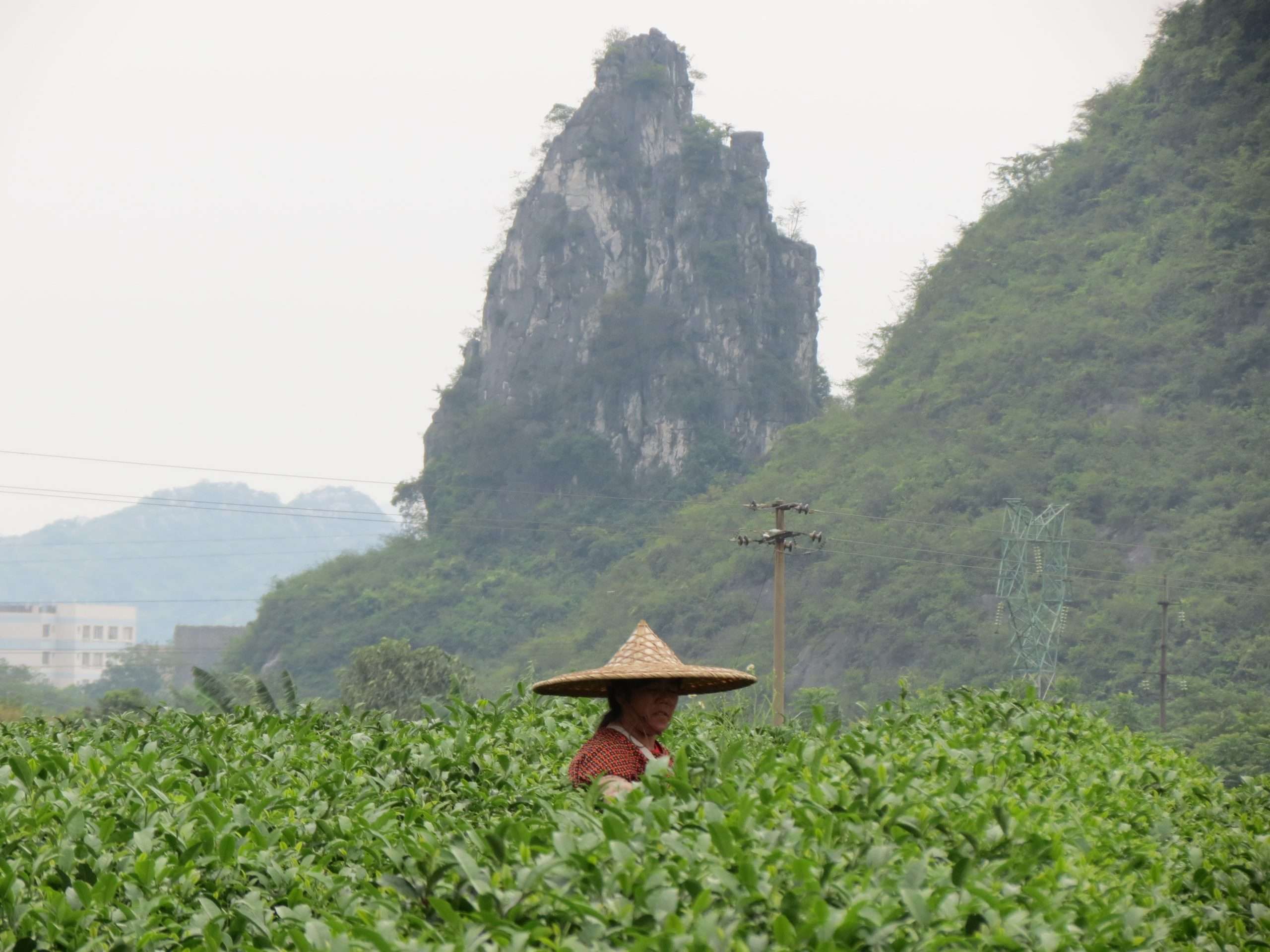
After the visit to the tea plantation, we took a boat ride on the Li River. The name of the cruise boat was Di Jing Ho. The beverage offered was snake wine — the jar still had the snake inside! We did not partake. On the way back, we stopped by a rice paddy field. Rice is grown here twice a year.
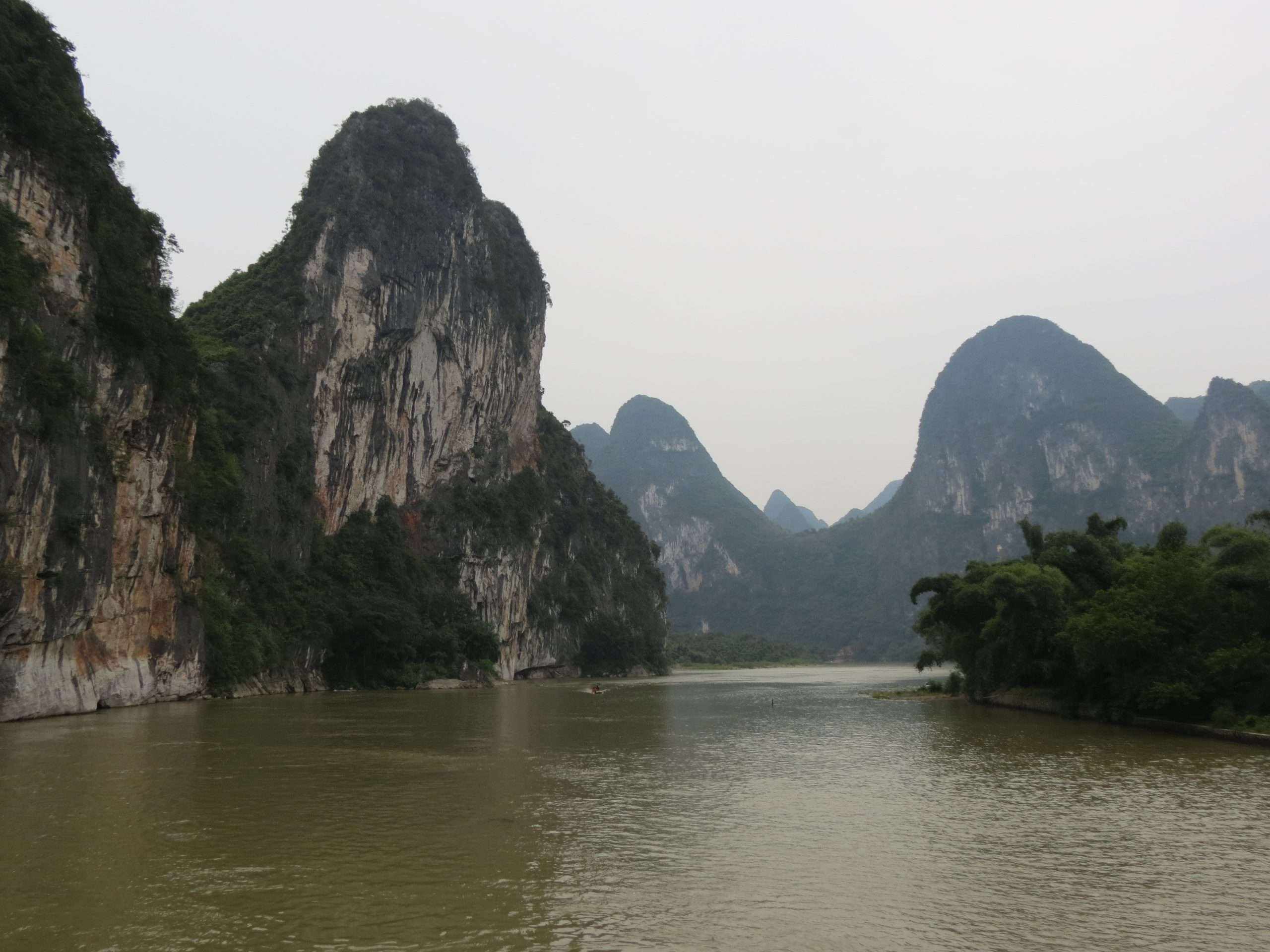
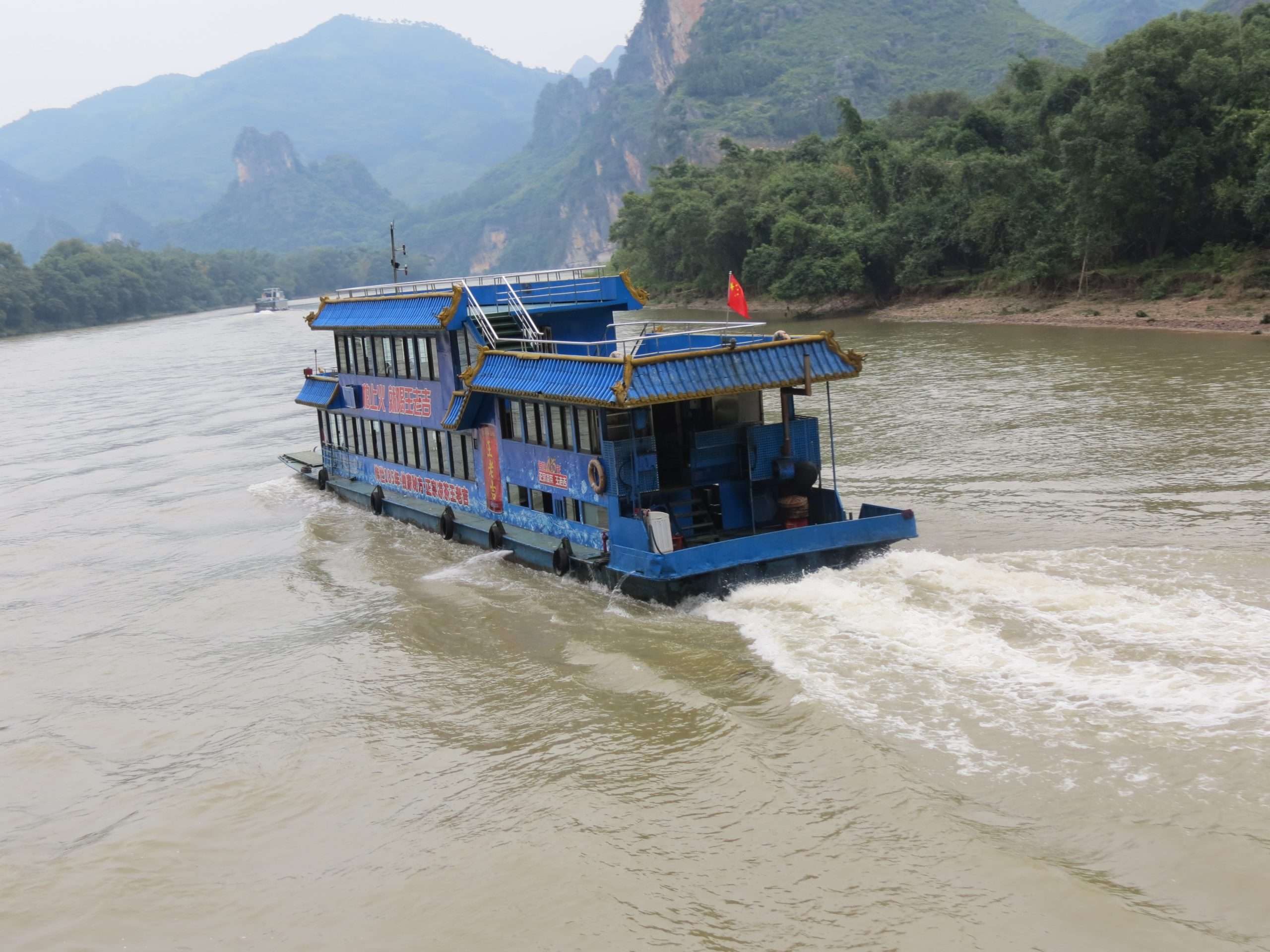
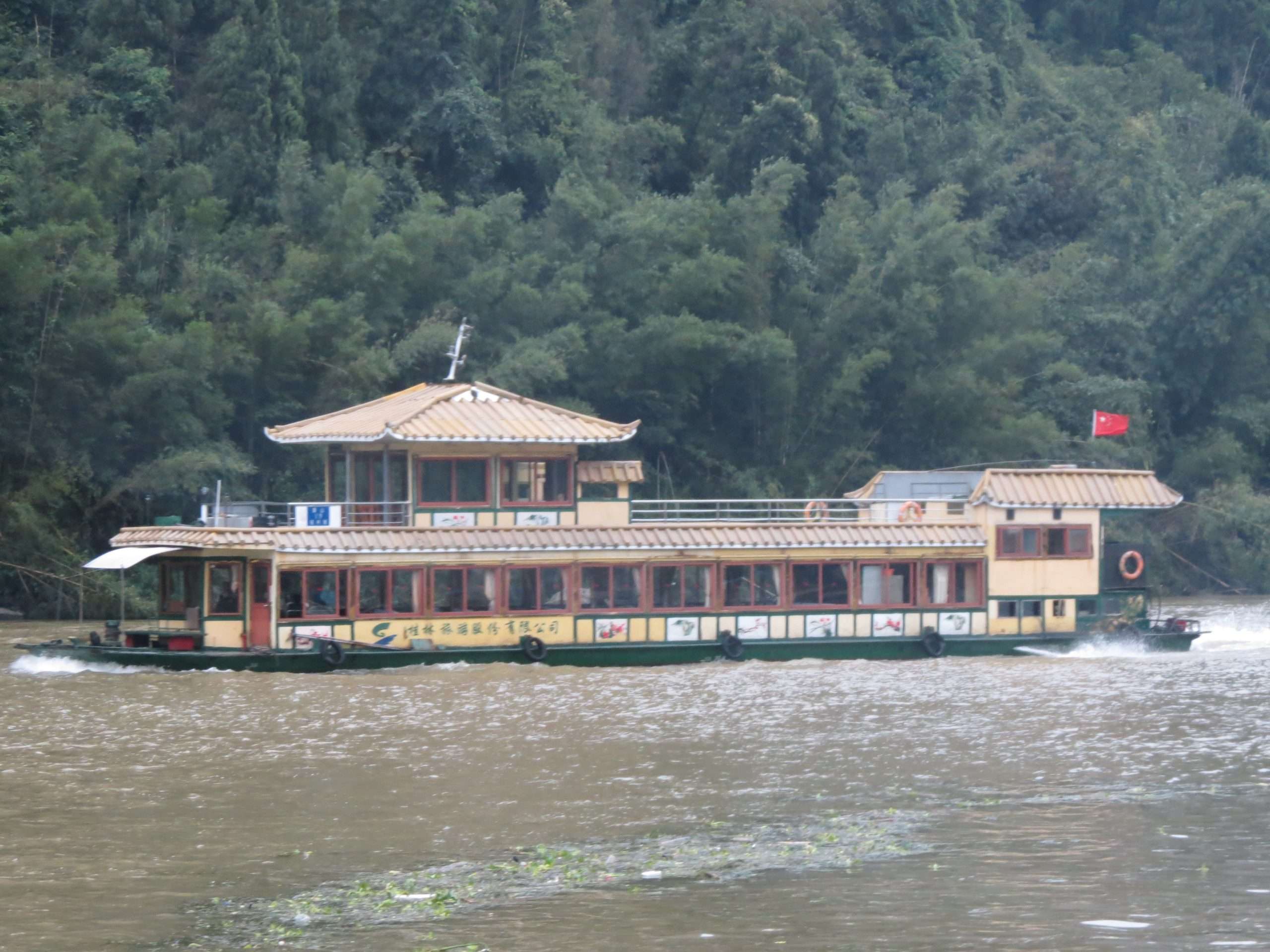
Finally, we checked in at the Shangri-La Hotel in Guilin.
Exploring Museums in Xi’an – September 27, 2013
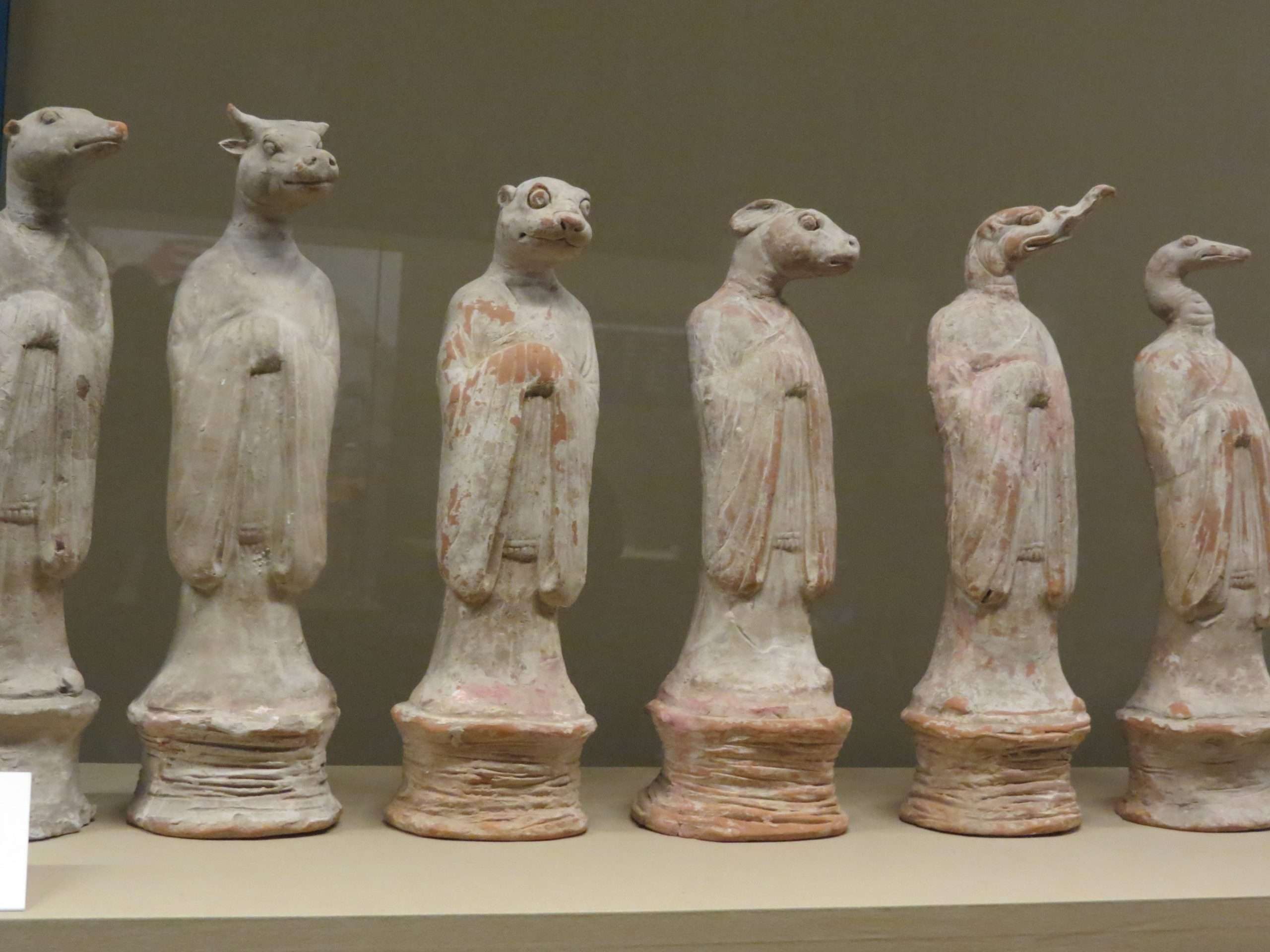
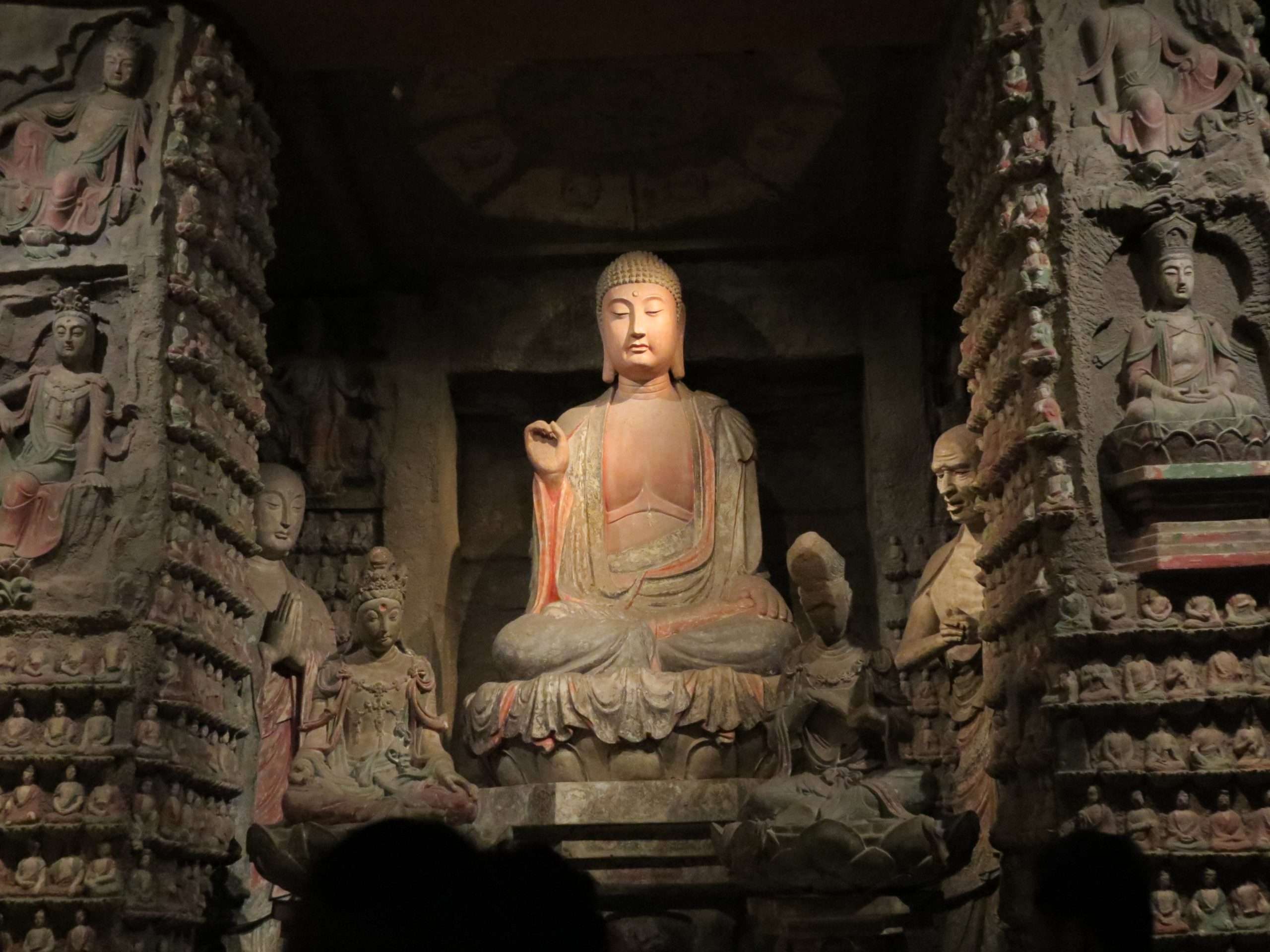
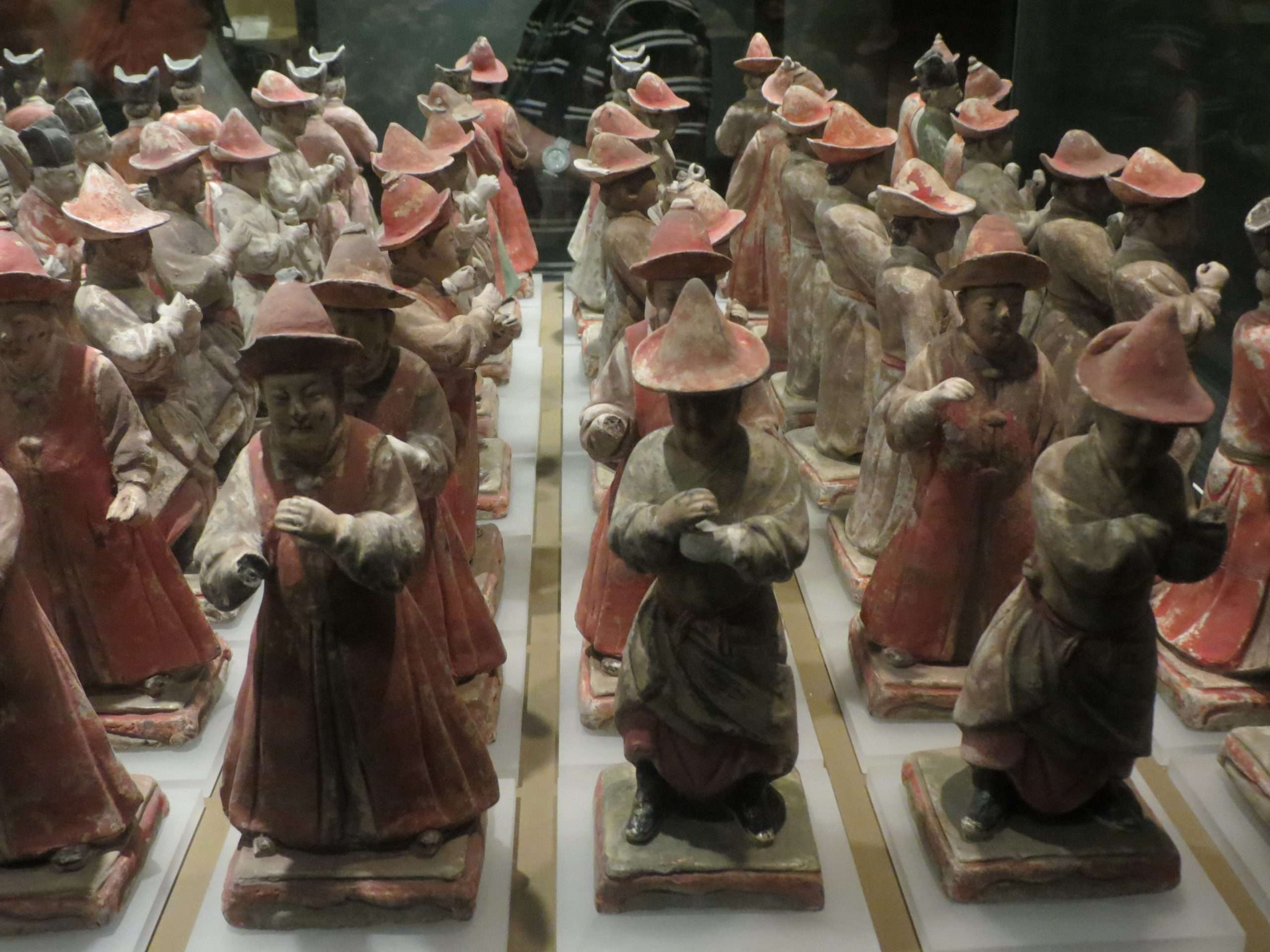
We flew China Southern to Xi’an, the ancient capital of China, early this morning and met our guide, Tiger. We visited the Han Yangling Underground Museum and the tomb of the fourth emperor of the Han dynasty. To walk through the museum, we had to wear plastic booties. The excavation site is covered with glass, allowing visitors to walk over it and view the artifacts below. Most of the artifacts are anatomically correct clay figures of men, women, and eunuchs. The wooden hands and clothing of these figures have rotted away, and many of the chariot wheels have also decayed.
We had lunch in a downtown mall. Like all the cities we’ve visited so far, Xi’an was covered with smog. Next, we visited the Shaanxi History Museum and saw artifacts from the Tang dynasty. We had dinner at the hotel’s Siam Garden restaurant. It was the last day of the Euro Asian Economic Forum, which was being held at our hotel, the Shangri-La Hotel, Xi’an. Like every other city here, there are lots of skyscrapers.
Xi’an & the Terracotta Warriors – September 28, 2013
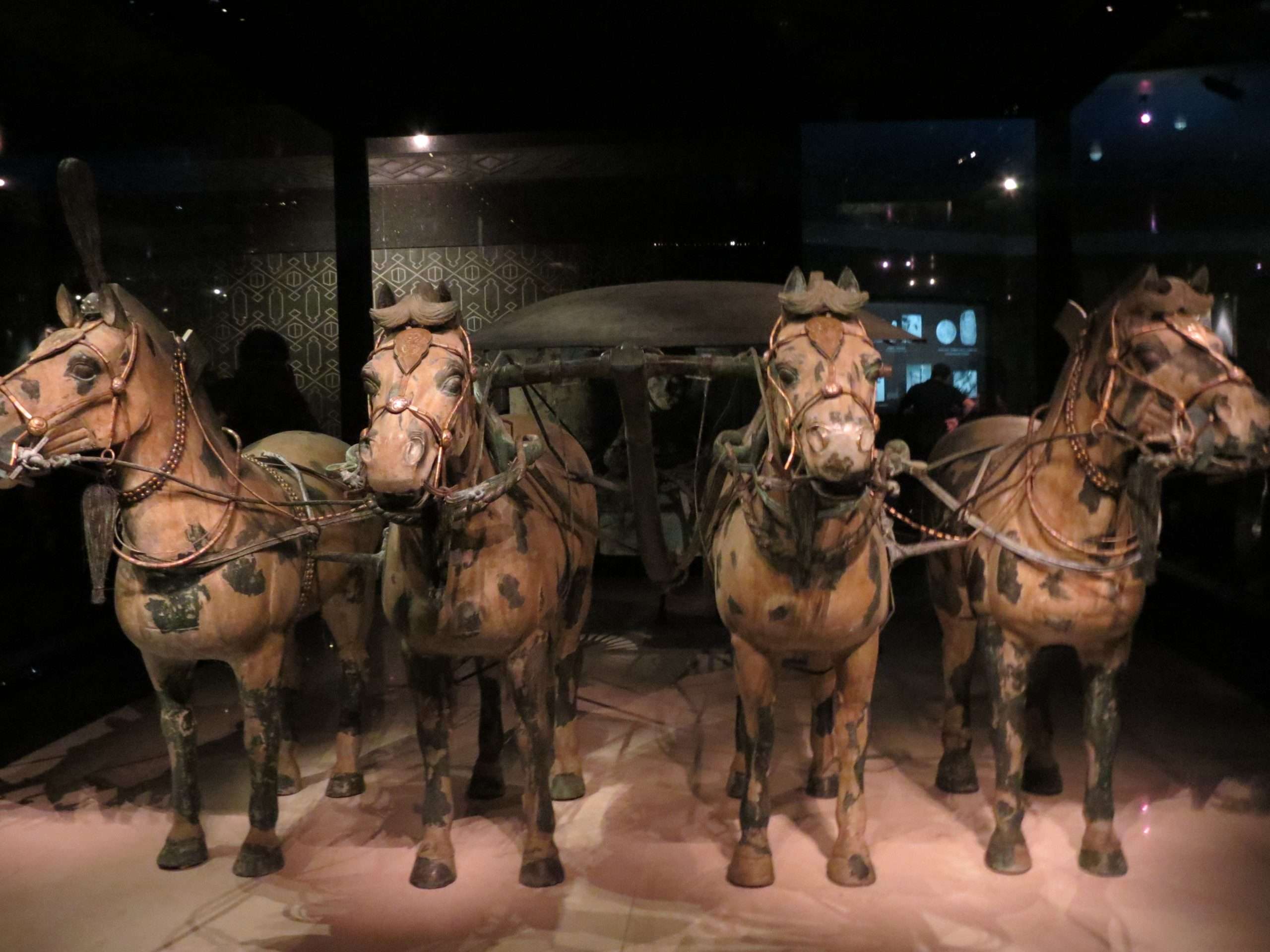
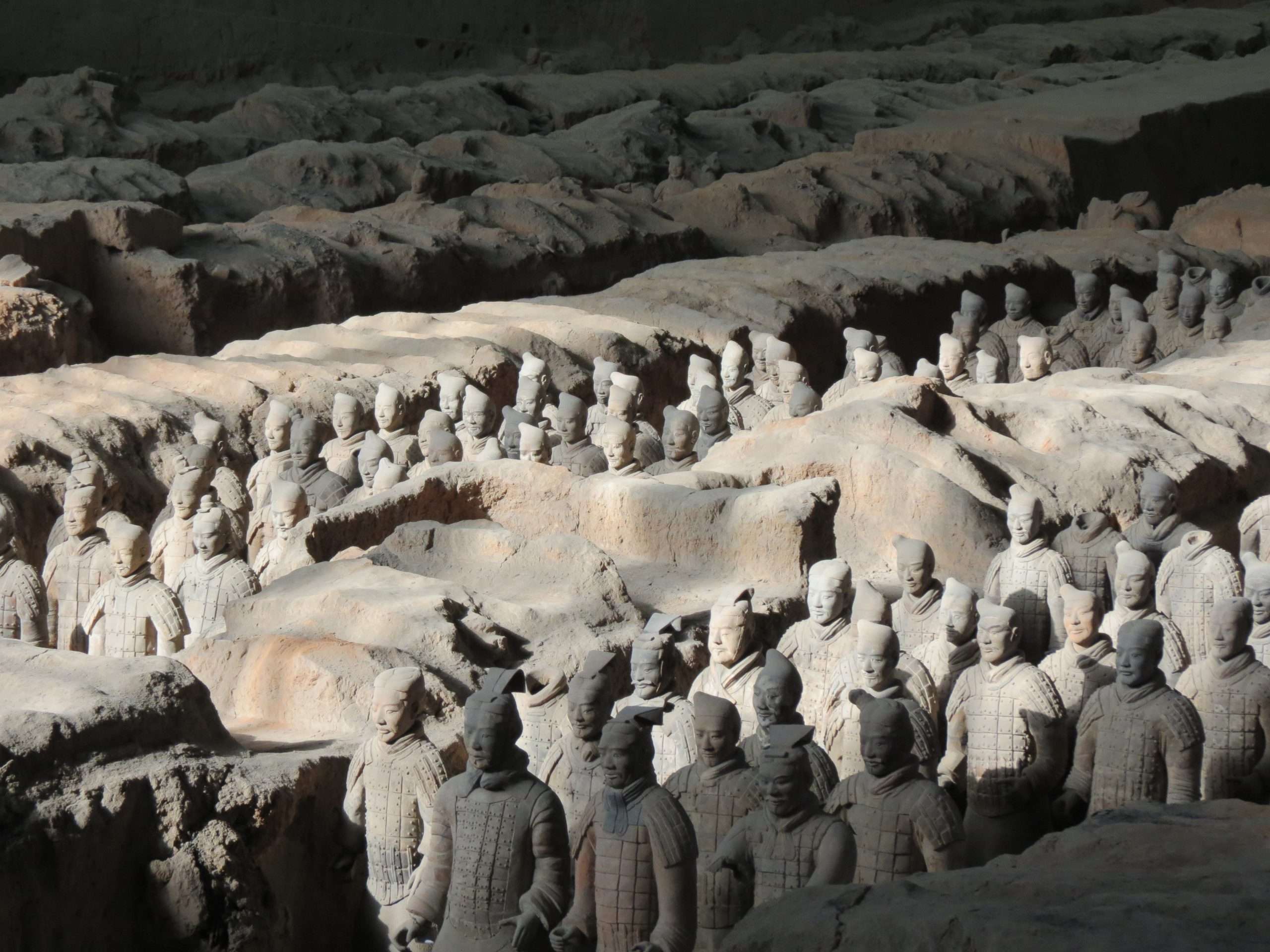
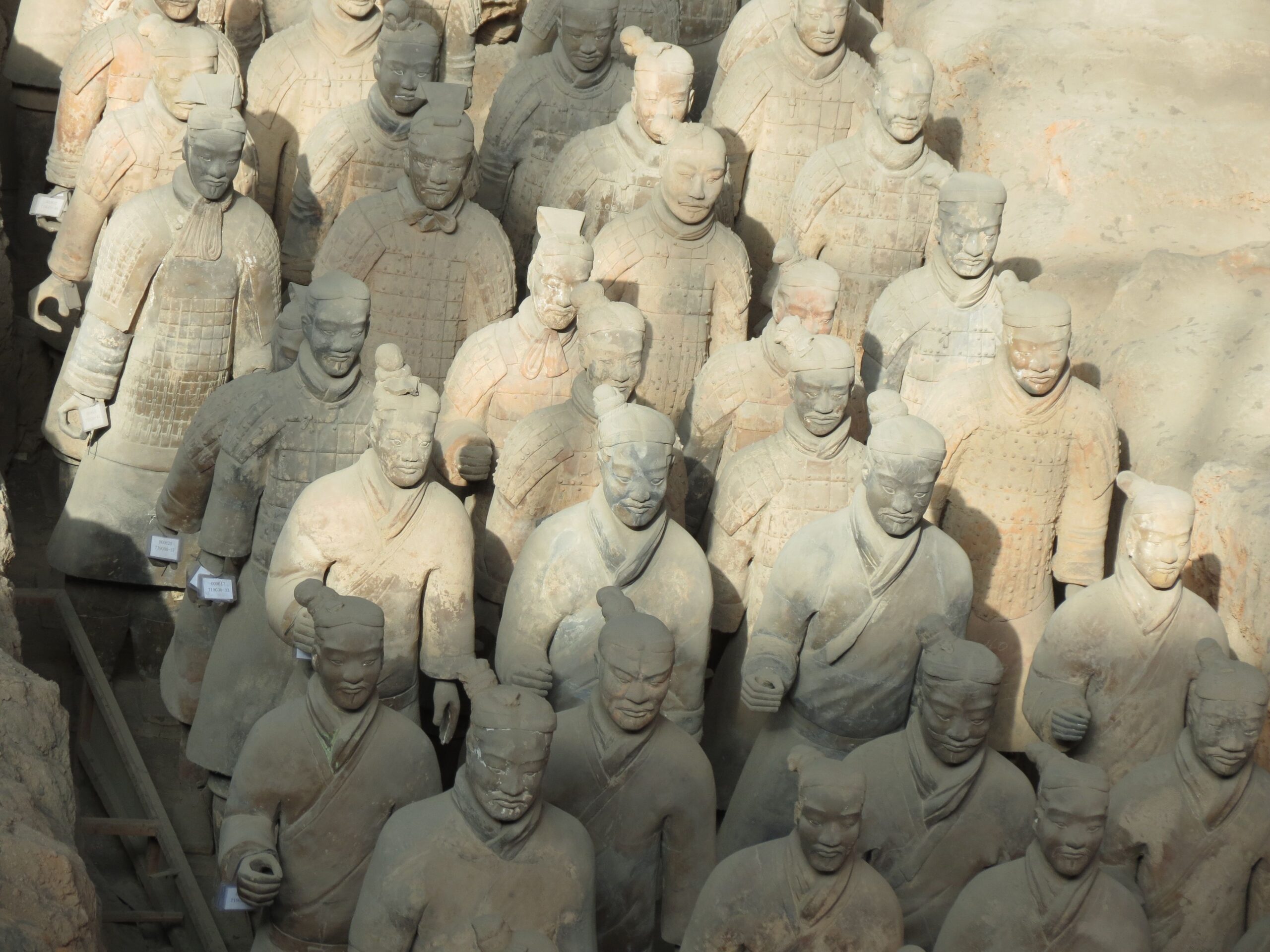
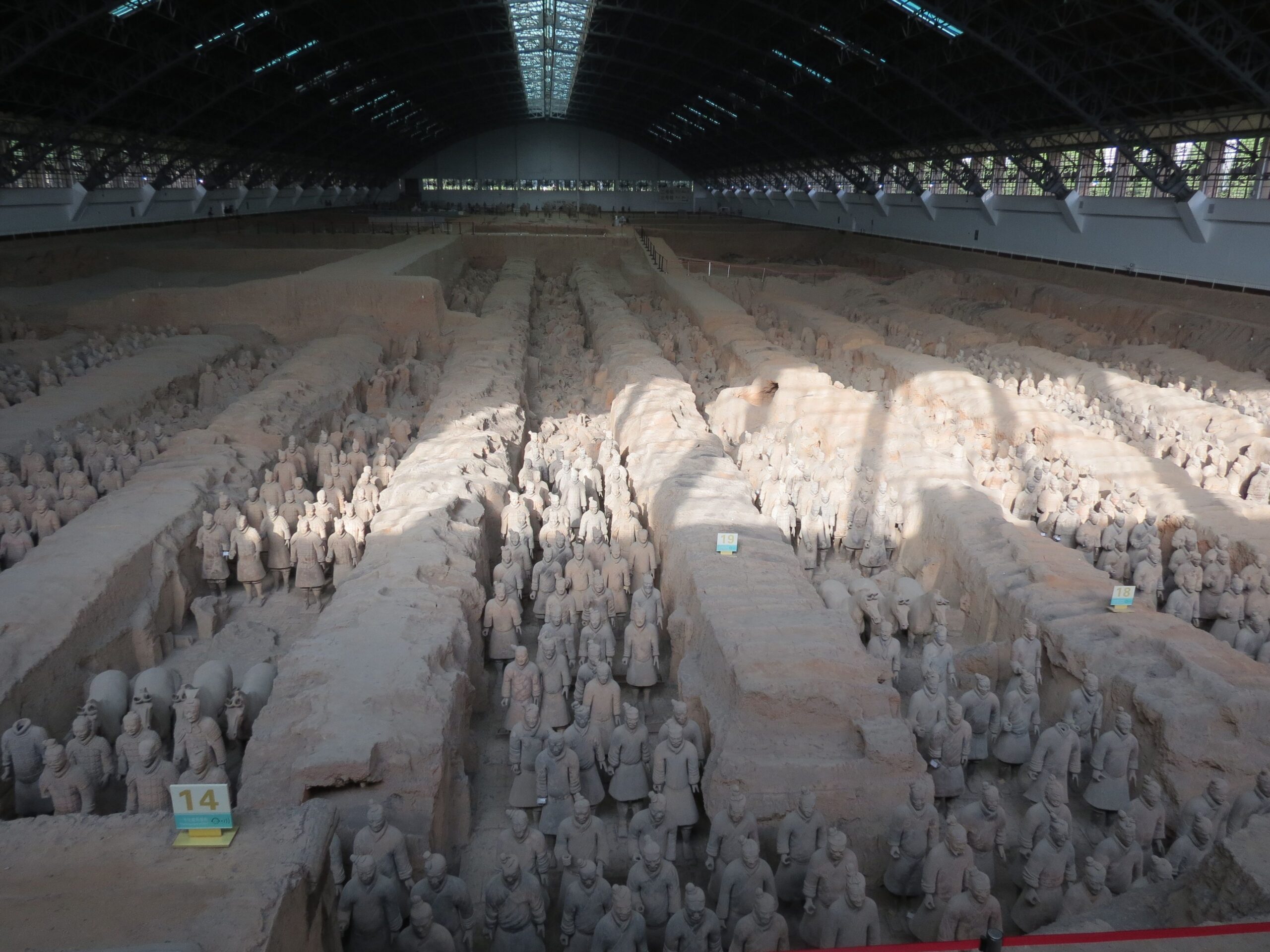
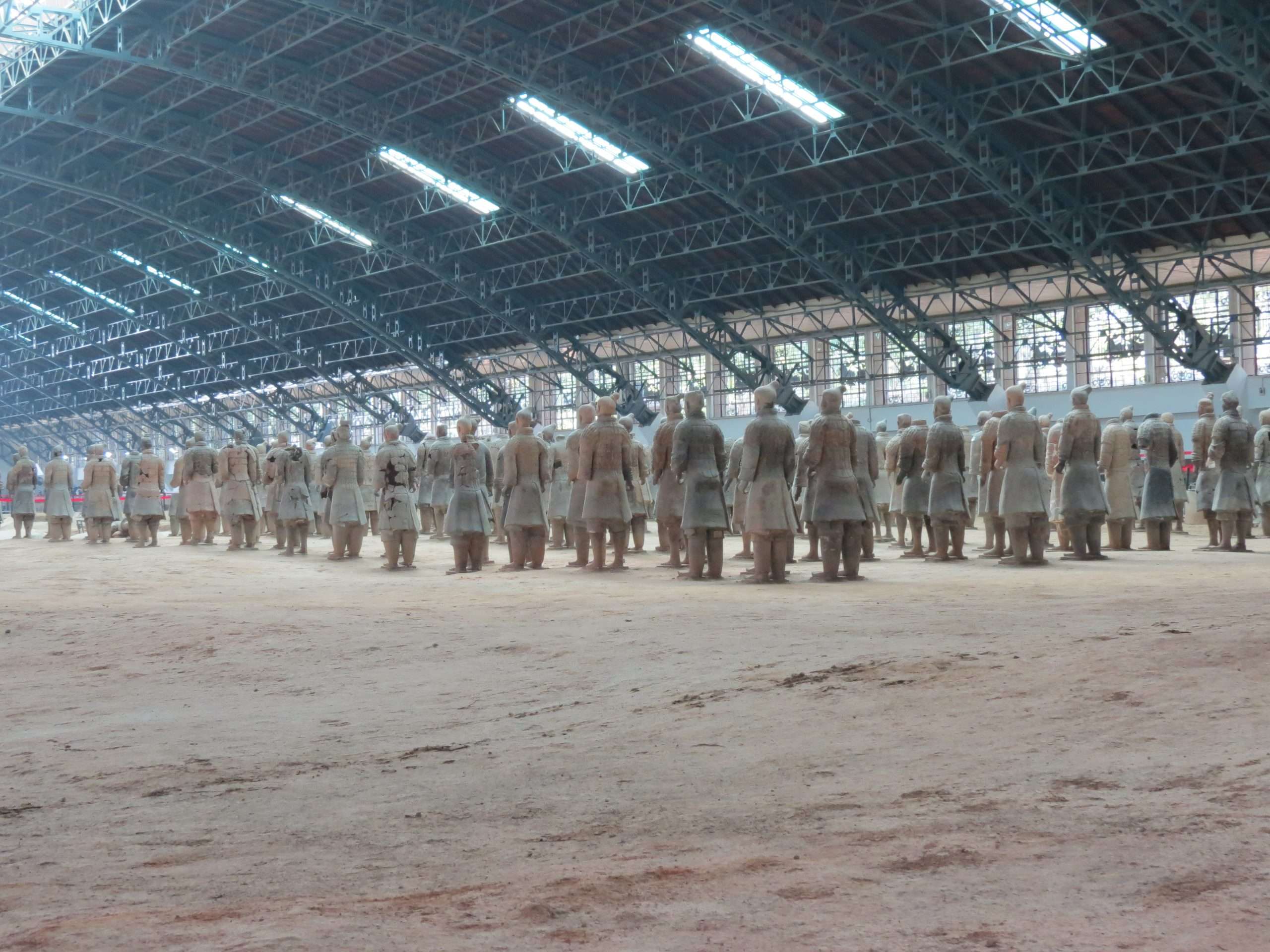
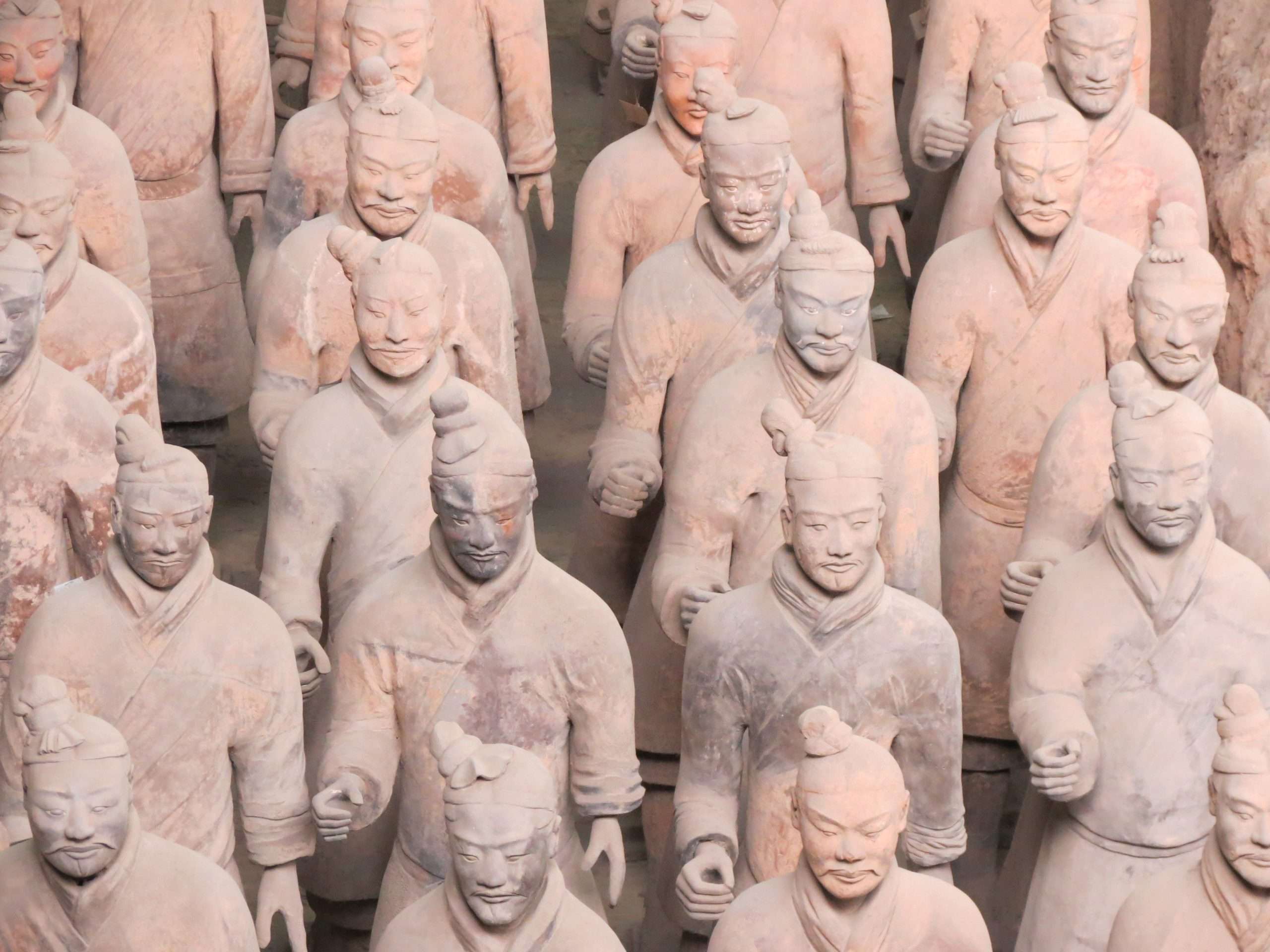
Today we visited the Terracotta Warriors. We left very early in the morning to avoid the crowds. What an amazing sight! We visited all three pits and even had a chat with an archaeologist, with Tiger translating. We also visited the chariot exhibit—fascinating stuff, especially when you realize that most of the artifacts were found in pieces and had to be carefully glued together. There are supposed to be some 7,000 warriors, cavalry, infantry, and charioteers.
For lunch, we visited the famous Defa Chang Dumpling House and sampled a variety of dumplings. The dumpling skins were made from wheat flour, which was less refined than those made from rice flour. The hot pot appeared to be a tribute to the Dowager Empress, with different numbers of dumplings in the soup carrying symbolic meanings—such as two dumplings representing double happiness. The experience was quite touristy.
Later, we visited a jade factory called Imperial Arts and Crafts. We learned that jade is more important to the Chinese than gold. Jade is passed down in families and is never taken off the body. The more you wear it, the better the sheen becomes. When buying jade, you should look for color, transparency, hardness, and craftsmanship. There are two types of jade: jadeite and nephrite. The color depends on the metals in the jade, and jadeite comes from Burma.
We finished the day with dinner at Siam Garden again.
Exploring Beijing’s Summer Palace and a Festive Birthday Dinner – September 29, 2013
We flew China Eastern to Beijing. Again, we got breakfast for a flight that took about 1.75 hours. Today is Christabel’s birthday, as well as that of another person on the tour. The hotel gave her a box of candy. We are flying to Beijing for the final leg of our trip. This week marks the start of the National Holidays, so we expect the capital to be very crowded.
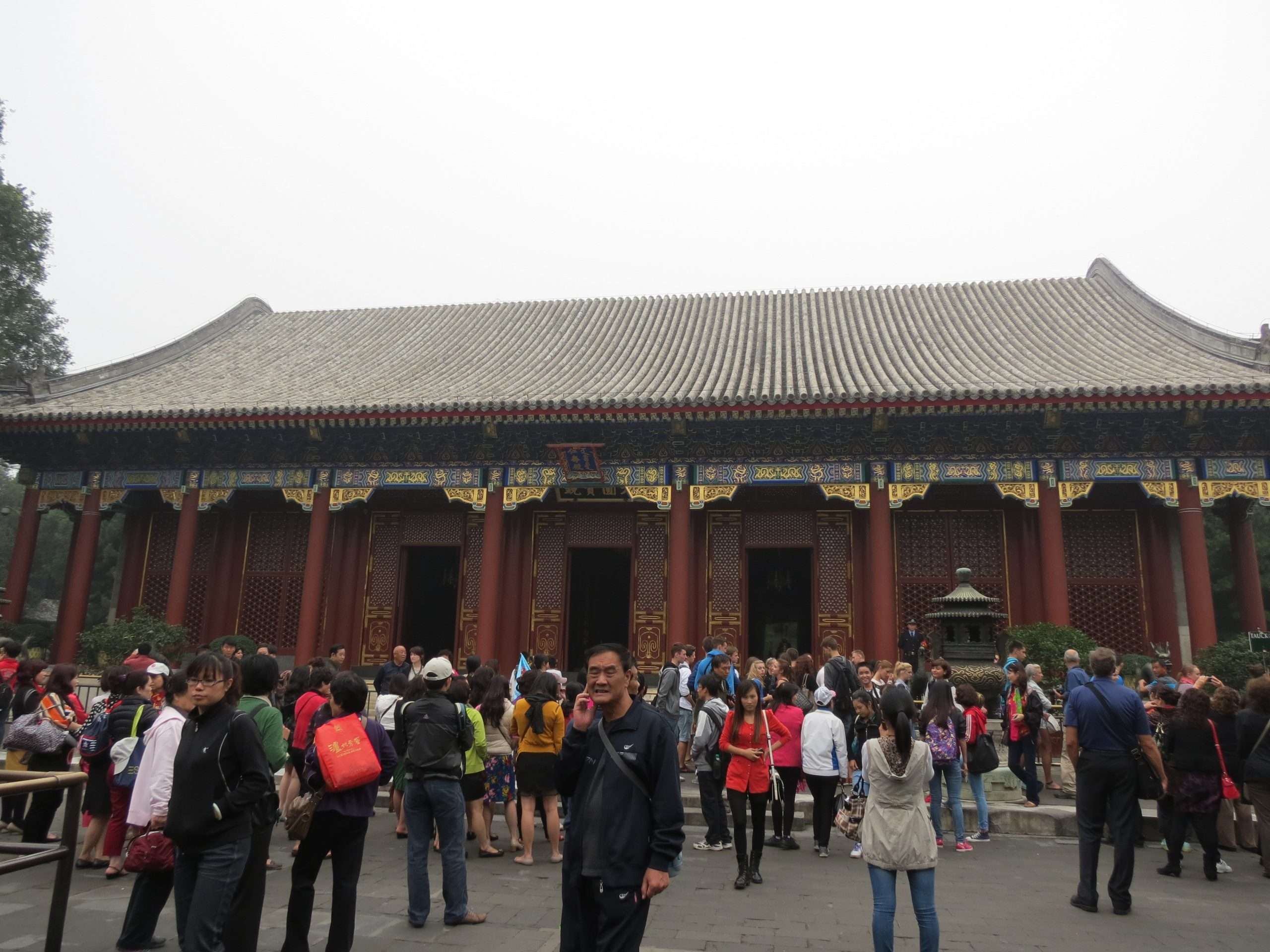
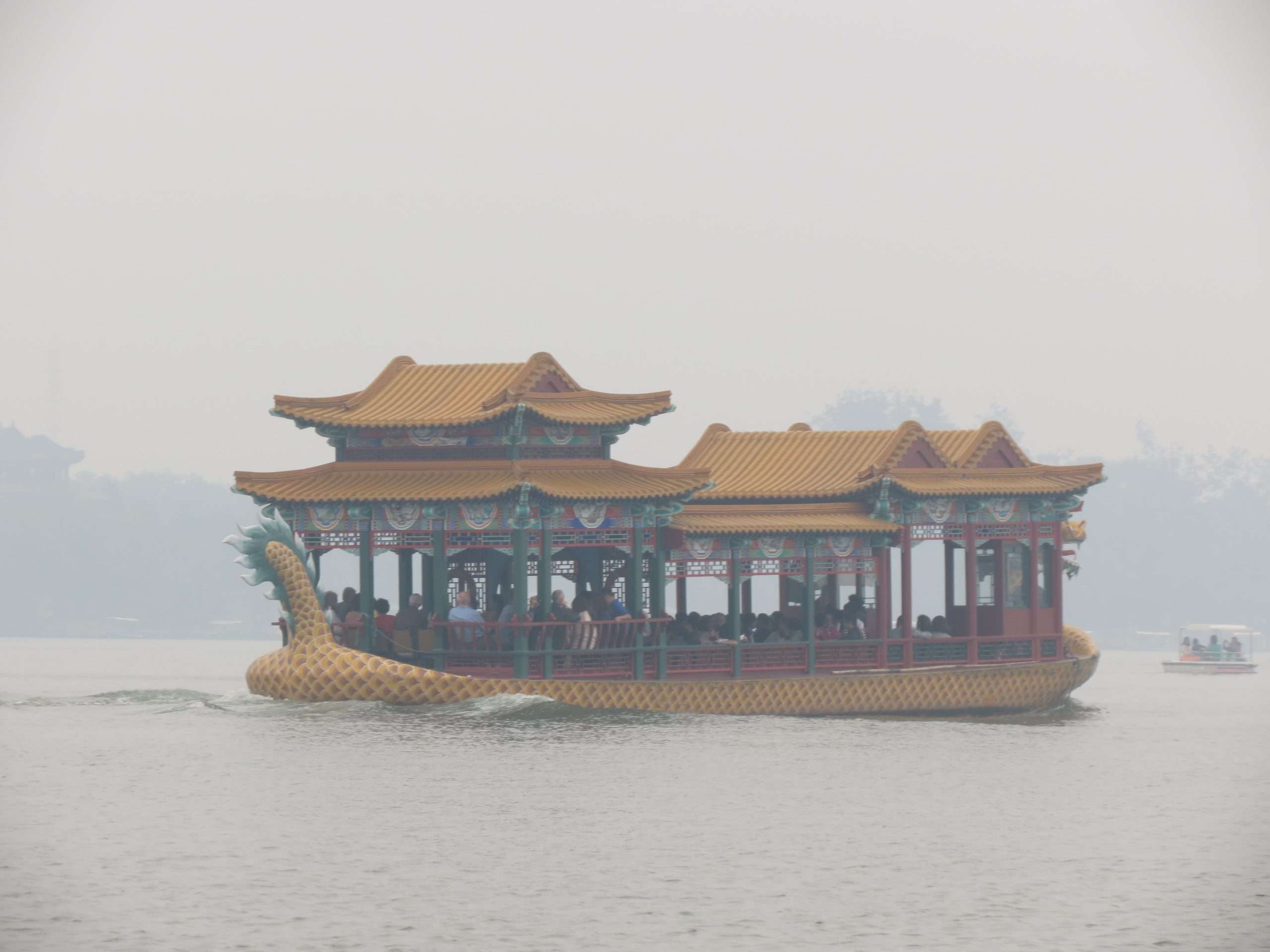
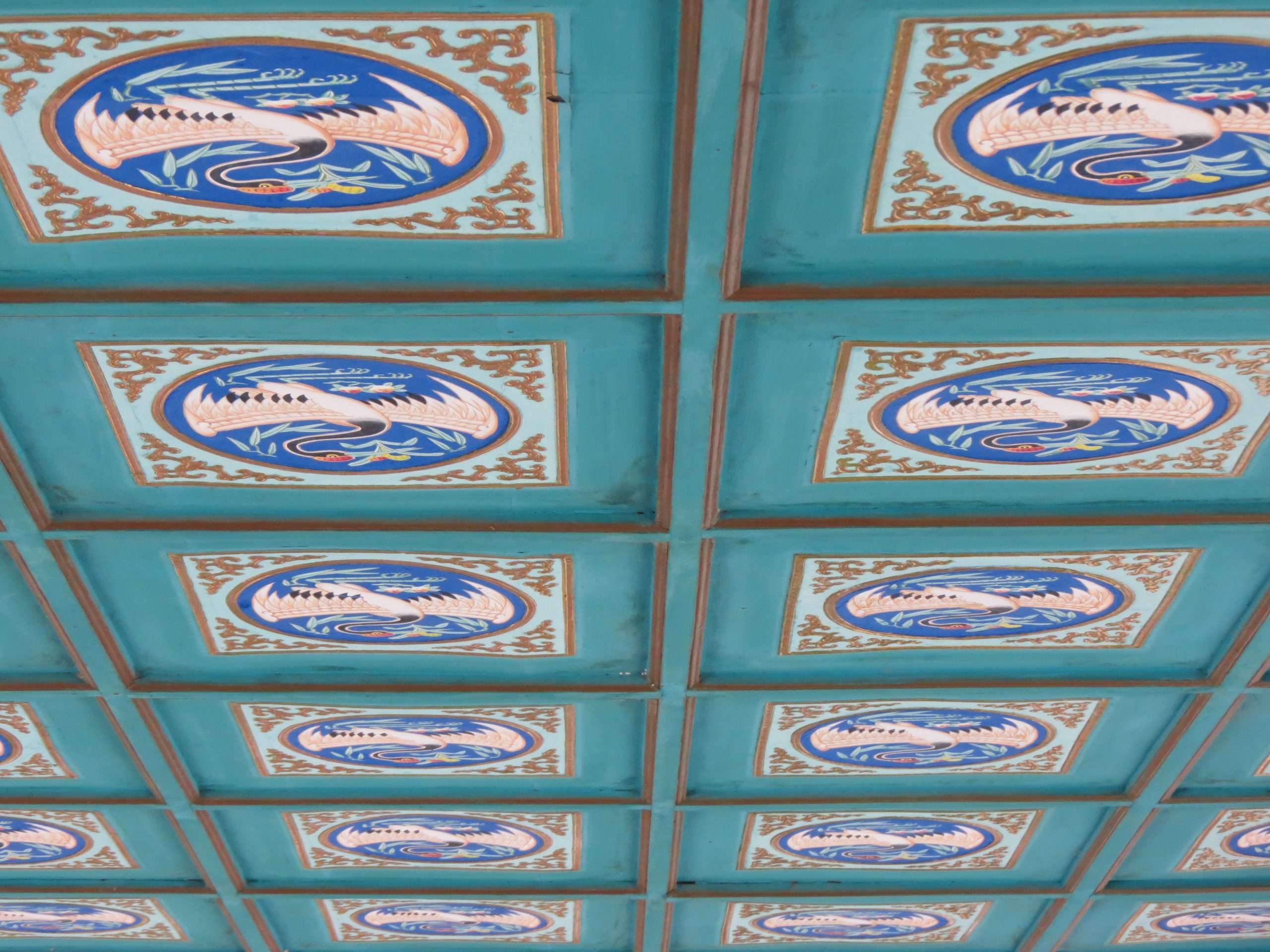
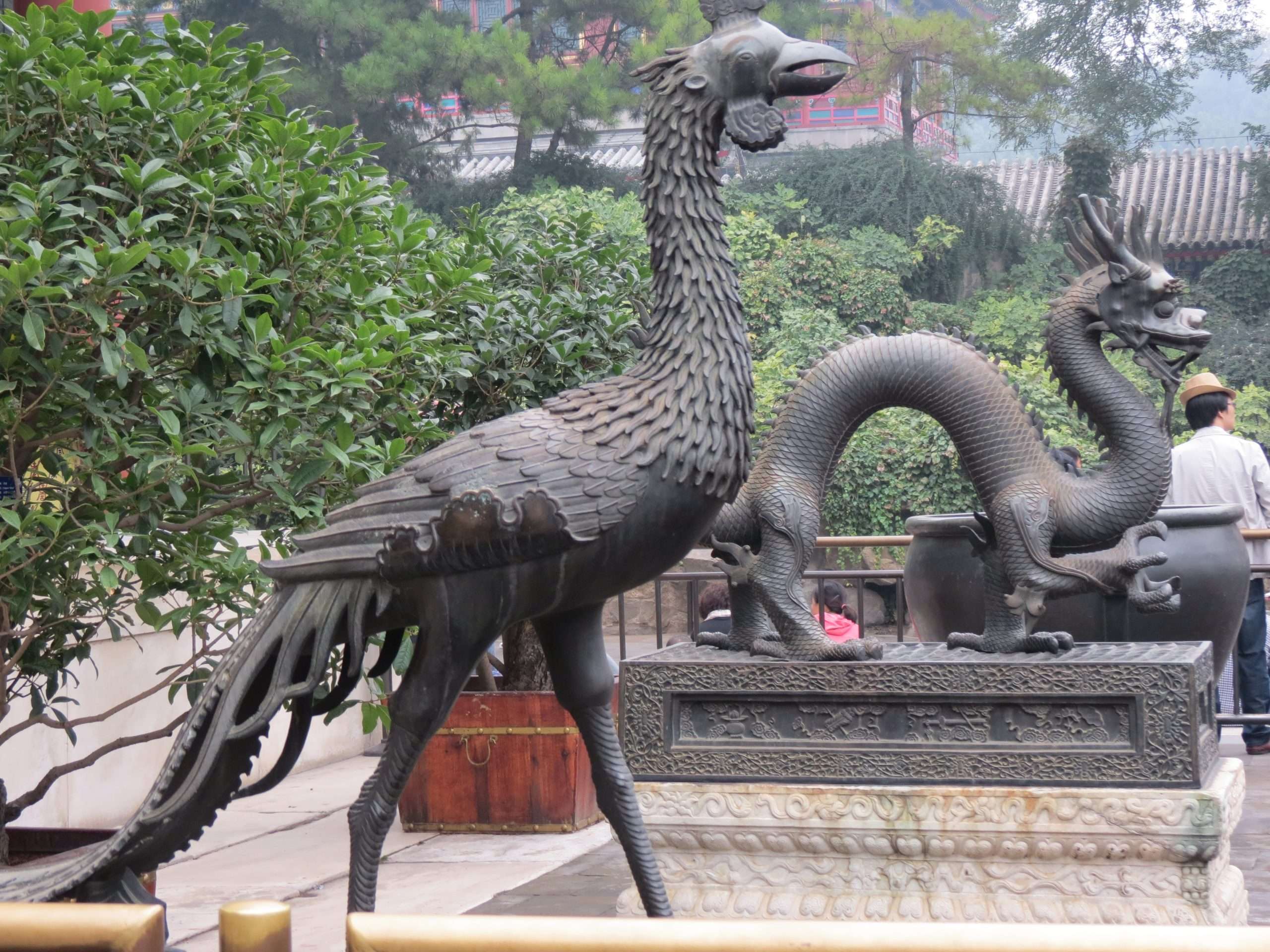
We visited the Summer Palace, which was beloved by the Dowager Empress. We took a cruise on the man-made lake in a dragon boat and walked along the Long Corridor, seeing some of the 8,000 paintings, many of which were destroyed during the Cultural Revolution. The Summer Palace was also known as the Garden of Clear Ripples. The buildings here were burned during the Second Opium War by French and British soldiers who ransacked the treasures.

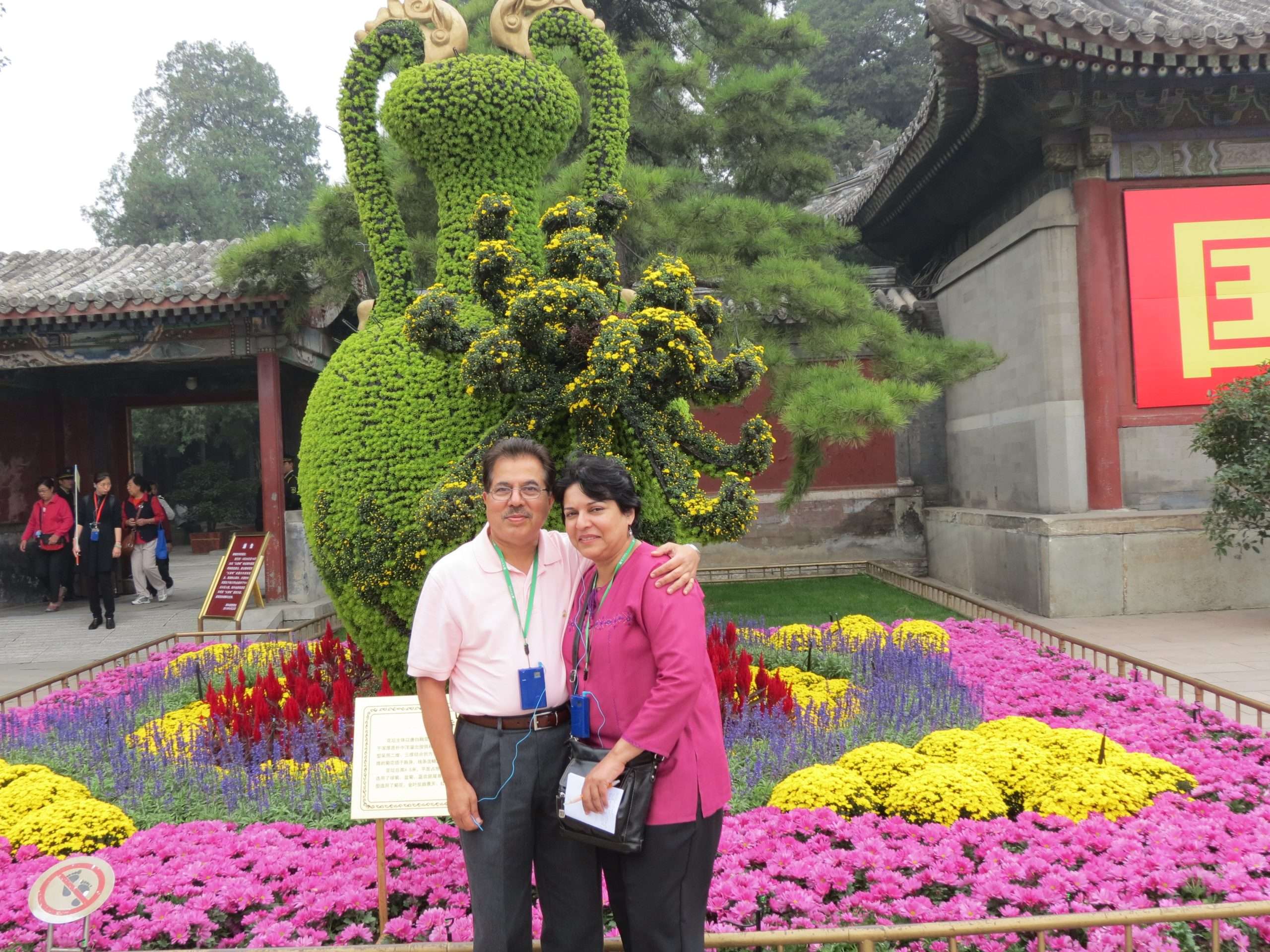
On the bus to Beijing, Gary announced that it was Richard’s and Christabel’s birthday, and they were both given hats with pigtails. They got a lot of attention after that! We had a lovely dinner with the Fab 5 (a group of ladies from New York), with a personalized menu (name printed on top), and the birthday kids were feted by the wait staff at Morton’s, who took their pictures. Neither one could remember the last time they were wished so much.
Exploring Beijing: Tian’anmen Square to the Forbidden City – September 30, 2013
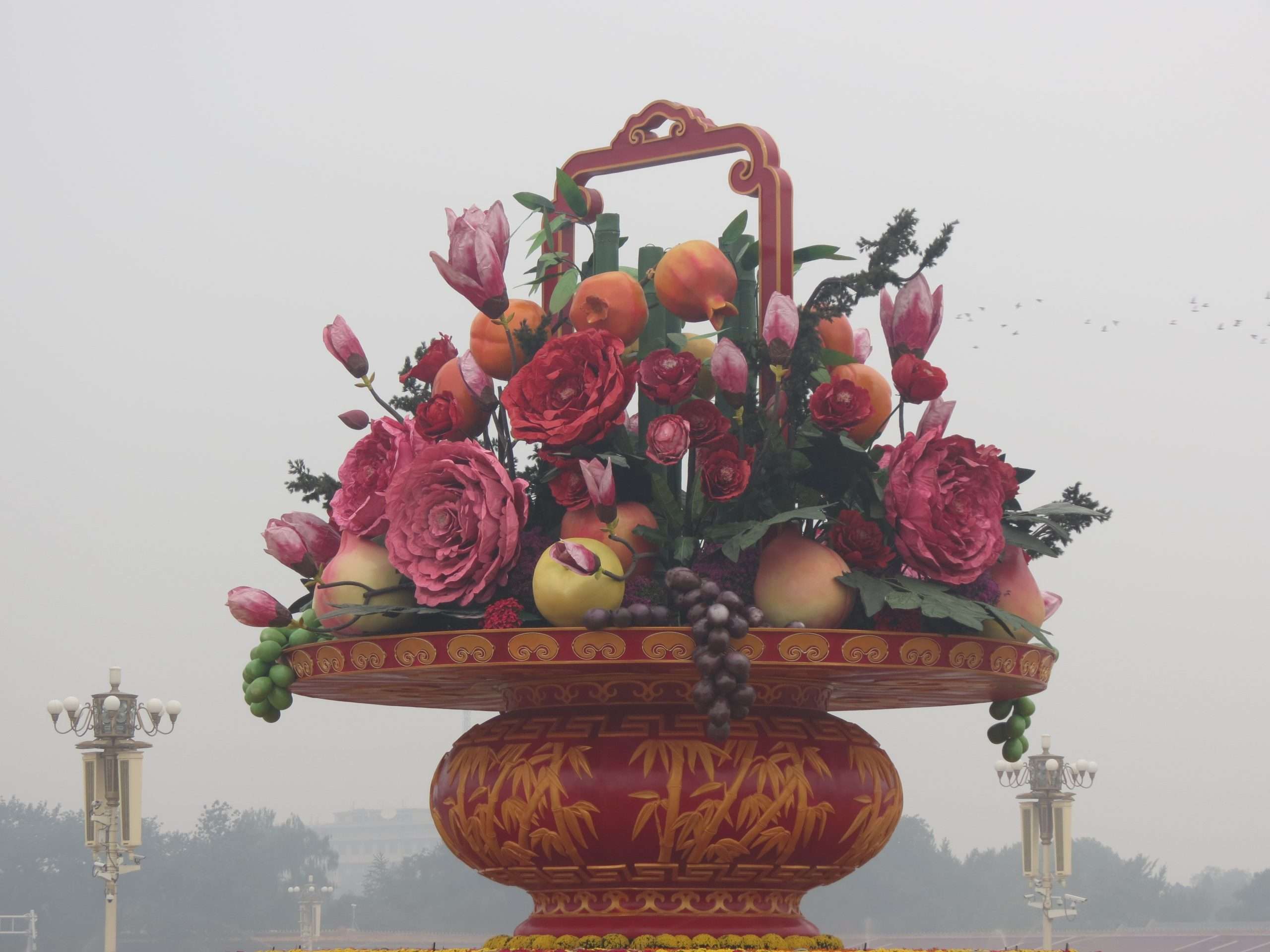
We stopped by Tian’anmen Square. The current chairman wanted the festivities for this year’s week-long national holiday toned down. As a result, there were not the usual decorations—just one gigantic vase with fruits and flowers. The size of the square is enormous. We passed by the building with Mao’s tomb but did not stop to pay our respects.
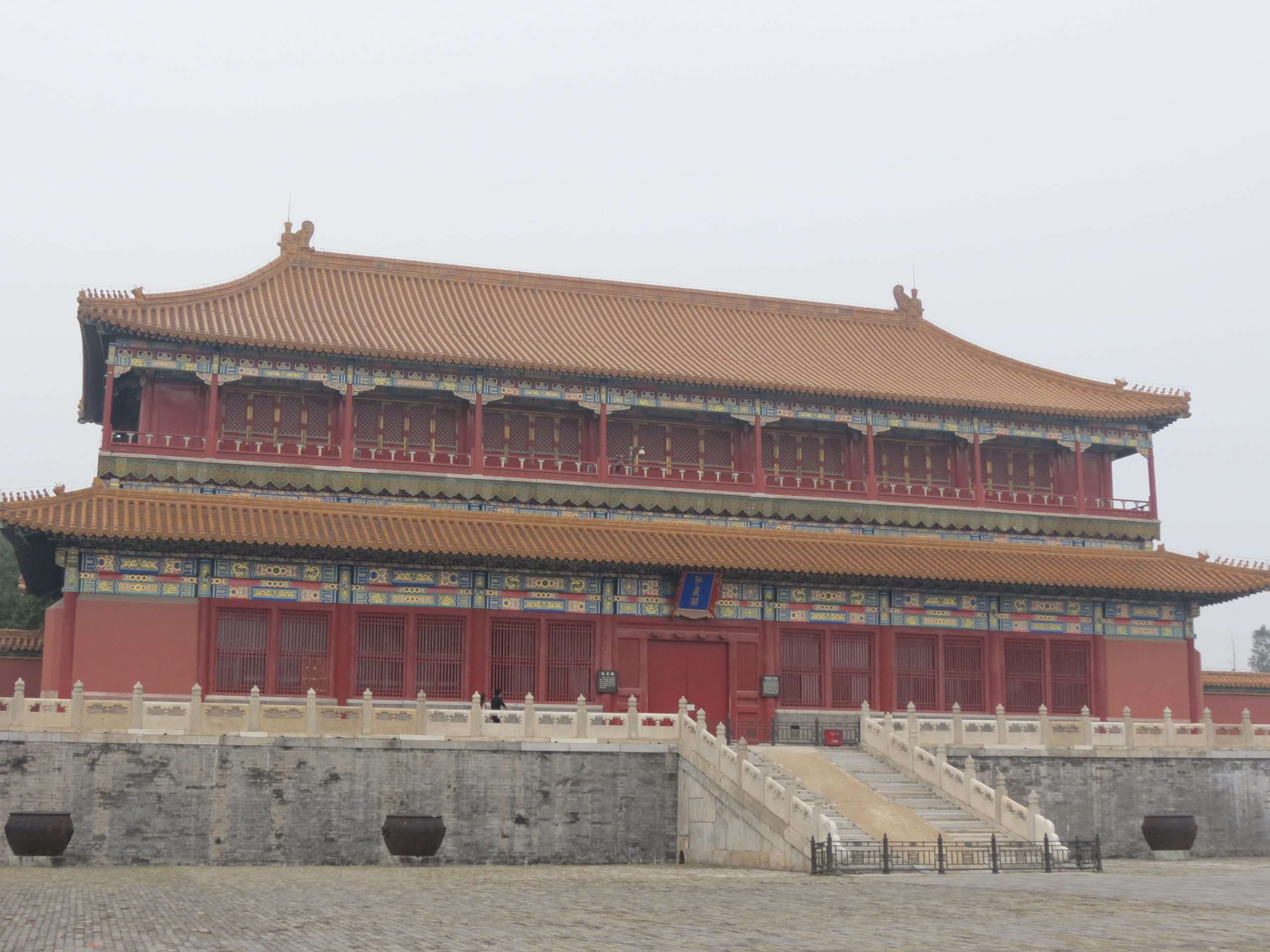
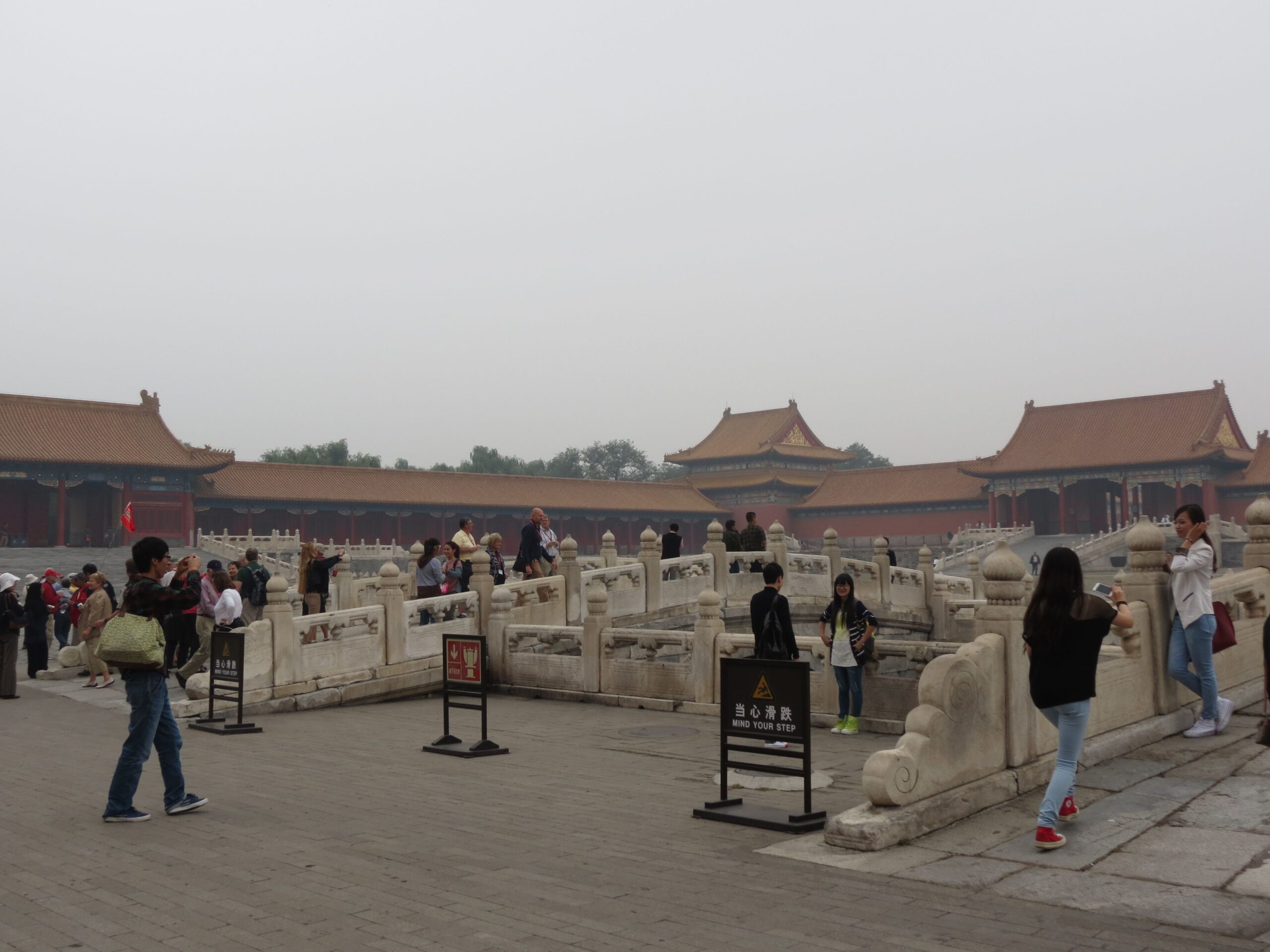
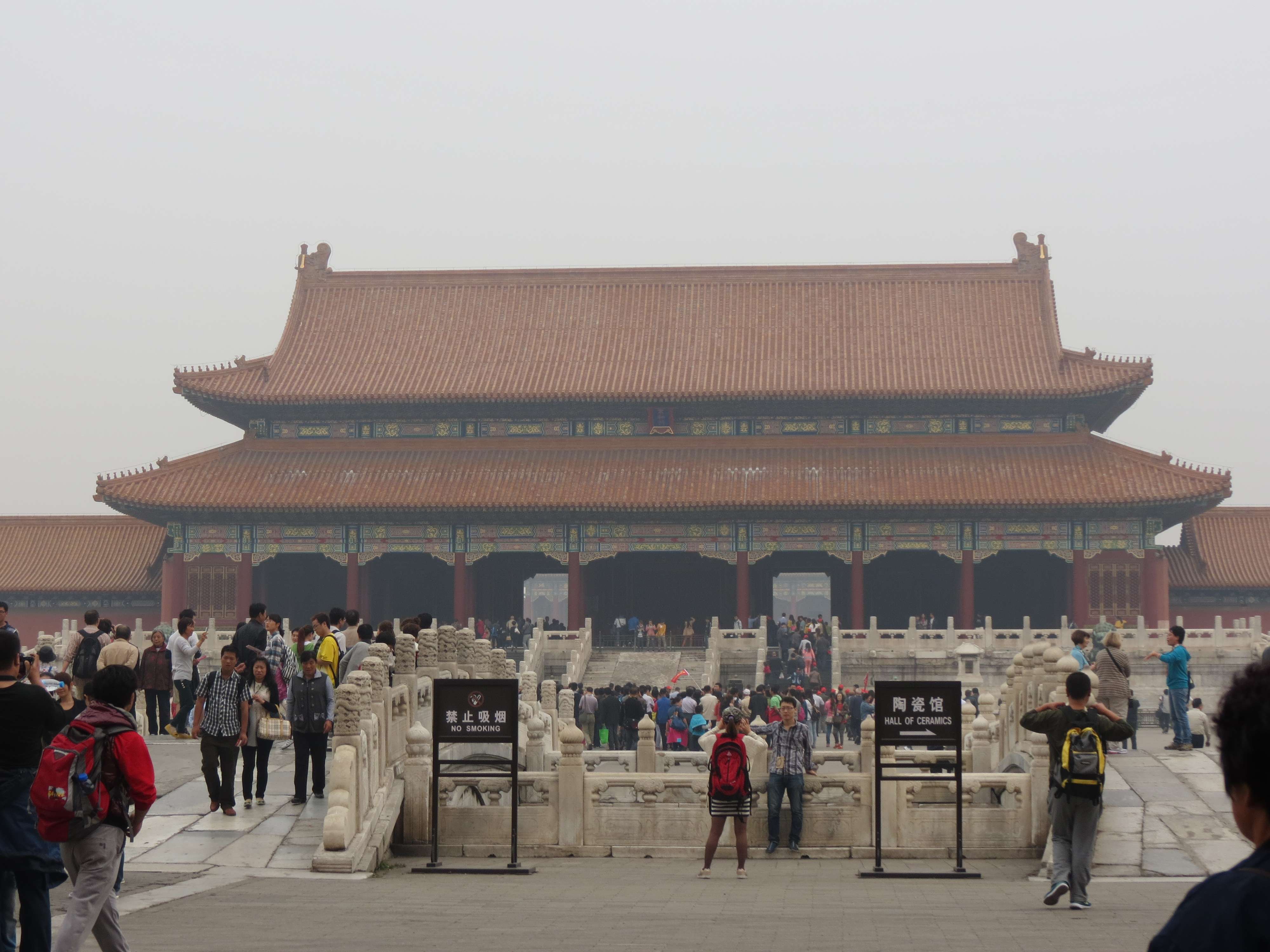
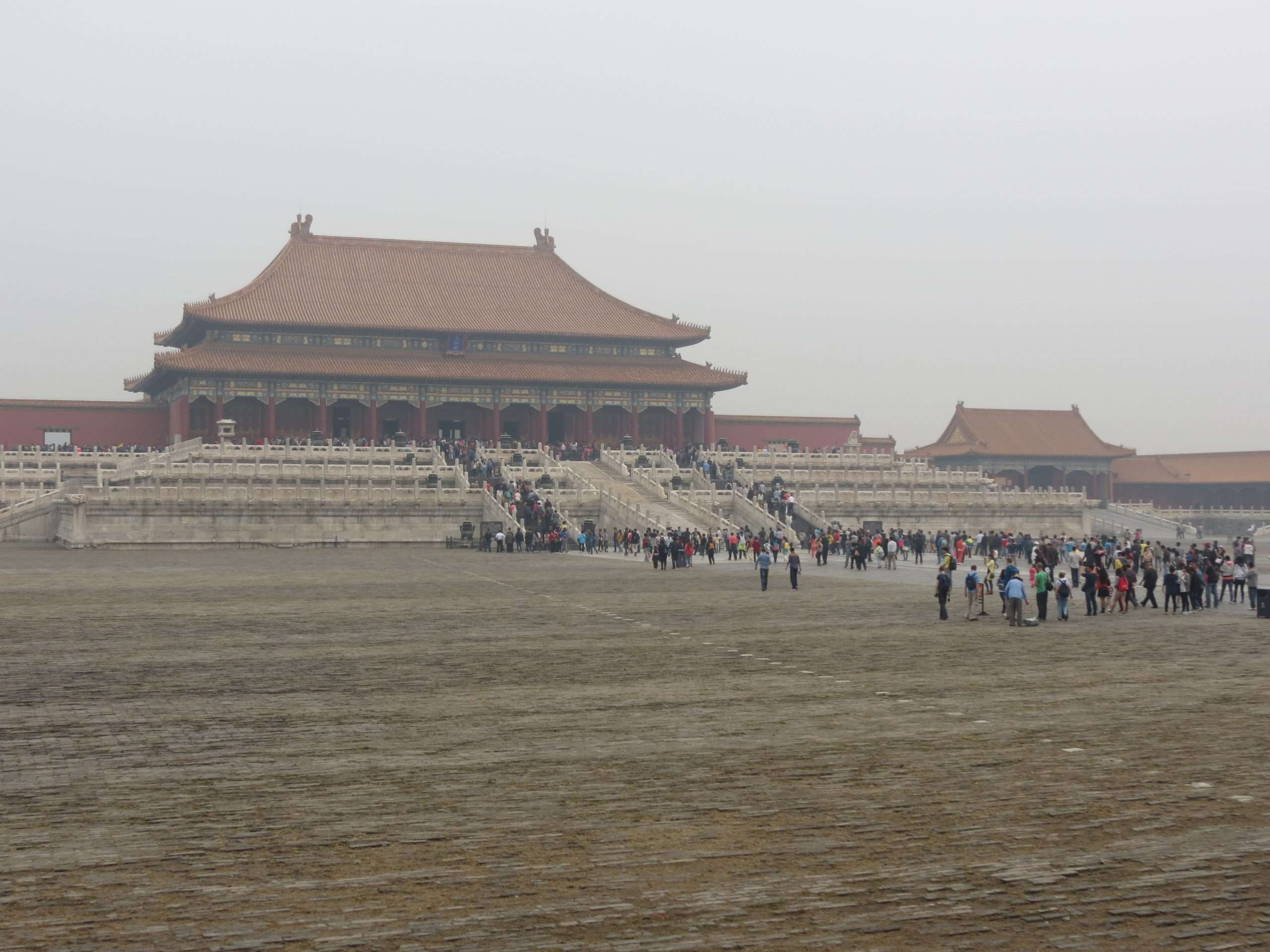
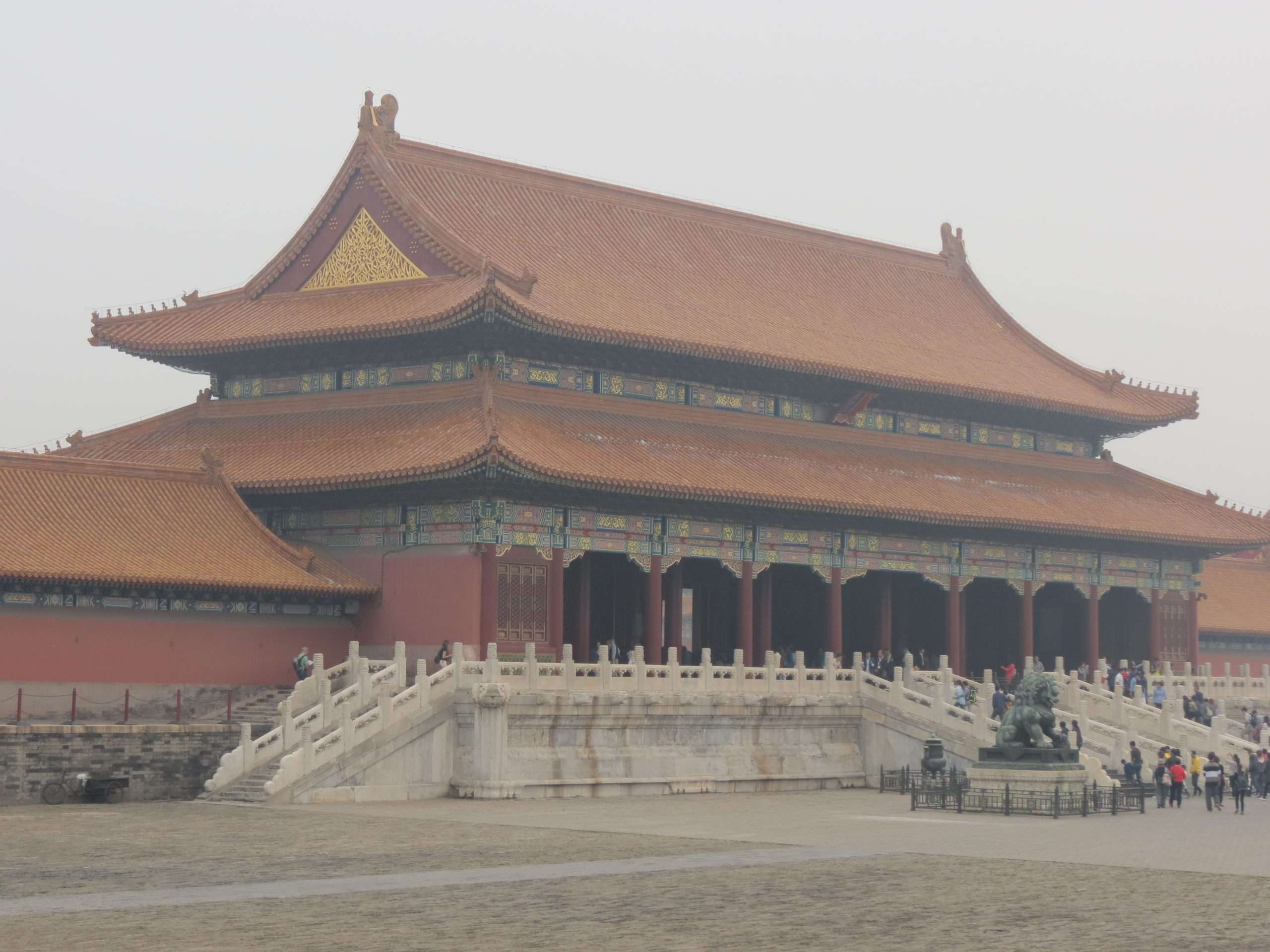
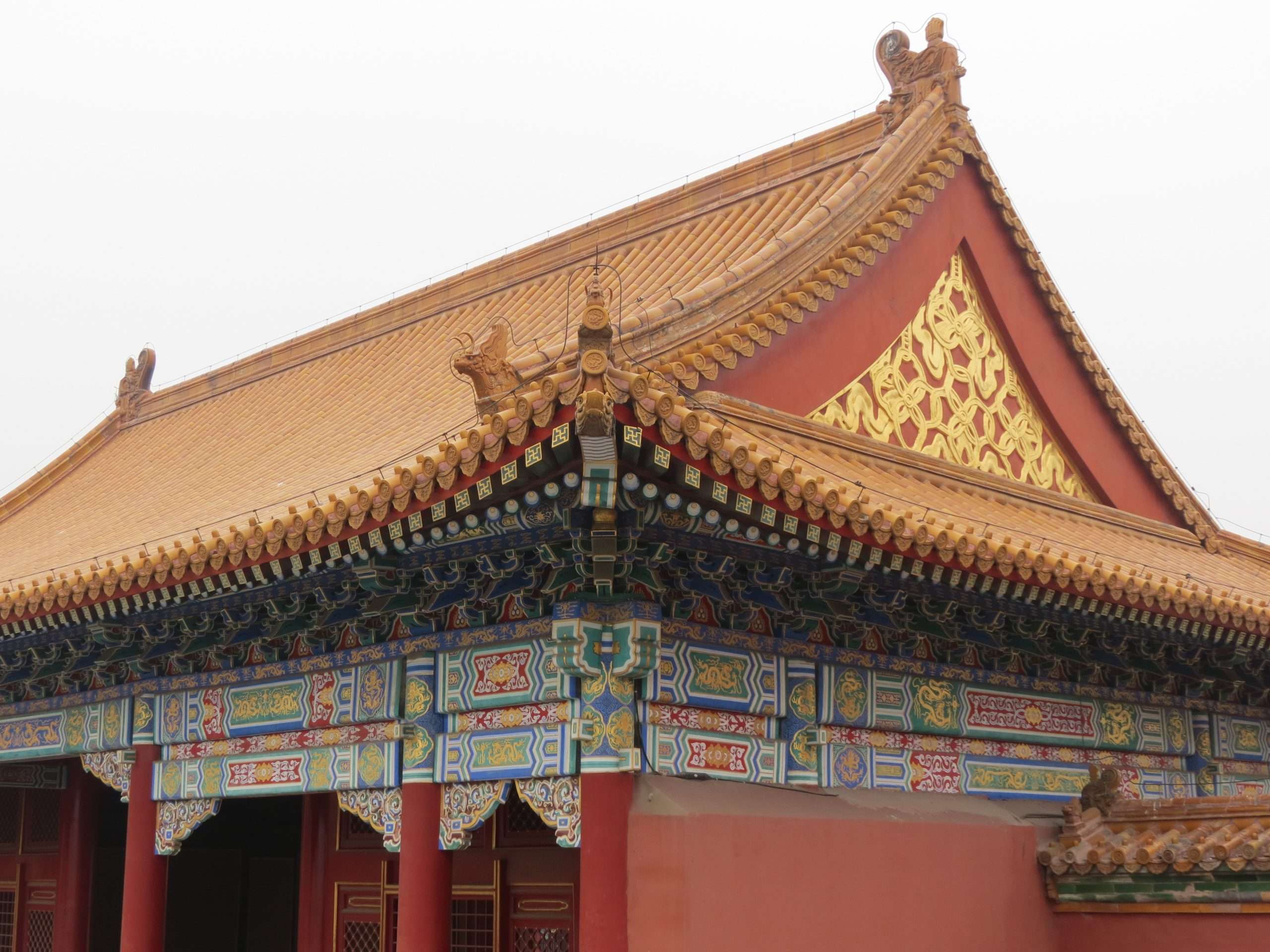
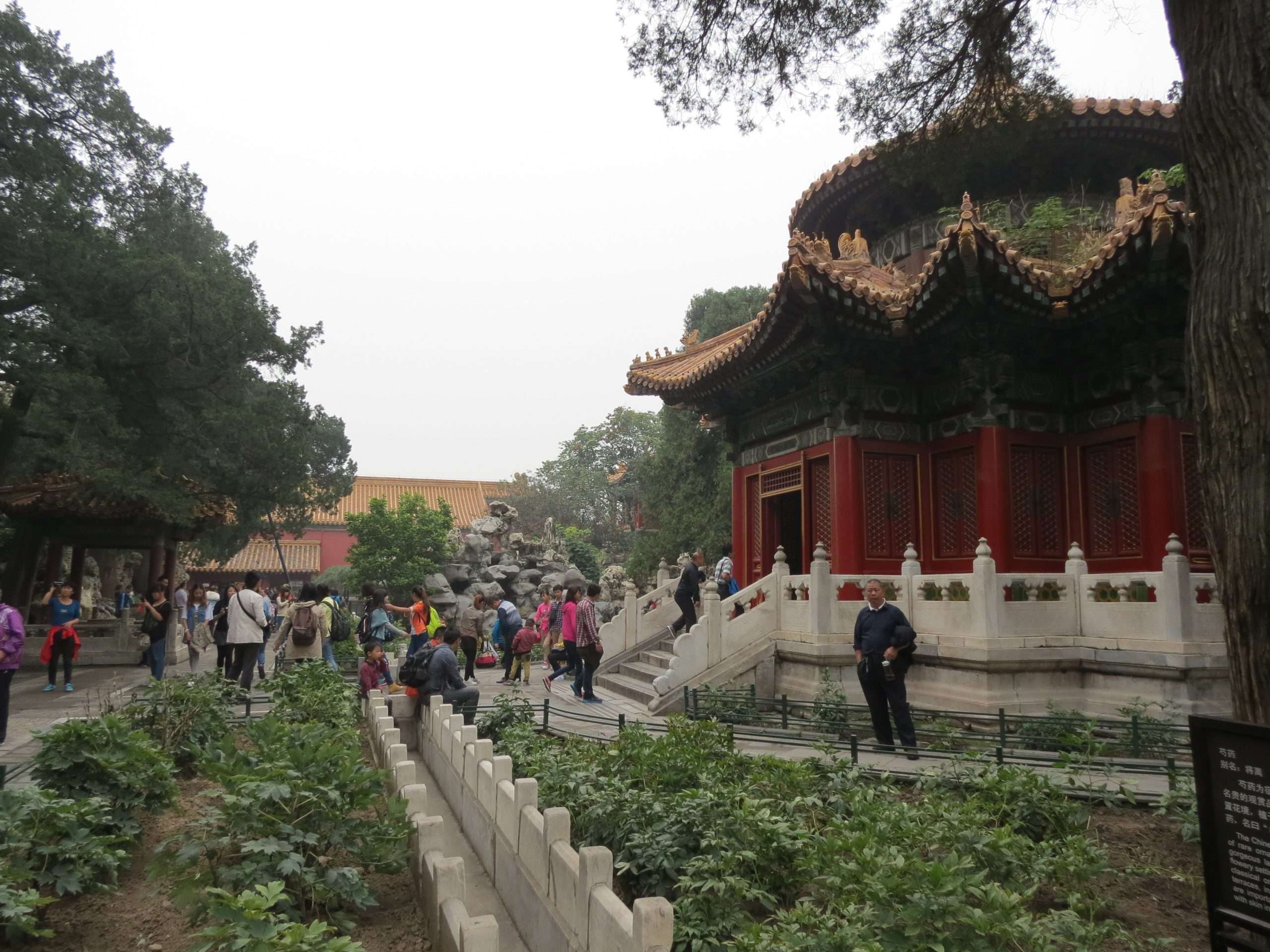
From the square, we walked to the Forbidden City. Again, the scale is massive, and the complex is labyrinthine. We only visited the concubines’ quarters and a few exhibits about the last emperor. The place was mobbed. To fully appreciate it, it’s best to watch The Last Emperor—it was the last film to be shot there.
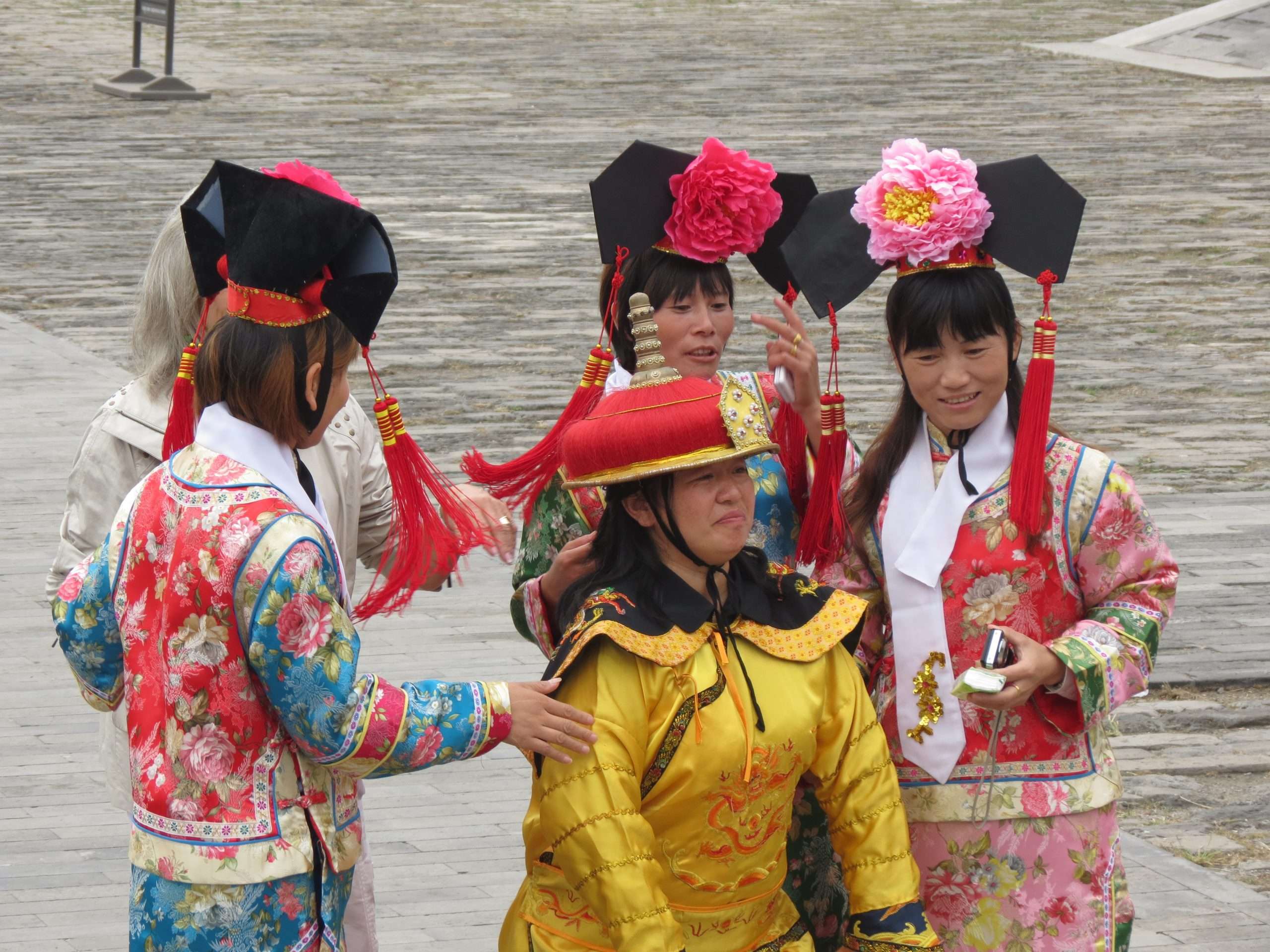
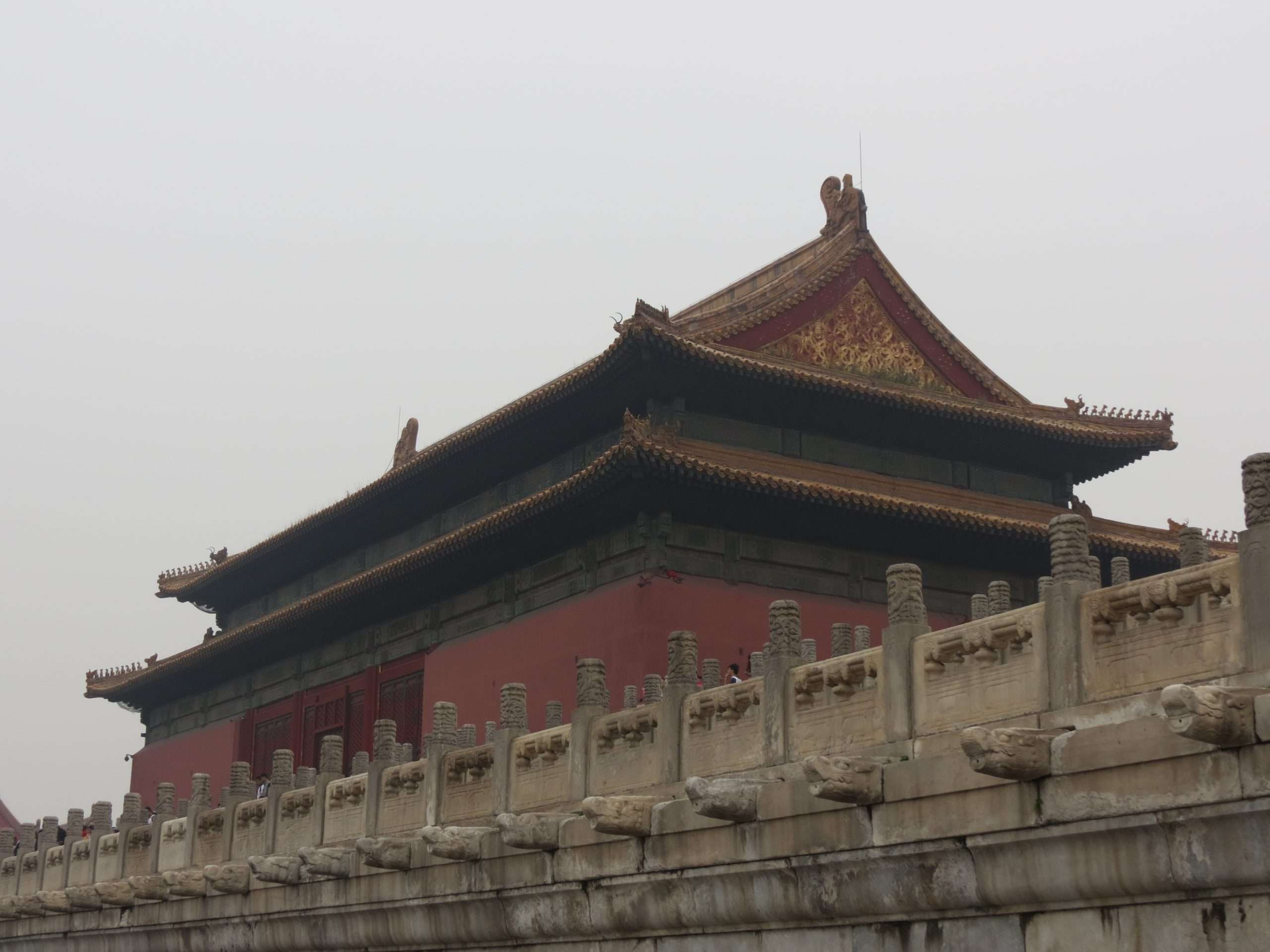
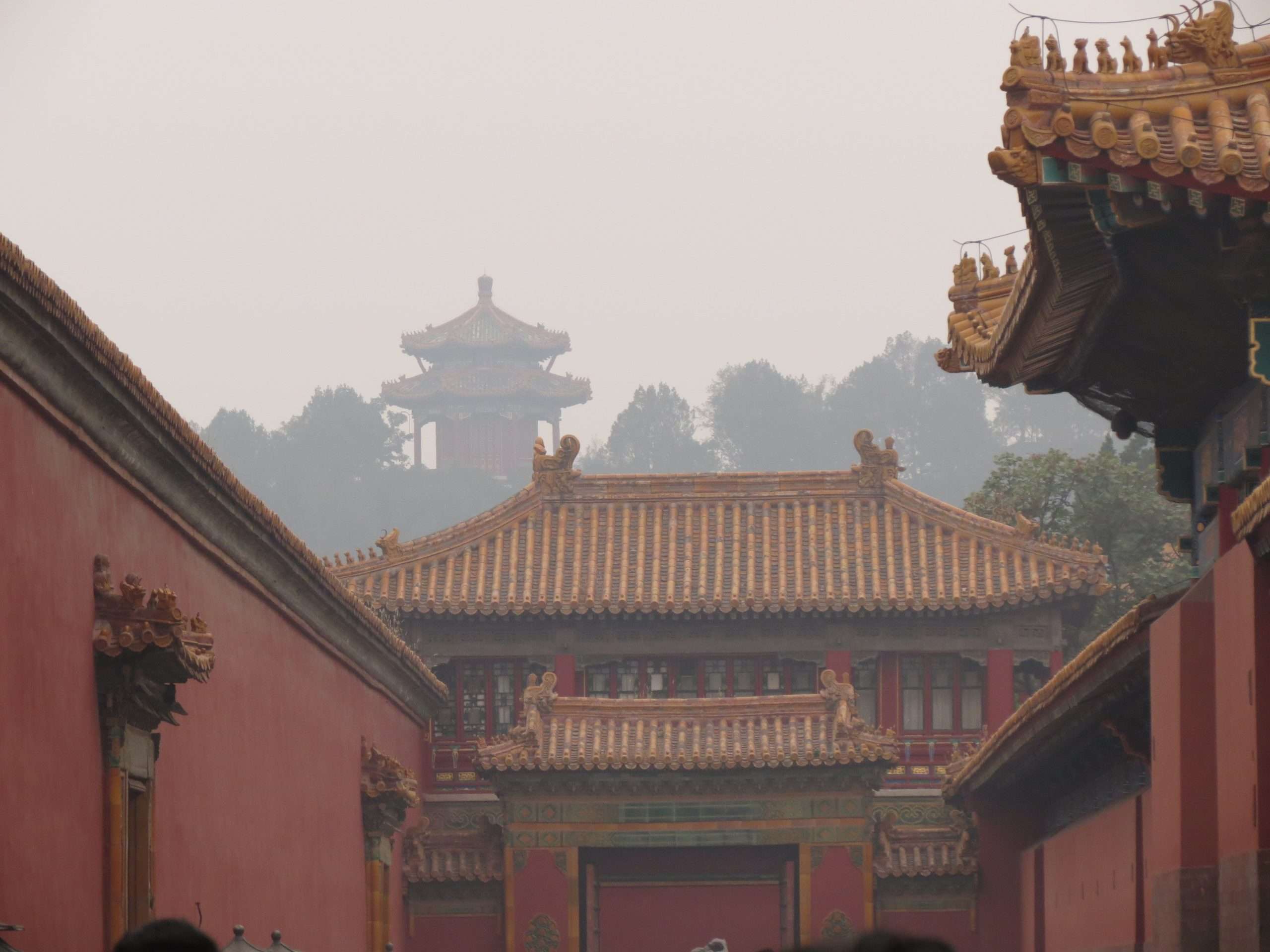
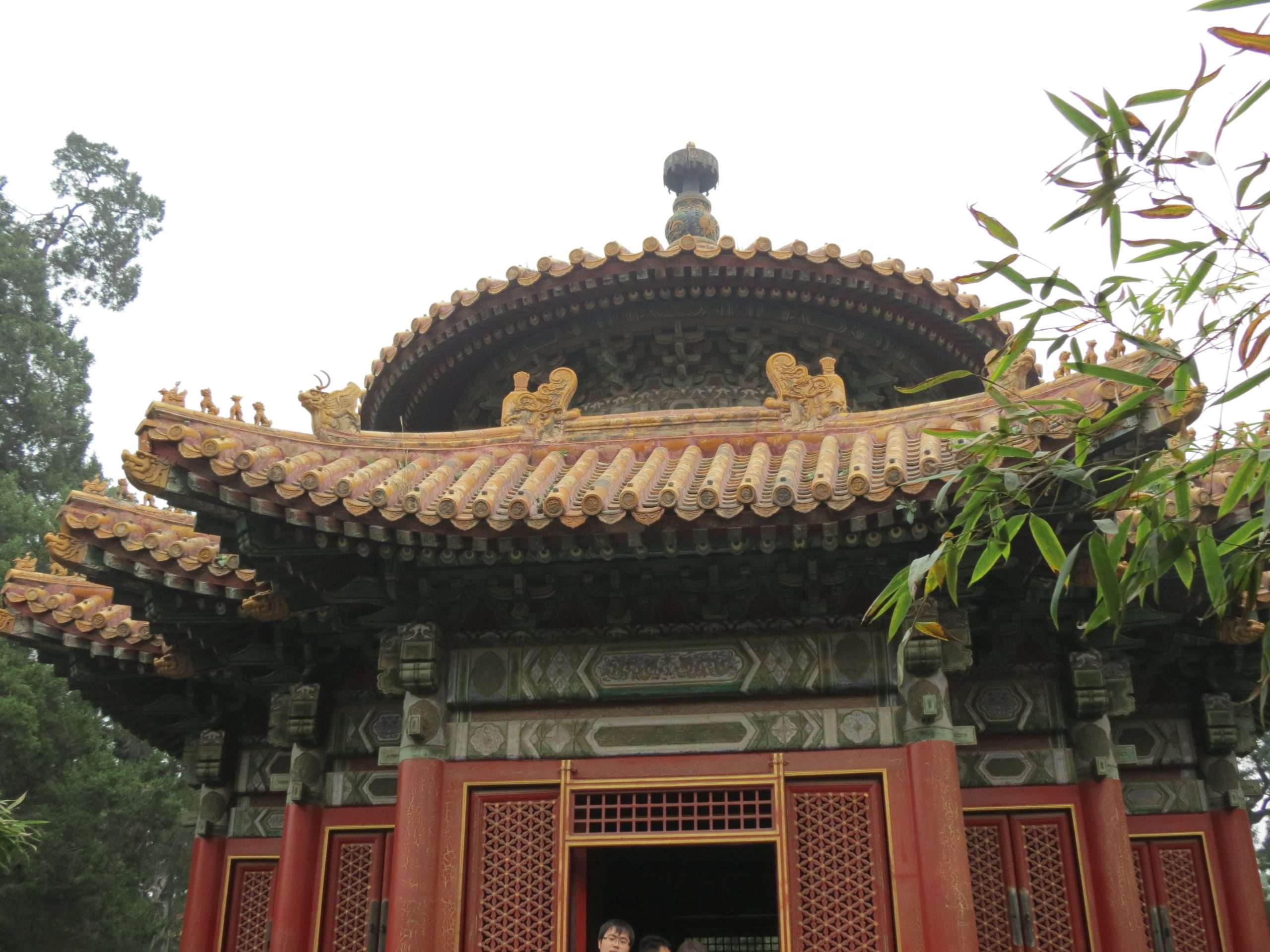
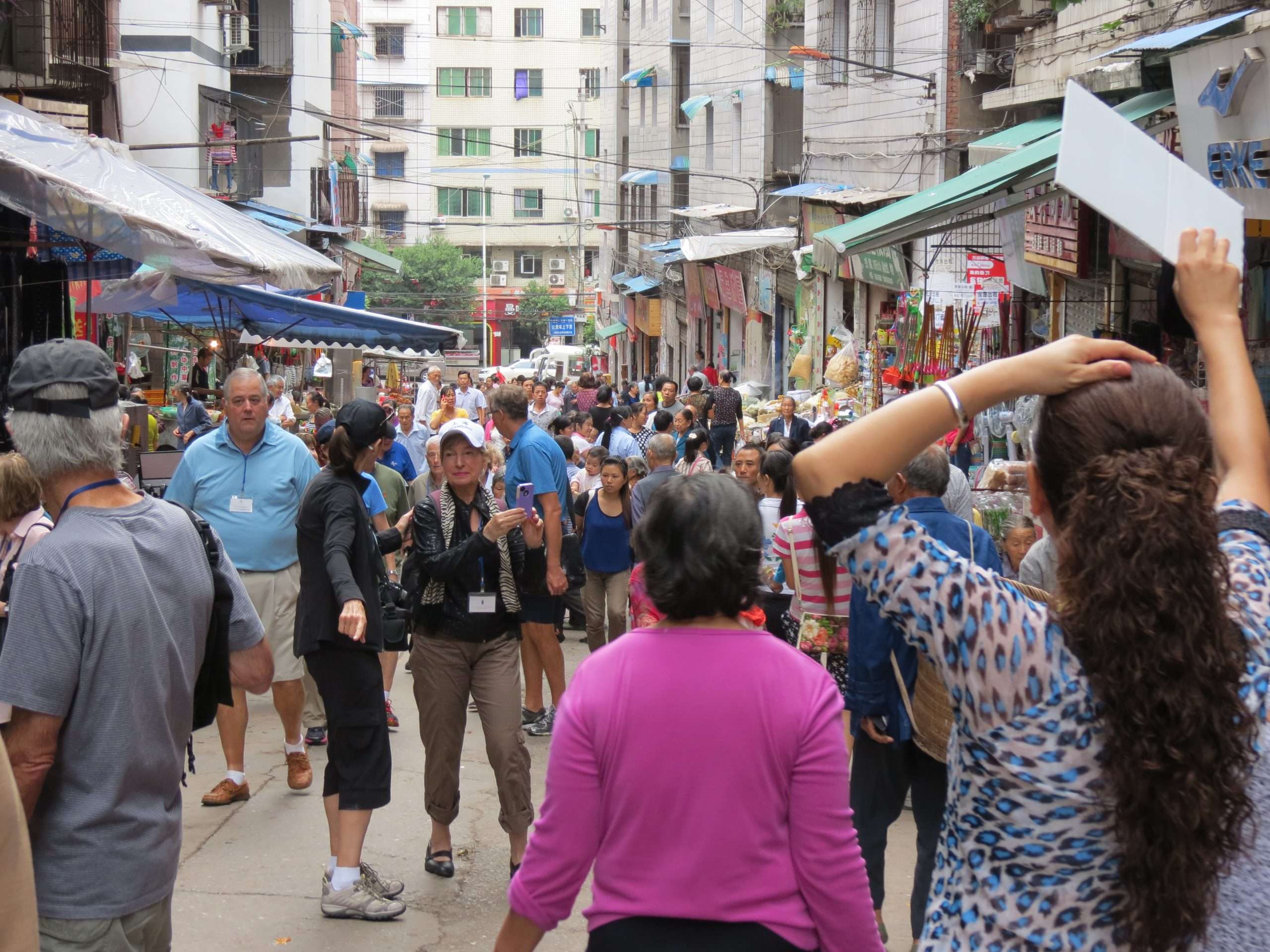
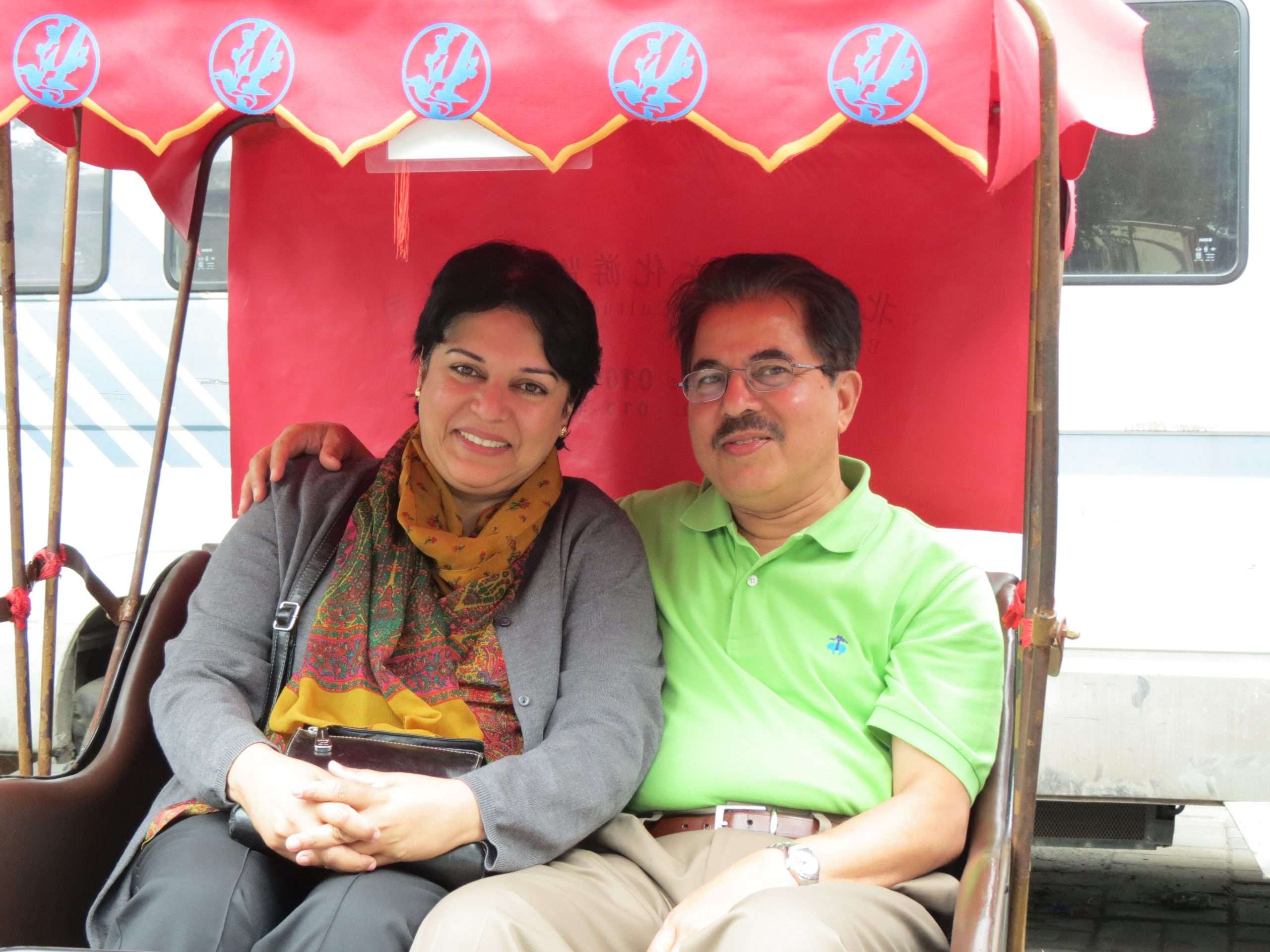
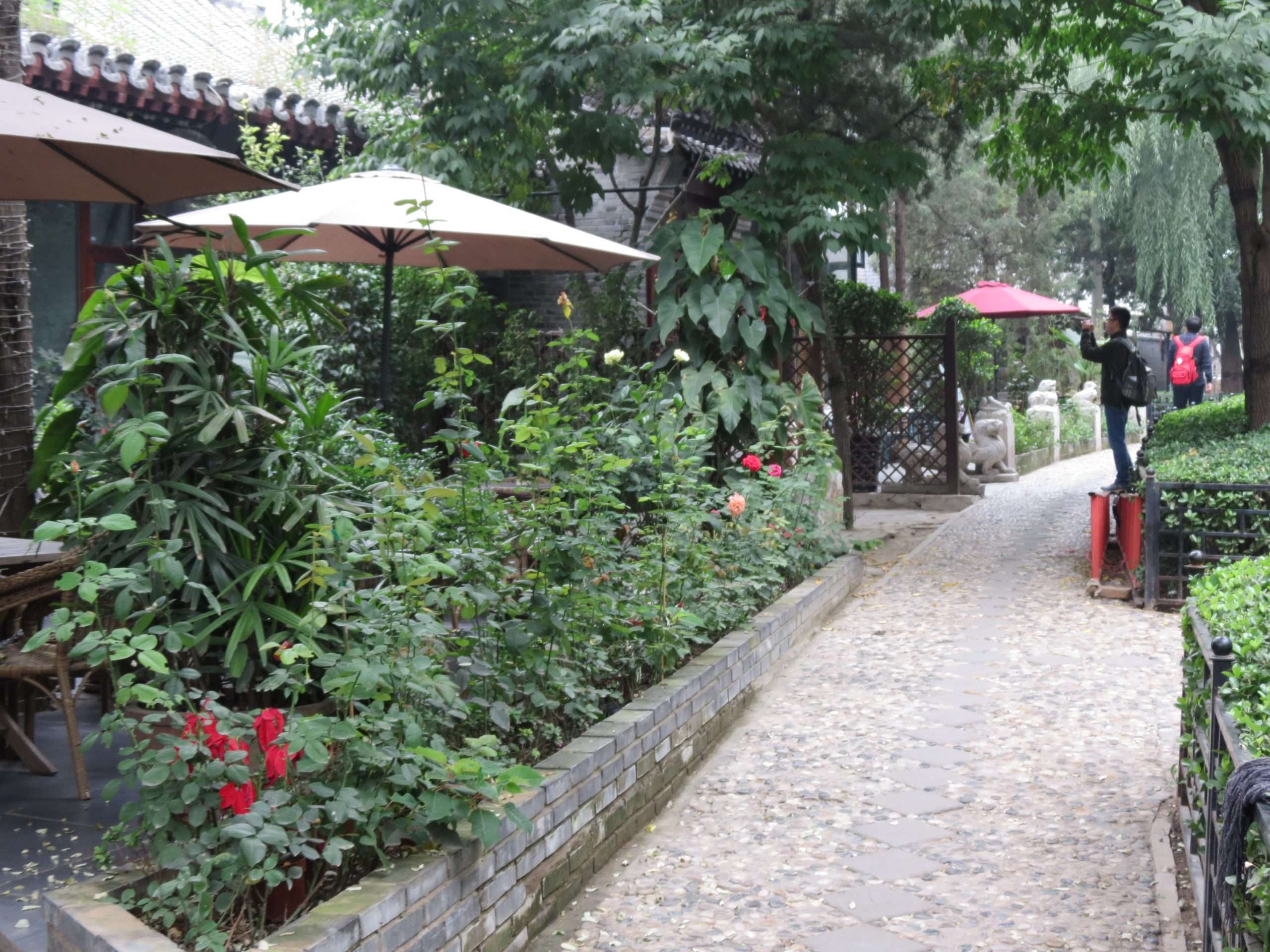
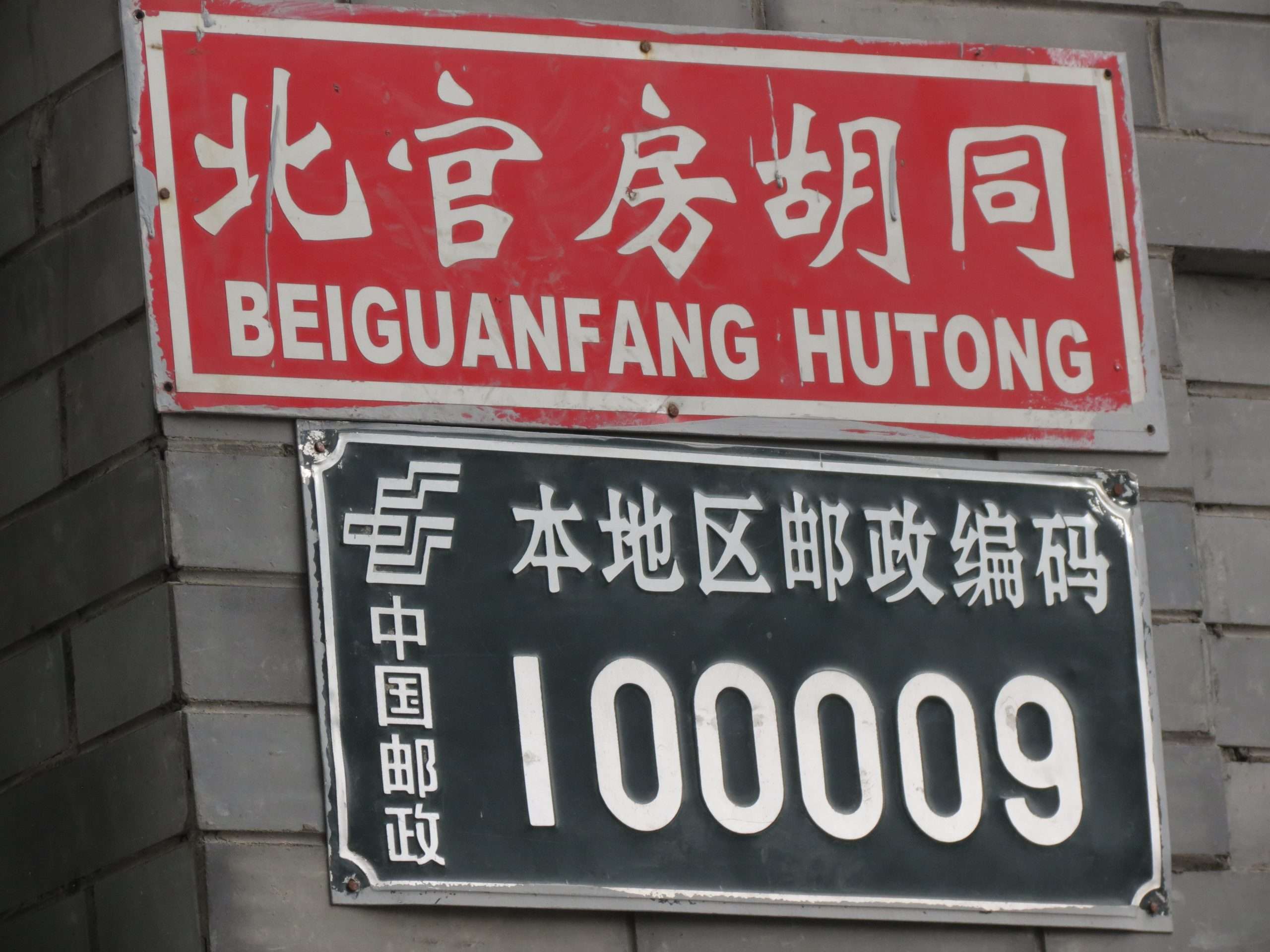
We had lunch at the Red Wall Café in the Grand Hotel Beijing. In the afternoon, we took a tri-shaw ride (a bicycle with three wheels, covered at the back and seats 2) to visit Xiao Xinji Hutong. The hutongs are small houses clustered around a central courtyard. They are residences that share common bathroom facilities. The house we visited was about 300 years old and had been in the owner’s family for at least 150 years. They served us jasmine tea and Chinese sweets and allowed us to walk around. The owner then showed us some paintings, which were, of course, for sale. It’s amazing how entrepreneurial the Chinese are—everywhere you go, someone is selling something. We ended the day with an Italian dinner at the hotel.
A Day at the Great Wall & Olympic Park – October 1, 2013
The day began with lots of rain. We started out early for the Great Wall, one of the seven wonders of the world. The bus ride lasted 2 hours. What can we say about the Great Wall other than it is absolutely spectacular? We climbed the height of about two towers, and it was fairly steep going up and even worse coming down. It was quite crowded, but not as bad because it was the start of the holidays and due to the rain. Fortunately, the sky turned blue for us, and the wall was dry when we arrived. We couldn’t imagine doing the wall in the rain.
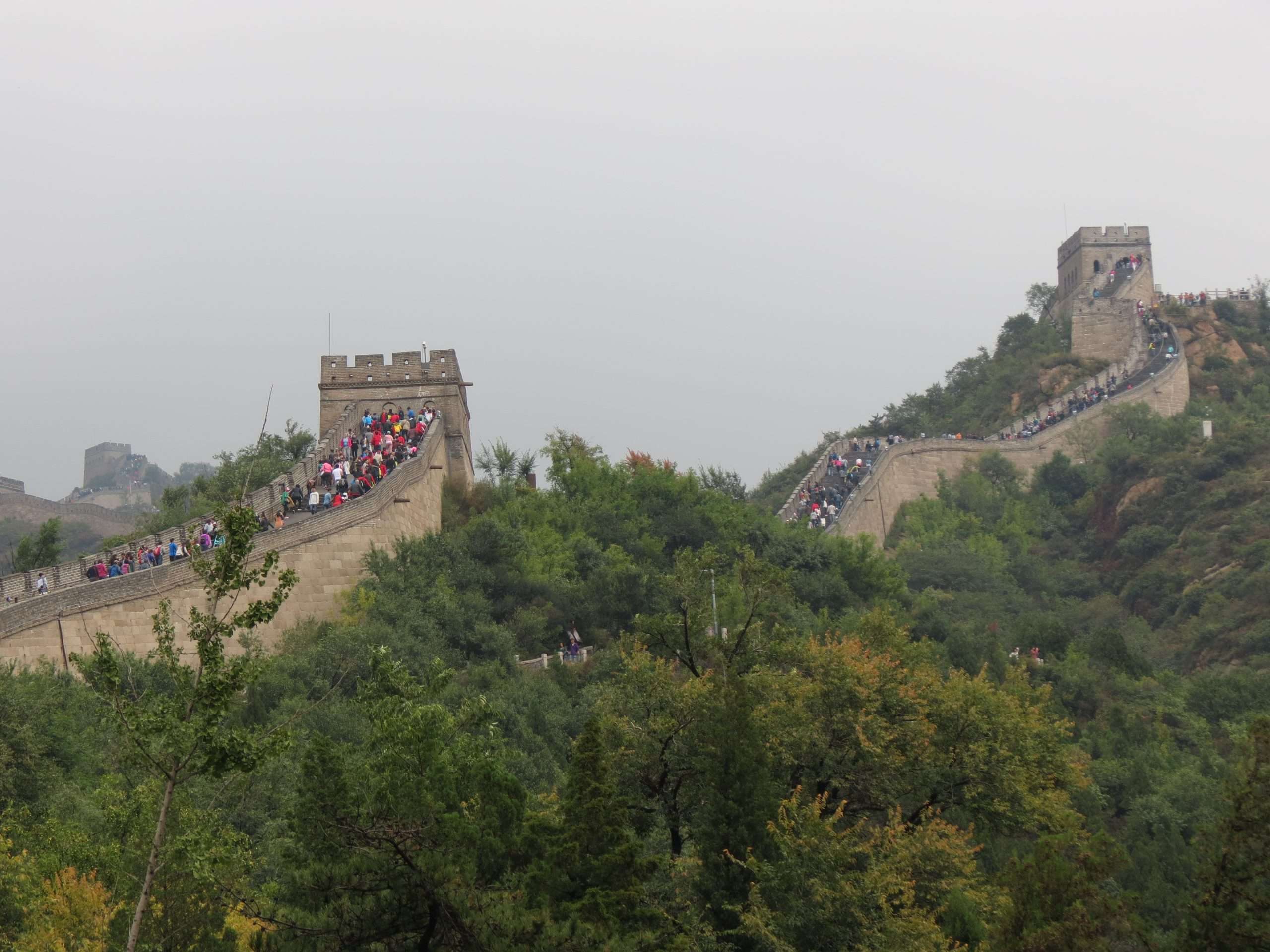
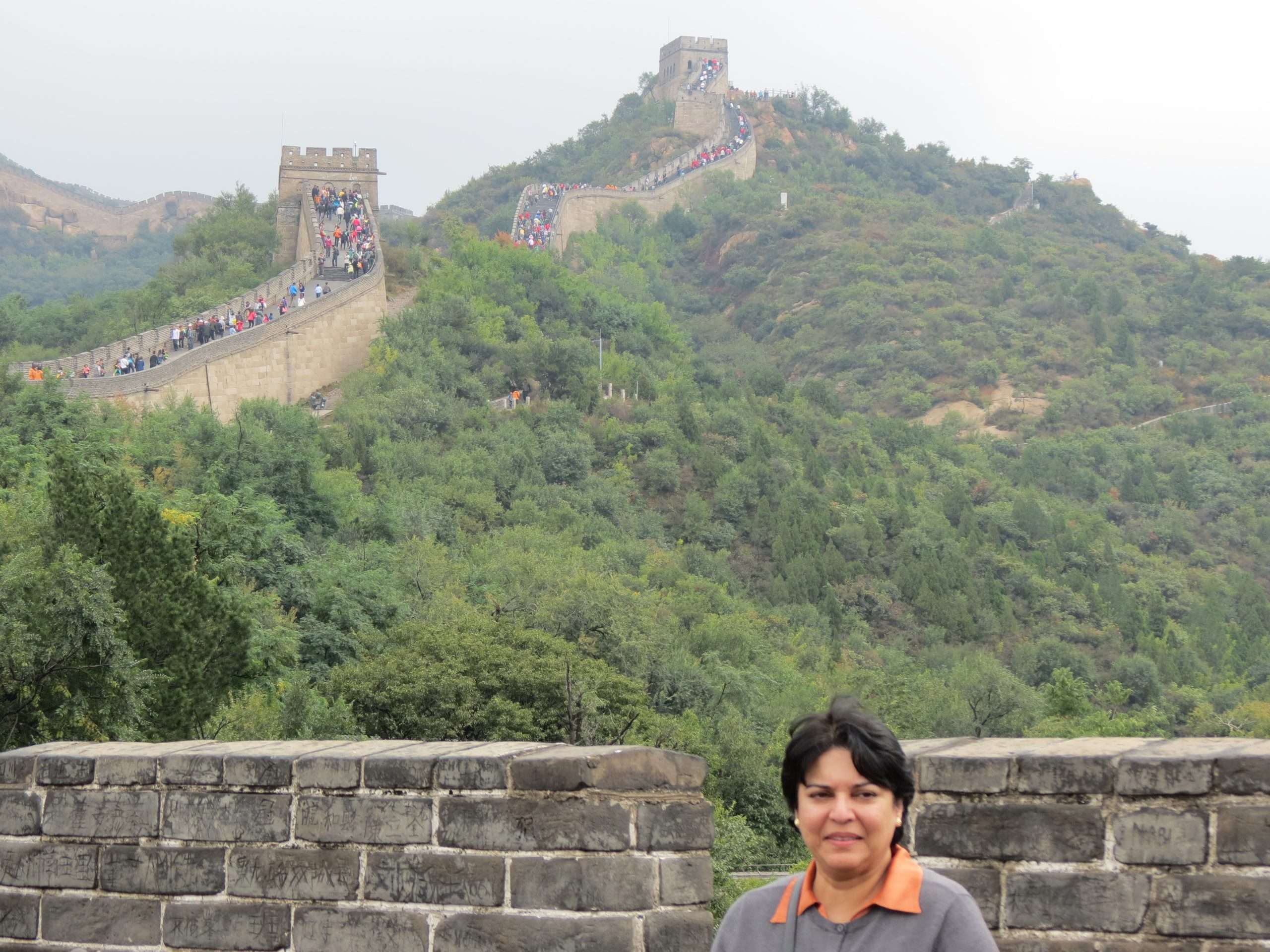
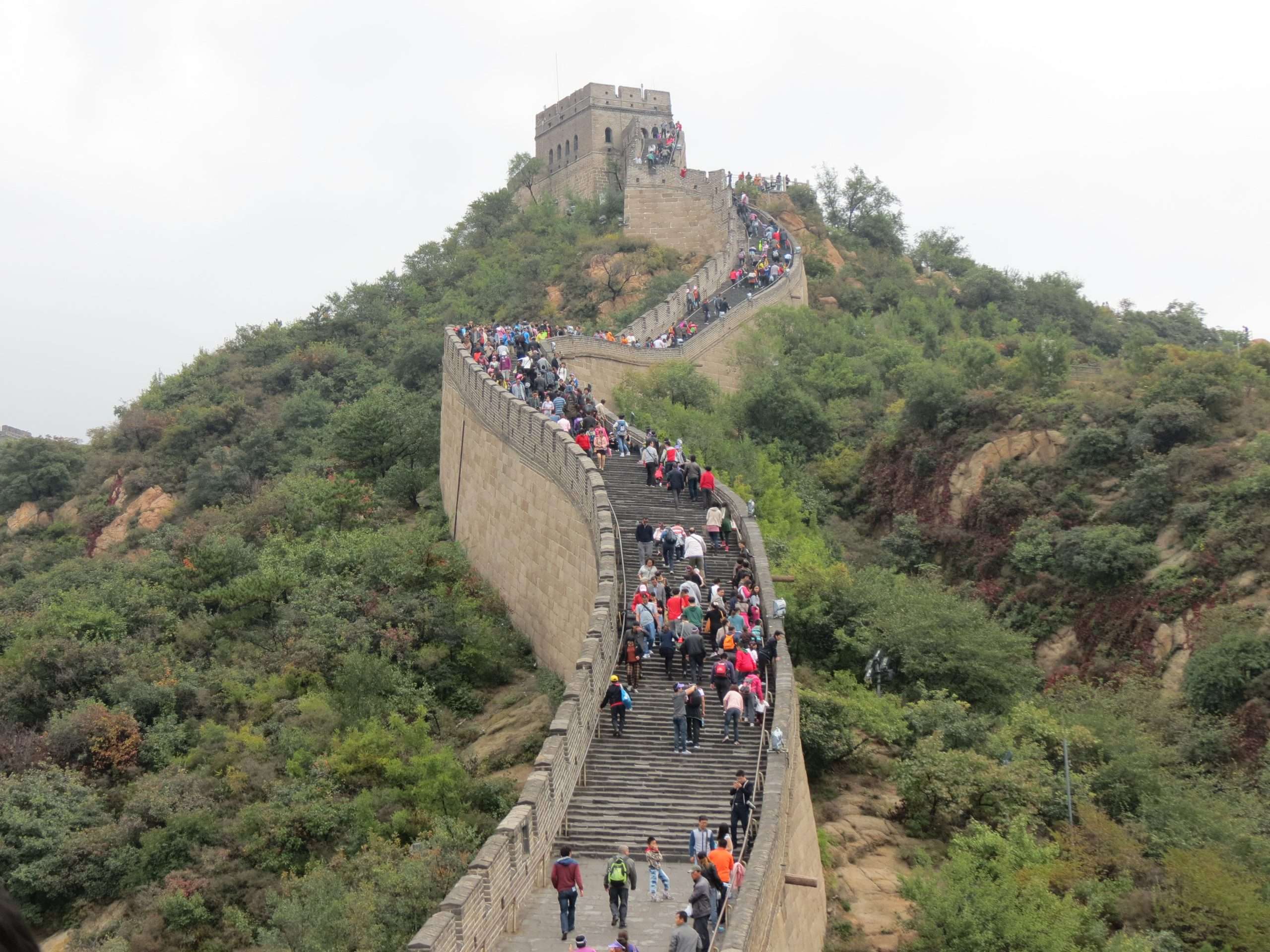
We had lunch at The Commune, a very upscale place developed by the SOHO group. SOHO in Chinese means small office. It is a collection of 12 villas, supposedly designed by various architects who were given carte blanche to design. One of the villas is called “The Suitcase.”
Afterward, we visited the Bird’s Nest at Olympic Park. It’s very impressive on the outside. However, the Chinese are finding it difficult to maintain. It supposedly costs about $15,000 a month to clean. It was looking rather dusty when we saw it.
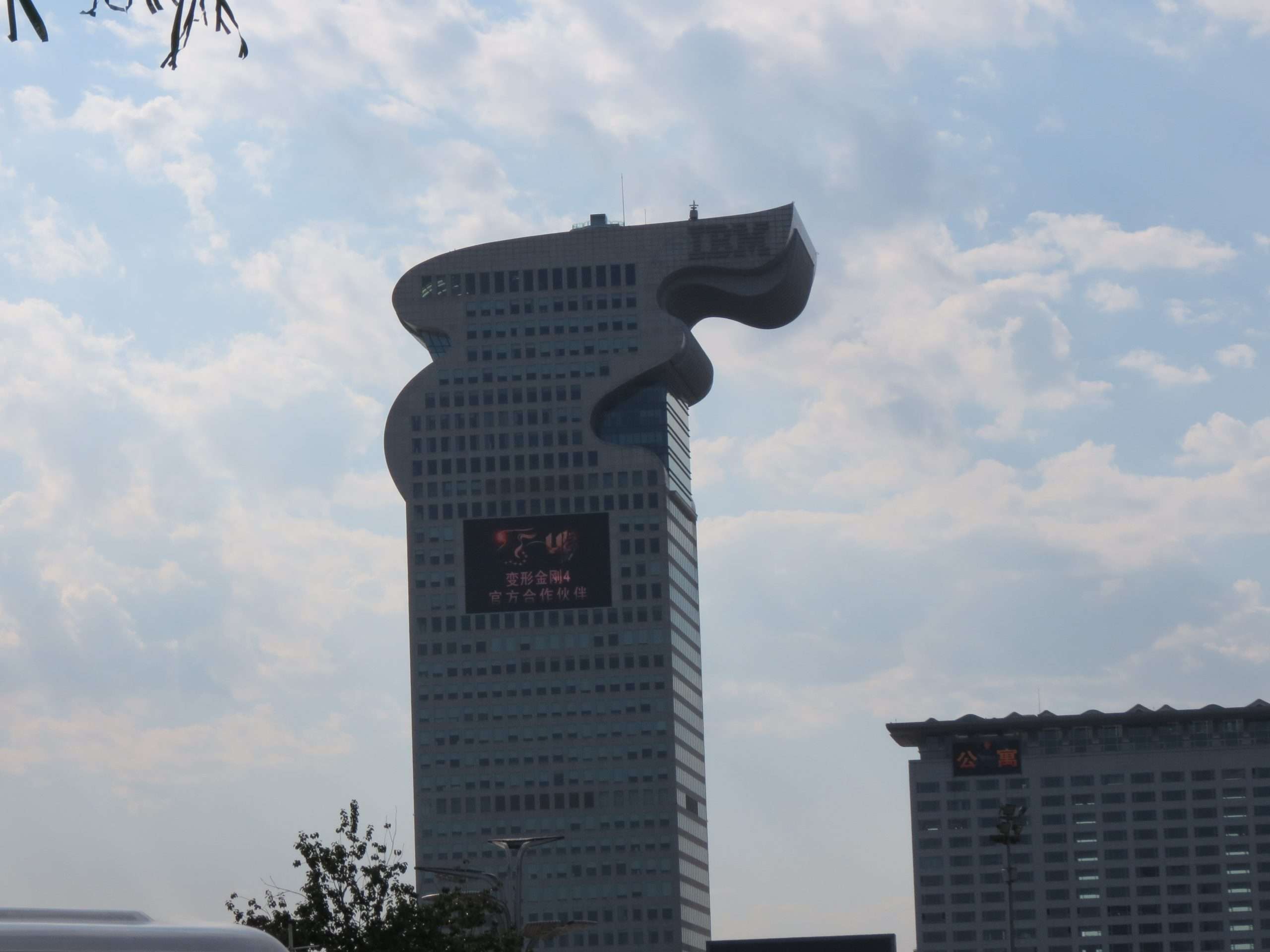
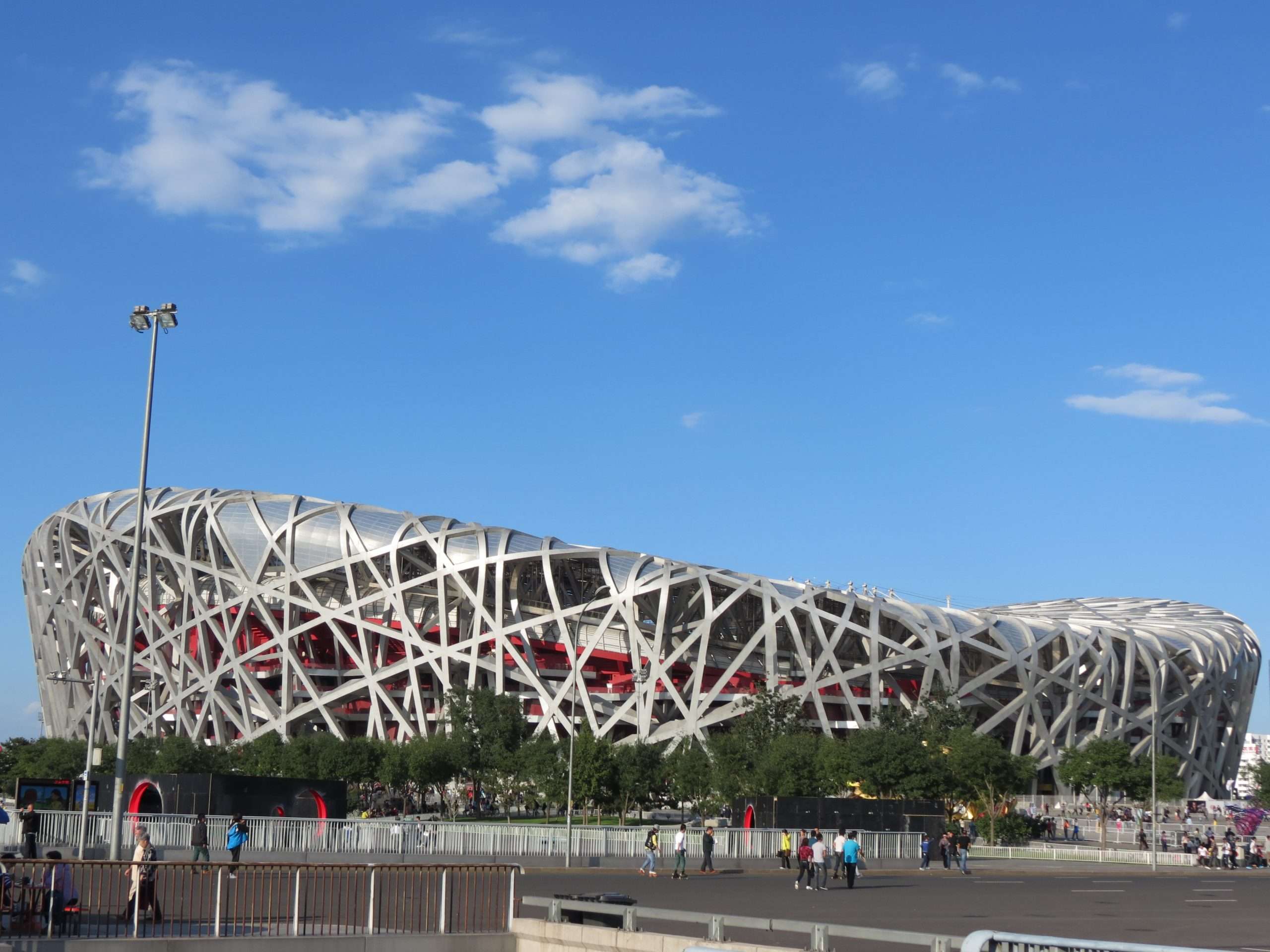
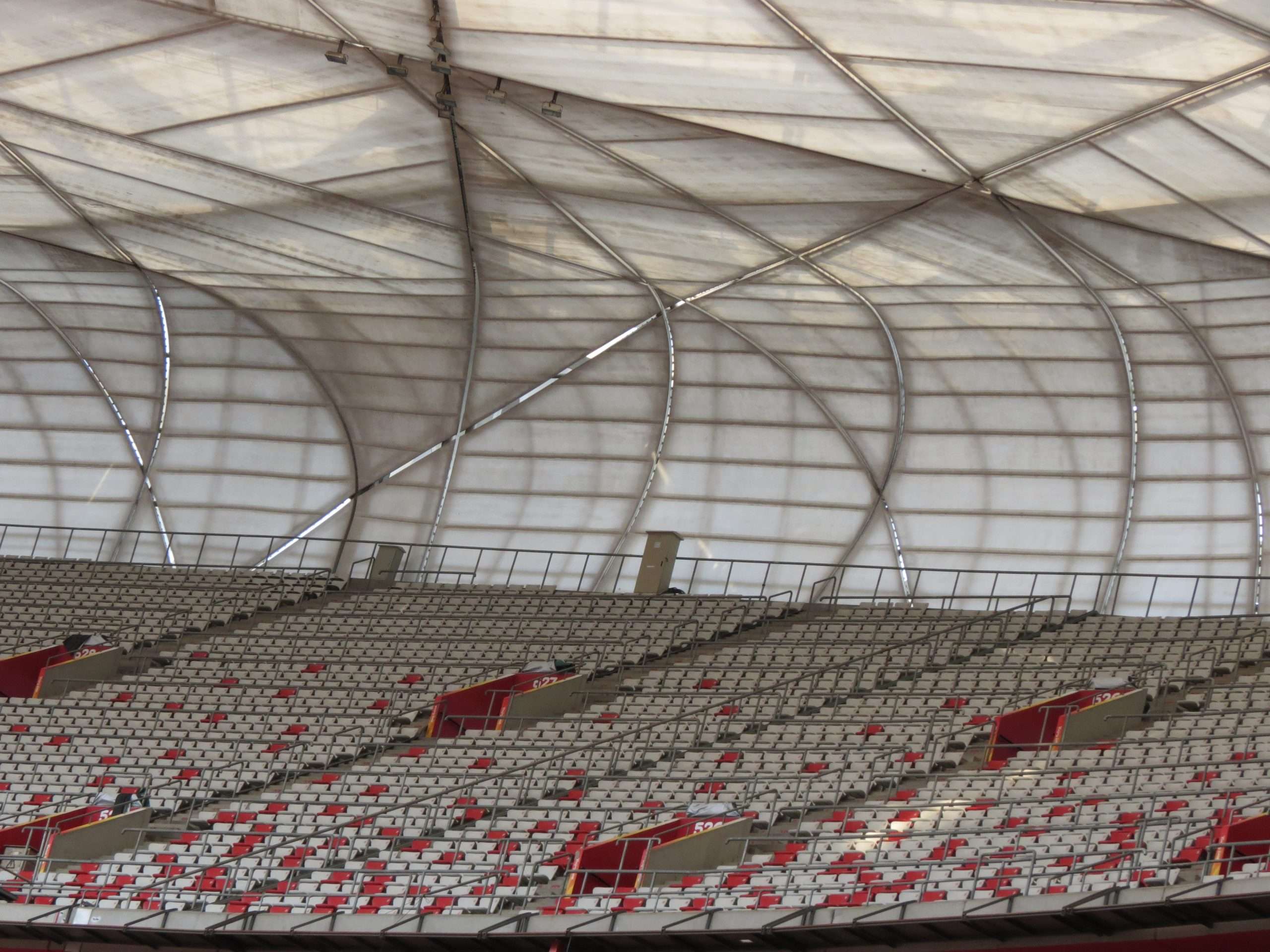
We returned to the hotel in the late afternoon and then went shopping.
Final Day in China: Exploring the Temple of Heaven – October 2, 2013
On our last day touring China, we visited the Temple of Heaven. The grounds are four times the size of the Forbidden City, and this is where the emperor once came to pray for a good harvest, among other things. The buildings and exhibition halls were very crowded, and we only had 20 minutes to explore three of them.
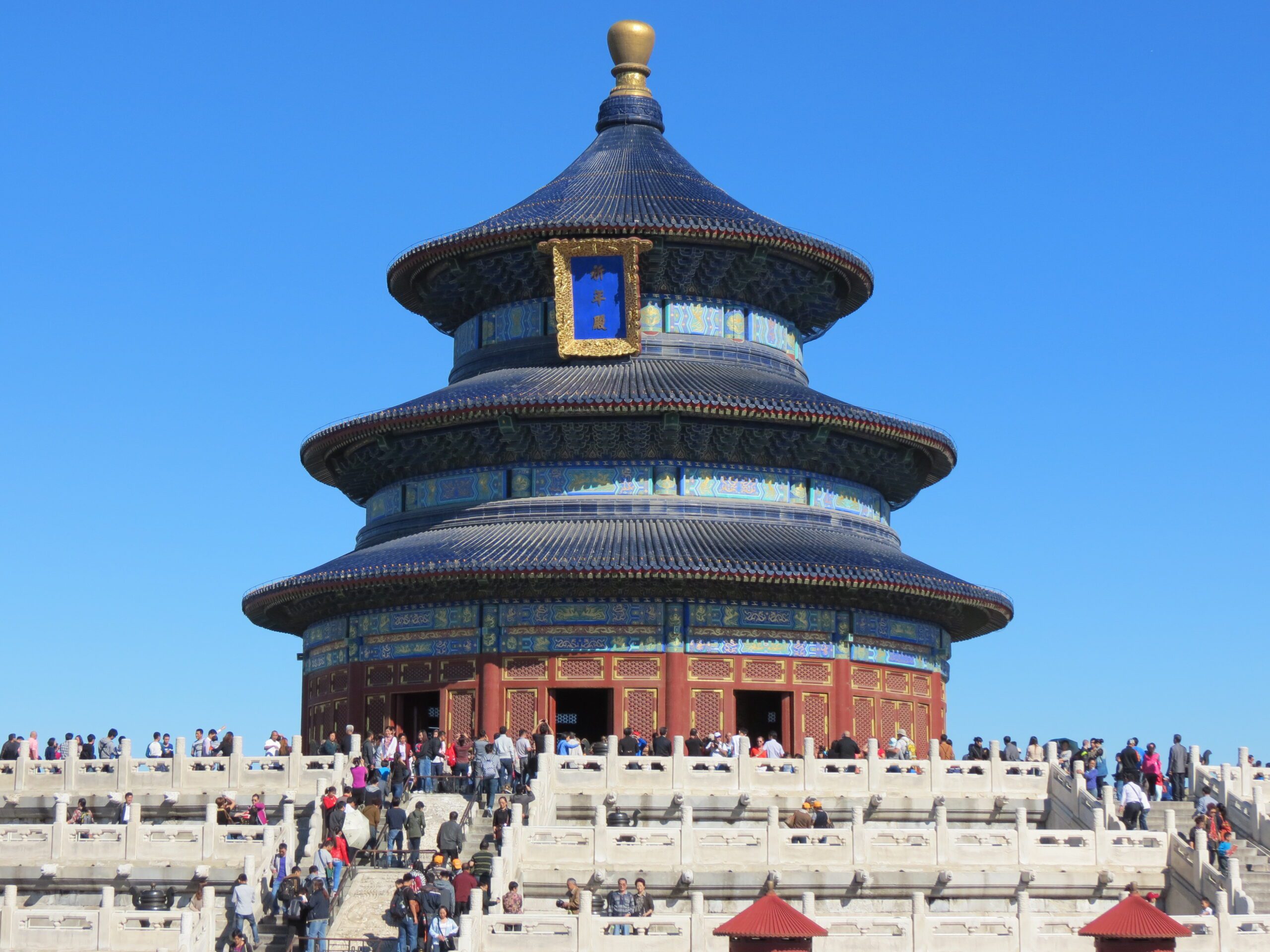
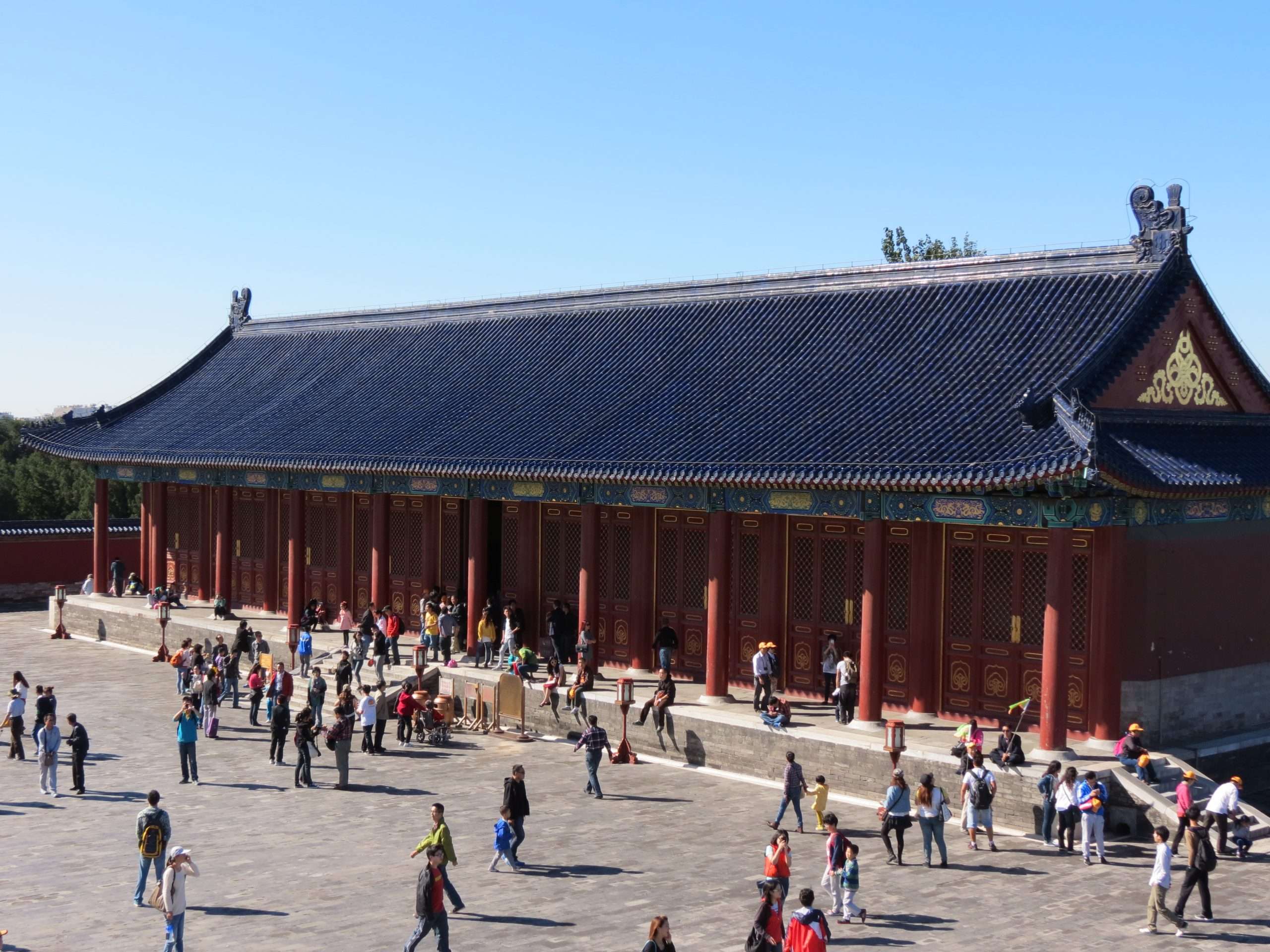
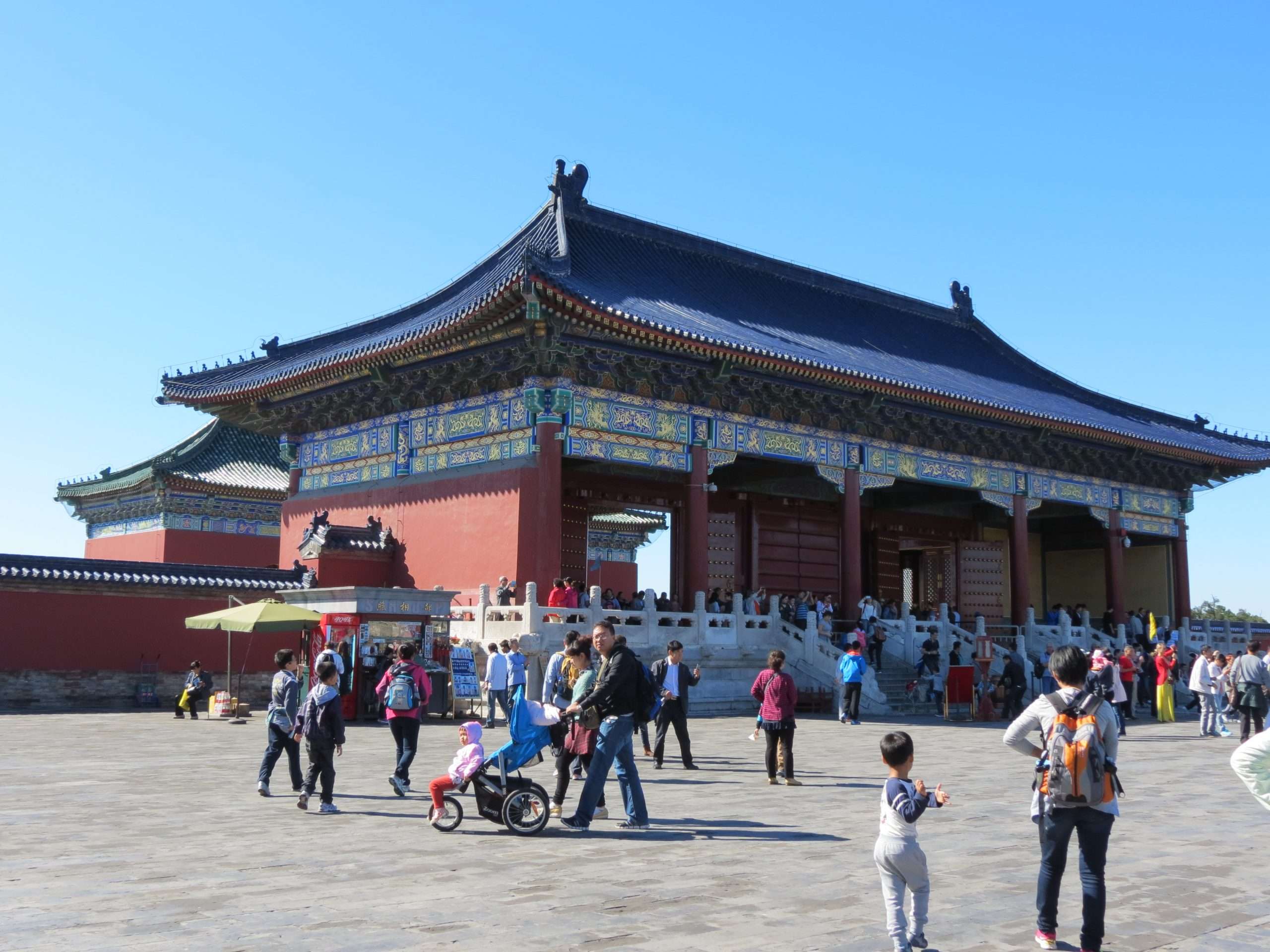
What’s amazing about this park is that it is full of people of all ages doing Tai Chi, line dancing, and more. We didn’t see a single overweight person, and it was incredible how active and flexible all the older people were. Apparently, in China, because houses are small, everyone socializes outside. Besides physical activities, there were also lots of people playing cards and trying to marry off their children.
Afterward, we took a quick last shopping trip to buy mooncakes, then returned to prepare for the farewell dinner before heading to bed. All in all, a very wonderful trip.
Homeward Bound – October 13, 2013
We left early in the morning for Beijing airport for our connecting flight to Shanghai and then on to Newark.