
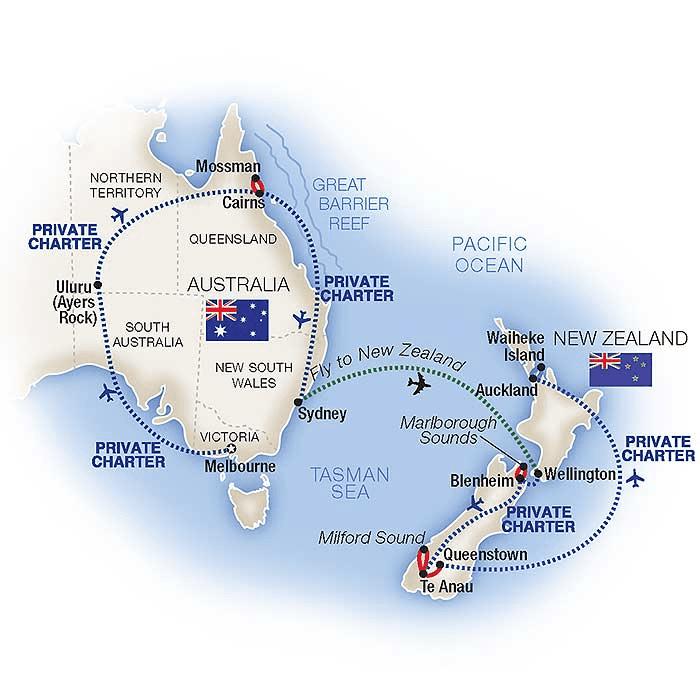
This journey—an adventure through Australia and New Zealand—was long in the making but well worth the wait. From Melbourne’s charm and the majesty of Uluru to the Great Barrier Reef and Sydney’s iconic skyline, every stop in Australia brought new discoveries. The adventure continued in New Zealand, with Wellington’s quirkiness, a mussel fest in Marlborough Sound, weather challenges in Queenstown, and a grand finale in cosmopolitan Auckland, proud home of the America’s Cup. It was truly an unforgettable experience from start to finish. Adding to its significance, this was our first visit to Oceania and the completion of our travels across all seven continents. A special bonus was spending nearly a week with our nieces, Bernardine and Reena, and their families in New South Wales.
Long Journey to Sydney – September 27-29, 2025
We left Newark for Sydney on September 27, connecting through Los Angeles, and arrived on September 29. The flight was uneventful but easily the longest we’ve ever taken.
Exploring New South Wales with Family – September 30 – October 4, 2025
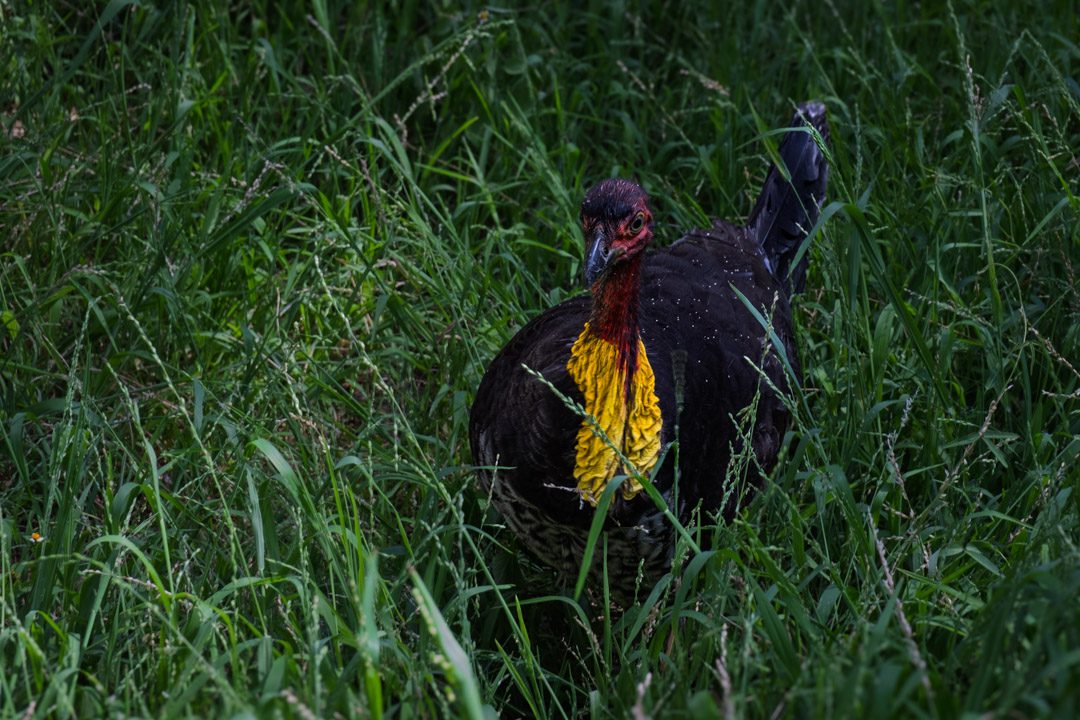
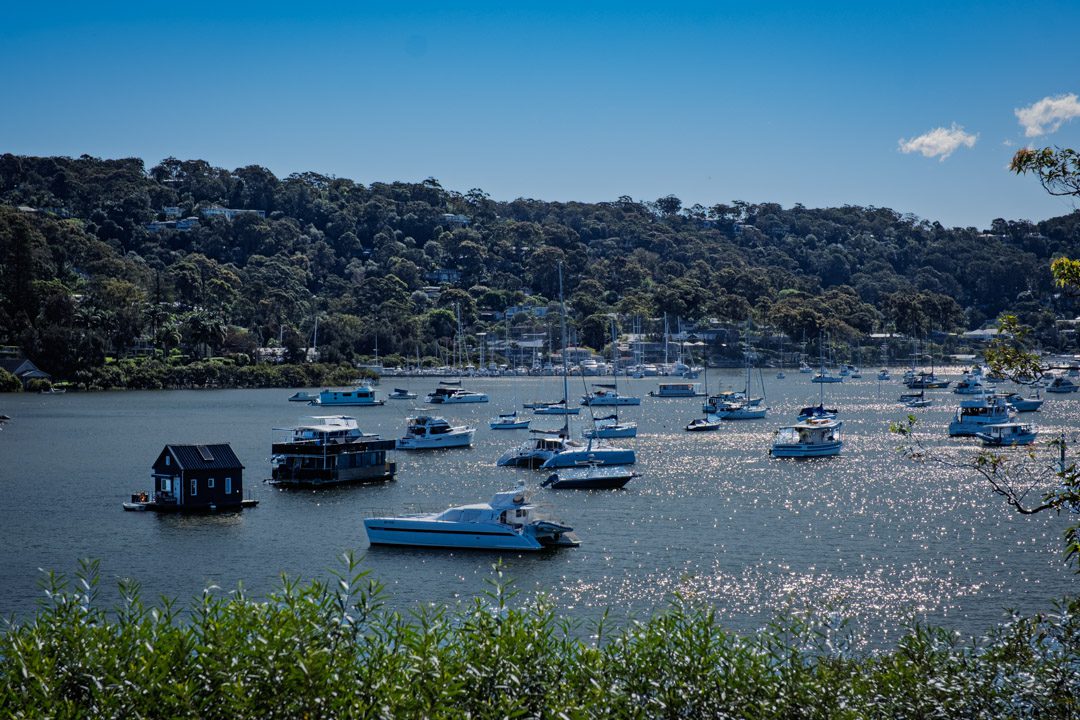
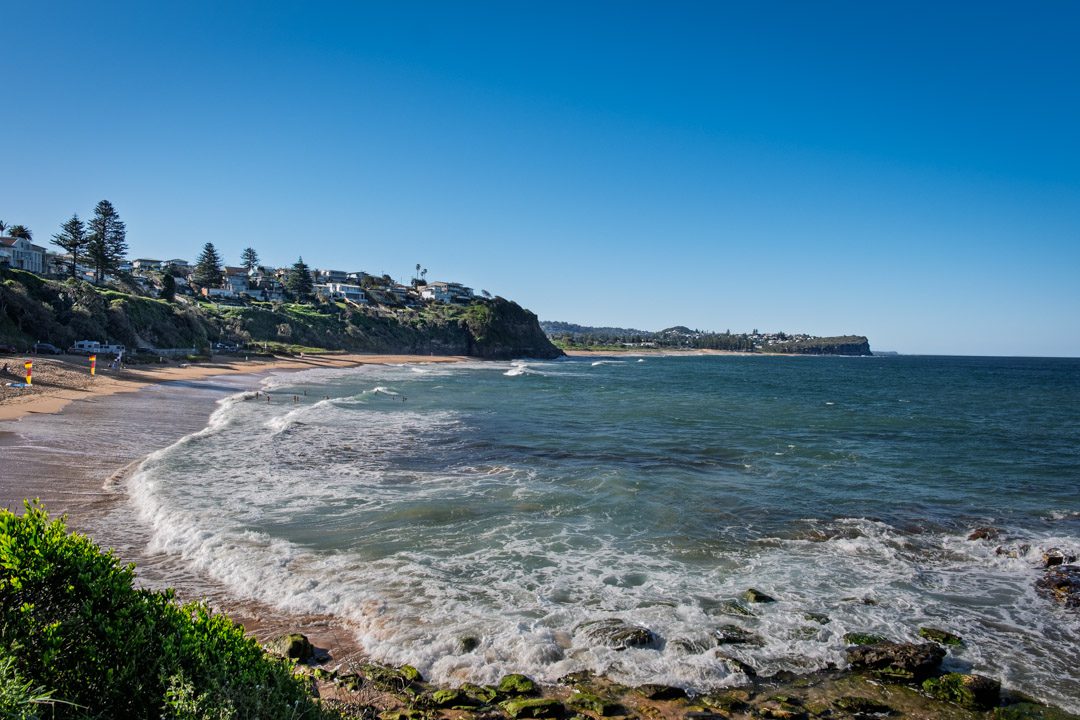
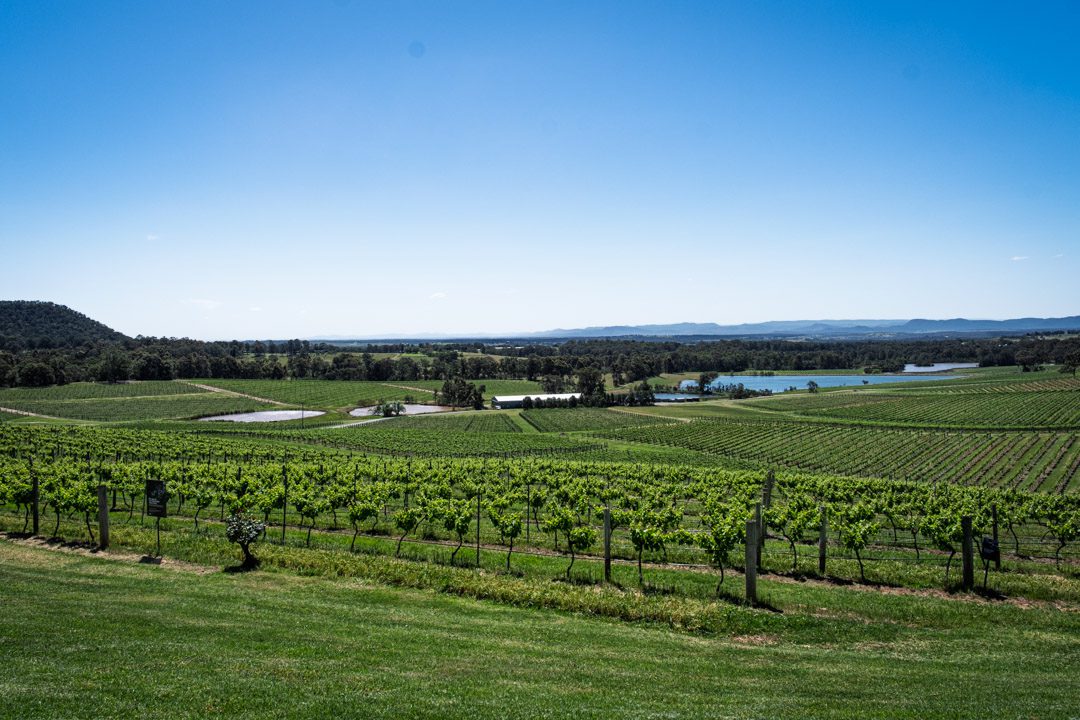
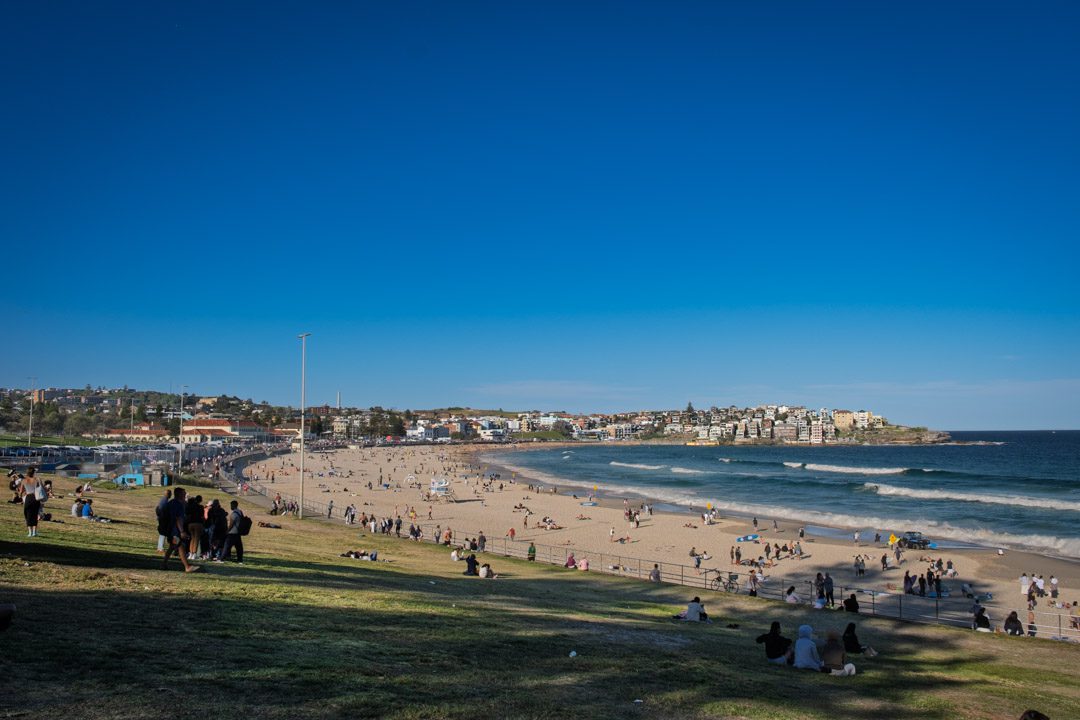
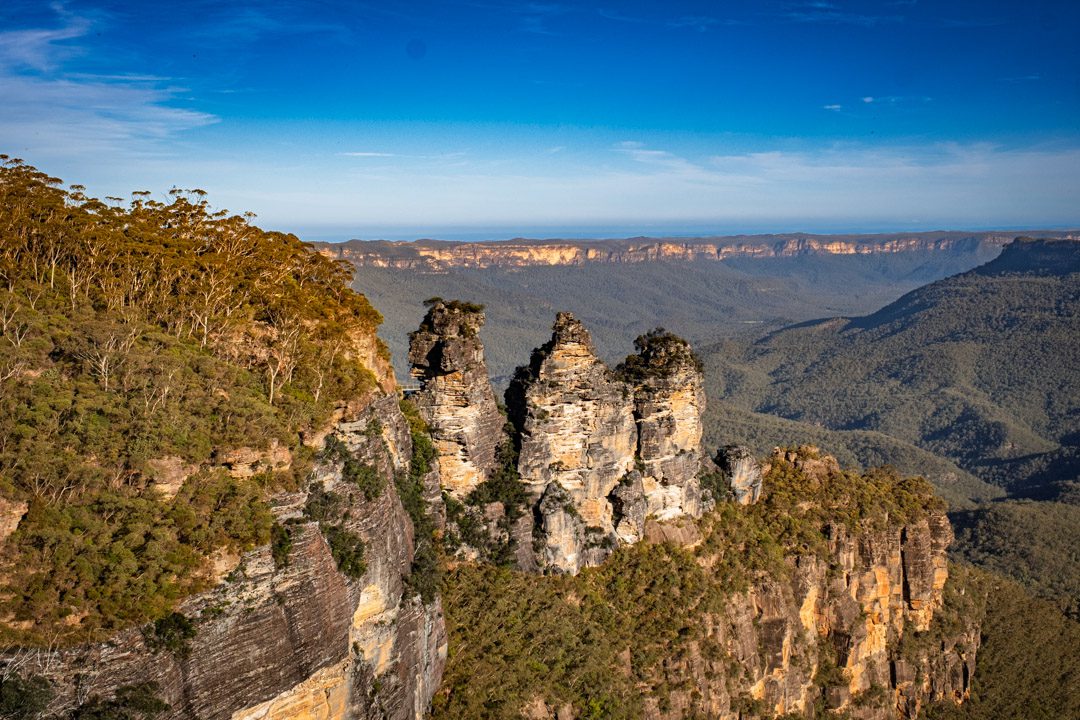
Since arriving in Sydney on September 29, we’ve explored many beautiful places in and around the New South Wales area with our nieces and their families. We spent time walking through the Olympic parklands and mangroves at Bicentennial Park in Wentworth Point and Homebush Bay, where we saw the SS Ayrfield, a rusted World War II shipwreck now transformed into a “floating forest” of mangroves, an Australian brushturkey and various other native birds and vegetation. We also visited Newport for a relaxed seaside lunch before continuing to Warriewood Beach, where we enjoyed sweeping ocean views while the kids swam in the surf. We ventured farther afield to Hunter Valley for a day of wine tasting at Audrey Wilkinson, Brokenwood, and Tempus Two, complete with an antipasto lunch and stunning vineyard views. Another highlight was the coastal walk from Clovelly to Bondi, passing Bronte and Tamarama beaches along the way. Our final outing took us to Leura in the Blue Mountains (some say named for the blue haze produced by the four varieties of eucalyptus trees found here) for the lively Village Fair and a stop at Echo Point to see the famous Three Sisters rock formations near the town of Katoomba of which many legends abound — a perfect ending to our string of adventures.
Arrival in Melbourne and Beginning the Adventure – October 5, 2025
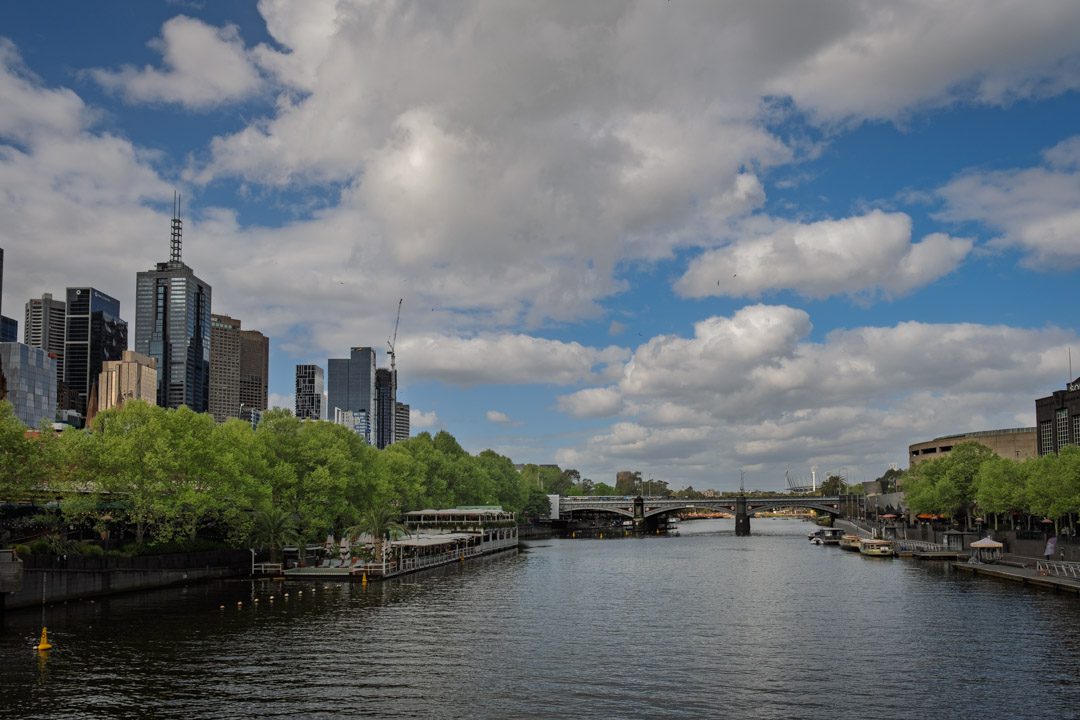
After bidding farewell to our relatives, we boarded a Virgin Australia flight from Sydney and arrived in Melbourne about an hour and a half later, marking the start of our guided tour of Australia and New Zealand. After checking into our hotel by the Yarra River—a beautiful property with lovely views—we spent a relaxing afternoon unwinding and enjoying some much-needed downtime.
Melbourne by Tram and Welcome Reception – October 6, 2025
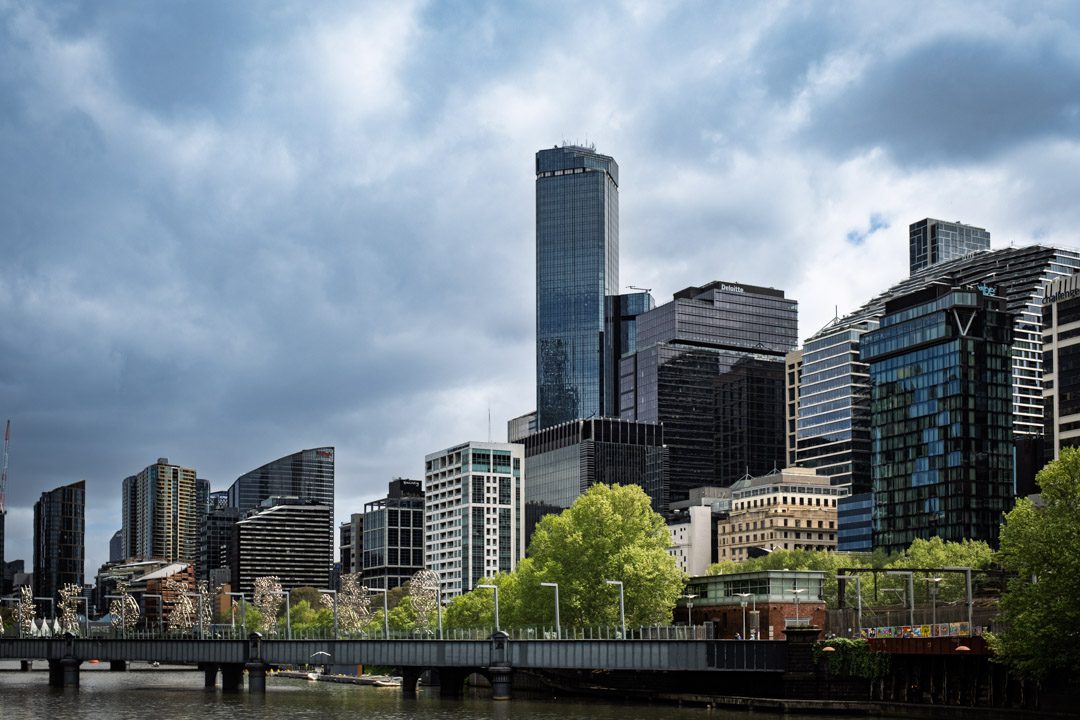
After breakfast, we met our Tour Director and set out on Circle Line 35, the free city tram that loops around central Melbourne. The Route 35 City Circle Tram is a convenient and scenic way to take in the city’s main sights—it runs in both directions and passes key attractions such as Federation Square, Flinders Street Station, Parliament House, Docklands, and the Princess Theatre.
We hopped off at one of the stops for a quick visit to St. Patrick’s Cathedral to see this Gothic church, one of the two largest churches completed in the 19th century (the other being St. Patrick’s in New York). We later tried to join a guided tour of Parliament House, but unfortunately, it was fully booked. In the evening, we attended a welcome reception and dinner, where we met some of our fellow travelers.

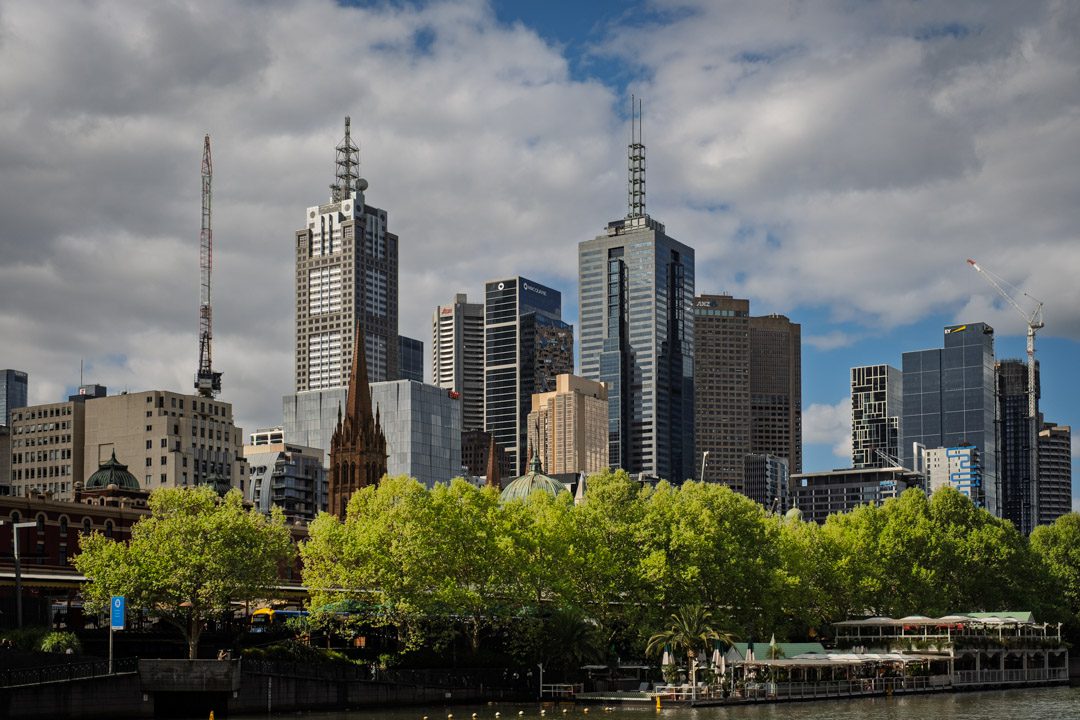
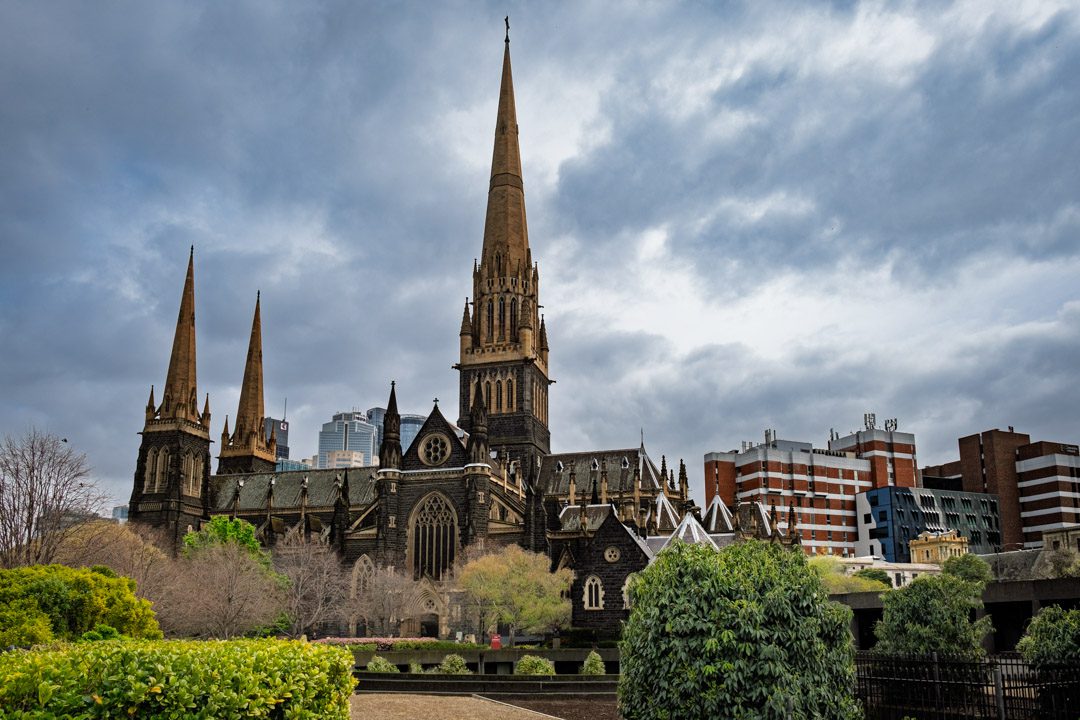

Melbourne Highlights – October 7, 2025
Soon after breakfast, we set out with a local guide for a walking tour of Melbourne’s famous laneways and arcades, starting near Flinders Street Station, the city’s most iconic landmark. Something to note about the roads in Melbourne’s traffic grid: a major road such as Flinders Street often has an accompanying minor road such as Flinders Lane.
From there, we explored Degraves Street, a lively area filled with cafés and street art—a perfect introduction to Melbourne’s café culture. We then wandered through the elegant Block Arcade, known for its 19th-century architecture, mosaic floors, and boutique shops, before continuing to the Royal Arcade, Melbourne’s oldest, with its glass roof and the statues of Gog and Magog keeping watch.
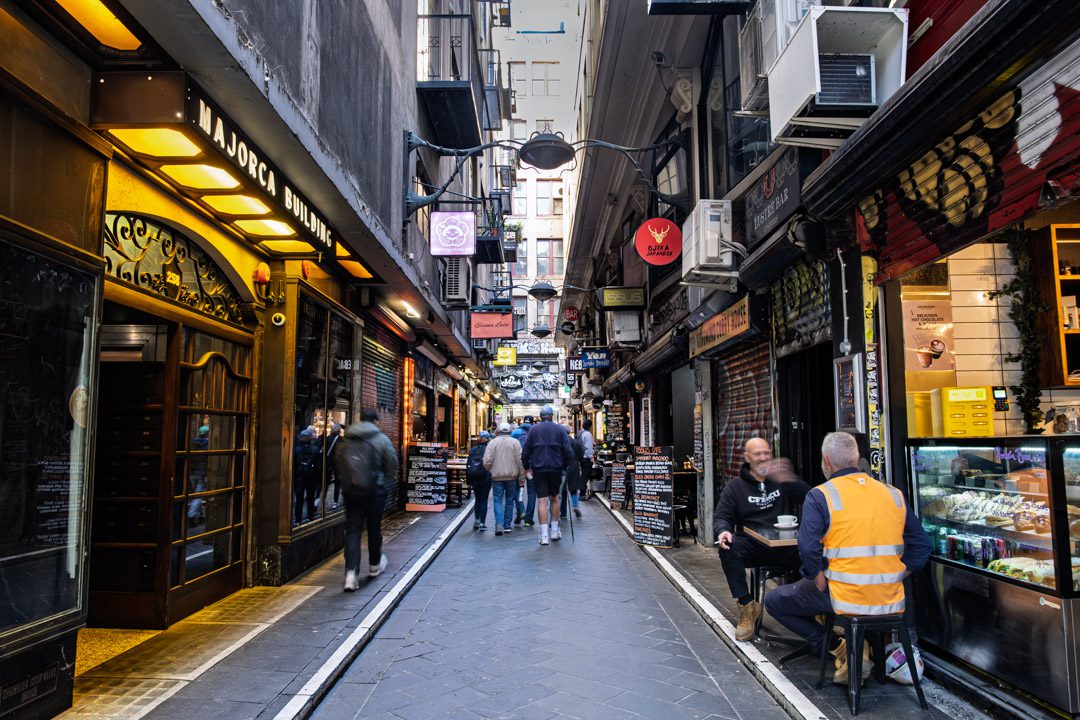
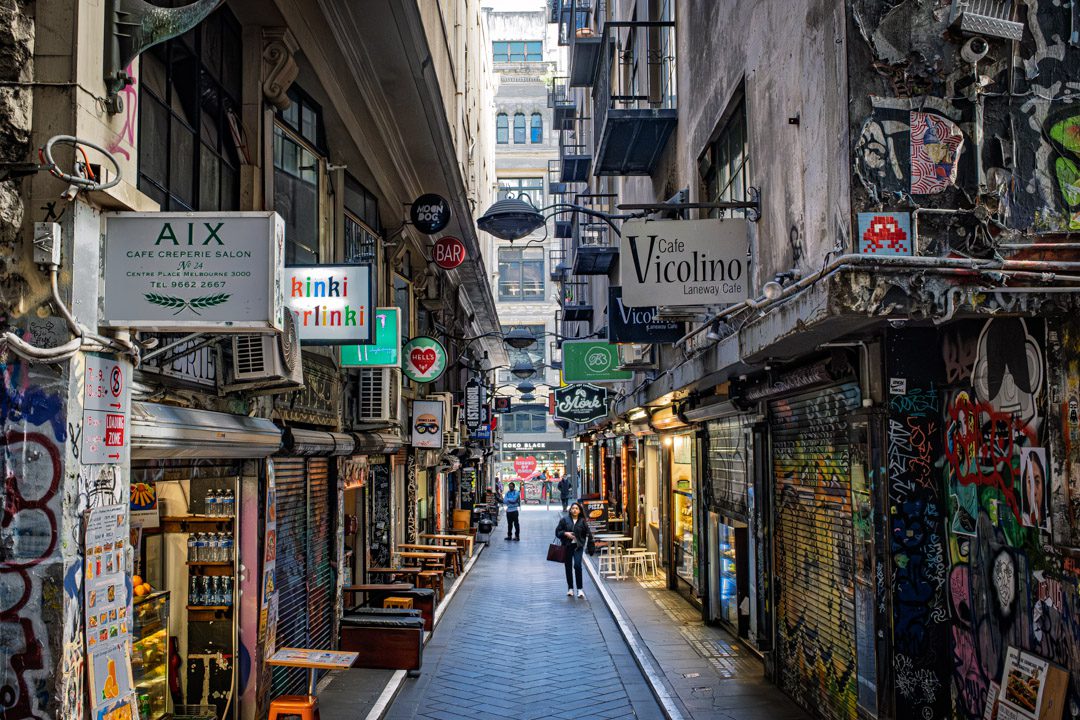
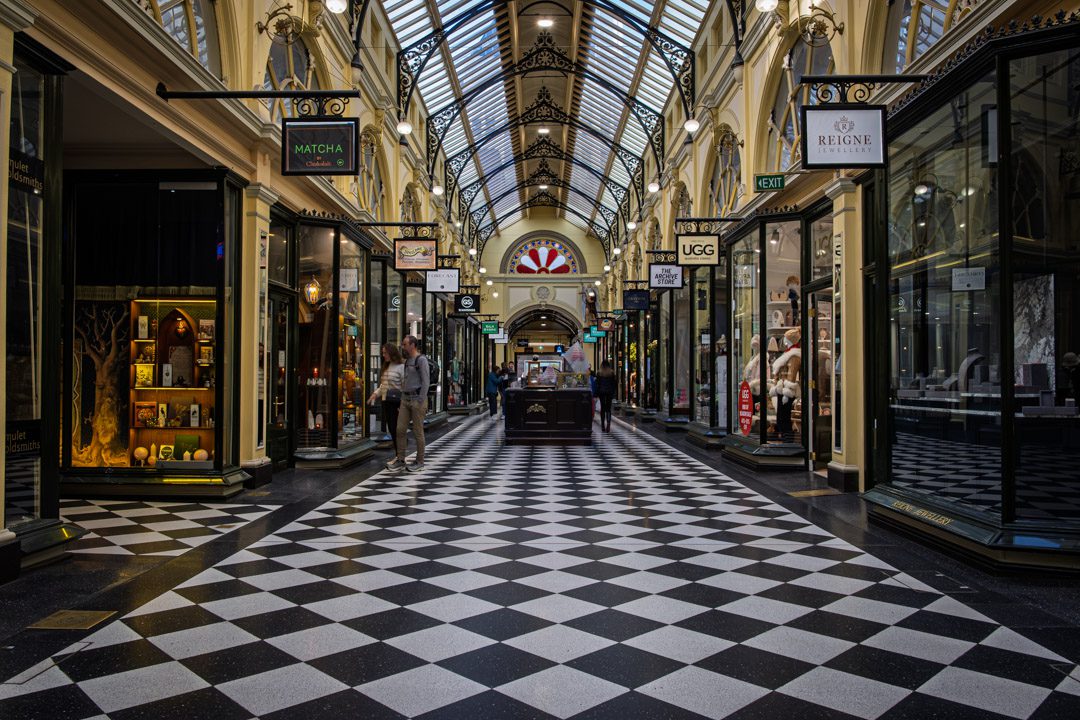
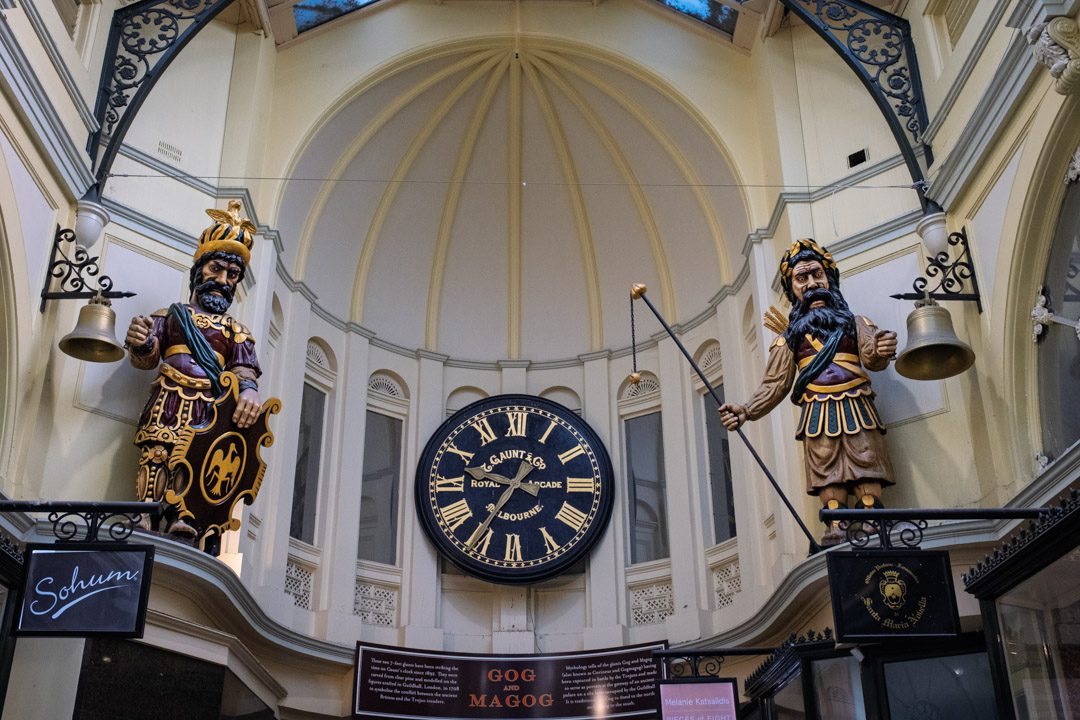
We ended the tour at Hosier Lane, the city’s most famous area for graffiti and street art—an ever-changing open-air gallery where local and international artists display their creativity through murals, stencils, and graffiti.
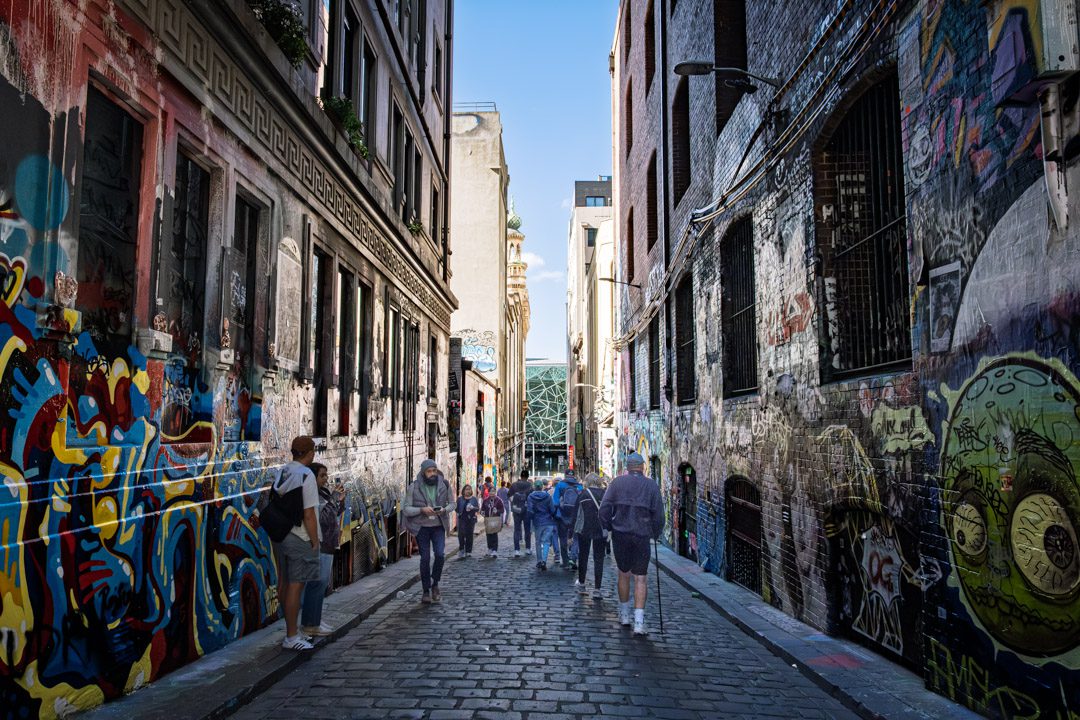
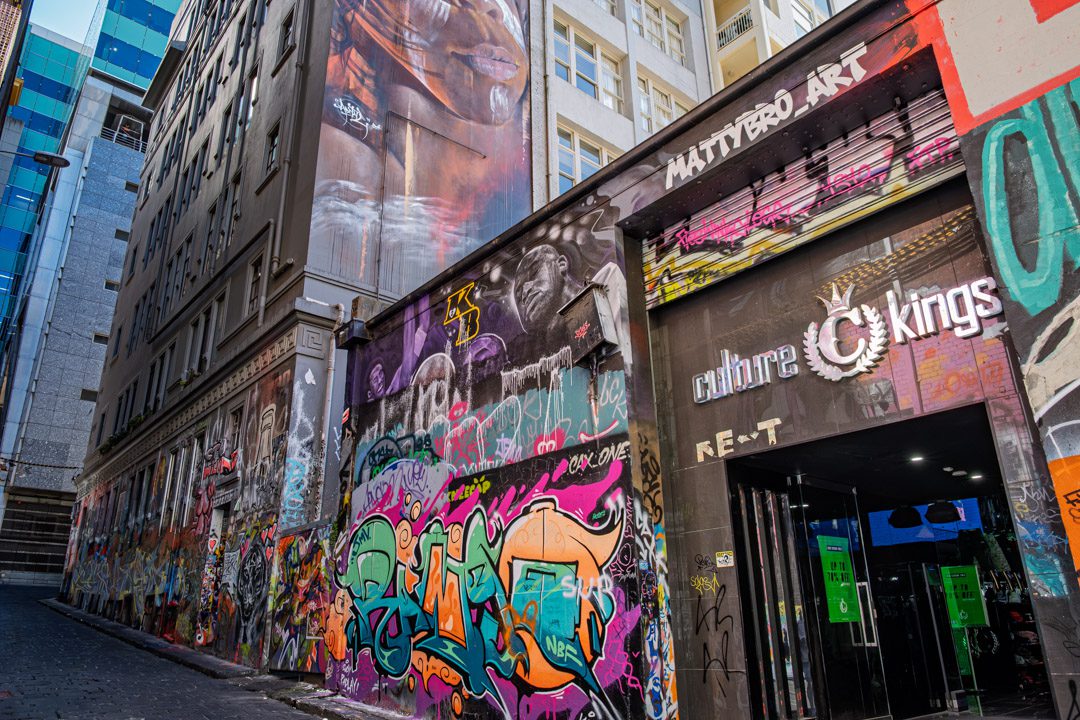

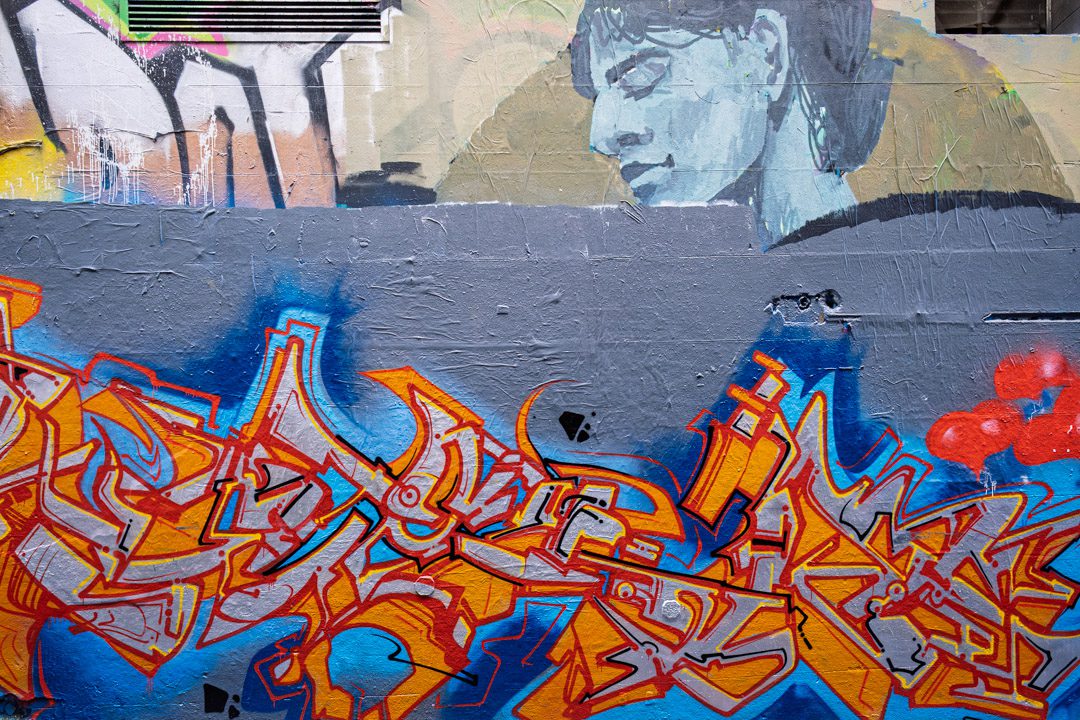
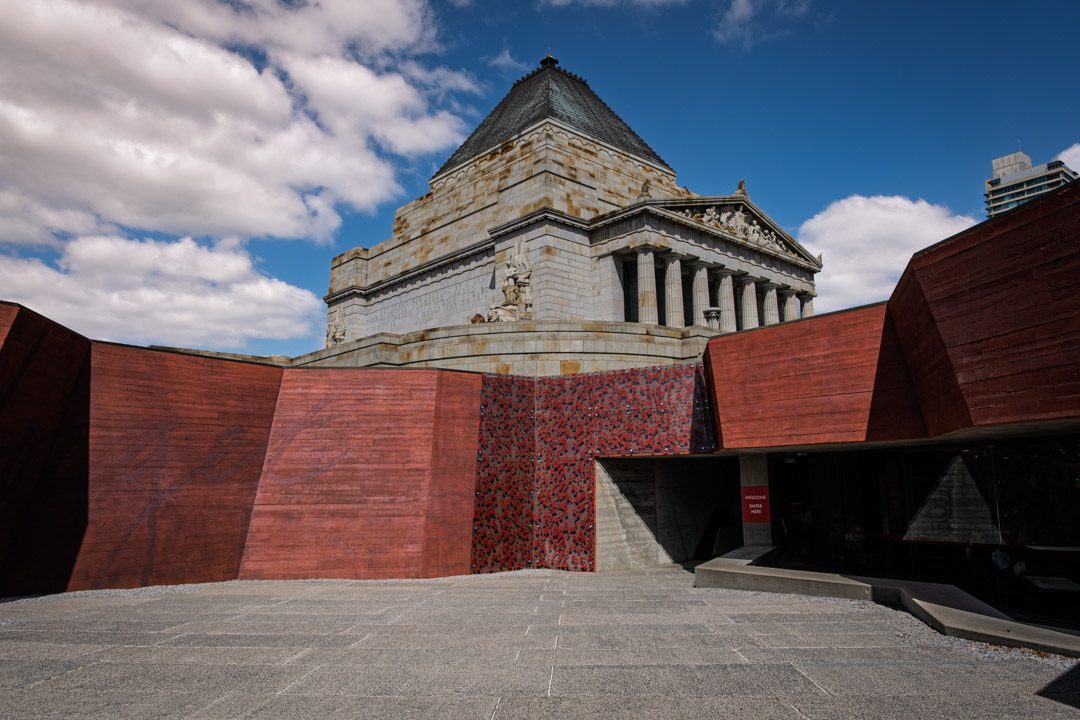
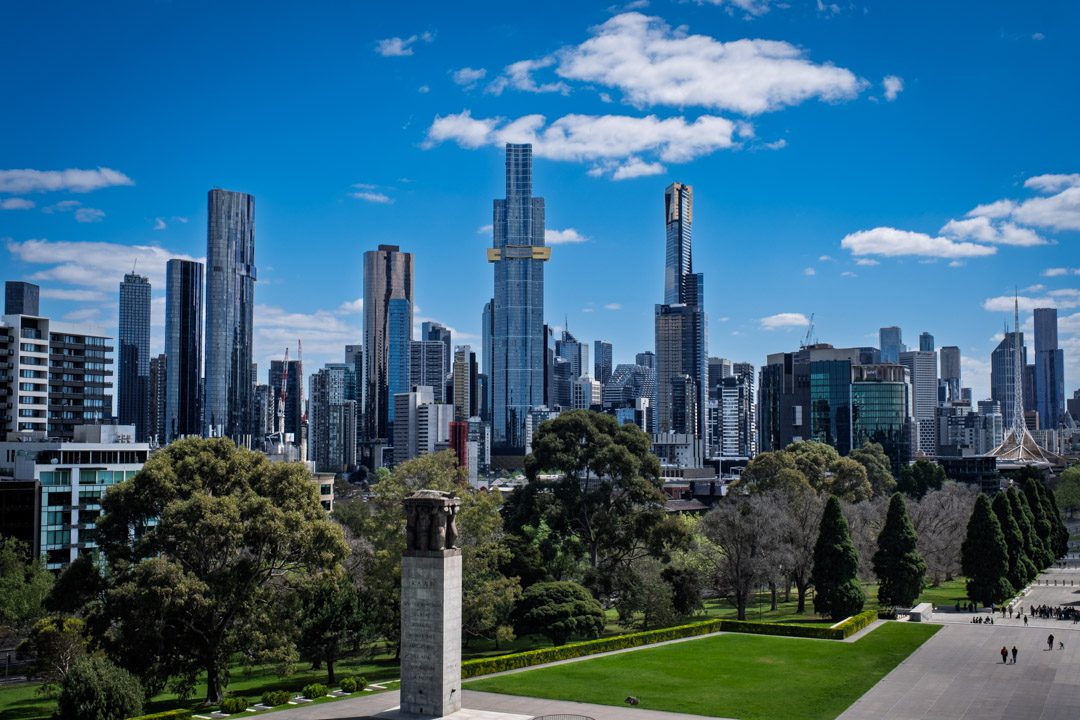
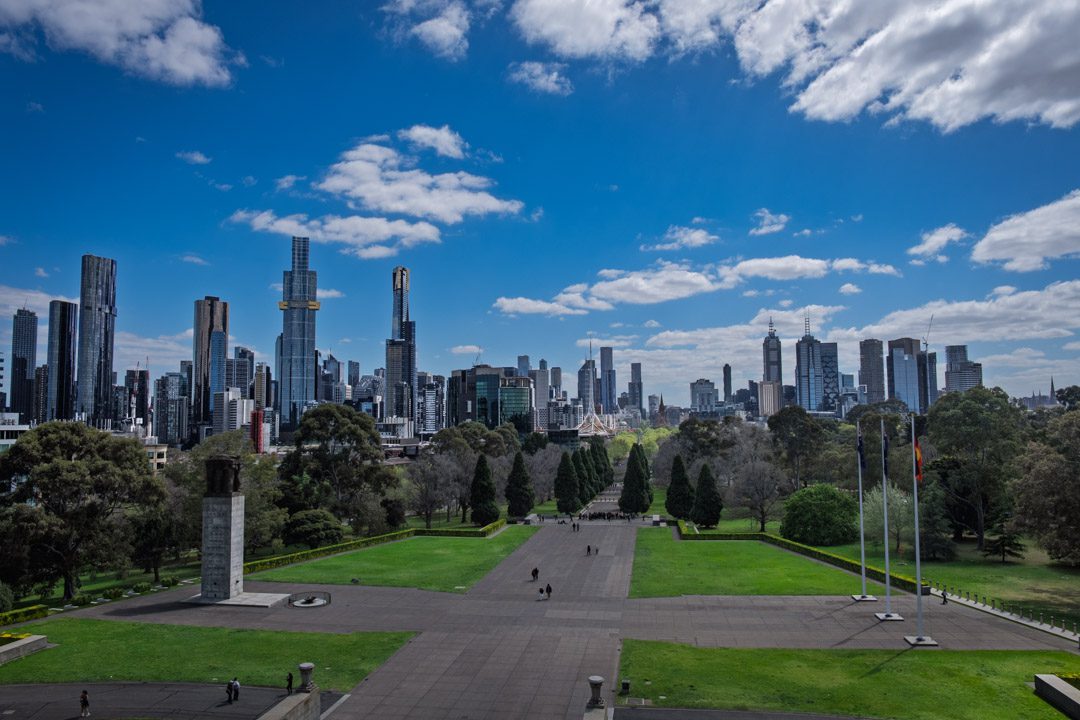
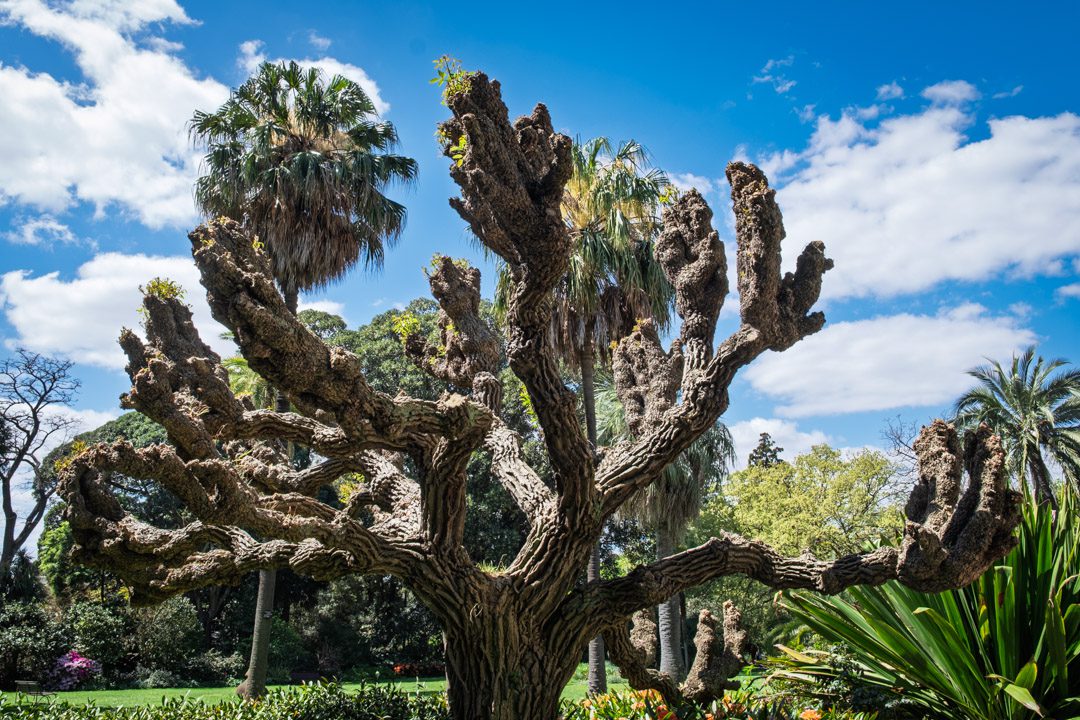
After the walking tour, we hopped on a coach to see more of the city, with Jim, our Tour Director, pointing out interesting sights along the way. We spent a short time at Queen Victoria Market, soaking in the sights, smells, and sounds of fresh produce, meats, seafood, and local treats and souvenirs. Our final stop was the Shrine of Remembrance and the Royal Botanic Gardens. We paused at the Shrine to reflect on Australia’s service in war and peace, then took a short stroll through the gardens before heading back to the hotel.
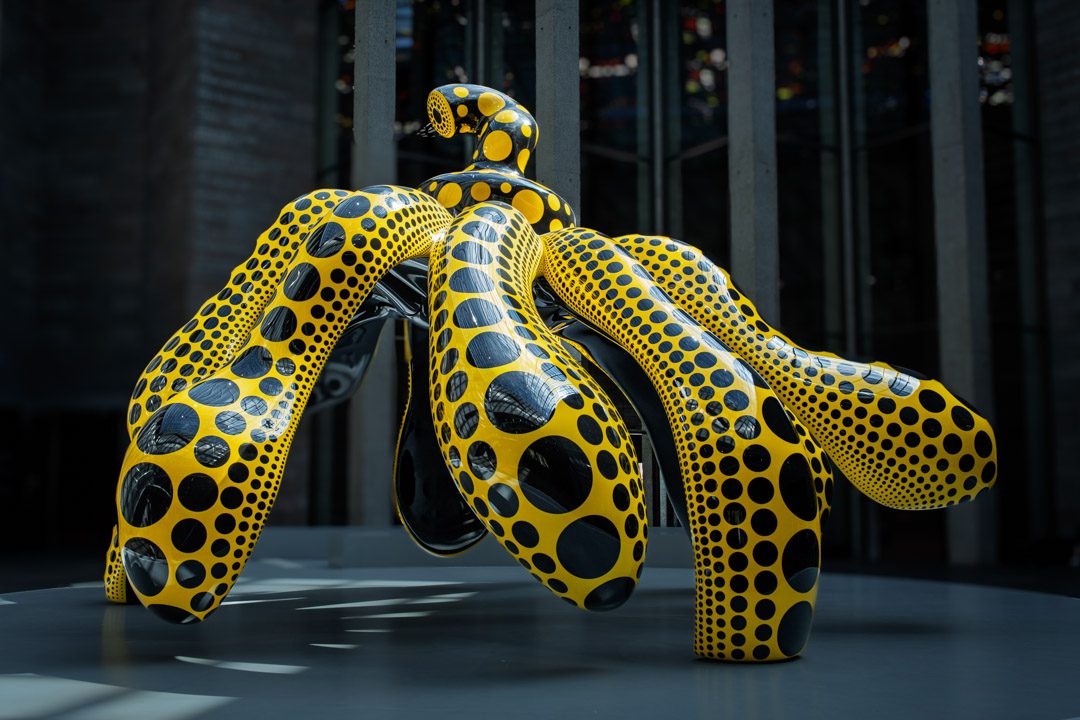
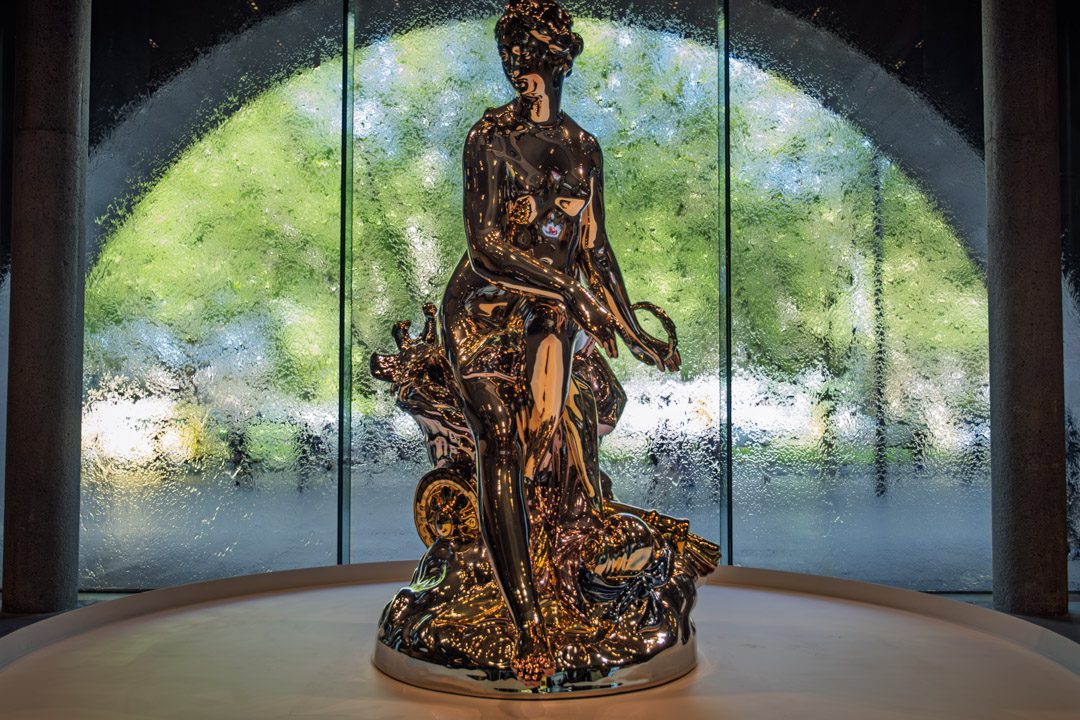
After a quick lunch, we walked a short distance to NGV International, Melbourne’s premier art museum, renowned for its impressive collection of European, Asian, and contemporary art, as well as for its striking architecture and beautifully curated exhibitions.
Exploring Uluru: Culture, Art, and Sunset Views – October 8, 2025
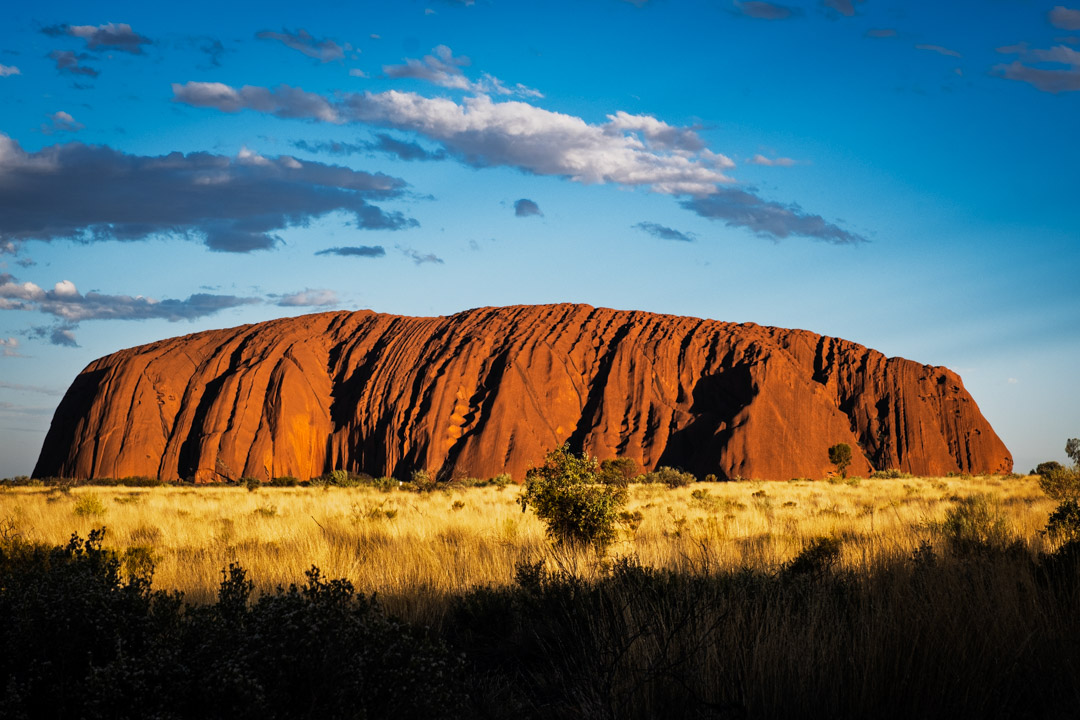
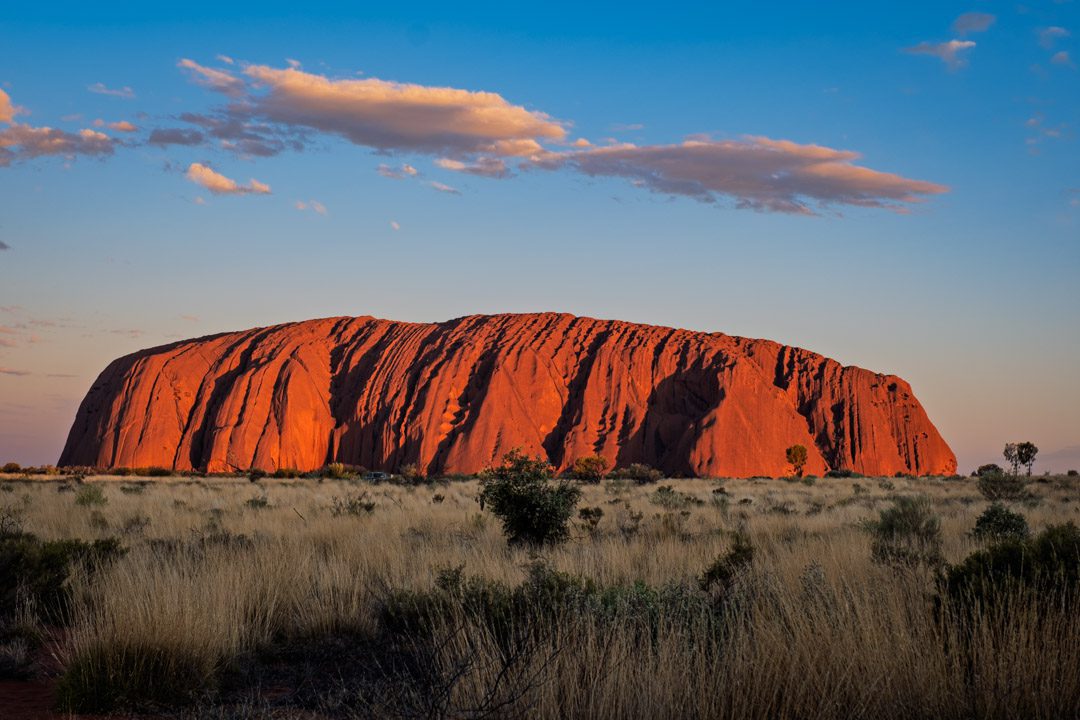
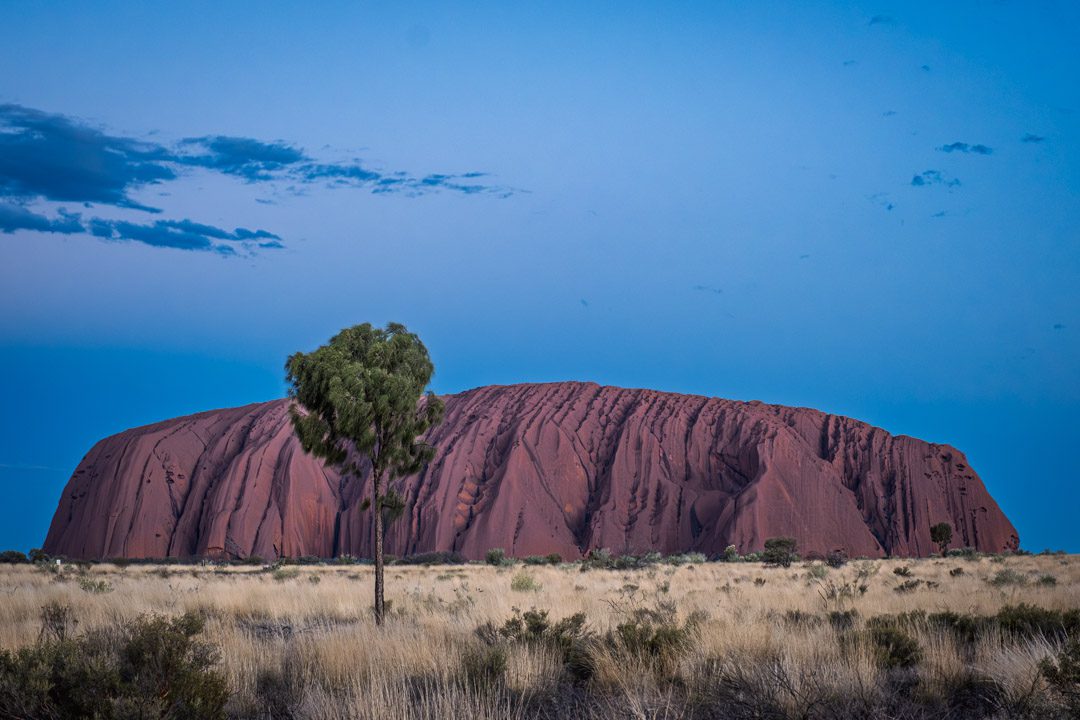
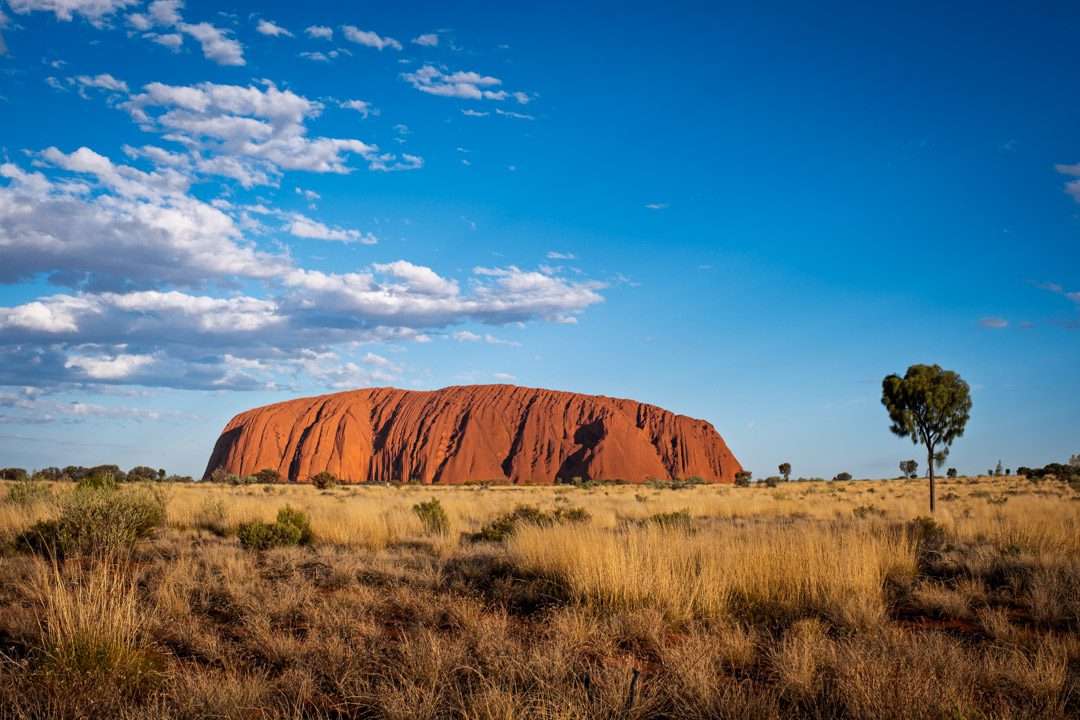
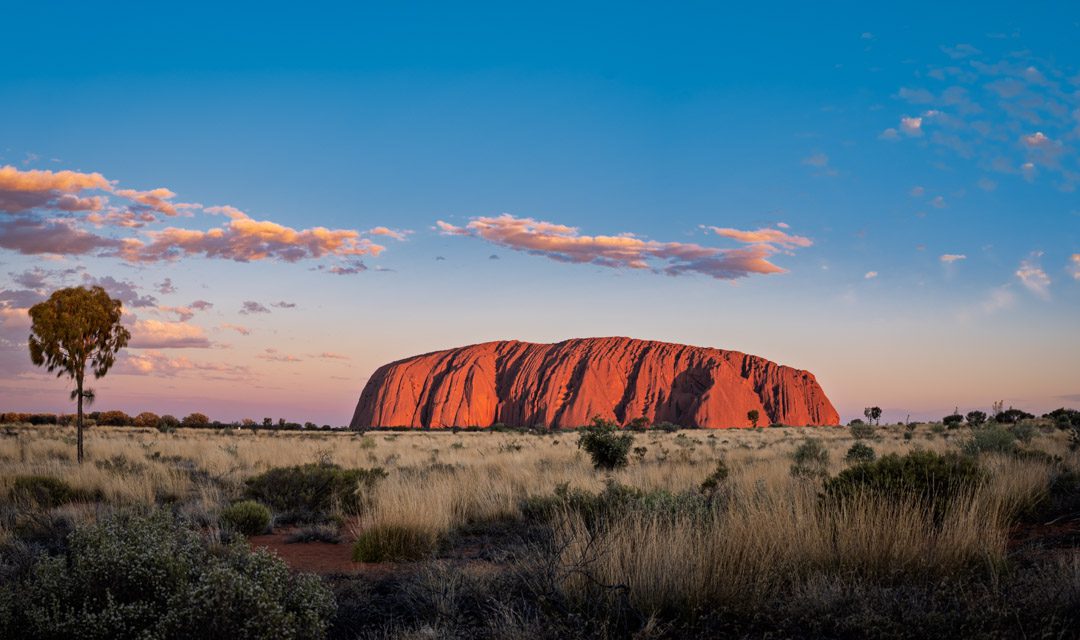
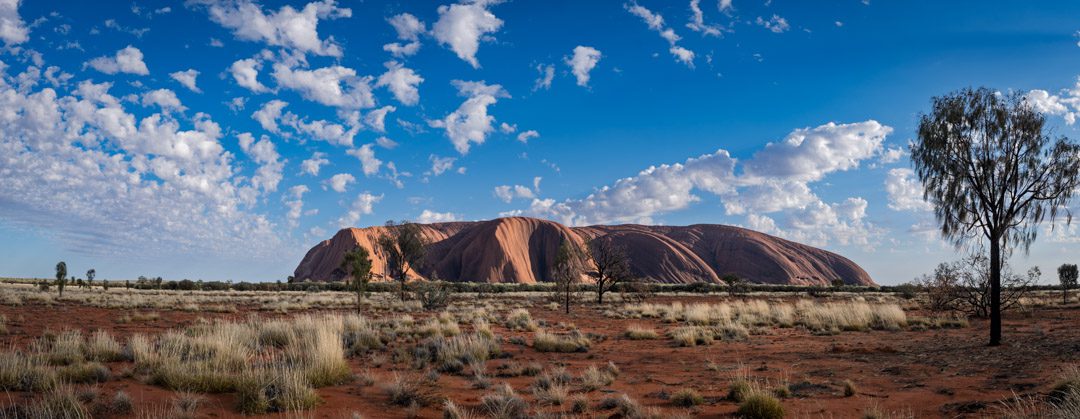
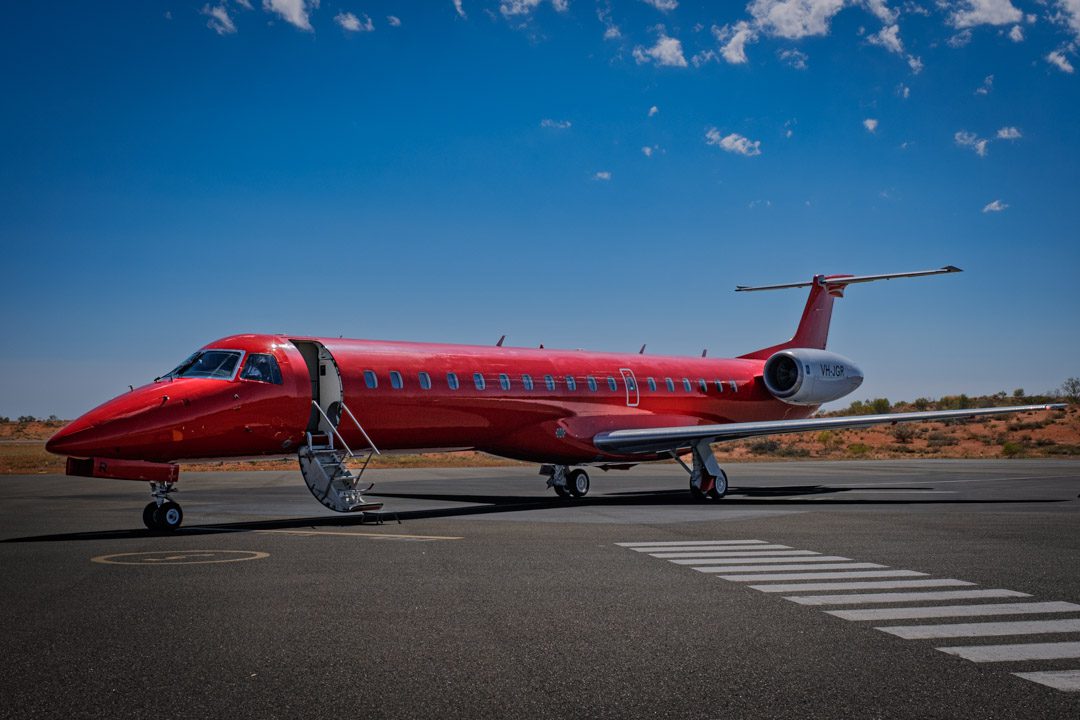
Today was a long but fascinating day. Soon after breakfast, we headed to Melbourne Airport and boarded a private charter flight to Uluru, in the heart of Australia’s vast Outback. Uluru, also known as Ayers Rock, is one of Australia’s most iconic natural landmarks—a massive sandstone monolith rising dramatically from the flat desert landscape. Standing 1,142 feet high and nearly six miles around, it holds deep cultural and spiritual significance for the Anangu people, the traditional custodians of the land. Its rich red hue shifts throughout the day with the changing light, creating a mesmerizing spectacle, especially at sunrise and sunset.
Uluru, together with the 36 rock domes located to its west called Kata Tjuta, or “The Olgas,” is recognized as a UNESCO World Heritage Site for both its natural beauty and its outstanding cultural significance. The park, now known as Uluru–Kata Tjuta National Park, has been awarded the UNESCO Gold Medal for excellence in site management and cultural preservation.
After a three-hour flight, we landed in Uluru, where the temperature was already in the nineties. From the airport, we drove straight to the Uluru–Kata Tjuta Cultural Center—armed with net headgear against the bush flies—for a self-guided visit. The center offered an excellent introduction to the history, traditions, and spiritual connection the Anangu people have with the land. We admired stunning Aboriginal artwork and watched local artisans creating intricate pieces before our eyes. This is where we learned about Albert Namatjira, a renowned artist from Alice Springs, who became the first man of Aboriginal descent to gain Australian citizenship. (He won the Archibald Prize for painting but could not initially be taxed on his winnings because he was not recognized as a citizen, according to our guide.)
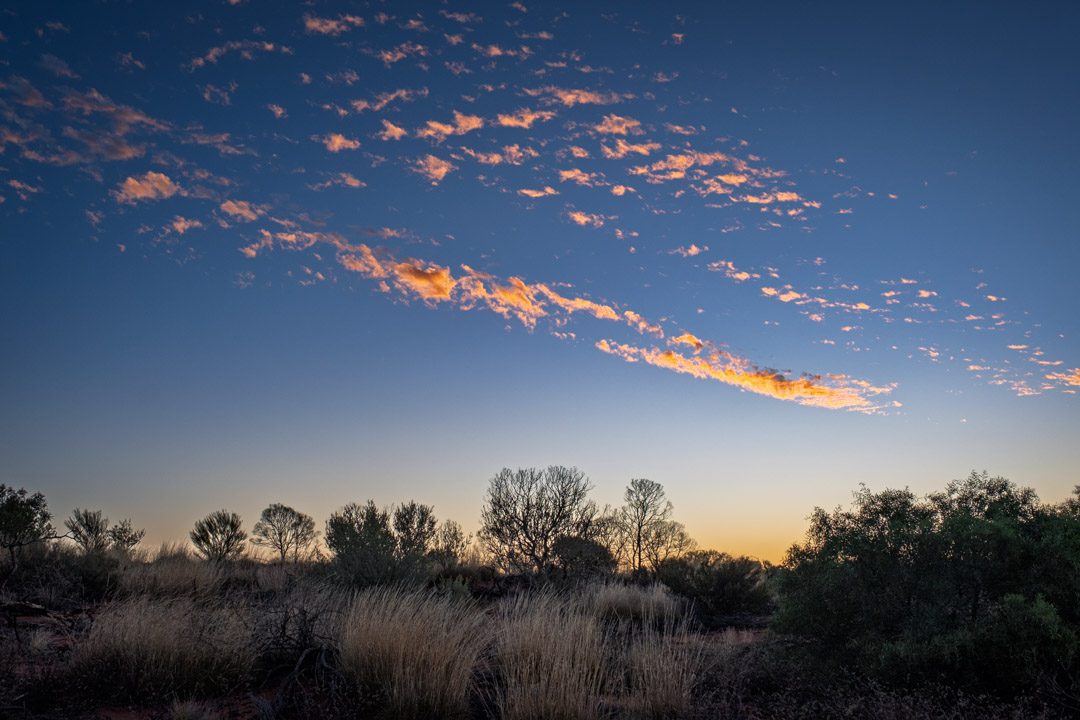
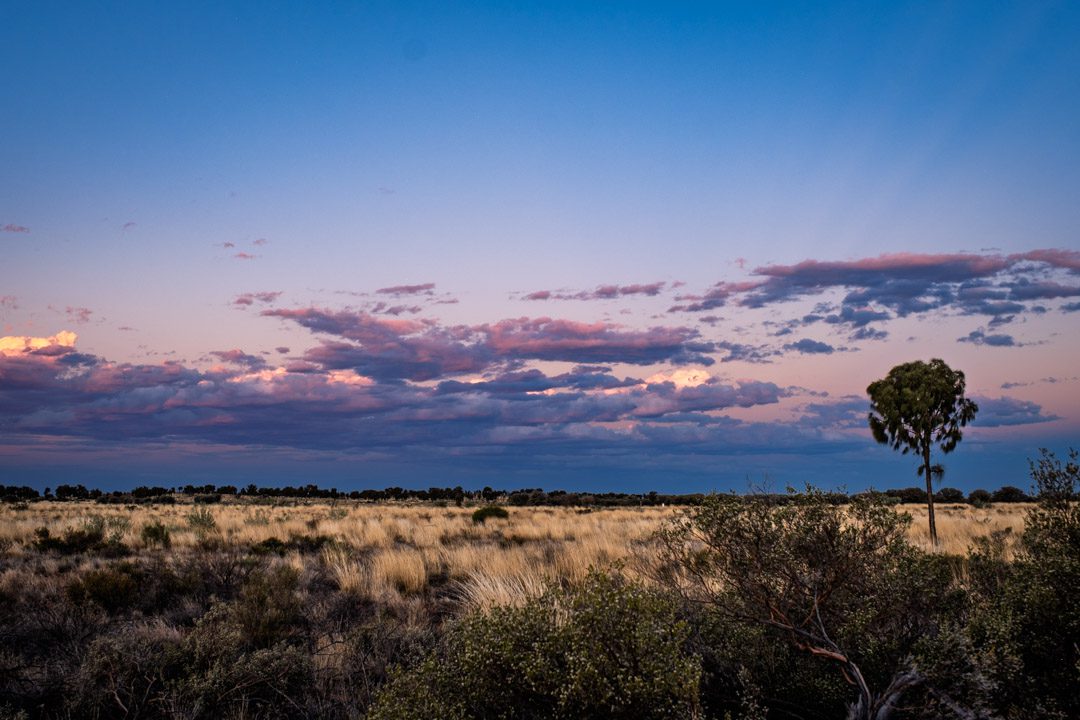
After lunch and some downtime at our hotel, we returned to Uluru in the evening to witness one of its famous sunsets. As the sun dipped lower, we enjoyed drinks and nibbles while watching the rock transform through a spectacular range of colors—from deep orange to rich red, and finally to a soft purple. It was a breathtaking sight and the perfect way to end the day. Fortunately, the pesky bush flies were not very active at this time of the evening.
Outback and Rainforest Adventures – October 9, 2025
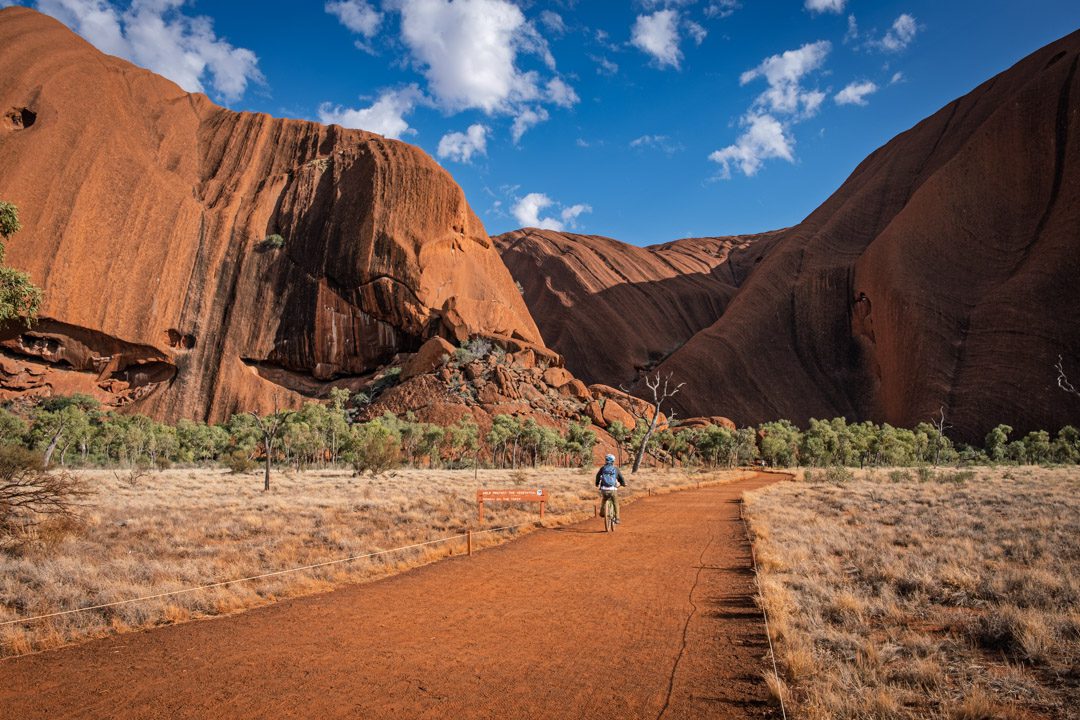
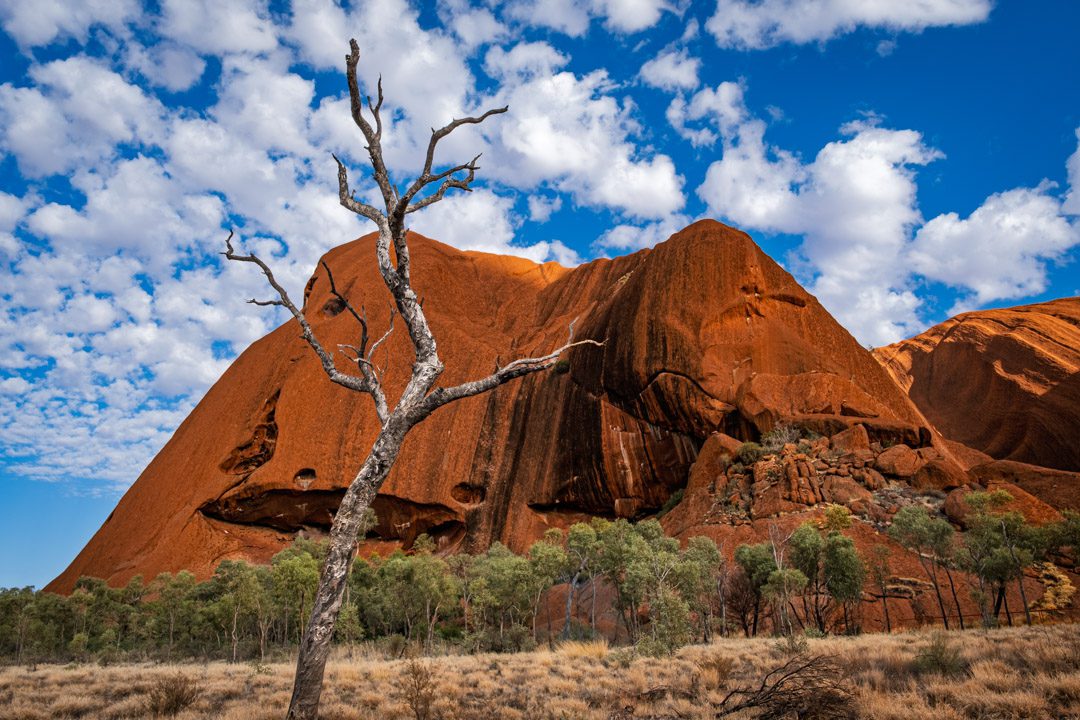
Today was another day packed with activities. After breakfast, we headed back to Uluru for a leisurely one-hour walk to the Mutitjulu Waterhole and a guided tour around the base of the rock, stopping along the way for photos and to take in the scenery. It was another hot, dry day—typical of the Outback. Our guide, Trevor, was a colorful character—almost a reincarnation of Crocodile Dundee. A master storyteller with a great sense of humor, he brought the landscape to life with tales of Aboriginal legends, ancient rock art, and the cultural traditions of the Anangu people. As we walked, he pointed out sacred sites and native plants used for food and medicine. His enthusiasm and deep knowledge made the experience both informative and entertaining.
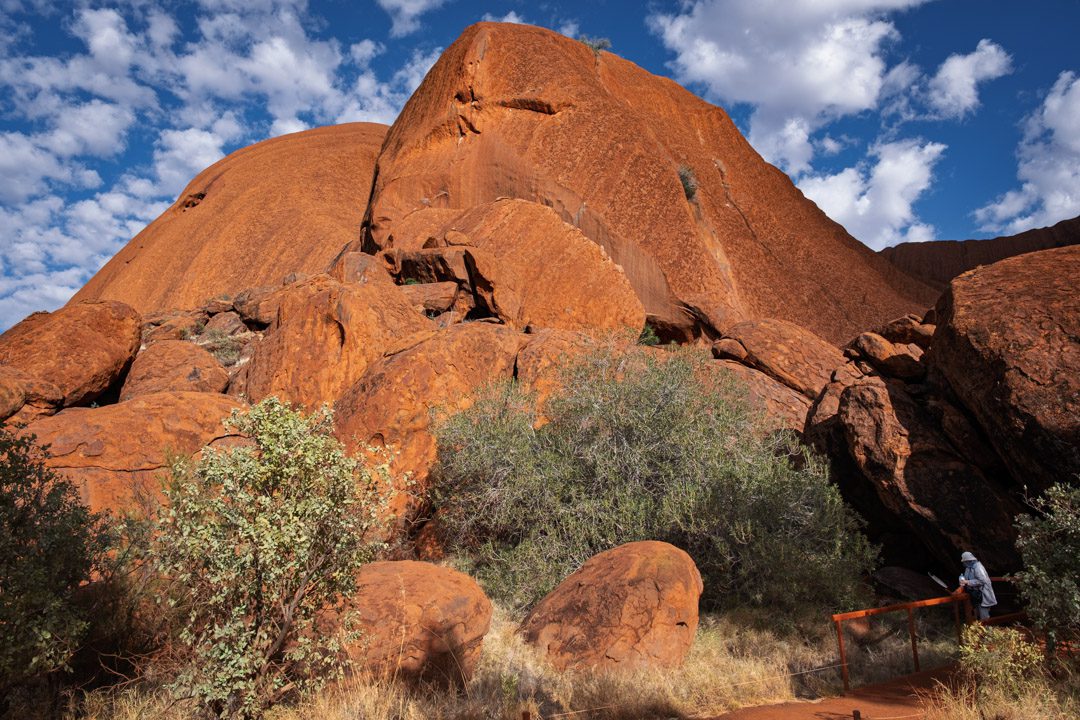
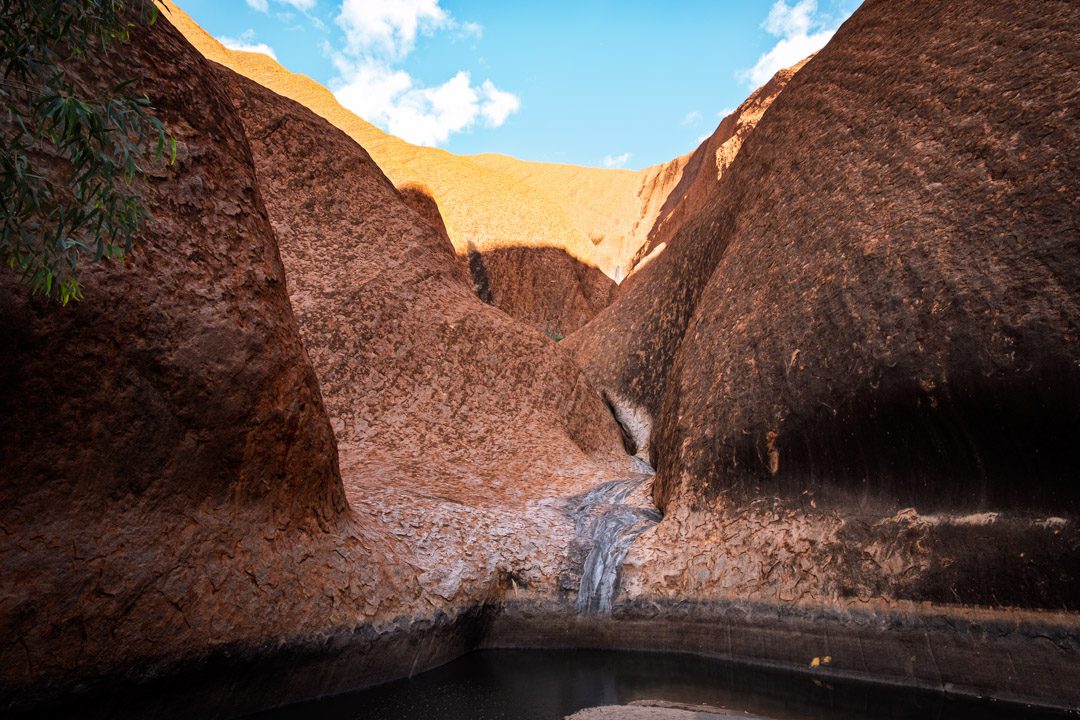
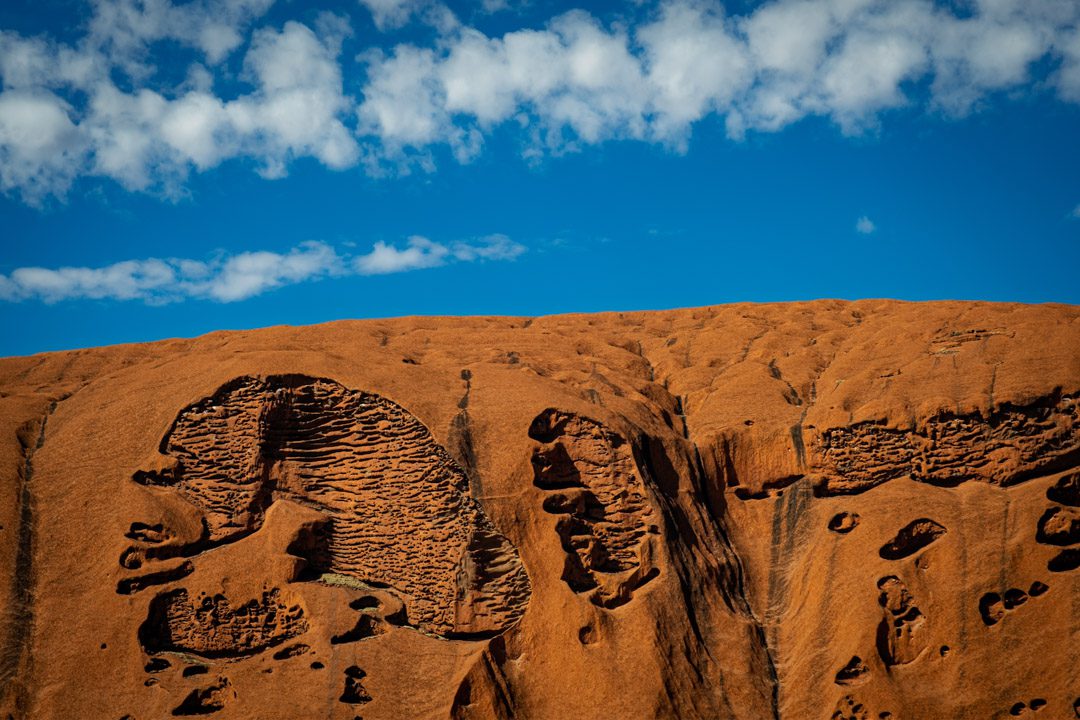
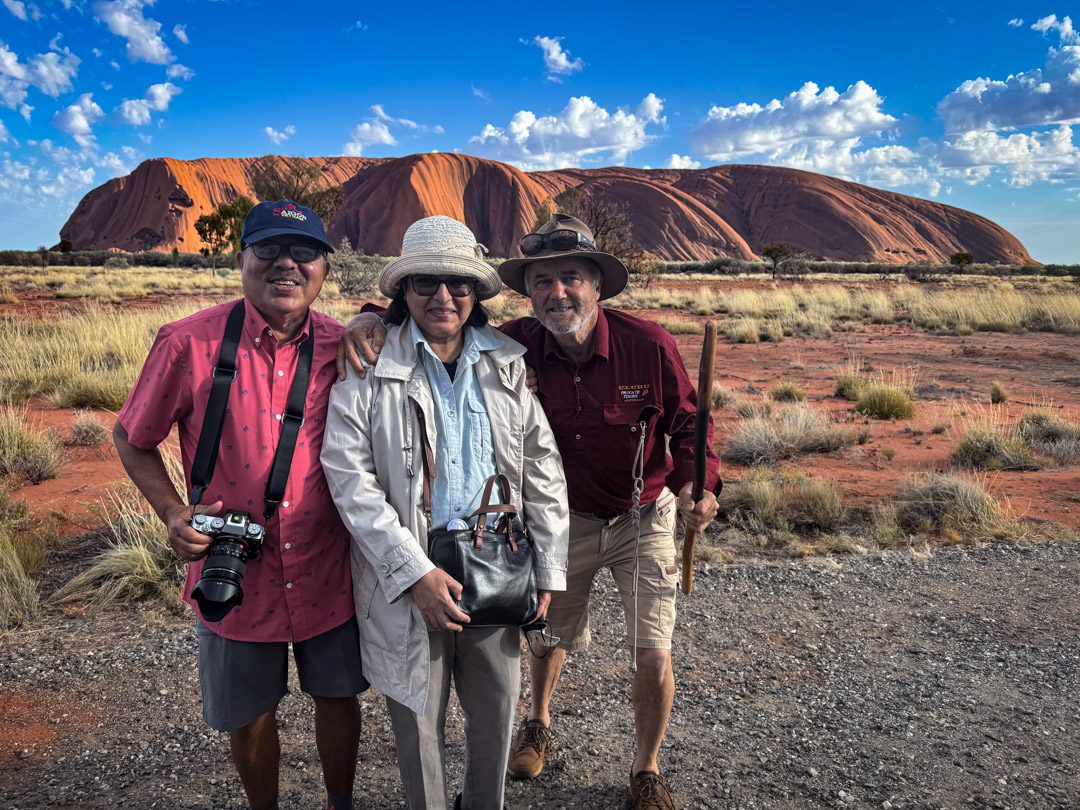
Next, we headed to the airport and boarded a private charter flight to Cairns in Queensland, arriving a little over two hours later. From the airport, we drove north along the Captain Cook Highway to the Mossman Gorge Cultural Centre, where we met our Rainforest Experience guides. After a brief orientation, we boarded an eco-shuttle into Daintree National Park to explore Mossman Gorge.
We walked down to the water of the Mossman River, where people were swimming, and crossed a suspension bridge for a better view of our surroundings. The walk through the rainforest was spectacular. Beneath a canopy of ancient trees, we followed easy trails along clear creeks and moss-covered rocks. The air was warm and filled with the sounds of native birds and insects—we spotted some orange-footed bush fowl and plenty of butterflies.
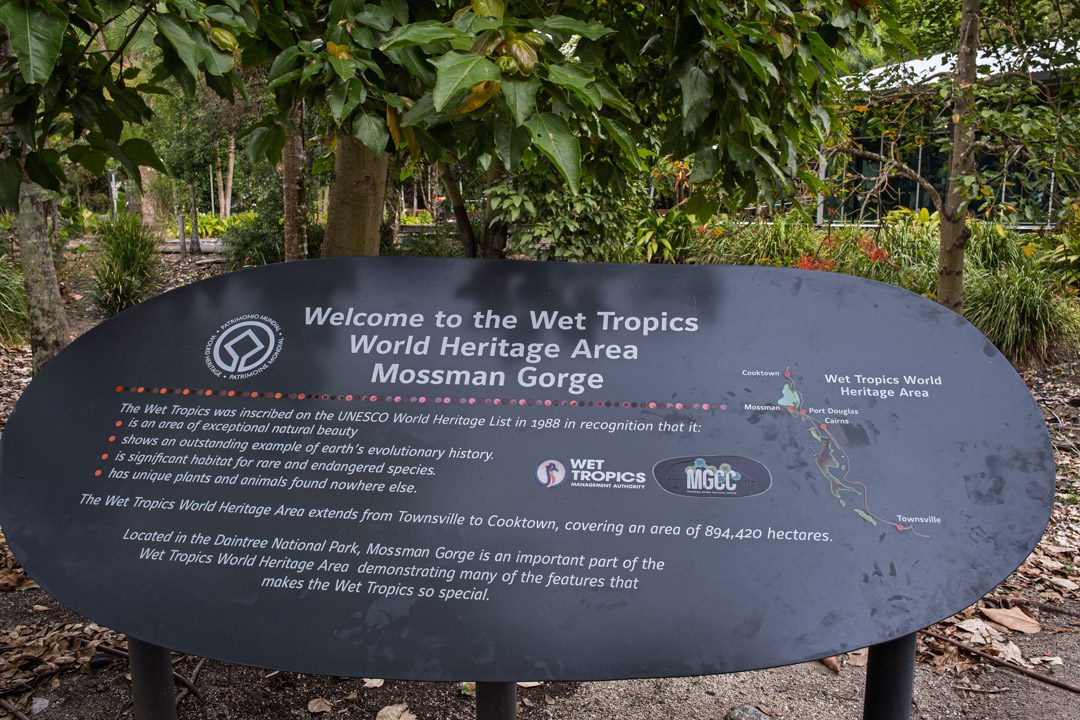
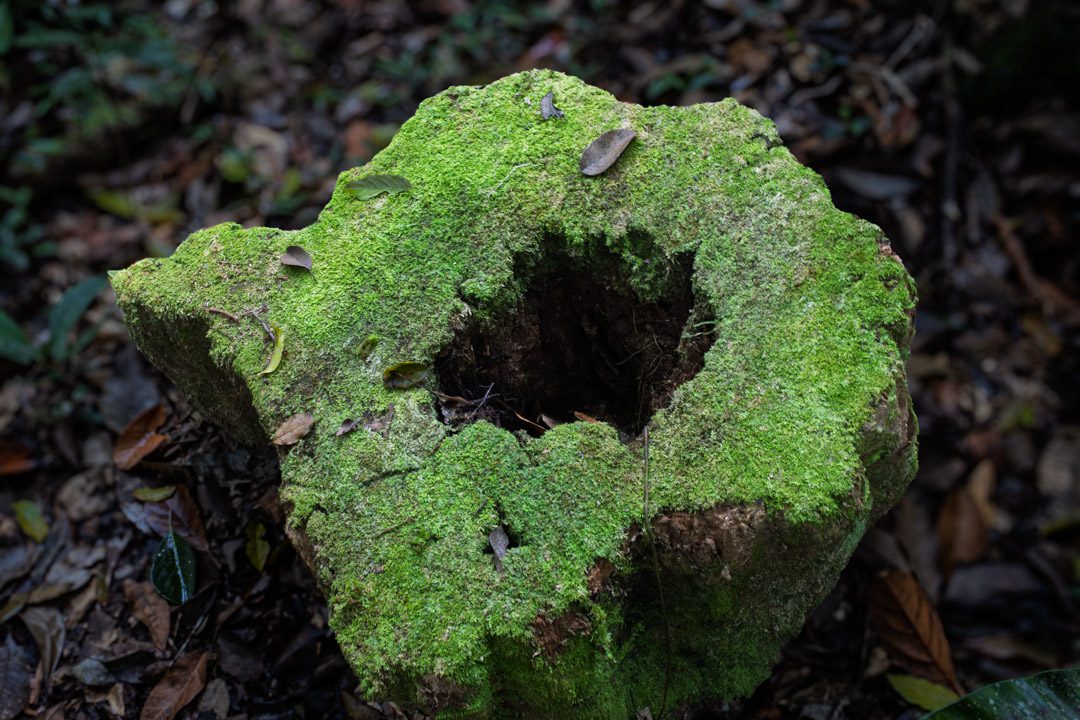
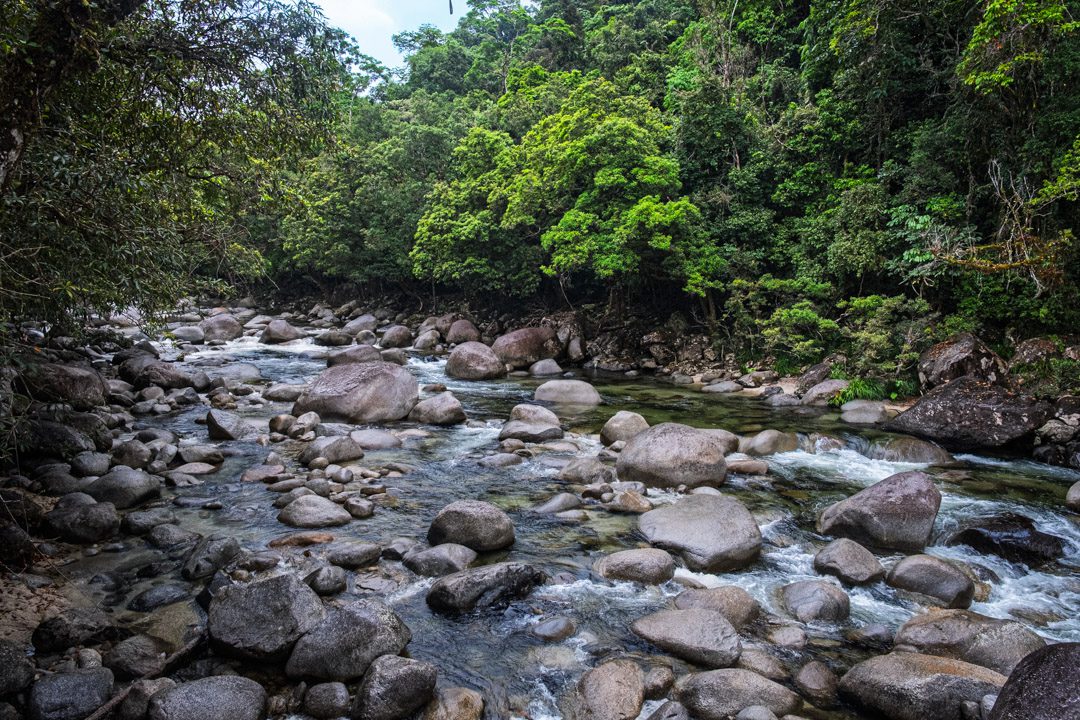

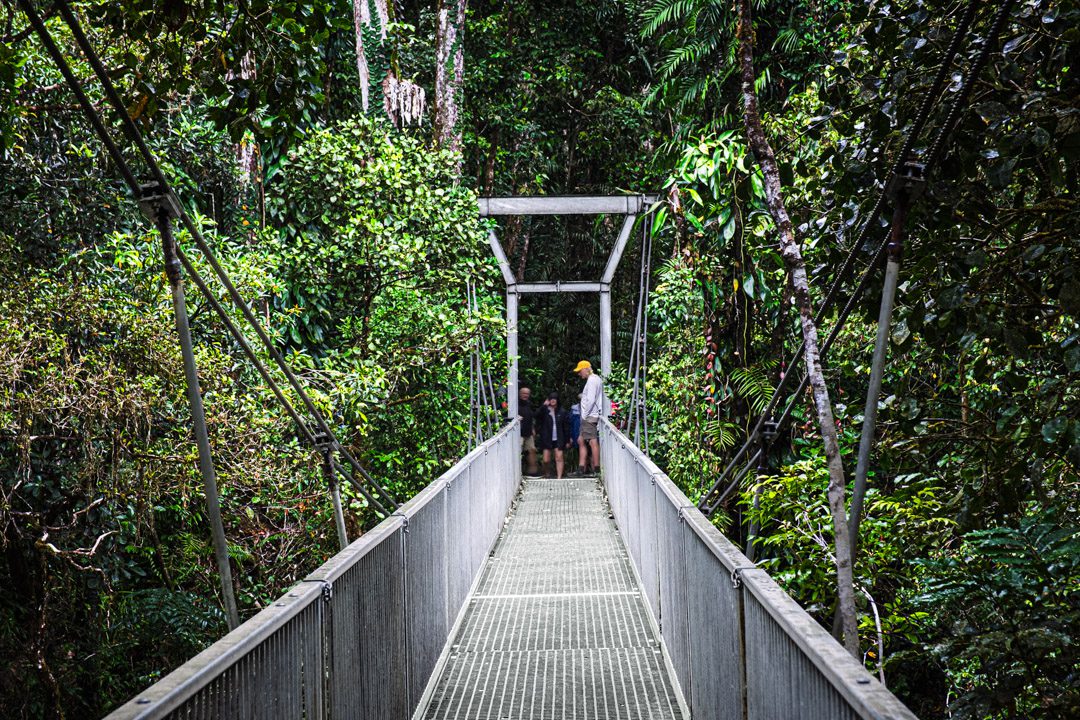
This area is home to more than 400 species of birds, over 15 species of reptiles, 10 species of amphibians, and many varieties of fish. There are also more than 500 species of native plants, including trees, vines, shrubs, ferns, and epiphytes. Our guide explained that this part of Daintree National Park is one of the world’s oldest rainforests, dating back over 135 million years, and is the homeland of the Indigenous Kuku Yalanji people.
Exploring the Great Barrier Reef – October 10, 2025
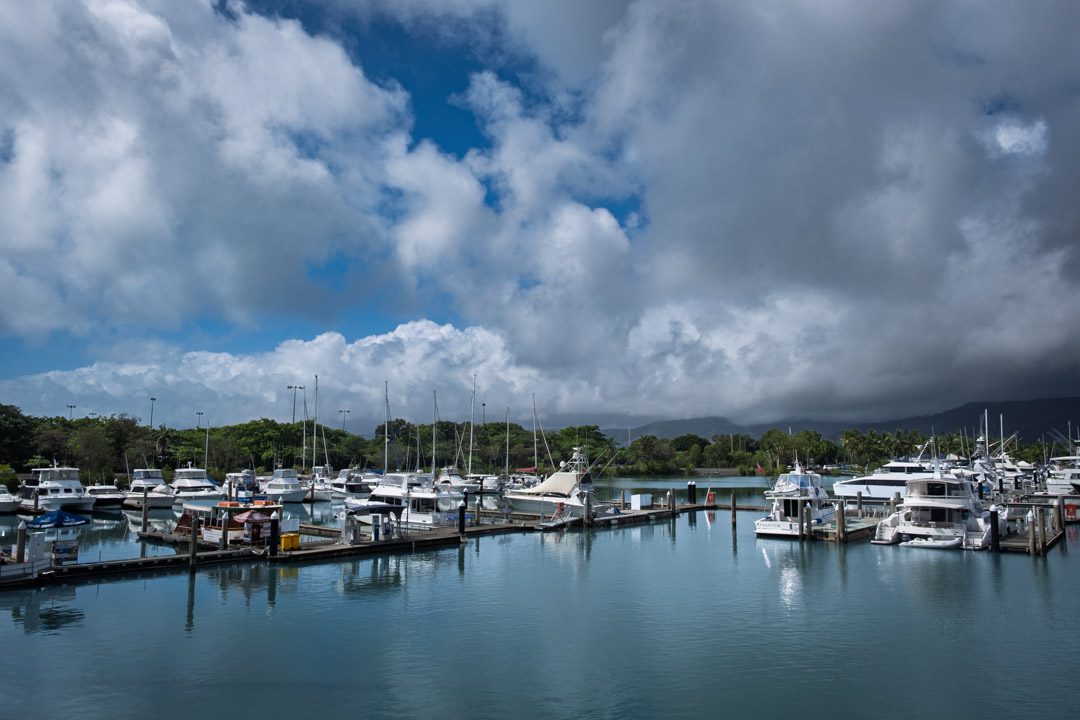
Today was another full day, though not as hectic as the previous two. We drove to the Port Douglas Marina for a 90-minute catamaran cruise to Agincourt Reef aboard Quicksilver, a modern, high-speed vessel that took us out to the edge of the Great Barrier Reef. There, we docked at a large anchored platform surrounded by clear turquoise water with colorful coral gardens beneath.
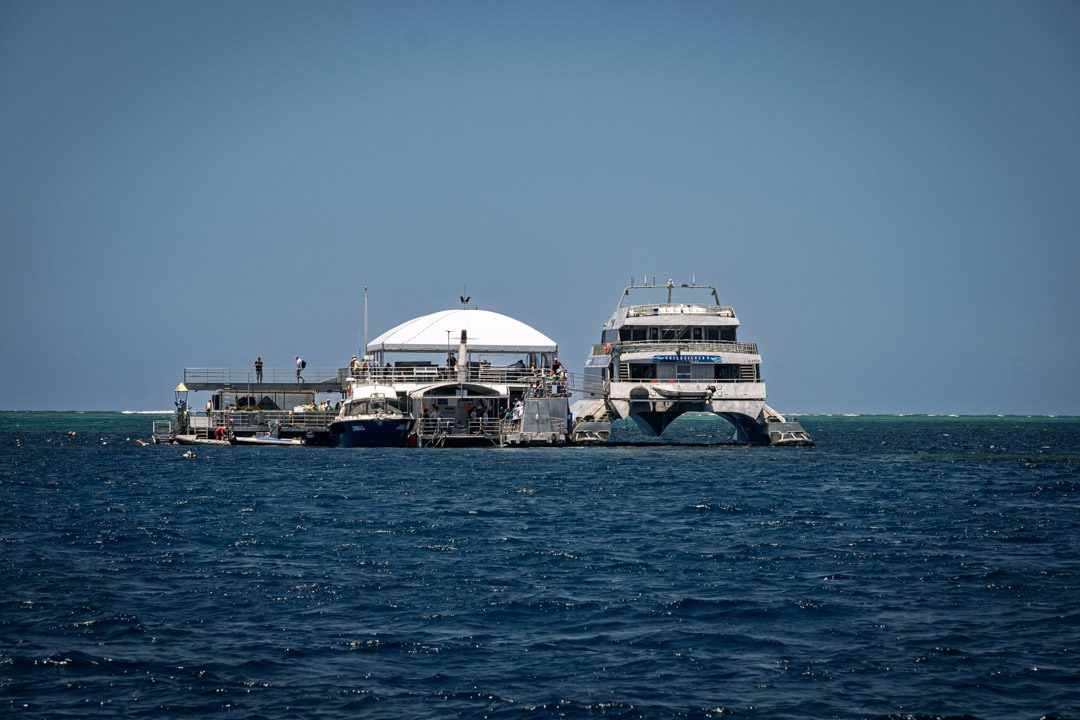
Since neither of us are swimmers, snorkelers, or scuba divers, we chose to stay dry and explore the reef from a semi-submersible vessel. It was a fascinating experience—through large viewing windows, we watched schools of colorful tropical fish, of every shape and hue imaginable, glide past intricate coral formations. A marine biologist on board provided informative commentary, pointing out a wide variety of species—far too many names to remember!
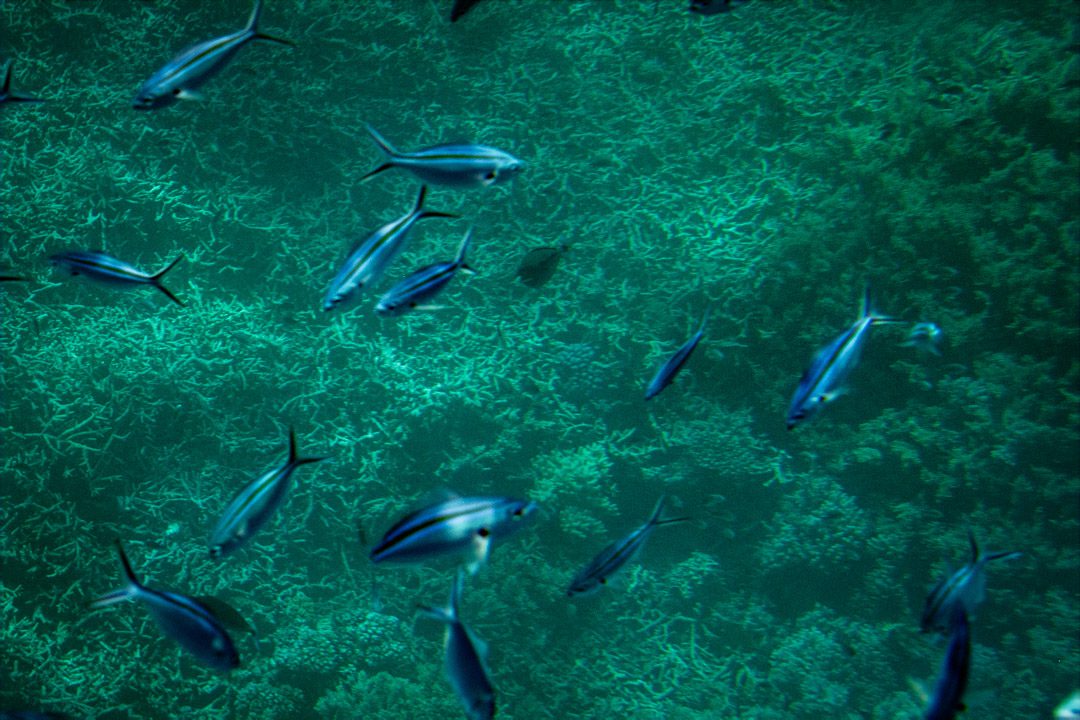
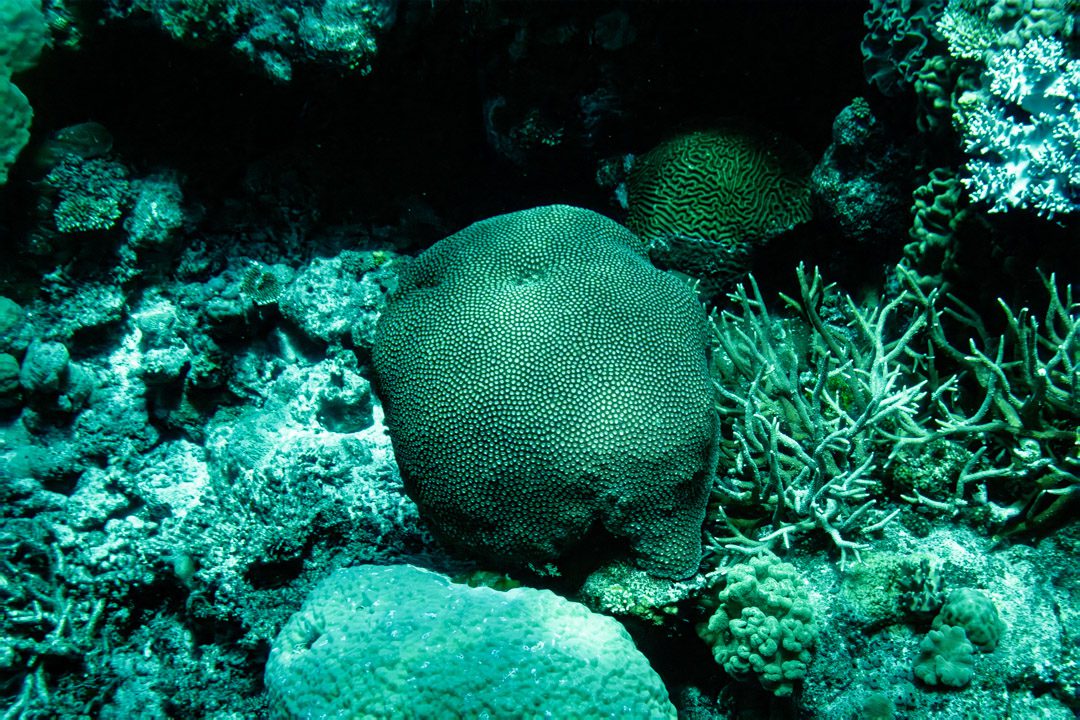
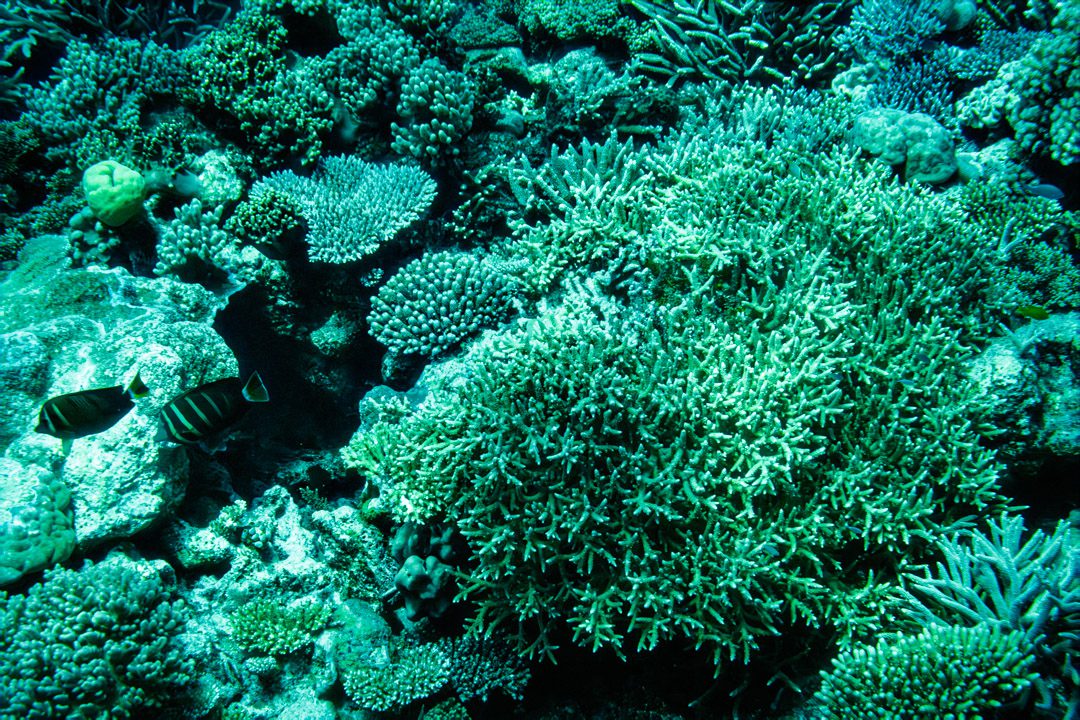
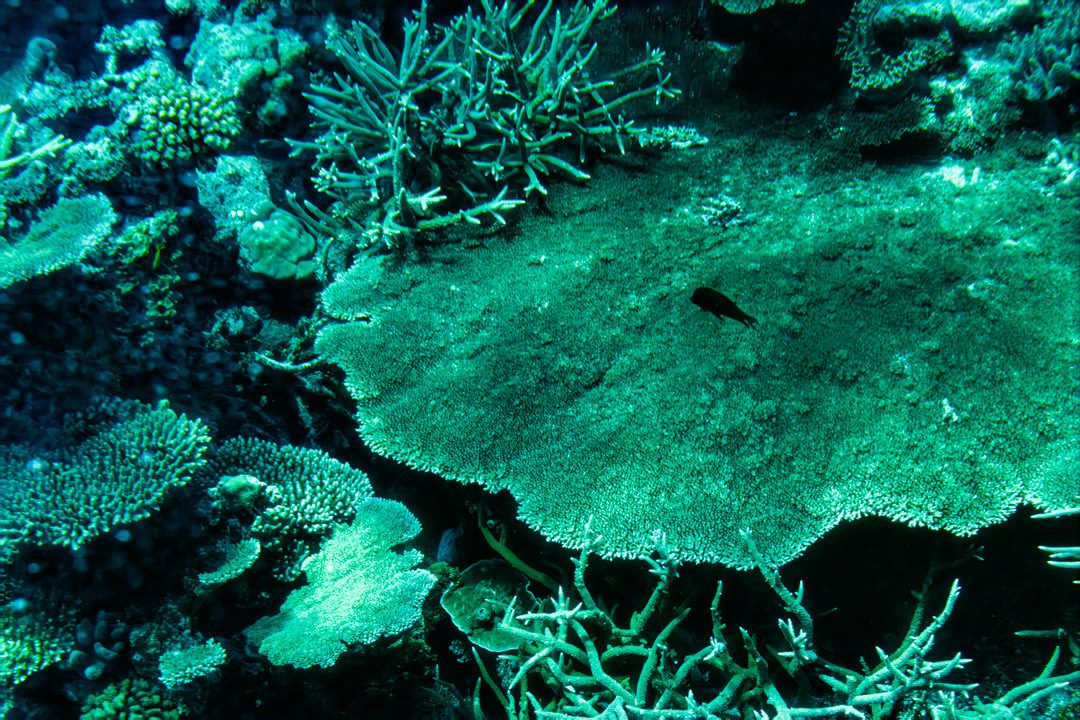
Here’s what we gleaned in a nutshell: a barrier reef runs parallel to the coastline and is separated by a deep lagoon; the Great Barrier Reef stretches over 2,300 kilometers and is home to more than 450 varieties of hard coral and countless soft corals; hard coral forms the limestone framework of the reef; corals are marine animals related to jellyfish and sea anemones; and the color of coral is influenced by algae and sunlight. The semi-submersible was an amazing—if slightly claustrophobic—way to experience the reef’s beauty without getting wet.
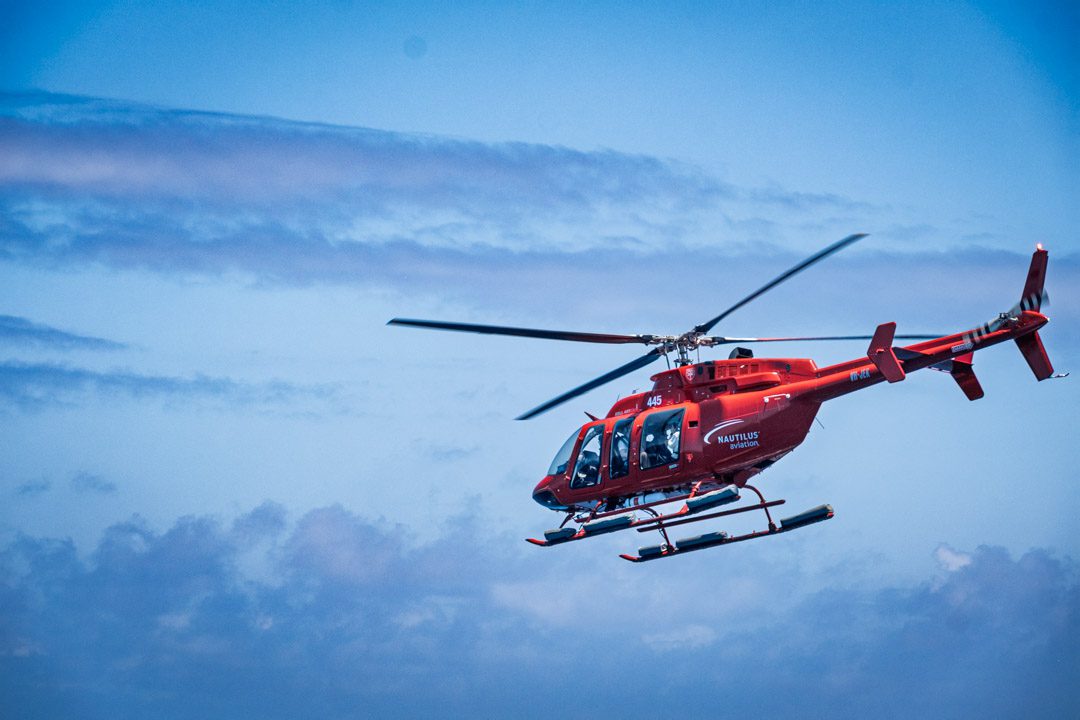
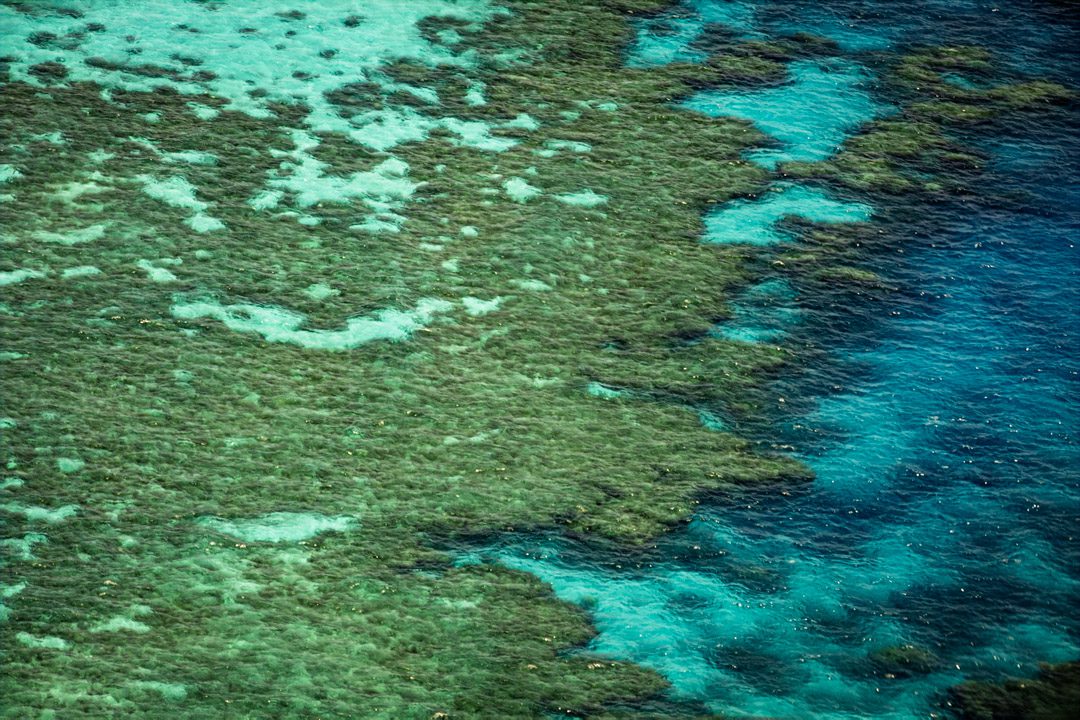
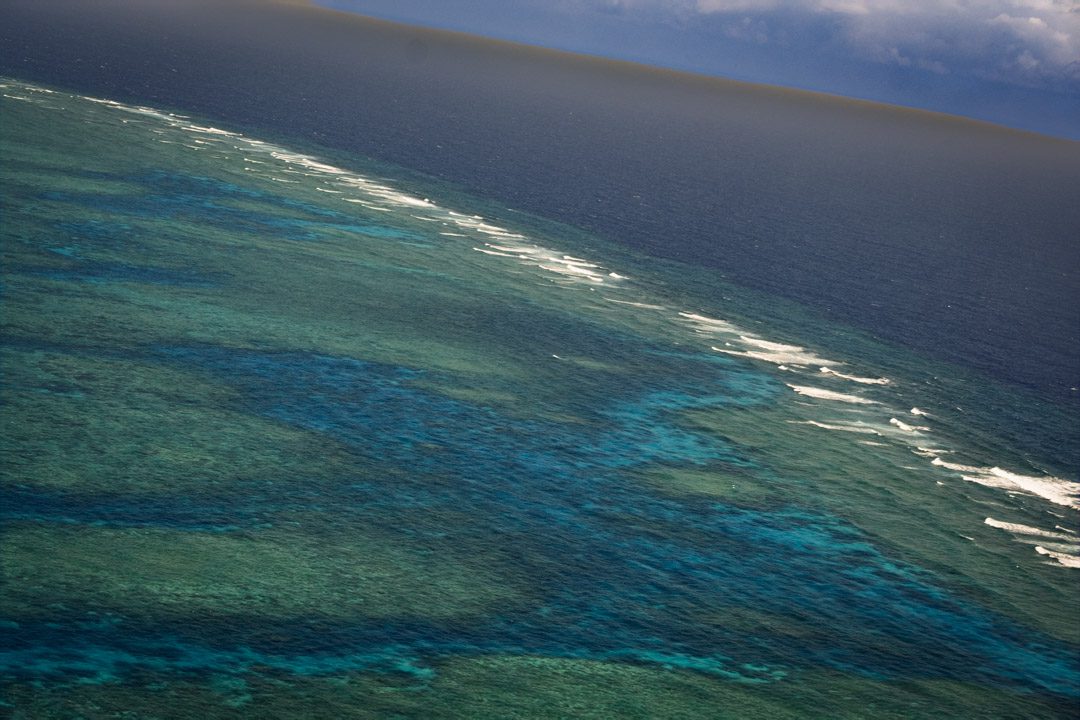
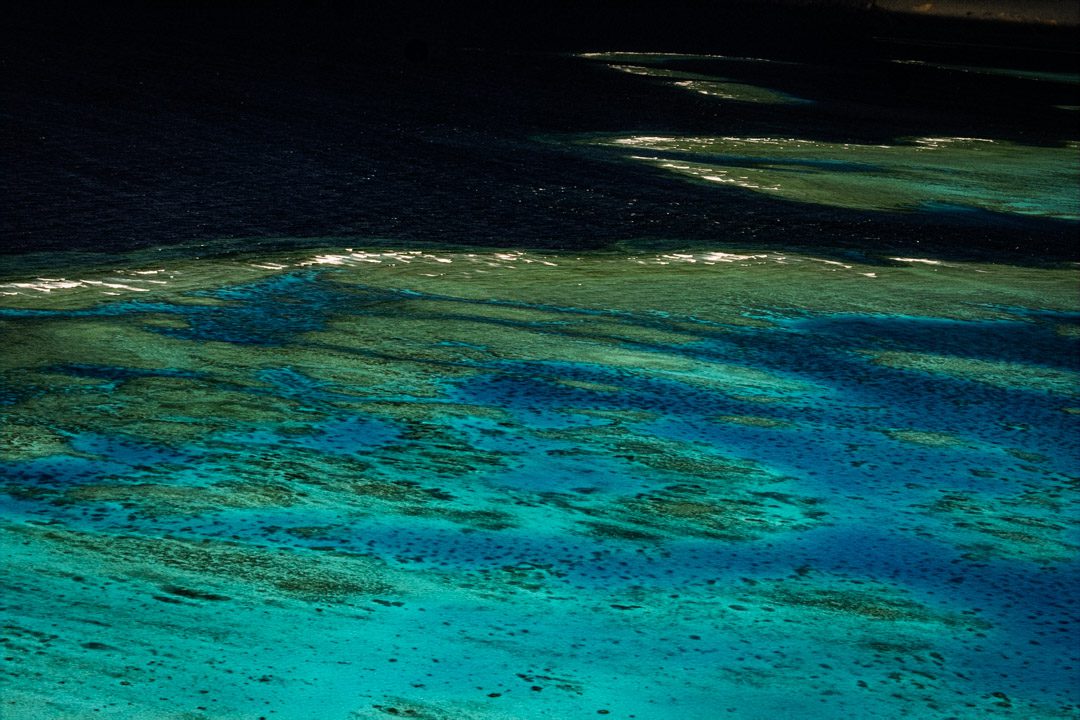
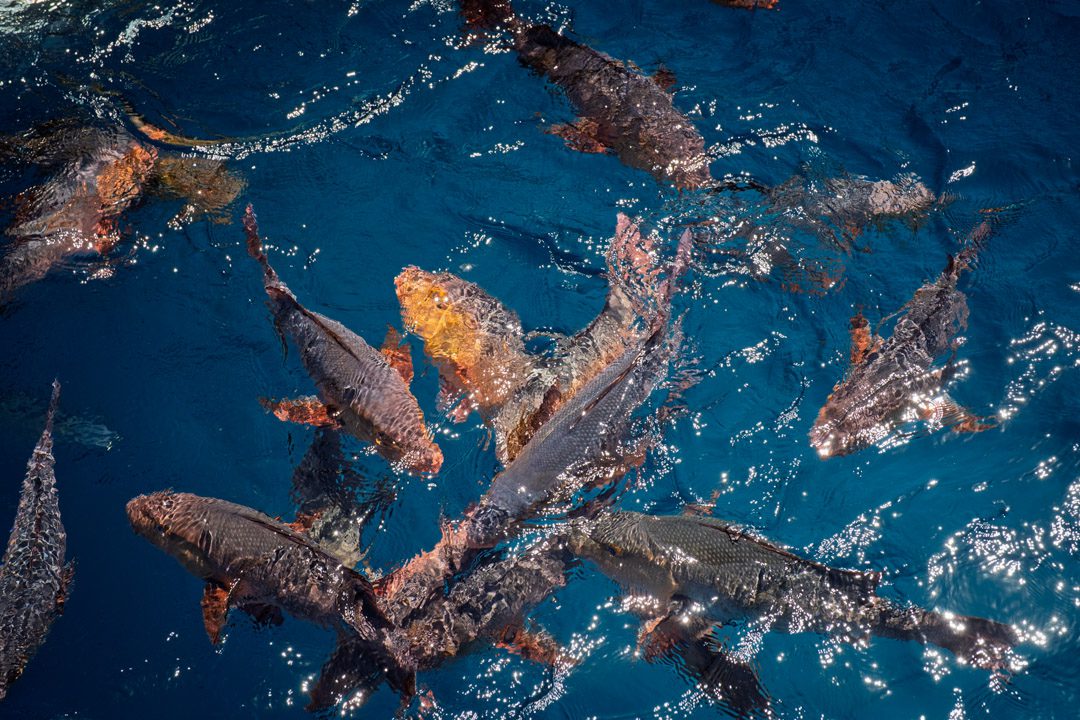
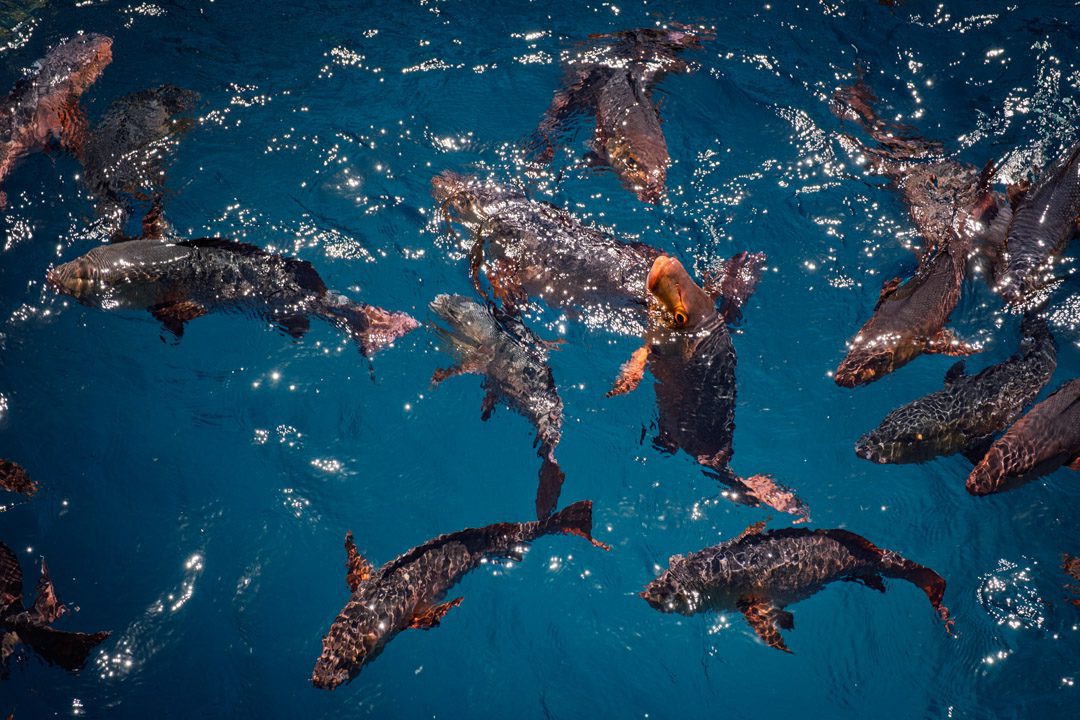
Albert also took an optional 10-minute helicopter ride for a bird’s-eye view of the reef. He said it was absolutely breathtaking. The pilot pointed out different sections of Agincourt Reef and explained how the colors changed with the depth of the water. It was a short flight but an unforgettable way to truly appreciate the vastness and beauty of the Great Barrier Reef. Albert also watched a fish-feeding session, where dozens of bright, curious fish swarmed near the surface. Seeing them up close in the crystal-clear water was the perfect way to end our reef adventure.
Soaring Over the Atherton Tablelands – October 11, 2025
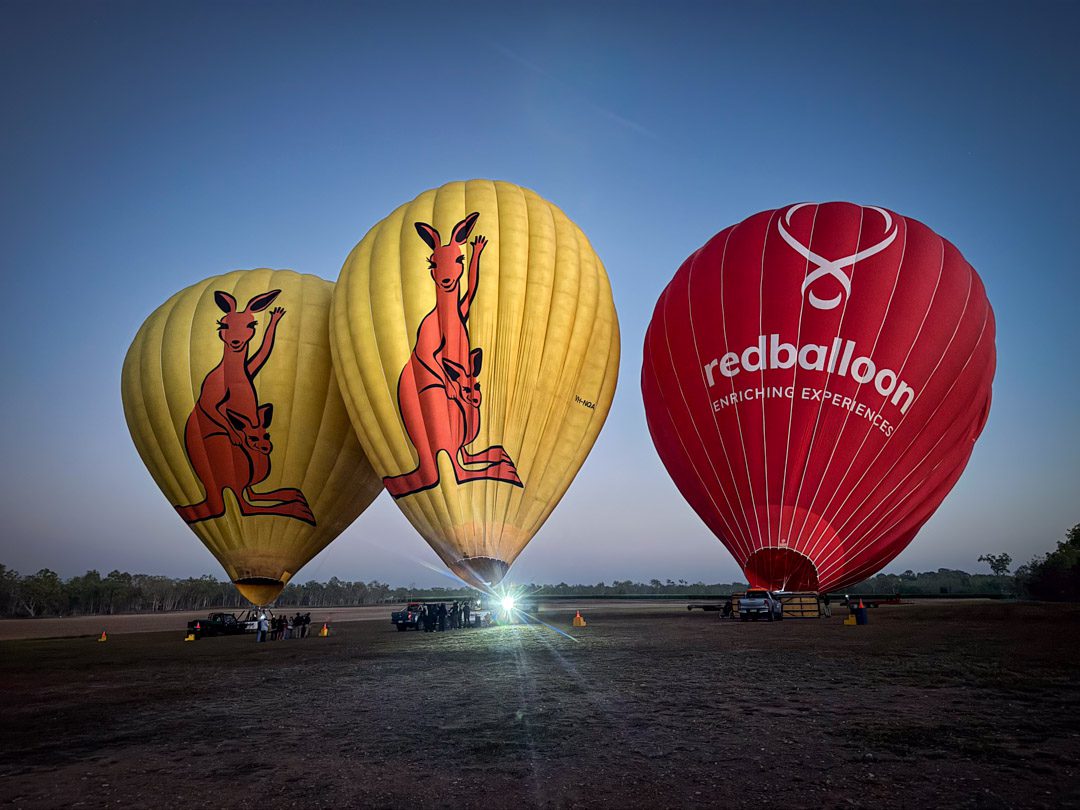
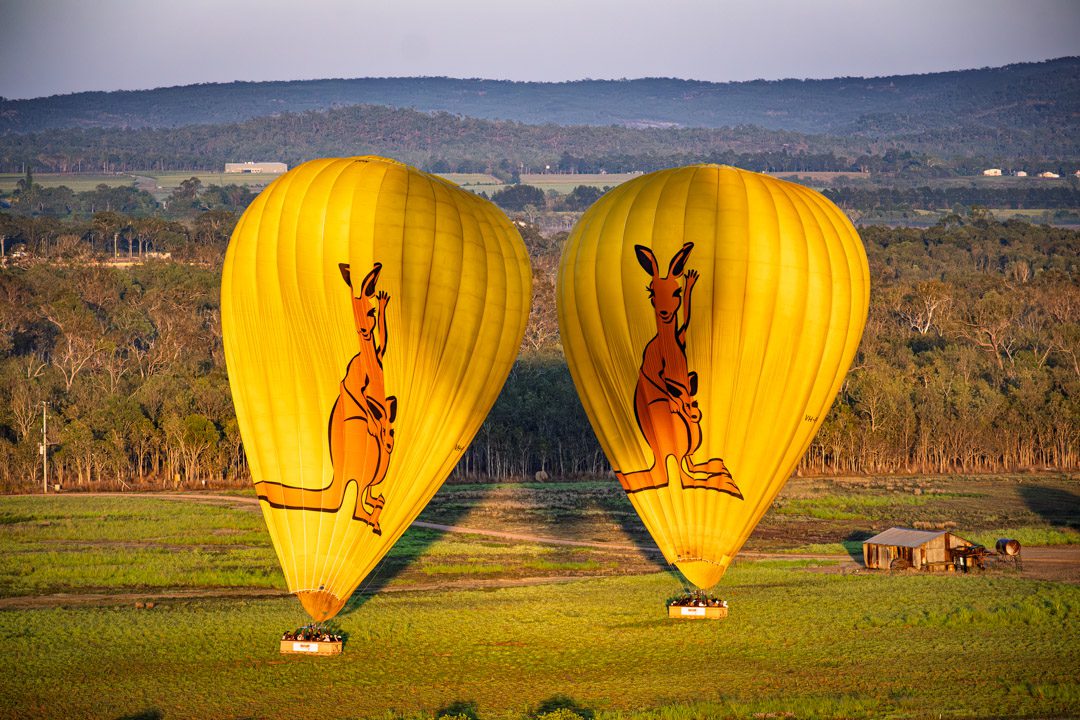
Today was meant to be a day of rest—but not for us! We were up at the ungodly hour of 3:30 a.m., leaving our resort in Port Douglas for a 75-minute drive to the Mareeba launch site for a hot air balloon ride over the Atherton Tablelands. When we arrived, the field was still dark and quiet, lit only by the flicker of burners as the balloons slowly inflated and glowed against the pre-dawn sky.
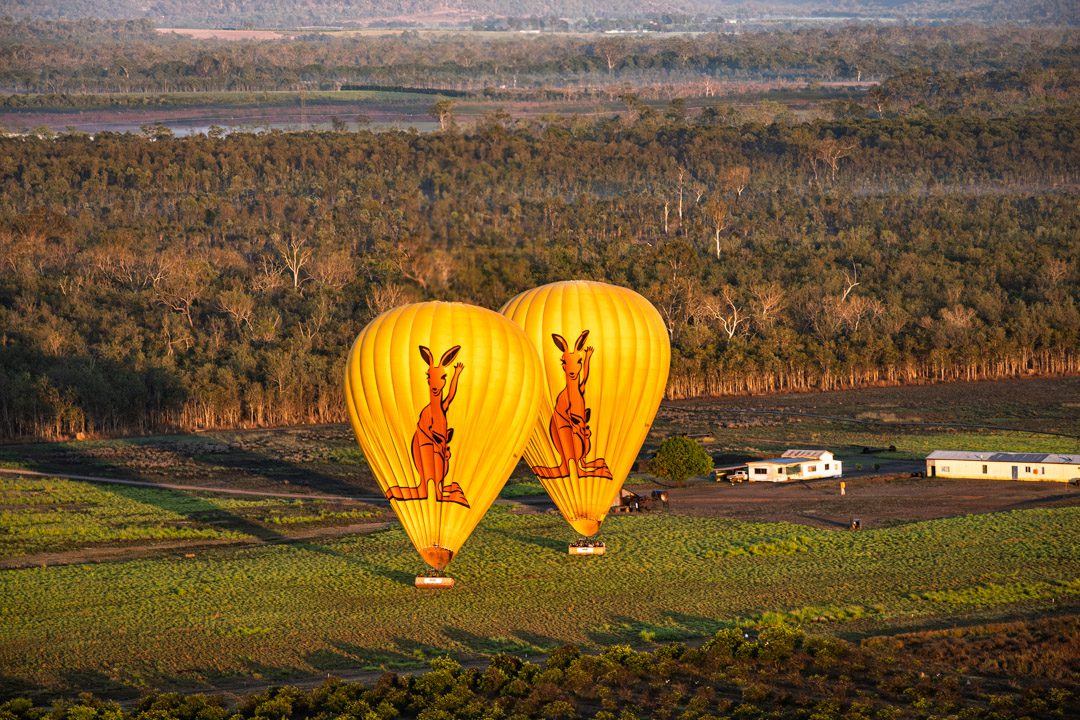
Once airborne, we drifted gently over the Atherton Tablelands, watching the first light of day reveal a patchwork of farmlands and plantations of sugarcane, mango, and papaya—crops that have now replaced the tobacco once grown here. The view was breathtaking, with occasional glimpses of kangaroos and wallabies hopping through the fields below, along with magpie geese gliding overhead. The air was perfectly quiet, broken only by the soft roar of the burner.
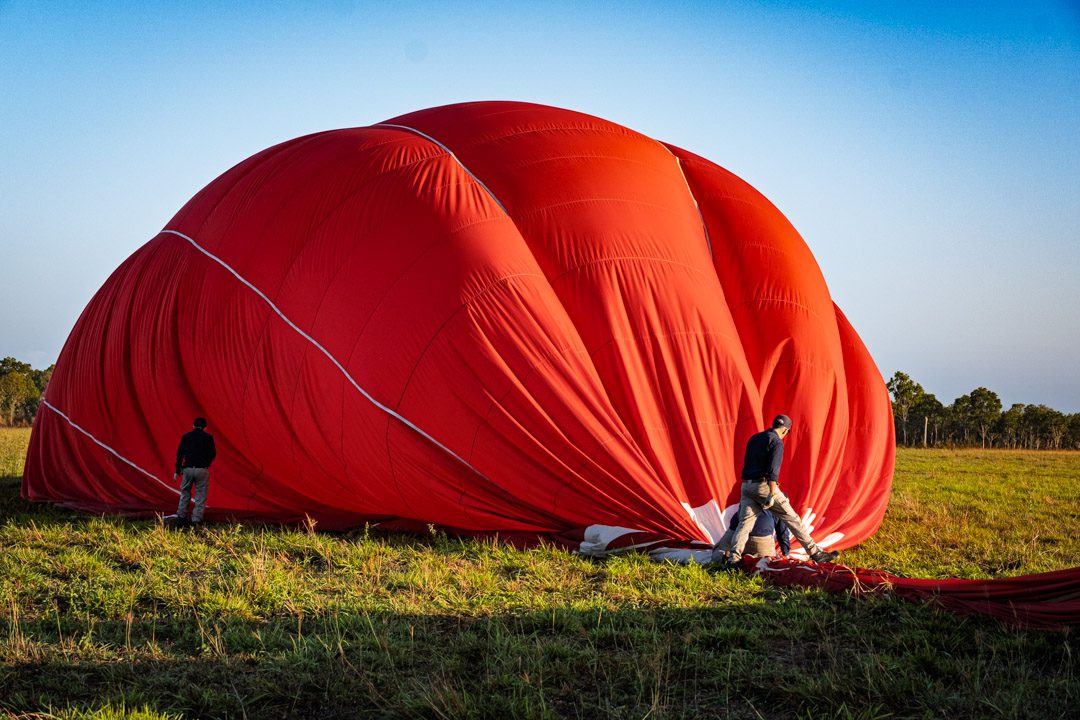
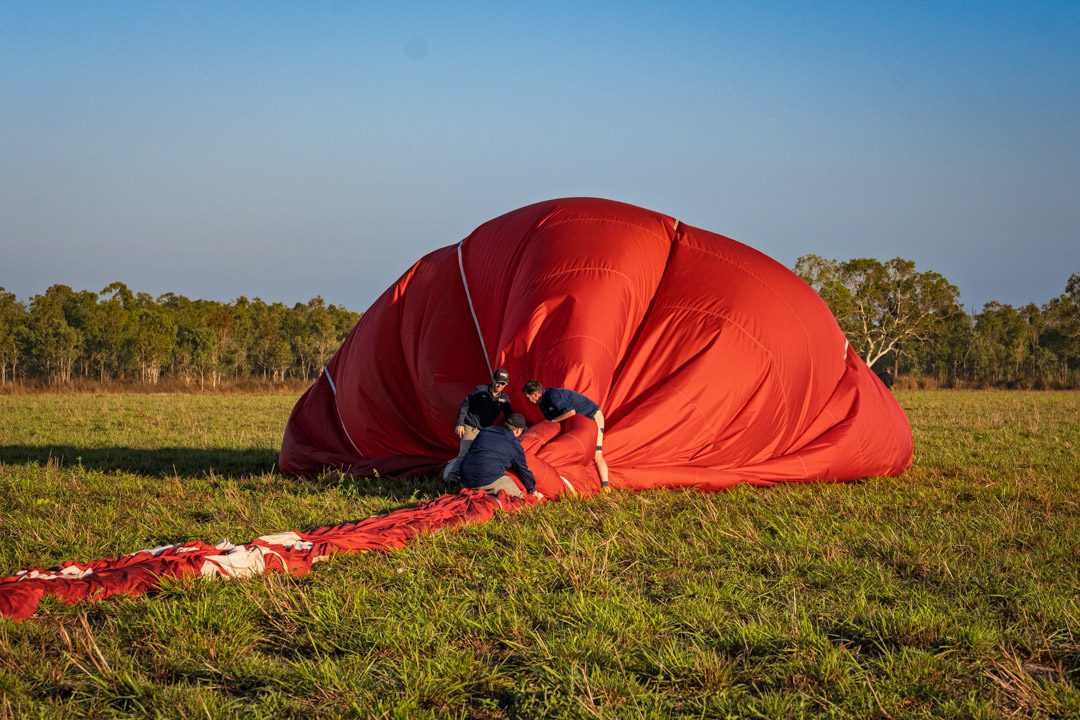
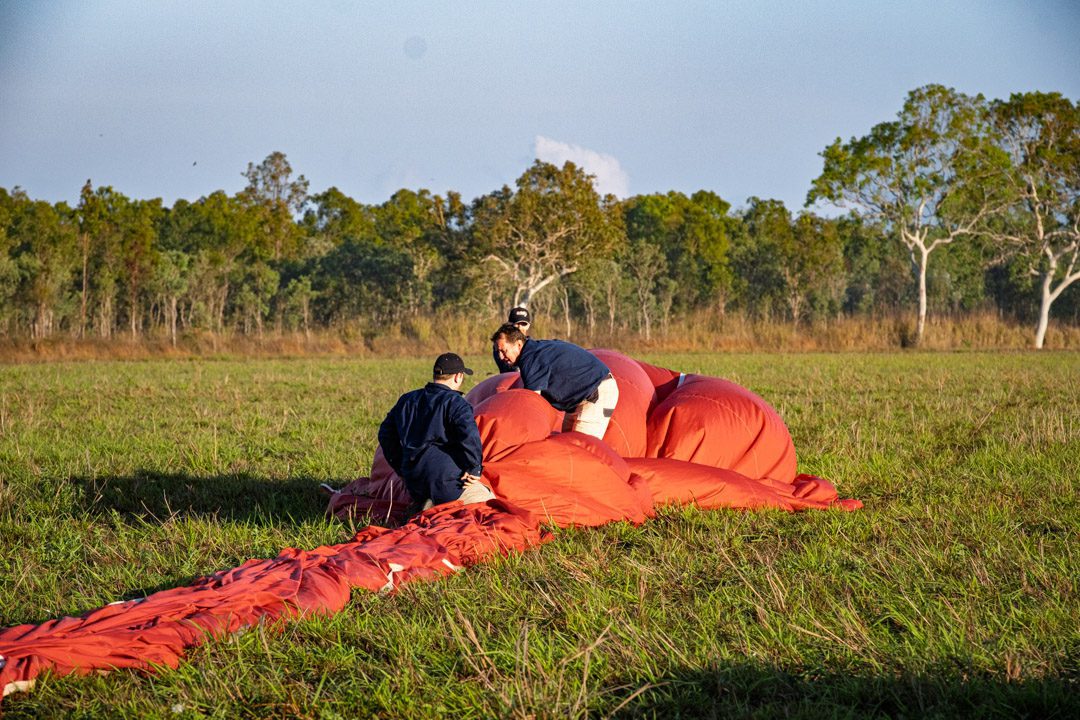
After landing, we watched the crew expertly deflate and pack up the balloon, then celebrated with a delightful champagne breakfast in the countryside before heading back to our resort. This was our second hot air balloon flight—the first having taken place several years ago during our trip to East Africa. That earlier experience offered sweeping views of the savannah and its wildlife, while this one provided a completely different perspective—floating peacefully above the lush landscapes of tropical North Queensland.
Later in the evening, we took a shuttle to the center of Port Douglas, a charming seaside town that serves as a gateway to both the Great Barrier Reef and Daintree National Park. We strolled along Macrossan Street, lined with boutique shops and restaurants, and enjoyed a light dinner before returning to the resort.
Crocodiles, Koalas, and a Scenic Cairns Stroll – October 12, 2025
We left the resort for Hartley’s Crocodile Adventures, located about an hour’s drive south of Port Douglas along the scenic Captain Cook Highway. We made a brief stop midway for a photo opportunity overlooking the Coral Sea and surrounding rainforest before continuing to the park. Upon arrival, we began a private guided tour of the wildlife park, home to a variety of native Australian animals. Our first stop was the kangaroo and wallaby enclosure, where we had the chance to hand-feed the animals. In the same area, we also saw a wombat and a koala up close.
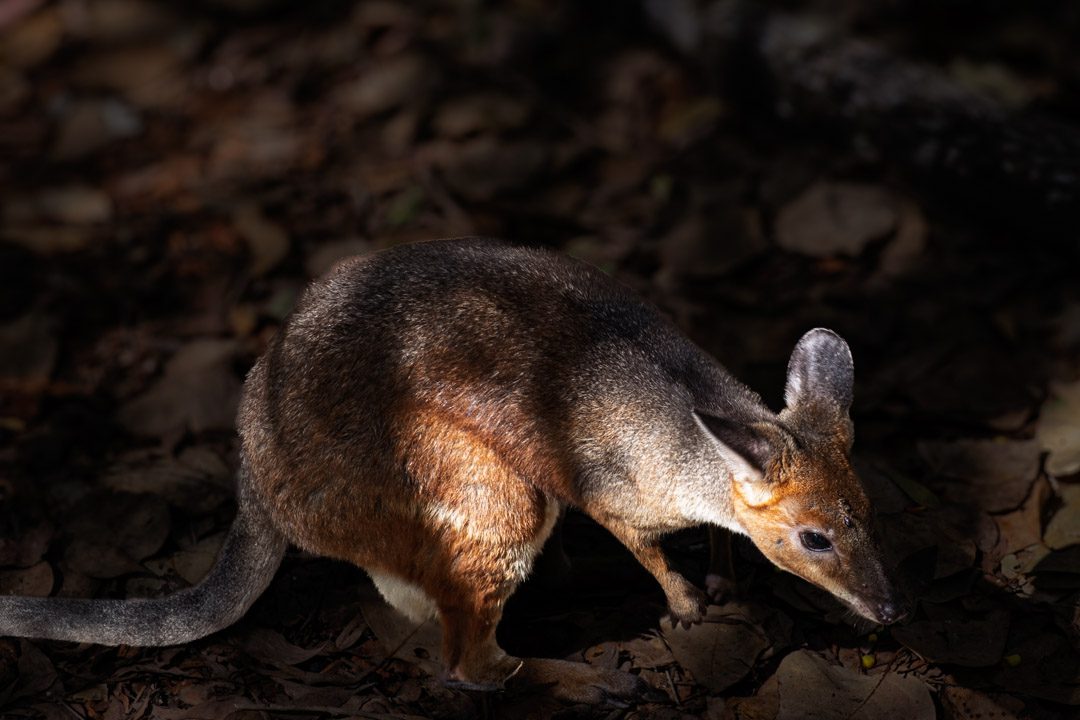
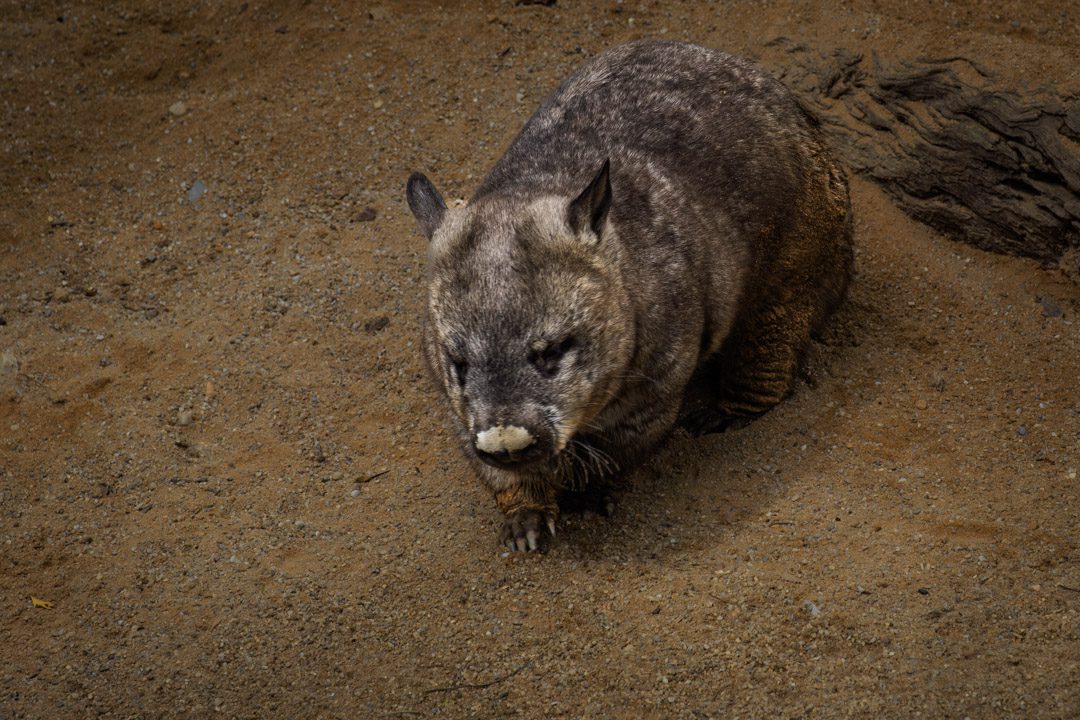
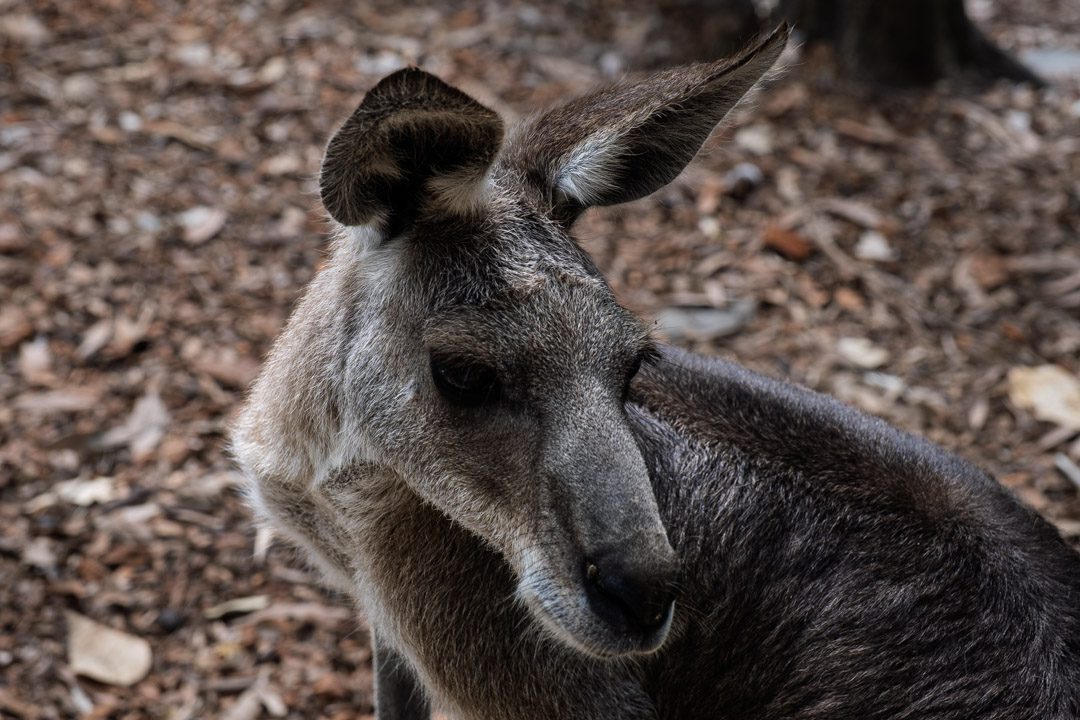
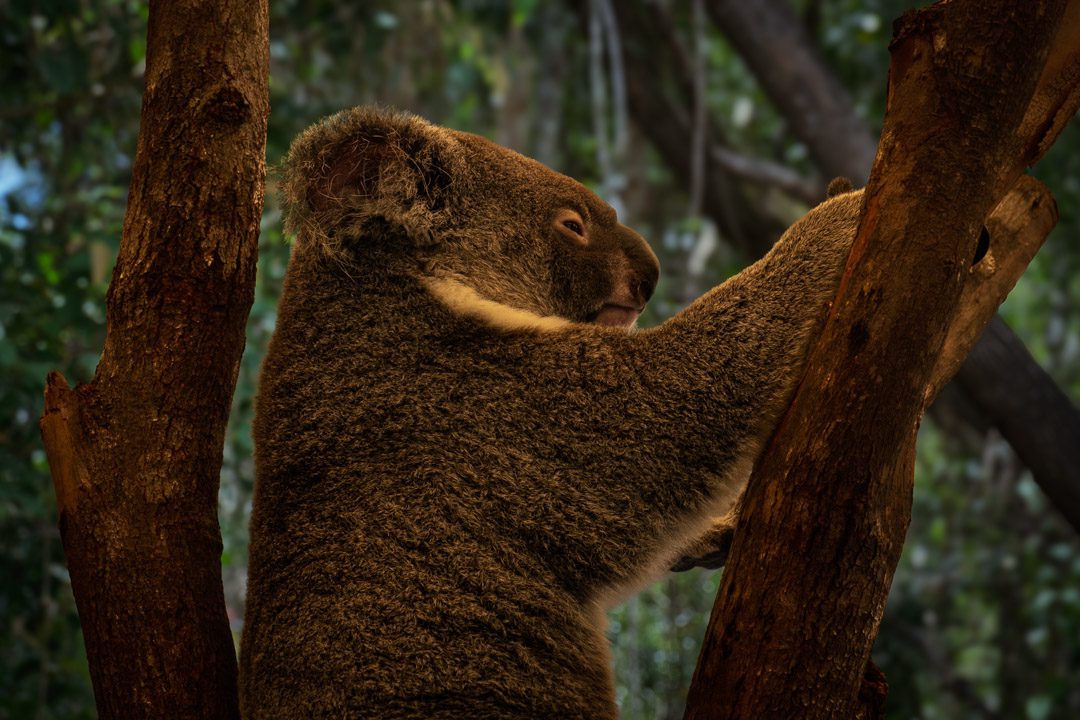
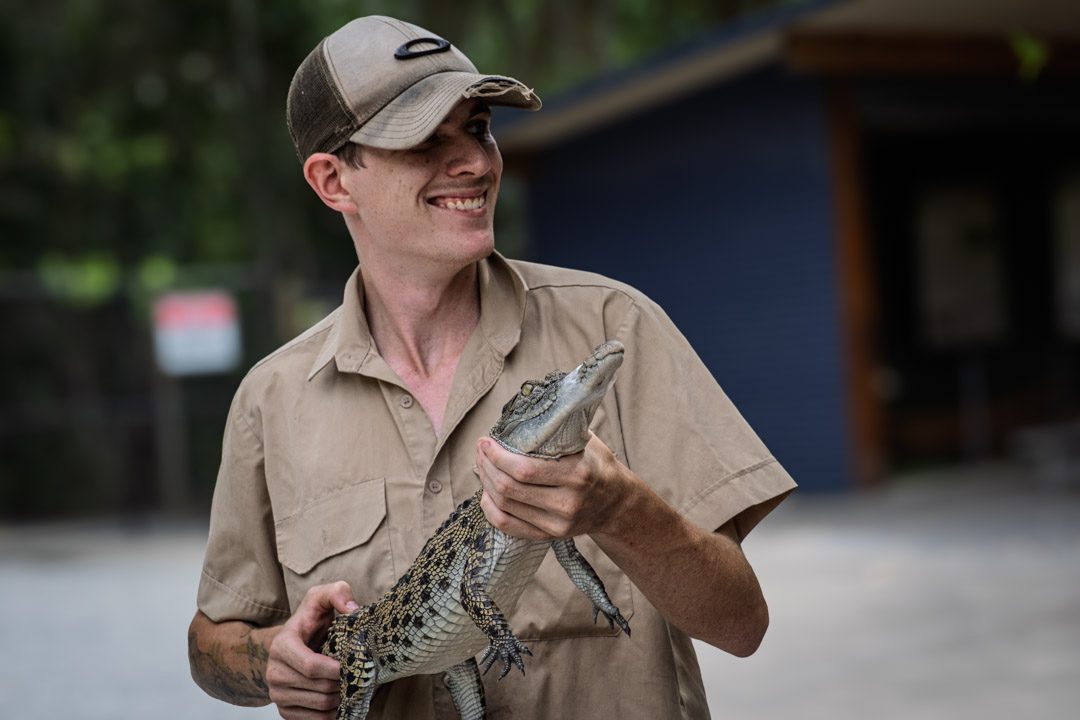
Next, there was an opportunity to take photos while holding a python and a young crocodile, approximately two years old. While most of our fellow travelers participated, we chose to observe instead.
The next part of our visit was a boat cruise on the park’s man-made lagoon, which is home to numerous saltwater crocodiles. Our guide explained that although these reptiles naturally inhabit tidal rivers and coastal estuaries, they can also adapt to freshwater environments, as is the case in the lagoon. He demonstrated how crocodiles ambush predators, often remaining motionless for long periods while waiting for prey. Interestingly, we learned that crocodiles have a very slow metabolisms and can survive for several months without food. To draw them closer to the boat for better viewing, the guide used chicken heads as bait, giving us an impressive display of the explosive power of their jaws when catching their prey.
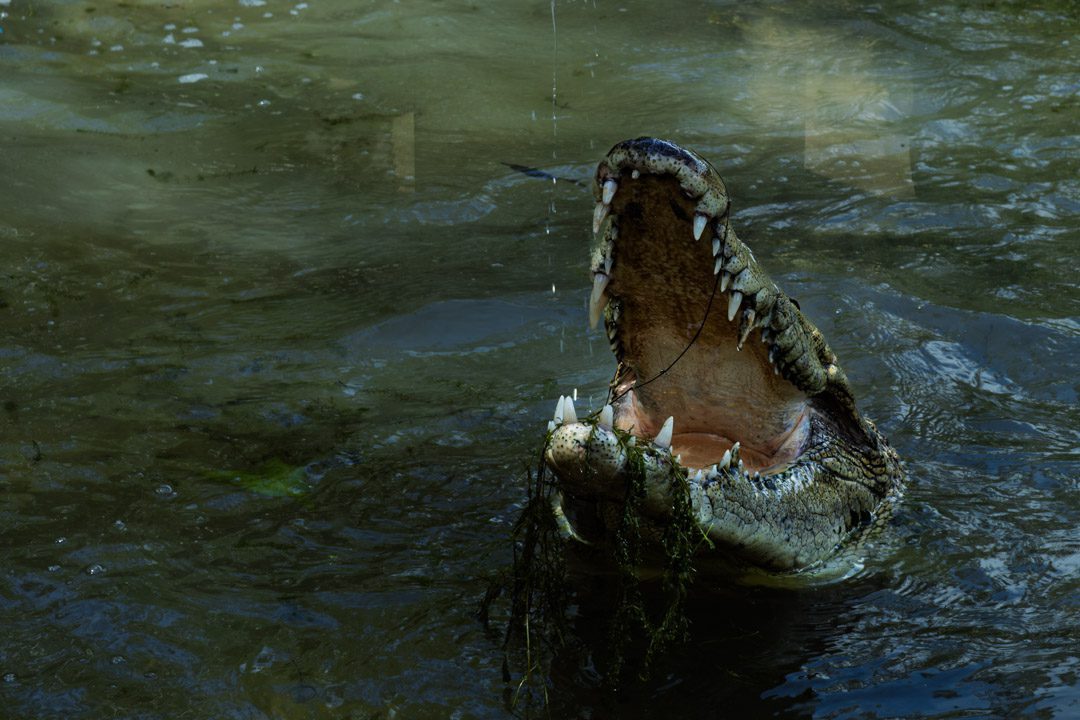
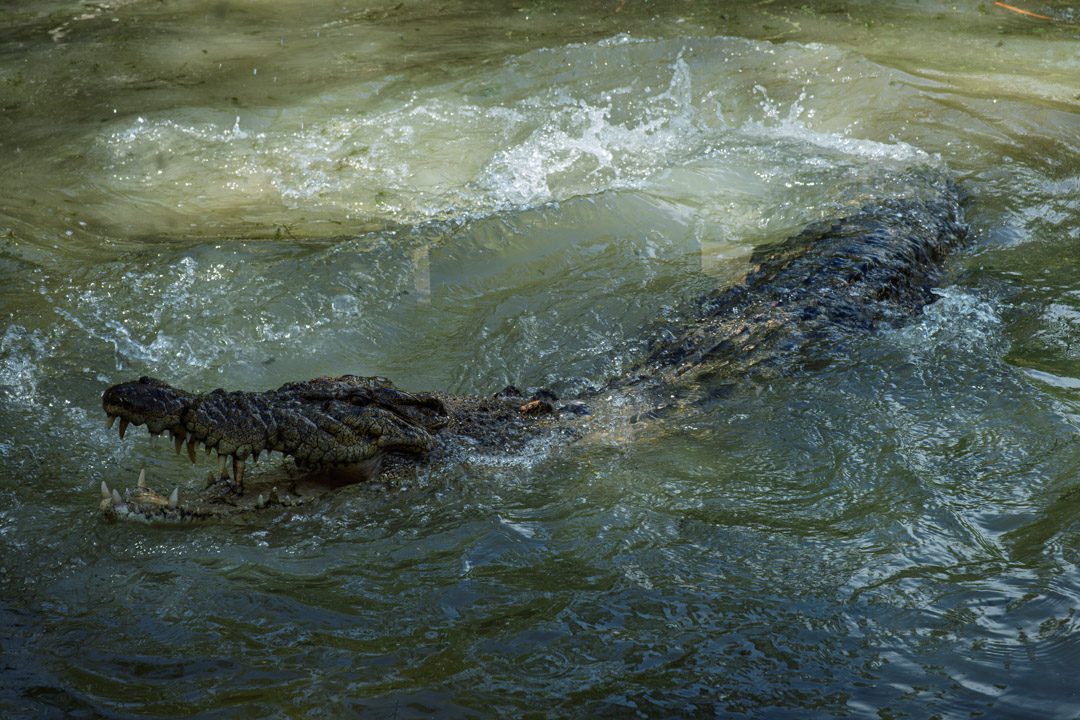
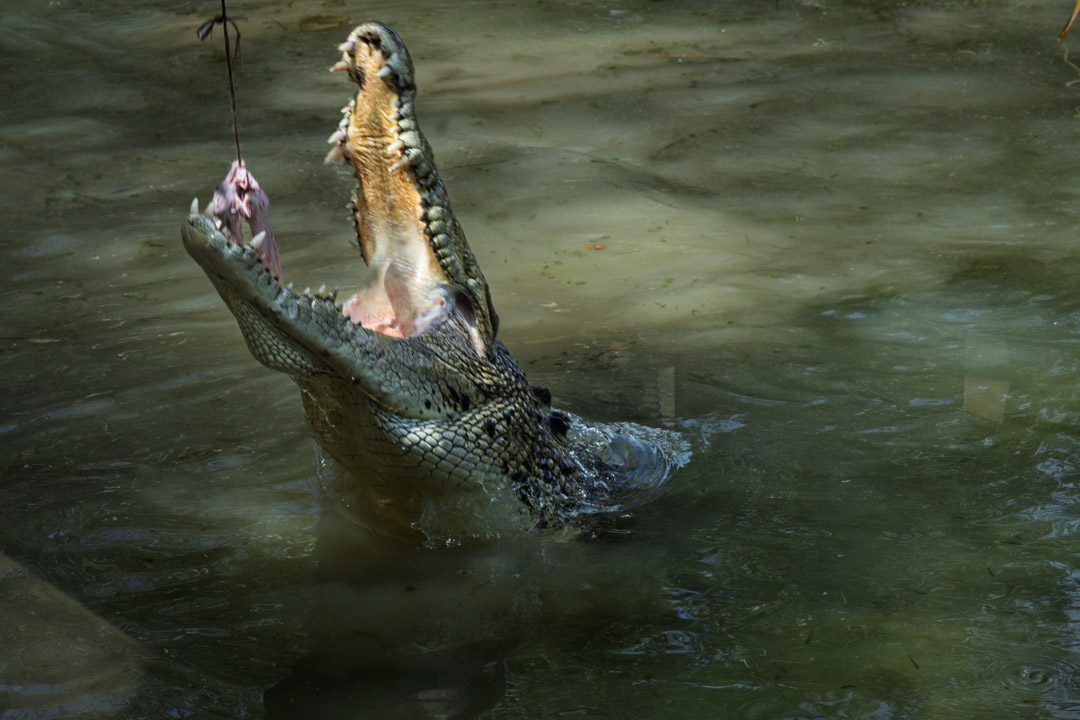
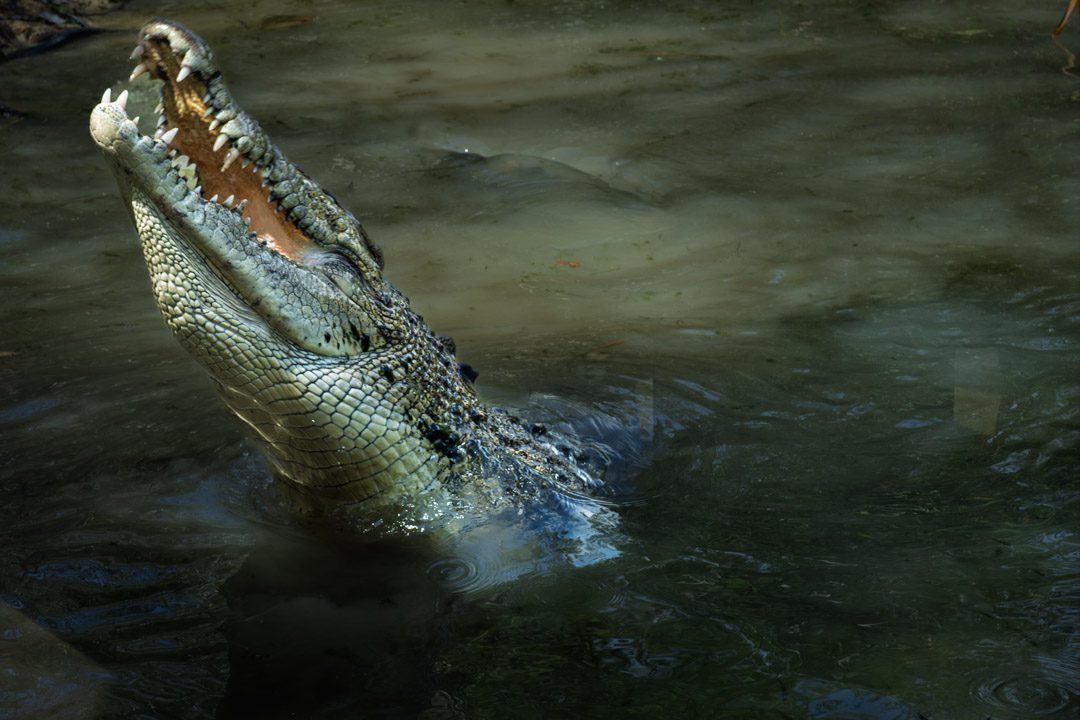
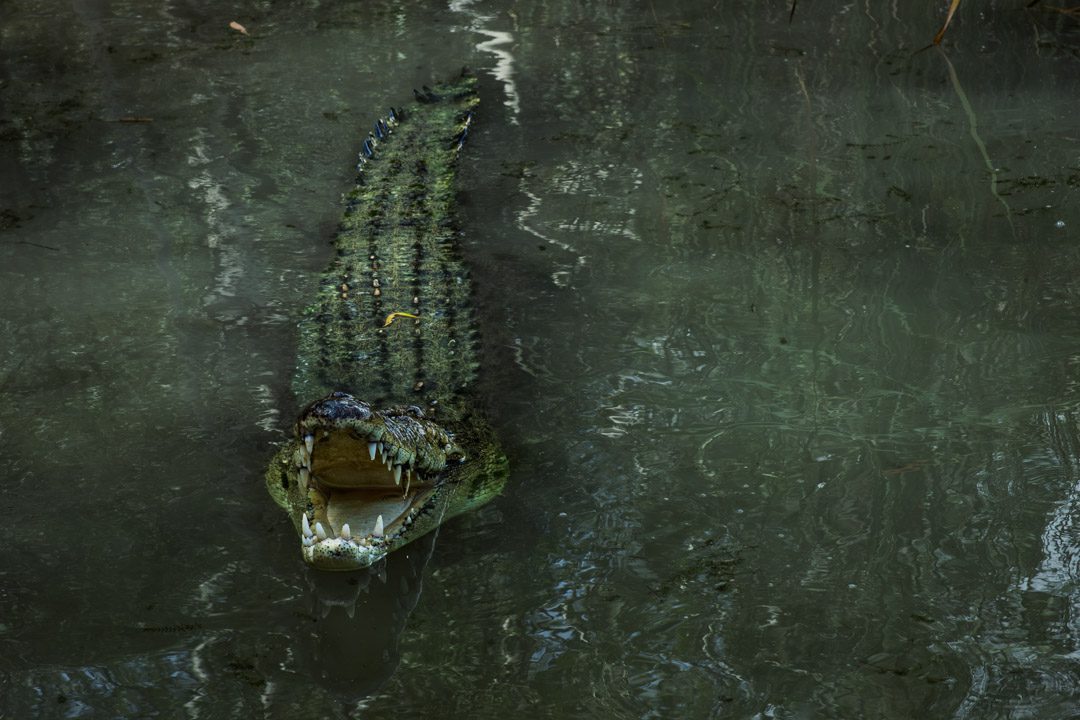
Our final stop was the Crocodile Feeding Show, held in a secure outdoor arena. During this presentation, a wildlife handler demonstrated how crocodiles are fed and discussed their behavior, diet, and nesting habits. Watching these massive reptiles leap from the water to snatch food was both thrilling and educational. On our way back to the lunch area, we stopped at the koala enclosure for a closer look at these adorable animals.
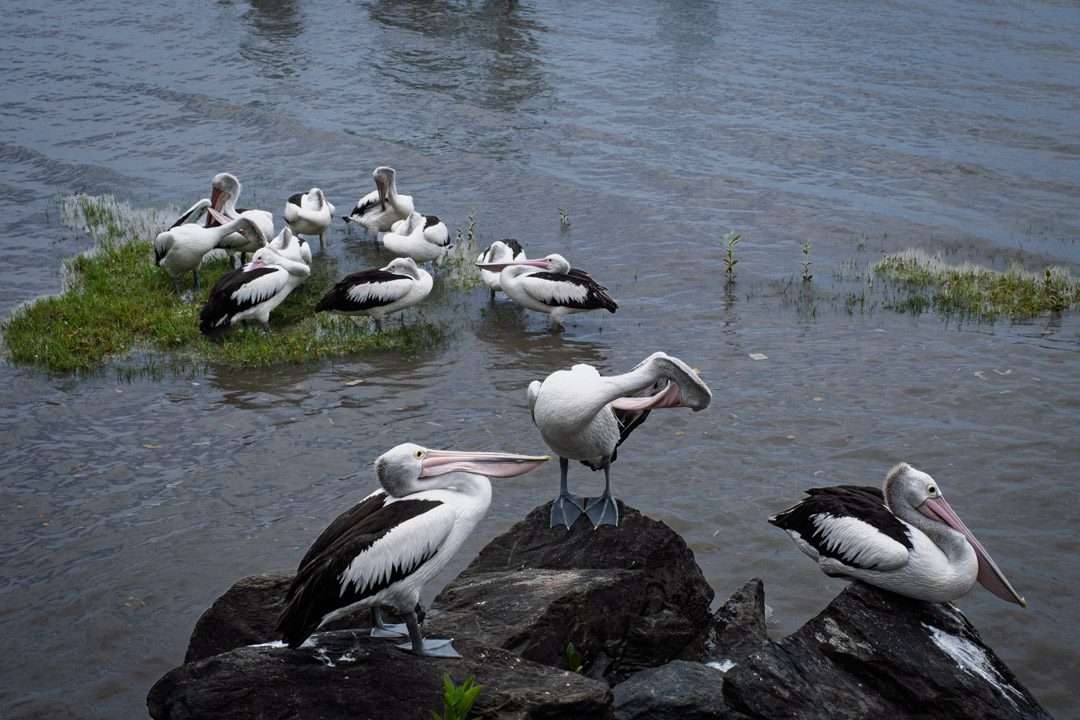
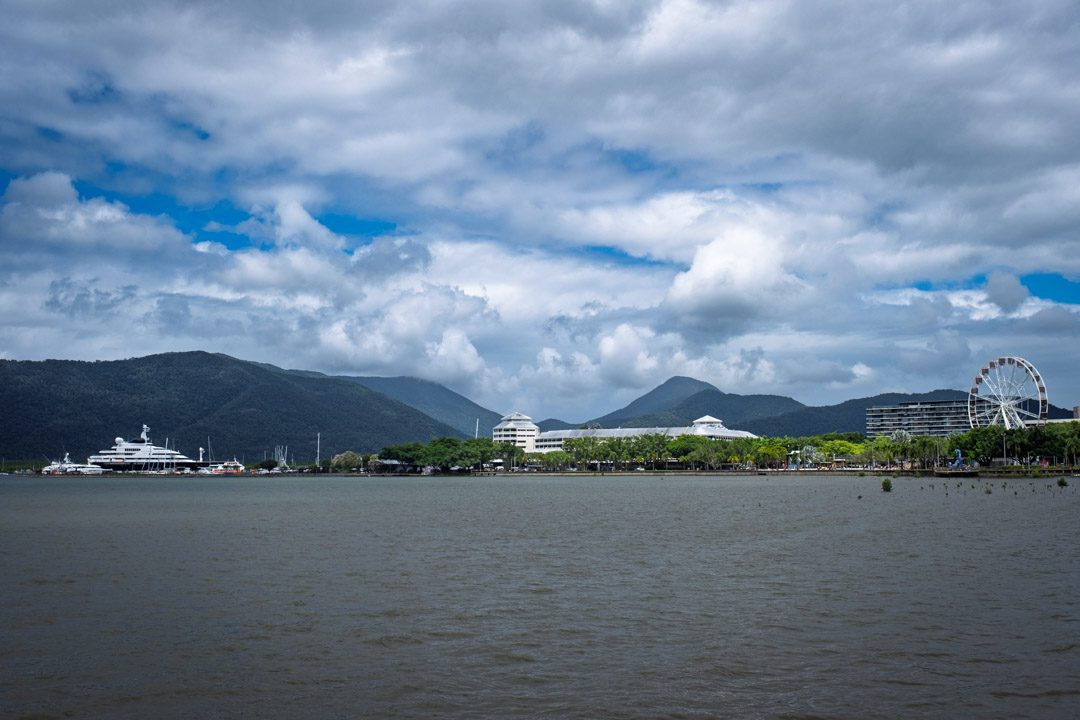
Soon after lunch, we were scheduled to depart for Cairns Airport for our flight to Sydney. However, we were informed that our private charter flight had been delayed by a couple of hours due to inclement weather in the Sydney area. To make good use of the extra time, our Tour Director arranged for the group to travel by bus to downtown Cairns. There, we enjoyed a leisurely stroll along the scenic Cairns Esplanade, a popular waterfront promenade featuring landscaped gardens, a large public lagoon pool, and beautiful views of Trinity Inlet. Along the way, we spotted several pelicans and other seabirds resting near the water before returning to the airport for our evening flight. Upon landing in Sydney, we transferred to our hotel, a stunning property offering sweeping views of the Harbour Bridge and the Opera House.
A Day of Sydney Icons – October 13, 2025
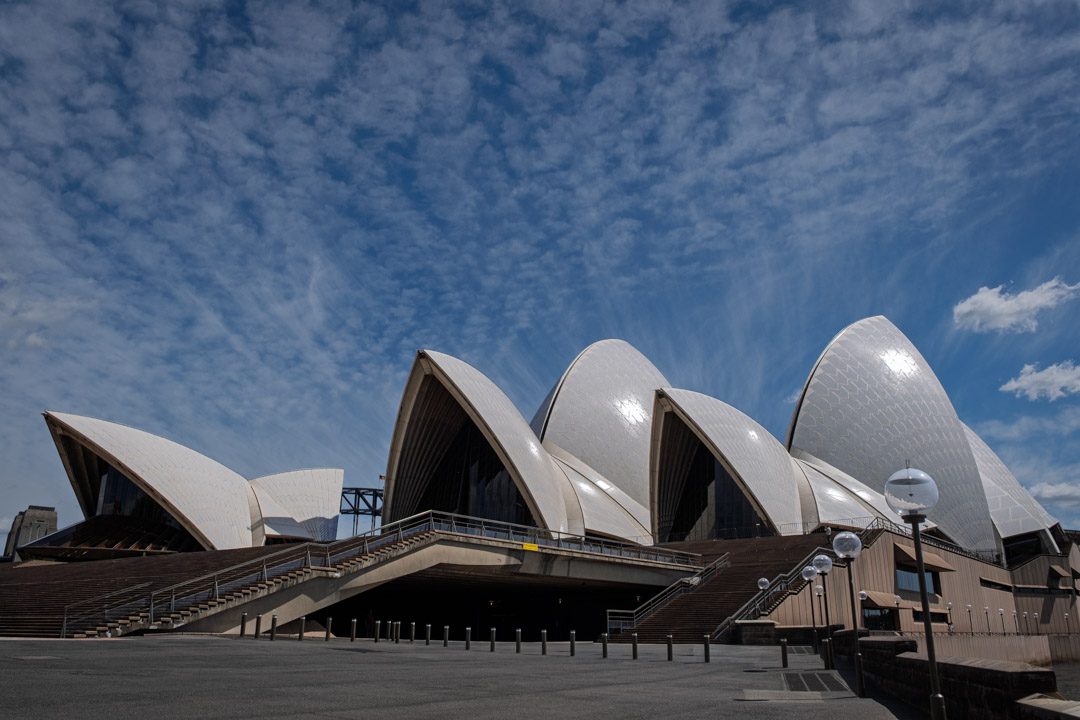
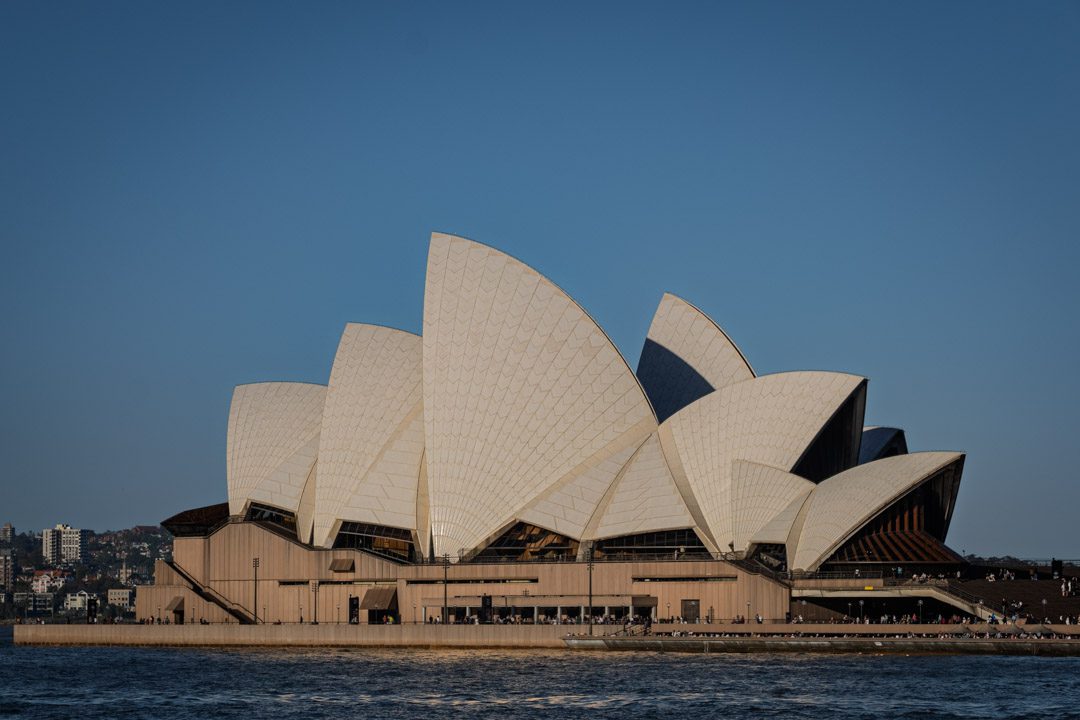
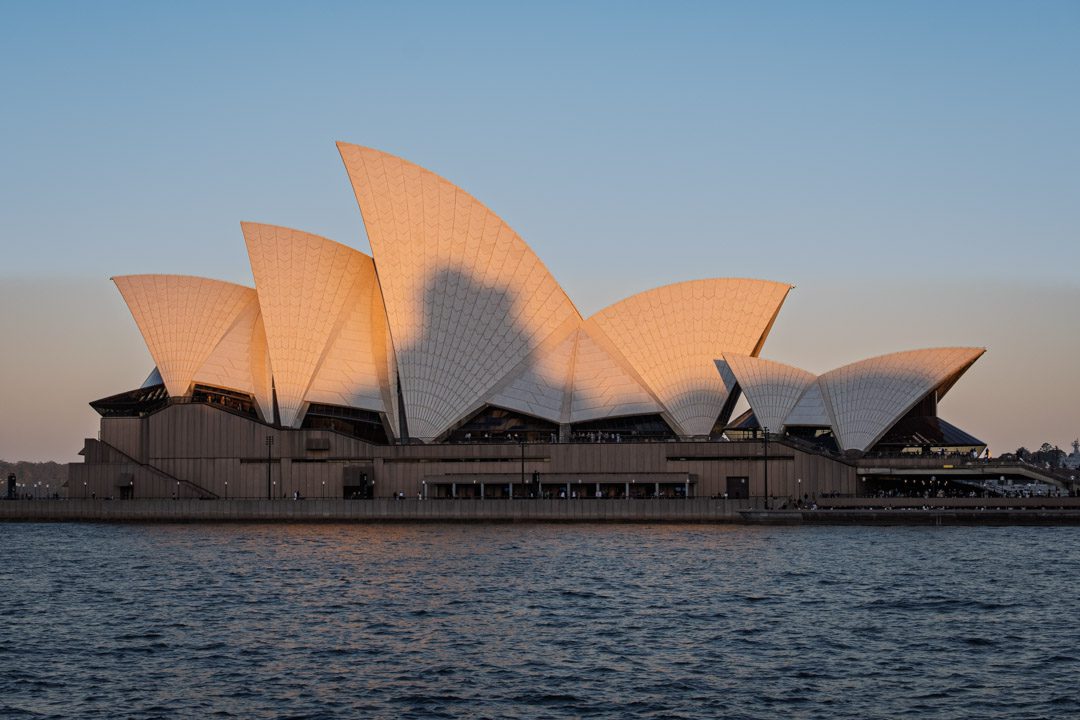
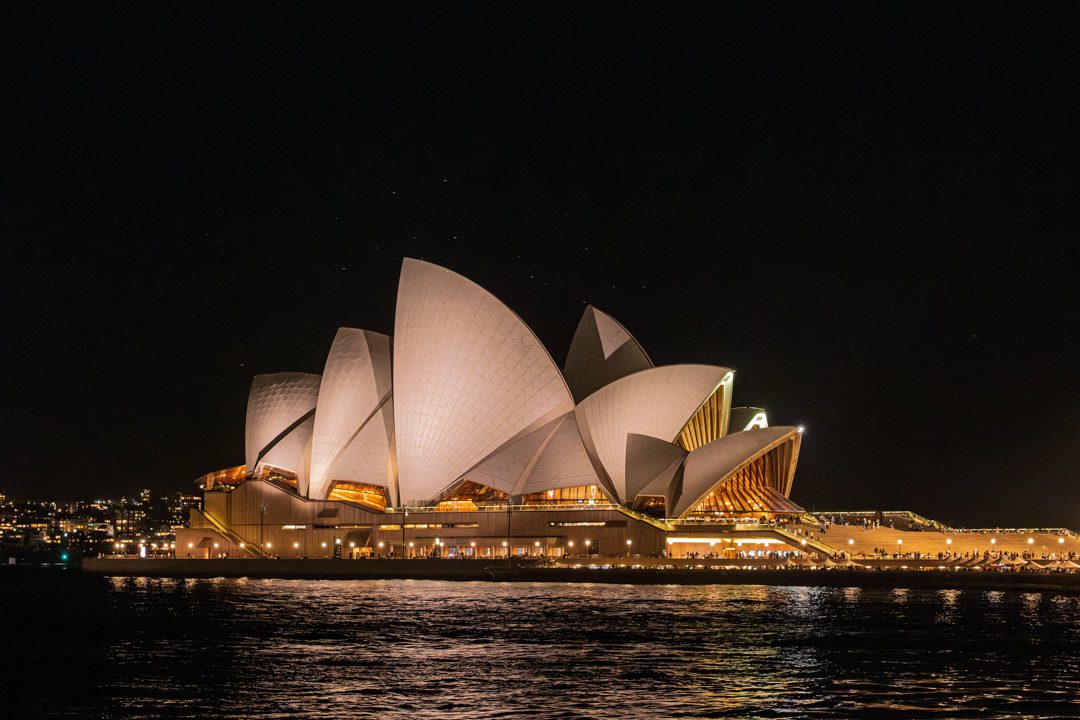
We began our day with a short walk from our hotel to the Sydney Opera House, where we met our guide, Monika, who has worked there for more than 25 years. This morning’s activity was a private guided tour of the world-famous landmark—one of the most recognizable buildings in the world. Designed by Danish architect Jørn Utzon, who won an international design competition in 1957, the Sydney Opera House is celebrated as both an architectural and engineering masterpiece. Officially opened in 1973, it is home to the Sydney Symphony Orchestra, Opera Australia, The Australian Ballet, and several other performing arts companies. The building’s soaring white “sails” (technically called shells), covered with more than a million glossy white and matte cream tiles, along with its harborside setting, have made it a global symbol of Australia. It was designated a UNESCO World Heritage Site in 2007—during the lifetime of its architect. During our tour, Monika shared fascinating stories about the challenges and triumphs of the Opera House’s design and construction. Like many groundbreaking projects, it exceeded both its budget and schedule. When a new government came into power, it attempted to exert greater control over aspects that had been poorly managed by the previous administration. Frustrated, Utzon resigned and returned to Denmark, never to come back. The project’s completion was overseen by a small group of Australian architects. We explored several of the building’s major performance venues, where more than 2,500 performances are held each year.
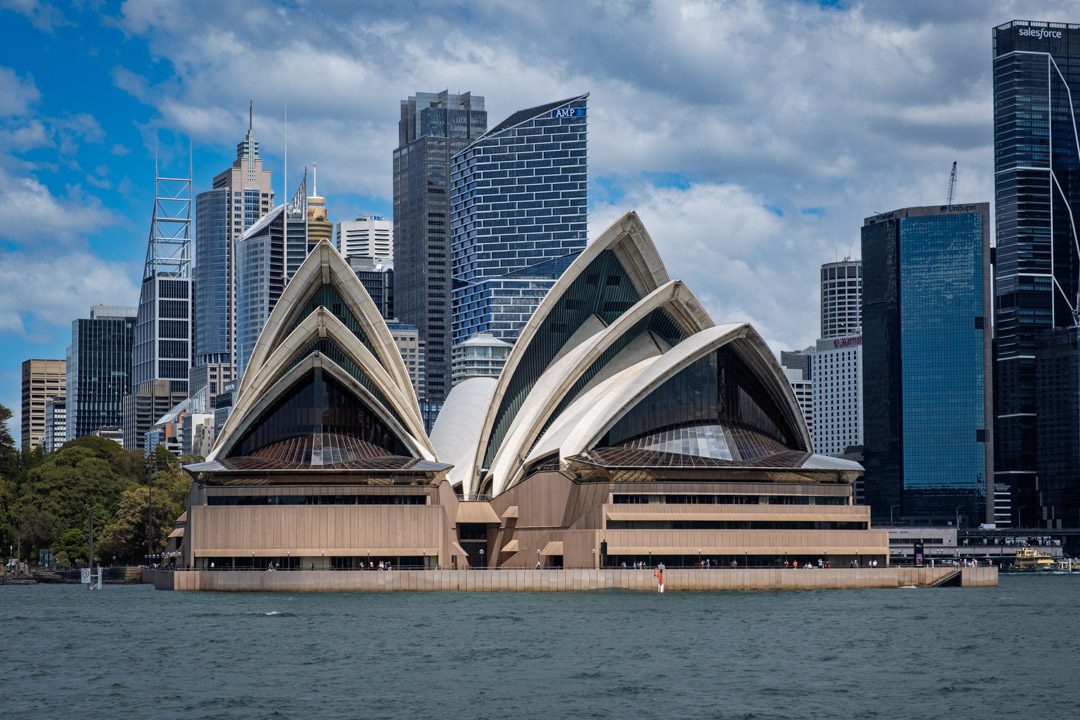
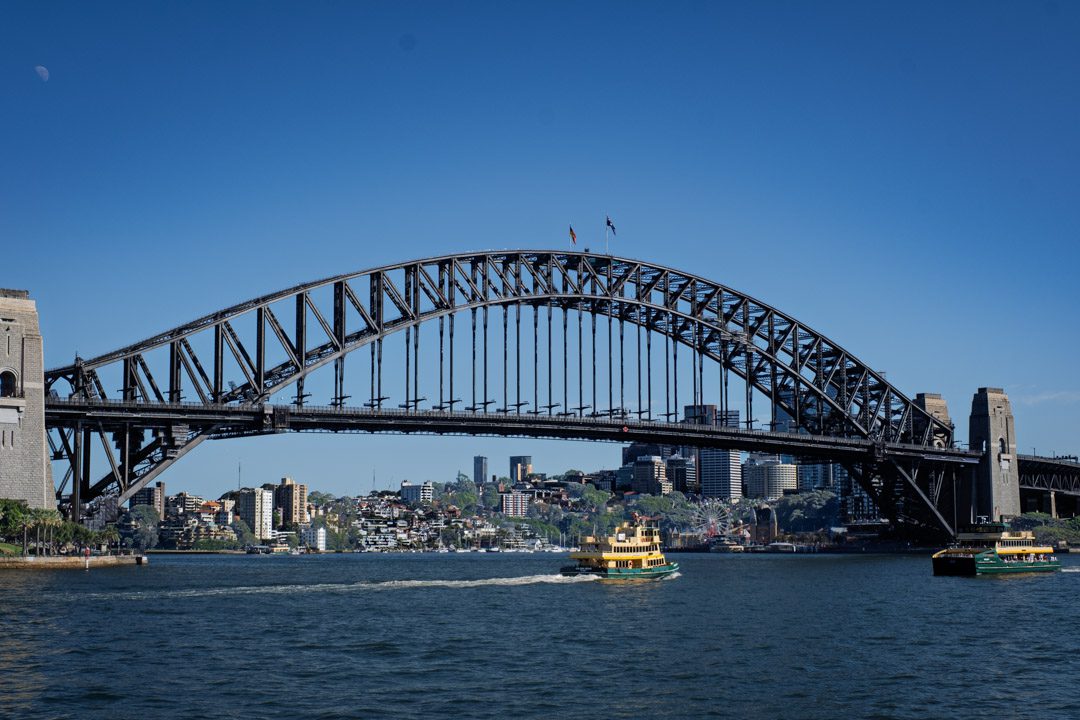
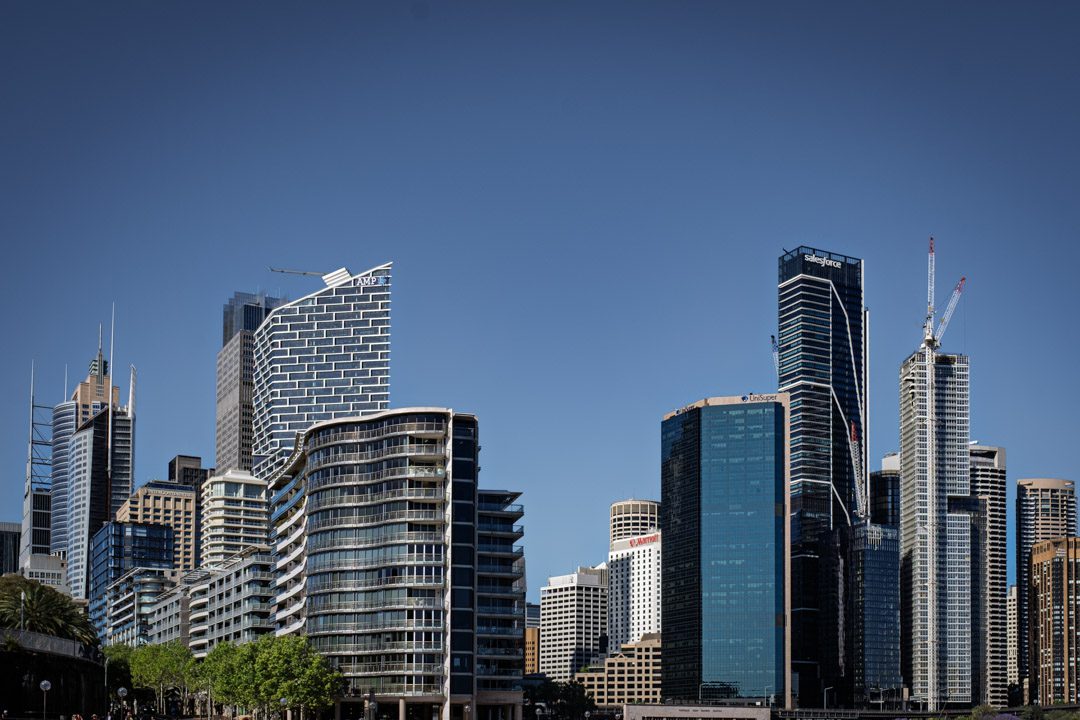
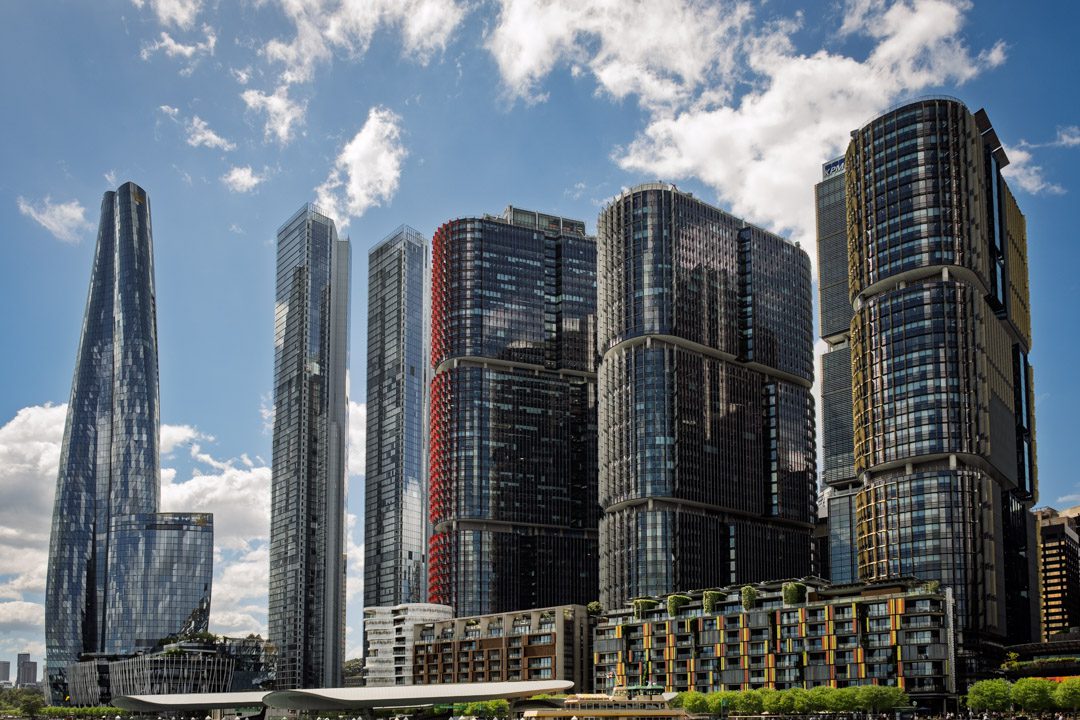
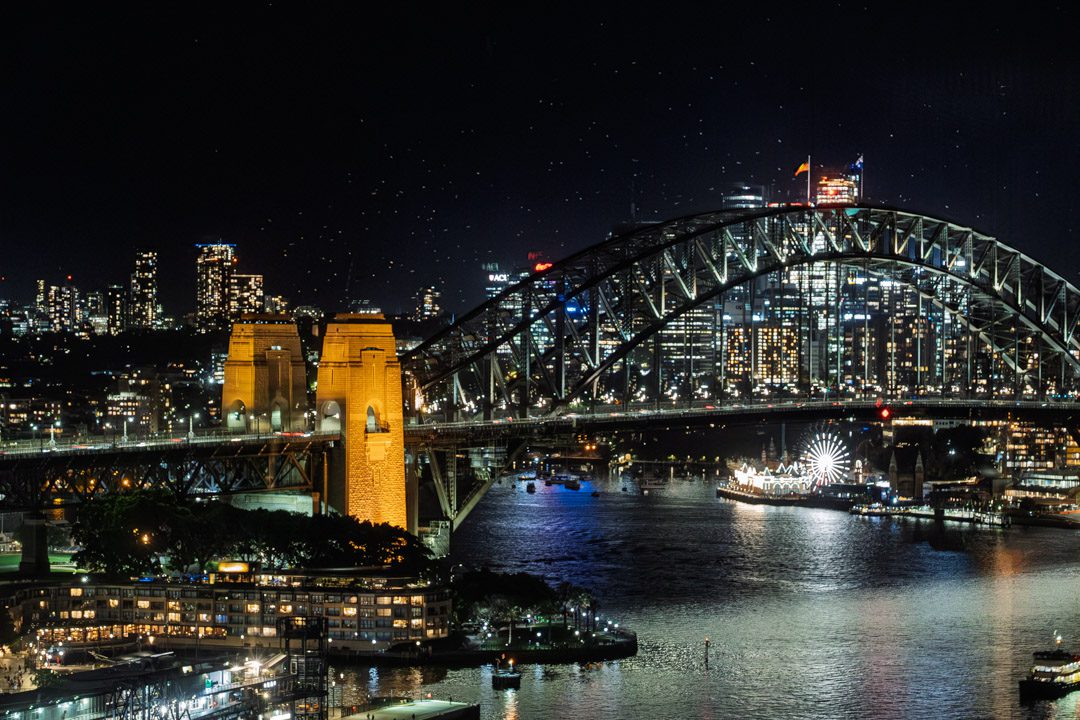
After completing our guided tour, we boarded the award-winning Captain Cook Cruises vessel for a private harbor cruise, offering a unique perspective of Sydney’s iconic skyline from the water. Our guide, Elizabeth, provided engaging and informative commentary, pointing out landmarks such as the Harbour Bridge (nicknamed “The Coat Hanger”), Fort Denison, the Royal Botanic Gardens, and the historic waterfront areas of Darling Harbour and Circular Quay. As we sailed past these sights, we enjoyed stunning views of the city’s striking blend of modern architecture and natural beauty. We also saw a replica of the 18th-century tall ship Endeavour, used by Captain James Cook on his 1768–71 voyage.
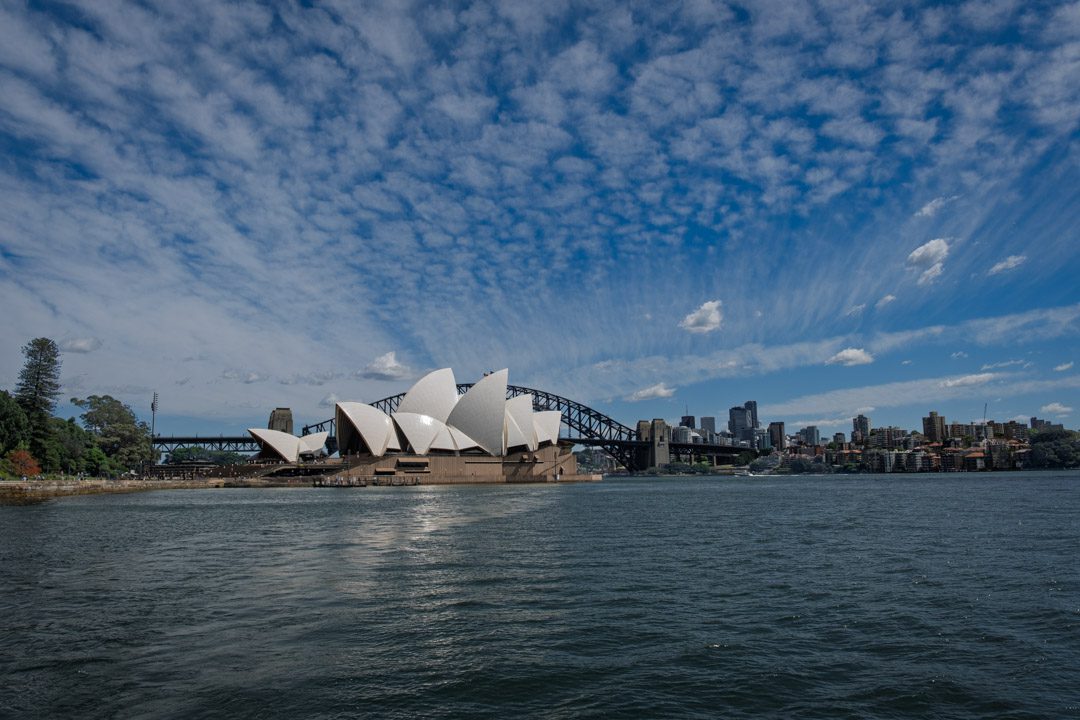
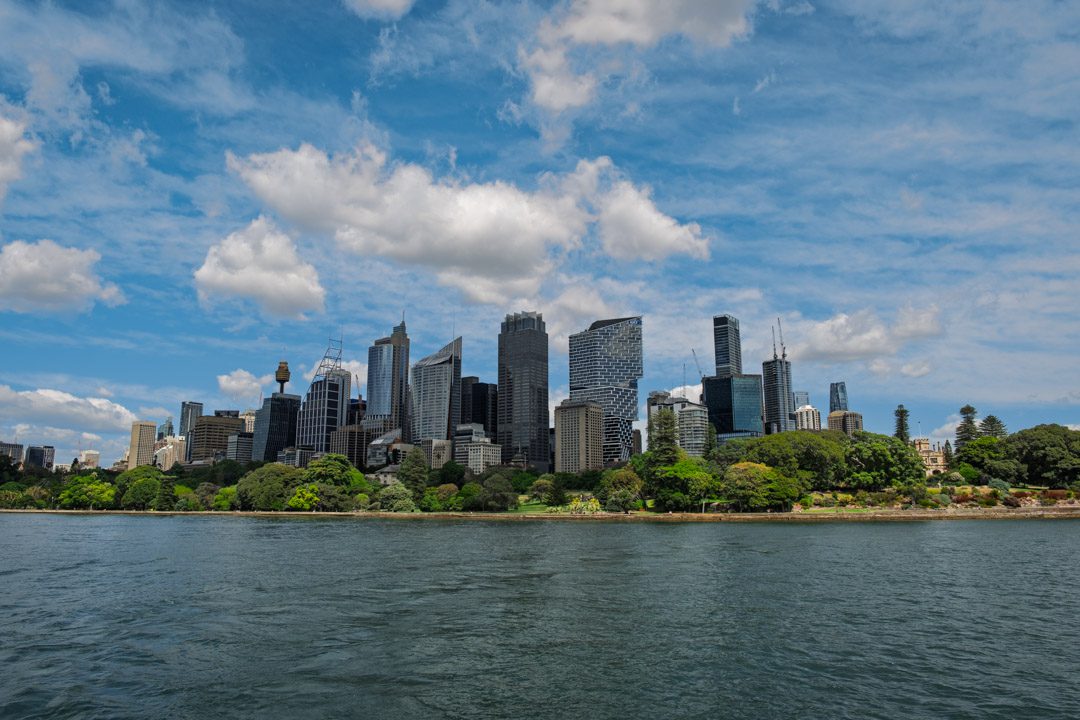
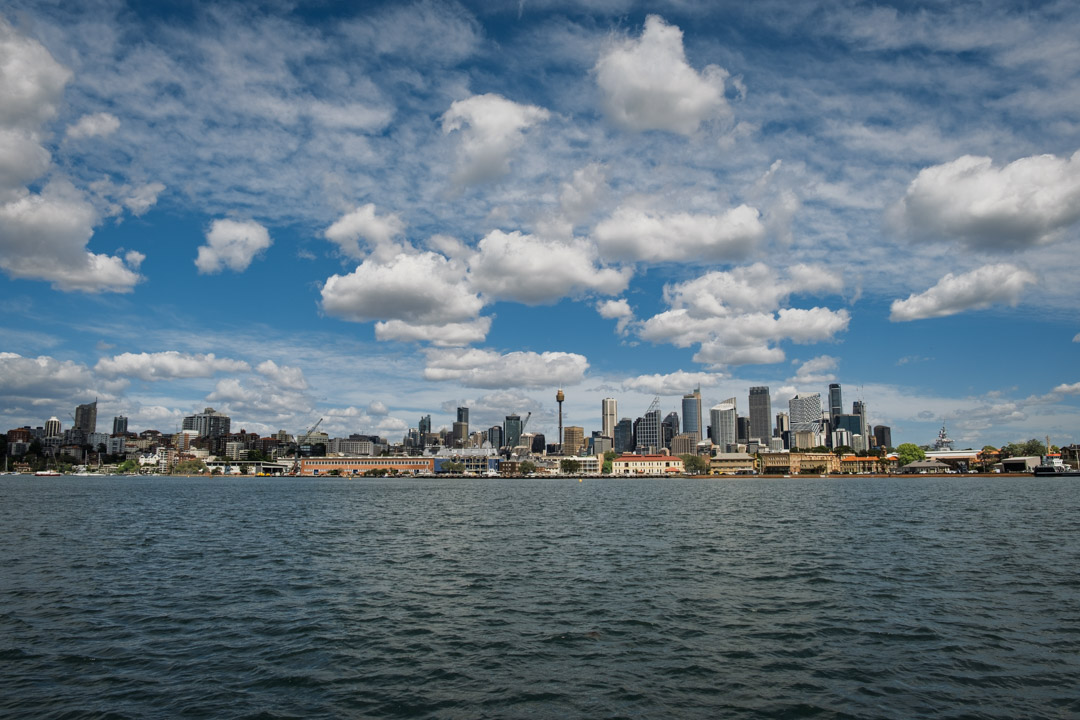
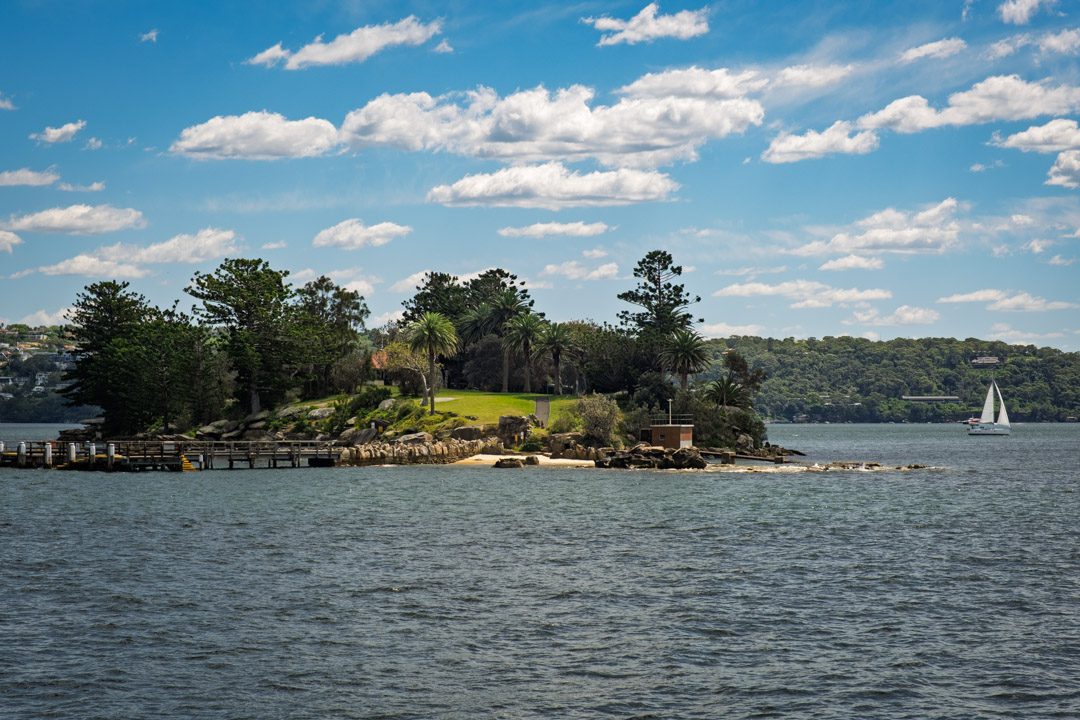
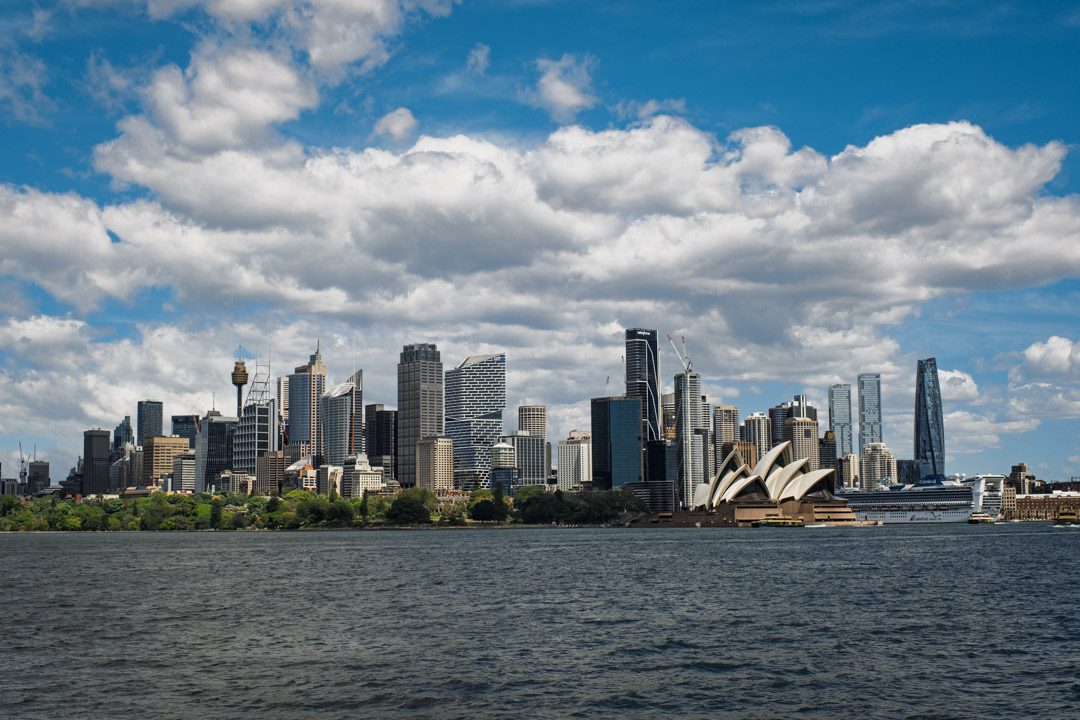
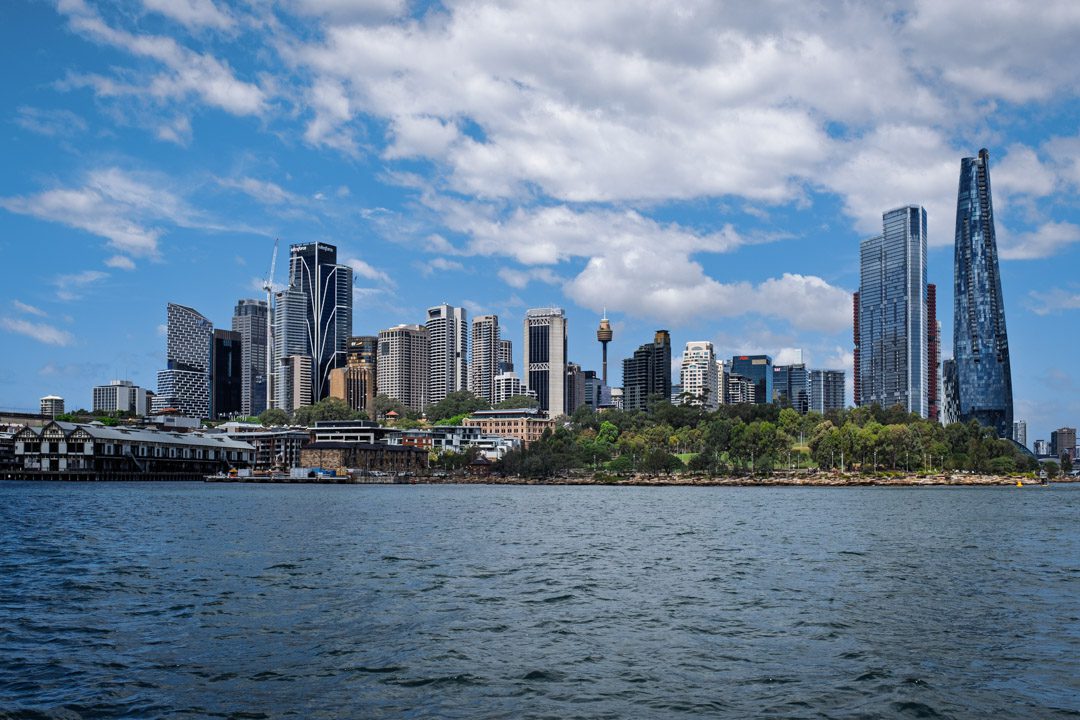
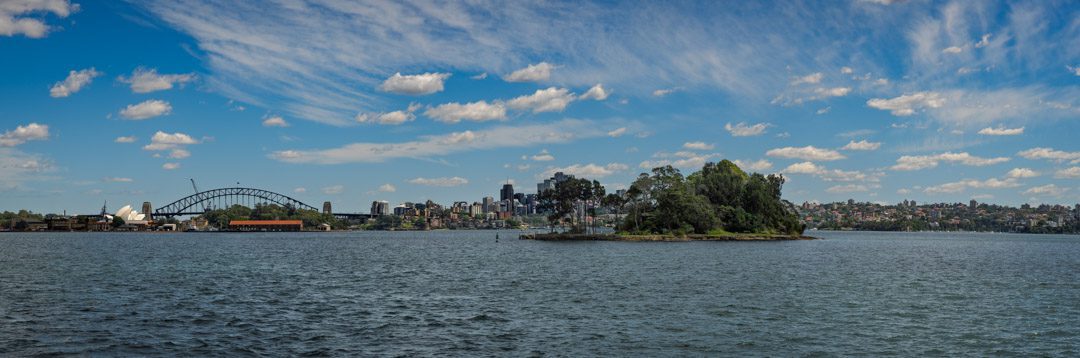
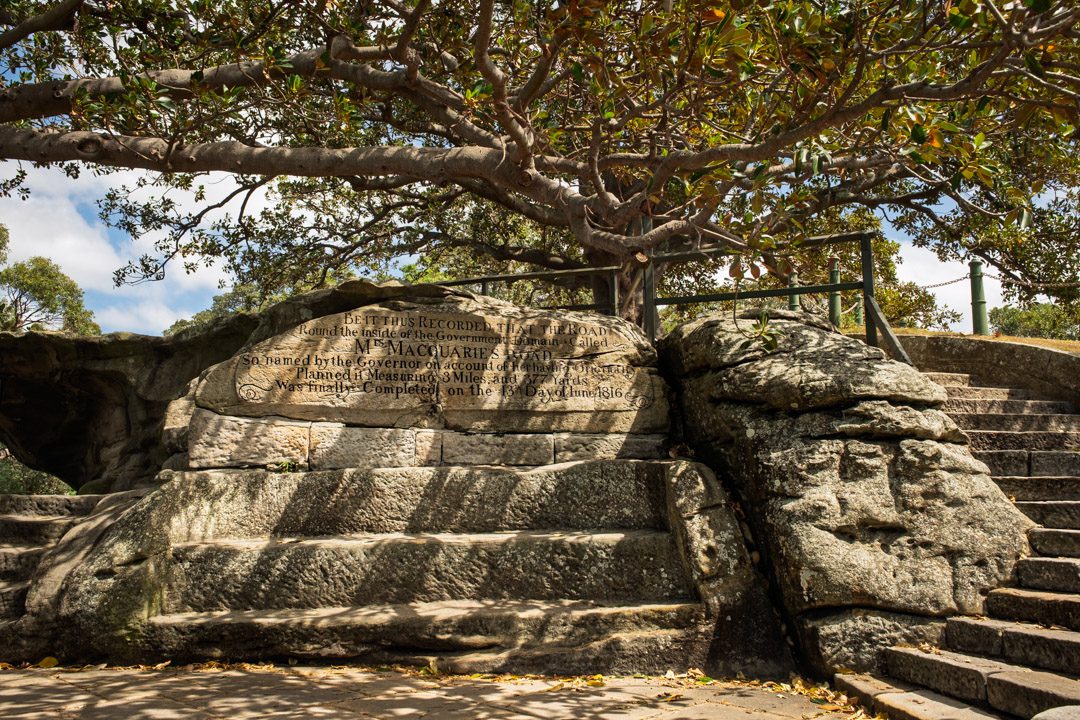
After disembarking, we boarded our coach for a panoramic city tour of Sydney. Our Tour Director provided lively commentary as we drove through The Rocks—the city’s oldest neighborhood—known for its cobblestone lanes, heritage sandstone buildings, and views of the Harbour Bridge. Along the way, we passed several notable landmarks, including St. Mary’s Cathedral, the Royal Botanic Gardens, and Macquarie Street, lined with historic government buildings such as The Mint and Hyde Park Barracks—reminders of Sydney’s colonial past. We stopped at Mrs. Macquarie’s Chair for a photo opportunity at one of the city’s most famous lookouts, offering sweeping views of the Opera House and Harbour Bridge. Mrs. Macquarie was the wife of the governor of New South Wales. Homesick, she would often walk to this point to watch for ships arriving from England, hoping they carried letters from family and friends. The chair was carved out of sandstone by convicts, and Mrs. Macquarie’s Road once led directly from Government House to this spot—though very little of that road remains today.
Later, a few members of our group, including Christabel, expressed interest in visiting an opal shop. Our Tour Director escorted us to Altmann + Cherny, a well-known family-owned jeweler near Circular Quay specializing in Australian opals. After a brief and informative presentation by the owner about how opals are formed, valued, and classified—particularly the distinctions between white and black opals—we viewed a dazzling collection of stones ranging in price from a few hundred to tens of thousands of dollars. Australia produces about 97% of the world’s opal supply.
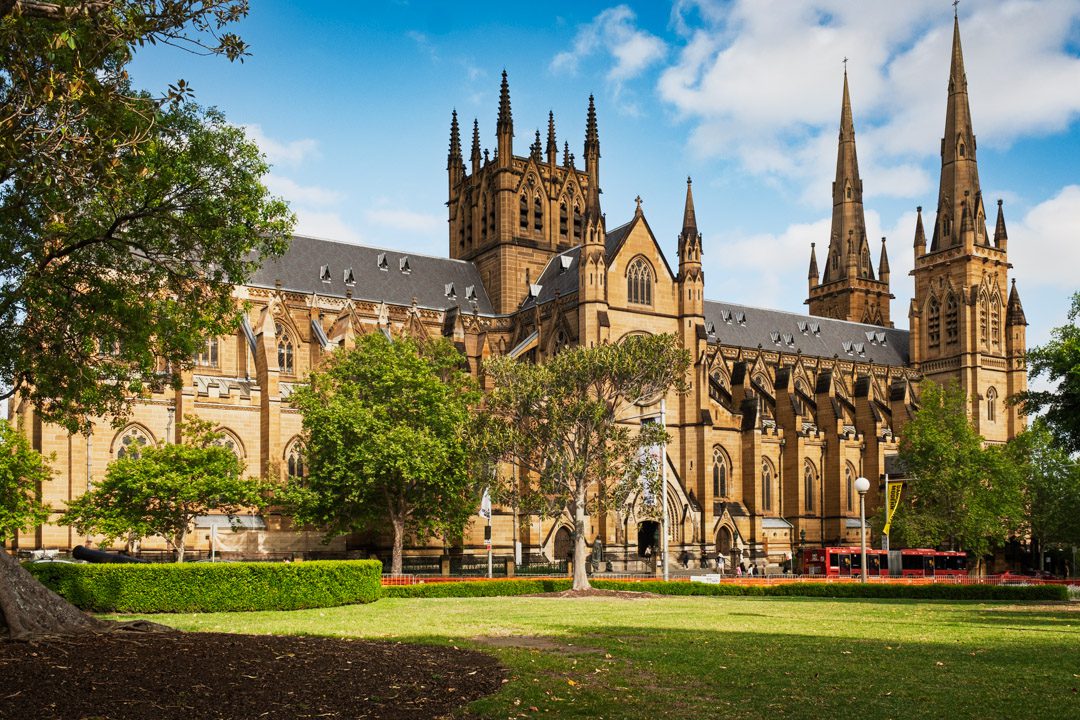
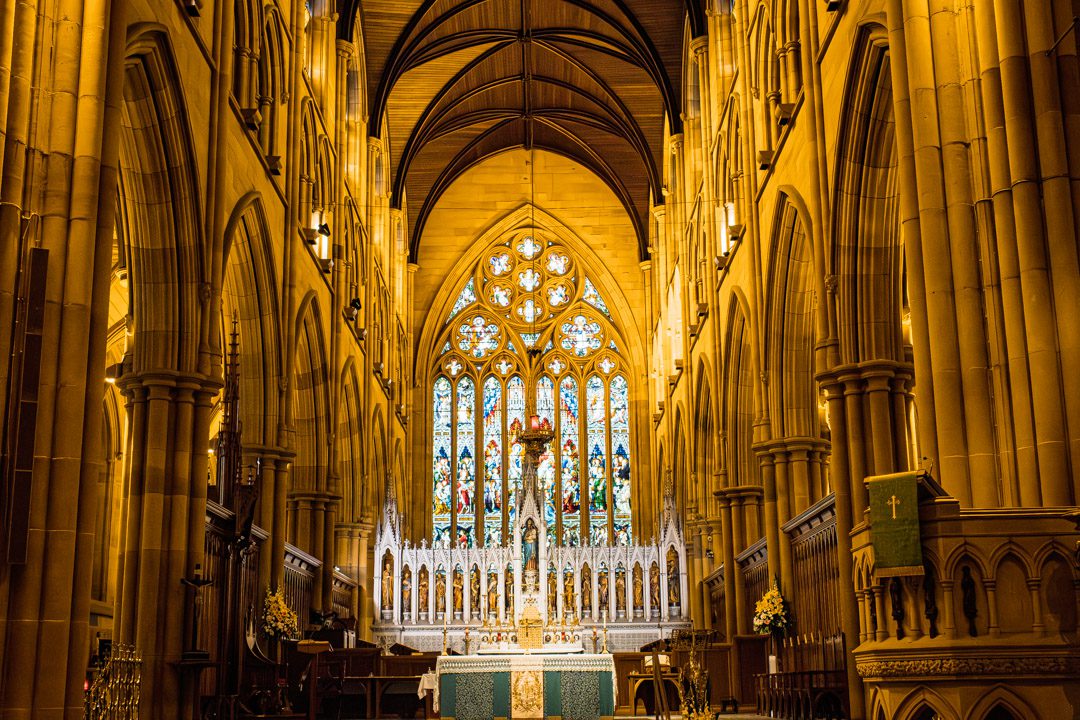
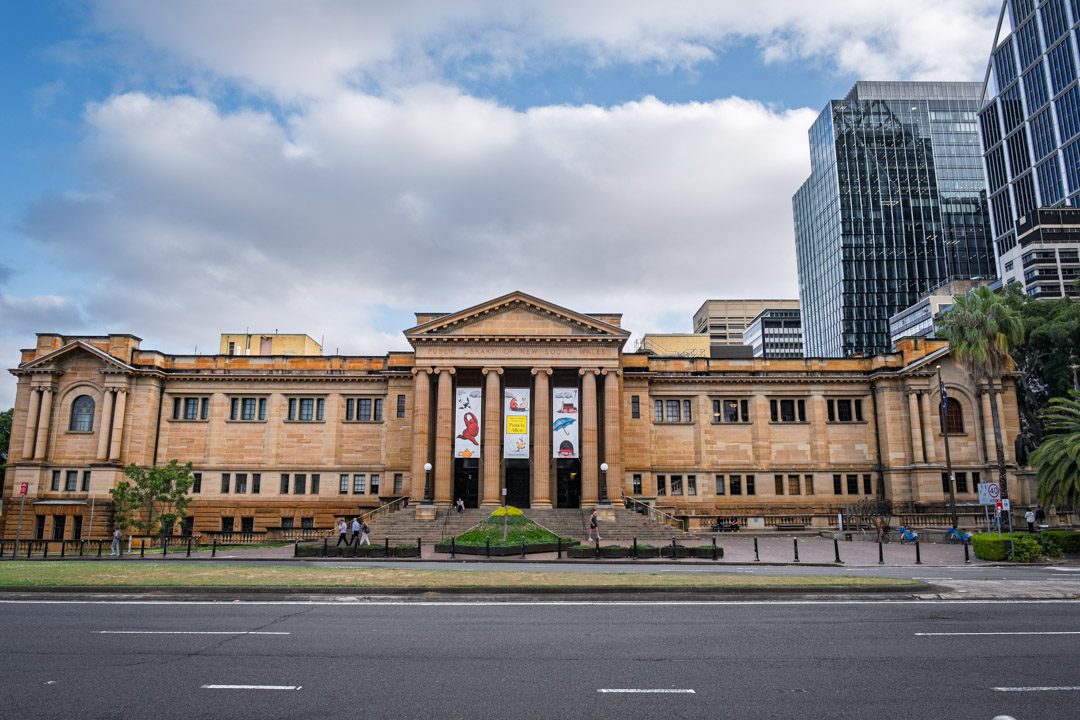
In the evening, we took a leisurely walk to St. Mary’s Cathedral, its striking sandstone façade and twin spires beautifully illuminated against the night sky. We then stopped by the nearby State Library of New South Wales, admiring its grand architecture and exploring a few of its galleries before making our way back to the hotel through the tranquil Royal Botanic Gardens.
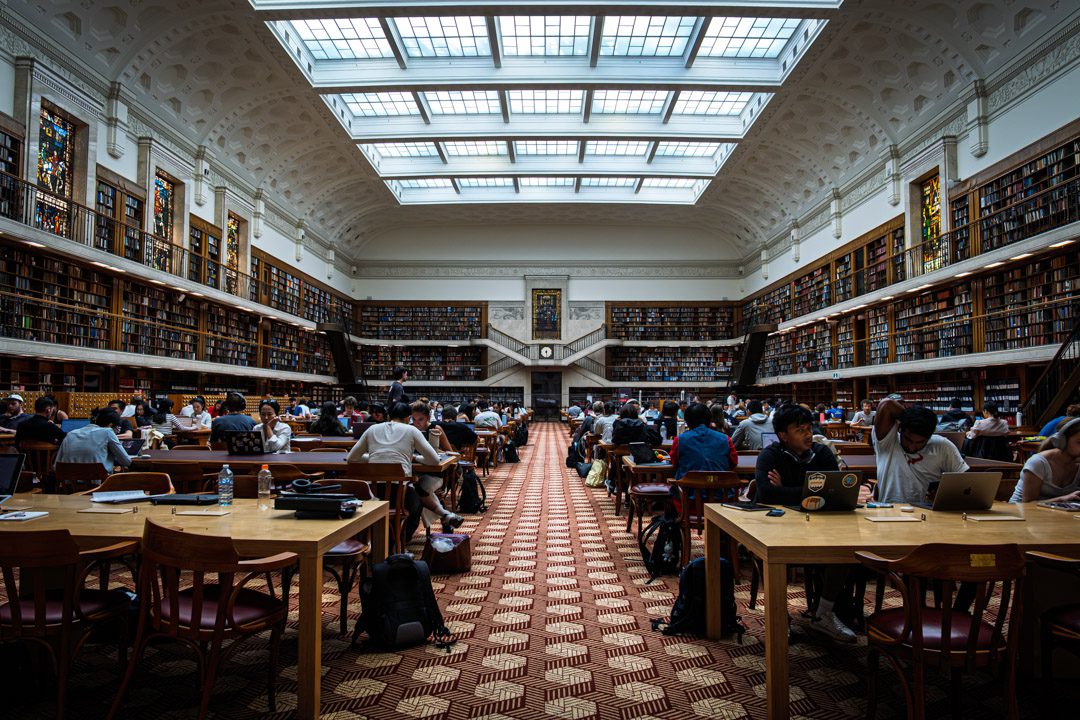
Exploring Sydney on Foot – October 14, 2025
Today was a perfect day for exploring Sydney on foot. We met our guide, Guy, who led us on a fascinating historical walking tour from our hotel to The Rocks, one of the city’s oldest and most famous neighborhoods. As we walked, Guy brought the past to life, tracing Sydney’s evolution from the arrival of Britain’s “First Fleet” in 1788 to the vibrant modern city it is today. We paused often at landmarks such as the Obelisk (from which all roads were once measured), Crown Casino, Roslyn Packer Theatre, the Australian Stock Exchange, and the statue of Matthew Flinders, who circumnavigated Australia with his cat, Trim—perched on a window ledge of the Mitchell Library behind his master. At the Anchor monument, Guy shared engaging stories about each site’s place in Sydney’s history. A stop at the Customs House was especially memorable, where Guy pointed out a detailed model of the city displayed beneath a glass floor, offering a unique bird’s-eye view of Sydney’s layout.
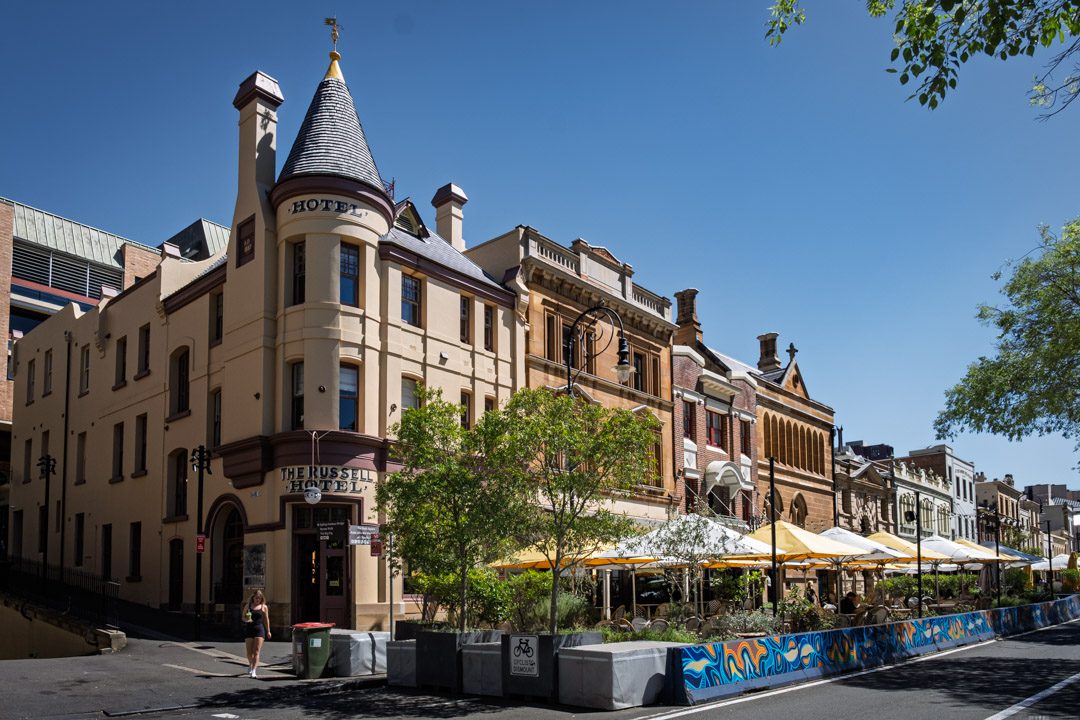
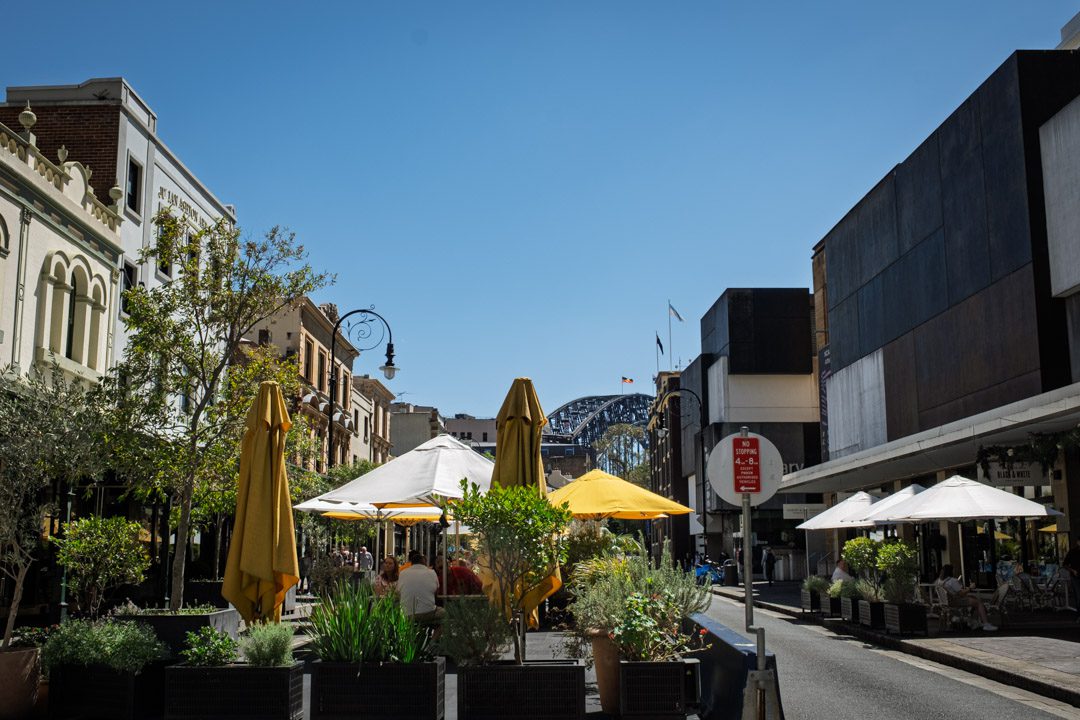
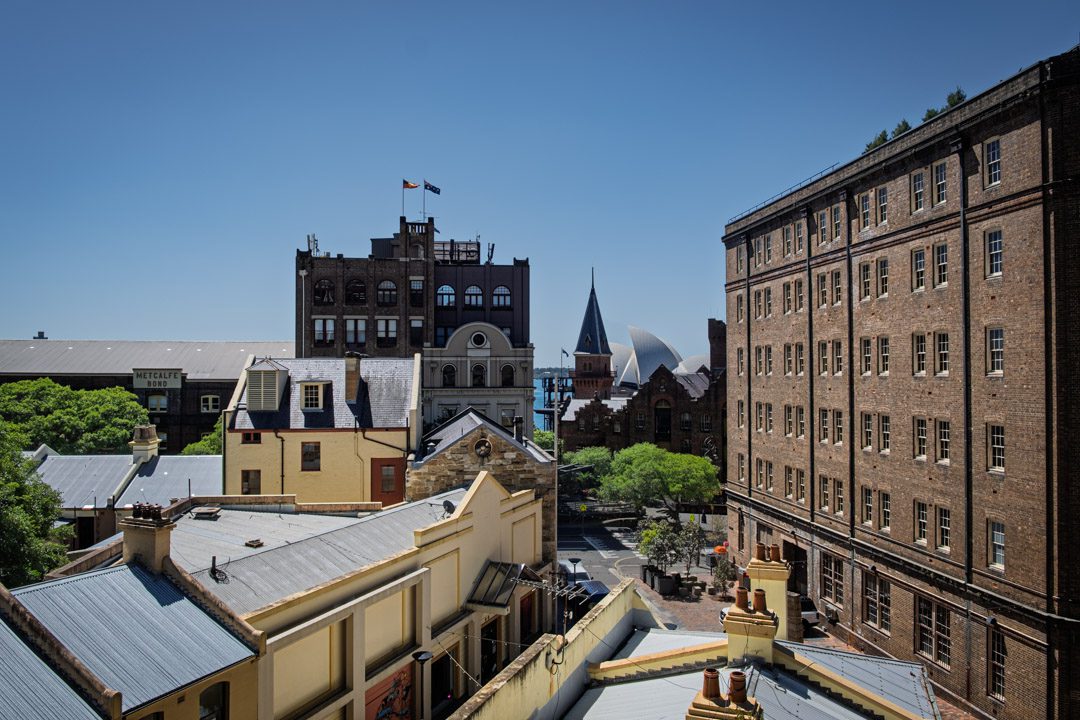
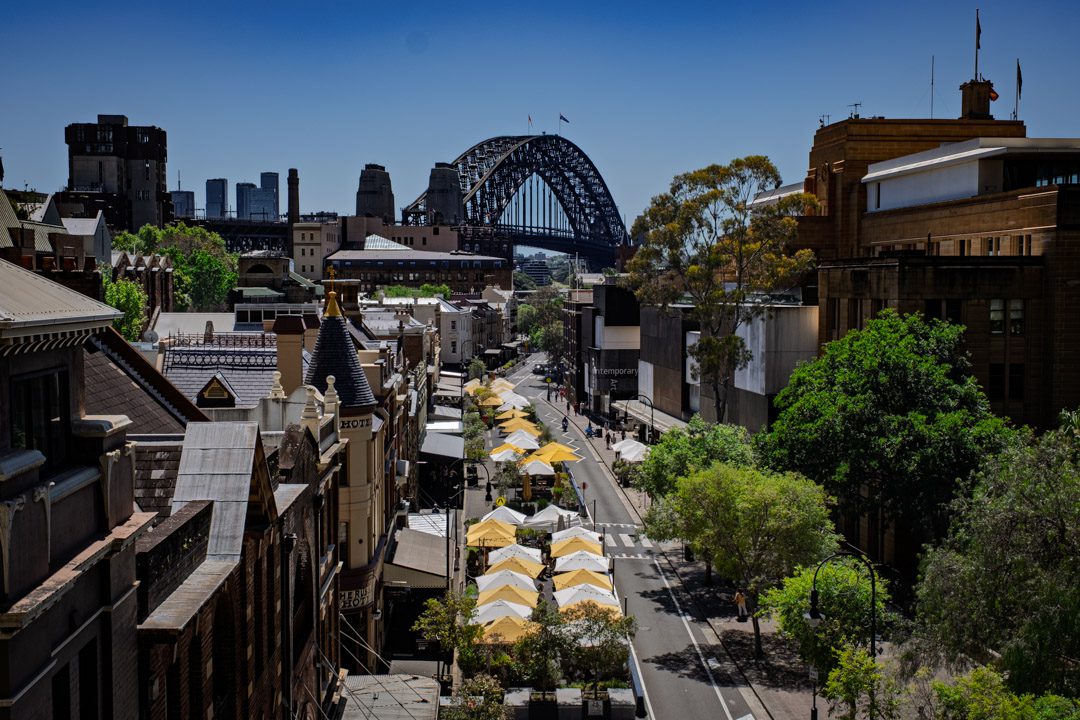
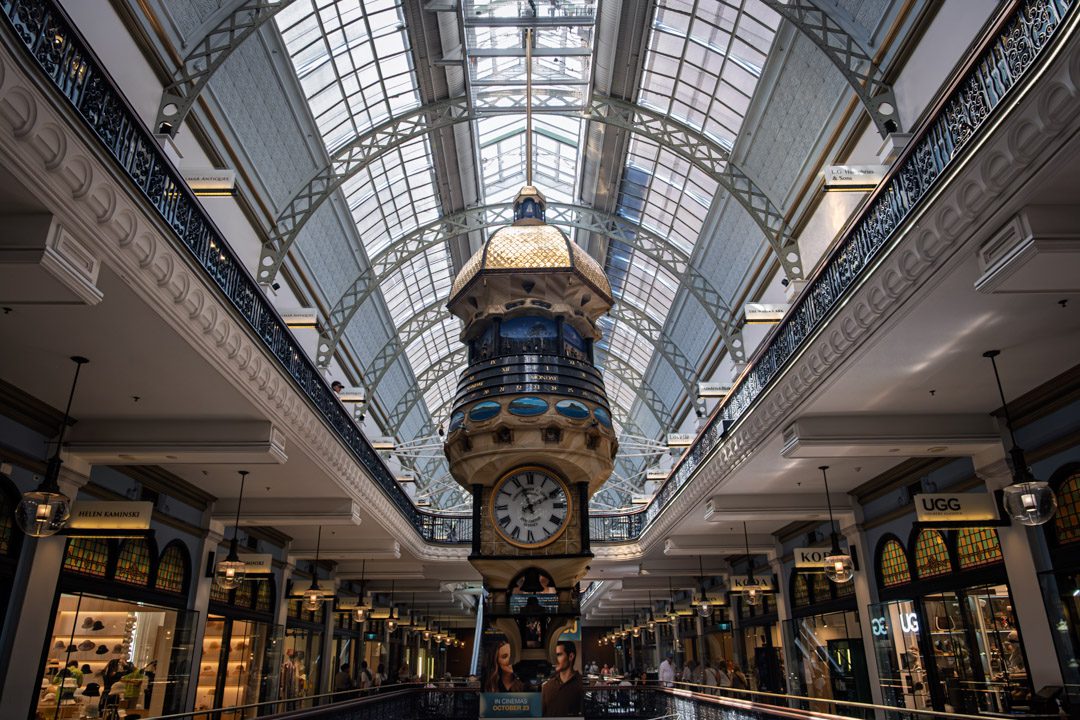
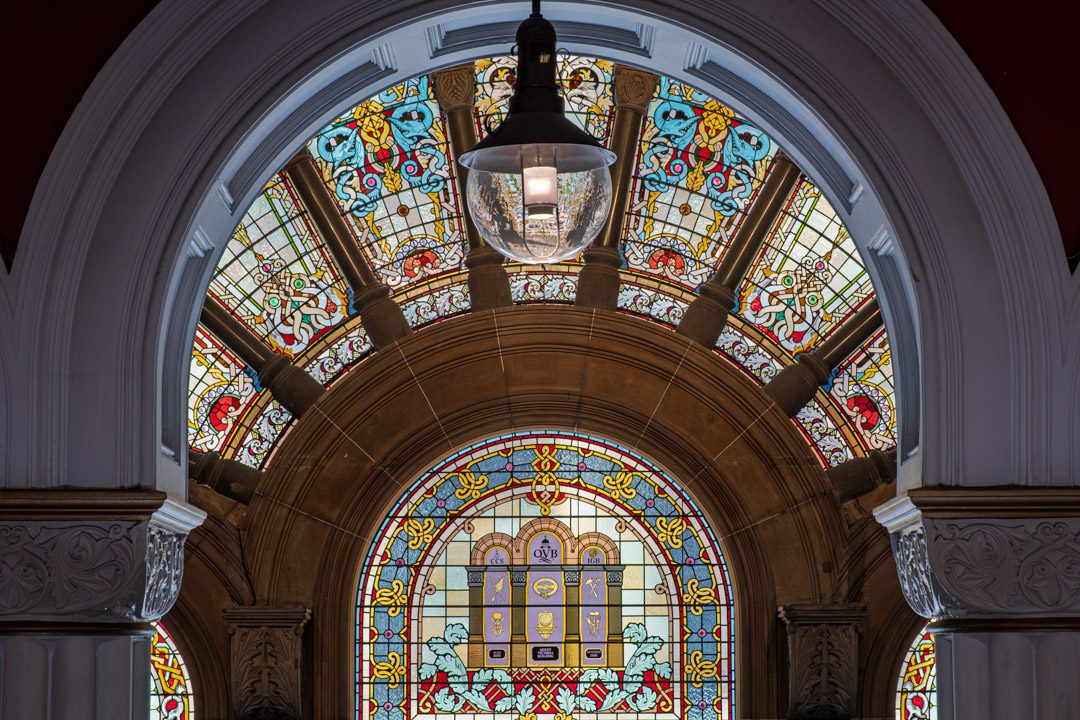
After a pizza lunch at the Australian Hotel, an authentic pub in The Rocks, we continued our walk along the Cahill Expressway pedestrian walkway, a scenic route with spectacular views of the harbor and the Sydney Opera House. From there, we took an elevator down to Circular Quay for a well-earned gelato. Later, the two of us hopped on a tram to the Queen Victoria Building (QVB), one of Sydney’s most elegant shopping arcades, beautifully restored with stained-glass windows and ornate arches. We spent some time browsing its boutique shops and grand corridors before returning to our hotel to relax and prepare for tomorrow’s flight to New Zealand.
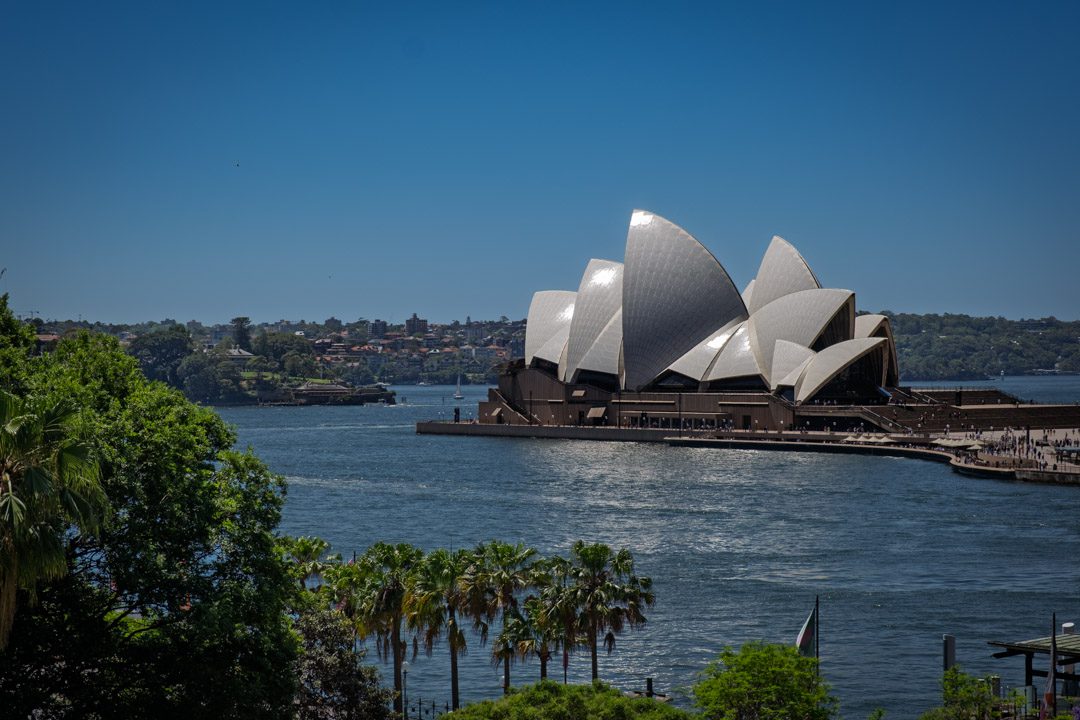
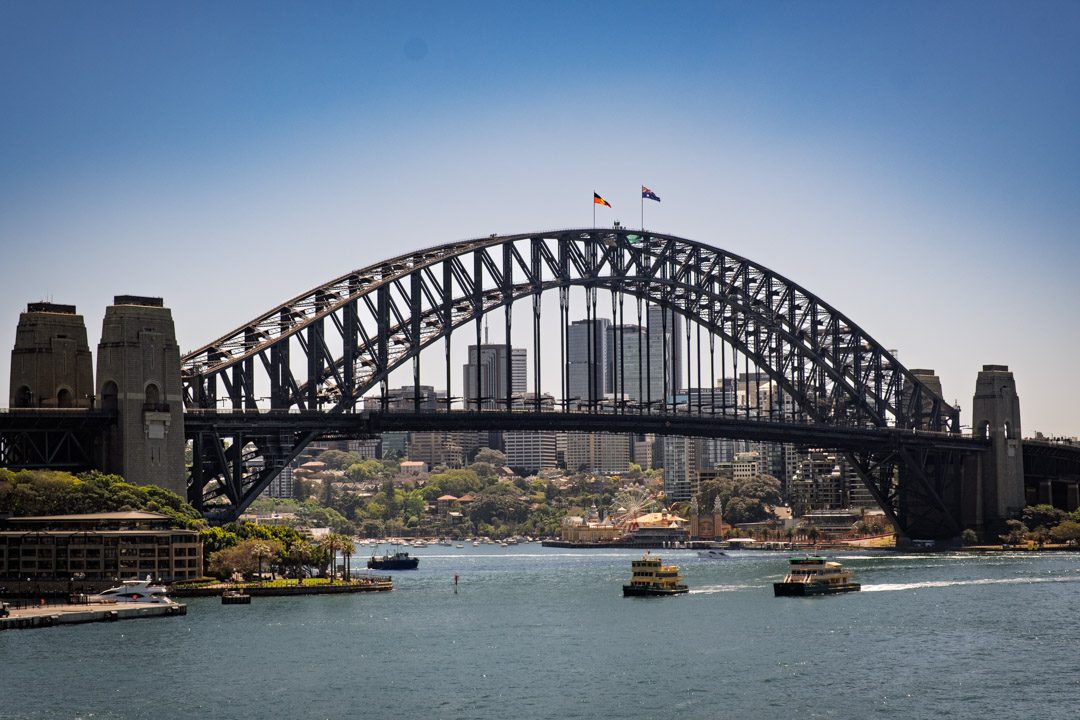
Later in the evening, we walked to a waterfront seafood restaurant with an unobstructed view of the Sydney Opera House — a perfect spot for Albert to capture some stunning photos as the light changed.
From Sydney to Wellington – October 15, 2025
Today was a travel day. We left our hotel for the airport to begin the next phase of our tour, flying from Sydney to “windy” Wellington — the capital city of New Zealand. Wellington is so windy that there is a sign called Wellington Blown Away on the hills near the airport, with the last few letters of “Wellington” appearing as if they are being blown off the sign. The three-hour flight took us across the Tasman Sea, often referred to as “the Ditch.” Upon arrival, immigration was quick and efficient, but customs was notably strict. New Zealand has rigorous biosecurity laws to protect its fragile environment, so all food, plant materials, and outdoor gear must be declared and carefully inspected before leaving the airport. On the way to the hotel, we passed by the Zephyrometer, a public sculpture by Phil Price in Evans Bay. It is a kinetic artwork consisting of a concrete cylinder and a tall needle that sways according to the direction and speed of the wind. It is one of five wind sculptures in the area. Our transfer to the hotel took about 40 minutes.
Exploring Wellington – October 16, 2025
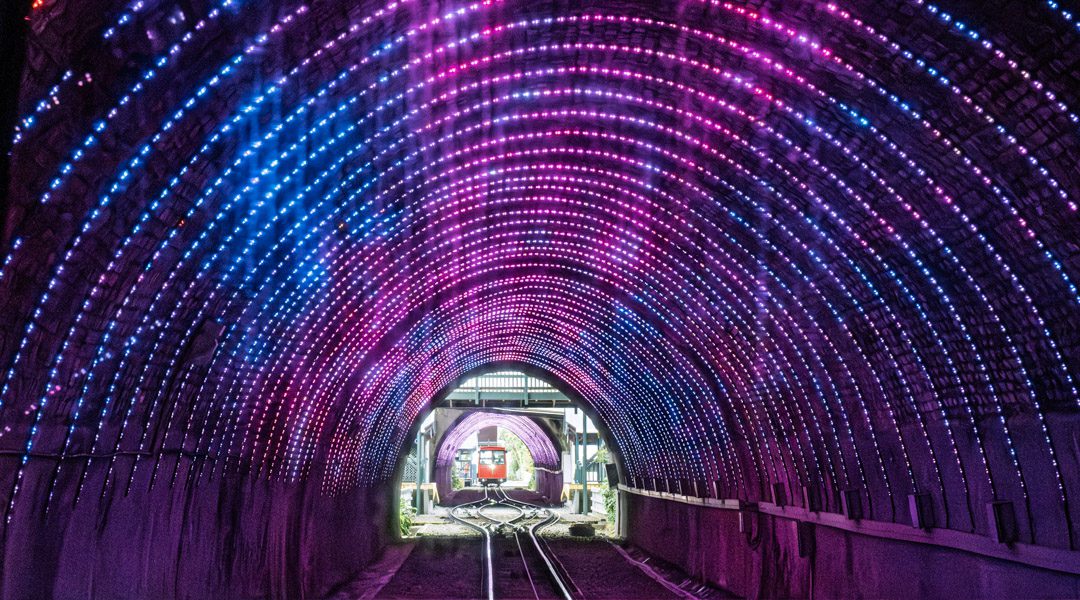
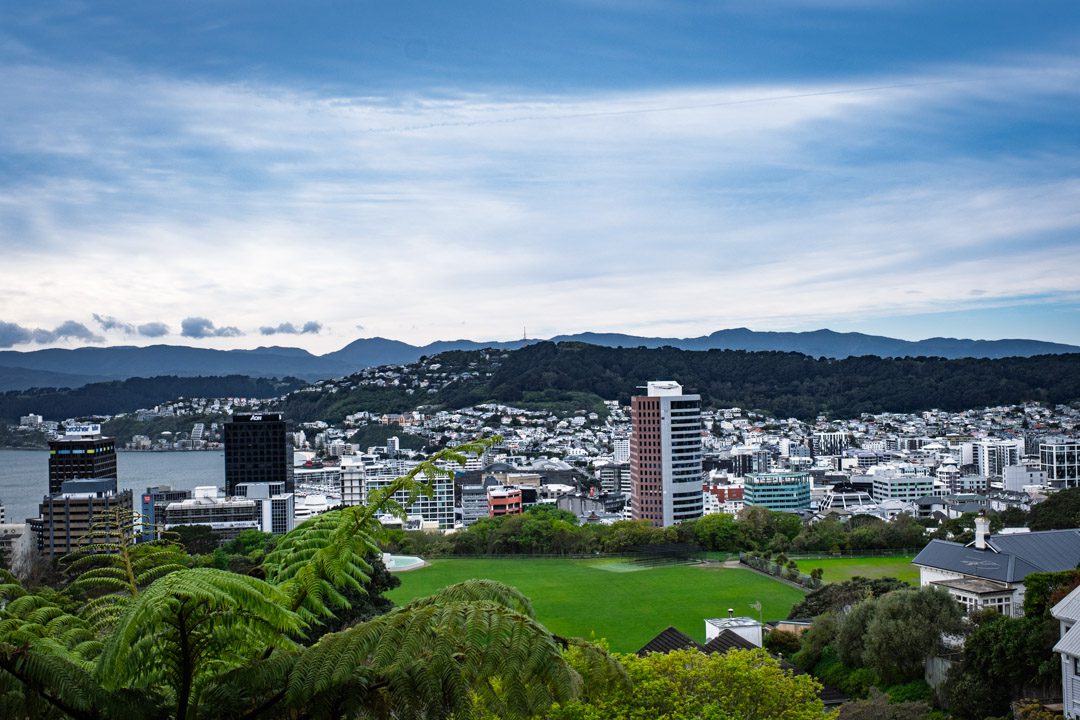
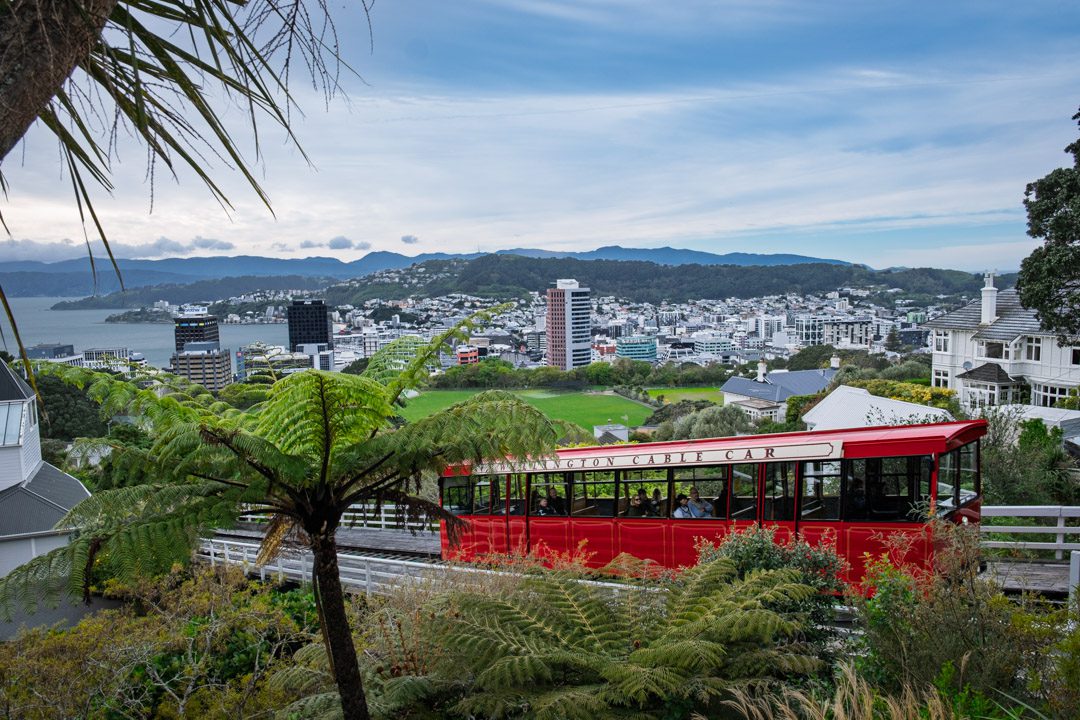
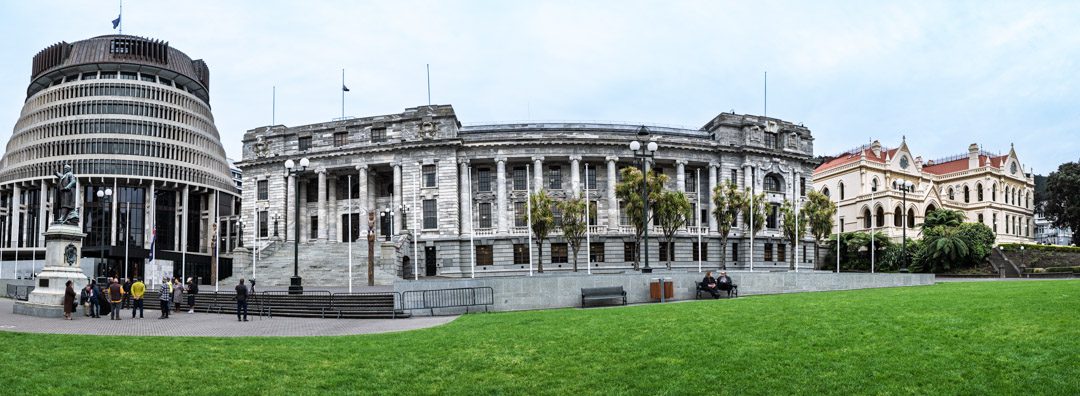
Our day began with a scenic ride on the Wellington Cable Car, traveling from Lambton Quay in the city center up to Kelburn, where we met our local guide, Sarah. Against a stunning backdrop of Wellington’s harbor and coastline, she gave us a brief overview of New Zealand’s history—from its Māori origins and Polynesian settlement to British colonization and its growth into a modern, independent nation. From there, we boarded a bus that took us to the government center, home to New Zealand’s Parliament complex. Sarah pointed out the distinctive Beehive building, along with Parliament House and the Parliamentary Library, explaining their architectural styles and roles in the country’s political system. Noteworthy is that New Zealand was the first country to give women the right to vote, as early as 1893. Kate Sheppard, who played an important role in securing this right, is remembered by an apartment complex near Parliament House that bears her name, and her silhouette, in Victorian costume, appears on eight pedestrian crossing lights in the area.
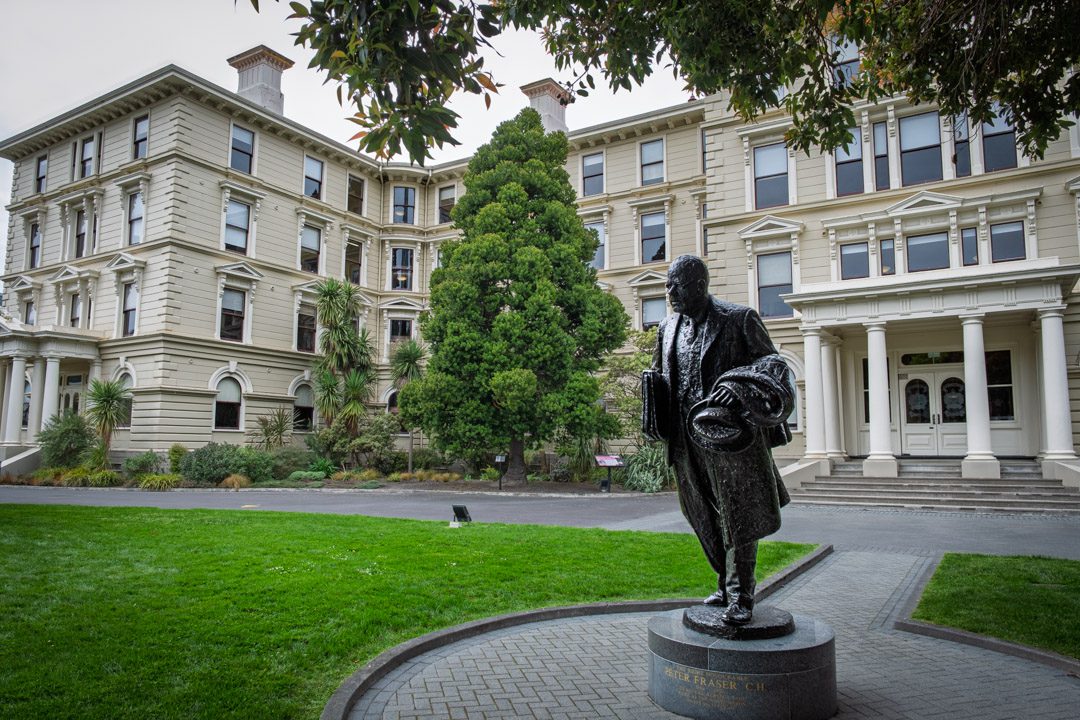
We then walked past the Supreme and High Courts, as well as the nearby Government Buildings—one of the largest timber structures in the Southern Hemisphere. Our next stop was the National Library of New Zealand, where Sarah highlighted its cultural importance and the preservation of national treasures such as the Treaty of Waitangi (signed by a majority of Māori chiefs in 1840, giving Queen Victoria’s government the sole right to purchase land, although the English and Māori versions were not quite the same) and other documents from New Zealand’s early history.
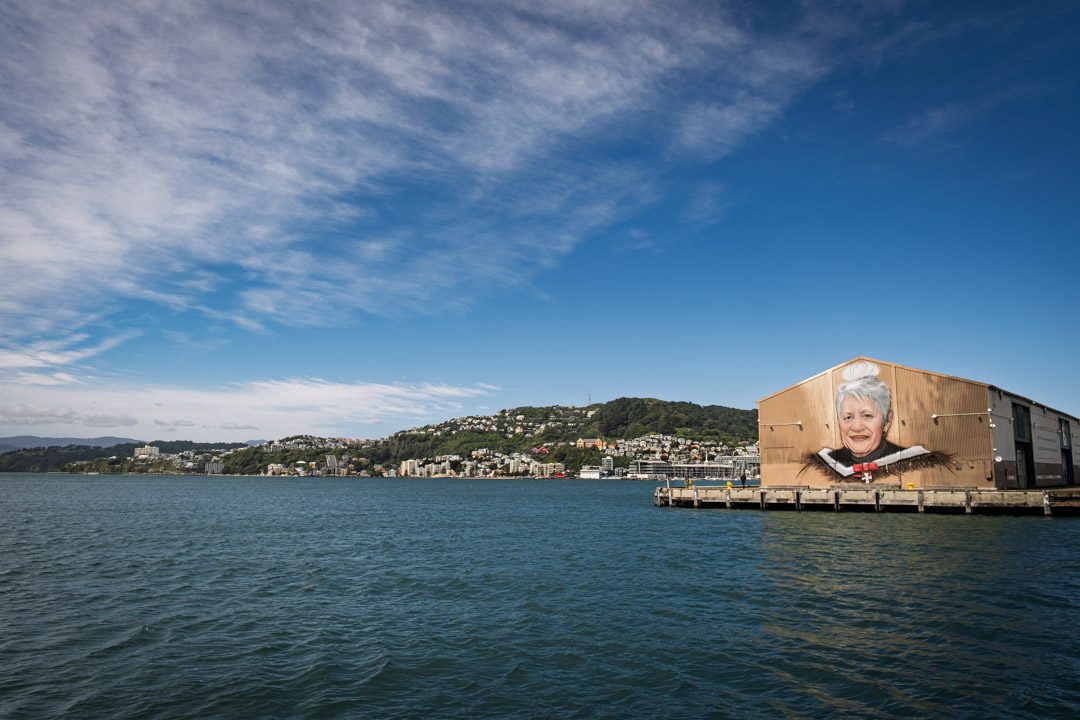
We concluded the tour at The Thistle Inn, Wellington’s oldest public house, established in 1840 but destroyed by fire and rebuilt in 1866, where we enjoyed a cup of coffee in its historic setting. The inn’s dining room features a short story by Katherine Mansfield, Leves Amores, displayed on its walls. The story is believed to be set in this very inn; she writes, “I can never forget the Thistle Hotel. I can never forget that strange winter night.” Katherine Mansfield, a celebrated short story writer, spent her childhood in a home located about 15–20 minutes from the inn. Unfortunately, we were not able to visit the house and garden, which are open to the public.
After a brief lunch break, we regrouped at the Museum of New Zealand Te Papa Tongarewa—“the container of treasures”—the country’s national museum, for a docent-led tour. Our guide provided an engaging overview of the museum’s key exhibits, which showcase New Zealand’s rich cultural heritage, natural history, and art. Highlights included displays on Māori culture and traditions, as well as the story of New Zealand’s unique wildlife and geology. We were particularly impressed by the Māori meeting house and the canoe.
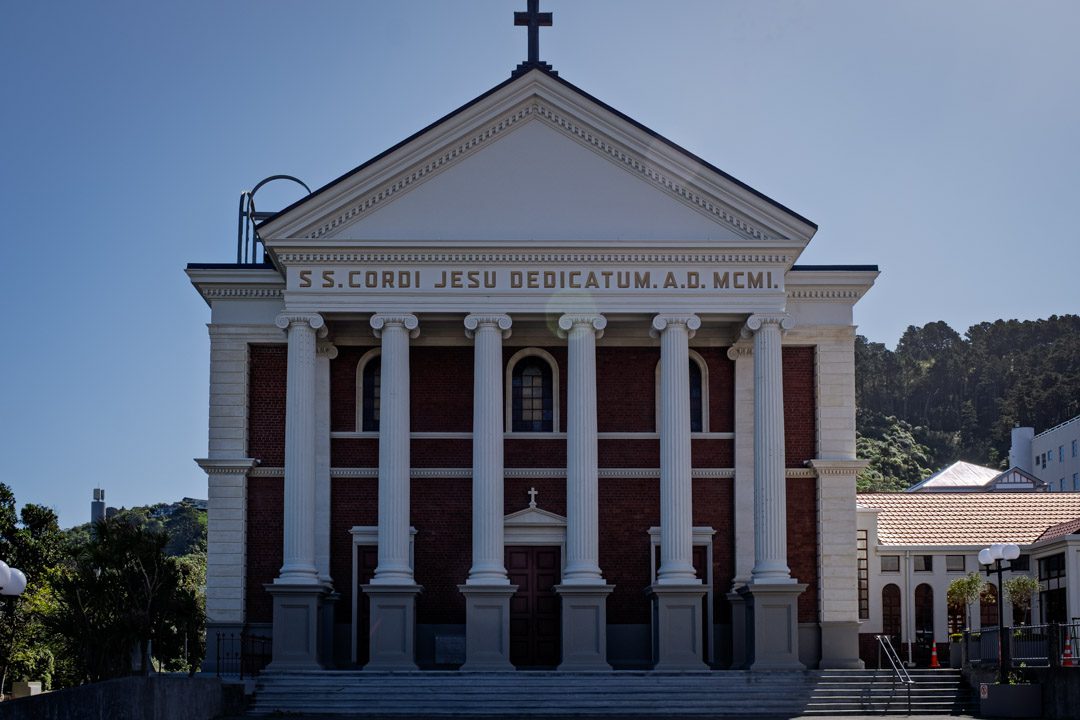
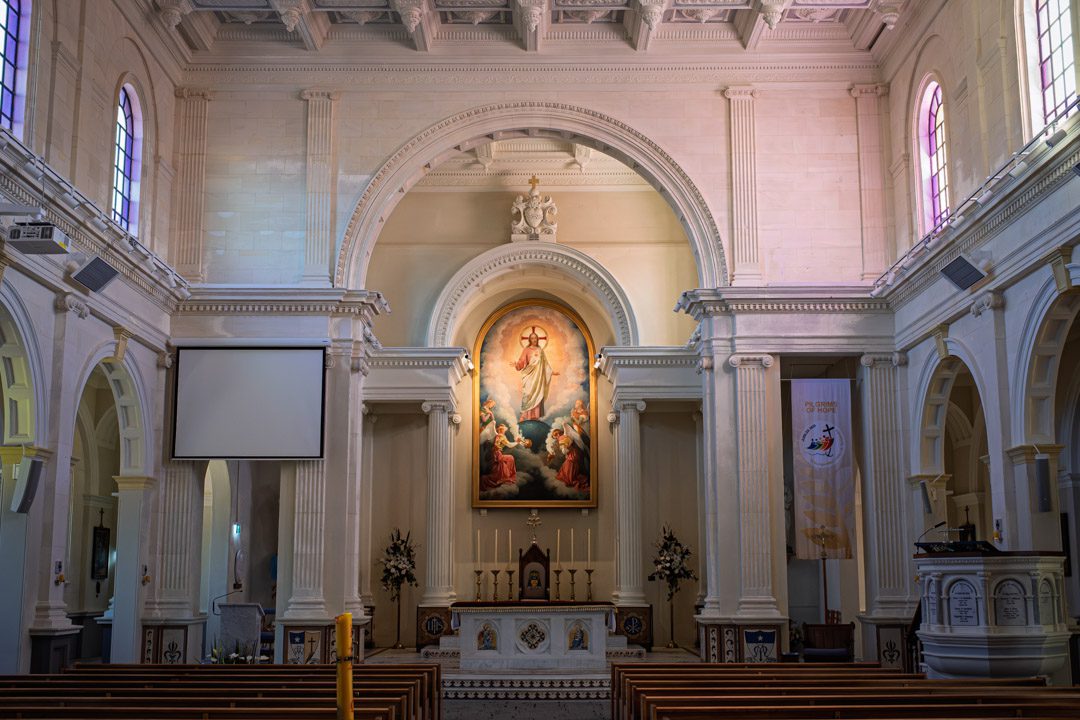
After concluding the museum tour, we took an Uber to visit the Sacred Heart Cathedral, one of the simplest yet most serene cathedrals we’ve visited so far.
From Wellington to Wine Country and the Marlborough Sounds – October 17, 2025
We departed our hotel for a short drive to Wellington Airport, where we boarded a private charter flight to Blenheim, our next stop for a two-night stay. On the way, we passed the Peter Jackson Studio complex, home to the world-famous Wētā Workshop and Wētā FX—where much of the movie magic behind The Lord of the Rings, The Hobbit, and many other blockbusters was created. Unfortunately, despite being in the city that shares its name with the famous dish, we didn’t get a chance to try Beef Wellington before leaving.
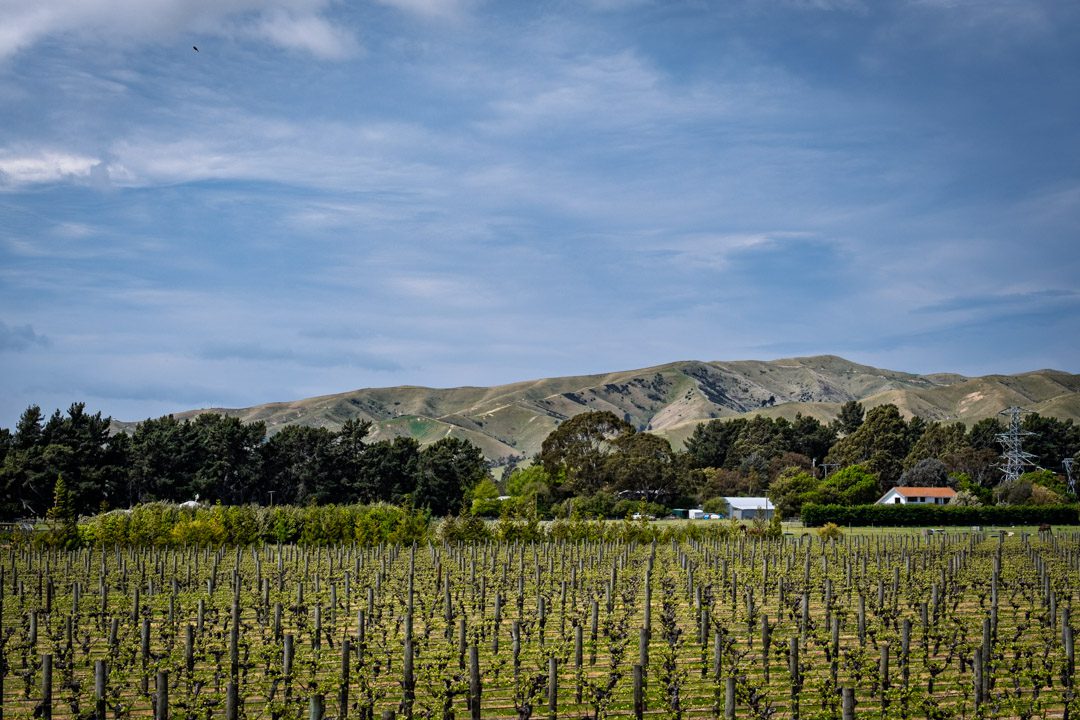
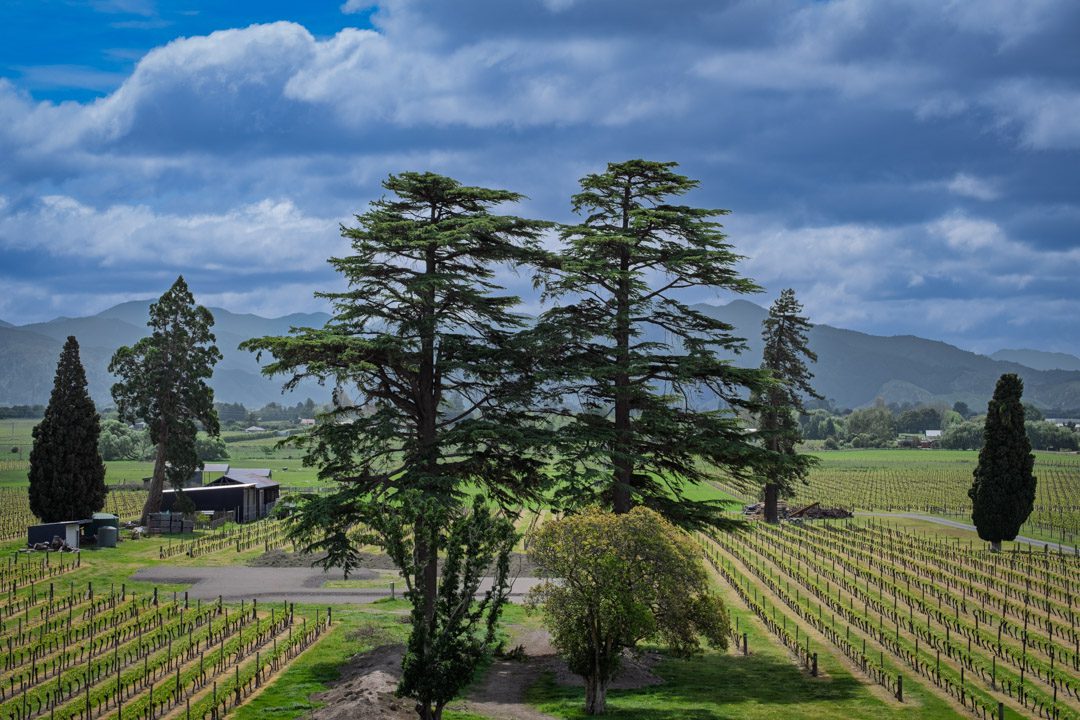
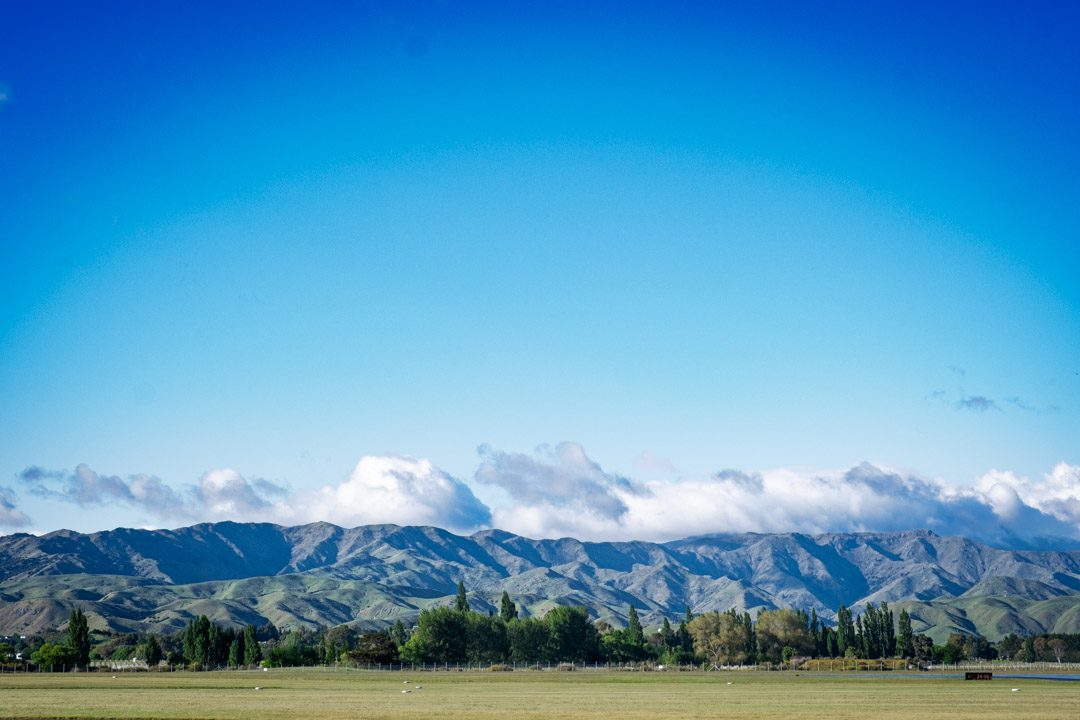
After landing at Blenheim Airport, we boarded a bus to Picton, a charming seaside town at the top of New Zealand’s South Island, known as the gateway to the stunning Marlborough Sounds. Our route took us through the Marlborough region, world-renowned for its Sauvignon Blanc vineyards. Marlborough produces about 80% of New Zealand’s total wine, with Sauvignon Blanc accounting for much of that. Nearly a third of the country’s wine is exported to the United States. Along the way, we passed several iconic wineries, including the celebrated Cloudy Bay. The drive was wonderfully scenic—rolling hills lined with grapevines, open farmland dotted with sheep, and distant mountain ranges completing the picturesque landscape.

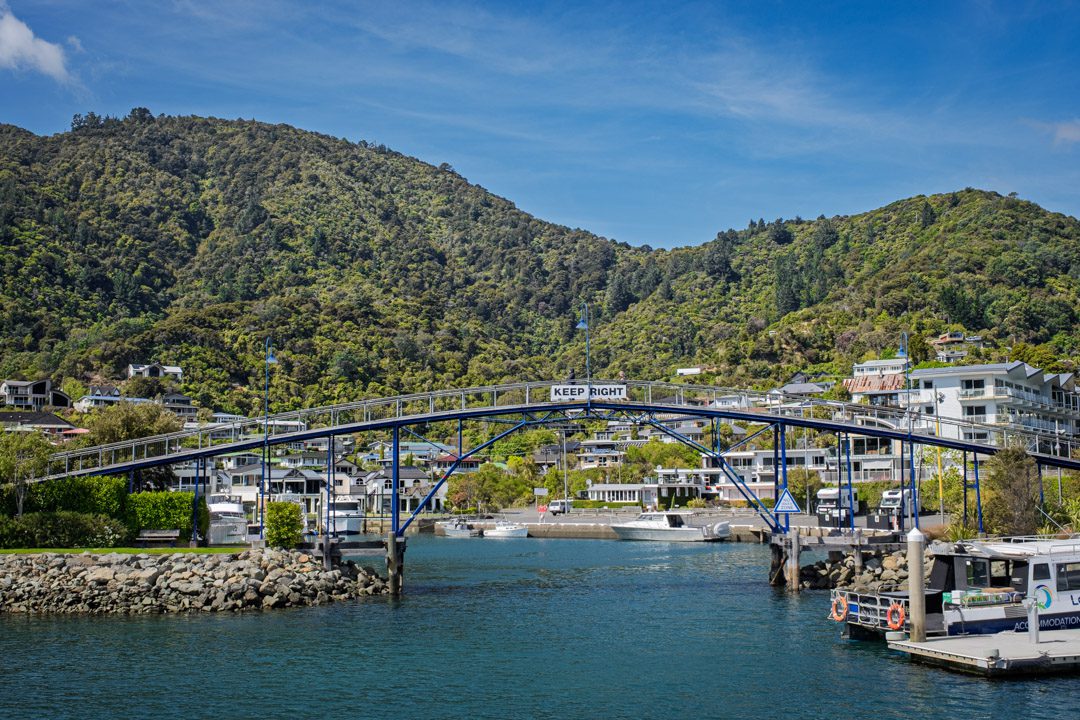
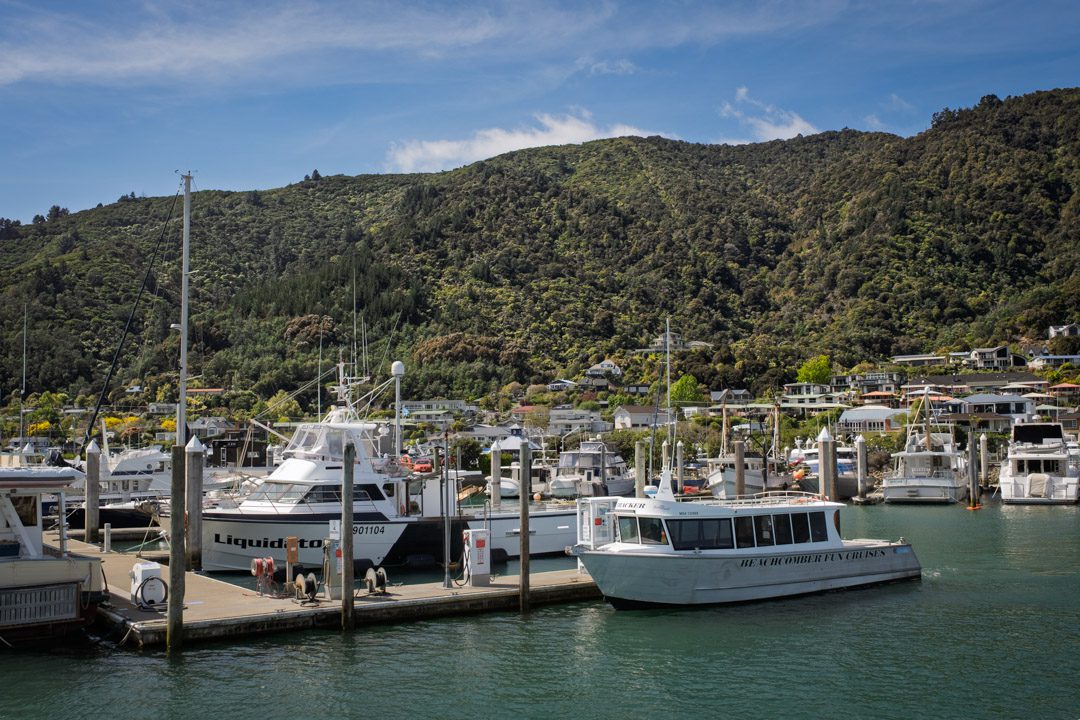
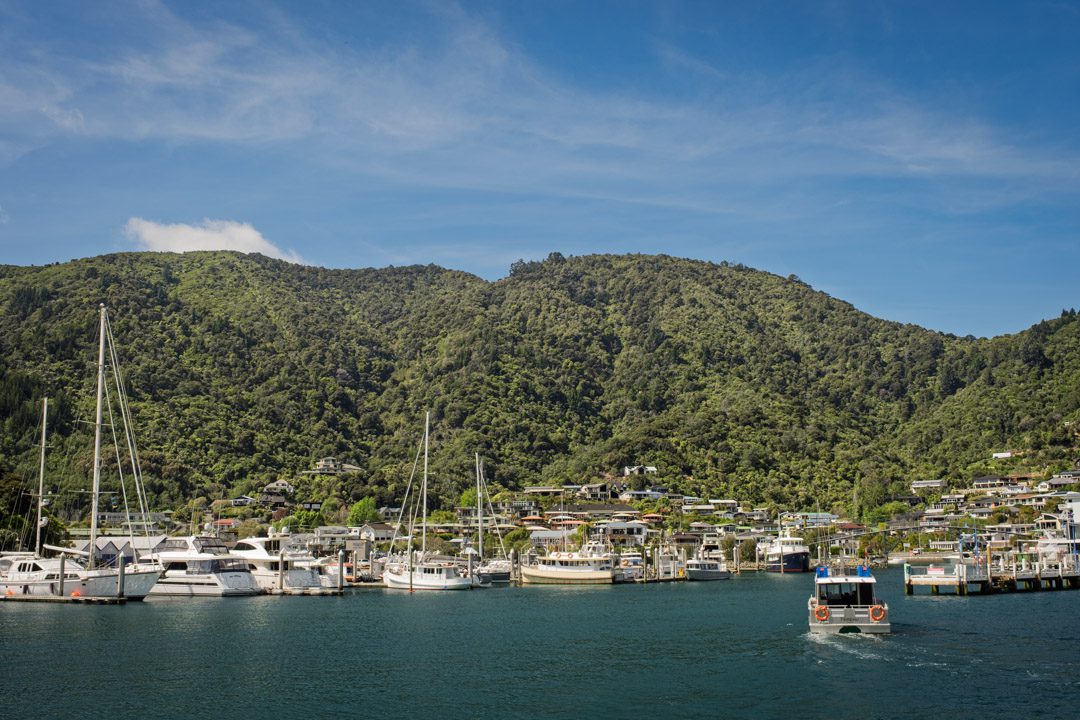
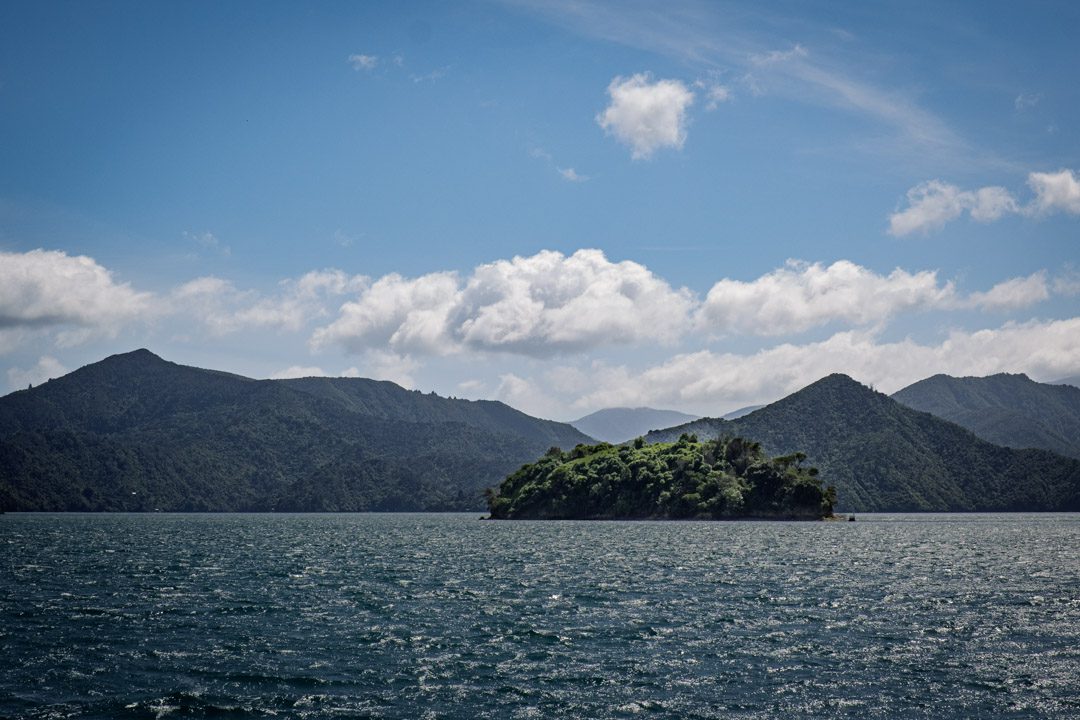
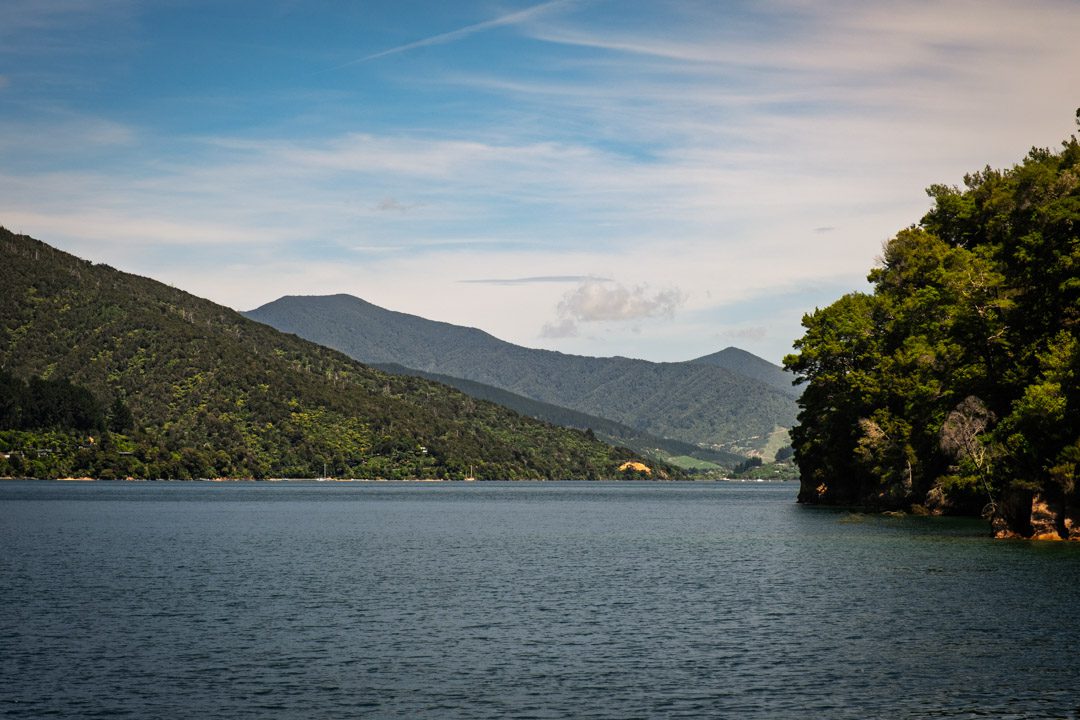
Once in Picton, we hopped aboard a catamaran for a cruise through the breathtaking Queen Charlotte Sound. The scenery was spectacular—calm turquoise water surrounded by lush green hills and secluded coves at every turn. On board, we sampled freshly steamed green-lipped mussels, a local favorite, paired with glasses of crisp Marlborough Sauvignon Blanc. Between the food, the wine, and the views, it was one of those perfect New Zealand experiences that’s hard to beat.
Farm Life and Winery Lunch – October 18, 2025
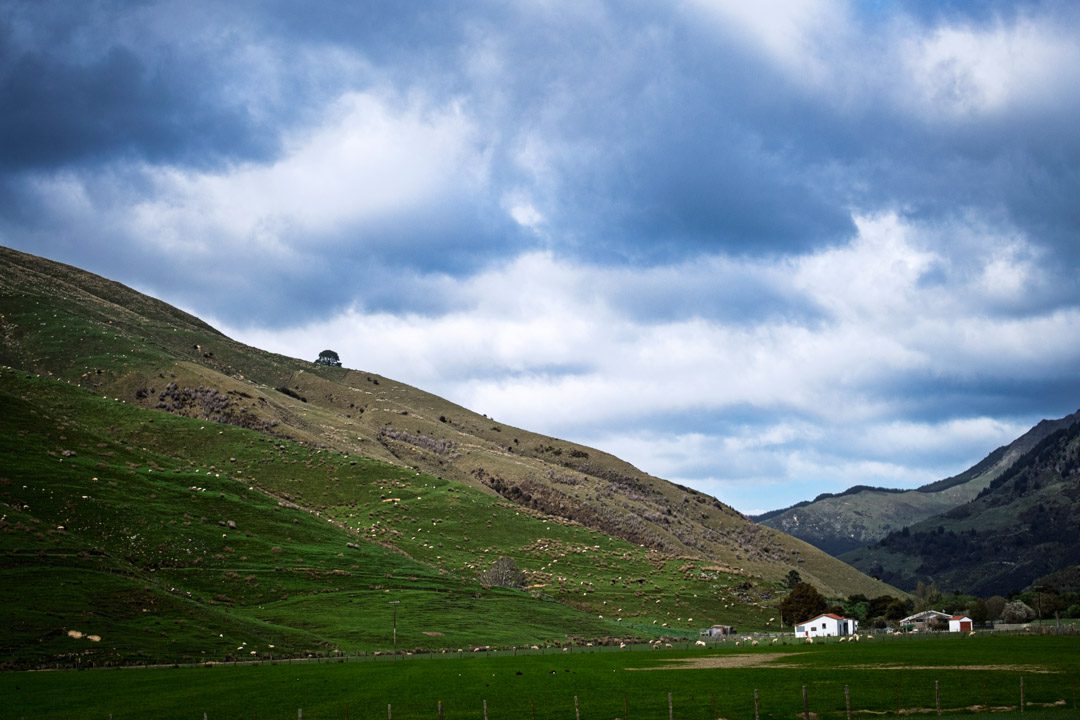
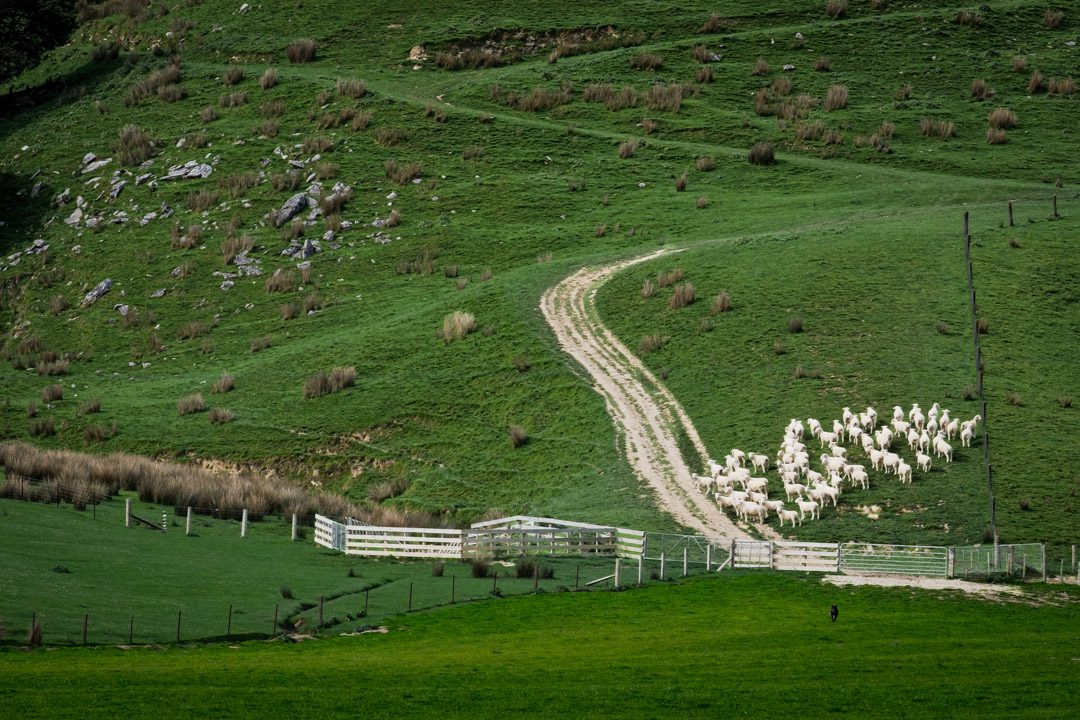
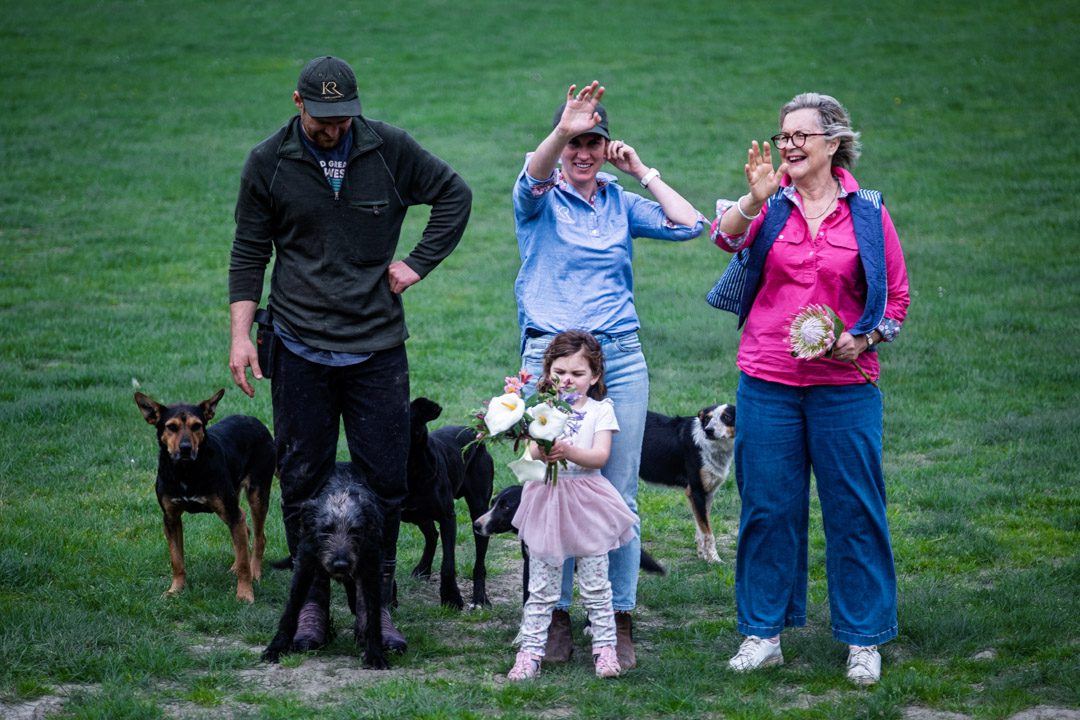
Our day started with a visit to Kaituna Ridges, a privately owned 2,000-acre working farm set amid the scenic Marlborough countryside. The farm is home to around 10,000 sheep and has been run by five generations of the Gane family, who have farmed in the region for over a century. We were welcomed by the farmer, his mum, his wife, three of their four children, and their dogs. Our visit offered an authentic glimpse into New Zealand’s rural life, beginning with a lively sheepdog demonstration where expertly trained dogs responded to whistles and commands, skillfully herding sheep across the fields. This was followed by an impressive sheep-shearing demonstration that highlighted the remarkable speed, precision, and expertise of the shearer. Afterward, we browsed their farm shop, enjoyed pastries, and spent some time getting better acquainted with the family and their sheep-farming practices.

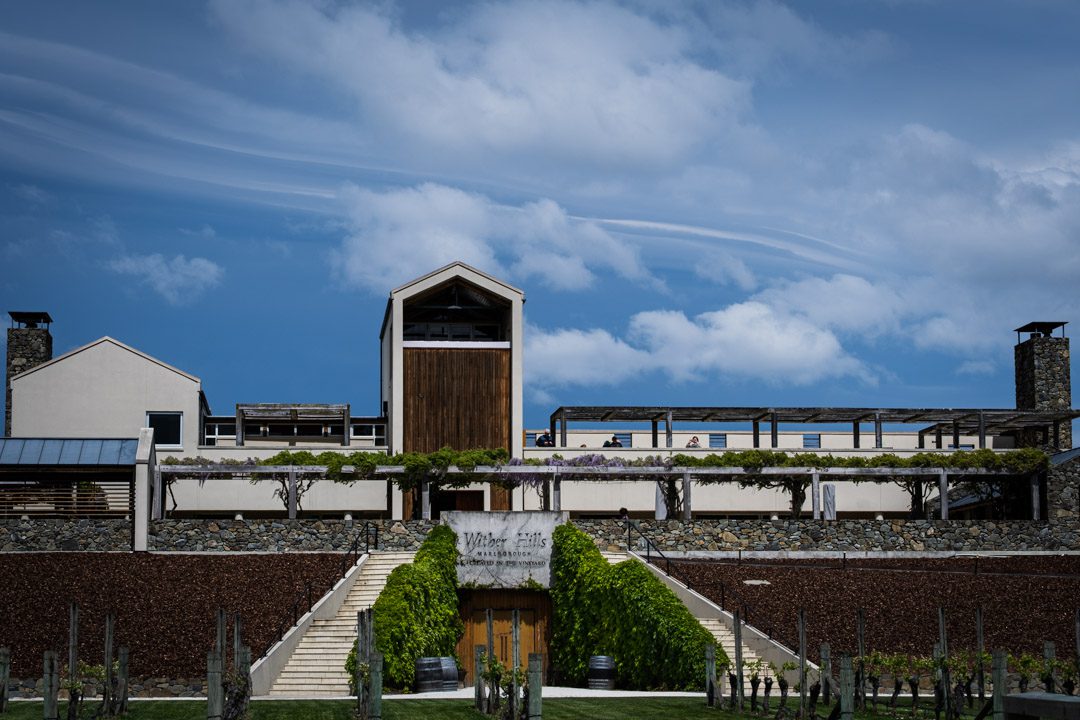
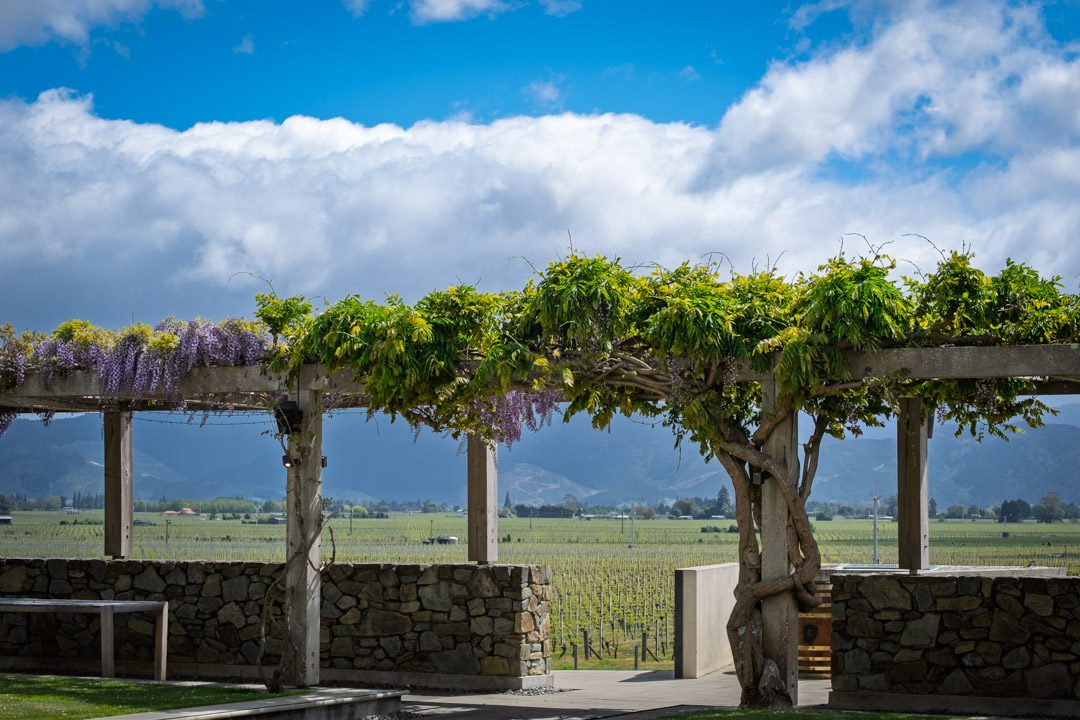
We continued to Wither Hills Winery, a beautiful estate set against the rolling Wither Hills, surrounded by vineyards and views of distant mountains. There we met Patricia, the winemaker from Chile, who has worked in Washington State and California’s Napa Valley. She shared her insights on the winemaking process and the unique qualities of the region. We enjoyed a tasting of Sauvignon Blanc, Chardonnay, and Pinot Noir, followed by a delicious three-course lunch.
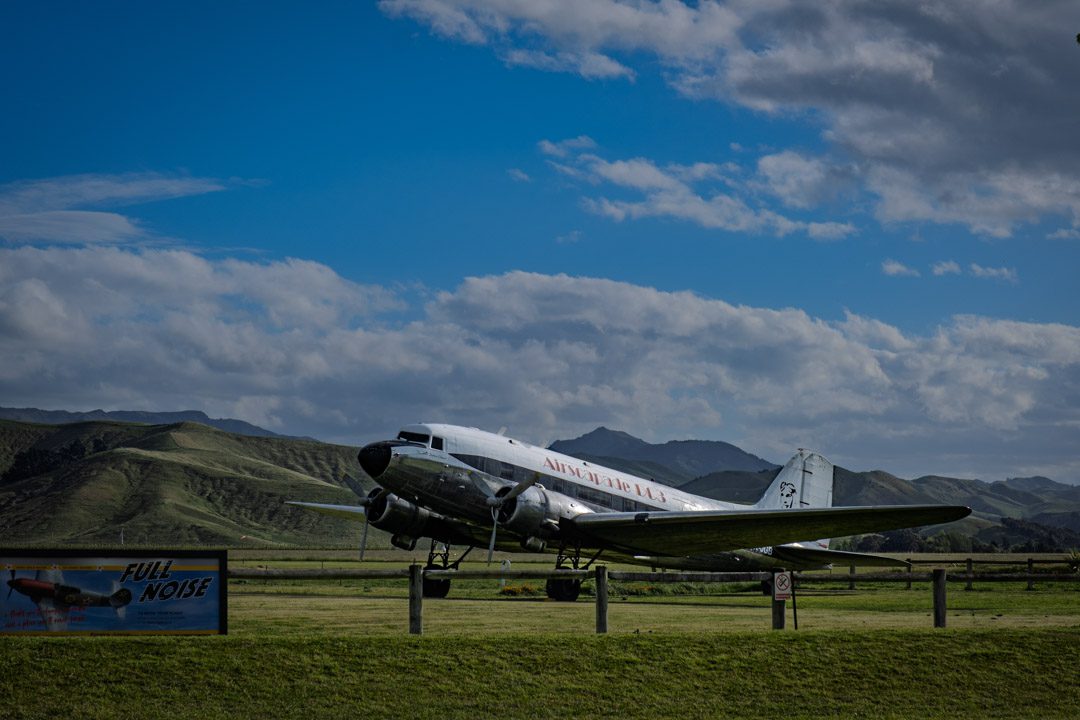
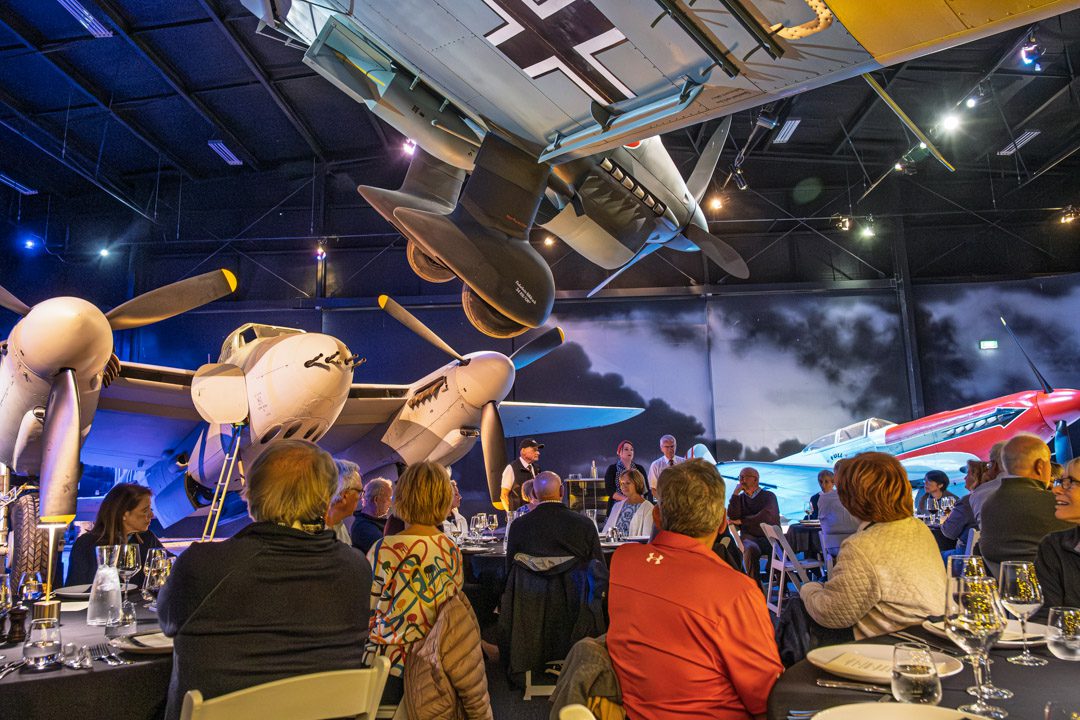
This evening, we enjoyed a one-of-a-kind experience at the Omaka Aviation Heritage Centre, home to an extraordinary collection of World War I and II aircraft and memorabilia owned by film director Sir Peter Jackson. The museum’s exhibits—Knights of the Sky and Dangerous Skies—bring aviation history to life through stunningly detailed dioramas and beautifully restored aircraft. After a private tour of the galleries with a knowledgeable guide, we were treated to Dinner with the Warbirds, a delicious three-course meal featuring fresh Marlborough produce and outstanding local wines.
Scenic Flight to Te Anau and Jet Boat Adventure – October 19, 2025
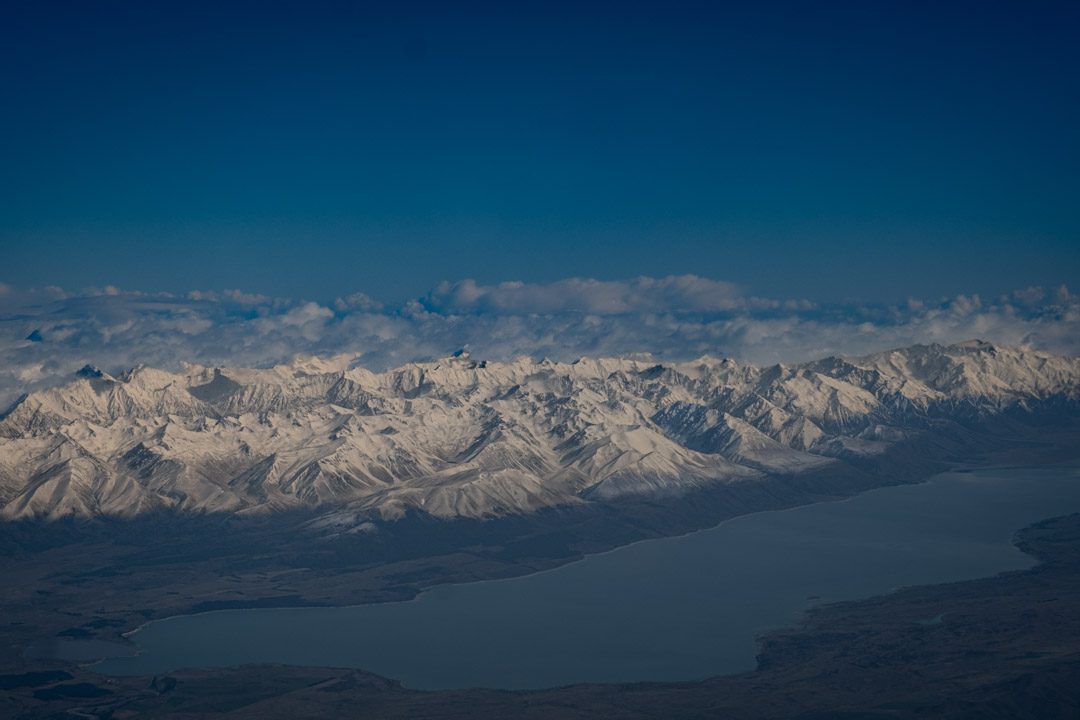
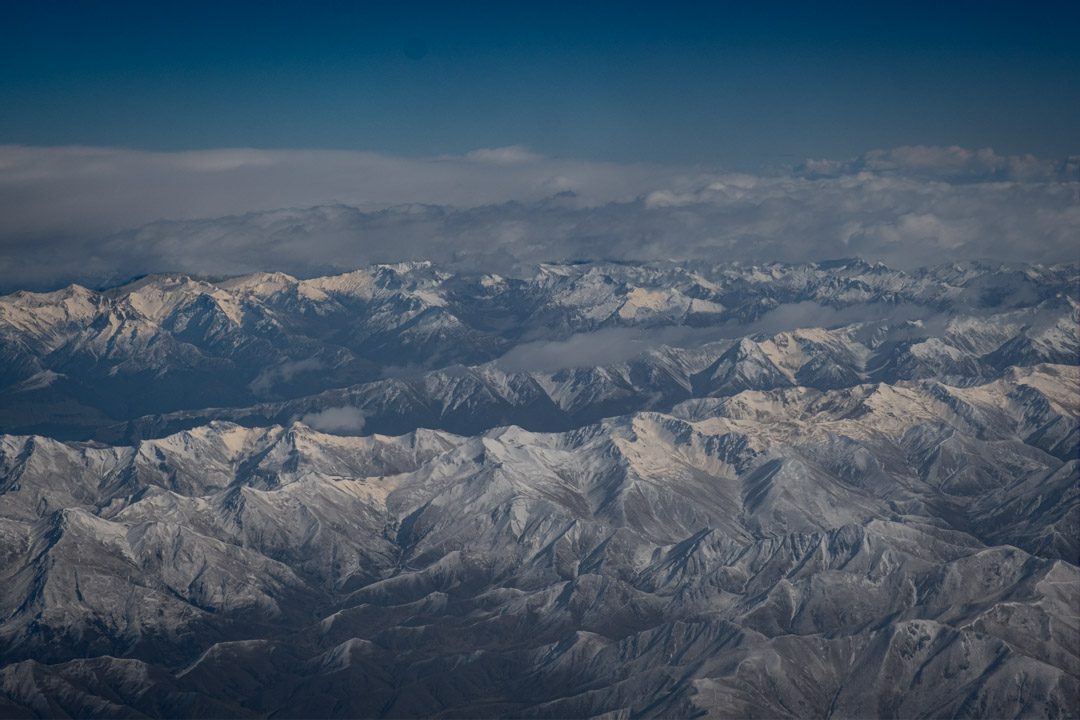
Today, we departed on a private charter flight to Te Anau for a two-night stay at a beautiful villa overlooking Lake Te Anau. The two-hour flight was spectacular, offering sweeping views of the Southern Alps—their snow-capped peaks, glacier-carved valleys, and rugged ridgelines stretching endlessly beneath us—scenery that brought back memories of our flight over the majestic Himalayas. On our way to the lakeside resort, we stopped at the Te Anau Bird Sanctuary, a peaceful haven for some of New Zealand’s rarest native birds. We took a brief walk through the enclosures to see the takahē, a large flightless bird once thought to be extinct.
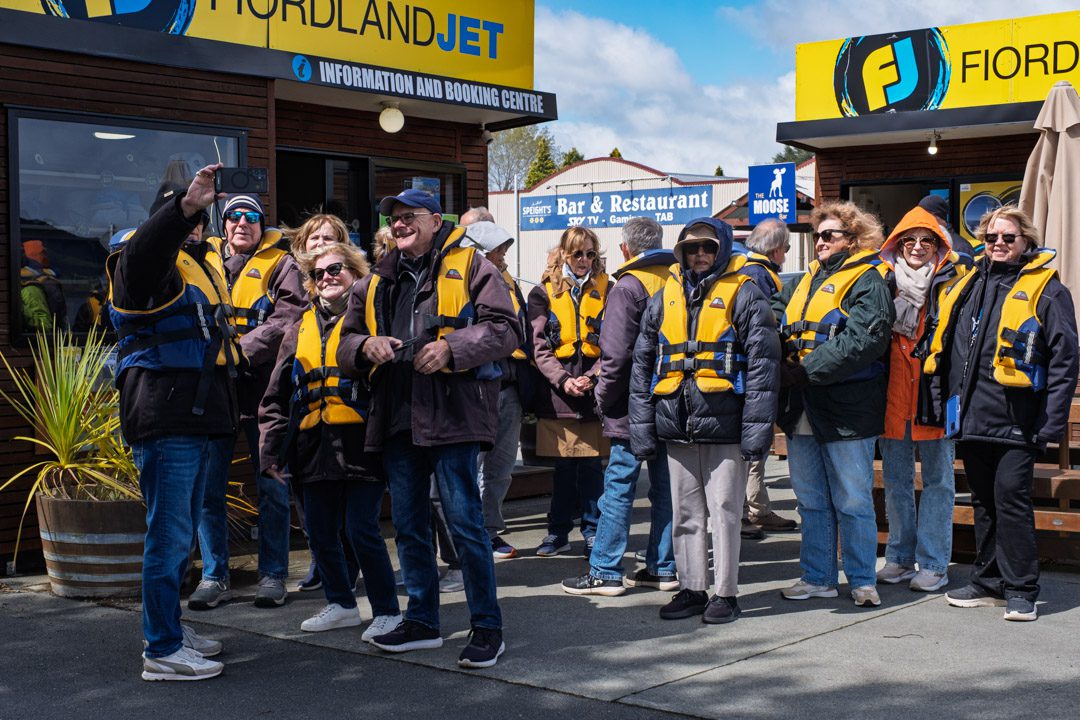
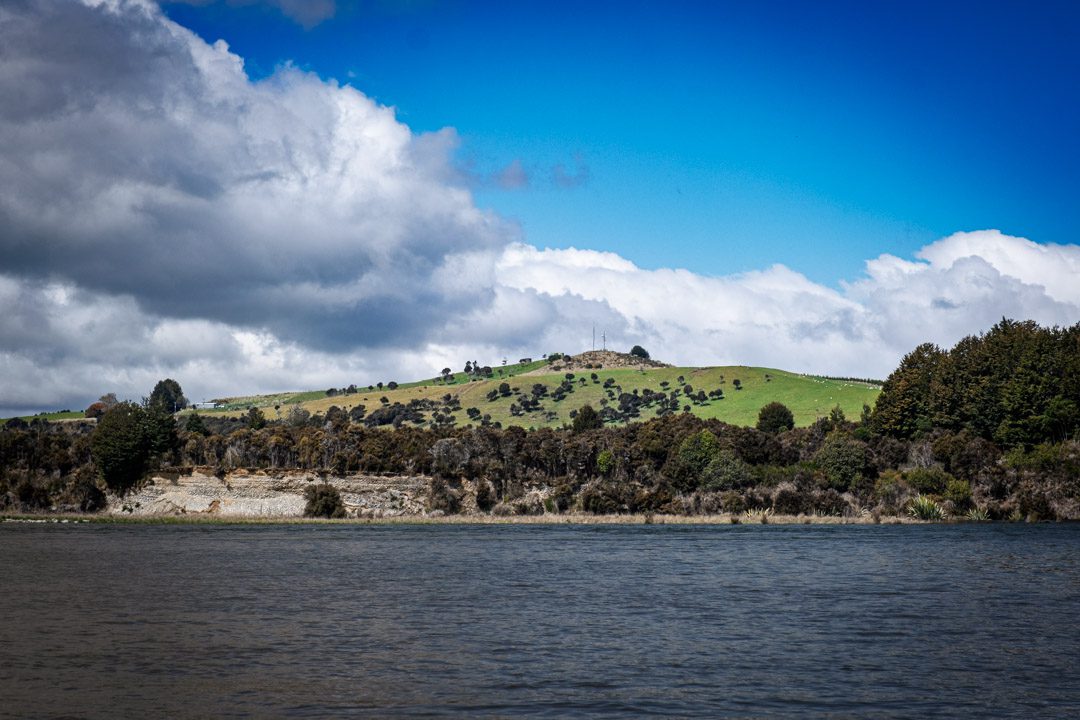
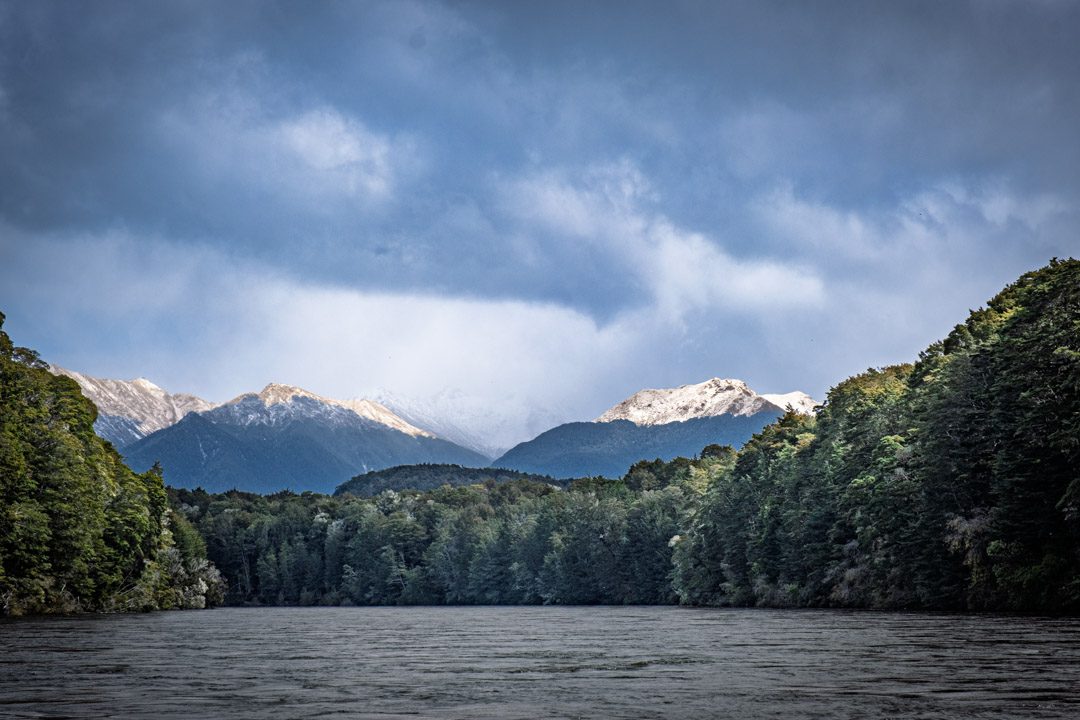
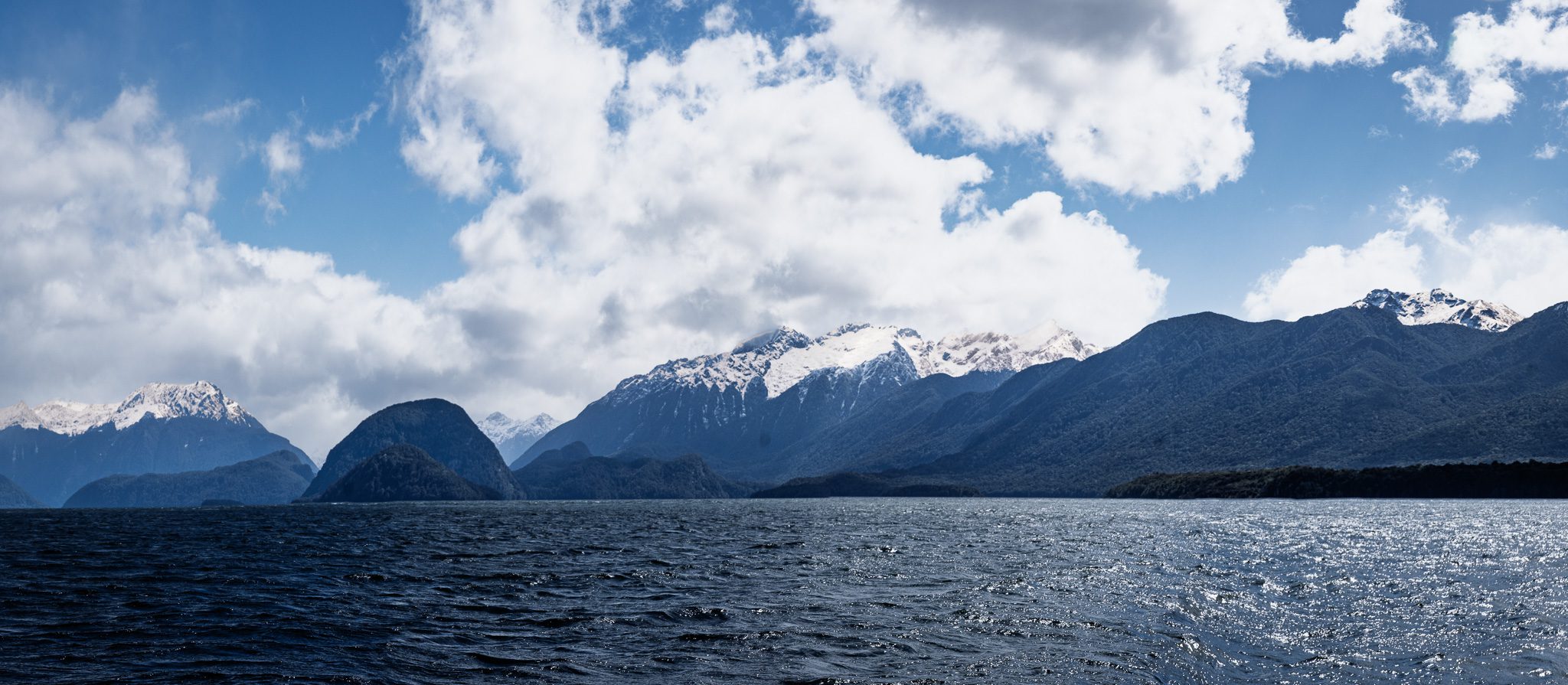
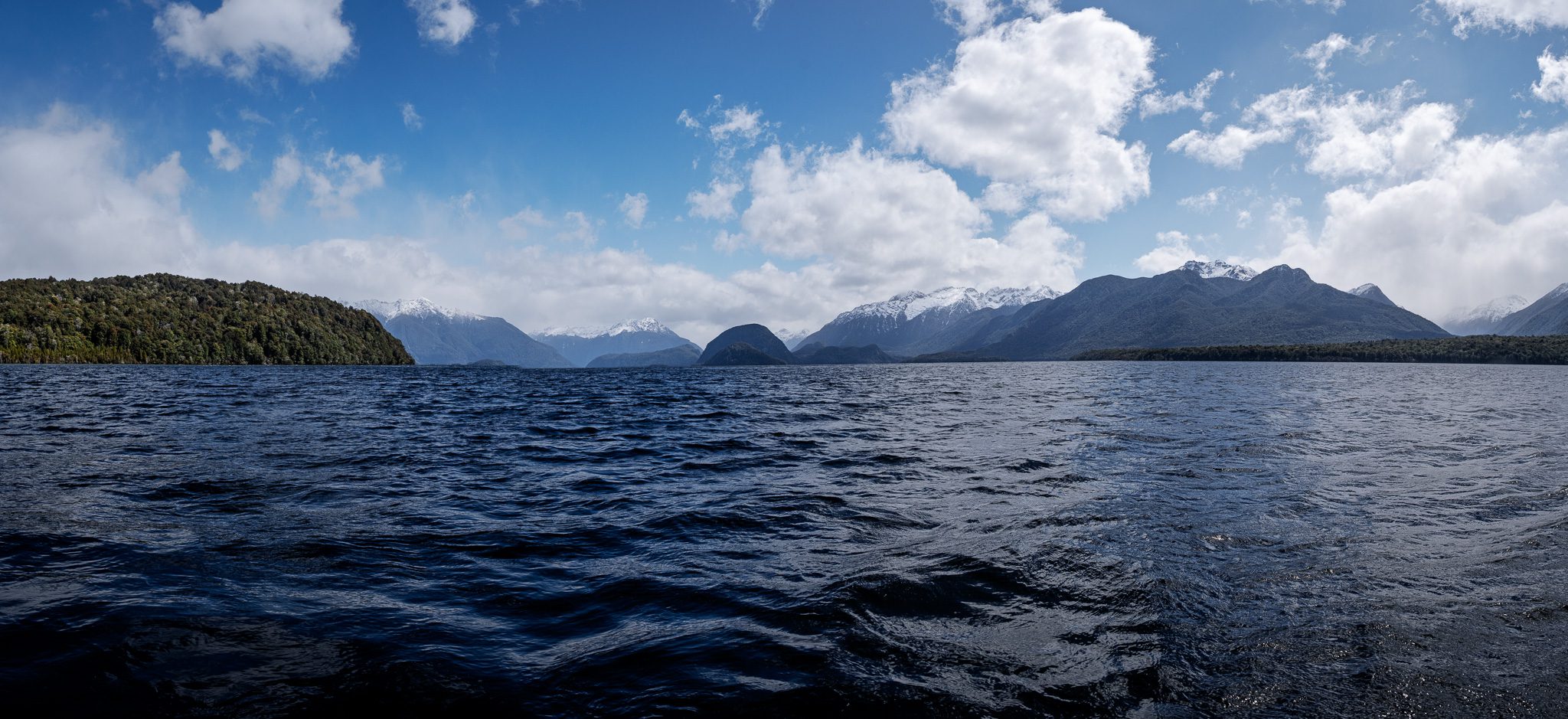
We had the option of two excursions: a visit to the Te Anau Glowworm Caves or a scenic jet boat ride through Fiordland National Park. We chose the jet boat. Invented in the 1950s by New Zealander Sir William Hamilton, the jet boat was born from his passion for engineering and his desire to create a vessel capable of navigating shallow water with speed, control, and remarkable maneuverability—an idea he is said to have conceived during a fishing trip. After walking to the operator’s office in town to gear up, we took a short seven-minute ride to the jet ramp and boarded the jet boat for an exhilarating journey down the Upper Waiau River. We paused occasionally to admire the scenery and listen to our guide’s fascinating commentary as the river wound through pristine wilderness before opening onto the breathtaking expanse of Lake Manapouri—a truly unforgettable sight. Along the way, we passed several Lord of the Rings filming locations and stopped in a lush beech forest for a short walk to learn about the native flora and fauna. Of special interest was the mānuka tree, its small white flowers just beginning to bloom. Mānuka honey is highly prized for its medicinal properties, and prices for top grades are all over the map. To be certified as New Zealand mānuka honey, it must pass five tests—four chemical and one DNA-based. It’s often referred to as “liquid gold.” We then reboarded the boat for the return trip and took a bus back to town.
A Journey Through Fiordland’s Wild Beauty – October 20, 2025
Today’s plan was to drive through the breathtaking landscapes of New Zealand’s Fiordland National Park—a UNESCO World Heritage site—followed by a scenic cruise on Milford Sound. However, road closures due to potential avalanche risk forced a change of plans, and we shifted to Plan B: an excursion to the equally stunning Doubtful Sound. In 1905, President Roosevelt gifted New Zealand a number of purebred Wapiti deer (often referred to as elk) from Yellowstone, which were released in Fiordland. The animals multiplied rapidly and began eating nearly everything in sight, earning them the nickname “vacuum cleaners.” Their enormous appetites soon disrupted the local ecosystem, and today they are restricted to this park, where they remain a prized target for hunters.
Despite six inches of non-stop rain overnight, which continued into the day, we began with a drive to the lakeside town of Manapouri, where we boarded a small boat for a peaceful cruise across Lake Manapouri. Often called New Zealand’s most beautiful lake, it is framed by tall, forested mountains and dotted with tiny islands. Two of the islands, Rona and Pomona, are home to endangered kiwis and have been successful in saving many of these birds from extinction by eradicating pests like mice, stoats, and possums.
On reaching the far side of Lake Manapouri, we boarded a bus for a memorable drive over the remote Wilmot Pass to Deep Cove. Our driver shared fascinating insights into the area’s history, geology, and wildlife as we wound through dense rainforest, past cascading waterfalls, and alongside rugged peaks and lush valleys. As we descended toward Deep Cove, we caught our first glimpse of Doubtful Sound.
From there, we boarded another boat to explore the fiord, often called the “Sound of Silence” for its peaceful, untouched beauty. Tall cliffs covered in green rainforest rose from the calm, dark water, with deep valleys and sharp peaks stretching as far as we could see. After recent rains, hundreds of waterfalls tumbled down the cliffs, some plunging straight into the sound. It’s no wonder this area receives an astonishing 36 feet of rain a year!
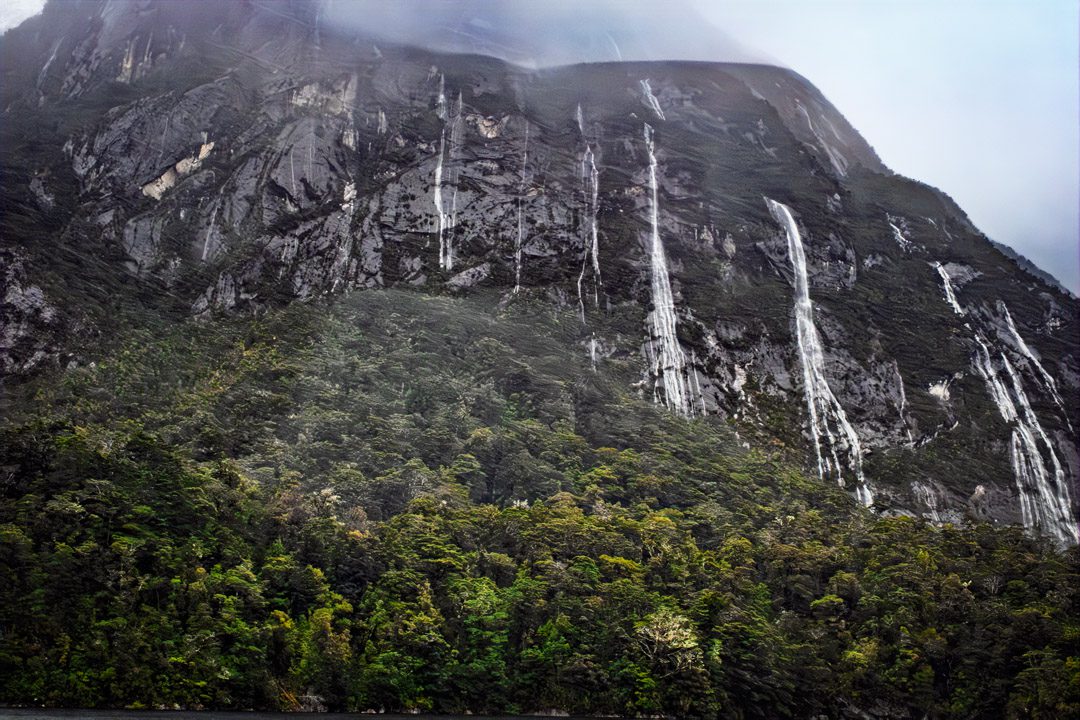
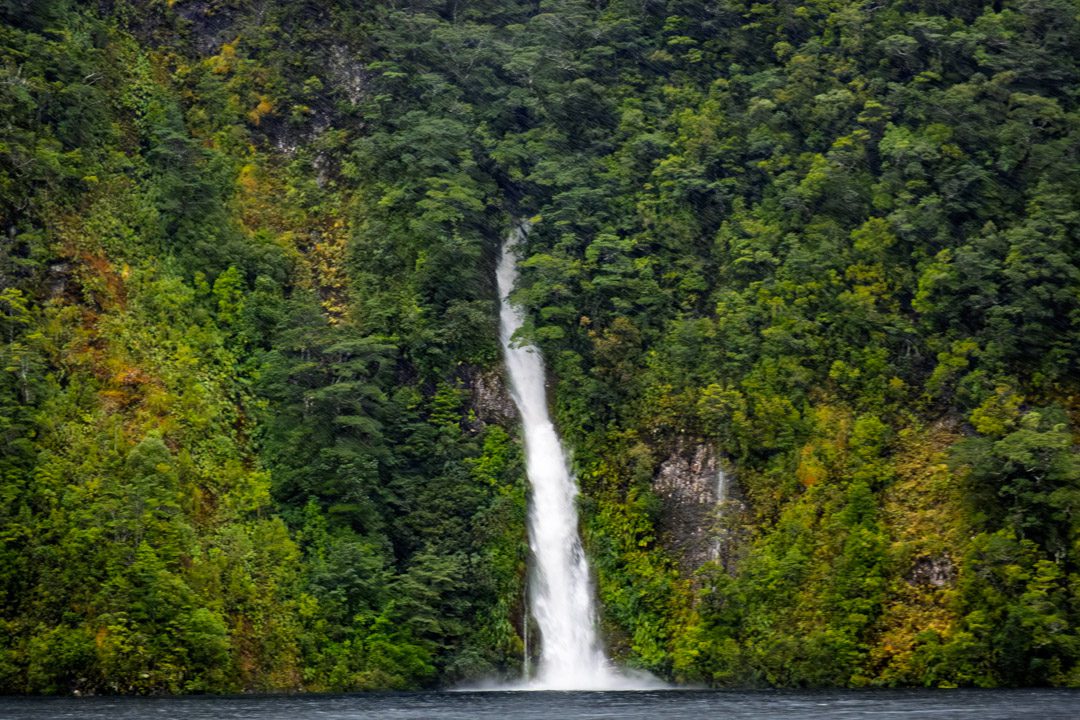
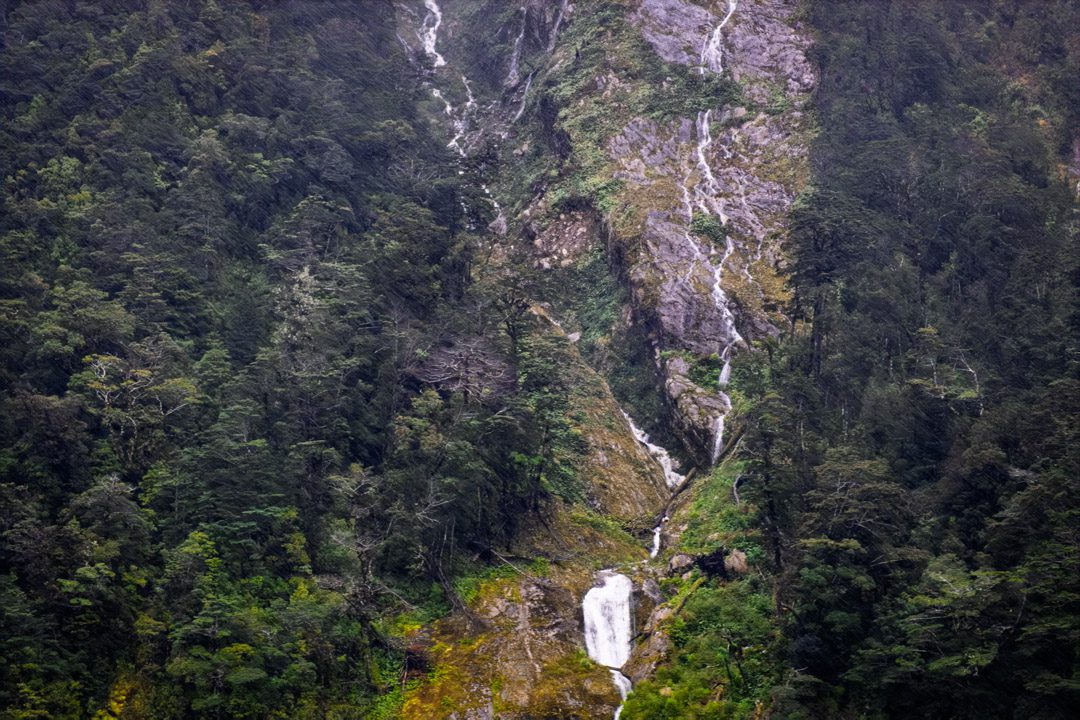
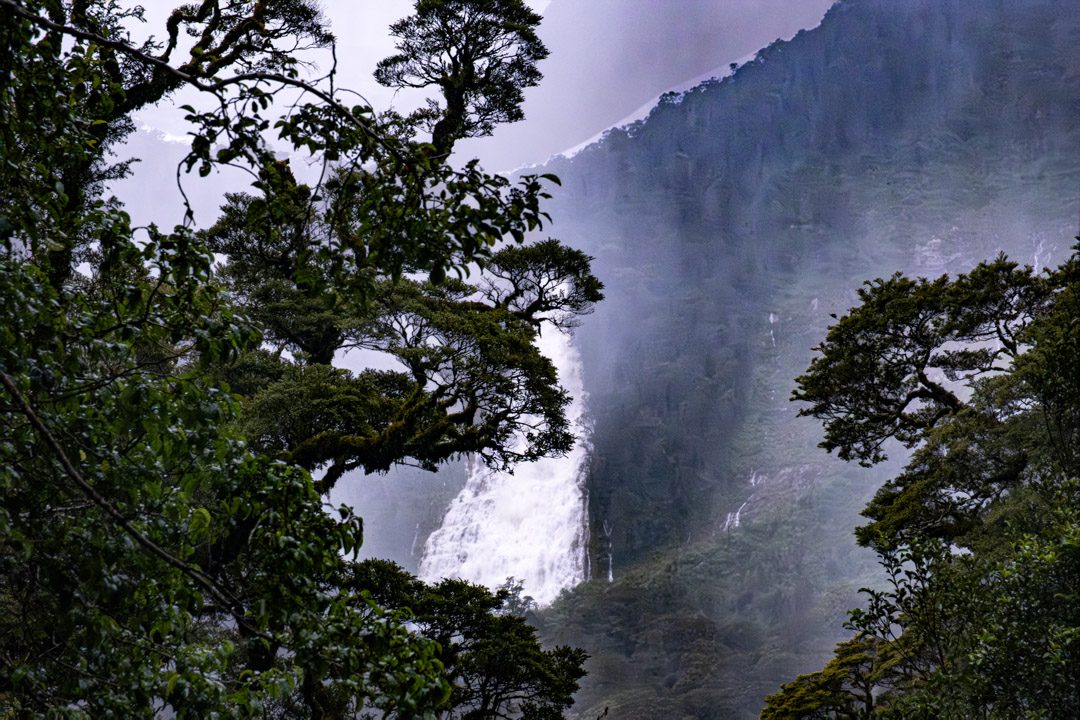
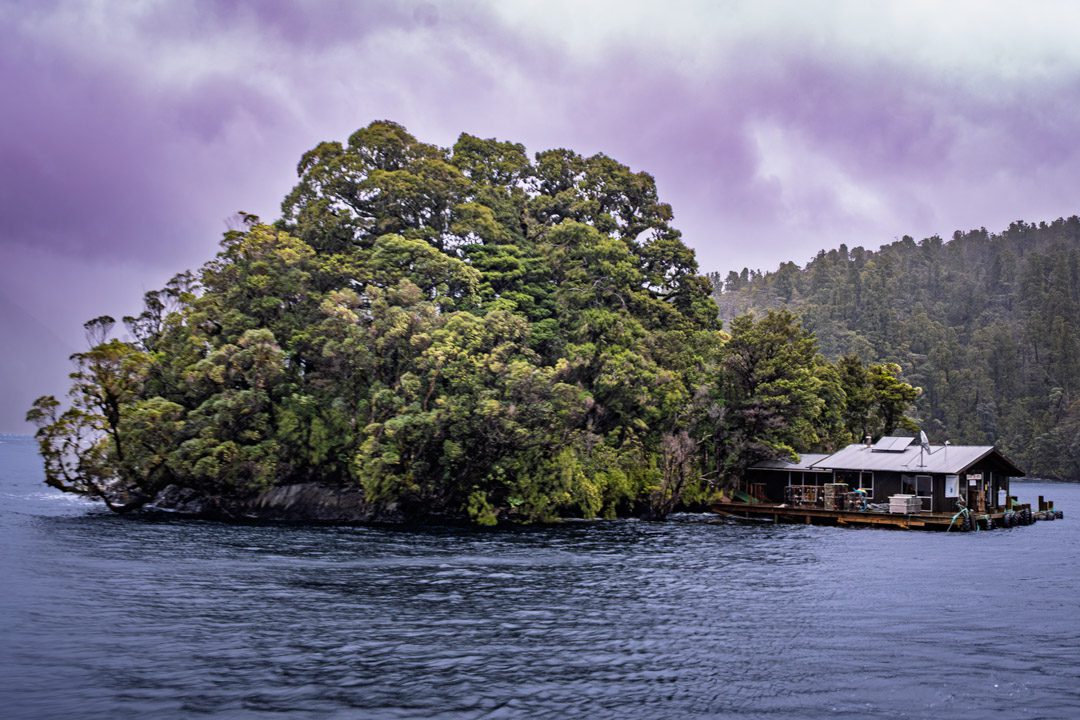
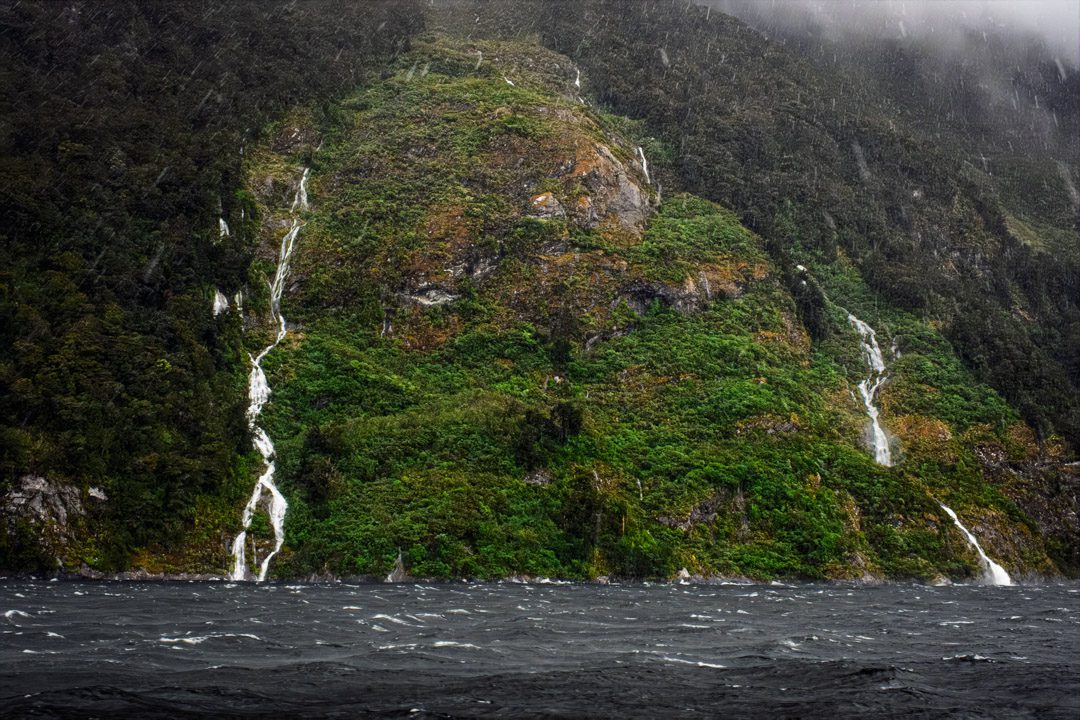
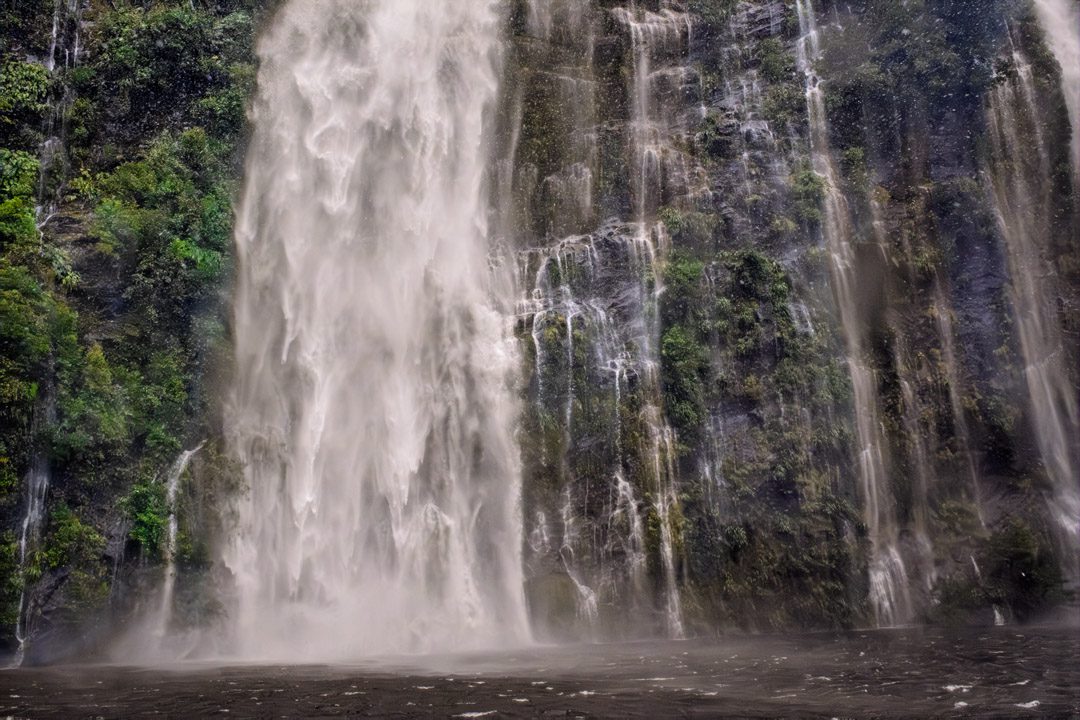
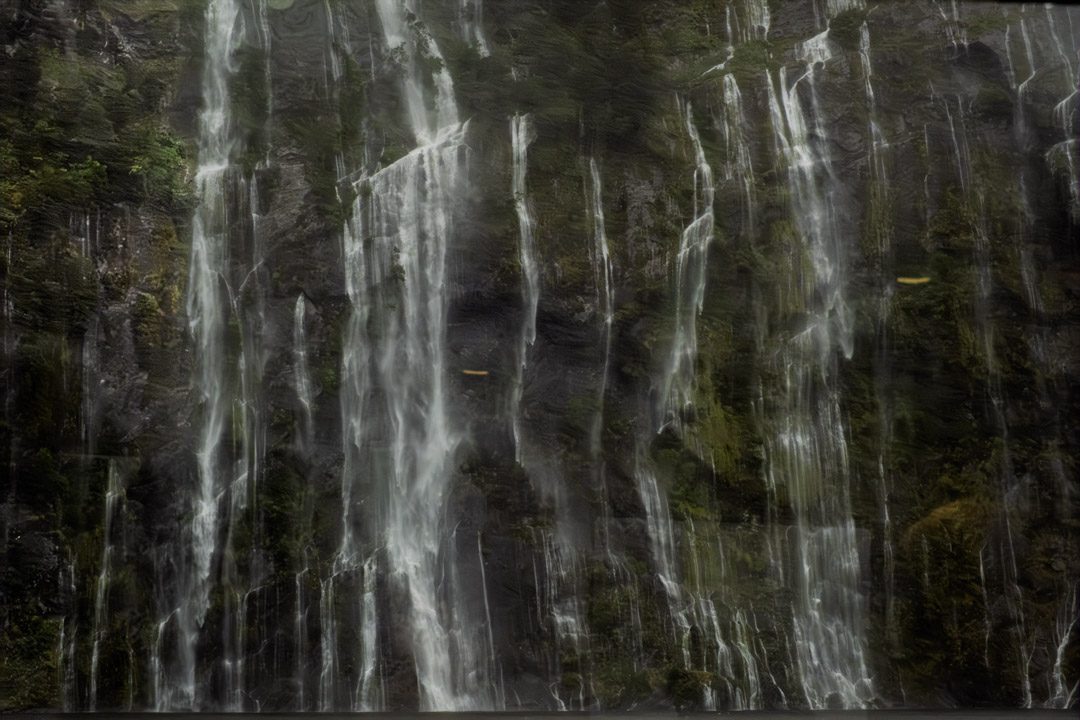
Upon returning to Manapouri, we visited the Fiordland Cinema for a private showing of Ata Whenua: Shadowland. This breathtaking film, shot entirely in Fiordland National Park—which is larger than Yosemite and Yellowstone combined—shows the region’s dramatic landscapes in stunning high definition, from mist-covered mountains and deep glacial valleys to cascading waterfalls and pristine lakes.
Scenic Journey to Queenstown – October 21, 2025
Today, we traveled through more of the South Island’s beautiful landscapes on our way to Queenstown, stopping for lunch at Ayrburn, a renowned food and wine destination just outside the city.
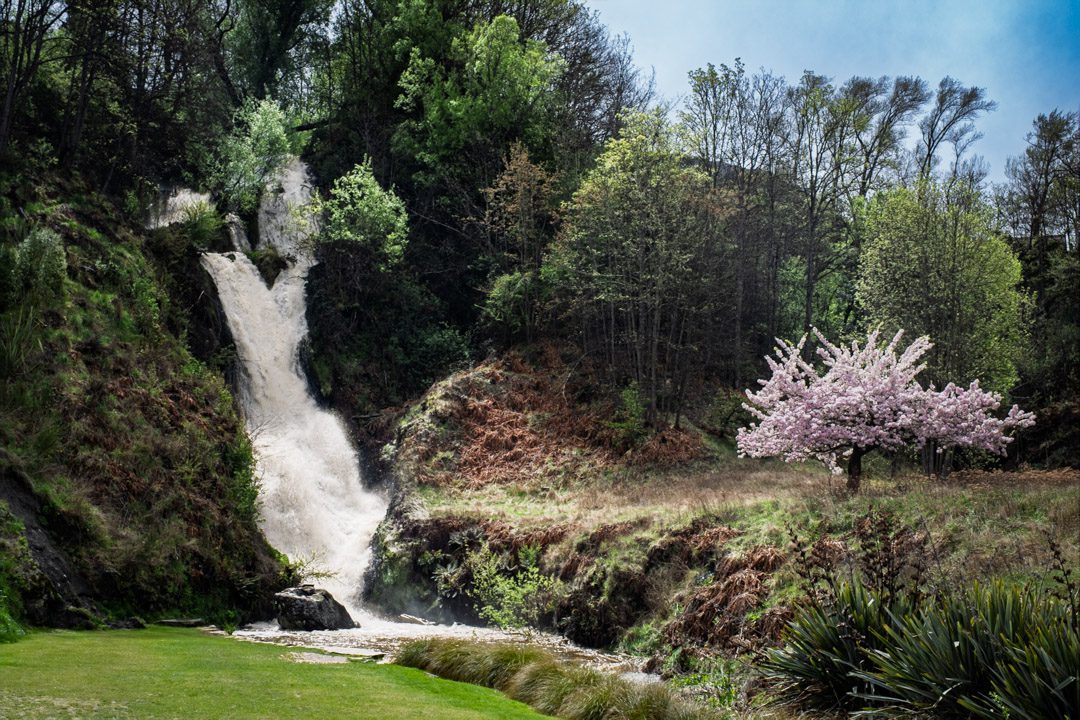
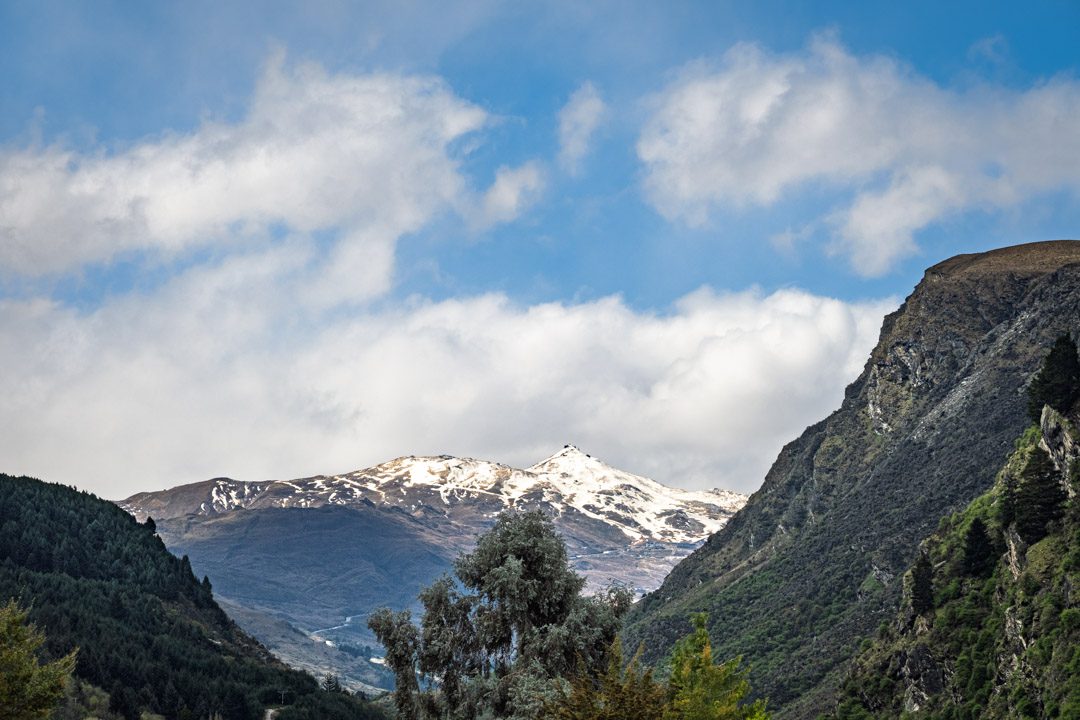
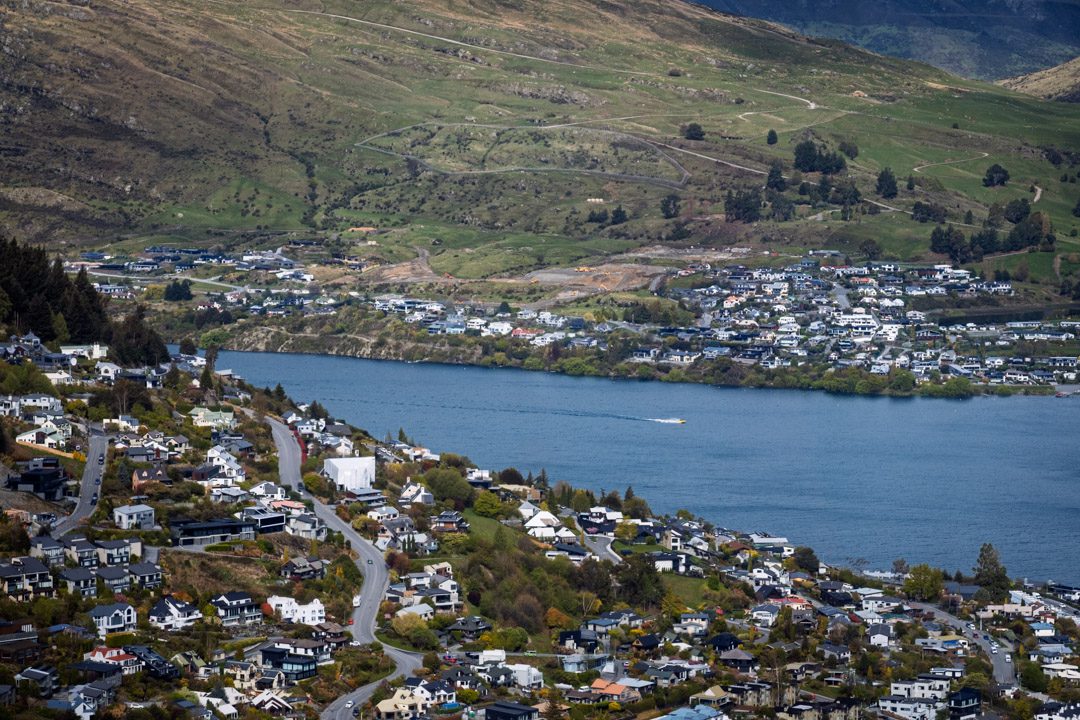
Later, we arrived in Queenstown, set on the shores of Lake Wakatipu. It was easy to see why film director Sir Peter Jackson chose this spectacular region for many scenes in The Lord of the Rings. Once a gold mining camp in the 1860s, Queenstown has evolved over the past 150 years into a vibrant, compact, and sophisticated town known for its breathtaking scenery and adventurous spirit.
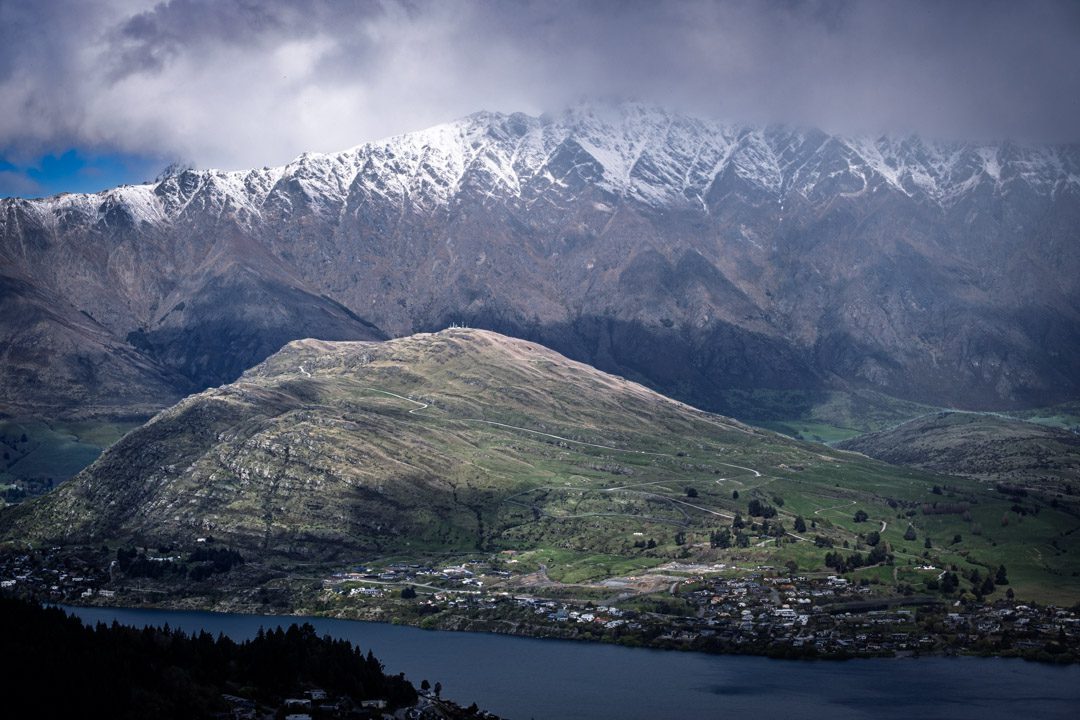
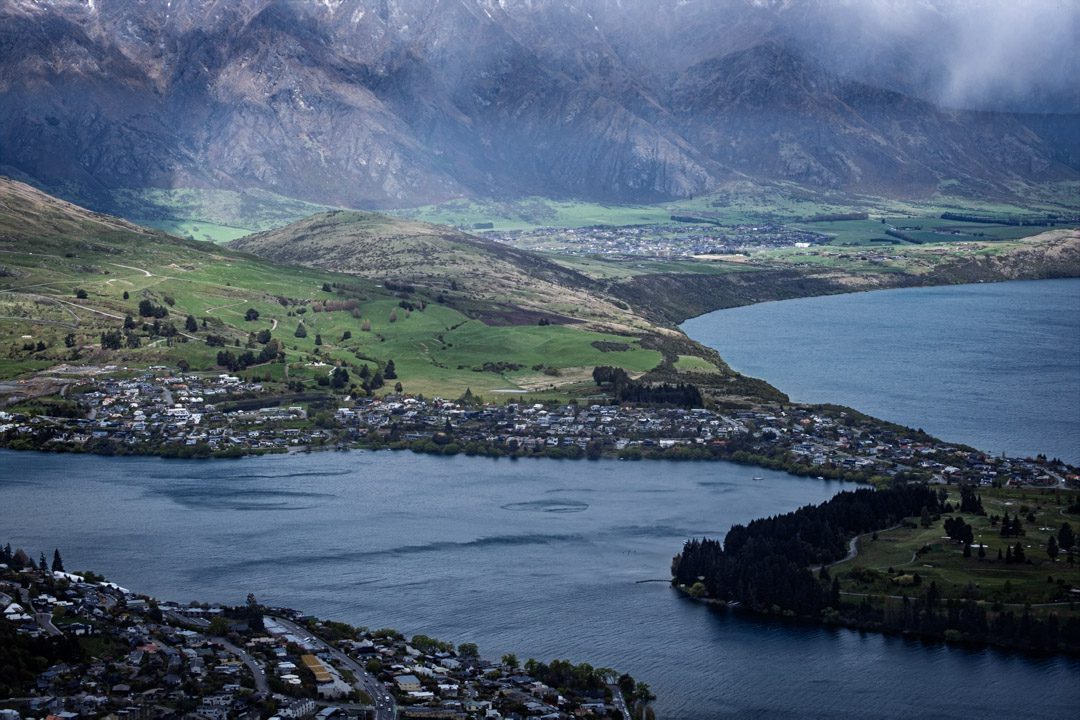
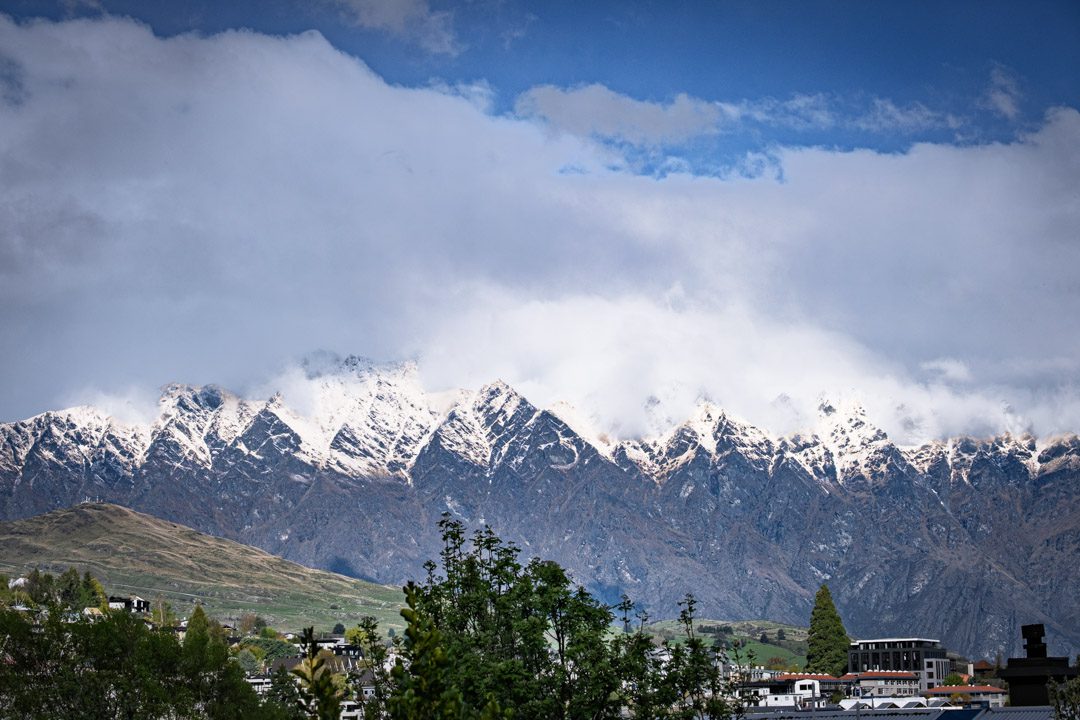
After checking in at our hotel, we walked to the gondola station for a ride to the top of Bob’s Peak, one of Queenstown’s most famous viewpoints. The steep ride offered stunning views that became more breathtaking with every turn. From the summit, we enjoyed sweeping vistas of Lake Wakatipu, the Remarkables mountain range, and the town below.
Weathering the Day in Queenstown – October 22, 2025
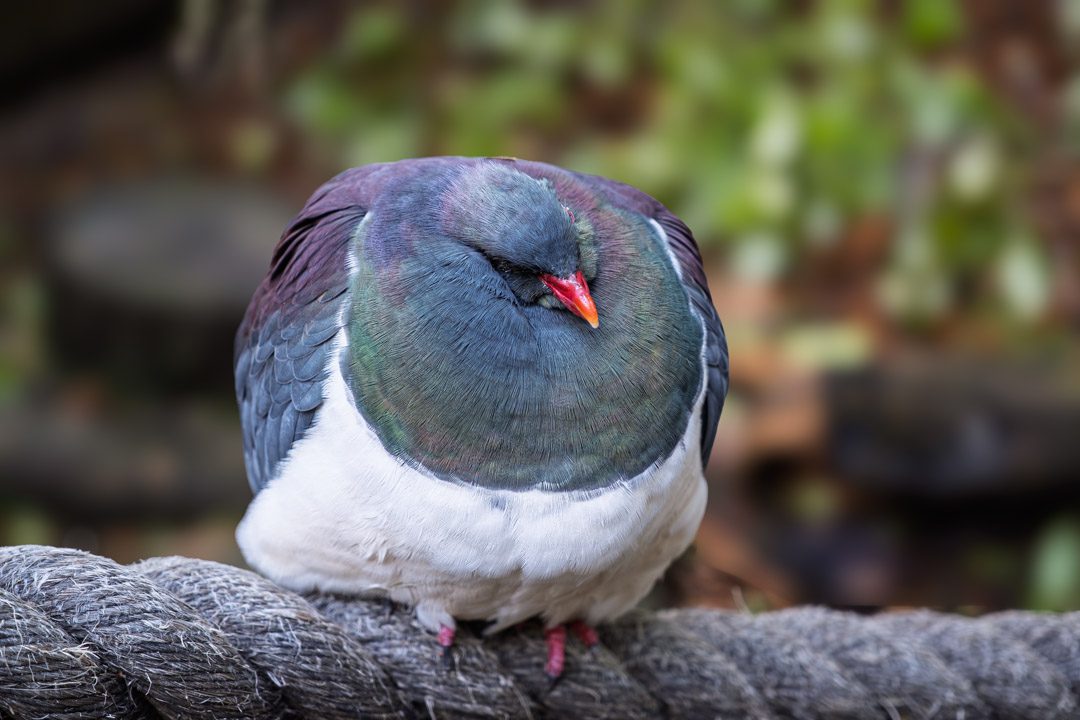
Today’s planned excursion to Skippers Canyon and a jet boat ride on the Shotover River was canceled due to an overnight landslide—or a “slip,” as it’s called locally—that blocked access to the canyon. Instead, we visited Kiwi Park, a well-kept wildlife sanctuary in the heart of Queenstown. During the tour, we learned about New Zealand’s unique native species and the park’s conservation efforts. The highlight was seeing the elusive kiwi up close in a special nocturnal house.
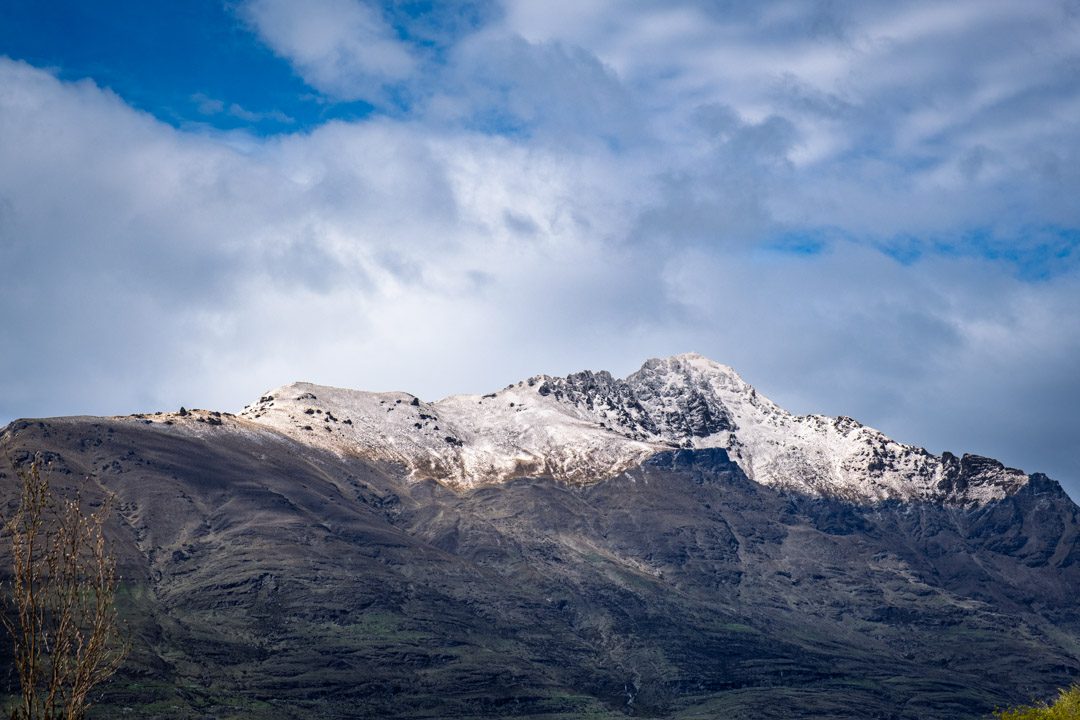

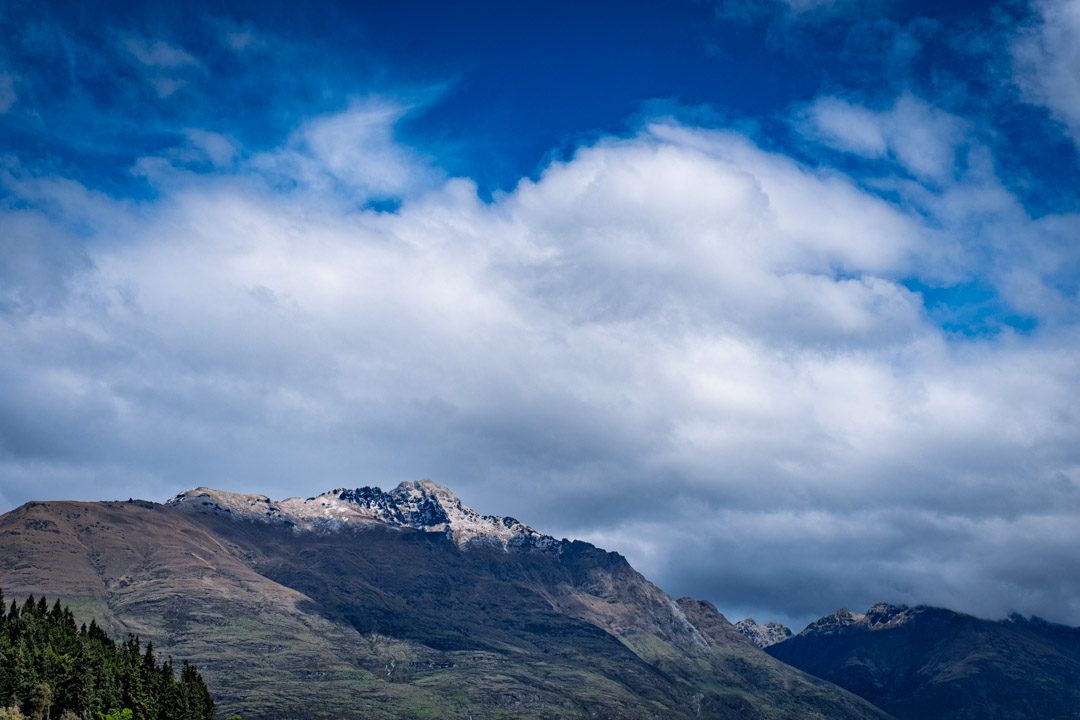
Our second excursion of the day—a helicopter ride—was also canceled due to high winds. These scenic flights offer a spectacular way to experience Queenstown’s dramatic landscapes from above, giving passengers the chance to soar over Lake Wakatipu, the Remarkables mountain range, and nearby glaciers and alpine peaks.
An Unexpected Detour to Arrowtown – October 23, 2025
Today we were scheduled to fly to Auckland and visit the Auckland Museum—home to the world’s largest collection of Māori and Polynesian artifacts—for a concert and special Māori cultural experience. Unfortunately, those plans had to be scrapped when severe weather swept through the Queenstown area, bringing torrential rain, strong winds, and low cloud cover that reduced visibility. As a result, all flights were grounded, leaving us unable to depart.
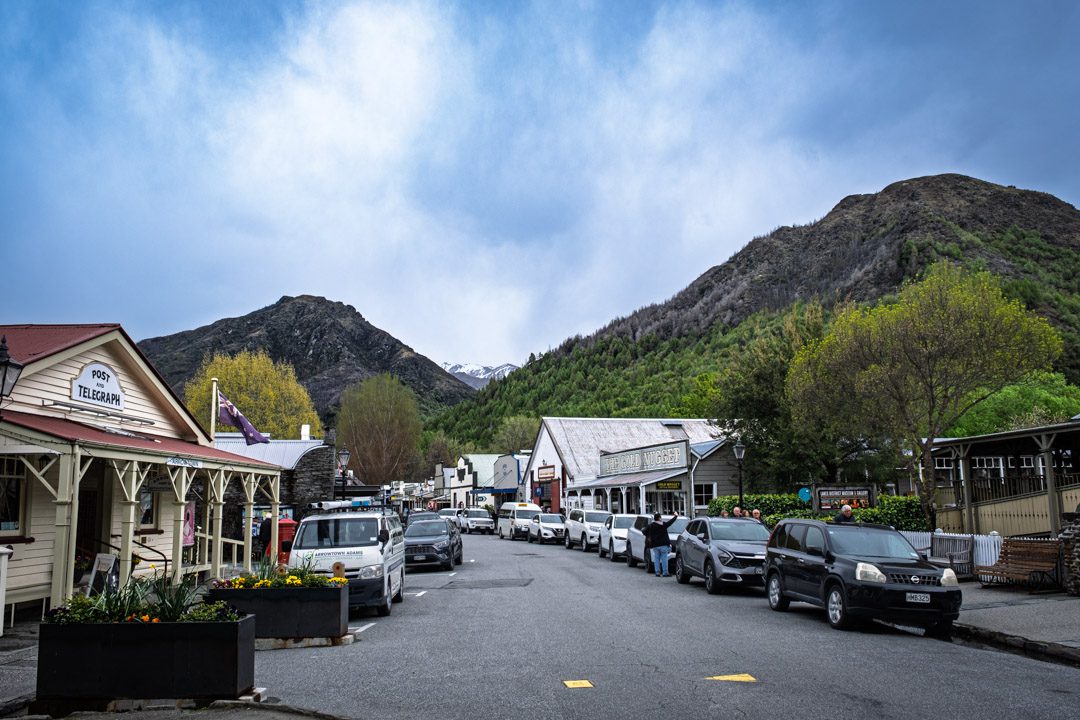
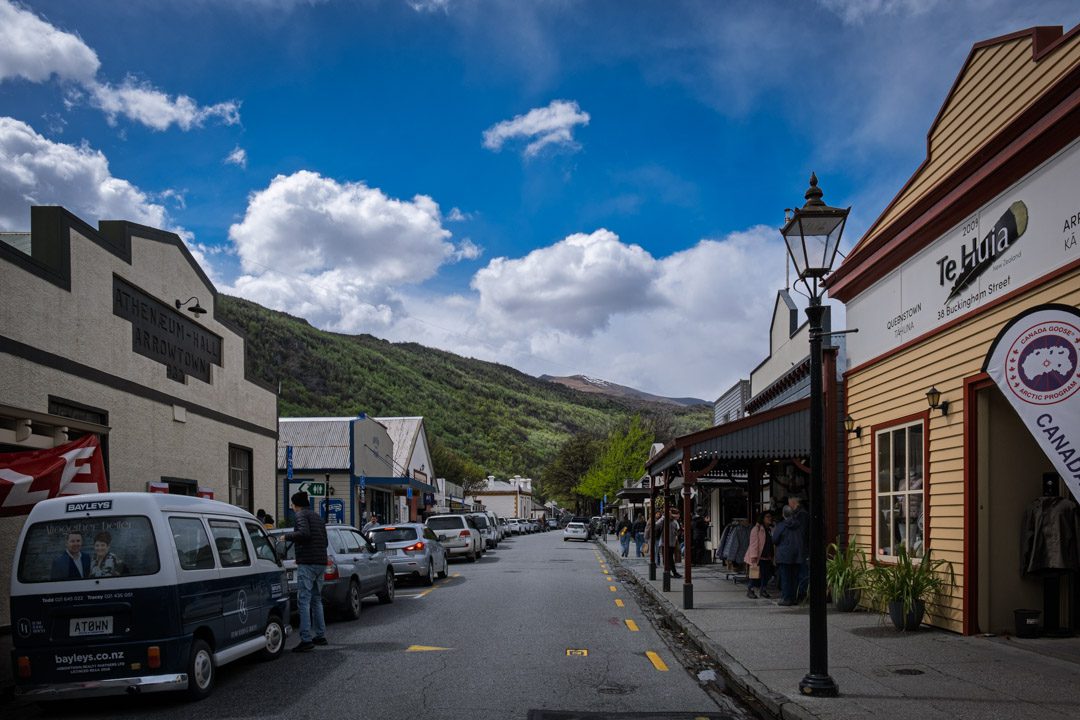
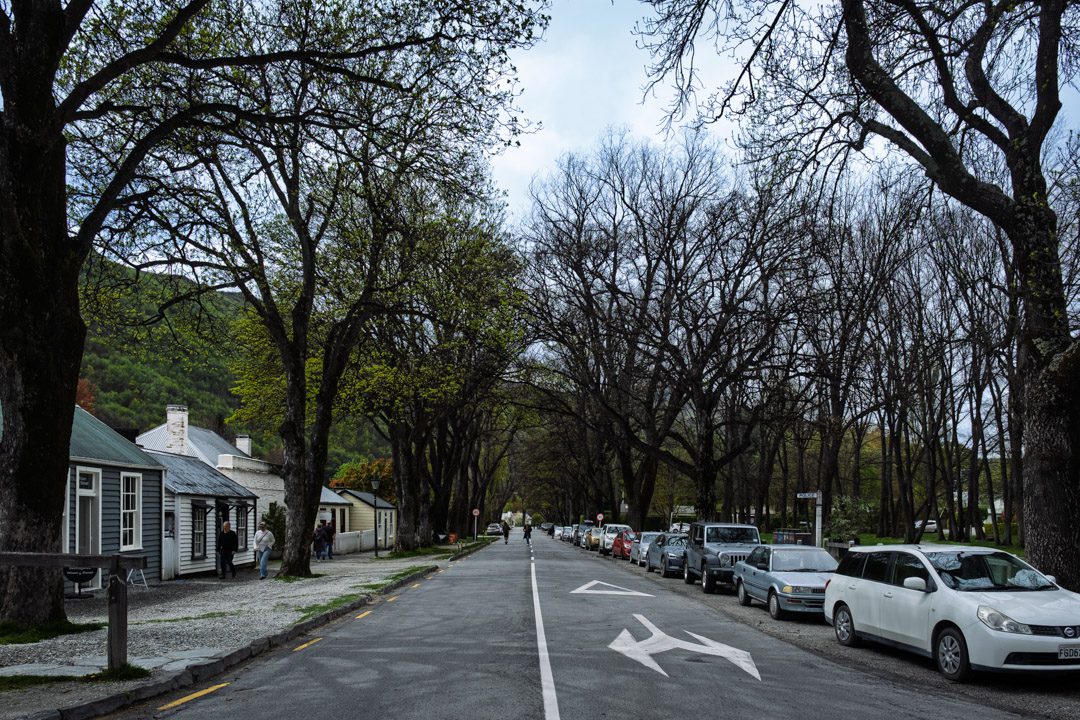
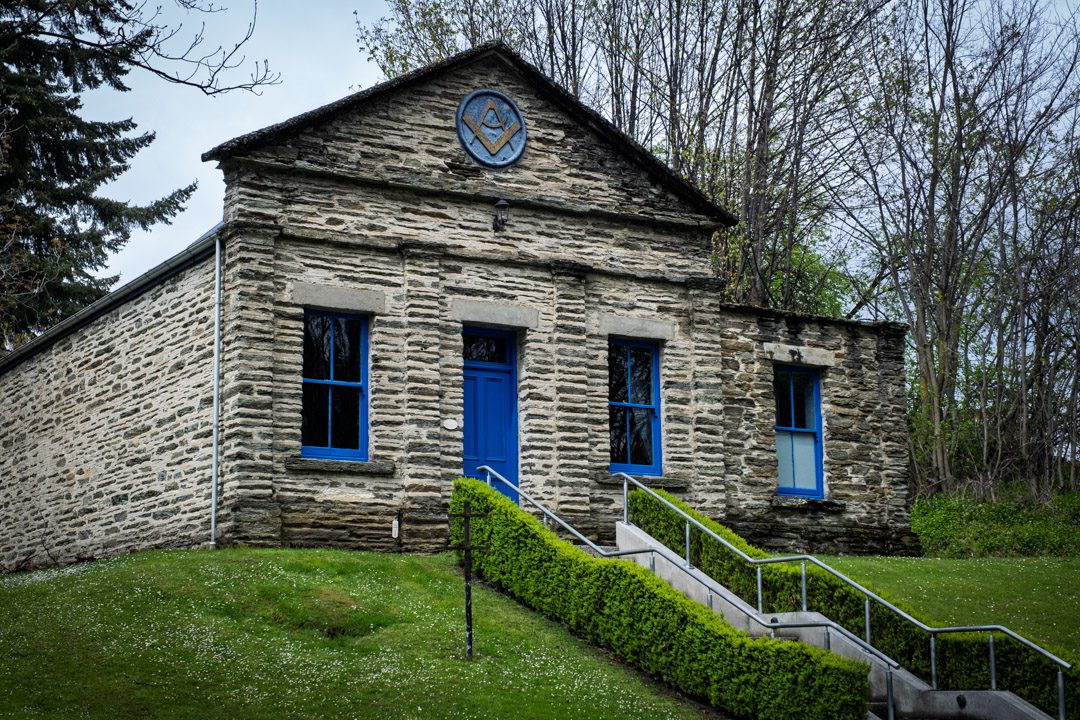
Since we were effectively marooned in Queenstown, our Tour Director quickly arranged an alternative excursion to the nearby historic gold-mining town of Arrowtown located in the Otago region of the South Island. There, we visited the Lakes District Museum, a small but fascinating museum that explores the region’s early Māori heritage, European settlement, Chinese community, and 19th-century gold rush era. Our self-guided tour offered a glimpse into the daily lives of miners and settlers through artifacts, photographs, and displays that vividly brought the area’s colorful past to life. We then enjoyed a scenic drive to the town of Cromwell, passing through rugged hills and river gorges dotted with remnants of the old gold-mining days. Along the way, we saw stone cottages, rusted mining tools, and traces of sluicing sites that recalled Central Otago’s golden past.
Highlights of Our Final Day – October 24, 2025
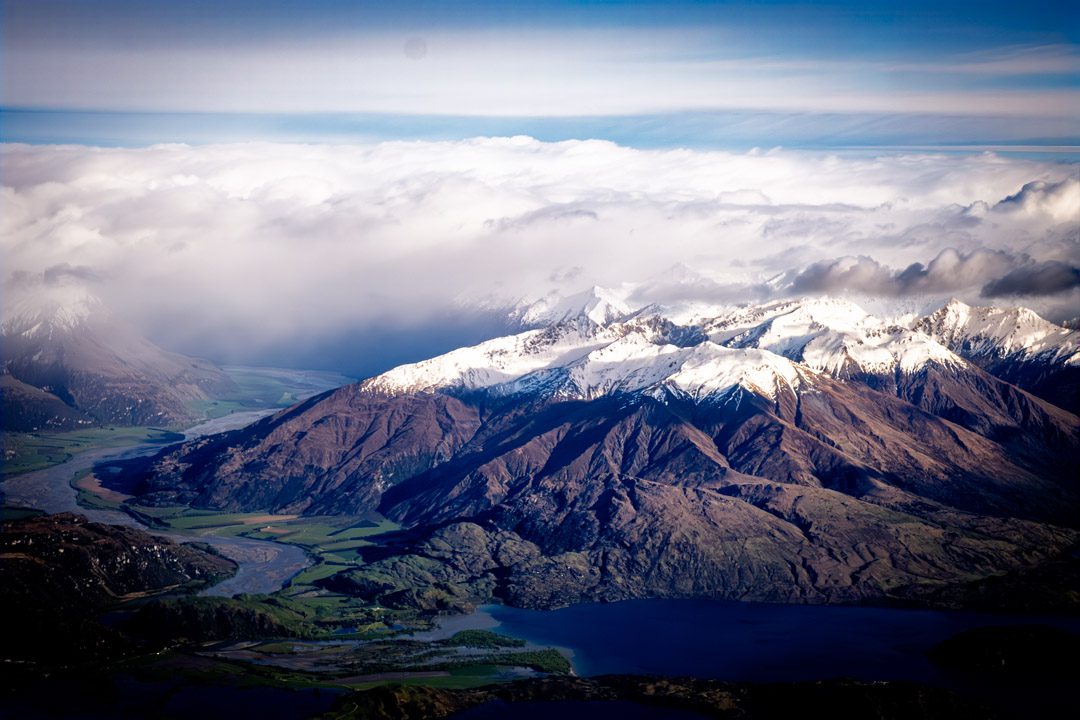
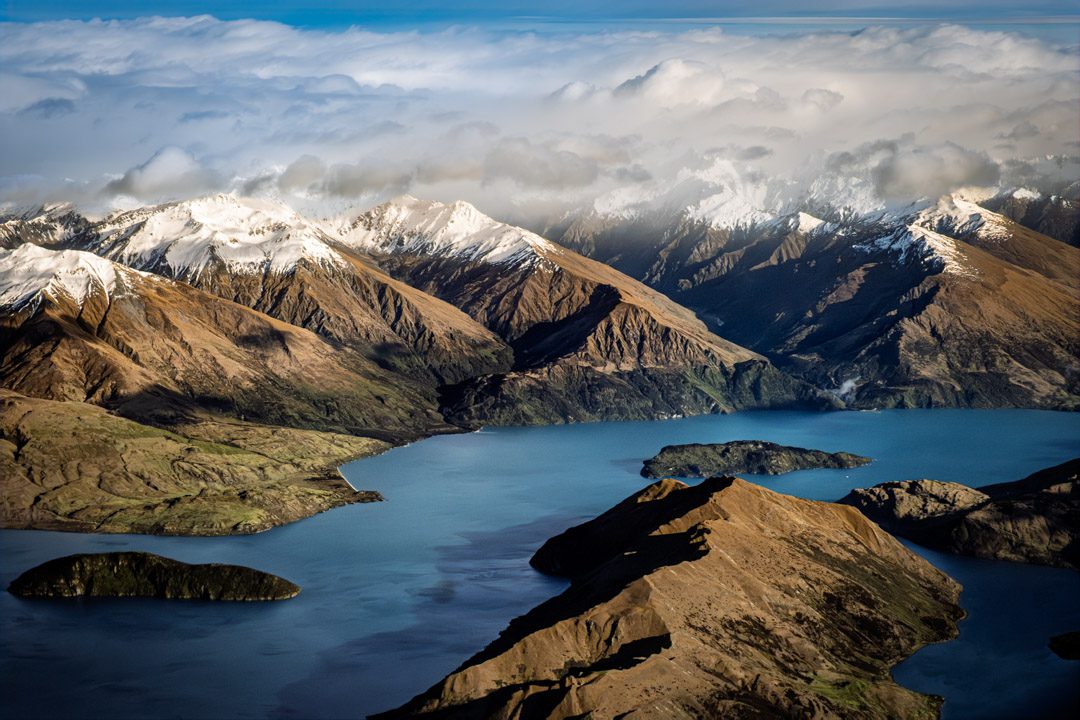
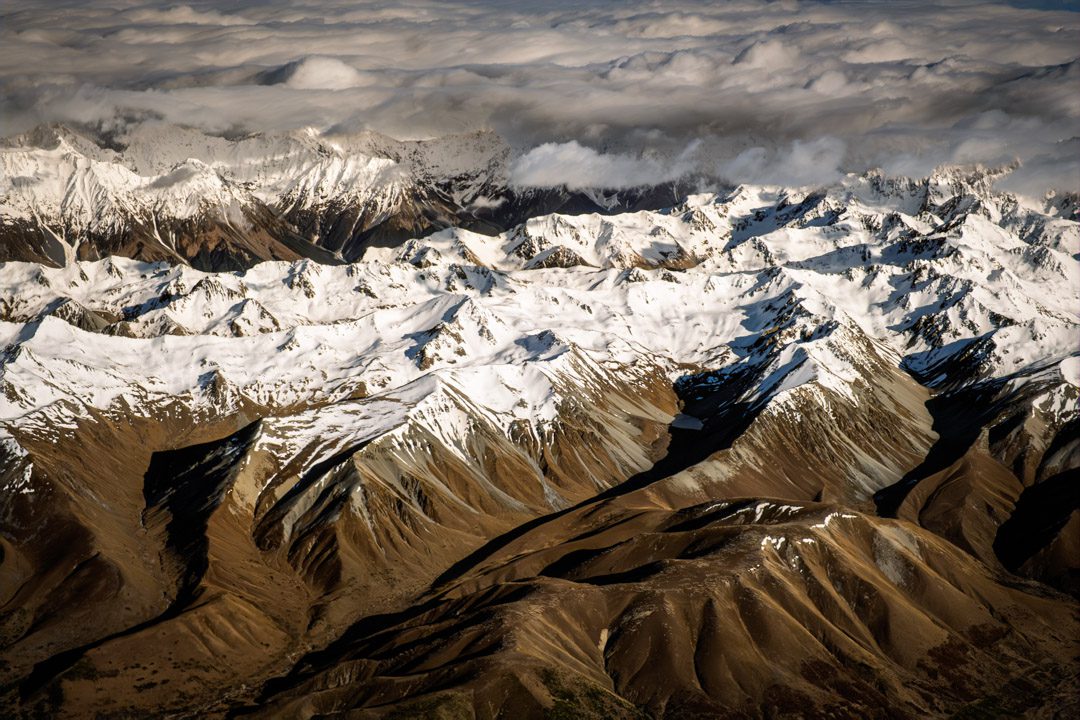
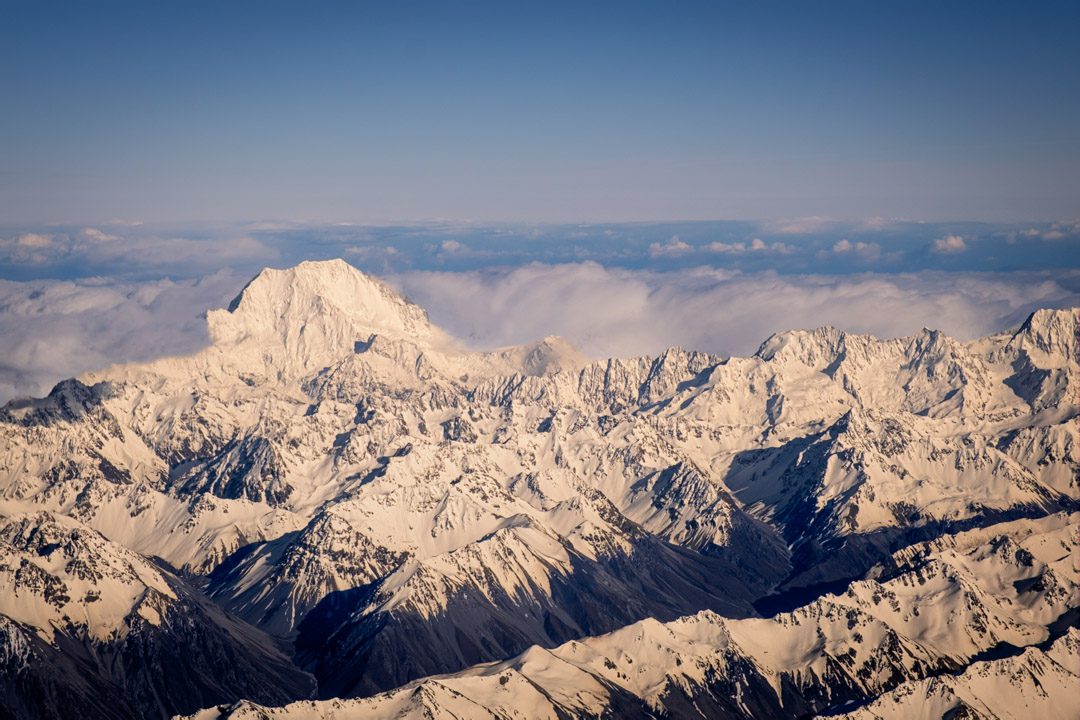
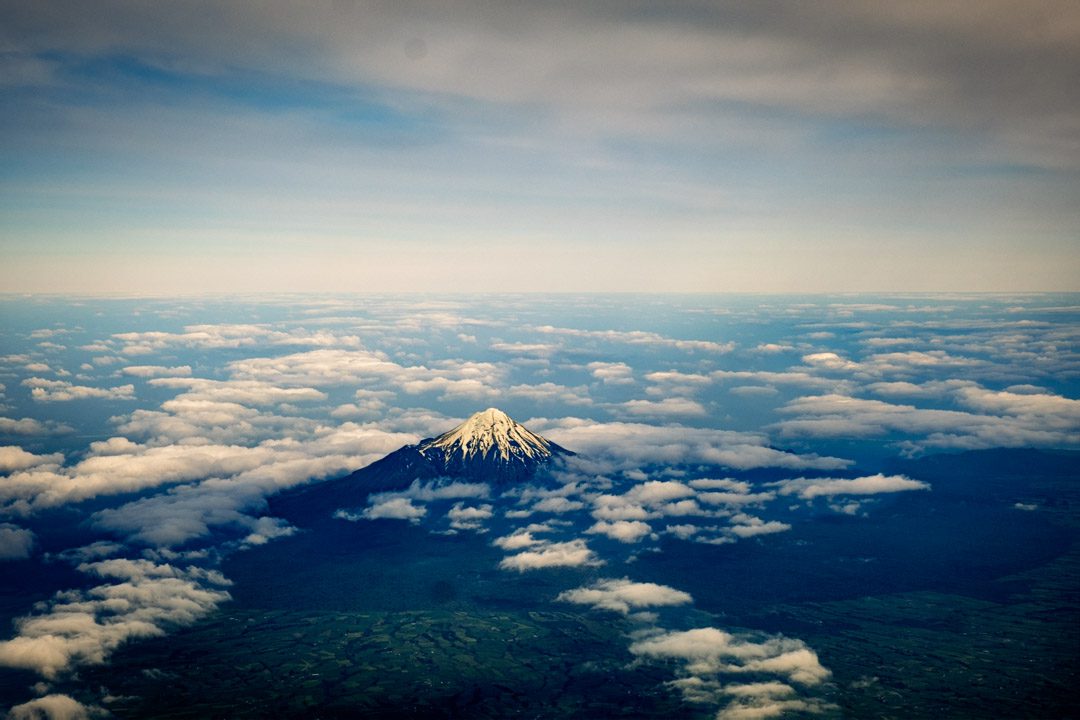
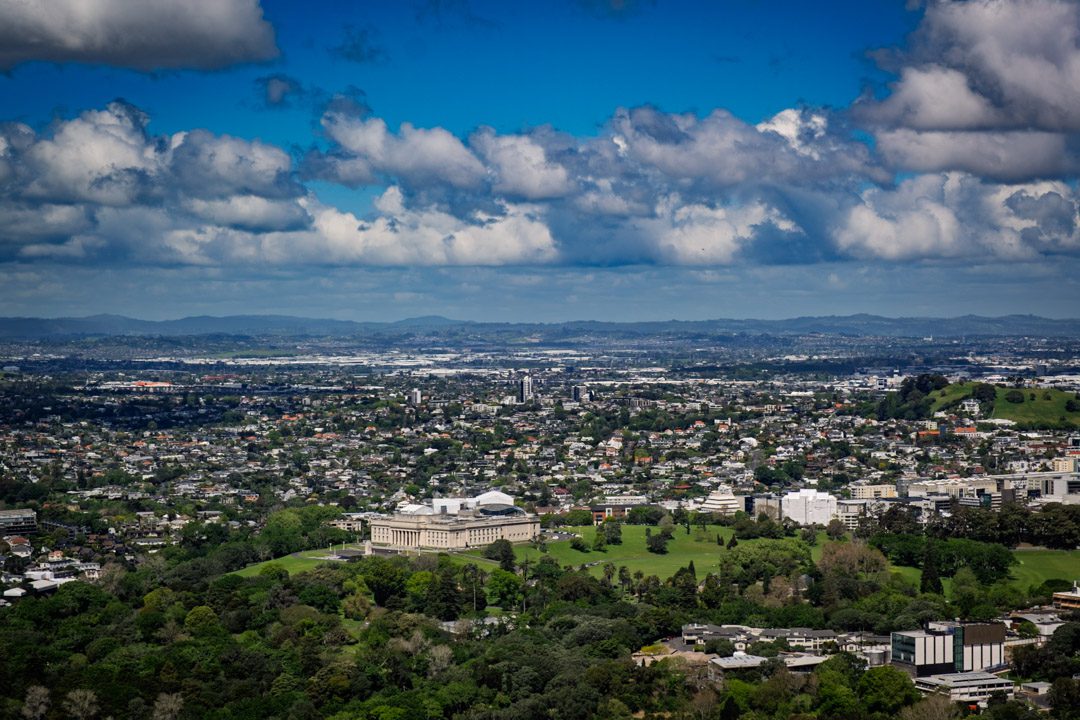
We finally left for Auckland after spending an extra night in Queenstown due to a severe storm that disrupted travel across the region. After a short drive to the airport this morning, we boarded our private charter flight to Auckland—the North Island’s “City of Sails” and the largest city in New Zealand. After takeoff, the plane headed northeast over Lake Wakatipu and the rugged Southern Alps, offering spectacular views of Aoraki/Mt. Cook—New Zealand’s highest peak—and the surrounding snow-capped mountains. Upon landing in Auckland, we went straight to a charming Italian restaurant, Baduzzi, for a wonderful fresh pasta and cannoli lunch. After a brief stop at our hotel, we took a ride around the harbor, the America’s Cup Village, the Tepid Baths, the Parnell Rose Garden, Trinity Cathedral (where Edmund Hillary of Everest fame lay in state upon his death; some of his ashes were scattered in Auckland’s Hauraki Gulf and the rest were sent to a Nepalese monastery) and the Gothic wooden Church of St. Mary, on to the obelisk memorial for Labor Prime Minister, and finally to the Auckland War Memorial Museum for a private Māori cultural performance. Along the way, our Tour Director provided commentary on the city’s landmarks and neighborhoods. At the museum, we enjoyed a captivating performance featuring traditional Māori songs, dances, and the powerful haka—a ceremonial war dance symbolizing strength and unity. We then returned to the hotel to prepare for a cocktail reception followed by a memorable farewell dinner, marking the conclusion of our unforgettable journey through Australia and New Zealand.

A Day of Art, Architecture, and Waterfront Views – October 25, 2025
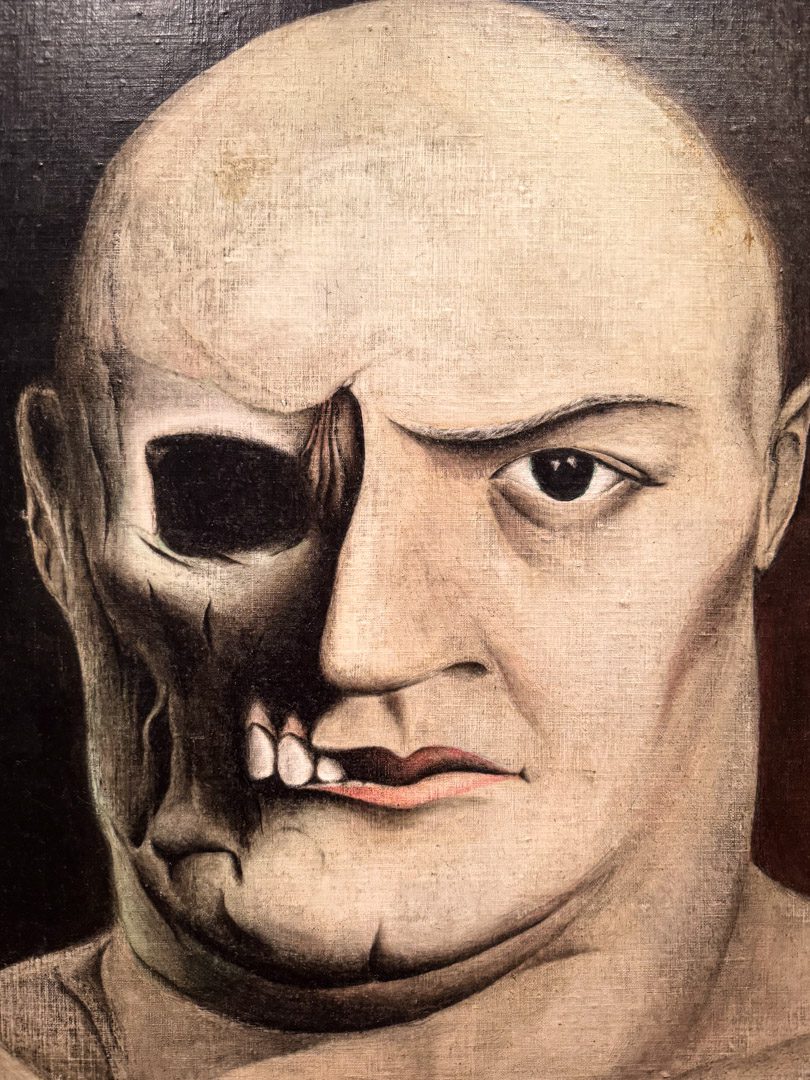
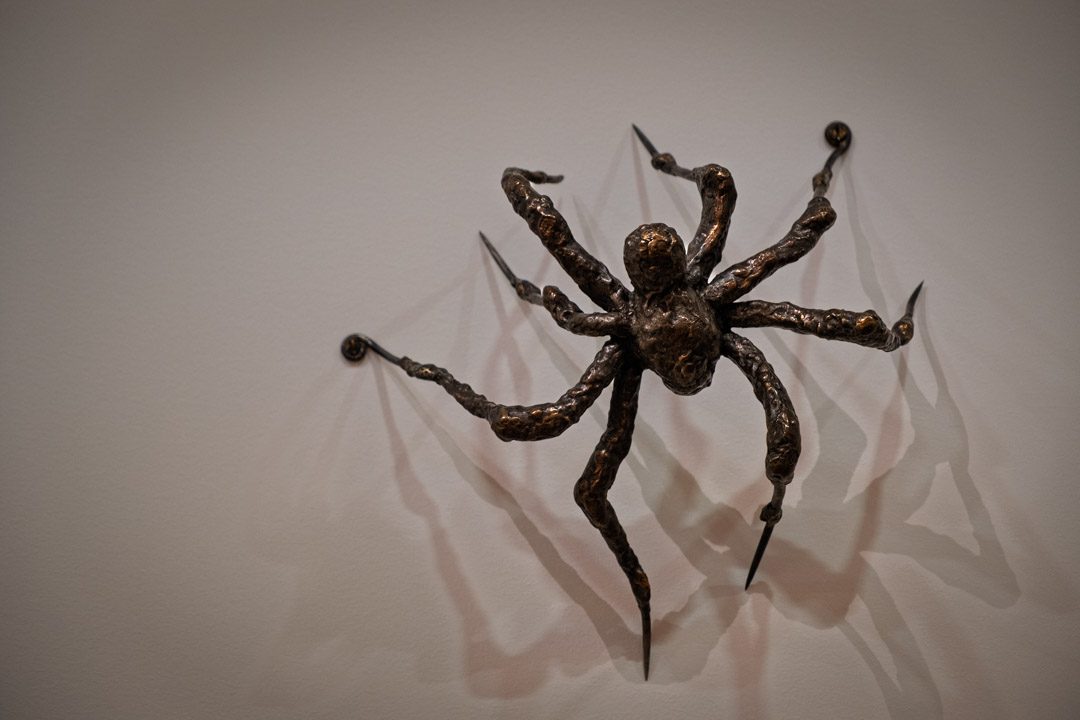
Although our tour has officially ended, our New Zealand adventure continues for two more days. After breakfast, we took a short walk to the Auckland Art Gallery Toi o Tāmaki, the country’s largest and most renowned art museum. Home to more than 17,000 works, the gallery features an impressive mix of Māori and Pacific art, colonial-era pieces, and contemporary works from New Zealand and abroad. We enjoyed a relaxed self-guided tour. A highlight was learning about the generous donation of paintings by Picasso, Dali, Cezanne, Gauguin, Matisse, Mondrian and others from American philanthropists Julian and Josephine Robertson, which have greatly enhanced the gallery’s international collection.

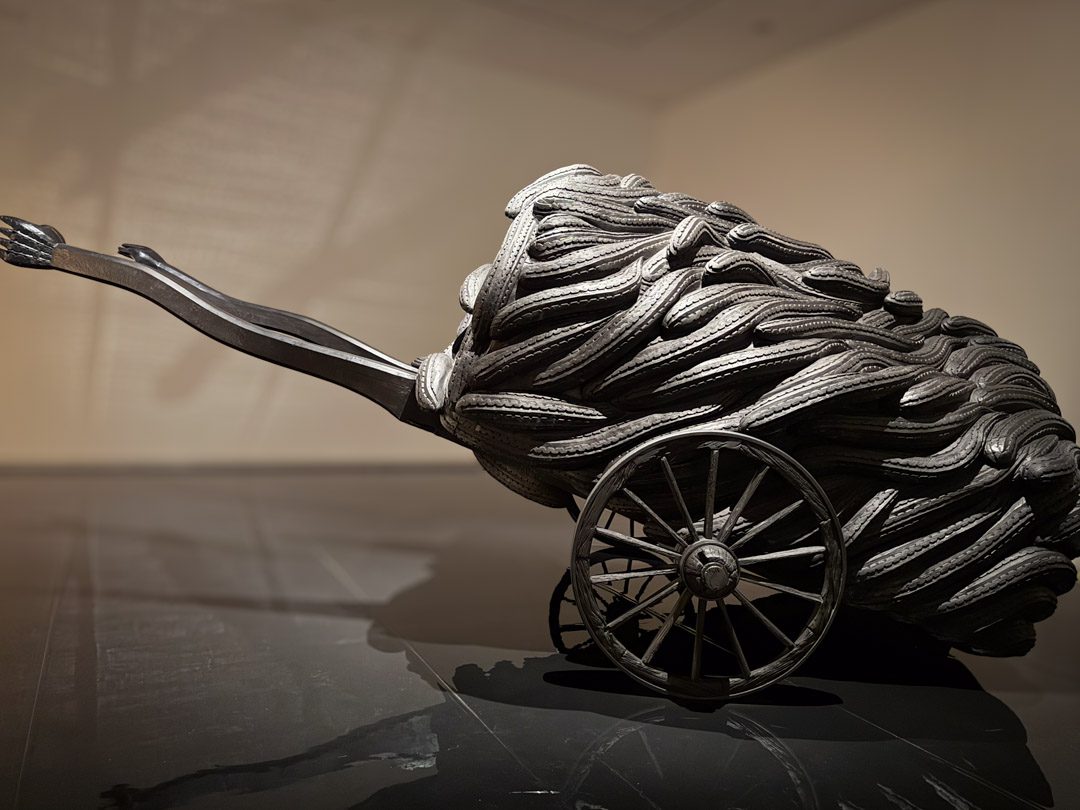
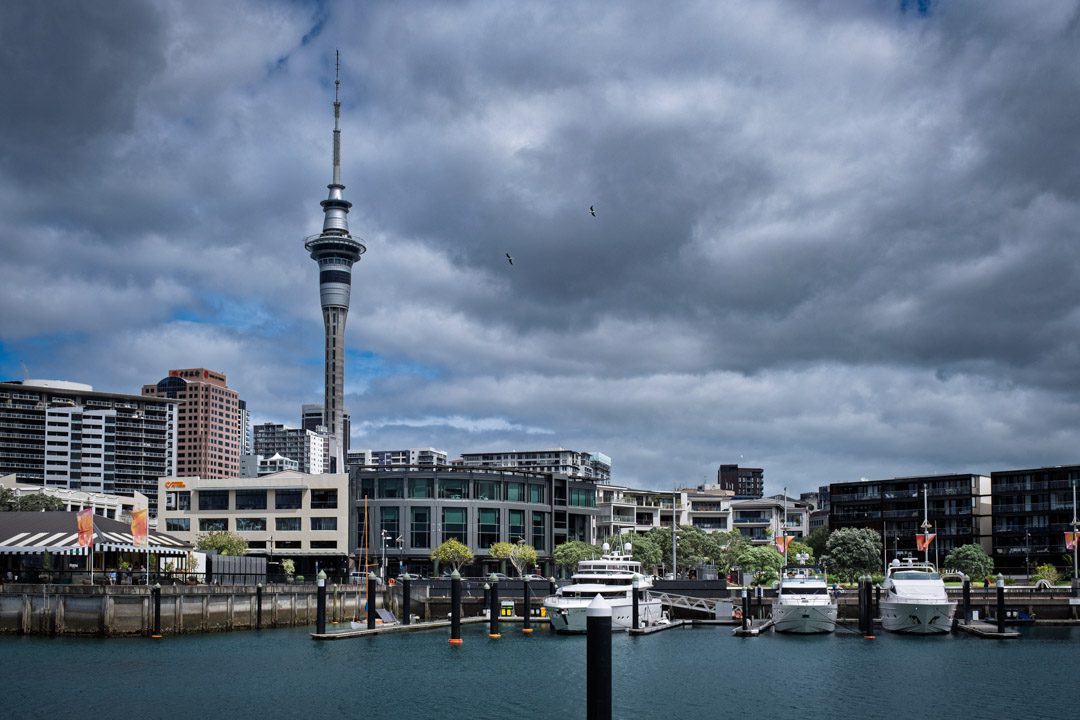
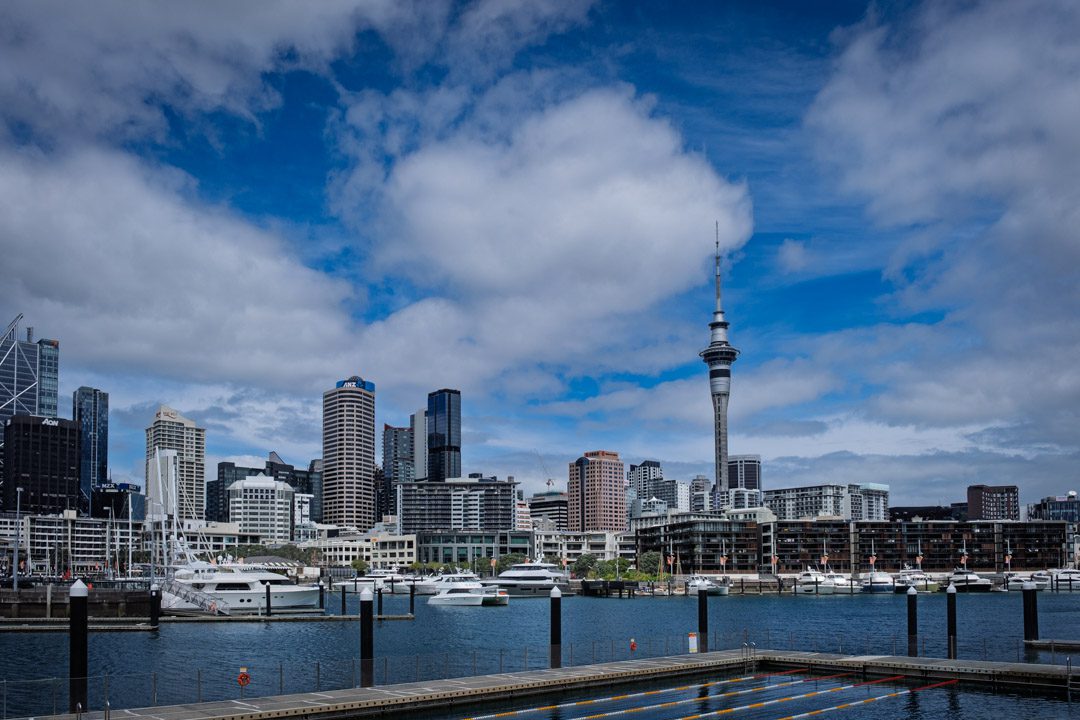
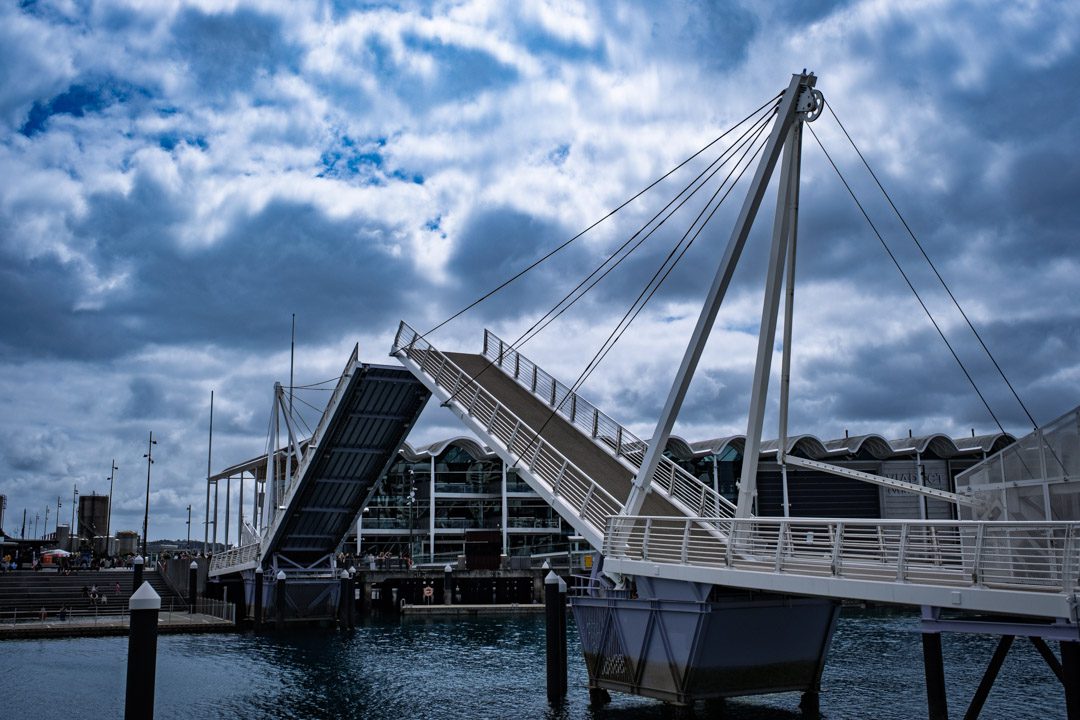
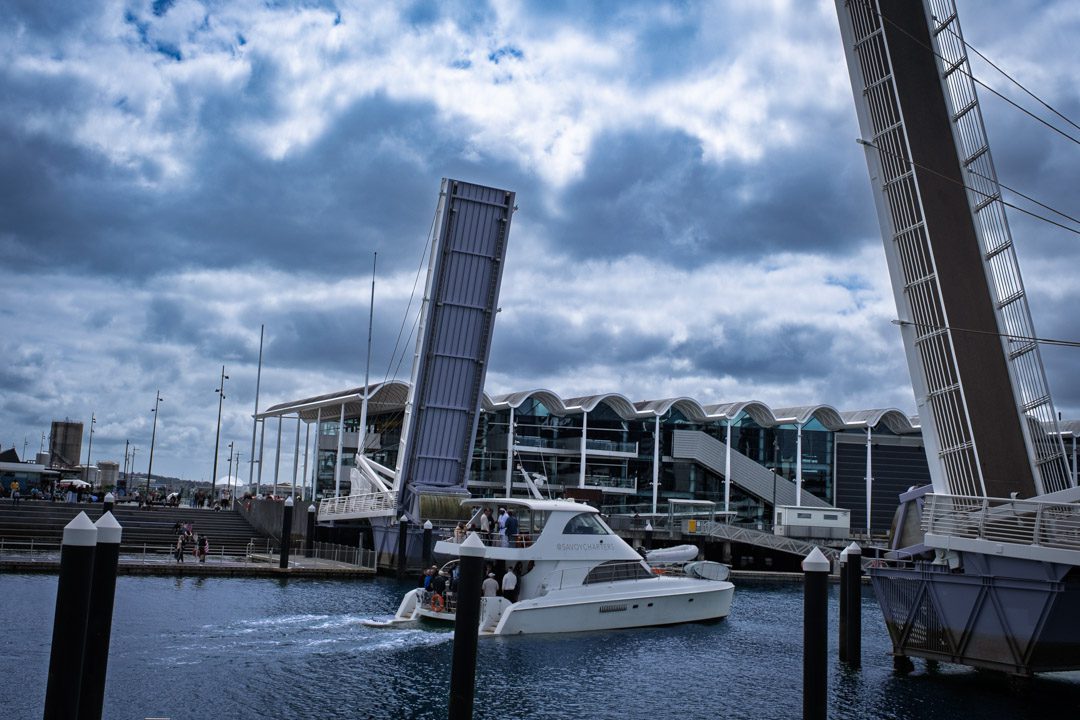
Next, we took a leisurely stroll around Viaduct Harbour and the Auckland Waterfront. The lively promenade is lined with cafés, restaurants, and modern buildings, offering great views of the harbor filled with yachts and sailboats against the city skyline and Sky Tower. We crossed the pedestrian drawbridge to Wynyard Quarter, stopping to watch as the bridge opened to let a sailboat pass through.
Our final stop of the day was St. Patrick’s Cathedral, Auckland’s main Catholic church and a beautiful historic landmark. Built in the mid-19th century and later restored, the cathedral features elegant Gothic-style architecture, soaring ceilings, and stunning stained-glass windows.
A Perfect Finale in Auckland – October 26, 2025
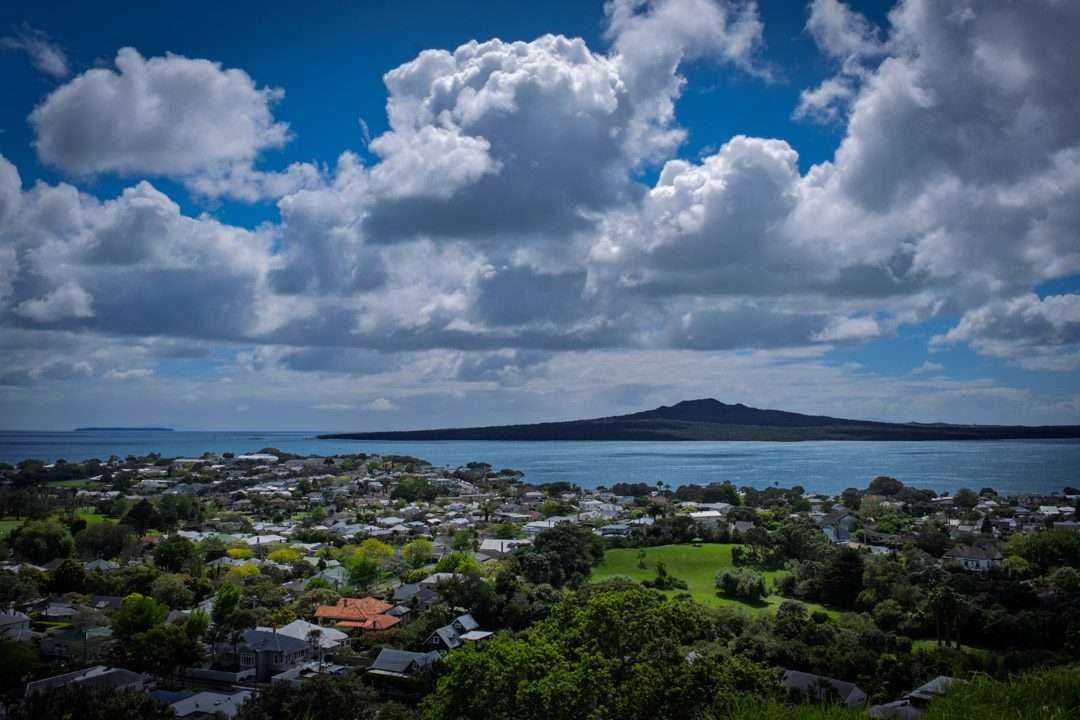
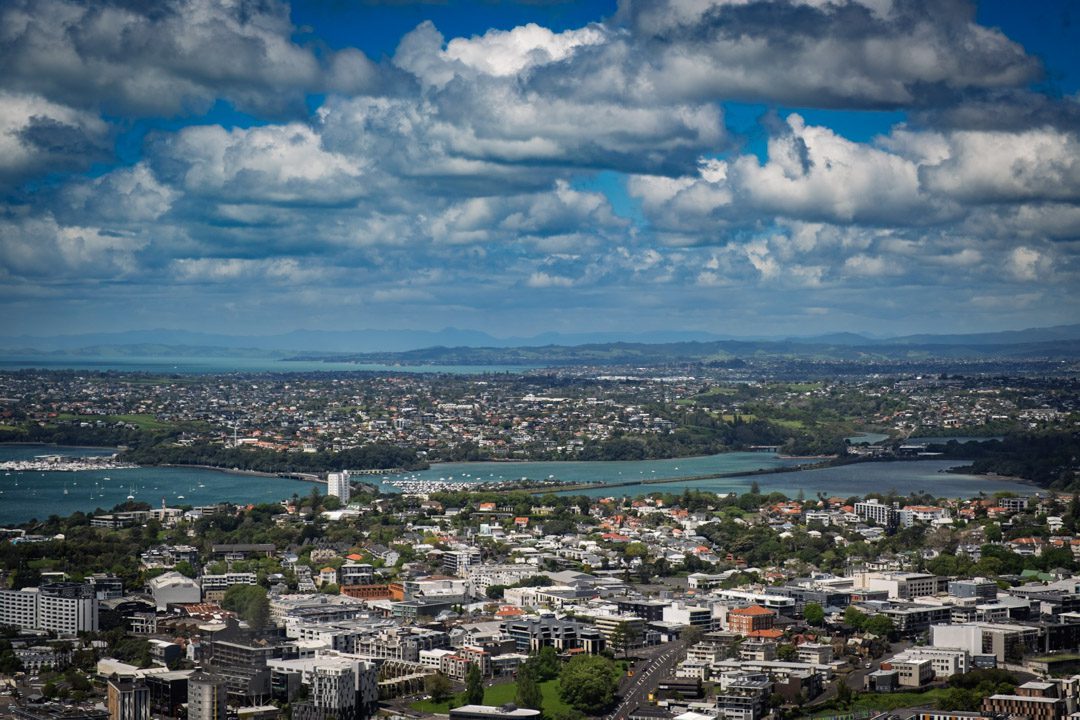
Today was our final day in Auckland, and we wanted to make the most of it. After breakfast, we walked to the ferry terminal and took a 12-minute ride across the harbor to Devonport, one of Auckland’s most charming seaside suburbs. Nestled at the foot of two extinct volcanic cones—Mount Victoria and North Head—Devonport is known for its quaint village atmosphere, elegant Victorian homes, and tree-lined streets filled with cafés, boutique shops, and art galleries. We bought a memento of the New Zealand Christmas tree (a green tree with red flowers) from one of these galleries. After a bit of shopping, we enjoyed a slow, steady walk up Mount Victoria, the highest volcanic cone on Auckland’s North Shore. The path wound gently upward through peaceful residential streets before opening onto grassy slopes sprinkled with wildflowers. From the summit, we were rewarded with stunning panoramic views of Auckland’s skyline, the harbor, and the volcanic silhouette of Rangitoto Island in the distance.
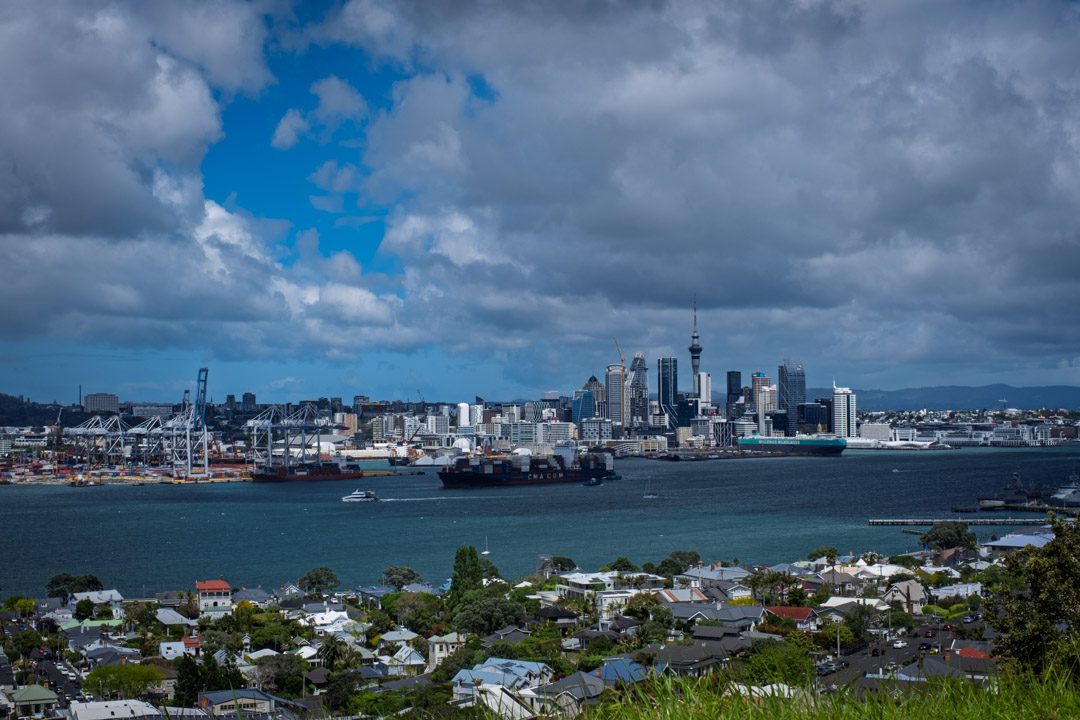
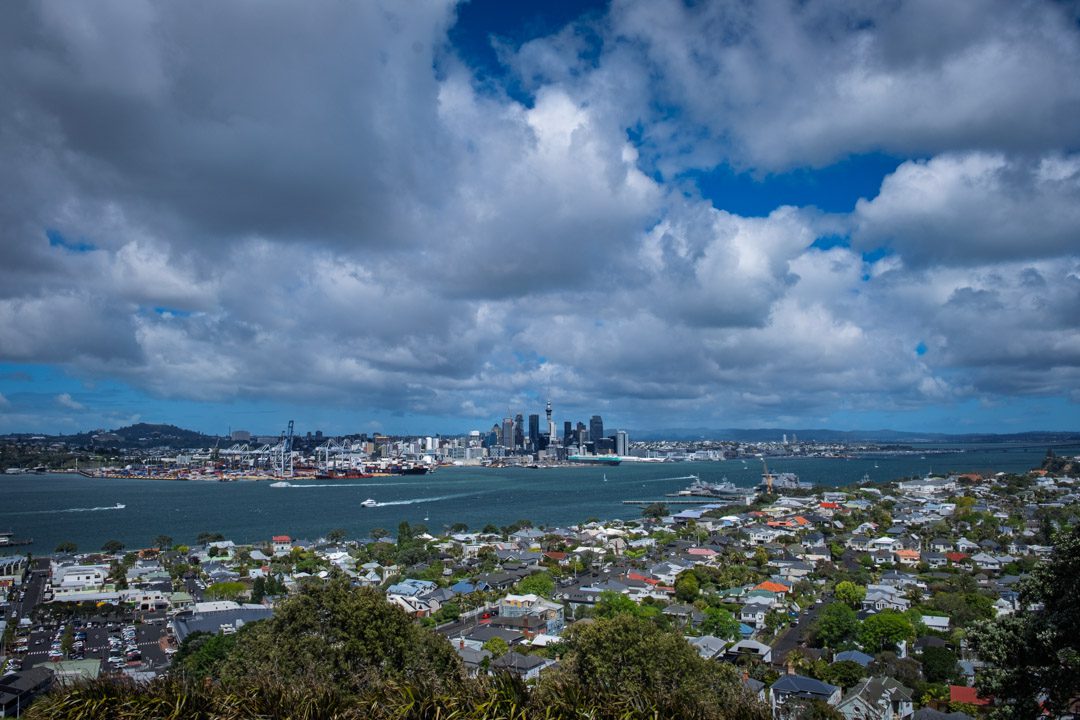
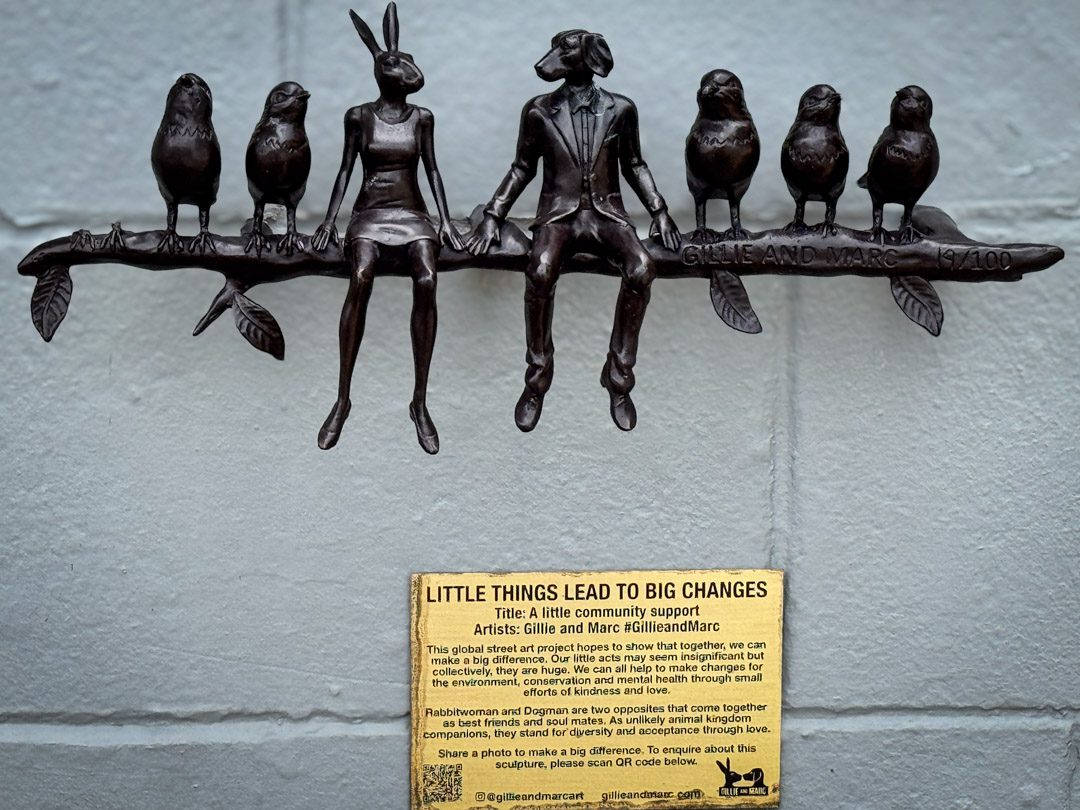
Our last stop of the day was the Sky Tower, one of Auckland’s most iconic landmarks and the tallest freestanding structure in the Southern Hemisphere at 1,076 feet. A high-speed elevator whisked us to the observation decks, where floor-to-ceiling windows offered breathtaking 360-degree views of the city, harbor, and surrounding islands.
Homeward Bound – October 27, 2025
We said E noho rā to Auckland and began our journey home, with a stopover in San Francisco. The long flight passed smoothly and without incident.
Christabel, your narration of this trip was extraordinary in its detail. Albert, your photos of the Southern Alps from the air were among your best ever. It must have taken a while to recover from that adventure!