
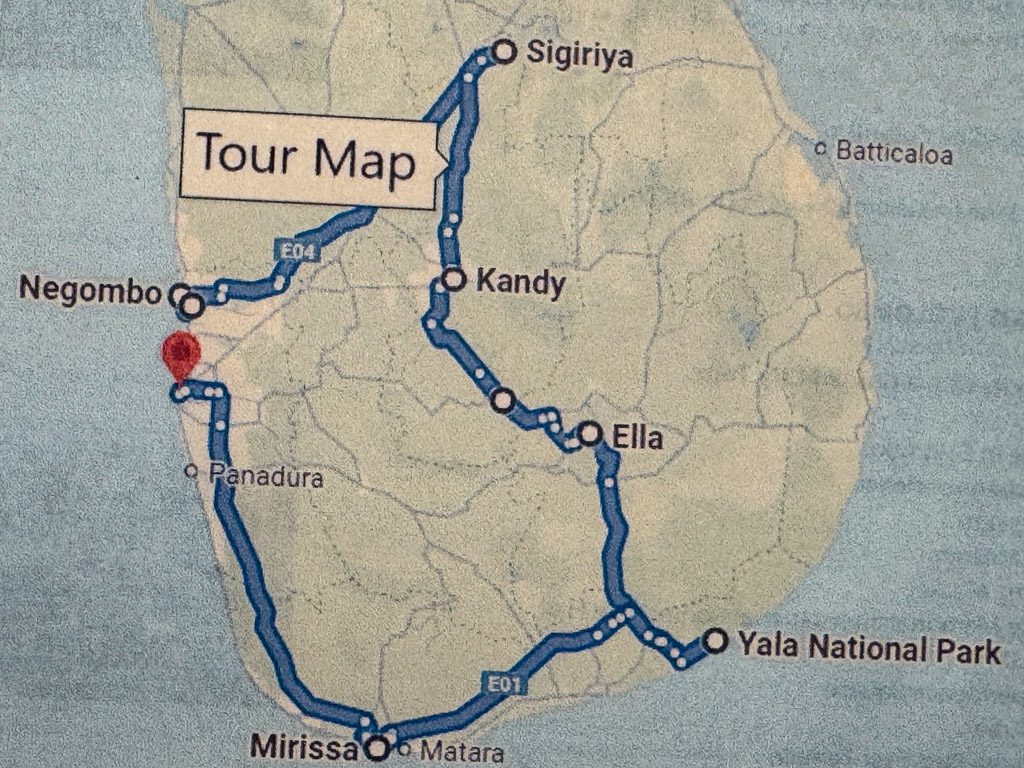
Sri Lanka had long been on our travel radar, and Christabel’s niece’s wedding in India finally gave us the perfect excuse to explore this island nation—once known as Ceylon and celebrated for its tea, cinnamon, and sapphires. Our journey took us from the coastal fishing town of Negombo to Sigiriya, where the ancient Lion’s Rock fortress rises dramatically above the plains; then on to Kandy, home of the sacred Temple of the Tooth, and into the cool highlands of Nuwara Eliya, aptly nicknamed “Little England” for its colonial charm and sprawling tea estates. From there we continued to Ella, famed for its mountain vistas and the iconic Nine Arches Bridge, before heading south to Yala National Park, renowned for its leopard population, and finally concluding in Colombo, the country’s bustling commercial capital. Along the way, we explored six of Sri Lanka’s eight UNESCO World Heritage Sites—an unforgettable journey through history, culture, cuisine, and natural beauty.
A First Glimpse of Sri Lanka – January 6, 2026
Today marks the beginning of another adventure—this time to Sri Lanka. With the wedding festivities for our niece behind us, we made our way to Kempegowda International Airport in Bengaluru for our flight to Colombo. Just over an hour later, we landed at Bandaranaike International Airport, where our driver and guide, Salinda, greeted us. He then drove us to our beachfront hotel in Negombo on the west coast. Negombo, a lively coastal town just north of Colombo, is known for its long sandy beaches, vibrant fishing community, and enduring Dutch and Portuguese heritage.
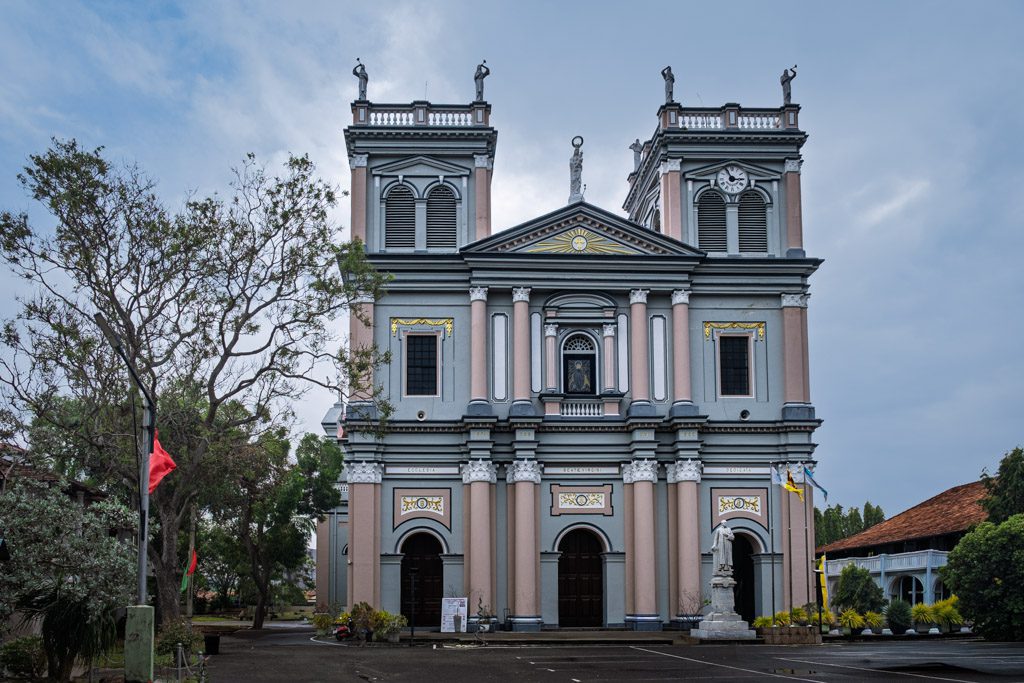
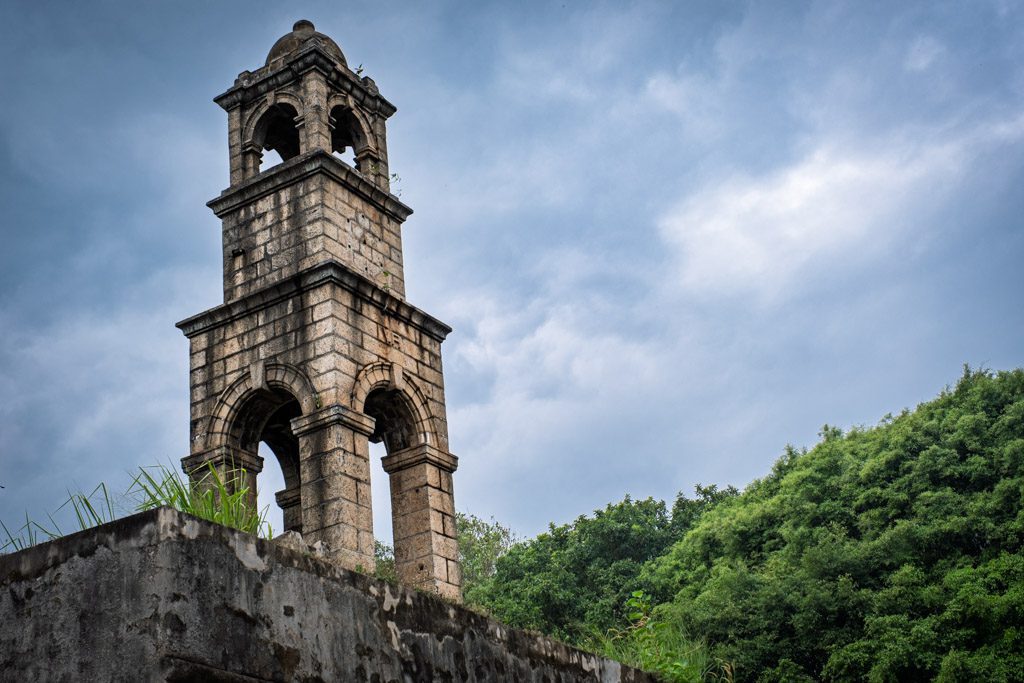
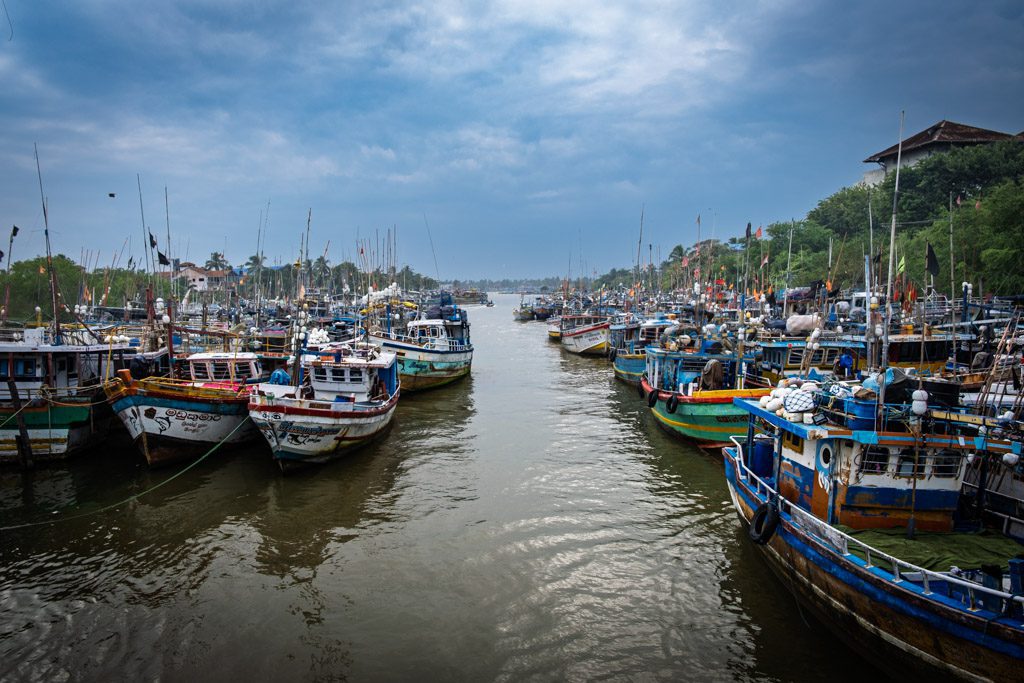
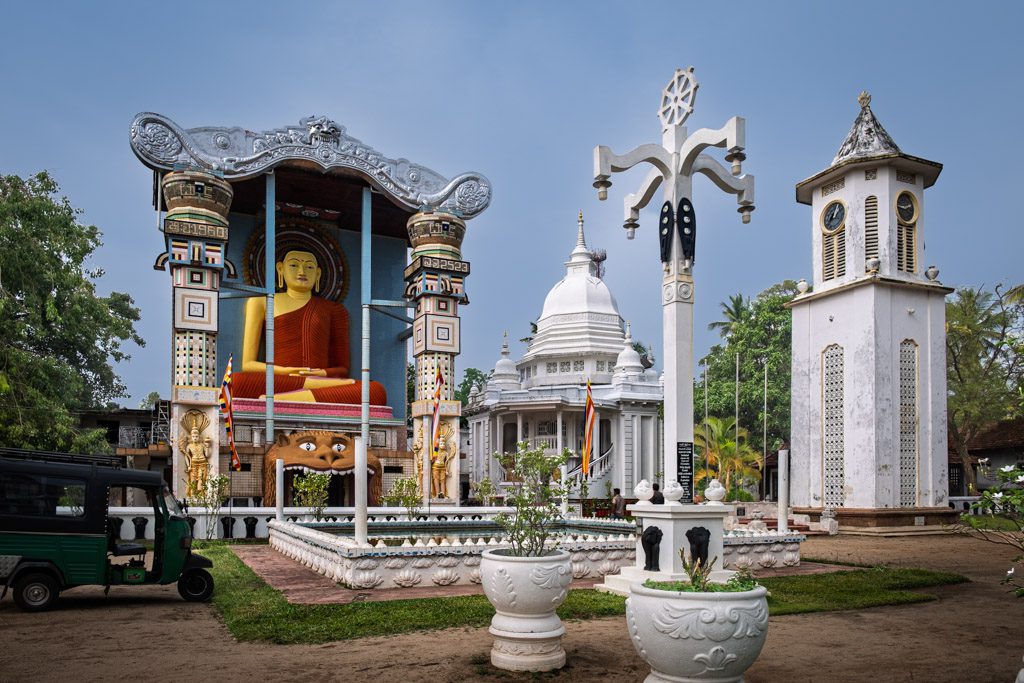
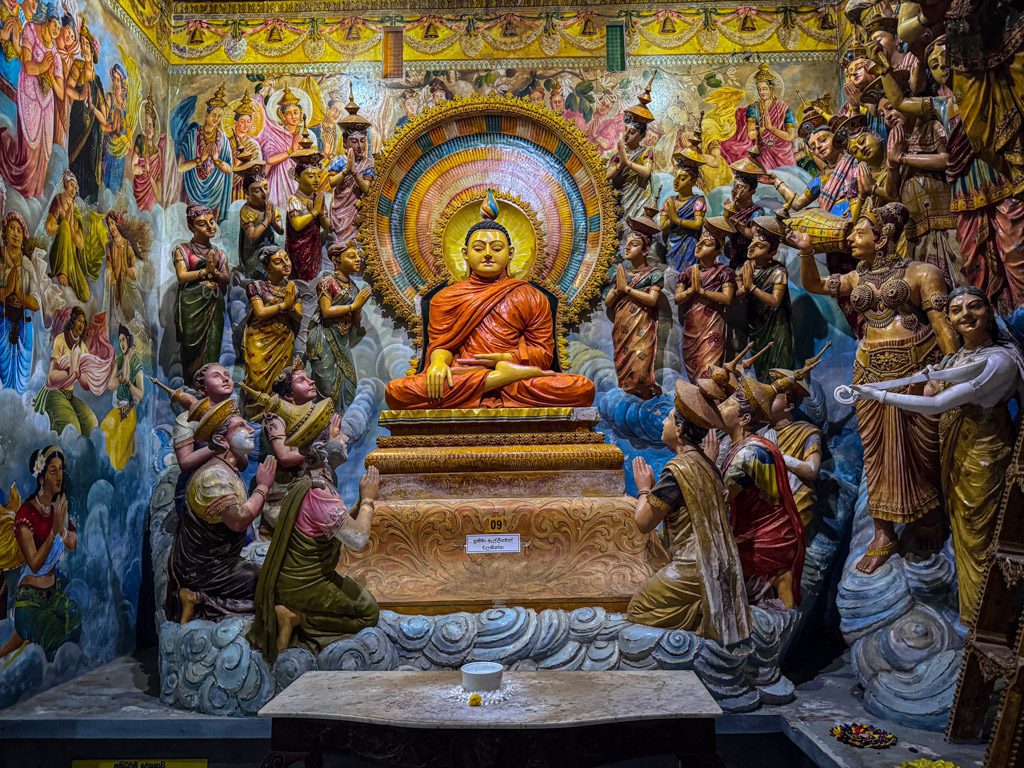
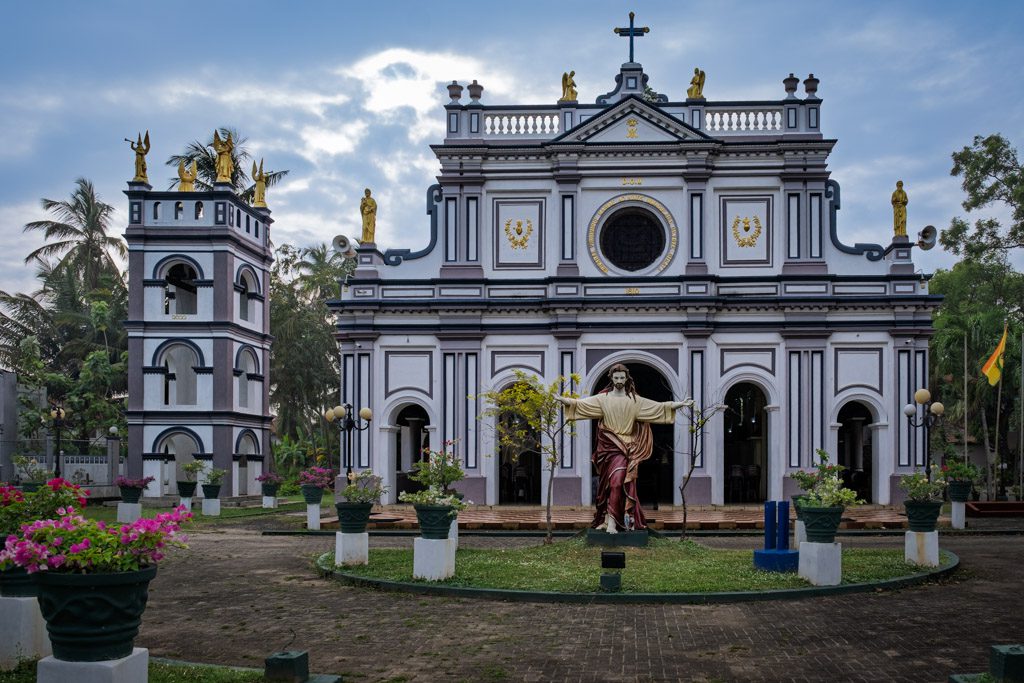
Later in the afternoon, we hired a driver-guide to take us around Negombo’s main attractions. Although Sri Lanka is predominantly Buddhist, he explained that Negombo is largely Catholic—a lasting influence of the Portuguese era. Our first stop was St. Mary’s Church, the largest in Negombo, known for its pastel façade and beautifully painted ceiling murals. We then visited the remnants of the old Dutch Fort—now mostly just its gate—which once guarded the town’s canal system. At the fort, we saw people lining up to visit prisoners at the nearby jail. From there, we headed to the lagoon, where rows of colorful fishing boats highlighted the town’s vibrant fishing community. After a brief stop in the city center, we visited the Angurukaramulla Temple, noted for its giant seated Buddha, vivid murals depicting scenes from the life of the Buddha, a large recumbent Buddha, and its striking dragon-arched entrance. While walking through town, Albert stopped to say “Hi” to a cop. The man was so delighted that he greeted Albert like a long-lost relative. We ended our tour at the Church of Our Lady of Snows, a graceful, whitewashed church known for its simple but peaceful interior.
From Coast to Cave Temples – January 7, 2026
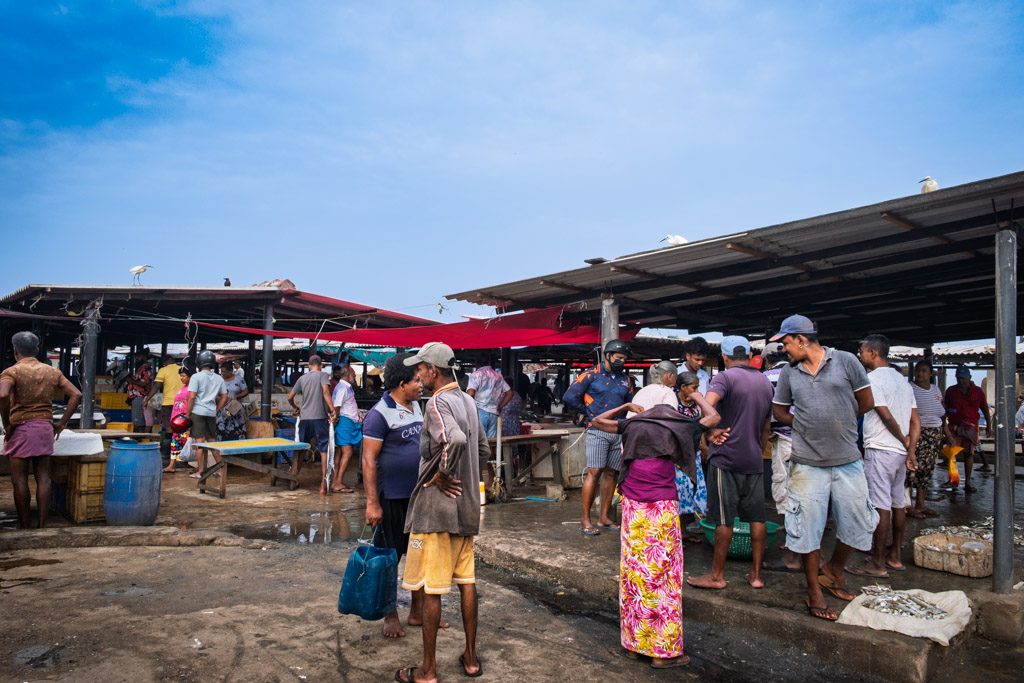
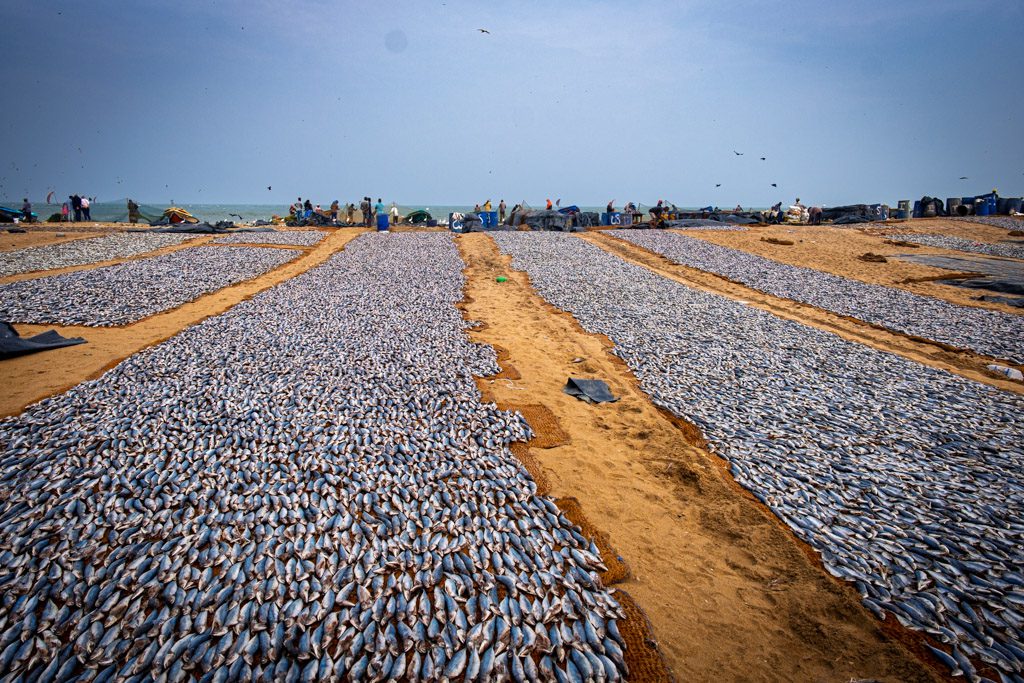
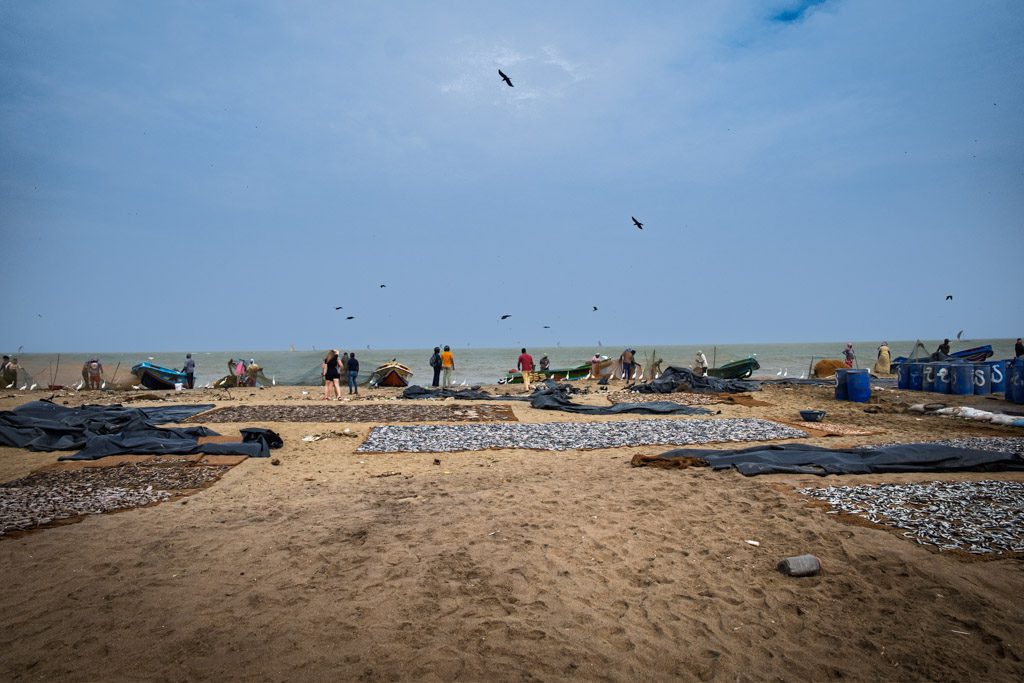
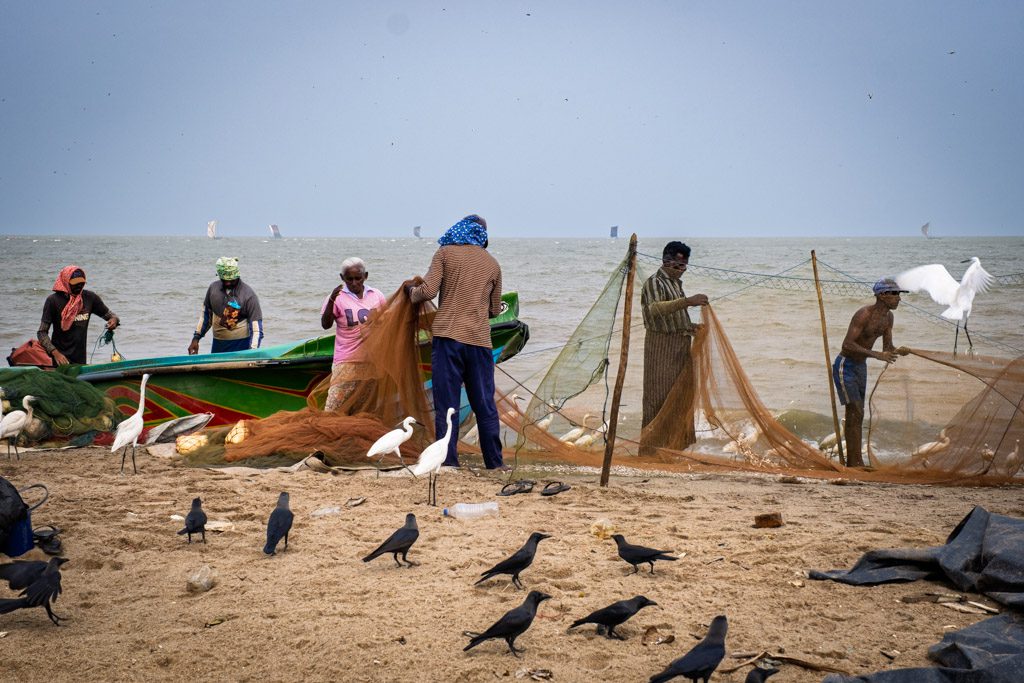
Today was a long day, with much of it spent driving to our next destination. Before leaving Negombo for Sigiriya, we made a short stop at the bustling Negombo fish market. Spread along the waterfront, the market was alive with activity, its stalls displaying an impressive variety of fresh fish and seafood. Nearby, rows of fish were laid out to dry in the sun—a traditional practice still widely used along Sri Lanka’s coast. What surprised us most was that, despite being outdoors in a tropical climate, the market was very clean and remarkably free of any fishy smell.
En route to Sigiriya, we stopped in Rideegama to visit Ridee Viharaya, also known as the Silver Temple. Along the way, Salinda, our driver-guide, pointed out the lush paddy fields where rice is grown and harvested twice a year, as well as pineapple plantations that yield two to three crops annually. At the temple, a young monk welcomed us and guided us through the complex. Dating back to the 2nd century BCE, Ridee Viharaya was built by King Dutugemunu and is celebrated for the silver ore discovered nearby—material believed to have funded the construction of the great Ruwanwelisaya stupa in Anuradhapura. Of special note is the shrine with the recumbent Buddha, where visitors can see the famed Delft-blue tiles presented to the temple by a Dutch Governor, each depicting a scene from the story of Christ. The temple’s atmospheric cave shrines and centuries-old murals made the visit both historically rich and deeply engaging. On our way out, we stopped to see the temple elephant—a massive creature with only one tusk.

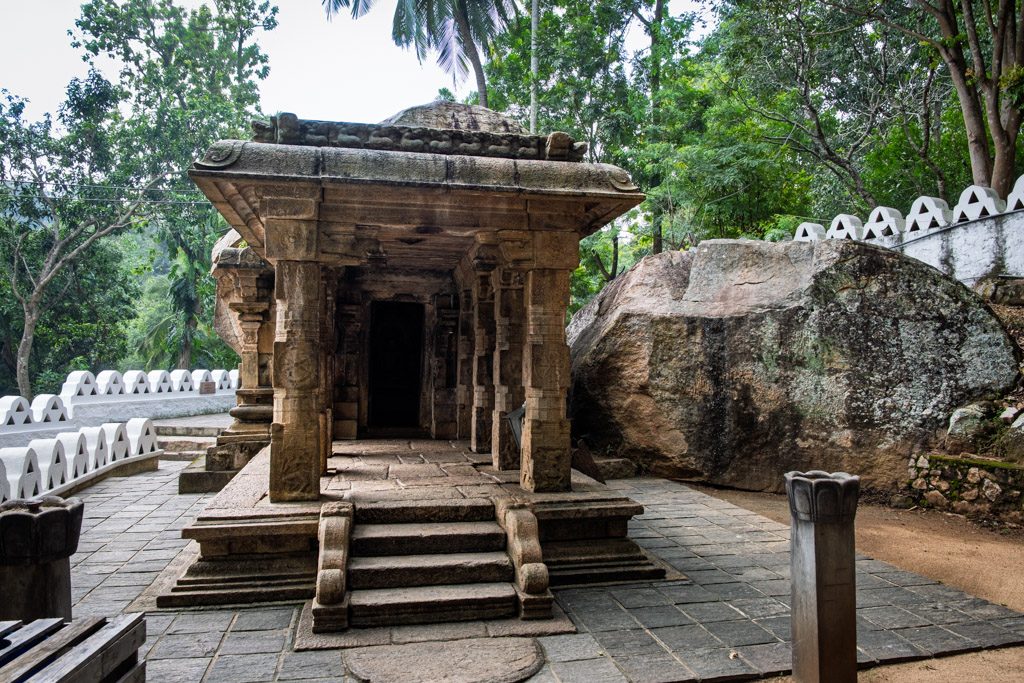
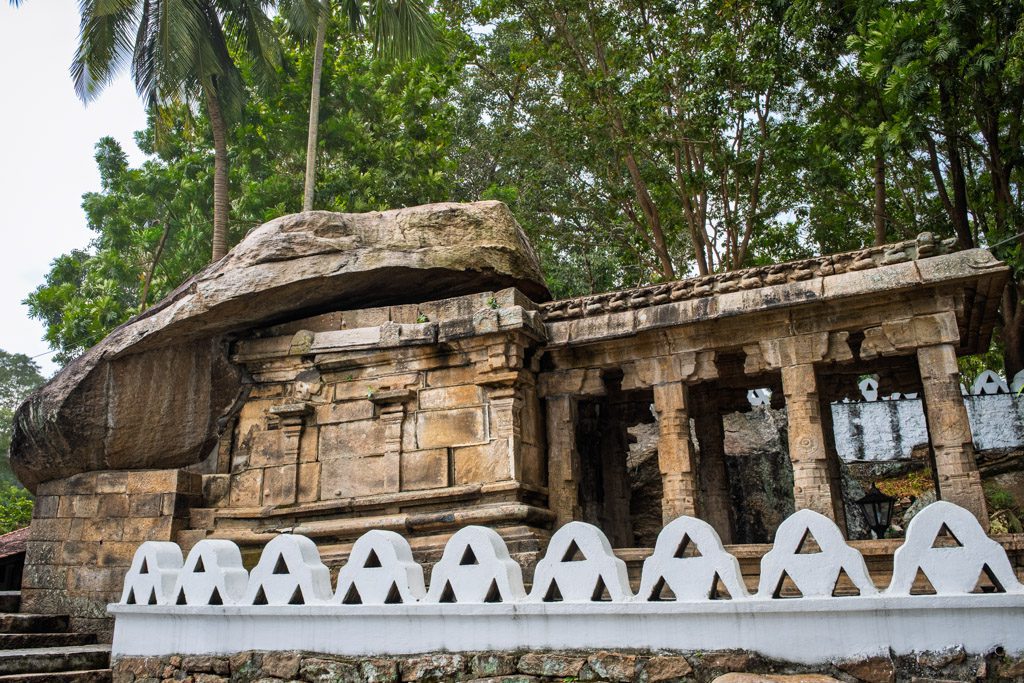
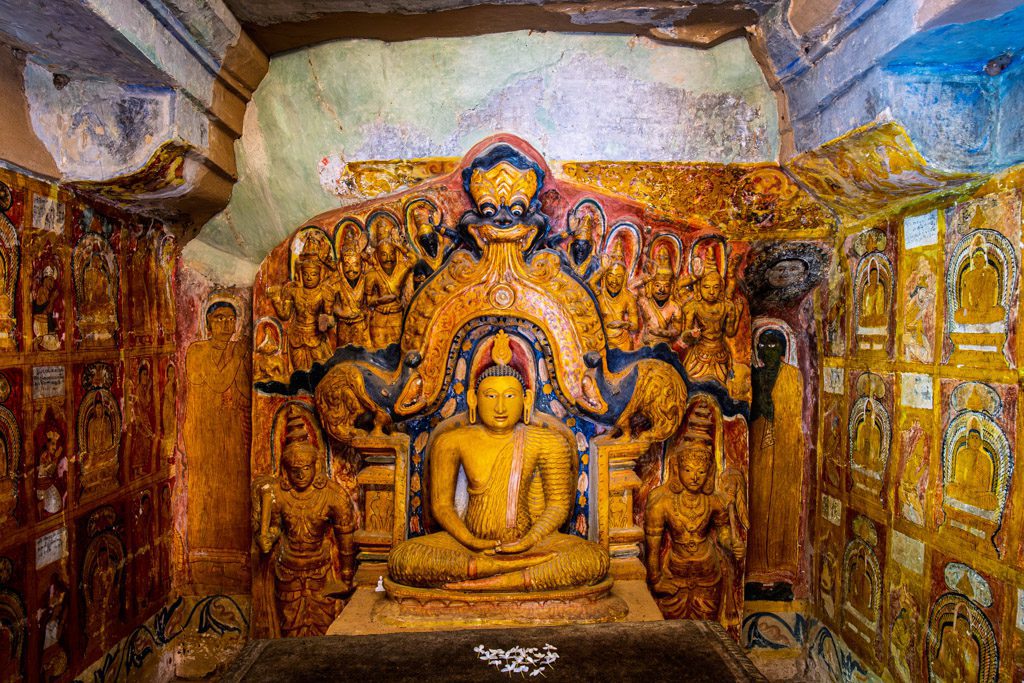
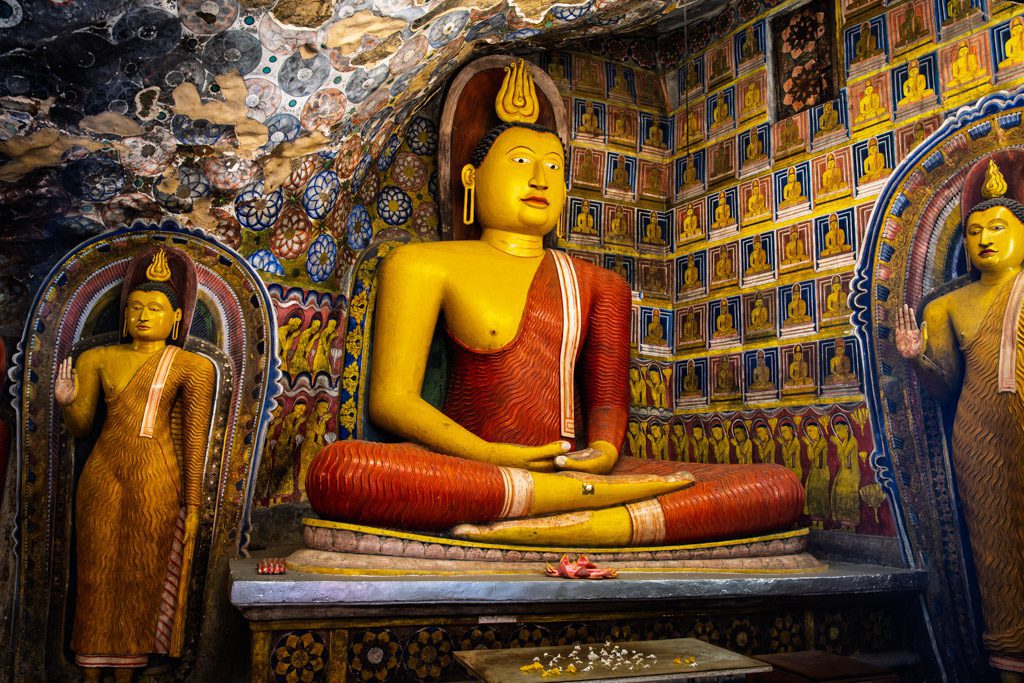
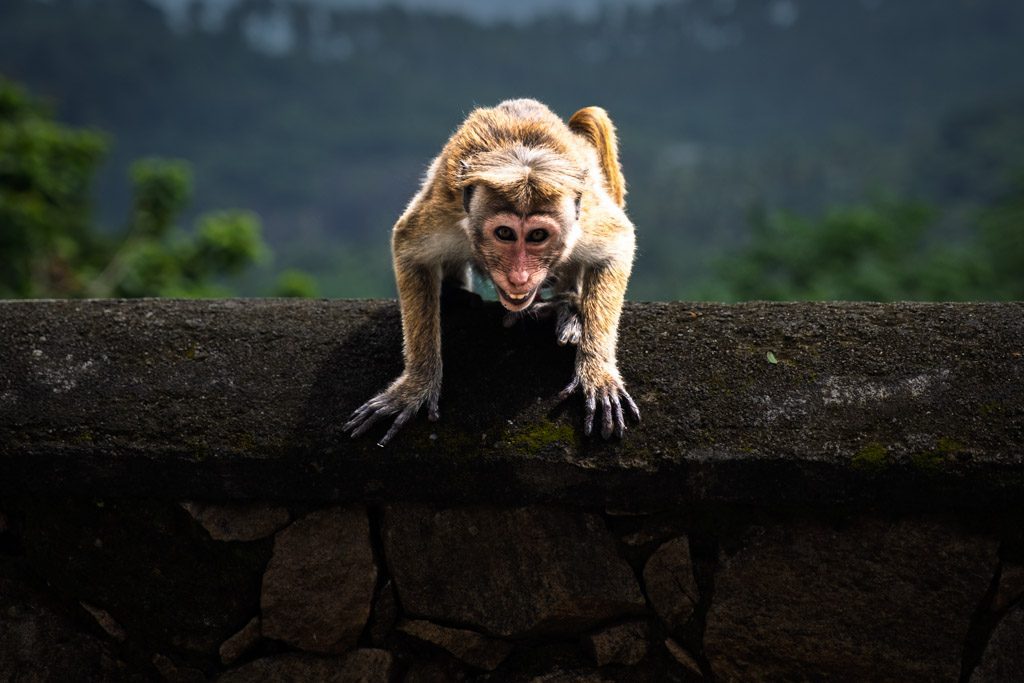
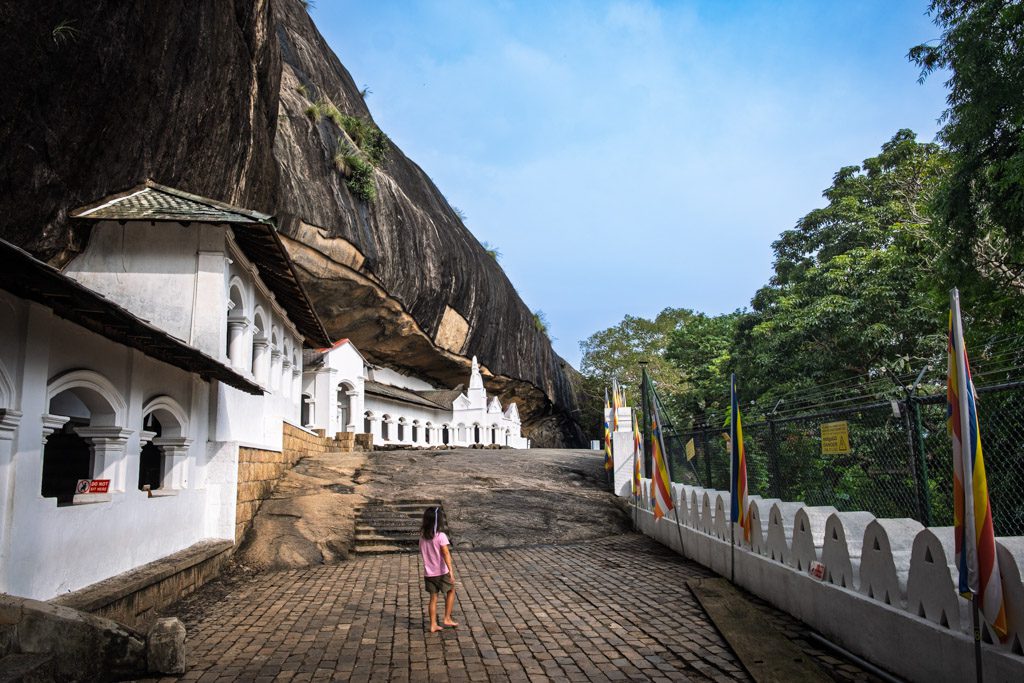
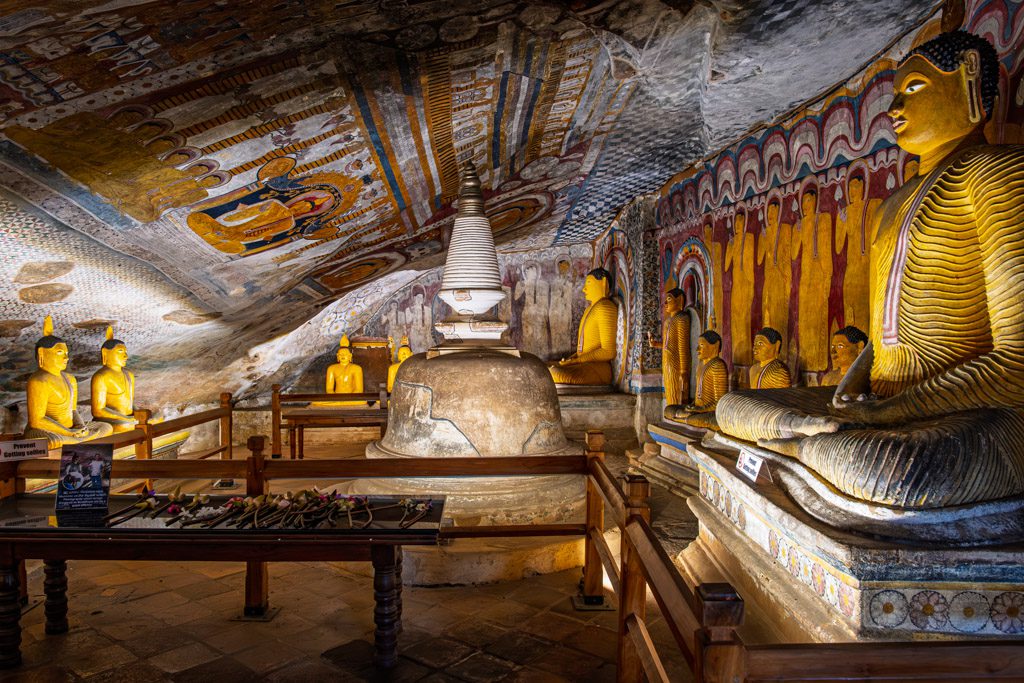
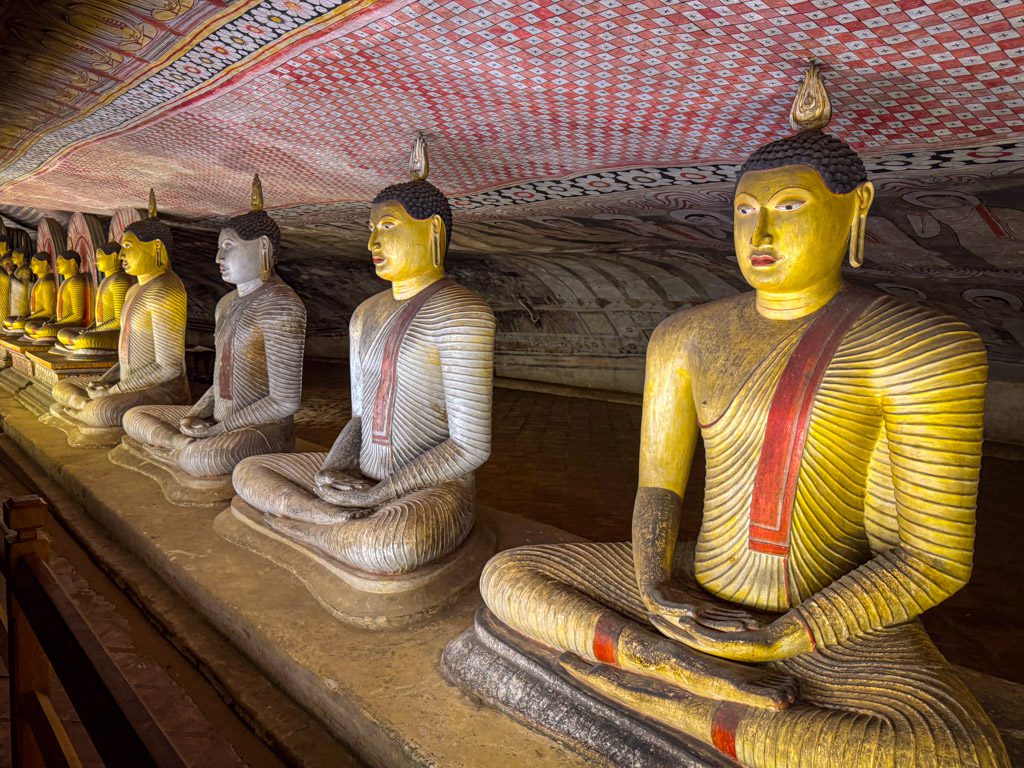
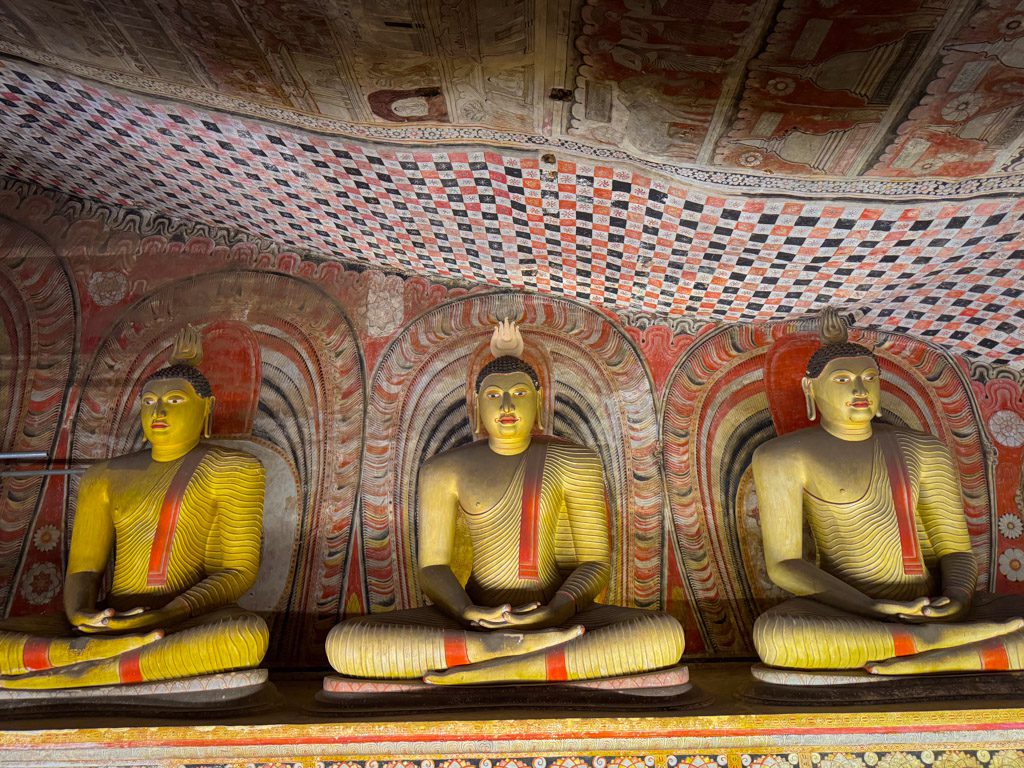
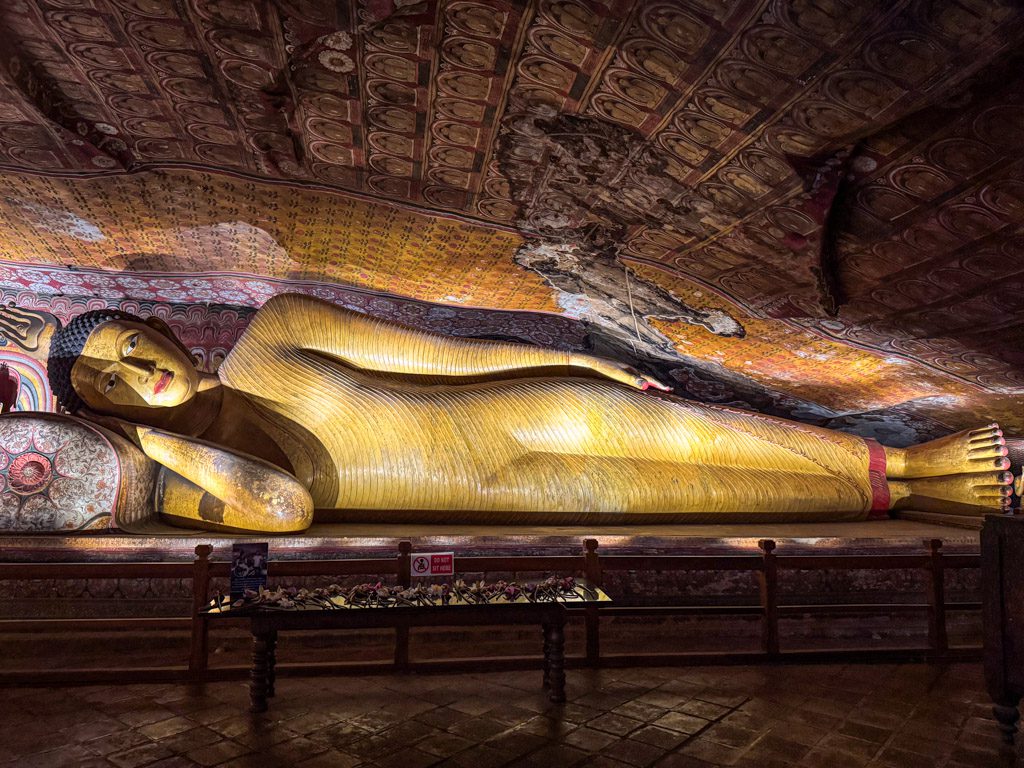
Our final stop of the day was the Dambulla Cave Temple, a UNESCO World Heritage Site and one of Sri Lanka’s most remarkable religious monuments. Perched high on a rocky outcrop, the complex consists of five caves filled with exquisitely preserved Buddha statues, statues of Sri Lankan kings and several Hindu deities, intricate murals, and layers of devotional art. The climb up the stone pathway—366 steps in total—rewarded us with sweeping views of the surrounding plains, while the cool, dimly lit interiors revealed more than 2,000 years of history. First developed into a temple in the 1st century BCE by King Valagamba, who sought refuge here during his exile, the site was later embellished by successive rulers. Their contributions created the rich tapestry of Buddhist imagery and craftsmanship that makes Dambulla such an extraordinary place of worship today.

Anuradhapura’s Heritage and an Afternoon Safari – January 8, 2026
A 90-minute drive brought us to Anuradhapura, one of Sri Lanka’s most historically significant cities, renowned for its ancient ruins and deep-rooted Buddhist heritage. Established in the 5th century BCE, it was the first capital of the Sinhala Kingdom and a major center of Theravada Buddhism for more than a millennium. The Sacred City was inscribed as a UNESCO World Heritage Site in 1982 for its cultural and religious importance.
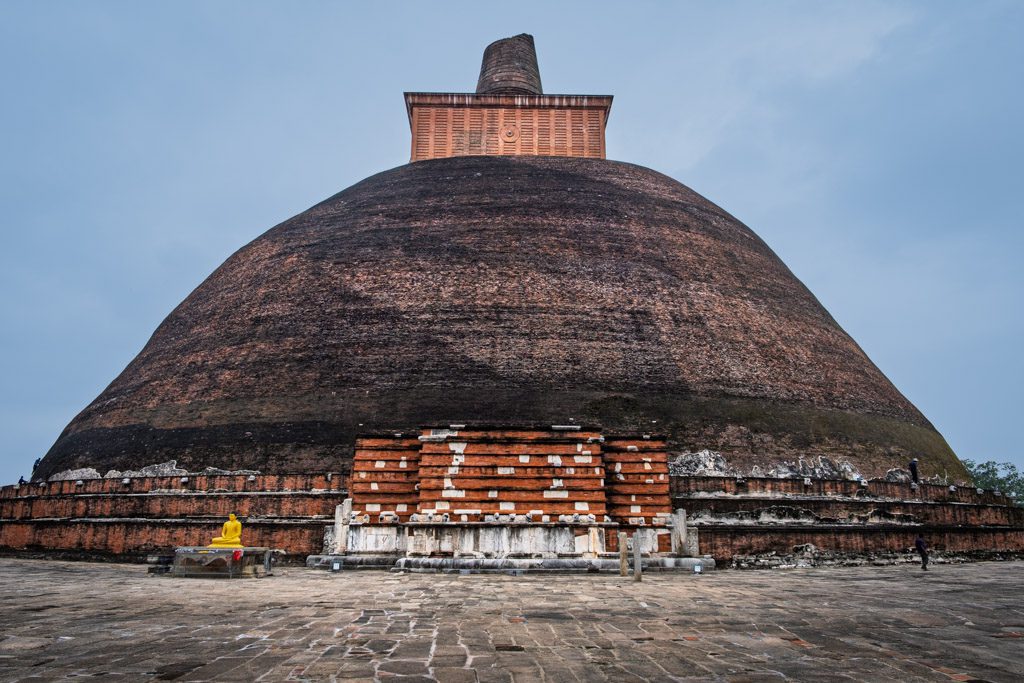
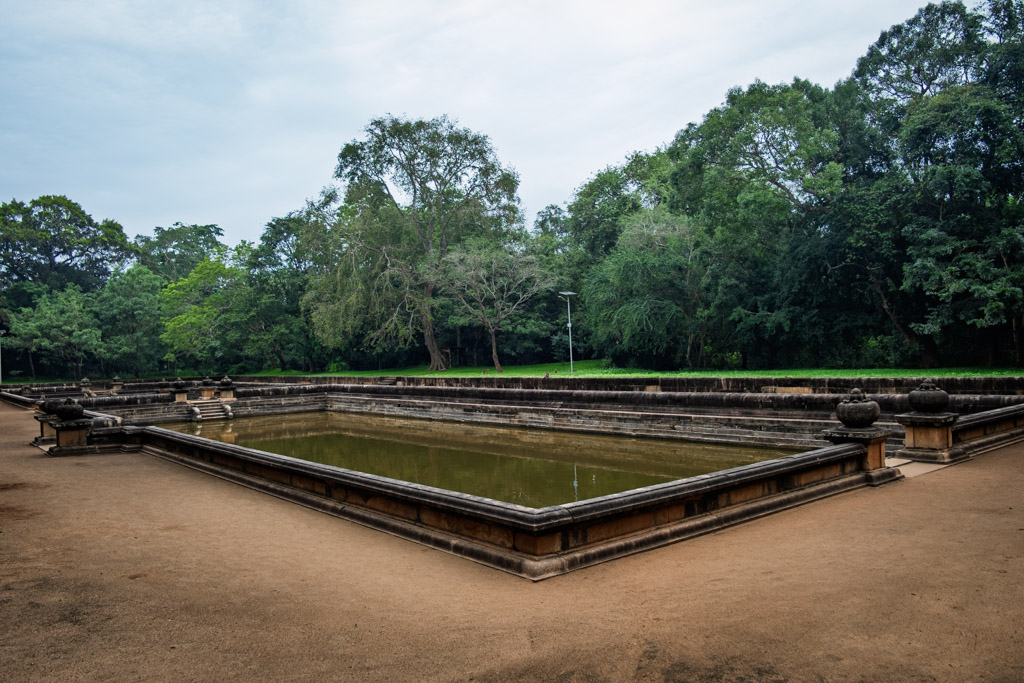
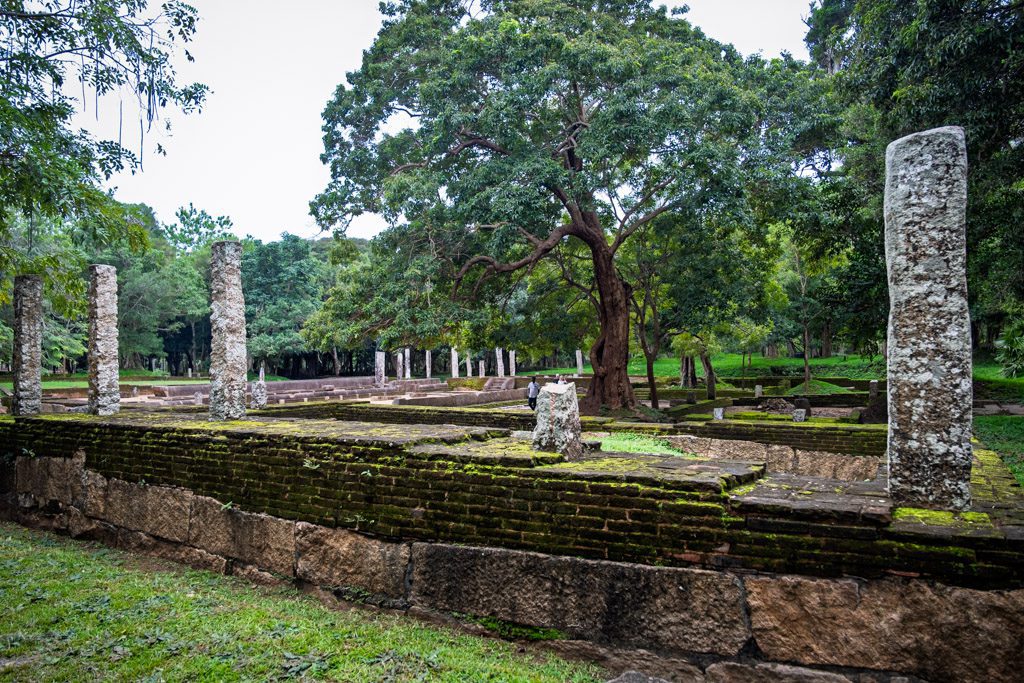
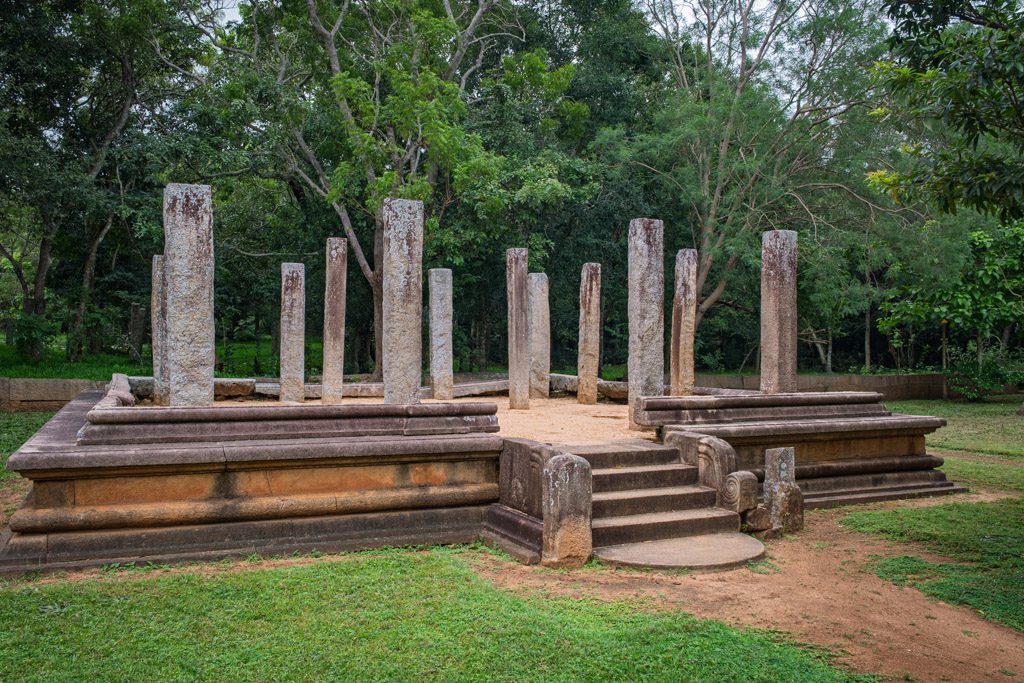
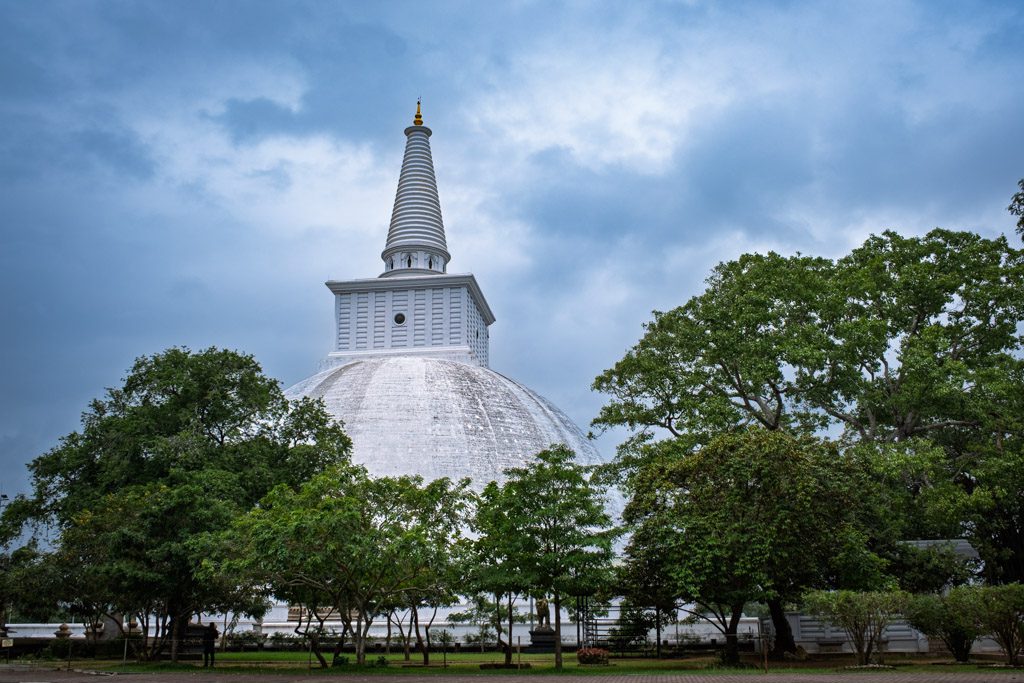
We began our tour at the Jetavana Museum (also called the Jetavanarama Museum) located within the ancient Jetavana Monastery complex. It sits close to the Jetavanaramaya Stupa and houses artifacts unearthed from the surrounding archaeological site, including ceramics, beads, coins, stone carvings and ritual objects. Our next stop was Jetavanaramaya, the tallest brick stupa of the ancient world. Built in the 3rd century CE by King Mahasena, it once soared over 120 m, making it one of the largest brick structures ever constructed. From there, we visited several notable sites across the archaeological park: Pokuna (Twin Ponds) – elegant, expertly engineered bathing tanks used by monks; Refectory and Guardstone – ruins of monastic living quarters, marked by beautifully carved guardstones and eating areas with tables and troughs for rice and vegetables; Moonstone – a classic semi-circular stone carving, richly decorated with symbolic motifs of lion, horse, elephant, and bull. Our visit concluded at the Jaya Sri Maha Bodhi, the sacred fig tree believed to have been planted in 288 BCE from a sapling of the very tree under which the Buddha attained enlightenment.
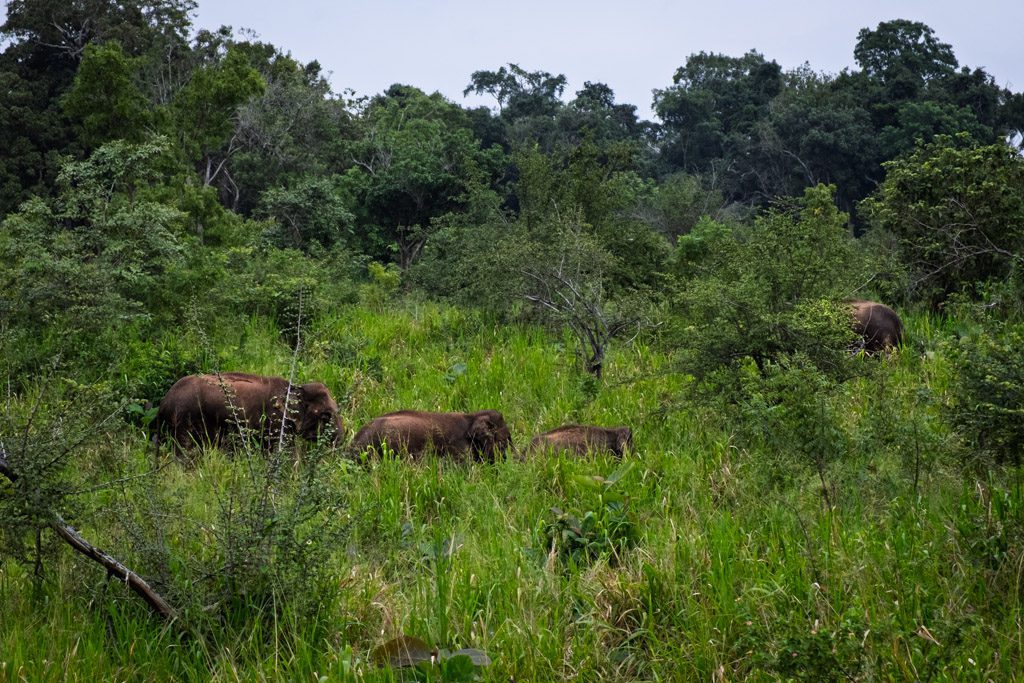
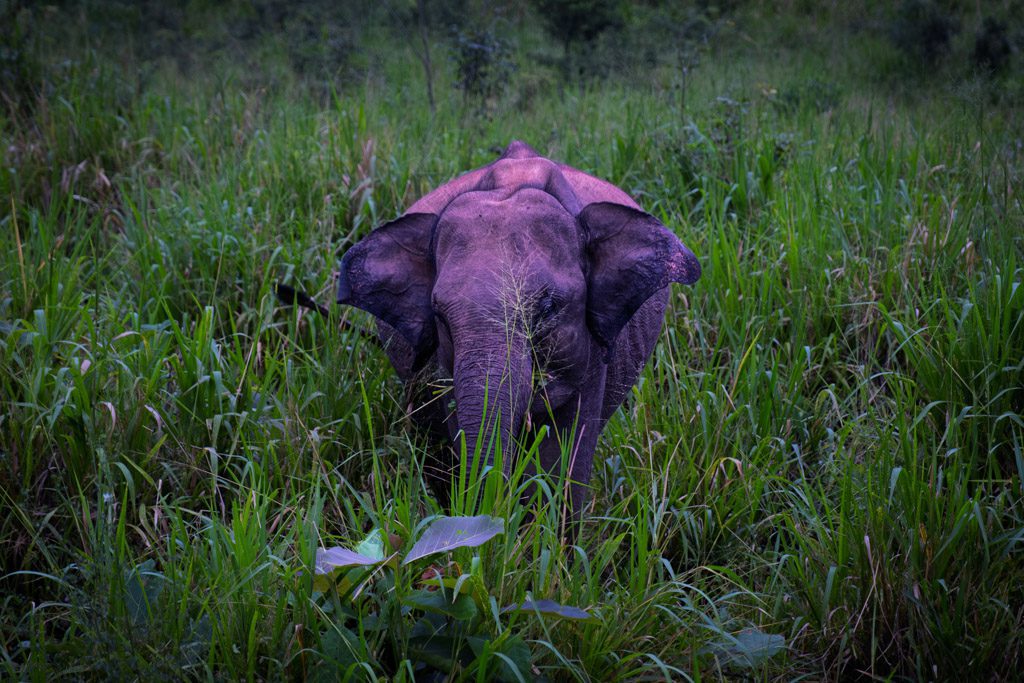
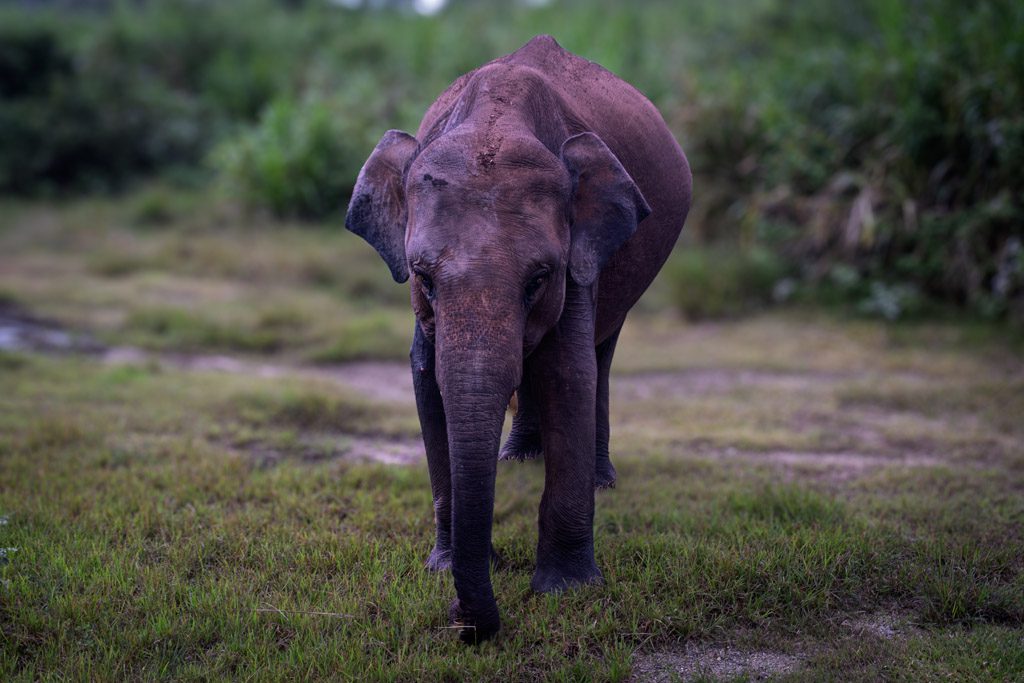
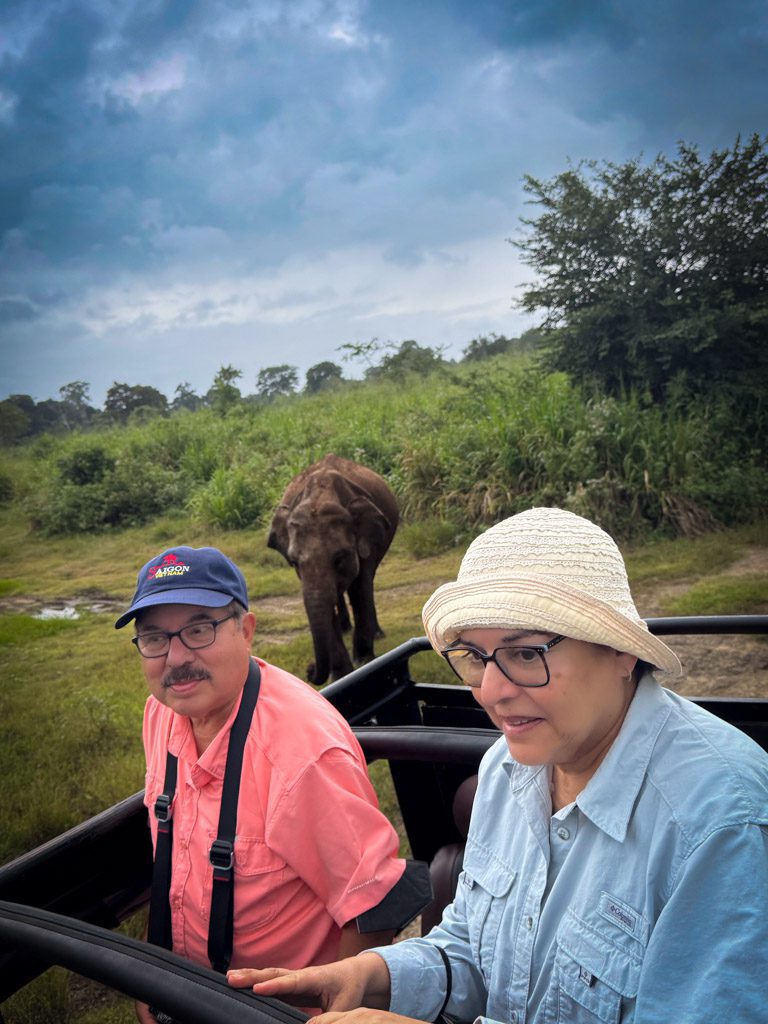
After lunch, we continued to Hurulu Eco Park for an afternoon elephant safari. Our jeep rumbled along rain-soaked tracks through the park’s lush greenery as we spotted several elephants—some solitary, others in small groups of three or four. Unlike in Africa, where elephants are larger and herd in great numbers, Sri Lanka’s Asian elephants are smaller, more forest-dwelling, and often tuskless, giving each sighting a unique character. The three-hour tour also offered wonderful birdlife, including peacocks, vibrant kingfishers, green bee-eaters, and several species of eagles. Water buffalo grazing in the tall grasses added to the atmosphere, rounding out a memorable afternoon in the wild. On our way back to the hotel, we saw a few elephants walking along the roadside, clogging traffic as people stopped to take photographs.
Climbing Sigiriya and Exploring Polonnaruwa – January 9, 2025
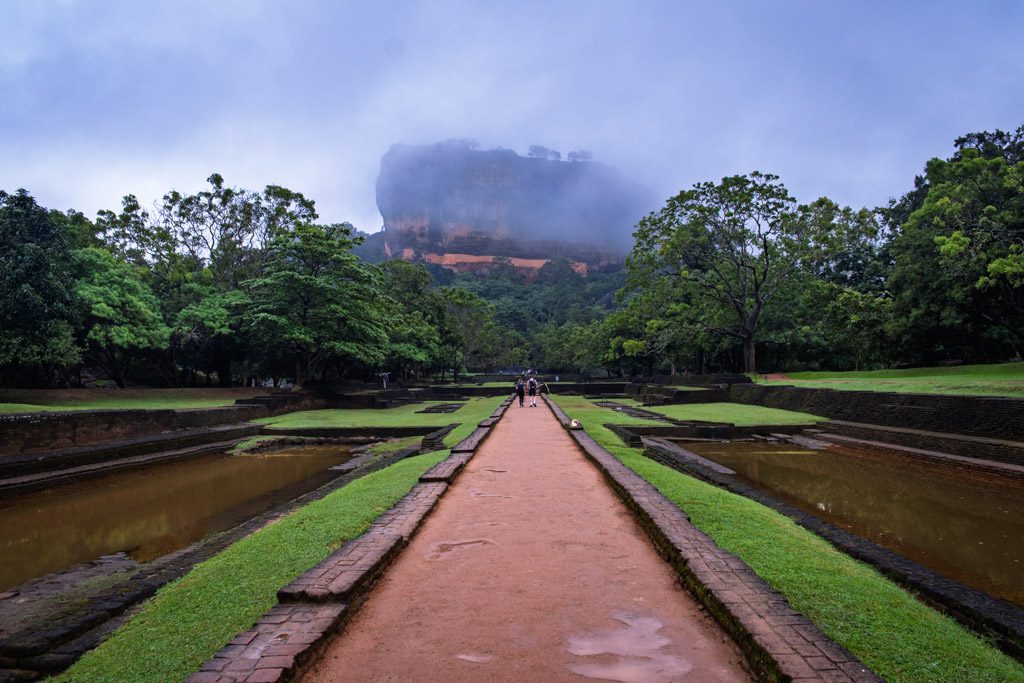
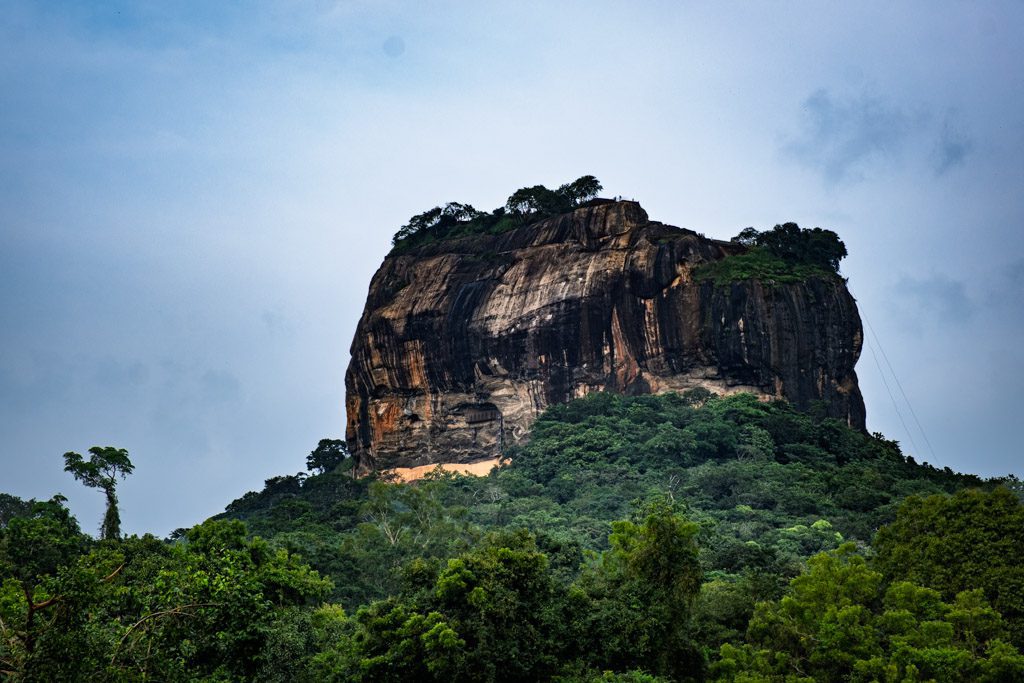
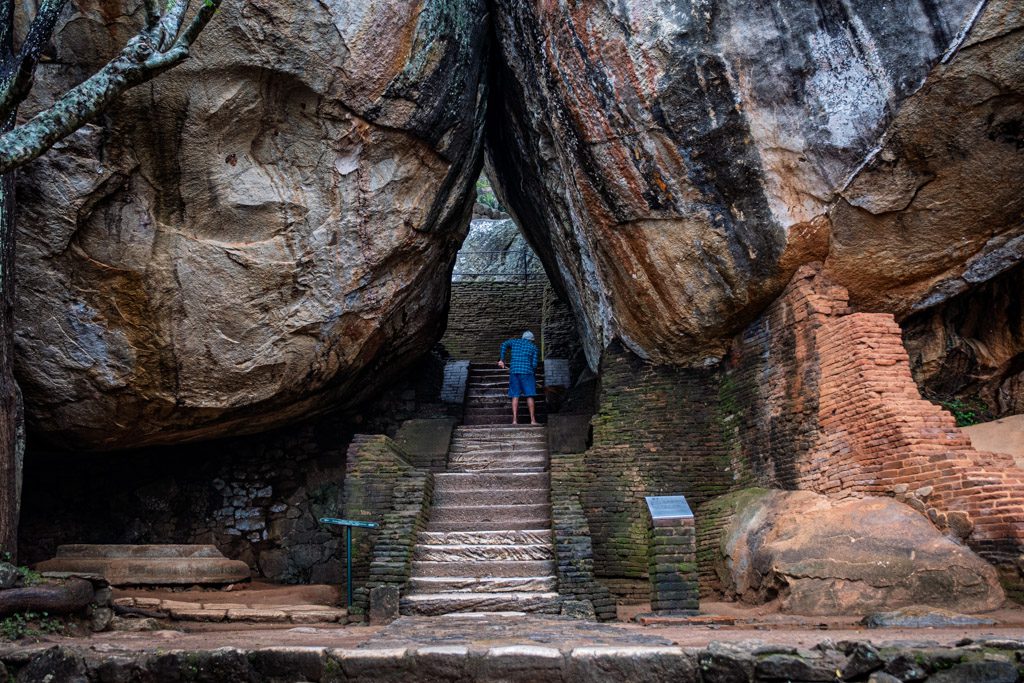
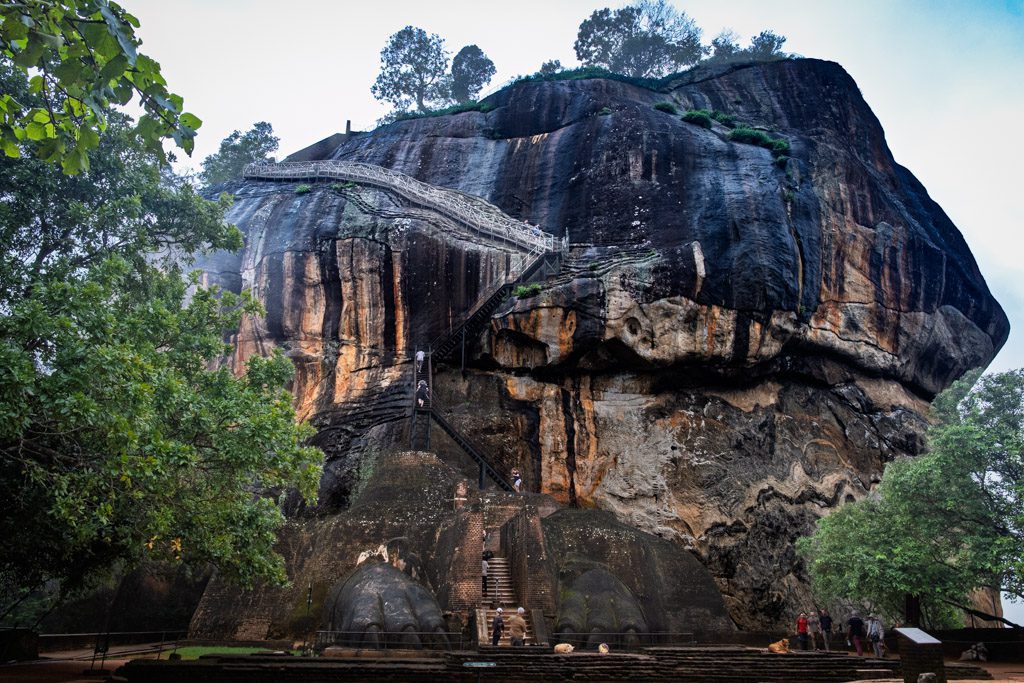
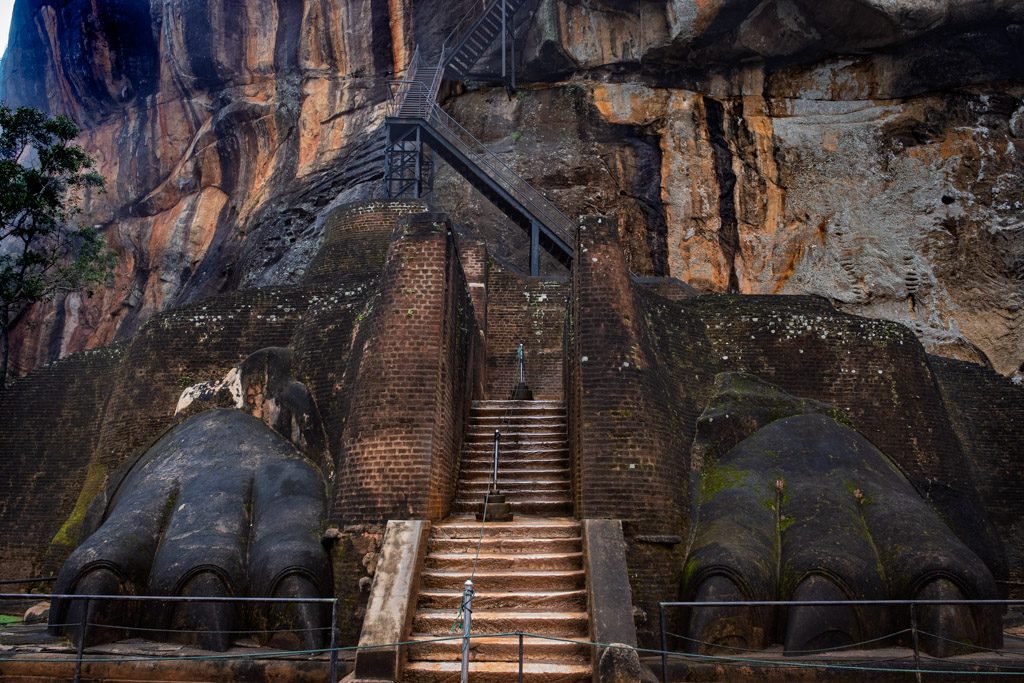
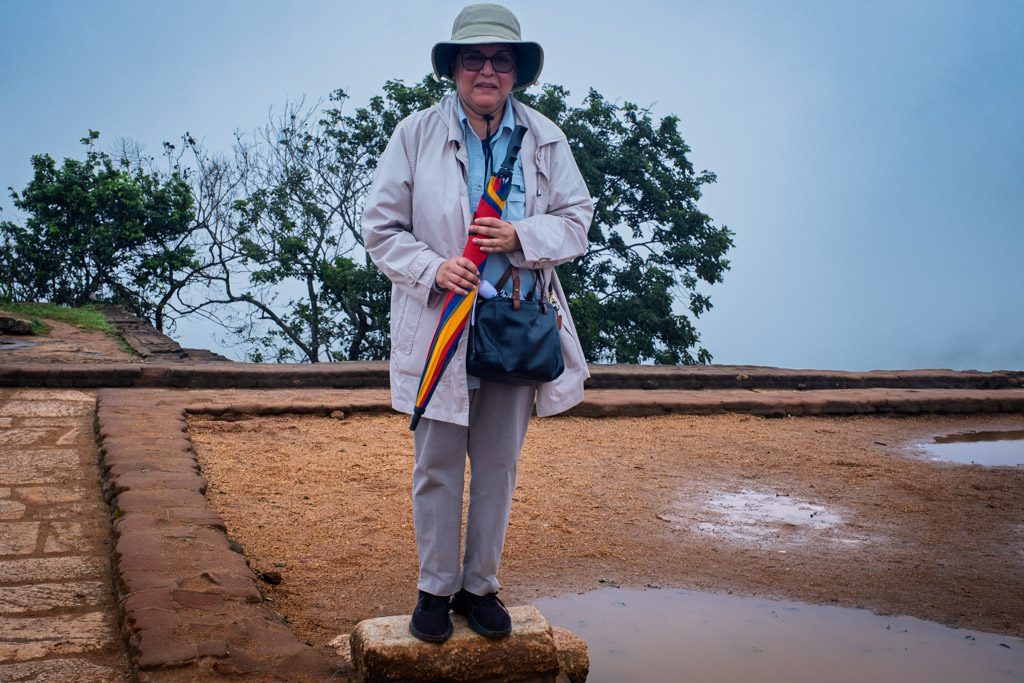
Today involved quite a bit of physical activity—especially climbing. We had the option of setting out at 5 a.m. to watch the sunrise from the top of Sigiriya’s Lion Rock, a UNESCO World Heritage Site, or beginning our visit later in the morning. We chose the more relaxed start. The ascent—1,002 steps in total—was both challenging and at times nerve-wracking. The path led us past massive boulders and sheltered walkways once used by ancient monks. Higher up, we reached the Lion Terrace, where the enormous carved lion paws mark the final climb to the summit. Along the way, we encountered the everyday “residents” of Sigiriya—dogs dozing on the steps and monkeys darting along the railings. Some were bold enough to rummage through travelers’ bags; one even managed to grab a piece of fruit and a candy bar. At the top, we were rewarded with a sweeping 360° panorama of lush forest, open plains, and distant mountains—a breathtaking view of Sri Lanka’s central landscape. On our descent, we followed the route that leads to the Sigiriya frescoes—the famed maidens still vivid after centuries—the Mirror Wall, where traces of ancient inscriptions remain on its once-polished surface, as well as boulder arches and the ancient audience hall. Despite the effort, every step revealed a new facet of Sigiriya’s remarkable history and stunning scenery.
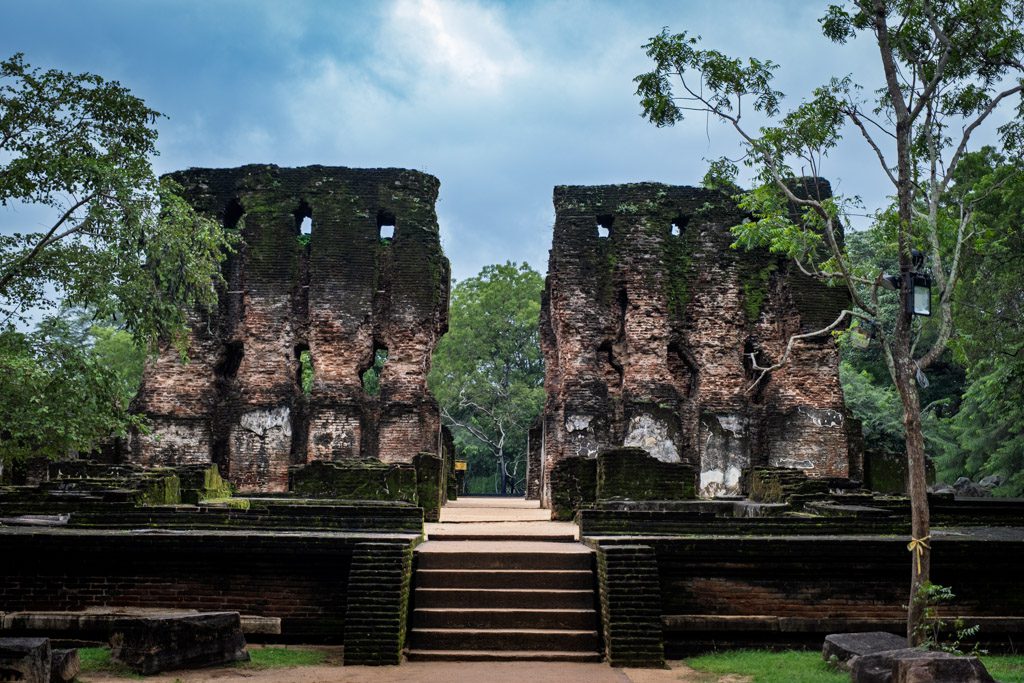
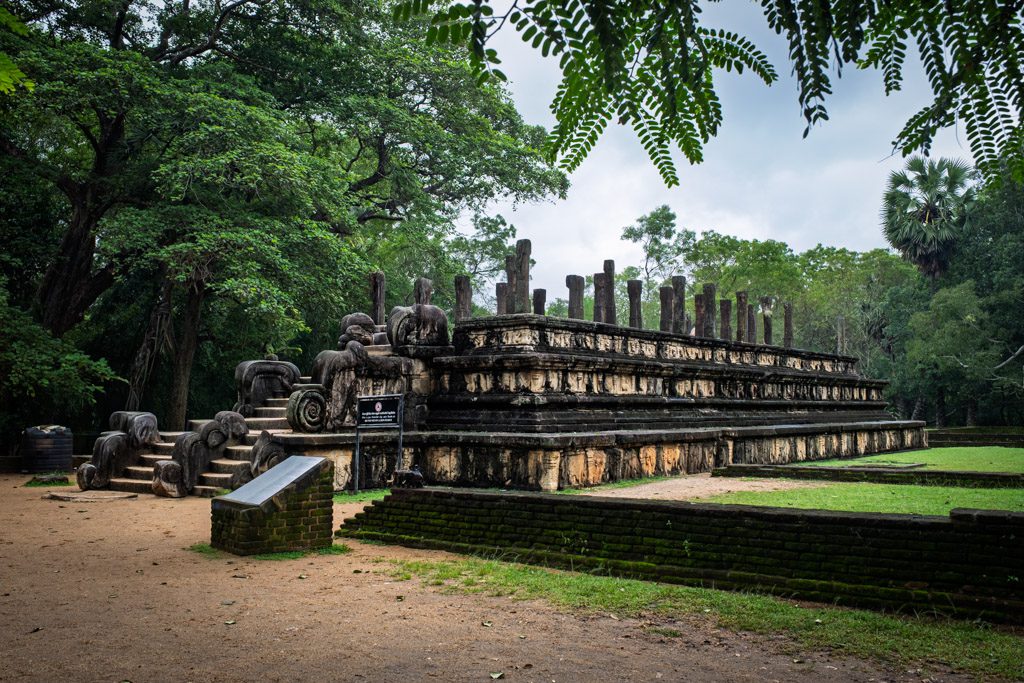
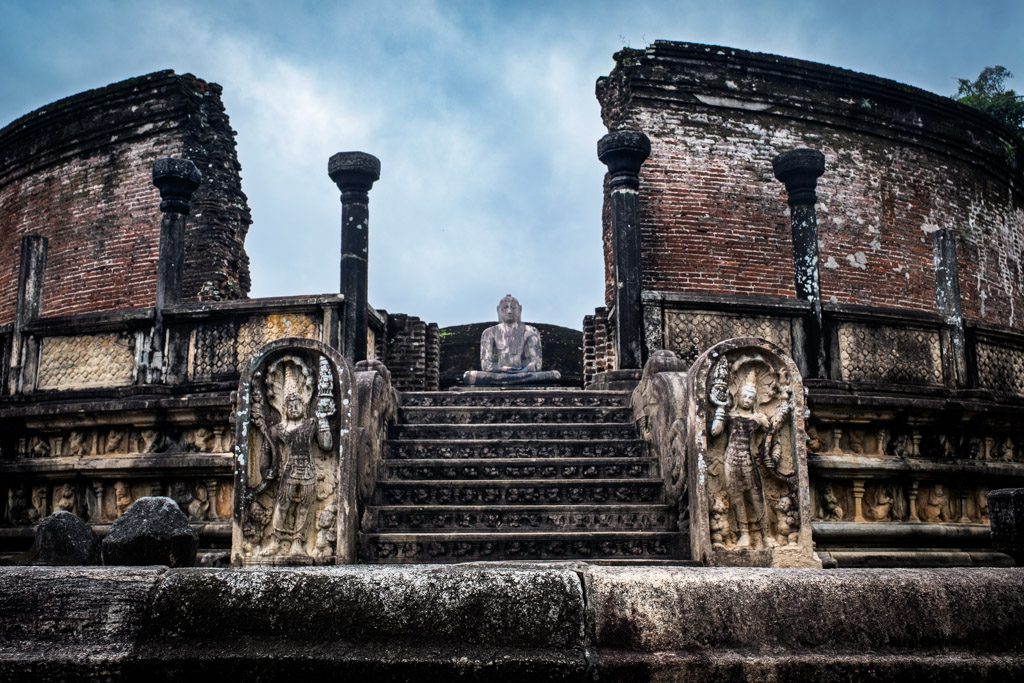
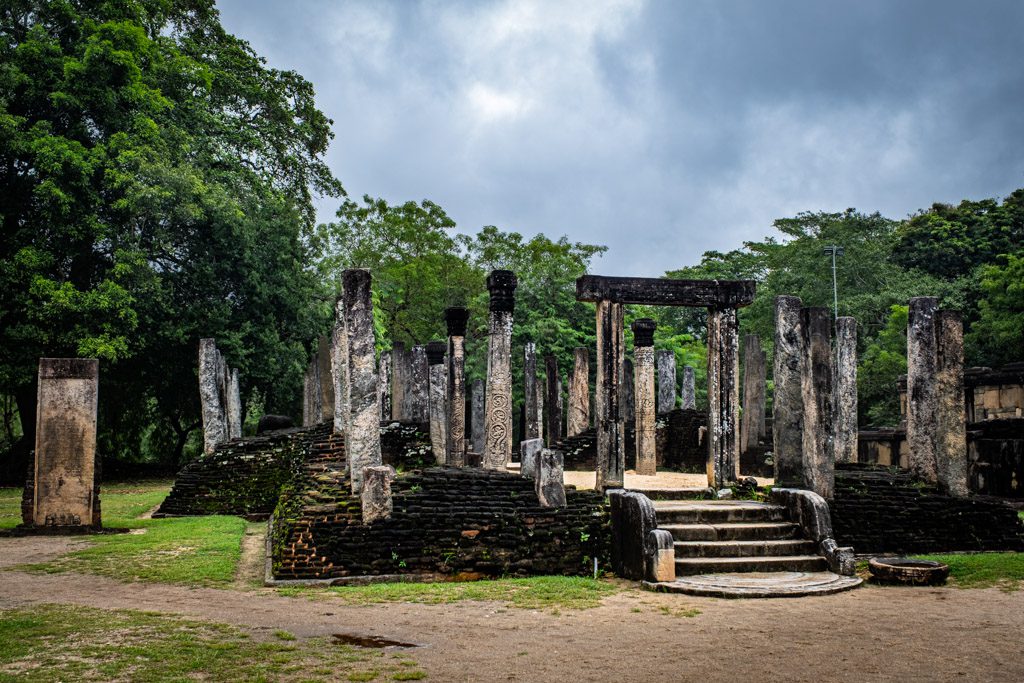
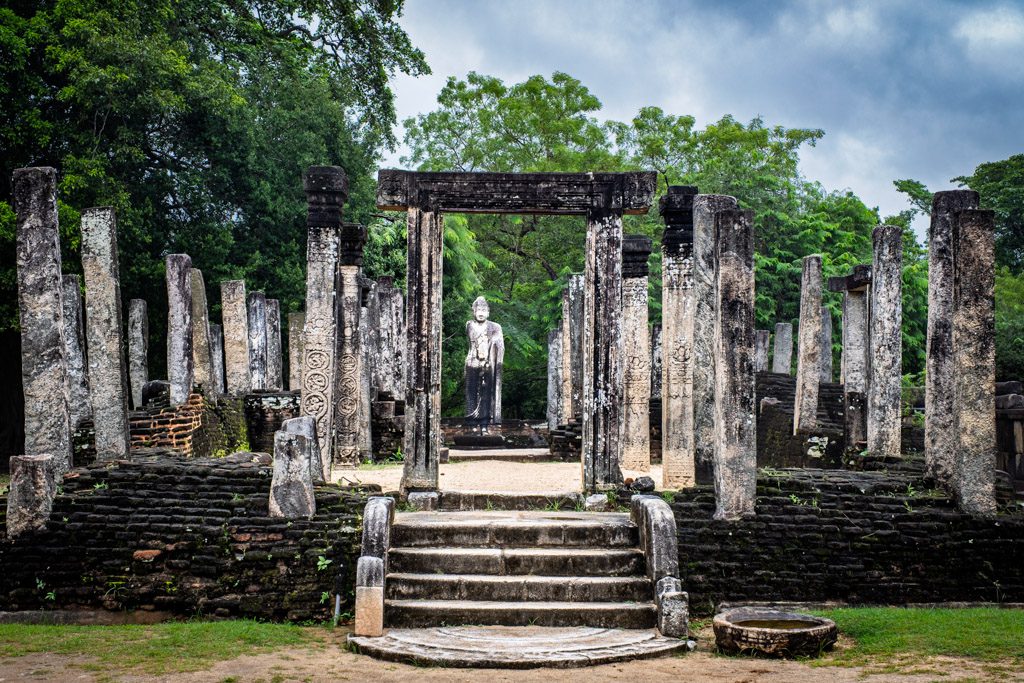
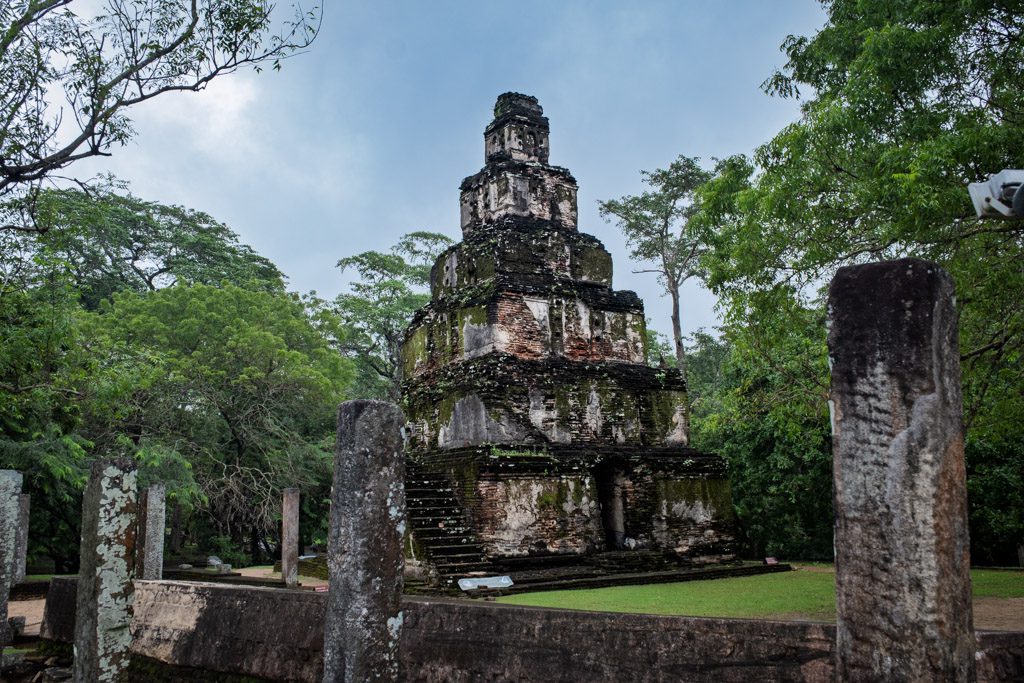
Next, we headed to Polonnaruwa to explore the ruins of Sri Lanka’s second ancient kingdom. The drive from Sigiriya was fairly long, and along the way we spotted a couple of wild elephants casually doing the “elephant walk” along the roadside—an unexpected treat. Our visit began at the Polonnaruwa Archaeological Museum, which provided an excellent introduction to the city’s history and layout. Its exhibits—scale models of the ancient capital, statues, stone carvings, and artifacts unearthed from the site—helped us visualize how this once-thriving royal city was organized and how its palaces and monasteries functioned. We then continued to the Polonnaruwa ruins, a remarkably well-preserved UNESCO World Heritage Site. Highlights included the Royal Palace complex with its towering brick walls; the Audience Hall, decorated with intricately carved stone elephants; the elegant Vatadage, a circular relic house with beautifully detailed stonework; and Rankot Vihara, one of the largest stupas in Sri Lanka. We also visited the impressive Gal Vihara, where four massive Buddha statues—standing, seated, and reclining—are carved from a single granite outcrop, showcasing the height of ancient Sinhalese artistry. Polonnaruwa was also home to an ancient university, and among the ruins you can find stone inscriptions and the Gal Potha, a “stone book” that recounts the deeds of King Nissanka Malla (1187–1196).
Road to Kandy: Markets, Spices & Sacred Sites– January 10, 2026
Our next destination was Kandy, a journey of a little over three hours. Along the way, we made two interesting stops. The first was the Dambulla Wholesale Market, a vast, round-the-clock hub where truckloads of fresh produce arrive from farming regions across Sri Lanka. We walked through the bustling aisles, watching workers sort and load vegetables bound for markets nationwide.
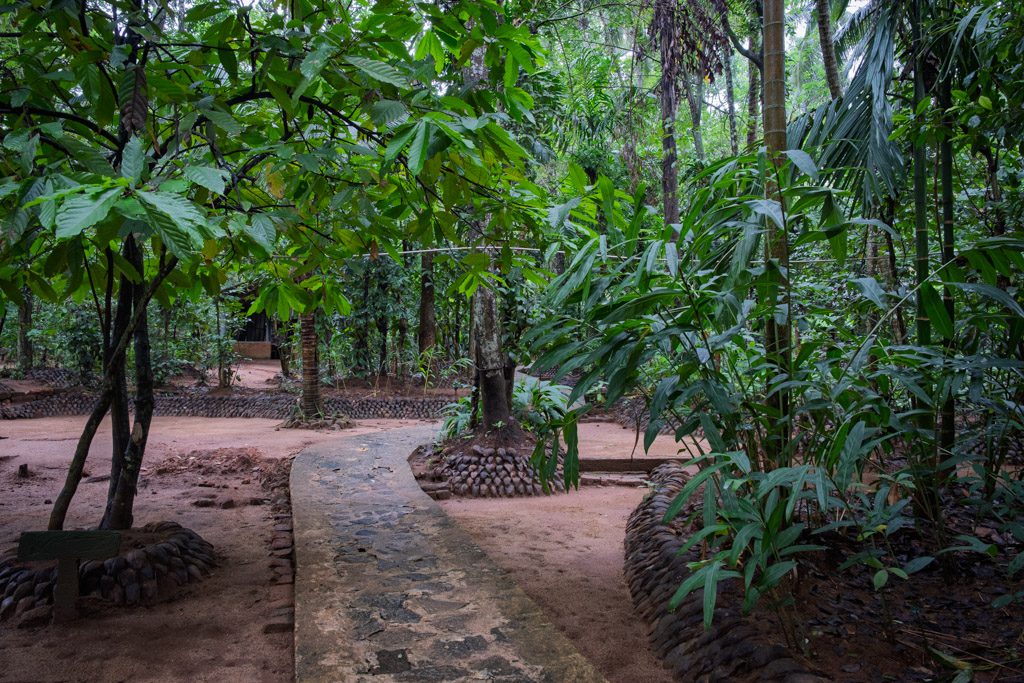
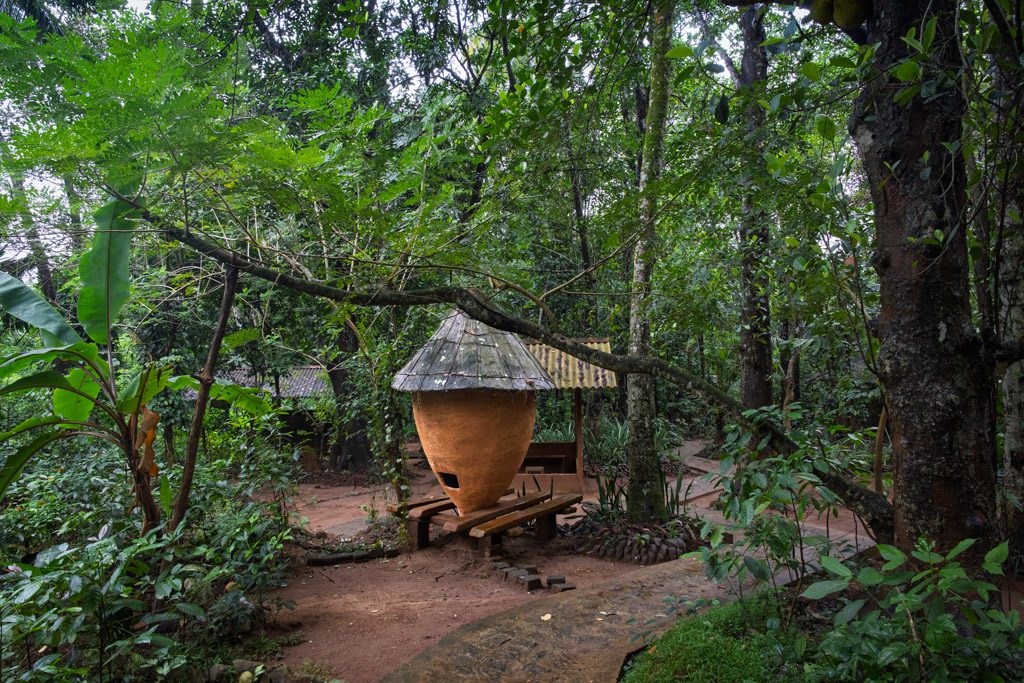
Our second stop was the Heritage 11 Spice Garden in Matale, where a short, guided tour took us through neatly arranged plots of spices and medicinal plants. We learned about Sri Lanka’s long Ayurvedic tradition and how everyday spices—such as cinnamon, pepper, and clove—are grown, harvested, and used in both cooking and natural remedies.
Upon arriving in Kandy, a UNESCO World Heritage Site, we visited the Prasanna Gem Center’s Gem Museum for an excellent introduction to Sri Lanka’s semi-precious and precious stones. The highlight was learning about the island’s famed sapphires. We were shown how they are traditionally mined, often through sluice mining, in which miners dig narrow pits to reach gemstone-bearing gravel layers. The gravel is brought to the surface, washed, and sifted to reveal rough stones, which are later sorted, cut, and polished. The museum offered a fascinating overview of a sapphire’s journey from earth to finished gem.
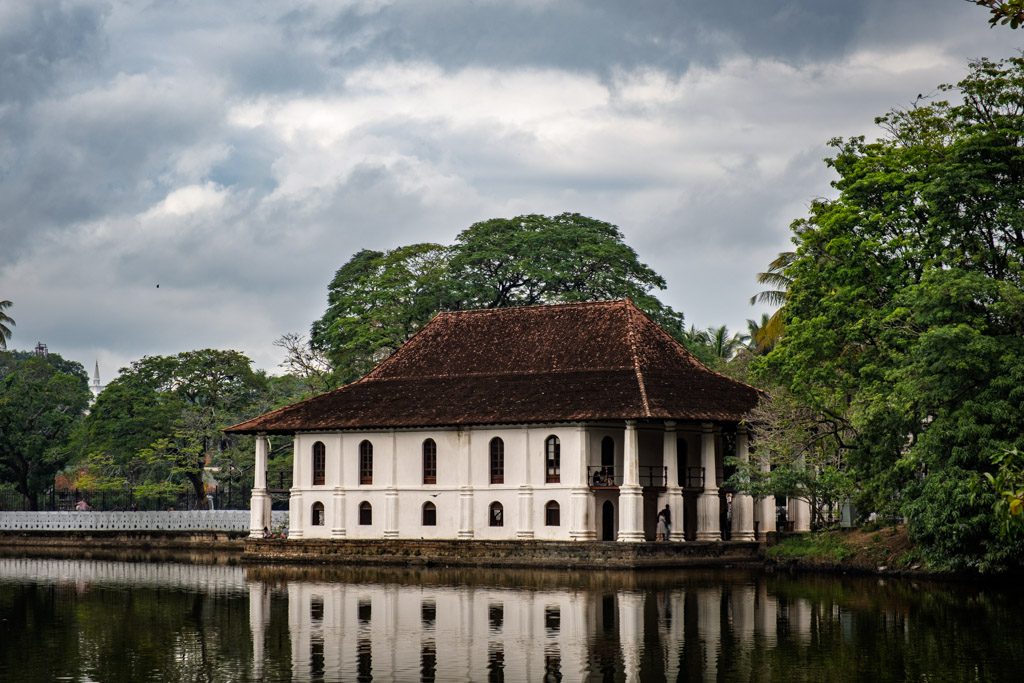
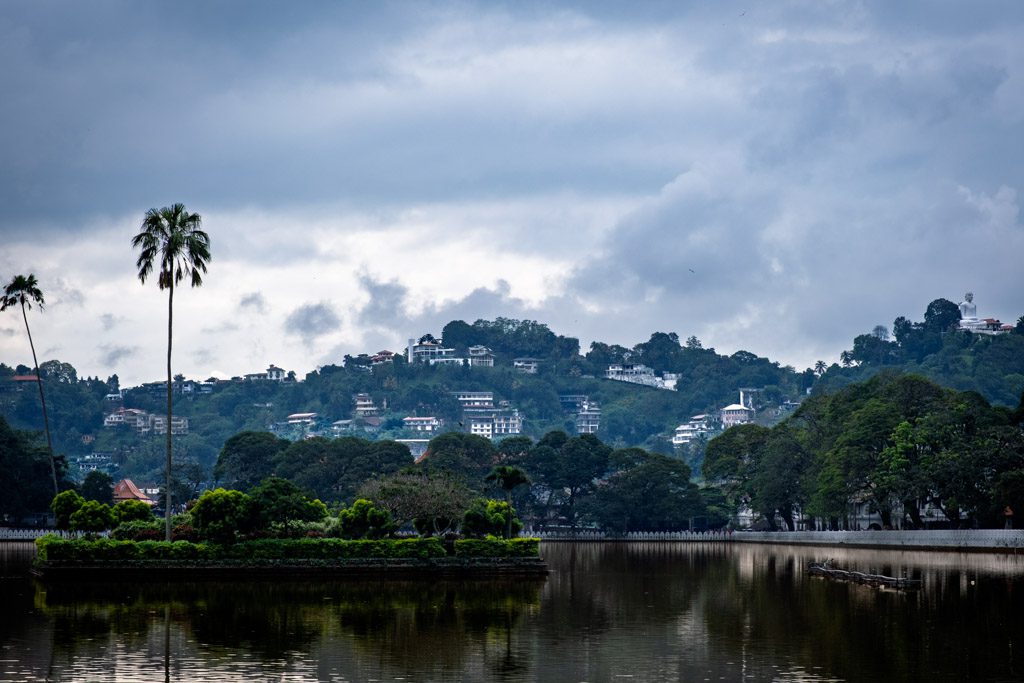
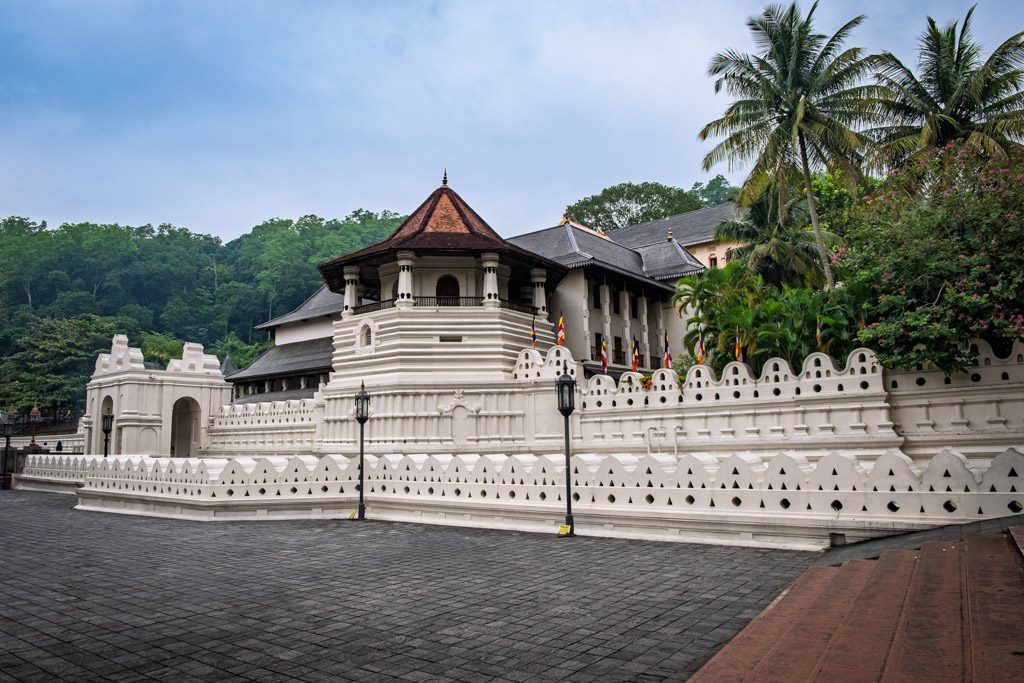
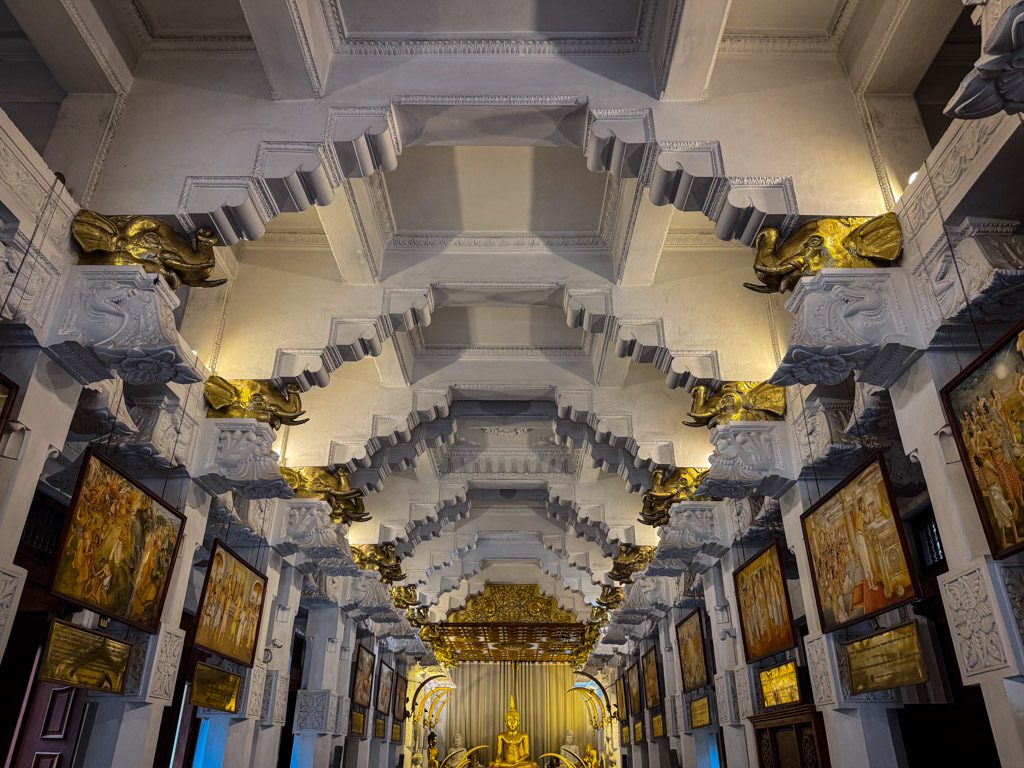
After a brief tour of the city by car, we visited the Temple of the Tooth Relic, one of Sri Lanka’s most revered Buddhist sites. Set within the old royal palace complex, it is believed to house a tooth of the Buddha. We joined pilgrims carrying lotus flowers as we walked through halls adorned with murals, carved woodwork, and drifting incense. Although the relic itself is kept inside a gold casket and not displayed, the atmosphere—enhanced by the rhythmic chanting of monks—felt deeply serene. We also walked through the Audience Hall, where the last King of Ceylon signed the Kandyan Convention, turning the island over to the British in 1815, and toured the adjoining museum that displays artifacts related to the king and the convention. One final point of note: Raja, the beloved temple elephant who served in processions for nearly 50 years, has been taxidermized and still stands proudly, as if ready to join a procession once more.

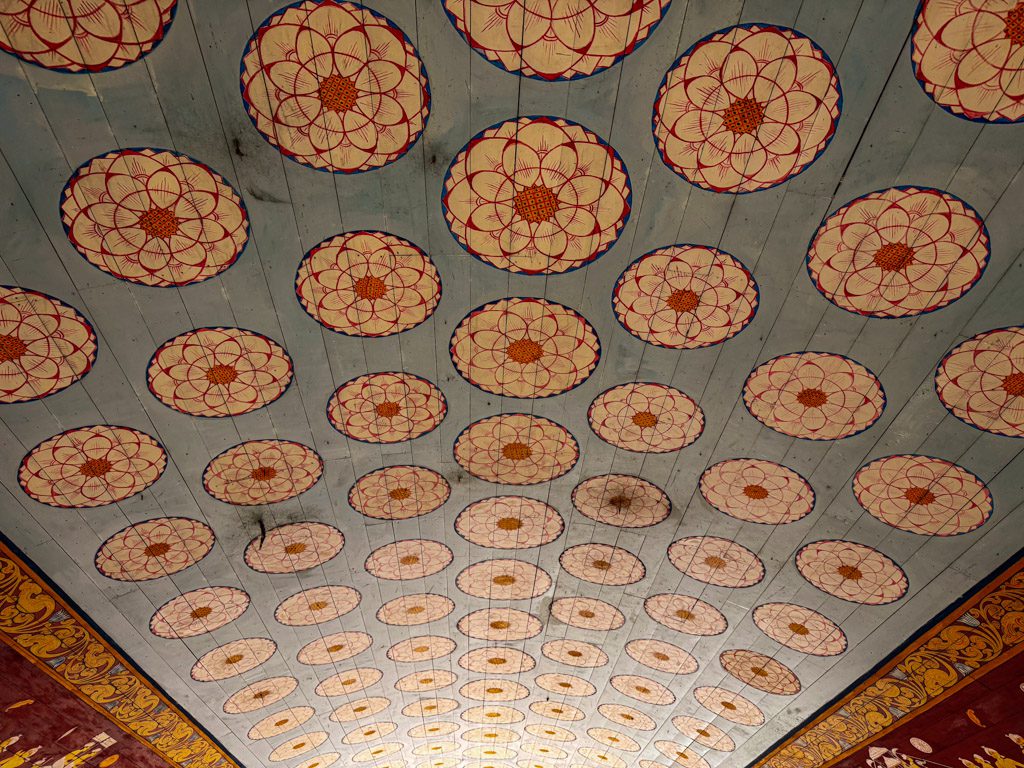
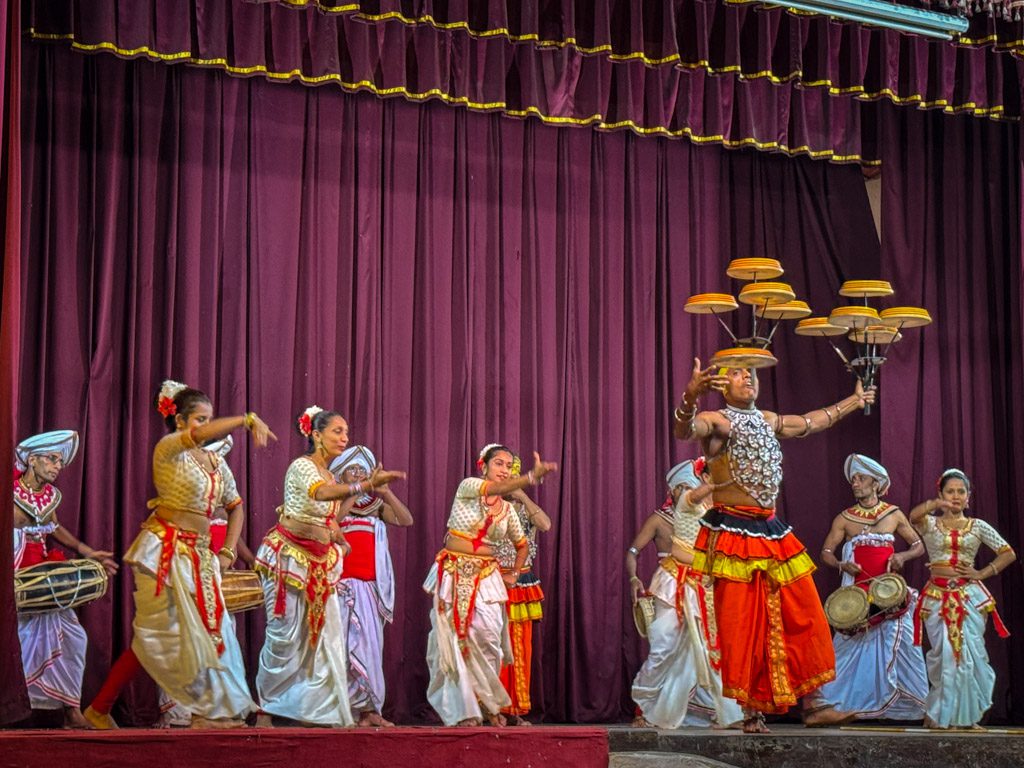
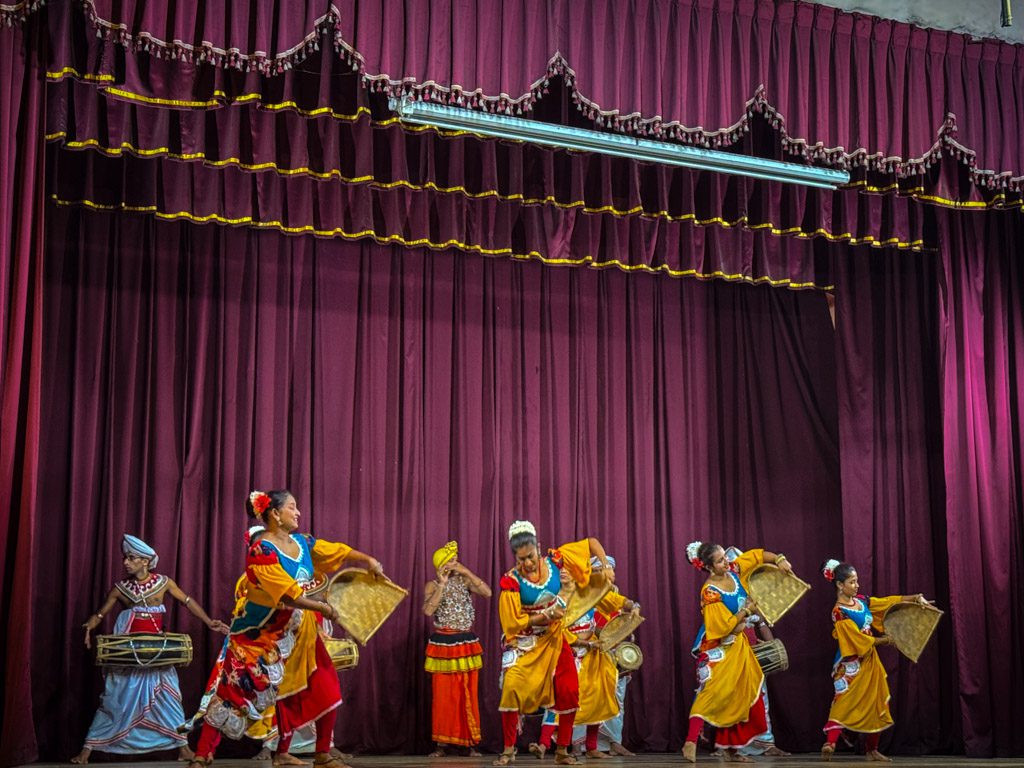
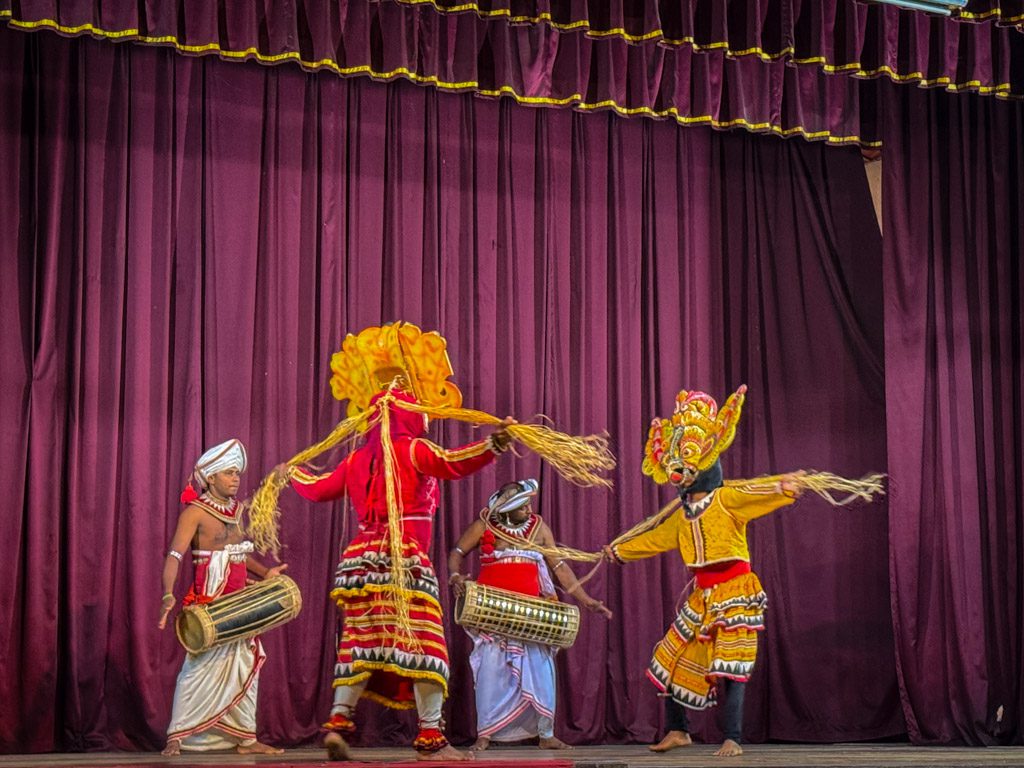
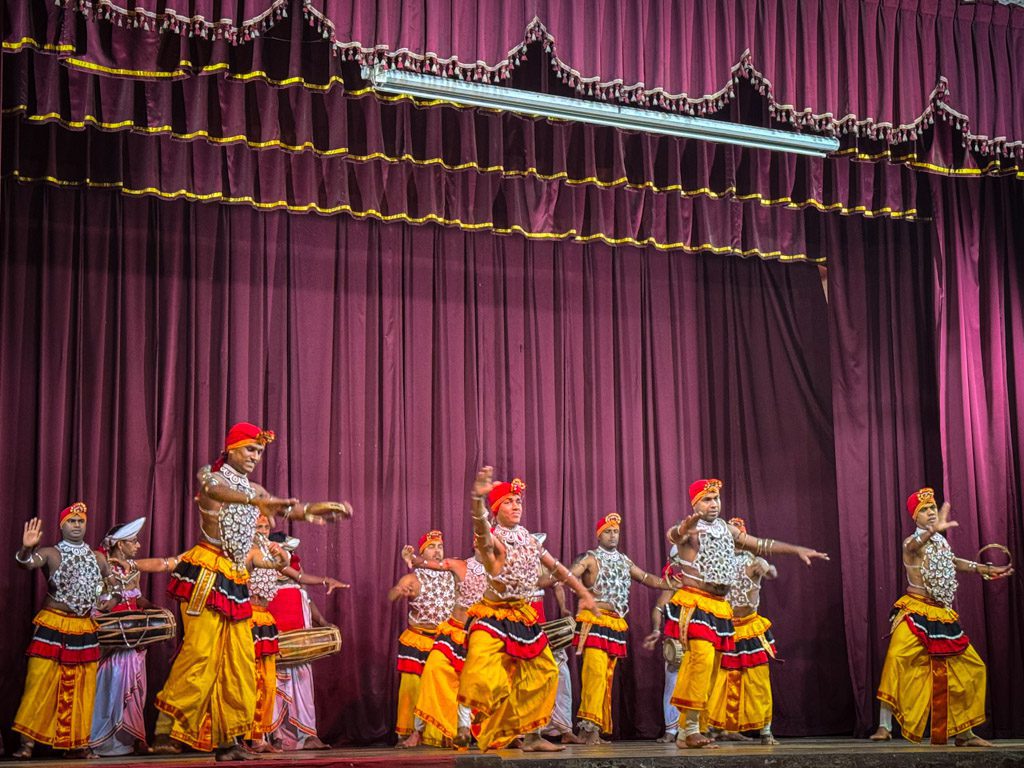
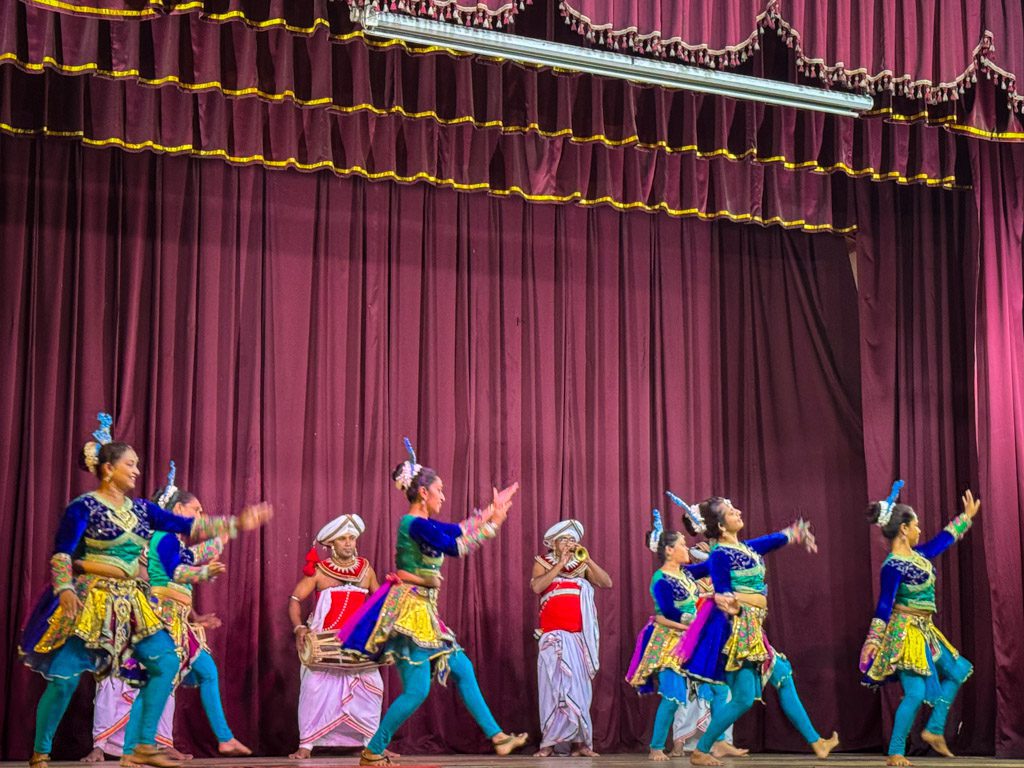
The day concluded with a cultural performance at the Kandy Cultural Center. Traditional Kandyan dances, vibrant costumes, and powerful drumming filled the hall with energy. The evening’s highlight was a dramatic fire-walking act, a striking display of skill and courage

Tea Hills and Waterfalls – January 11, 2026
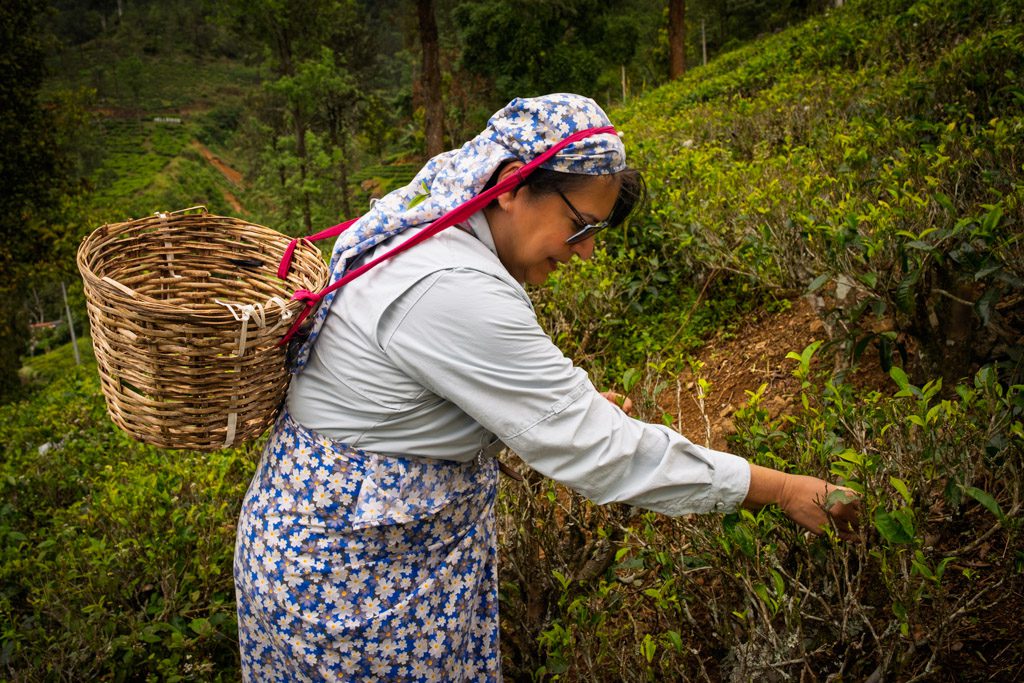
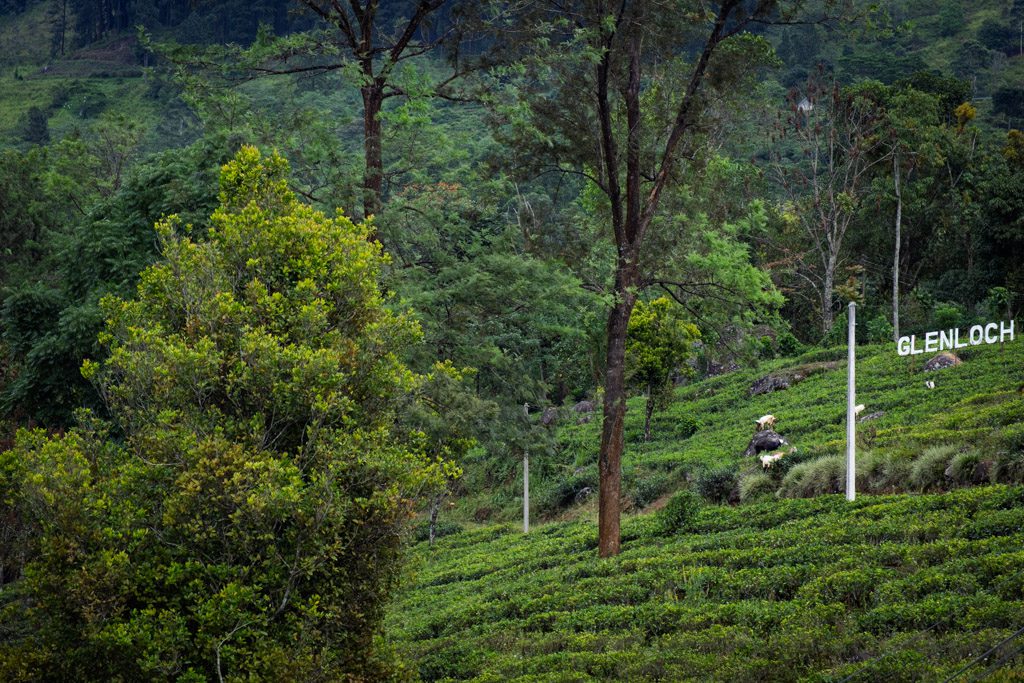
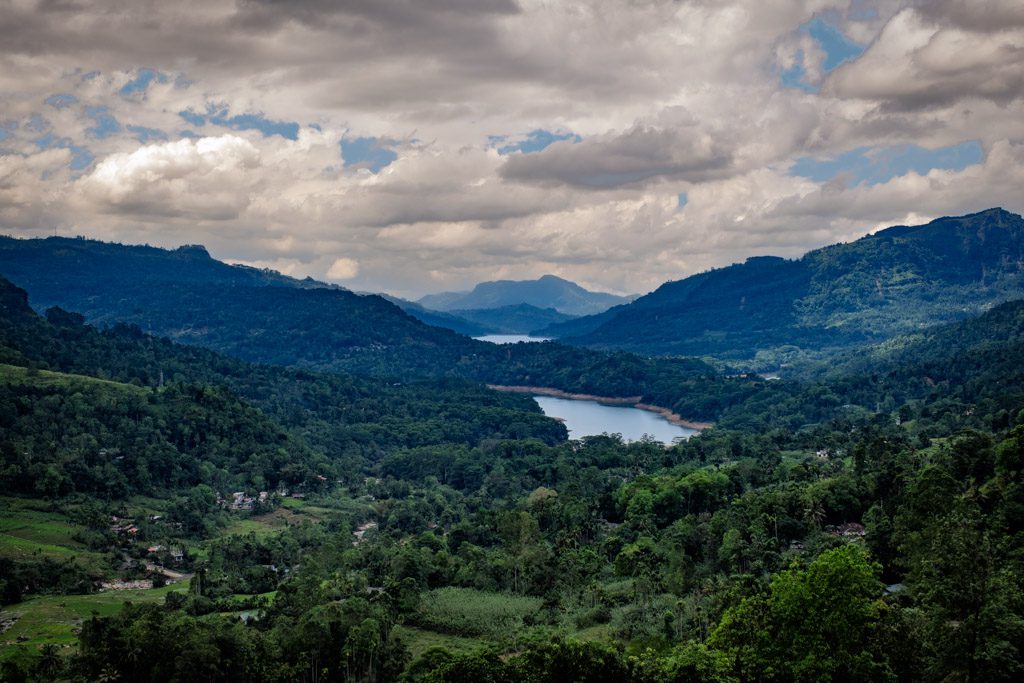
After an overnight stay in Kandy, we set out for Nuwara Eliya, passing the Mountbatten Bungalow—where Lord Louis once sheltered during the war—the Peradeniya University, and the Botanical Garden. The journey into Sri Lanka’s hill country is a scenic two-hour drive, though this time it also revealed several areas still bearing the scars of the recent cyclone: fallen trees, damaged roofs, and stretches of washed-out roadside that reflected both the storm’s impact and the steady efforts toward recovery. We also drove past the Rothschild Estate, once part of the Rothschild family empire. Our first stop of the day was the Glenloch Tea Plantation. The visit began with a guided tour of the factory, where our host walked us through each stage of production—from the careful plucking of the tender “two leaves and a bud” to withering, rolling, fermenting, drying, and finally grading the finished tea. Established during the British colonial period, Glenloch continues to follow traditional methods while incorporating modern machinery from China and India. After the tour, we sampled four varieties—white, green, gold, and medium black—each offering its own distinctive aroma and flavor. Christabel then tried her hand at tea plucking, learning how to select the tender leaves, pinch them cleanly from the stem, and toss them neatly over her shoulder into the basket on her back—all under the patient guidance of our host, and without dropping a single leaf.
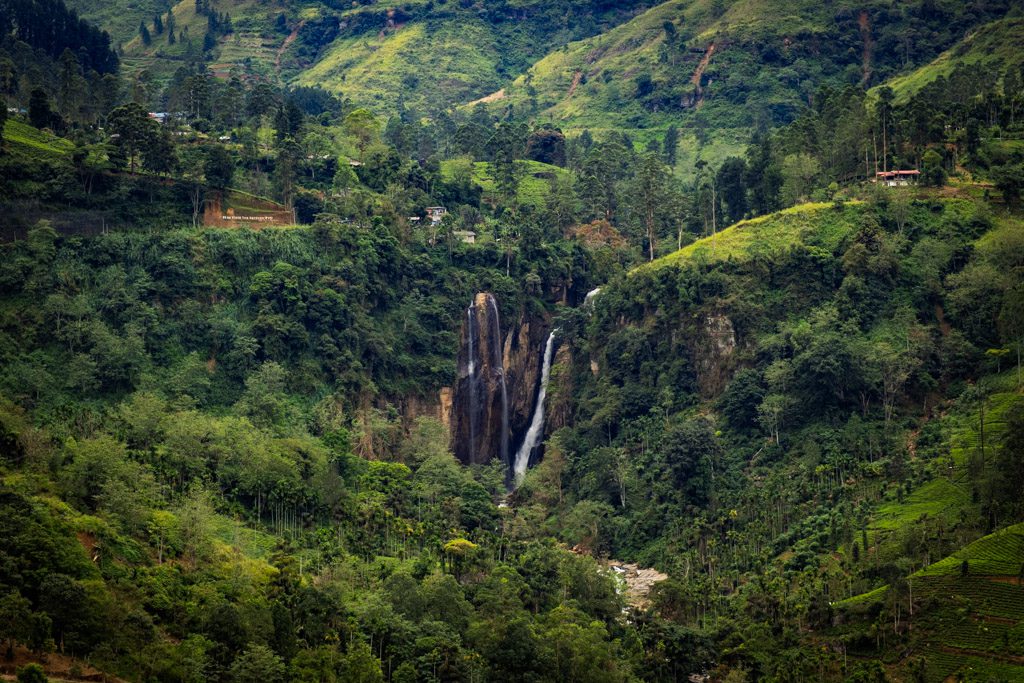
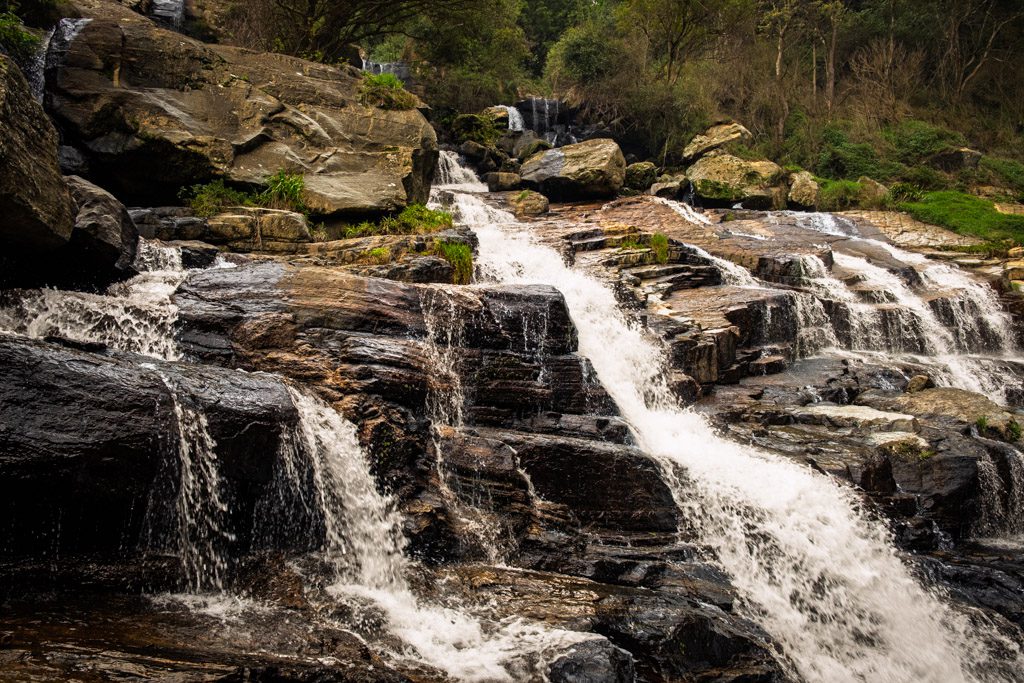
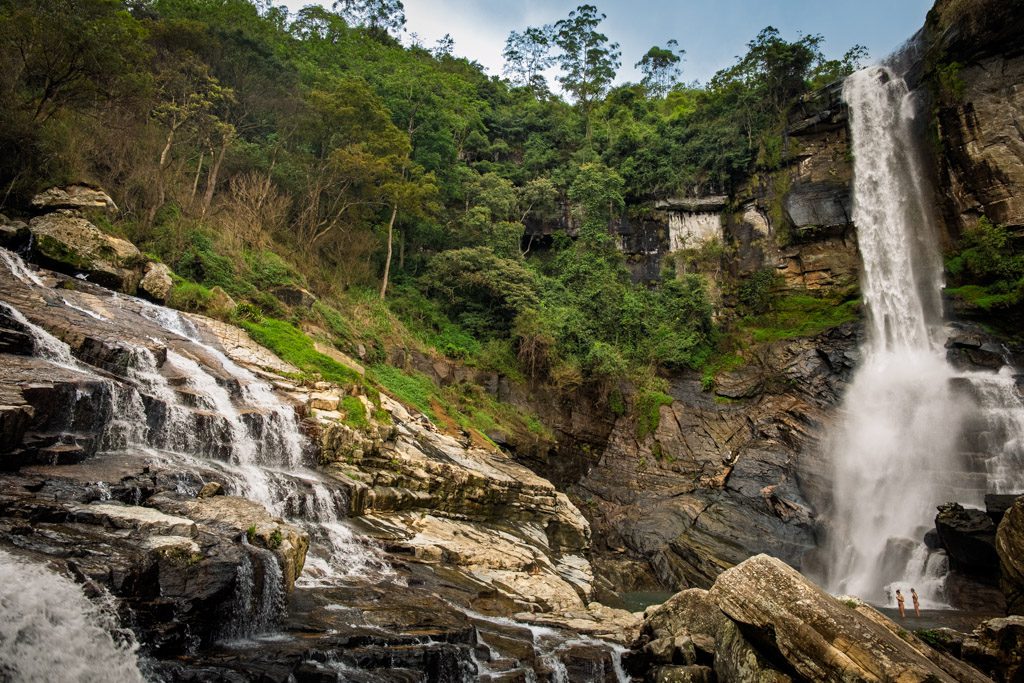
We continued toward Nuwara Eliya with a stop at the majestic Ramboda Falls. While Christabel chose to remain in the car, Albert and Salinda took on the climb—more than 500 steep, winding steps through dense foliage and uneven stone paths. The trail was narrow and occasionally slippery from the spray of the falls, making the descent both strenuous and adventurous. The effort, however, was rewarded with a spectacular close-up view of the cascading water and some memorable photos captured from the lookout near the base. This area is known as Little England, and has a golf course, the Royal Turf Club, and lots of Tudor mansions. We’ve seen monkeys and elephants roam freely on the streets.
Exploring Nuwara Eliya and Journeying to Ella – January 12, 2026
After an overnight stay, we set out with Salinda for a guided tour of Nuwara Eliya. We began at the Central Market, spending a few minutes walking past colorful produce stalls and taking in the morning bustle—vendors arranging fresh vegetables and locals going about their daily shopping. From there, we visited the iconic red-brick Post Office, a beautifully preserved 19th-century Tudor-style building that remains one of the town’s most recognizable colonial landmarks. Remarkably, it still operates much as it did in its early days, complete with traditional counters and timber interiors. The Post Office was more than just a place to send mail—it was also where you could send money orders, dispatch telegrams, and even handle basic banking. Our next stop was St. Francis Xavier’s Church, built in 1848 and among the town’s earliest Catholic parishes. Simple and unadorned, it reflects the modest architectural style of the colonial era. We concluded the tour with a leisurely walk through Gregory Park and along Gregory Lake, enjoying sweeping views of the surrounding hills. Our plan to take the train from Nuwara Eliya to Ella—often described as one of the most scenic rail journeys in Sri Lanka—was shelved due to damage to the tracks caused by the recent cyclones. Instead, we made the two-hour drive in a steady drizzle, which offered a sobering look at the storm’s aftermath. Along the way, we passed hillsides stripped of vegetation, fallen trees, sections of road partially eroded by landslides, and workers still clearing debris.

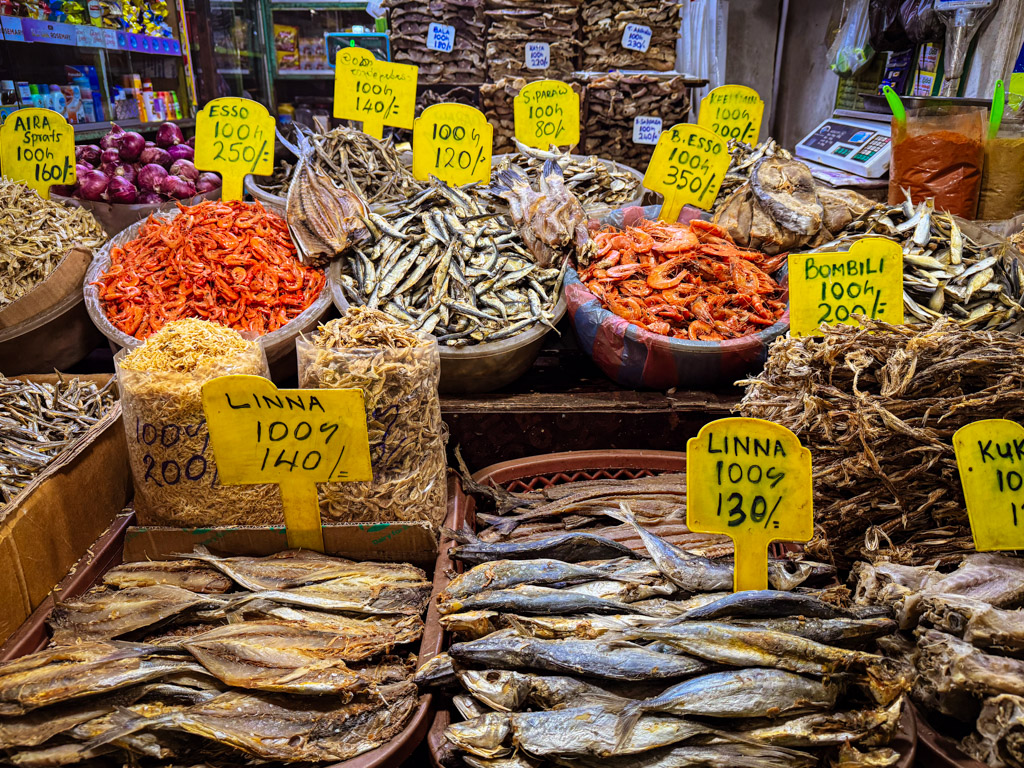
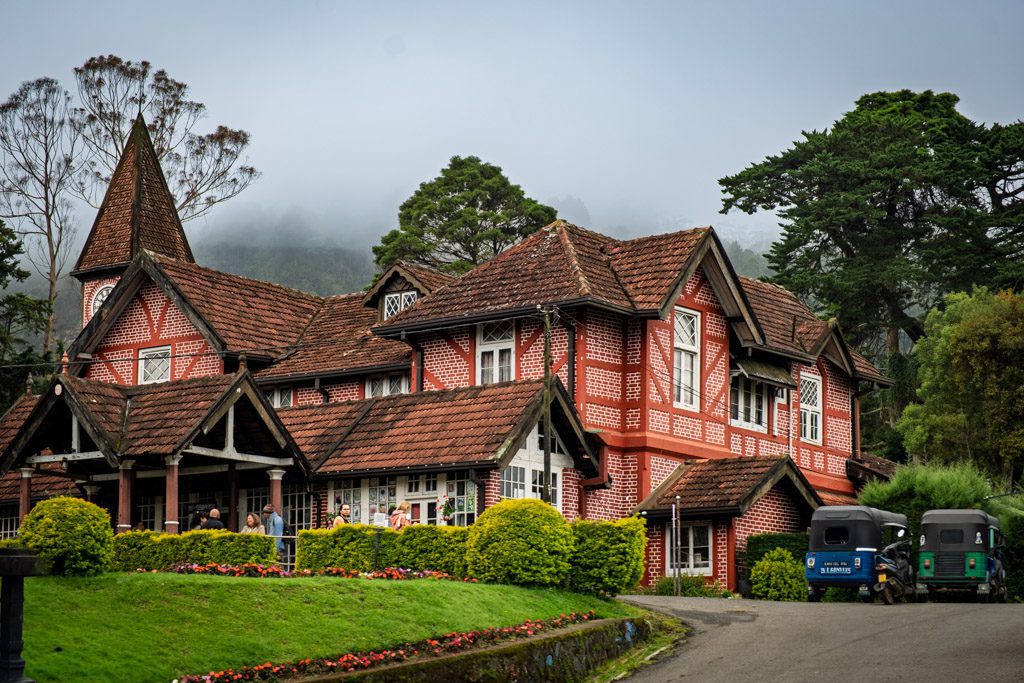

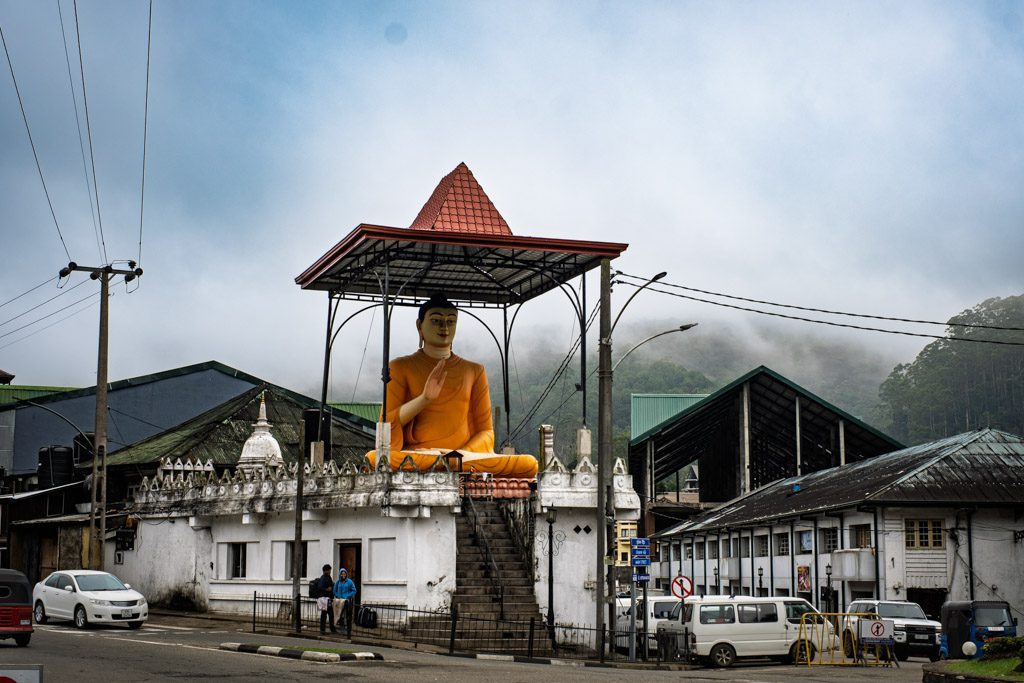
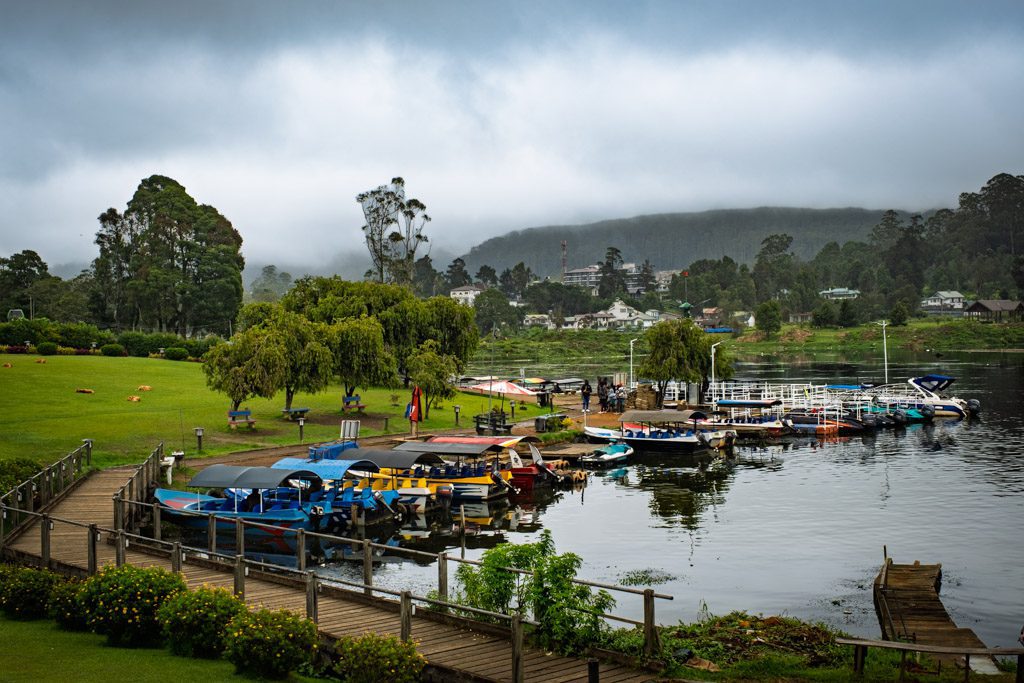
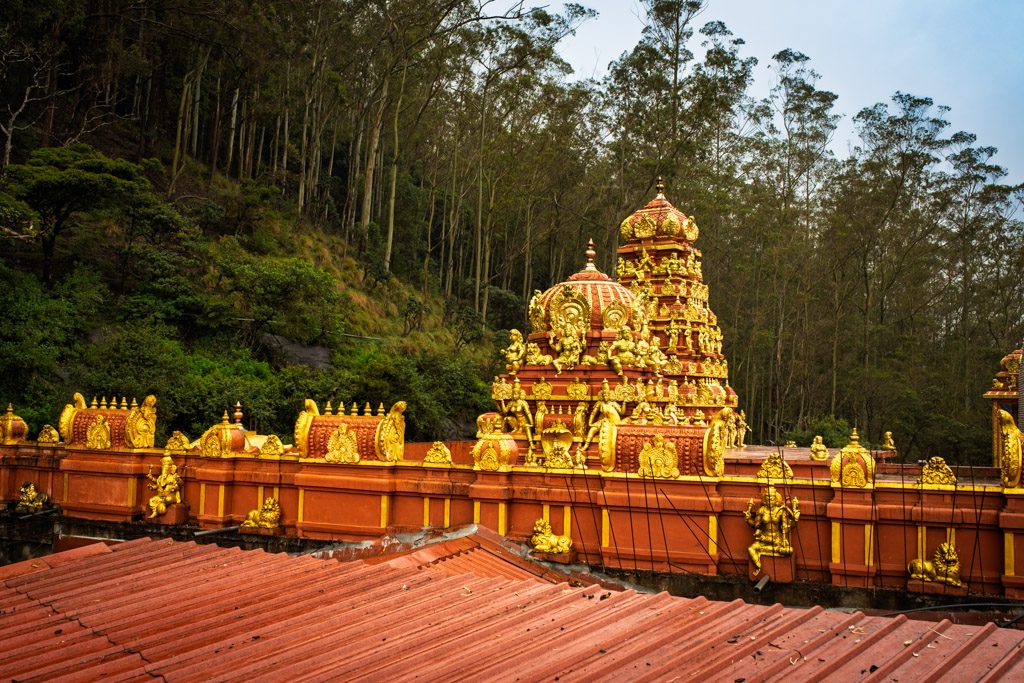
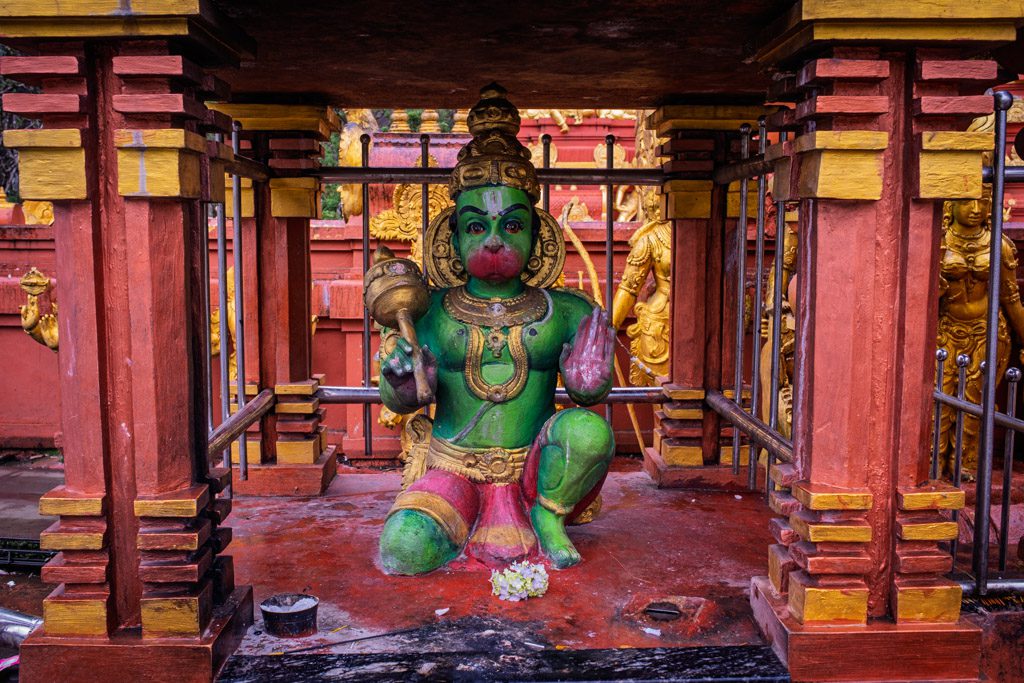
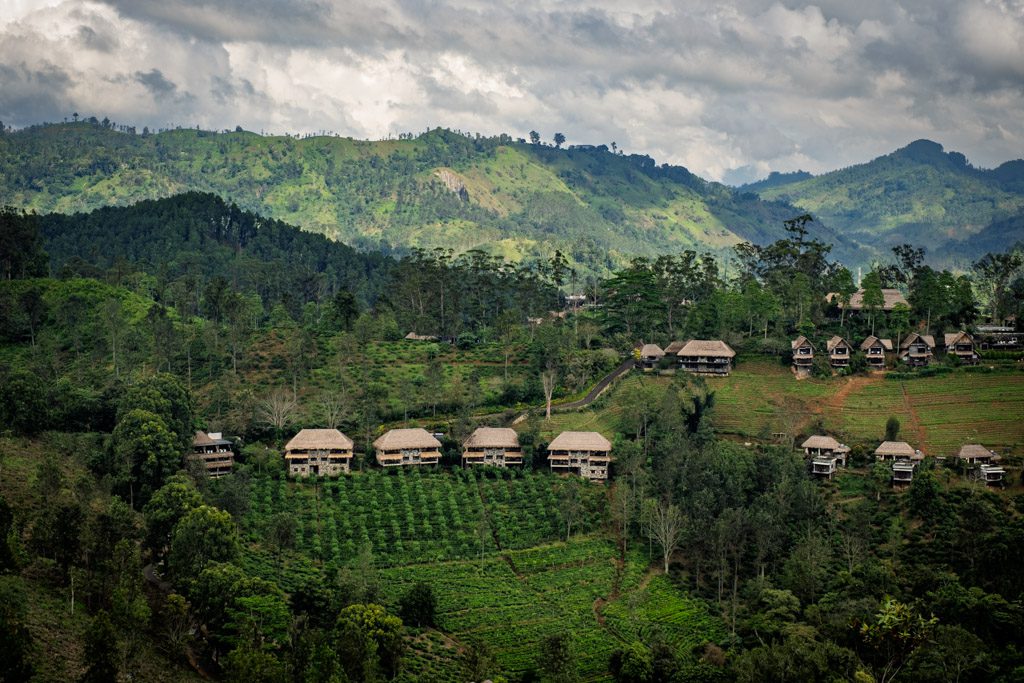
En route, we stopped to visit the Seetha Eliya Seethai Amman Thirukkovil , a small but vibrant Vaishnavite Hindu temple closely associated with the Ramayana. Dedicated primarily to Goddess Sita—with shrines to Rama, Lakshman, and Hanuman—it is an important pilgrimage site for devotees. Upon arriving in Ella, we checked into a boutique hotel perched on the hillside, offering a gorgeous, uninterrupted view of the surrounding mountains and lush valleys.
Little Adam’s Peak, Cooking Class, and Nine Arches Bridge – January 13, 2026
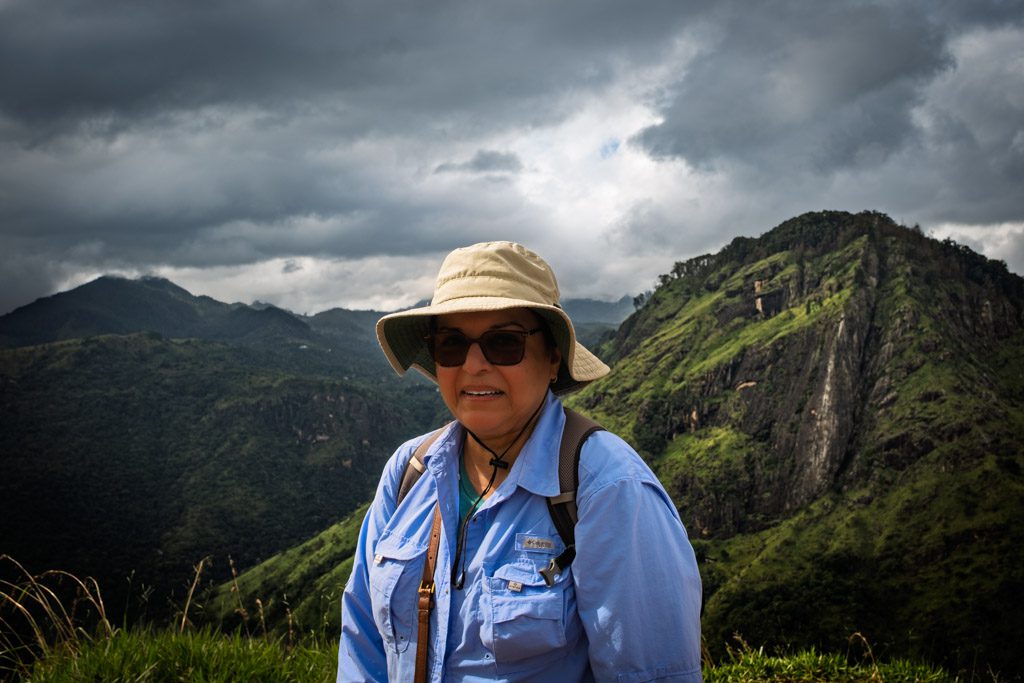
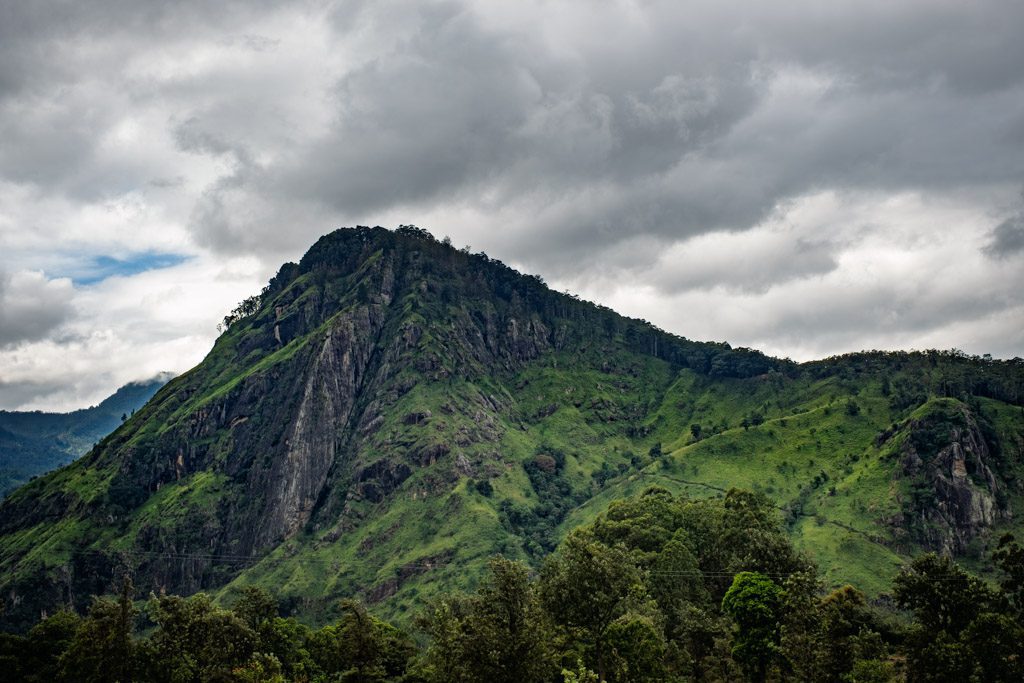
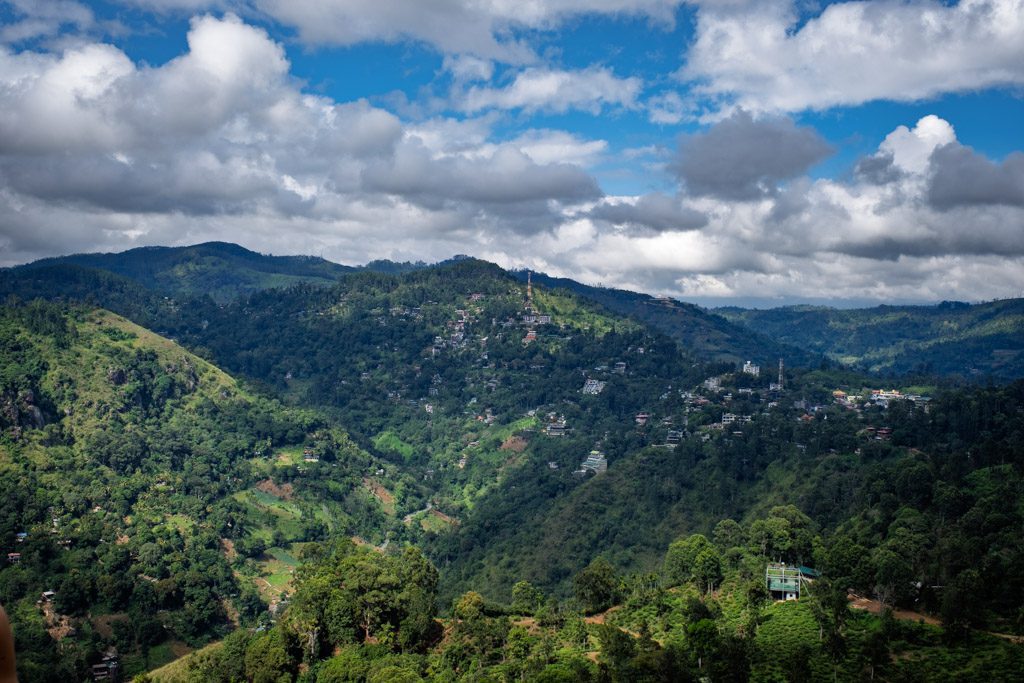
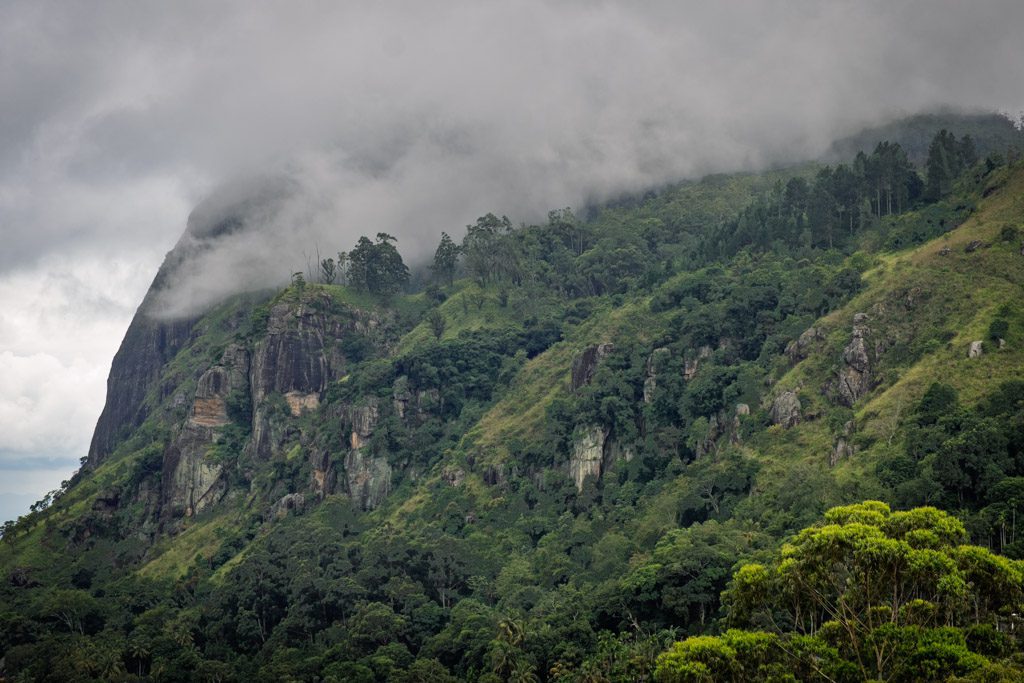
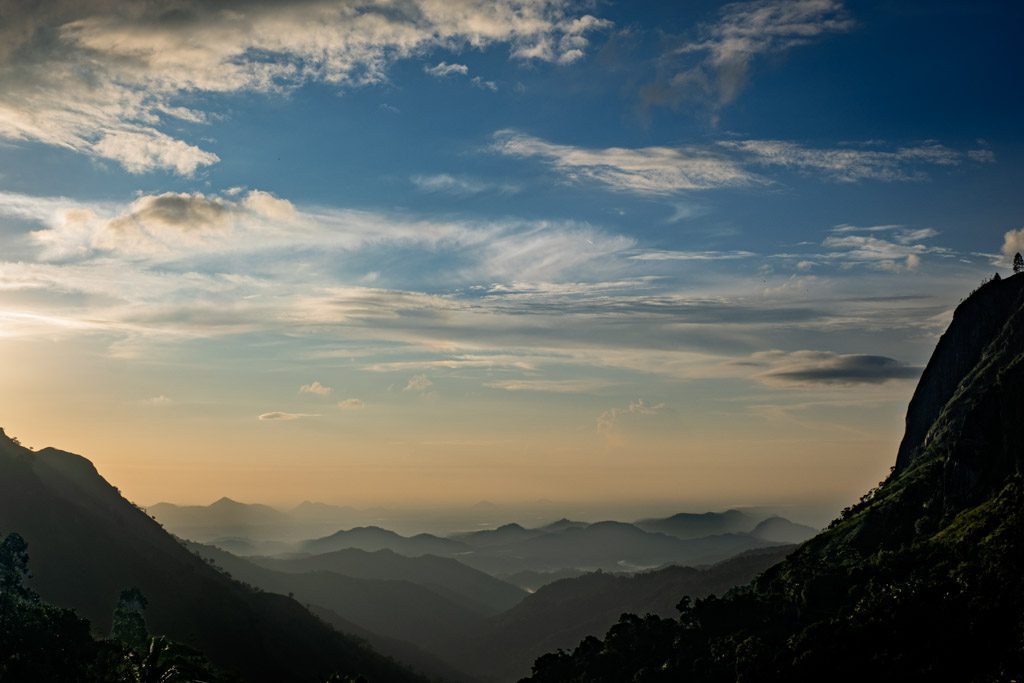
Compared to the previous days, today felt relatively mild. We began by driving to the base of Little Adam’s Peak and then hopped into a tuk-tuk for the short but bumpy ride to the starting point of the actual trail up to the peak. From there, the climb unfolded gradually—first along a well-marked path that wound through tea bushes, then up a series of stone steps that grew steeper as we gained elevation. The final stretch involved a narrow ridge with sweeping views on either side. Step by step, we made our way to the summit, where the panorama of lush hills, rolling valleys, and distant peaks made the effort entirely worthwhile.
Next, we drove a short distance for a Sri Lankan cooking lesson that Christabel had signed up for. Apron on and ready to go, she jumped straight in—chopping vegetables and mashing garlic and ginger under the chef’s guidance. Not to be outdone, Albert also joined the action, expertly slicing okra into neat diagonal pieces. The session covered the preparation of a chicken curry along with three vegetable dishes—okra, cauliflower with peas, and long beans—each made using its own distinct recipe and set of spices. Two hours later, we sat down to enjoy the fruits of our labor.
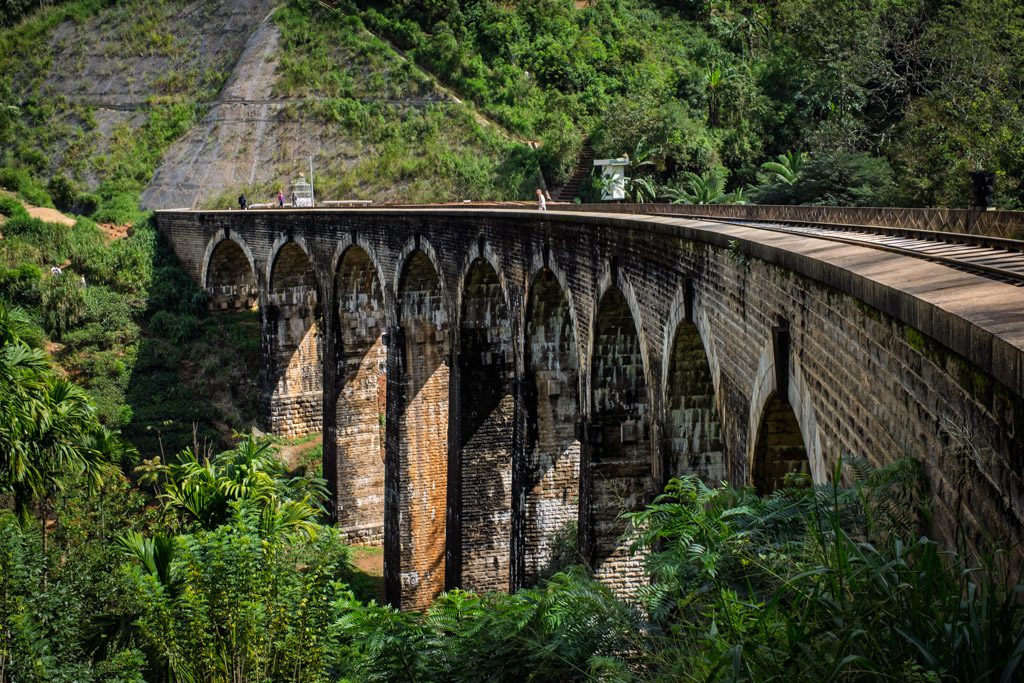
Our last activity of the day was a visit to the picturesque Nine Arches Bridge. Built in the early 20th century during the British colonial period, the bridge is an engineering marvel—constructed entirely of stone, brick, and cement, with no steel used due to shortages during World War I. Set amidst dense jungle and rolling tea plantations, its sweeping arches create one of Ella’s most iconic and photographed views. There are several ways to reach the bridge: walking from Ella town, following the railway track from Ella Station, or taking a tuk-tuk. We chose the most convenient option—a tuk-tuk ride that wound its way up narrow, sloping village roads, past tea bushes and small homesteads. Convenient, at least we thought so —but not without a few heart-in-the-mouth moments. As we bumped along, there were stretches where the slushy, muddy path made it feel as though the tuk-tuk might tip over at any moment. Suffice it to say, it was one of the most terrifying rides we’ve ever taken. Our driver eventually dropped us near the trailhead on the viewpoint side, from where we walked along the railway tracks, crossing the bridge to the far end and back—an experience that offered spectacular views from every angle. We then took the same tuk-tuk back to where our car was parked and it was an equally terrifying ride!

Afternoon Safari in Yala – January 14, 2026
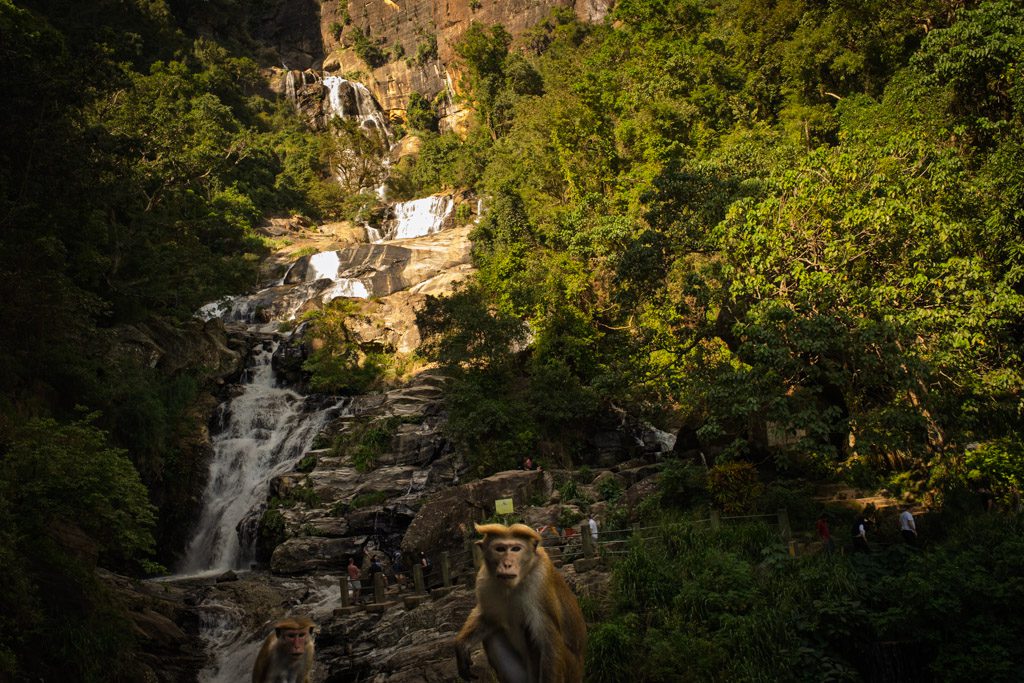
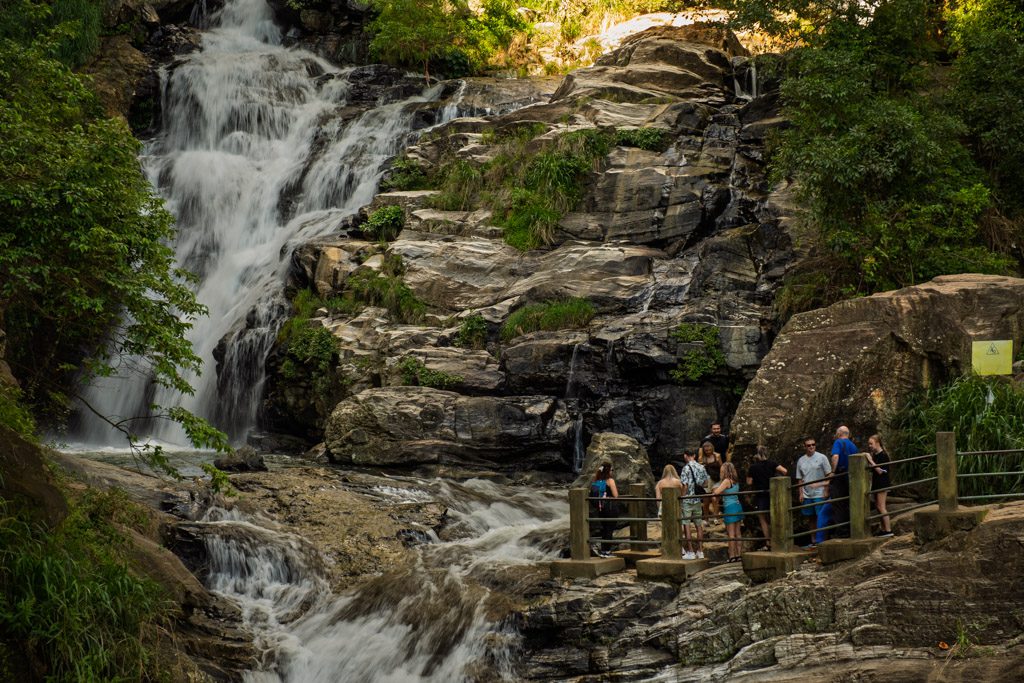
After spending two nights in Ella, we set off for Yala, a scenic 2.5-hour drive that winds through Sri Lanka’s lush hill country before descending toward the island’s southeastern coast. En route, we stopped at Ravana Falls, one of the region’s most visited natural attractions. Cascading in multiple tiers from the misty heights of the Ella Gap, the falls are named after the legendary King Ravana of the Ramayana, who, according to folklore, once ruled this part of Sri Lanka. A sign at the site warns tourists to exercise caution, noting that 36 lives have been lost here.
We continued on to Hambantota, passing a giant water tank (a man-made lake), clusters of flying fox bats hanging from the trees, and the Tissa stupa, part of the Tissamaharama monastic complex. This region lies within Sri Lanka’s semi-arid zone, and the water from the tank is used to irrigate surrounding fields. We’ve seen several of these enormous tanks throughout our journey—some of them centuries old—scattered across the landscapes we’ve visited so far. Upon arriving at our beachfront hotel in Yala on the shores of the Indian Ocean, we headed out almost immediately for an afternoon safari in Yala National Park—Sri Lanka’s most visited wildlife reserve and its second largest. Spanning nearly 1,000 square kilometers of scrub forest, lagoons and rocky outcrops, the park is renowned for its remarkable biodiversity and is especially famous for having one of the highest leopard densities in the world.
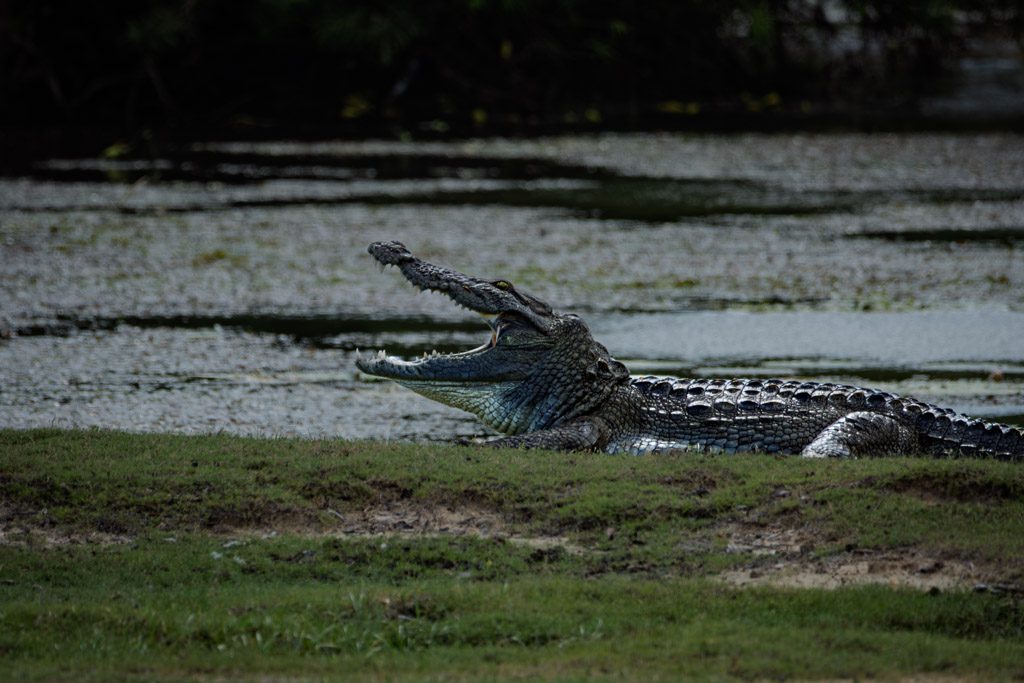
Our afternoon drive did not disappoint. As we travelled along the park’s red, muddy tracks, the landscape steadily revealed its inhabitants: a shaggy sloth bear, herds of spotted deer and sambar, darting mongooses, a lone fox, several elephant families, and a few land monitors—some sunning themselves on warm rocks, one even perched along the trunk of a tree. We also caught sight of a crocodile lying perfectly still with its jaws agape and encountered more water buffalo than we could possibly count. Toward the end of our safari, we were rewarded with a fleeting—but exhilarating—glimpse of a leopard slipping back into the bush.
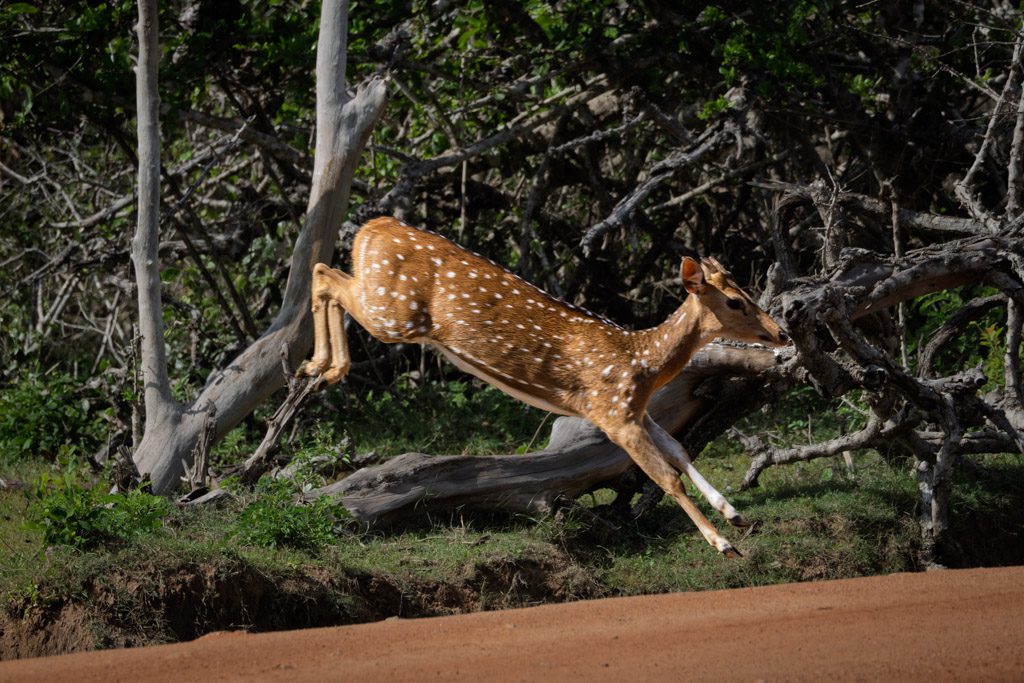
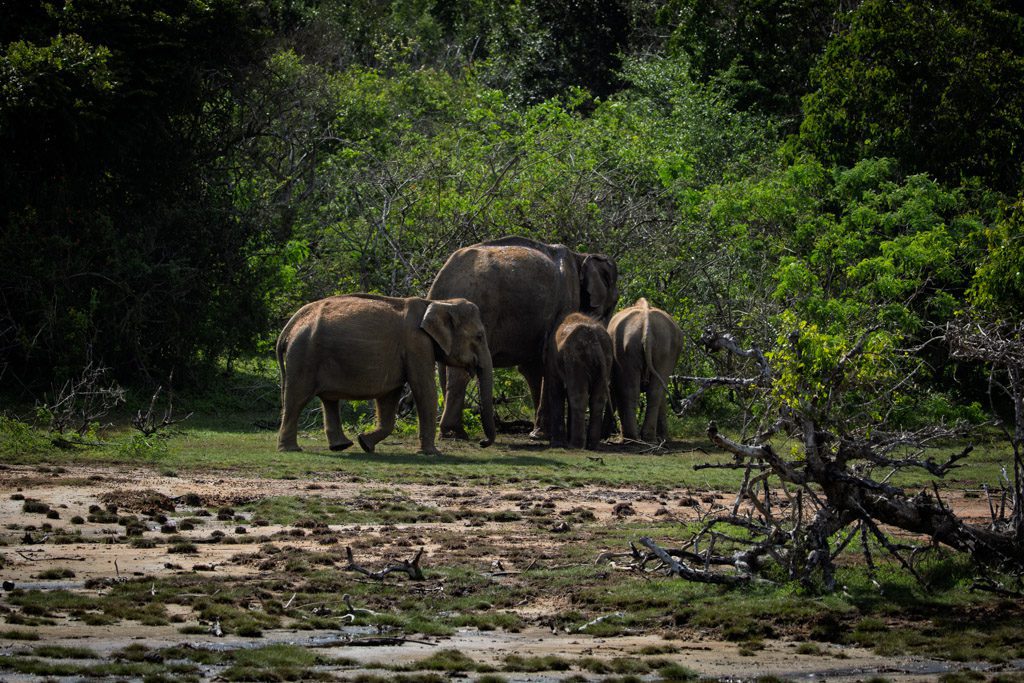
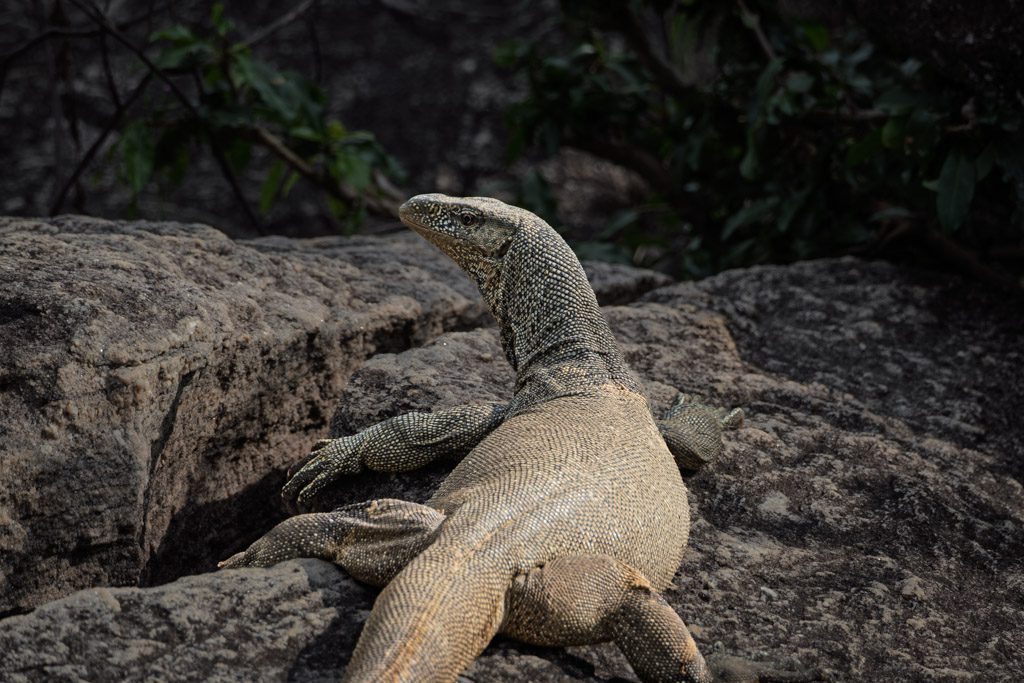
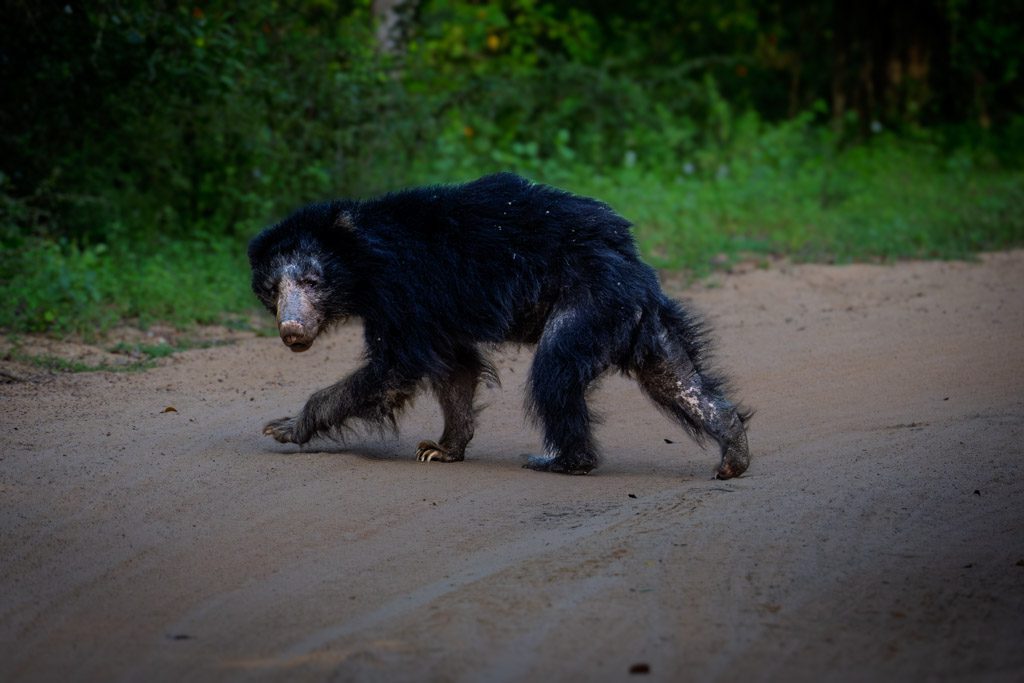
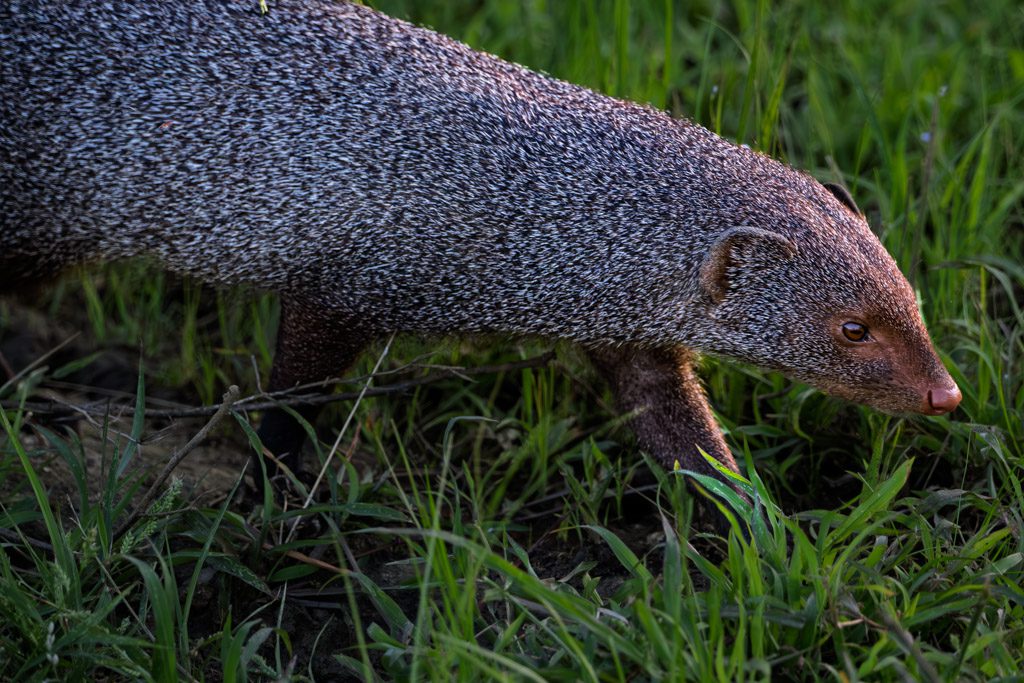
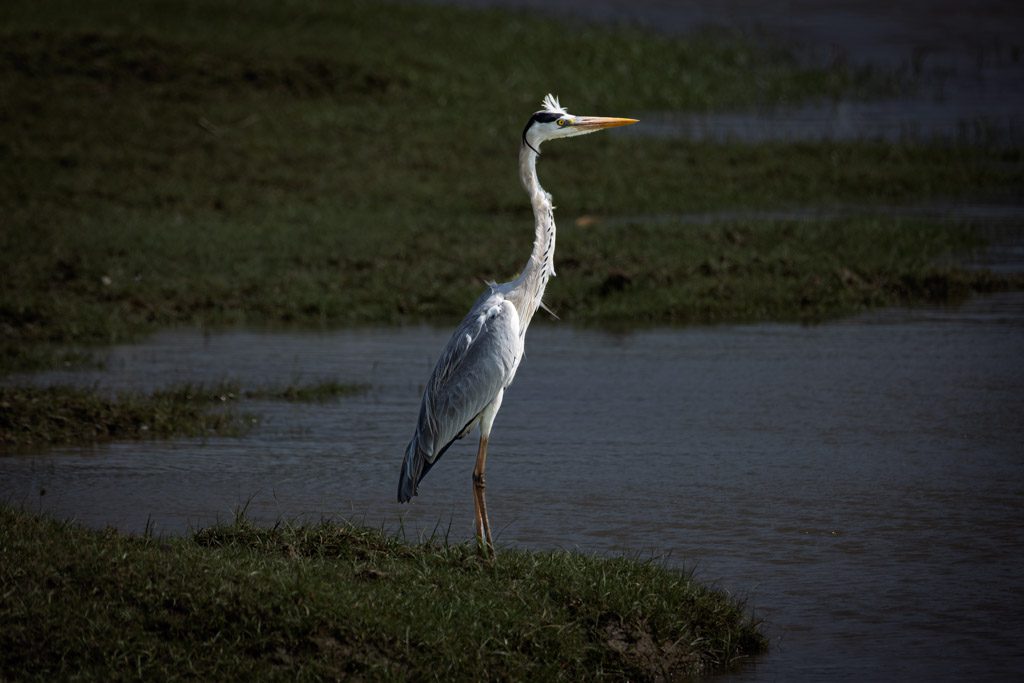
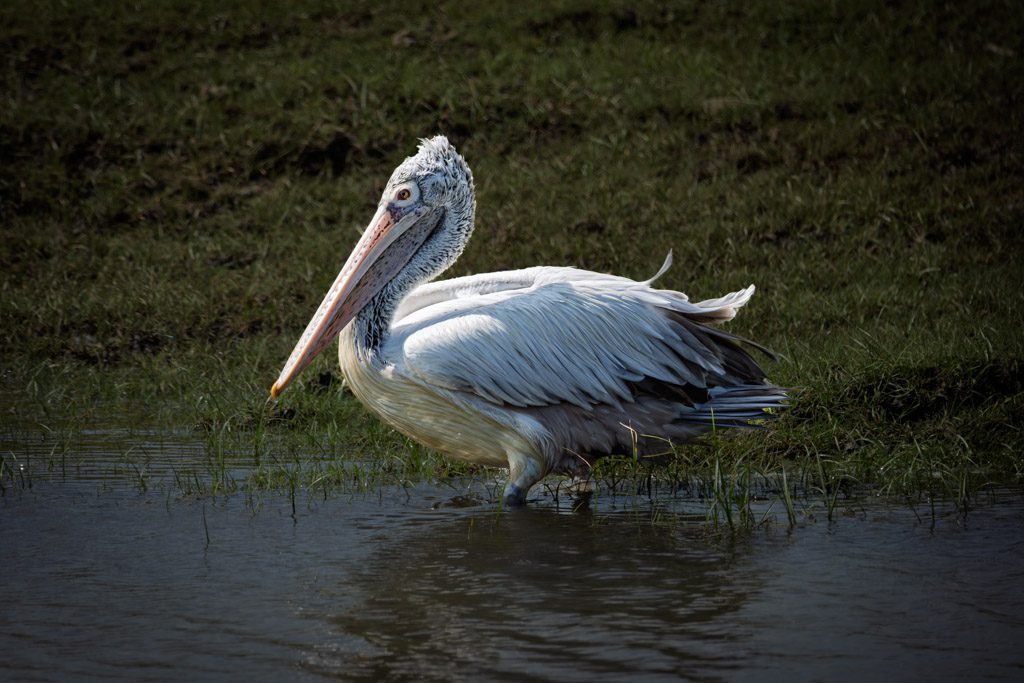
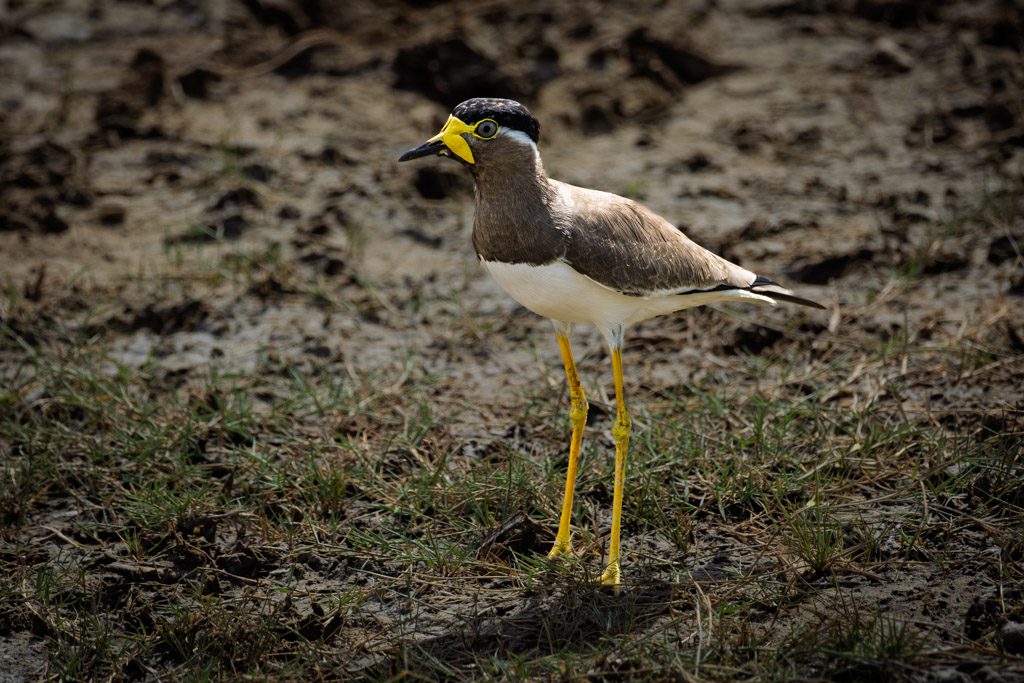
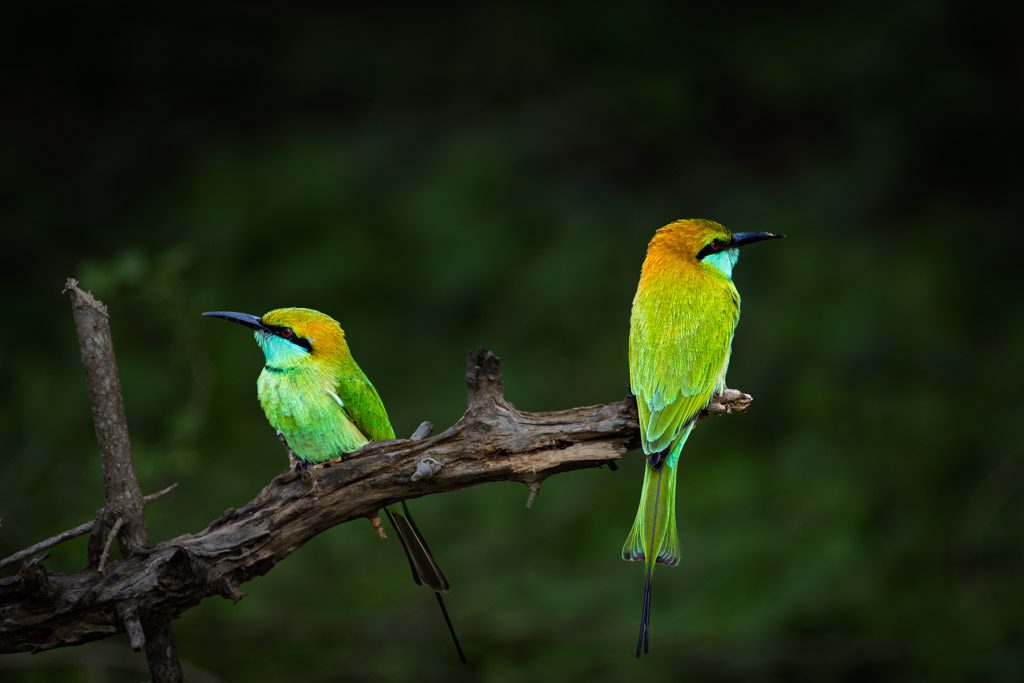
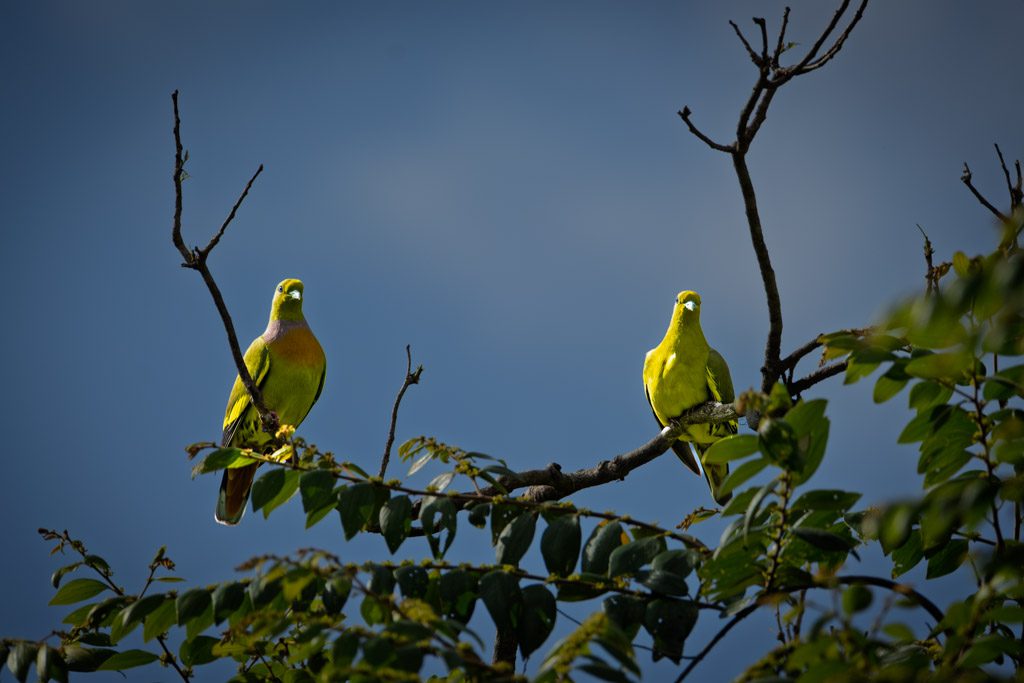
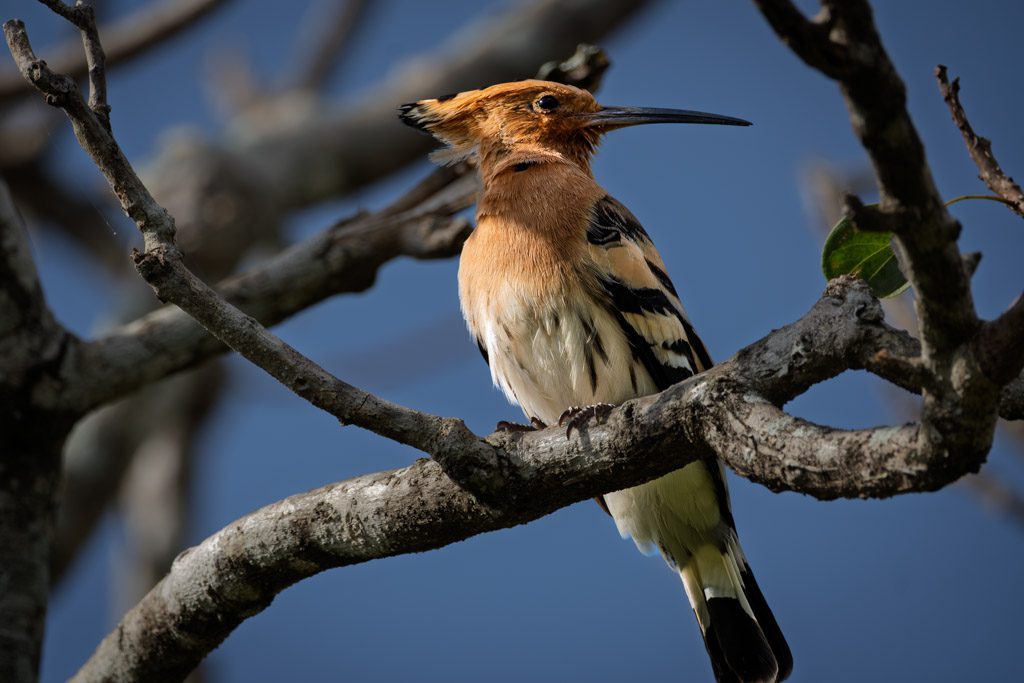
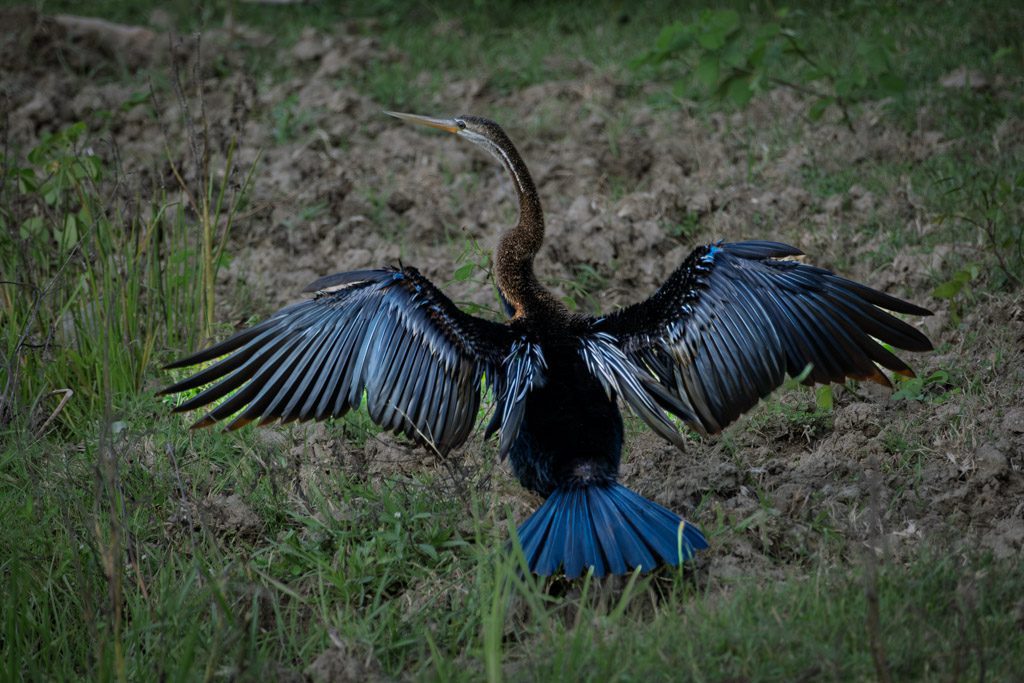
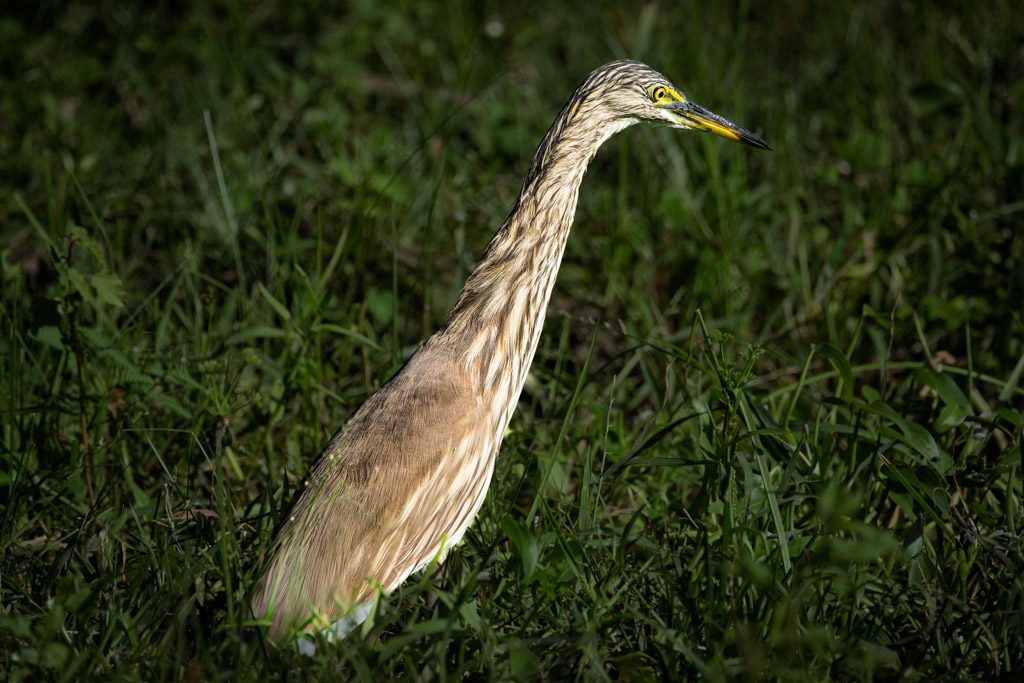
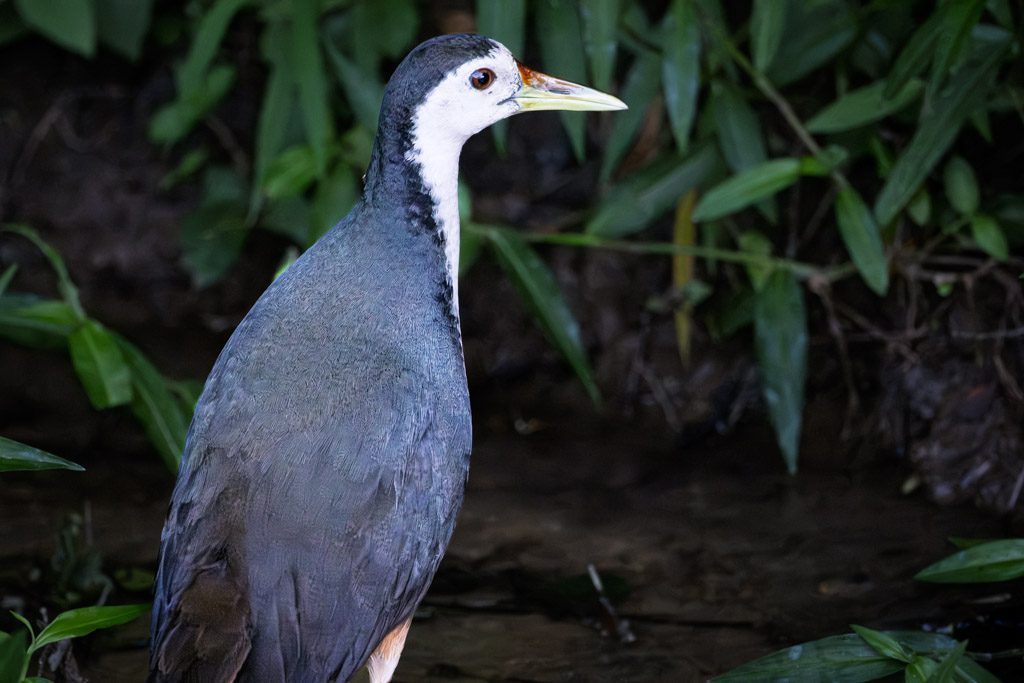
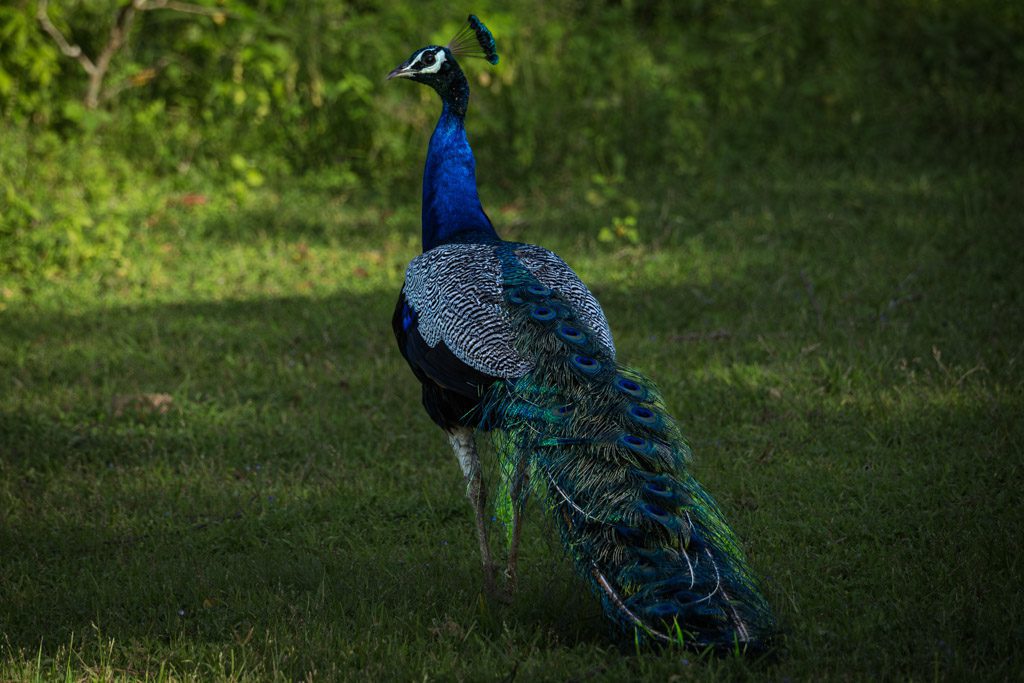
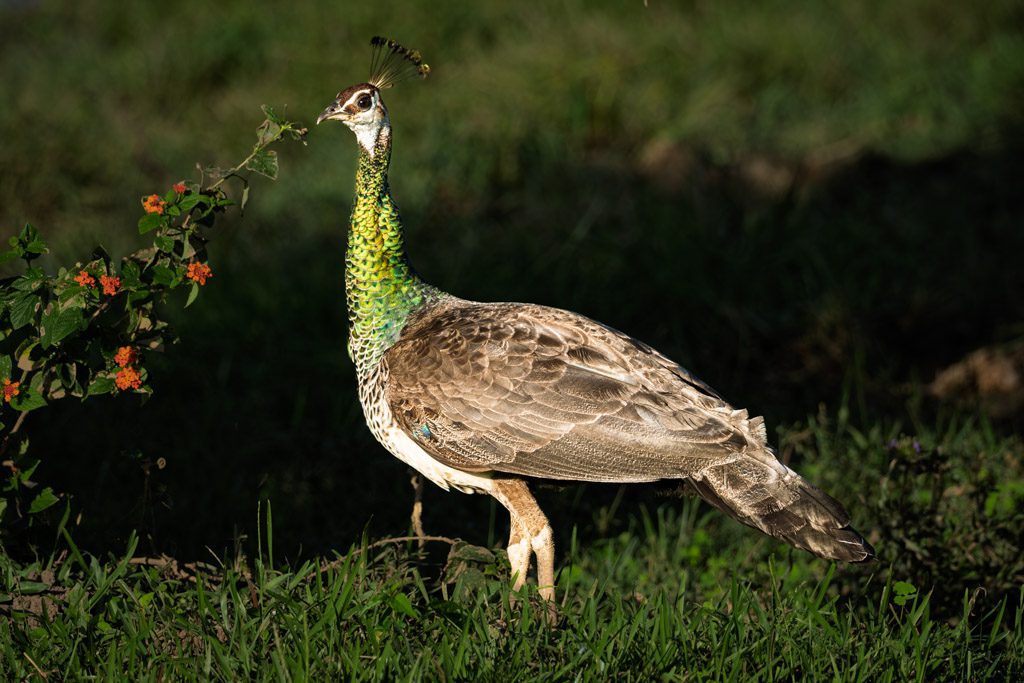
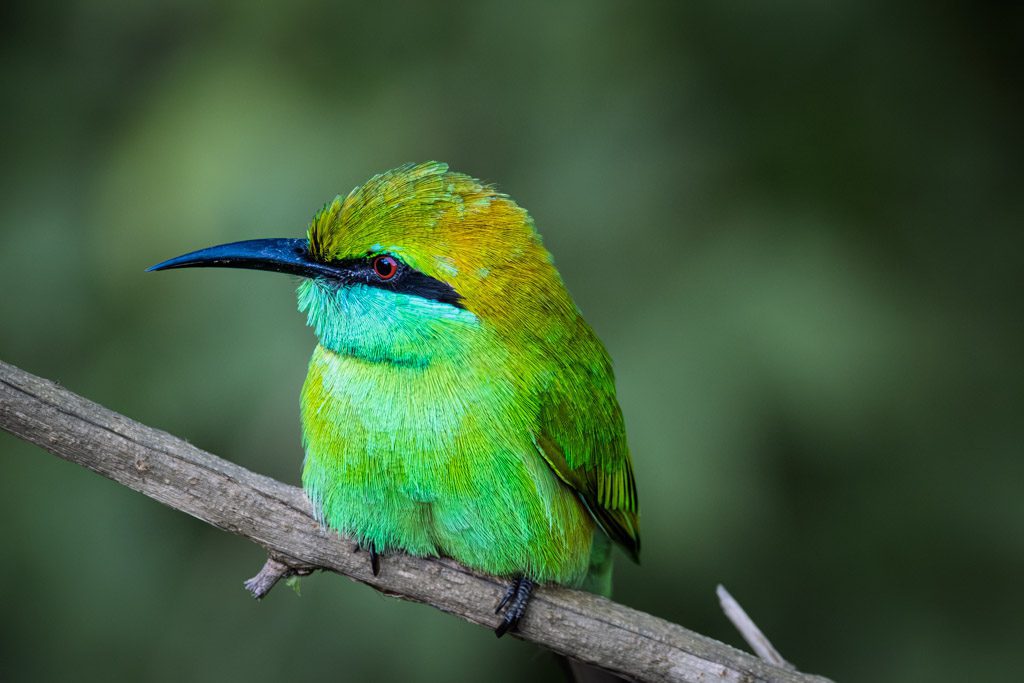
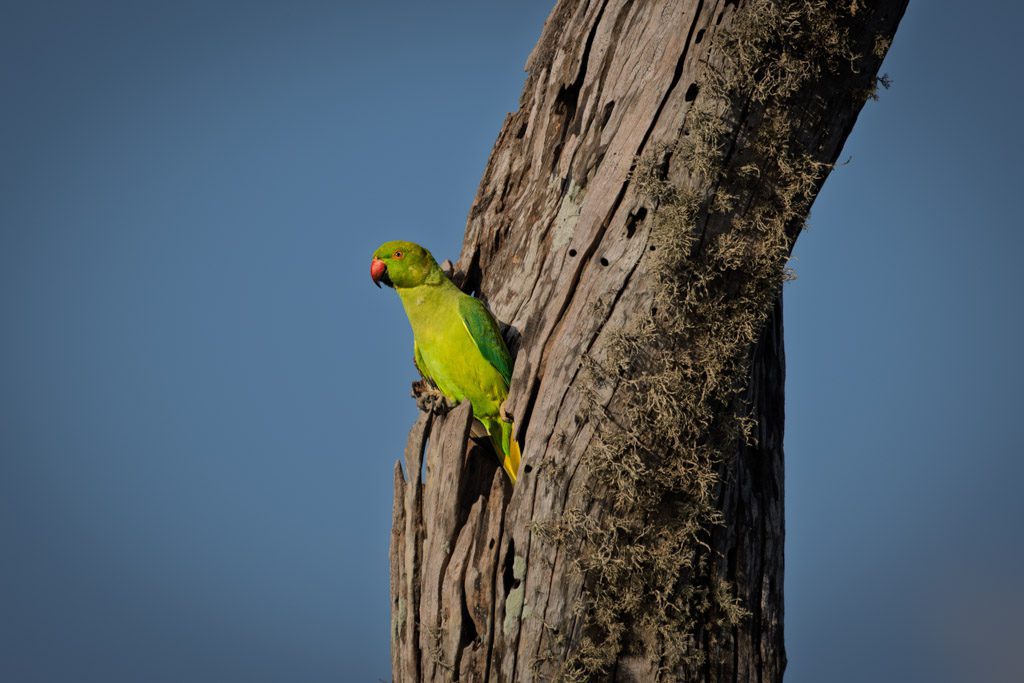
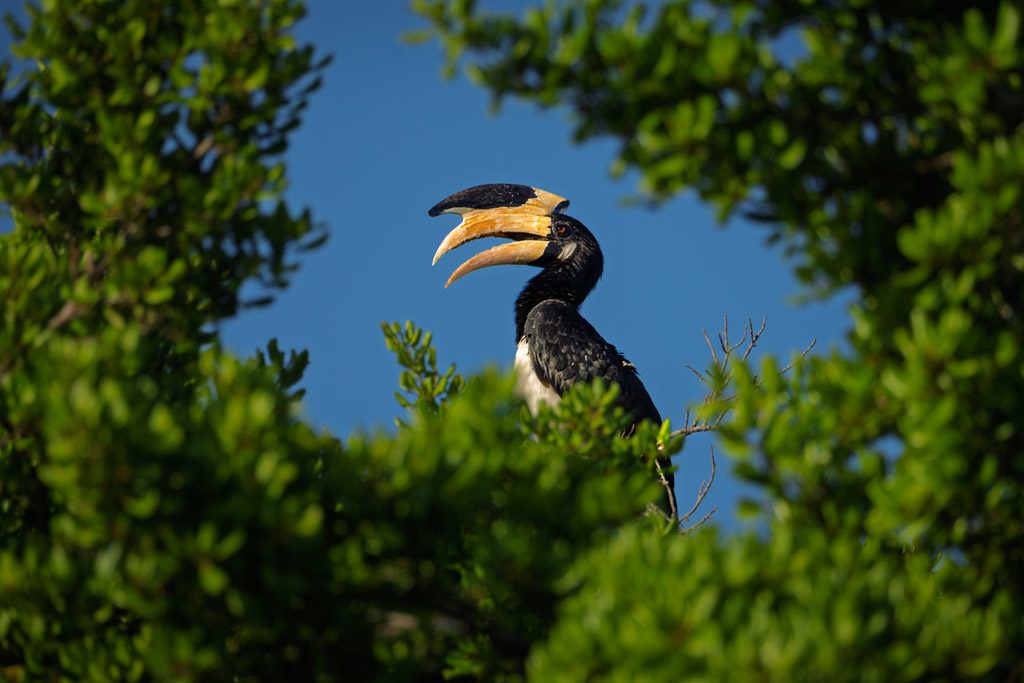
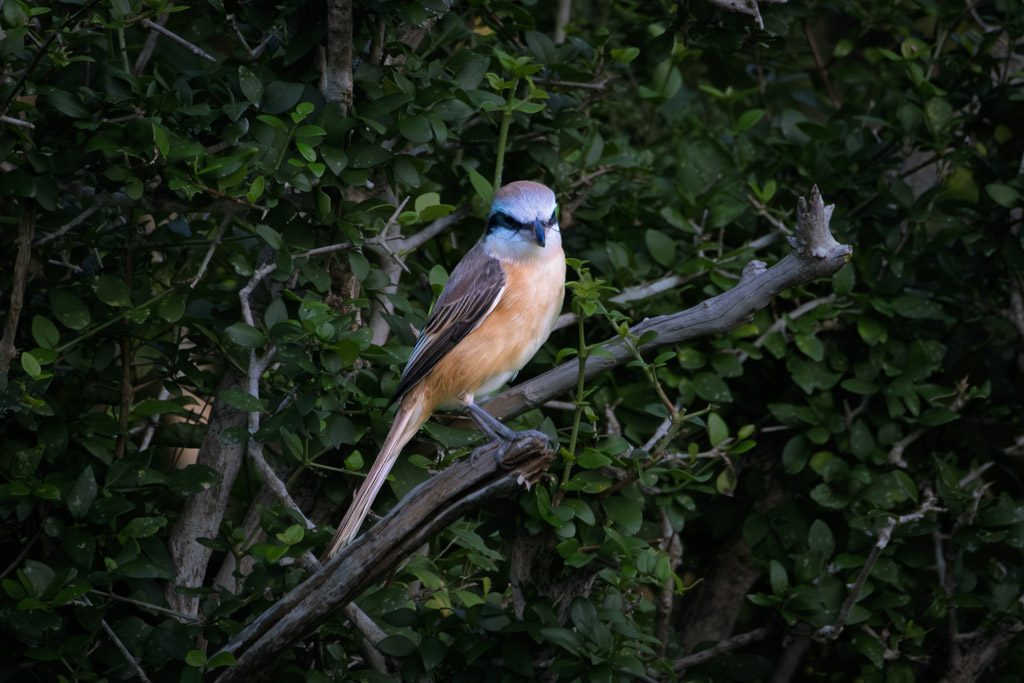
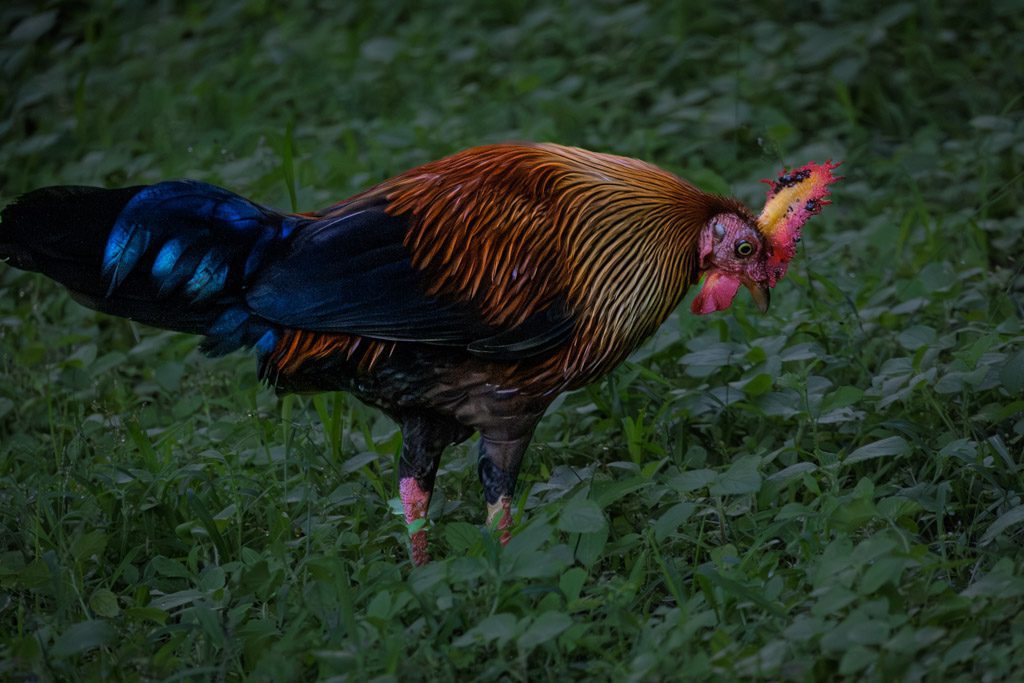
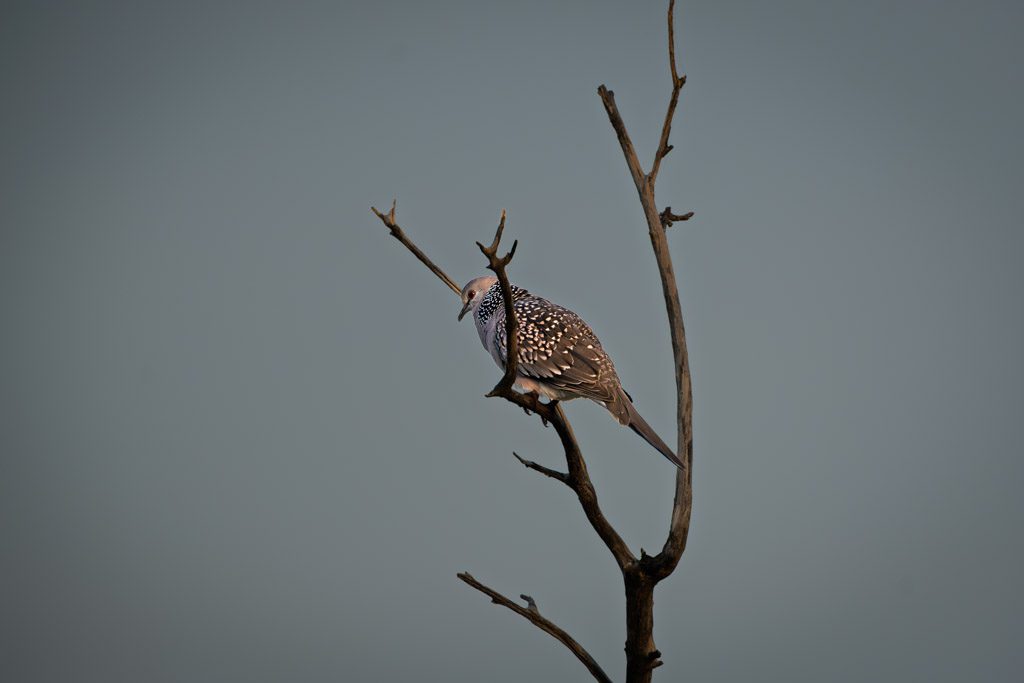
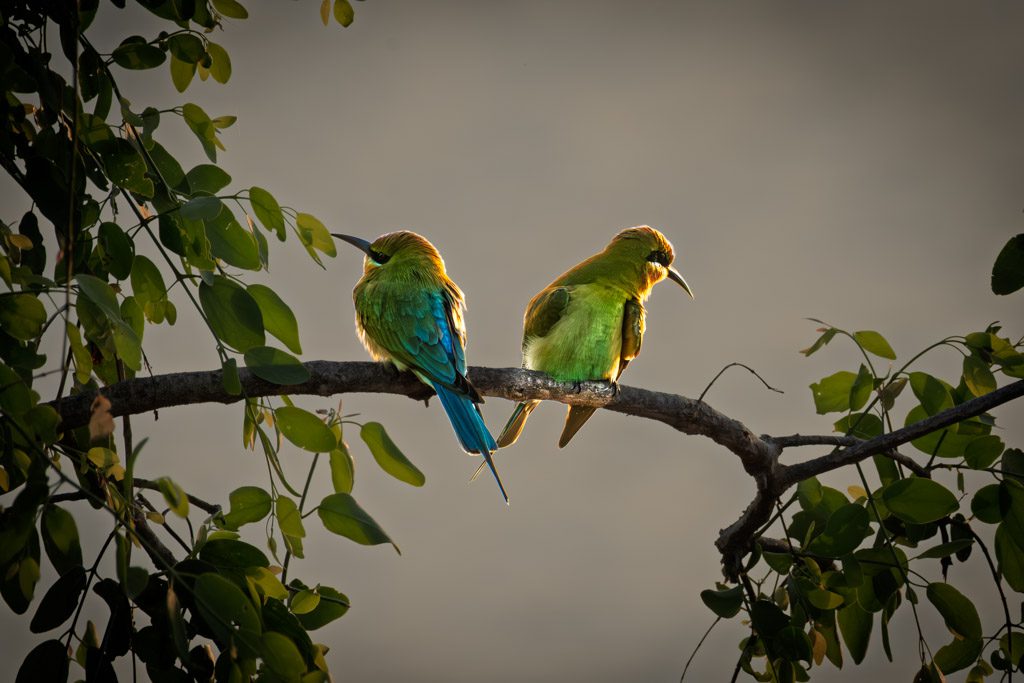
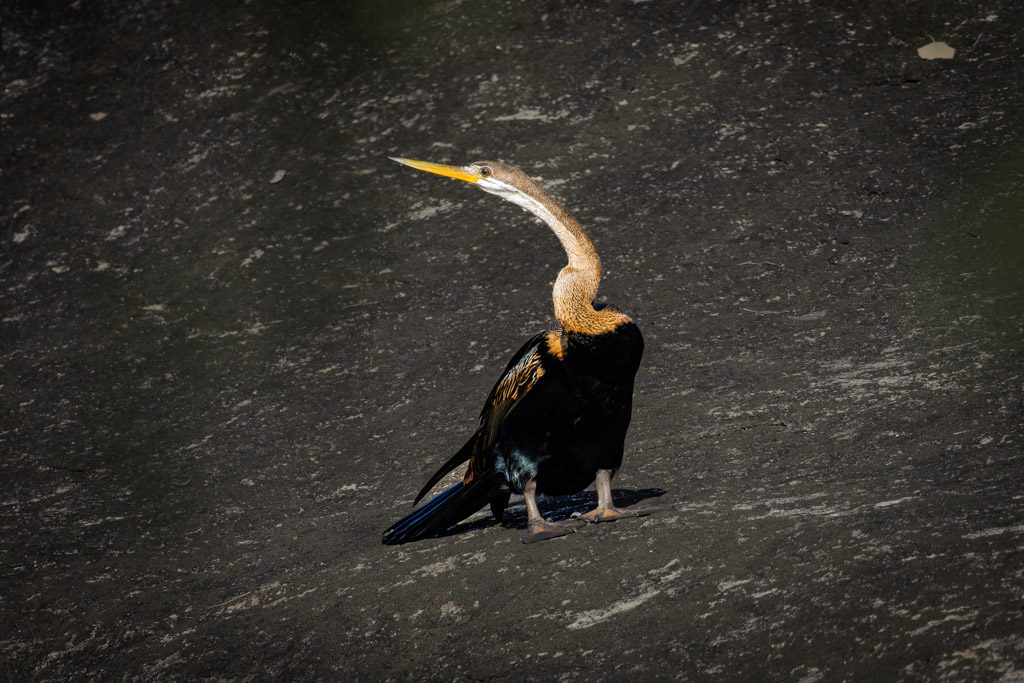
The wetlands were alive with movement as well, home to an abundance of birdlife—a true birder’s paradise, with species flitting across the landscape in vibrant flashes of color and song. Among the birds we saw were the striking Sri Lanka junglefowl—the country’s national bird—along with spot-billed pelican, grey heron, oriental darter, green bee-eaters, hoopoe, green pigeons, spotted doves, Malabar pied hornbill and long-tailed shrike.

Morning Safari at Yala – January 15, 2026
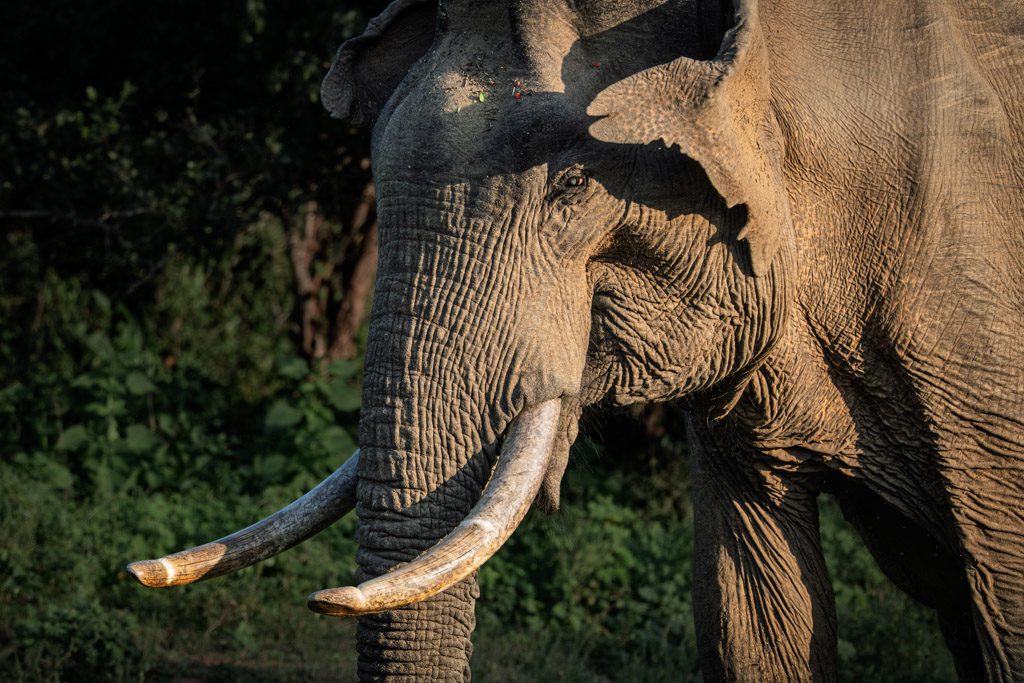
Our morning safari began bright and early at 5:30 AM, fueled by high hopes of spotting a leopard—ideally something more than the fleeting glimpse we’d had the previous afternoon. Not long after entering the park, we were rewarded with an impressive sight: the largest tusker in Yala. According to our guide, this particular elephant has a reputation for being unusually aggressive, often attacking and injuring other elephants. To prevent further harm, park authorities had partially sawed down its tusks, leaving them shorter and blunted for safety. Beyond this dramatic encounter, the morning offered only a scattering of smaller animals: a pair of mongooses, a solitary land monitor, and little else in the way of big-game sightings.
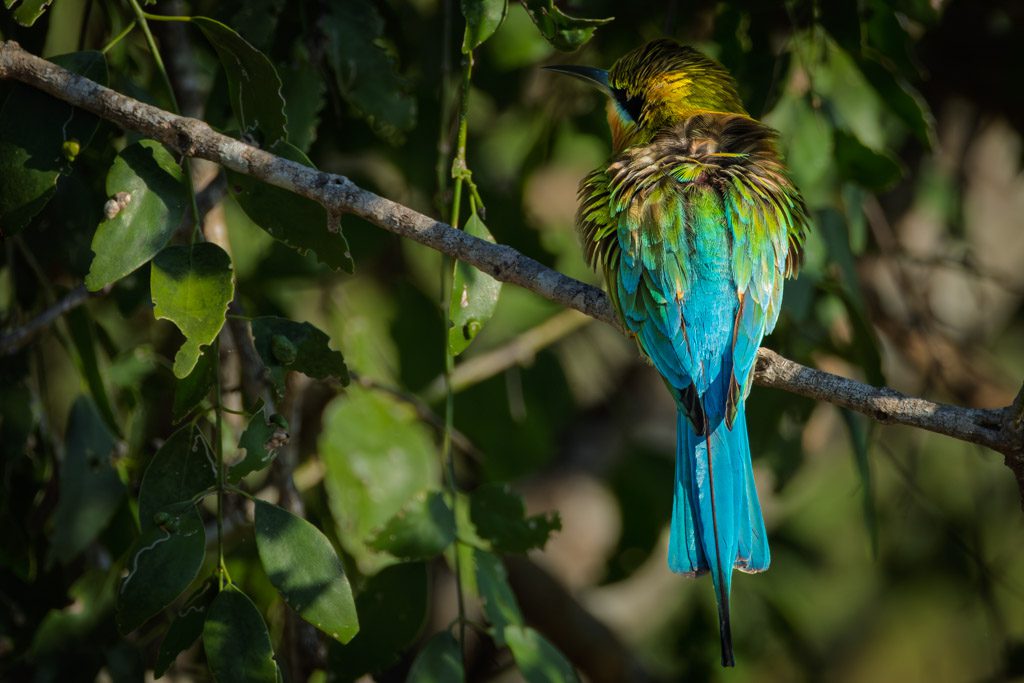
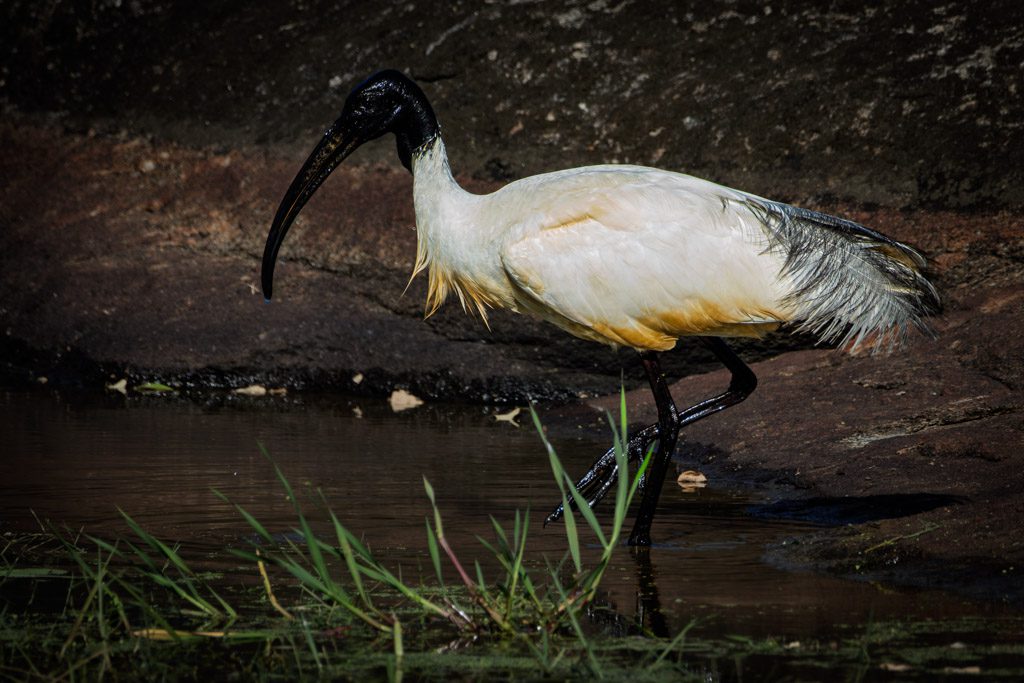
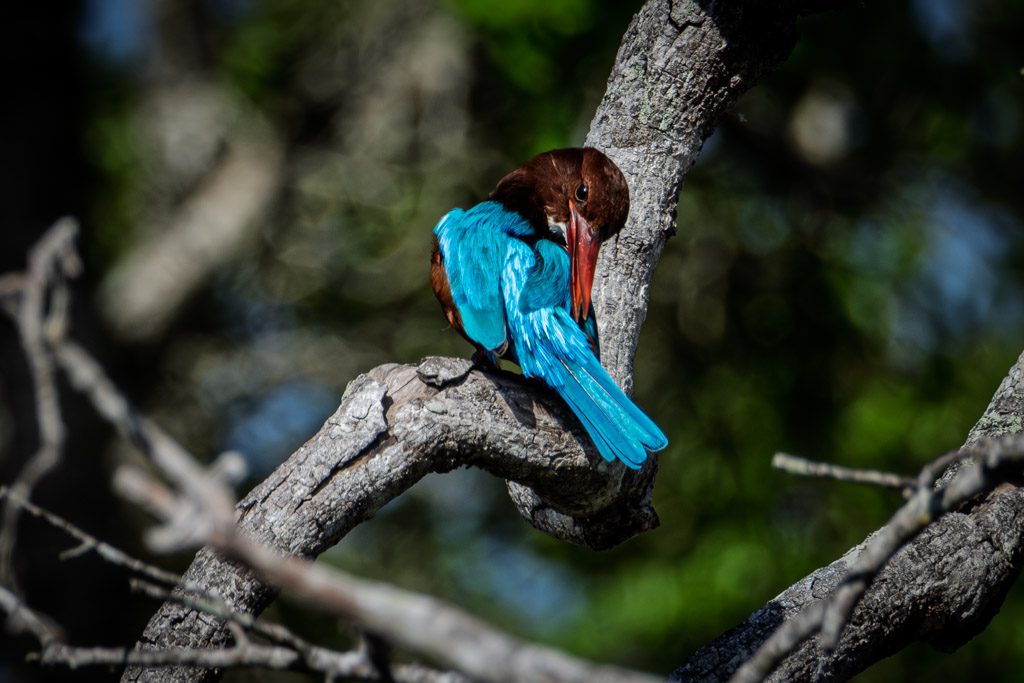
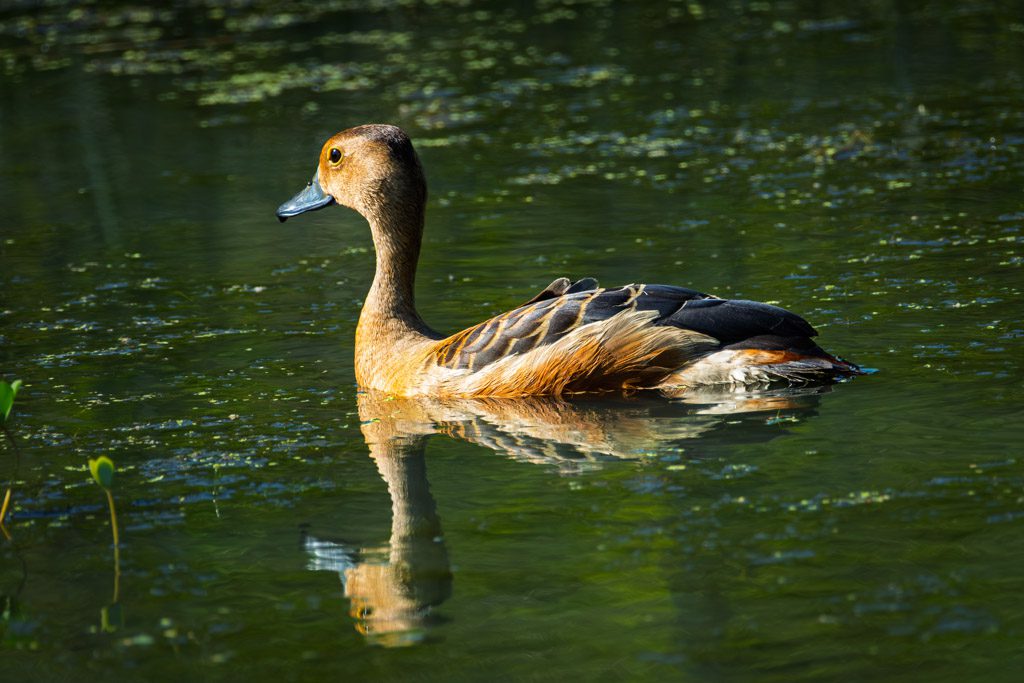
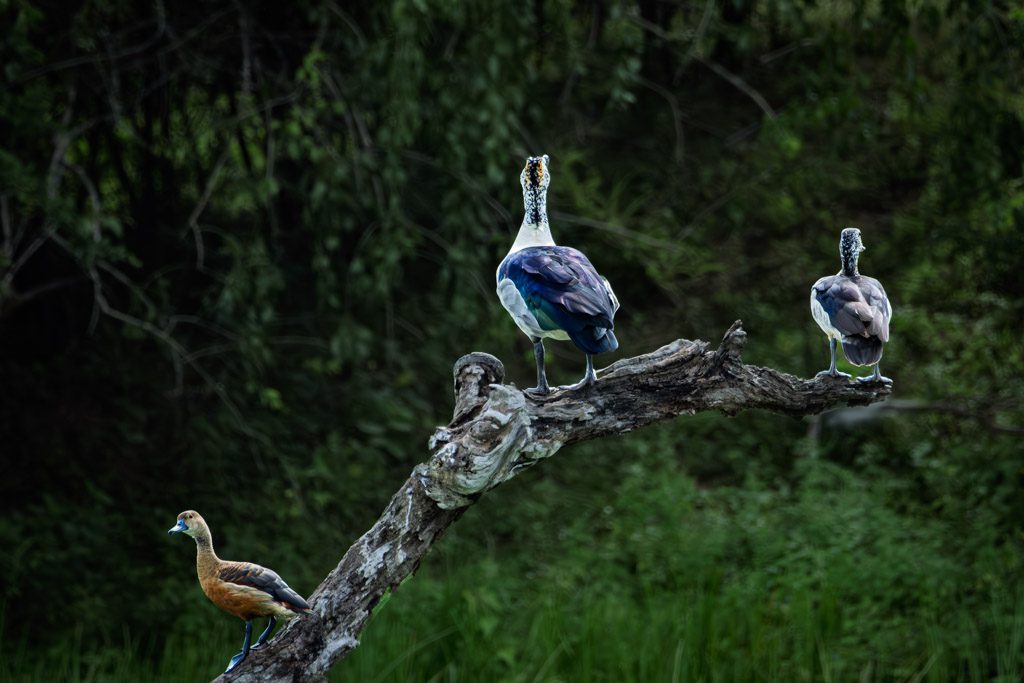
What the safari lacked in mammals, it more than made up for in birdlife. The park was alive with movement and color—birds of every shape and size filling the air, treetops and water edges. Peacocks and peahens strutted and called from open clearings, while countless other species flashed past too quickly to name. Here’s just a sampling of what we did manage to identify: blue-tailed bee-eater, Indian cormorants, painted storks, black-headed ibis, white-throated kingfisher, nightjar, common sandpiper, black hooded orioles and Indian robin. We stopped for a midday break at a picnic spot overlooking the Indian Ocean, where the safari drivers provided lunch for us. The park enforces a strict rule on waste: whatever you bring in must be taken back out. The drivers ensured everyone followed it.
Afternoon Safari at Yala – January 15, 2026
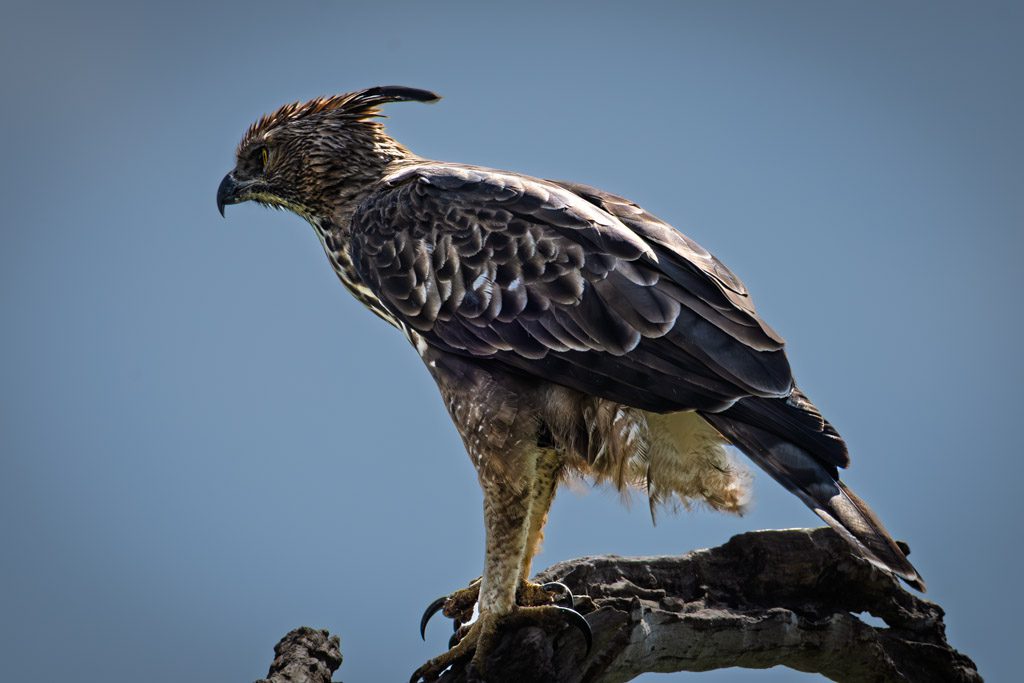
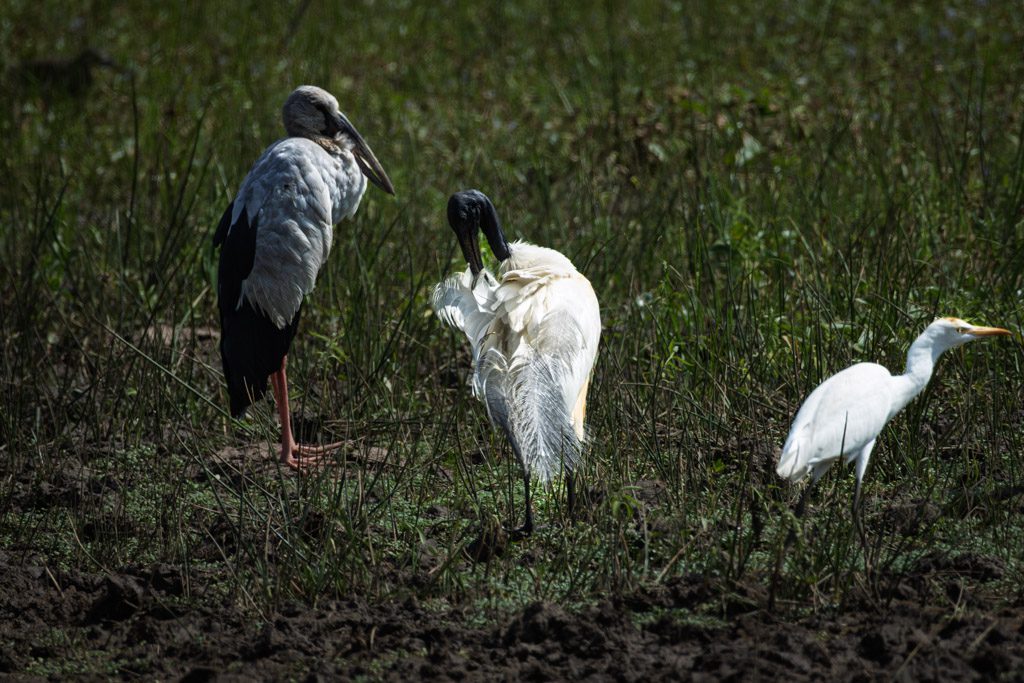
Our afternoon safari began much like the morning one, with wildlife sightings proving scarce. Aside from a few more land monitors and mongooses, the larger animals remained elusive. Once again, however, the birds were out in full force. We spotted crested hawk-eagle, adjutant stork, painted stork, Asian open-bill stork, bush lark and chestnut bee-eater.
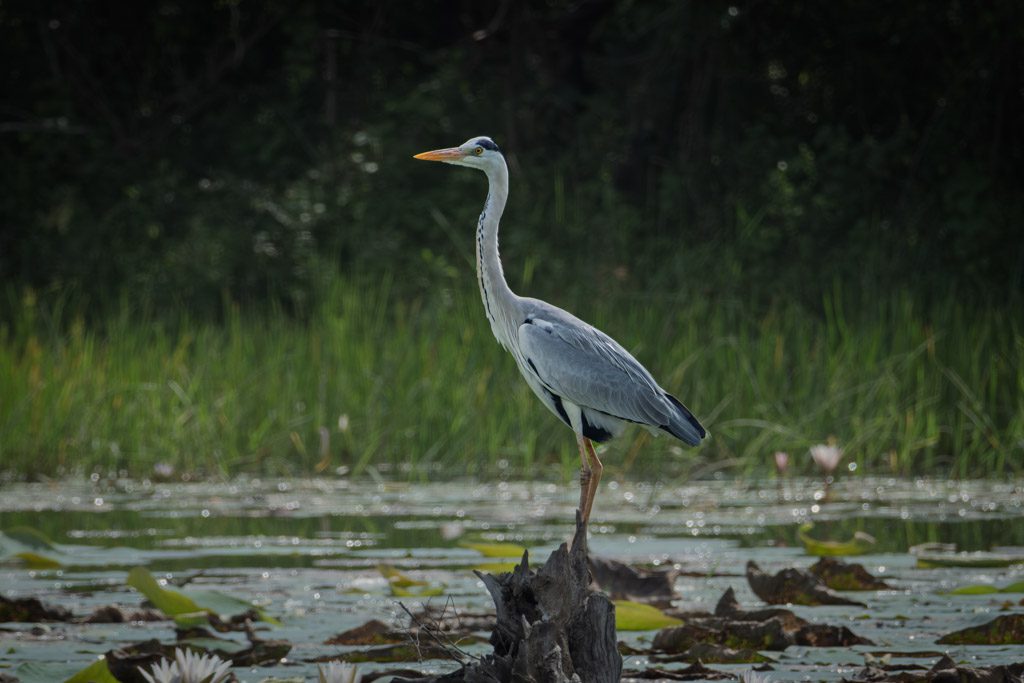
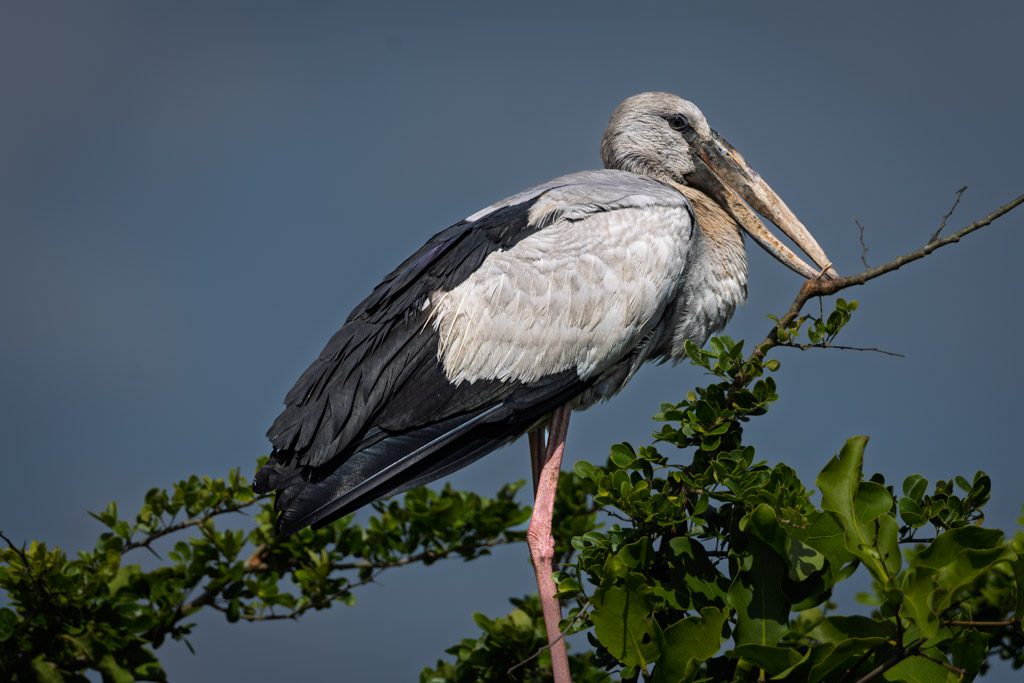
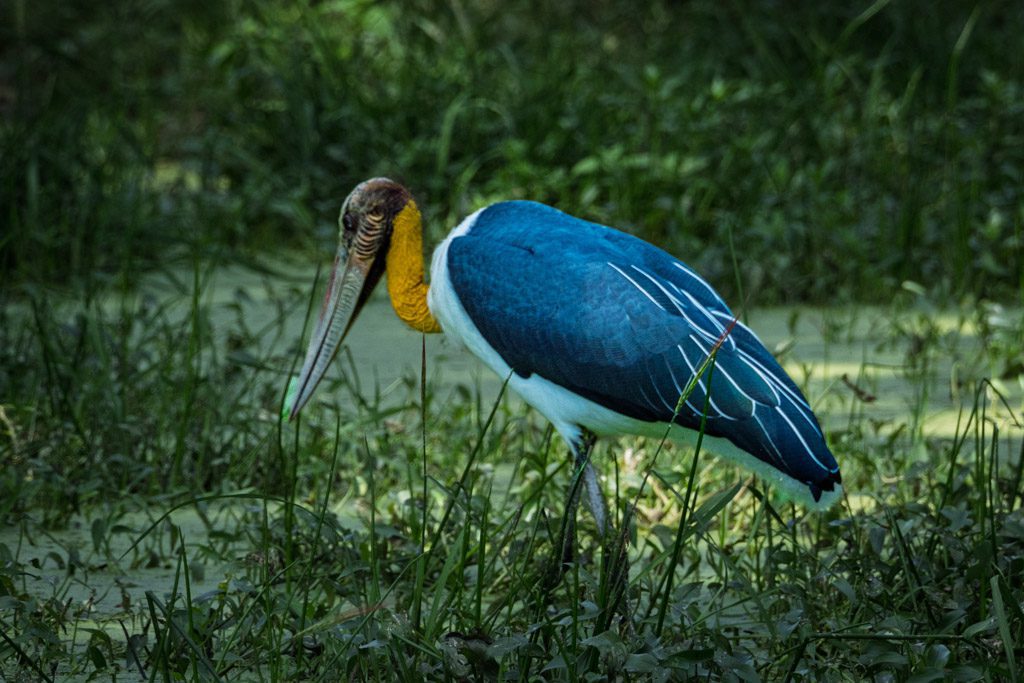
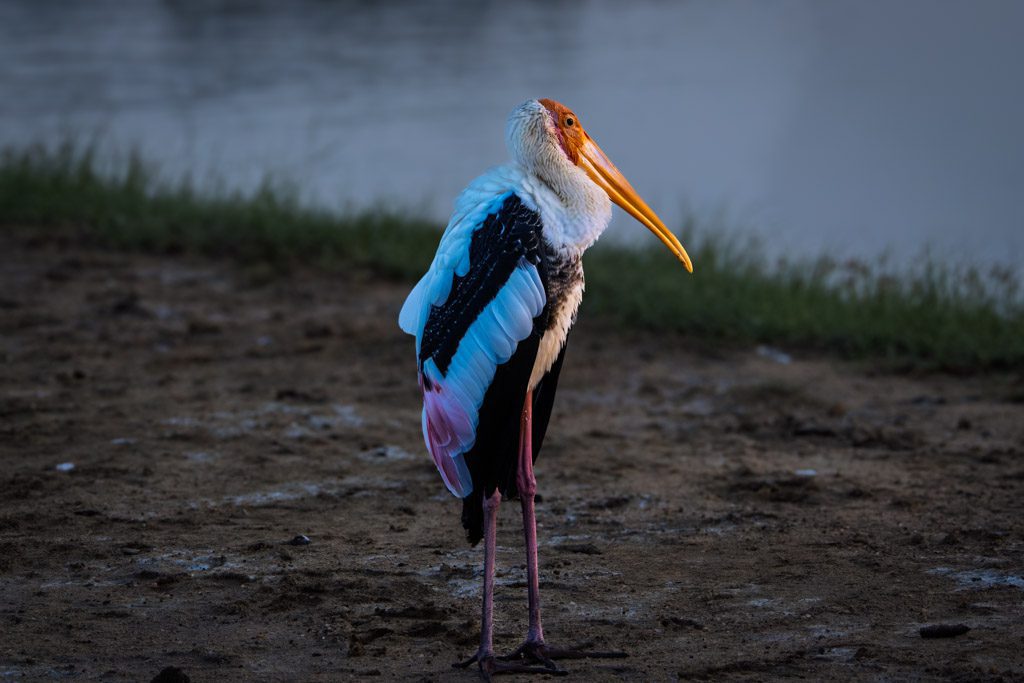
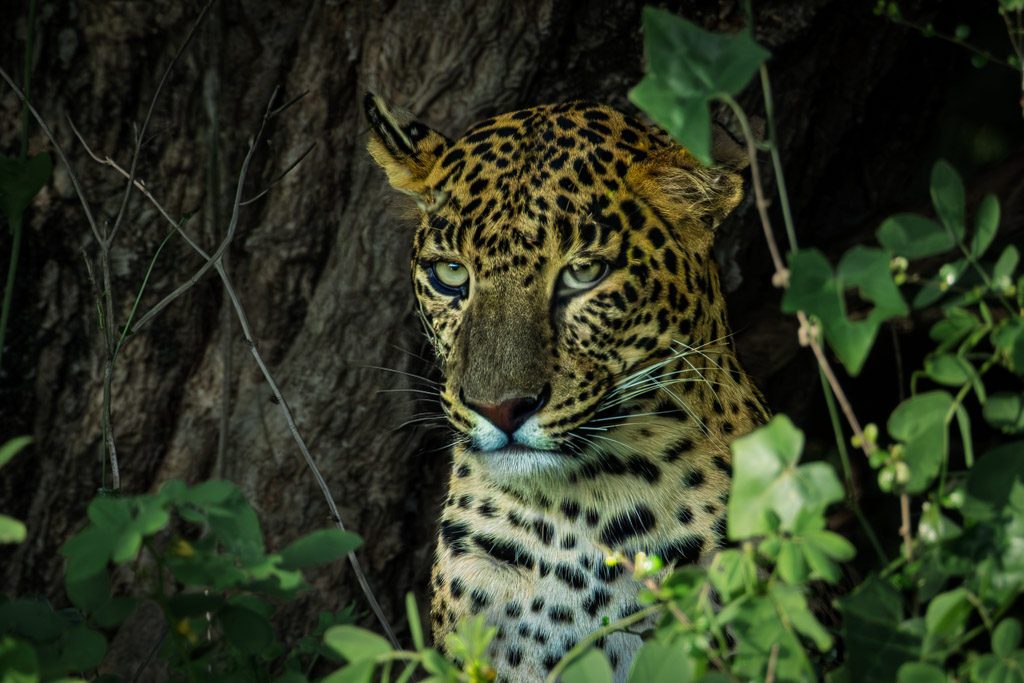
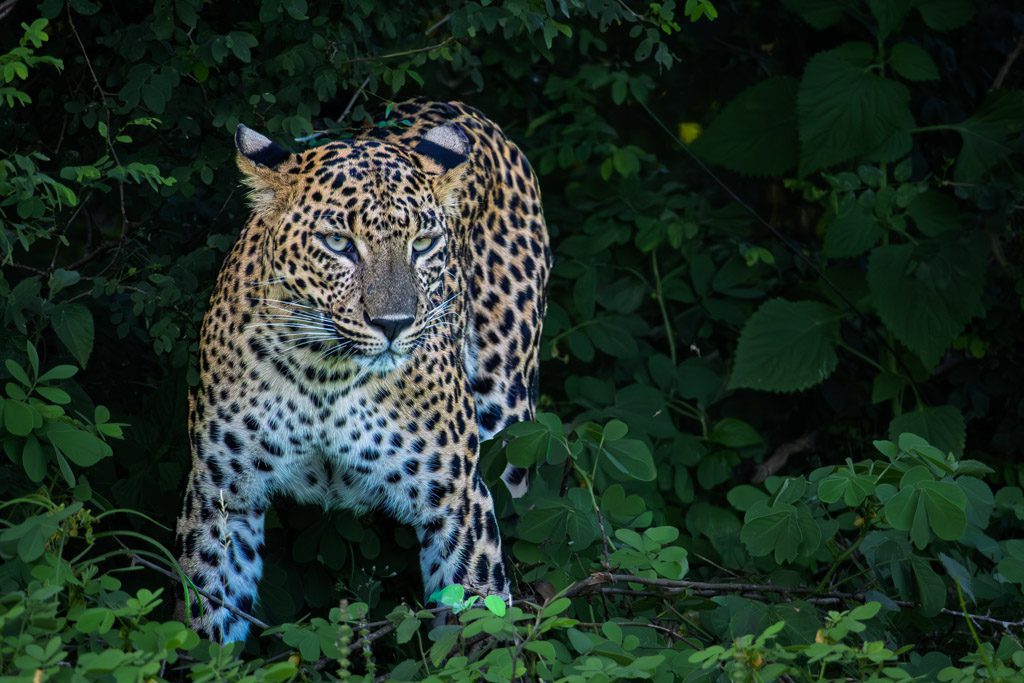
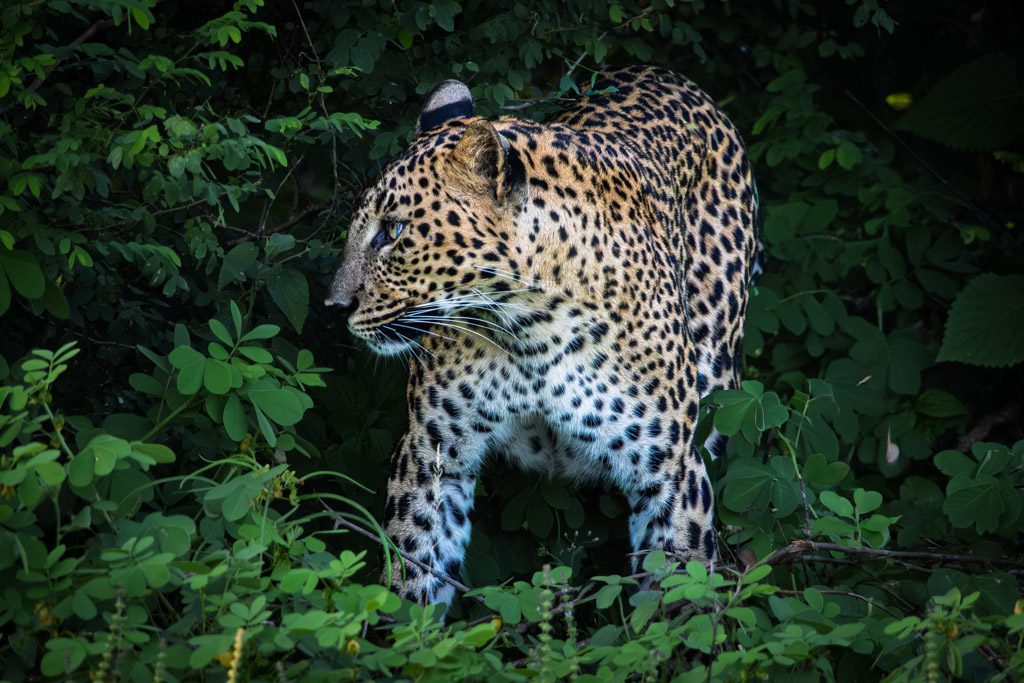
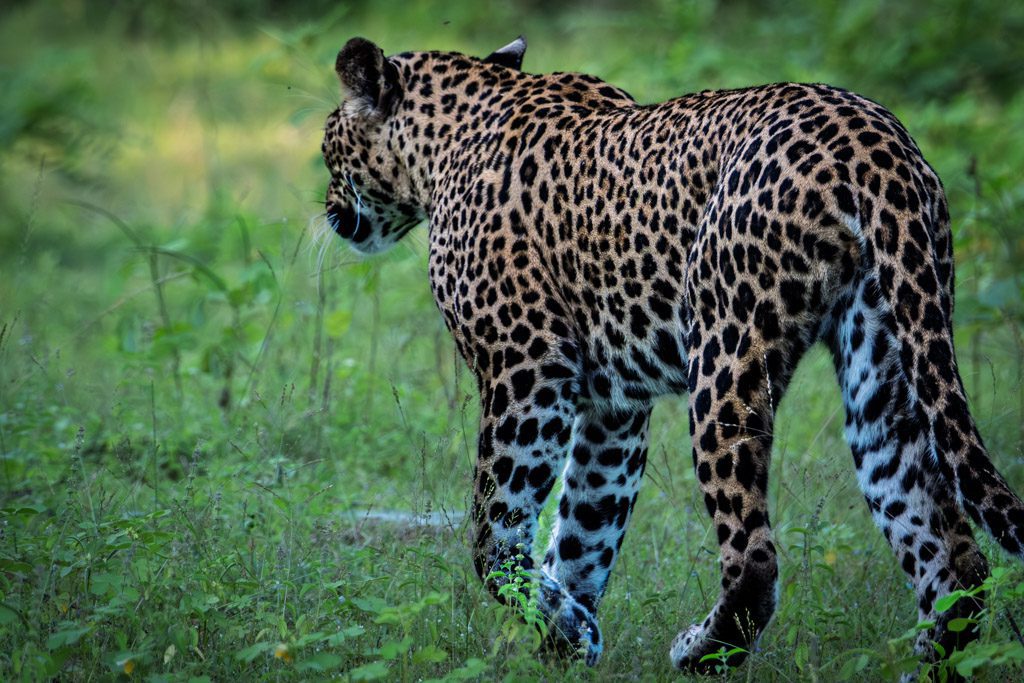
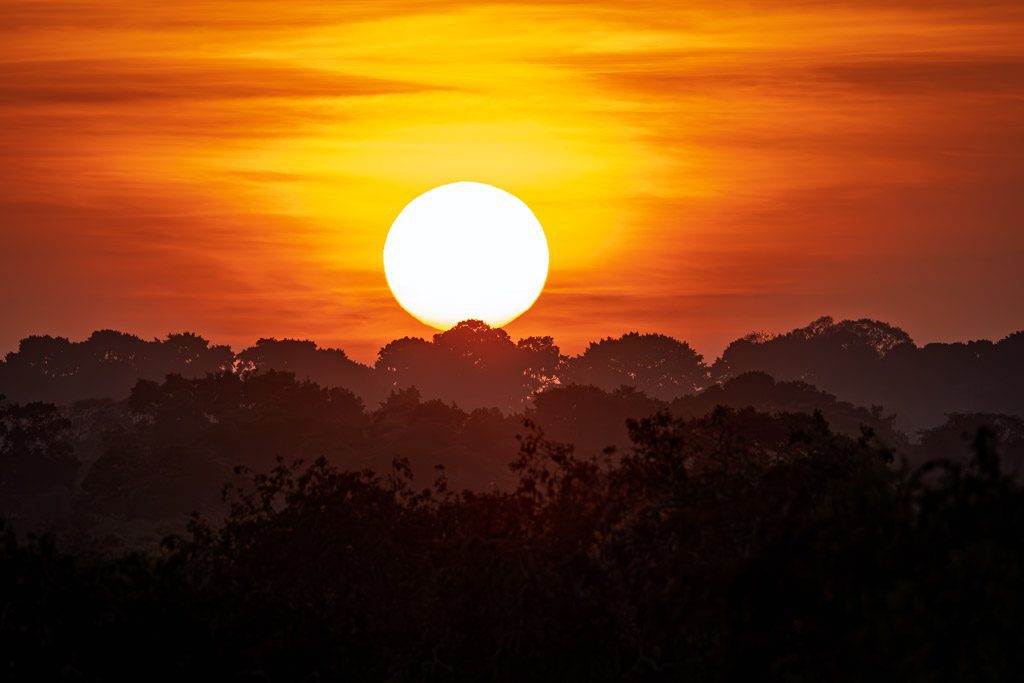
Determined to give us a better chance at spotting a leopard, our driver-spotter covered a wide circuit of the park, checking known lookout points and scanning every patch of scrub. Still no success. Finally, he decided to try a distant section of the park—farther out, quieter, and less frequented by most visitors. And that’s where it happened. There, half-concealed in the bushes, was a leopard, lying low in the grass with its head raised. Within minutes, other jeeps converged on the spot, and what followed was a chaotic circus of vehicles jockeying for position, each driver angling for the best possible view and camera shot. In the midst of the frenzy, Albert managed to get a few solid shots—a clear image of the leopard’s face framed by foliage. Another captured the animal shifting ever so slightly, revealing its beautifully marked coat. Considering the movement, the crowds, and the brief window of visibility, the photos turned out remarkably well. By this time, it was getting late, and with the park’s 6:00 pm closing time approaching, we began the long drive toward the exit—over 45 minutes away. Along the way, we were treated to the sight of another tusker, strolling majestically beside the dry, mud-caked road. We also made a brief stop to photograph a painted stork and to take in the sunset, which cast a spectacular glow across the landscape—what a finale to our day in the park!
Exploring Sri Lanka’s Southern Charms – January 16, 2026
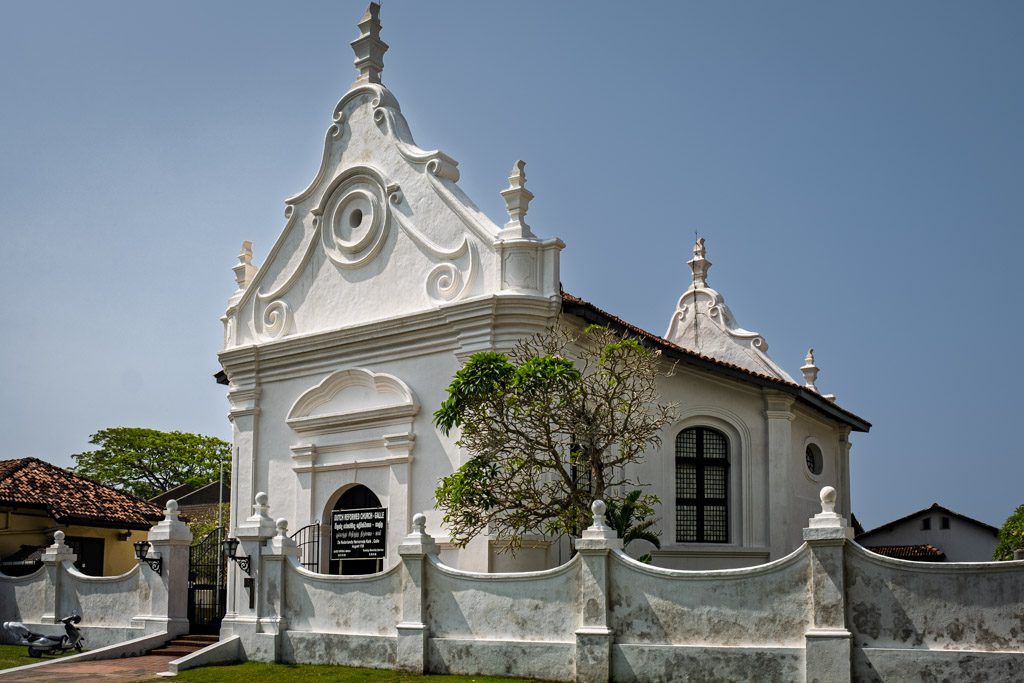
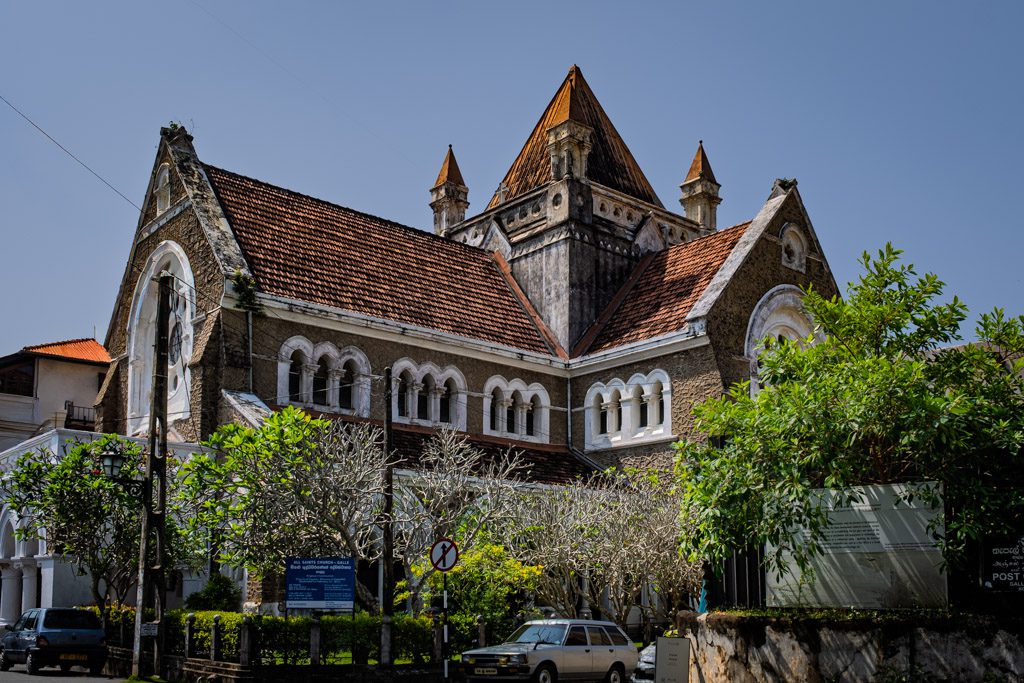
After two nights at Yala—and three unforgettable safaris through the park’s wildlife-rich landscapes—we set off for Galle, a drive of just over three hours. Our first stop in the old fort area was the historic Dutch Reformed Church, or Groote Kerk. Built in 1755, it is one of the oldest Protestant churches on the island. Inside, we admired its whitewashed walls, ornate wooden pulpit, and the old tombstones set into the floor. A short walk away is All Saints’ Church, an Anglican church built in the late 19th century during British rule. Its Victorian Gothic design, stained-glass windows, pointed arches, and timber ceiling gave us a glimpse into another chapter of Galle’s colonial past. We rounded off our visit with a leisurely walk through Galle Fort—a UNESCO World Heritage Site originally built by the Portuguese in the 16th century and later strengthened by the Dutch. Strolling along the ramparts, we enjoyed sweeping views of the Indian Ocean, the iconic lighthouse, and the charming streets lined with colonial-era buildings.
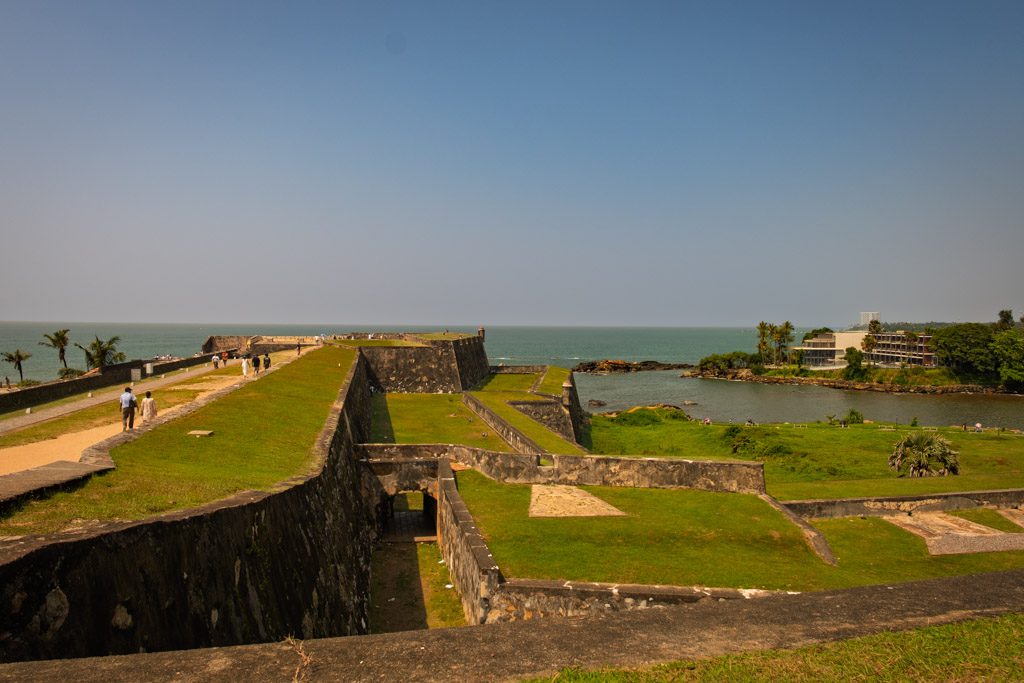
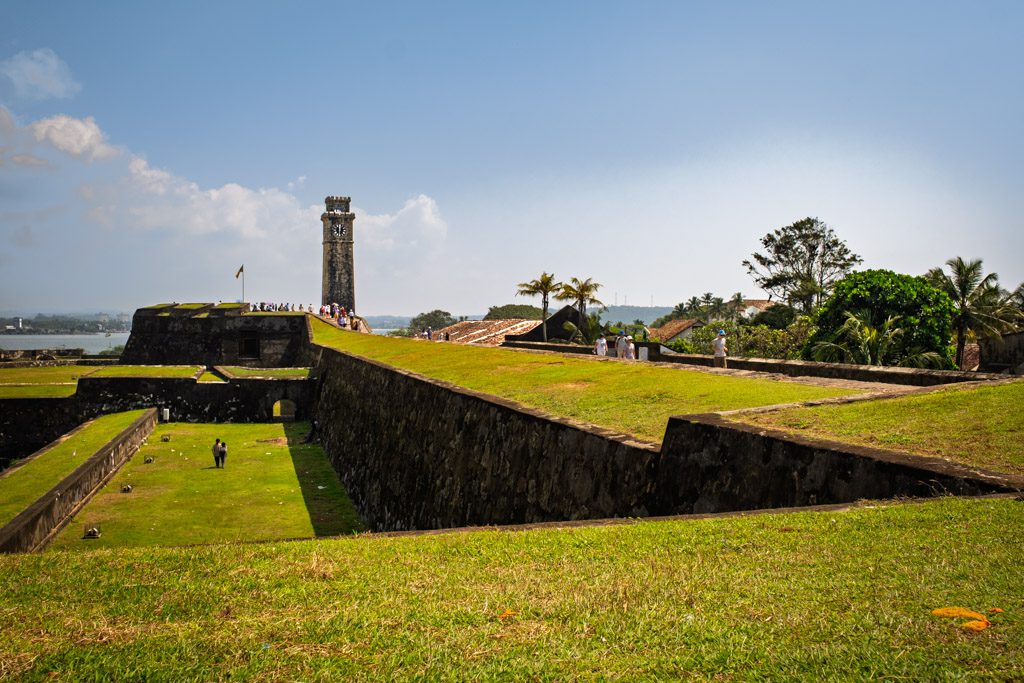
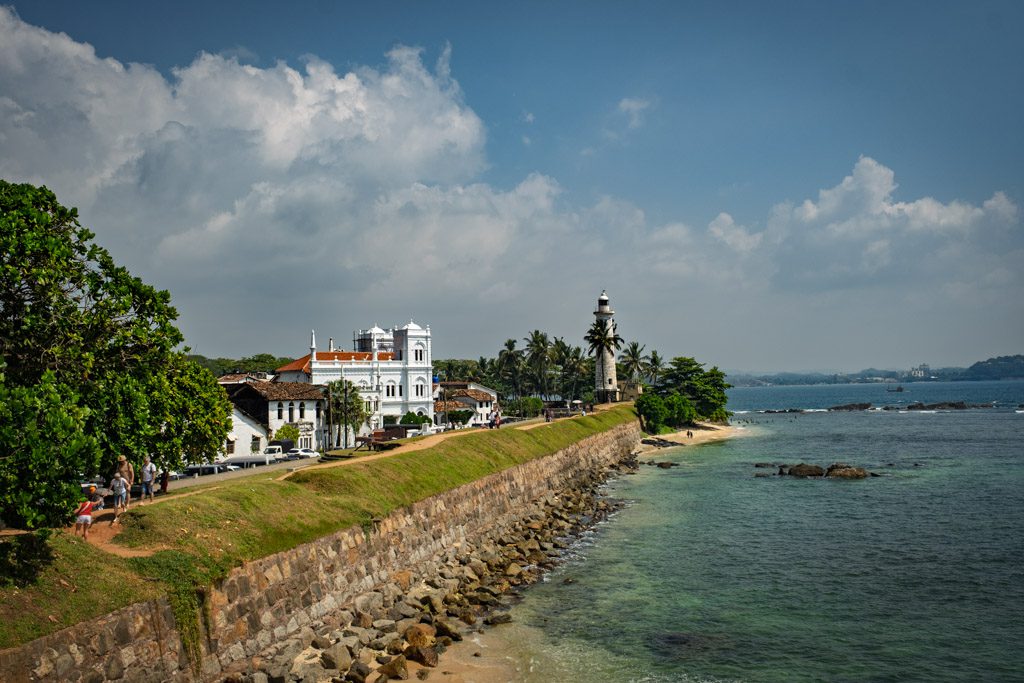
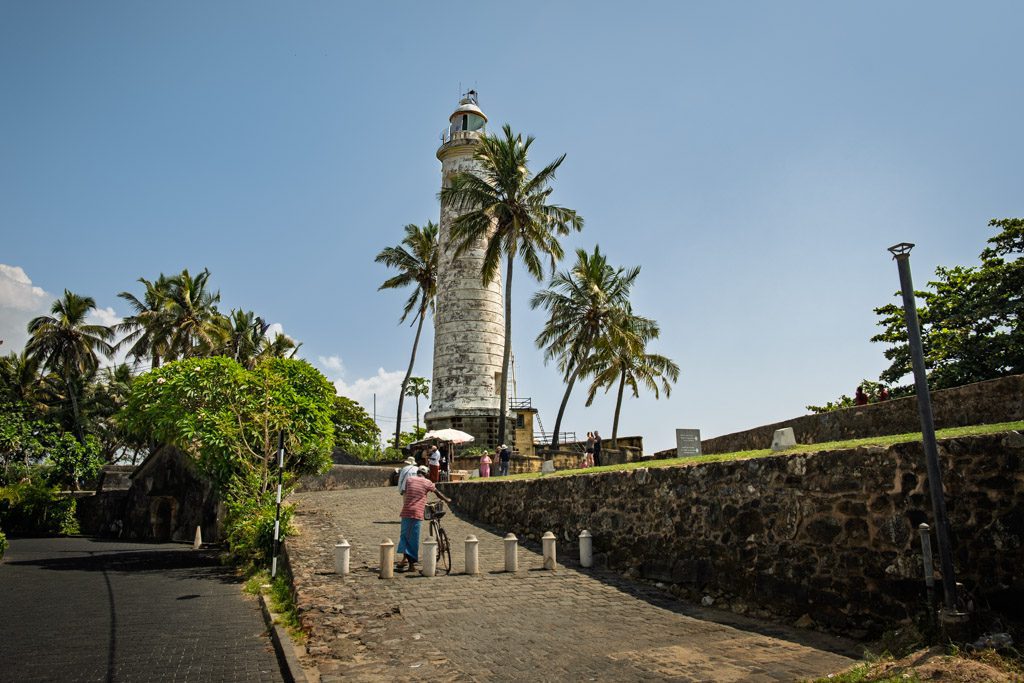
After lunch, we visited the Travelteer Sea Turtle Center, one of the many turtle hatcheries along the southern coast. Our guide took us through the facility, explaining how they protect turtle eggs in secure sandy enclosures and monitor hatchlings in their first days of life. We also learned about their work rehabilitating injured turtles—many harmed by fishing nets or boat strikes—and their efforts to release healthy juveniles back into the sea. This center was hosting several large turtles, including a rare albino turtle.
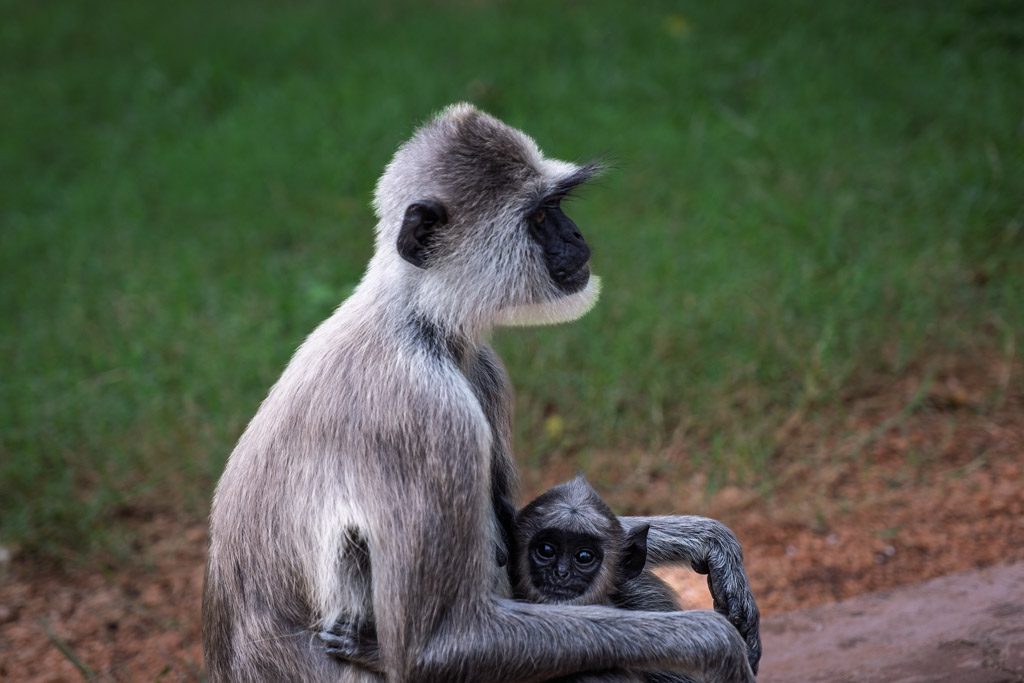
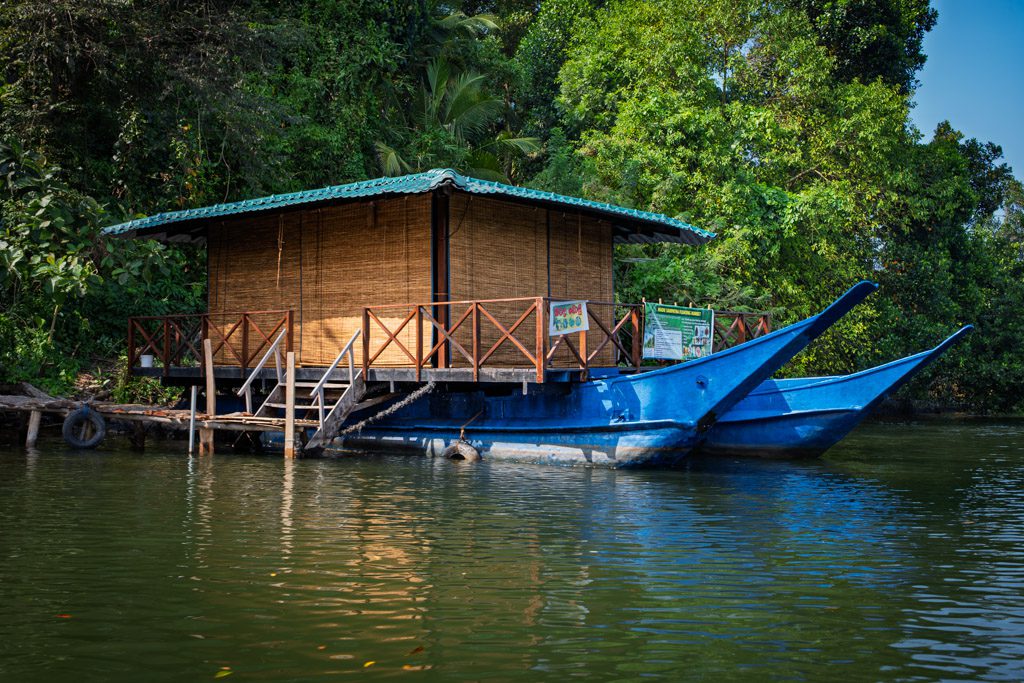
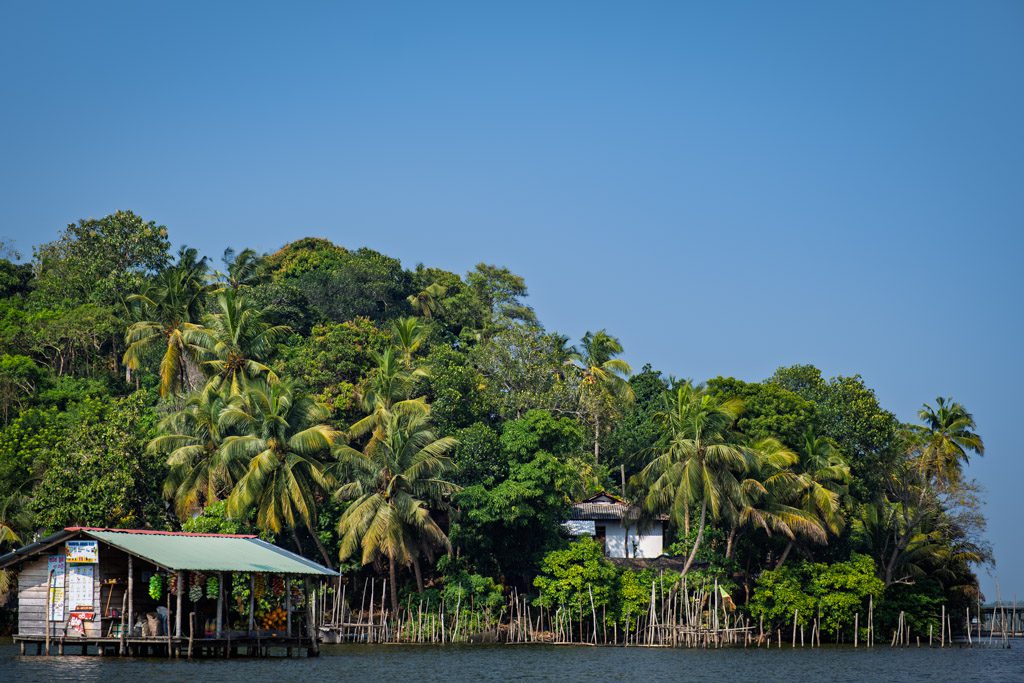
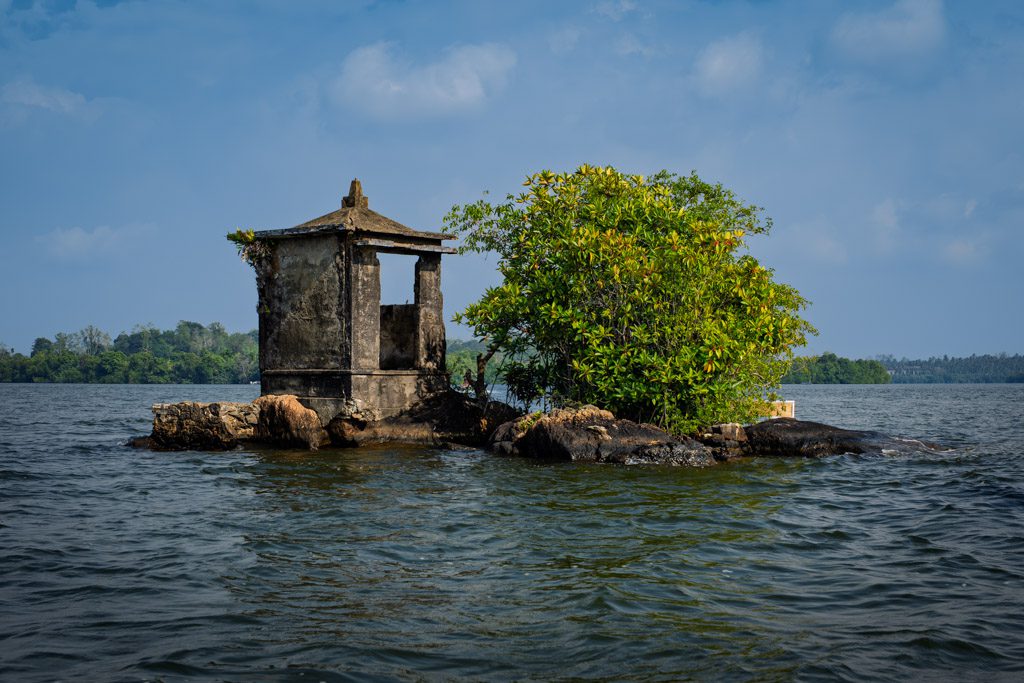
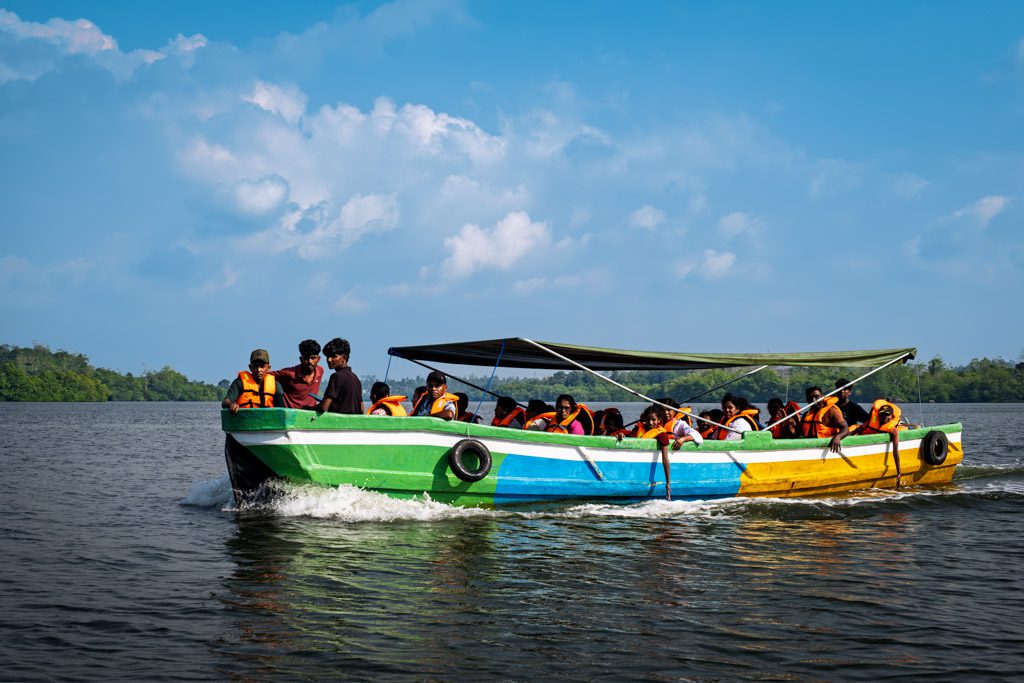
We ended the day with a boat safari on the Madu River, a serene wetland dotted with nearly 60 islands and winding mangrove channels. On the way to our first stop, we spotted a group of purple-faced langur monkeys, a species indigenous to Sri Lanka. Our first stop was Cinnamon Island, where a local family demonstrated how Sri Lankan cinnamon is harvested—cutting the branch, scraping off the outer bark, loosening and peeling the inner bark, then rolling and drying the quills indoors for about a week. Back on the boat, we drifted past what our guide called the smallest island on the river, a tiny patch of land with a single tree and a small shrine, aptly nicknamed “Five Cents Island.” We also passed by a floating grocery store; a quirky boathouse stocked with daily essentials for families living on the nearby islets and sailed through some of the mangrove trees. After completing our boat ride, we drove two hours to Colombo and checked into our hotel at Marino Beach, overlooking the Indian Ocean.
Colombo Highlights on Our Last Day – January 17, 2026
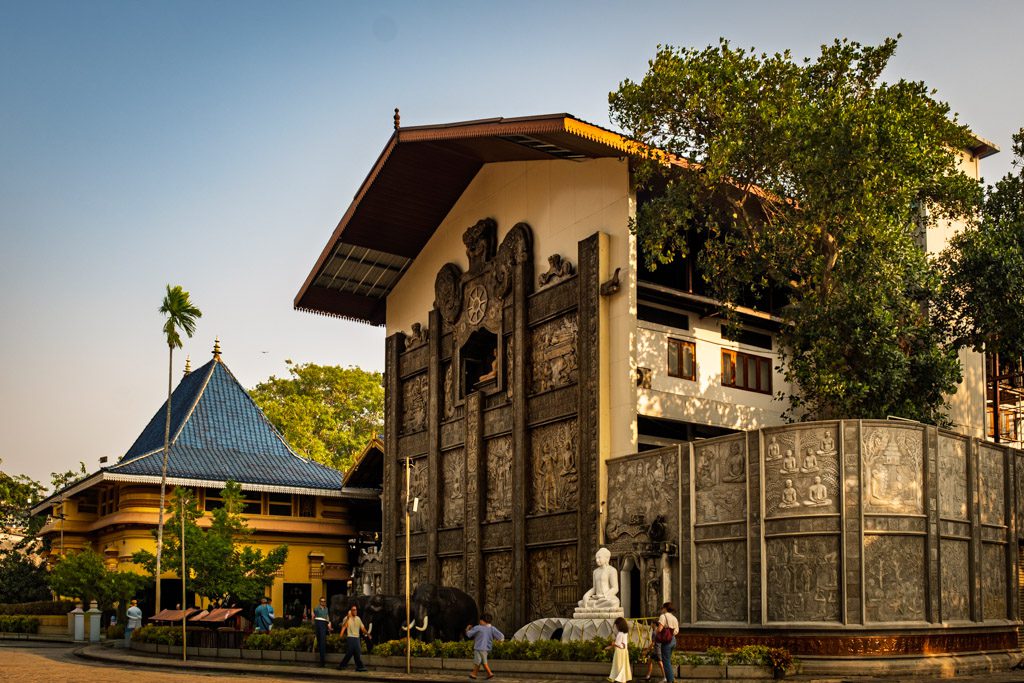
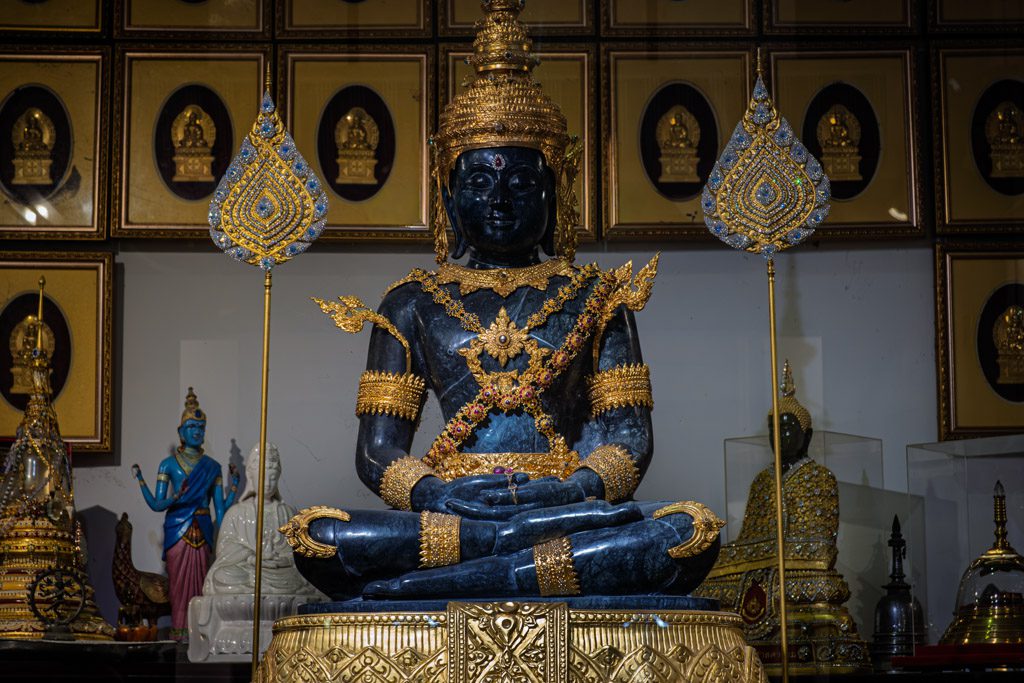
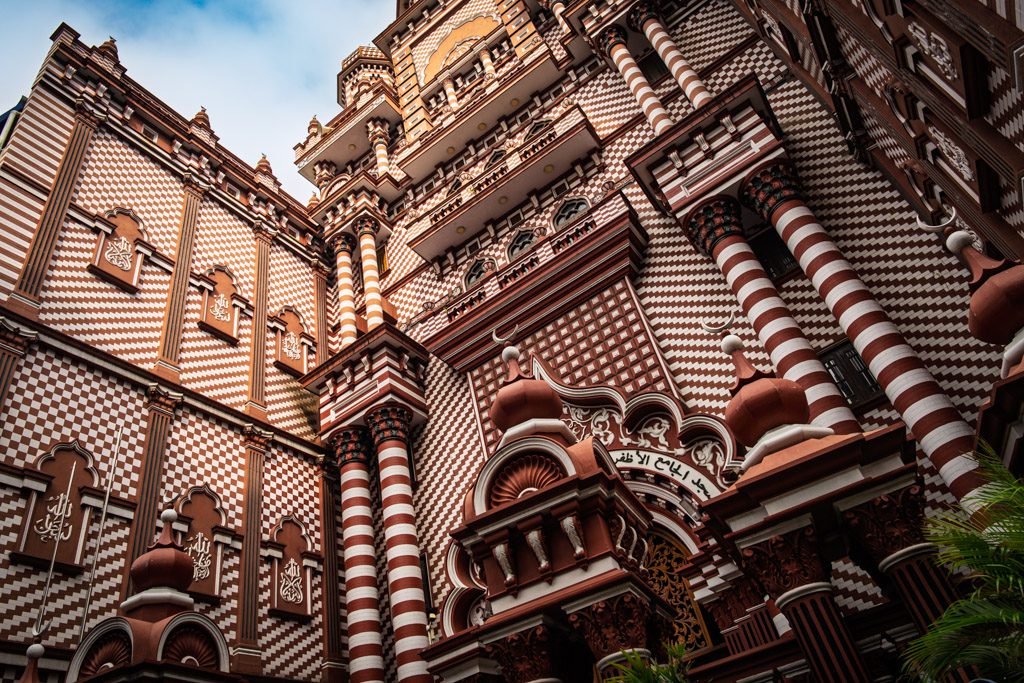
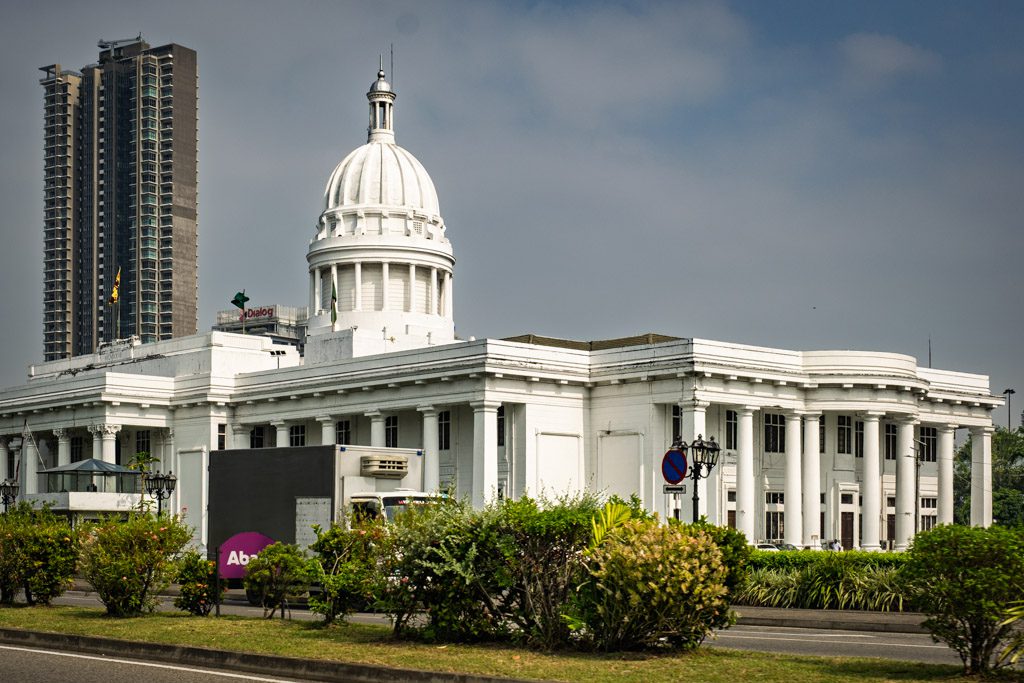
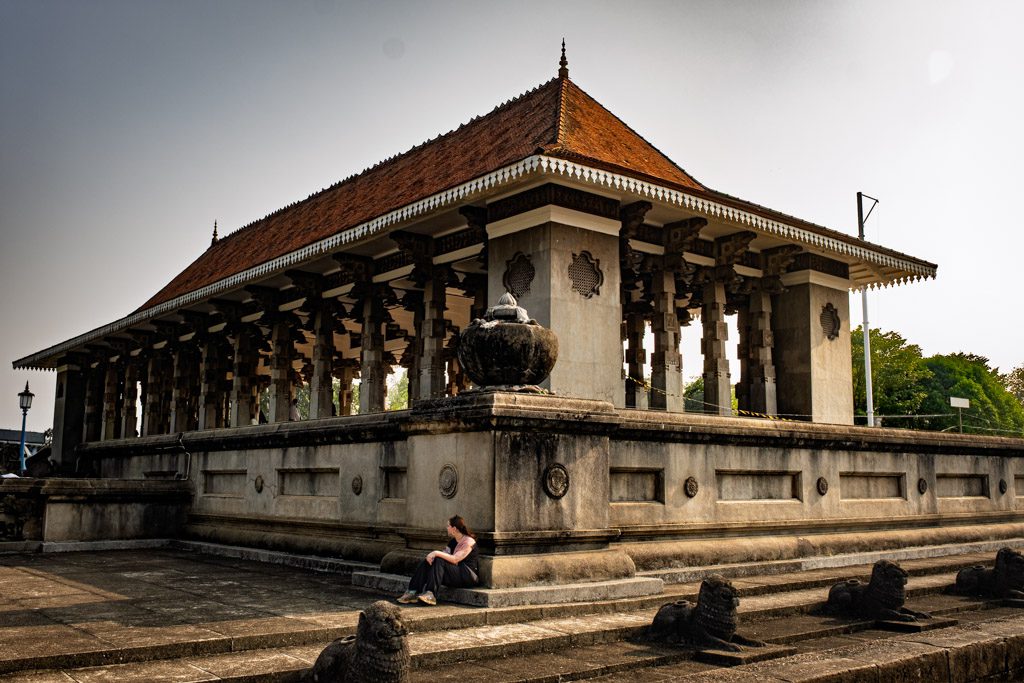
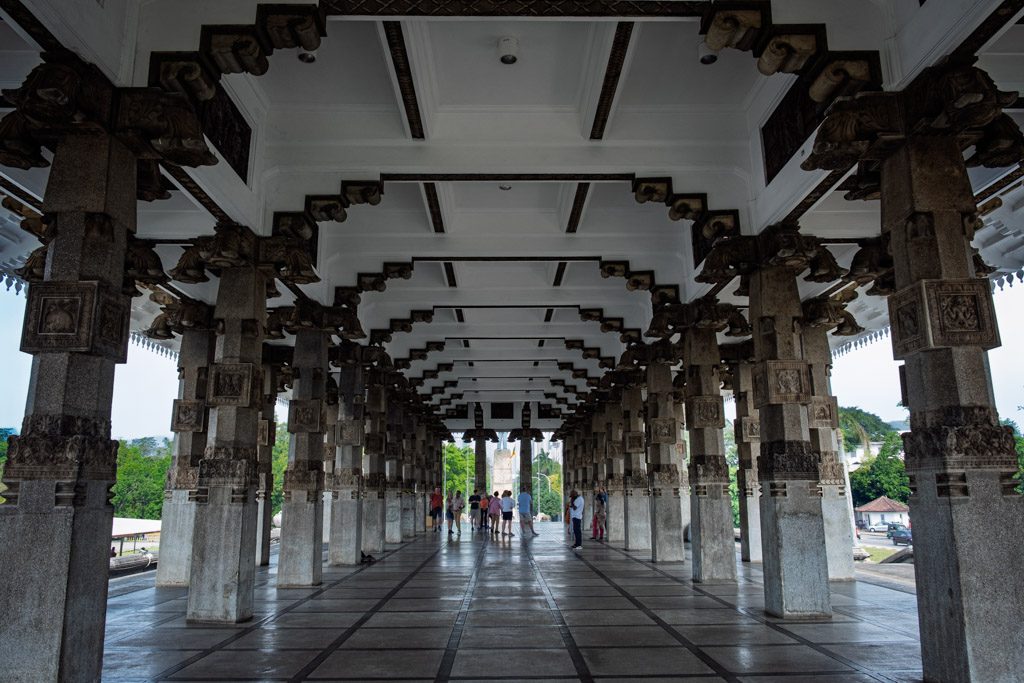
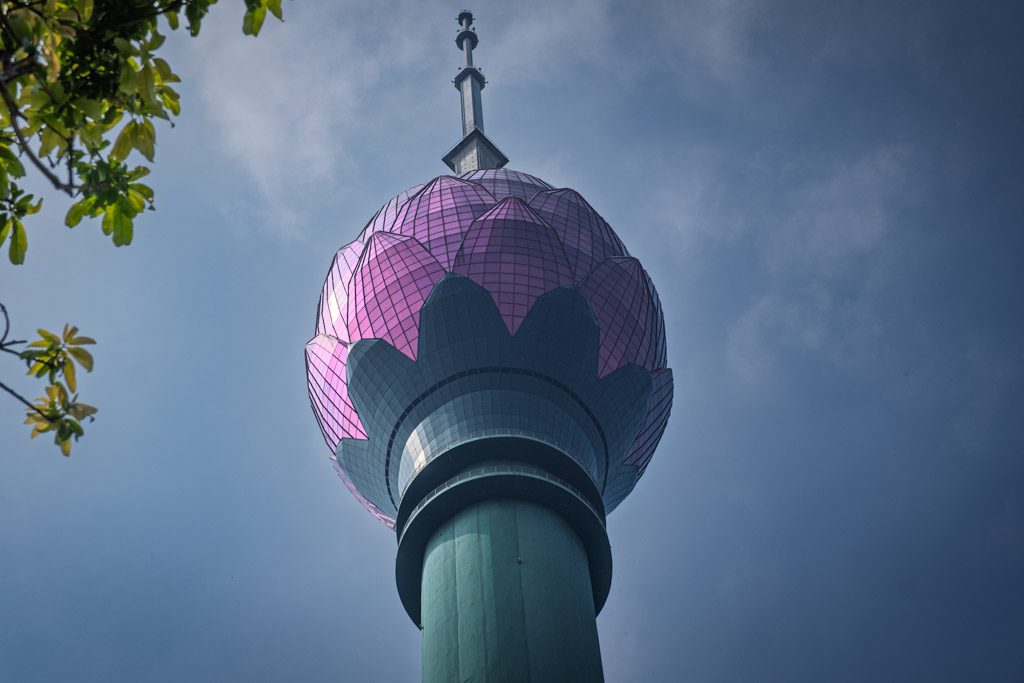
Today was our final day in Sri Lanka, as we leave for Mumbai tomorrow on our way back to the US. Salinda picked us up from the hotel for a guided tour of Colombo. Our first stop was the Gangaramaya Buddhist Temple, where we explored its mix of traditional and modern architecture, impressive statues, collection of blue-and-white ceramics, and the small museum filled with religious artifacts. We then passed the striking red-and-white Jami Ul-Alfar Mosque before driving by Viharamahadevi Park, formerly known as Victoria Park. We paused to take in Galle Face Green, with its oceanfront promenade and wide-open views, before continuing past the grand Municipal Building, or Town Hall, which resembles a blend of the White House and the US Capitol. We also drove past the Colombo National Museum and stopped at Independence Memorial Hall, a solemn pavilion built to commemorate Sri Lanka’s independence, where we walked among its stone columns. Our final stop was the Lotus Tower, Sri Lanka’s tallest structure, where Albert photographed its distinctive lotus-bud design rising above the city skyline. In the afternoon, we joined a complimentary three-hour city tour offered by the hotel, which revisited several of the major sights from the morning—including the Colombo National Museum, Independence Memorial Hall, Town Hall, and Gangaramaya Temple—before ending at the scenic Galle Face Green. This time, we took the opportunity to visit the Colombo National Museum, Sri Lanka’s largest and oldest museum. Founded in 1877 by British Governor Sir William Gregory and housed in an elegant Italianate-style building, it showcases centuries of Sri Lankan history through royal regalia, sculptures, and cultural artifacts.

GOODBYE SRI LANKA – JANUARY 18, 2026
We said Gihin ennam to Sri Lanka and flew to Mumbai to spend the day before heading home the next night.
FINAL REFLECTIONS
After 12 days in Sri Lanka, we discovered a country of striking natural beauty—lush greenery and landscapes teeming with a remarkable variety of tropical flowers and plants. Despite its past challenges and the recent devastation caused by cyclones, Sri Lanka feels welcoming and surprisingly well-kept. Unlike one of its neighbors which shall remain nameless, the island is relatively clean, its people warm and hospitable, and the pace of life calm, with far less noise pollution and virtually no car honking or public spitting. Although taxes are high, education and hospital care appear to be provided free of charge. Experiencing its charm and resilience firsthand, we believe Sri Lanka has a bright and promising future ahead.
I think these were my favorite pics yet.
What an adventure. GREAT photos!