
Although we had transited through Istanbul Airport several times over the years, we had never taken the opportunity to explore the city itself. On our journey home after completing our Southern African Odyssey, we decided to break our trip with a two-night stay in Istanbul. With only limited time available, we booked two full days of guided sightseeing, including a cruise along the Bosphorus, to experience as much of this remarkable city as possible. It proved to be an excellent decision. Over two unforgettable days, we explored many of Istanbul’s most celebrated landmarks, from magnificent Byzantine churches and grand Ottoman mosques to bustling bazaars, opulent palaces, and charming historic neighborhoods. Cruising the Bosphorus between Europe and Asia offered a unique perspective of this city that has bridged two continents and countless civilizations for more than two millennia. The experience exceeded our expectations.
Istanbul City Tour with Bosphorus Cruise – July 21, 2026
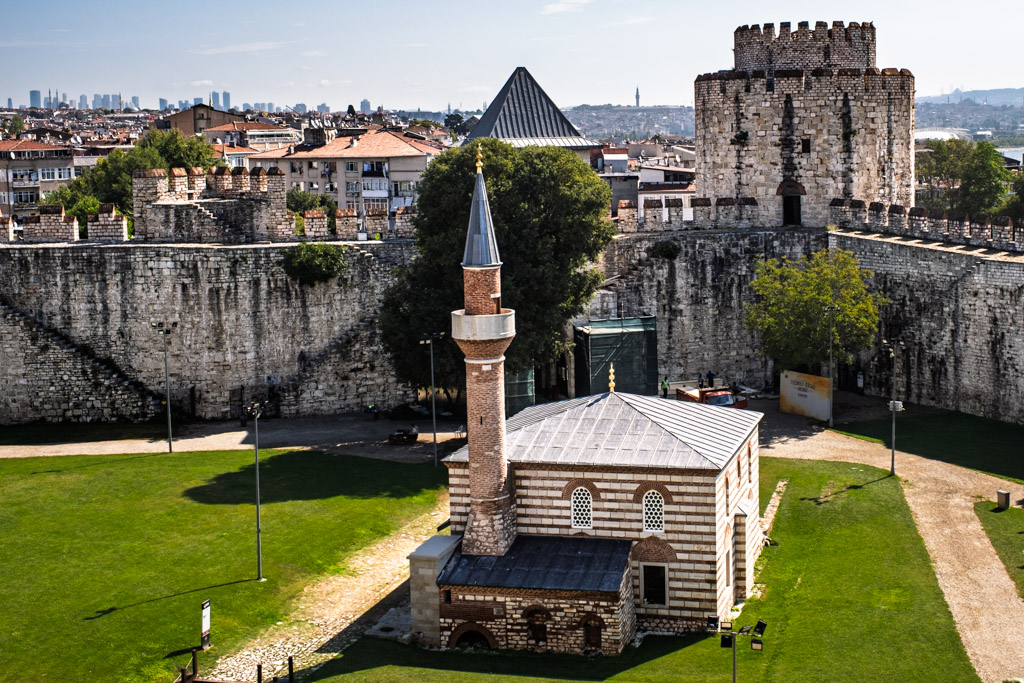
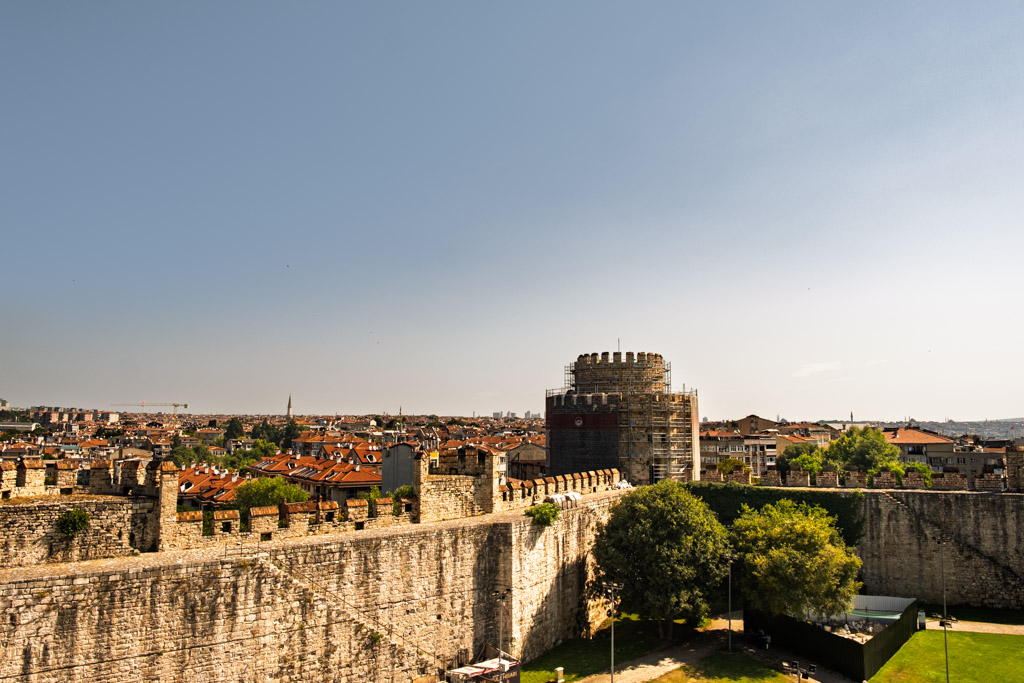
Today we embarked on a full-day tour of Istanbul, highlighted by a scenic cruise along the Bosphorus. After being picked up from our hotel, we met our local guide, Tülay, an engaging and articulate guide. Following a brief orientation to Istanbul’s historic peninsula and an overview of the city’s remarkable past as the capital of three great empires—the Roman, Byzantine, and Ottoman—we made our first stop at the impressive Yedikule Fortress (Fortress of the Seven Towers). Originally built by the Byzantines as the monumental Golden Gate, a grand ceremonial entrance through the ancient Walls of Constantinople, it was later incorporated into a formidable fortress by the Ottomans after their conquest of the city in 1453. Over the centuries it served as a royal treasury, state prison, and military stronghold, and today stands as a fascinating testament to Istanbul’s layered and often turbulent imperial history. We explored the massive stone walls and courtyards before climbing to the top of the fortress, pausing along the way to visit several dark dungeons that once held high-profile prisoners. From the ramparts, we were rewarded with sweeping views of the Sea of Marmara, the ancient city walls, and the surrounding neighborhoods.
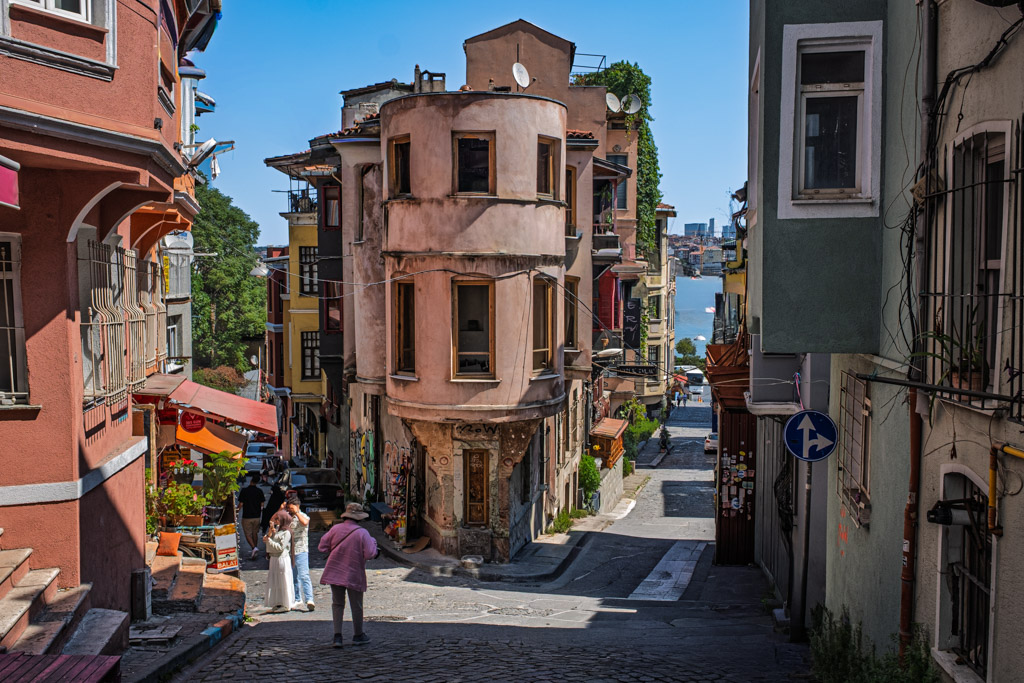
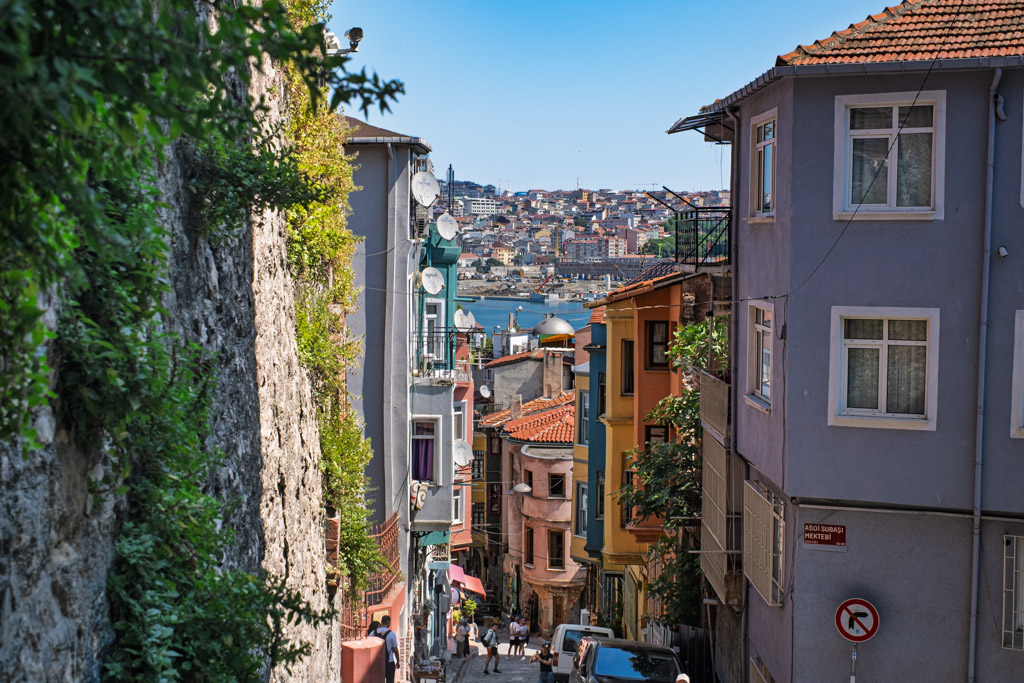
Our next stop was the Balat district, one of Istanbul’s oldest and most picturesque neighborhoods. We wandered through its steep, winding cobblestone streets, admiring a kaleidoscope of beautifully restored pastel-colored Ottoman houses whose vibrant façades have become one of the city’s most photographed scenes. Once home to thriving Greek Orthodox, Jewish, and Armenian communities, Balat still reflects its rich multicultural heritage, with centuries-old churches, synagogues, and historic buildings tucked between charming cafés, artisan boutiques, and local homes.
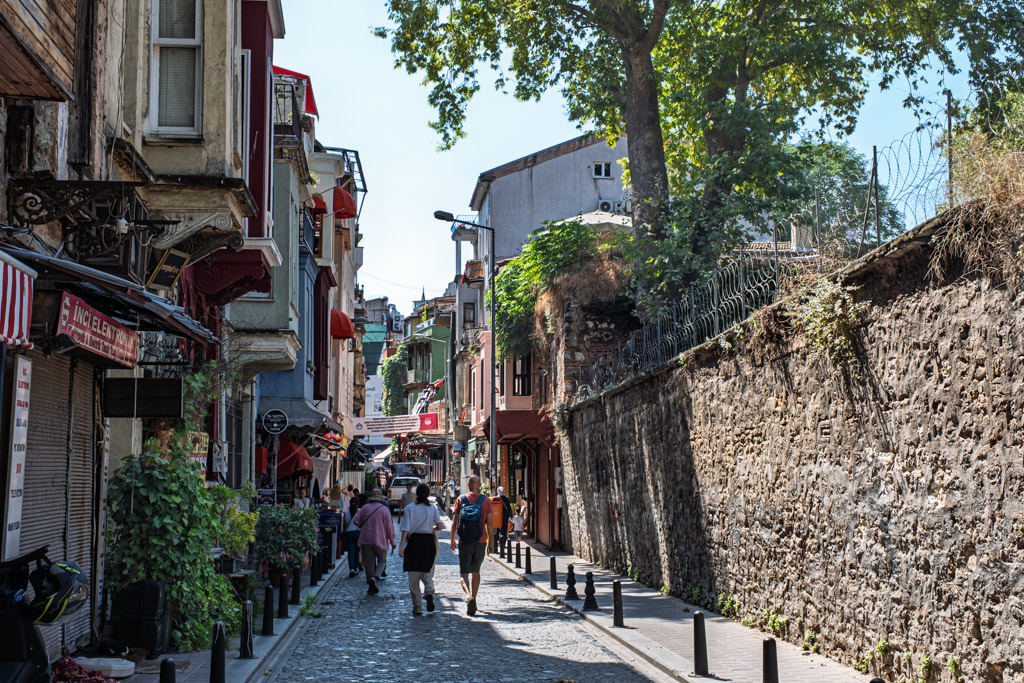
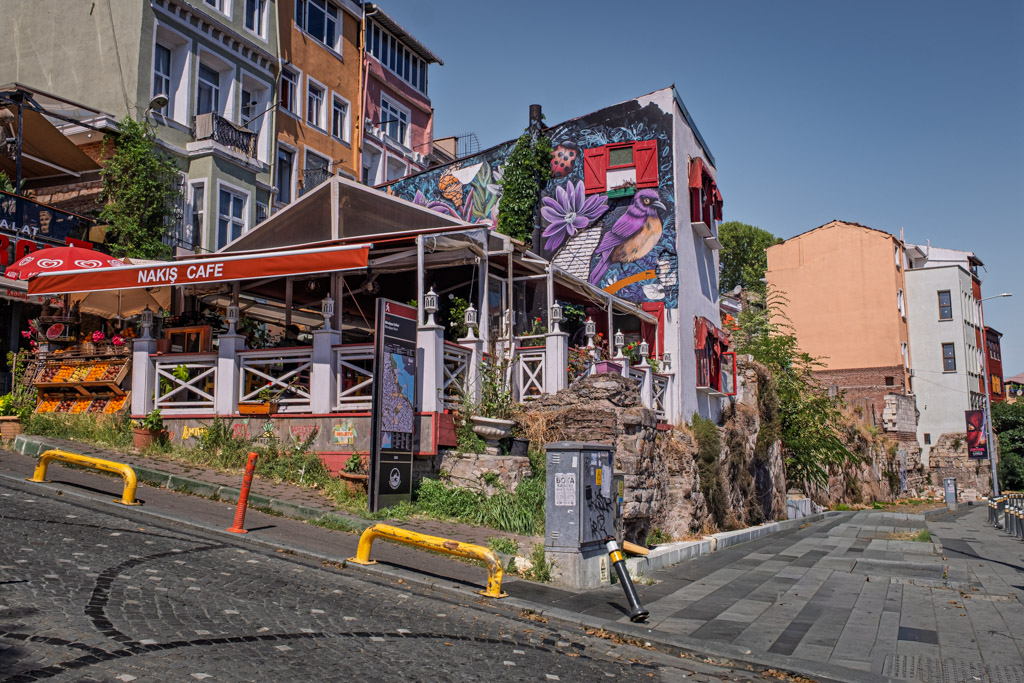
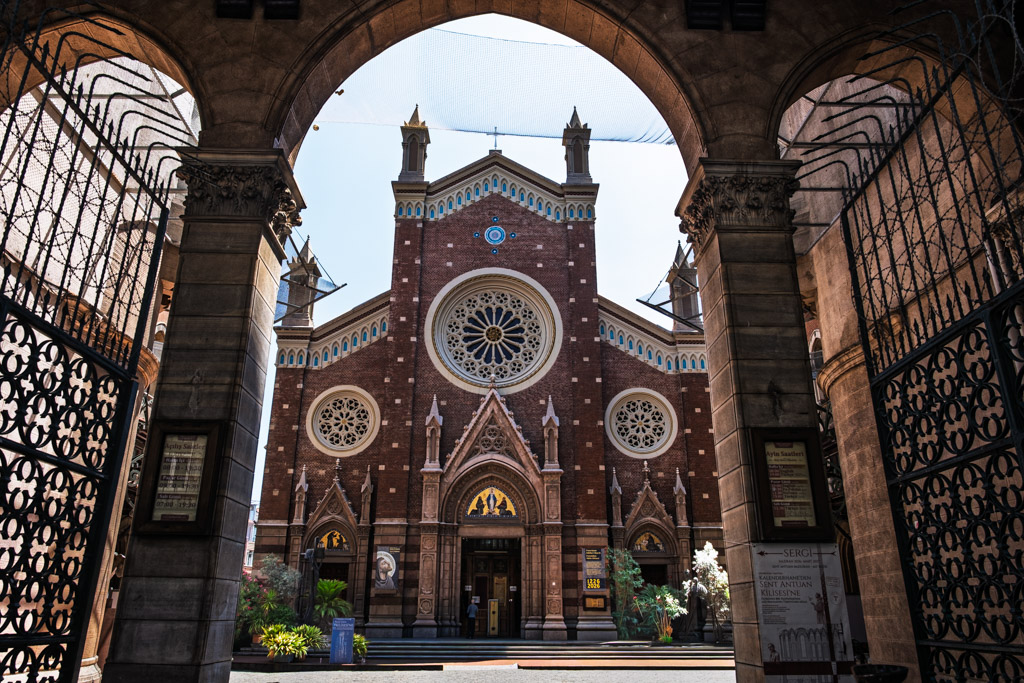
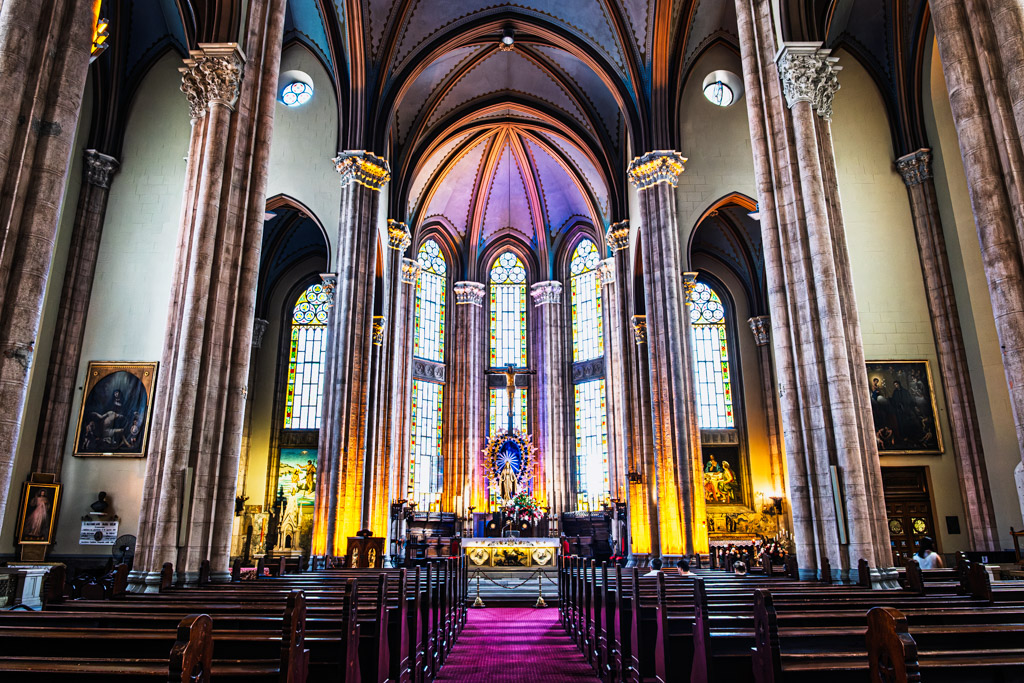
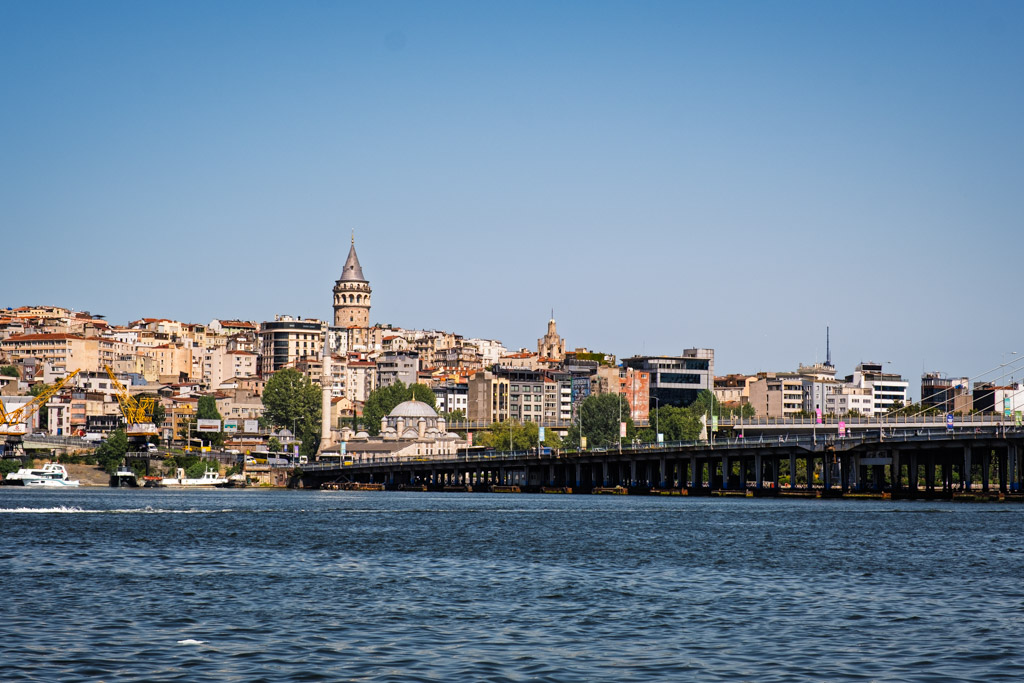
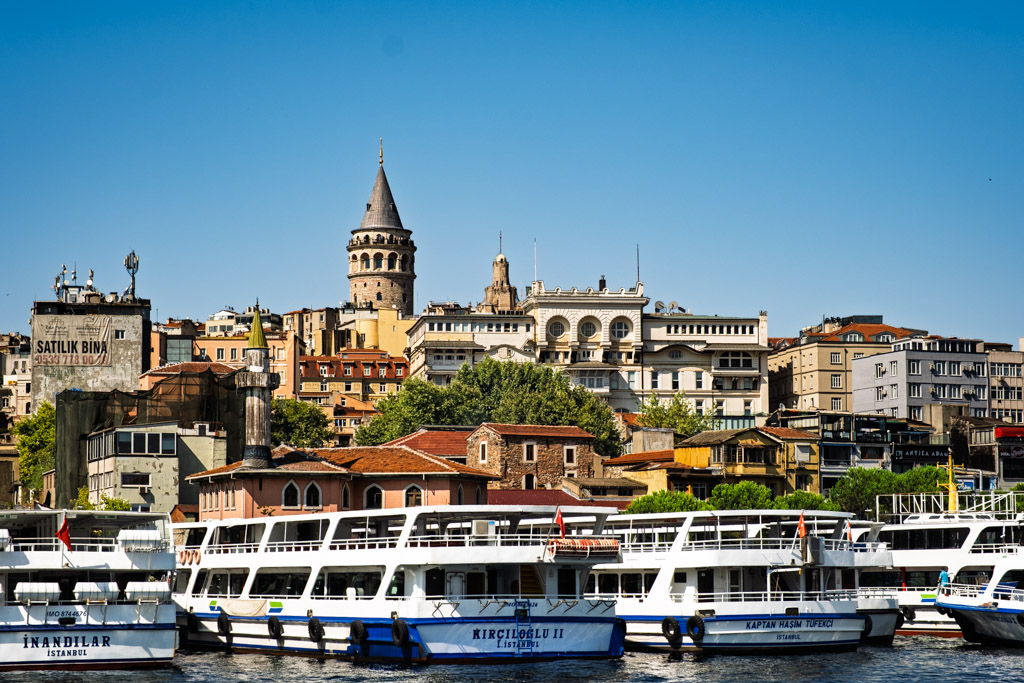
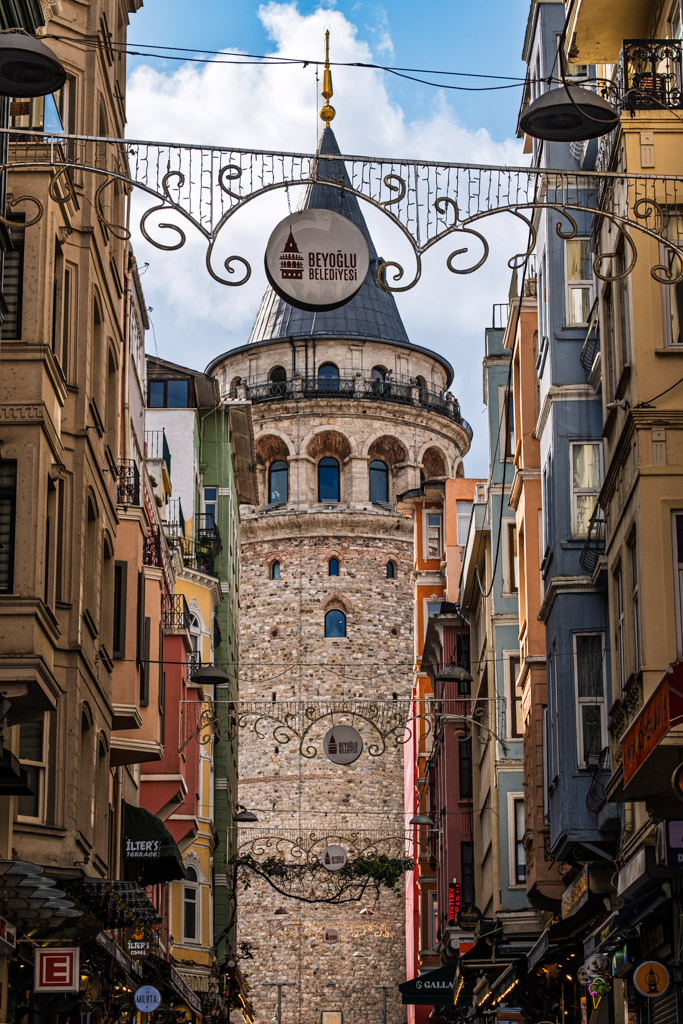
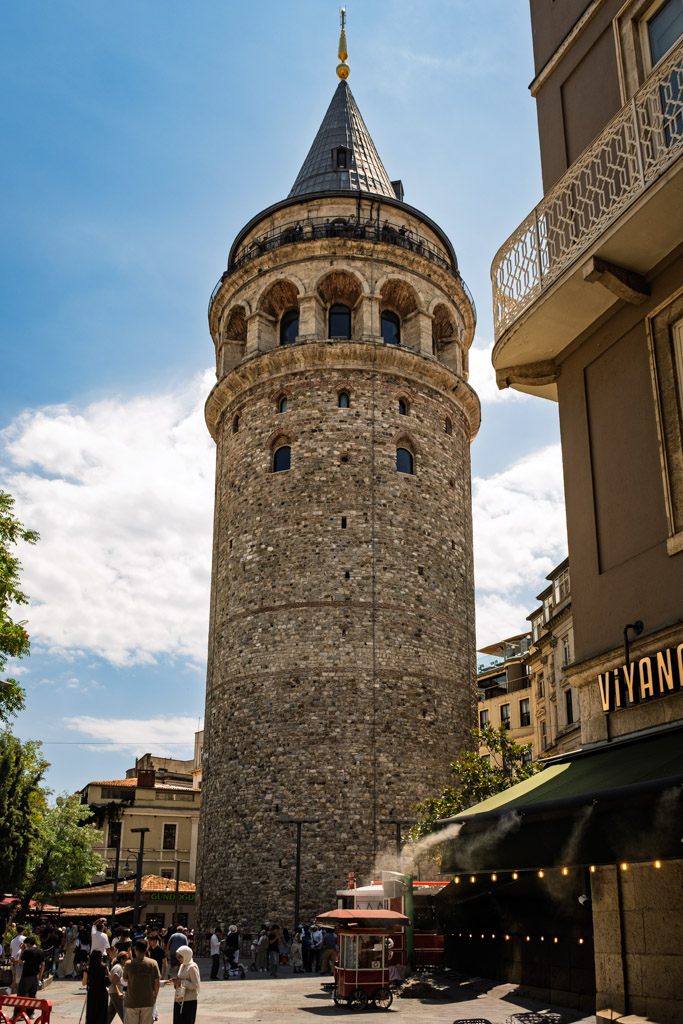
Tülay then led us through some of Istanbul’s most vibrant neighborhoods, strolling along charming streets lined with cafés, seafood restaurants, and the lively fish market before emerging onto bustling İstiklal Avenue, where the nostalgic red tram still runs through the heart of the city. Our first stop was the Galata Mevlevi Lodge, one of Istanbul’s oldest Mevlevi dervish lodges. Once home to the famed Whirling Dervishes, it offers a fascinating glimpse into the mystical Sufi tradition and showcases elegant Ottoman architecture and tranquil courtyards that provide a welcome contrast to the busy streets outside. A short walk brought us to the magnificent St. Anthony of Padua Church, the largest Roman Catholic church in Istanbul. Nestled amid the shops and crowds of İstiklal Avenue, its striking Neo-Gothic façade and peaceful interior create a remarkable contrast to one of the city’s busiest districts. Our final stop before boarding our Bosphorus cruise was the iconic Galata Tower. Rising above the surrounding rooftops since the medieval era, this cylindrical stone tower, crowned by its distinctive conical roof, offers spectacular panoramic views over the Golden Horn, the Bosphorus, and the historic peninsula. Unfortunately, the queue for admission was exceptionally long, so we decided to admire the tower from the outside and continue on to our cruise.
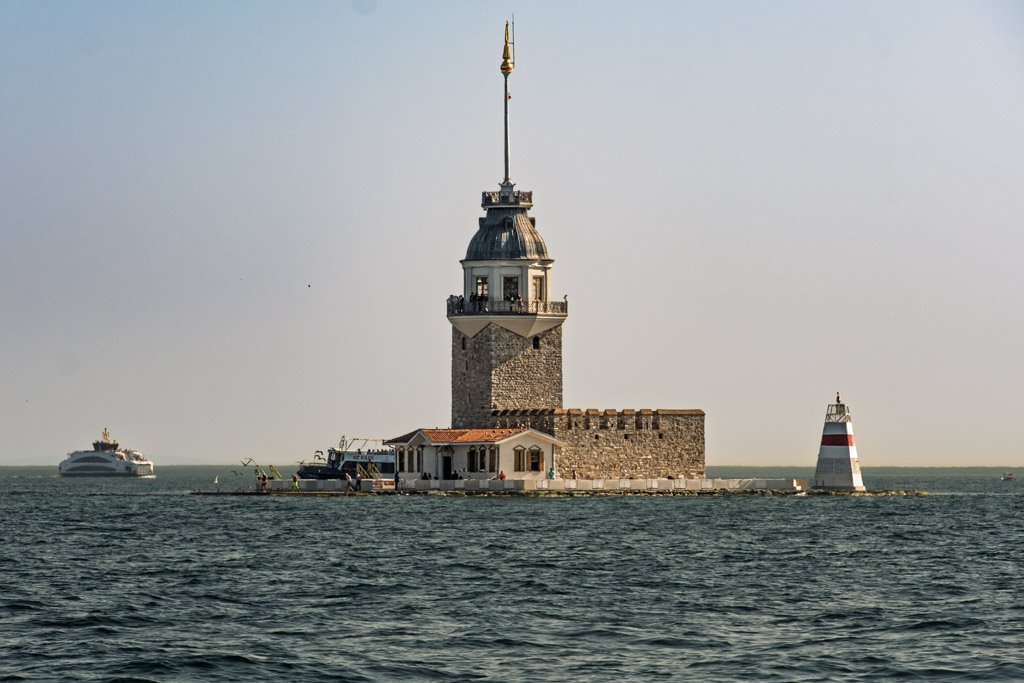
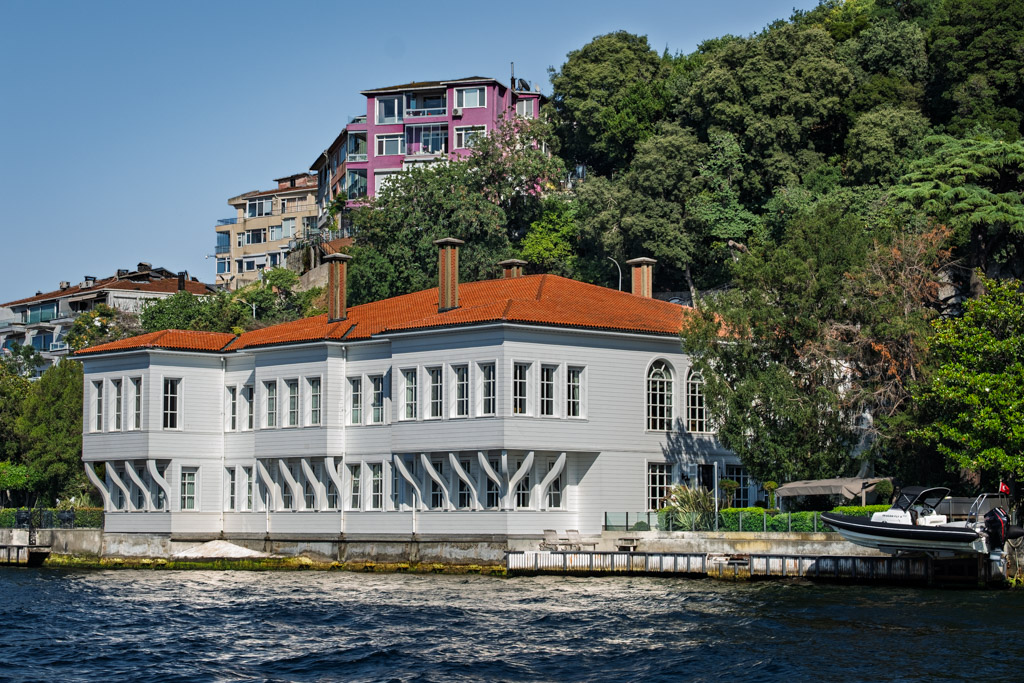
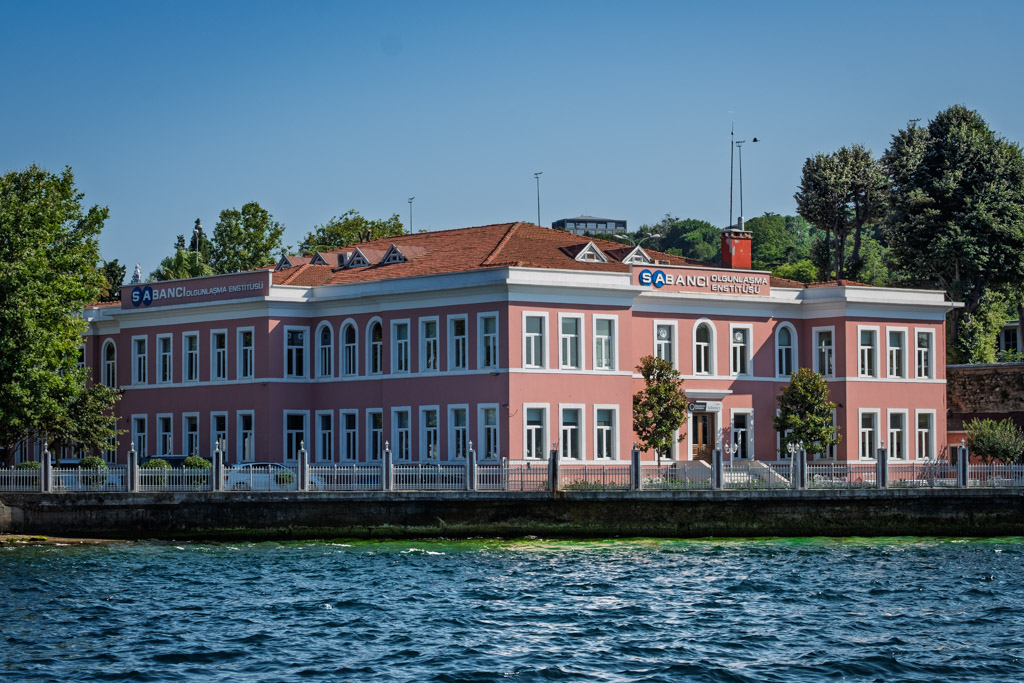
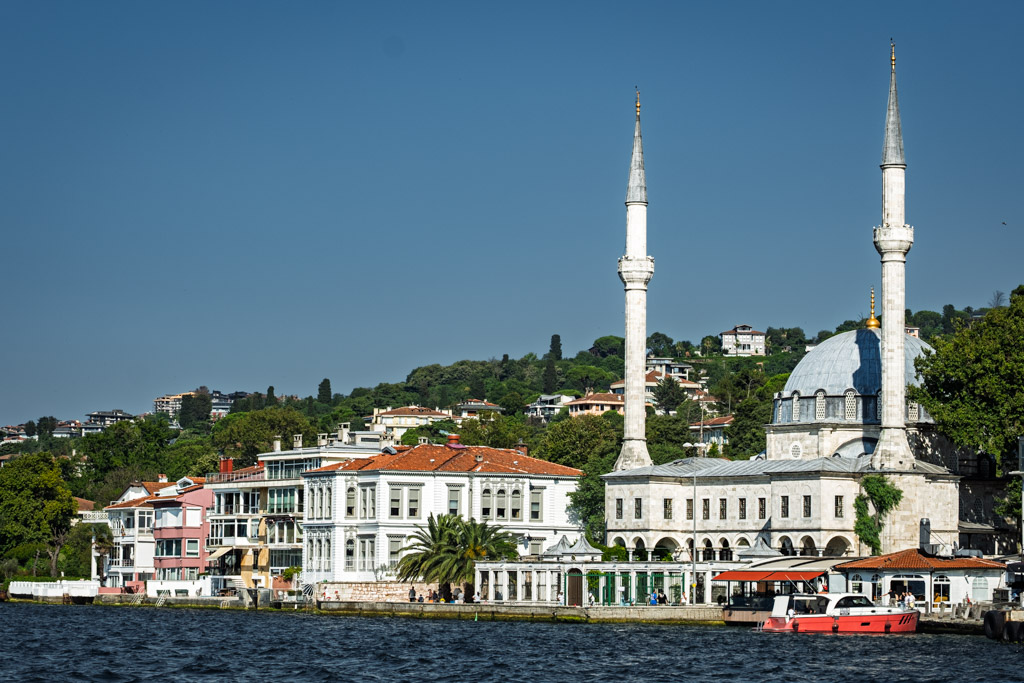
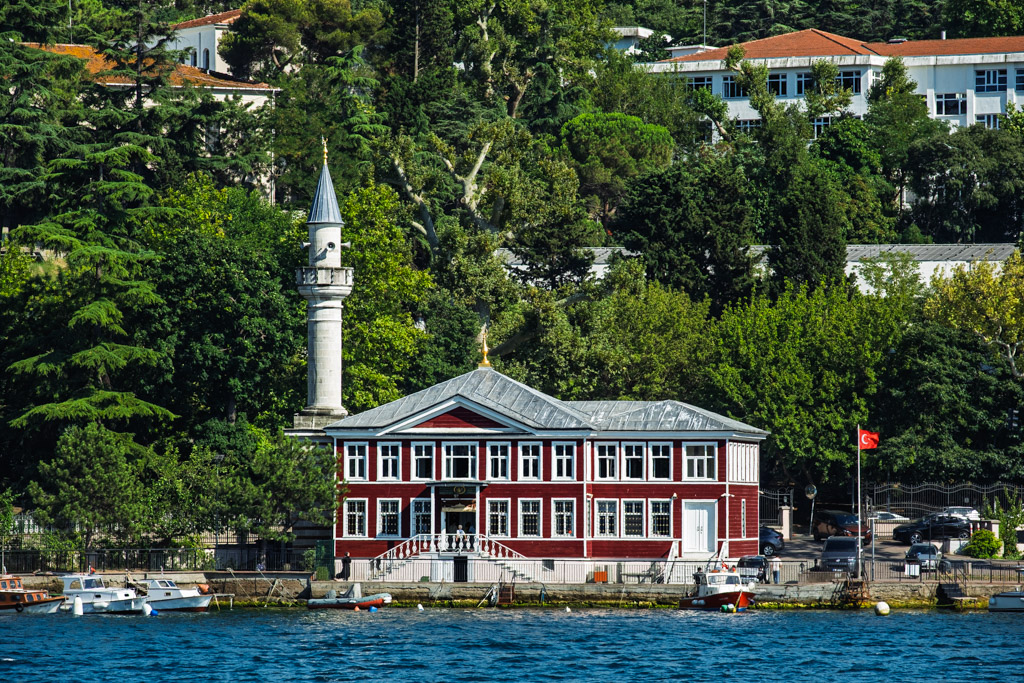
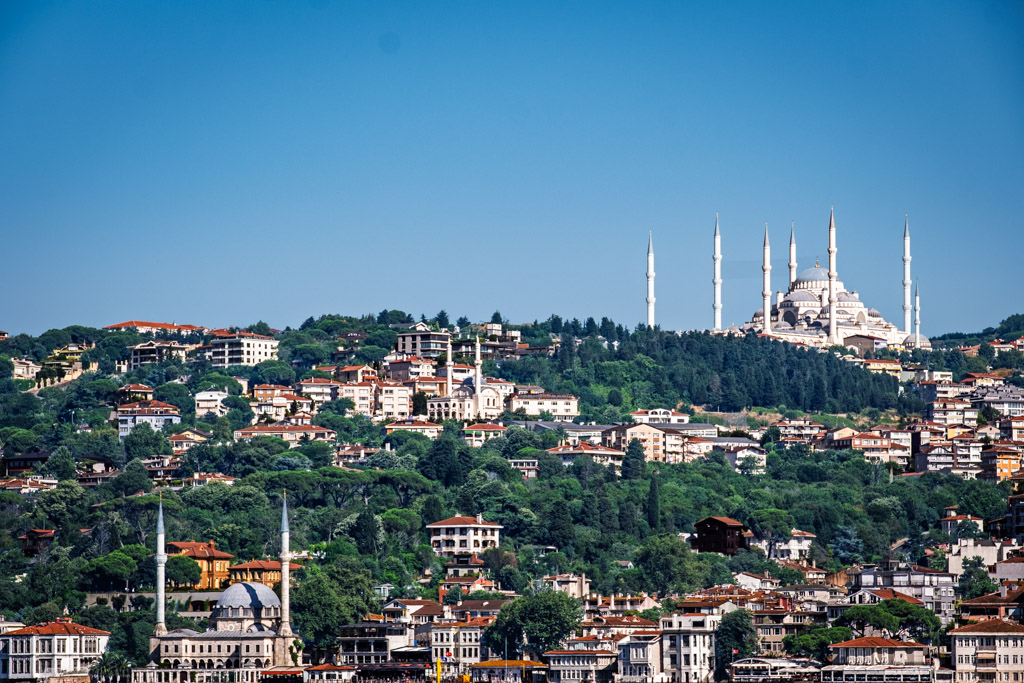
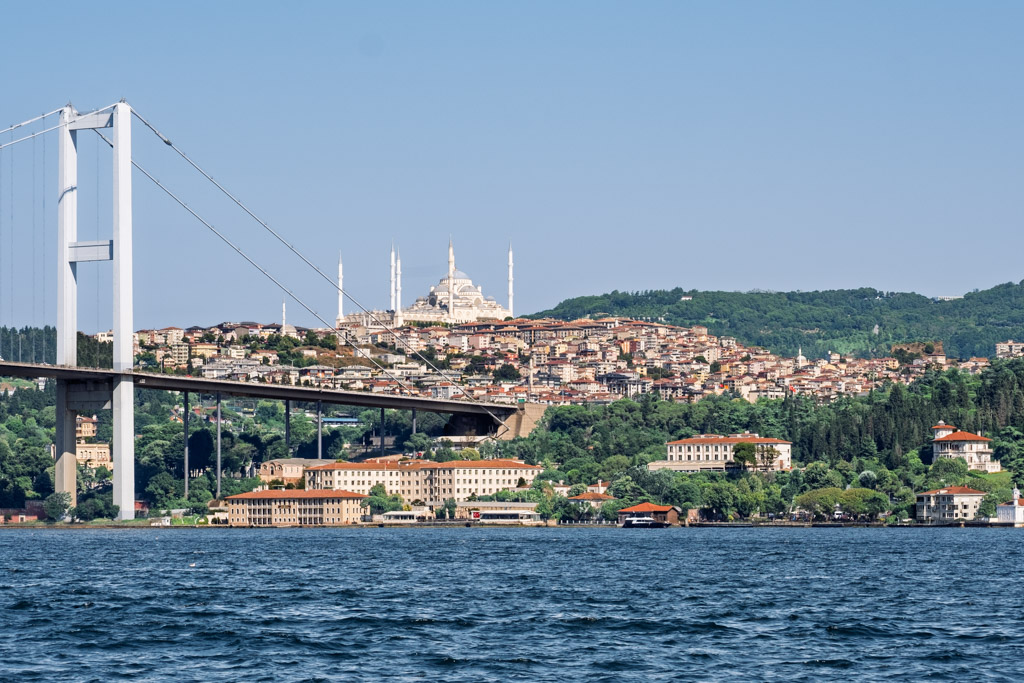
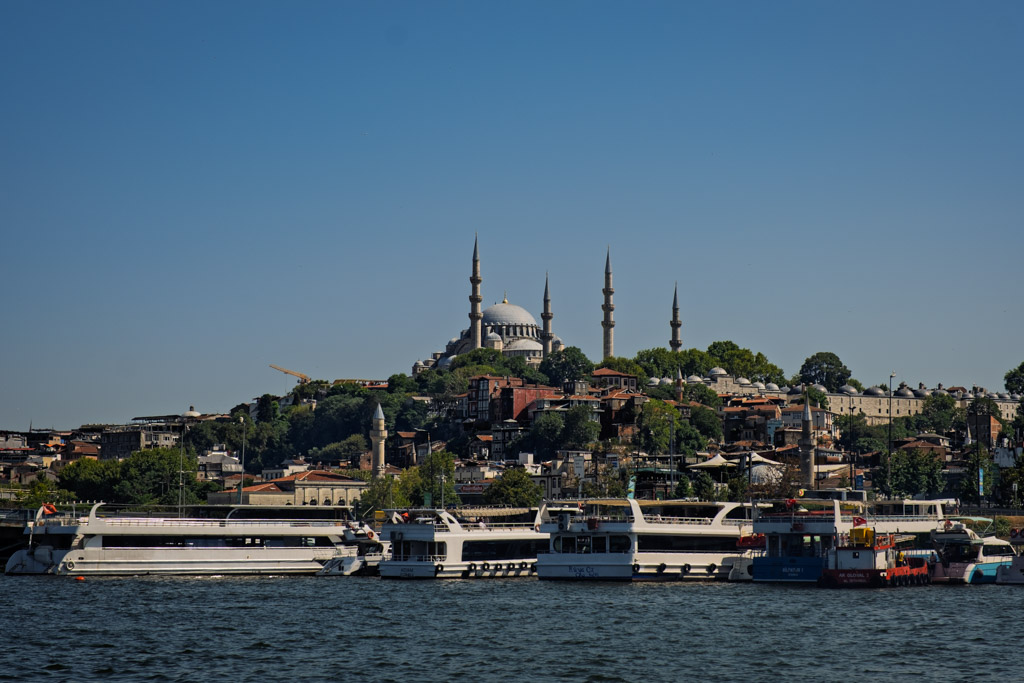
We then boarded a traditional ferry for a leisurely cruise along the Bosphorus, drifting between the continents of Europe and Asia while enjoying one of the world’s most scenic waterways. As we sailed along the strait, the on-board guide pointed out many of Istanbul’s most celebrated landmarks. Magnificent Ottoman palaces, including the ornate Dolmabahçe Palace, lined the European shore, while elegant waterfront mansions (yalıs), centuries-old fortresses, and grand mosques reflected the city’s rich imperial past. We passed beneath the impressive 15 July Martyrs Bridge, which links Europe and Asia, and admired the imposing Rumeli Fortress, built by Sultan Mehmed II before the conquest of Constantinople. On the Asian shore, charming seaside neighborhoods, wooded hillsides, and stately villas offered a quieter contrast to the bustling European waterfront. Fishing boats, ferries, luxury yachts, and cargo ships shared the busy waterway, underscoring the Bosphorus’ enduring importance as one of the world’s great maritime crossroads. The cruise provided a unique perspective of Istanbul—a city where history, culture, and daily life unfold along the shores of this iconic strait.
Istanbul Historical City Tour – July 22, 2026
Today was a long and tiring day, but one that proved immensely rewarding. After being picked up from our hotel, we were driven to the meeting point where we met our local guide, Emre—a well-spoken, knowledgeable, and patient guide who would lead us on a fascinating full-day walking tour of Istanbul’s most iconic historic landmarks.
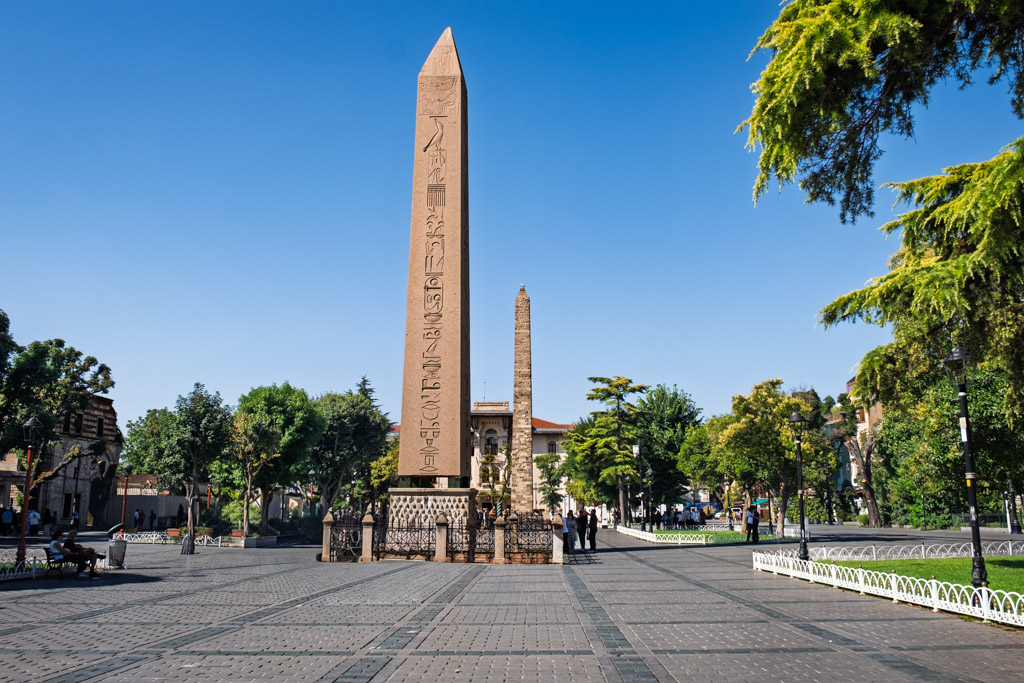
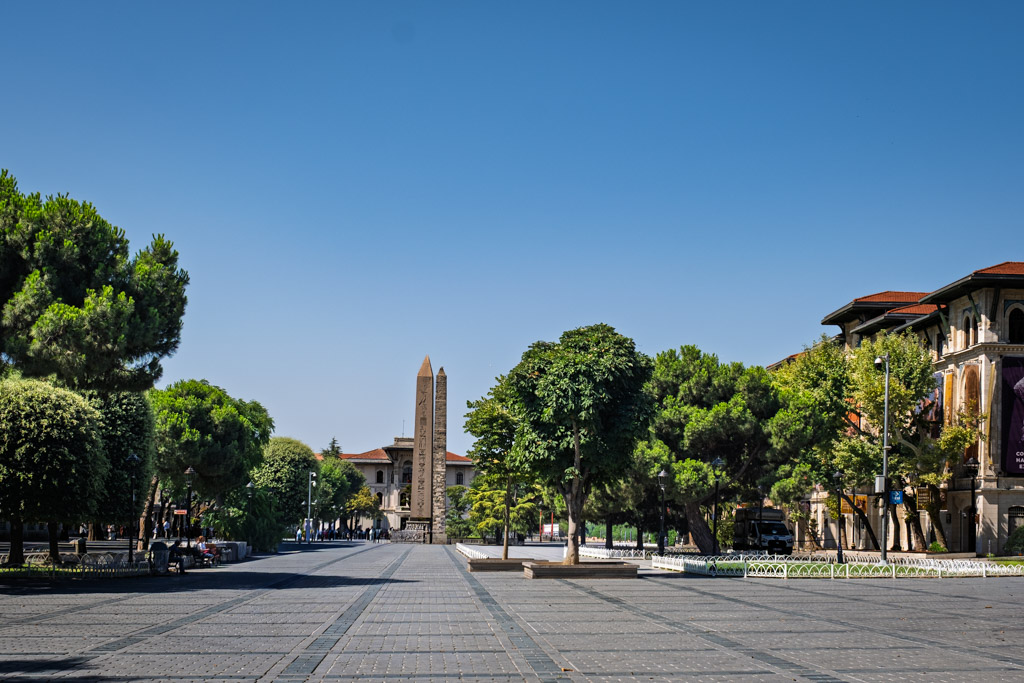
Our tour began at the Hippodrome of Constantinople, once the vibrant social and sporting heart of the Byzantine Empire. Built by Emperor Septimius Severus and later greatly expanded by Constantine the Great, the Hippodrome could accommodate tens of thousands of spectators who gathered to watch thrilling chariot races, public celebrations, imperial ceremonies, and even political demonstrations. Although the grand stadium itself has long since disappeared, its central spine survives as today’s Sultanahmet Square, where several remarkable monuments still stand. Among the most significant are the Obelisk of Theodosius, an ancient Egyptian granite obelisk originally erected at the Temple of Karnak by Pharaoh Thutmose III over 3,500 years ago and brought to Constantinople in AD 390 by Emperor Theodosius I. Nearby stands the Serpent Column, a bronze monument cast from the weapons of defeated Persian soldiers after the Greek victory at the Battle of Plataea in 479 BC. Originally erected at Delphi, it was transported to Constantinople by Constantine the Great as a symbol of triumph and unity. Completing the trio is the Walled Obelisk, a Byzantine monument once clad in gilded bronze plates that reflected the city’s former grandeur before the metal was stripped away during the Fourth Crusade in 1204. Together, these monuments serve as enduring reminders of the city’s Roman, Byzantine, and ancient classical heritage.
From there we walked to the magnificent Blue Mosque (Sultan Ahmed Mosque), one of Istanbul’s most celebrated landmarks. Commissioned by Sultan Ahmed I and completed in 1616, the mosque is instantly recognizable by its six graceful minarets and cascading domes. After removing our shoes and entering the vast prayer hall, we were struck by the serenity of the interior. More than 20,000 hand-painted İznik ceramic tiles in shades of blue adorn the walls, while over 200 stained-glass windows fill the space with soft, colored light.
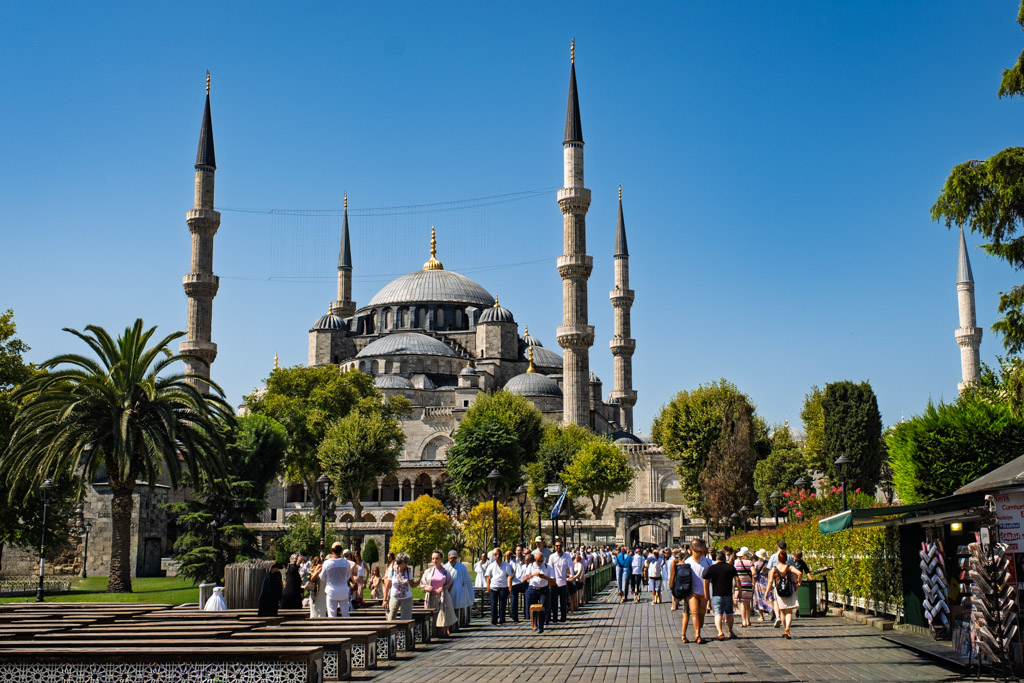
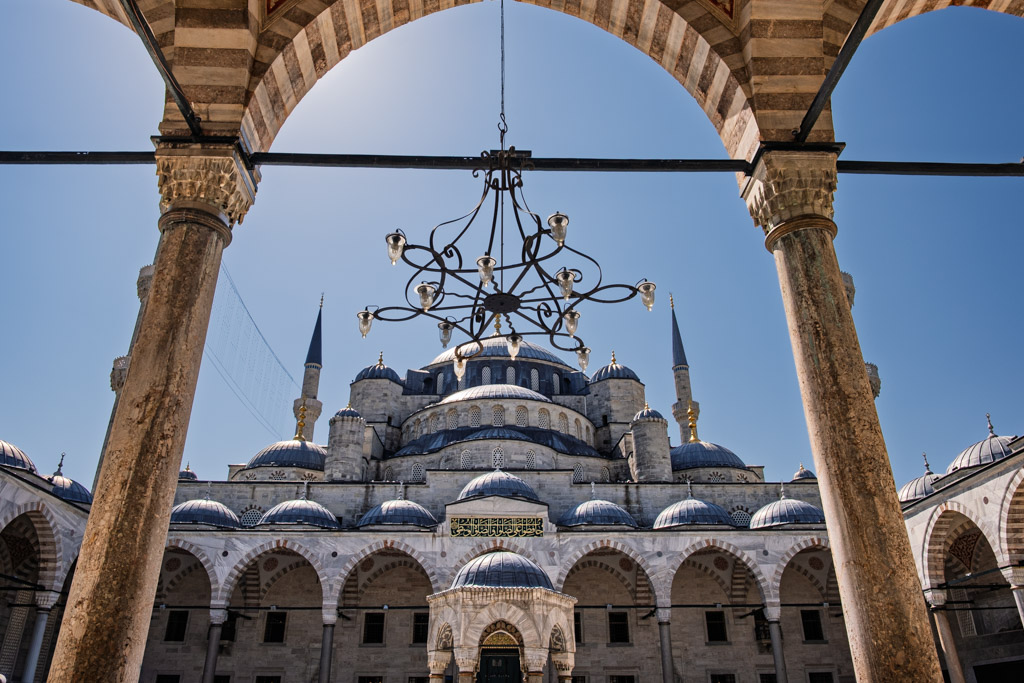
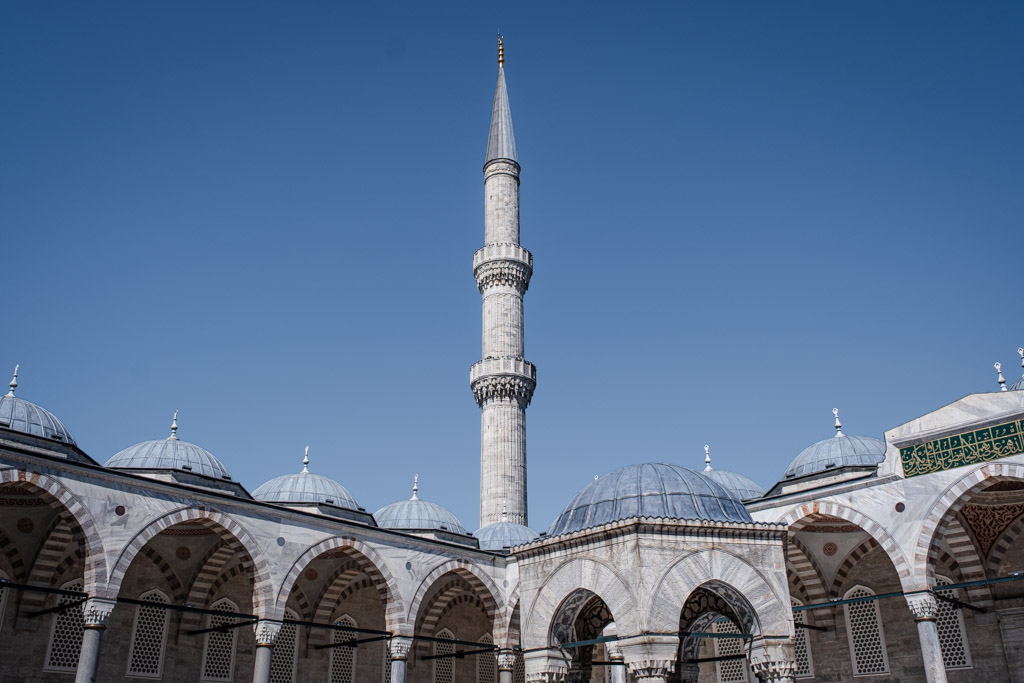
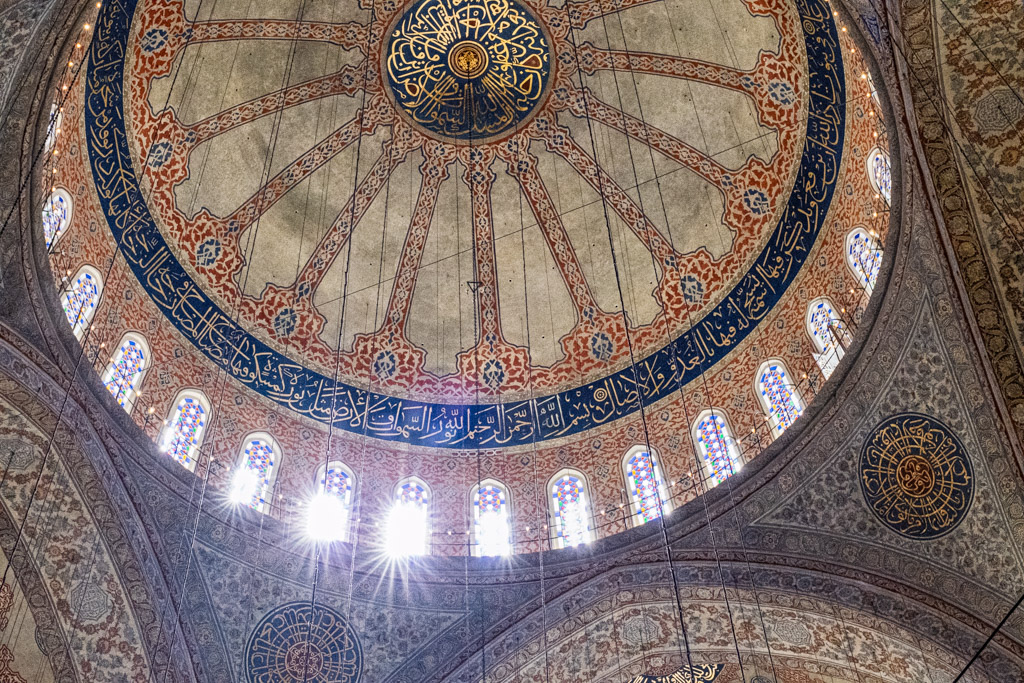
Adjacent to the mosque, Emre also led us into the tomb of Sultan Ahmed I, who commissioned the mosque, together with the mausoleums of several members of the Ottoman royal family.
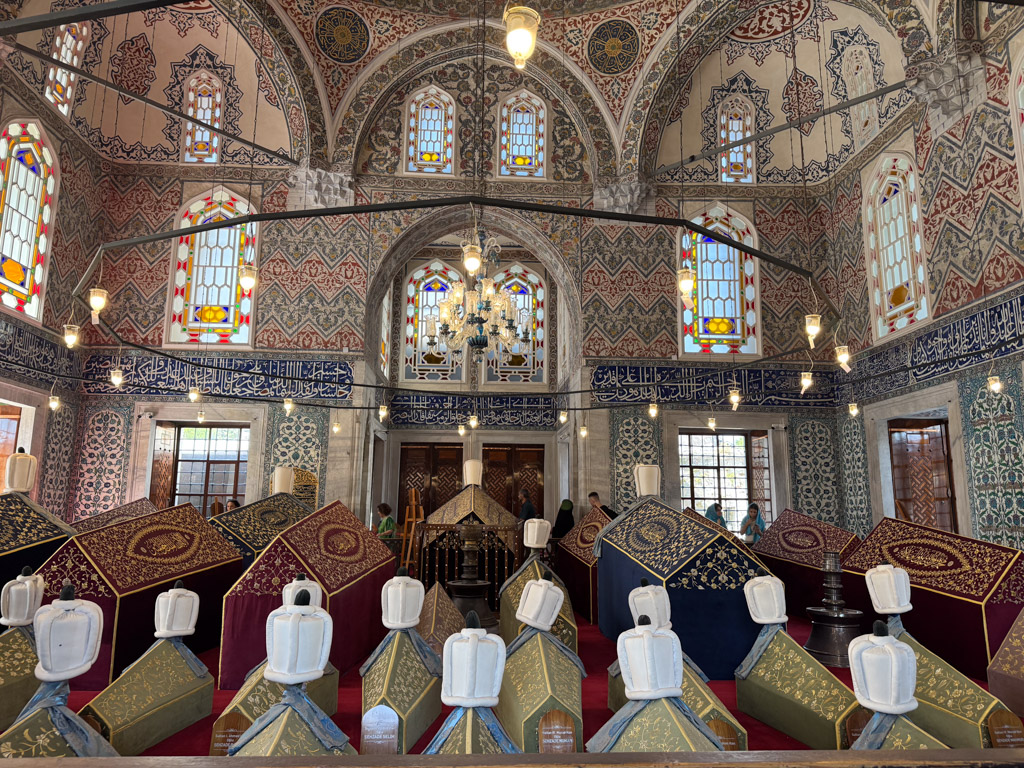
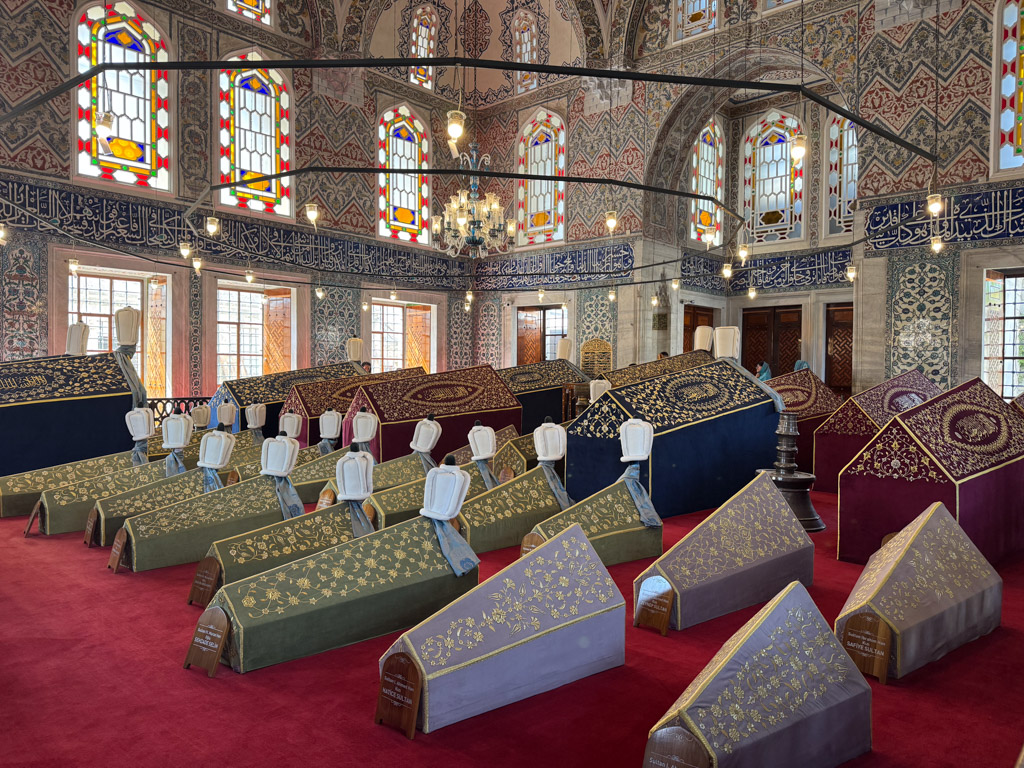
We then crossed the square to the magnificent Hagia Sophia, one of the world’s great architectural masterpieces and a monument that embodies Istanbul’s history. Originally built as a cathedral by the Byzantine Emperor Justinian I and completed in AD 537, it served as the spiritual center of Eastern Christianity for nearly a thousand years before being converted into an imperial mosque following the Ottoman conquest of Constantinople in 1453. It later became a museum in 1935 and, since 2020, has once again functioned as a mosque while remaining open to visitors. As we entered, the sheer scale of the vast interior was breathtaking. Our attention was immediately drawn to the immense central dome, which appears to float effortlessly above the nave despite its enormous size. Although much of the dome is currently concealed behind scaffolding as part of an extensive restoration and seismic reinforcement project, its engineering remains a triumph of Byzantine ingenuity and continues to inspire architects nearly 1,500 years after it was built.
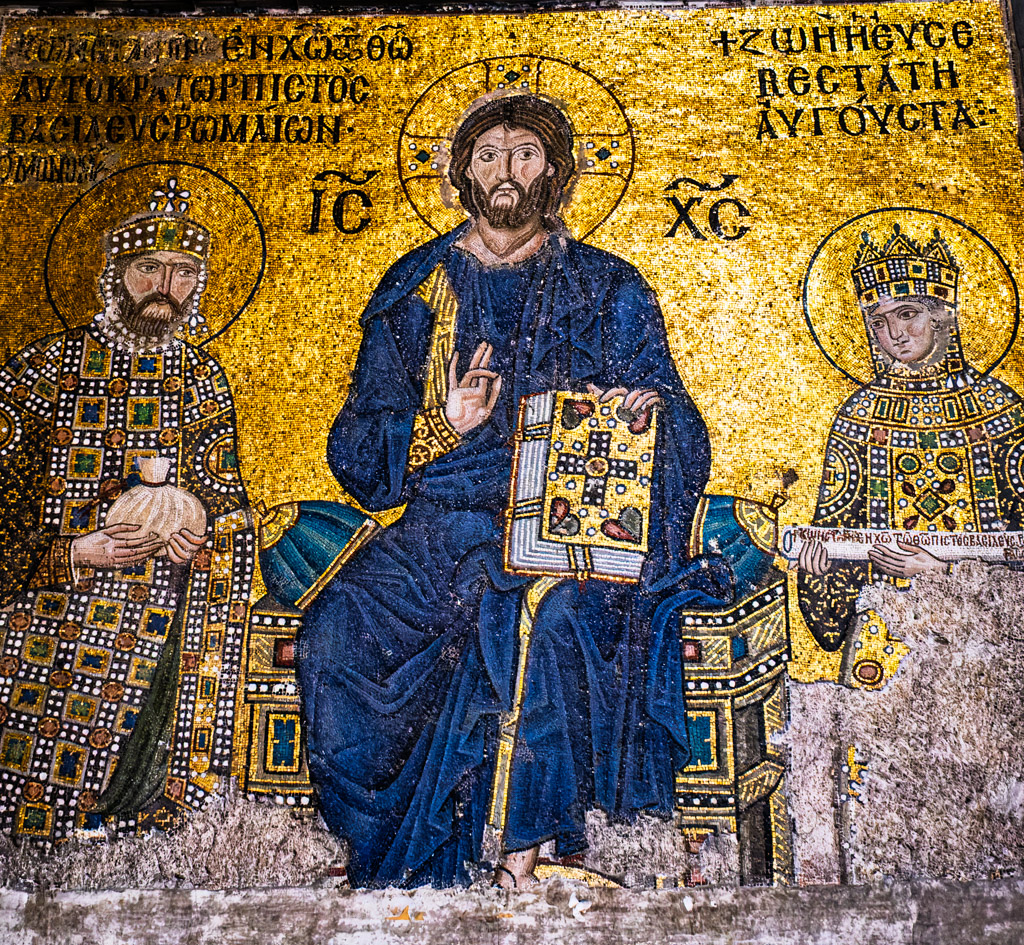
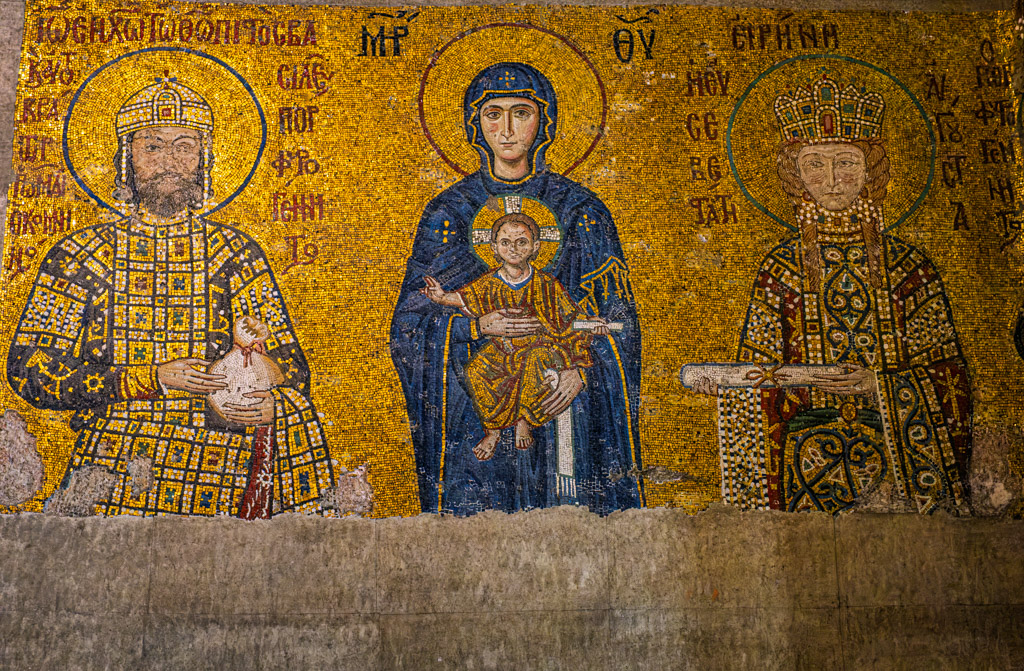
Emre highlighted many of the building’s most significant architectural features, including the colossal marble columns brought from ancient temples, the richly veined marble walls, and the enormous circular wooden medallions inscribed with the names of Allah, the Prophet Muhammad, and the first caliphs, reflecting the building’s later Ottoman heritage. He also pointed out the elegant mihrab, indicating the direction of Mecca, the ornate minbar (pulpit), and the Sultan’s loge, all added after Hagia Sophia became a mosque. One of the true highlights of our visit was the remarkable collection of Byzantine mosaics, considered among the finest surviving examples of medieval Christian art. Created from thousands of tiny glass and gold tesserae, these masterpieces shimmer in the changing light, giving the figures an almost ethereal quality. Many were plastered over during the Ottoman period to comply with Islamic traditions regarding figurative imagery, but they were carefully uncovered and conserved during the 20th century. Among the most celebrated is the Deësis Mosaic, depicting Christ flanked by the Virgin Mary and John the Baptist in a moving scene of intercession. We also admired the magnificent Virgin and Child Mosaic in the apse and the Imperial Mosaic, which portrays Emperor Leo VI kneeling before Christ. These extraordinary works, together with the building’s soaring dome and harmonious blend of Christian and Islamic elements, vividly illustrate Hagia Sophia’s unique role as a bridge between two great civilizations and two major world religions.
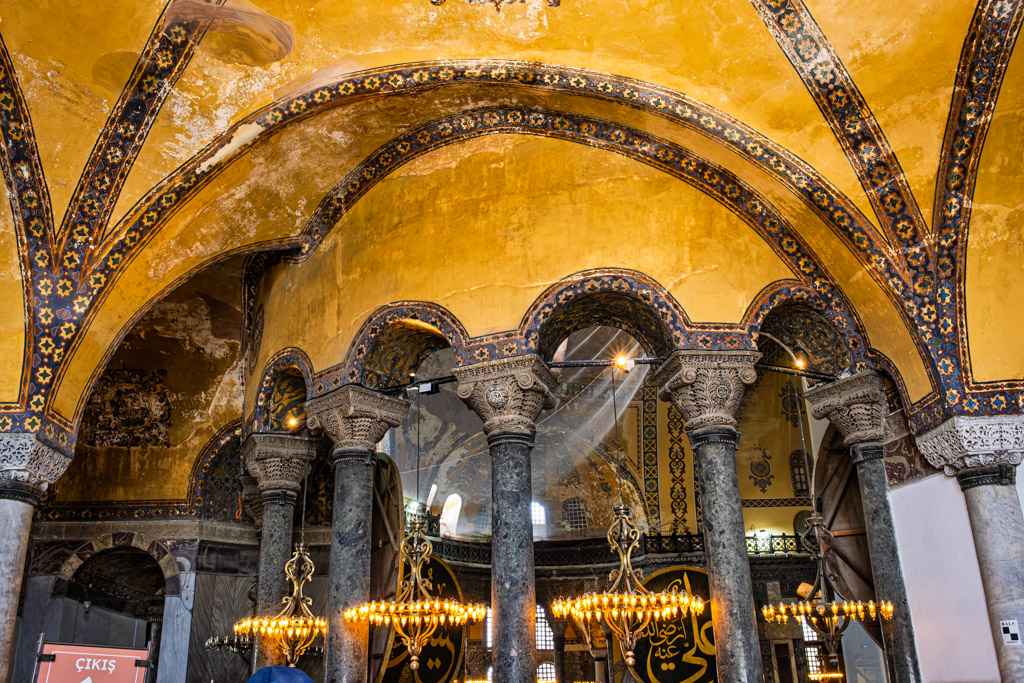
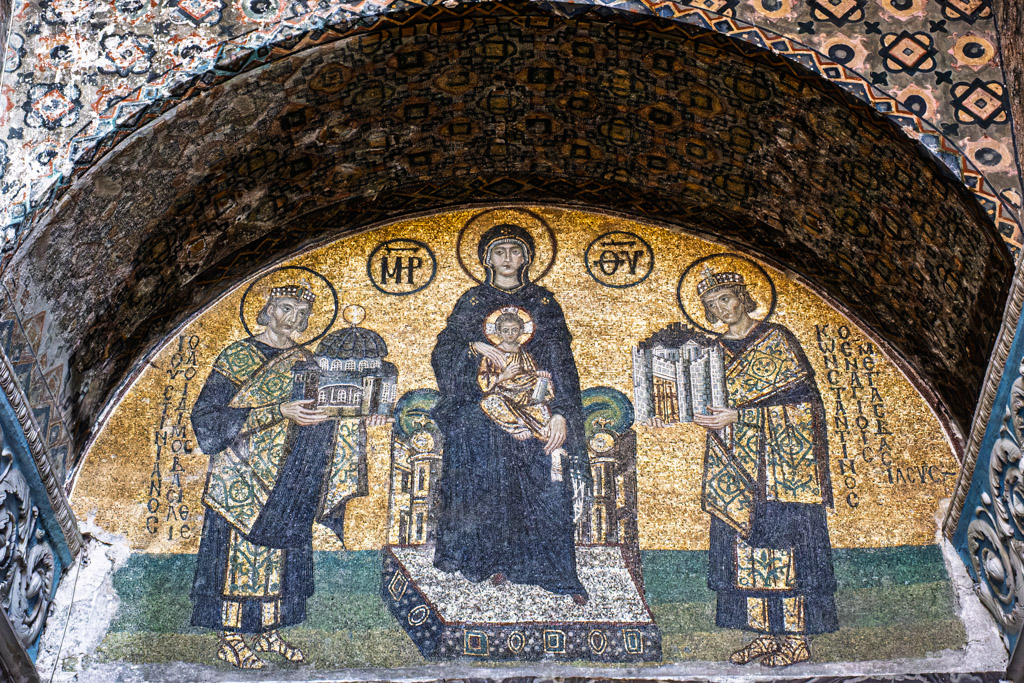
Our last stop before lunch was the Grand Bazaar (Kapalıçarşı), one of the world’s oldest and largest covered markets. Dating back to the 15th century, this historic labyrinth of more than 60 covered streets and around 4,000 shops is renowned for its jewelry, handwoven carpets, ceramics, textiles, spices, and souvenirs. With only a short time to explore, we strolled through a few of its bustling lanes, soaking up the lively atmosphere. Christabel admired the glittering jewelry displays, while Albert paused to browse a few beautifully hand-knotted Turkish carpets. Though brief, our visit provided a delightful taste of this iconic marketplace.
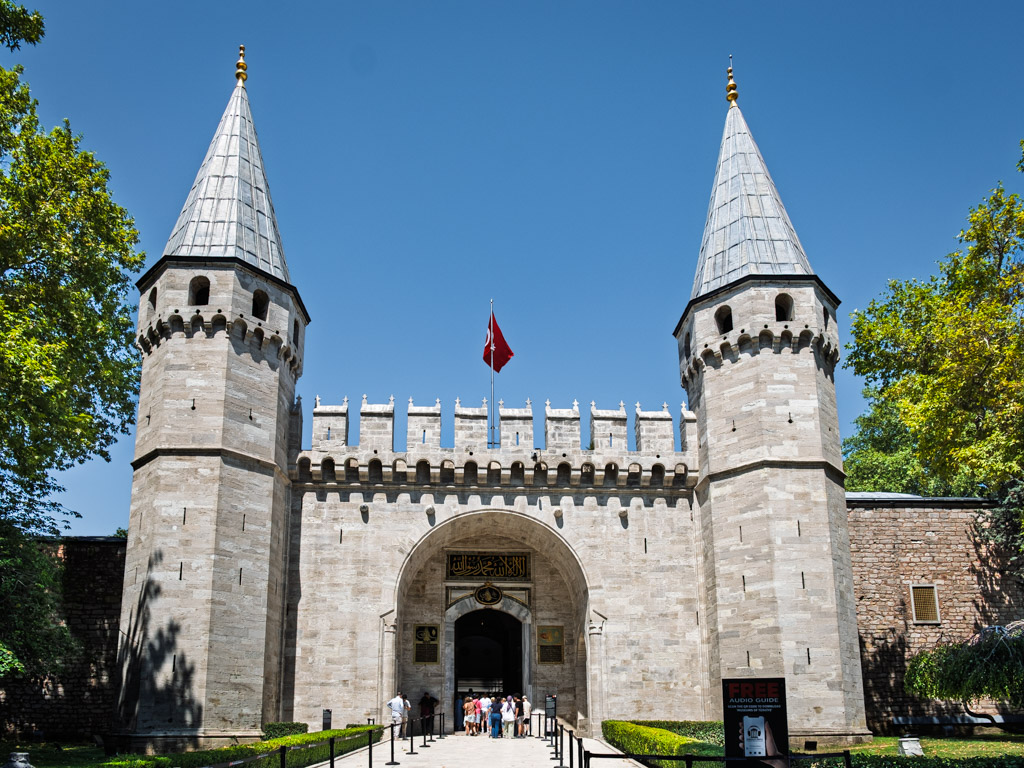
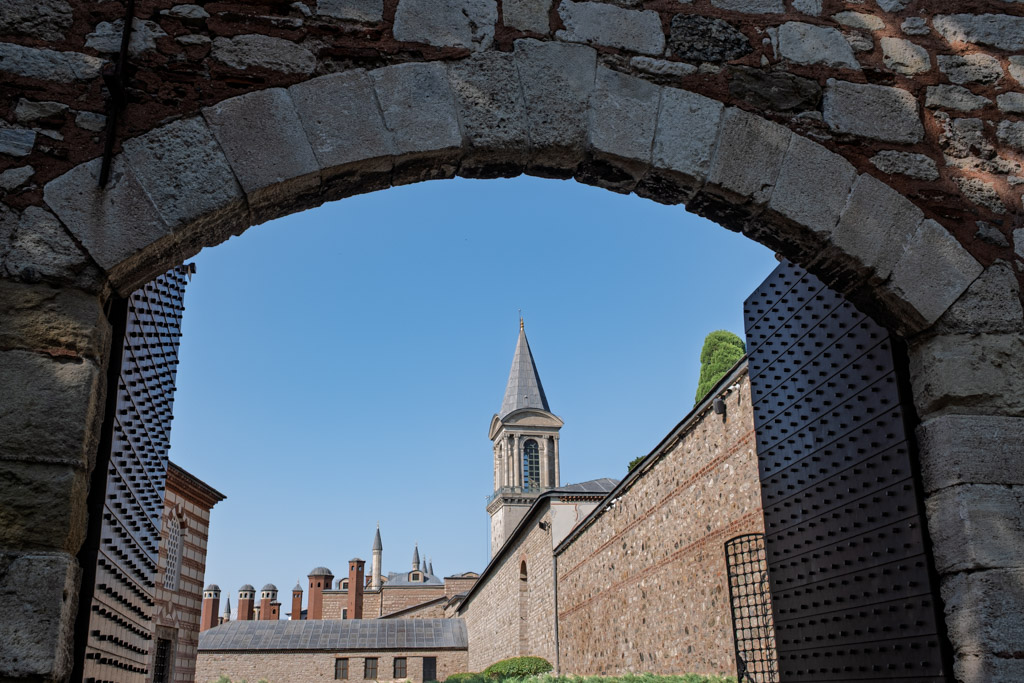
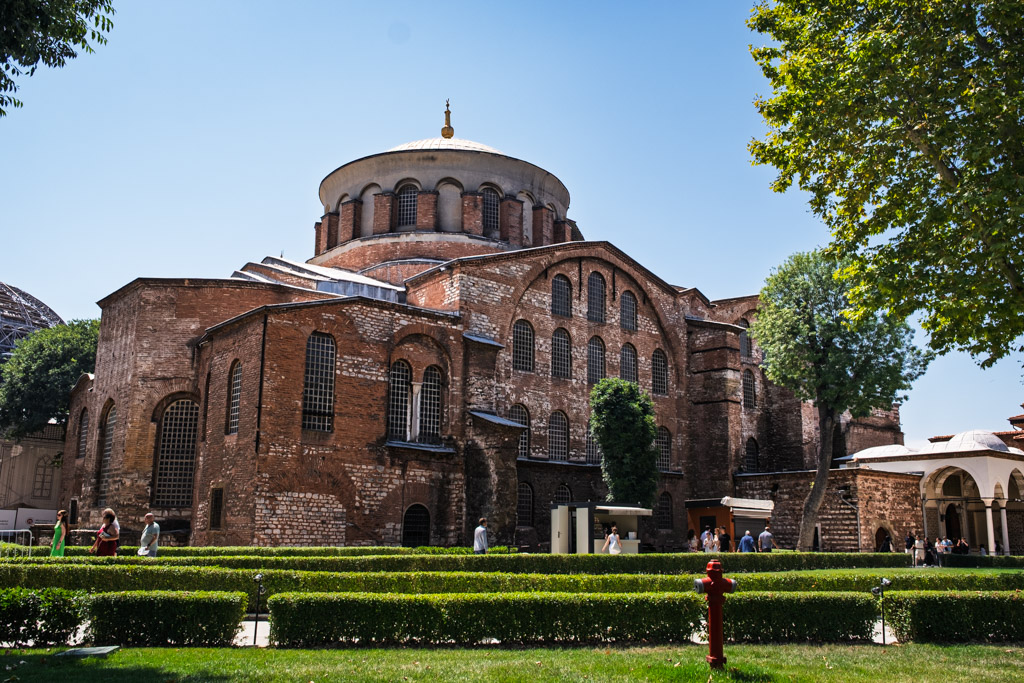
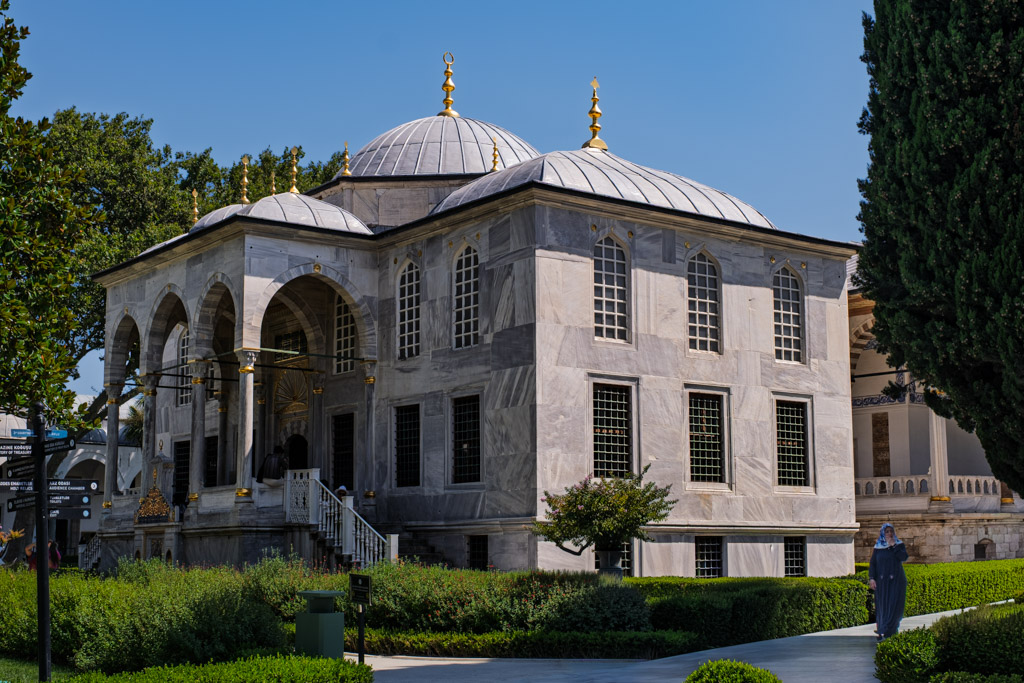
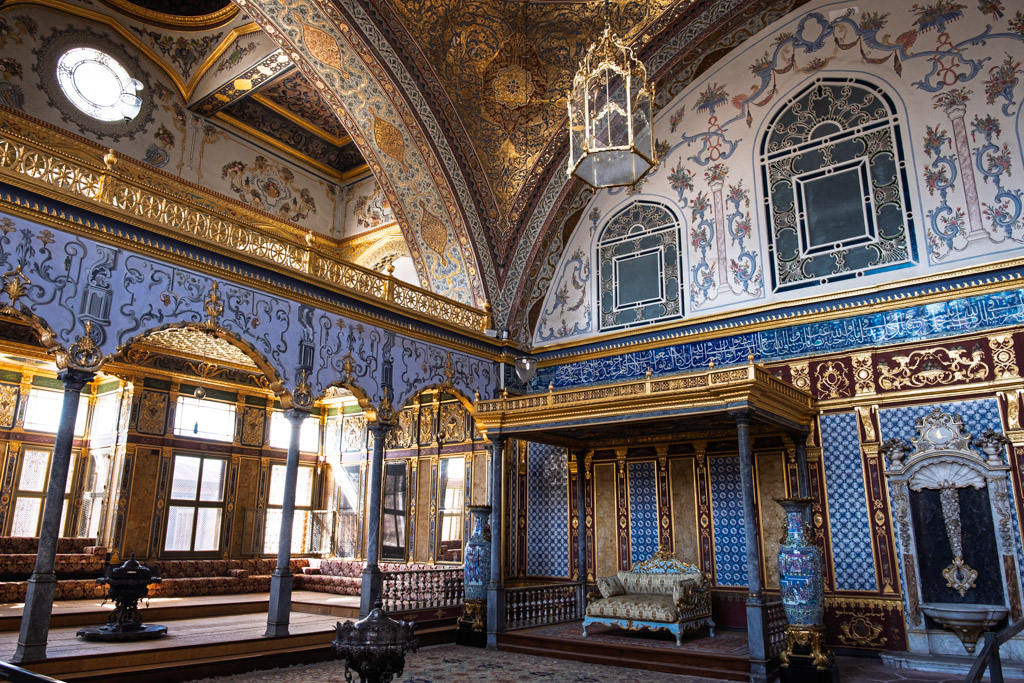
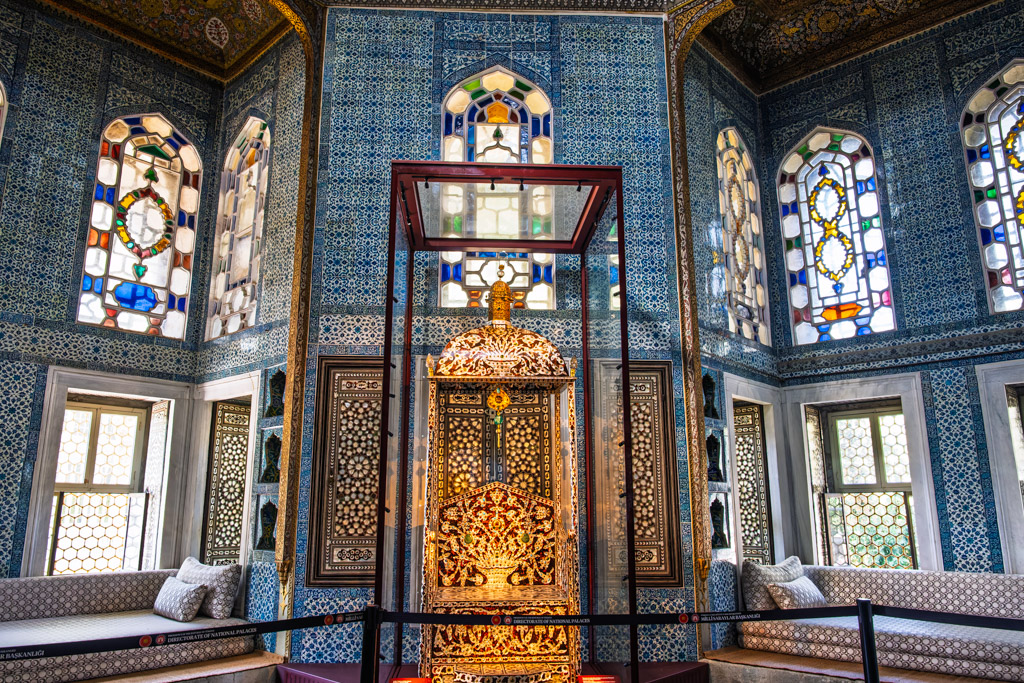
Soon after lunch, we made our way to the magnificent Topkapı Palace Museum, the opulent residence and administrative heart of the Ottoman Empire for nearly four centuries. Our visit lasted almost four hours, with Emre providing fascinating commentary that brought the palace’s rich history and the lives of the Ottoman sultans vividly to life. We explored the palace’s succession of courtyards, each revealing another layer of imperial grandeur. Unfortunately, we were unable to visit the Imperial Treasury as it was closed for renovation. However, we visited the Sacred Relics Chamber, which houses treasured Islamic relics associated with the Prophet Muhammad and other revered figures, creating an atmosphere of deep reverence. The palace kitchens, once capable of preparing meals for thousands of people each day, offered a glimpse into the scale of life within the imperial court. One of the highlights was the Harem, a maze of beautifully decorated rooms, private apartments, courtyards, and ornate chambers that housed the sultan’s family, concubines, and court officials. Far from being merely living quarters, the Harem was a highly structured and influential center of palace life, where the Valide Sultan (Queen Mother) often wielded considerable political power. Intricate İznik tiles, stained-glass windows, gilded ceilings, and exquisitely decorated rooms reflected the wealth and sophistication of the Ottoman court. From the palace terraces, we were treated to magnificent panoramic views over the Bosphorus, the Golden Horn, and the Sea of Marmara—an ideal setting for an imperial residence. Nearly 16,000 steps later, and thoroughly exhausted after a full day exploring Istanbul’s extraordinary historical treasures, we returned to our hotel, grateful for an unforgettable day and ready for a well-earned night’s rest.
On Our Own – July 23, 2026
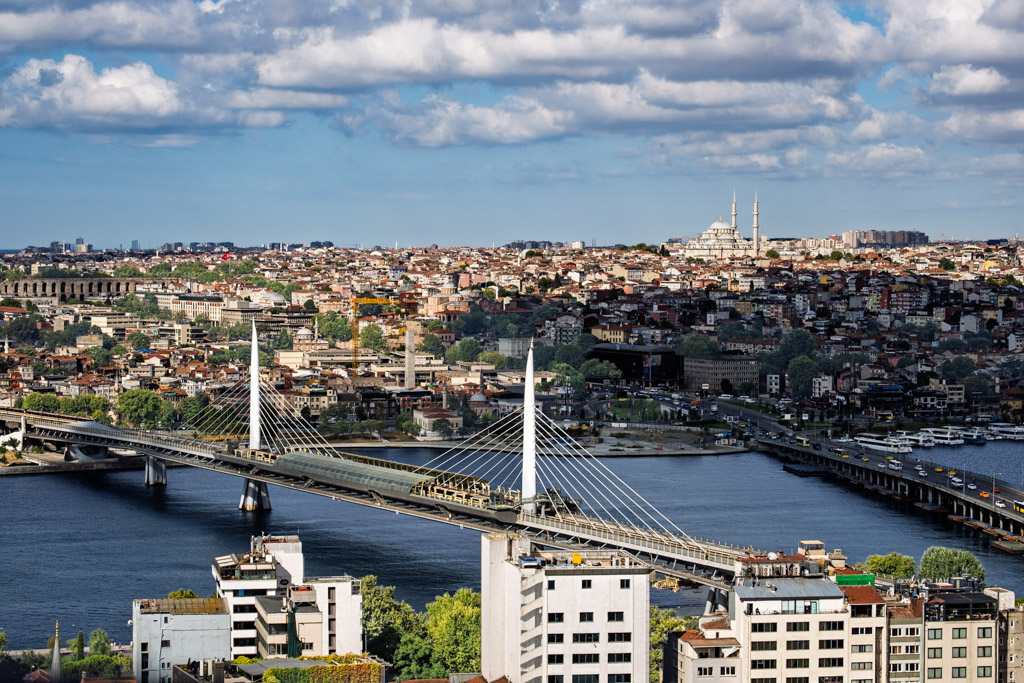
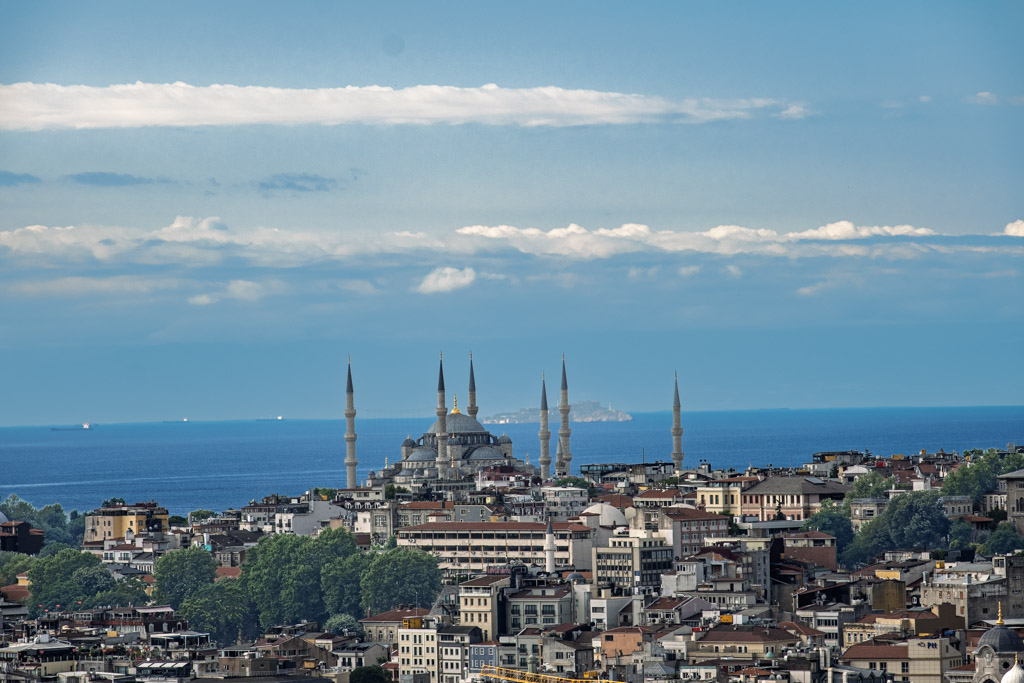
With our flight home not departing until later that evening, we decided to make the most of our final morning in Istanbul. We took an Uber to the Galata Tower, determined to visit its interior after having to skip it two days earlier because of the long queues for the elevator. To our delight, only a handful of visitors were waiting when we arrived. After taking the elevator most of the way up, we climbed the final flight of stairs to the observation deck. Built by the Genoese in 1348 as part of the fortifications of the medieval colony of Galata, the cylindrical stone tower with its distinctive conical roof has watched over Istanbul for nearly seven centuries and remains one of the city’s most recognizable landmarks. The panoramic views from the top were simply breathtaking and a delight for any photographer. From the observation deck we enjoyed uninterrupted vistas across the Golden Horn, the Bosphorus, and the Sea of Marmara, with the domes and minarets of the historic peninsula stretching into the distance. We could clearly make out the Hagia Sophia, Blue Mosque, Topkapi Palace, the Galata Bridge, and the bustling waterfront below, where ferries crisscrossed between Europe and Asia.
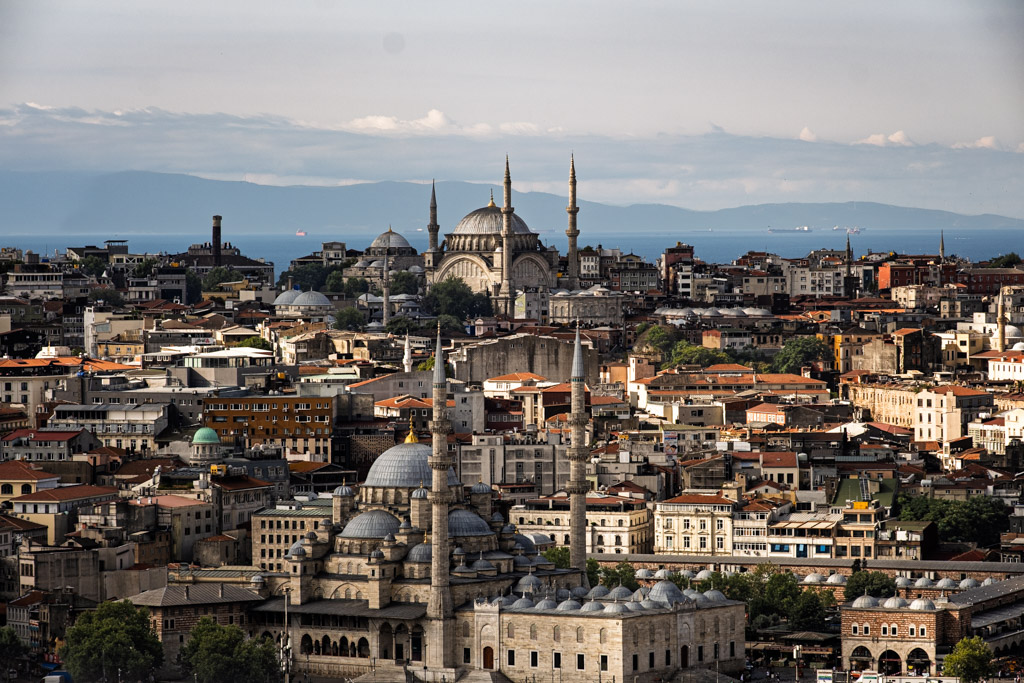
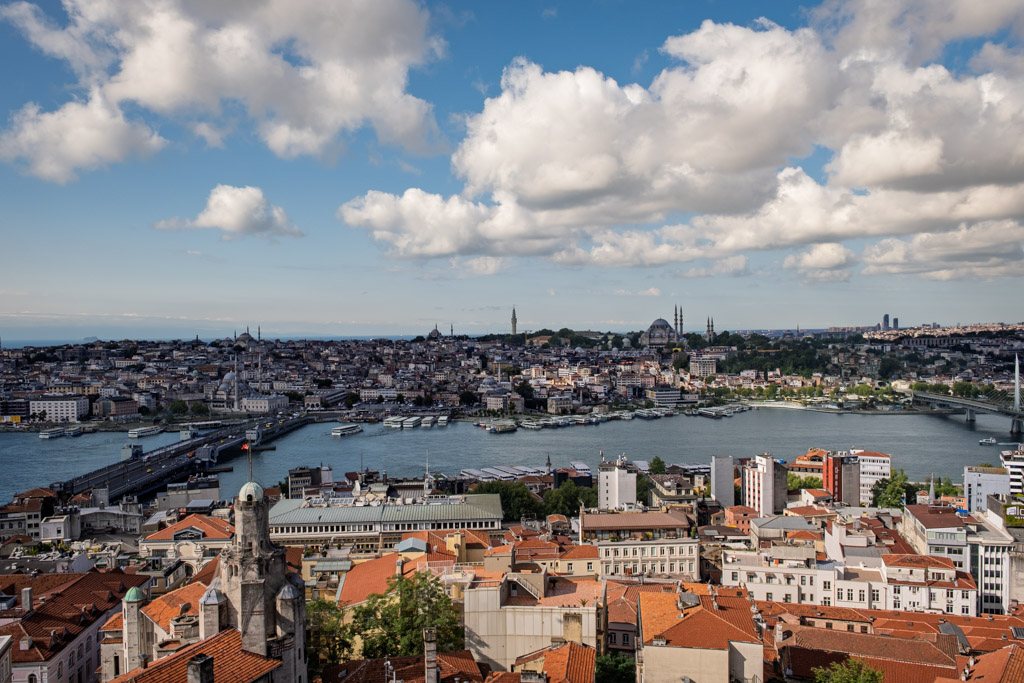
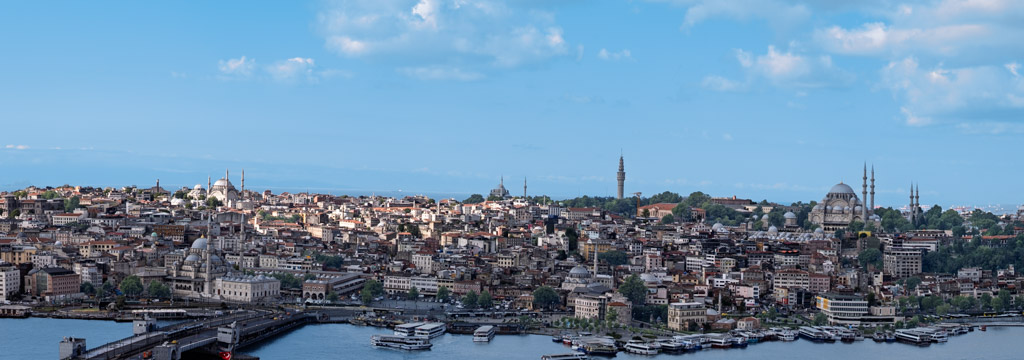
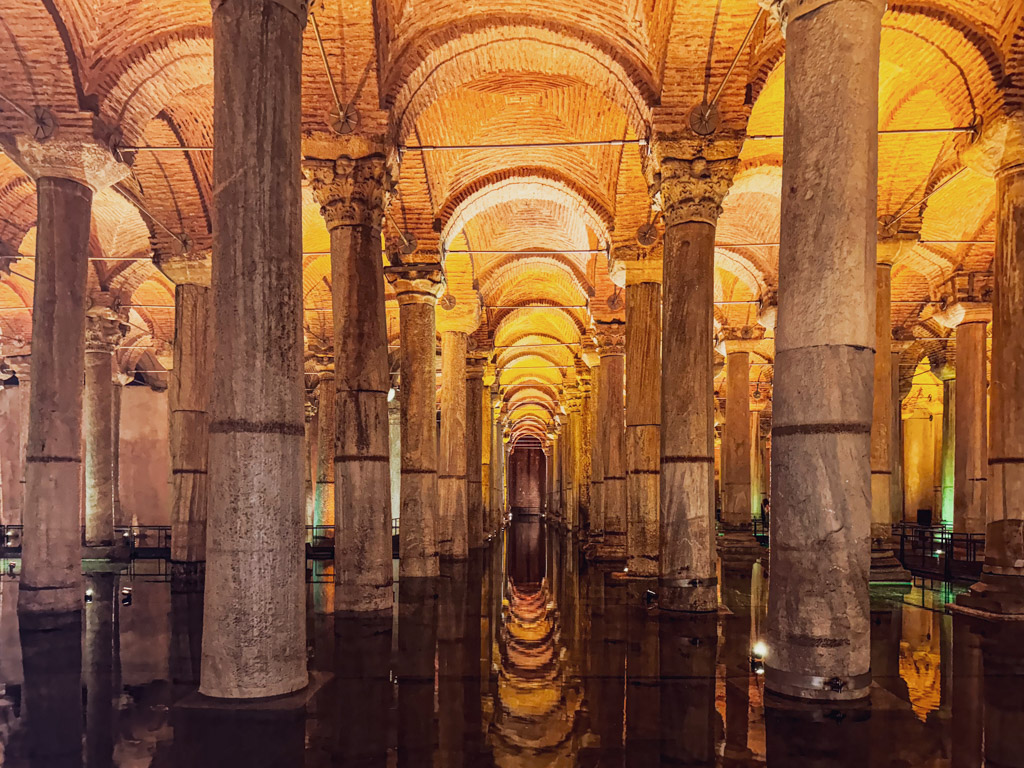
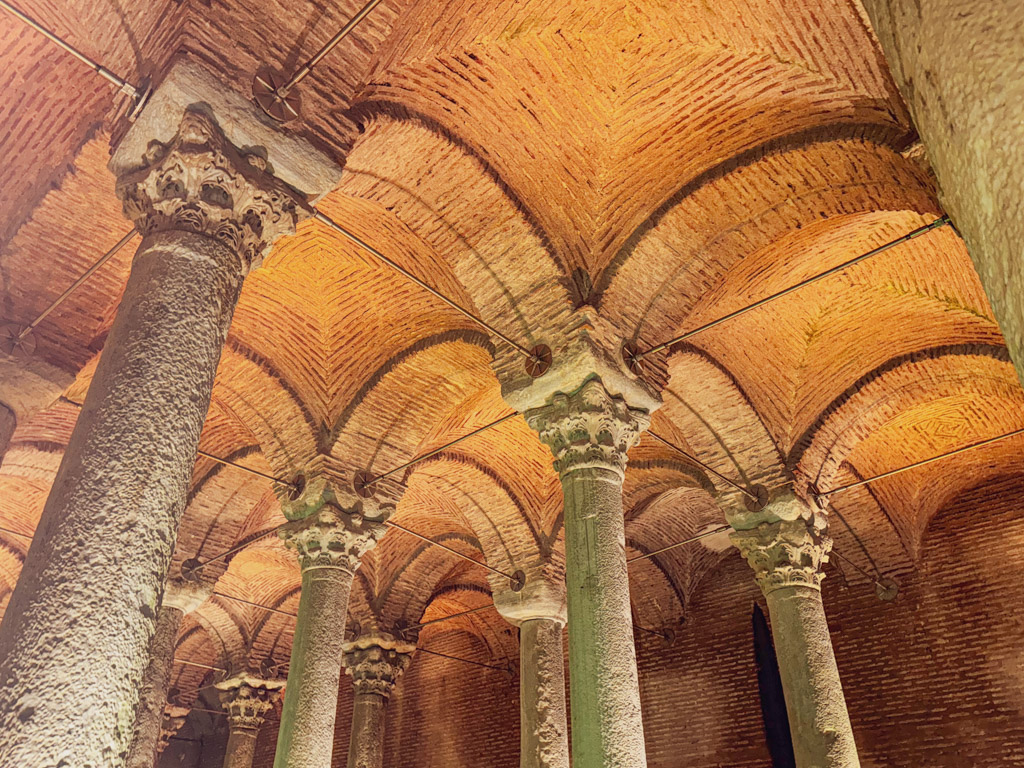
Our next stop was the Basilica Cistern (Yerebatan Sarnıcı), a fitting finale to our stay in Istanbul. Built in the 6th century during the reign of Emperor Justinian I, this vast underground reservoir was constructed to supply water to the Great Palace and surrounding buildings of Byzantine Constantinople. Descending into its cool, dimly lit interior, we wandered along elevated walkways between hundreds of towering marble columns reflected in the still water below. The dramatic lighting, gentle sound of dripping water, and remarkable engineering combined to make this one of the most memorable attractions we visited.
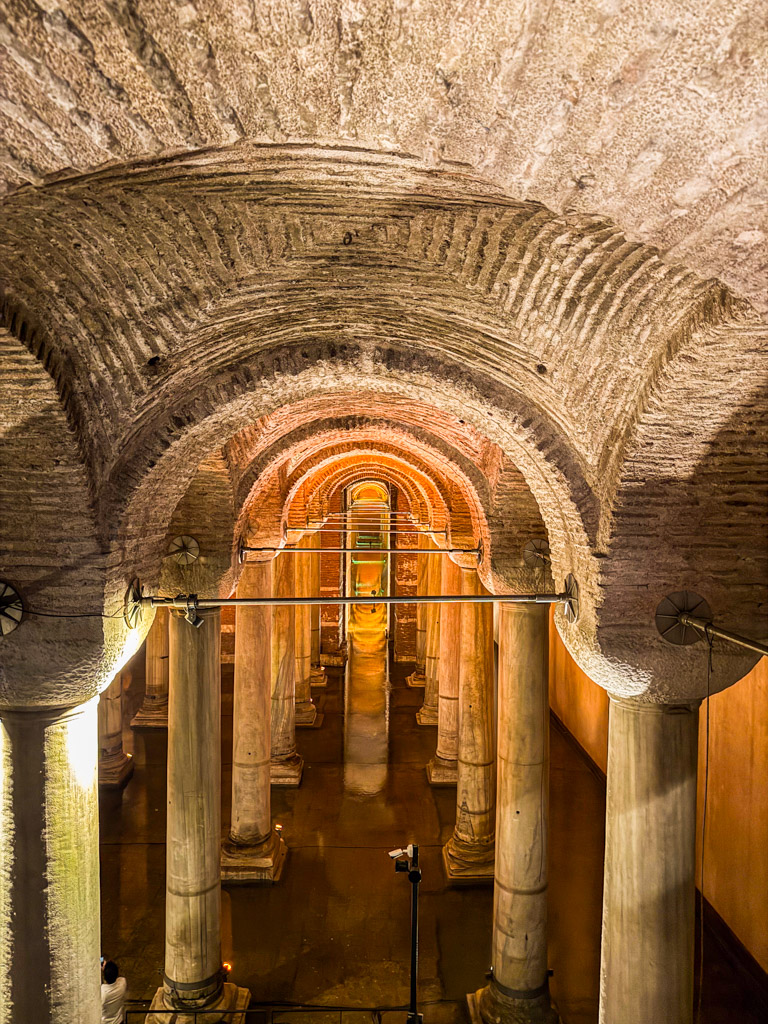
Before returning to our hotel, we picked up a couple of boxes of authentic Turkish delight and some mango saffron flavored tea. After packing our bags, we headed to Istanbul Airport for our Turkish Airlines flight to Newark. The journey home was smooth and uneventful, ending a wonderful Southern African adventure capped by three unforgettable days exploring the timeless treasures of Istanbul.
Fabulous!
Thank you. We hope Bill and you are doing well.