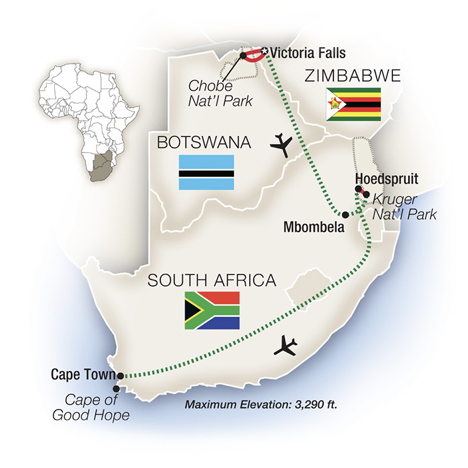
We embarked on another epic adventure—this time, a safari through Southern Africa. Following an unforgettable trip to East Africa in 2018 (https://acroamingtheglobe.com/kenya-tanzania-a-classic-safari-adventure-february-2018/), we set out to track the “Big Five” and discover the incredible wildlife across private game reserves in Zimbabwe, Botswana, and South Africa. Our journey began with a three-night stay at the majestic Victoria Falls, highlighted by a walk across the bridge over the Zambezi River into neighboring Zambia. From there, we ventured into the wildlife-rich Chobe and Kruger National Parks for early-morning and sunset game drives, staying in elegant wilderness lodges that made the experience truly magical. Finally, we wrapped up our travels by exploring Cape Town’s dramatic landscapes, vibrant art scene, and world-class wine country. This blend of thrilling safari and cultural immersion made for a one-of-a-kind adventure—exhilarating, enriching, and truly a trip of a lifetime.
Off to Cape Town – July 5, 2026
Our Turkish Airlines flight from Newark to Cape Town was smooth and uneventful. Though undeniably long—and made even longer by an extended layover in Istanbul—the journey seamlessly set the stage for the incredible adventure ahead.
Preview of Cape Town – July 6, 2026
After landing in Cape Town and clearing immigration, we took a taxi to our hotel near the V&A (Victoria & Alfred [the second son], not Albert [the husband]) Waterfront. While passing through passport control, the officer remarked that our last name was unusual for someone born in India, sparking a brief, friendly conversation about our family background. Although our safari adventure officially kicks off at Victoria Falls in Zimbabwe, we decided to arrive in South Africa a few days early to explore Cape Town. Knowing we would return here at the tail end of our trip, gave us the perfect opportunity to get acquainted with the city and experience its highlights ahead of time. Later that evening, we took the complimentary hotel shuttle to the vibrant V&A Waterfront. There we were amazed to find a ship foundry and plenty of metal sculptures. The three that caught our eye were located between the Clock Tower and Zeitz MOCAA museum: Angular Mass by Michele Mathison, which includes five large flywheels from a grain-silo built in 1921; The Travelling Hermit by David Griessel, reflecting people’s role in climate change; and Crown Chakra by Vuyo Oyiya and Kunye Collab, reminding us that women can be whatever they choose to be. We would have loved to see these and many more art installations at leisure, but it was dark, windy, and cold. We spent an hour strolling along the bustling harbor and browsing the shops before returning to the hotel for an excellent dinner and then turning in for the night.in for the night.
Exploring the Outskirts of Cape Town – July 7, 2026
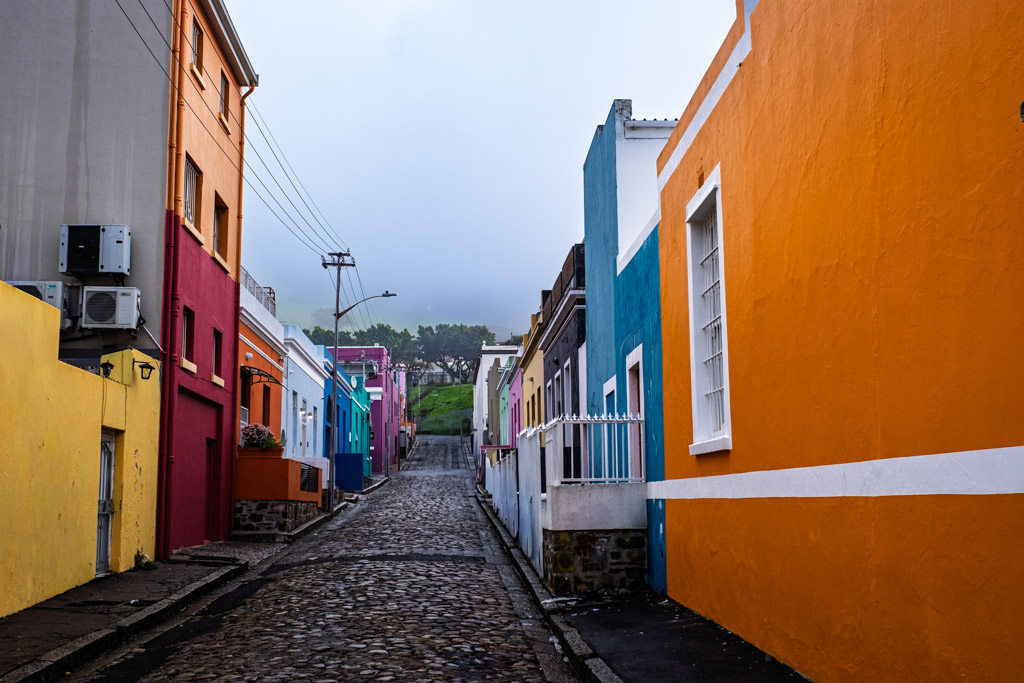
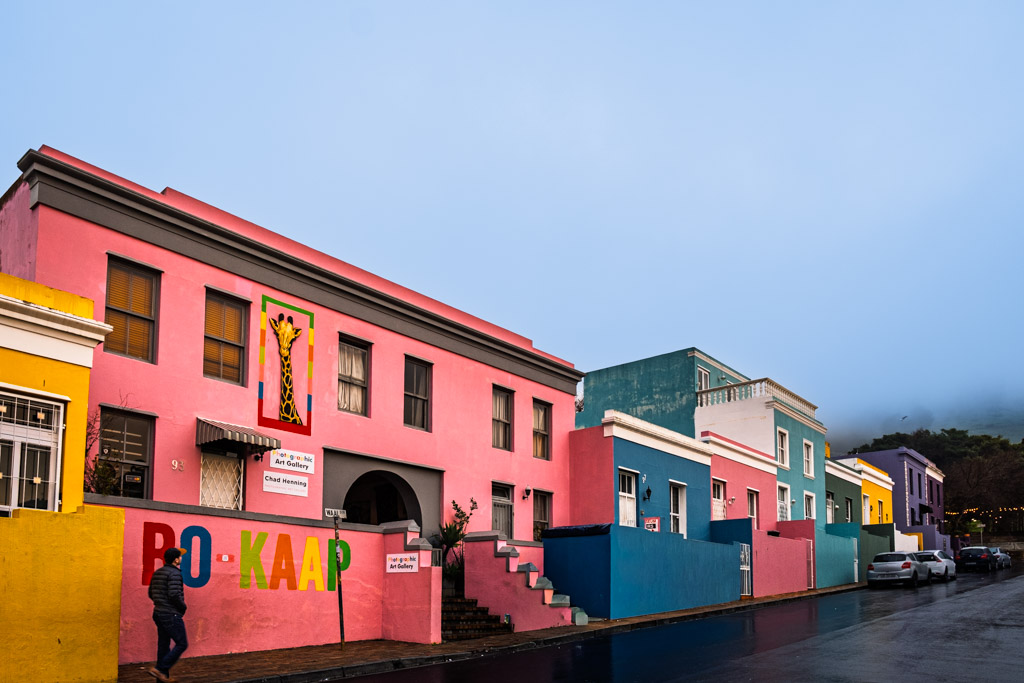
Soon after breakfast, we set out on a full-day guided tour of Cape Town and the surrounding Cape Peninsula, which we had booked before leaving for South Africa. Our first stop was the colorful neighborhood of Bo-Kaap, one of Cape Town’s oldest and most culturally significant districts. Nestled on the slopes of Signal Hill, just above the city center, Bo-Kaap is renowned for its brightly painted houses, cobblestone streets, and rich Cape Malay heritage. The neighborhood became home to many freed slaves, political exiles, and artisans from Southeast Asia and other parts of Africa during the late 18th and early 19th centuries. We spent some time strolling through the neighborhood, admiring the picturesque rows of brightly colored homes, each painted in vivid hues that have become an iconic symbol of Cape Town. One can tell that this is a dedicated activist area by all the pro-Palestinian slogans and posters.
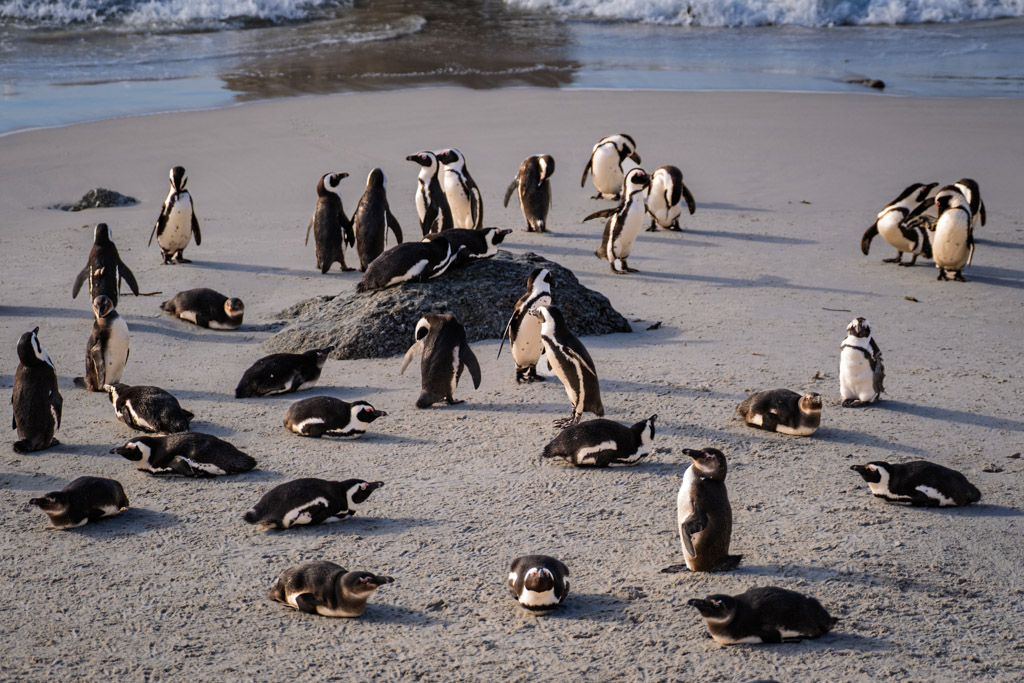
From the Bo-Kaap we proceeded downtown to Wale Street past St. George’s Cathedral where Desmond Tutu’s ashes are interred, on to the Dutch East India Company Garden which was established in 1652 to provide fresh produce to passing ships, and the Slave Lodge which housed the slaves brought by the Dutch East India Company from Southeast Asia, South Asia, East Africa, and Madagascar to work in homes, farms, kitchens, workshops, and construction sites. From Wale Street, we went to Strand Street past the Castle of Good Hope, a fortress which once was located in Table Bay but since the reclamation is now near the business district. Next, we drove through District 6 and the hospital where Dr. Christiaan Barnard performed the first heart transplant. Our journey continued along the scenic False Bay coastline to the charming seaside town of Muizenberg, where we made a brief stop to enjoy a cup of coffee, gaze at the colorful beach huts, and the surfers. From there, we traveled through the historic naval town of Simon’s Town before arriving at Boulders Beach, home to one of the world’s few land-based colonies of endangered African penguins. According to our guide, Nana, African penguins are unlike the penguins of Antarctica, having adapted to the temperate climate of southern Africa. She also explained that their numbers have declined sharply due to habitat loss, overfishing, and other environmental pressures, making them an endangered species. We spent nearly an hour watching these charming birds waddle along the beach, swim gracefully in the ocean, and interact with one another in their natural habitat. We also encountered several dassies (rock hyraxes), small mammals that resemble groundhogs but are, surprisingly, the closest living terrestrial relatives of elephants. We had seen their cousins, the tree hyrax, during our East African safari several years earlier.
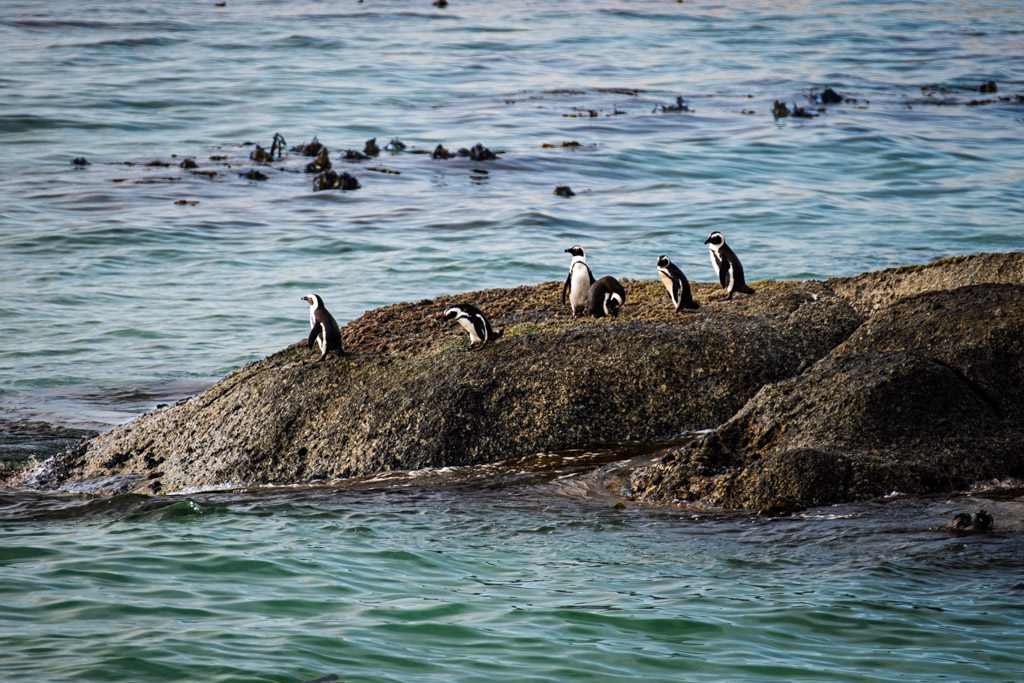
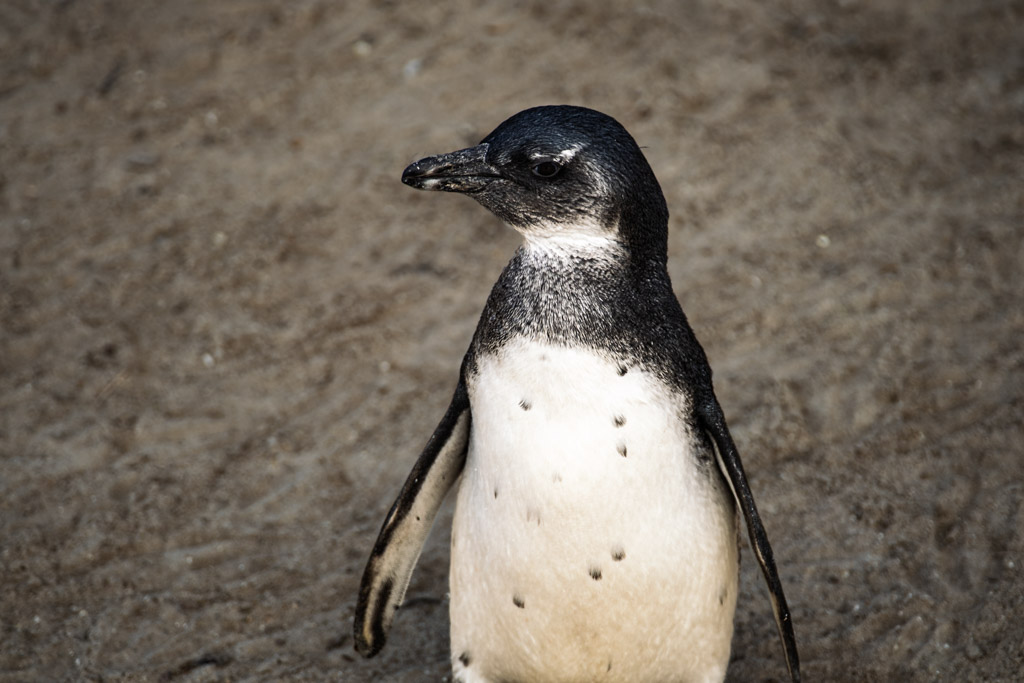
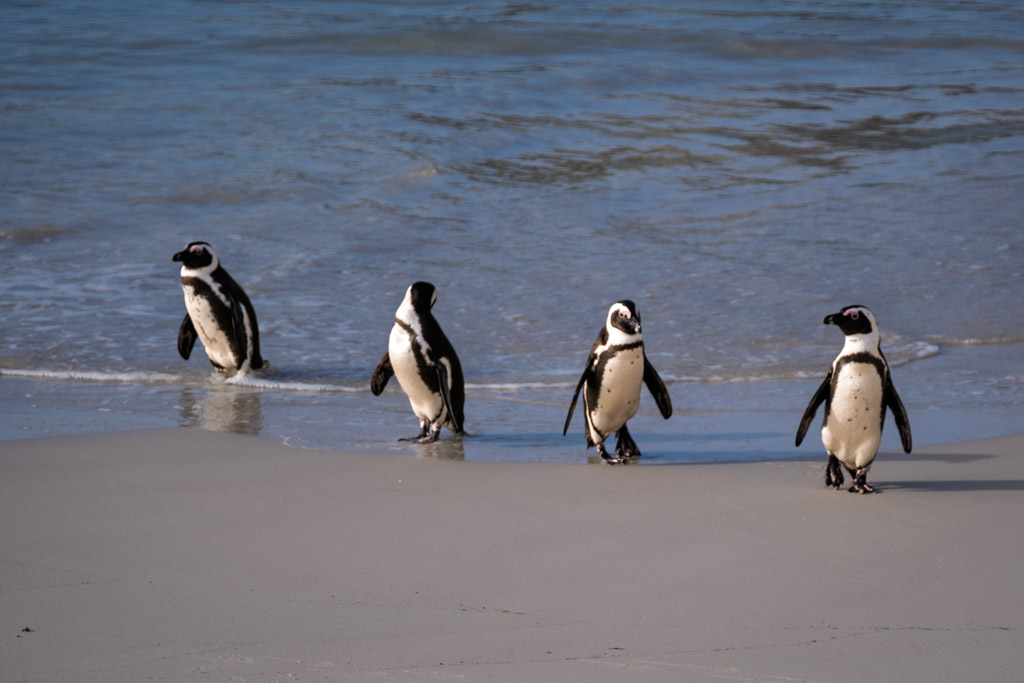
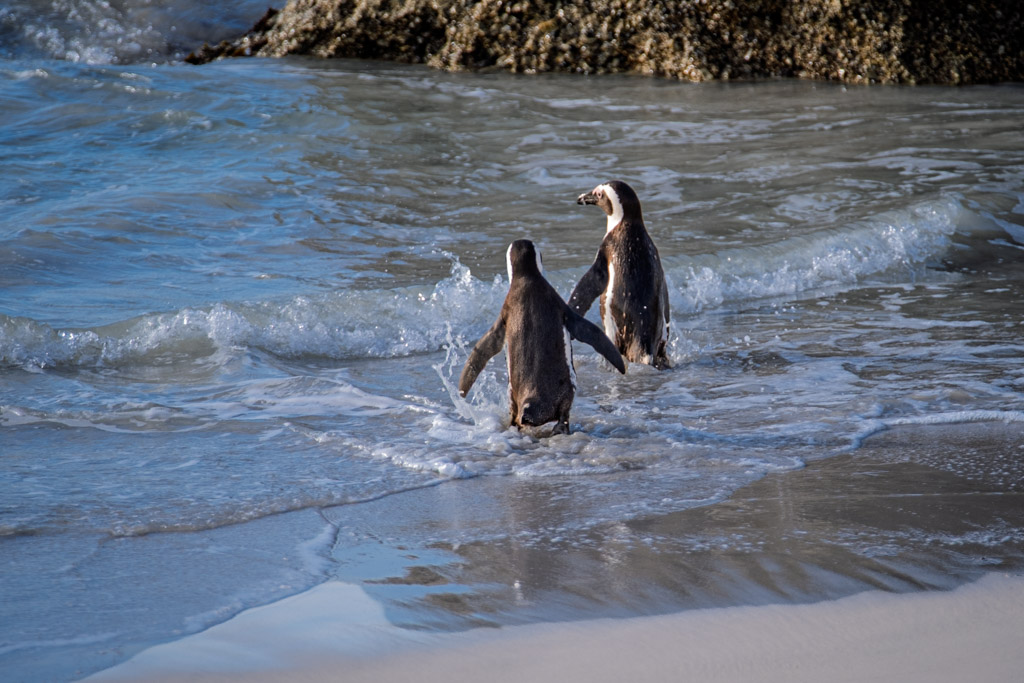
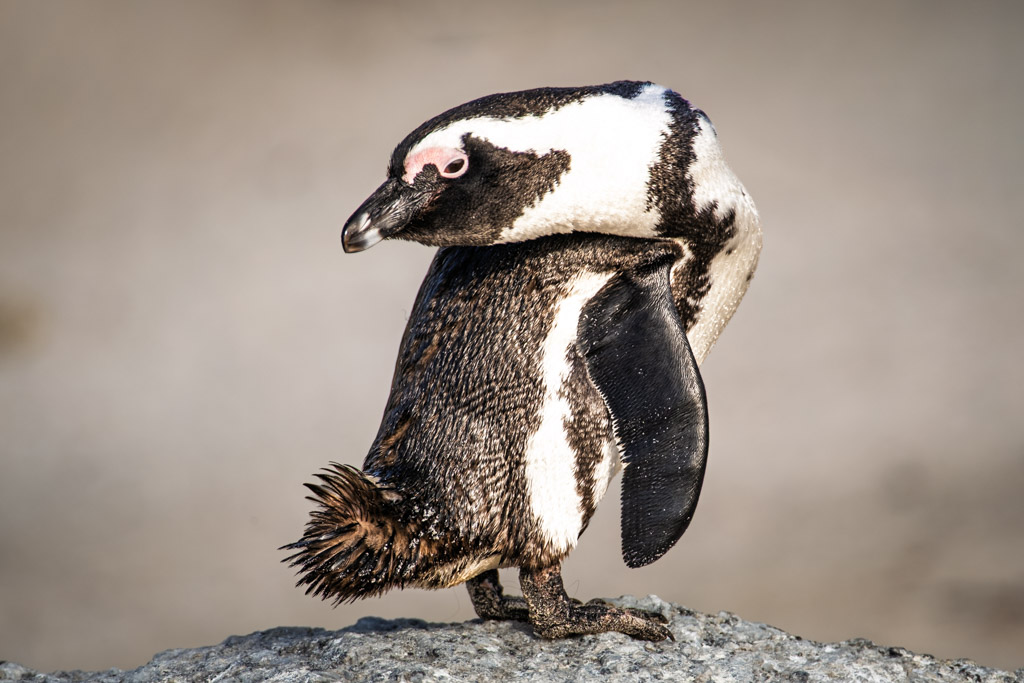
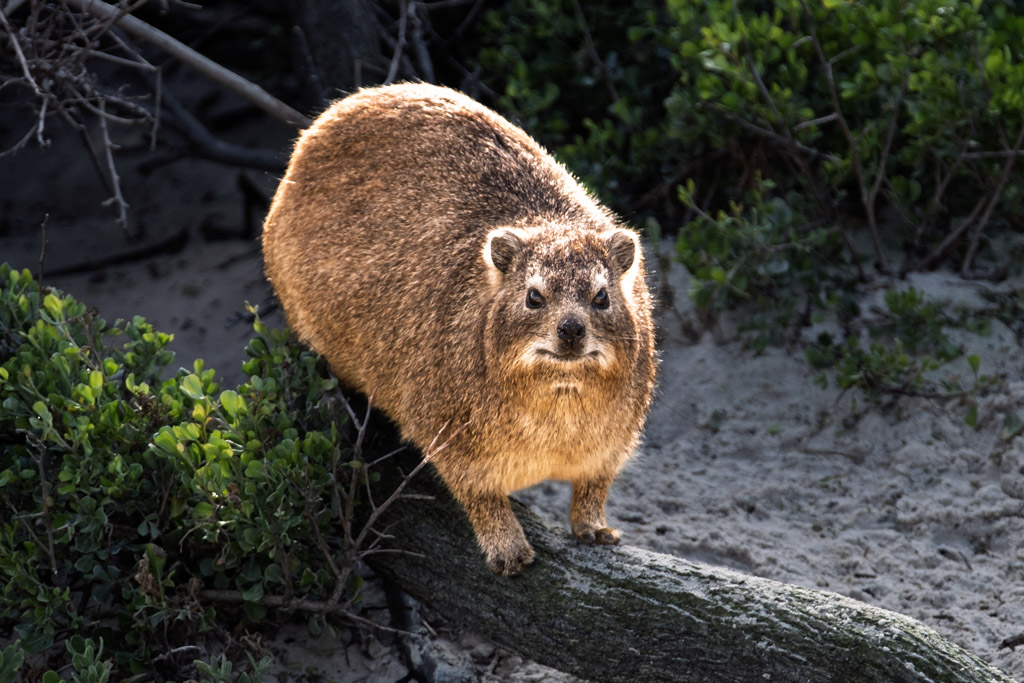
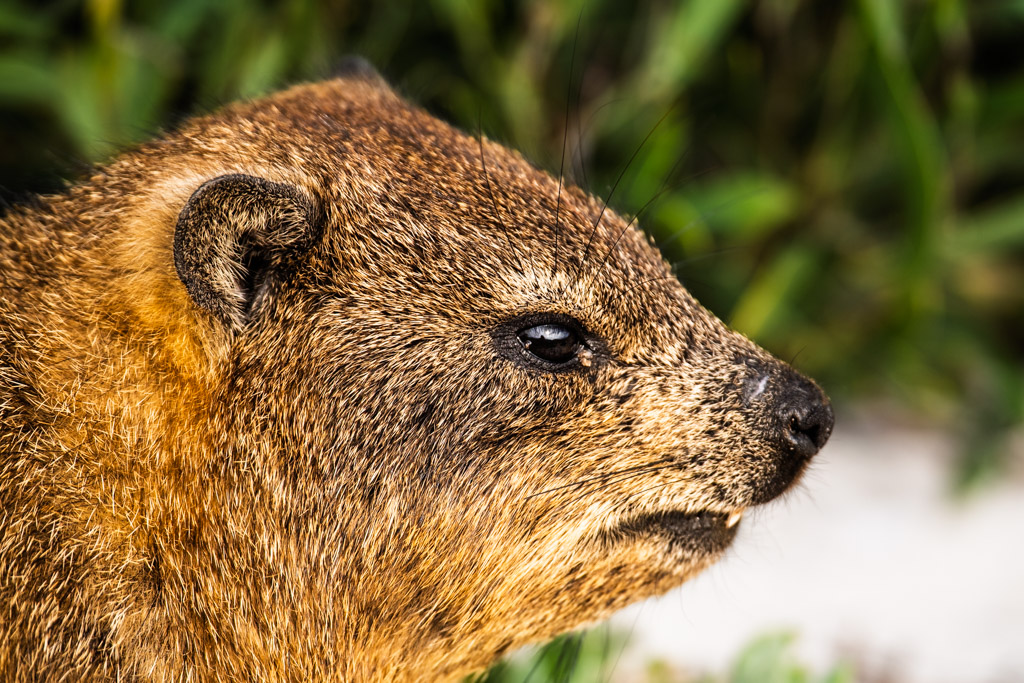
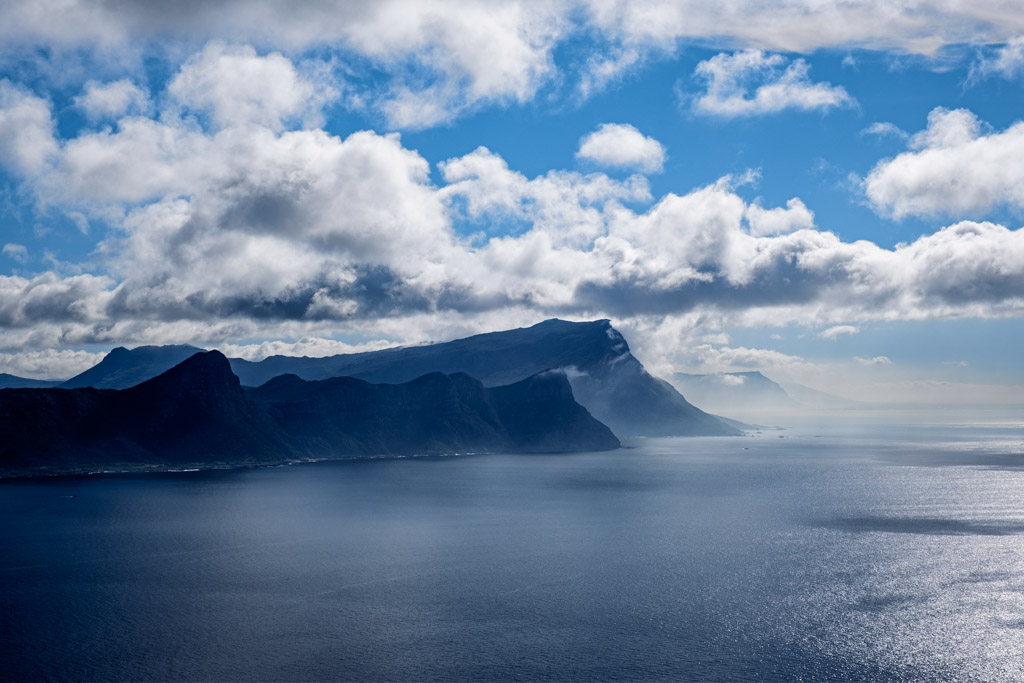
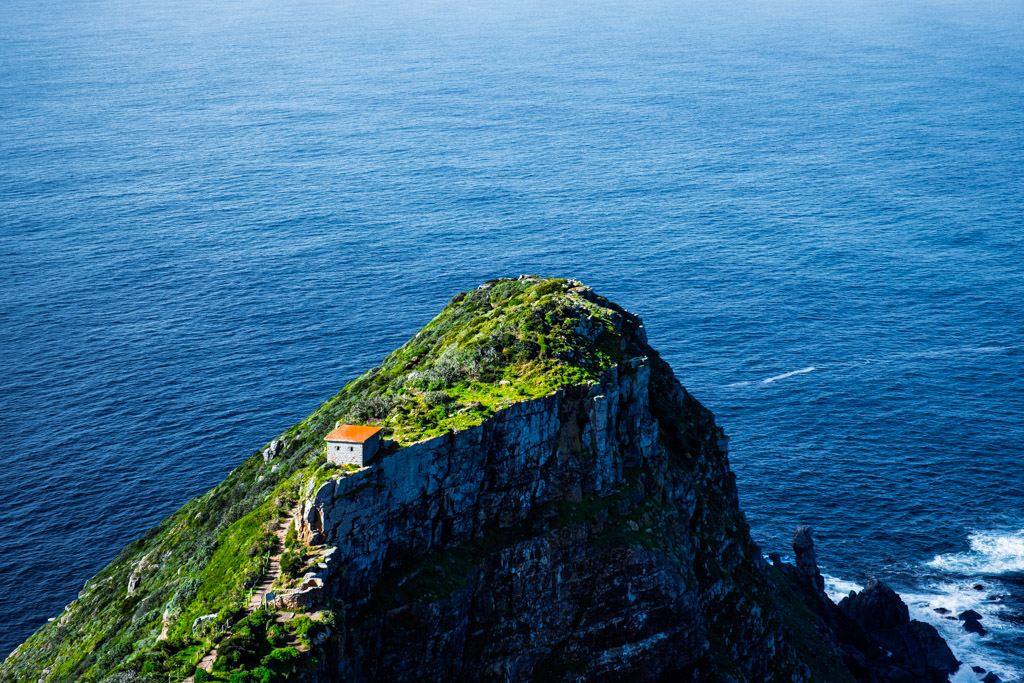
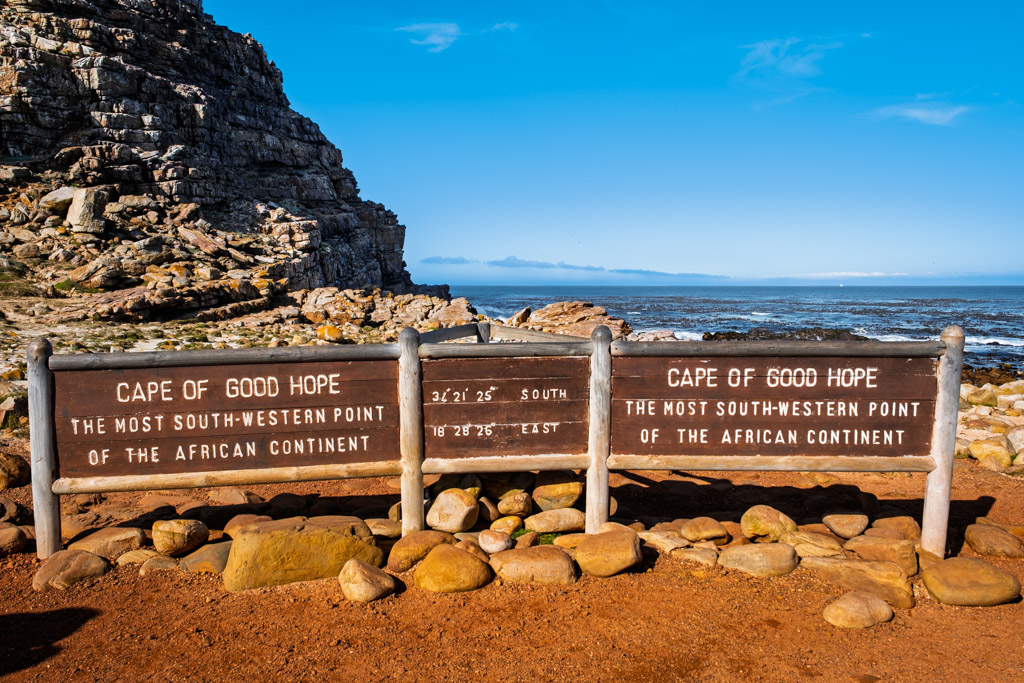
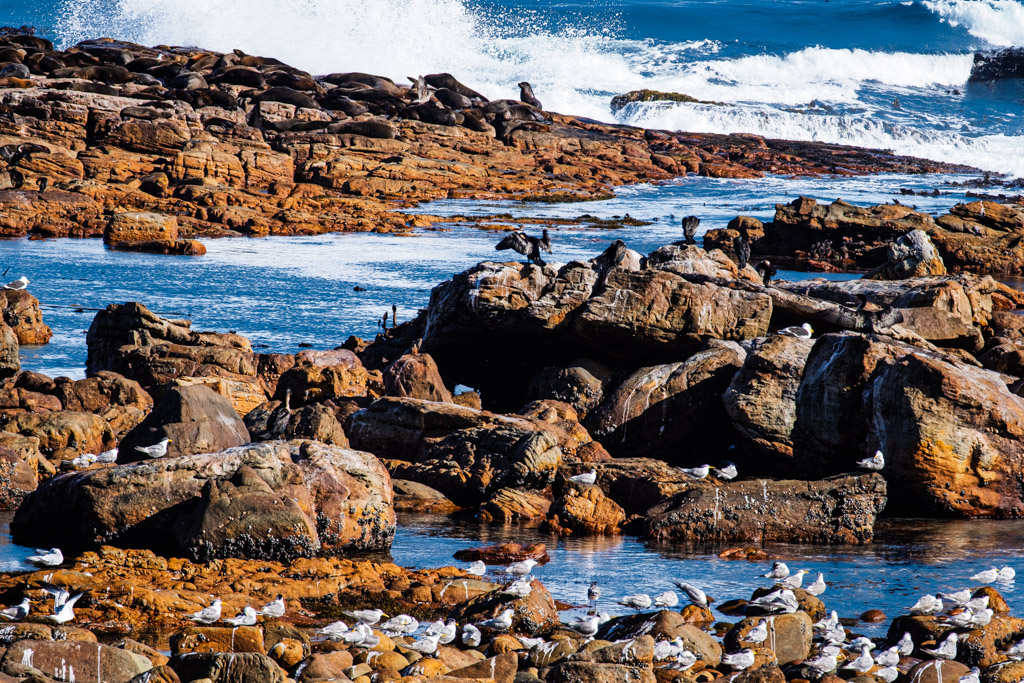
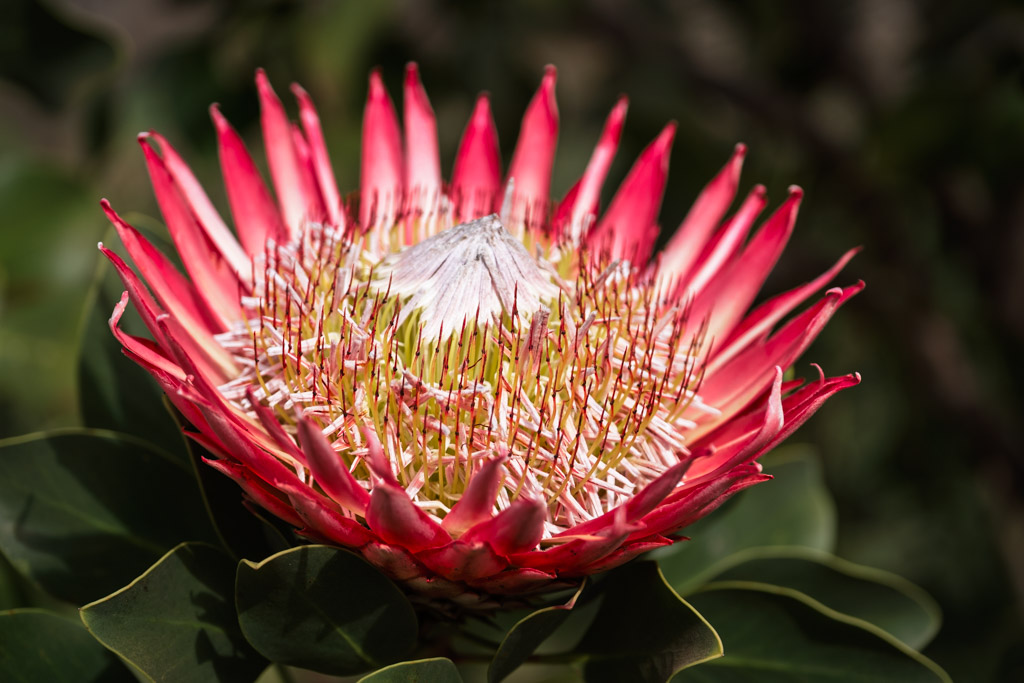
After visiting the penguin colony, we continued into the Cape of Good Hope Nature Reserve, one of the highlights of the Cape Peninsula. Following a brief lunch stop, where birds and baboons harassed everyone for crumbs, we rode the Flying Dutchman Funicular to the upper station near the historic Cape Point Lighthouse. From there, we climbed the final flight of steps to the lighthouse, where we were rewarded with breathtaking panoramic views of the rugged cliffs, the Atlantic Ocean, and the surrounding coastline. Rather than taking the funicular back down, we chose to walk the scenic path to the parking area, enjoying the spectacular coastal scenery along the way. We then drove a short distance to the iconic Cape of Good Hope sign for the obligatory photo opportunity. En route, we spotted several wild ostriches and an eland, the largest species of antelope, grazing in the reserve. Looking out to sea from the viewpoint, we could also make out Seal Island in the distance, with seals visible on the rocky outcrop. Our return journey to Cape Town took just over two hours, with several scenic stops along the way. Our first was the Cape Point Ostrich Farm, where we had the opportunity to observe these magnificent flightless birds up close and capture a few photographs. We also saw red protea bushes; the protea is South Africa’s national flower. We then traveled along the spectacular Chapman’s Peak Drive, regarded as one of the world’s most scenic coastal roads, with breathtaking views of the Atlantic Ocean and towering cliffs. Passing through the picturesque fishing village of Hout Bay, we continued to Camps Bay, where we paused to admire and photograph the Twelve Apostles mountain range, which is a part of Table Mountain. The apostles are a series of buttresses that are actually a lot more than the 12, but the scenery is so spectacular that not too many people actually count.
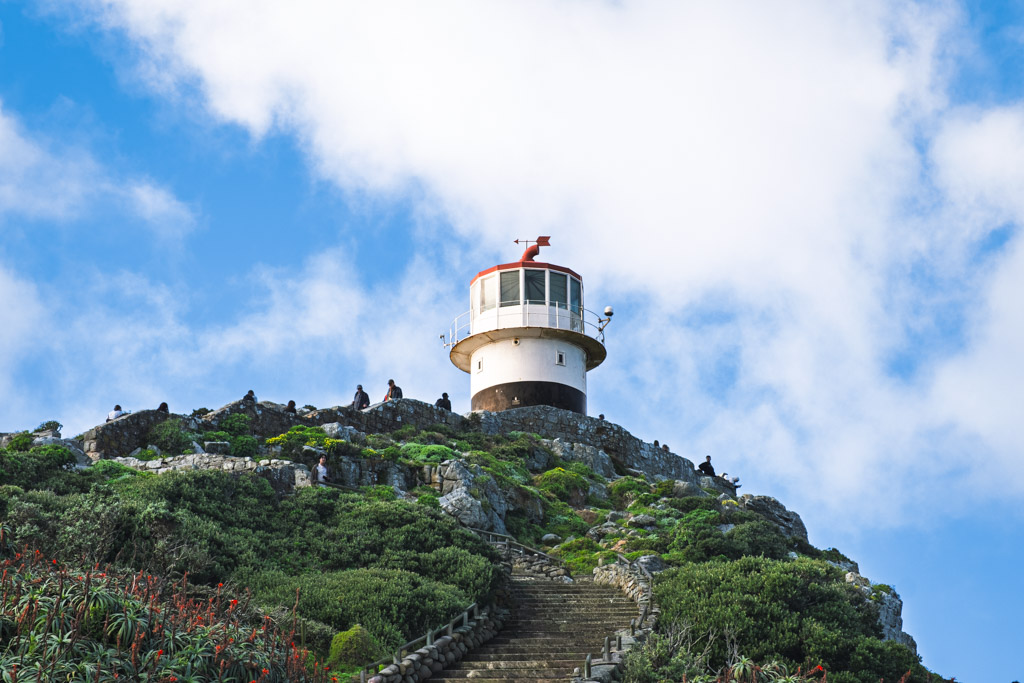
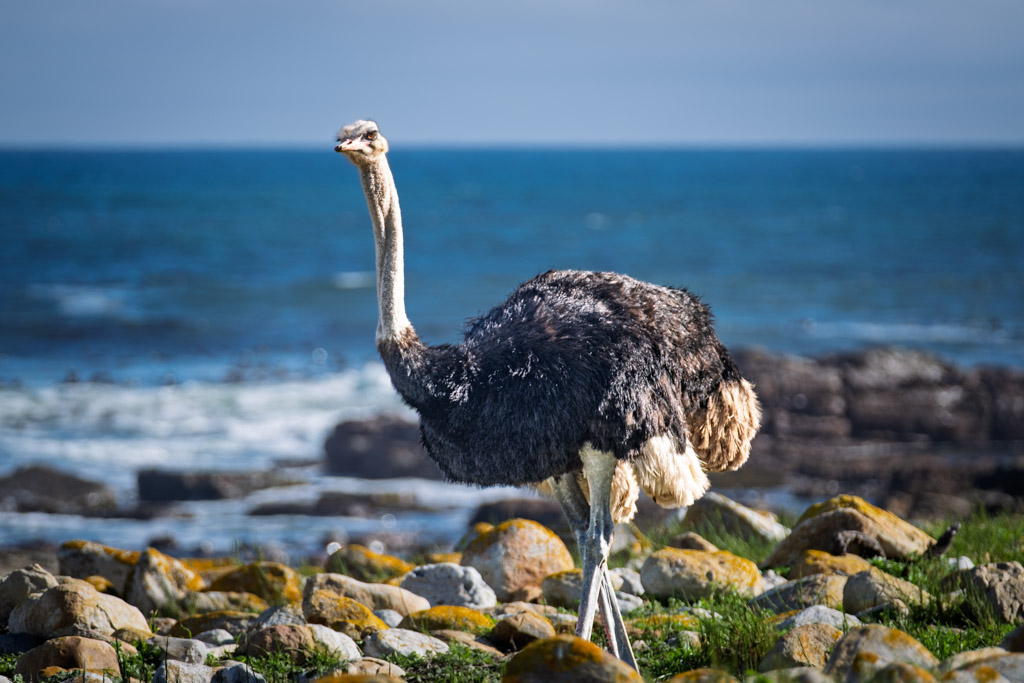
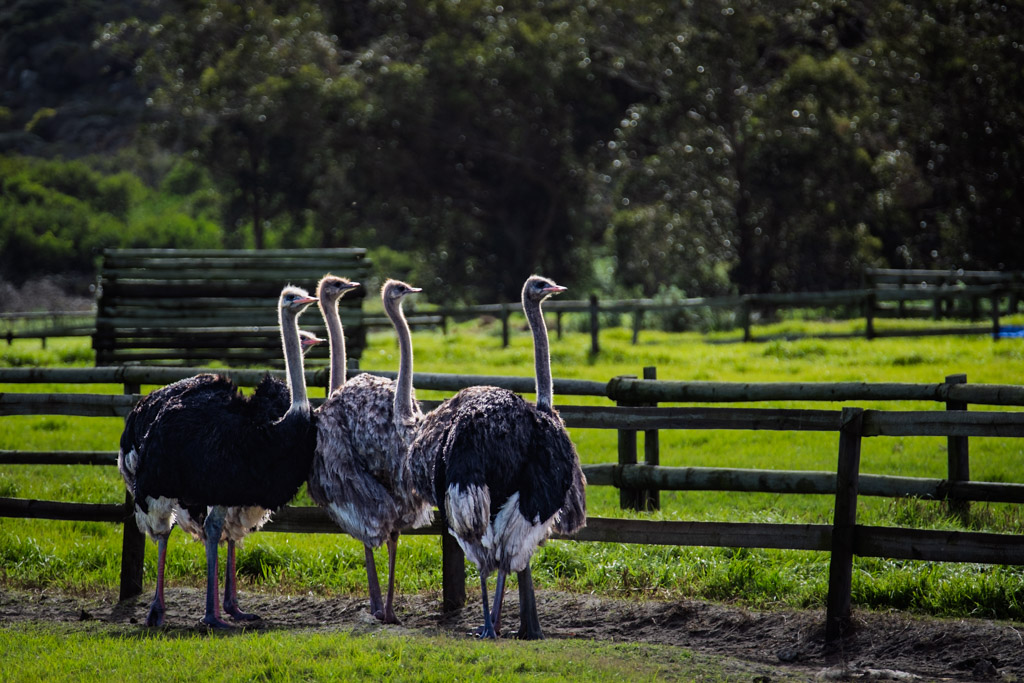
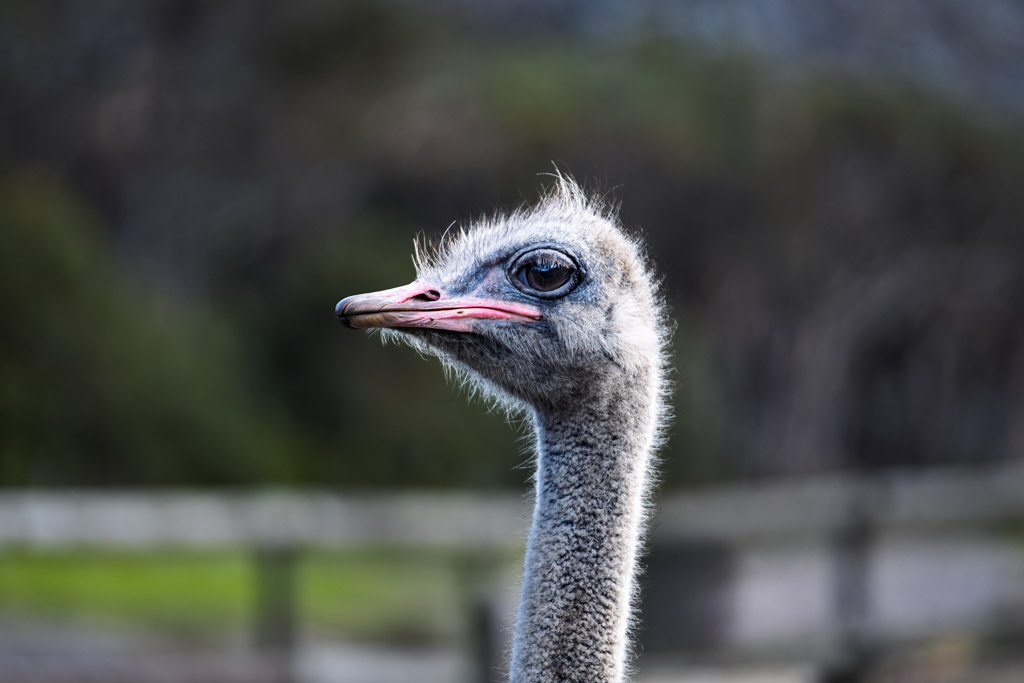
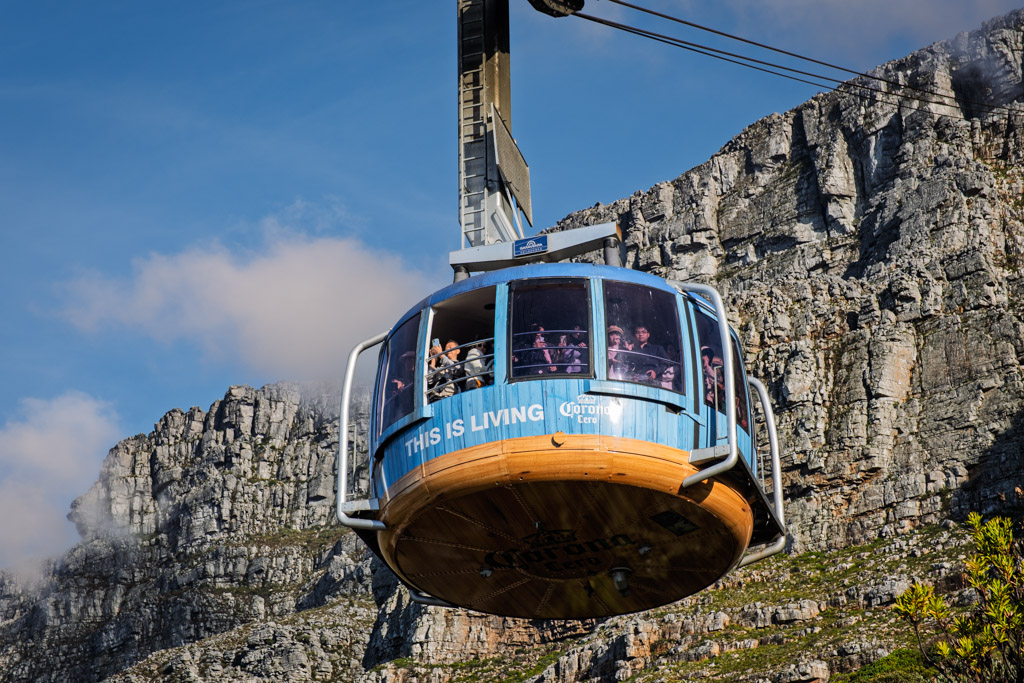
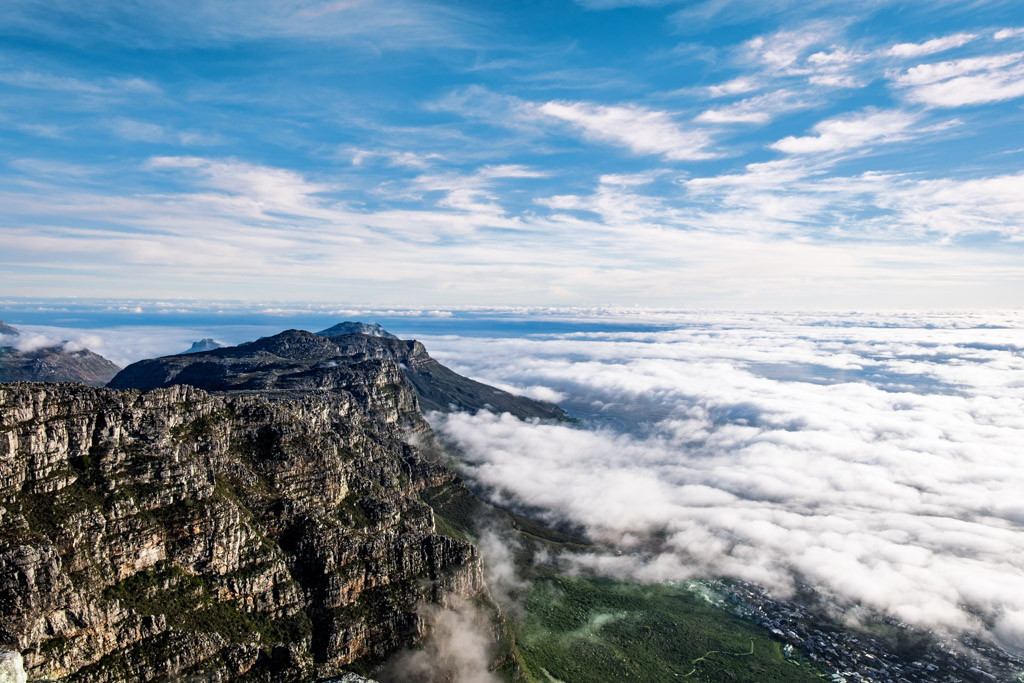
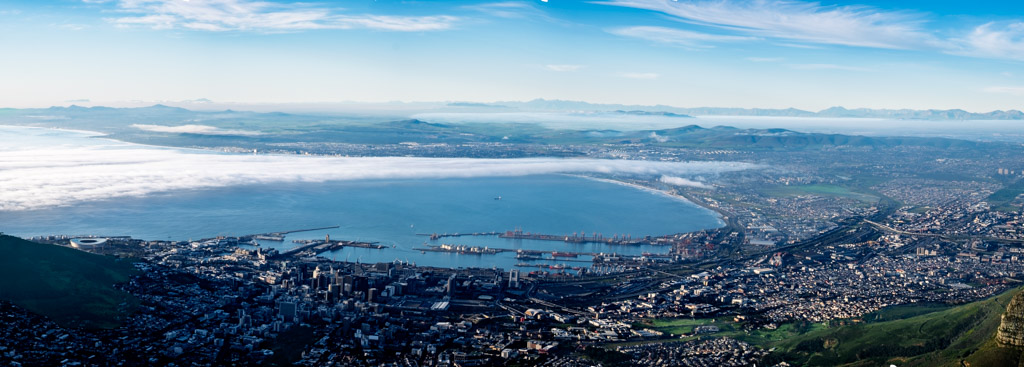
Our grand finale for the day was a ride aboard the iconic rotating cable car to the summit of Table Mountain. As the cable car slowly revolved during the ascent, it offered ever-changing views of Cape Town, Signal Hill, Lion’s Head Peak, Devil’s Peak, Camps Bay, and the Atlantic coastline. At the top, we took a short walk along the summit, soaking in breathtaking panoramic views of the city, Table Bay, and the surrounding mountains before descending and returning to our hotel for a late dinner.
Our African Adventure Begins – July 8, 2026
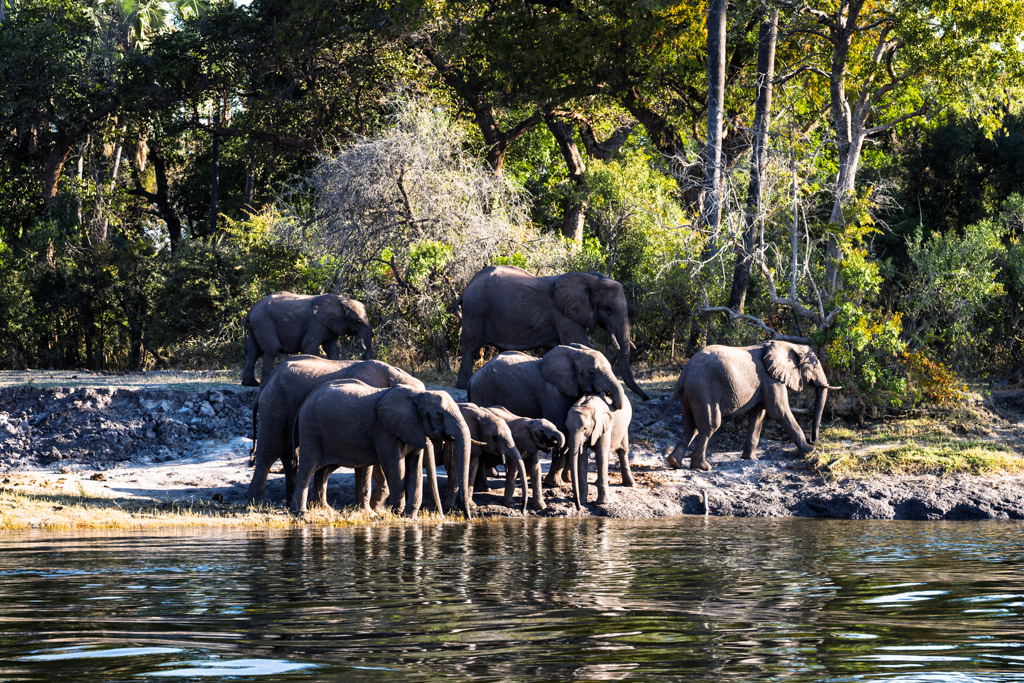
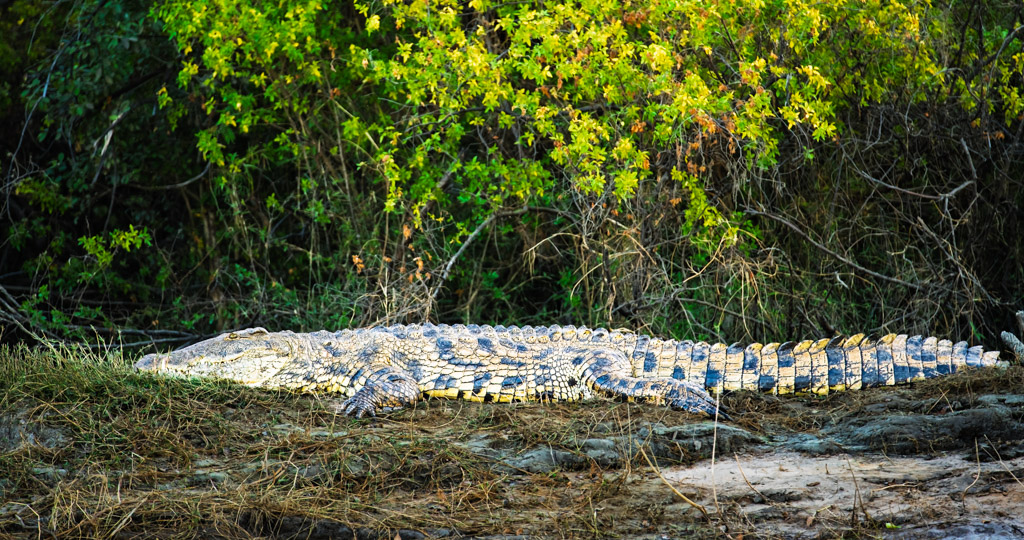
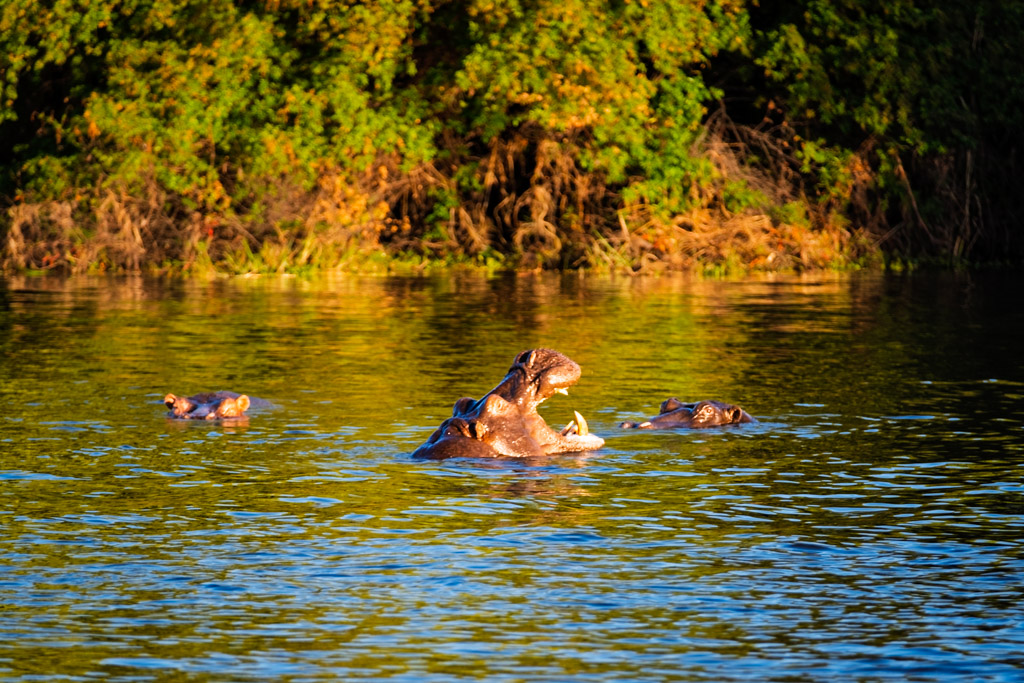
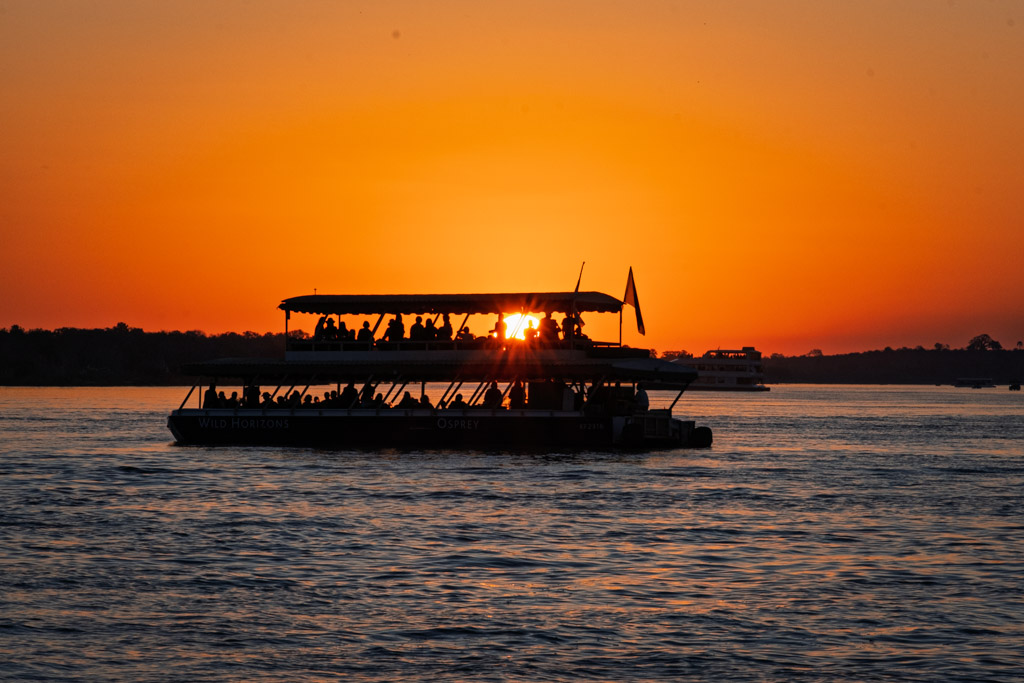
A morning Airlink flight from Cape Town brought us to Victoria Falls, Zimbabwe. Formerly known as Southern Rhodesia, Zimbabwe is a landlocked country in southern Africa, bordered by Zambia, Mozambique, South Africa, and Botswana. After clearing immigration, we were met at the airport and driven to our accommodation at The Elephant Camp, a beautiful safari lodge overlooking the spectacular Batoka Gorge. Later that evening, we embarked on a relaxing sunset cruise along the mighty Zambezi River, the fourth longest river in Africa after the Nile, the Congo, and the Niger. As we drifted downstream, we had our first encounter with Africa’s incredible wildlife: herds of elephants gathered along the riverbank, Nile crocodiles basking on sandy shores, and rafts of hippos surfacing in the water, while vibrant birdlife added color to the tranquil setting. The evening’s perfect finale was a breathtaking sunset, as the sky transformed into brilliant shades of gold, orange, pink, and crimson, beautifully reflected across the river.
Dawn Safari to Sunset Sundowner – July 9, 2026
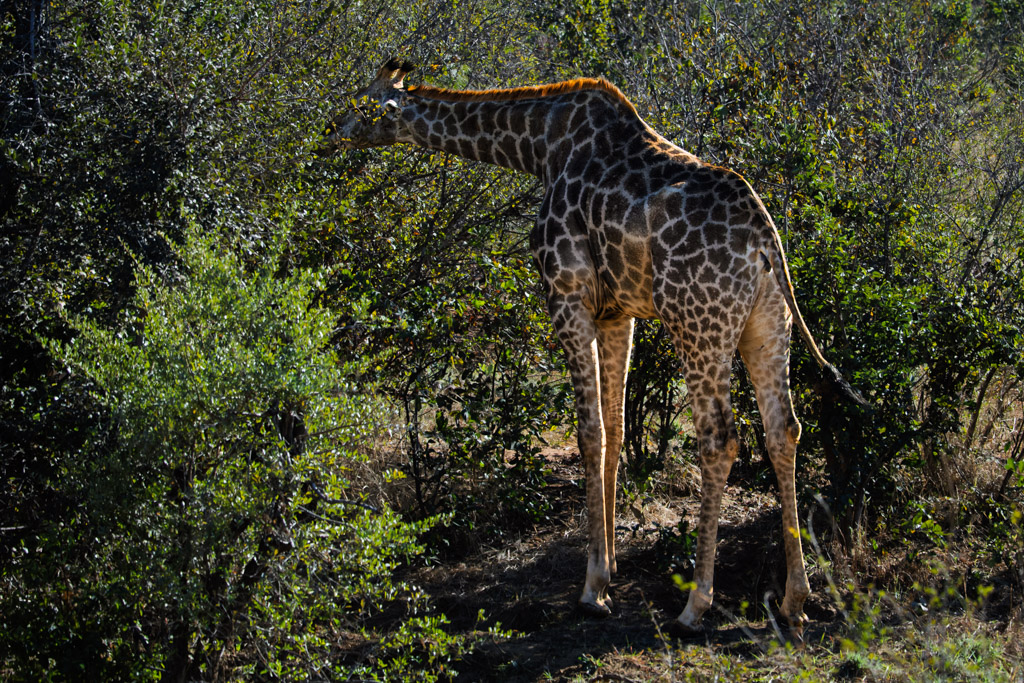
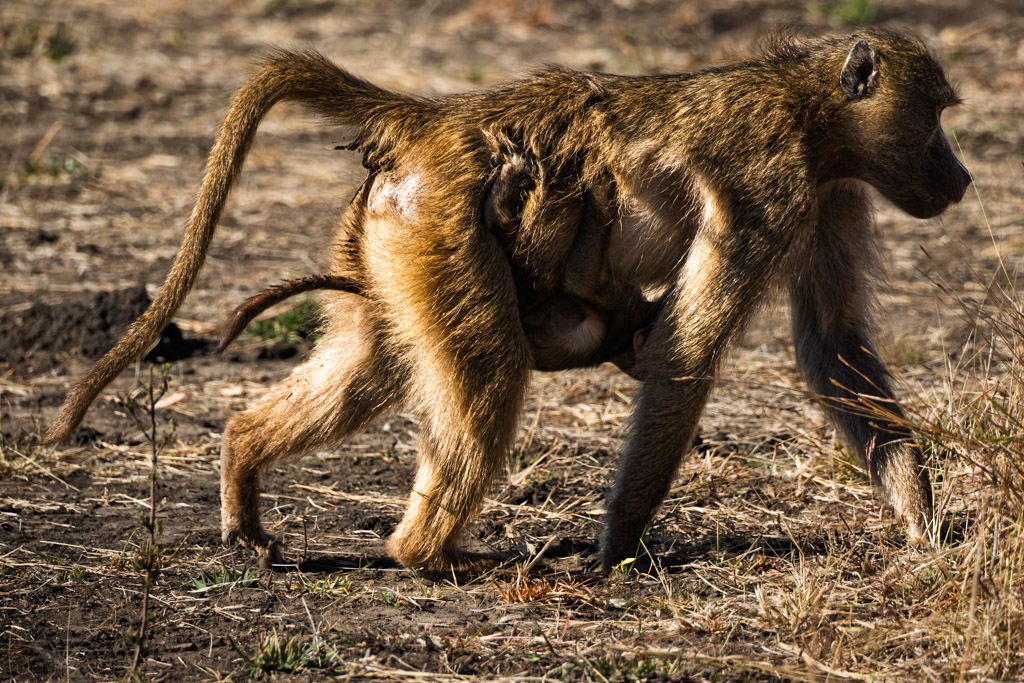
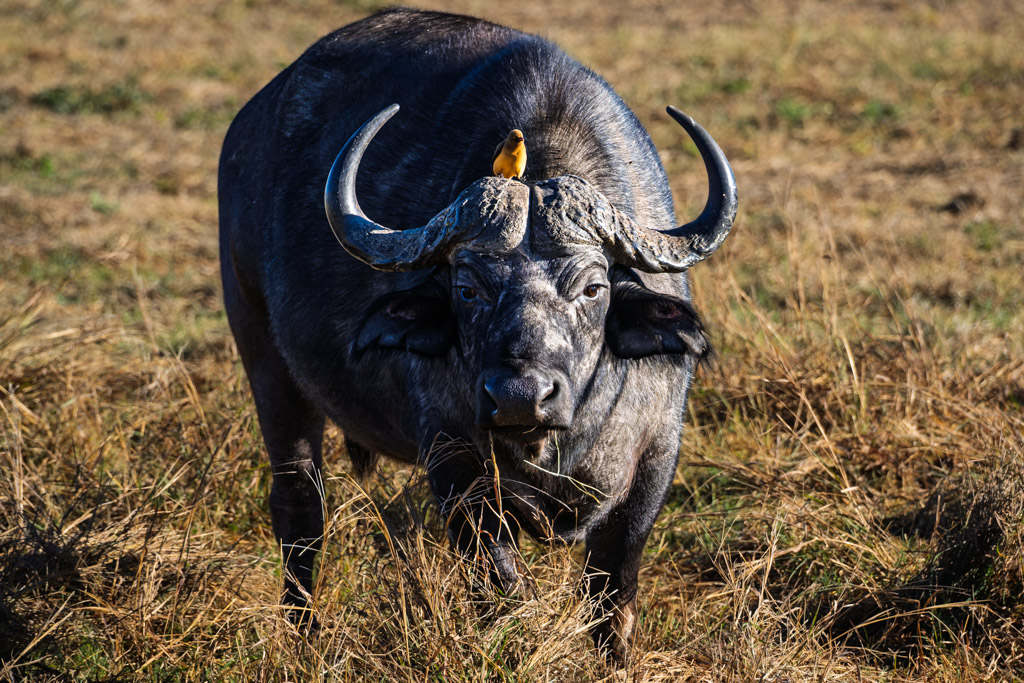
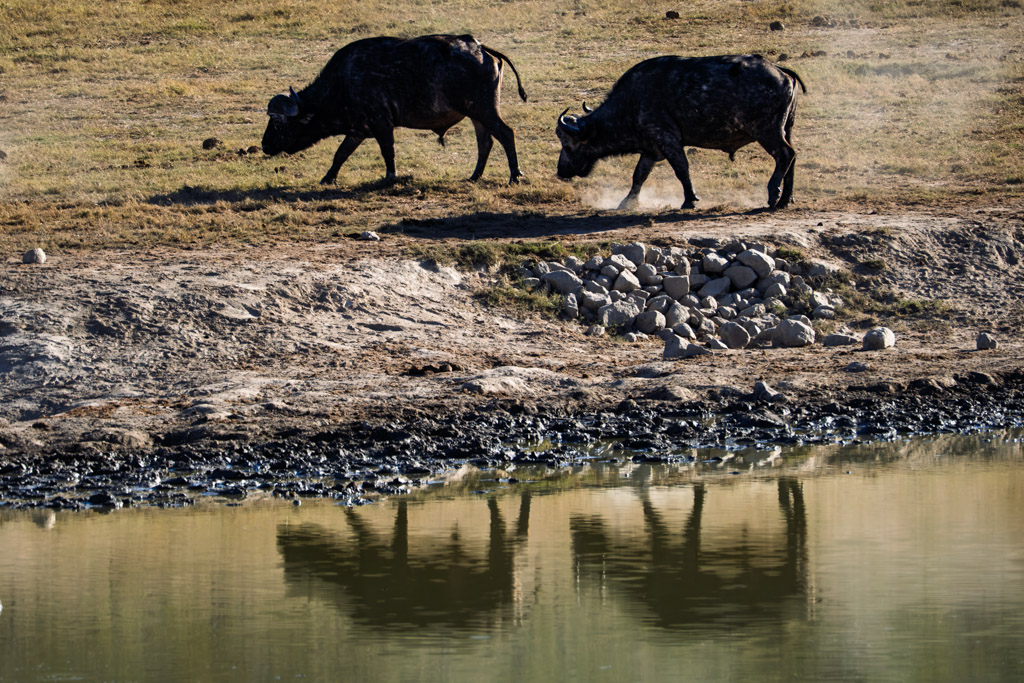
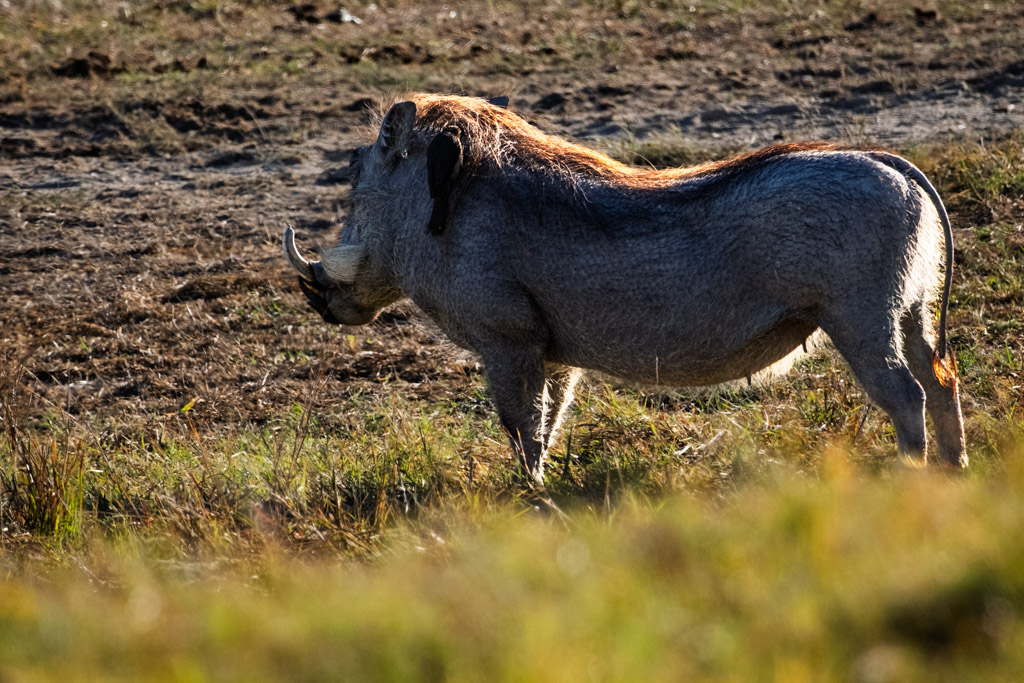
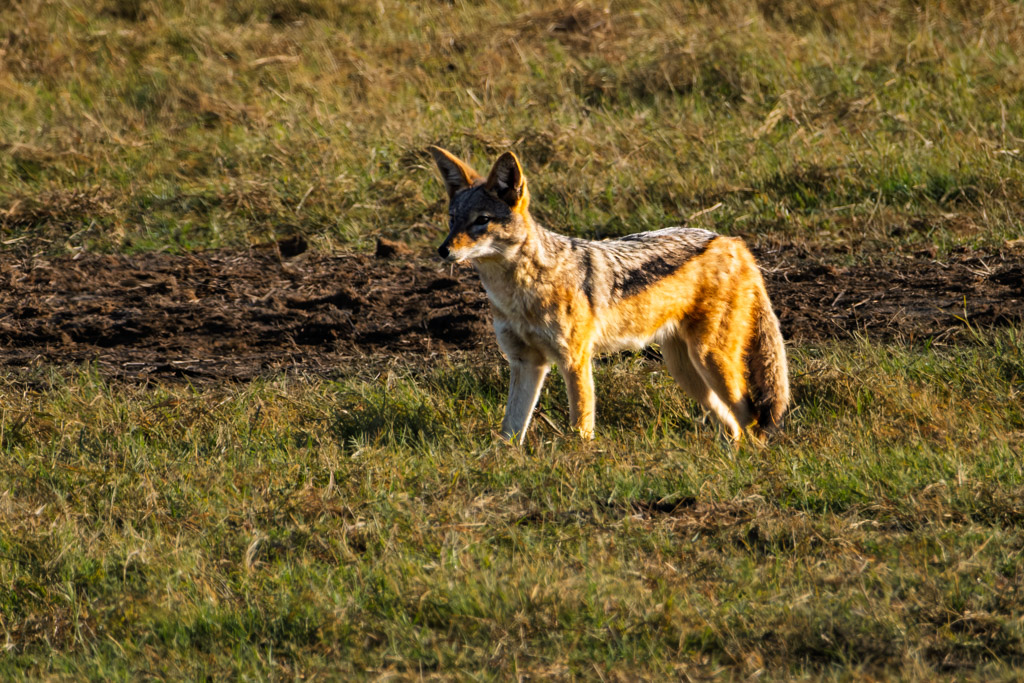
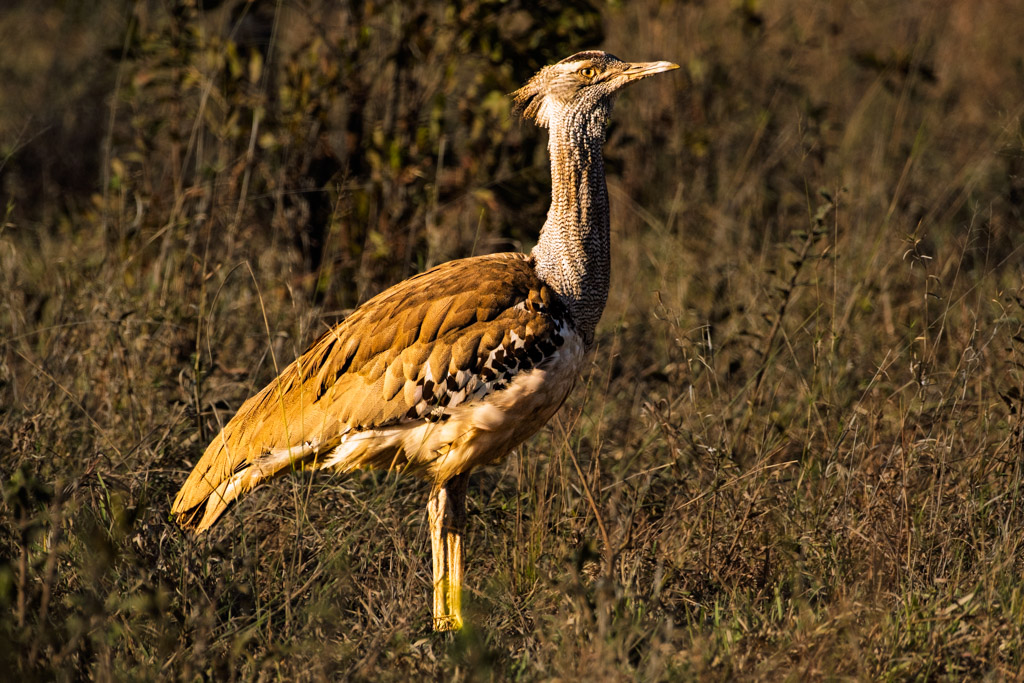
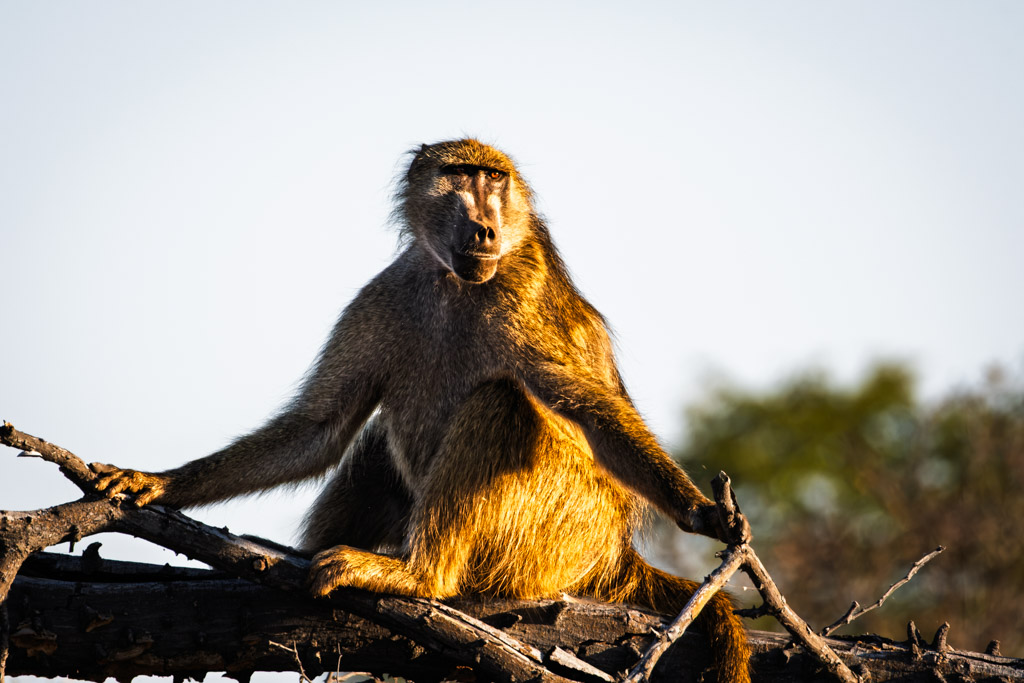
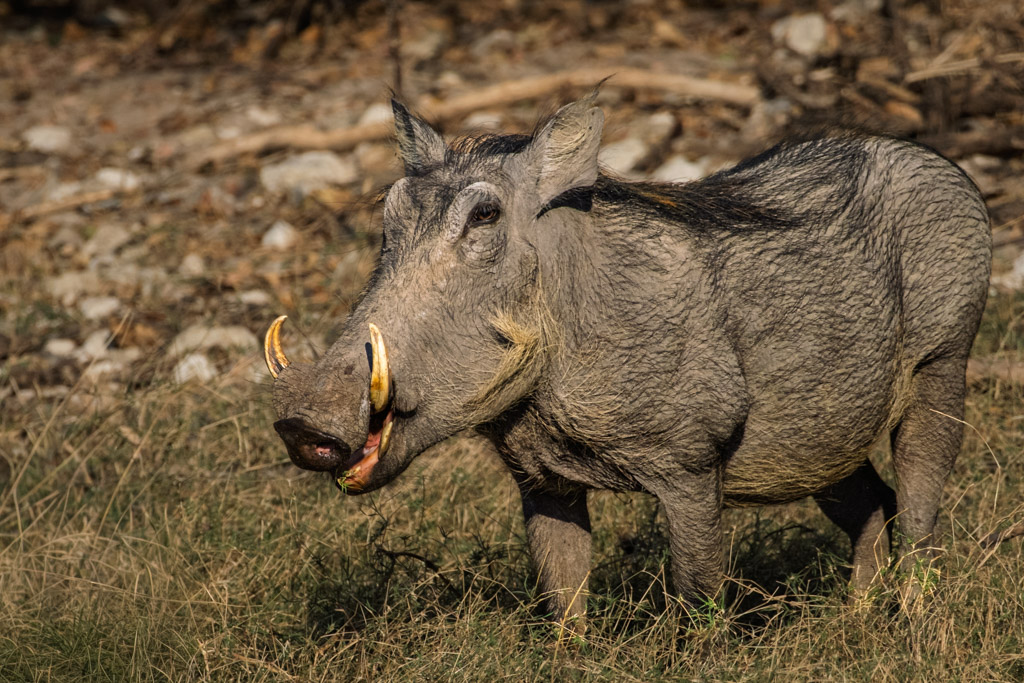
Today was filled with memorable experiences. While Christabel enjoyed a leisurely morning at the lodge, Albert set out before sunrise for a game drive through the Chamabondo section of Zambezi National Park. The outing provided an excellent introduction to the region’s abundant wildlife. Along the way, he encountered troops of baboons, solitary elephants, graceful giraffes, Cape buffalo, jackals, warthogs, and an impressive variety of bird species. The stunning lighting made for incredible photography and wildlife viewing, making it a truly rewarding start to another day in Africa.
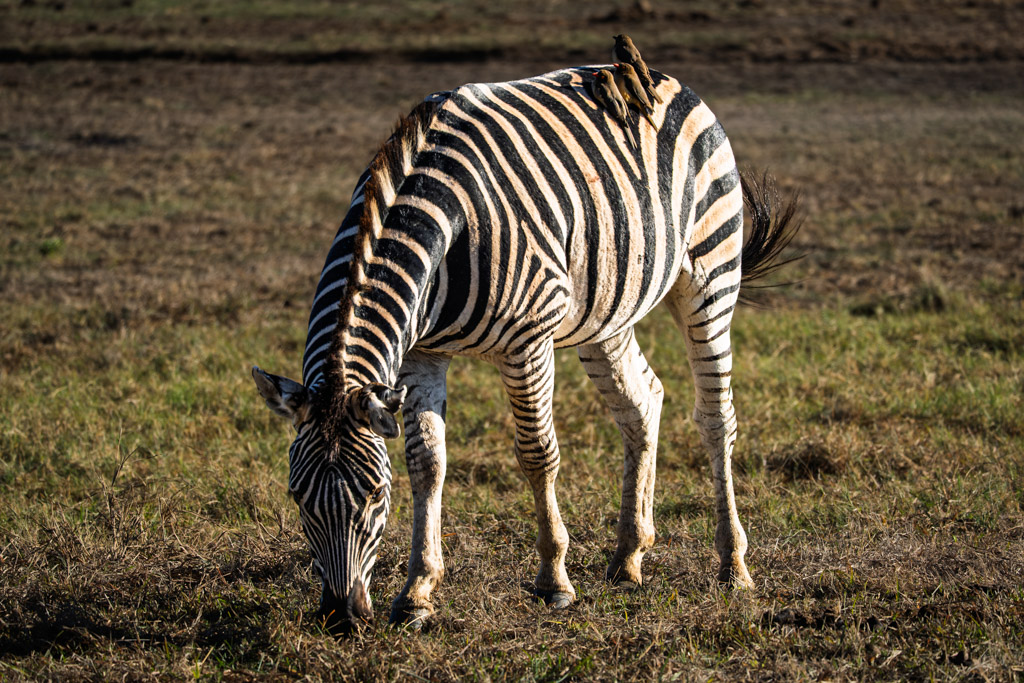
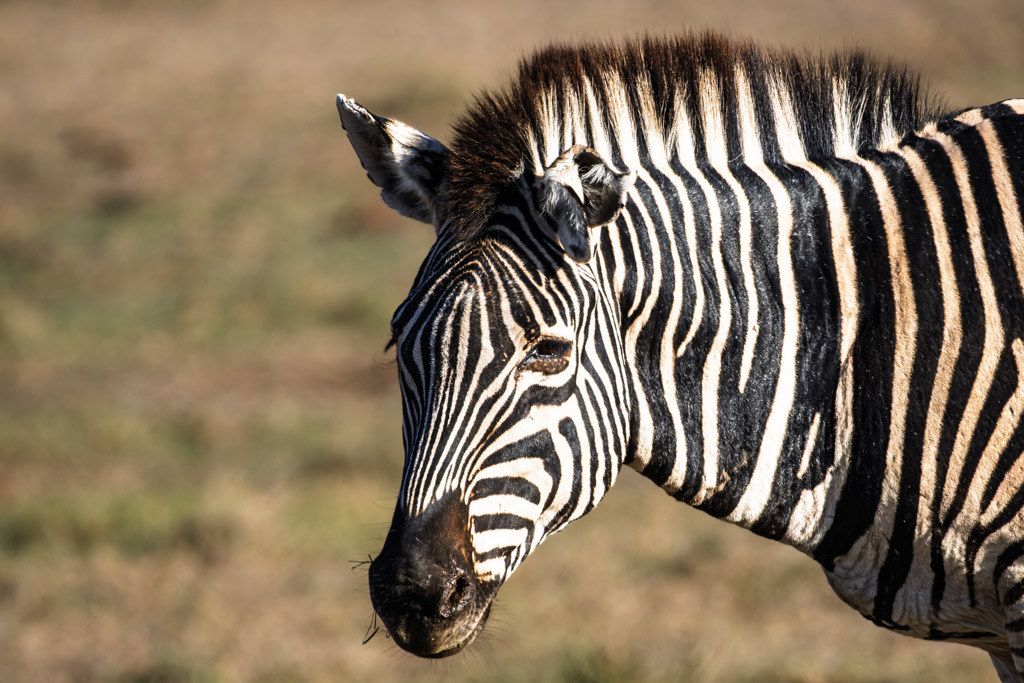
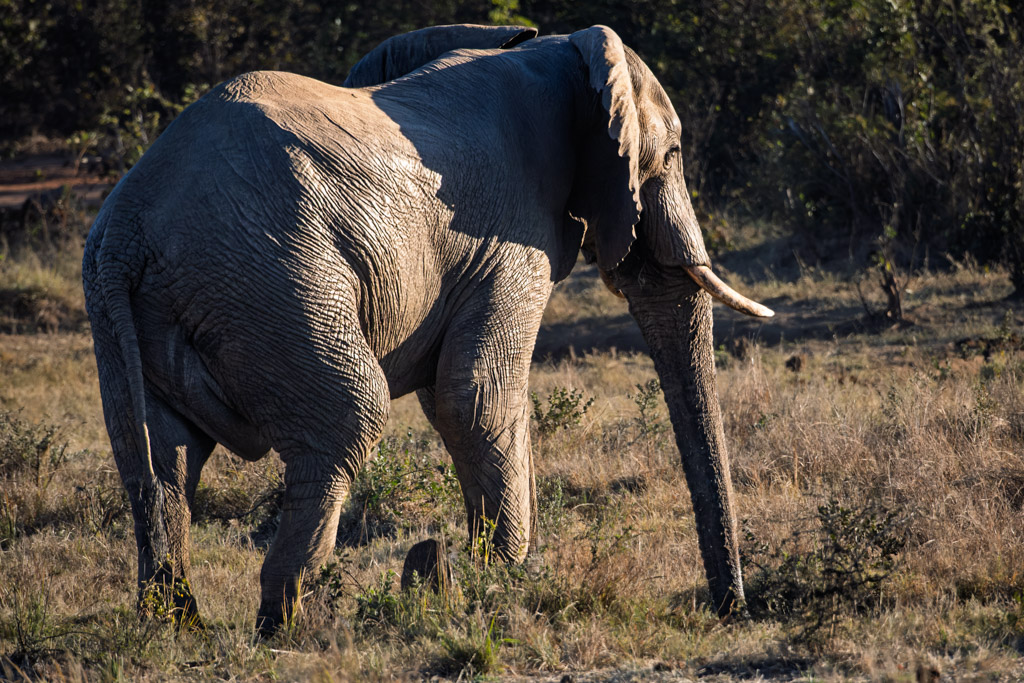
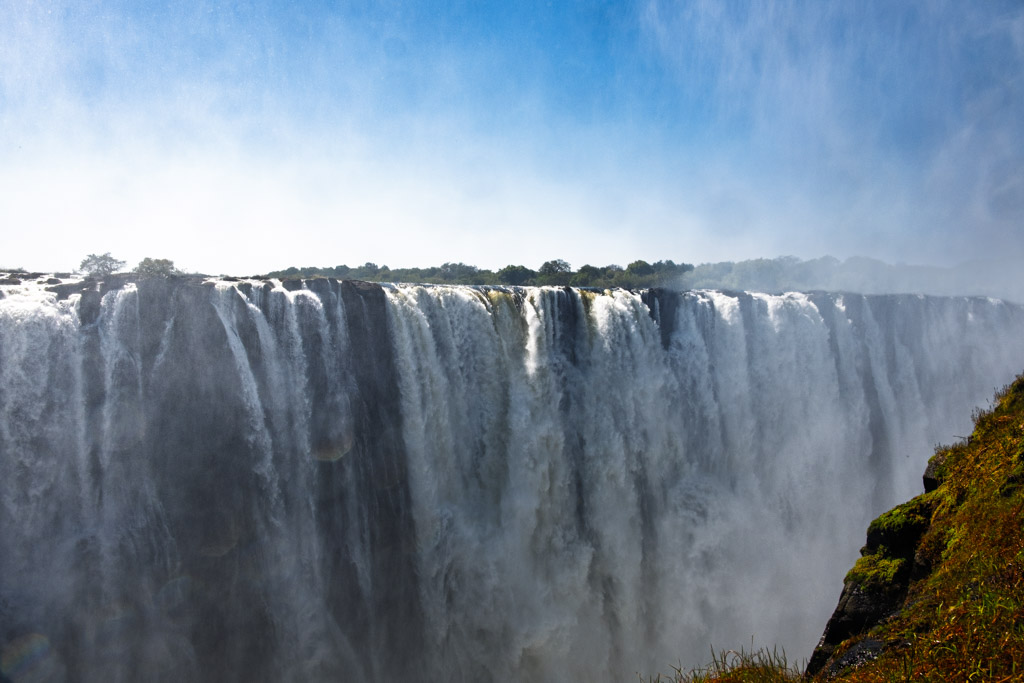
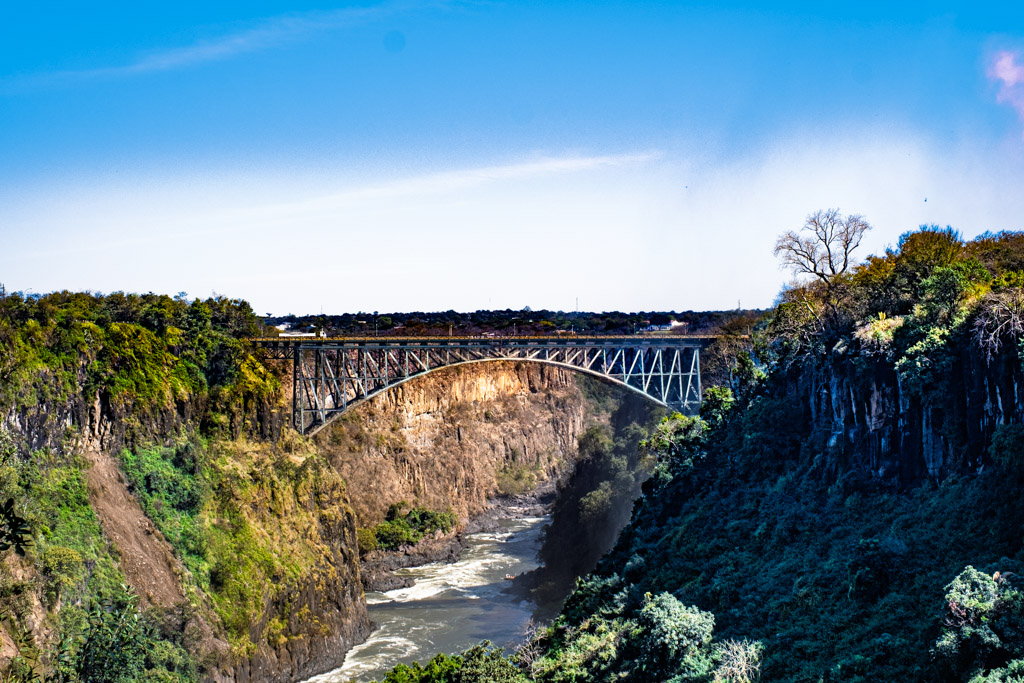
Later that morning, we joined a guided tour to experience the magnificence of Victoria Falls from the Zambian side. After Albert returned from his game drive, we were driven across the historic Victoria Falls Bridge, which spans the mighty Zambezi River to connect Zimbabwe and Zambia. Once across the border, our guide led us along a network of walking trails, stopping at scenic viewpoints to explain the history, geology, and immense power of this natural wonder. As we drew closer, the steady roar of cascading water deepened, and the fine mist quickly turned into a drenching spray. Though we got thoroughly soaked, the exhilarating, close-up views made the experience entirely worth it.
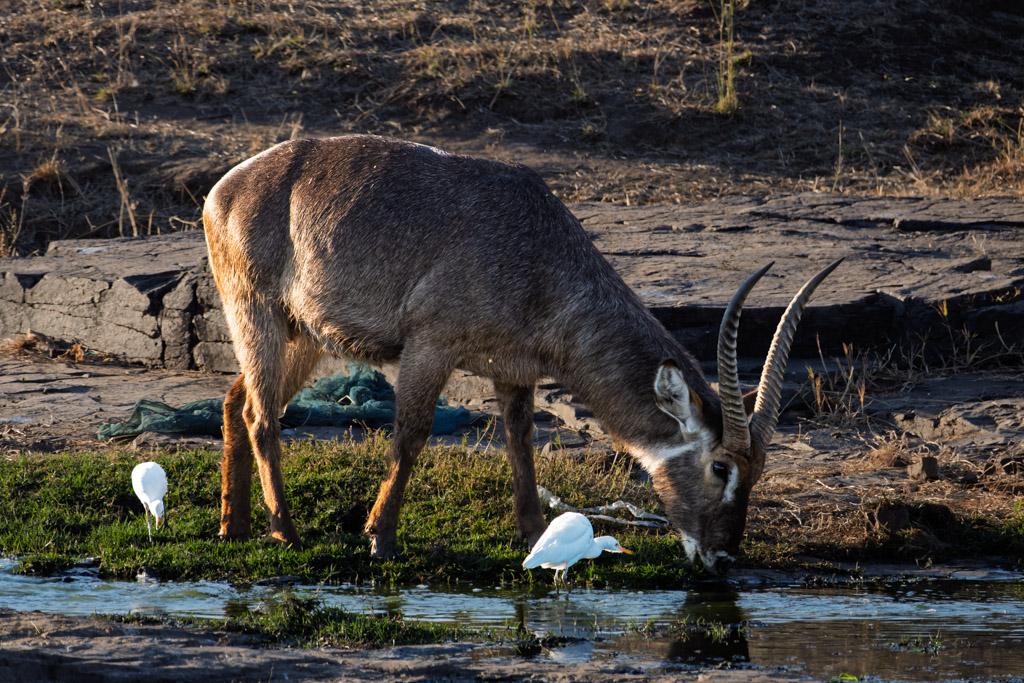
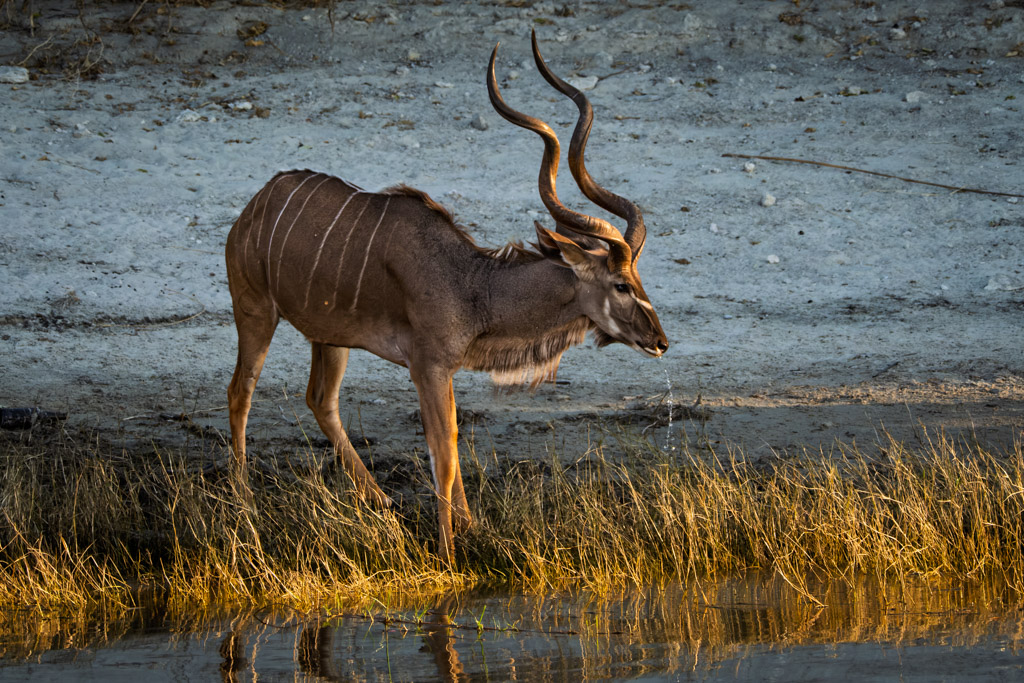
Later that afternoon, we met our fellow travelers and set out together on the group’s first game drive—this time through a section of Victoria Falls National Park. Though shorter than the morning excursion, this drive marked the official start of our Southern Africa adventure. Along the way, we spotted graceful kudu (the second biggest antelope after the eland), large troops of baboons, waterbuck, and solitary elephants, alongside giraffes and several bird species. As the day drew to a close, we gathered for a traditional safari sundowner overlooking the spectacular Batoka Gorge which has been carved by the Zambesi River over millennia—a peaceful, perfect end to an unforgettable day in Zimbabwe.
Gentle Giants to Thundering Falls – July 10, 2026
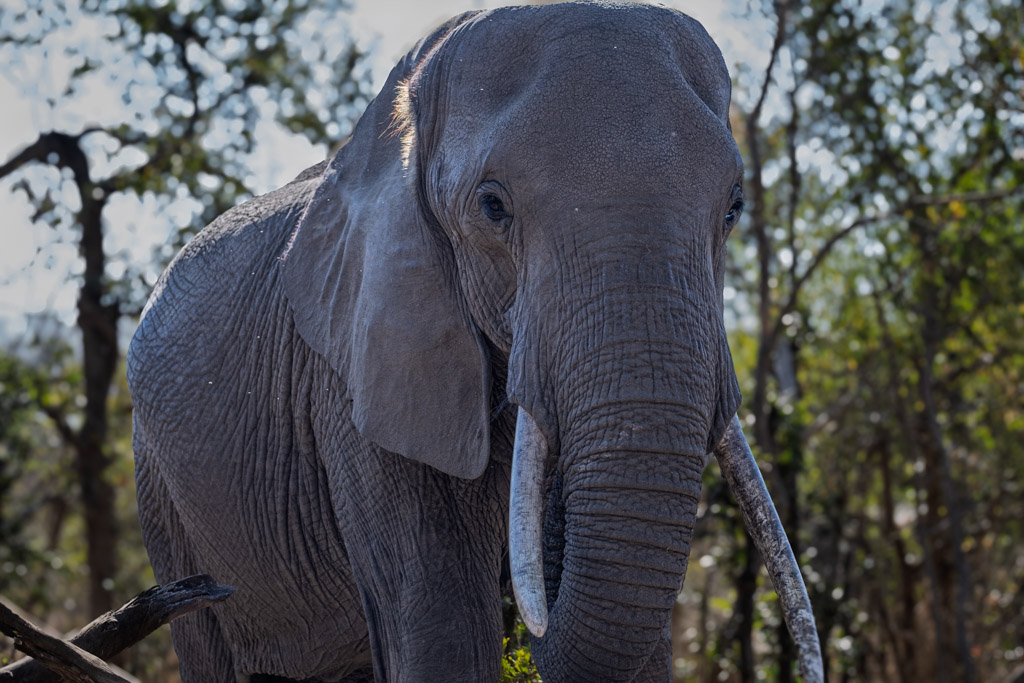
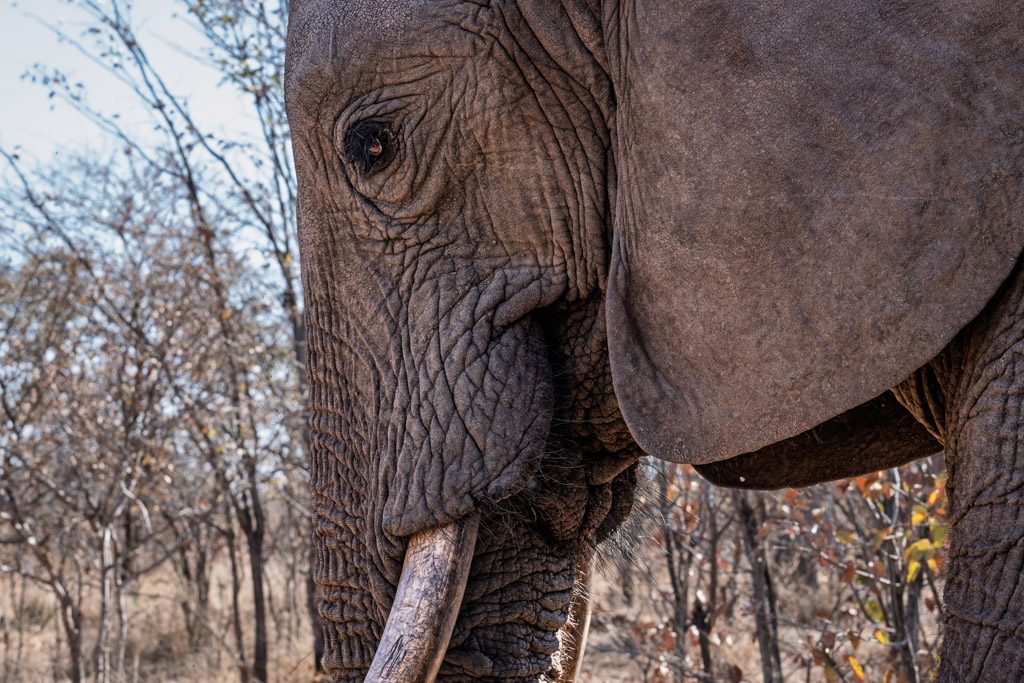
Our day began with a memorable private visit to the Elephant Sanctuary and Orphanage near Victoria Falls, where we had the rare opportunity to spend time with a family of African elephants (Jock, a big tusker, and girls Janet, Emily, and Naledi) in their natural bush environment. Dedicated to conservation through education, the sanctuary provides lifelong care for elephants that are orphaned, displaced, or cannot be returned to the wild, while helping visitors gain a deeper understanding of their remarkable intelligence, complex social behavior, and the challenges they face. Accompanied by knowledgeable guides and experienced handlers, we walked alongside these gentle giants through the bush to a feeding area, where they patiently lined up to receive their favorite treats. On the way back to the reception area, while getting out of the van, Christabel slipped and took quite a tumble with her head landing on someone’s shoe. What an embarrassing fall that was, our fellow travellers!
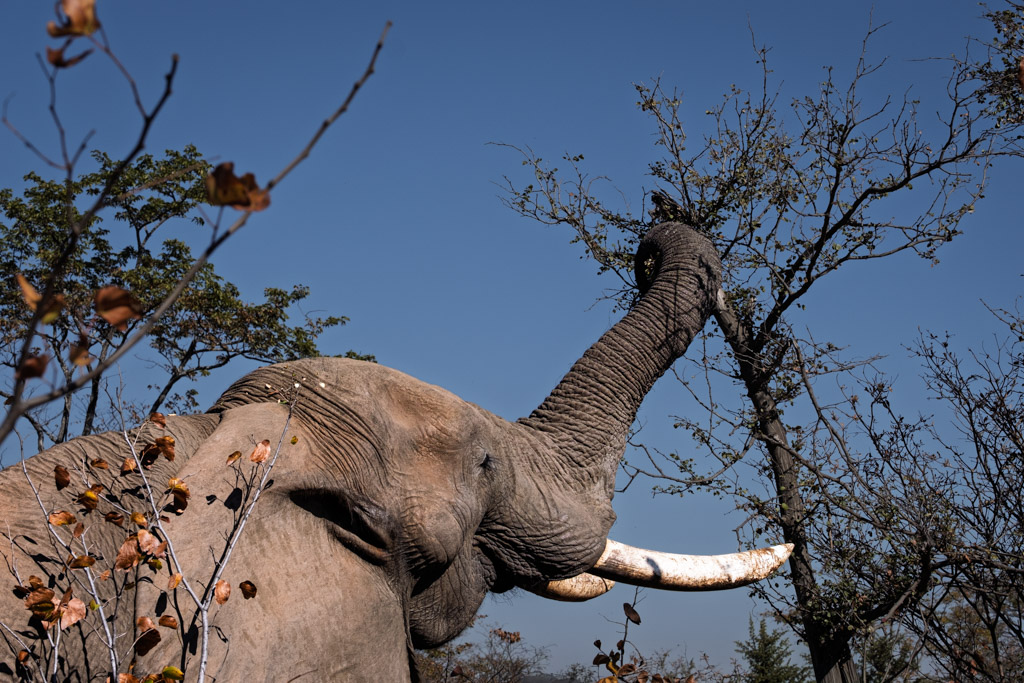
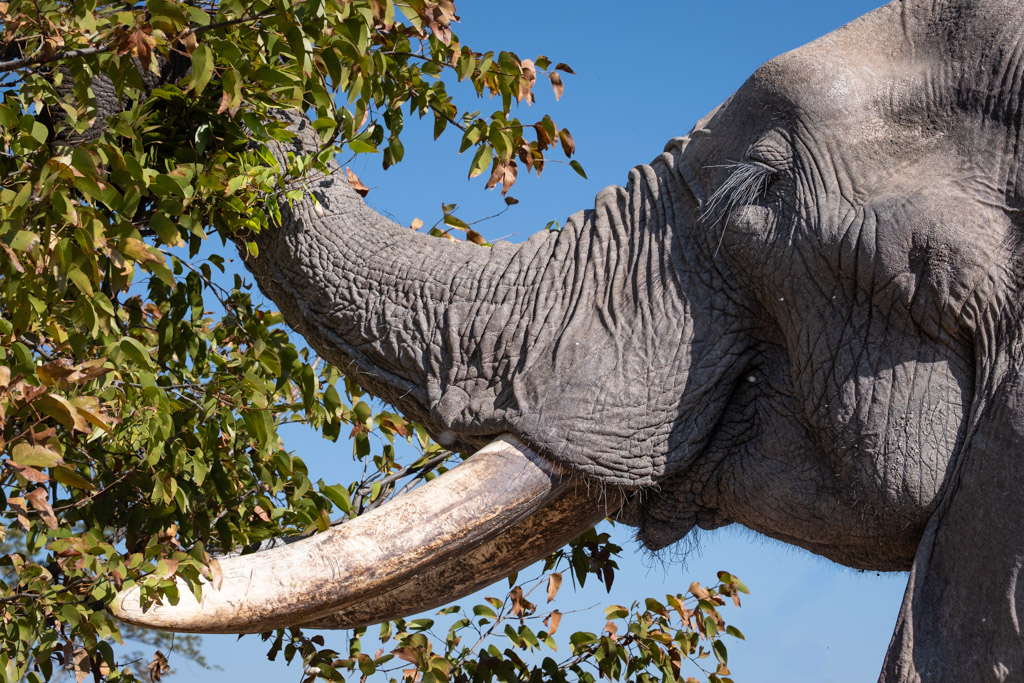
We continued on to the Victoria Falls Wildlife Trust, a renowned conservation organization dedicated to protecting Southern Africa’s wildlife. We toured its veterinary and rehabilitation clinic, where we learned about the treatment of animals injured by snares, traps, and poaching, as well as the Trust’s broader conservation efforts.
Next, we enjoyed lunch at the Lookout Café, perched high above the Batoka Gorge with spectacular views of the Victoria Falls Bridge spanning the mighty Zambezi River and views of people ziplining.
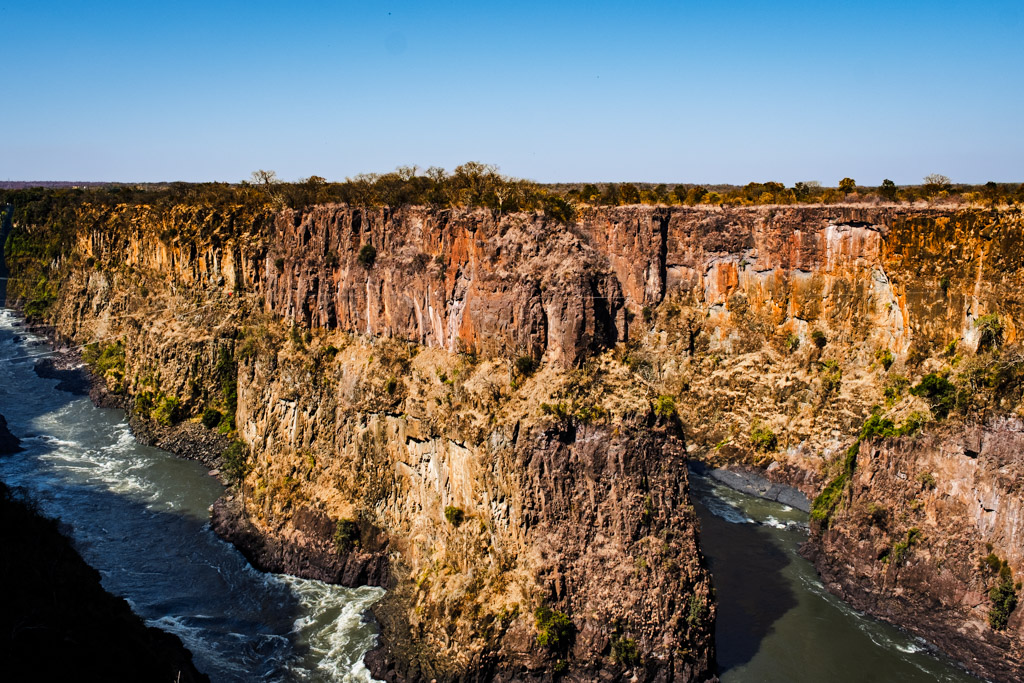
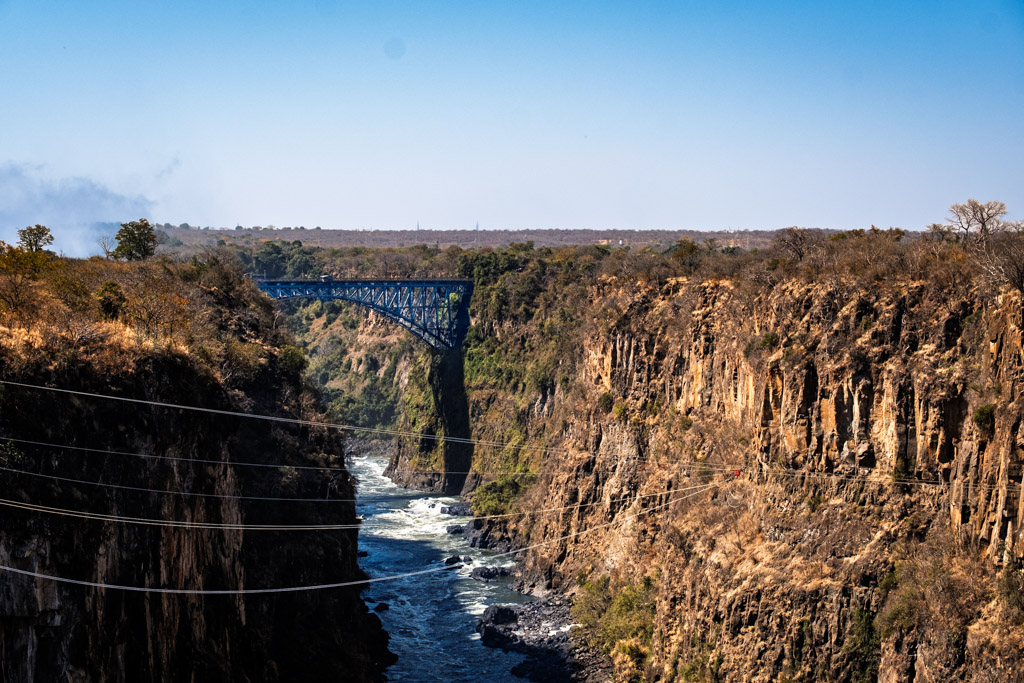
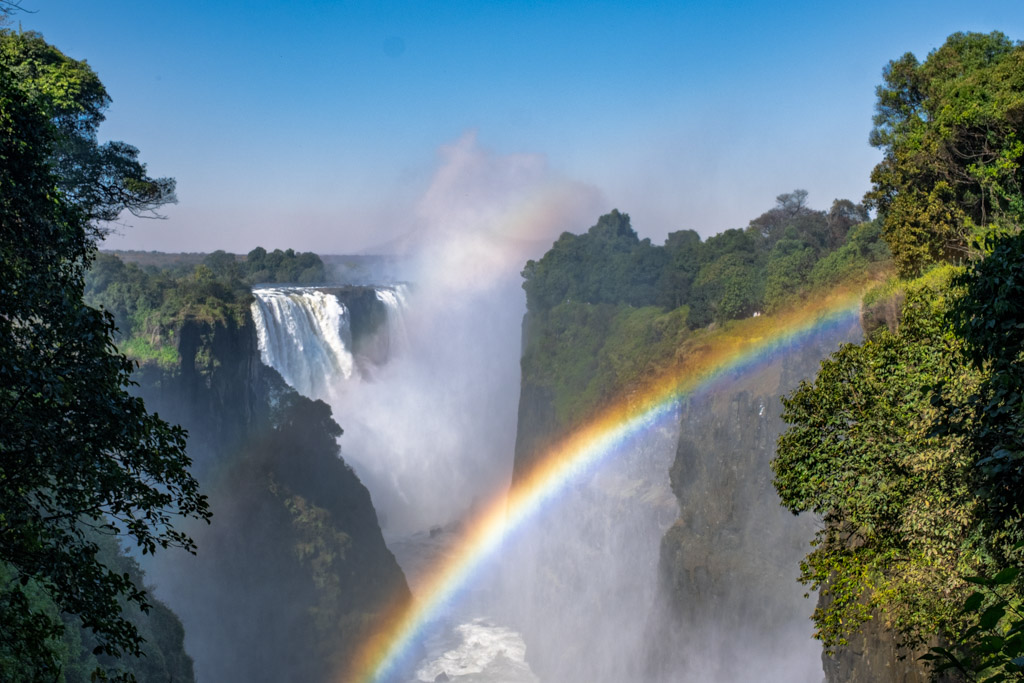
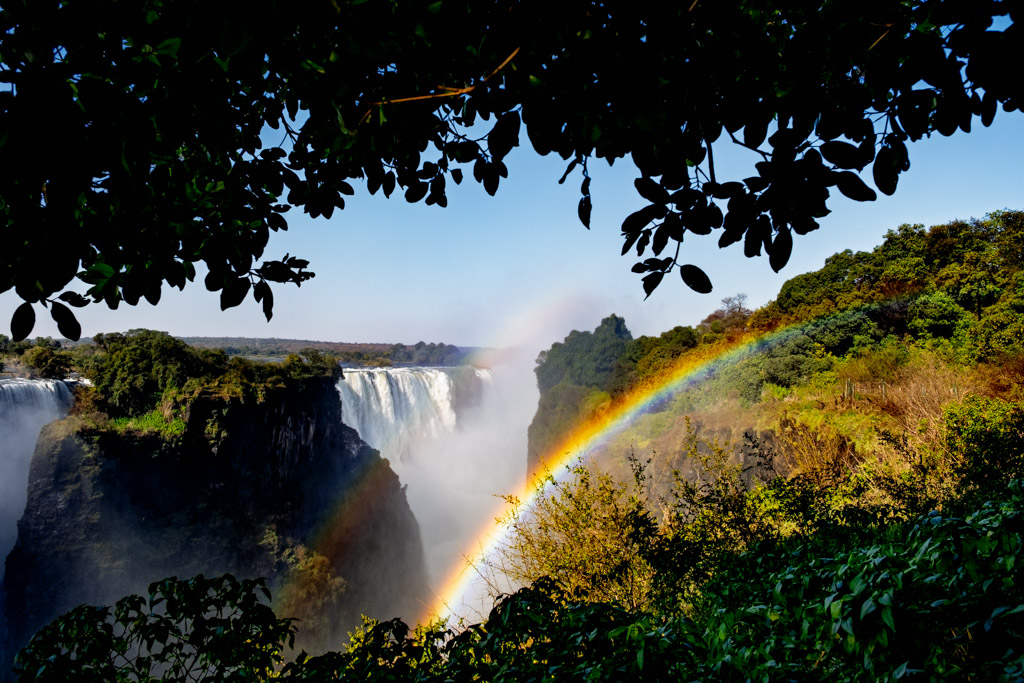
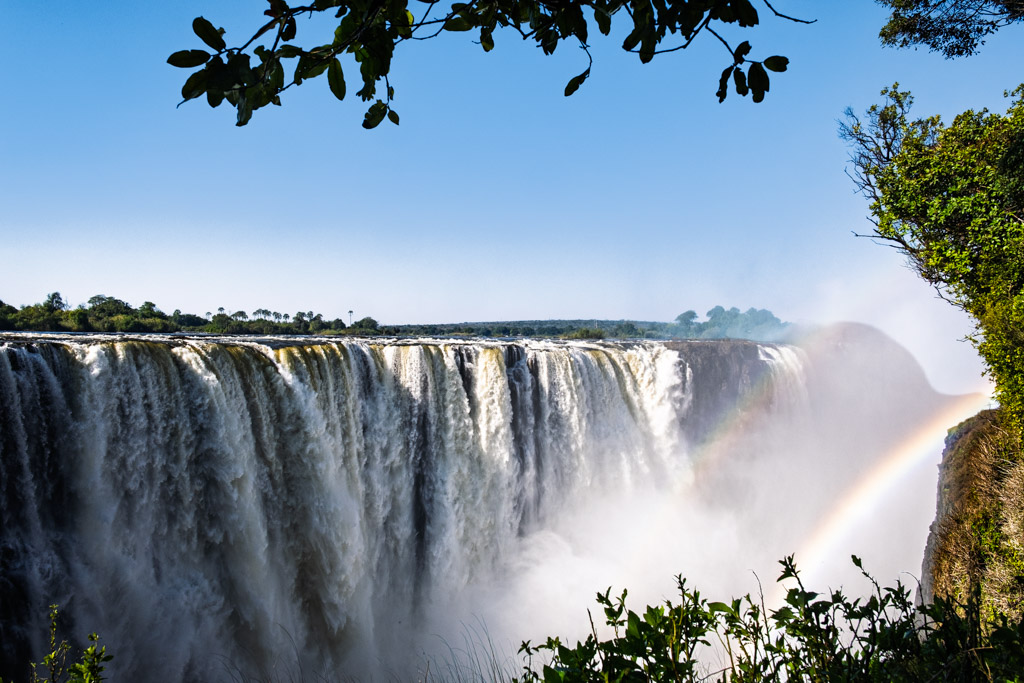
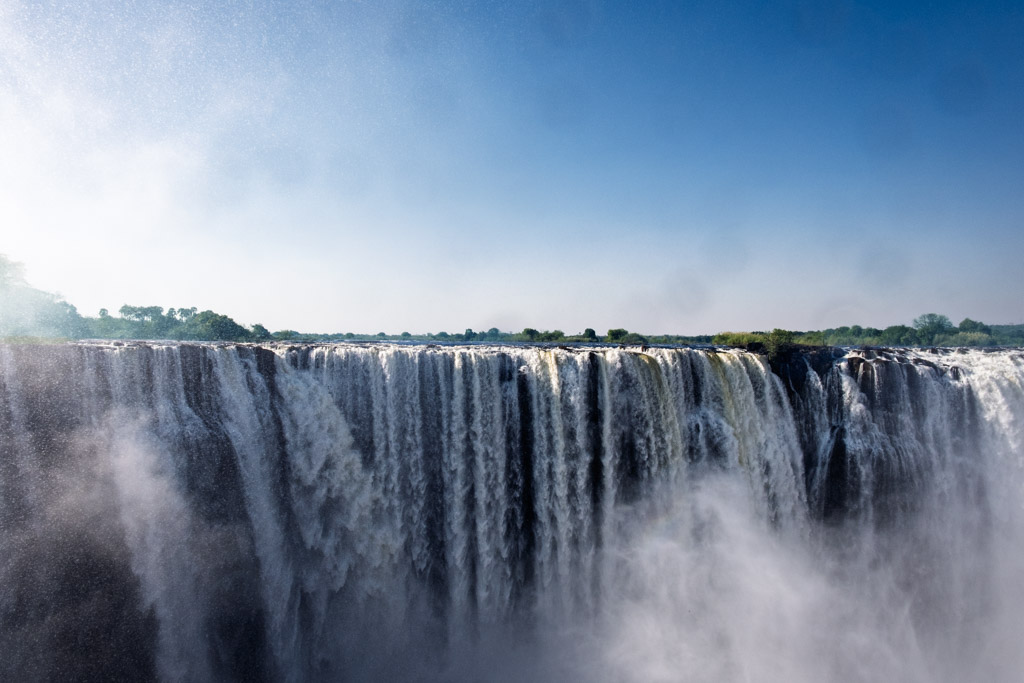
In the afternoon, we met our local guide, Wonder (yes, that’s his name), for a walking tour of the mile-long curtain of water that is Victoria Falls, a UNESCO World Heritage Site and one of the Seven Natural Wonders of the World. Wonder began by recounting how the Scottish missionary and explorer David Livingstone became the first European to see the falls in 1855 during his expedition along the Zambezi River. Captivated by their immense beauty, he named them Victoria Falls in honor of Queen Victoria, although the local name, Mosi-oa-Tunya—meaning “The Smoke That Thunders”—had long been used by the indigenous people. Wonder then led us along the network of rainforest trails, stopping at several spectacular viewpoints, including the Devil’s Cataract, Main Falls and Livingstone Island, Horseshoe Falls, Rainbow Falls, and the Eastern Cataract. This time, much wiser from the previous day’s trip, we did not get as soaked as on the Zambian side.
Dinner this evening was in the boma and all the residents of Elephant Camp were invited. A boma is an open-air, enclosed space where people get together to connect, share stories, dance, drink, and feast in front of a large fire. Each one of us was given a chitenge (a length of colorful fabric that was wrapped around like a sarong and knotted at one shoulder) to wear on entering the boma.We then sat down to eat a tremendous amount of food while a troupe of local performers sang and danced, with several members of our group joining in.
Arrival at Chobe: Wildlife, River Safari & Sunset – July 11, 2026
This morning, we crossed the border into Botswana (after getting our passports stamped and our shoes disinfected against Mad Cow disease) and made our way to Chobe Game Lodge, our home for the next three days. Botswana is a landlocked country in Southern Africa, about the size of France, bordered by Namibia, Zimbabwe, Zambia, and South Africa. Formerly the British protectorate of Bechuanaland, it gained independence on September 30, 1966. Today, it is renowned for its stable democracy, strong commitment to wildlife conservation, and for supporting the largest population of African elephants in the world. It is also home to Alexander McCall Smith’s fictional character Mma Ramotswe and her No. 1 Ladies Detective Agency series.
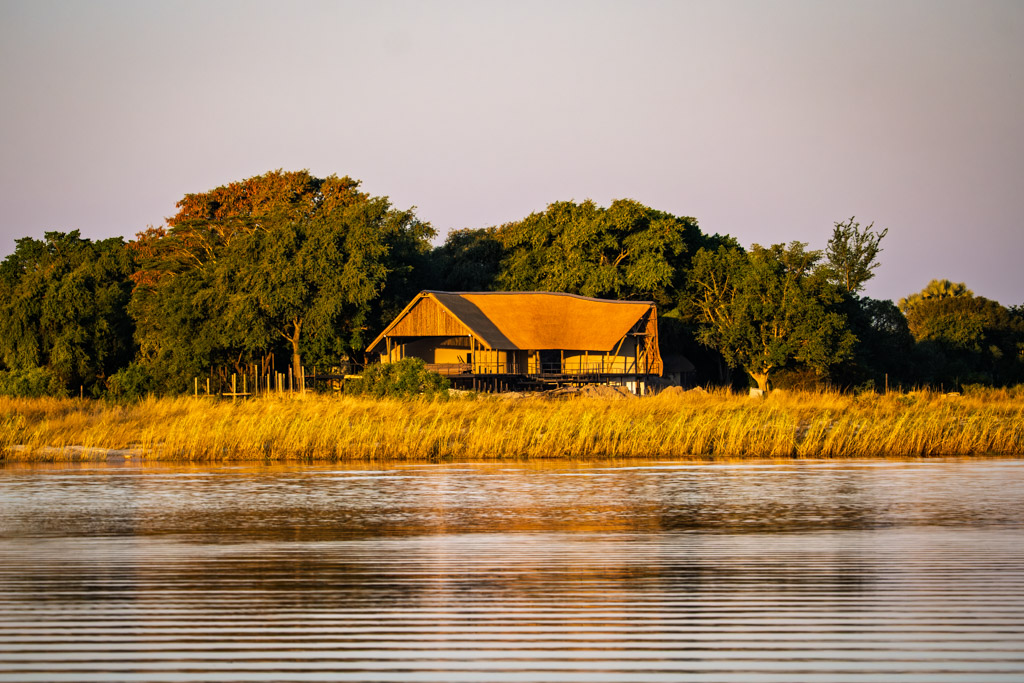
Nestled on the banks of the Chobe River in the heart of Chobe National Park, Chobe Game Lodge is the park’s only permanent luxury lodge located within its boundaries. The lodge is celebrated not only for its spectacular setting and abundant wildlife but also for its rich history. It gained international fame when Richard Burton and Elizabeth Taylor chose it as their honeymoon destination following their 1975 remarriage.
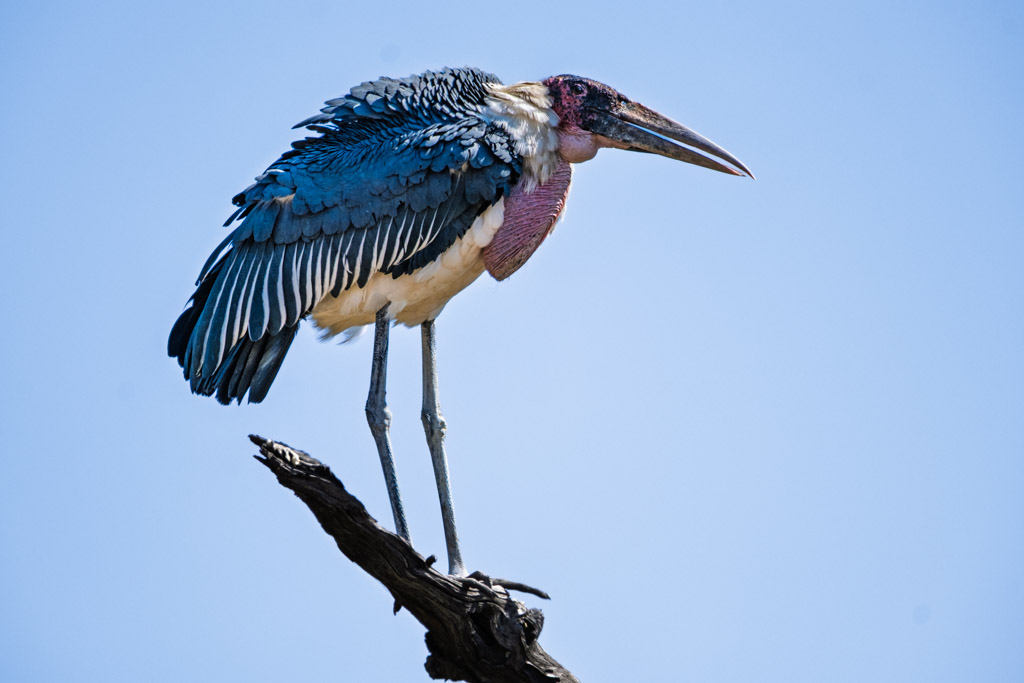
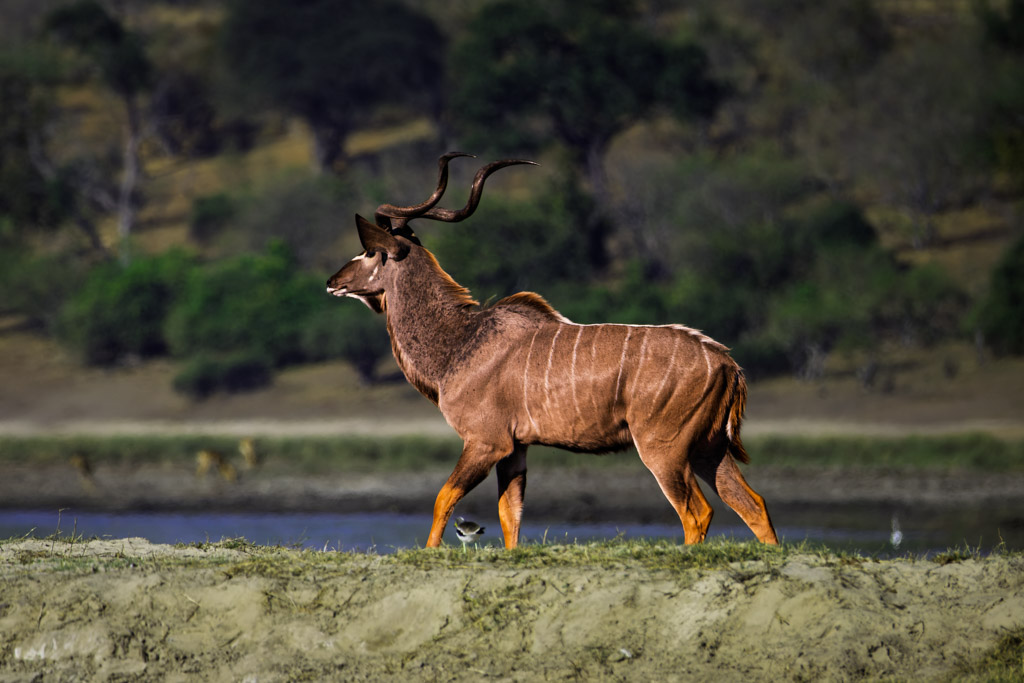
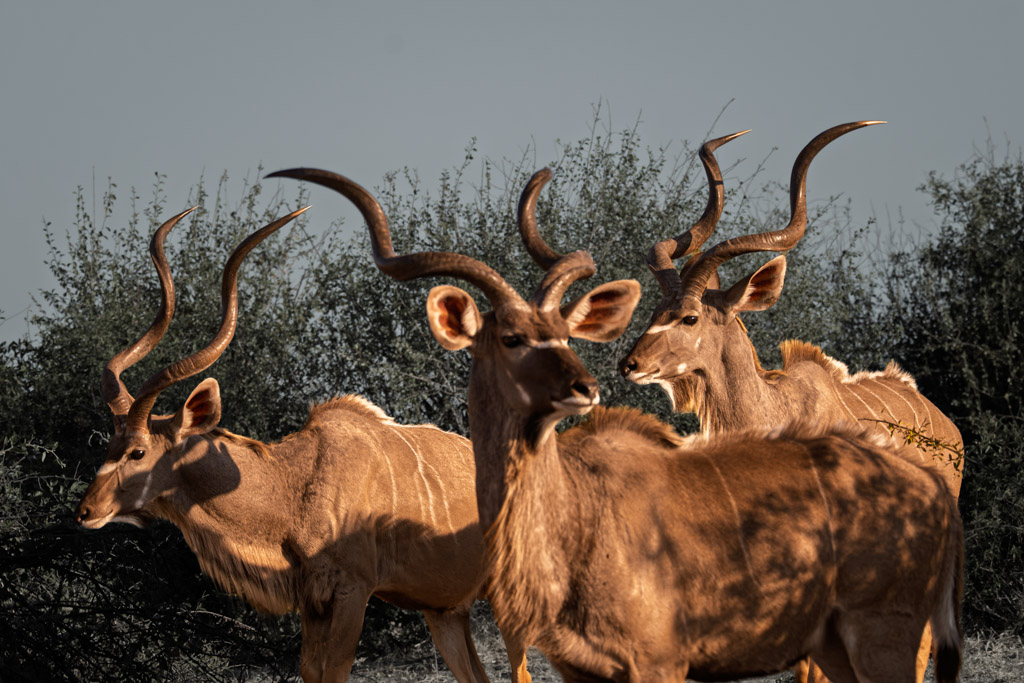
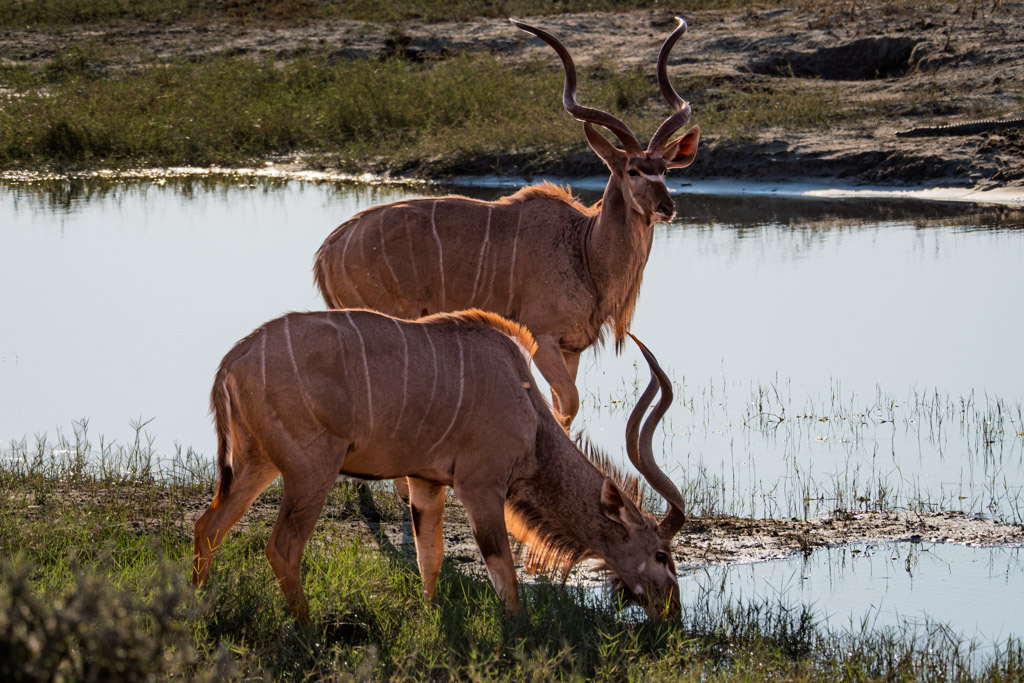
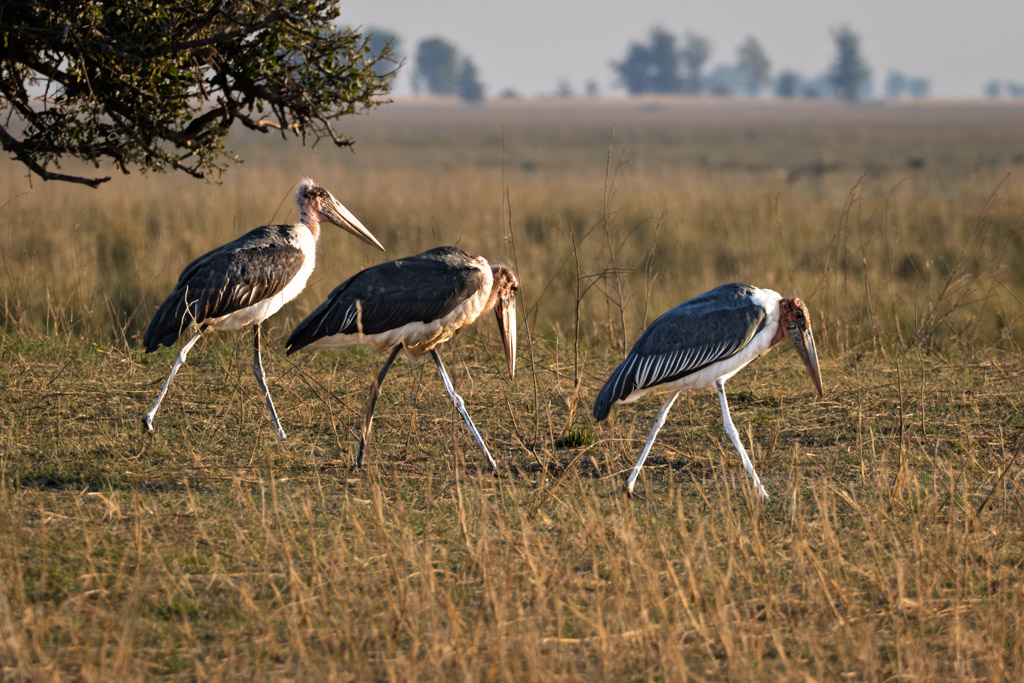
Shortly after entering Chobe National Park en route to the lodge, we enjoyed our first wildlife sightings—a raft of hippos in the water, a graceful giraffe browsing among the trees, herds of impalas and kudu grazing nearby, and a lone Marabou Stork perched majestically atop a dead tree, surveying its surroundings.
After lunch, before our afternoon boat safari, we attended an informative talk on vultures and their vital role as nature’s cleanup crew. By consuming animal carcasses, they help prevent the spread of disease and recycle nutrients back into the ecosystem. The presentation also highlighted the sharp decline in Africa’s vulture populations due to poisoning, habitat loss, power line collisions, and other human-related threats, underscoring the urgent need for continued conservation efforts.
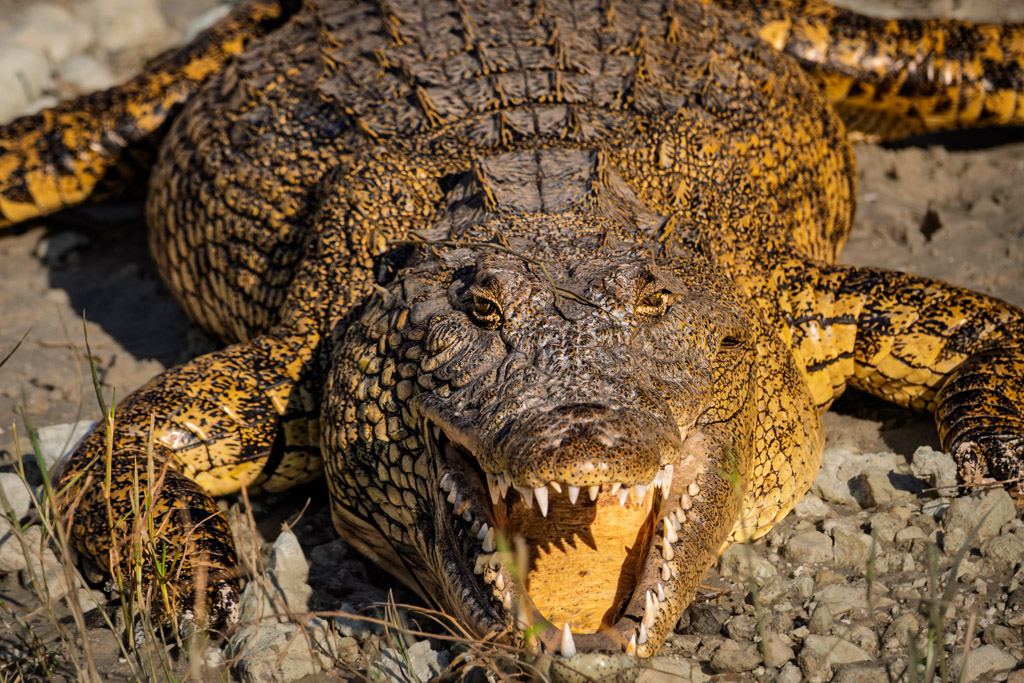
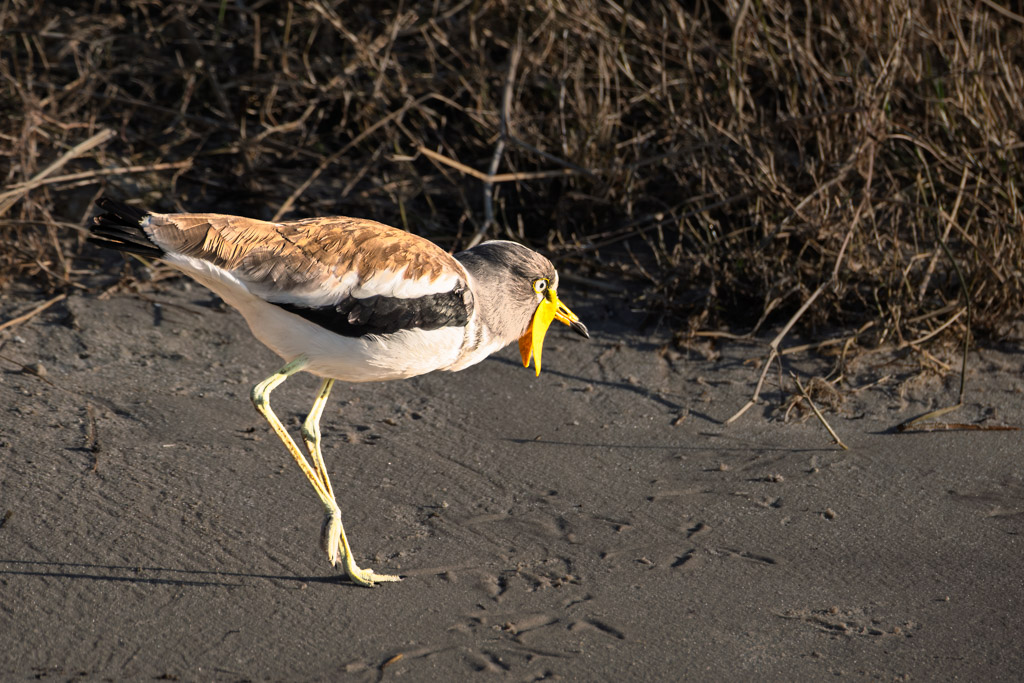
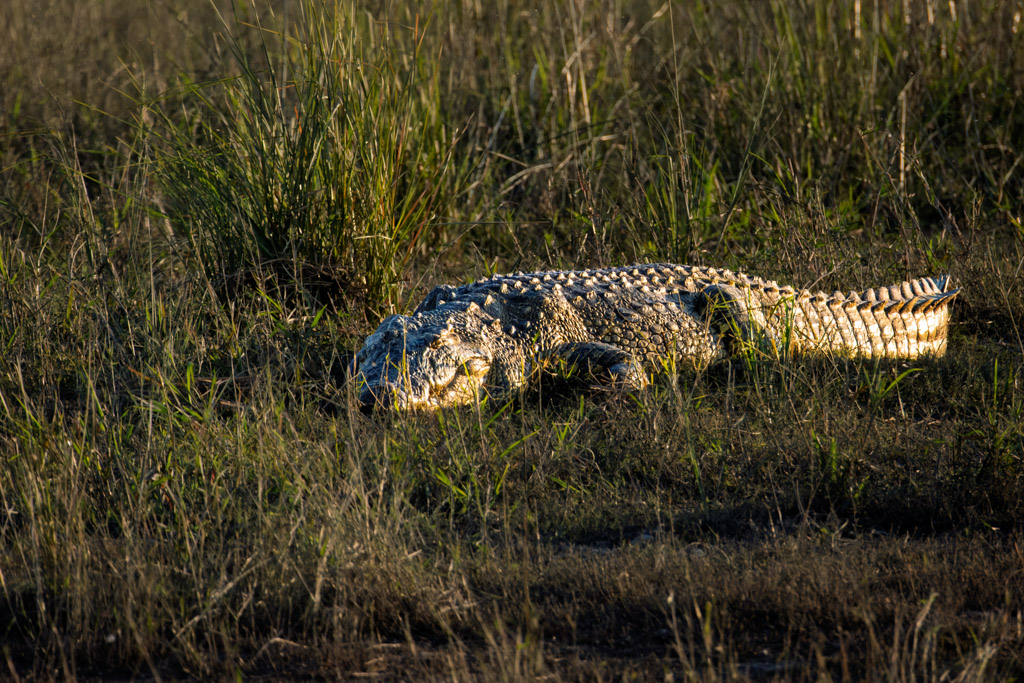
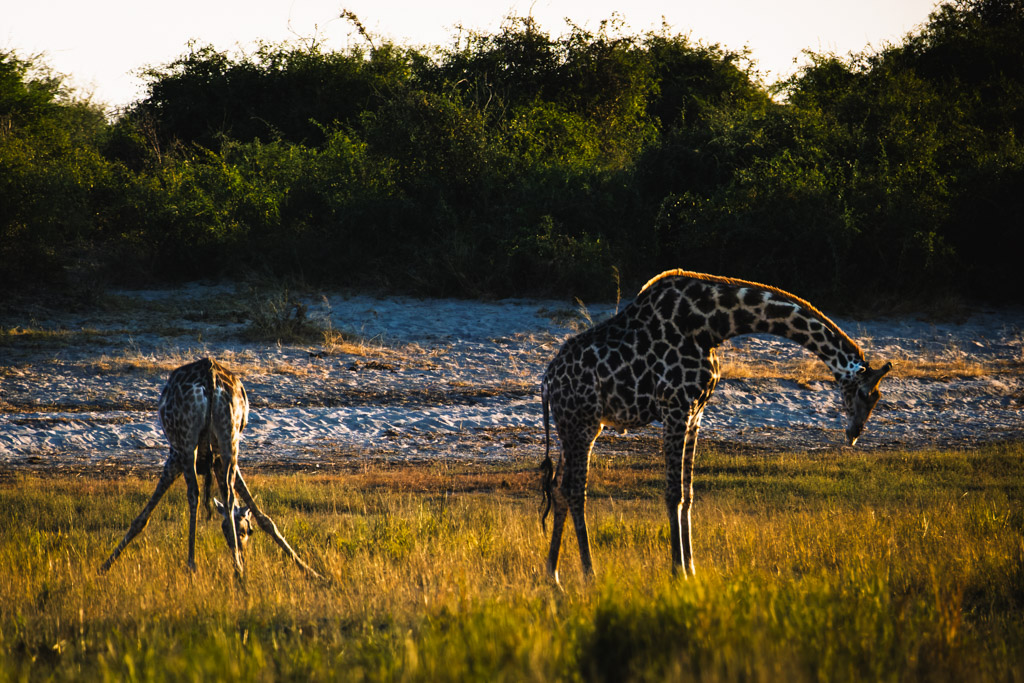
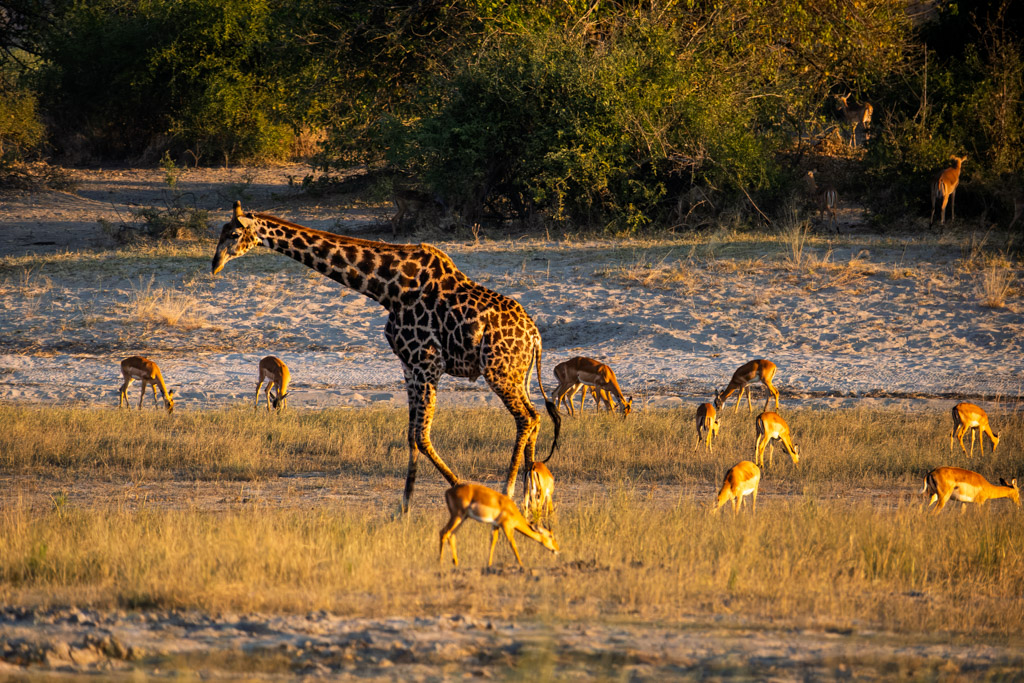
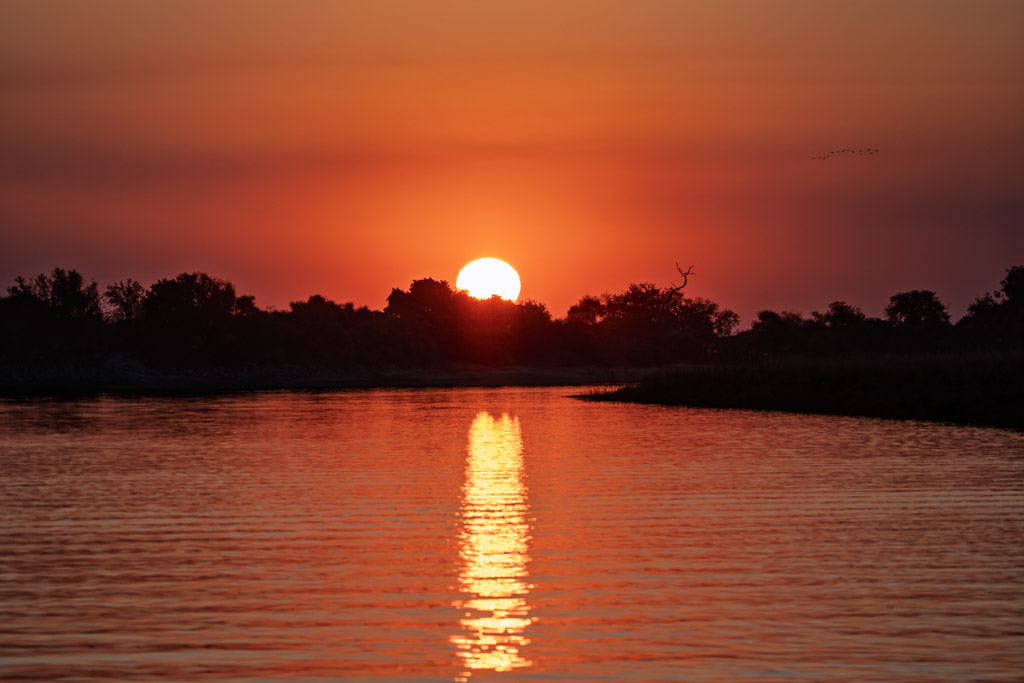
We then embarked on a private motorboat safari along the Chobe River. The riverbanks teemed with wildlife as elephants, hippos, giraffes, baboons, and herds of antelope gathered to drink, while crocodiles basked lazily along the shoreline or slipped silently through the water. The cruise also offered exceptional birdwatching, providing a wonderful introduction to Chobe’s extraordinary biodiversity. As the day drew to a close, we were rewarded with a spectacular African sunset, its brilliant hues reflected across the calm waters of the Chobe River—a fitting conclusion to our first day in Botswana.
Three Safaris, One Incredible Day – July 12, 2026
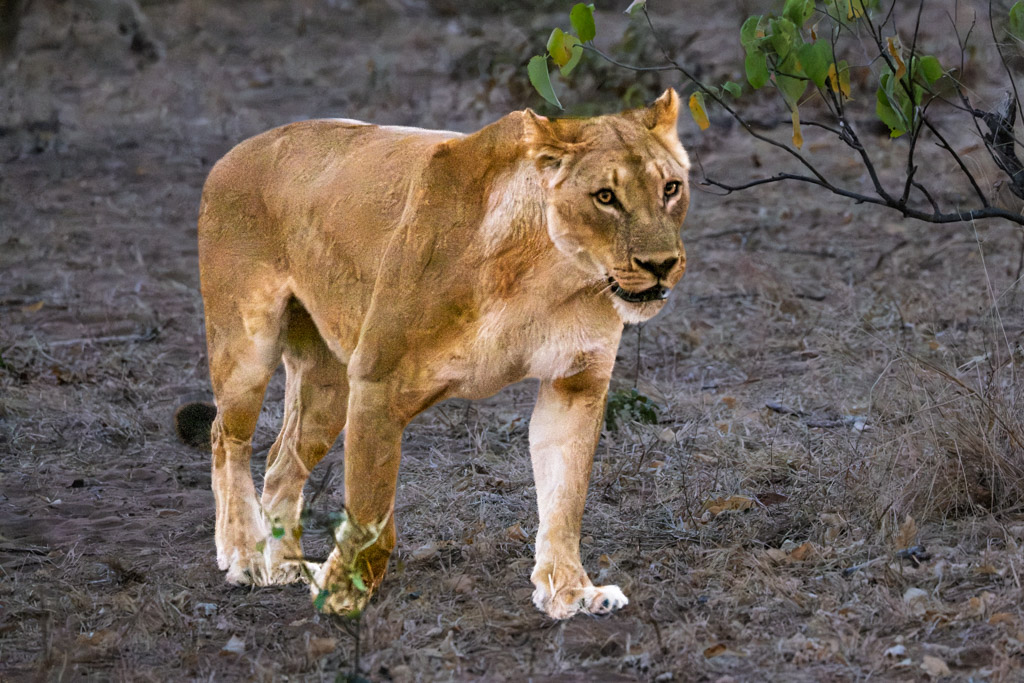
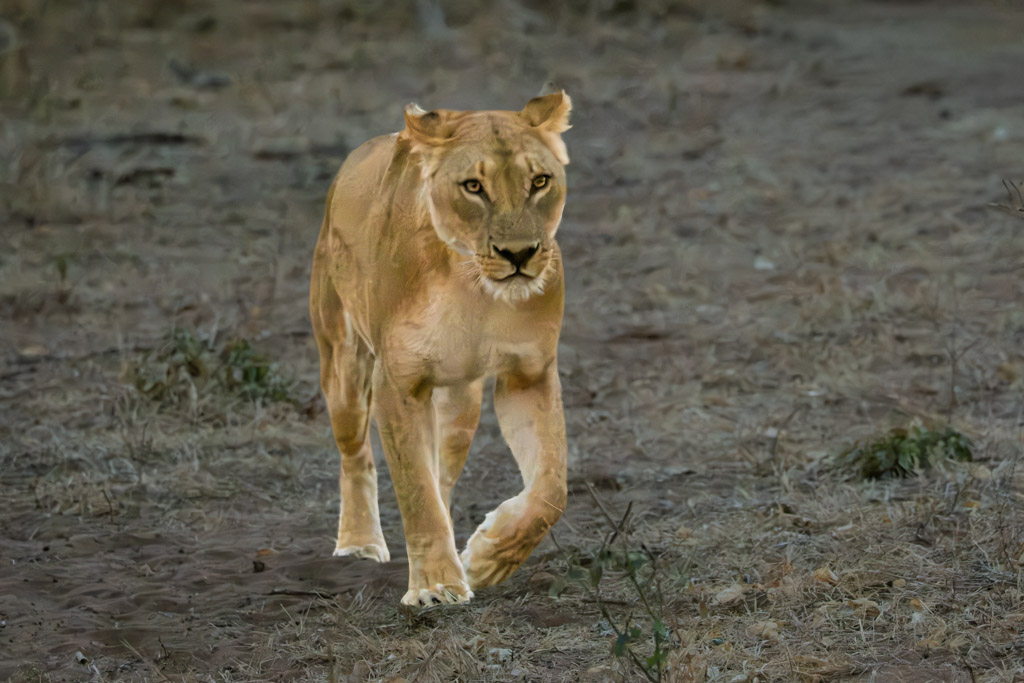
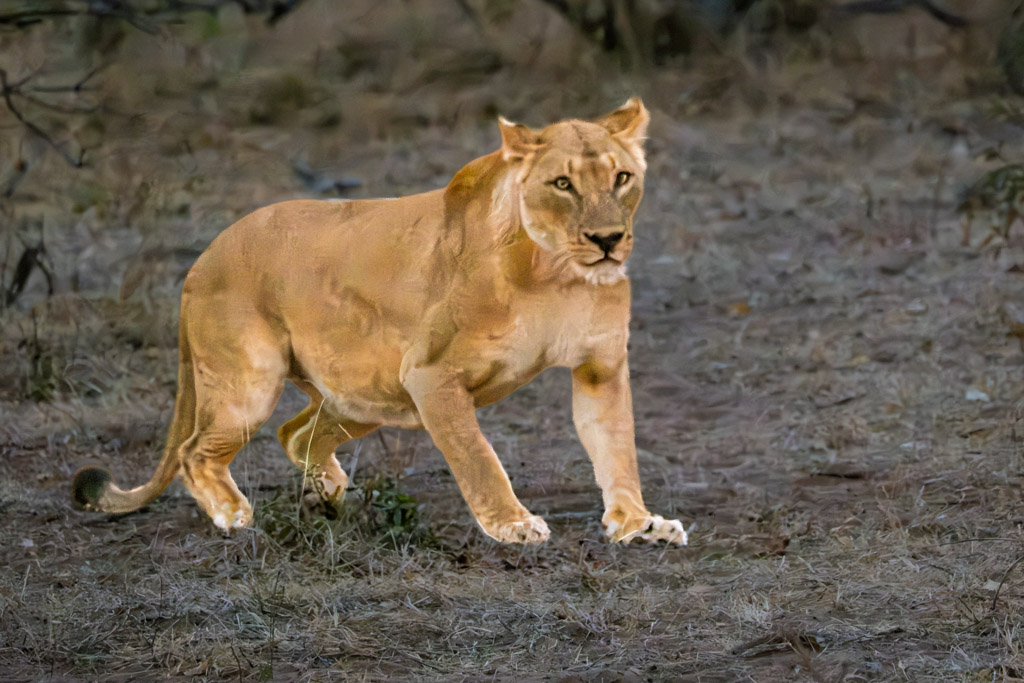
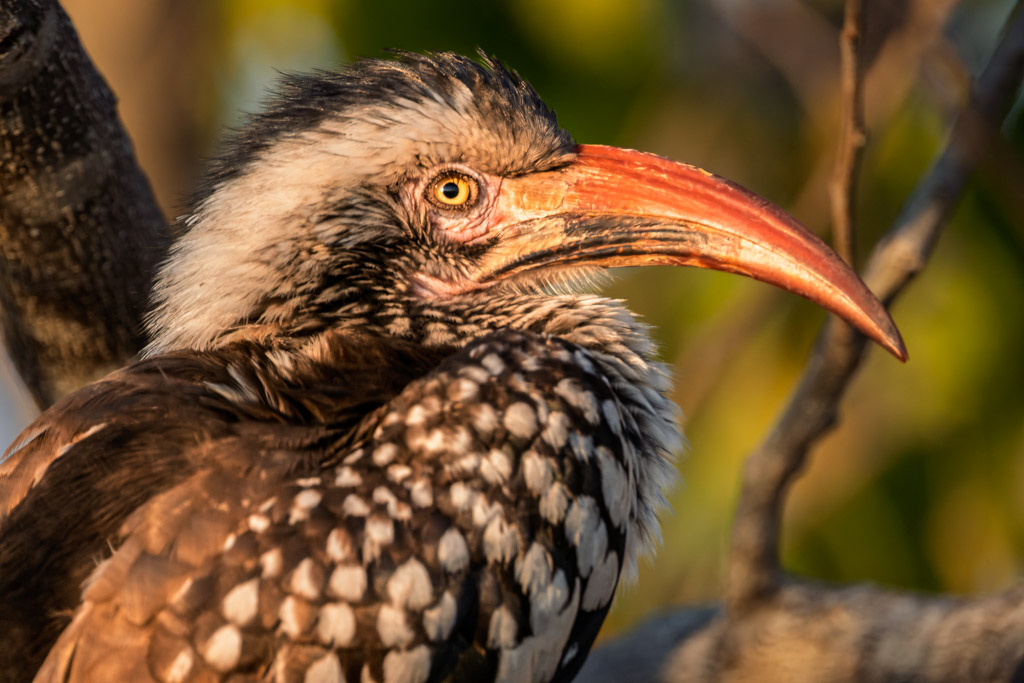
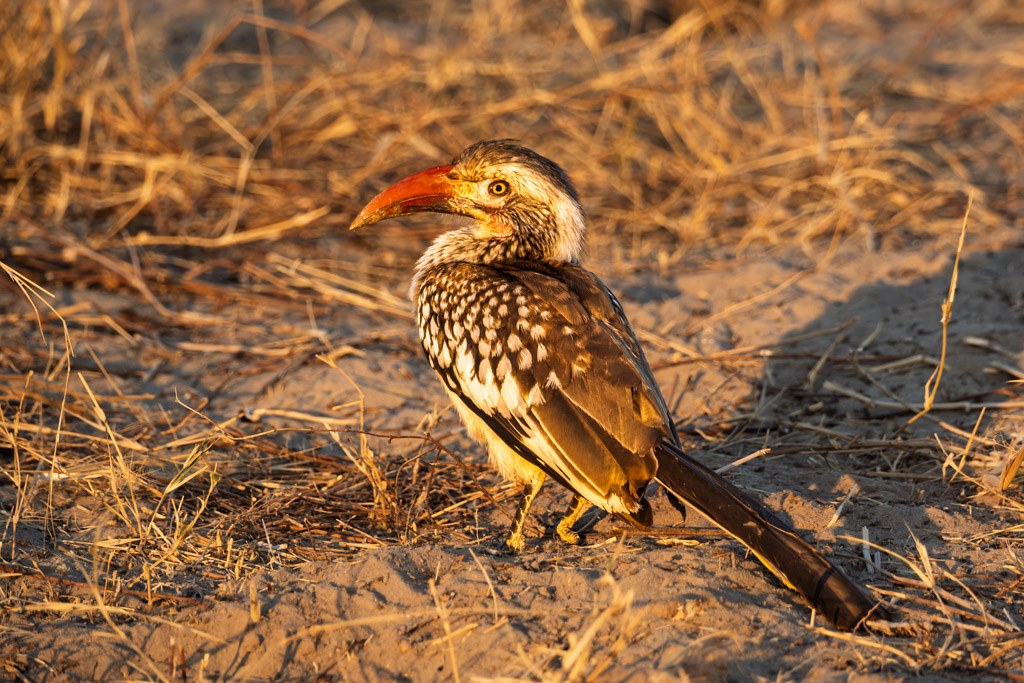
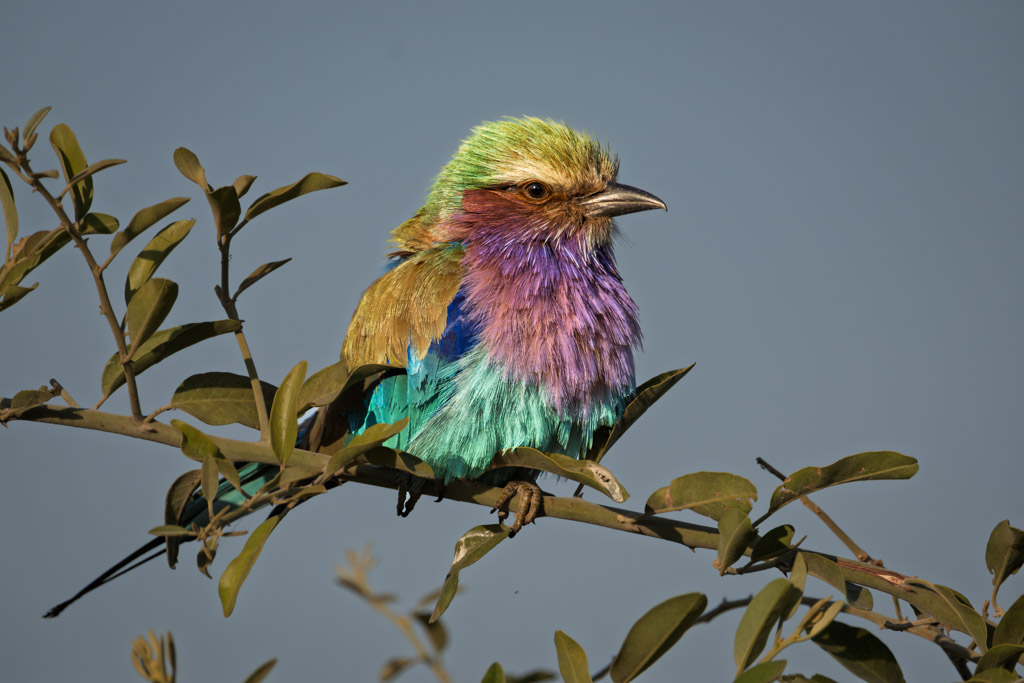
We started the day before sunrise with an early morning game drive through Chobe National Park, when the bush begins to awaken and predators are still active. Our safari guide was Ana; notably all the safari guides at the Chobe Game Lodge are women. We were not disappointed. Our very first sighting was a pride of lions moving swiftly through the bush—a thrilling start to the morning. As on our previous safaris, the guides quickly alerted one another over their radio network, and safari vehicles soon converged, each vying for the best vantage point. During our three-hour drive, we encountered an abundance of wildlife, including impalas, jackals, warthogs, giraffes, and many other animals. The park was also alive with birdlife, as countless species filled the air with their calls and offered superb opportunities for birdwatching throughout the morning. Some of the birds that we saw were the Whalberg eagle, the lilac crested roller, red-billed hornbill, magpie shrike, white-backed vulture and the Kori bustard which is Botswana’s national bird. And lots and lots of guinea fowl.
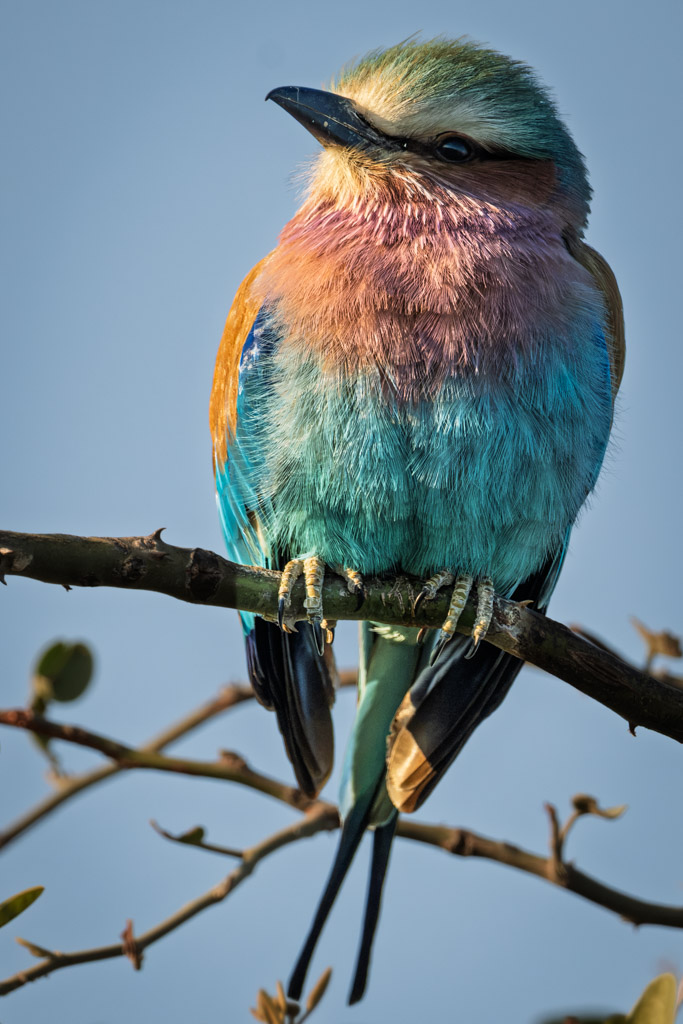
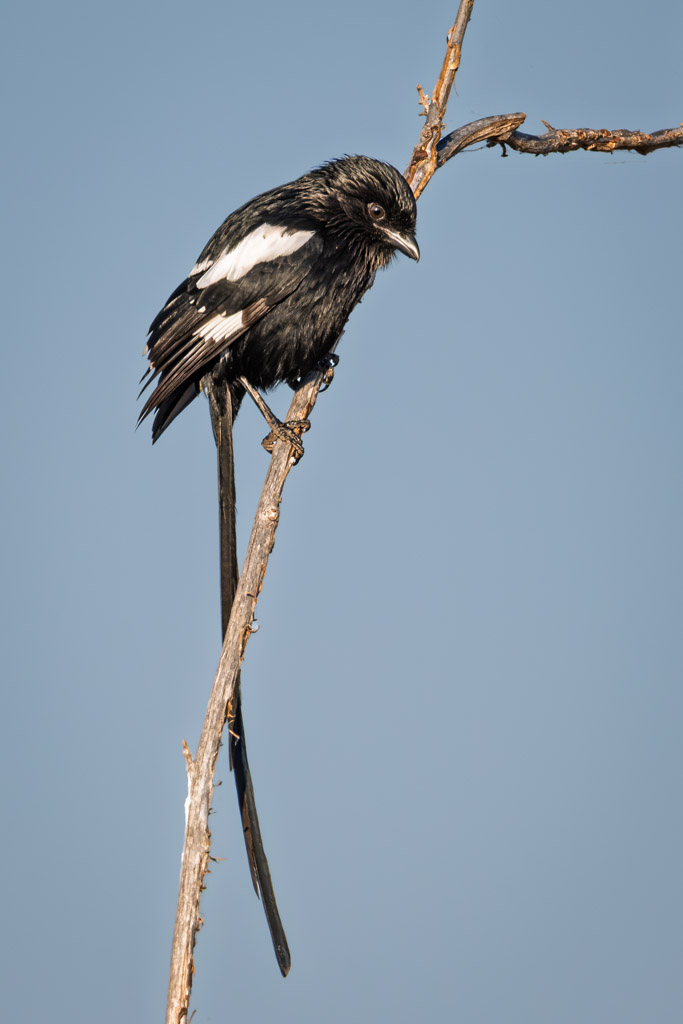
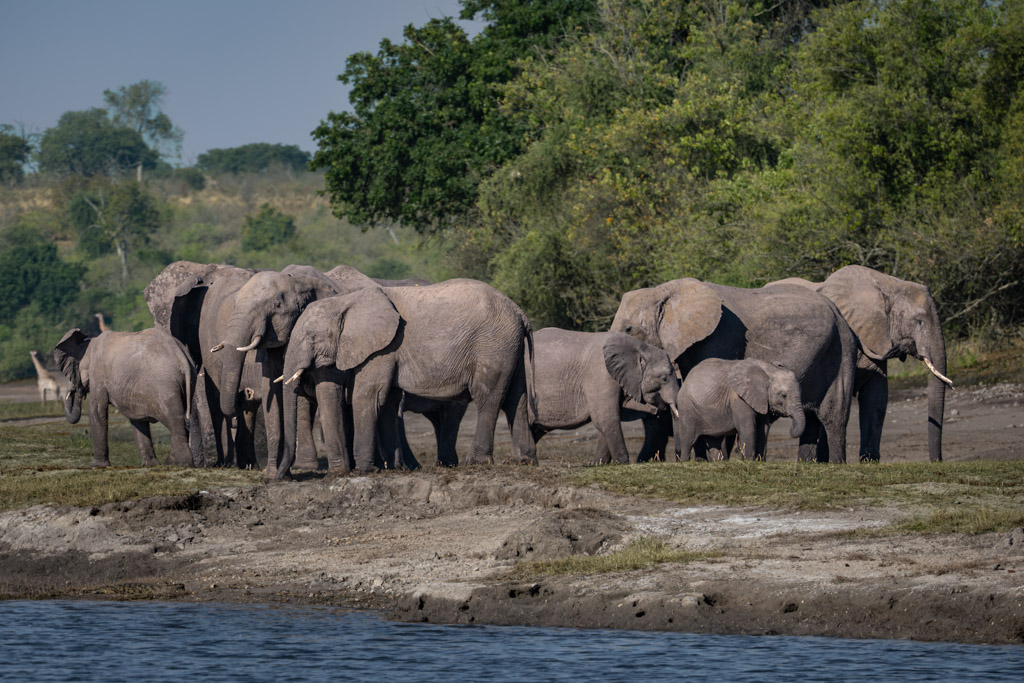
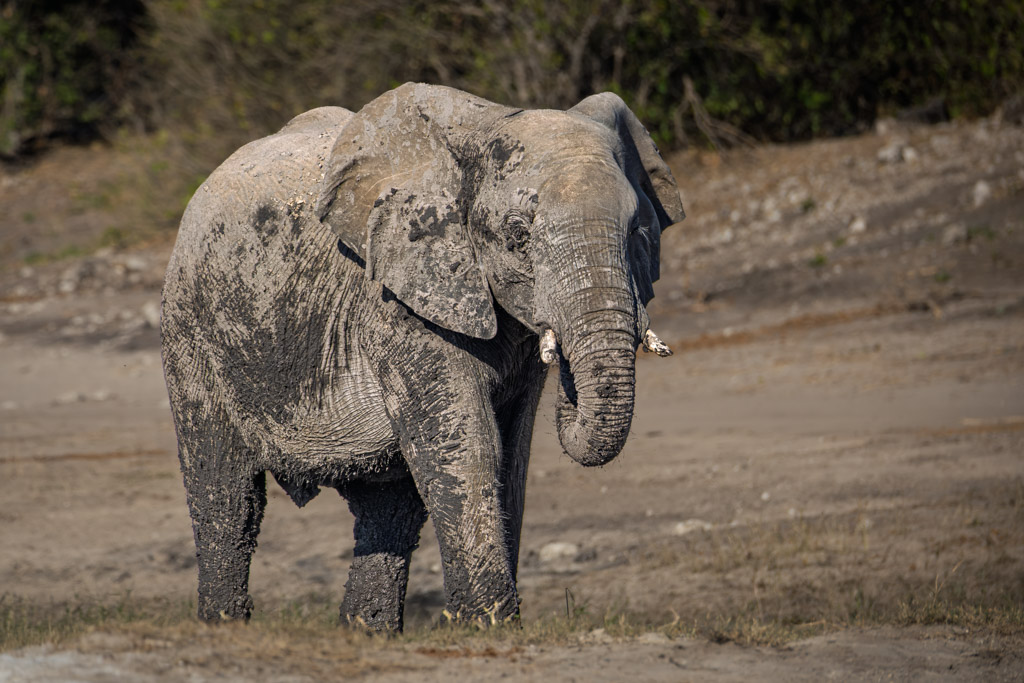
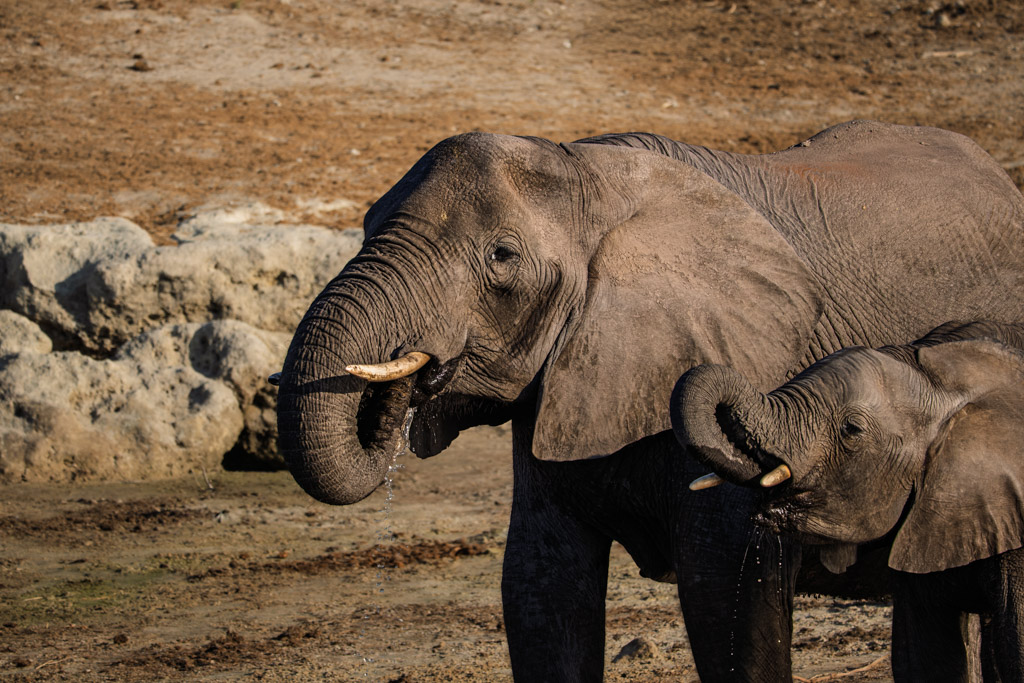
After returning from the morning game drive and enjoying a quick breakfast, we set out on another motorboat safari along the Chobe River, where the shoreline was alive with wildlife. Along the way, we spotted monitor lizards, impalas, kudu, hippos surfacing nearby, and several giraffes browsing along the riverbank, while Nile crocodiles basked on sandy banks . The river also proved to be a paradise for birdwatchers, rewarding us with sightings of an extraordinary variety of waterbirds and raptors. The highlight of the cruise was the magnificent sight of numerous elephant family groups, from tiny calves to towering adults, gathering along the riverbank to drink, bathe, socialize, and play. Watching these gentle giants interact in their natural habitat was both captivating and unforgettable. The cruise was every bit as memorable as the morning game drive and, in many ways, even more rewarding.
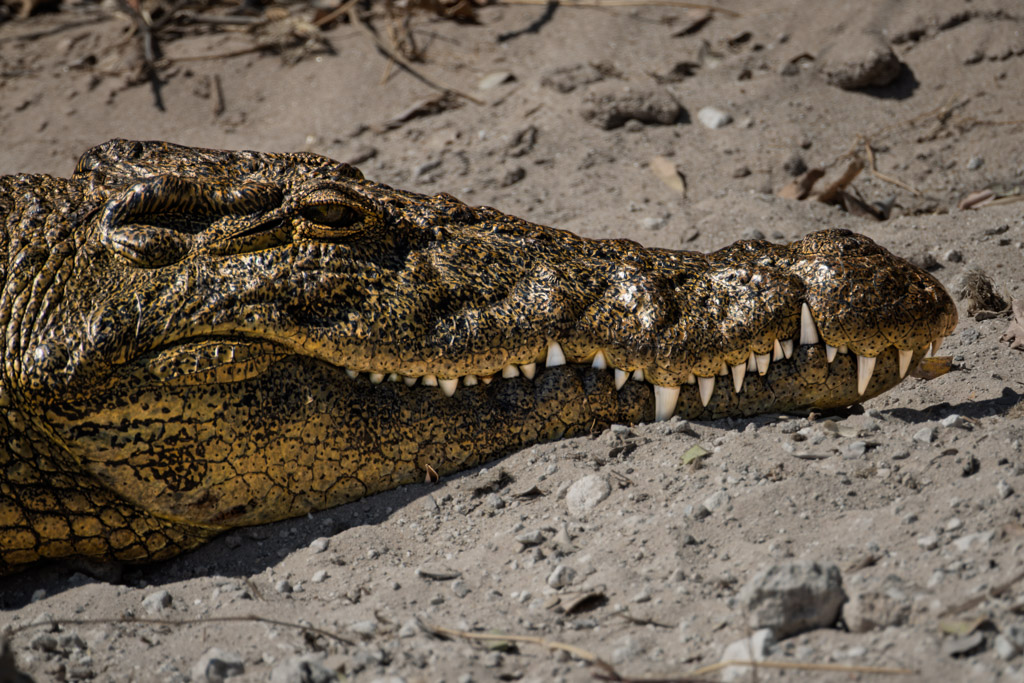
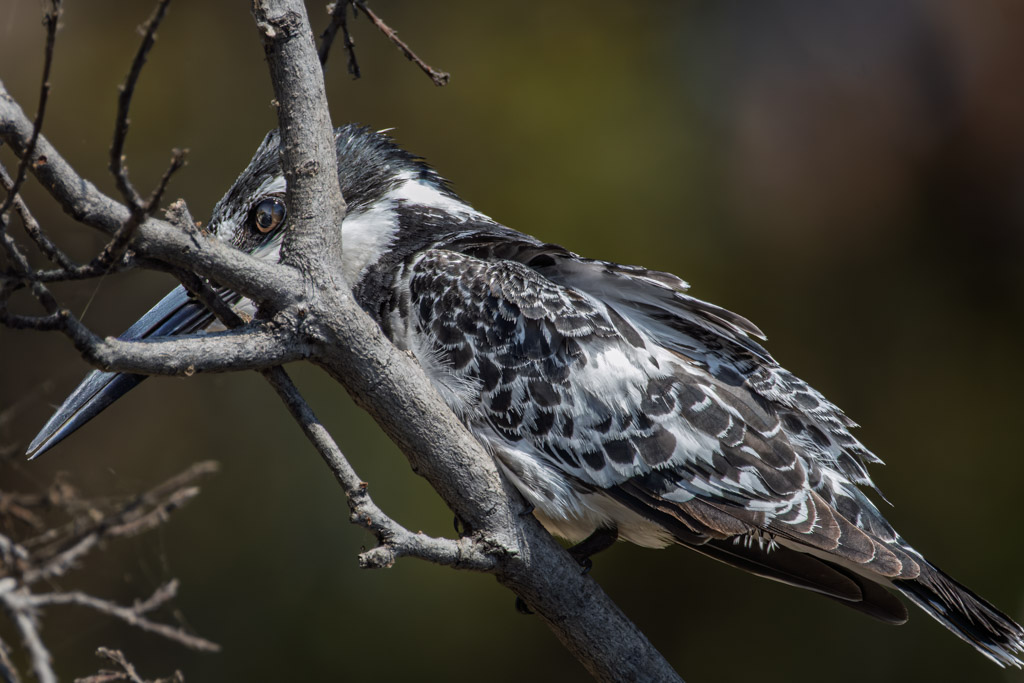
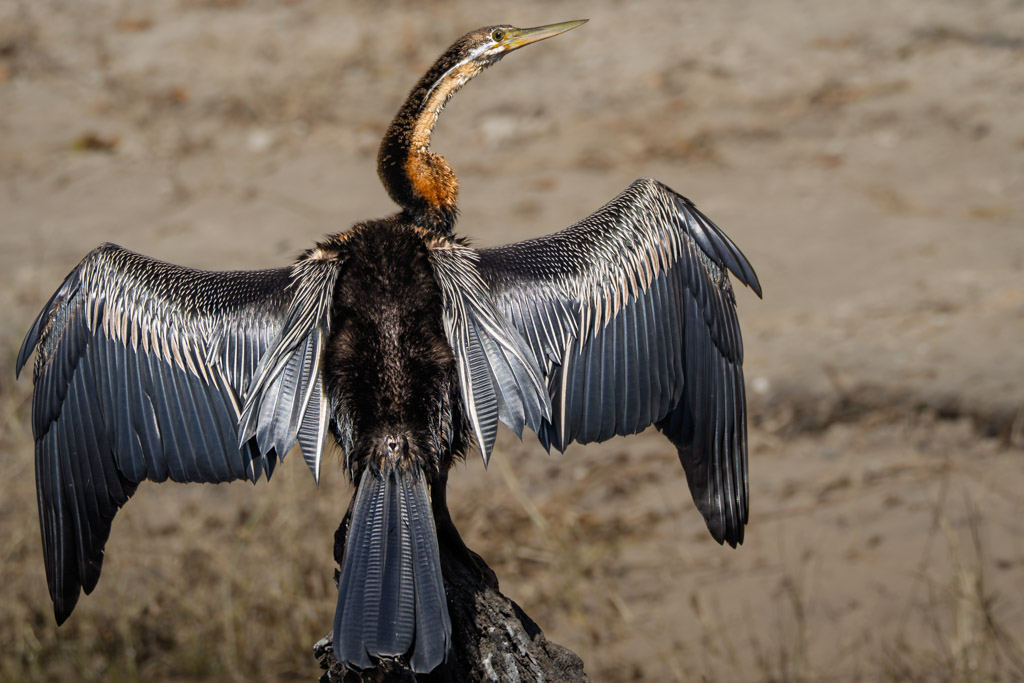
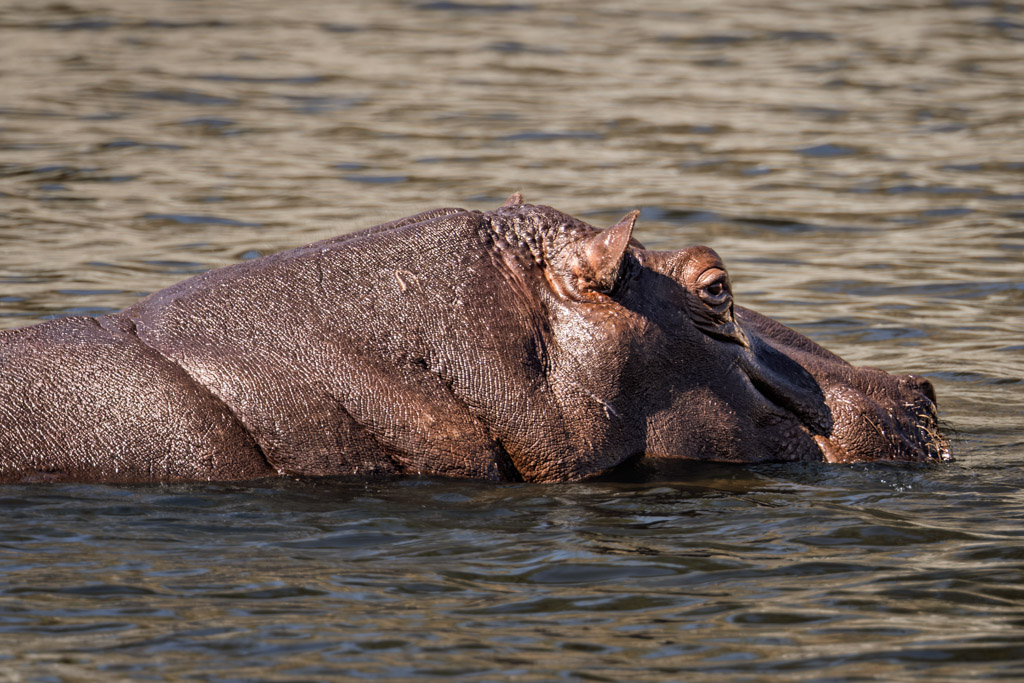
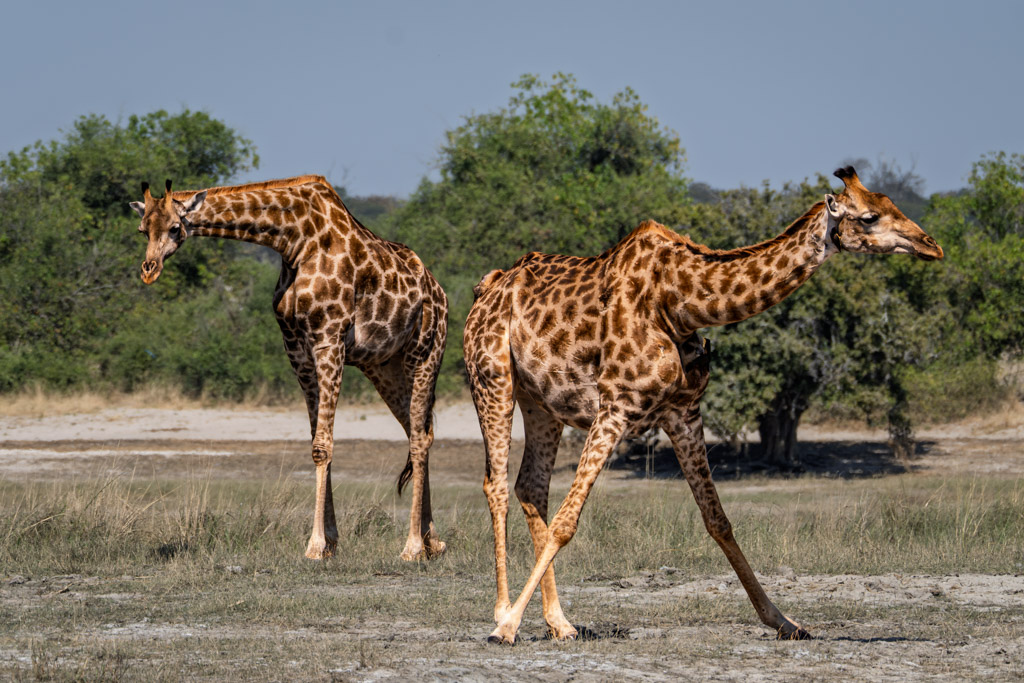
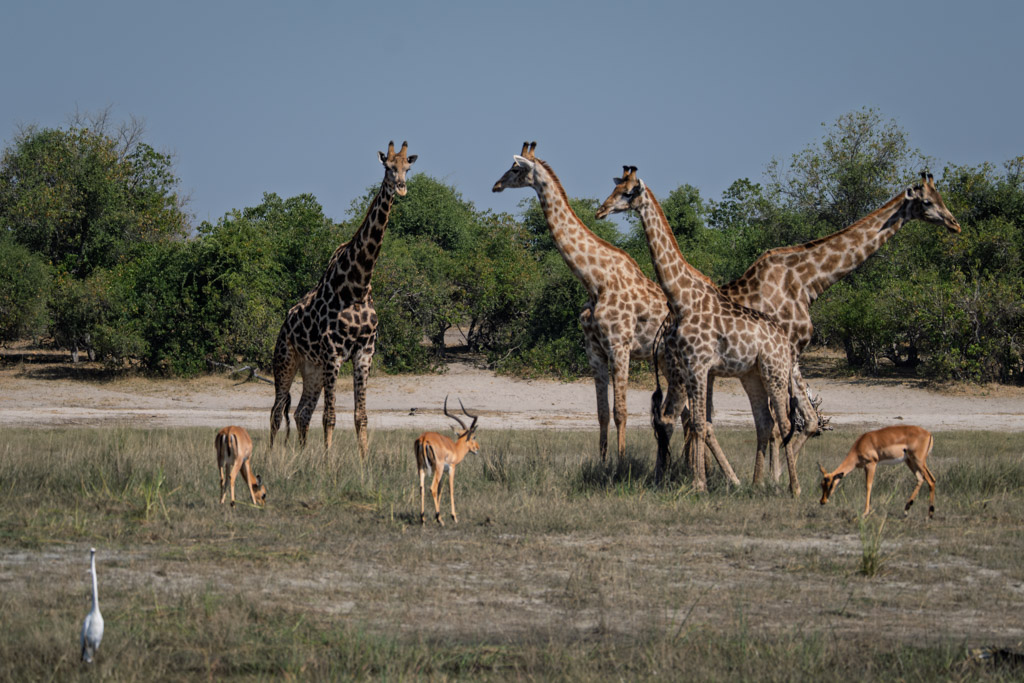
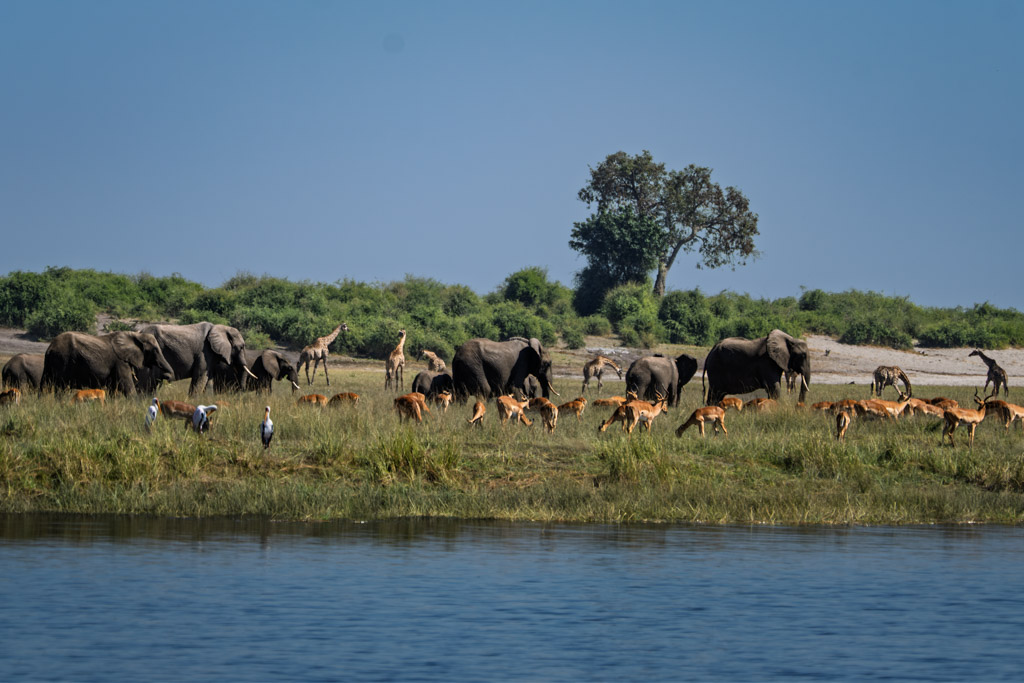
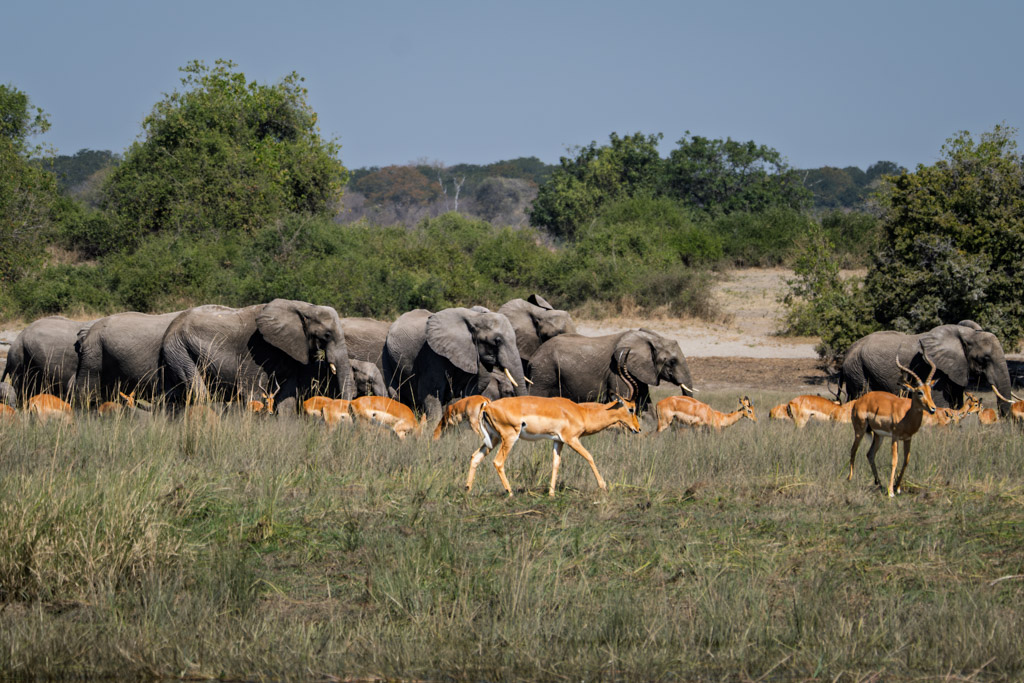
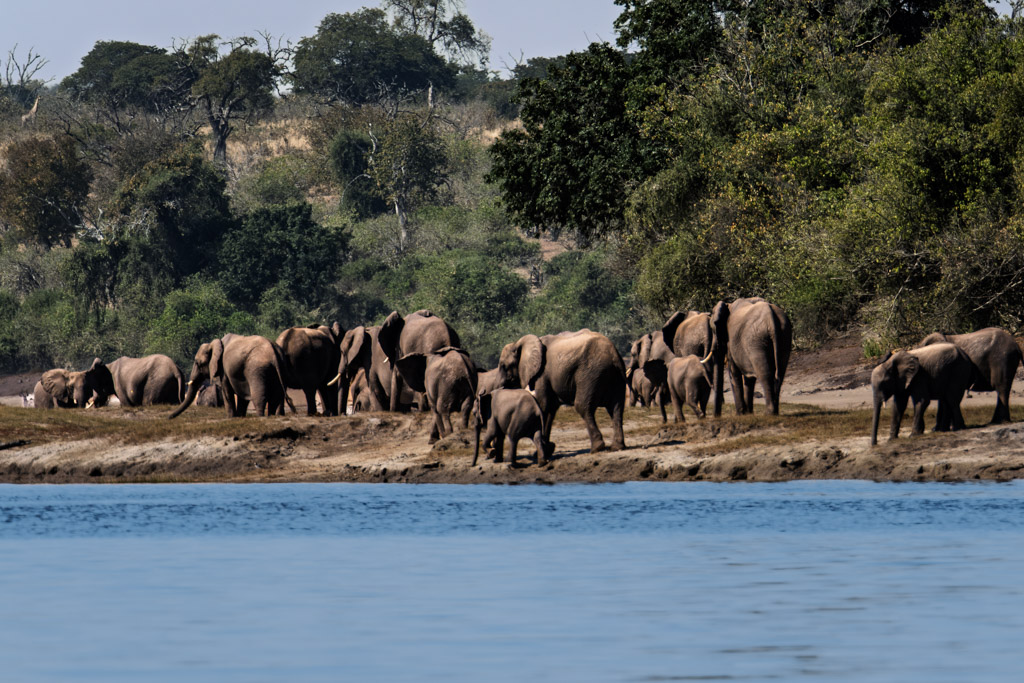
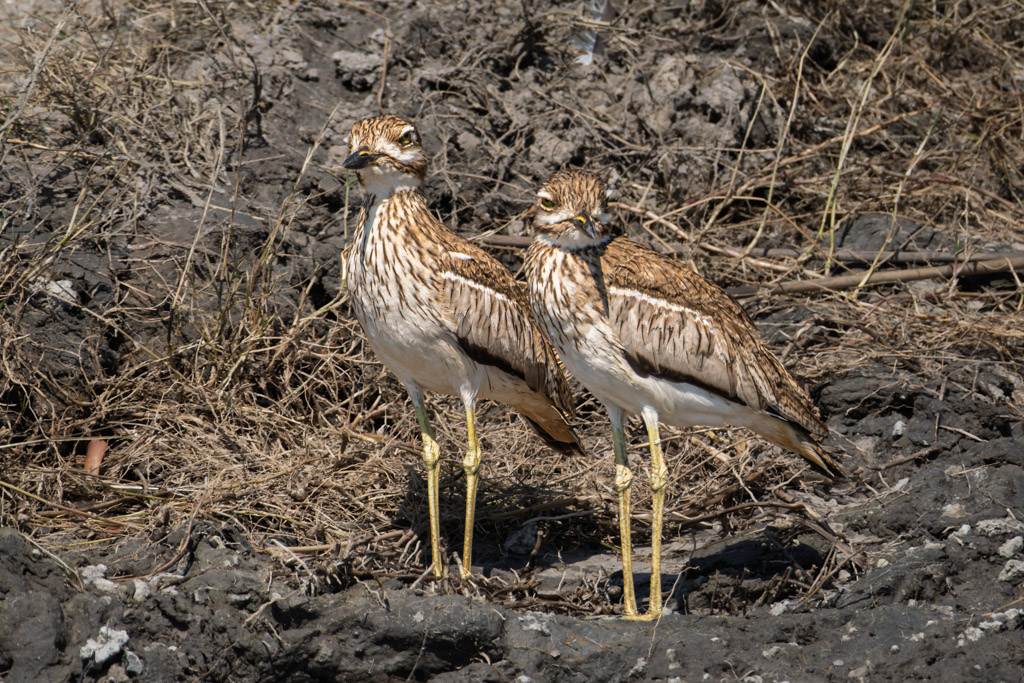
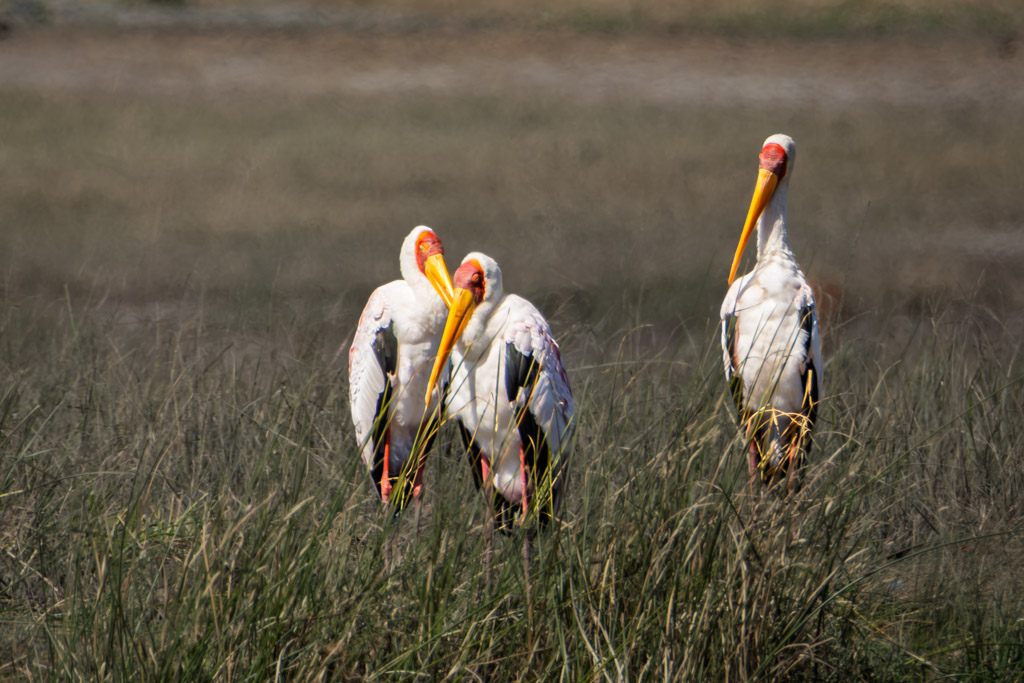
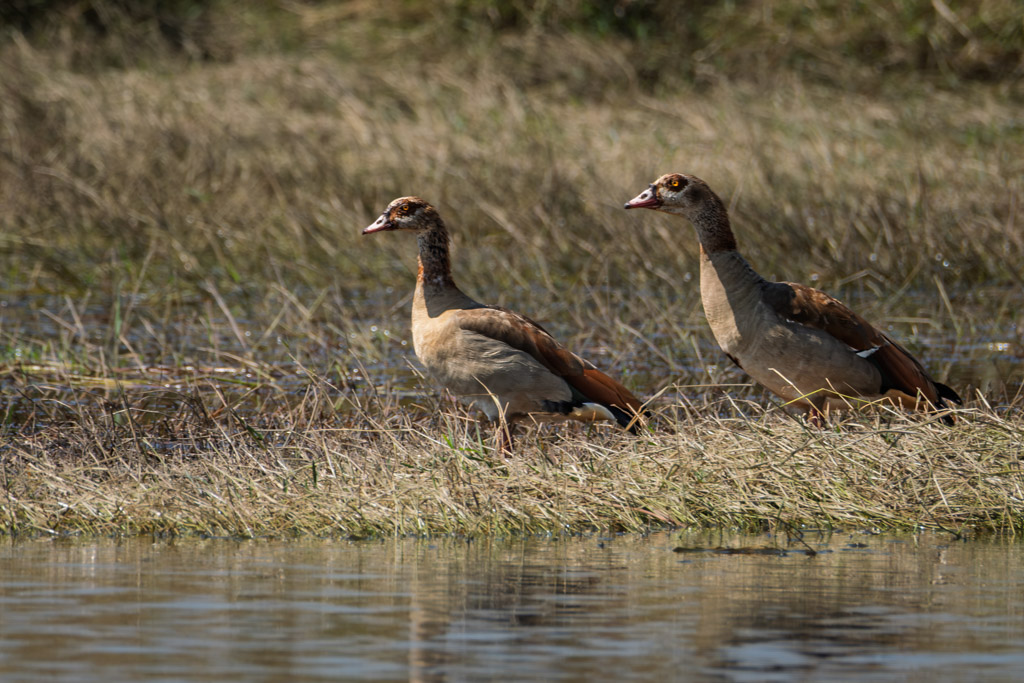
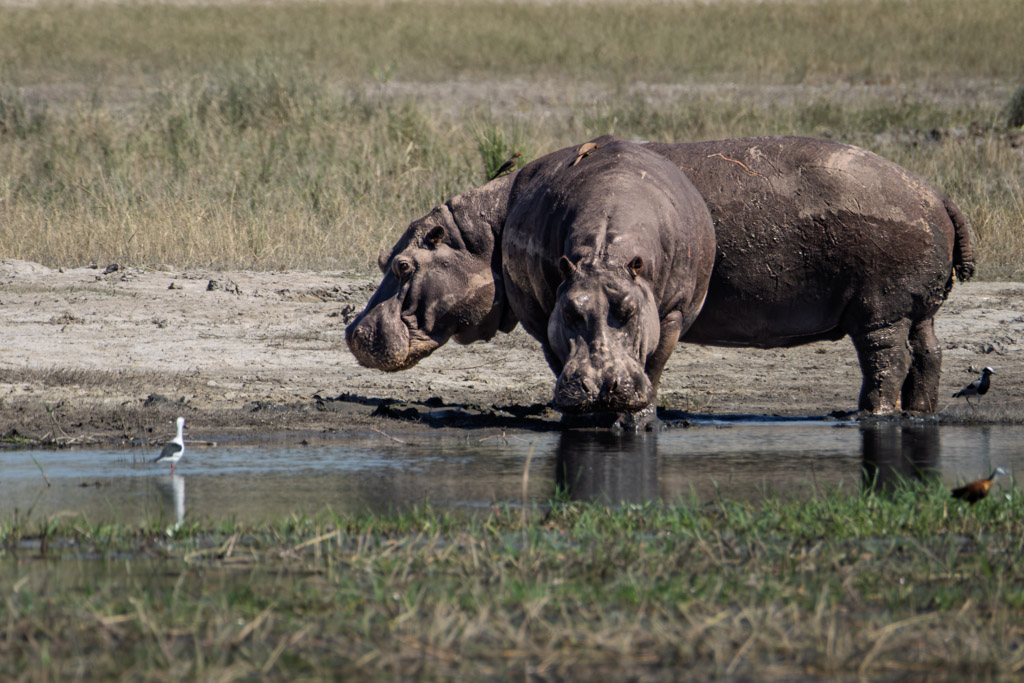
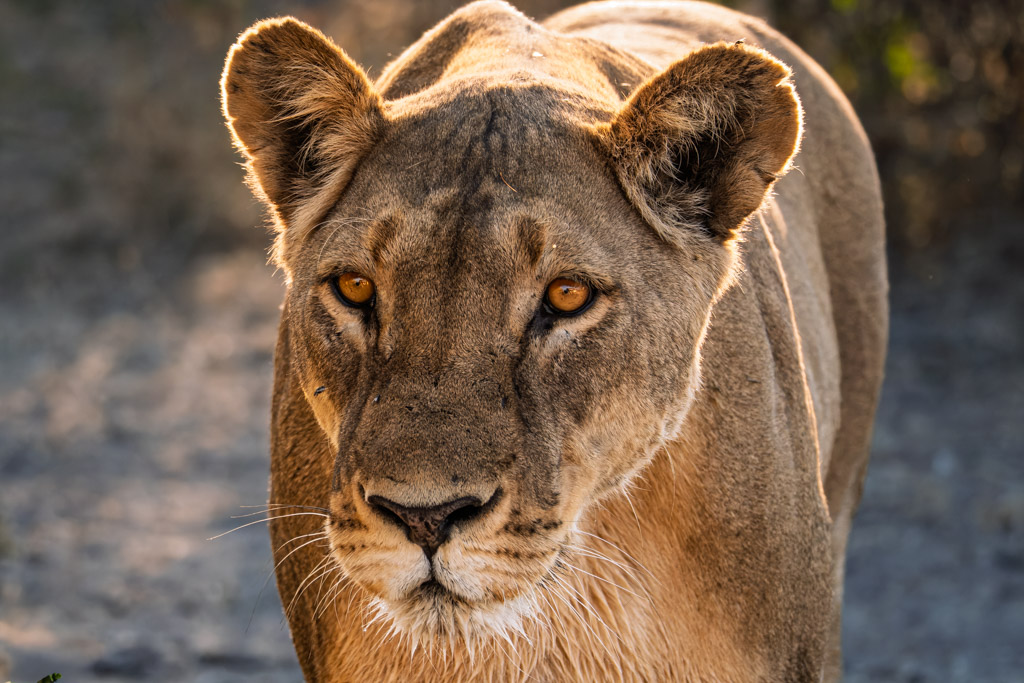
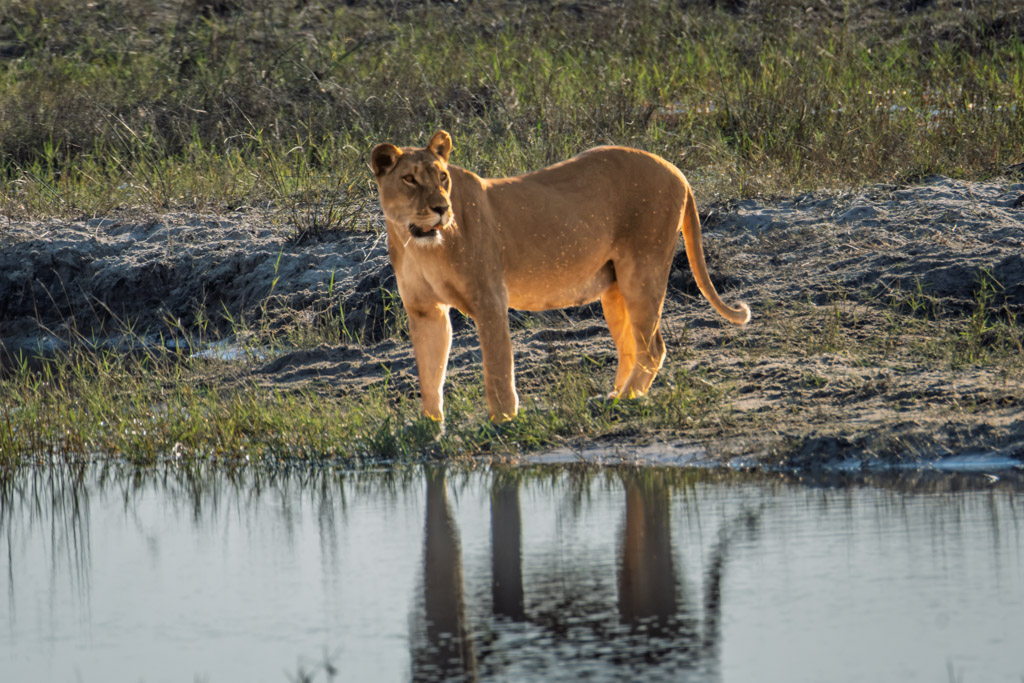
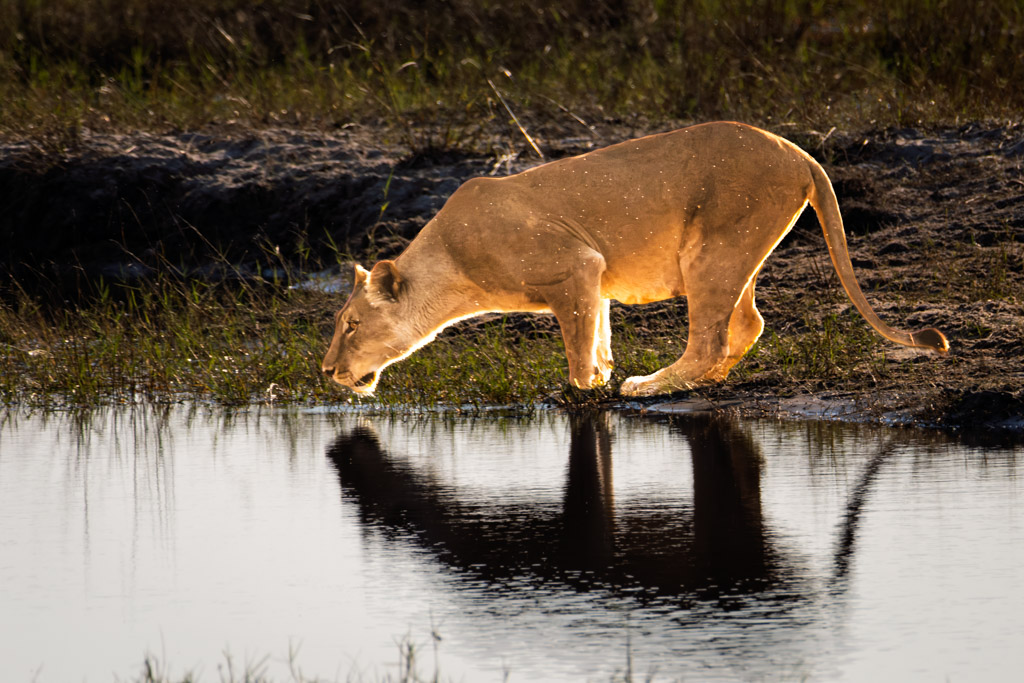
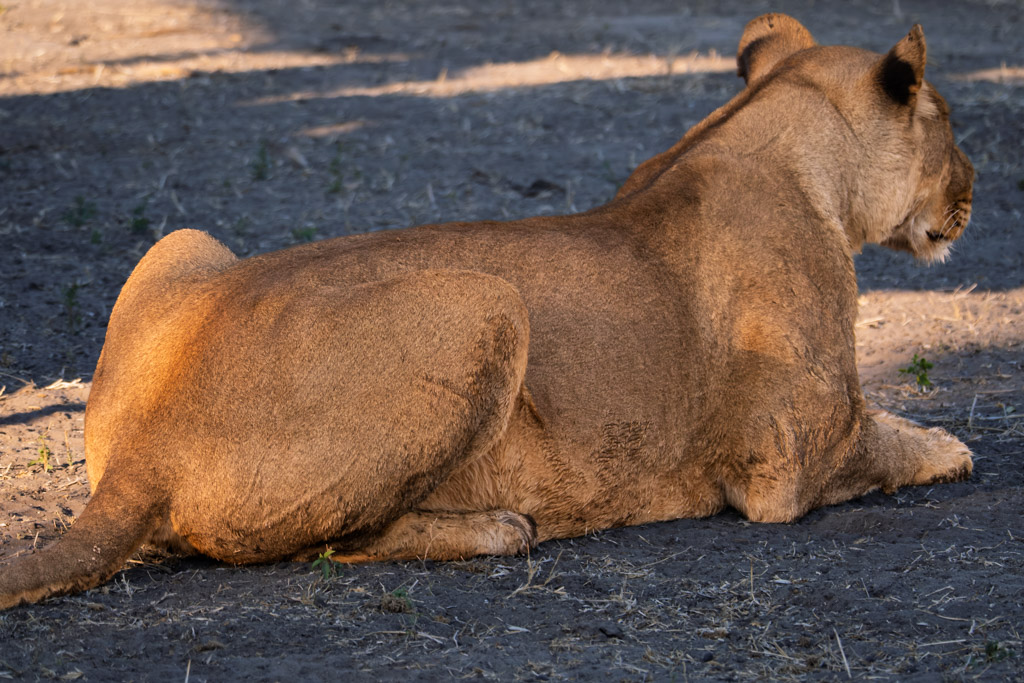
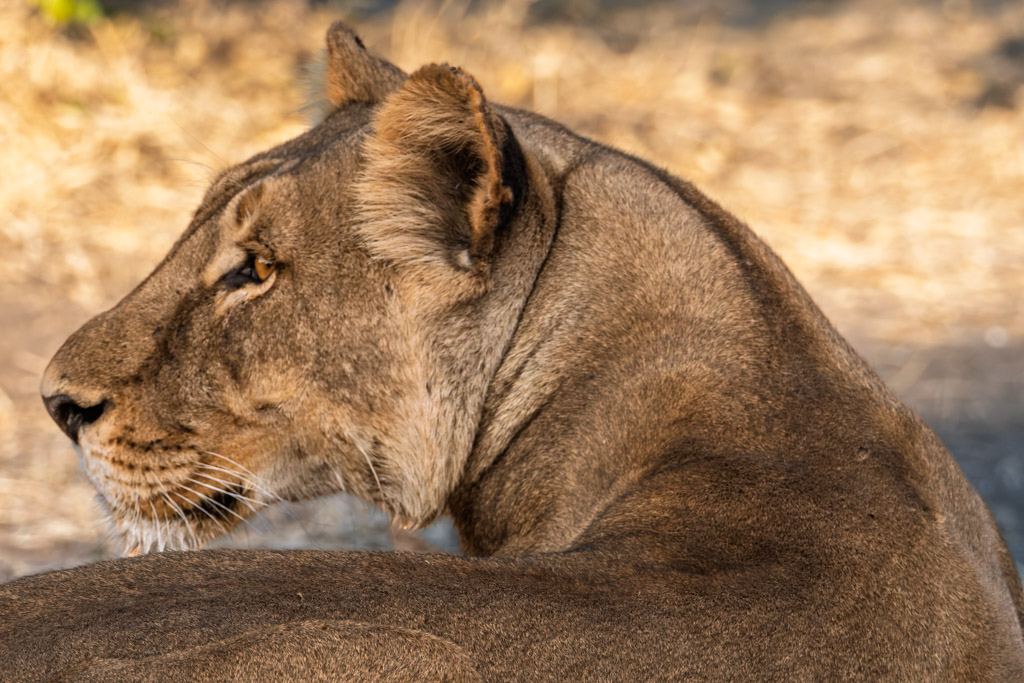
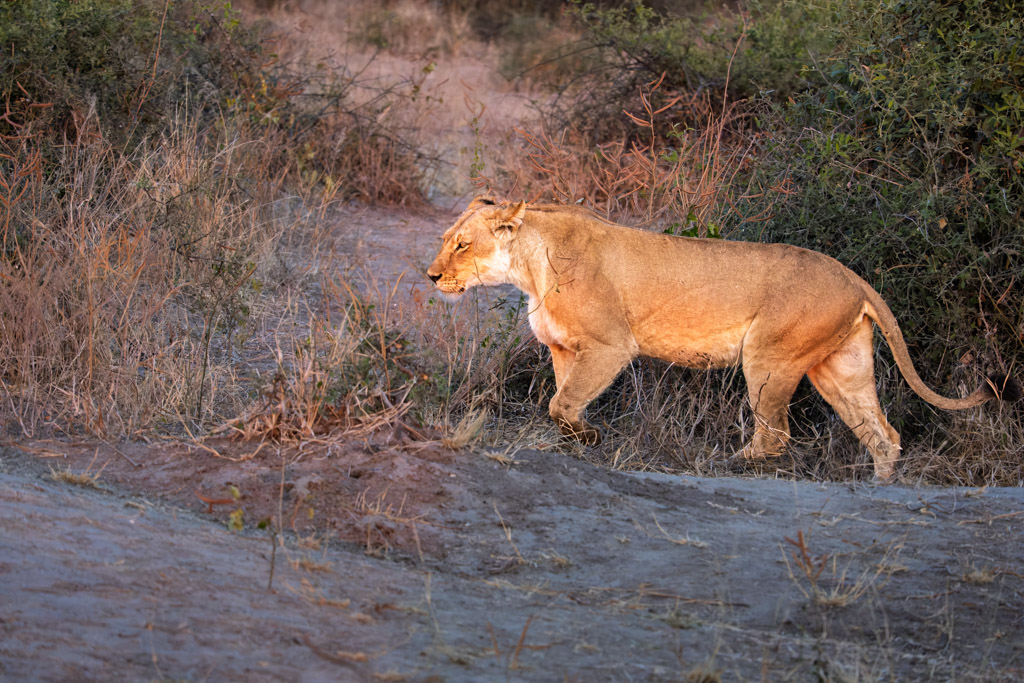
This afternoon’s game drive took us to a different section of the park in the hope of spotting a leopard, but the elusive cat remained out of sight. Even so, the safari was far from disappointing, with sightings of mongooses, elephants, giraffes, impalas, kudu, warthogs, and Nile crocodiles. The highlight was a lone lioness that we followed from a respectful distance as she stalked through the bush. She eventually crouched low in the grass, intently watching a herd of impalas and kudu grazing nearby, clearly preparing for an ambush. We left before discovering whether her hunt was successful. Birds were everywhere on our drive, and a gorgeous sunset was the perfect end to a memorable day in Chobe National Park.
Another Day in Chobe – July 13, 2026
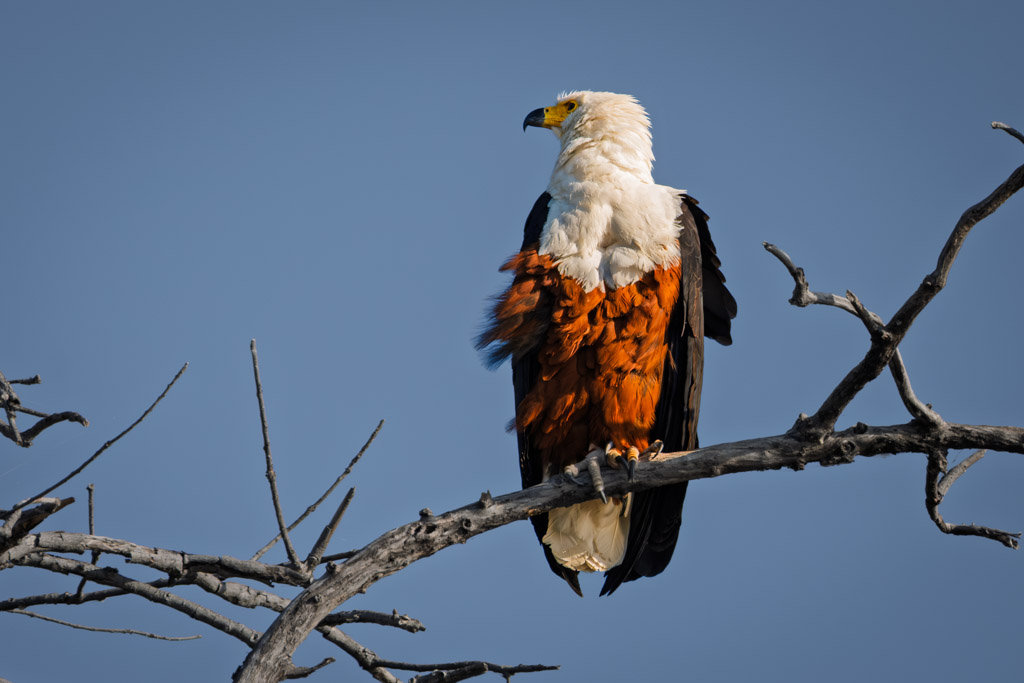
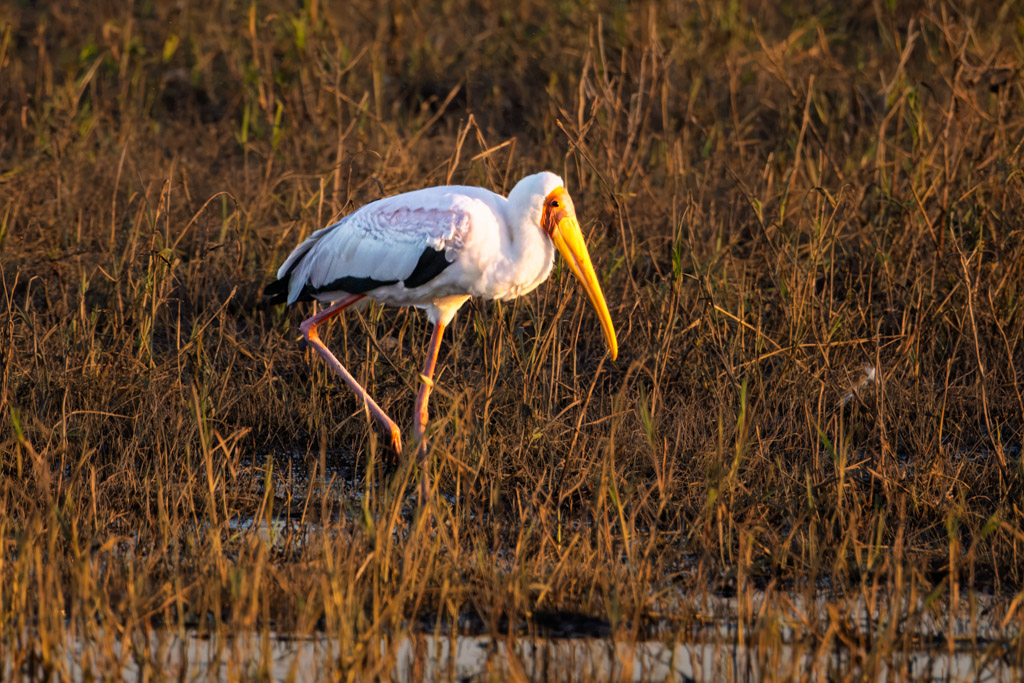
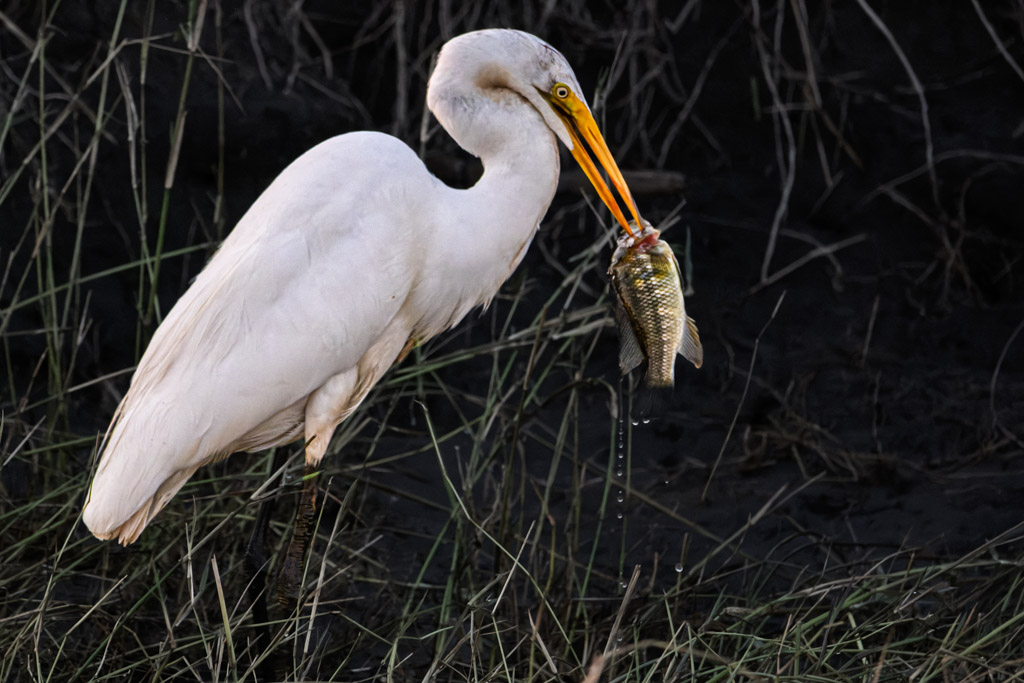
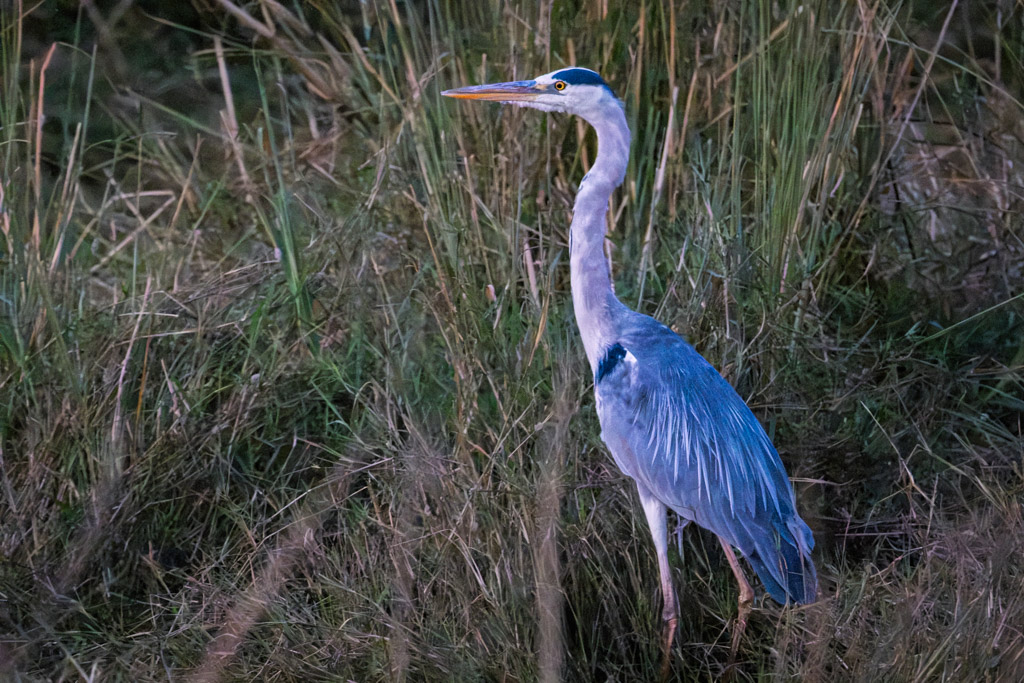
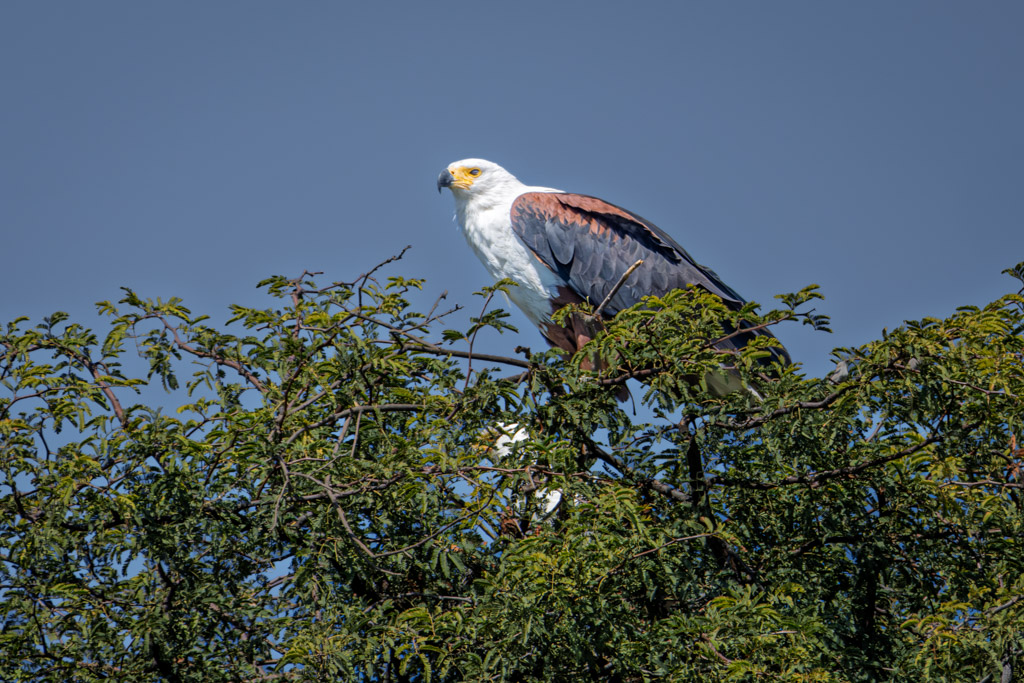
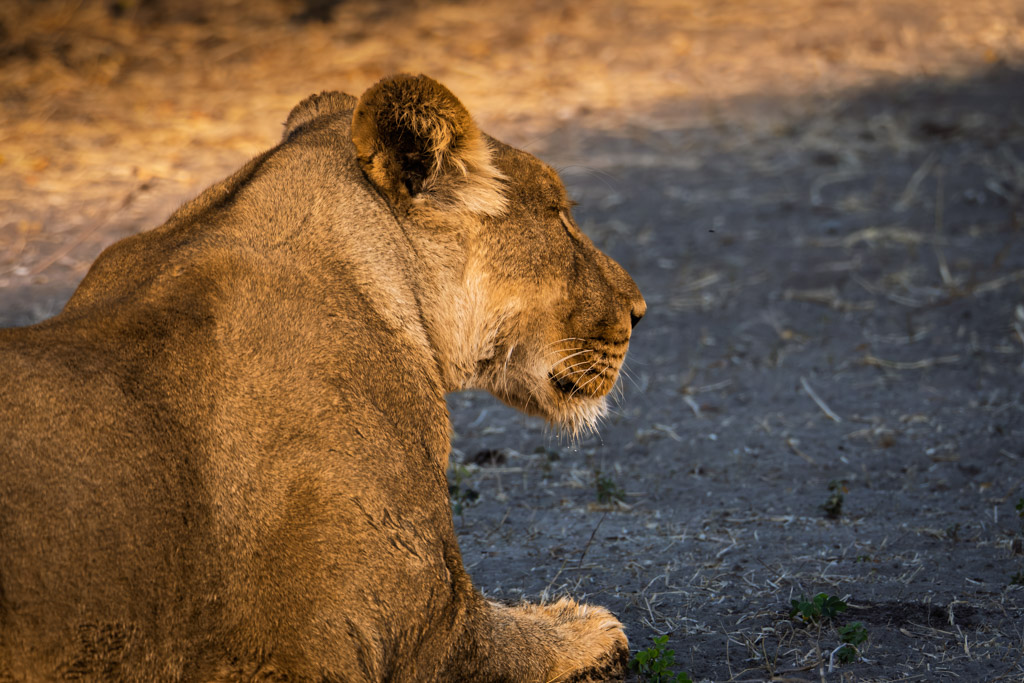
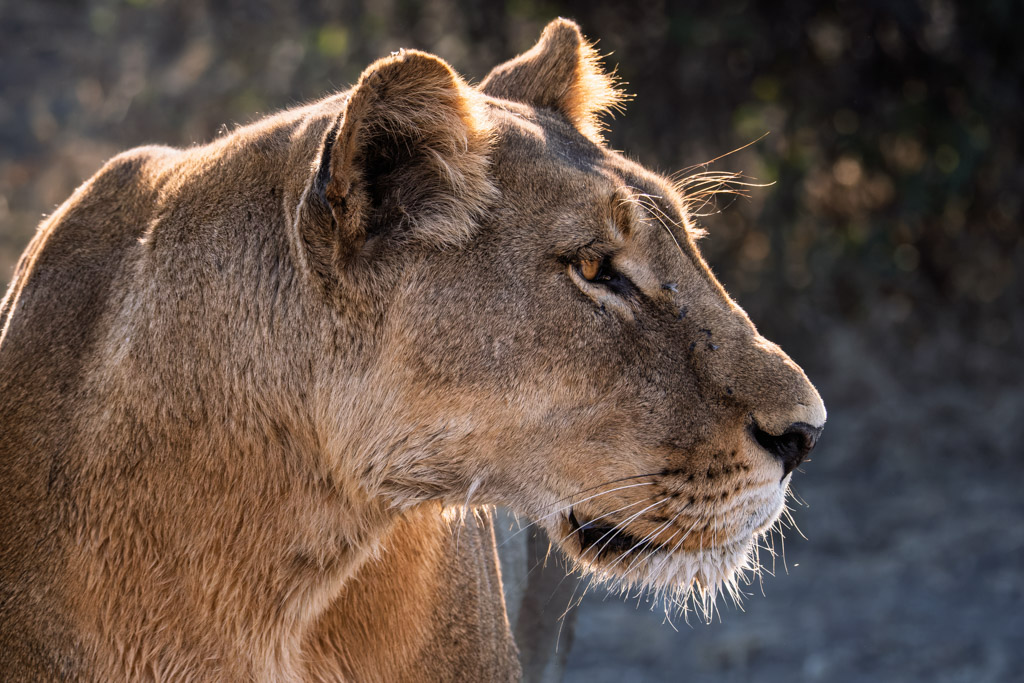
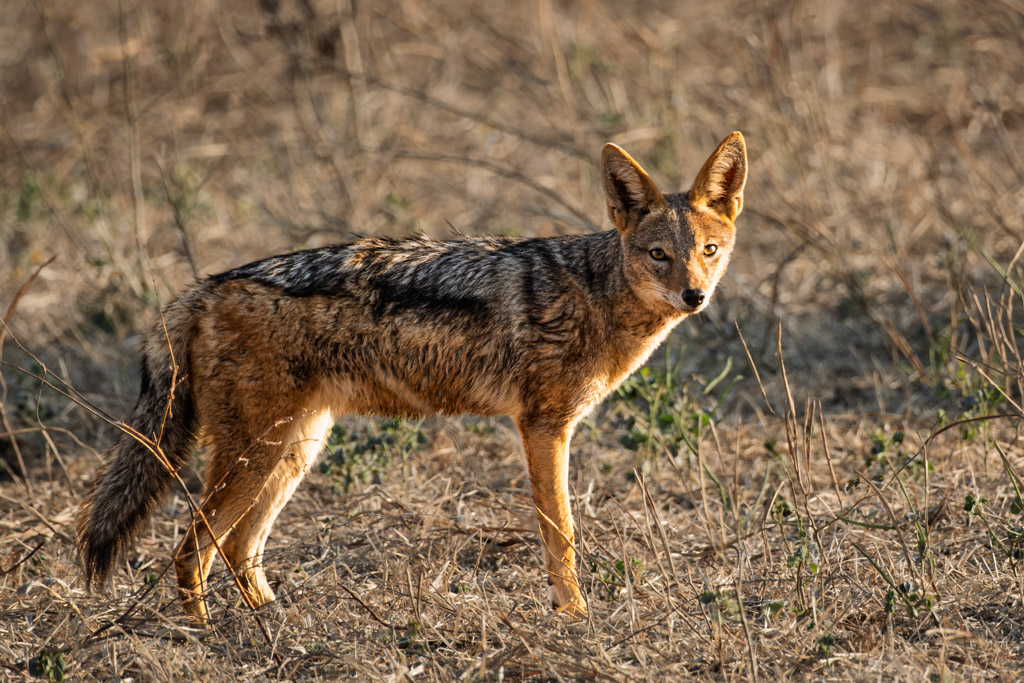
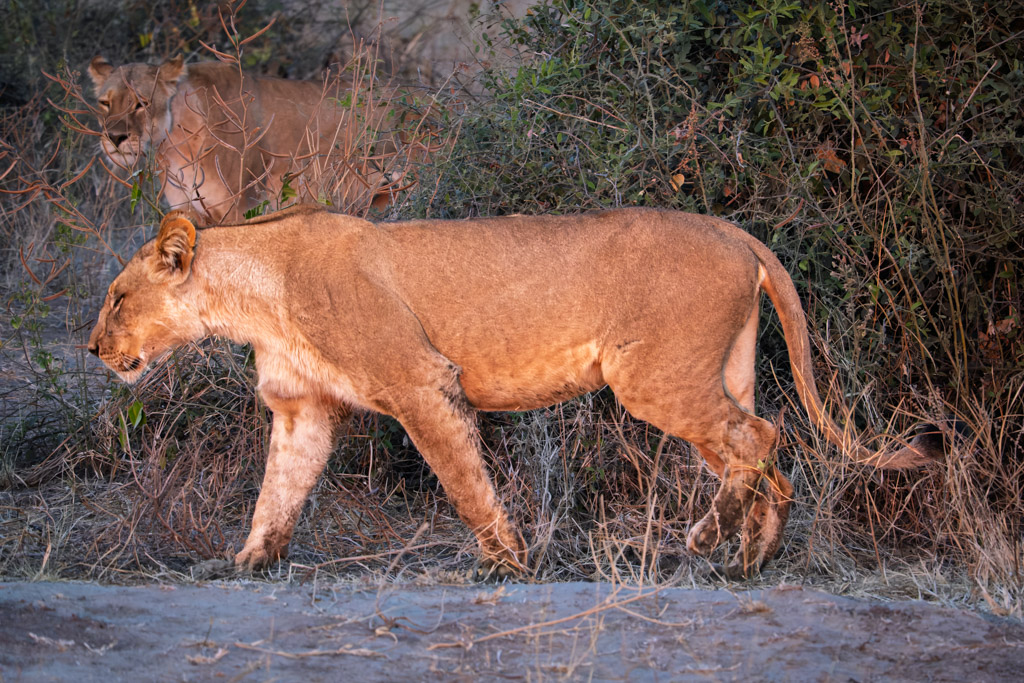
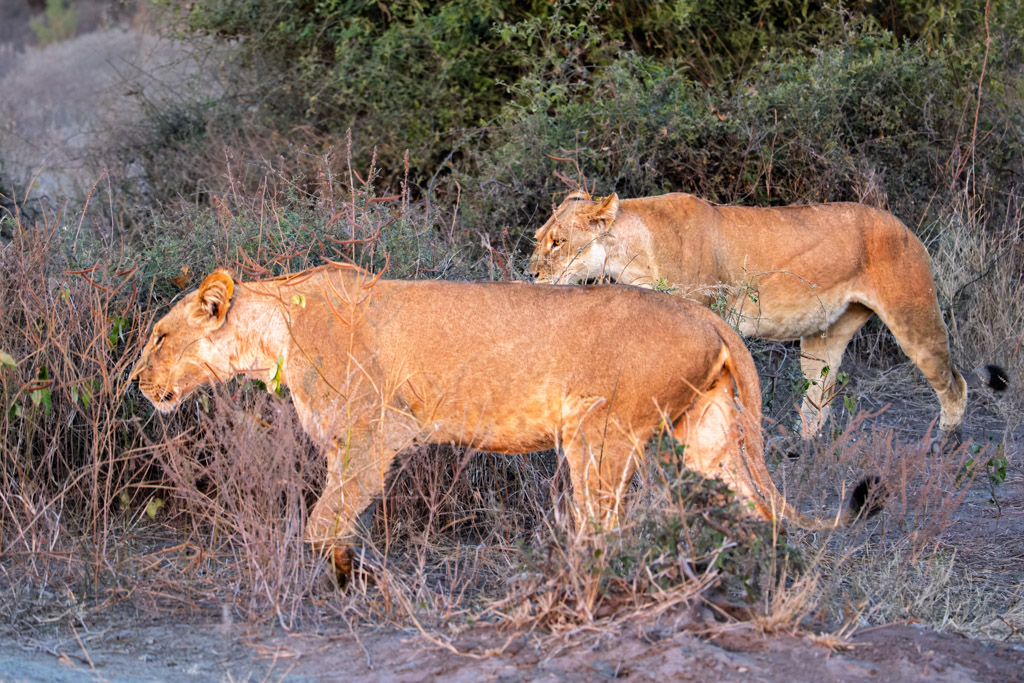
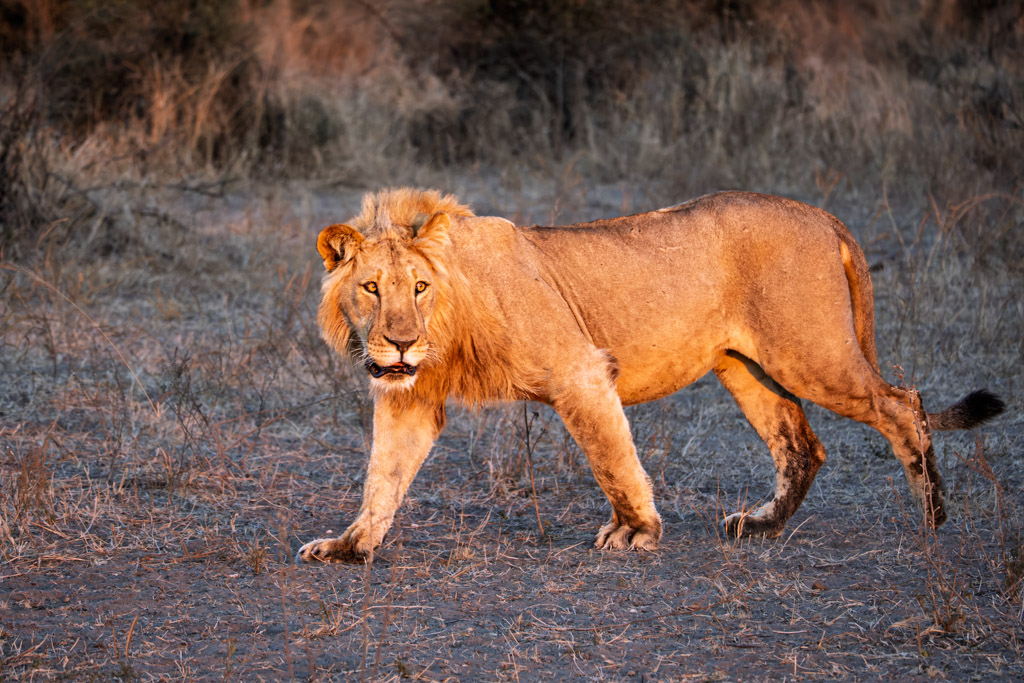
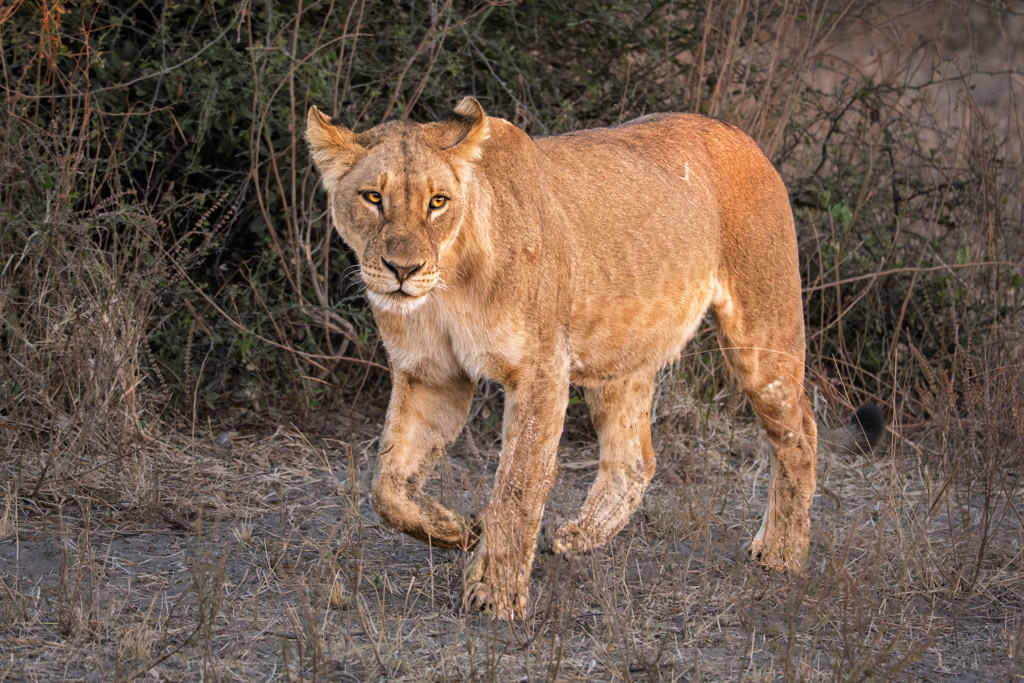
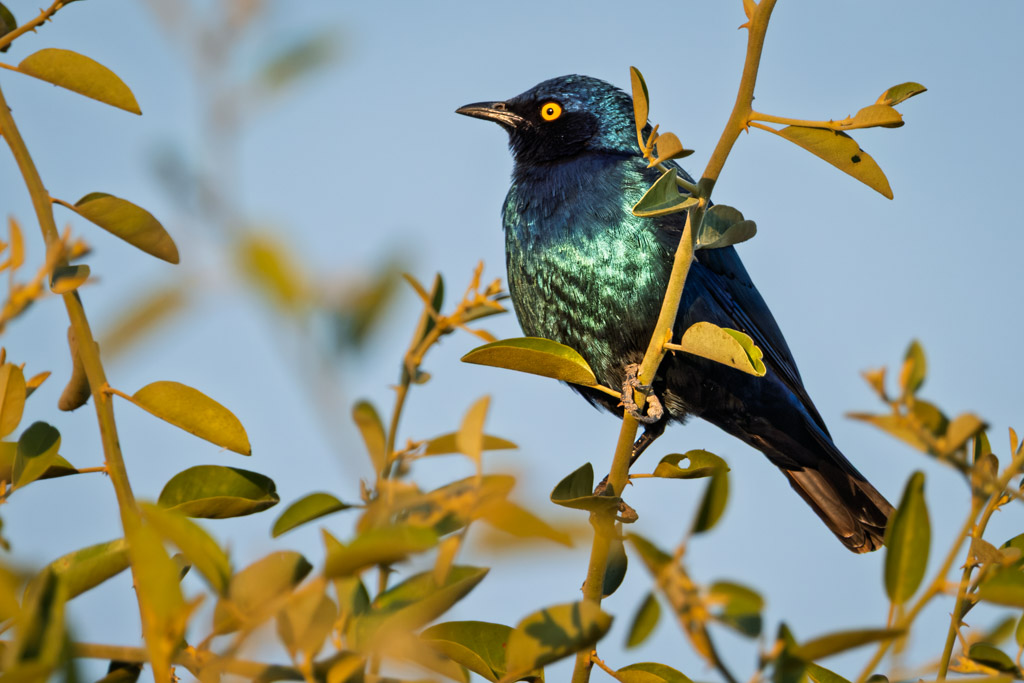
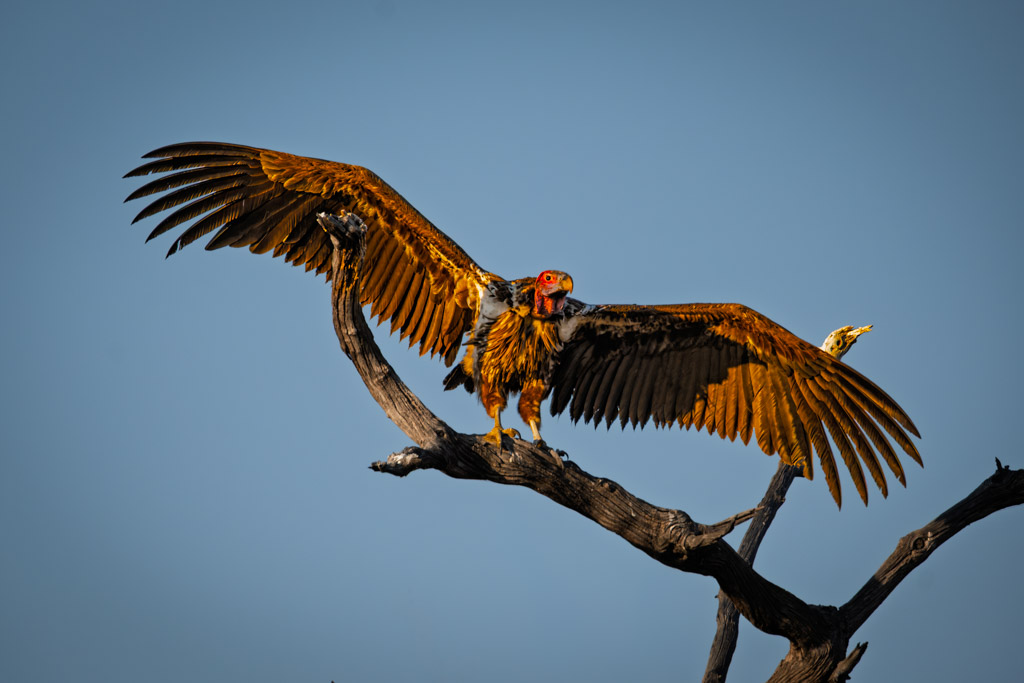
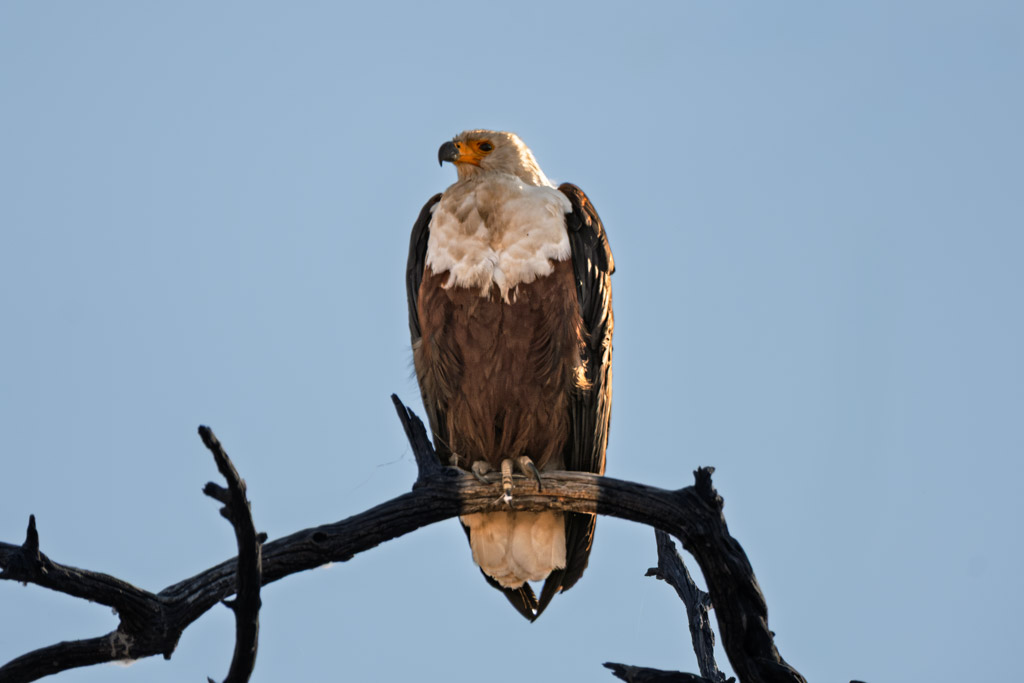
Another day, another early morning game drive. We departed before dawn while it was still quite dark, and after a short drive the sky began to lighten as we entered the beautiful blue hour. Our first sightings of the morning were a pair of black-backed jackals resting quietly before beginning their day’s activities. Not long afterward, we came across two lionesses, calmly surveying their surroundings. Today’s drive followed the banks of the Chobe River, whose lush floodplains attract an extraordinary diversity of wildlife. A short while later, our guide, Ana, received a radio call from another safari vehicle reporting that a pride of lions had been spotted nearby. We headed to the location and soon found the pride. Patiently following them at a respectful distance, we waited until they moved into a more open area, where we were rewarded with magnificent, unobstructed views and excellent photographic opportunities. Watching these powerful predators in their natural habitat was undoubtedly one of the highlights of the morning. As we continued along the riverbank, the abundance of birdlife was nothing short of spectacular. The river and its surrounding vegetation were brimming with birds, from colorful lilac crested rollers and Cape starlings to stately yellow billed storks, egrets, red billed hornbills, Marabou storks, fish eagles, and numerous other species. On our way back to the lodge for breakfast, the wildlife sightings continued with giraffes browsing on acacia trees, elephants moving through the bush, and impalas grazing in the morning light. The morning ended on a high note when an elusive African wildcat suddenly darted across the road in front of our vehicle.
Next, we visited the Kazungula Childrens Ark, a local preschool, where we spent time interacting with the children and gaining insight into their daily lives. We also visited a community woven-basket cooperative, where we met skilled artisans and admired an impressive display of their handcrafted baskets and other woven wares.
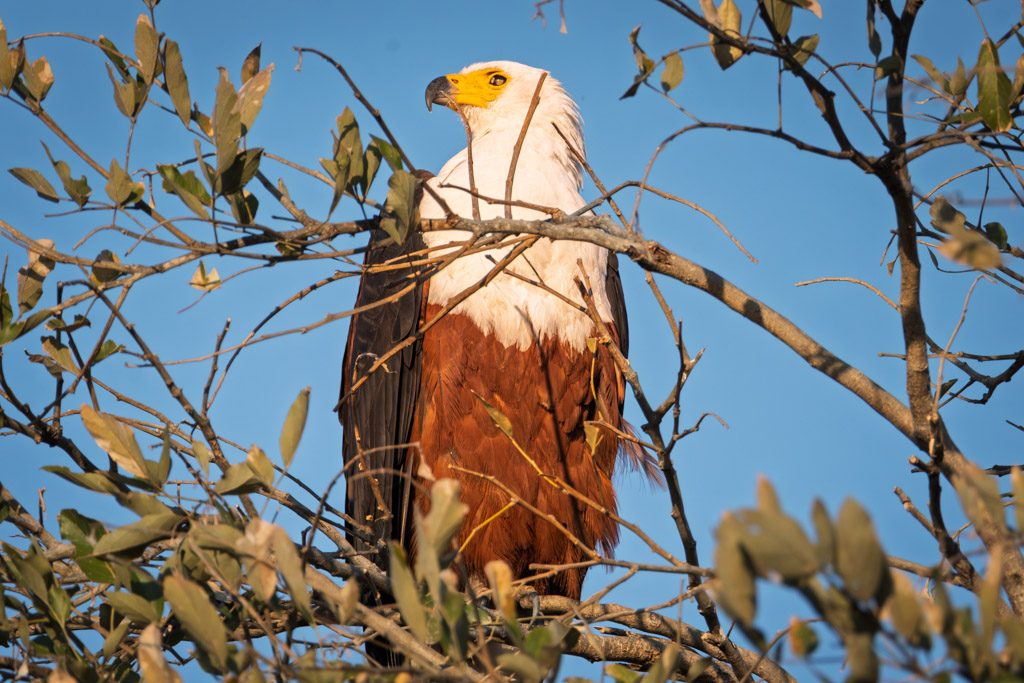
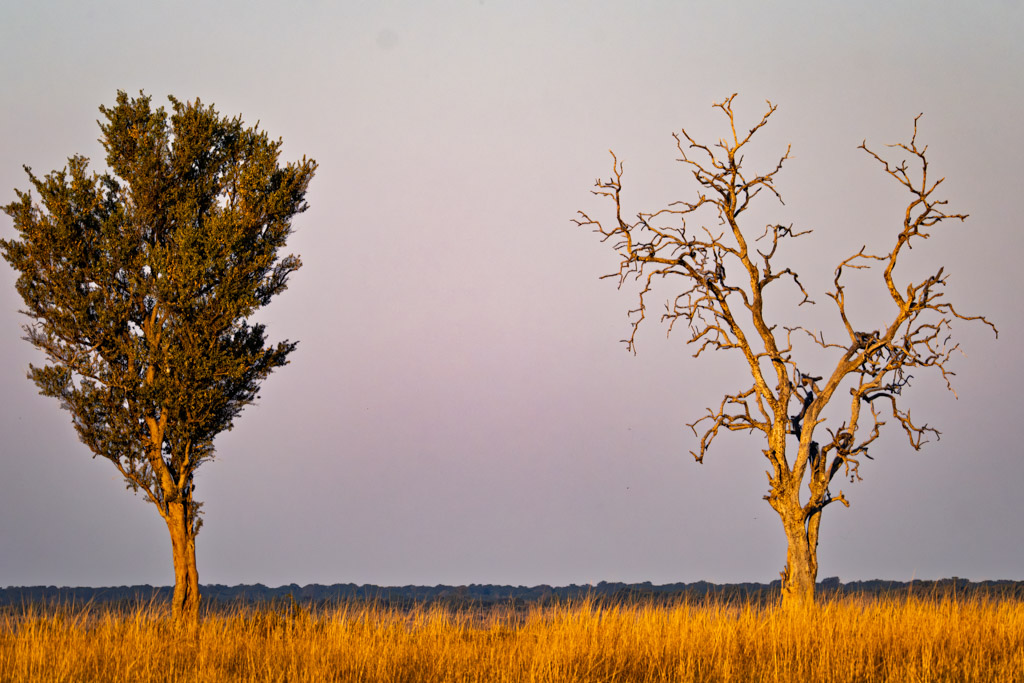
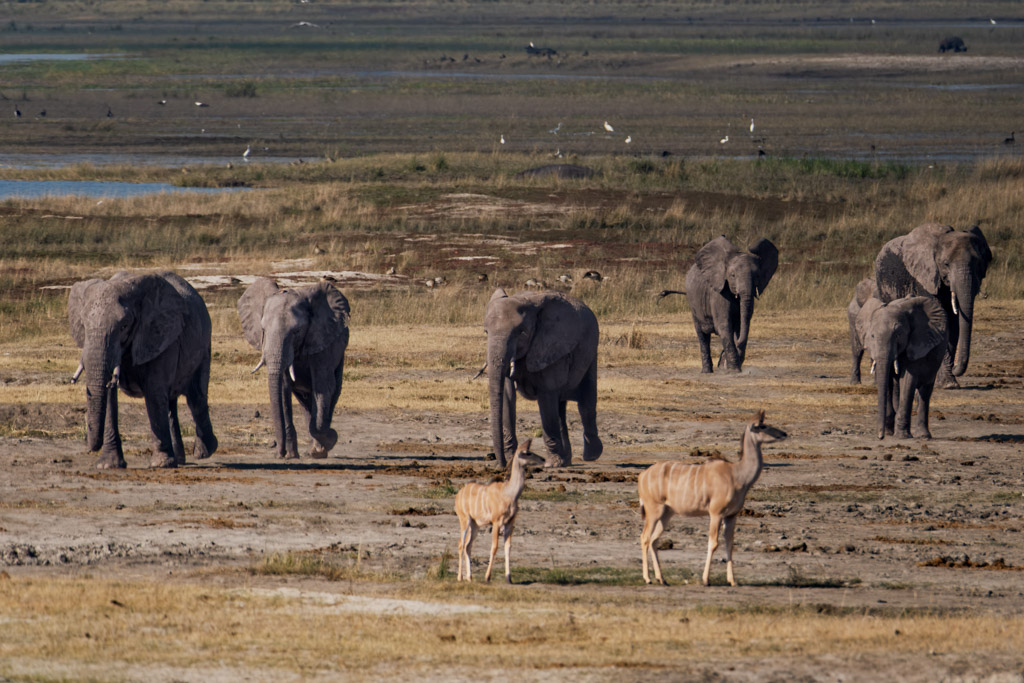
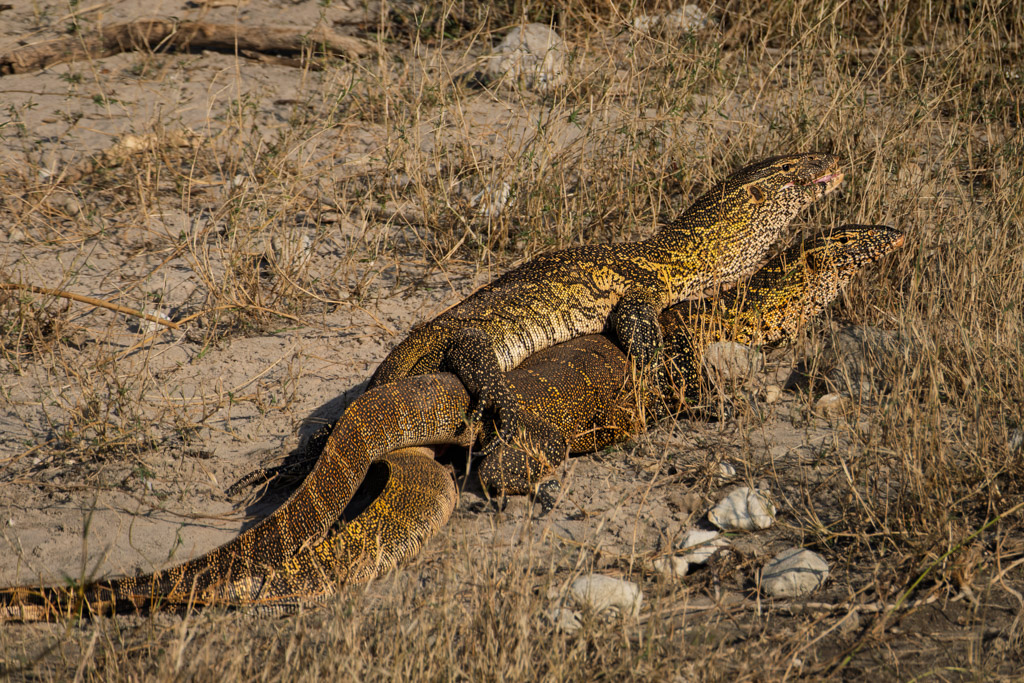
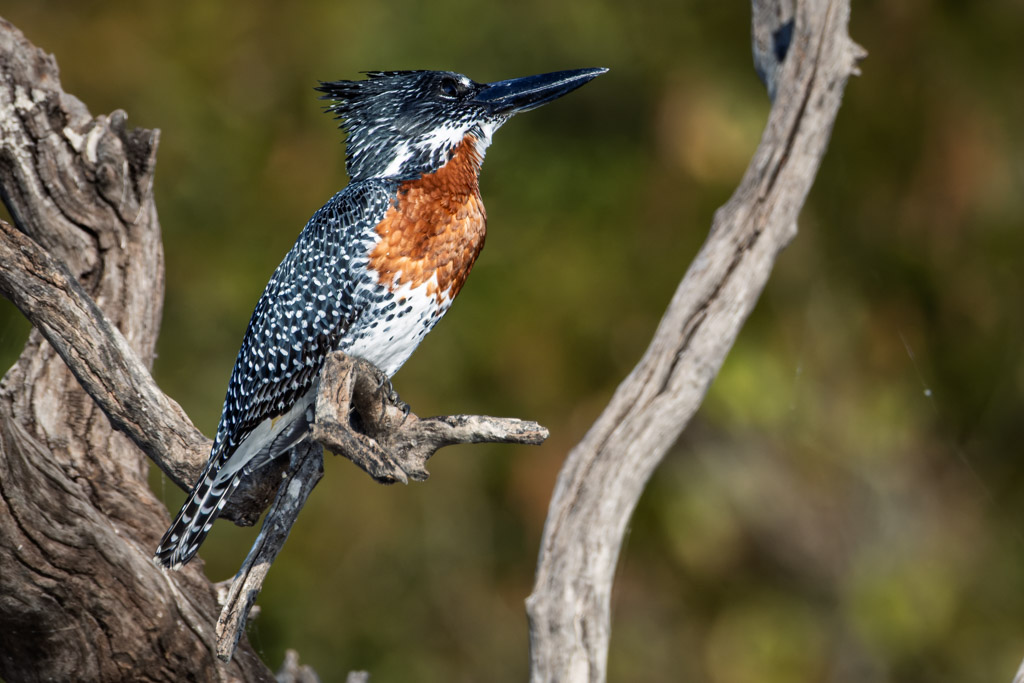
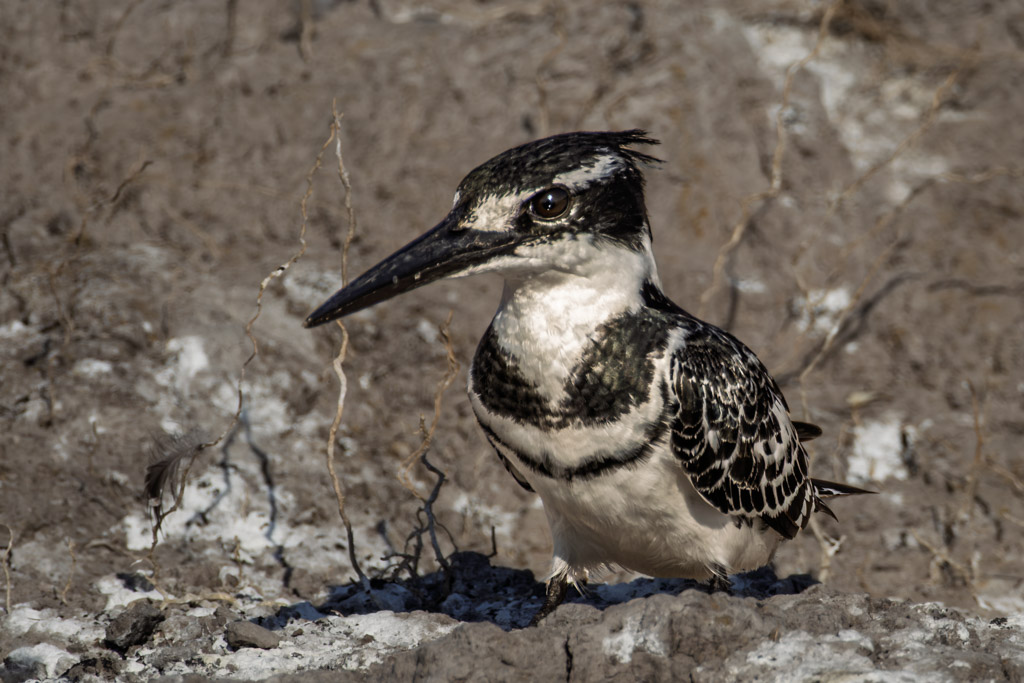
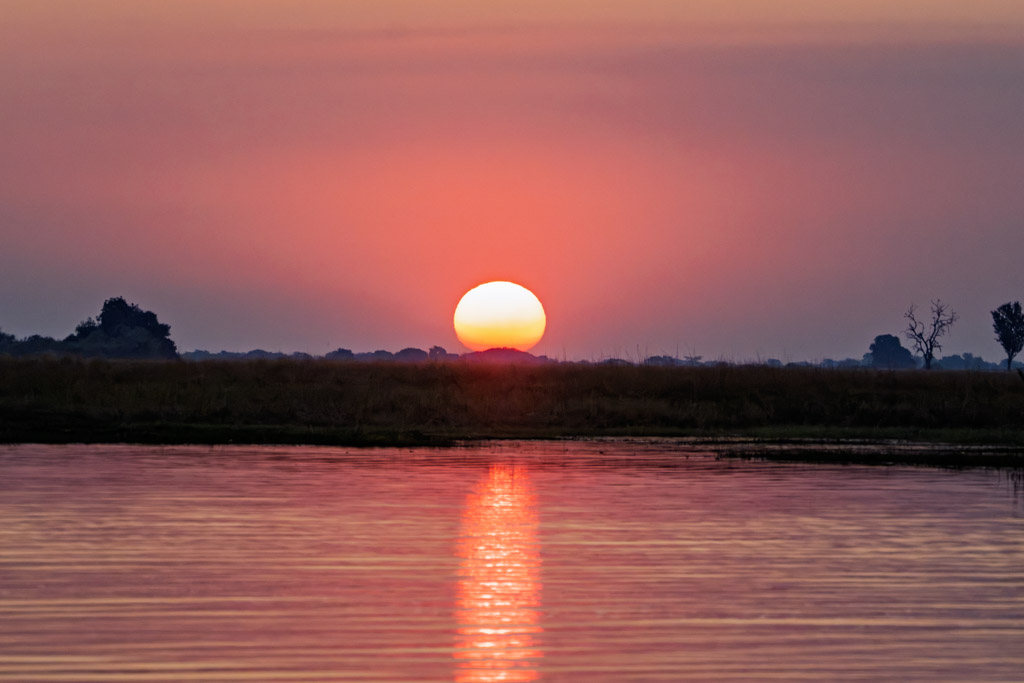
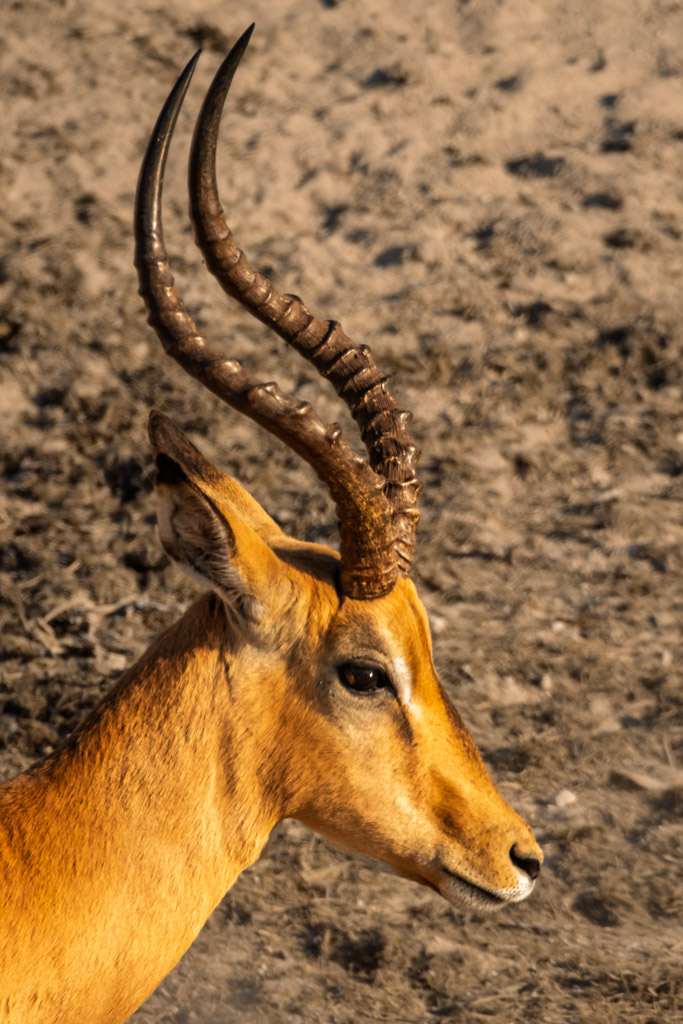
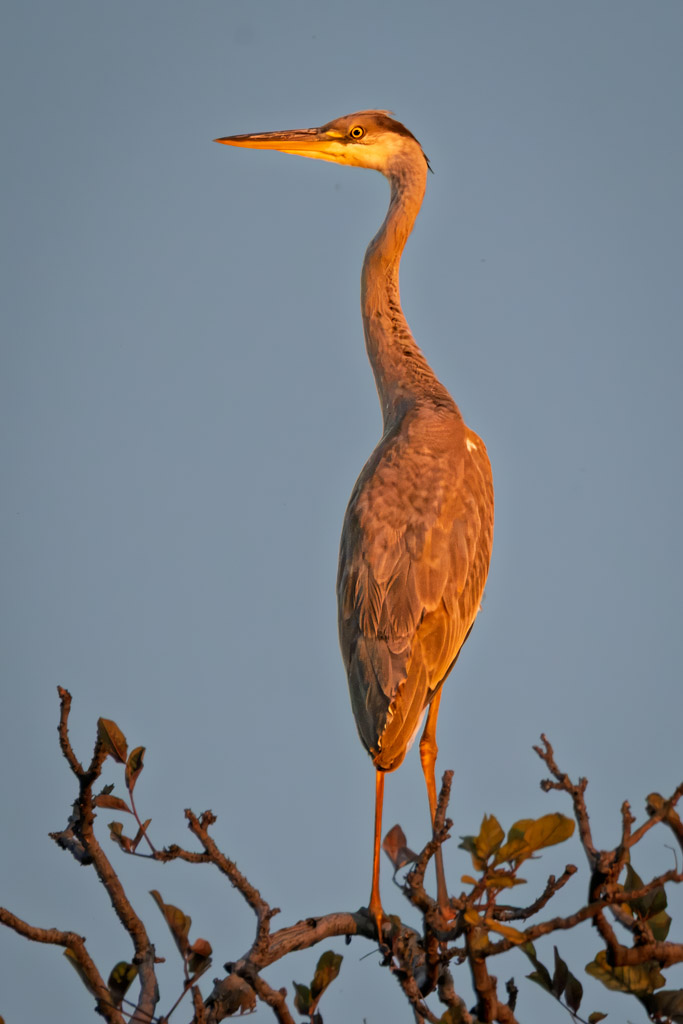
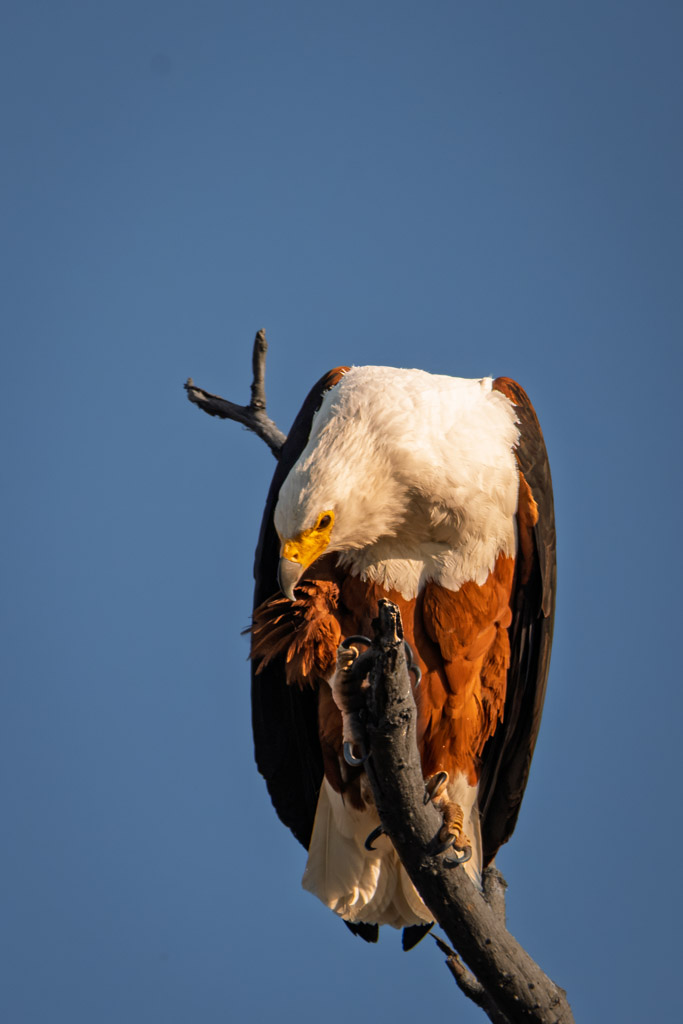
While Christabel chose to rest at the lodge, Albert headed out on an afternoon boat safari along the Chobe River. Much like the previous day’s cruise, the river and its shoreline were alive with wildlife. Herds of elephants gathered along the banks to drink, bathe, and socialize, while kudu, impalas, giraffes, baboons, warthogs, and Nile crocodiles were seen throughout the journey. A particularly memorable sighting was a pair of Nile monitor lizards mating along the riverbank. The cruise was also a birdwatcher’s paradise. Highlights included the majestic African fish eagle, the striking giant kingfisher, cormorants, African darters, and numerous other waterbirds that thrive in the Chobe region. As the day drew to a close, the setting sun painted the sky in brilliant shades of orange, pink, and gold, providing a spectacular finale to another memorable safari on the Chobe River before returning to the lodge. Dinner that evening was on the boardwalk, with the wait staff singing “Happy Birthday” in the local language to one of our group and then continued to serenade him with other songs.
A New Safari Begins – July 14, 2026
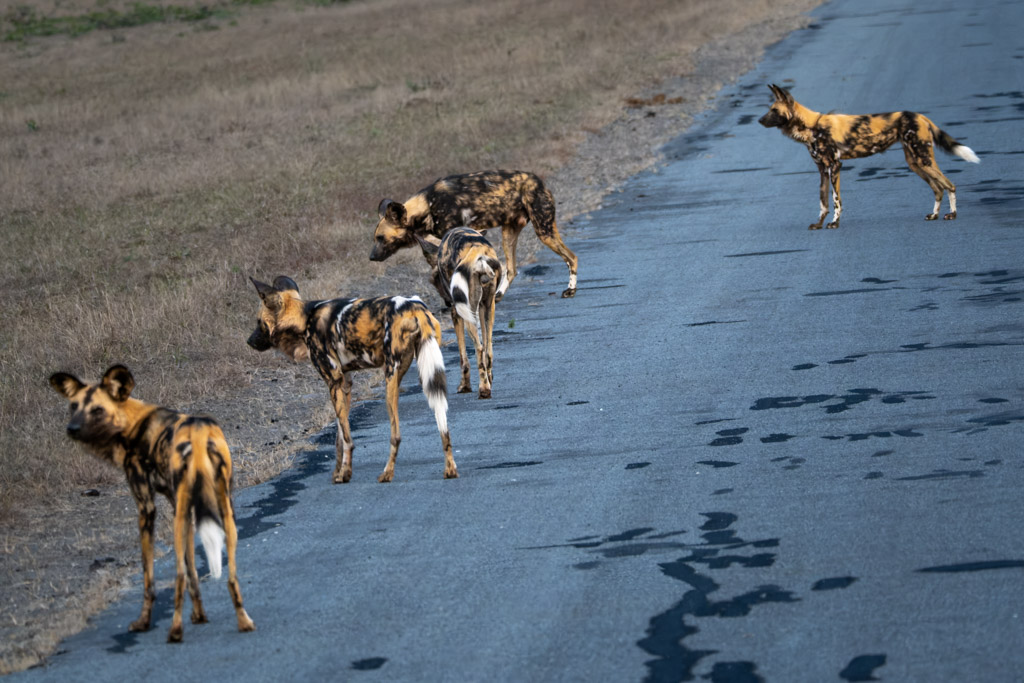
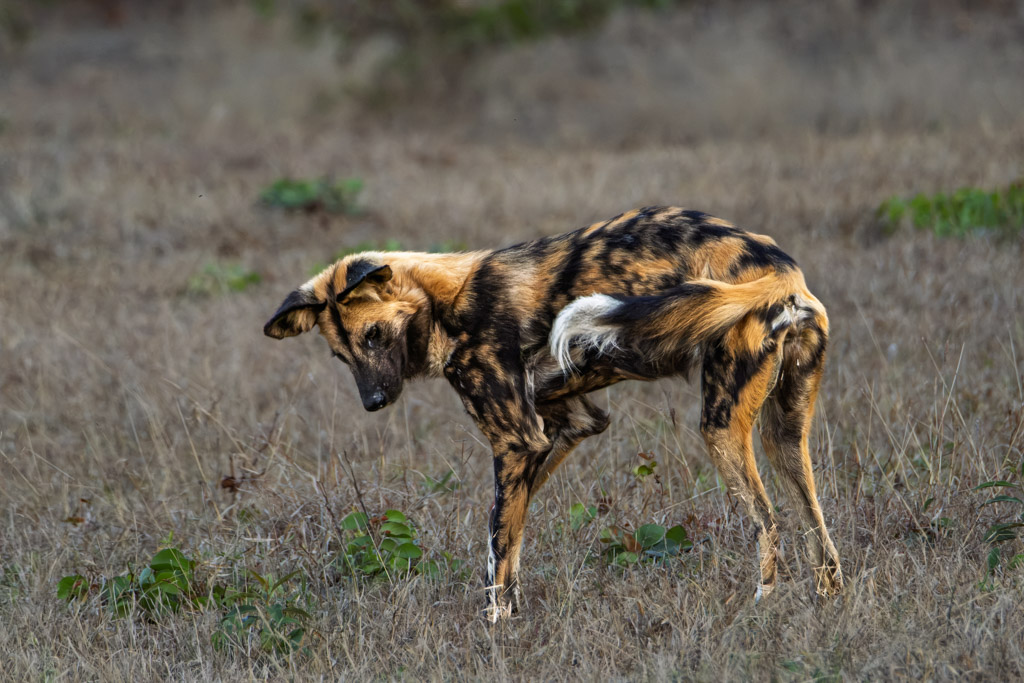
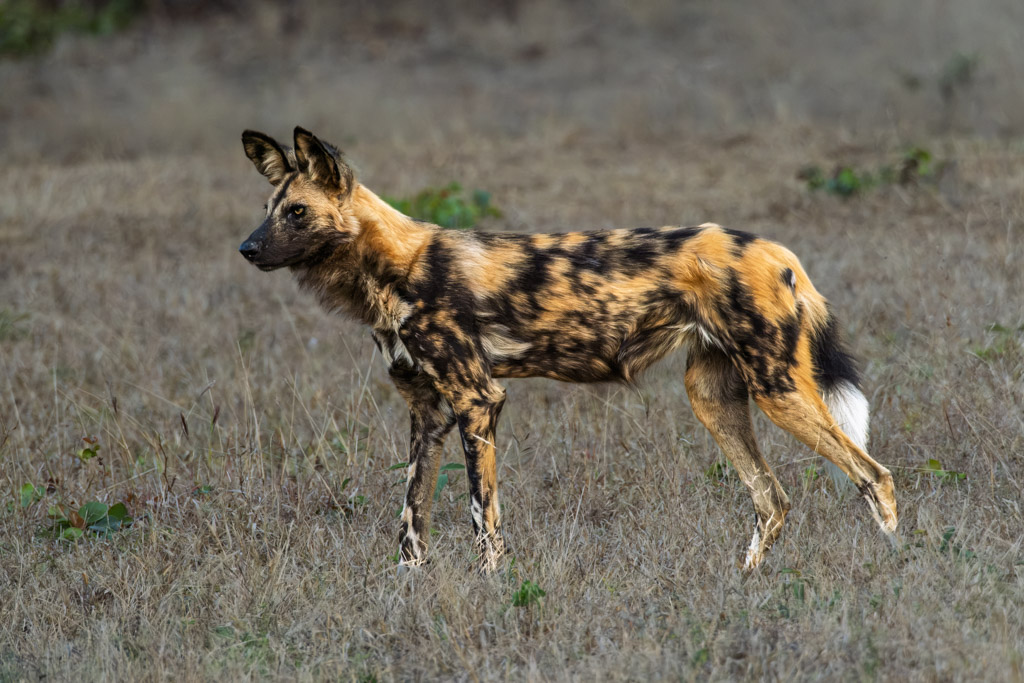
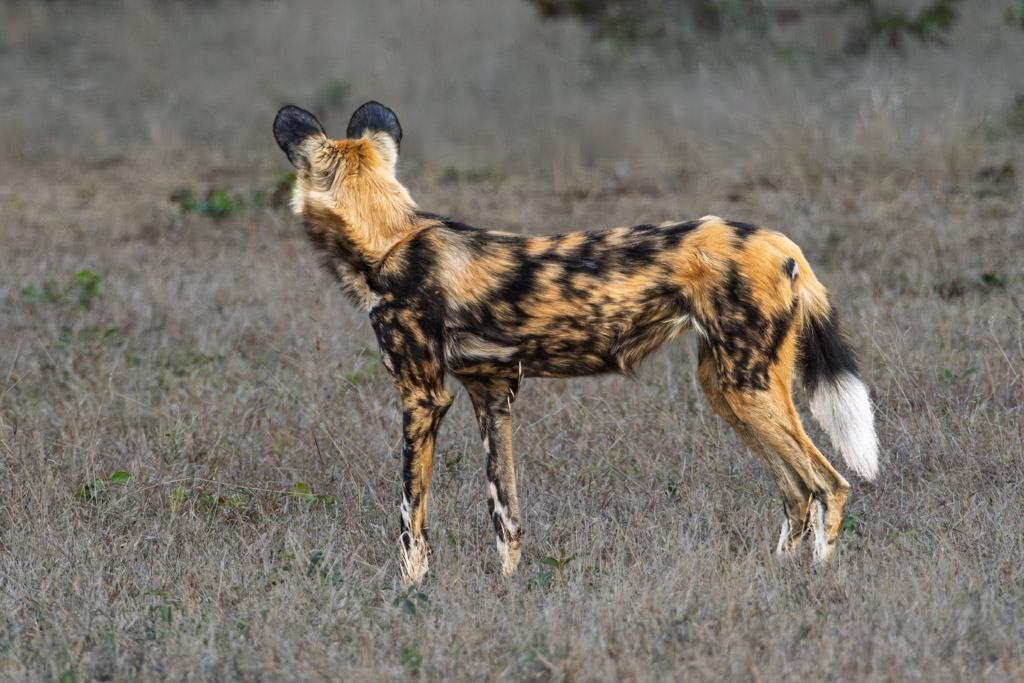
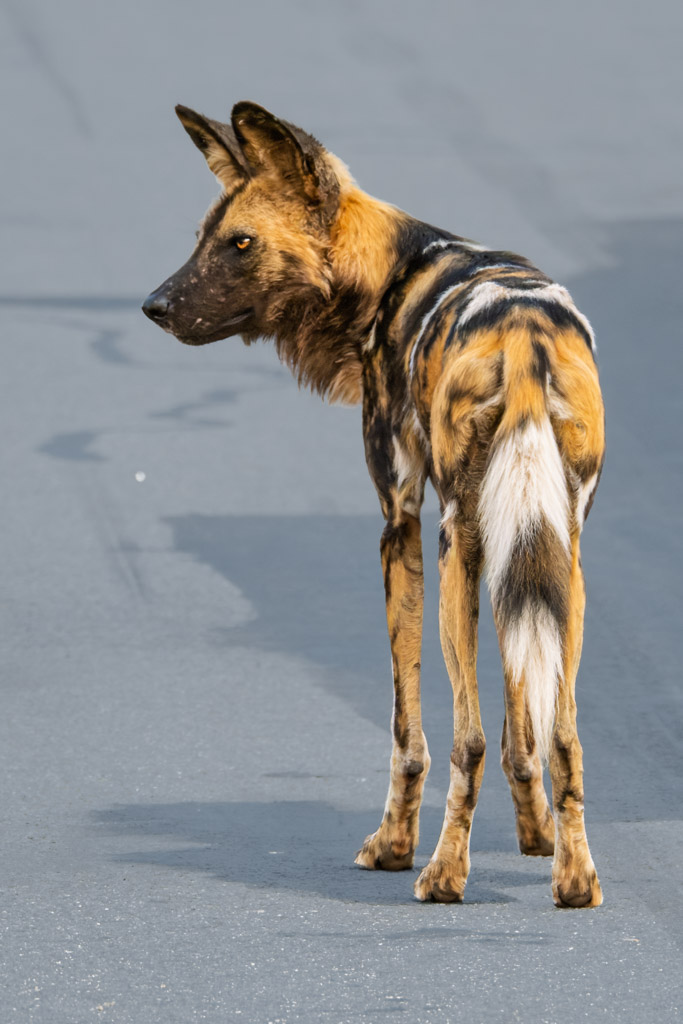
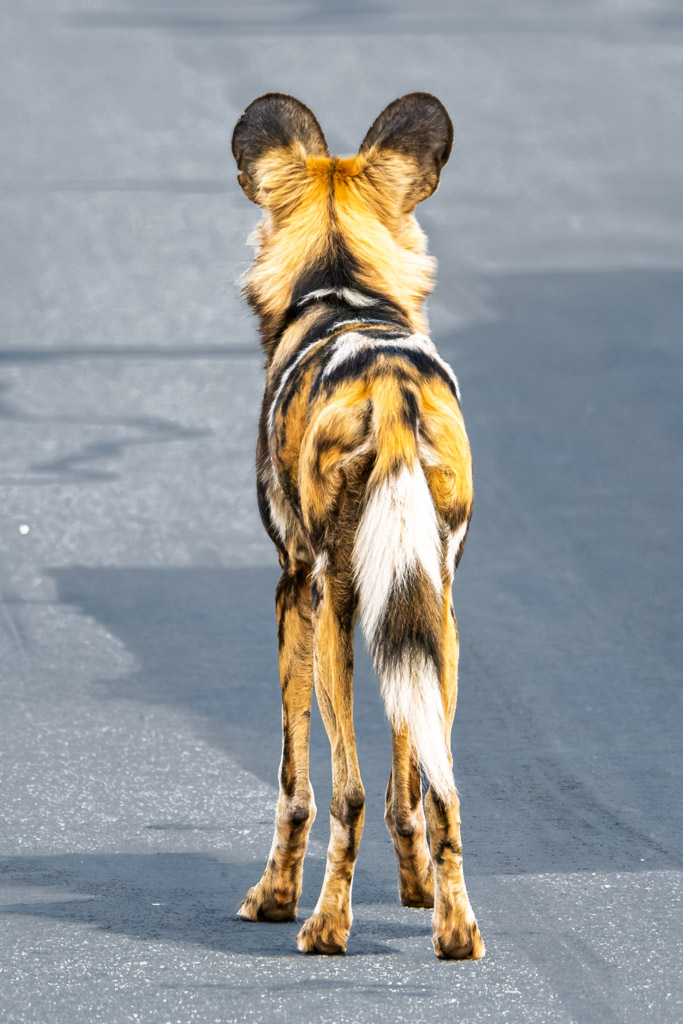
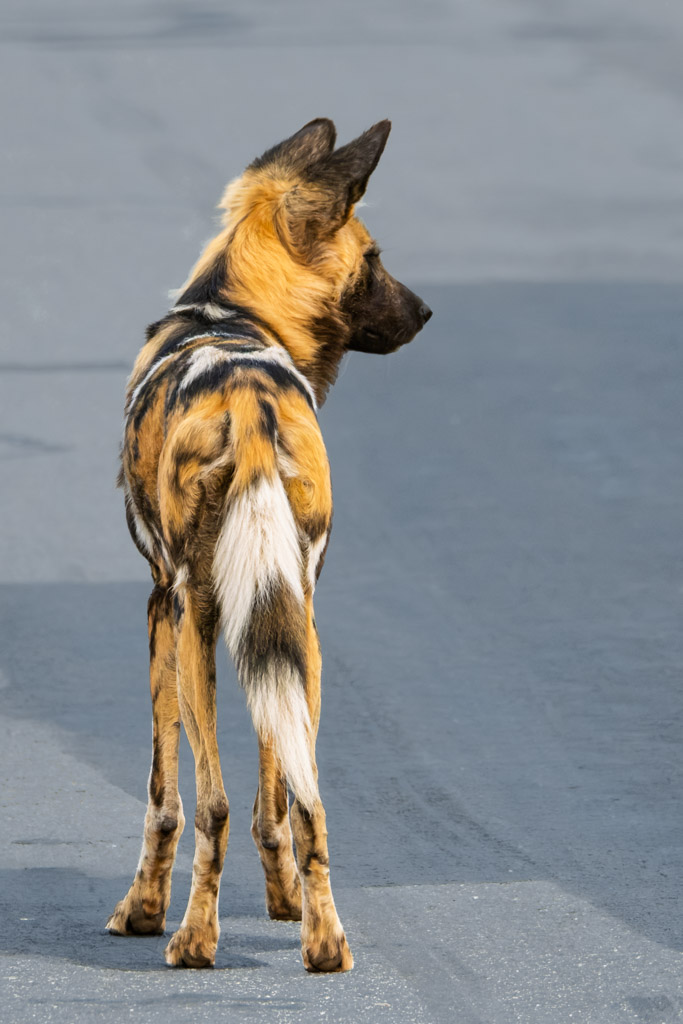
At the crack of dawn, we departed our lodge for the drive to Victoria Falls Airport in Zimbabwe to catch our flight to South Africa. After leaving Chobe National Park, we exchanged our safari vehicle for a van and continued a few miles to the Botswana–Zimbabwe border, completed the immigration formalities on each side, climbed into another van and drove to the airport. The approximately 90-minute drive to the airport turned into an unexpected safari of its own. Along the way, we spotted ground hornbills, a lone giraffe, a dazzle of zebras, and, most exciting of all, a pack of African wild dogs—one of Africa’s rarest and most endangered predators, making the sighting a true highlight of the journey. Our flight aboard an Embraer aircraft to Kruger Mpumalanga International Airport at Nelspruit was smooth and uneventful. From there, we boarded a private charter flight to our safari lodge in the Ngala Private Game Reserve, an exclusive concession bordering the world-famous Kruger National Park.
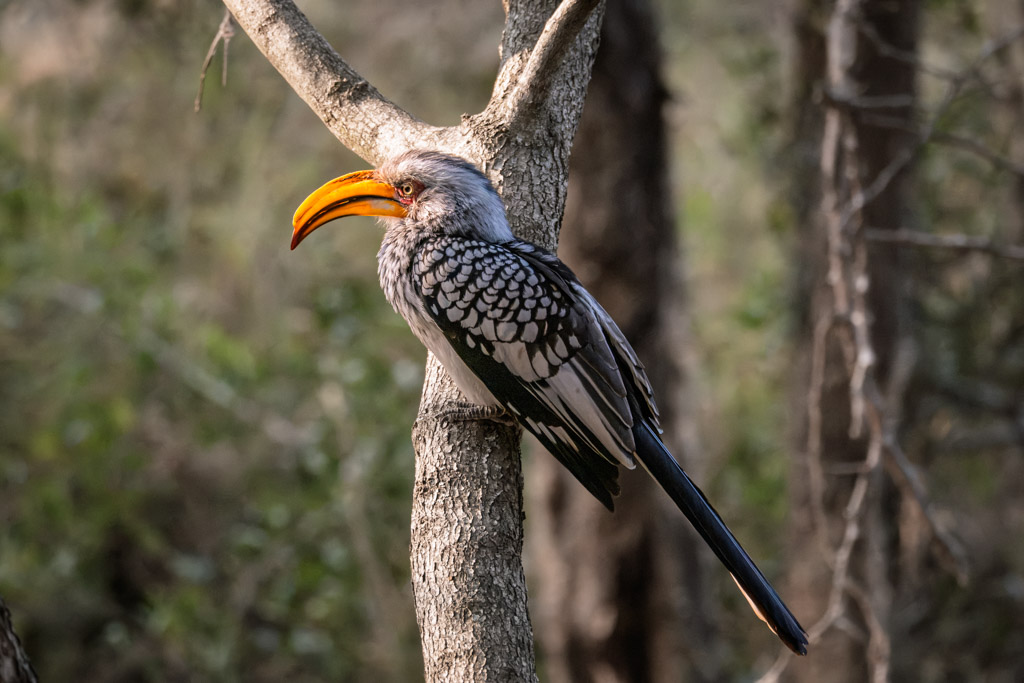
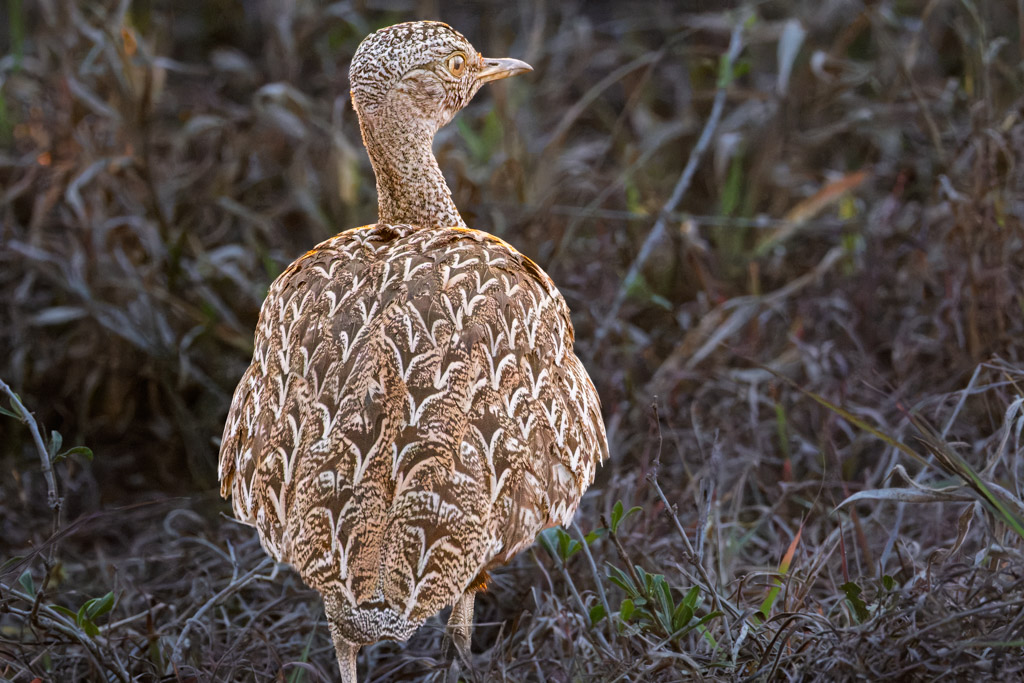
After a quick lunch of bobotie and milk tart (both are South African specialties), we set out on our first afternoon game drive in the Ngala Private Game Reserve, part of the Greater Kruger ecosystem. The safari experience here was noticeably different from Chobe National Park. Whereas the Chobe River attracts large concentrations of wildlife, Ngala has relatively few permanent water sources. Consequently, animals are more widely dispersed across the bush, and successful sightings depend largely on the expertise of experienced guides and trackers, who interpret fresh tracks, alarm calls, and other subtle clues to locate wildlife. Our first major sighting was both unexpected and exhilarating—a pack of seven African wild dogs on what appeared to be a hunting expedition. We stopped and watched with bated breath as these highly endangered predators moved with remarkable coordination, demonstrating the teamwork, speed, and precision that make them among Africa’s most successful hunters. As the afternoon unfolded, we encountered a variety of other wildlife, including a warthog, zebras, spotted hyenas, a black-backed jackal, wildebeests, and a raft of hippos resting in a waterhole. The birdlife was equally rewarding, with sightings that included the striking southern yellow-billed hornbill, red-crested korhaan, bateleur and several other species, adding another dimension to the safari experience. As the sun dipped toward the horizon, we paused at a picturesque waterhole for a traditional safari sundowner before returning to the lodge after our amazing first game drive in the Greater Kruger.
A Day of Lion Encounters – July 15, 2026
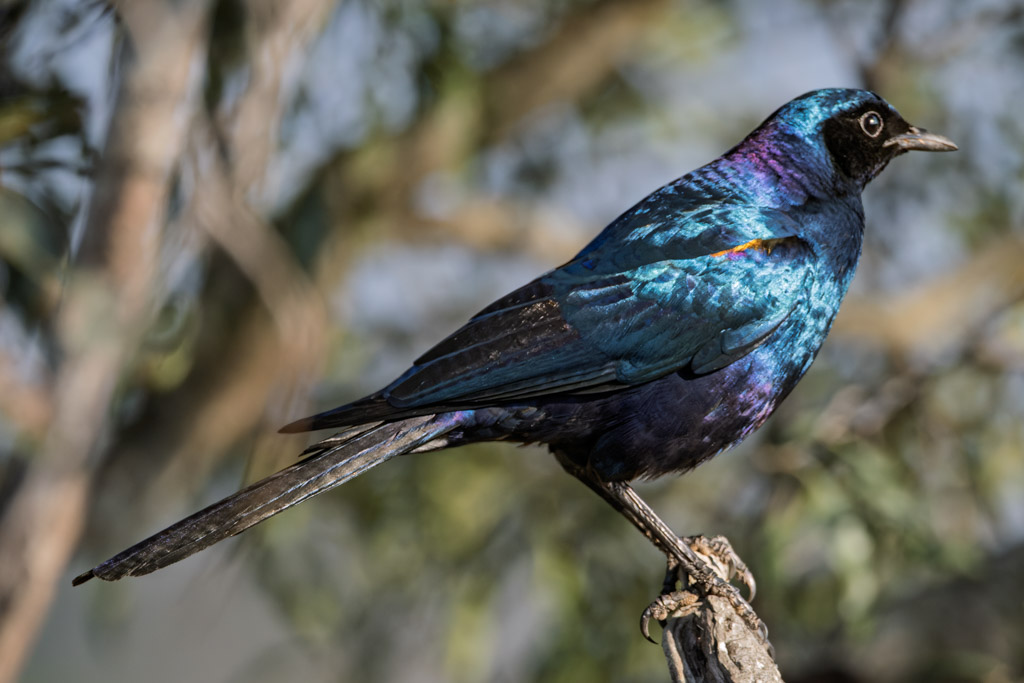
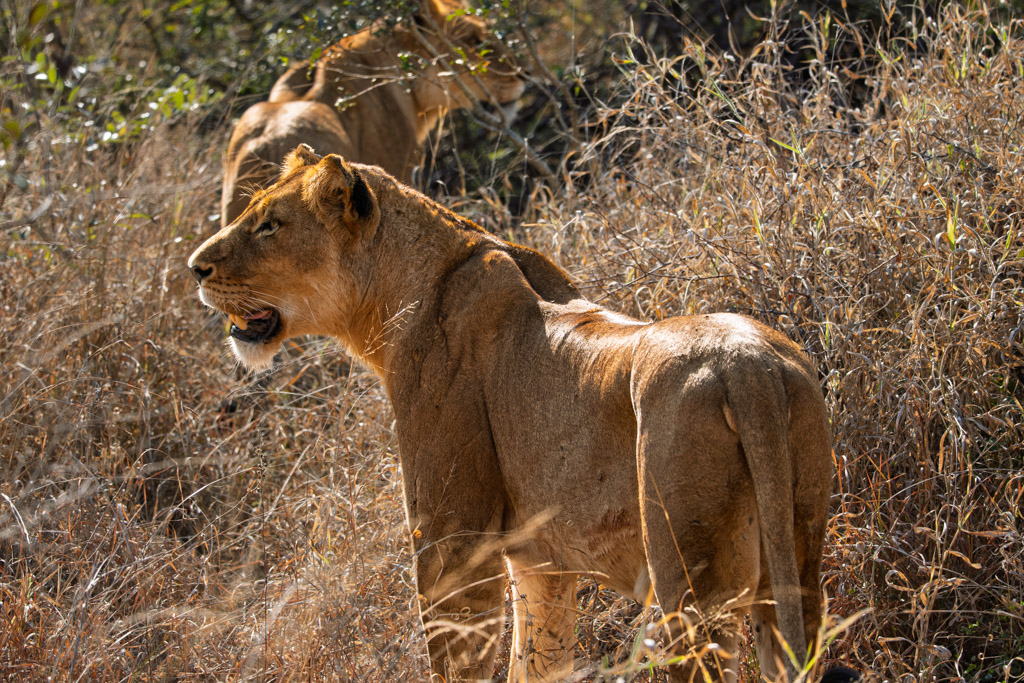
This morning, we set out before dawn in search of Africa’s legendary Big Five with our expert guide, Vusi, and tracker, Andzani. As the deep blue pre-dawn sky gave way to the golden hues of sunrise, our anticipation grew—especially at the possibility of encountering lions. The morning began quietly, with only a few sightings: a couple of warthogs darting across the dirt track, a pair of giraffes browsing among the trees, a magnificent bull elephant feeding nearby, and a lilac-breasted roller and magpie shrike. After a short bush coffee break where some of us partook of coffee laced with Amarula , our tracker resumed searching for fresh spoor—the tracks and signs left behind by animals—with particular attention to clues that might lead us to lions. Then came the moment we had been waiting for. A radio call reported that two lionesses had been spotted on the move.
Our guide quickly and skillfully followed the updates, and before long we found ourselves in the presence of these magnificent predators. We shadowed the lionesses for several miles as they moved silently through the bush, frequently pausing to scan the grasslands for potential prey. The encounter provided exceptional photographic opportunities. One of the advantages of a private reserve like Ngala is that, unlike most national parks where vehicles must remain on designated roads, trained guides can leave the tracks when appropriate to follow wildlife. This allows for closer, yet respectful, viewing of animals in their natural habitat. Although the morning began quietly, it ended spectacularly, transforming an otherwise slow game drive into one of the most memorable experiences of our safari.
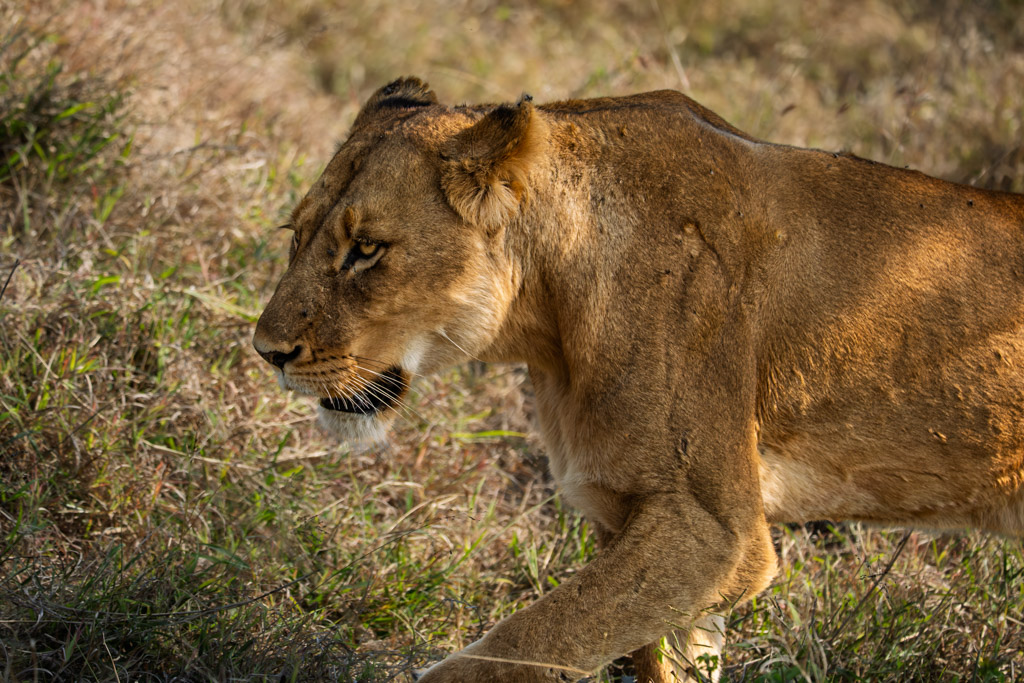
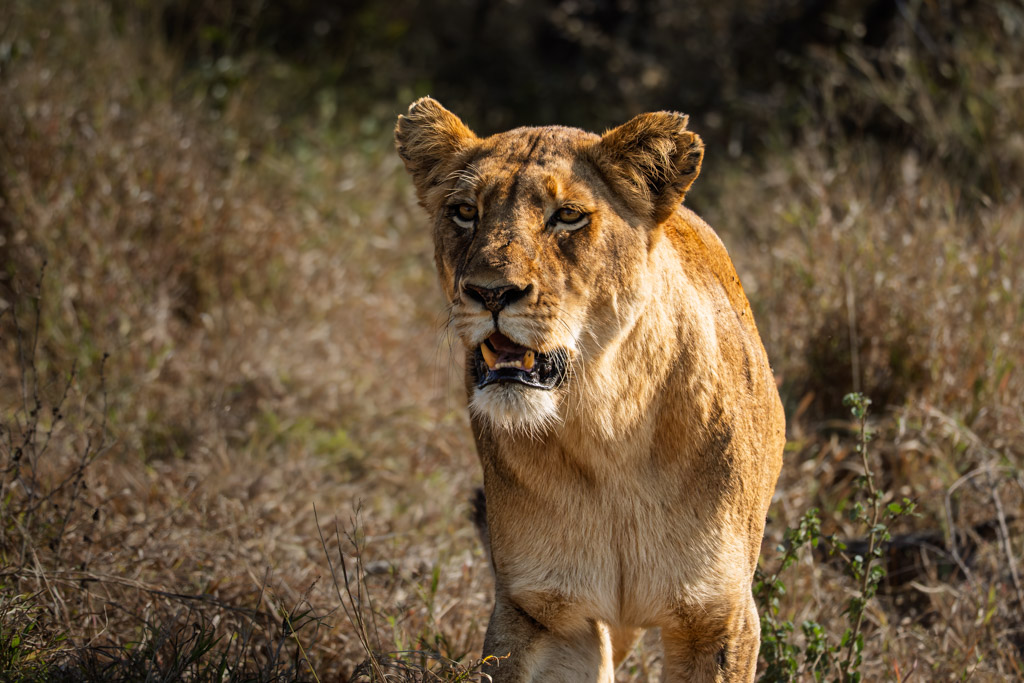
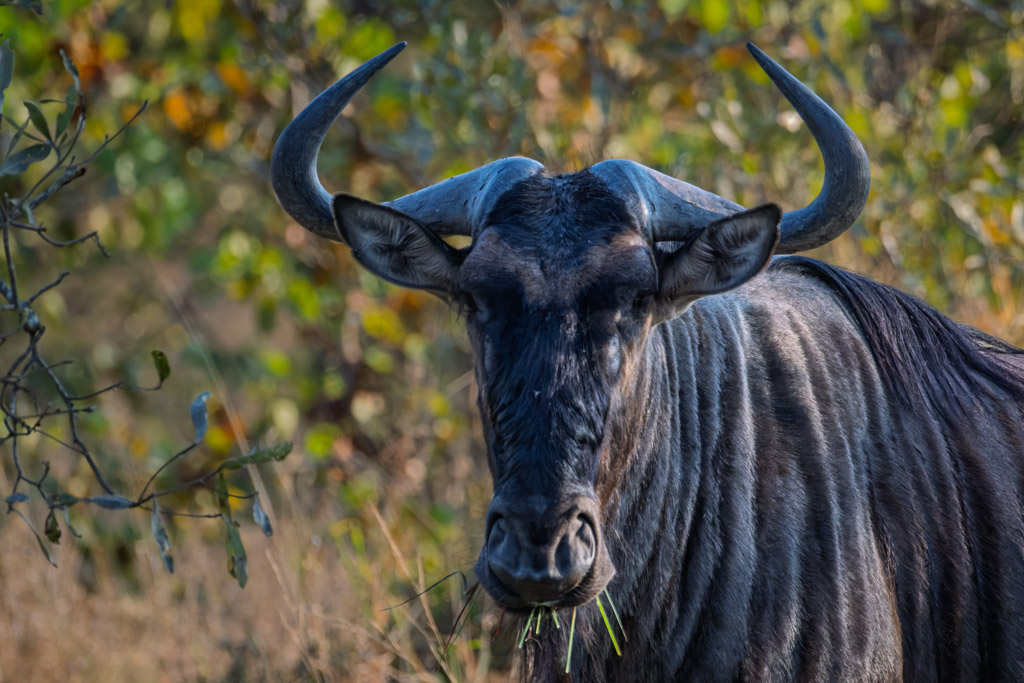
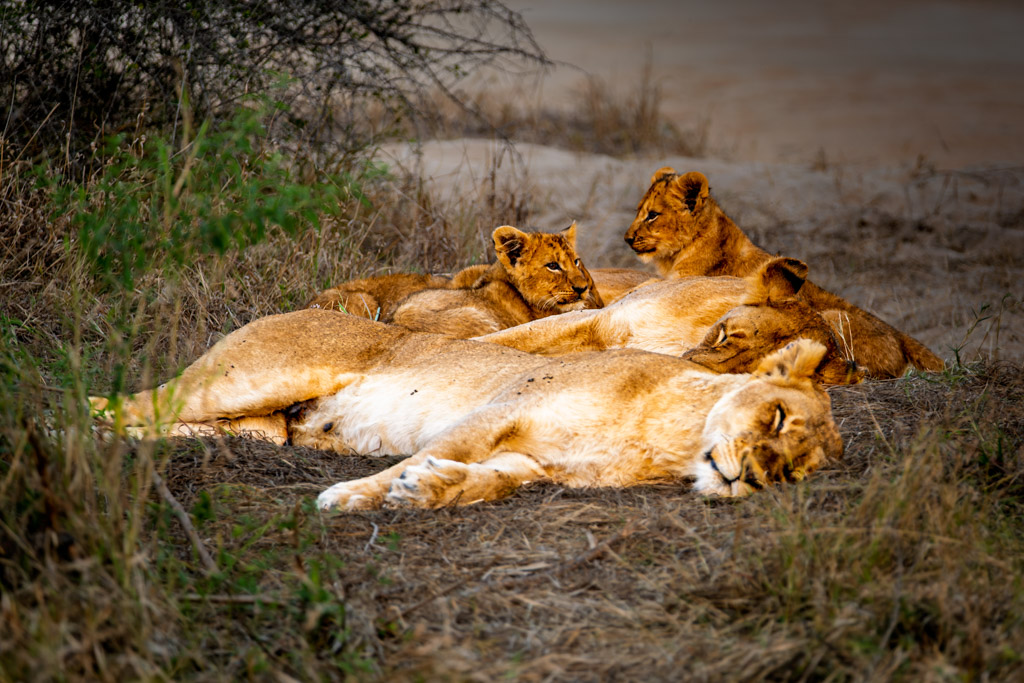
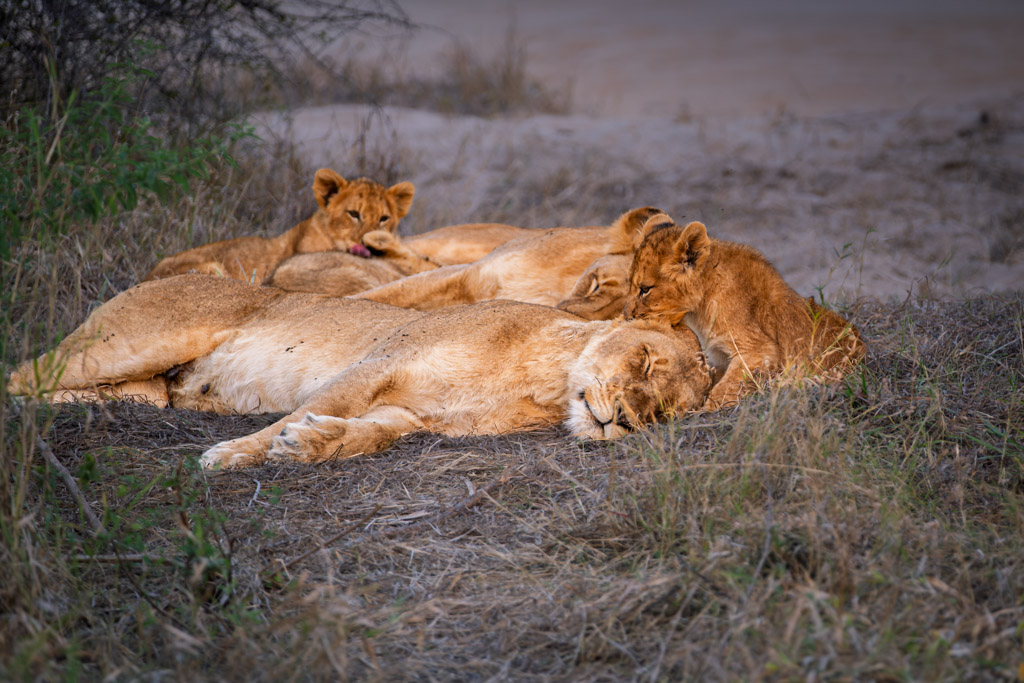
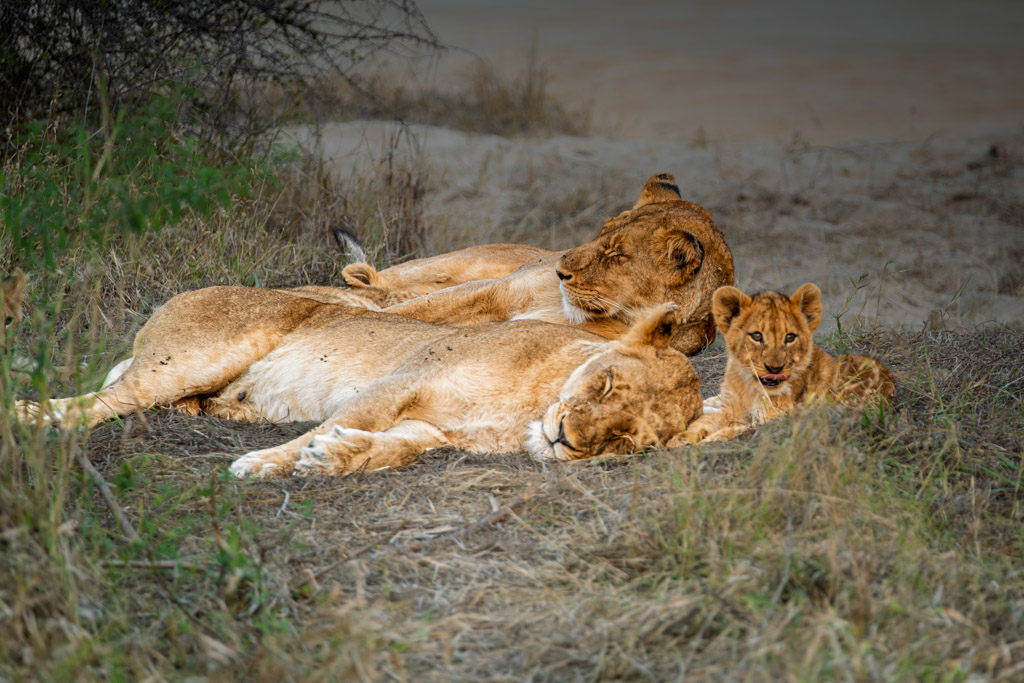
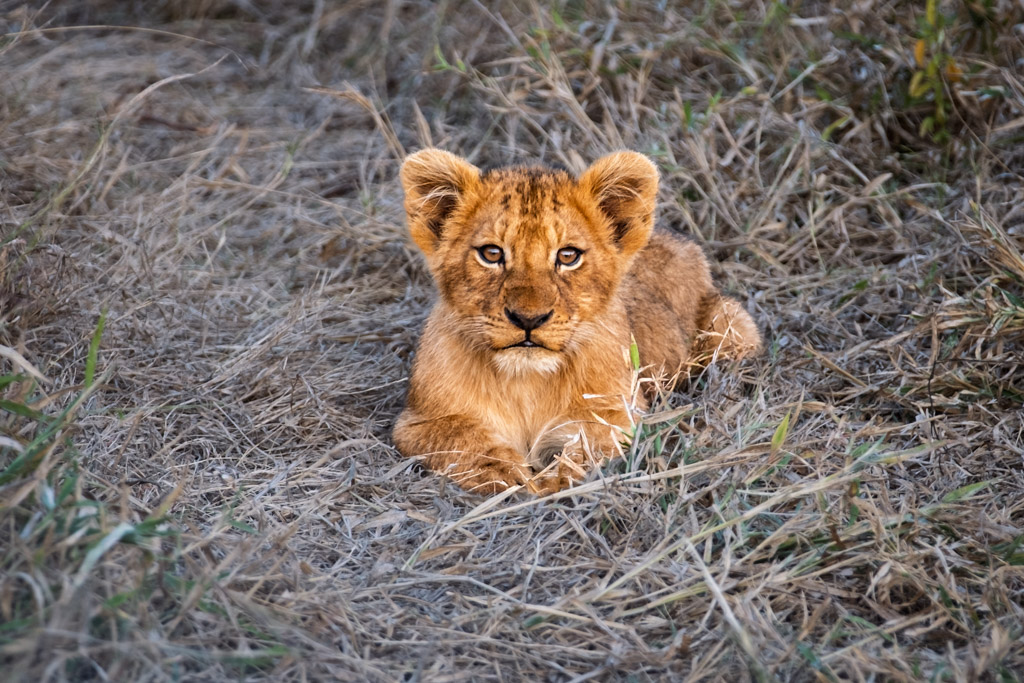
We set out on our afternoon game drive hoping of finding one of Africa’s most elusive Big Five animals—the rhinoceros. Our guide and tracker headed toward a series of waterholes along a dry riverbed, where rhinos are often seen, especially during the dry season. Along the way, we encountered a pair of wildebeests, two squirrels engaged in a lively mating display, and a female elephant accompanied by her playful calf. Reaching the area, our guide and tracker searched carefully for fresh rhino spoor, but despite their best efforts, found no sign of the animals. Undeterred, they switched to Plan B. A radio call reported that two lionesses with three cubs were resting nearby. We quickly made our way there and found them relaxing in the shade. Two cubs were nursing while the third explored its surroundings with youthful curiosity. Our guide explained that these were the same lionesses we had followed during the morning hunt and that they were sisters. Watching this family at such close range was a privilege and a fitting end to the day. Although we never found the rhinos we were hoping for, the intimate encounter with the lionesses and their cubs was an unforgettable highlight.
Leopard, Rhinos & Bush Adventures – July 16, 2026
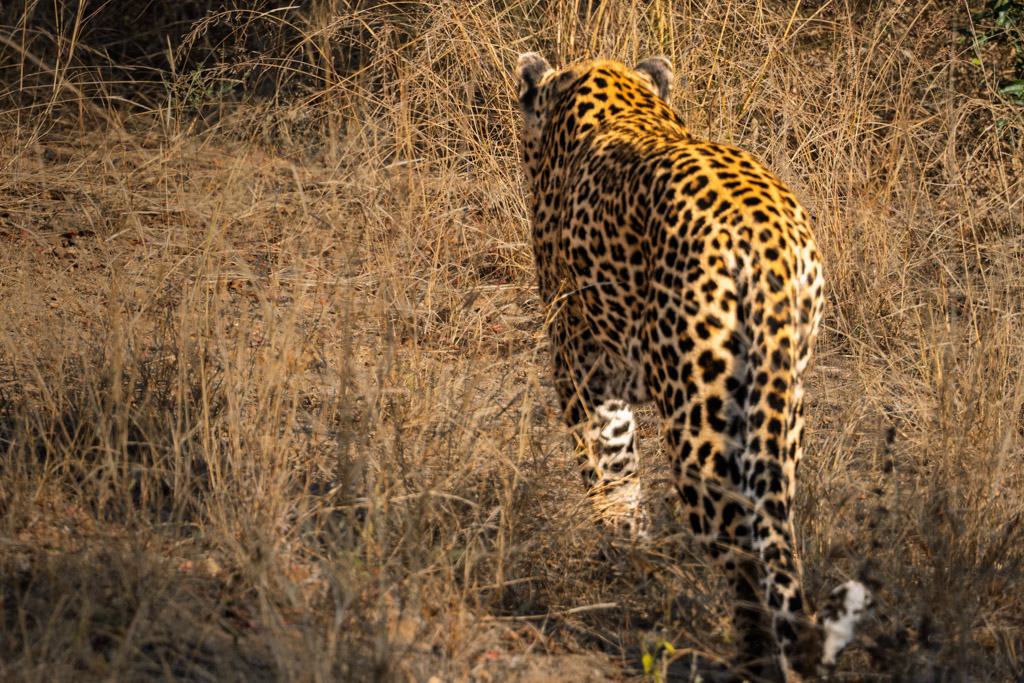
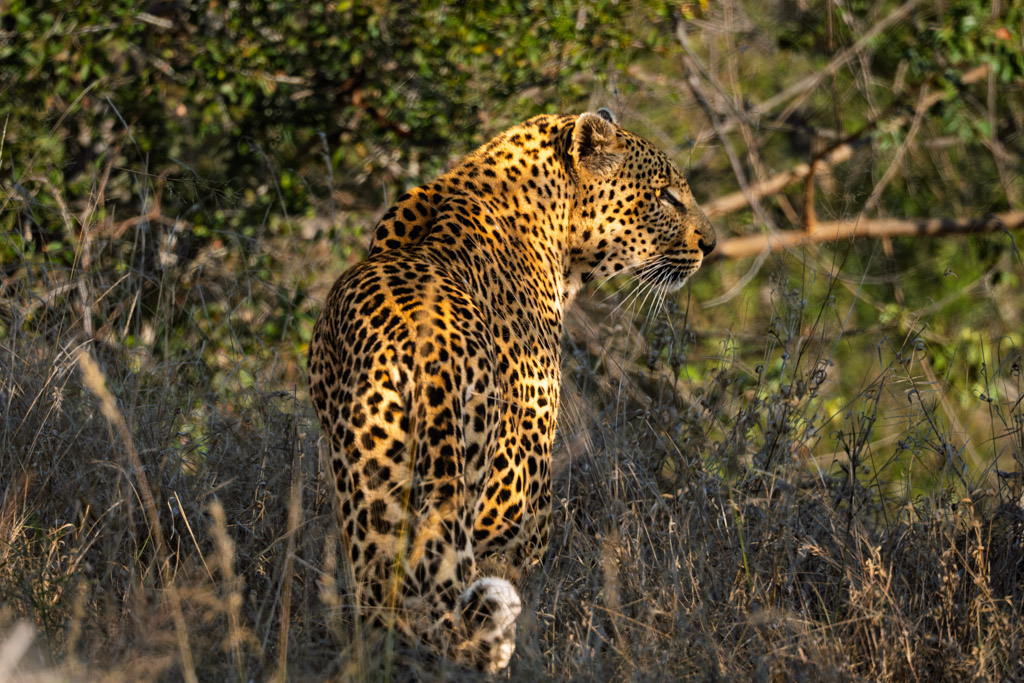
We began the day well before dawn with an ambitious goal—to locate a large pride of lions reportedly seen near the boundary between the Ngala Private Game Reserve and Kruger National Park. The pride included several impressive males and, remarkably, a rare white lion, making the prospect even more exciting. The long, bumpy drive took us deep into the African bush. Along the way, we encountered several familiar residents of the reserve, including wildebeests, elephants, and impalas. Upon reaching the area, our guide and tracker stepped out of the vehicle to search for fresh spoor. After a careful examination, they returned with disappointing news: the pride had crossed into Kruger National Park. Since Ngala guides are not permitted to enter the national park, the lions were beyond our reach. Fortunately, our luck soon changed. A crackle over the radio brought news of a leopard moving along the banks of a tributary of the Timbavati River. Our guide wasted no time, skillfully navigating the rough tracks in an effort to reach the sighting before the elusive cat vanished. After leaving the road and carefully maneuvering through the vegetation, our tracker finally located it. For several unforgettable minutes, we followed this magnificent predator as it moved gracefully through the bush, much like we had shadowed the lionesses during their hunt the previous day. Eventually, the leopard disappeared as quietly as it had appeared.
We then headed to a scenic location where a wonderful surprise awaited us—a full, sit-down breakfast served in the heart of the African bush. Along the way, we added a black-backed jackal, several kudu, and a few zebras to our morning sightings, though birdlife remained relatively quiet. After breakfast, Vusi led us on a walking safari, offering a unique opportunity to experience the African bush on foot. He taught us how to interpret subtle signs of wildlife, from spoor and scents to other clues left behind by animals, while sharing insights into the fascinating plants and creatures that make up this remarkable ecosystem. He also showed us abandoned termite mounds, which are made of sand and saliva and are very strong. Mounds that are abandoned have holes indicating that termites are not present; termites need an environment that is temperature regulated. Abandoned mounds are then used by other animals and birds.
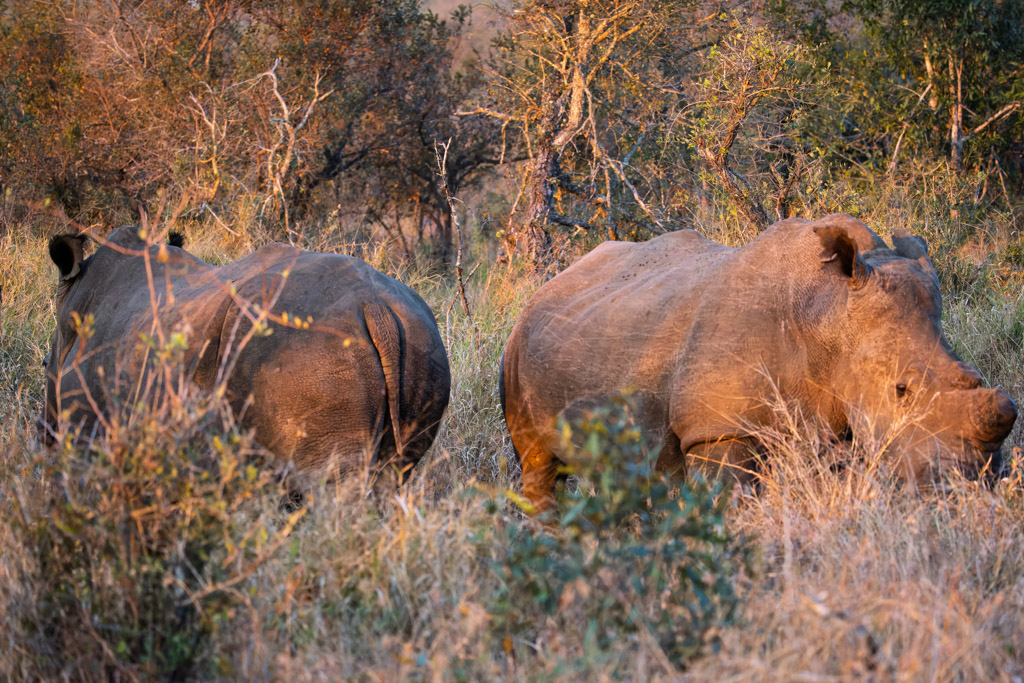
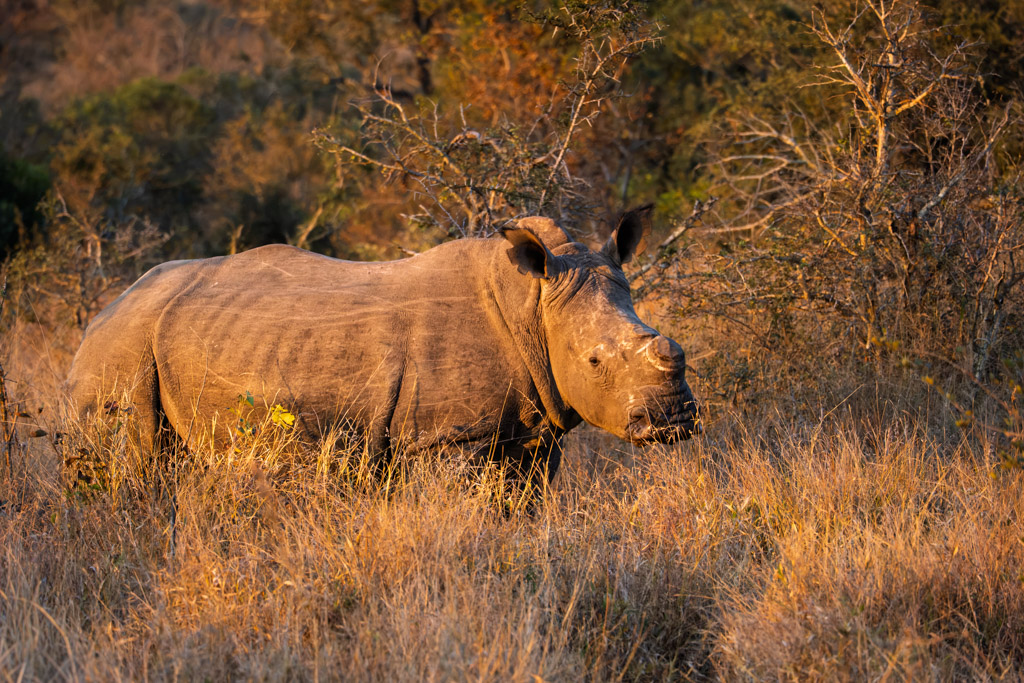
Our afternoon game drive followed a familiar pattern of searching, tracking, and patiently waiting. This time, however, our quest for white rhinos was finally rewarded. After covering long distances and examining fresh spoor, we encountered the usual residents of the bush—wildebeests, impalas, giraffes, and a pair of black-backed jackals—before our guide and tracker spotted what we had been hoping for: three white rhinos grazing in an open clearing dotted with scattered bushes. We spent several minutes observing and photographing these magnificent animals before other safari vehicles gradually arrived. Our guide explained that all three rhinos had been dehorned as part of anti-poaching efforts. Because rhino horn is highly valued by poachers, wildlife authorities periodically remove the horns under veterinary supervision to help protect these endangered animals. On our way back to the lodge, we paused for a traditional sundowner before stopping on the airstrip to admire the breathtaking African night sky, spotting constellations such as the Southern Cross, Venus, Sagitarius, Scorpius, and the Milky Way. On the way to the airstrip, our tracker spotted a chameleon, which was phenomenal as it was dark and the little creature was small, green, and seemed to be asleep. And at the airstrip we saw some hyenas.
From Safari to Cape Town – July 17, 2026
While Christabel chose to pack, Albert set out on one final early morning game drive before our flight to Cape Town for a three-night stay. The African bush was unusually quiet, and wildlife sightings were more limited compared with previous drives. We encountered a few elephants, herds of impalas, and a lone giraffe gracefully browsing in the distance. One particularly memorable sighting was a troop of baboons perched high in the branches of a tree, with some huddled together in pairs to keep warm in the crisp winter morning air.
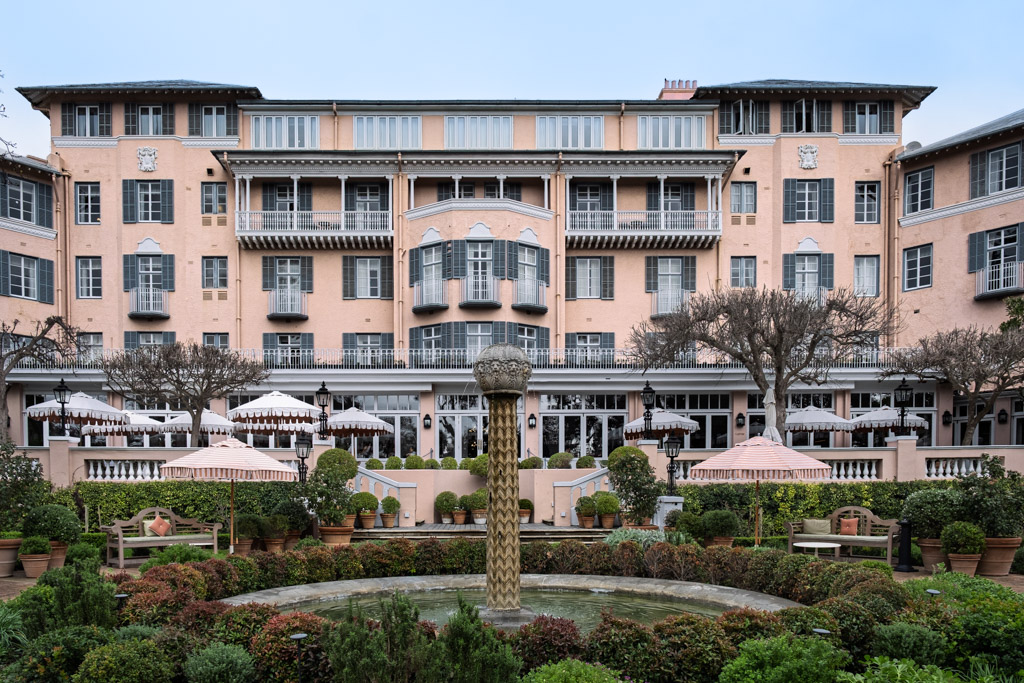
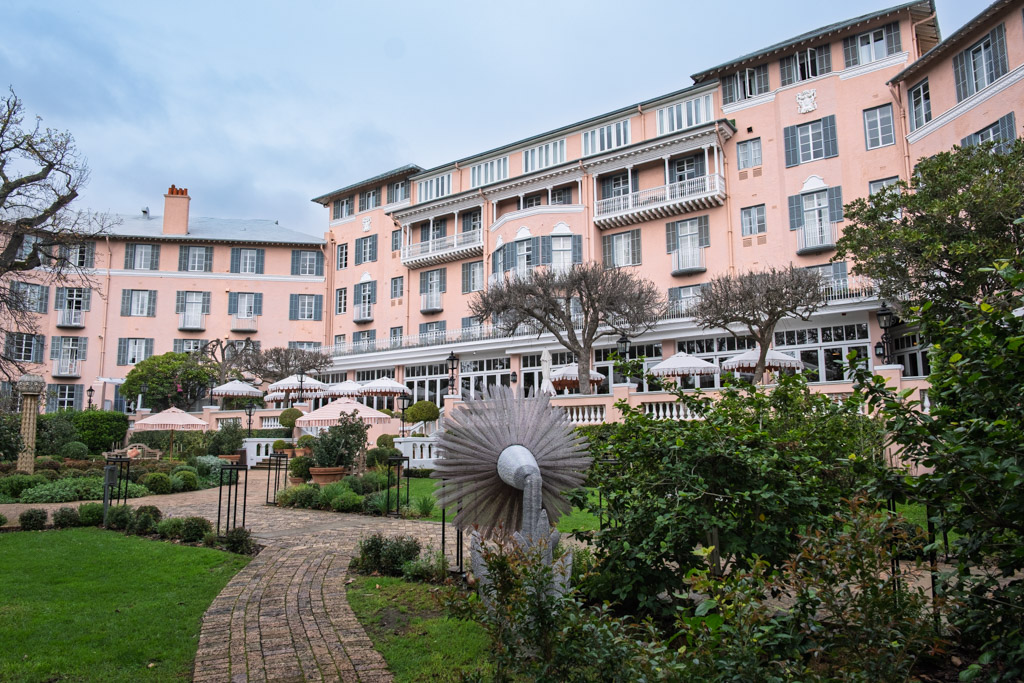
After returning from the game drive, we checked out of the lodge and drove to Hoedspruit Airport for our flight to Cape Town. Upon arrival, we checked into the Mount Nelson Hotel, a historic property set within a lush garden estate at the foot of Table Mountain. The admiral visited Cape Town twice as a very young officer, first at the age of 15 and again at 18. He died the year before the property on which the hotel stands was sold. Famously painted pink in 1918 as a symbol of peace following the end of World War I, the hotel remains one of Cape Town’s most iconic landmarks.
Wine, Art & Culinary Experience – July 18, 2026
Today offered a choice of two distinct excursions in and around Cape Town. Christabel opted for an art and culinary tour of the city, while Albert chose to explore the Cape Winelands around the picturesque town of Franschhoek.
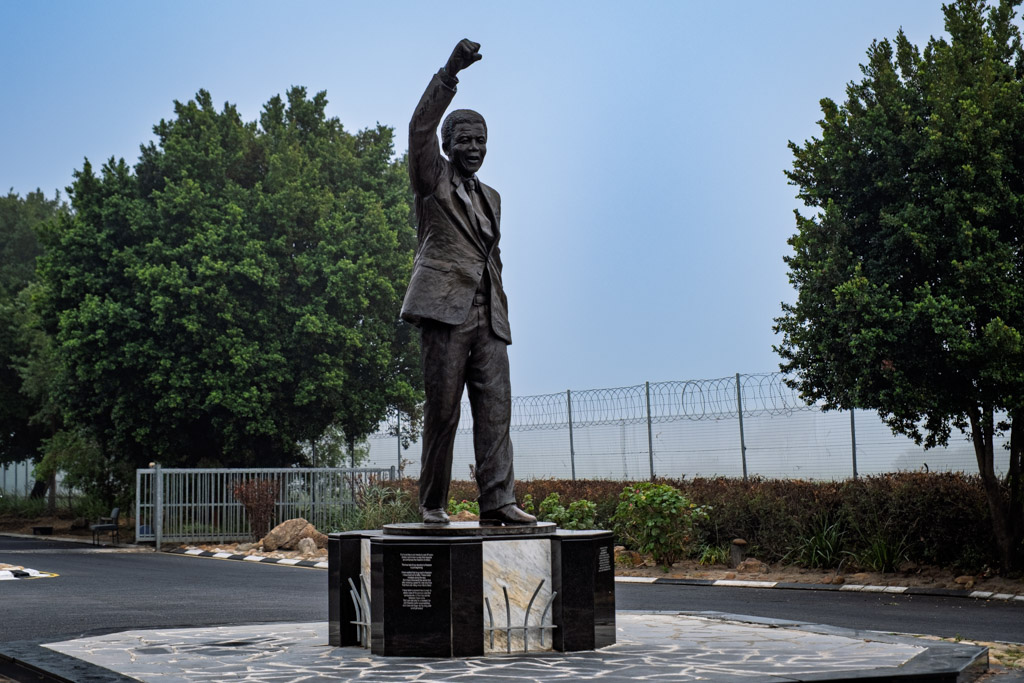
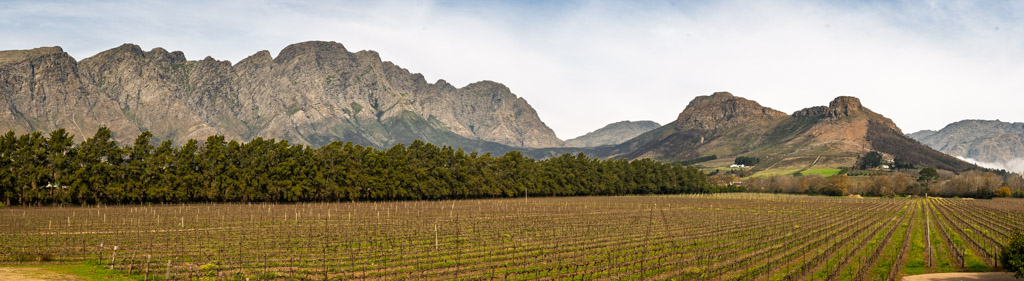
Accompanied by local guide Bjorn, Albert and a few fellow travelers set off through the scenic landscape. En route, they stopped at the Drakenstein Correctional Centre, where Nelson Mandela spent the final 14 months of his imprisonment. A striking bronze statue commemorating his historic 1990 walk to freedom made for a memorable photo opportunity. The journey continued to Franschhoek, a town celebrated for its historic wine estates, dramatic mountain backdrops, and French Huguenot heritage. There, the group sampled a fine selection of white, rosé, and red wines at Glenwood Vineyards and La Bri Wine Estate. Following a leisurely three-course lunch at Deux Lions—an elegant restaurant overlooking the vineyards—the group enjoyed a stroll through the town’s charming streets, browsing boutique shops and art galleries before returning to Cape Town.
Christabel and the rest of the group elected to view art and cook. Led by Daniel, the group’s guide for the day, the first stop was to Chad Henning’s Photographic Art Gallery in the colorful Bo-Kaap neighborhood, formerly the Malay Quarter of Cape Town. The next stop was to Hamida’s Kitchen to watch her make samosas and chilli bites. Hamida is the 4th generation to live in that house. She made the filling for the samosas, then demonstrated how to fold pastry strips to get the perfect triangle shapes. Several people in the group tried their hand at making a samosa, which Hamida then proceeded to deep fry. Next she made the chilli bites with spinach, chickpea flour, and spices. They too were deep fried. We tasted both items and pronounced them delicious. After Hamida introduced the group to mother-in-law’s spice masala when making the samosas, everyone was eager to cross the street to visit Atlas, Cape Town’s oldest spice shop. This was a large well-stocked shop with every possible spice for various cuisines. Christabel bought a big bag of the MIL masala and has now found a recipe to make it.
Then the group got back on the bus for a drive around St. George’s Cathedral, the Company Gardens, the Clock Tower, the Mutual Life Building with images from South African history in relief, Mandela’s statue, and on to the Woodstock Area. We stopped by briefly at Kyle Jardine’s studio. Kyle has a painting hanging in the Mount Nelson lounge, where high tea is set up every afternoon. The next stop was the bead and wire gallery Netshomi Zam (meaning With My Friends). Their work is incredible and includes animals, people, toys, Christmas ornaments, light fixtures, etc., all made with wires and beads. Next the group explored the Old Biscuit Mill, formerly a factory that was operational for some 70 years, now a hub for fresh produce, food, design, clothing, and art. The Waterfront was the next destination, where at Art At Africa the group admired David Griessel’s 100 Days 100 Drawings 2026. David was at Day 60 something. The last stop was to Stir Crazy Cooking, where we were handed aprons and a book of South African recipes compiled for the occasion. Stir Crazy chefs had done all the prep; we just executed on the method described in the book. For about an hour everyone toiled on their dishes; then sat down to sample the masterpieces and drink some local wine. It was a fun afternoon.
Making the Most of Cape Town – July 19, 2026
Our planned helicopter flight for a bird’s-eye view of Cape Town, Table Mountain, and the picturesque bays and coastal towns lining the Cape Peninsula was unfortunately cancelled due to inclement weather and poor visibility. Instead, we spent the morning exploring the Victoria & Alfred Waterfront, a lively destination filled with boutique shops, art galleries, waterfront restaurants, and talented street performers. In the evening, we gathered for a memorable farewell dinner at an Upper Union Restaurant, known for its contemporary global fare. Our canapes included pani puris and one of the starters was a chaat rosti. A+ for the pani puris; the chaat needs refining.
Journey Home via Istanbul – July 20, 2026
We spent the morning touring the garden of the Mount Nelson hotel with one of their gardeners, and purchasing a souvenir at Christoph’s, the hotel’s gift shop. In the afternoon, we departed Cape Town aboard Turkish Airlines for Istanbul, where we would spend the next two nights exploring the city’s rich history, vibrant culture, and iconic landmarks before continuing our journey home.