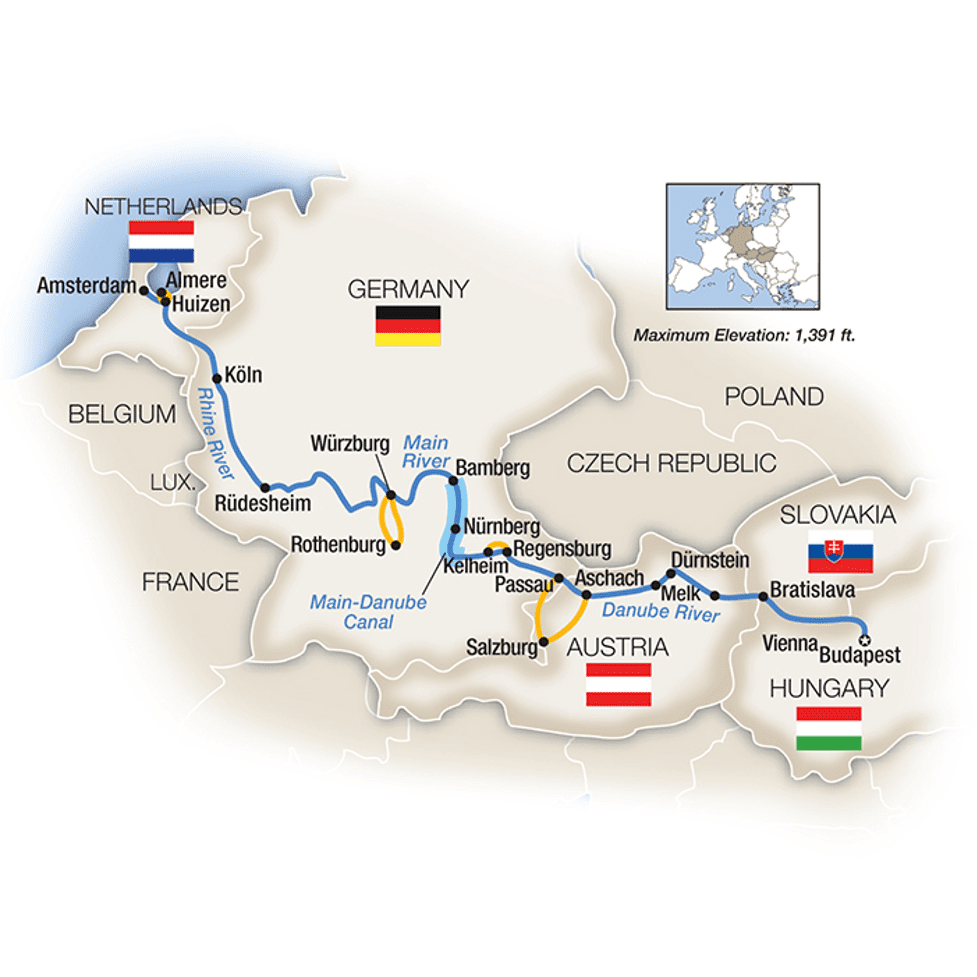
On Our Way to Budapest – June 9, 2022
On our way to Budapest. Flight to Munich on Lufthansa was uneventful. Both Albert and I were fortunate enough to not have people sitting next to us, even though it was a crowded flight.
Our First Day in Budapest – June 10, 2022
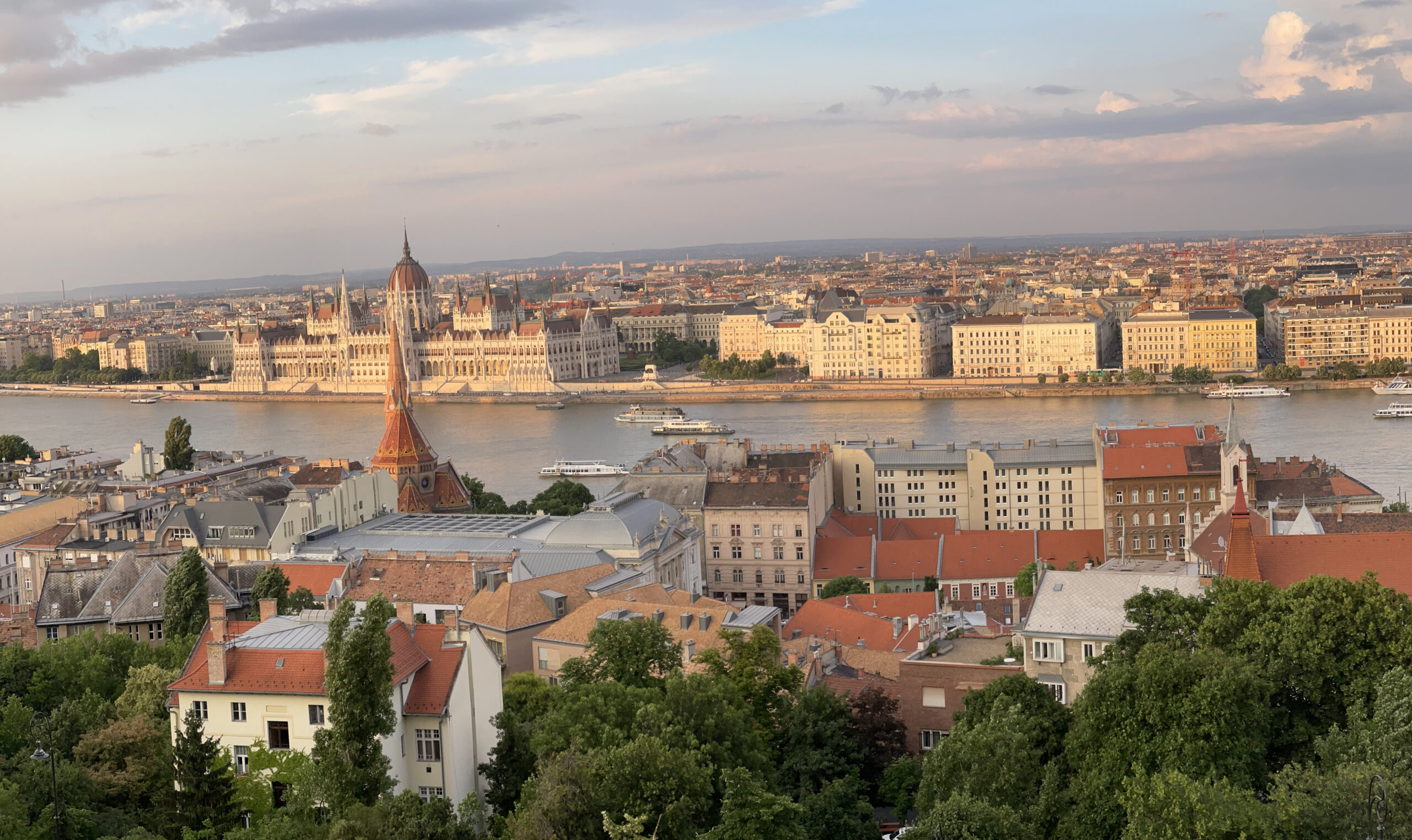
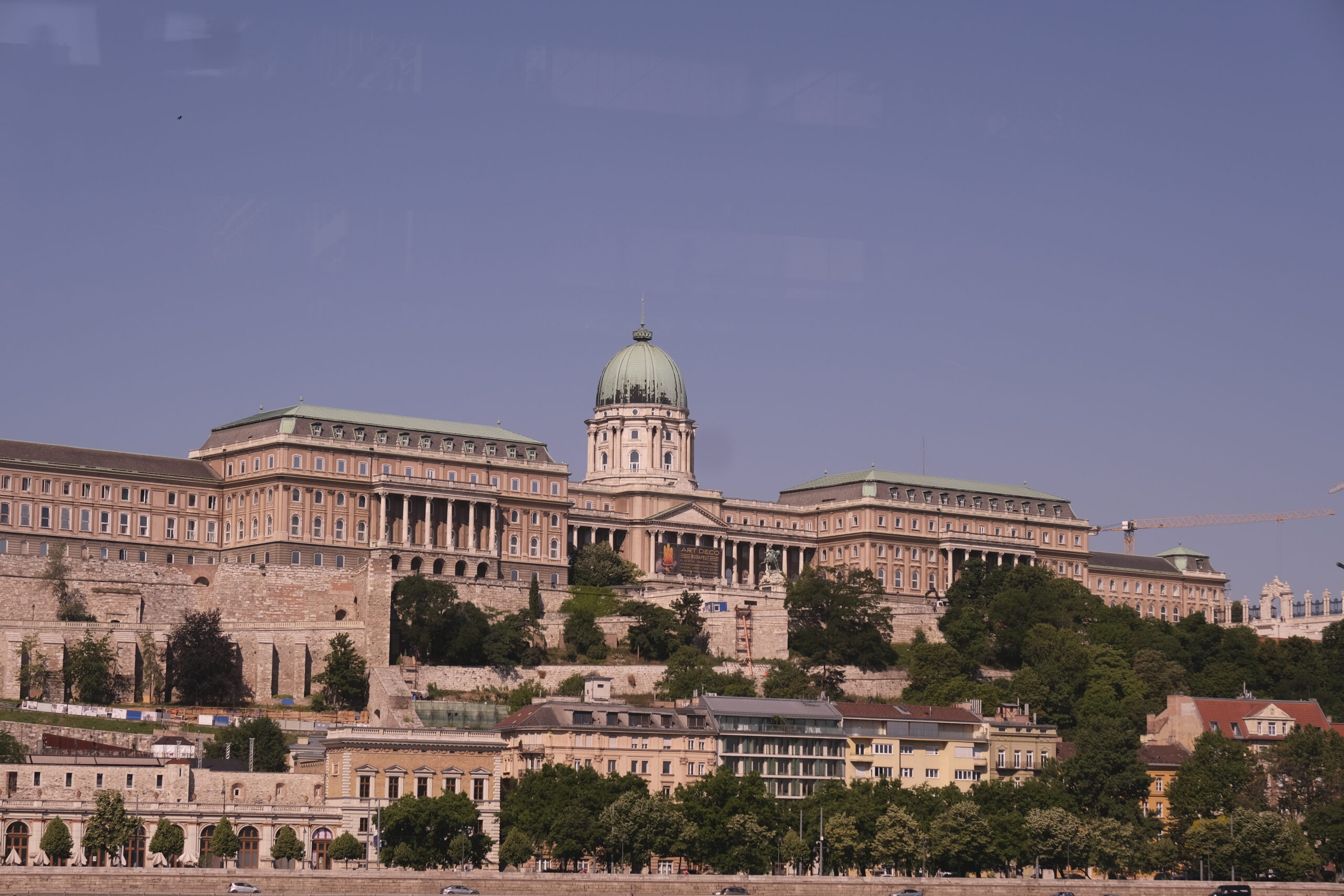
We had a tight 45-minute window to catch our connecting flight to Budapest, navigating customs and reaching the gate just in time, only to face an anticlimactic flight delay. Despite the initial excitement, the journey proceeded smoothly, and we arrived safely at Budapest’s Ferenc Liszt Airport with all our bags. Our accommodation at the Intercontinental Hotel on János utca provided a picturesque view of the Danube and the Buda castle complex.
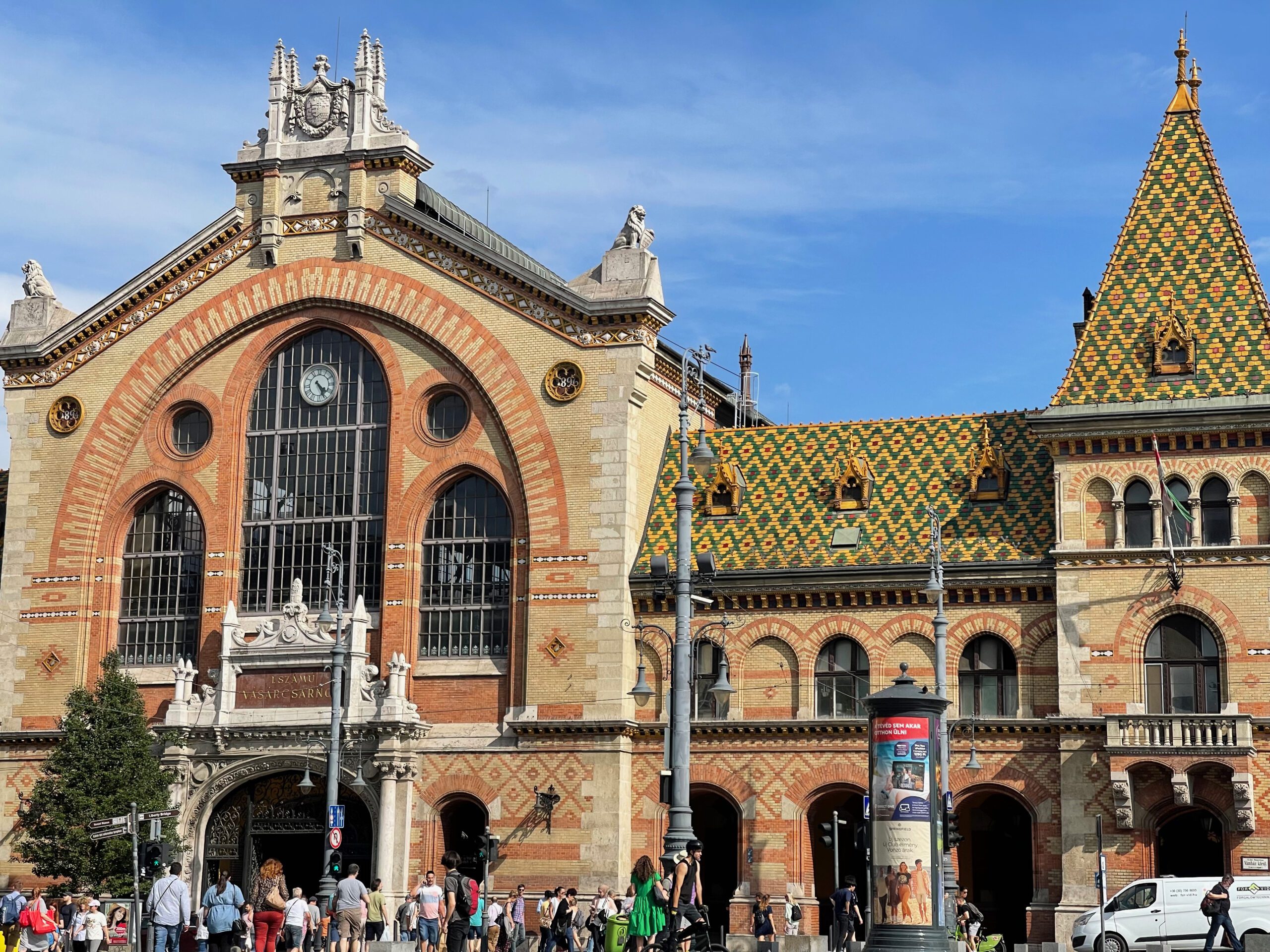
After a quick freshening up, we ventured to the impressive Great Market Hall for lunch, resulting in typical tourist mistakes and an overpriced meal. The last time we visited the Market, several years earlier, there was an Indian food and art exhibition. On the way back to the hotel, a shop selling religious artifacts, including tempting archangels Gabriel and Michael, caught our attention, but we did not succumb.
In the evening, overcoming obstacles caused by a downpour and the closed Chain Bridge, we arrived at St. Matthias Church with just minutes to spare to attend a classical music concert by the Duna String Orchestra. Soloist Gabora Gyula’s impressive performance featured a diverse program, including works by Pachebel, Vivaldi, Bach, Bizet, Albinoni, Mozart, Saint-Saens, Frank, and Massenet. Dinner was a Hungarian meal at a restaurant near the hotel called Corso Luna.
A Trip to Herend Porcelain Manufactory – June 11, 2022
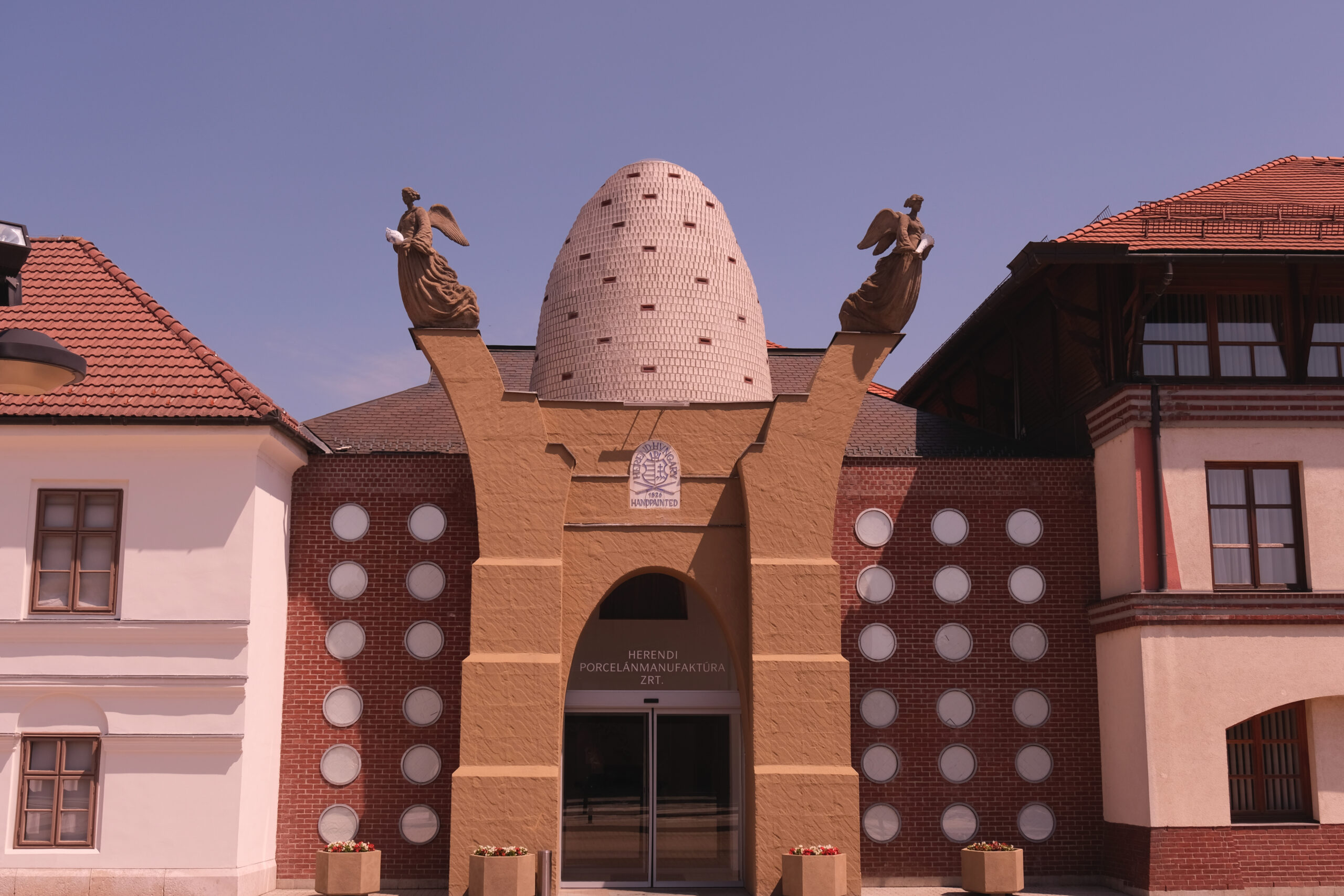
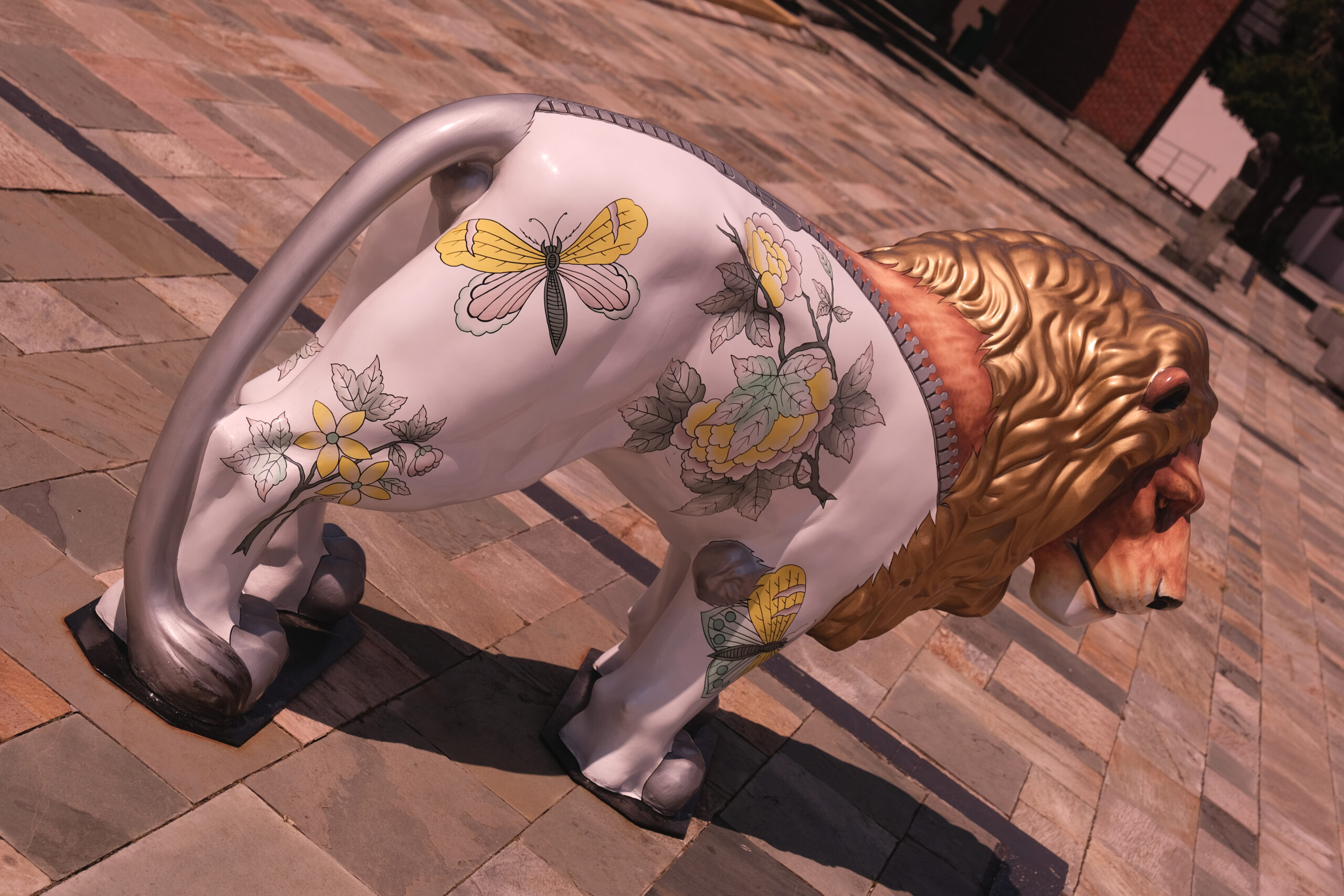
This morning, we opted for a car to take us to Herend instead of the original plan involving a two-hour train and bus. The place was much as we remembered during our last visit in 2014. We visited explored the shop, the museum, the factory, and had coffee in a Herend cup (Apponyi pattern). During the tour, being the only two in the group, we were gifted a charming rose crafted by one of the ladies as part of the demonstration. Albert treated himself to an early Father’s Day gift—a Sandhill Crane with family (two baby cranes).
In the afternoon, we explored the surroundings of our hotel, stumbling upon a bustling book fair on the sidewalk and other pedestrian areas, featuring numerous authors signing their books. The turnout was very impressive. Dinner was a Lebanese meal in the hotel’s restaurant Arz.
Tour of the Iconic Parliament Building – June 12, 2022
We attended mass at St. Stephen’s Basilica, facing some challenges from the ushers due to Albert’s casual attire and camera. All of this is because they couldn’t believe that we wanted to attend mass instead of just being tourists. People do dress up for church here, but lots of tourists attended in T-shirts, shorts, and sandals (without being hassled).
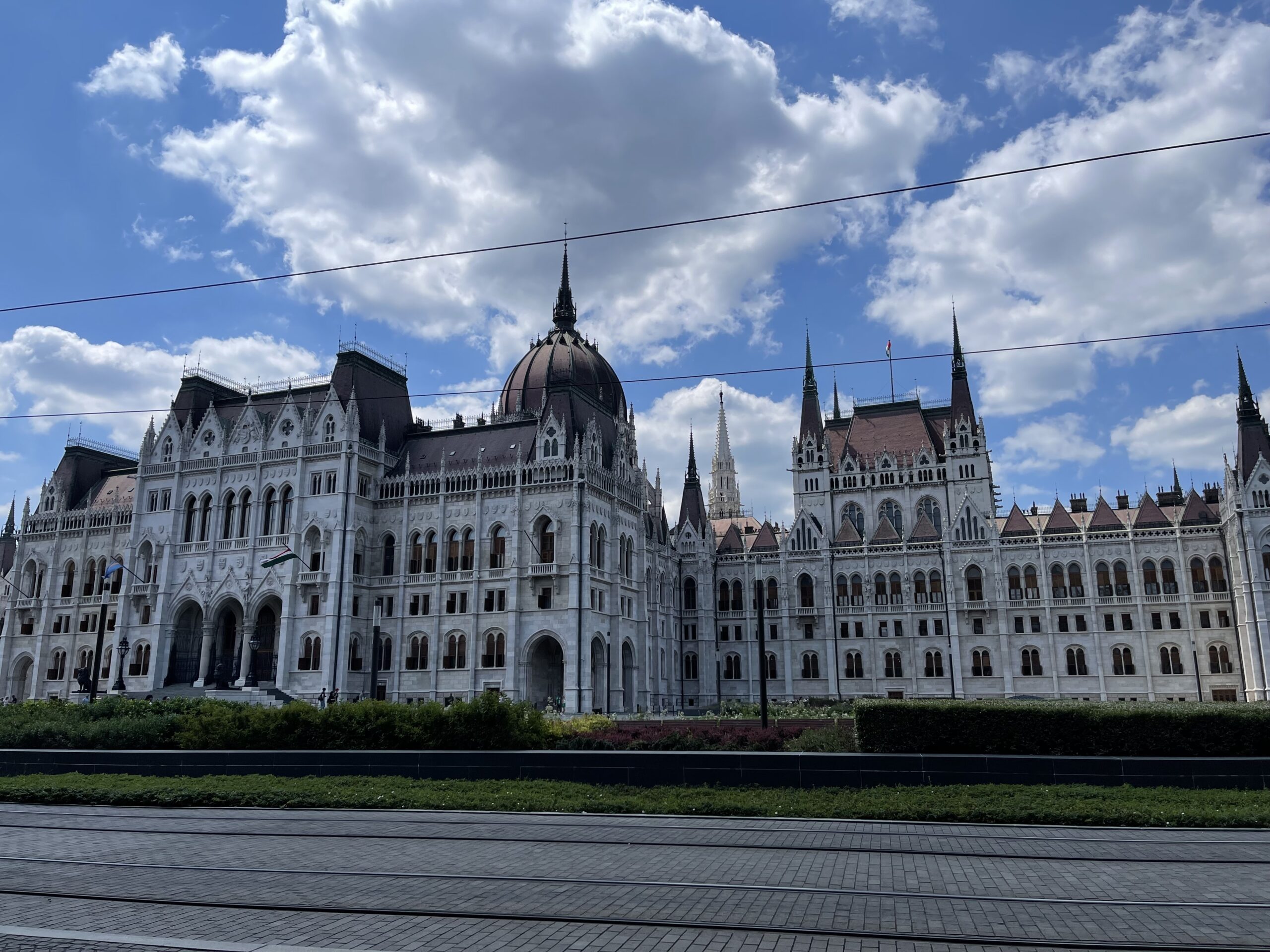
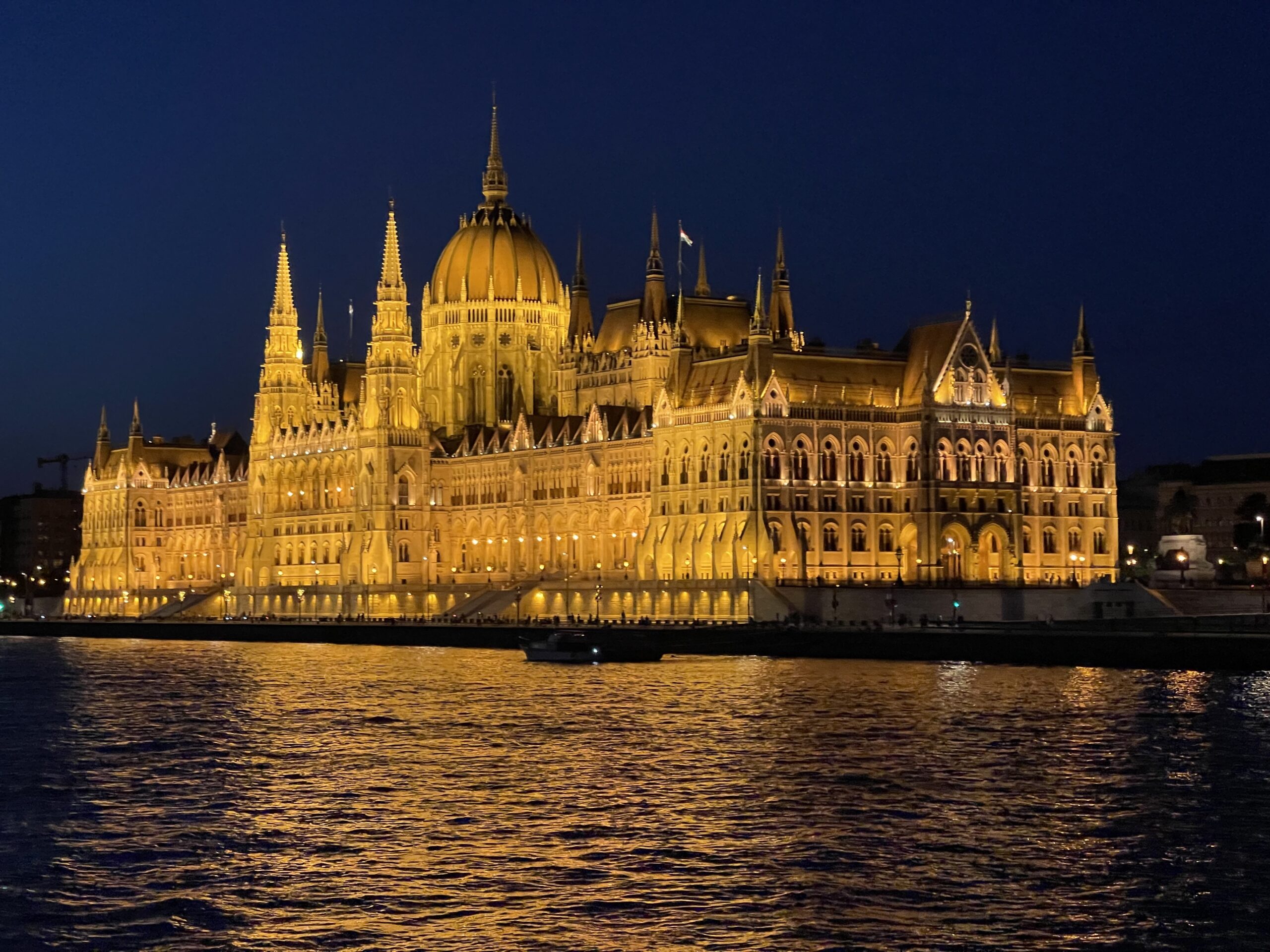
After mass we walked to the Hungarian Parliament building, Országház, on the Pest side of the city. The architect of this neogothic building, modeled along the lines of the British Houses of Parliament, Imre Steindl, turned blind before the building was finished. According to our guide, the building was built to be equal in height to St. Stephen’s, signifying the equality of church and state. The building with its 691 rooms, 10 courtyards, and 12.5 miles of stairs impressed us as we toured the Main Staircase, Central Hall, Old Upper House Hall, Lounge, coronation jewels, and museum.
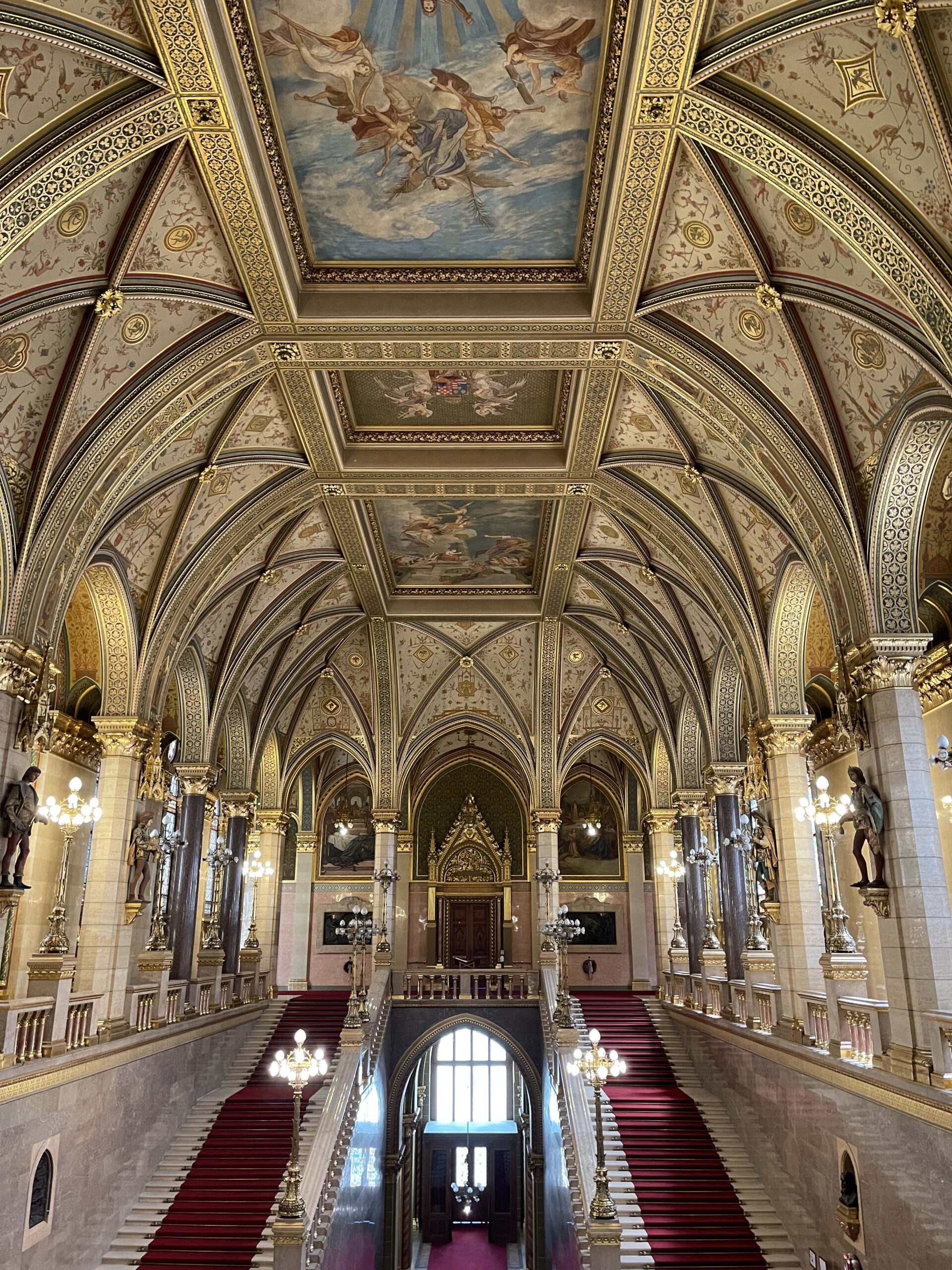
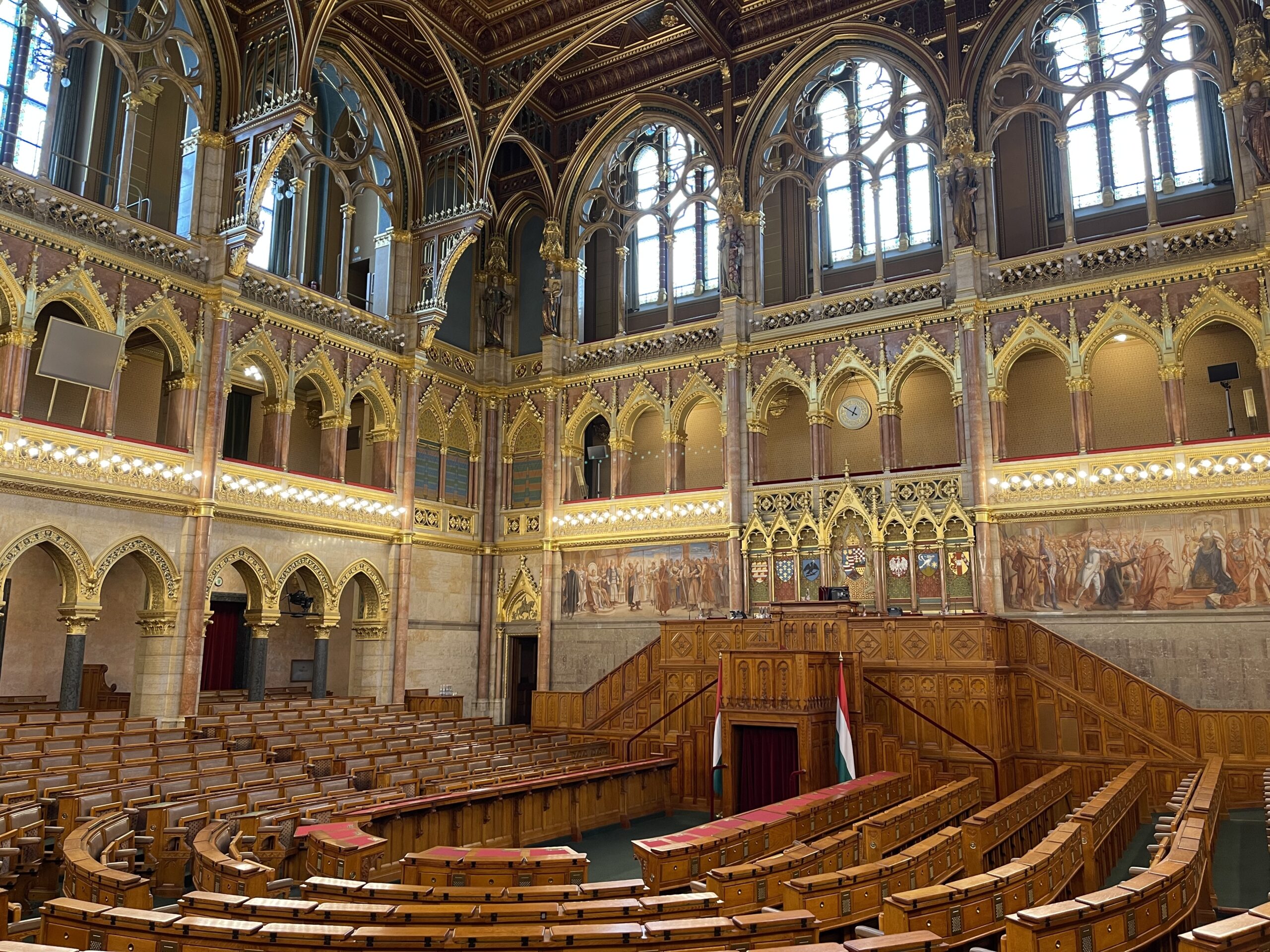
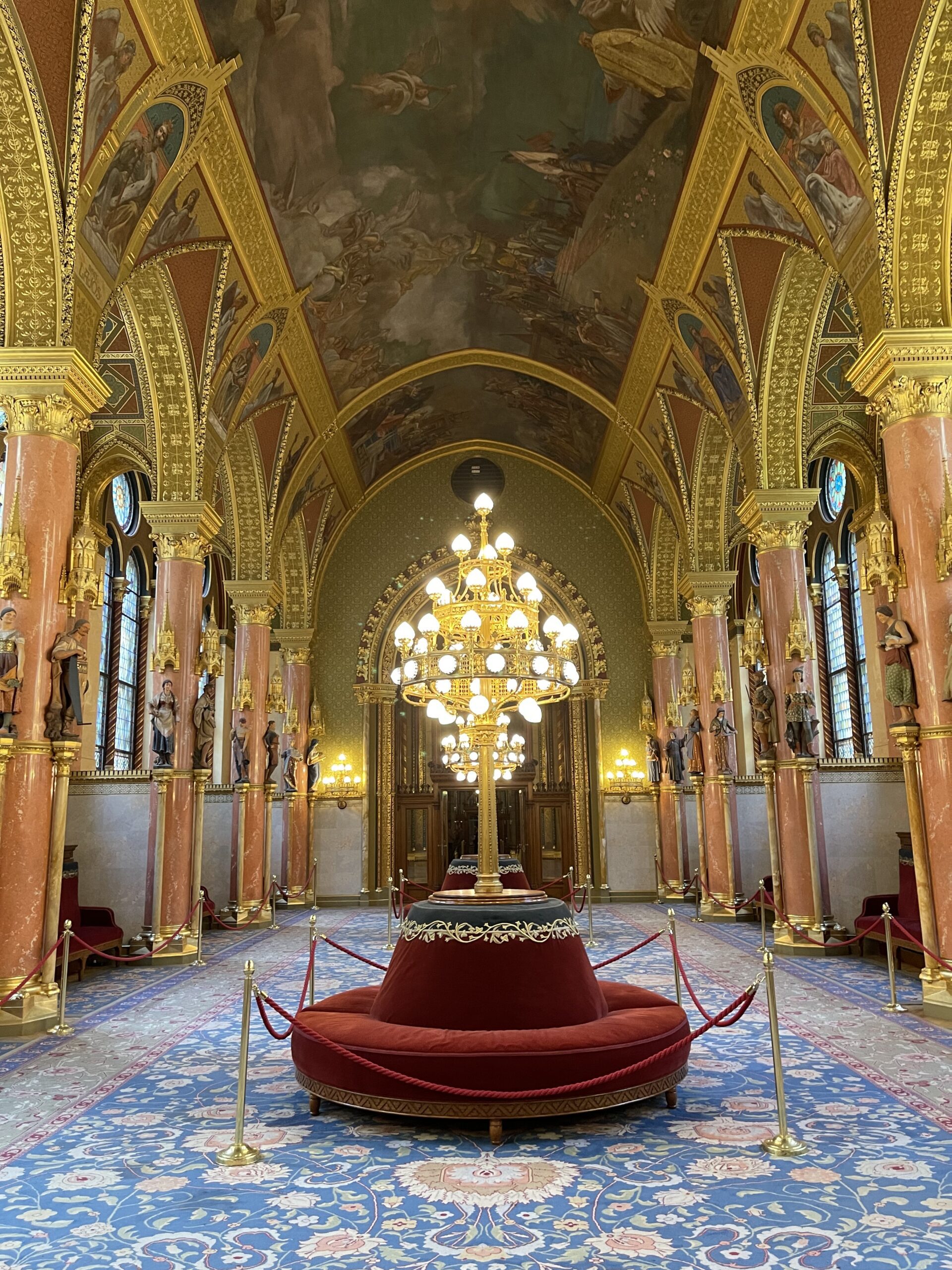

Later, at 3 PM, we embarked on our ship, the M.S. Esprit.
Breathtaking Budapest and Its Historic Landmarks – June 13, 2022
Our ship is moored close to the Gellért Baths. Baths have been popular here since Roman times when there were 14 baths fed by some 125 thermal springs. There are no working Roman baths in Budapest today, only Turkish baths dating back to the 16th and 17th centuries. The Gellért Baths were built between 1912 and 1918 in the art nouveau style.
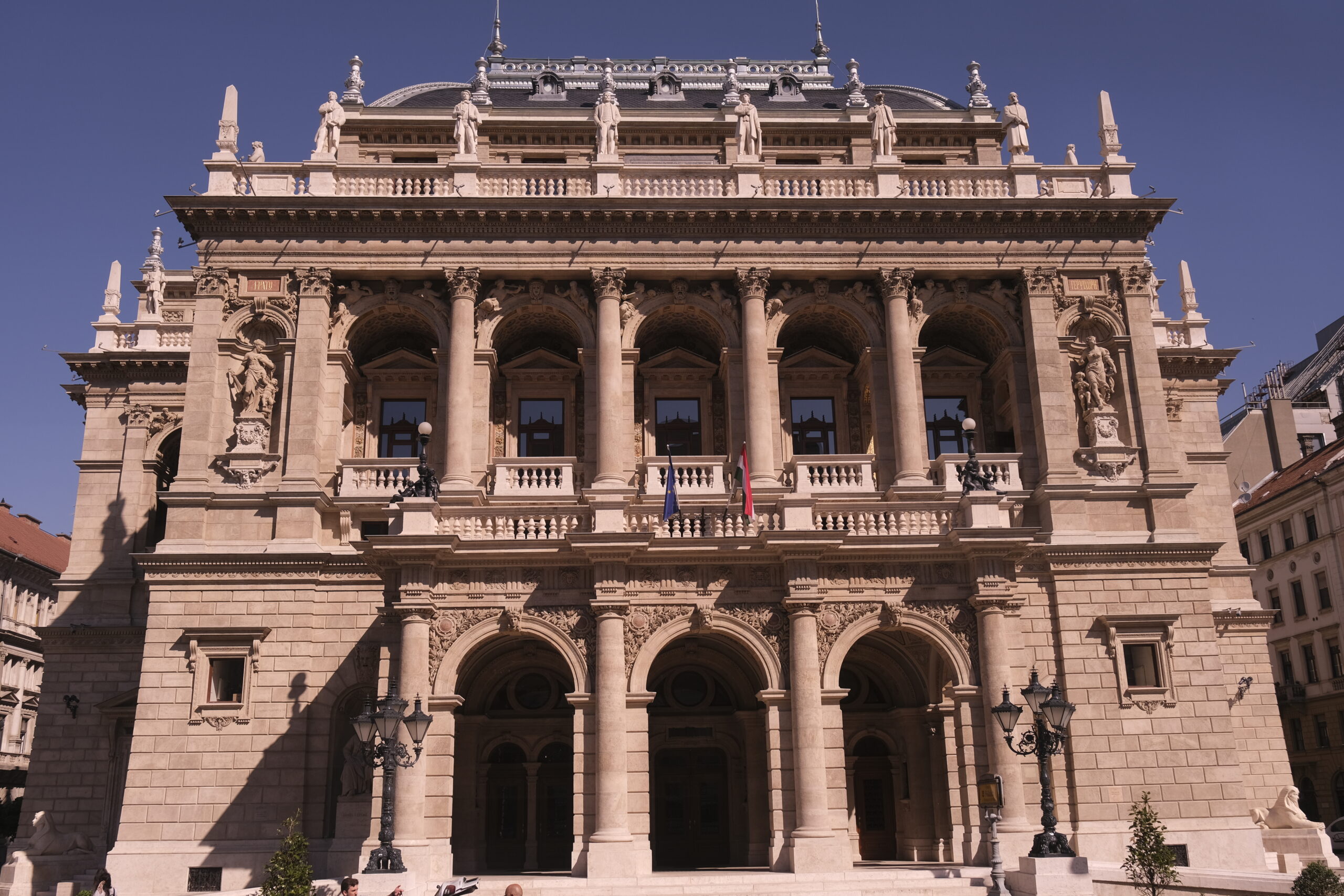
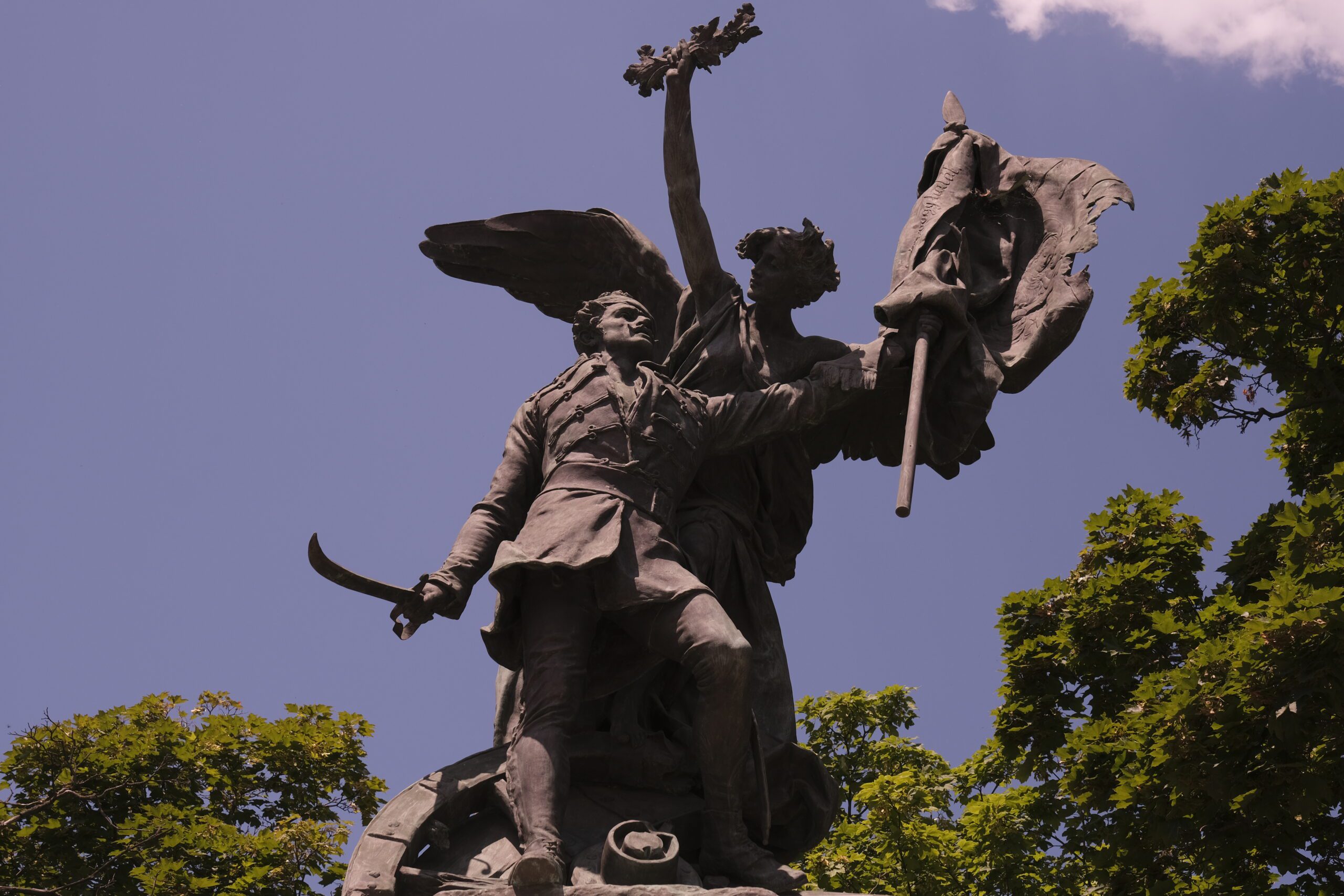
We took a quick trip around Pest, passing by the Dohány synagogue, also known as the Great Synagogue, that was designed by Christian architect, Ludwig Föster, who having no idea what a synagogue should look like took a trip to Jerusalem and then proceeded to design a synagogue that resembles a mosque. We drove up Andrássy Avenue passing the Opera House and the embassies and then on to Heroes’ Square to the Millennium Memorial, which includes the seven Magyar chieftans and other heads of state, the Archangel Gabriel column, the Museum of Fine Arts, and City Park (Városliget Park).
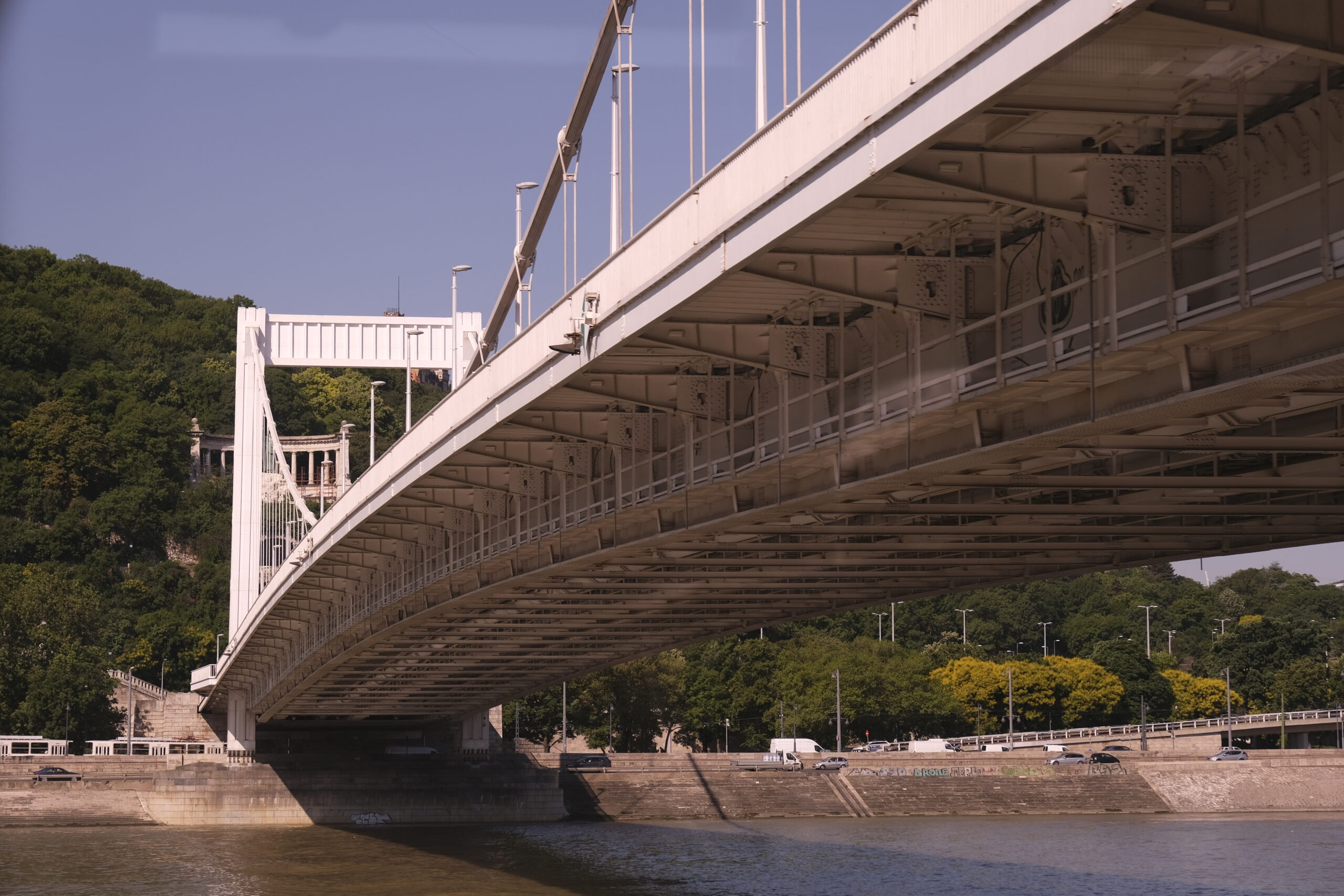
Next, we crossed the Elizabeth Bridge to visit the Buda side of Budapest. First, we stopped at St. Matthias Church. This church was a mosque under the Ottomans and was destroyed by an explosion about 145 years later. It was rebuilt as a church under the Hapsburgs, and then bombed during World War II with the roof being destroyed. It has been restored with beautiful hexagonal colored tiles made at the Zsolnay porcelain factory. Every wall and pillar within the church has been hand painted with leaves, flowers, and geometrical designs. The stained-glass windows are magnificent and were designed by Frigyes Schulek, who managed the restoration work in the mid-to-late 1800s, and Bertalan Székely.
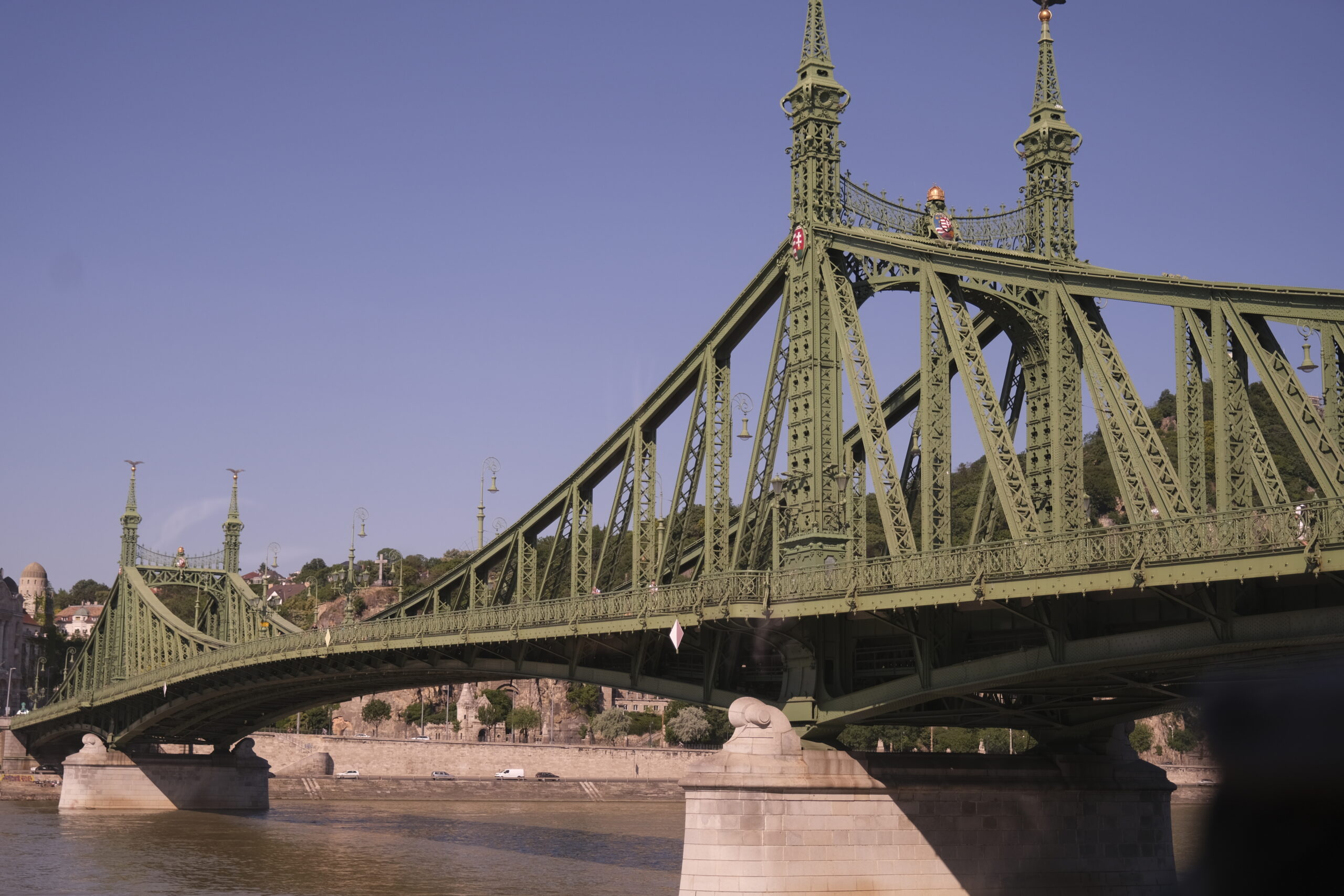
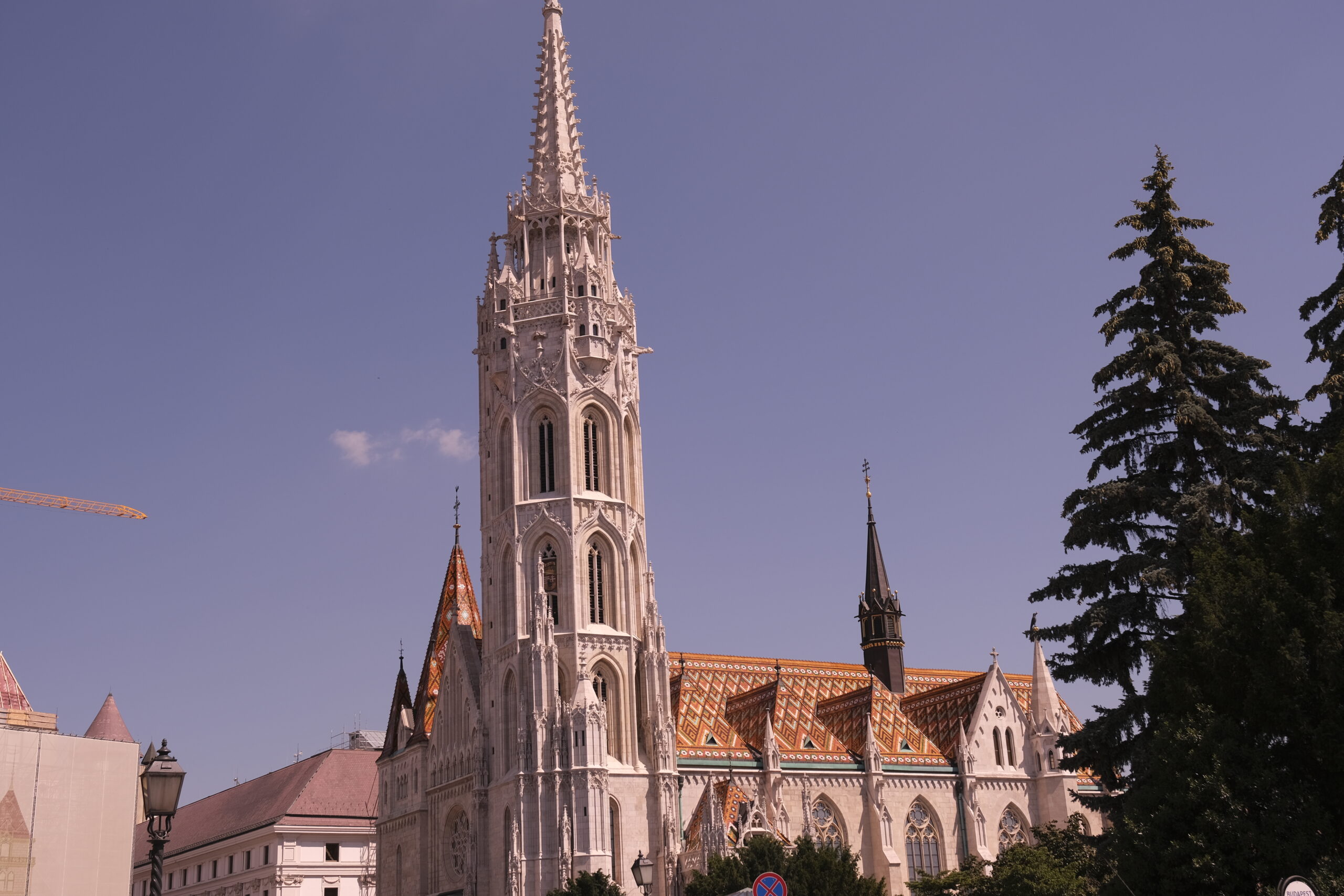
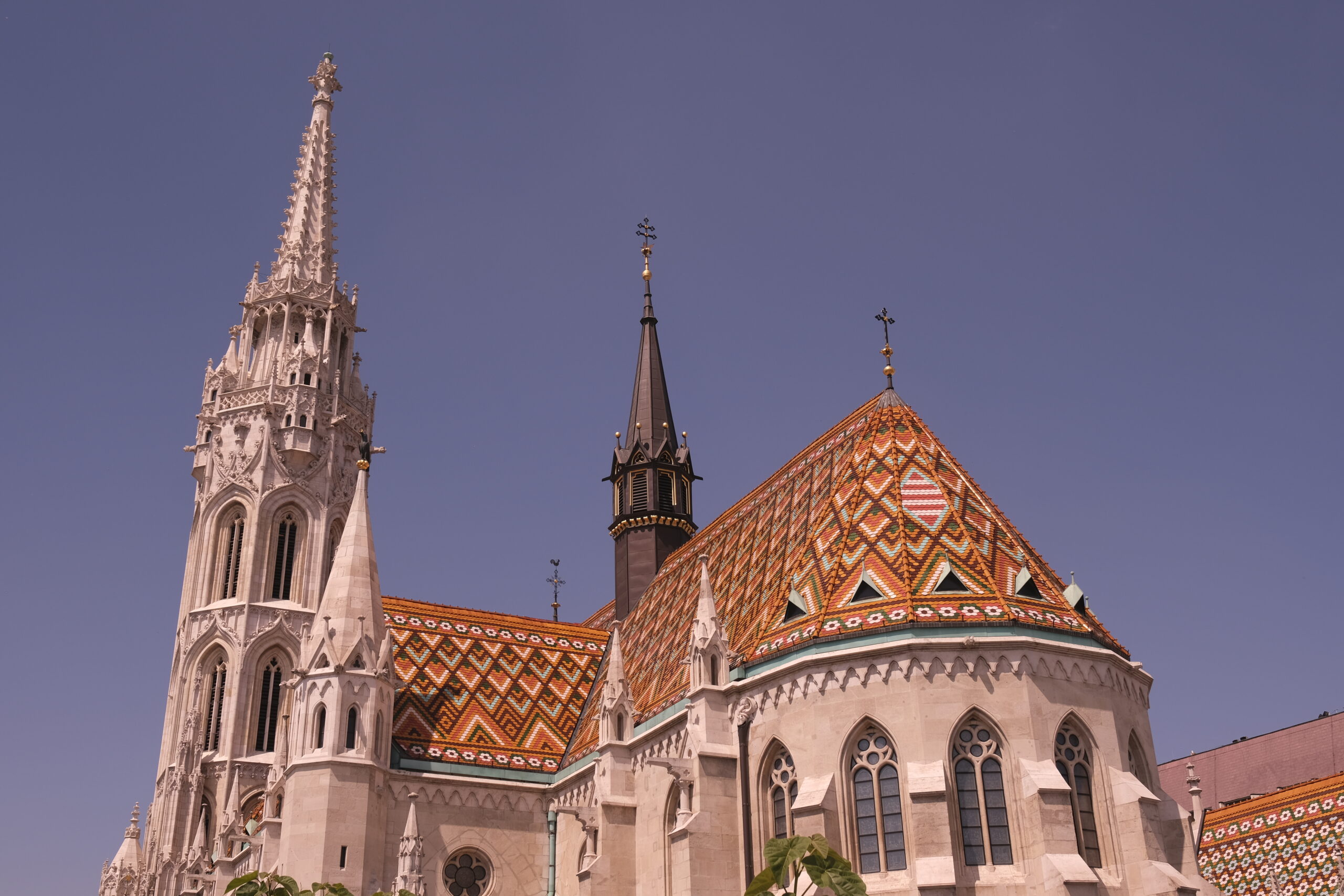
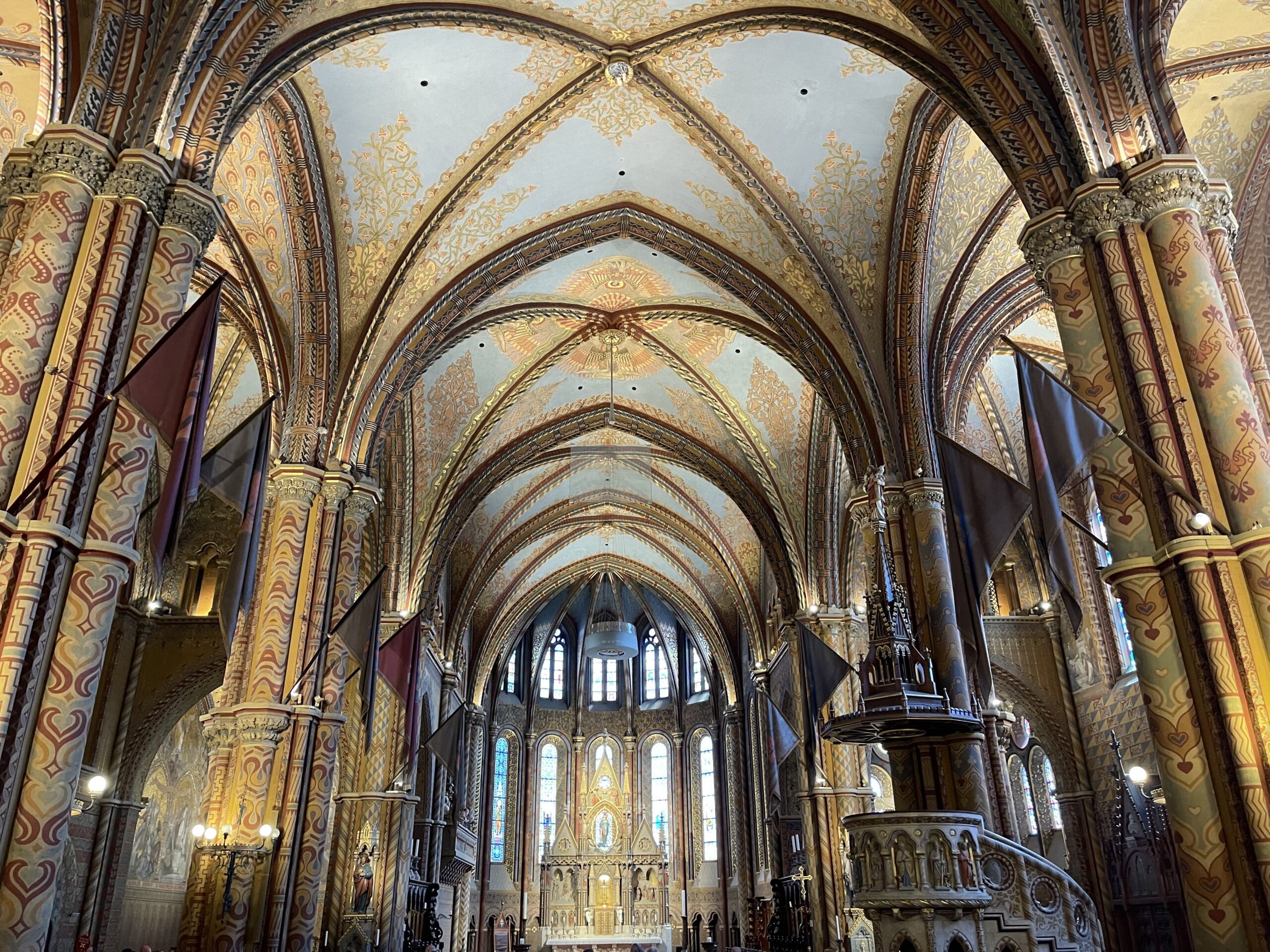
Outside the church is the Column of the Holy Trinity. This monument was built in memory of those who died in the plague epidemic of 1706.
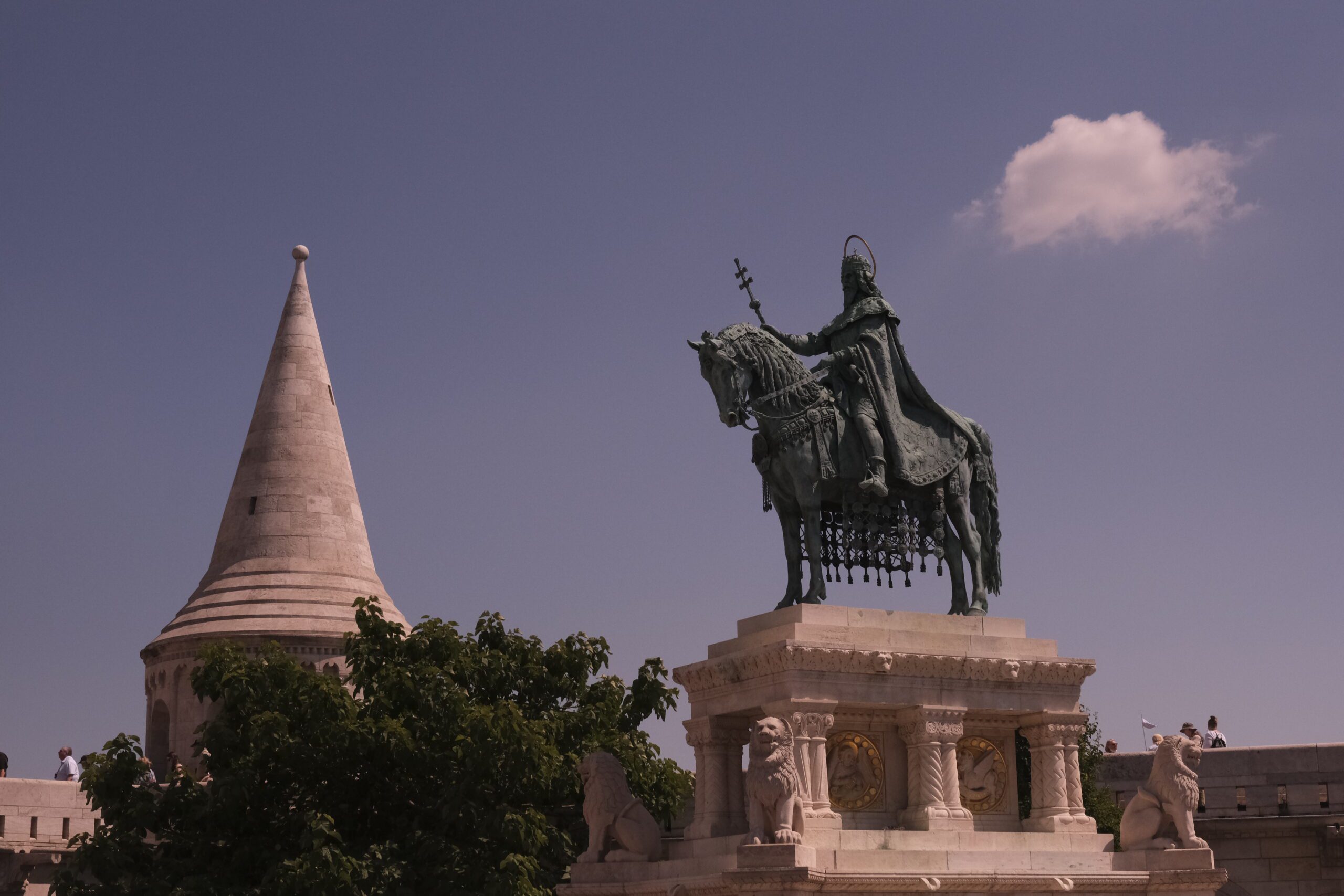
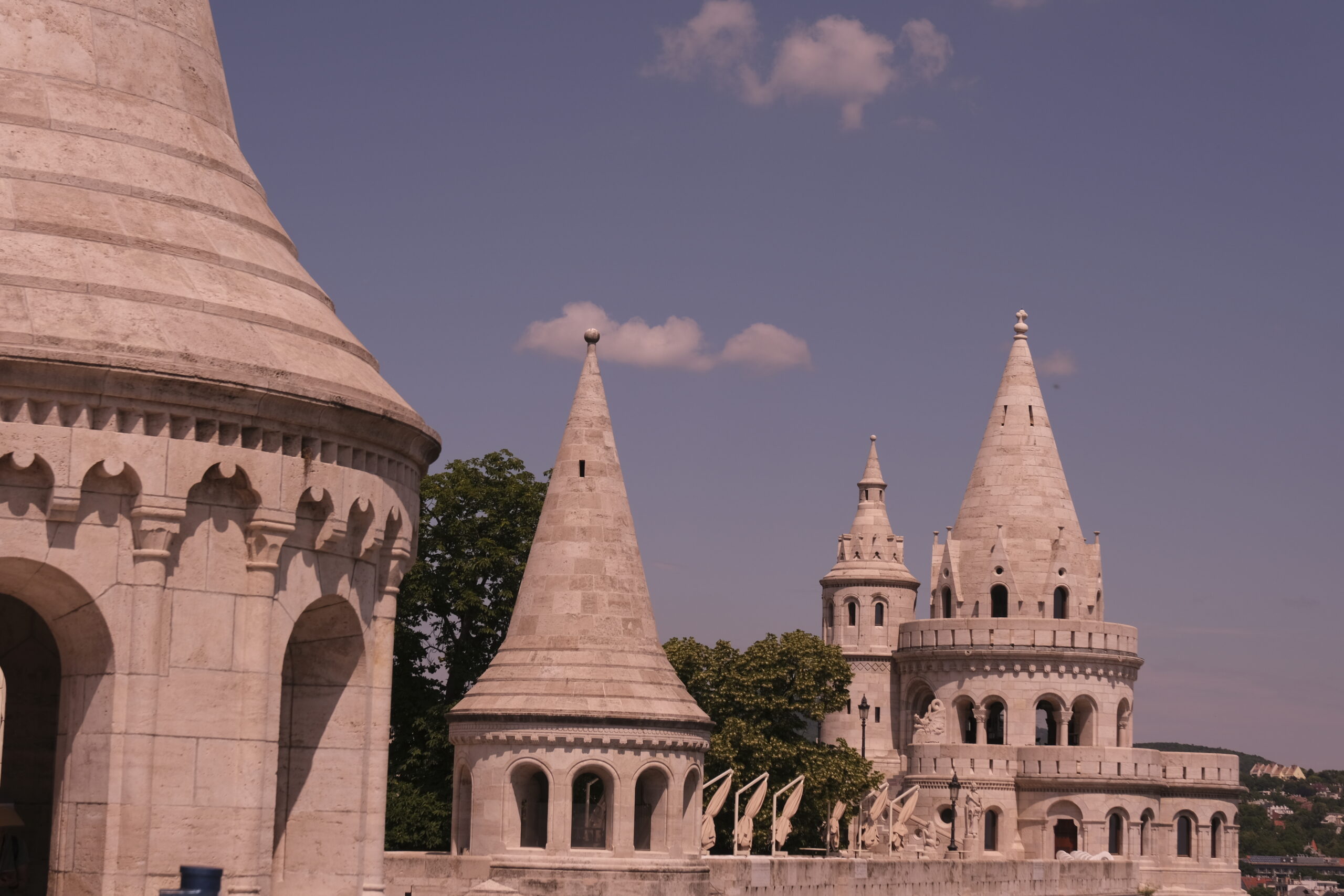
Our final destination in Buda was the Fishermen’s Bastion, which is a lookout located on the Castle Hill. Fisherman’s Bastion supposedly owes its name to a medieval fishermen’s guild. The fishermen lived under the castle walls in Watertown (Vizivaros) and were tasked with keeping the castle walls safe. It took nearly 20 years to complete the neo-Gothic and neo-Romanesque structure. The terrace has seven towers representing the seven Magyar tribes that founded Hungary. The bastion also houses an equestrian statue of Stephen I. On the way back to our coach, we passed by the House of Houdini, a museum and performance venue that houses many of Houdini’s memorabilia. Although Houdini was born in Budapest, he never performed here.
Bratislava and Vienna: A Day of History, Sights, and Elegance – June 14, 2022
We arrived in Bratislava this morning, the capital of Slovakia that is located between the capitals of two other countries, Austria and Hungary. The last time we were here was in 2014 at the start of our trip from Budapest to Bucharest via Vienna. Before we set out to view the sights, we had a presentation by a guest lecturer on the topic of Slovakia: Past, Present and Future. Our only takeaway is that Slovakia has more castles than anywhere else on earth.
The walk through Bratislava was very much as we remembered it. We passed the opera house on the way to St. Martin’s Cathedral where ten kings, one queen, and seven royal wives of the Habsburg dynasty were crowned. A replica of the crown of St. Stephen that was used in the coronation of the Austro-Hungarian kings and which is now on exhibit in the central Domed Hall of the Hungarian Parliament building, sits at the top of the church tower. Some items of note in this church are the stained glass windows, the lead statue of St. Martin on a horse rendering his garments into two to give to a beggar, the Pieta altar, and the remains of St. John the Almoner.
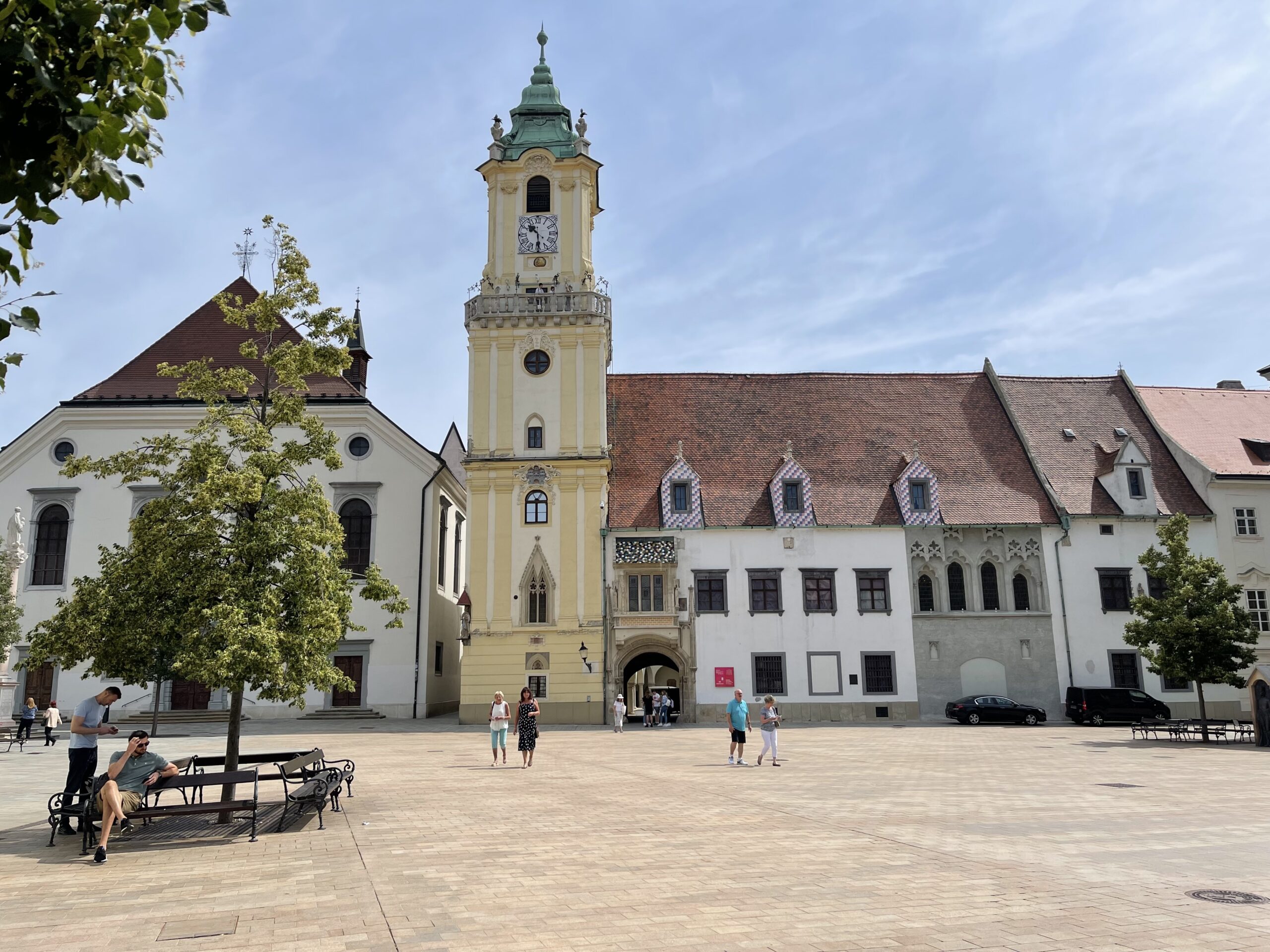


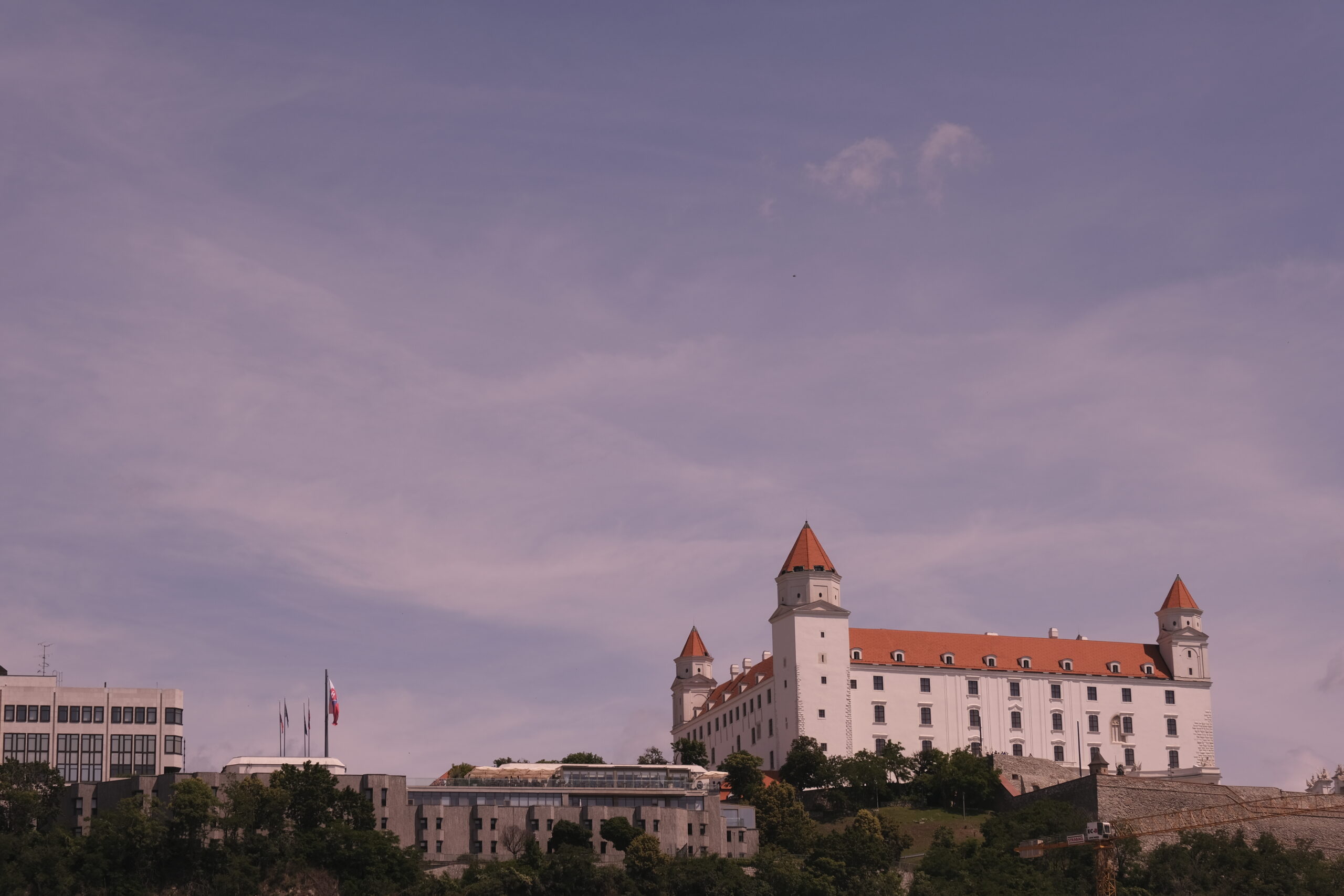
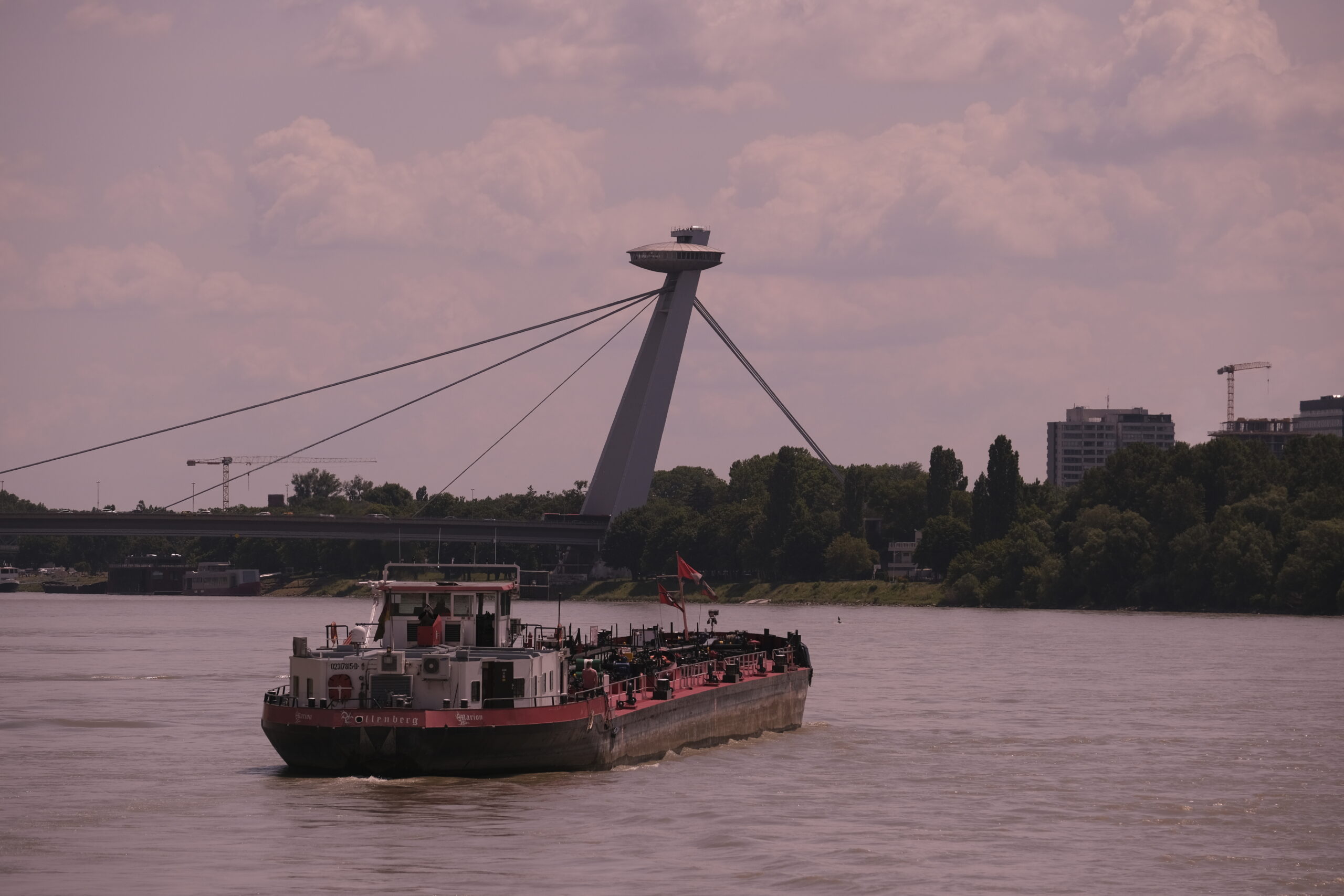
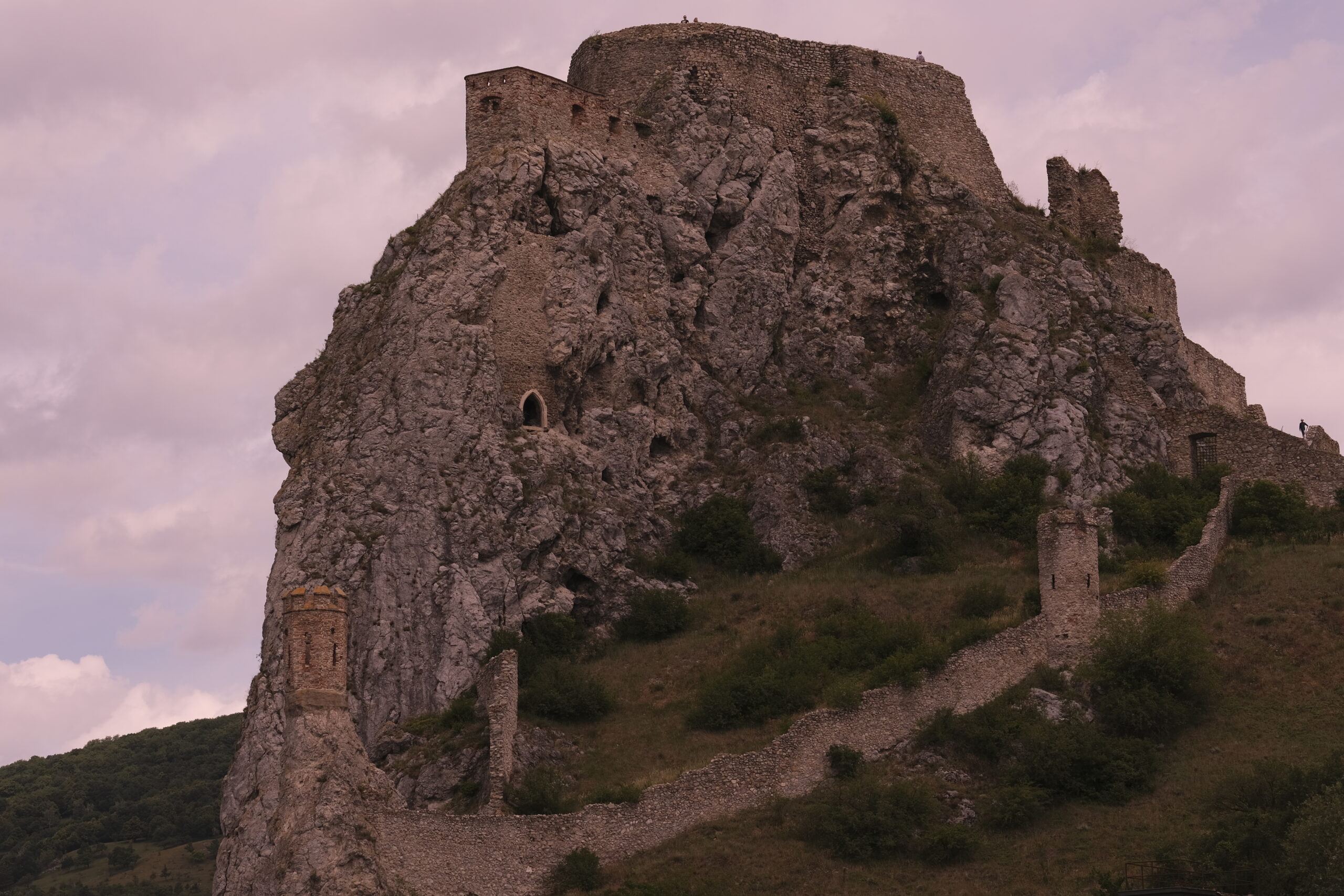
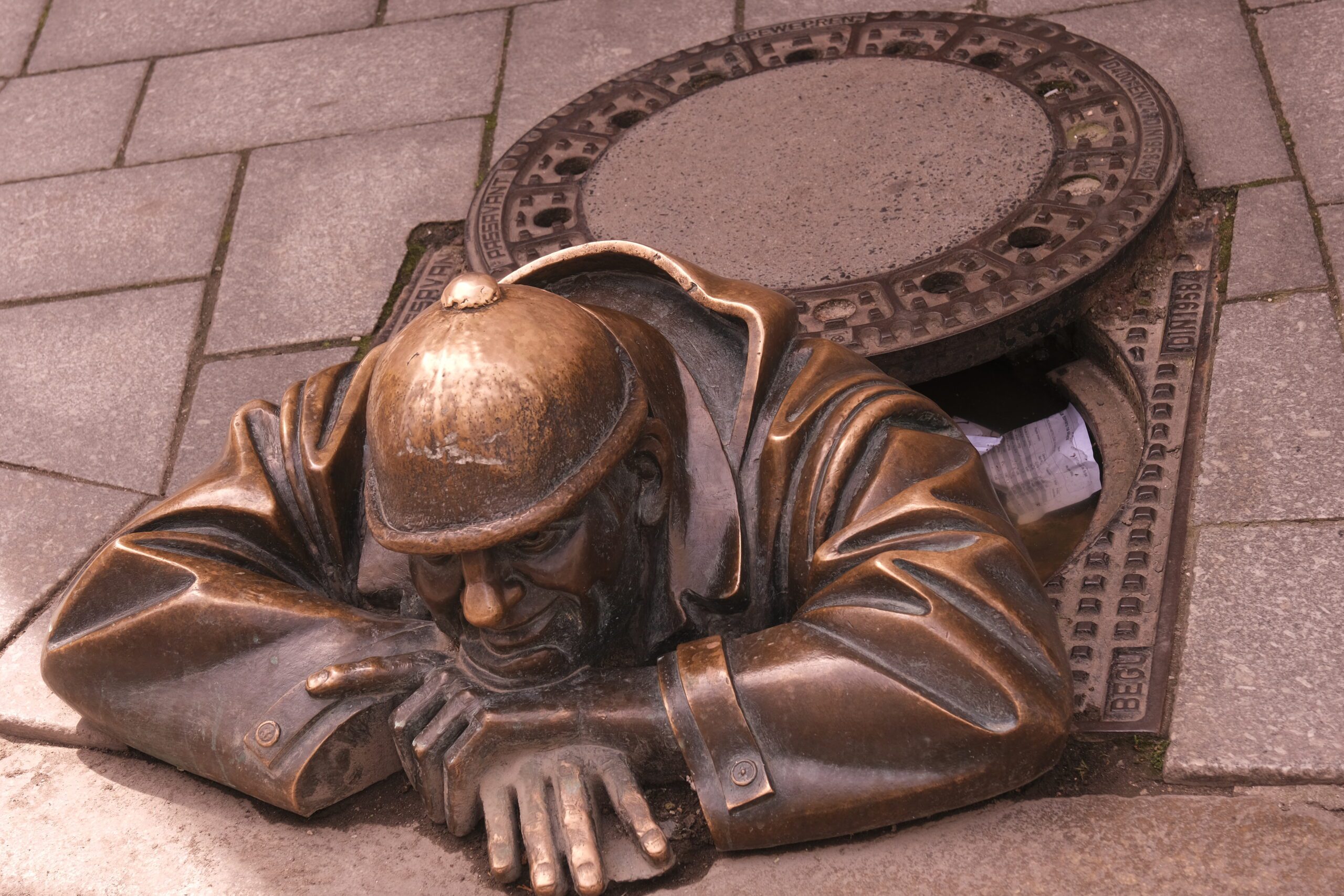
In 1809 Napoleon laid siege to Bratislava but was not successful. Traces of the cannon balls fired can still be seen on the walls of the Old Town area. And then there are all the quirky bronze statues: the Napoleon soldier stationed over a bench outside the French Embassy eavesdropping on conversations; Cumil, the worker peeking out of the sewer; and Schöner Naci, a renowned local character, tipping his hat to passersby.

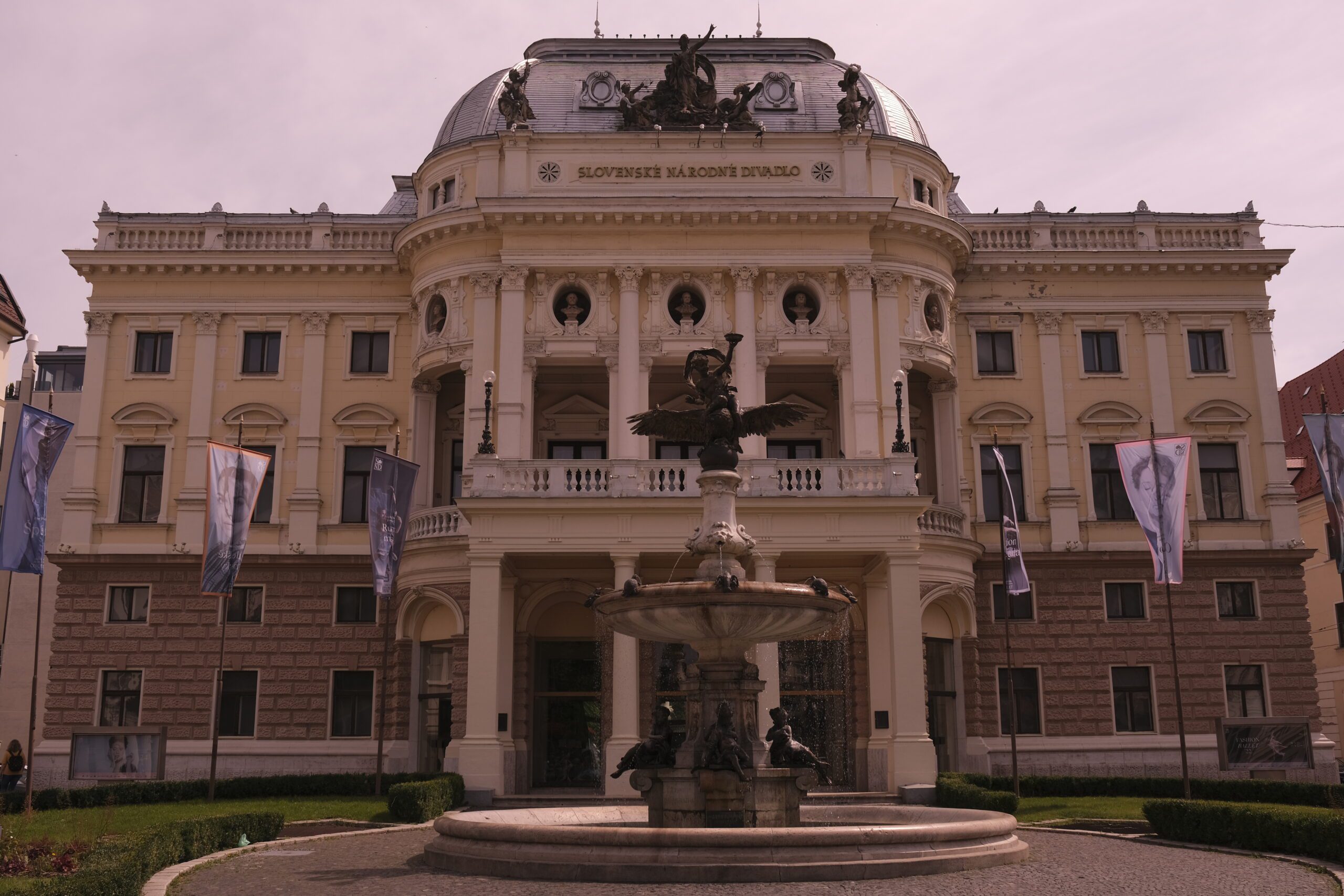
In the evening, we arrived in Vienna and headed to the Palais Pallavicini for dinner. The Pallavicini family, of Italian origin, had risen to prominence after the Fourth Crusade in 1204. Their steadfast support of the Habsburgs explains the palace’s proximity to other Austrian royal residences. This was our second time here, the last visit being in 2019. We walked up a very elegant marble staircase to a champagne reception. Then, we listened to classical music and arias, watching ballet dancers pirouette while having dinner. The atmosphere was formal and elegant, with the waiters being better attired than some of the guests. The food was so-so. We went for the pomp, not for the substance.
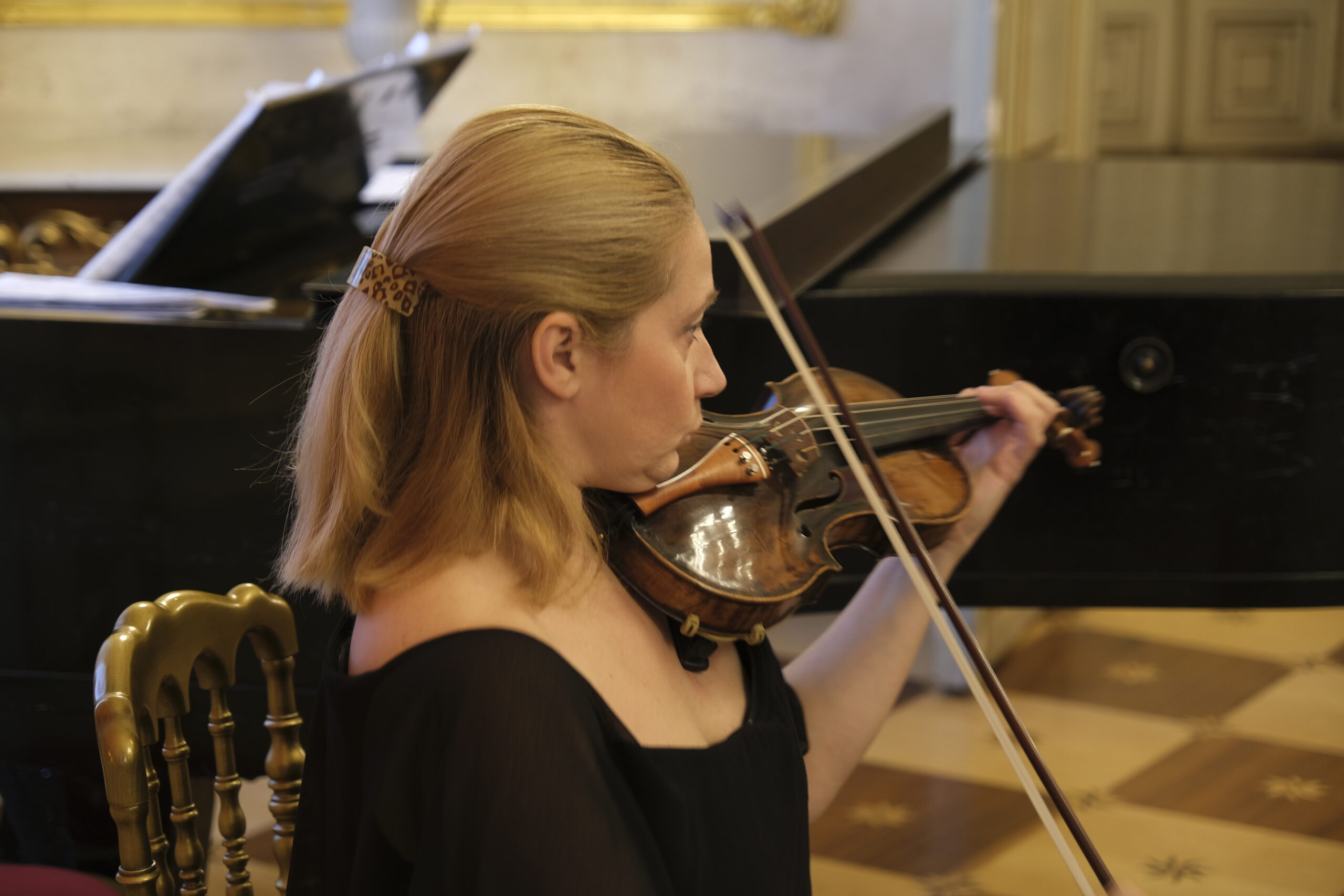
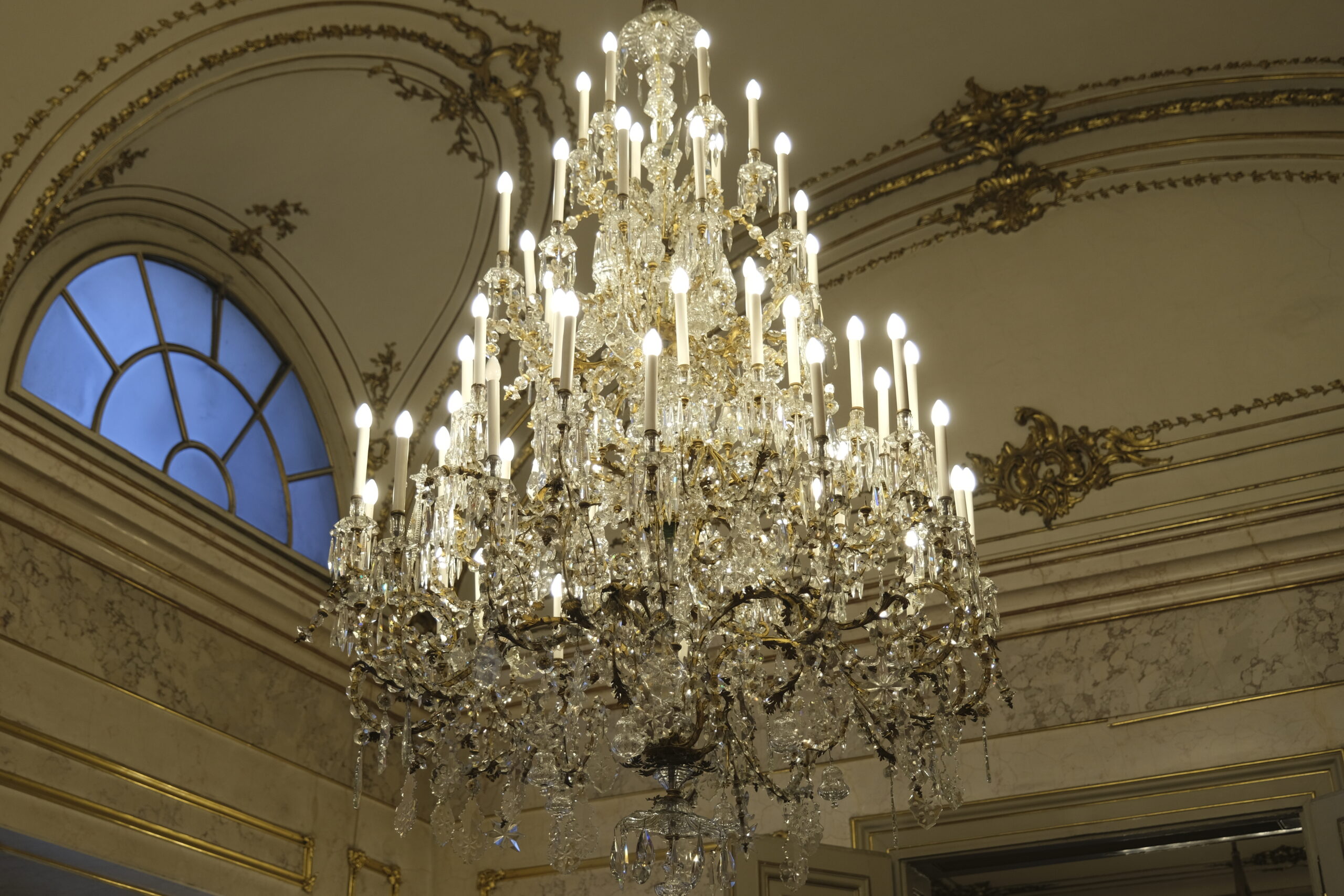
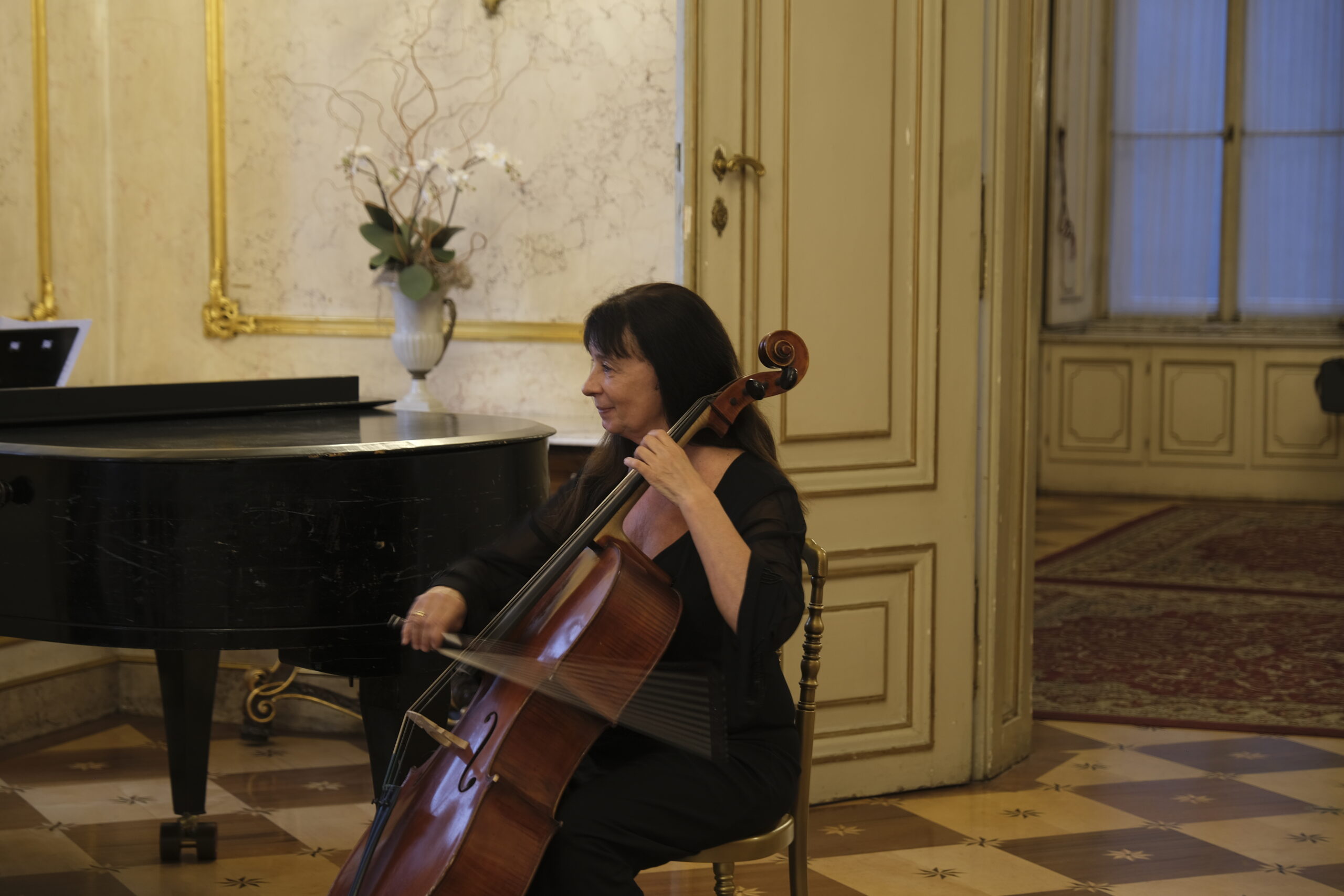
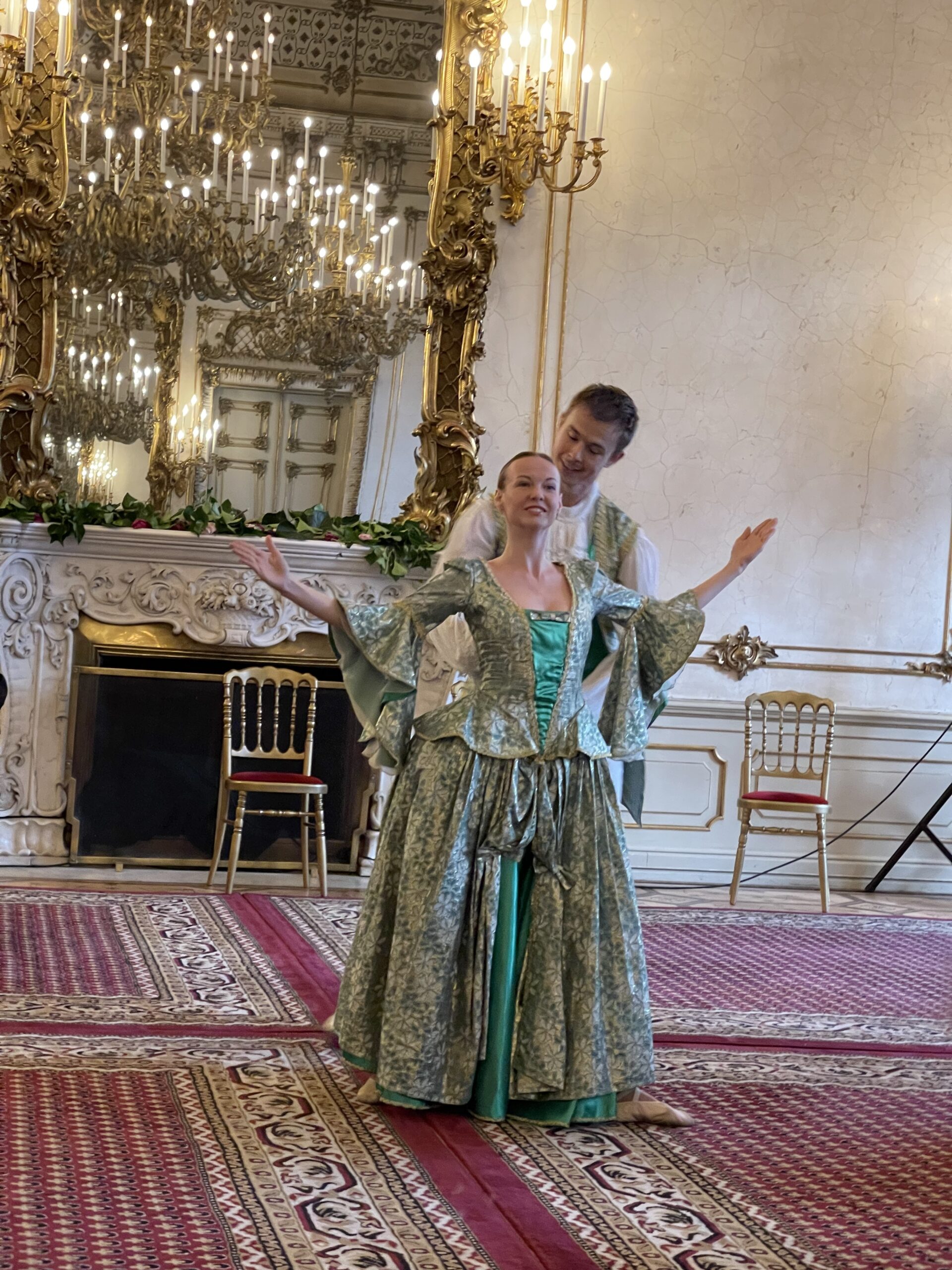
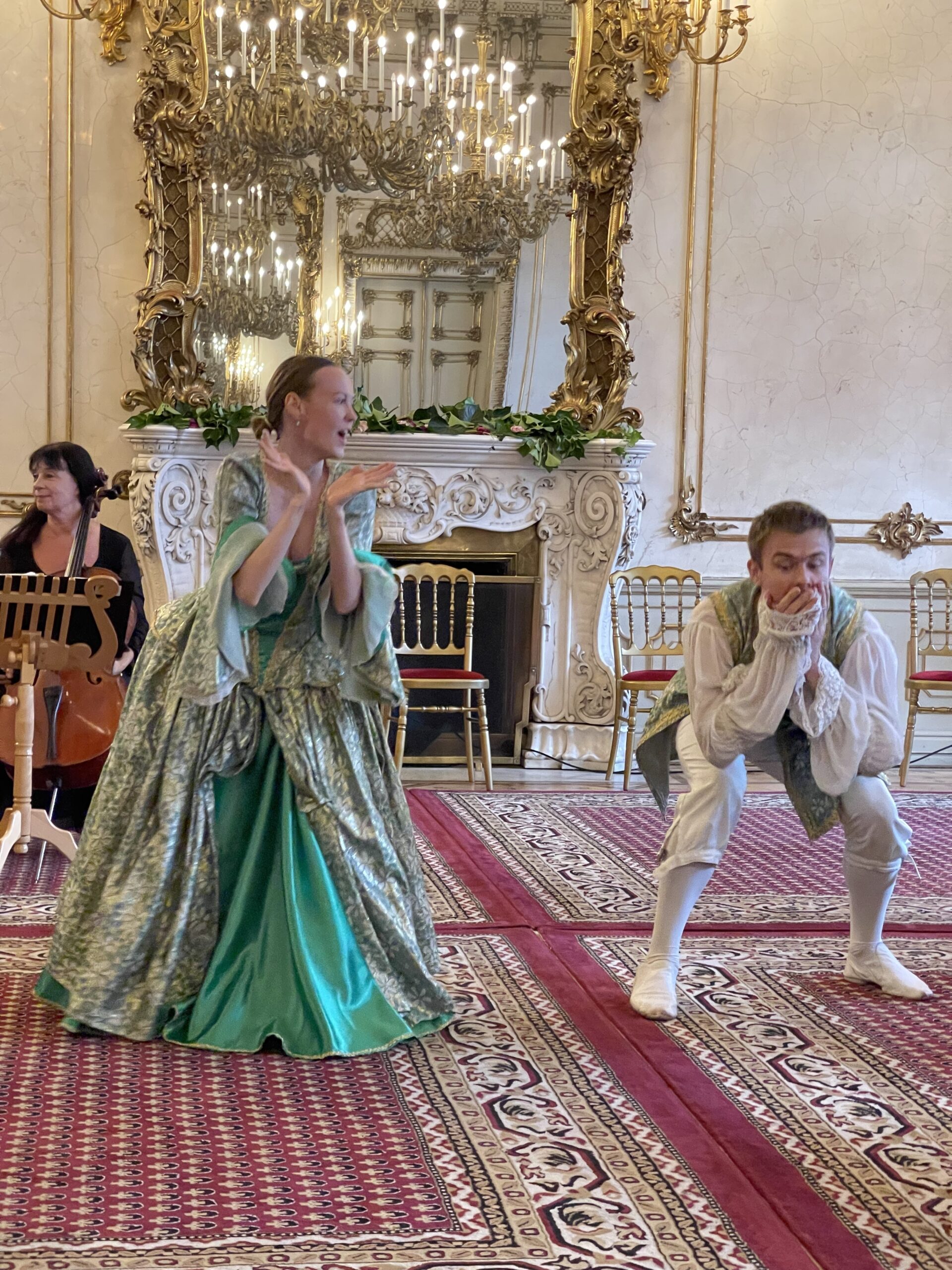
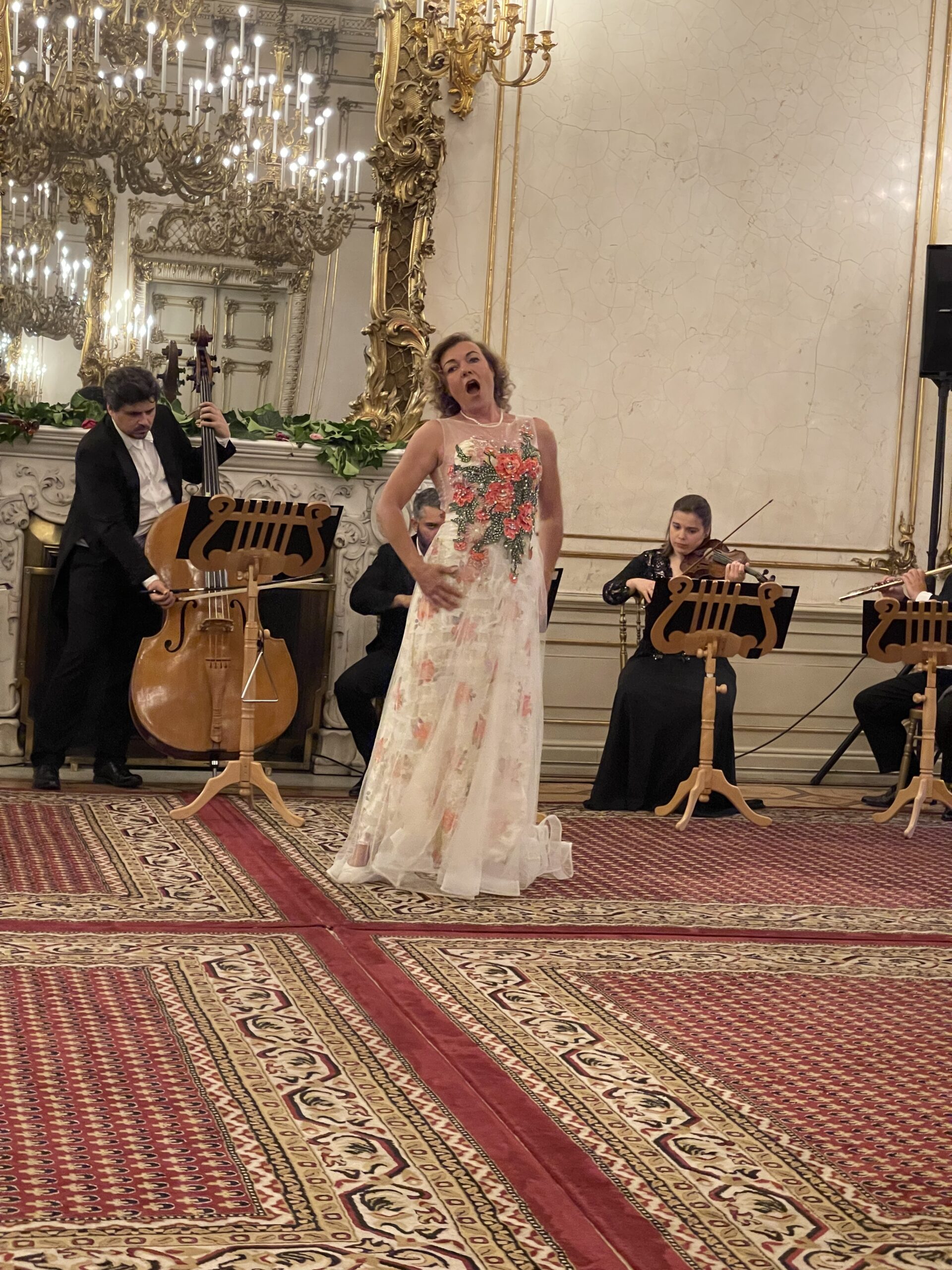
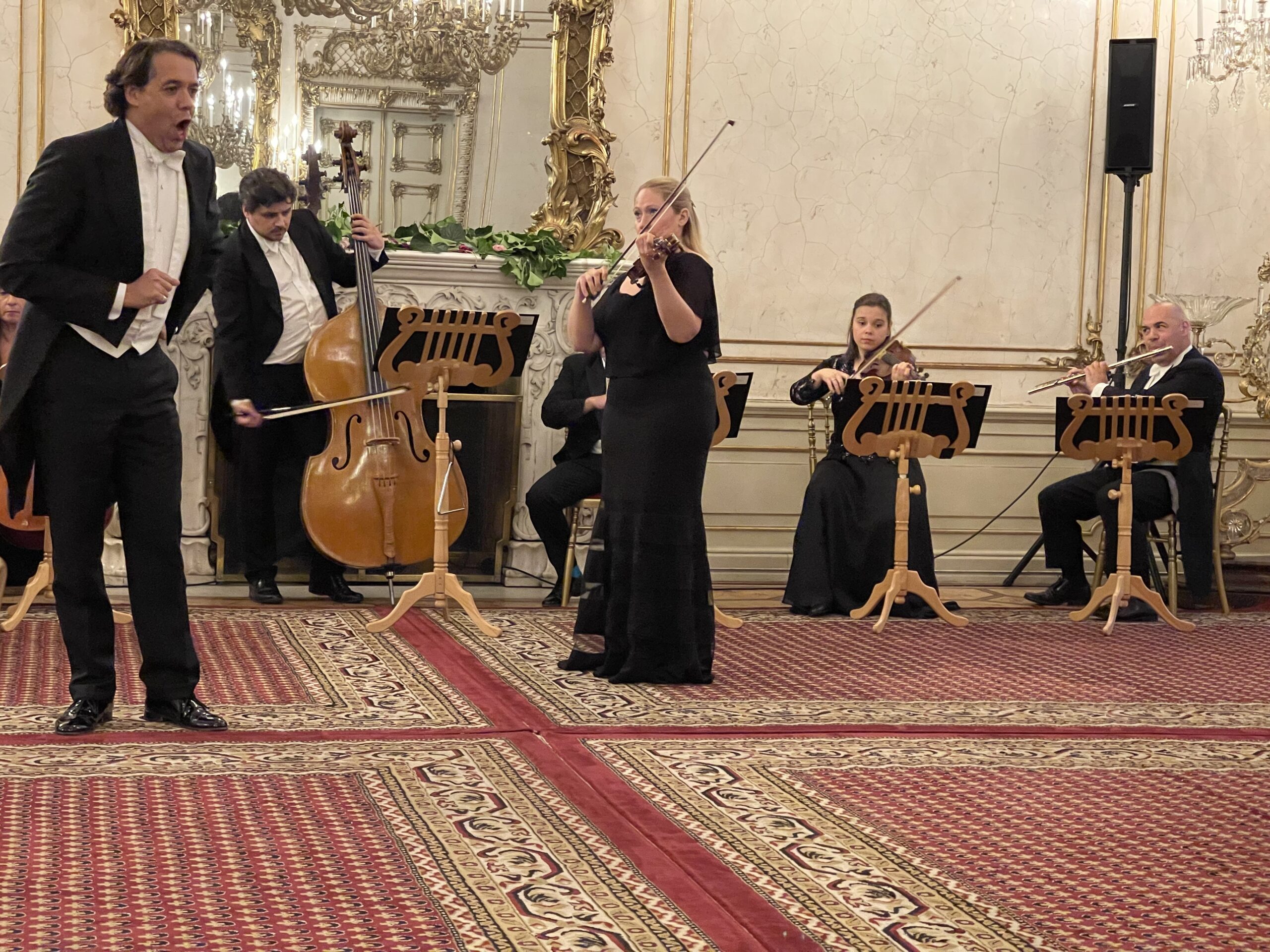
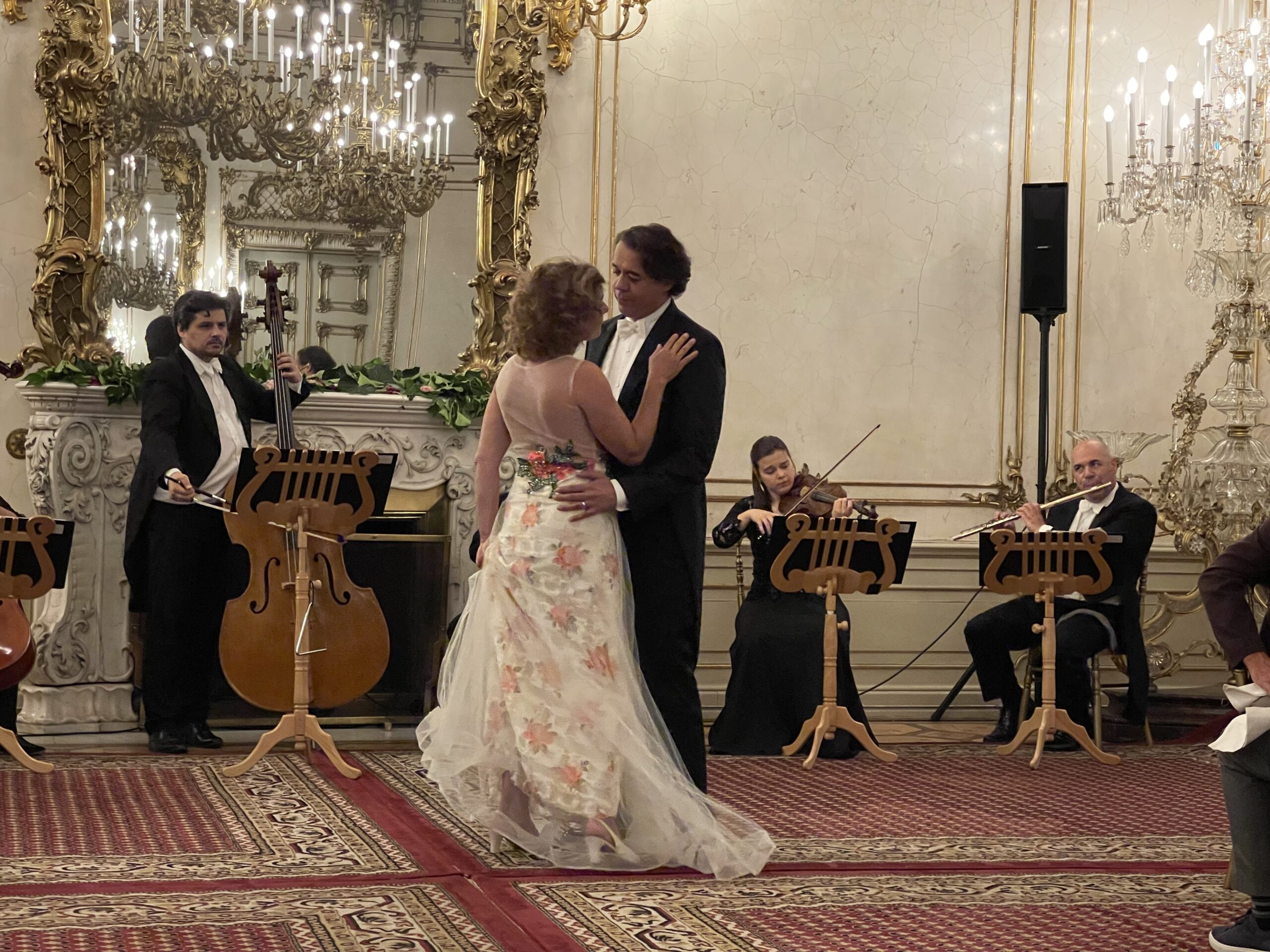
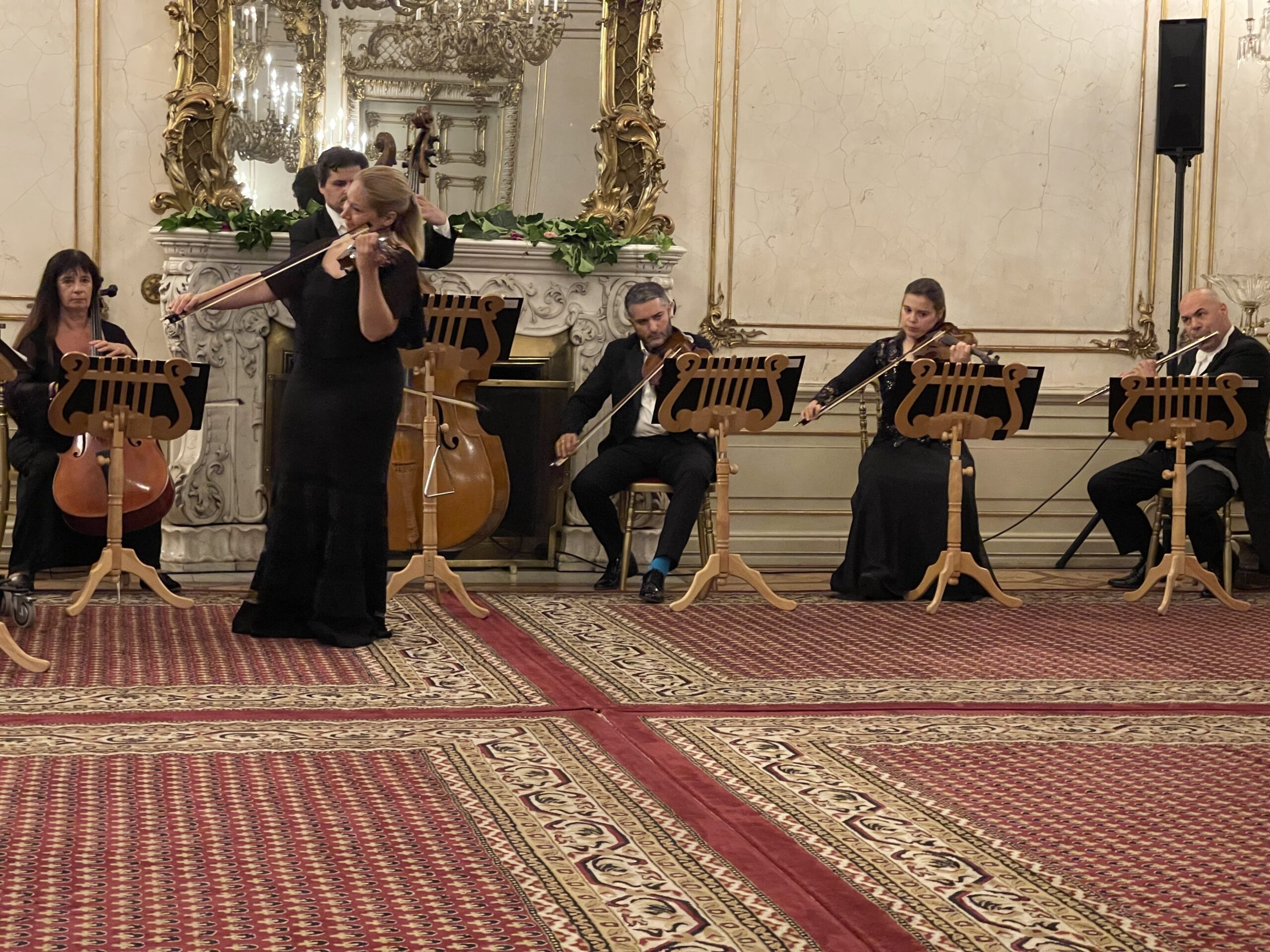
The palais has served as a location for many films, the best known being The Third Man and currently for the first episode of TV series, Vienna Blood.
Exploring Vienna’s Rich History – June 15, 2022
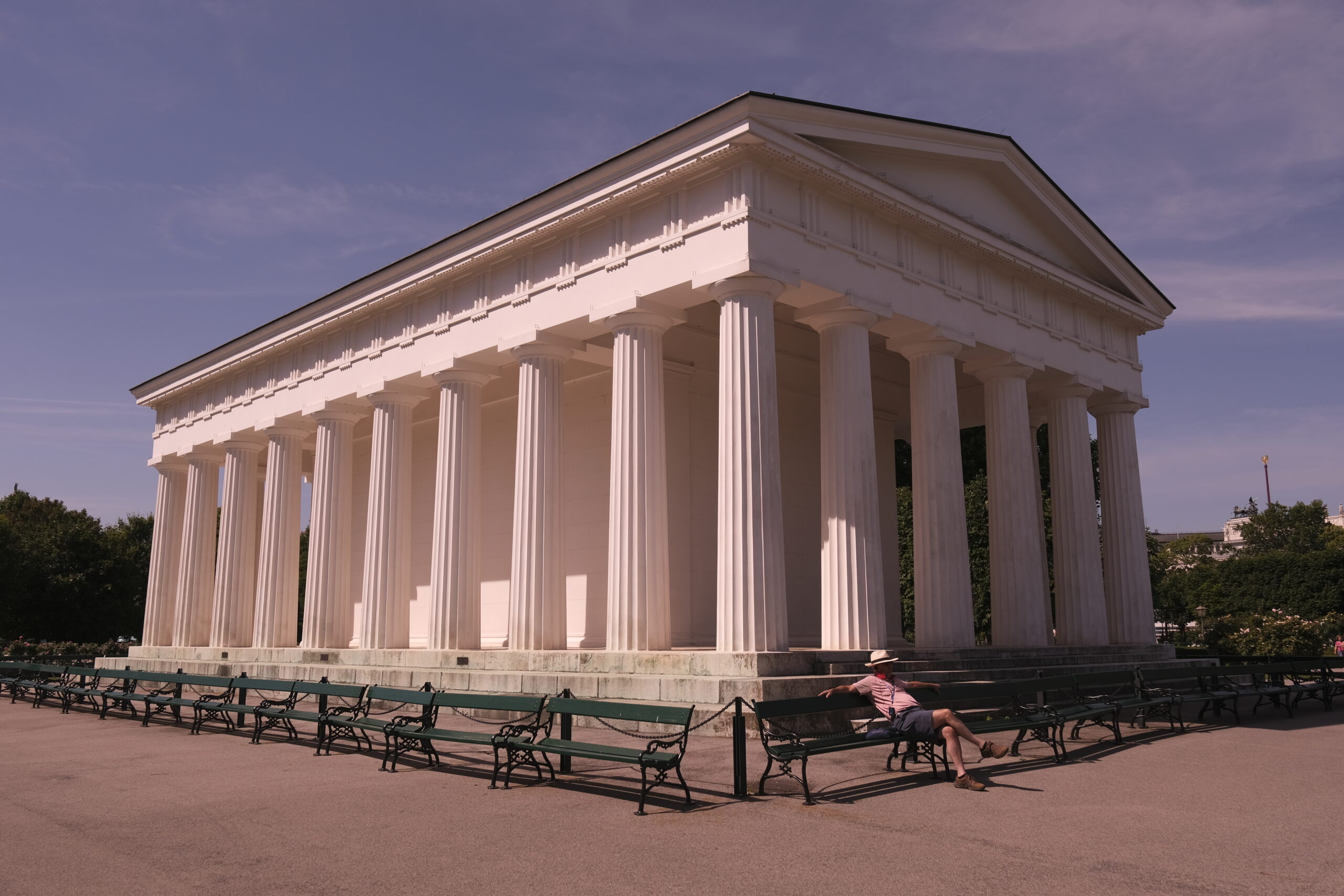
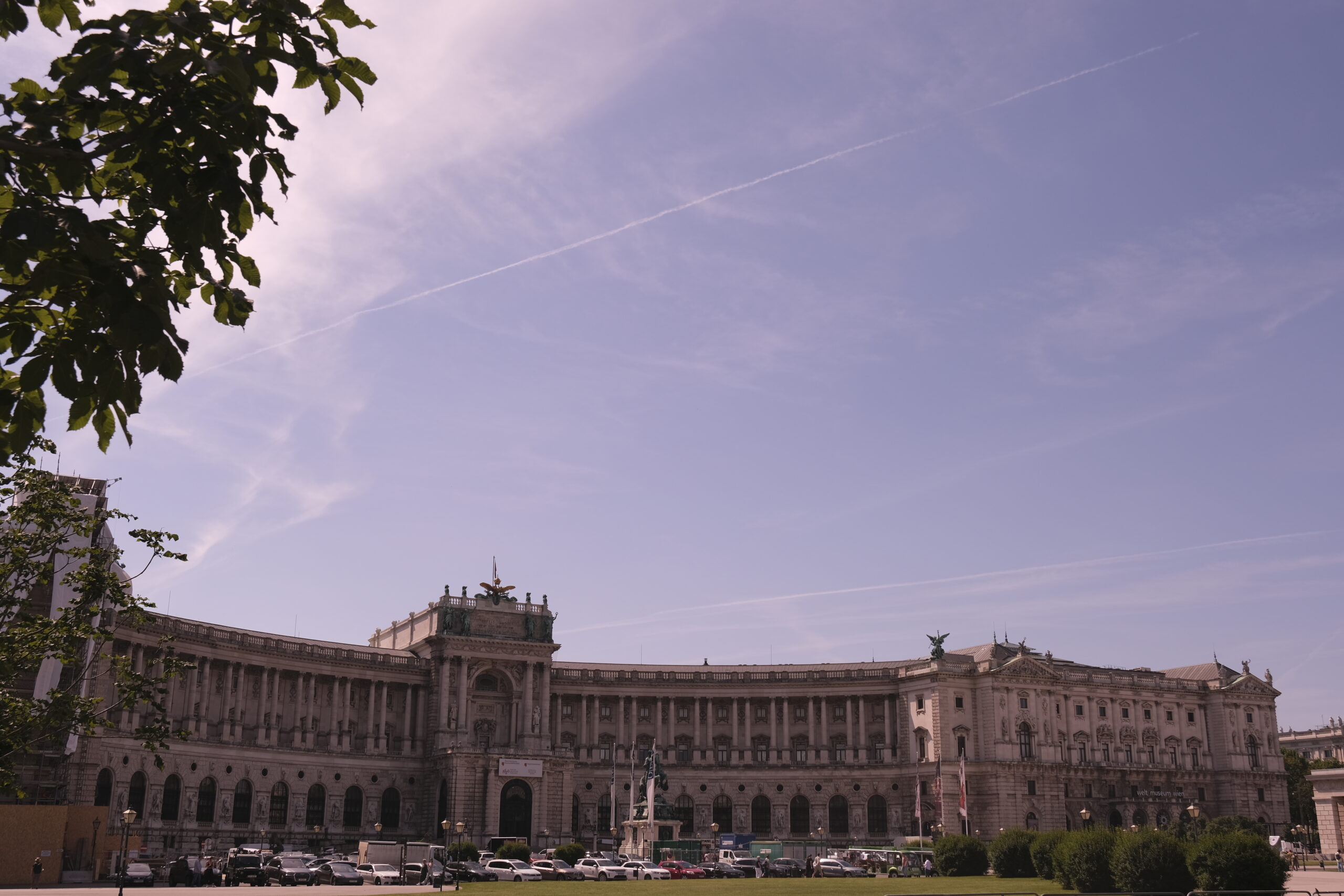
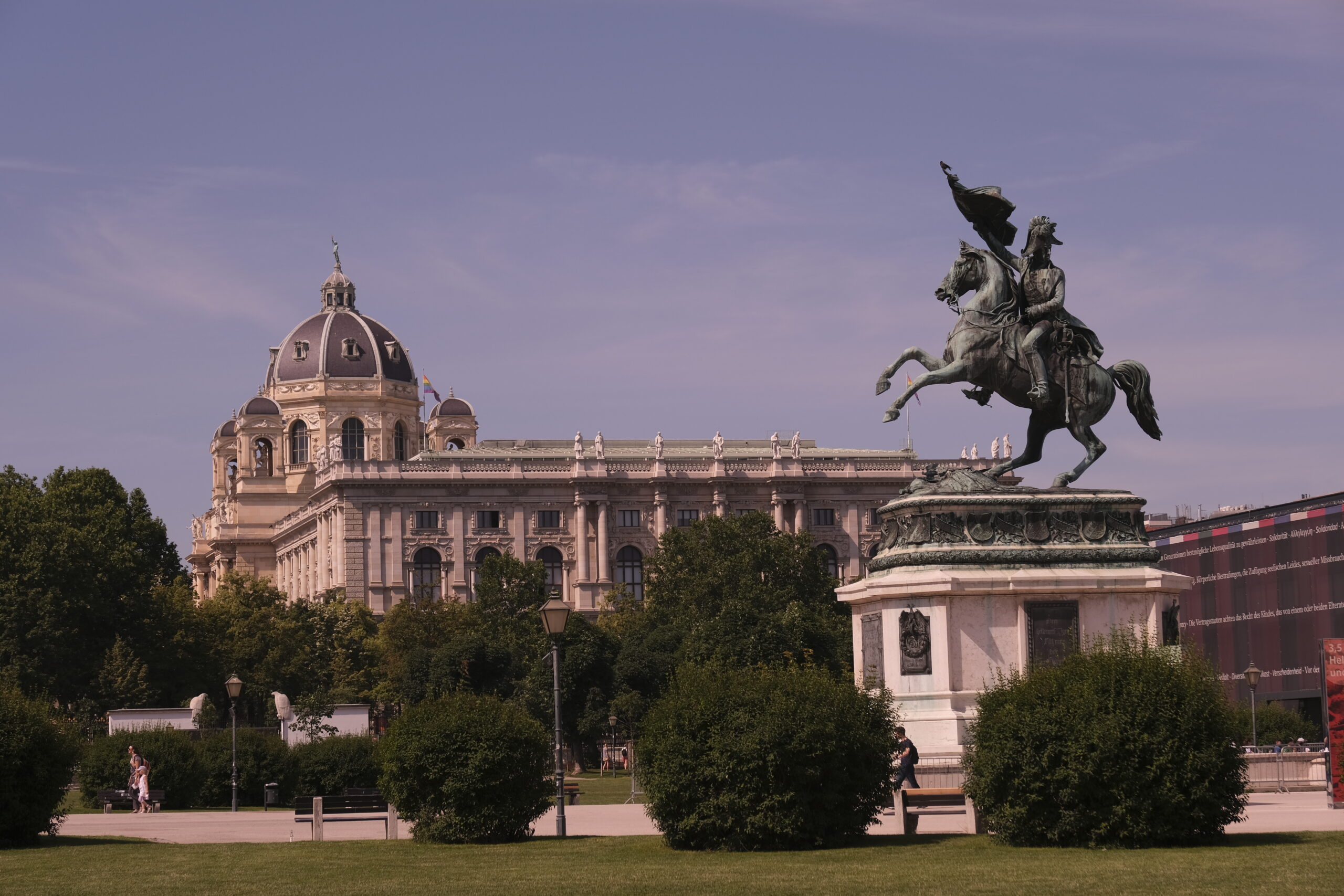
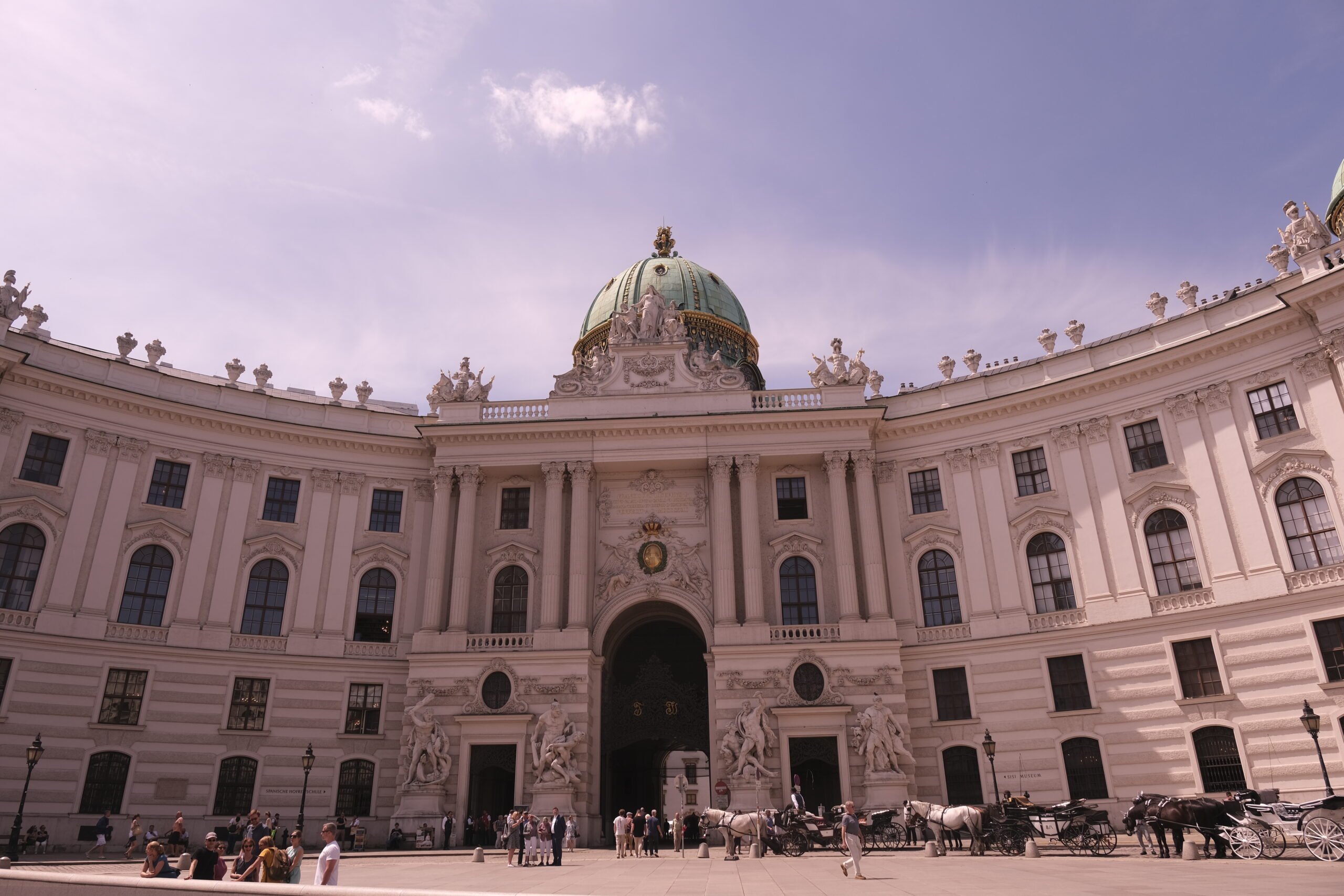
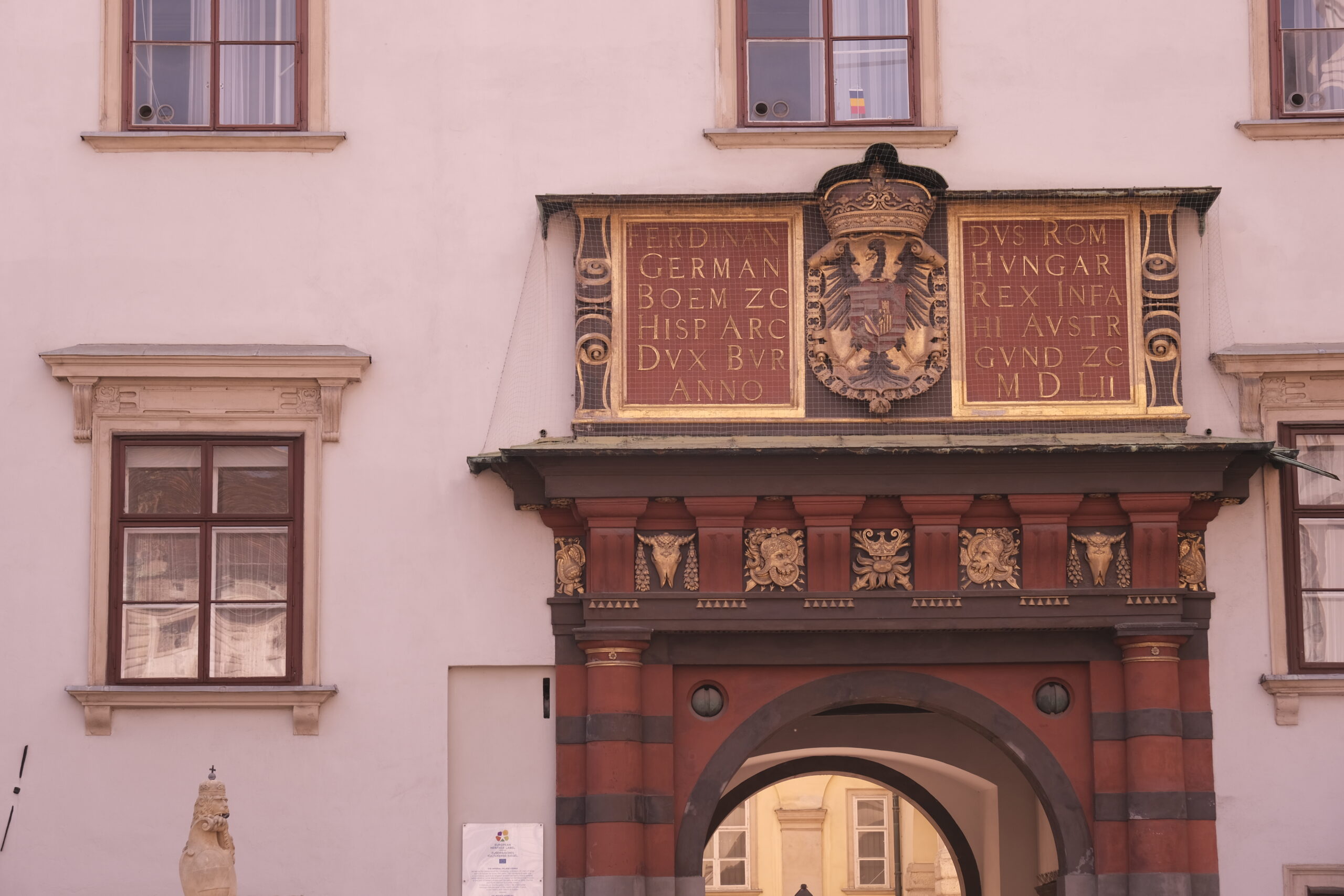
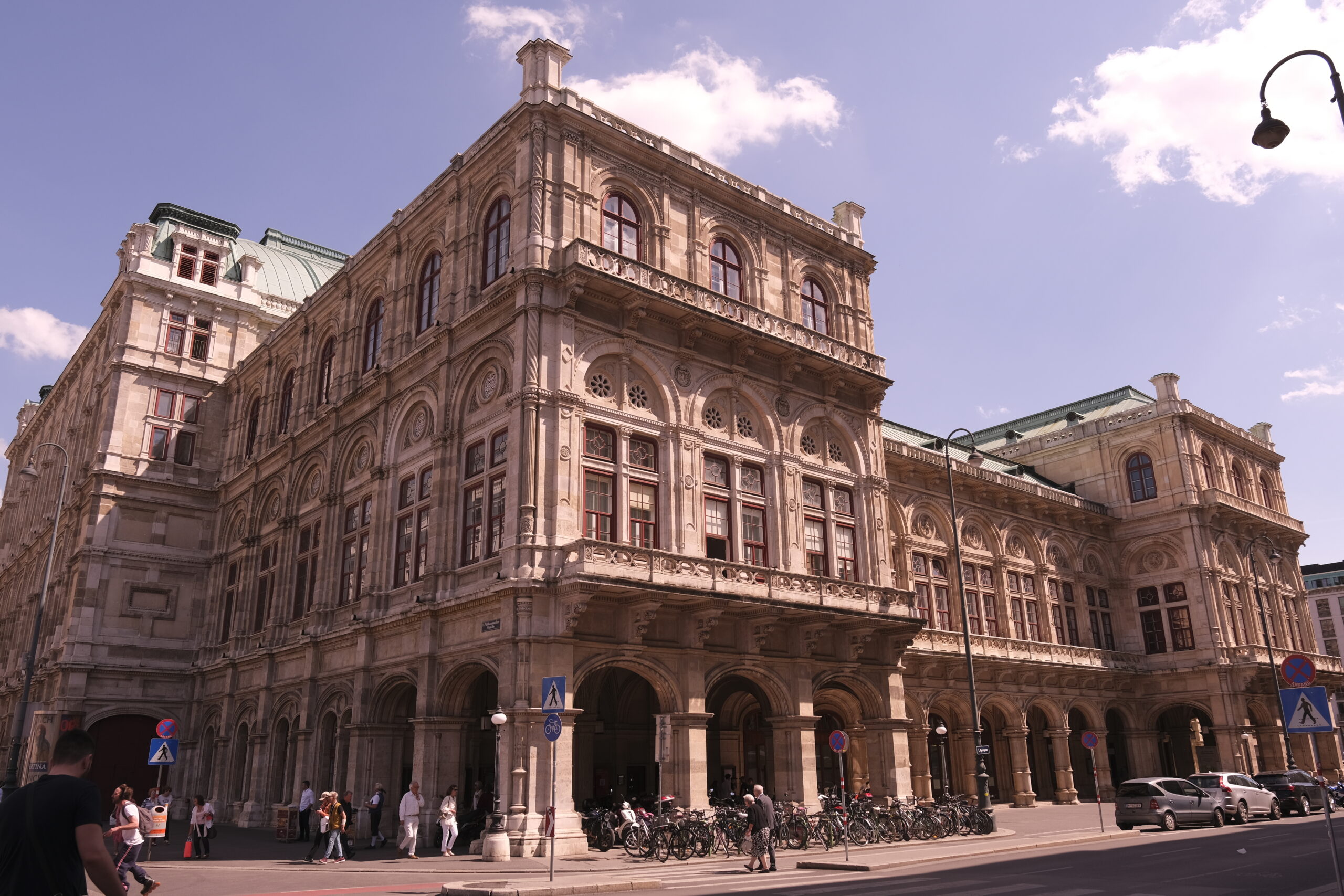
This morning, our exploration took us to the Vienna State Opera House, where we strolled past the Spanish Riding School to admire the Lipizzaner horses in their stalls. Our journey continued to the Hofburg Palace, where we delved into the fascinating Sisi Museum. Empress Elisabeth, known as Sisi, was a beautiful and tragic figure from the royal Bavarian family, married to Emperor Franz Josef I of the Habsburgs. The museum showcased her life, from enticing Franz Josef away from her older sister to her tragic assassination in Geneva by an Italian anarchist.
The exhibits featured Sisi’s clothing, toiletries, portraits, gym equipment, and state rooms. We also encountered a statue of her in the State Garden, highlighting her enduring beauty and dedication to maintaining it.
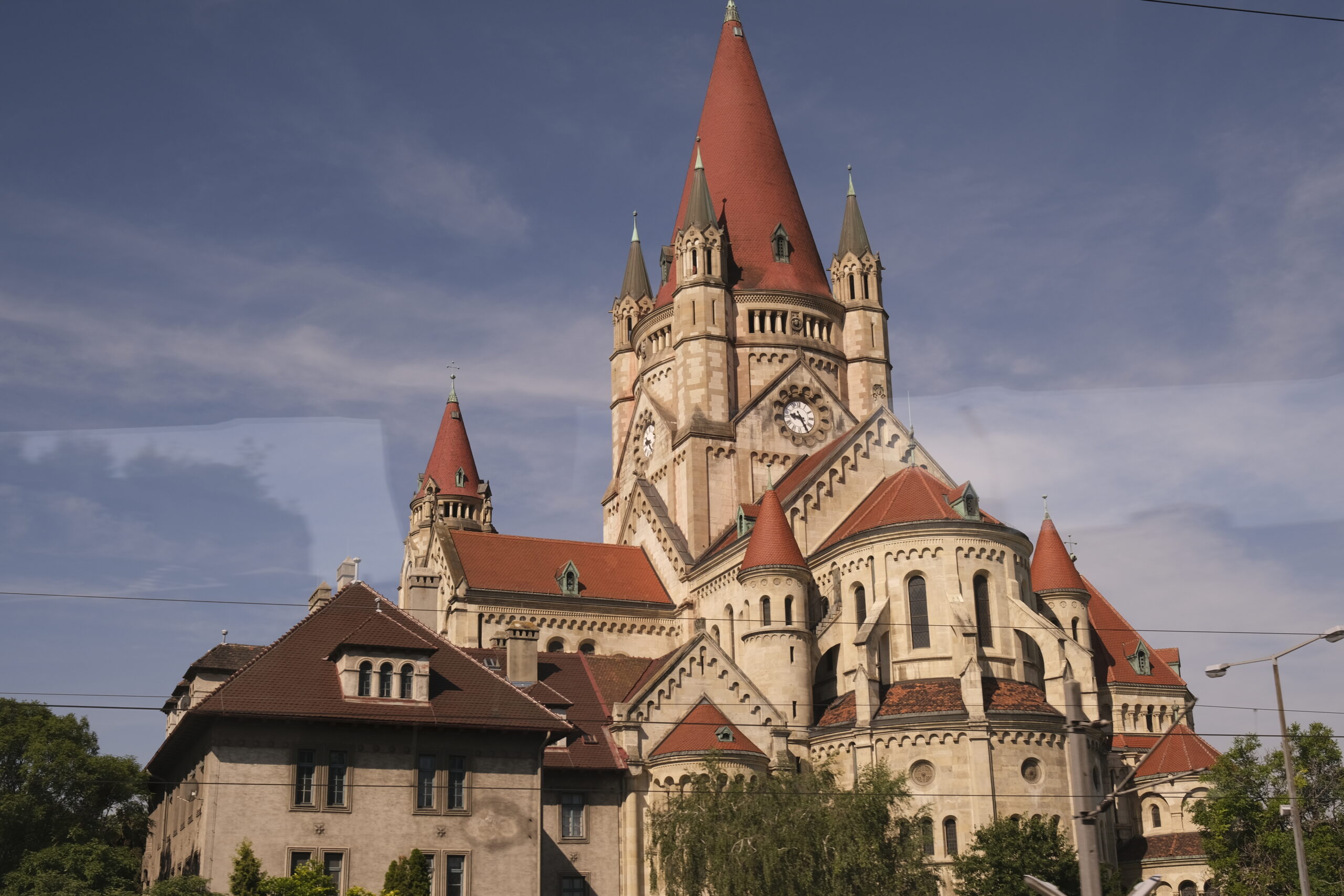
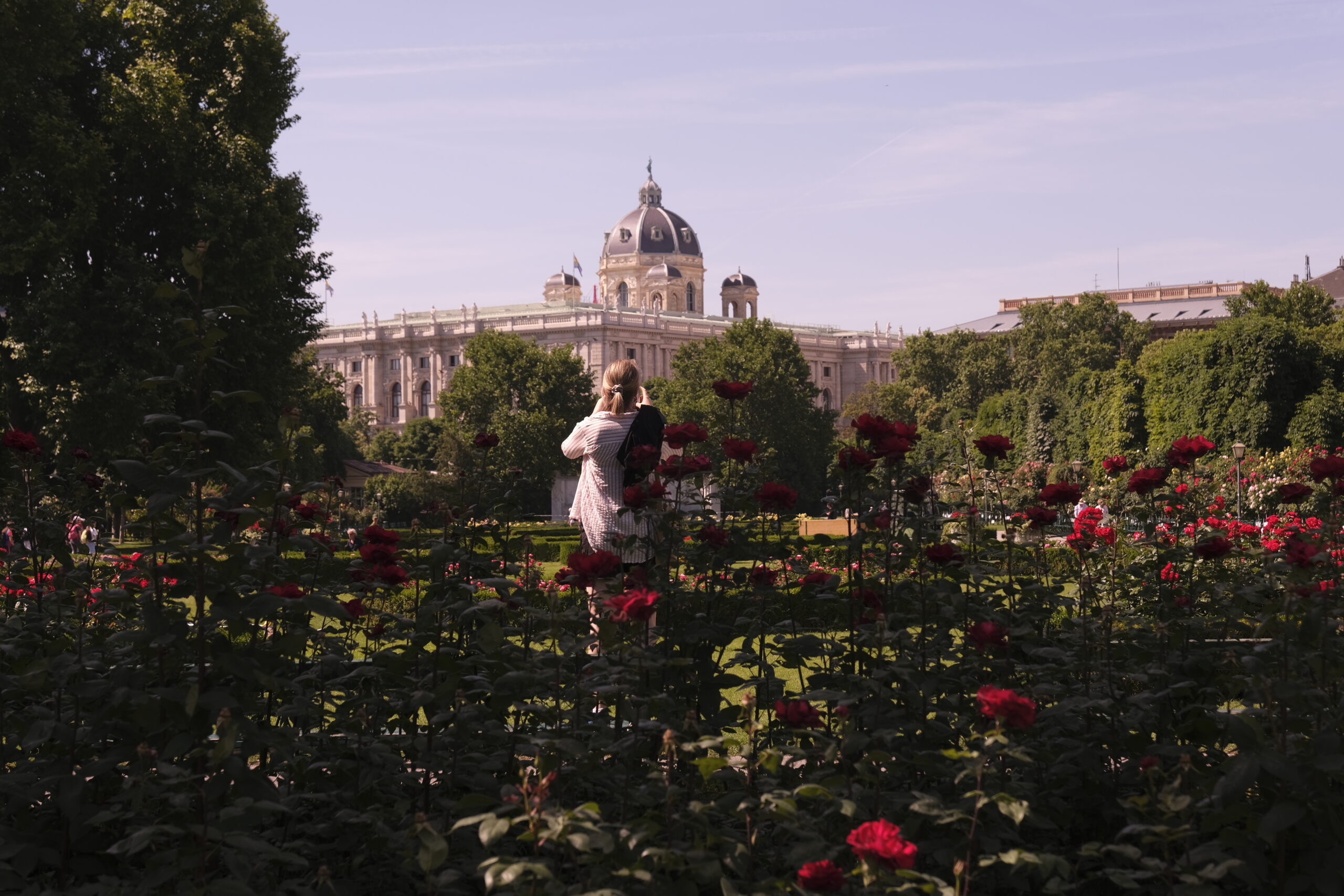
In the afternoon, we searched for a particular shop where Albert had previously purchased chandeliers, only to discover it was no longer in business. However, we compensated with a visit to Lobmeyer, our favorite Viennese crystal place.
Back on the ship in the evening, we enjoyed a strudel-making demonstration by the ship’s pastry chef. Interestingly, the pastry chef admitted to not having a sweet tooth. Strange that he would choose to be a pastry chef…which likely explains why the desserts were hit-or-miss!
Dürnstein and Melk in the Wachau Valley – June 16, 2022
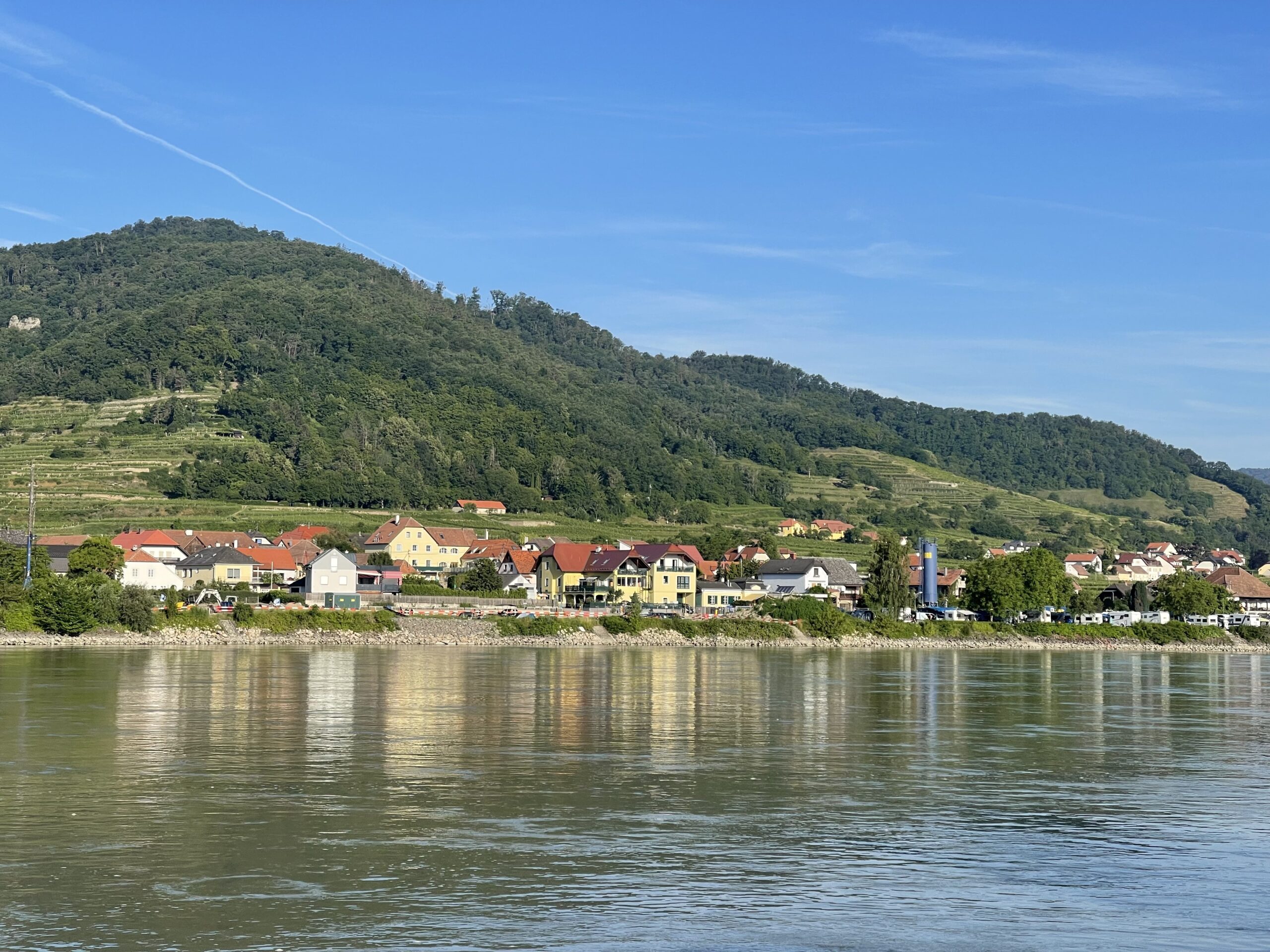
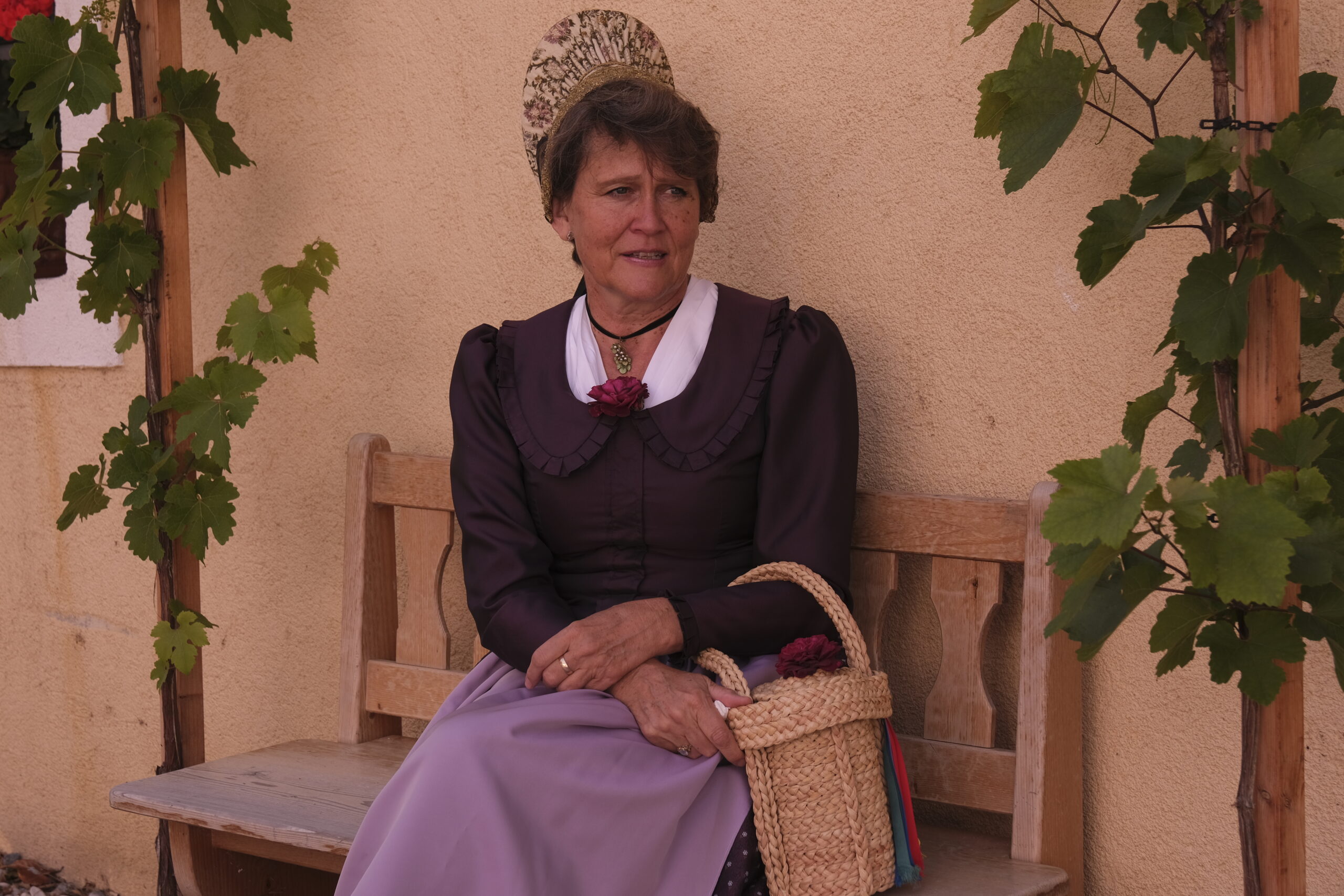
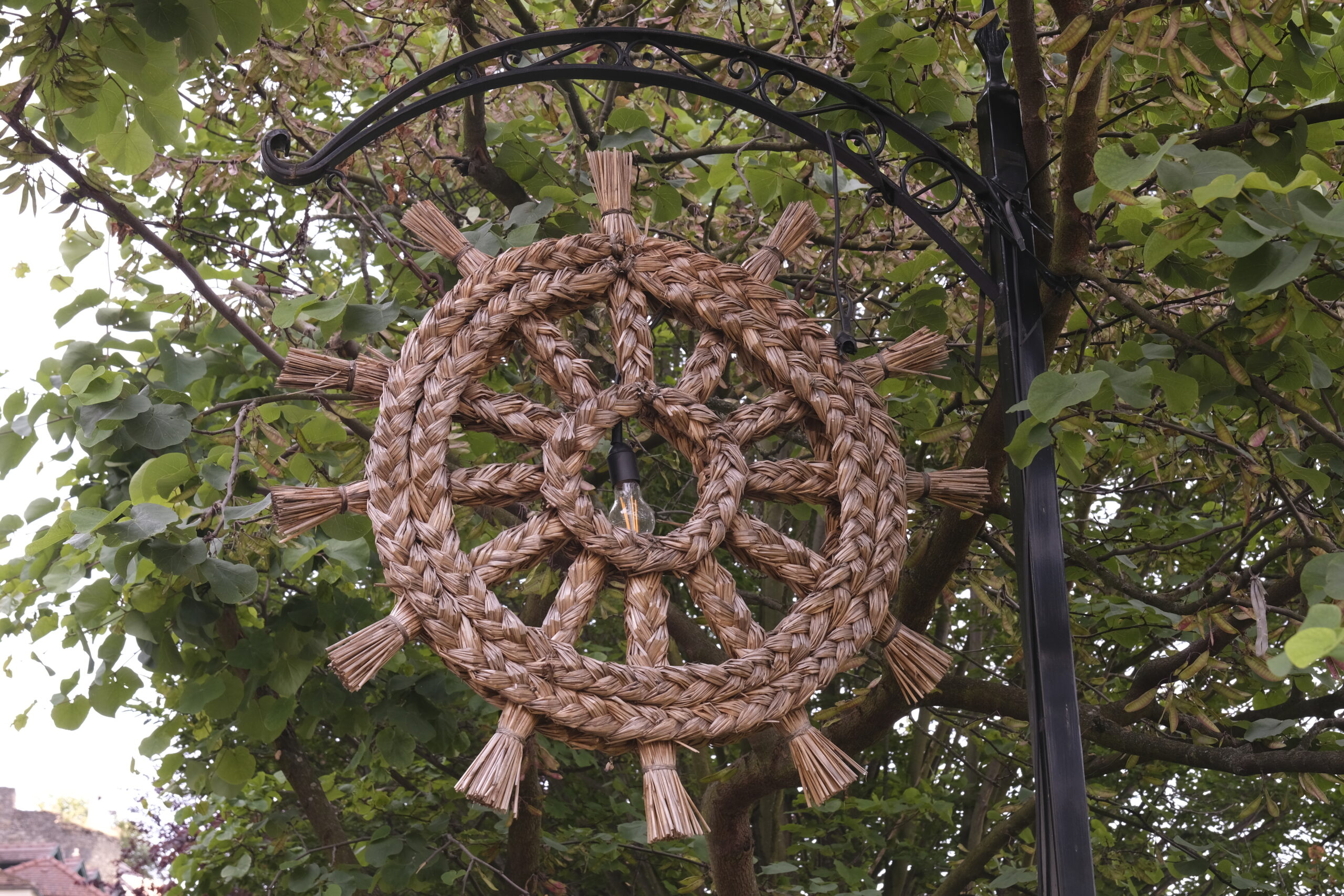
This morning, our journey took us to Dürnstein in the picturesque Wachau Valley, renowned for its grapes, apricots, and rich history. We walked through the town whose claim to fame is that in 1194 Duke Leopold held Richard the Lionheart captive and Eleanor of Aquitaine had to pay a ransom of 12 tons of silver for his release. Richard was on his way back from the Third Crusade when his ship was wrecked, and he was forced to take a land route. Although traveling incognito, he was recognized and turned in to the authorities. The streets decorated for the feast of Corpus Christi, showcased regional costumes, and the townspeople, known for grape and apricot cultivation, offered a glimpse into their livelihoods.
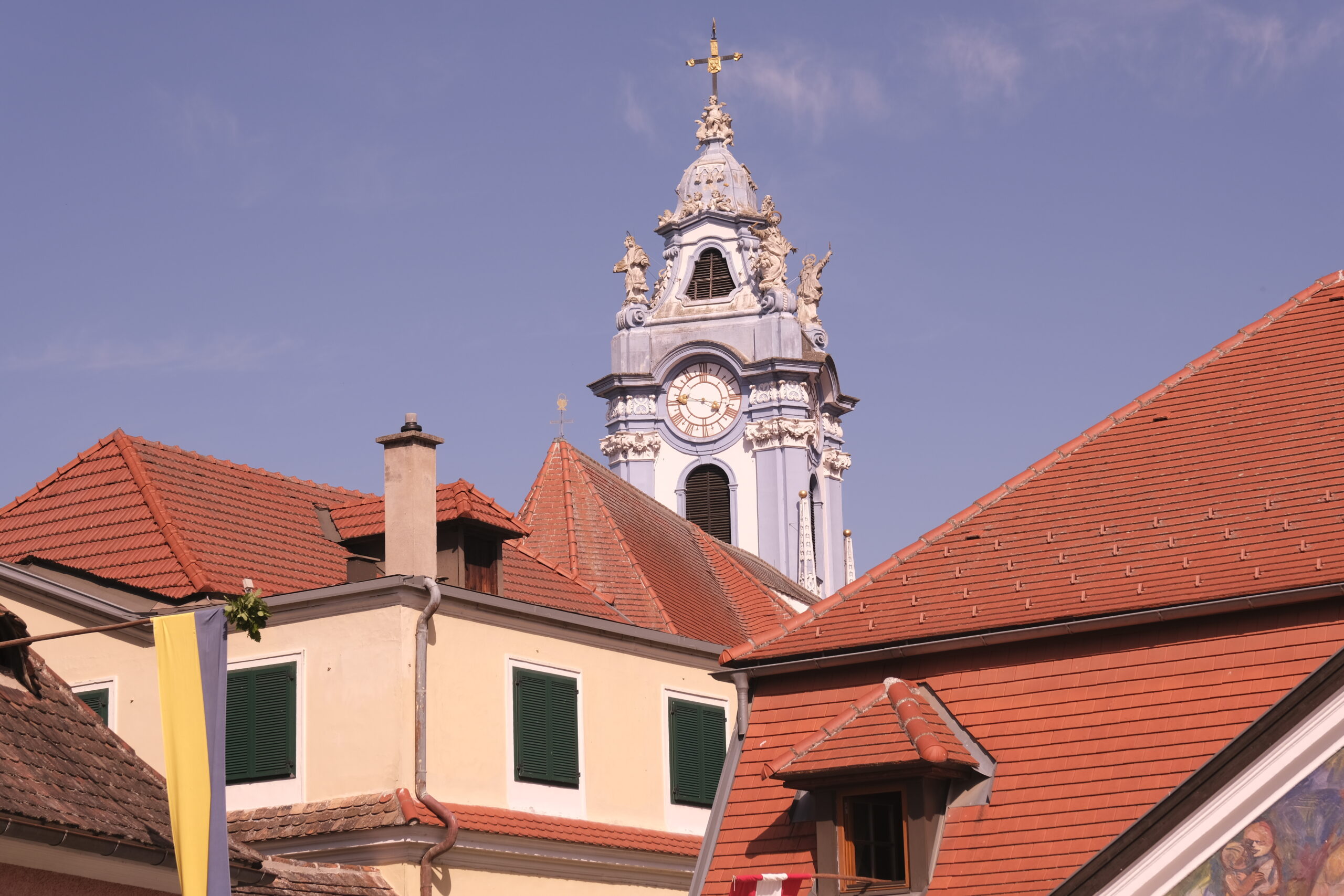
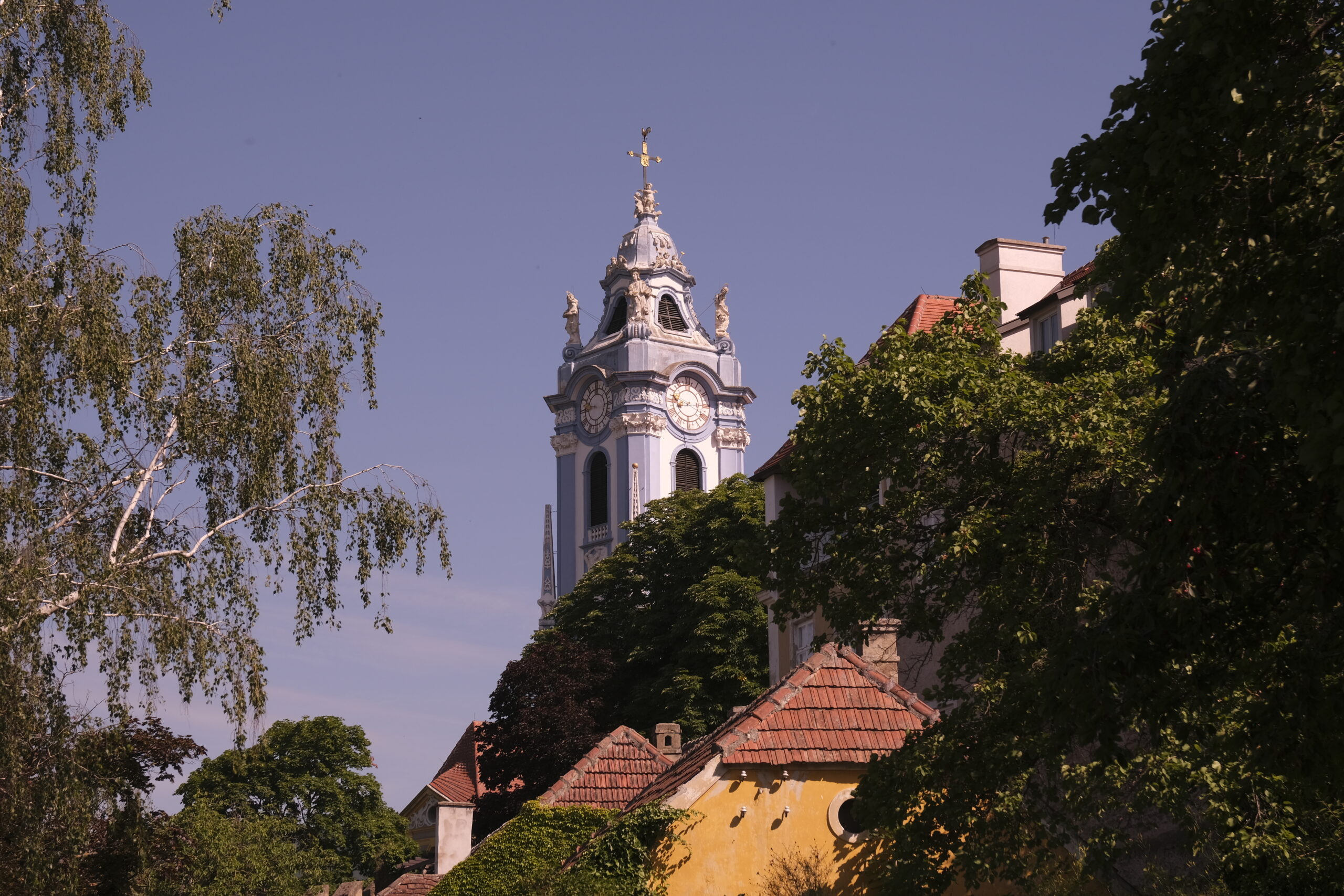
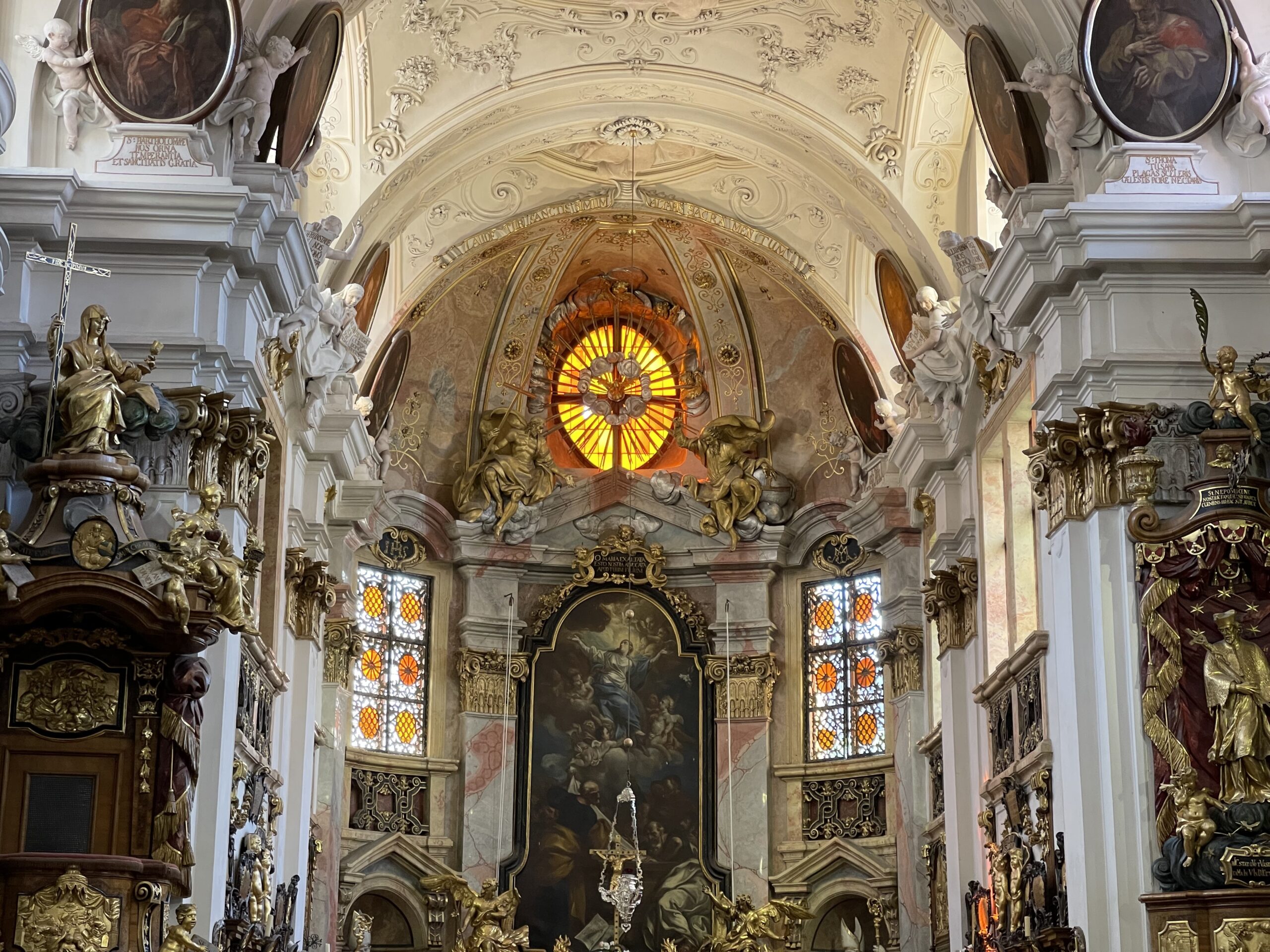
At the top of the hill lie the ruins of Dürnstein Castle where Richard became intimately acquainted with its walls. Also in this area is the Abbey of the Poor Claires. After it went bankrupt, the abbey was converted into a granary, and is now a hotel. The Abbey Church is dedicated to the Assumption of the Virgin Mary and is rather beautiful with a stunning blue and white bell tower, a Wachau Valley landmark since the 1700s.
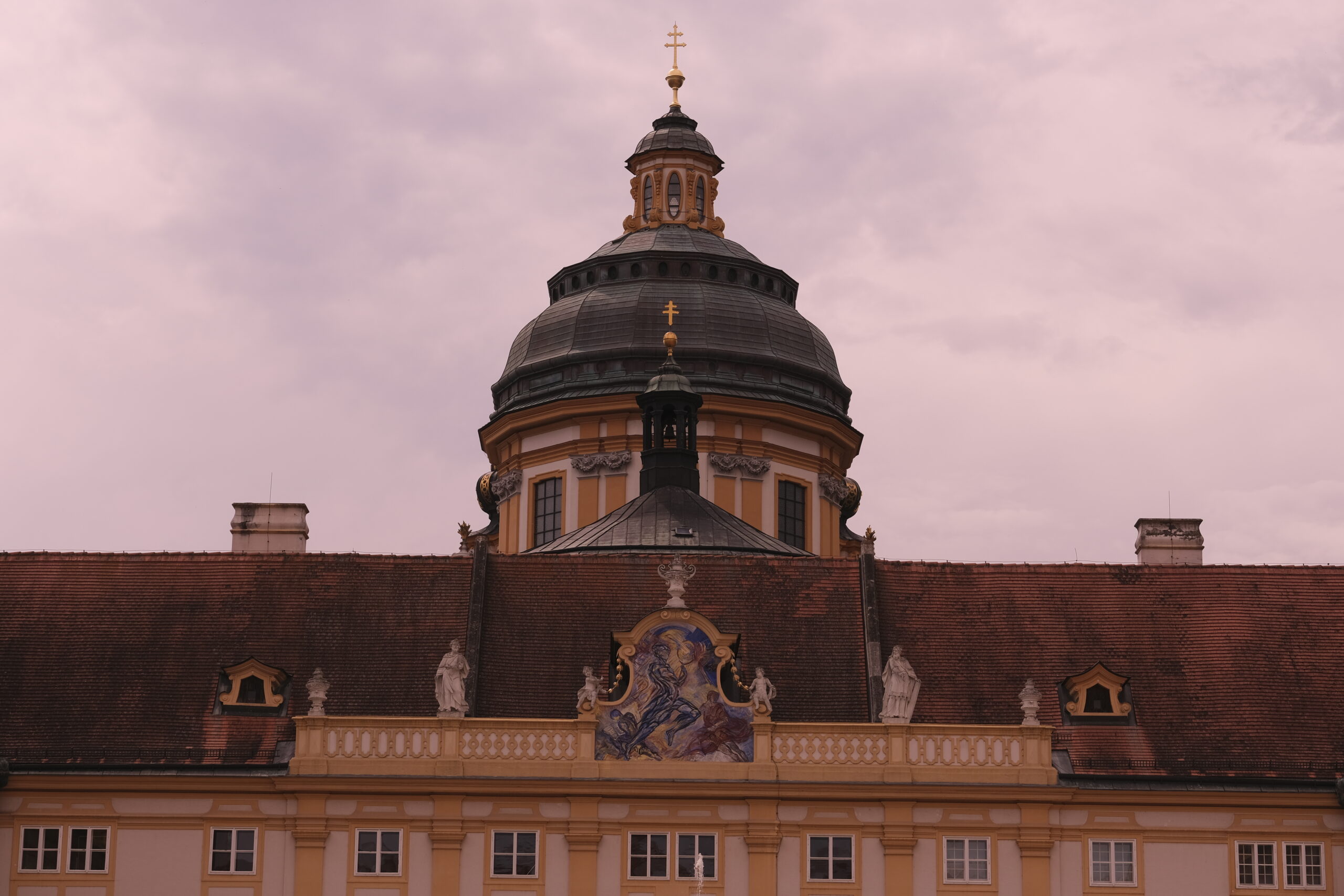
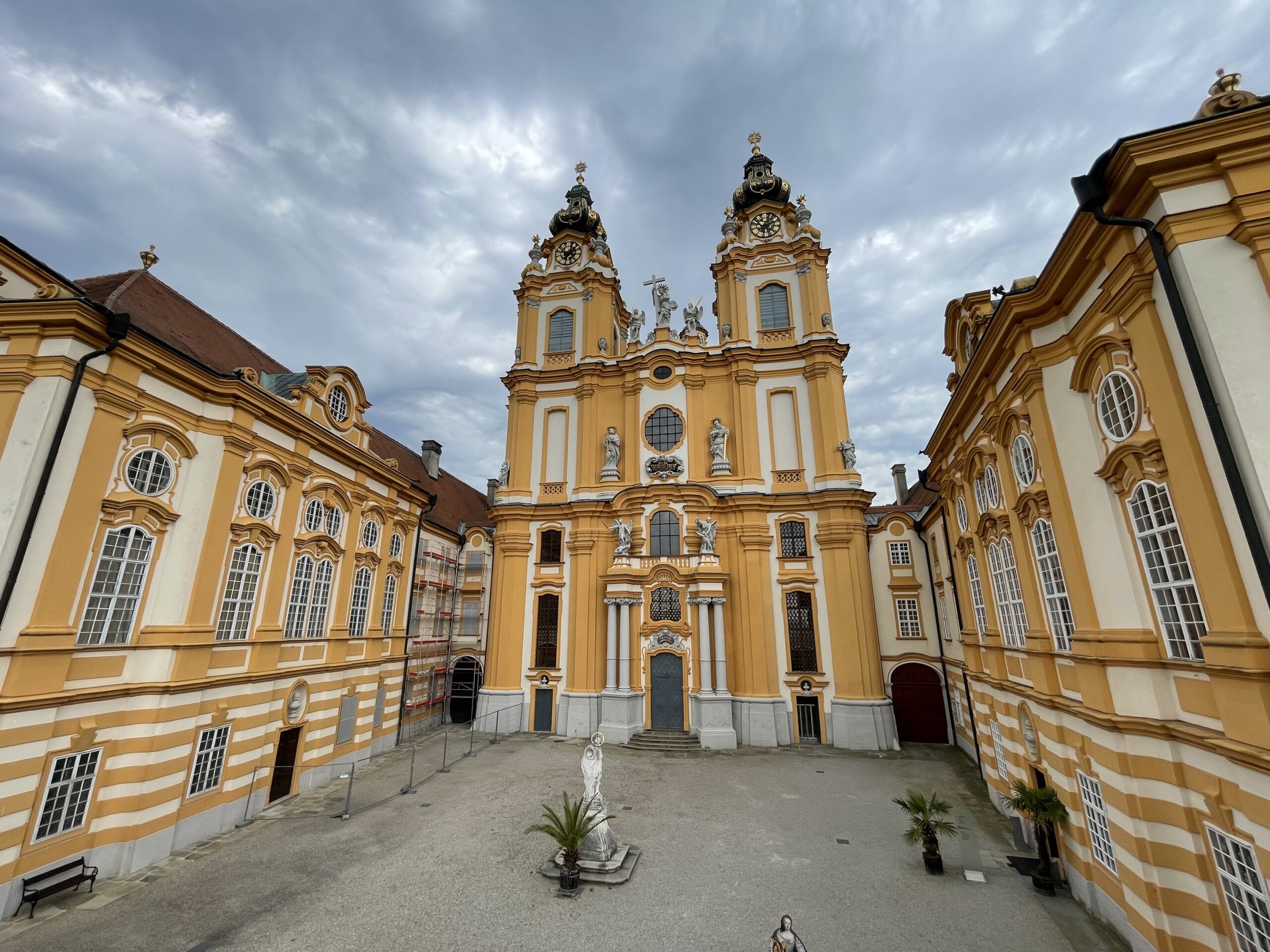
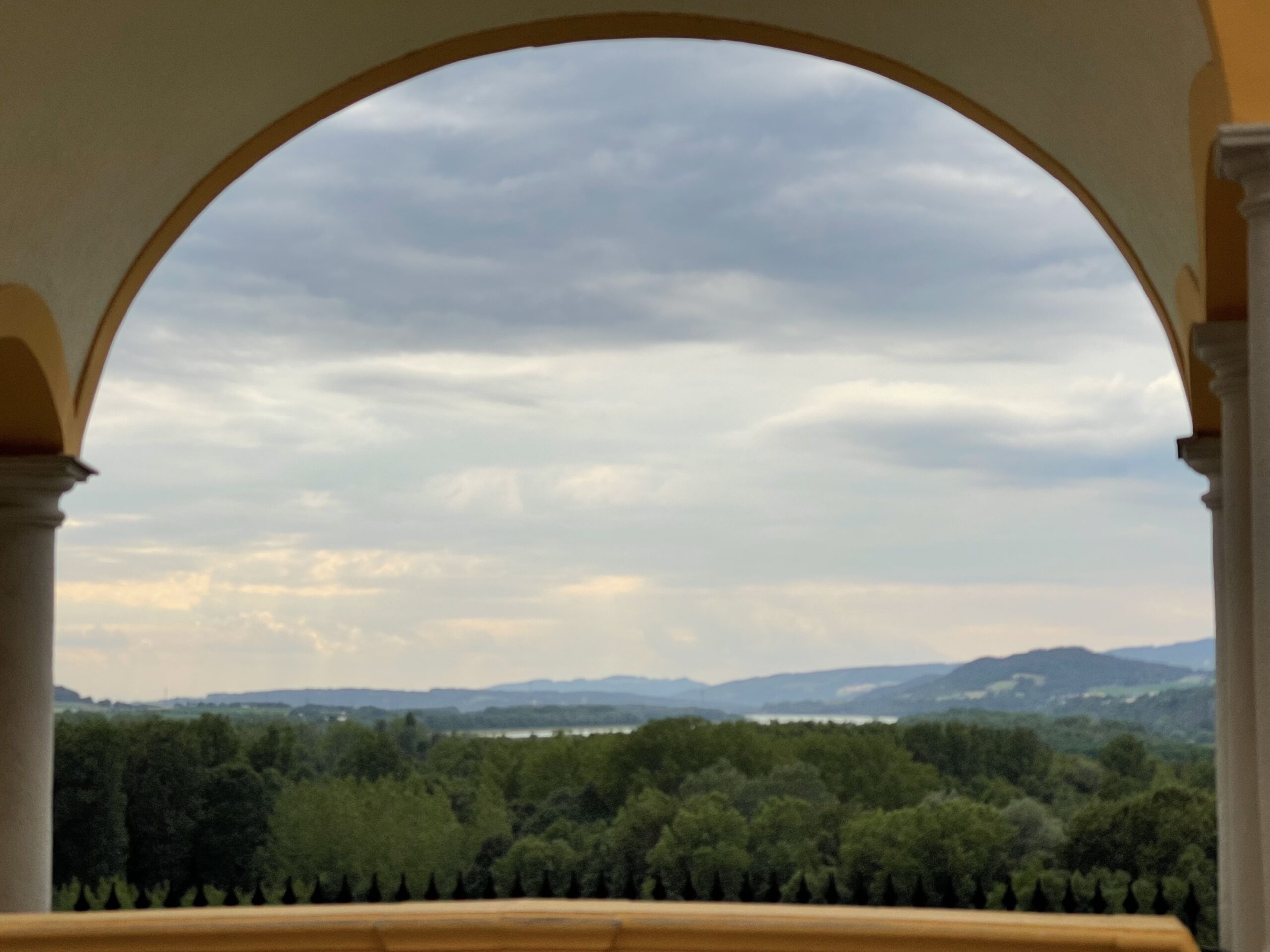
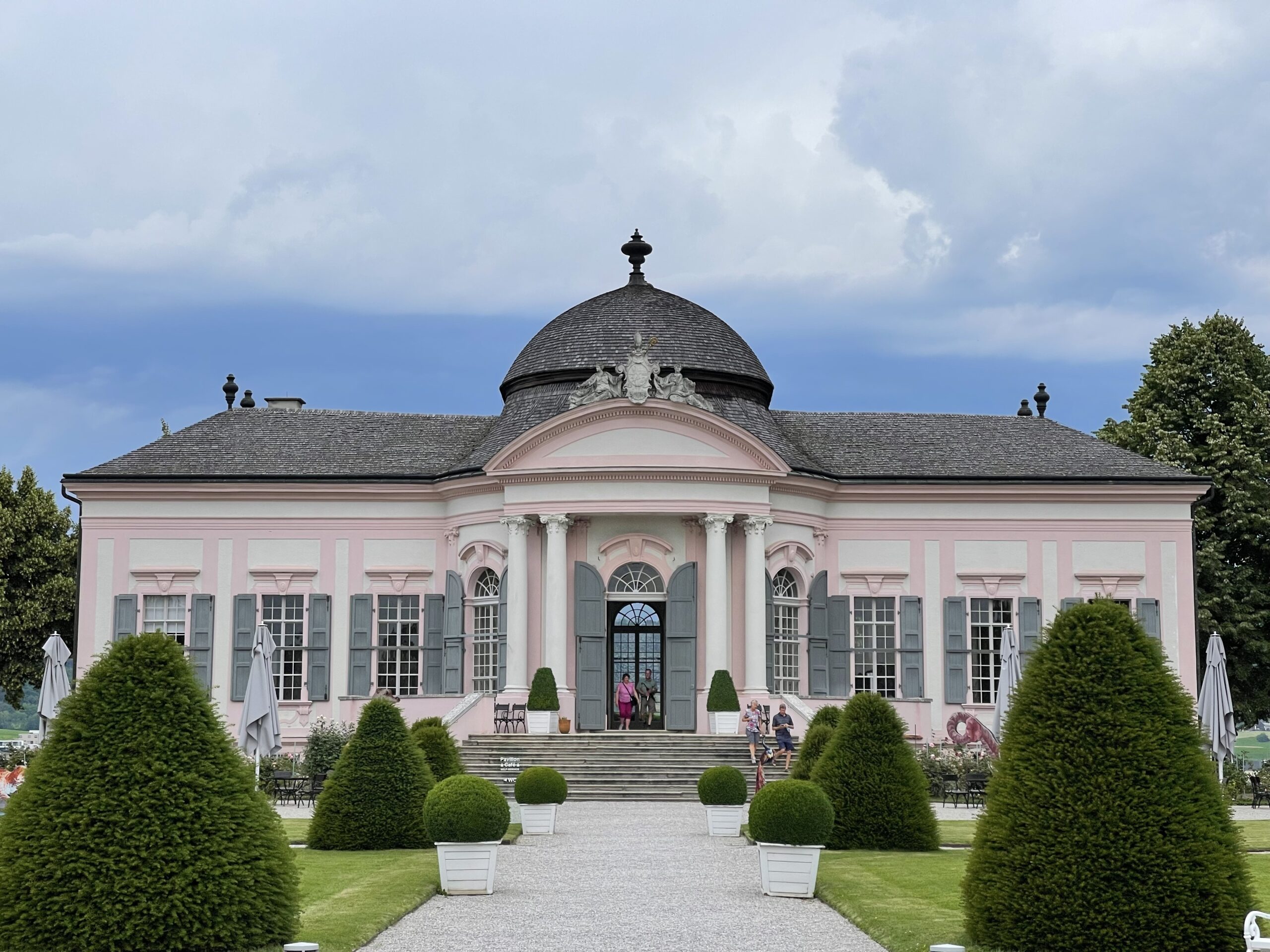
In the afternoon, we visited the Benedictine Abbey of Melk, a grand complex with a rich history dating back to 1098. The abbey’s opulence, a result of extensive renovations in the 1700s, rivaled Versailles. Its 500 rooms, marble halls, intricate frescoes, and a library housing rare manuscripts reflected its remarkable transformation. The abbey, impacted by the World Wars, underwent restoration, funded in part by selling its Gutenberg Bible to Yale University. Today, agriculture, logging, and tourism sustain the abbey. There is a concentration camp memorial in this area, but no one mentioned the camp that existed here during World War II.


This evening there was a major downpour. The ship stopped briefly at Ybbs to pick up three women musicians from The Donau 3Klang. They were a violinist, a cellist, and a keyboardist. They played a variety of pieces by composers from the region, both men and women, and ended with the theme from Schindler’s List and Edelweiss.
A Visit to Enchanting Salzburg – June 17, 2022
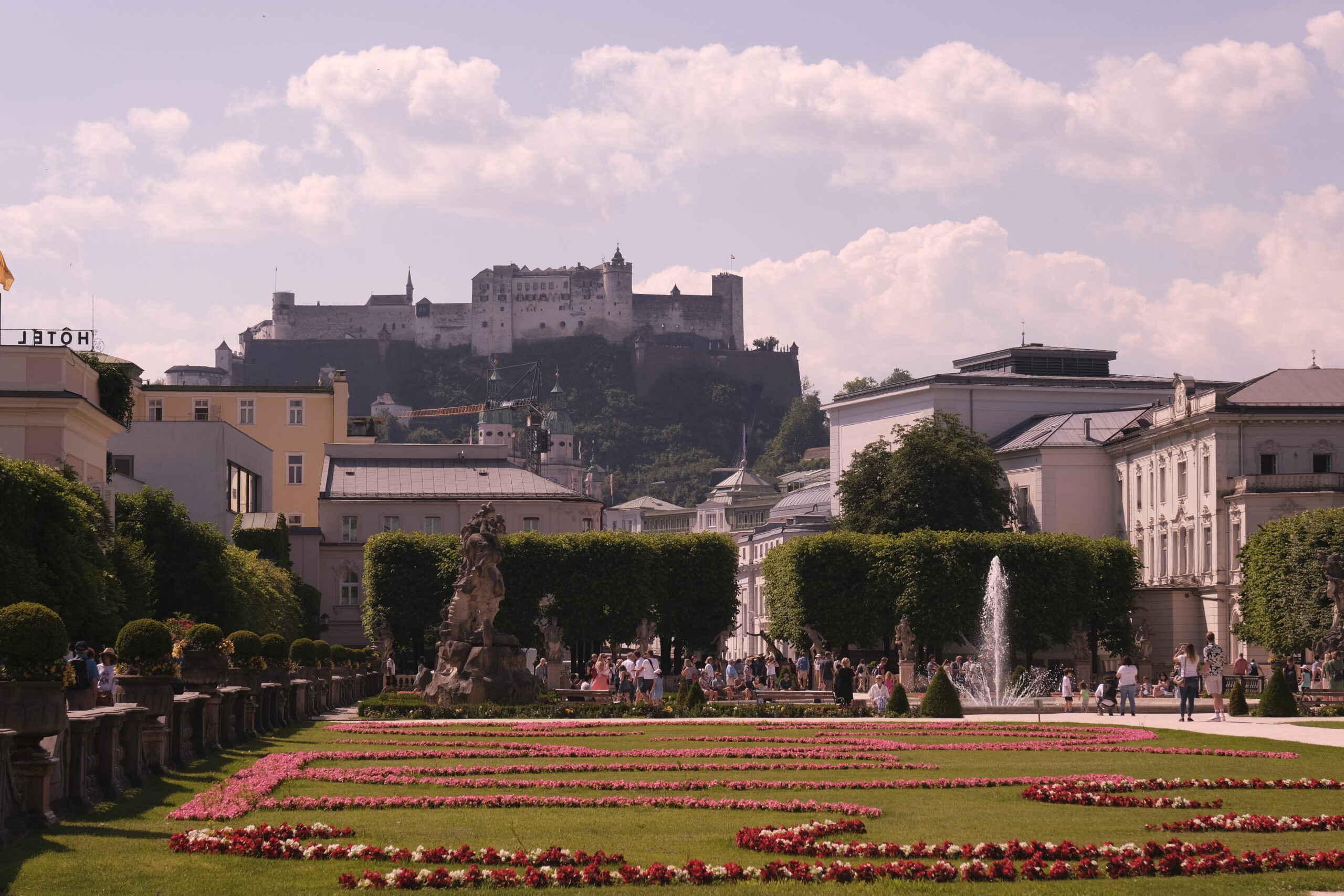
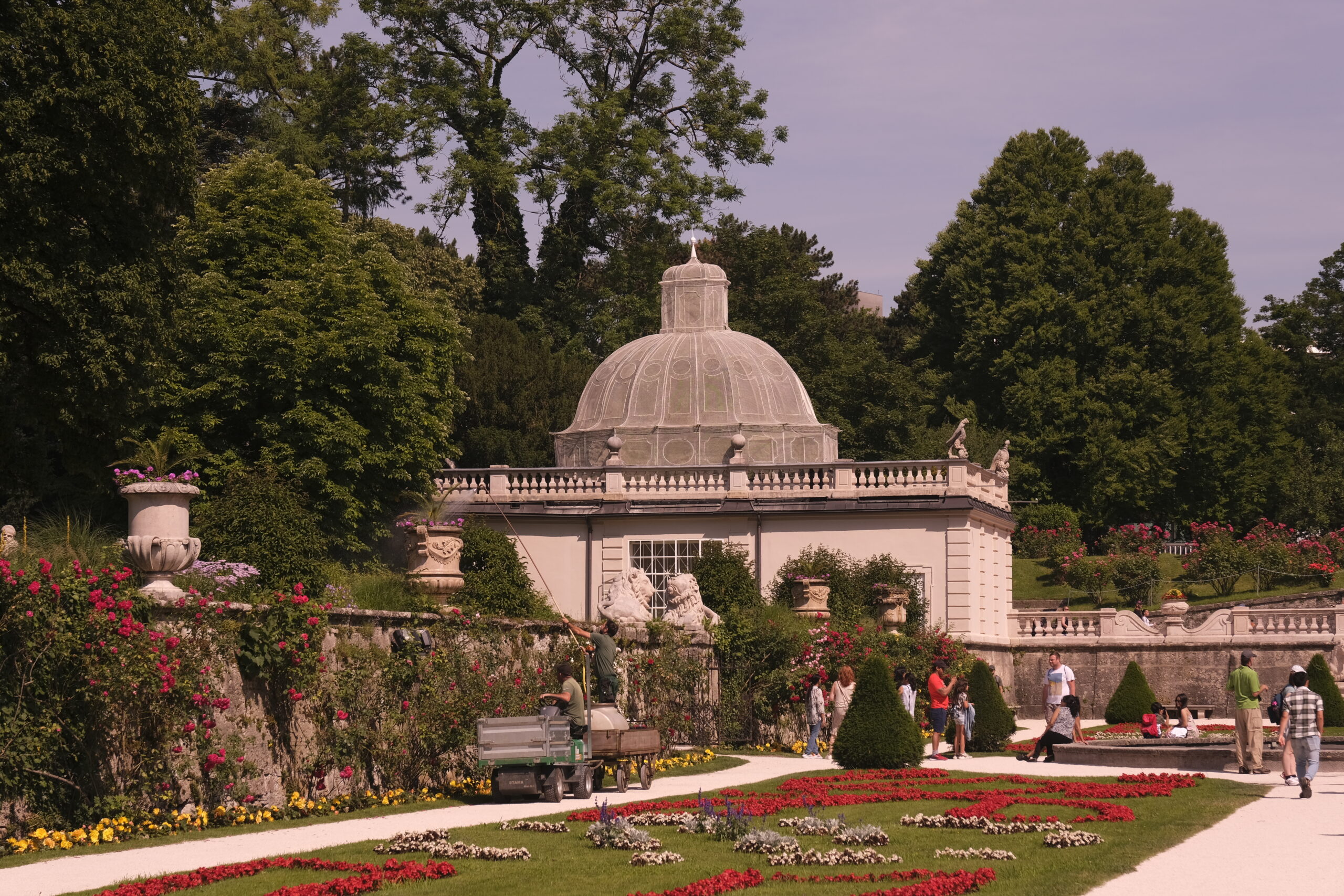
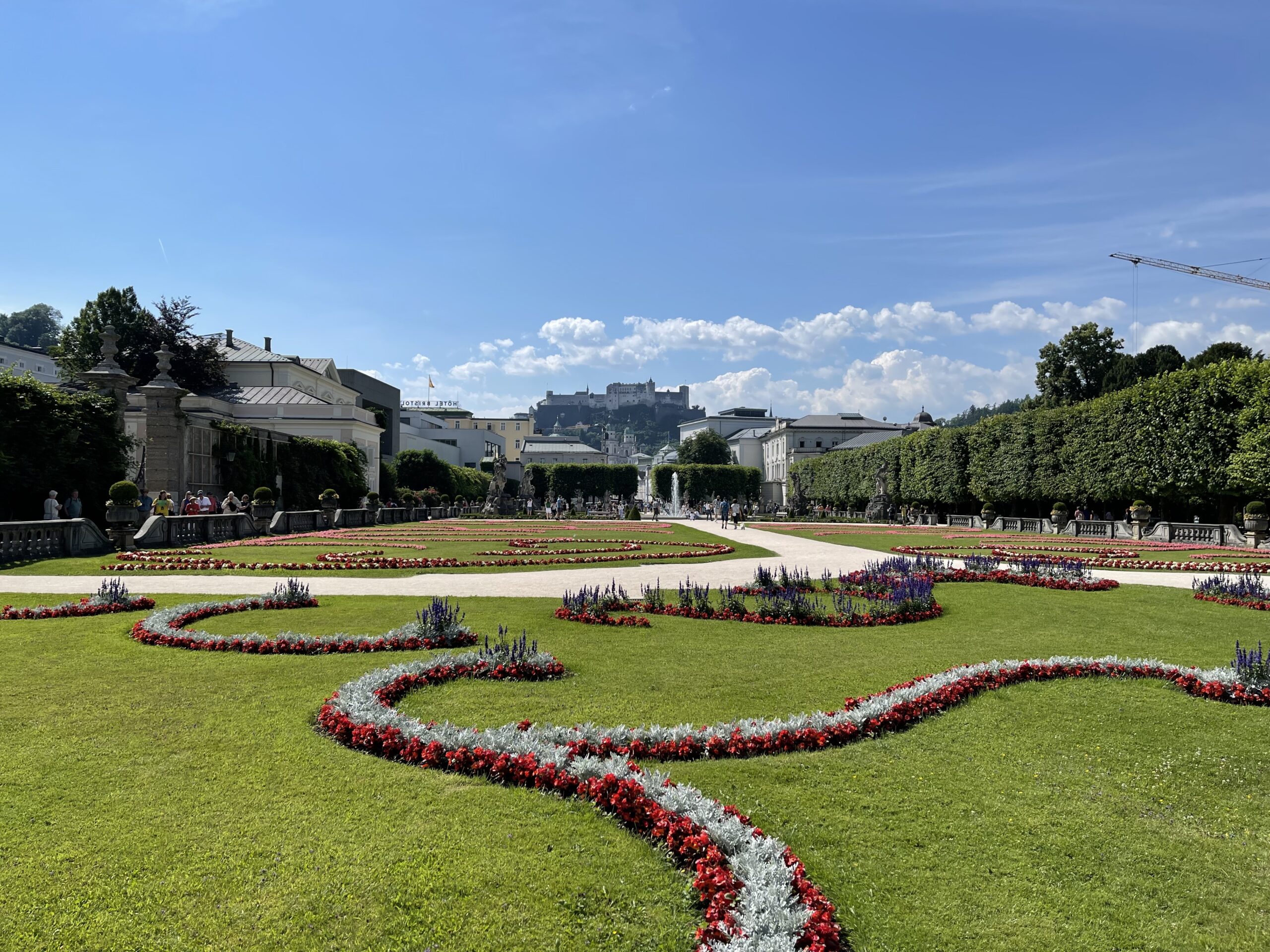
Early this morning we drove from Aschach to the enchanting city of Salzburg. Our first stop was the Mirabell Gardens, adorning the Schloss Mirabell built by Prince-Archbishop Wolf-Dietrich for his mistress Salomé Alt and their 15 children. This is the garden where Julie Andrews and her seven charges sang Do Re Mi in the Sound of Music. The gardens, renowned as Europe’s finest, boast an exquisite rose garden. The palace, now home to the Mayor of Salzburg, also houses municipal offices and the wedding registry. We did not see the Dwarfs’ Garden which at one time had 28 statues of the small people, now down to 17.
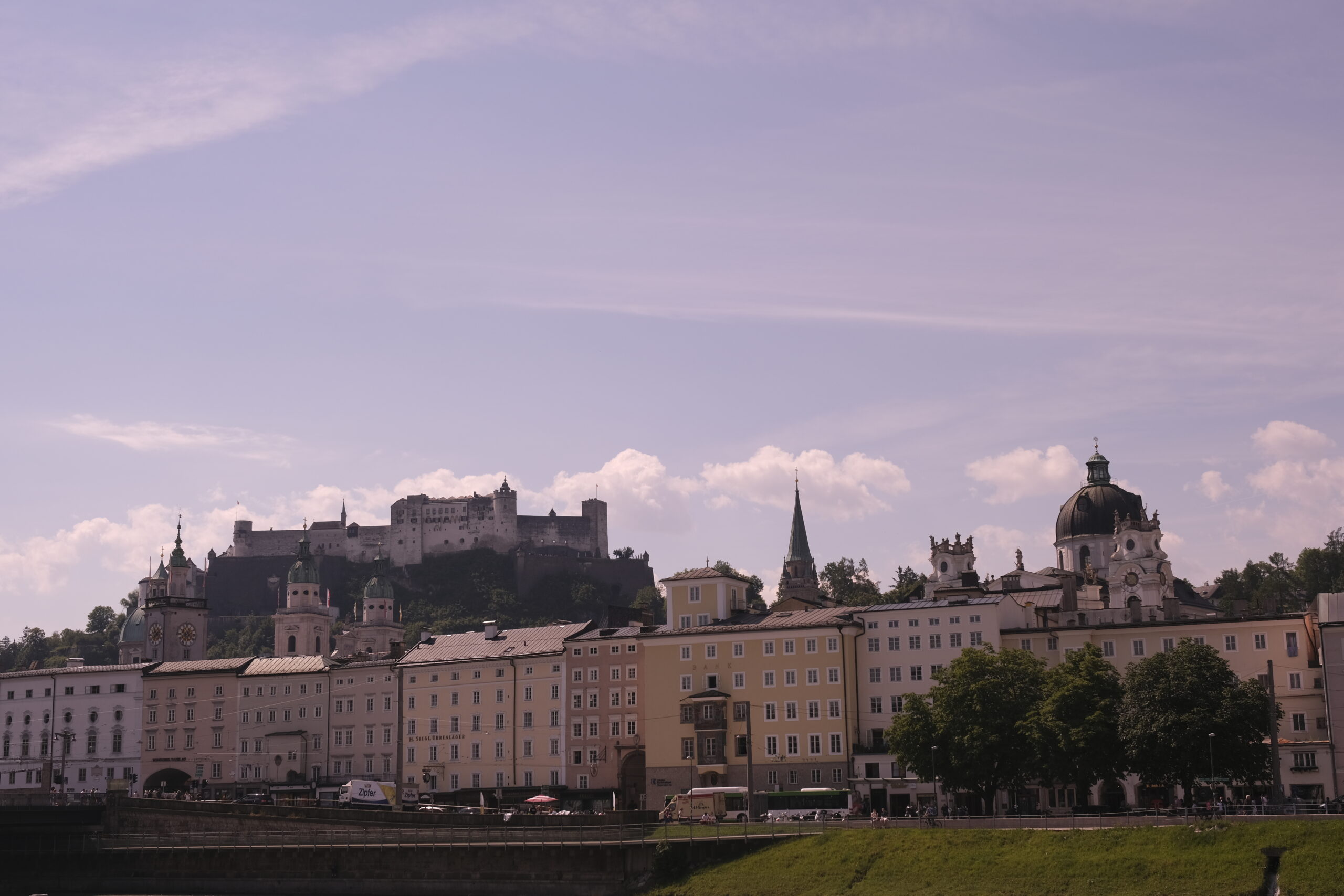

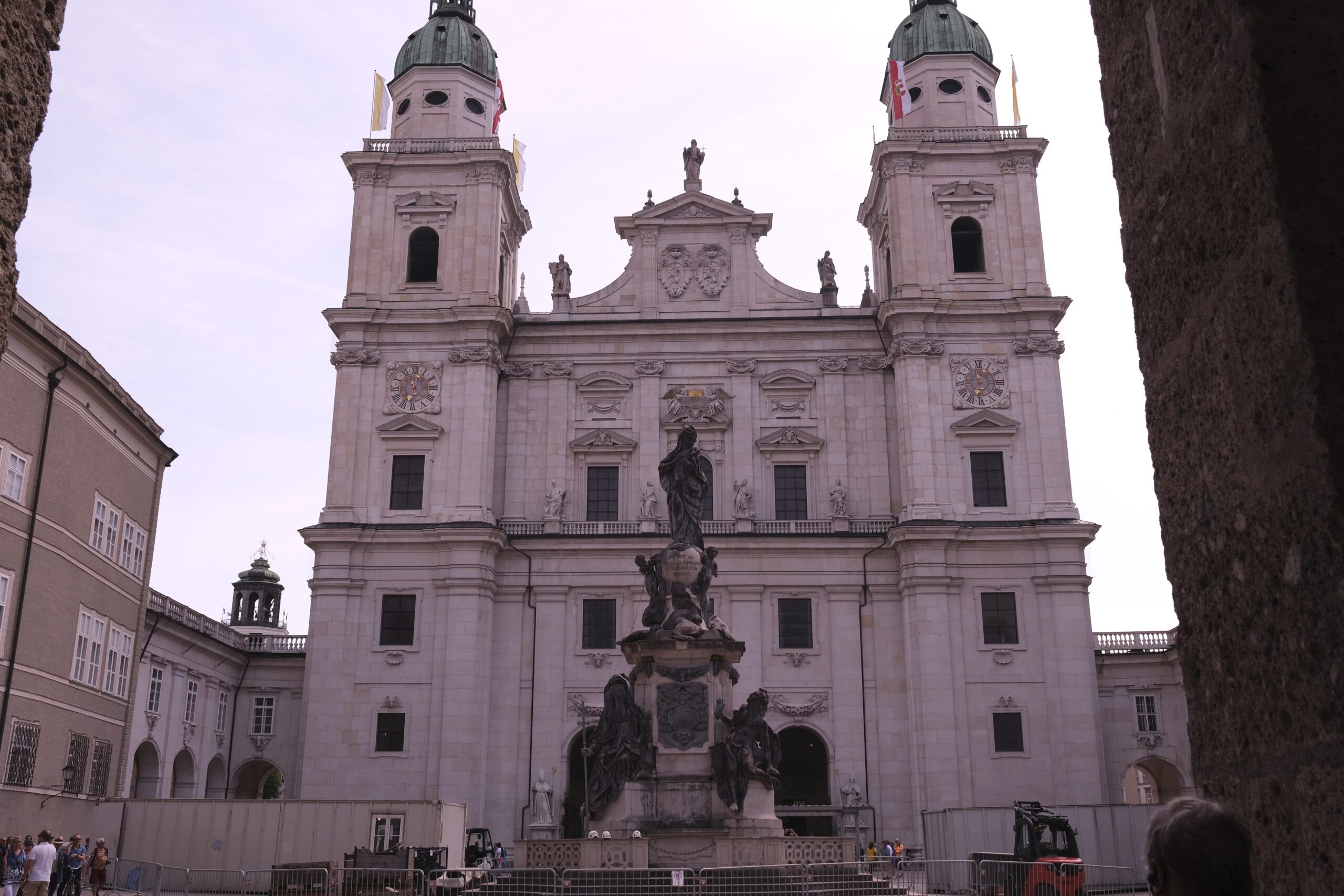
Crossing the Salzach River bridge, we passed the (Herbert von) Karajan Geburtshaus, strolled through the Getreidegass (the shopping area), and past the festival house (Grosses Festspielhaus) before reaching Salzburg Cathedral to see the statues of Sts Rupert and Vergilius and apostles Peter and Paul. Mozart and Joseph Mohr, the lyricist of ‘Silent Night,’ were christened here, and the Cathedral, dedicated to Rupert and Vergilius, holds many of their relics. Bombed during World War II, the Cathedral’s restoration was completed in 1955.
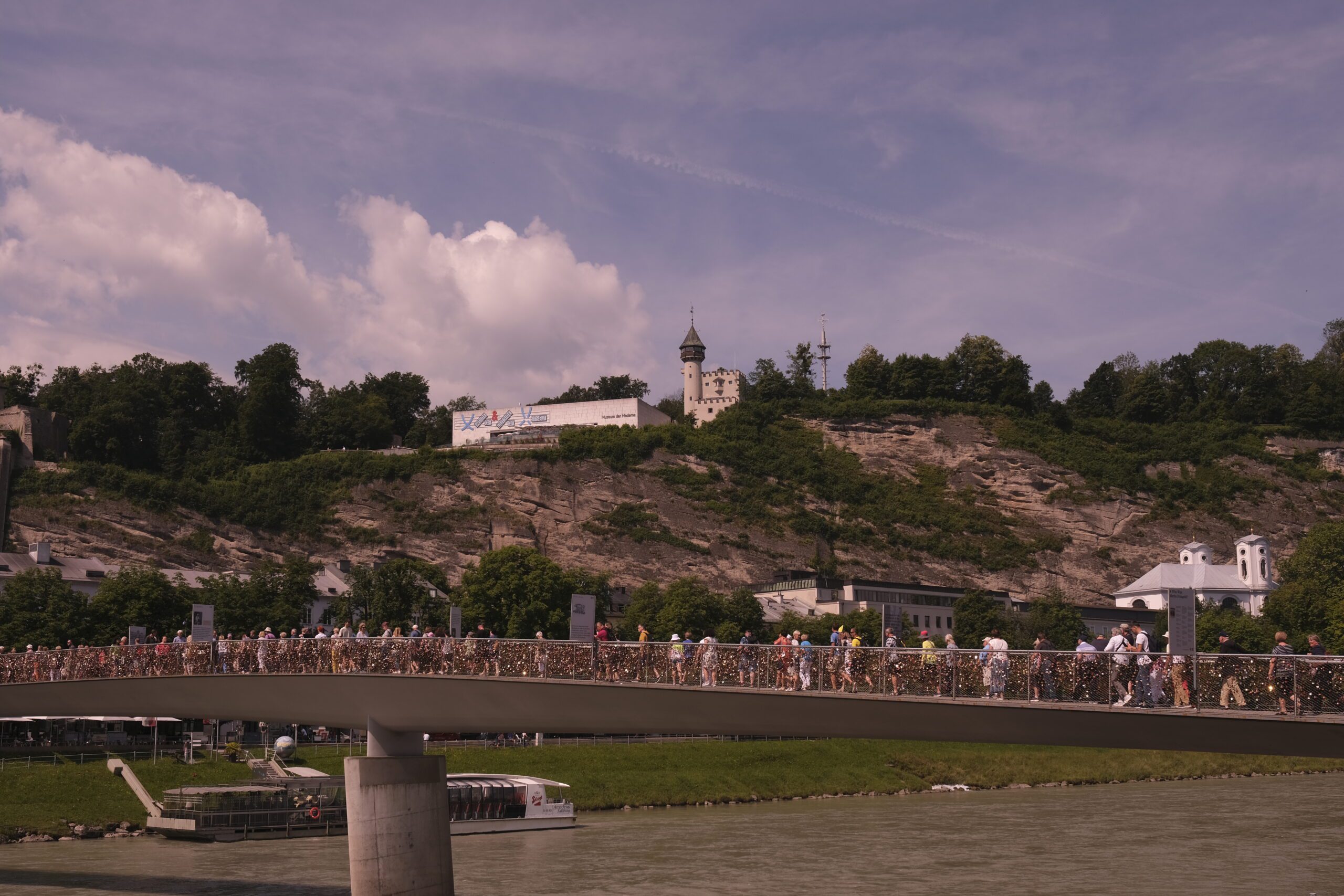
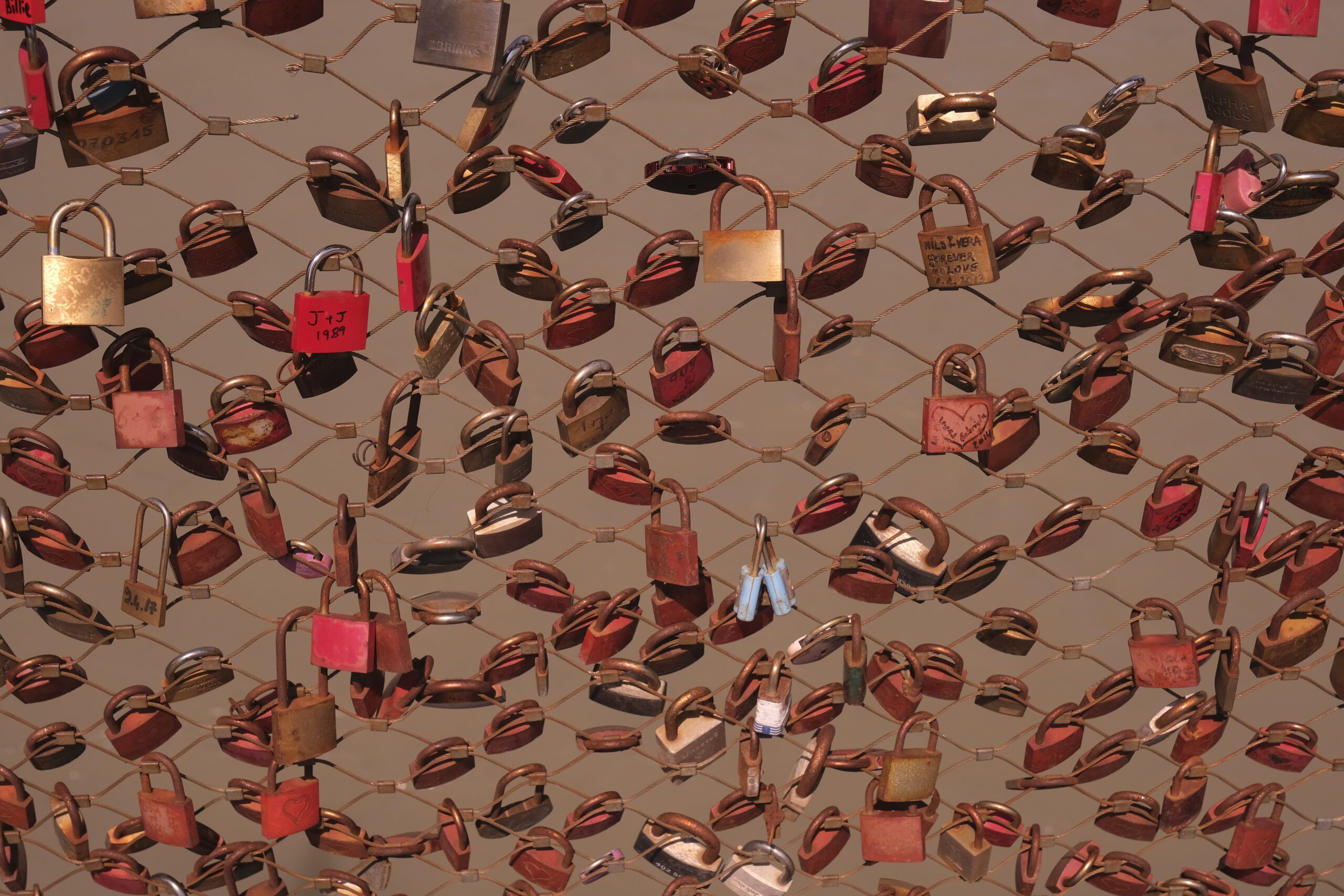

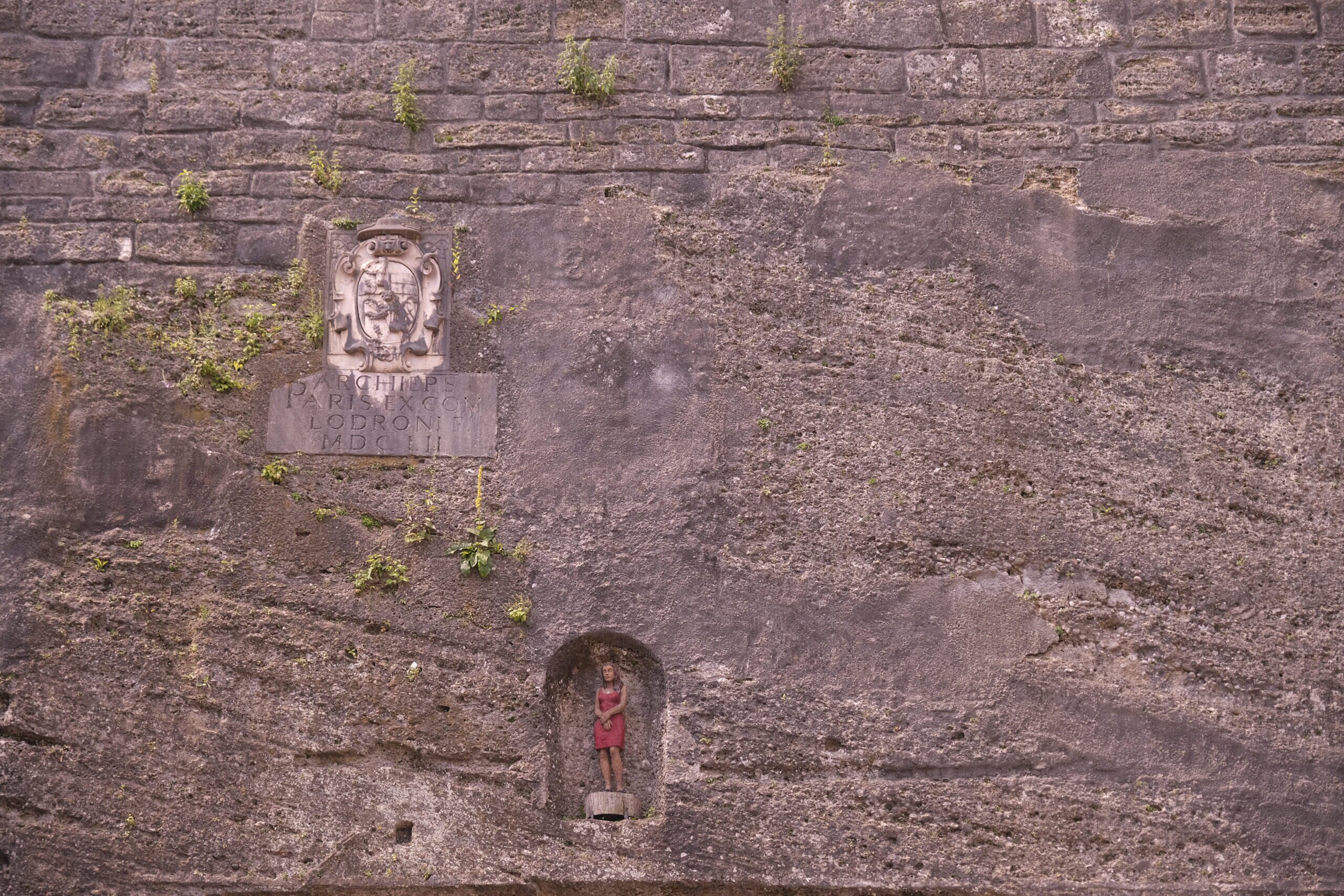
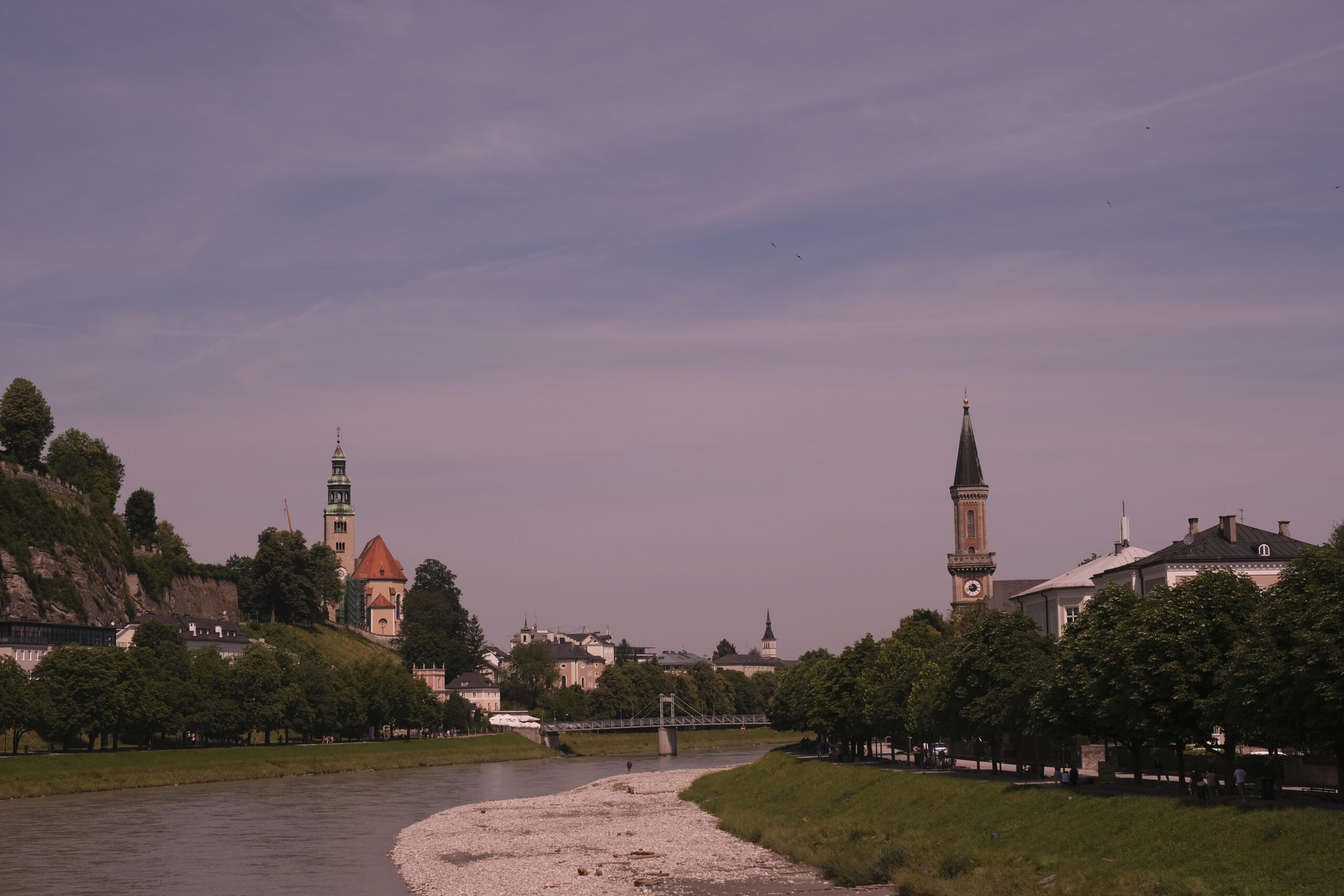

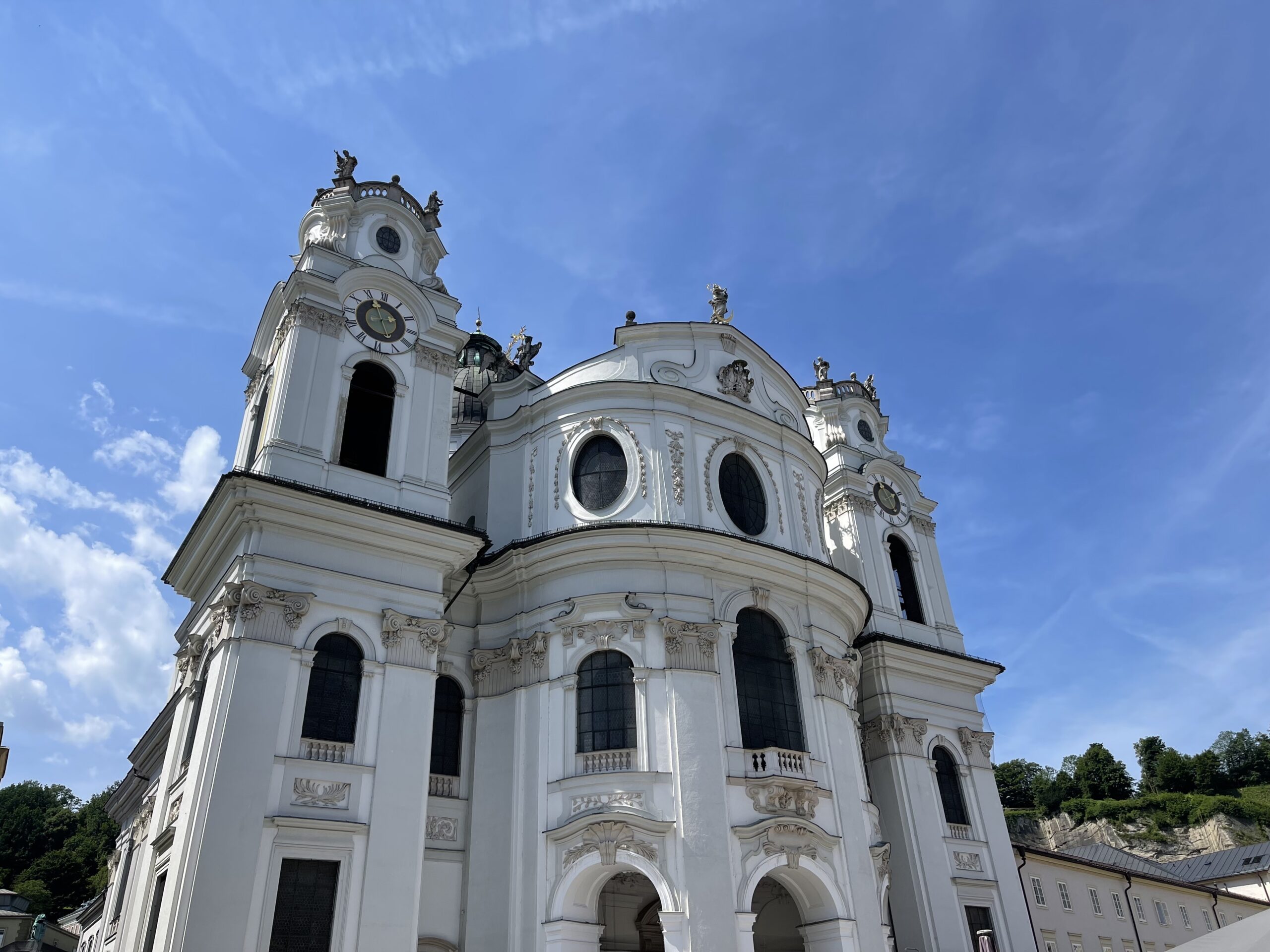
Our journey continued to St. Peter’s Abbey, a beautiful Benedictine abbey founded by Saint Rupert, where Mozart’s sister Maria Anna, known as Nannerl, rests in peace. On our way back to the Getreidegass, we briefly visited the Cathedral and listened to some organ music.
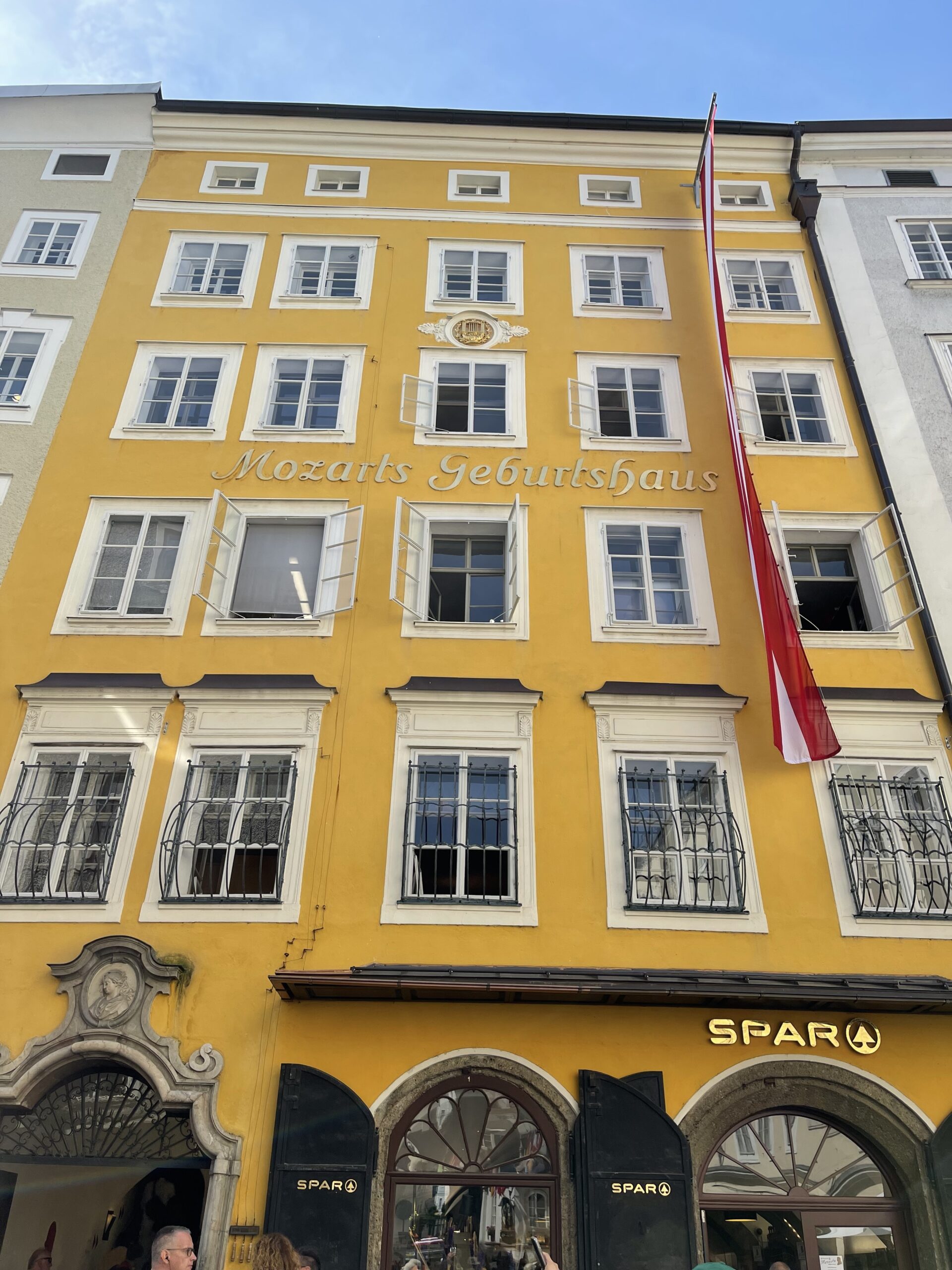
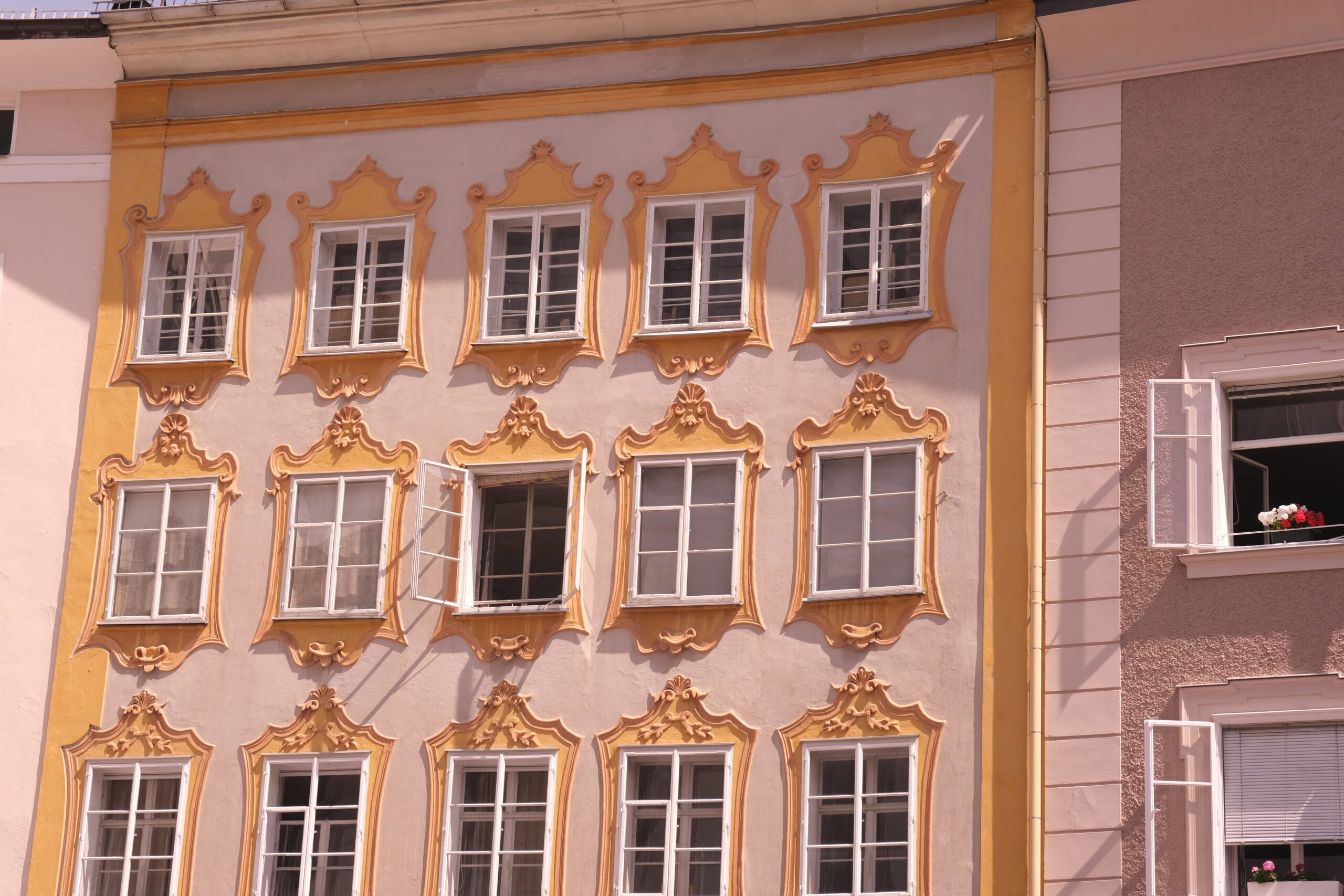
Then it was time to visit Mozart’s Birthplace, a 12th-century townhouse turned museum housing memorabilia from his early life. Mozart lived on the third floor with his parents and sister from his birth in 1756 until 1773. The museum spans three floors, displaying childhood artifacts, letters, portraits, and early compositions. The clavichord on which he composed The Magic Flute graces the second floor, while the first floor exhibits period furniture.
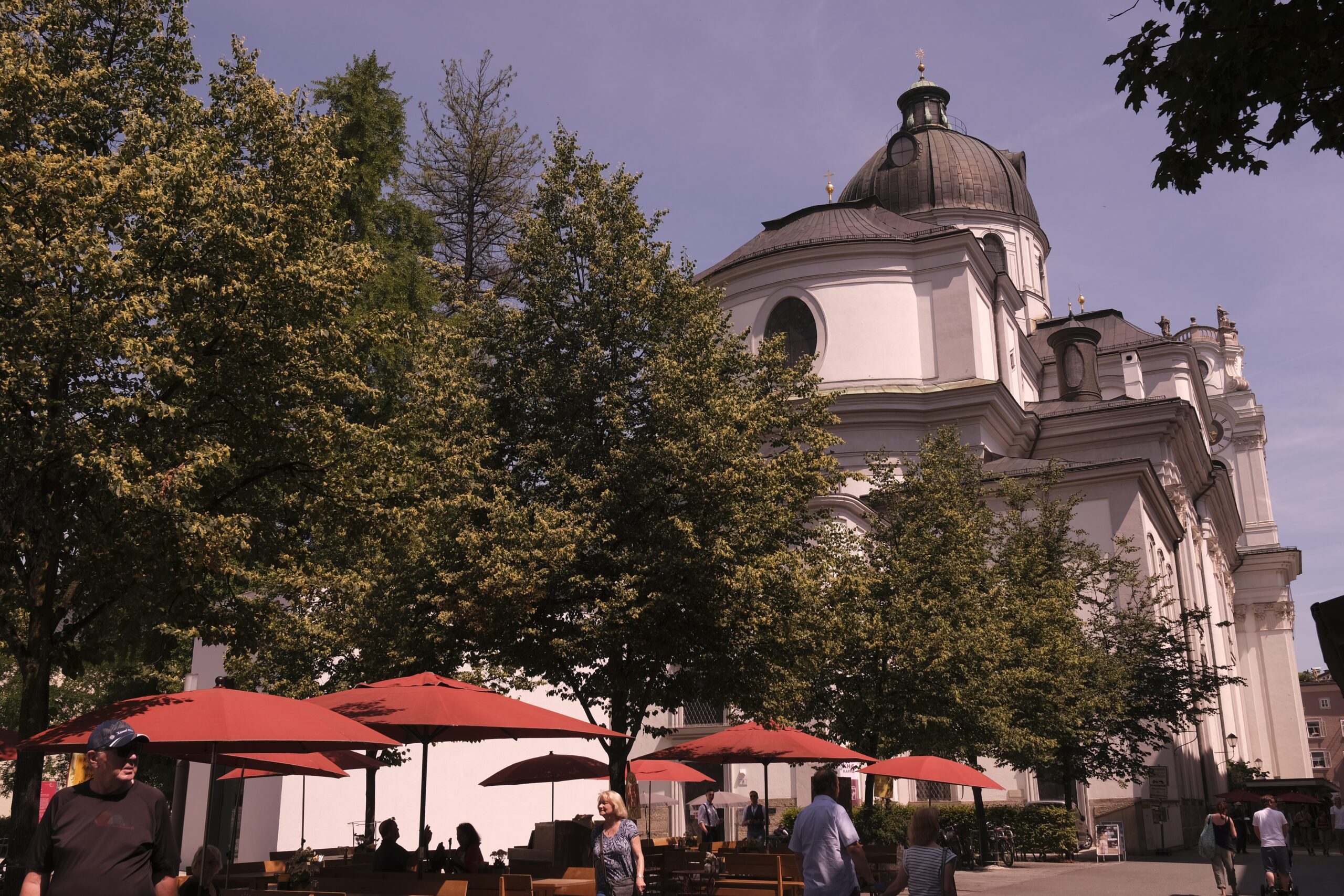
After a leisurely lunch, we returned to the coach and drove to meet our ship in Passau, a town that we visited briefly in 2019.
Exploring the Timeless Beauty of Regensburg – June 18, 2022
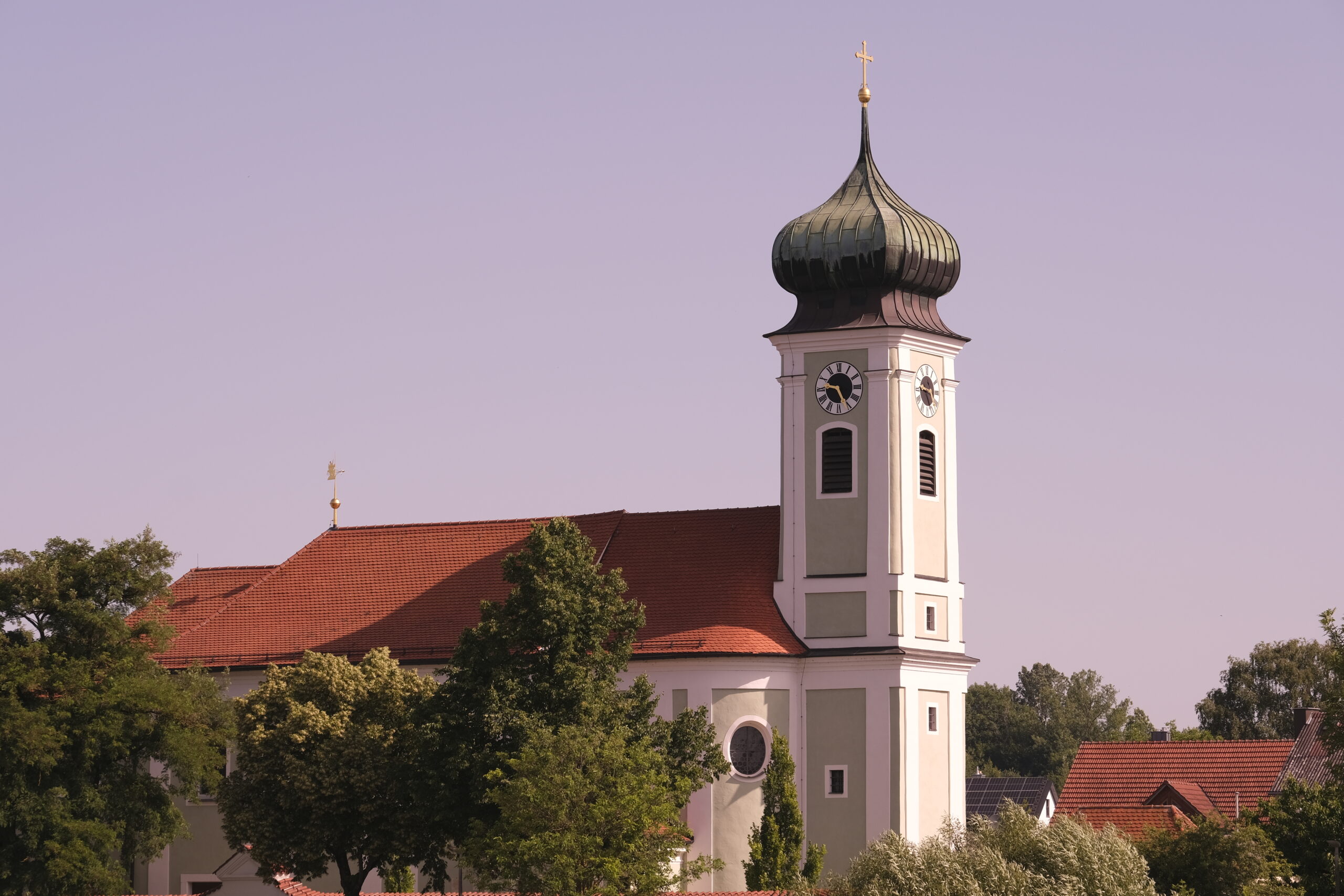
We visited Regensburg today, the fourth largest city in Bavaria, after Munich, Nürmberg, and Augsburg. An ancient city dating back to 179 AD when a Roman fort named Castra Regina was established, Regensburg has preserved its medieval charm remarkably well. Spared from destruction during World War II, the city’s slow economic recovery and citizens’ dedication to maintaining original architecture contribute to its timeless appearance.
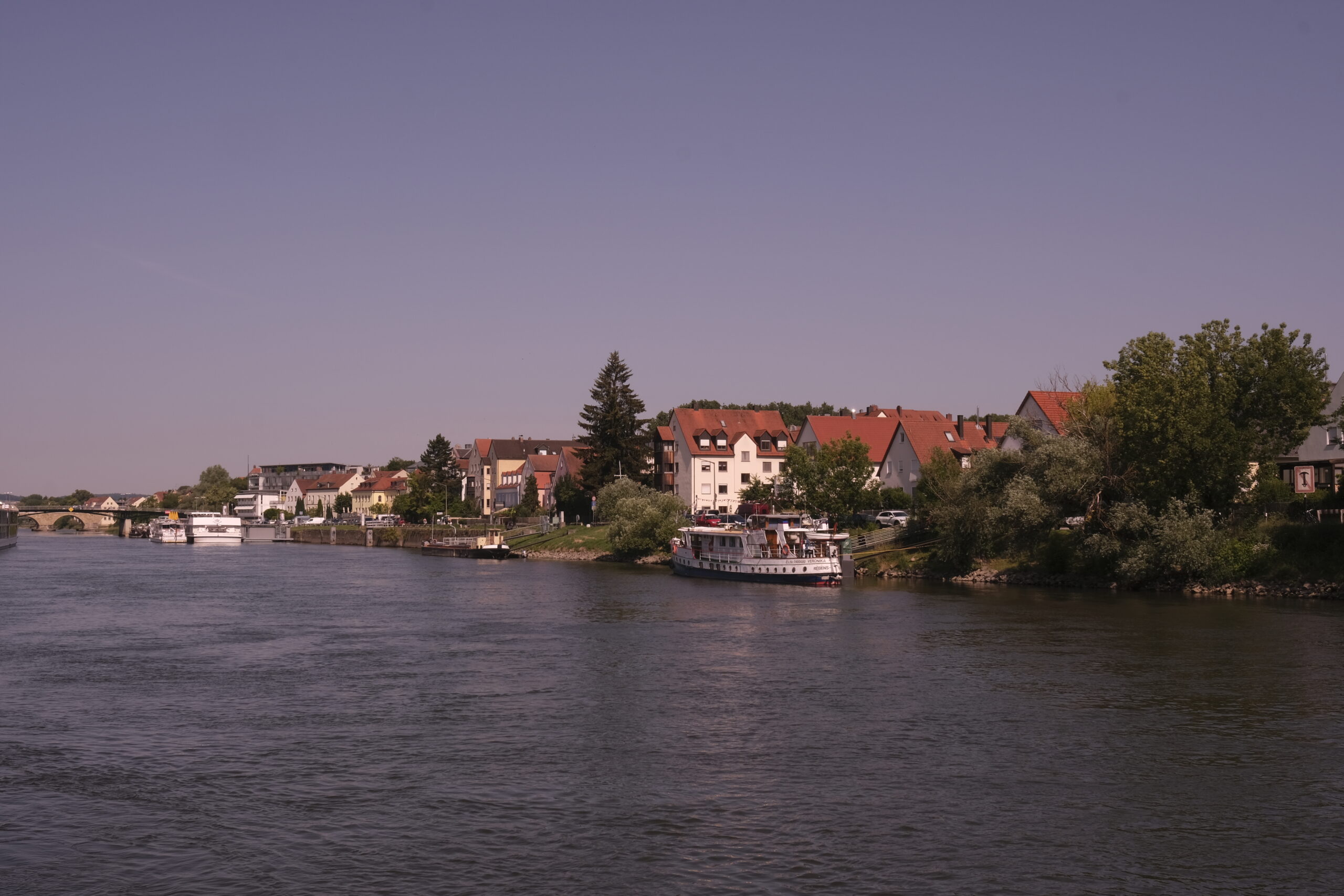
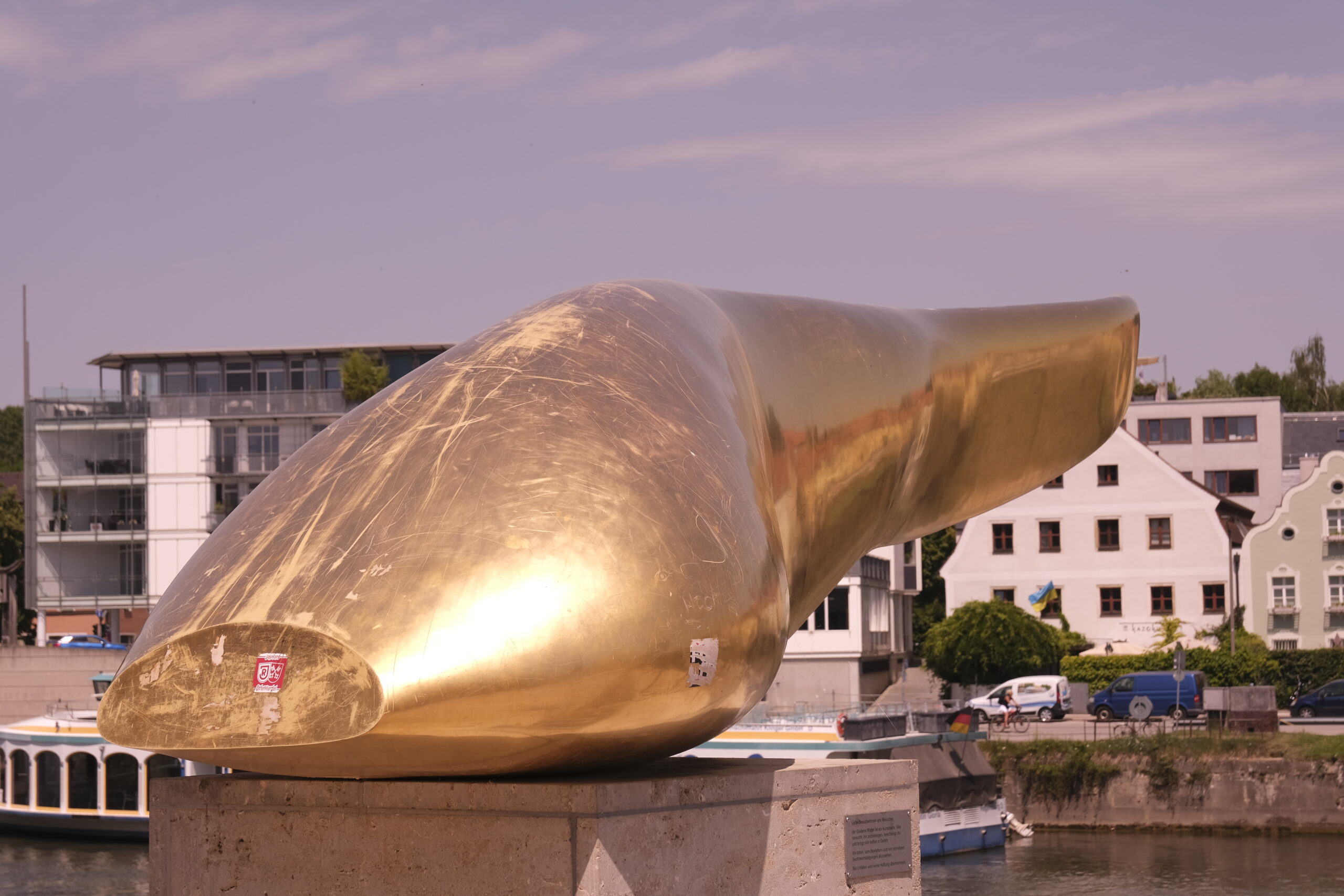
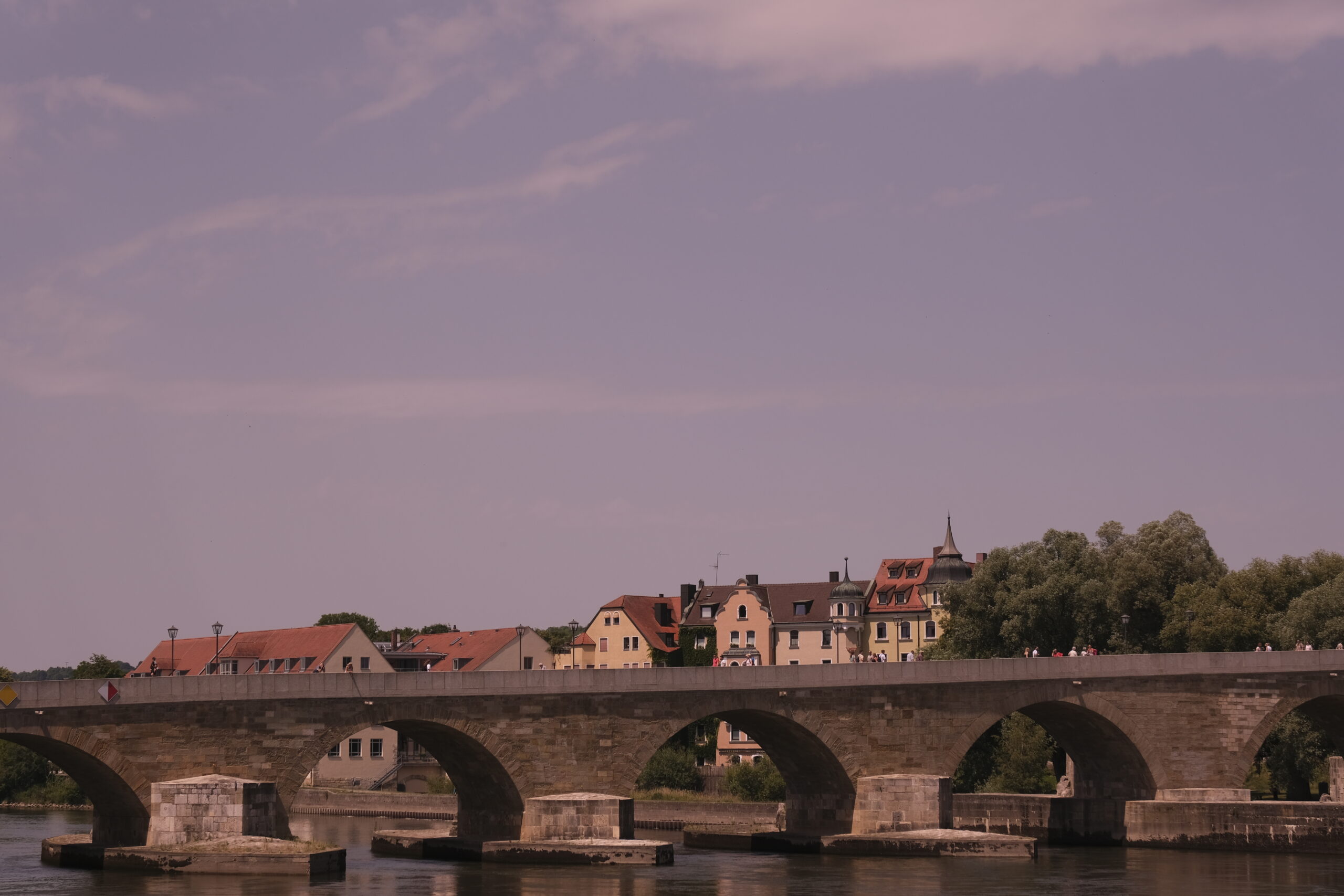
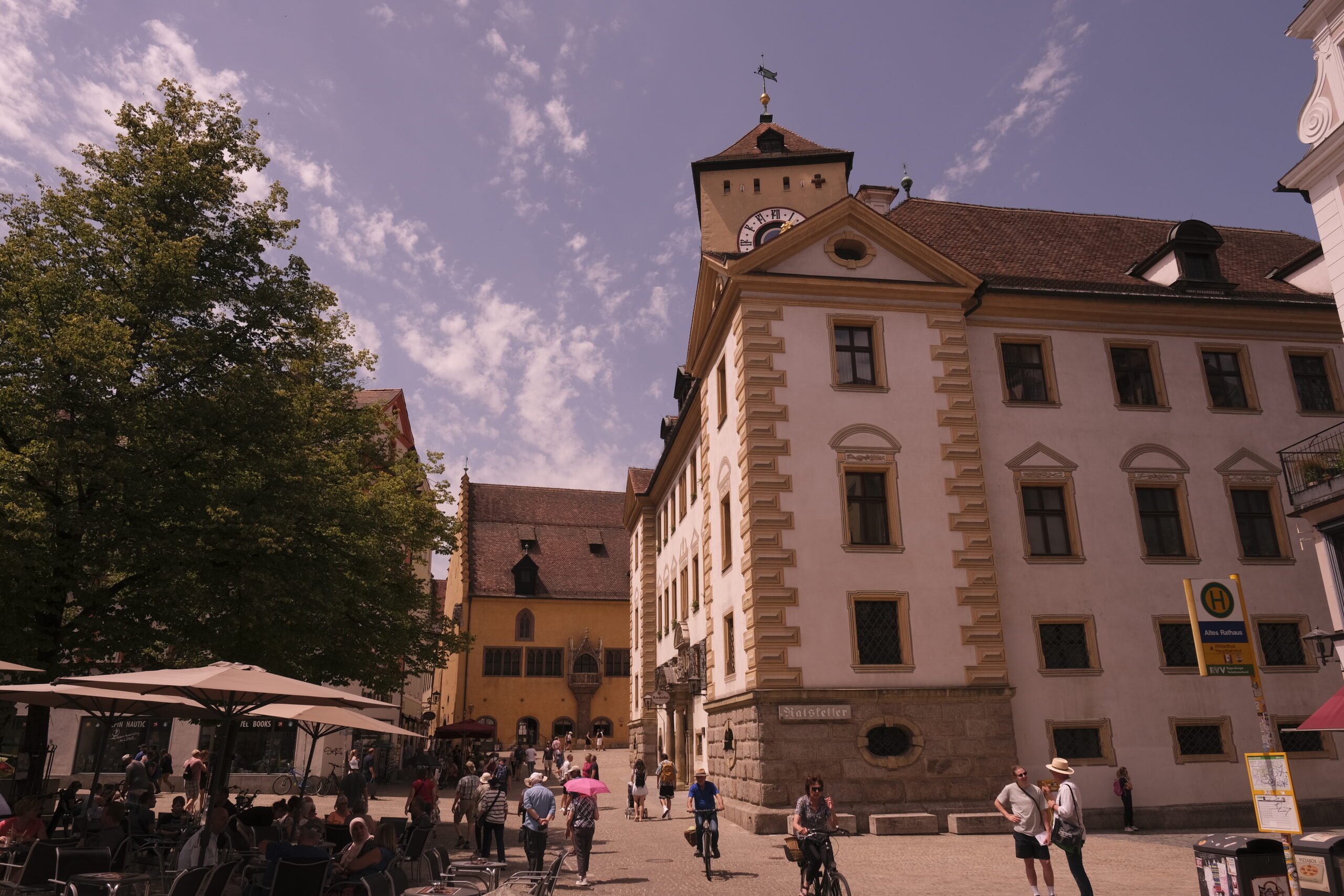
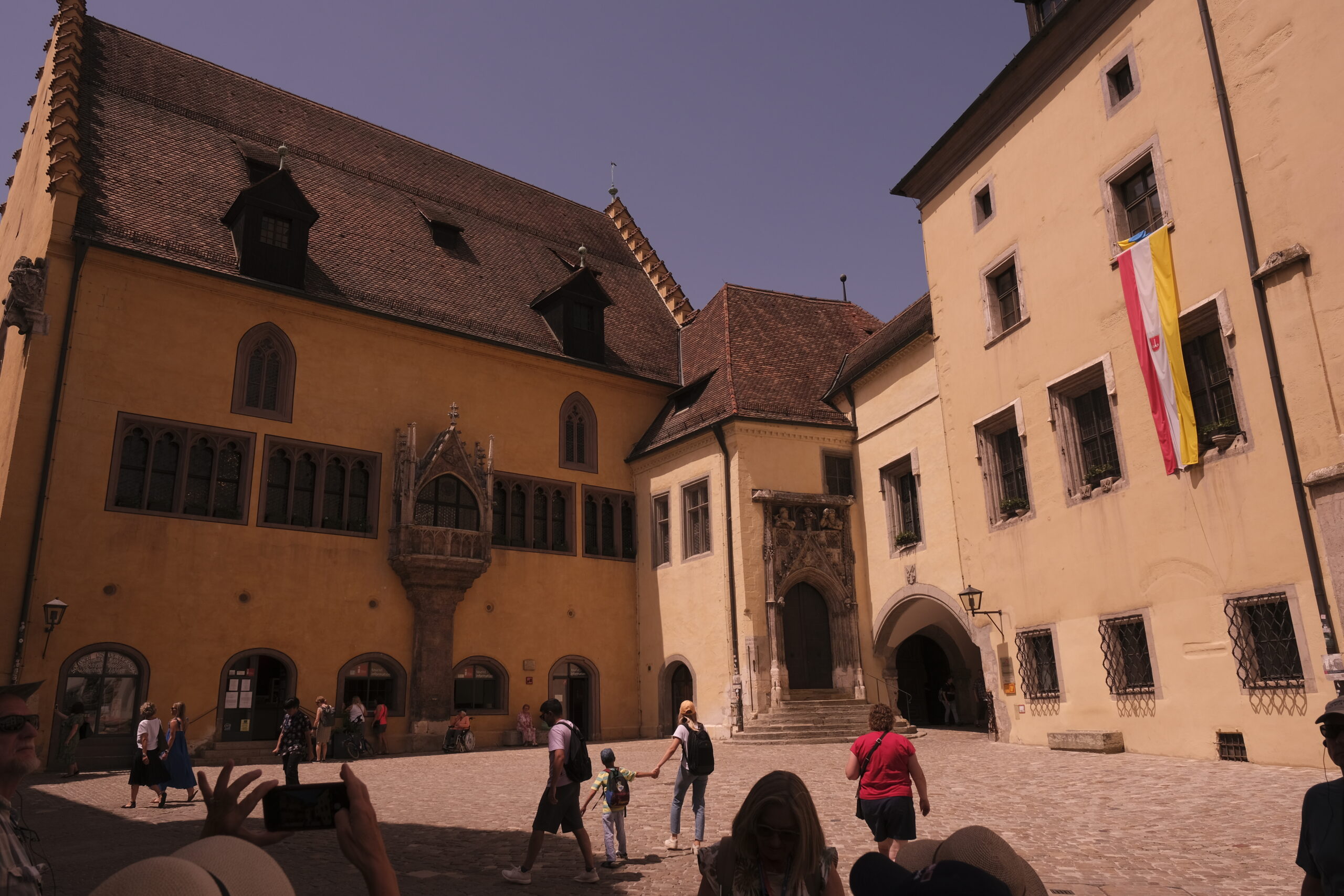
The Stone Bridge, constructed between 1135–1146, stands as a testament to medieval bridge building. Used by knights during the 2nd and 3rd Crusades on their journey to the Holy Land, it remains an iconic structure. The Alte Würstküche, or the Old Sausage Kitchen, continuously operating as a public restaurant since the bridge’s construction, serves as a culinary and historical landmark. Although the current building dates to the 17th century, evidence suggests a structure from the 12th century. Sausages have been a menu staple since 1806, introduced by the family that owns the restaurant. With only 35 seats, guests typically enjoy their meals outdoors, given the restaurant’s popularity among tourists and locals alike.
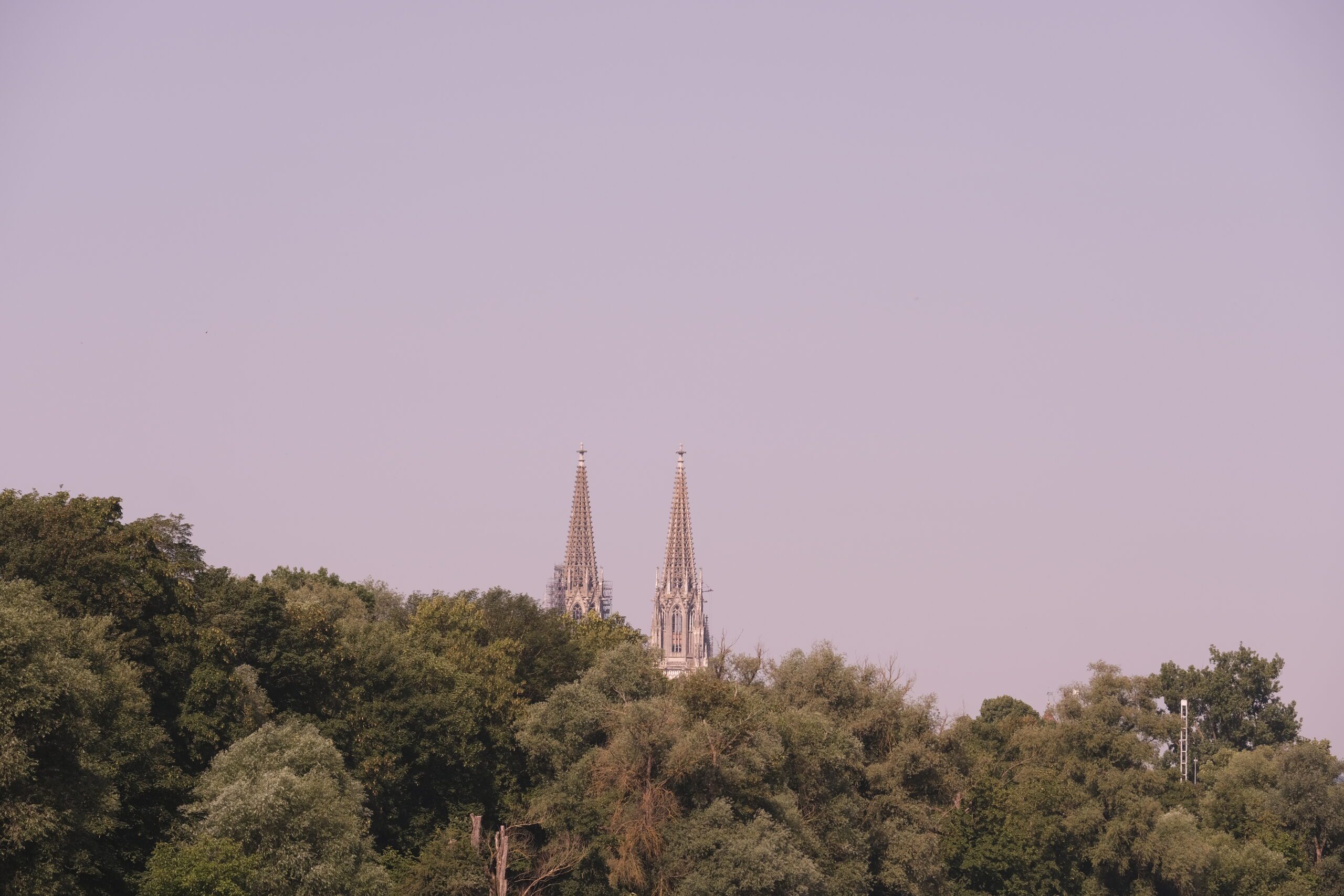
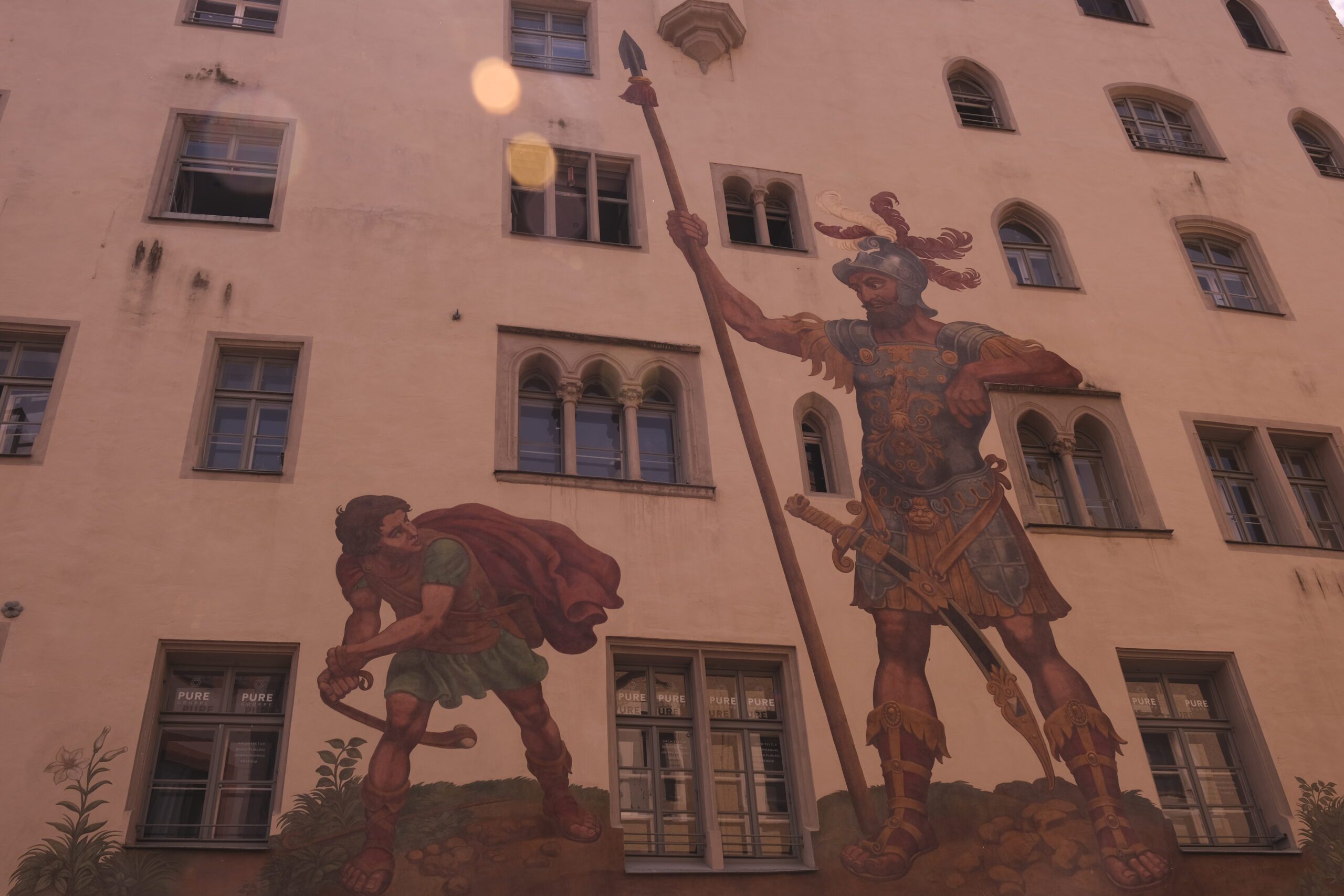
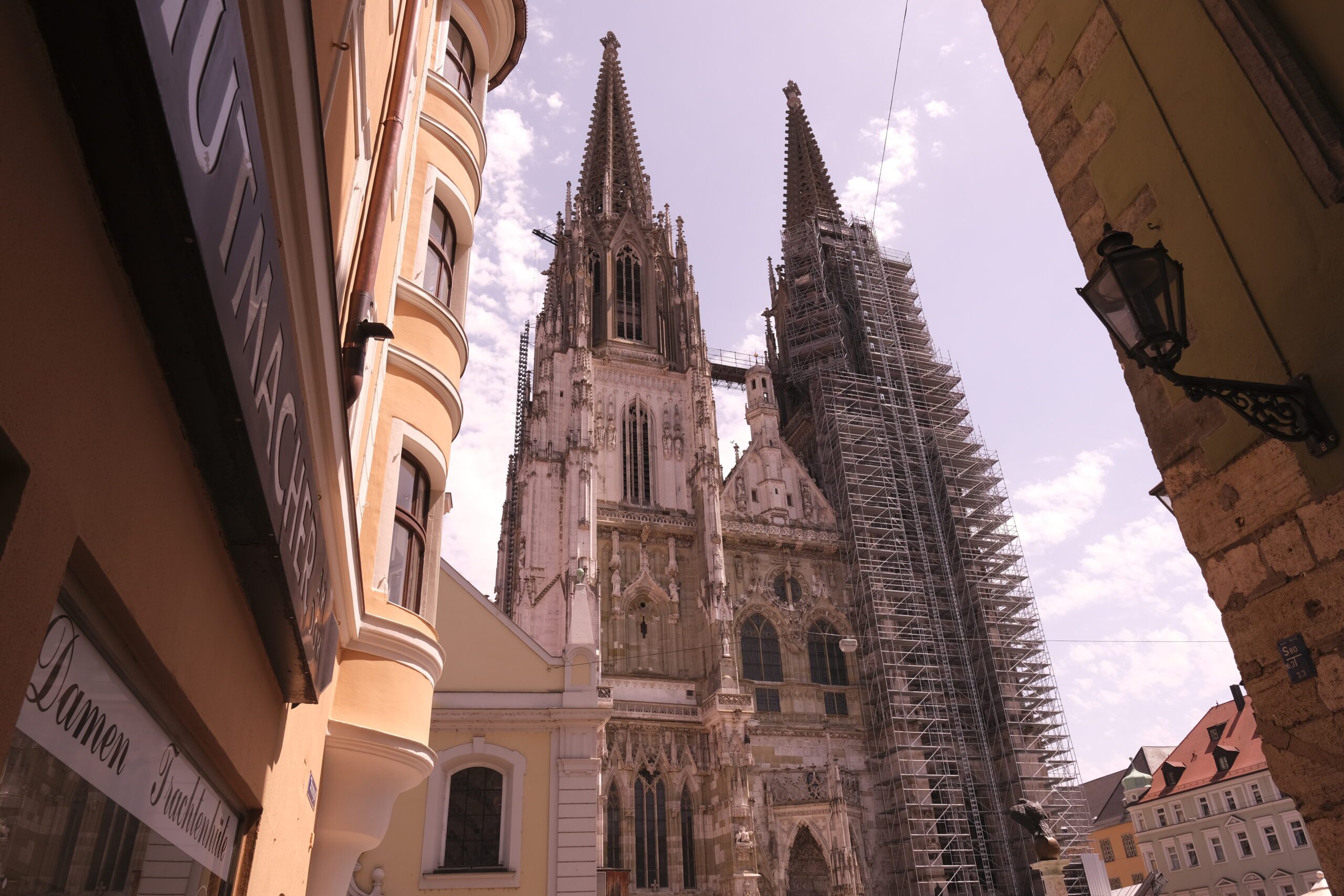
Our time in the city was spent exploring its historic streets, with a notable visit to the Cathedral of St. Peter—an exemplary piece of German Gothic architecture. The cathedral choir, known as Regensburger Domspatzen (cathedral sparrows), is a renowned boy choir with roots dating back to 975 AD. Notably, until 1994, the choirmaster was always a clergyman, and Georg Ratzinger, Pope Benedict’s brother, was one of the directors of the school training the boys.
Regensburg has been home to notable figures like Oskar Schindler, Pope Benedict, and the Princes of Thurm und Taxis. In the evening, we were entertained by a capella group of ex-choirboys known as the Regensburger Spitwegquartett.
Historic Nürmberg – June 19, 2022
We are in Nürmberg today, best known for the Nazi trials after World War II and for its gingerbread, pocket watches, and pens and pencils. This is our second time in Nürmberg and once again Christabel was not able to visit.
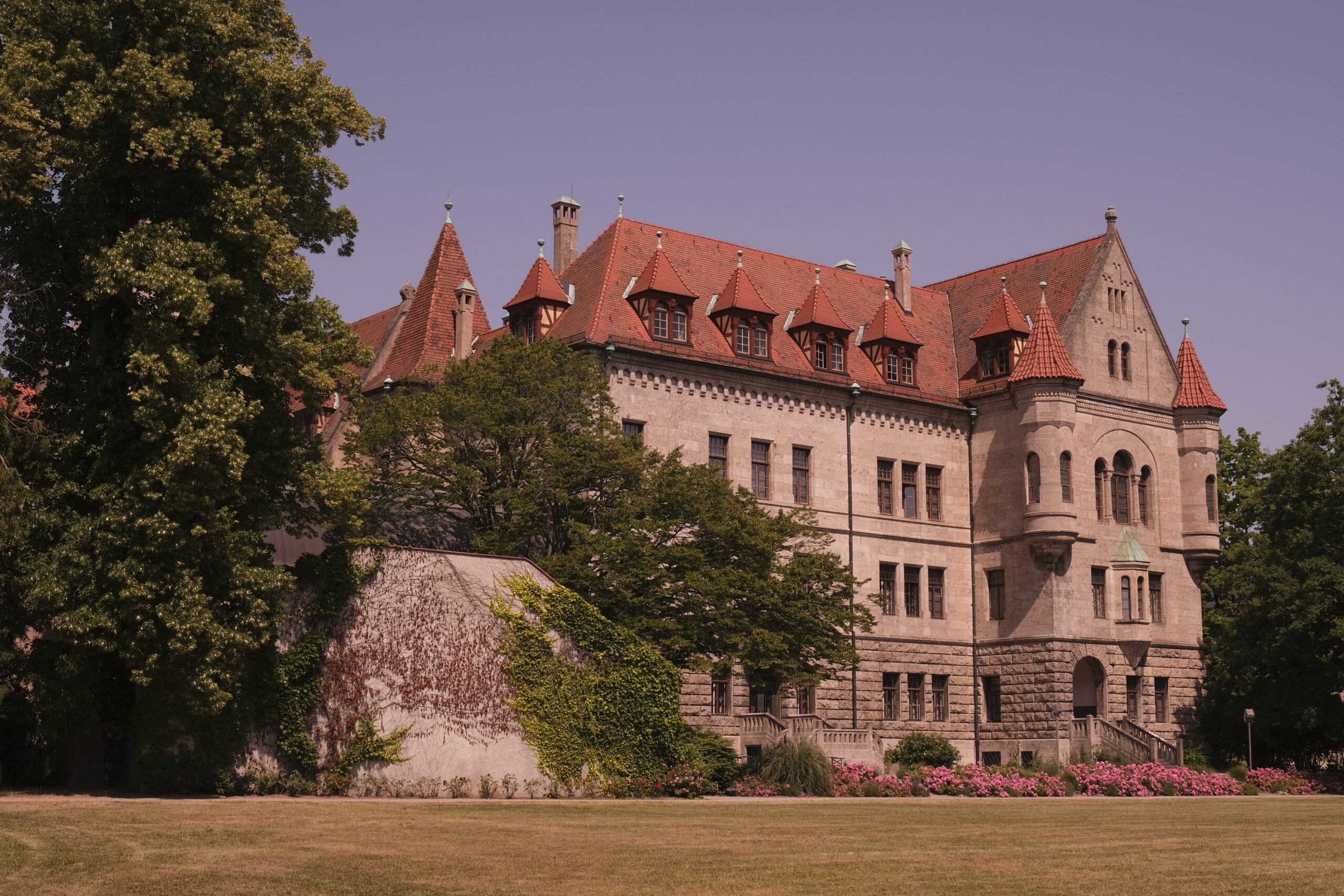
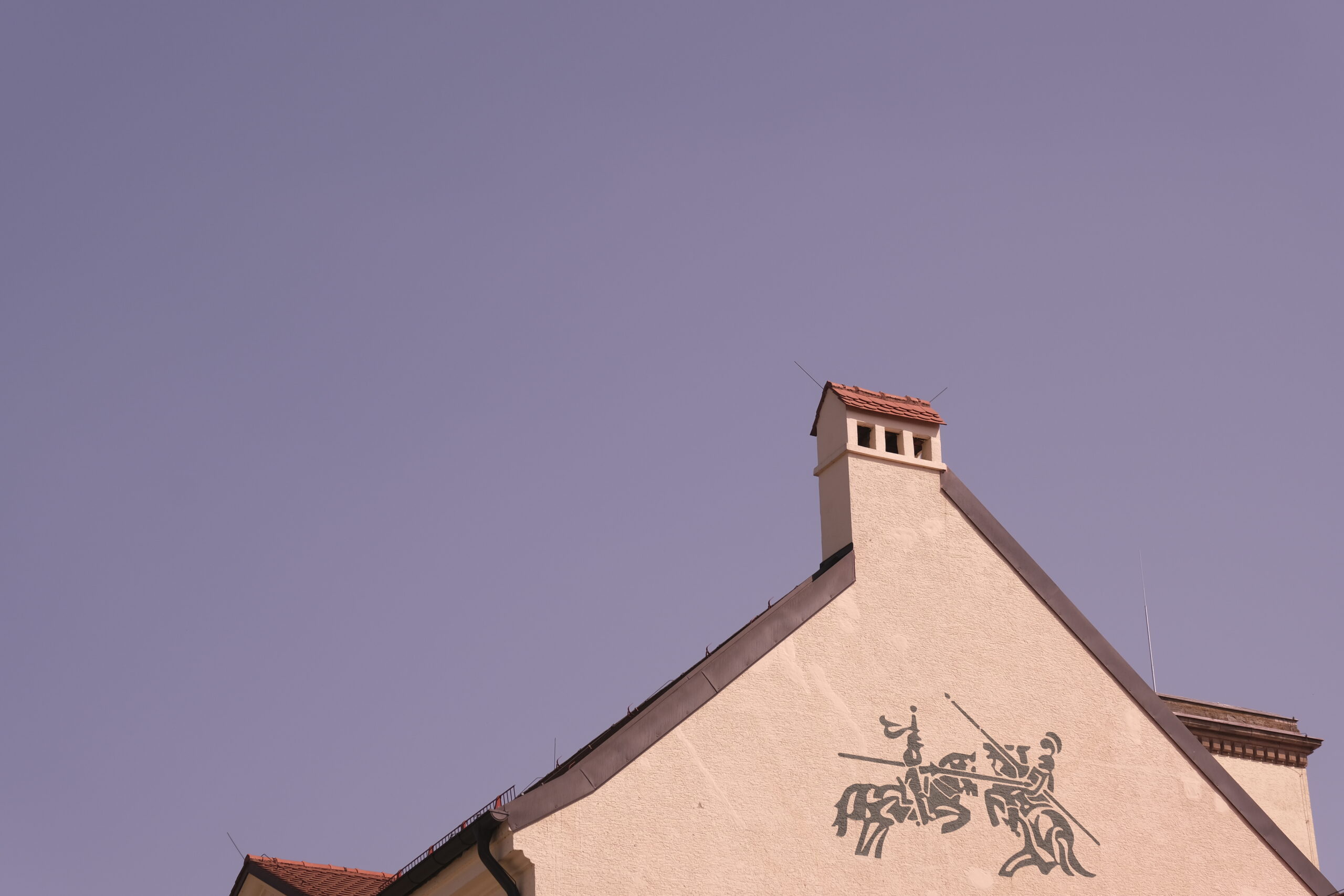
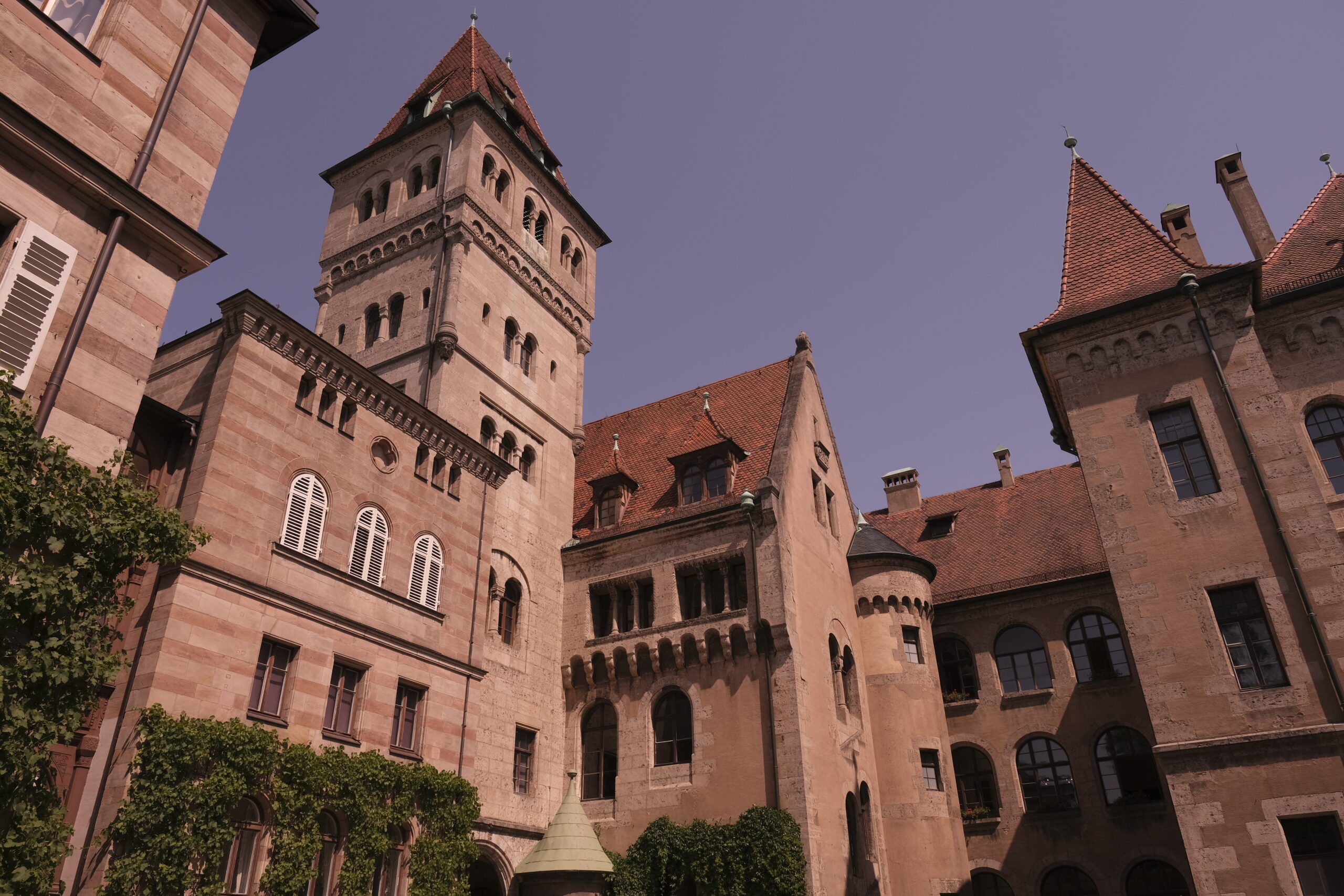
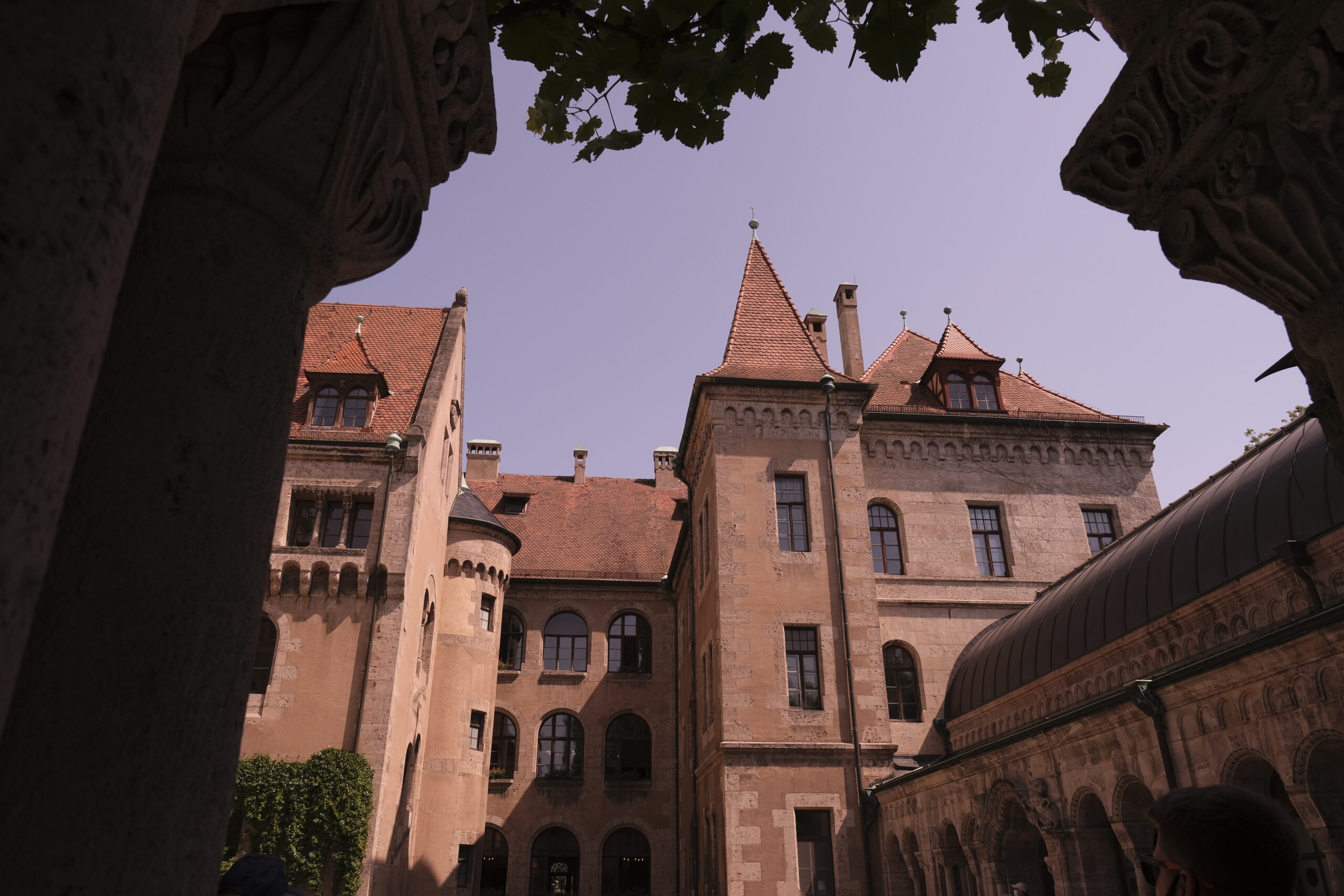
Our first stop was the majestic Faber-Castell Castle. Situated in Stein near Nürmberg, it is the headquarters of Faber-Castell, a renowned art supplies and writing instruments manufacturer. With a history dating back to the 14th century, the castle serves as the family seat for over eight generations. The complex features a museum, beautiful gardens, and spaces for cultural events, highlighting the company’s legacy in pencil-making.
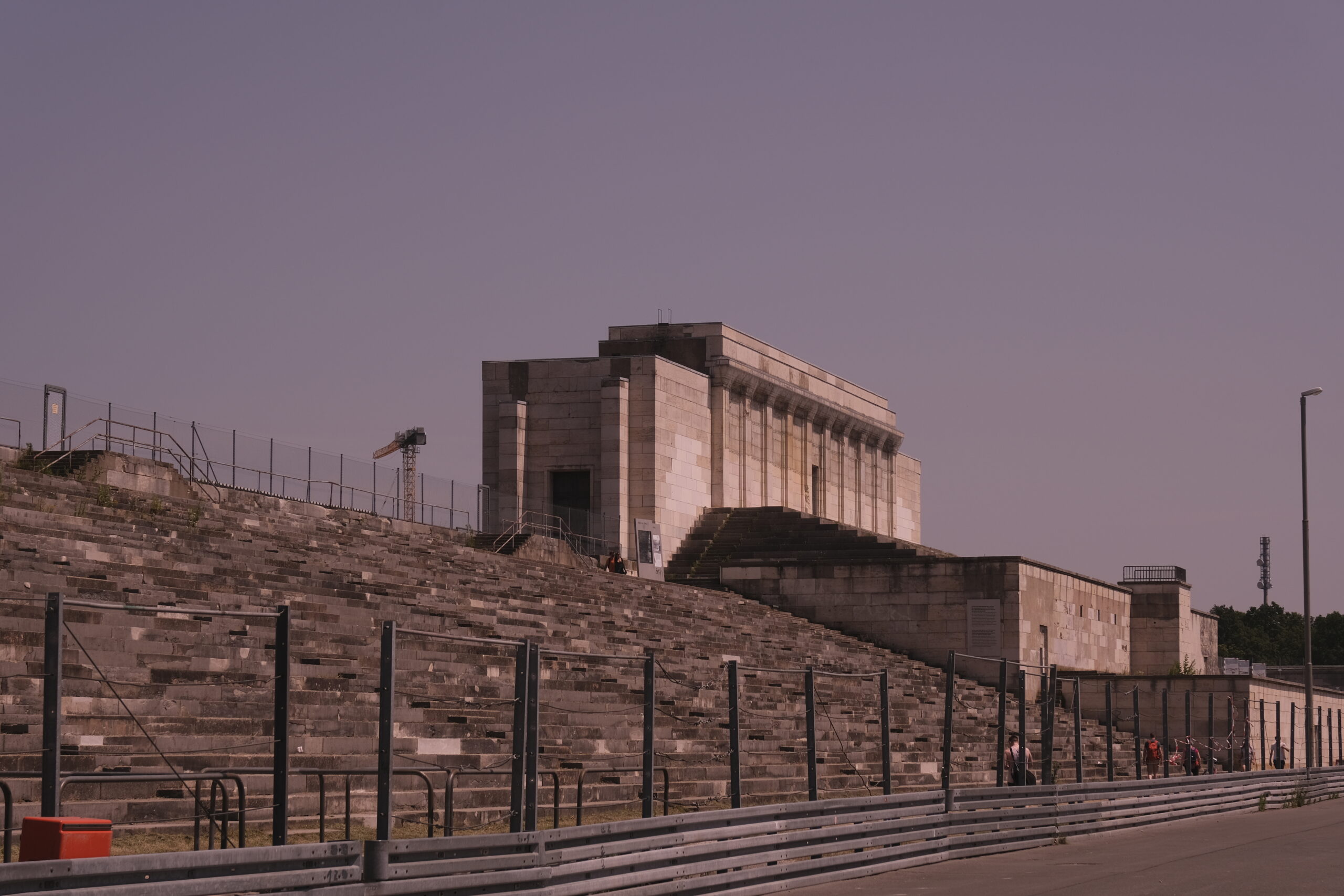
Next, we visited Zeppelin Field, the iconic historical site in Nürmberg. Constructed by the Nazis during the 1930s, Zeppelin Field served as a massive parade ground and rally site for the annual National Socialist Party Congress. The field is notable for its grandstand, known as the Zeppelinhaupttribüne, which was designed by architect Albert Speer. The tribune, with its colossal dimensions, was intended to create a monumental backdrop for Adolf Hitler’s speeches and rallies. Despite its historical significance, Zeppelin Field now stands mostly in ruins, serving as a powerful reminder of the dark chapters of Nazi history.
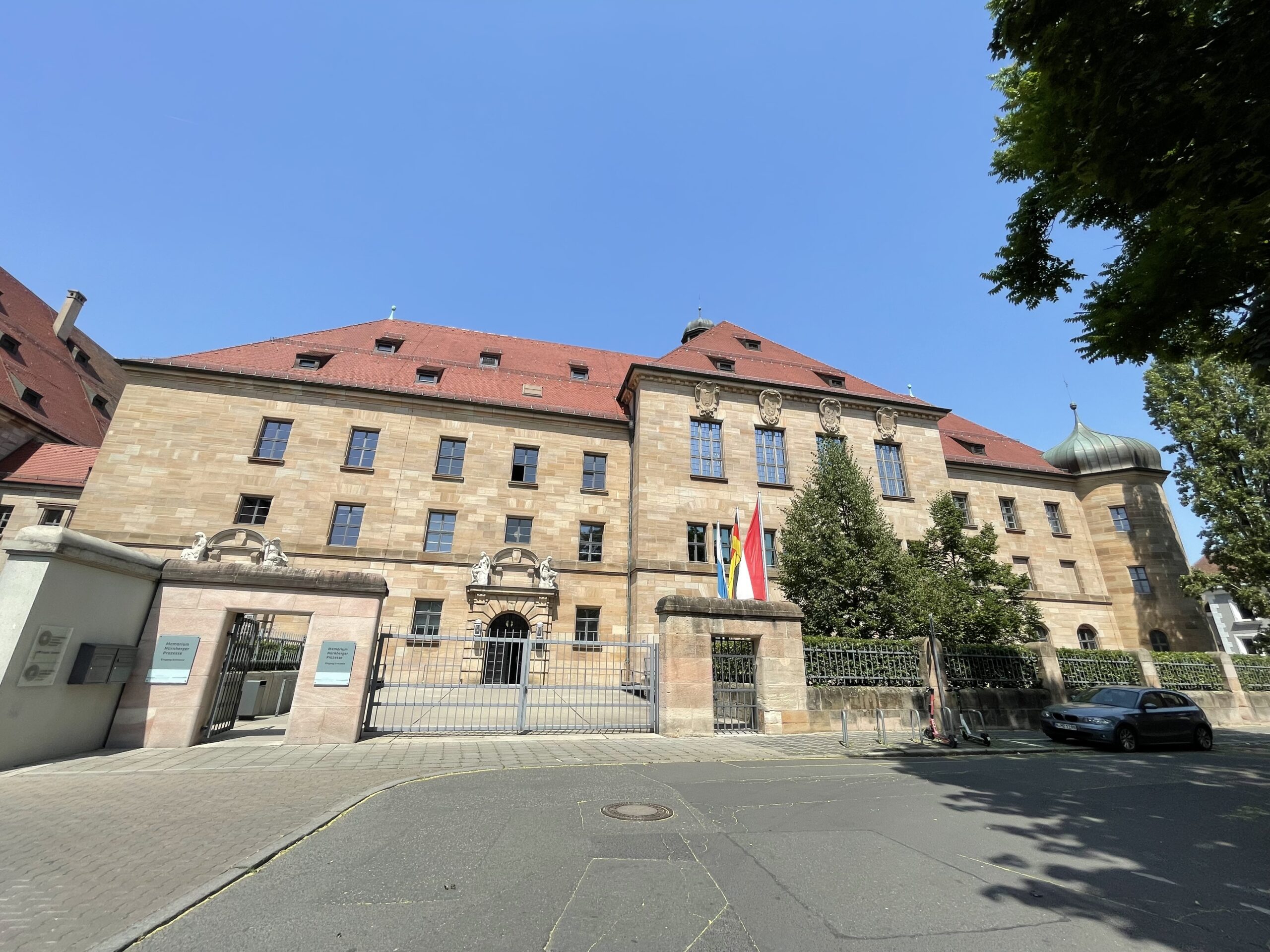
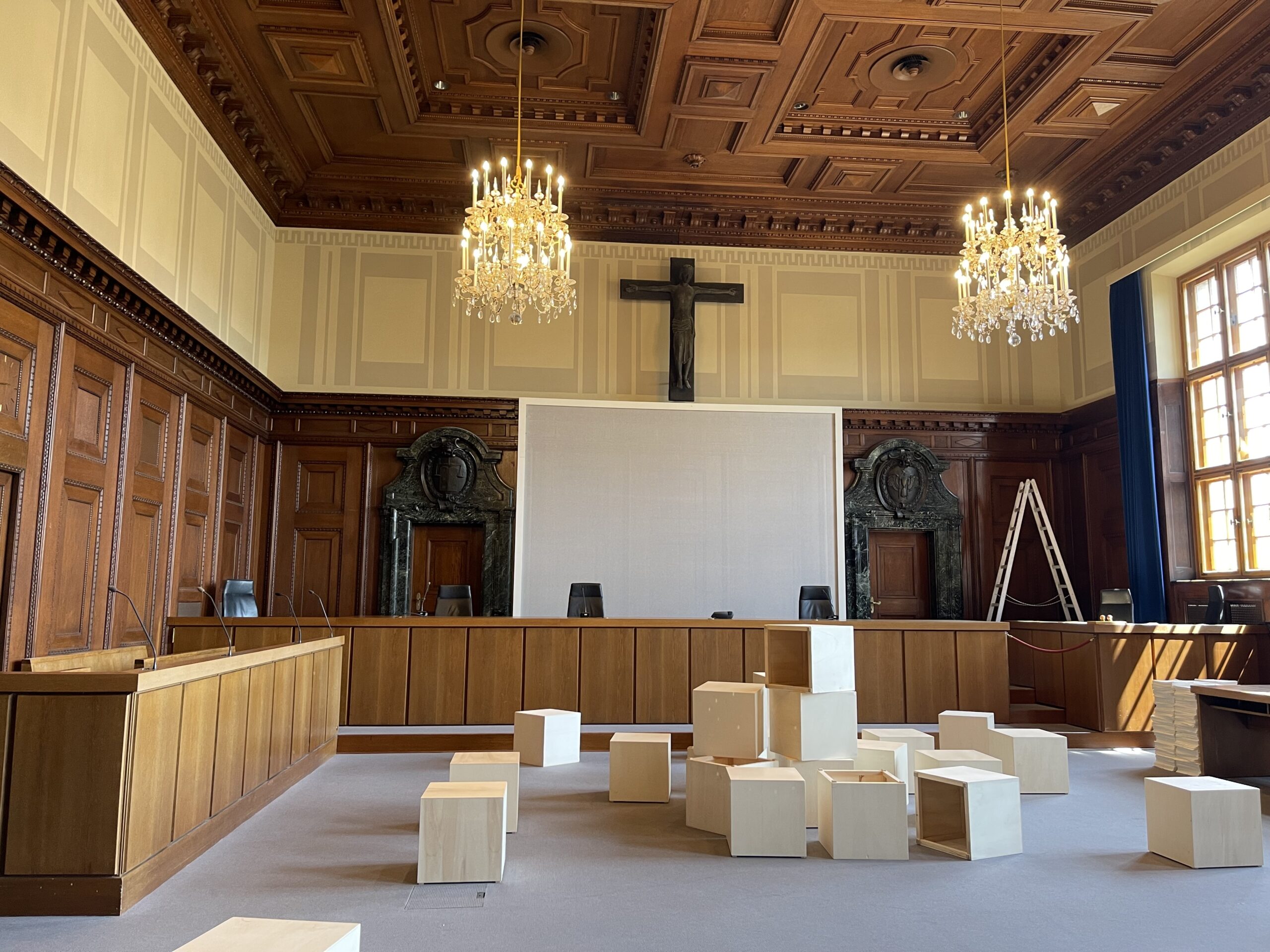
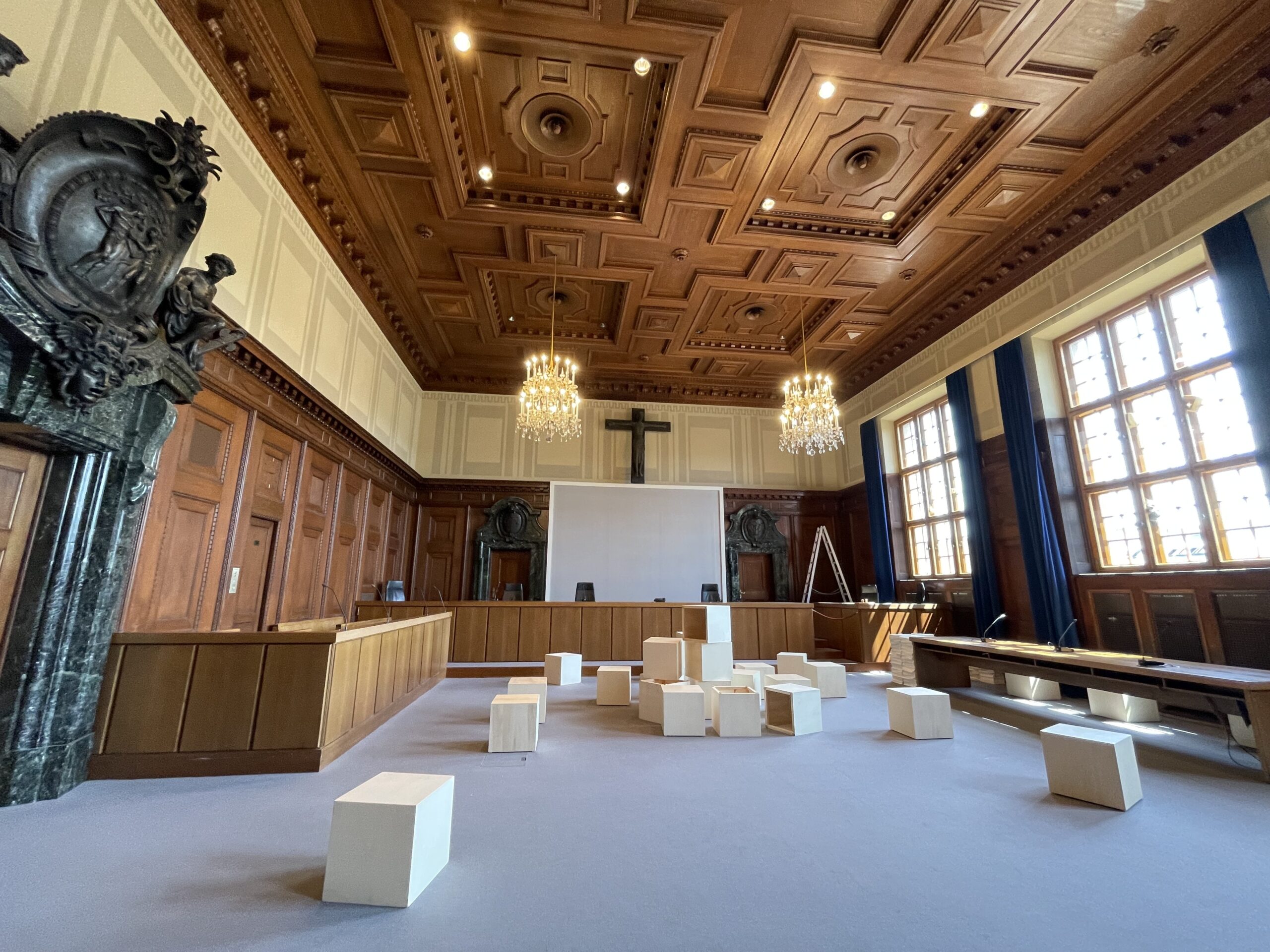
Our final stop before returning to the ship was to the historic Courtroom 600. Located in the Palace of Justice, it holds immense historical significance as the venue for the Nürmberg Trials. These trials, conducted between 1945 and 1949, sought justice for major war criminals of the Third Reich following World War II. Courtroom 600 witnessed the prosecution of prominent figures such as Hermann Göring and Rudolf Hess. The trials played a pivotal role in establishing principles of international law and accountability for war crimes. Today, Courtroom 600 is preserved as a museum and memorial.
Exploring the Medieval Charm of Bamberg – June 20, 2022
Today, our journey took us through the enchanting medieval town of Bamberg in Germany, promising lots of walking on its picturesque cobblestone streets. Comprising three historical districts—the episcopal town, the island town, and the market gardener’s town—Bamberg boasts a rich history shaped significantly by Heinrich II in the 1000s.
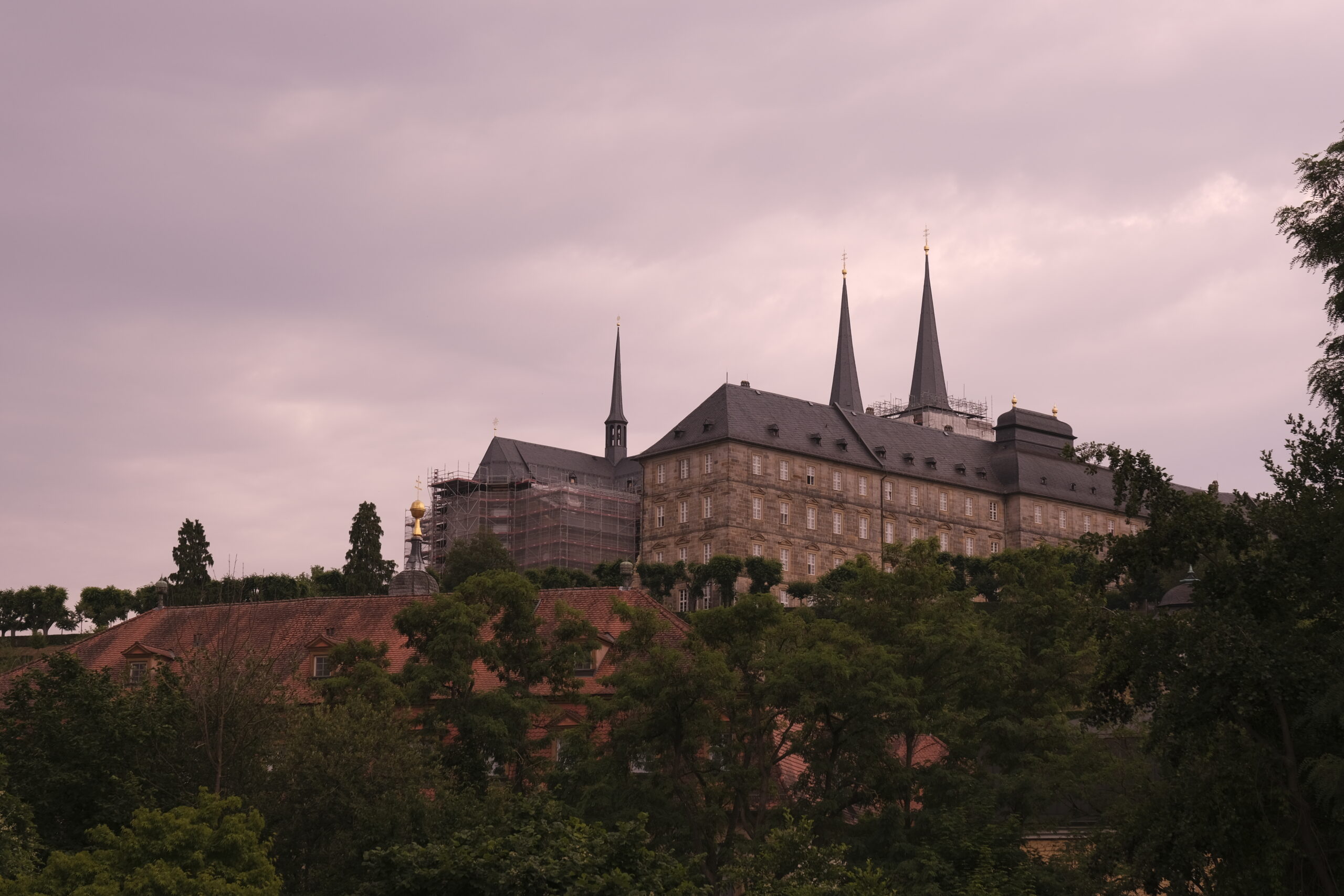
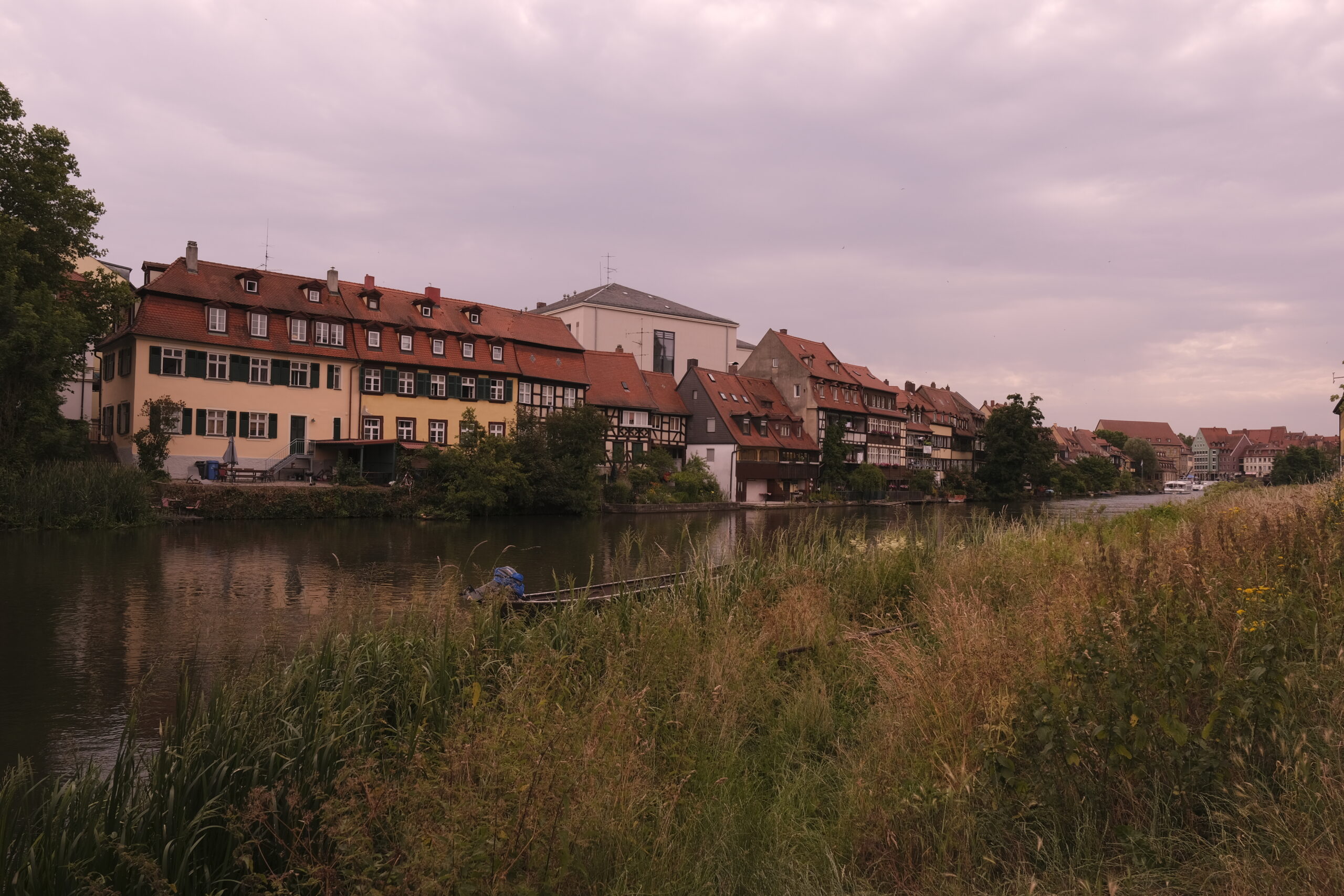
The imperial cathedral of St. Peter and St. George, featuring distinctive green towers, stands prominently, housing the renowned Bamberg Rider, the tombs of Pope Clemence II, and Heinrich II and his wife Kunigunde. Domplatz hosts the Alte Hofhaltung (the Old Imperial Court) and the New Residence of the Prince Bishops, along with the rose garden and provides a panoramic view of the old town, tanners’ cottages by the canal, the mill district, and the fisherman’s village known as Little Venice.
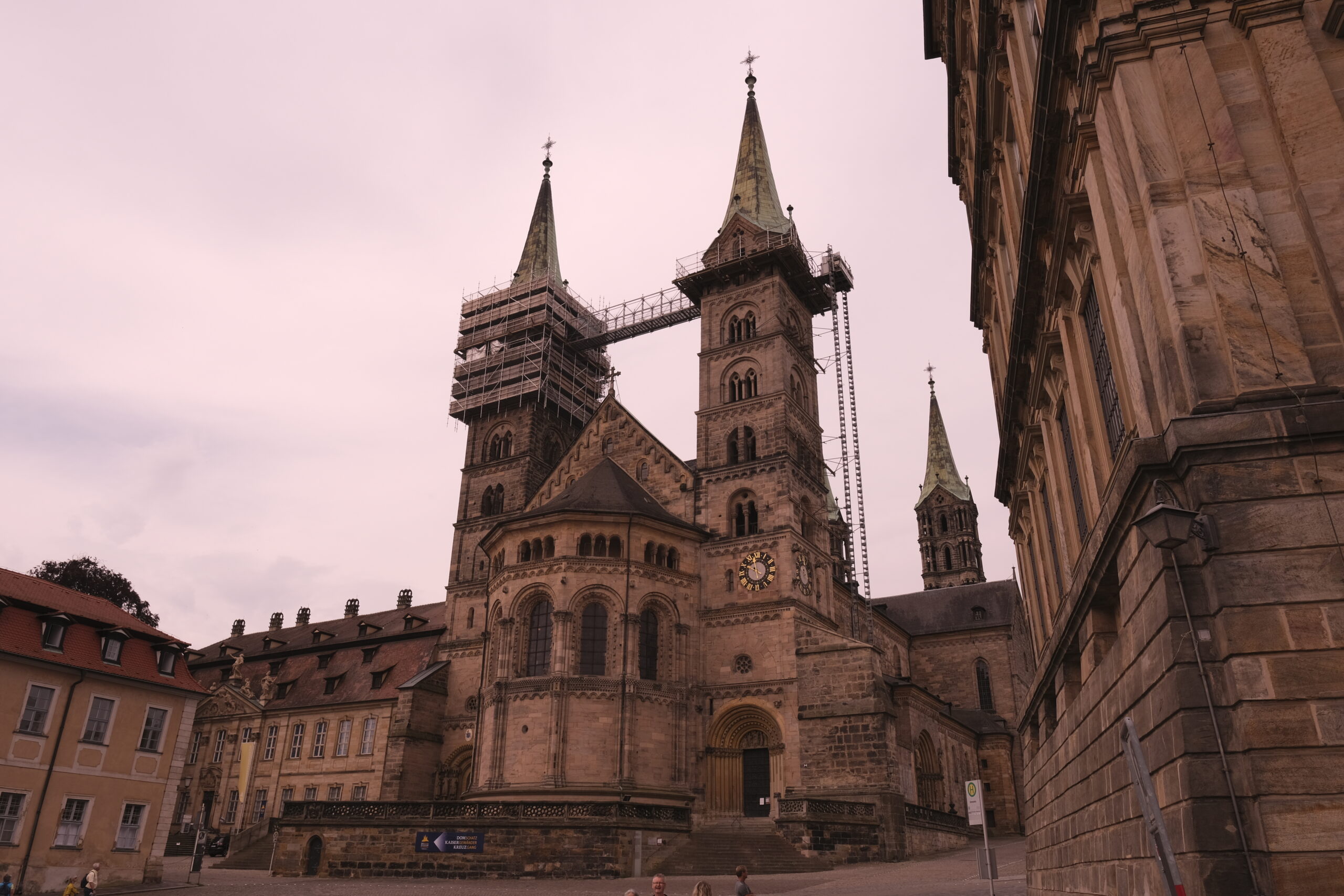
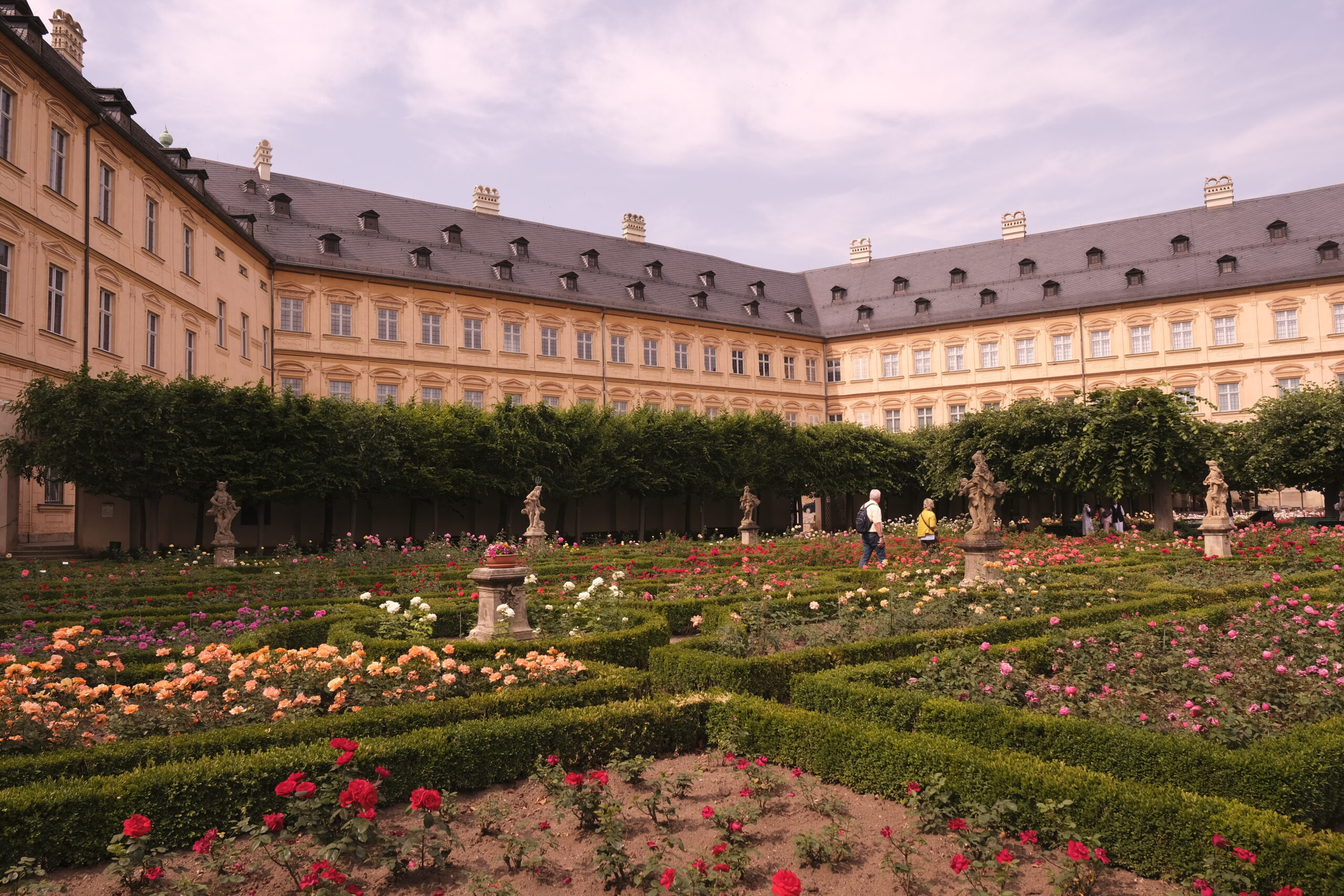
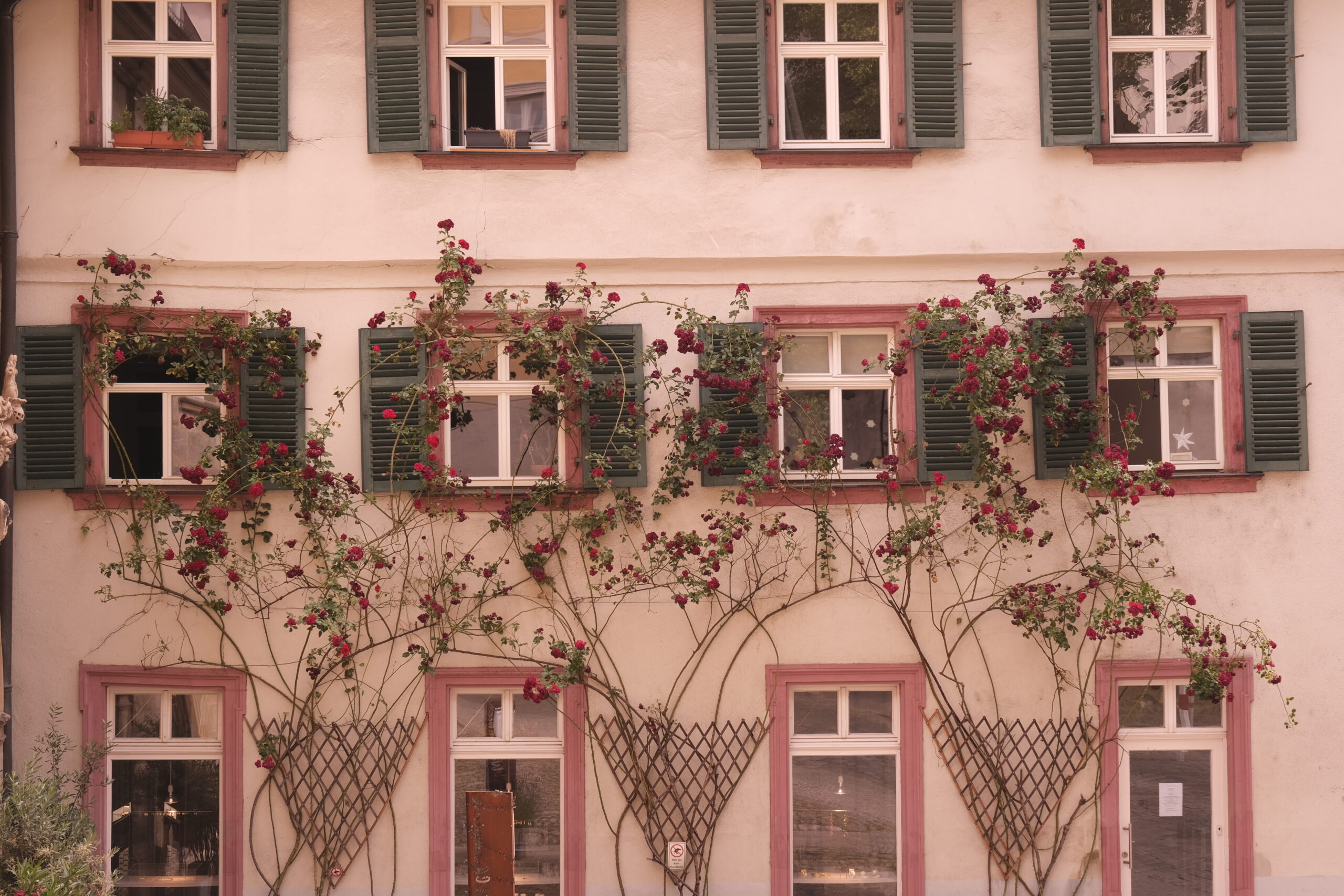
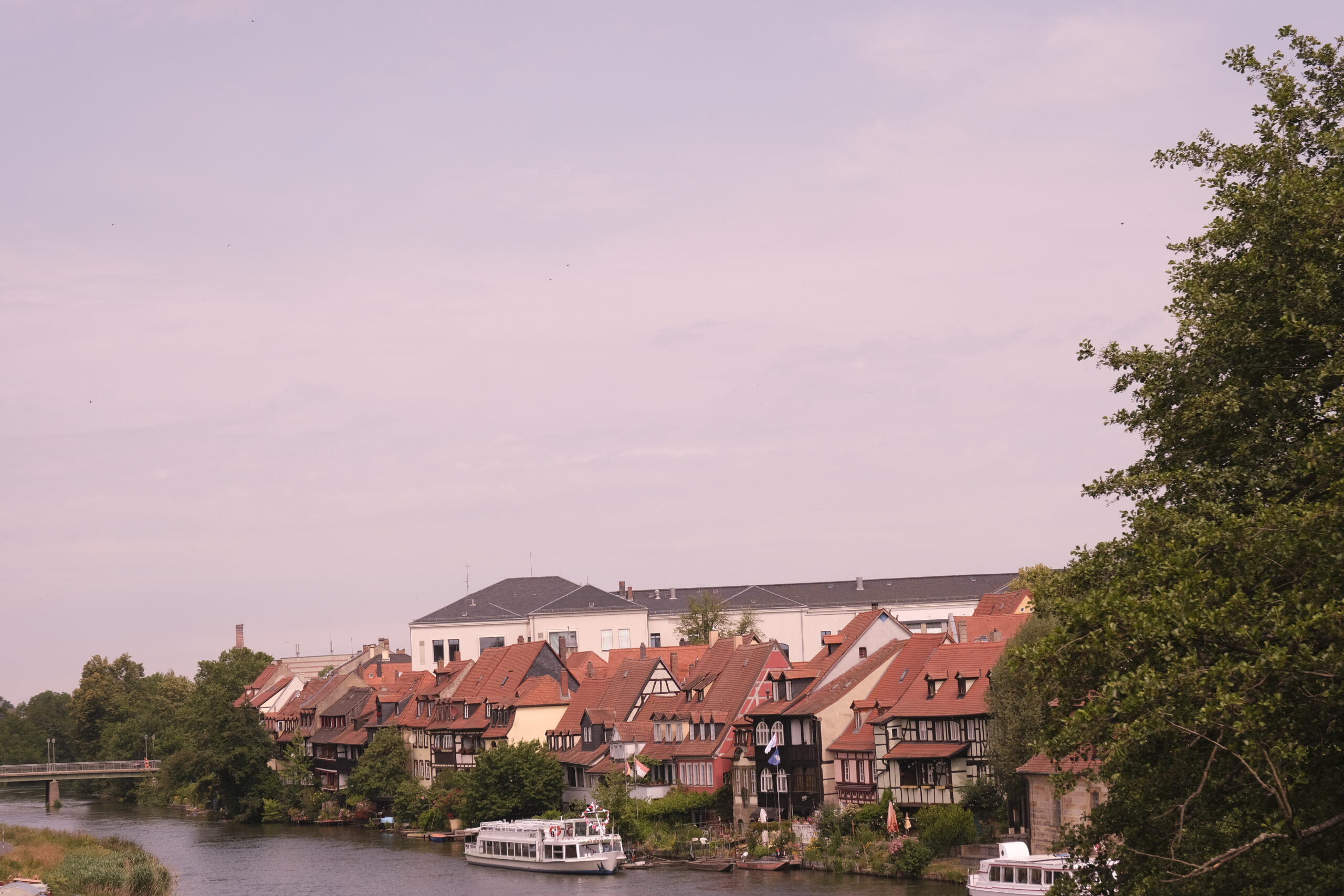
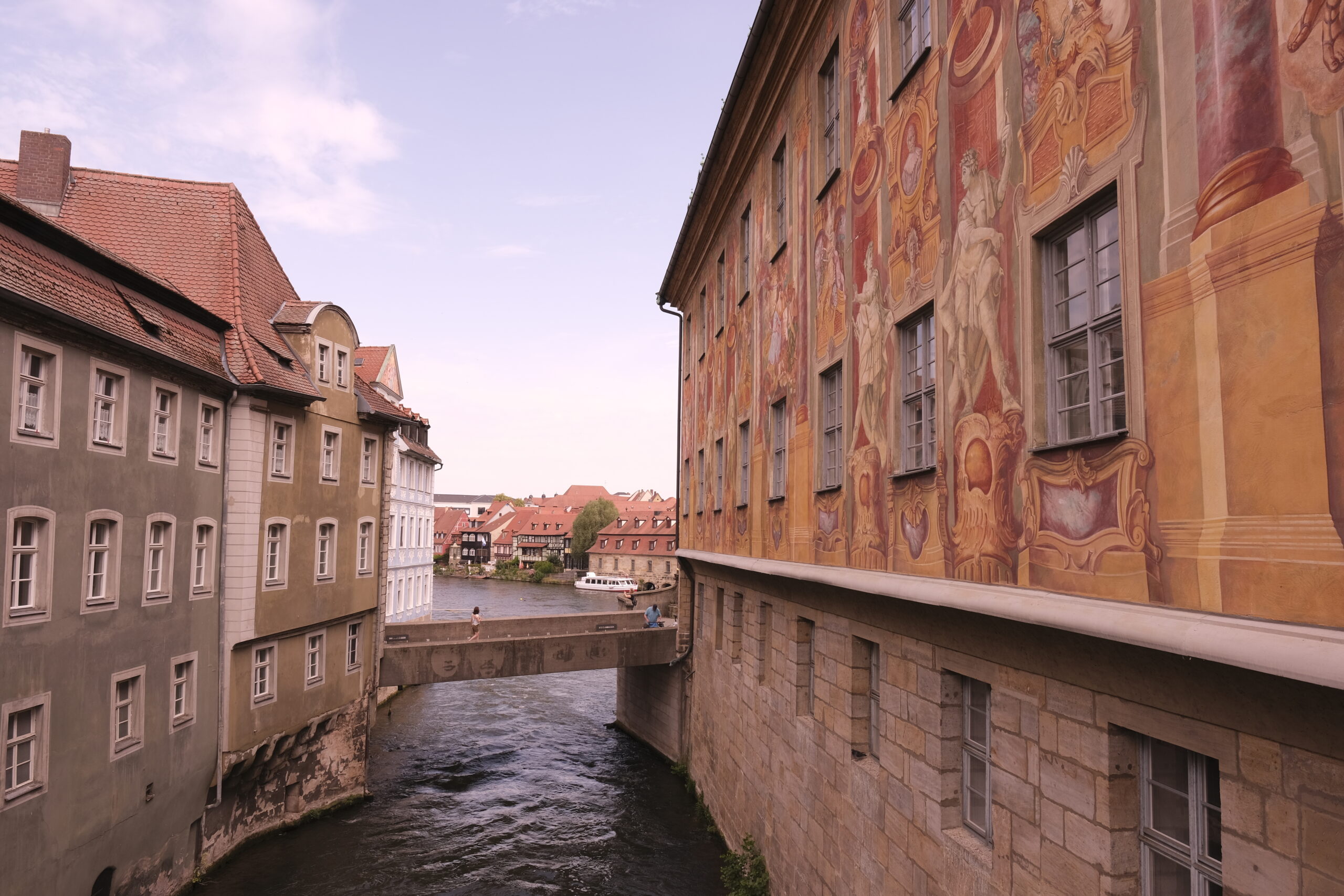
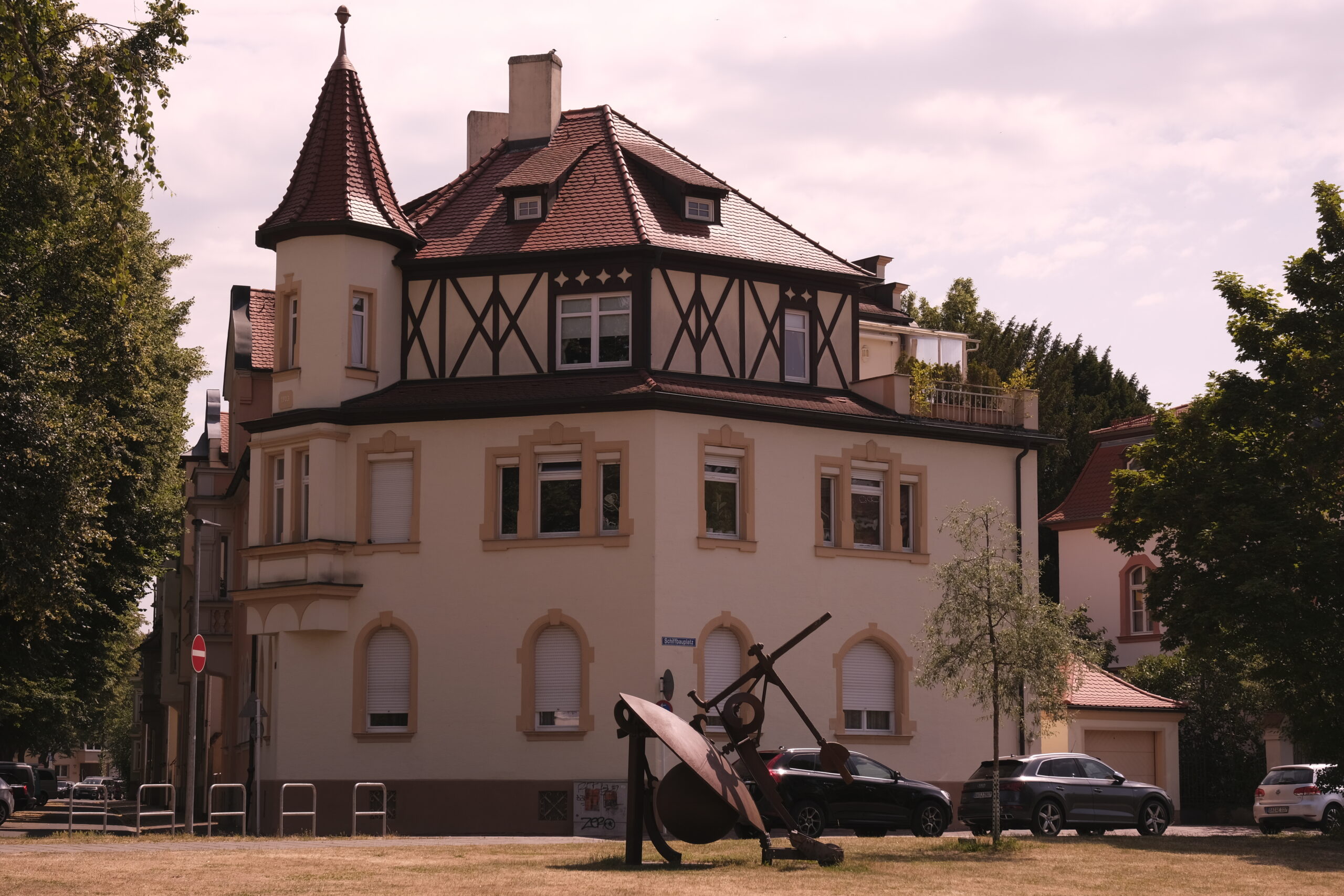
Bamberg is known for its smoky beer and E.T.A Hoffman who wrote the Nutcracker Prince and the Mouse King, that was turned into the The Nutcracker ballet by Pyotr Tchaikovsky and some of his stories were the basis for The Tales of Hoffman, the unfinished opera by Jacques Offenbach.
Würzburg’s Historical Tapestry – June 21, 2022
Our schedule today was packed, beginning with a morning drive to Würzburg to taste the region’s white wines at Bürgerspital and explore the magnificent Residenz of the Prince Bishops. Situated in the Franconia region of Germany along the Main River, known locally as “Mine,” the grape cultivated here is the resilient Silvaner. With a wine estate boasting 700 years of vine cultivation, the Silvaner grape’s ability to withstand harsh temperatures played a crucial role in the survival of the Franconian wine industry, enduring even the cooling period known as the Little Ice Age.
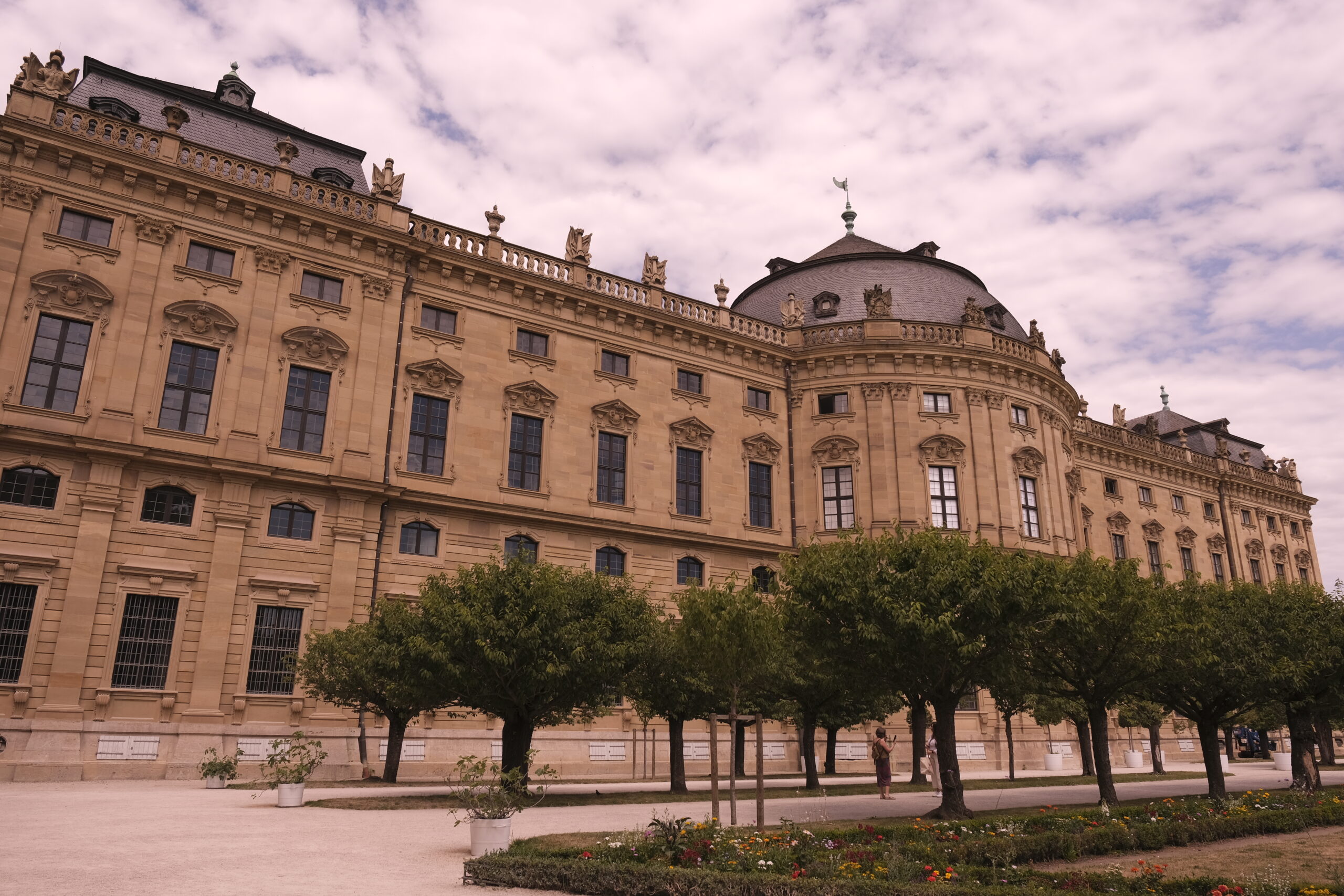
Our next stop was the Residenz Palace. This building was badly damaged by the British during World War II and saved by Monuments man John Davis Skilton, an American. The grand staircase is simply stunning adorned with frescoes by Tiepolo and his son Domenico, depicting the four continents: Africa, Europe, Asia, and America. This fresco is hailed as the world’s largest, showcasing Tiepolo’s mastery of perspective. Despite never having seen Native American Indians, Tiepolo’s portrayal of the princess from the American continent is remarkably accurate. The palace’s private rooms opened to the public include the Green Room, Audience Room, Venetian Room, and the opulent Mirror Cabinet, each surpassing the previous in splendor. Napoleon purportedly referred to the Residenz as “the nicest parsonage in Europe.”
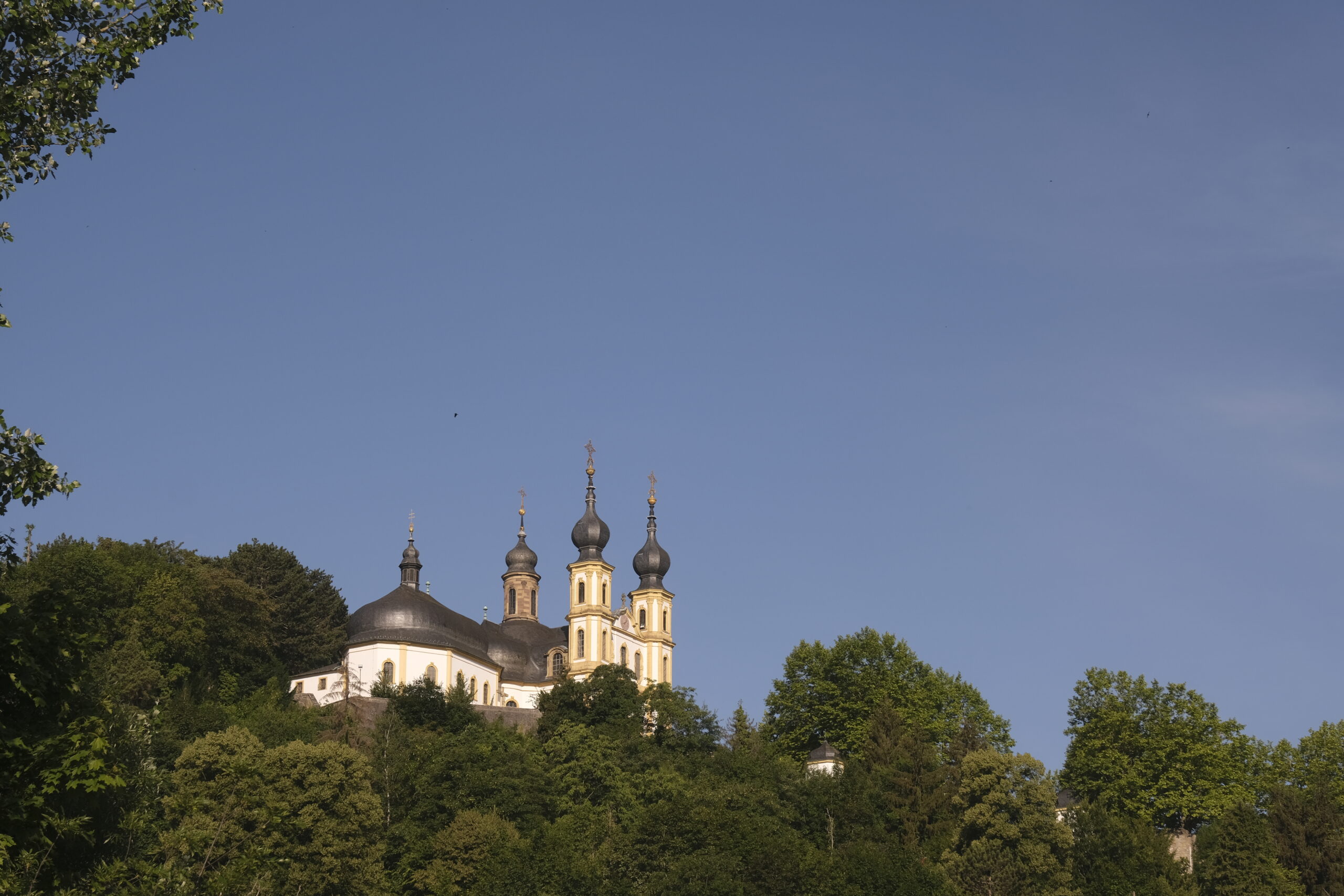
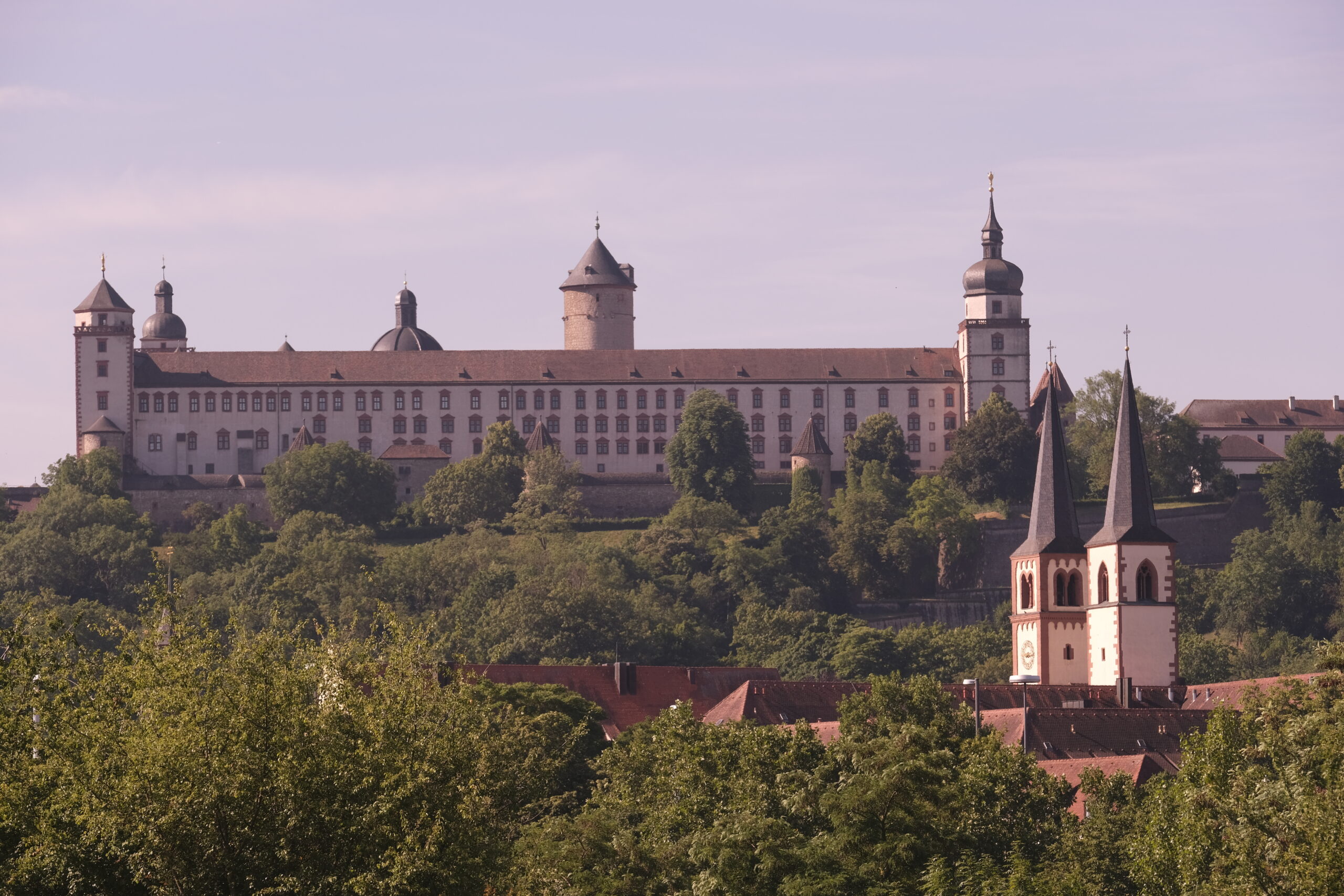
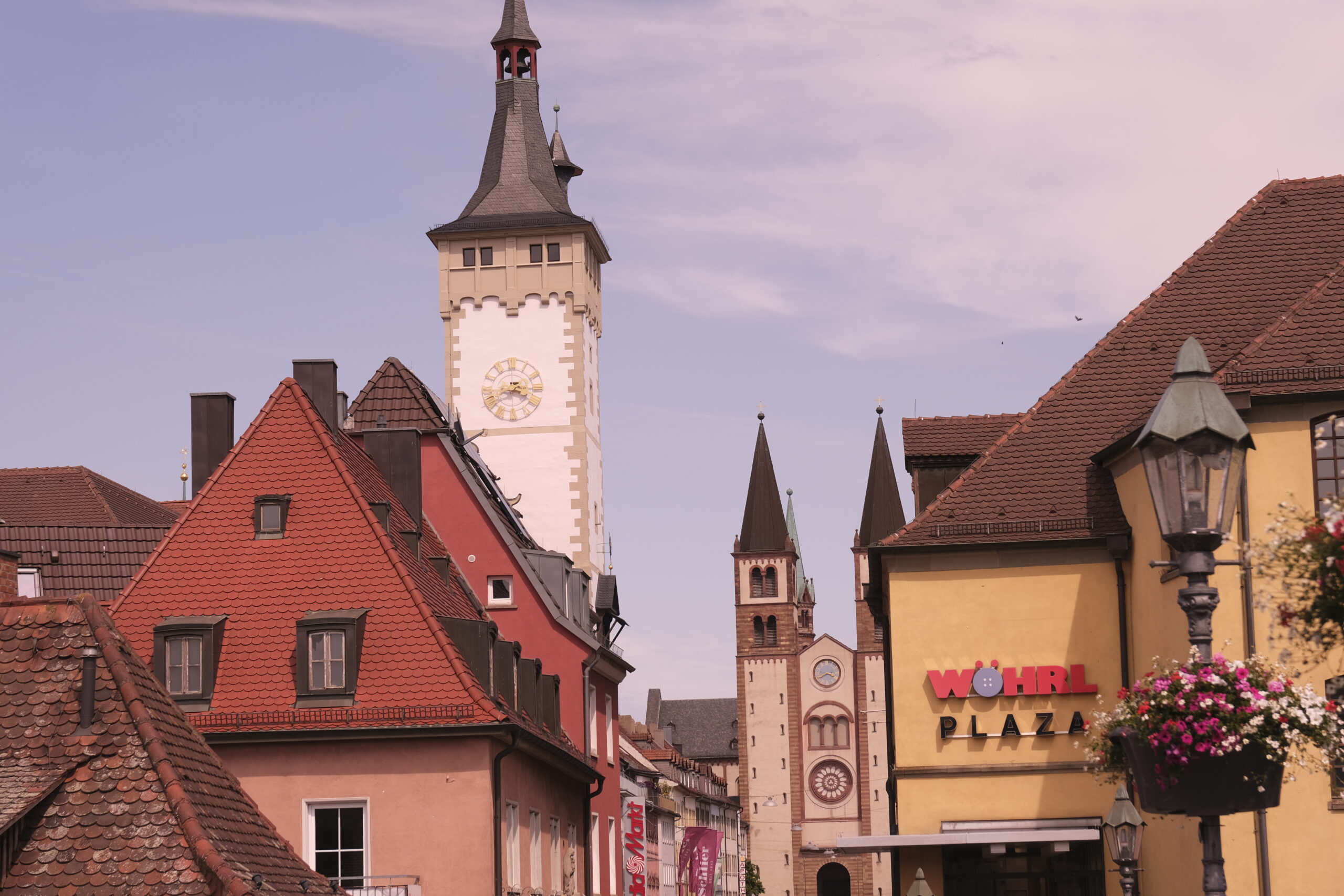
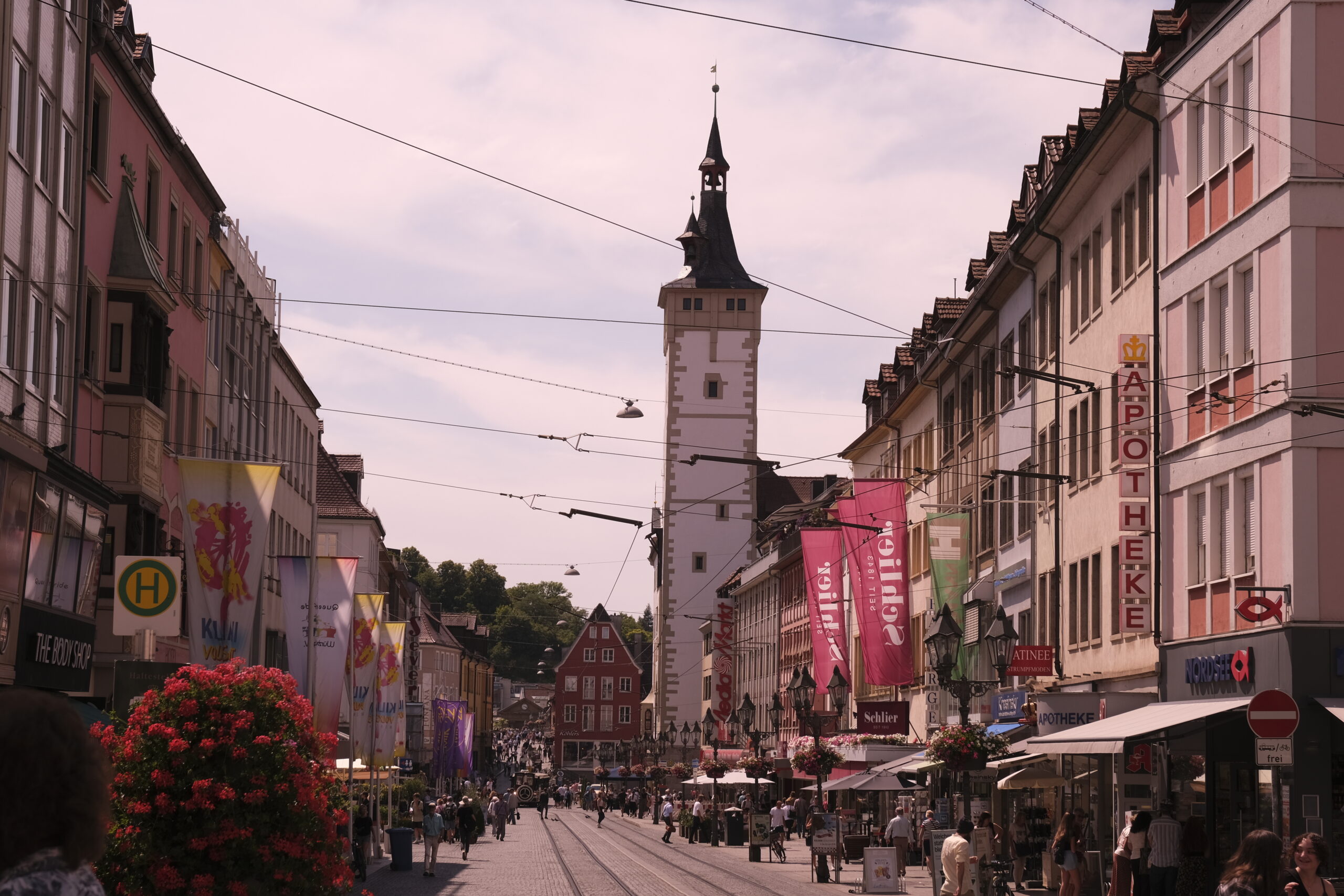
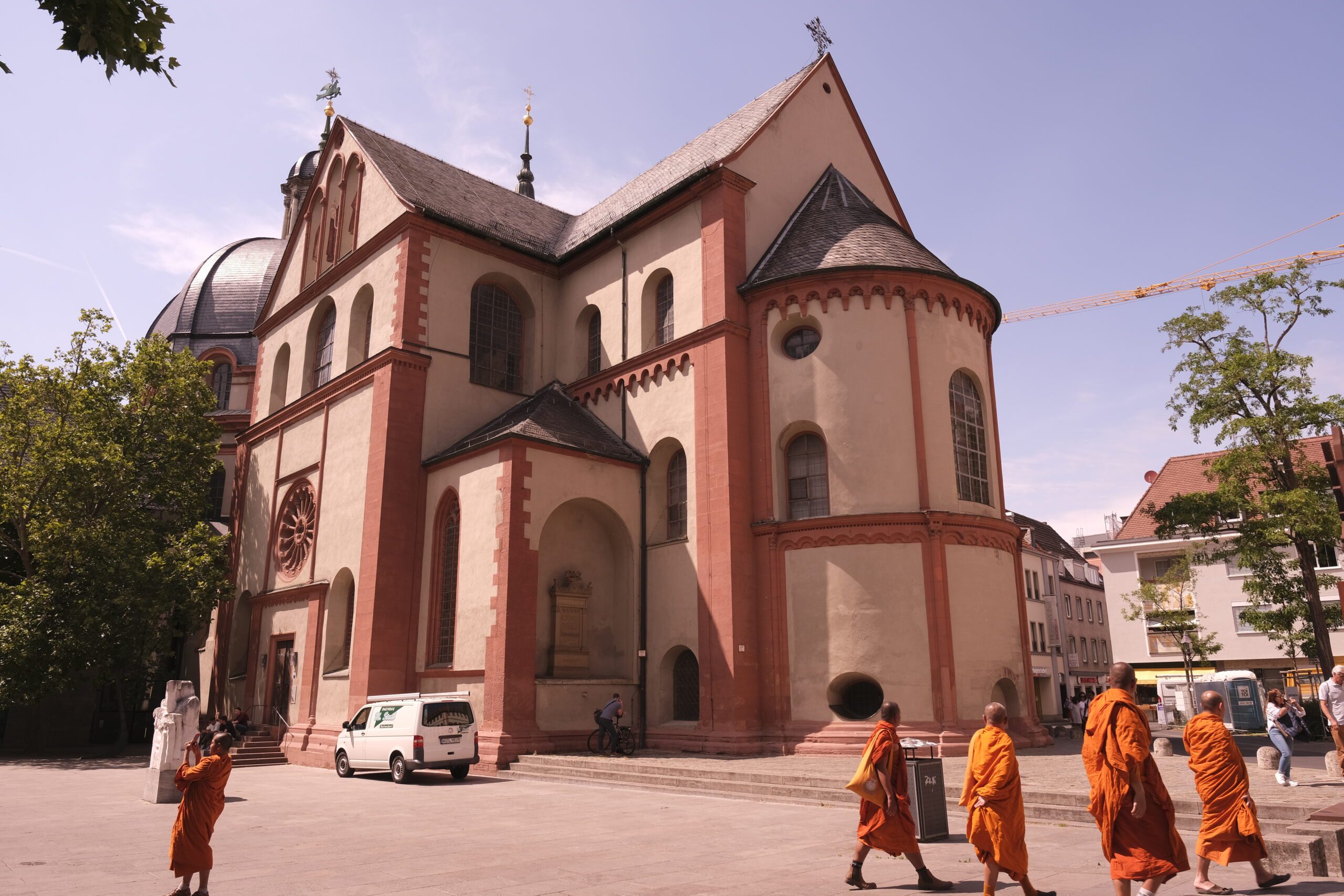
Our journey continued to the Cathedral dedicated to St. Kilian, the patron saint of those suffering from rheumatism. The cathedral, the fourth largest Romanesque church in Germany, with its Gothic-looking towers and 20 bells, houses a statue and relics of St. Kilian. Like the Residenz, it suffered significant damage during World War II. A stroll through the town led us over the Old Main Bridge (Alte Mainbrücke), adorned with statues of saints and recognized as one of the oldest bridges over the Main.
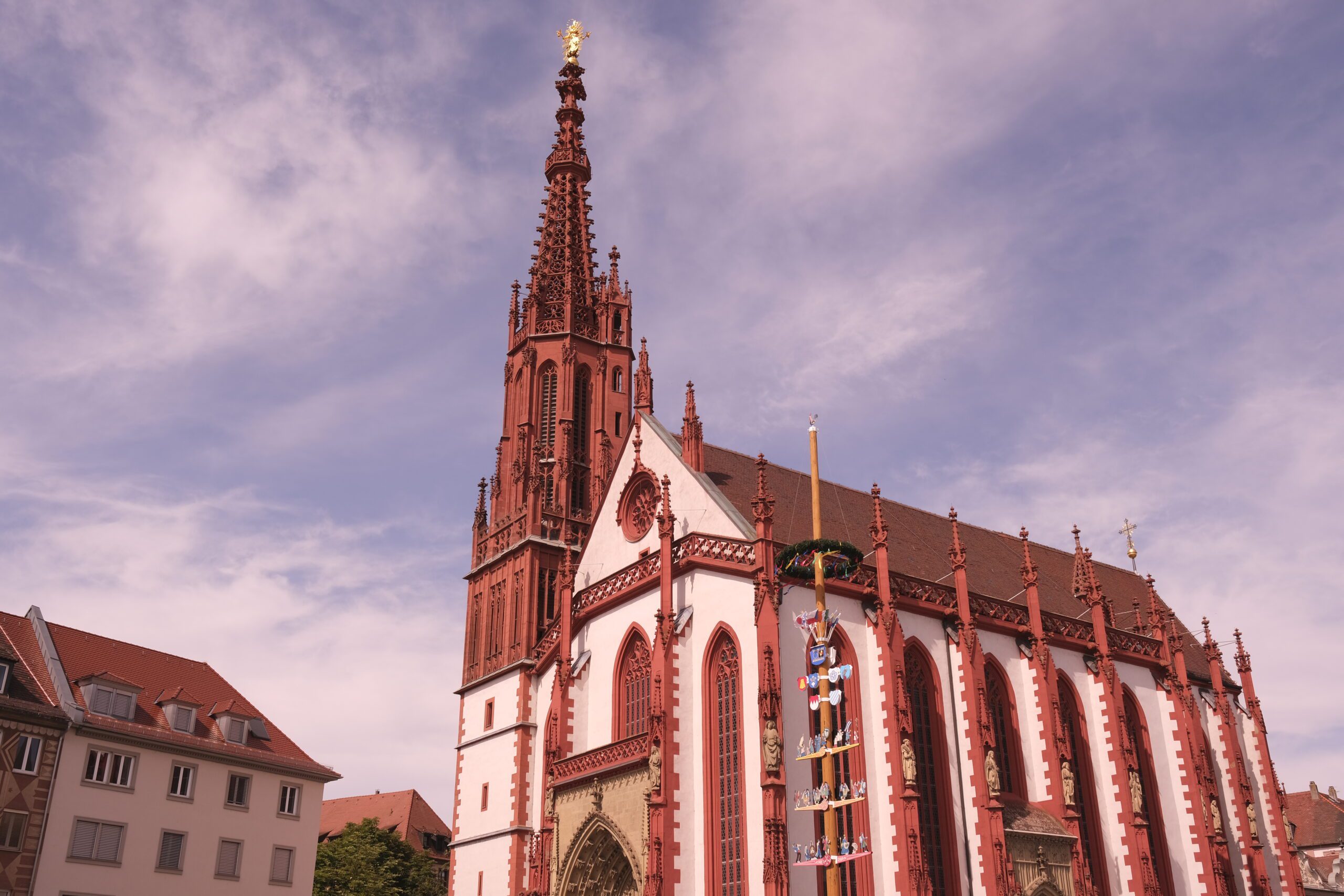
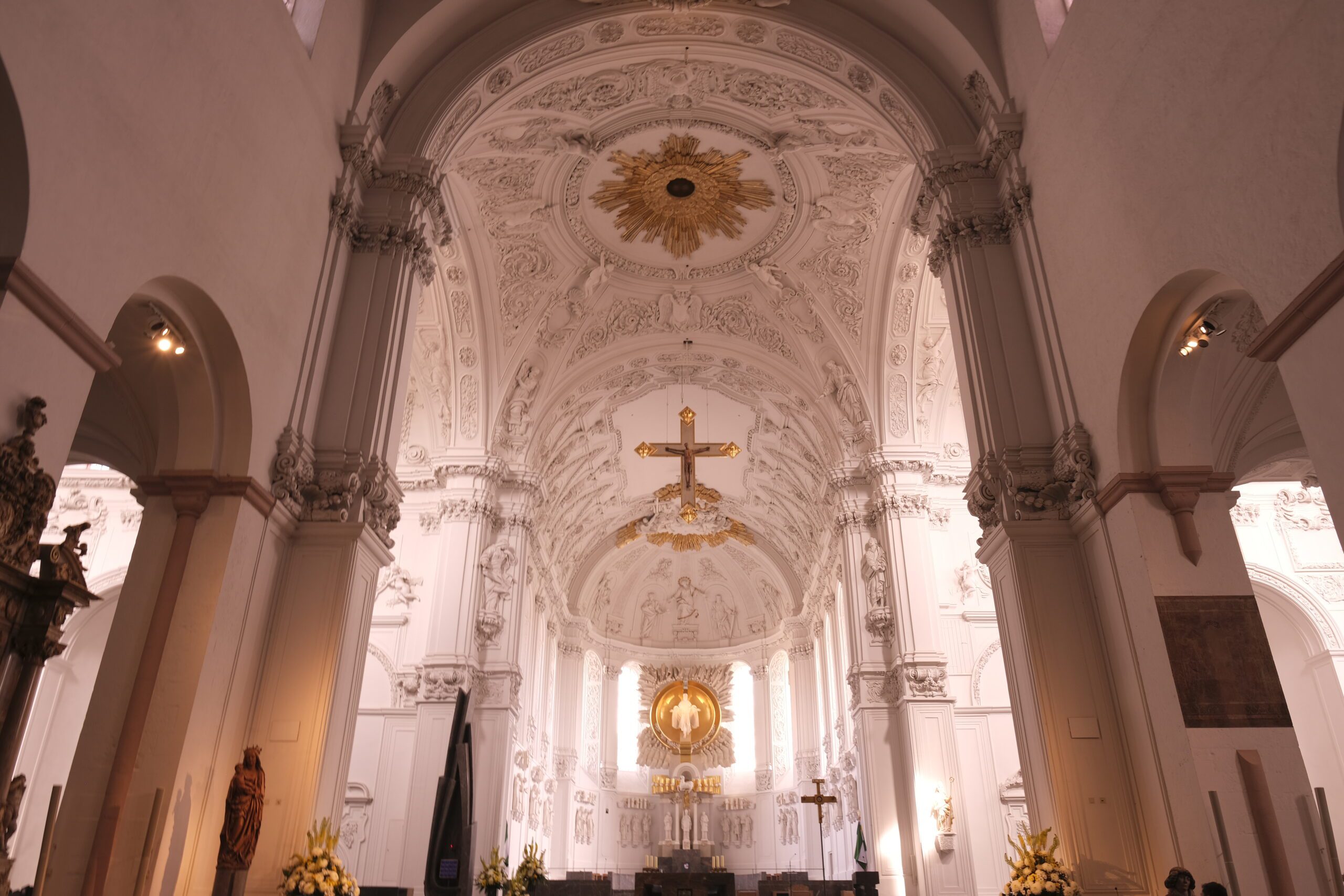
Exploring Wertheim’s Churches and Miltenberg’s Charms – June 22, 2022
The day started with a glass-blowing demonstration by a local artisan, Dieter, who had previously worked in the U.S., creating specialized glass equipment for labs. In Wertheim, we briefly stopped at a few churches on our way up to the castle (Burg Wertheim). Though the castle itself was mostly in ruins, the view from the top was spectacular. In the still-standing part of the castle, there was a restaurant, and the kitchen was just starting up during our visit. The town itself was small and quaint, featuring numerous half-timbered houses, boutiques, a marketplace, the glass museum, a tower named Spitzer Turm, a well named Engelsbrunnen (Angel Well), and excellent pretzels (sampled by a few of our group). Of course, there were churches too—the Stiftskirche, Killian’s Chapel, and St. Mary’s Chapel, all of which we explored.


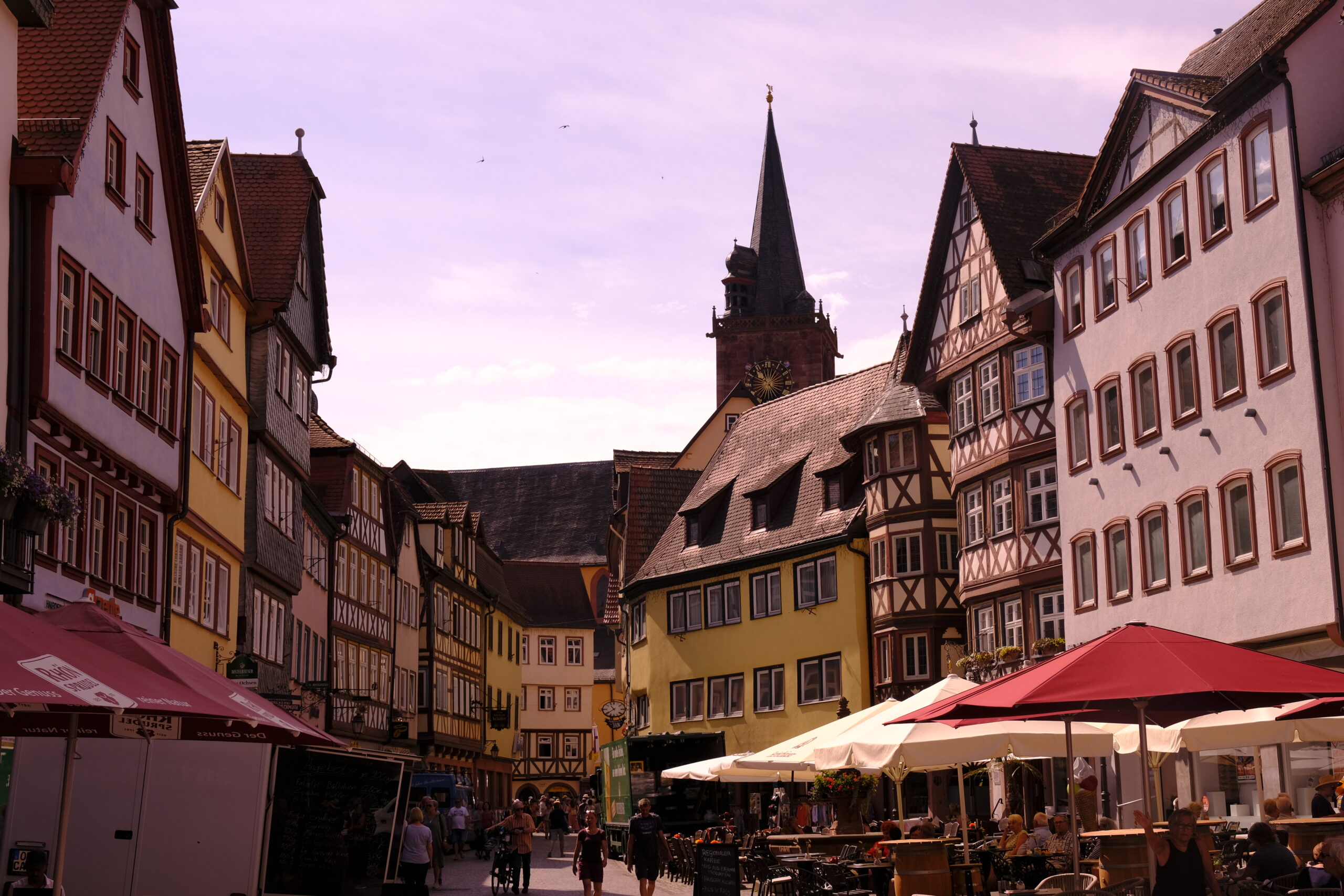
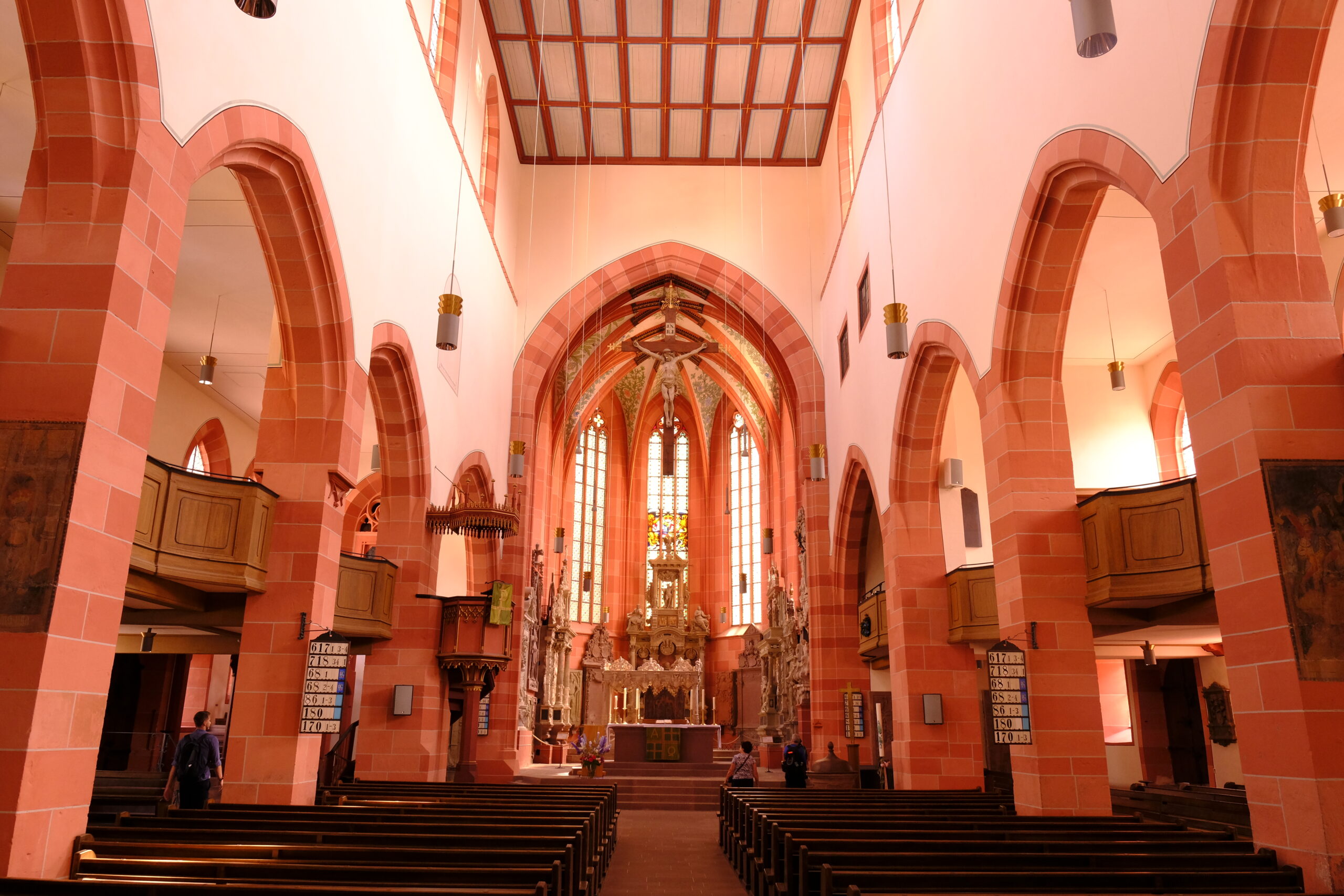
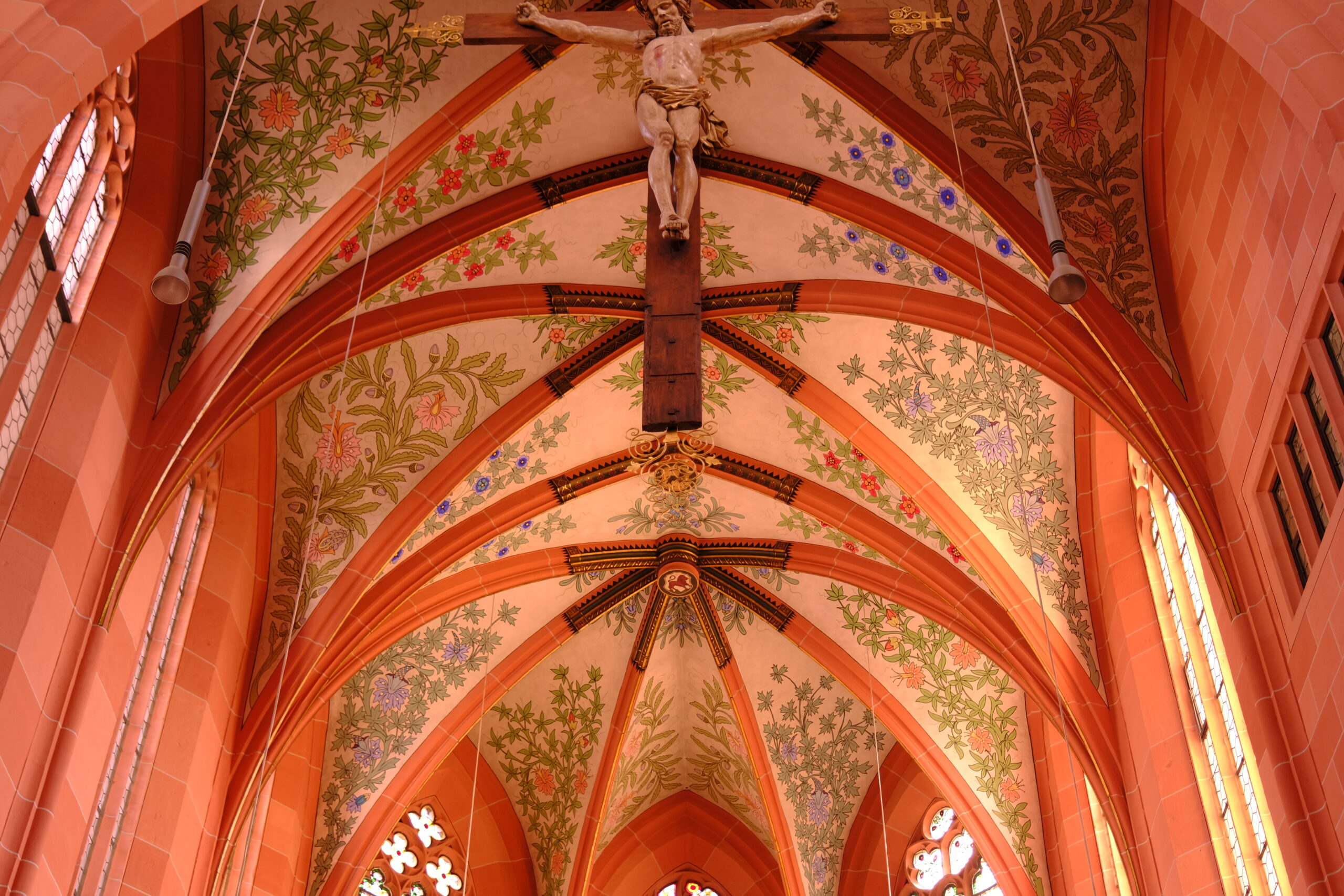
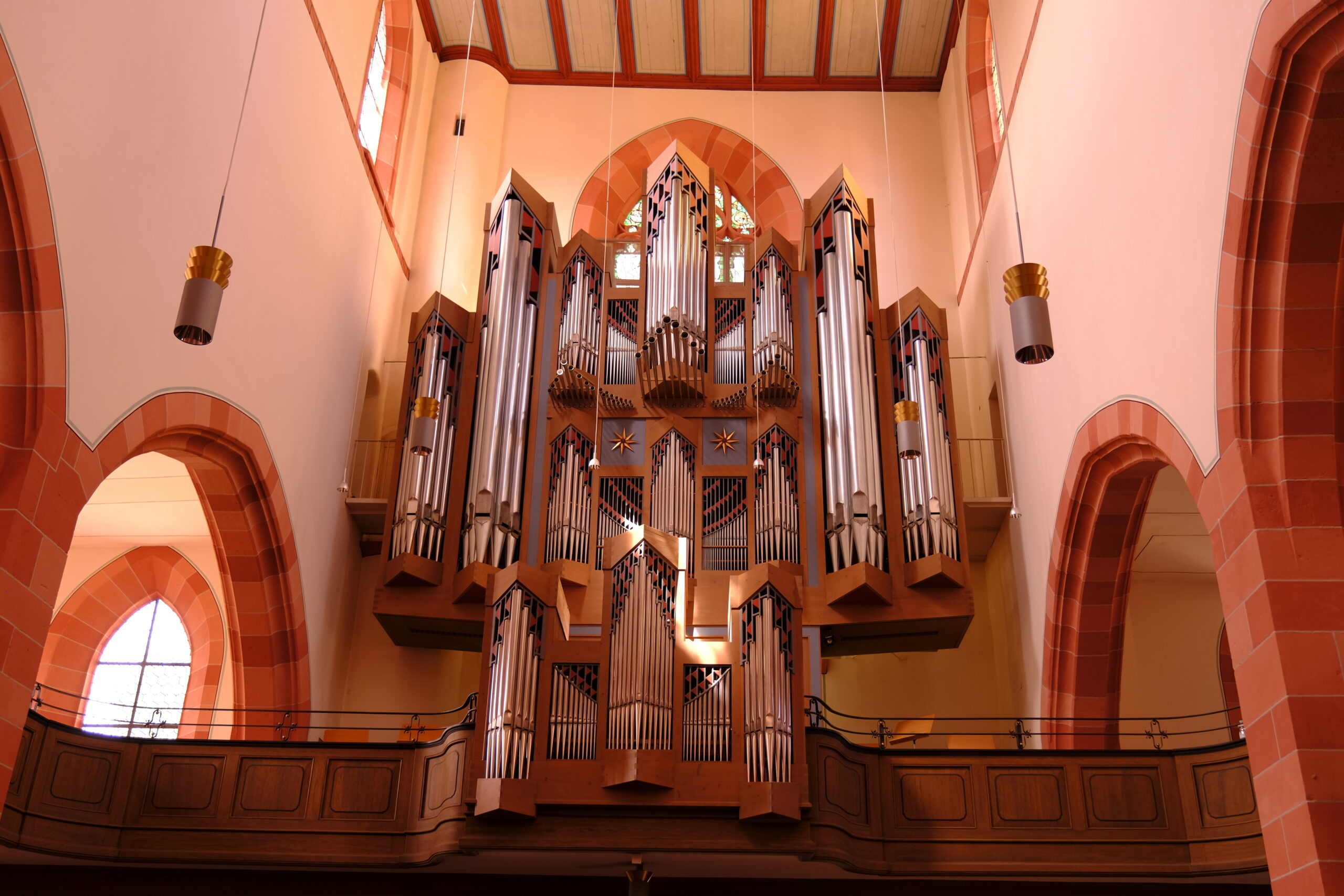
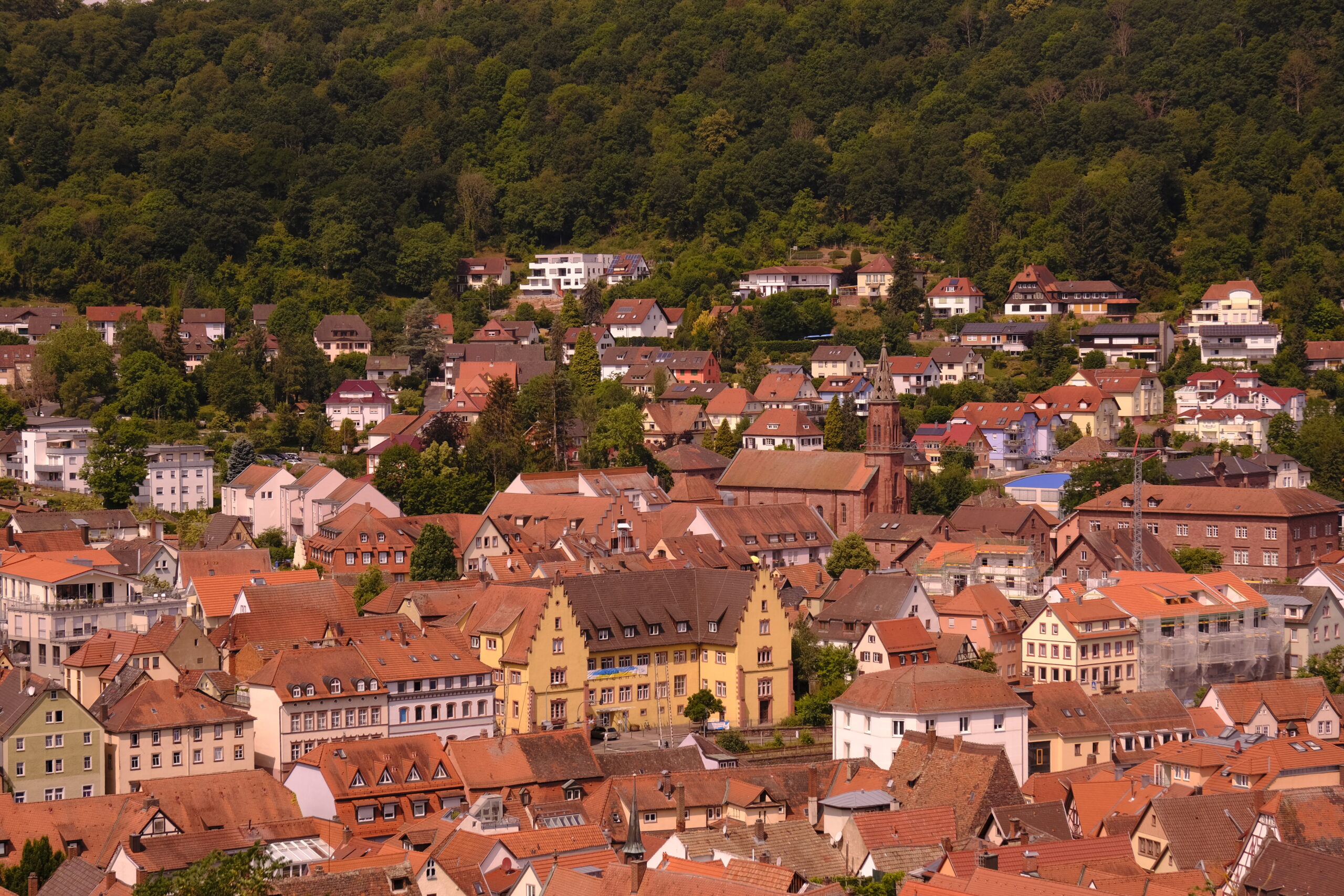
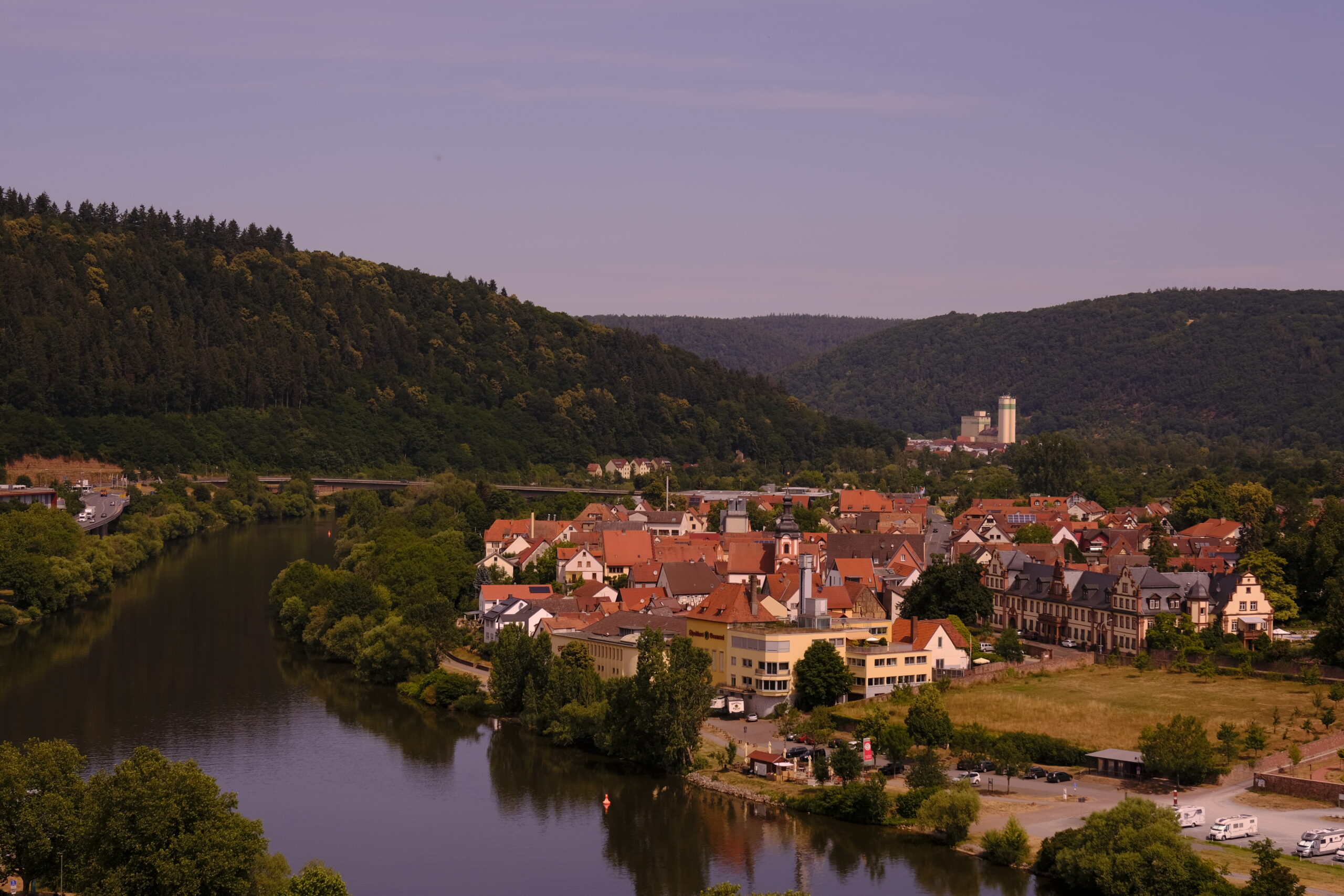

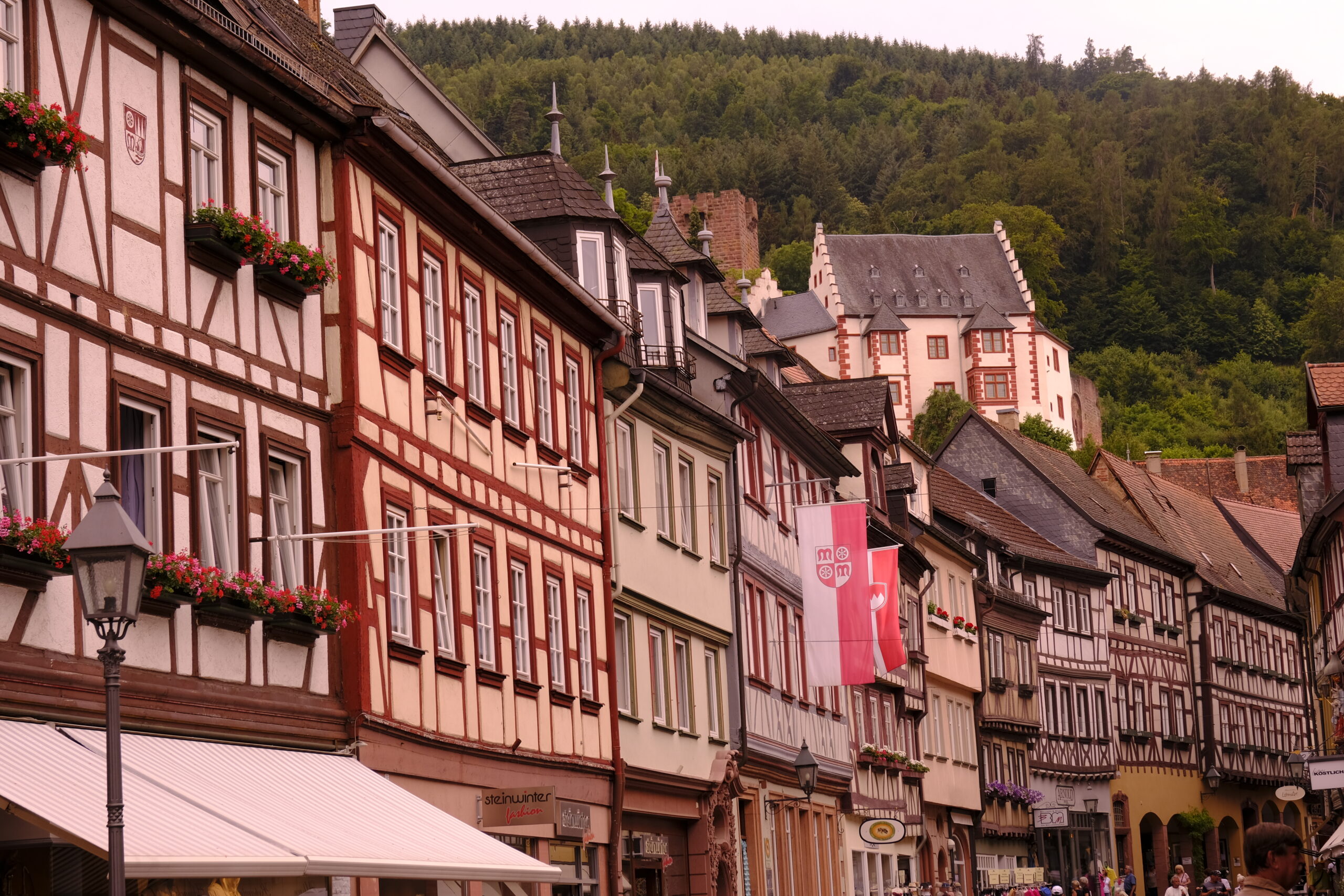
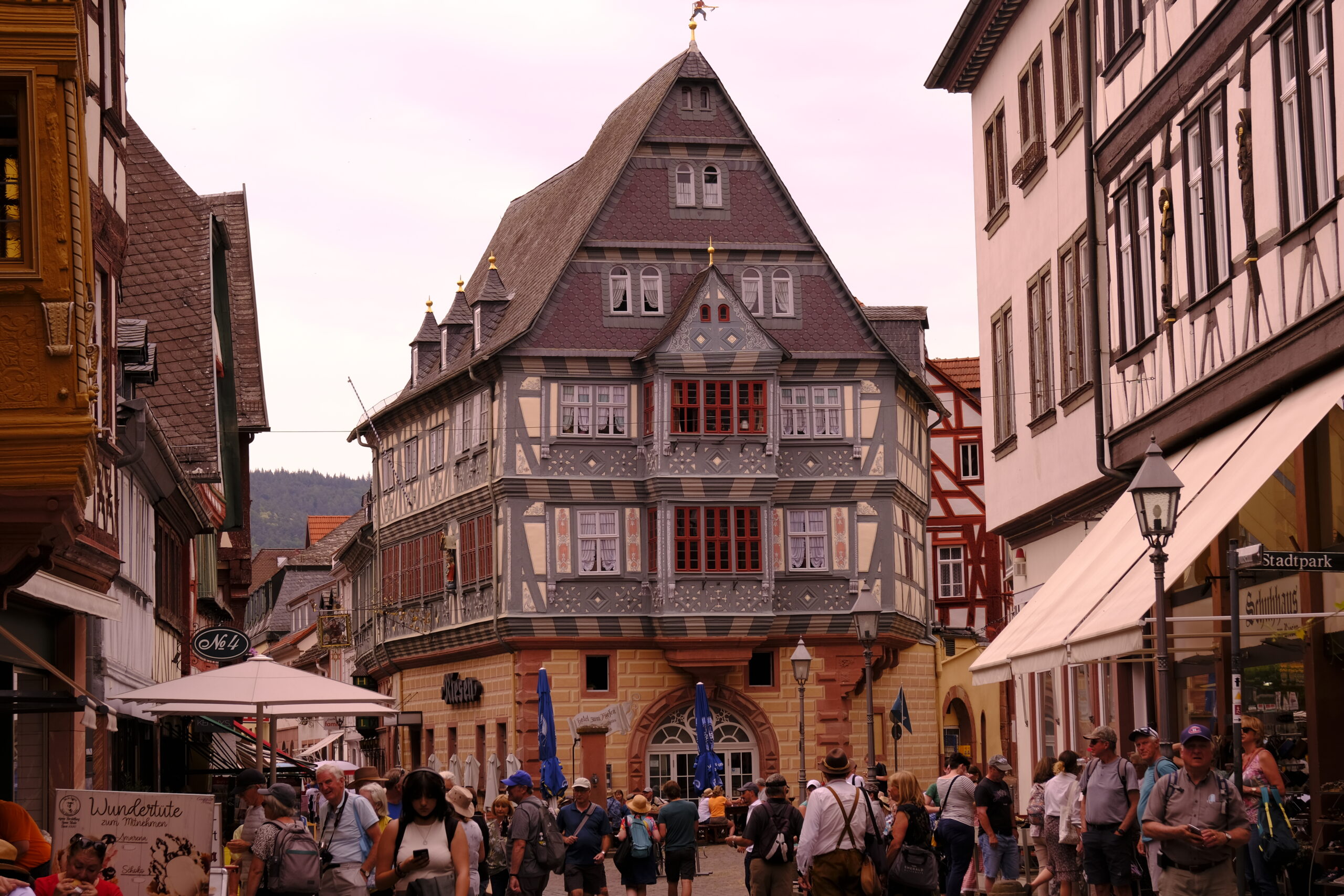
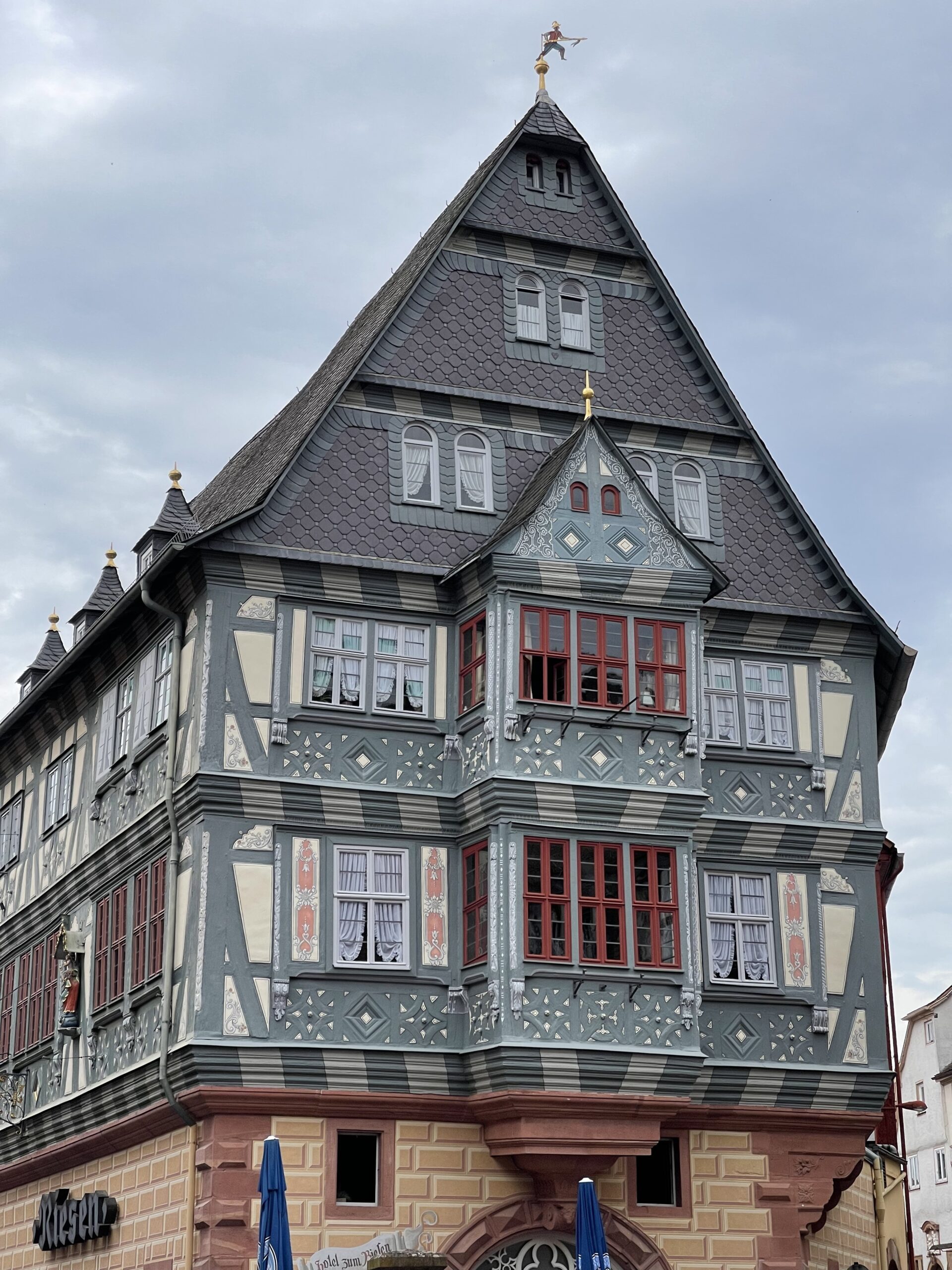
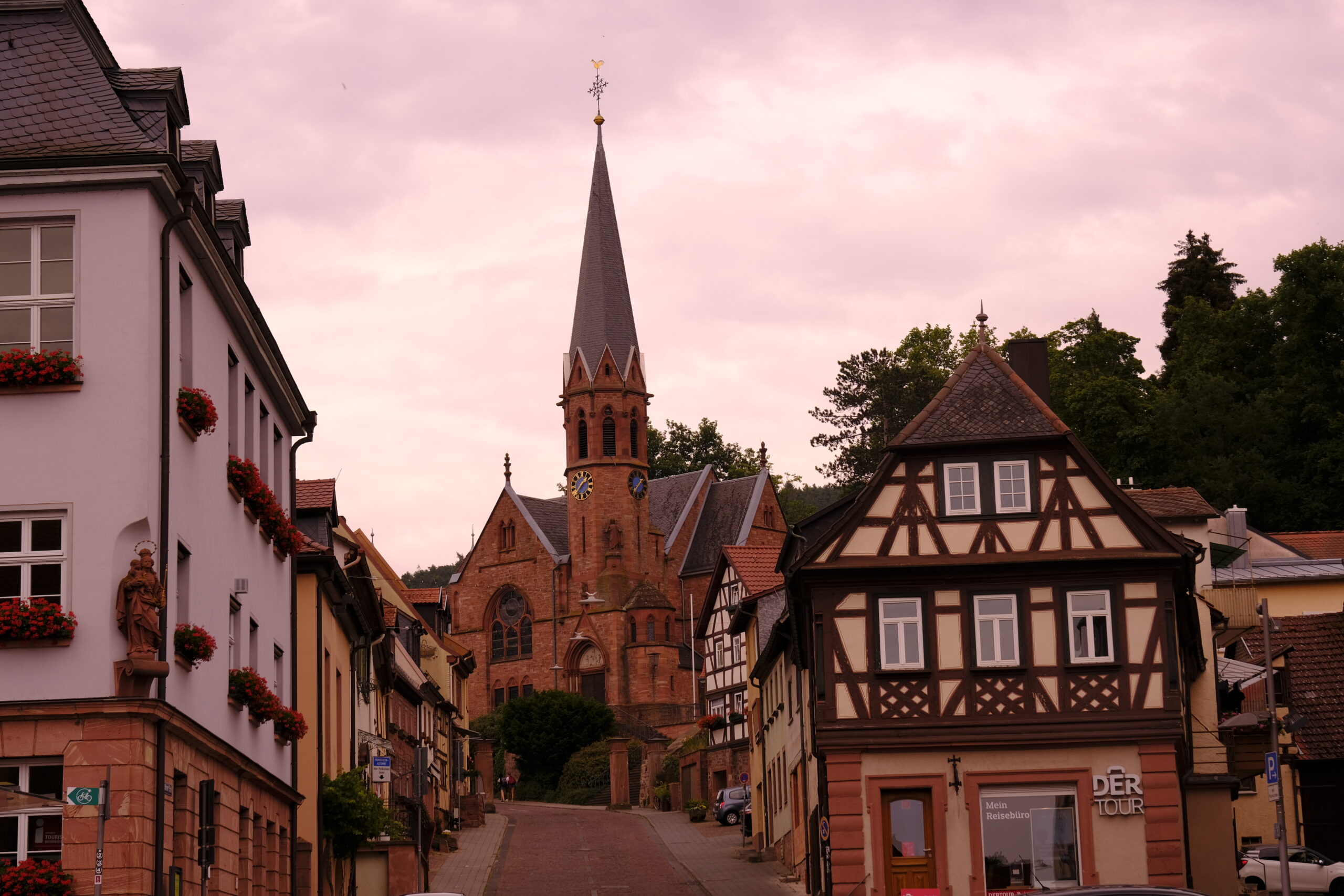
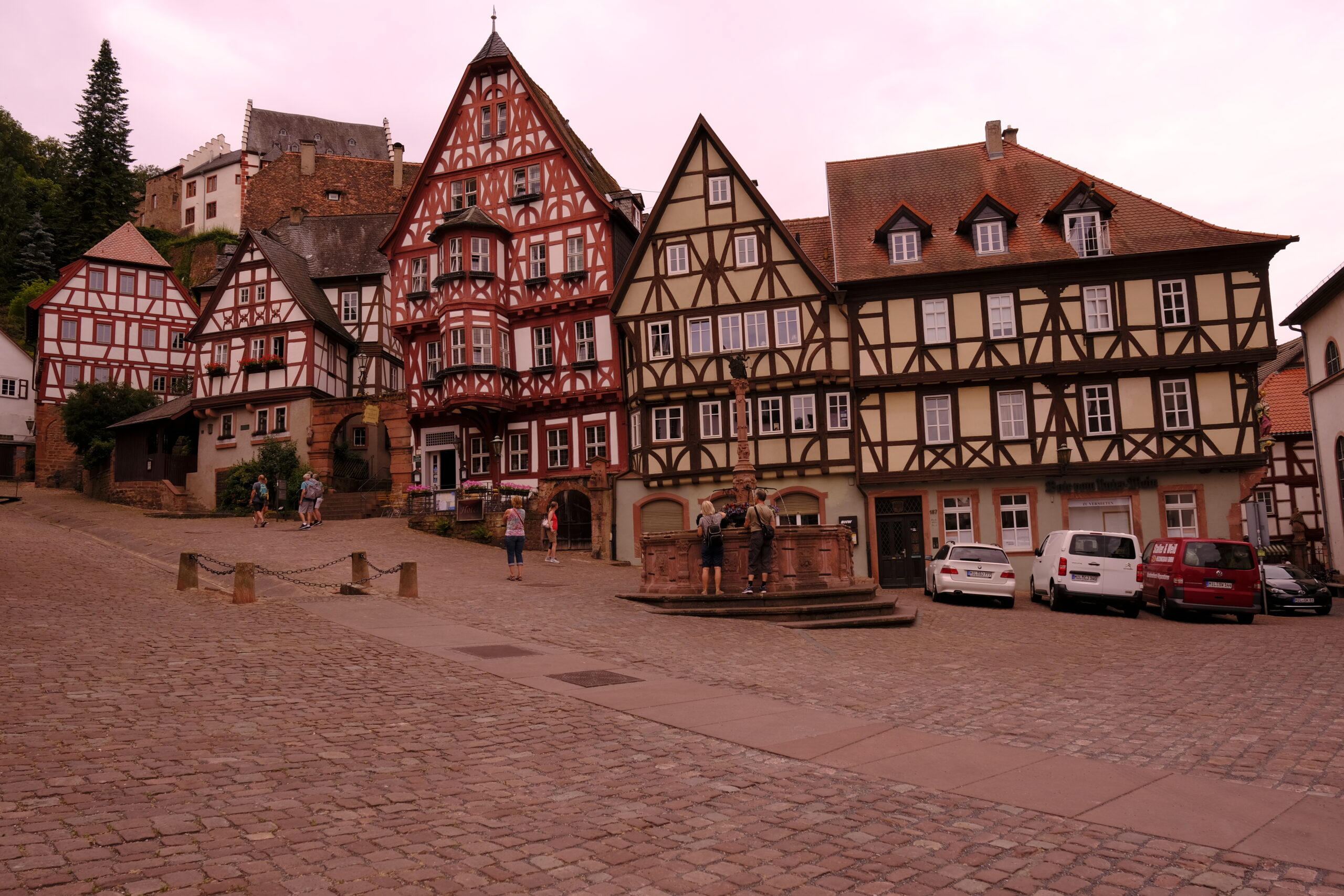
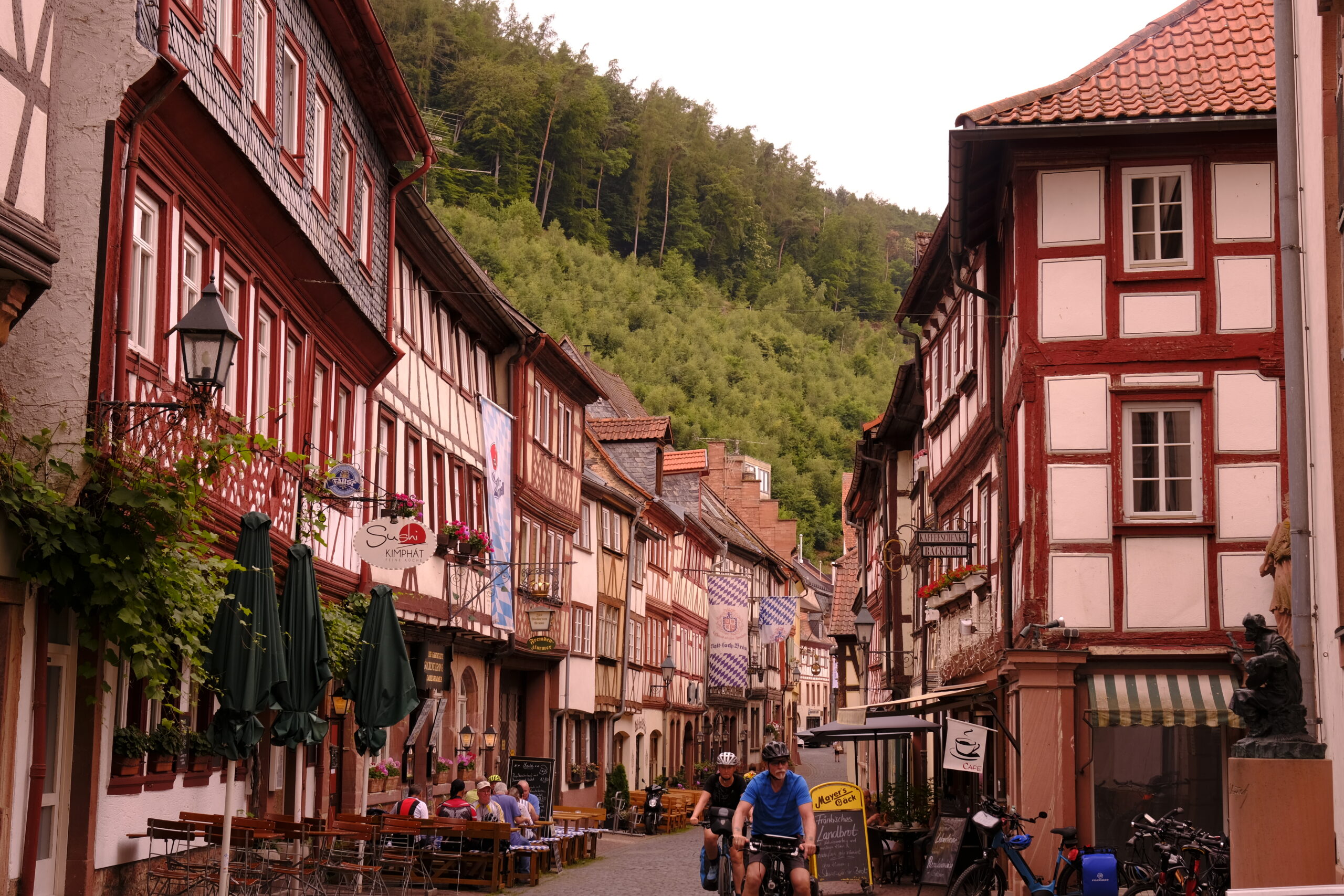
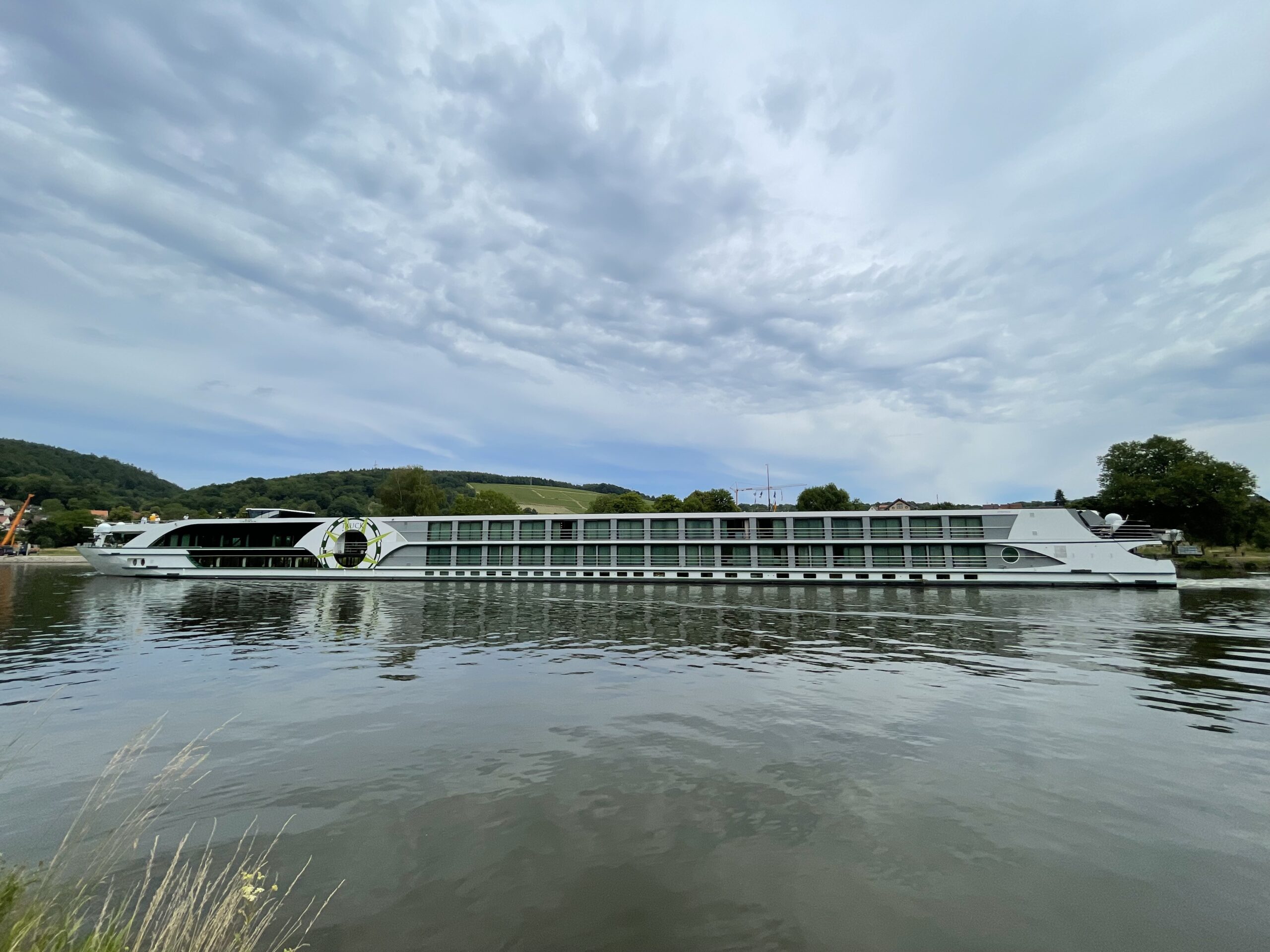
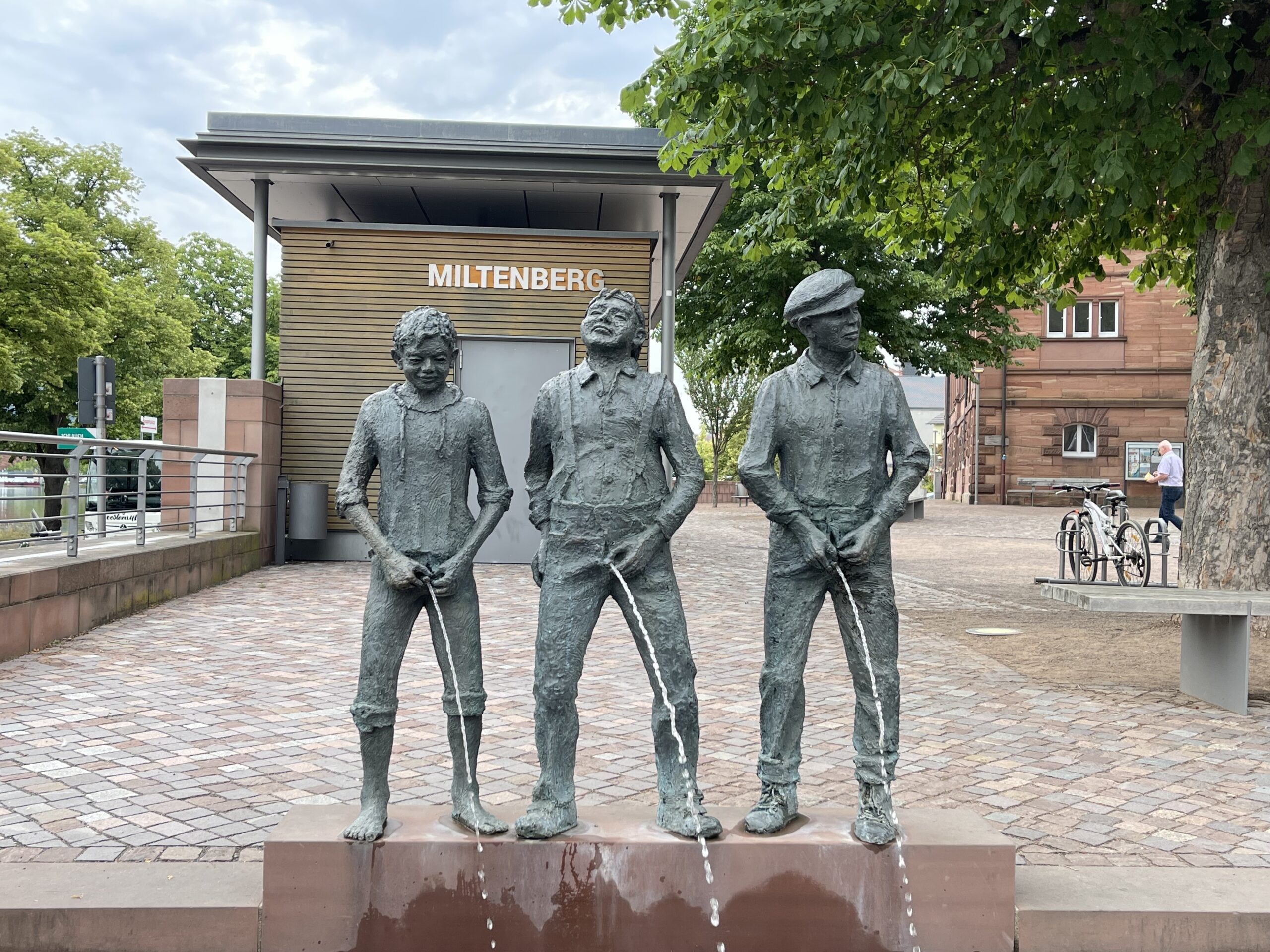
We drove to Miltenberg mid-morning while our boat continued its journey on the river. At one point, we paused on the riverbank to watch our ship sail by. In this charming town, we enjoyed a sausage lunch, indulged in ice cream, and explored the quaint streets filled with half-timbered houses and enticing shopping opportunities. Two notable attractions were the sculpture of peeing boys near the public loos and the captivating organ music in the church.
In the evening, we had the pleasure of sampling the chef’s signature dinner onboard.
Rüdesheim’s Mechanical Musical Marvels and Majestic Monuments – June 23, 2022
We are in Rüdesheim. This morning, we visited the highly unusual Siegfried’s Mechanical Musikkabinett to view and listen to a private collection of musical instruments, music boxes, and player pianos. The collection is housed in a 15th-century knight’s house that still had original frescoes in two rooms. There are 350 items in the collection that operated like computers once cranked up, turned on, plugged in, etc. We listened to some of the instruments, and the sound quality was noisy and amazing at the same time. The most fascinating was the room-sized Orchestrion with 40 animated characters producing the sound of a fairground band. The instruments were acquired by Siegfried Wendel, who initially collected clocks but later became enamored with mechanical musical instruments. He was a master craftsman and saved many badly damaged specimens by repairing and restoring them himself. His fascination with these musical instruments led to many being saved for posterity as they are no longer used on boardwalks, theaters, cinema houses, or hotels.

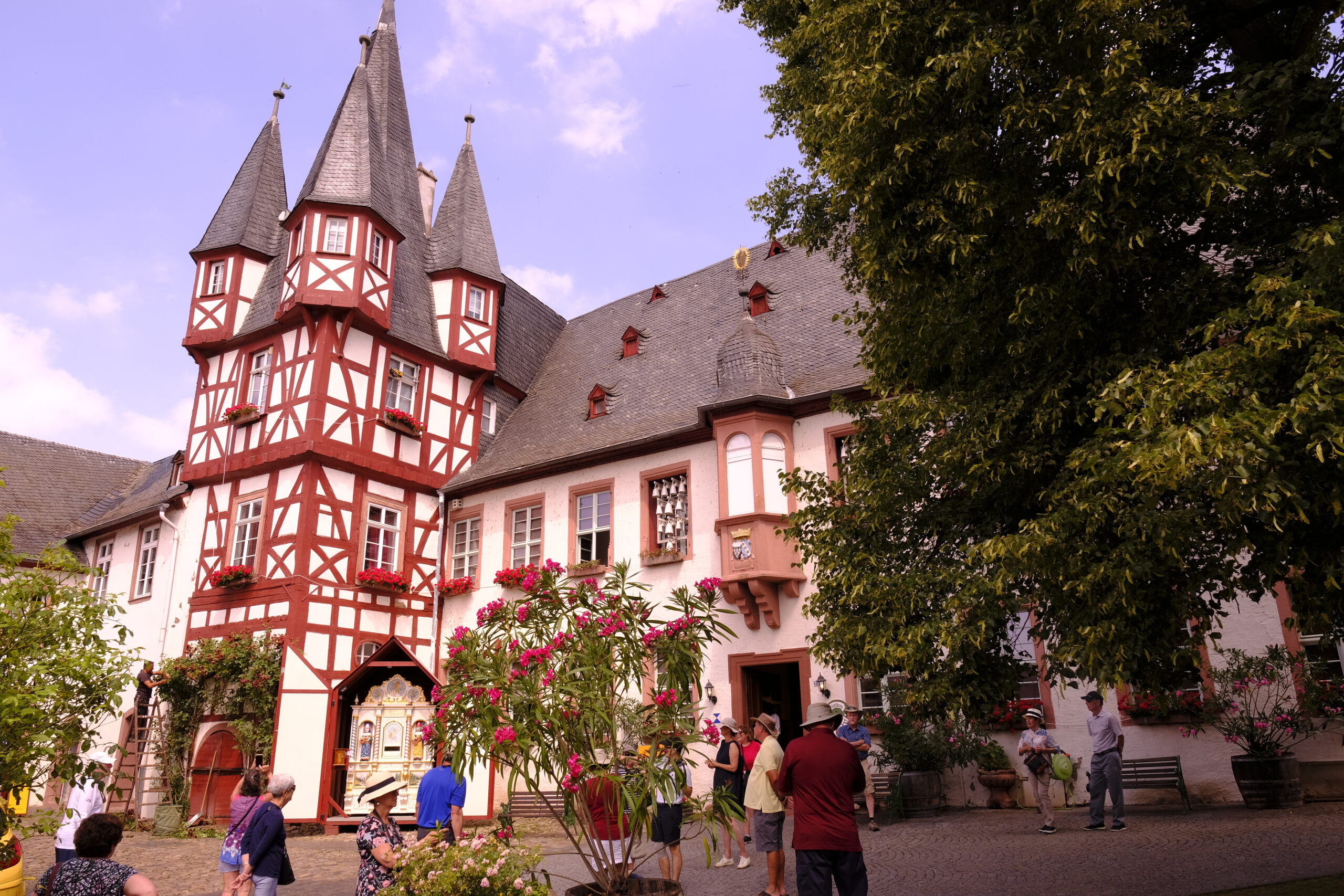
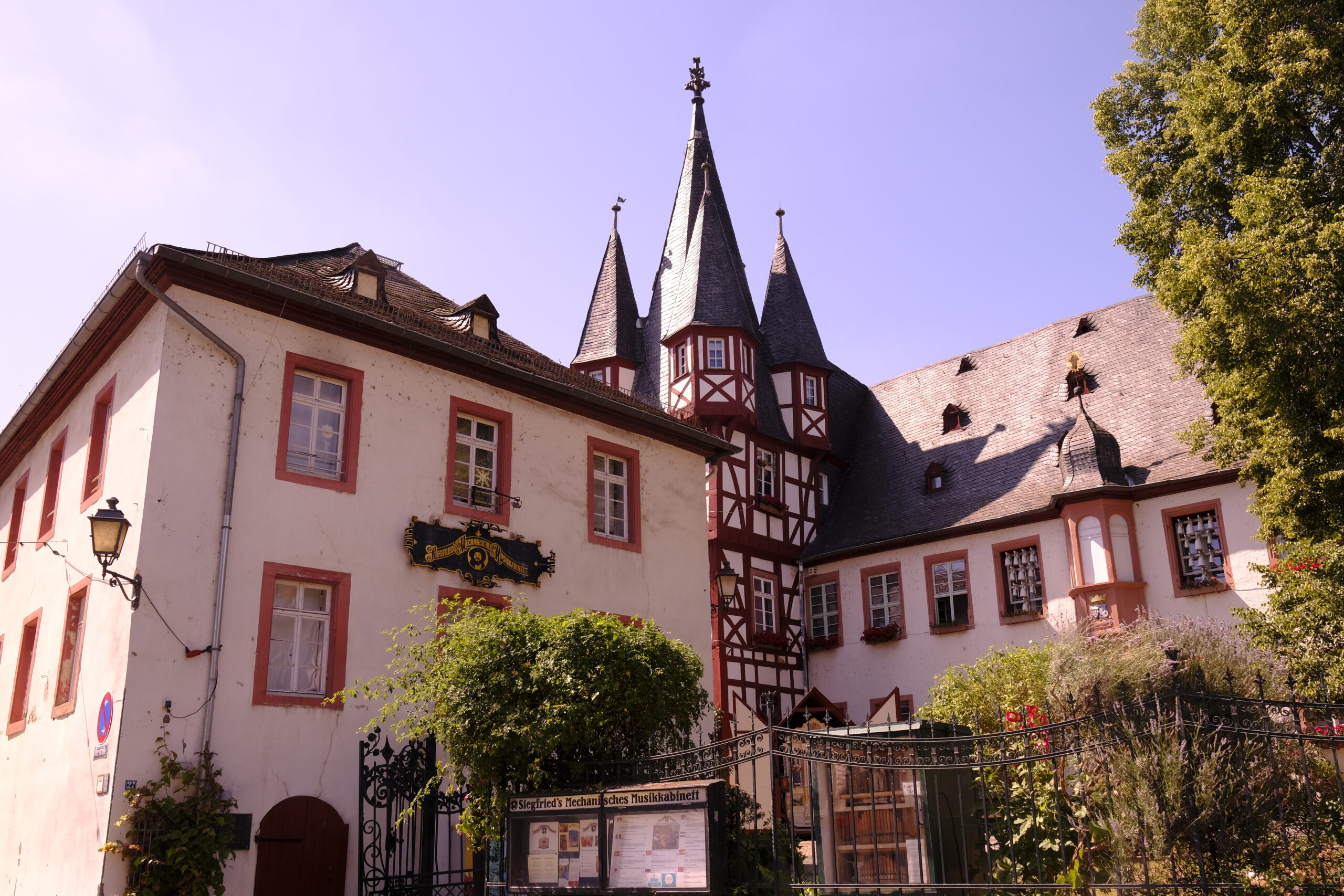
We had a traditional lunch in the Rüdesheimer Schloss, serenaded by the restaurant’s band. The Schloss dates to 1729 and has a very intriguing clock and tower that did its magic every hour. After lunch, we took a mini-train to the cable car station.
Our next excursion was to visit the Niederwald Monument by means of a chairlift (Seilbahn) that took us over vineyards and gave us a fabulous view of the Rhine Valley. The monument was cast in bronze and stood high above the Rhine, symbolizing German unification of 25 individual states after the Franco-Prussian war of 1870-71. Wilhelm I was depicted life-size on horseback along with figurative motifs of war, peace, farewell, and homecoming. It was a very majestic monument and was perfectly located to inspire awe.
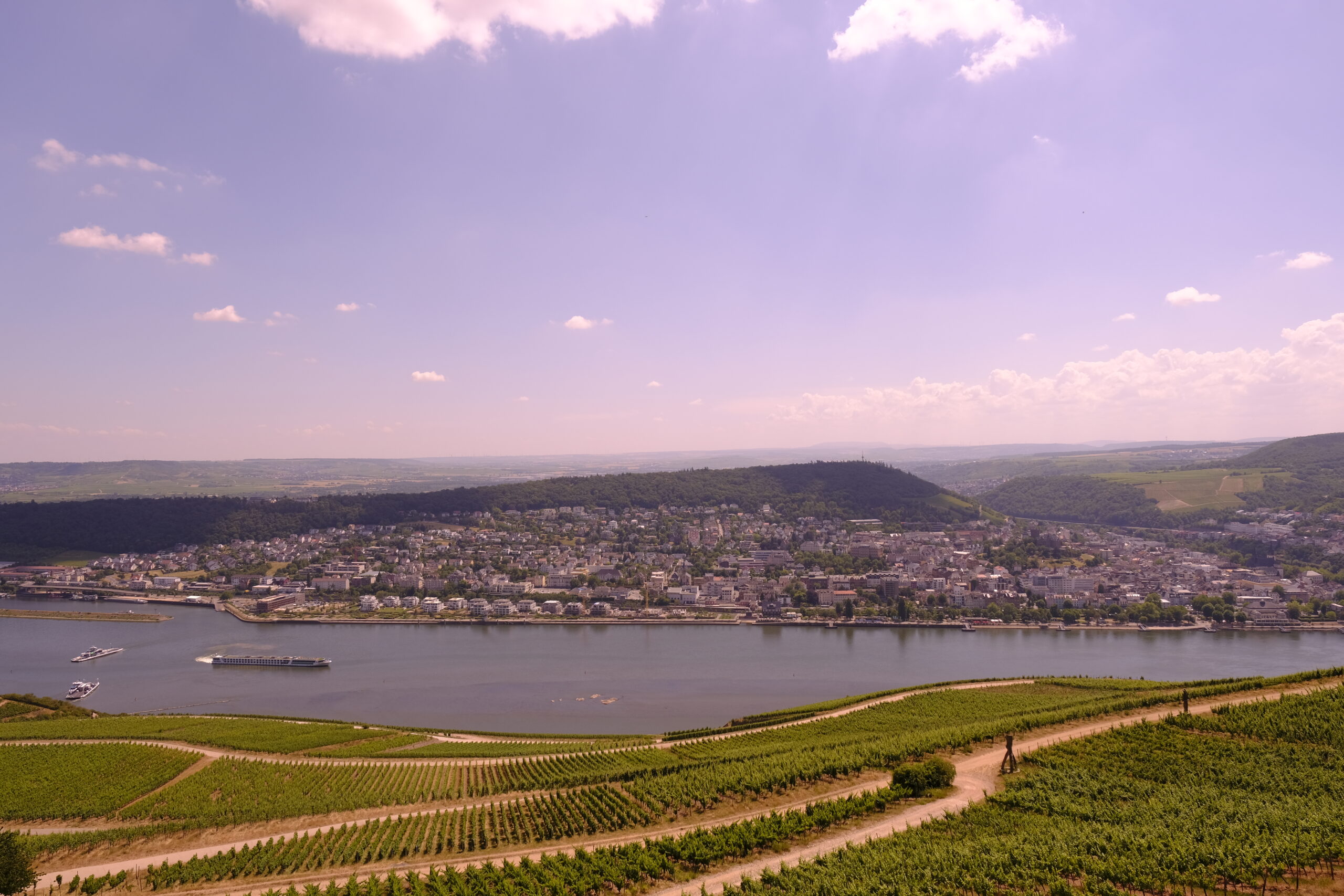
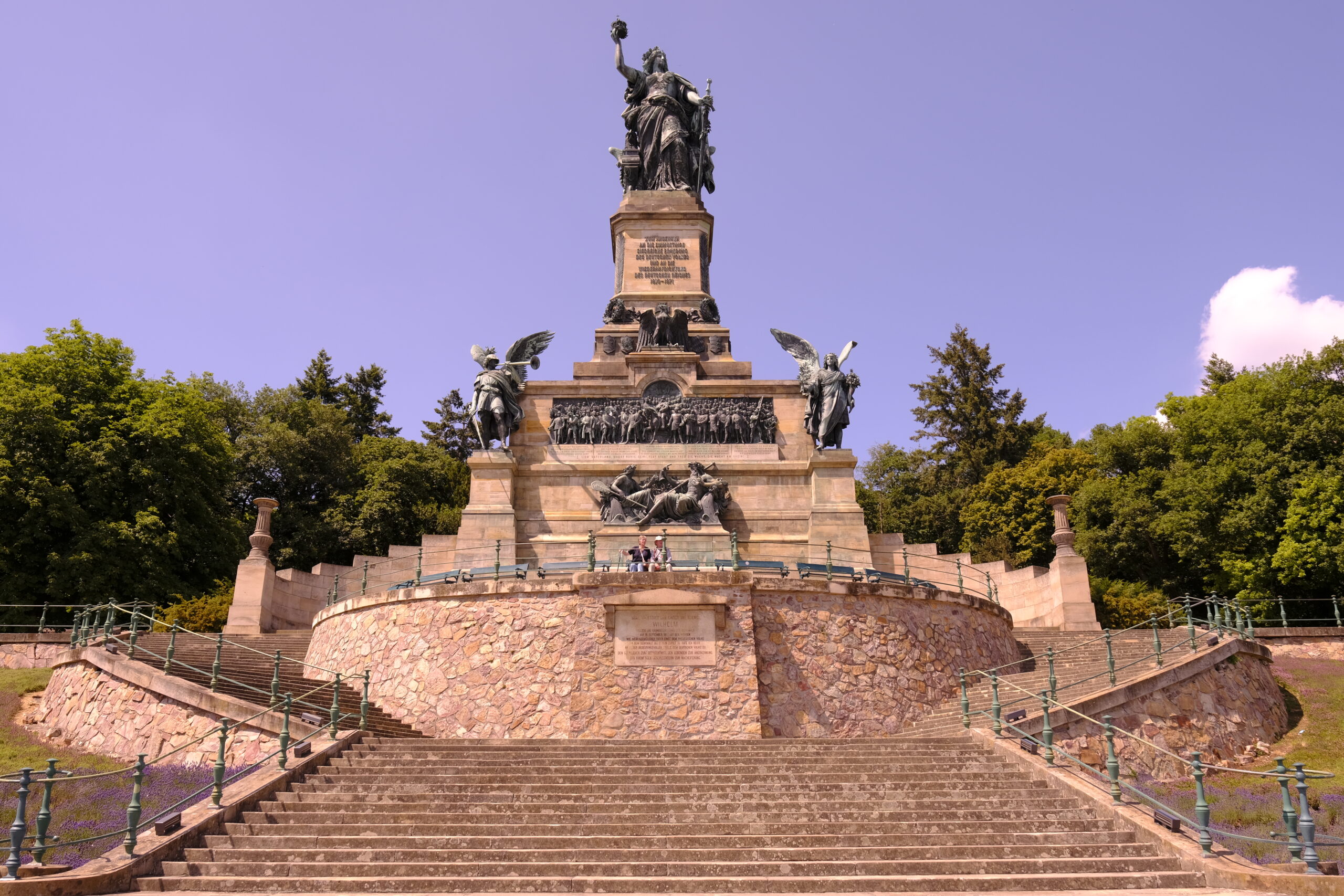
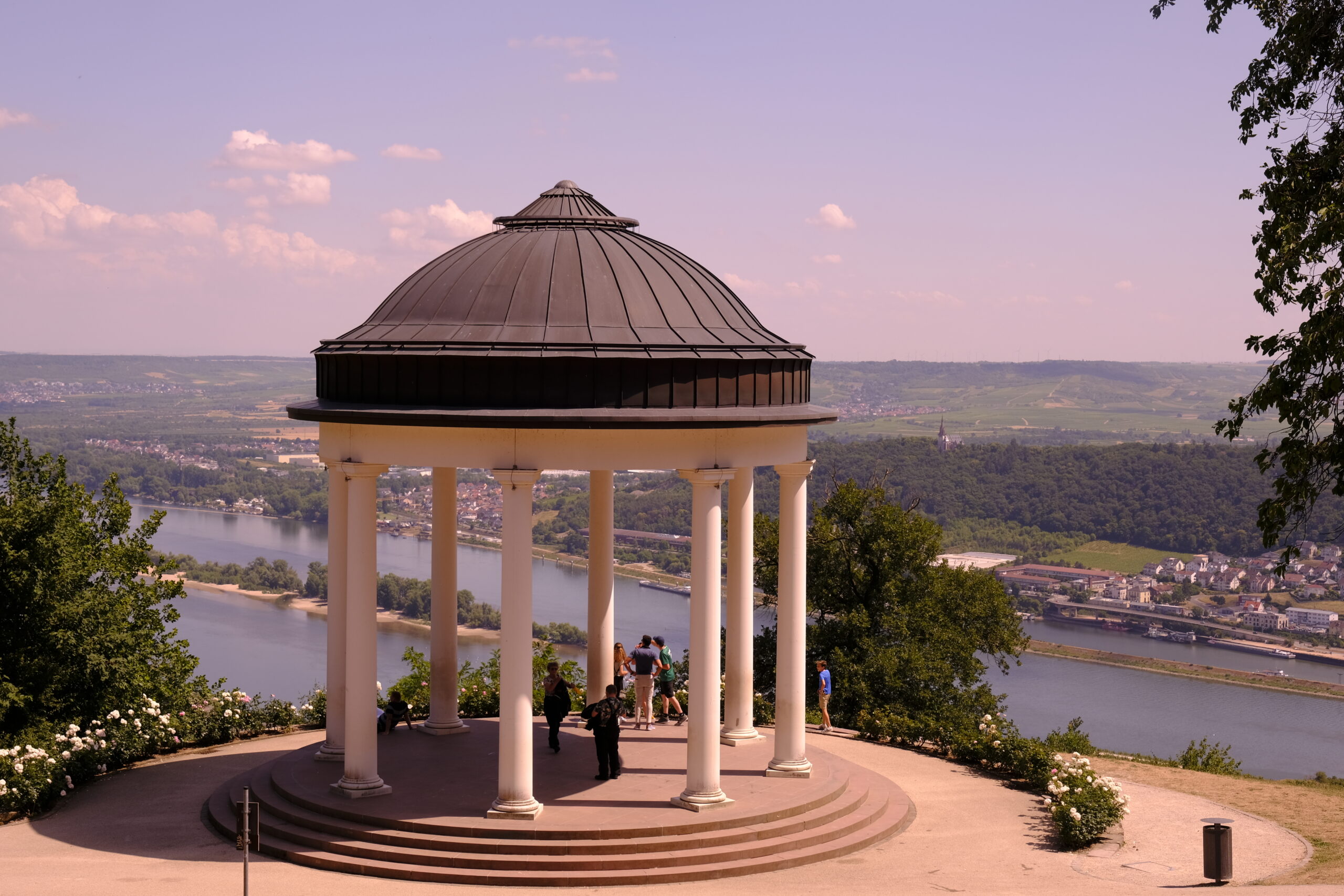
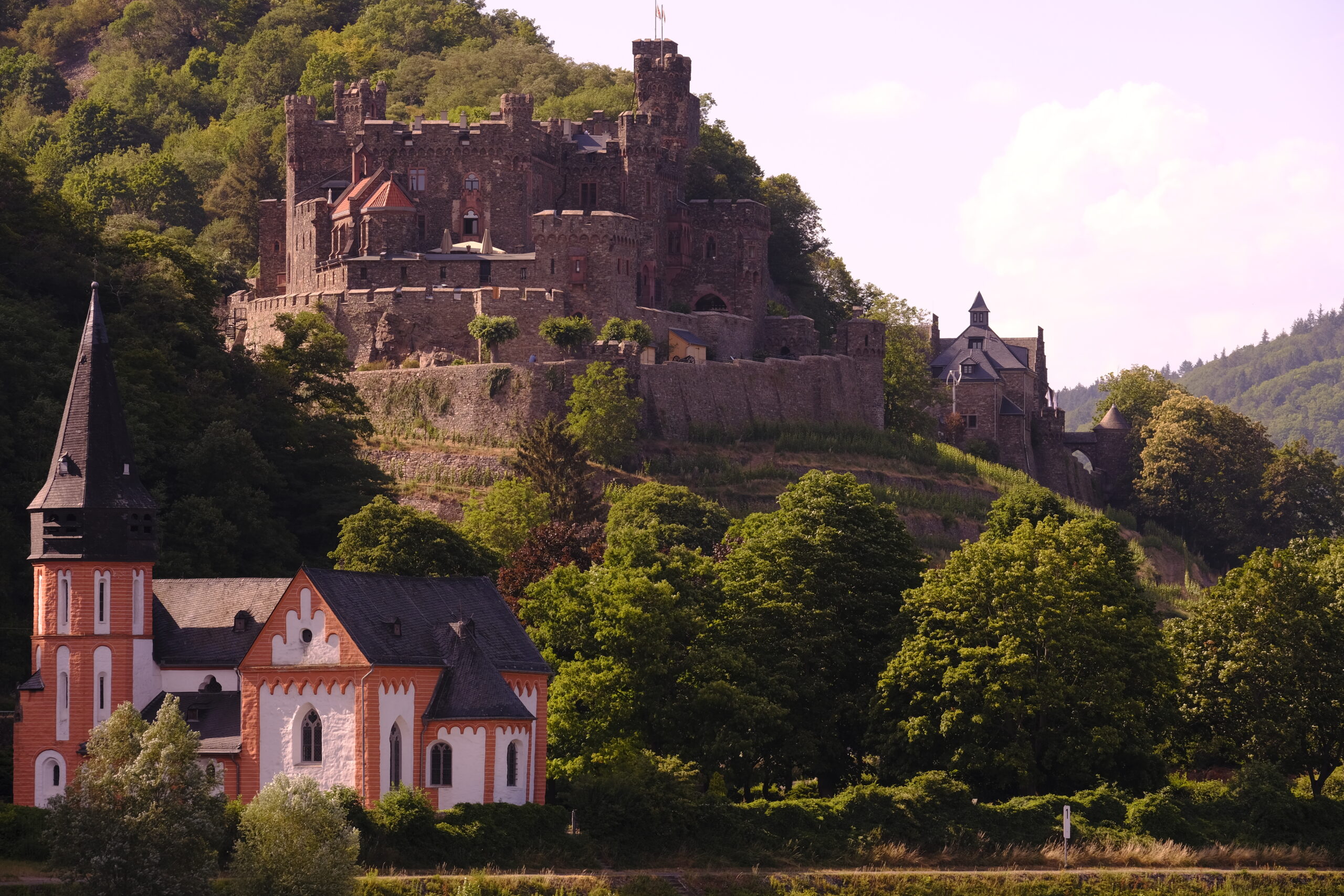
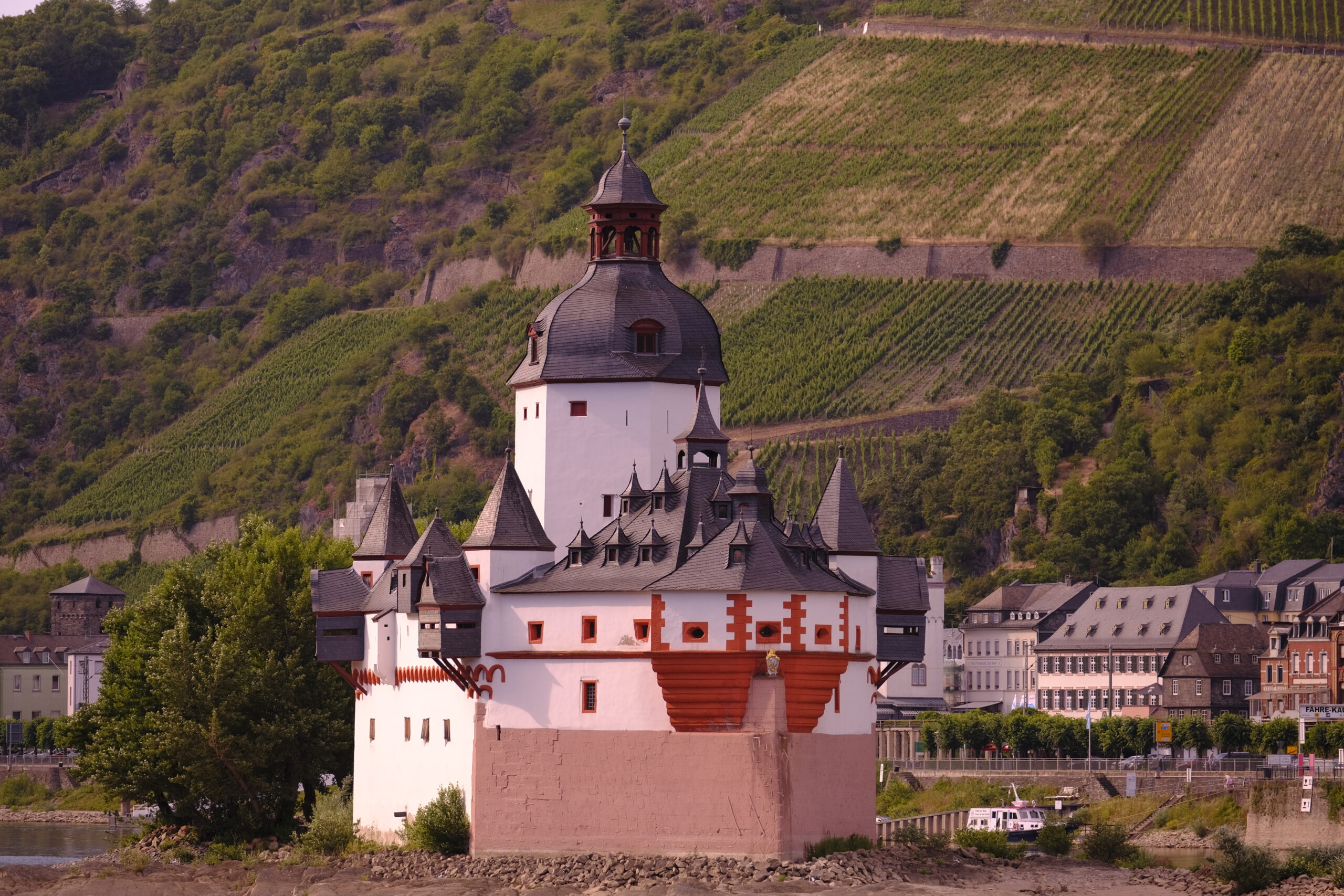
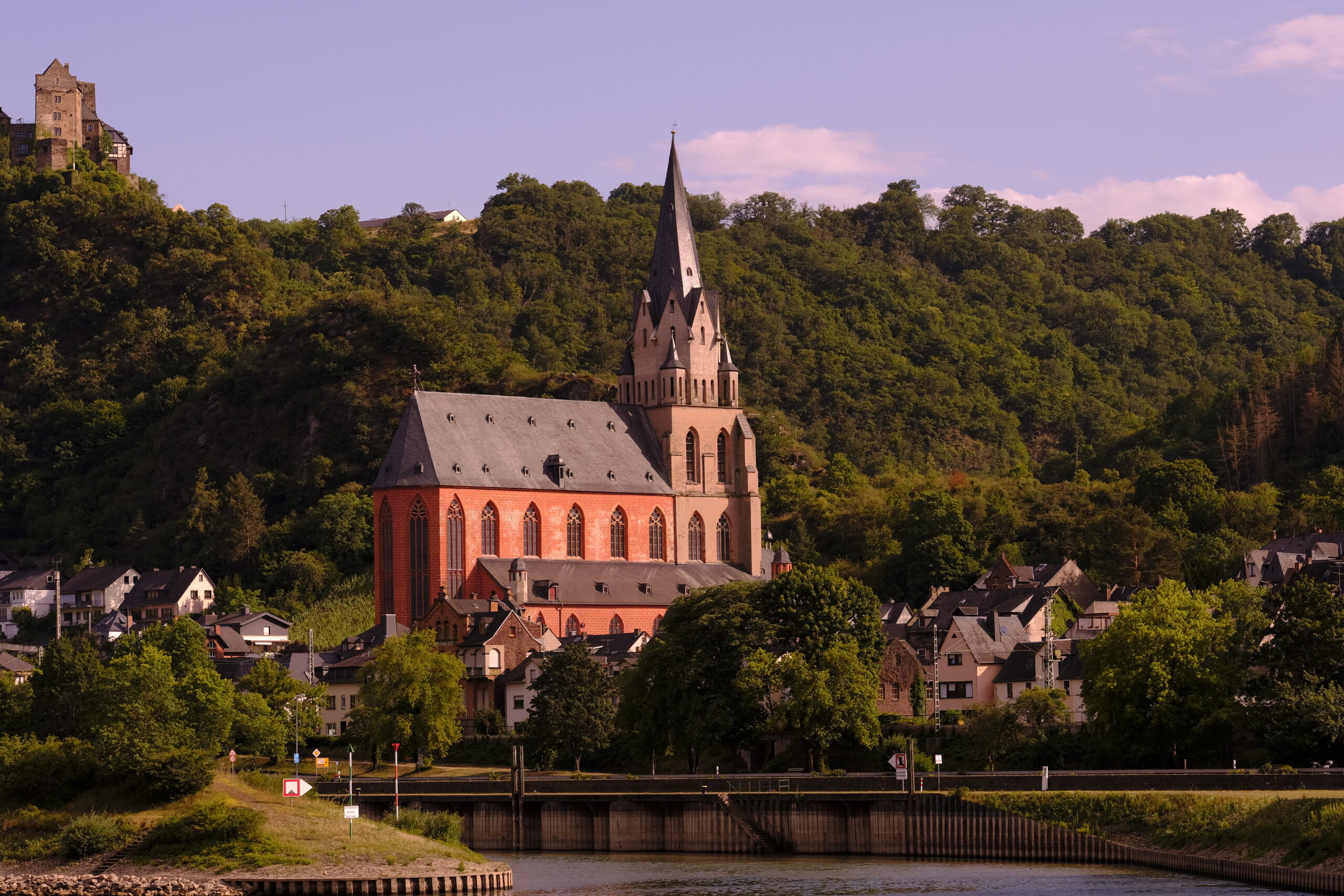
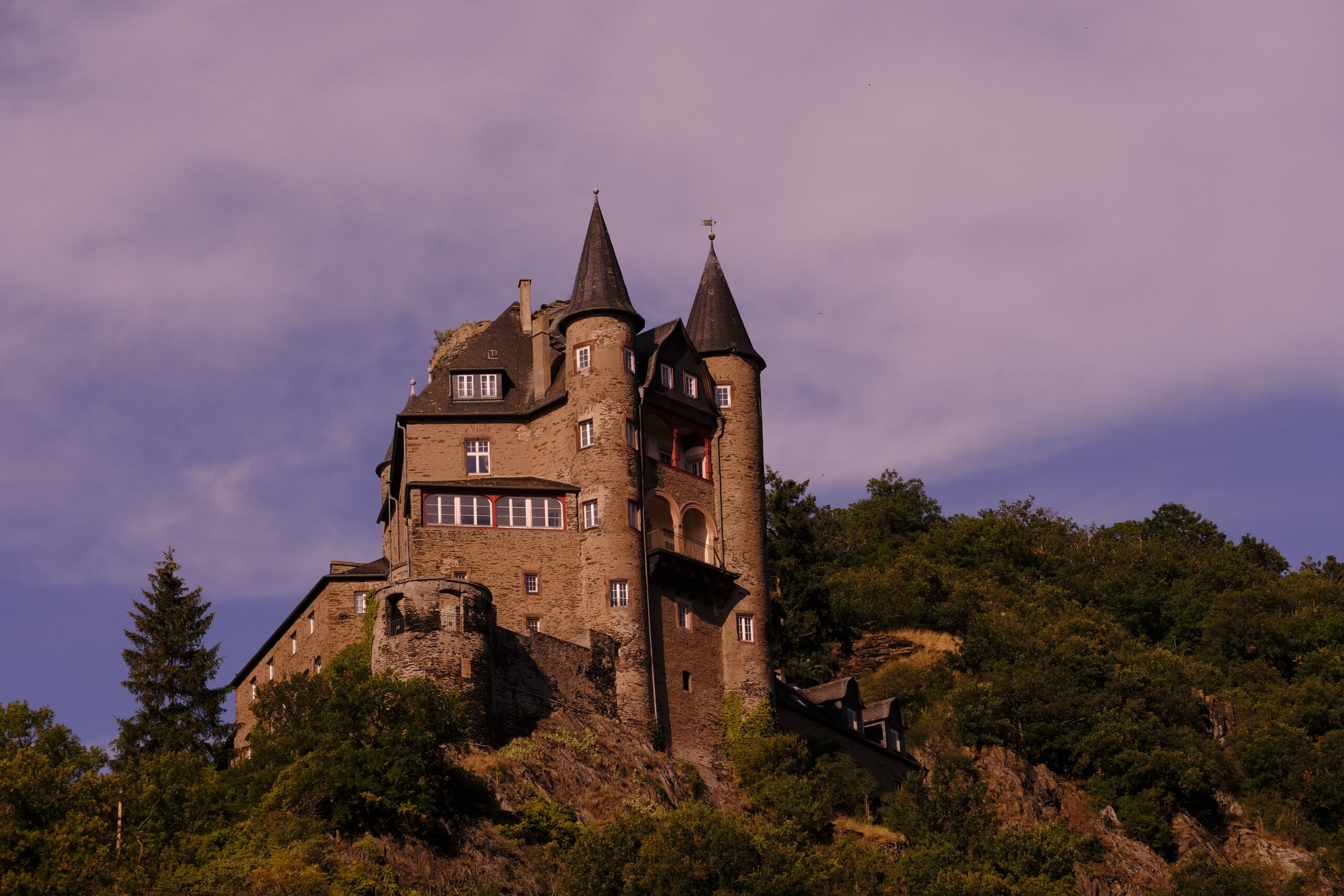
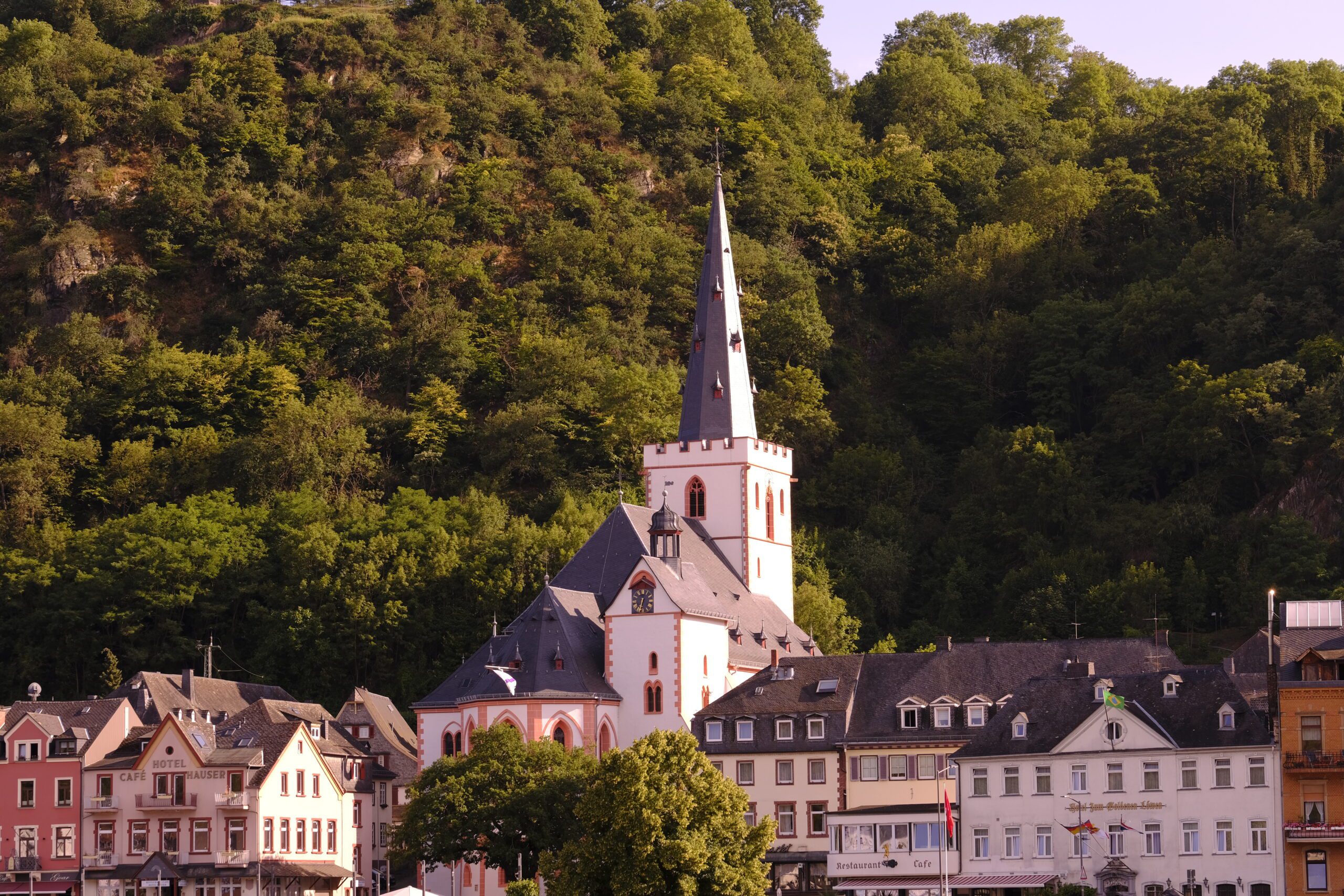
Another cable car and mini-train ride took us back to the ship to cruise the Middle Rhine with its many magical castles and the Lorelei rock said to be treacherous for navigators.

A Damp Day in Cologne – June 24, 2022
This morning, we arrived in Cologne to a gloomy sky that soon unleashed a downpour as we started our tour of the cathedral area. Seeking shelter from the rain, we dashed into the cathedral, only to find a mass in progress, restricting our movement. Undeterred by the weather, we discovered that shops and museums were not yet open, prompting a visit to perfumer Giovanni Maria Farina’s shop and museum.
Farina, an Italian, invented Eau de Cologne, but his formula and process fell victim to a lack of copyright regulations. A local family allegedly stole it, creating their own line known globally as 4711—the perfume familiar to most. Noteworthy figures such as Queen Victoria and Napoleon were among Farina’s admirers. Taking advantage of the shopping opportunity, we indulged in Farina’s offerings. Later in the day, we shopped at 4711.
After our tour was over, we enjoyed a more leisurely pace. Albert opted to sample the local beer, while Christabel climbed the Cathedral’s South Tower—533 steps up and 533 steps down.
The Cologne Cathedral stands as the largest twin-spired church globally, with construction spanning nearly 700 years from 1248 to 1475 when funds depleted. Completion in 1880 was made possible by financial contributions of Protestant rulers during the time when Cologne was part of Prussia. Despite severe damage in World War II, the cathedral, unlike much of Cologne, remained standing. Restoration efforts concluded in the 1950s.
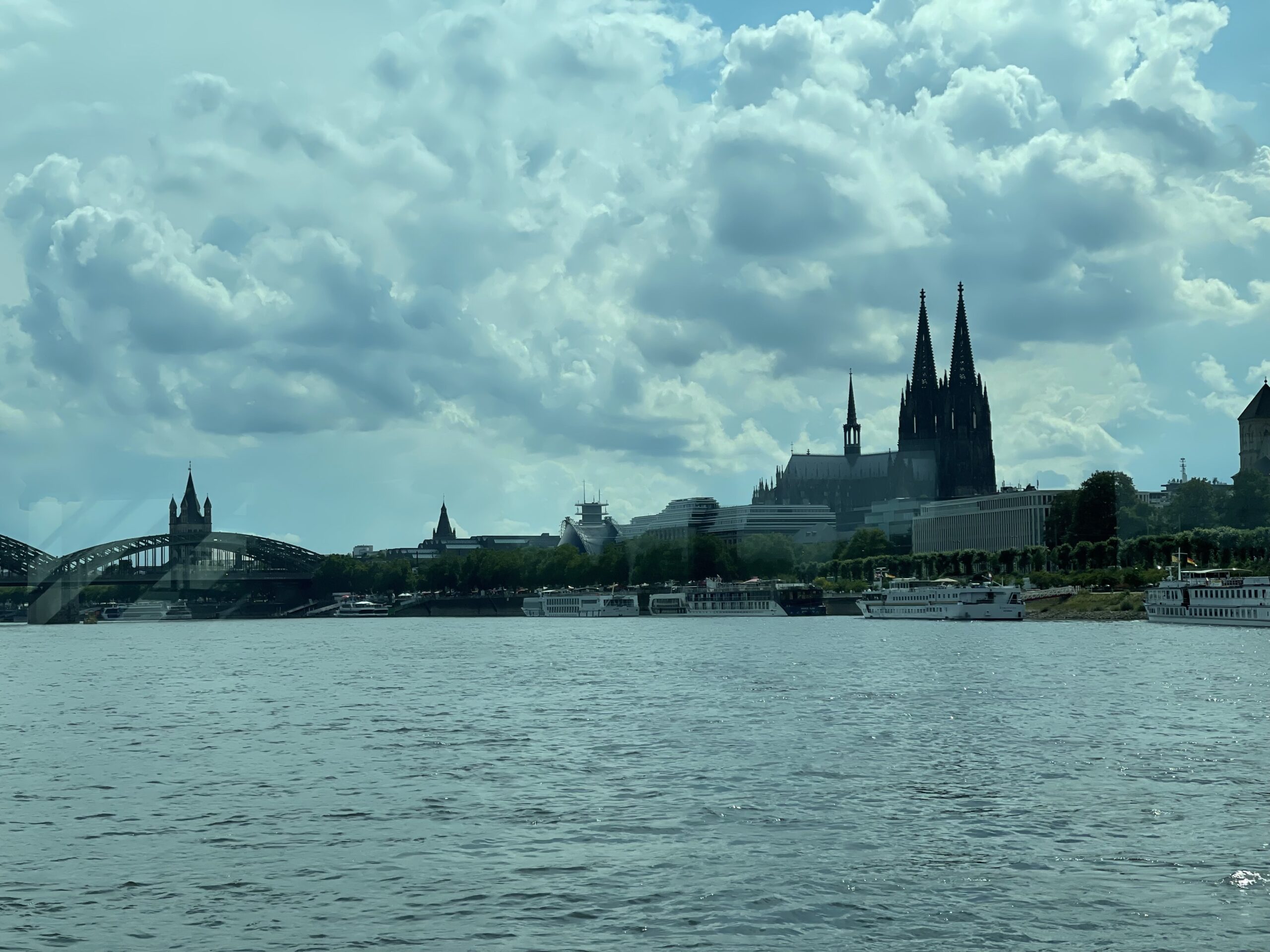
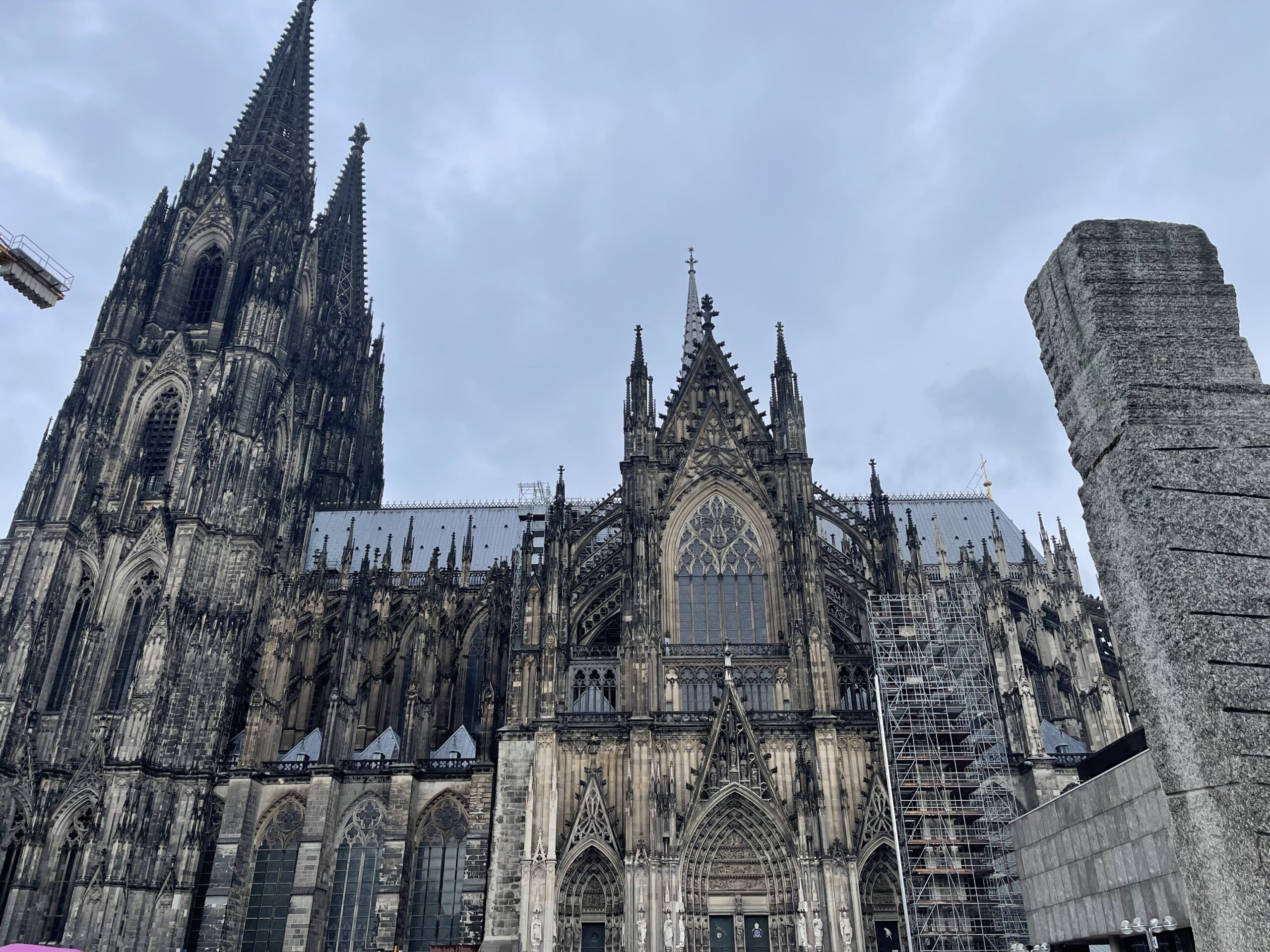
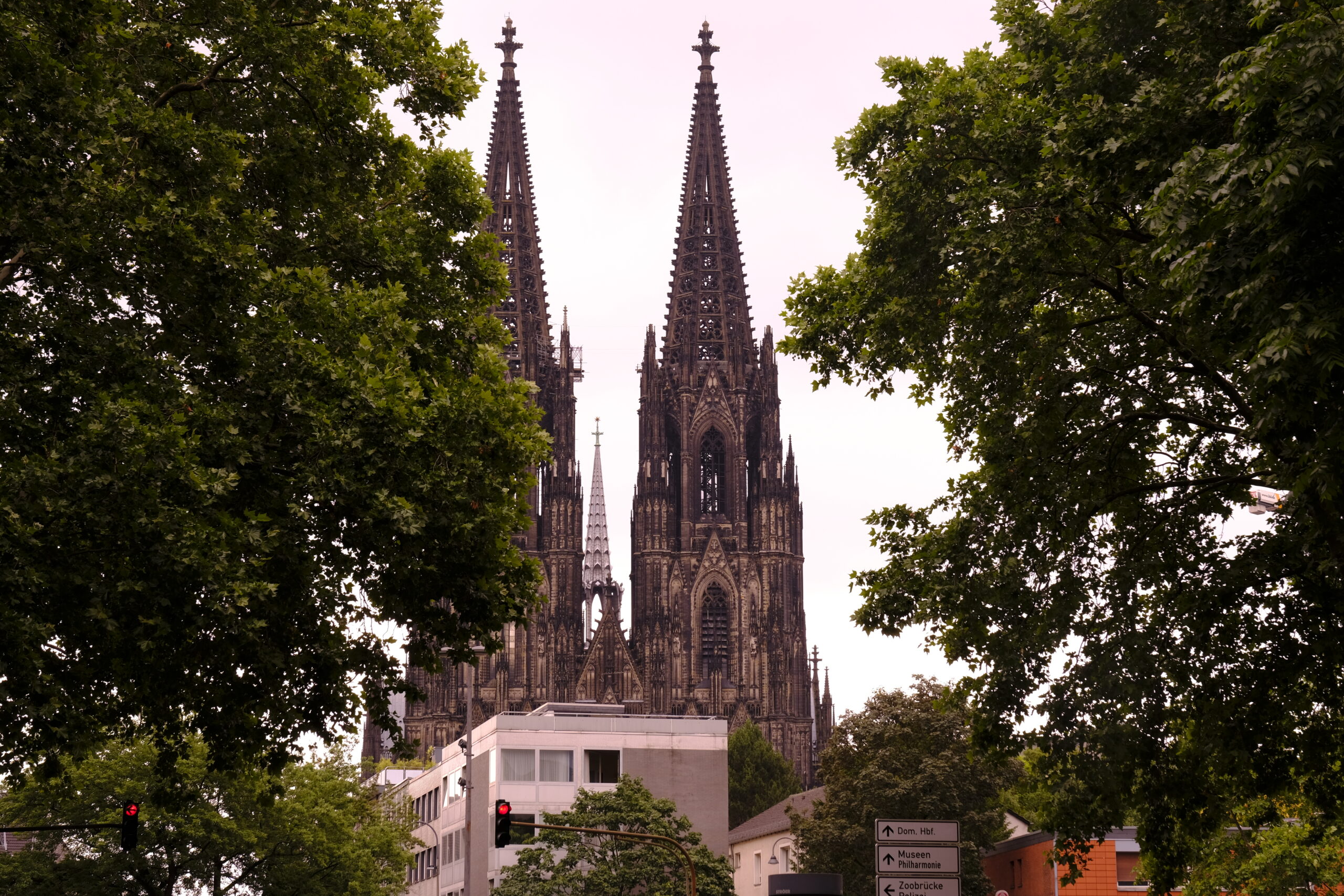
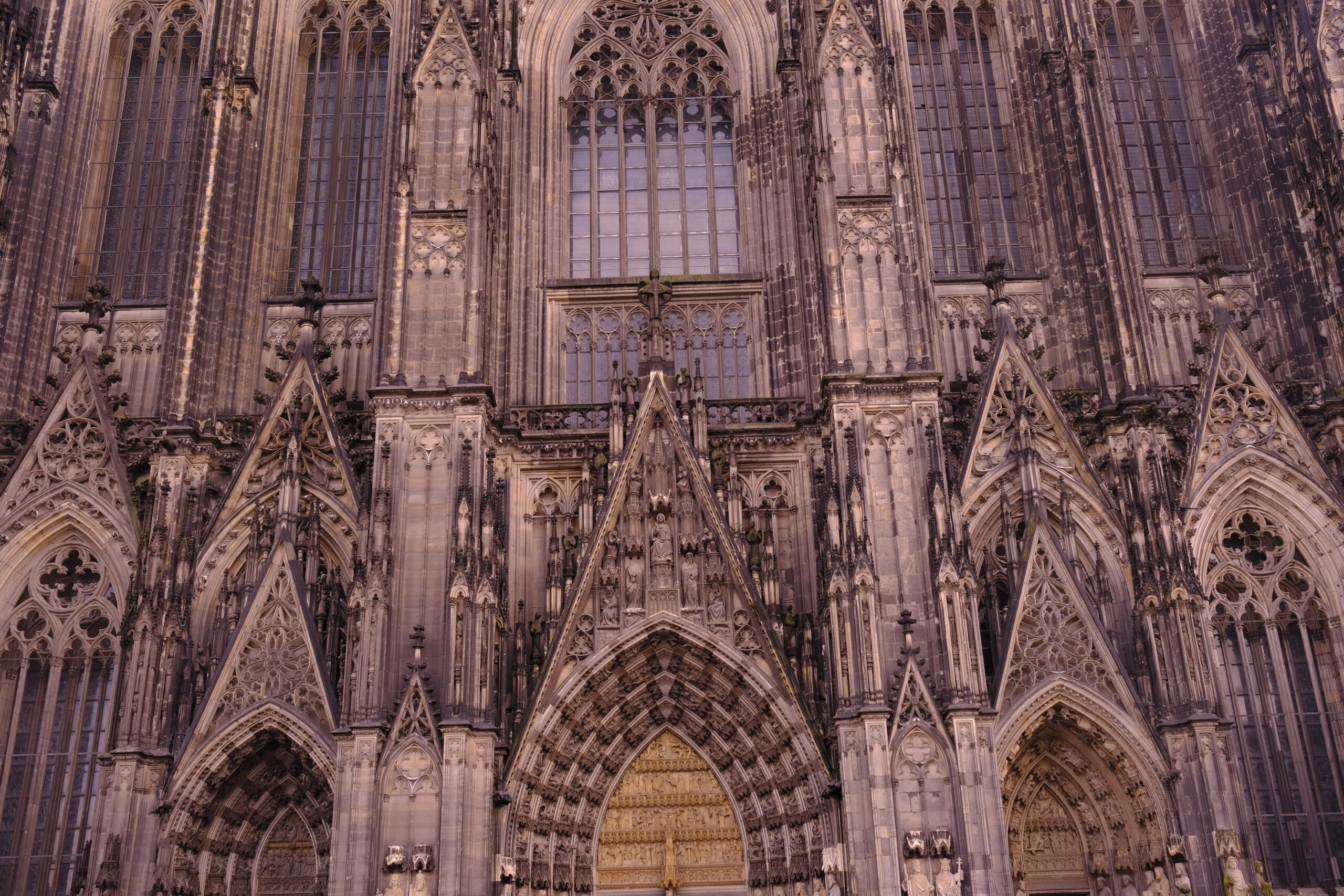
Boasting exquisite stained-glass windows, the cathedral houses the reliquary of the Magi, a gift from the Holy Roman Emperor to the Archbishop of Cologne as gratitude for quelling a rebellion in Milan, resulting in the loss of one of Milan’s most sacred treasures.
Exploring Floriade 2022 – June 25, 2022
This morning, we docked in Utrecht, Netherlands, and embarked on a coach journey to visit Floriade 2022 in Almere, running from April 19 to October 9. The theme is Growing Green Cities. Organized by the Dutch Horticultural Council, Floriade is an international exhibition and garden festival held once every decade in the Netherlands, with its inaugural event having been held in Rotterdam in 1960.
We were fortunate to visit before the exhibition opened to the public. We visited many interesting pavilions and exhibits, but for us the most interesting were the ones created by the UAE and Qatar. The UAE’s pavilion titled “Salt Water Cities, Where Land Meets the Sea” showcased an innovative approach to sustainability in the country’s arid, desert environment, where water scarcity, scorching heat, and salty soil create all kinds of challenges. The Desert Nest, Qatar’s Pavilion, used 3D printing with sustainable materials to create pigeon towers, envisioning desert transforming into sustainable cities.
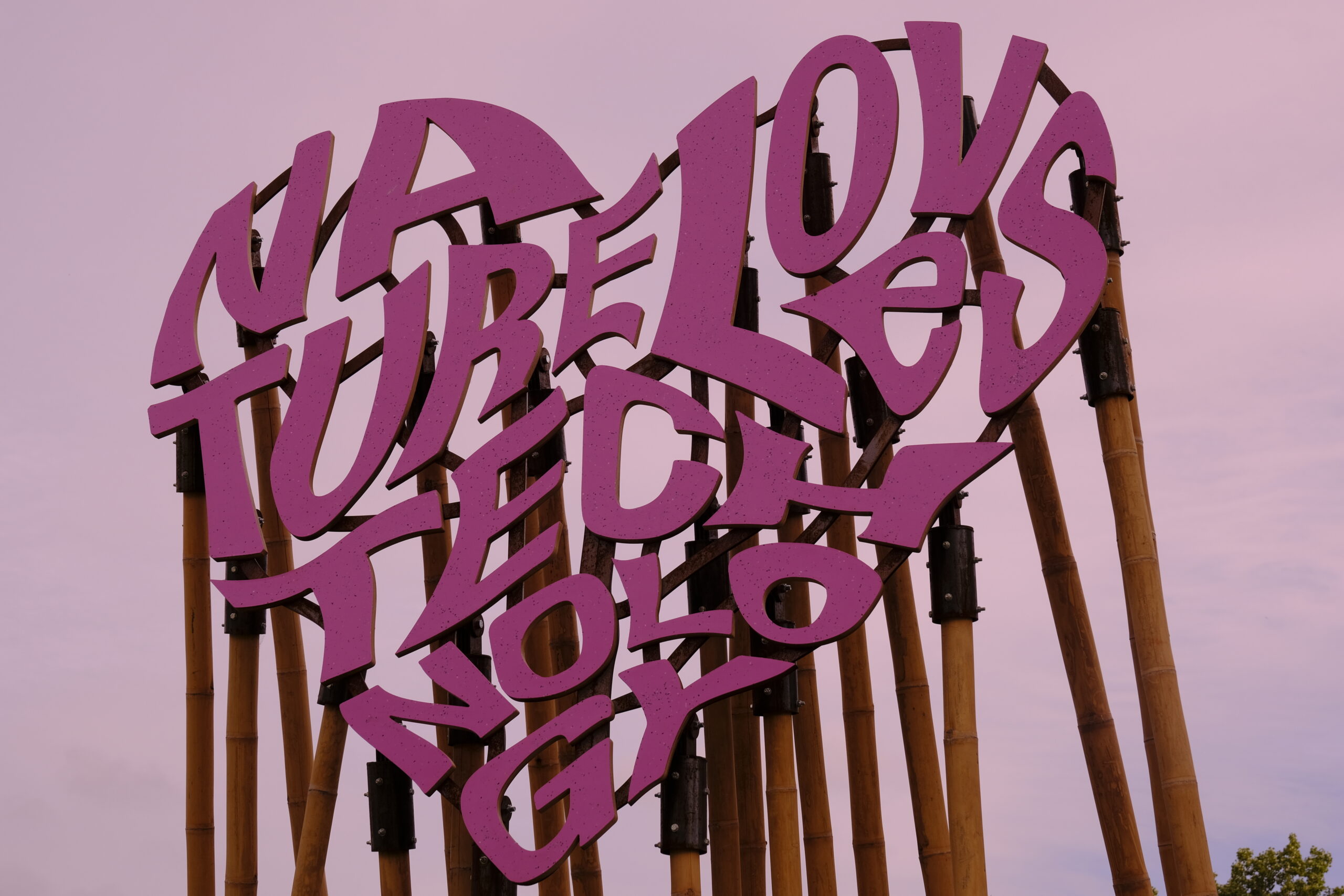
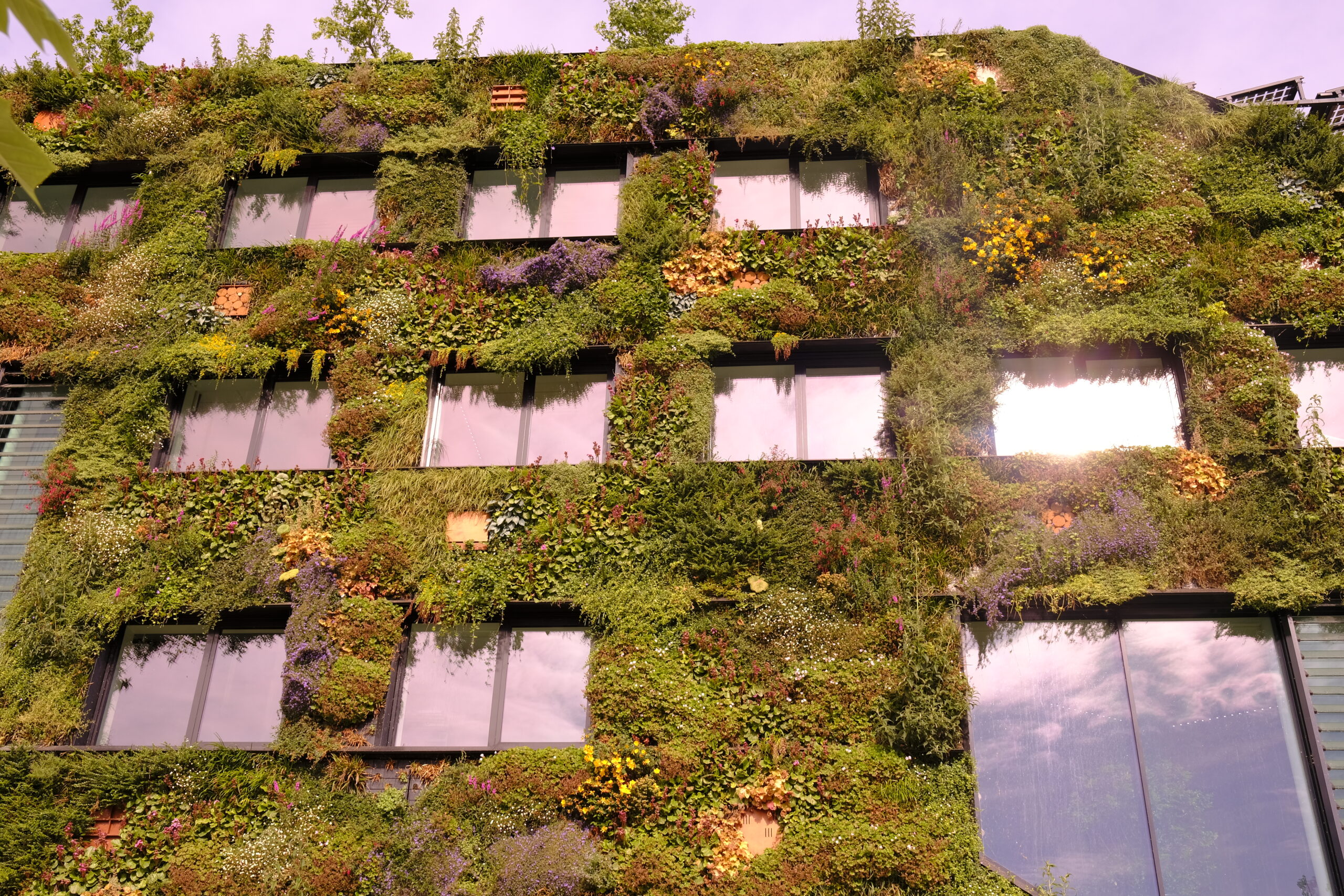
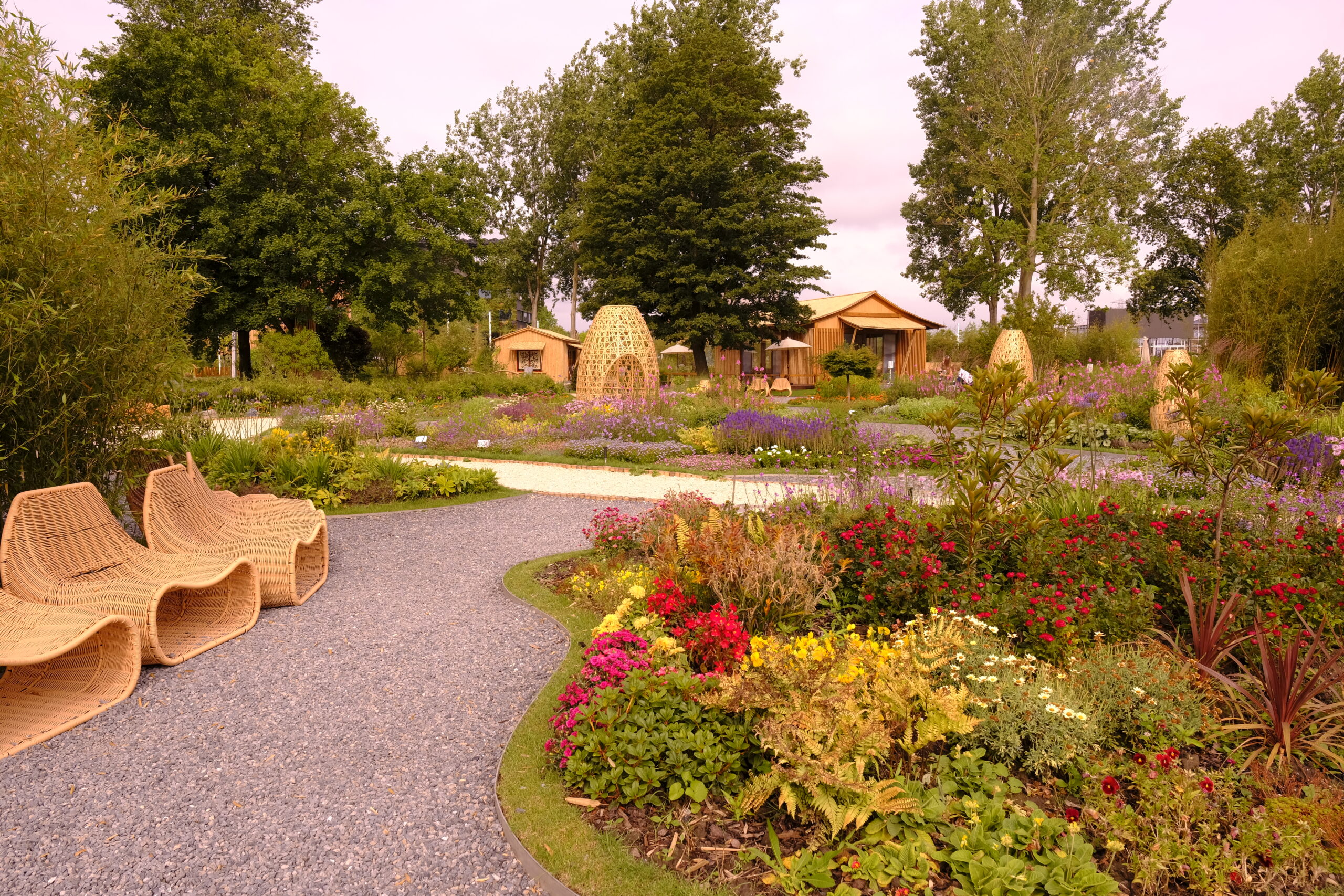
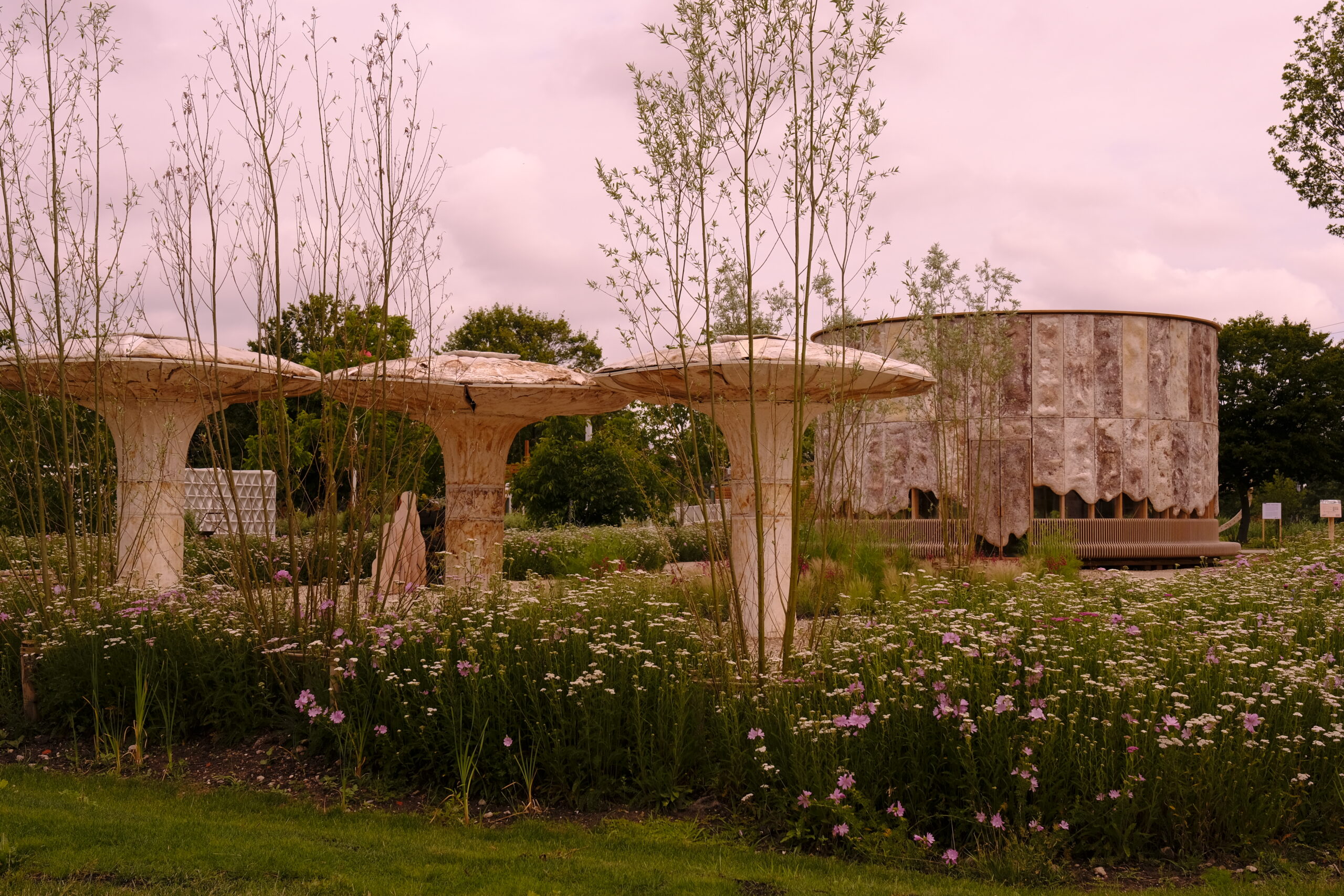
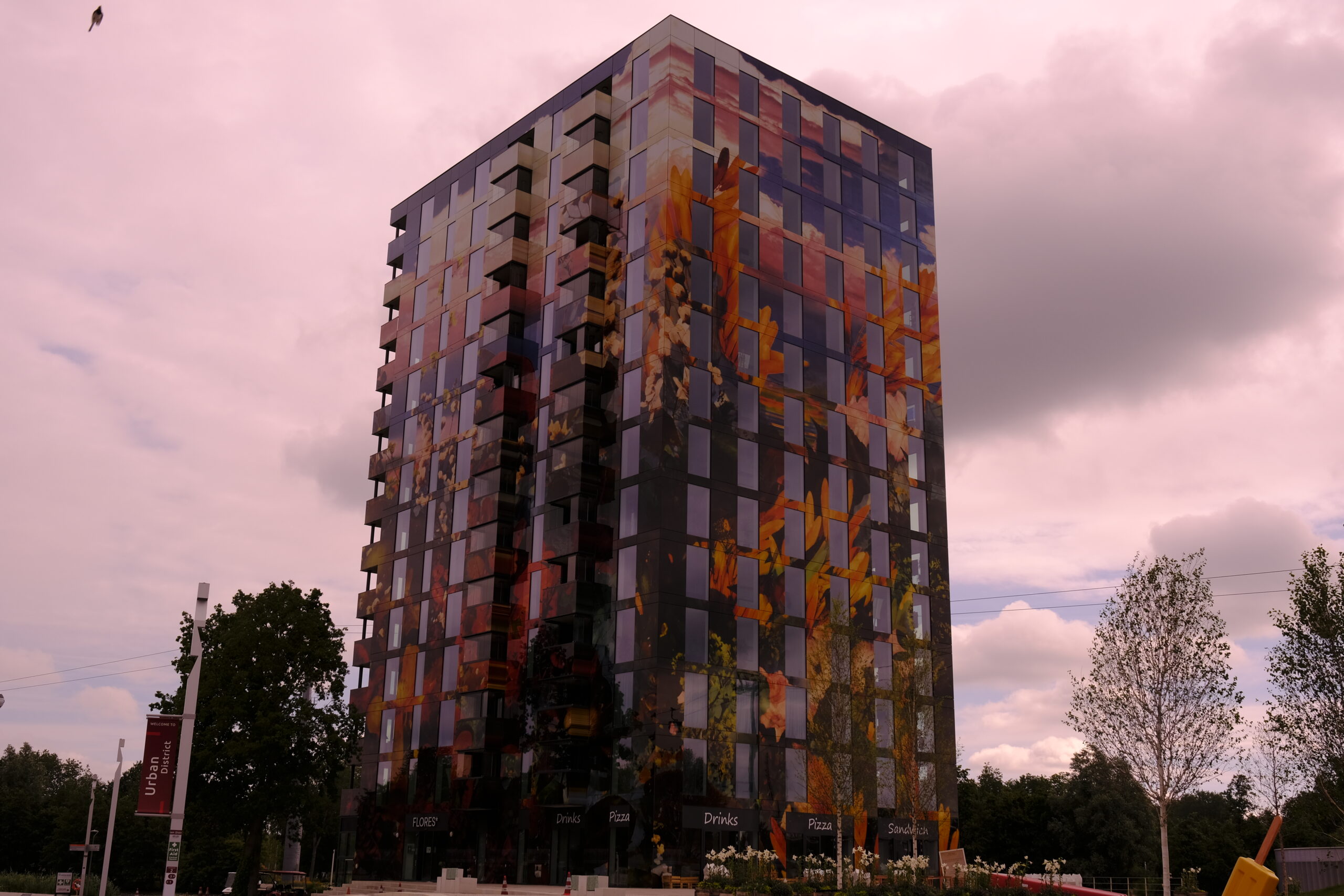
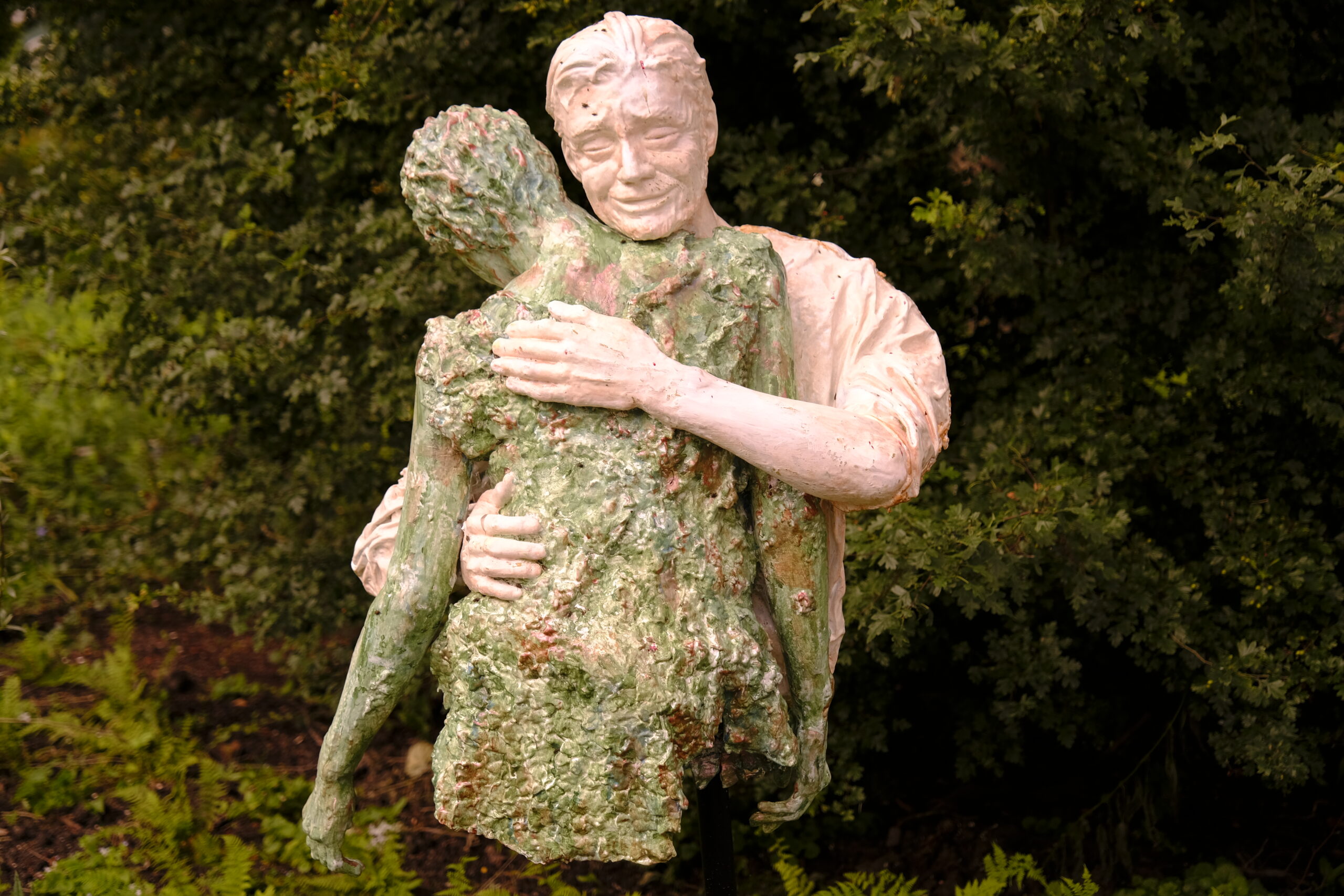
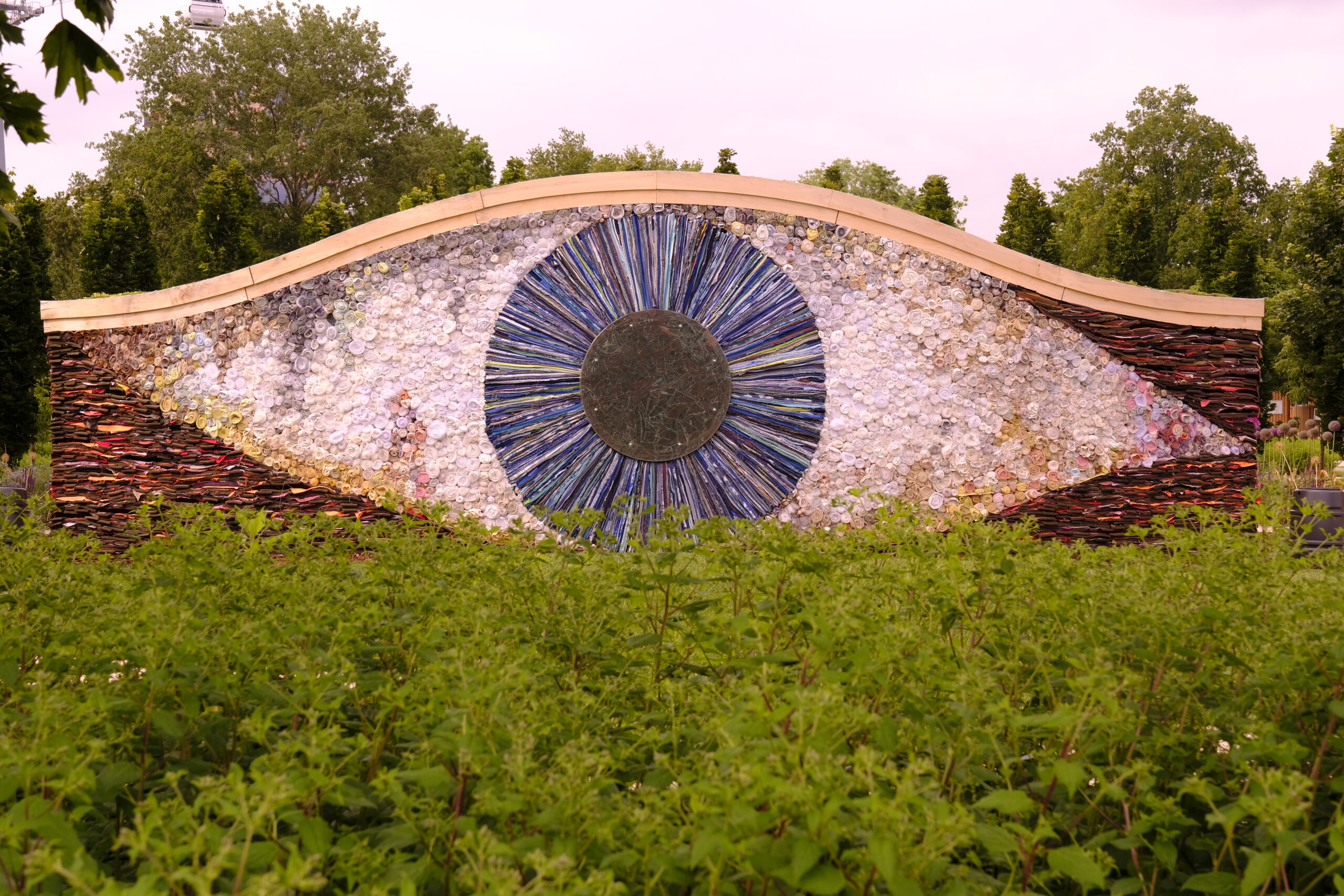
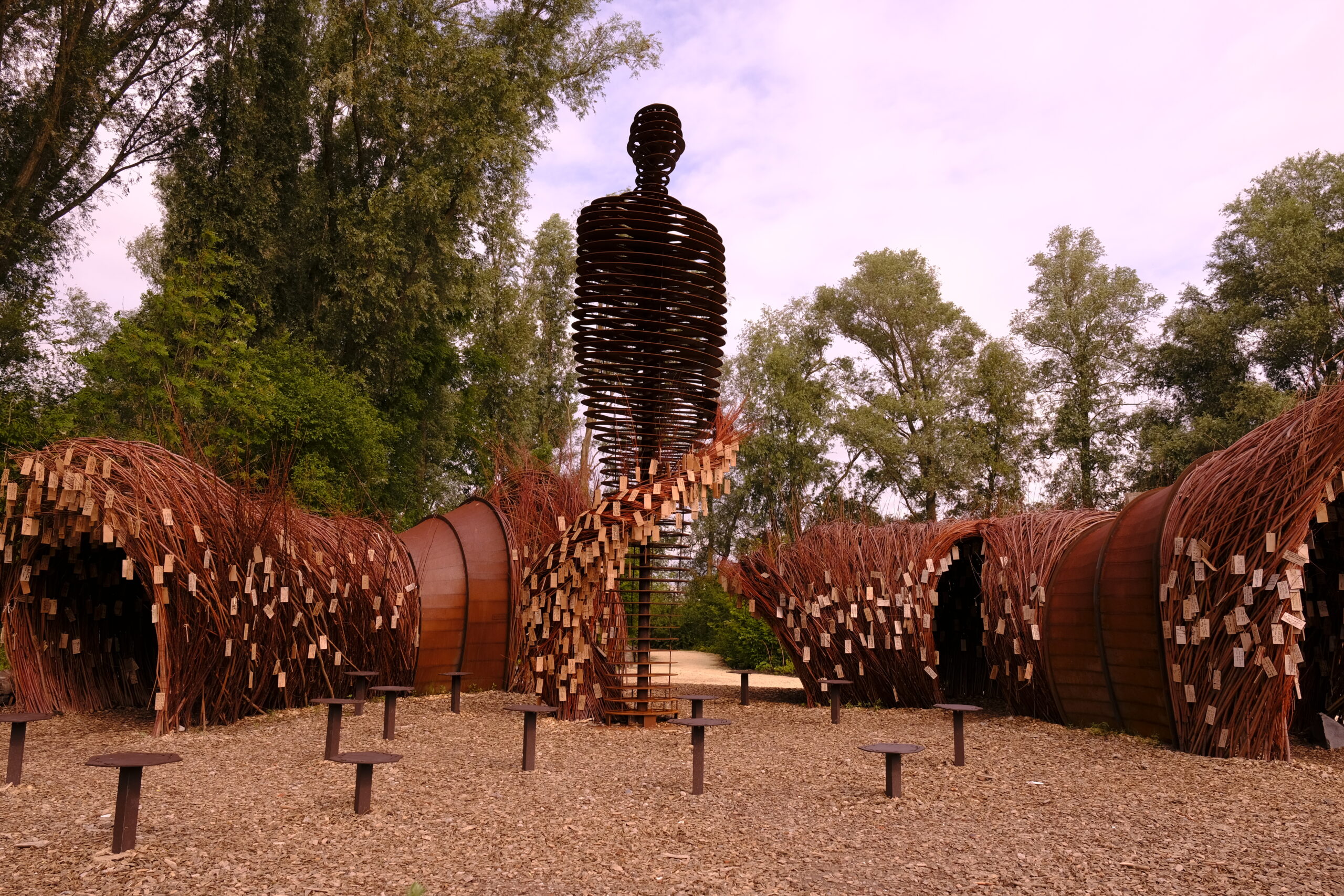
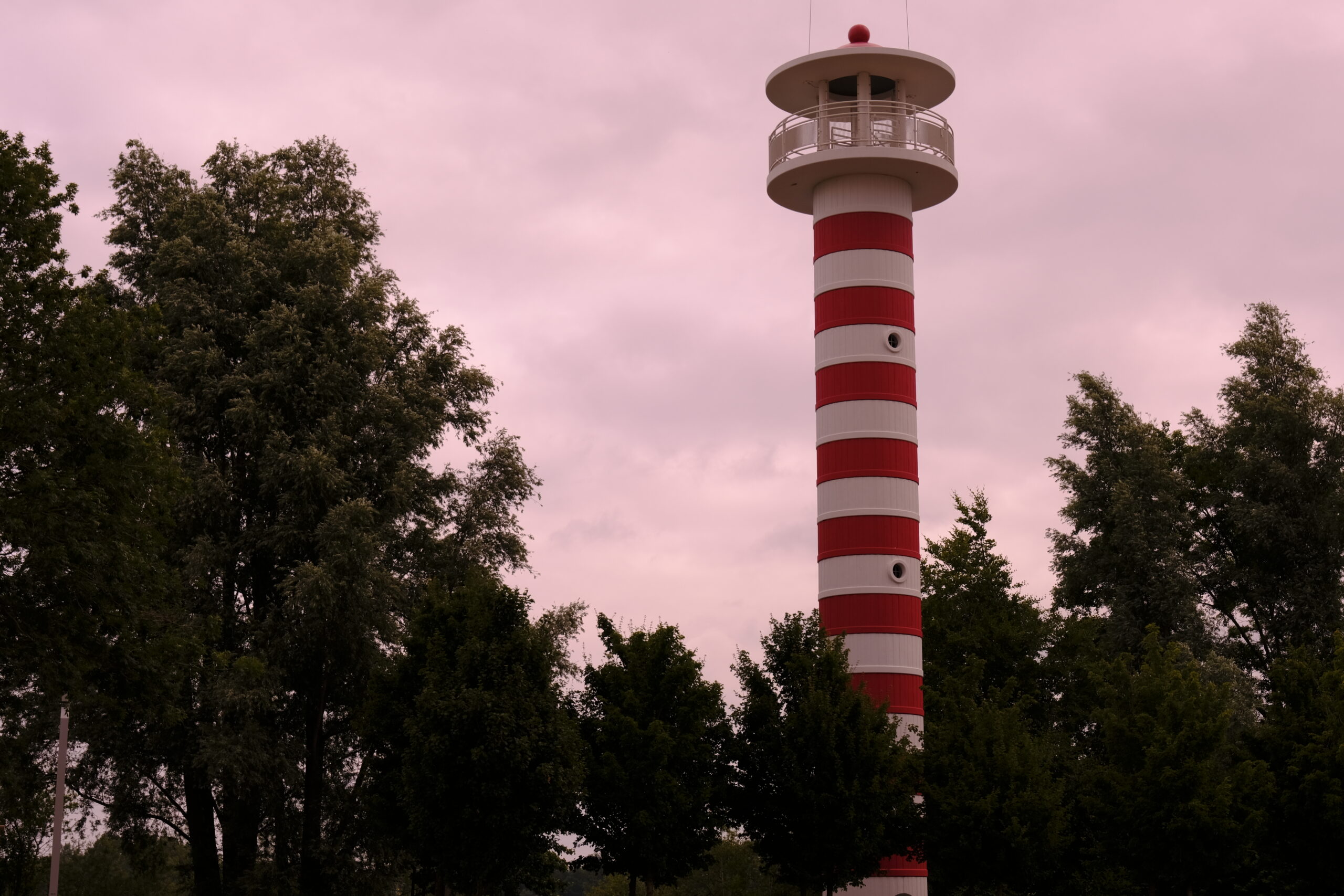
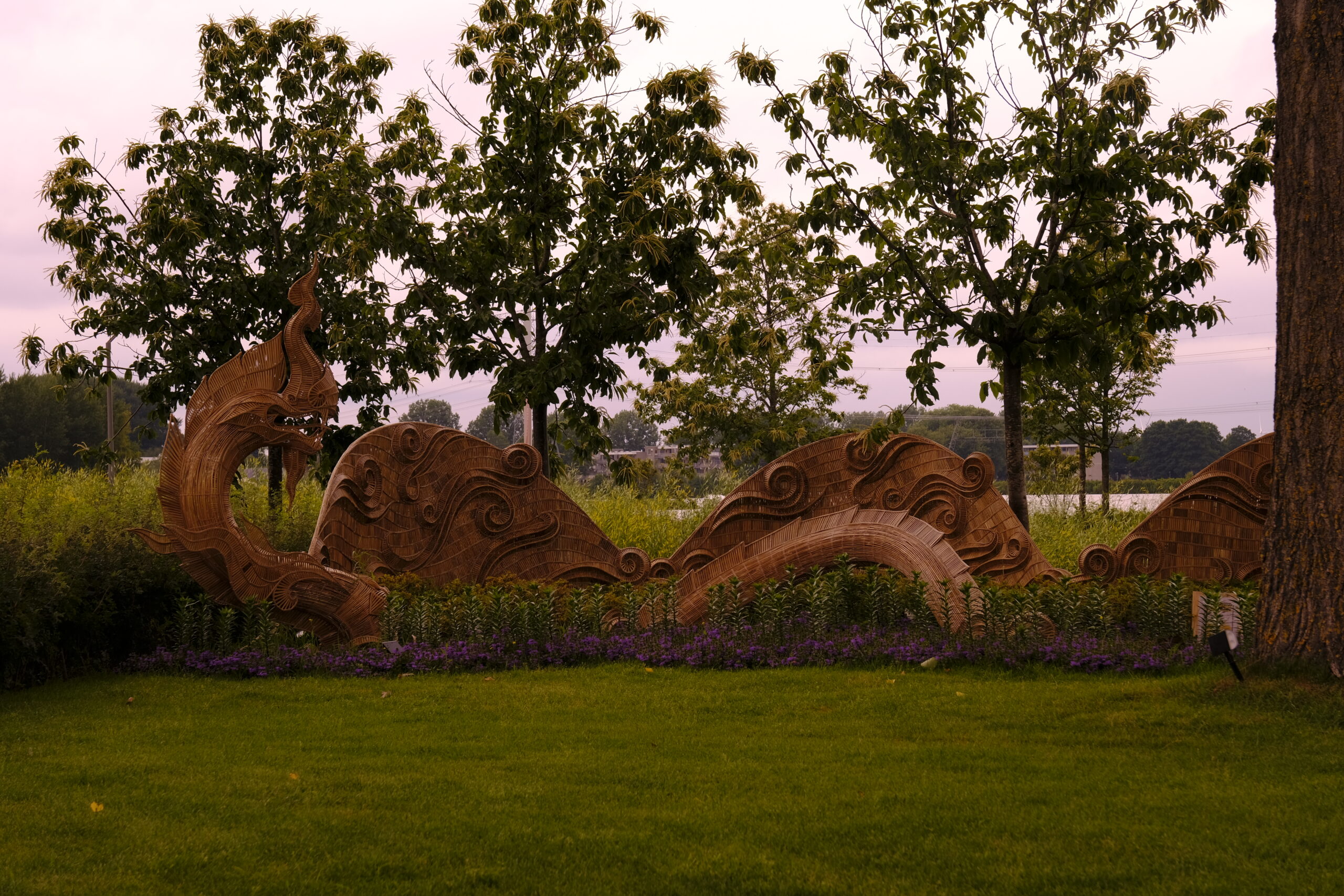
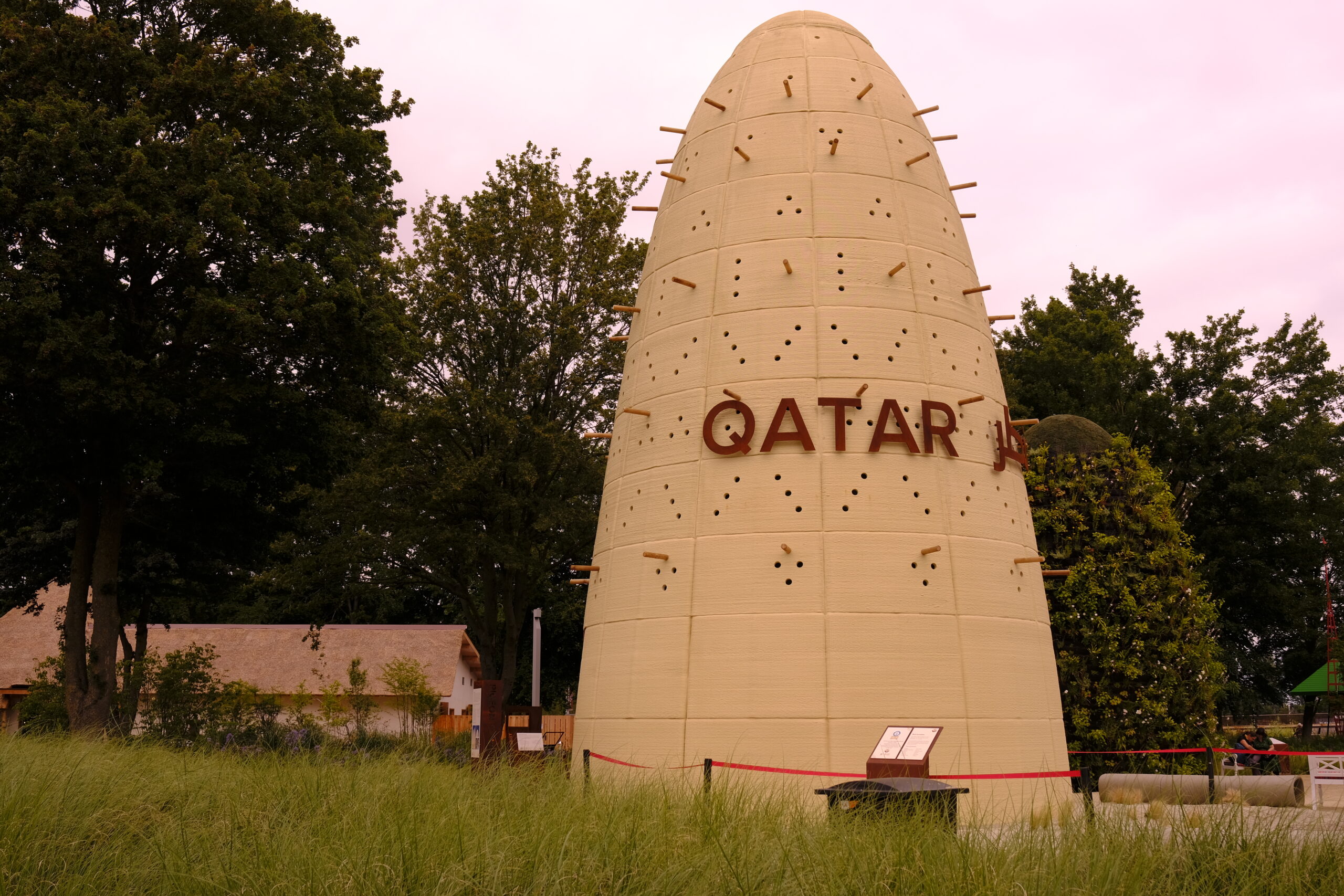
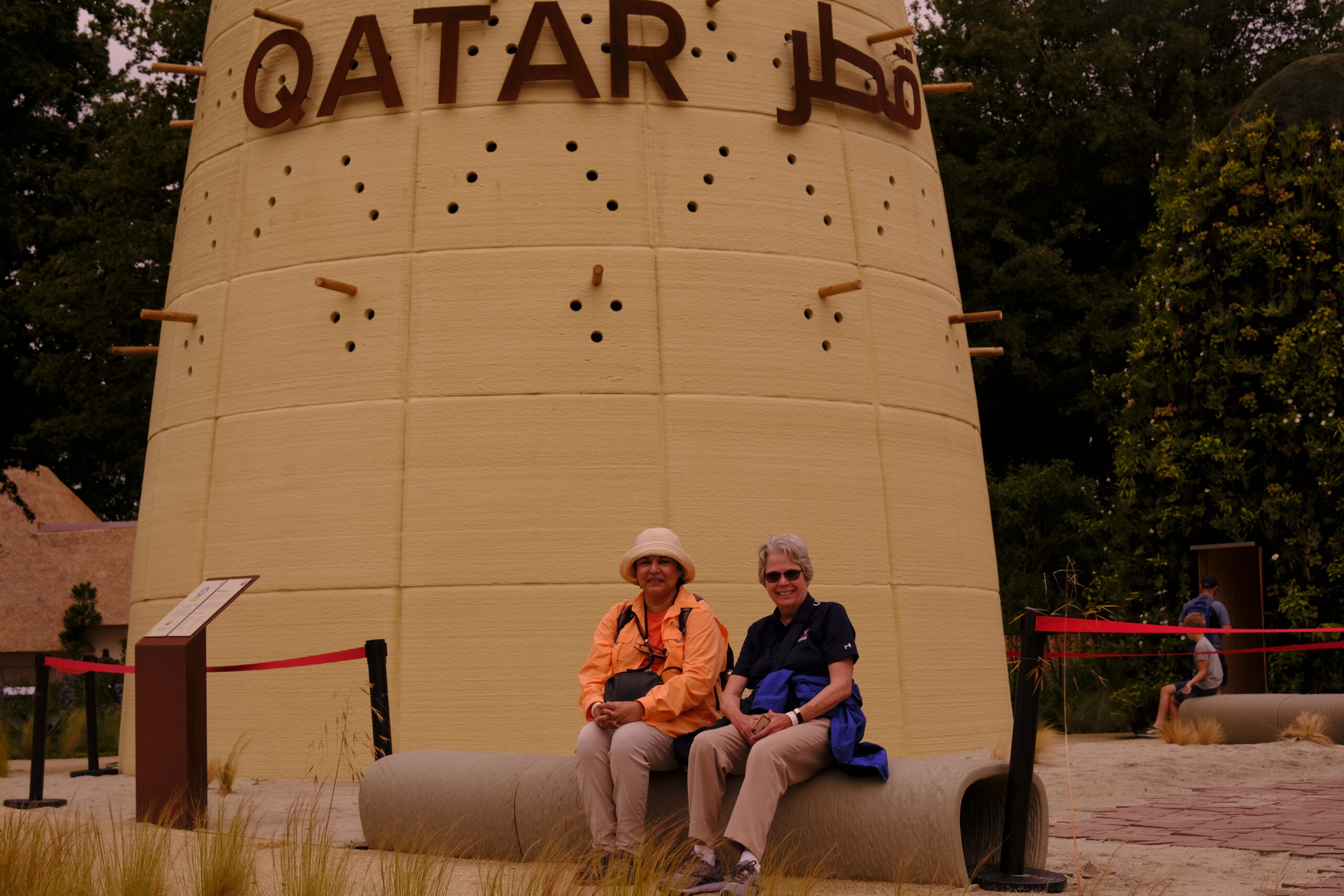
Expecting a larger focus on innovative horticulture methods, we found the emphasis leaning more towards architectural displays, with some exhibits primarily showcasing a country’s products rather than horticultural aspects.
Later in the evening, we were entertained by La Strada, featuring a guitarist and a skilled young Turkish violinist. Her impressive and flamboyant performance garnered a well-deserved standing ovation, marking a memorable conclusion to the day’s exploration.
Goodbye Amsterdam – June 26, 2022
Woke up at the ungodly hour of 3 AM to catch our flight home. Schipol Airport was a zoo and Frankfurt Airport not much better. Newark Airport was positively civilized. Home again, home again, jiggety jig!