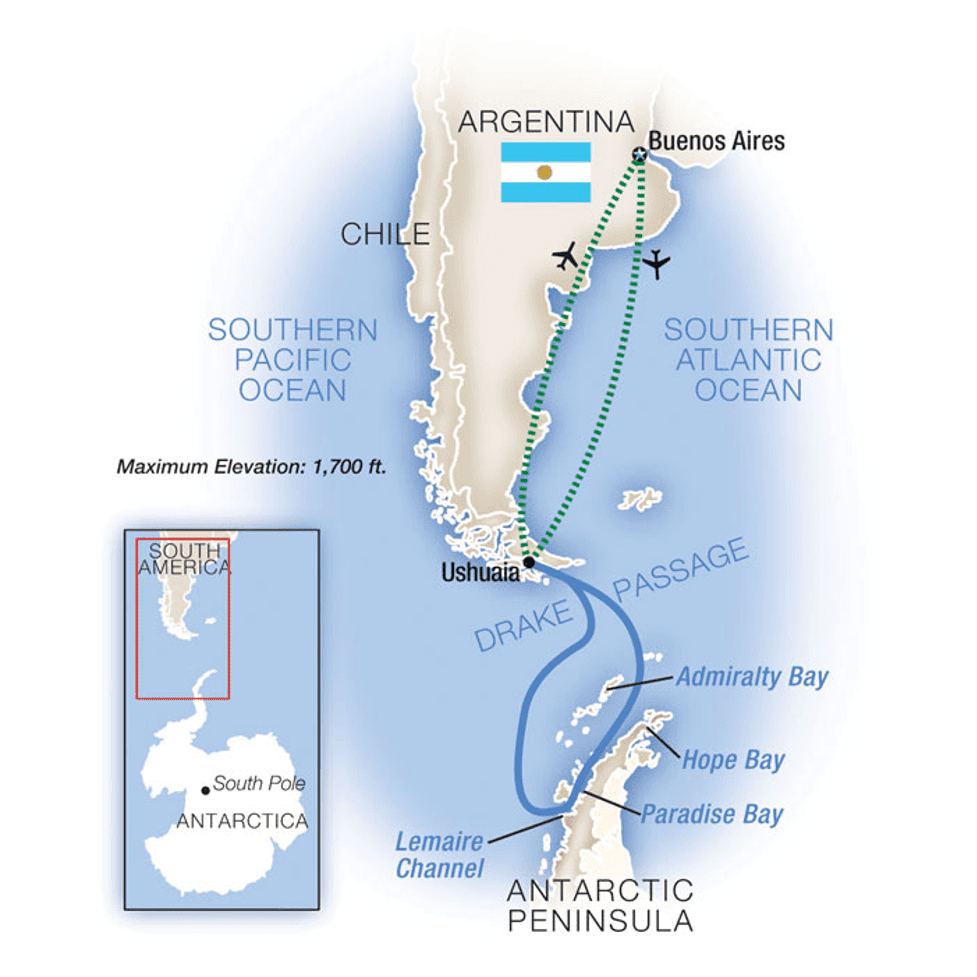
Arrival at Buenos Aires – December 6, 2021
We flew United from Newark to Houston and then on to Buenos Aires. The plane was delayed in Houston; however, we were upgraded, so all was forgiven.
We arrived in Buenos Aires in the morning but could not get into our rooms at the Hilton until after 3 PM. So we walked around the canal area and had an empanada lunch at Dandy. Our hotel is in the Puerto Madero area which was previously the harbor and is now considered the high-rent district. The last time we were here was in 2011 and the area was still under development.
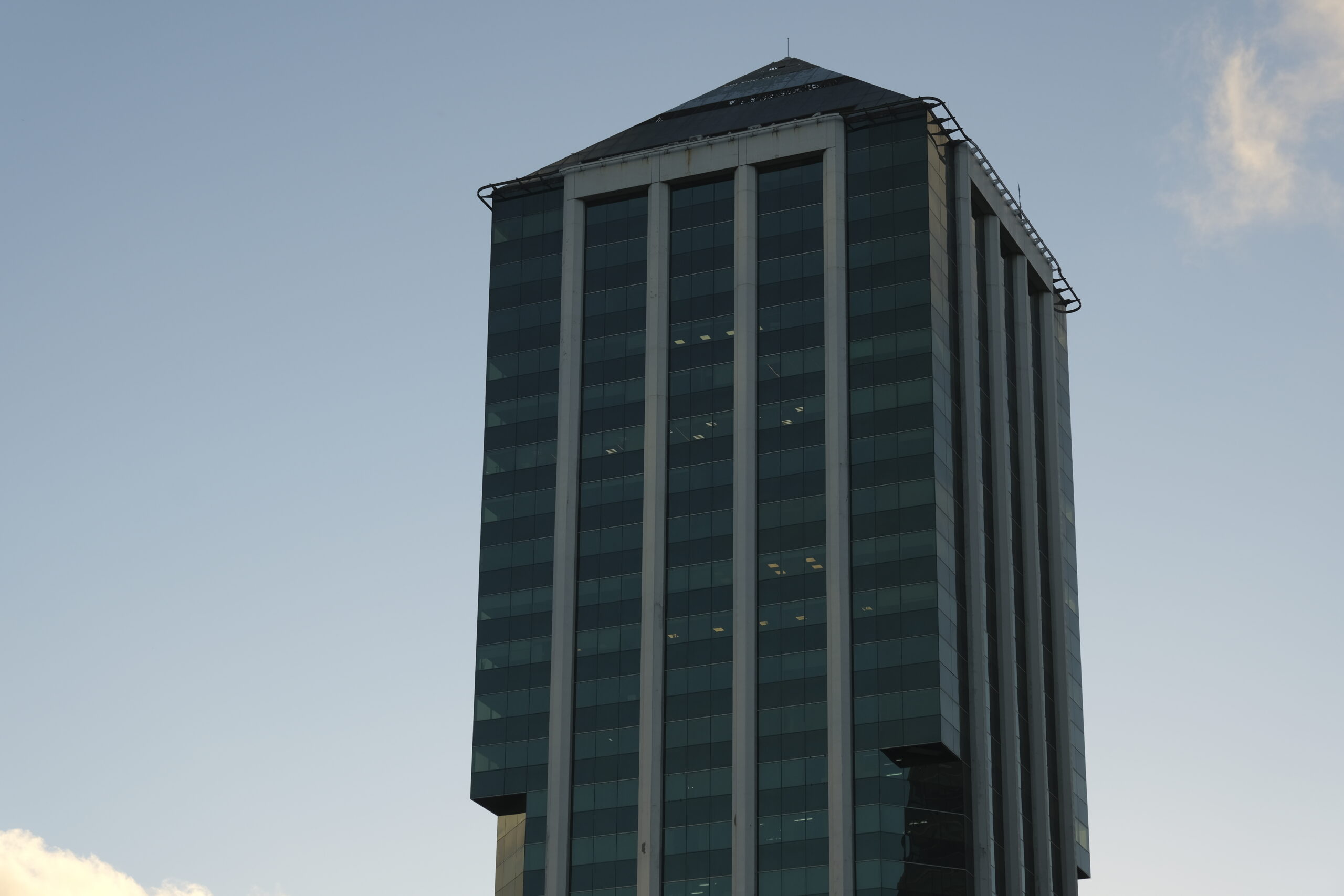

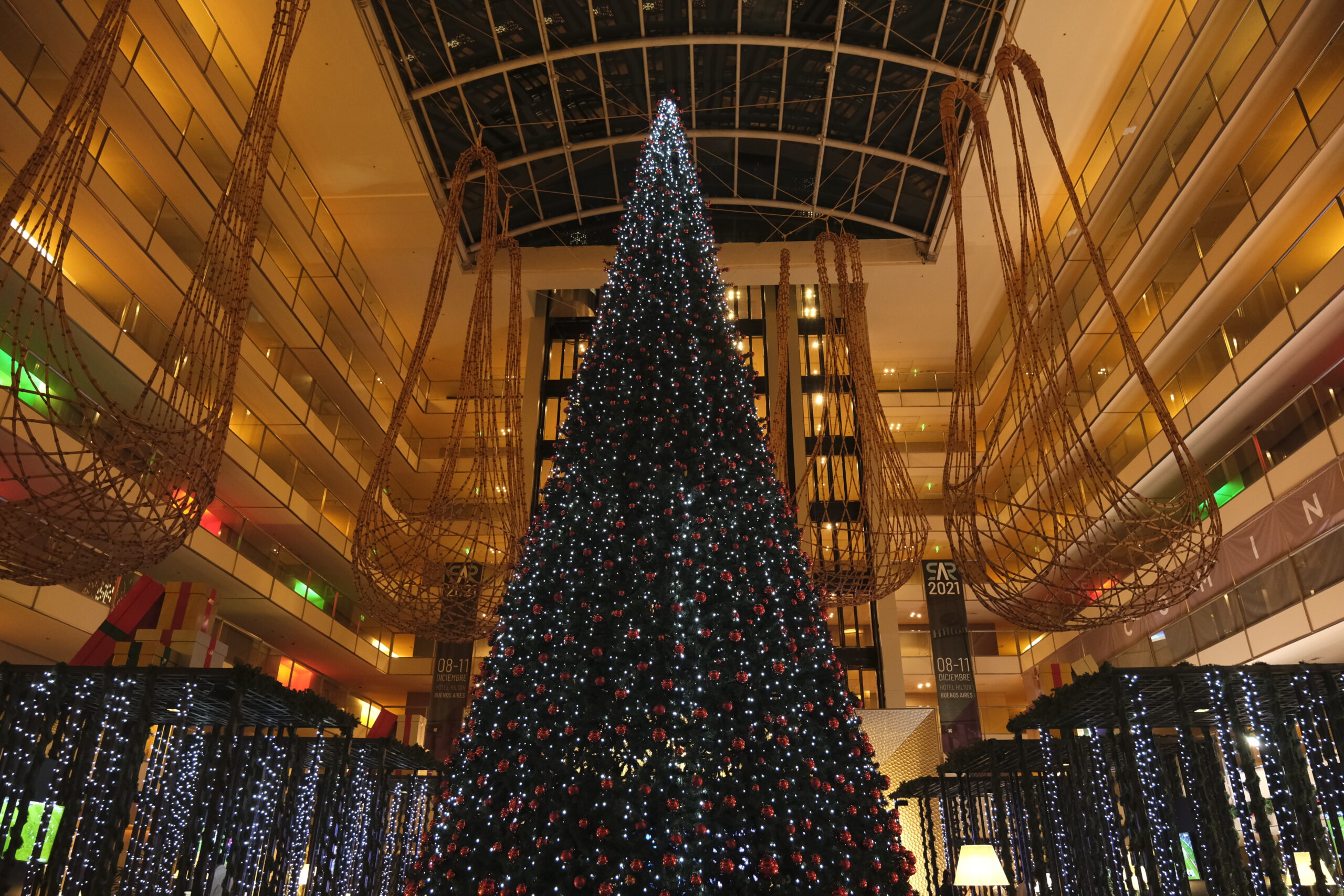
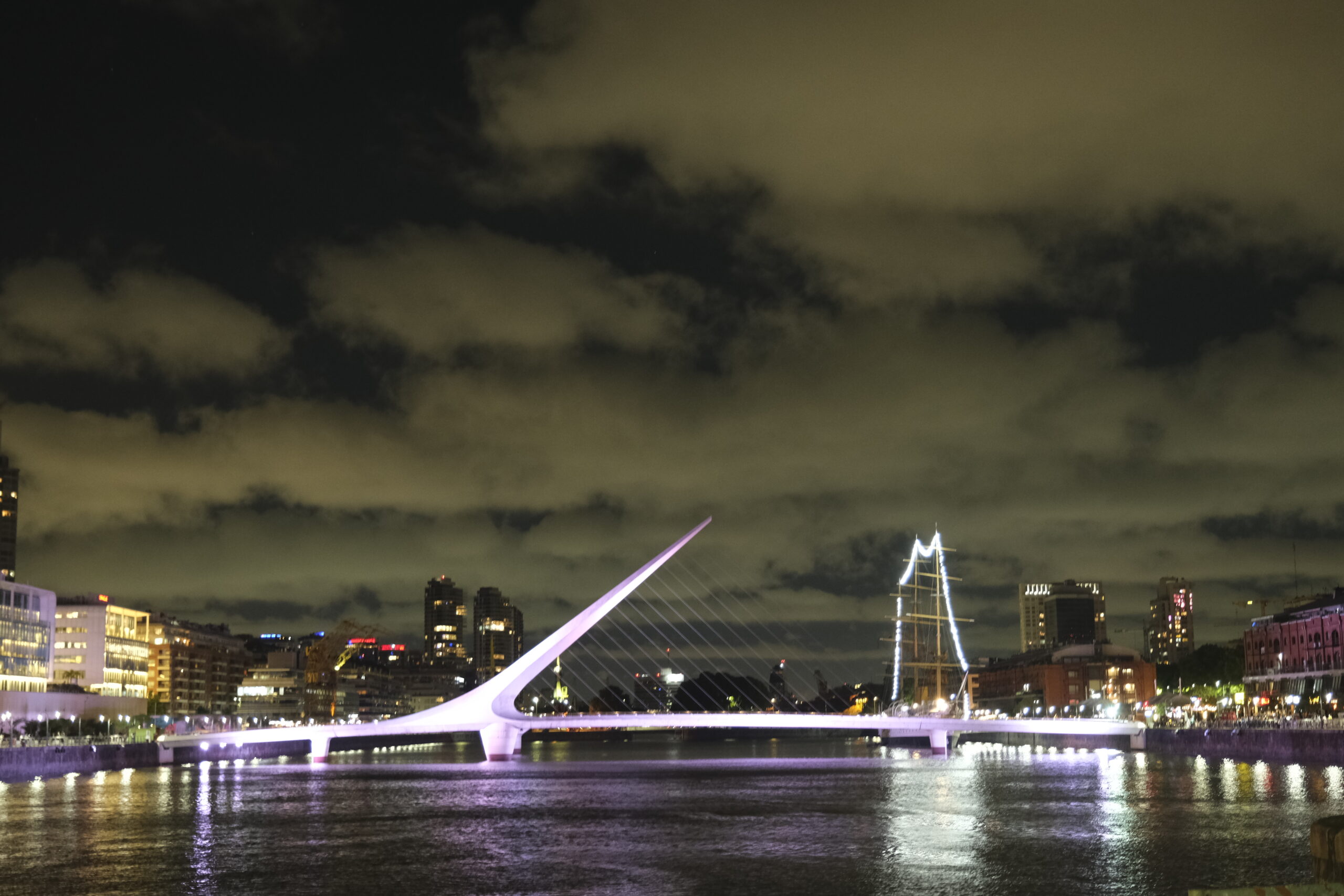
In the evening, we found a fairly good eating place on the canal and ate the best (and the priciest) hamburger and fries.
A Day in Buenos Aires: Cultural Insights and Tango Delights – December 7, 2021
This morning, we walked to the Ecological Conservancy very close to the hotel. Later in the morning we took yet another Covid test. This one to allow us to board the ship to enter Antarctica. In the afternoon we took a bus tour of the northern side of Buenos Aires starting with the Teatro Colon, and then on to view embassies from different countries — all housed in beautiful old buildings that once belonged to the very rich — and lots of sculptures. Buenos Aires remains as beautiful as we remembered it, especially with the Jacaranda trees and the Nile lilies in bloom. There are more buildings now, but, essentially, it’s still the same. One exception, Eduardo Catalano’s flower is no longer opening and closing, and the Recoleta Cemetery was closed so we were not able to see Evita’s mausoleum or visit the 47,000 other tombs in the necropolis. Nor were we able to view Teatro Colon but we had done both sites on a previous visit.
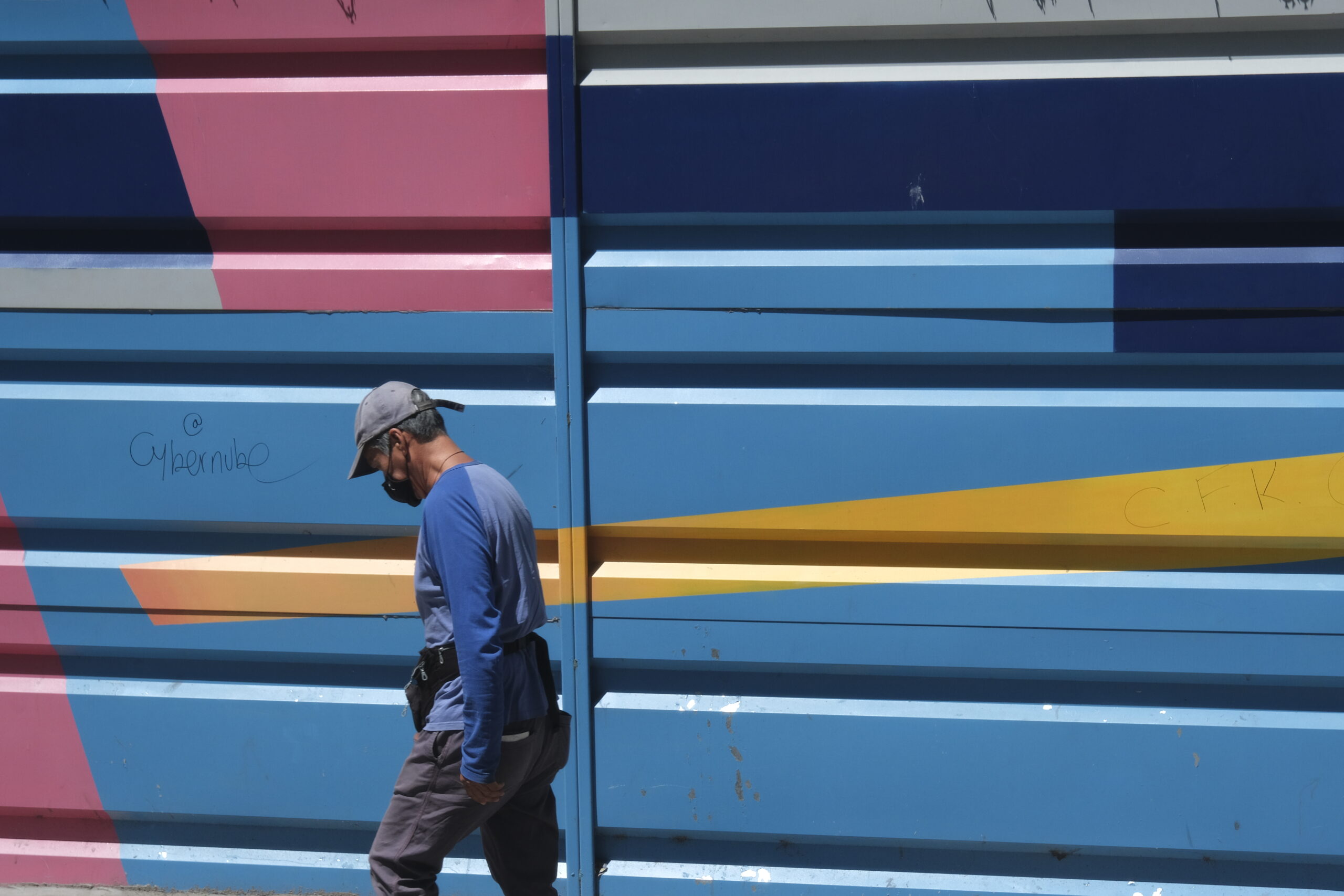
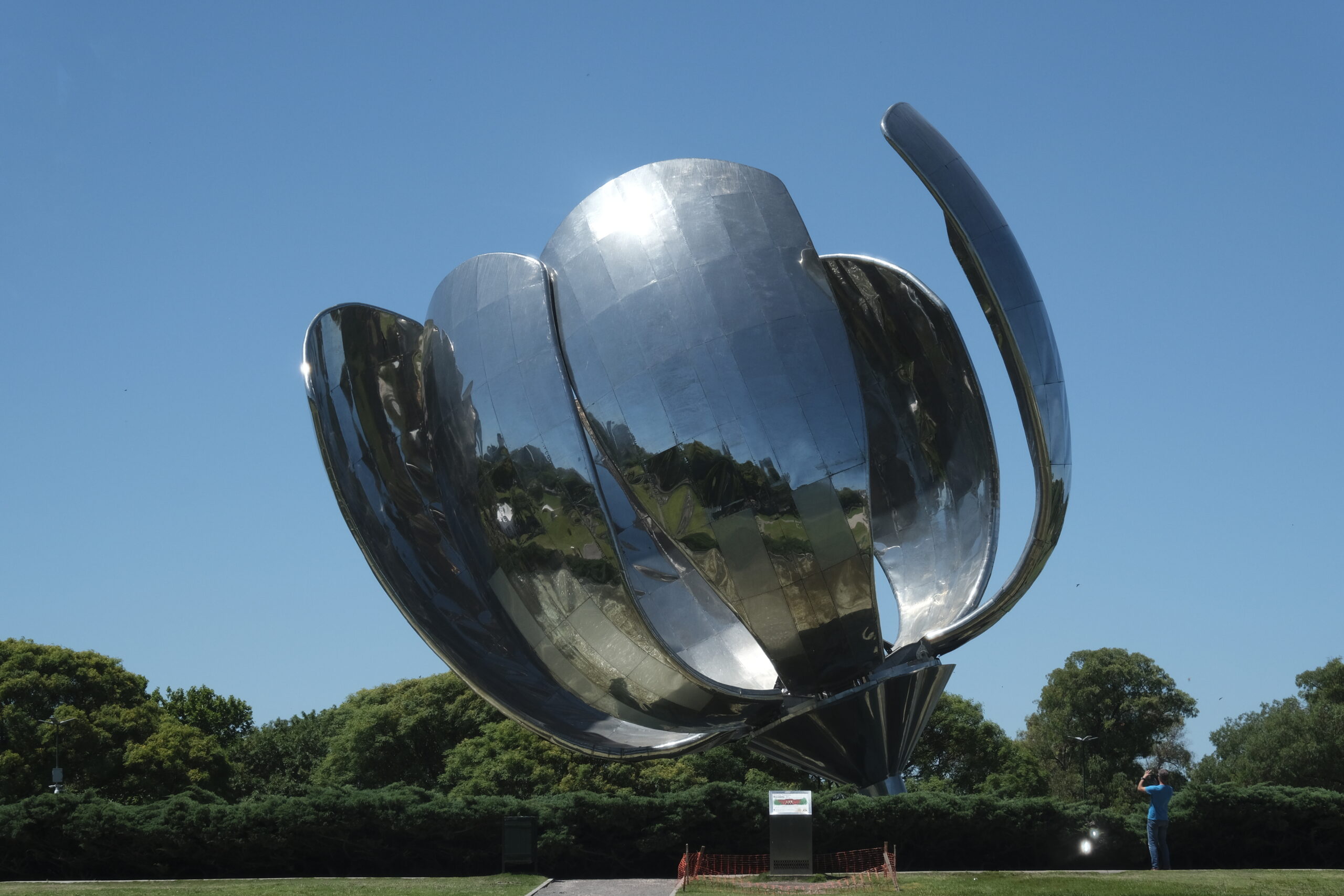
Our guide, Alejandro, is of Ukrainian descent. According to him, 40% of Argentinians are of Spanish descent and 30% are of Italian descent. These people came over during Franco’s and Mussolini’s reign of terror. This probably accounts for the very European vibe.
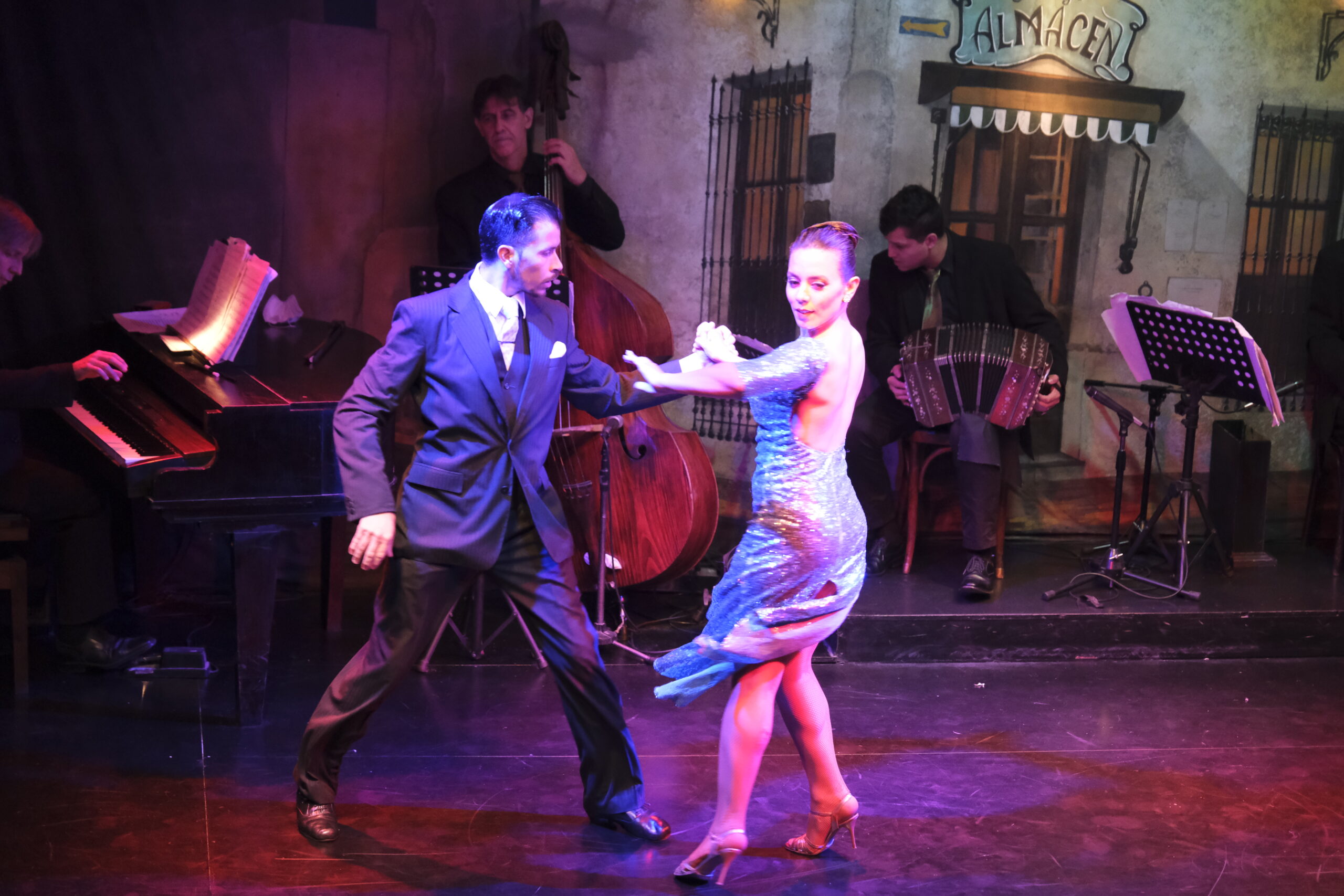
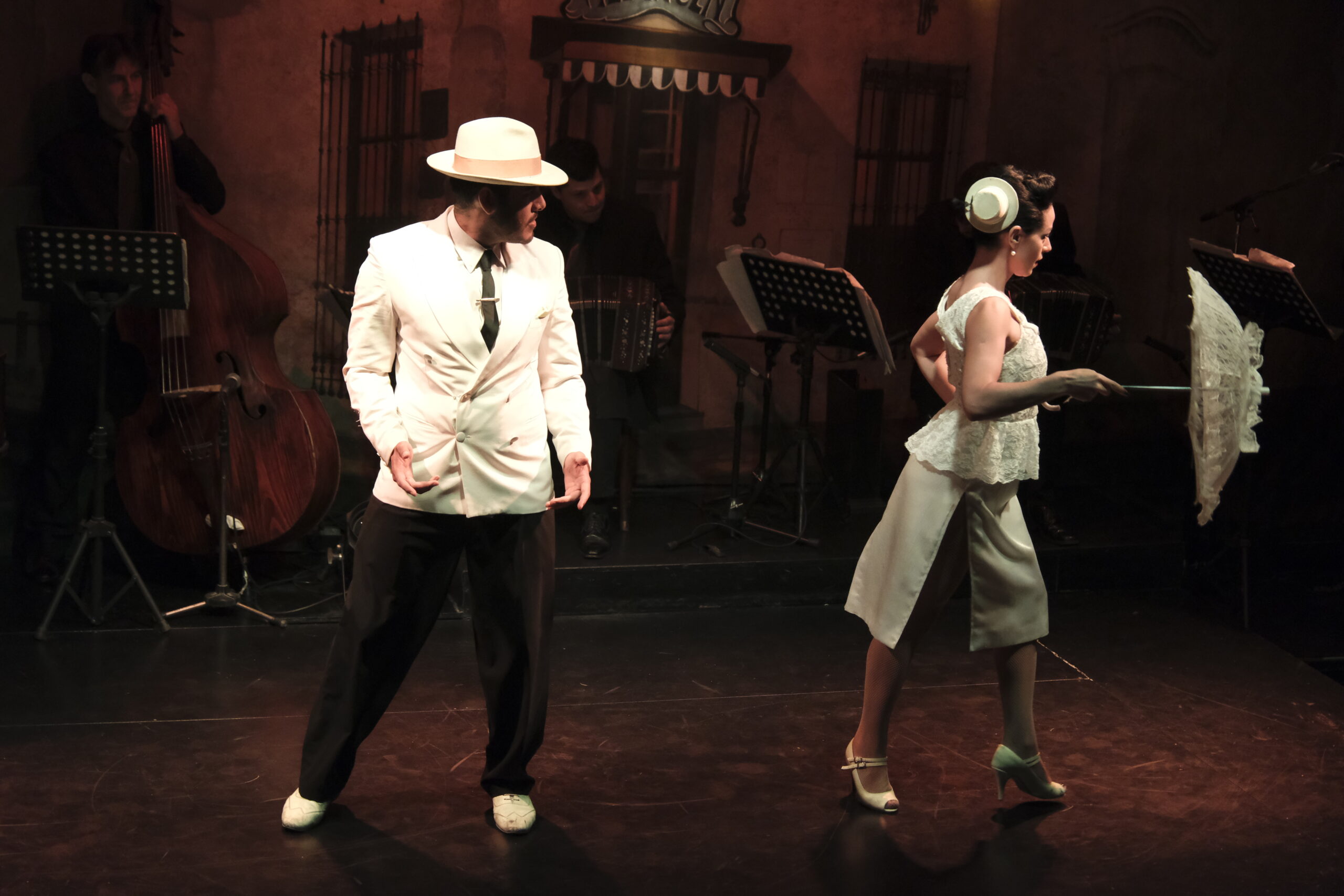
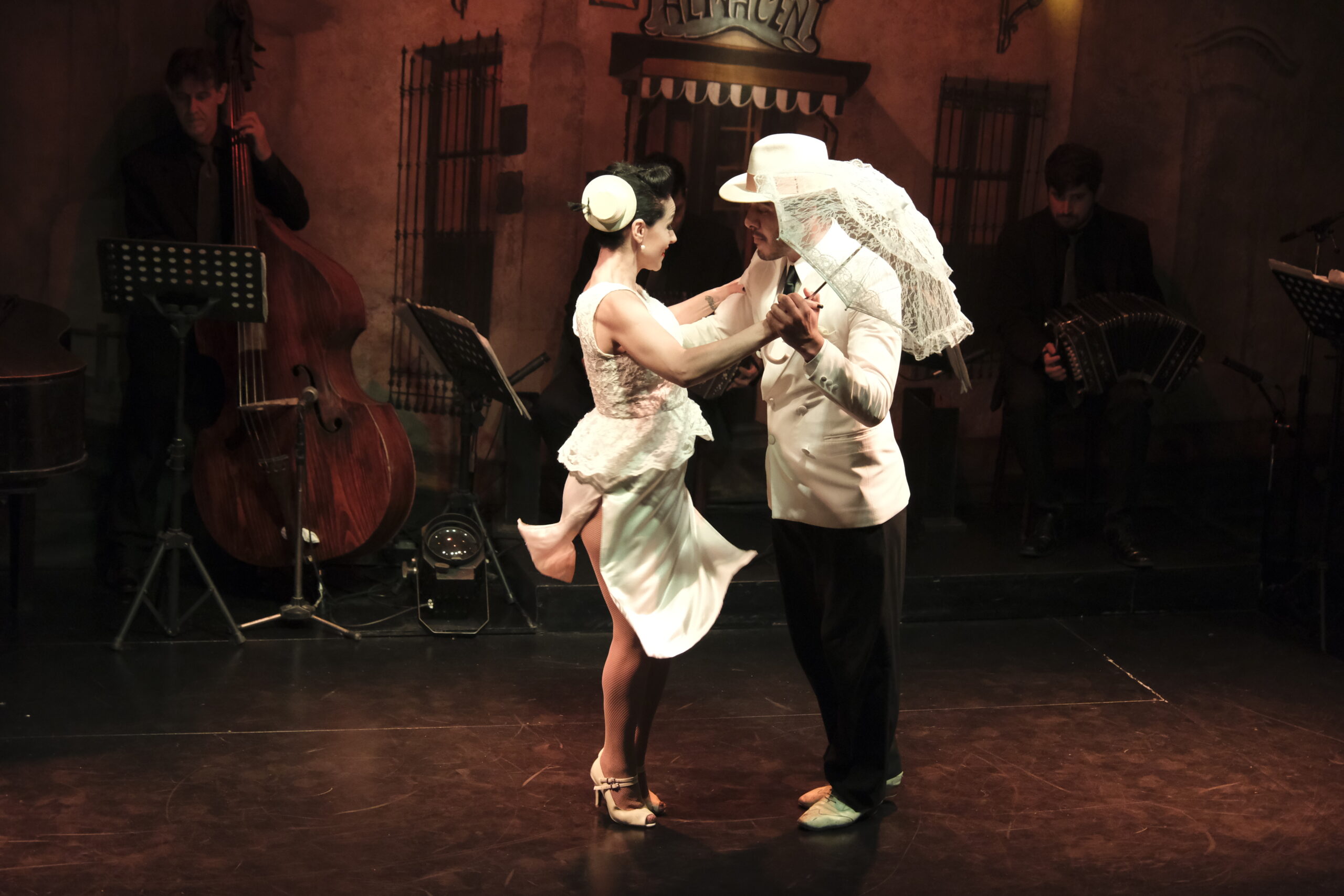
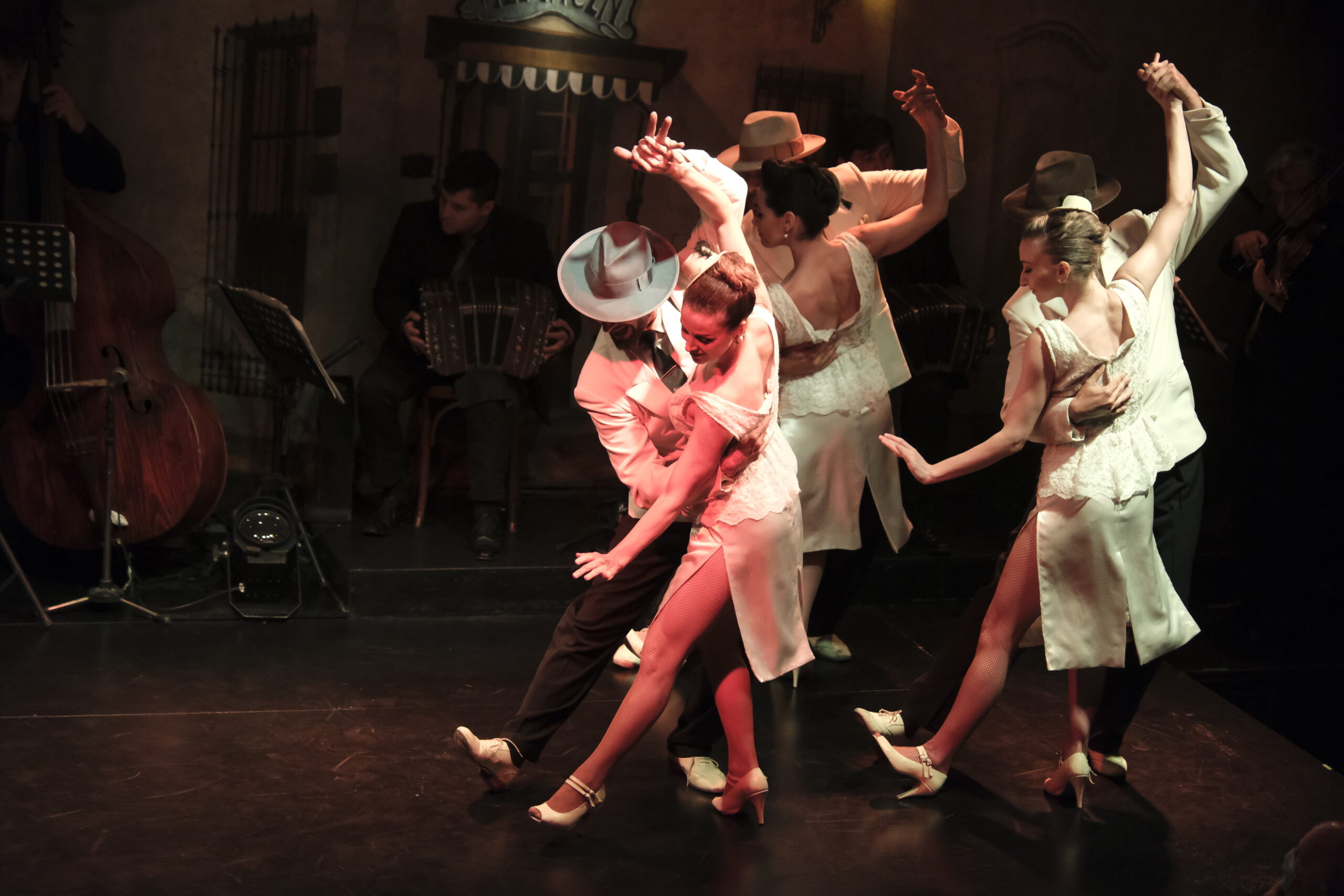
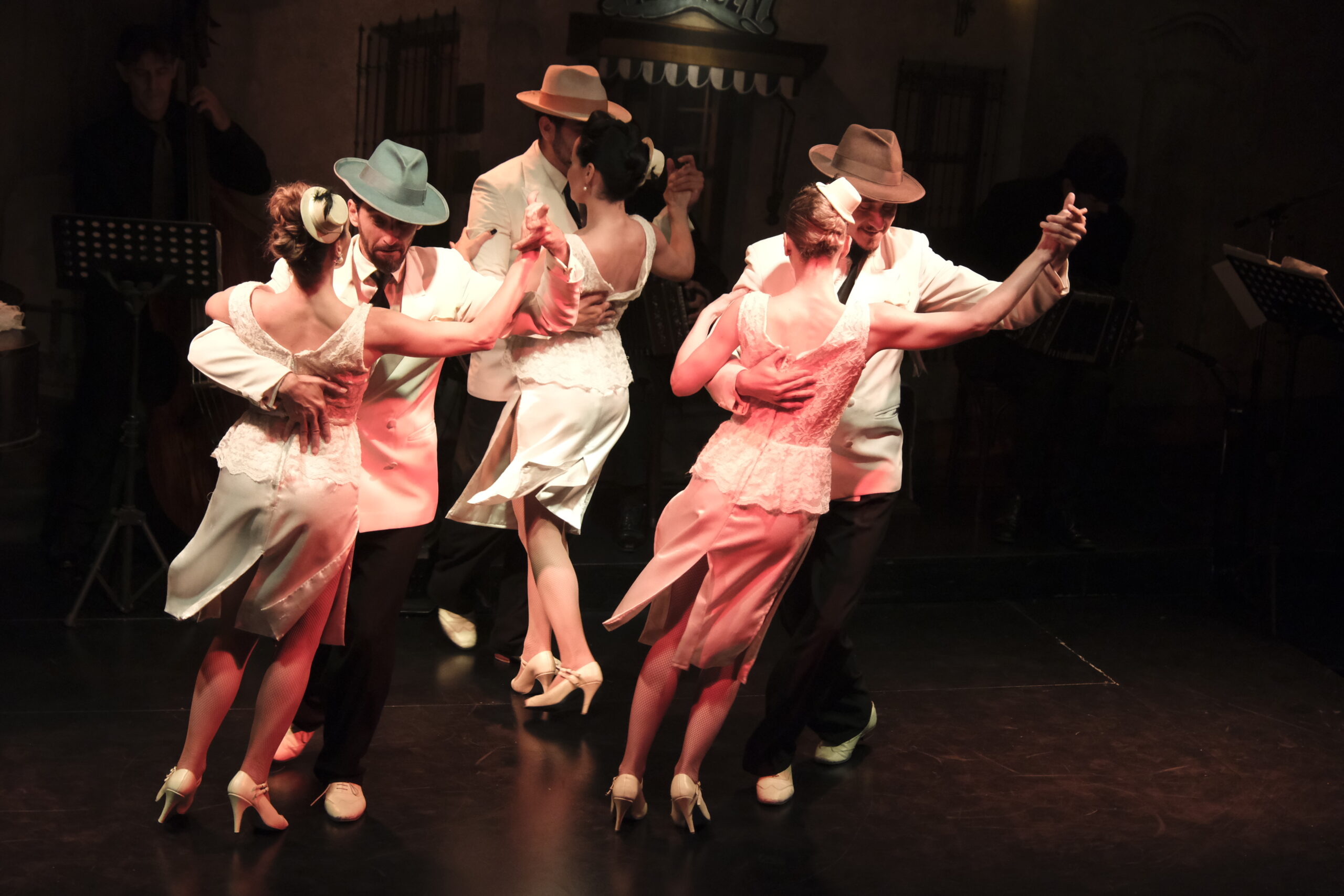
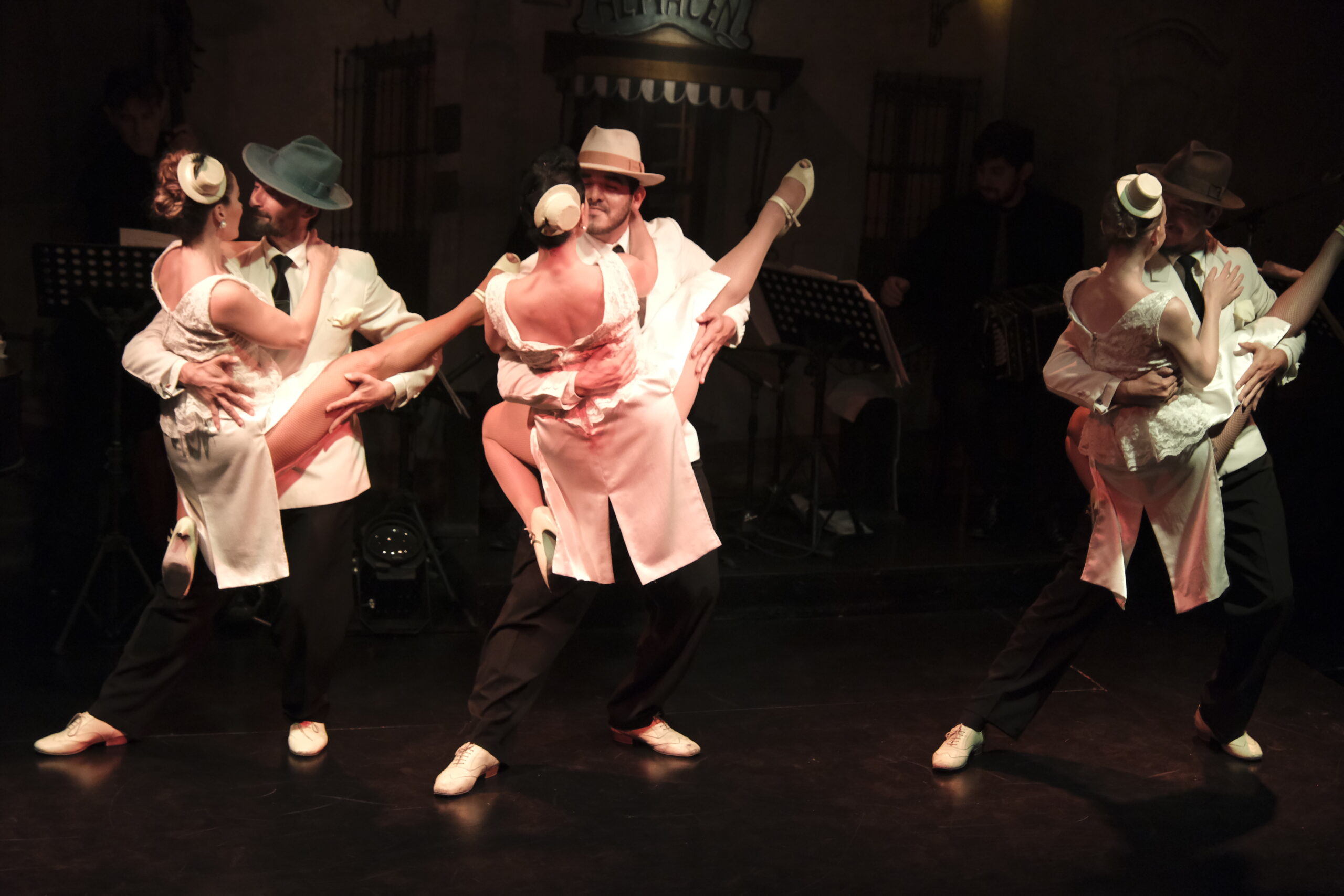
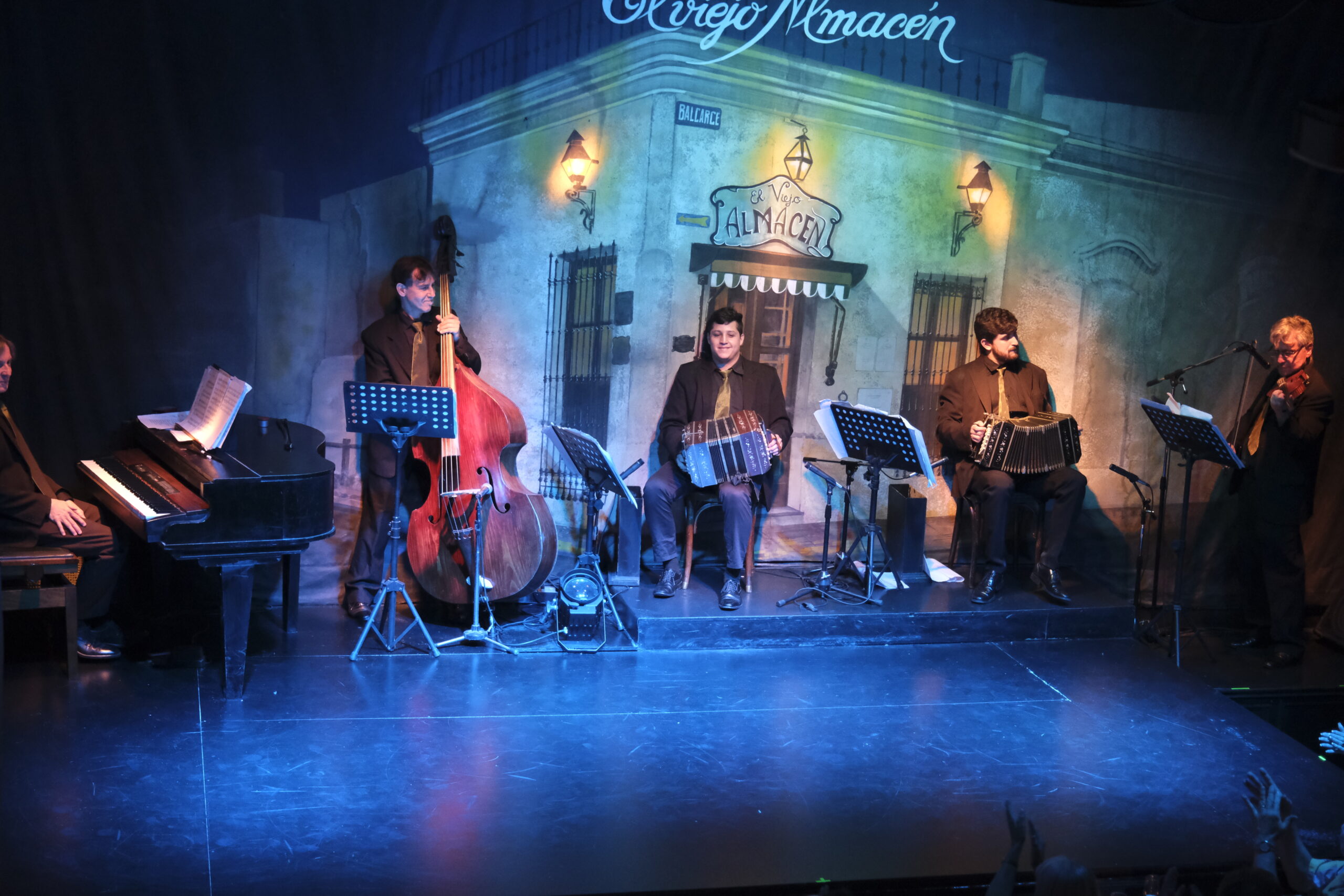
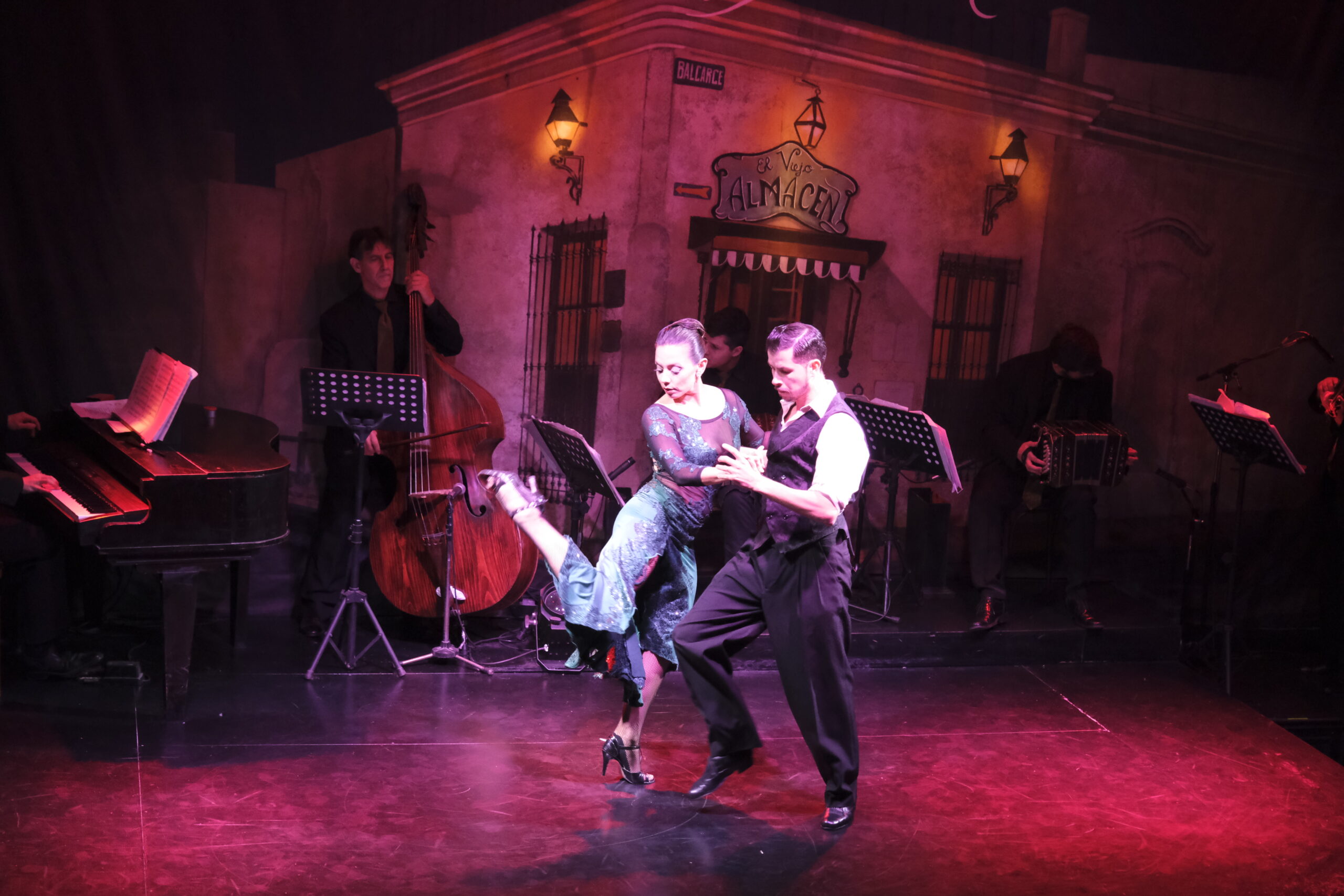
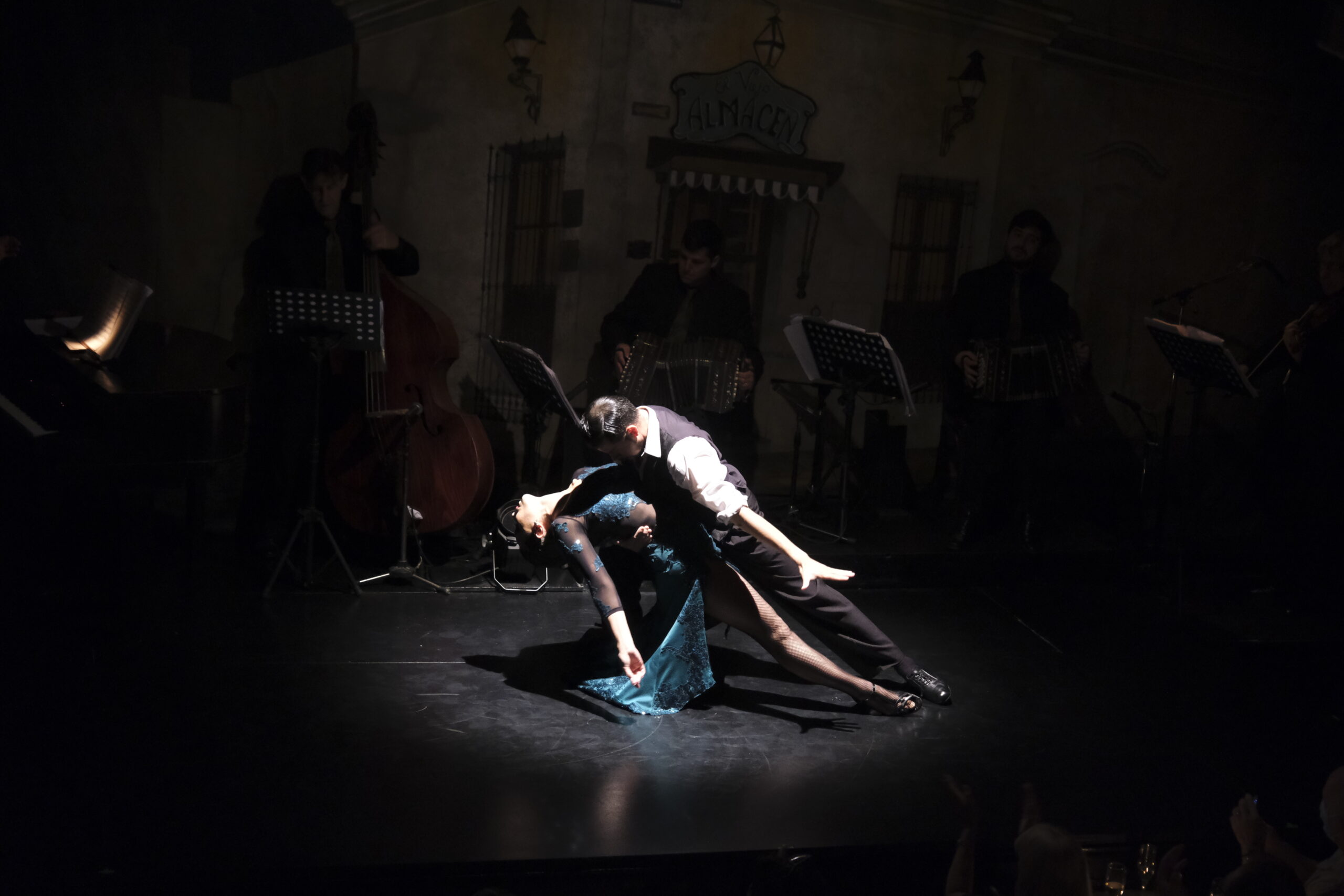
In the evening, we had dinner at El Viejo Almacén followed by a tango show. The stage was tiny, yet it was able to fit a pianist, a violinist, 2 tango accordion players (bandoneons), a bassist, and a troupe of 8 dancers. This was a professional group, and they were exceptionally good at strutting their stuff.
Exploring Buenos Aires: From Historic Plaza de Mayo to Colorful La Boca – December 8, 2021
This morning, we visited the southern part of the city, starting with Plaza de Mayo, which is the main square in Buenos Aires. On the way there, Alejandro pointed out various buildings and sculptures of interest, one of which was the clock tower, a gift from the British to celebrate the centenary of Argentina’s independence, and opposite is a memorial to the 600 soldiers who lost their lives during the Falklands war. I’m sure the irony is not lost on anyone.
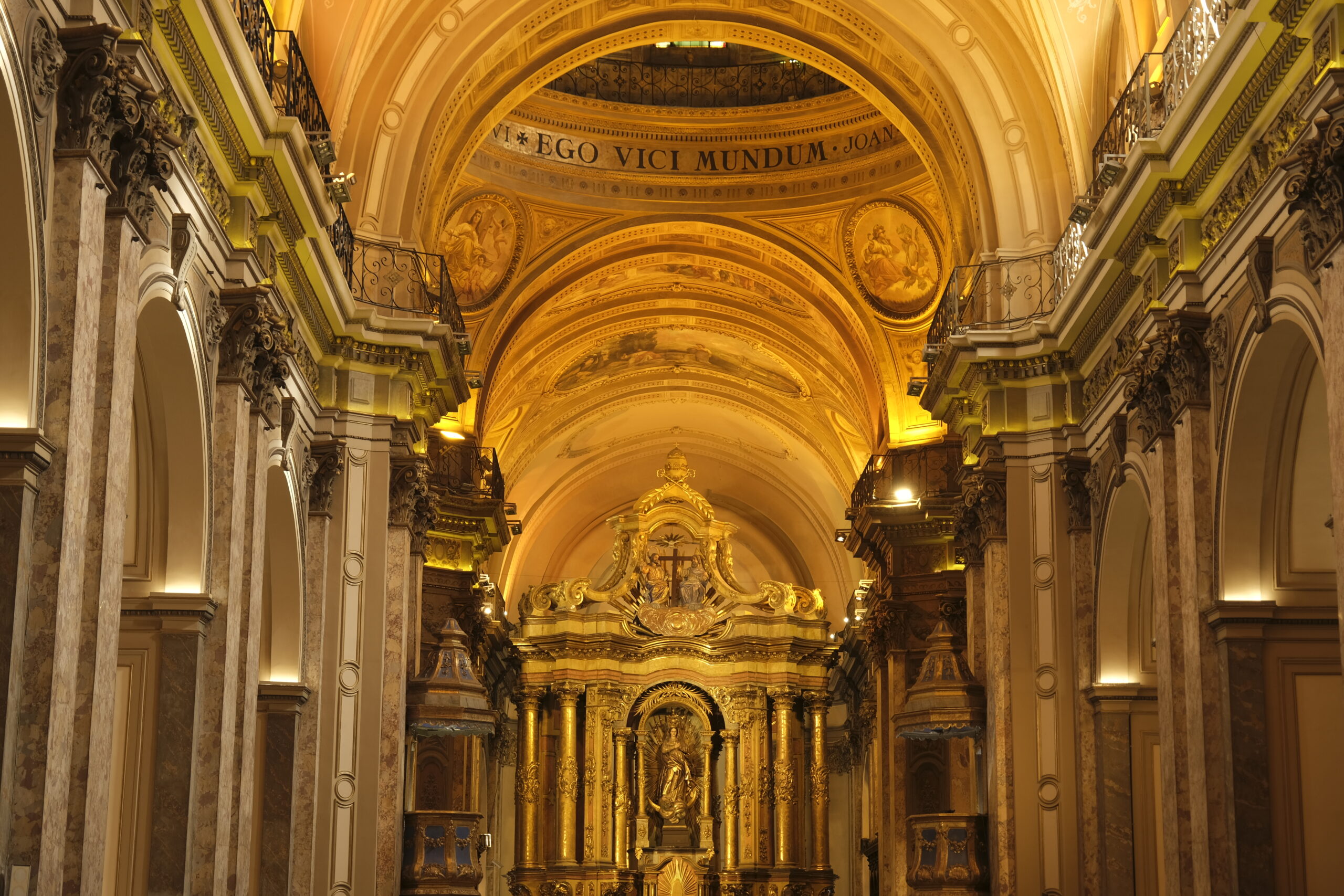
The President’s office is located here in the Pink House. Alejandro pointed out the balcony in the Pink House where Evita used to deliver her speeches. One can also find the Cathedral of the Immaculate Conception in this square (today is the feast of the Immaculate Conception). It is also the cathedral where Jorge Bergoglio (the current Pope) used to reside. We walked around in the cathedral and visited the tomb of General San Martin. He is the general who liberated Argentina, Chile, and Peru from the Spanish. The square is a popular protest site; currently the indigenous people are protesting for the return of their lands. This is also where the mothers of the disappeared protest once a week (they march on Thursdays at 3:30 pm and, since their numbers are dwindling as the mothers are getting older, are sometimes joined by tourists) for information on their loved ones.
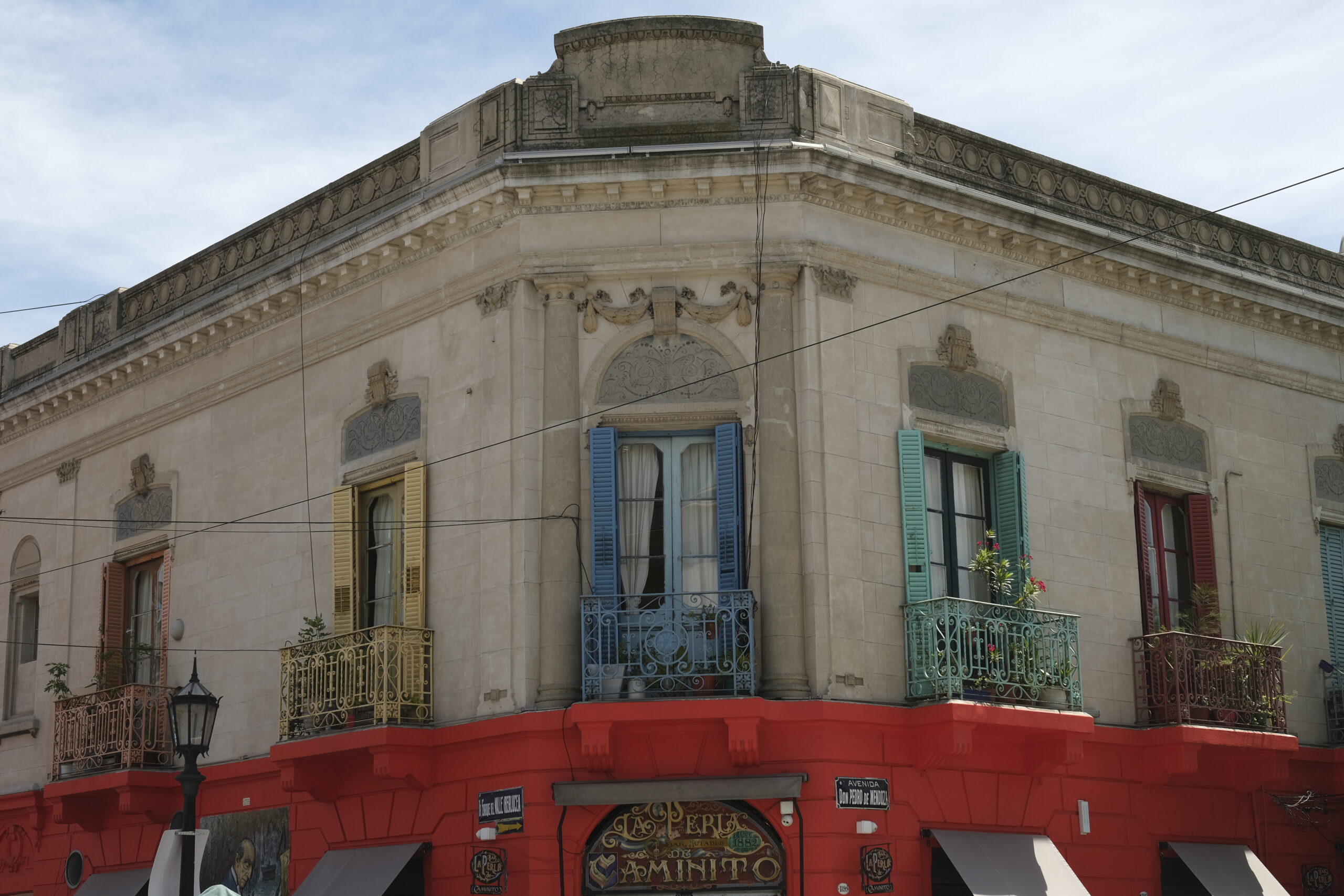
From Plaza de Mayo we visited La Boca, the birthplace of the Argentine tango. It is the poorest neighborhood in Buenos Aires. It’s very colorful and very touristy. One sees life-size statues of the Pope everywhere in this area, particularly in the shopping malls. There are some very old tin and wood buildings still in use. Many of the buildings have statues of local heroes in the balconies of upper floors.
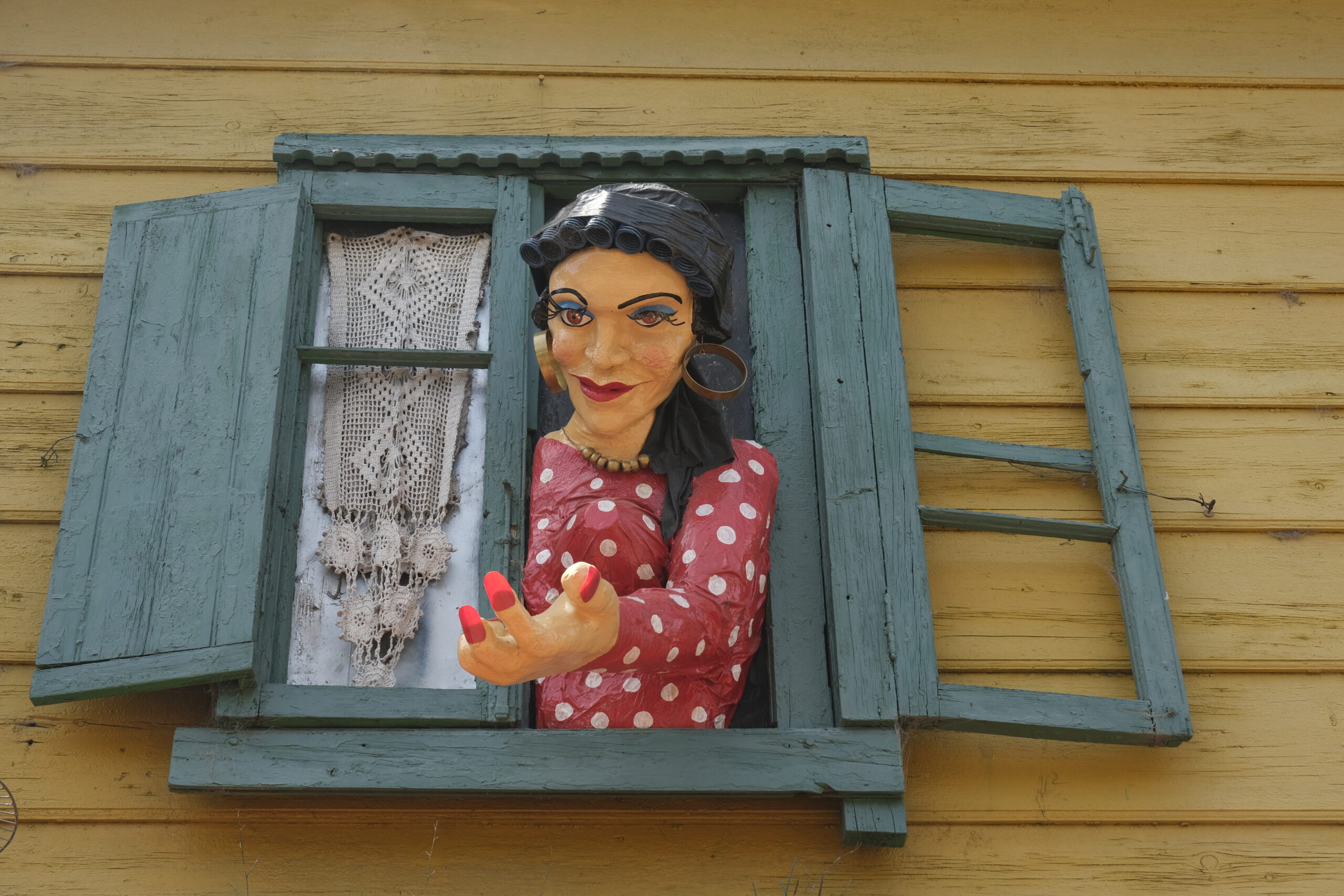
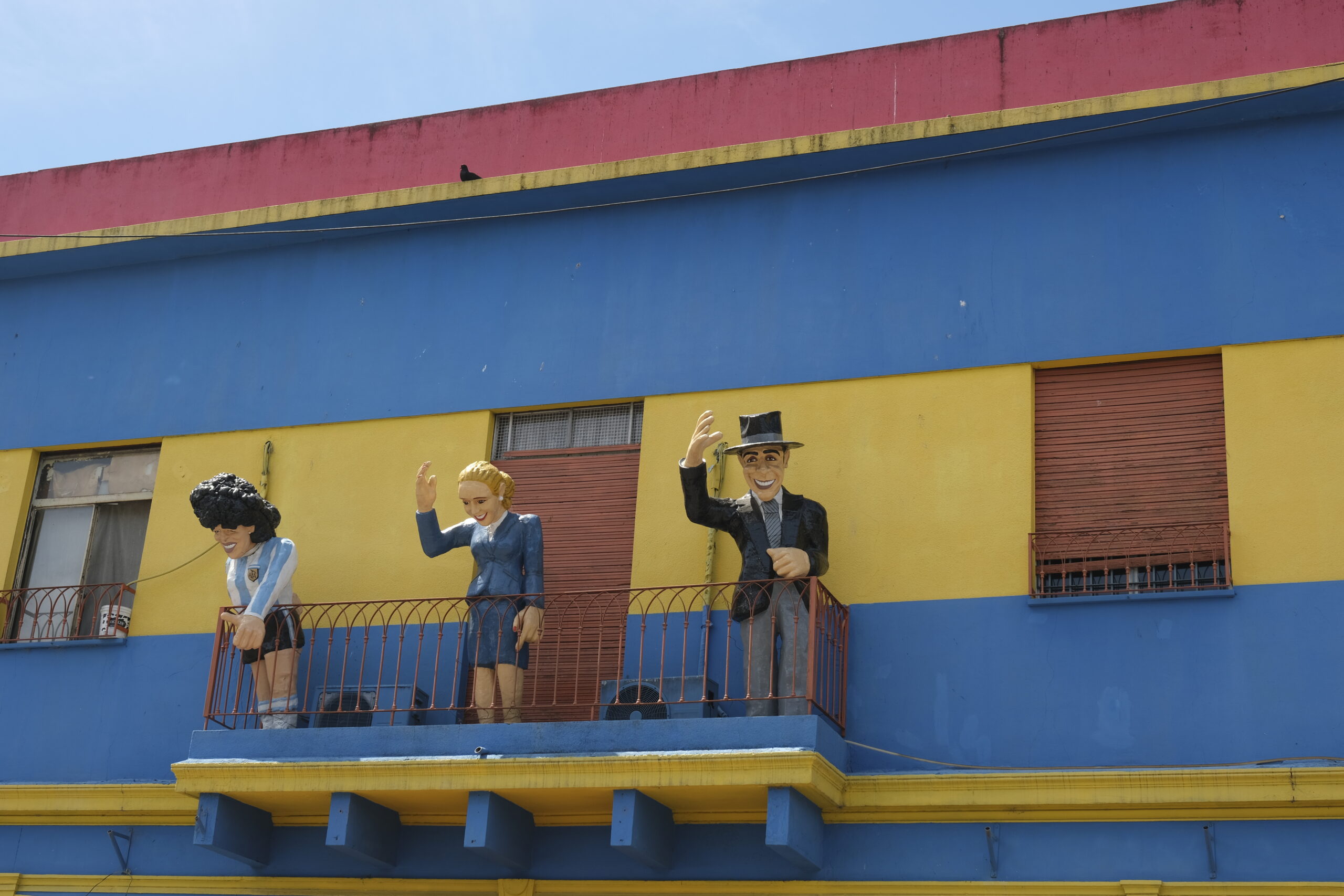
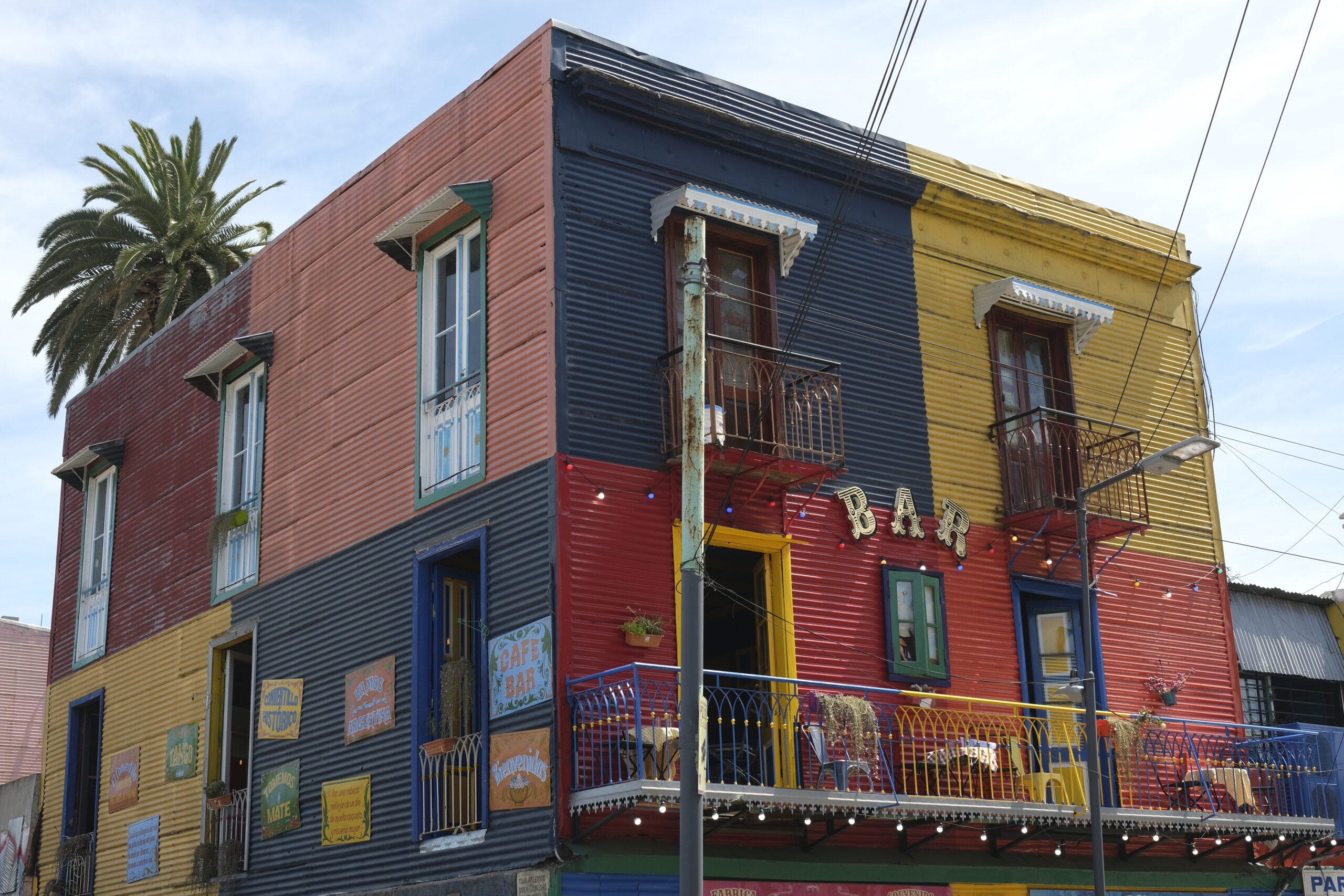
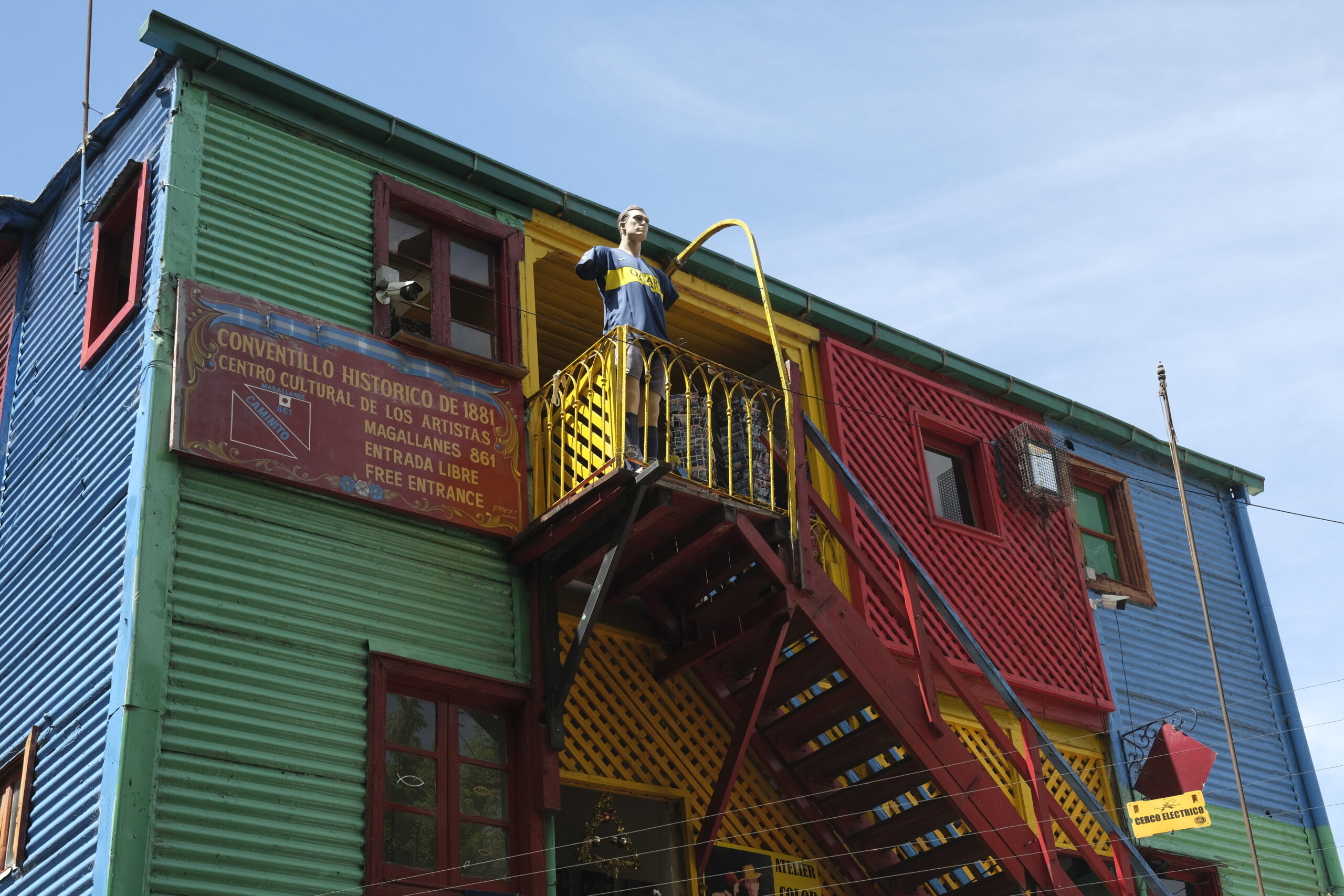
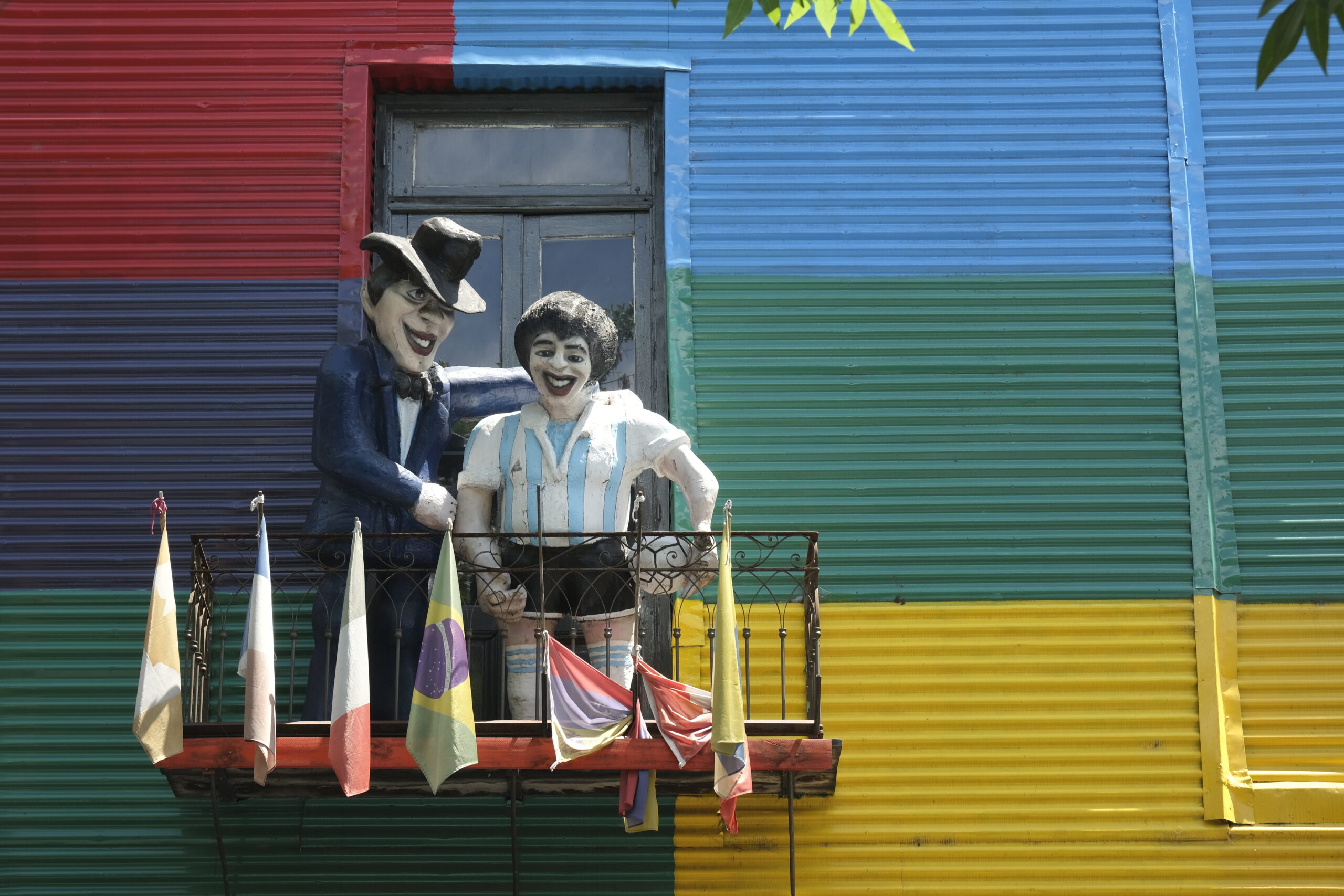
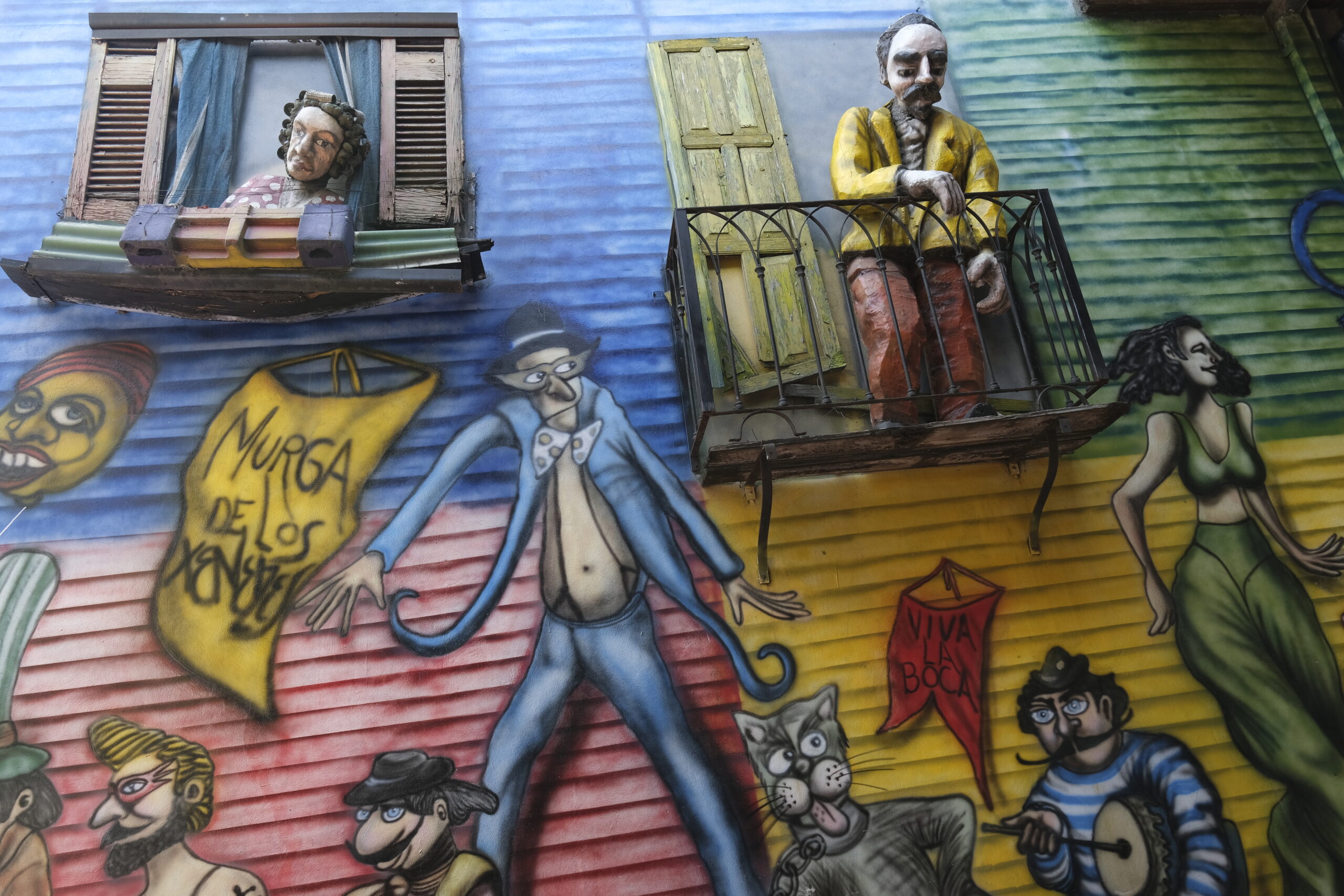
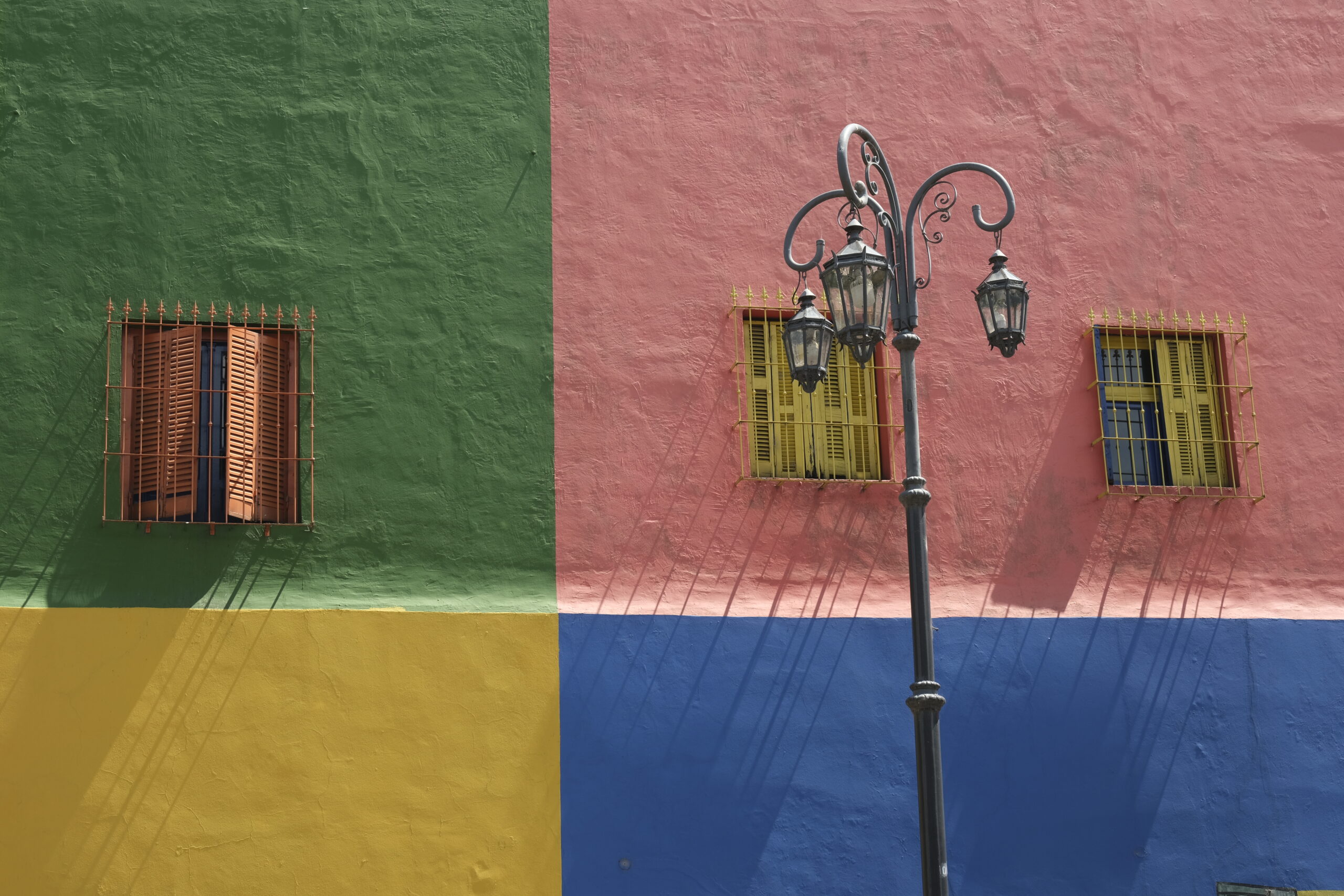
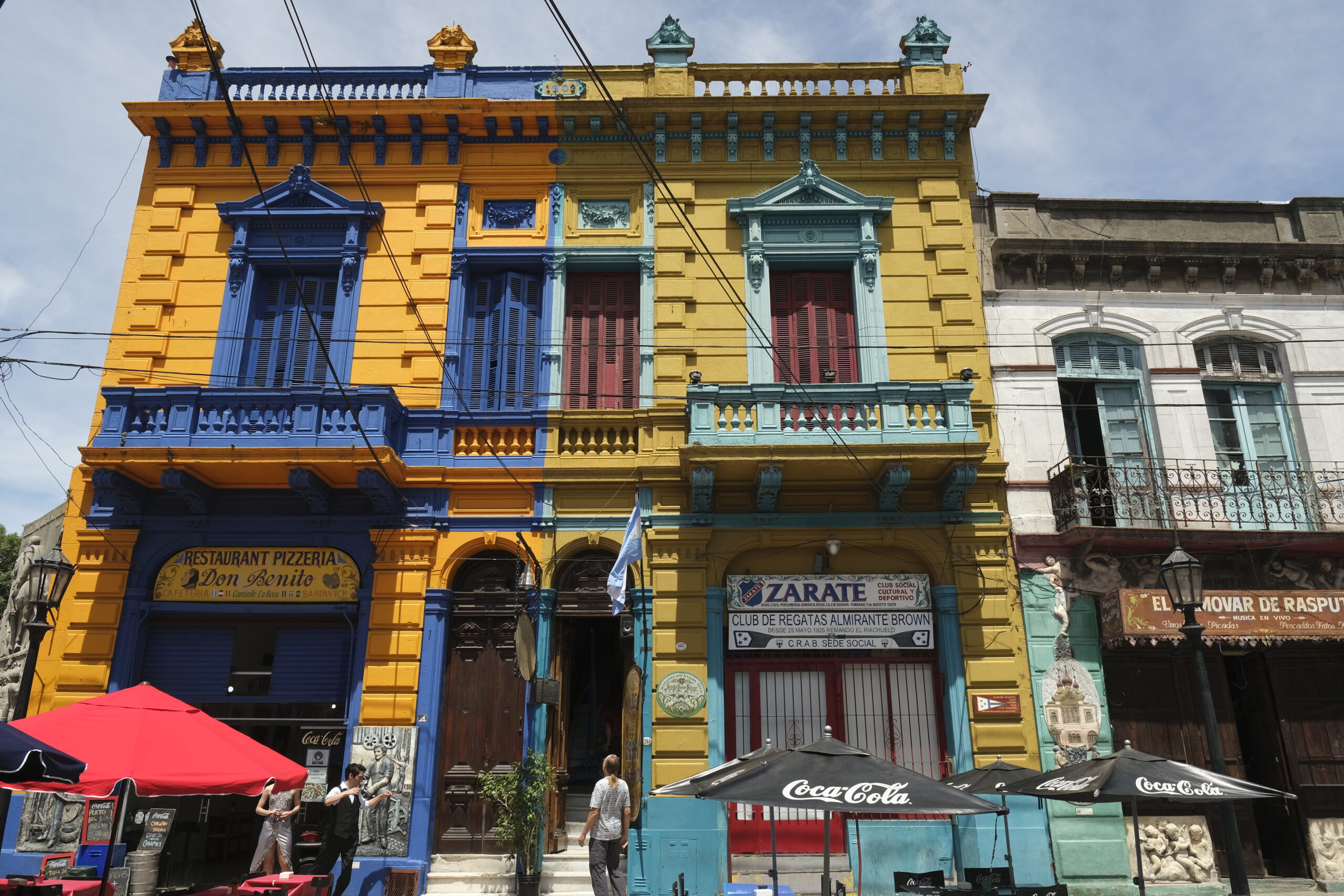
From La Boca, we stopped to have lunch at La Ventana, an Italian night club that resembles some of the restaurants in Trenton’s Italian neighborhood. We had the best meal in Buenos Aires in this restaurant.
Following lunch, we visited San Telmo, which is the middle-class area of Buenos Aires. First, we visited a very old house, similar to those you see in Andalucia with a patio for receiving guests, a patio for the family, and a patio for the servants. We were able to visit the upper floor as well so that gave us some idea of how the middle classes in Buenos Aires live. From this old house, we walked to the San Telmo mercado (market) to get a brief glimpse of what they sell. It resembles the Reading Terminal market in Philadelphia. We drove through the San Telmo area some more to view the architecture and sculptures and then we were given free time to explore Buenos Aires. I would have liked to visit El Ataneo, the bookstore that National Geographic says is the prettiest in the world. Unfortunately, it was not possible as we have to leave very early tomorrow morning to fly to Ushuaia.
From Buenos Aires to Ushuaia – December 9, 2021
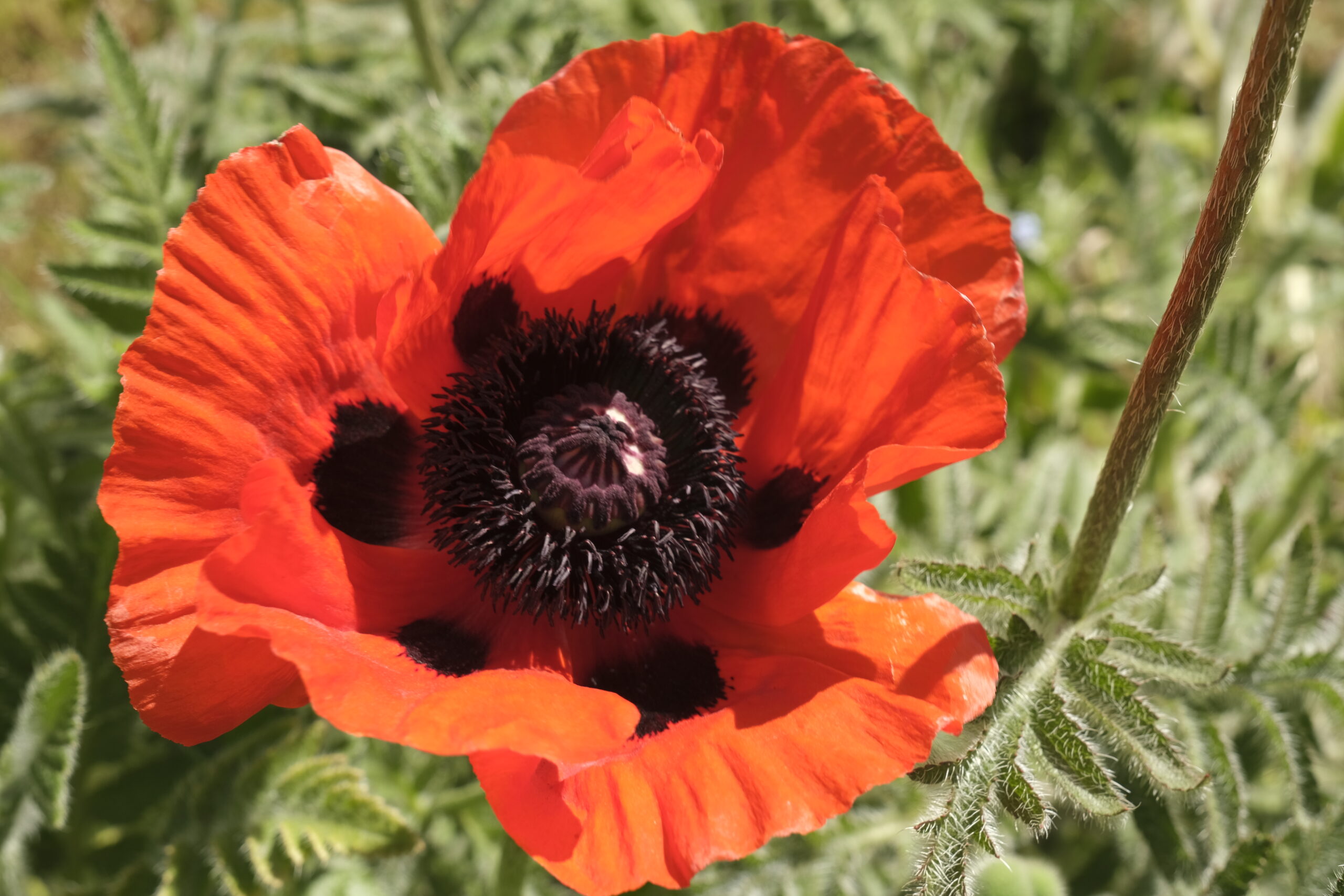
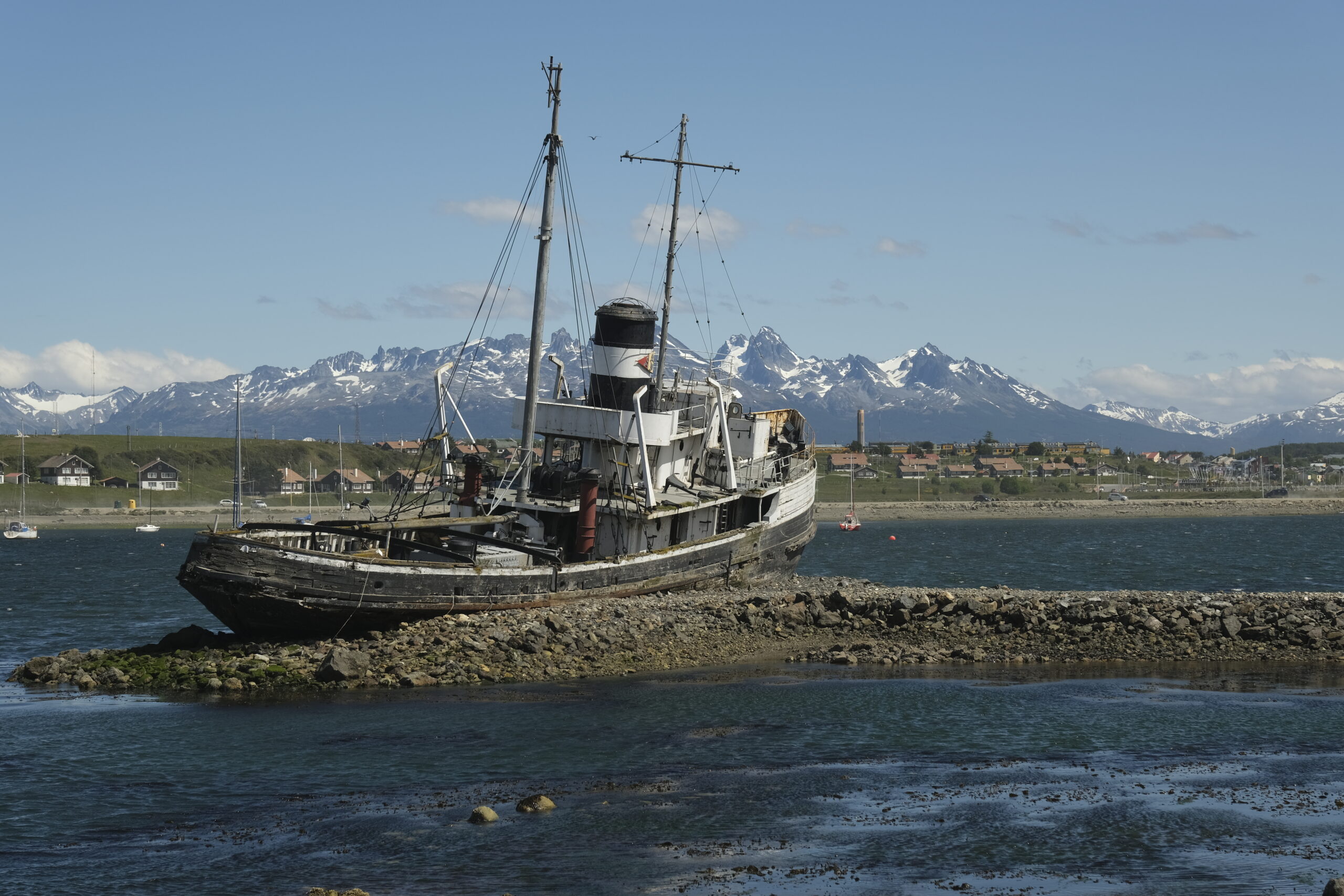
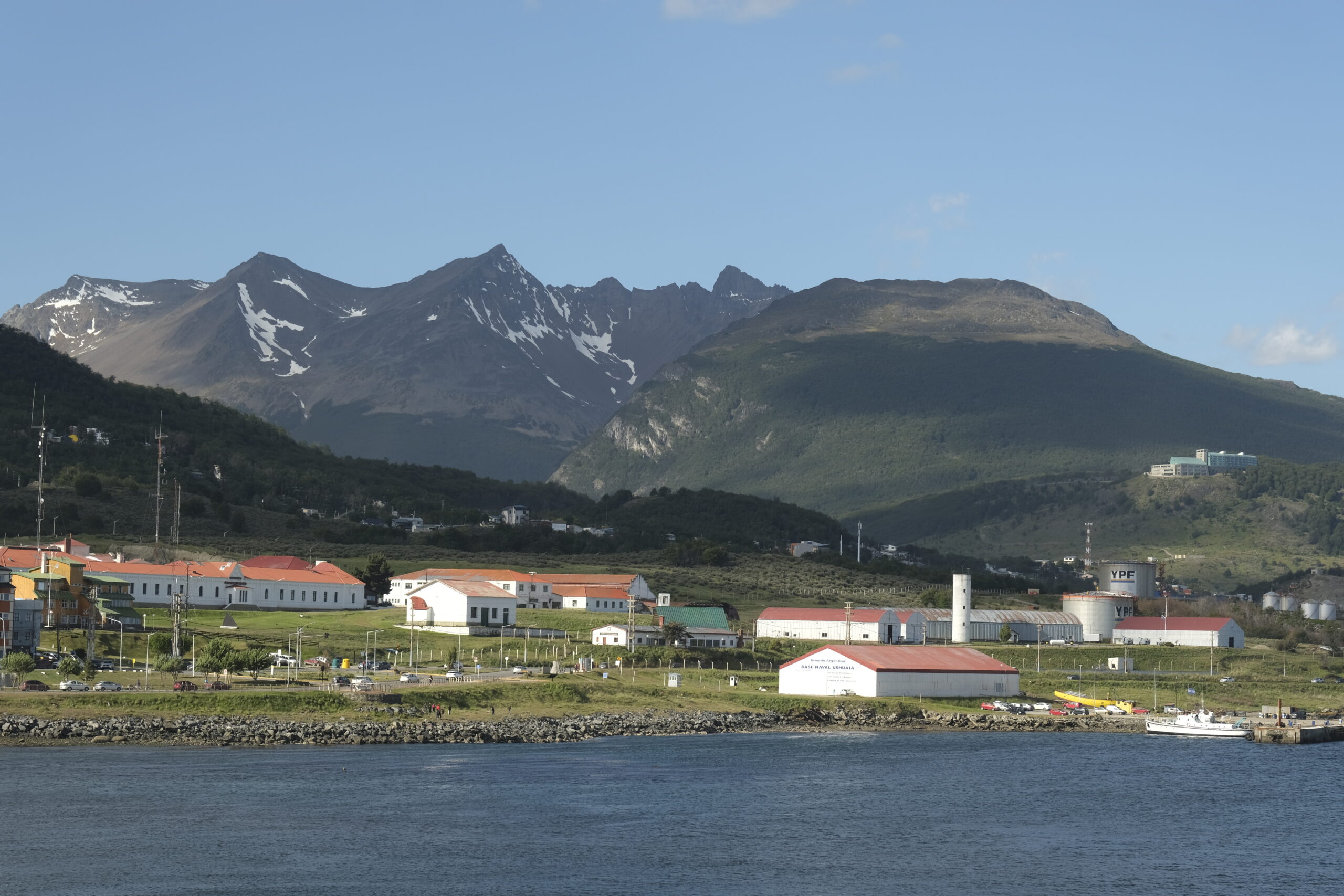
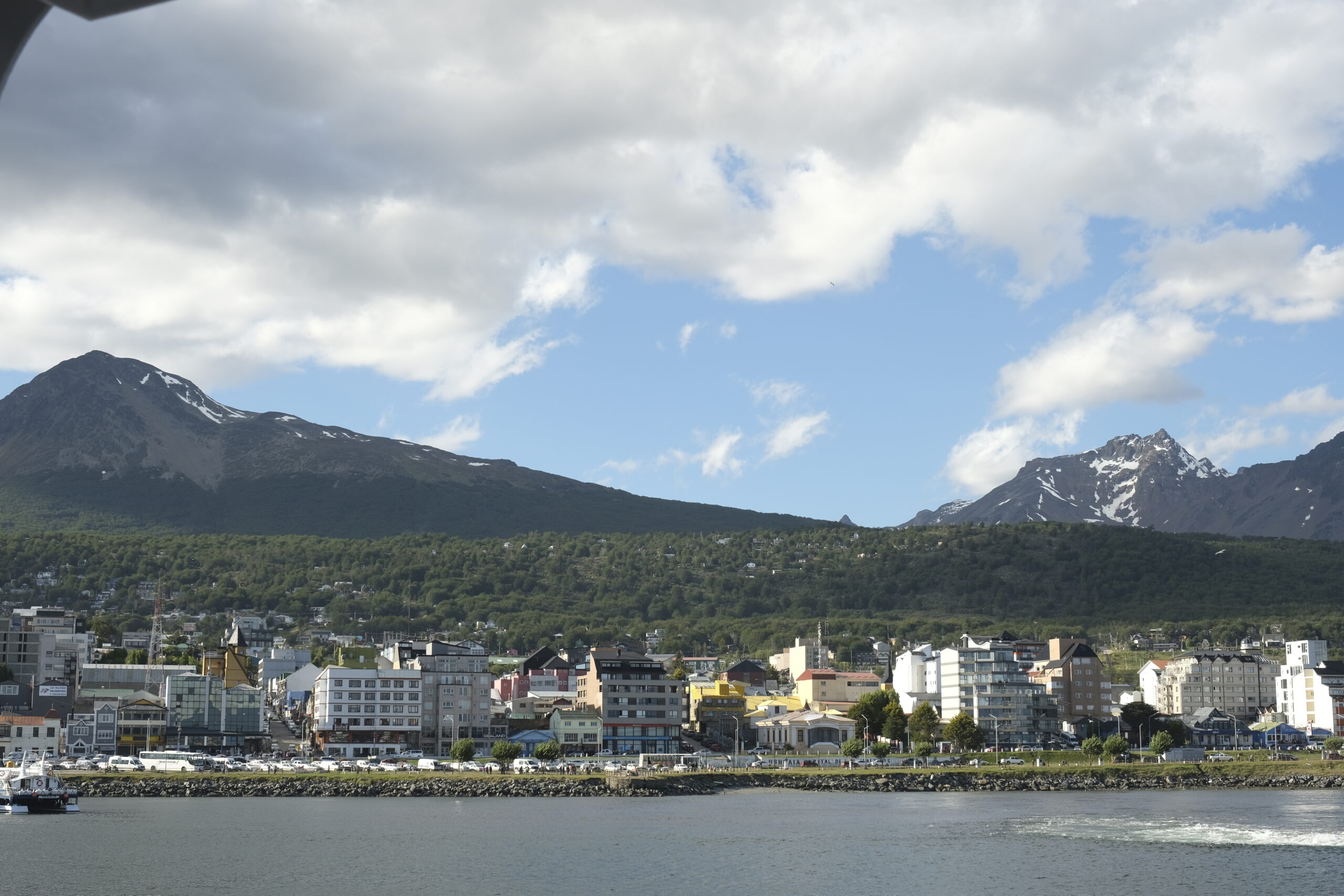
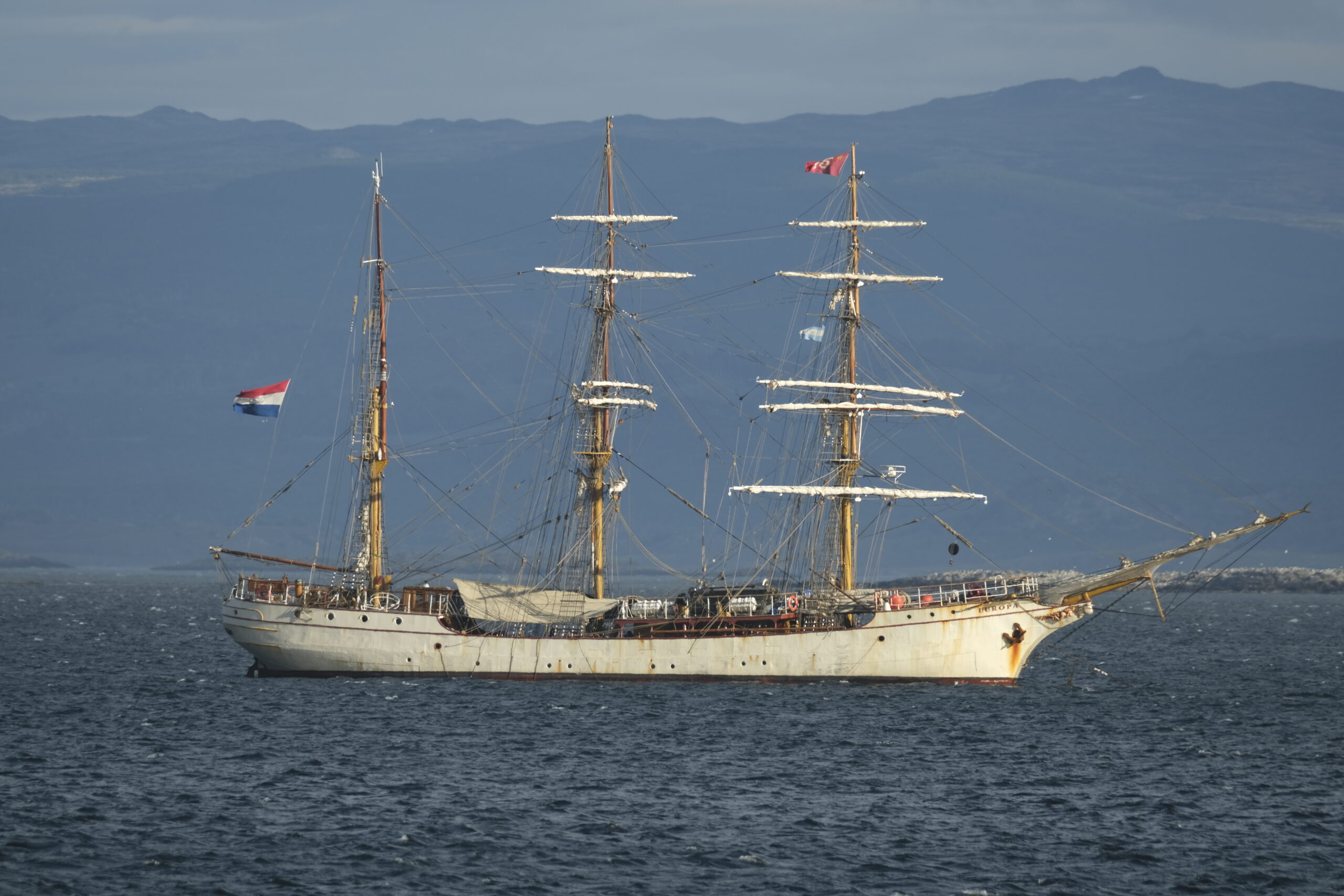
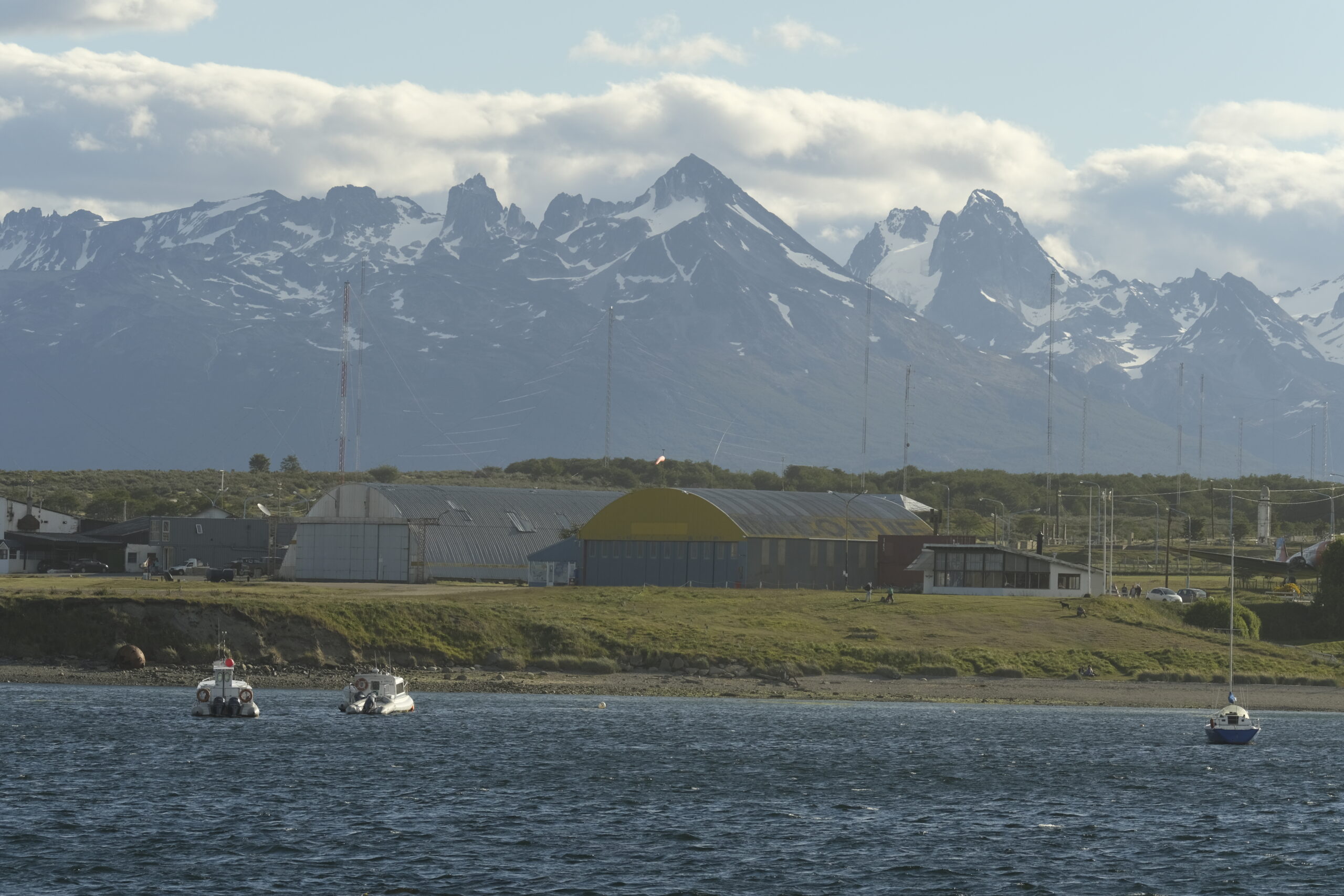
We said goodbye to the Buenos Aires Hilton at 5:15 AM and drove to Ezeiza airport for a chartered flight to Ushuaia. We reached Ushuaia 3-plus hours later and then drove to a restaurant for a very forgettable lunch. After lunch, we stopped at a little historic garden where the poppies and lupines were blooming profusely. We then got on a coach and drove to the docks where we embarked on a Ponant ship called L’Austral (meaning ‘the south’). The ship was docked next to two large National Geographic ships, both of which sailed before us. We were pleasantly surprised to find we were upgraded to a suite that came with not one but two butlers. After checking into our cabin, we had a mandatory lifeboat drill, followed by dinner, and then a piano recital by Oleg Kotyuk, the ship’s pianist. The program included selections from Bach, Mozart, Beethoven, Lizst, and Chopin. He is certainly talented and played the entire repertoire from memory. Unfortunately, there were only seven of us in attendance.
Navigating the Drake Passage – December 10, 2021
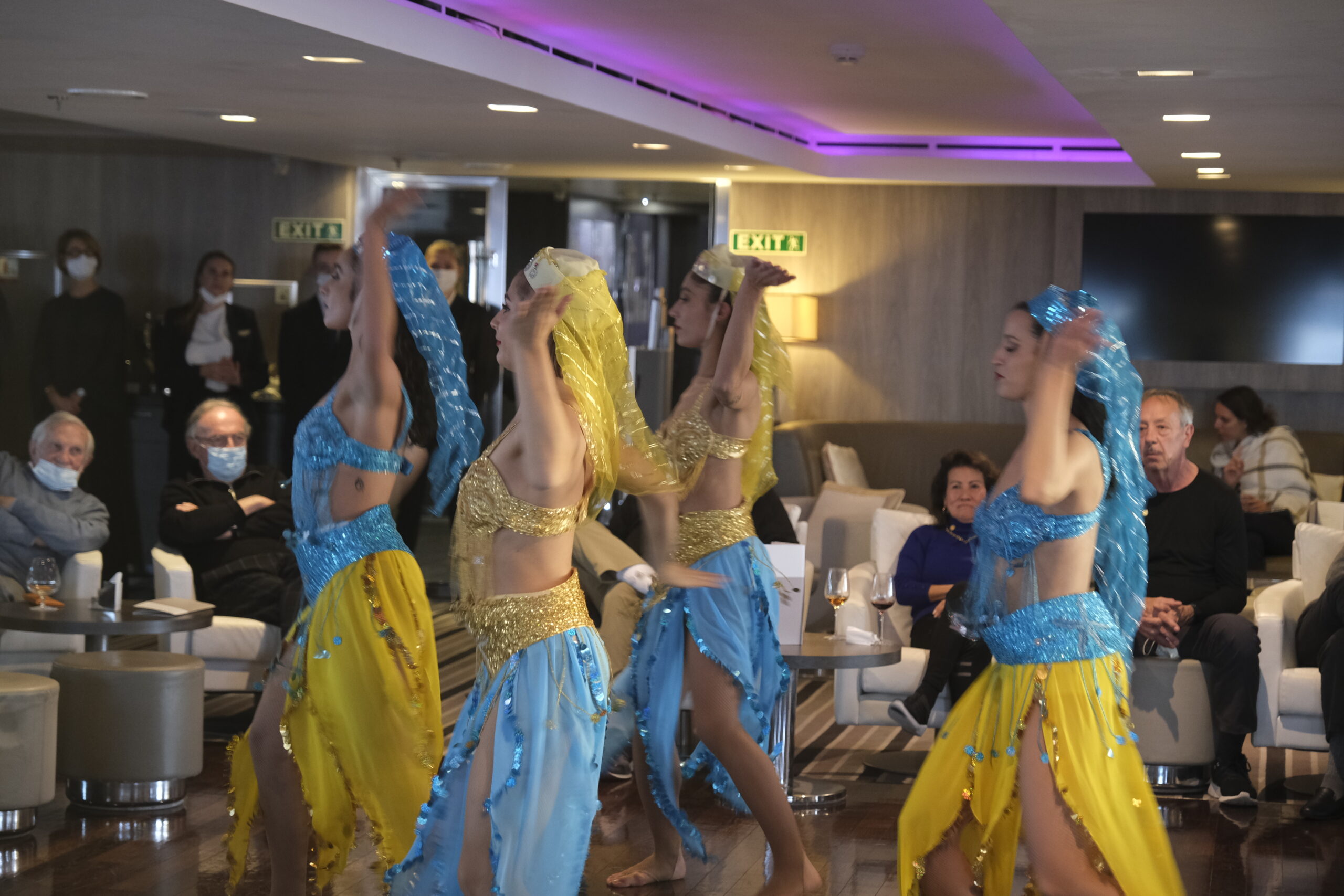
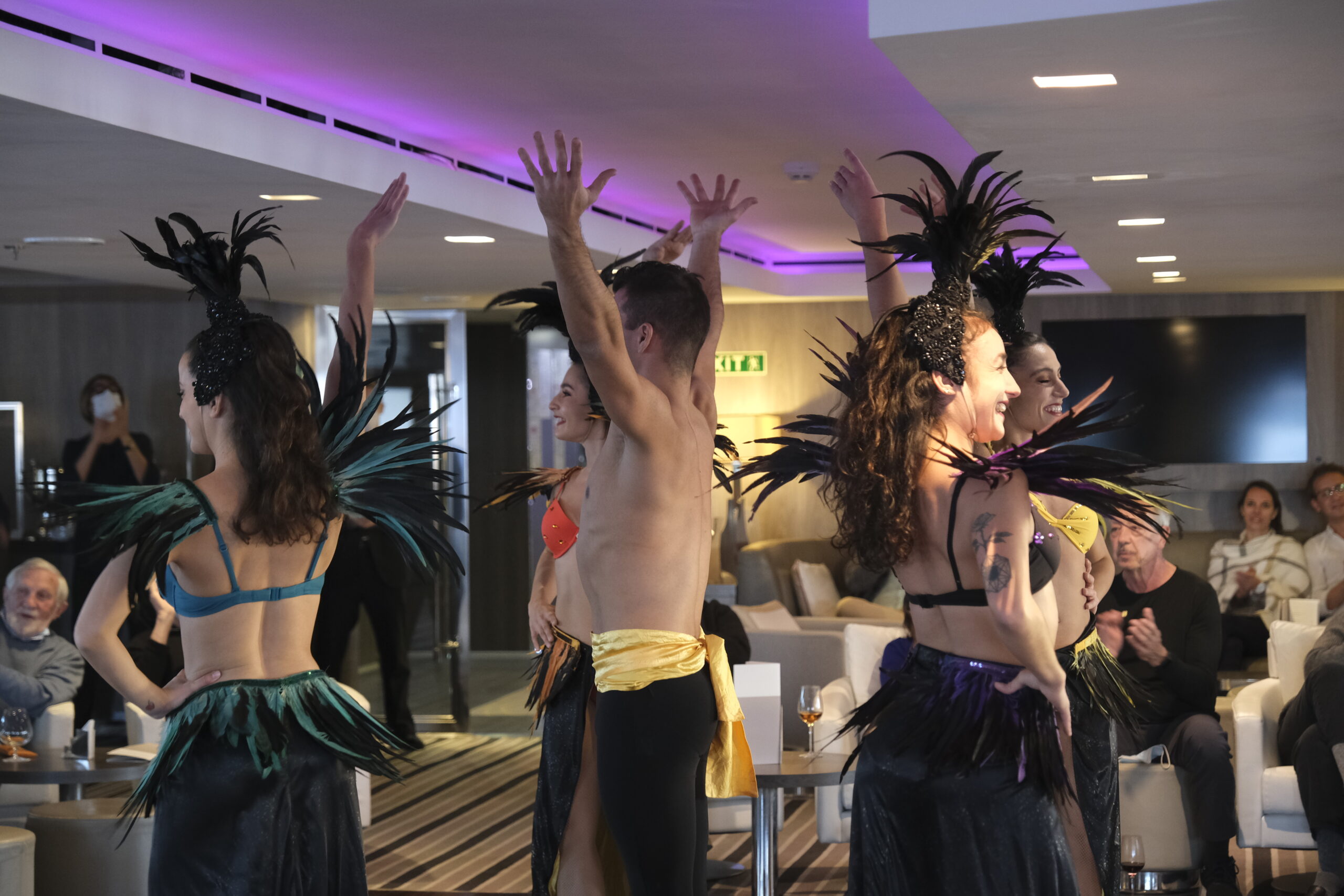
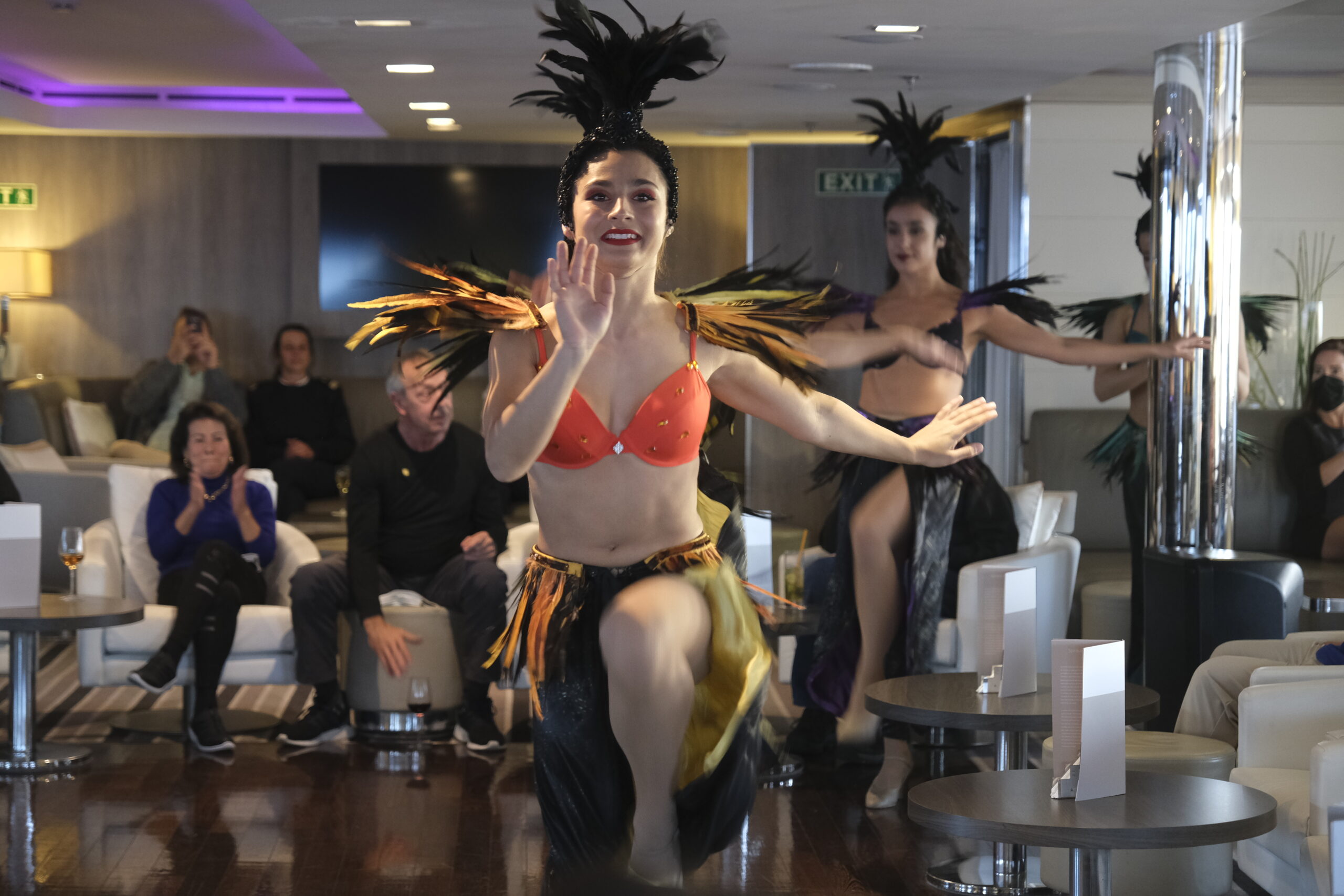
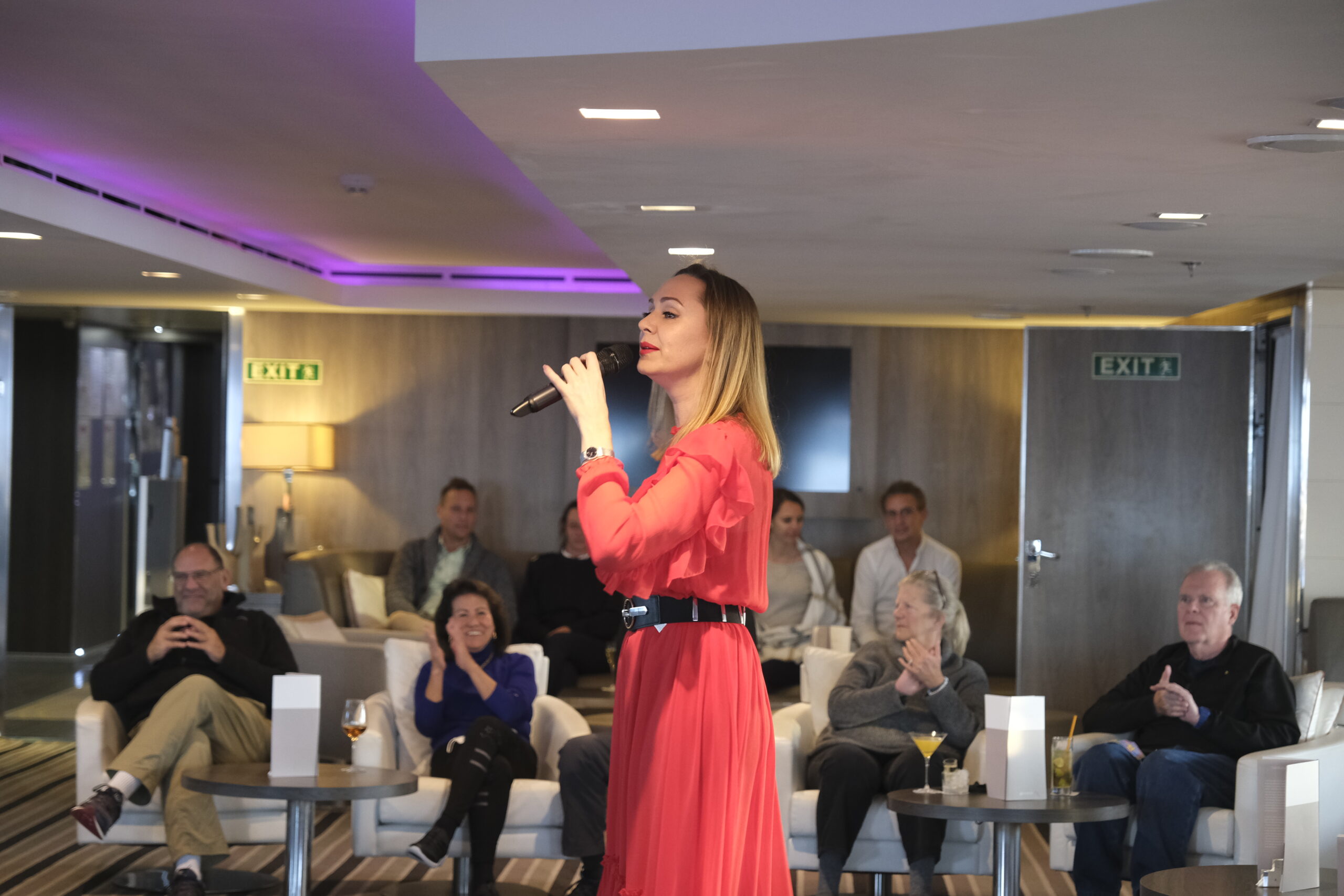
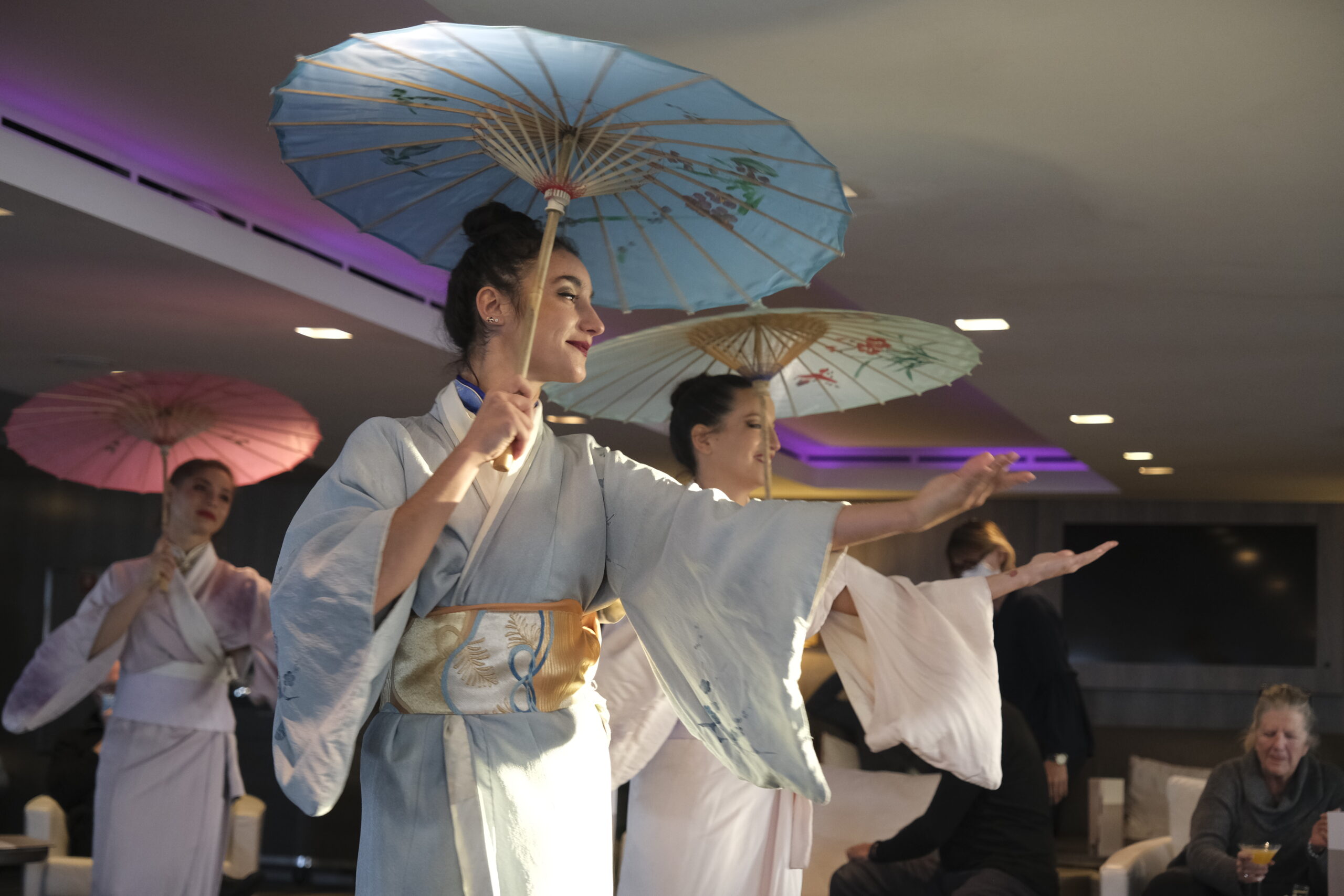
The waters of the Drake Passage began to get rough and many of us fell prey to motion sickness. The morning was miserable for a lot of us. I had a patch, acupressure bands on my wrists, and I also took a motion sickness pill. It continued late into the afternoon. I made it to dinner as we were invited by our next cabin neighbors, Yvonne and Jerry Wagner, whom we had travelled with previously on a trip to Malta and Sicily, also on a Ponant ship. After an excellent dinner, there was dancing and singing by a troupe called Paris C’Show.
Antarctica Bound: Preparing for Expedition – December 11, 2021
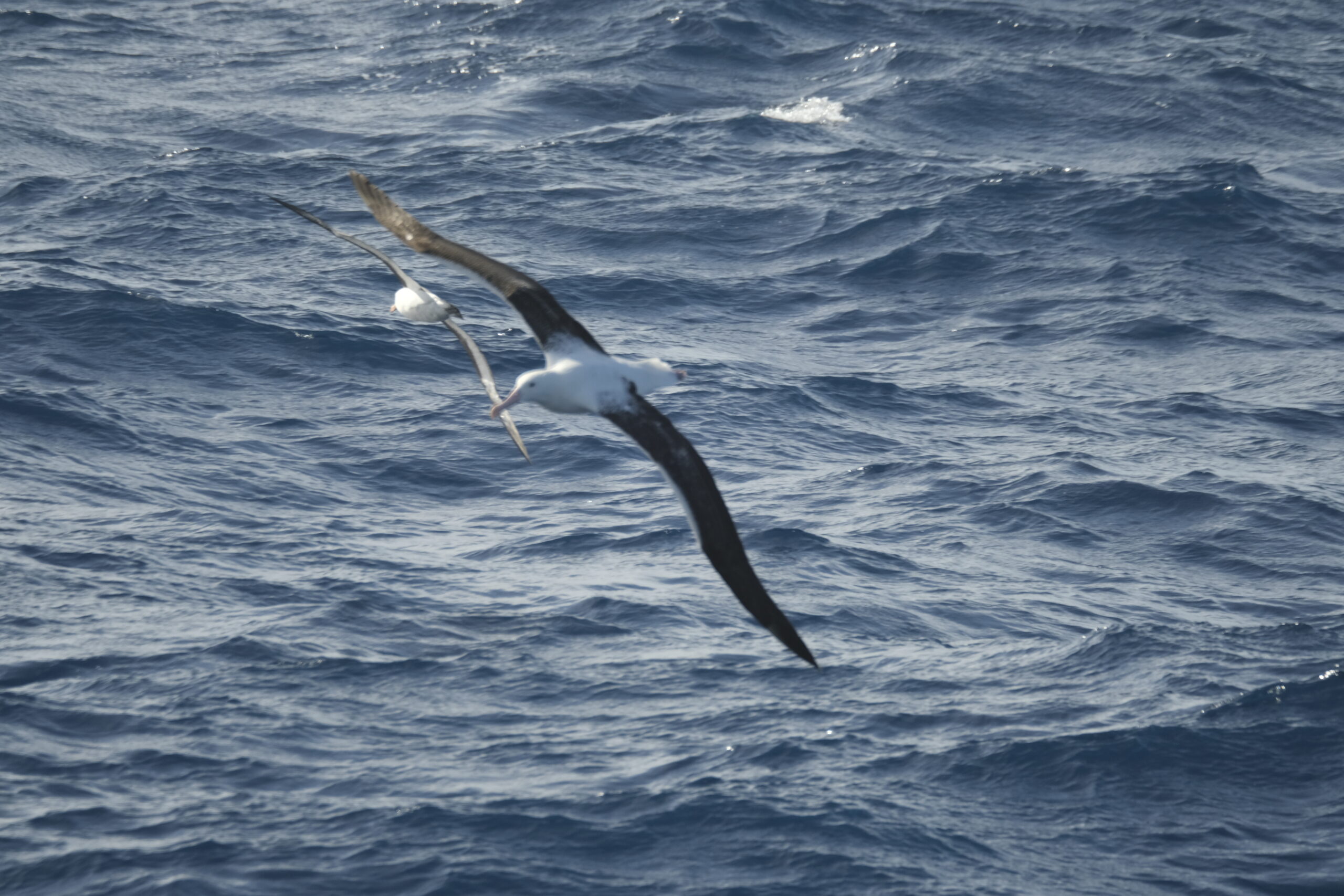
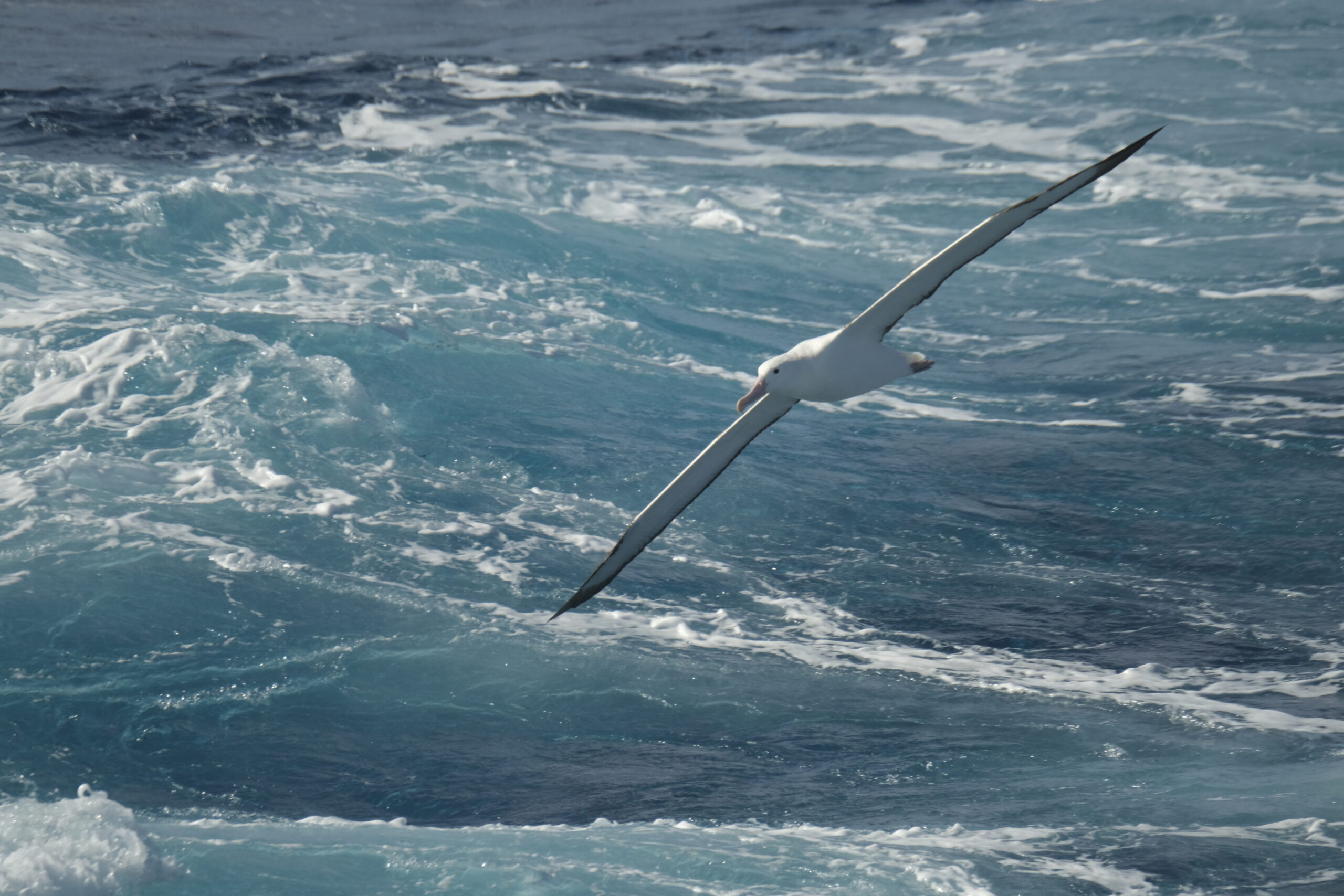
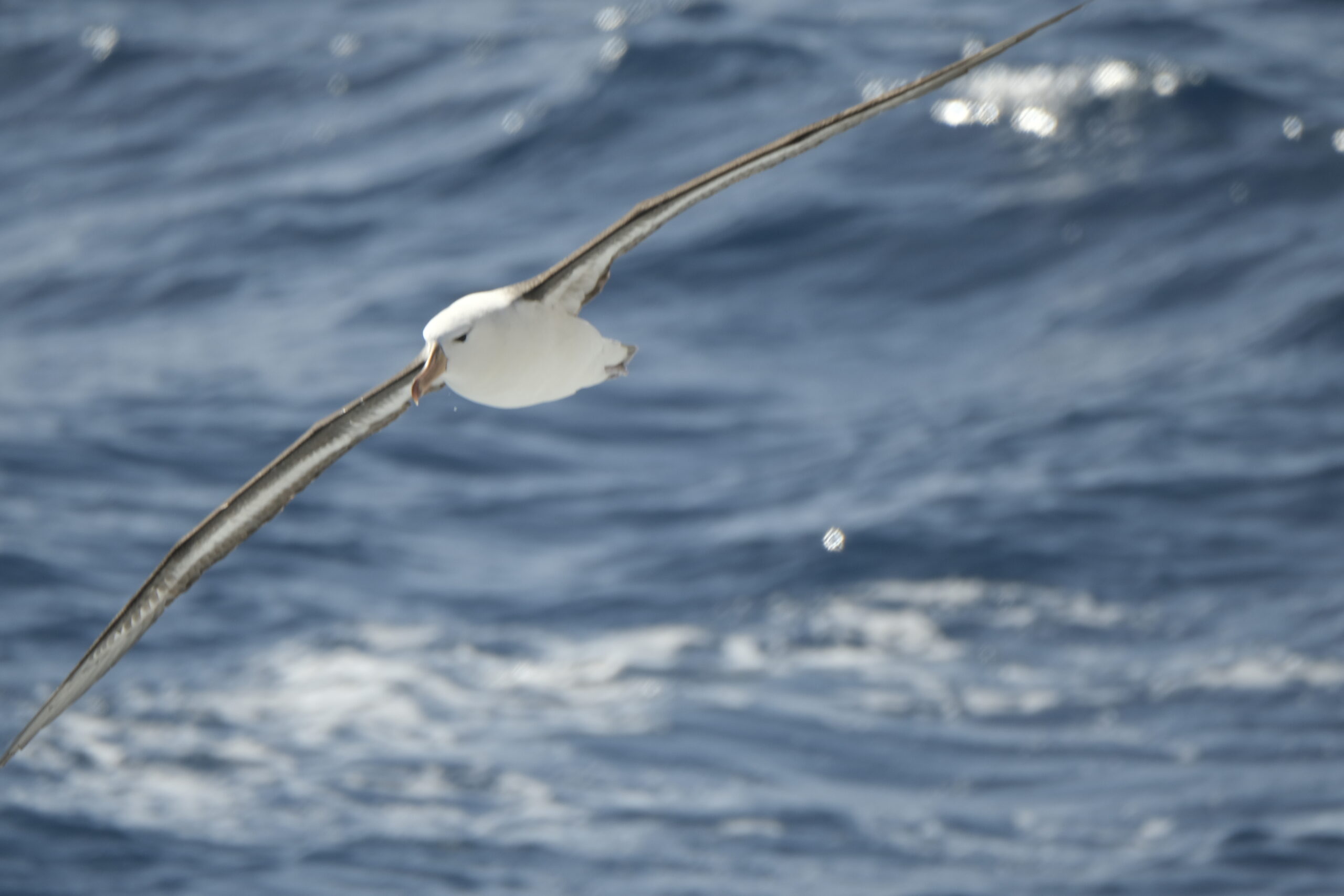
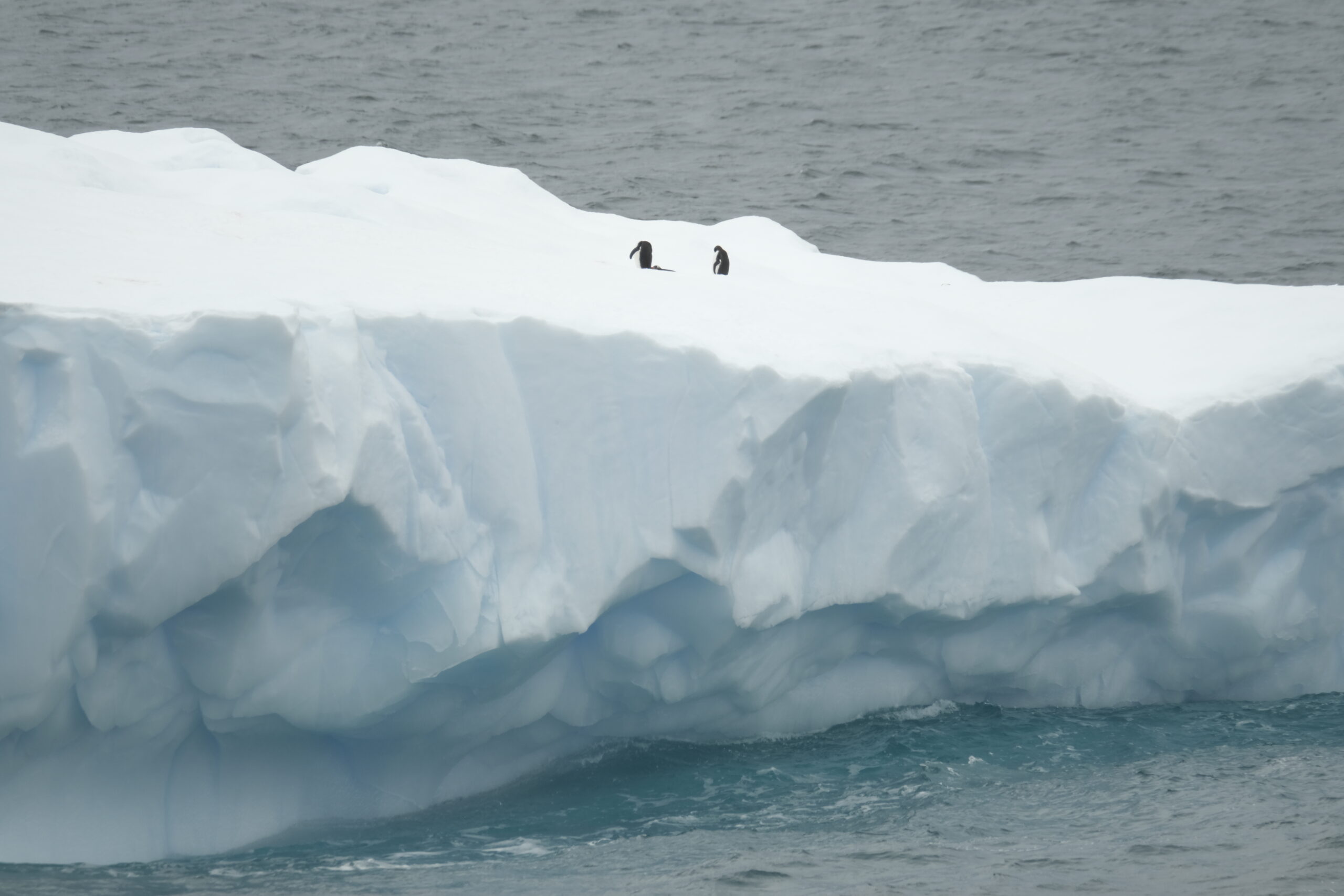
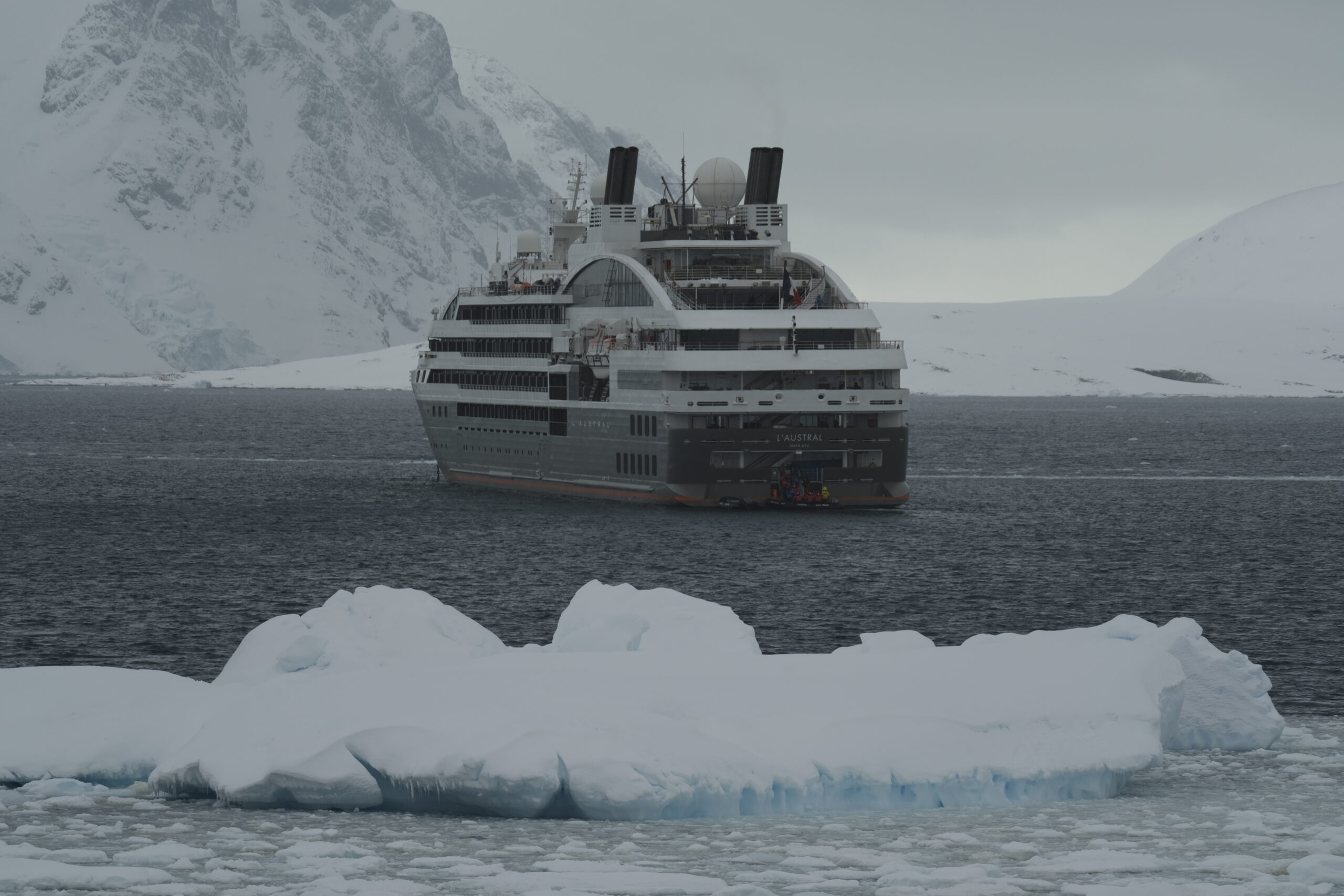
Today the waters were a lot calmer. We saw a few penguins and whales as we approached Antarctica. It got really foggy, so the ship slowed its pace to better navigate the icebergs. About four in the afternoon, we were finally in Antarctica, the Great White Continent that is 1.5 times the size of the U.S. We had a mandatory meeting regarding how to behave, how to get in and out of a zodiac, how to disinfect our clothes so that nothing is transmitted to the wildlife. Basically, this constituted vacuuming our clothes. We also got boots for walking about in the snow and ice and a lifejacket for the zodiacs. This lifejacket is different from that of the ship’s lifejacket. And the boots too would be disinfected before leaving and after returning from each expedition.
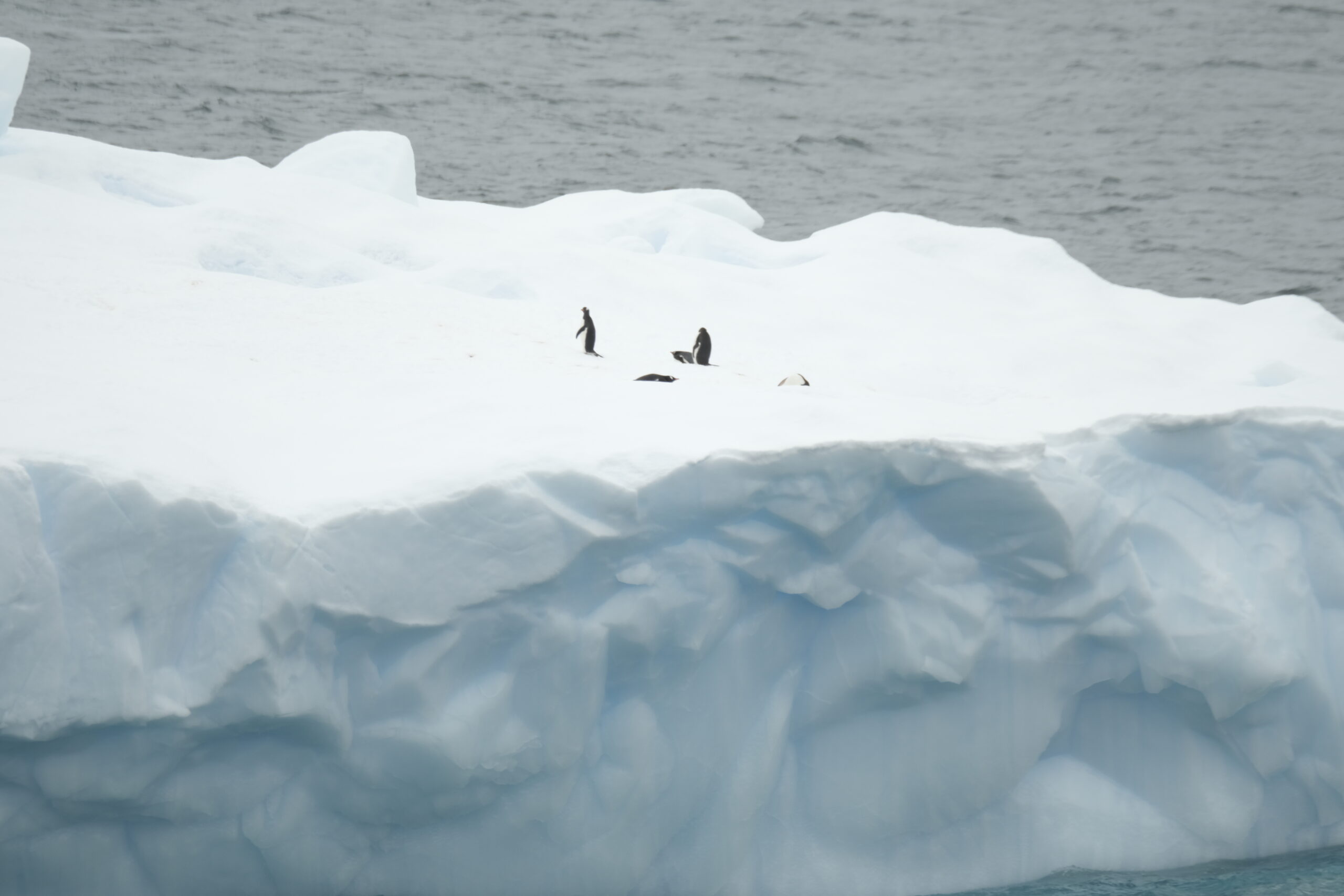
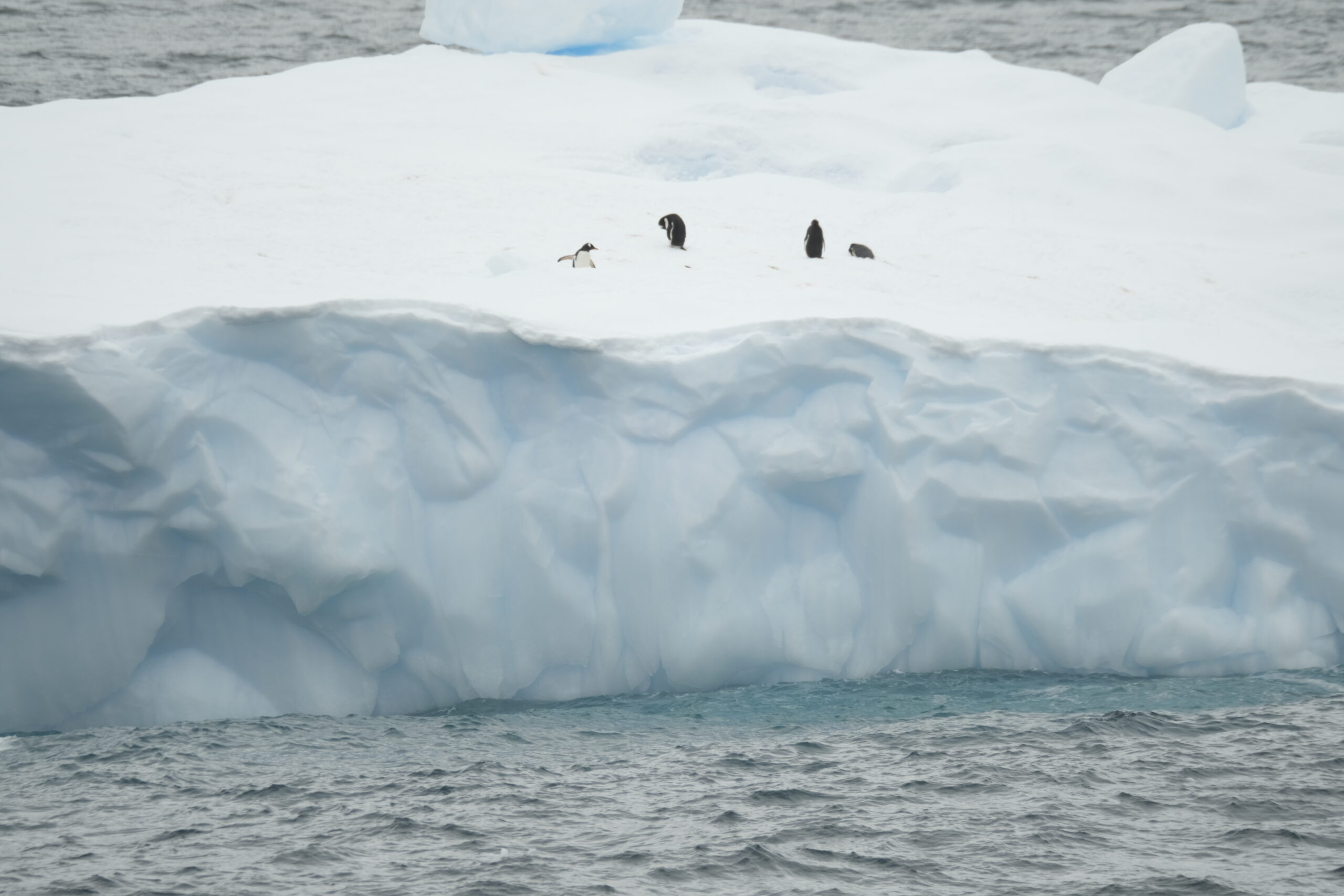
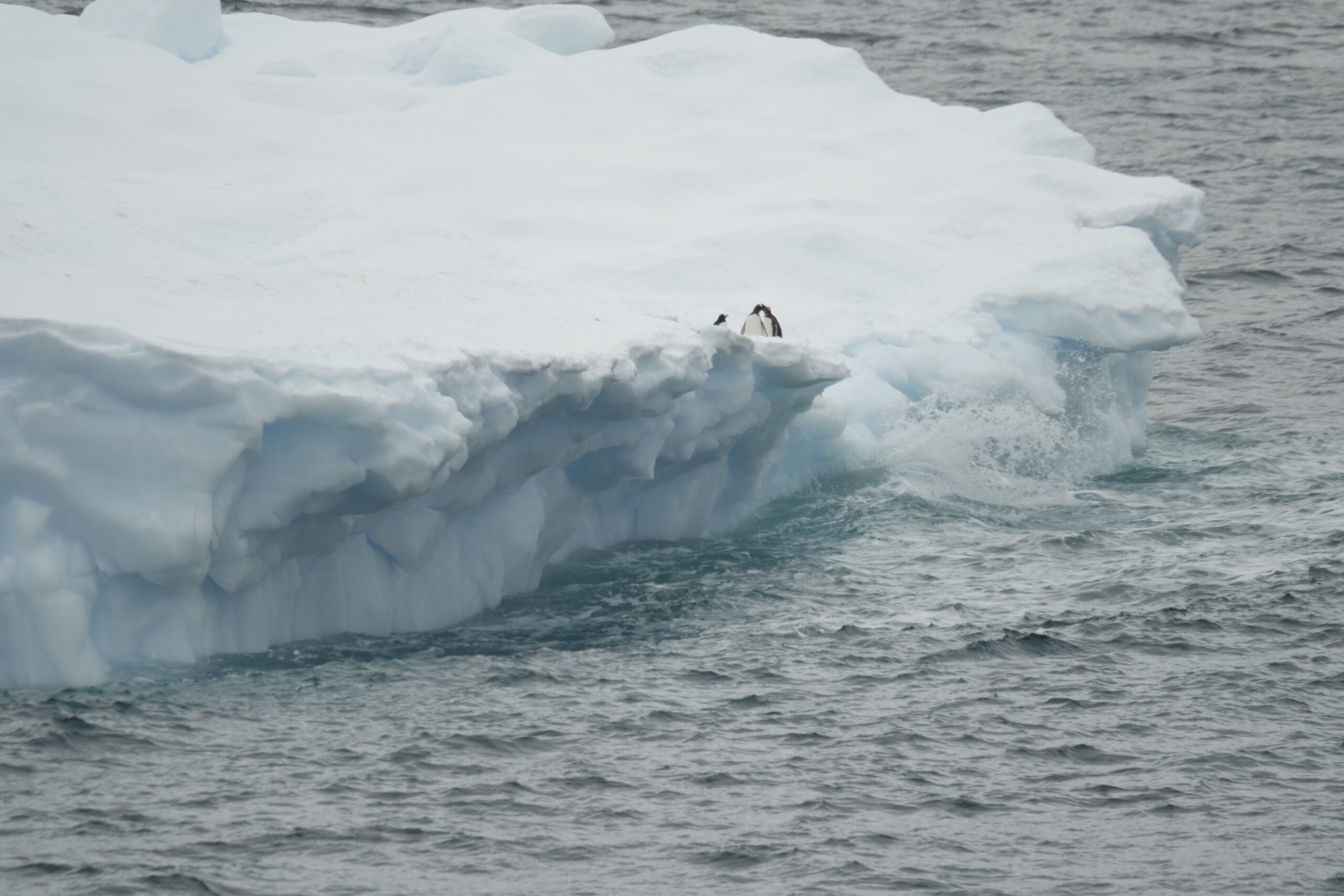
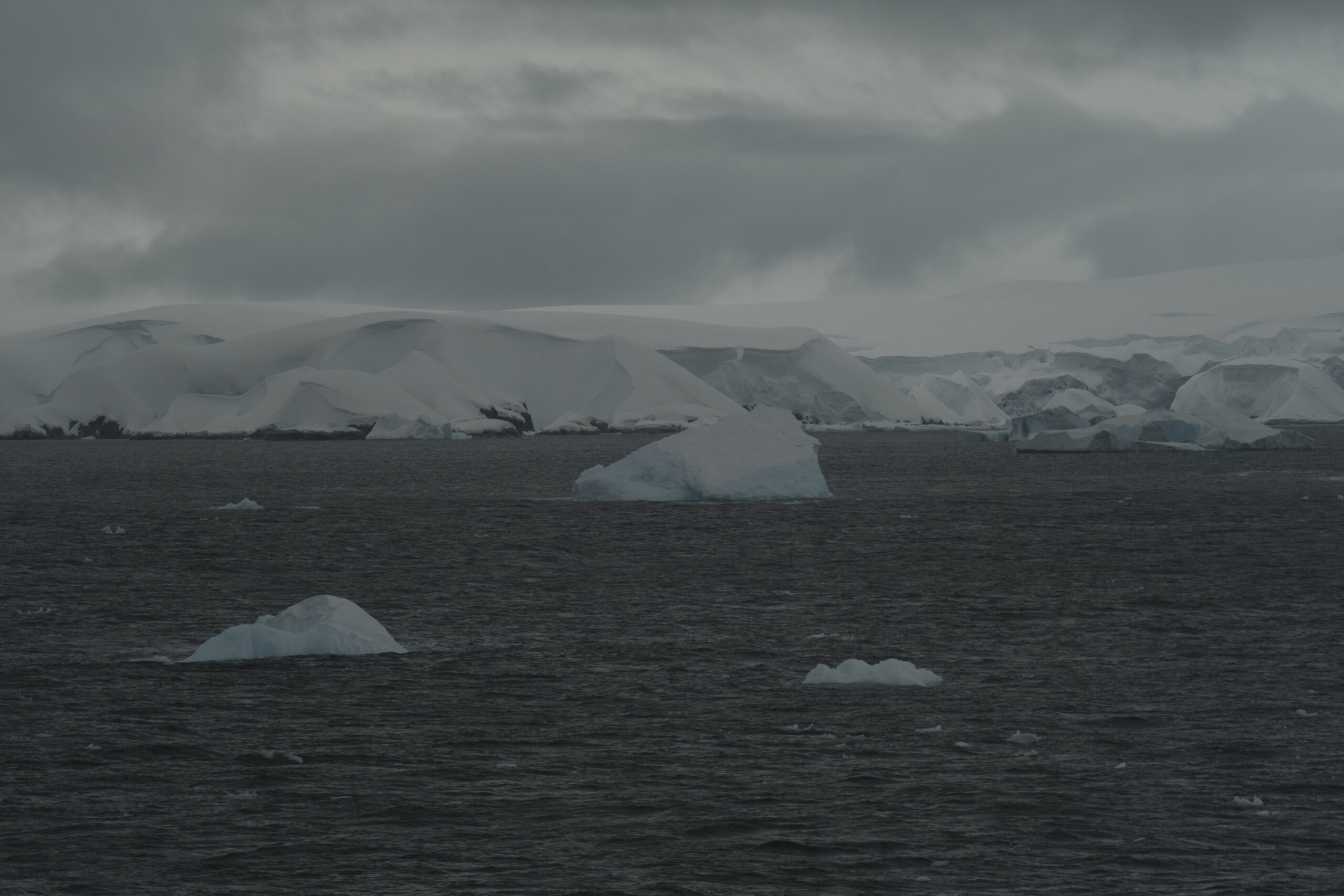
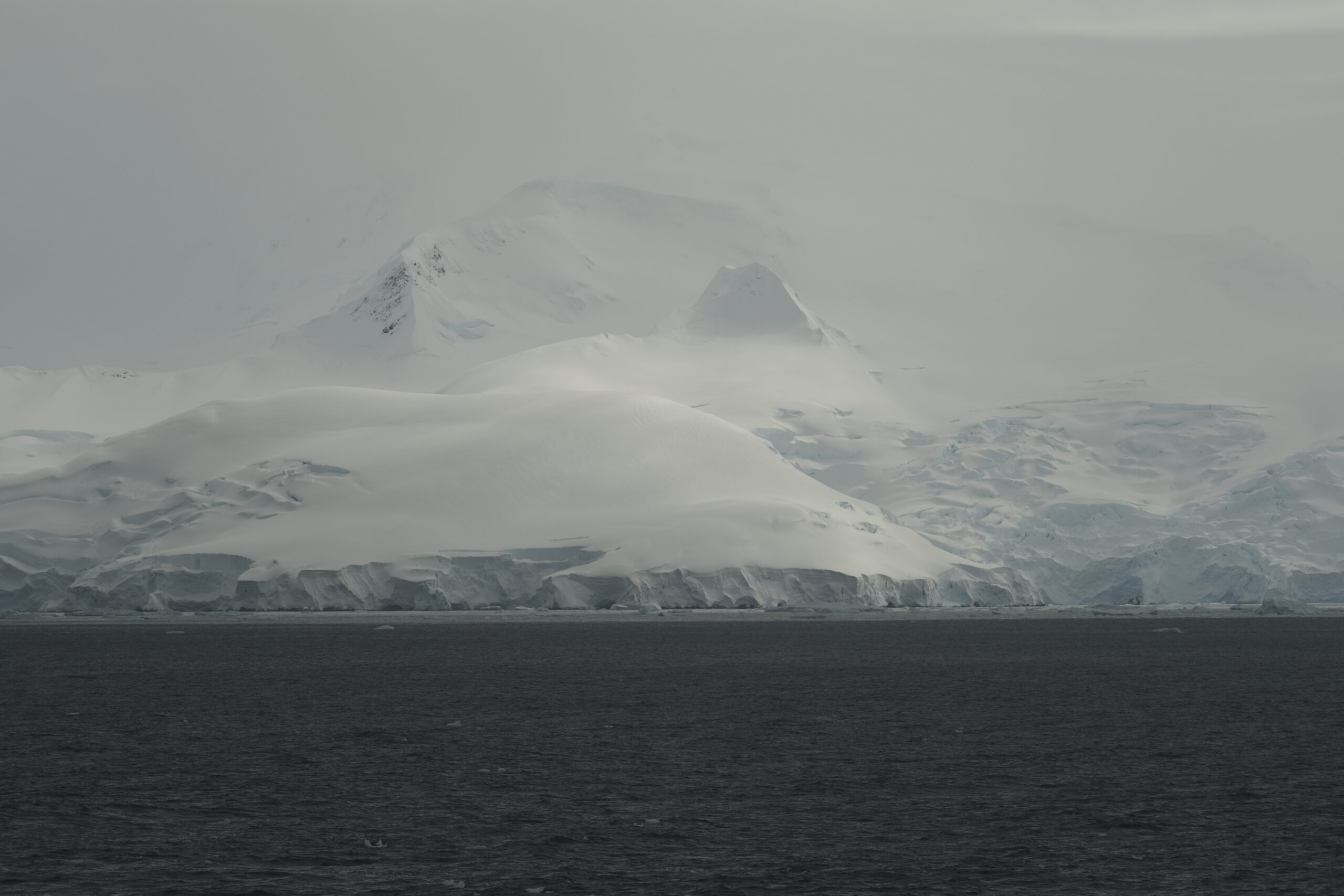
In the evening Captain Stanislas Devorsine held a champagne reception to introduce us to his crew. Later we had dinner at the Captain’s Table. This was a seven-course meal. Very elegant!
Tomorrow, we start our expeditions.
Exploring the Antarctic Peninsula – December 12, 2021
This morning it is cloudy and snowing. We were to visit Neko Harbor in the Antarctic Peninsula to see the Gentoo penguins as it’s one of their breeding sites, but fear of being boxed in by ice prevented us doing so. Instead, we took an hour-long excursion in the zodiacs. We saw some of the Gentoo penguins, and some petrels (Wilson’s Storm Petrel and Snow Petrel) and skuas (not sure whether they were Chilean or Brown Skuas). By the time the hour was up, our fingers and toes were chilled as the temperature was around 23°F and the snowflakes turned larger. Neko Harbor was discovered by the Belgian explorer Adrien de Gerlache during his 1897-99 Antarctic expedition and was named in 1921 after the floating whaling factory ship which operated in the South Shetland Islands and Antarctic Peninsula between 1911 and 1924.
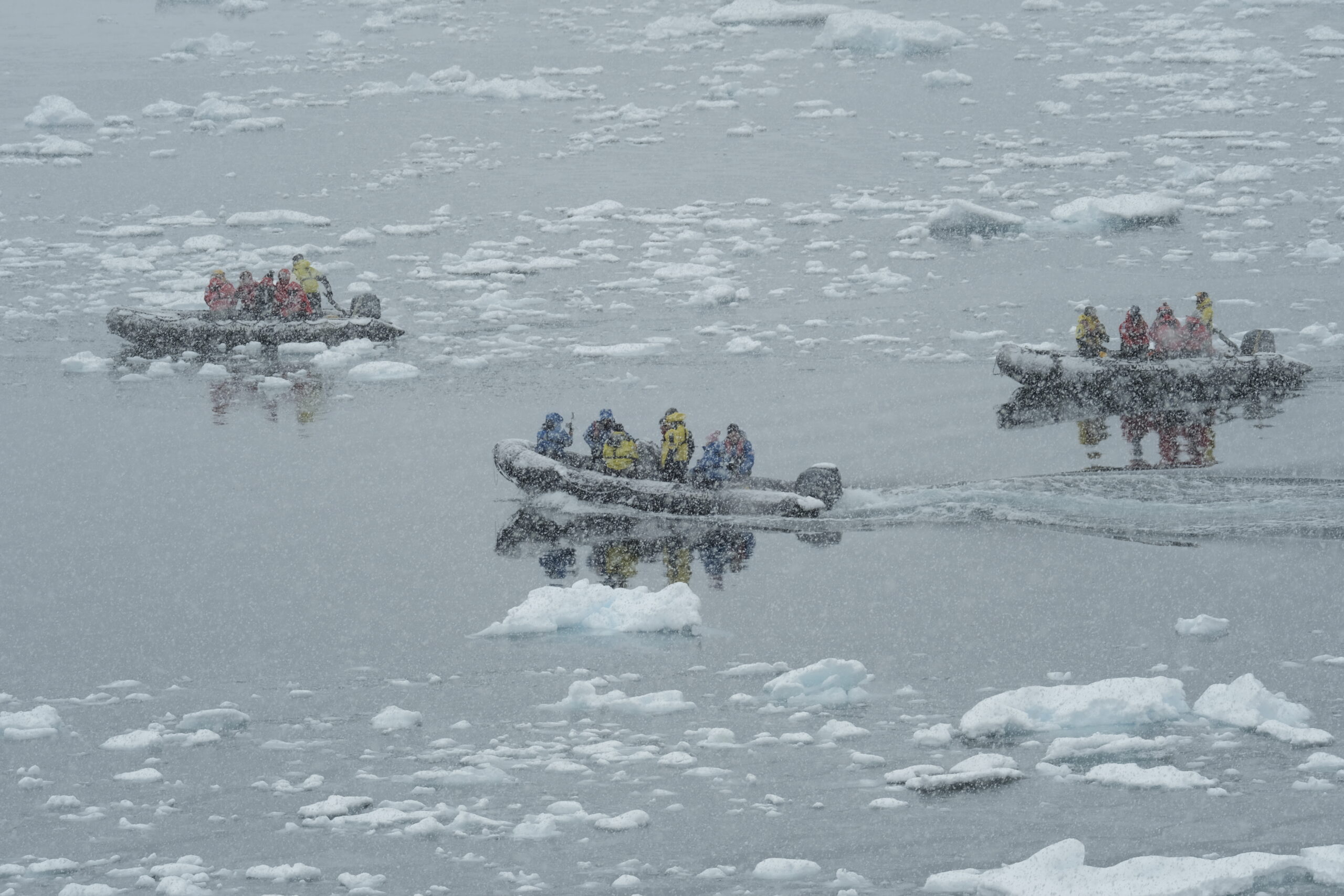
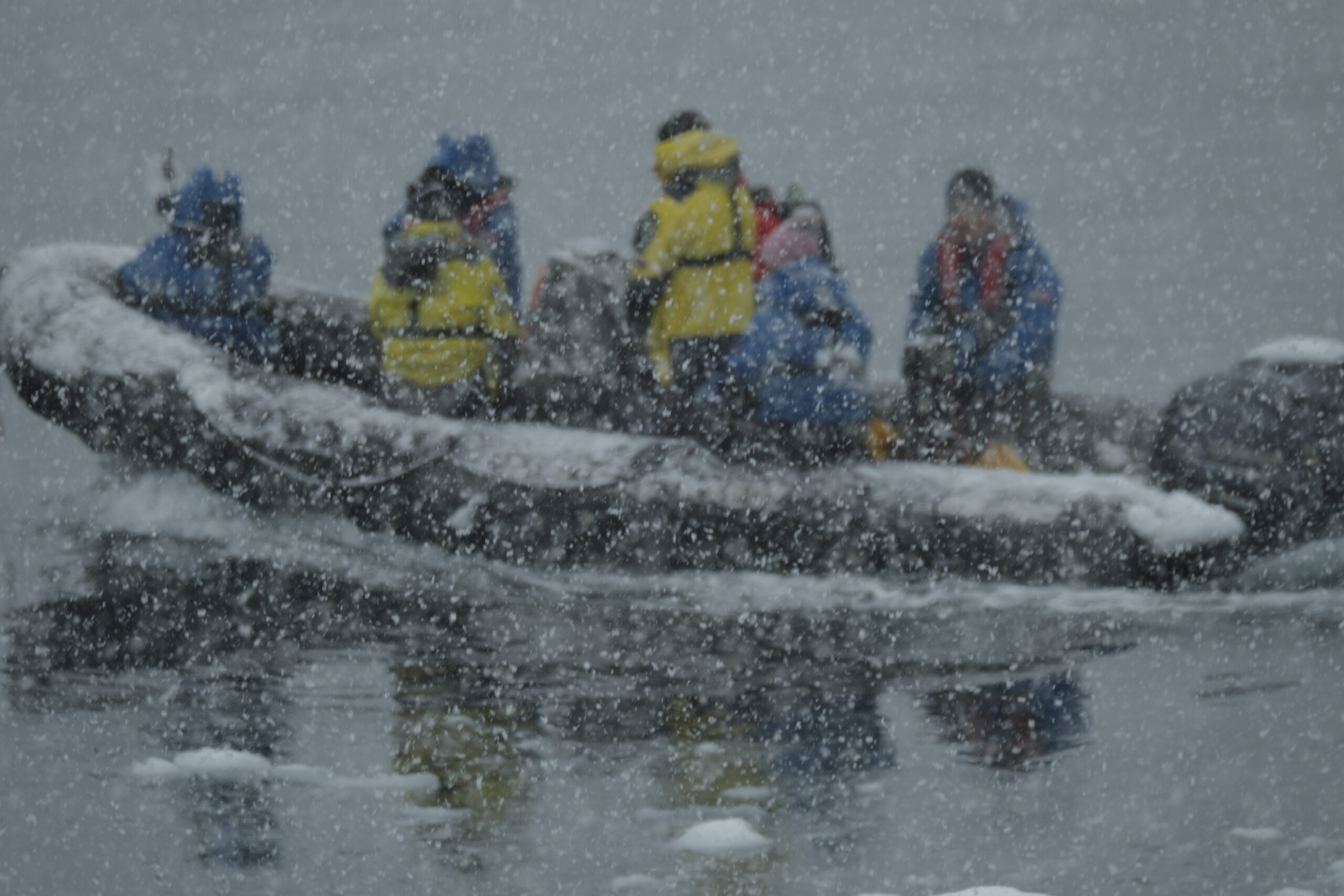
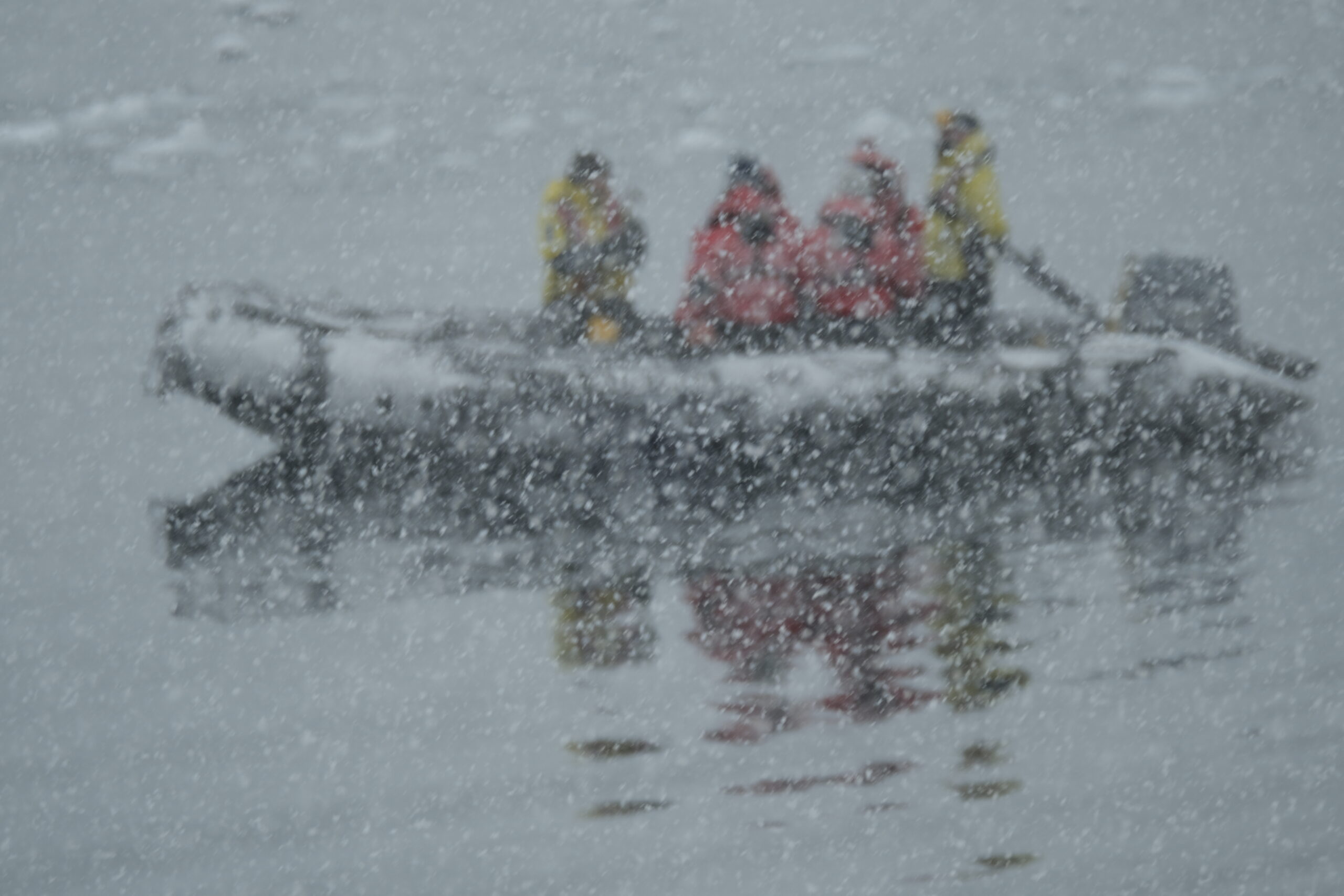
In the afternoon we were to visit Dorian Bay, a cove on the northwest side of Wiencke Island, in the Palmer Archipelago of Antarctica. It was discovered by the French Antarctic Expedition, 1903-05, under Jean-Baptiste Charcot, and named by him after Monsieur Dorian, a member of the French Chamber of Deputies.
Landing on Dorian Bay was impossible because of the tremendous amount of snow that fell over the week, so the plan was changed, and we proceeded towards Hidden Bay. On the way, we saw several humpback whales. They kept pace with the ship for a while and provided lots of photo opportunities.
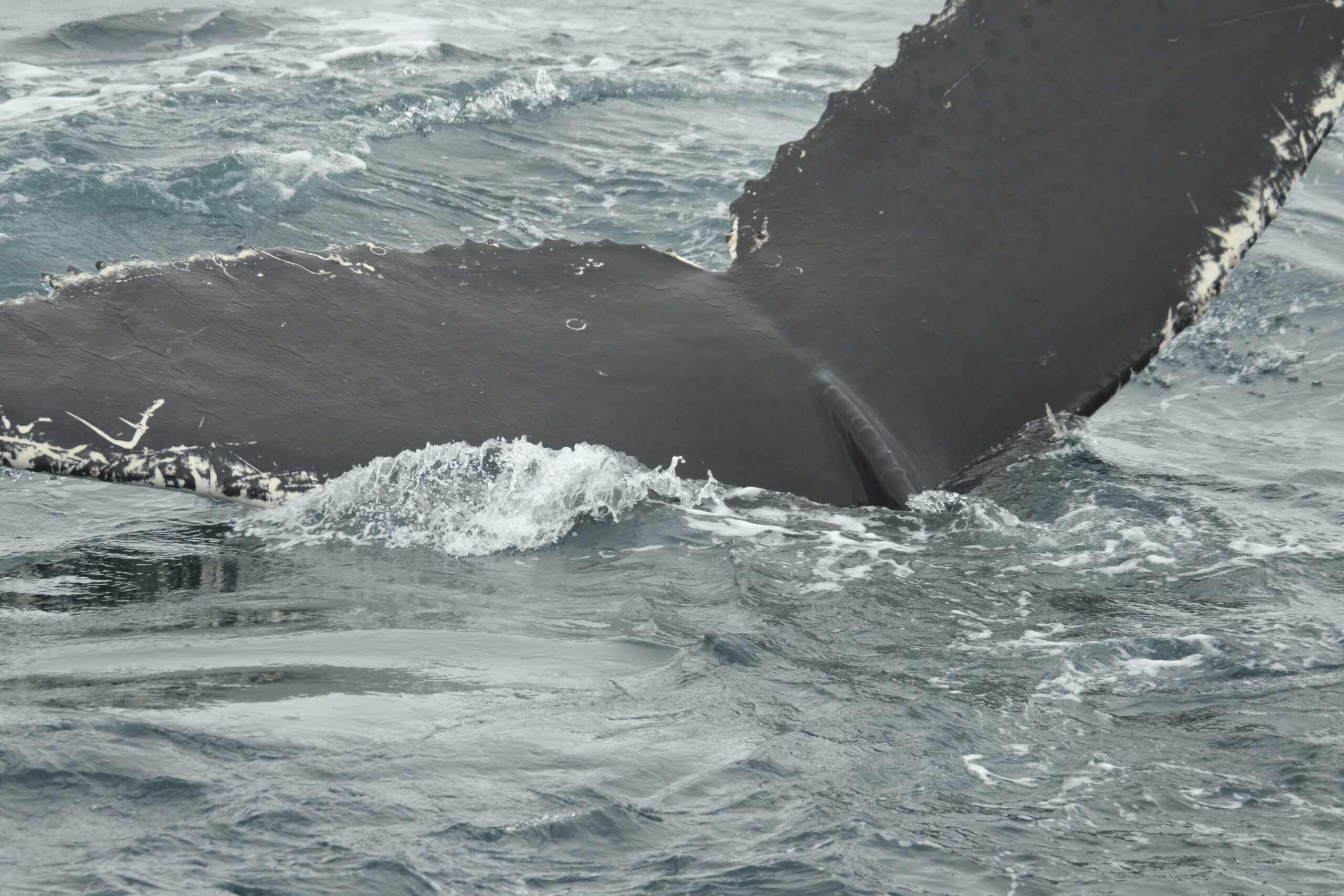
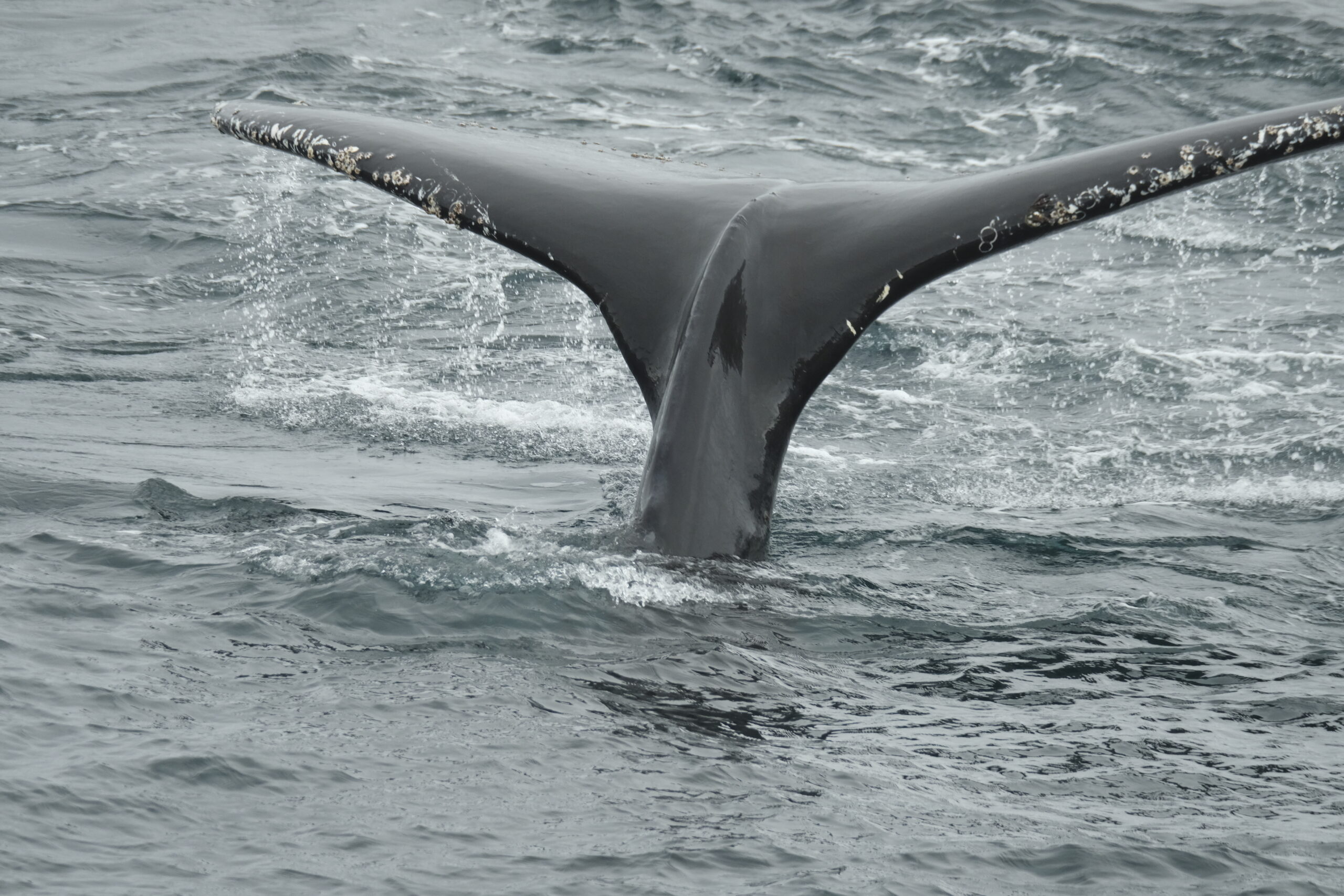
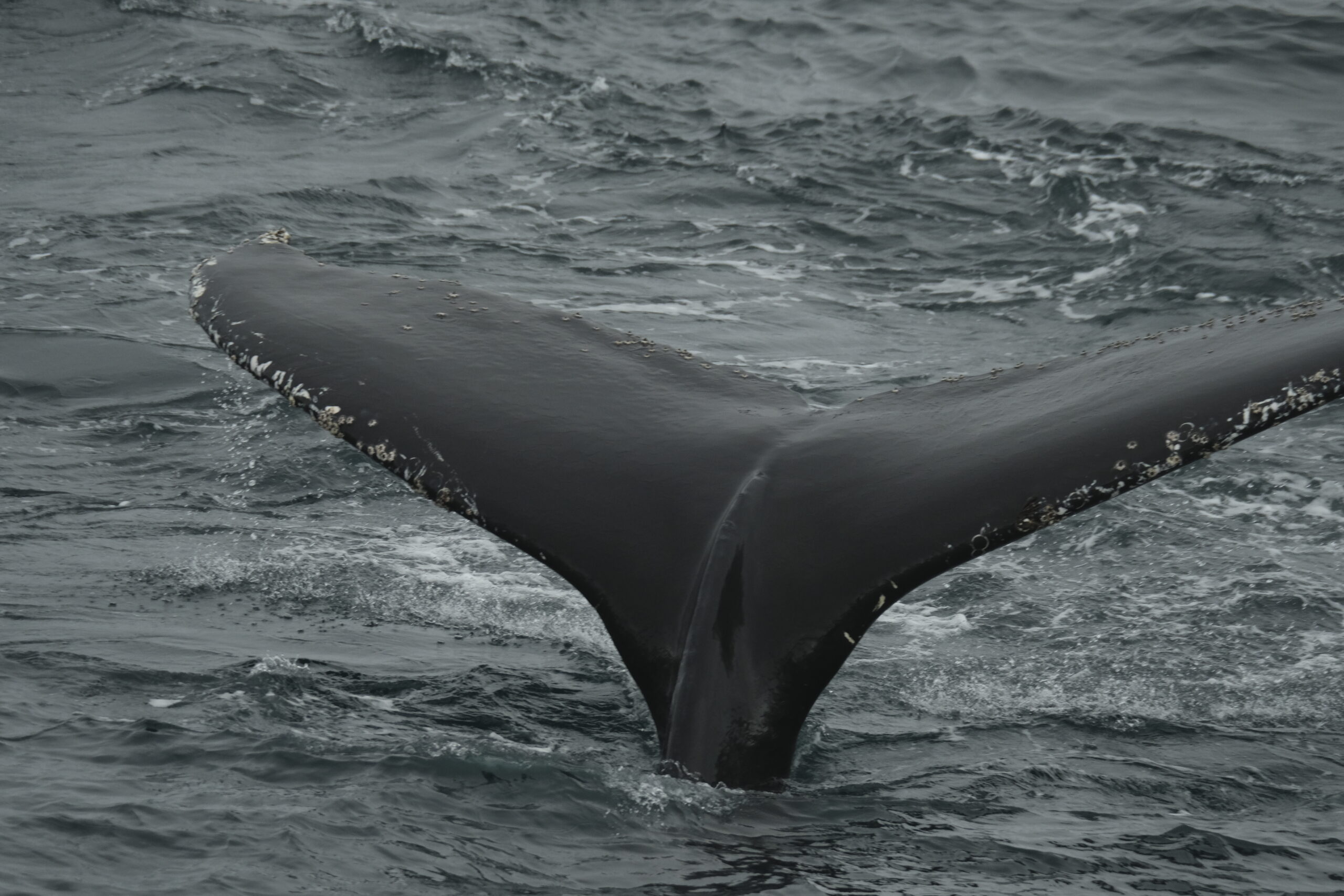
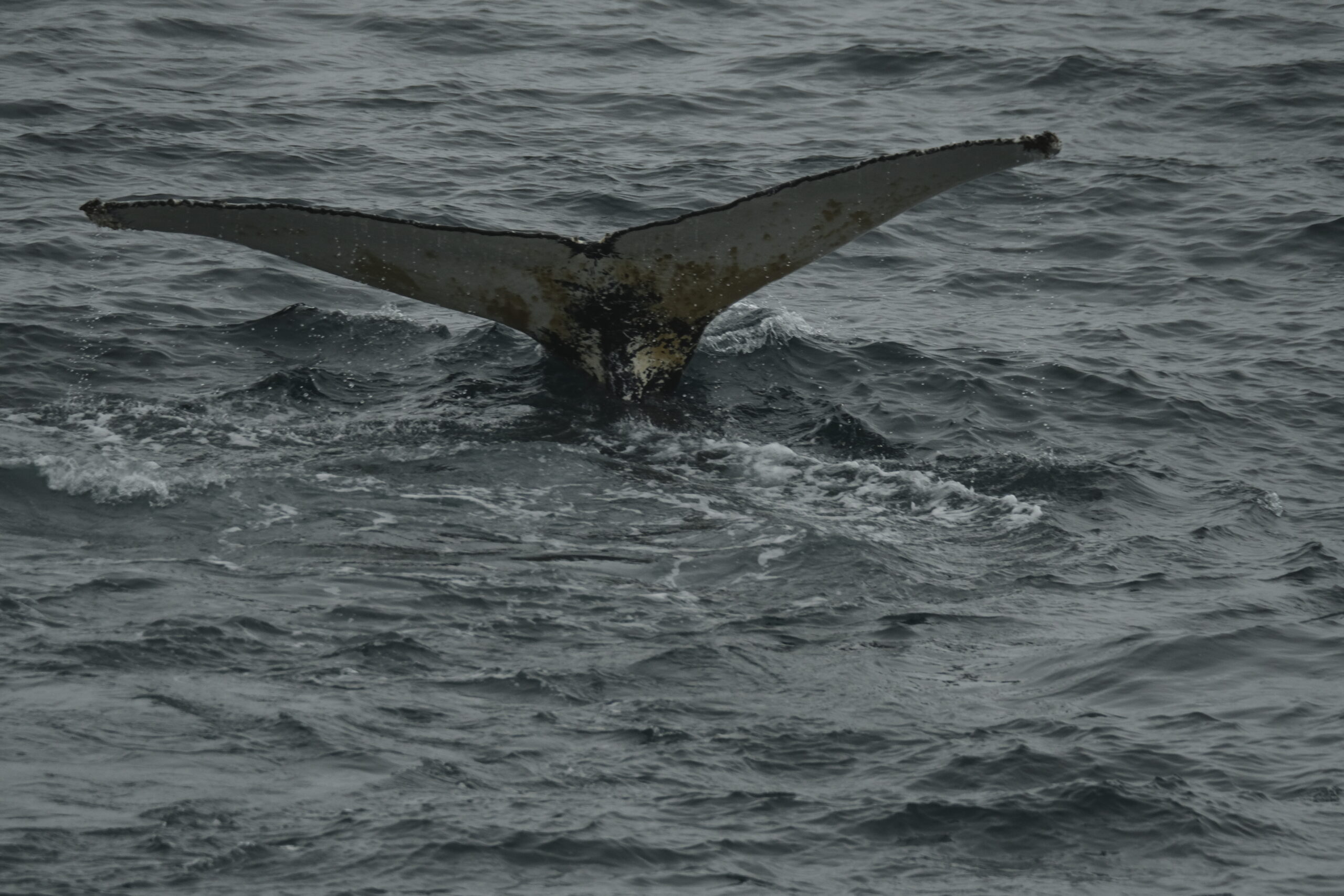
We ultimately got into zodiacs at 7 PM and visited Hidden Bay. We spent a good hour-plus in the zodiac circling around until someone asked our naturalist leader and whale expert, who was at the helm, whether she knew the way back to the ship.
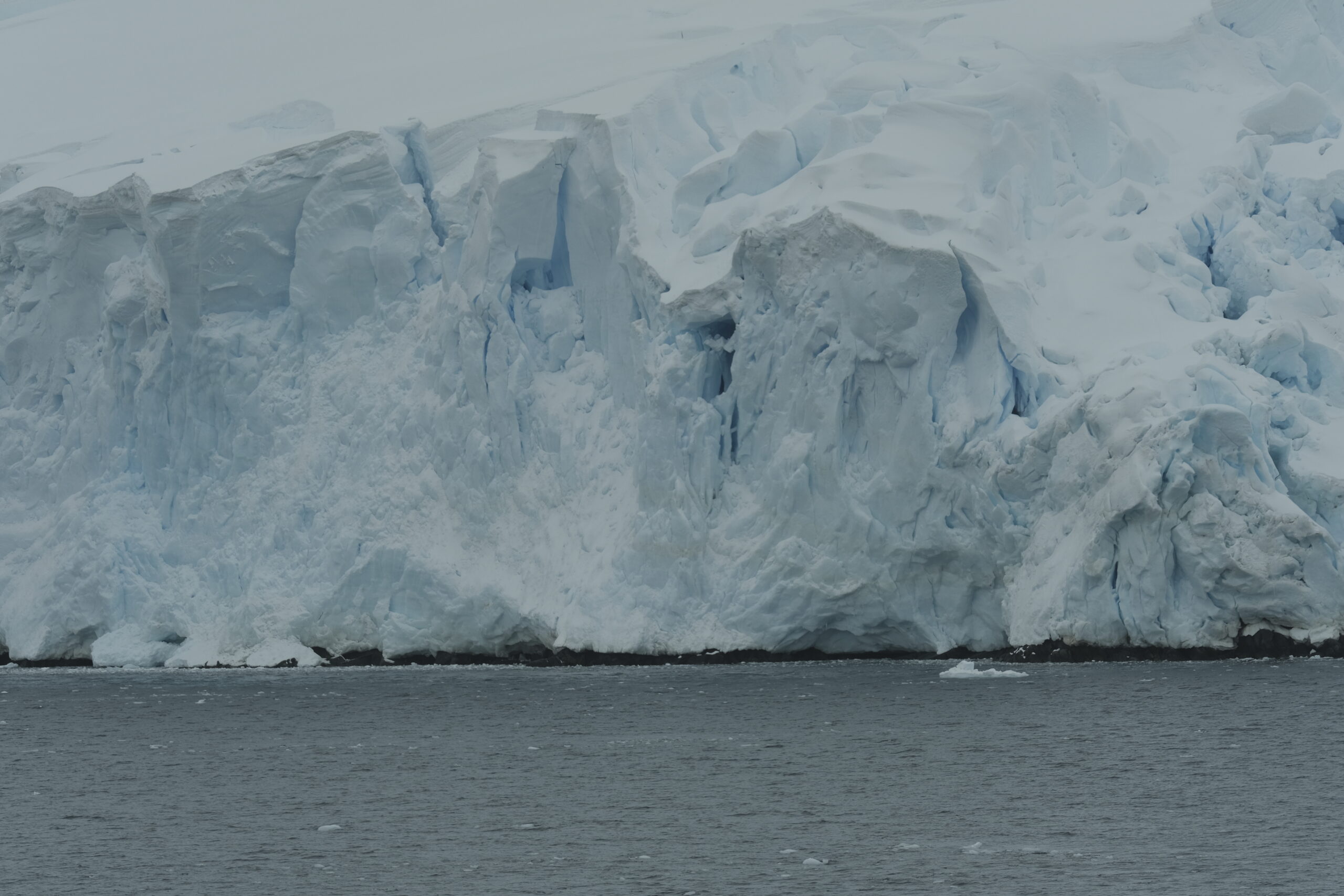
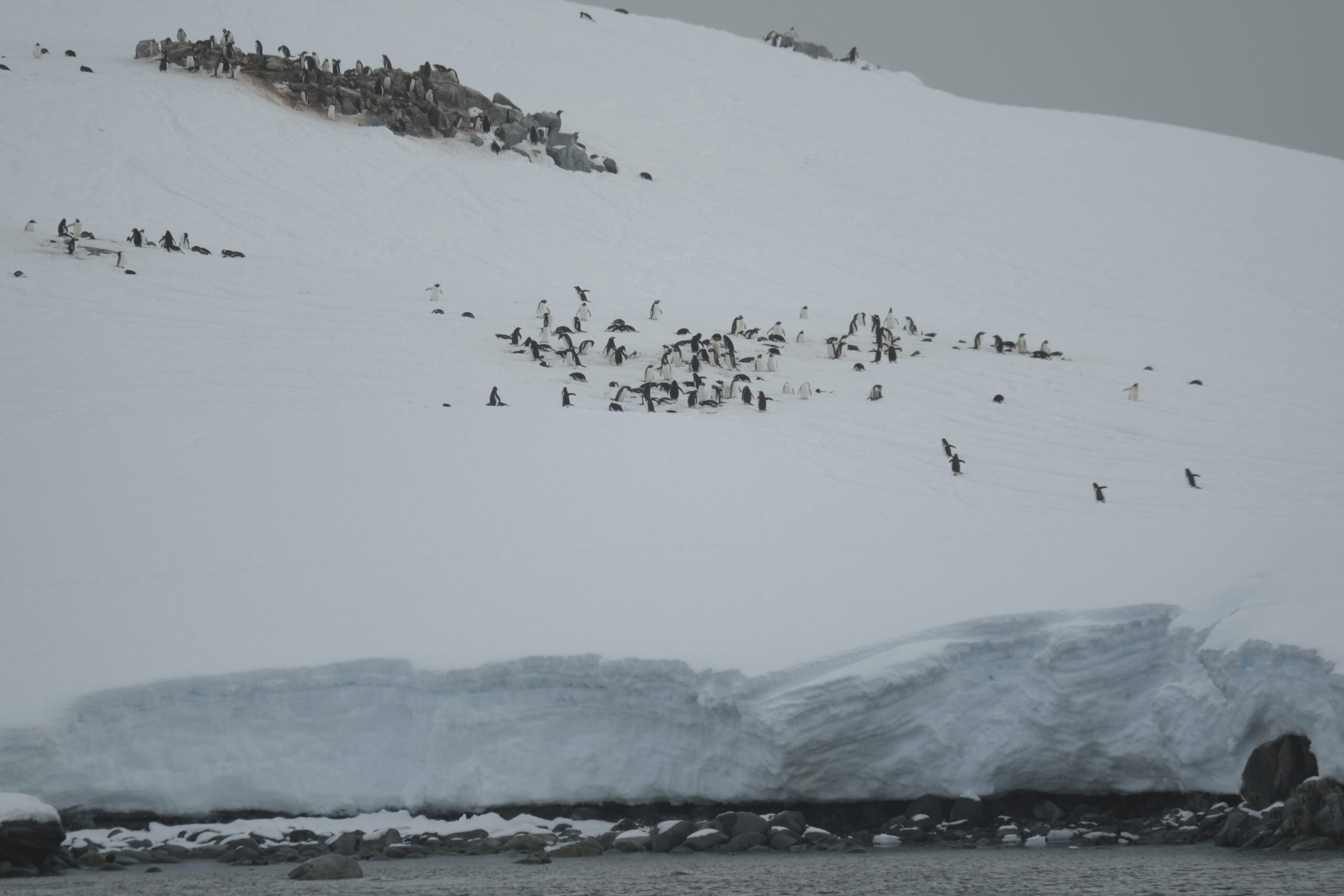
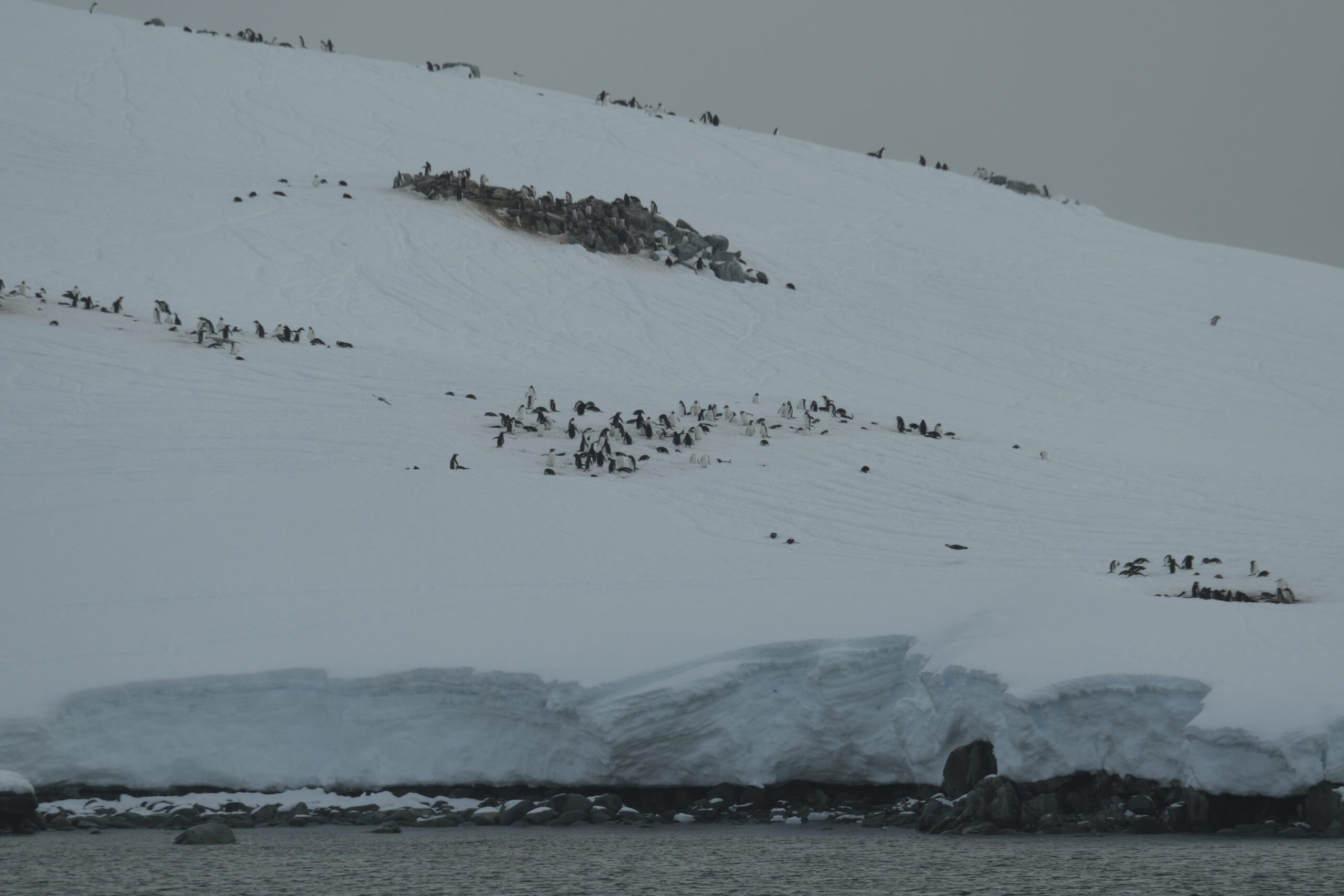
Penguin Encounters and Ice Explorations – December 13, 2021
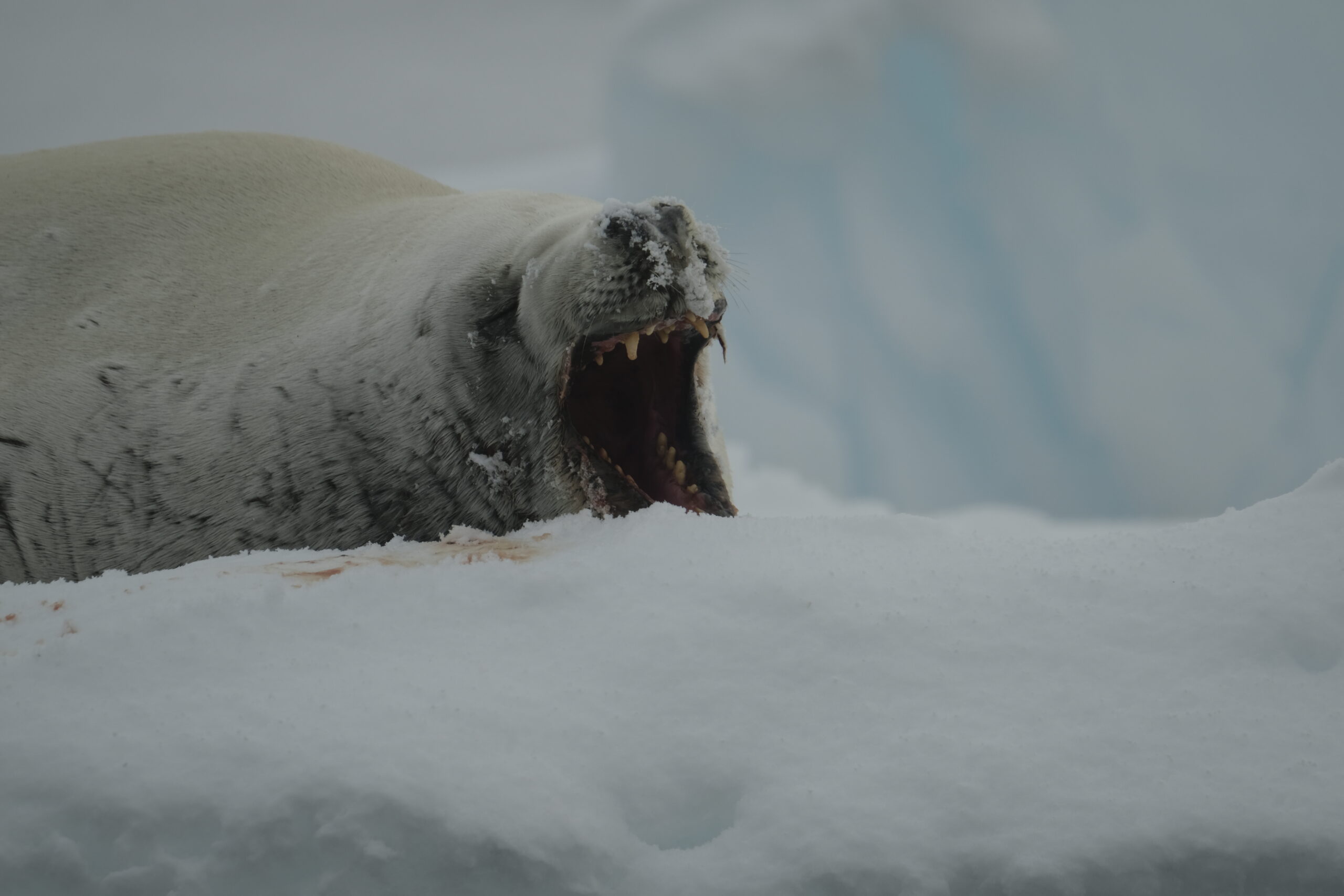
Today we had two expeditions planned, Port Charcot (Pléneau Island) and Petermann Island. We were able to land on Pléneau Island in the morning and see Gentoo, Chin Strap, and Adélie penguins. Seeing the three species together was very thrilling, as penguins tend not to intermingle. There was a lot of snow, so I was not able to climb the inclines. Albert did some climbing. On the way down, we were able to see a crabeater seal and a leopard seal, both were fast asleep.
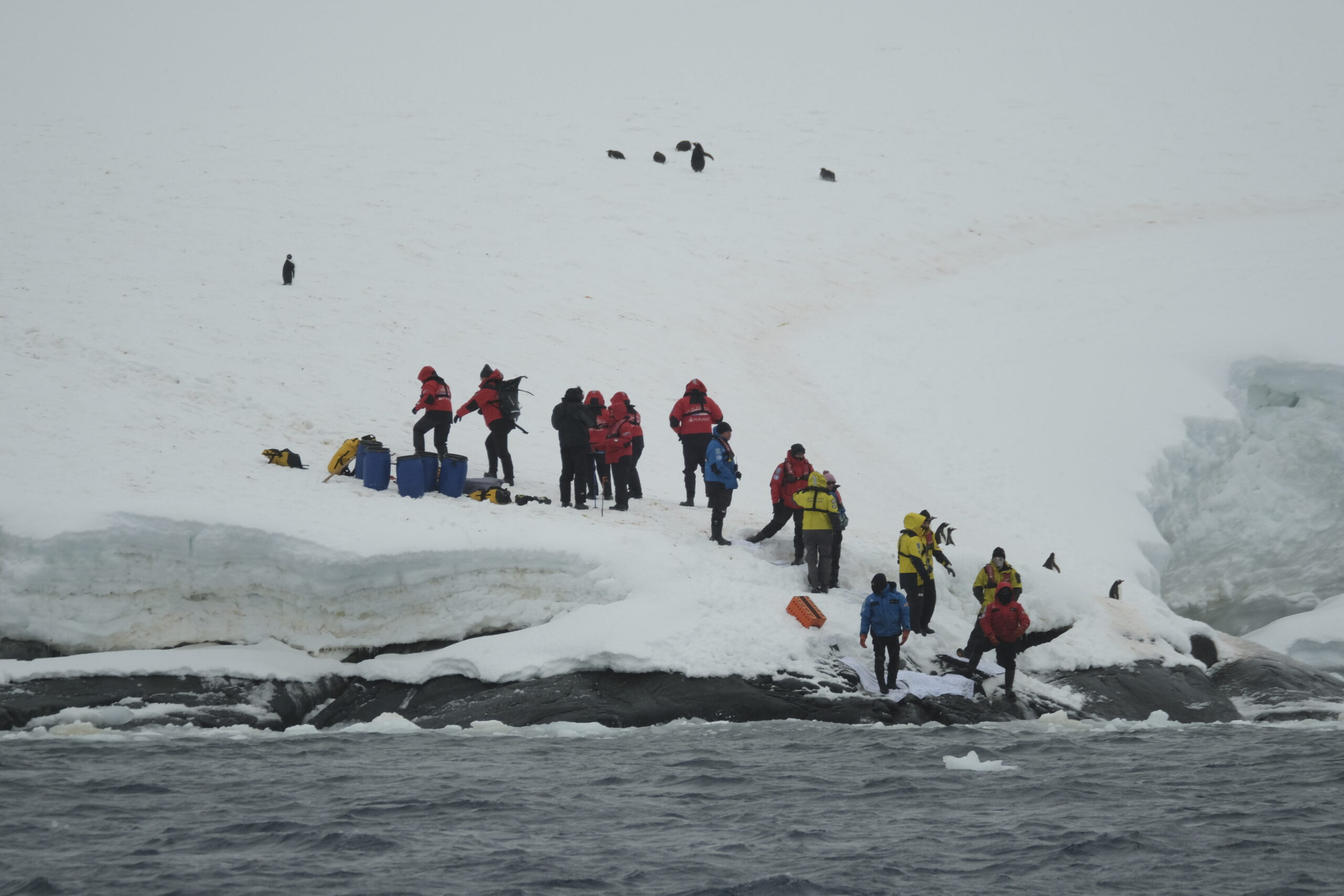
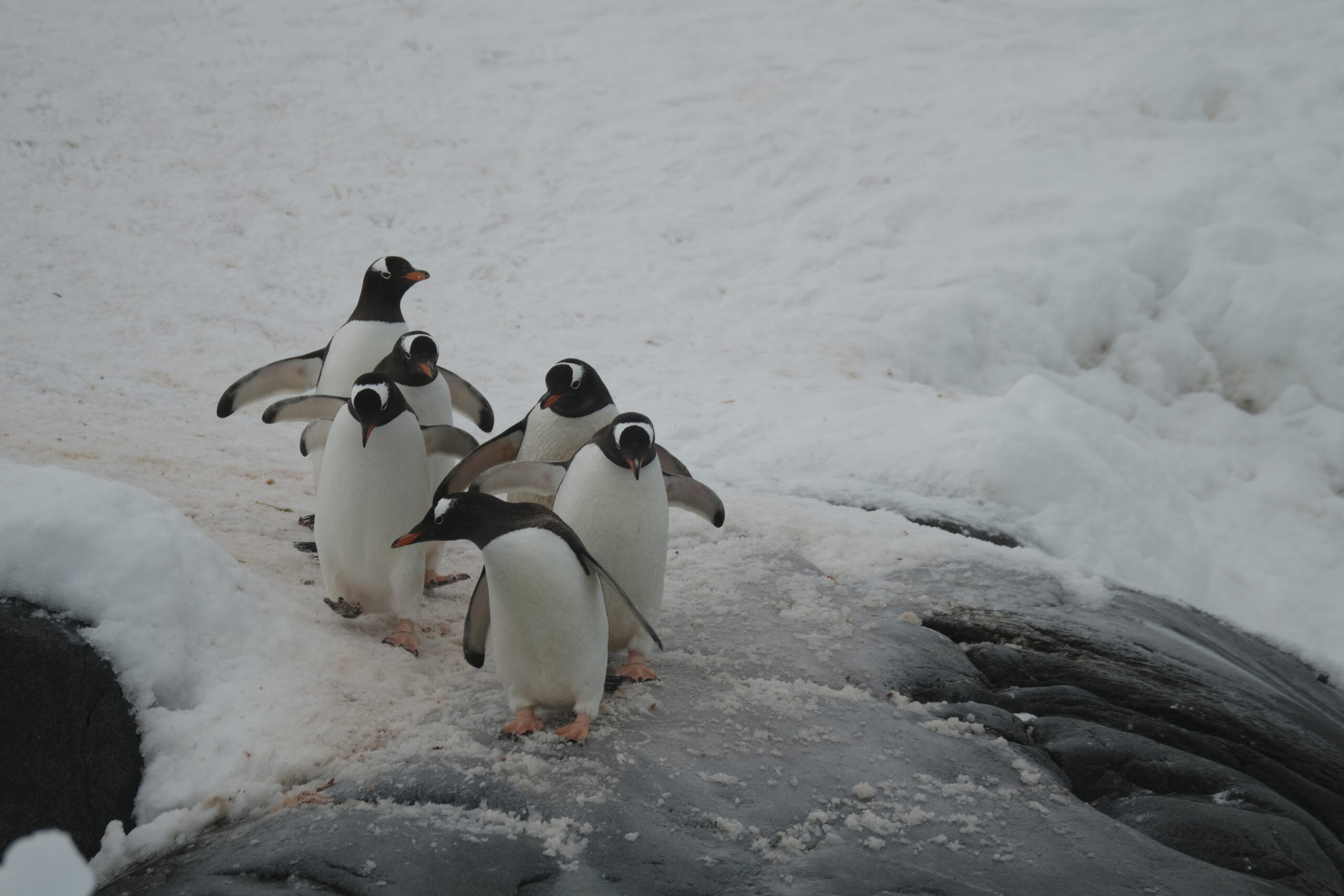

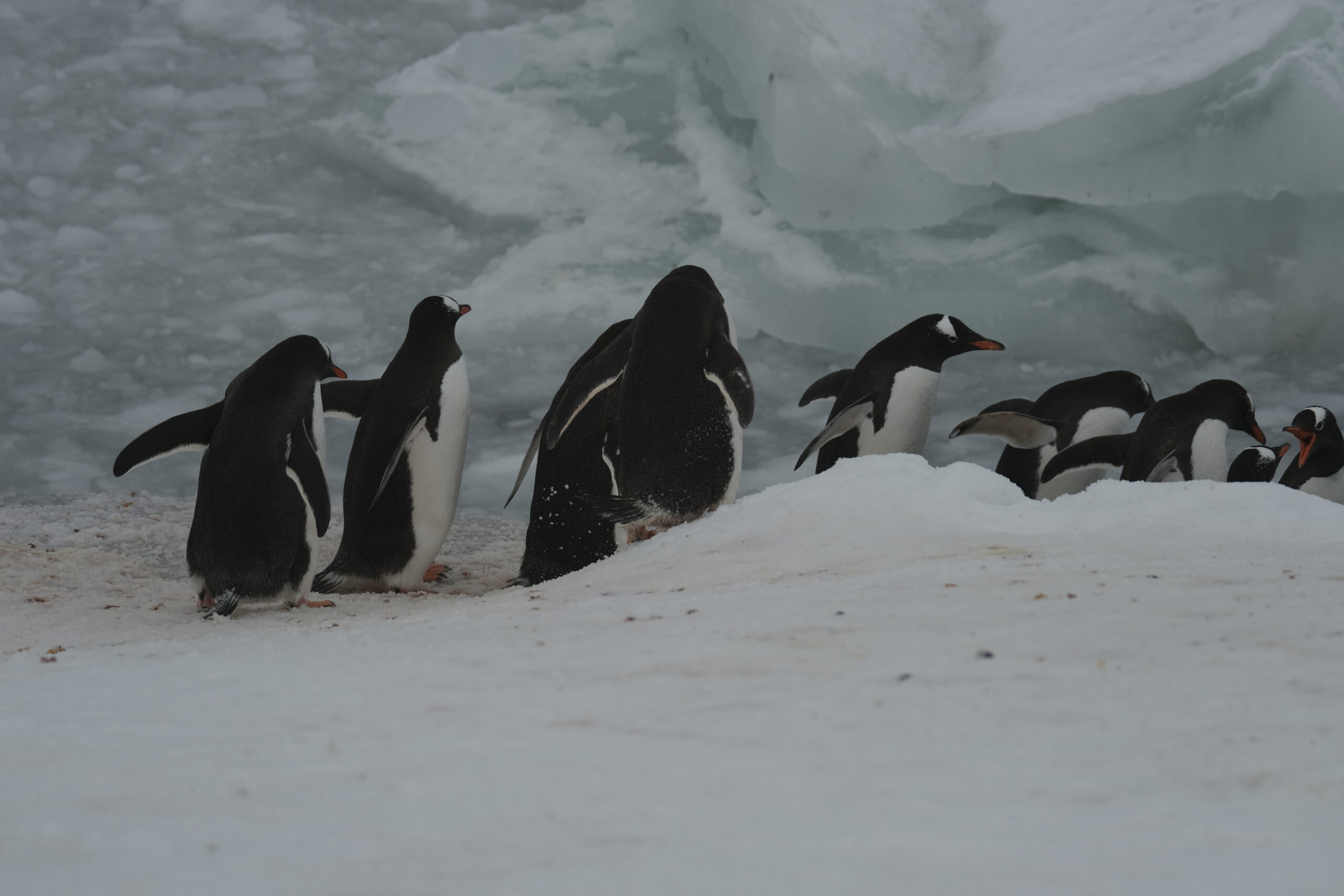
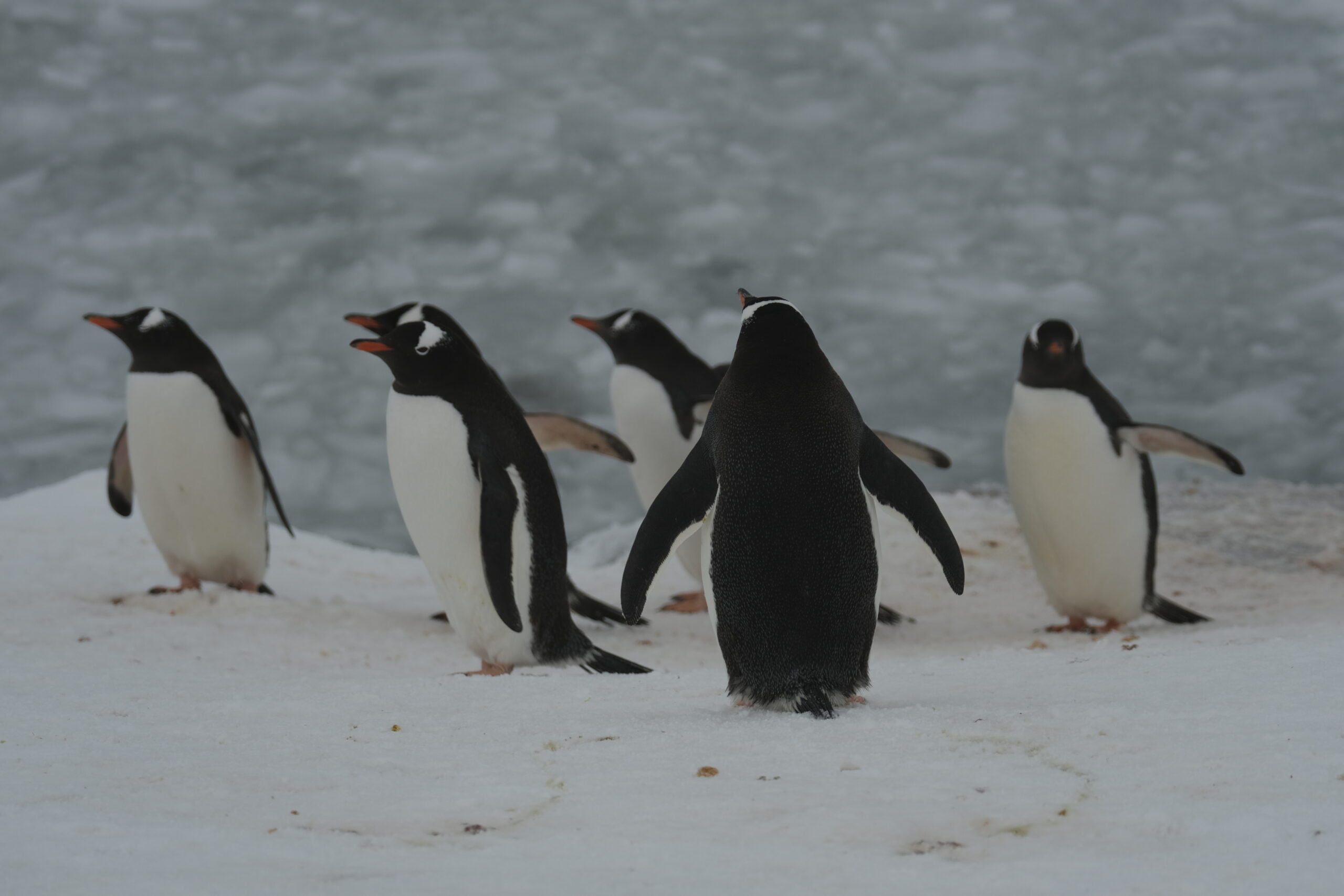
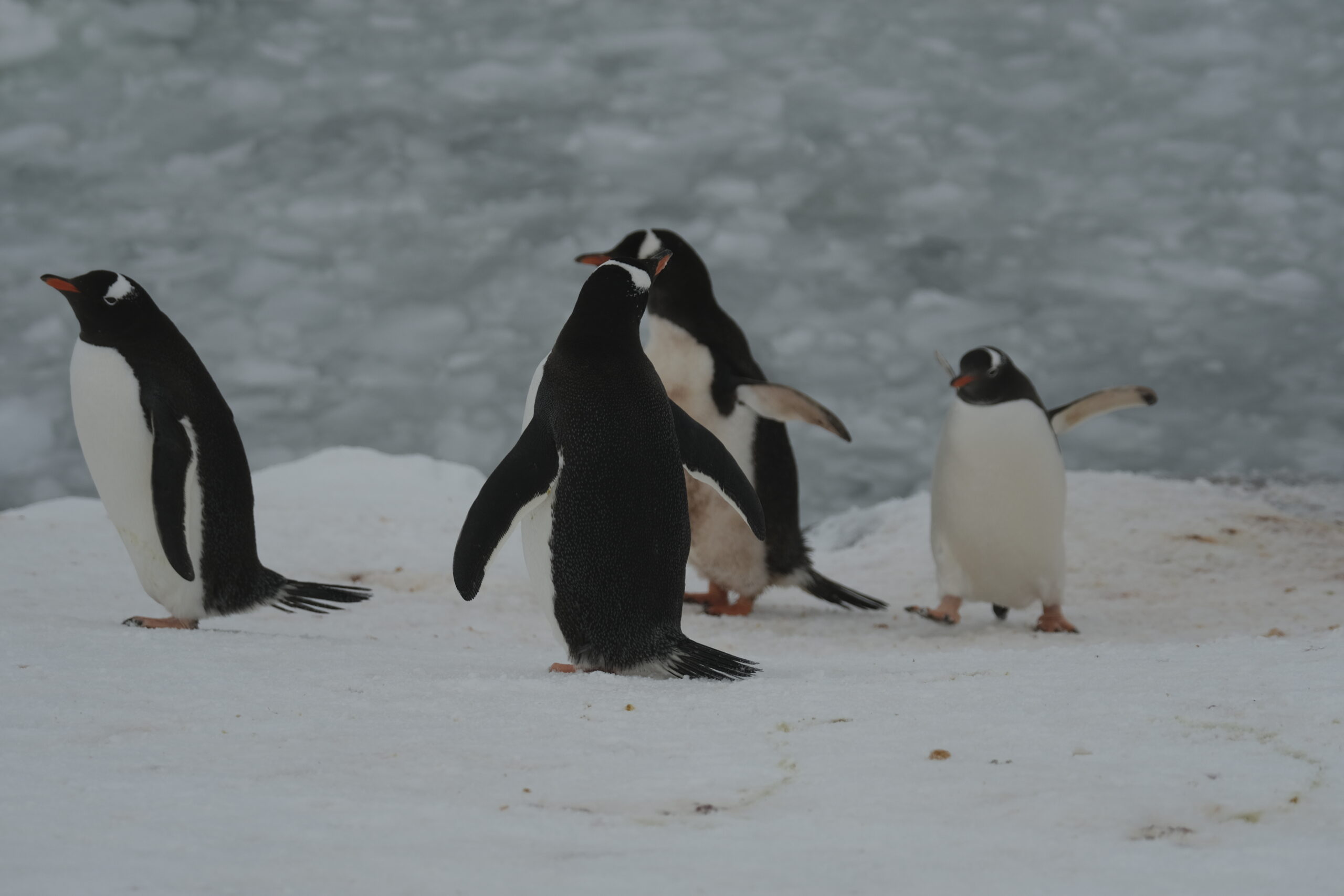
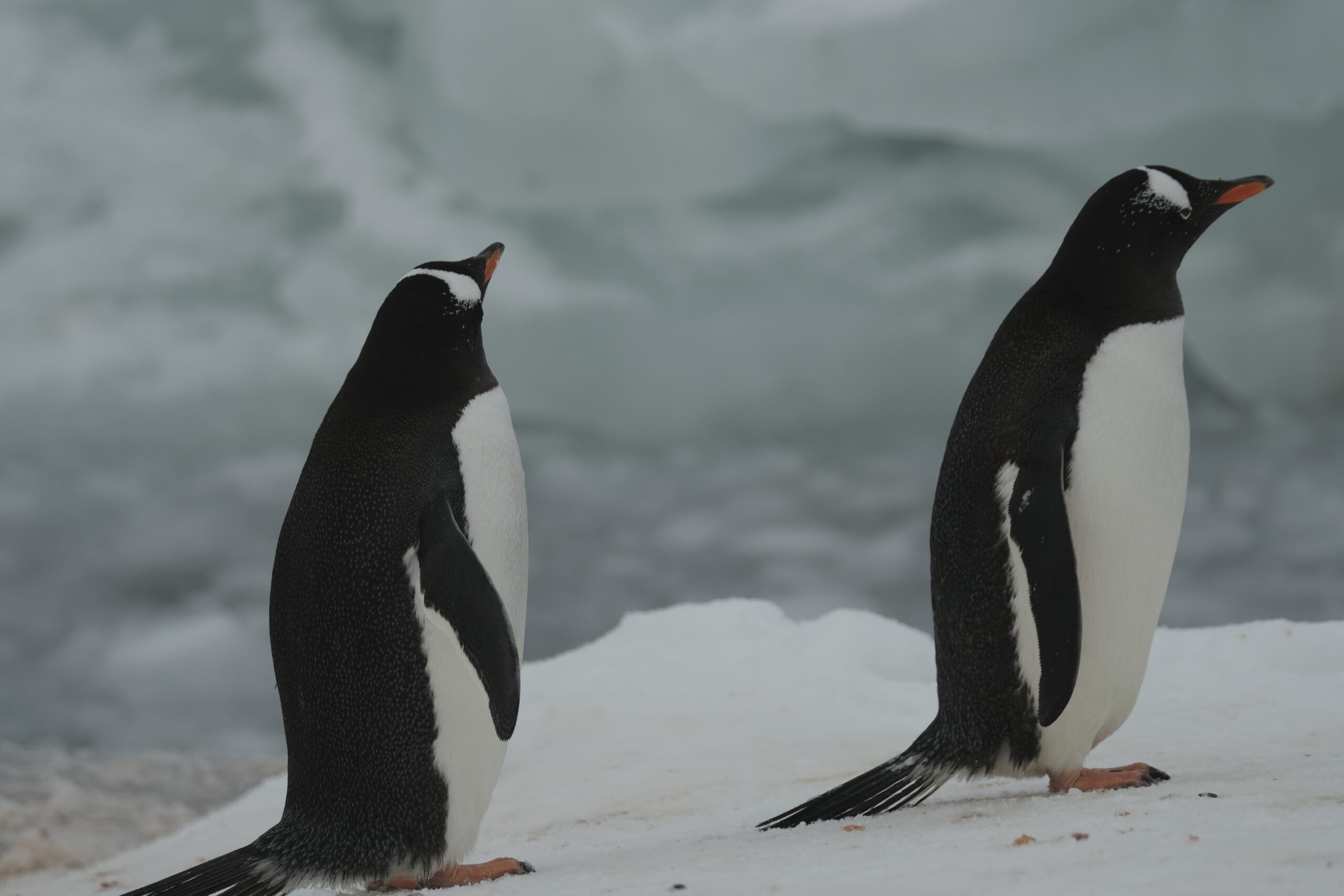
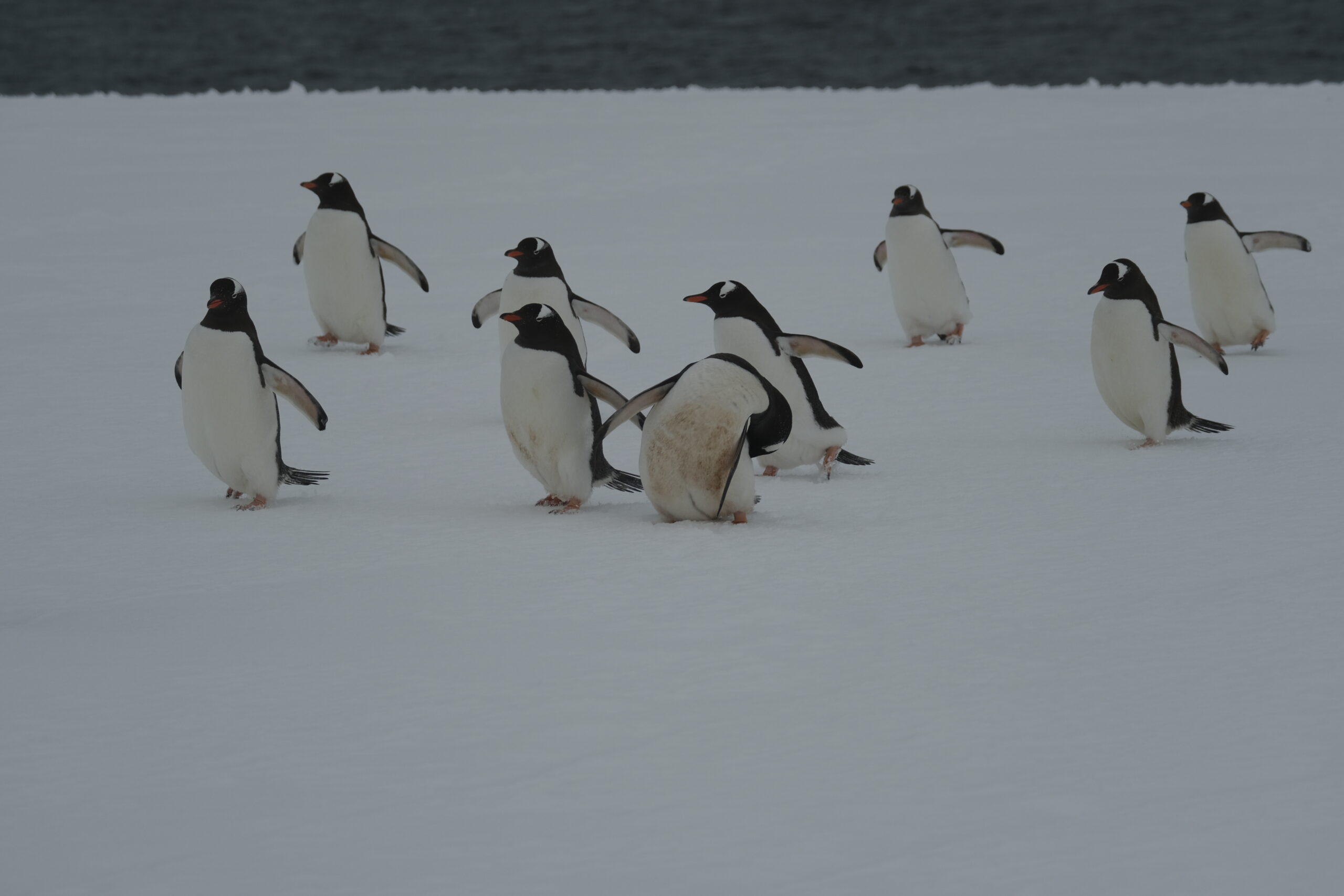
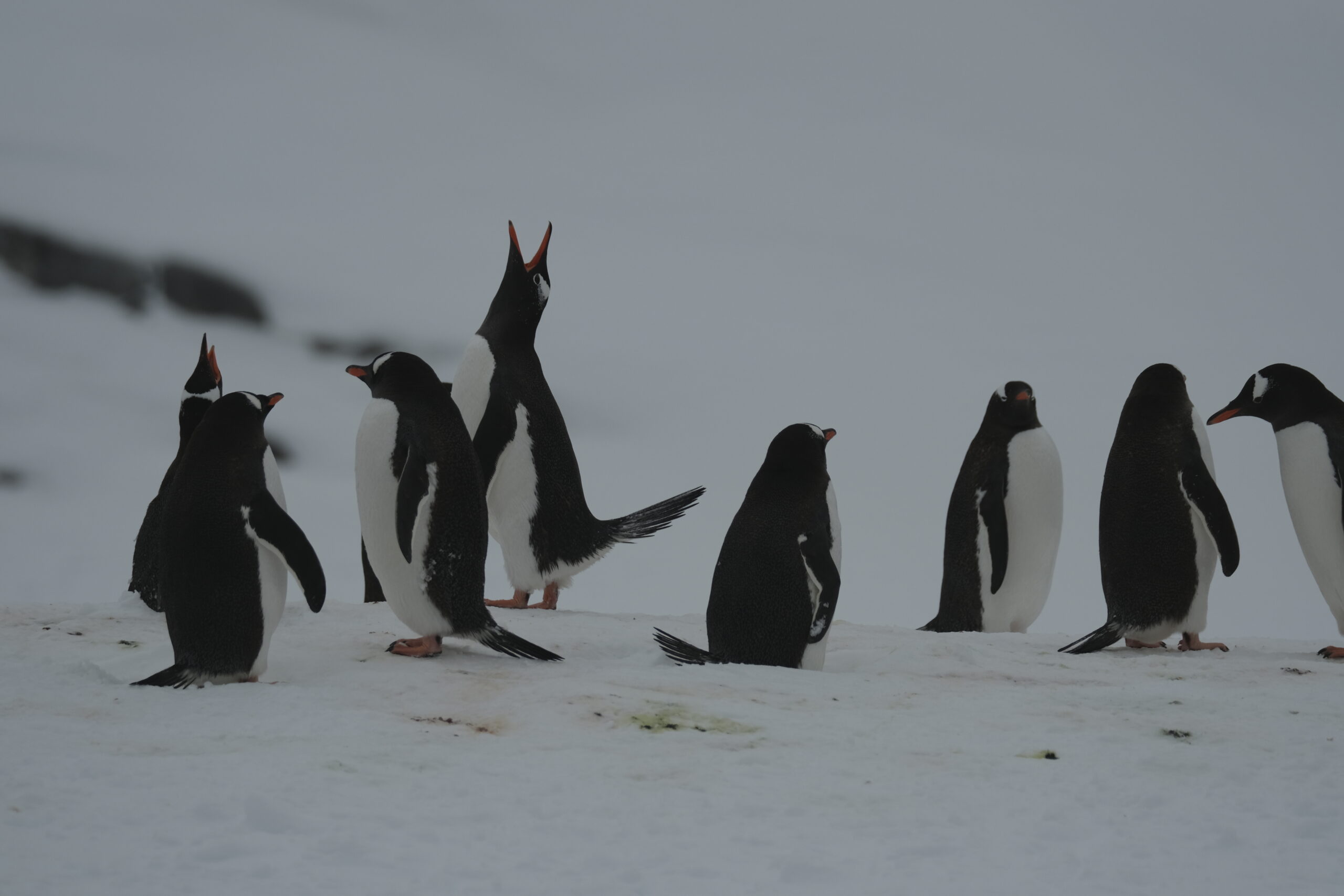
In the afternoon, we were told we could not land on Petermann but would cruise around in the zodiacs. Albert went on the expedition, which was very fortunate as there were plenty of seals on display. He also saw many examples of the blue light that showed through the crevasses in the glaciers, resulting from the absorption of red and yellow light.
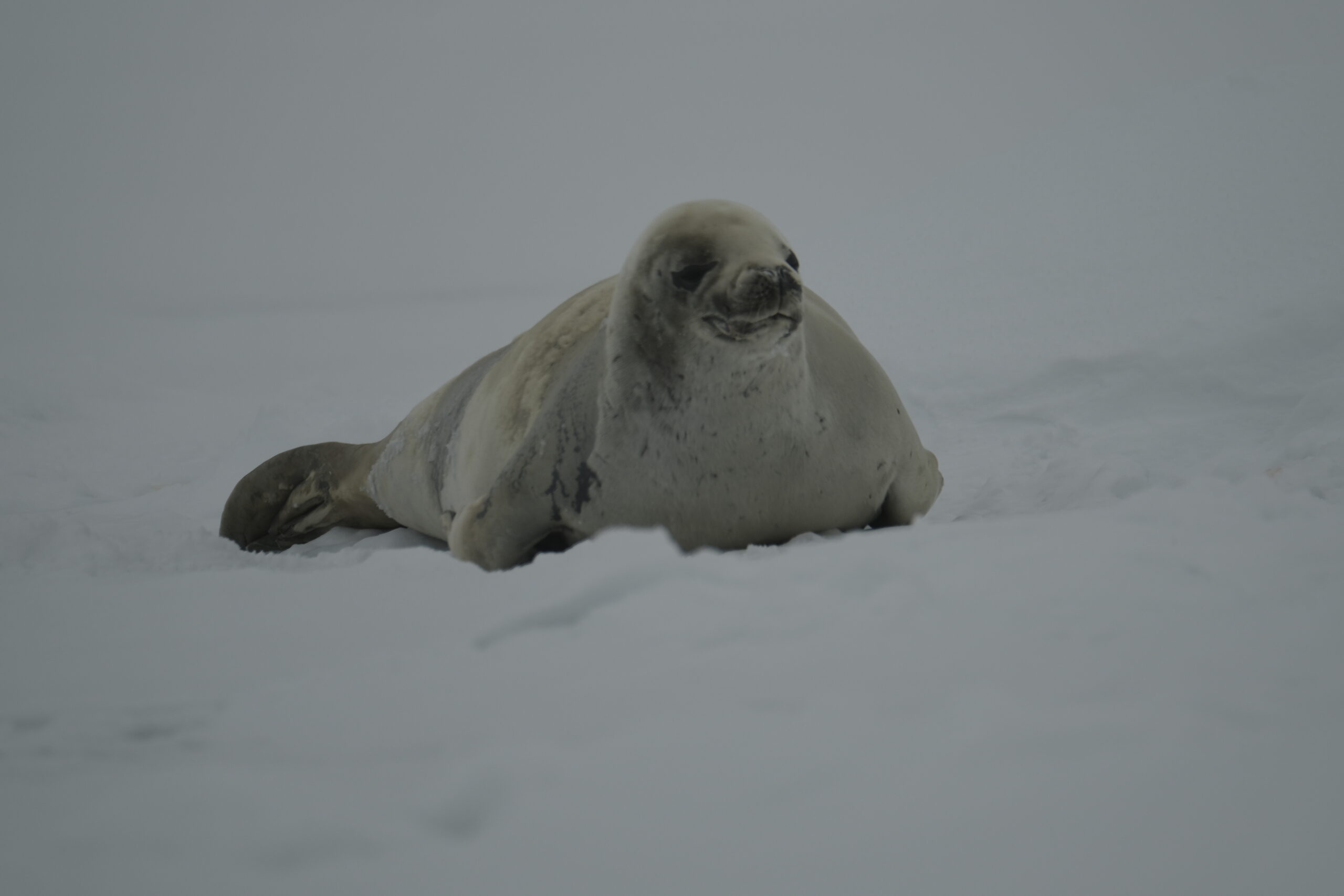
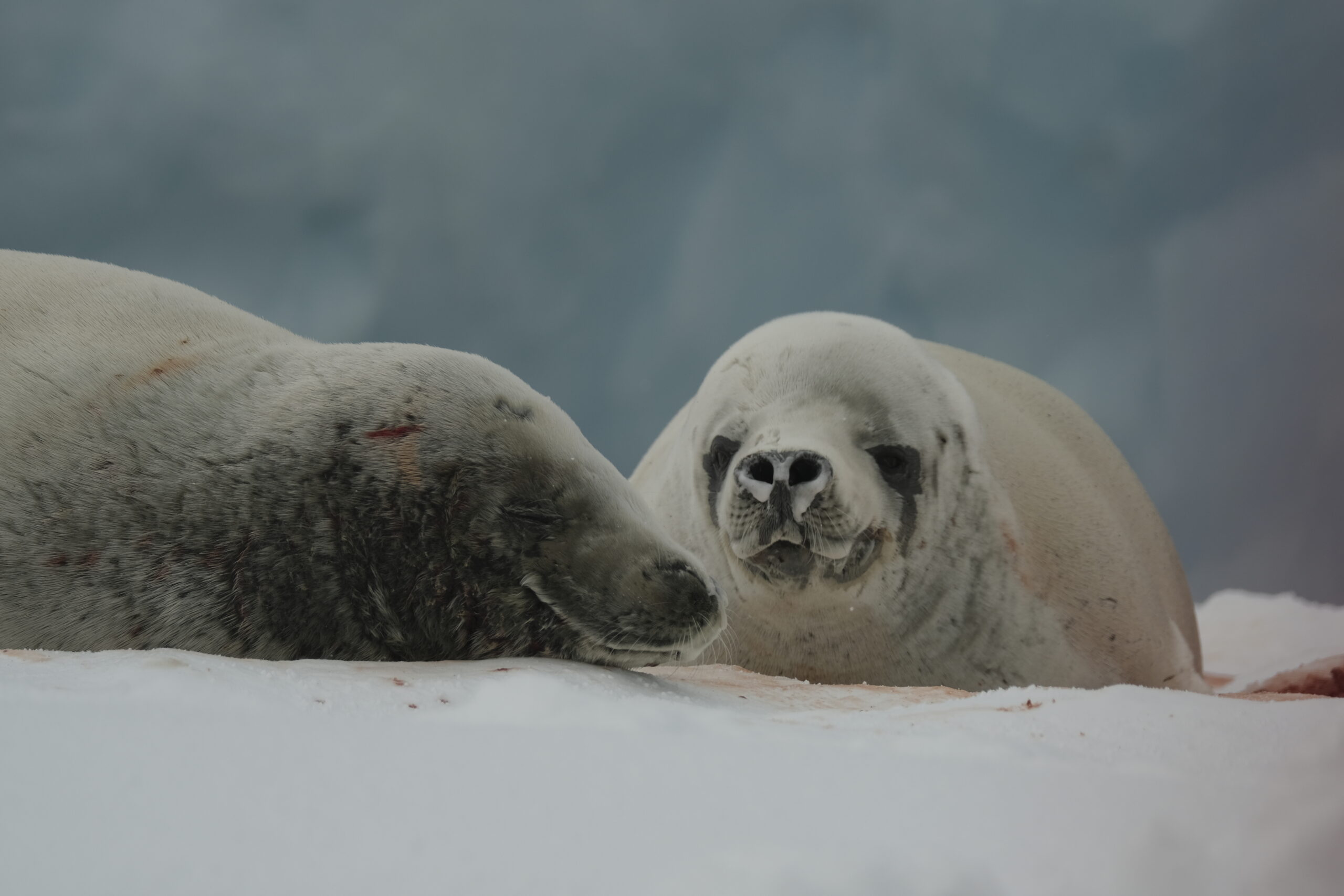
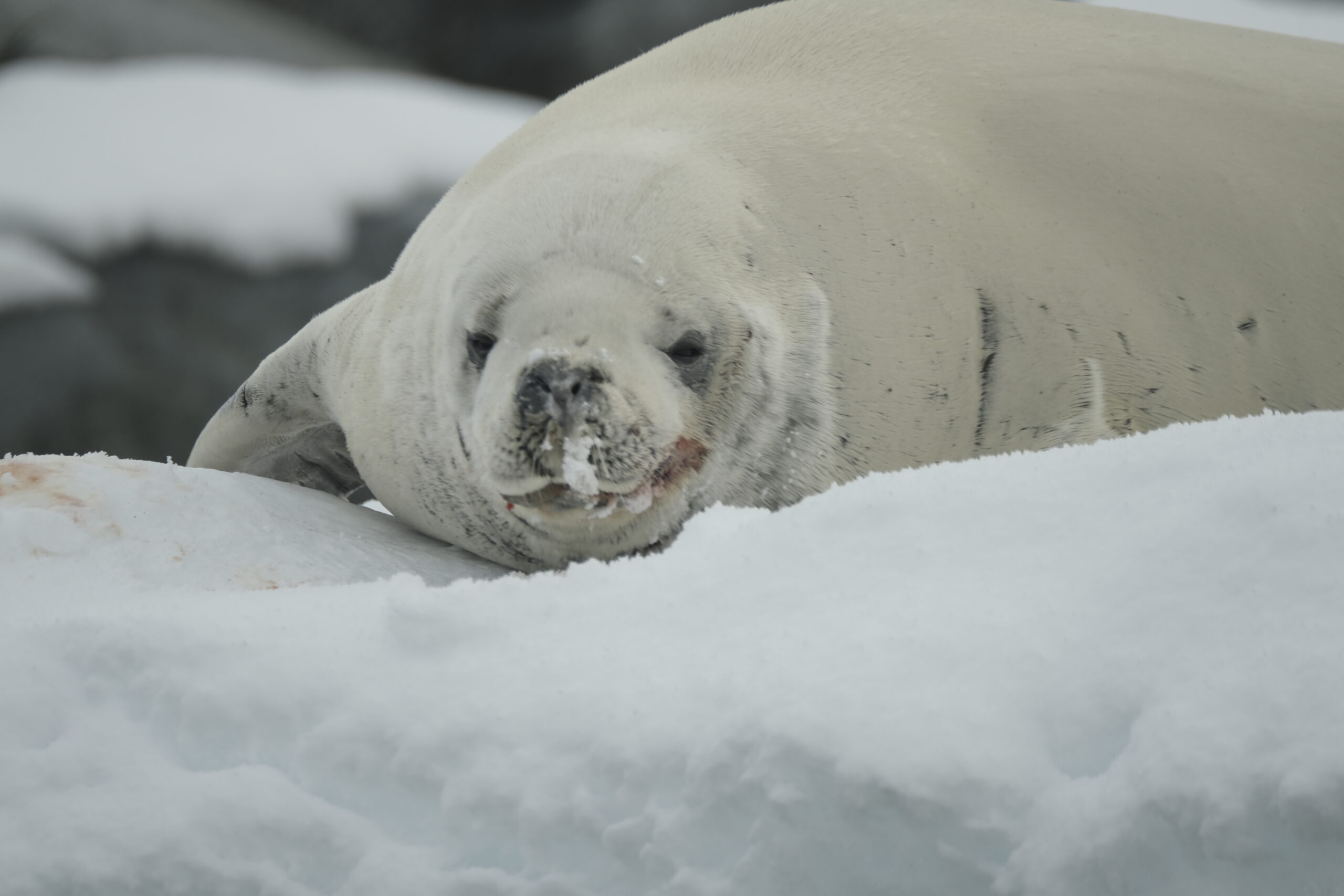

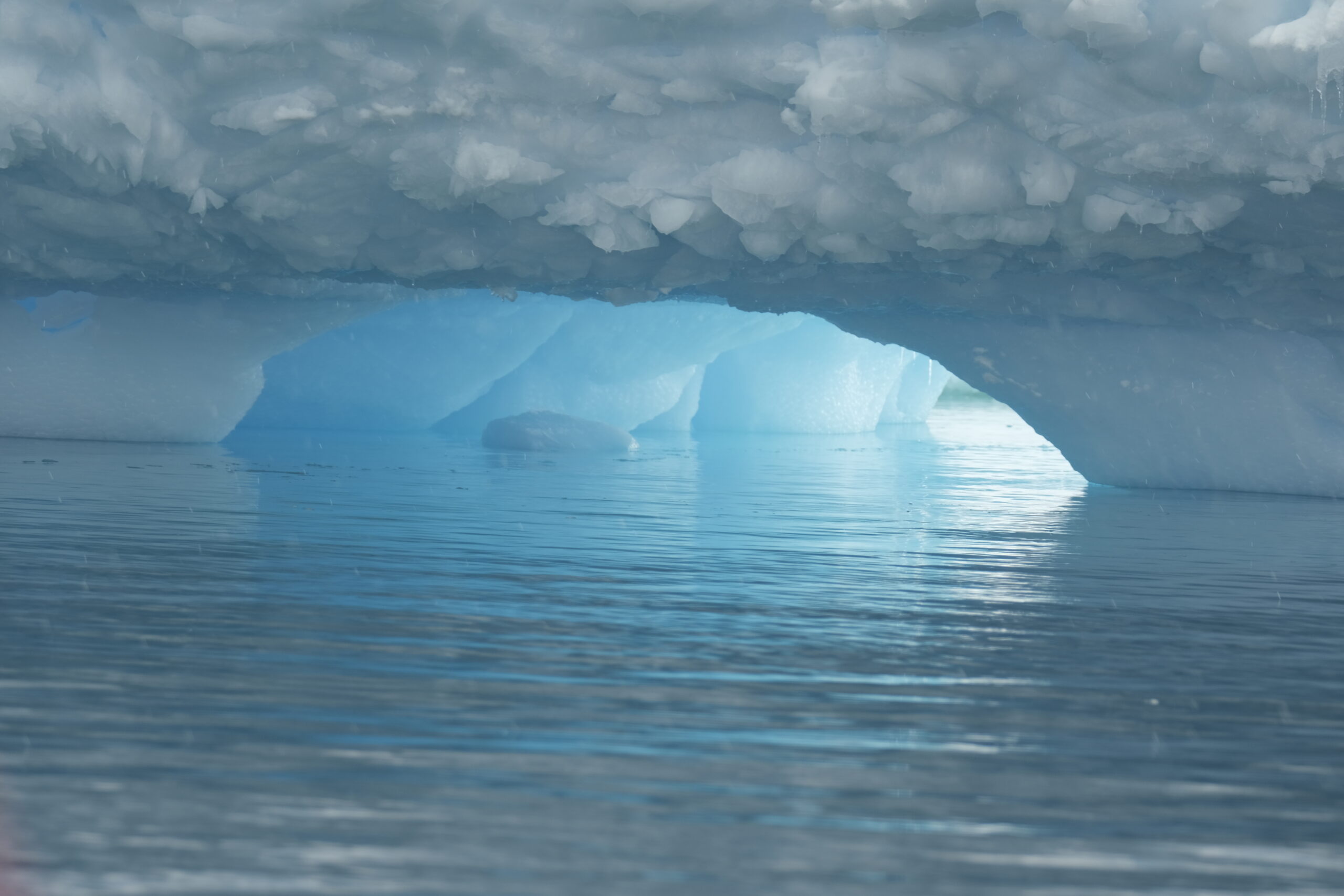
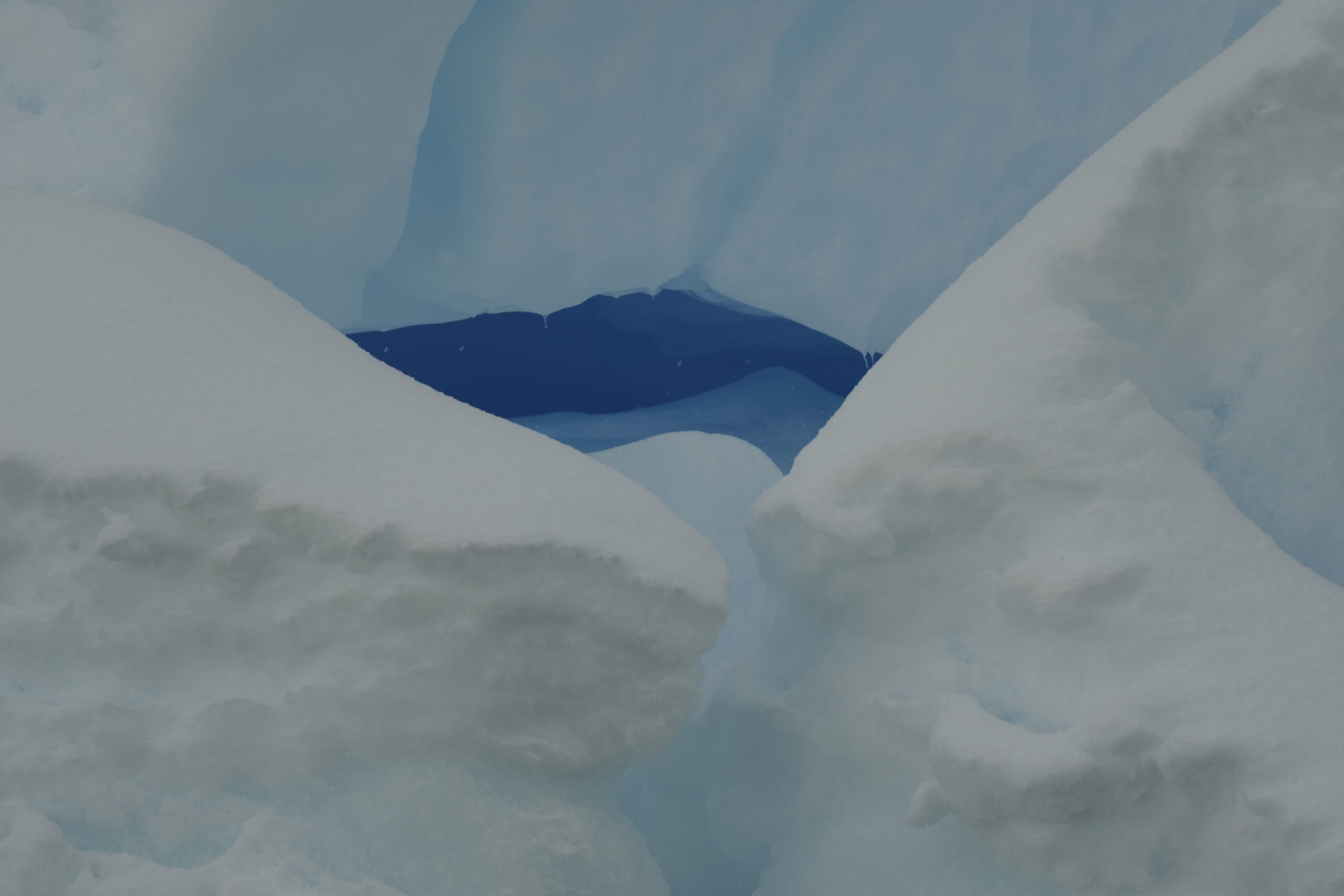
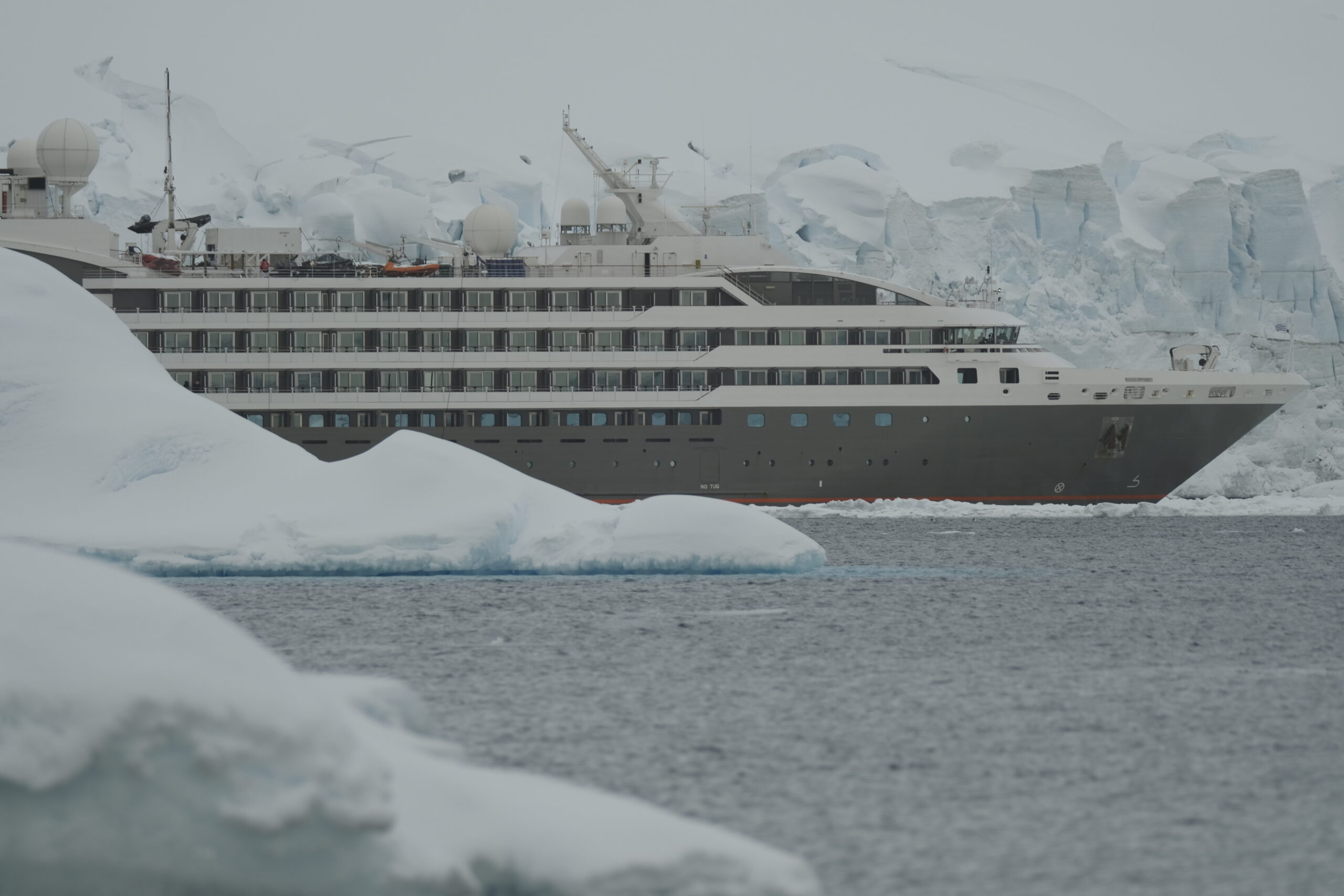
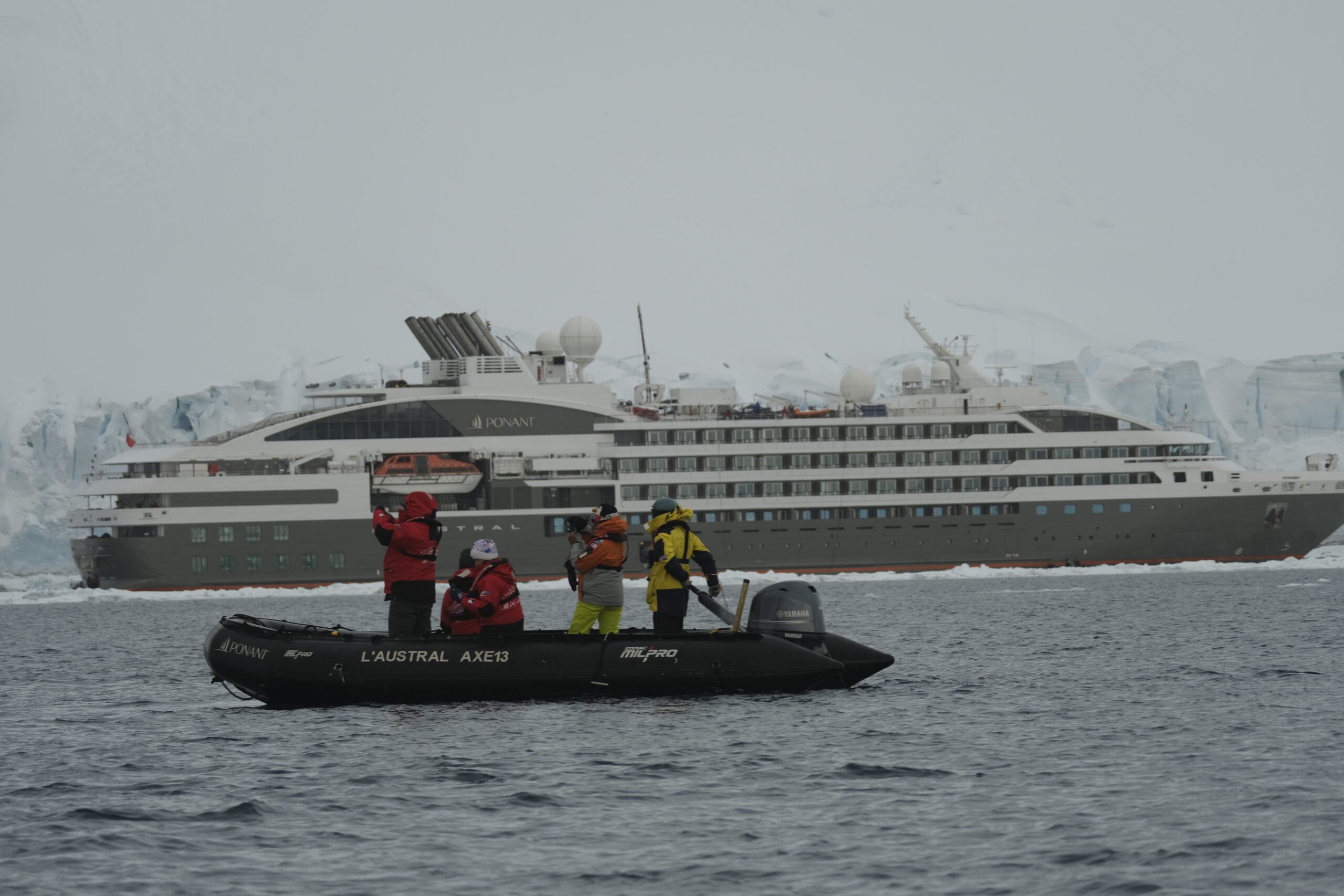
Now here’s a trick question: How many different kinds of ice are there in Antarctica? Grease ice (water starts to freeze when the weather is cooling and is quite slushy), Frazil ice (starts to stick together if the water is calm and form bigger pancakes), Pancake ice (smooth on top, rough on bottom, recent snow make it look smooth), Floe ice (start of the annual ice and you can no longer see the sea), Brash ice (small pieces of ice; when you see icebergs breaking off, the debris is known as brash ice), and Fast ice (ice that stick to the land).
Rough Waters and Rocky Landing – December 14, 2021
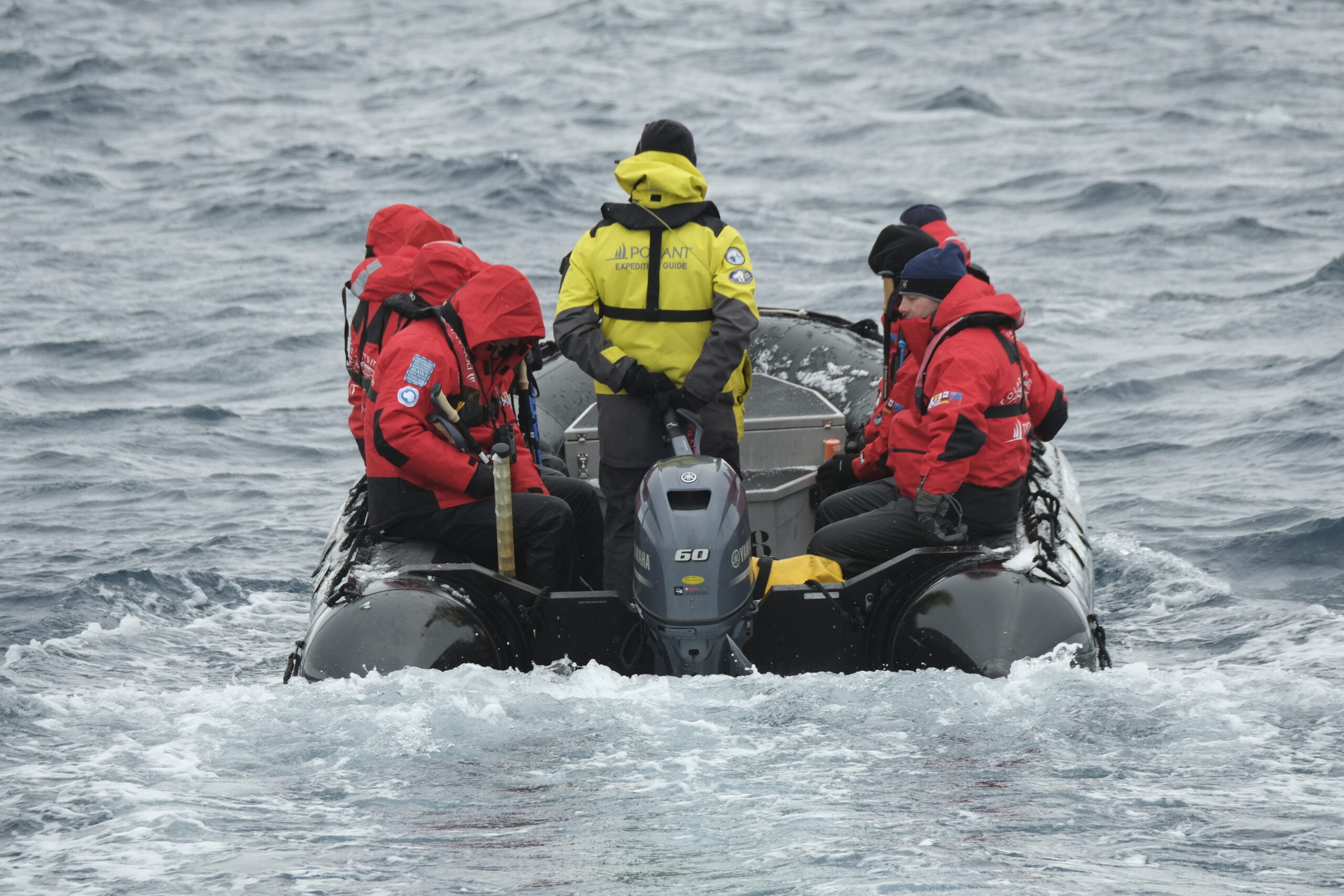
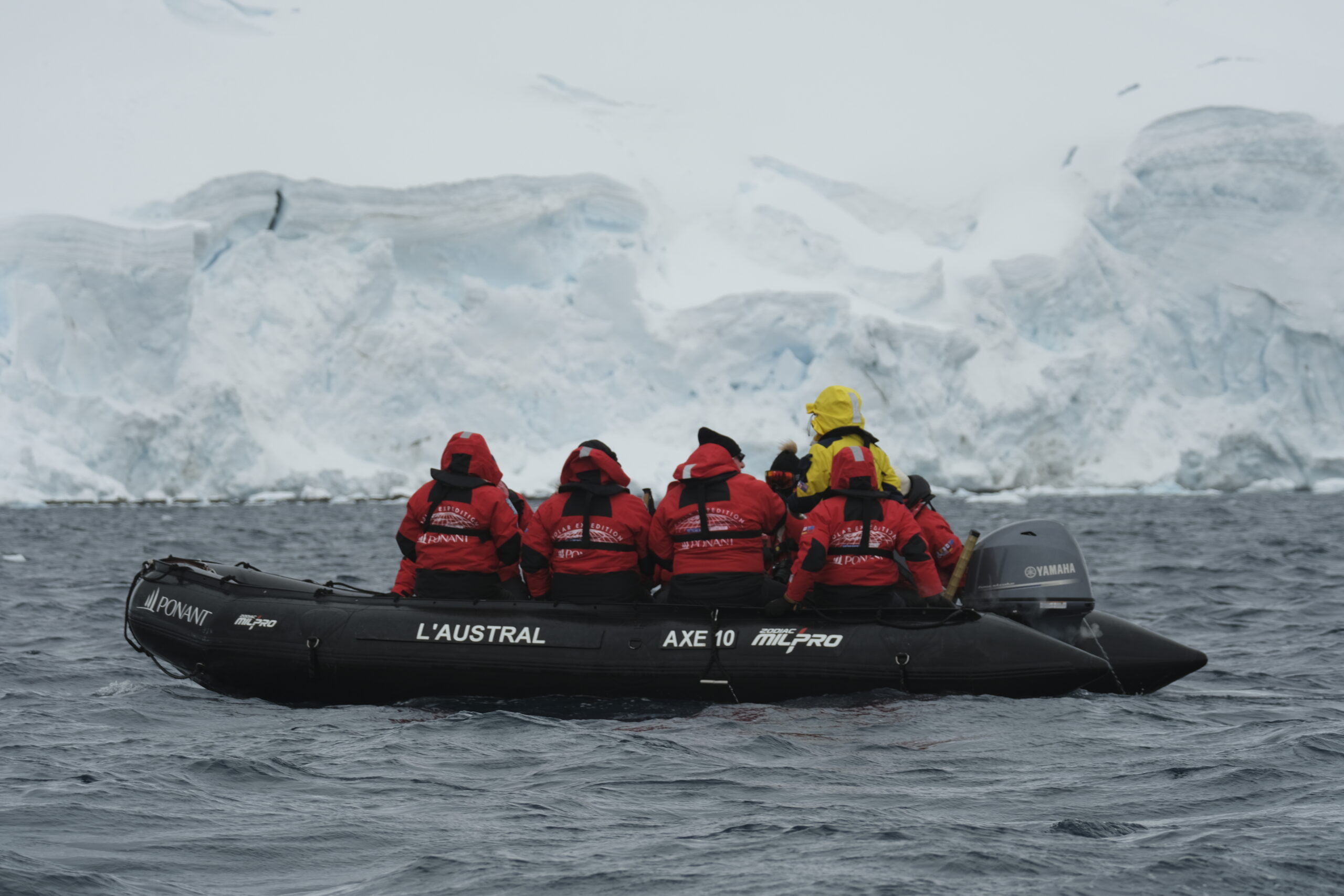
Today we visited Portal Point. The water was very choppy and some of us got wet. We had our first water landing, meaning that we really needed the boots that day. There was not much to see, and the climb was much steeper. We could have used some hiking poles. There were about four Gentoo penguins who were very well camouflaged among the rocks. On the way back to the ship, the water was still very choppy. When Christabel got off the zodiac, she missed her footing thanks to a particularly ill-timed surge and landed heavily on her shin with her foot caught between the dock and the zodiac. Too embarrassing!

Exploring the Antarctic Sound and Weddell Sea – December 15, 2021
Early this morning we were in the Antarctic Sound. It is a body of water that is about 35 miles long and 8-14 miles wide in the northern tip of the Antarctic Peninsula. This is the area where Sir Ernest Shackleton’s ship Endurance was tragically lost in 1915. The Sound is crossed to get to the Weddell Sea, which is where we are now. This area is claimed by Argentina, Chile, and Britain. It is covered almost entirely by dense ice throughout the year, restricting ships to the northwestern part. The Weddell Sea is named after James Weddell, a Scottish explorer and seal hunter, who first sailed this area in 1823.
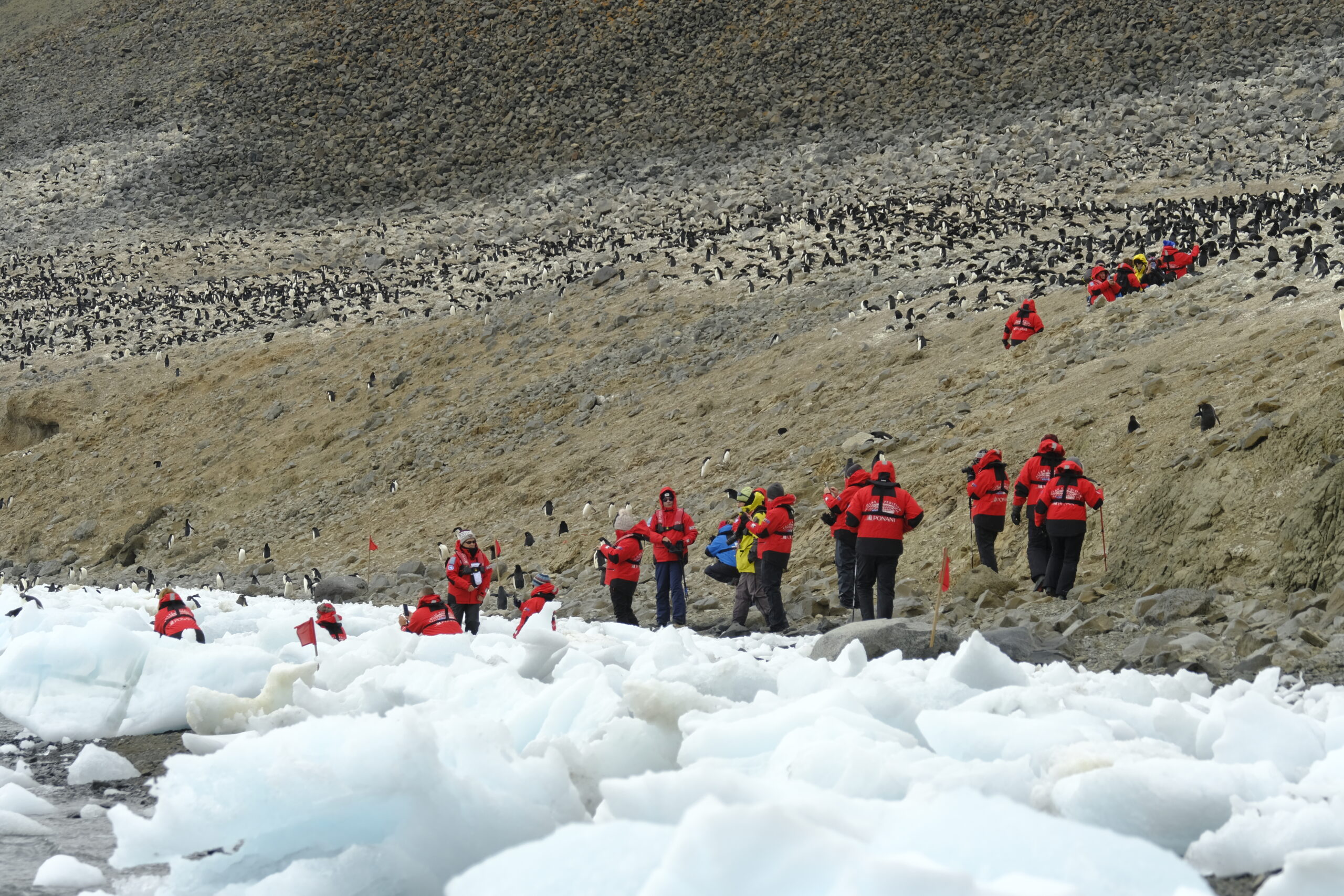
Initially, the day was foggy and there was plenty of ice in the sea, but things change very quickly here and now it is a bright, sunny afternoon. We were meant to visit Brown Bluff, a basalt formation located on the Tabarin Penninsula and formed by a volcano that erupted under the Antarctic Ice Sheet about a million years ago. Since we couldn’t land easily with all the ice, the ship headed south and now we are with the expedition team on Devil’s Island. There is a colony of Adélie penguins here, approximately 20,000 of them, in the process of laying two eggs, hatching them, and feeding the young ones. We were able to get quite close to the colony. Many of them pass us by, examining us rather inquisitively.


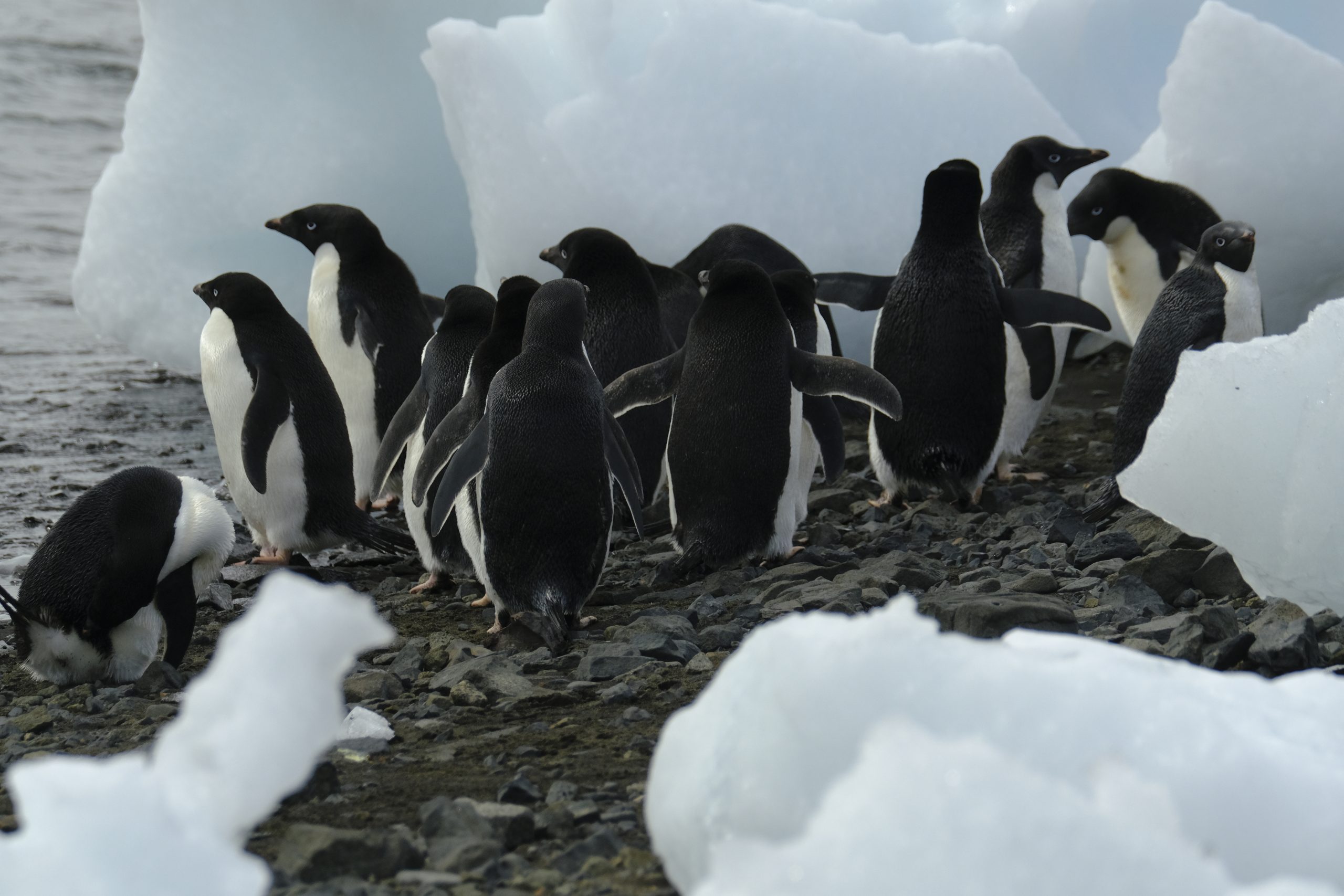
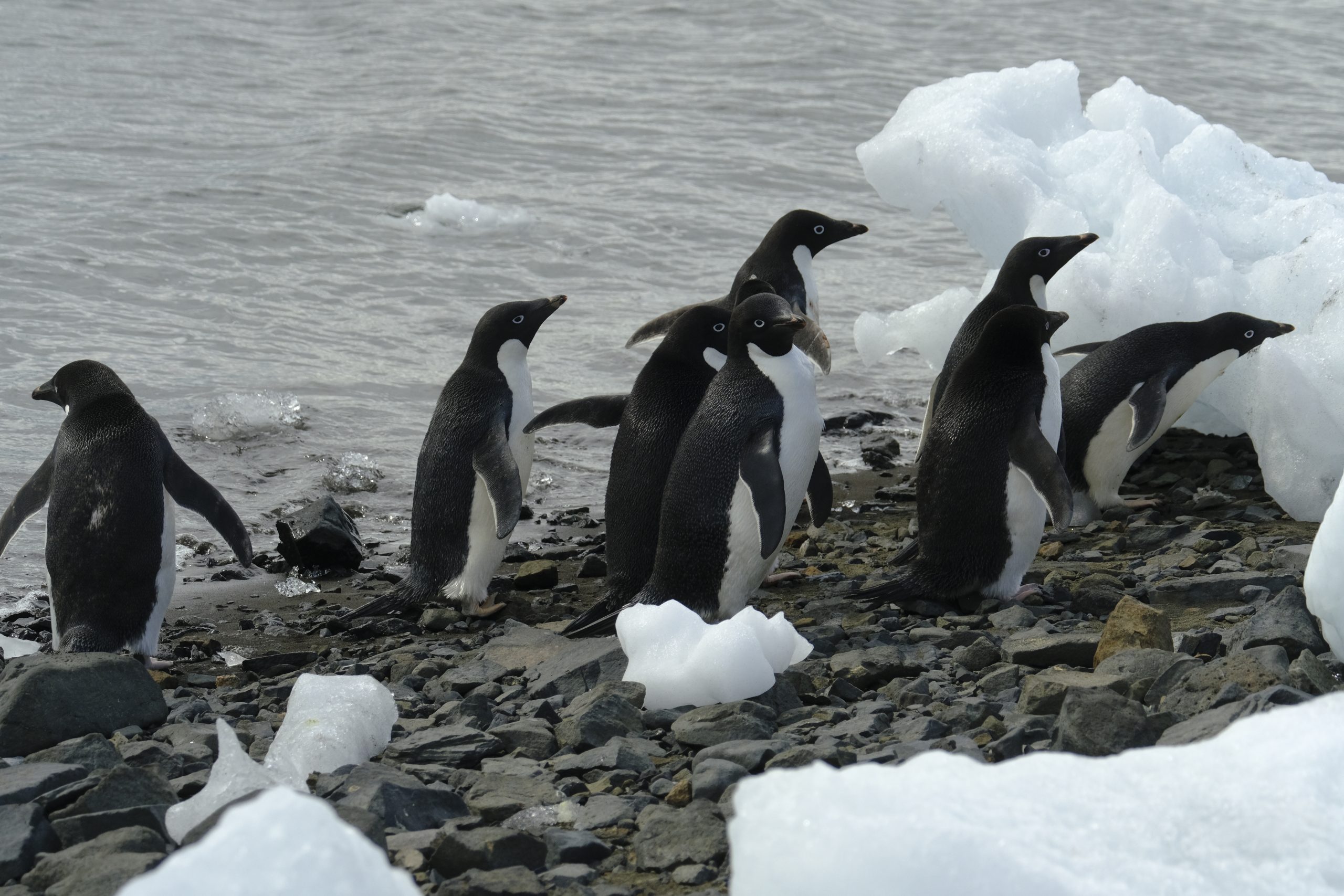
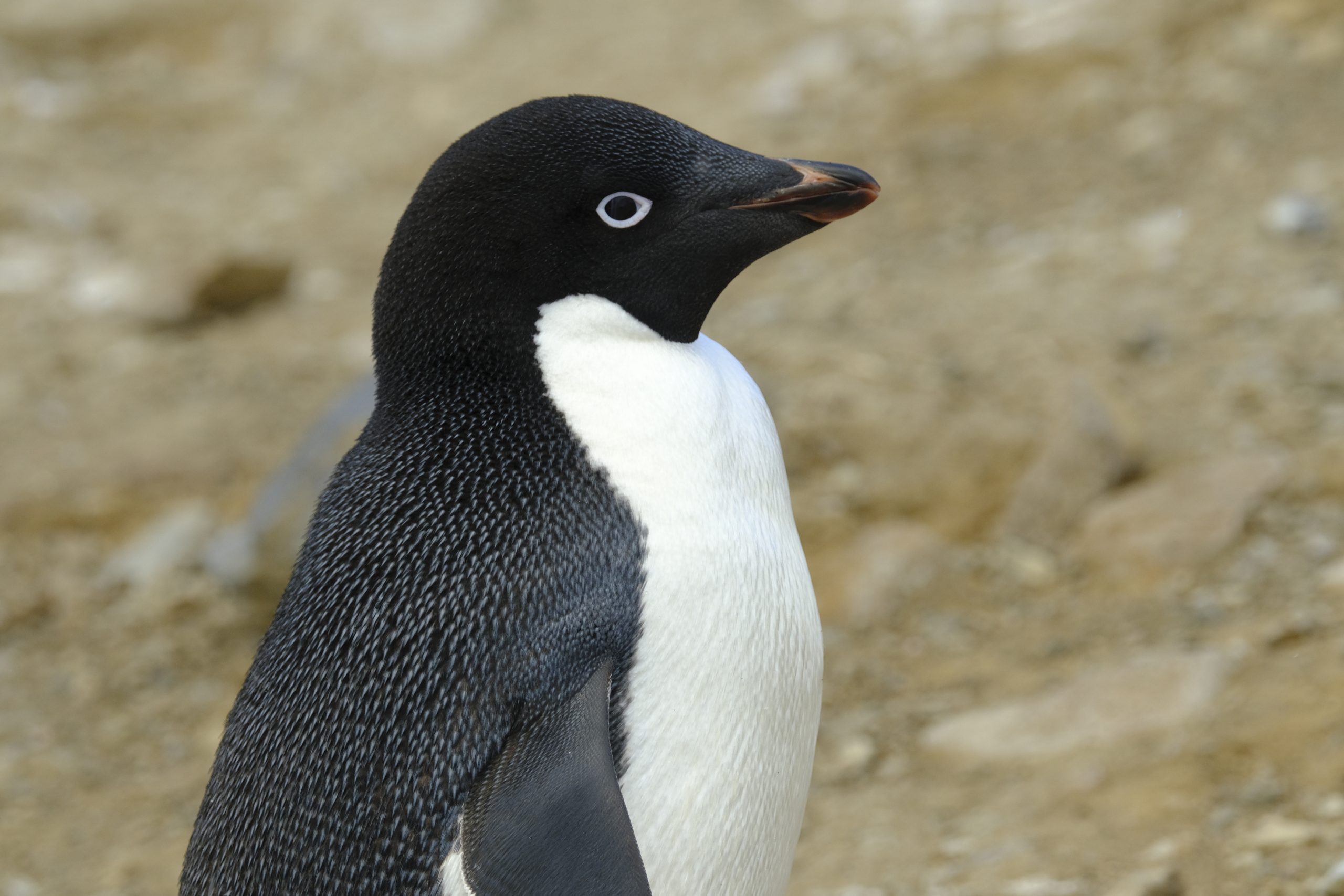
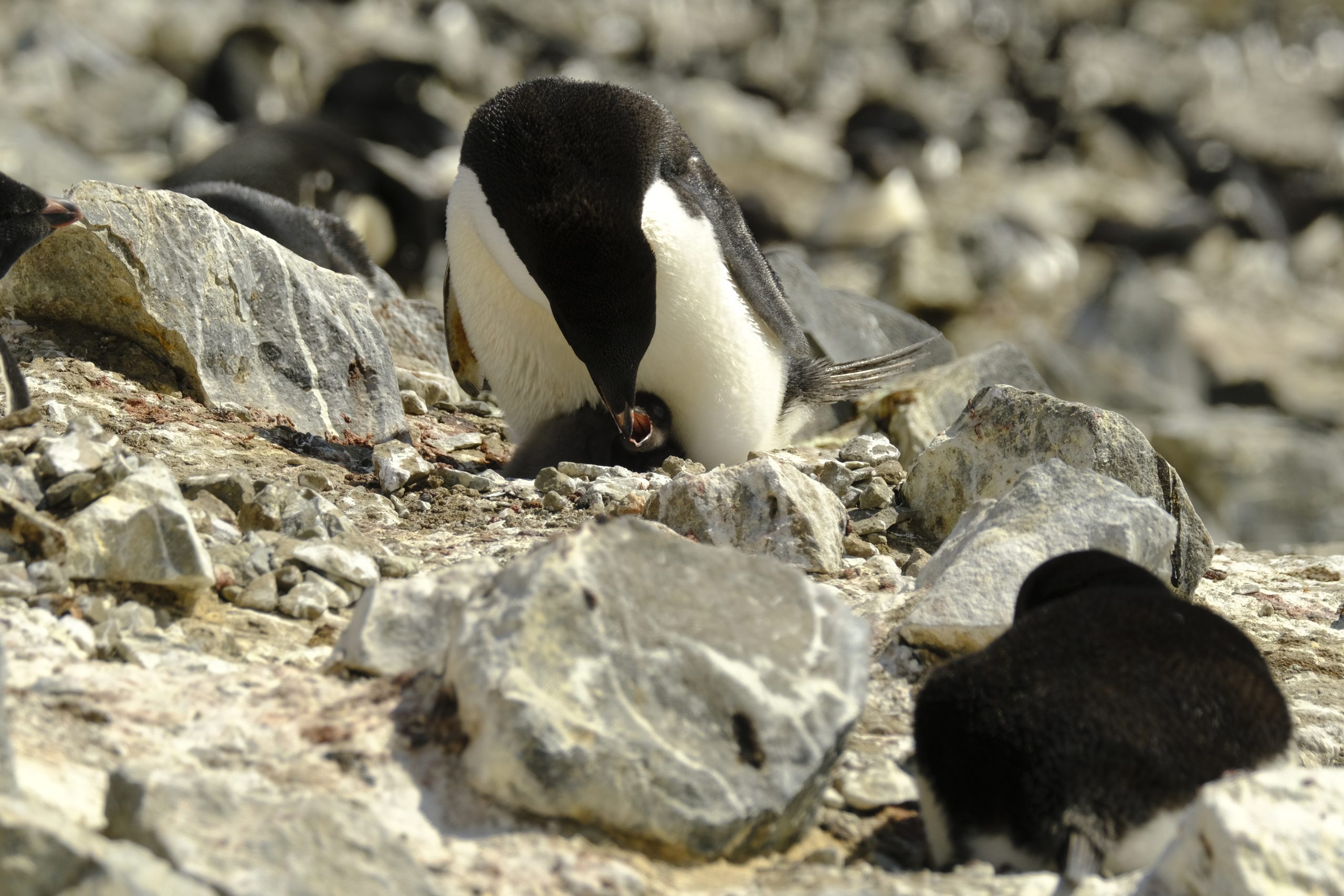
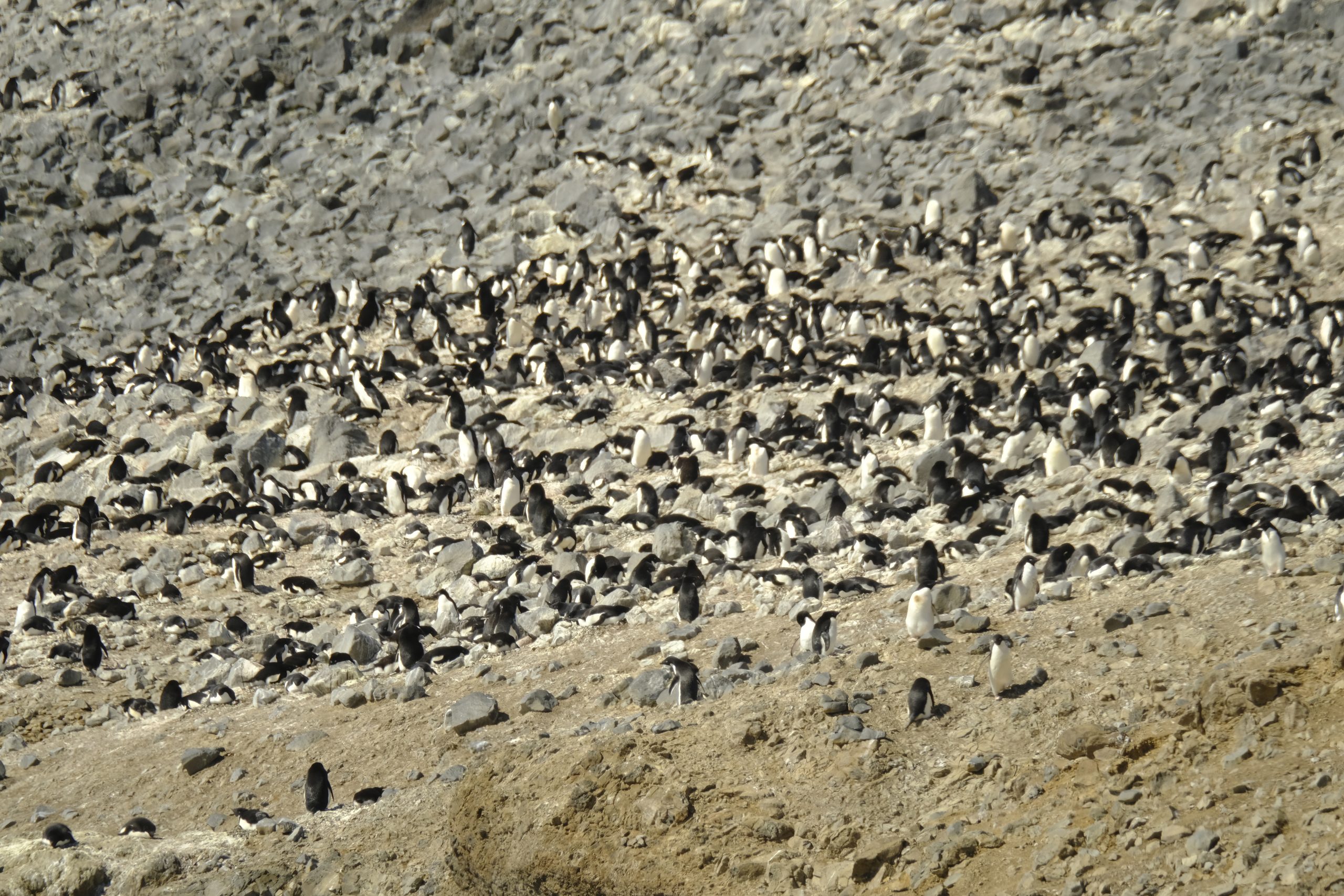
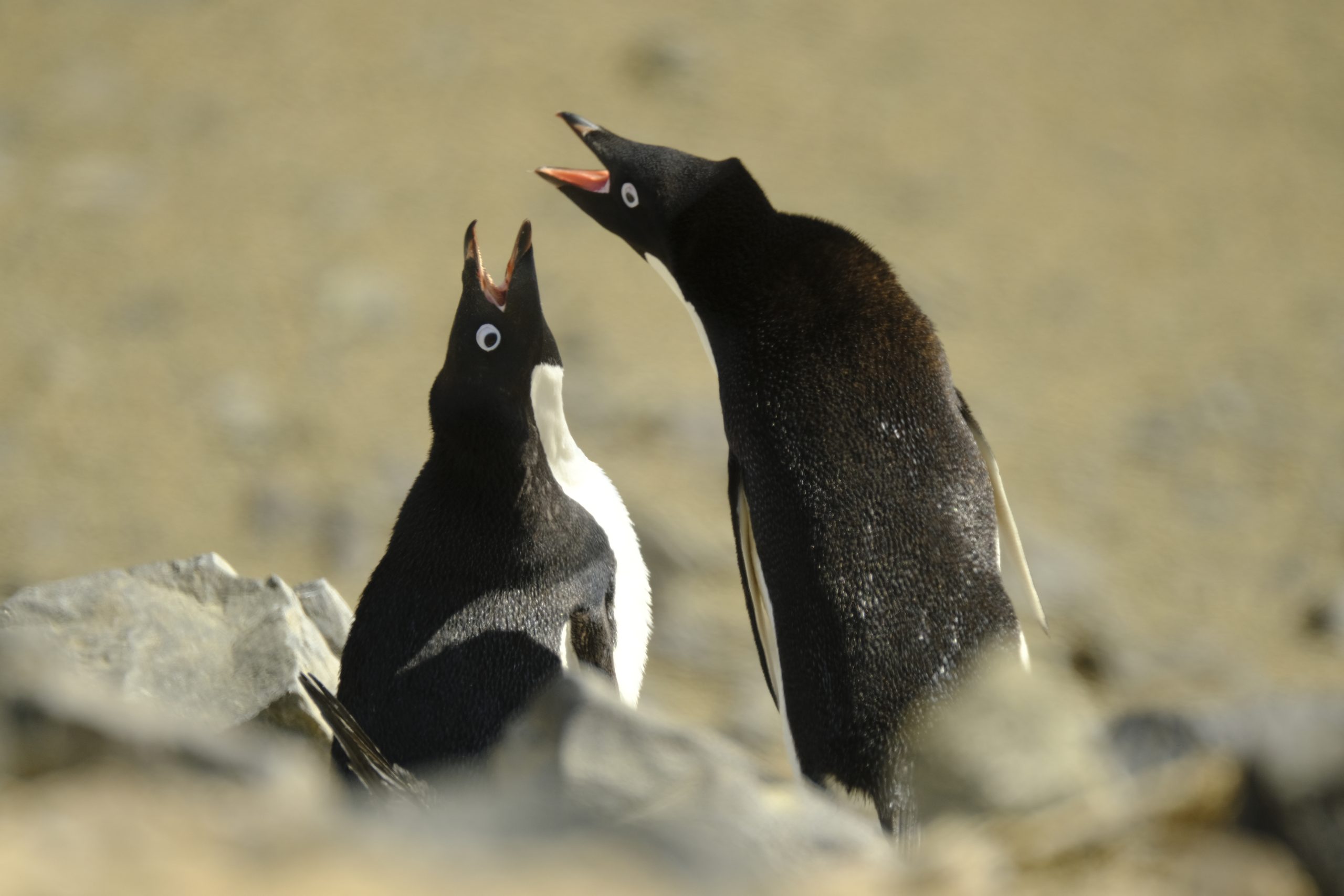
Adélie penguins are named after the wife of the French explorer Jules Dumont d’Urville who discovered these penguins in 1840. Adélies are found only in Antartica. They are smaller than other penguins and one of their distinguishing features is the white circles around the eyes.
Exploring View Point – December 16, 2021
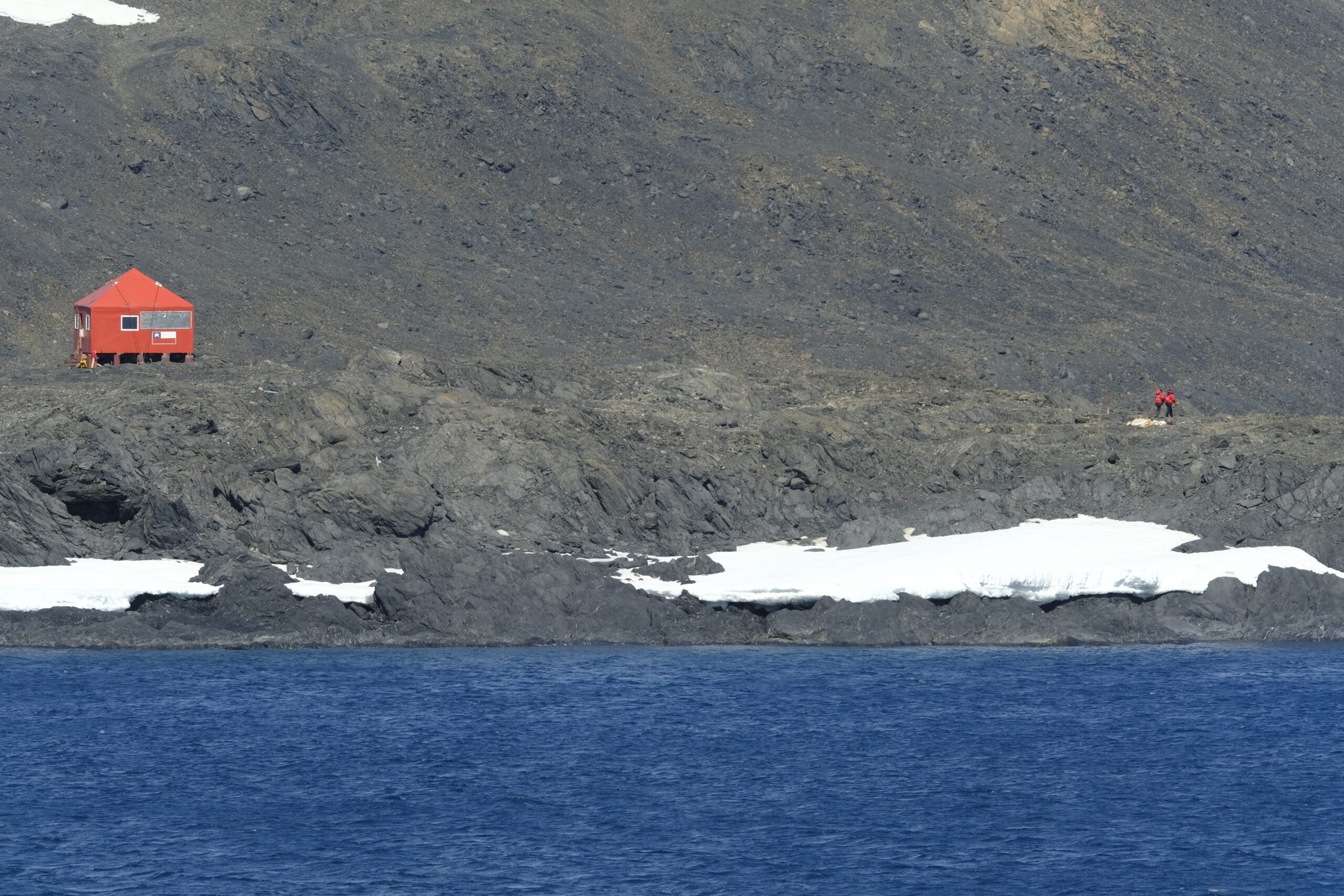
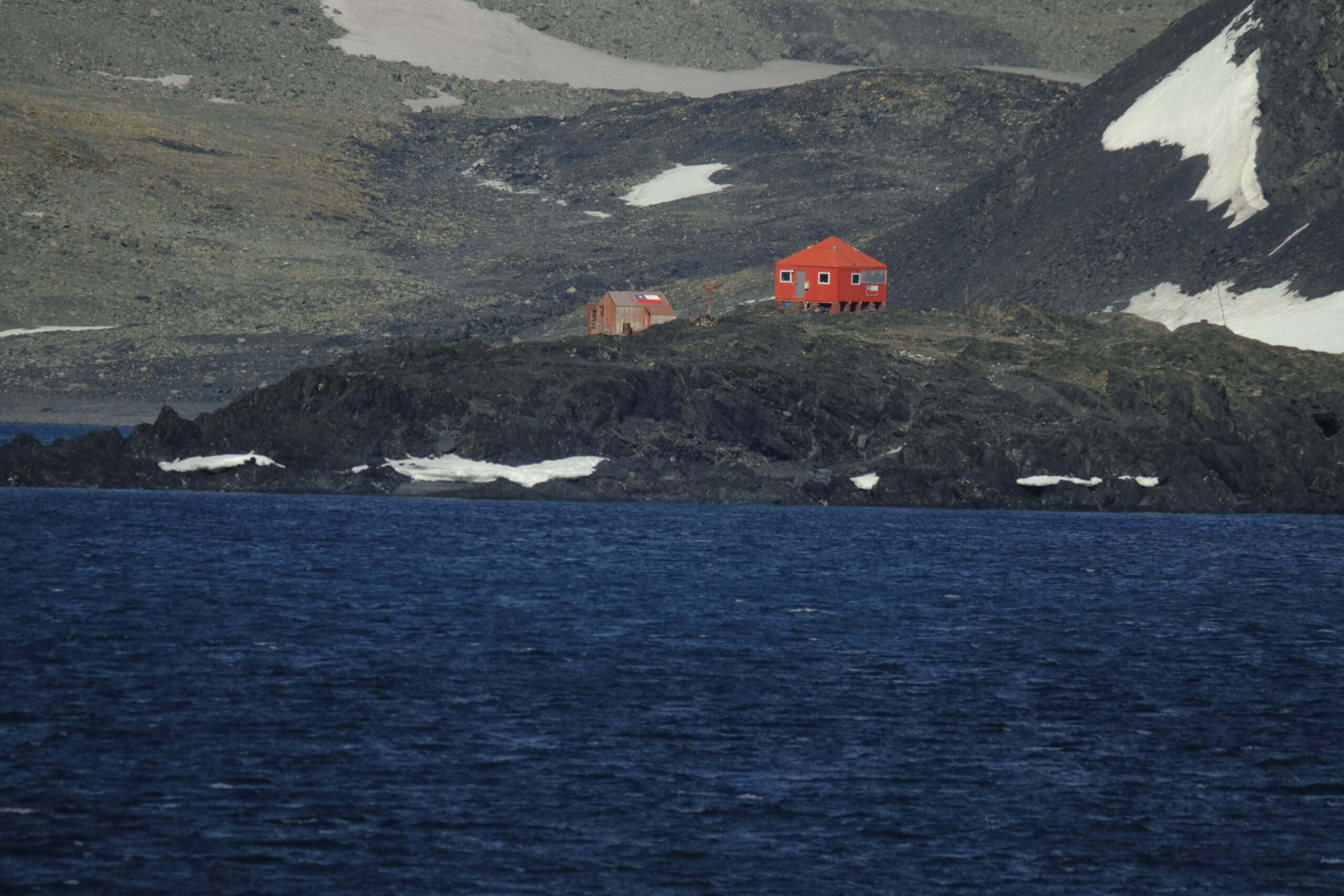
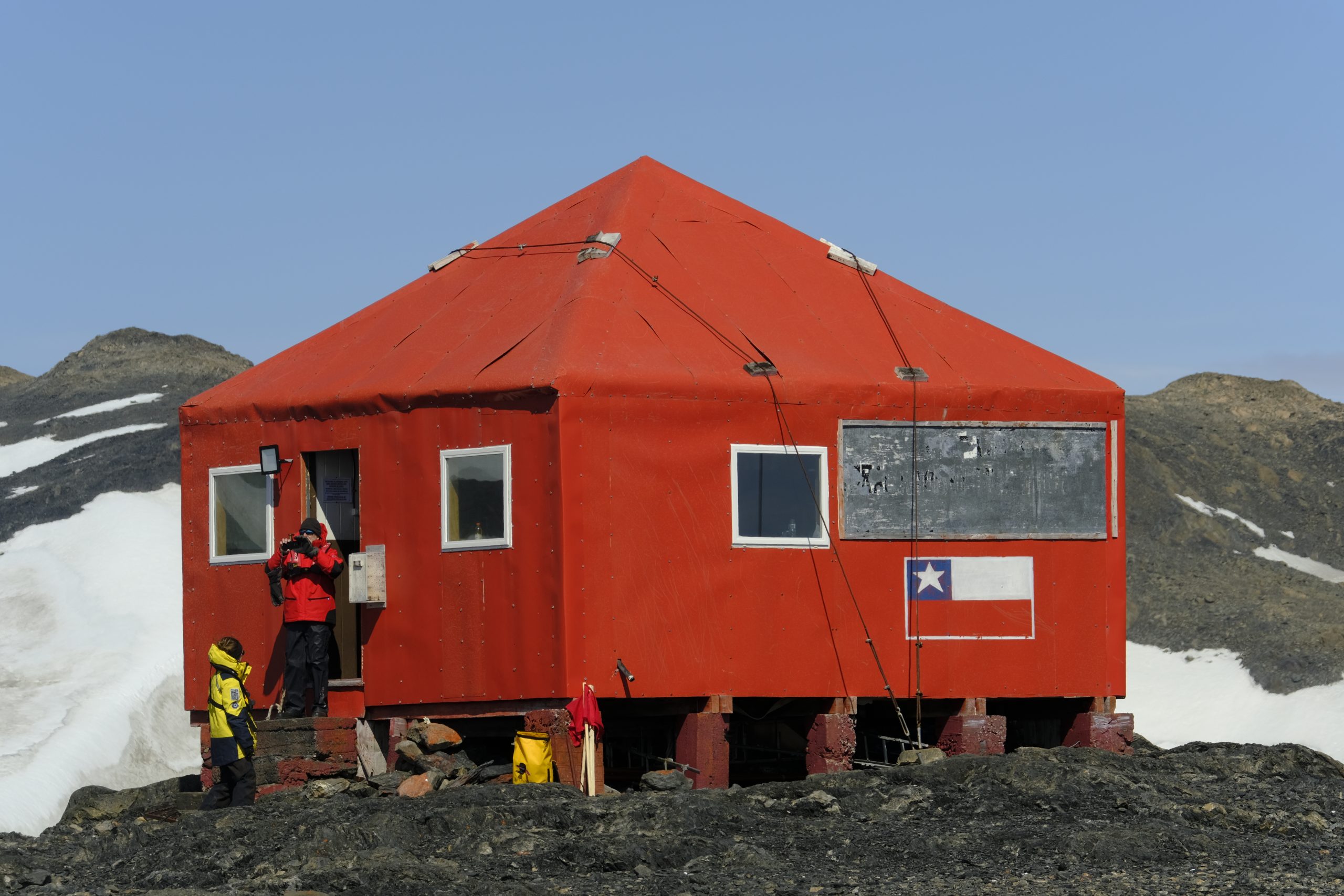
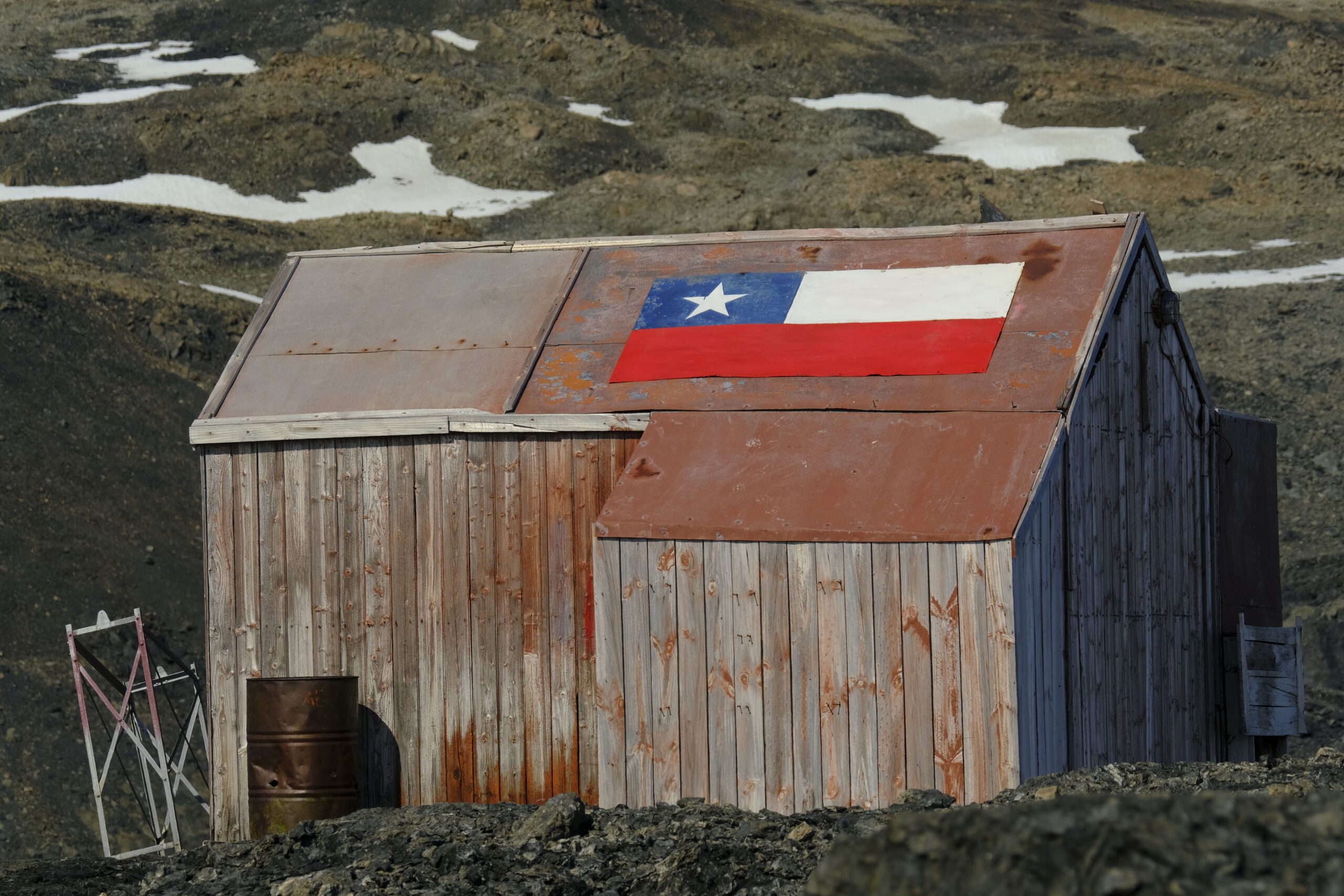
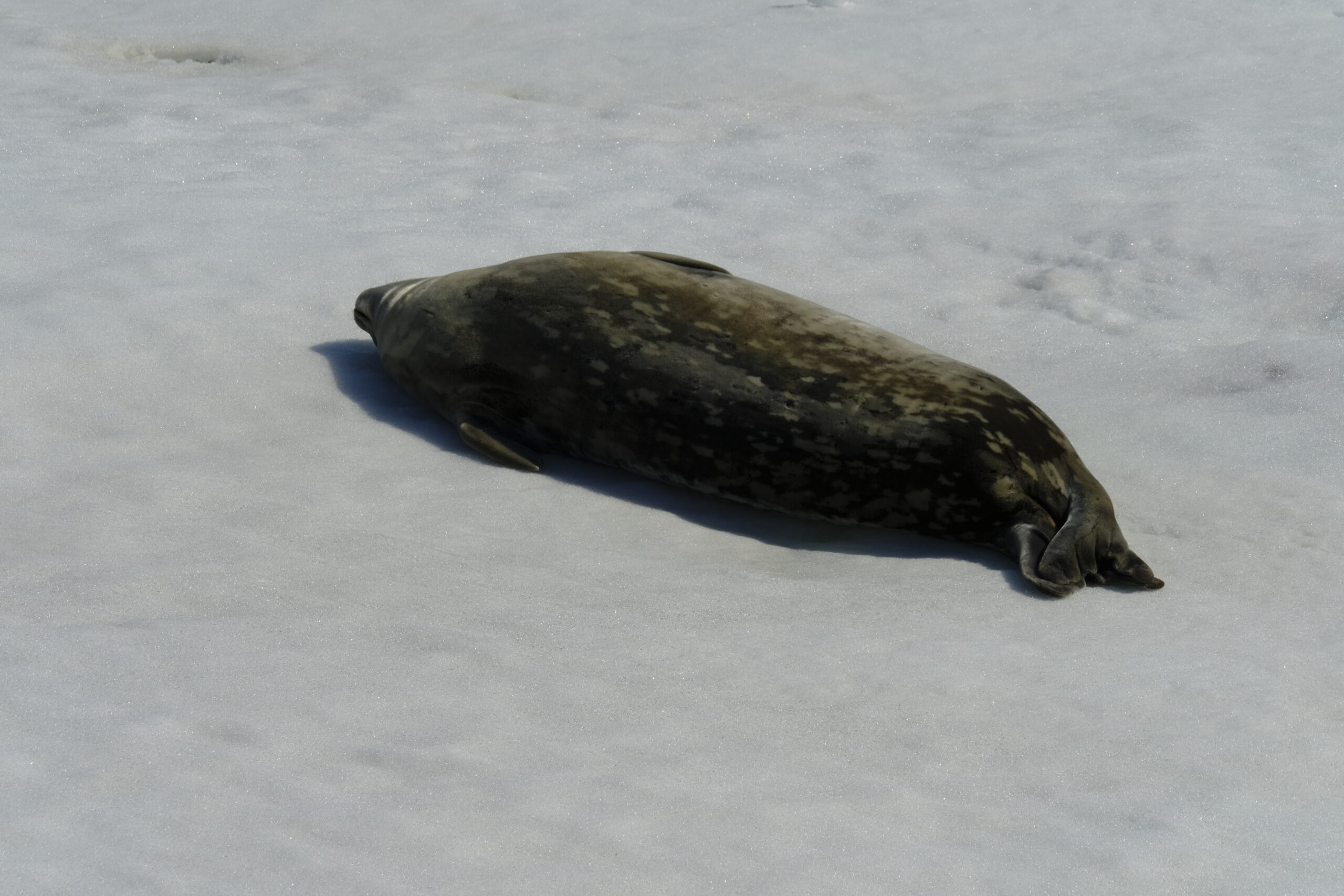
The day was bright and sunny, so we had an expedition to View Point. This was a first for the ship and the expedition team. We had an easy landing and a nice walk on a volcanic rock. This was also the first time we saw two huts side by side and a tall cross next to both. The first hut was red and contained 6 bunk beds and a kitchen with cooking utensils, gas cylinders, food supplies, etc. The second hut was probably either a warehouse or storage for fuel. Outside the huts there were glass shards from broken bottles and lots of weathered bones, very likely from seals that had been consumed for survival. Wildlife here can only be killed for reasons of survival. On the way back, we saw two crabeater seals. On this particular rock there was also a colony of Antarctic terns, but we were warned not to go near them as they are very aggressive and when they peck you, they sometimes draw blood.
Navigating the Drake Passage – December 17, 2021
We crossed the Shetland Islands around 4 am this morning and are now in the Drake Passage. Waters are very rough thanks to high winds. We were woken up by fruit flying all over the room and crockery breaking. Albert attended all the lectures and briefings, while I stayed in bed until late evening. I then attended another piano recital by Oleg Kotyuk. The pieces he played were Bach, Mozart, Beethoven, Chopin (5 including the encore) and Liszt. I think this performance was superior to the one held on Thursday of last week. There was a larger audience today.
Drake Passage: Journey through Cape Horn – December 18, 2021
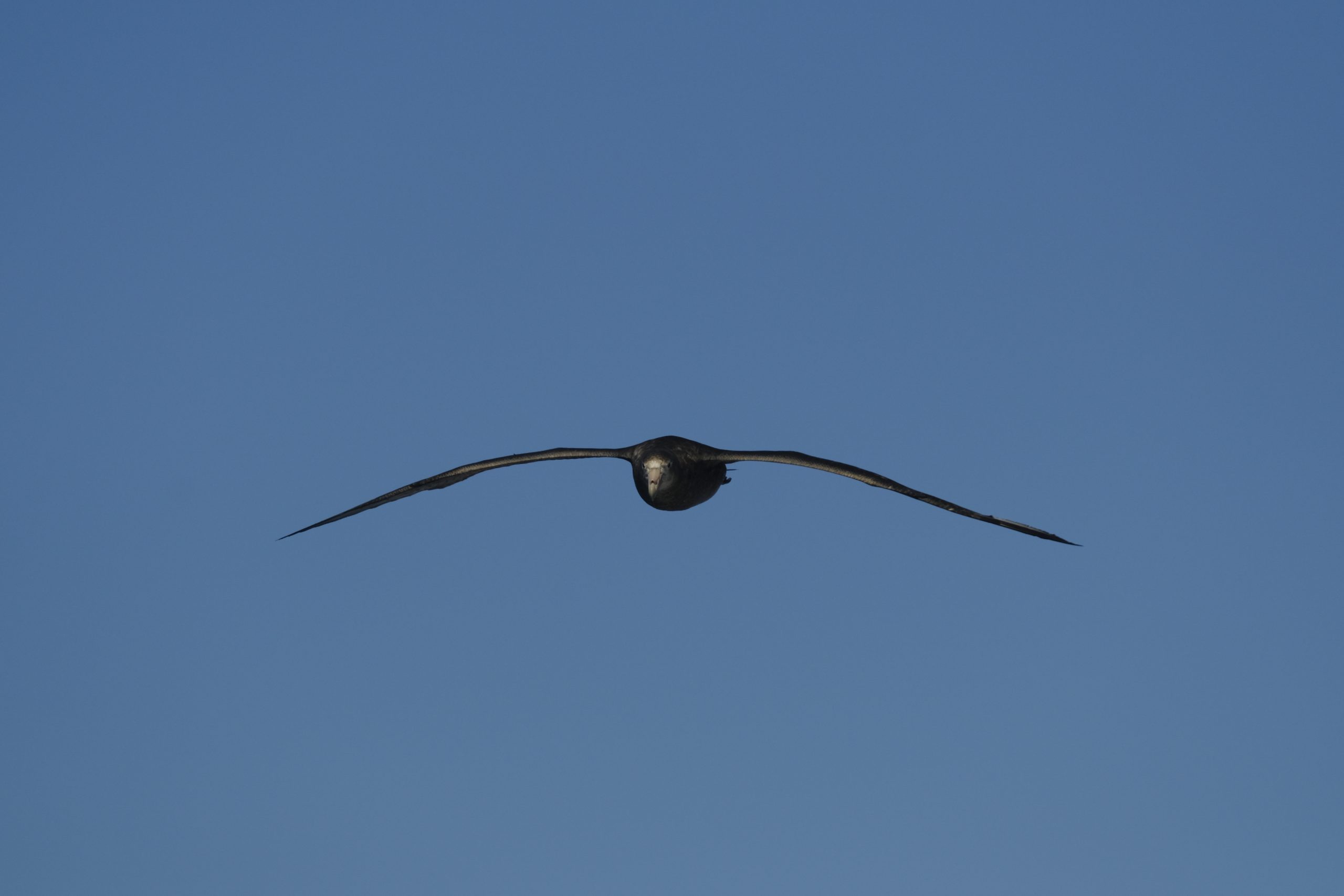
Today we passed through Cape Horn. It marks the northern boundary of the Drake passage. It was named after the city of Hoorn in the Netherlands by the Dutch merchant Jacob Le Maire in 1616. In Spanish it was called Cabo de Hornos or Cape of the Furnaces. We visited Cape Horn in 2011 during our trip through the Strait of Magellan (climbing up to the top in very high winds to see the albatross and to visit the lighthouse and meet the lighthouse keeper’s family, including dog).
This is a quiet day. We are still in the Drake Passage and the boat is still rocking. We attended a lecture on Penguins delivered by Dr. Klemens Pütz, expedition team leader. This evening, we will be Covid tested again.
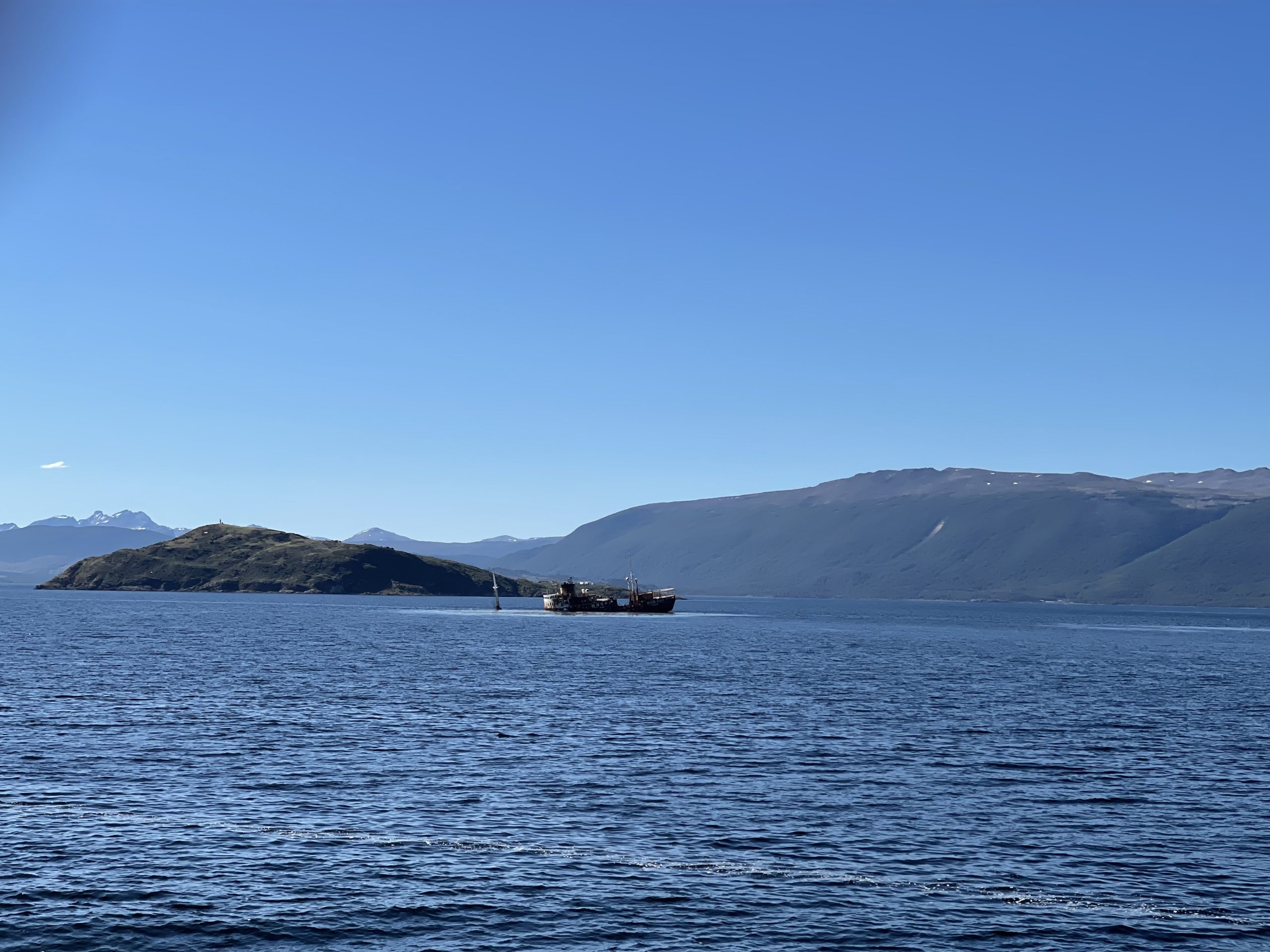
Tests are negative, so we are all going home tomorrow. We are now in the Beagle Channel and the water is much calmer. We saw the shipwreck of a boat called Logos. This was a missionary ship, which used to visit India to sell books (the intent being to conversion). I recall buying some books from this ship when I was in college.
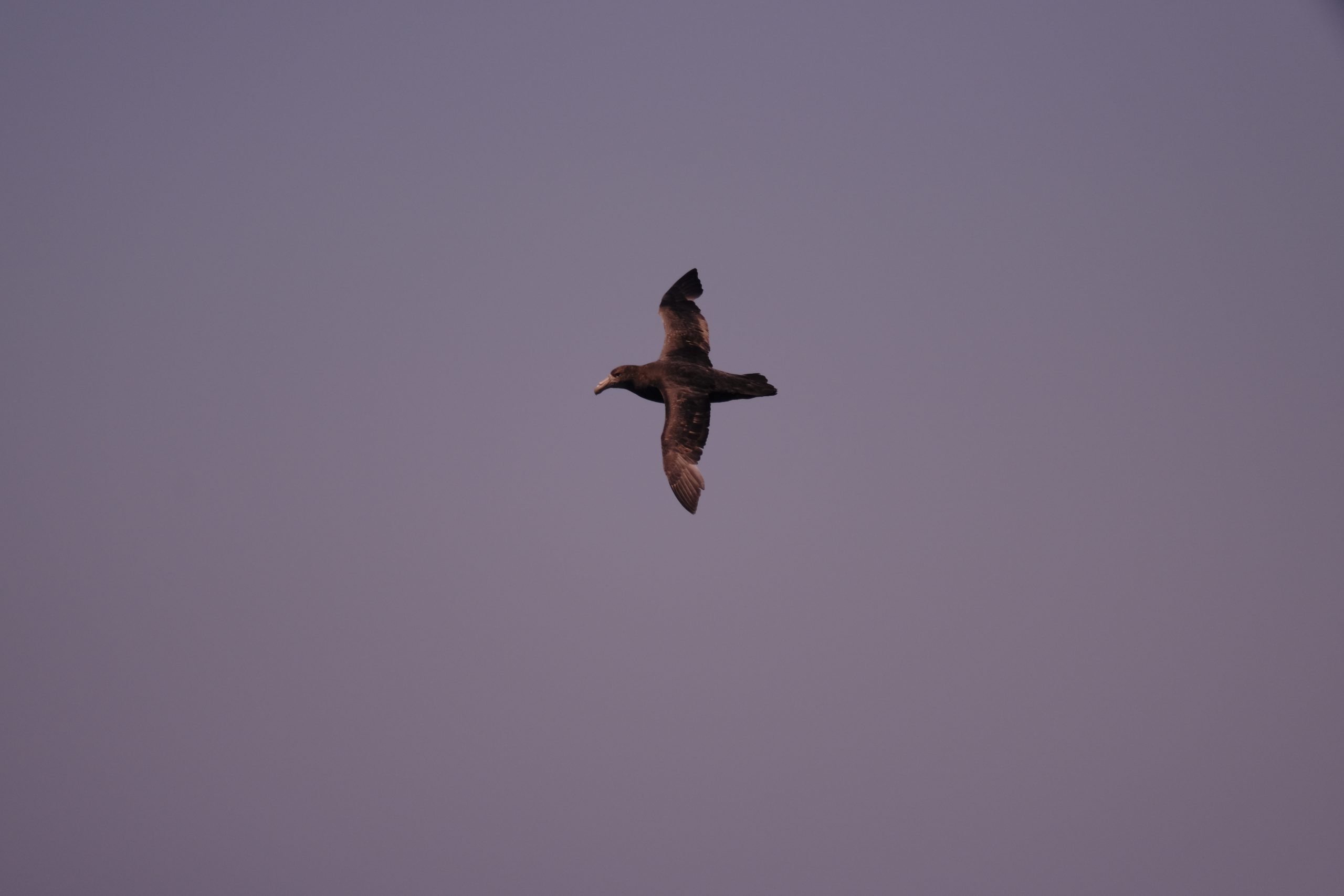
Disembark at Ushuaia – December 19, 2021
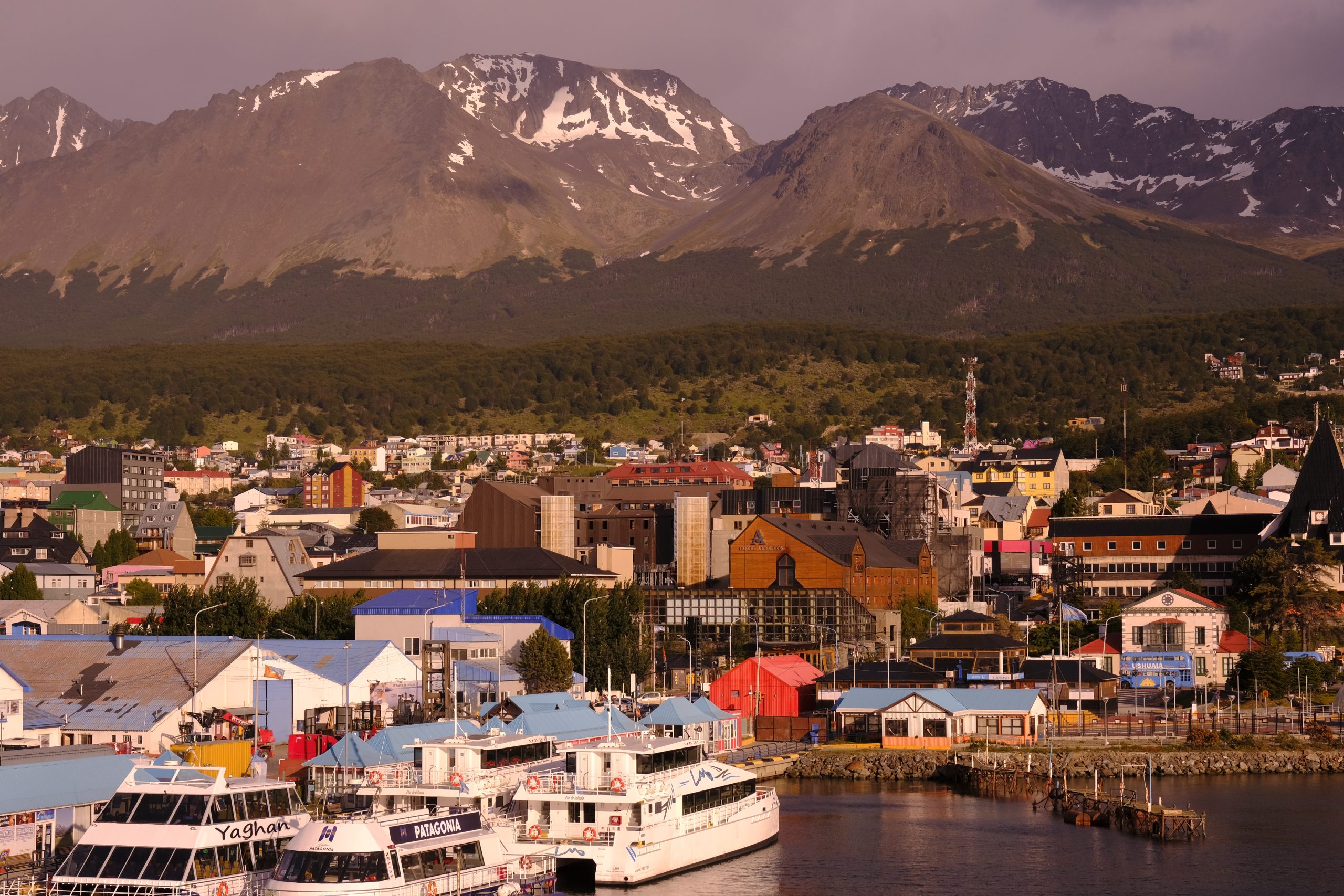
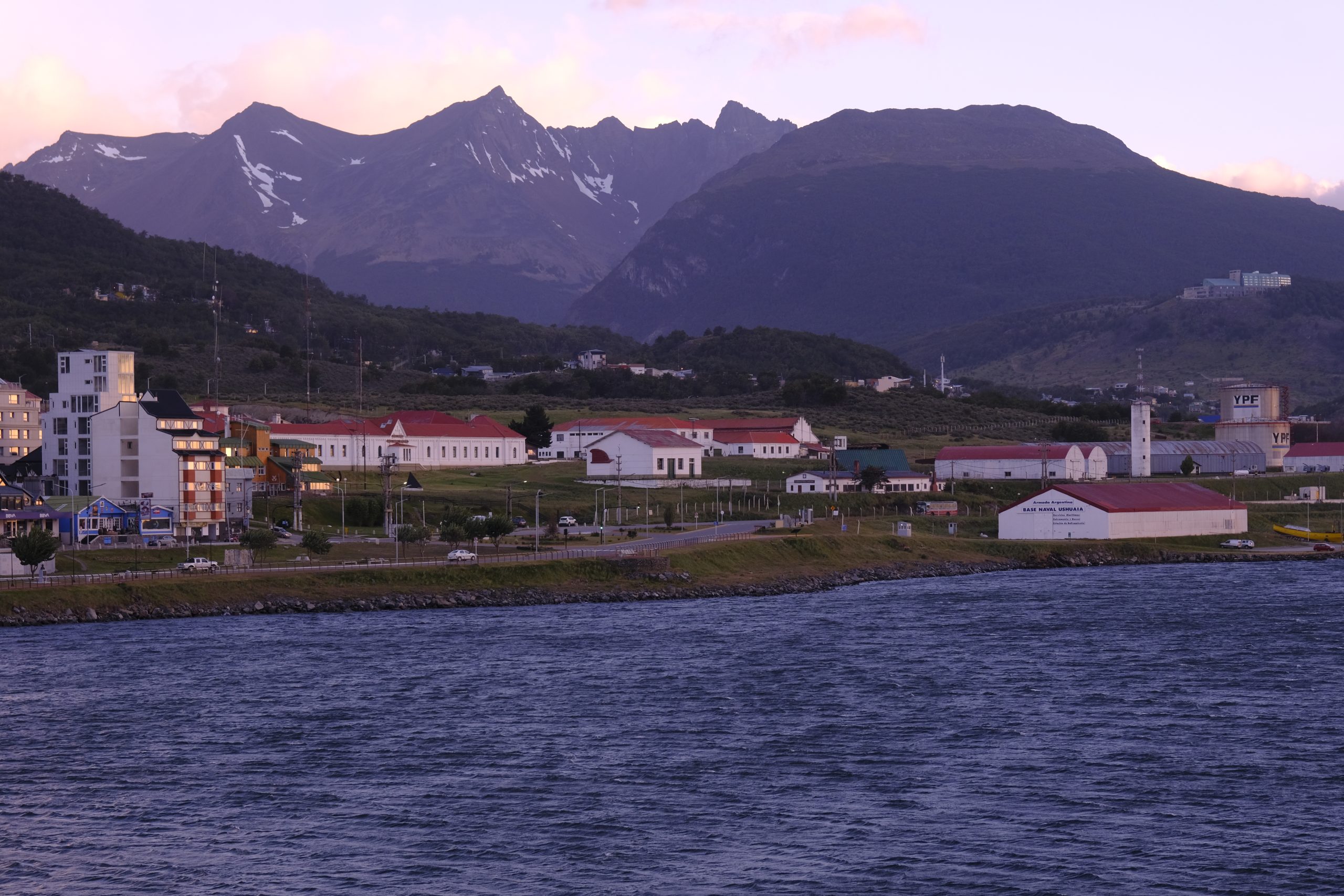
We disembarked in Ushuaia this morning and got on a bus to tour the Tierra del Fuego National Park, which is on the Argentinian side of the island. We stopped in three areas, one of which had lovely yellow, white, and green orchids. It was raining and so I used the umbrella I always carry in my backpack and managed to leave it behind in one of the park’s restrooms.

From the park we drove to the airport to catch our plane which was scheduled to depart sometime after noon. First the gate changed, then we were told the plane was delayed because a bird got sucked into the engine and a new plane was being sent out from Buenos Aires, then we were told an inspector was being sent to inspect the plane which was now scheduled to leave at 9 PM. The next story was that the flight crew was to arrive at 1 AM (this was now Monday morning) at which time the plane would leave. Around 2 AM, it was announced that the flight was cancelled. At this point there was a small revolt. It fizzled out quickly as the only person around to yell at was one flunky. The airport was as good as closed. So, people slept on the floor or on chairs. The plane ultimately left at 9 AM, almost 20 hours later.
Homeward Bound – December 20, 2021
We got to Buenos Aires a little after noon, got our luggage, and then had to go get a Covid test as the one we got the previous day would not be valid for flights to the U.S. By the time we got this done it was 3 PM and time to get a quick meal and a bit of rest at the Holiday Inn.
Everything went well on the flight from Buenos Aires to Houston. At Houston, Global Entry would not work for us, so we cleared customs, got our luggage, and then rushed to get on a flight to Newark. We got upgraded on this leg of the flight. However, soon after take-off, we had a medical emergency and the flight had to be diverted to Memphis so the patient could get to a hospital. Almost two hours later, we took off again. We have never been so happy to be back home. Hope our next trip is a vacation!