When we started traveling in 2010, we used to post our travel diary with pictures on a commercial website. Unfortunately, we lost all the posted content as this website shut down without notice, leaving us scrambling to come up with a more permanent alternative.
Now that we have our own travel website, we are attempting to recreate some of the lost blogs based on notes, itineraries, Wikipedia, and good old-fashioned memory. This is one such recreation. It’s a labor of love, piecing together the adventures that shaped our lives and sharing them with you once again.
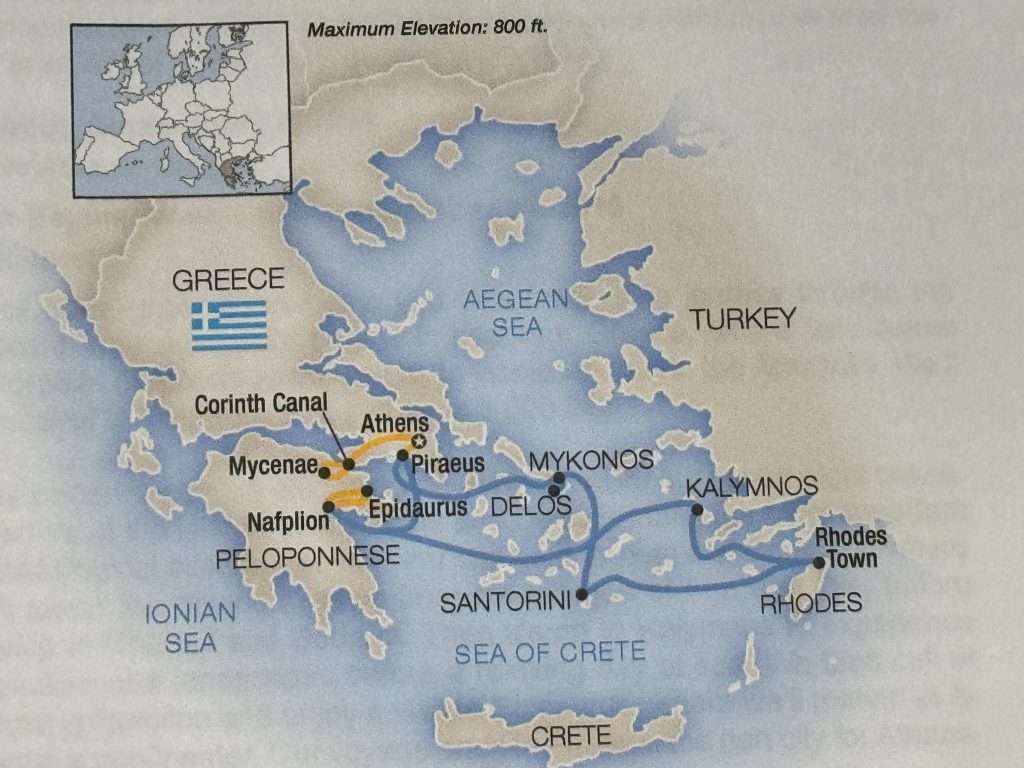
In this recreated blog, we share our exciting journey through the Aegean. We began with a land tour of Athens and Mycenae, then embarked on a seven-night cruise of the Greek Isles, starting in Mykonos and ending in Nafplion, with stops in Santorini, Rhodes, and Kalymnos along the way.
Our First Day in Athens – September 20, 2016
Yesterday evening we flew from Newark to Athens on United. The ten hours literally flew by. We checked into the Grande Bretagne Hotel opposite the Parliament at Syntagma Square—a great location from which to walk to many of the sights.
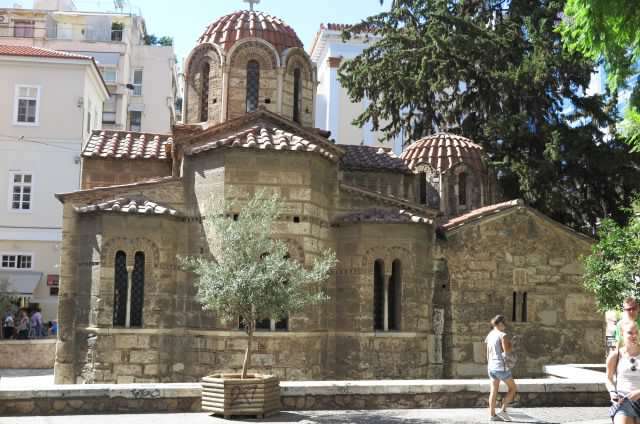
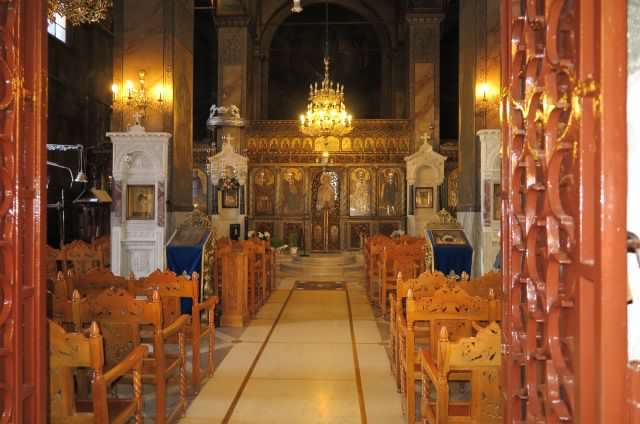
As soon as we stepped out of the hotel this afternoon, we were able to see the changing of the Evzone guards standing guard at the Tomb of the Unknown Soldier and the Parliament in their full skirt and pom-pom shoe regalia walk across in oh-so-slow-motion. They must be very fit to balance and kick out one leg at a time in unison with their partner. We then walked to all the local sights on the City Walk following Rick Steves’ itinerary. Somewhere along the way we deviated from his plan. We popped into many churches in the Byzantine style, dark and decorated with icons and candles. We also walked through the flea market. Dinner was at a restaurant called Tzatziki that was recommended by the concierge and that seems to be favored by locals. We had zucchini balls, a pork dish with potato and eggplant mash, and liver with fried onions.

Exploring Athens – September 21, 2016
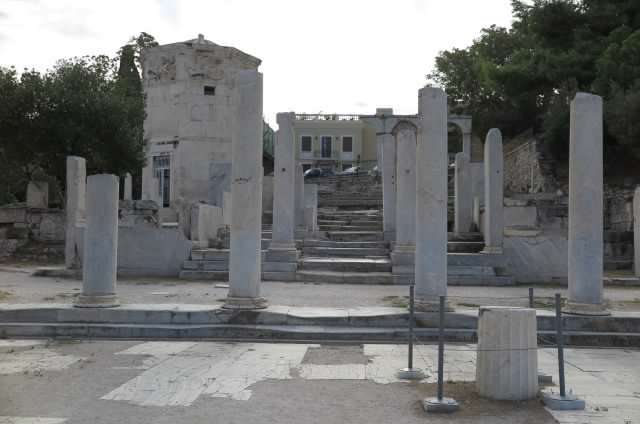
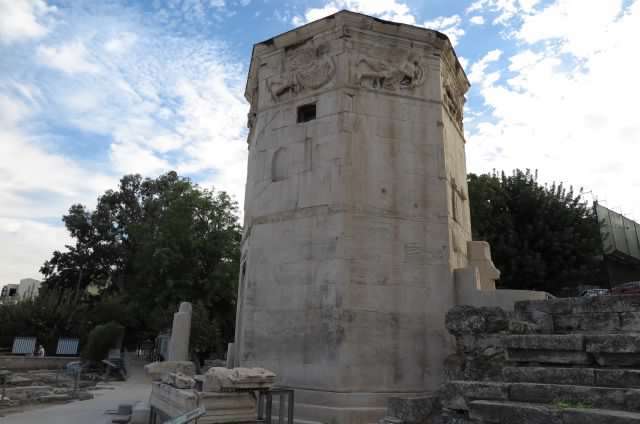
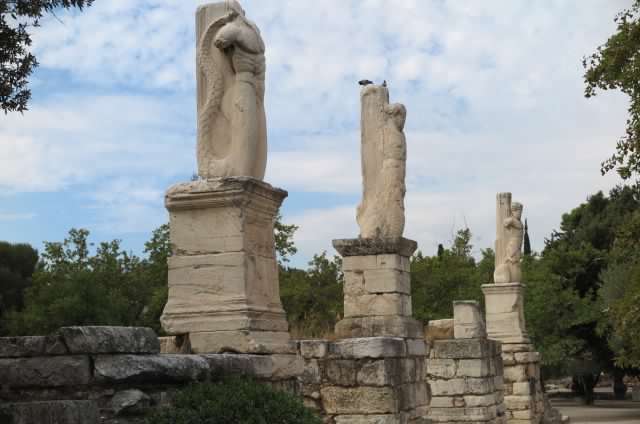
Today we visited the Roman Agora and then the Ancient Greek Agora. The Roman Agora features the beautiful Tower of the Winds. We call it beautiful because it’s remarkably intact and has recently been cleaned. All the remaining artifacts are in ruins, and the same is true of the Ancient Agora.
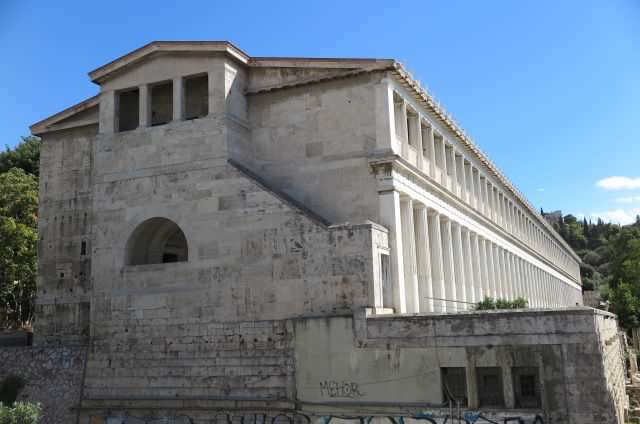
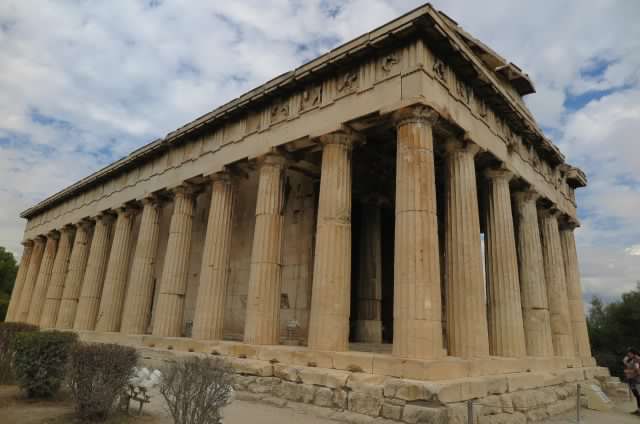
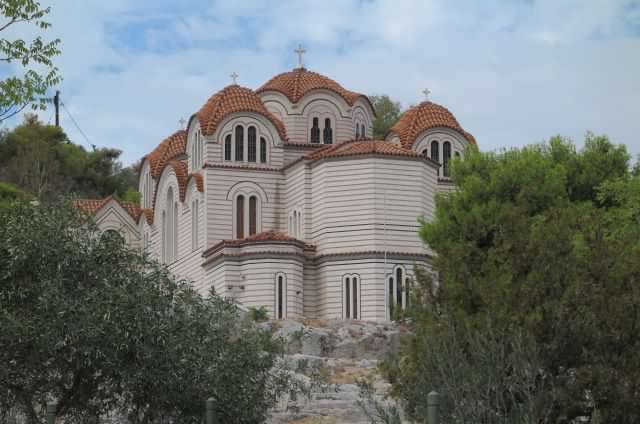
At first, we received vague directions, with one person admitting he couldn’t remember the Stoa of Attalos. We eventually found the site and learned there were two Agoras, Roman and Ancient. The Stoa of Attalos is a copy of the original, reproduced by the American School of Classical Studies. It houses many artifacts found on the site, including a small, charming commode used to teach toilet training to children. Very cute! We also visited the Church of weHoly Apostles and walked on the Panathenic Way. Another magnificent structure that we viewed is the Temple of Hephaestus, dedicated to the blacksmith god.
In the evening, we met with the rest of our tour group, including our director, Philip Pope, for a welcome reception and dinner.
Exploration of Athens Continues – September 22, 2016
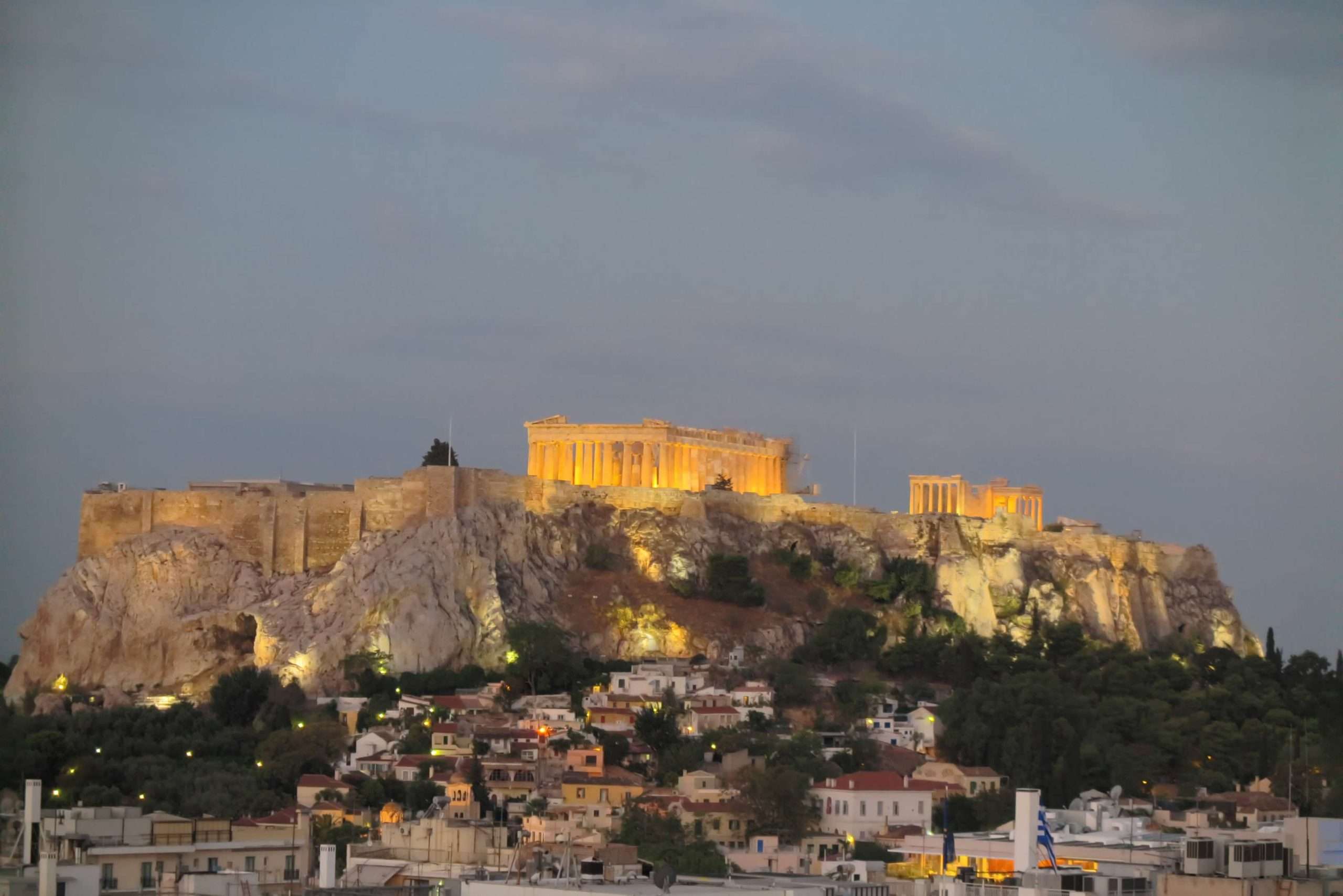
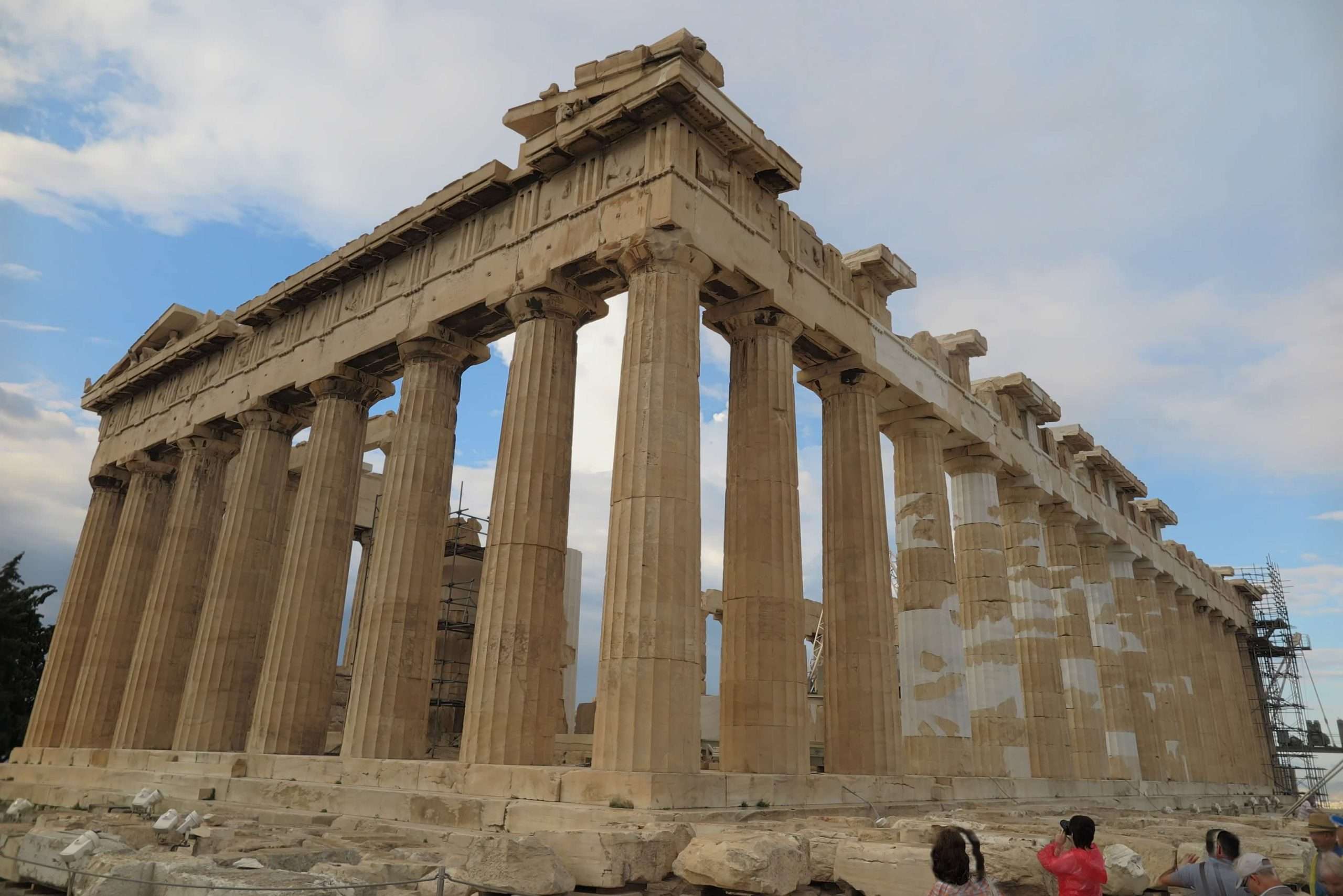
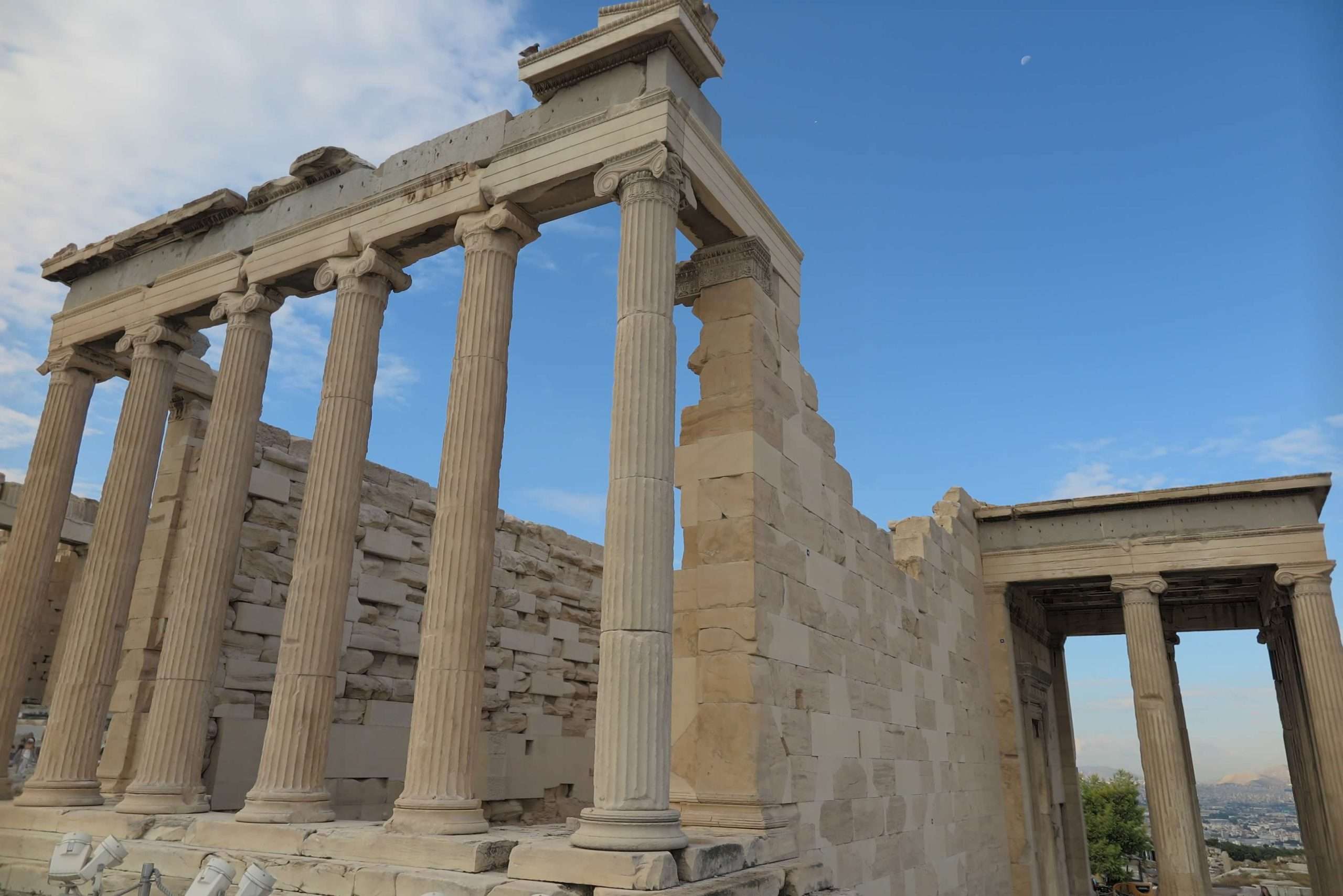
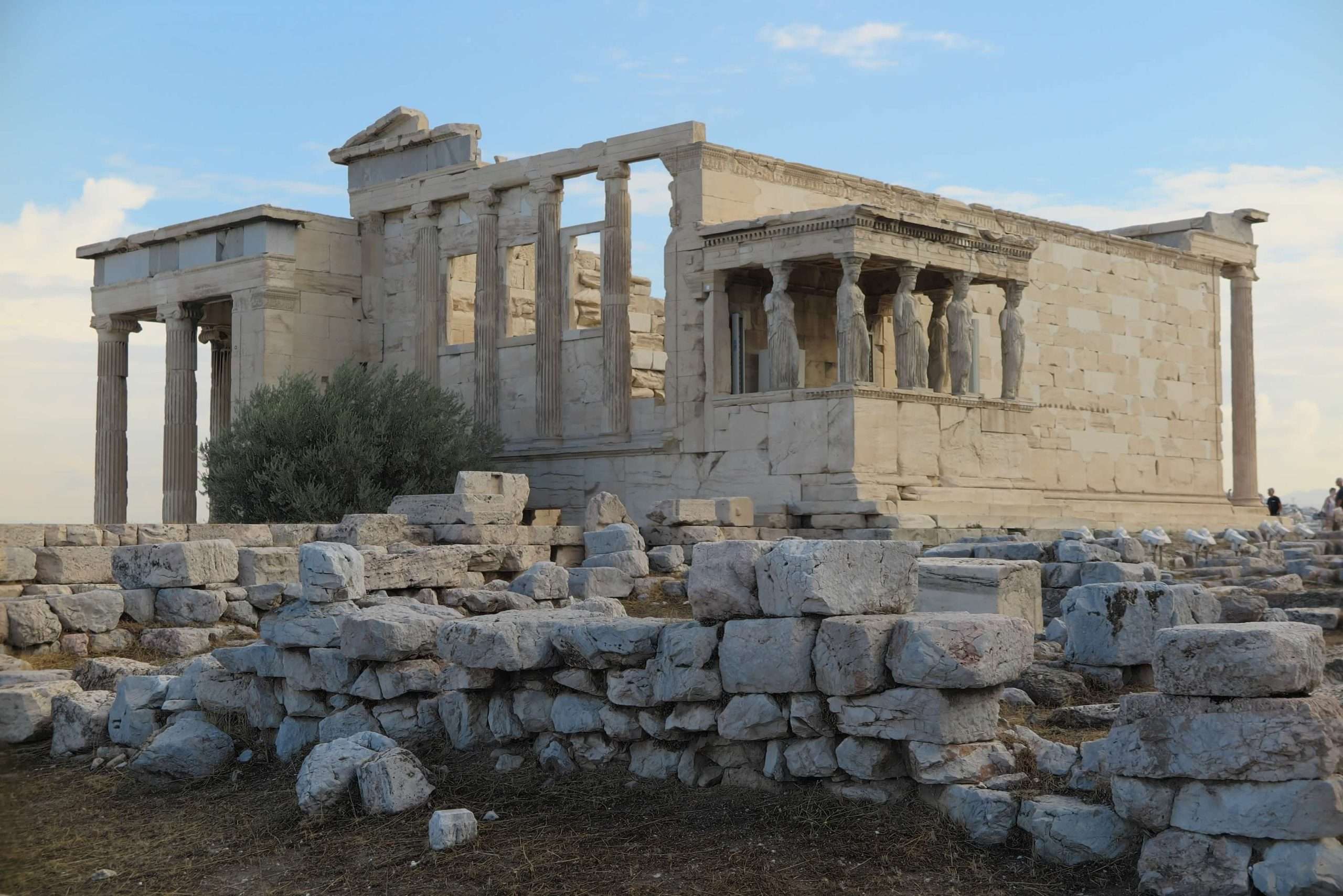
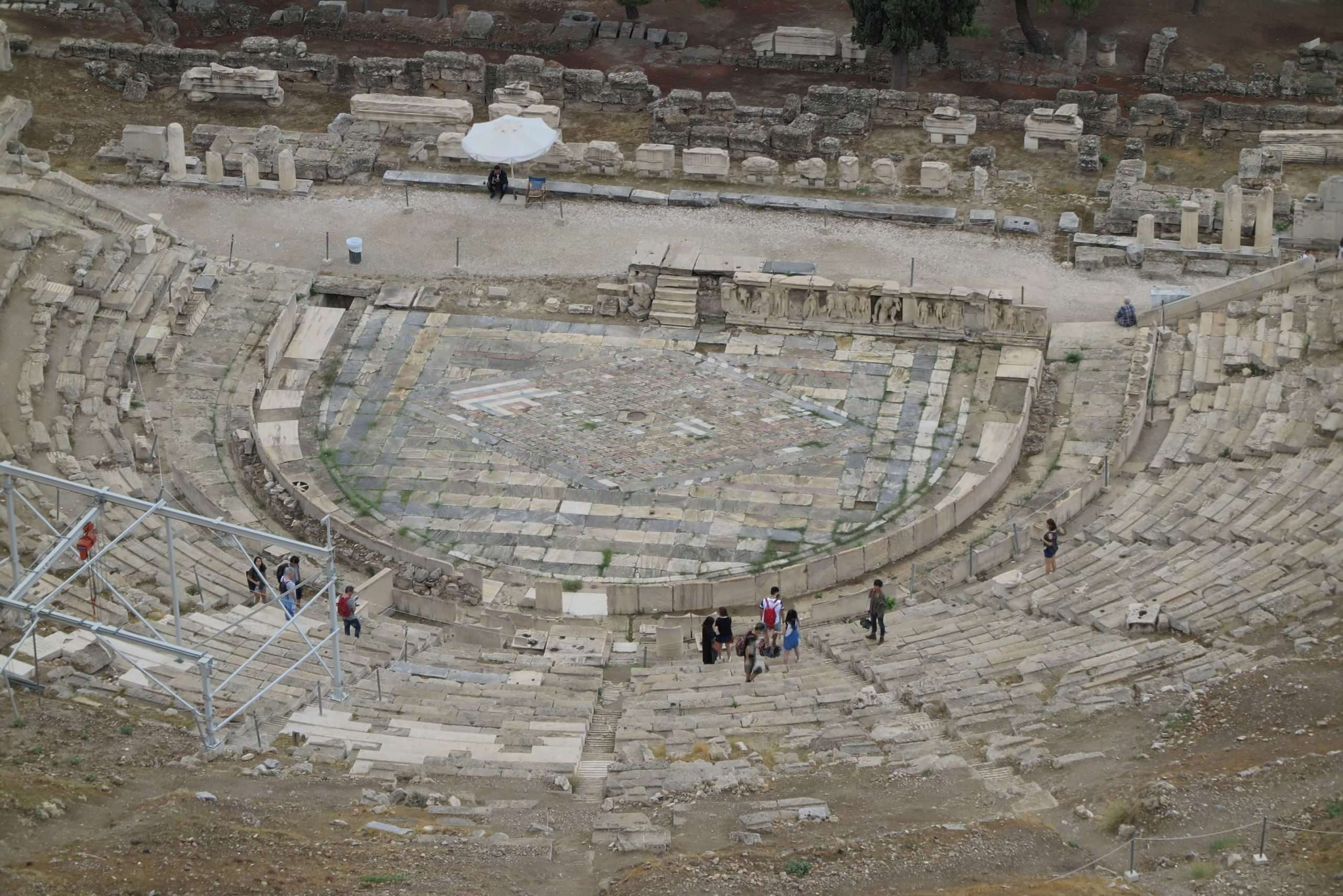
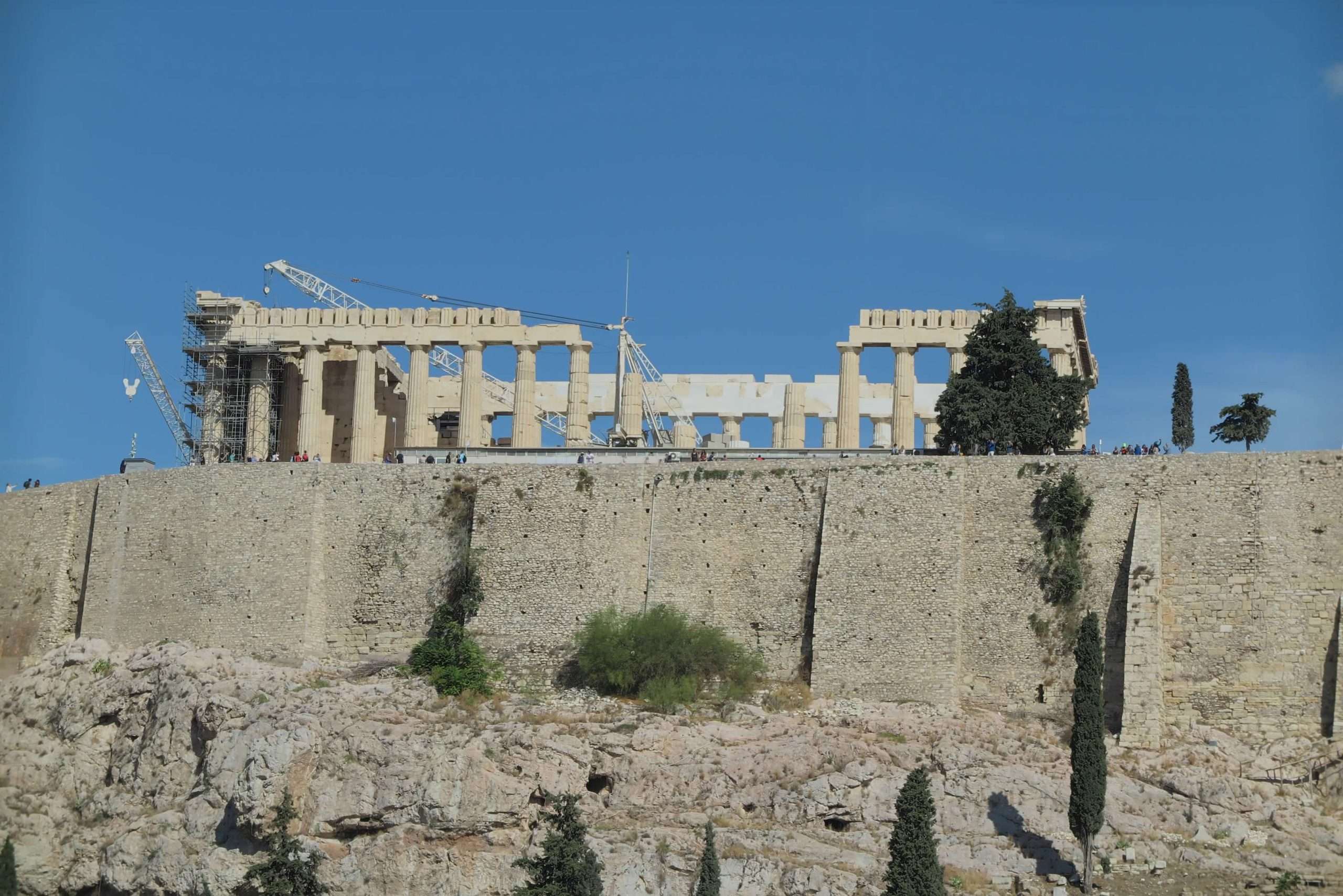
This morning, we visited the Acropolis. Of all days, it began to rain just as we climbed the slippery steps to the top. Architecturally, the site is absolutely magnificent, though much of it lies in ruins. The destruction here rivals the global outrage felt when the Taliban demolished the Bamiyan Buddhas. Over the centuries, the Acropolis suffered damage at the hands of the Persians, Ottomans, Herulians, Christians, and even the British. Athena must have been awe-inspiring on her towering pillar, and the six Caryatids at the Erechtheion must have captivated people—especially knowing these statues were once vividly colored with pigments mixed with wax. From the top of the Acropolis, we saw the Theatre of Dionysus, the theatre where every major Greek play premiered. We went down and visited the Odeon of Herodes Atticus, which is still used today and can seat 5,000 people.

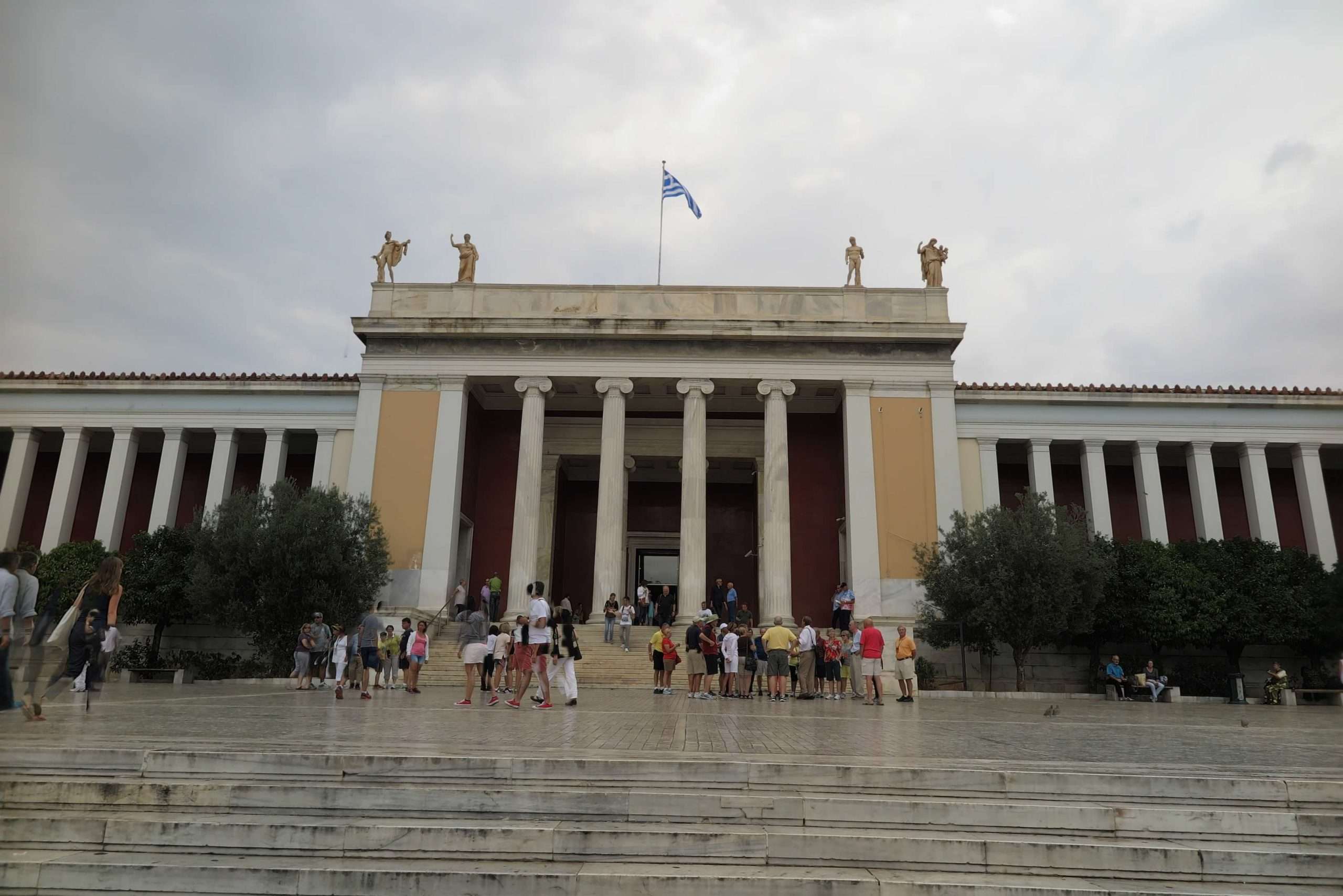
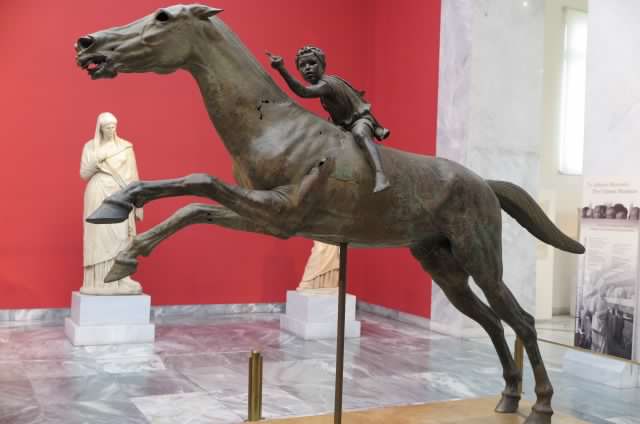
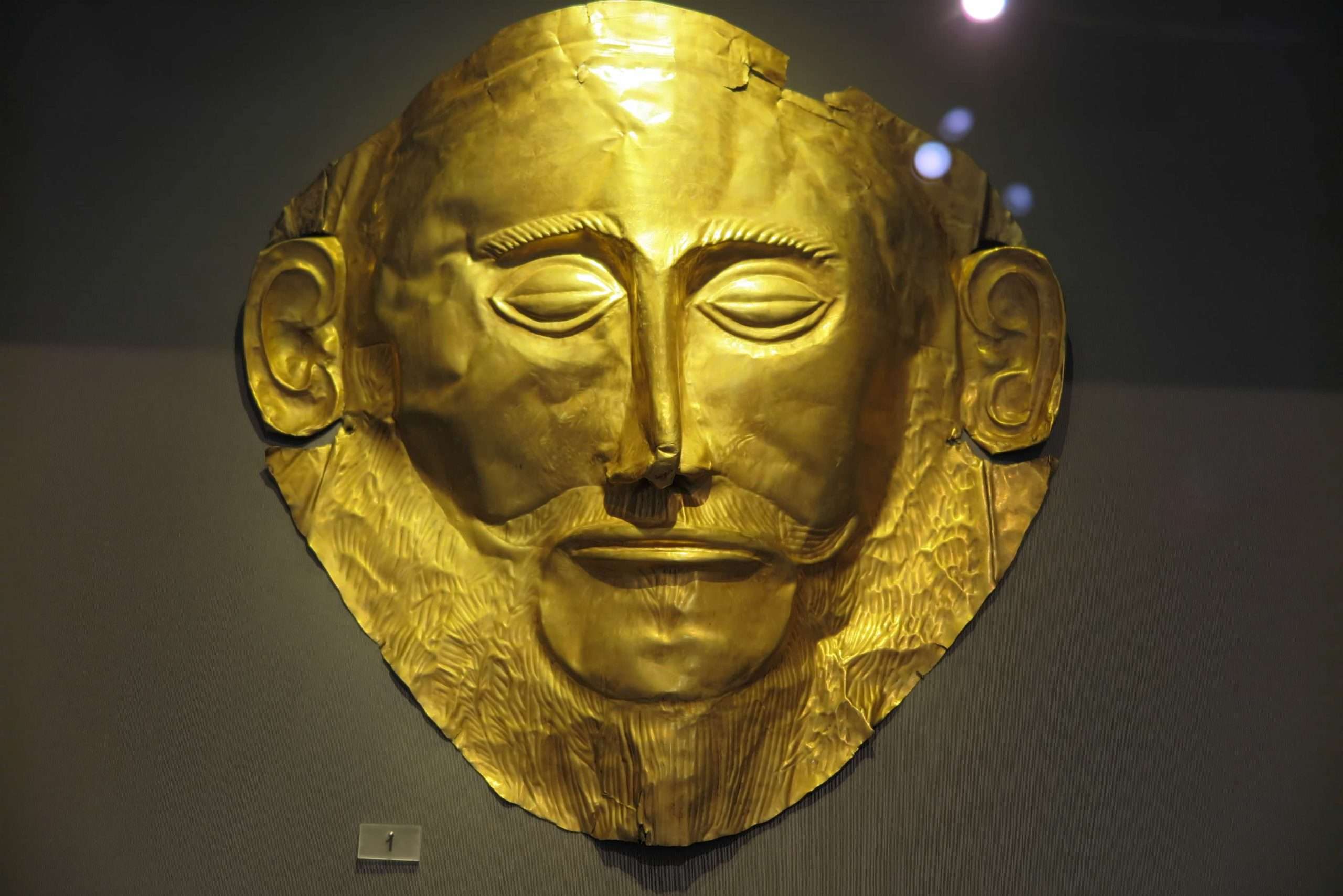
After the Acropolis, we strolled through the National Archaeological Museum. It has amazing pieces from Mycenae, including the Mask of Agamemnon. Our favorite was the statue of the boy on the horse.
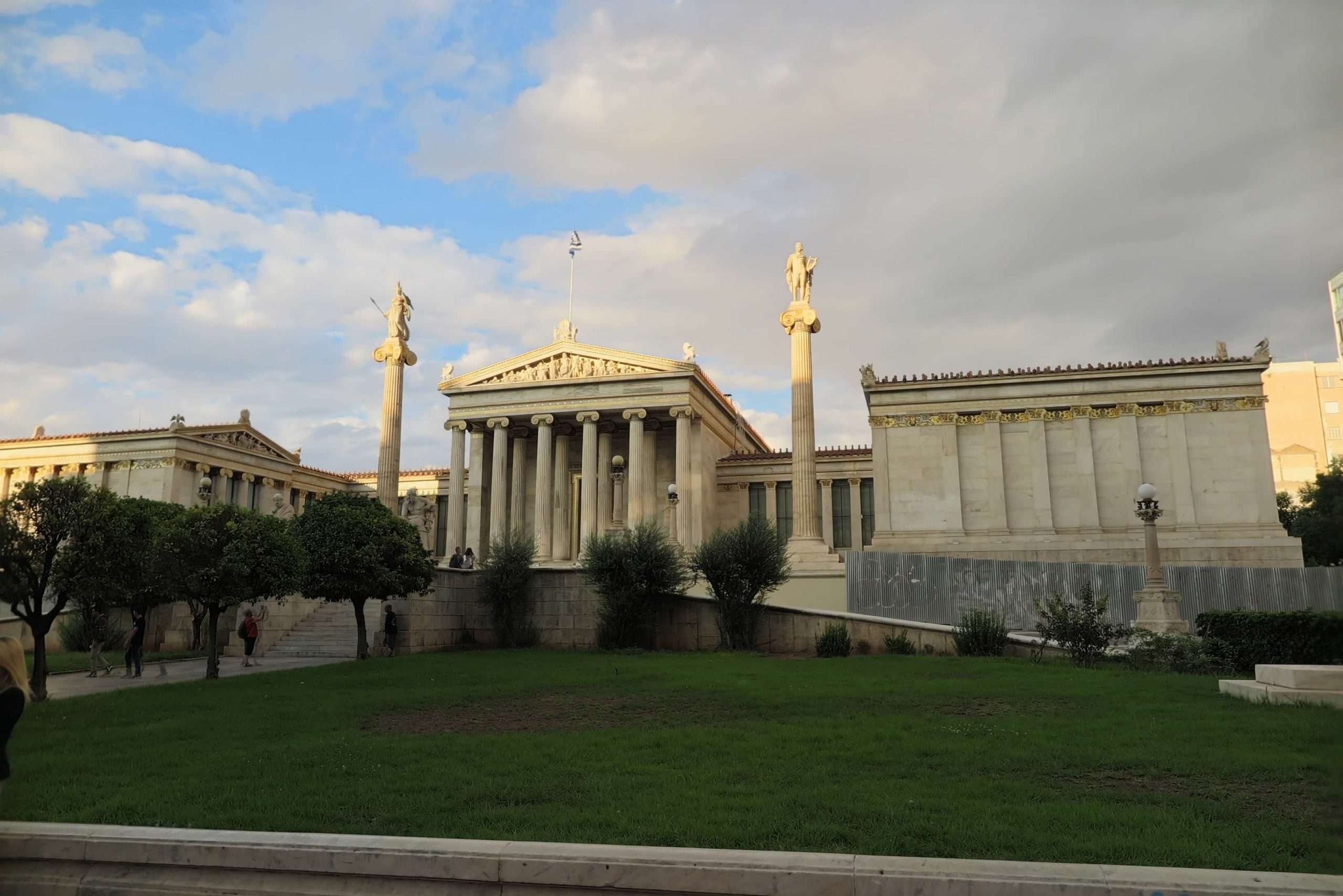
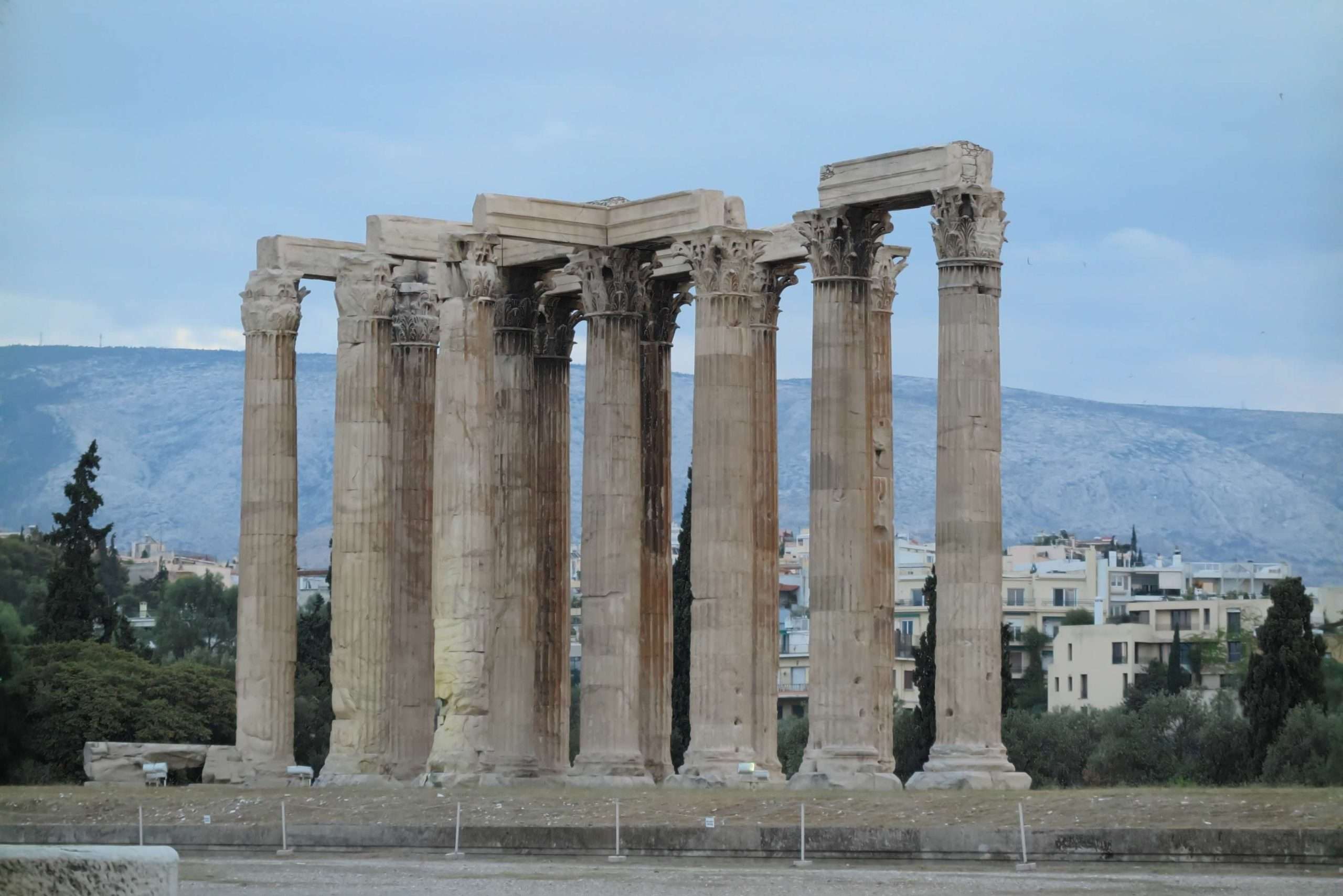
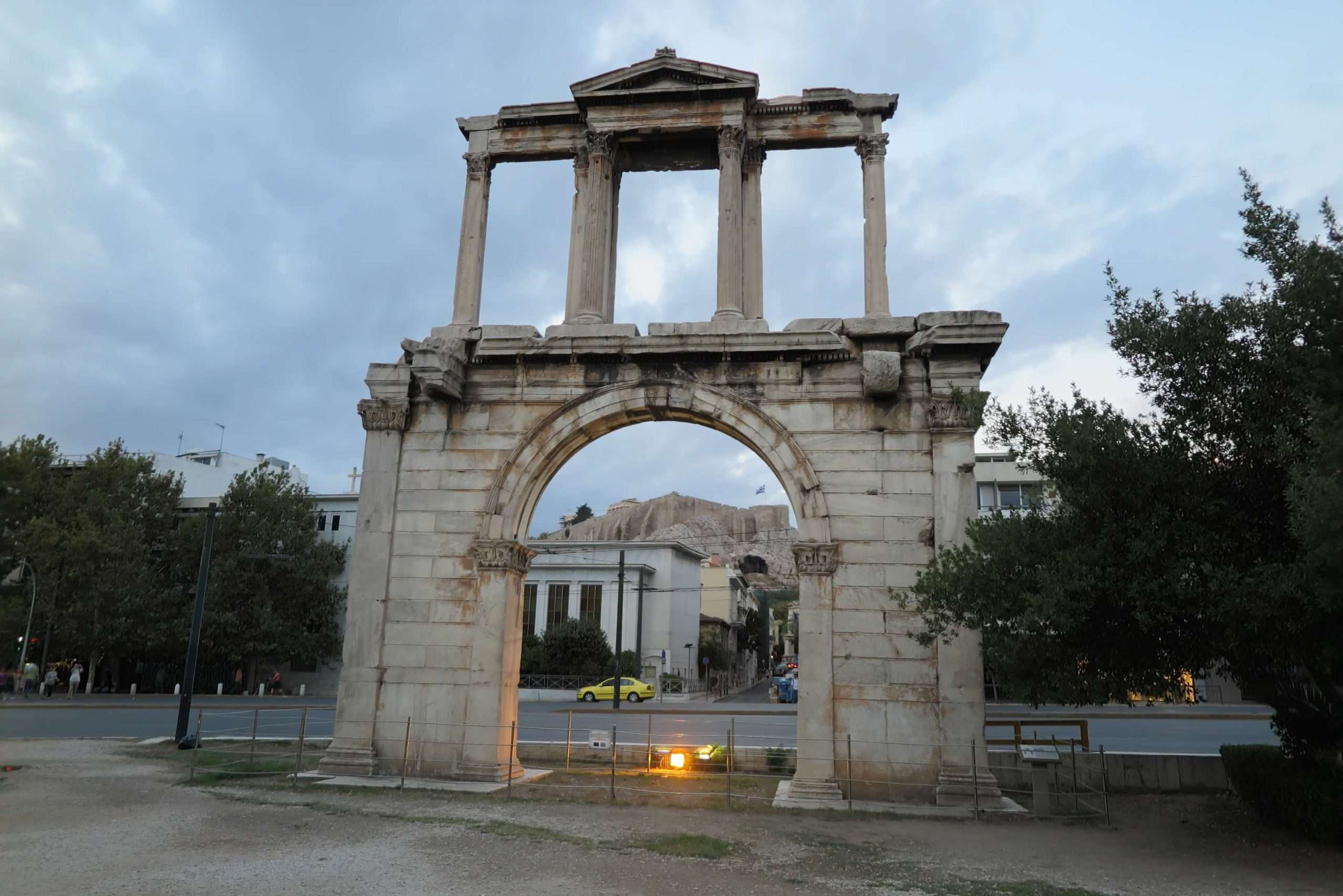
Later in the evening, we walked to the Catholic Church, the University administrative buildings, and the Academy of Arts, Sciences, and Letters. From there, we walked to the Arch of Hadrian and the Temple of Olympian Zeus. On the way back, we discovered Adrianou Street and its shops.
A Day Trip to Mycenae – September 23, 2016
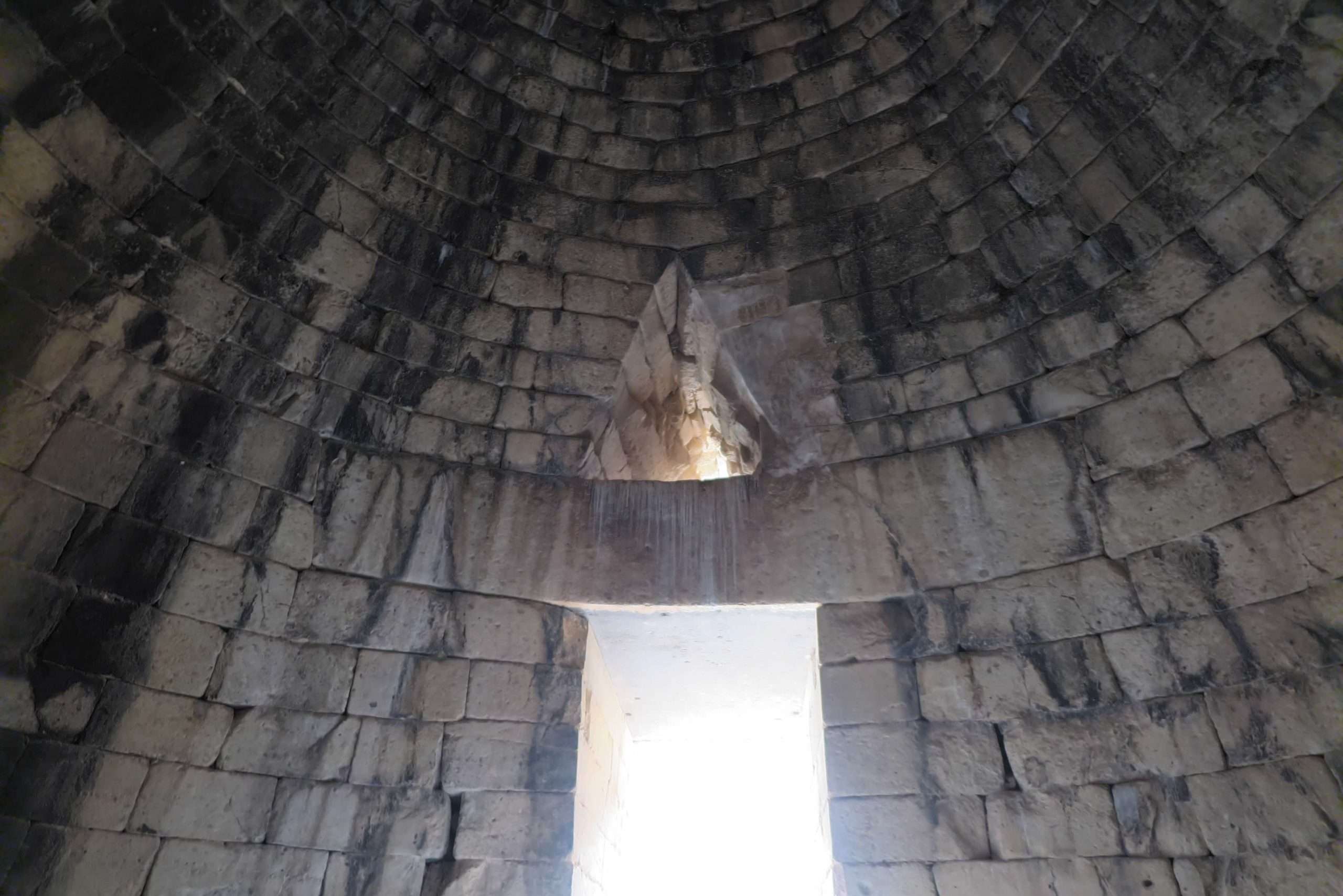
Today, we visited Mycenae, and on the way, we stopped by to see the Corinth Canal, an outstanding feat of engineering that connects the Aegean Sea with the Ionian Sea, saving vessels a distance of 130 nautical miles. Mycenae was very interesting, as it’s easy to walk along the ruins. This is where Heinrich Schliemann excavated in search of Troy and where Agamemnon was murdered in his bathtub by his wife, Clytemnestra. Of particular interest here is the Lion Gate and Grave Circle A, where many royal tombs were discovered. We did not visit the cistern and the Treasury of Atreus but did visit a beehive tomb. The height is about 30 feet, but the way the stones are cut makes it look much taller.
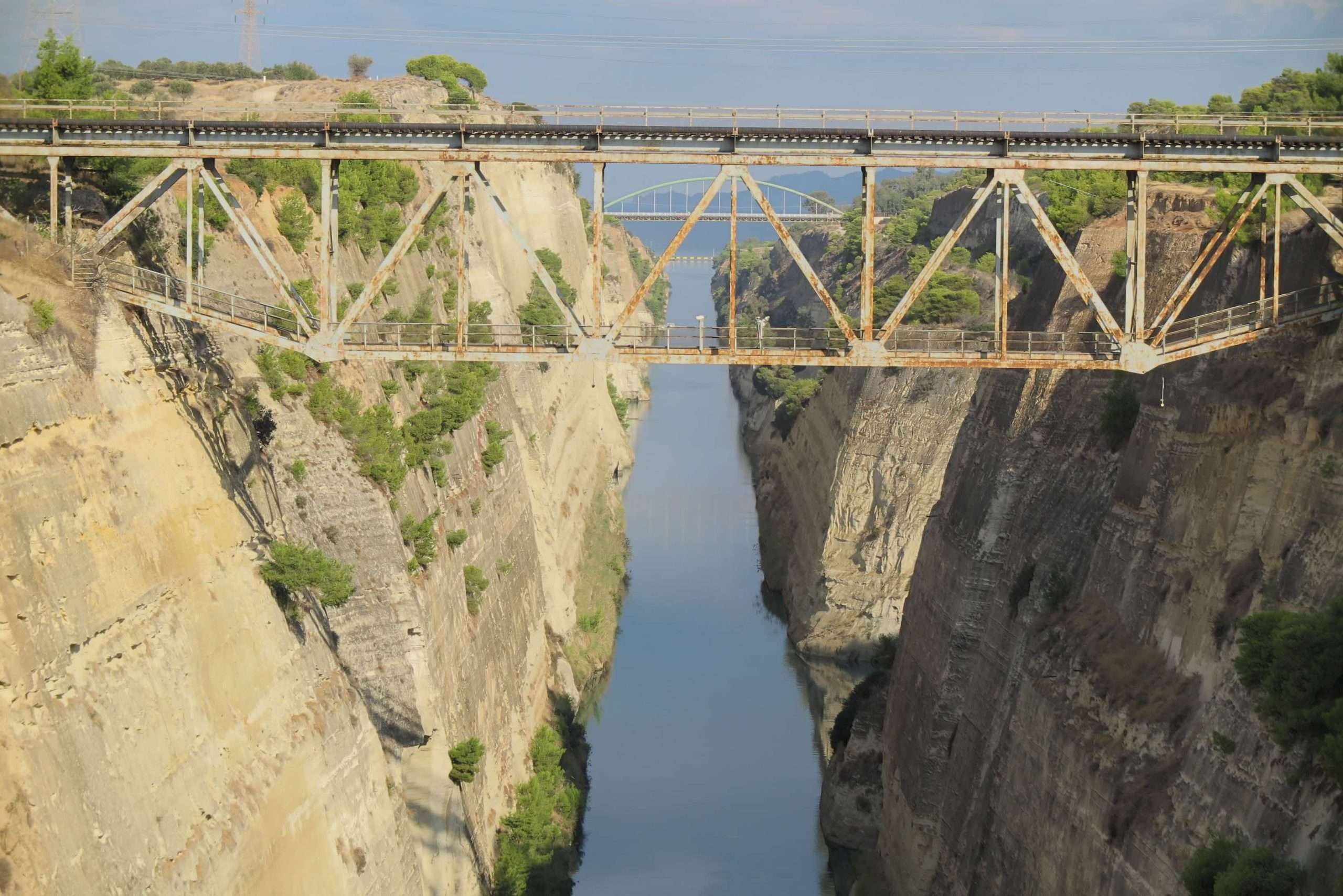

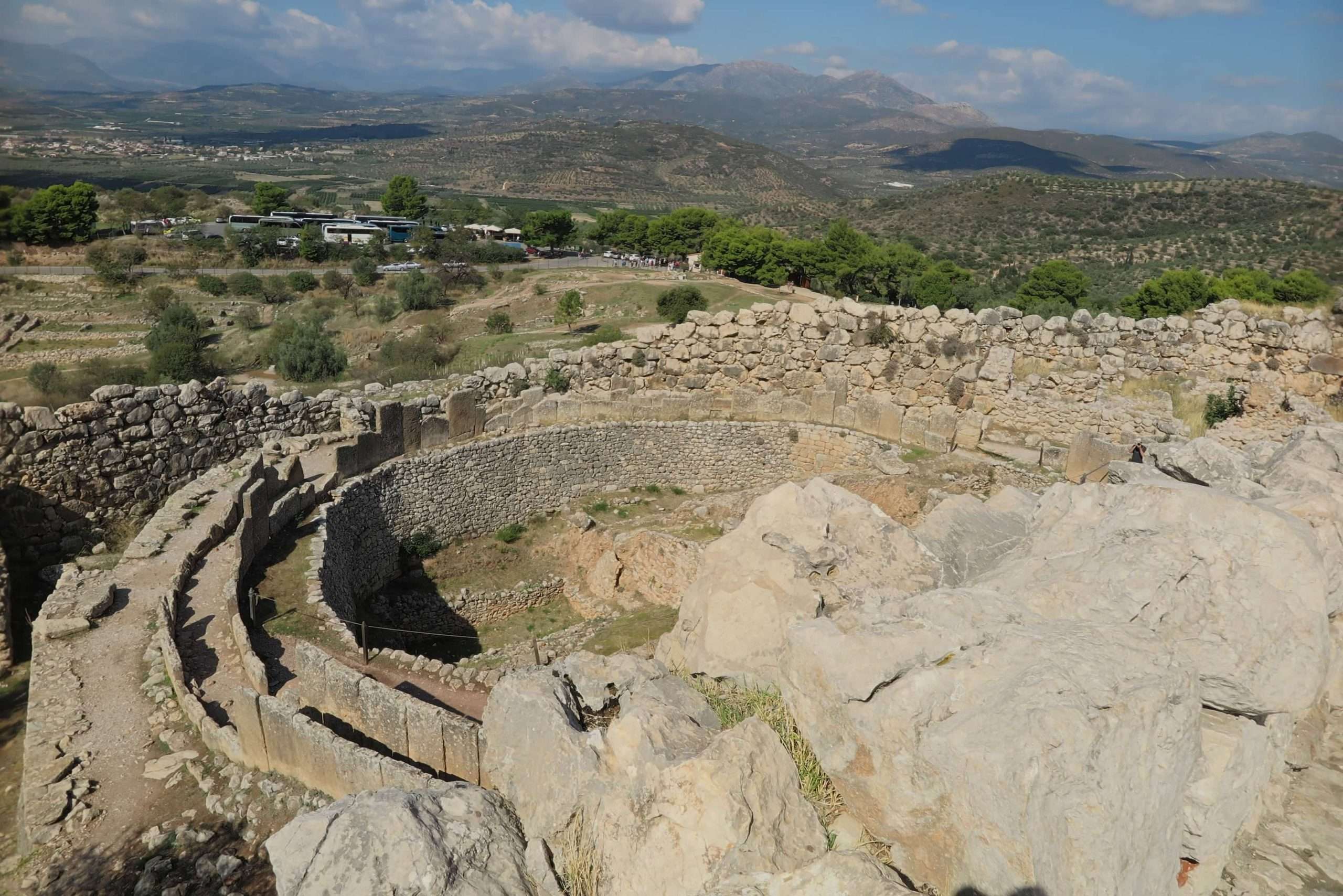
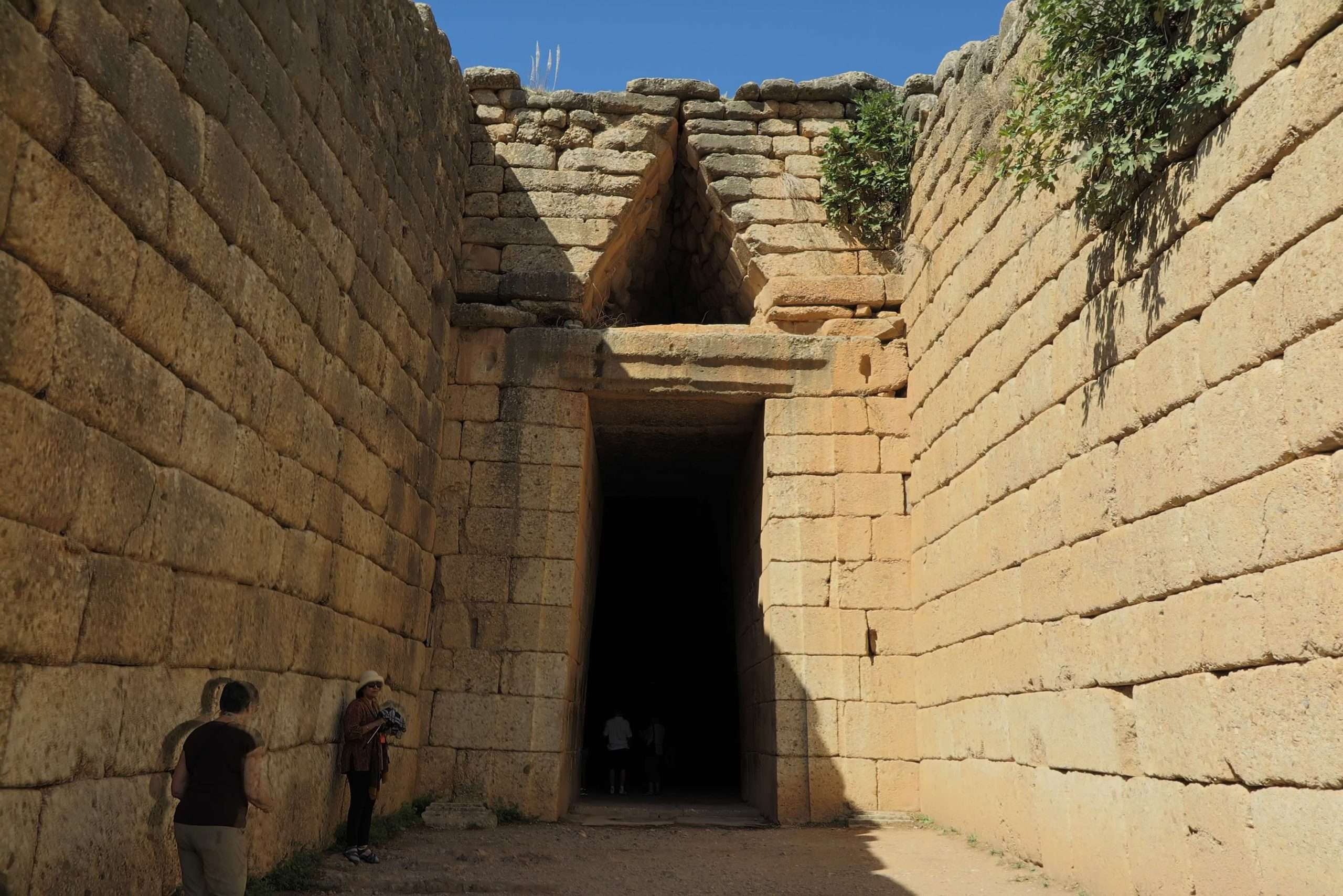
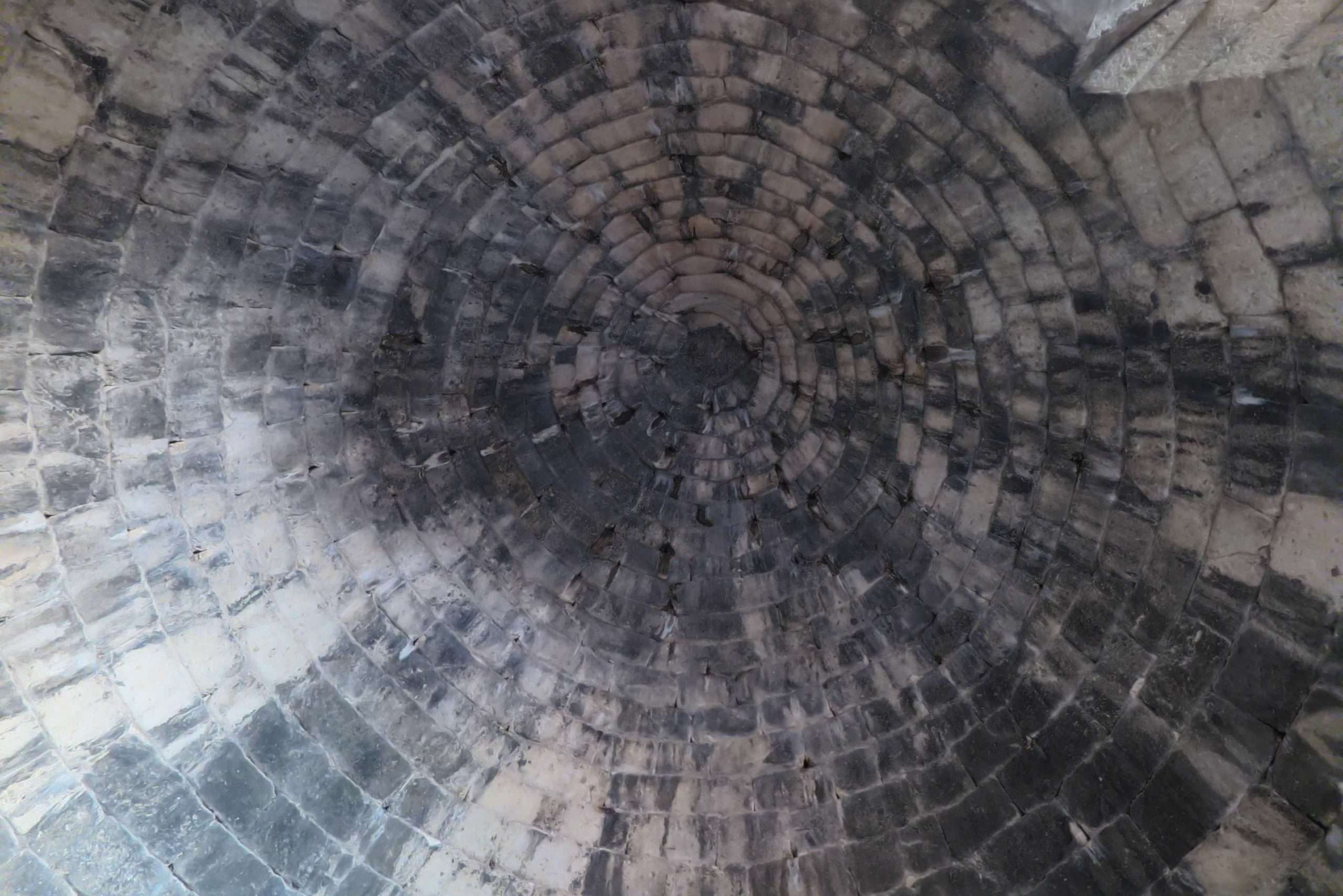
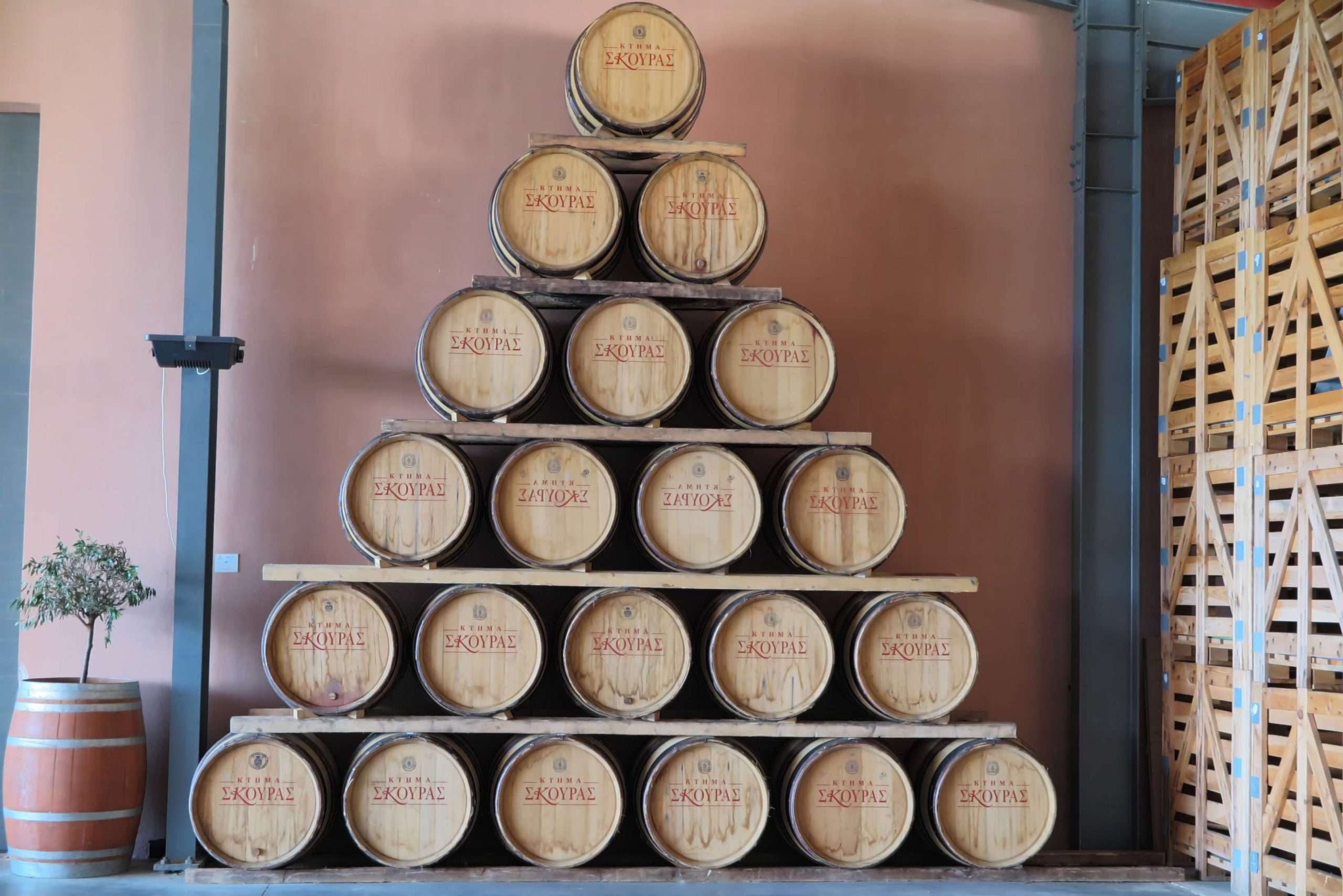
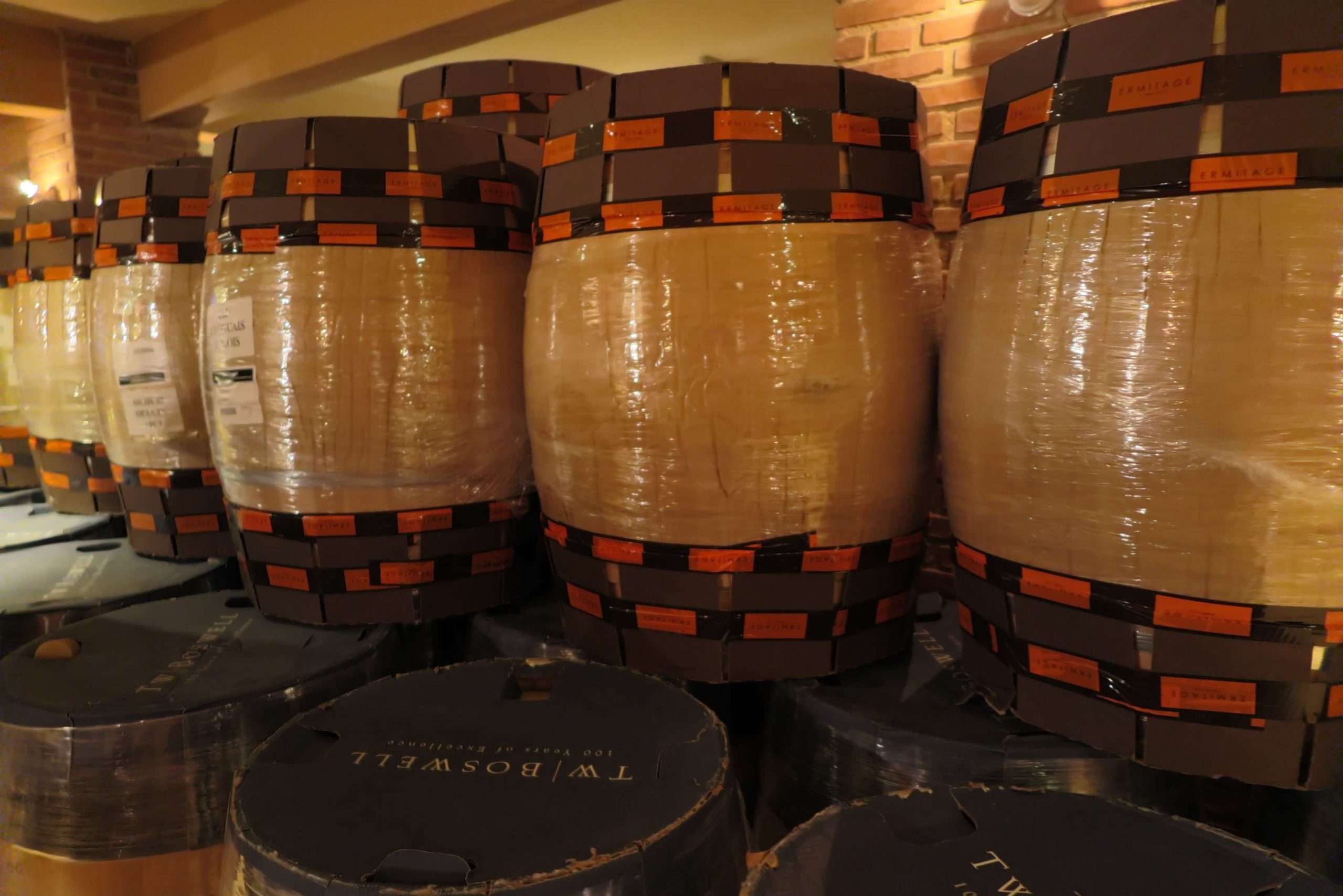
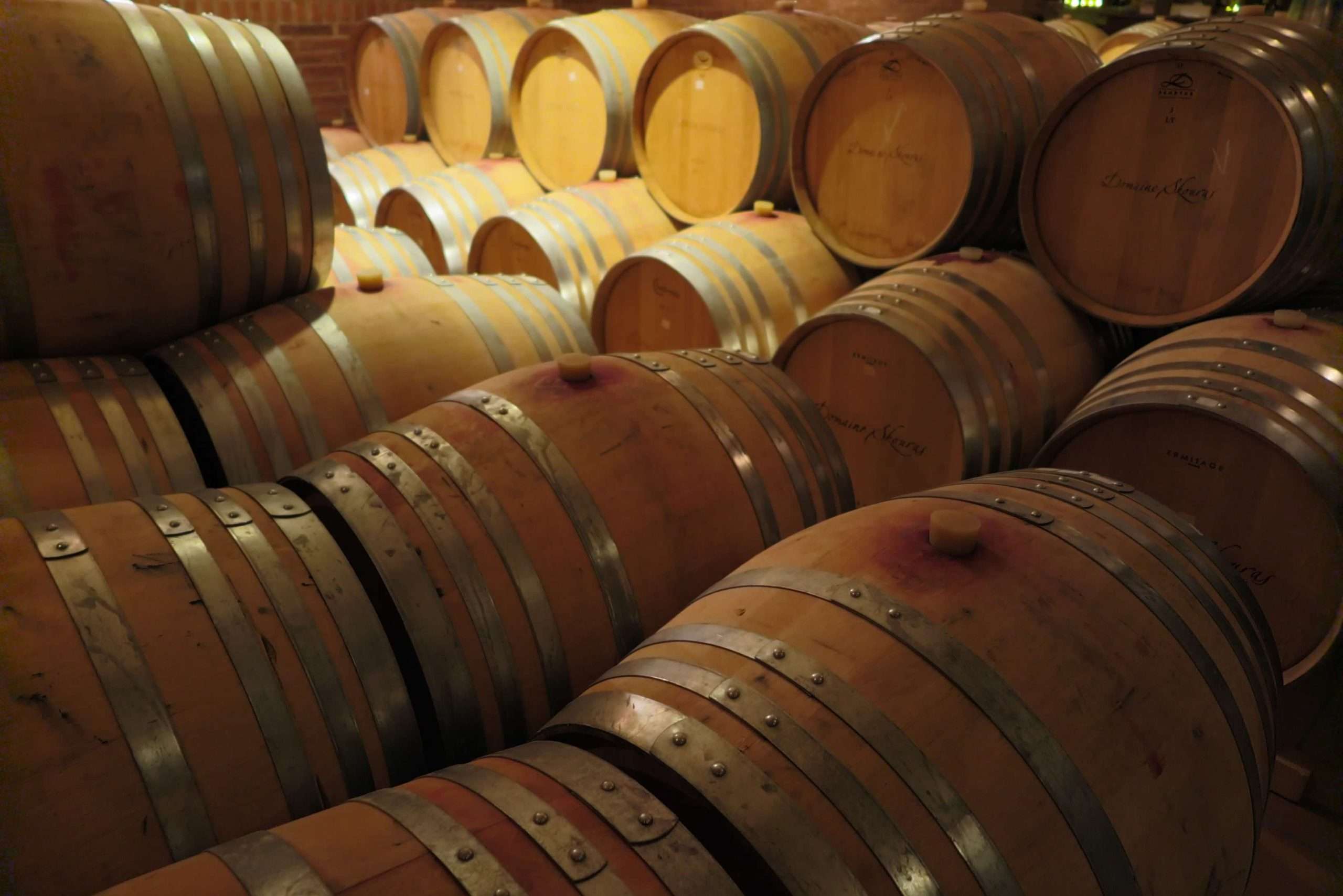
From Mycenae, we went to the Skouras Winery near Argos. The winery was very modern, and our host, Dimitrios, was very passionate about the wines. The lunch and wine tasting were delightful. In the evening, we spent some time shopping on Adrianou Street.
Acropolis Museum & Embarkation – September 24, 2016
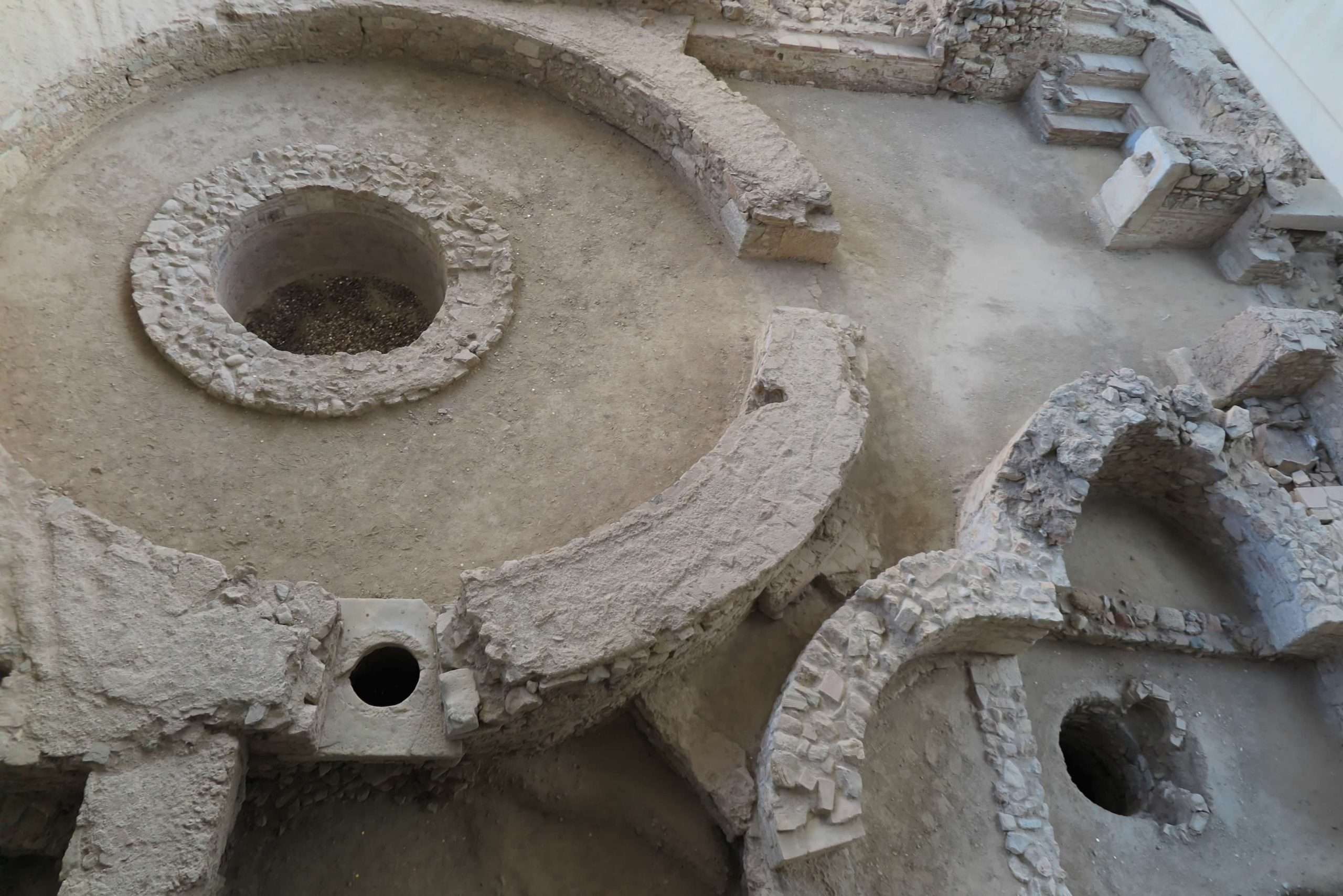
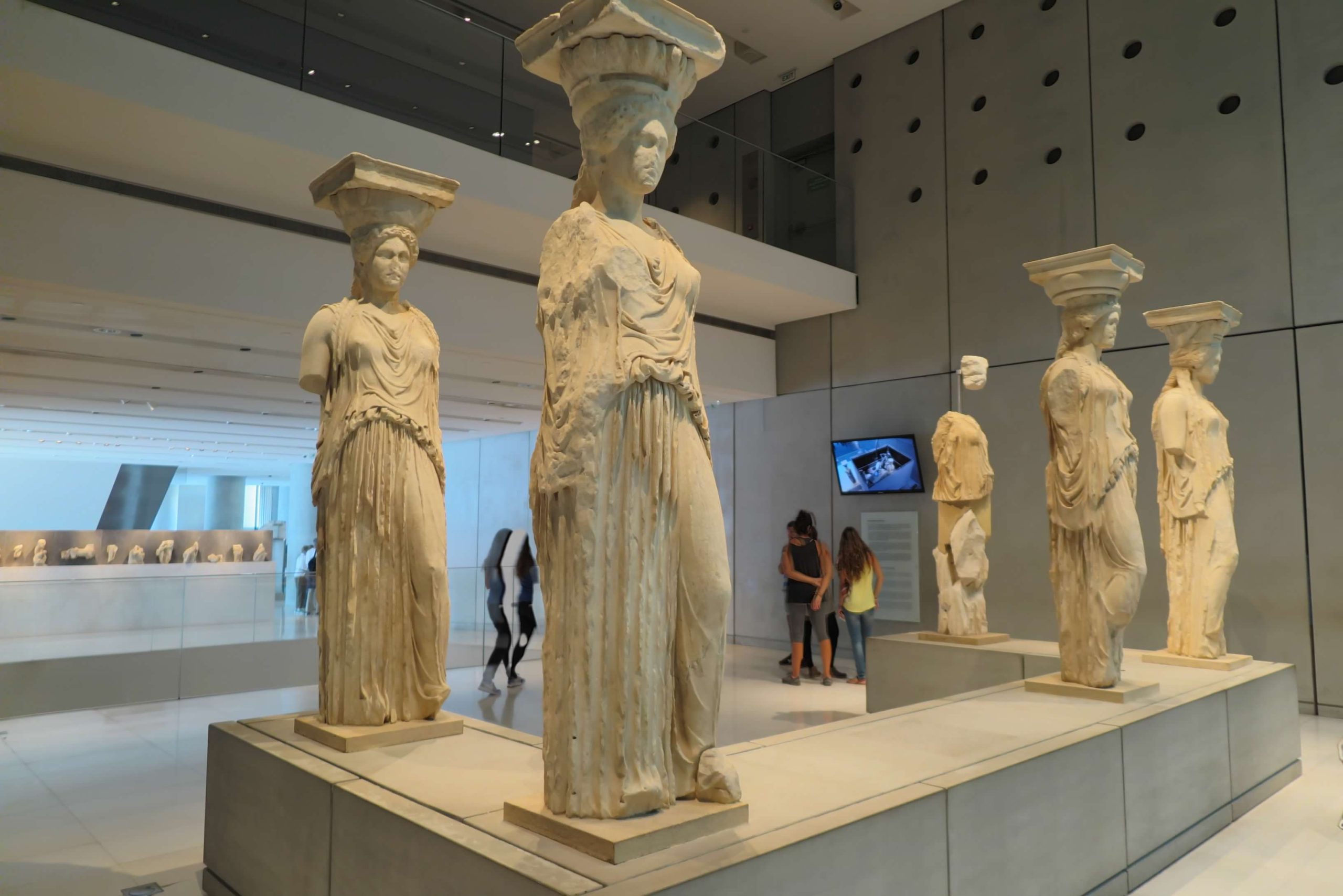
This morning, we visited the Acropolis Museum. It is built on top of ruins, which you can see through the glass floors. Many of the statues and friezes from the Acropolis have been moved here to protect them from further deterioration, with replicas placed on the Acropolis itself. “Acropolis” means “high point,” and “polis” means “city.” Most of the important buildings on the Acropolis were coordinated by Pericles, including the Parthenon, the Propylaea, the Erechtheion, and the Temple of Athena Nike. Christabel hadn’t heard the name Pericles since her first year in college when she studied the Golden Age of Greece.
Five of the six Caryatids are housed in this museum; the sixth is at the British Museum—where else would it be? We had lunch at “Aegli Zappiou” near the Zappeion Hall in the National Garden of Athens that was once part of the palace grounds built for Queen Amalia.
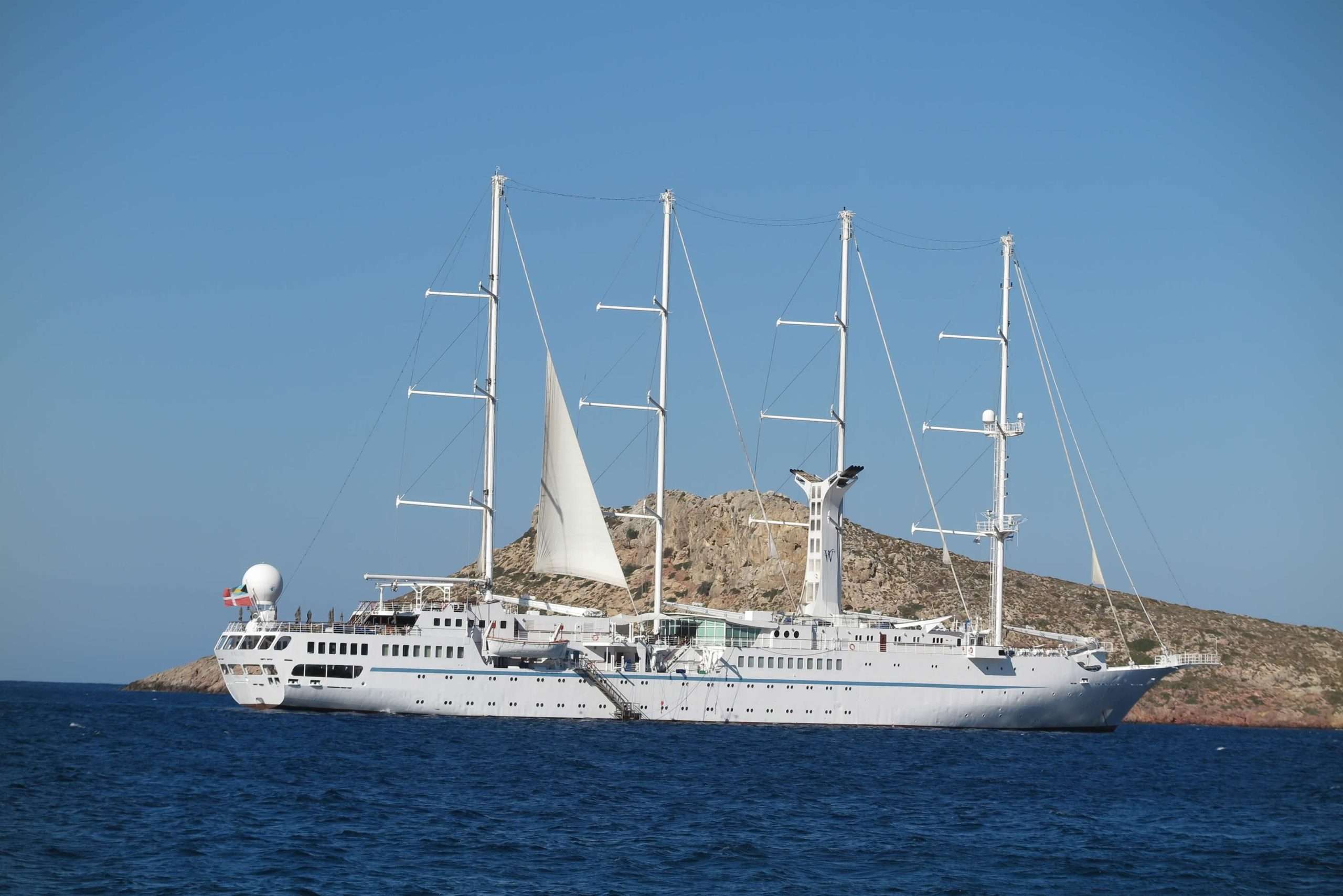
After lunch, we caught our ship at the port city of Piraeus. Our ship, the Windstar, is captained by a woman from Saint Helena named Belinda Bennett.
Mykonos and Delos – September 25, 2016
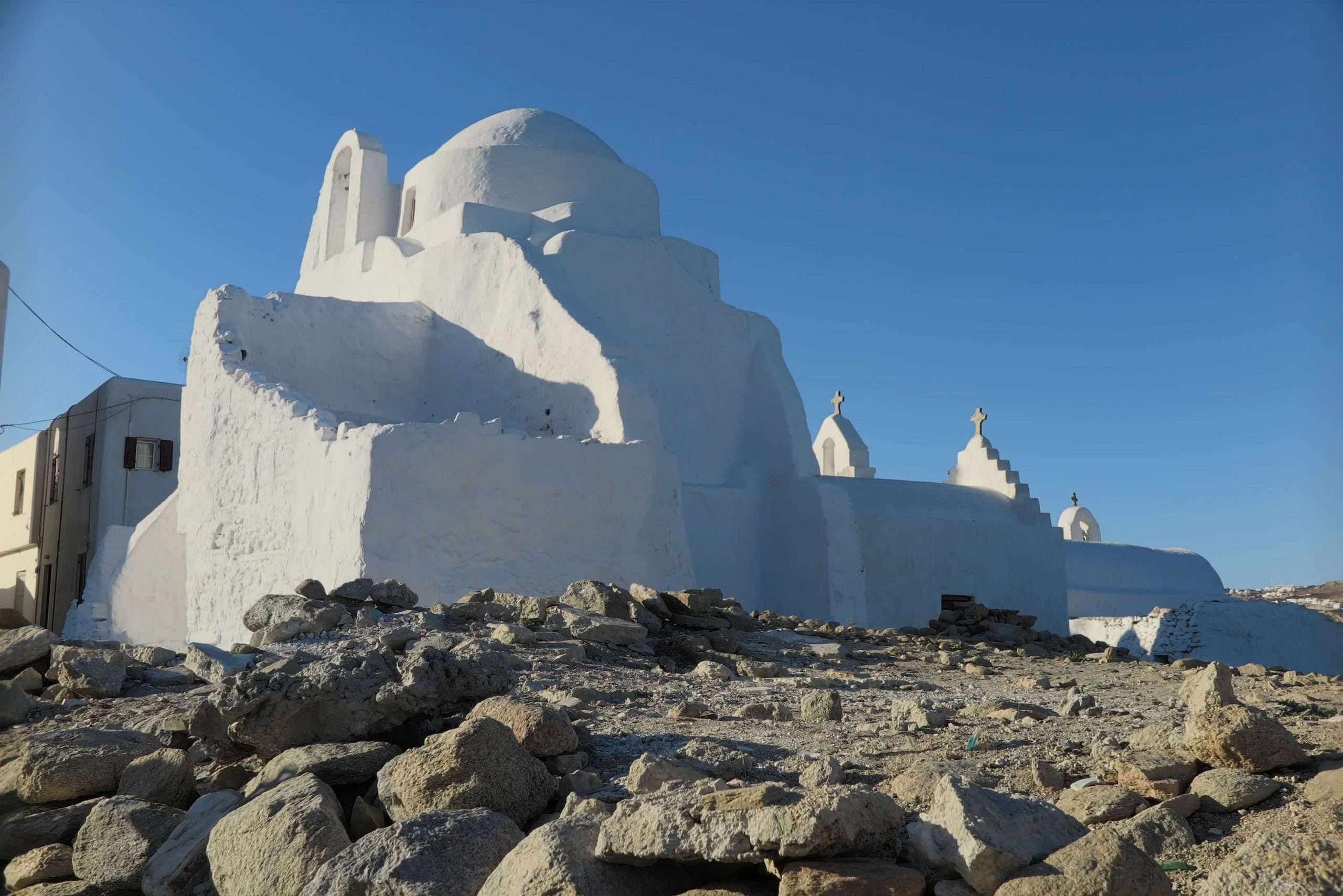
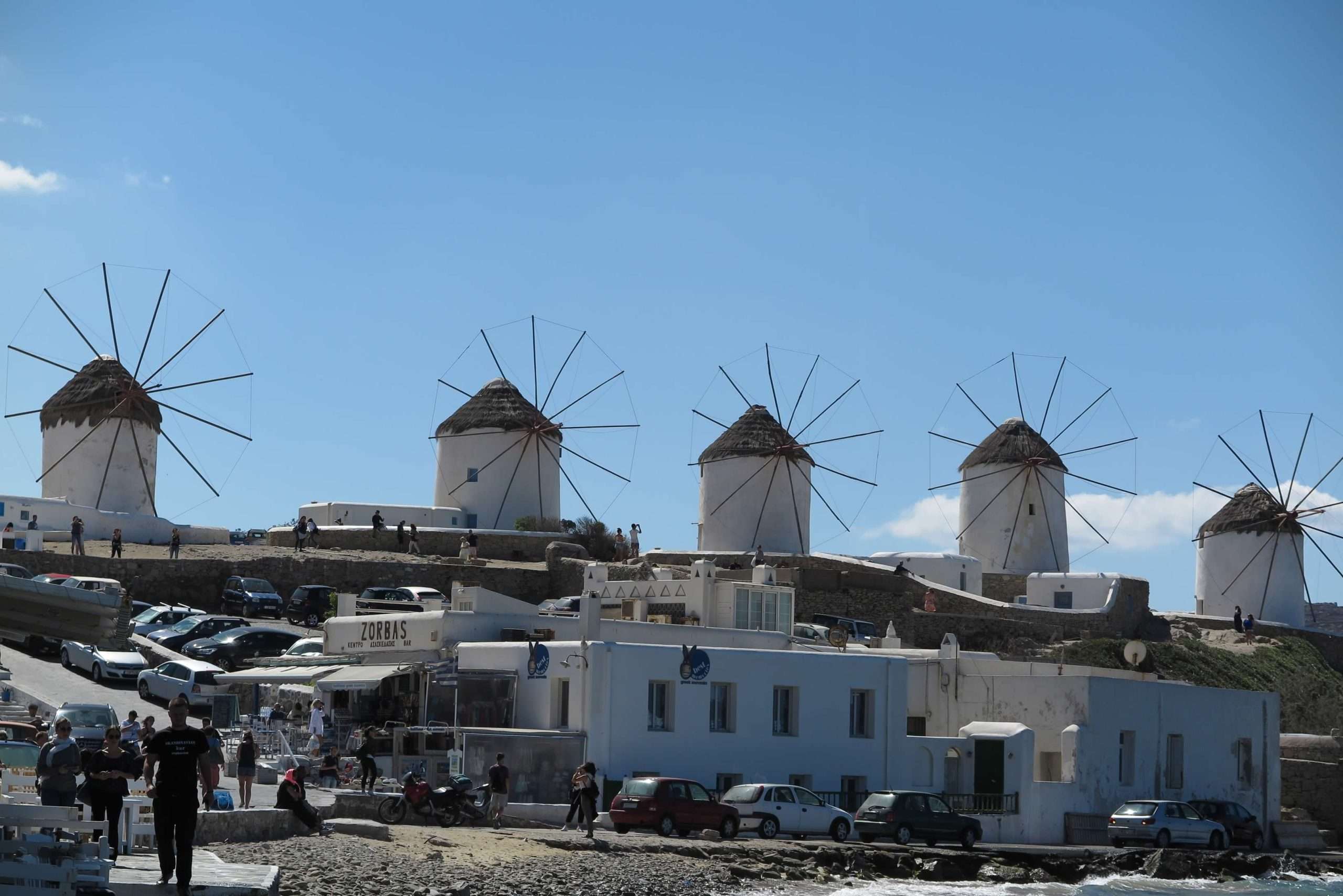
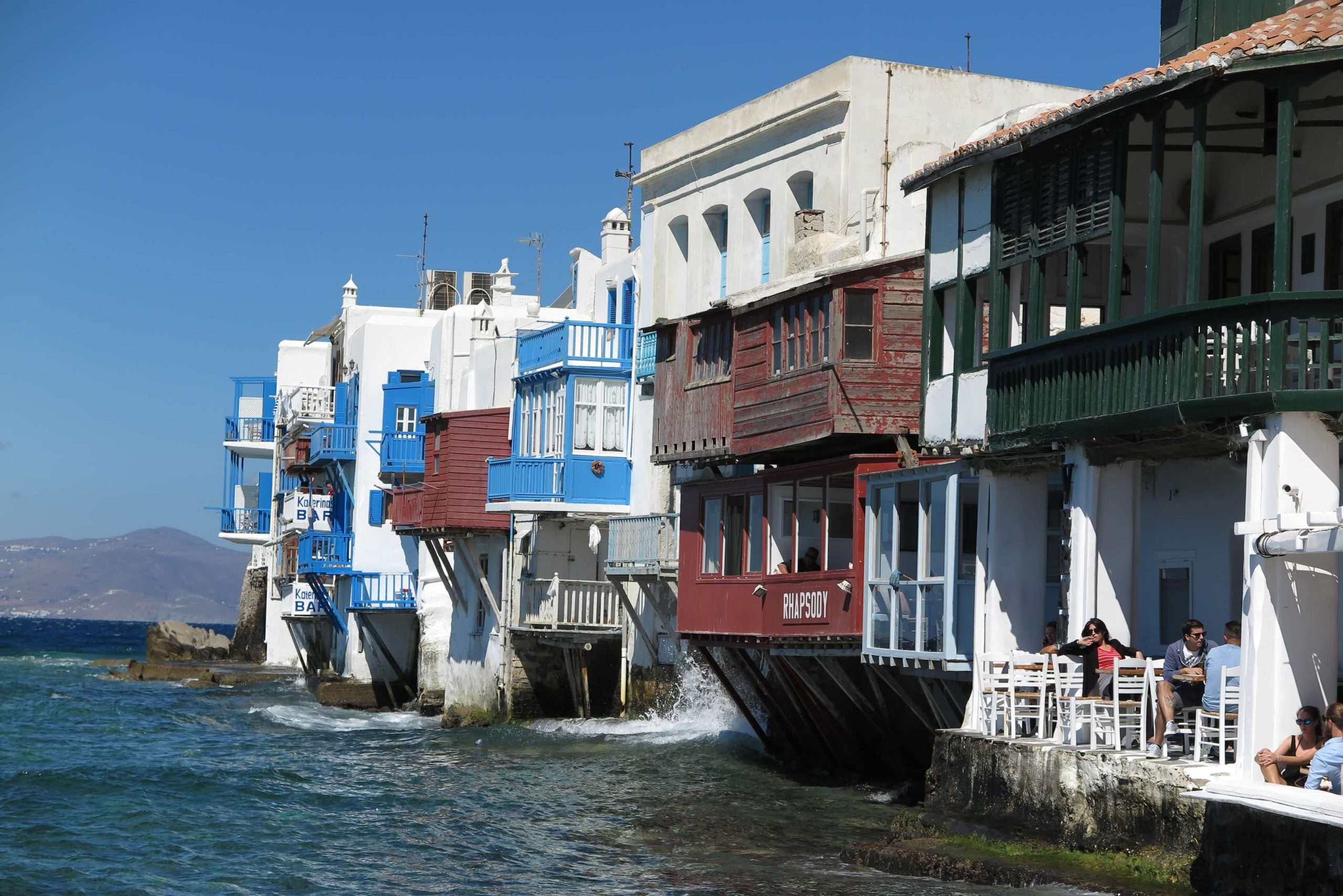
We arrived at Mykonos after a very rough sailing. Christabel was sick this morning but managed to drag herself to Mykonos, first in a bus and then a 30-minute sail. The highlights in Mykonos were the windmills, the Paraportiani Church complex with its five small chapels, Little Venice, and the Vanity exhibit at the Archaeological Museum of Mykonos. We ate lunch at Niko’s, a restaurant recommended by our local guide. The Vanity exhibition featured jewelry from seven millennia of Greek culture and also included works by modern Greek jewelry designers.
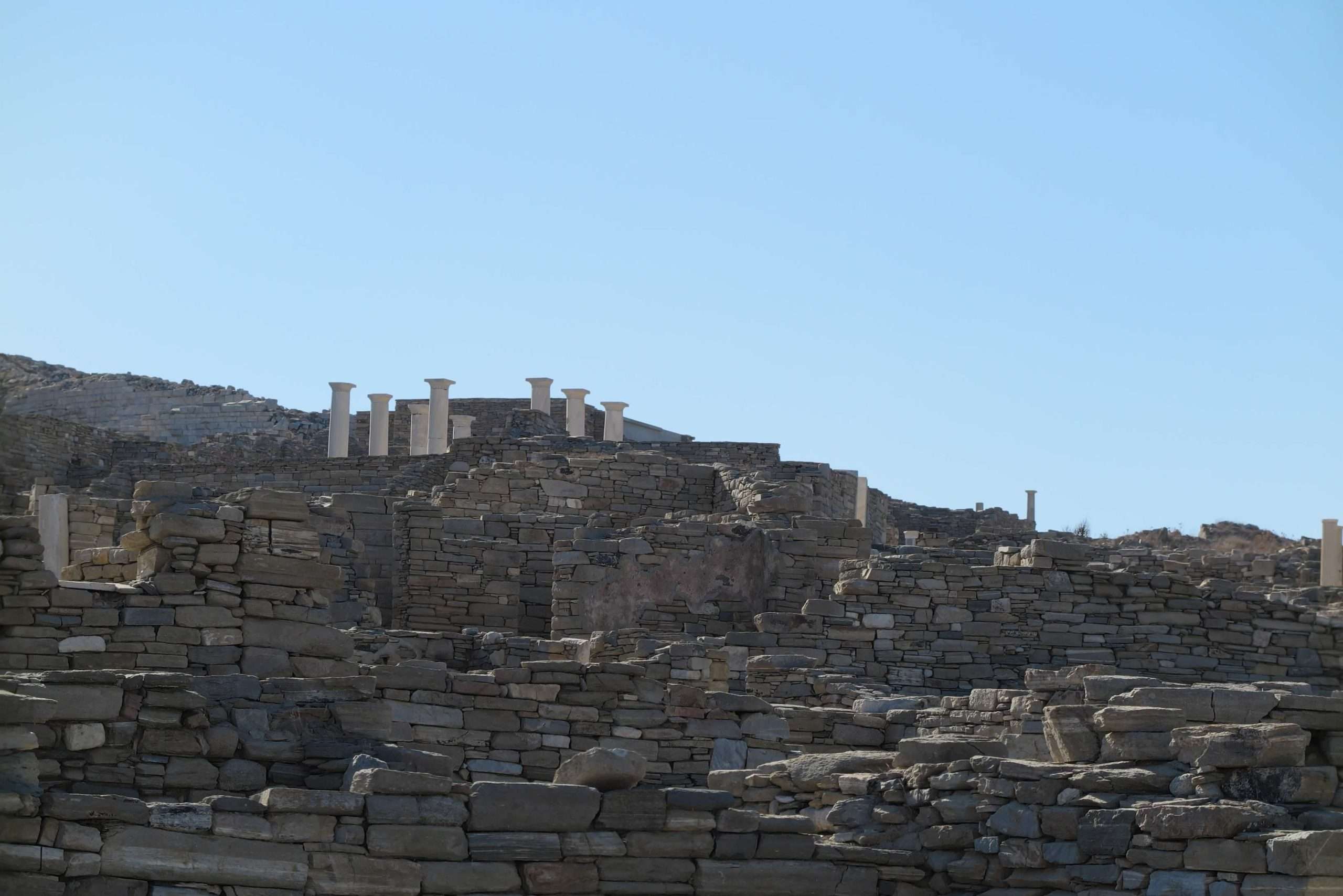
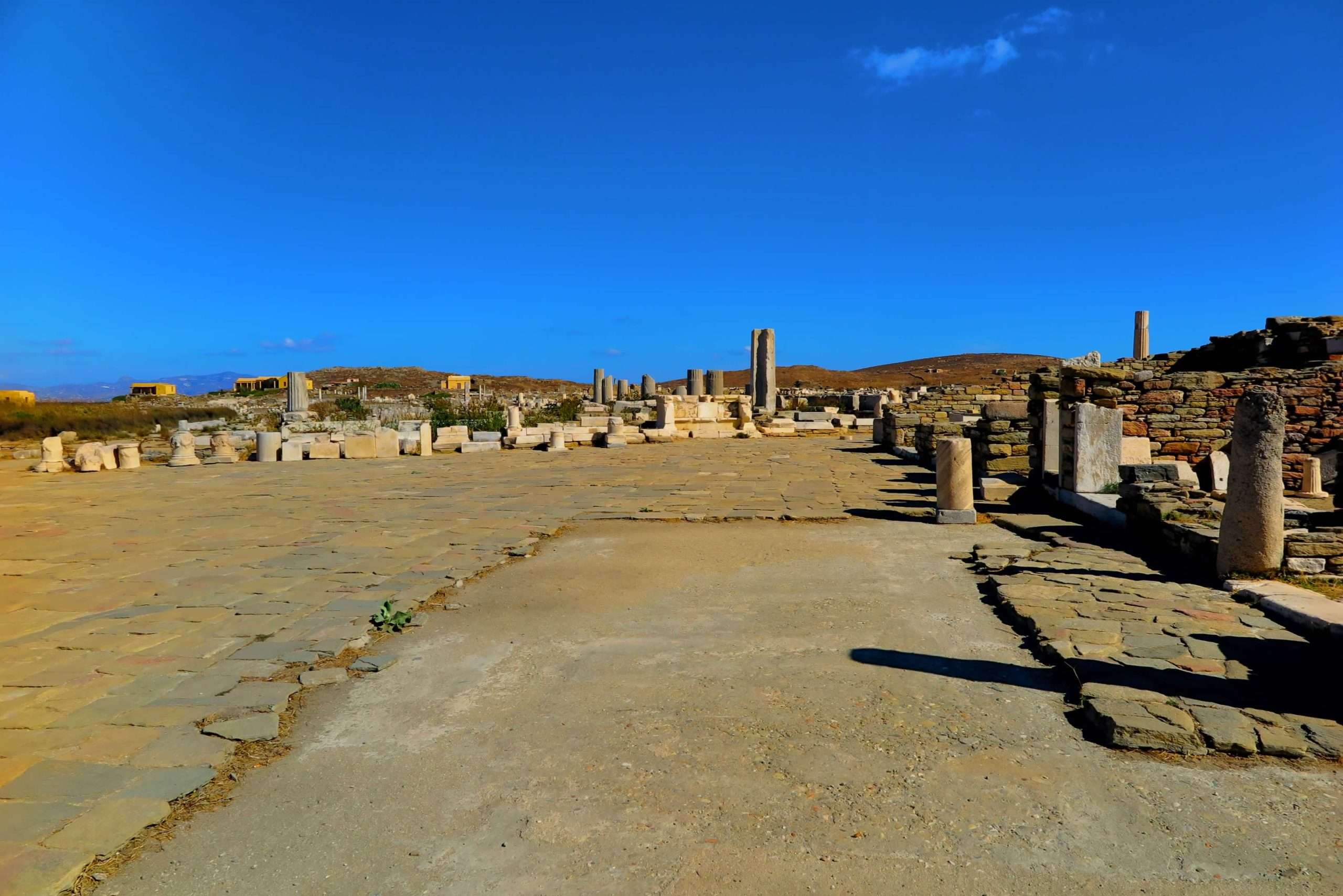
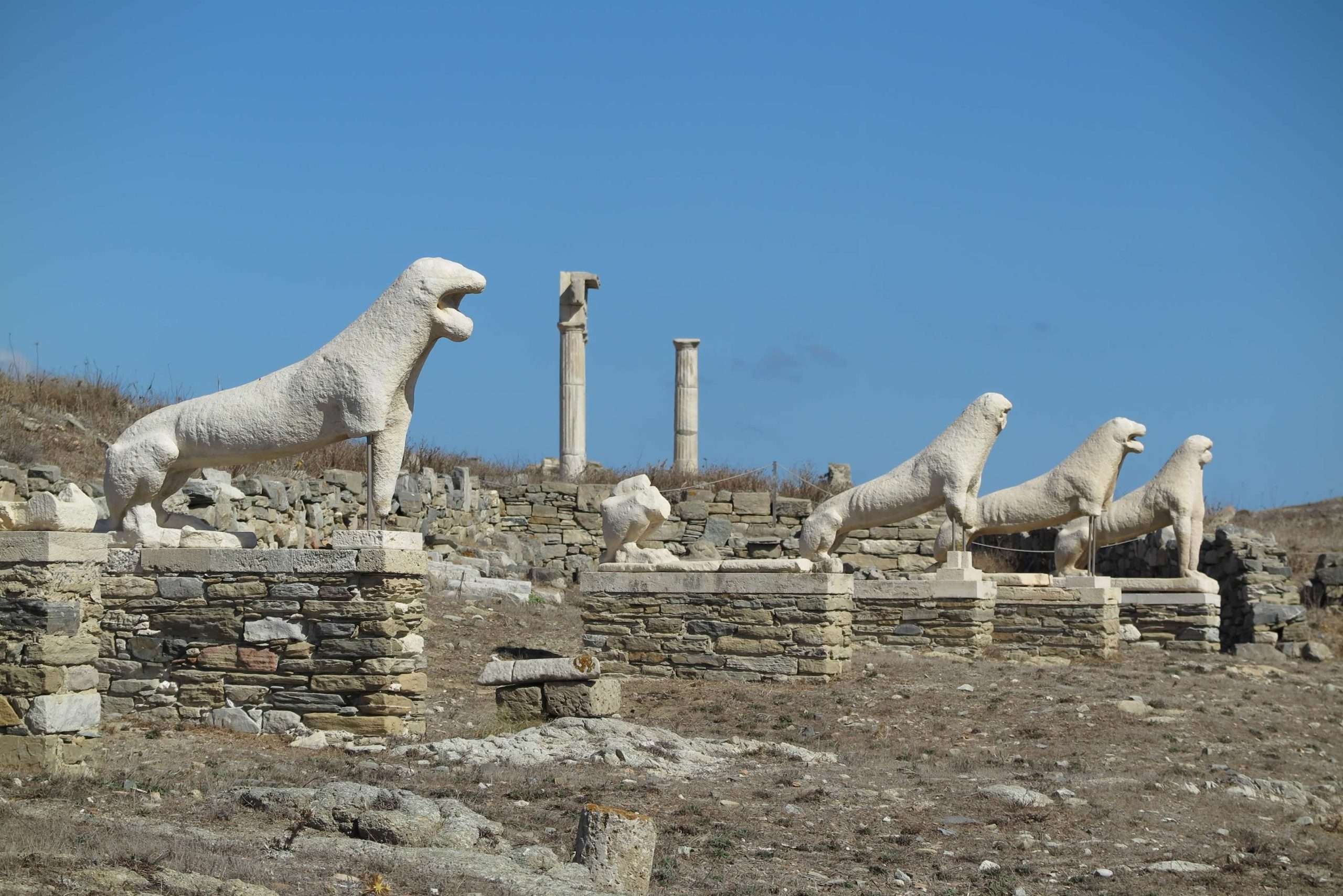
We stopped for a few hours in Delos to see the Naxian Lions; the remains of a residential and commercial district; a 5,000-seat theater (all in ruins); and a museum with some of the mosaics from the ruined buildings. Particularly impressive was the mosaic of the lion. Delos is the birthplace of Apollo and Artemis. It was the Fort Knox of ancient Greece.
Exploring Santorini – September 26, 2016
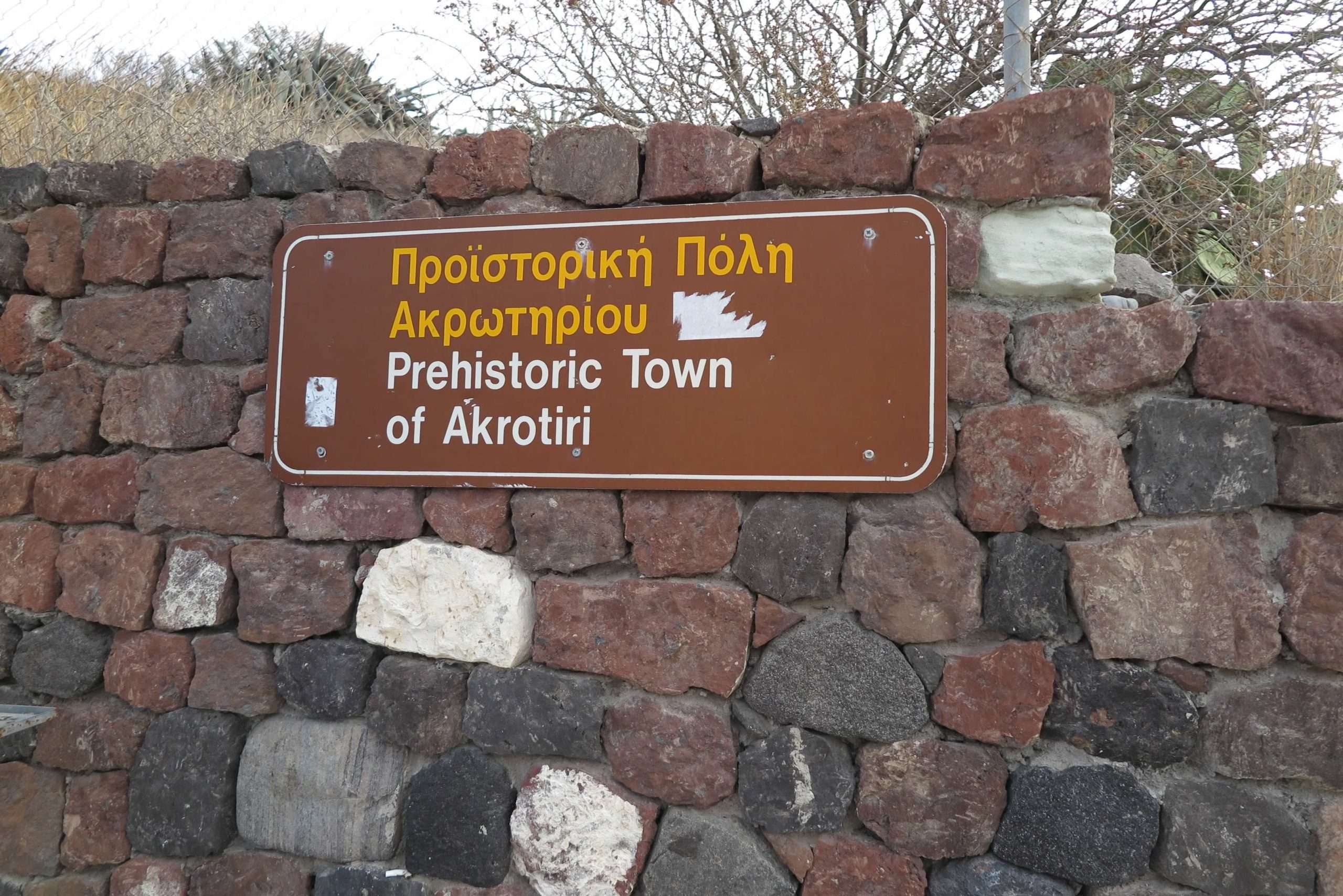
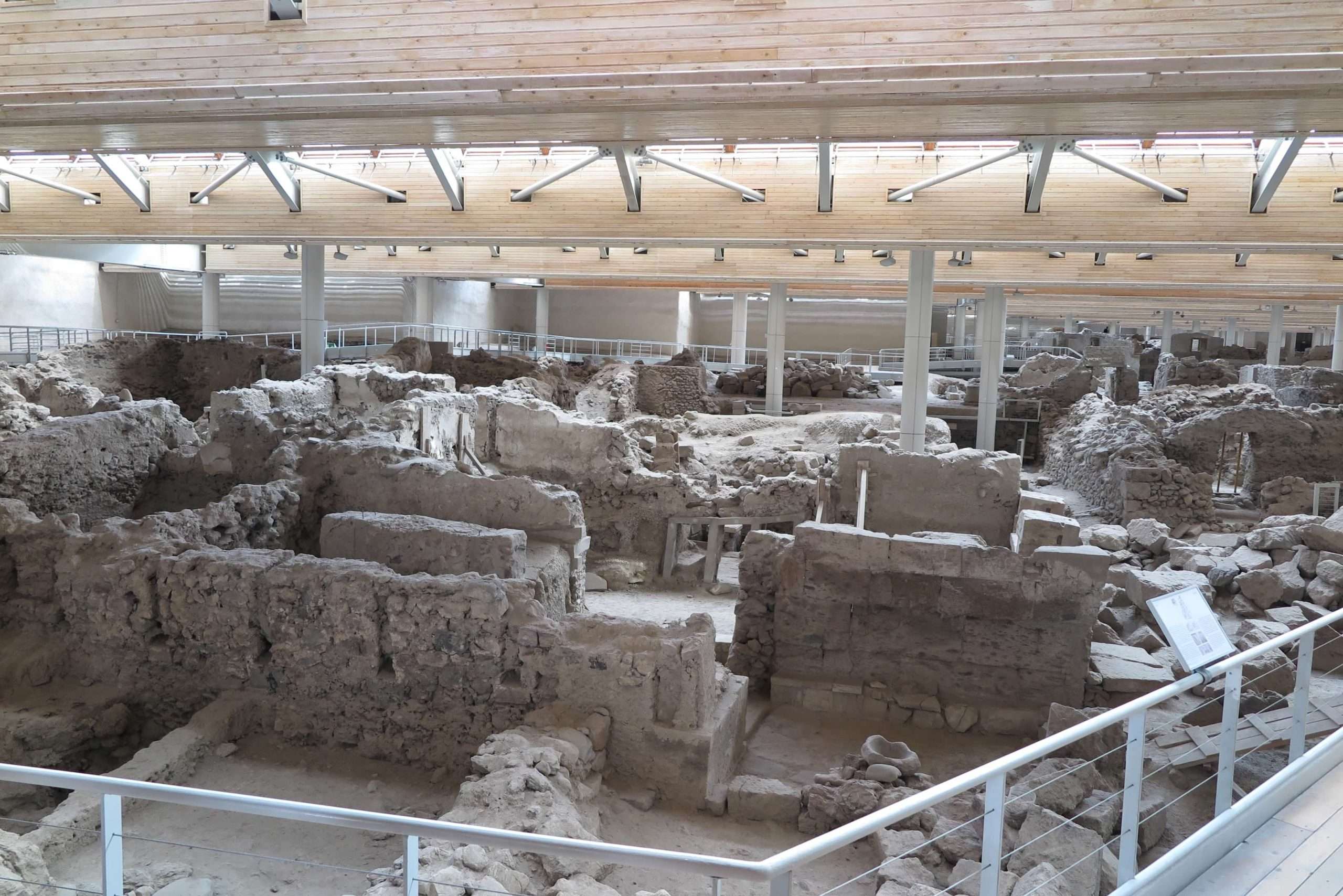
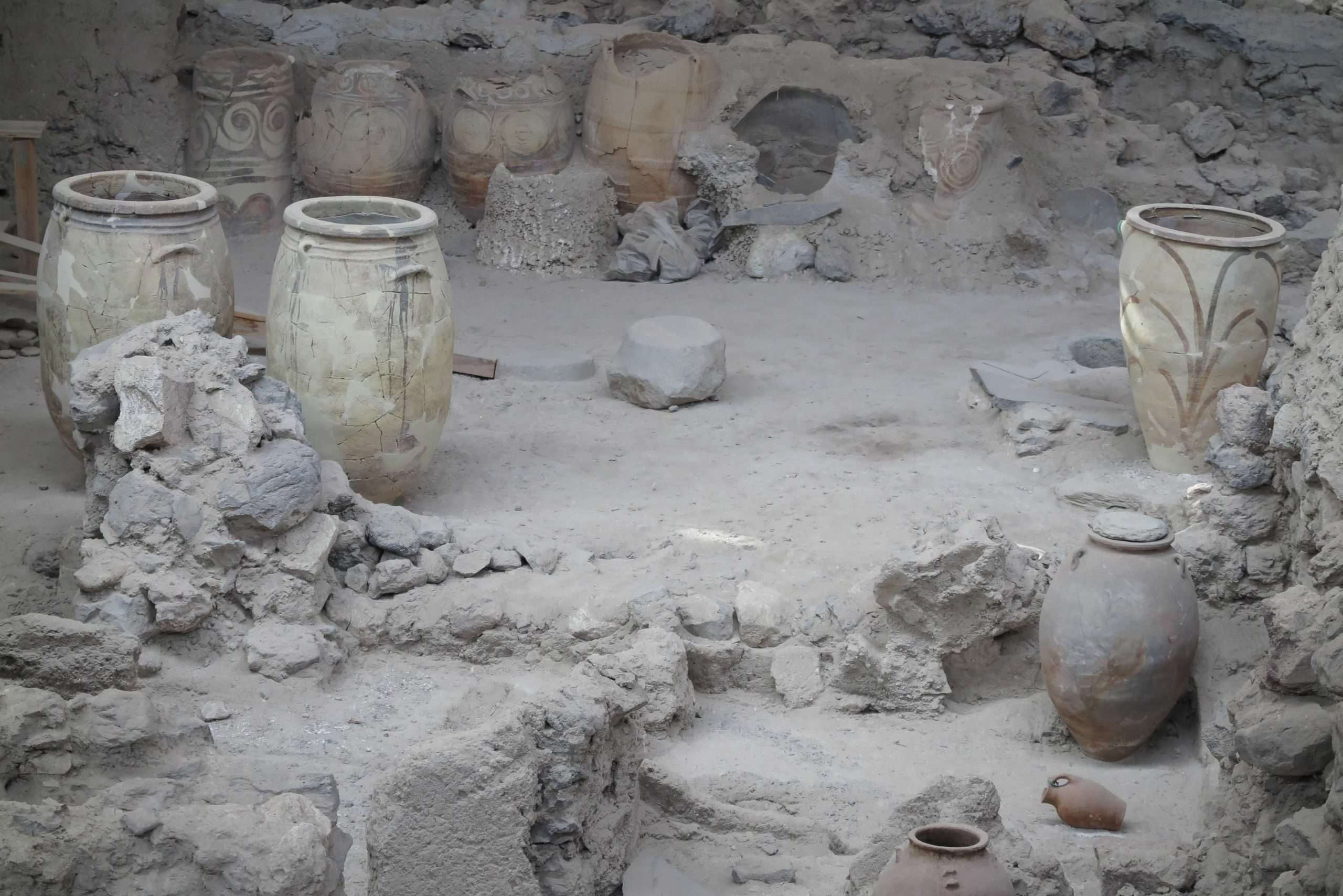
Our ship is anchored near the old port of Fira. Santorini (“Sant’ Irini”), also known as Thera, is part of the Cyclades chain of islands. We visited two main areas: Oia and Fira (the capital). Our first stop was the Archaeological Museum of Akrotiri. The displays were amazing, reminiscent of the Terracotta Warriors in China. You can walk among the ruins without actually touching them, as they are carefully preserved. Excavations are ongoing, and many artifacts remain covered by volcanic ash. The site features numerous cooking artifacts, furniture (such as beds), and frescoes. The beds are plaster casts because the original wooden beds would have been consumed by the volcanic eruption.
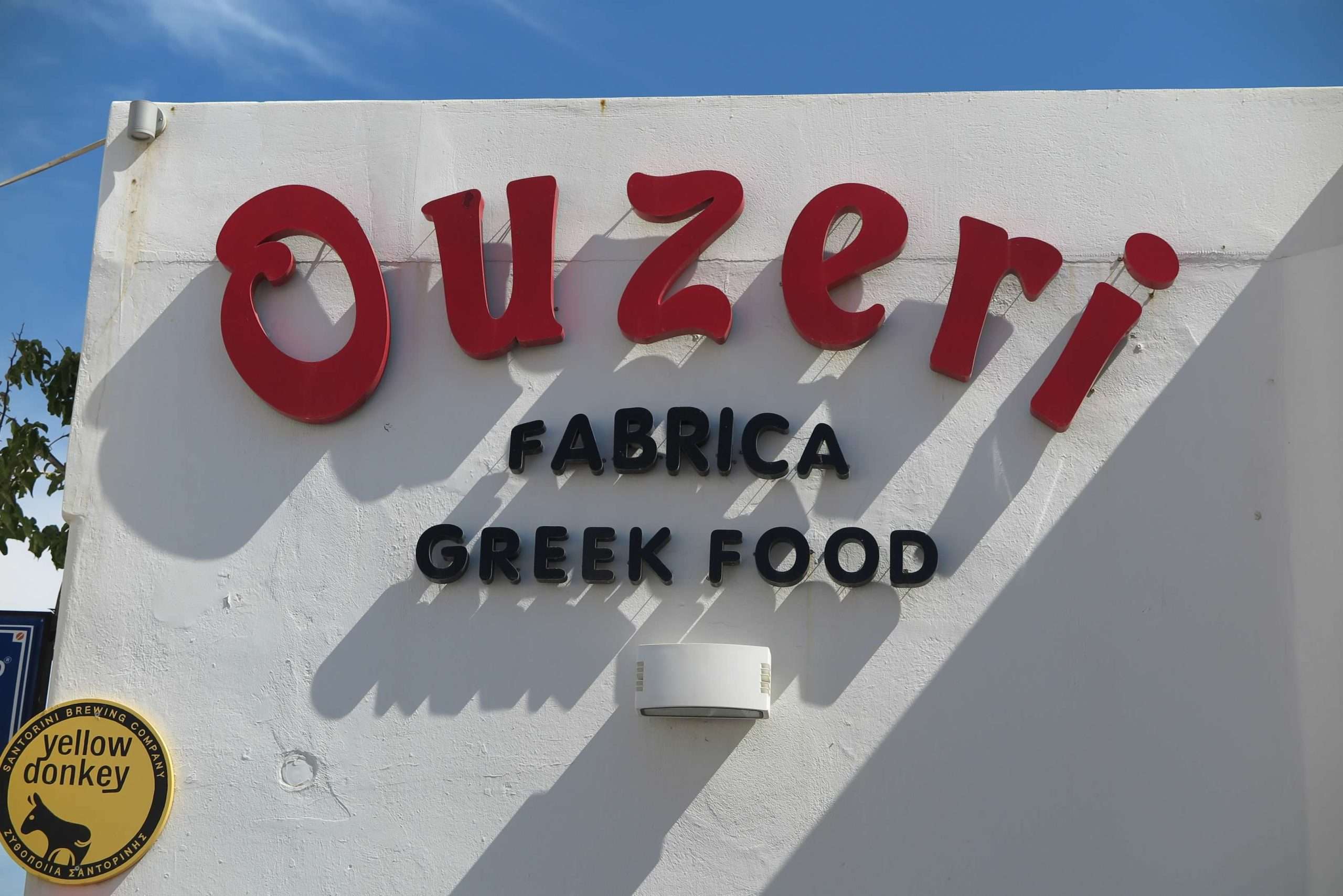
After Akrotiri, we walked around Oia and then drove to Fira. We ate some local food at the Ouzeri and then took the cable car down to the port. We didn’t feel inclined to tackle the 500 steps on foot or by donkey—much too hot! We had a delightful visit to the Atlantis Bookstore, where Christabel purchased a small pamphlet of recipes cooked in the bookstore for €10. Her attempt to support independent bookstores.
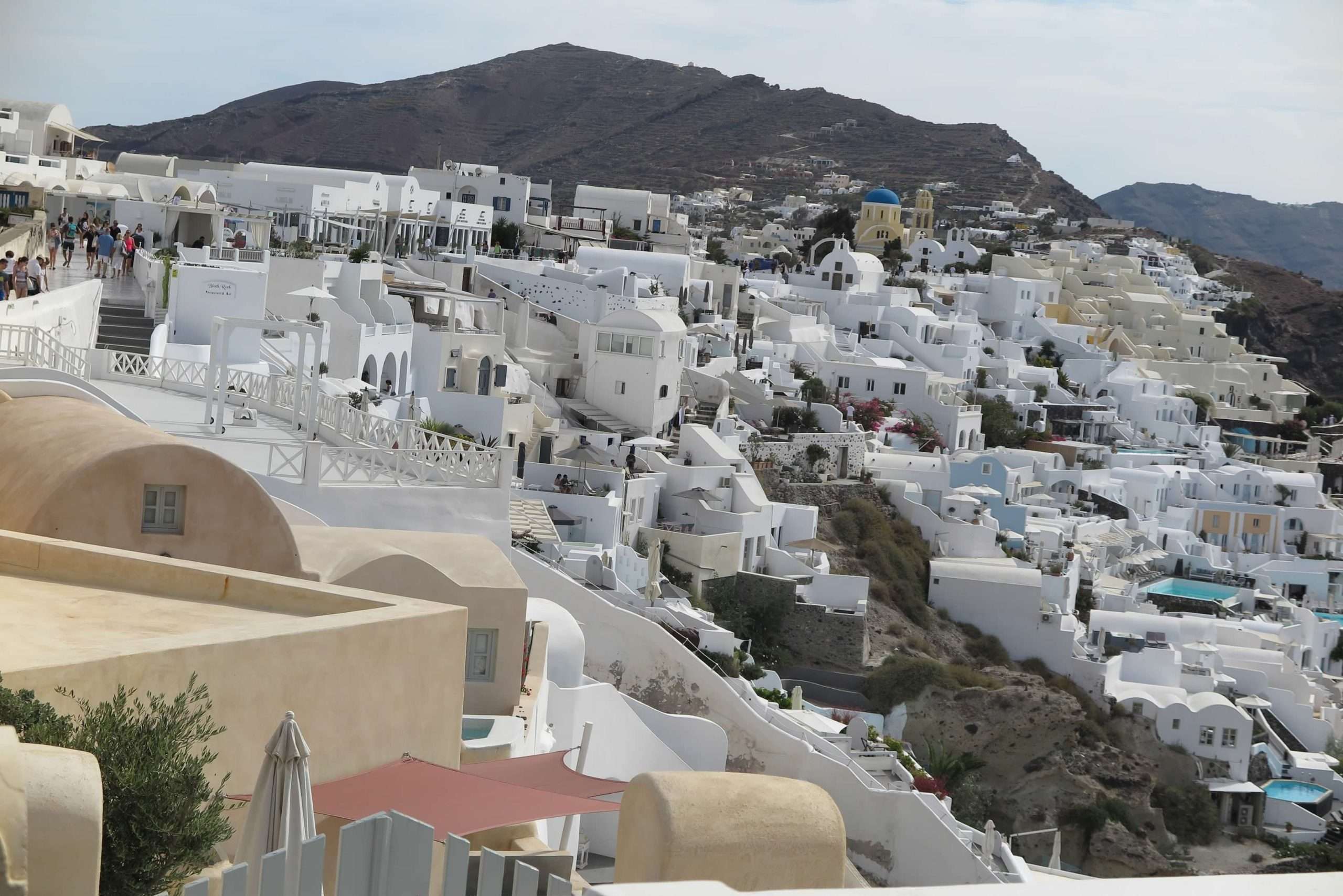
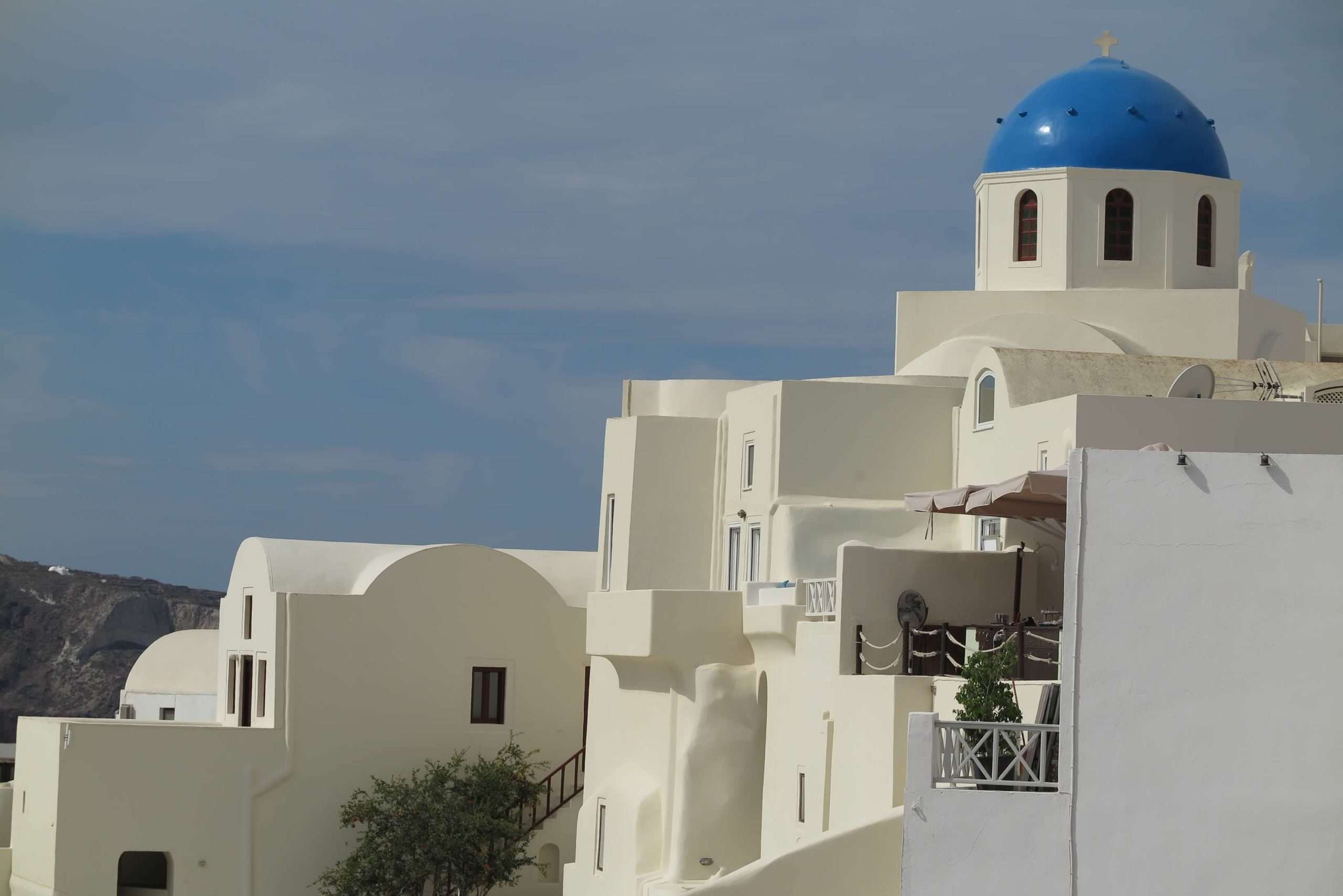
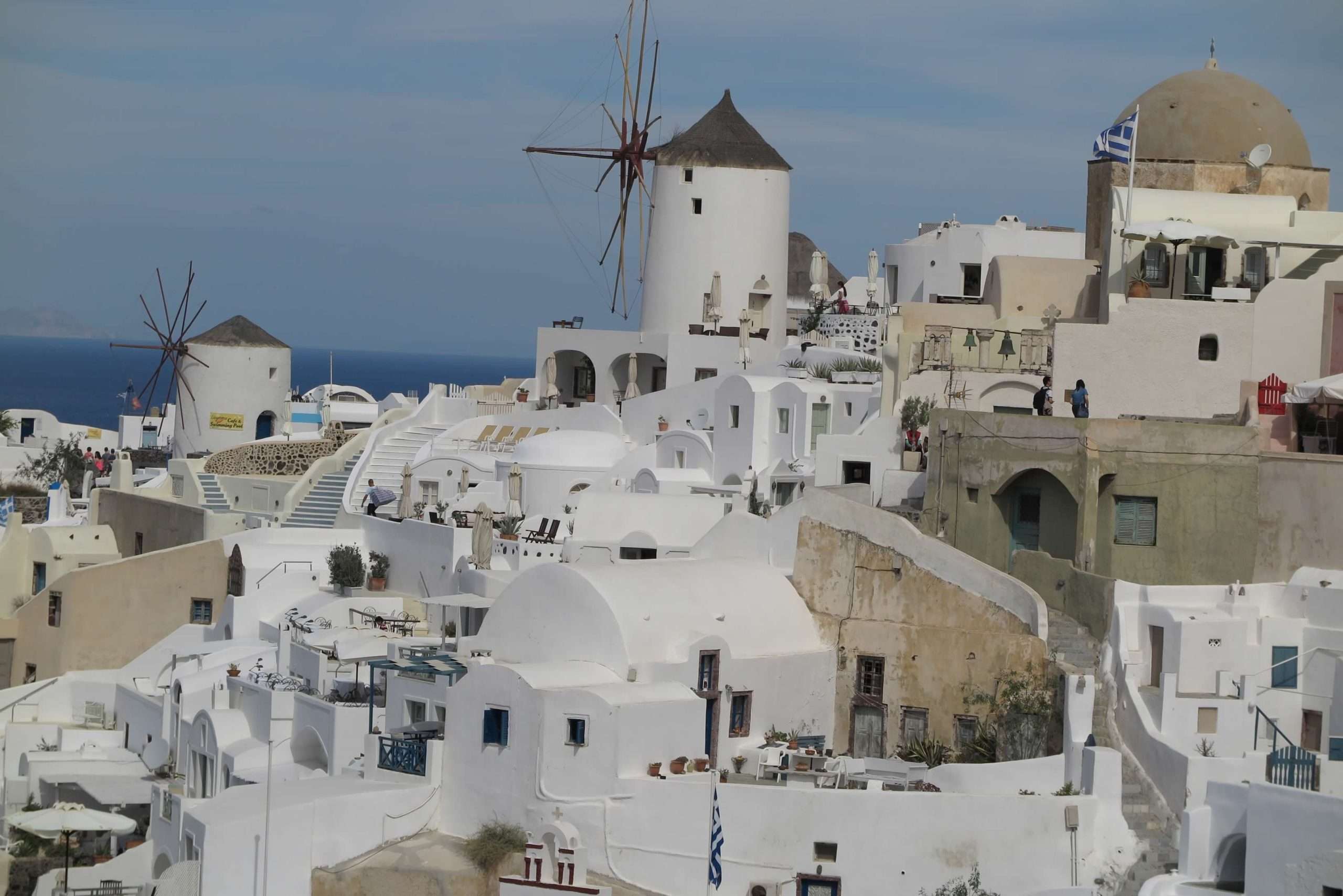
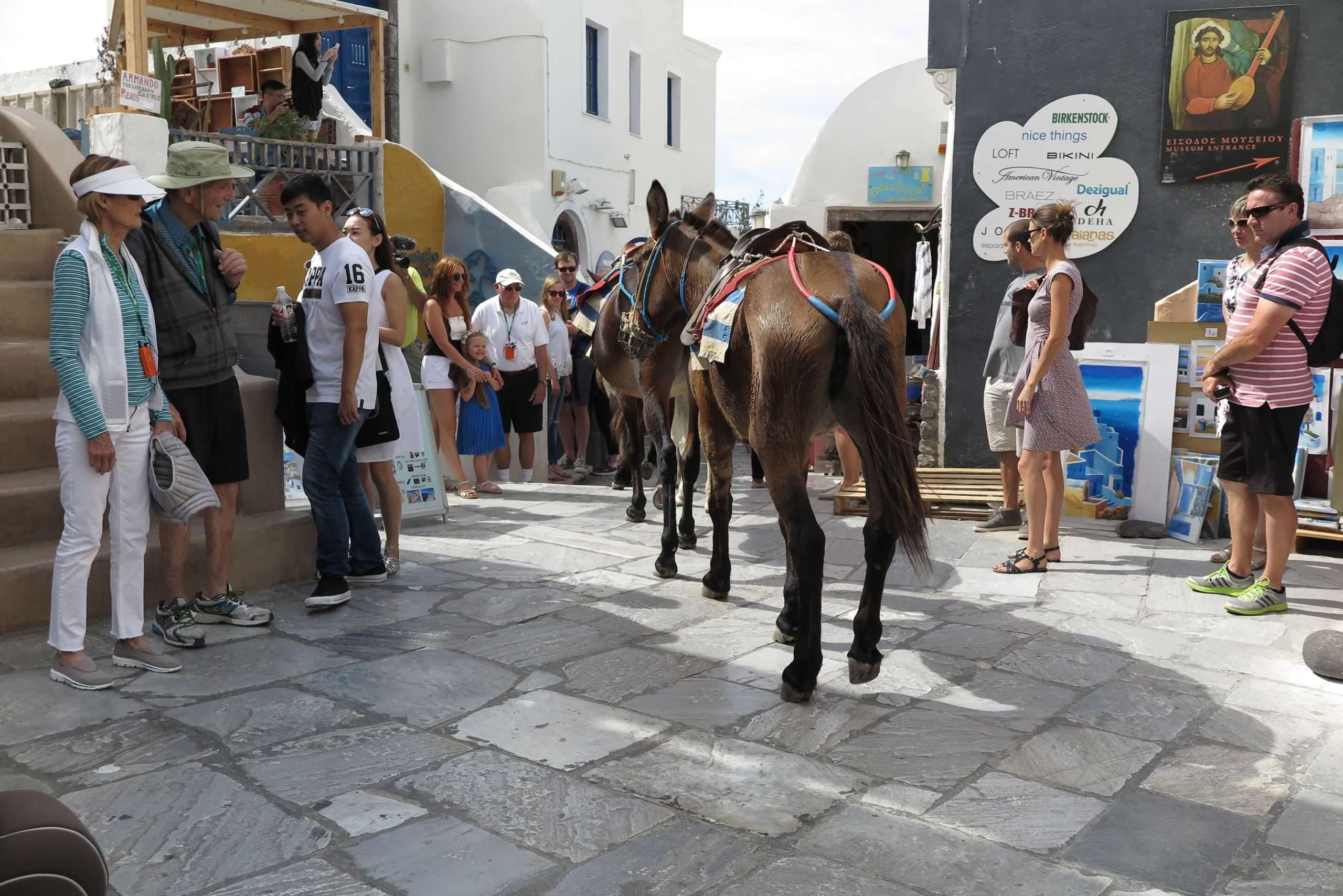
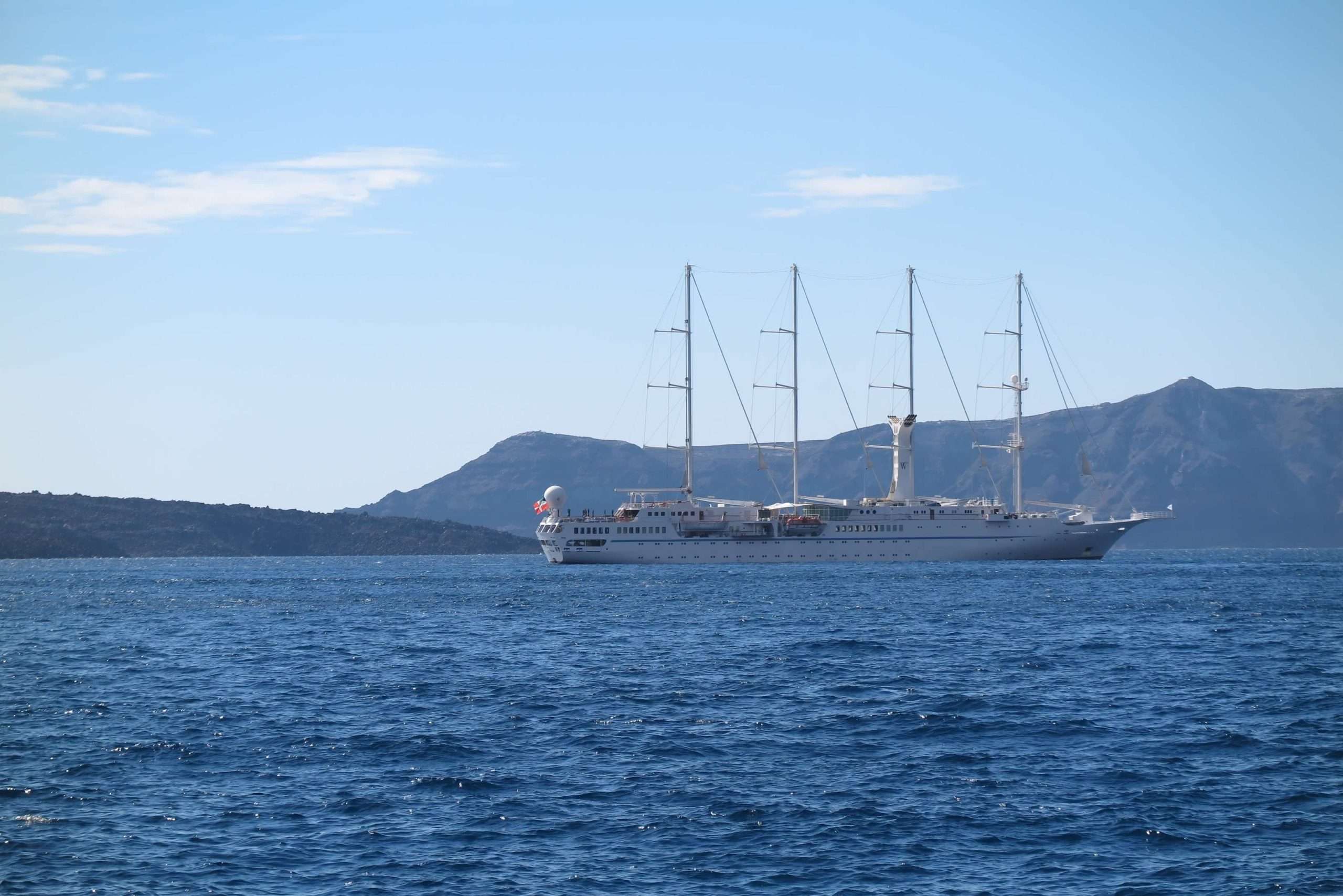
Santorini was very hot and crowded—quite touristy. There were wonderful gold shops and fabulous capers. We would have liked to sample the local pistachios, maybe next time. We are anchored in the caldera, and when you look at the surrounding hills, you can see layers of basalt, pumice, and other volcanic materials. The landscape is incredibly beautiful. We took a tender back from Athinios port to our ship.
Rhodes Without Colossus – September 27, 2016
Today we are in Rhodes, one of the Dodecanese islands. ‘Dodecanese’ means ‘twelve,’ but actually, there are 15 or even 35 islands, depending on which guide you talk to. We toured the island by bus and then walked around the Old Town. We spent quite a bit of time visiting the Palace of the Grand Master. The palace was originally built by the Knights of Saint John, destroyed by the Ottomans, and rebuilt by the Italians as a holiday home for Victor Emmanuel III. The palace features many floor mosaics. We also saw an exhibition on the Nelson period.
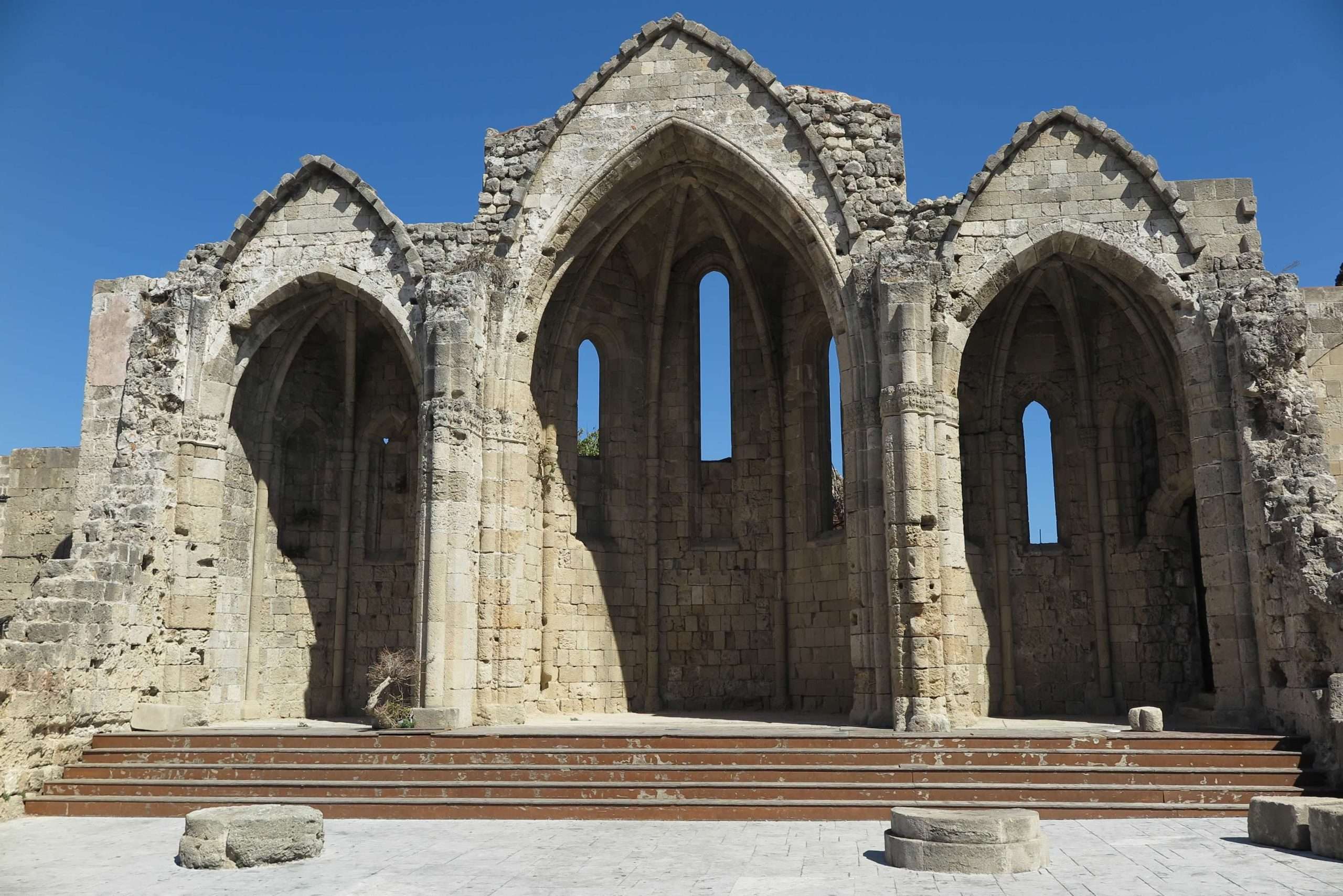
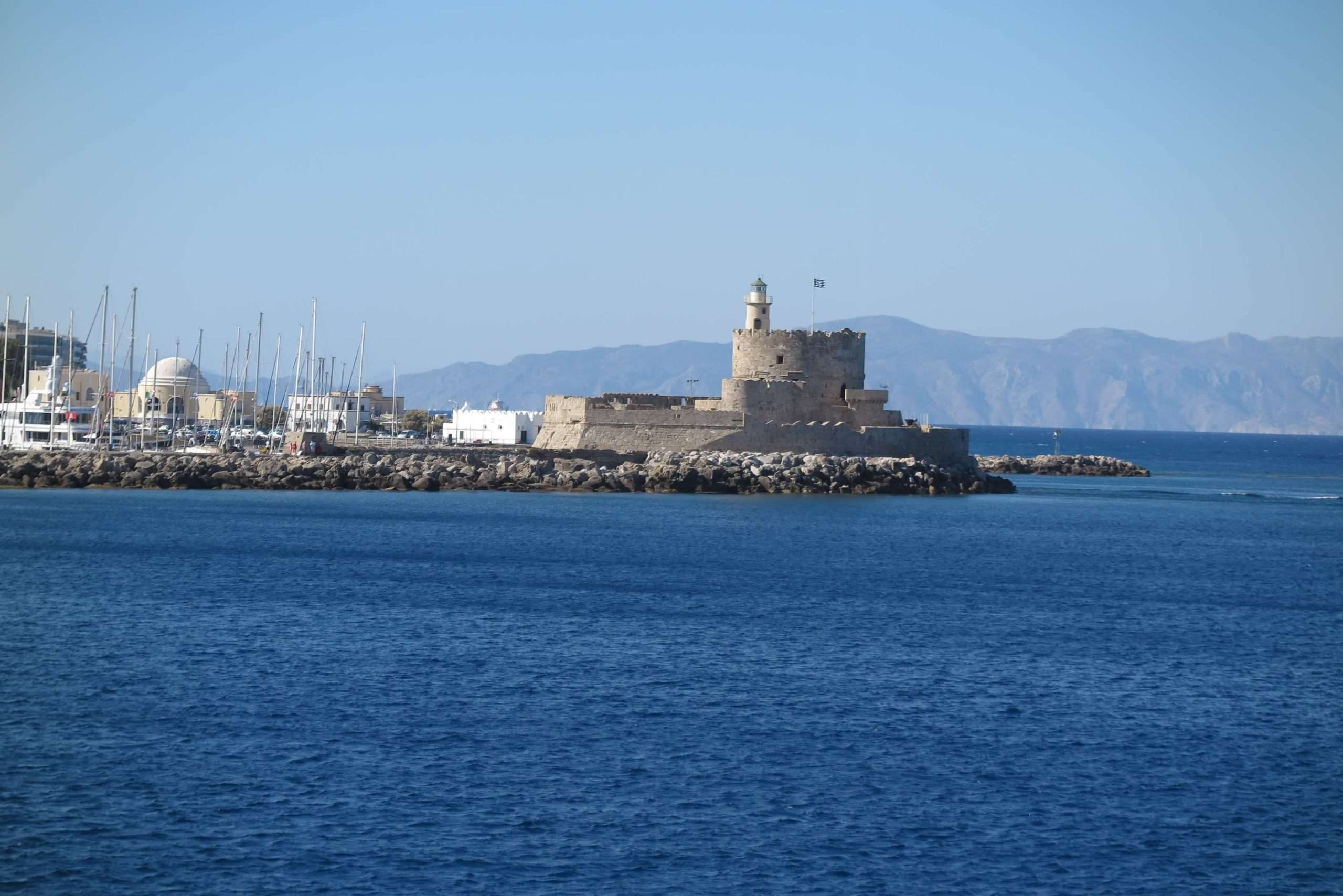
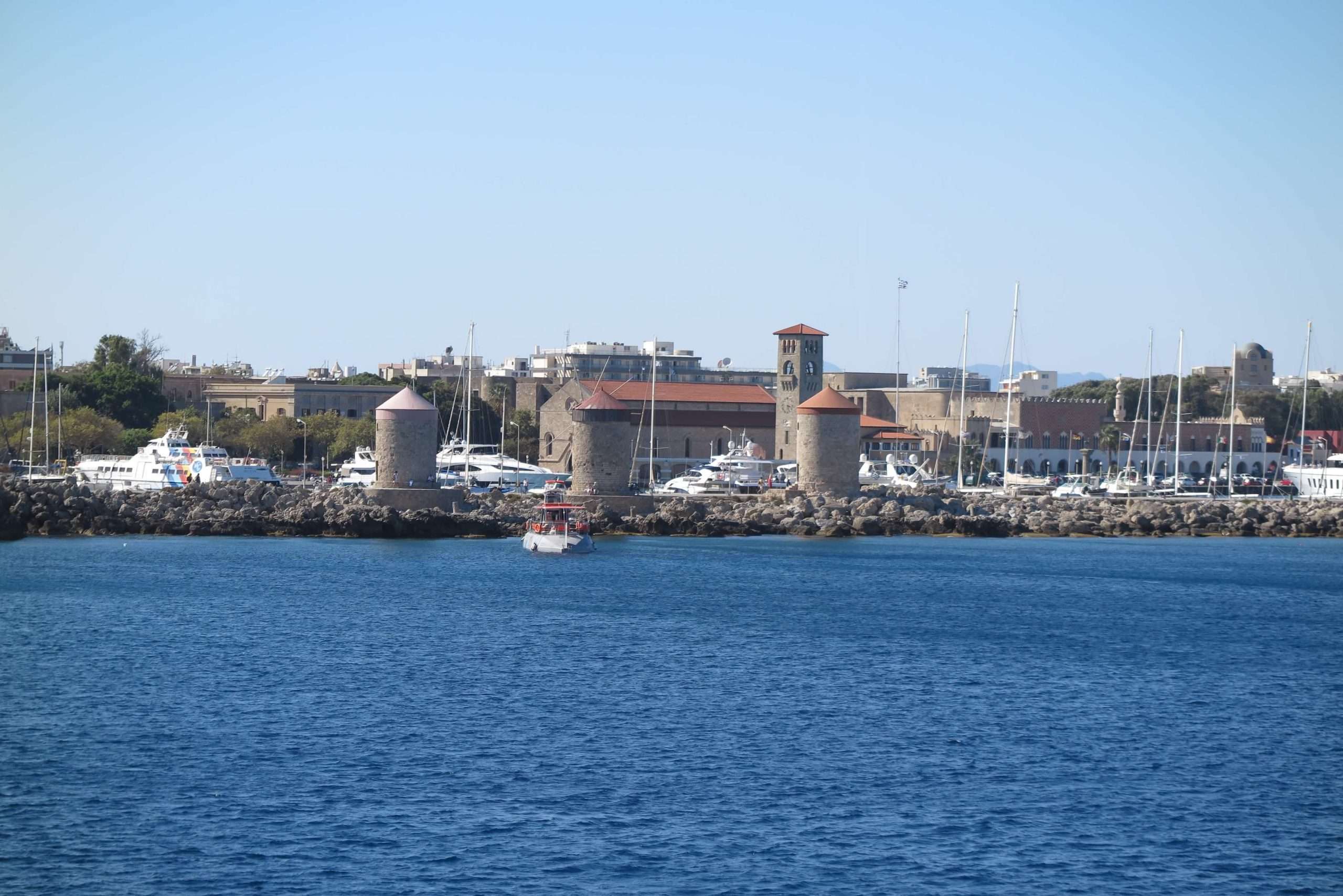
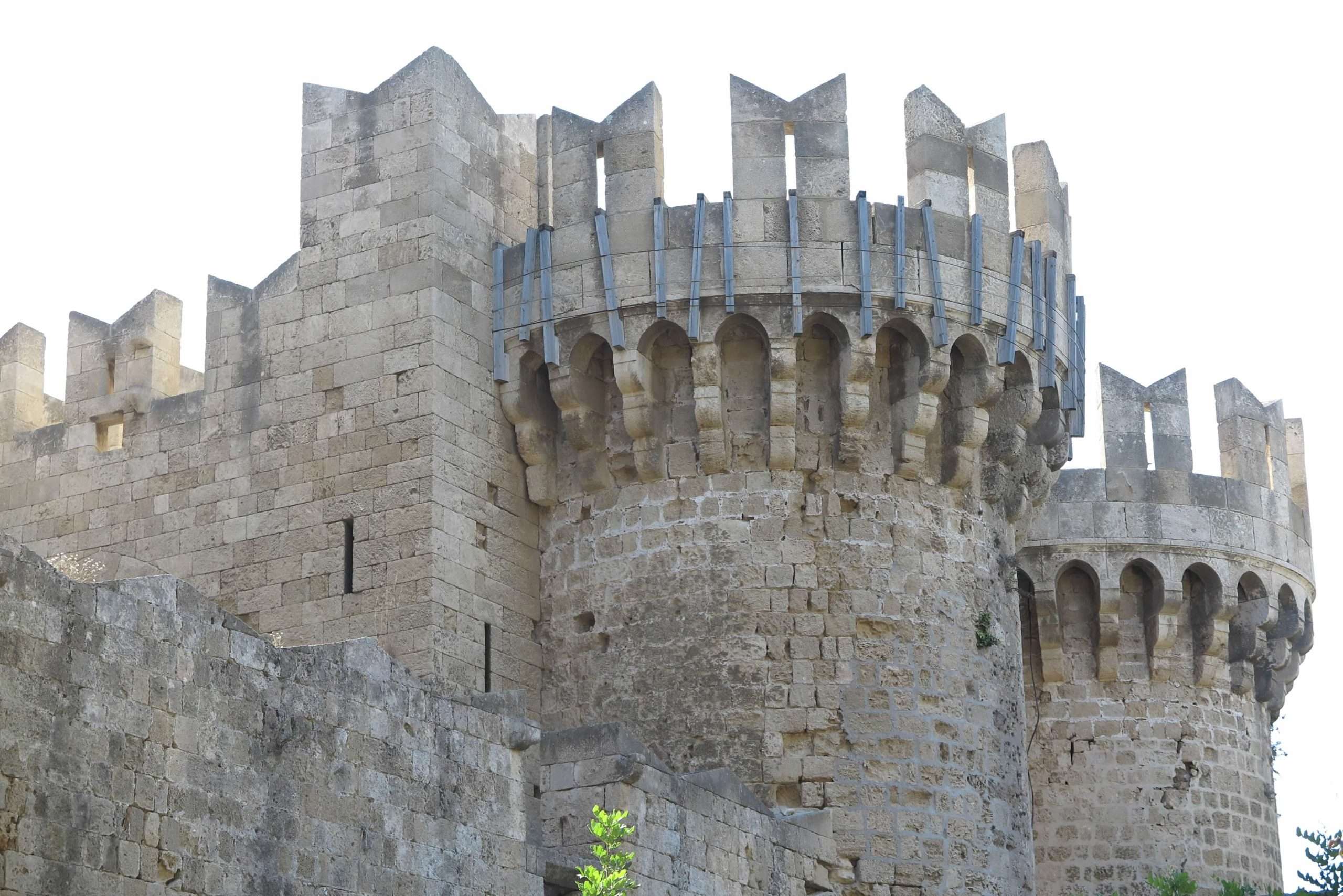
From the palace, we walked to the Kahal Shalom Synagogue. Immediately after, we left for the ship. In the evening, we went to the Hotel of the Roses, which has a casino, for an evening of Greek food, singing, and dancing. It was very enjoyable. We saw some traditional Greek musical instruments, including the three- and four-stringed bouzouki. Rhodes gets its name from the red pomegranate flowers, not from the red rose. Rhodes is also where the Colossus of Rhodes once stood, but it was destroyed by an earthquake, and no trace of it is now to be found
Discovering Kalymnos – September 28, 2016
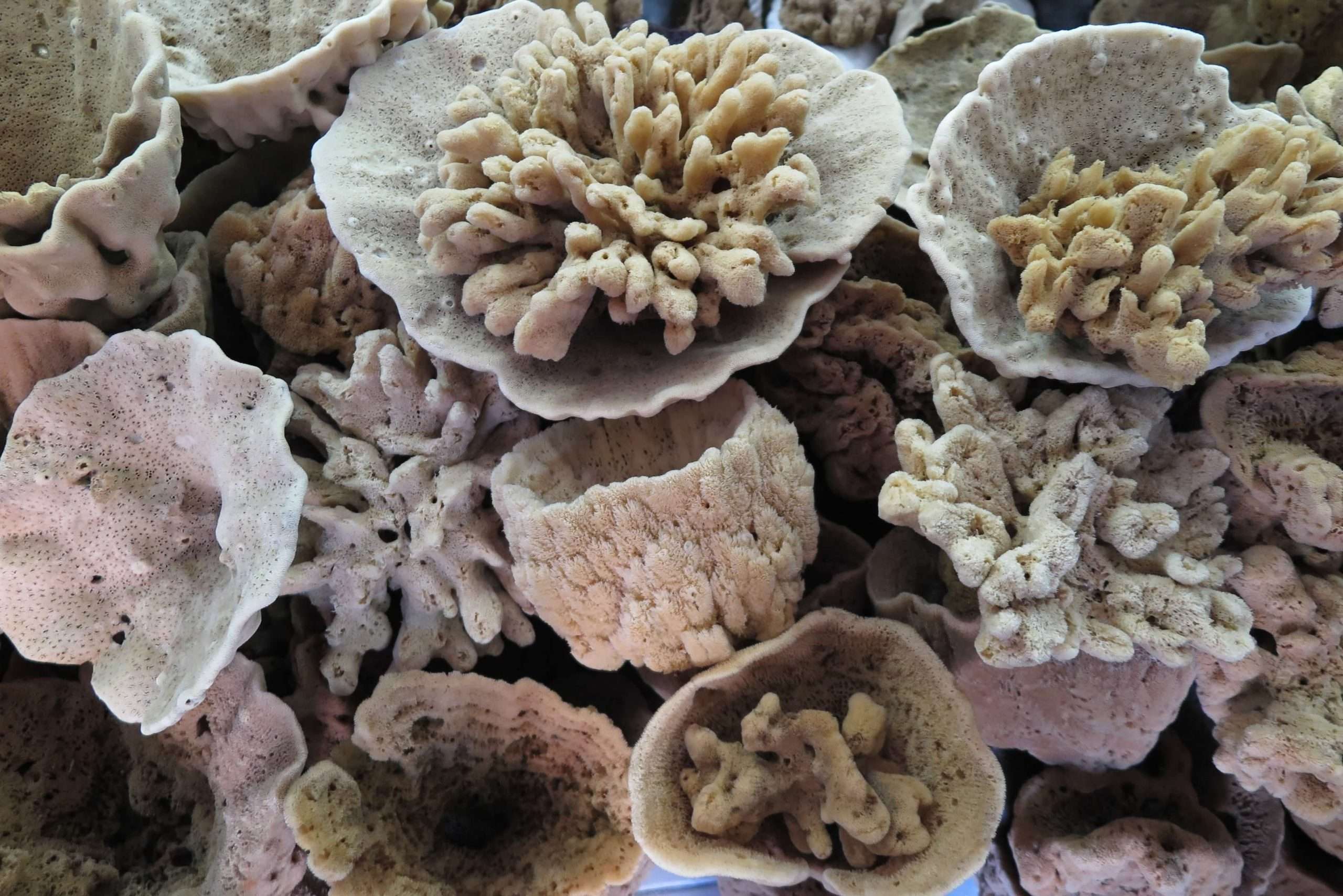
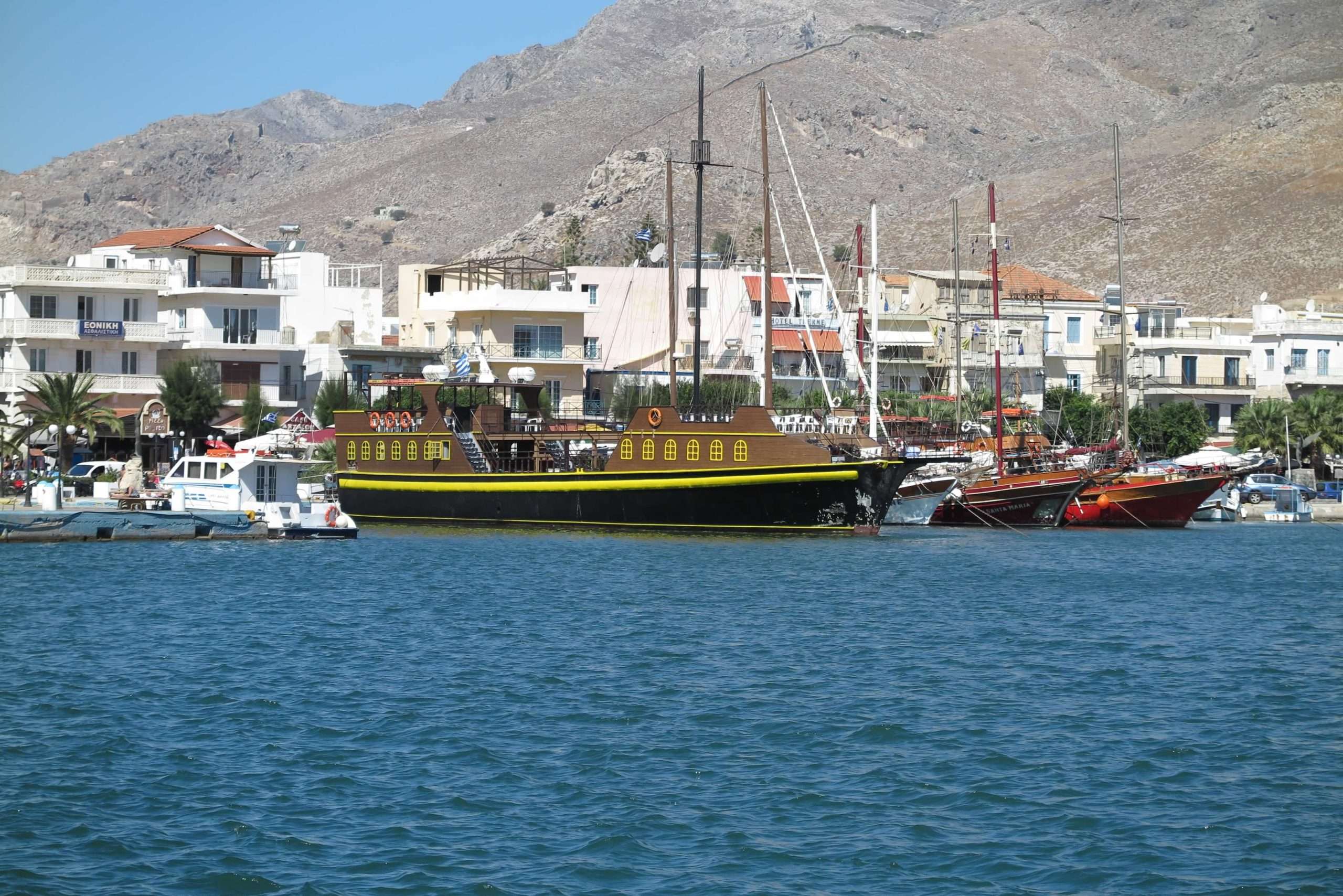
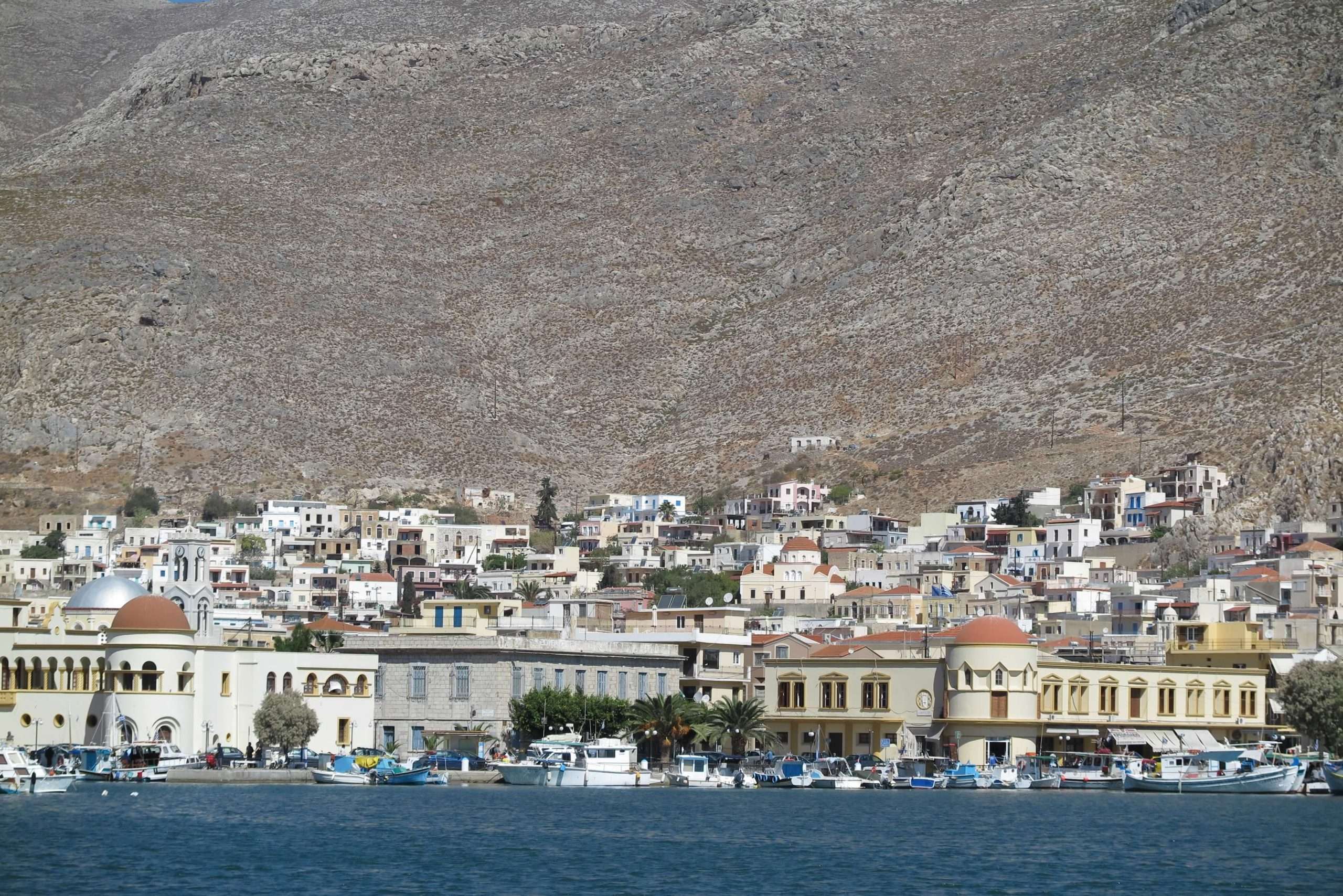
Today we visited Kalymnos, the least touristy of the islands. We saw a small archaeological museum, heard a talk about sponge diving and fishing, which are among the main occupations, and observed how sponge divers get into their diving suits. The island has harsh terrain with very little rain. Almond trees are grown here, and other trees are grafted onto them because almond trees require very little water. This was information provided by the local guide. We also visited a Kalymnian home set up as a museum to show how a typical home would look. Our guide mentioned that his uncle found the statue of Poseidon, which is now housed in the Archaeological Museum in Athens. We must also mention the wonderful bronze statue, the “Lady of Kalymnos,” discovered accidentally by sponge divers. She now resides in the archaeological museum on the island.
We had two guides today, as we usually do. Most of our guides have been women, except in Athens, where we had Maria and Vasili. On Kalymnos, we had Costa (short for Constantine) and a young lady archaeologist. One interesting fact about the island is that the oldest daughter inherits everything and looks after the aging parents. Another interesting fact: Greek Orthodox Christians can divorce up to three times. Again, all information provided by the guides.
Lunch was at the Smuggler’s Seafood Café. We ate the best dolmades – dish made with grapevine leaves. We had a BBQ dinner aboard the ship on a massive scale. So far, Greek desserts have been disappointing, but the one we had at the café was fairly good. It was called bougatsa.
There are two religious buildings of interest: the Temple of Delian Apollo, later converted into the Church of Christ of Jerusalem (now in ruins), and the silver domed Cathedral of the Transfiguration of Jesus Christ, built around 1861 and still intact.
Day at Sea – September 29, 2016
Today is Christabel’s birthday. It’s a sailing day, and we are en route to Nafplion, the former capital of Greece. This morning, we visited the galley to see where the cooking takes place, and now we are headed for a cooking demonstration by the executive chef, Budhi, who is from Himachal Pradesh. He spent 13 years with Royal Caribbean before joining Windstar. We’ve been enjoying his food. The boat continued to rock all afternoon, and Christabel felt sick. We sat at the captain’s table. Budhi sent up a cake with candles. Everyone sang “Happy Birthday”.
A Day in Nafplion – September 30, 2016
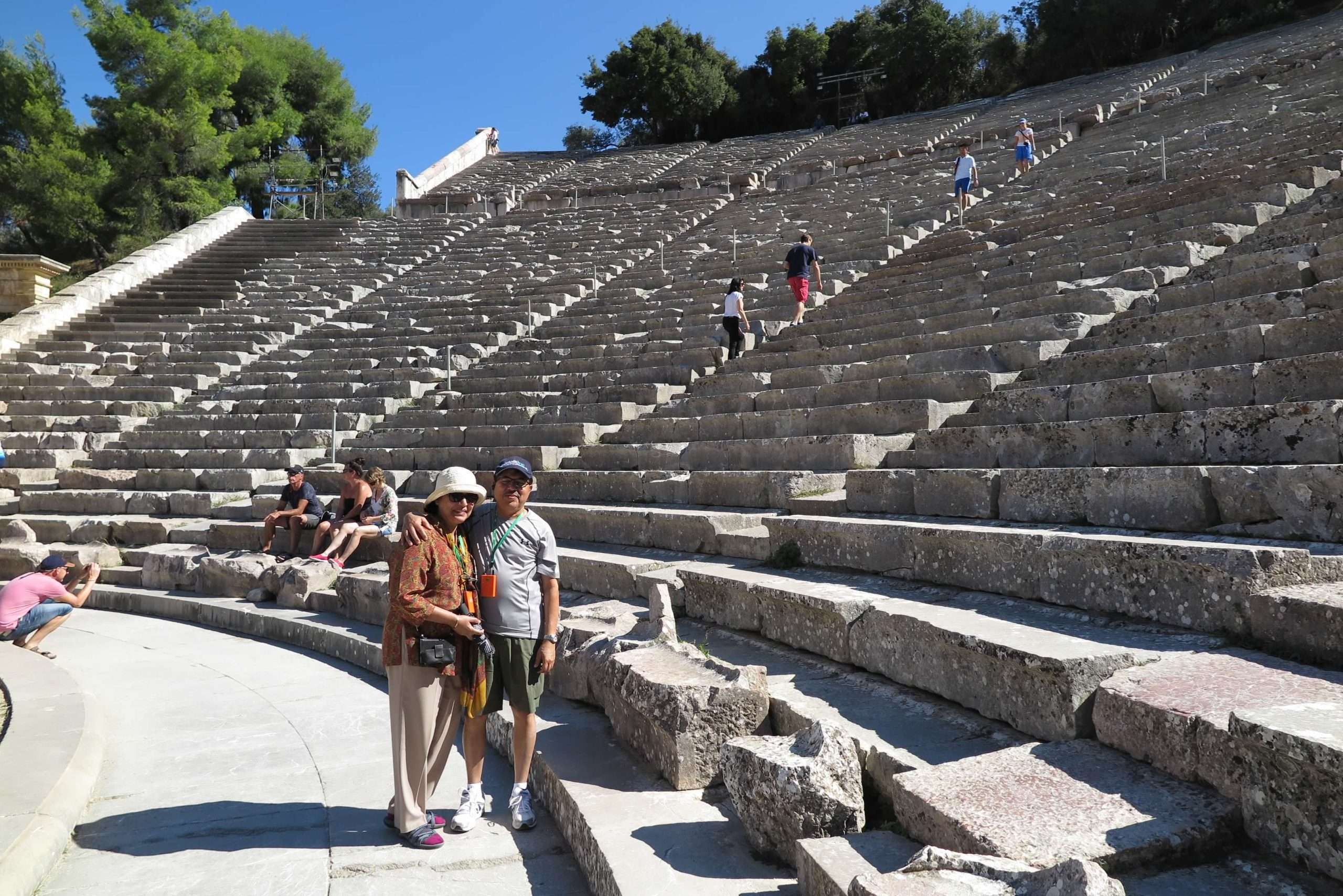
We are docked at Nafplion and took a brief walk through this small city. Then, we stopped at Antica Gelateria di Roma for gelato. Afterward, we drove to Epidaurus to see the theater with its fabulous acoustics and visit the birthplace of Asclepius, the god of healing. We saw archaeologists at work, several men and three women—two of whom were moving mud to the dumping site. Once again, the women were doing the heavy lifting. The third woman was surveying. One of the workmen found a nail, and there was much rejoicing. The monuments here are being cleaned, and some are being reconstructed with a mix of old and new parts.
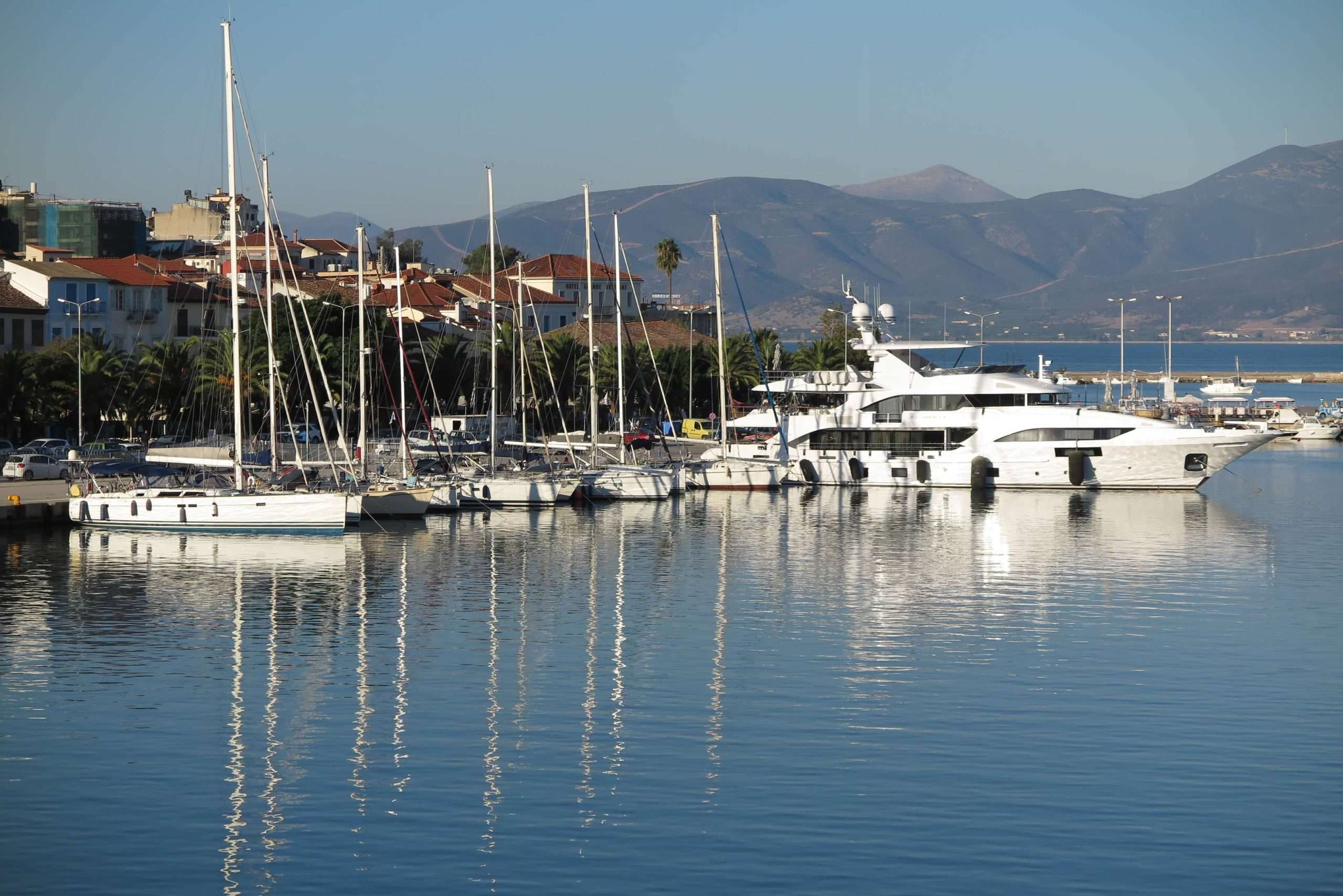
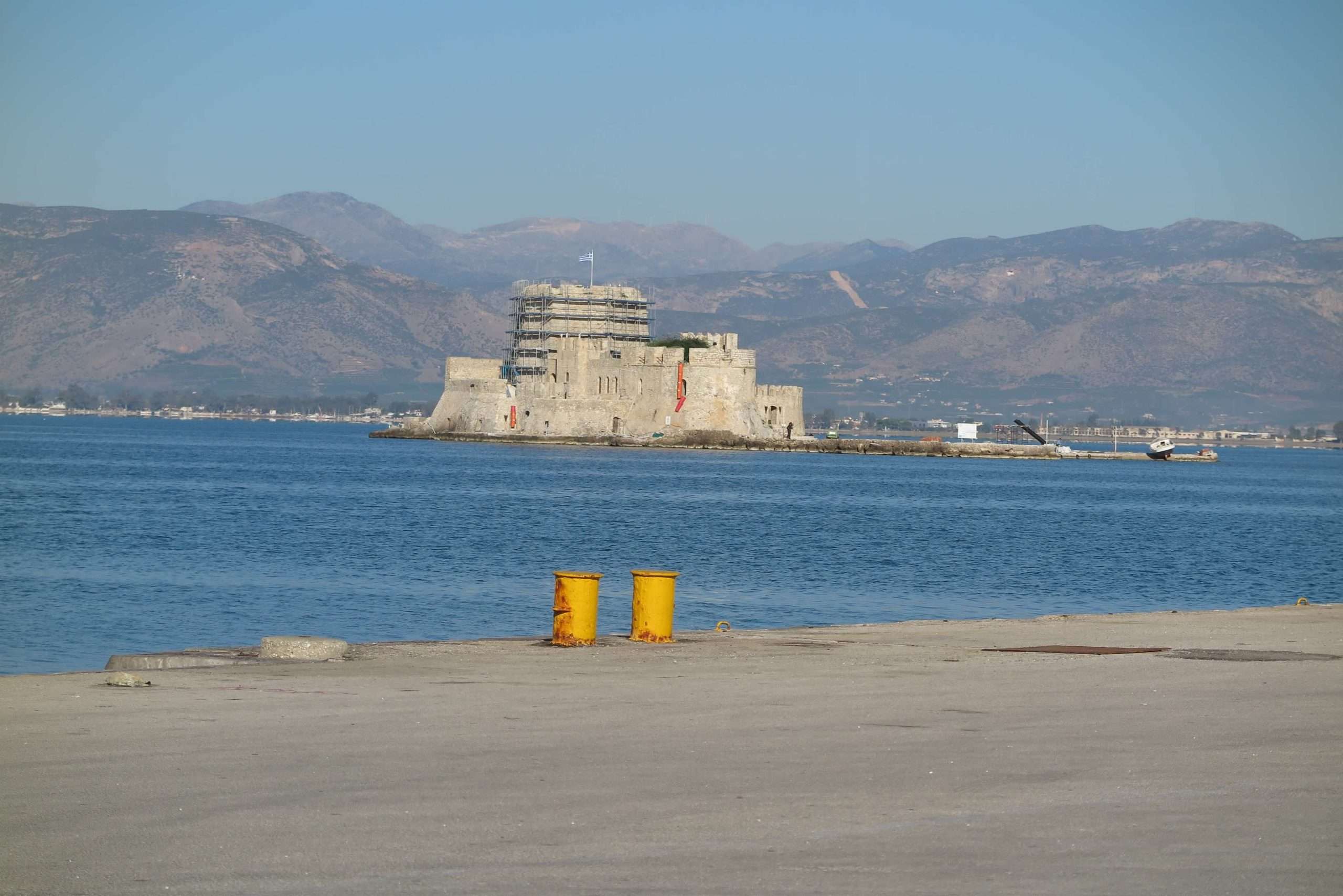
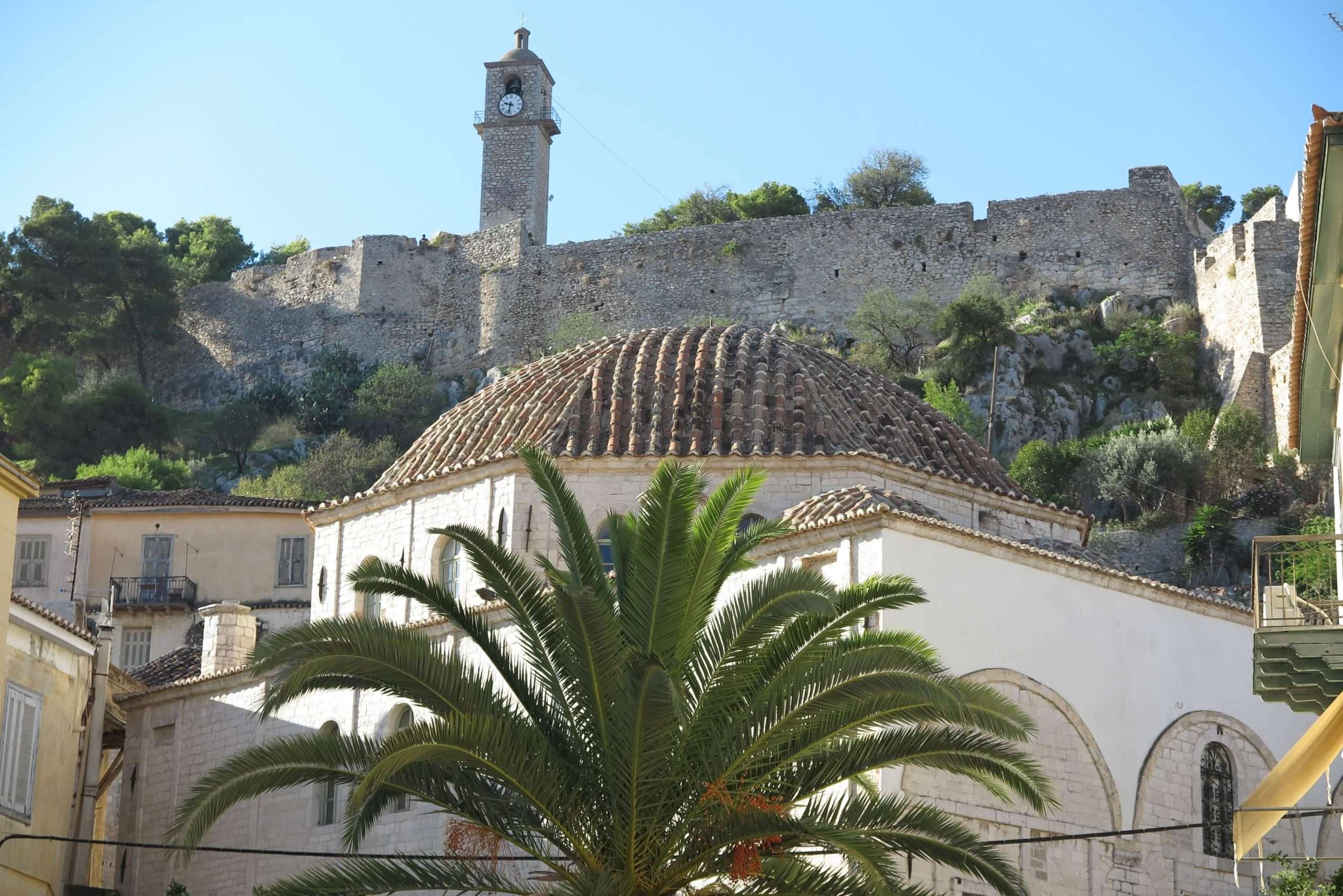

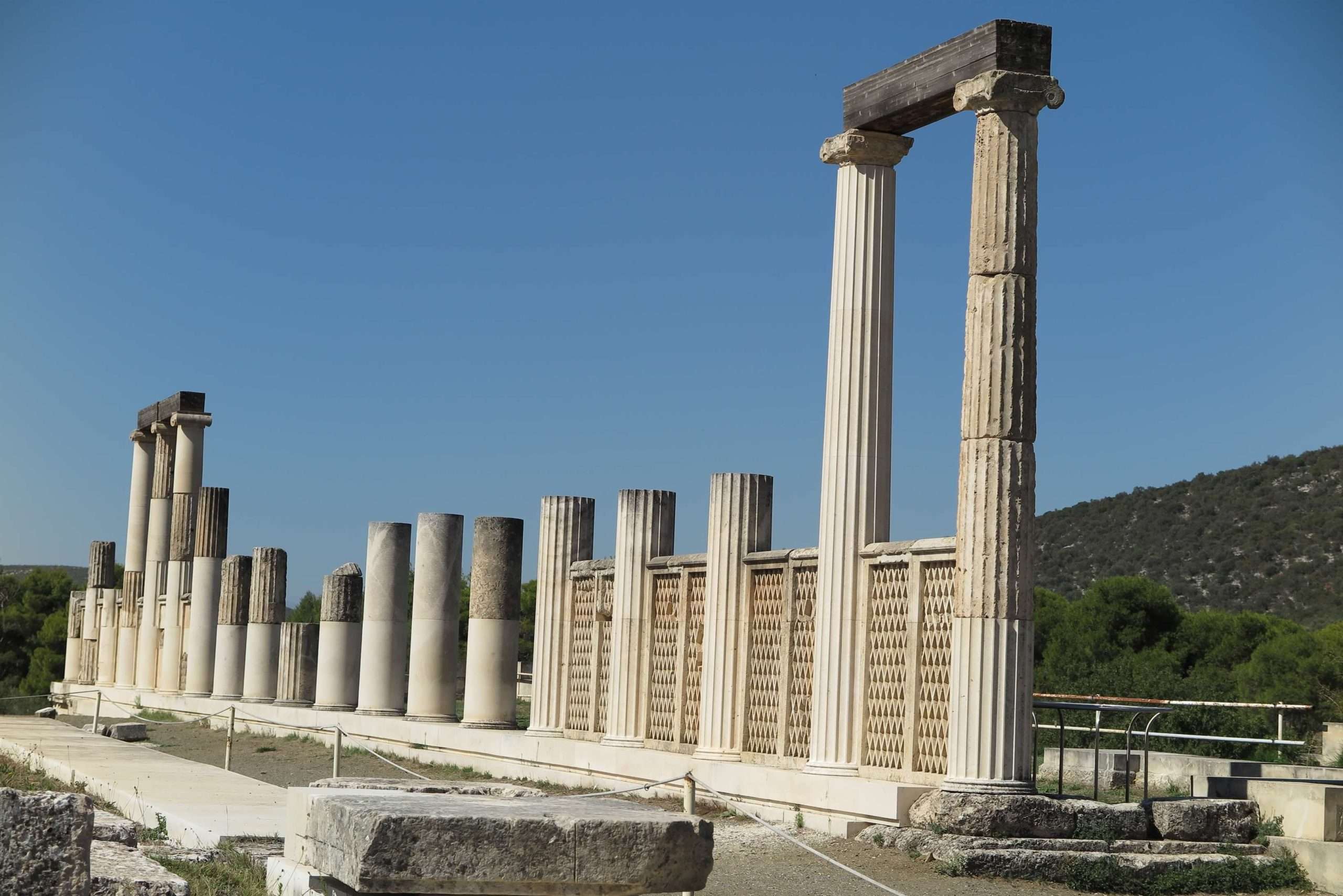
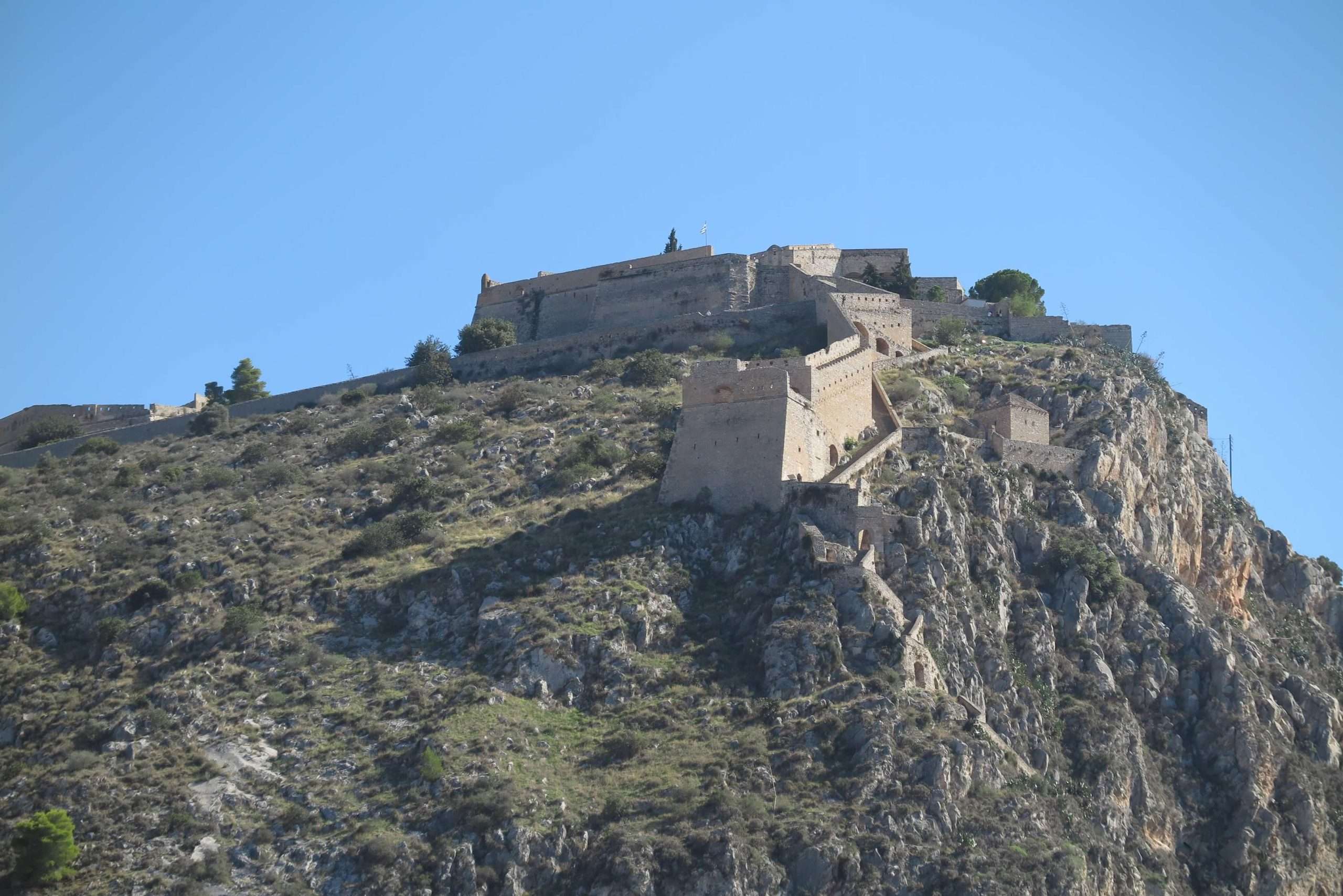
Back in Nafplion, we walked around some more and did some shopping for Judie’s wedding present. There are several forts here, but we did not visit any. The Palamidi is famous for its 999 steps. This is a very Venetian-looking city. We had dinner with Shelly and Emmy (from Denver) on the ship’s deck where it was cold and windy. We had a lovely time with them and truly enjoyed their company.
Homeward Bound – October 1, 2016.
We arrived back in Piraeus; said our goodbyes and took off for the airport and home.