
When we started traveling in 2010, we used to post our travel diary with pictures on a commercial website. Unfortunately, we lost all the posted content as this website shut down without notice, leaving us scrambling to come up with a more permanent alternative.
Now that we have our own travel website, we are attempting to recreate some of the lost blogs based on notes, itineraries, Wikipedia, and good old-fashioned memory. This is one such recreation. It’s a labor of love, piecing together the adventures that shaped our lives and sharing them with you once again.
In this recreated blog, we share our unforgettable journey, combining three days in the vibrant city of Barcelona with a ten-day, one-of-a-kind walking and cultural tour through the enchanting region of Andalusia, Spain. Our adventure led us to explore serene palaces nestled at the base of majestic, snow-capped mountains, wander through cool and dense pine forests, follow quiet trout river paths, and experience the magic of Andalusia’s buzzing cities.
Flight to Barcelona – March 9, 2017
Evan joined us for the first leg of the tour. Our flight faced delays due to mechanical issues. Once airborne, the business-class service was good, though the food was disappointing. The rest of the flight was uneventful.
Picasso Museum & Tapas – March 10, 2017
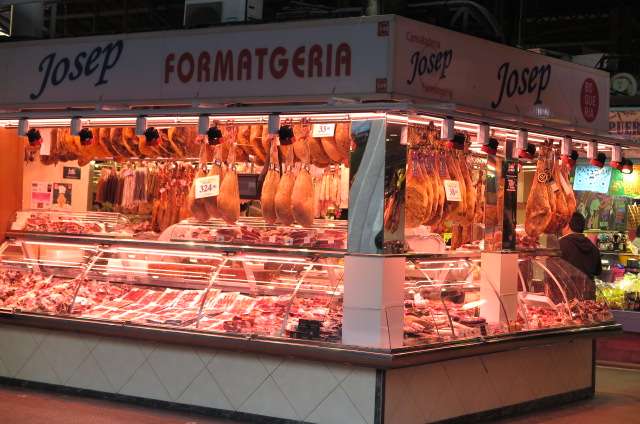
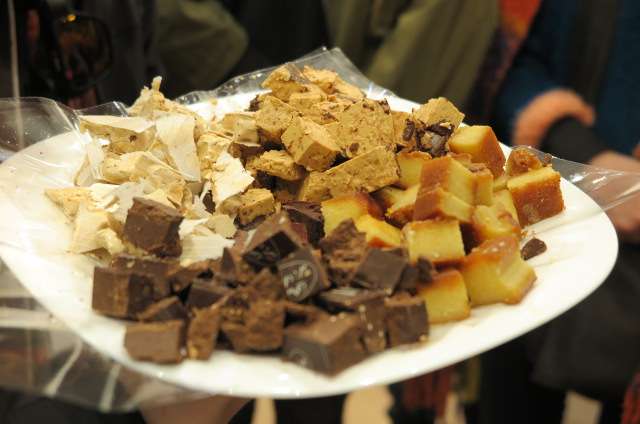
We checked into a modern hotel in a suburb of Barcelona and were impressed with the room’s layout and design. We then took a cab downtown to visit the Picasso Museum, which featured some of his works and many of his contemporaries, though overall we found it underwhelming. From there, we strolled across the Ramblas to meet our guide, Sebastian, for a tapas tour. We enjoyed exploring the Ramblas area near the cathedral, sampling tapas and pinchos. A highlight was visiting Torrons Vicens, a sweets shop established in 1775, where we tasted delicious nougat and rum balls.
From Sagrada Familia to Montserrat – March 11, 2017
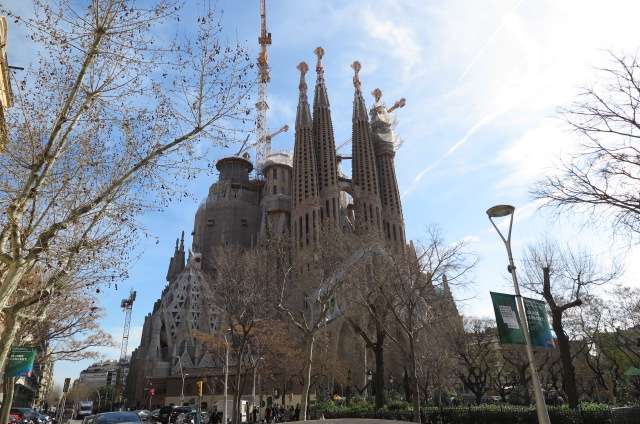
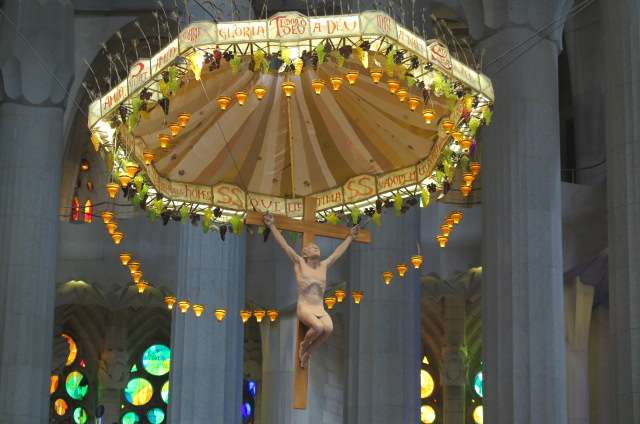
We started our day with a visit to Sagrada Familia, where much of the interior was under scaffolding. Christabel mentioned that, while she liked the church, it didn’t captivate her as much as other cathedrals like Notre Dame, Chartres, Westminster, or Canterbury.

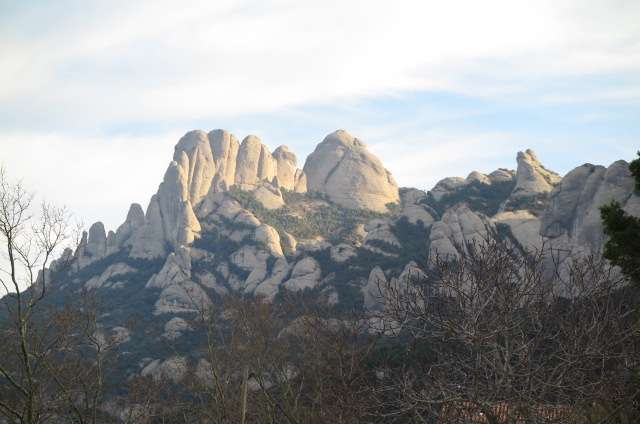
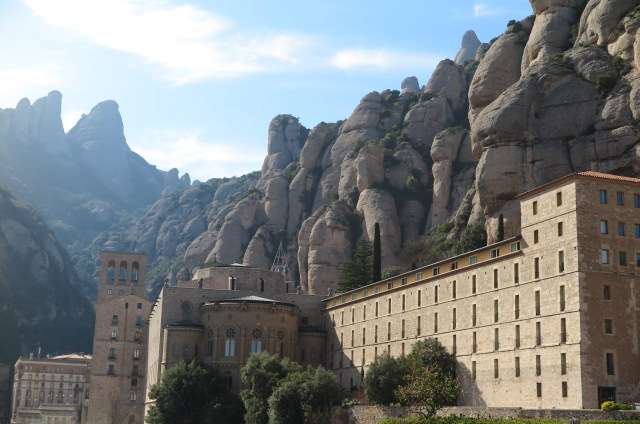
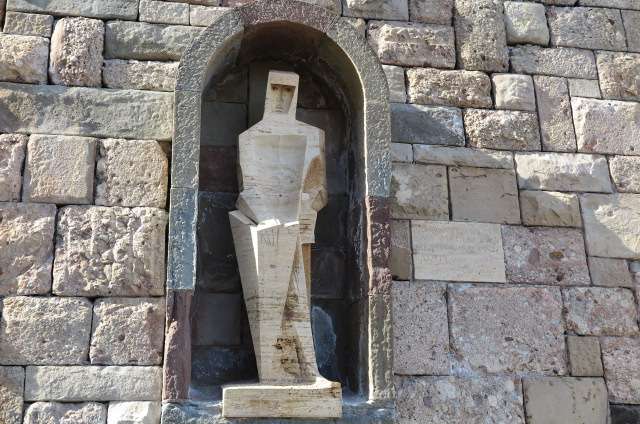
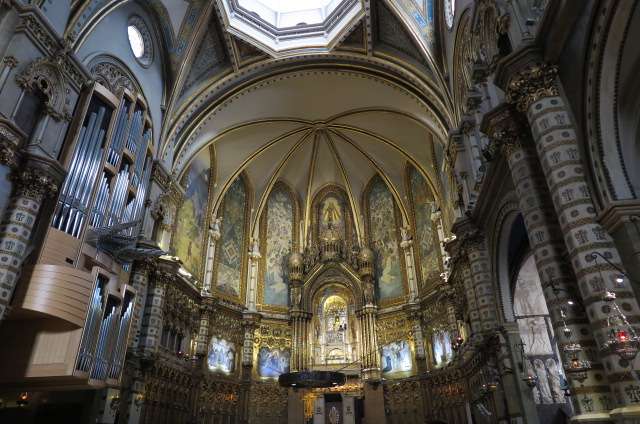
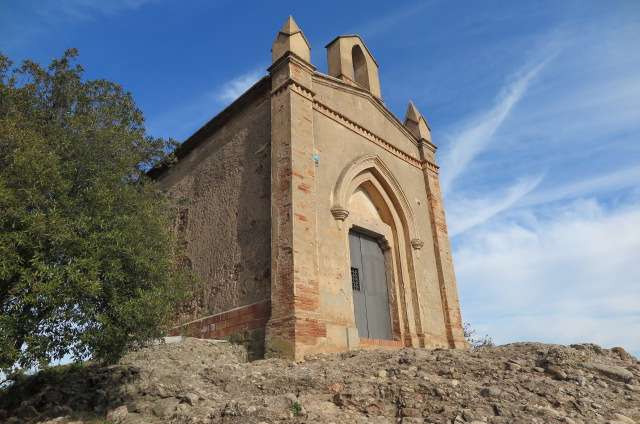
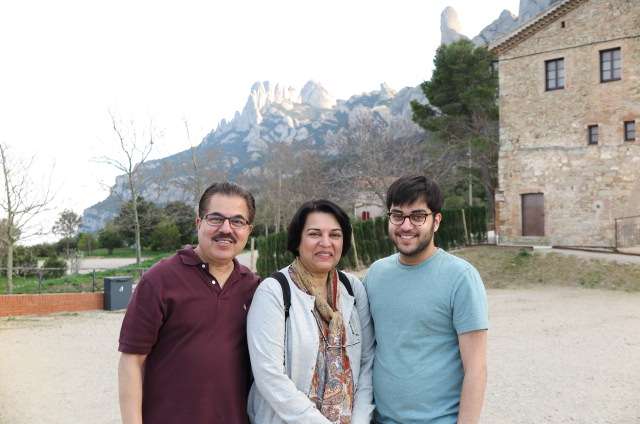
In the afternoon, we visited Montserrat. The serrated cliffs were spectacular. We saw the statue of the Black Madonna but couldn’t visit her due to long lines. We hiked up to the Saint Joan Chapel, a steep climb with no railings on one side. There were no signs indicating the chapel’s location, leaving us unsure if we were in the right place. The chapel was closed, and we could only peek inside through a small view hole, finding it quite unremarkable. We hurried down to catch the last funicular, missing the sacred cave where the Black Madonna was found. On the way down, we stopped at the Monastery of Saint Cecilia before driving back to Barcelona.
Gaudi-Themed Day – March 12, 2017
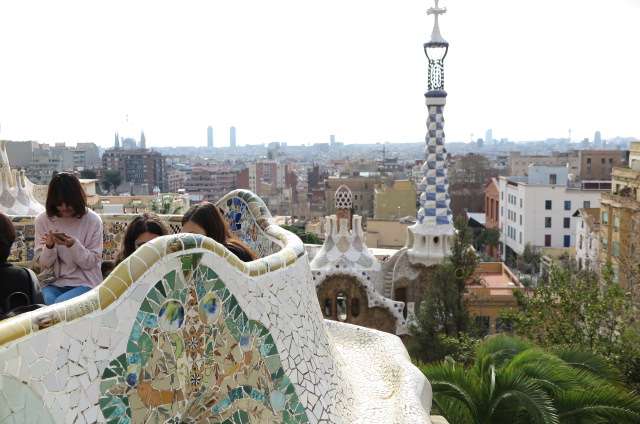
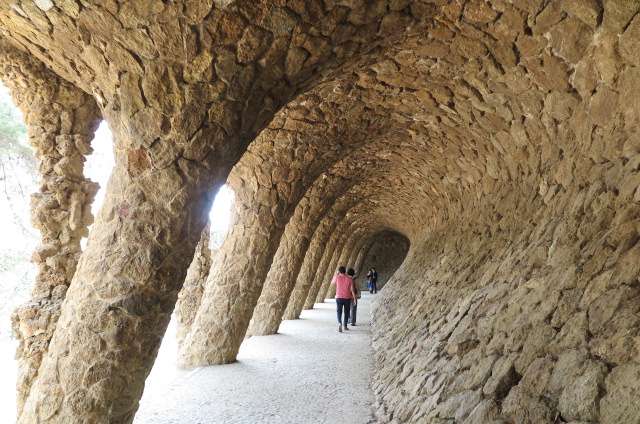
Today was a Gaudí-themed day. We drove to Park Güell, where we admired the Doric column hall, washerwomen sculptures, and dragon sculptures, which reminded Christabel of Galapagos iguanas. Afterward, we visited the Miró Museum, passing by the Olympic Stadium on the way. While we appreciated the effort, Miró’s works and abstract art didn’t resonate with us.
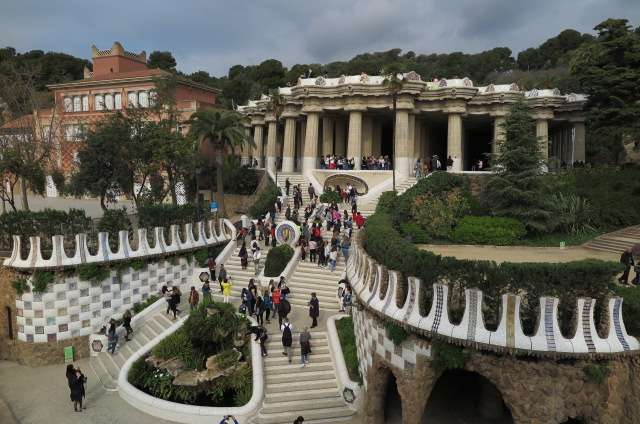
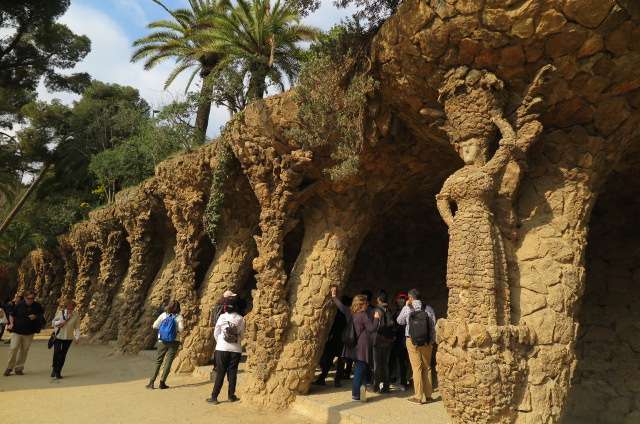
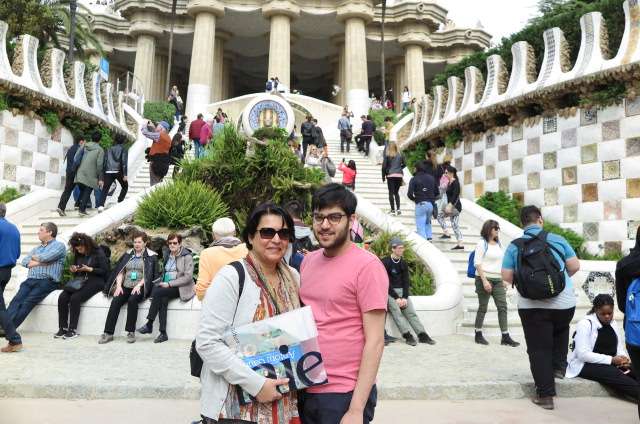
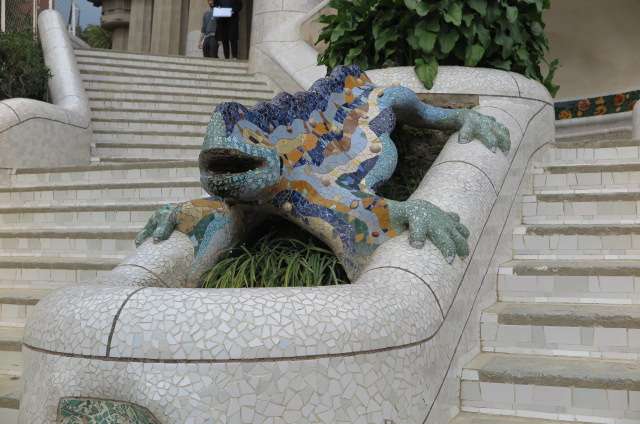
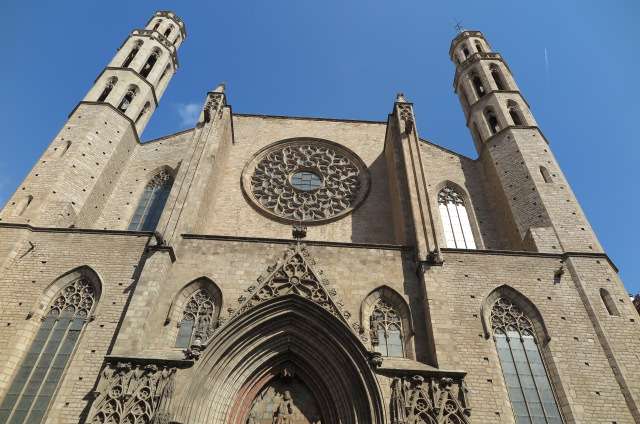
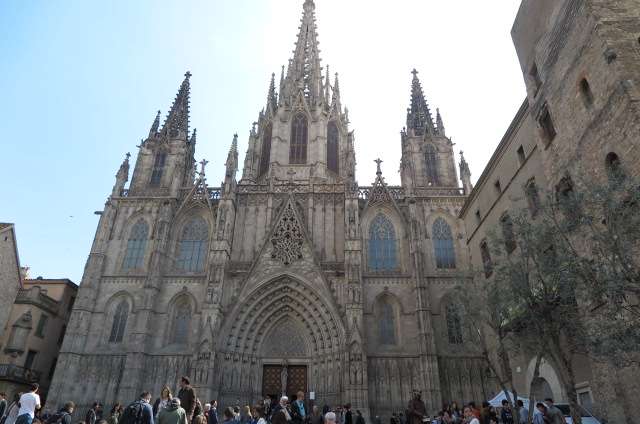
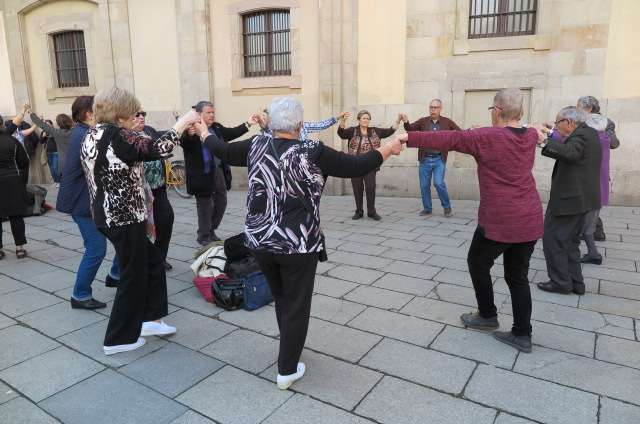
In the afternoon, we visited the Church of Santa Maria del Mar to see the keystone described in the book Cathedral of the Sea by Ildefonso Falcones. The church, built entirely by locals without funding from the Spanish church or the Vatican, was hosting a mass, so our visit was brief. Next, we visited the Cathedral of Barcelona, where St. Eulalia’s crypt is located. St. Eulalia was martyred at 13 for her faith by the Romans. Outside, we watched locals and tourists perform the sardana dance, a circle dance that was banned during Franco’s era.
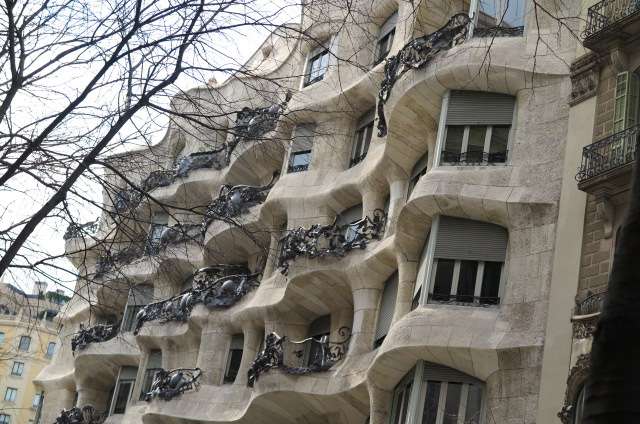
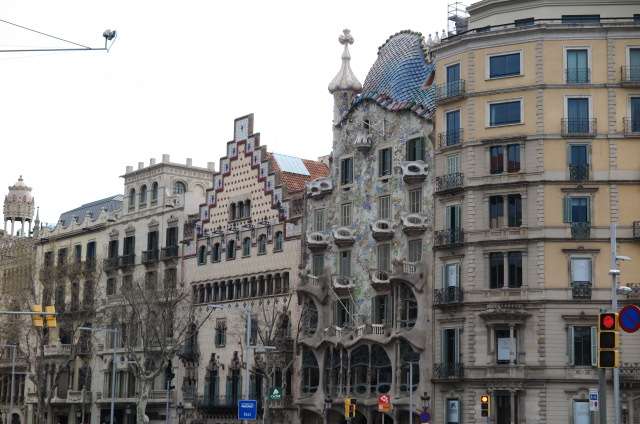
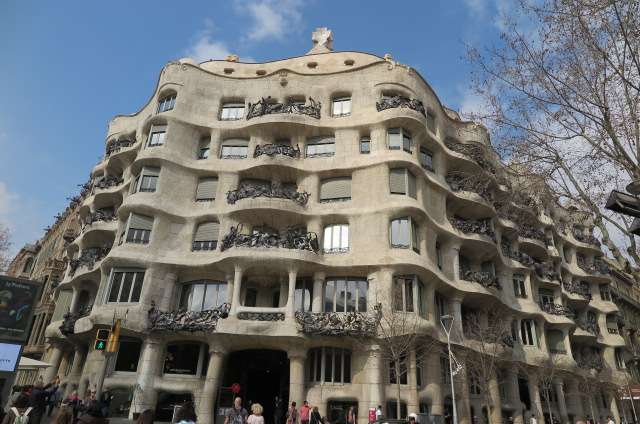
After a quick lunch, we strolled along Paseo de Gracia to see Casa Batlló, Casa Amatller, and Casa Lleó Morera. We also saw Casa Milà, another Gaudí masterpiece, which he built from the ground up, unlike Casa Batlló, where he only designed the facade and roof. We didn’t enter any of these houses, as the entry fees were quite high.
Hello Córdoba – March 13, 2017
After saying goodbye to Evan, who flew back to New York City, we took a train to Córdoba. We arrived in the midafternoon and checked into a charming little hotel located near the Jewish district and the caliphal baths. After settling in, we explored the area around the hotel and walked up to the Mezquita.
Córdoba and the Magnificent Mezquita – March 14, 2017
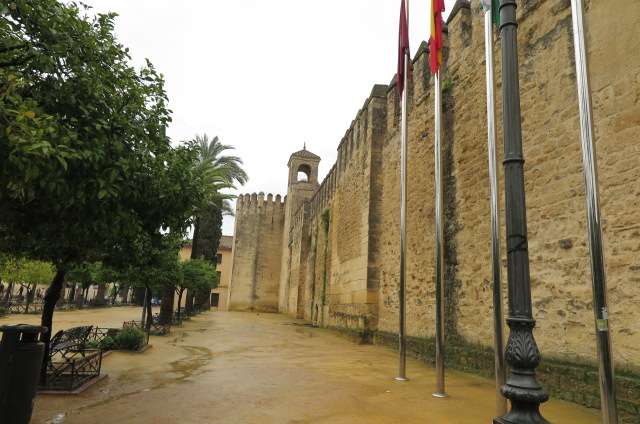
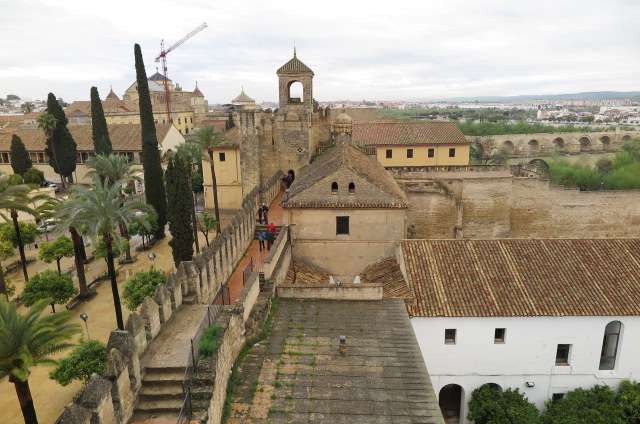
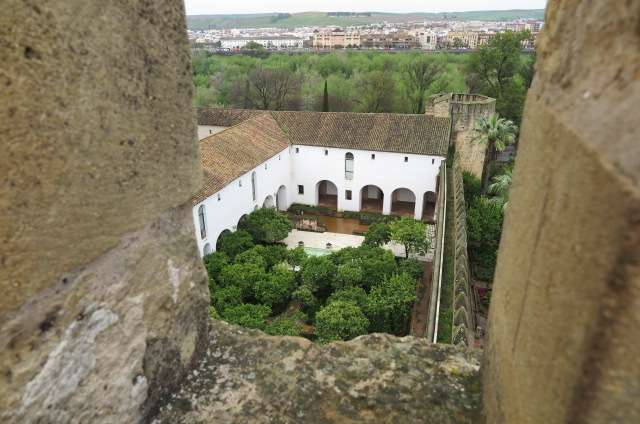
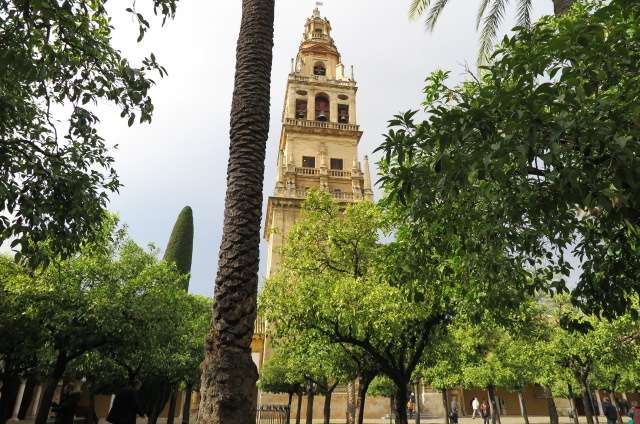
Today marks the first official day of our tour in the Andalusian region. Christabel attended Mass in the choir of the Mezquita. After the service, she walked around the church, enjoying the rare opportunity to have it mostly to herself. We then visited the Alcázar. Although there wasn’t much to see inside the building, we climbed to the ramparts and explored the gardens, marveling at the orange trees, all bearing fruit. Afterwards, we walked along the city wall, which was originally built by the Romans.
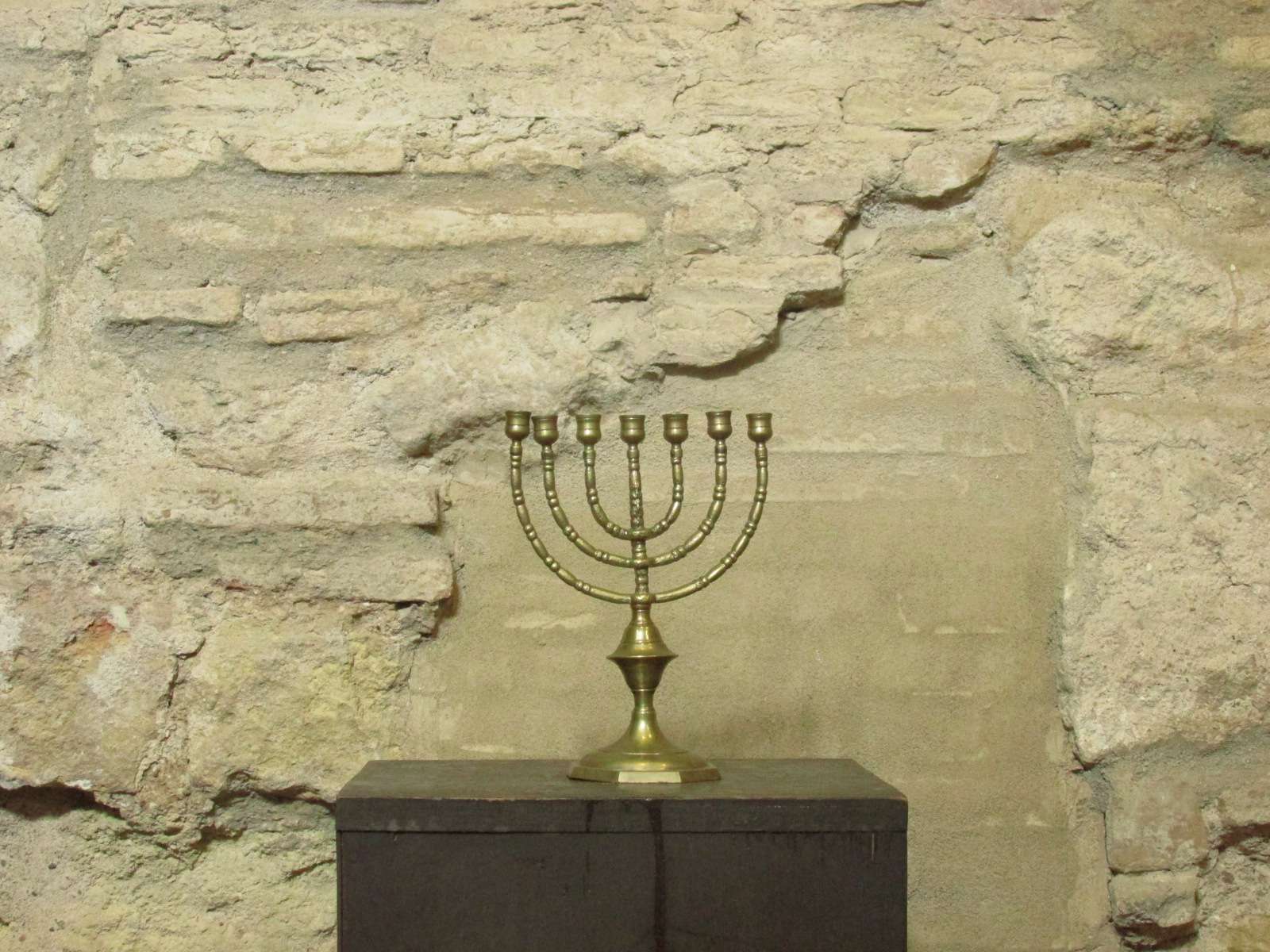
In the afternoon, we met our group and our two guides, Jason and Jeffrey, whom we had met on the Camino in 2014. Our local guide, Isabel, then took us on a brief visit to the synagogue and the artisan market.

Following that, we toured the Mezquita, which started as a mosque in the 8th century. The mesmerizing forest of pillars capped with horseshoe arches, combined with the uniquely integrated 16th-century cathedral, creates an unforgettable contrast.
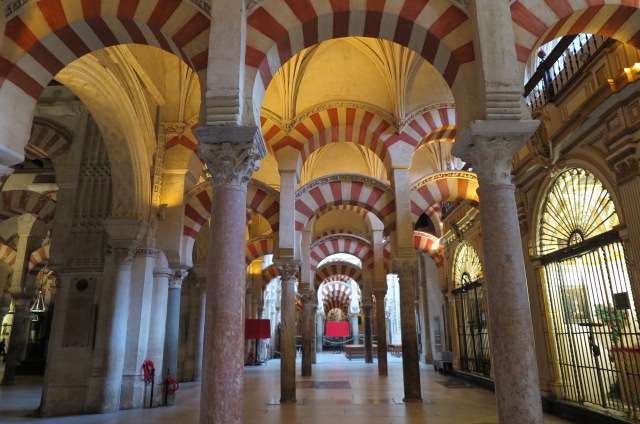
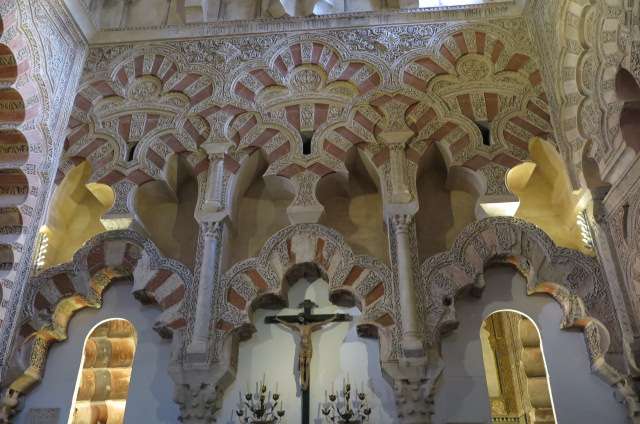
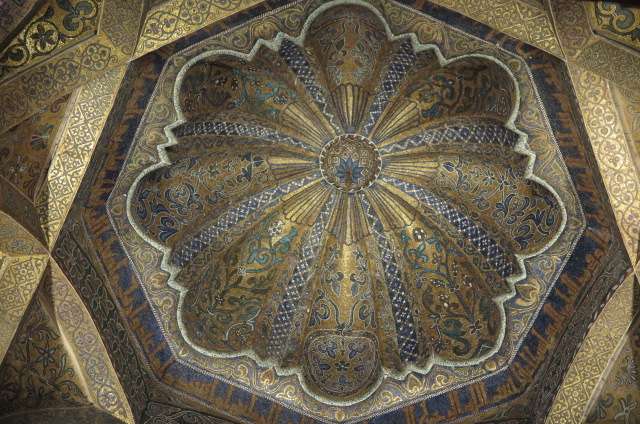
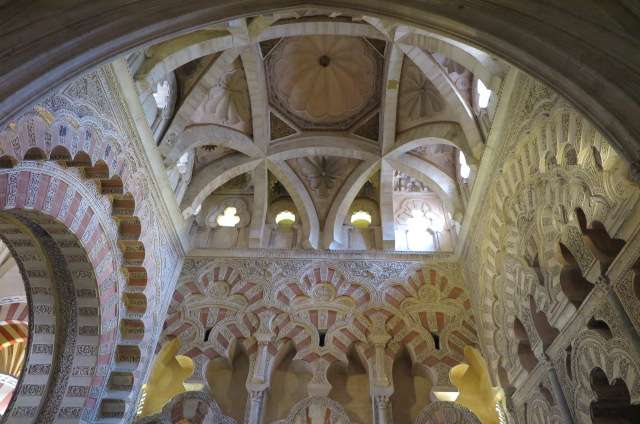
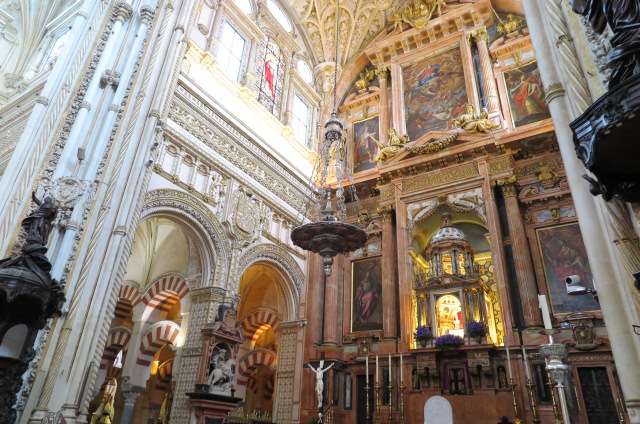
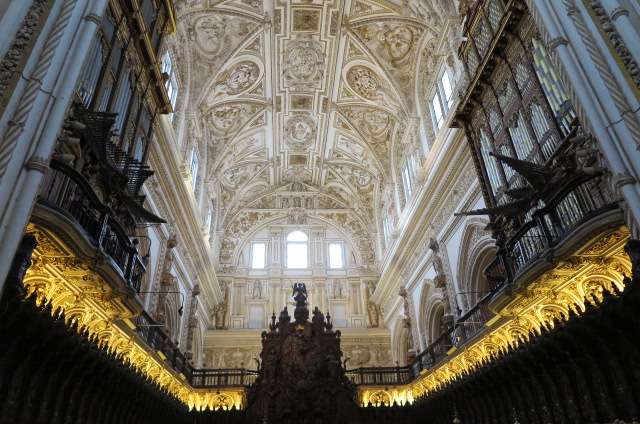
In the evening, we strolled across the Roman bridge, past the triumphal arch and the Plague Monument. The bridge was bustling with people, including dancers and musicians playing accordions. We then returned to the hotel to get ready for dinner.
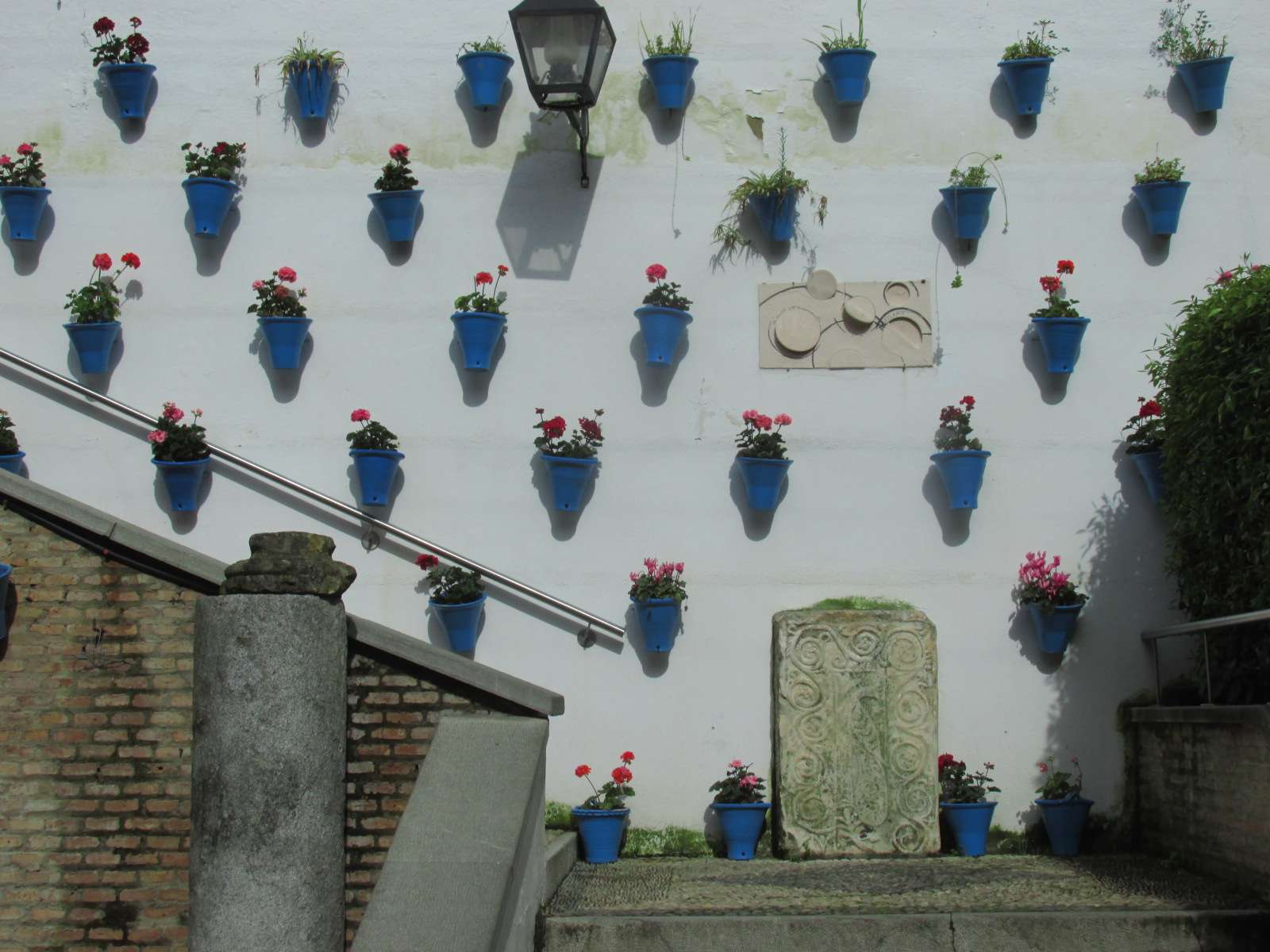
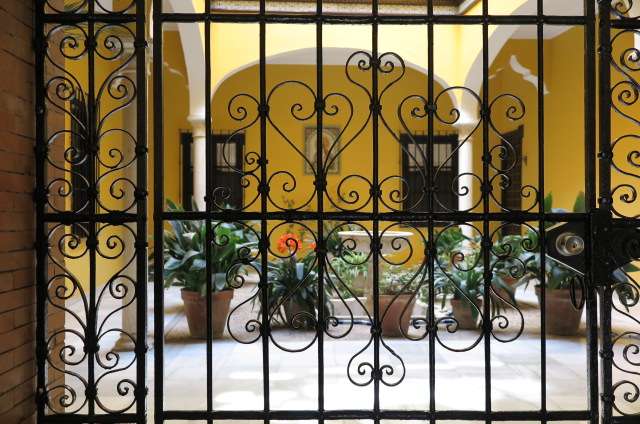
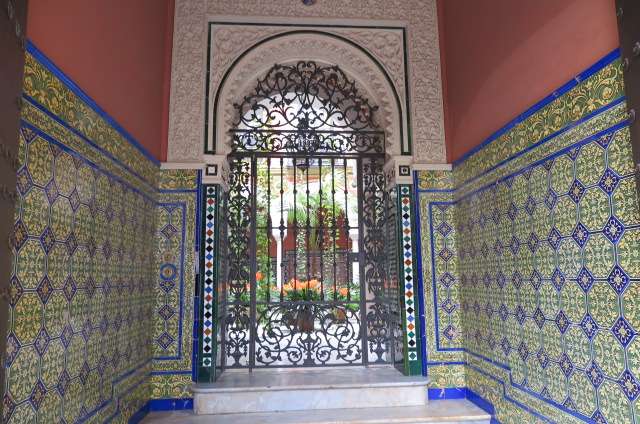
All the houses here have enclosed gardens that can be seen through open doorways. Potted plants rest on exquisite tiles, and since this area can get very hot, the open-air courtyards provide shade for the plants. An open doorway signals that one is welcome to stand at the entrance and admire the gardens.
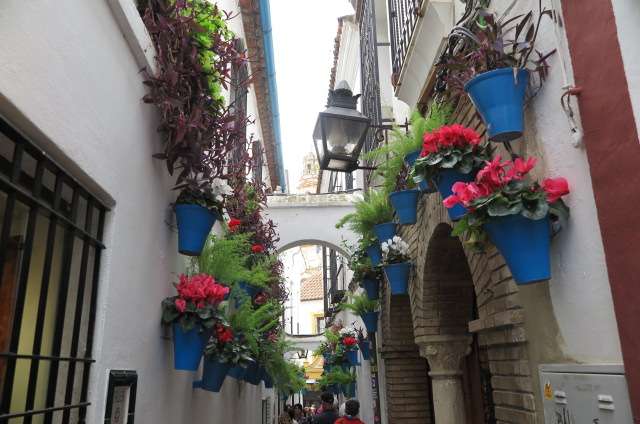
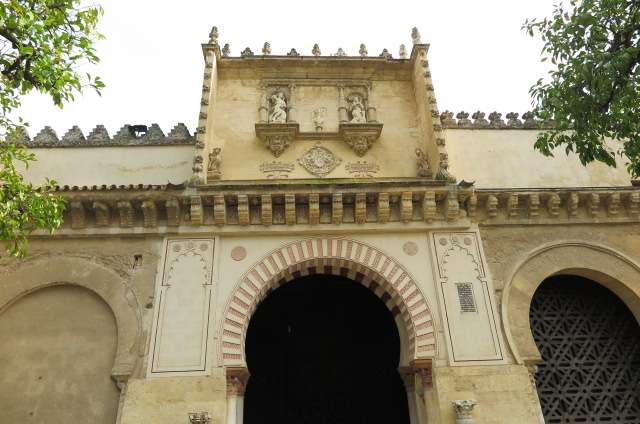
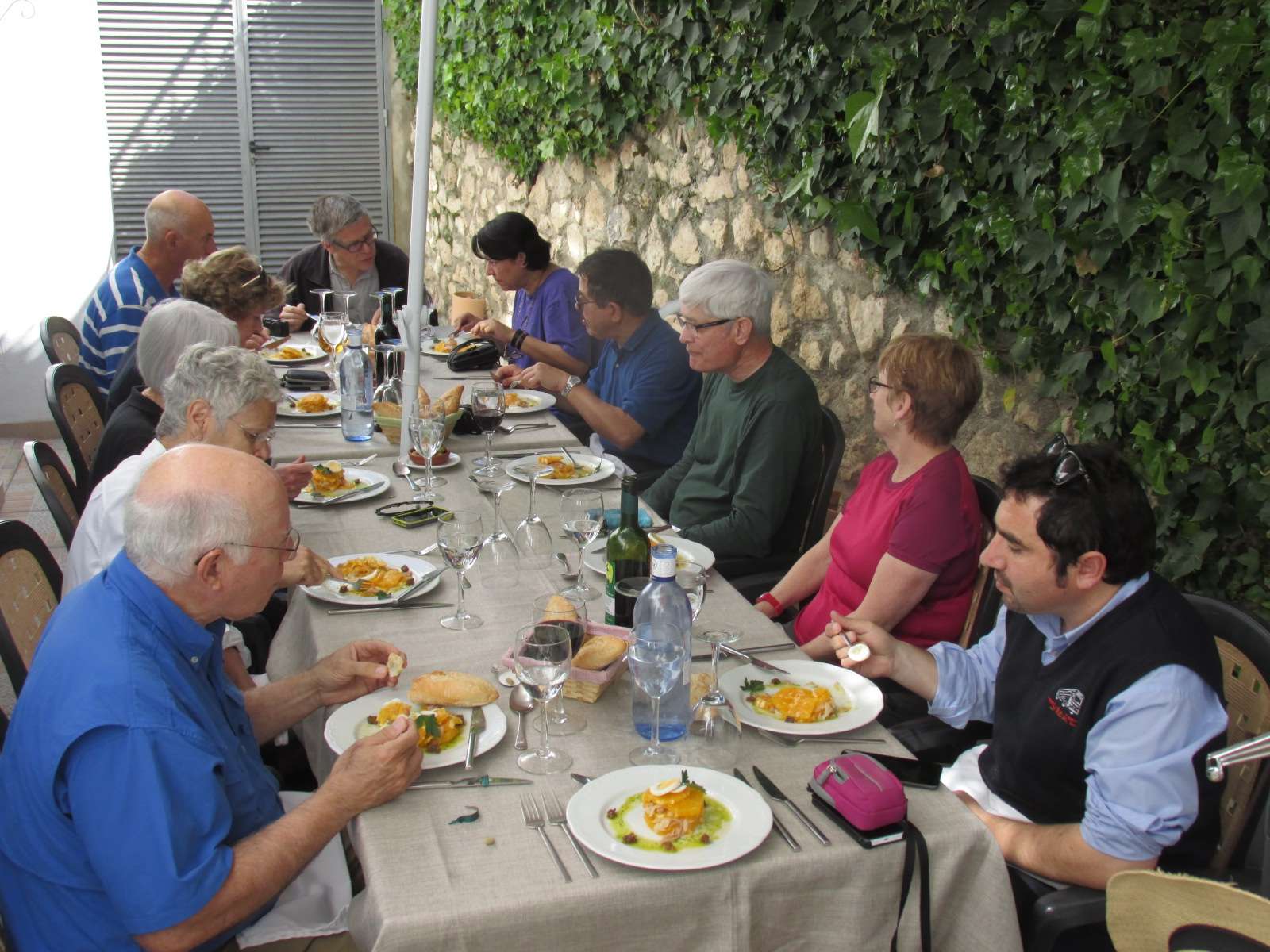
We dined at Restaurante Casa Pepe de La Judería, established in 1930. The starters included cod croquettes, a common appetizer throughout Andalusia. For the main course, Christabel had suckling pig, and Albert had cod with pig trotters. For dessert, we enjoyed a pumpkin tart.
Hike in the Subbética Natural Park – March 15, 2017
We took a van to Subbética Natural Park and embarked on a long, challenging walk along a paved path that was once an old railway line, surrounded by olive trees. After the hike, we reached Zuheros de la Sierra and climbed a steep hill to a restaurant. Arriving around 2:30 PM, we were starving and thirsty. The view and the meal were exceptional, and we all enjoyed dessert.
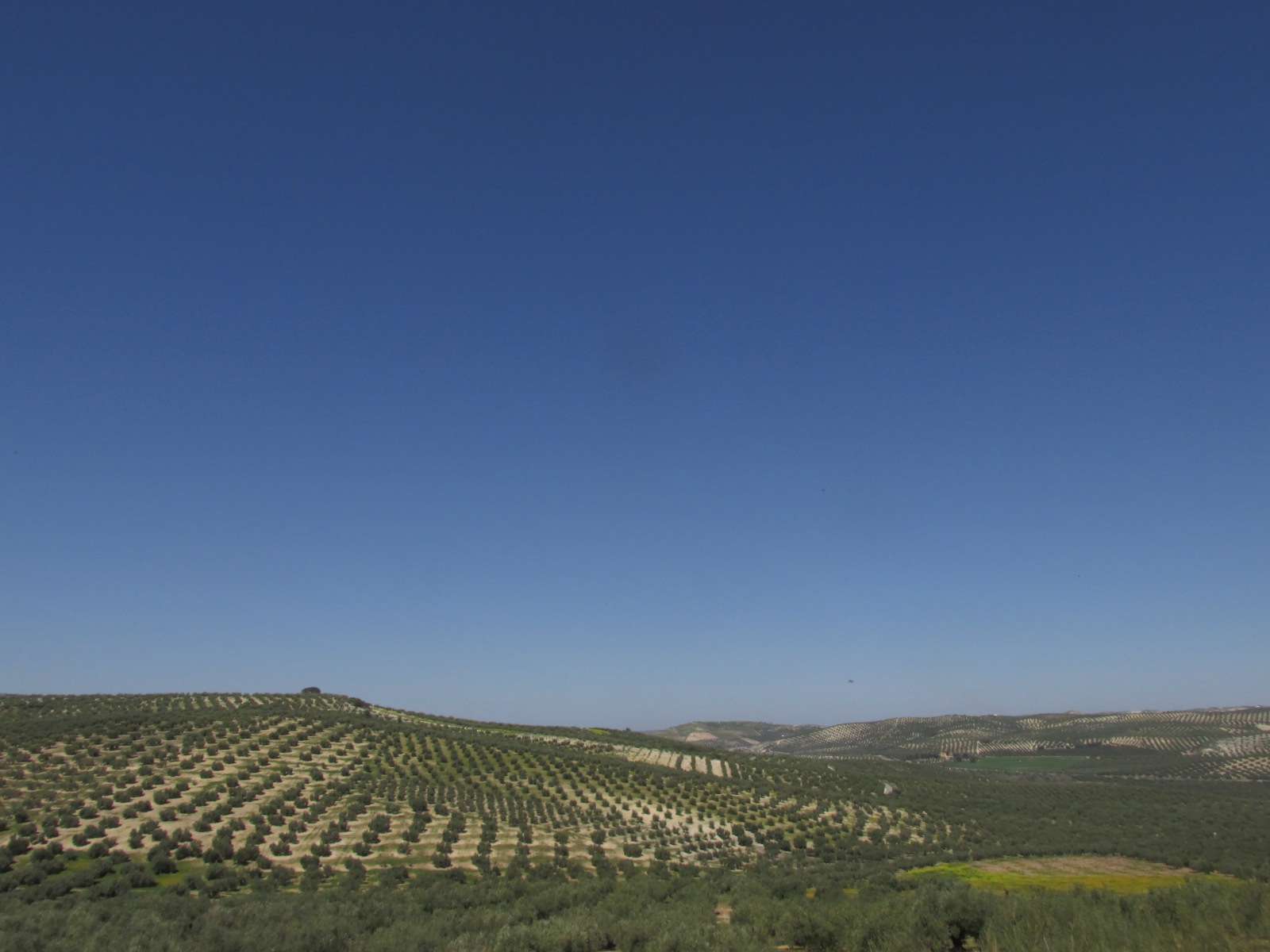

Later, we visited Aceites Vizcántar, where we learned about olive oil production and the differences between virgin and extra virgin olive oil. We also tasted olive jam for the first time, which was delightful, and discovered that many cosmetics are made from olive oil.
We then traveled to Granada, checked into our hotel, and enjoyed a lovely dinner before turning in early, exhausted from the day’s activities.
Magical Granada and the Alhambra – March 16, 2017
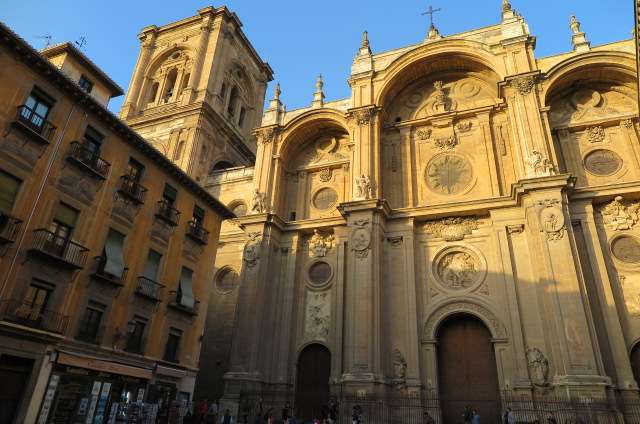
The main highlight of the day was our visit to the UNESCO World Heritage Site, the Alhambra, an iconic palace city built in the 13th and 14th centuries. As we wandered through this architectural marvel, our local historian recounted tales of the splendors of this medieval fortress-turned-palace complex. The Alhambra is a stunning example of Moorish architecture, renowned for its intricate tilework and lush gardens.
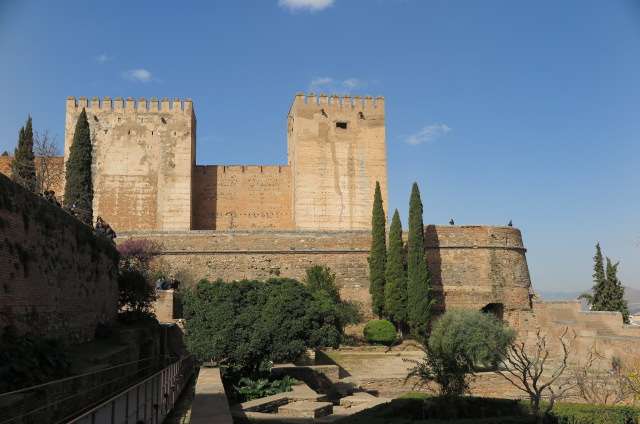
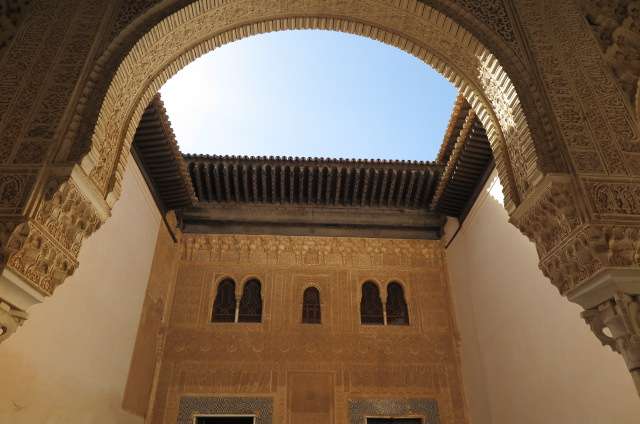
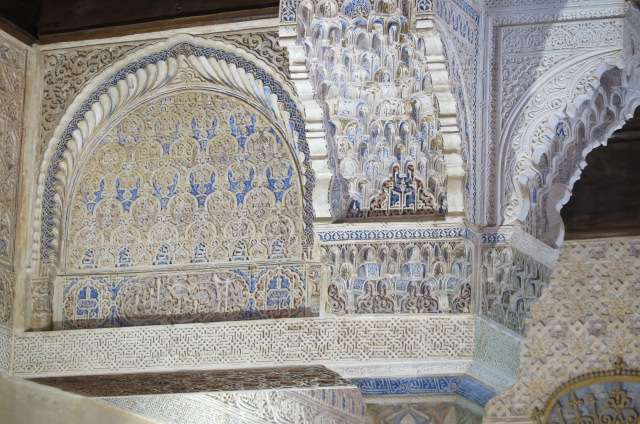
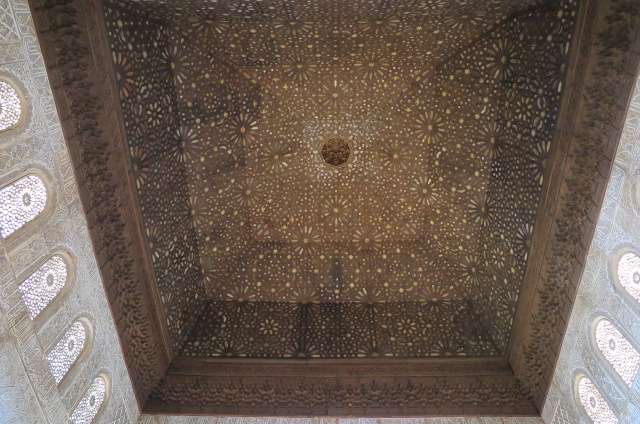
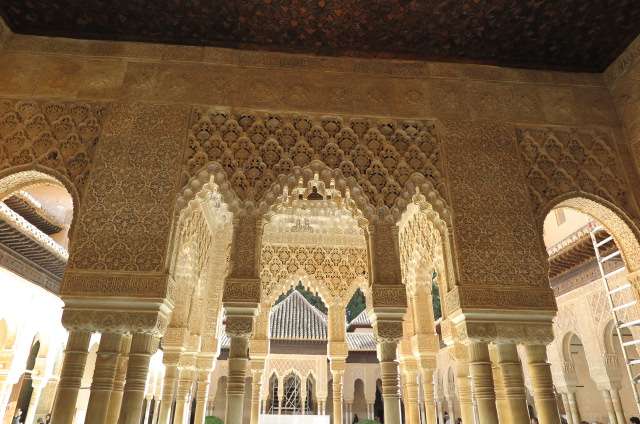
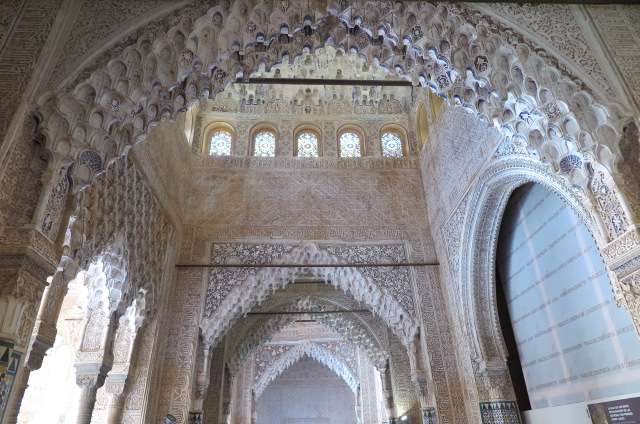
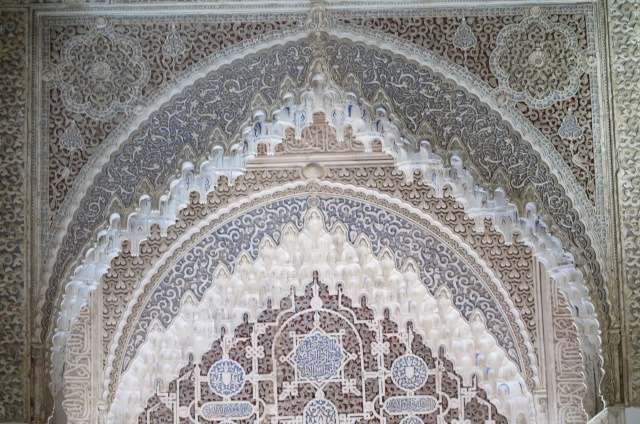
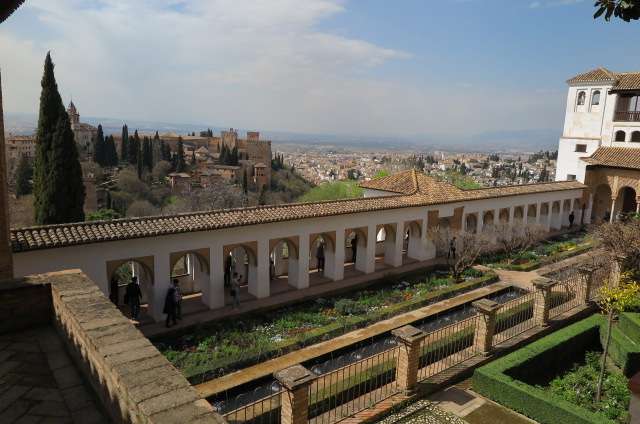
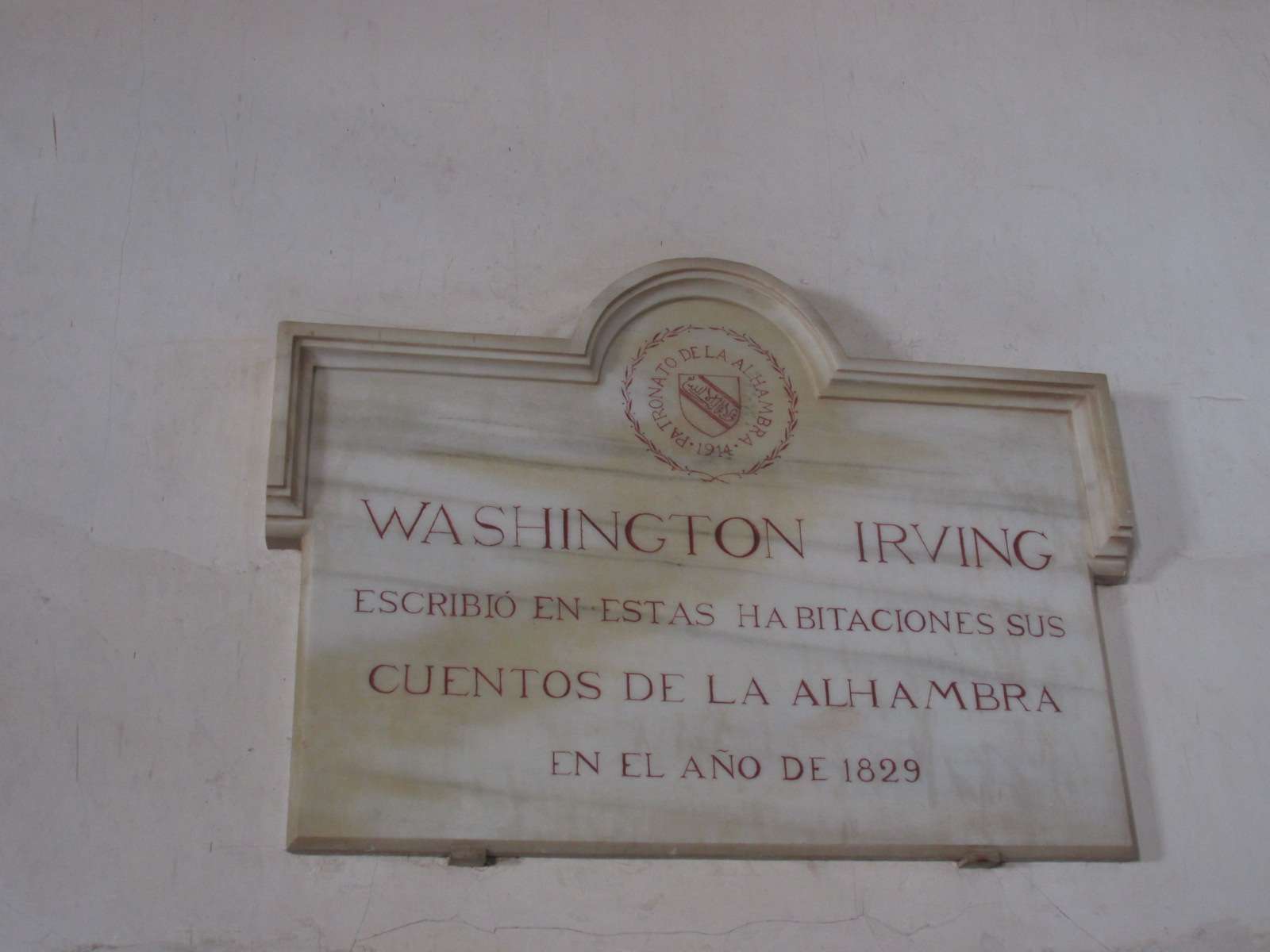
Inside the Alhambra, we found ourselves particularly awestruck by the Patio of Lions. Standing in this historic courtyard, it was easy to understand why the Alhambra is the second most visited monument in Europe.

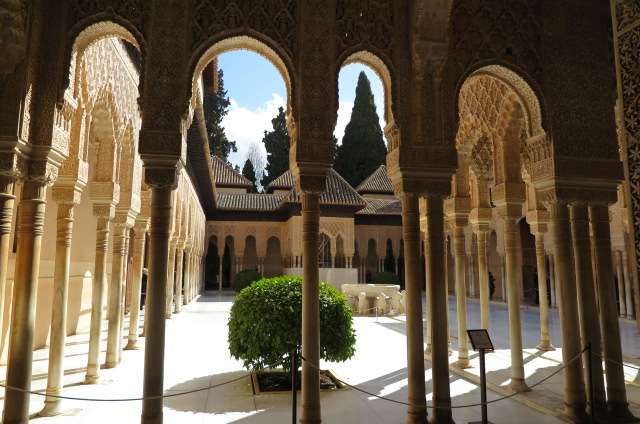
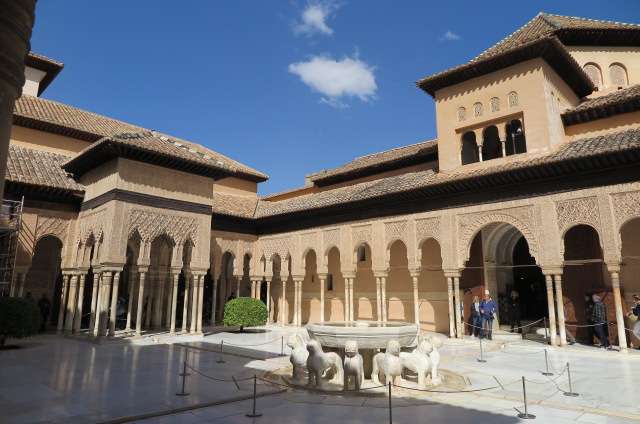
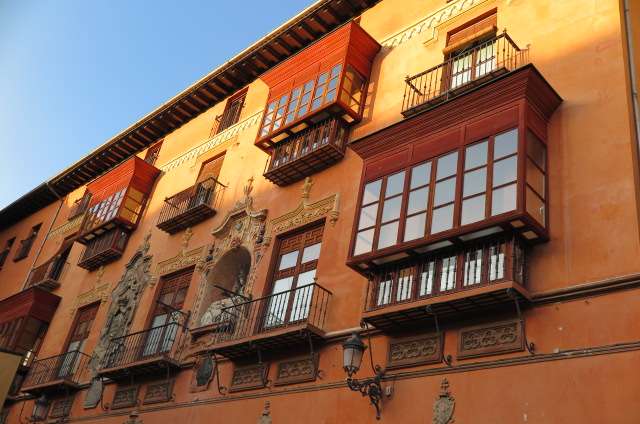
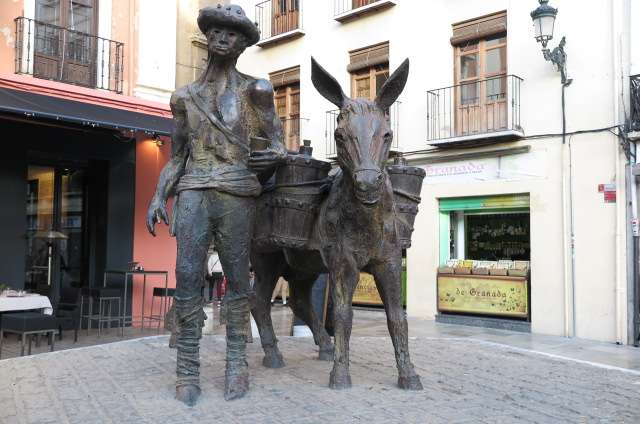
As evening approached, we strolled through the Albayzin, Granada’s old Moorish quarter. The neighborhood’s hilly and winding streets offered spectacular views of the Alhambra, beautifully illuminated against the night sky. We concluded our day with a fine meal, enjoying Granada’s rich culinary offerings.
Hiking the Sierra Nevada – March 17, 2017
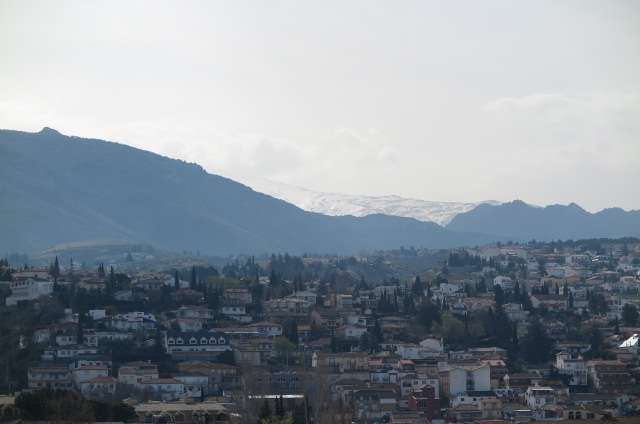
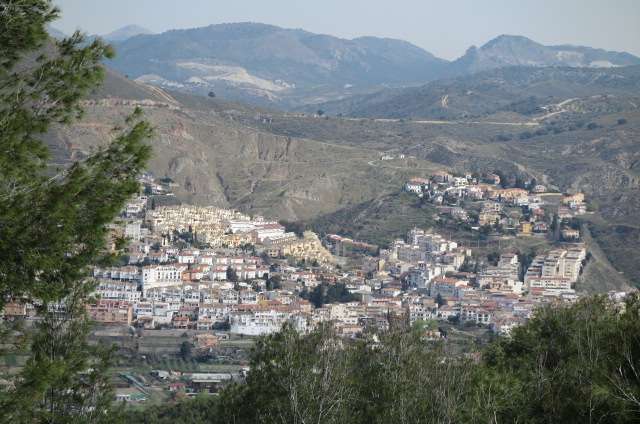
After a day of city walking, we laced our boots and headed for fresh air in the mountains of the Sierra Nevada, Europe’s second-highest mountain range after the Alps. Our journey took us through the foothills of the lower valleys, where we marveled at the magnificence of this rugged and expansive National Park. The landscape, with its dramatic peaks and lush hillsides, offered a sharp contrast to the urban environment.
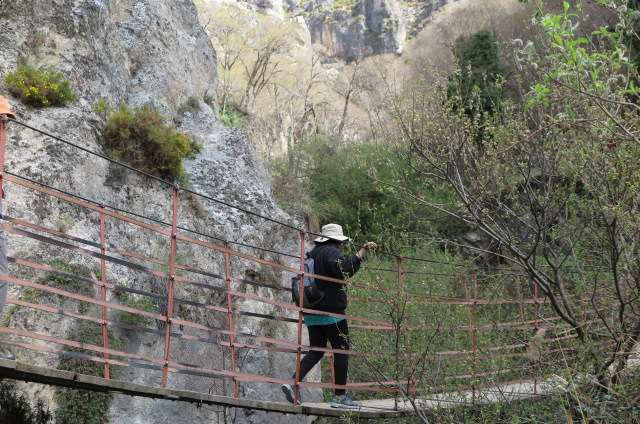
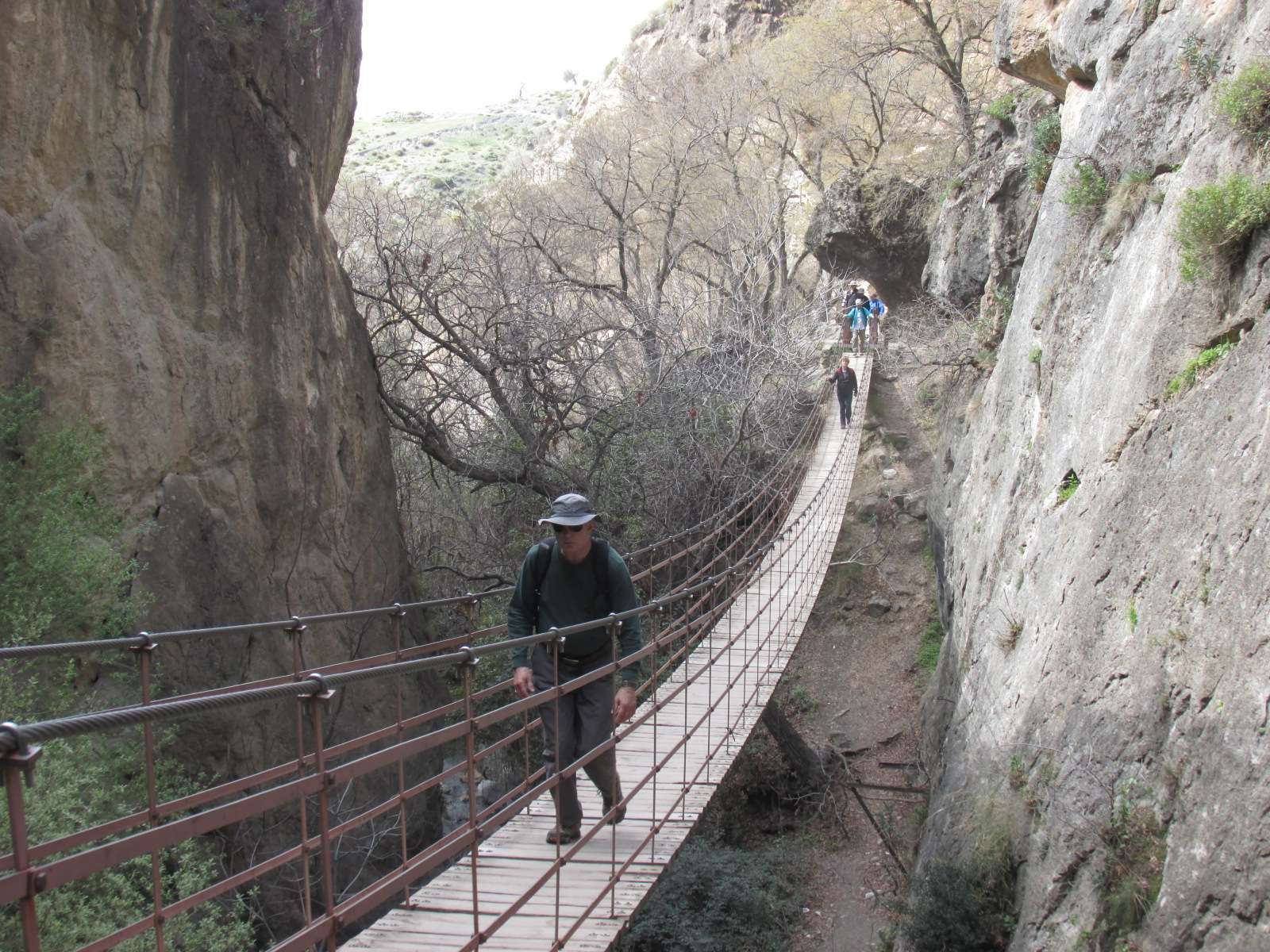
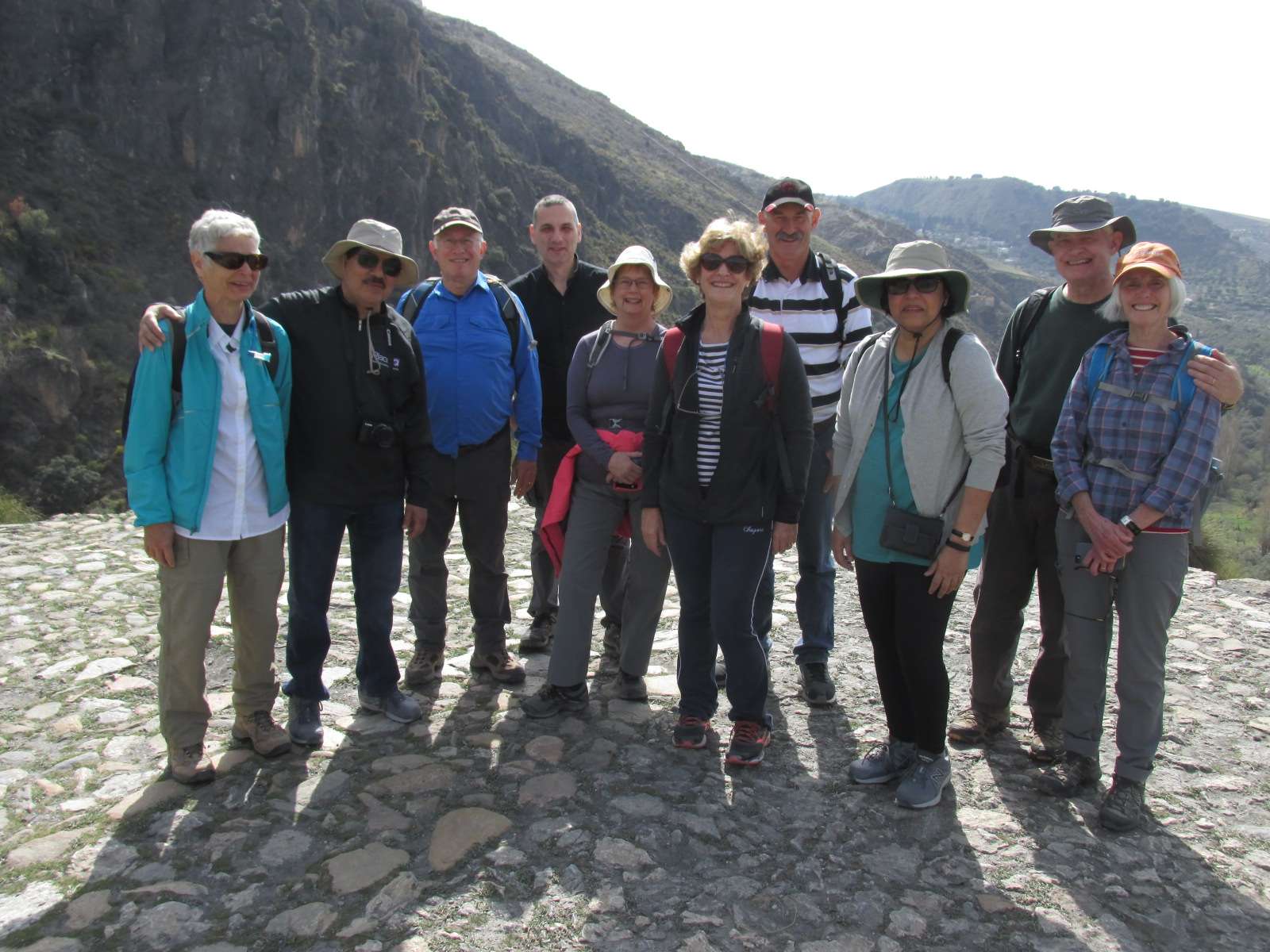
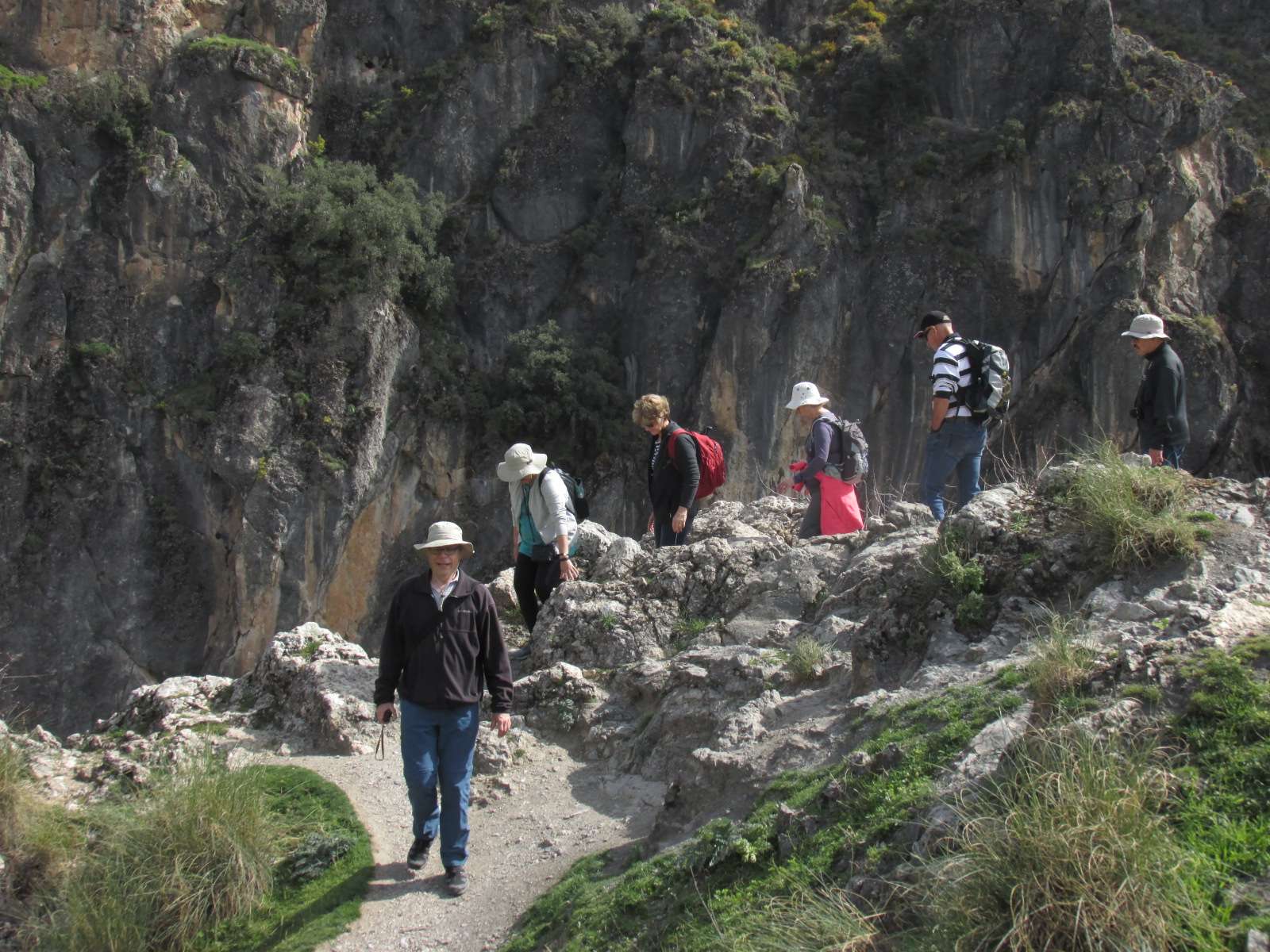
After lunch, we made our way back to Granada. The rest of the afternoon was ours to enjoy. We spent the evening shopping and ended the day with a simple dinner at one of the local restaurants.
Los Pueblos Blancos and Grazalema – March 18, 2017
Today, we departed from Granada and journeyed through the renowned pueblos blancos (white towns). Our hike led us through pine and fir tree forests, highlighting a distinctive and beautiful side of southern Spain.
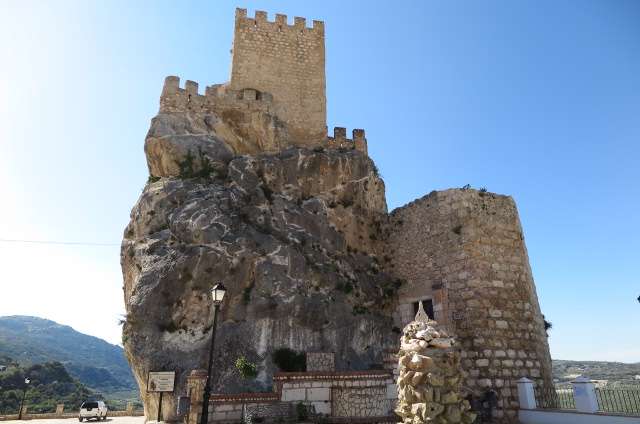
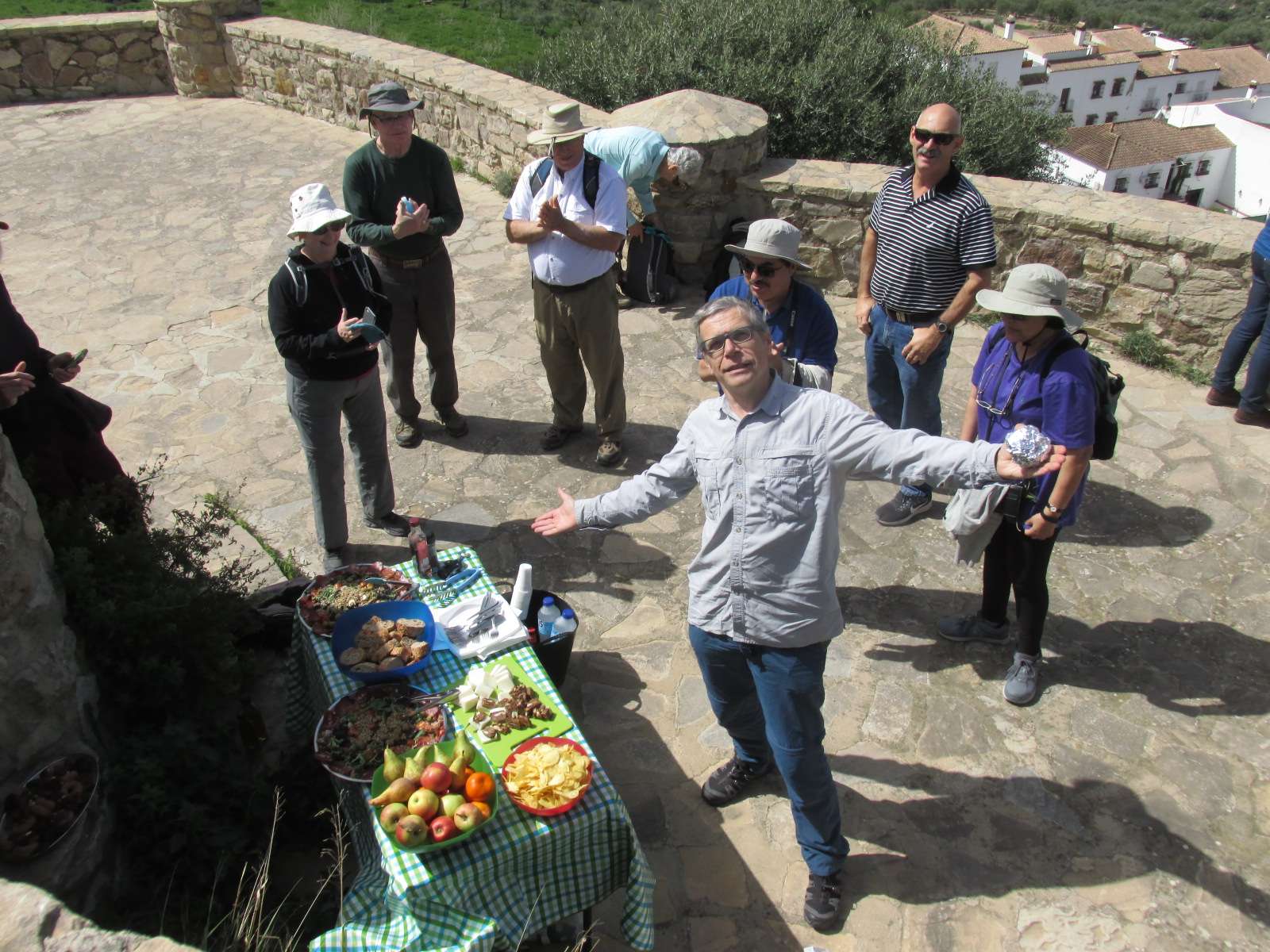
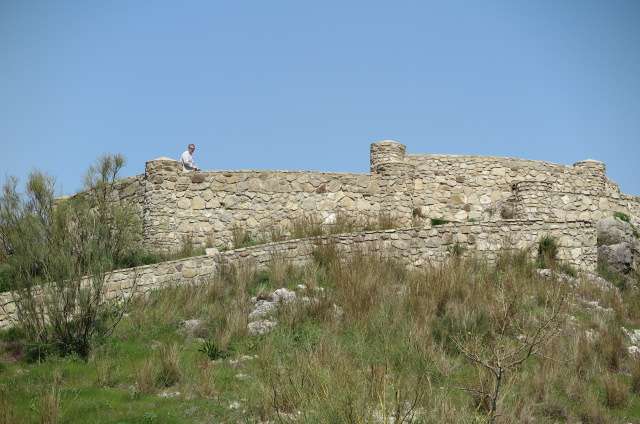
After enjoying a delicious picnic lunch prepared by Jason, we explored Zahara de la Sierra, one of the most picturesque of the pueblos blancos. This charming village is perched above a tranquil water reservoir, offering stunning panoramic views of the surrounding countryside. The highlight of our visit was the well-preserved Moorish castle, which provides amazing vistas of the landscape below.
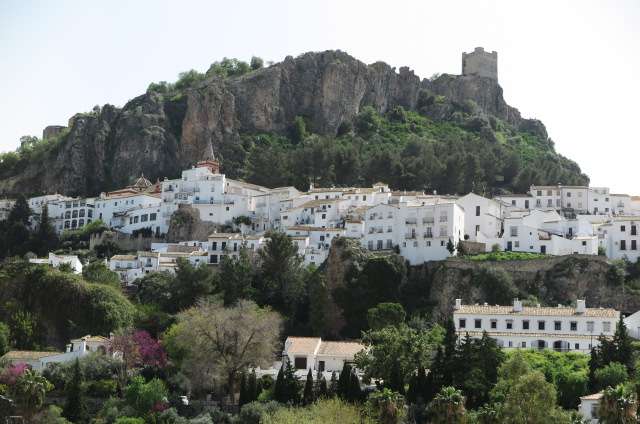
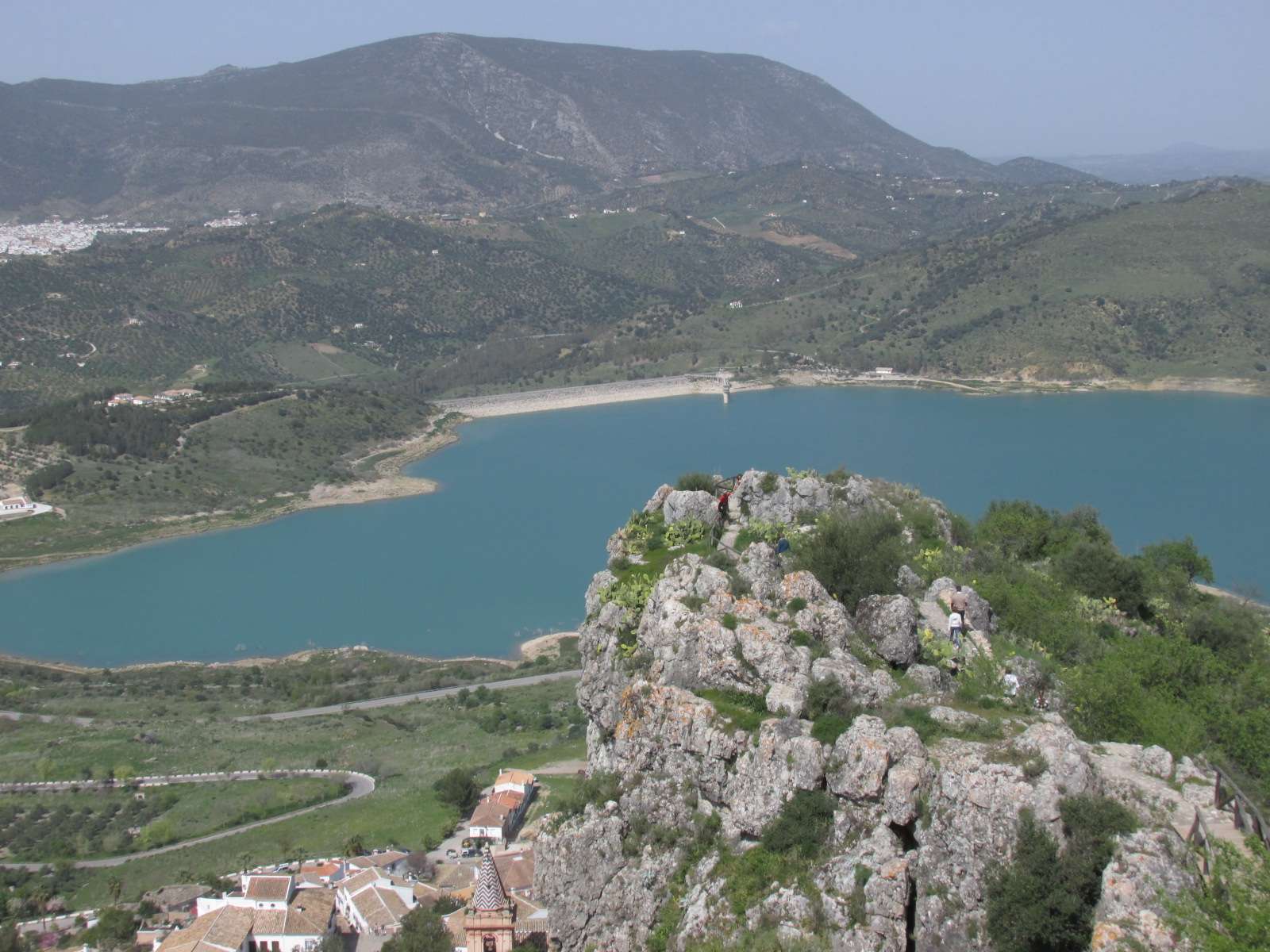
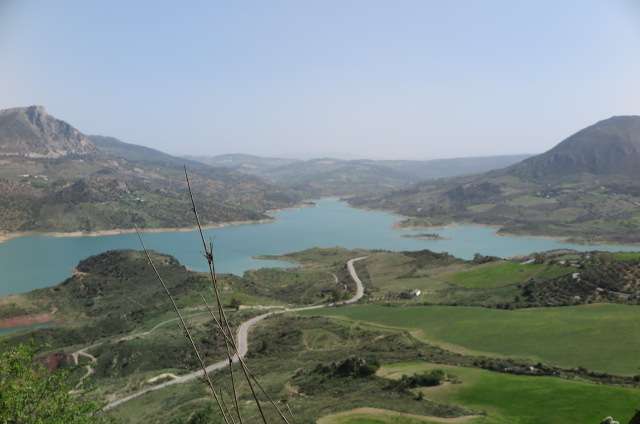

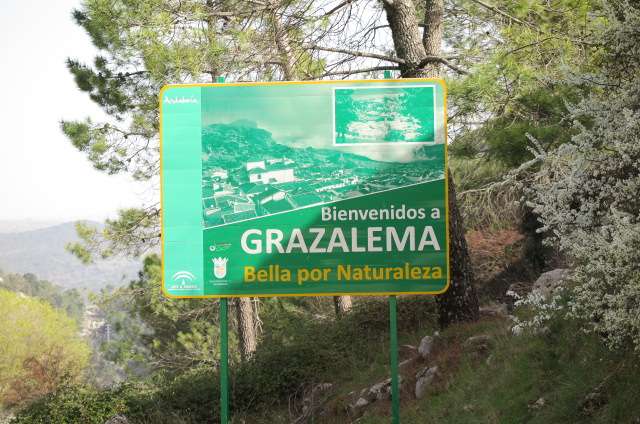
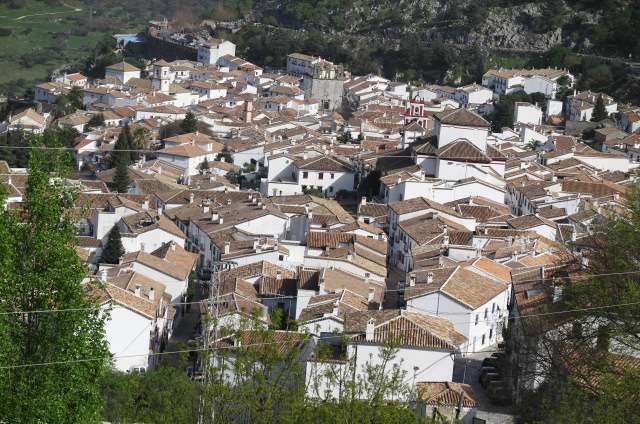
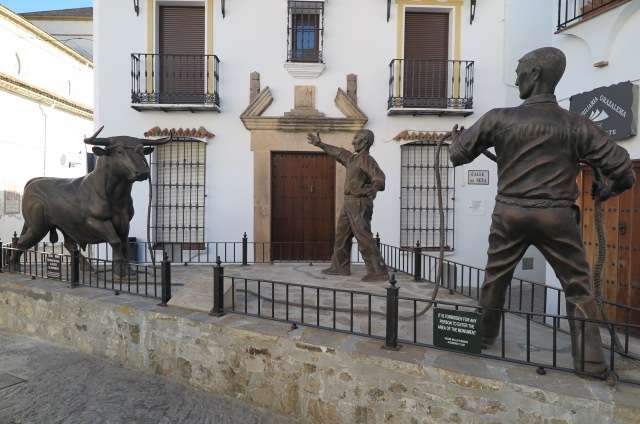
We then continued our journey to Grazalema, a quaint village celebrated for its lush landscapes and traditional whitewashed houses. Upon settling into our hotel, we went on a brief tour of the village, enjoying its charming atmosphere and scenic beauty. The day ended with a delightful dinner, after which we retired for the night.
Exploring Grazalema’s Cheese, Nature, and Ronda’s Heritage – March 19, 2017
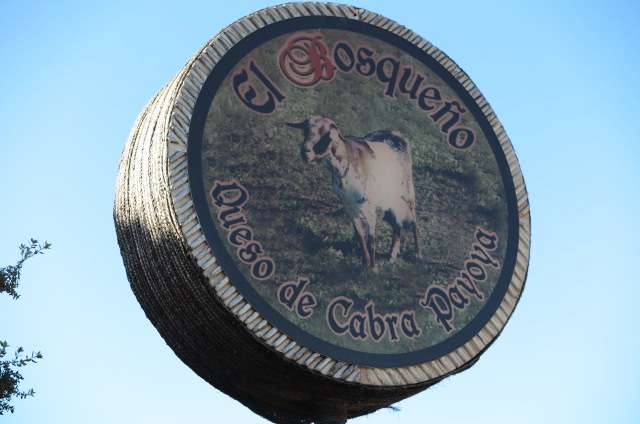
Today, our guides surprised us with a visit to a boutique cheese producer, Quesos El Bosqueño in Grazalema. During the tour, we explored the fascinating process behind their award-winning cheeses. We learned about the unique characteristics of the Grazalema sheep, whose milk is used to create their famous Oveja Grazalemeña Emborrado, a cheese that won the Super Gold at the 2016-17 World Cheese Awards in San Sebastian. The tour also included a visit to the museum and its aging cellars, where we observed the traditional techniques used to produce their distinctive rind.
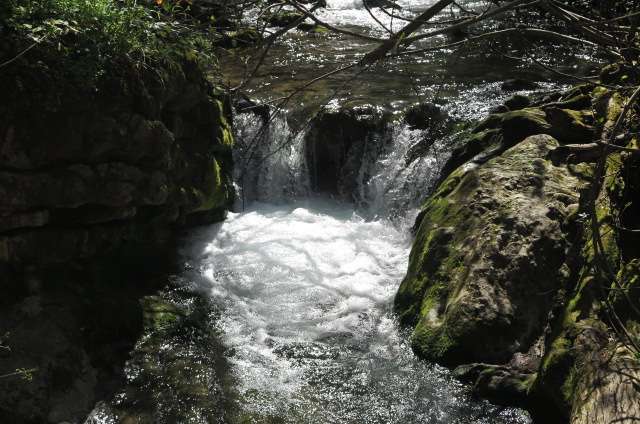
Our hike through Grazalema National Park was a fascinating journey through beautiful scenery and diverse flora. We walked along winding trails, surrounded by streams, towering limestone cliffs and vibrant wildflowers.
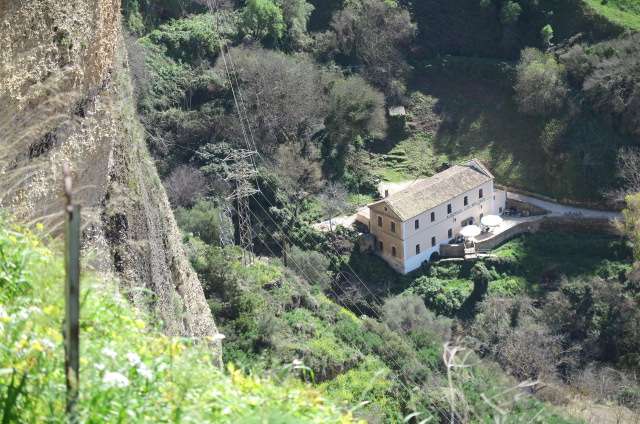
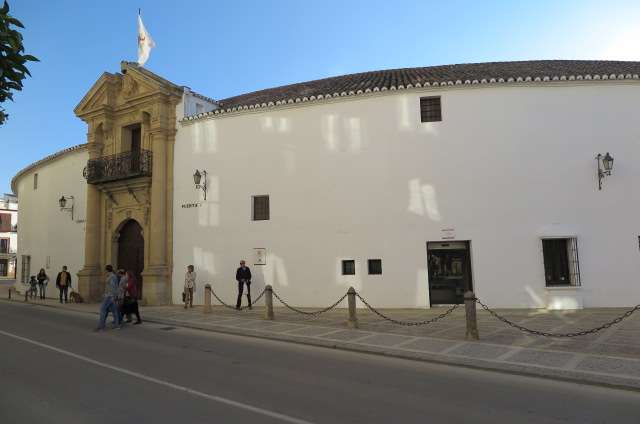
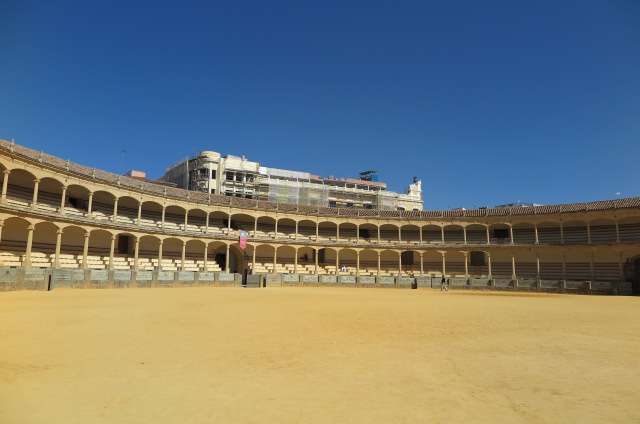
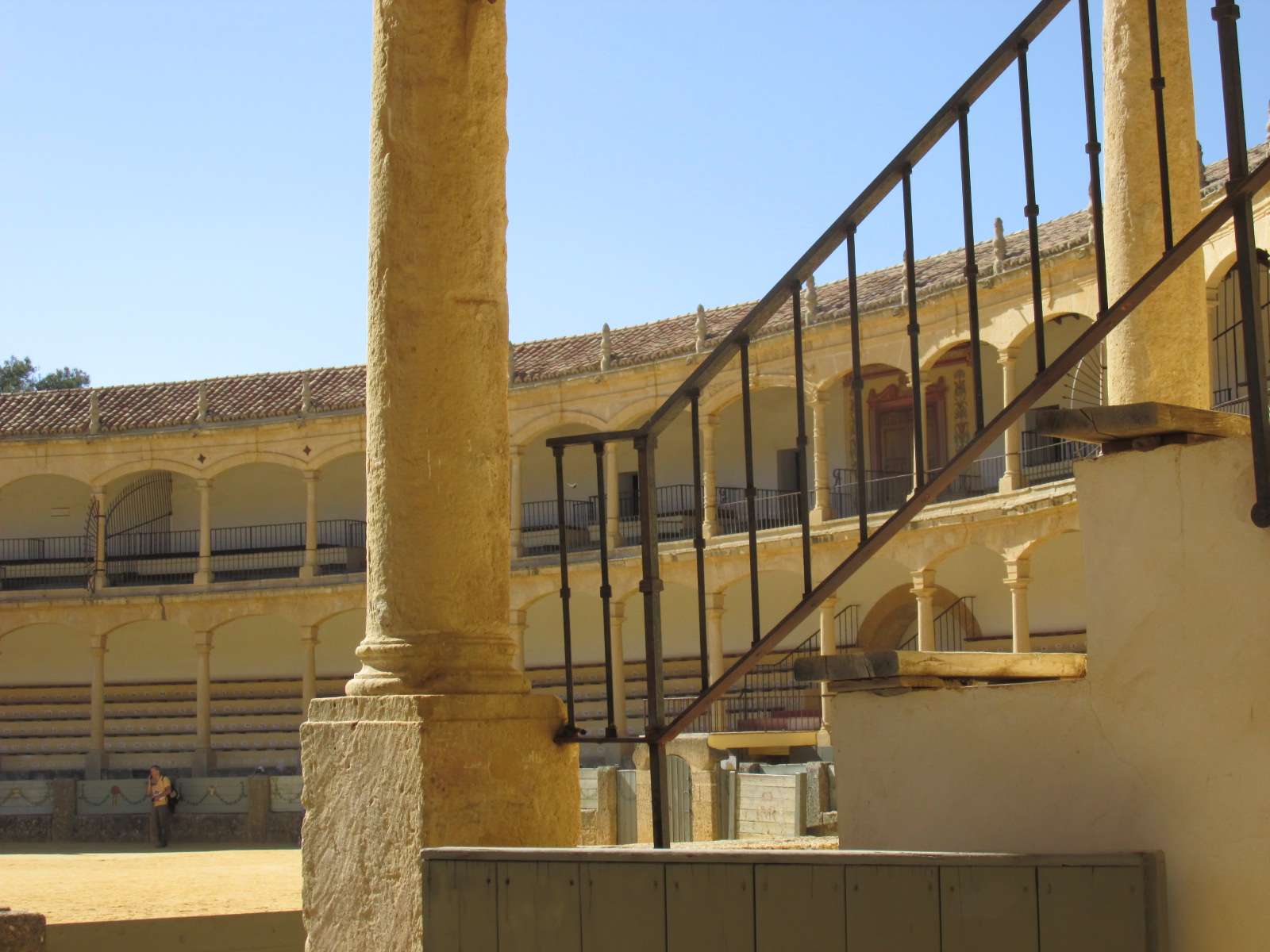
After lunch, we hopped in the van and drove to Ronda, a favorite destination of Hemingway’s. We began our tour with a visit to Plaza de Toros, one of the oldest bullrings in Spain and a key part of the town’s cultural heritage. Since only locally licensed guides are allowed to lead tours, we explored the bullring on our own, captivated by its impressive design and historical exhibits.
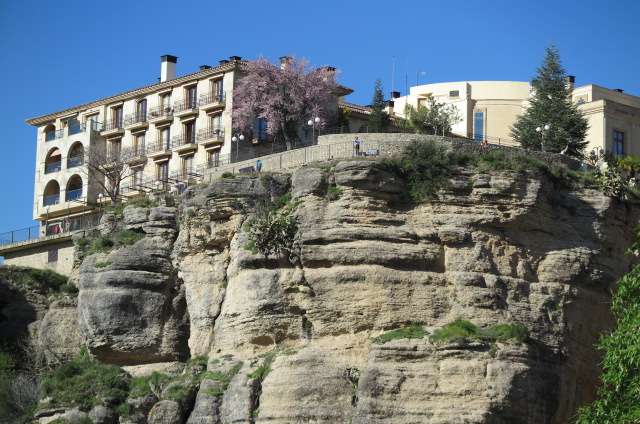
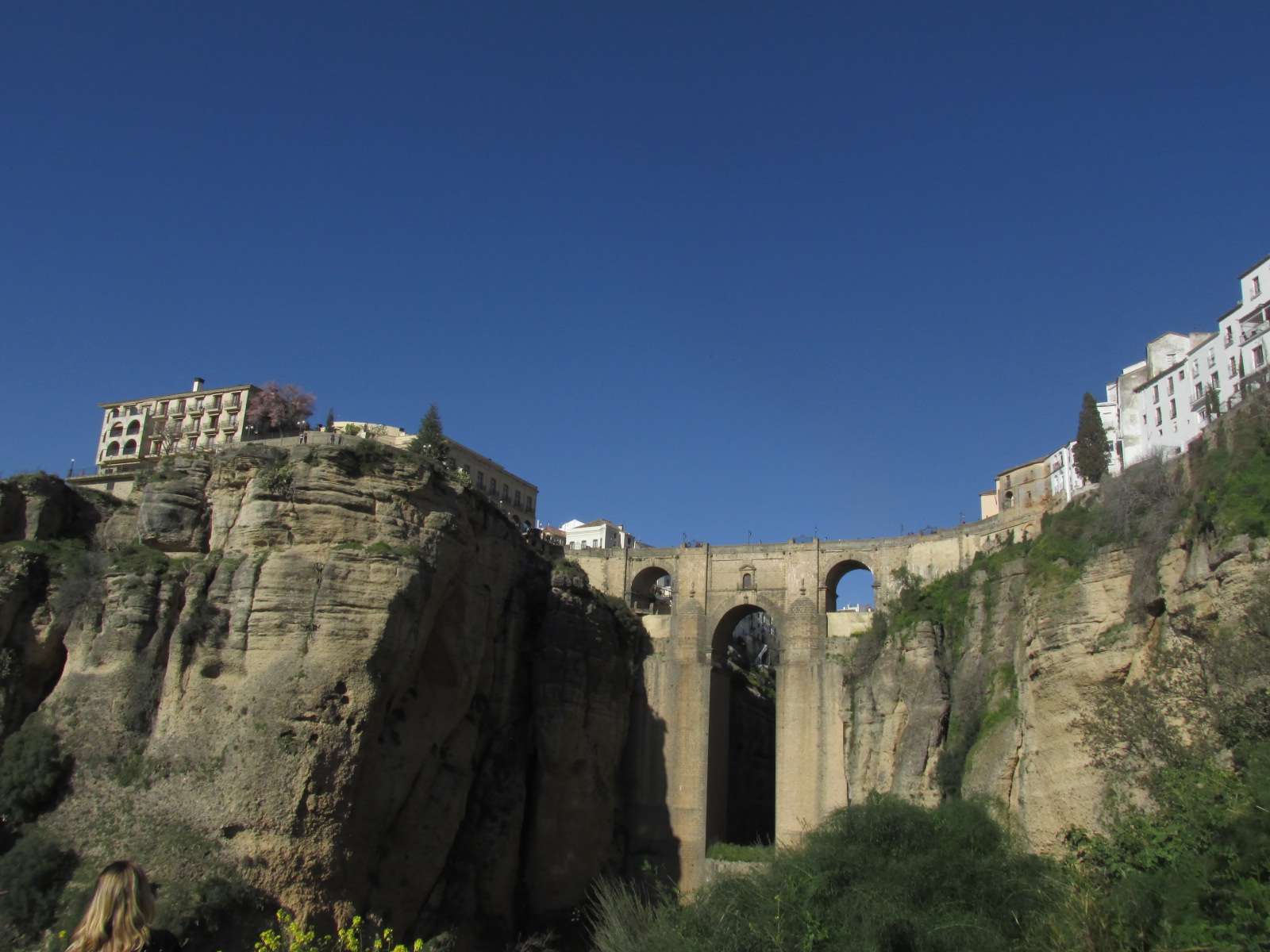
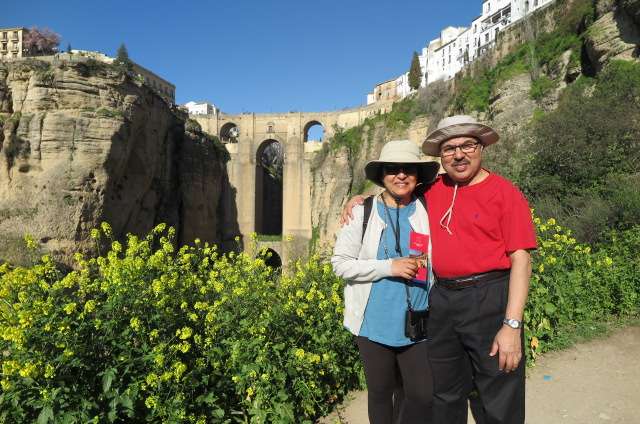
We then crossed the El Tajo Gorge, pausing on the Puente Nuevo—an iconic 18th-century bridge—for stunning views of the landscape below.
Costa de la Luz: A Coastal Gem – March 20, 2017
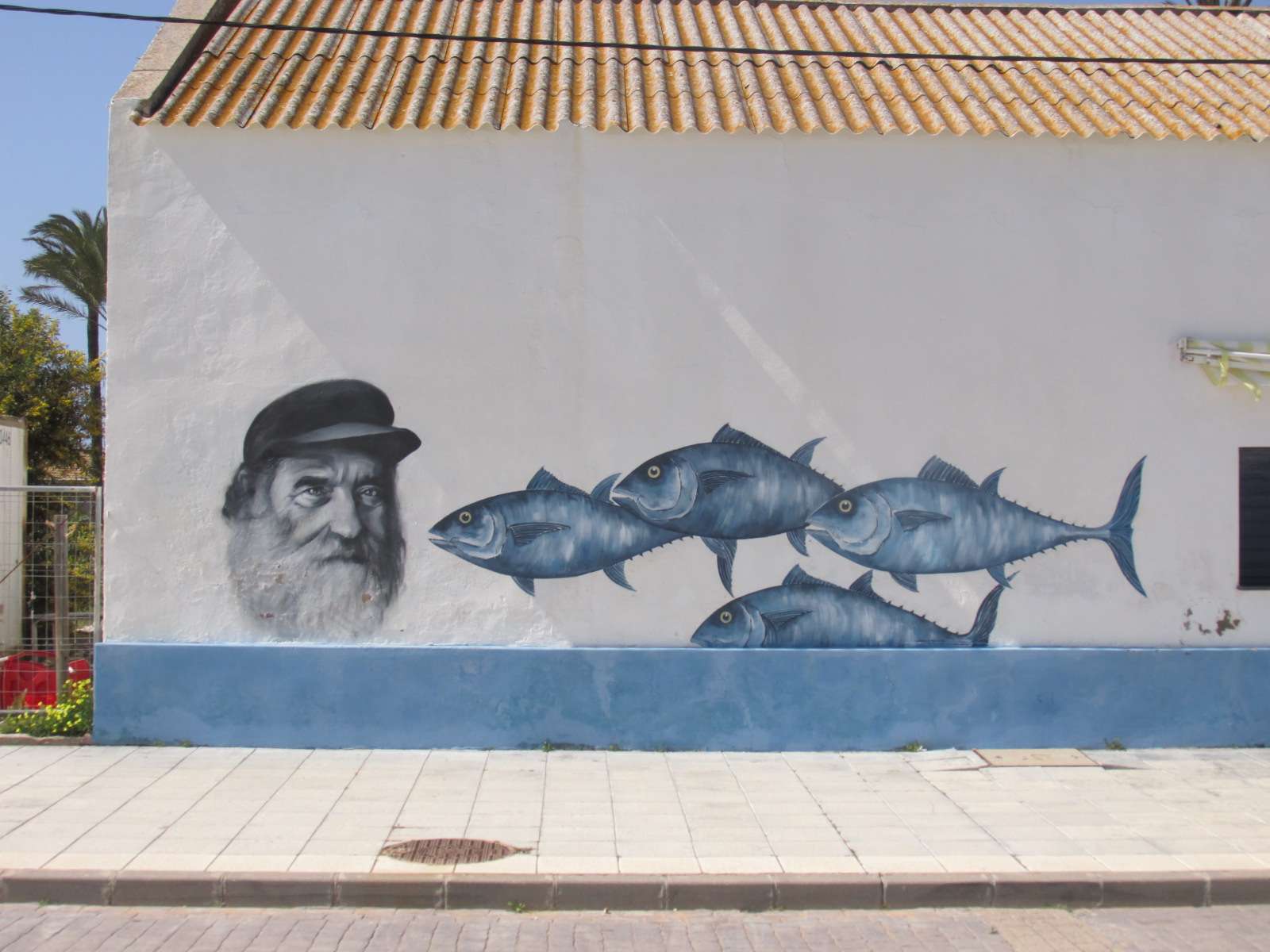
Hopping in the van, we set off to explore the lesser known yet spectacular Costa de la Luz, a Spanish coastal gem that has retained the charm of its tiny fishing villages. Unlike the more commercialized Costa del Sol, this “Coast of Light” offers an authentic experience along its golden sandy shores.
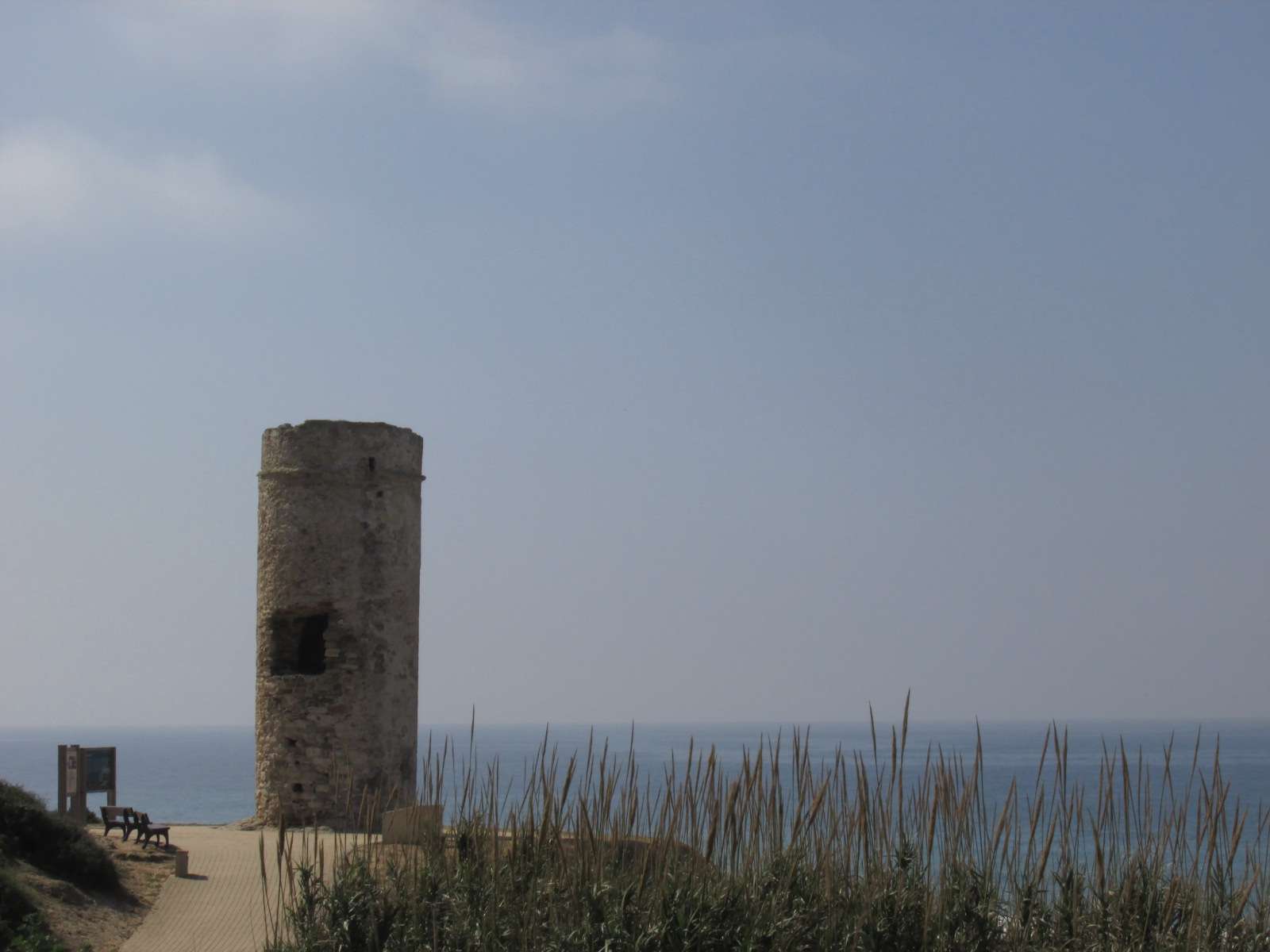
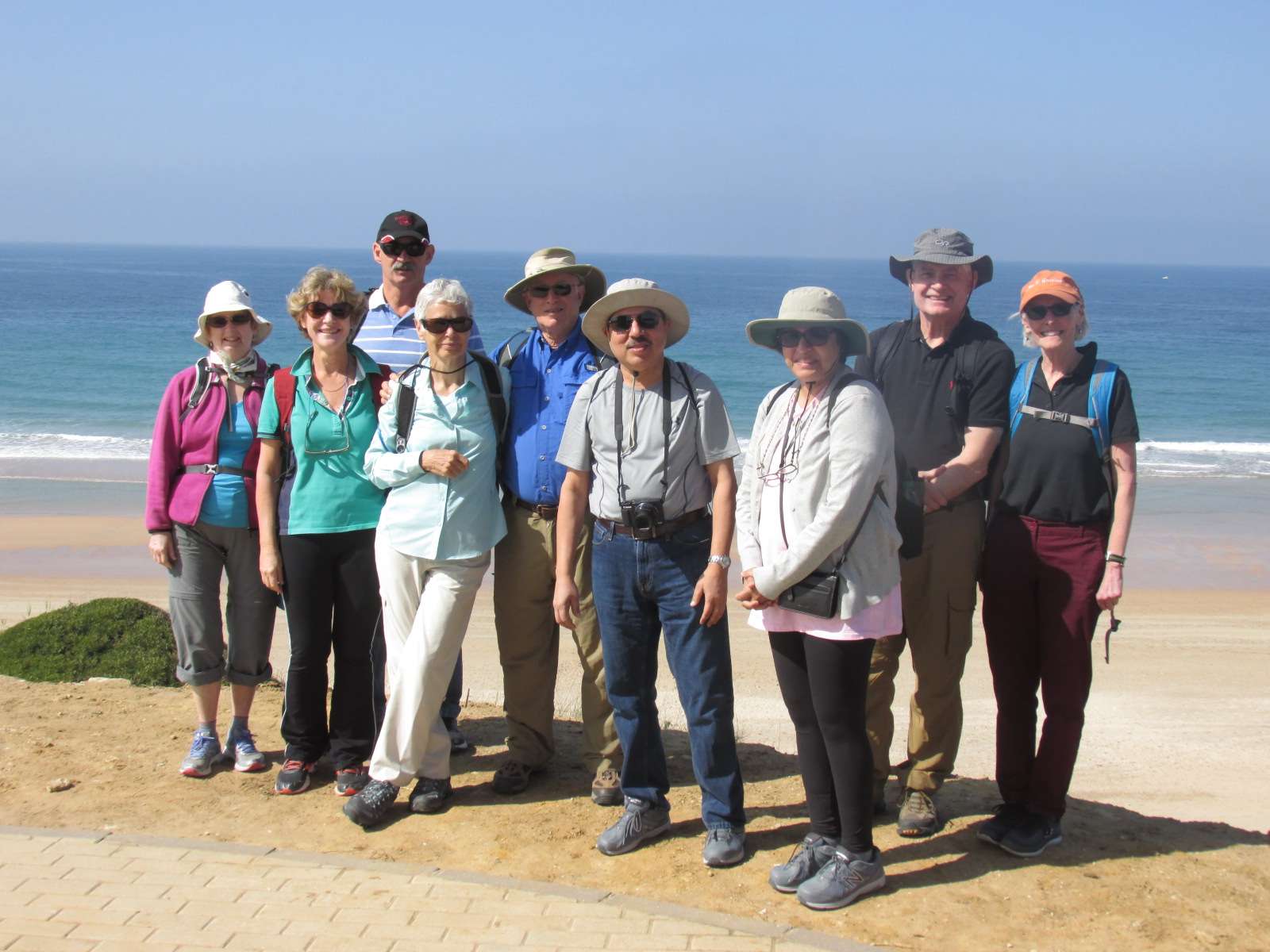
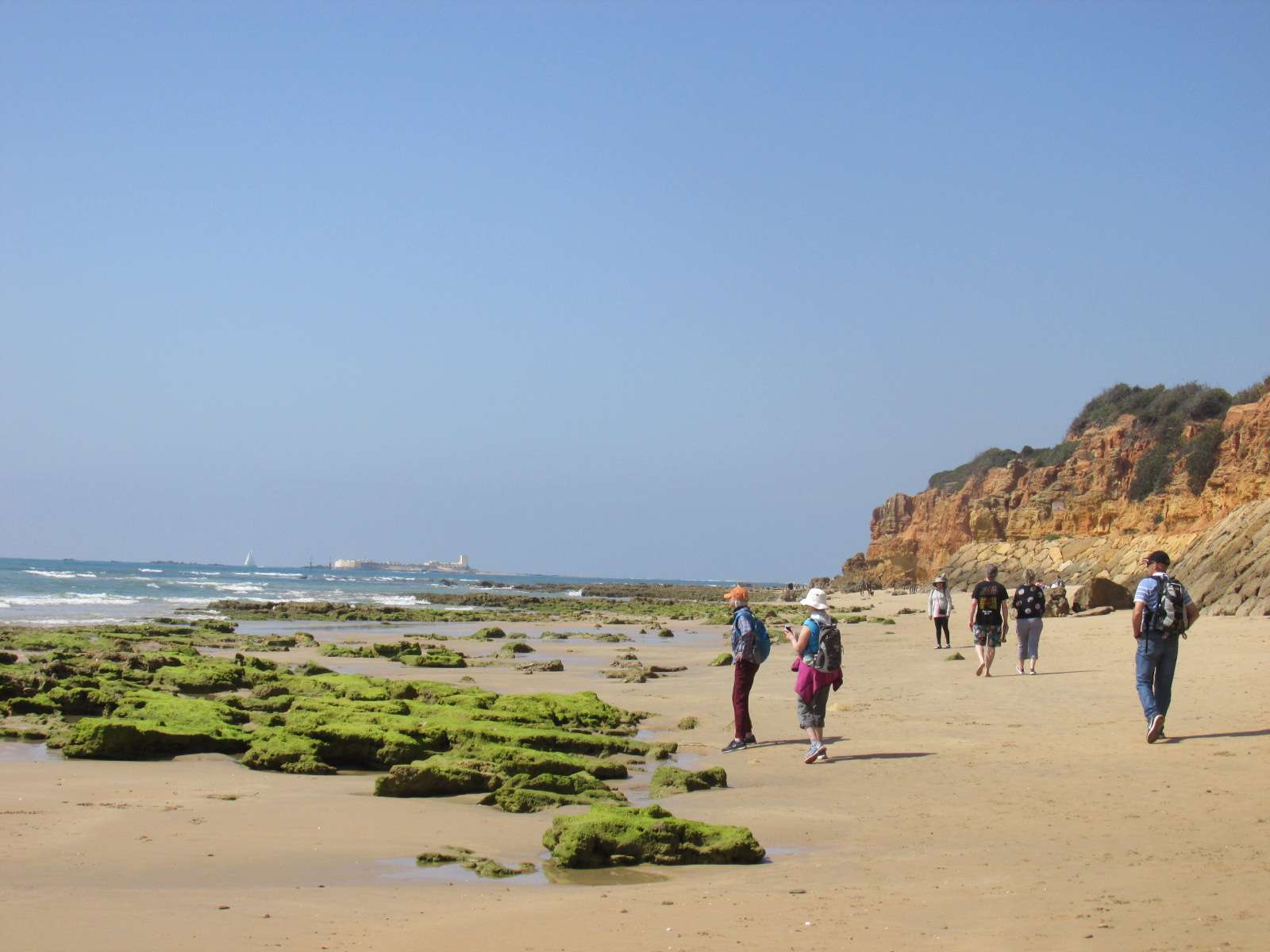
Our day began with a peaceful walk through protected pine forests. As we wandered along the trails, we occasionally spotted little fishing boats heading out for sardines or anchovies, a tradition that has endured for centuries. After a picnic lunch prepared by Jason, we continued our stroll along the coast. We passed quaint fishing villages where colorful boats bobbed gently in the water, ready to set out for their daily catch.
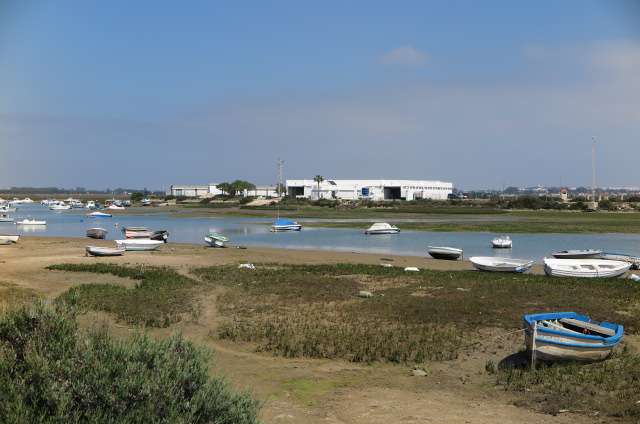
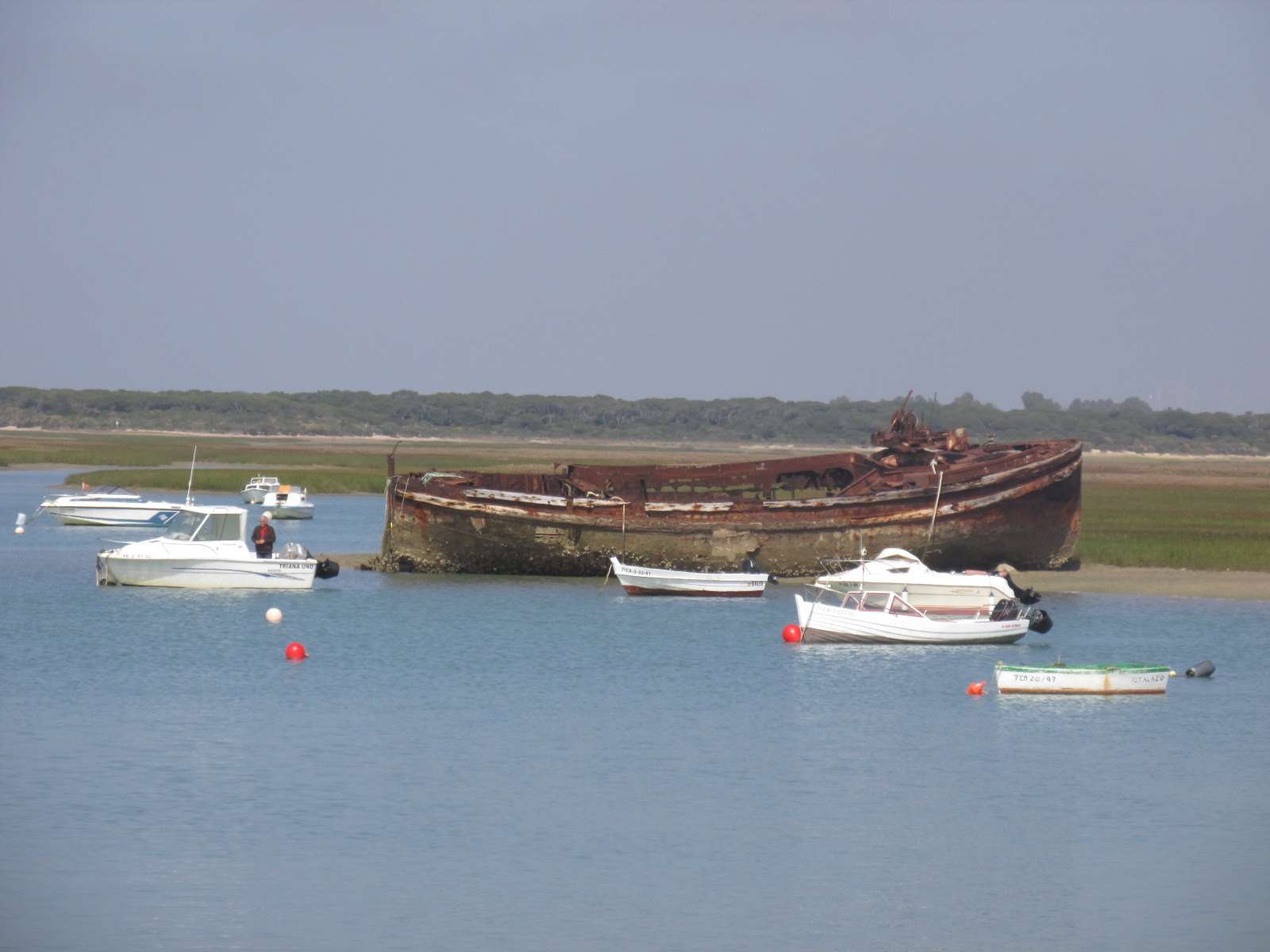
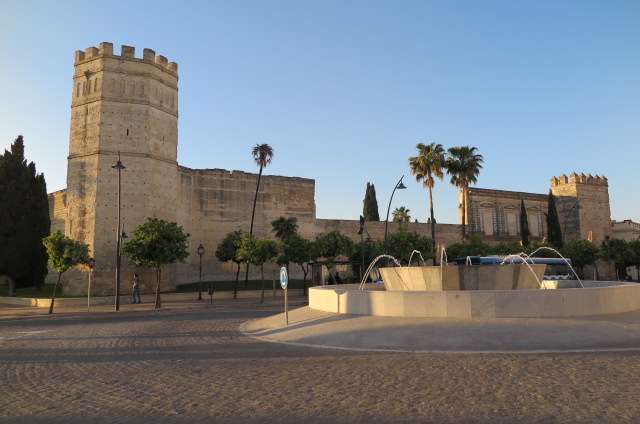
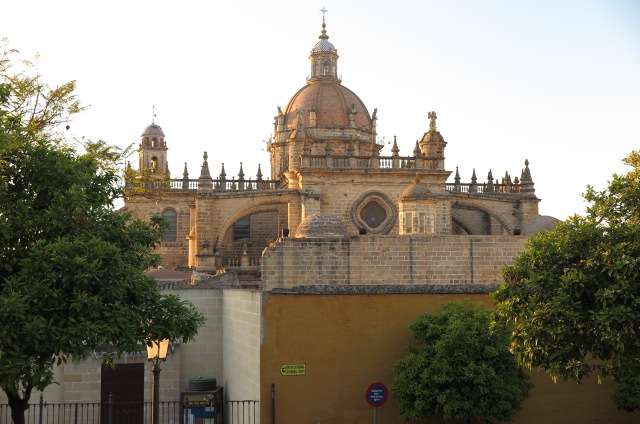
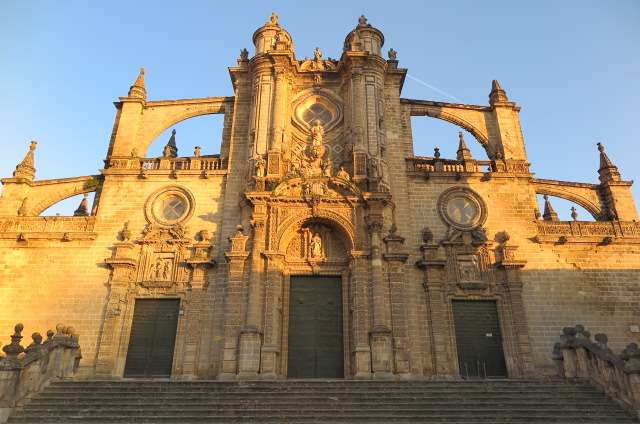
Upon concluding our walk, we headed to Jerez. After checking into our hotel, we strolled through its charming streets, taking in the grandeur of historic landmarks like the Alcázar of Jerez and the majestic Cathedral.
Equestrian Elegance and Sherry Heritage – March 21, 2017
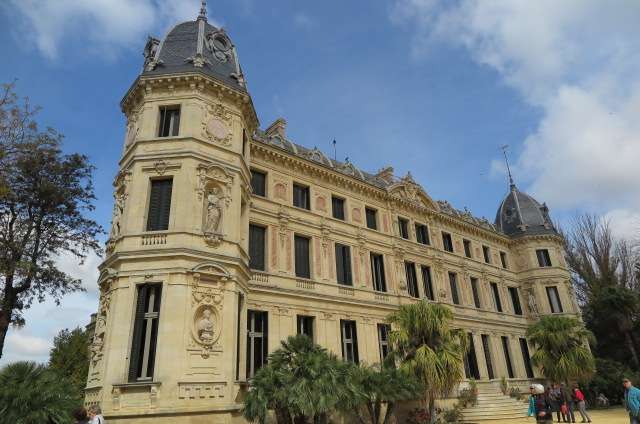
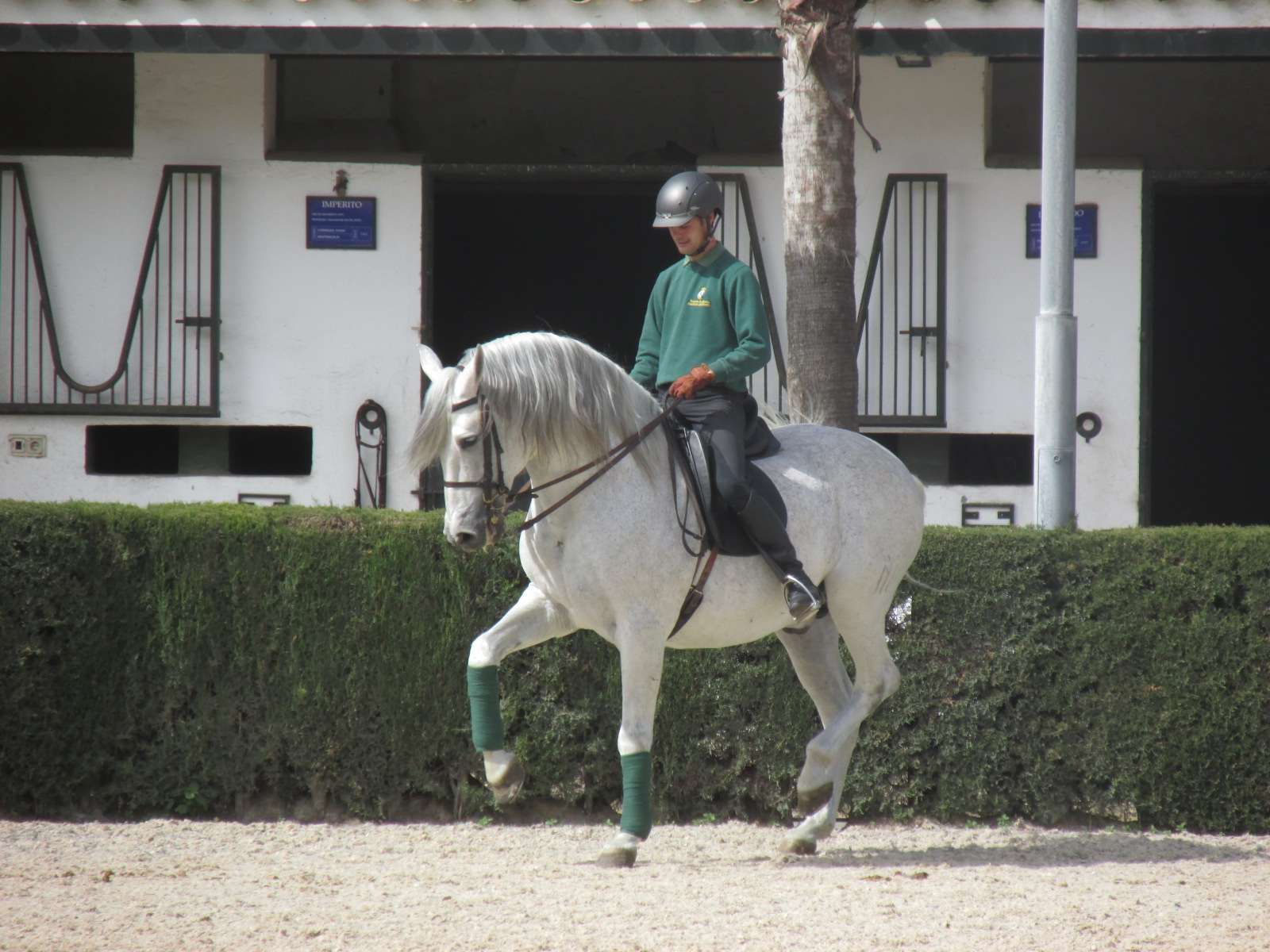
We began an exciting morning with a visit to the Royal Andalusian School of Equestrian Art to learn about the important role of the Jerez-bred Carthusian horses. During our visit to the Royal Andalusian School of Equestrian Art, we were captivated by the grace and elegance of the horses as they performed their perfectly synchronized routines. Founded in 1973, the school is housed in a beautiful 18th-century palace known as the Palacio del Recreo de las Cadenas. It serves as both a training center for riders and a venue for equestrian performances.
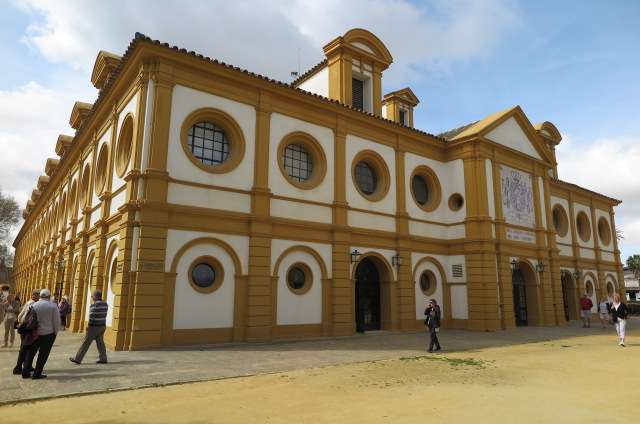
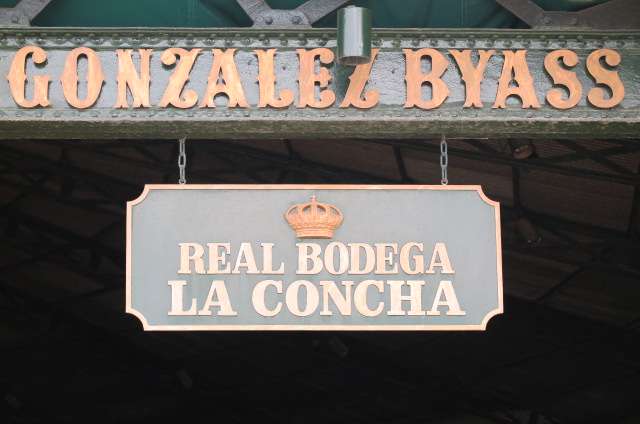
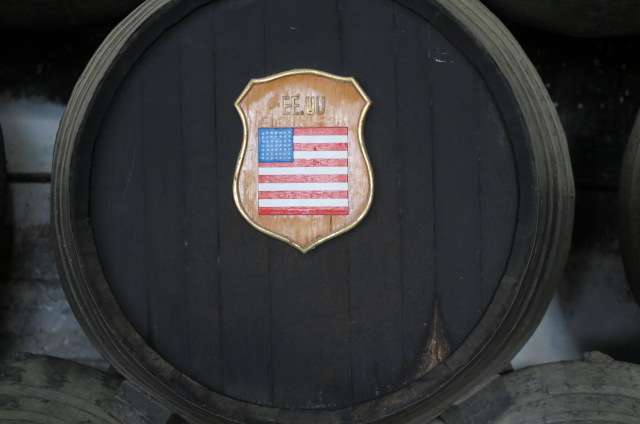
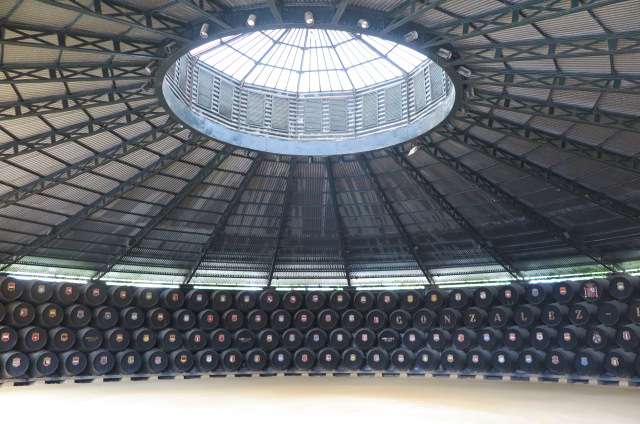
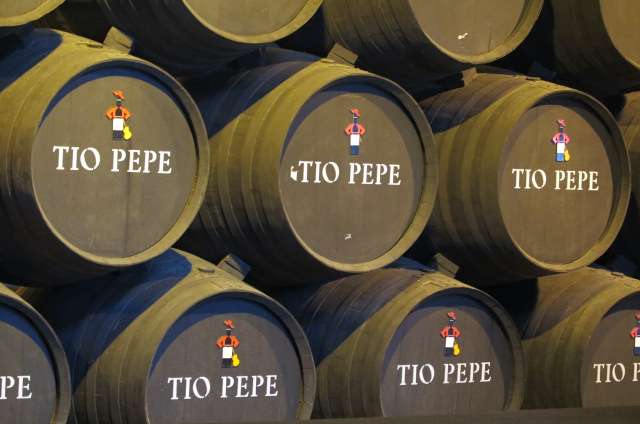
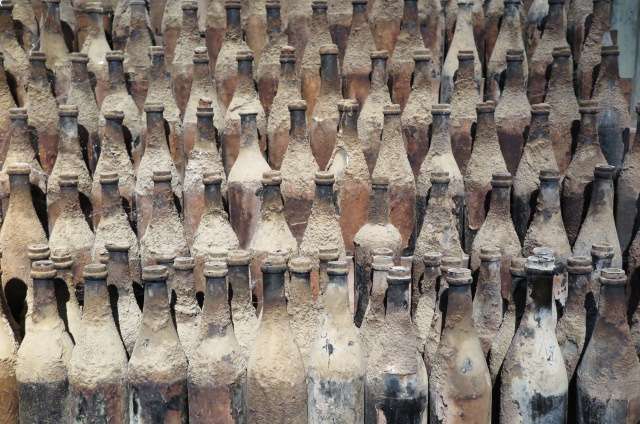
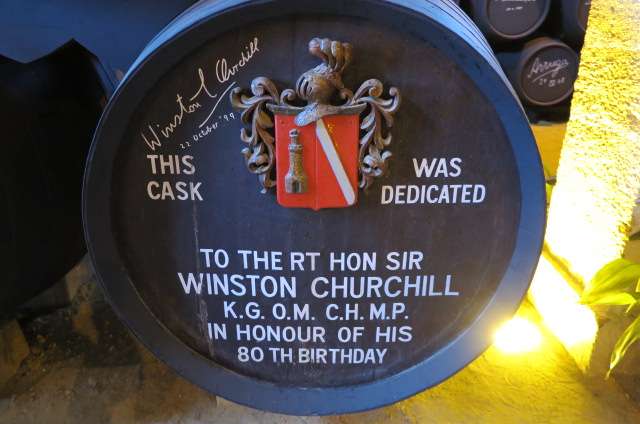
In the afternoon, we toured González Byass, one of the most celebrated sherry producers in Jerez, known for its flagship brand, Tío Pepe. Founded in 1835, this historic bodega has built a global reputation for producing high-quality wines, particularly its renowned fino sherry. As we explored its cellars, we enjoyed the rich aroma of aging sherry and the sight of numerous casks. Among these were barrels signed by notable visitors such as Omar Shariff, Steven Spielberg & Amy Irving, and Orson Wells. The highlight was a tasting session, where we sipped a selection of their fine sherries.
Seville: Soul of the South – March 22, 2017
After enjoying breakfast, we bid farewell to Jerez and made our way to the heart of Andalucía – Seville!
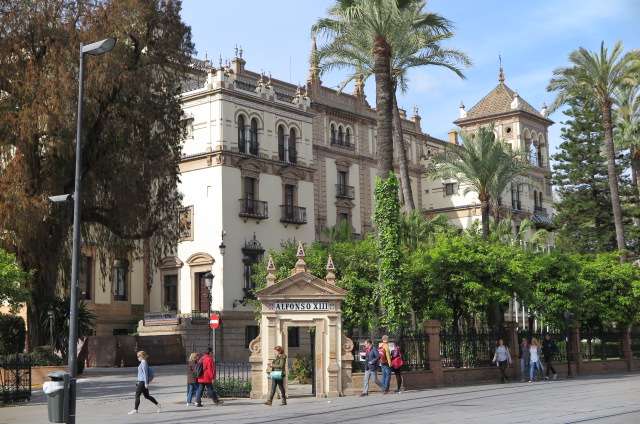
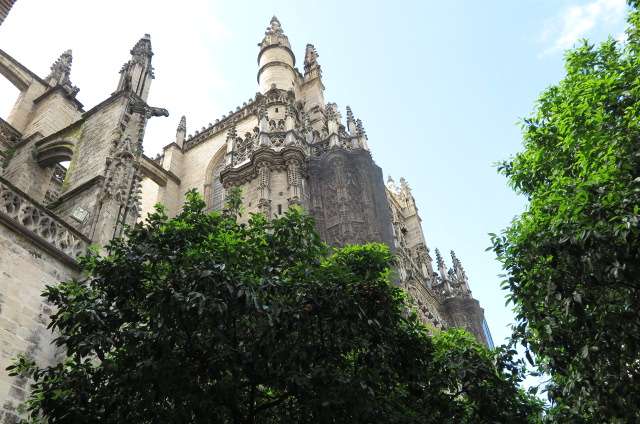
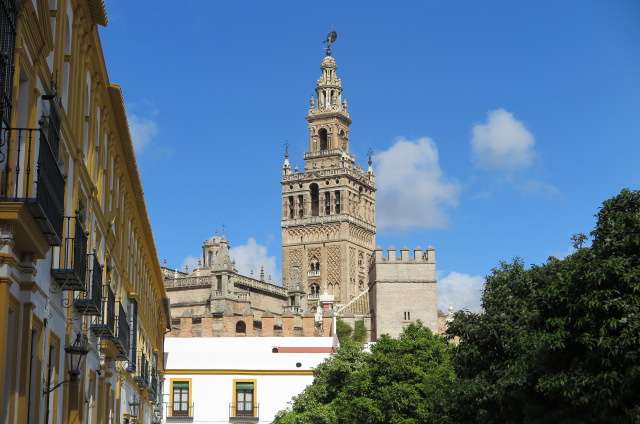
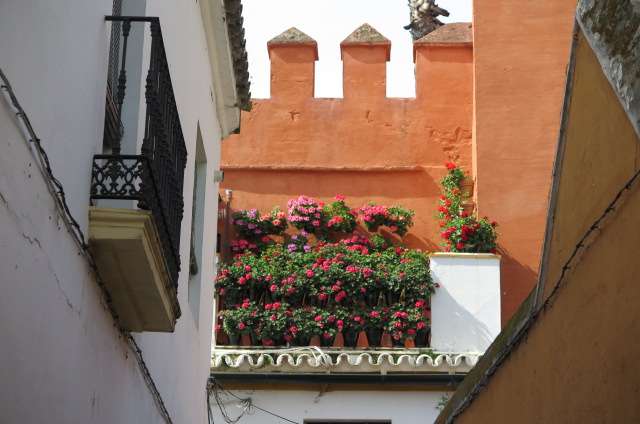
Upon arrival, we embarked on a leisurely walk around town, wandering through the enchanting streets of the historic Santa Cruz neighborhood with its narrow alleys and charming courtyards. We strolled past the majestic Seville Cathedral, the iconic Giralda Tower, and the grand Alcázar of Seville. Jason also pointed out the Royal Tobacco Factory (Real Fábrica de Tabacos), a historic structure built in the 18th century. As one of the largest and oldest industrial buildings in Spain, it now houses the rectorate and several faculties of the University of Seville.
Later in the evening, we gathered for our traditional yet memorable farewell dinner. Afterward, we were treated to an amazing Flamenco show, where the passionate rhythms and vibrant dances left us in awe. It was the perfect finale to our Andalusian adventure.
Exploring the Cathedral and the Royal Alcázar – March 23, 2017
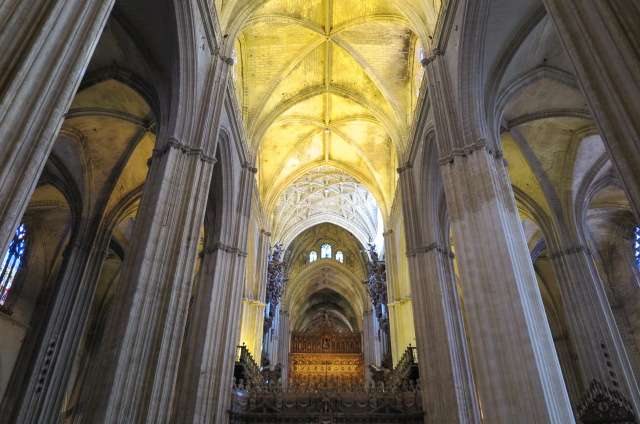
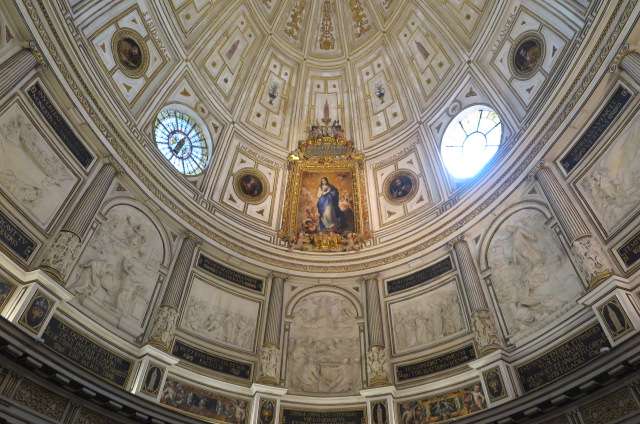
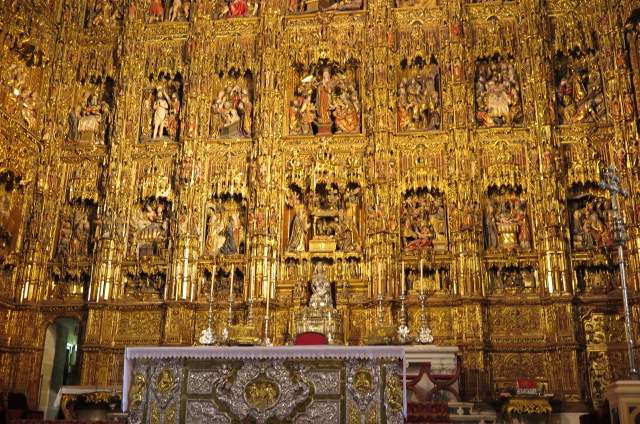
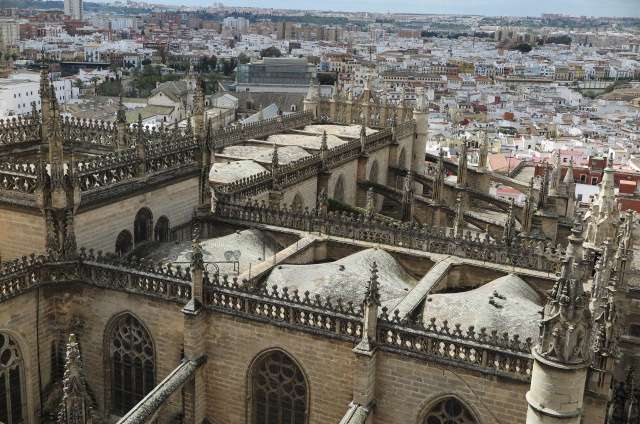
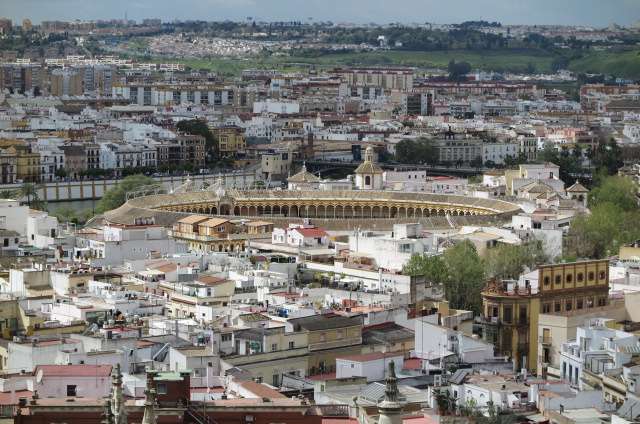
This morning began with a guided tour of the Seville Cathedral by a local expert. The cathedral is the largest Gothic cathedral in the world and a UNESCO World Heritage site. Built on the site of a former mosque, its construction began in the 15th century and continued for over a century. We marveled at the sheer size of its nave, the stunning altarpiece of Capilla Mayor, and climbed the iconic Giralda tower for a spectacular view of the city. Our guide shared fascinating stories about the cathedral’s construction and its transformation from a mosque to a magnificent Christian cathedral.

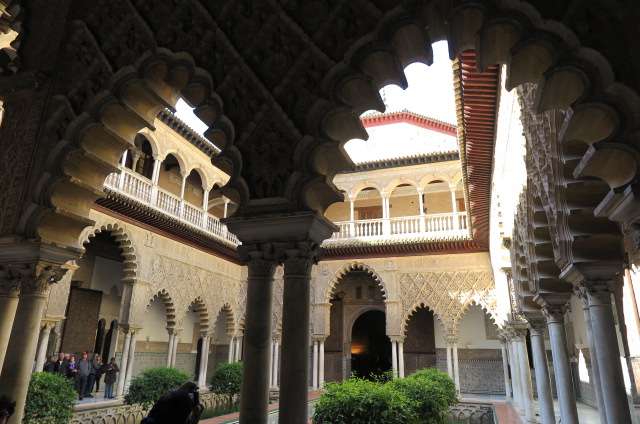
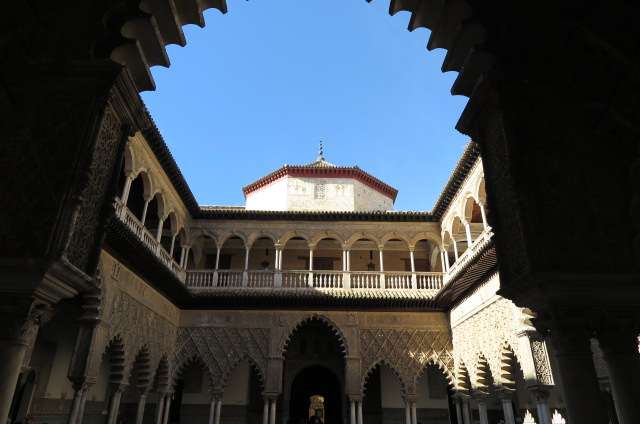
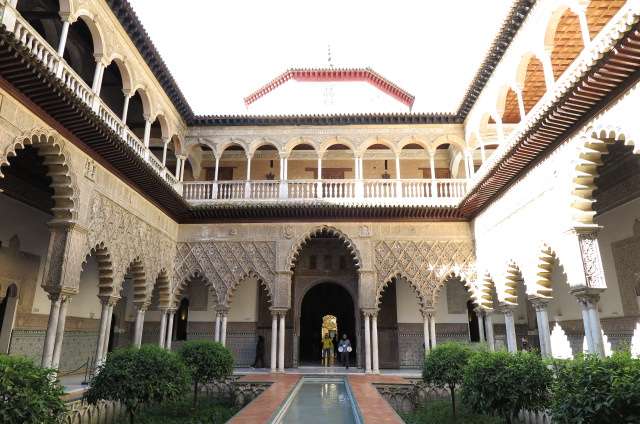
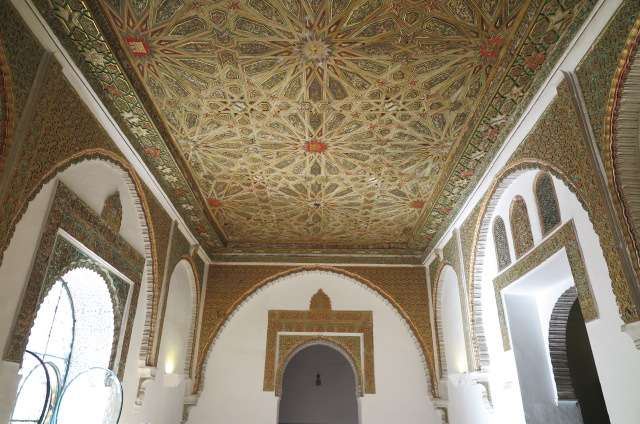
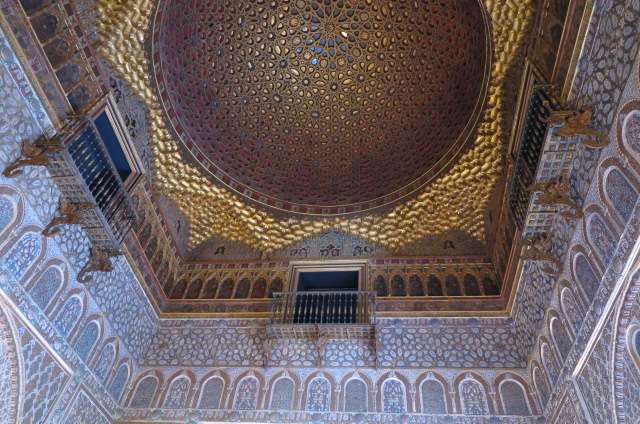
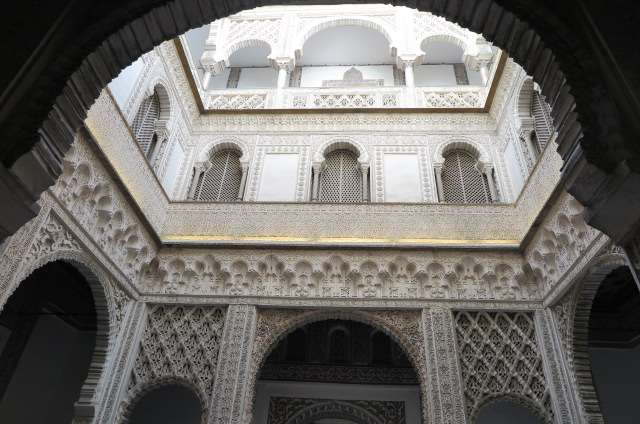
Next, we explored the Royal Alcázar of Seville (Real Alcázar de Sevilla), an amazing complex of palaces and gardens that showcase a blend of Moorish, Gothic, Renaissance, and Baroque architectural styles. Originally a Moorish fort, the Alcázar has been expanded and renovated over centuries by different rulers. Its highlights include the Patio de las Doncellas with its intricate stucco work, the stunning Hall of Ambassadors, and the beautiful gardens with fountains, orange trees, and exotic plants.

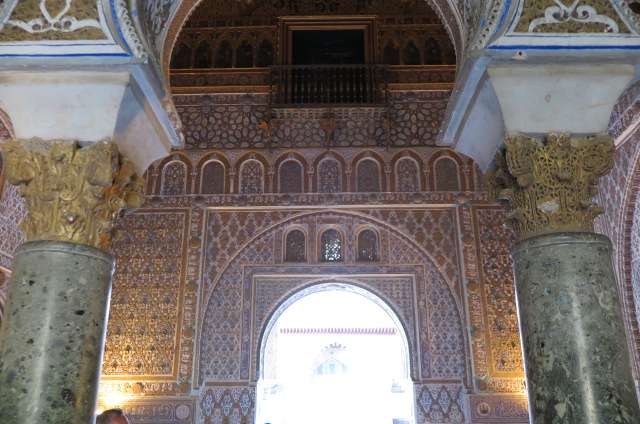
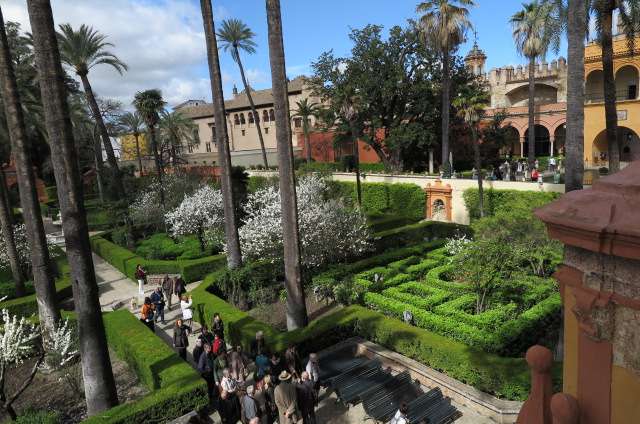
The tour finished at noon, and we said goodbye to our guides and fellow travelers.
Last Day in Seville – March 24, 2017
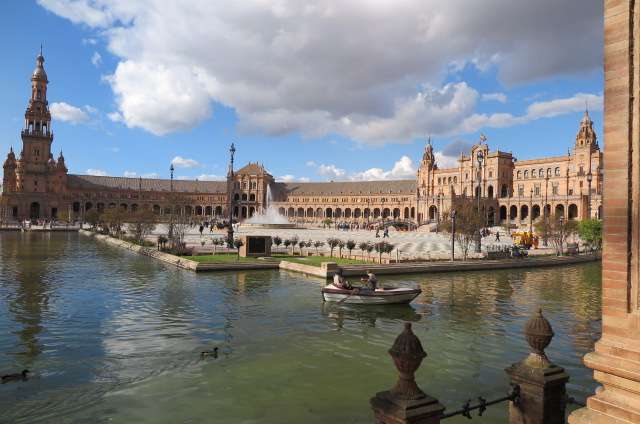
Today we spent an extra day in Seville, visiting areas not covered during our tour. One of the places we visited was the Plaza de España, a magnificent example of Spanish Renaissance Revival architecture. This semi-circular plaza, adorned with vibrant ceramic tiles, bridges, and a large fountain at its center, was built for the Ibero-American Exposition of 1929.
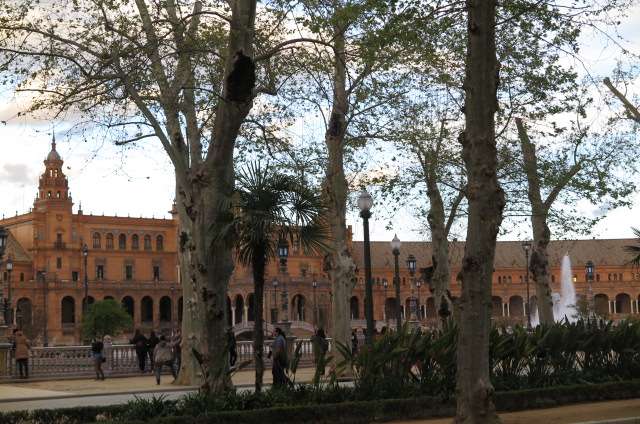
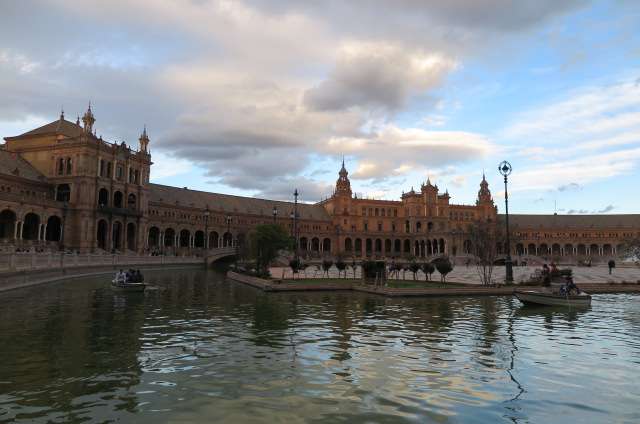
Afterward, we crossed the Guadalquivir River to explore the neighborhoods on the other side. In Triana, we wandered through its streets, famous for their ceramics. After popping in a few ceramic shops, we visited the Mercado de Triana known for fresh produce, meats, seafood, and local delicacies.
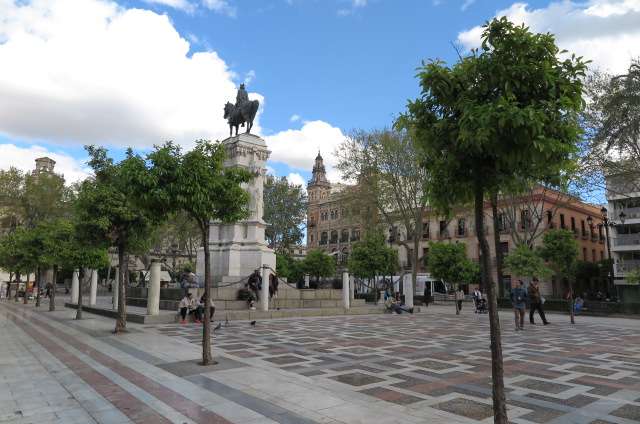
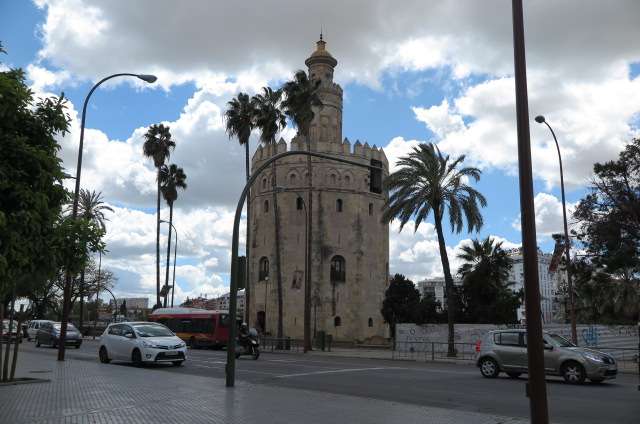
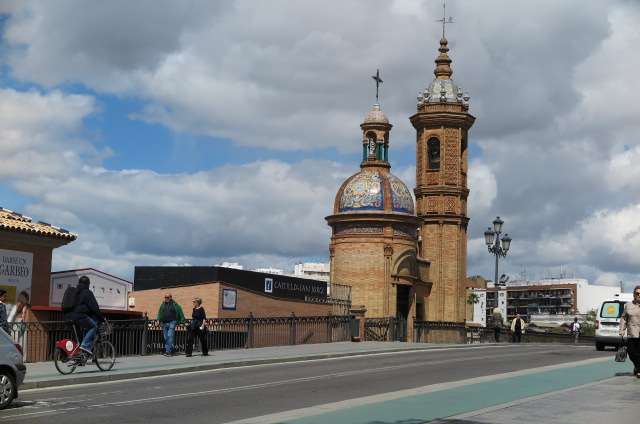
On our way back to the city center, we walked along the eastern bank of the river to the Arenal neighborhood to see the bullring known as Plaza de Toros de la Real Maestranza de Caballería de Sevilla.
Homeward Bound – March 25, 2017
We said Adiós to Andalusia and headed home.