When we started traveling in 2010, we used to post our travel diary with pictures on a commercial website. Unfortunately, we lost all the posted content as this website shut down without notice, leaving us scrambling to come up with a more permanent alternative.
Now that we have our own travel website, we are attempting to recreate some of the lost blogs based on notes, itineraries, Wikipedia, and good old-fashioned memory. This is one such recreation. It’s a labor of love, piecing together the adventures that shaped our lives and sharing them with you once again.
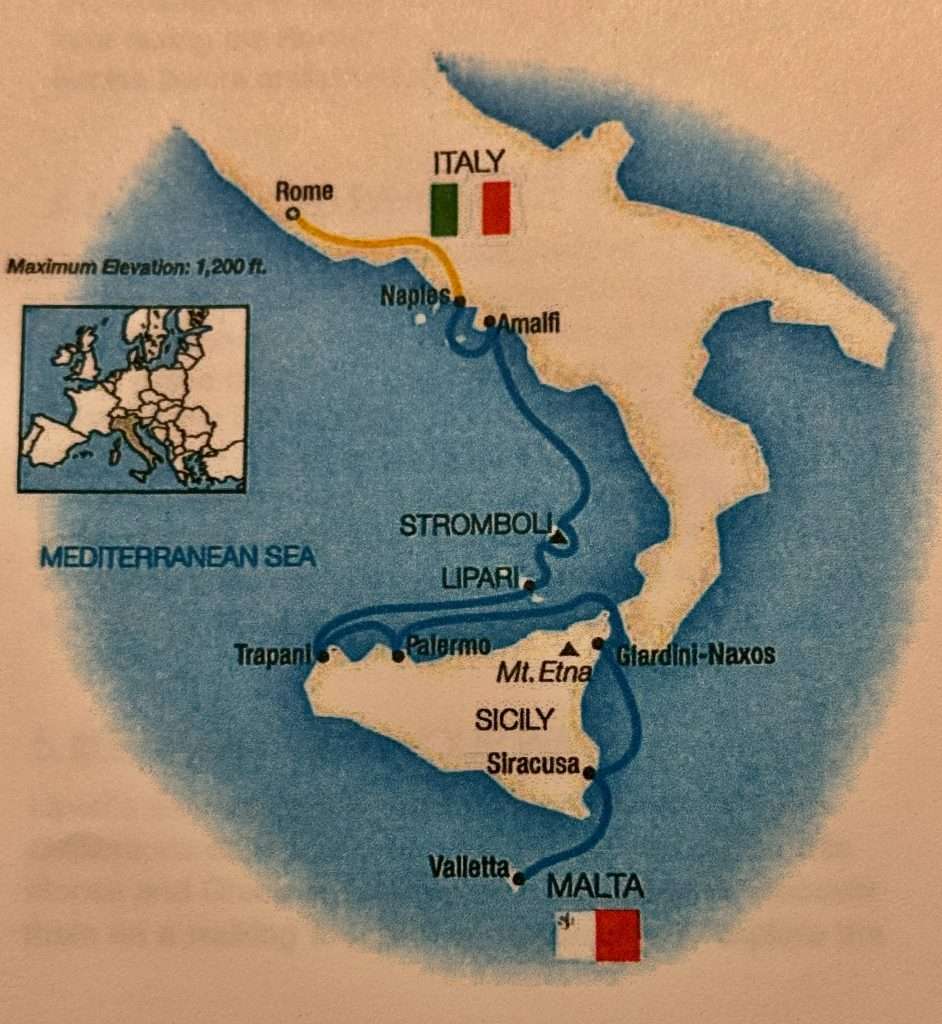
IIn this recreated blog, we share our captivating small-ship odyssey that began in Malta and ended in Rome with stops at Siracuse, Mt. Etna, Palermo, Trapani, Lipari, the Amalfi Coast and Naples along the way.
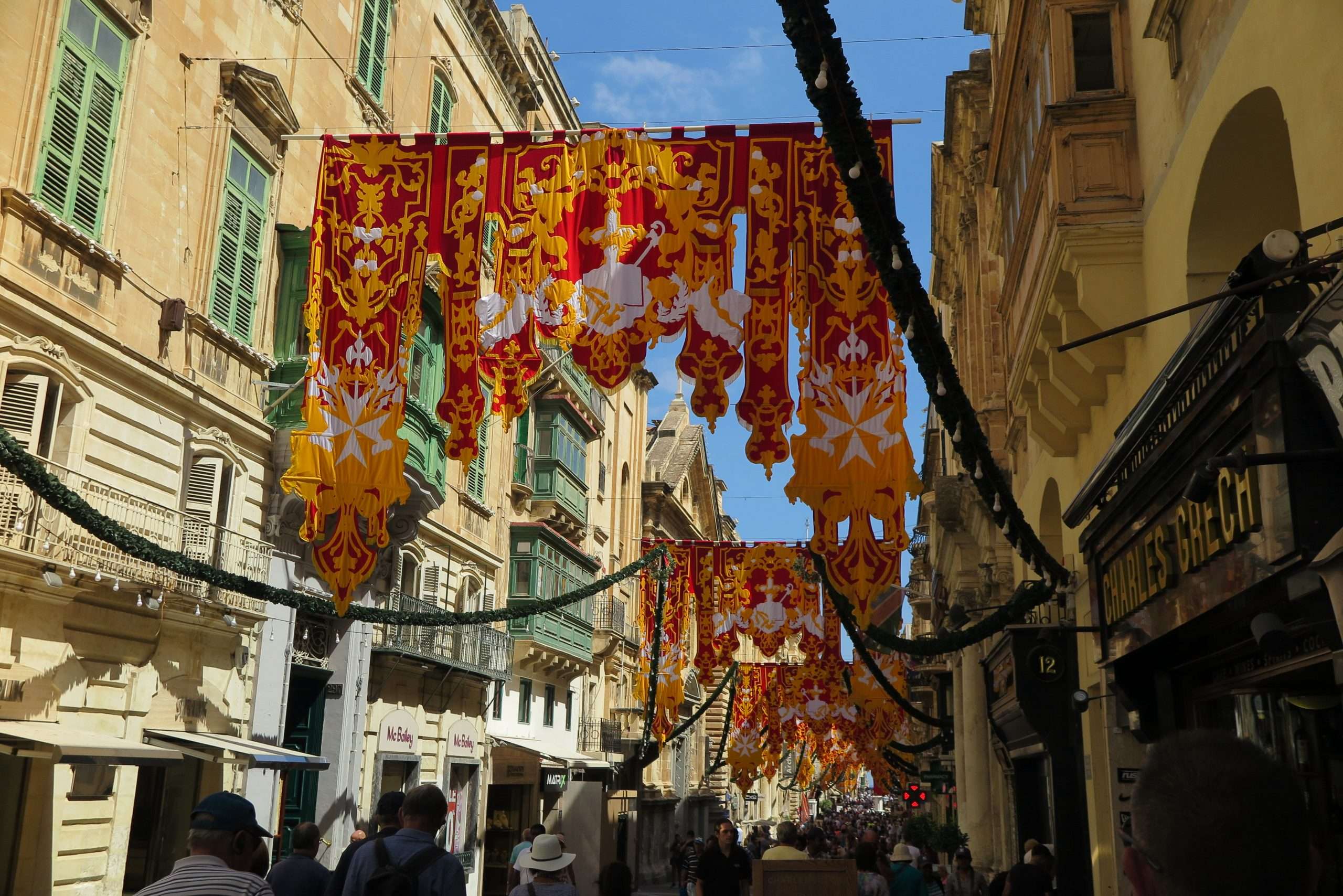
A Day in Valletta: Exploring Malta’s Rich Heritage – September 11, 2018
We arrived in Malta on a Lufthansa flight via Frankfurt. Upon arrival, we were transferred to the Phoenicia, a historic hotel that has been recently refurbished. Our room, decorated in shades of blue, was spacious and airy.
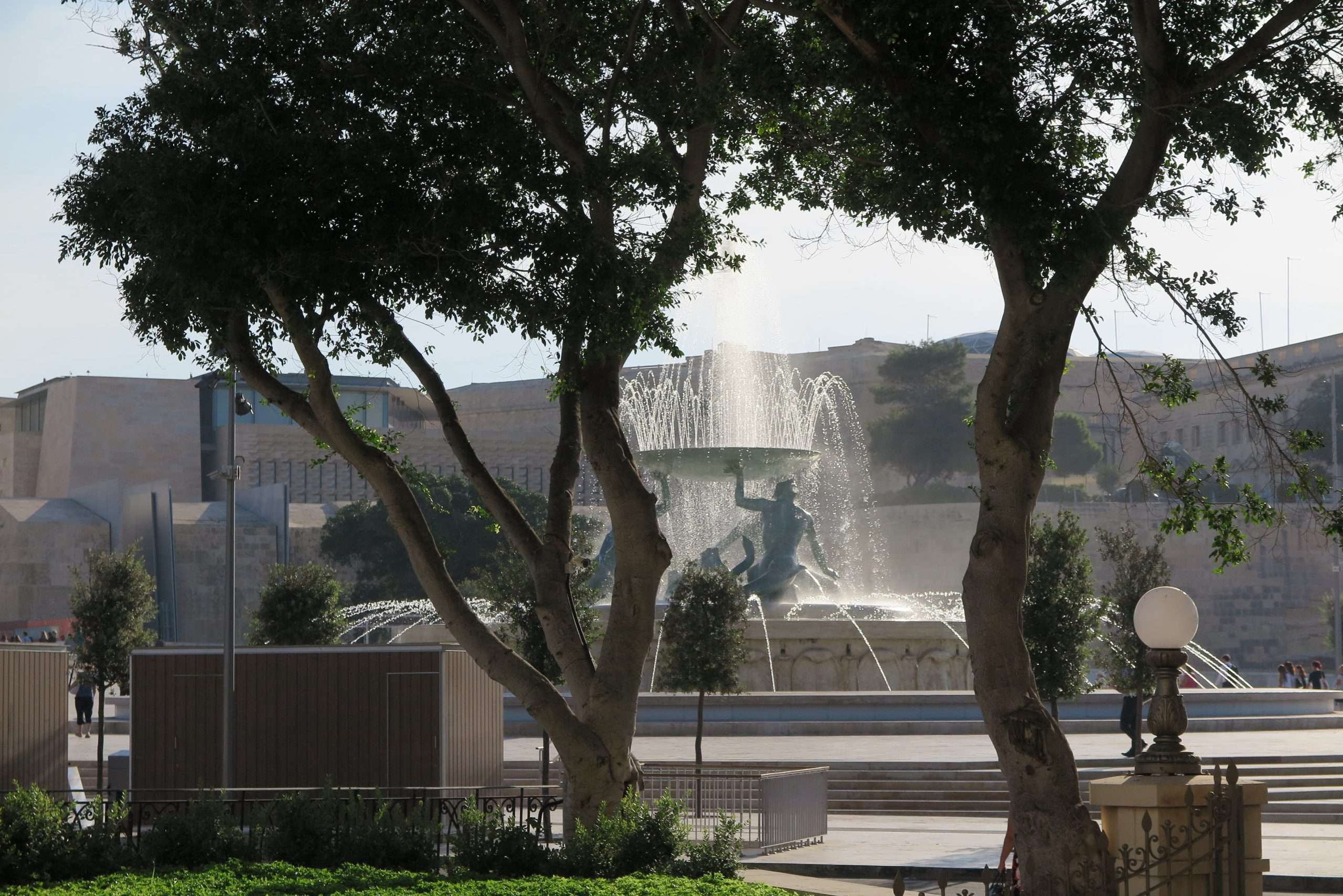
After checking in, we set out to explore the neighborhood. Directly across from the hotel is the Parliament building. During our walk, we passed the Triton Fountain, which had been meticulously cleaned for Malta’s 2018 World Culture Center award. Surrounding the fountain are several white statues by local sculptors, each representing a Maltese proverb. One such sculpture depicts a large hand holding a bird, symbolizing the saying, “A bird in hand is worth thousands in the sky.” Nearby, we saw the remnants of the old Opera House, a once-spectacular structure now reduced to a few massive columns.
Following lunch, we visited the Archaeological Museum, located in the Auberge de Provence. The museum’s collection primarily features prehistoric artifacts, including the “Sleeping Lady,” discovered in the Ħal Saflieni Hypogeum, a burial site over 5,000 years old. The museum also houses the Pisani coin collection. Malta has several auberges dating back to the Knights of Saint John, each serving knights from different regions, such as Auberge de Provence and Auberge d’Angleterre. In the 16th century, there were eight auberges representing different langues.
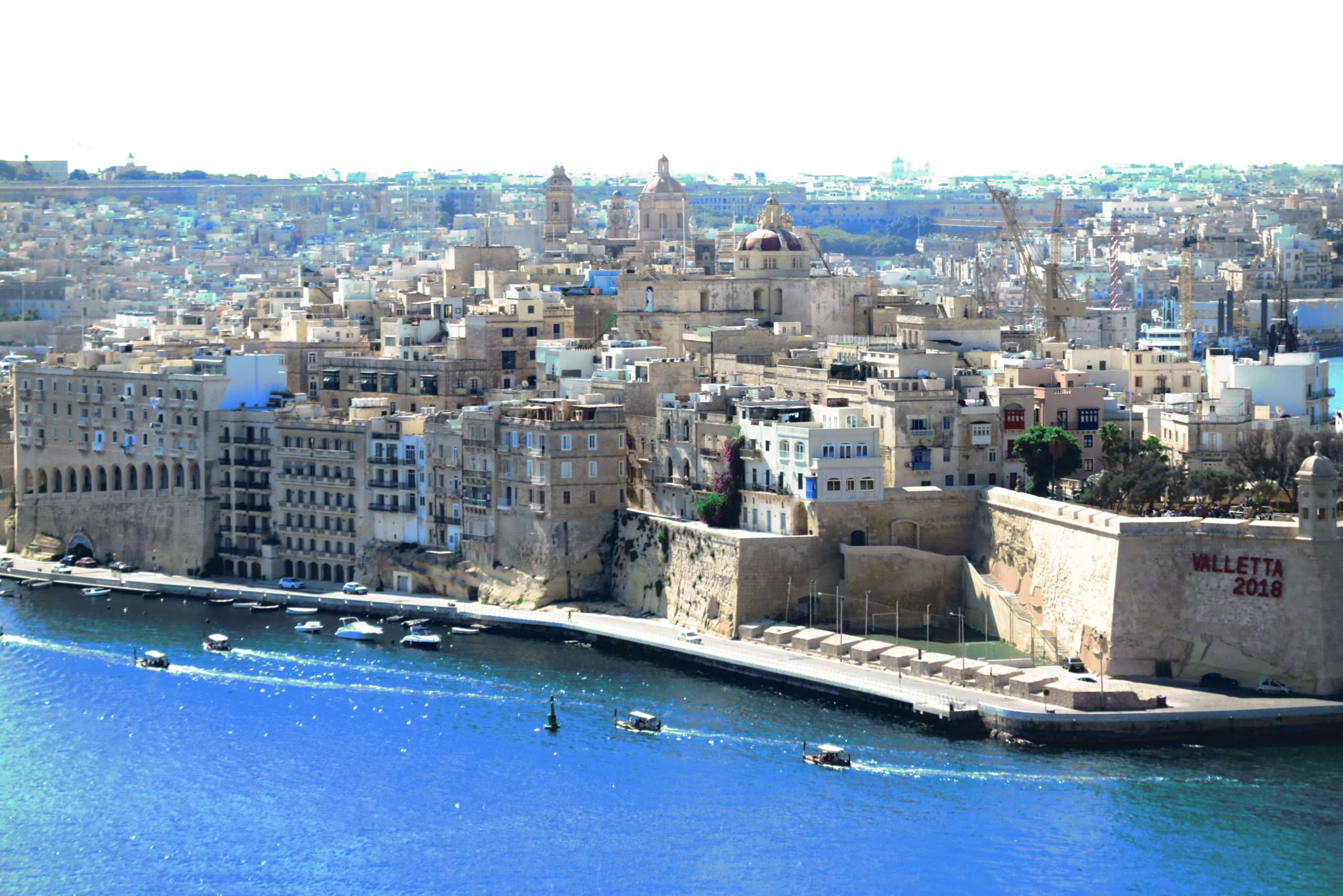
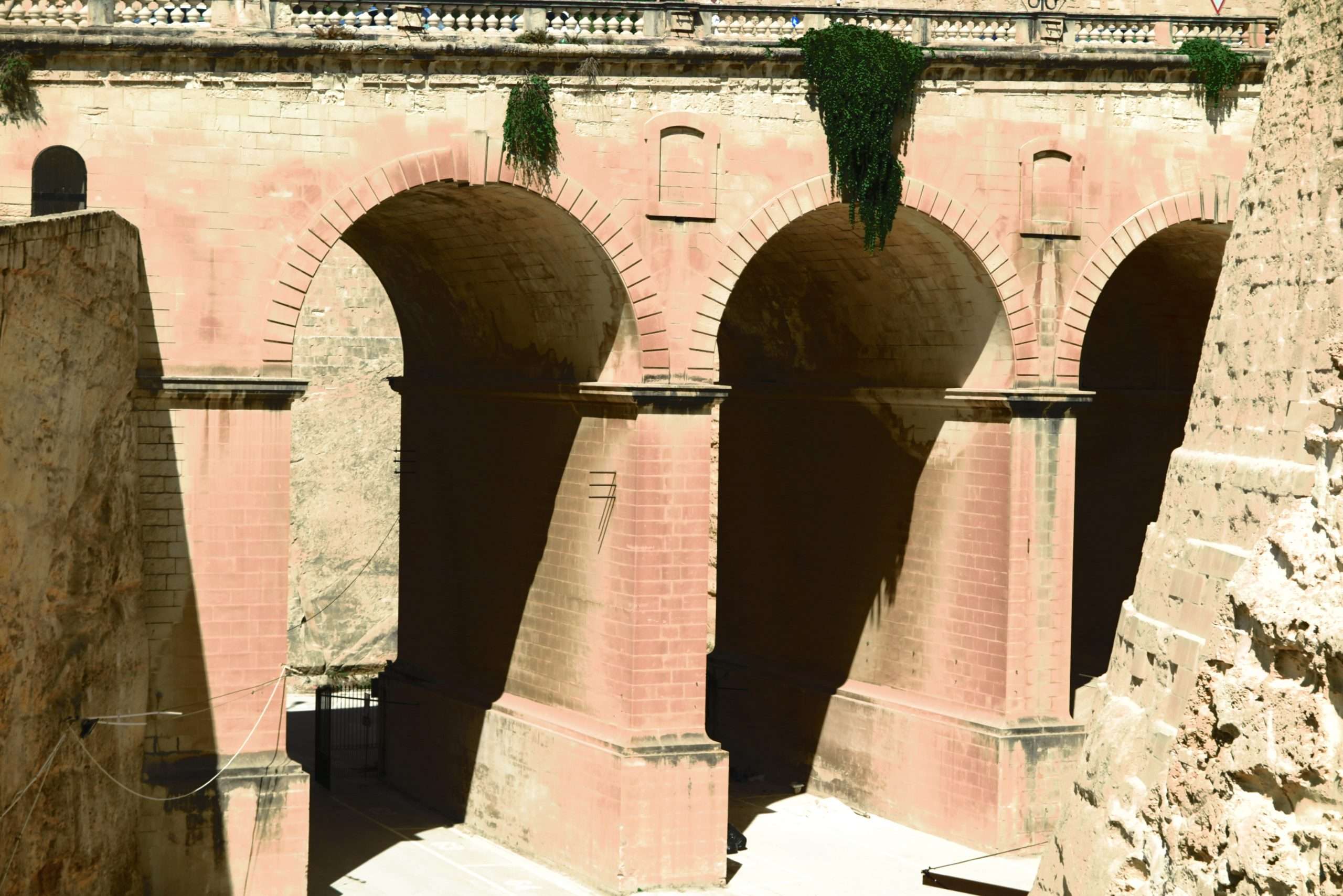
Next, we took a 30-minute tour on a small train through Valletta, which helped us get a better sense of the city’s layout. We then walked to the Upper Barrakka Gardens, where we enjoyed stunning views of the city and harbor. Afterward, we returned to the hotel and called it a day.
Exploring Malta’s Historical Treasures – September 12, 2018
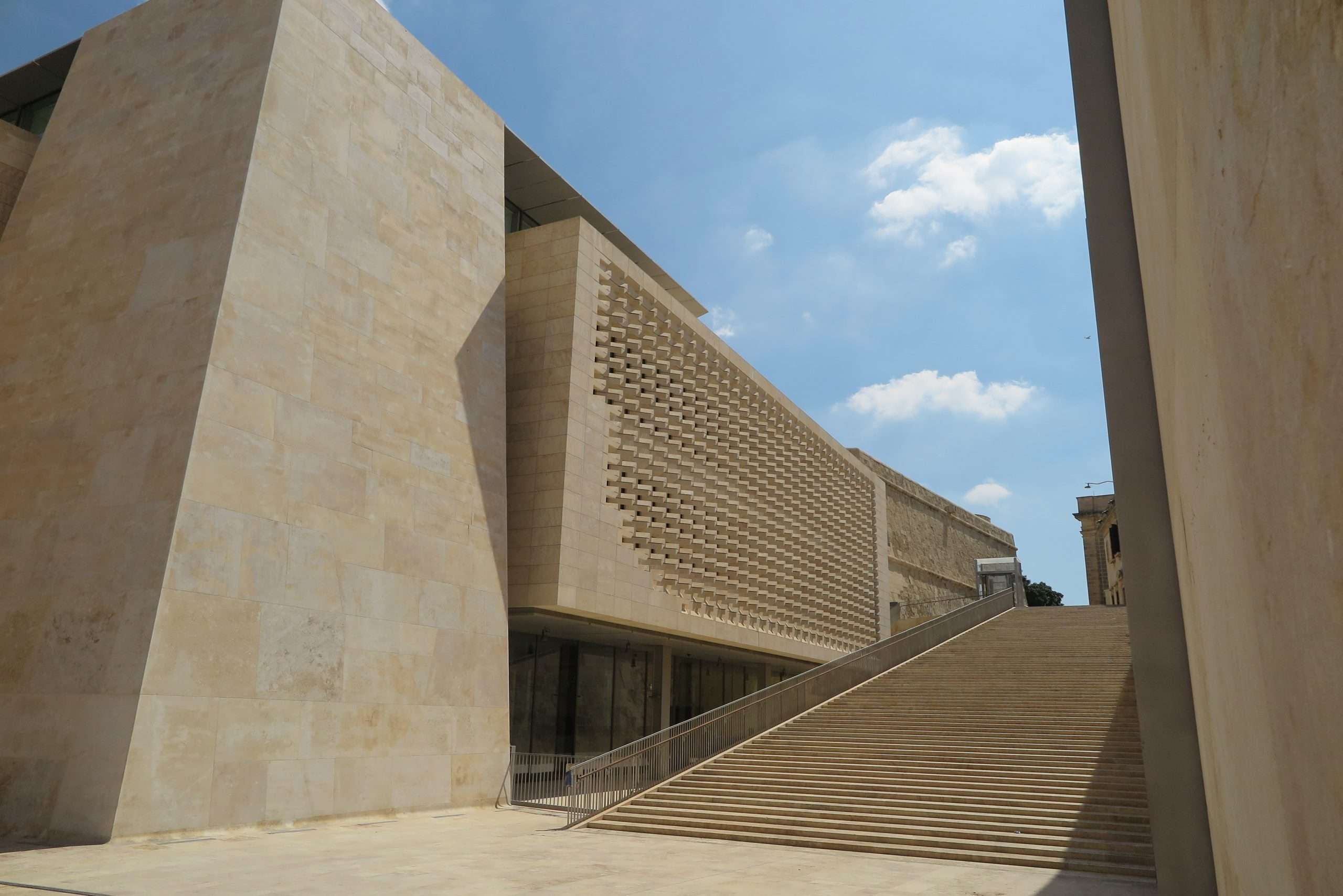
This morning, Christabel attended Mass at St. John’s Co-Cathedral. The service was in Maltese and surprisingly full for a weekday. Afterward, we visited the Upper Barrakka Gardens to explore the War Rooms. On our way there, we stopped by the Church of Our Lady of Victories, a charming church, and passed the Opera House. The Opera House has quite a history—first destroyed by fire, then restored, only to be bombed during World War II. Despite all this, it remains a venue for concerts. Right next to the Opera House is the Parliament building, designed by architect Renzo Piano. All the buildings in this area are made of limestone.
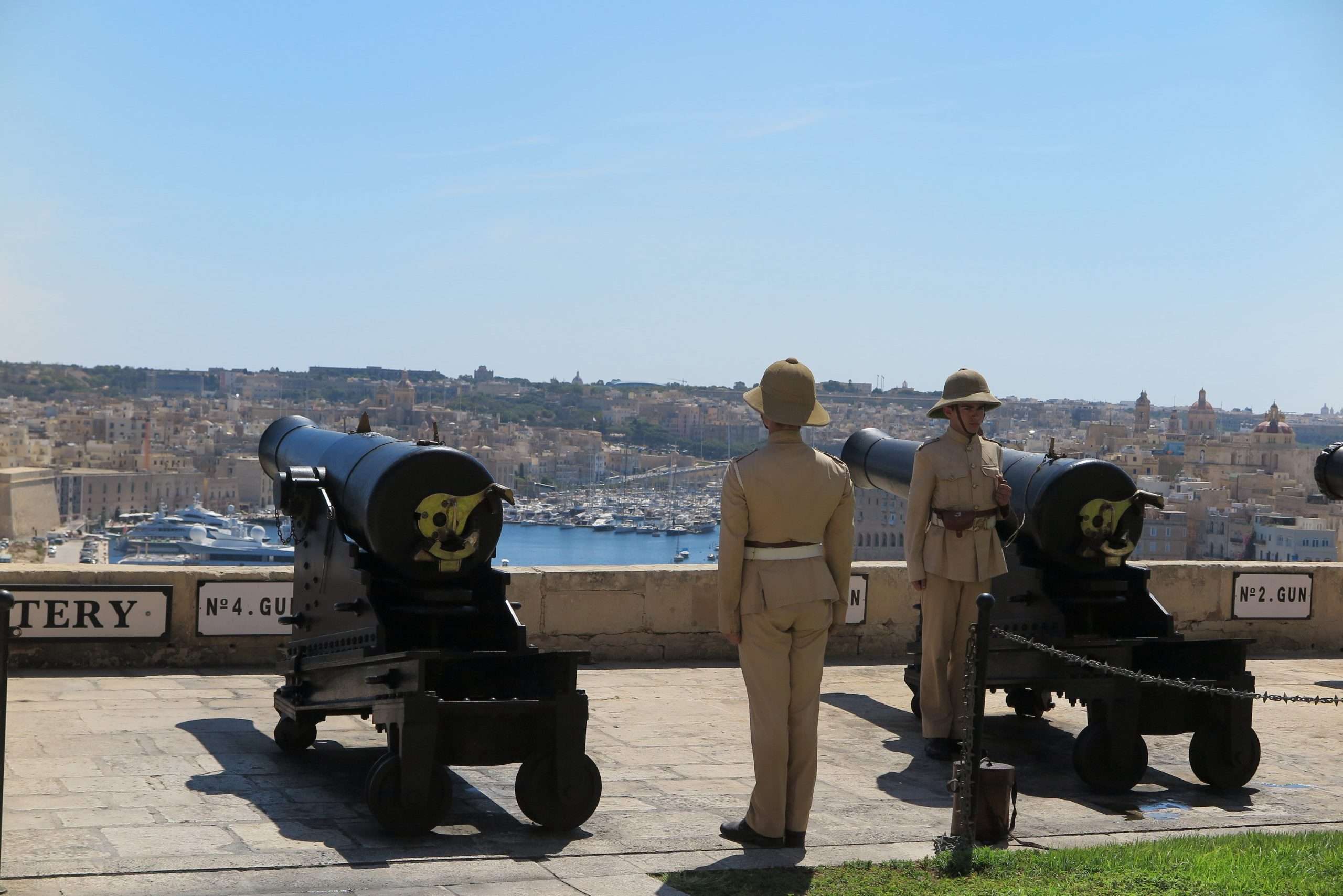
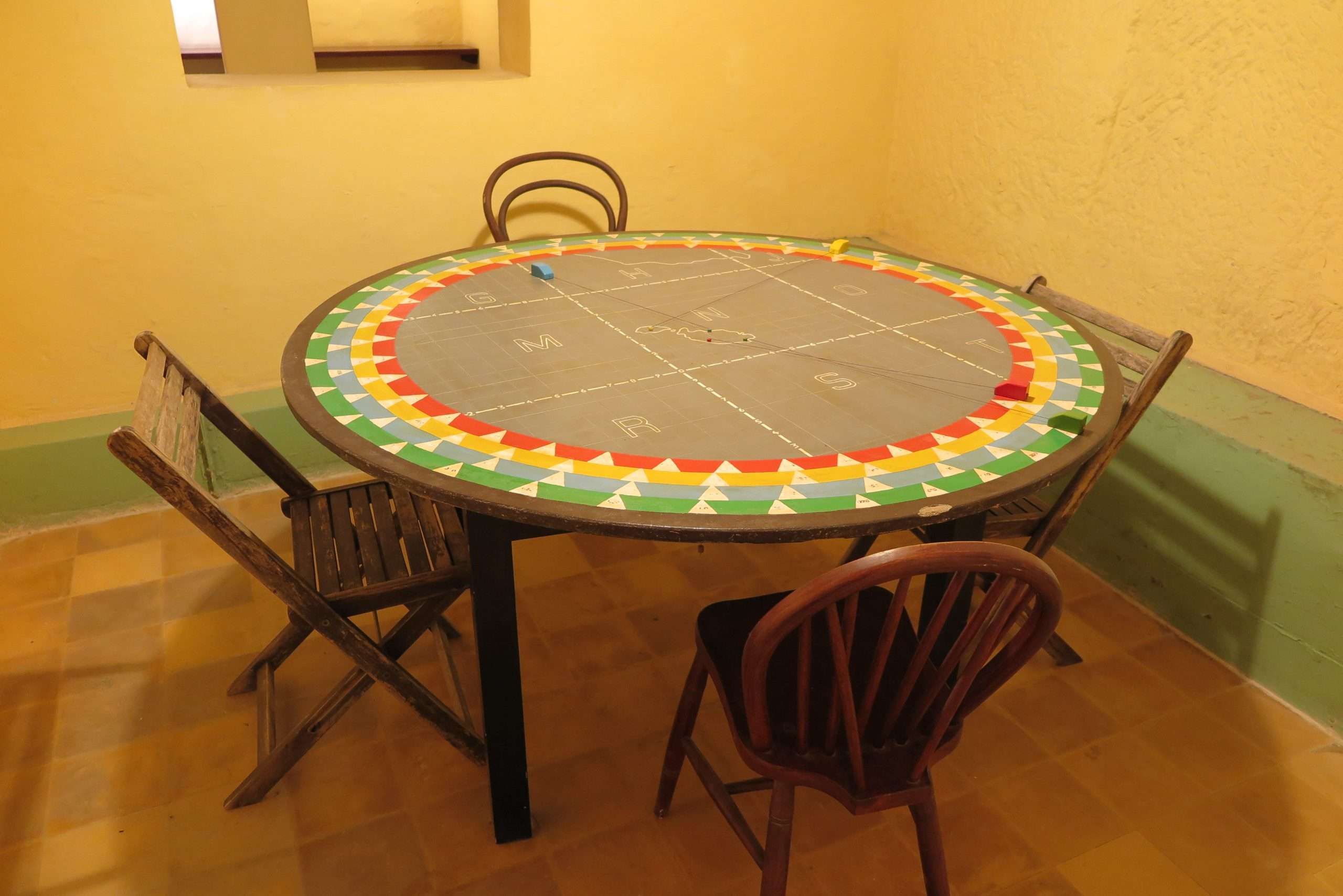
At the Barrakka Gardens, we signed up for tours of the NATO Tunnels and Lascaris War Rooms. Benjamin from Sweden led the NATO Tunnels tour and did a masterful job explaining how these top-secret tunnels remained unknown even to the Axis powers. The tunnels sheltered Allied flyboys and were abandoned when Malta left NATO. They were later occupied by the homeless and drug addicts but have recently been converted into a tourist attraction. After the tunnels, we stayed for the noon gun salute—a small ceremony where a shot is loaded into two cannons, but only one is fired. The sound is deafening. This area is known as the Saluting Battery. Next, we toured the Lascaris War Rooms, a detailed and lengthy tour. We learned that Eisenhower and other Allied generals spent three months in this location. Women were also employed here, as they excelled at plotting the locations of squadrons on war maps.
Our next stop was the Co-Cathedral of Saint John, one of Europe’s most magnificent Baroque architectural examples. Built between 1572 and 1577, its exterior is relatively austere, reflecting the military character of the Knights, but its interior is lavishly decorated with ornate carvings, gold gilding, and intricate marble inlay. The inlaid marble shows scenes from the lives of those interred there, and each langue had its own chapel along the perimeter of the sanctuary. The ceiling, painted by Mattia Preti, a Calabrian artist, depicts scenes from the life of St. John the Baptist. Although we couldn’t see the Rubens tapestries as they are being restored, we were able to view two masterpieces by Caravaggio: The Beheading of Saint John the Baptist and Saint Jerome Writing.

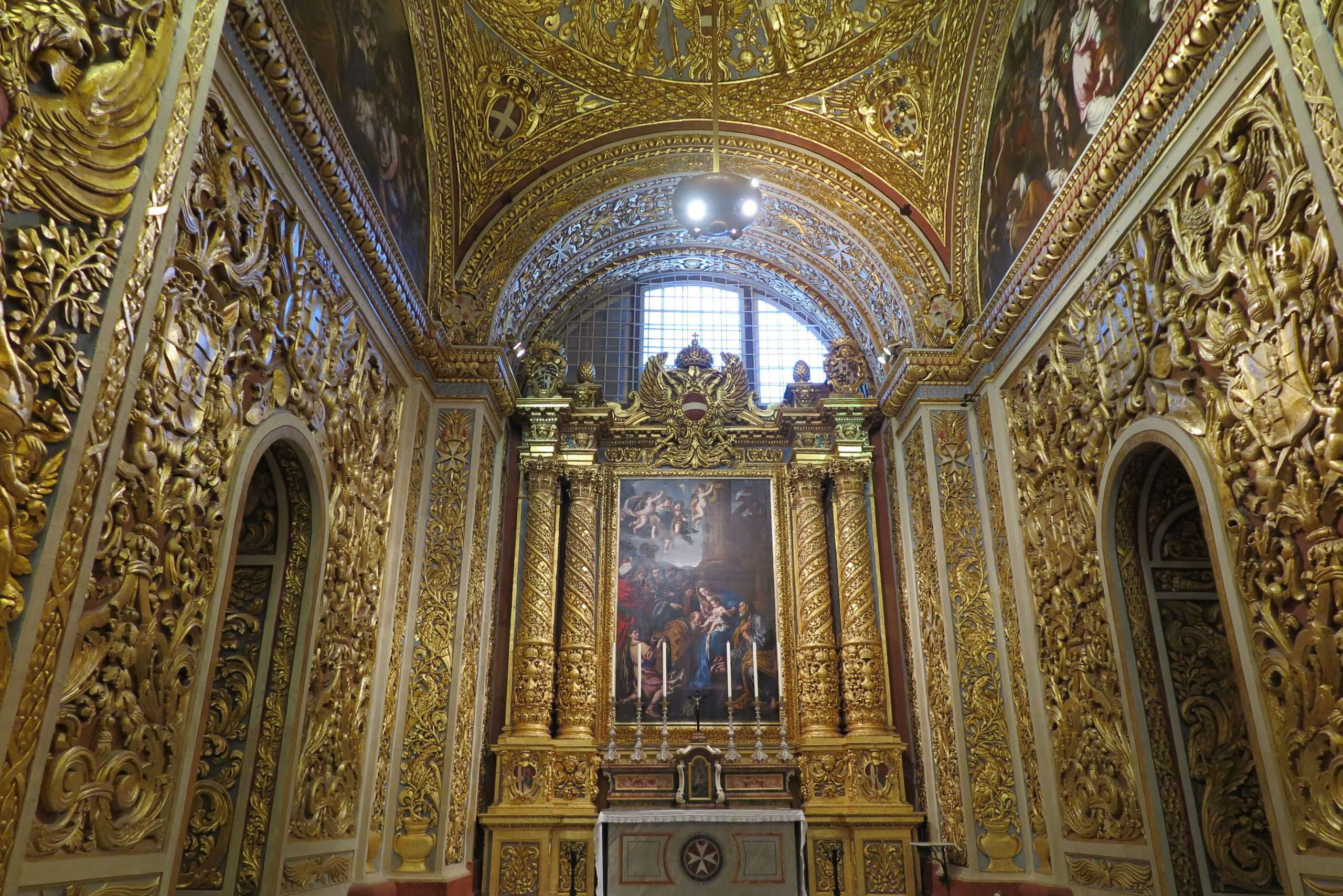
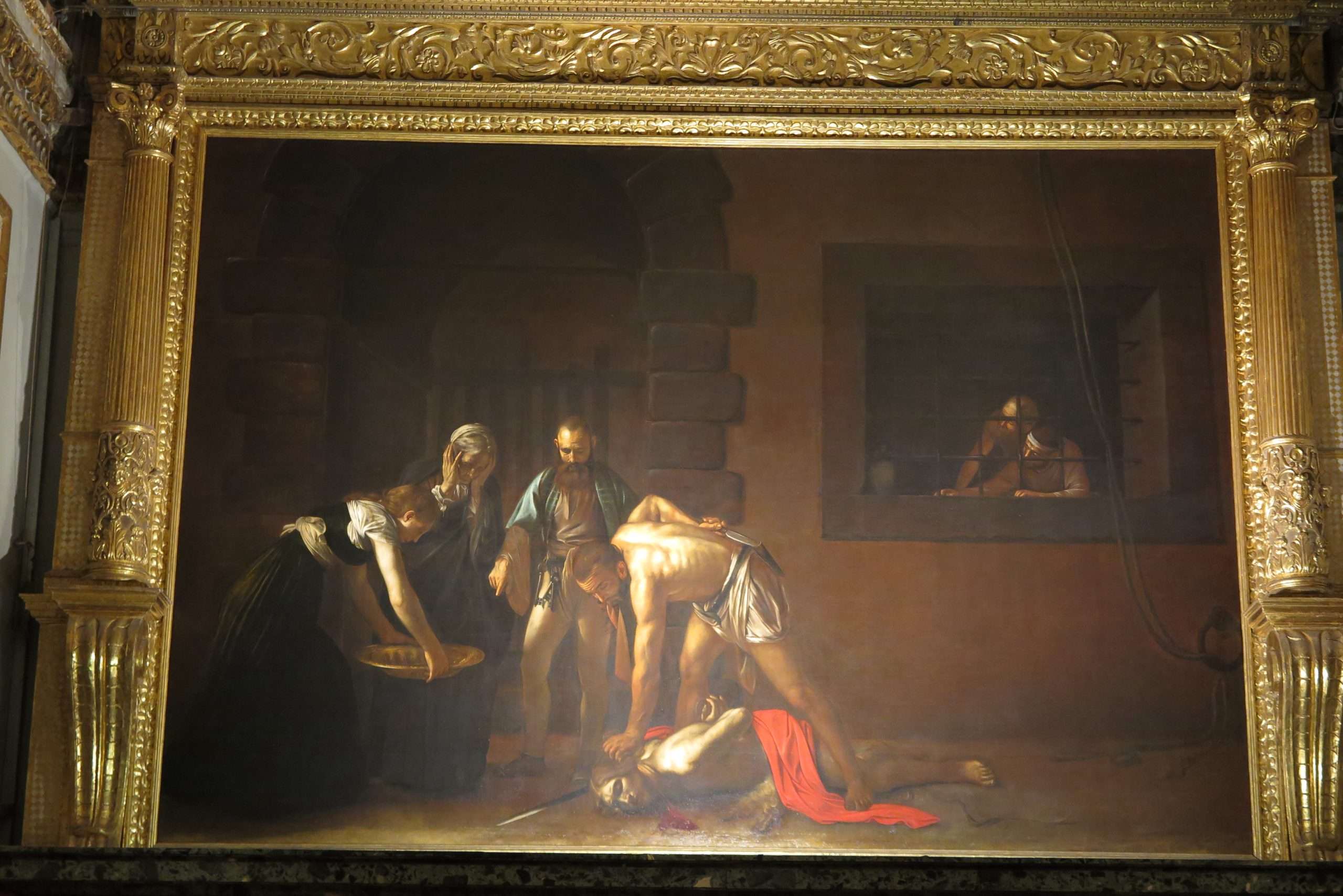
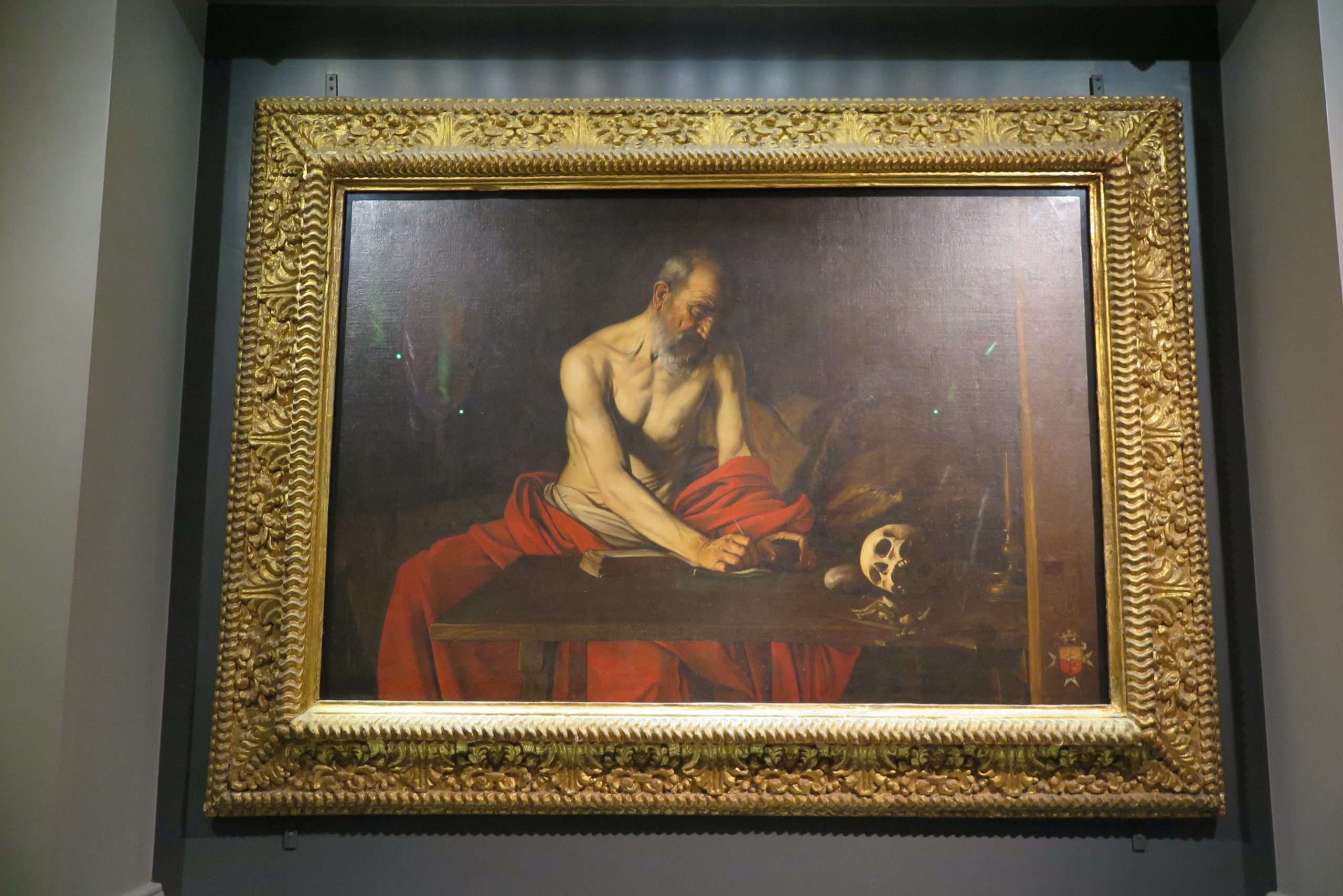
Later in the afternoon, we met Pauline, a cousin of Charlie Agius. She introduced us to Kinnie, a refreshing orange drink. In the evening, we attended a reception and dinner at Palazzo Parisio in Naxxar, where we met up with our group. This historic palace, built by Portuguese Grandmaster Manuel de Vilhena in 1773, is known for its beautiful gardens and opulent interiors and is a popular venue for weddings and events.
A Day of Maltese History and Medieval Charm – September 13, 2018
We checked out of the Phoenicia and headed to the Malta Experience in Valletta. This audio-visual show offers a fascinating overview of 7,000 years of Maltese history, from prehistoric times to the present.
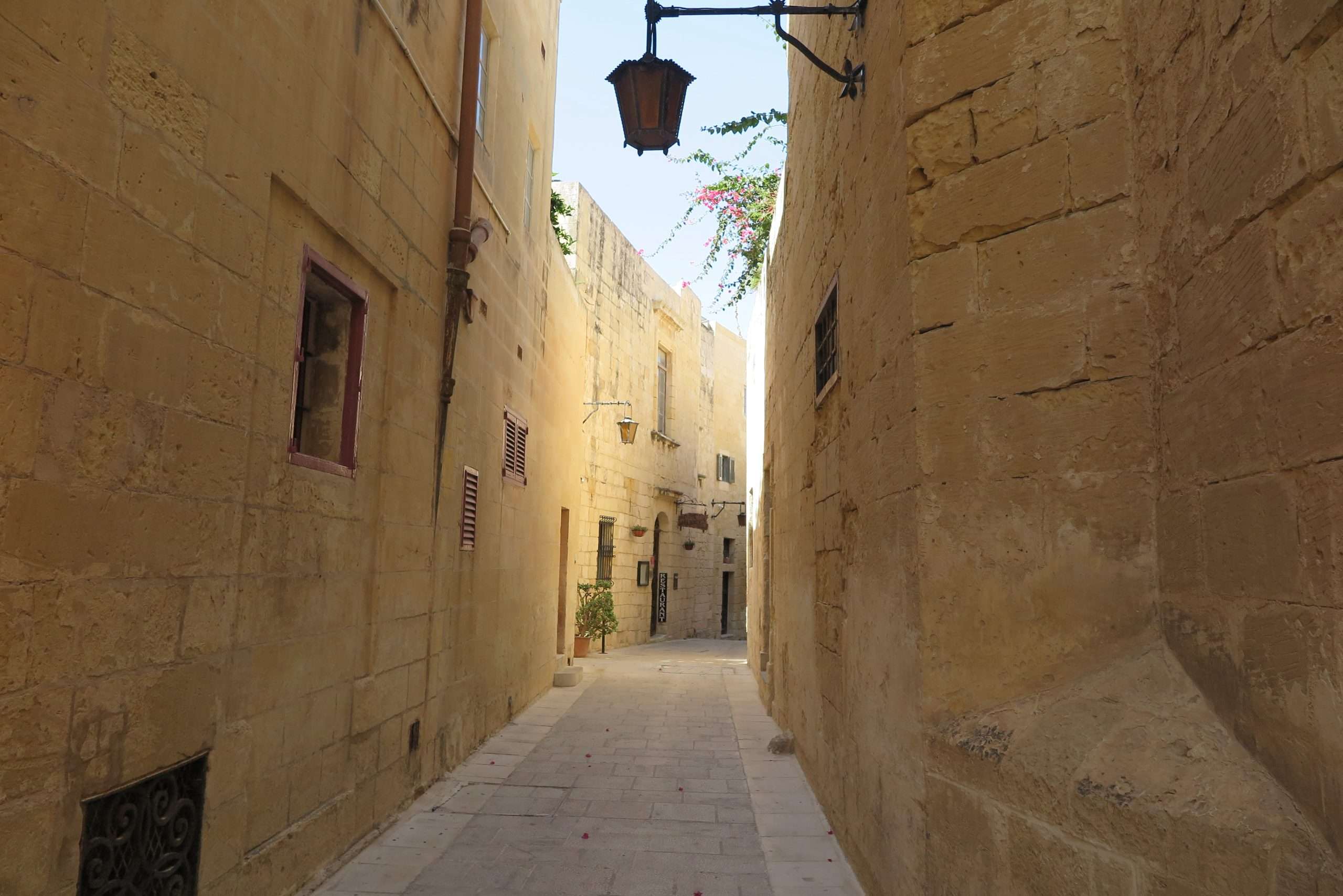
Next, we drove to Mdina, the “Silent City,” a fortified medieval town perched on a hill in central Malta. Once the island’s capital, Mdina is known for its narrow streets and grand baroque architecture. It also served as the backdrop for King’s Landing in the first season of the fantasy series Game of Thrones.
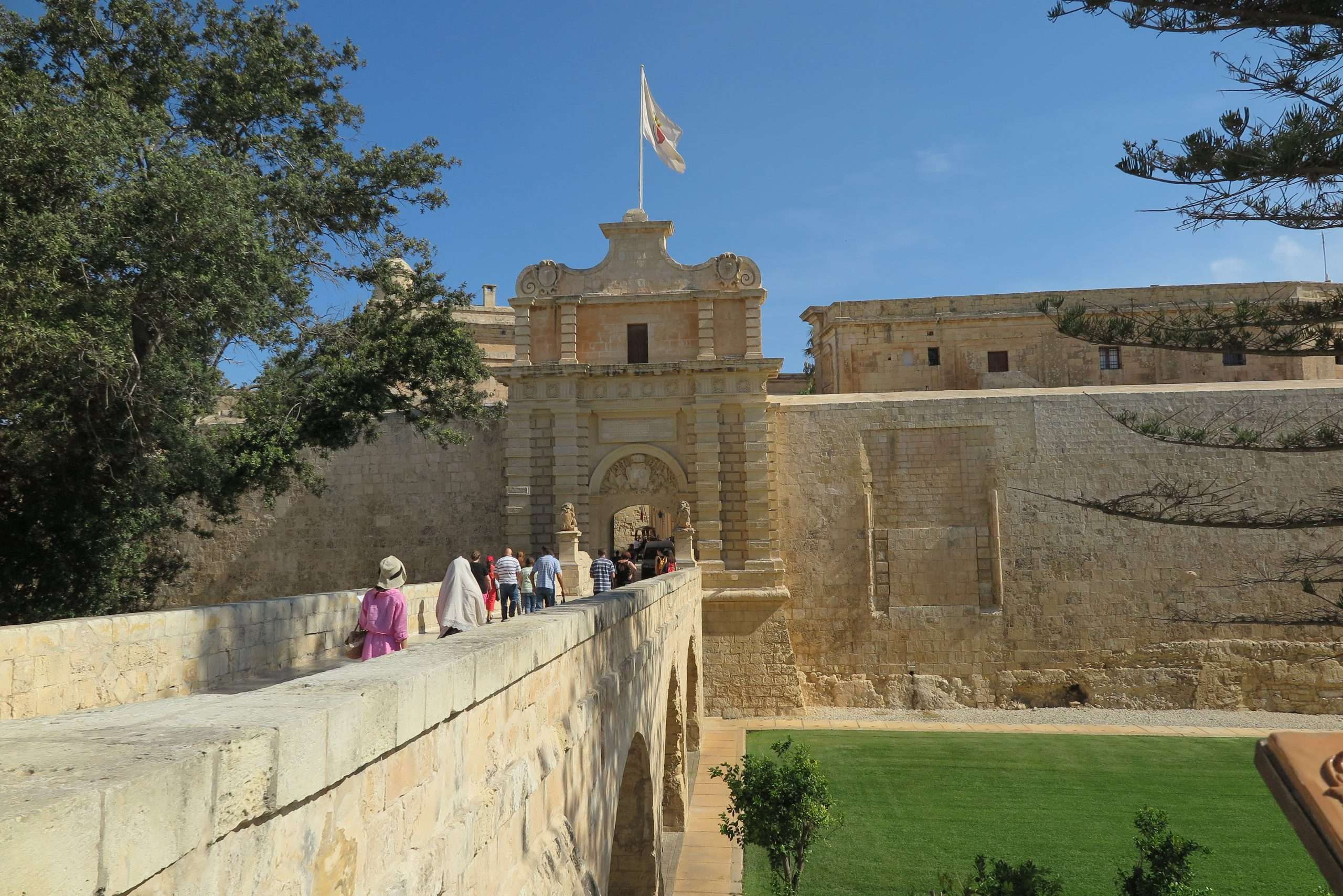
We then walked through Valletta to visit the Co-Cathedral. After exploring with our guide Gertrude, we toured the Palace Armory and State Rooms in the Grandmaster’s Palace. The Armory showcases an extensive collection of weapons and armor from the time of the Knights of St. John. The richly decorated State Rooms feature intricate ceiling paintings and Gobelins tapestries, preserved in dim light. These rooms are still used for official ceremonies and diplomatic functions.
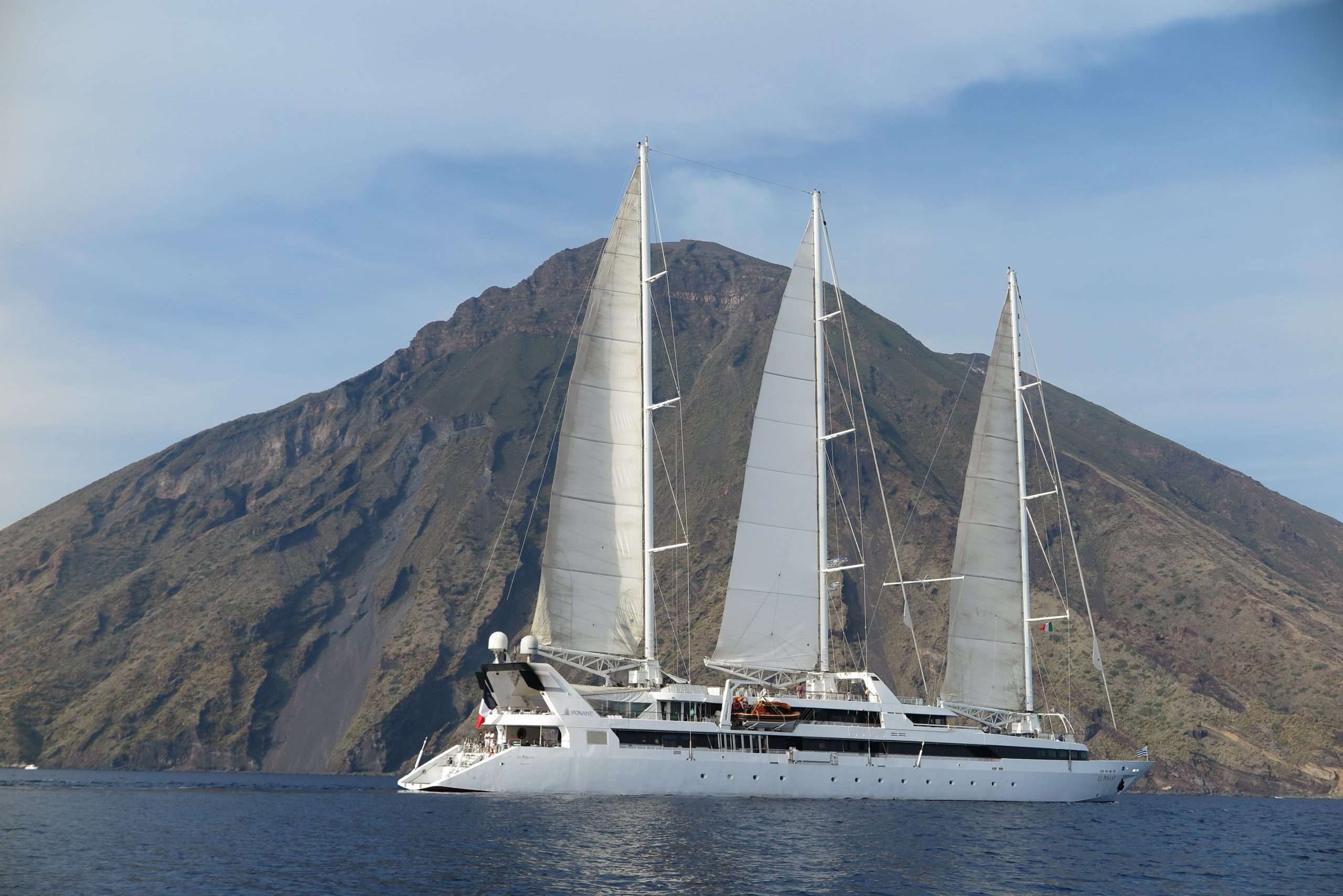
In the late afternoon, we boarded our ship, Le Ponant. Dinner was served alfresco, and after the meal, we set sail for Syracuse, Sicily, with the sails unfurled.

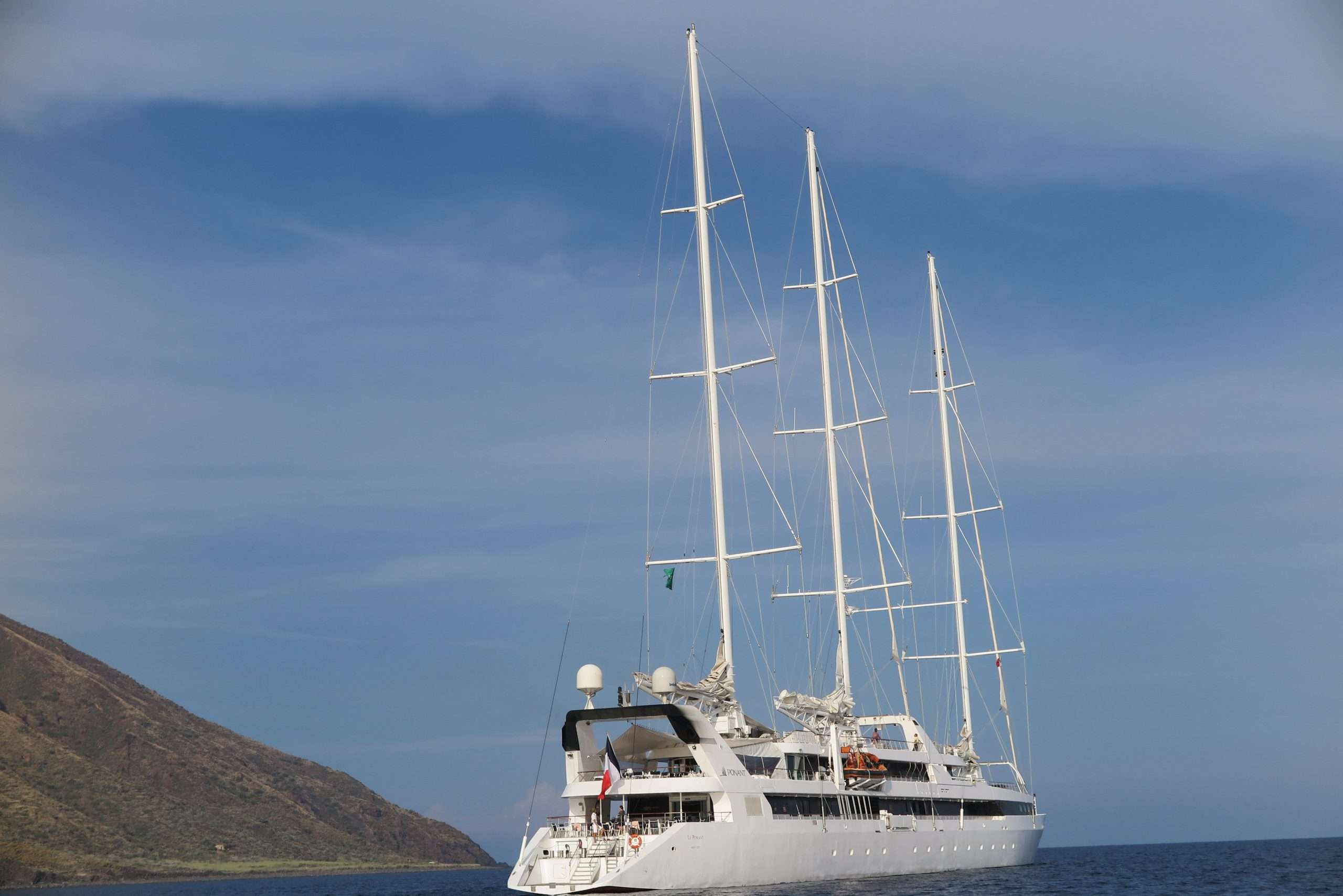
Syracuse Exploration – September 14, 2018
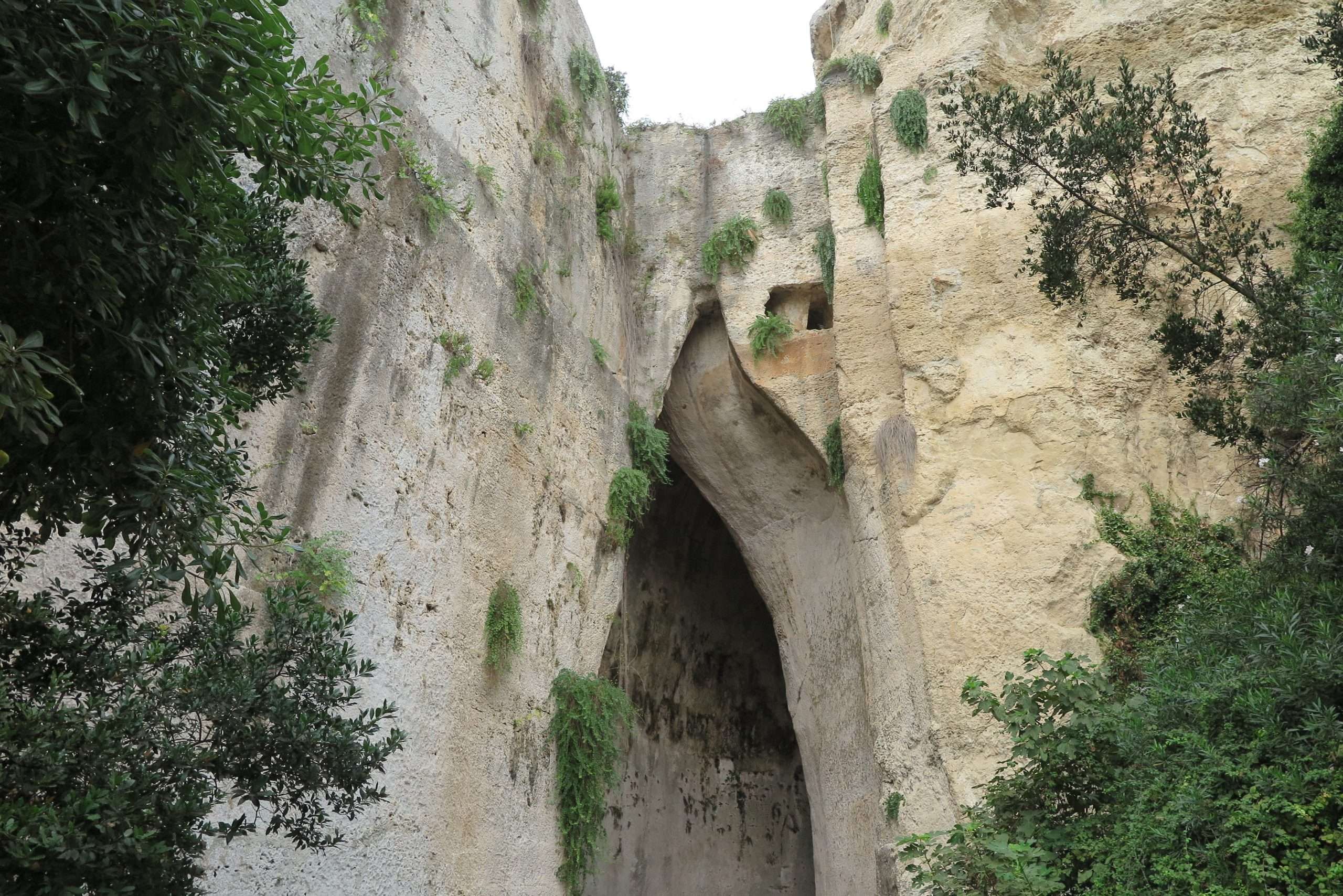
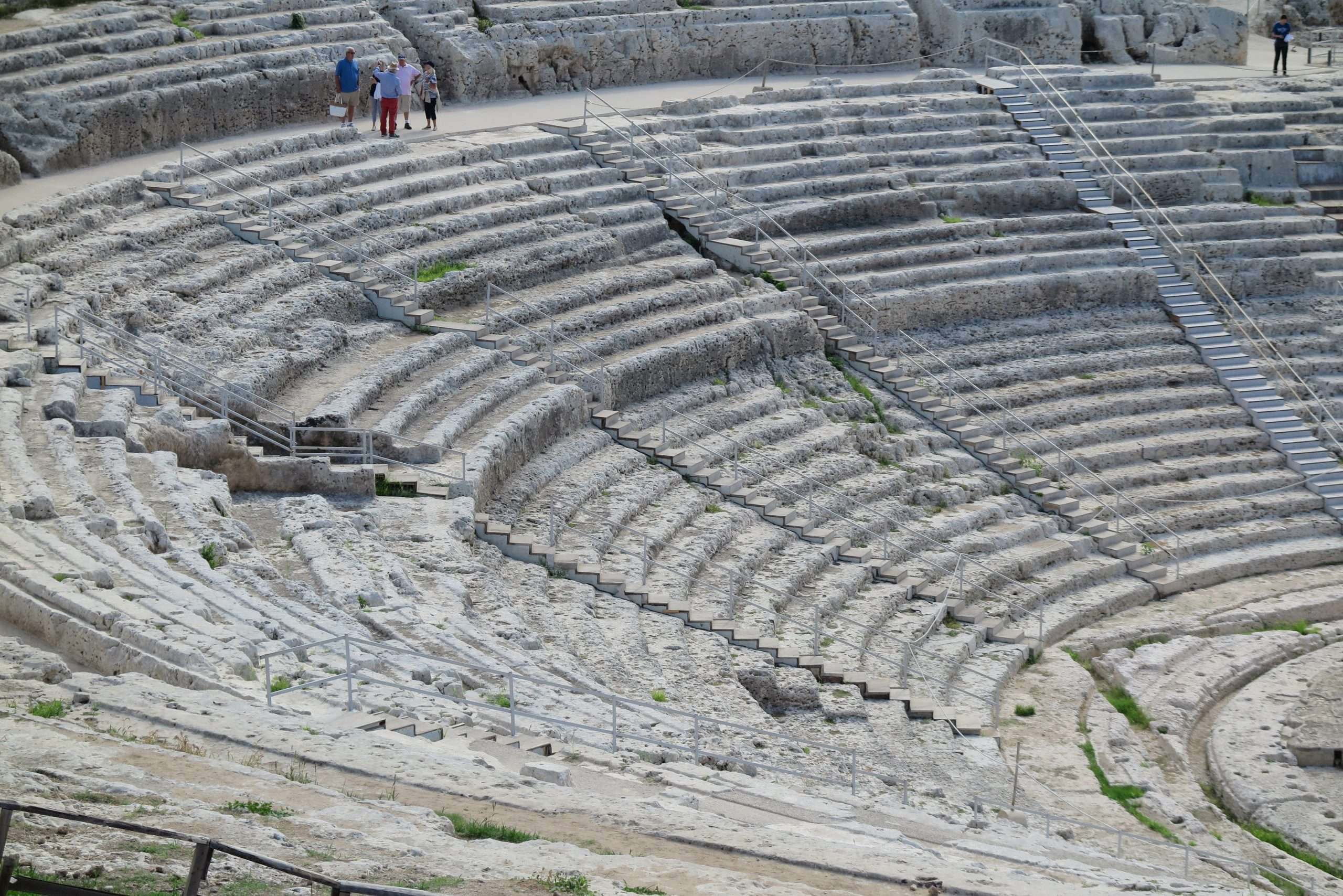
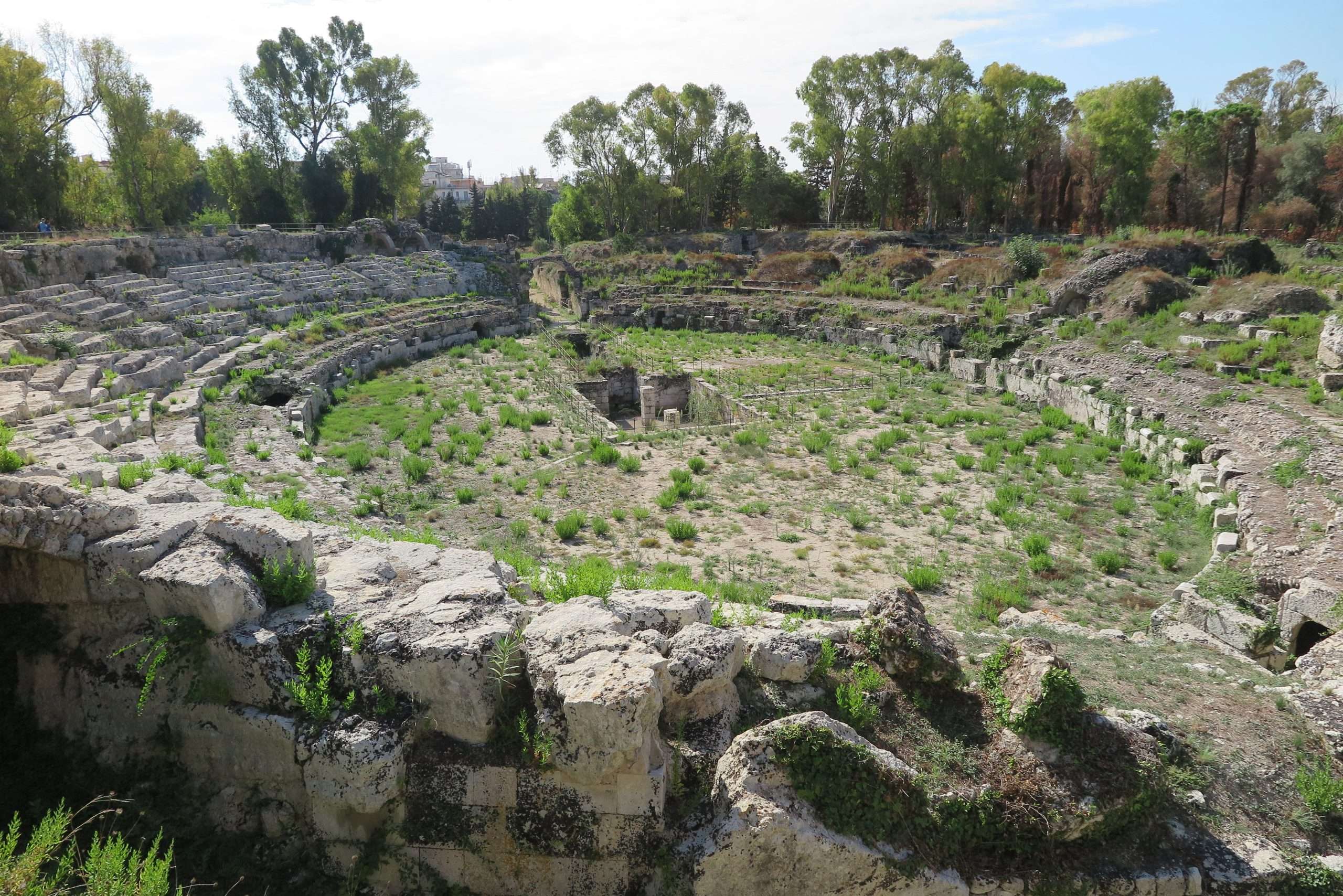
We woke up in Syracuse this morning, met our guide, and drove to the Parco Archeologico della Neapolis. Our first stop was the Ear of Dionysius, a rock formation named by Caravaggio after Dionysius the Tyrant. It’s famous for its exceptional acoustics. Next, we visited the Greek amphitheater, which once seated 15,000 people. Though impressive, the amphitheater’s acoustics are not as good as those in Epidaurus or Ephesus, partly due to the sound of water from a nearby aqueduct and tombs. We also saw the smaller, deteriorating Roman arena.
We then headed to the island of Ortigia, passing the striking cone-shaped church, Santuario della Madonna delle Lacrime (Shrine of Our Lady of Tears), on the way.

In Ortigia, we explored the bustling local food market, filled with open-air stalls selling spices, fruits, vegetables, fish, and nuts. We also visited the ruins of the Temple of Apollo, one of Sicily’s oldest temples, which has served as a mosque and a church before being damaged by an earthquake
Continuing to the Duomo, we walked through narrow streets where balconies are close enough for neighbors to chat across. At the Piazza del Duomo, we visited a church with a Caravaggio painting, followed by the cathedral. The cathedral’s thick walls and pillars reveal its origins as a temple dedicated to Minerva.
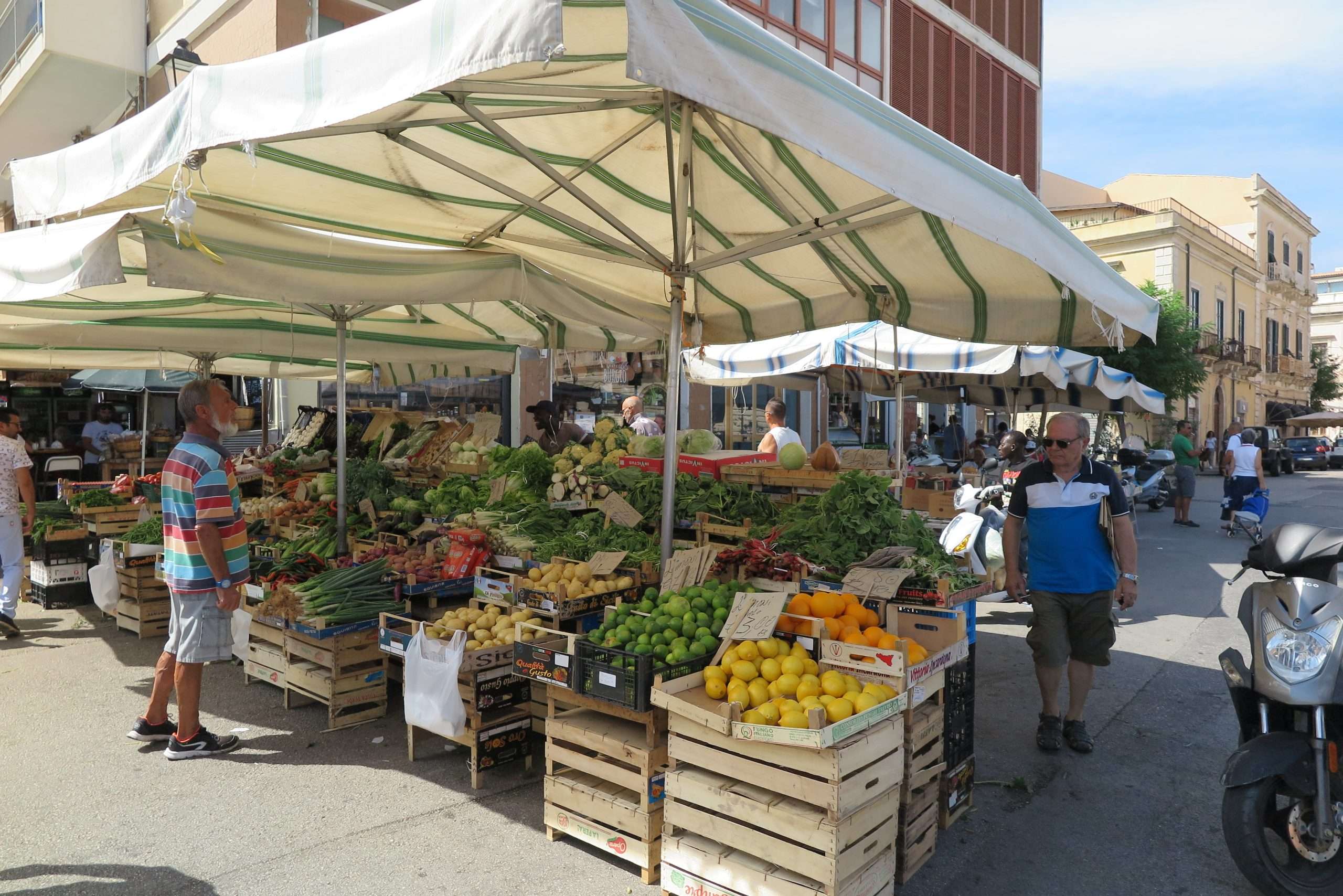
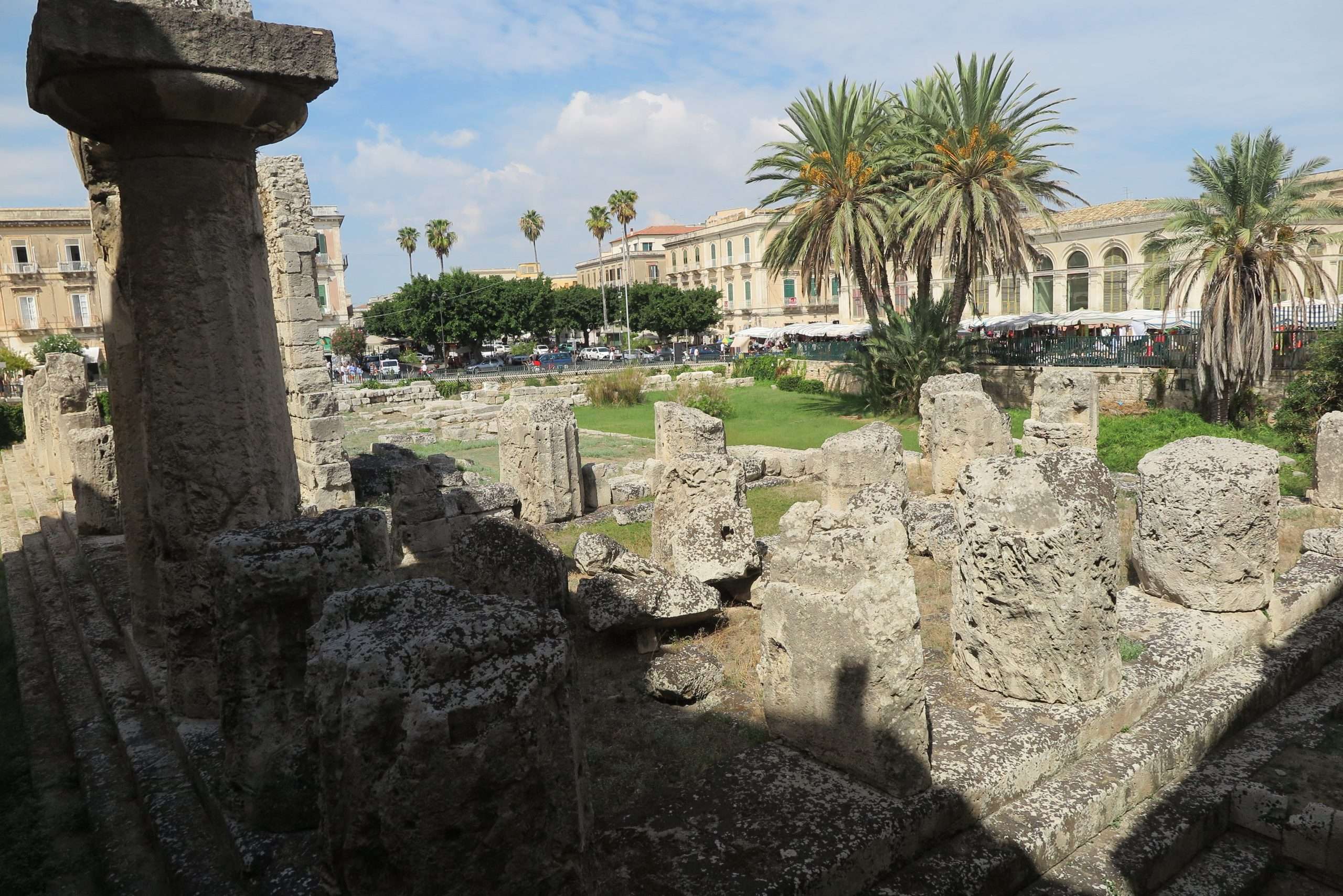
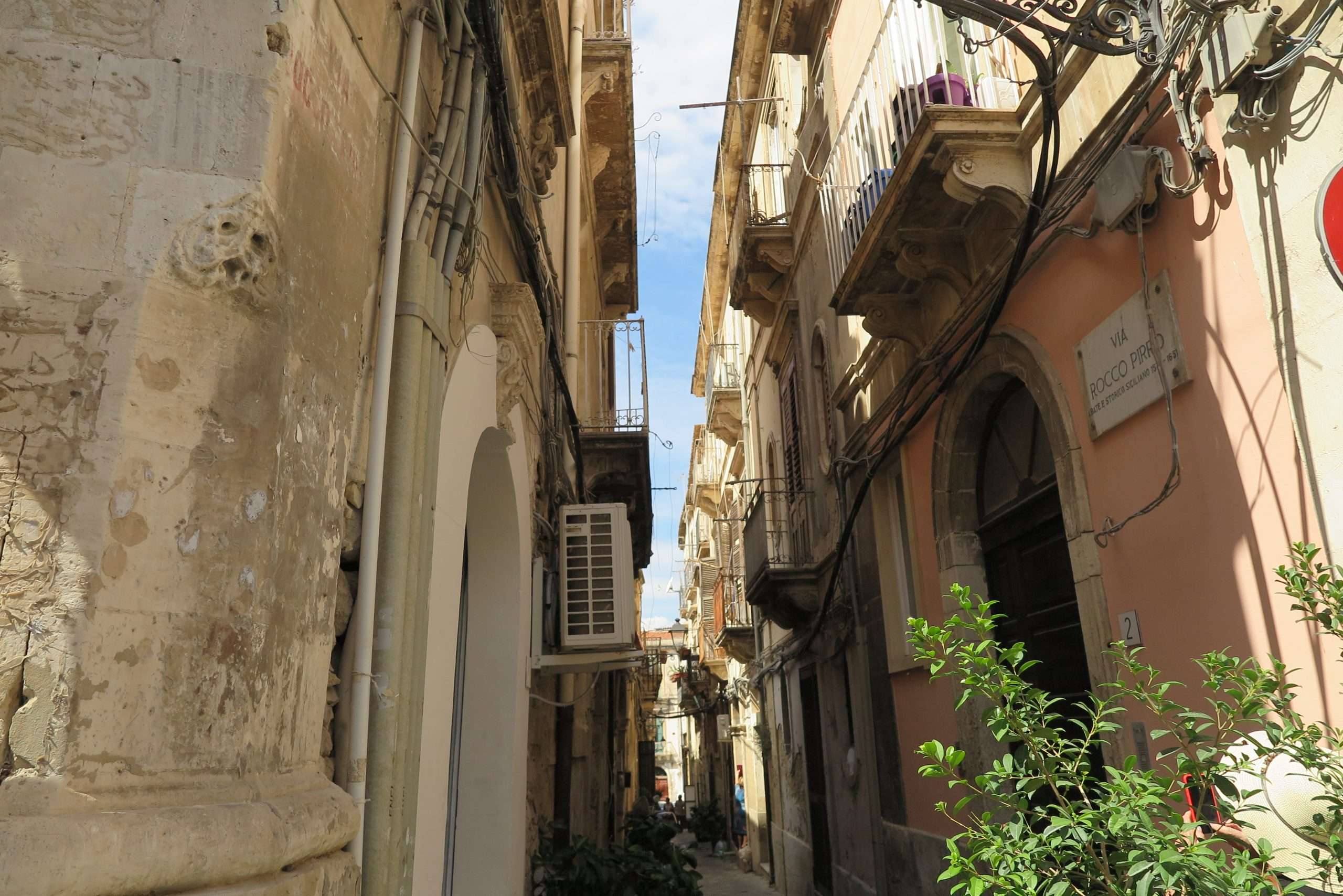
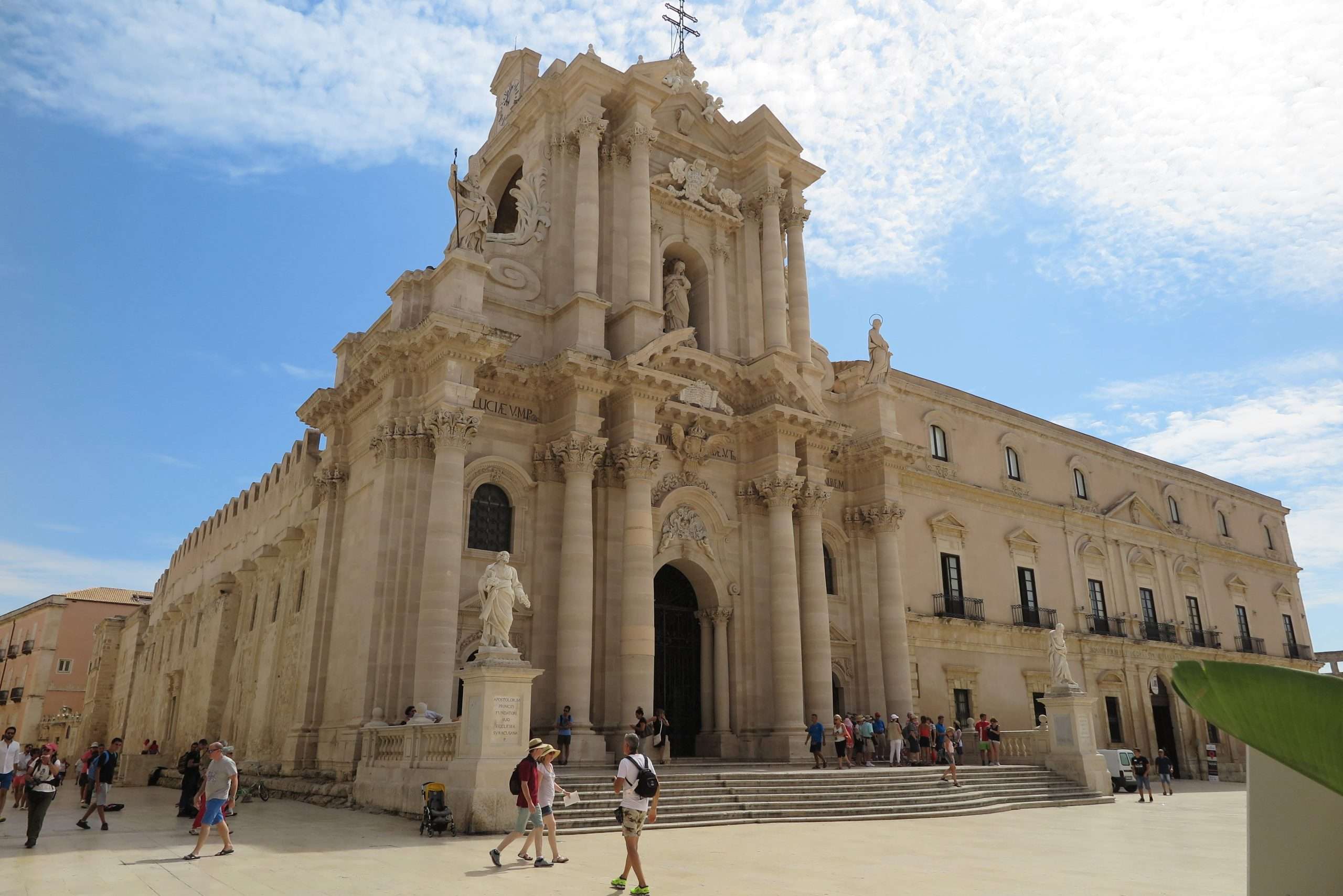
After lunch at a small café, we revisited the marketplace, though many shops were closing for the day. Before returning to the ship, we enjoyed cannoli, a Sicilian specialty. Syracuse, the capital of its province, is 2,700 years old and has played a significant role in Mediterranean history. The city is located in the southeast corner of Sicily, along the Gulf of Syracuse and the Ionian Sea.
Exploring Mount Etna – September 15, 2018
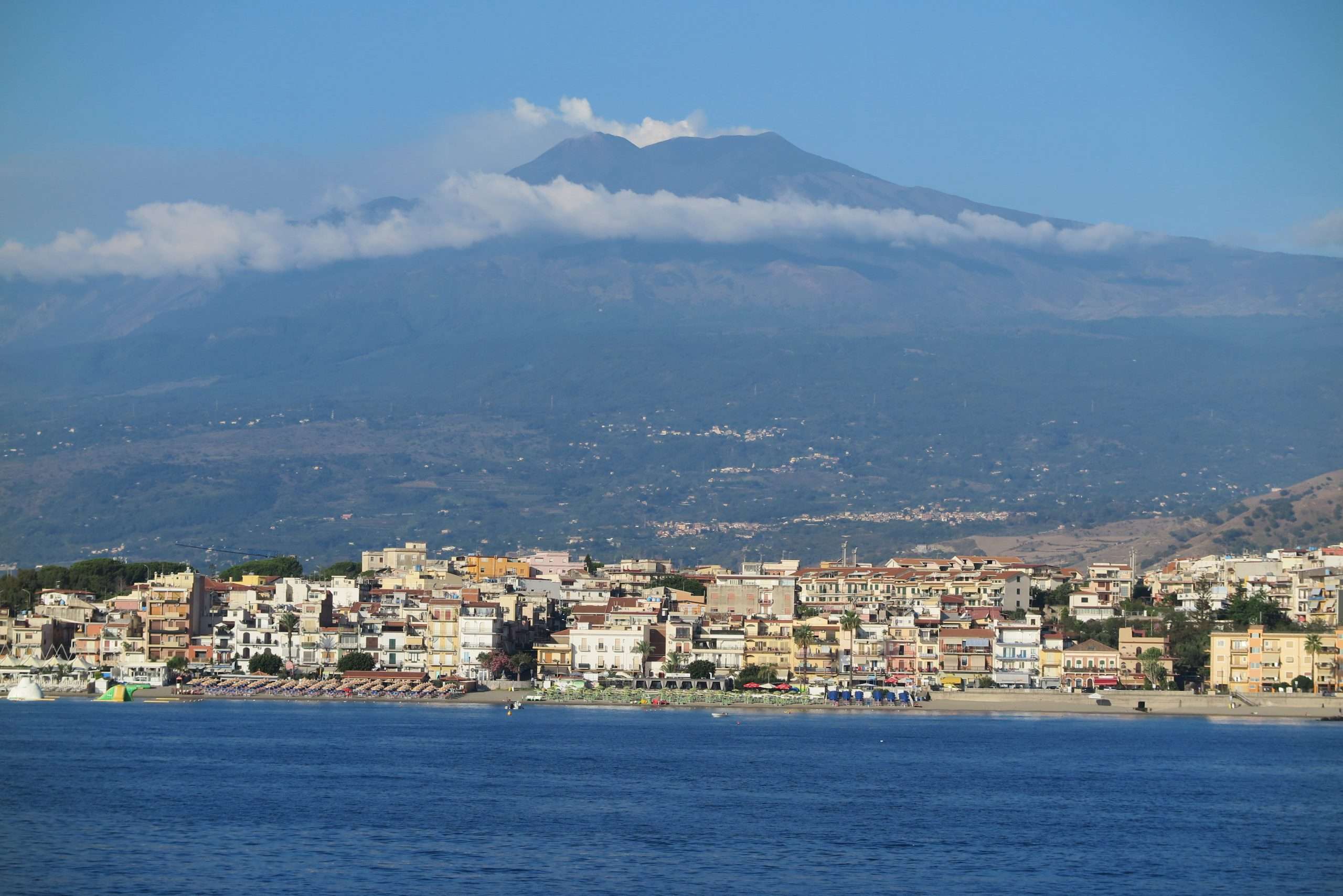
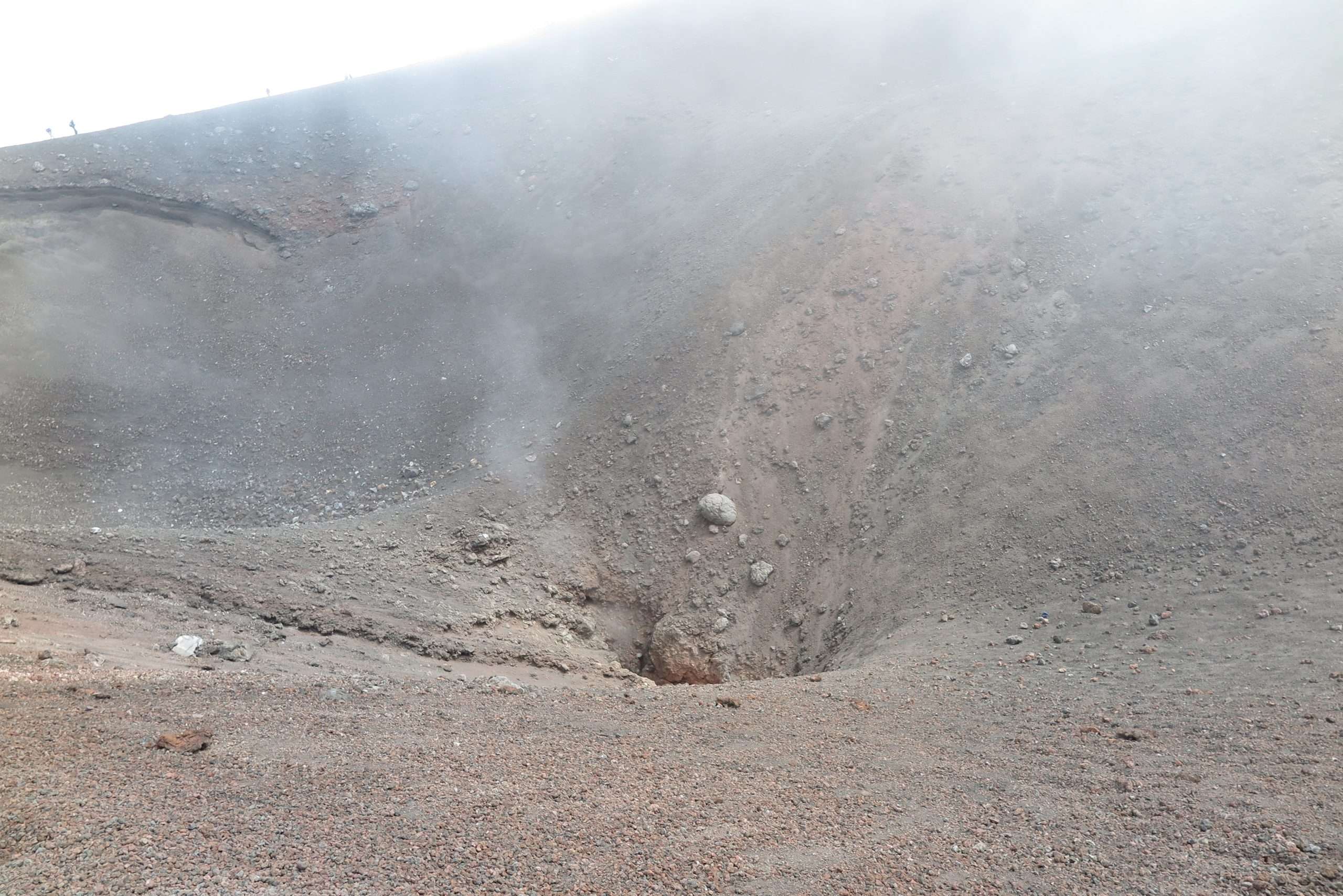
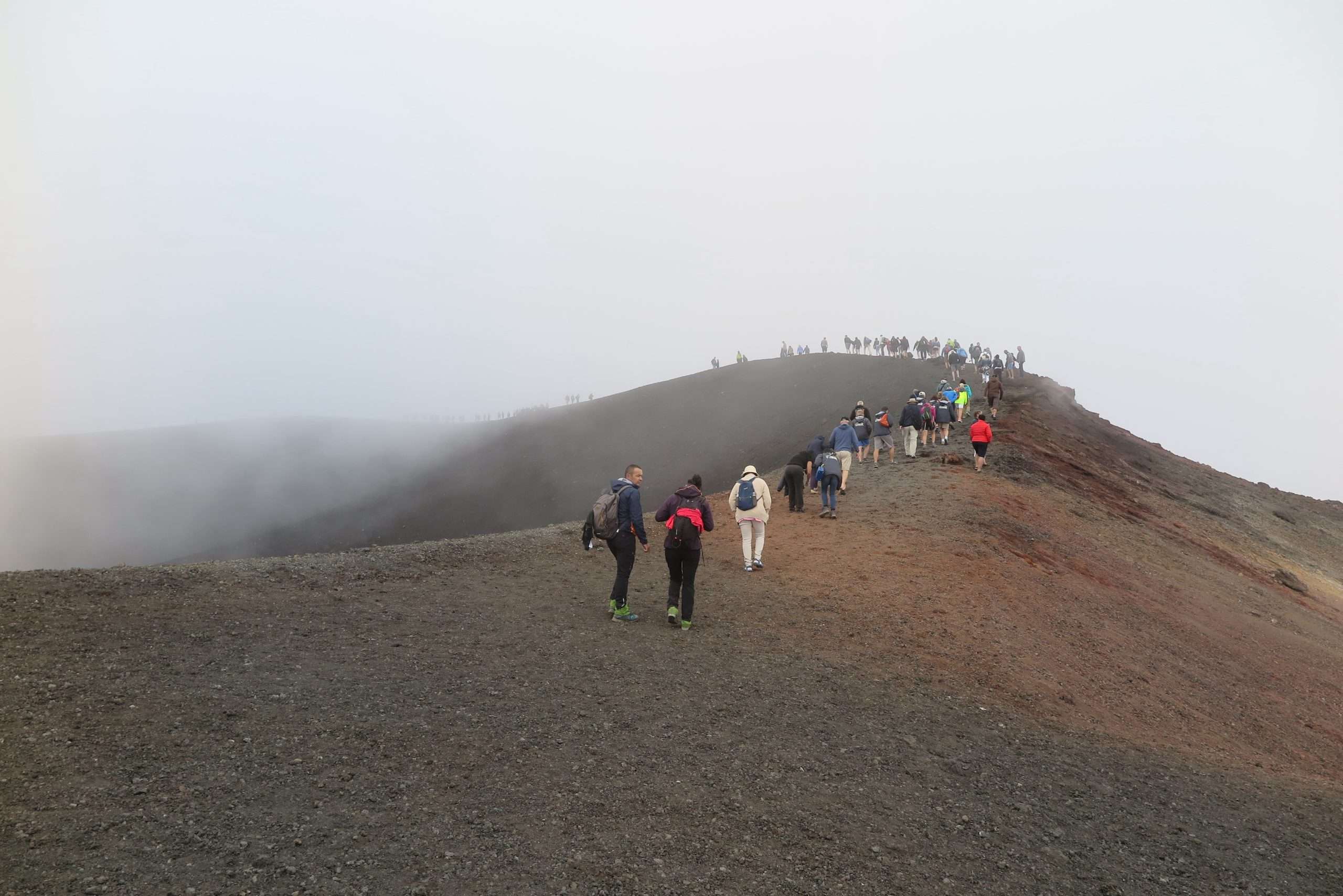
Today, we chose to visit Mount Etna instead of taking a guided walking tour of Taormina. We started by taking a Zodiac to Giardini Naxos and then drove to Zafferana Etnea before reaching Mount Etna, a UNESCO World Heritage Site. We approached the volcano from the south side, driving the first 1,000 meters, taking a cable car (funivia) for the next 1,900 meters, and then using a 27-seat Unimog for the final 100 meters. We walked around the rim while some people ventured down to view the crater. Along the way, we saw yellow broom plants and passed by the Silvestri Craters, named after a vulcanologist who died the year before their formation.
On the slopes, we noticed names made of rocks scattered around and observed steam escaping from holes dug by volcanologists, which allowed visitors to warm their hands. The loose gravel required careful climbing, and clouds occasionally moved in, chilling us with their moisture. Mount Etna, an active volcano and the highest in Europe, offers stunning views and is visible from all over Sicily.

After descending, we had lunch at La Cantoniera, where we enjoyed a simple meal of thinly pounded and breaded chicken, with lemon cake for dessert. The starters were magnificent, featuring green olives, cheese, tomato bruschetta, grilled zucchini, and zucchini with peppers.
Sicilian Treasures: Wine, History, and Opera in Palermo – September 16, 2018
Today, we docked in Palermo, the capital of Sicily. We had the option of a guided excursion to the domed Cathedral of Monreale and a nearby vineyard or a walking tour of the city. We chose the former.
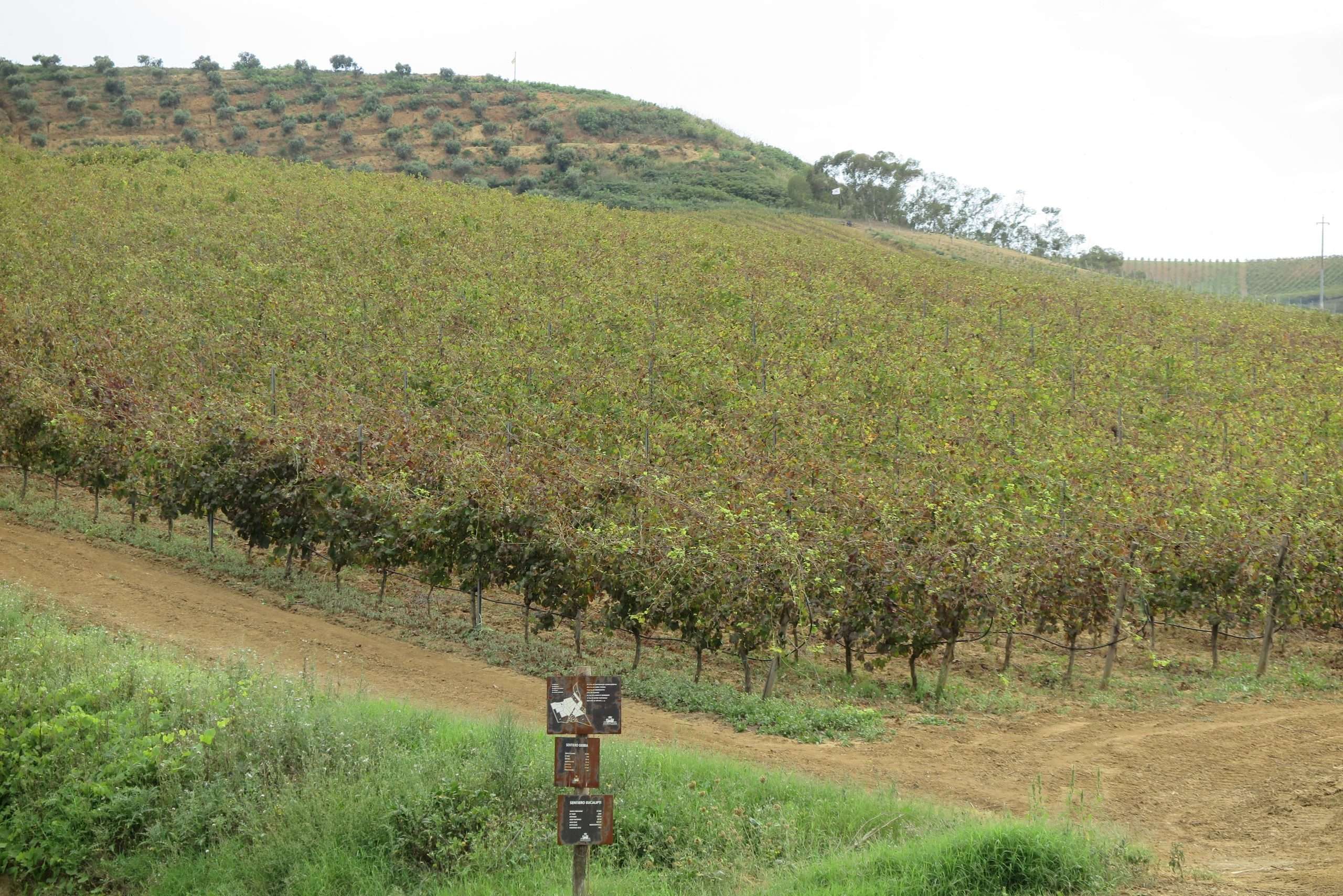
Our first stop was the Sallier de La Tour winery, nestled in the scenic hills of Camporeale. The tour began with a walk through the lush vineyards, where we learned about the unique terroir and the cultivation of Syrah and other local grape varieties. After exploring the cellars and the winemaking process, we enjoyed a tasting session featuring a selection of wines paired with local Sicilian delicacies.
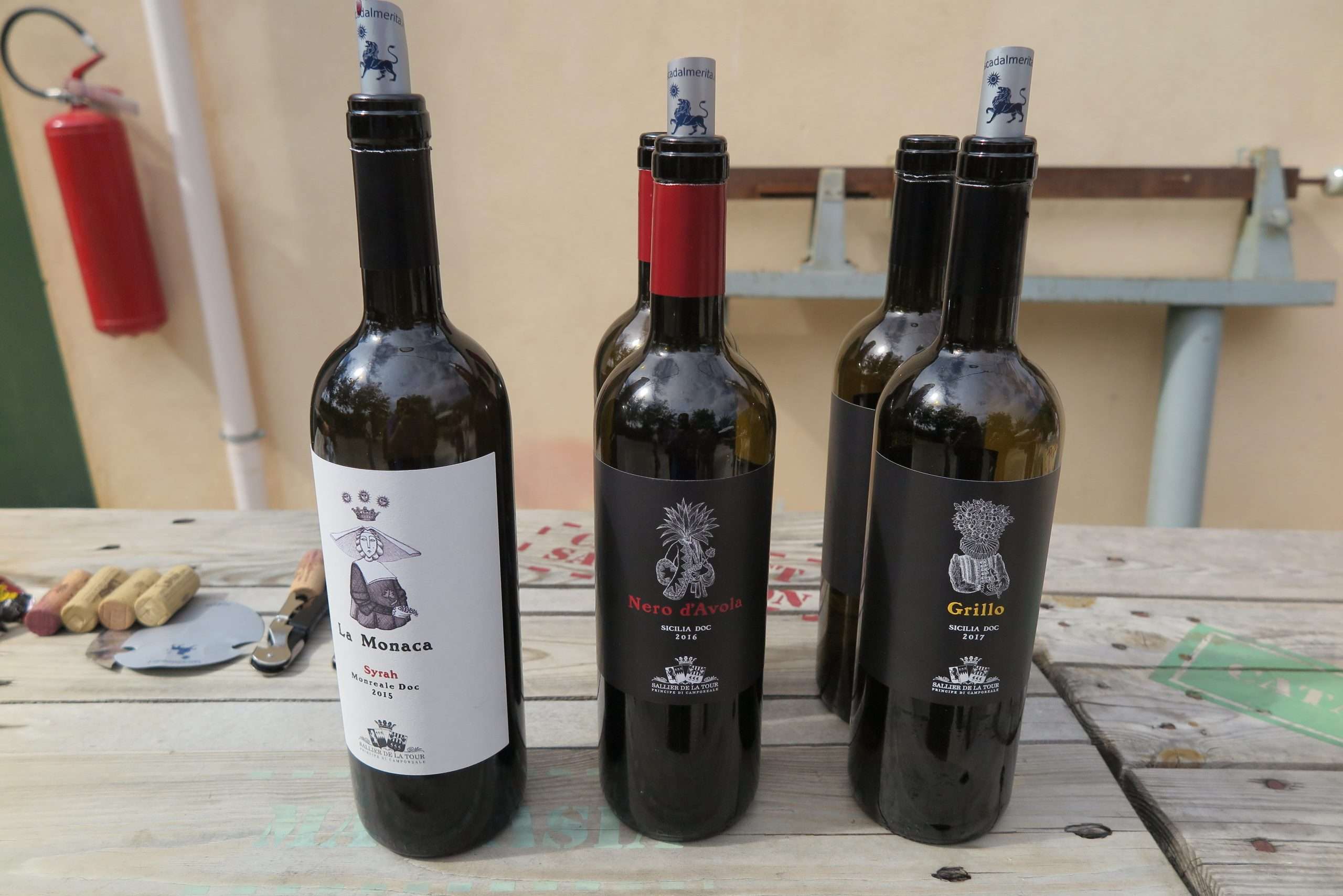
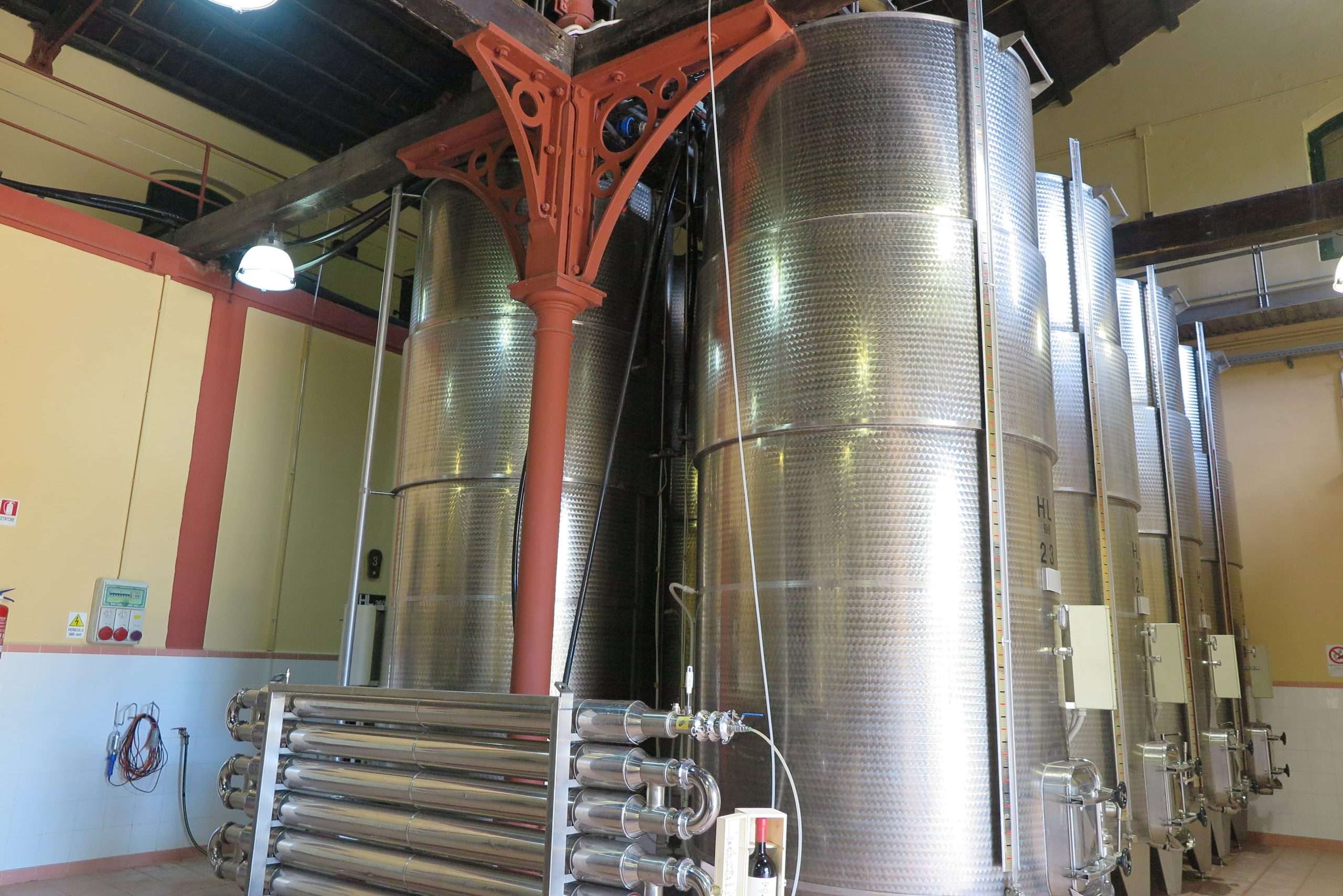
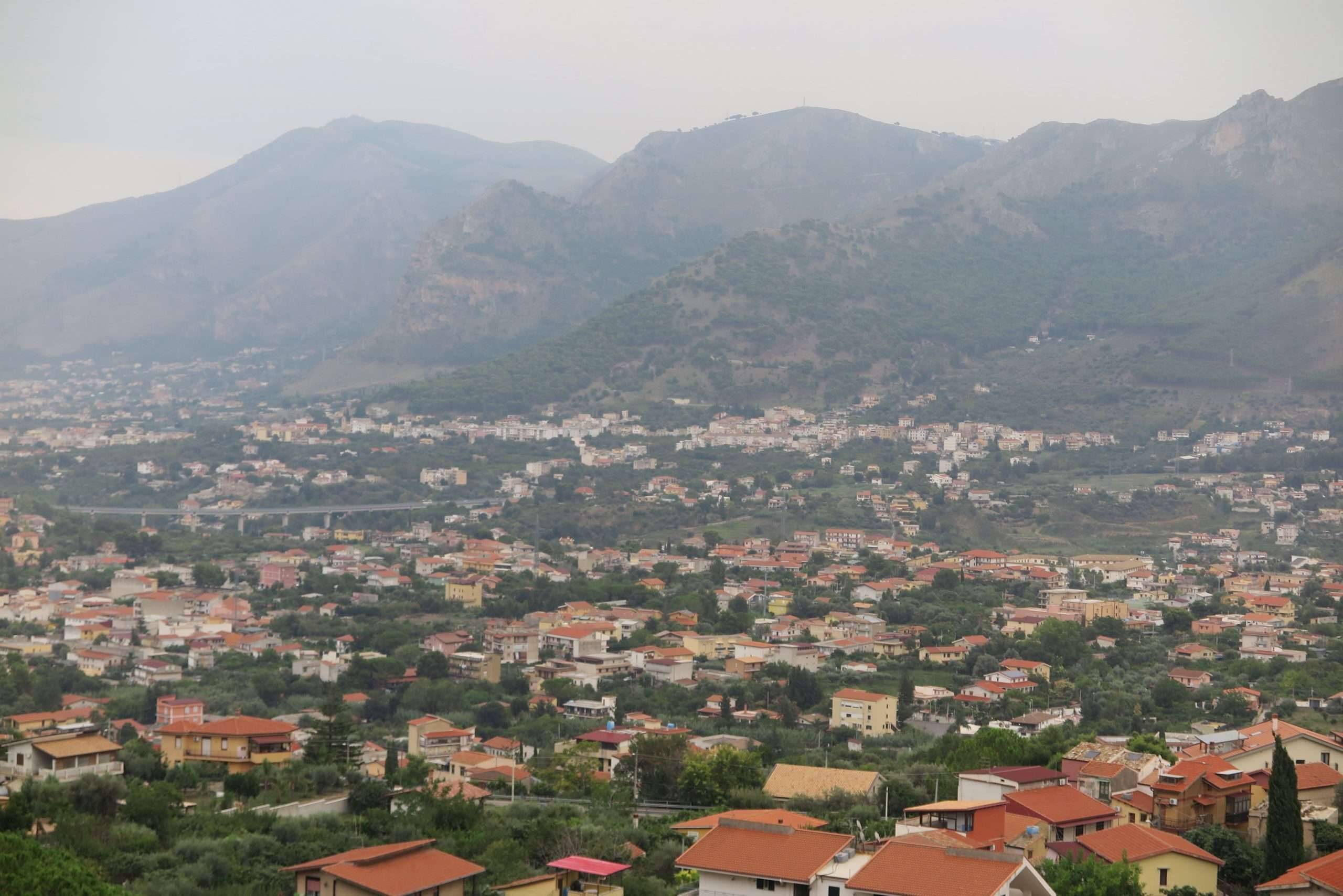
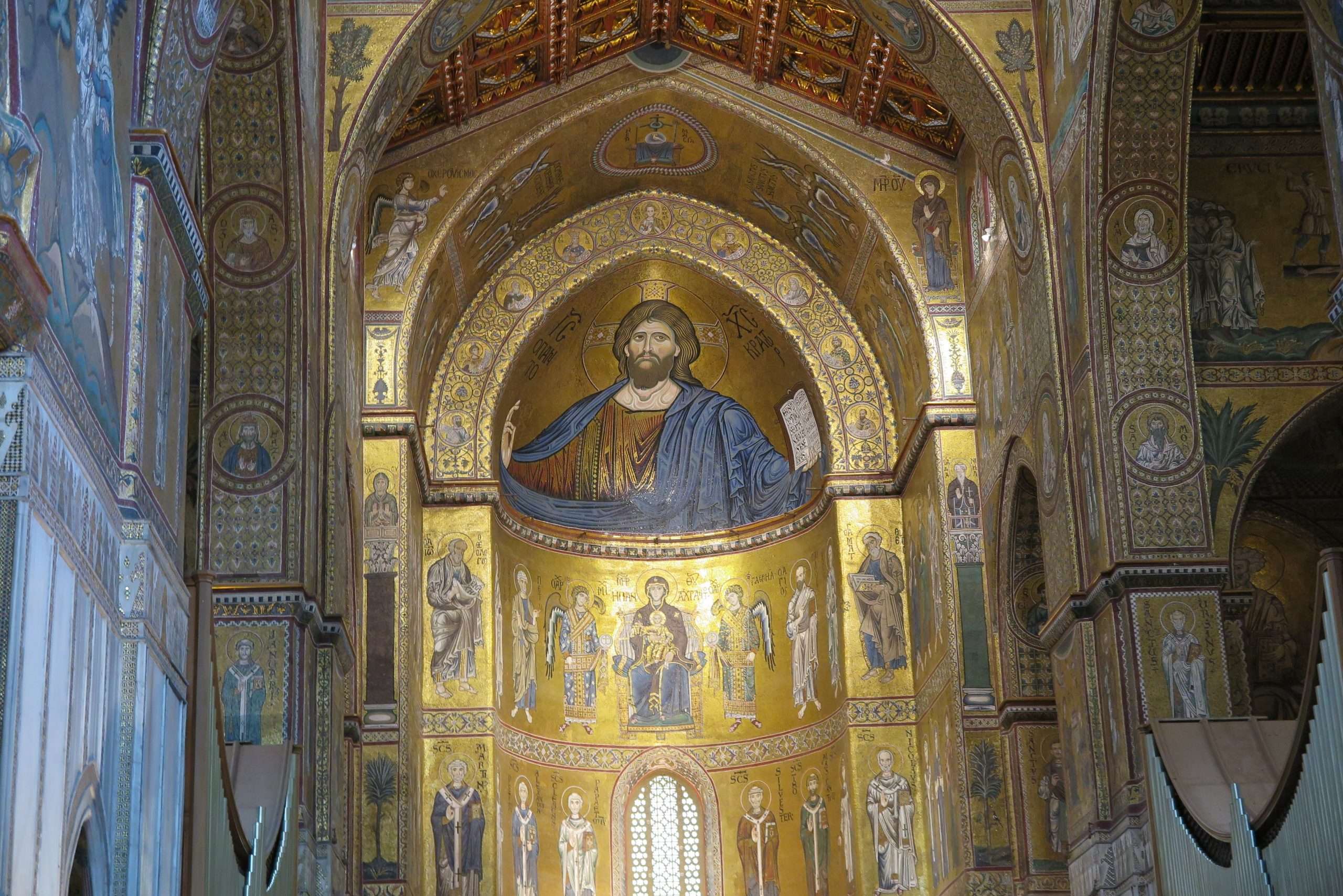
Our guided tour of the Cathedral of Monreale, a UNESCO World Heritage site, took us through one of Sicily’s most stunning landmarks. The cathedral’s Norman architecture impressed us from the moment we arrived. Inside, we marveled at the vast mosaics that covered the walls, illustrating biblical scenes in brilliant colors and gold. The guide highlighted the unique blend of Arab, Byzantine, and Norman influences that make the cathedral a masterpiece of medieval art and architecture. We also visited the peaceful cloister, with its intricate stone carvings and serene garden.

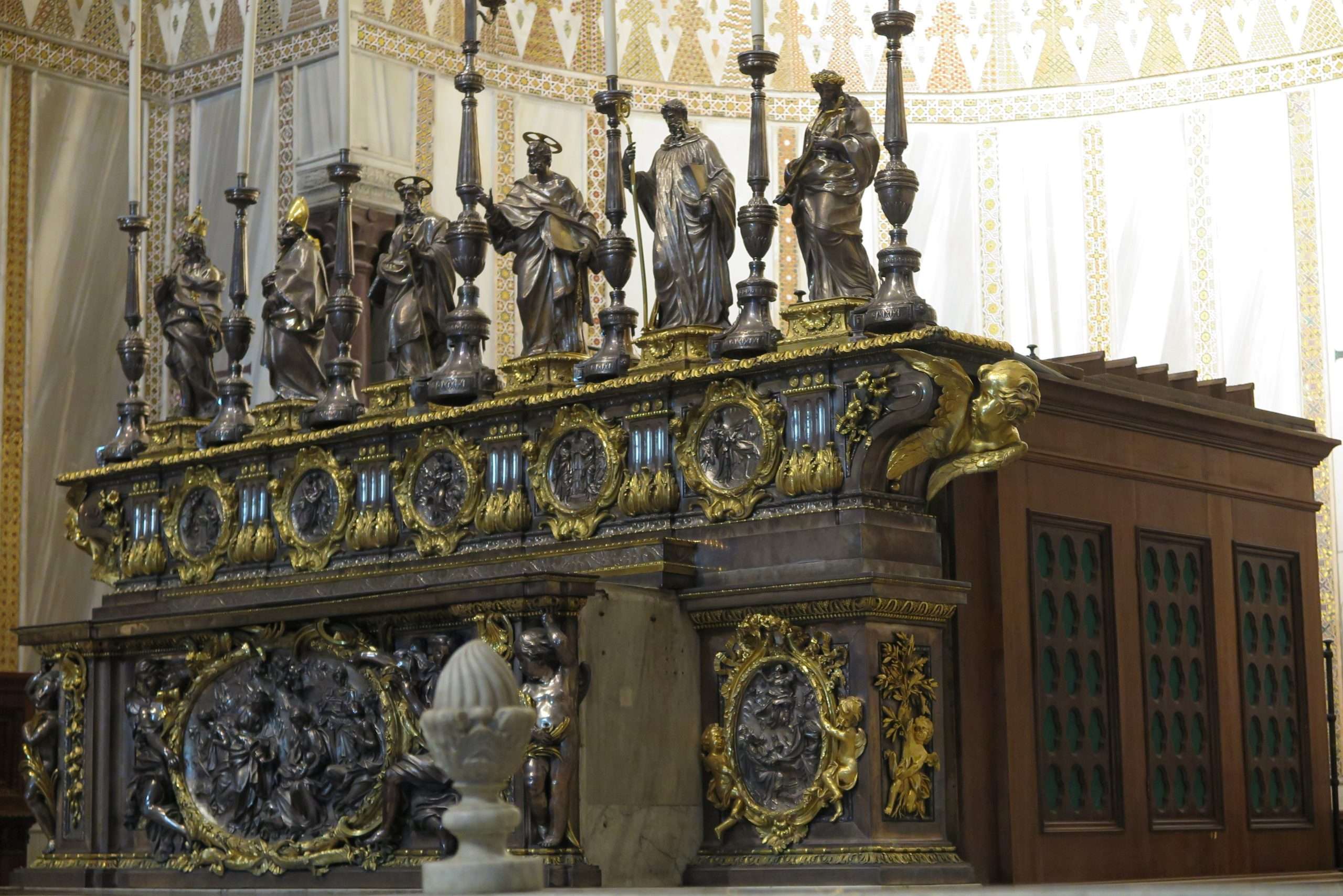
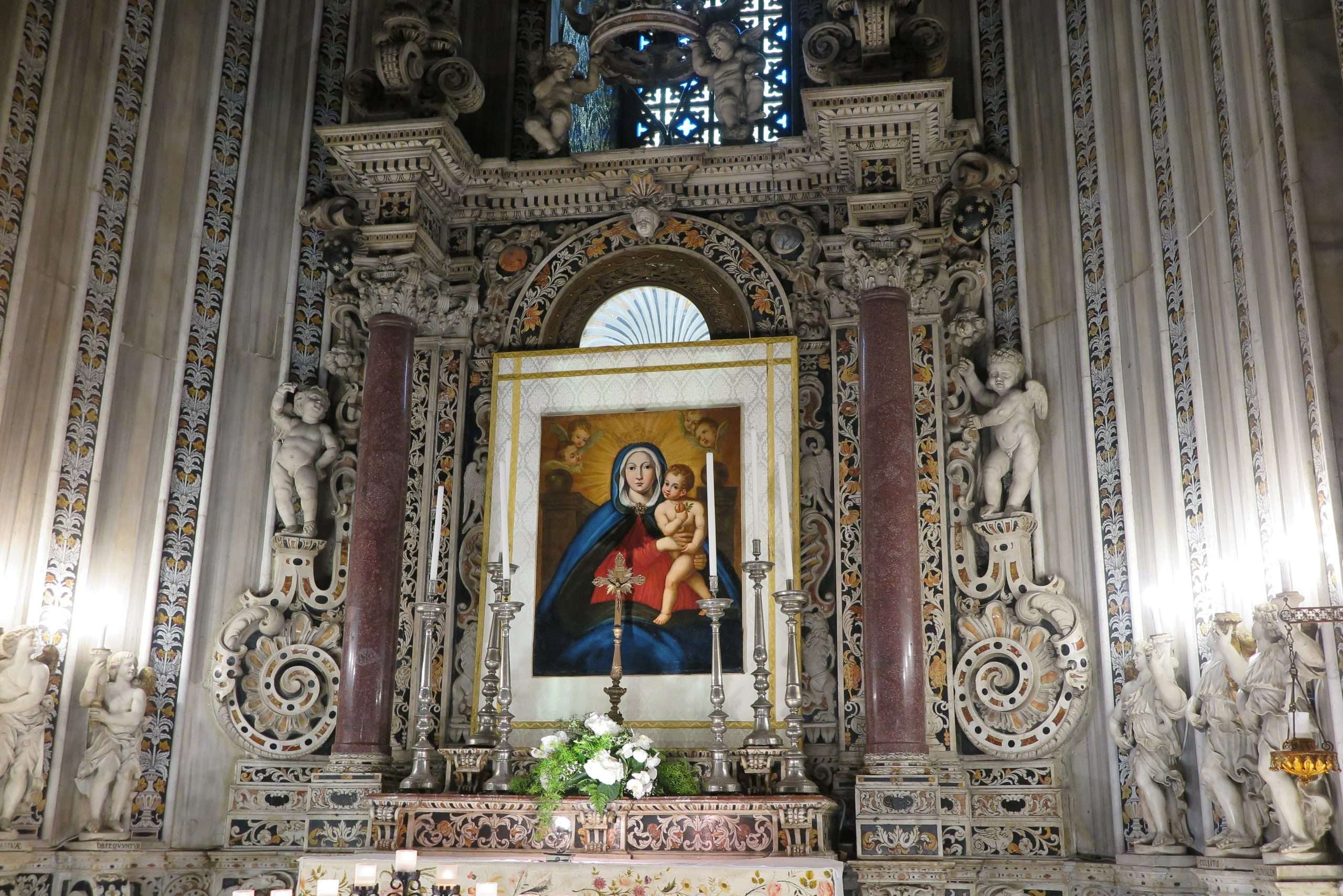
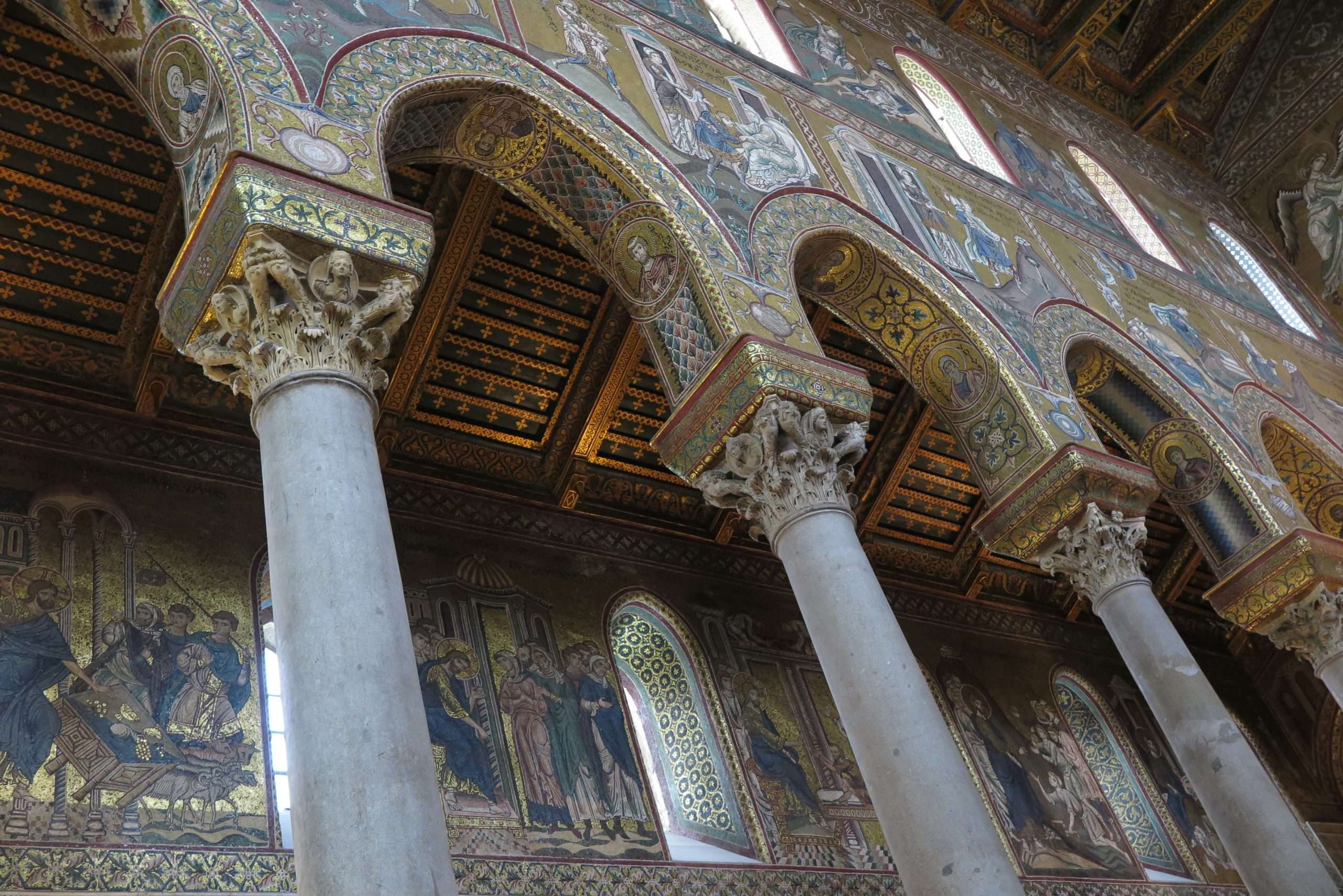
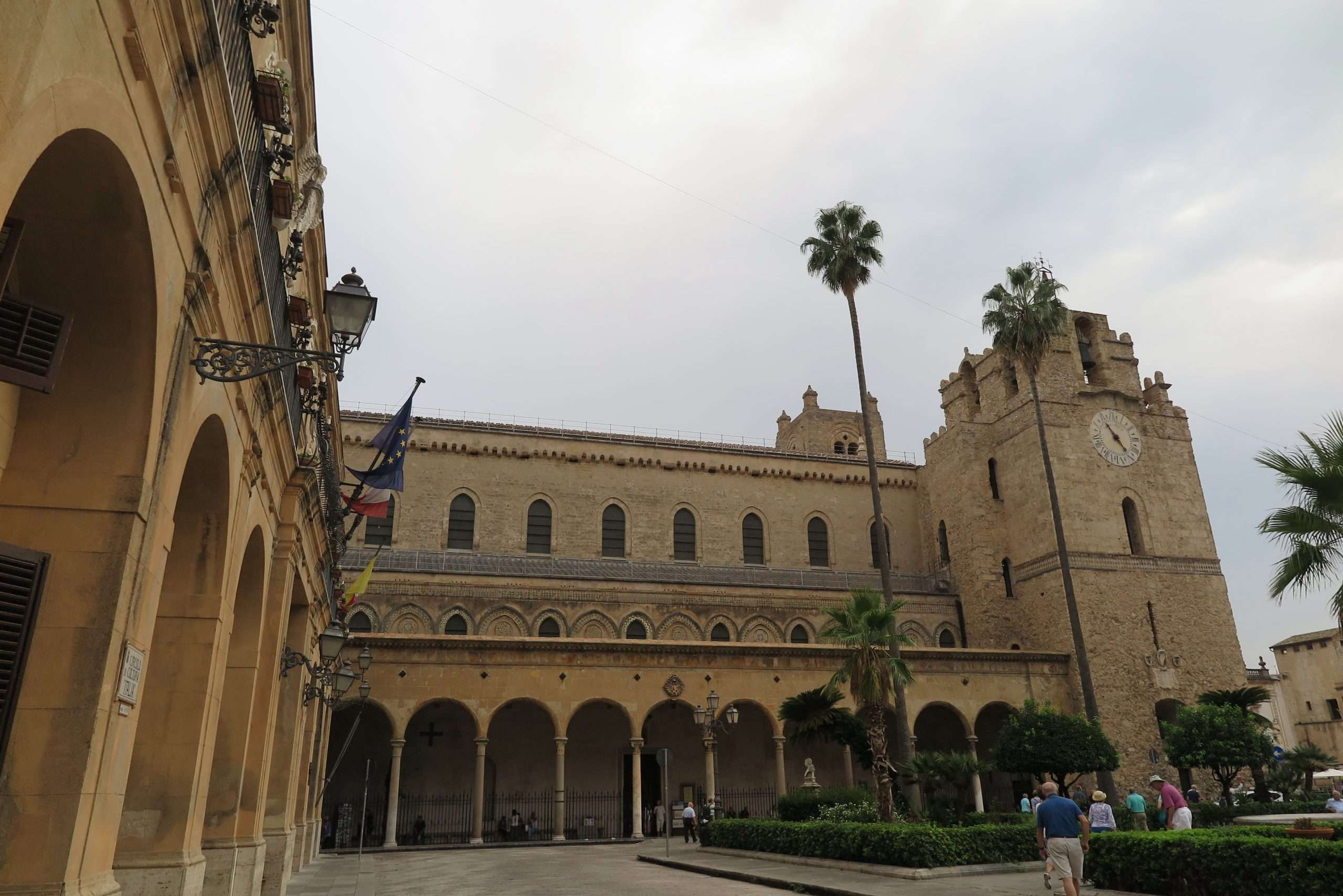
We ended the day with an insider tour of the Palermo Opera House, a grand finale to our journey. The Palermo Opera House, known as Teatro Massimo, is Italy’s largest and a symbol of Palermo’s cultural heritage. Renowned for its grand neoclassical architecture and superb acoustics, it has been a stage for world-class performances since its opening in 1897. After exploring the opulent interiors and learning about its rich history, we were treated to a private performance of opera arias, making the experience truly unforgettable.
Day Trip from Trapani: Exploring Segesta and Erice – September 17, 2018
This morning in Trapani, we had a variety of excursions to choose from, and we opted for a drive to Segesta to see the Greek Temple followed by a guided visit to hill town of Erice.
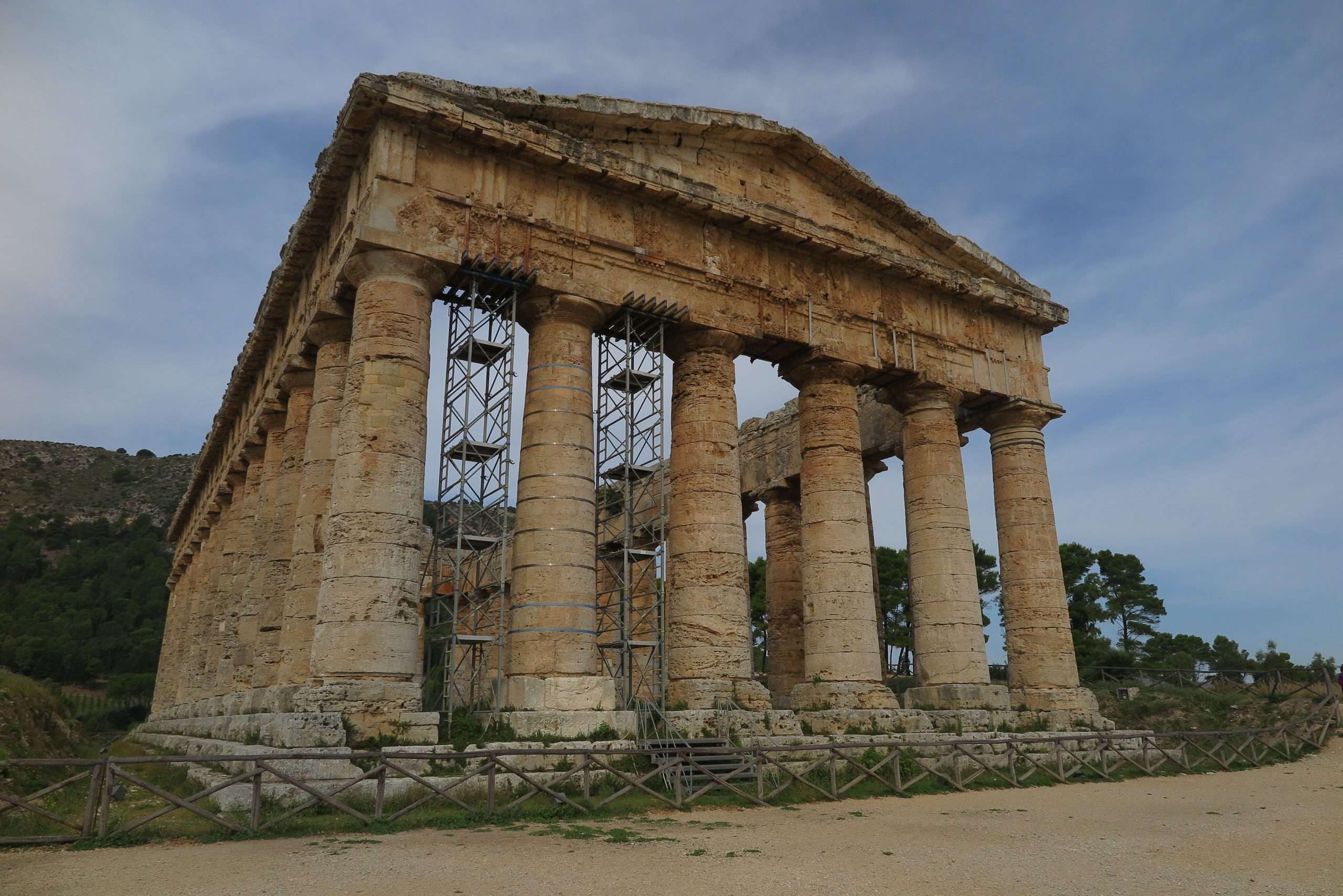
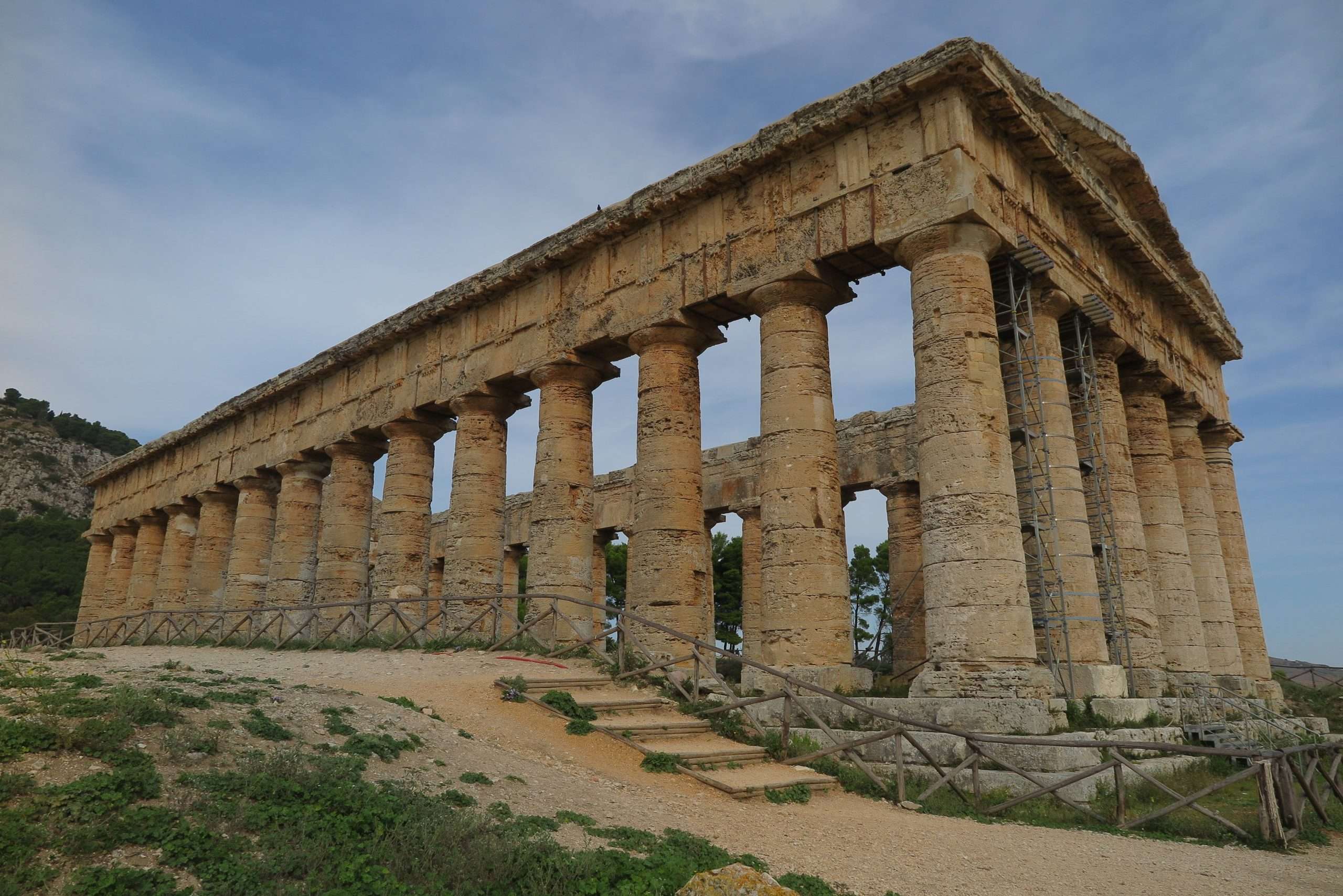
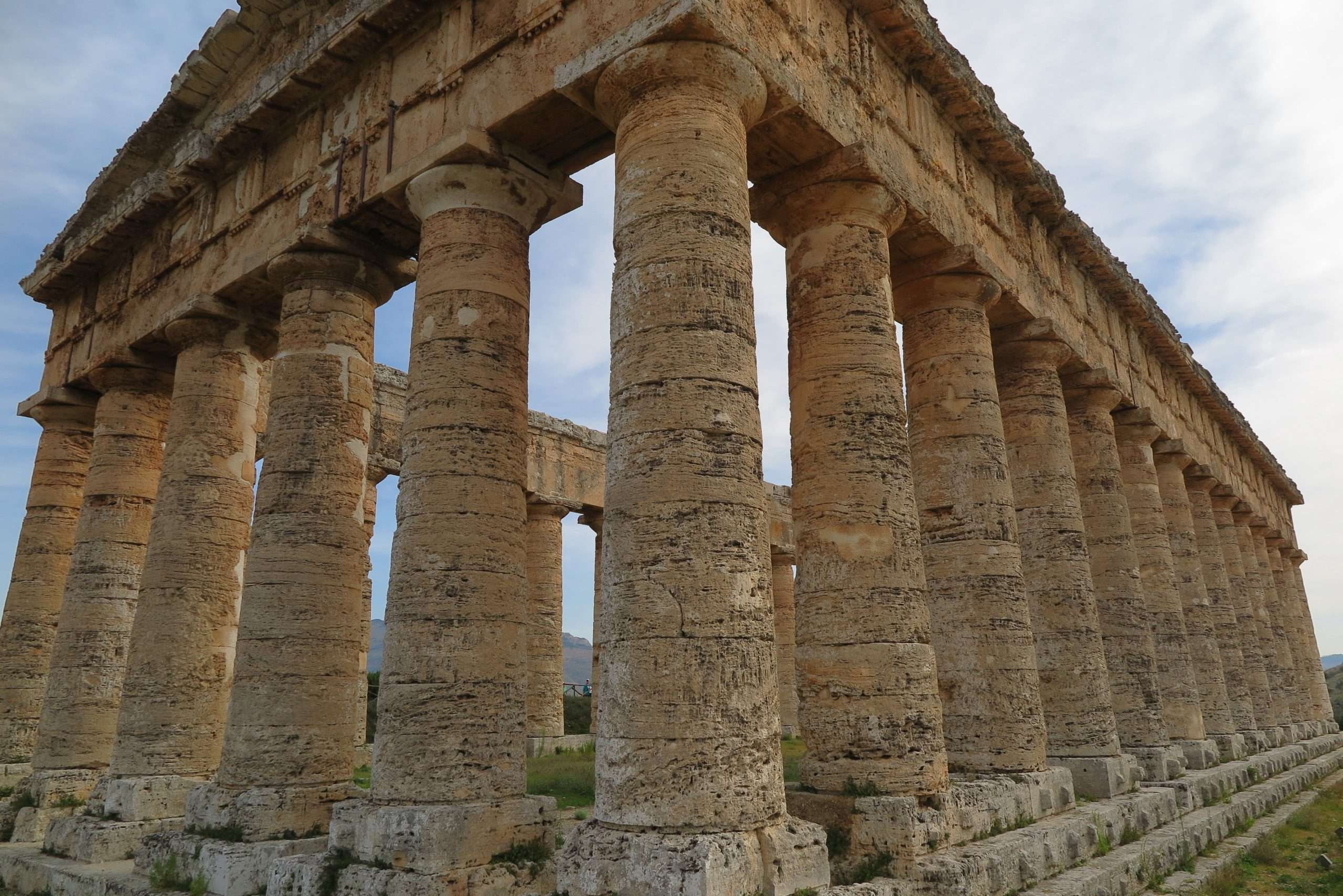
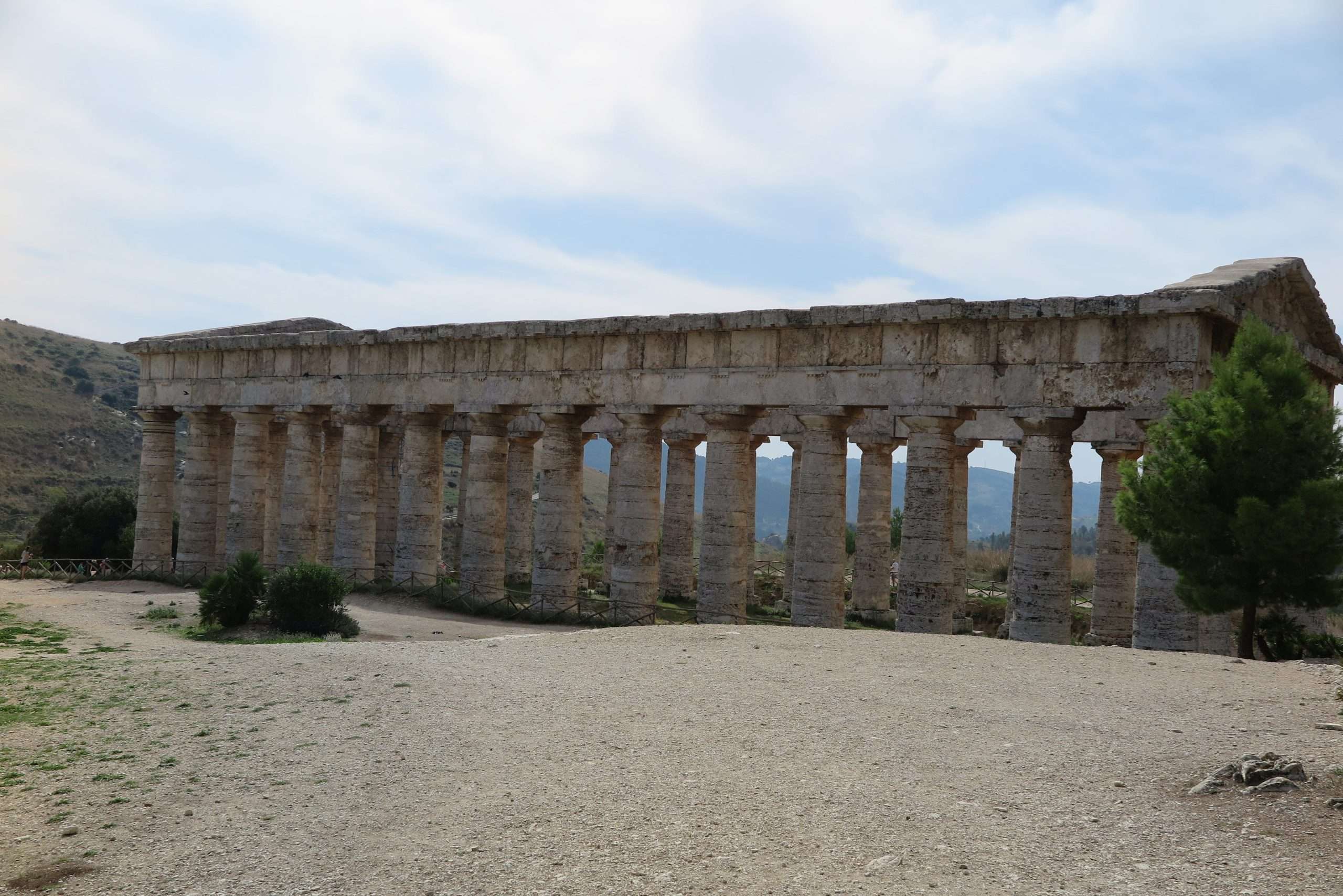
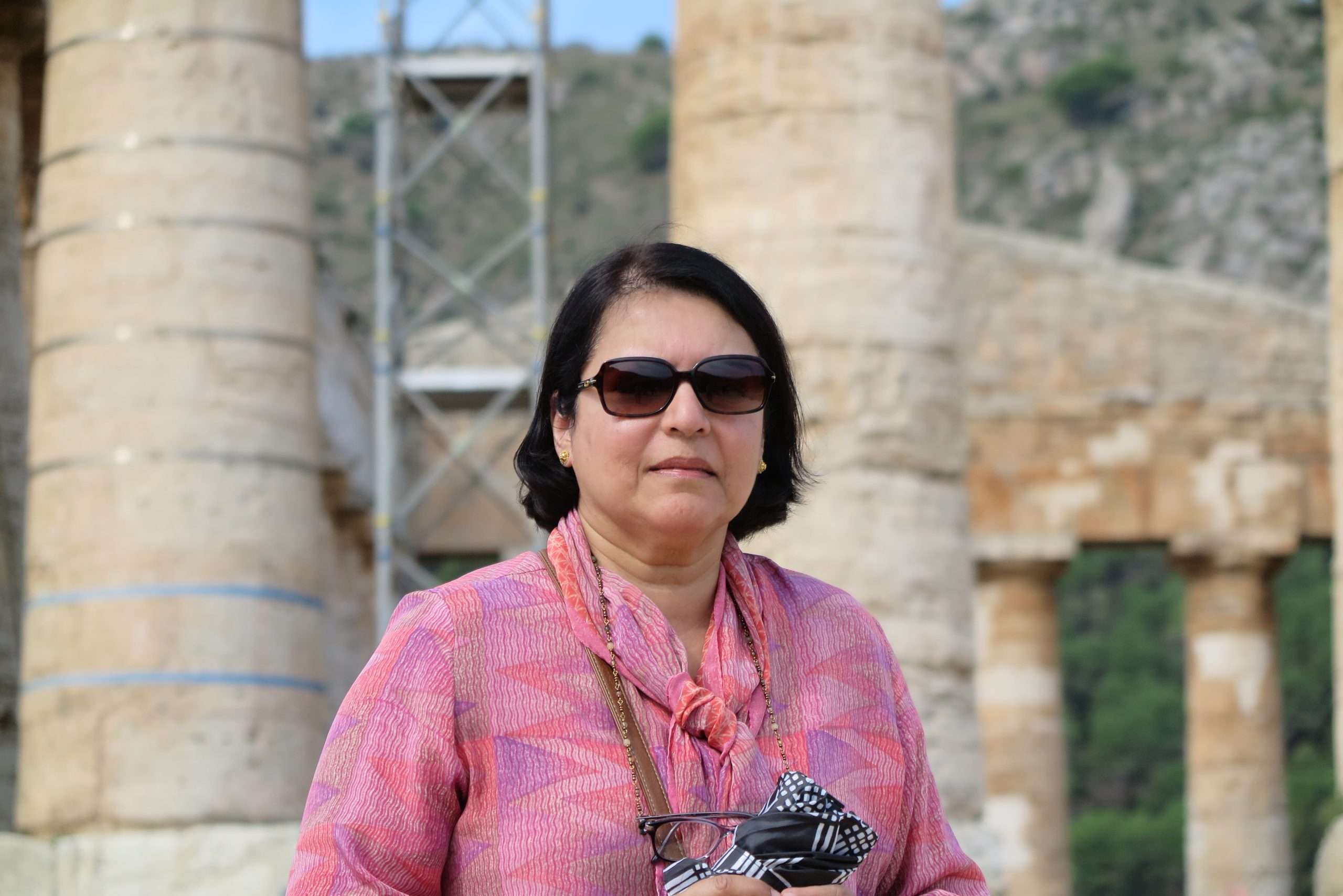
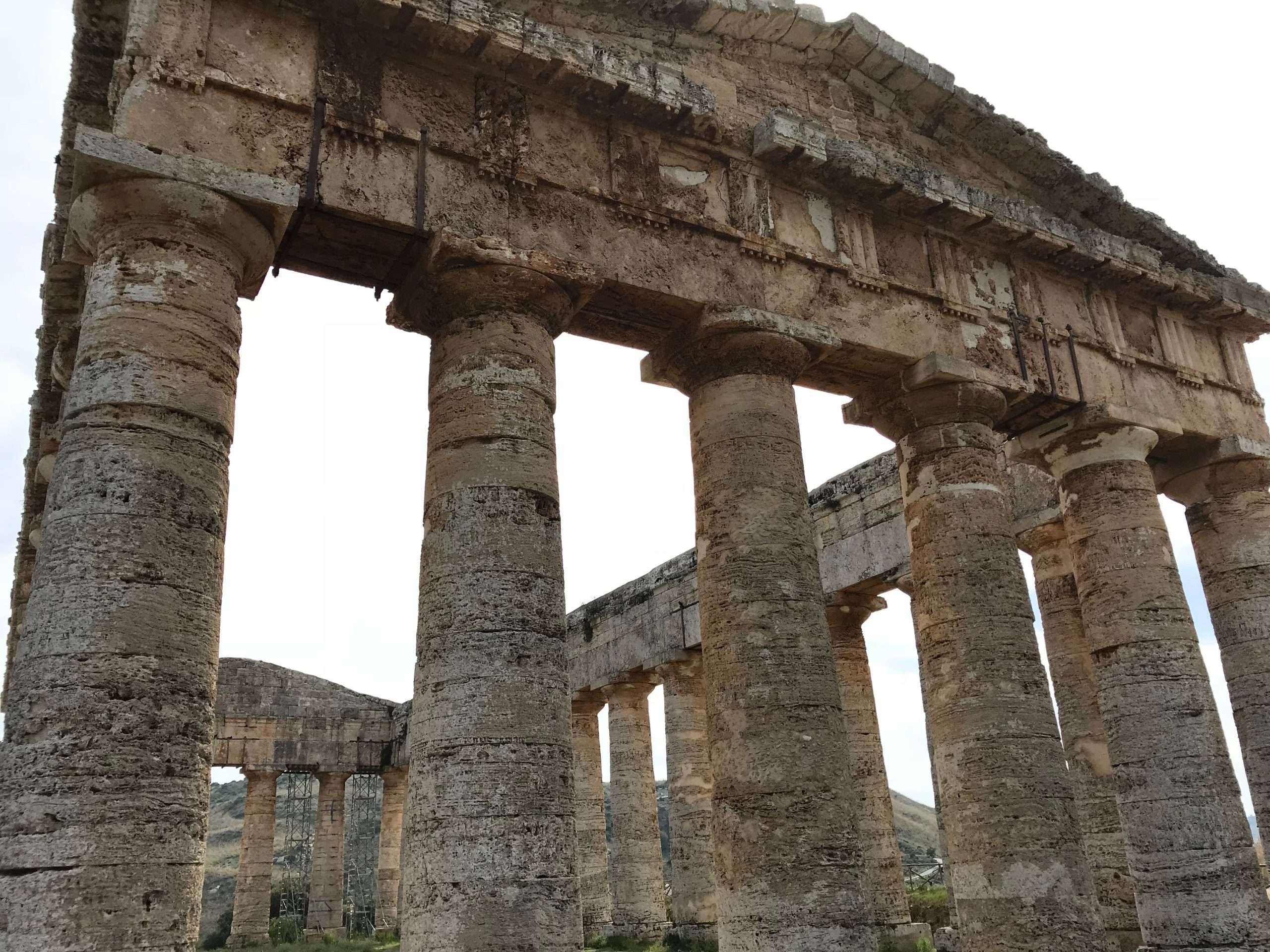
The drive from Trapani to Segesta took us through the rolling hills and vineyards of western Sicily. As we neared Segesta, the ancient Greek temple came into view, perched on a hill overlooking the stunning landscape. Despite its unfinished roof and interior, the temple is remarkably well-preserved, with 36 towering columns that have endured the test of time. Constructed by the Elymians, an ancient people of uncertain origin, the temple blends Greek architectural style with local influences, adding to its historical intrigue.
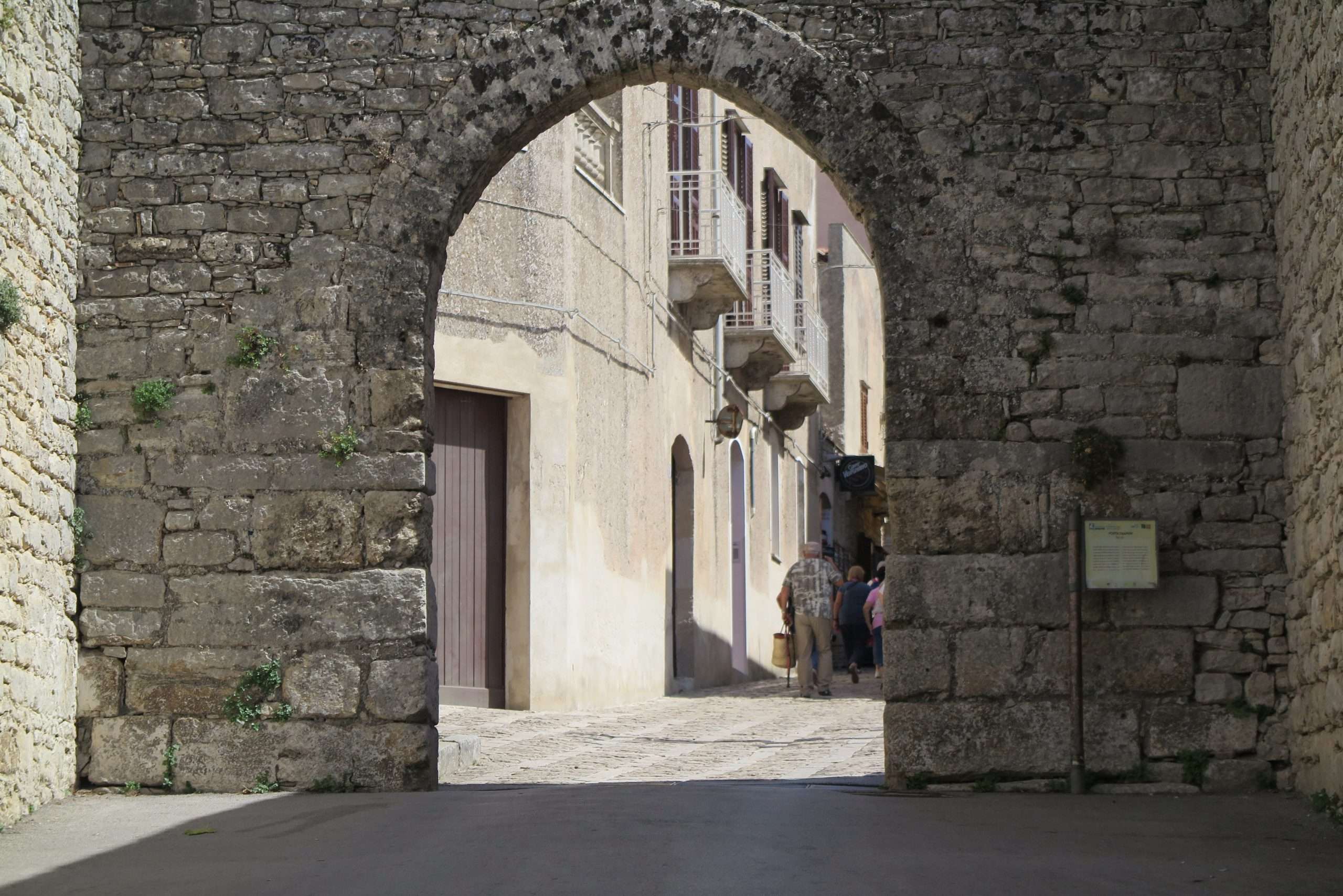
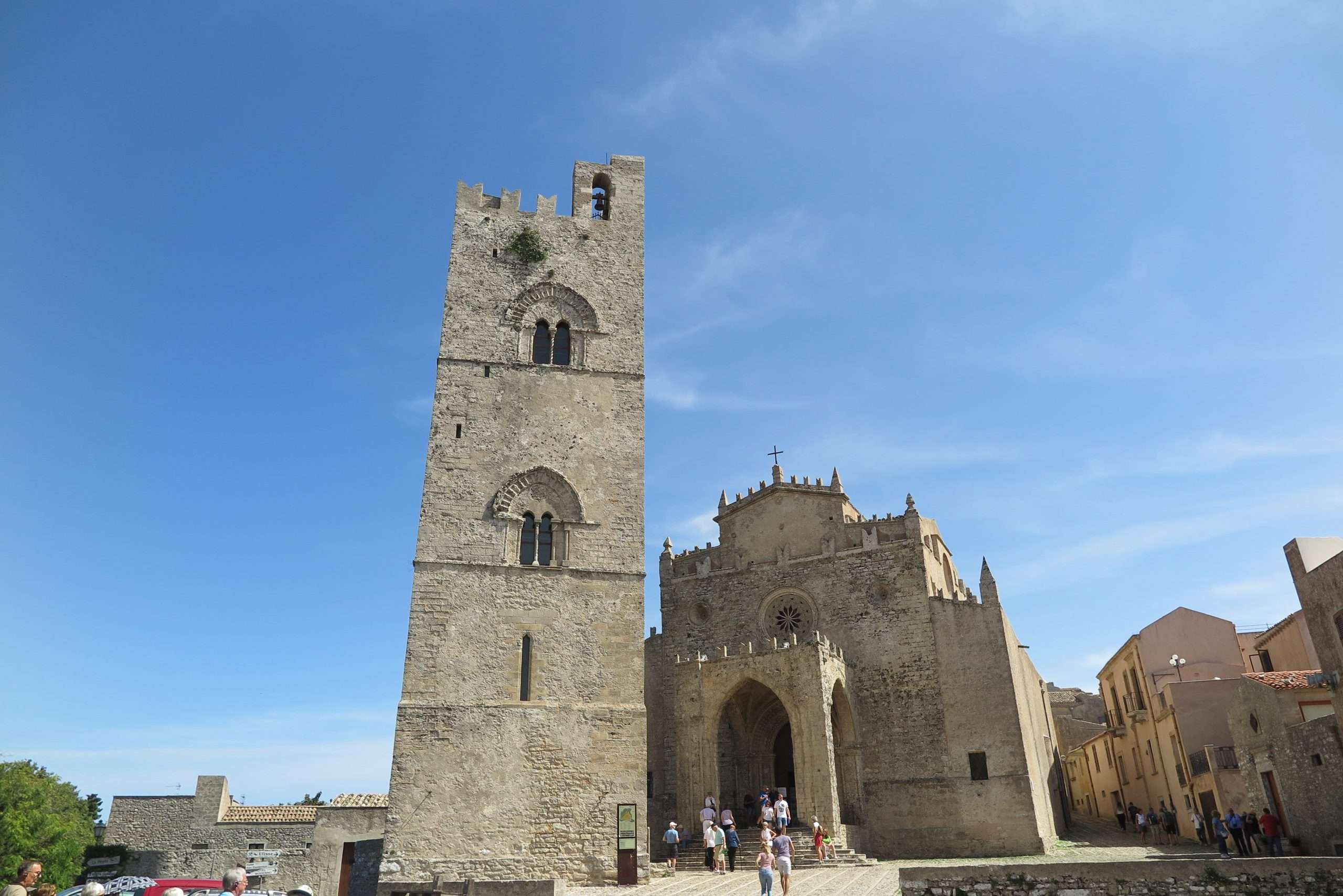
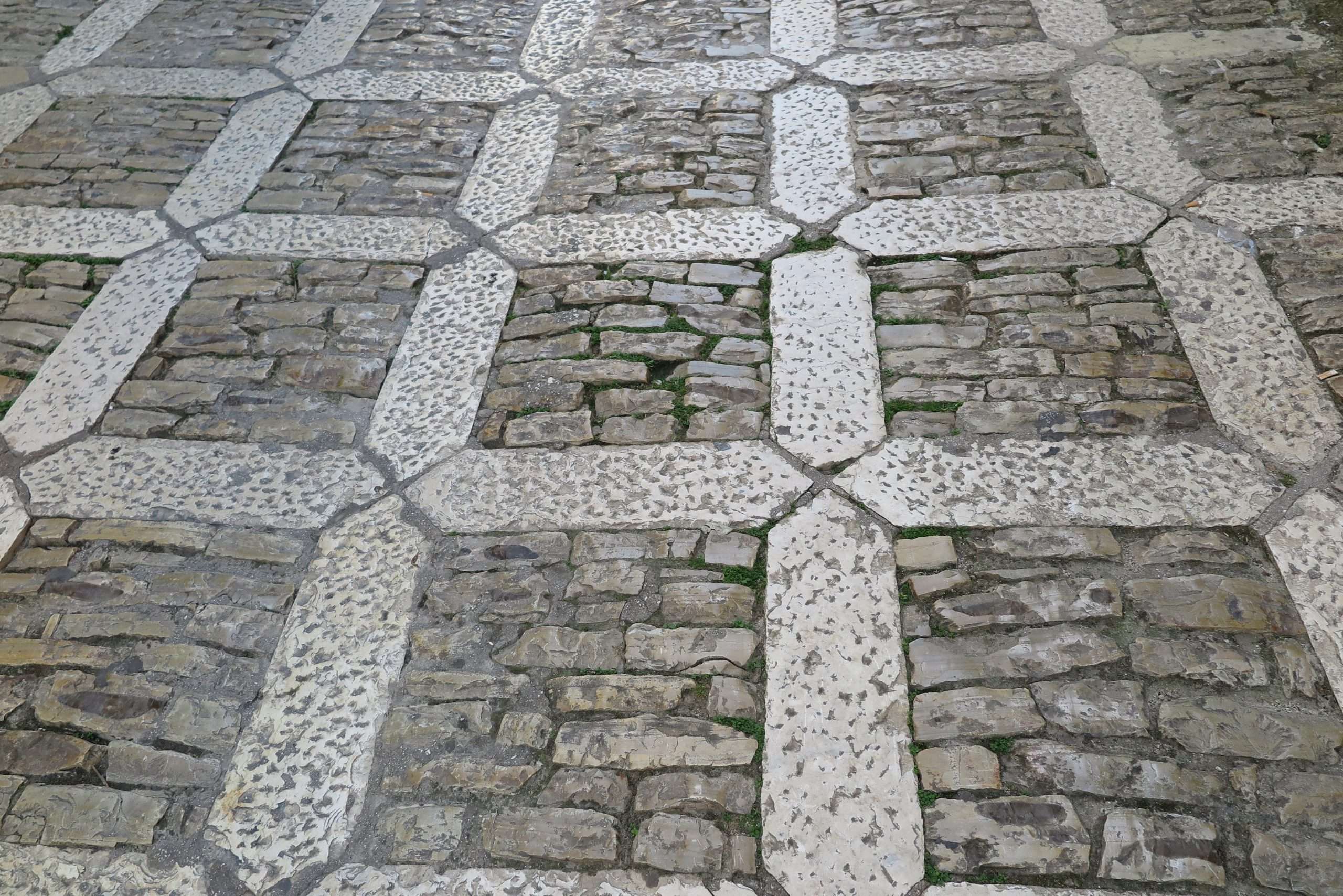
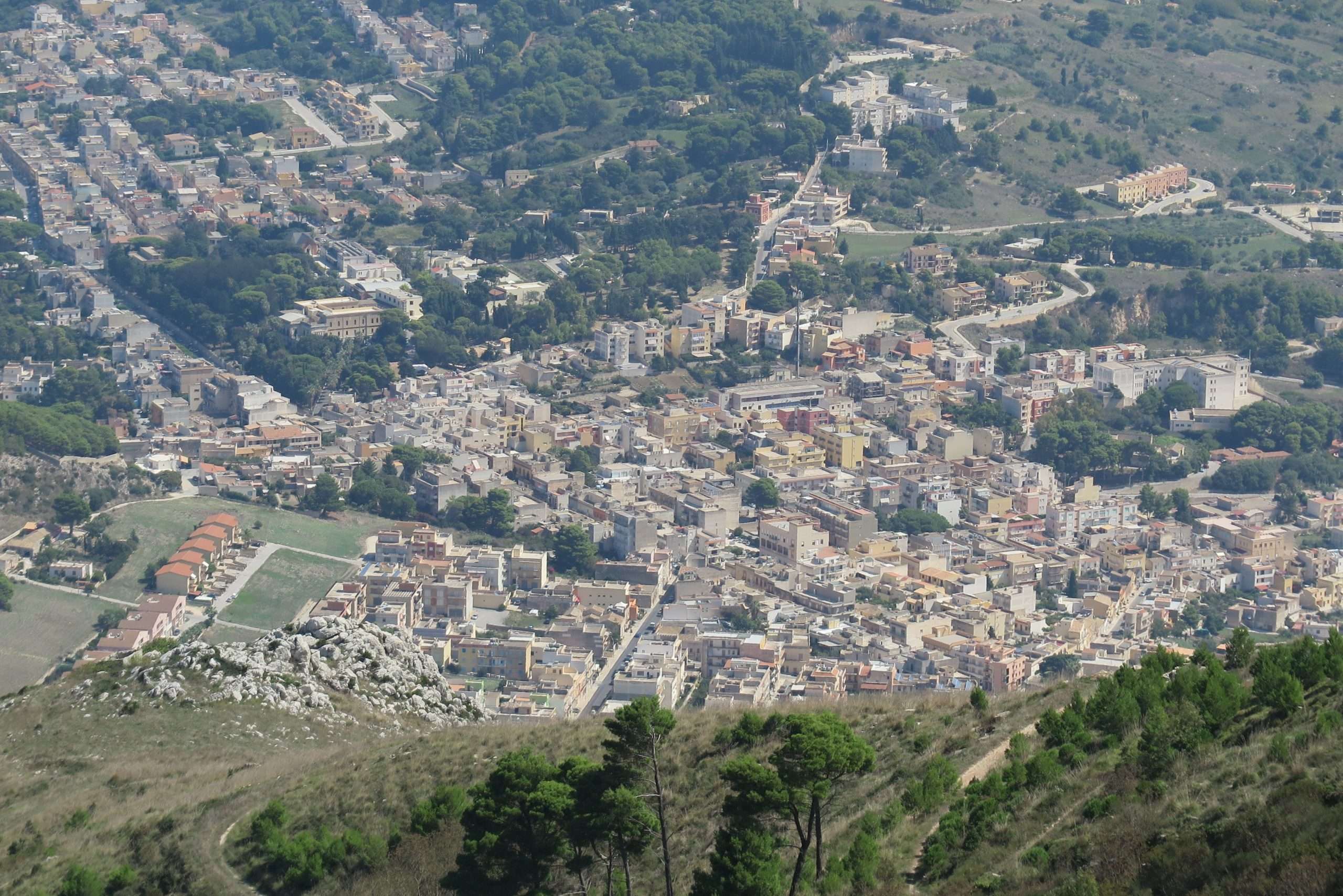
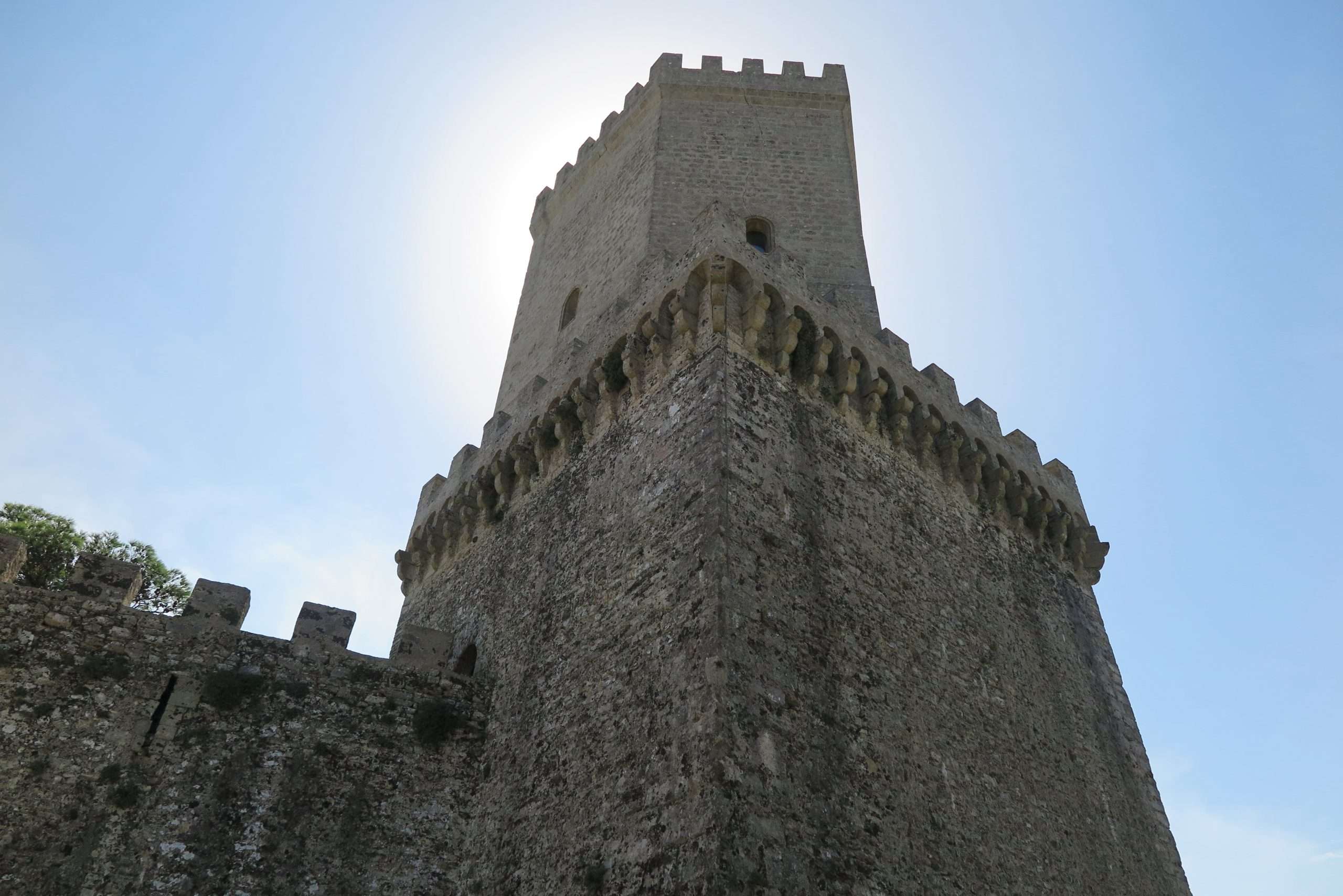
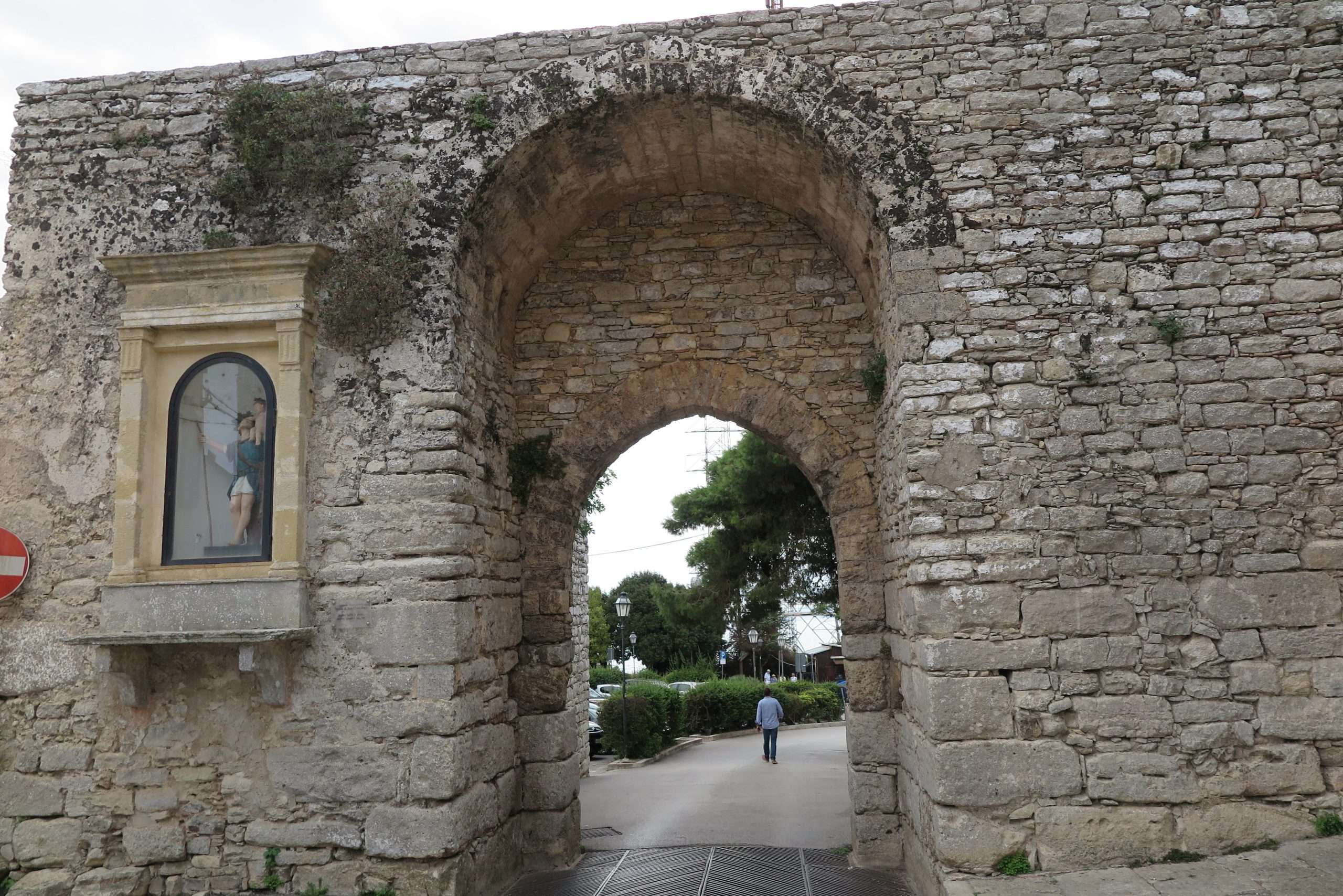
Our visit to the medieval town of Erice felt like stepping back in time, with cobblestone streets, ancient stone buildings, and sweeping views of the coastline below. We wandered through narrow alleys lined with shops selling local ceramics and sweets, and explored the Norman Castle, which offers breathtaking panoramas of the surrounding countryside. The Chiesa Madre, with its striking Gothic architecture, was another highlight. We concluded our tour with a scenic cable car ride back to Trapani.
Exploring Lipari: A Day of History and Scenic Views – September 18, 2018
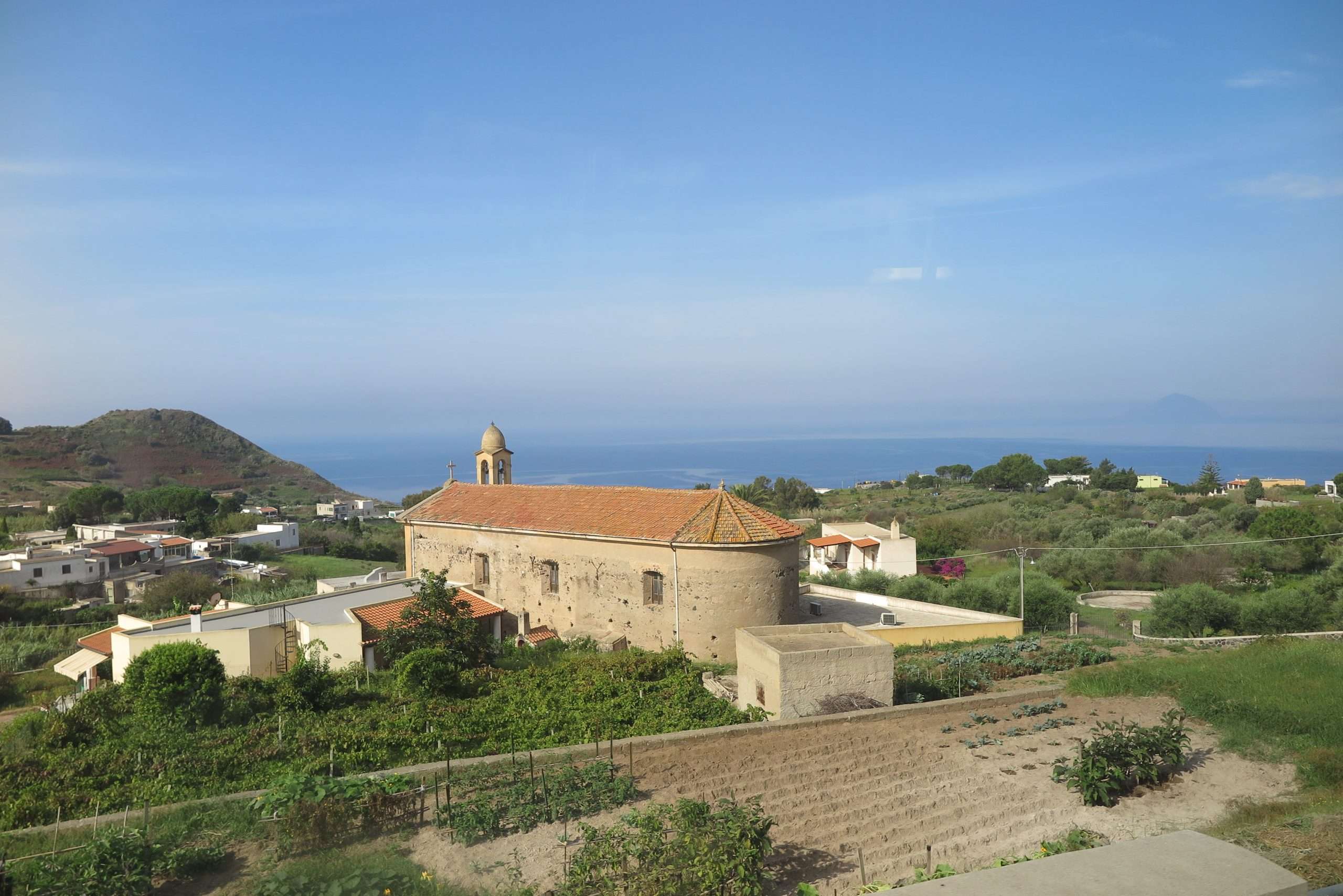
As on previous days, we had the option of a walking tour of Lipari with a visit to the Archaeological Museum or a drive to the village of Quattropani. We chose the walking tour.
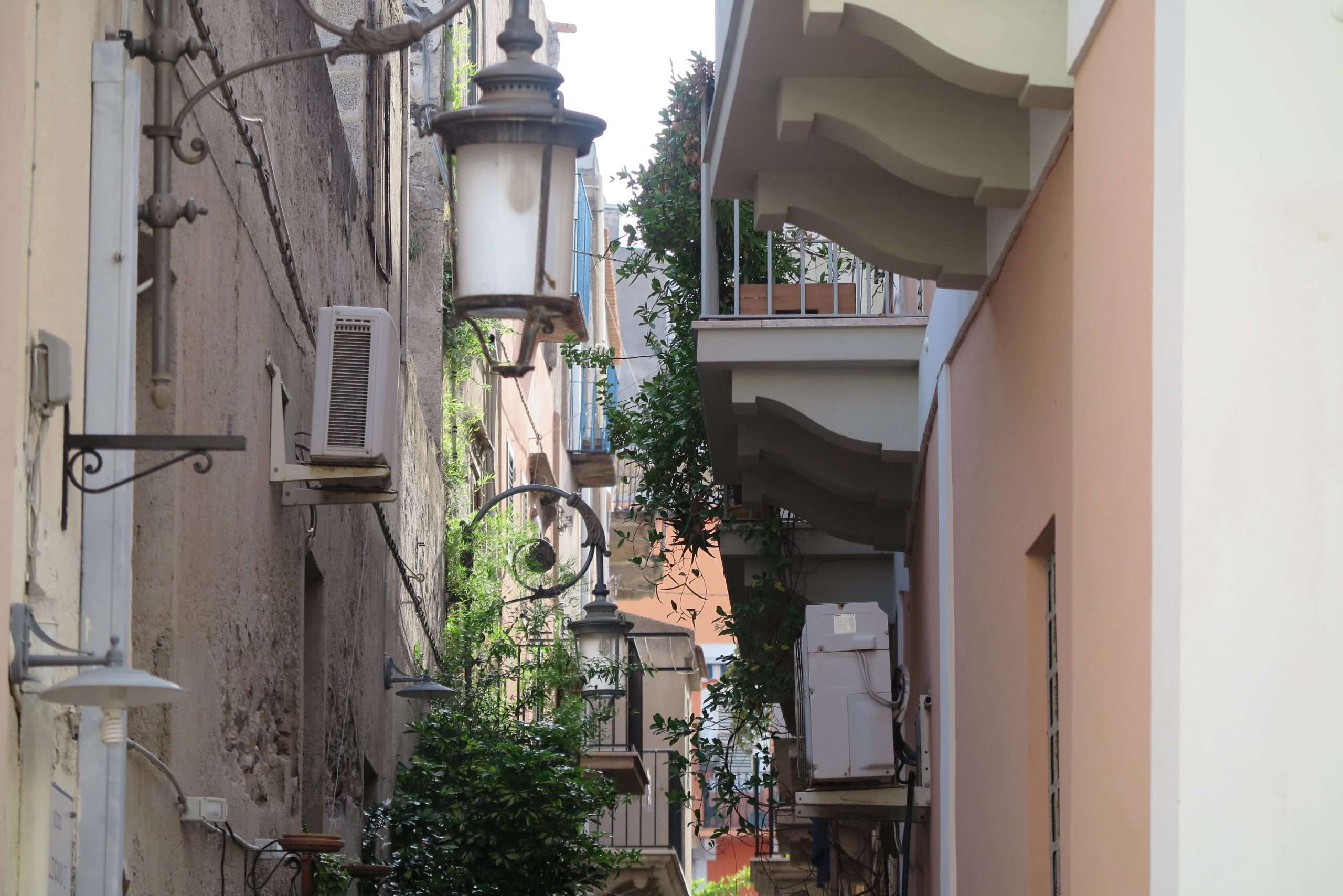
Our journey began in the charming old town of Lipari, where we wandered through narrow, winding streets lined with colorful houses and local shops. We visited the imposing Lipari Castle, perched on a volcanic rock, offering stunning views of the Tyrrhenian Sea and surrounding islands. A stroll along the waterfront brought us to Marina Corta, a picturesque harbor filled with fishing boats. We then visited the historic Cathedral of San Bartolomeo, dedicated to the island’s patron saint.
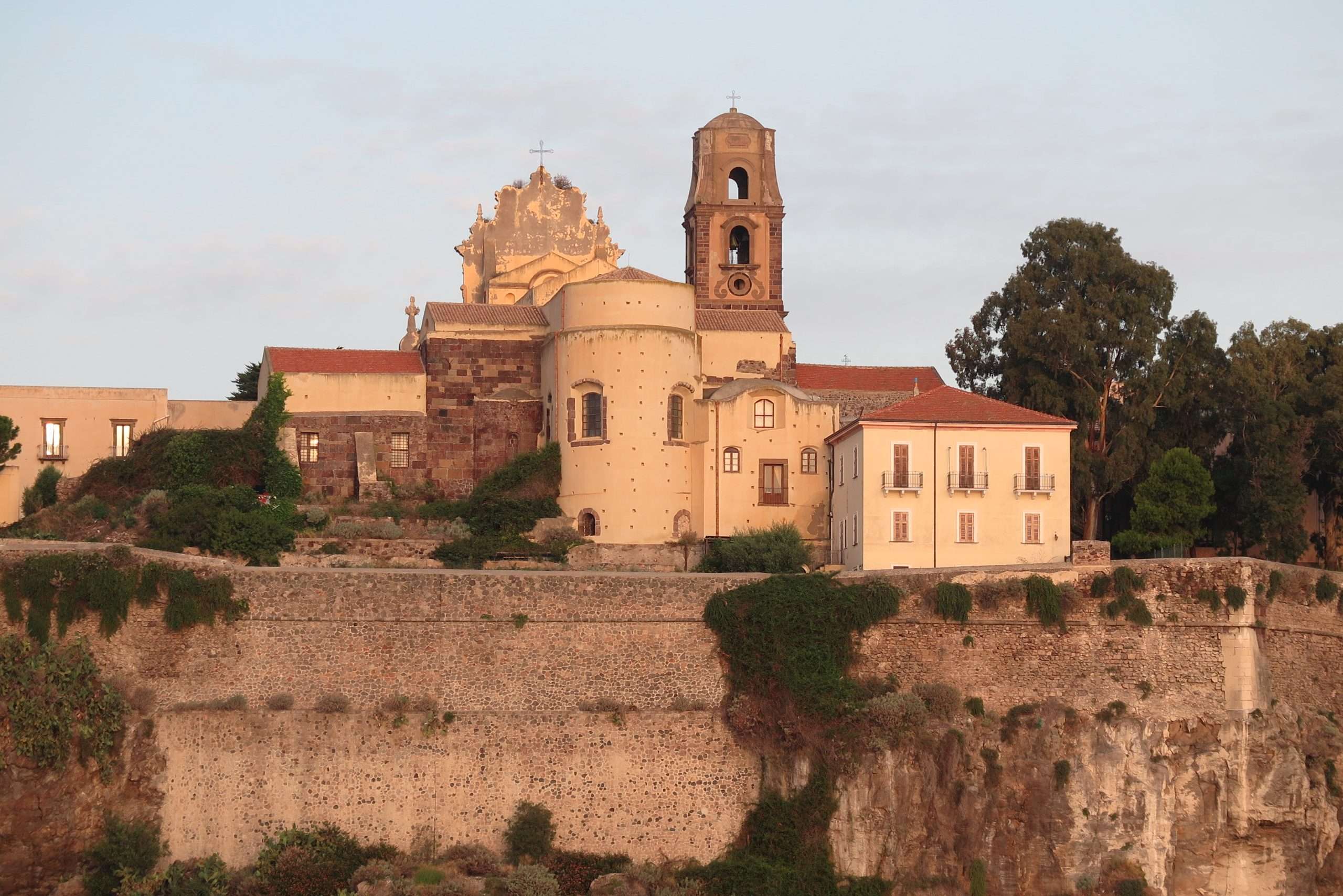
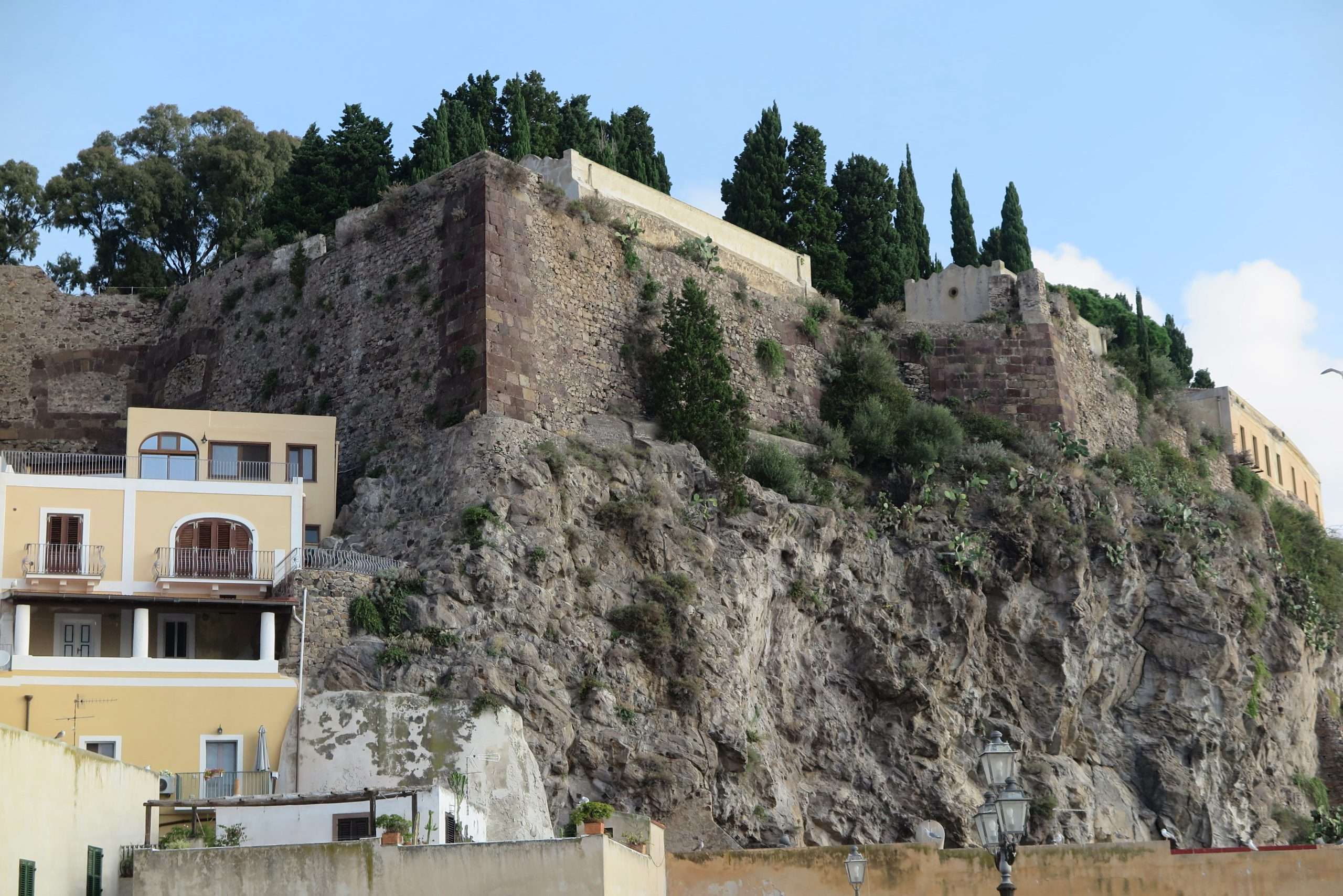
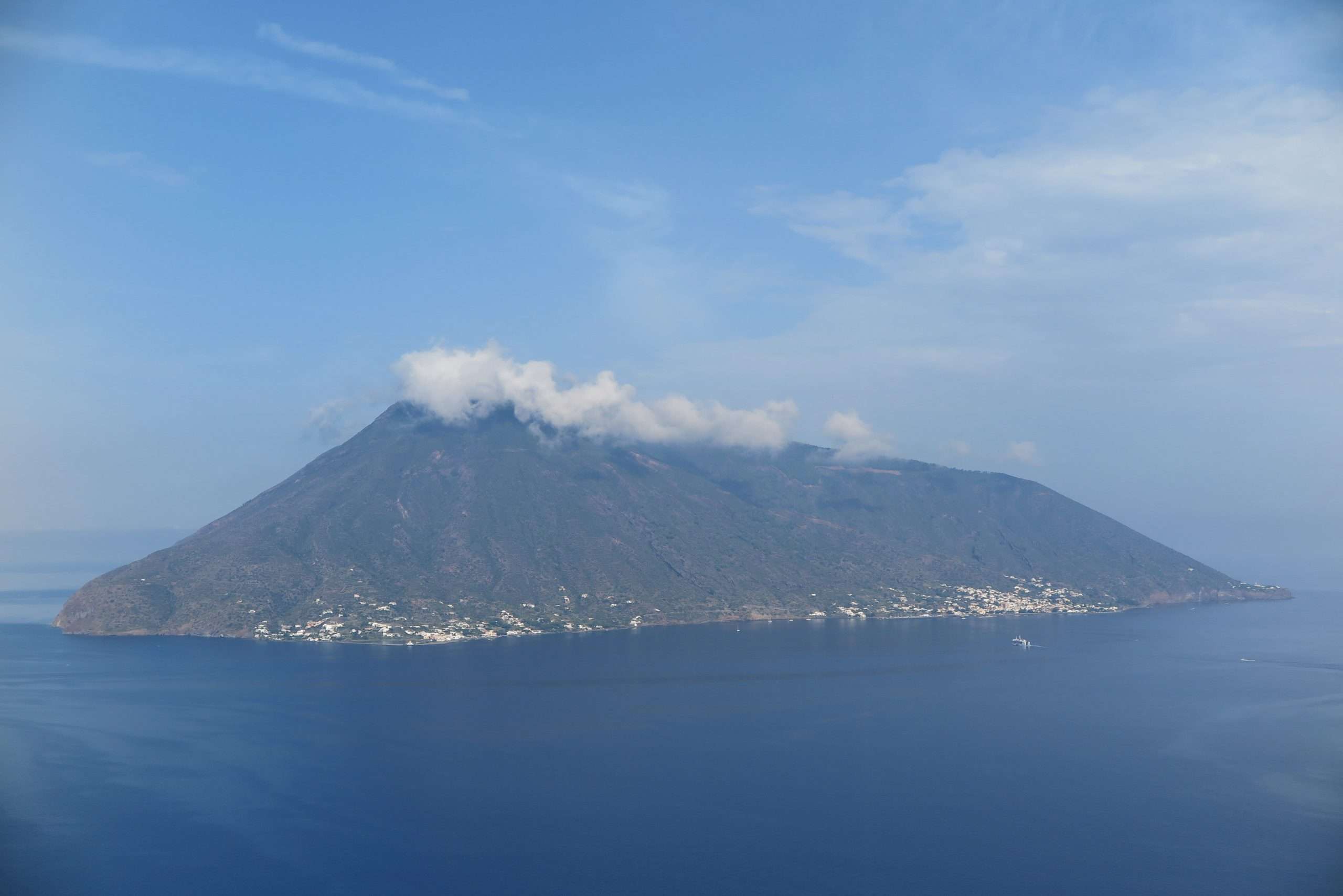
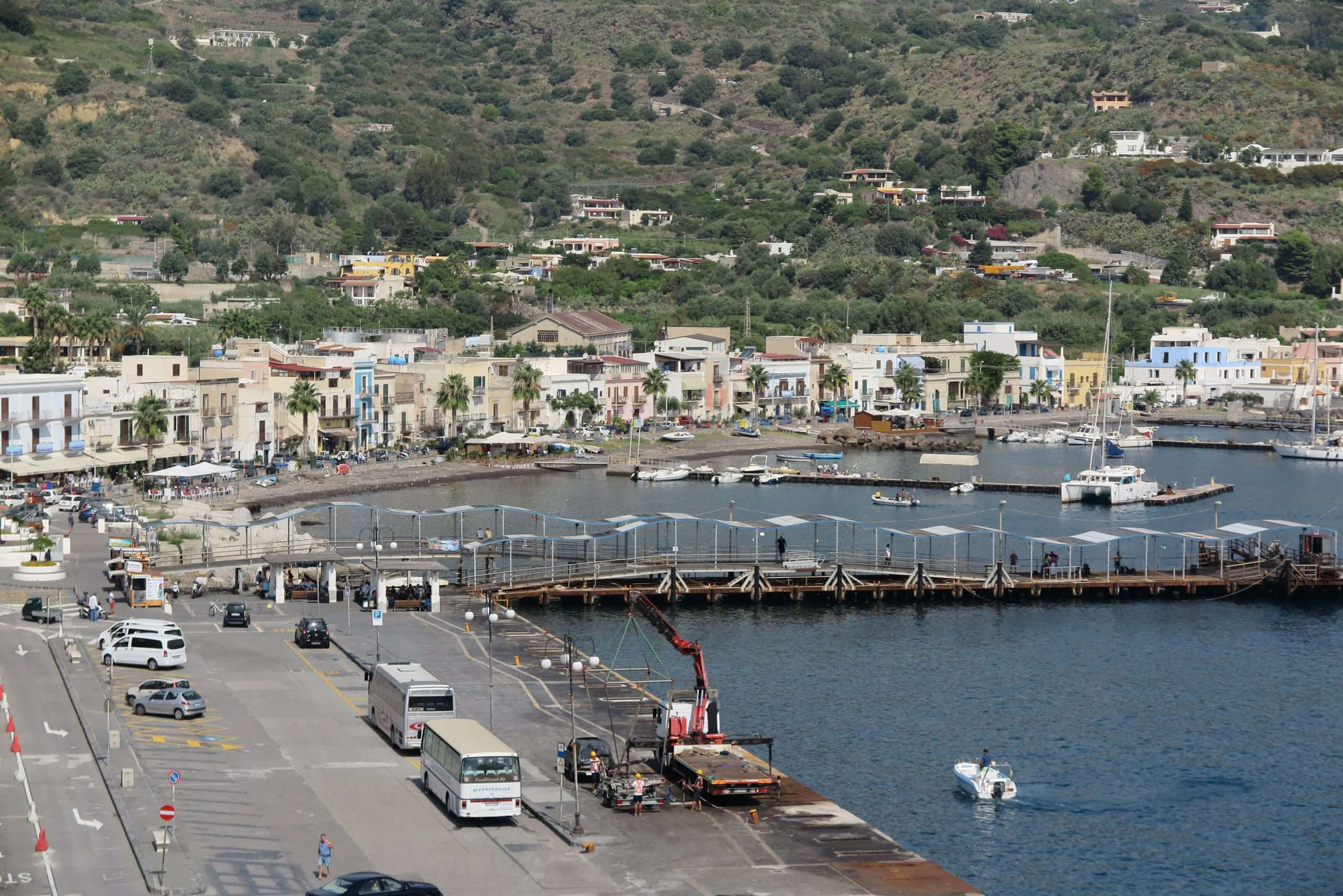
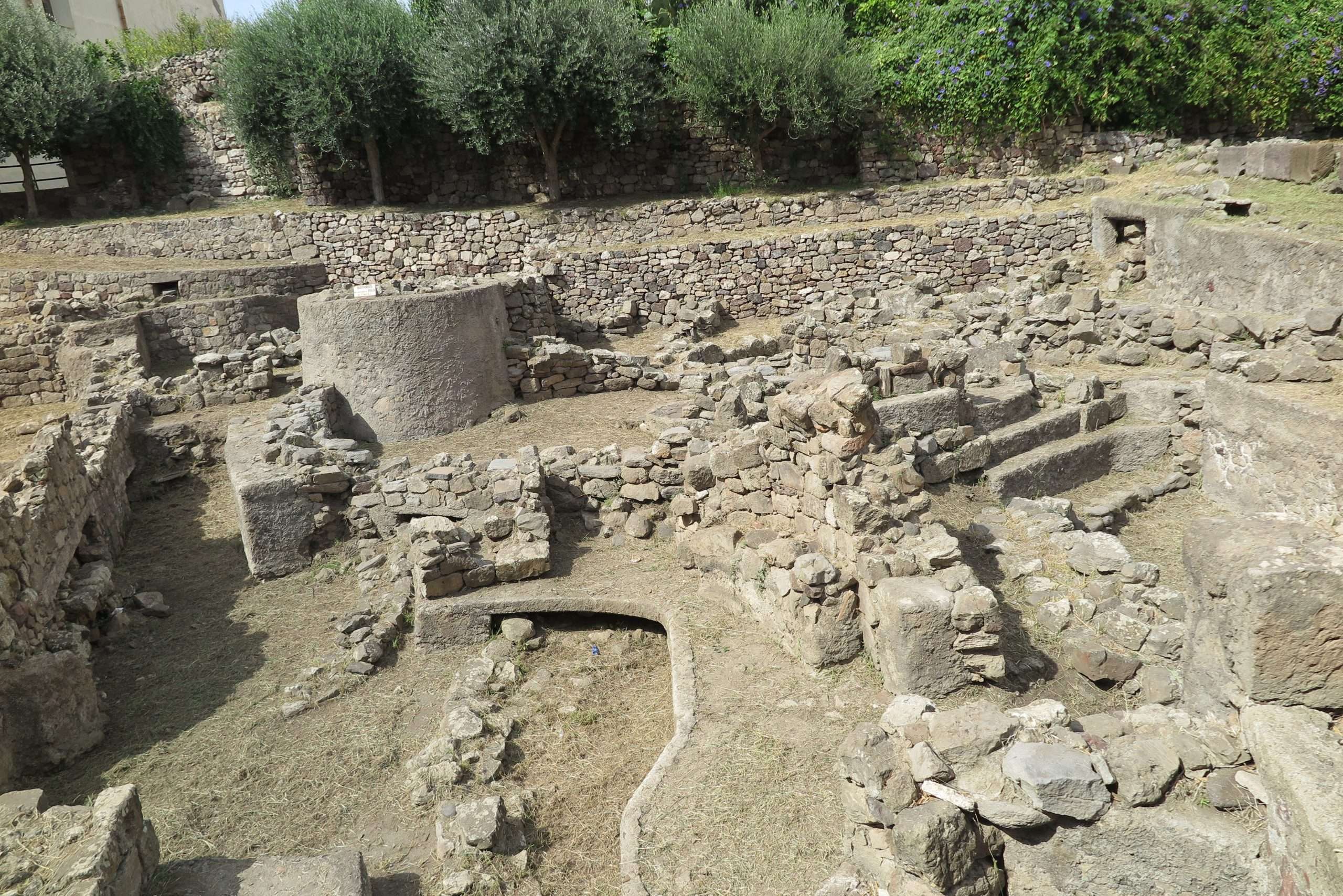
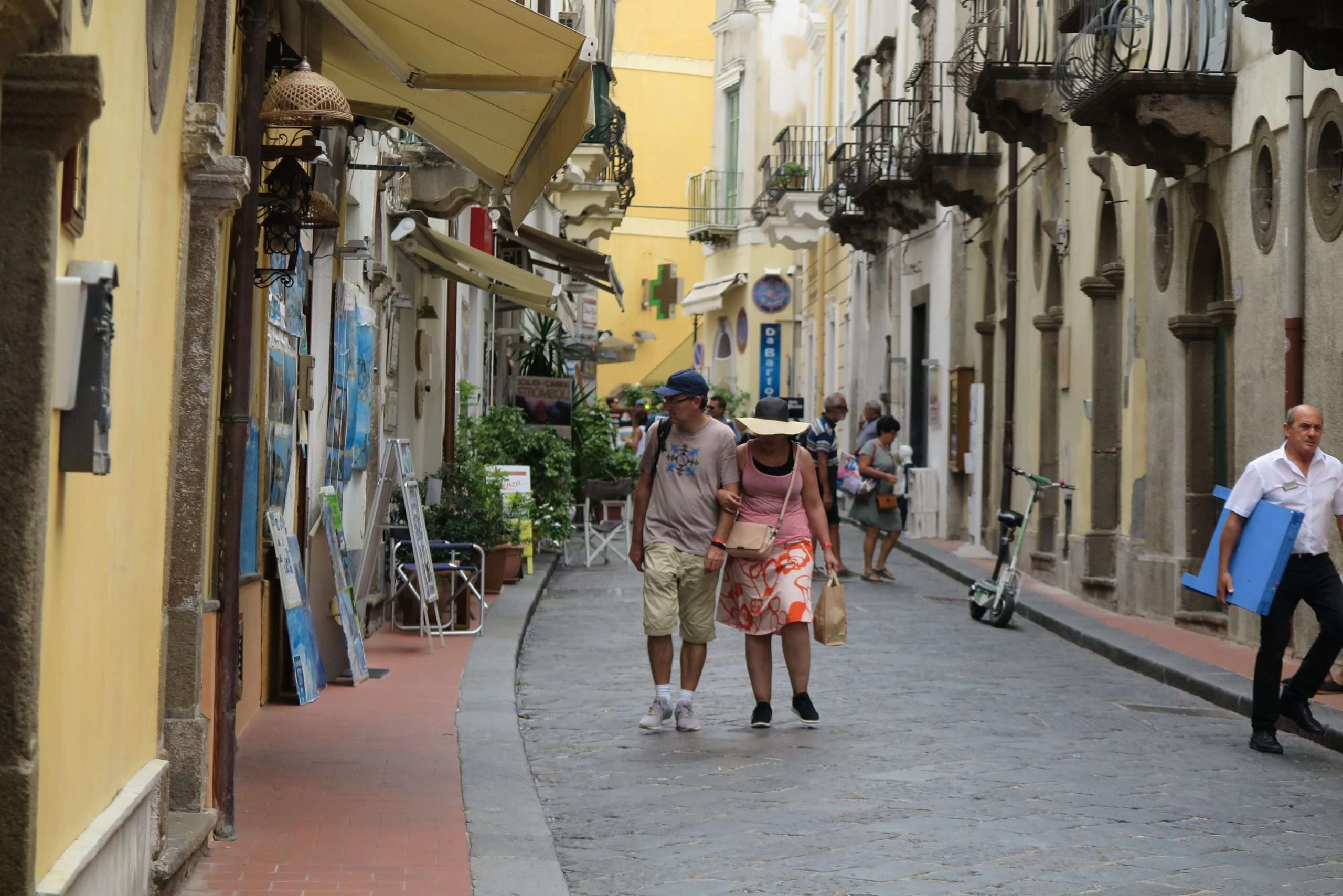
Next, we visited the Aeolian Archaeological Museum, located within the ancient walls of Lipari Castle. The exhibits ranged from prehistoric times to the Roman era, featuring intricately crafted pottery, tools, and everyday items that shed light on the lives of the island’s early inhabitants. The highlight was the impressive collection of ancient Greek theatrical masks, vividly illustrating the island’s cultural ties to the wider Mediterranean.

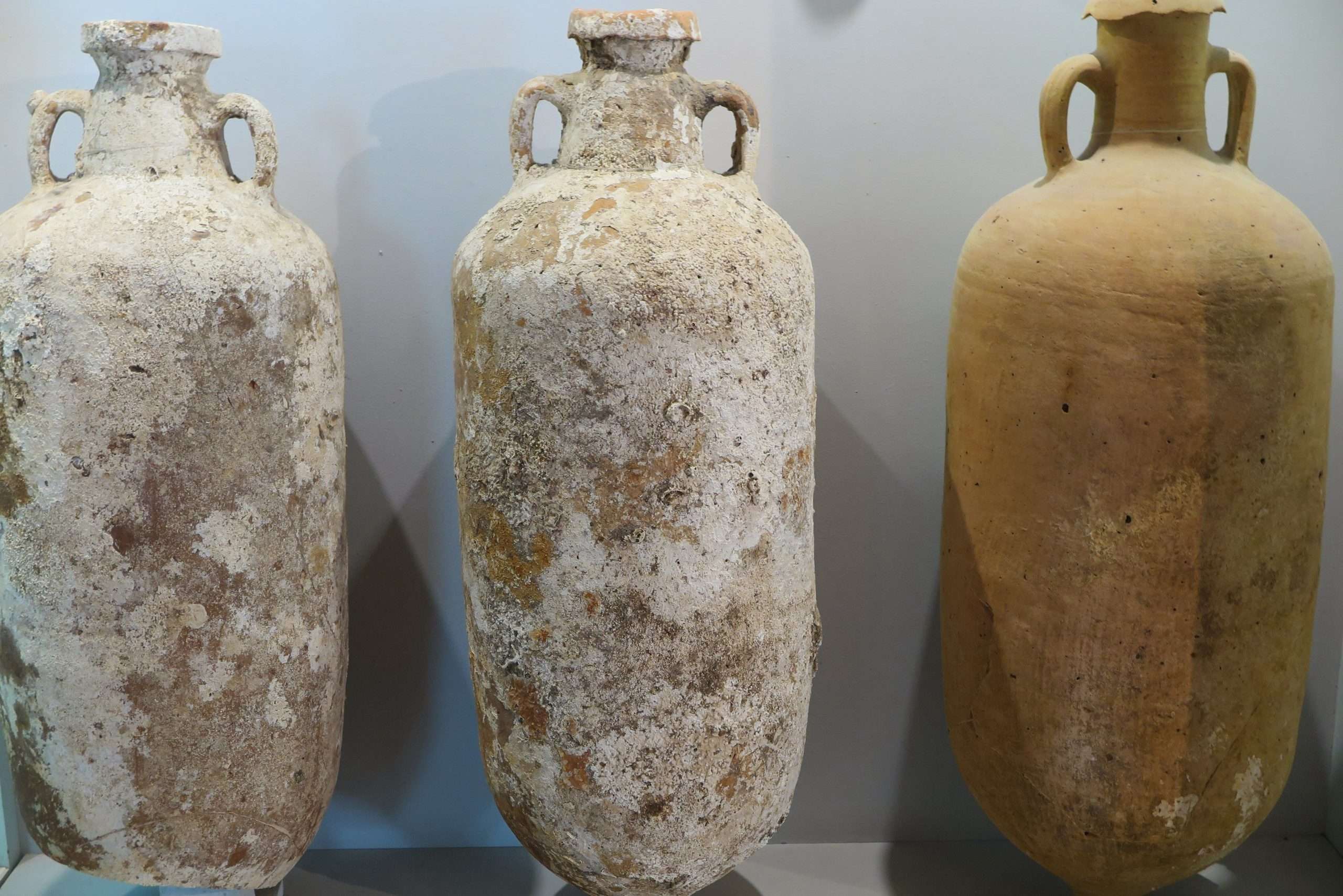
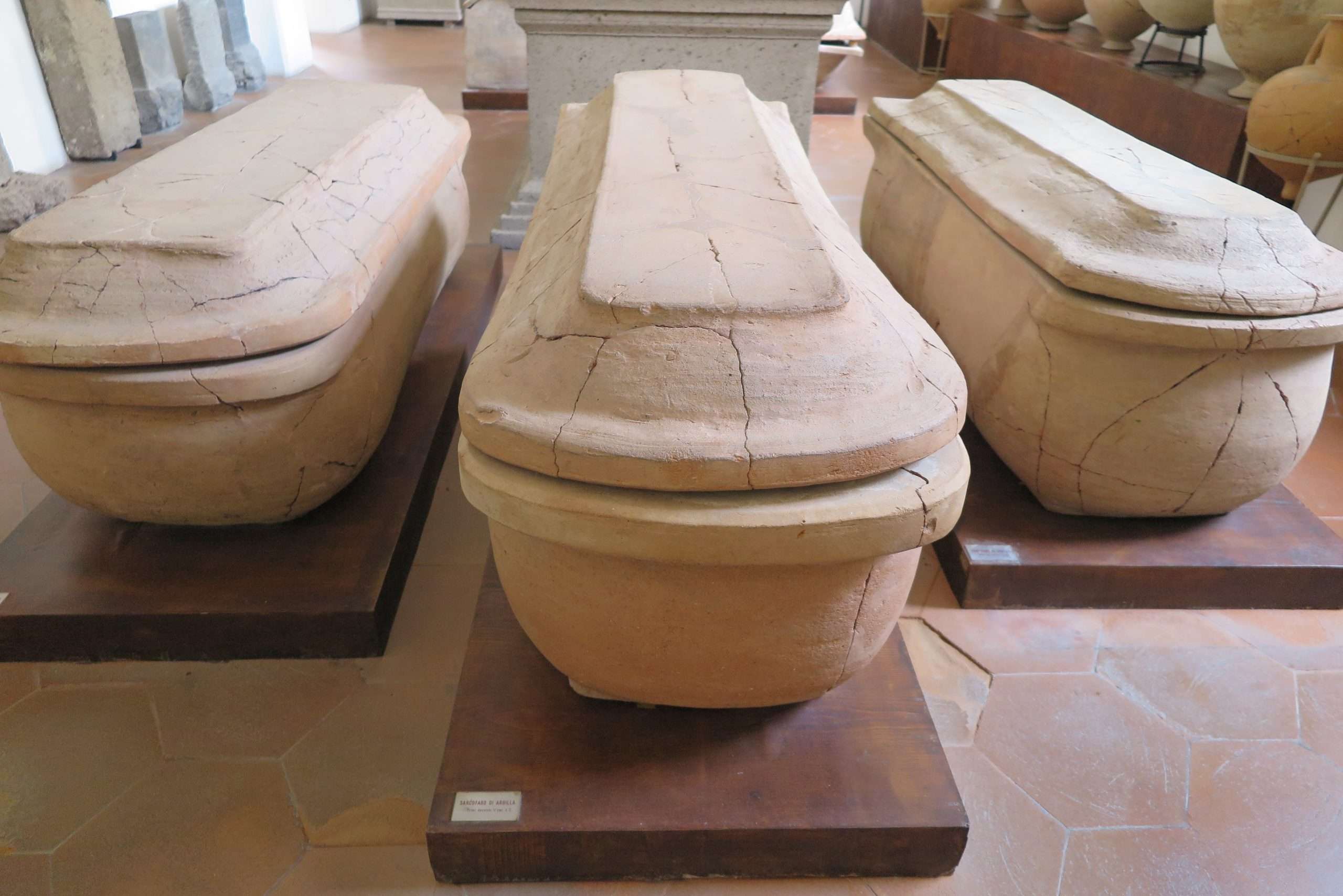
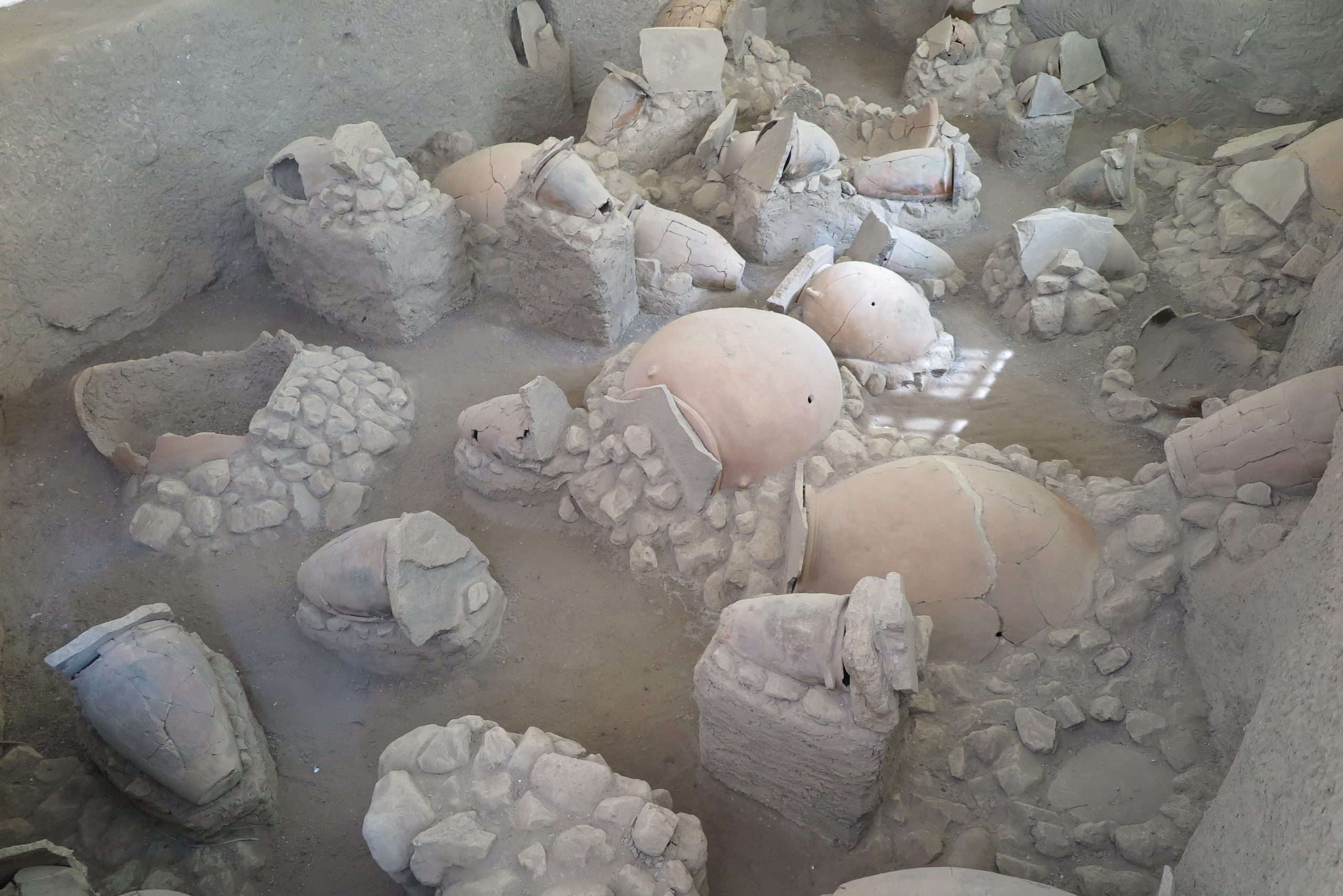
We then returned to our ship for lunch and an afternoon at sea. Later in the evening, we sailed past Stromboli, home to one of the world’s few continuously active volcanoes.
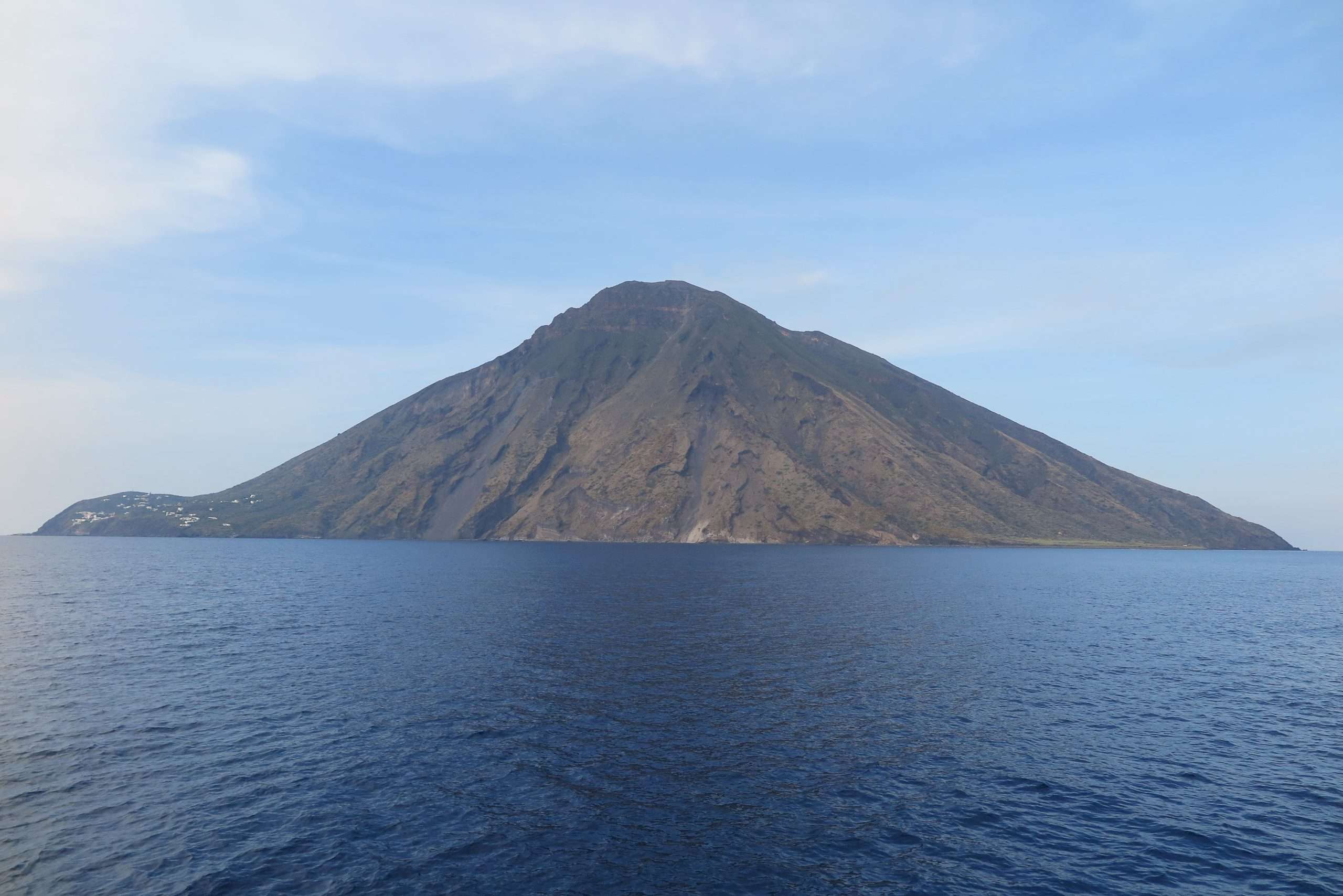
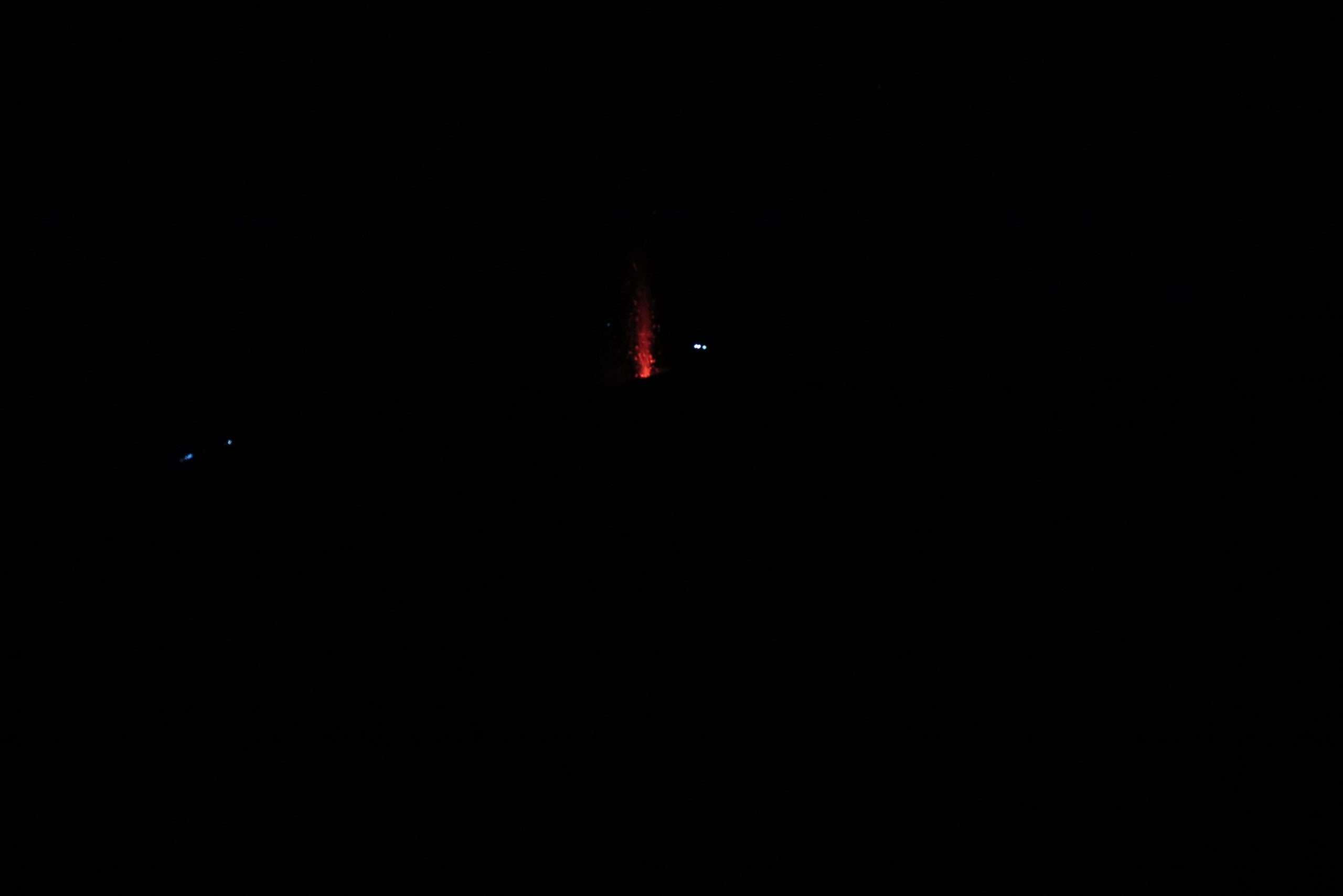
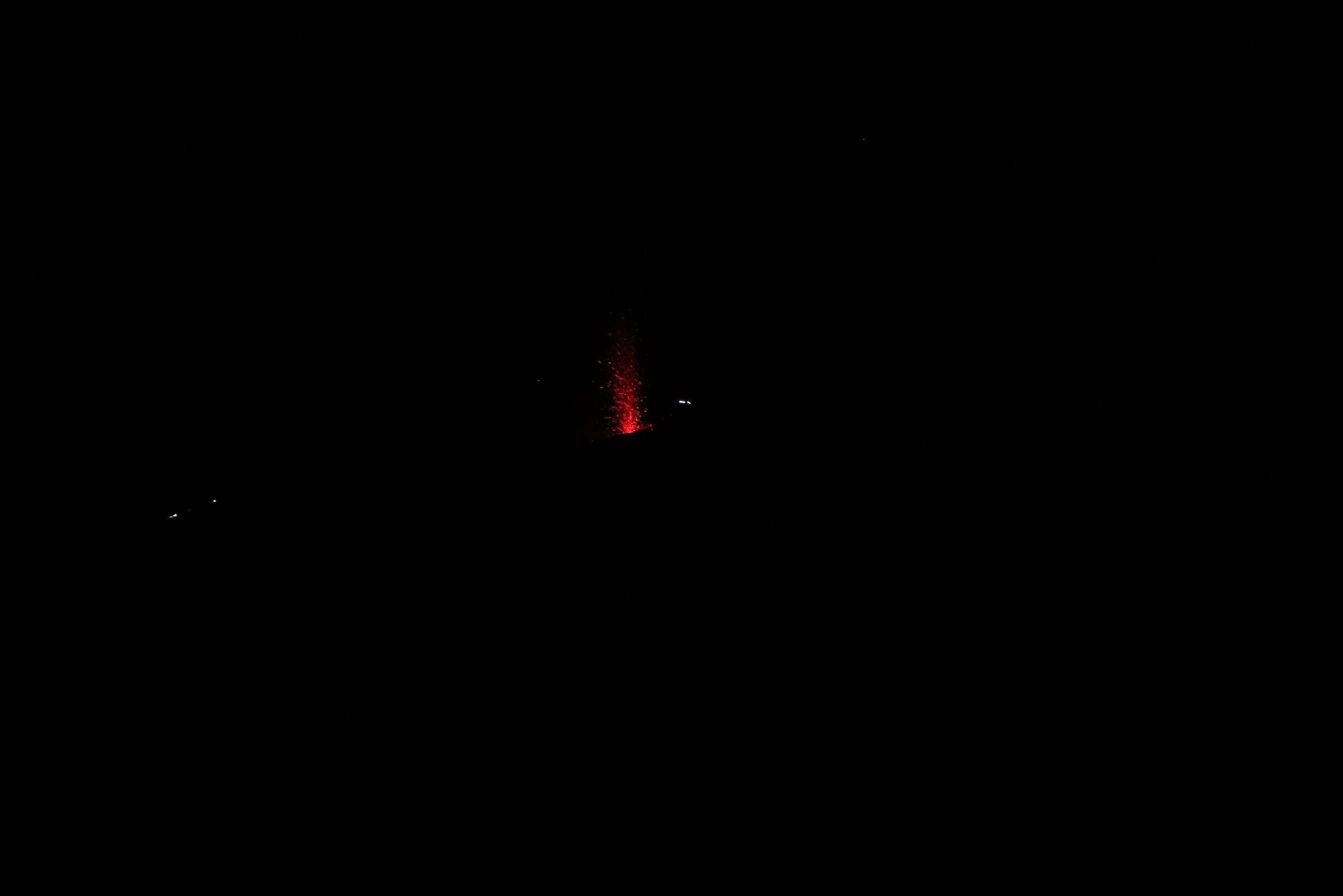
Day in Amalfi and Positano – September 19, 2018
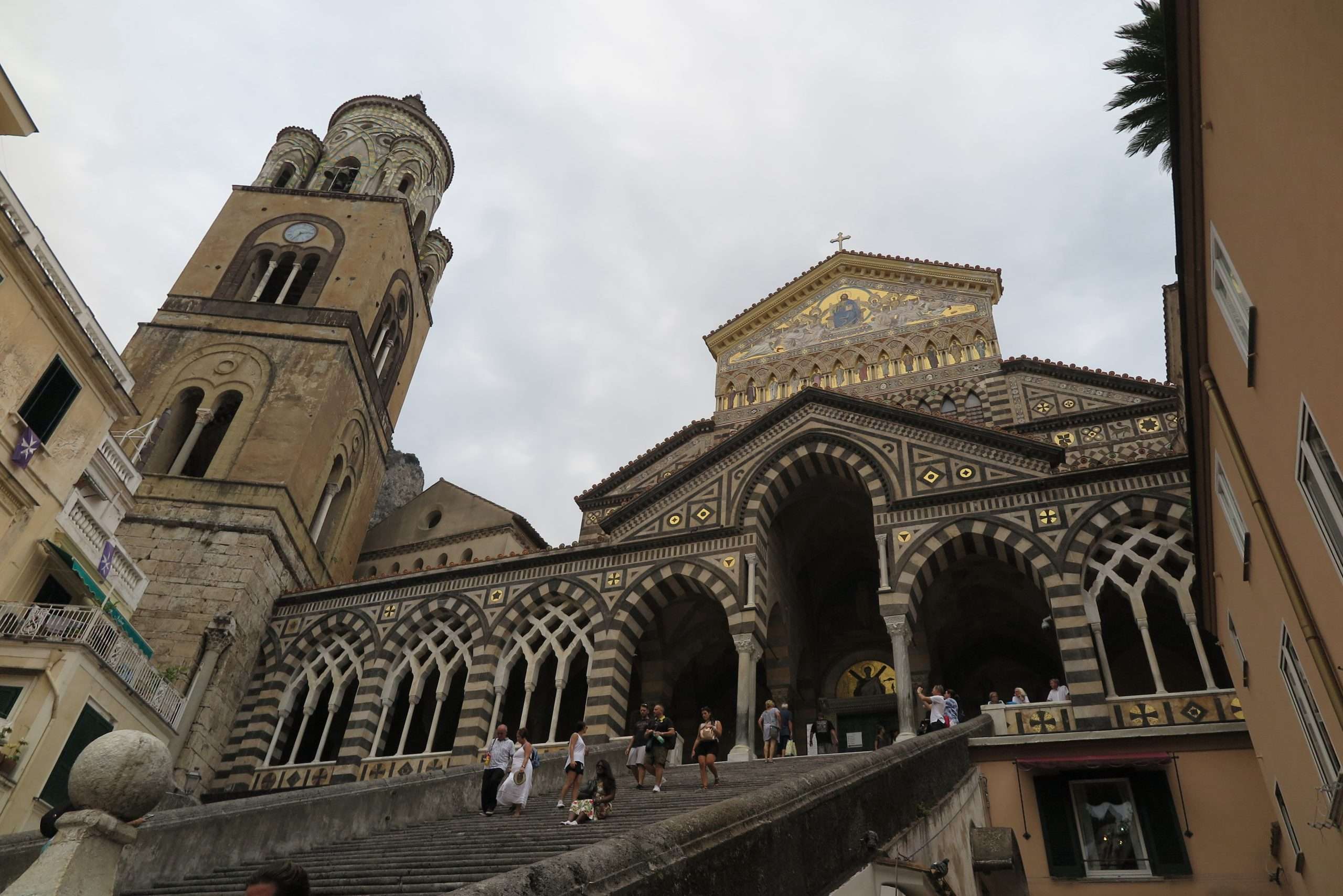
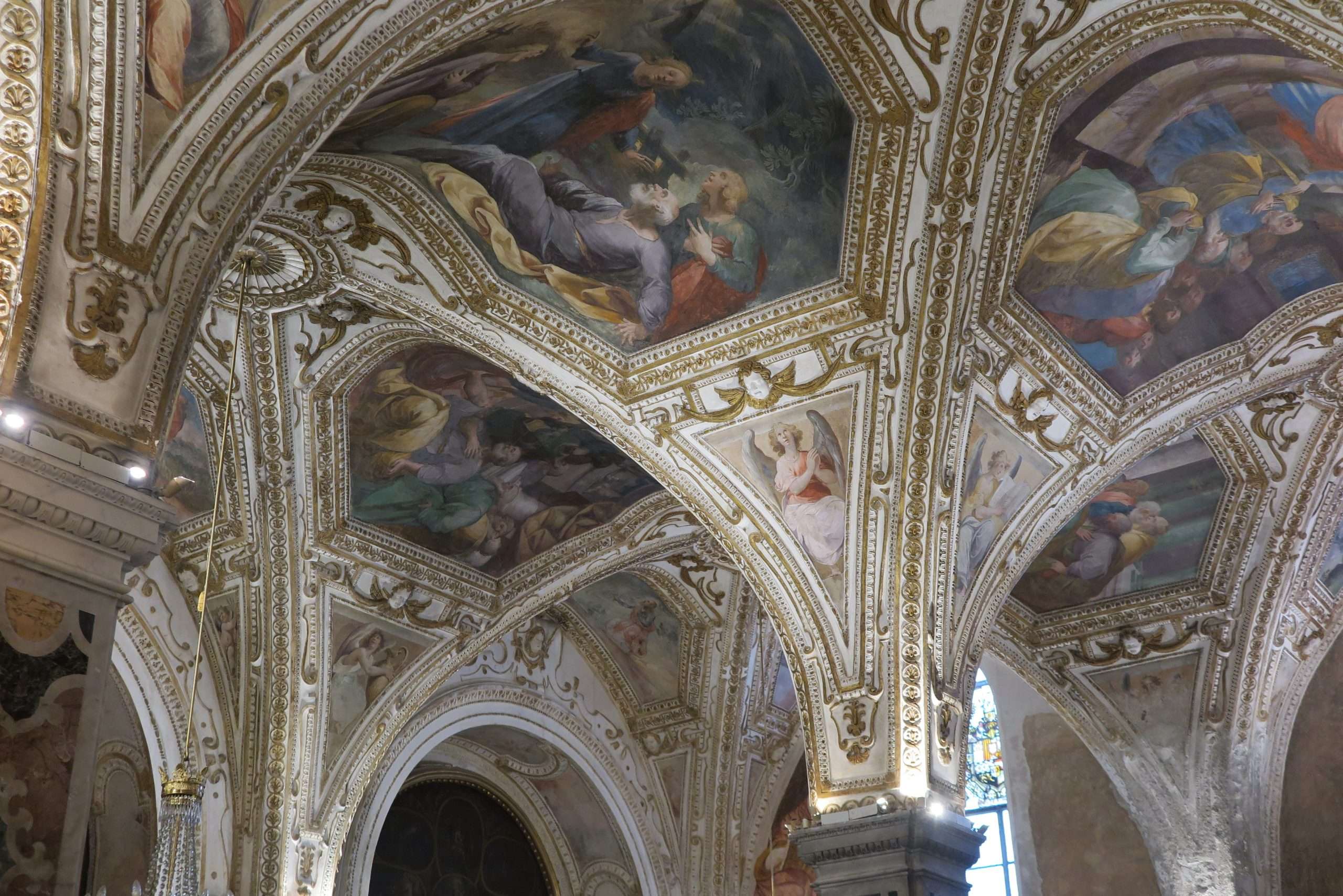
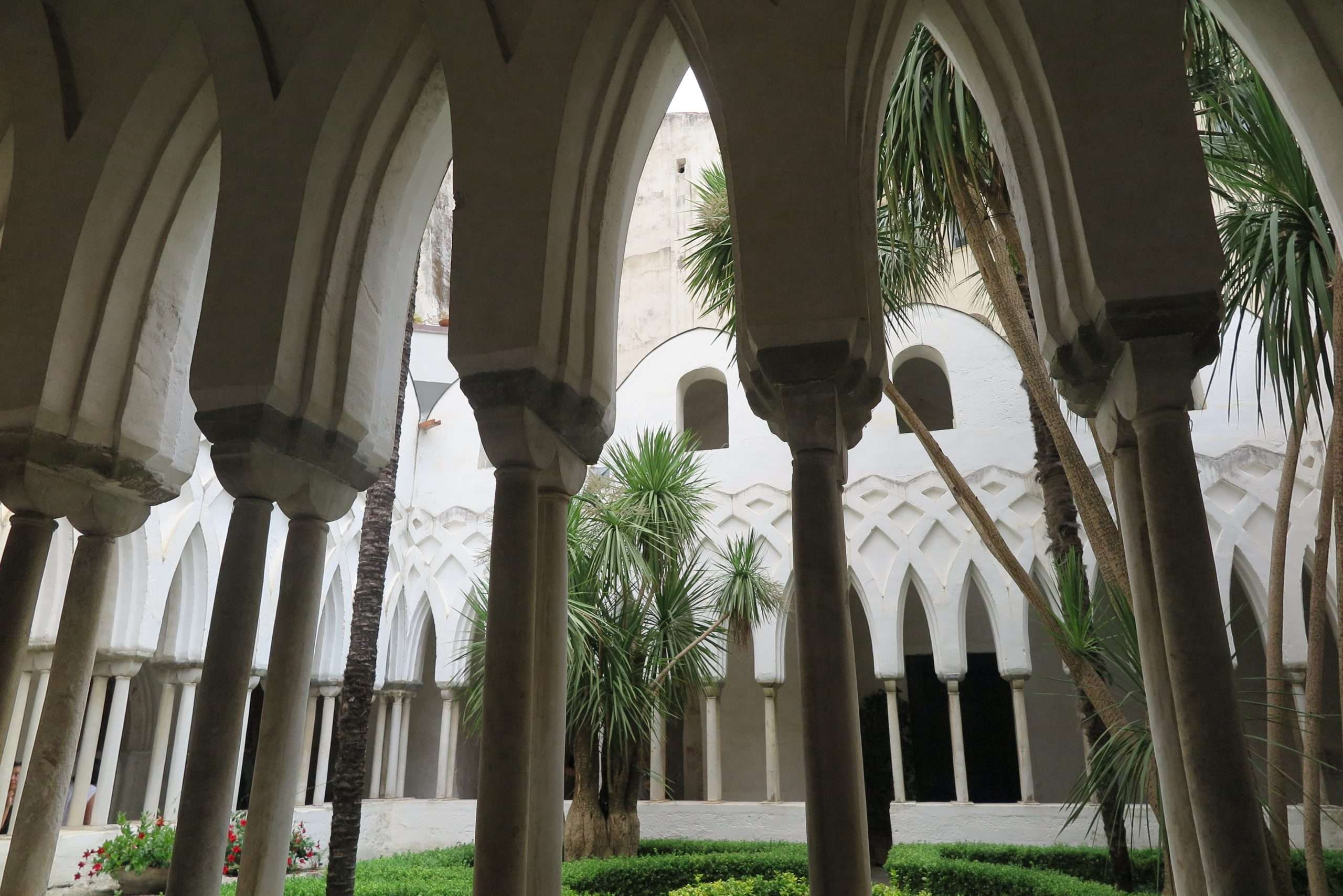
We arrived by Zodiac at the picturesque seaside town of Amalfi, where our excursion began with a guided walk through its charming streets, leading to the iconic St. Andrew’s Cathedral.
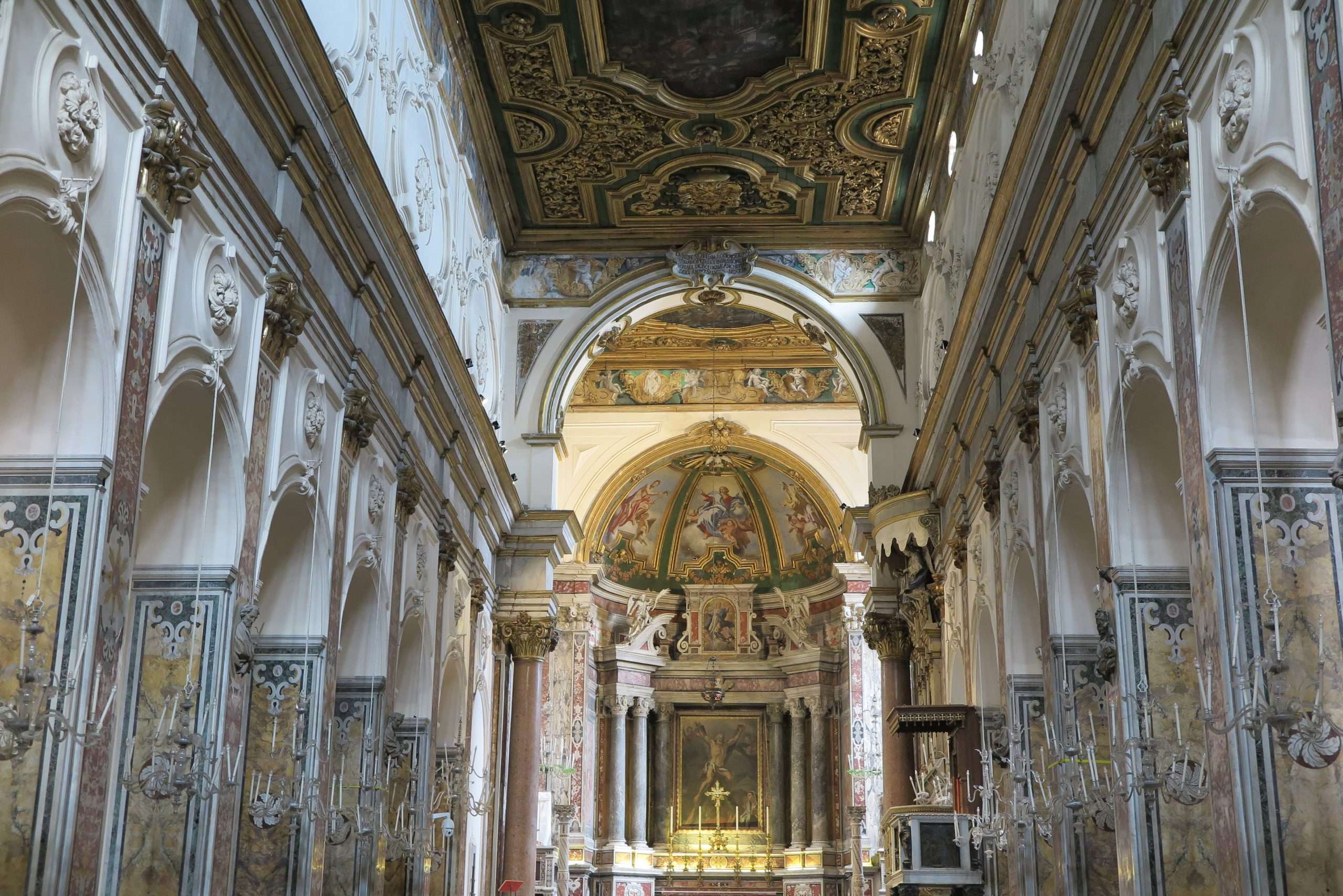
Having explored Amalfi in 2012, we were familiar with its layout, but this visit had a special purpose. We browsed several ceramic shops in search of the perfect plates for our condo in Charleston. After finding the ideal set, we returned to the cathedral, taking time to admire its intricate mosaics and historic architecture.
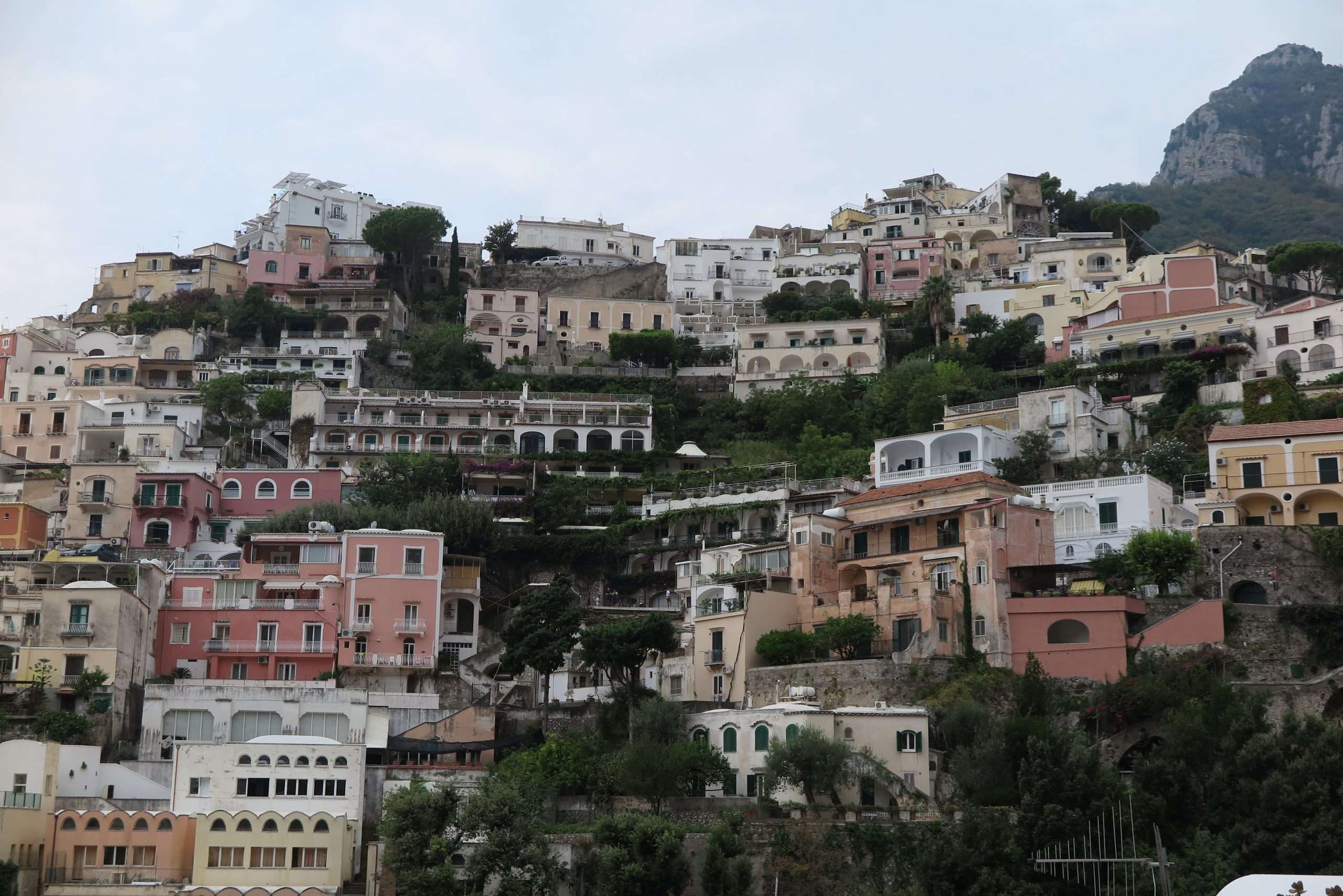
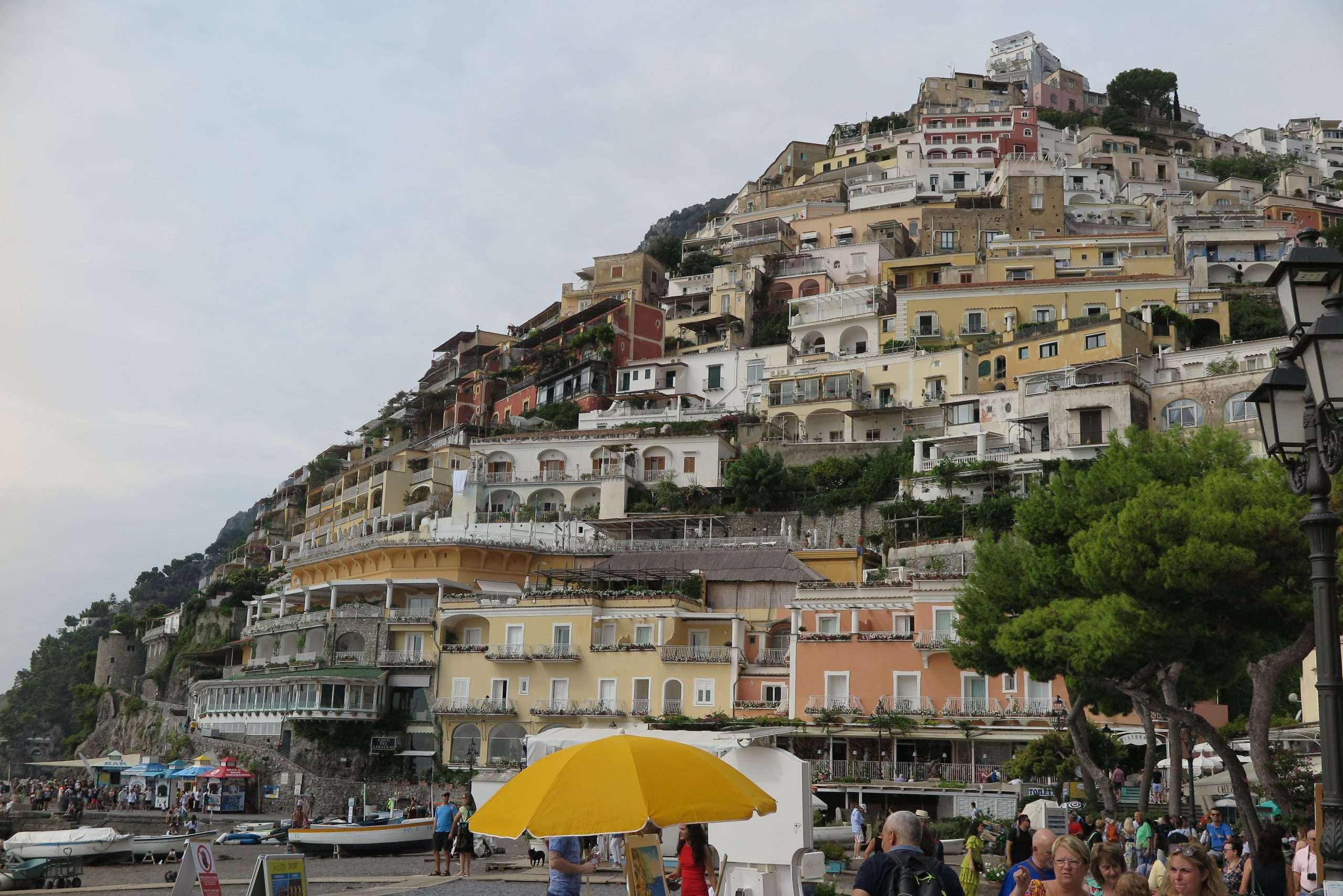
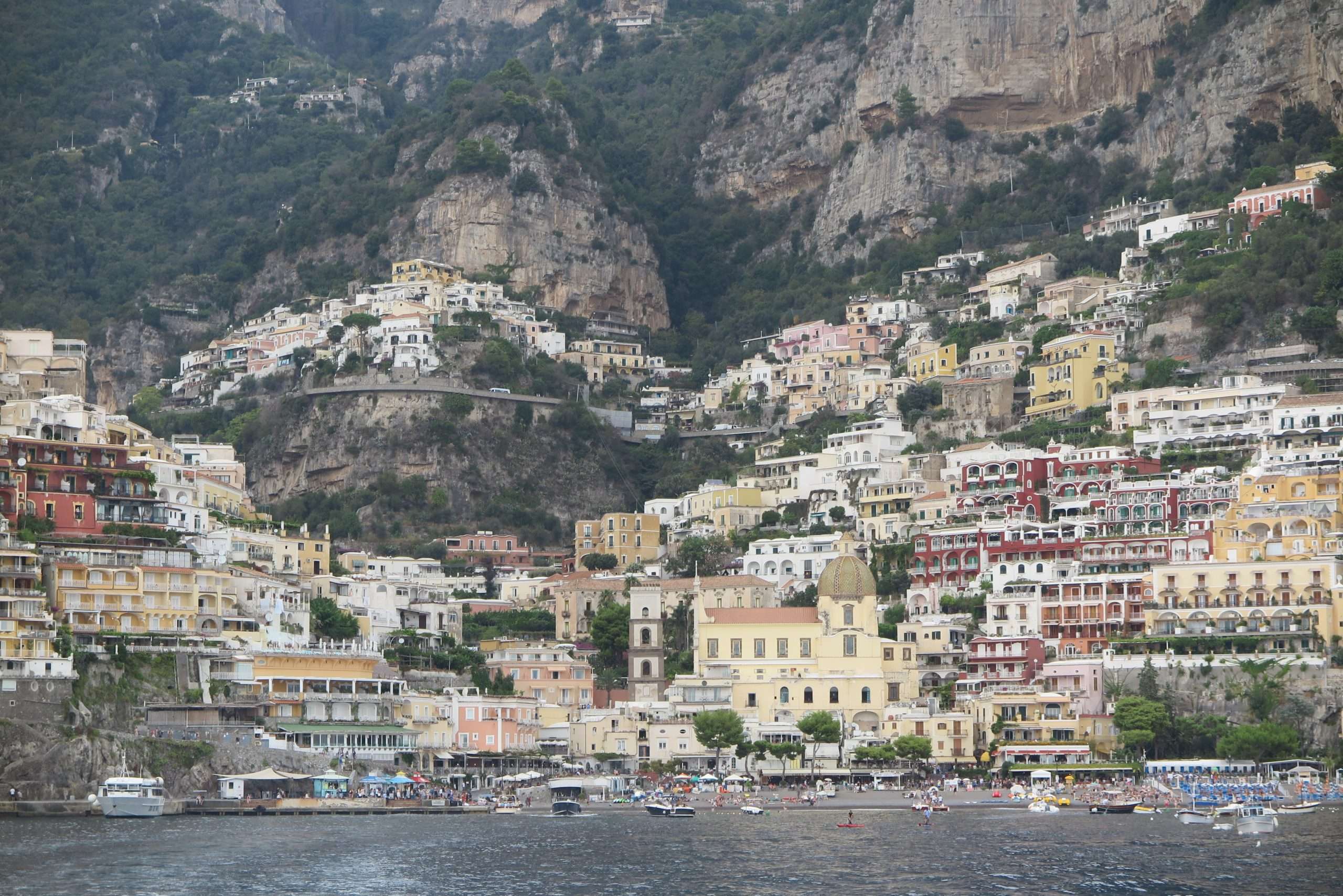
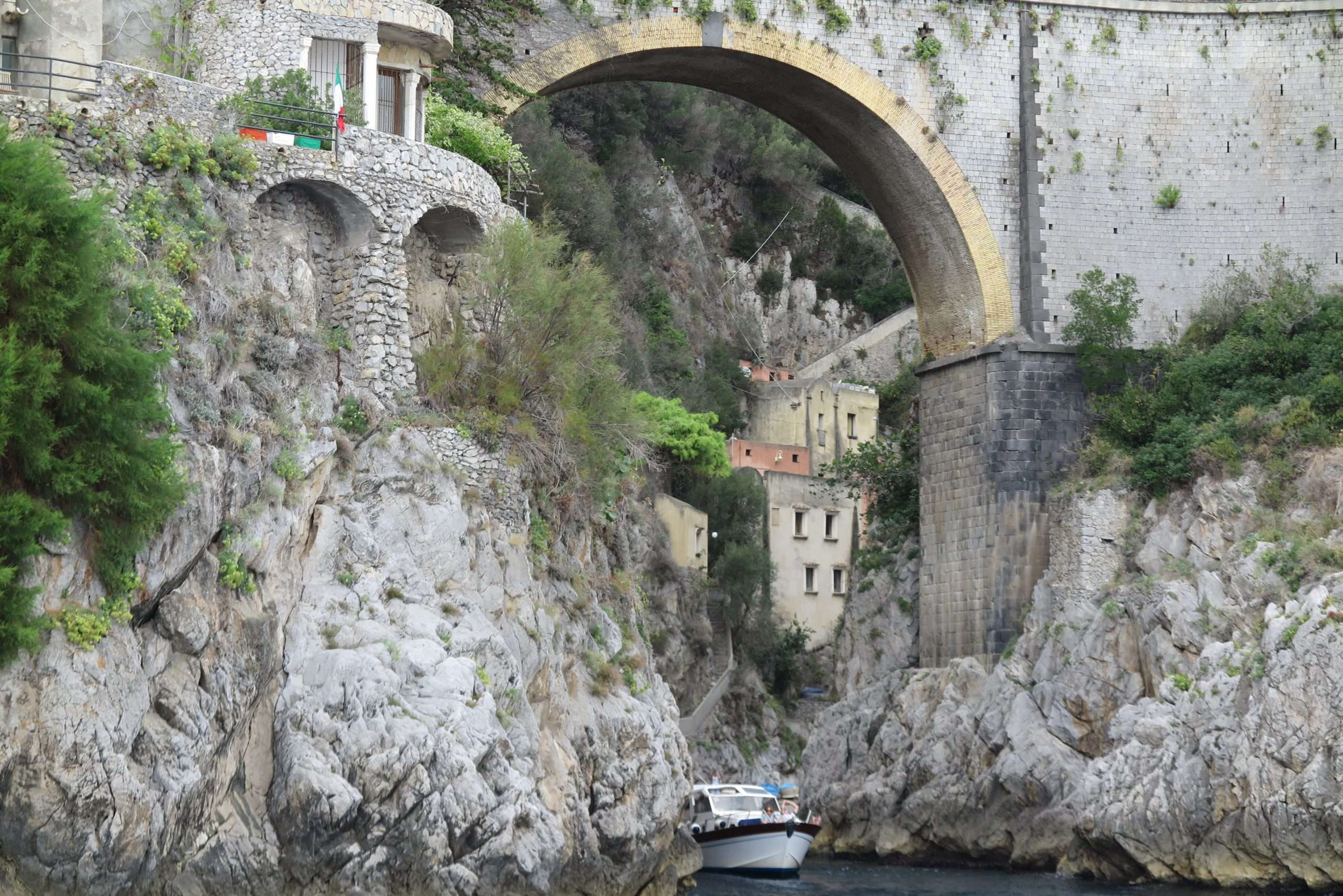
Our journey continued along the winding coastal road to the stunning cliffside village of Positano, offering breathtaking views of cliffs plunging into the blue sea below. As we navigated the twists and turns, each bend revealed new vistas of pastel-colored houses clinging to the hillside. After a delightful lunch at a restaurant on the boardwalk, we returned to Amalfi by chartered motorboat.
Later that evening, we dressed up for the farewell festivities, which included the captain’s reception and dinner, before setting sail for Naples.
From Ancient Ruins of Herculaneum to Timeless Treasures of the Vatican – September 20, 2018
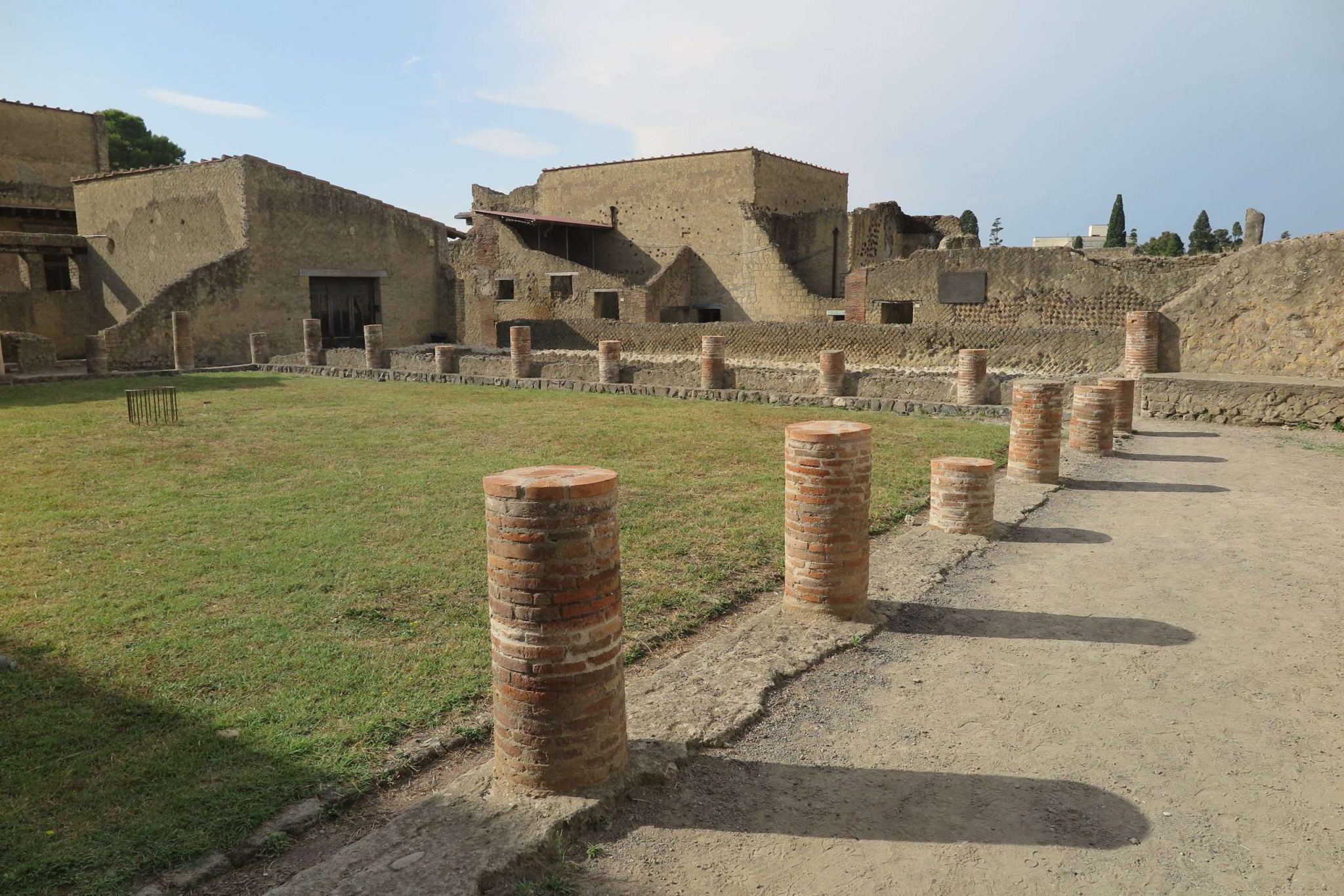
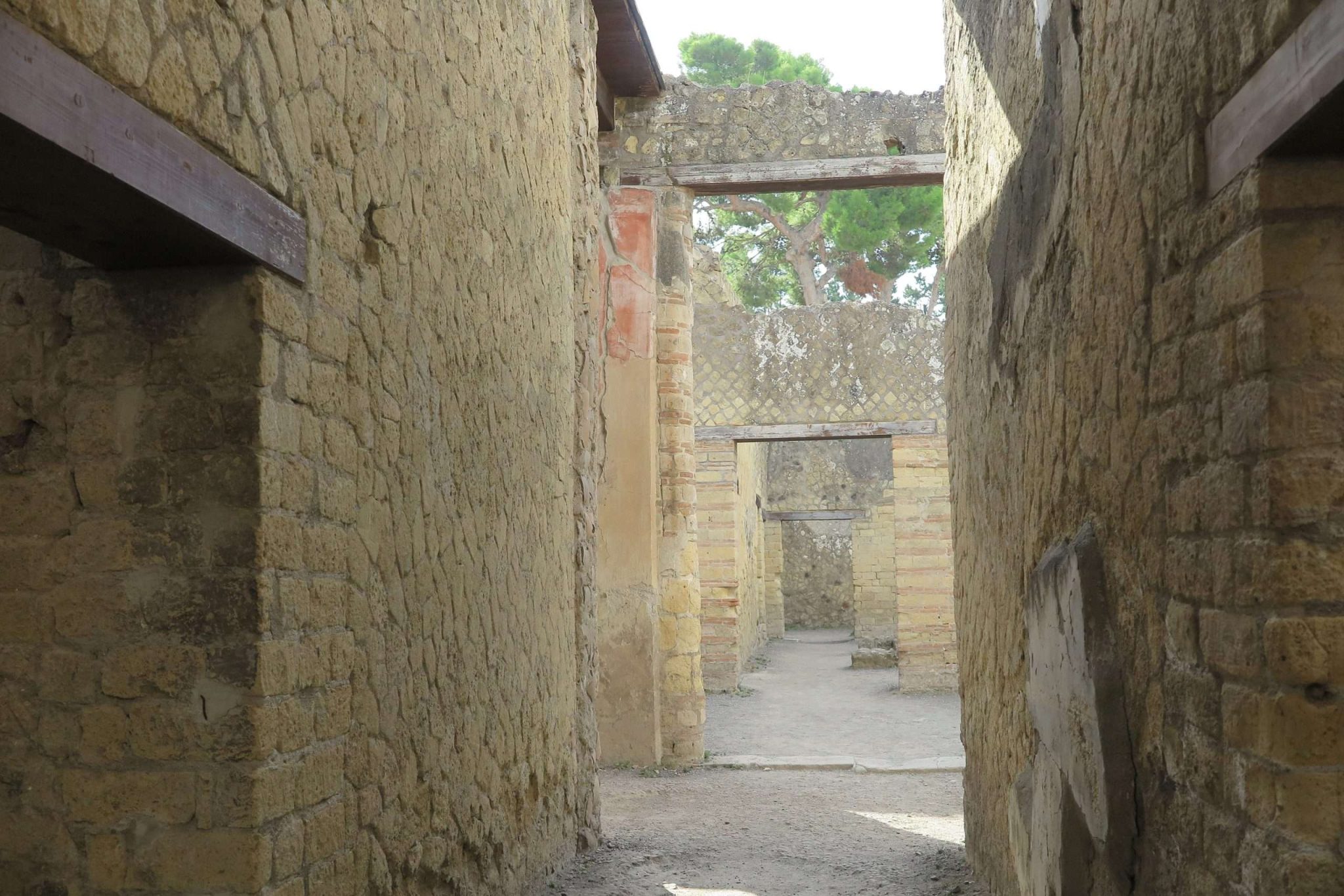
After breakfast, we disembarked in Naples and boarded a bus for the long journey to Rome. Our first stop along the way was Herculaneum, the ancient city buried by the eruption of Mount Vesuvius in 79 AD. The bus ride from Naples was short, only about 20 minutes. We were dropped off near the entrance, where we were immediately struck by the towering ruins, partially obscured by the modern city above.
It’s hard not to compare Herculaneum to Pompeii, which we visited in 2012. Unlike Pompeii, which is expansive and widely known, Herculaneum feels more intimate. Though smaller, it is incredibly well-preserved, with many buildings still showcasing original wooden structures and intricate frescoes. The town was buried under a deeper layer of volcanic material, which likely accounts for its superior preservation. Walking through the grand Roman baths, elaborately decorated villas, and once-bustling streets, it was easy to imagine the town in its prime.
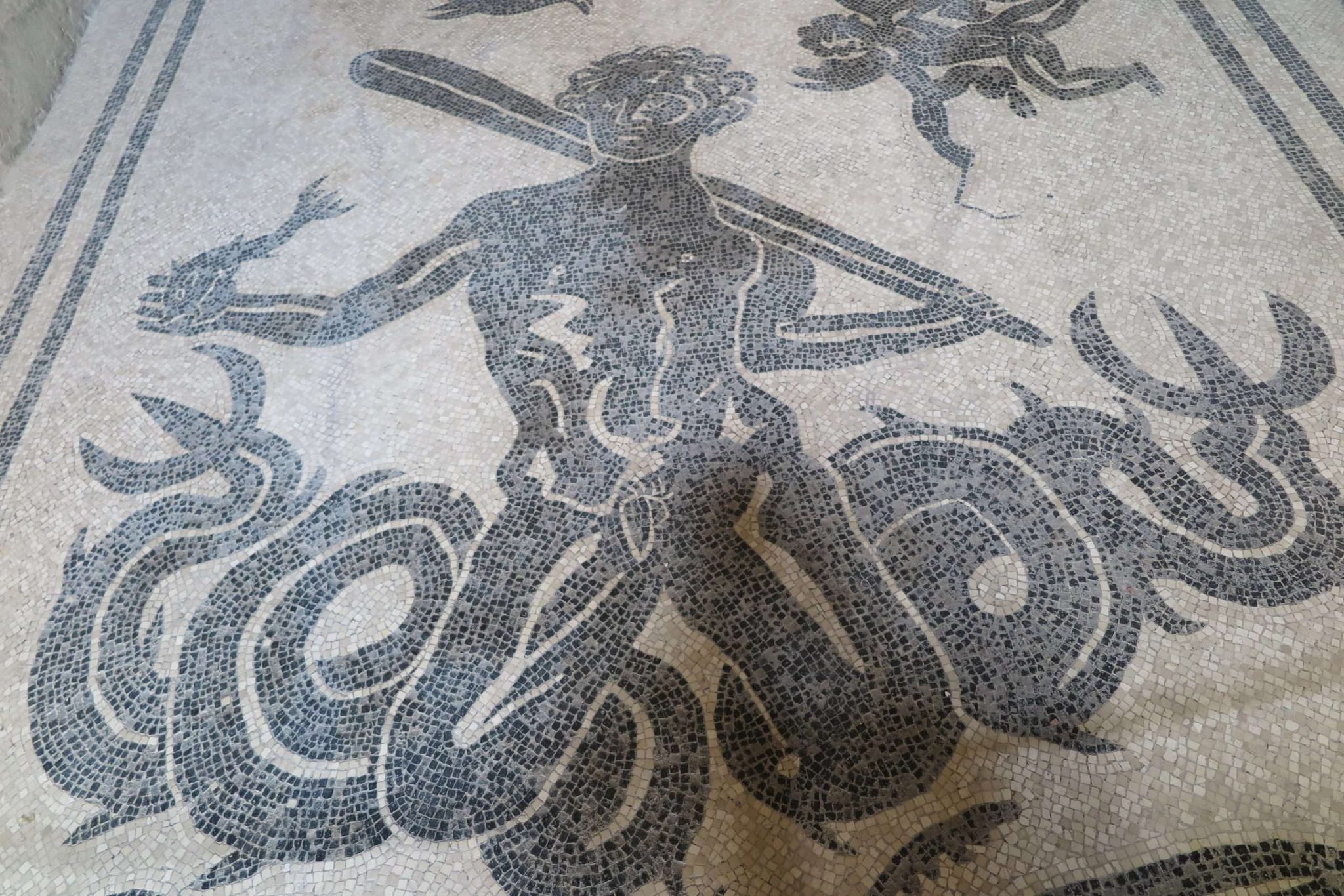
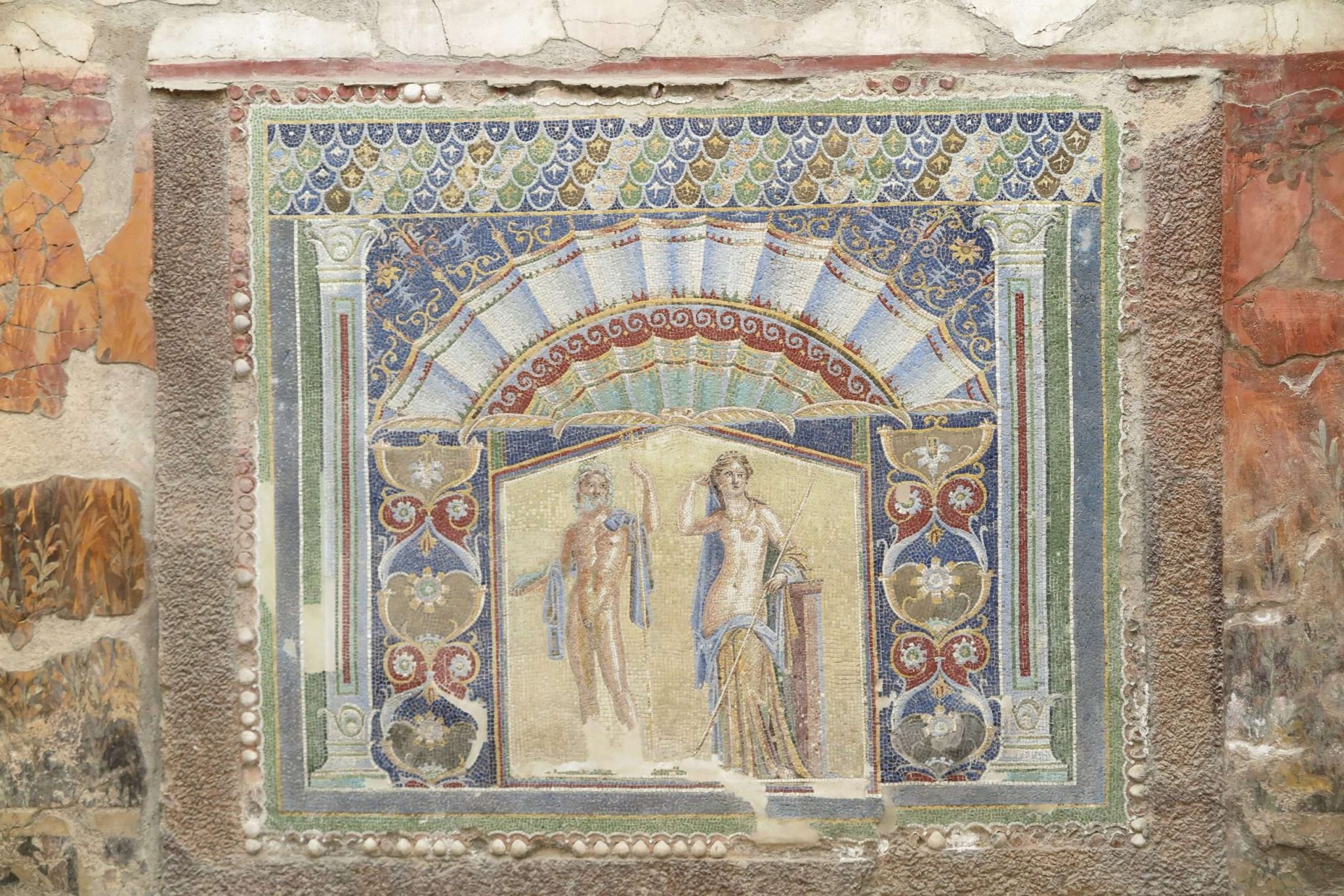
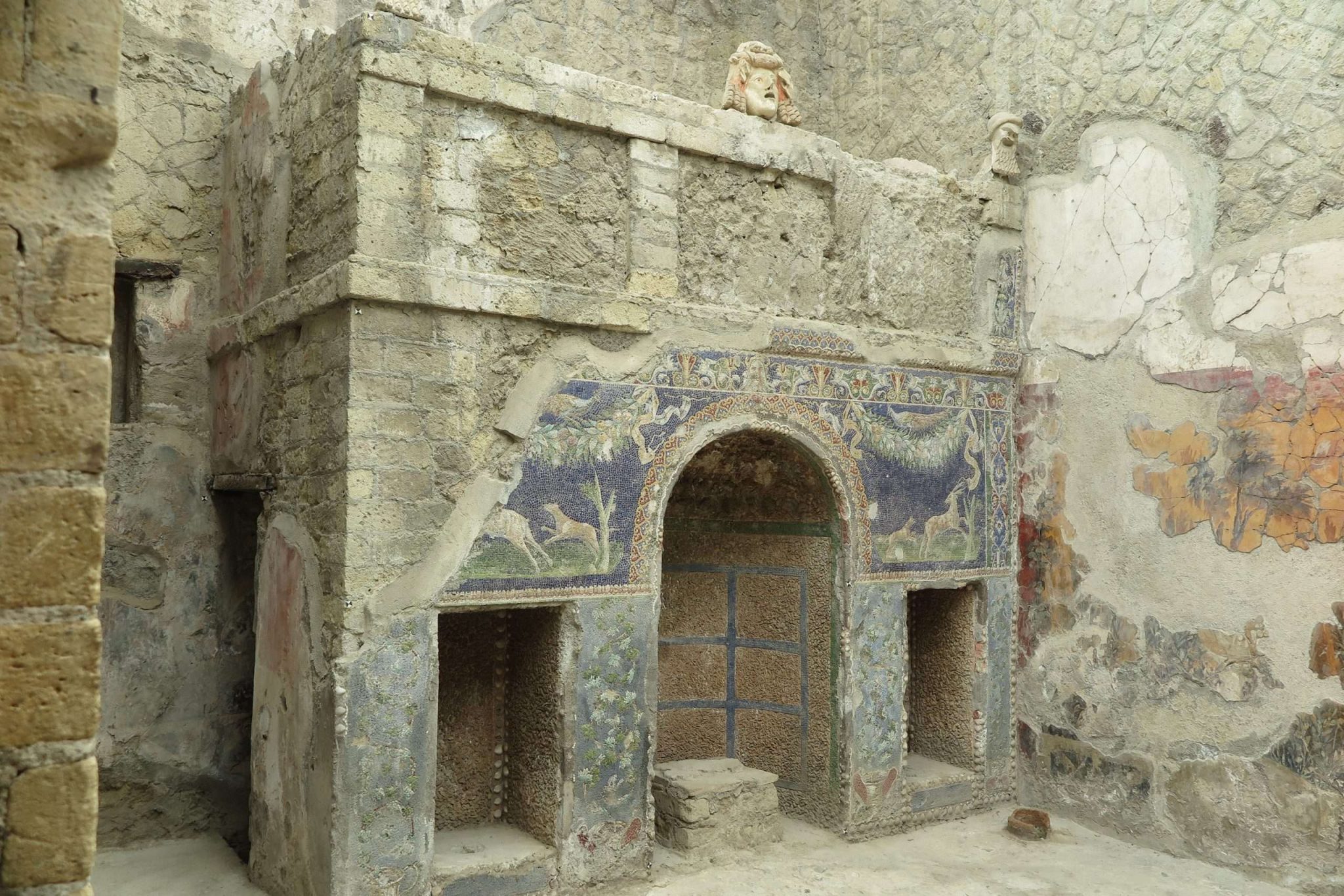
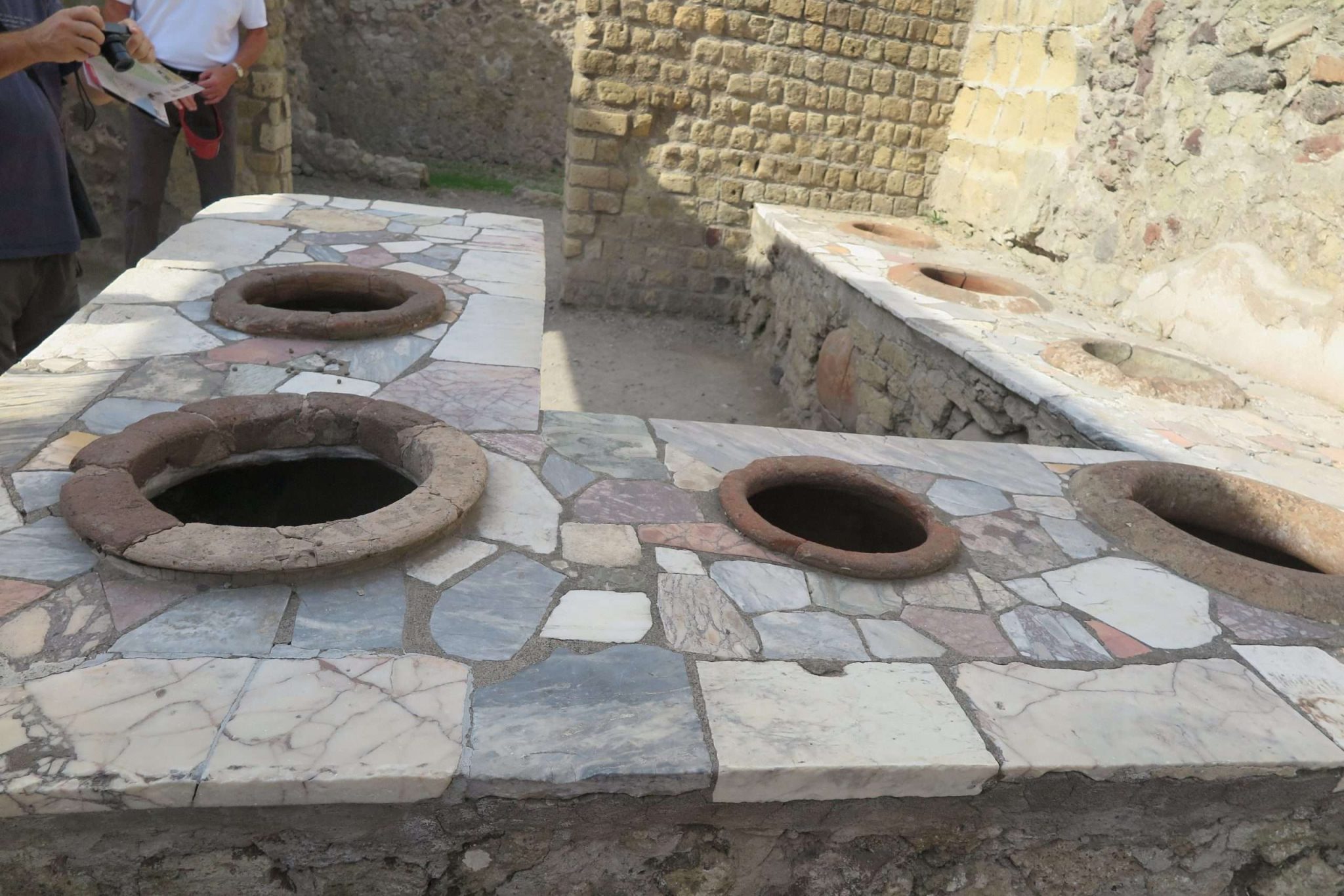
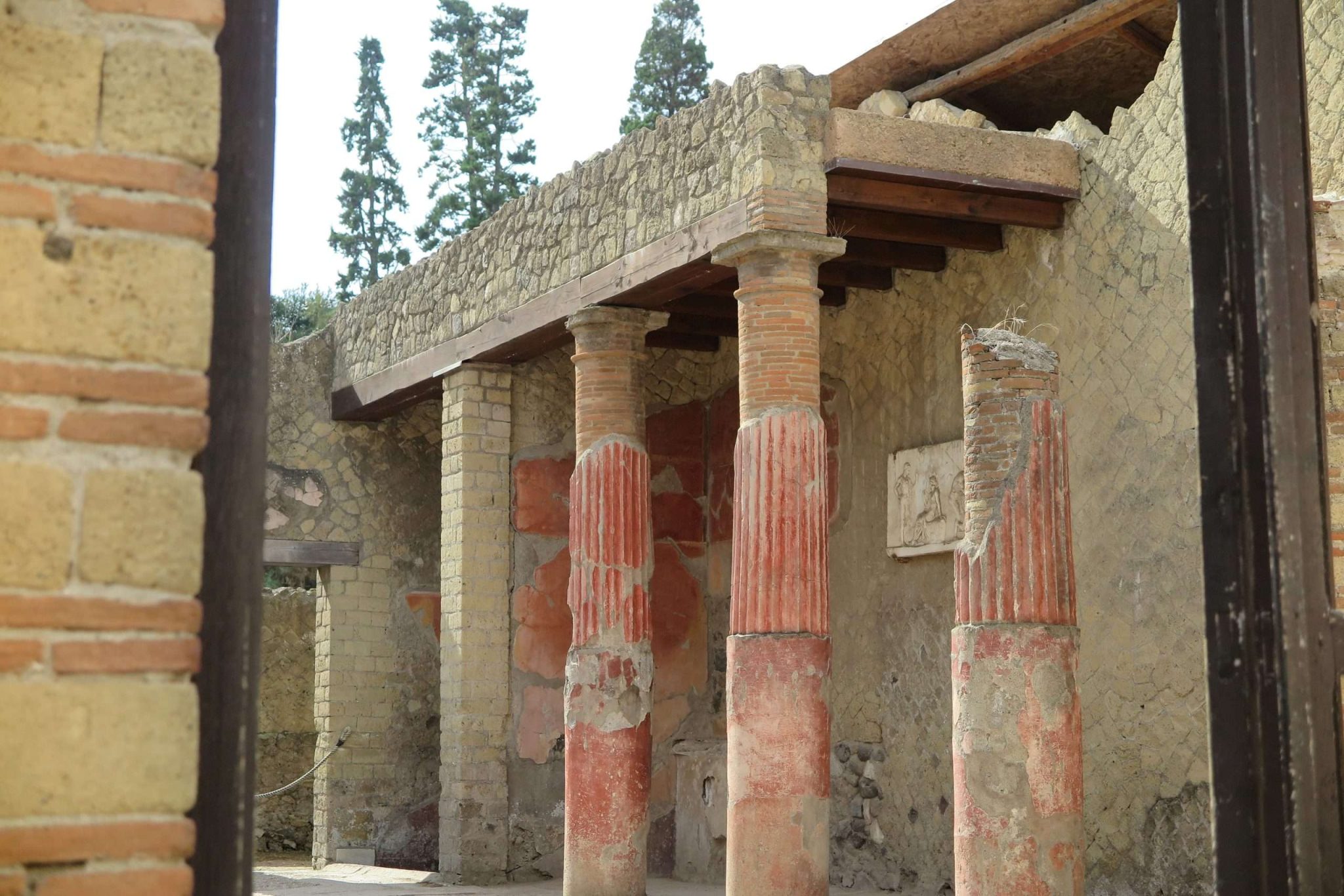
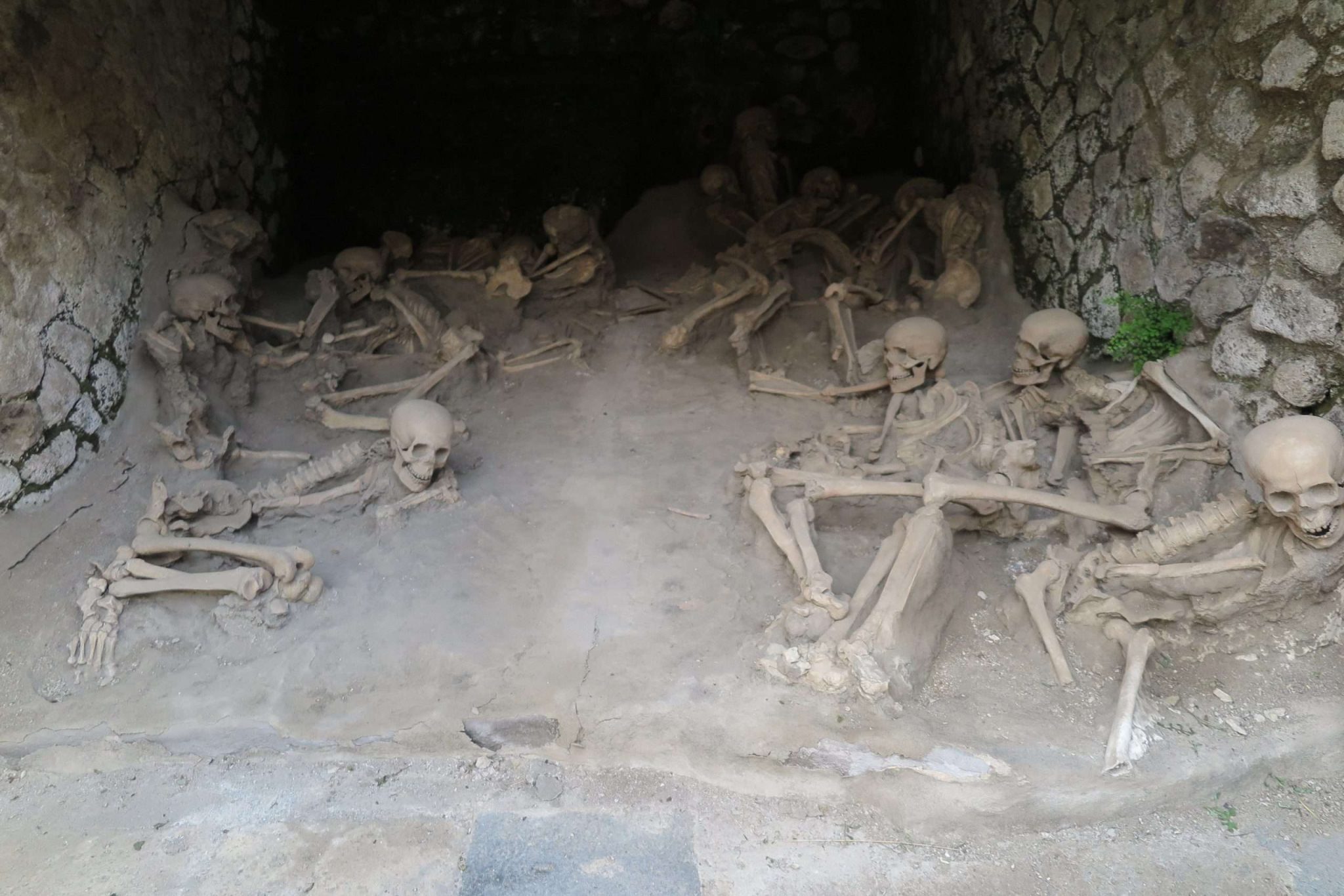
Next, we stopped for a delicious traditional Neapolitan lunch before continuing to Rome, where we checked into our centrally located hotel.
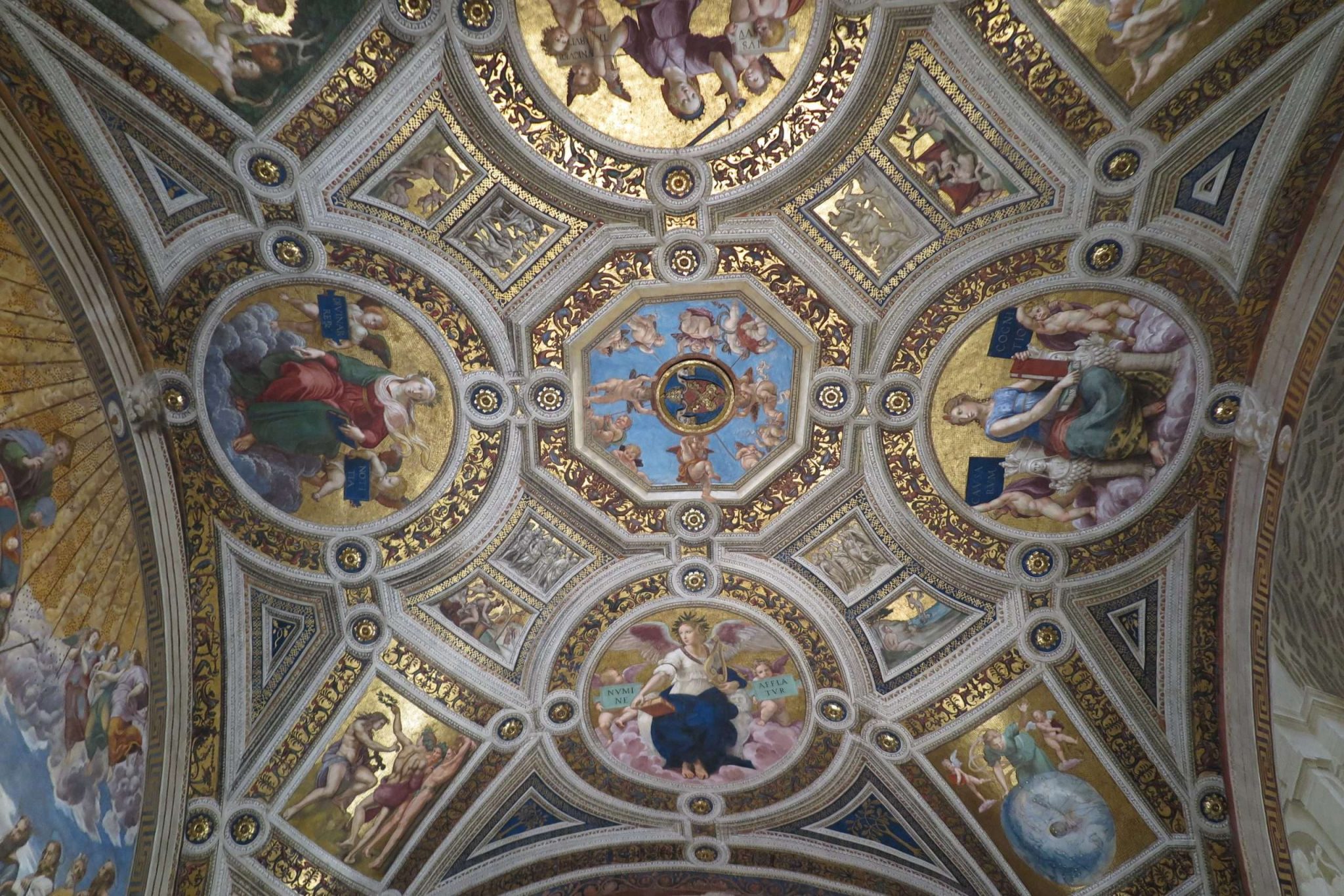
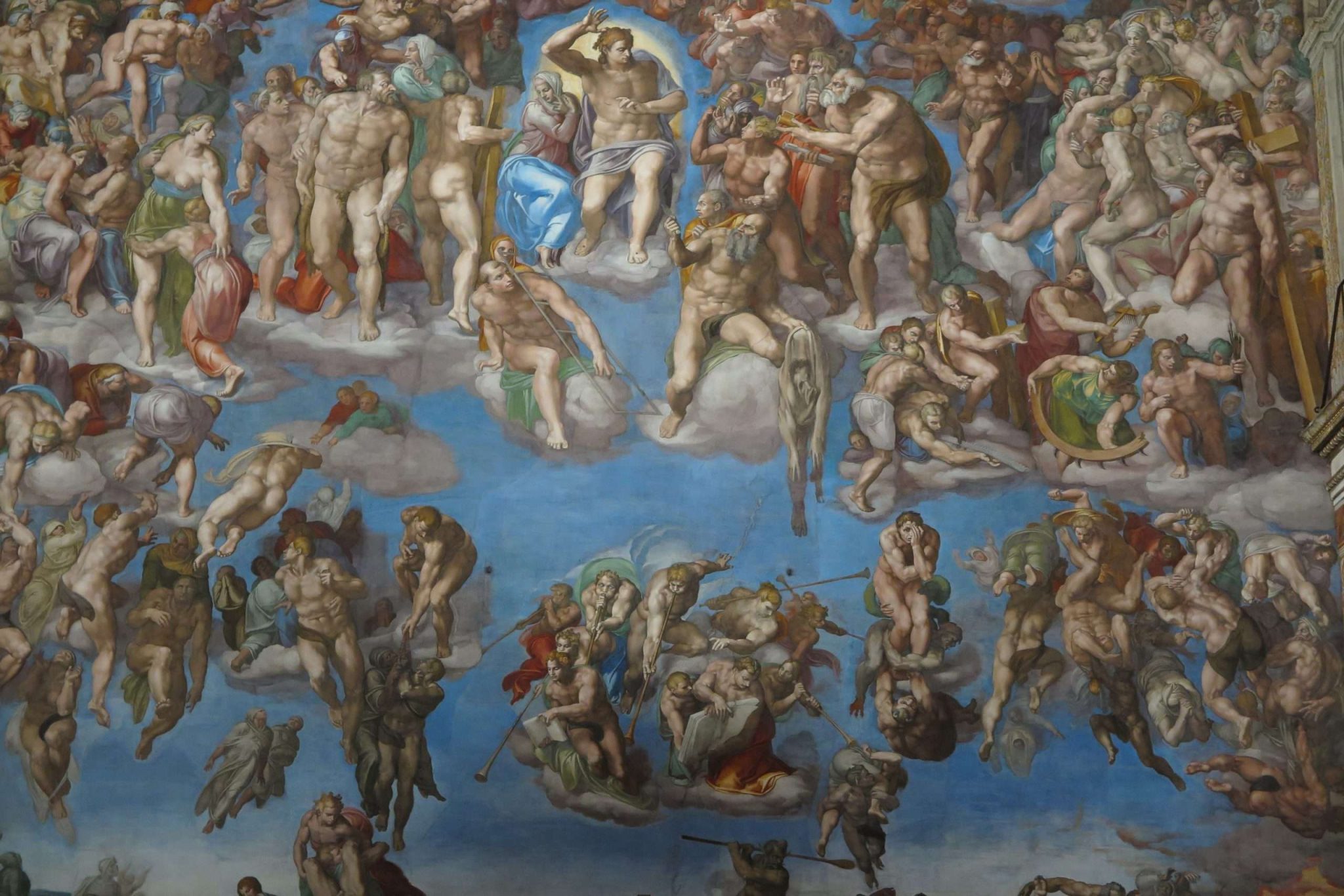
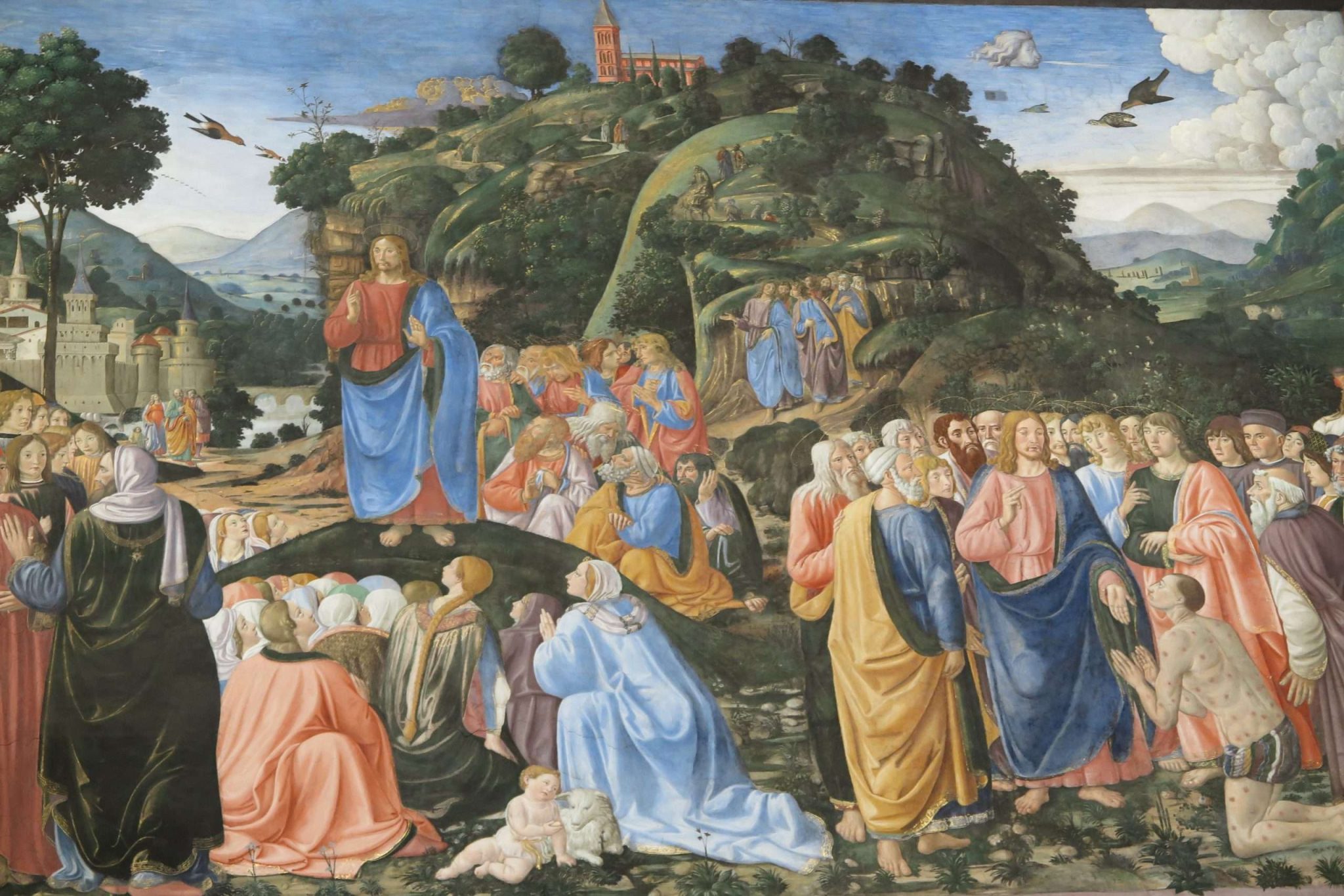
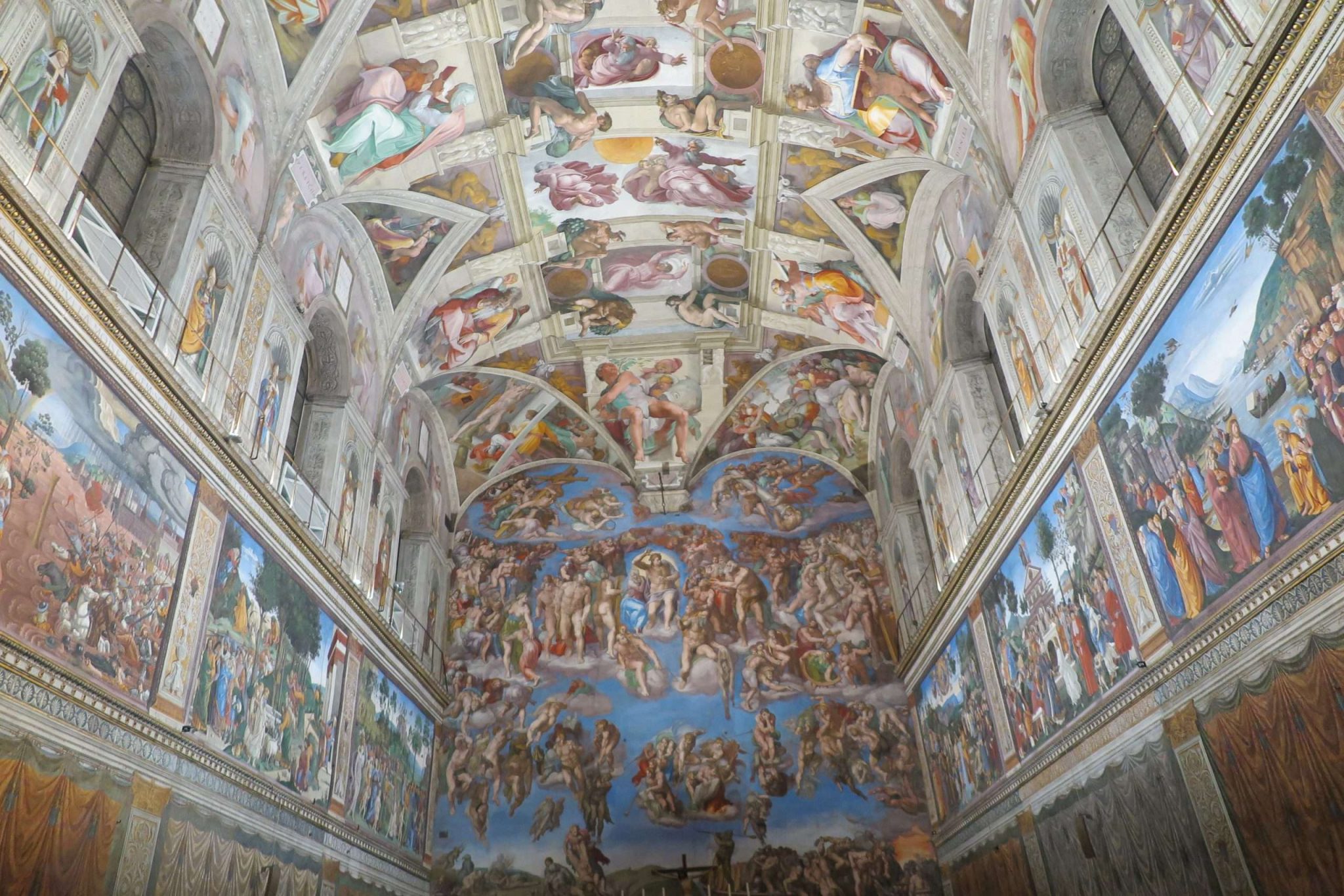
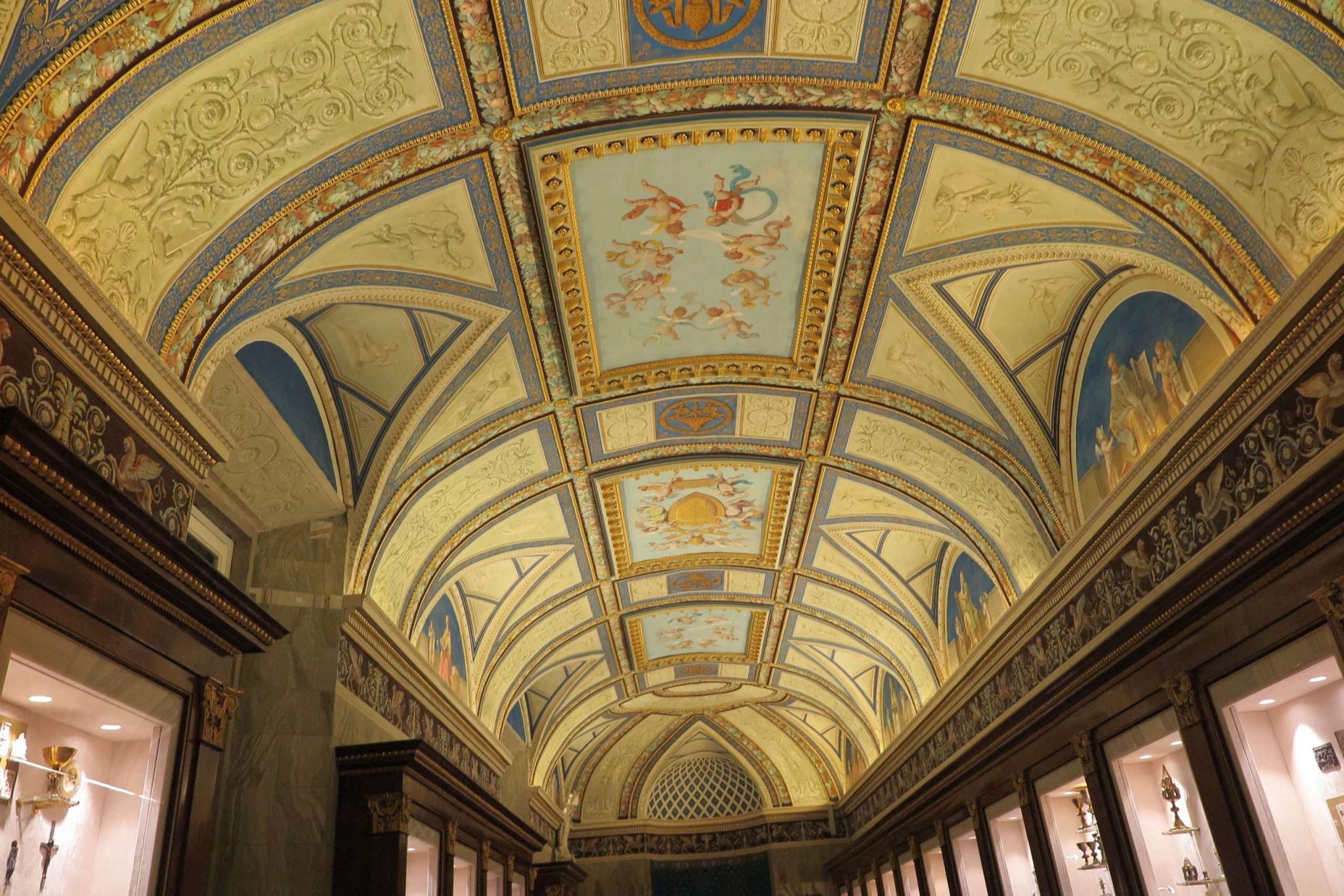
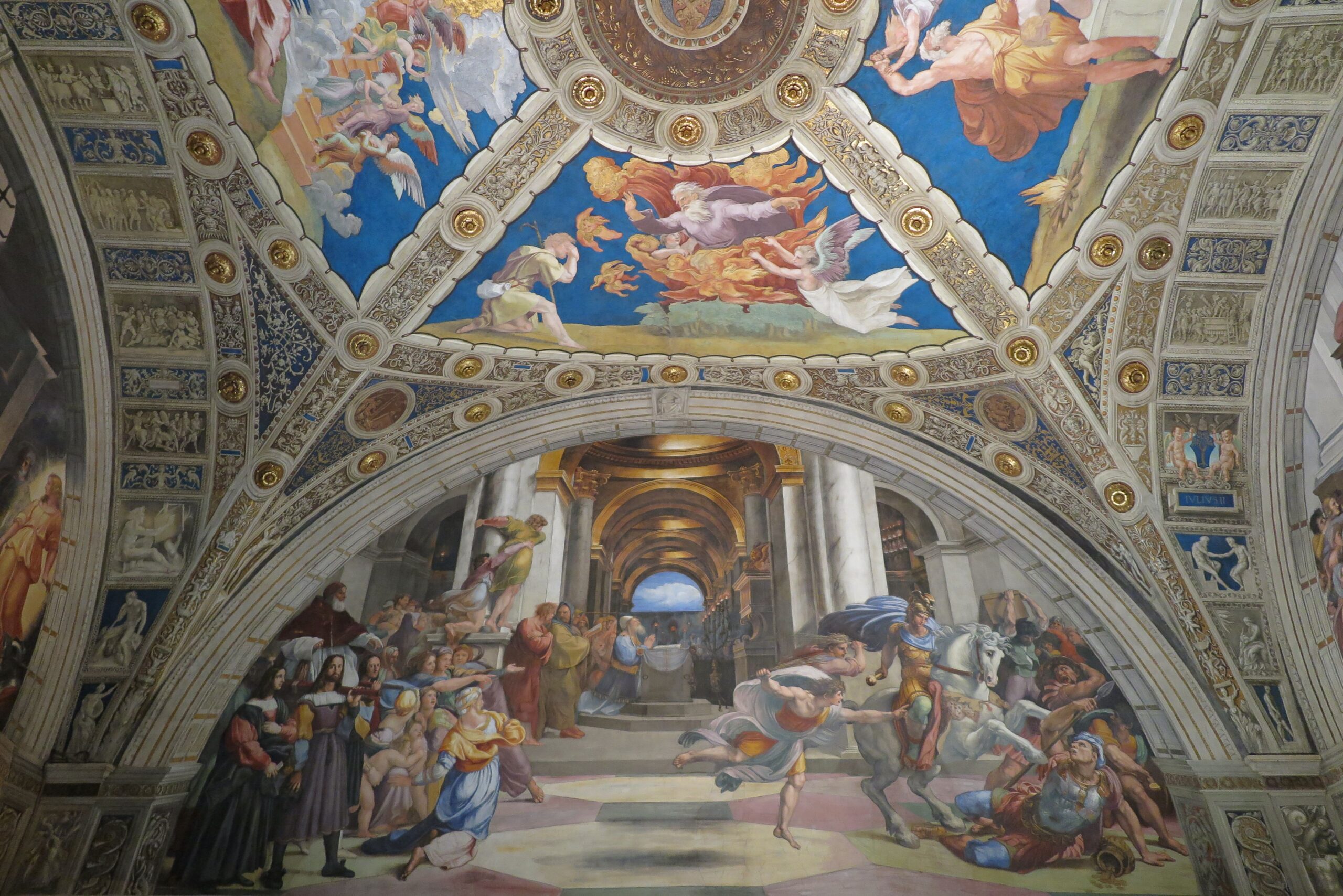
The grand finale of the day was an unforgettable after-hours guided tour of the Vatican Museum and the Sistine Chapel, experiencing their treasures without crowds. Even though we had taken the same tour during our trip to Italy in 2012, experiencing it again was just as awe-inspiring.
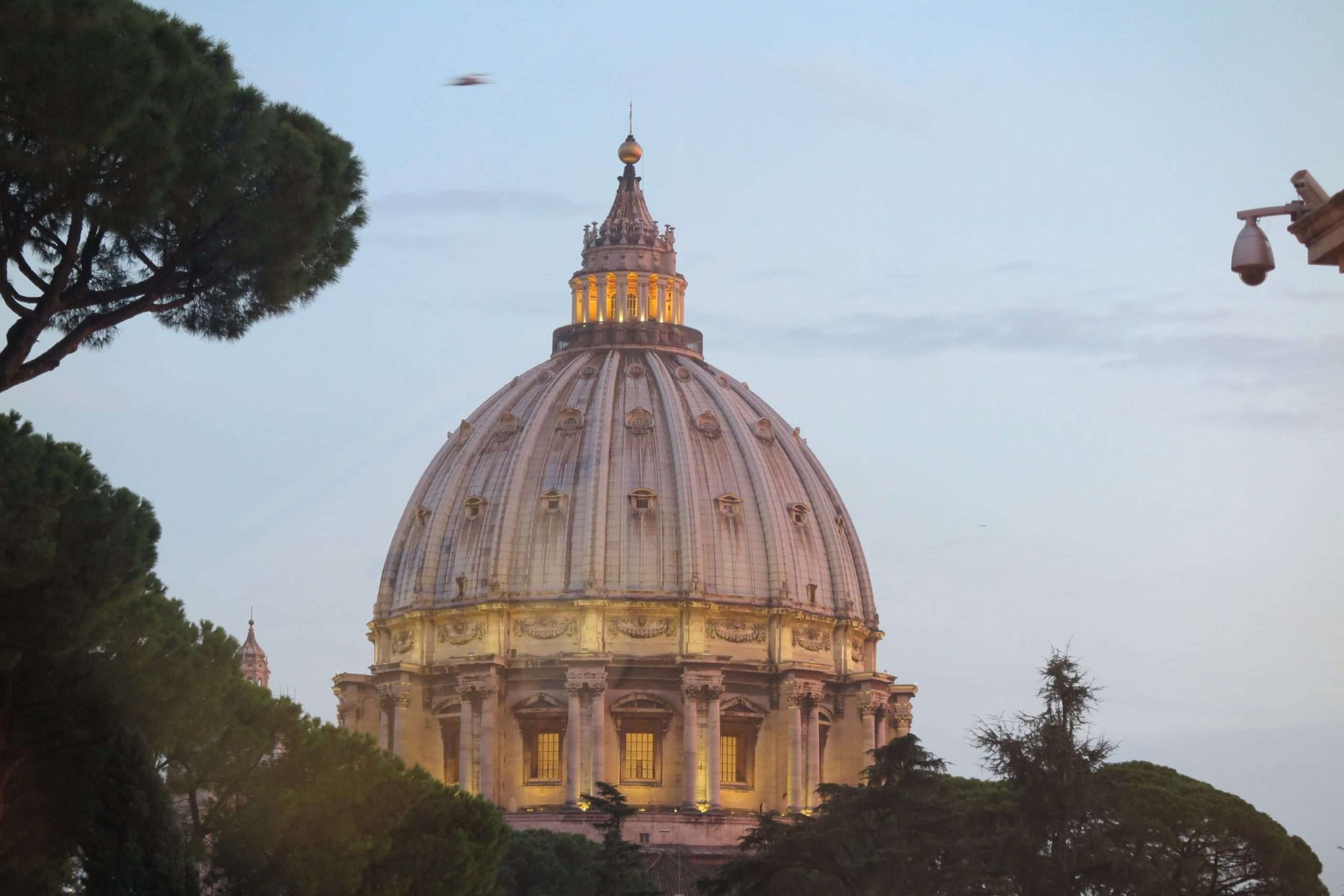

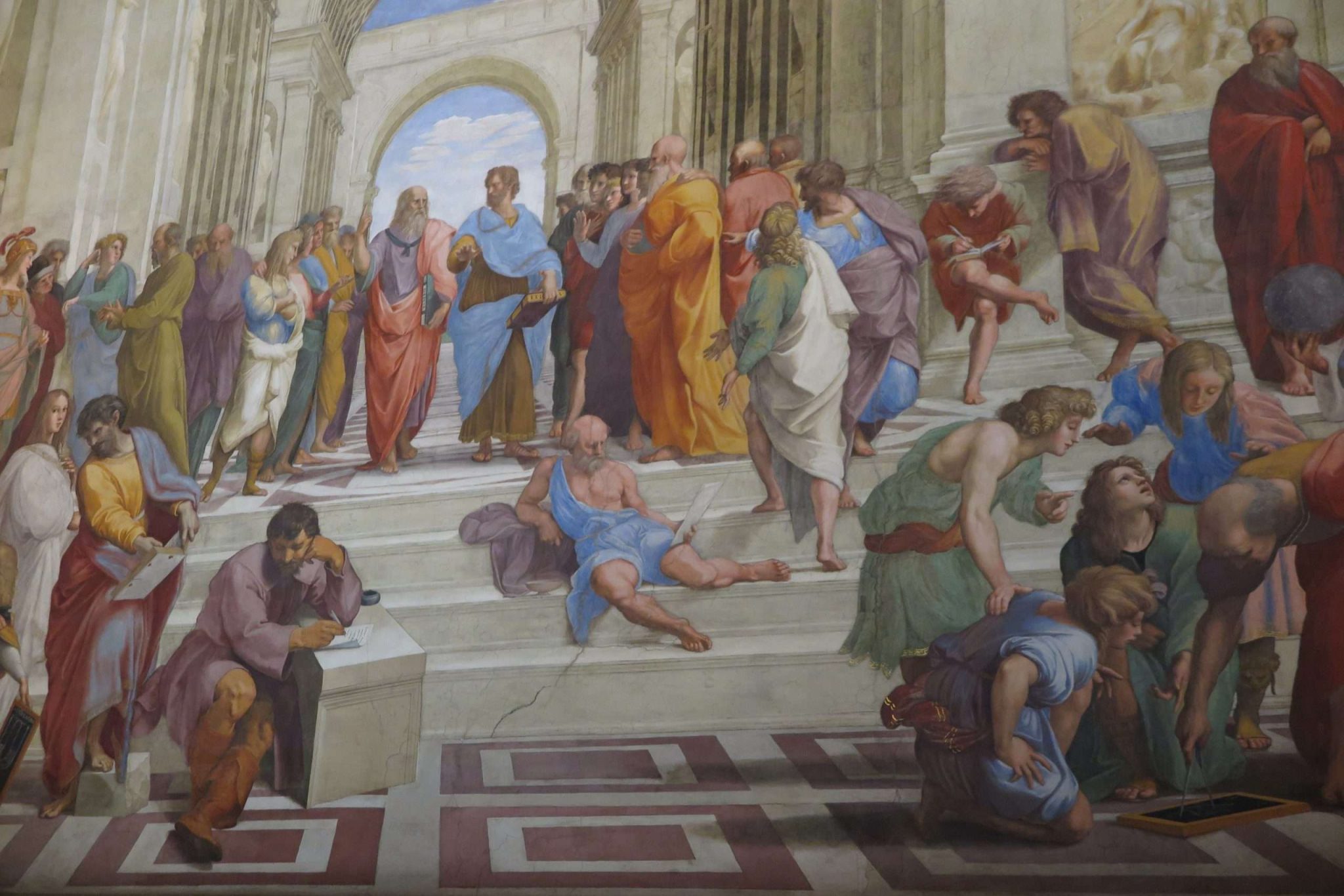
Rome Revisited – September 21, 2018
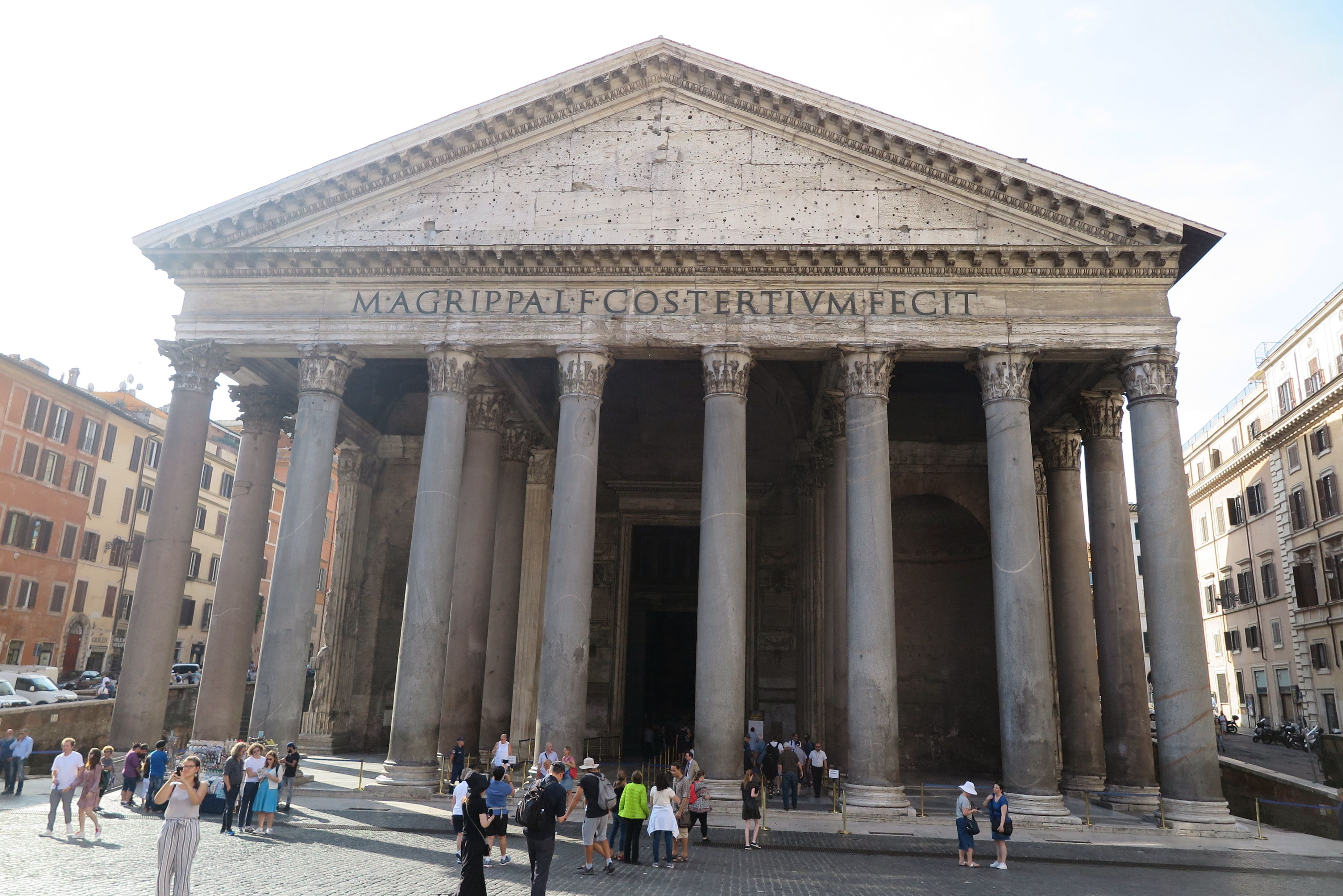
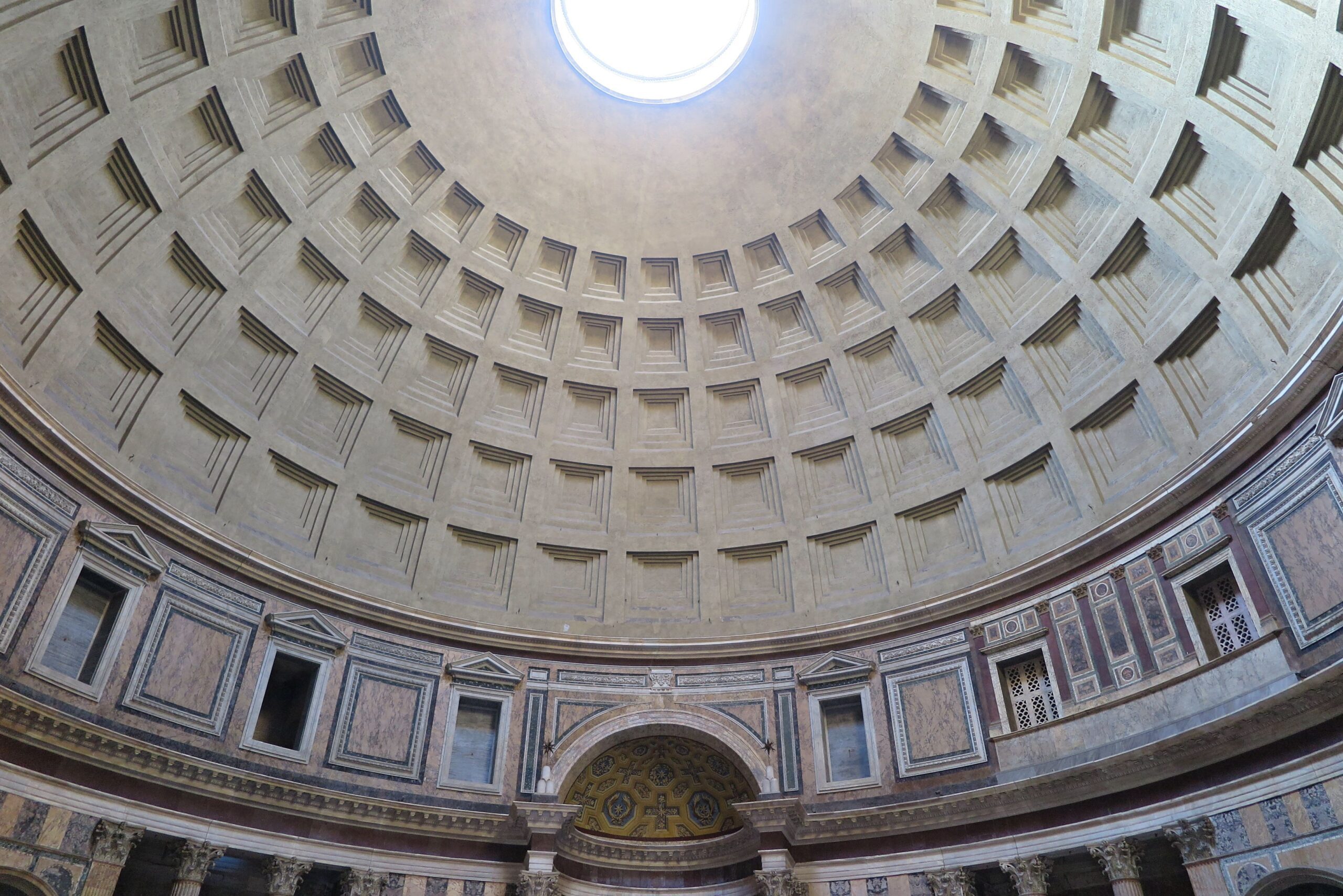
This morning, during our free time, we revisited several sites we first explored in 2012, including the Pantheon, Trevi Fountain, the Spanish Steps, and Piazza Navona. In the afternoon, we took a guided tour of St. Peter’s Basilica, followed by a visit to the Colosseum—both of which we had also seen on our previous trip to Italy.
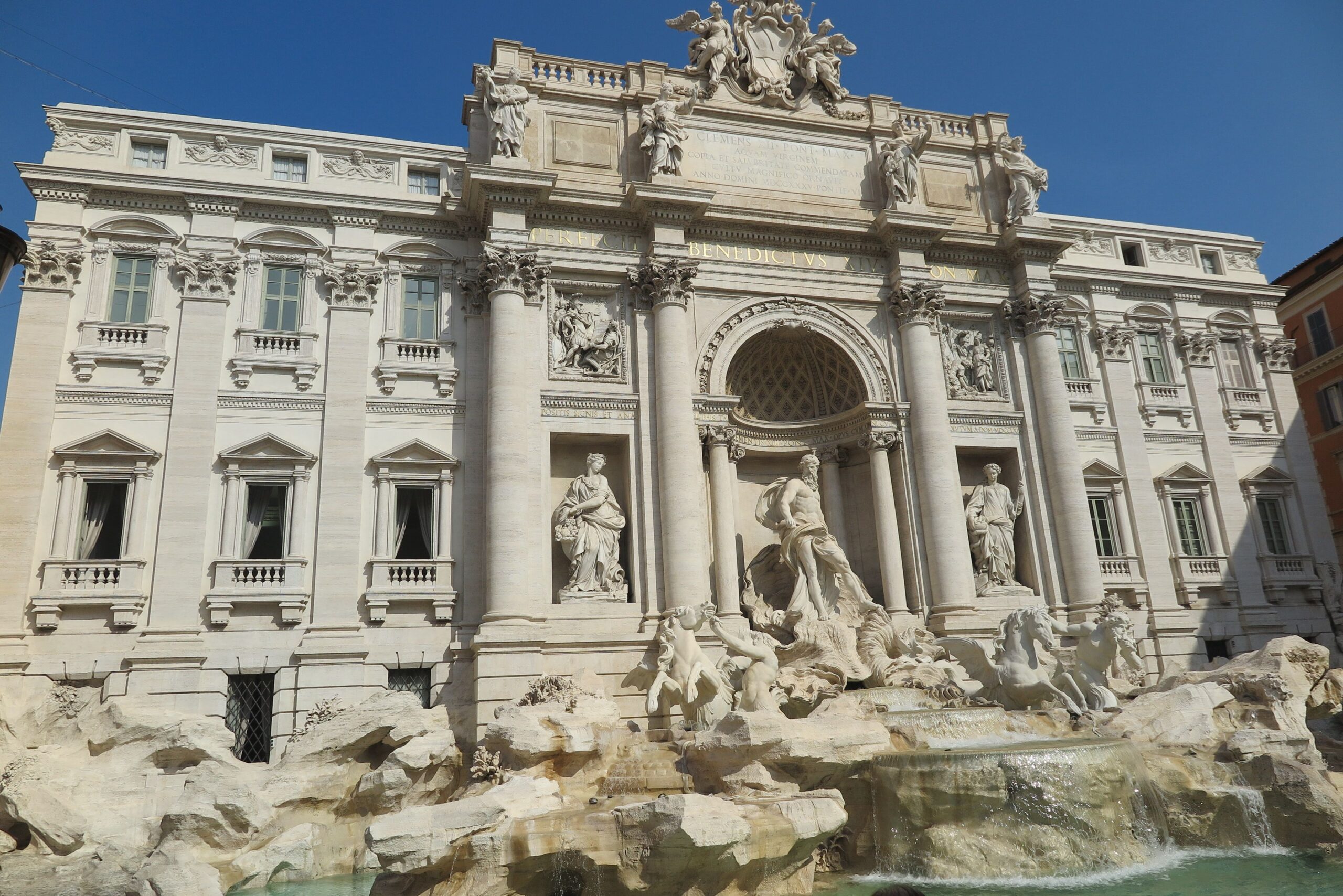
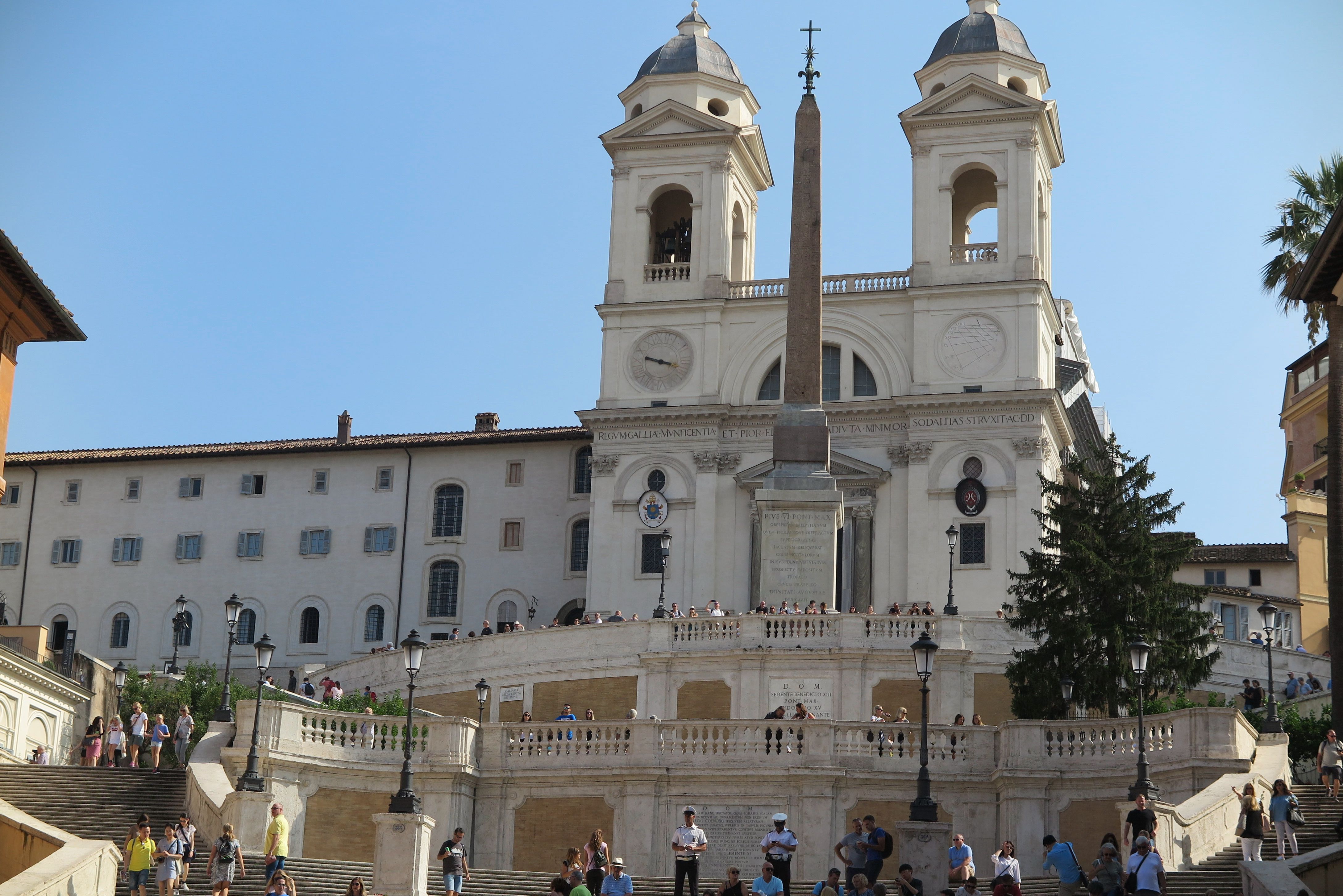
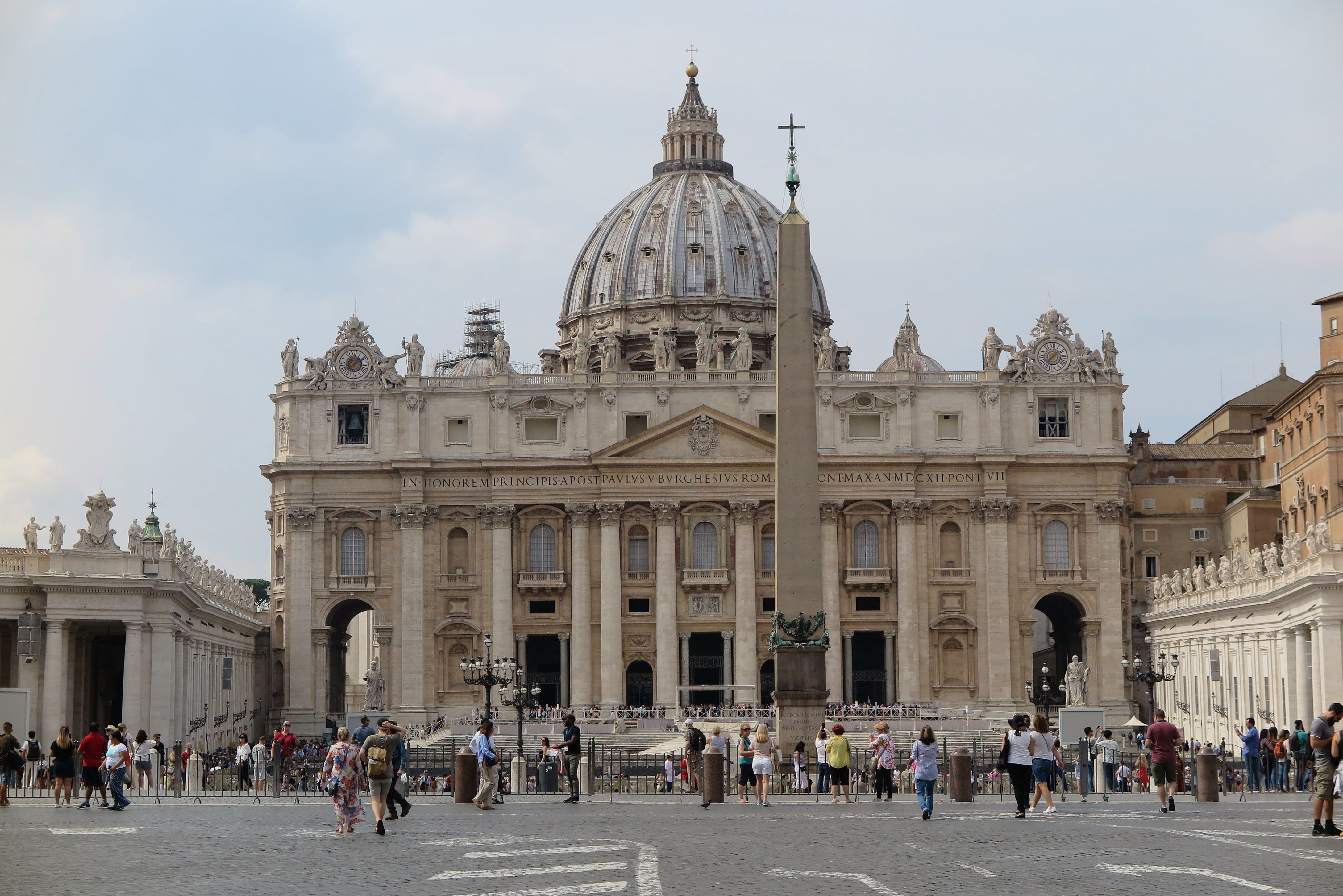
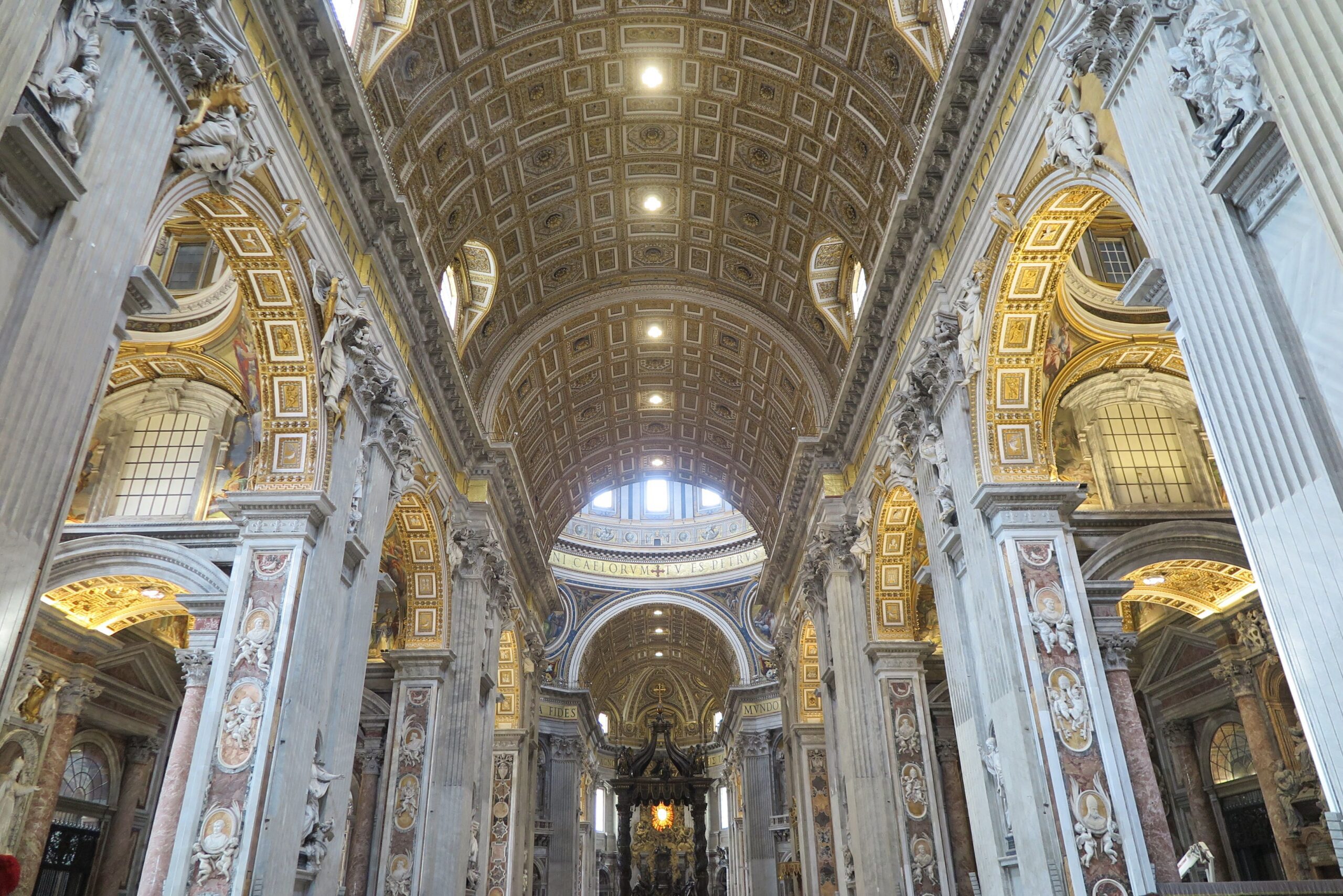
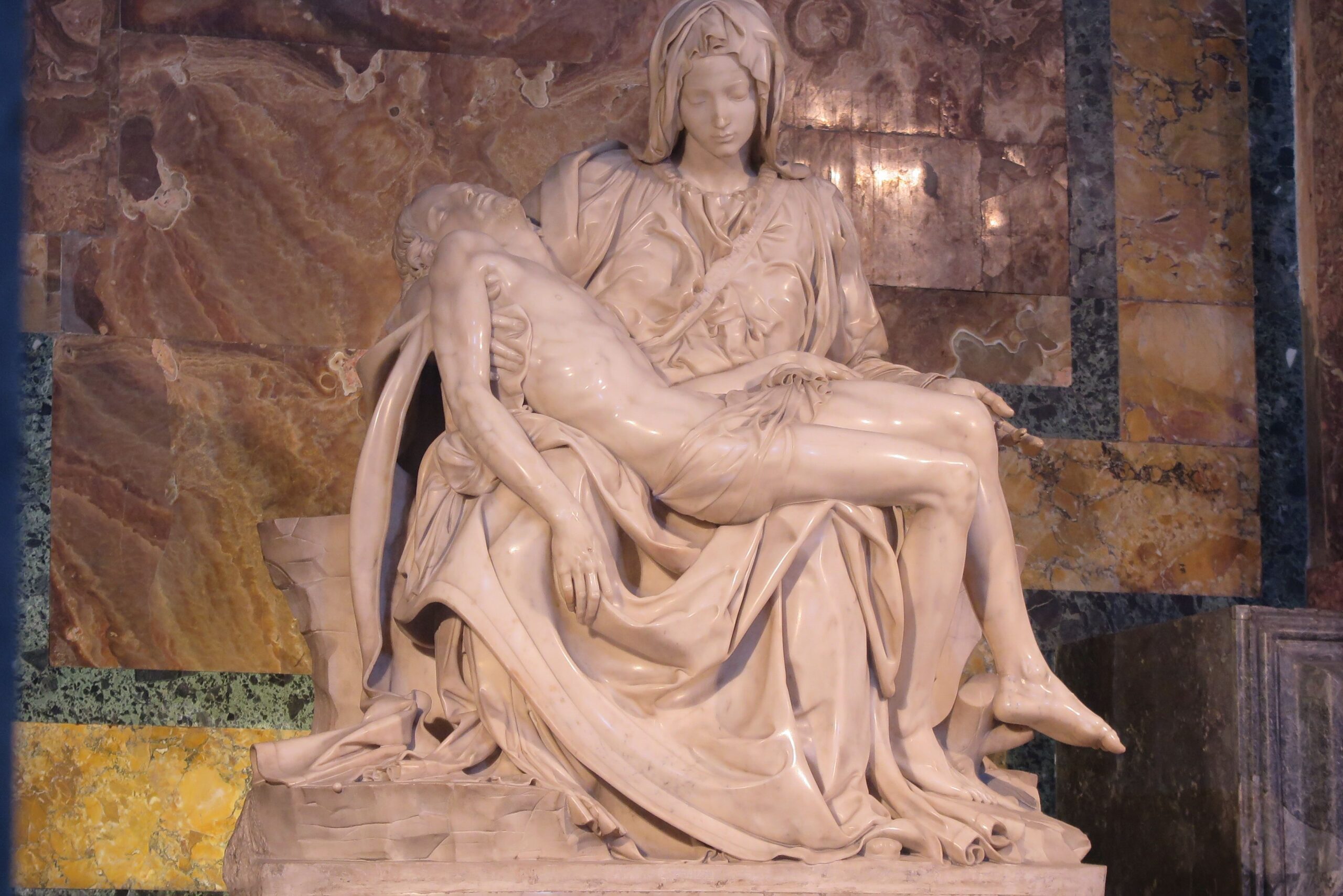
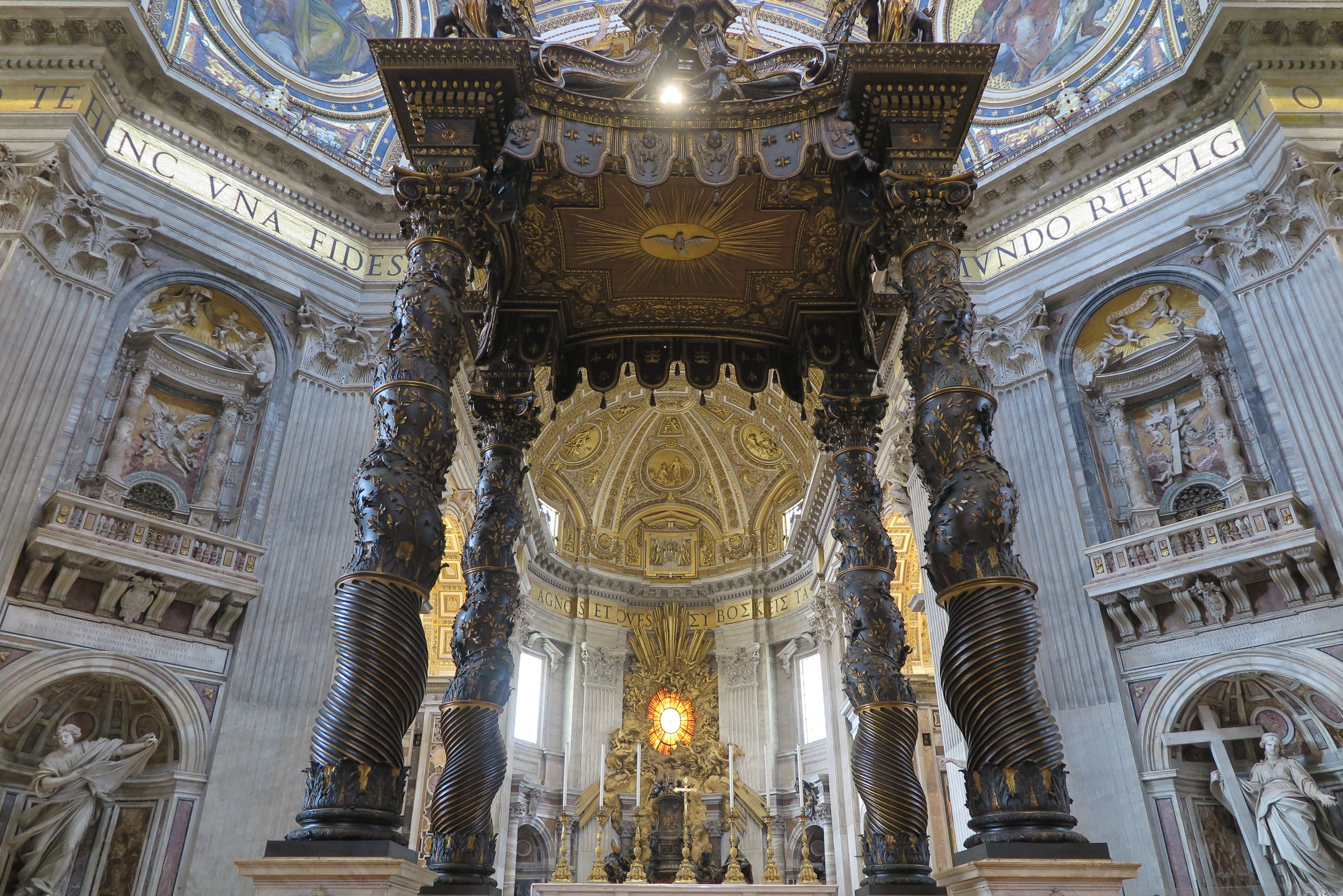
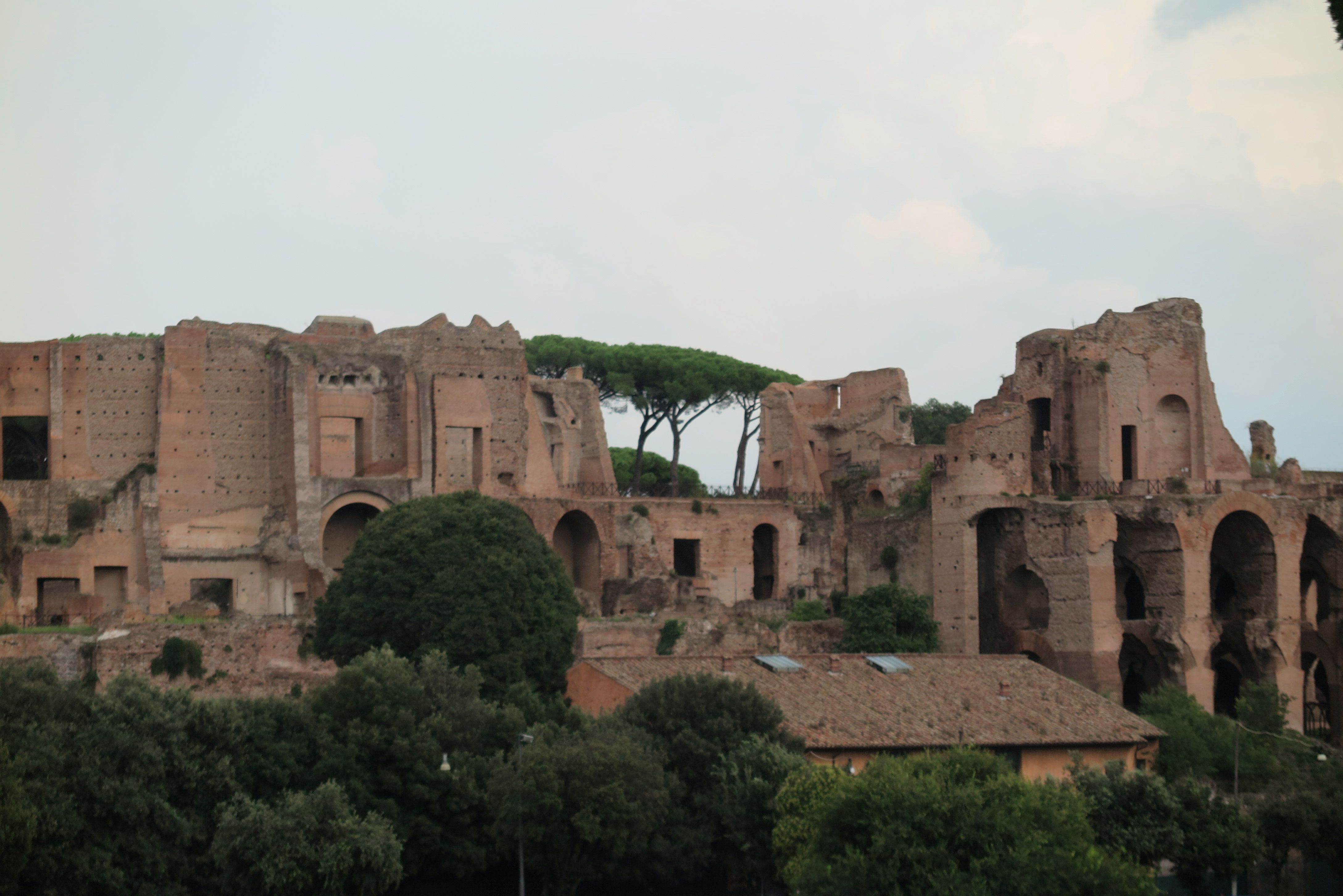
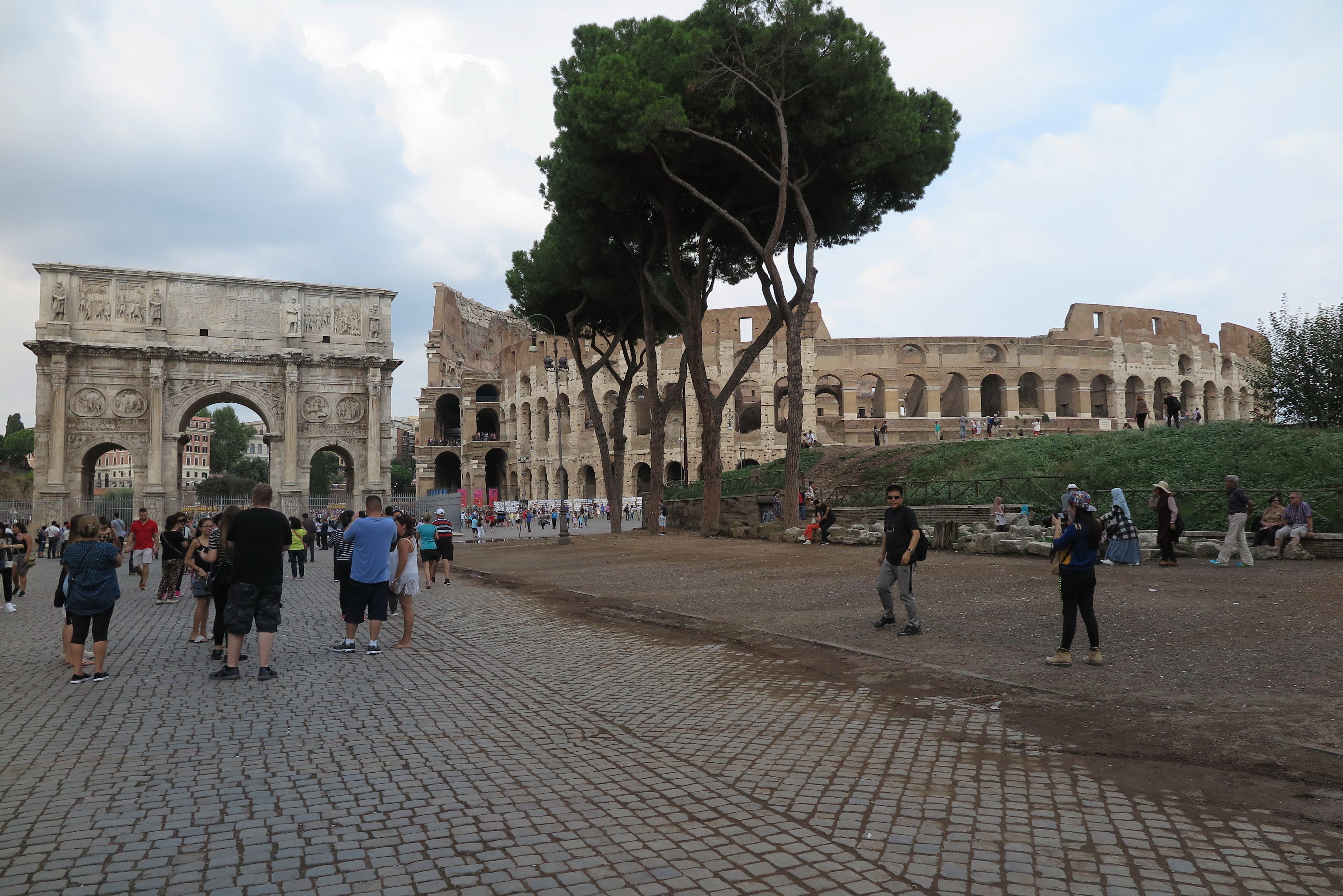
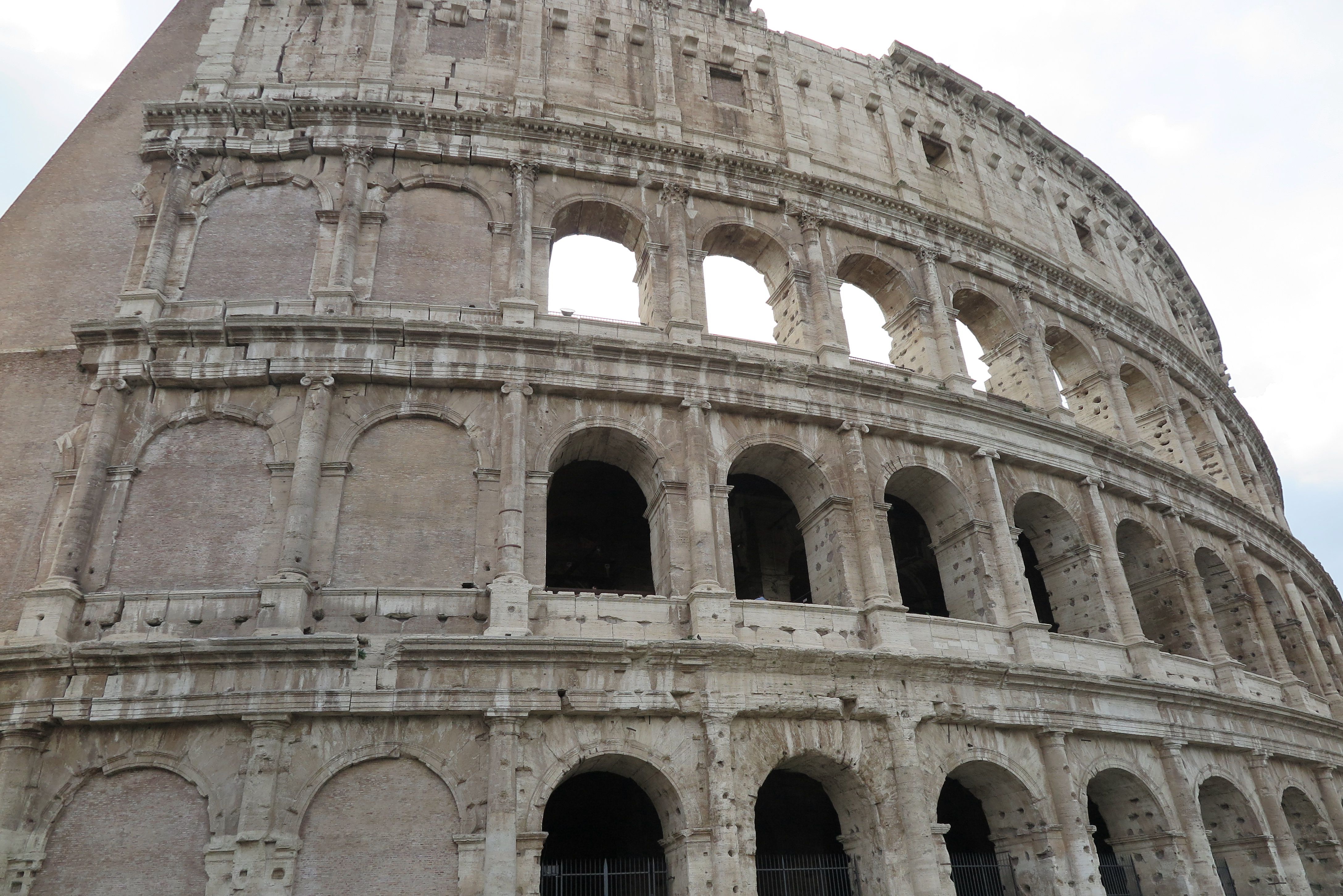
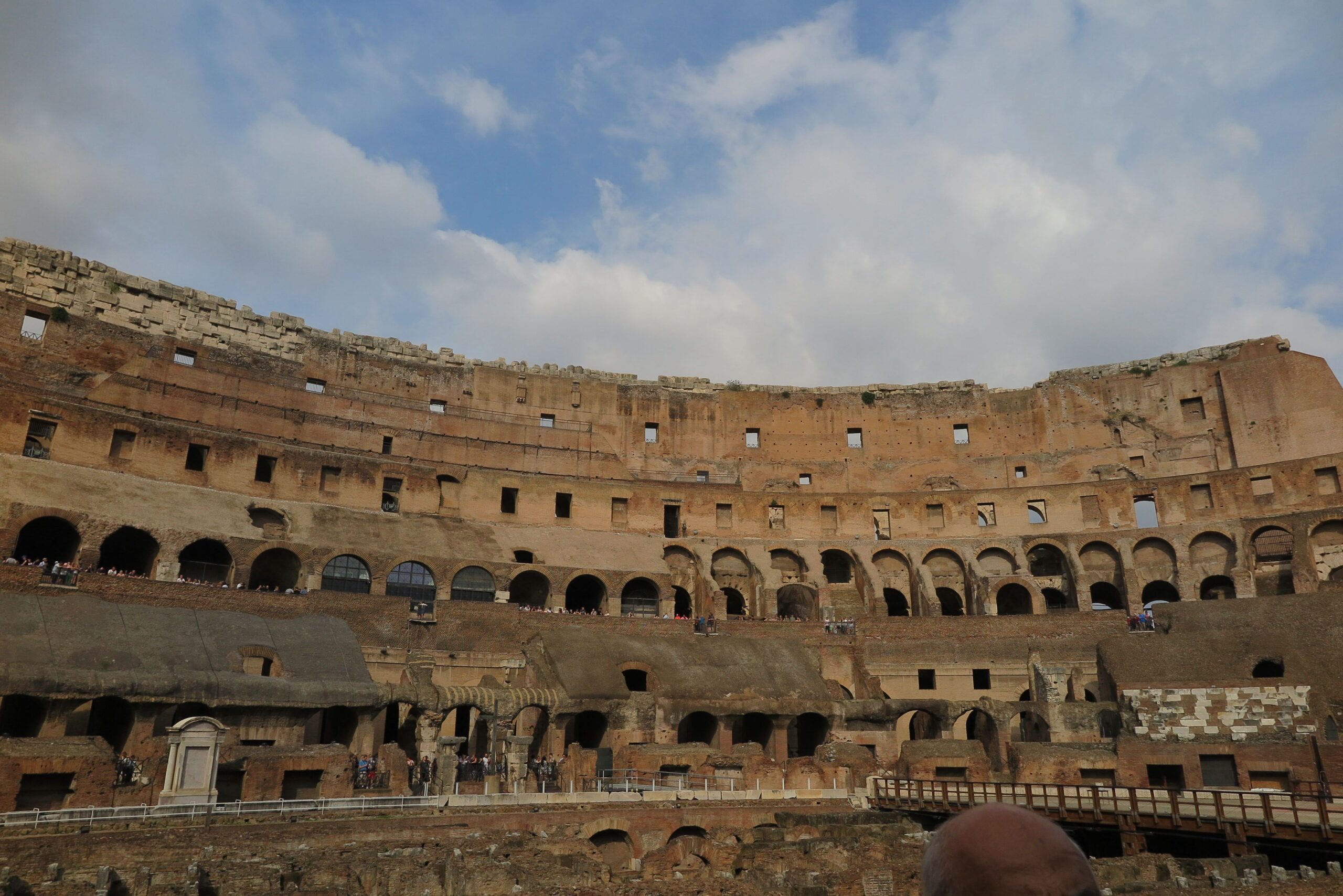
In the evening, we dressed up one last time for a farewell reception and dinner at the hotel, where we said our goodbyes to the tour directors and fellow travelers.
Milan Unveiled: Fashion, History, and Iconic Landmarks – September 22, 2018
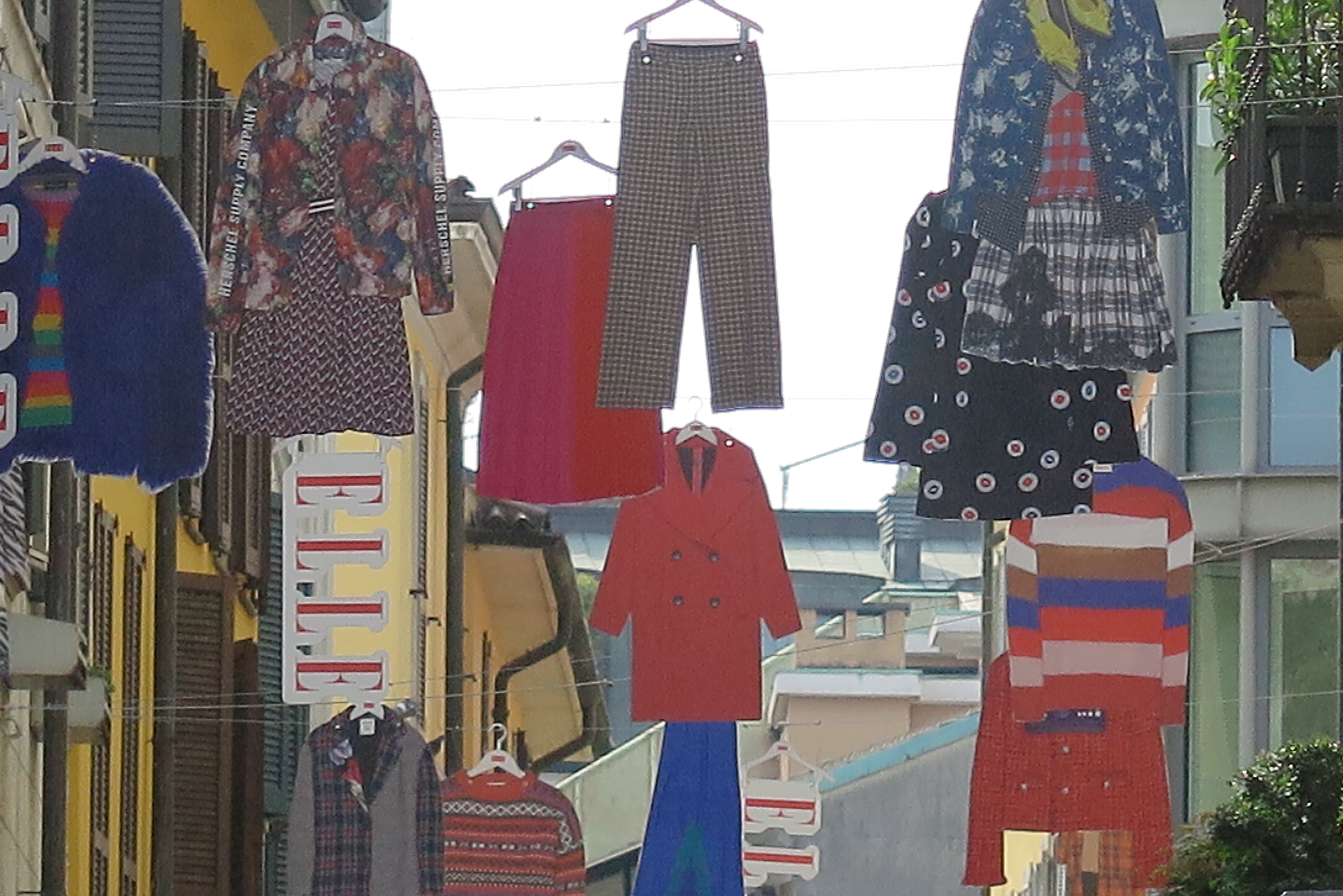
Although our small ship odyssey has ended, our journey through Italy continues. Today, we took a train from Rome’s Termini Station to Milan, arriving amidst the hustle and bustle of Fashion Week. So, beautiful people in fabulous and outrageous garments are to be seen everywhere. It is also very, very crowded. Our hotel is not in the inner circle, but it is certainly busy.
Late in the morning, we were in the heart of Milan where its few tourist attractions are located. Unlike Rome or Florence, Milan is a finance and fashion town, and the people here are very business focused. We strolled around to get our bearings and had lunch in a very touristy restaurant. While the service was quick, the food was underwhelming. Along the way, we spotted the first Starbucks in Italy and could not believe the long queue in the street for coffee in a country noted for its coffee bars.
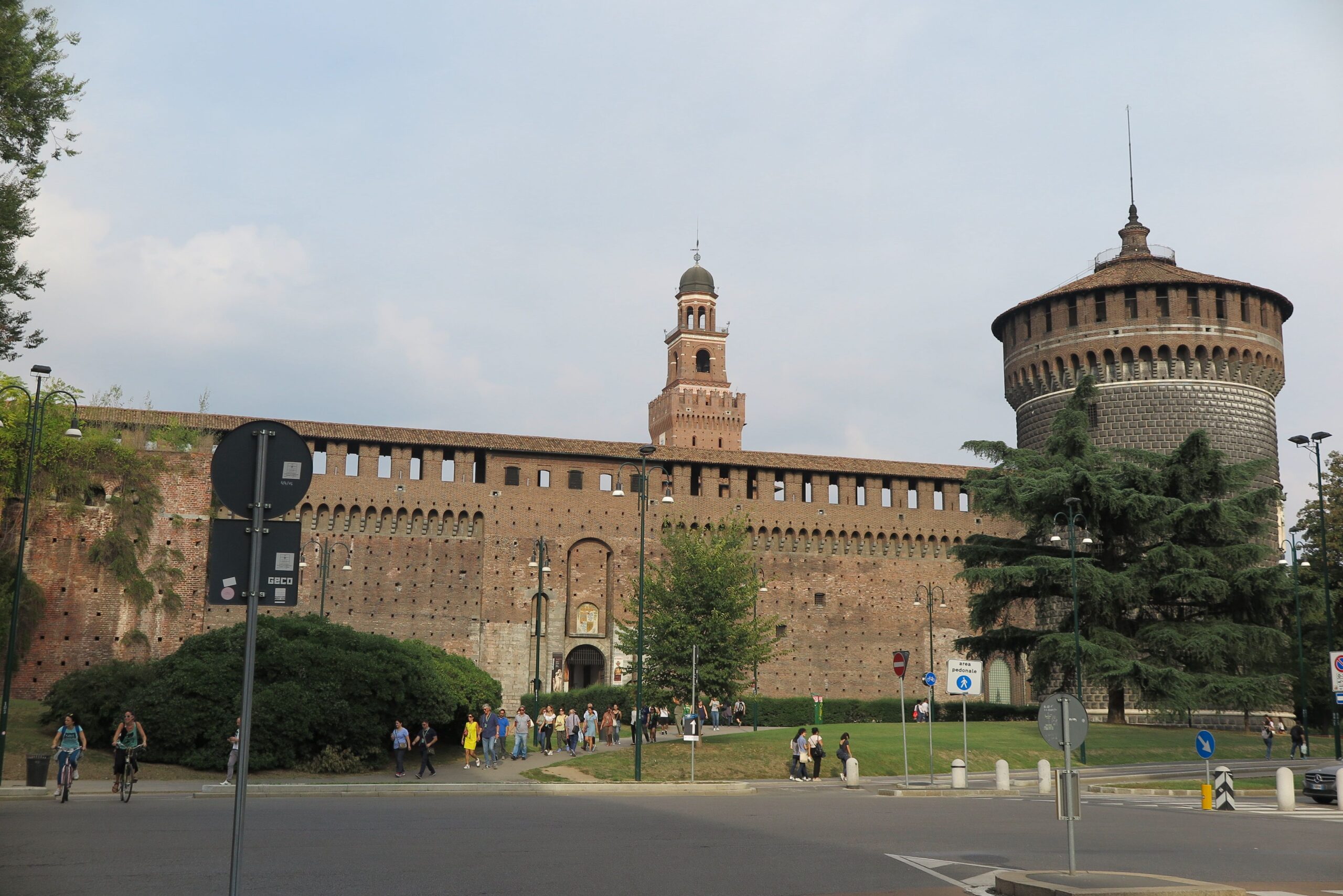
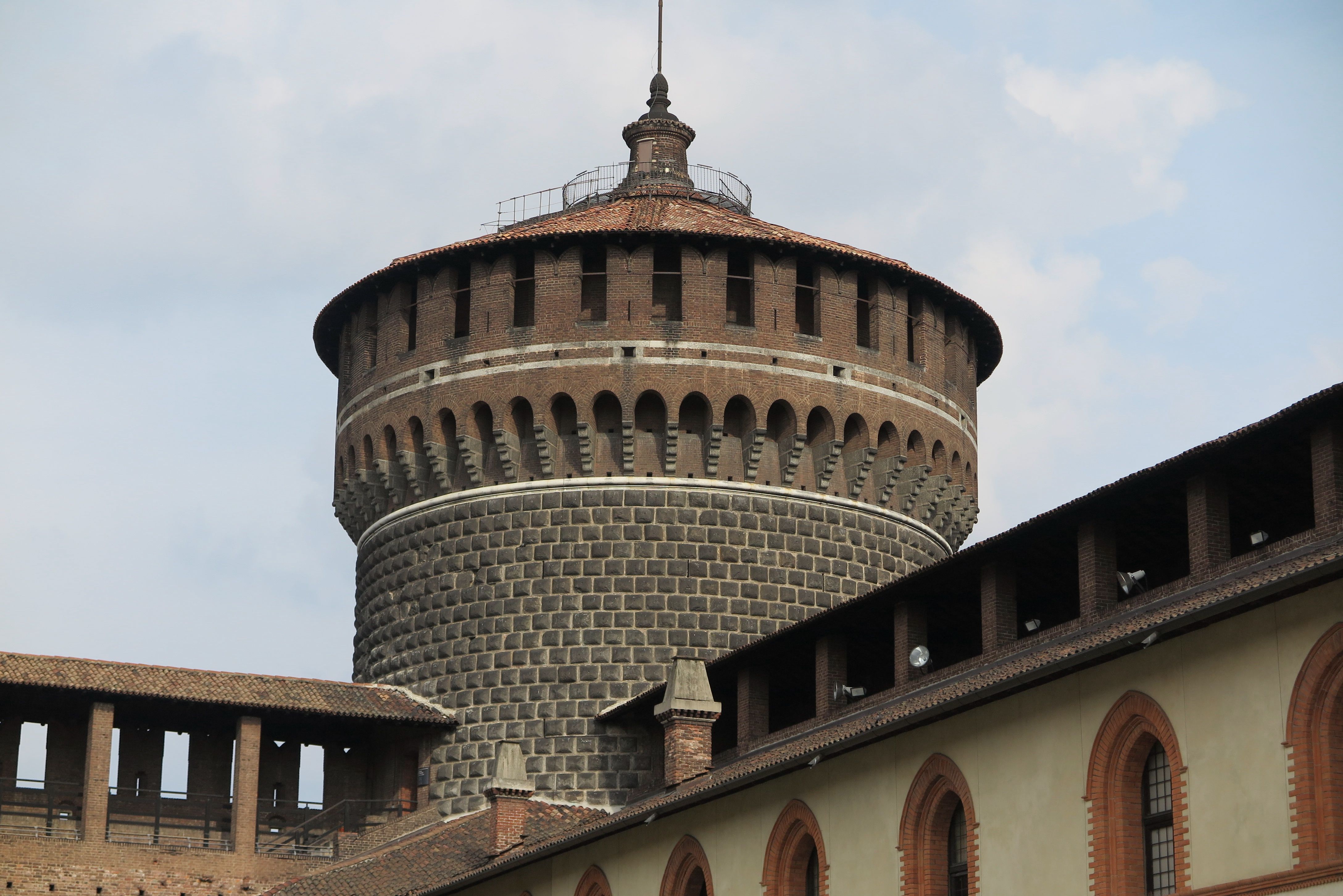
In the afternoon, we joined a guided tour to visit some of the more notable sites. We started with Sforza Castle, which was built in the 15th century and enlarged during the 16th and 17th centuries. It belonged to the Sforza family until the Spanish converted it into a citadel around the 1530s and it continued to be a military building under the Austrians and the French. After Italian unification the casted was transferred to the City of Milan. It was badly damaged during World War II and needed much restoration work. Many museums are now located in the castle. Leonardo Da Vinci painted many frescoes in this castle as Ludovico Sforza was his patron.
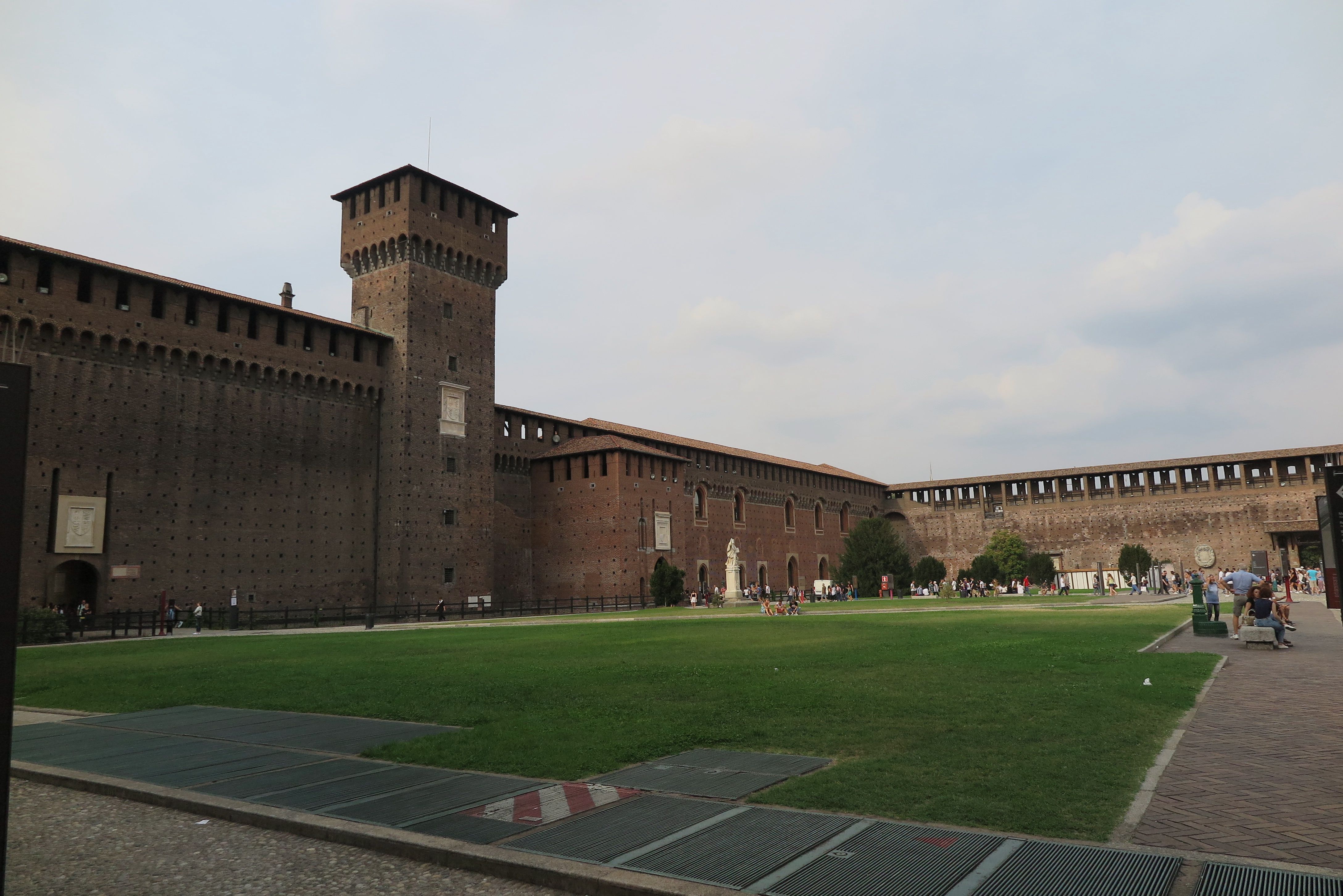
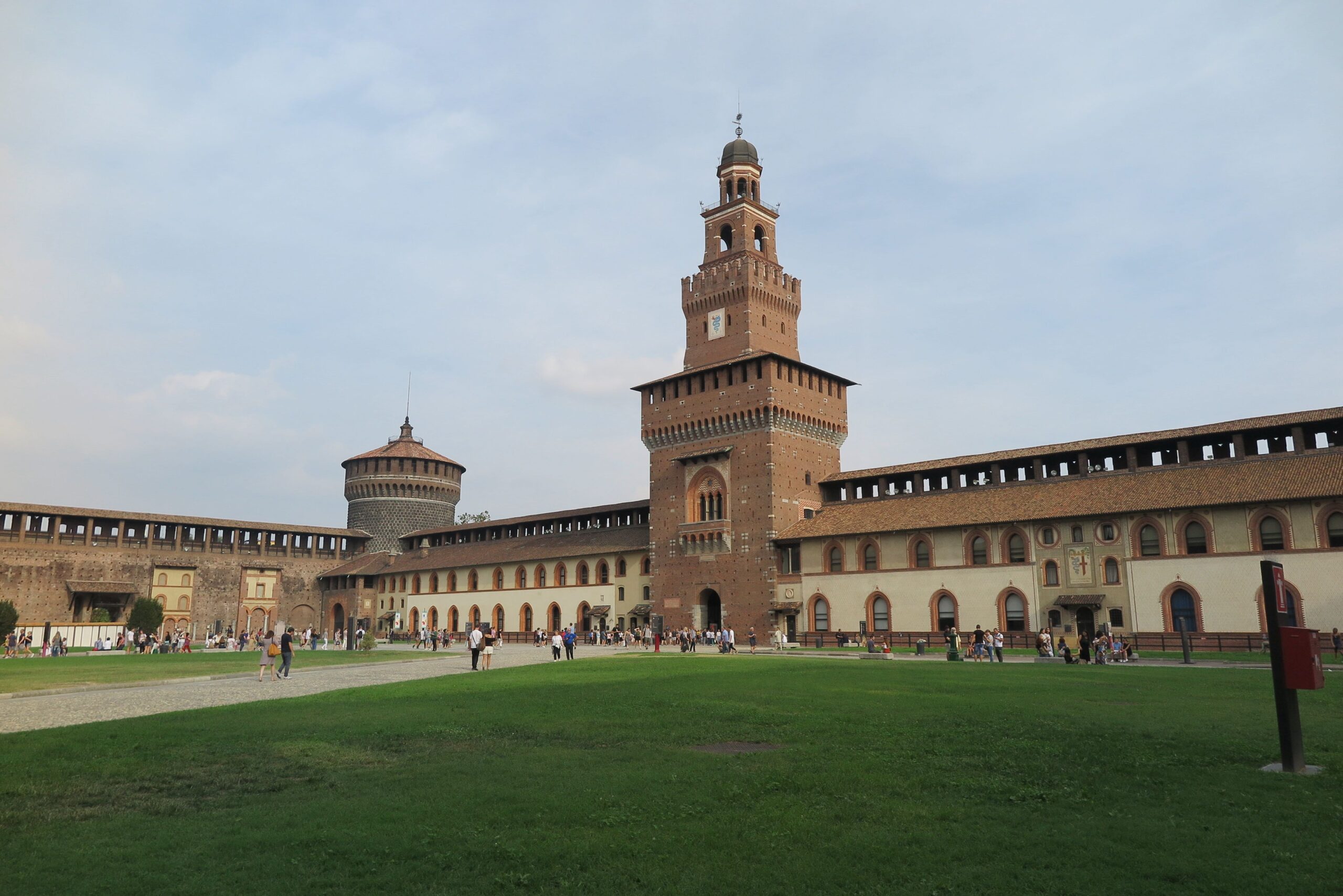
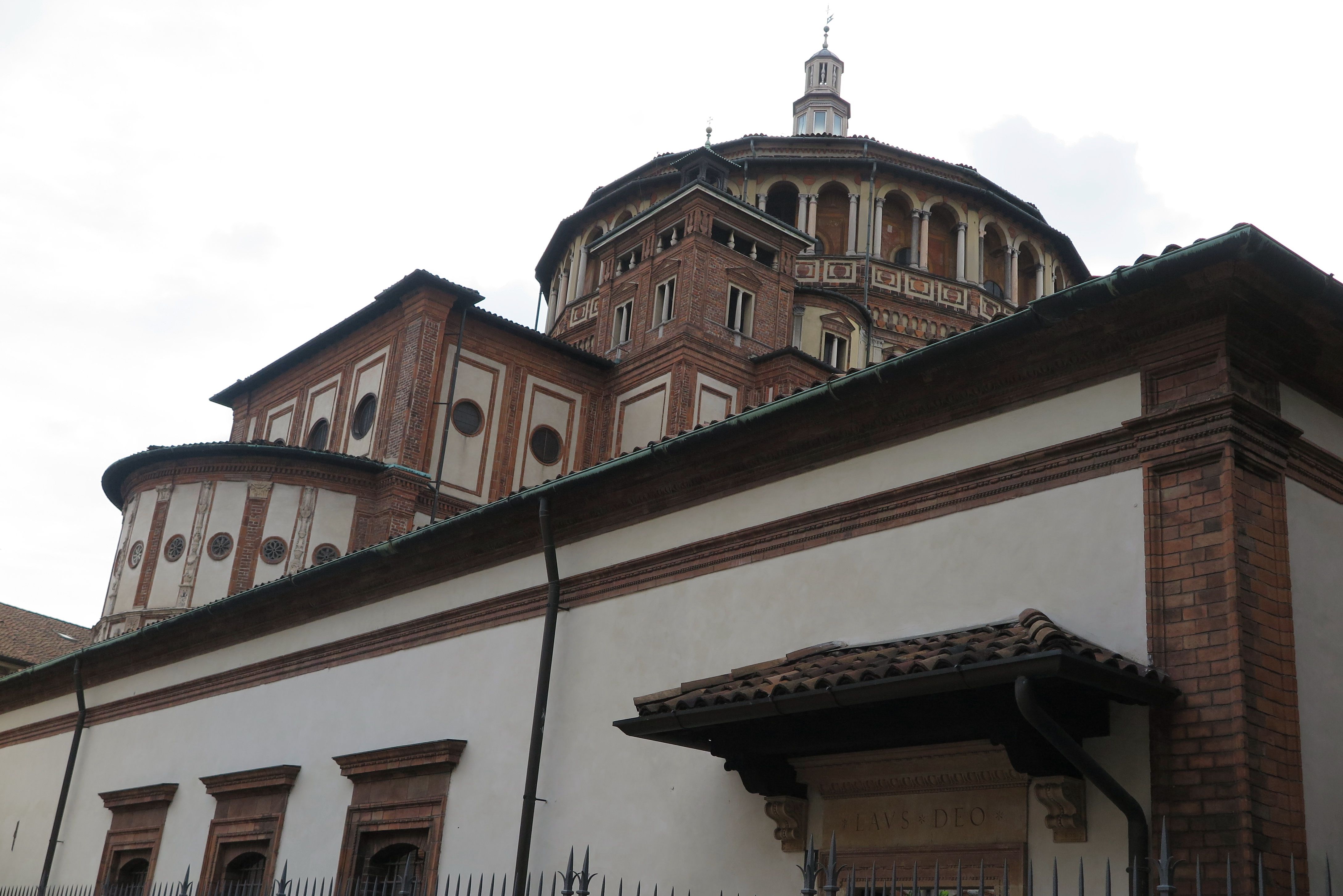
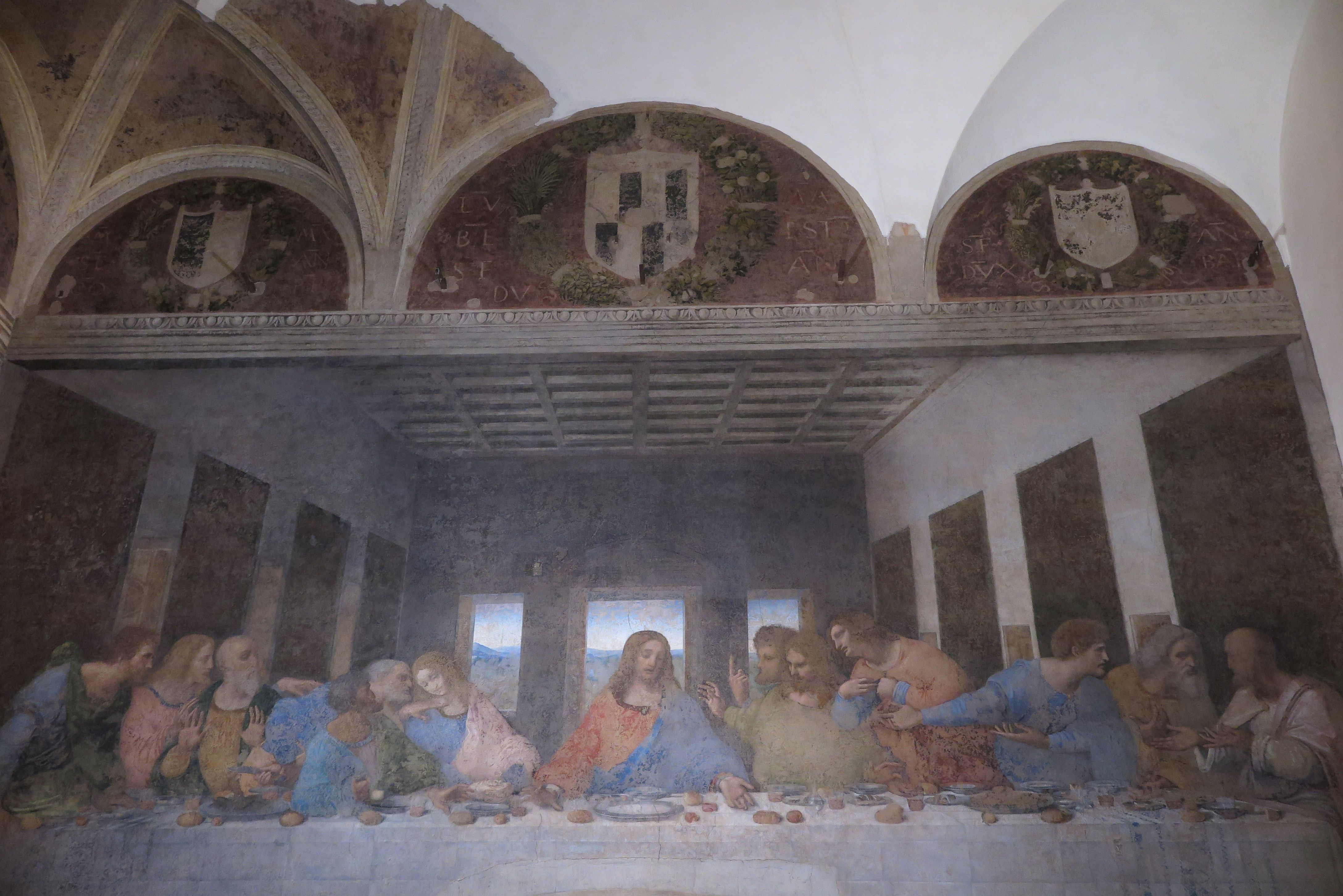
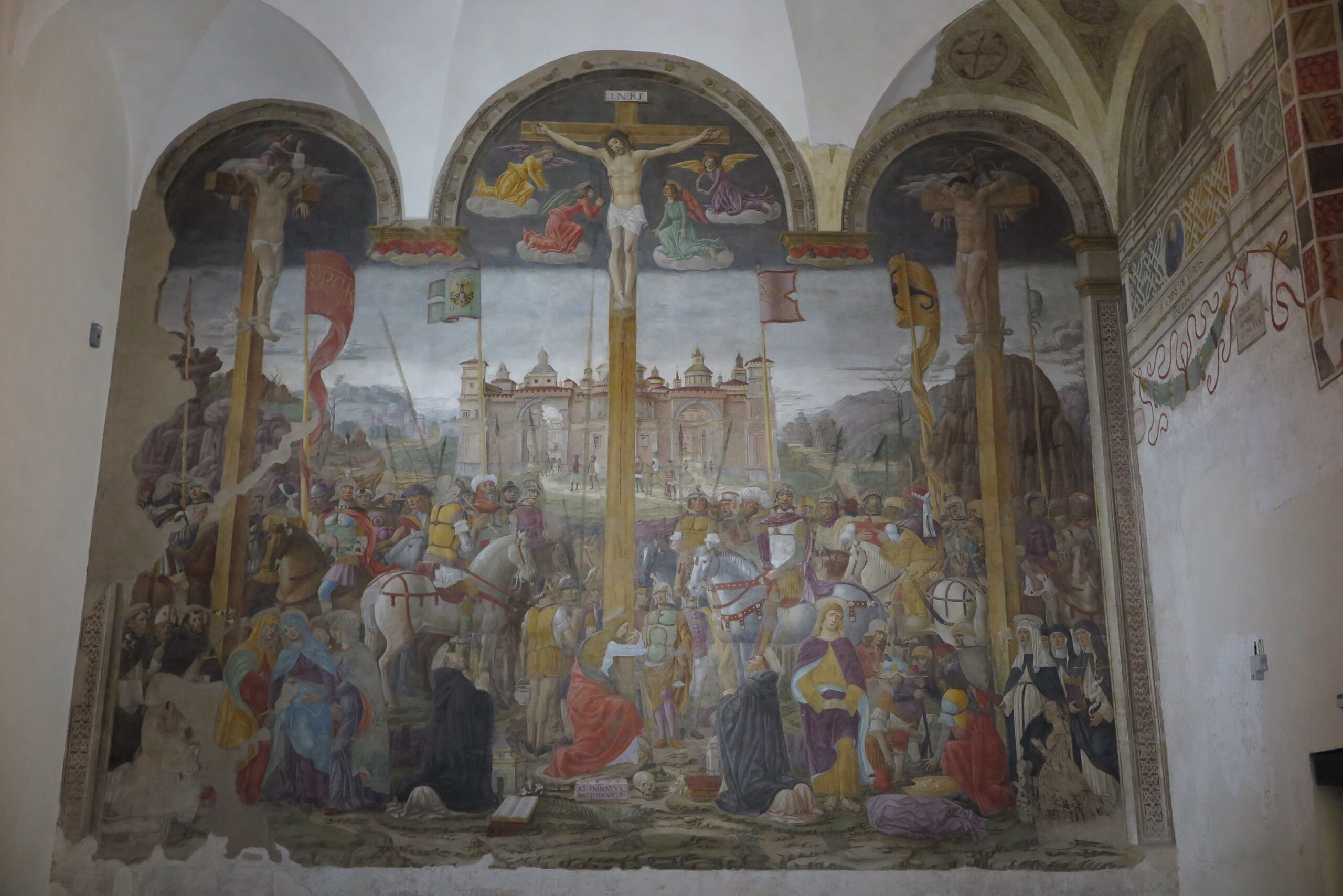
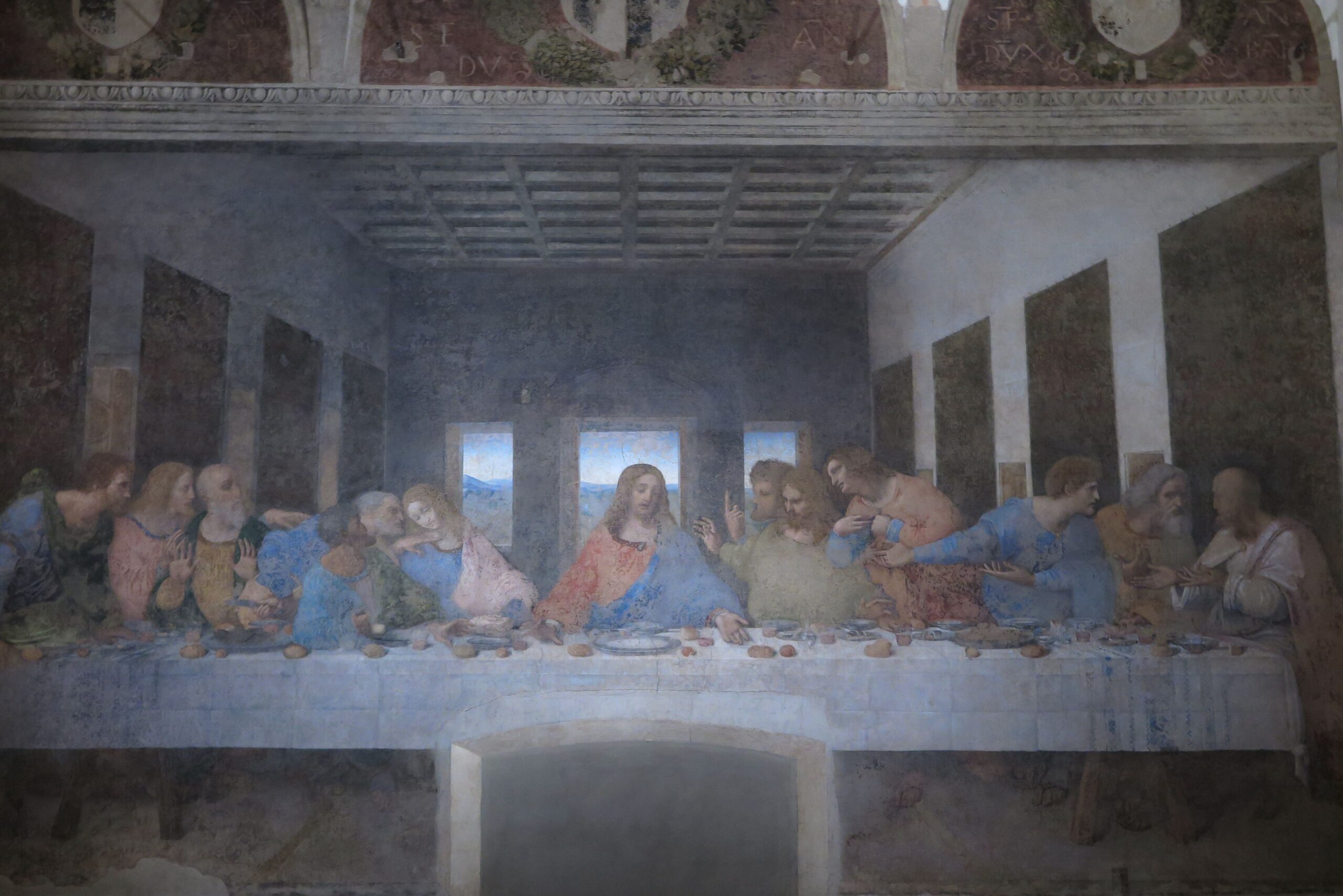
Next, we took a tram to Santa Maria delle Grazie to see the Last Supper in the convent’s refectory. We were a small group with timed tickets. We stood in line and shortly the doors opened, and a group of viewers came out. We then walked in, and the doors closed. This was a holding area until the doors to the viewing room opened. When the doors opened, we walked into the room that has two frescoes, one of which is the Last Supper and the other is the Crucifixion by Giovanni Donato. We had 15 minutes to view the frescoes. Seeing the Last Supper up close was a sublime experience and the 15 minutes were up very quickly. Unfortunately, we only glimpsed the Crucifixion as we exited. The entire process was managed with clockwork precision.
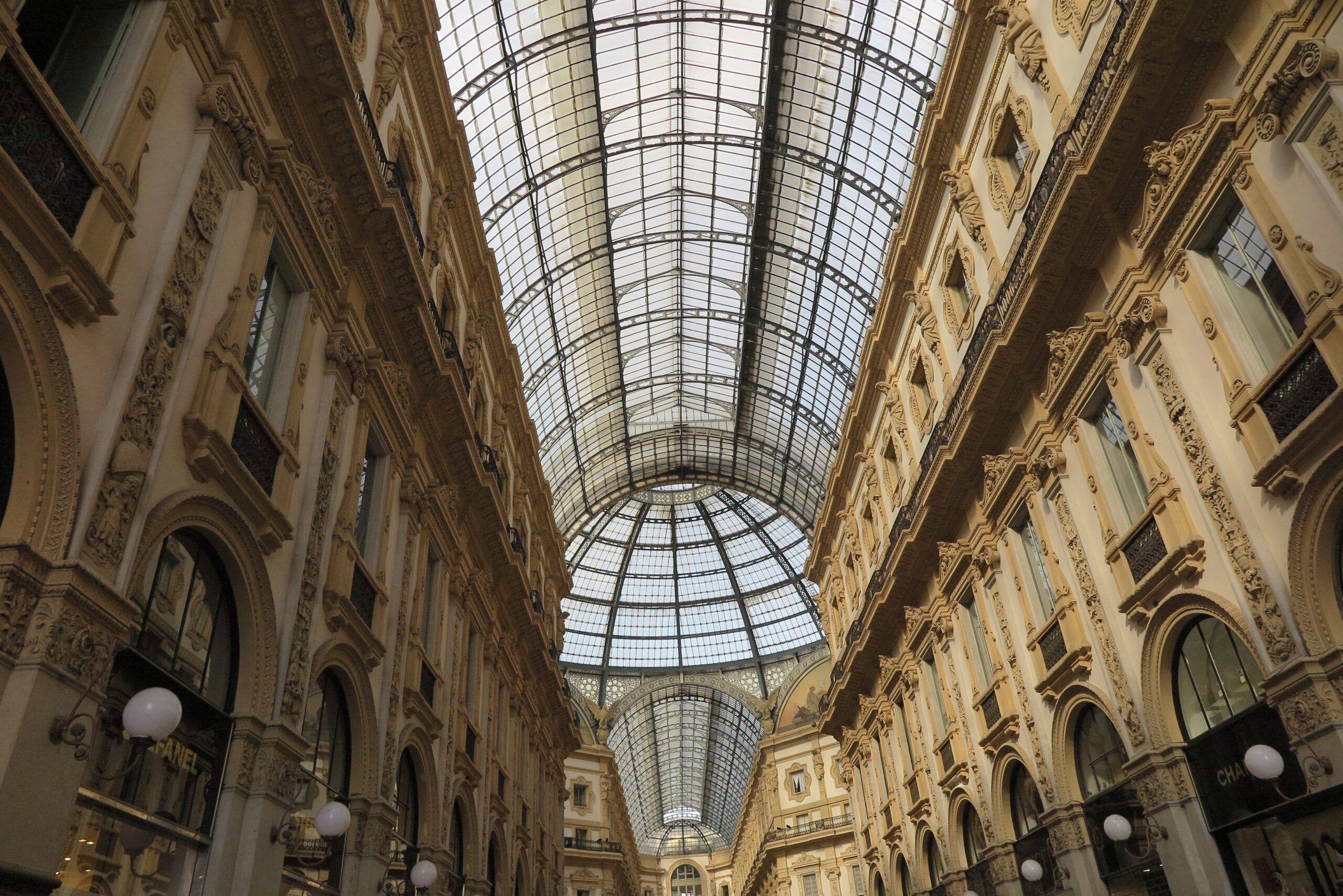
After viewing the Last Supper, we took the tram to Piazza del Duomo to visit the Victor Emmanuel II Gallery. This four-story shopping and restaurant arcade which opened in 1877 connects the Duomo to La Scala, two famous landmarks in Milan. The building is octagonal with the roof consisting of four glass barrel vaults connected to a large round glass dome. This roof was badly damaged during World War II. On the ground floor are the coat of arms in mosaic for Rome, Turin, Florence, and Milan. Tradition holds that if you place the heel of your foot on the testicles of the bull in the Turin mosaic and spin around three times, it will bring you good luck. This building was the forerunner of the modern shopping mall. There were other similar structures in Europe at the time it opened, but this gallery was the largest. And the name ‘galleria’ has since been adopted by other shopping centers.
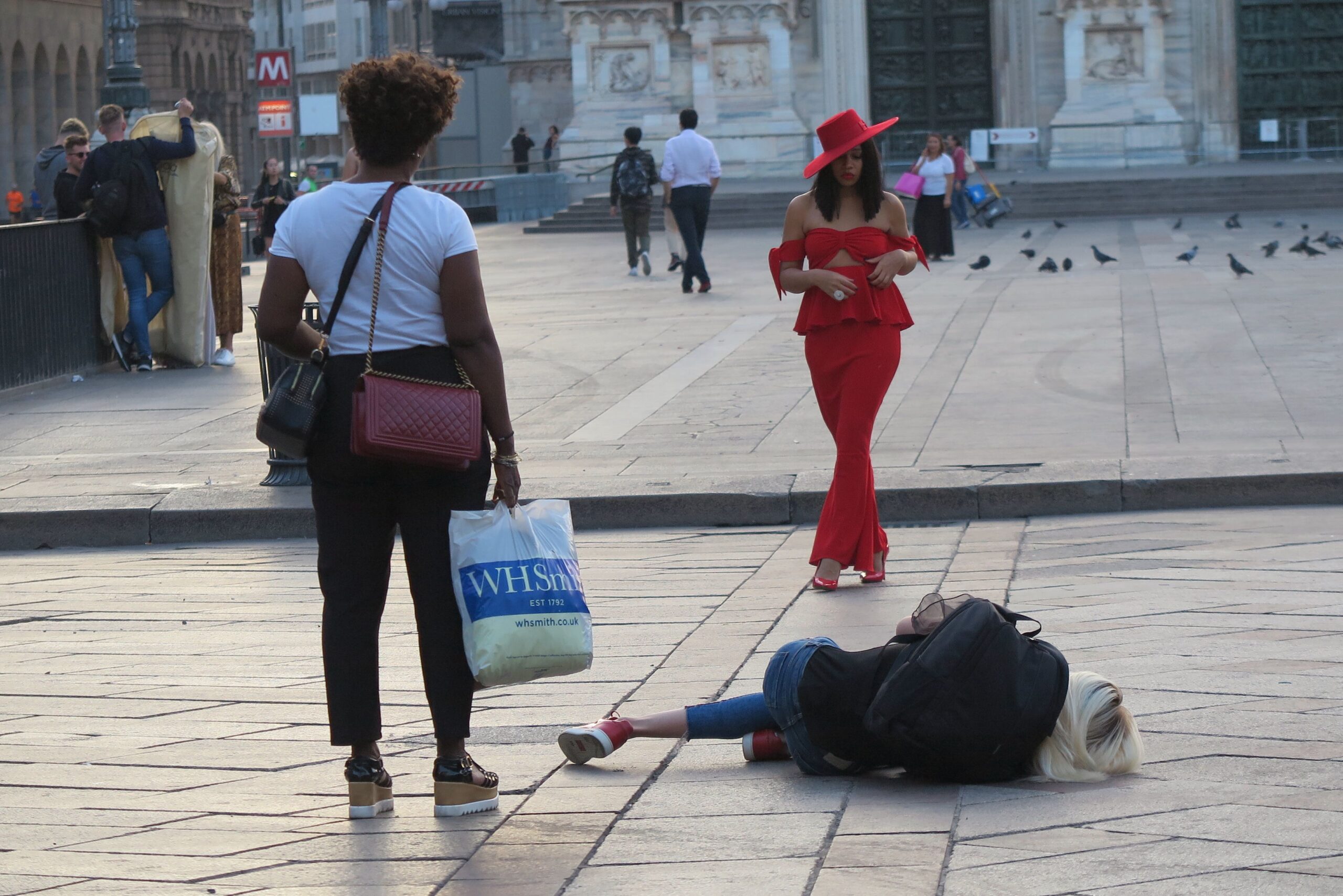
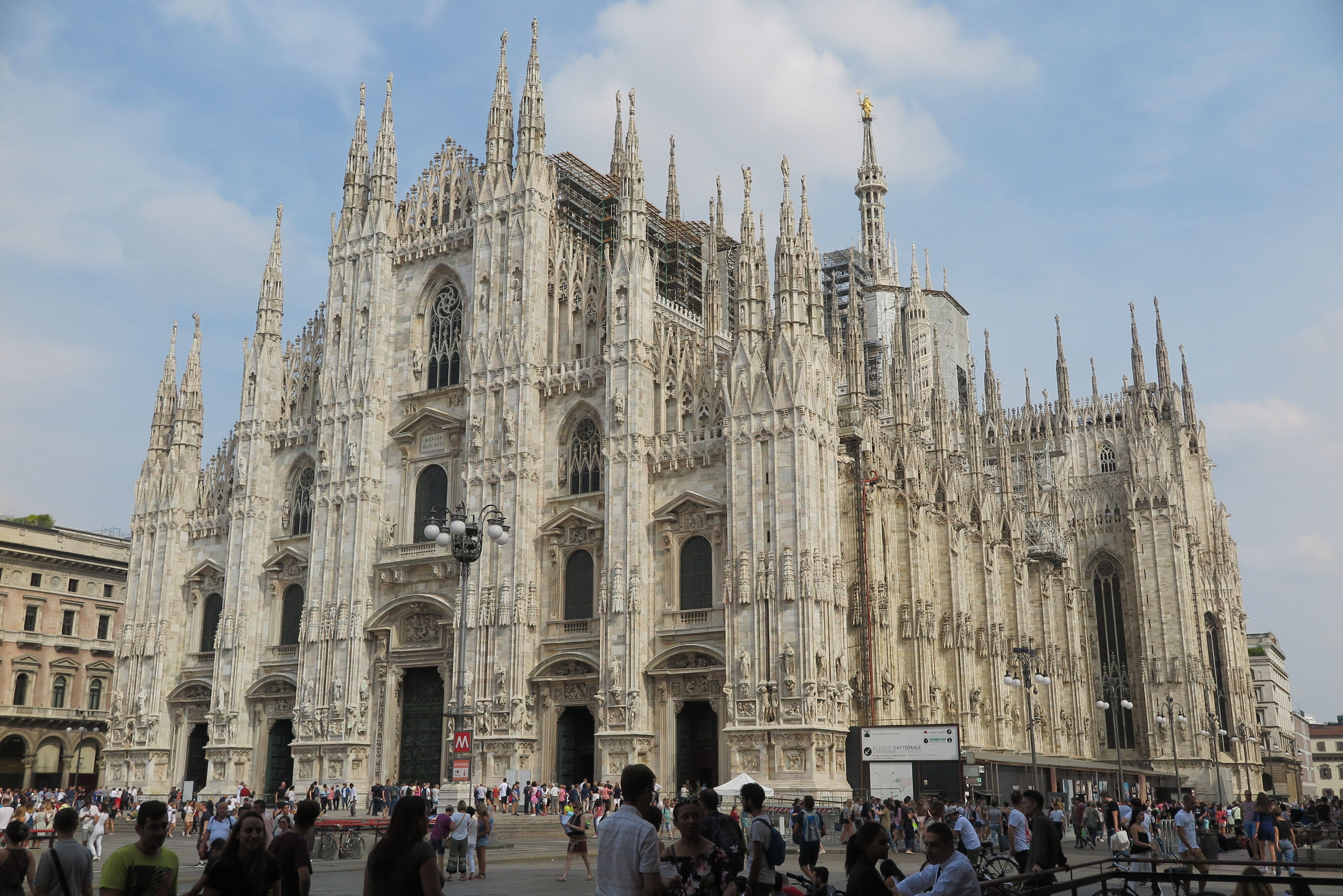
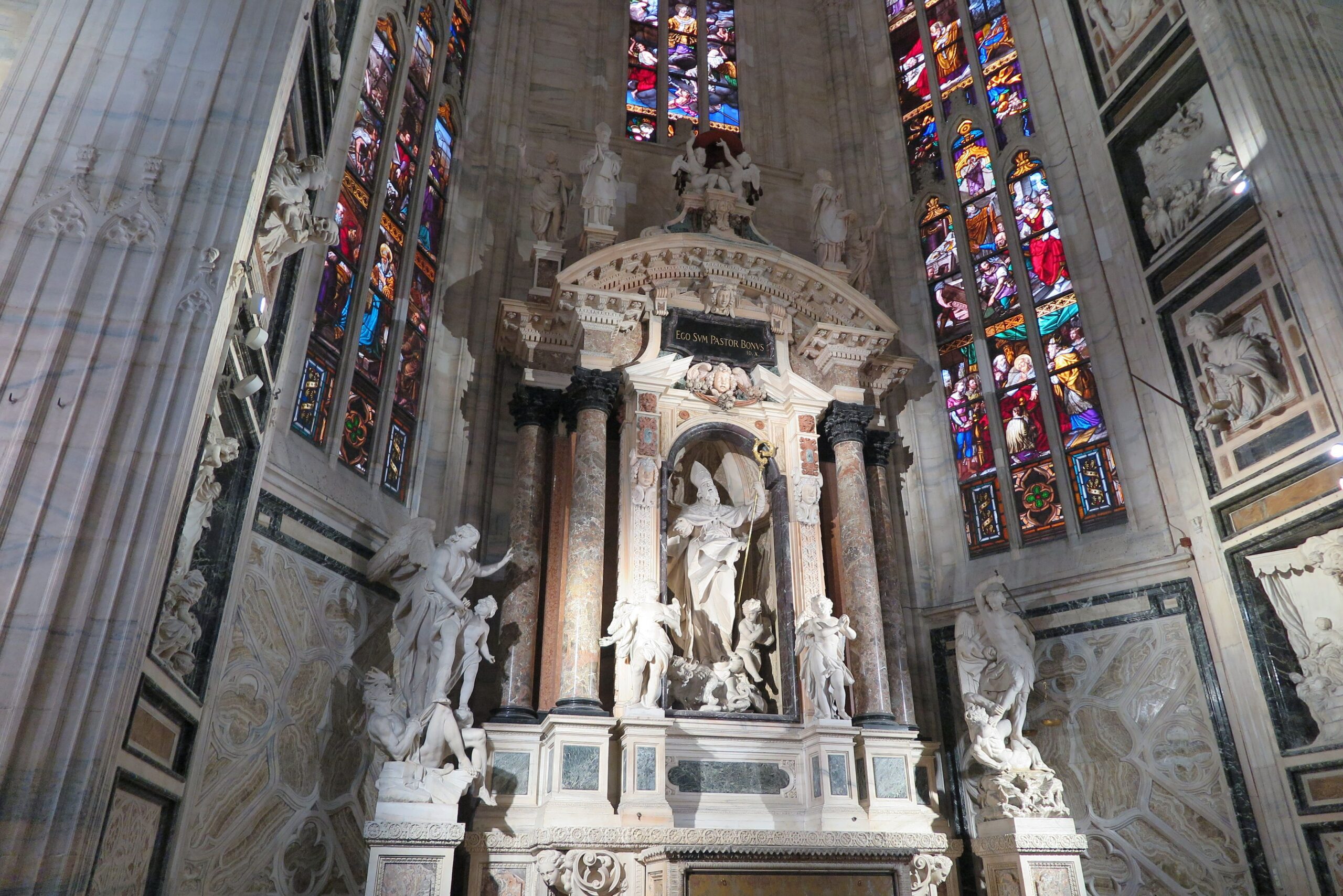
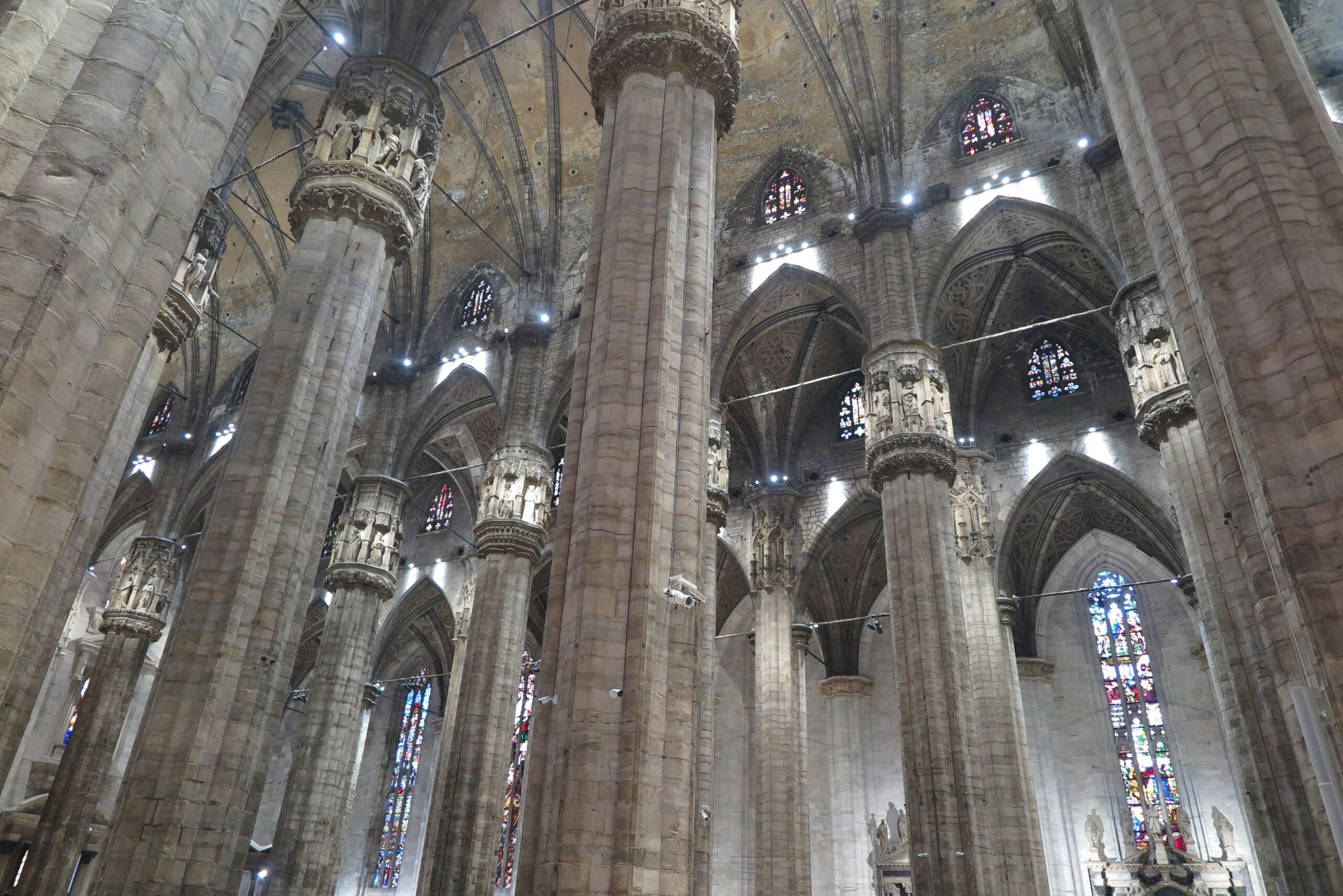
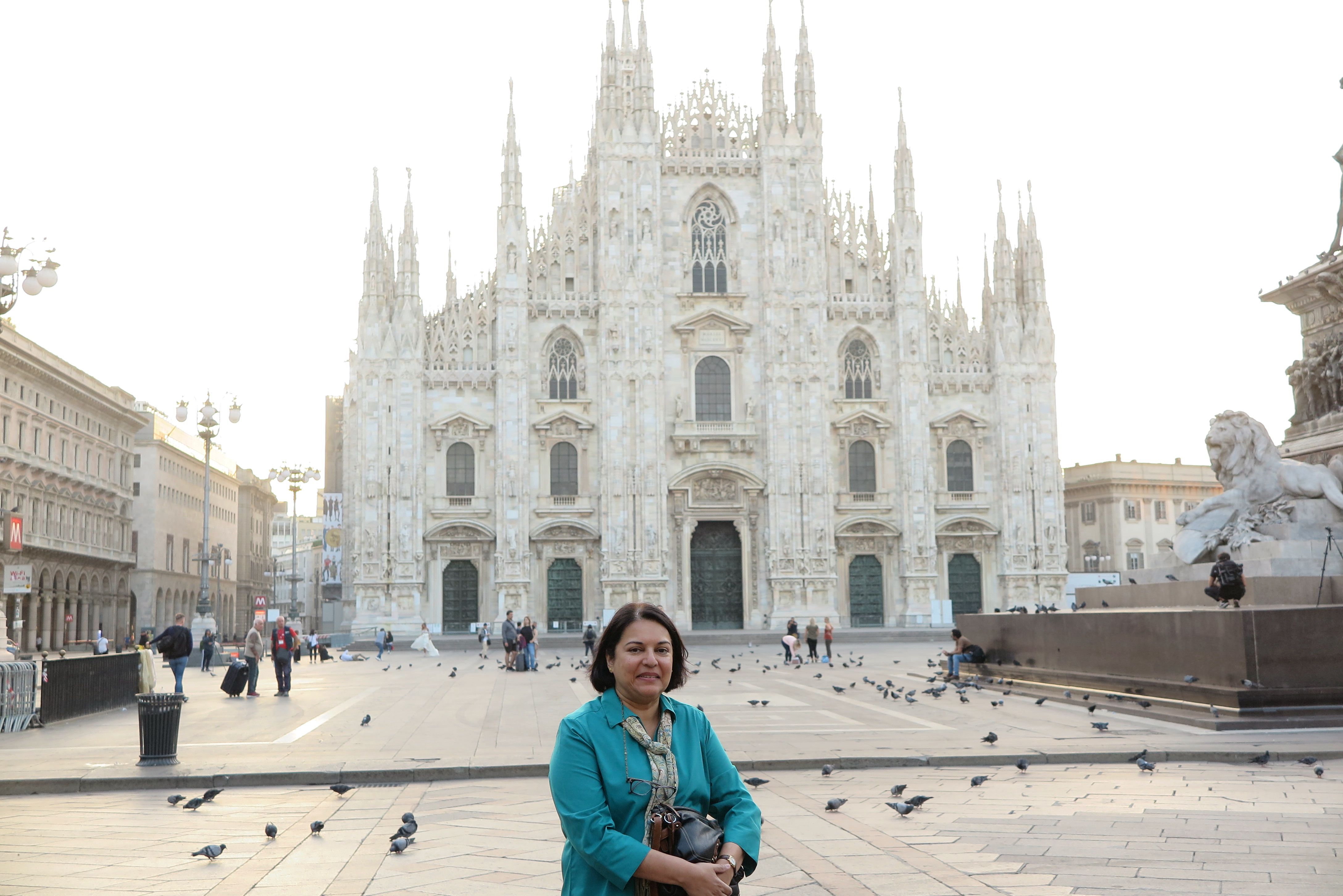
From the Gallery, we walked to La Scala. We were not able to enter as there was a fashion show being held. So, we then went back to Piazza del Duomo which by this time was teeming with people in full fashion show model. All over the place there were wannabe models posing while photographers kept clicking. We joined the queue to enter the Duomo. The Duomo which is actually the Cathedral-Basilica of the Nativity of St. Mary took six centuries to complete and is the third largest church in the world, depending on the criteria used to measure. A mass was in progress and so we were not able to walk around as we would have liked to. Also, there were a lot of security people posted all over which made it harder to explore and the cordoning of the worshippers from the tourists did not help either. For example, we asked to view the Holy Nail from the True Cross. This nail is usually kept in the apse but is exposed for two weeks every year as part of the Rite of Nivola (the nivola is the lift-like apparatus that is used to bring the nail down from the apse). However, we were told to return the next day, as the cathedral was closing—a disappointing end to our visit, as we were leaving Milan the following morning. There were about 100 people in the cathedral at the time, while in the piazza there were at least 1000. Our overall impression was that the exterior of the building was a lot more impressive than the interior.
A Day Trip to Lake Cuomo – September 23, 2018
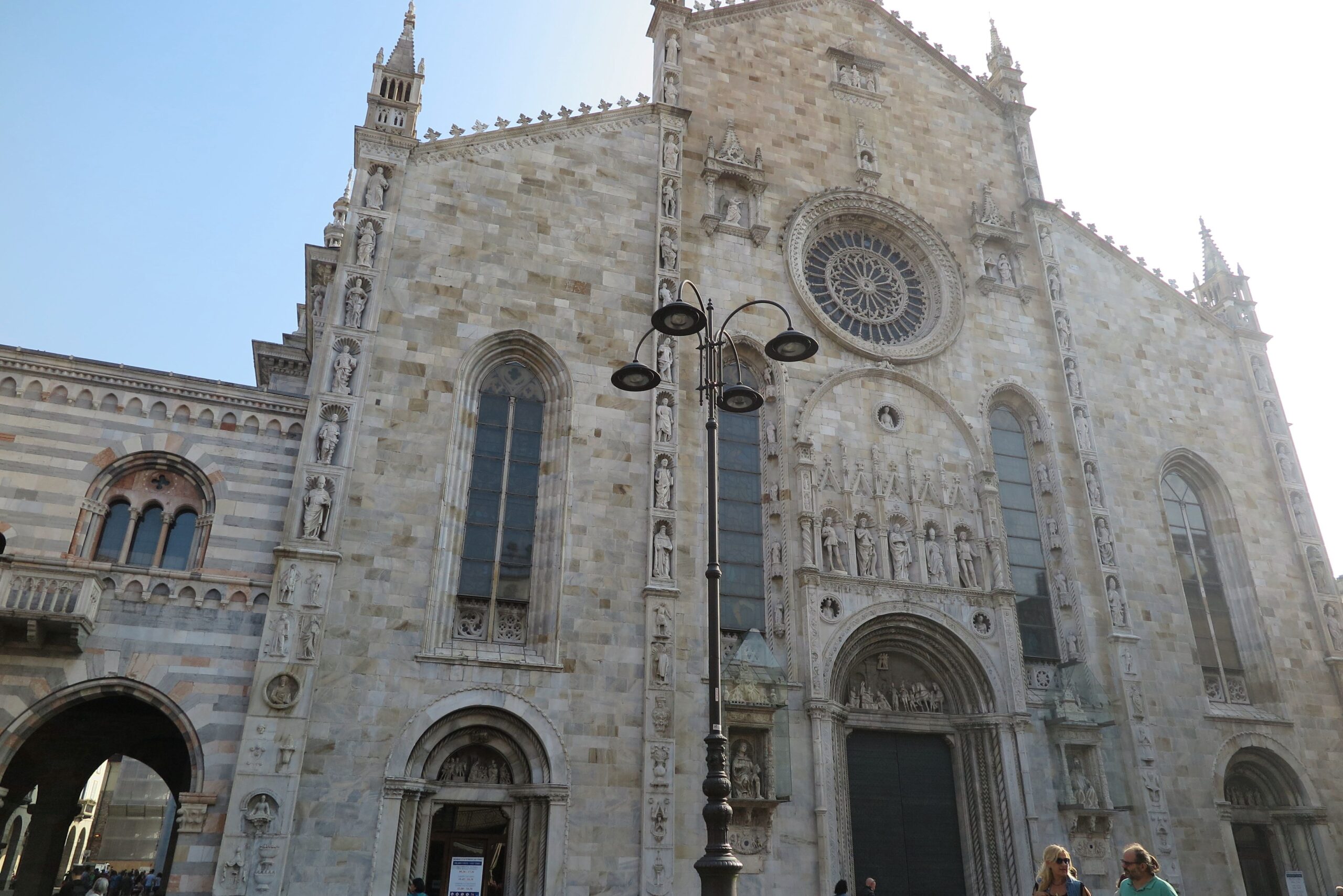
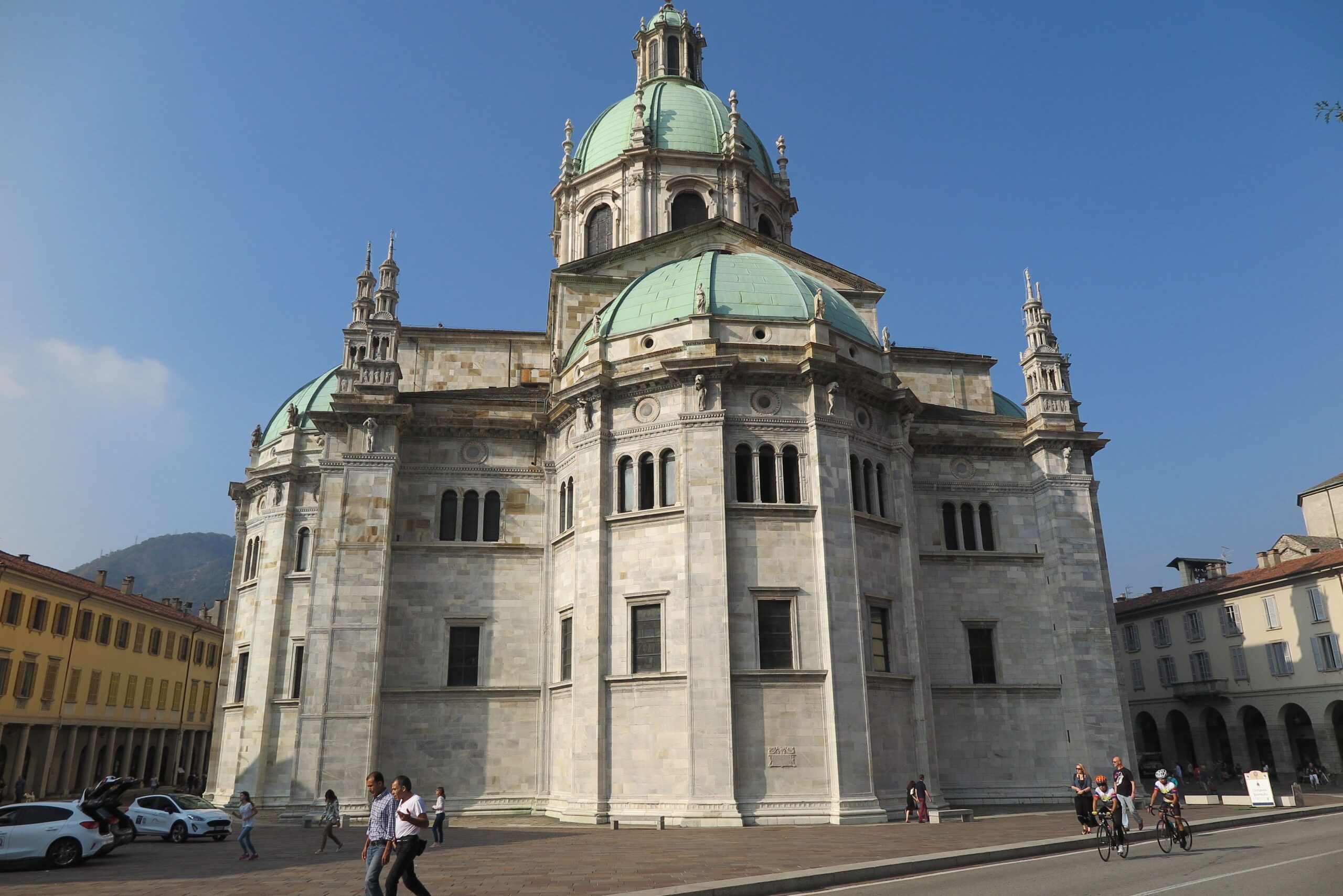
After breakfast this morning, we went on a day trip to Lake Como. The bus ride to Como was fairly long. Our first stop was a visit to the Como Cathedral or the Duomo di Como. Construction of this cathedral began in the 14th century and was completed in 1770. The western façade has two statues, one of Pliny the Elder and Pliny the Younger both of whom were Como natives. The cathedral is dedicated to the Assumption of the Blessed Virgin Mary. It has nine magnificent tapestries woven in the 16th century in Ferrara, Florence, and Brussels.
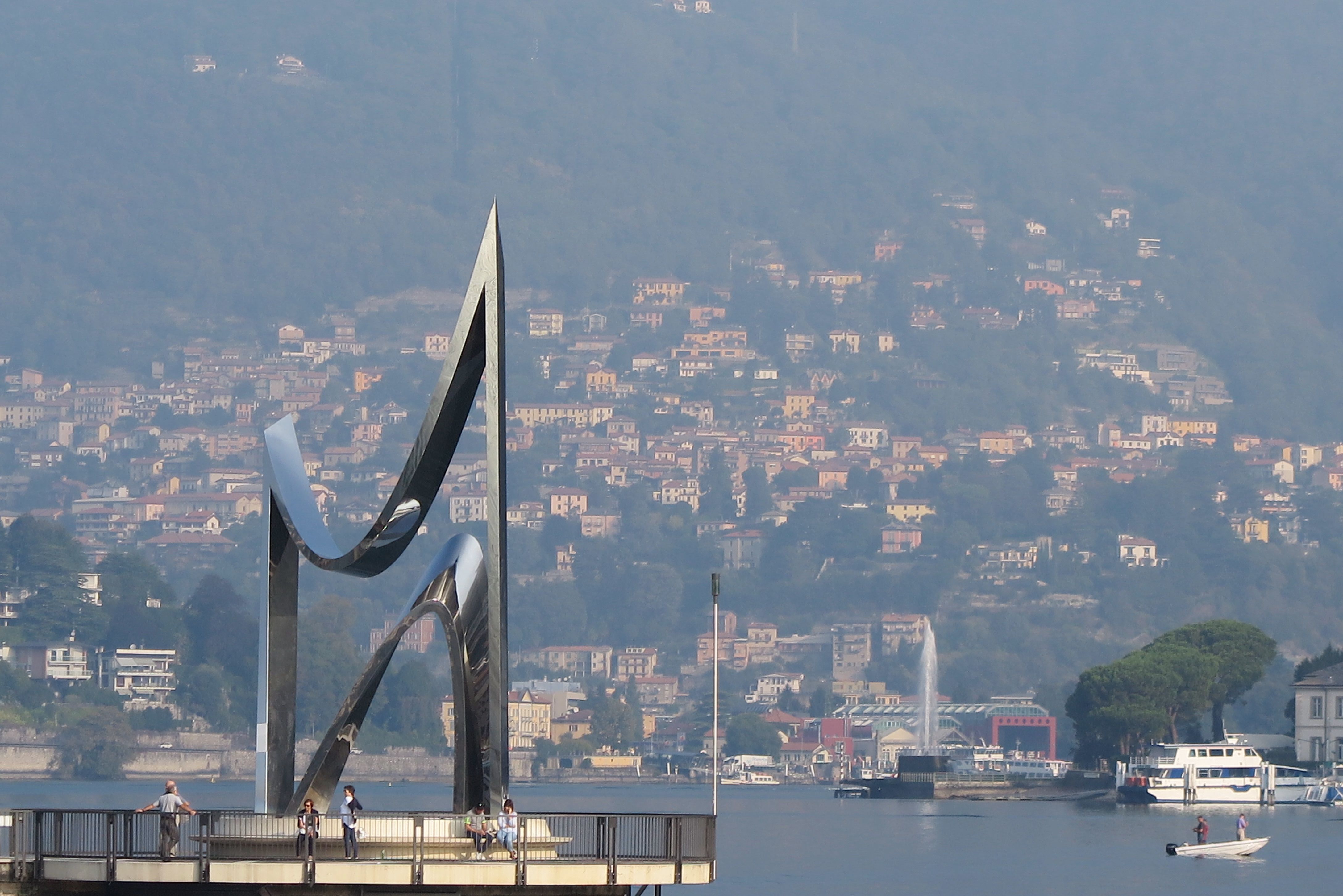
After our visit to the cathedral, we spent some time in the town. Our next stop was at the Villa Olmo to view the Italian garden. We then took a boat ride on Lake Como to view the beautiful villas and the stunning scenery. We even passed by George Clooney’s villa. Sadly, we did not see a glimpse of him.
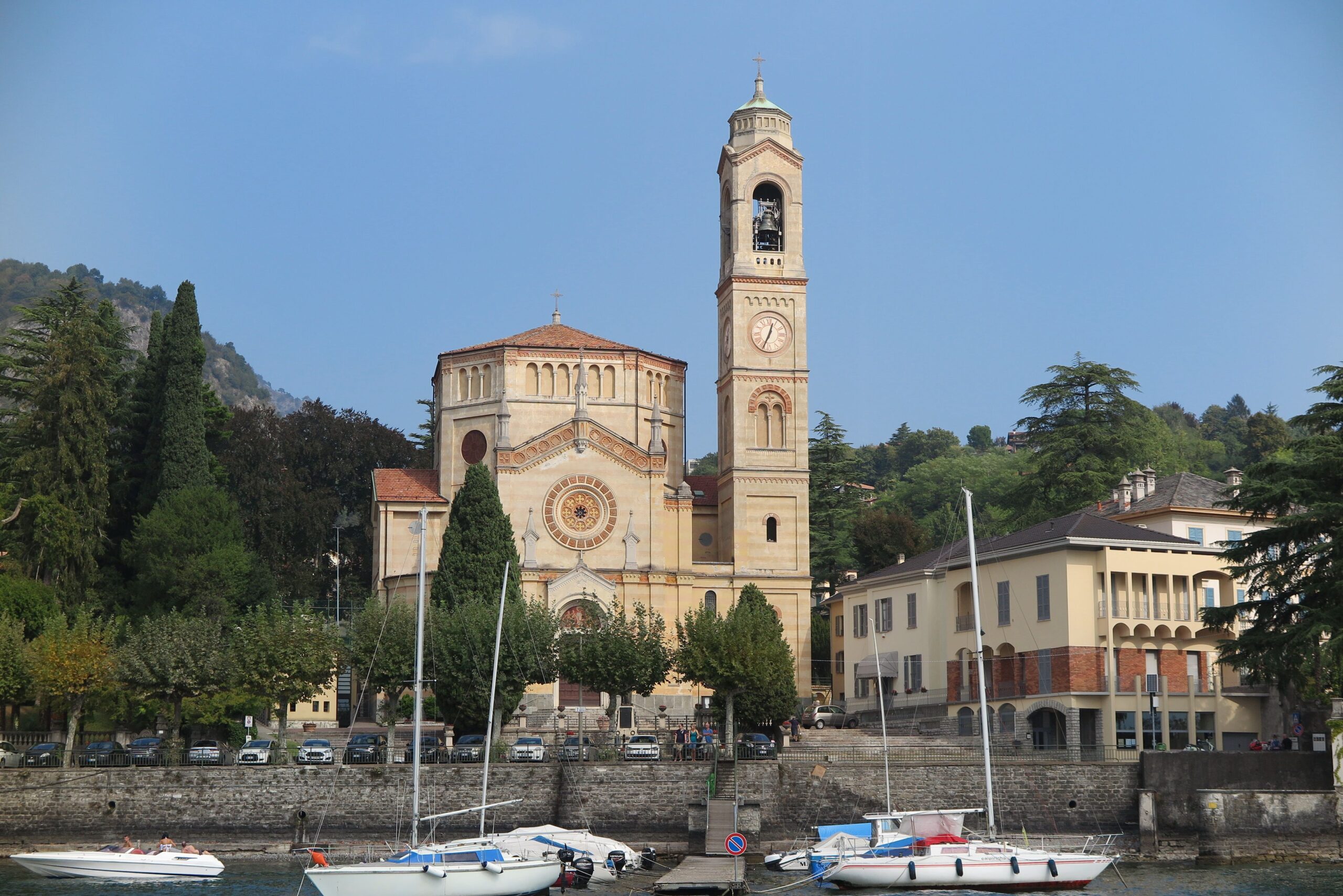
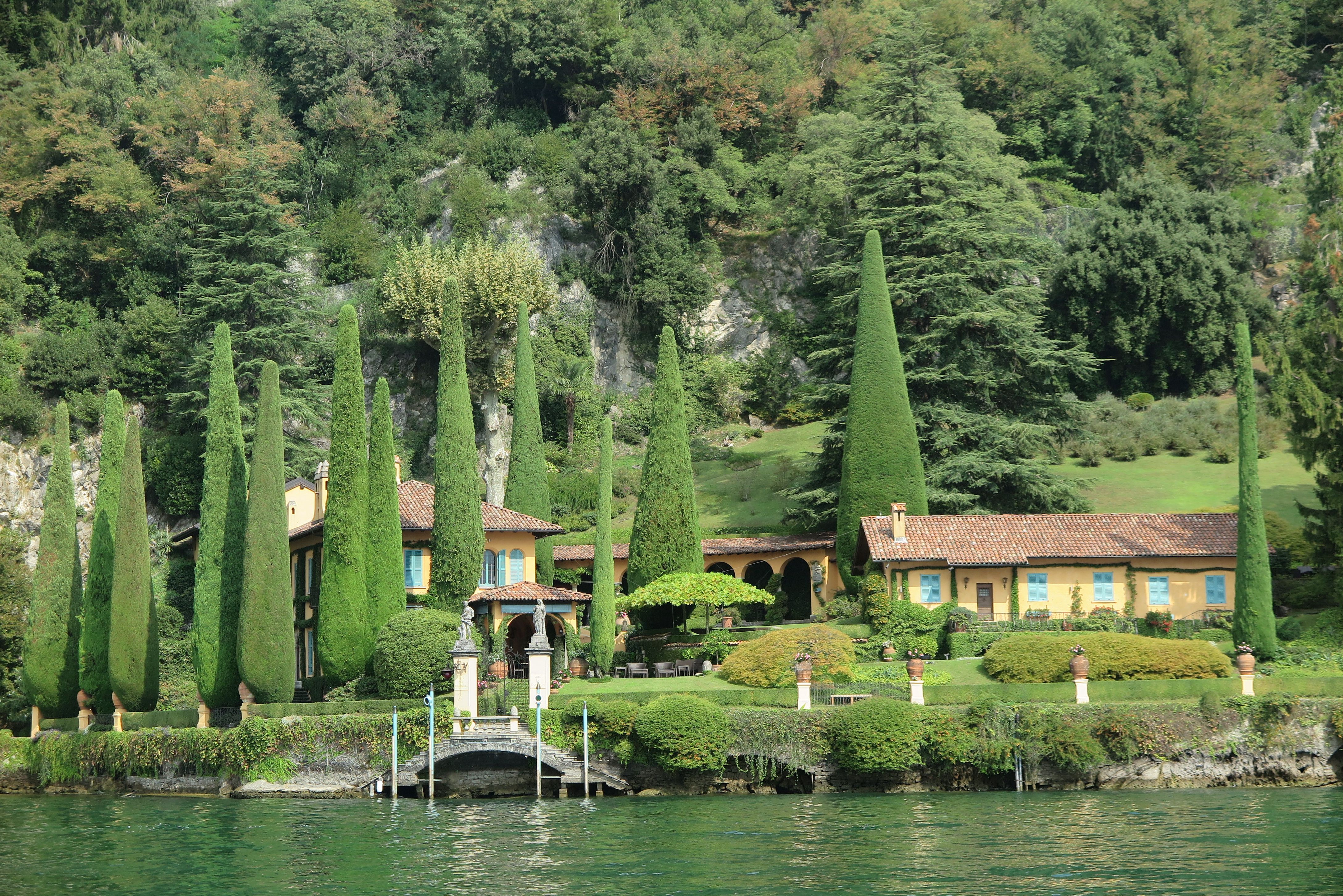
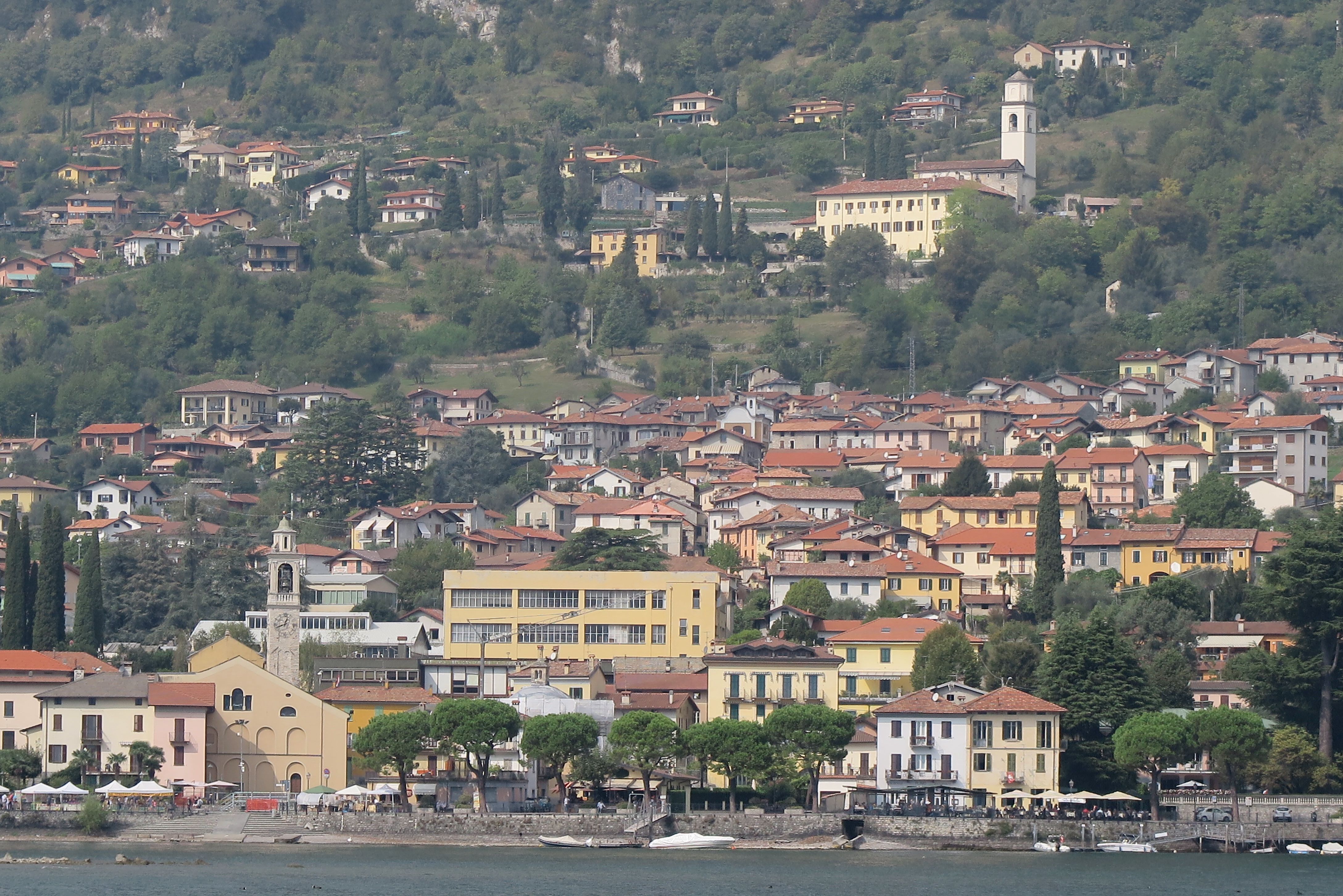
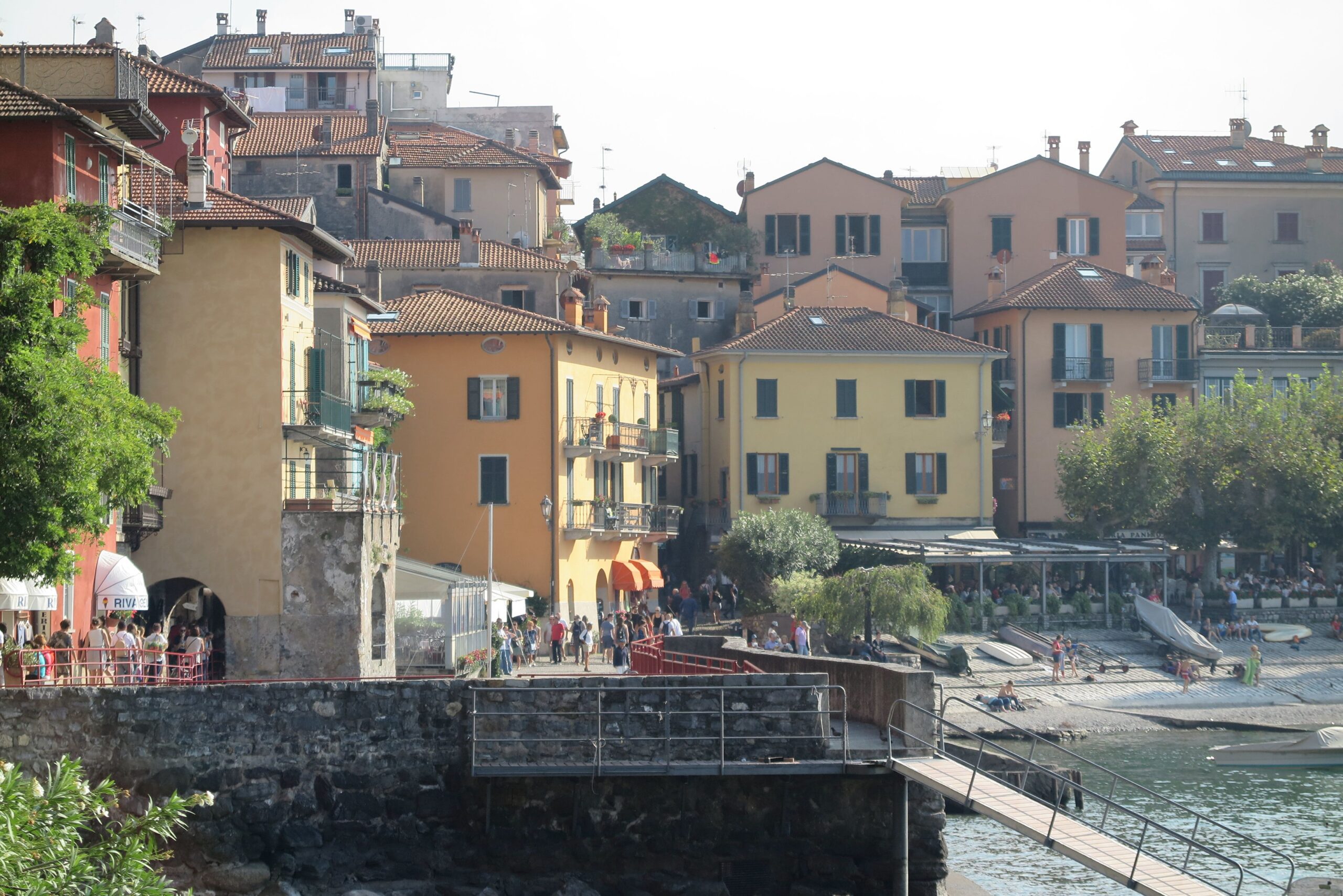
We stopped for lunch at Bellagio and had a wonderful time shopping in the town. We bought several small mosaic items from two charming sisters who had the most delightful shop chock full of things you could do without. Late afternoon we returned to Milan to pack and prepare for our journey home.
Ciao and Homeward Bound – September 24, 2018
At the end of a memorable vacation, our flight home from Milan’s Malpensa International Airport was uneventful.