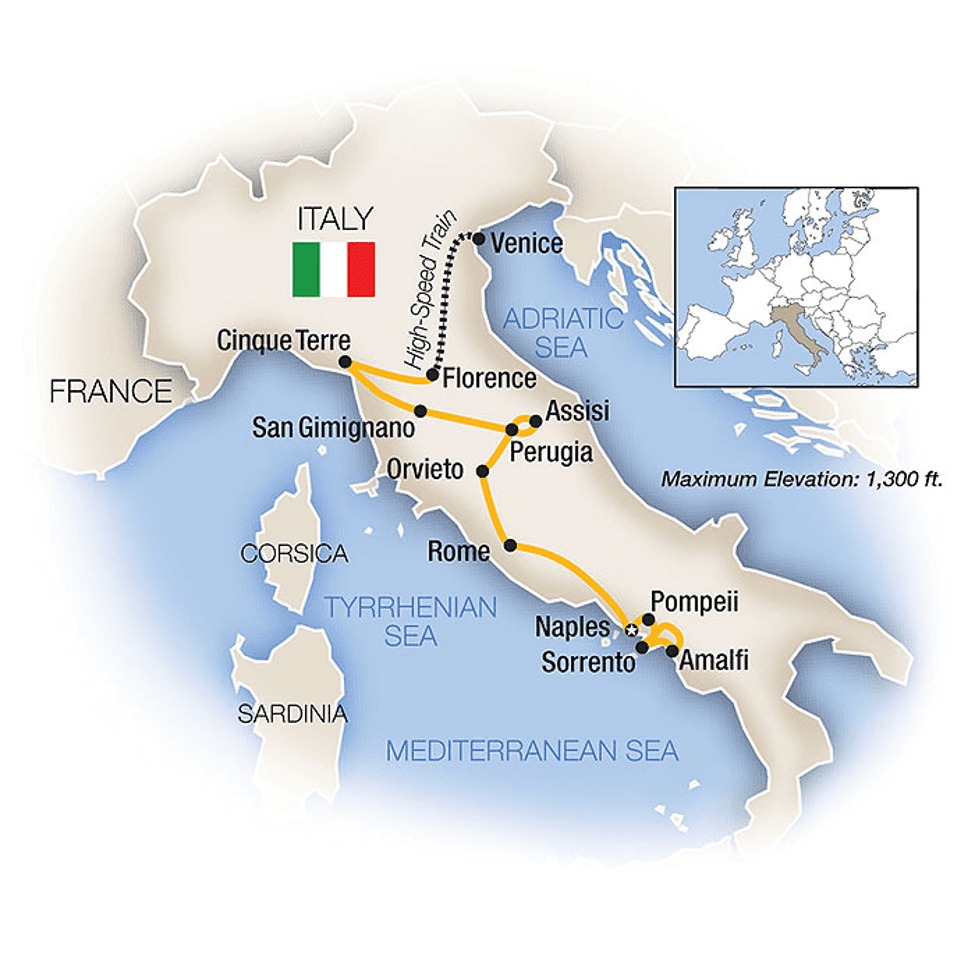
Arrival in Naples – September 5, 2012
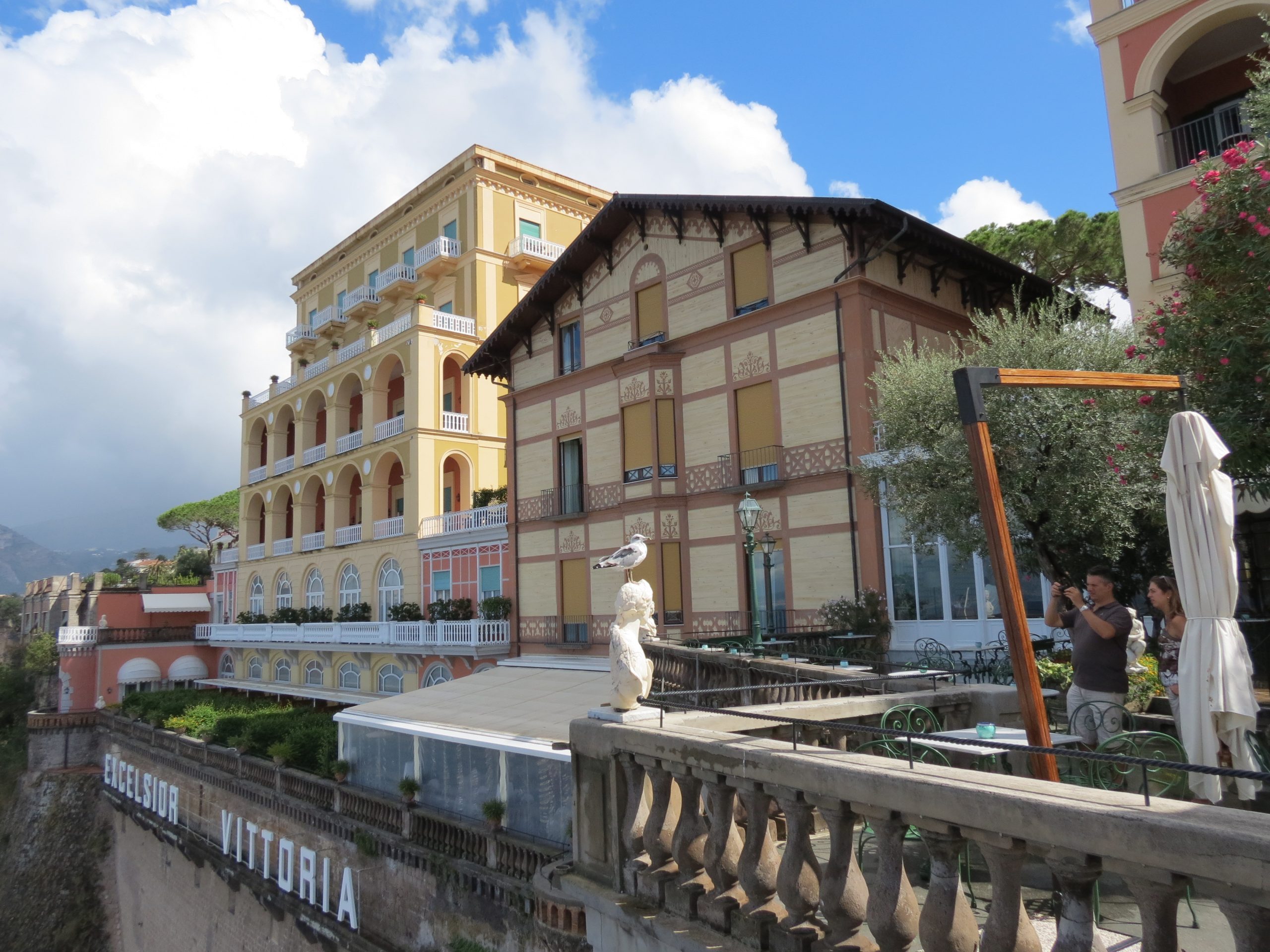
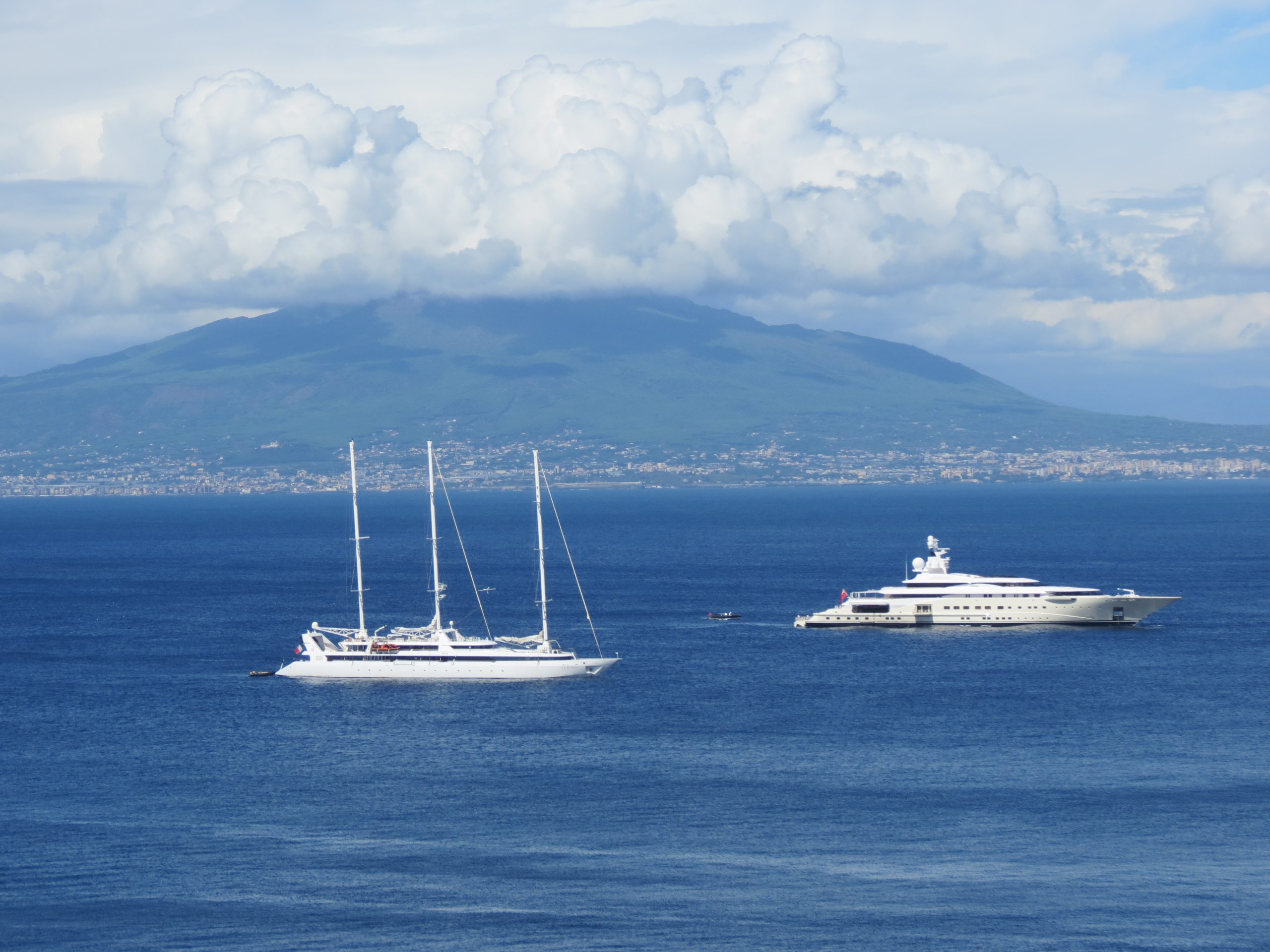
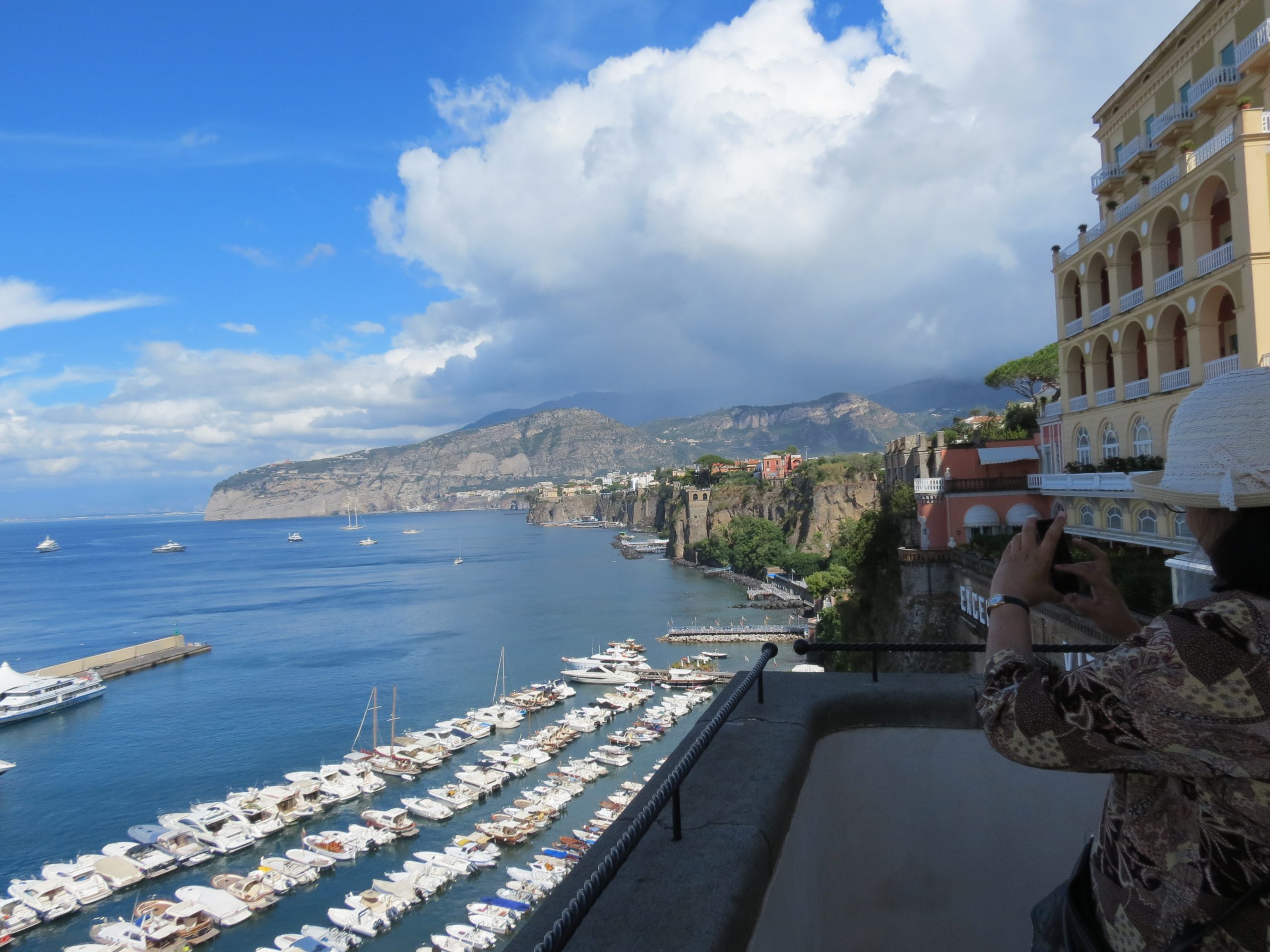
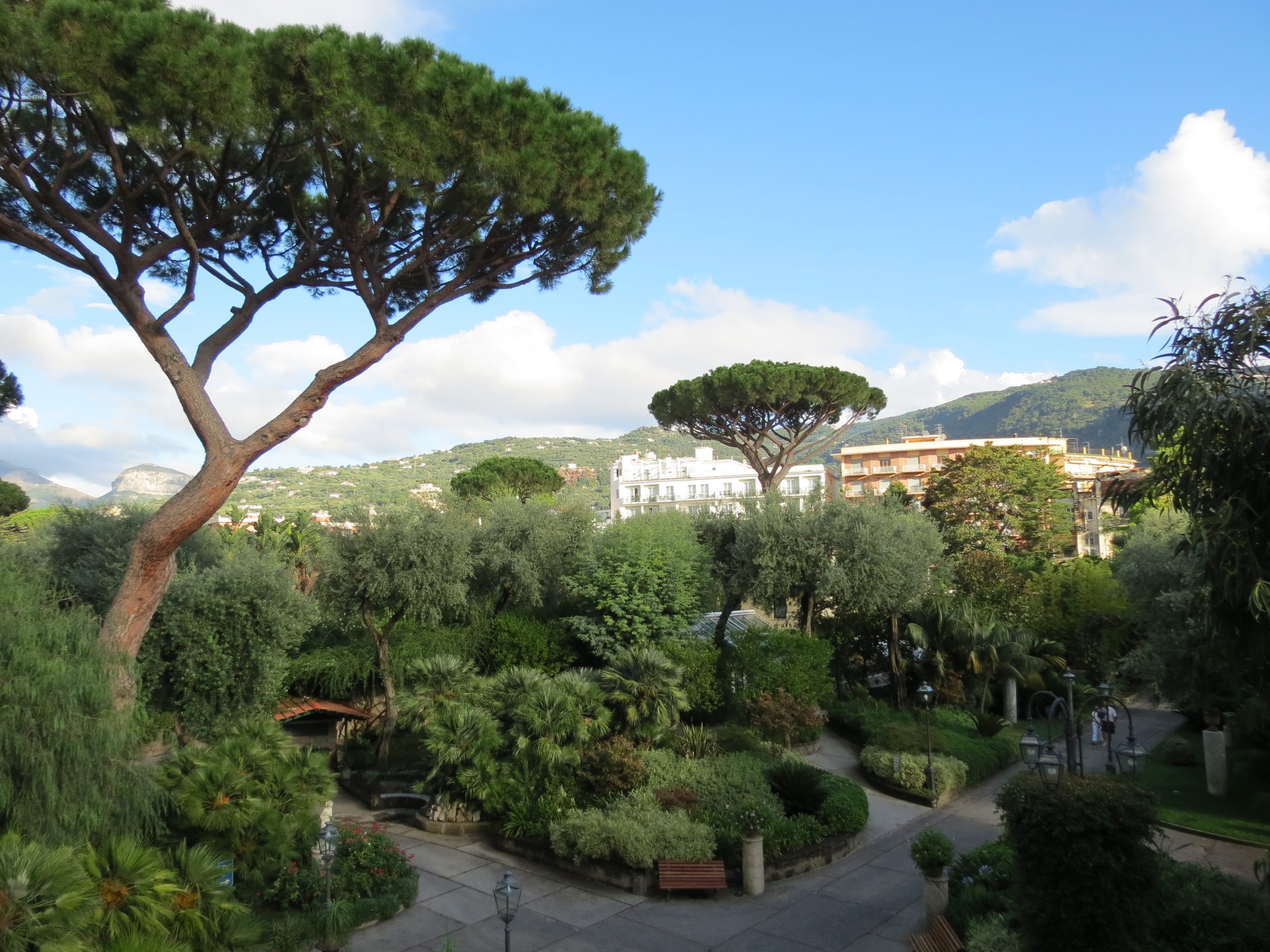
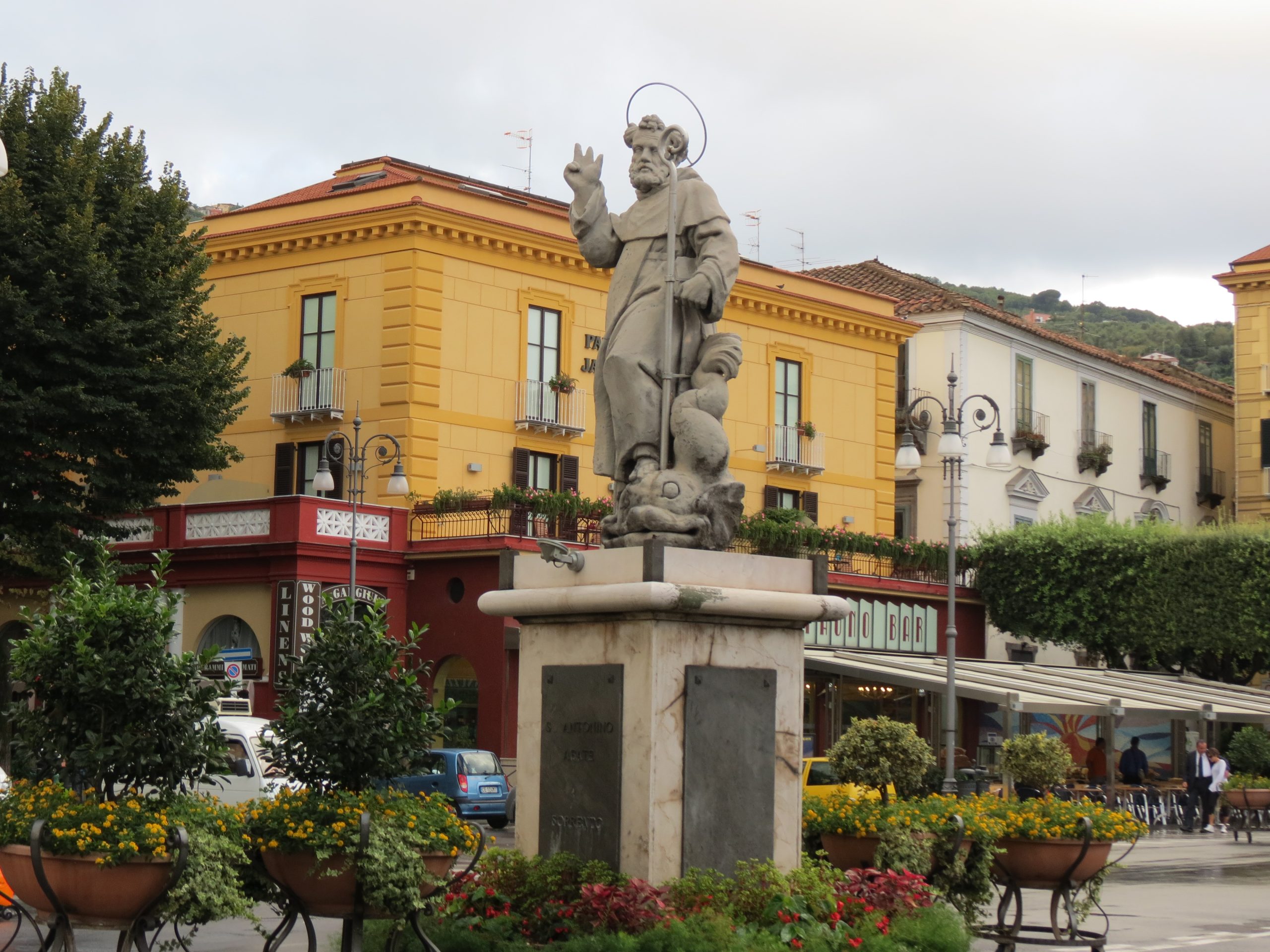
After landing at Naples International Airport, we drove to Sorrento and checked in at the Grand Hotel Excelsior Vittoria on the Bay of Naples. The hotel is stunning, with numerous yachts anchored below and the majestic Vesuvius in the background. The streets outside are lined with lemon trees and the lemons are impressively large. Albert jokingly remarked they must be on steroids. Sorrento is renowned for its lemons (think limoncello) and its exquisite cameos. Later in the evening, we met with our fellow travelers for a cocktail welcome reception and dinner.
Amalfi Coast Delights: A Day of Culinary and Cultural Exploration – September 6, 2012
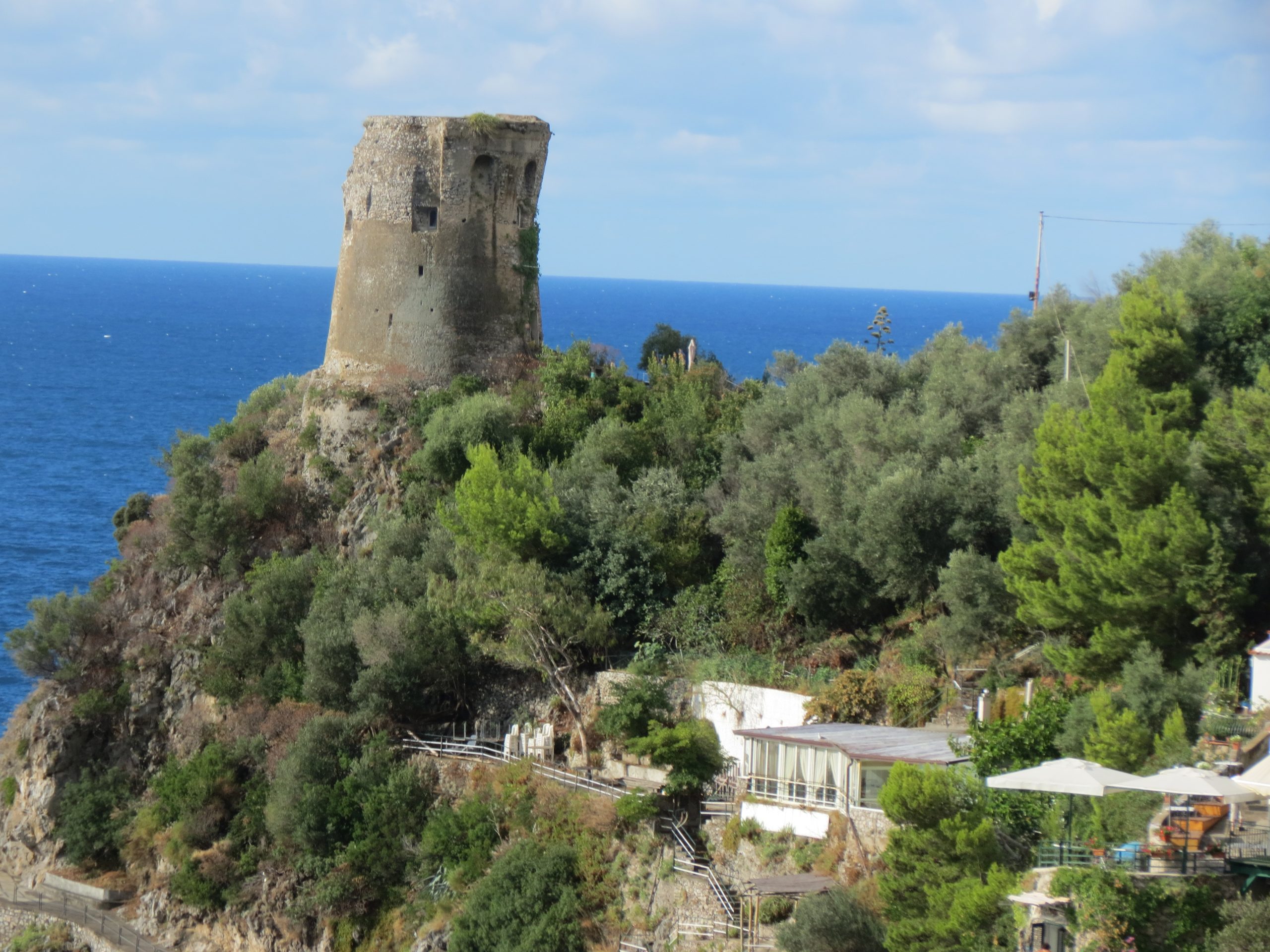
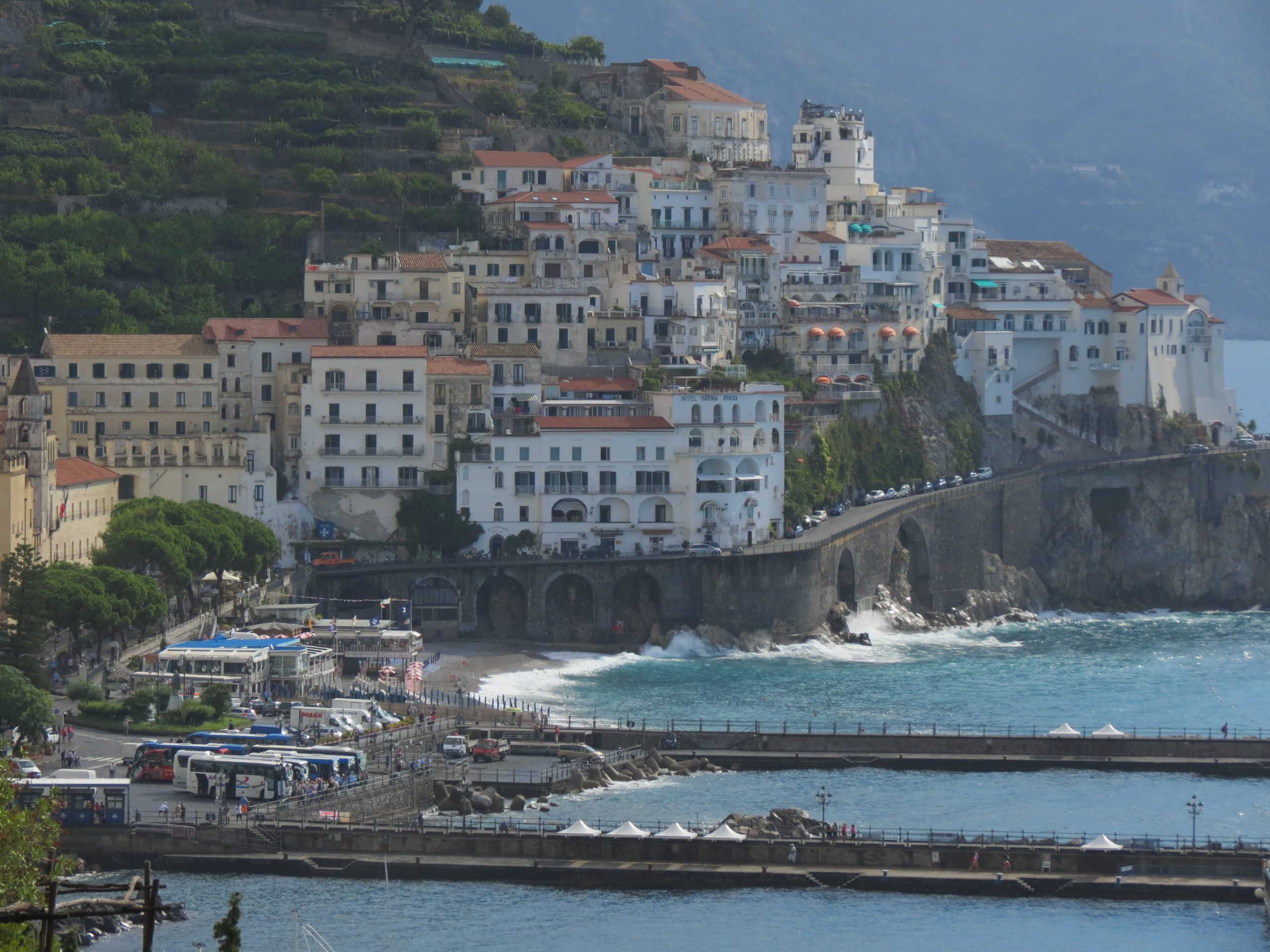
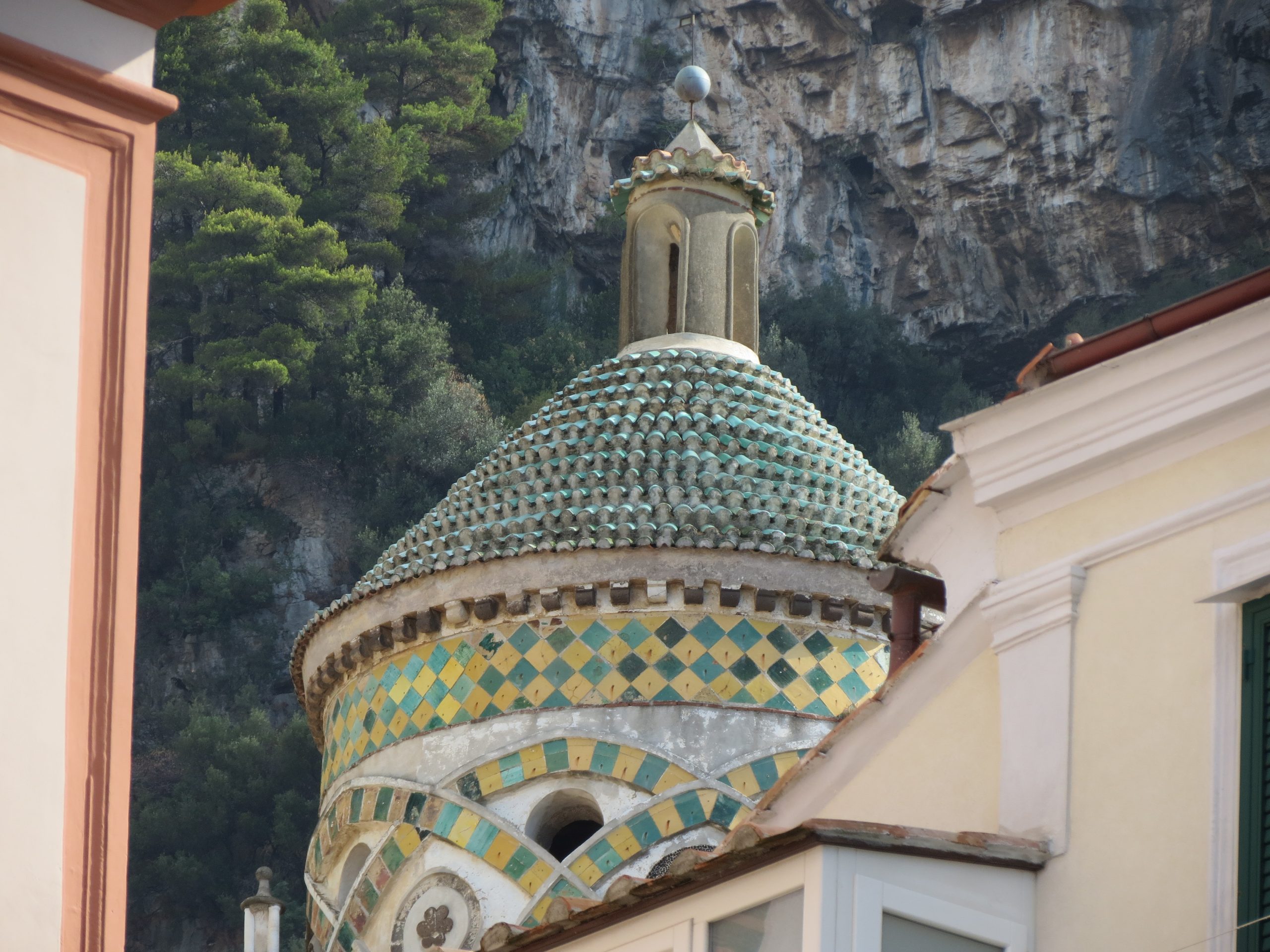
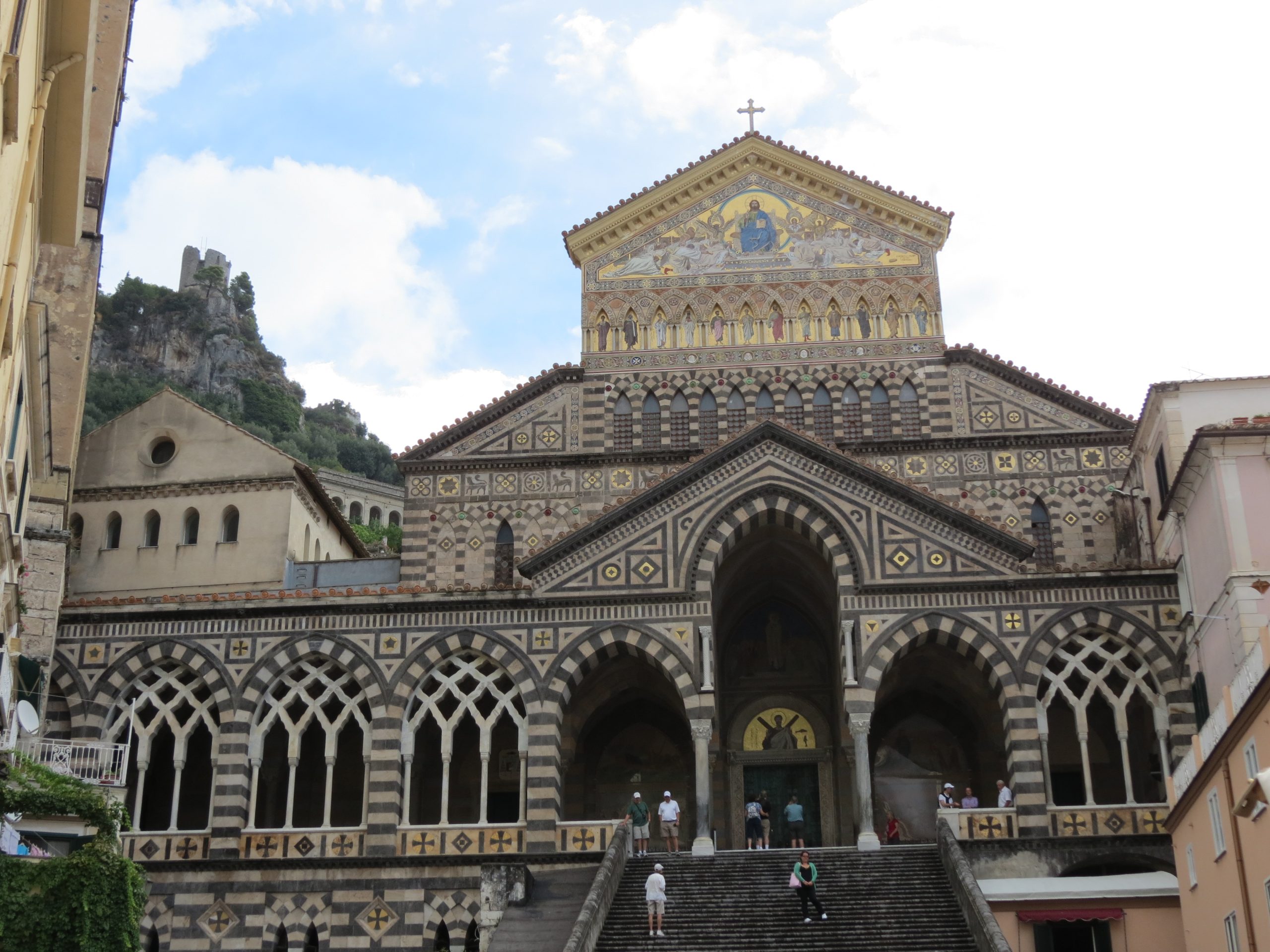
In the morning, we drove along the beautiful and scenic Amalfi coast. In Amalfi, we climbed the 62 steps to the Cattedrale di Sant’Andrea (dedicated to the apostle Andrew) and rubbed the image of St. Andrew on the brass door.

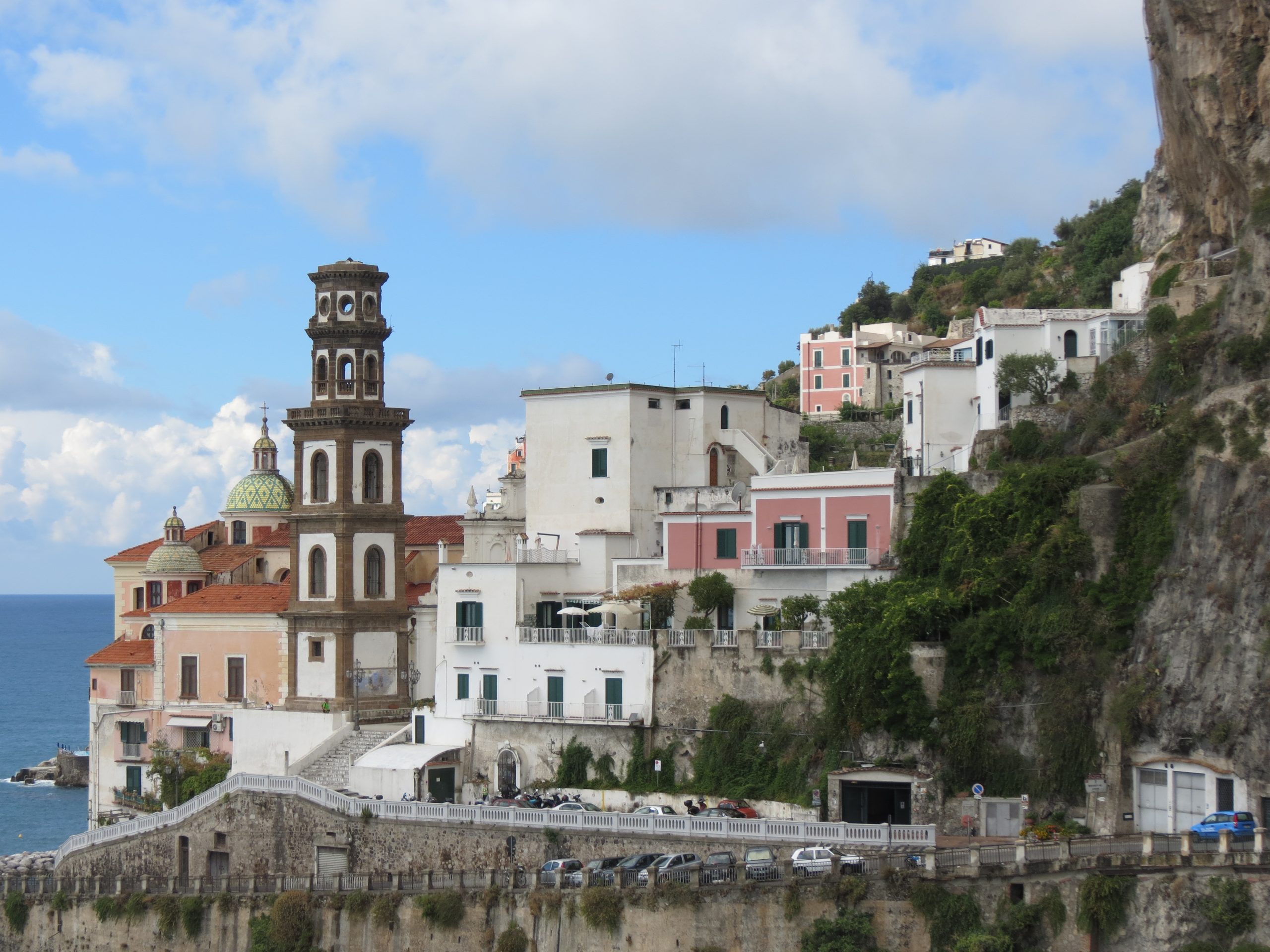
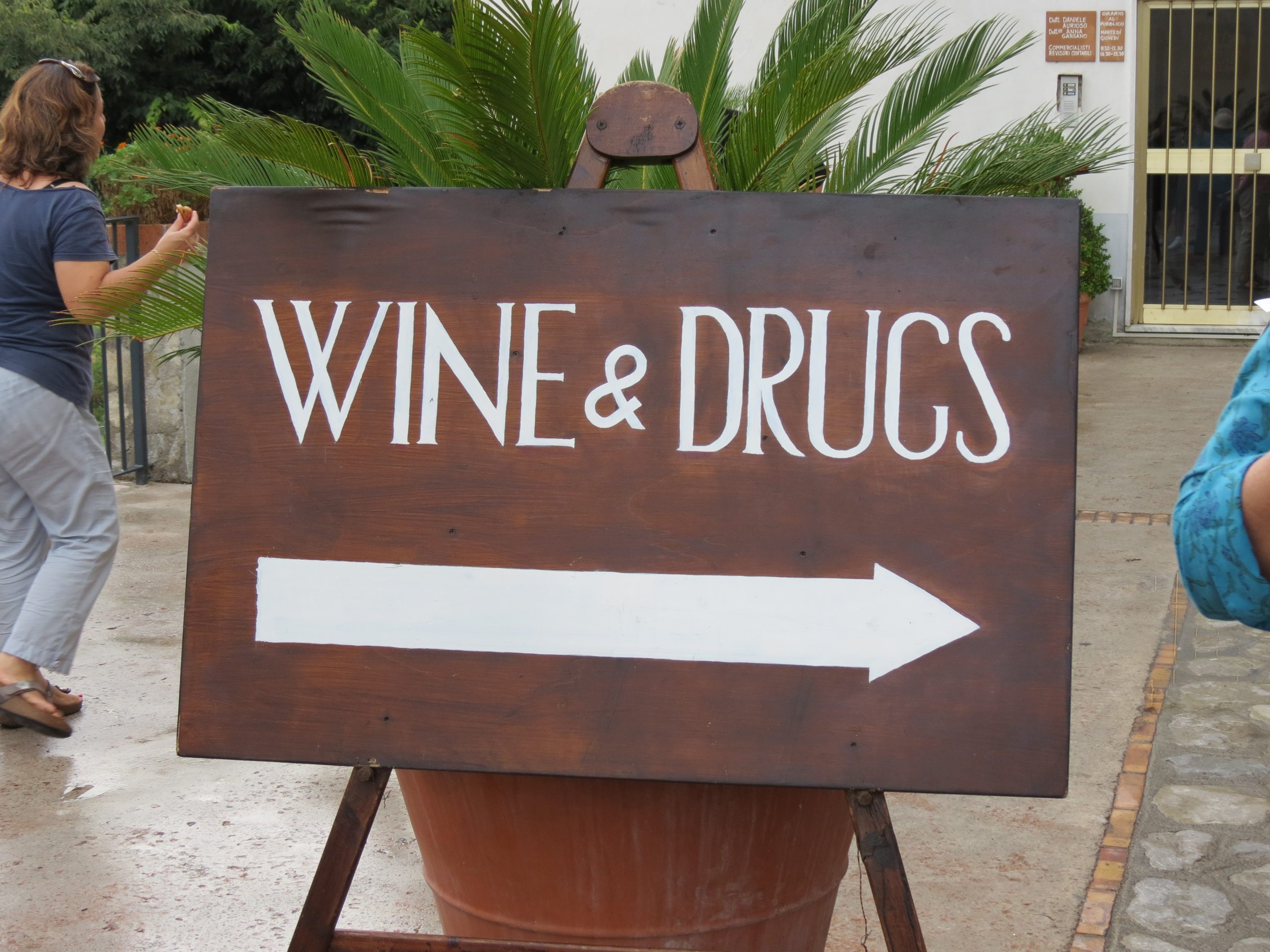
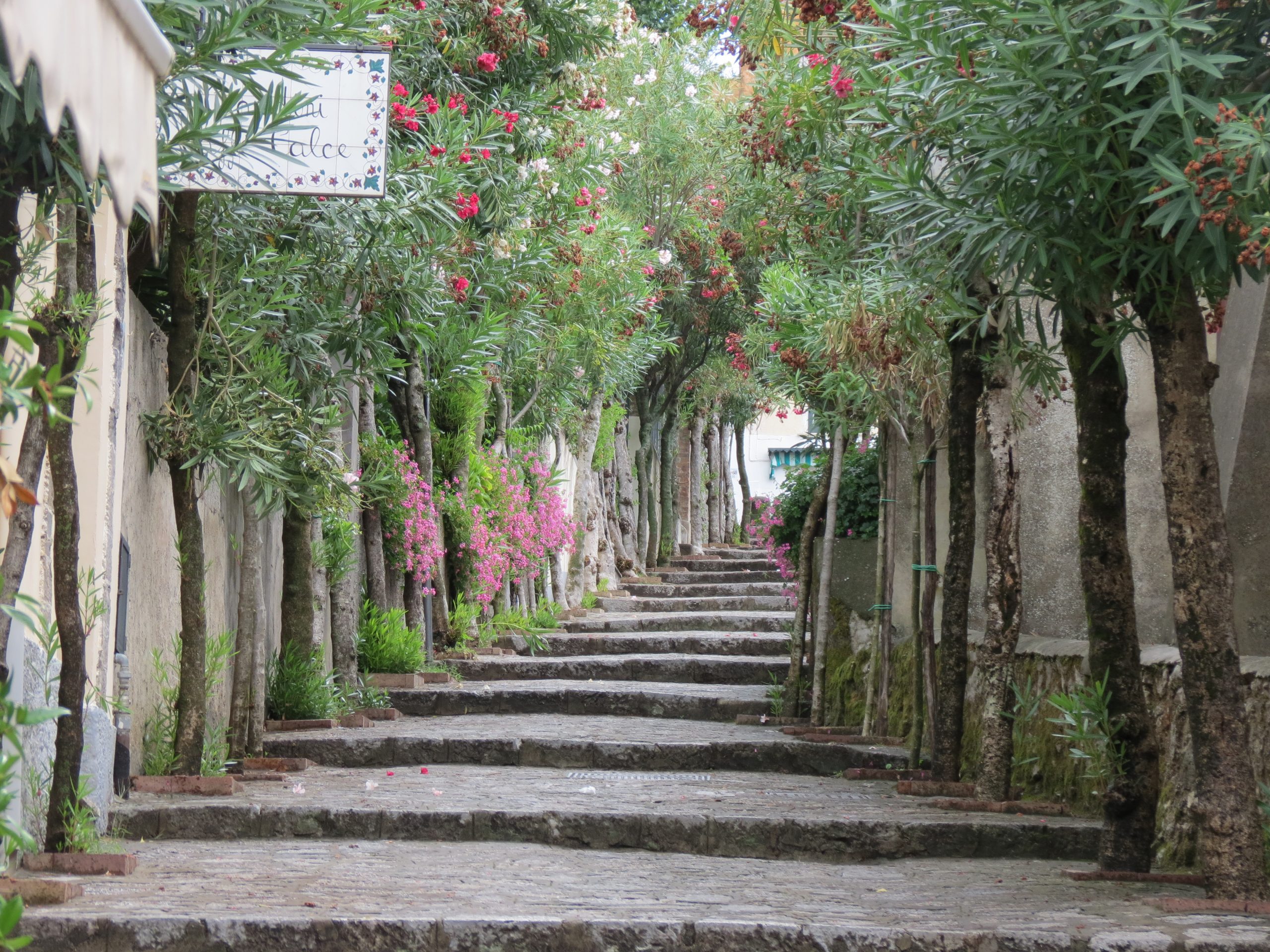
In Ravello, we had lunch at Cumpa Cosimo. The food was amazing, and Mama Netta (a perky version of a Goan grandma with a big bow in her hair) came round to serve everyone seconds.
Then we visited the Villa Rufolo (gardens were obscured by a large stage set up for a concert). Back in Sorrento, we browsed the shops in the back alleys. Had gelato at Davide’s (scrumptious) and then we shopped. We had an amazing dinner at La Lanterna. Albert swore that the sea bass was the best he’s ever had.
Pompeii to Rome: A Journey Through History – September 7, 2012
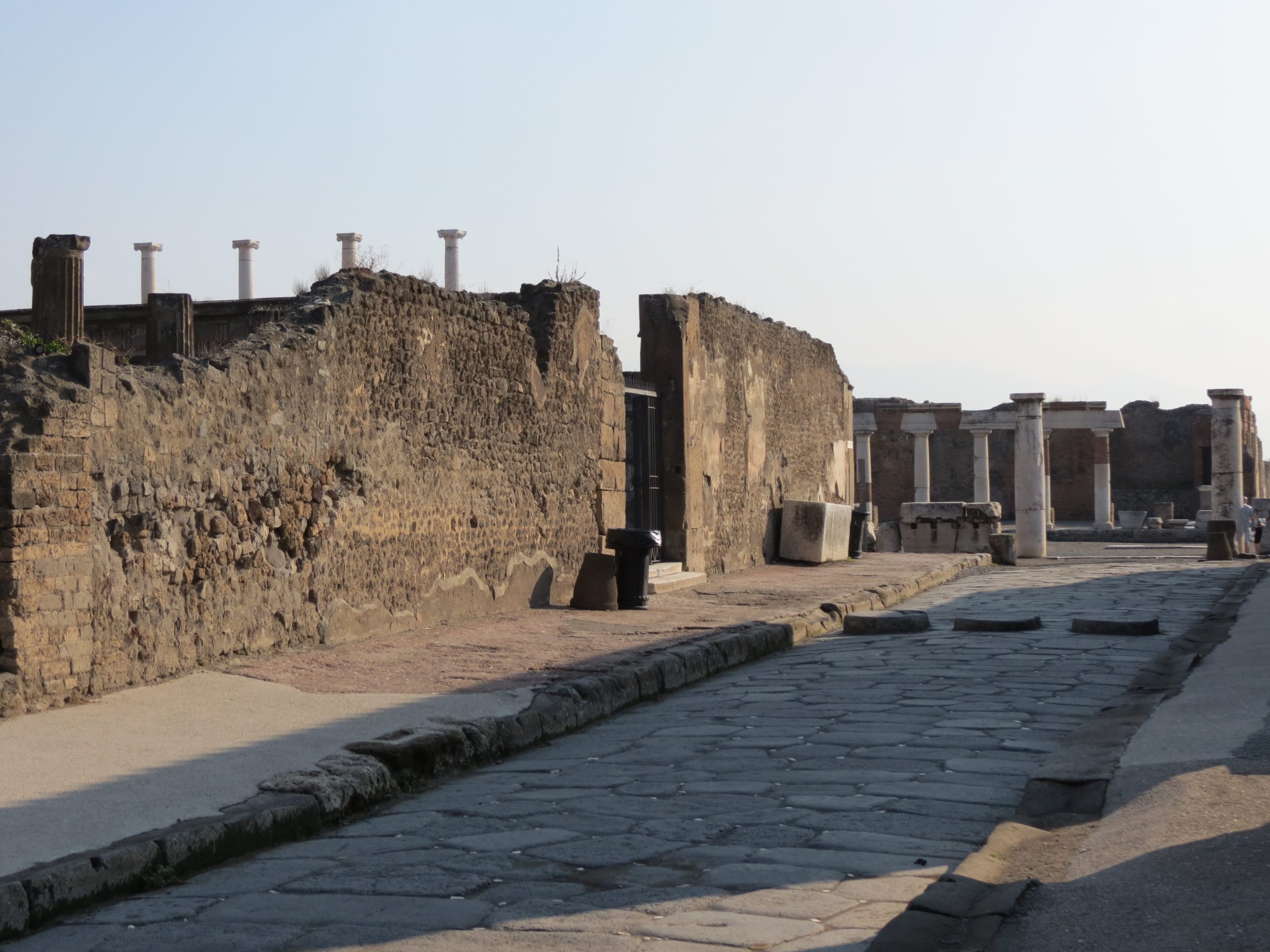
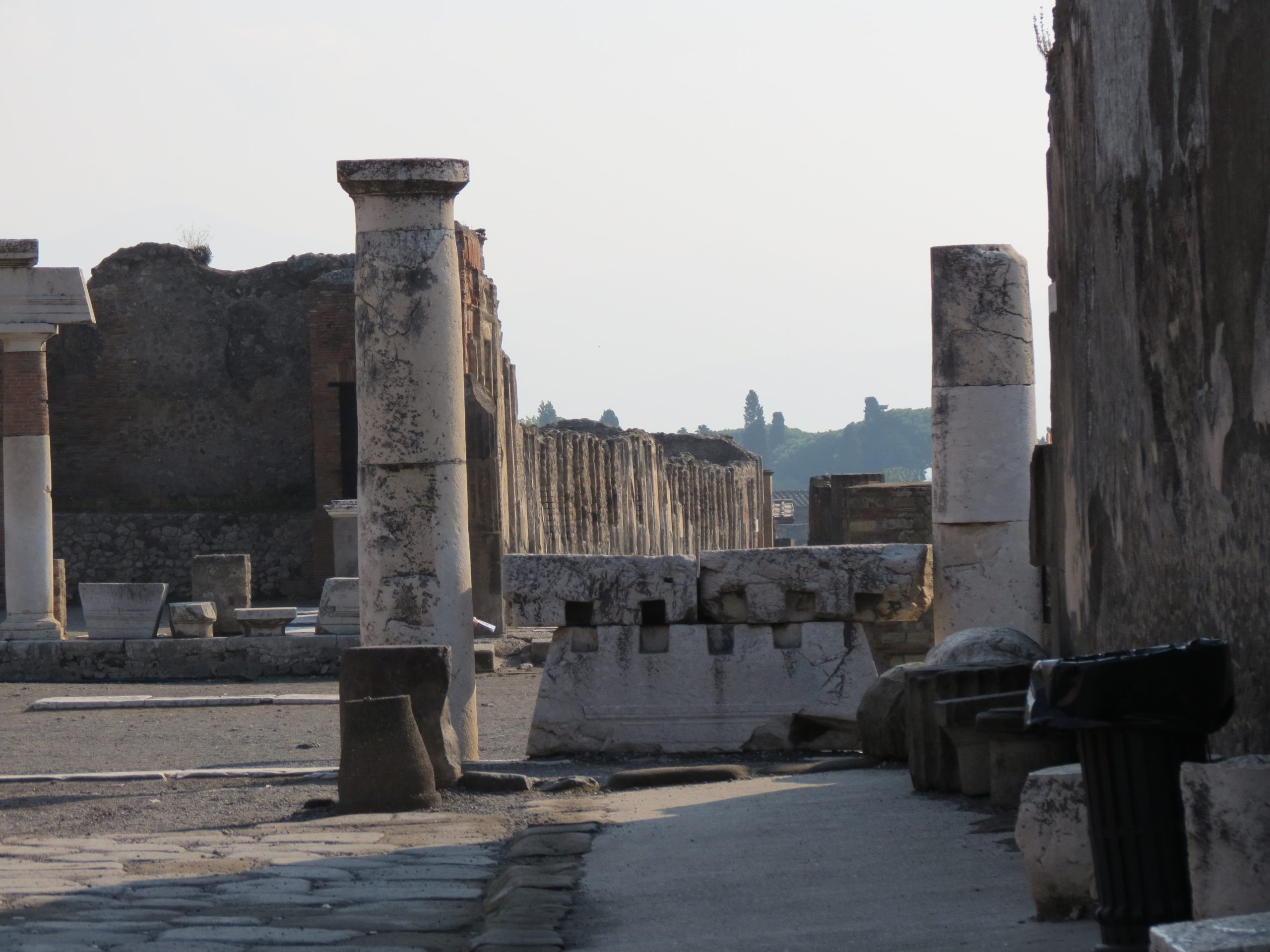
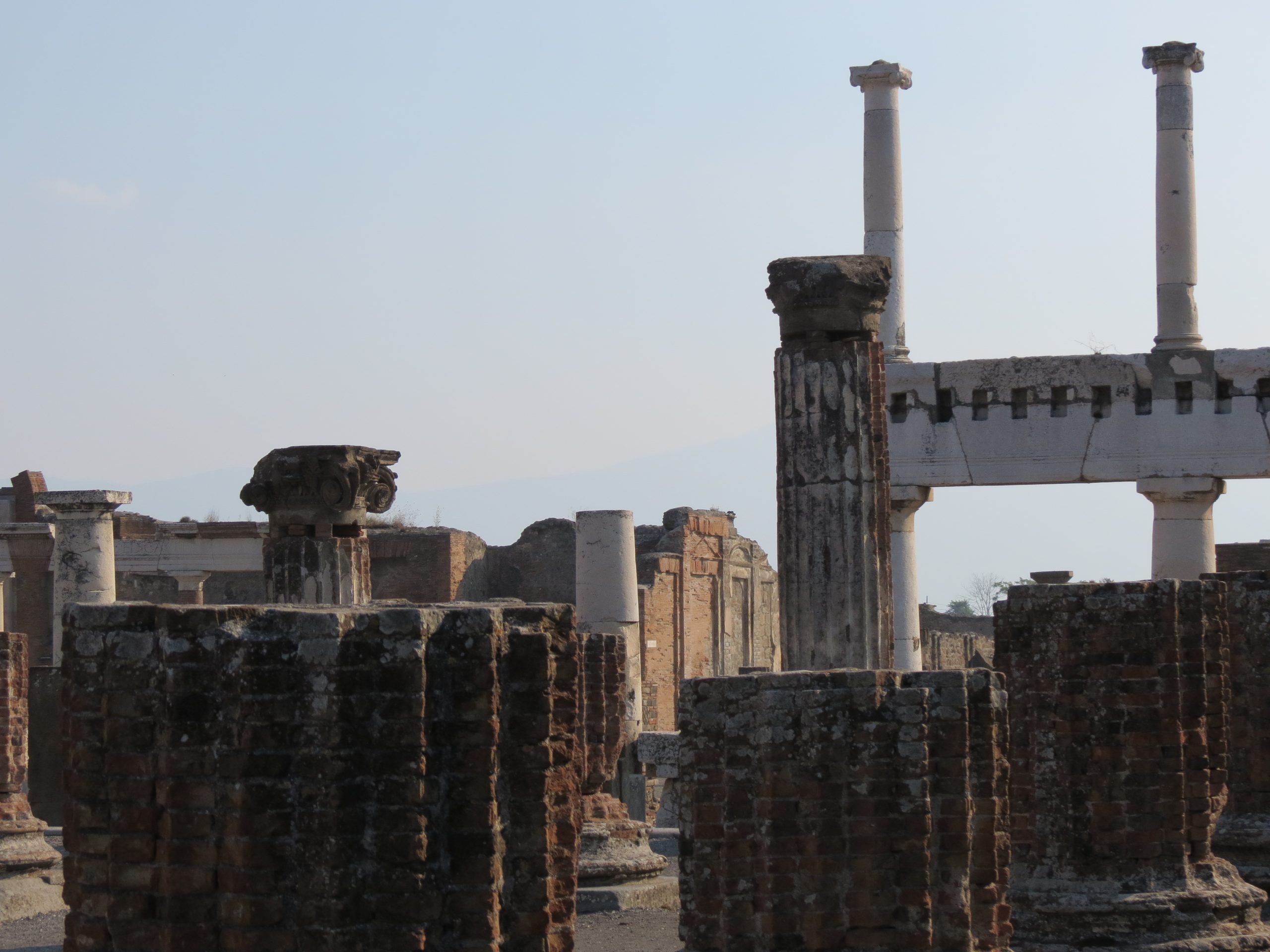
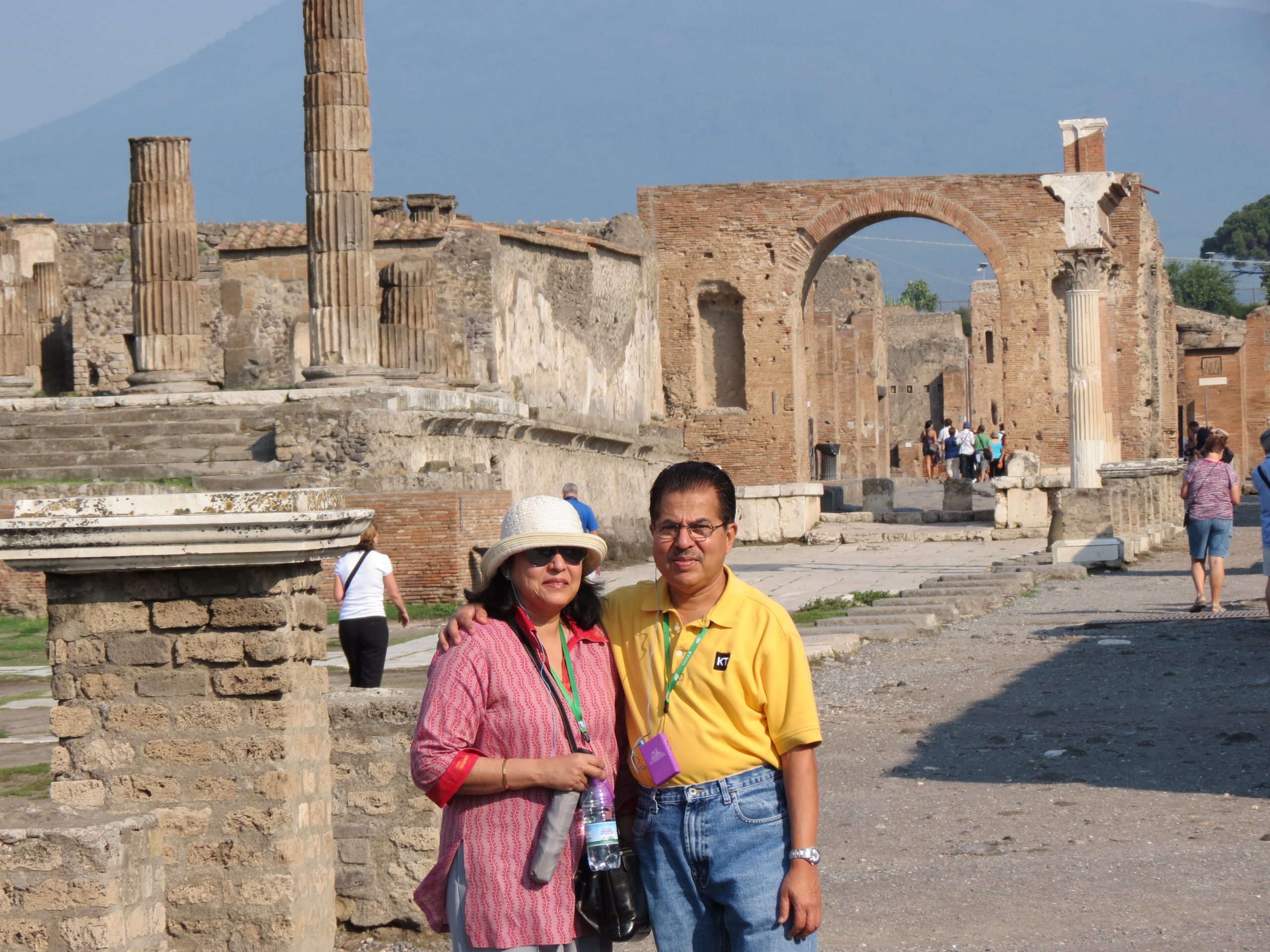
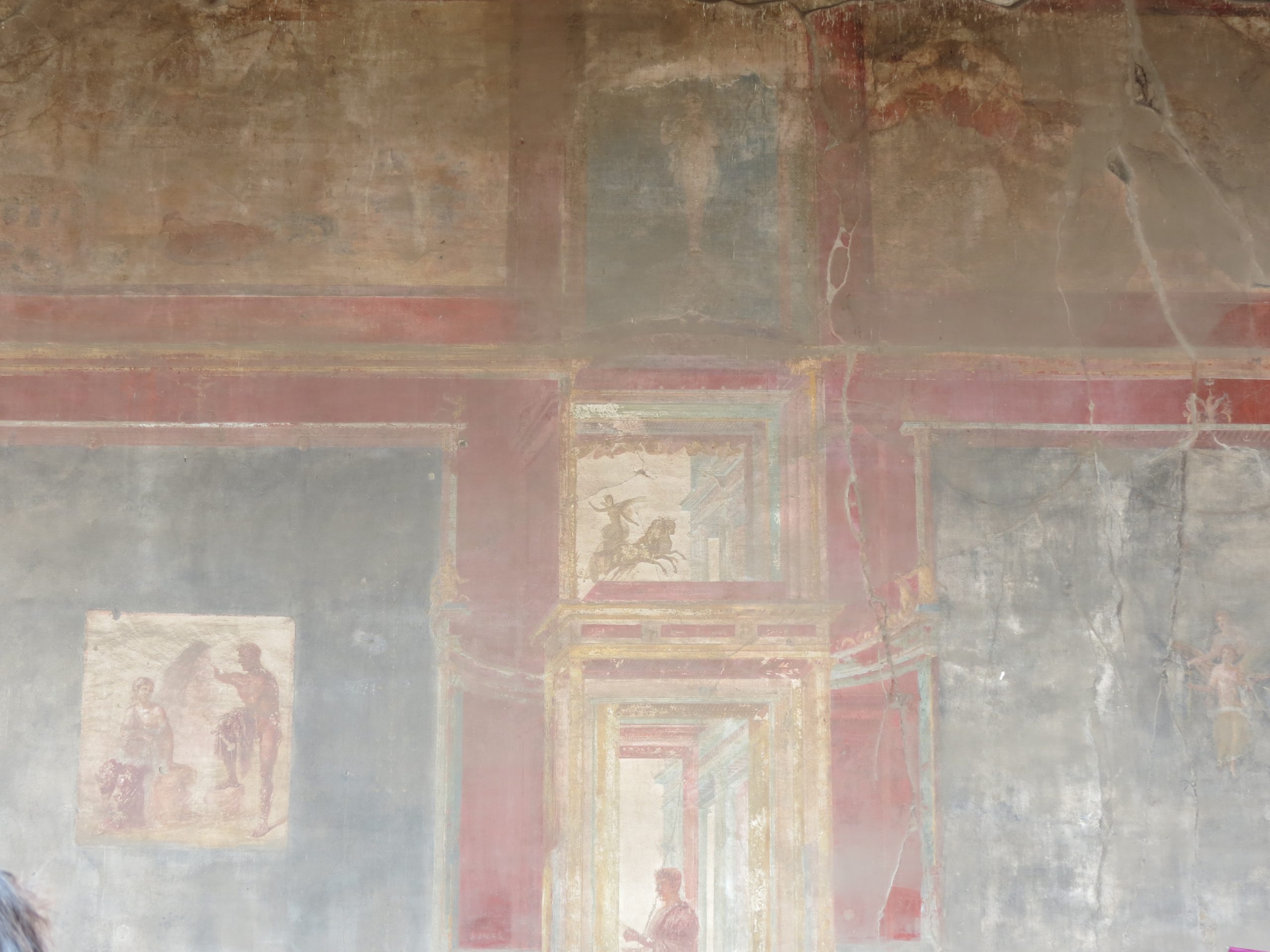
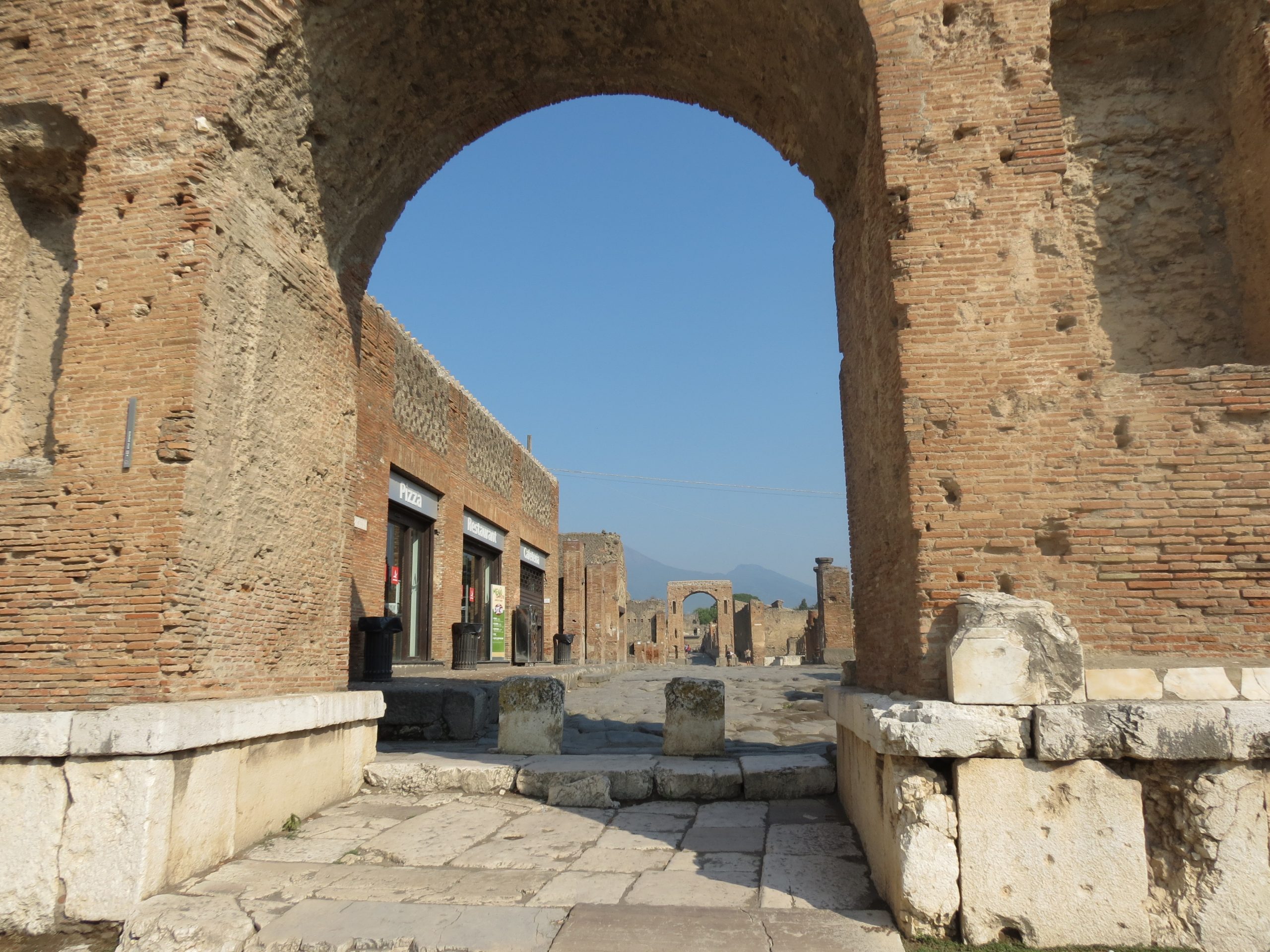
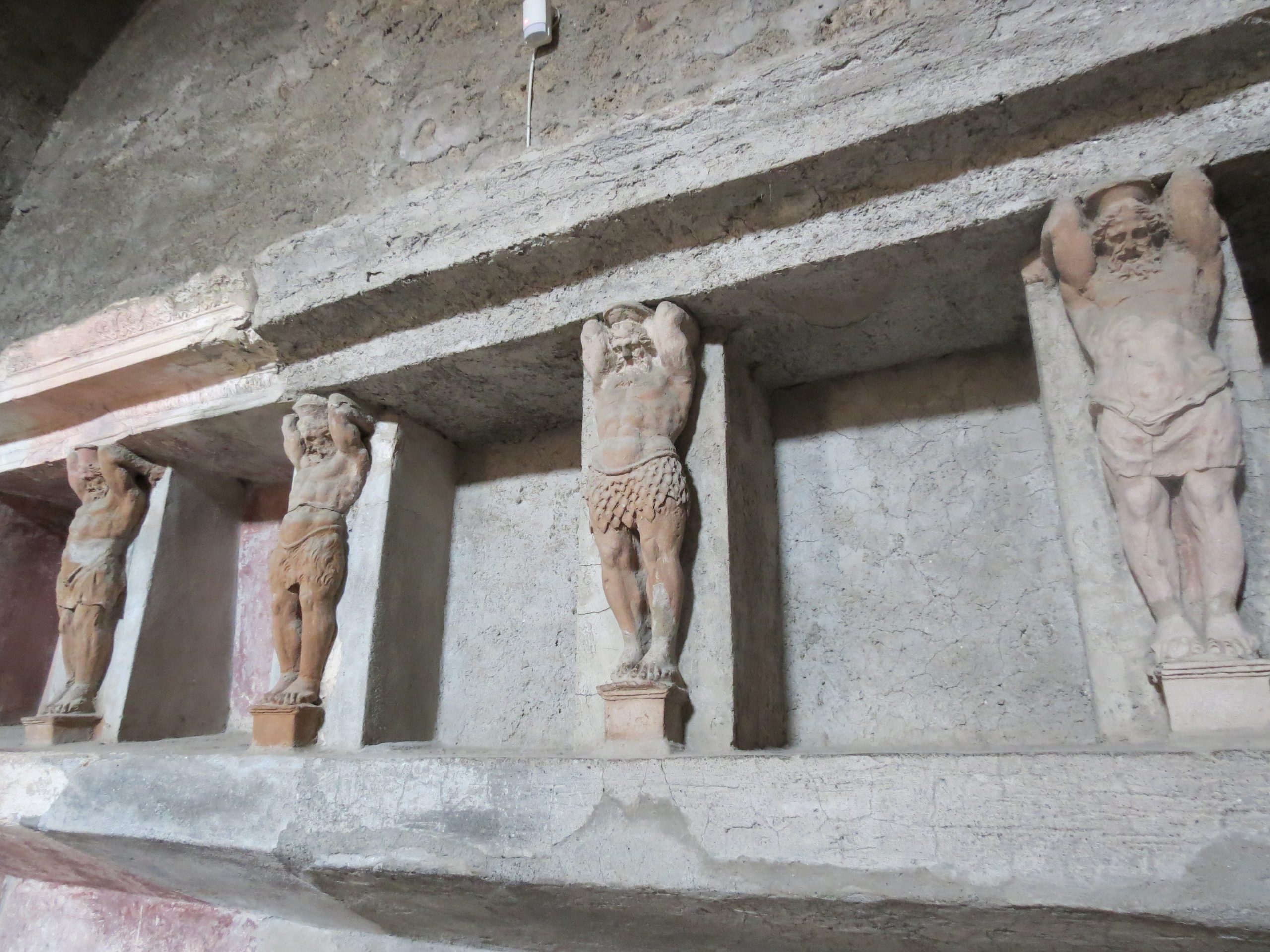
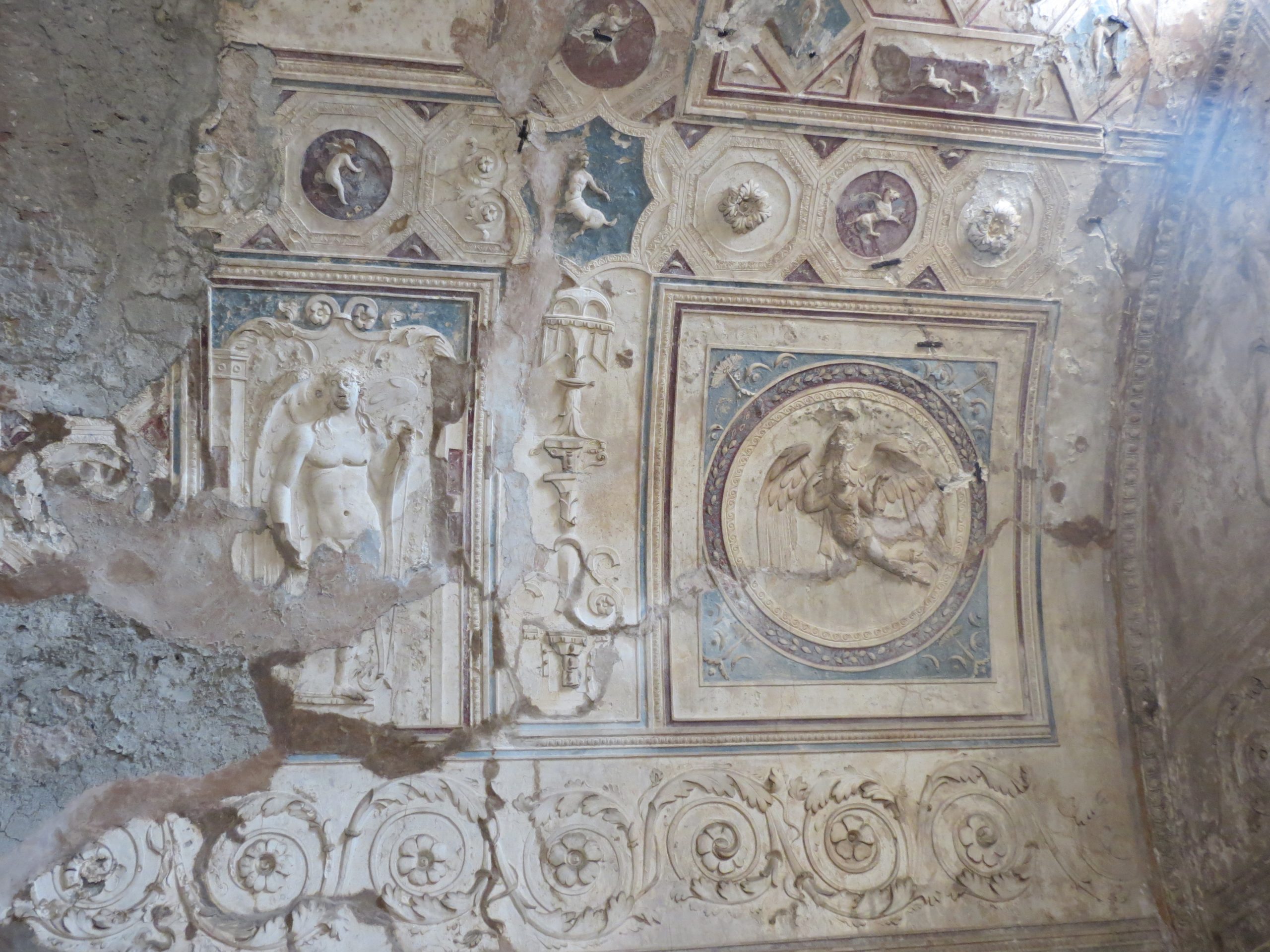
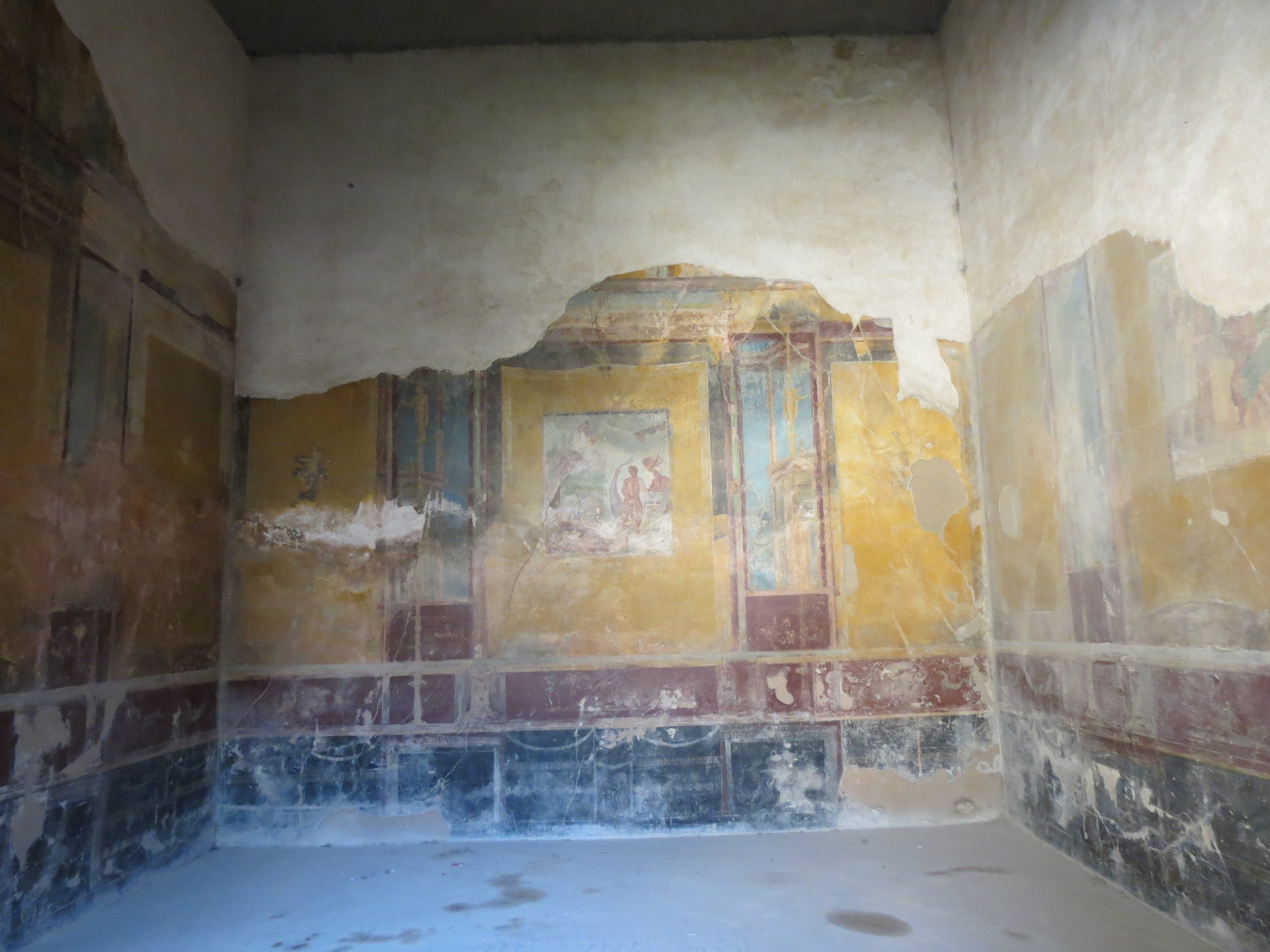
This morning, we drove to Pompeii. The ruins were quite something, but to truly appreciate Pompeii’s magnificence, one had to visit the museum in Naples which was not on the itinerary. We explored the petrified bodies, bakeries, baths, and even the red-light district (though the naughty mosaics were safely housed in the museum). Lunch at Restaurant President was delightful. The pasta was simple and simply amazing.


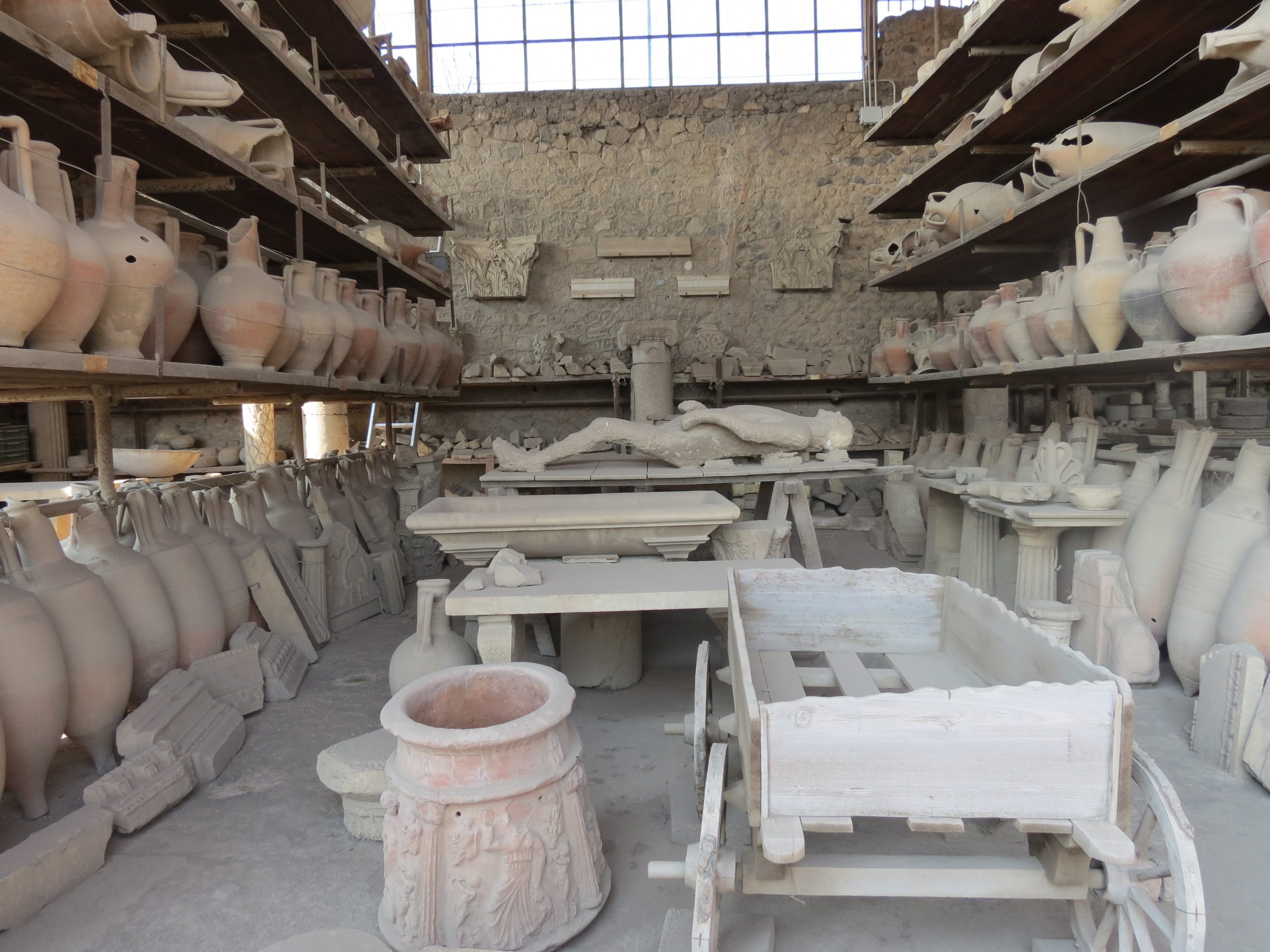
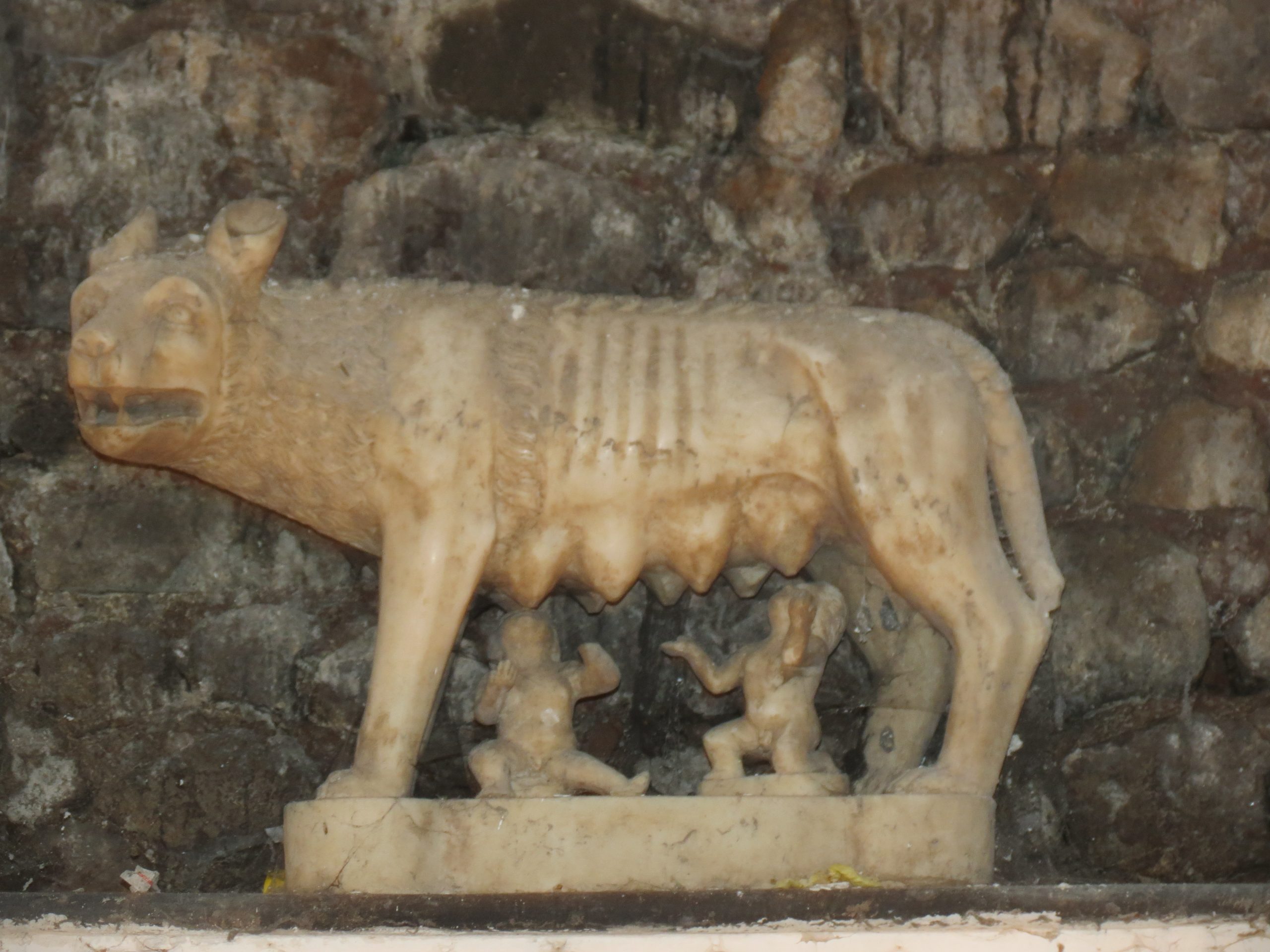
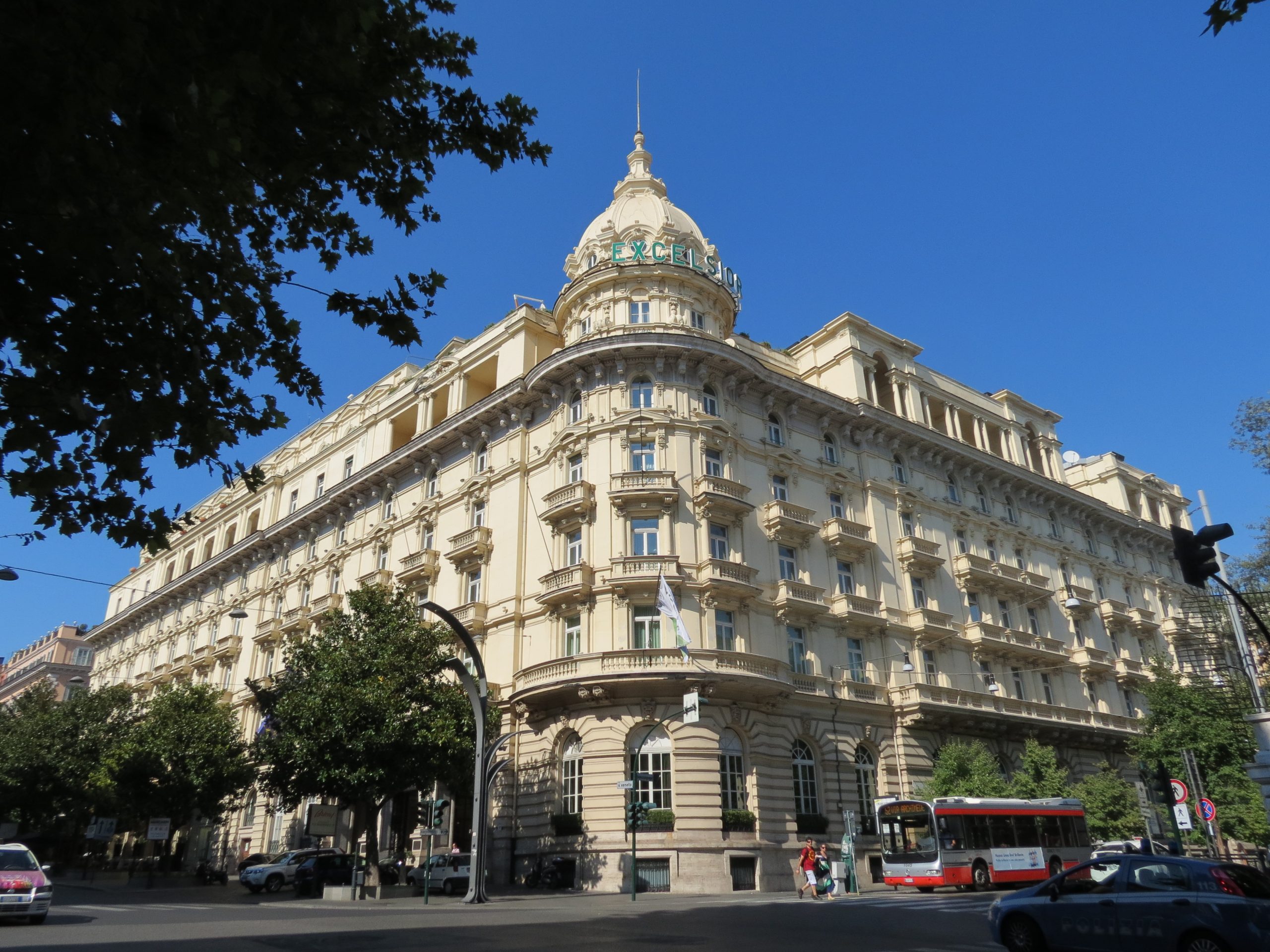
Later, we drove three hours to Rome, arriving at the Hotel Westin Excelsior on the Via Veneto, next to the U.S. Embassy. Interestingly, the Embassy was once the palace of Queen Margherita (yes, the pizza is named after her). We took a leisurely stroll to the Spanish Steps. The dinner was at Osteria Romana. Their wine cellar coughed up some fascinating archaeological artifacts. Dinner was very touristy with lots of serenading. Clinton, Isabella Rossellini, etc., have patronized this establishment.

Vatican and a Private Tour of the Sistine Chapel – September 8, 2012
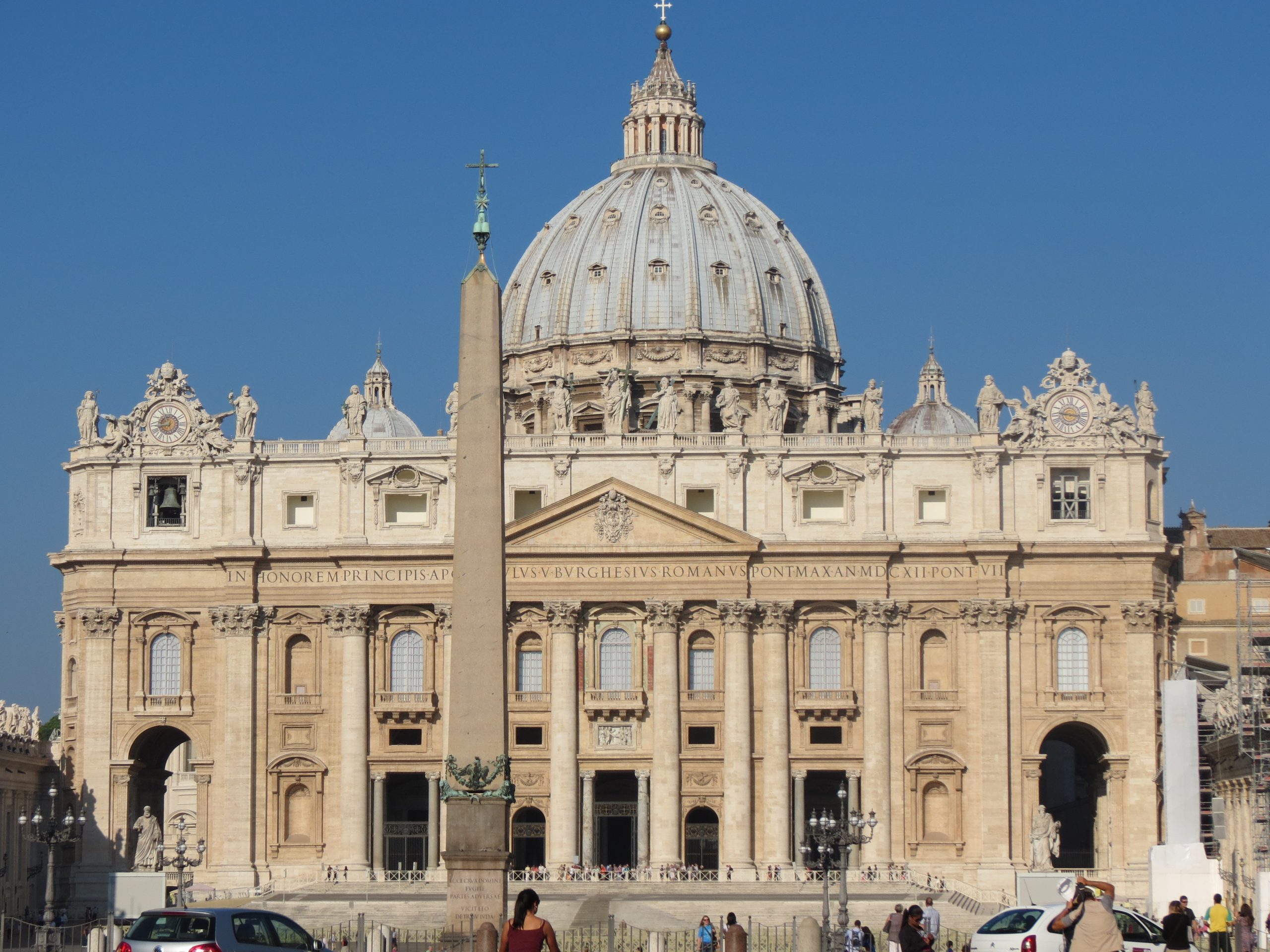
Today we visited the Vatican with an exceptional guide, Franco, whose knowledge and expertise made our experience truly enjoyable. The mosaics were truly captivating, though the crowds and abundance of beautiful things proved overwhelming.
After the Vatican, we stopped at the bustling Piazza Navona, the awe-inspiring Pantheon, and the iconic Trevi Fountain. Indulging in tartuffo at Scalini’s was an absolute delight.
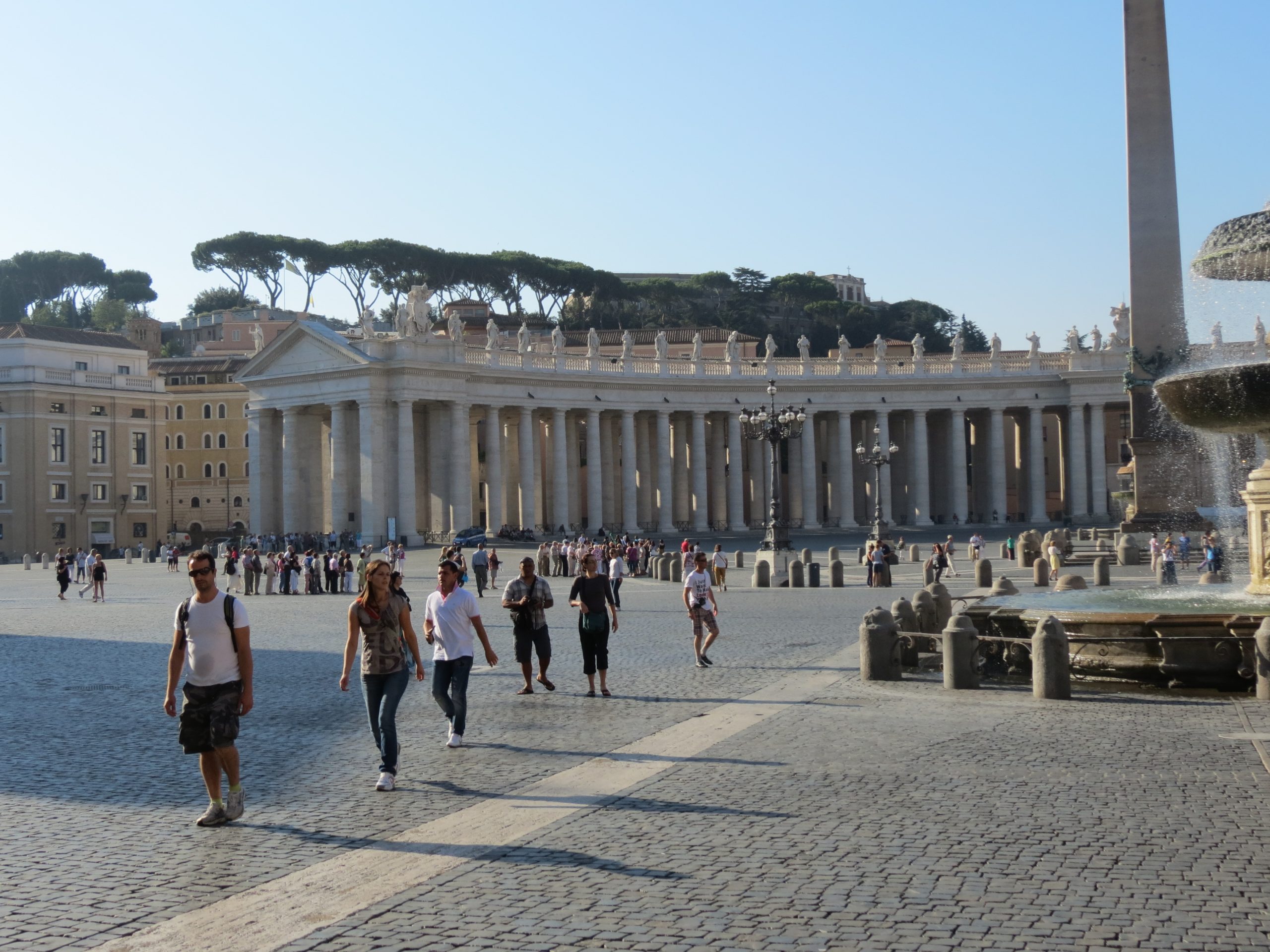
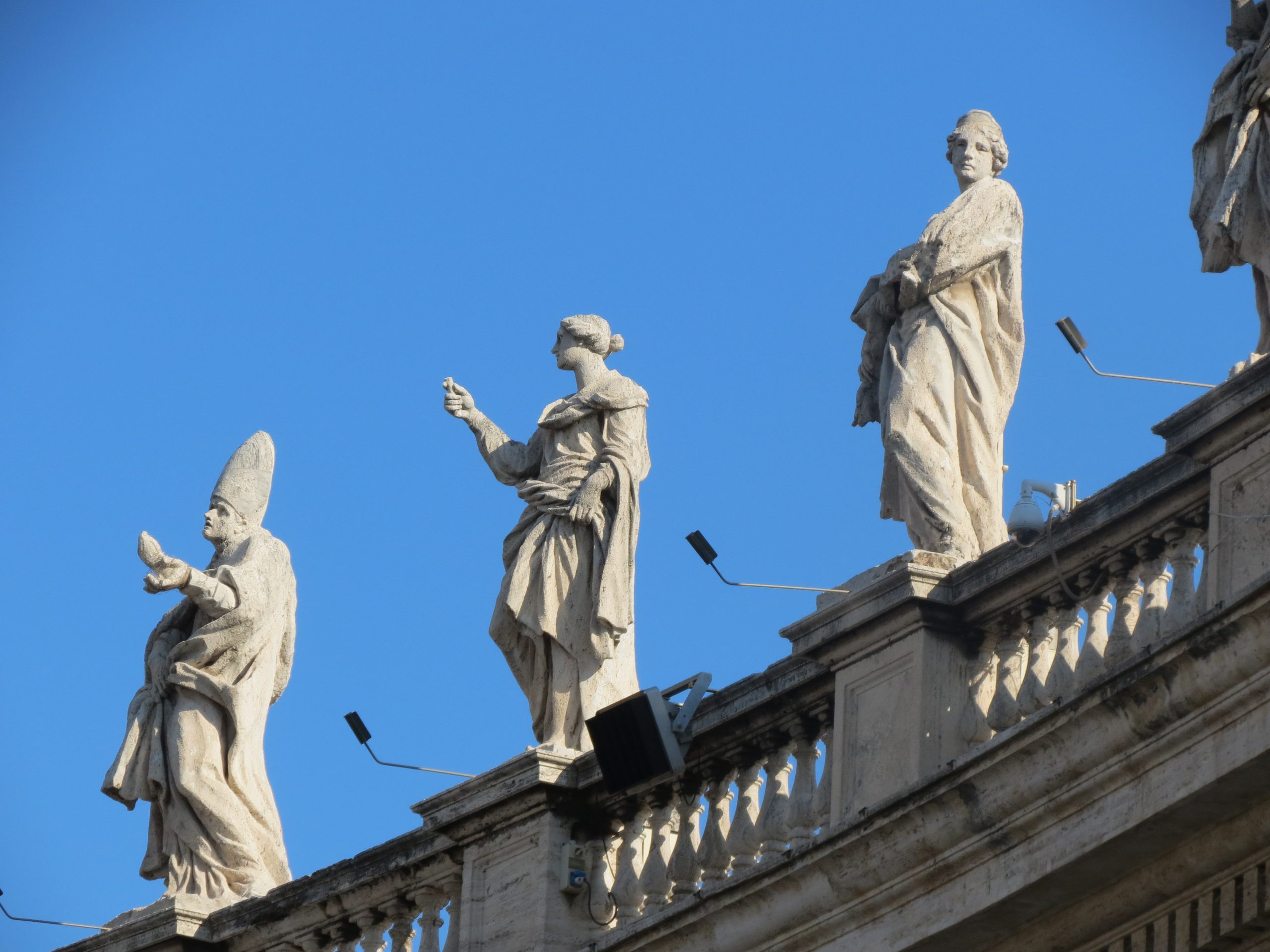
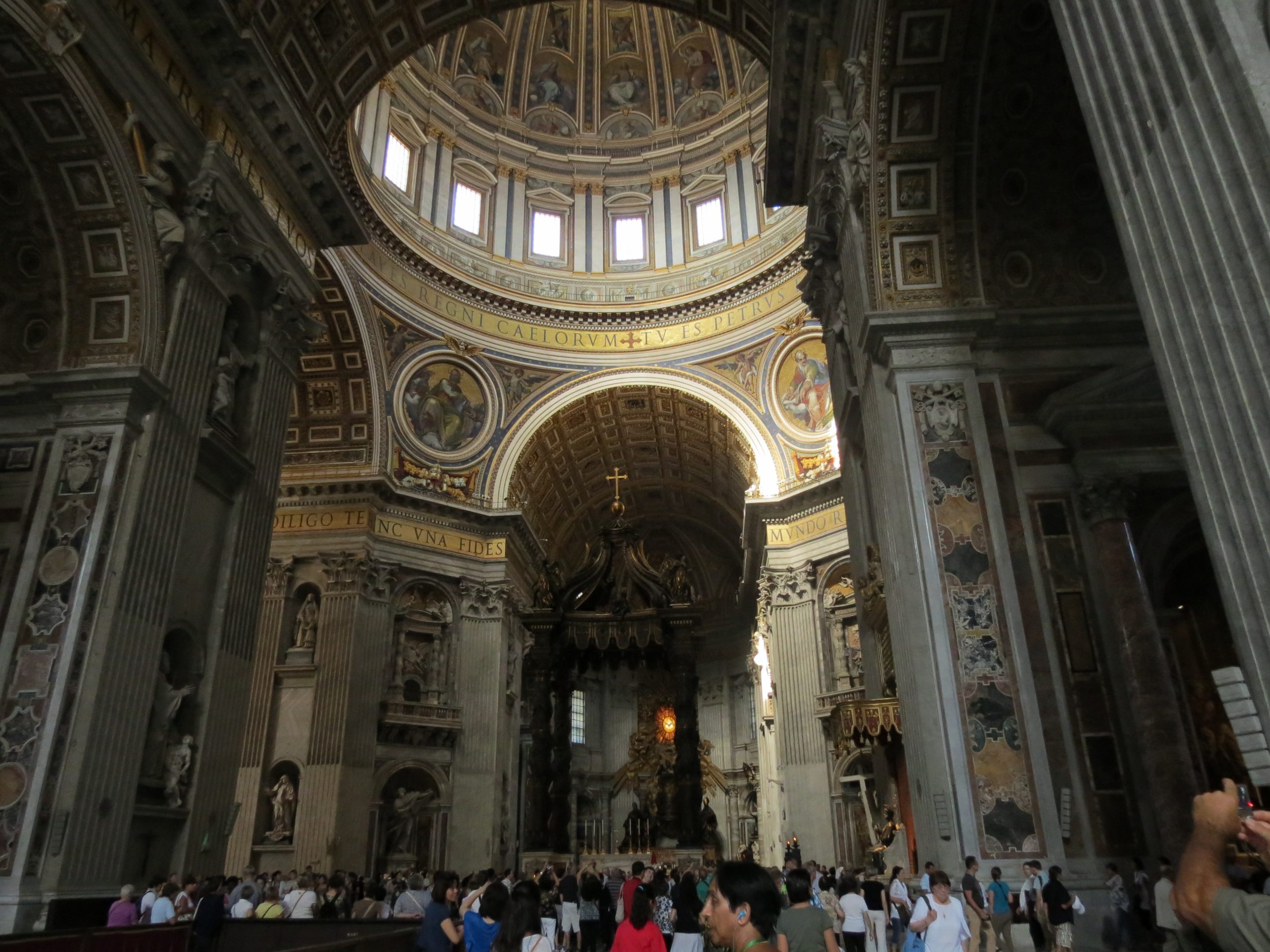
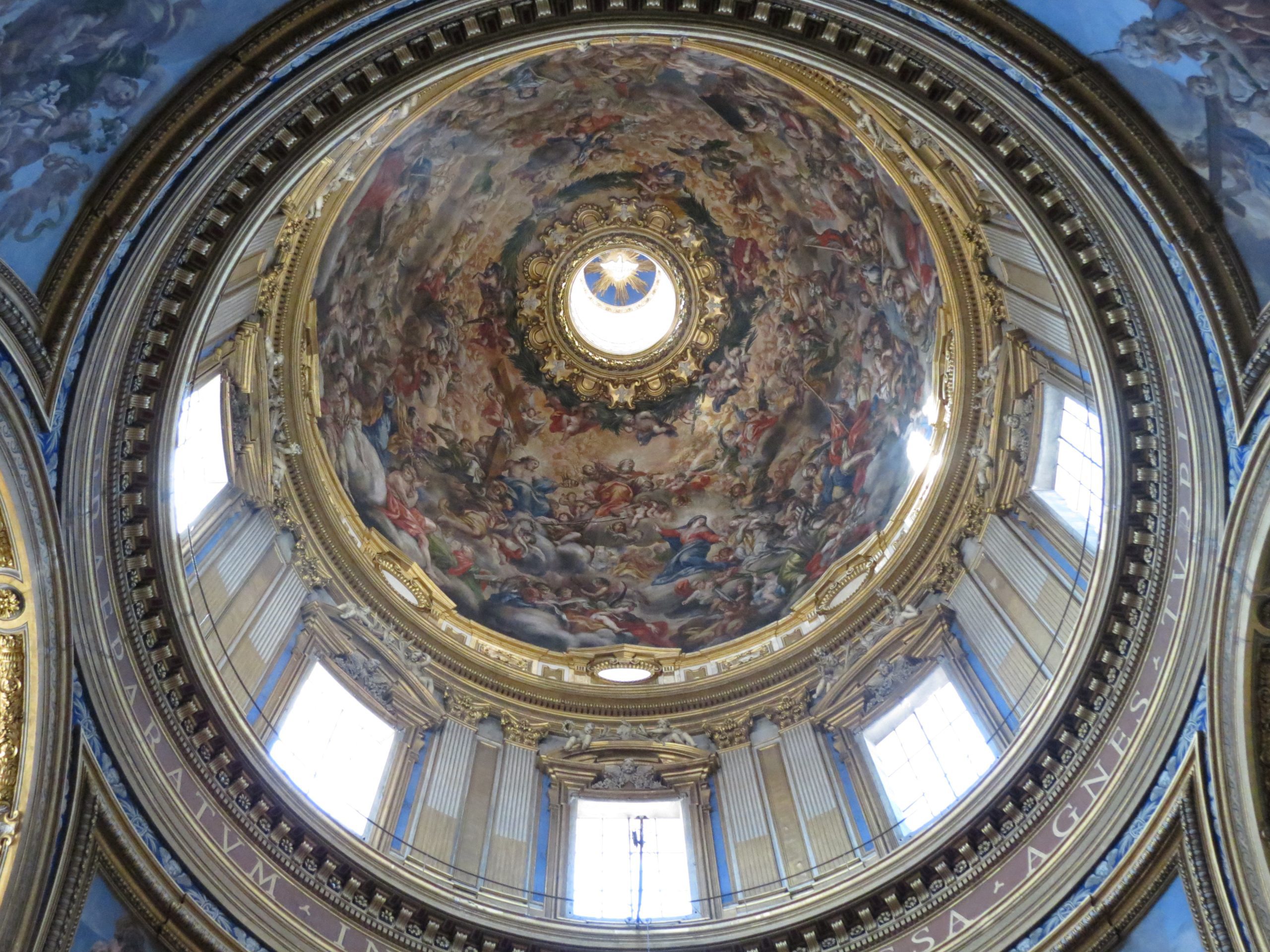

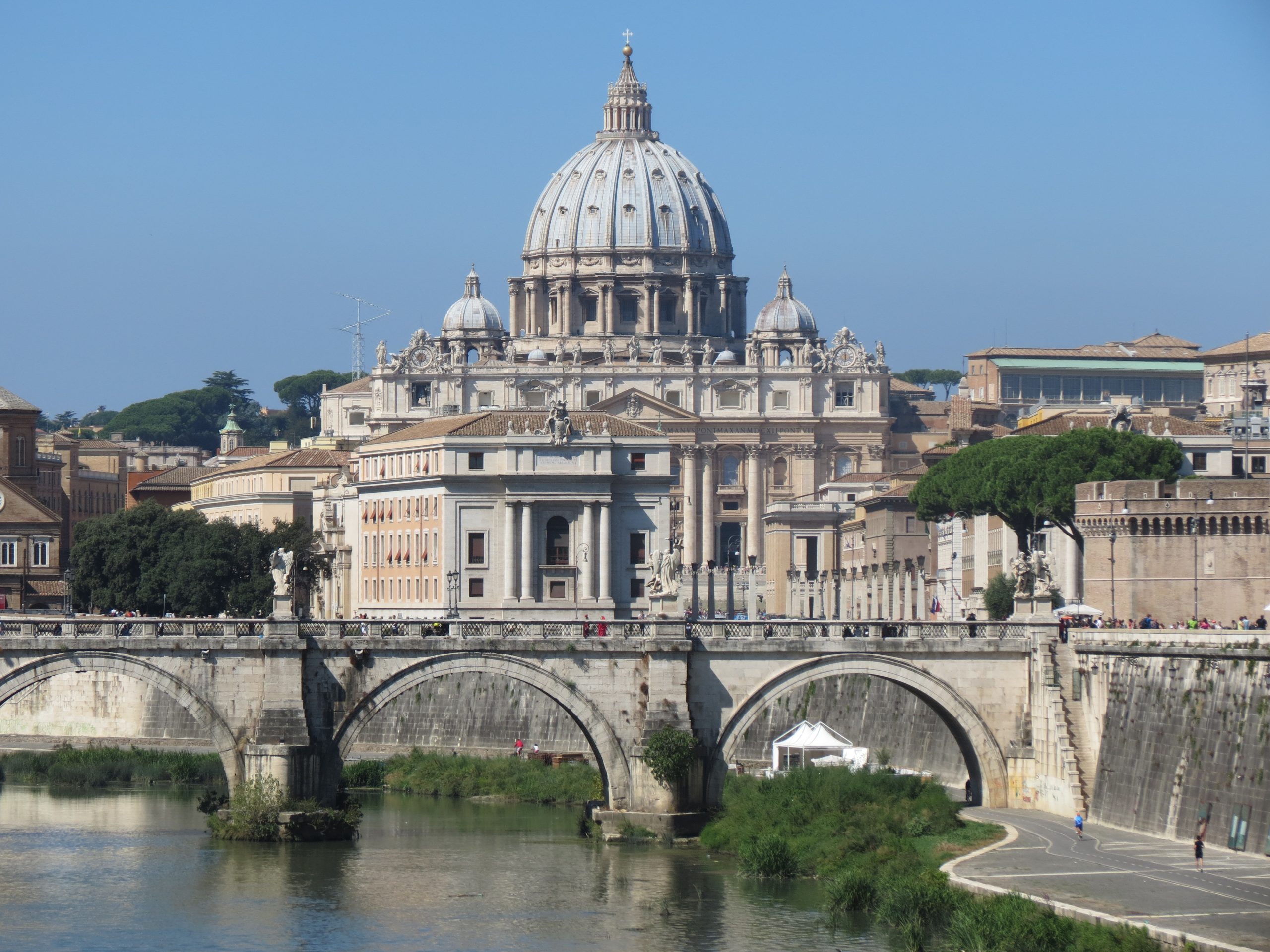
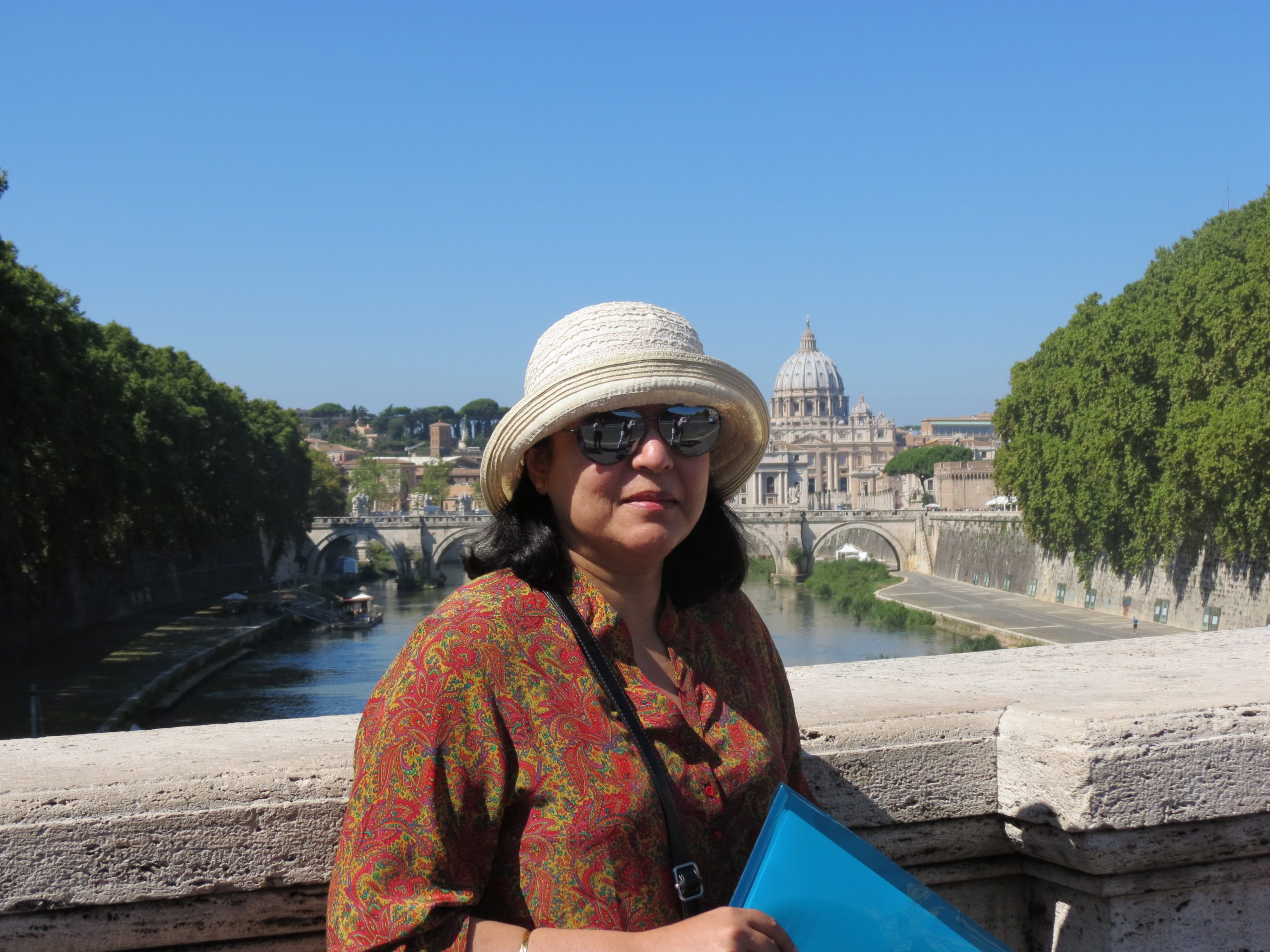

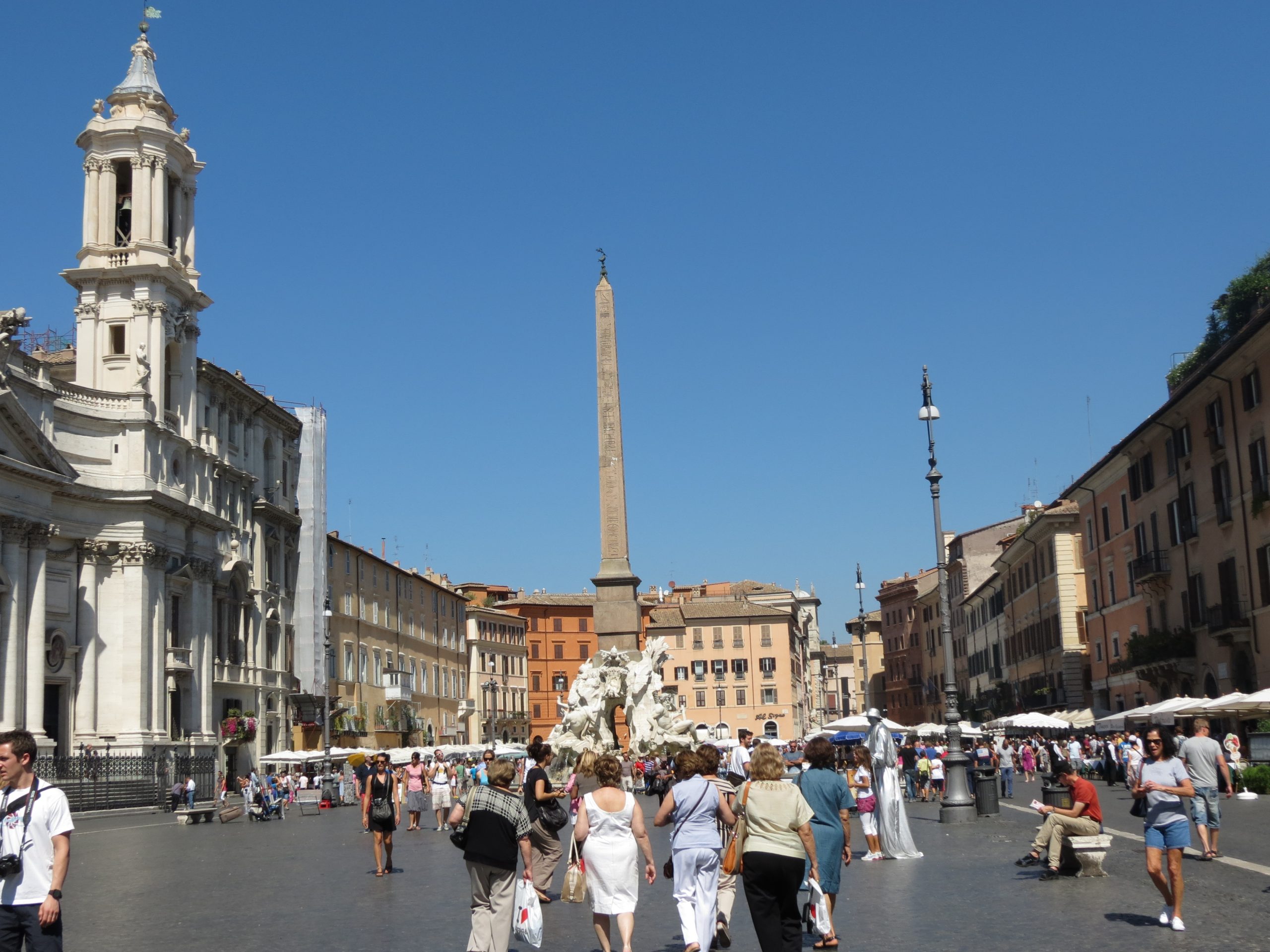
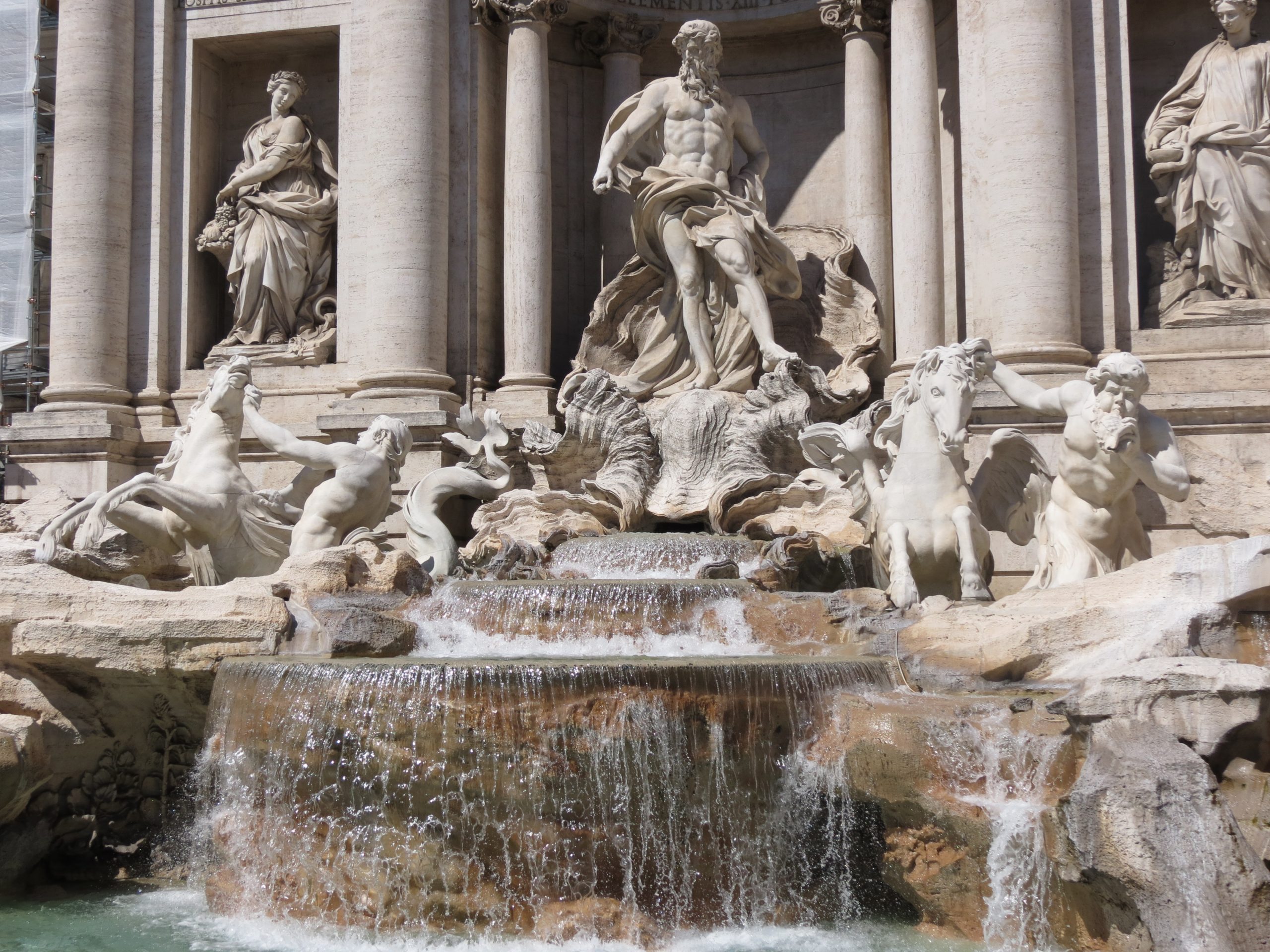
On our way back to the hotel, we made a detour to the Capuchin museum and ossuary, where Halloween appears to be on perpetual display.
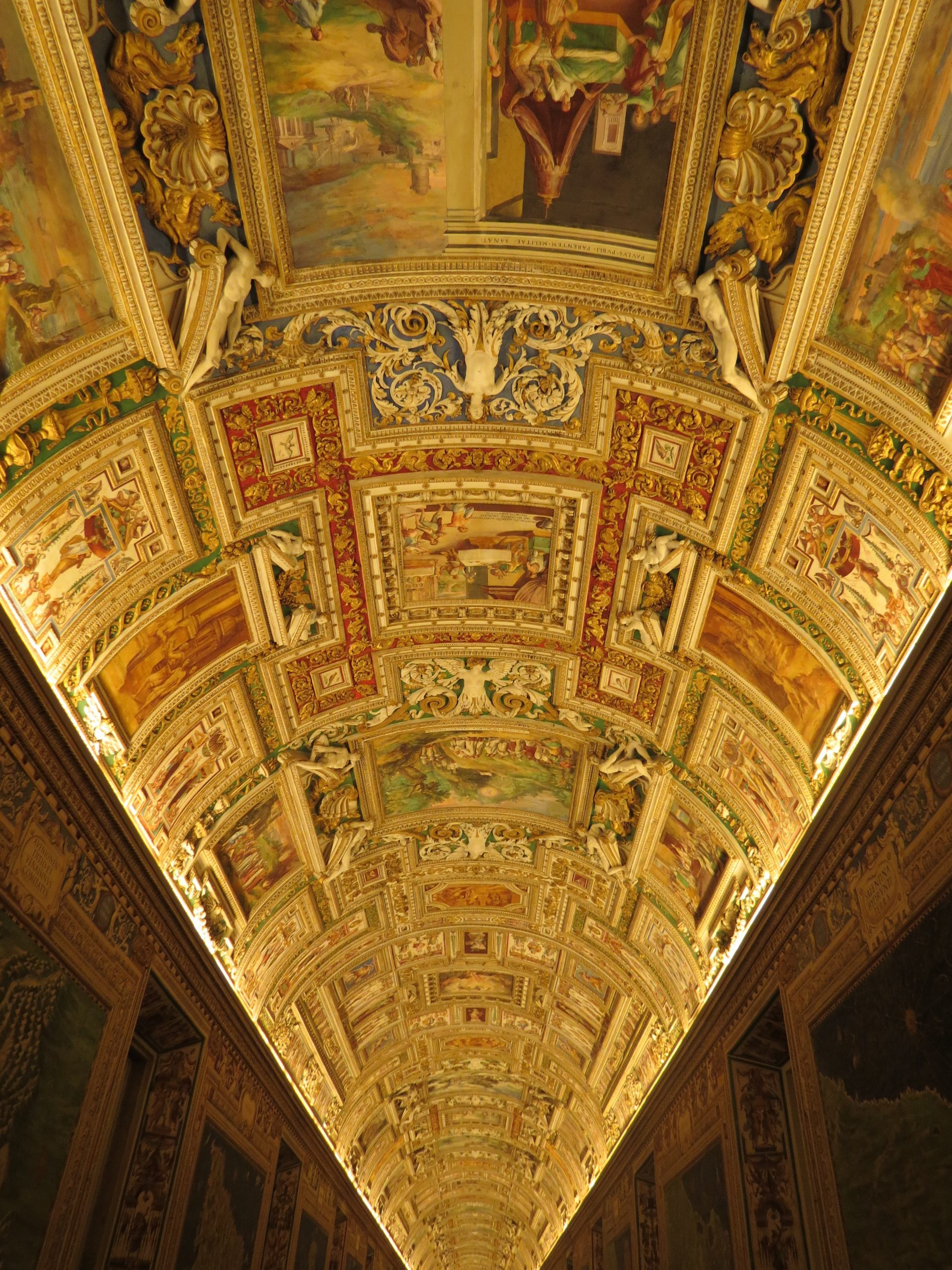
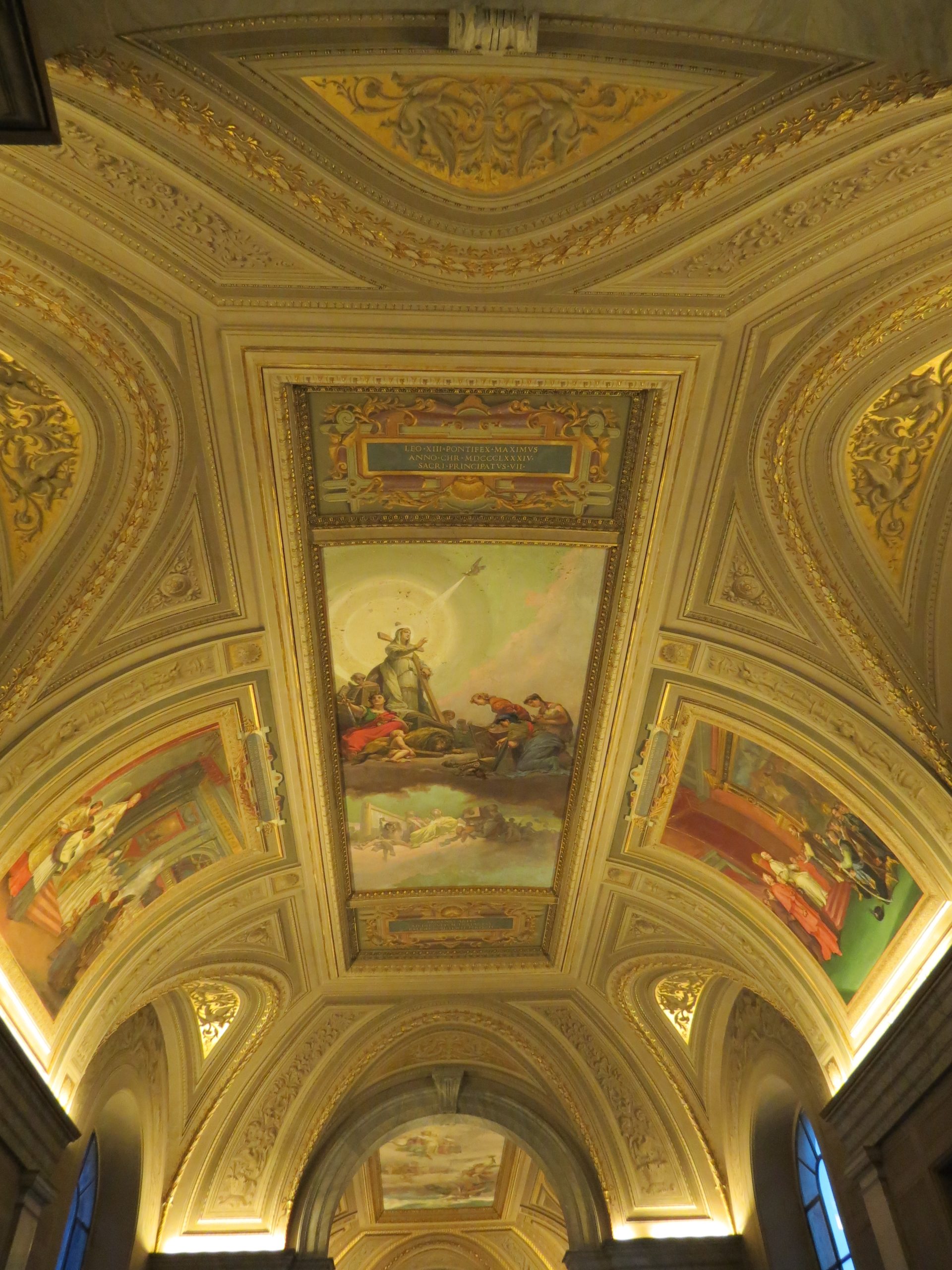
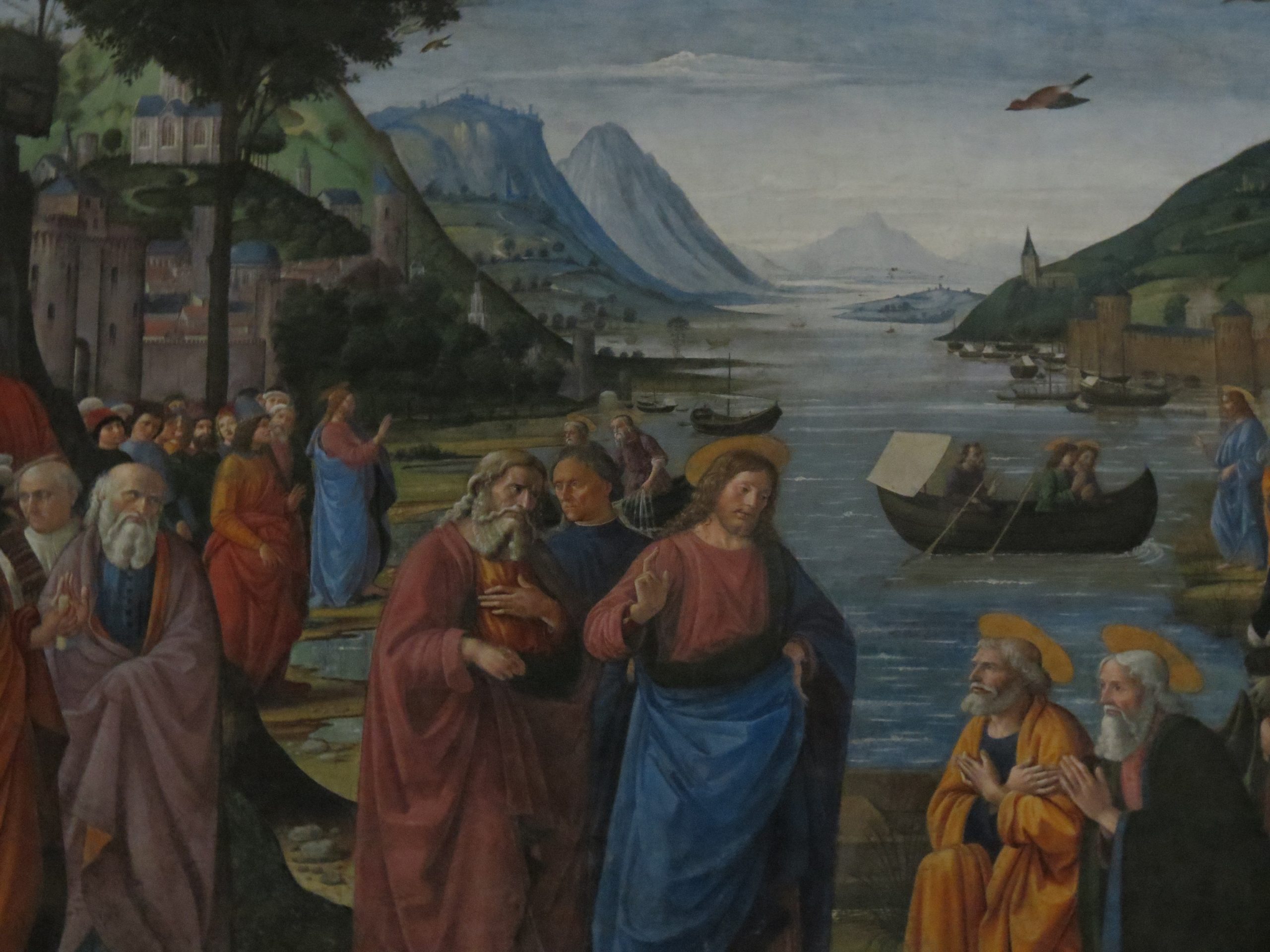
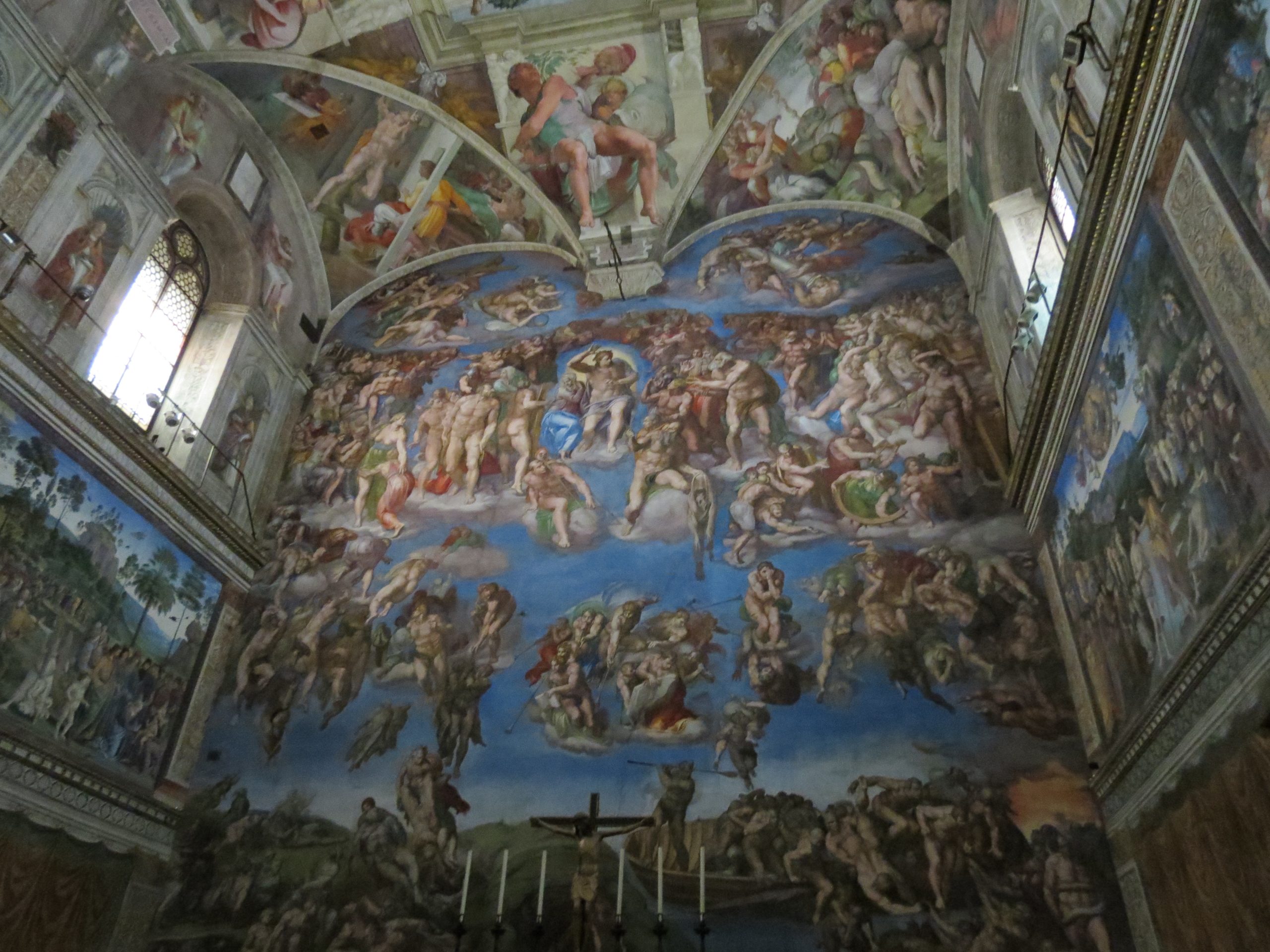
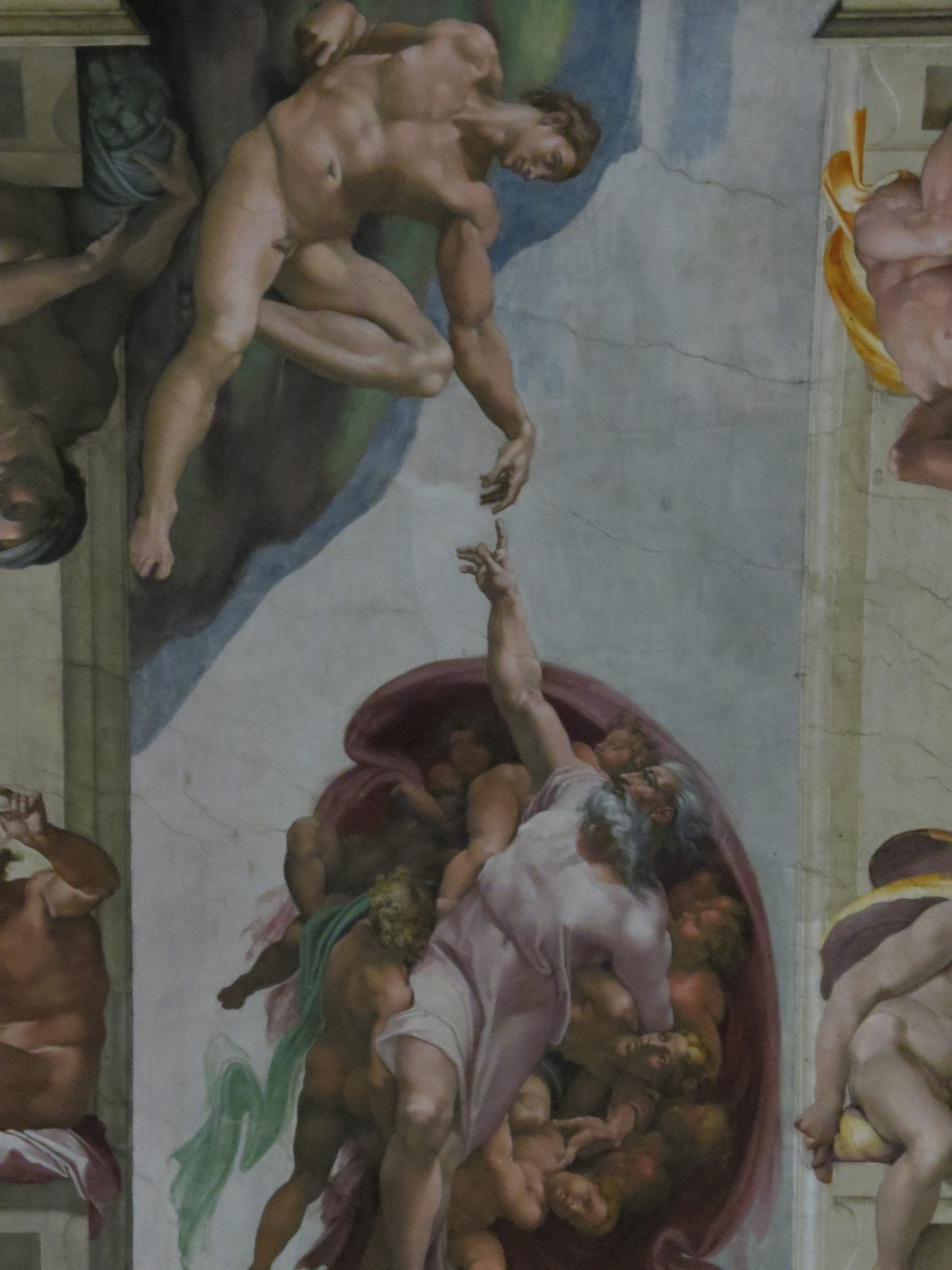
In the evening, the pièce de résistance was a private tour of the Vatican museums. Led by Franco, we spent two hours navigating through the various museums and finishing at the breathtaking Sistine Chapel. It was an experience beyond compare. Michelangelo, you still rock!

Exploring Ancient Rome: From the Colosseum to the Catacombs – September 9, 2012
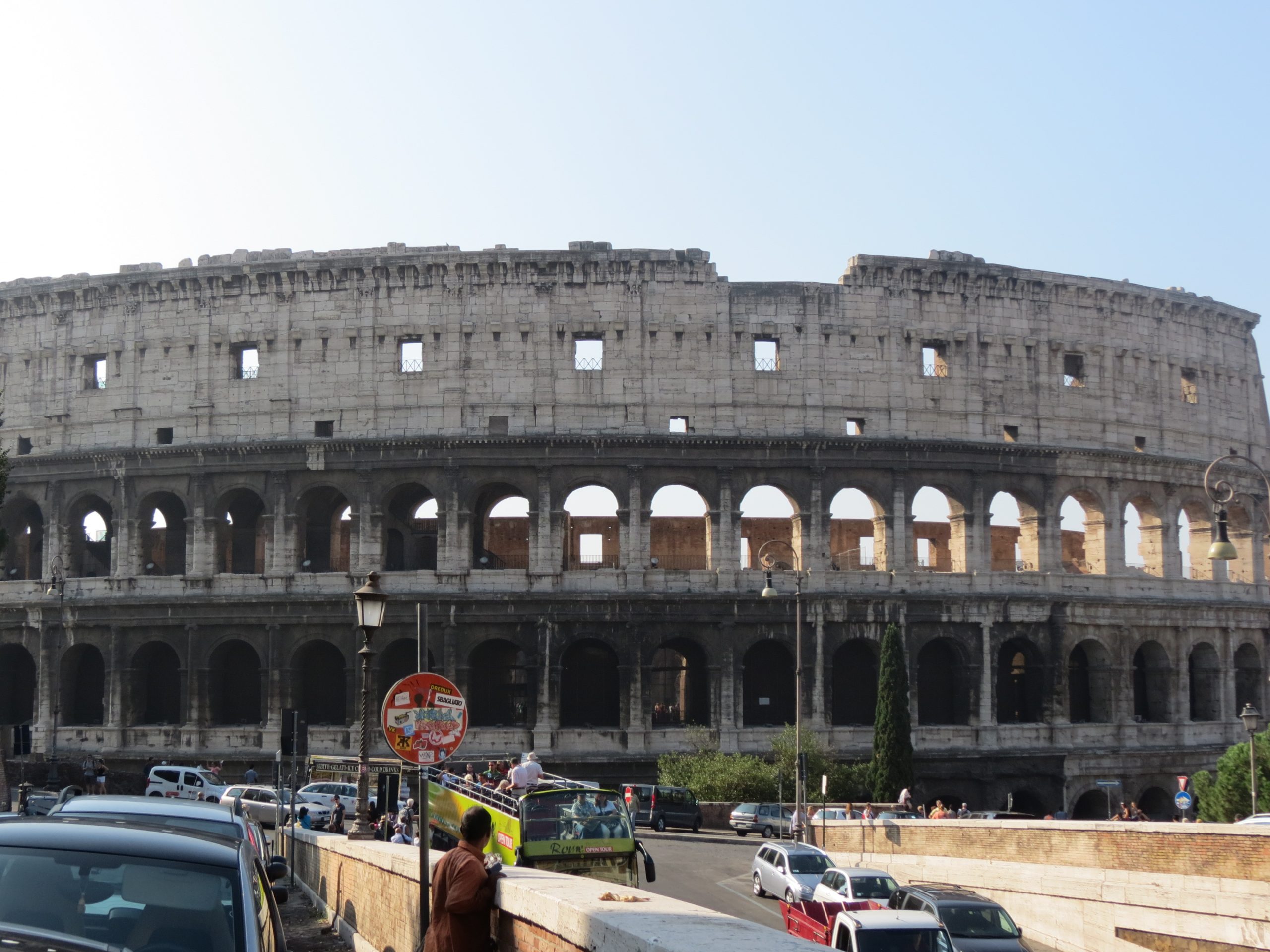
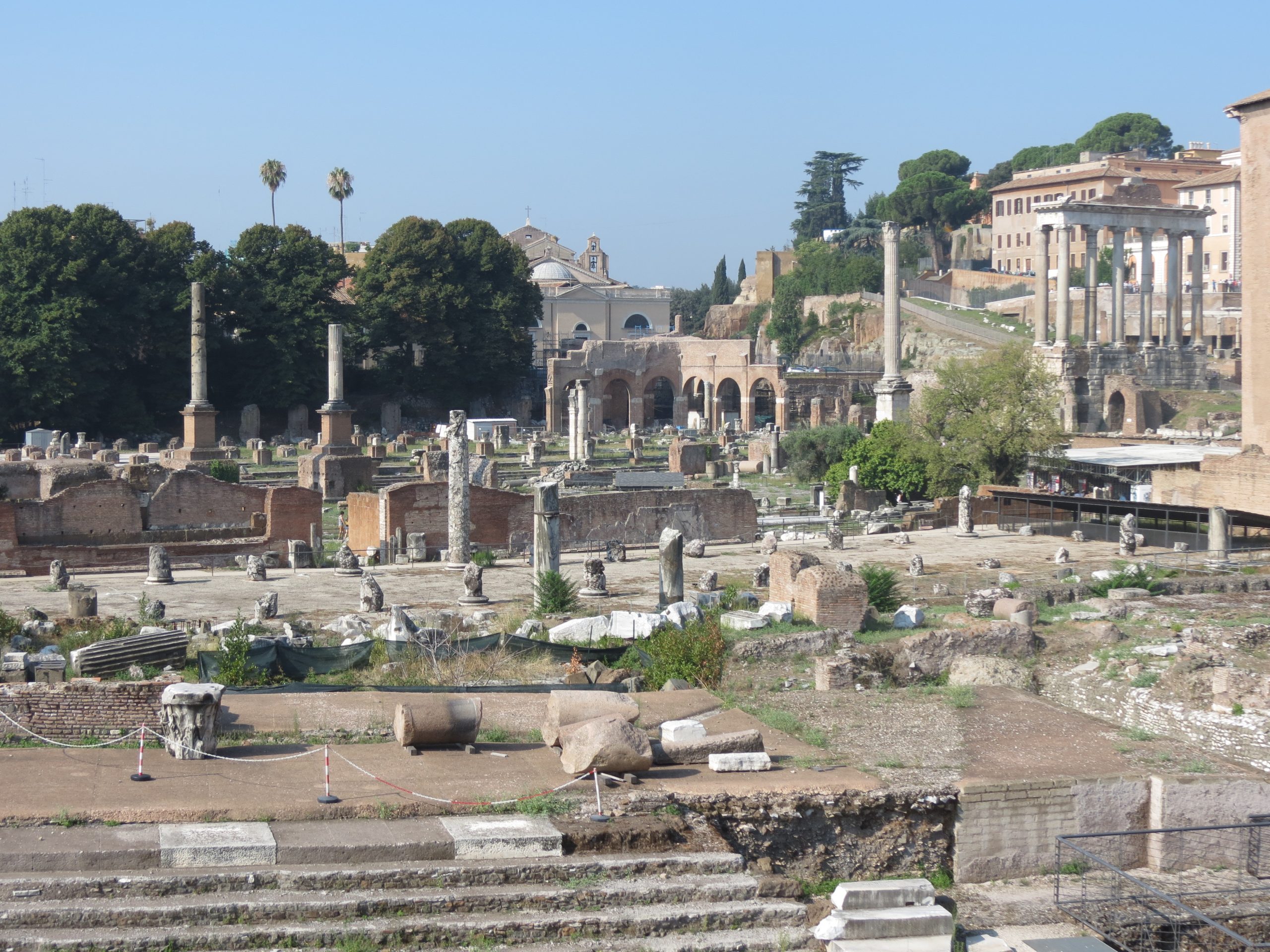
In the morning, we visited the Colosseum, marveling at its enormous scale. Then, we posed for a group picture next to the Gate of Constantine.
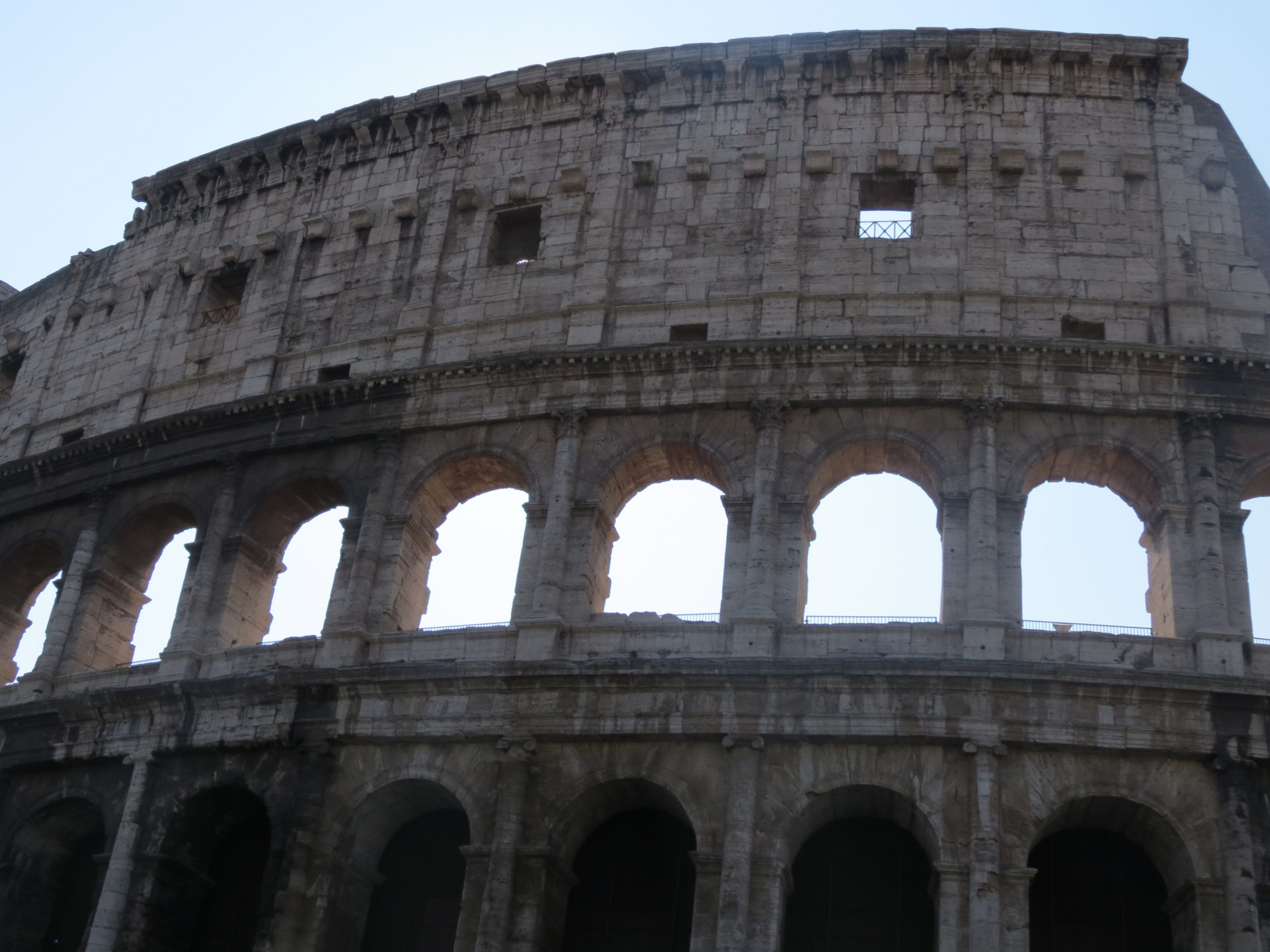
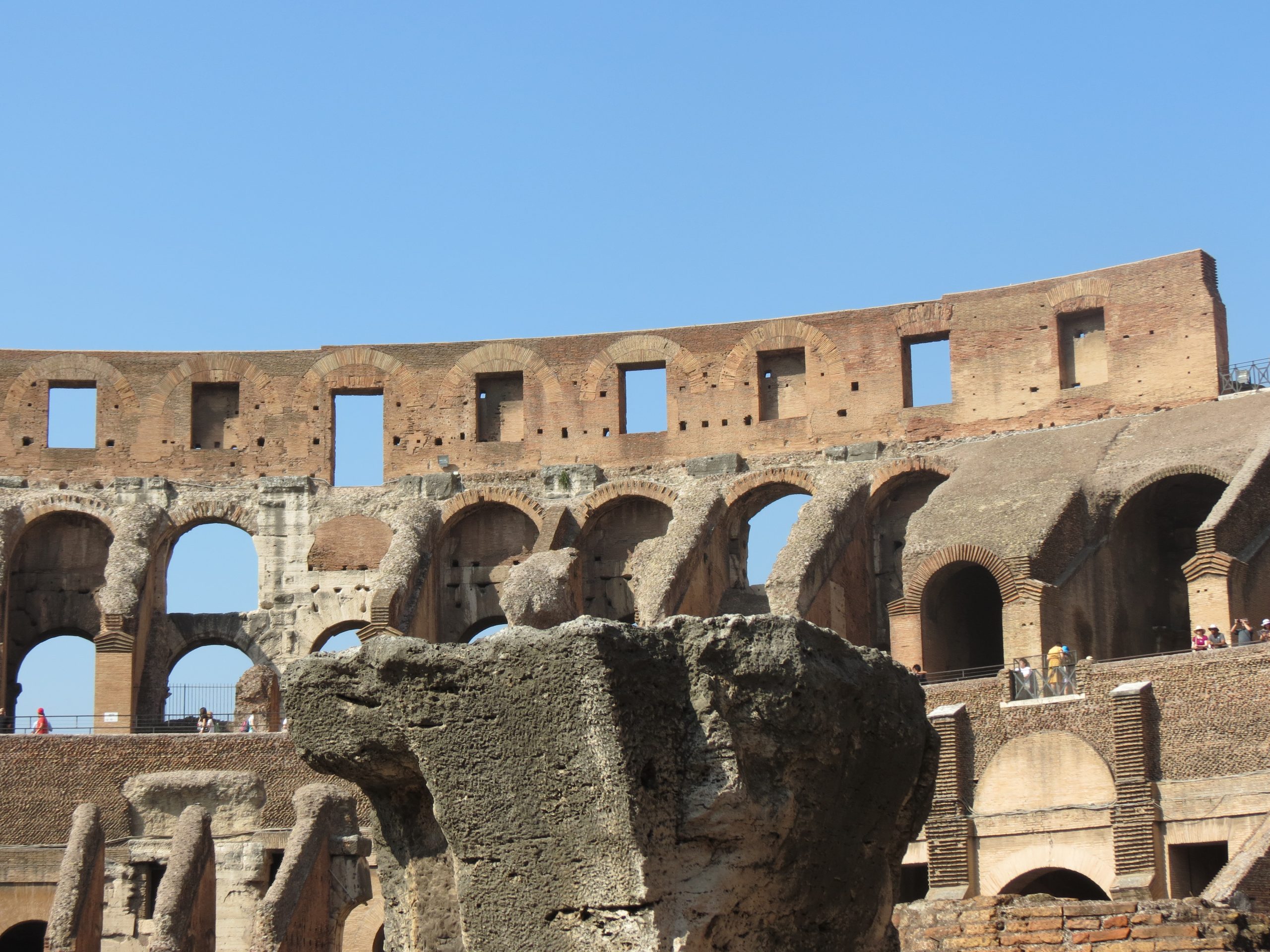
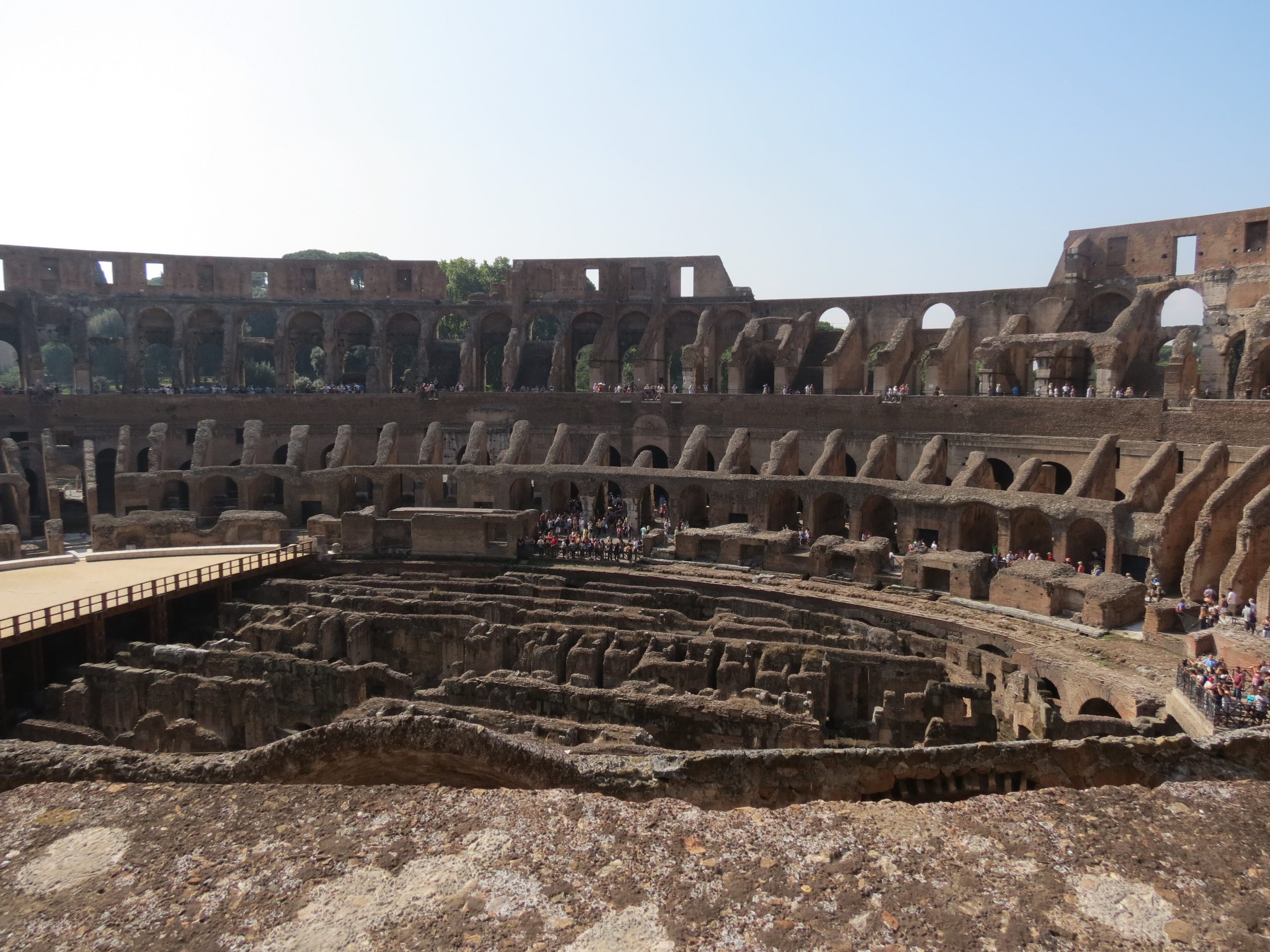
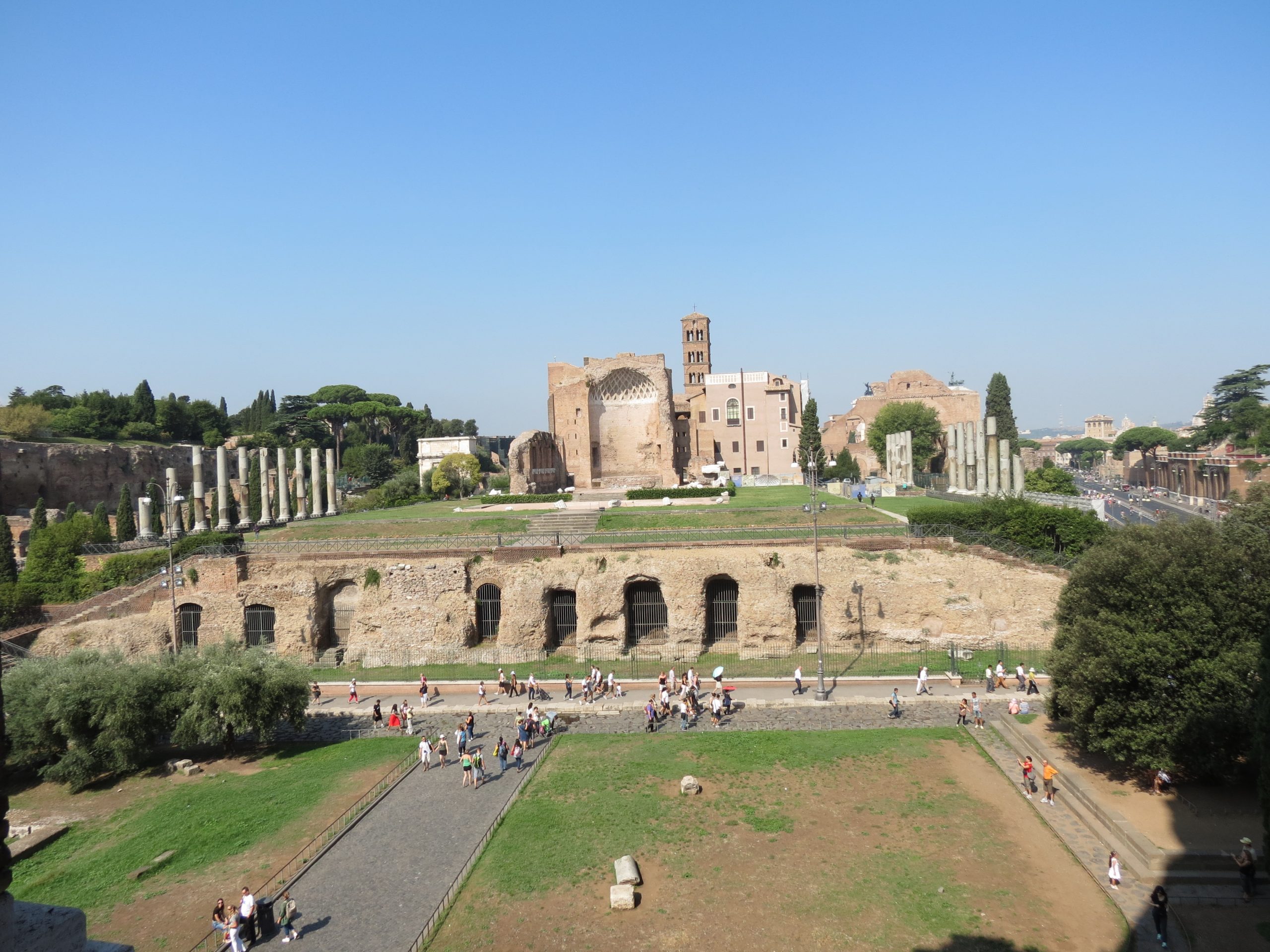
In the afternoon, we took a cab to visit the Catacombs of San Callisto, the only ones open on Sunday. Our guides, all priests, provided us with insightful commentary. The guides are all priests. Our English-speaking guide was a Keralite priest, Fr. Anthony, who is a Silesian posted in Rome for the last two years. The catacombs housed several popes, martyrs, and the body of St. Cecilia, who now has her own basilica. While the final resting places of the popes remained uncertain, the martyrs and other revered figures were walled up, hidden from the view of visitors.
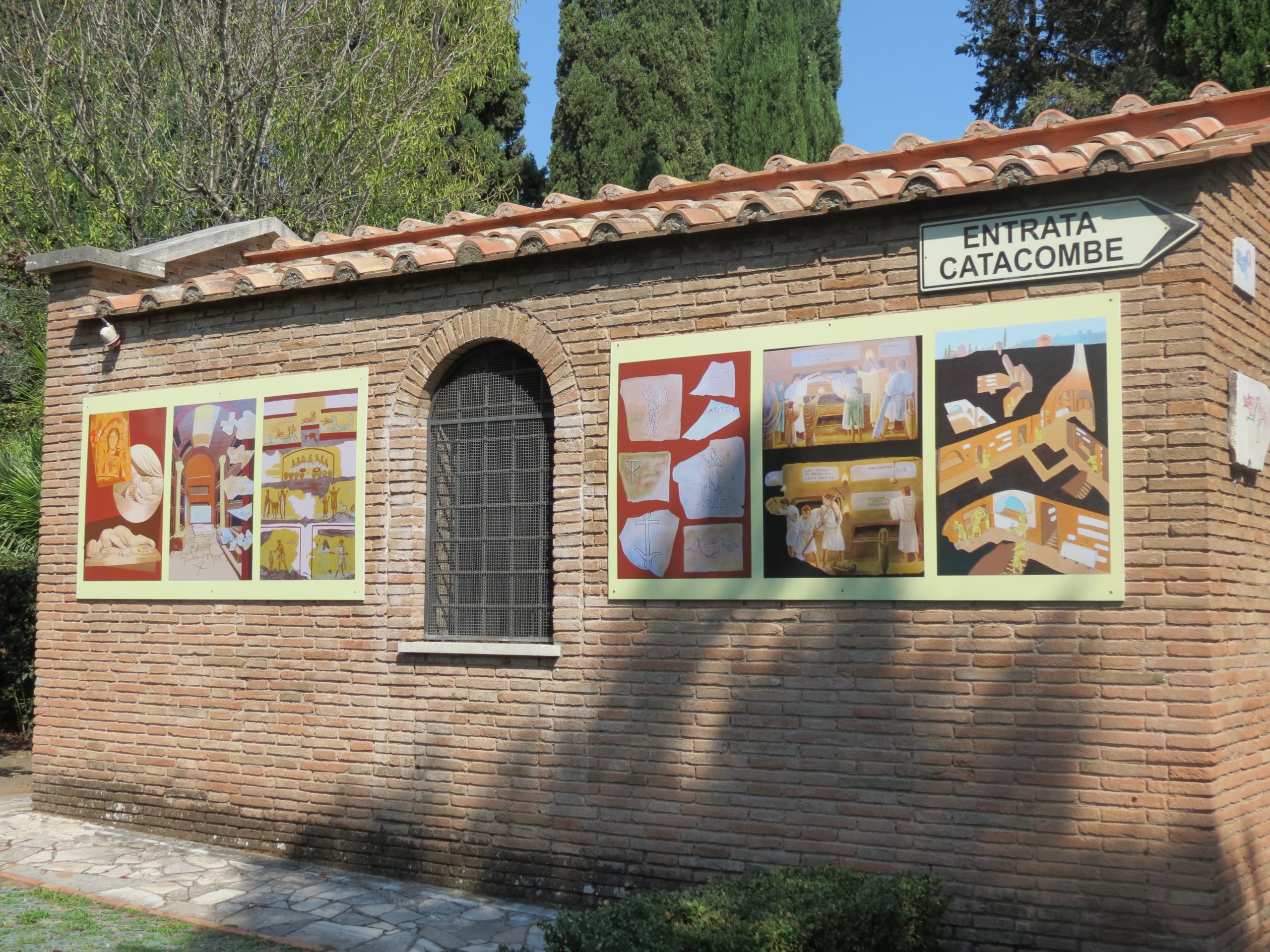
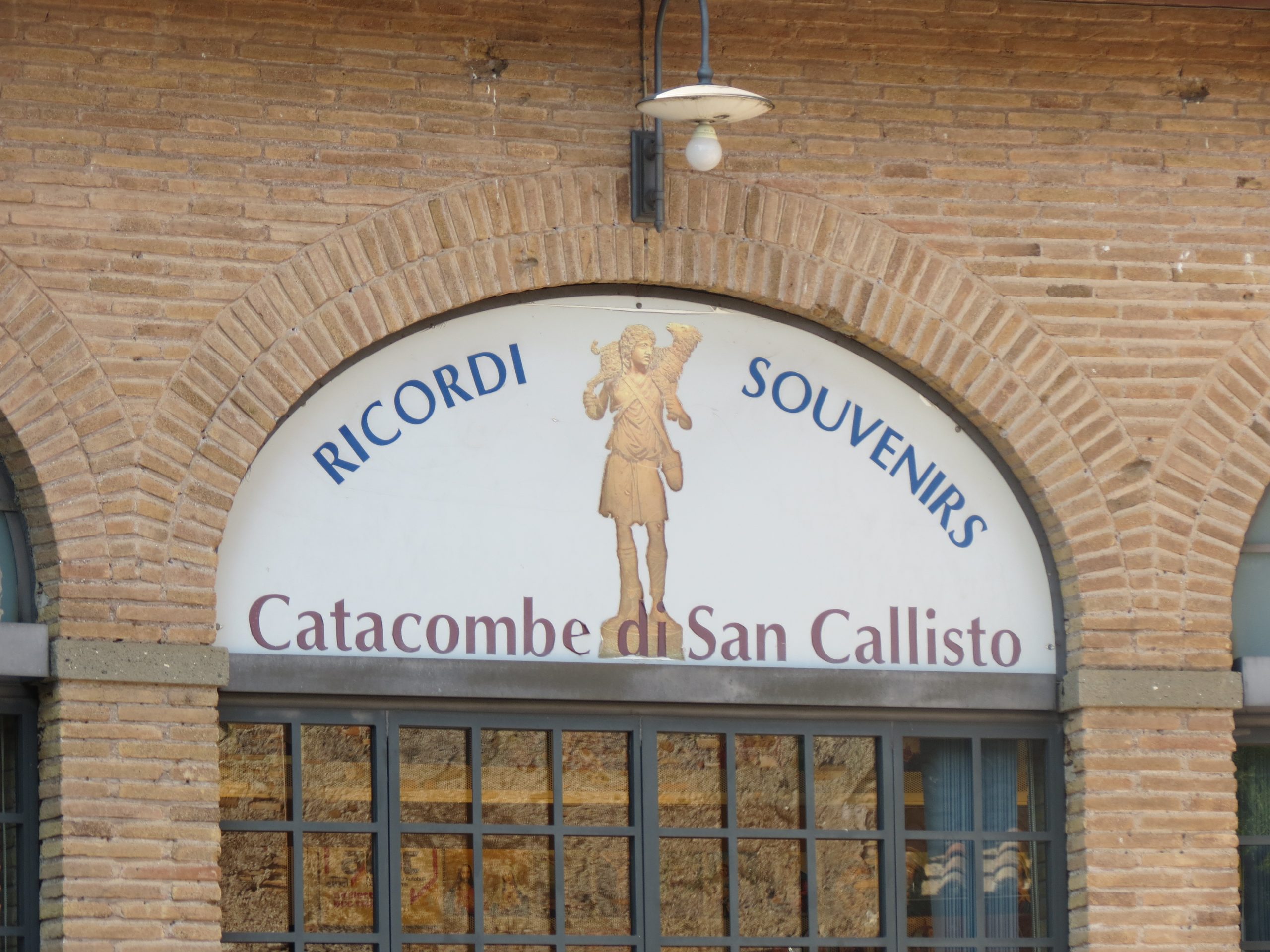
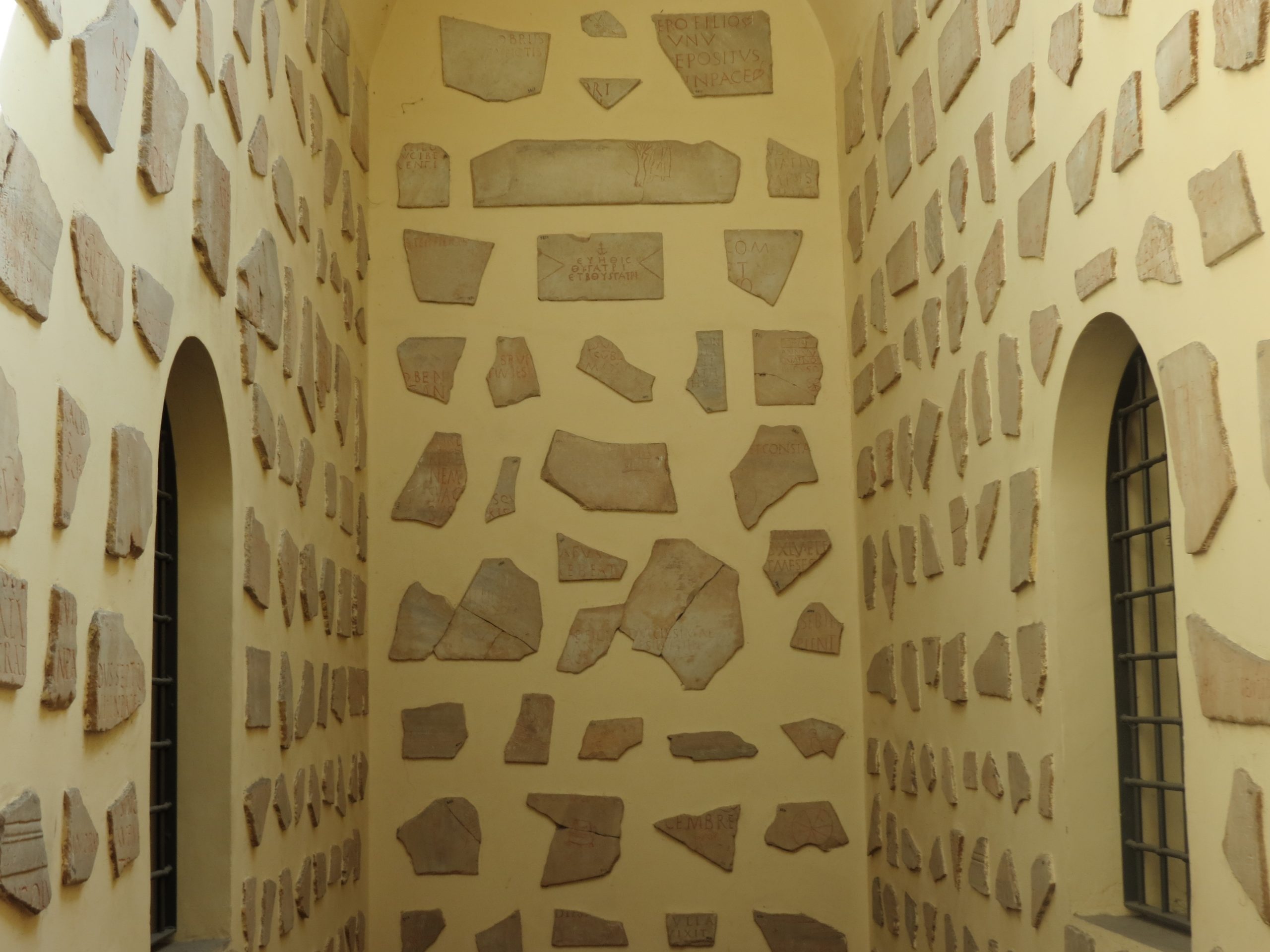
Later, we attended mass at the Capuchin church, the very one known for its bone displays!
Orvieto to Torgiano: A Taste of Italy’s Rich Heritage – September 10, 2012
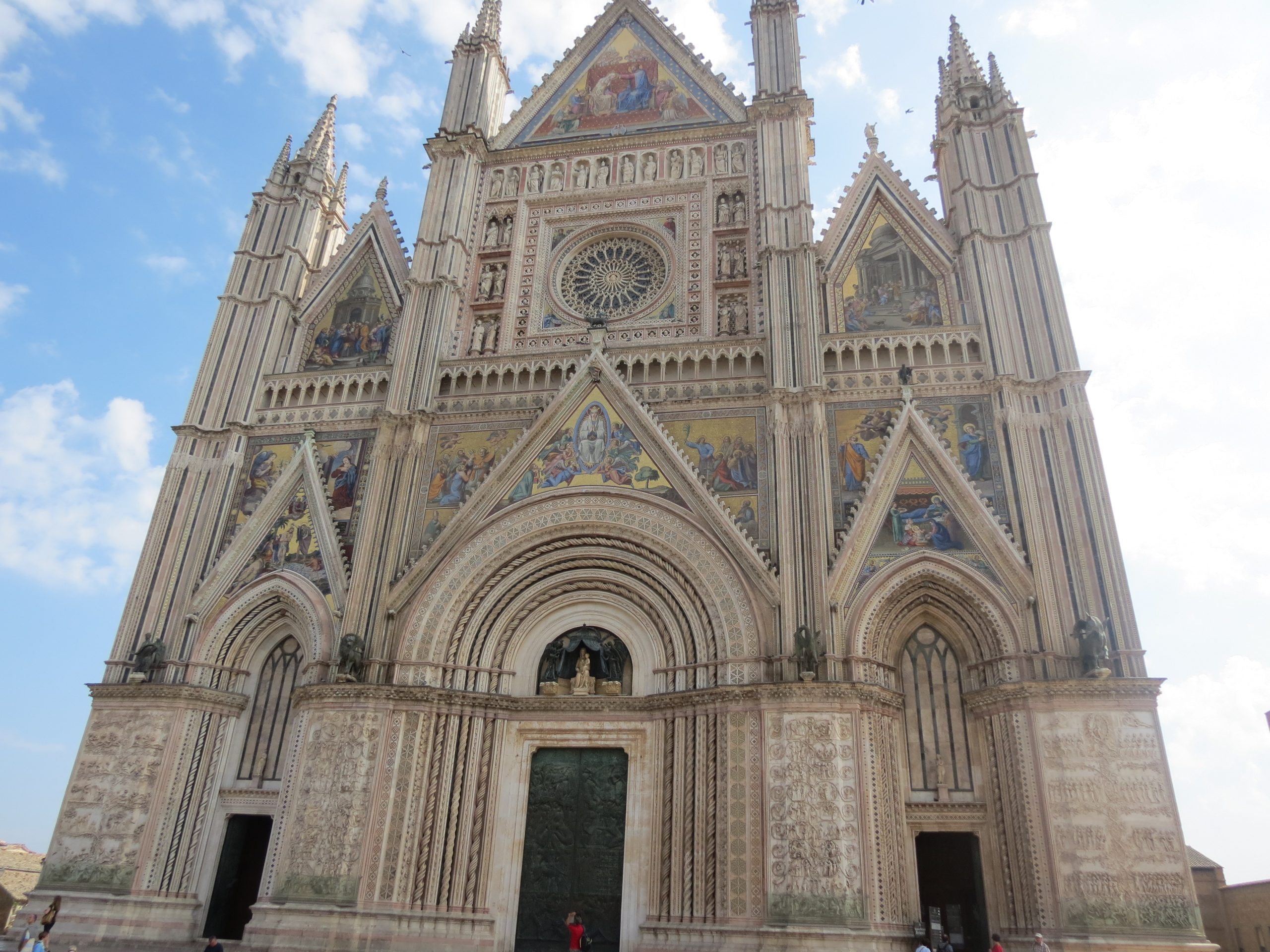
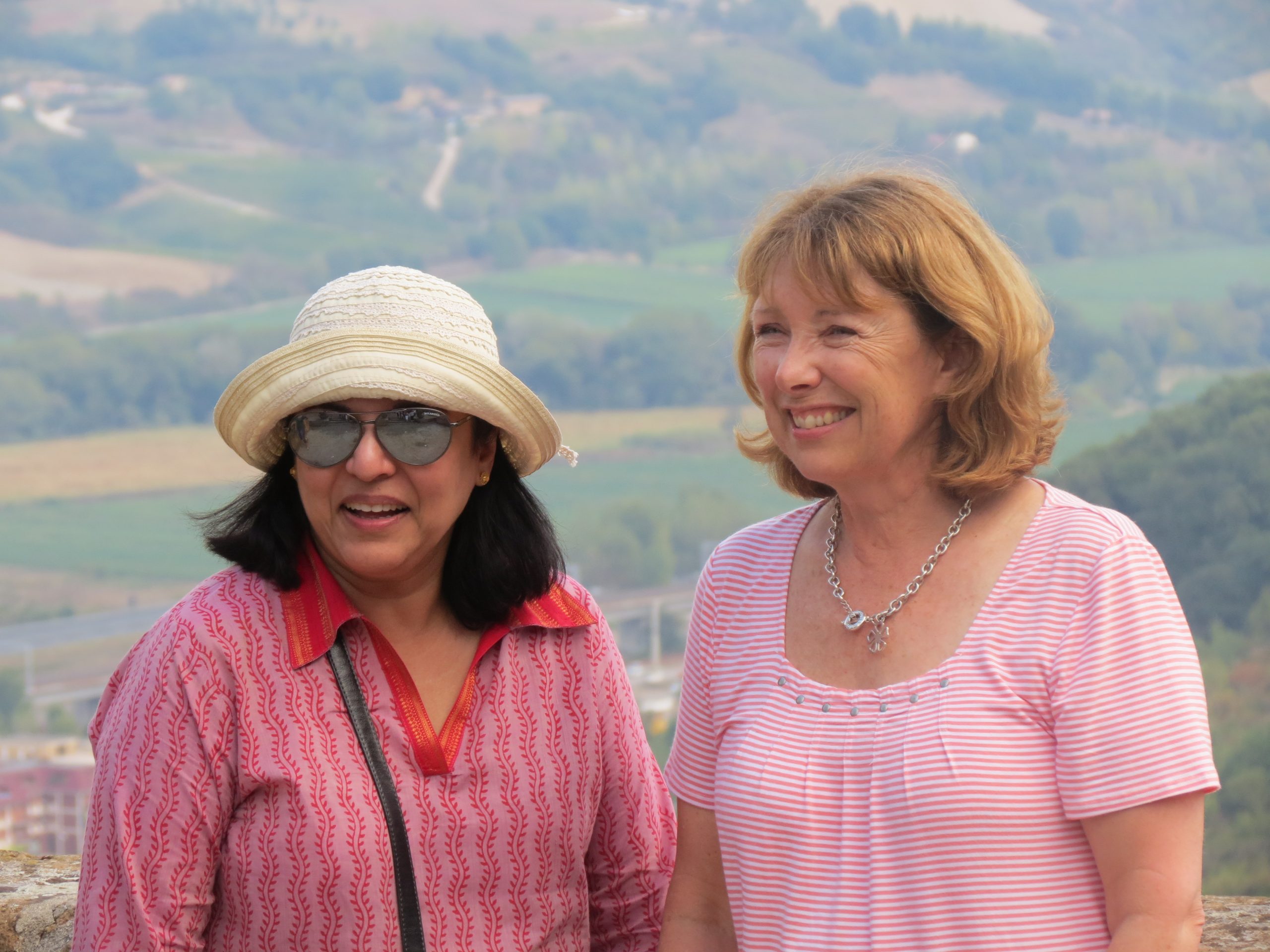
This morning, we drove to visit the picturesque hill town of Orvieto, which overlooks the vineyards below. The Duomo, a Romanesque-Gothic cathedral built over a span of 300 years, left us in awe. Its ceilings were painted by Fra Angelico, and the walls by Luca Signorelli, not to mention the relic from the miracle of Bolsena, which led to the cathedral’s construction and the establishment of the feast of Corpus Christi. We had never seen a striped cathedral before, but it was a unique sight to behold. Orvieto is renowned for its cathedral, ceramics, and wine. We enjoyed a delightful lunch at Trattoria la Grotto, where the vegetable lasagna was out of this world.
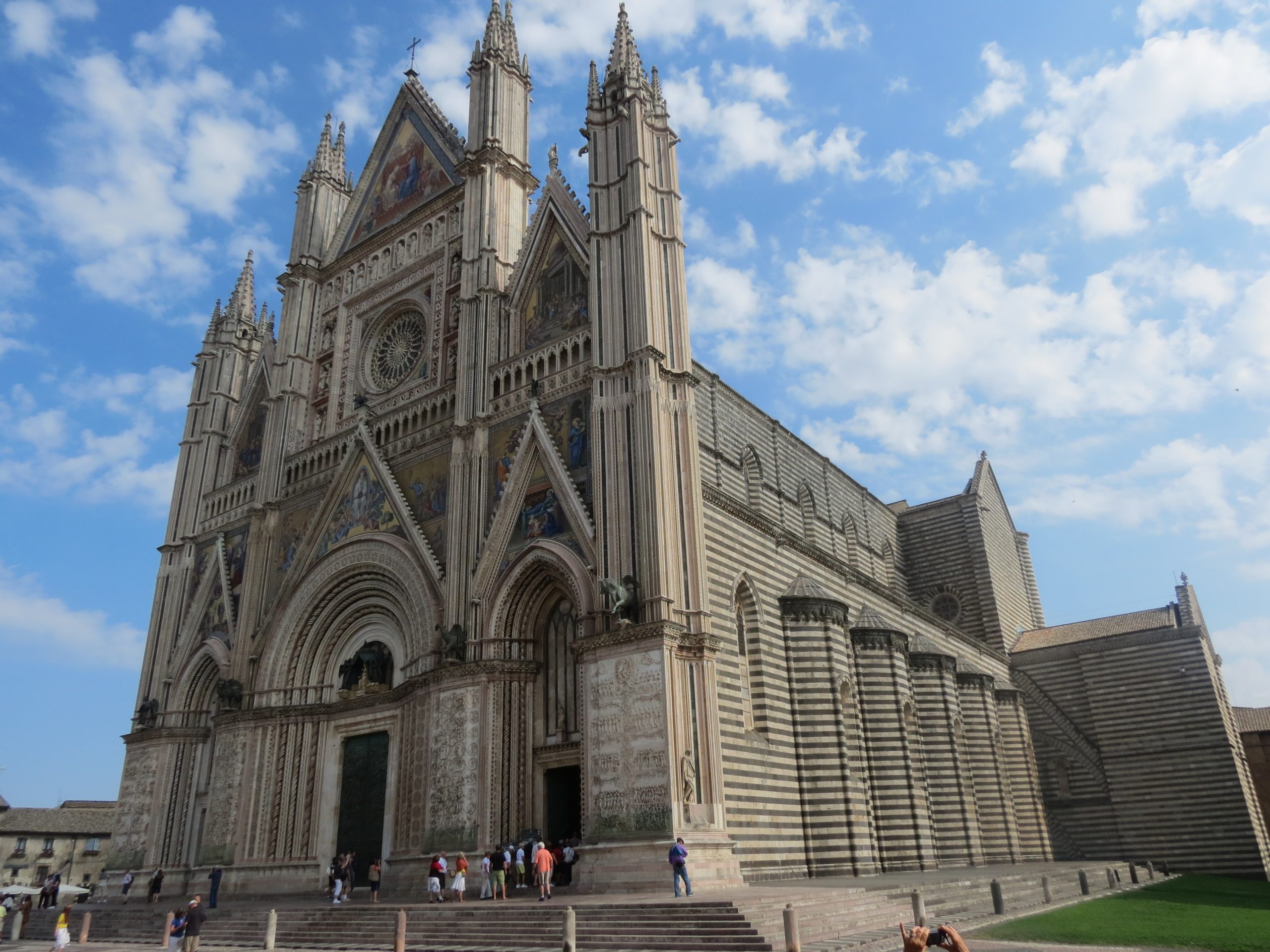
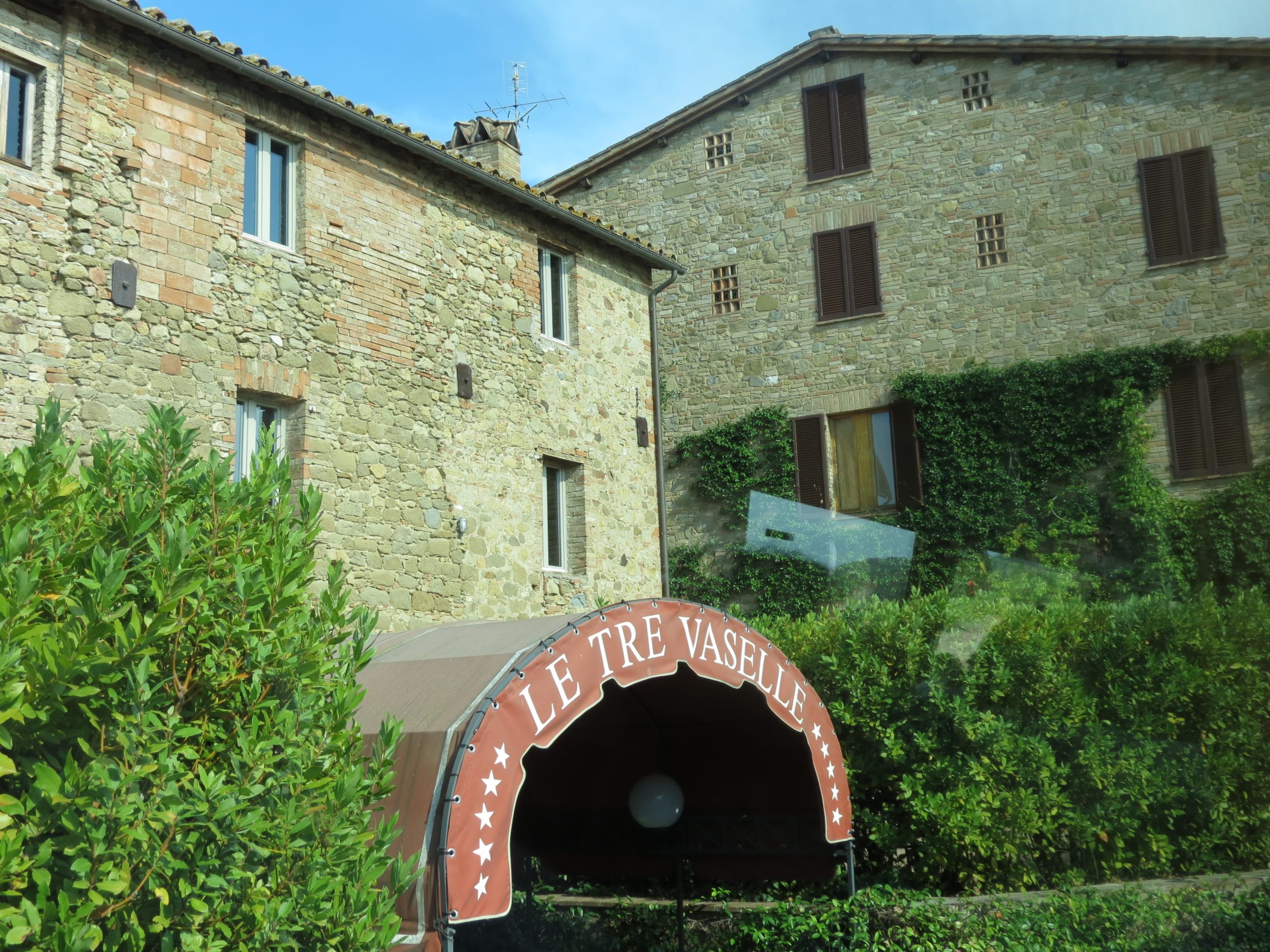
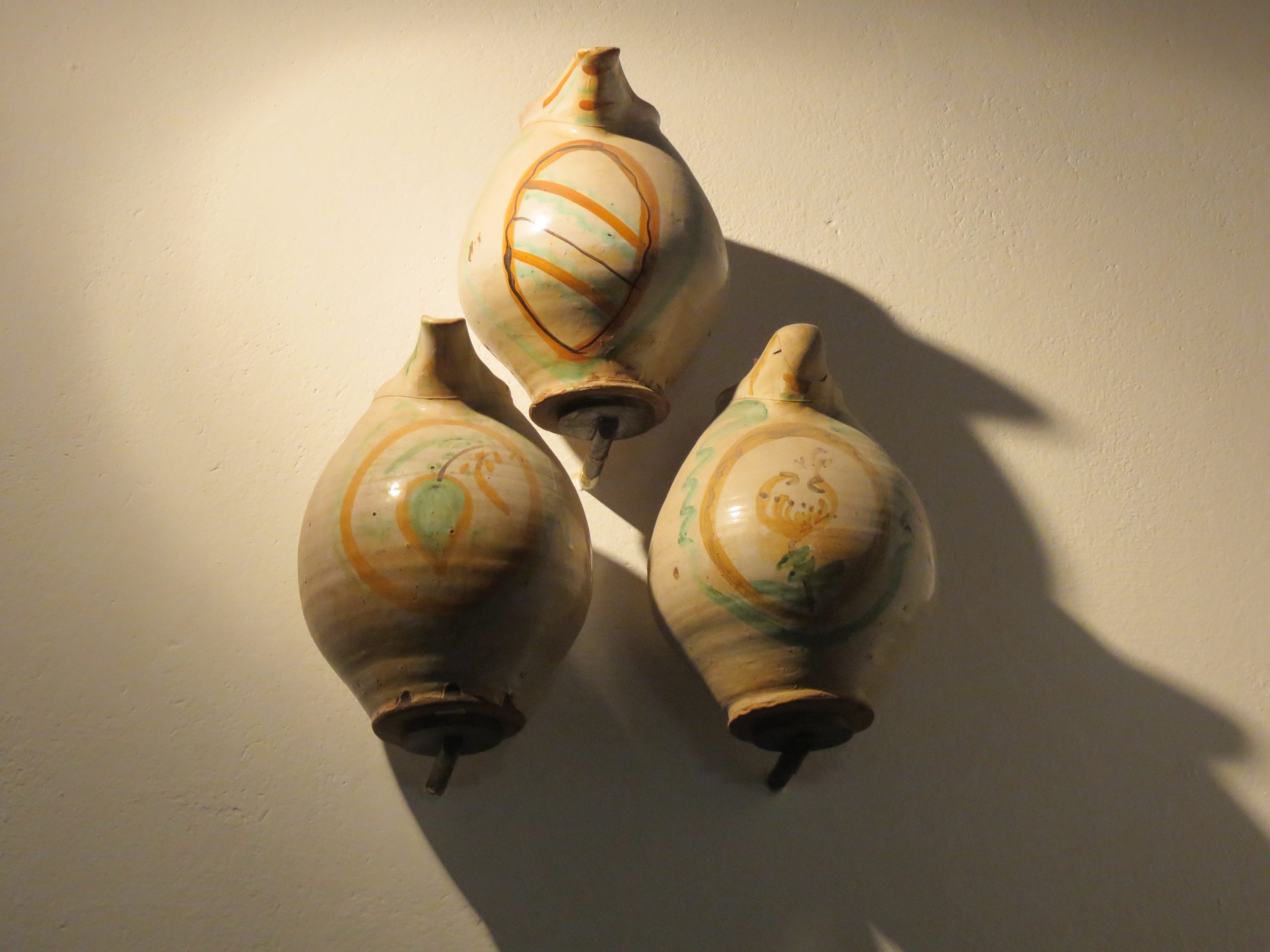
Our residence for the next three nights in Torgiano is at Le Tre Vaselle (The Three Vessels), a 17th-century villa elegantly transformed into a hotel. Operated by the esteemed Lungarotti family, proprietors of multiple vineyards, producers of olive oil and balsamic sauce, the hotel also boasts a renowned wine museum, acclaimed by a New York Times wine critic, and an olive oil museum.
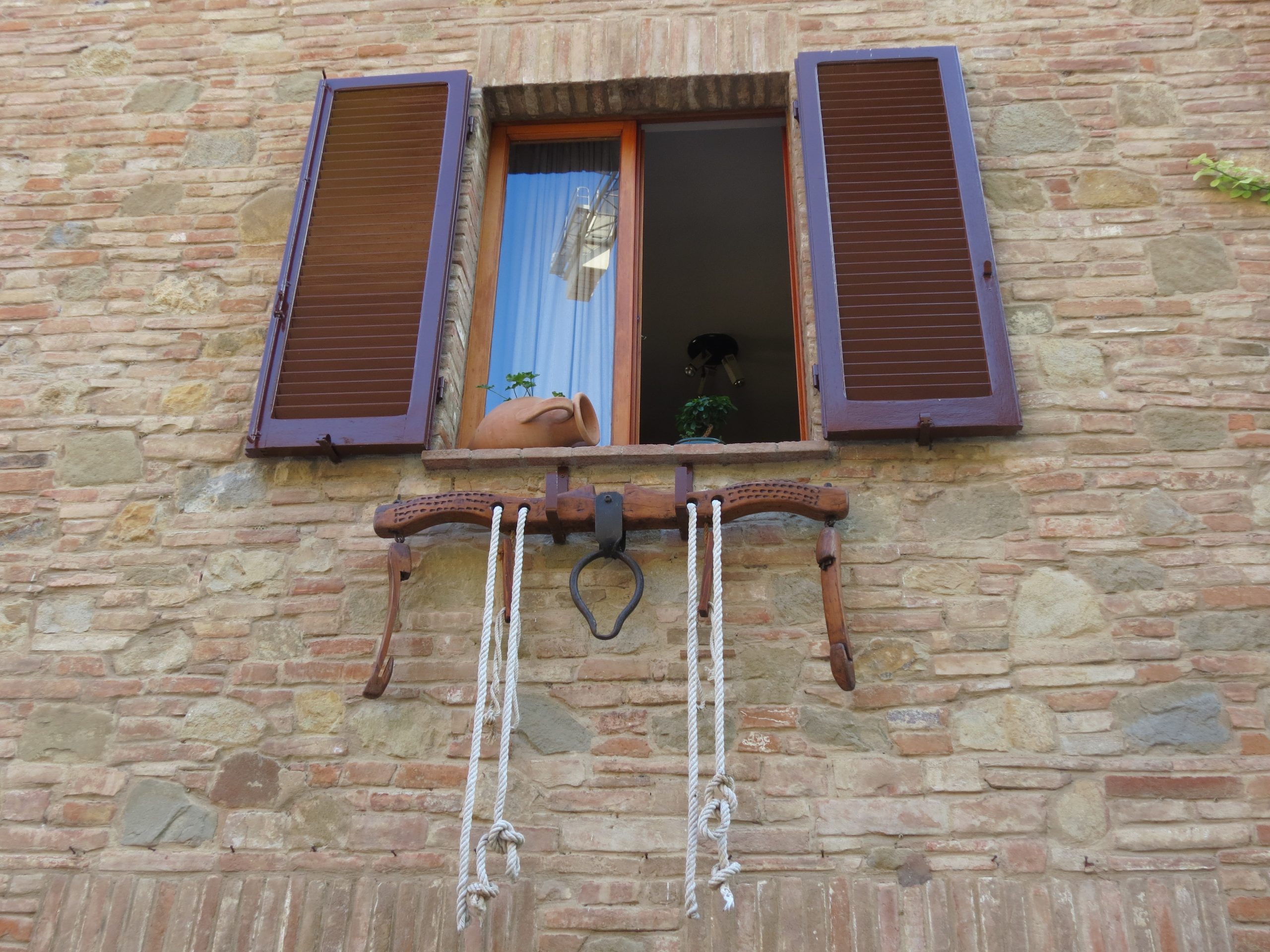
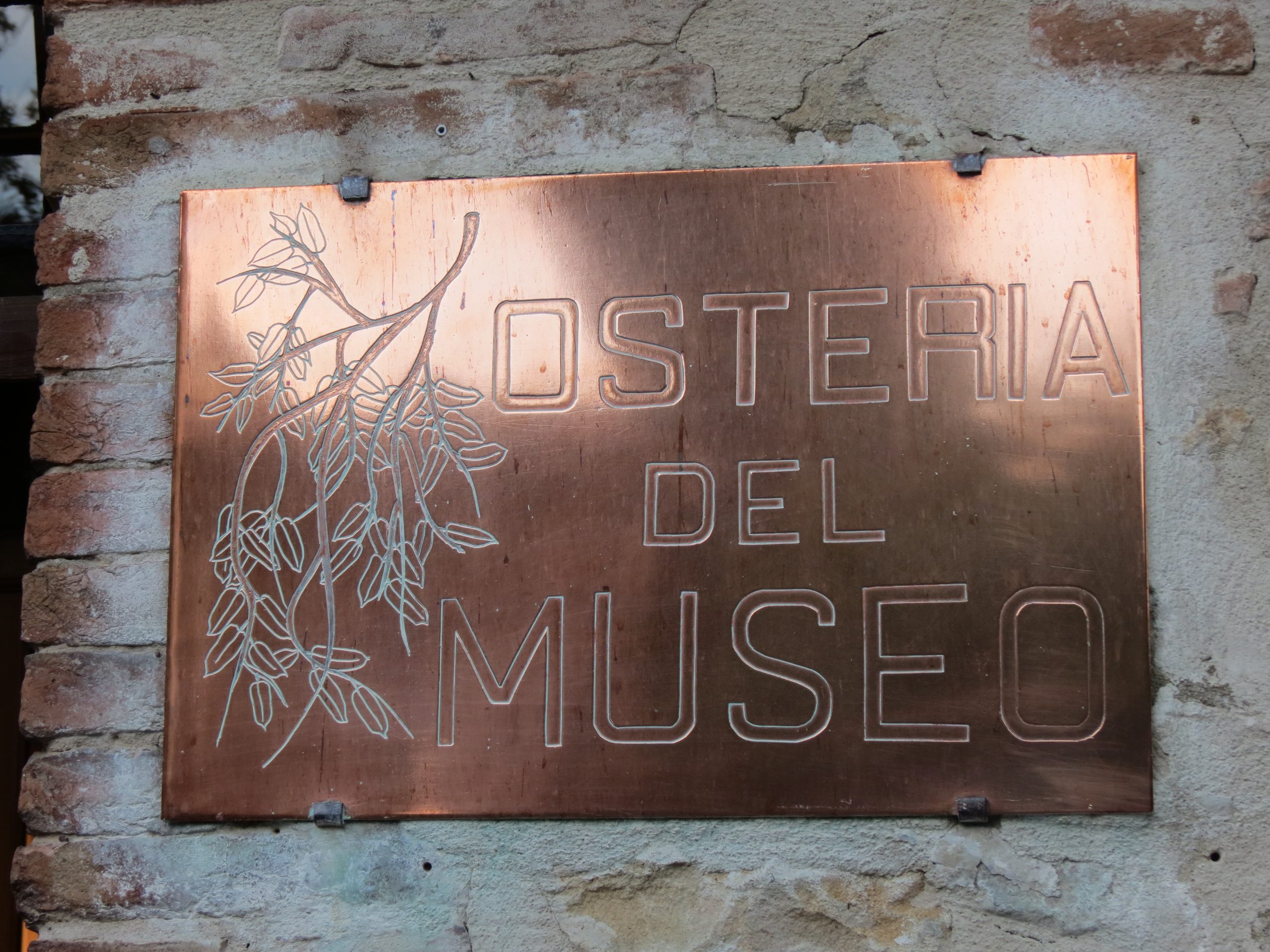
Dinner was an elegant affair featuring stuffed zucchini flowers, ravioli infused with truffles, succulent entrecote of beef, and a dessert of strawberries drizzled with balsamic sauce (technically not vinegar, as it is made in Umbria, not Modena) served with vanilla ice cream. Truly divine!
Assisi: Home to Sts. Francis and Clare – September 11, 2012
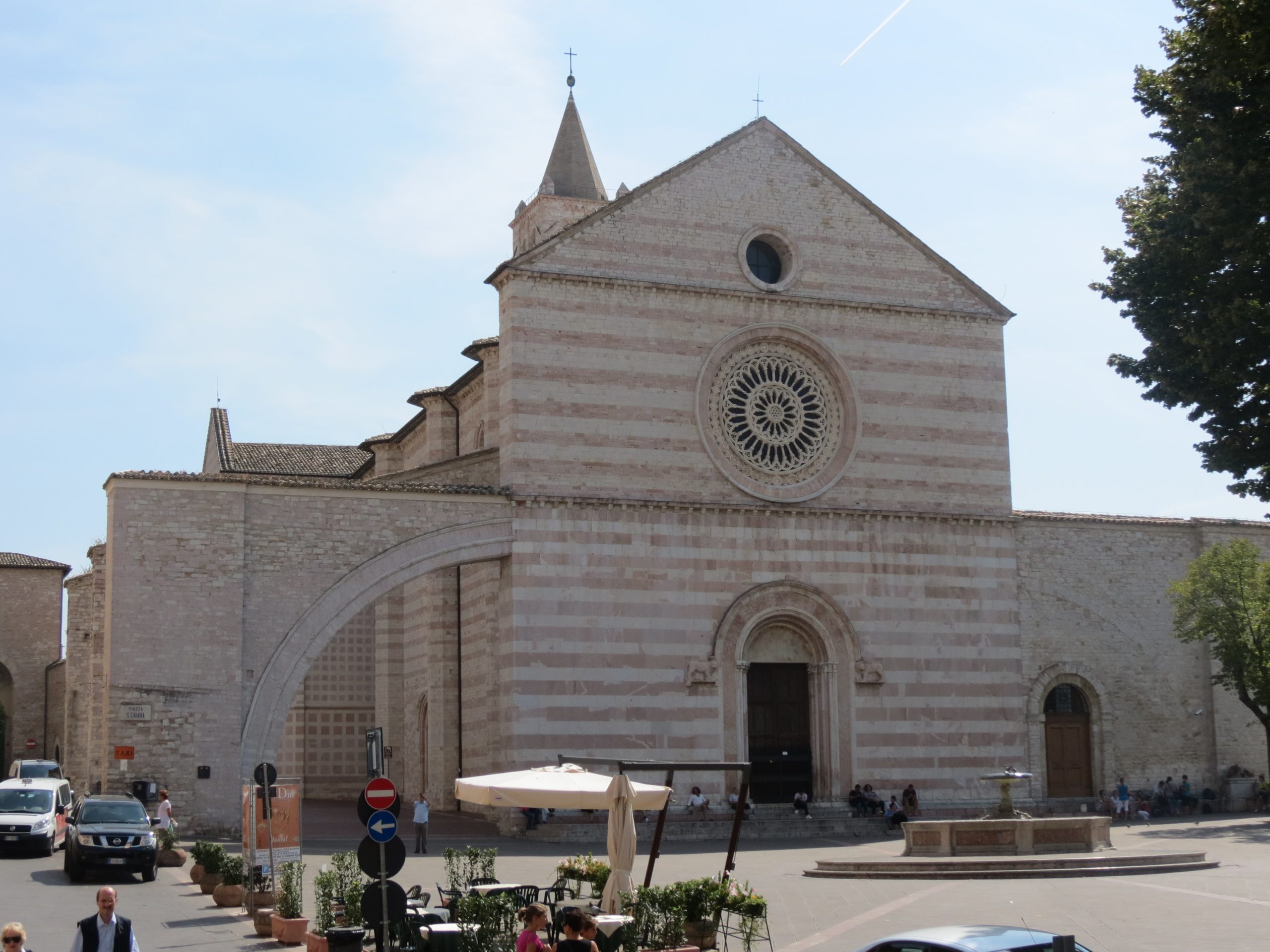
We drove to Assisi, a well-preserved medieval hill town designated a UNESCO World Heritage Site for its art and architecture, and the hometown of St. Francis, the revered patron saint of animals and founder of the Franciscan order and the order of St. Clare. The Basilica with the frescoes depicting the life of St. Francis by Giotto and Cimabue were spectacular.
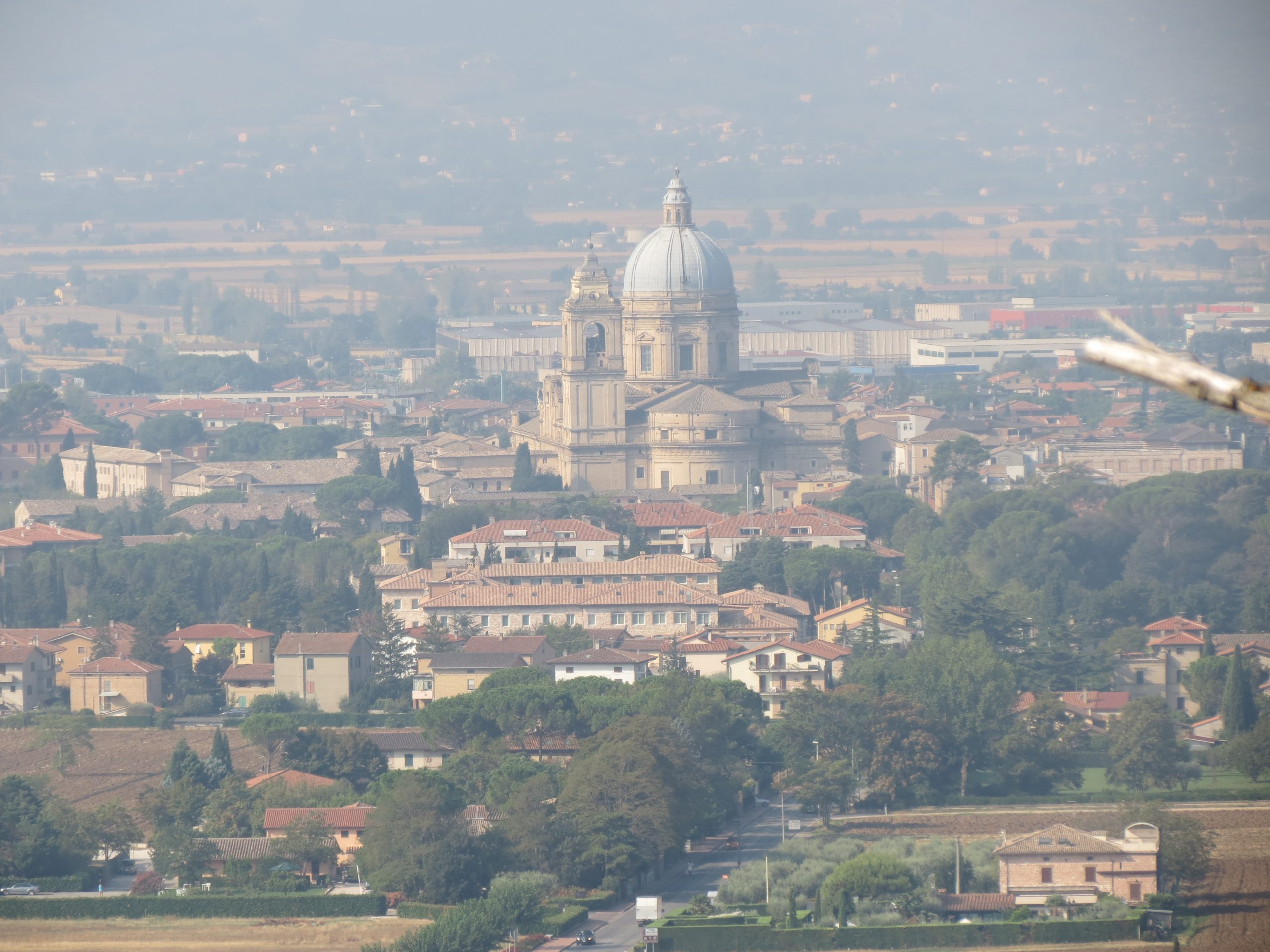
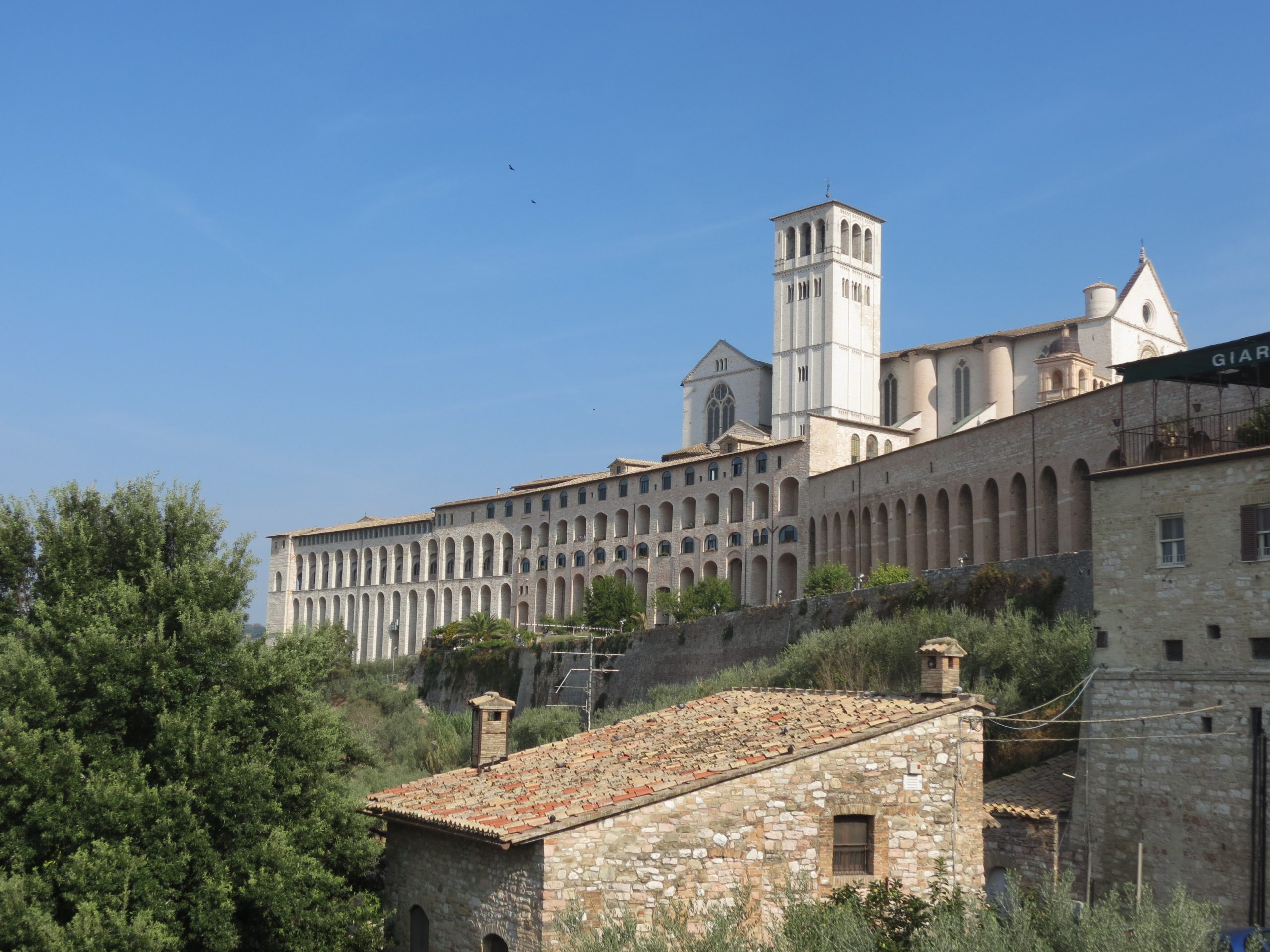
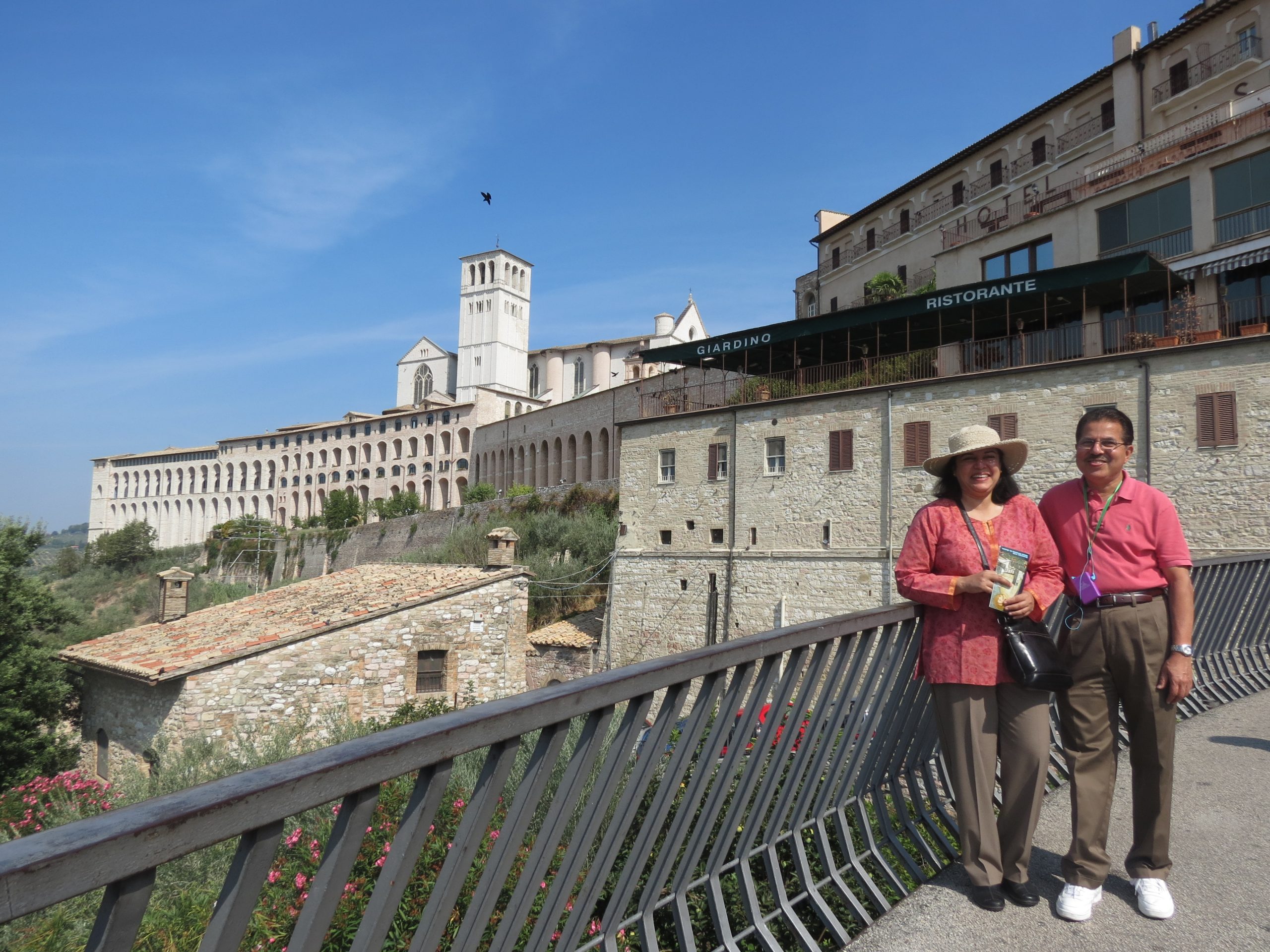
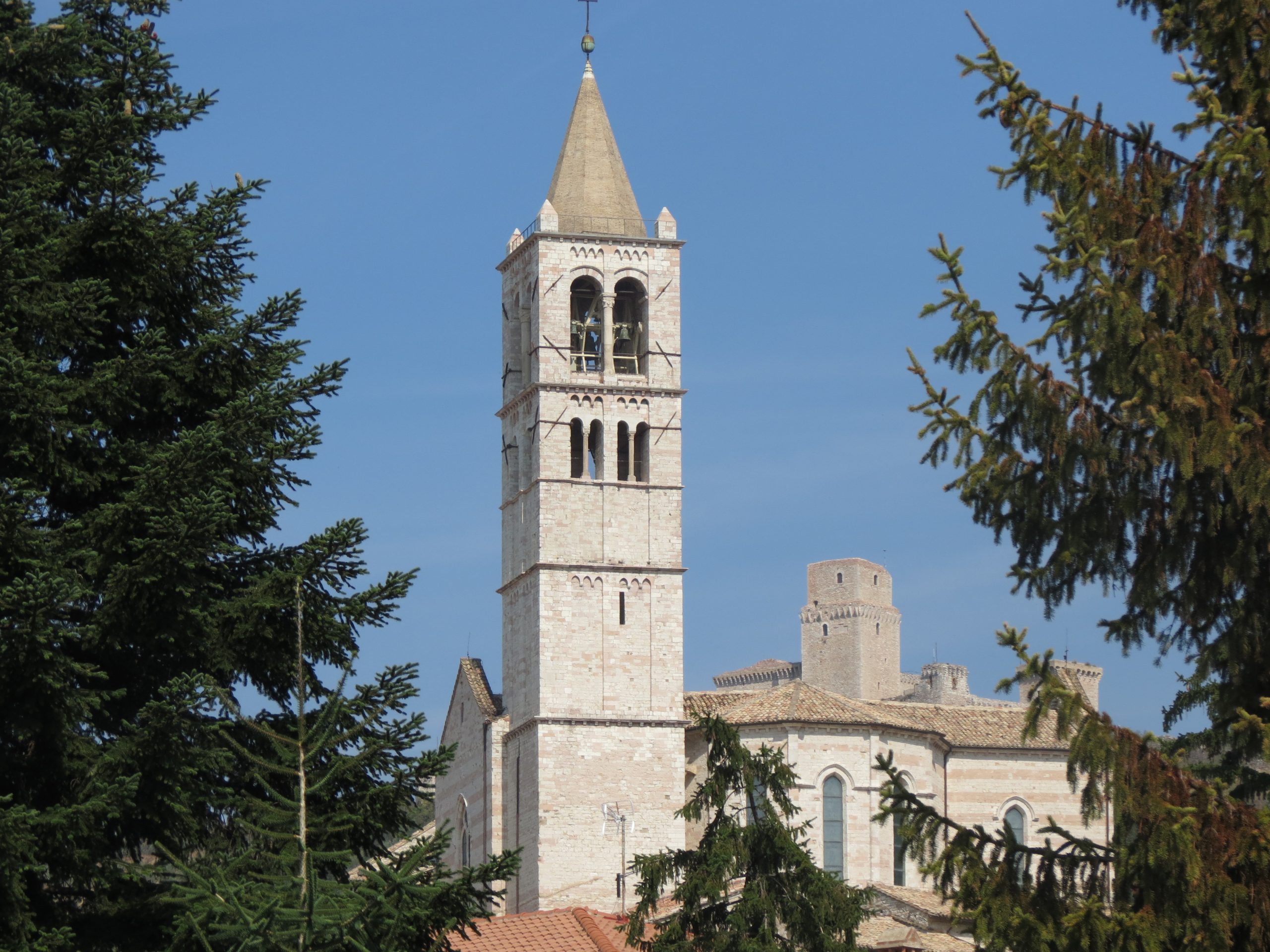
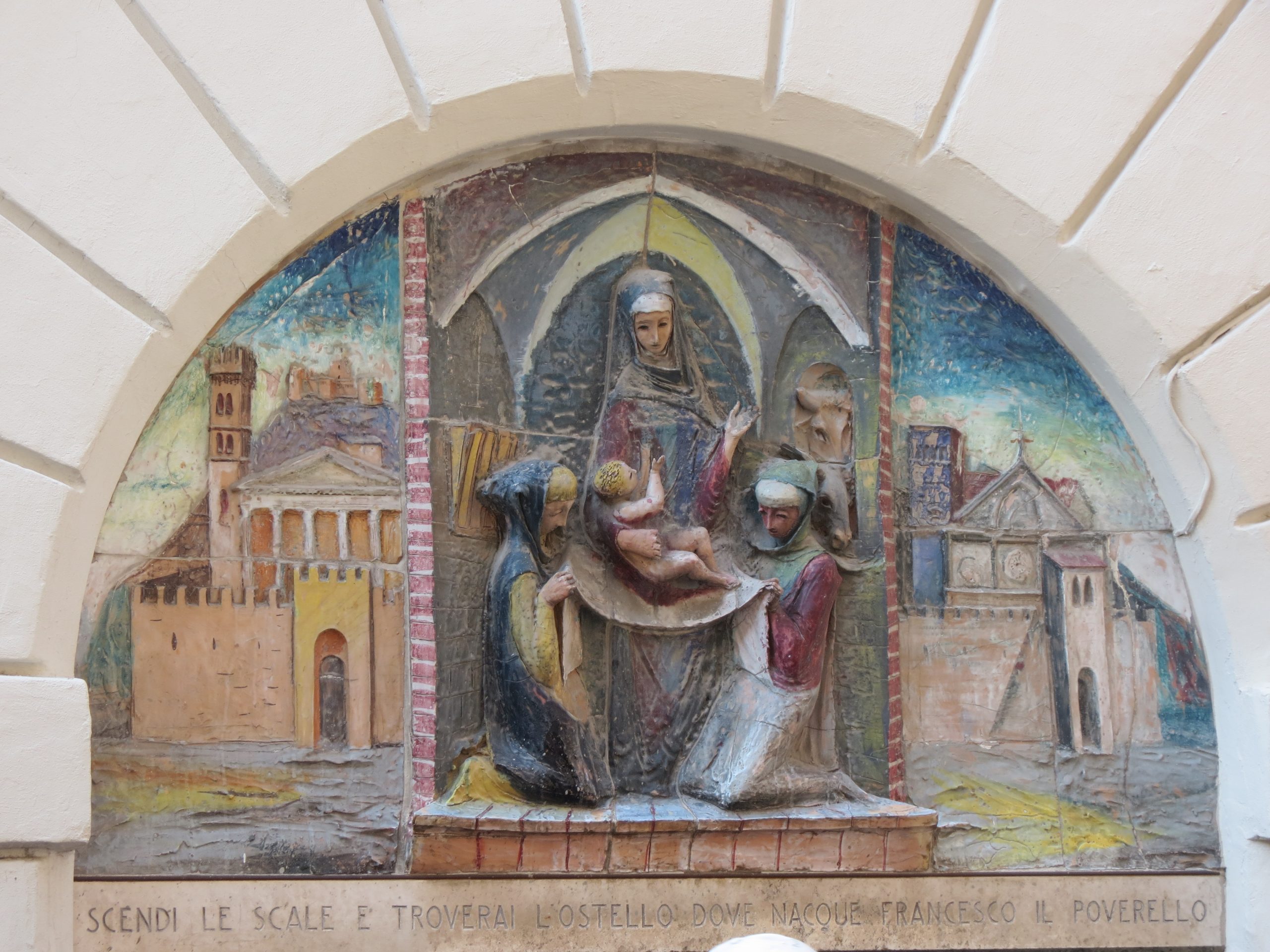
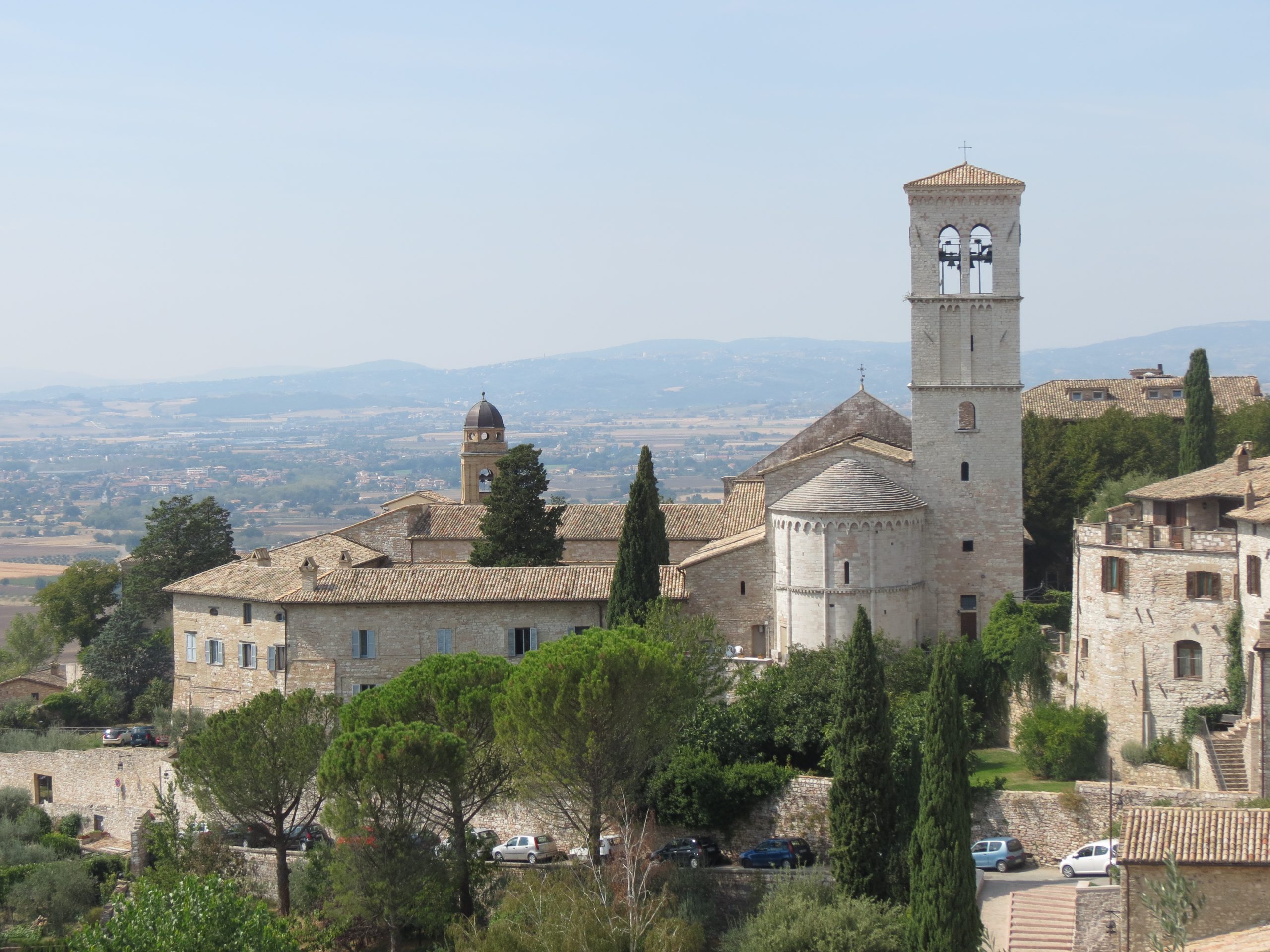
Later we attended a cooking demonstration by the chef at Tre Vaselle, Ciro. Learned two things: adding ice to basil when making pesto keeps the mixture bright green instead of turning it black; adding olive oil to strawberries cuts down the acidity when making strawberry soup (puree).
Medieval San Gimignano – September 12, 2012
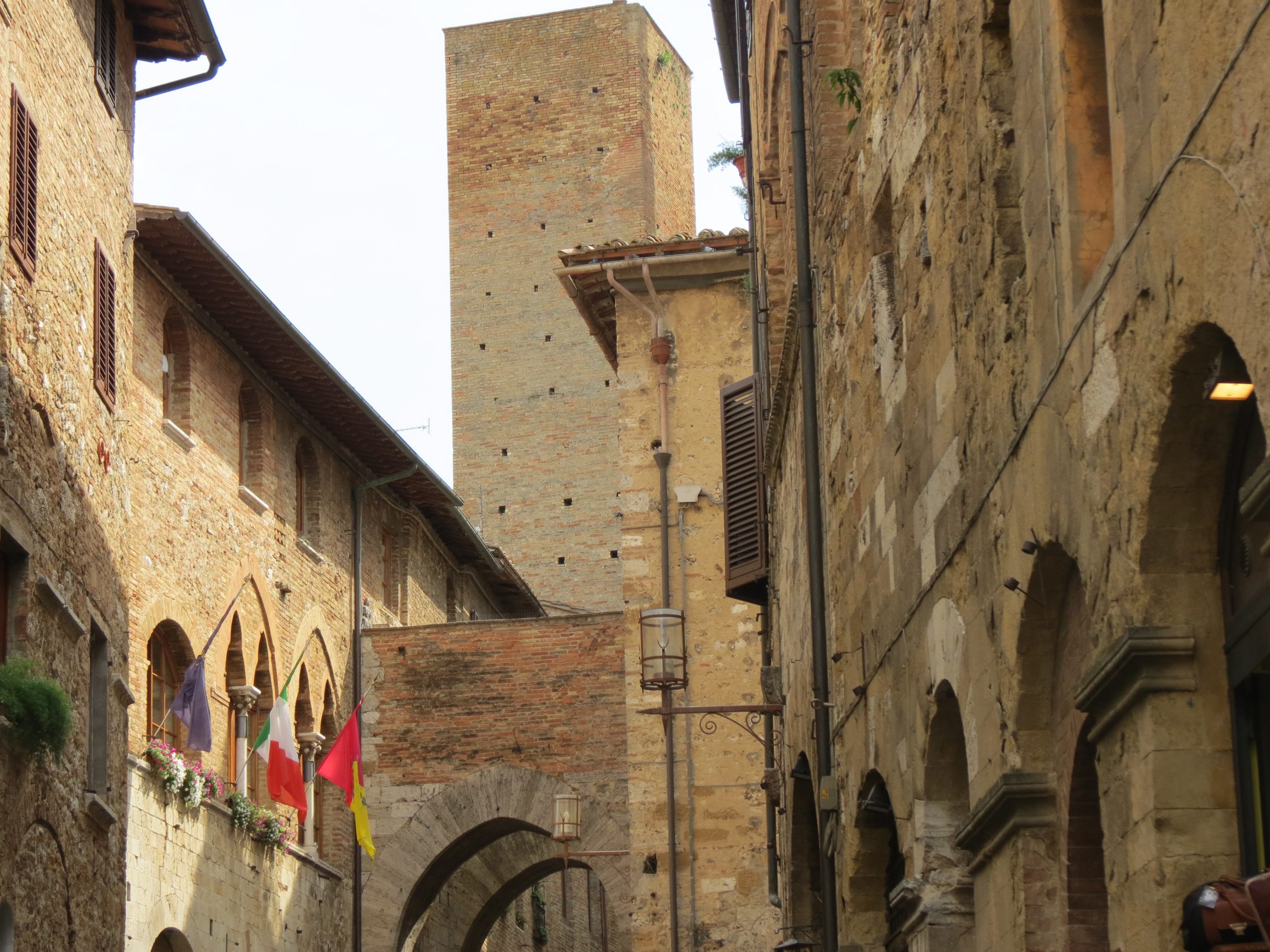
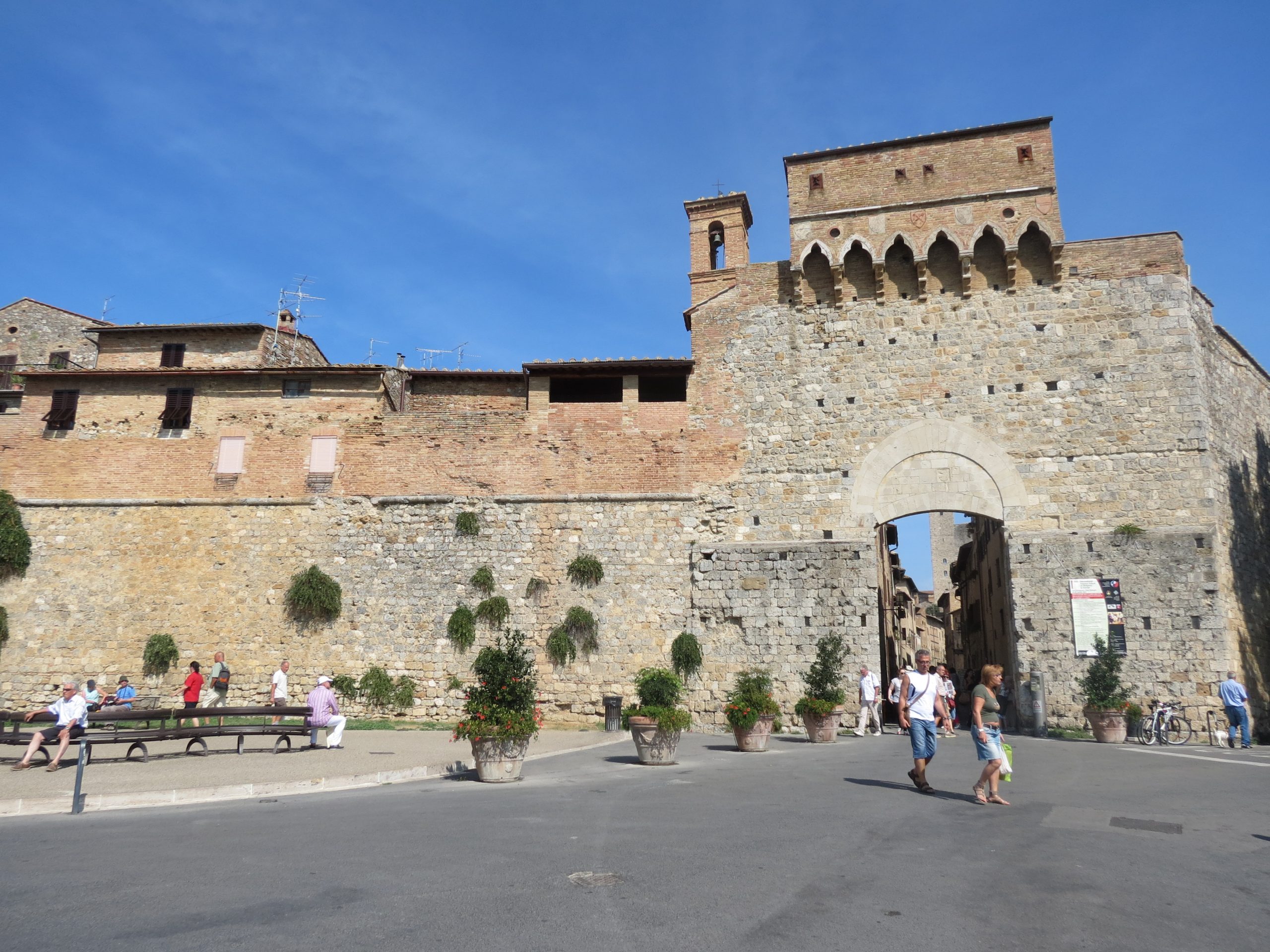
Many people label this Tuscan town a tourist trap, but we found it utterly charming. Its iconic towers stand as a testament to its charm. Depending on the guidebook consulted, one will encounter varying counts of these towers, ranging from 11 to 13. We indulged in the most heavenly gelato at Dondoli’s, world champions from 2007 to 2009.
We lunched at La Griglia, where Albert sampled the local vernaccia wine and wild boar (cinghiale), while Christabel opted for the ribollita.
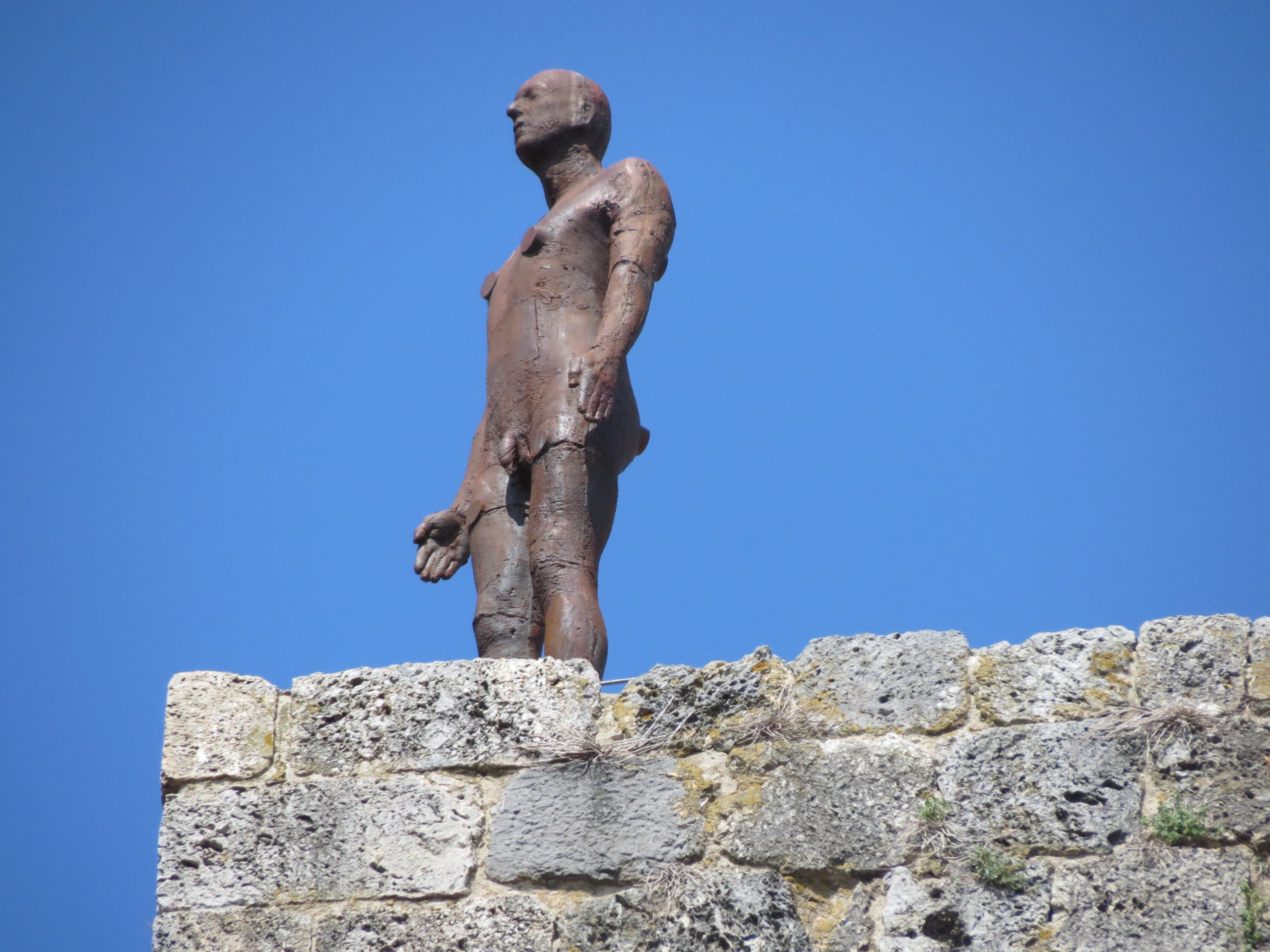
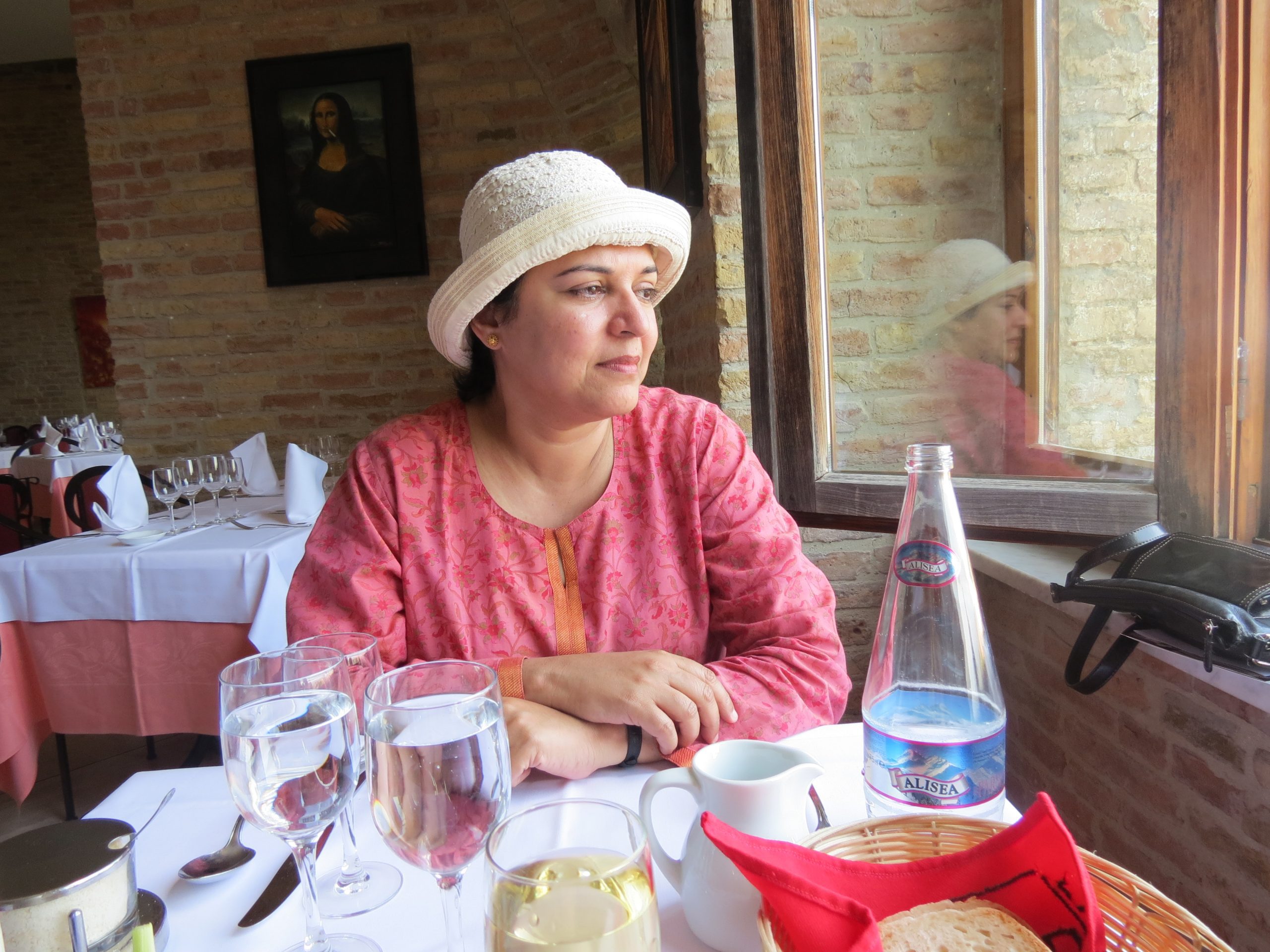
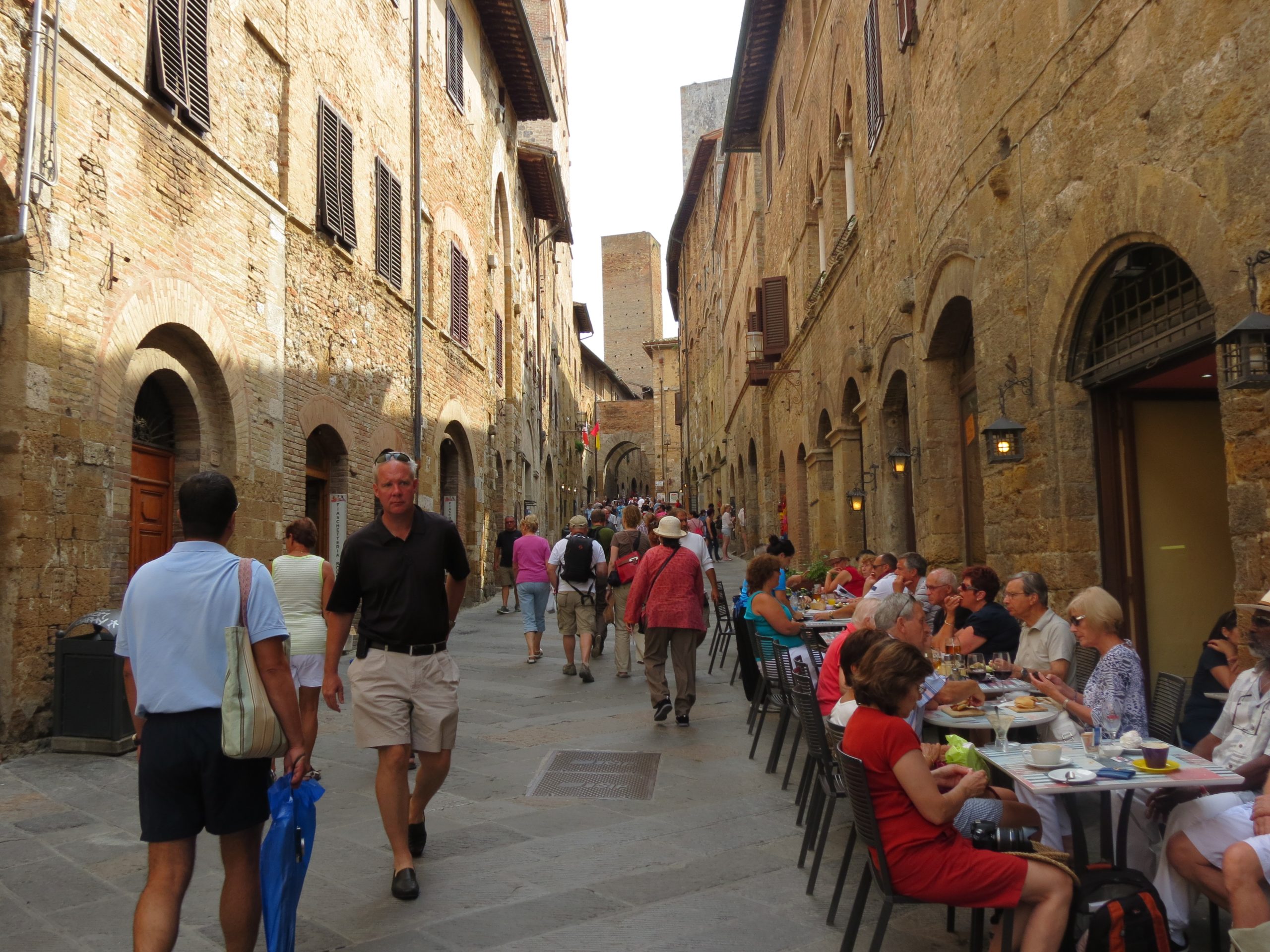
Our next stop: Viareggio, marking the beginning of the Italian Riviera, and our accommodation at Hotel Principe di Piemonte. We were welcomed by gusts of gale-force winds and sheets of rain.
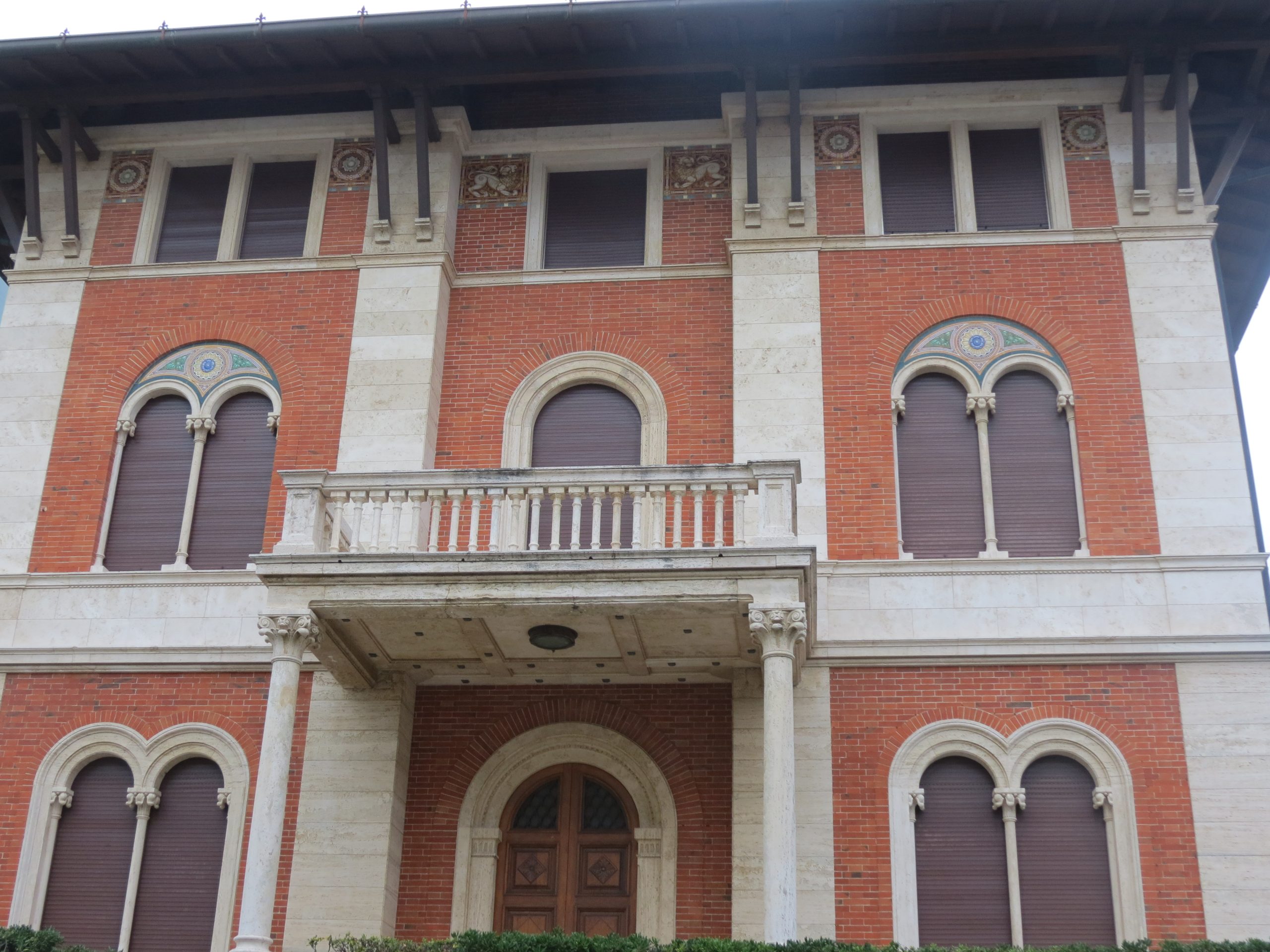
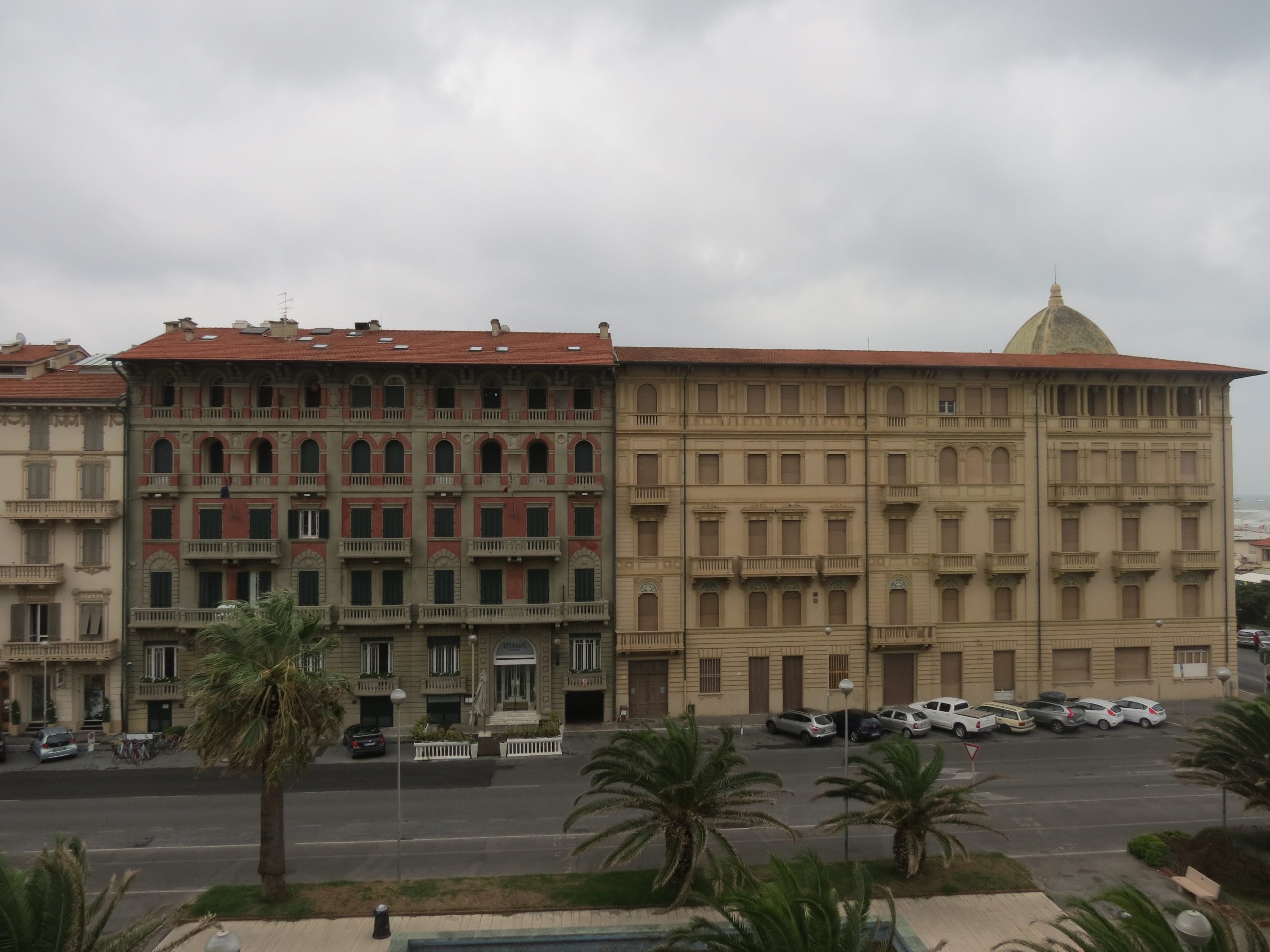
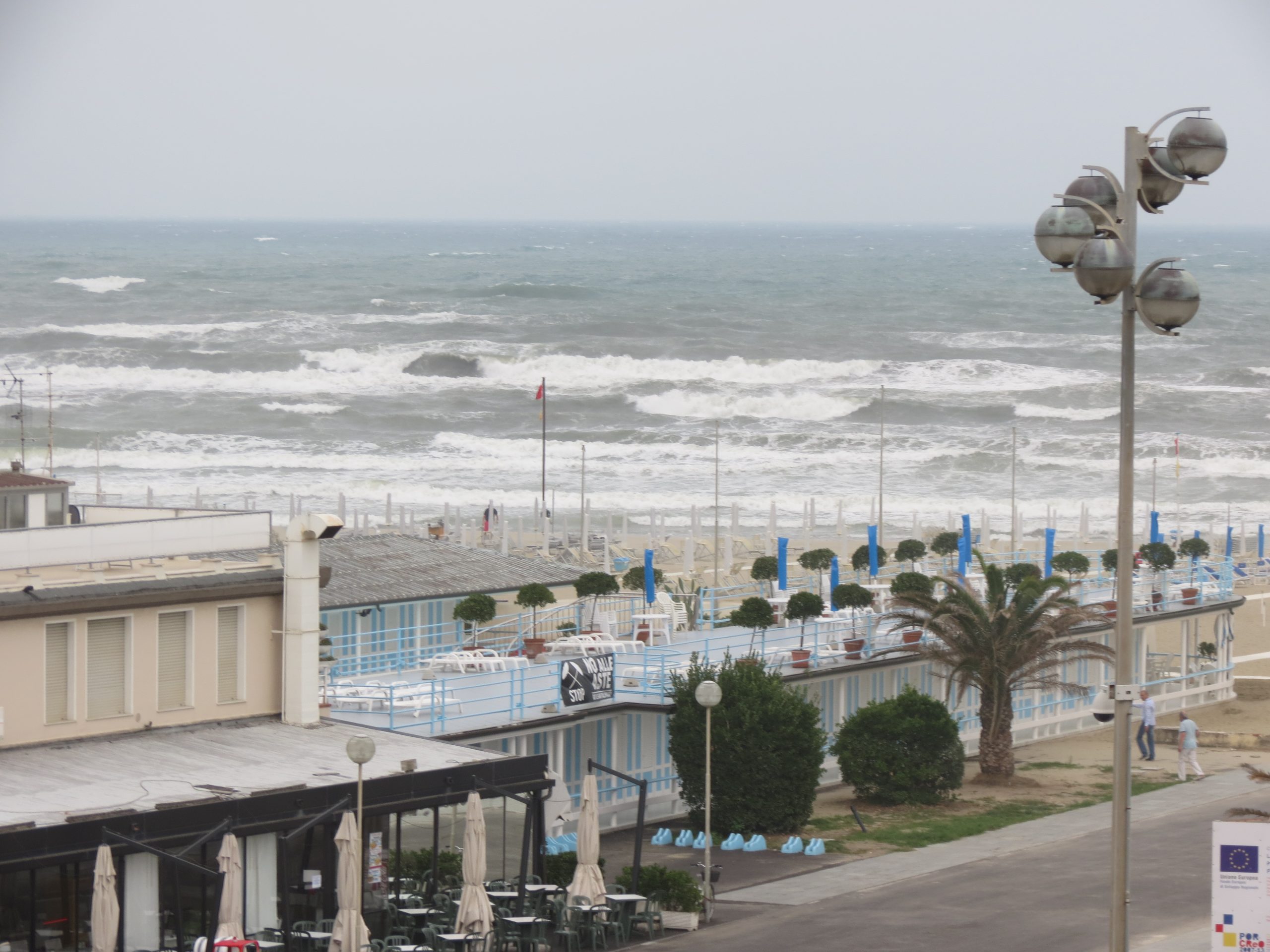
Cinque Terre’s Seaside Storybook Villages to Florence – September 13, 2012
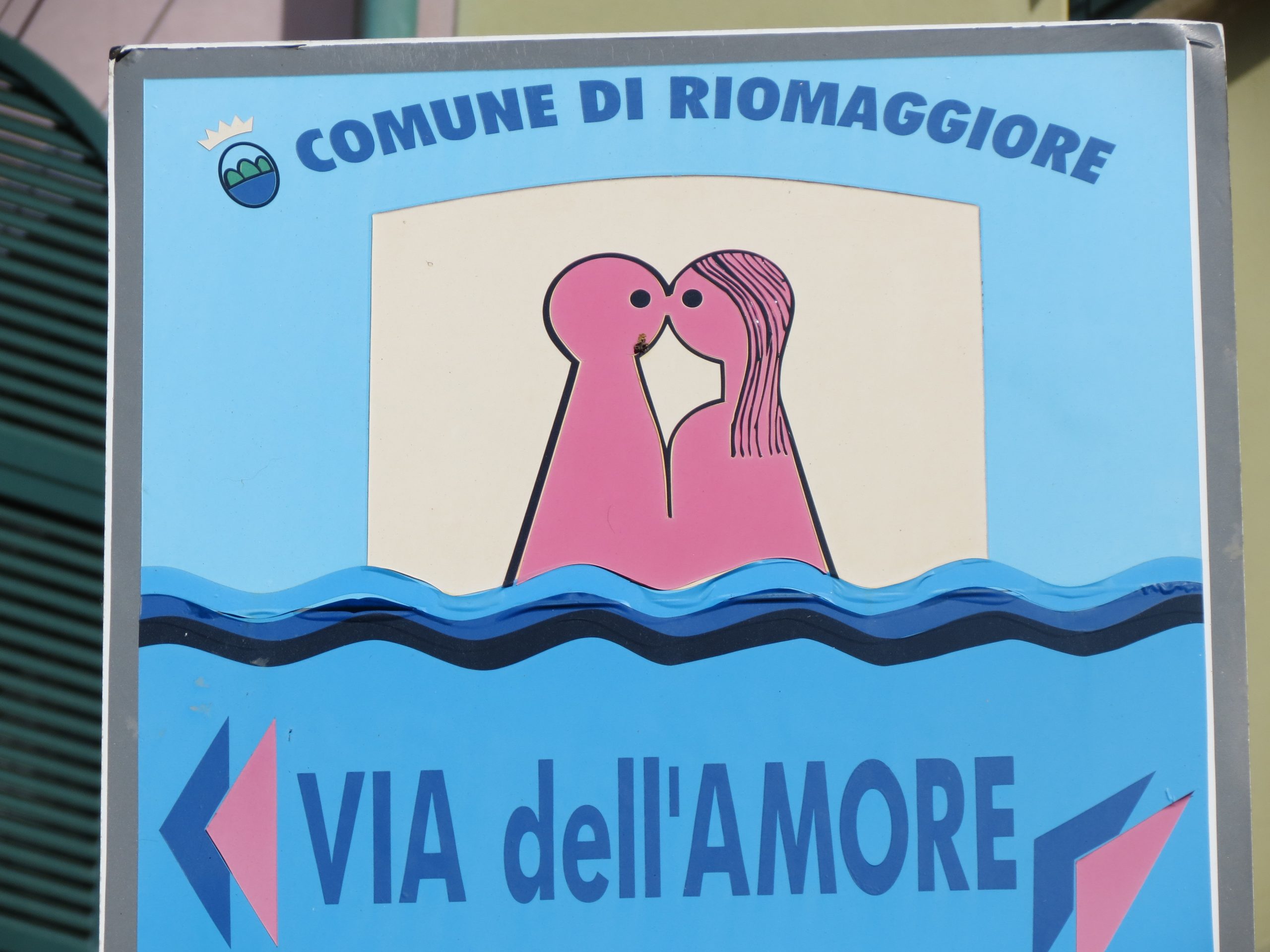
We had planned to take a boat for a panoramic view of the seaside towns of the Five Lands, but strong winds nixed our plans. Instead, we boarded a local train to Riomaggiore and embarked on the Via dell’ Amore (Pathway of Love) towards Manarola. The scenery was breathtaking. Along the way, we encountered a curious tradition—lovers attaching padlocks to various fixtures along the pathway.
Continuing our journey, we hopped on a train to Vernazza, one of the towns still recovering from the landslides of 2011 but showing promising signs of recovery. At Gianni’s, we enjoyed a delightful lunch where Albert sampled the anchovies, finding them delicious. Christabel opted for the pesto pasta Ligurian style with potatoes and green beans, which was delicious.
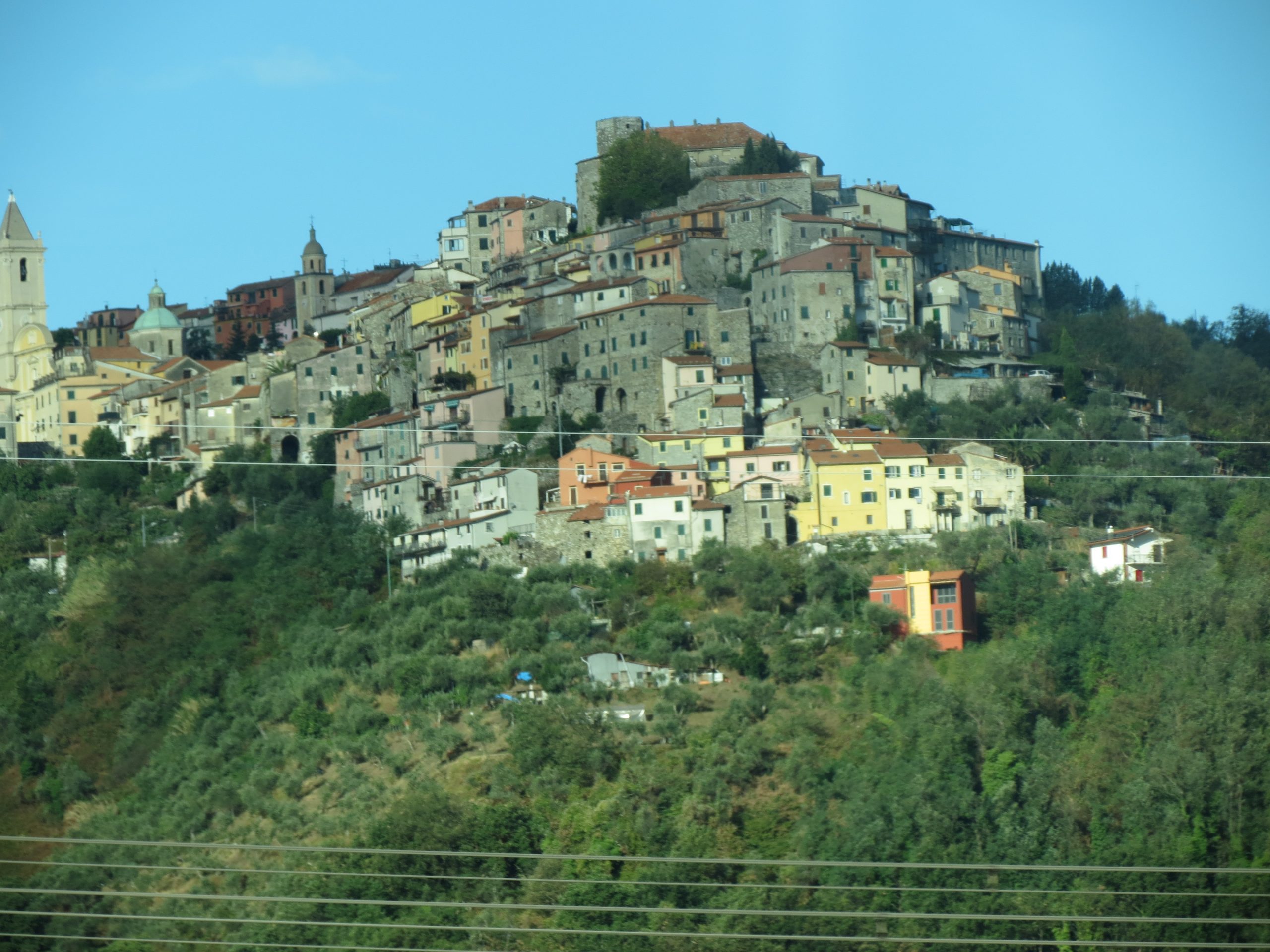
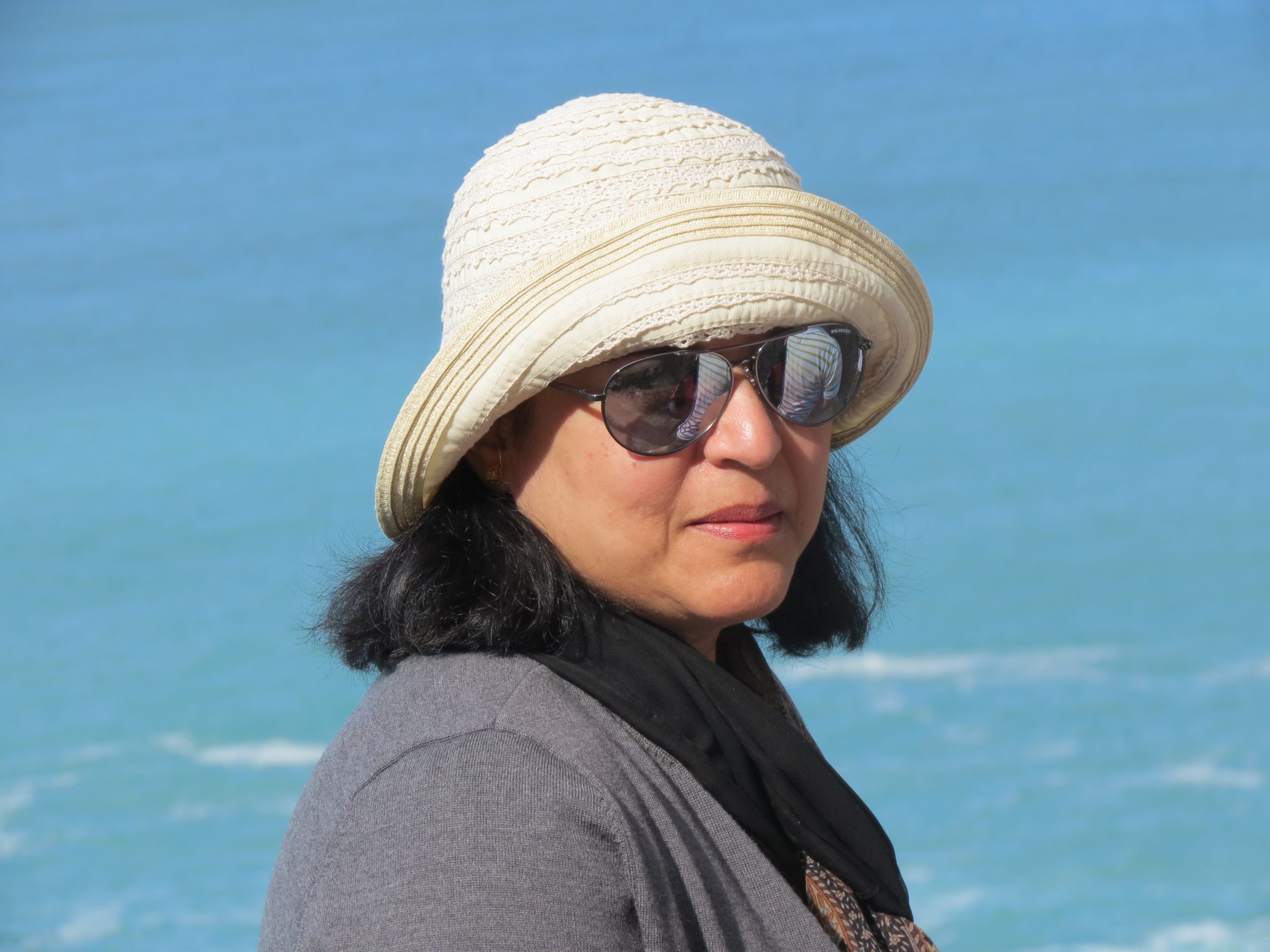
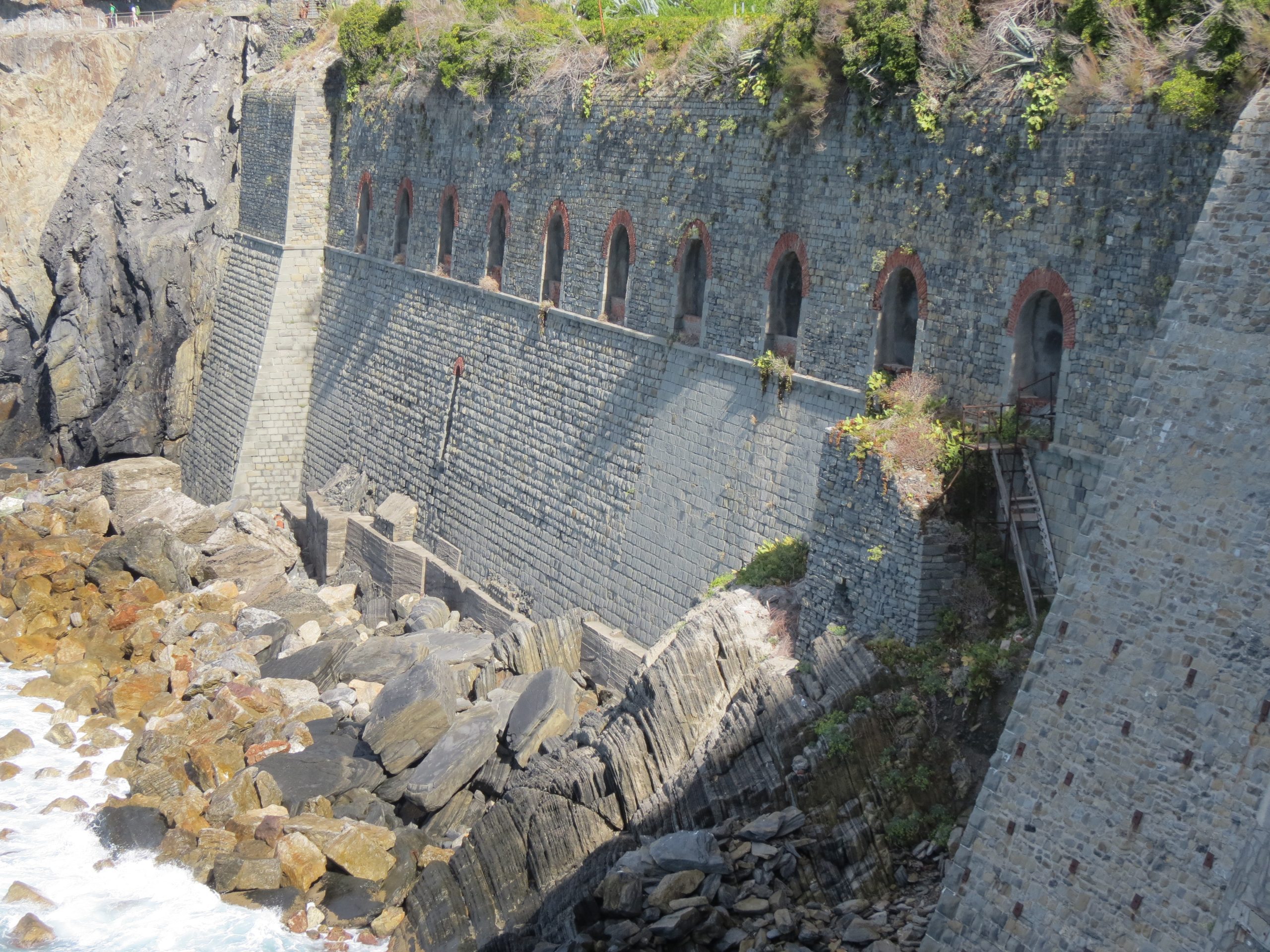
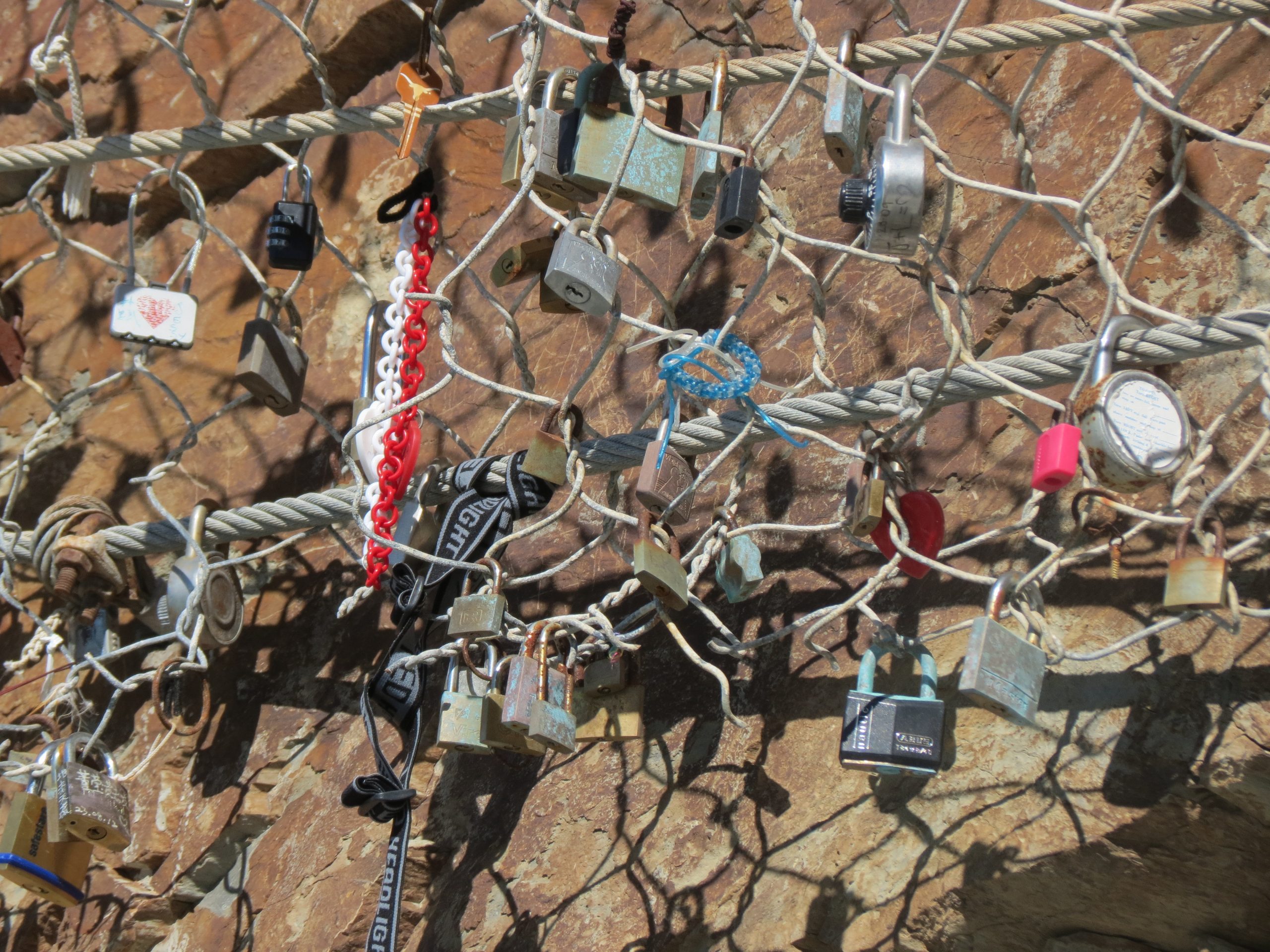
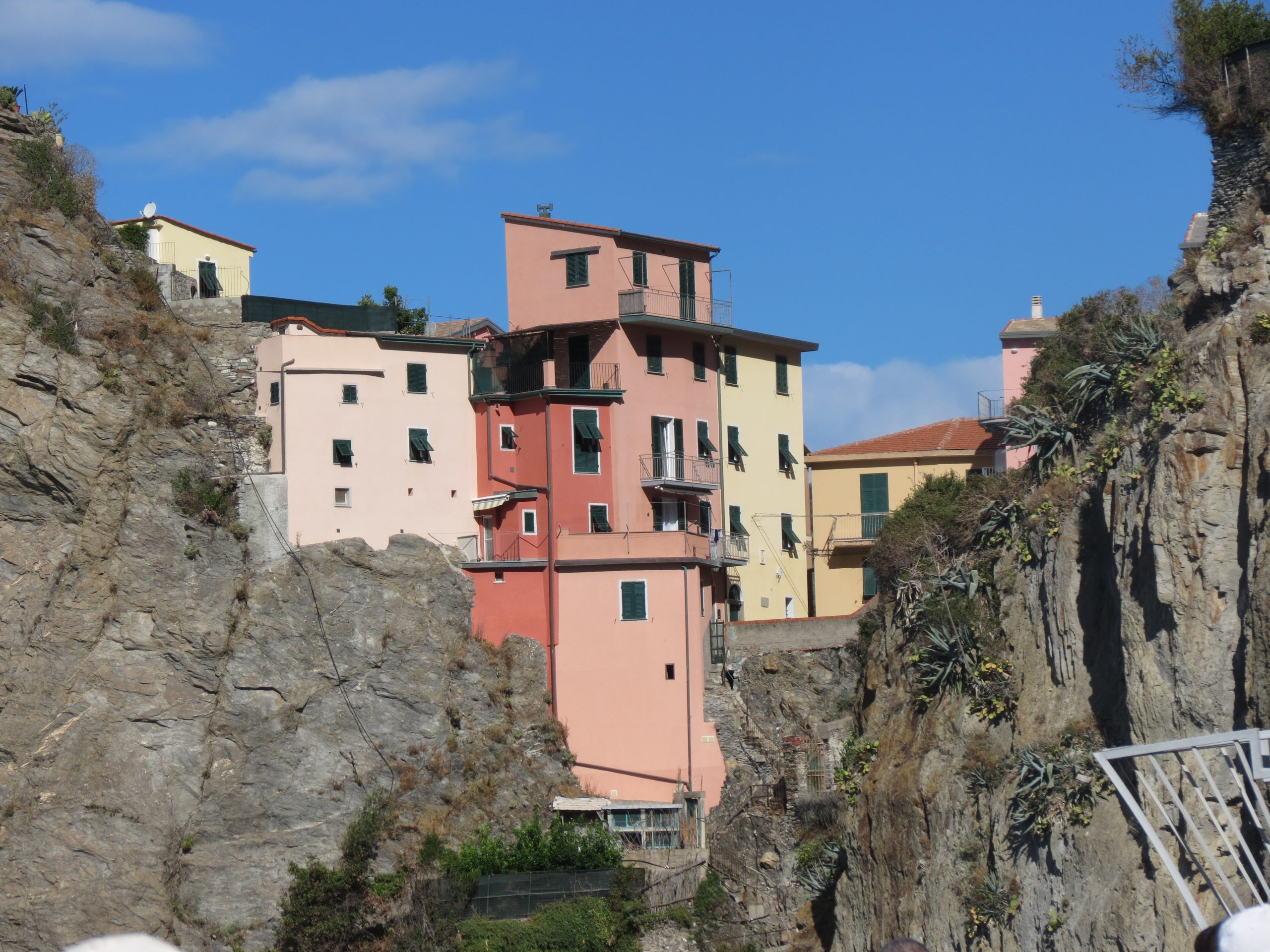
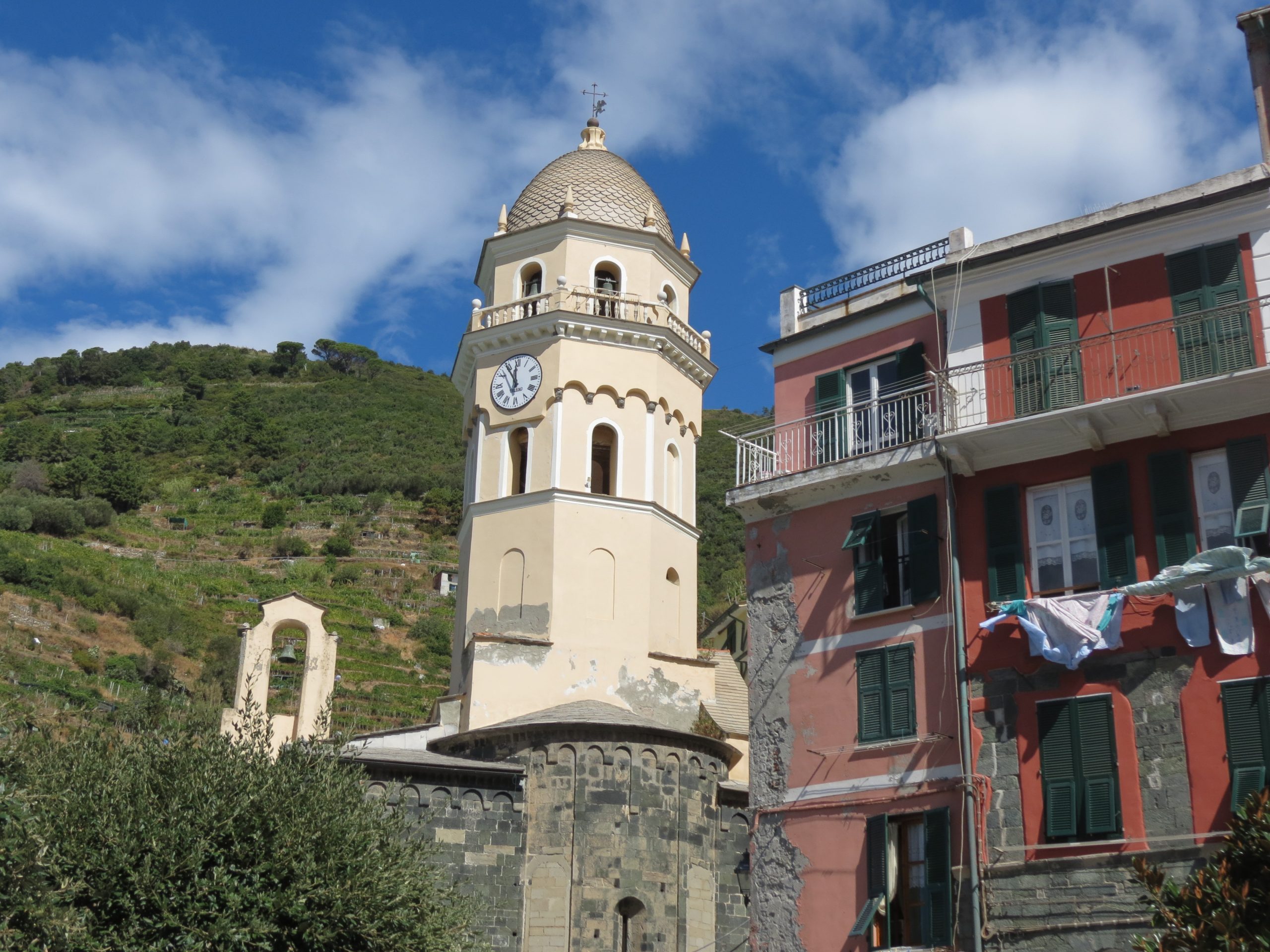
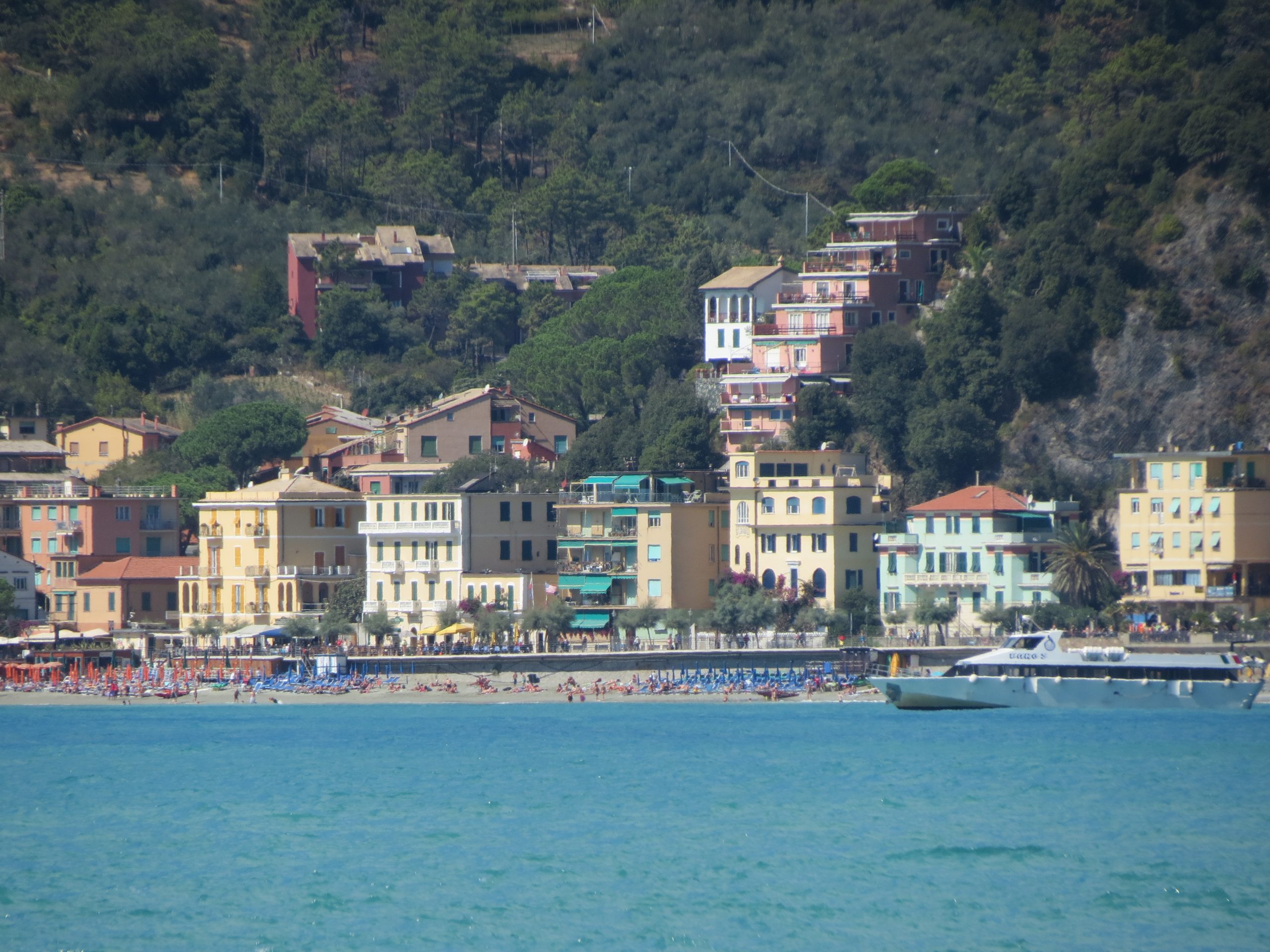
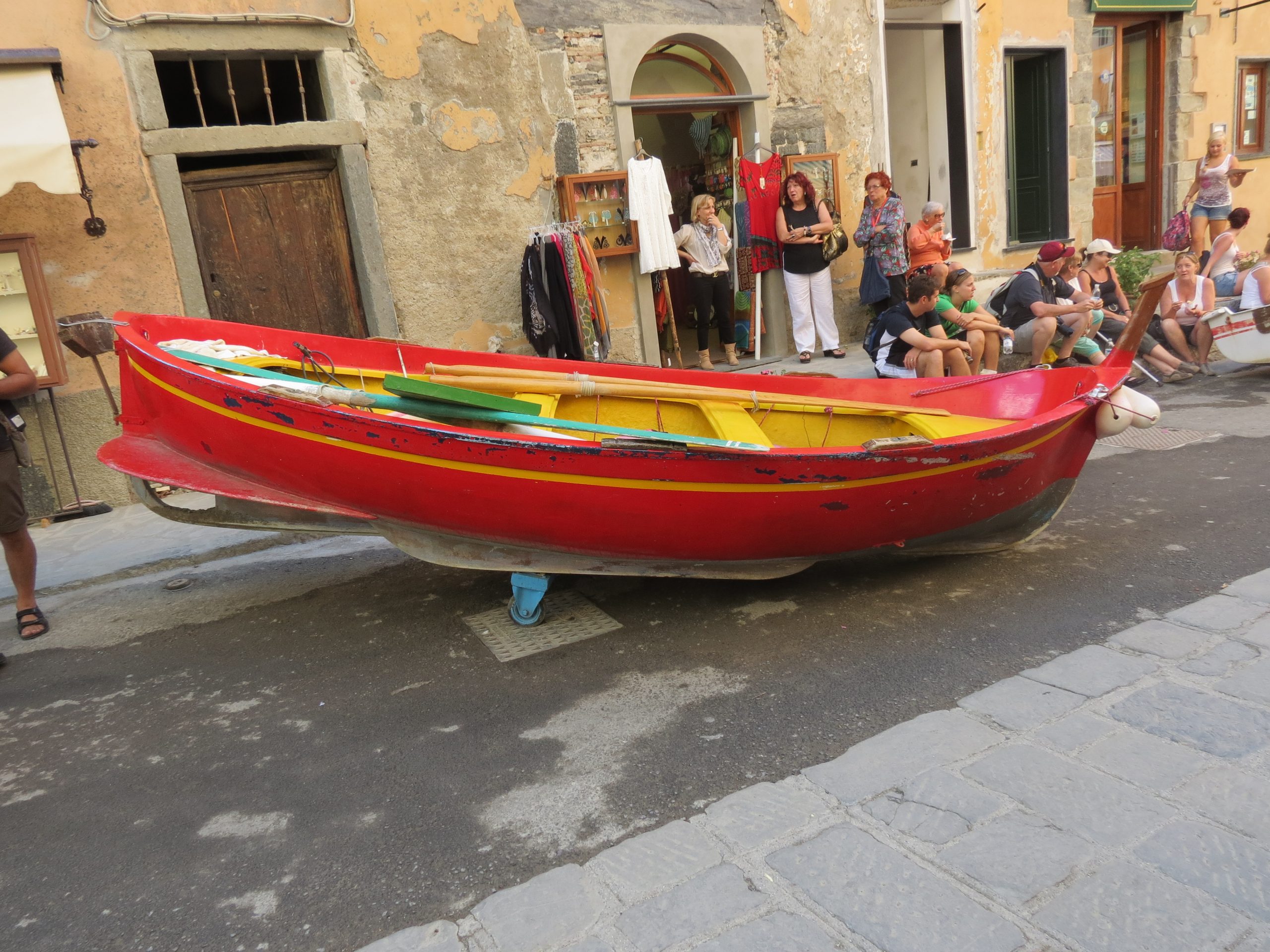
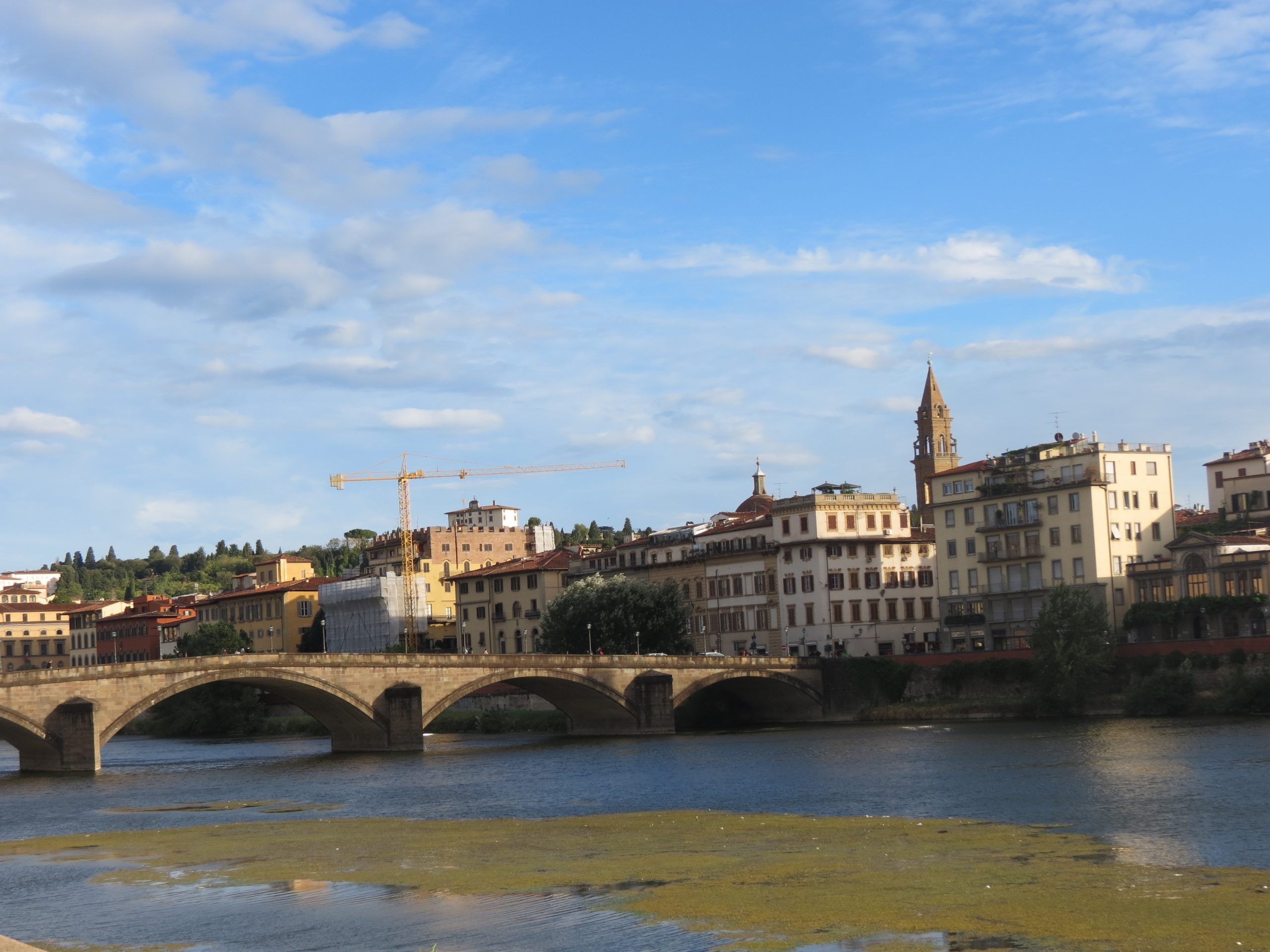
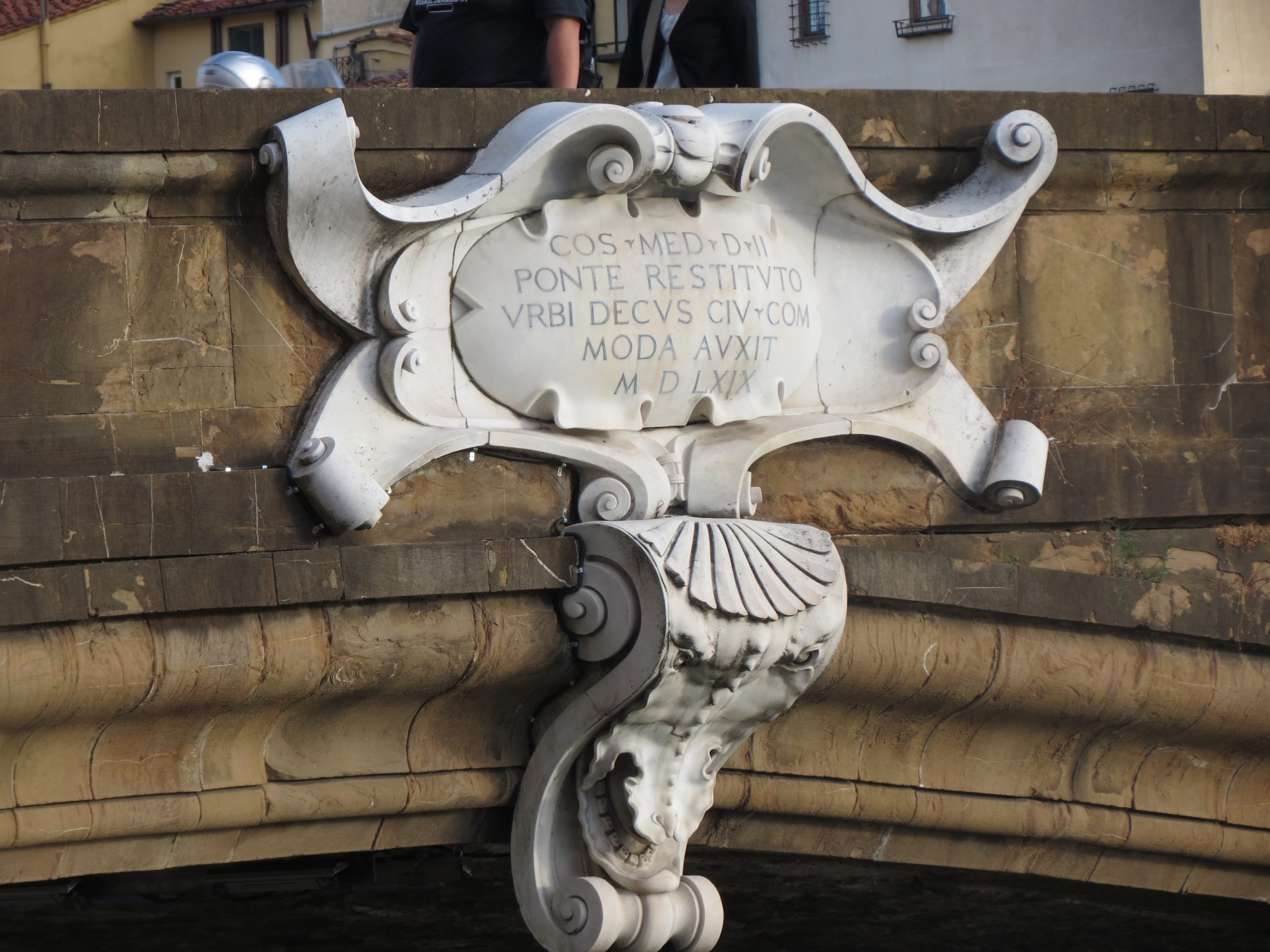
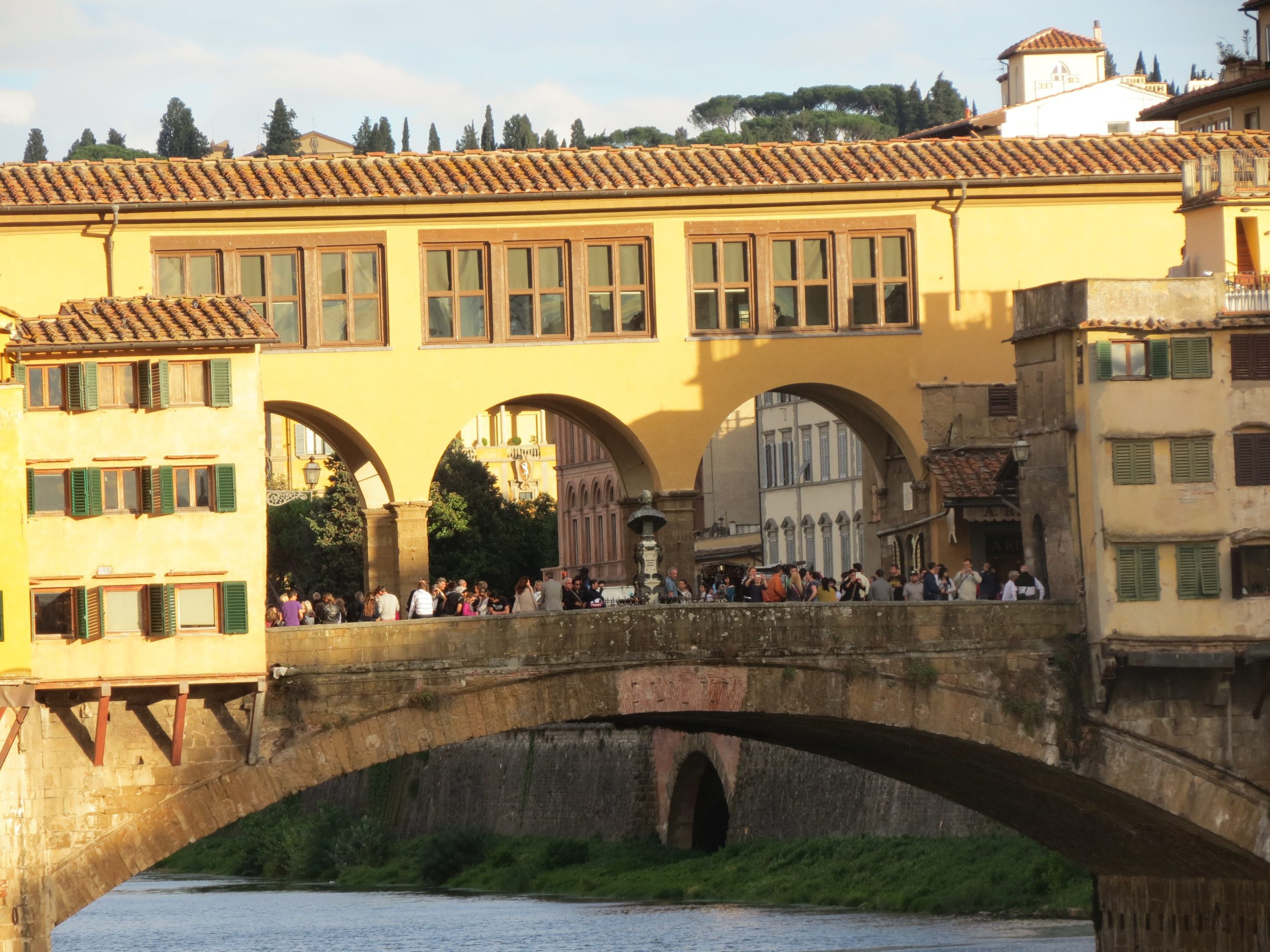
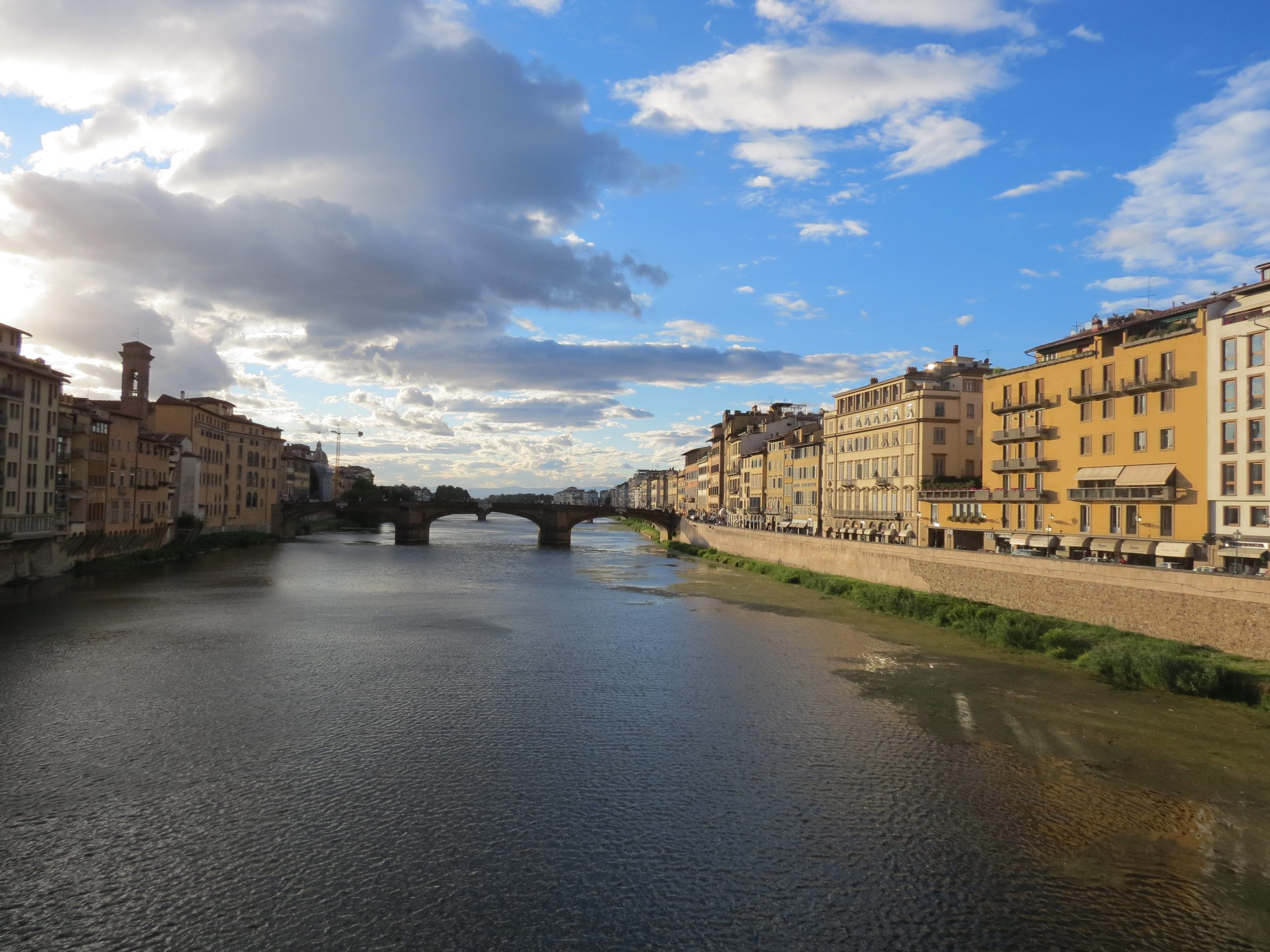
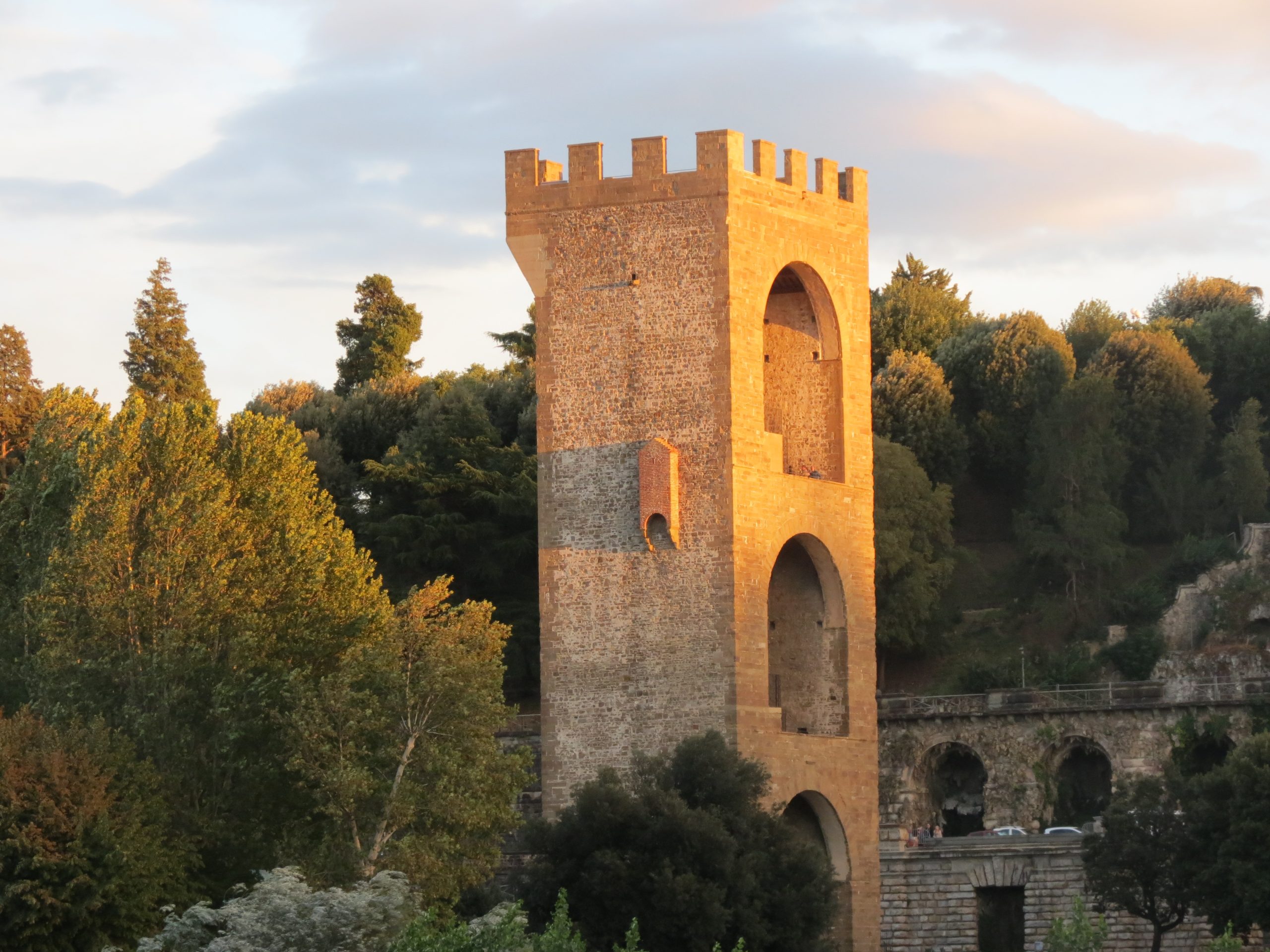
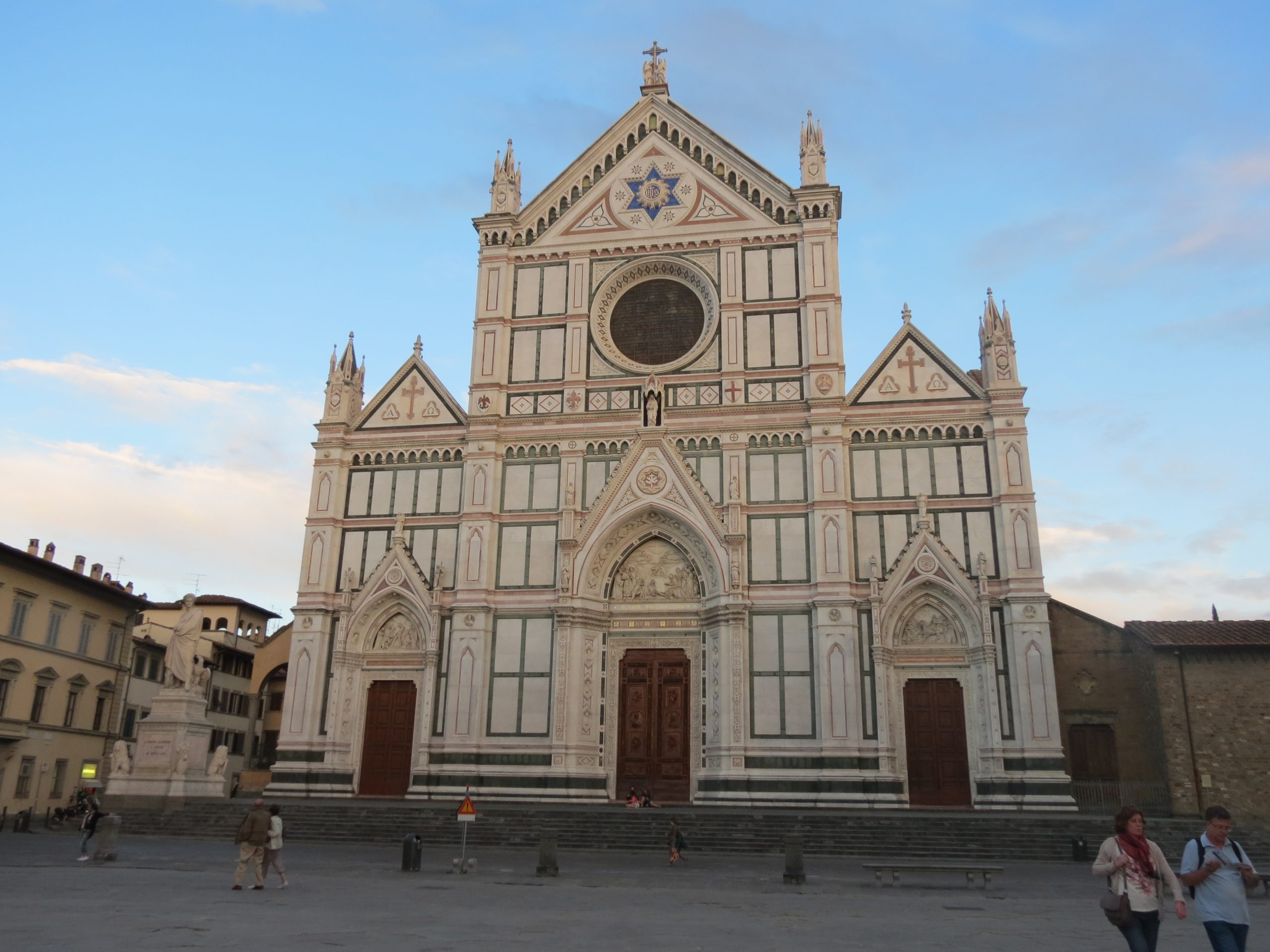
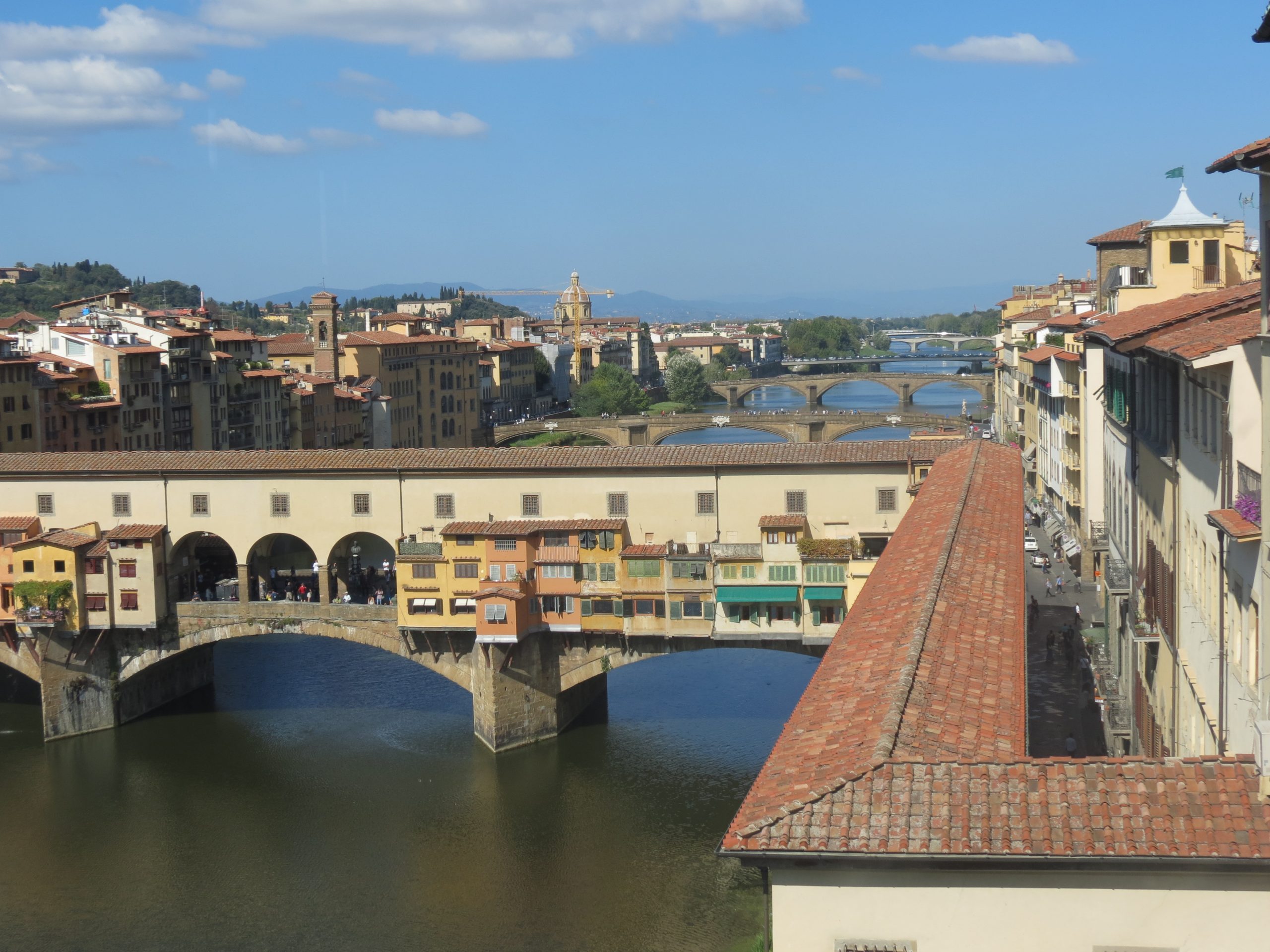
Later, we drove to Florence, admiring views dominated by marble mountains, the source of Michelangelo’s prized material. Our accommodation for the night was the Excelsior Hotel, conveniently located on the Arno near the Carraia bridge. We strolled to the Ponte Vecchio, gawking at the shops, and attempted a visit to the Santa Croce Church, only to find it closed.
Christabel attended a Latin mass at the Ognissanti Church, situated opposite our hotel (where Botticelli is buried). The last time she heard a mass in Latin must have been in the mid-1960s.
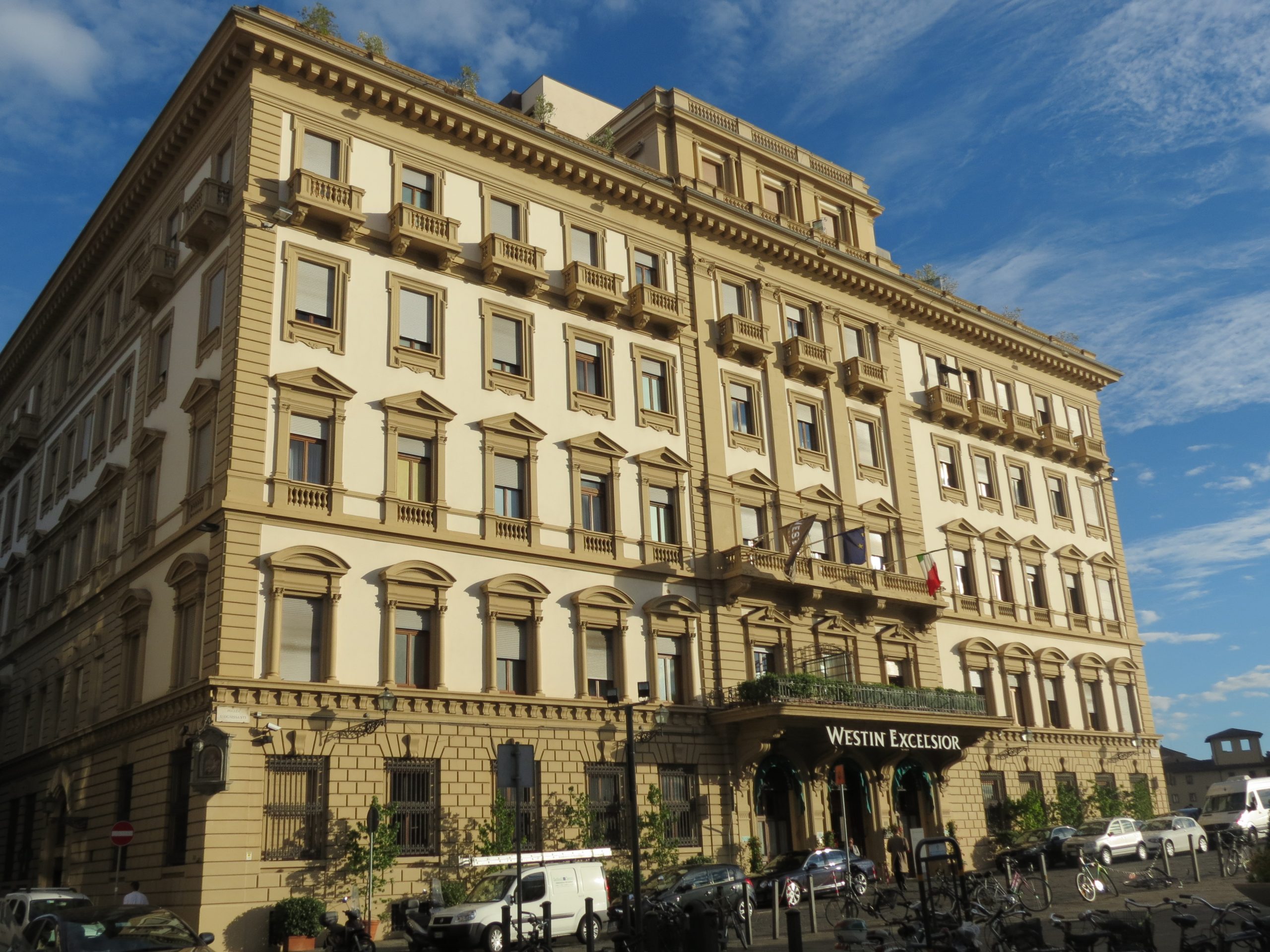
All about Art in Renaissance Florence – September 14, 2012
Our exploration took us to see David at the Academia (the real one) and David (the copy) at the Piazza della Signoria (along with all the other nude males, Neptune and Perseus). We spent a long time going round in circles until we got our bearings and each time we circled, we seemed to end up in front of another male behind.
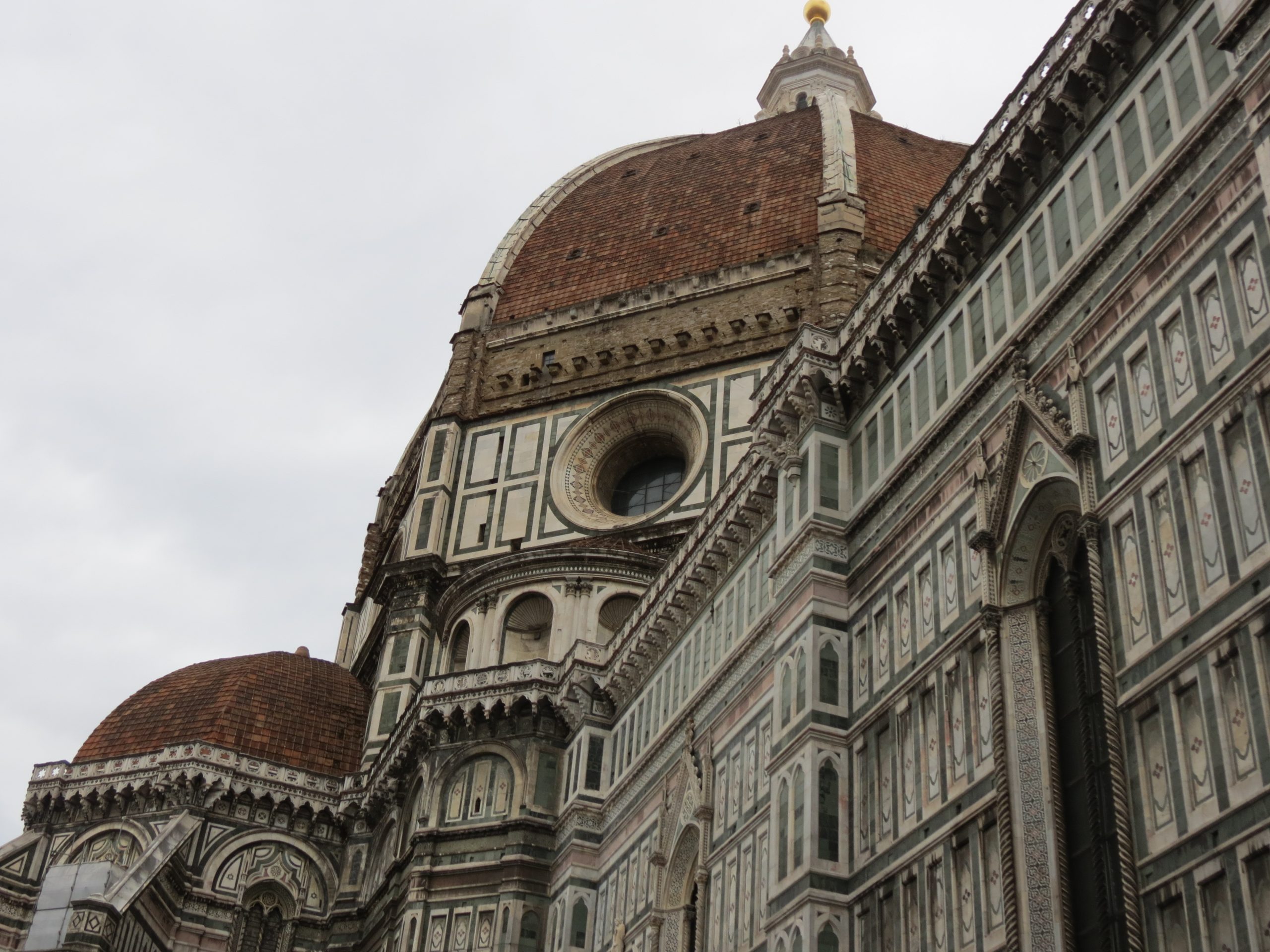
We admired the exterior beauty of the Duomo, which ranks as the fourth largest cathedral after St. Peter’s, St. Paul’s, and the Duomo of Milan. While some of our more energetic companions climbed the 400+ steps to catch a panoramic view of Florence from either the dome or the bell tower, we opted for ground-level exploration.
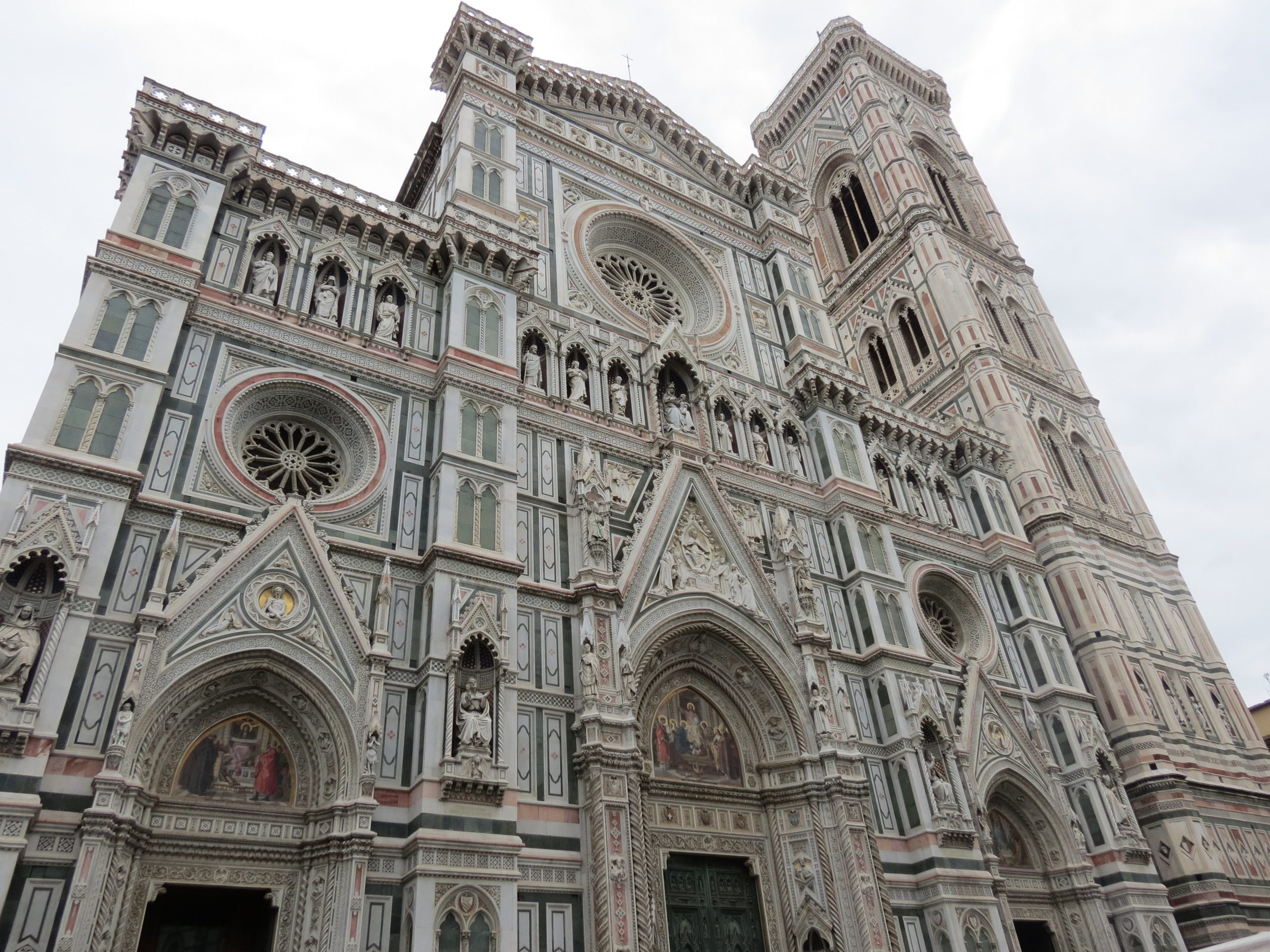
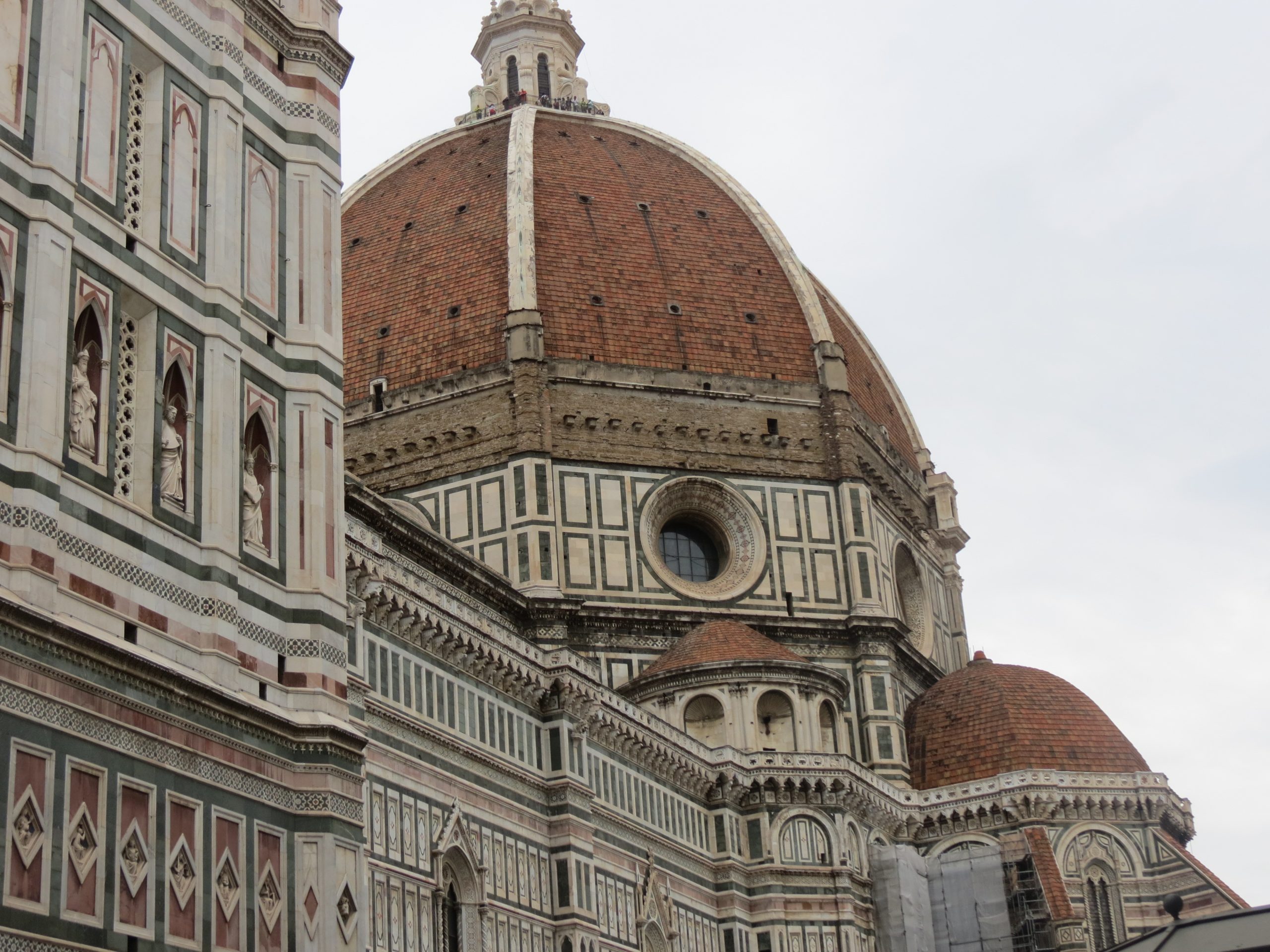
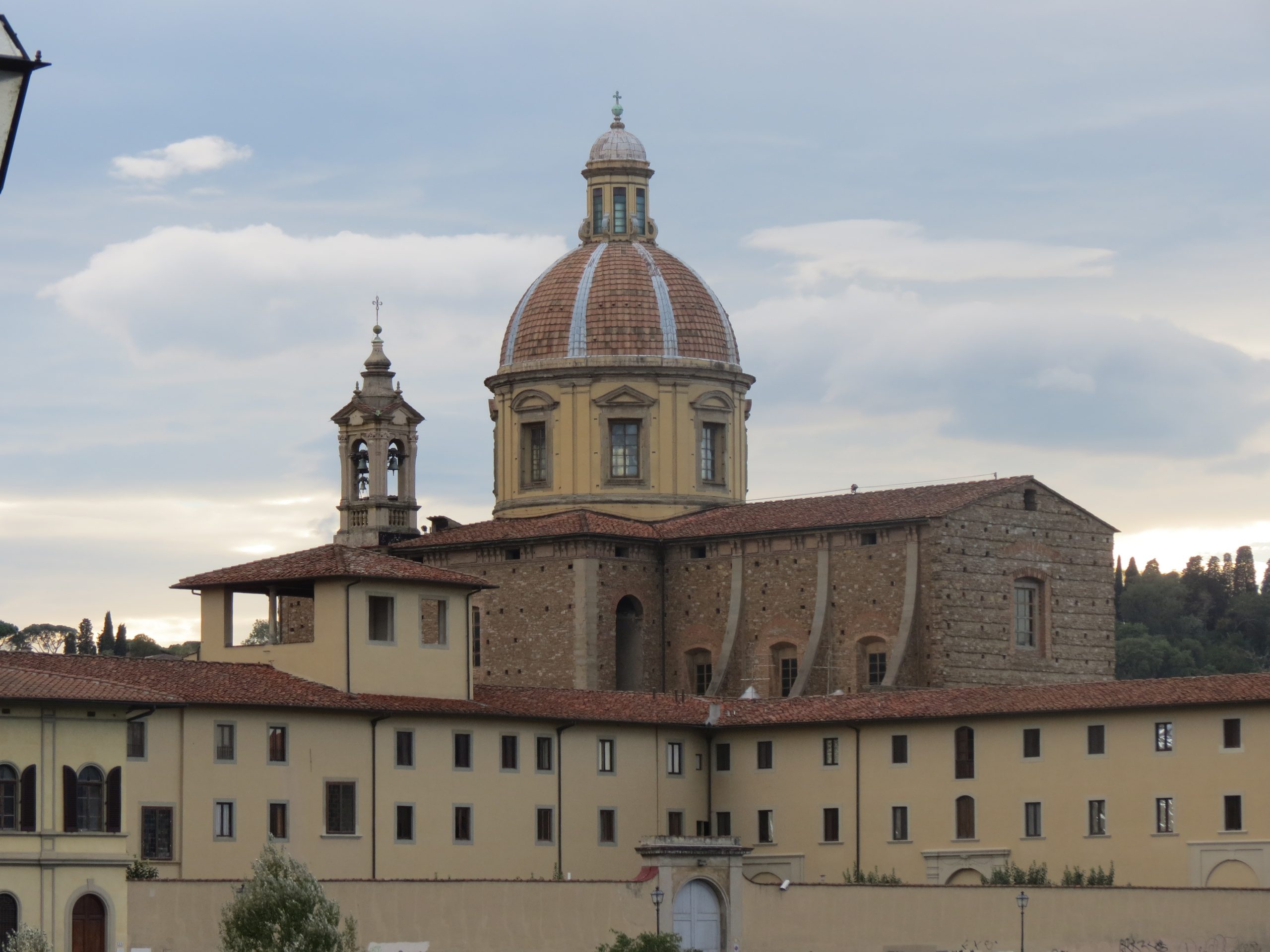
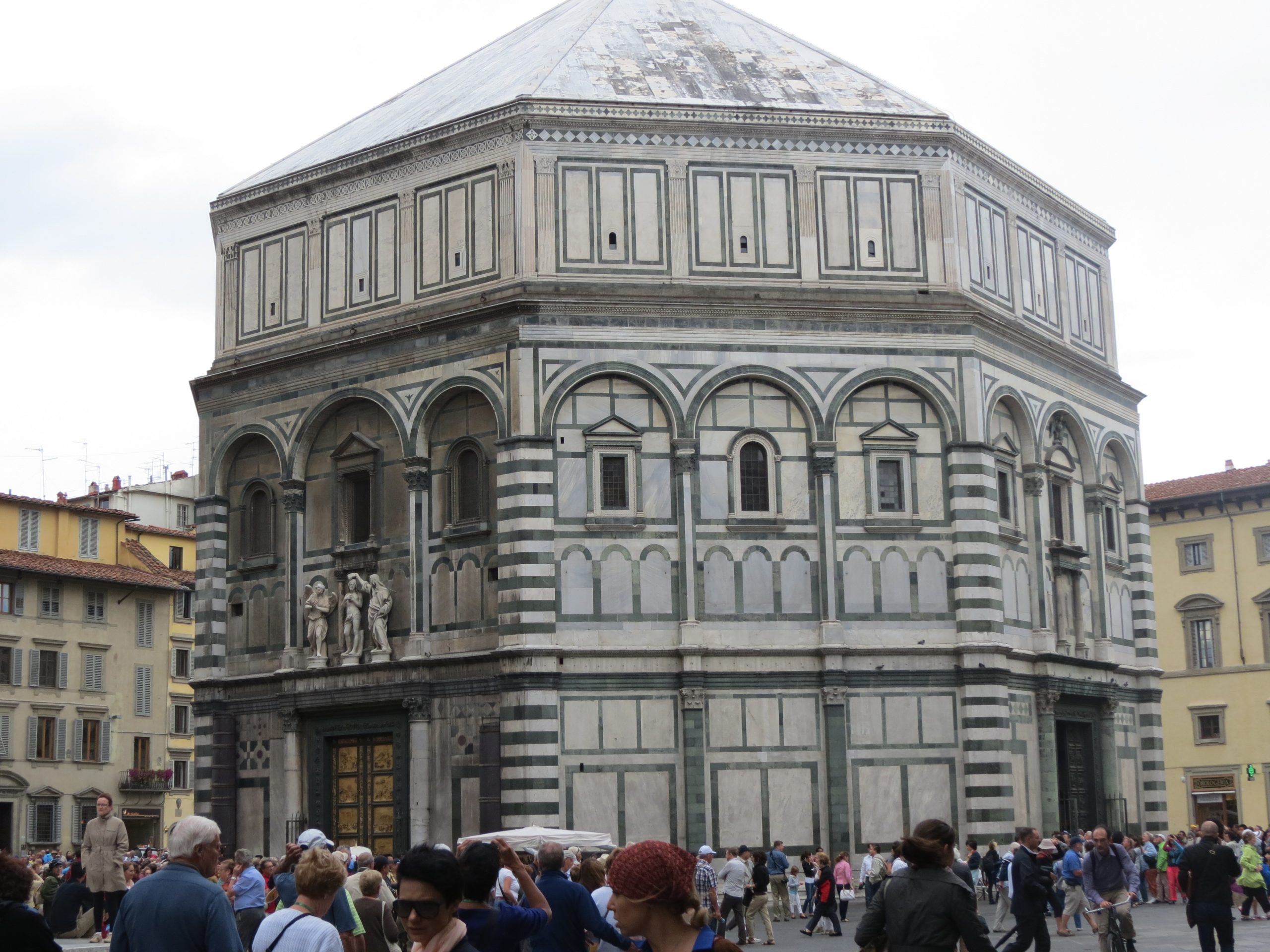
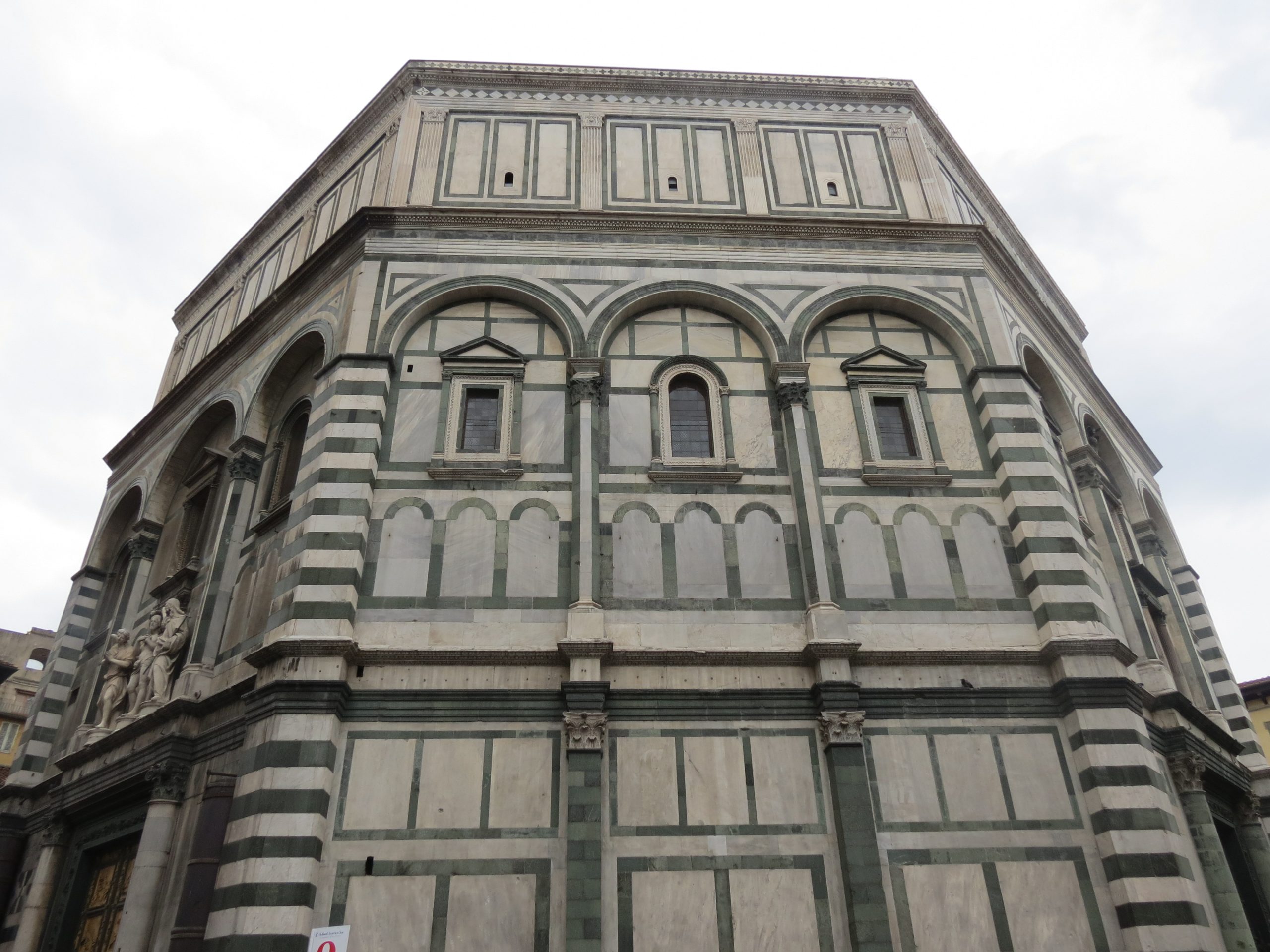
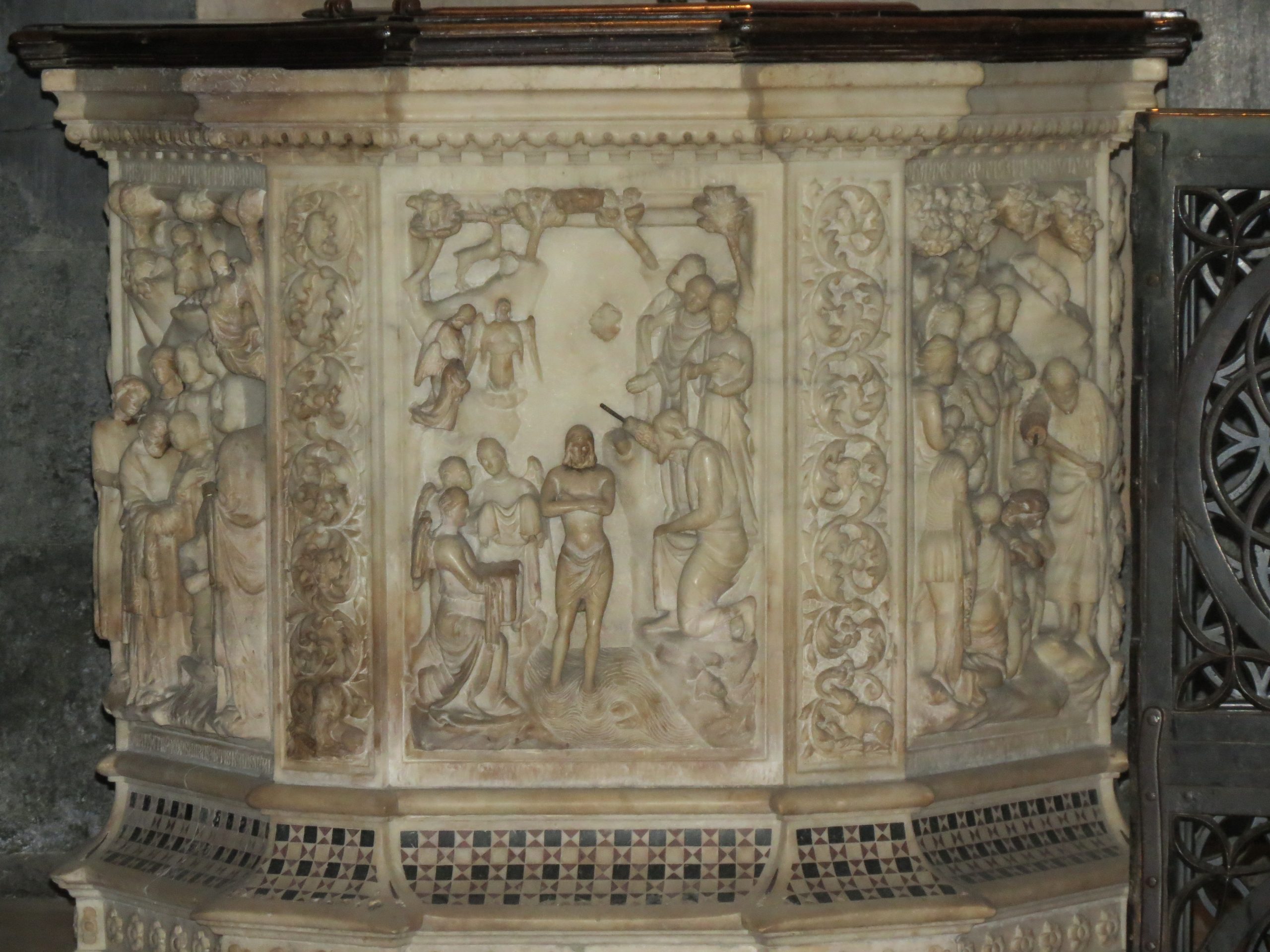
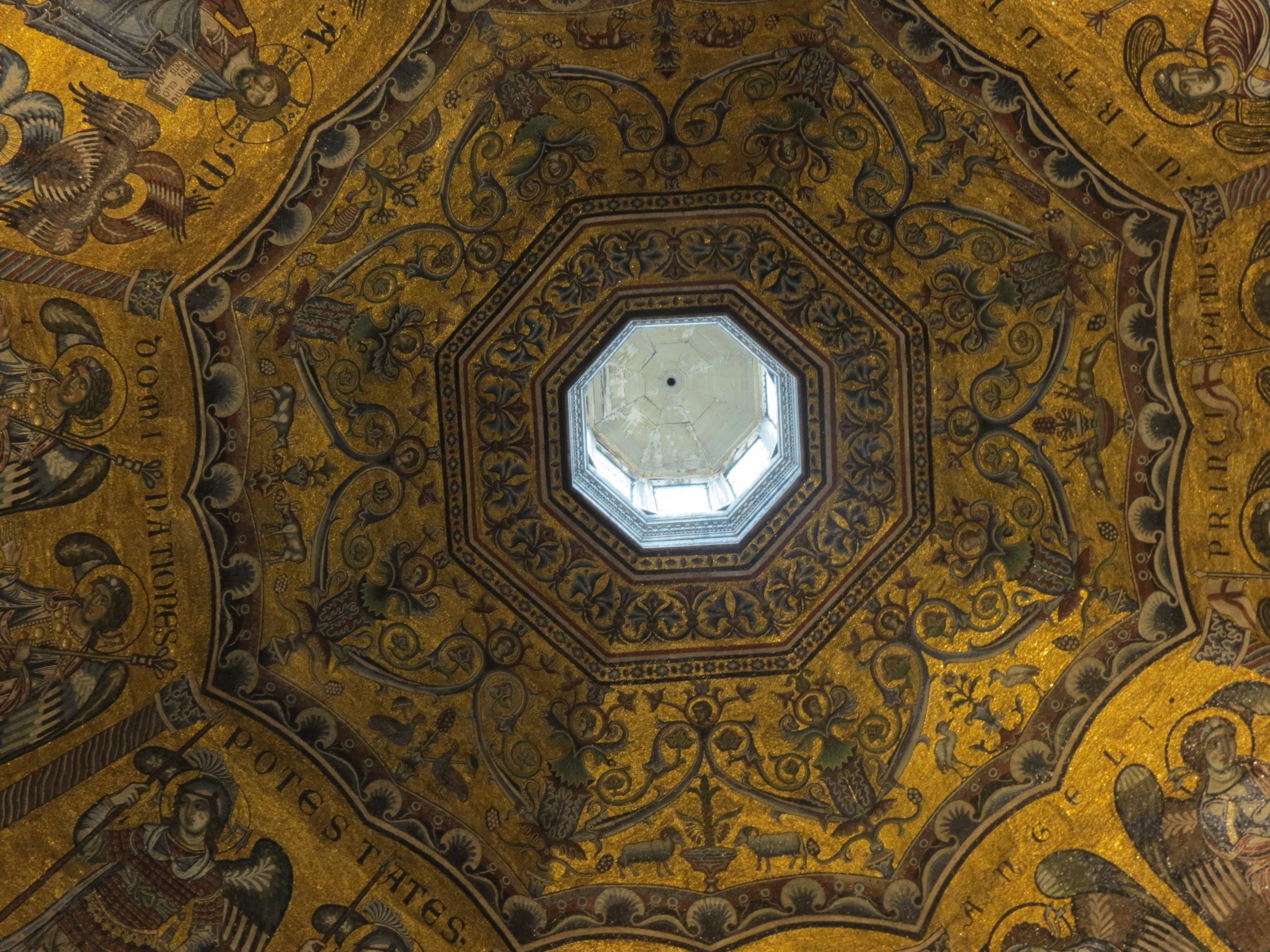
A visit to the Baptistery revealed its significance as a site for monthly baptisms, reserved for individuals with very special connections. Elaine Ruffalo, a Syracuse professor, who earlier spoke to us about art in the Uffizi, recounted her efforts to secure her daughter’s baptism here, calling in every favor. The Baptistry has the most amazing bronze doors, but the real ones are in the Duomo Museum.
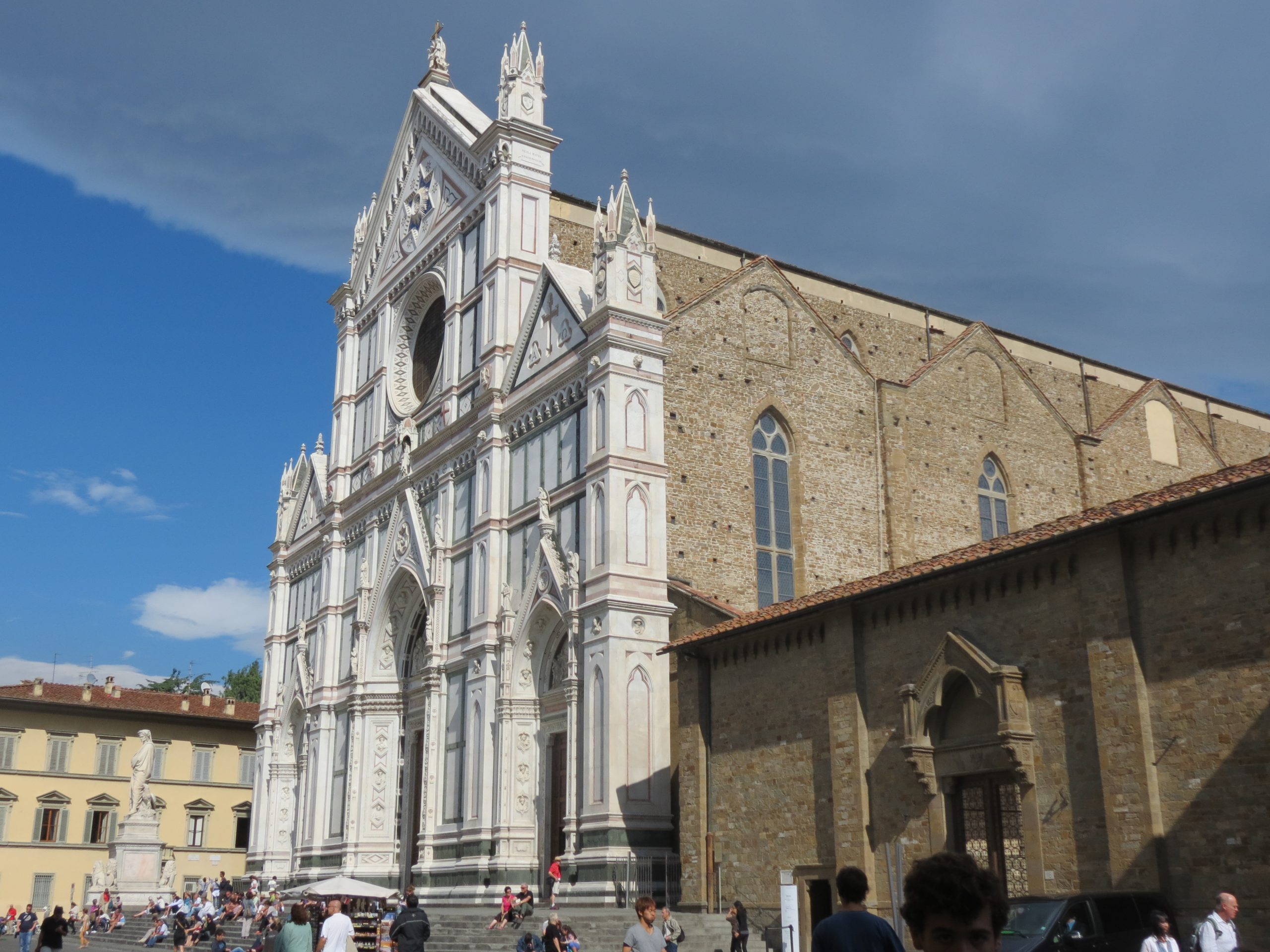
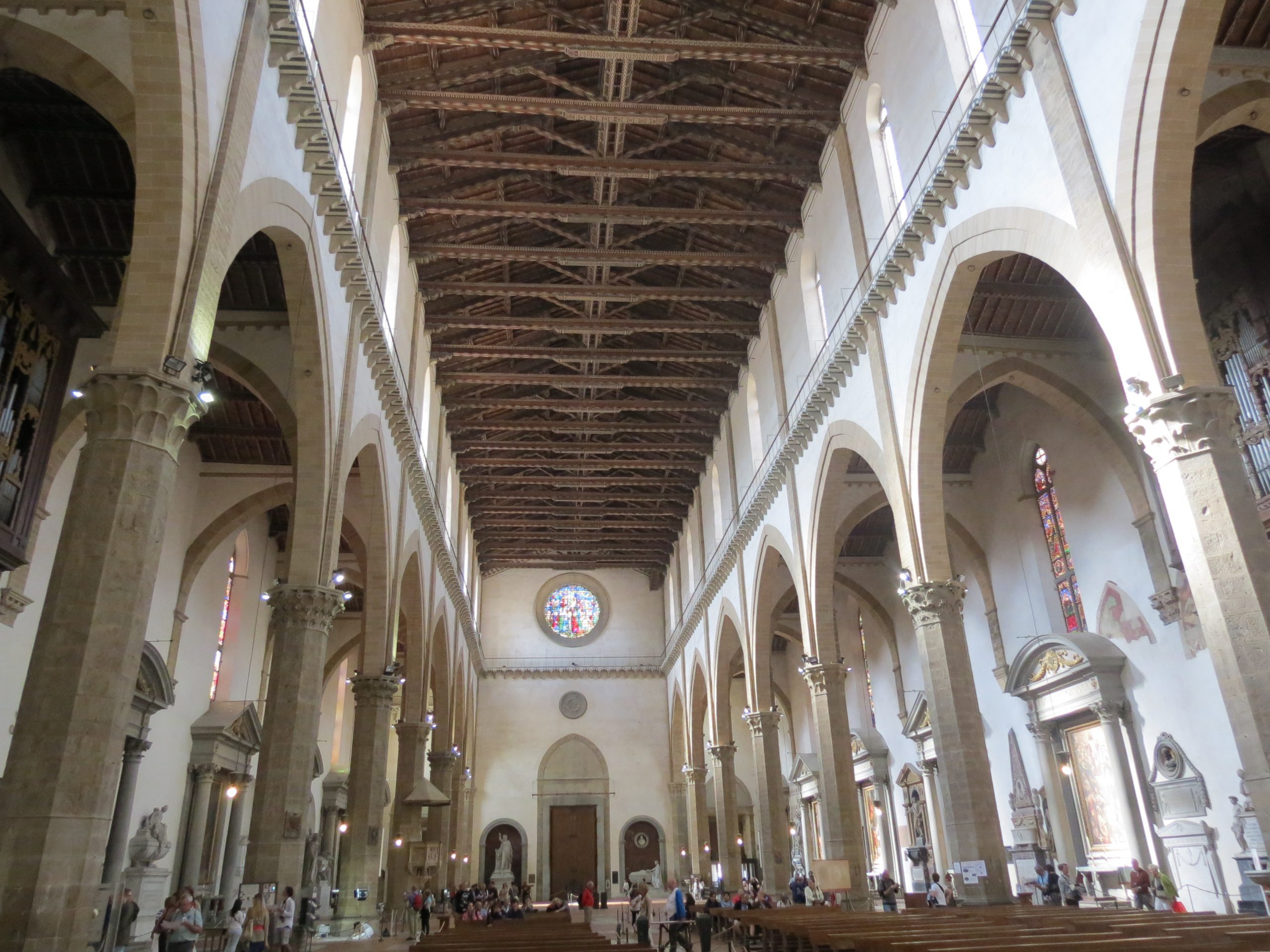
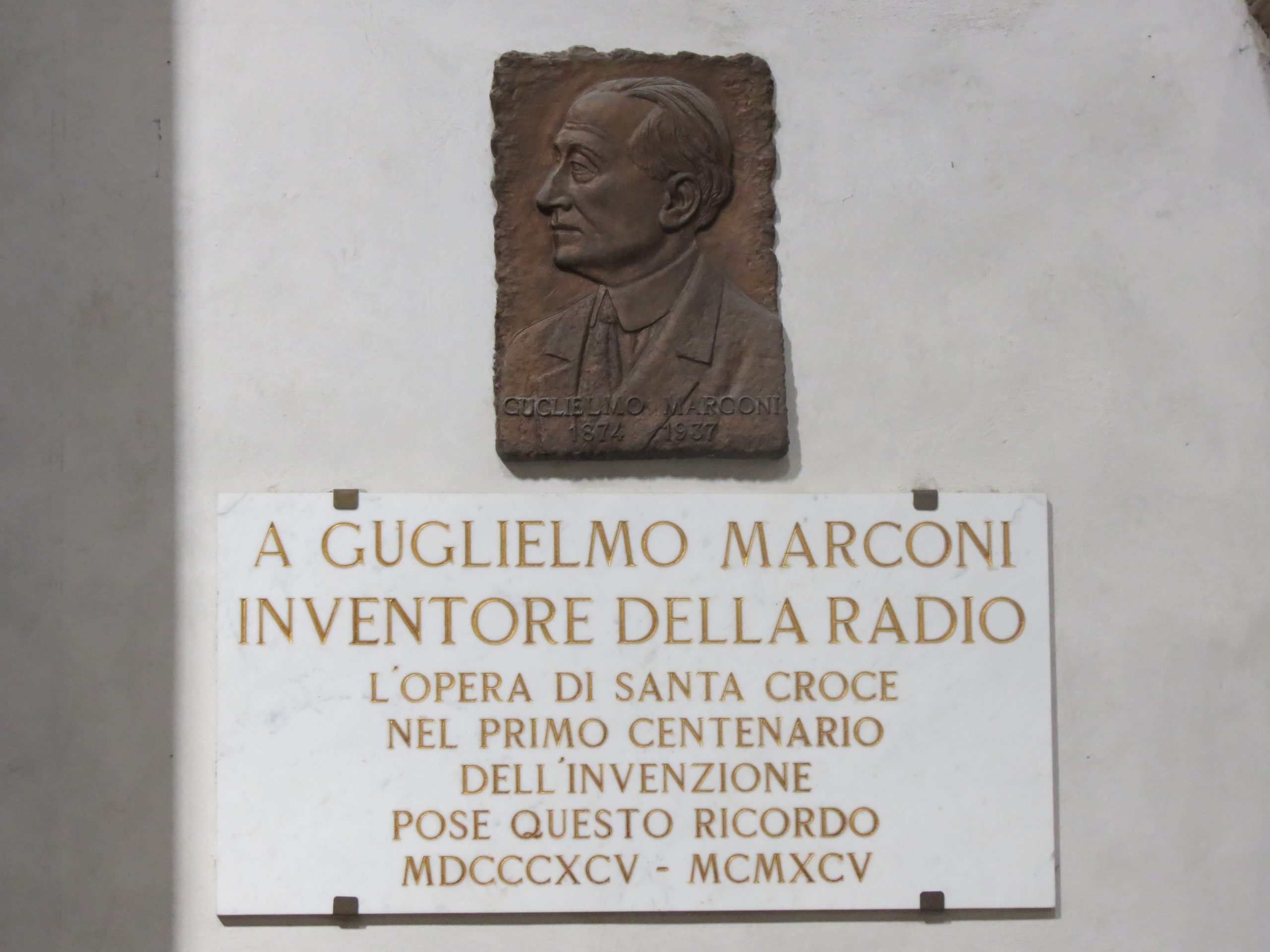
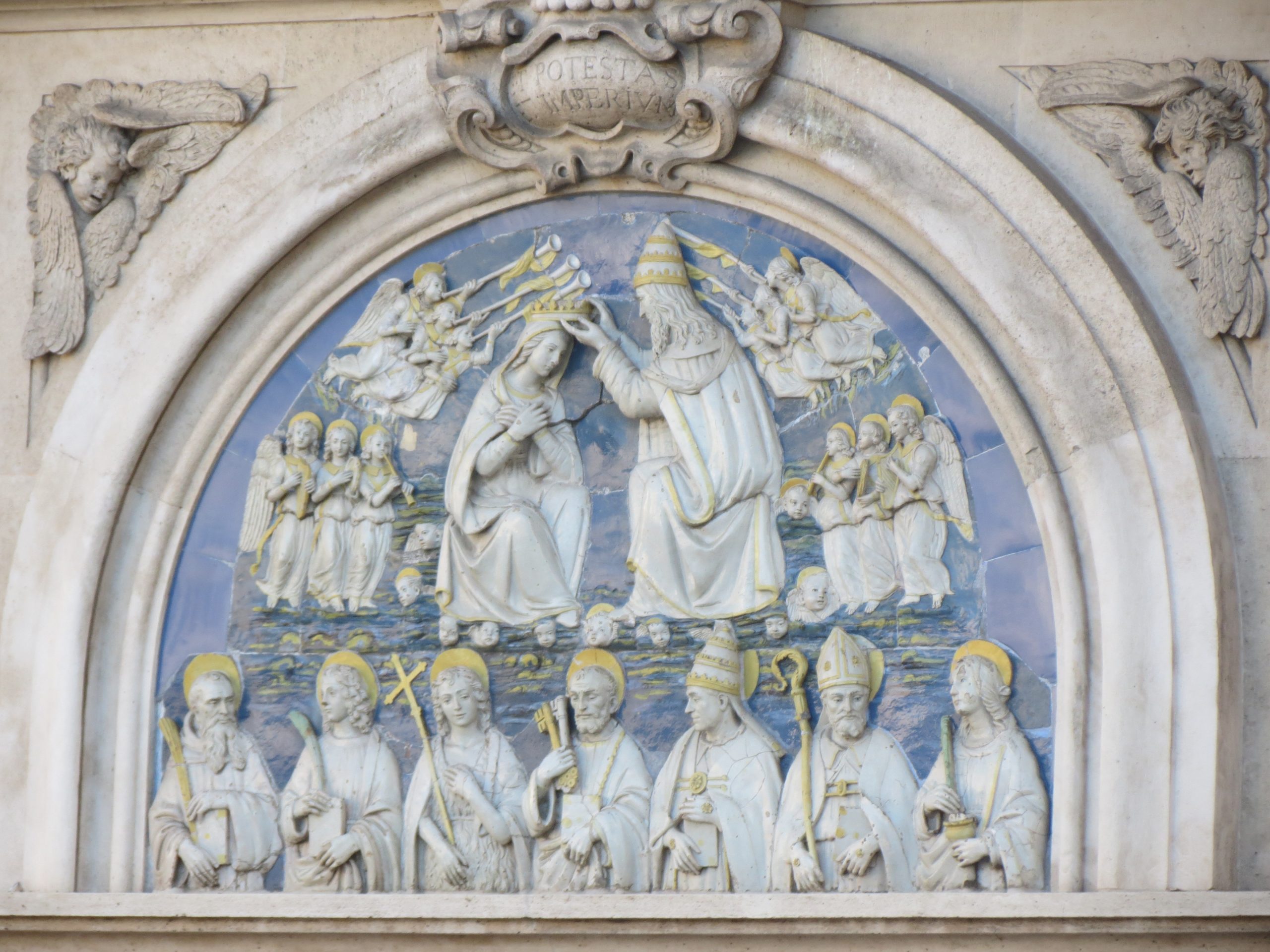
Also, we visited Santa Croce which was undergoing extensive renovations. It has a relic of the Holy Cross and the most amazing artwork and the tombs of folks like Michelangelo, Gallileo, Machiavelli, Fermi, and Marconi.
Masterpieces of the Uffizi Gallery –September 15, 2012
Our visit to the Uffizi proved challenging – too hot, too crowded, and an overwhelming abundance of art. Despite the advice to focus on a few masterpieces like Botticelli’s Birth of Venus and Primavera, and Leonardo’s Annunciation, navigating through the throngs was chaotic.
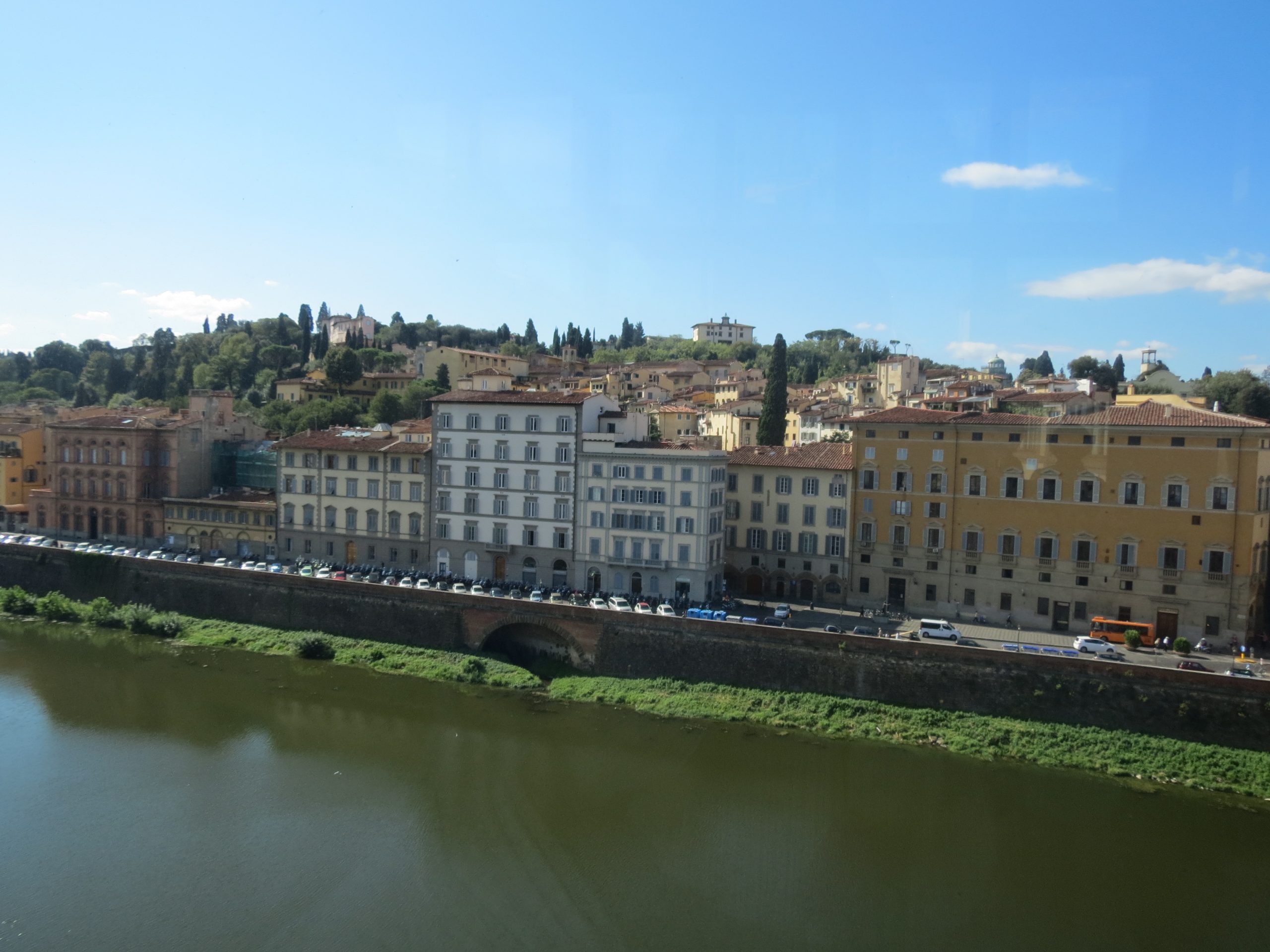
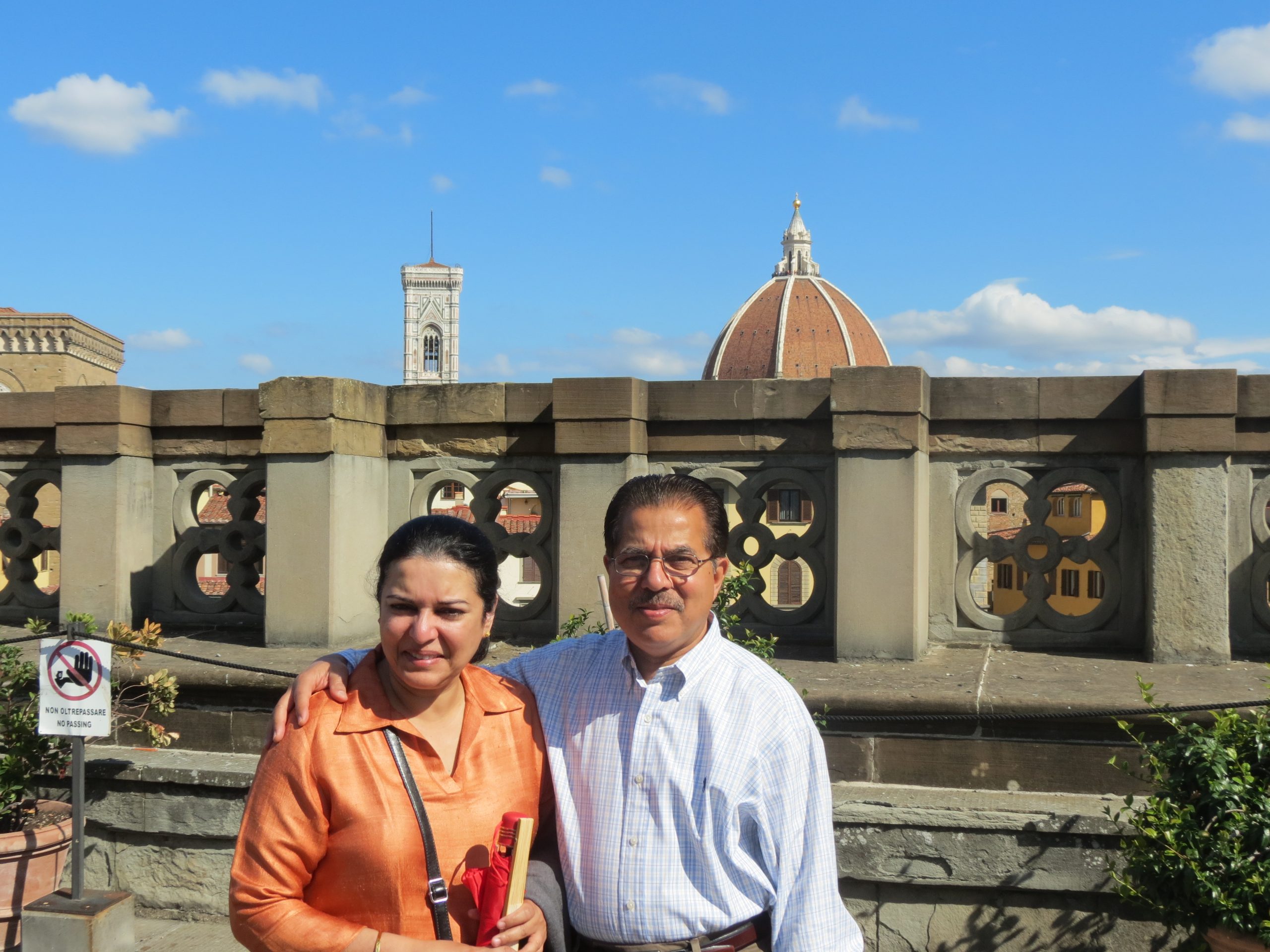
We then explored the Mercato Centrale, a bustling food market where Christabel nearly passed out at the sight of tripe in one of the butcher’s stalls, followed by a stroll through the small shops of the Mercato San Lorenzo. Though tempted by the beautiful leather goods, we managed not to succumb to their charms.
The Romance of Venice – September 16, 2012
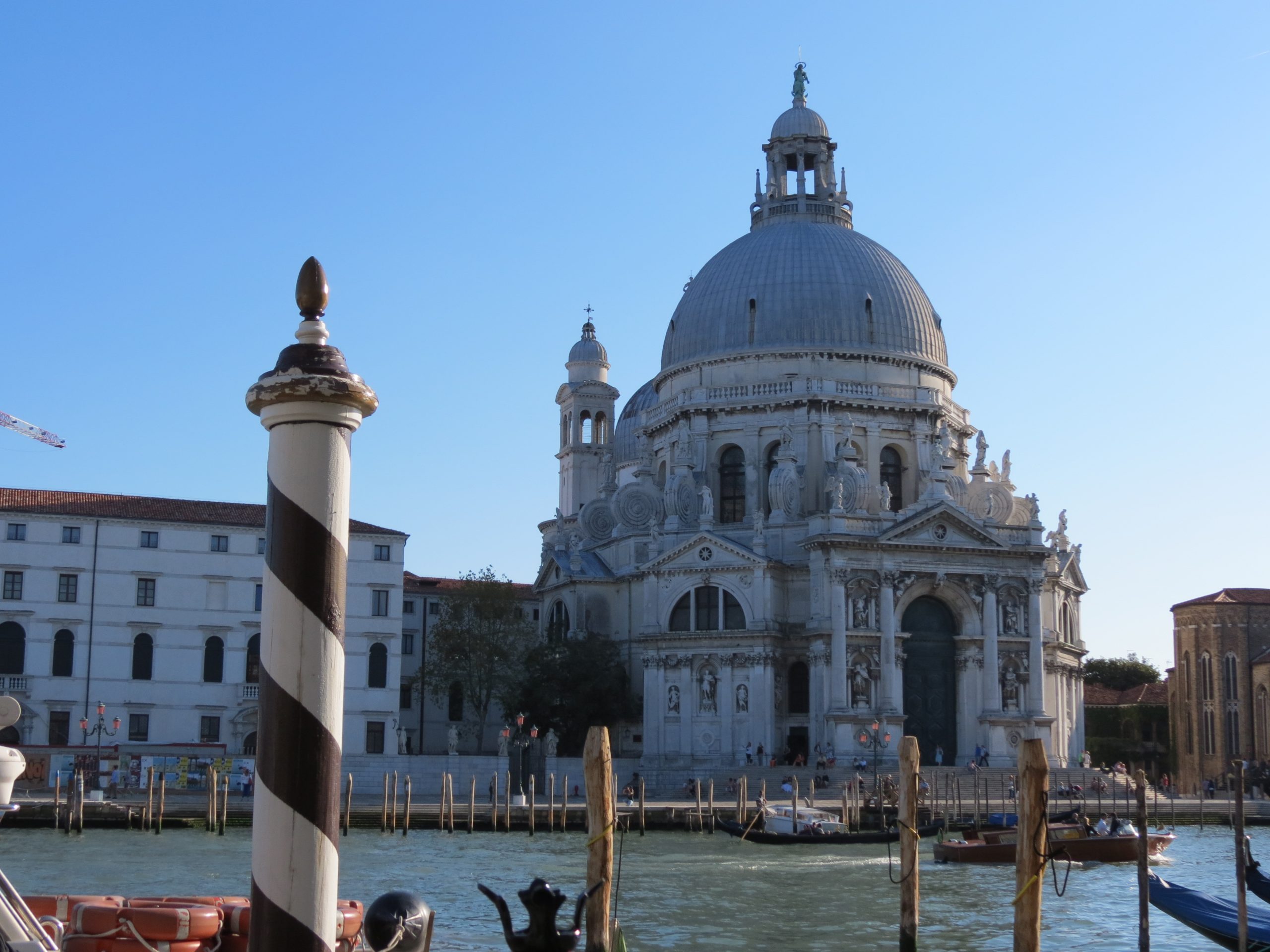
Our journey continued aboard a high-speed train from Florence to Venice, followed by a water taxi to the Westin Europa & Regina, a stunning hotel on the Grand Canal, opposite the Church of St. Mary of Health, known as one of the plague churches.
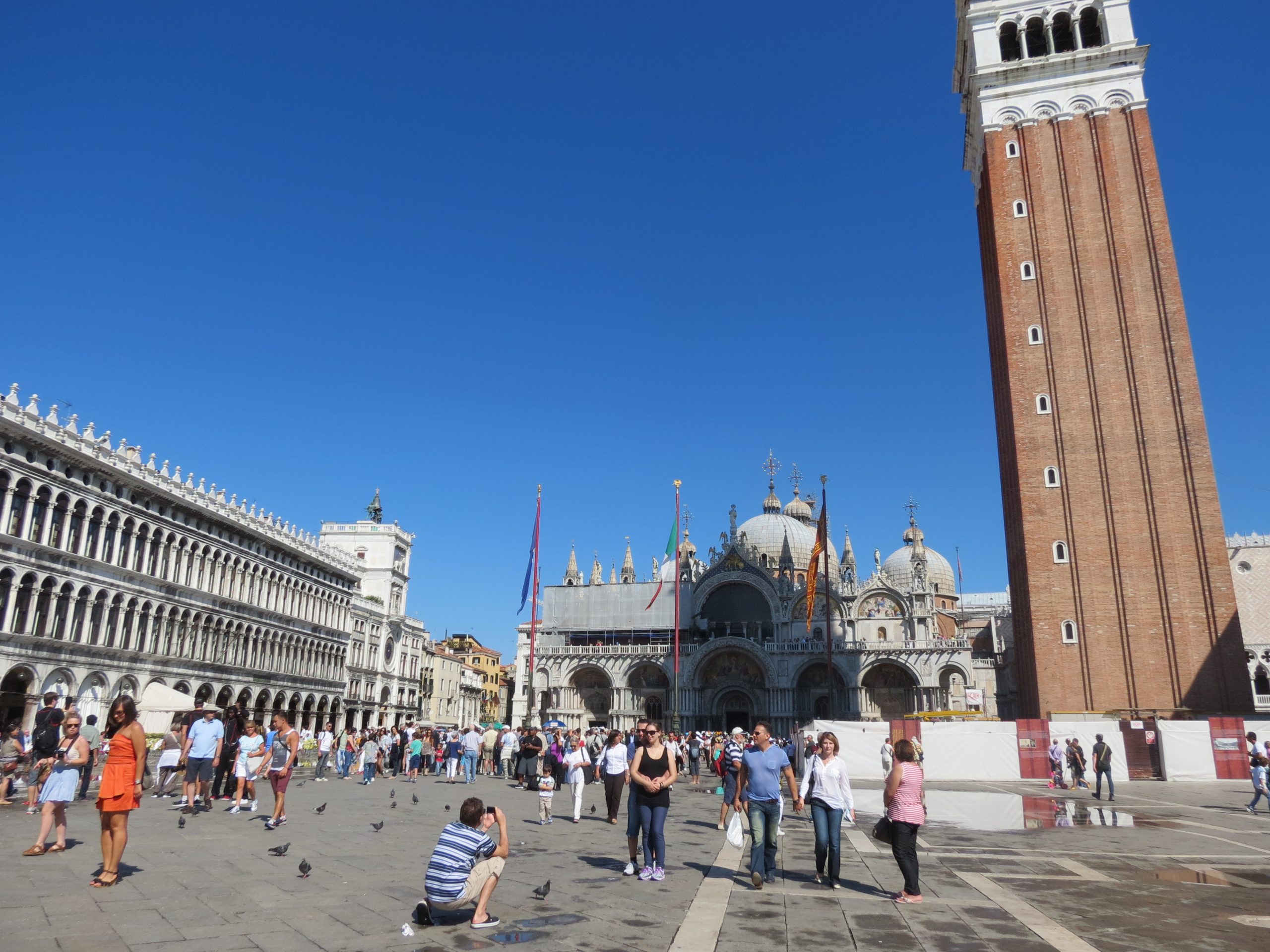
We strolled to St. Mark’s Square, passing by St. Moses Church on the way, an unusual sight considering the lack of a recognized Saint Moses. Nevertheless, Venice boasts a church dedicated to him.
Unfortunately, St. Mark’s was closed for a retreat, so we opted for a visit to the Doges’ Palace, where we were blown away by the astounding artwork.
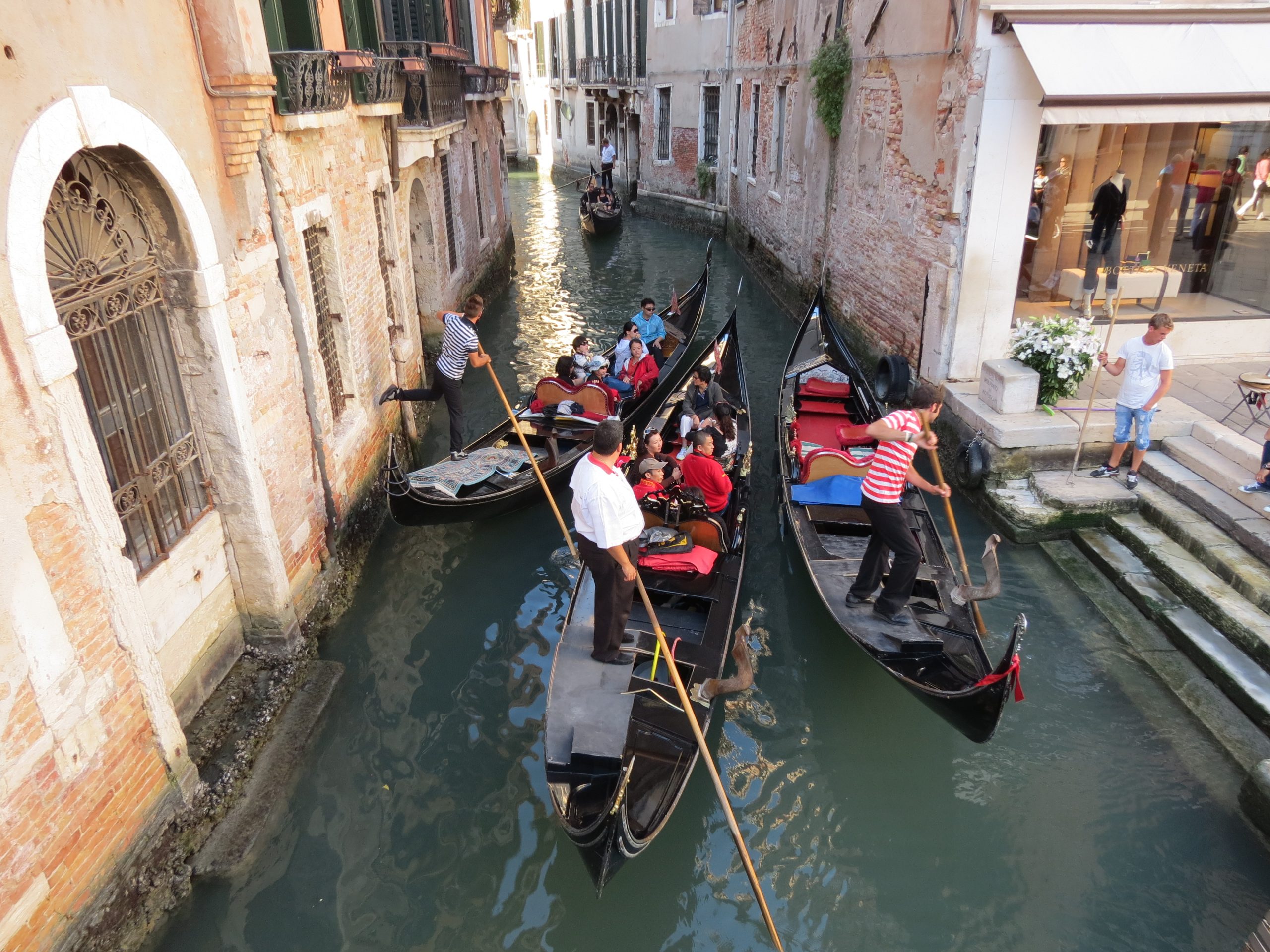
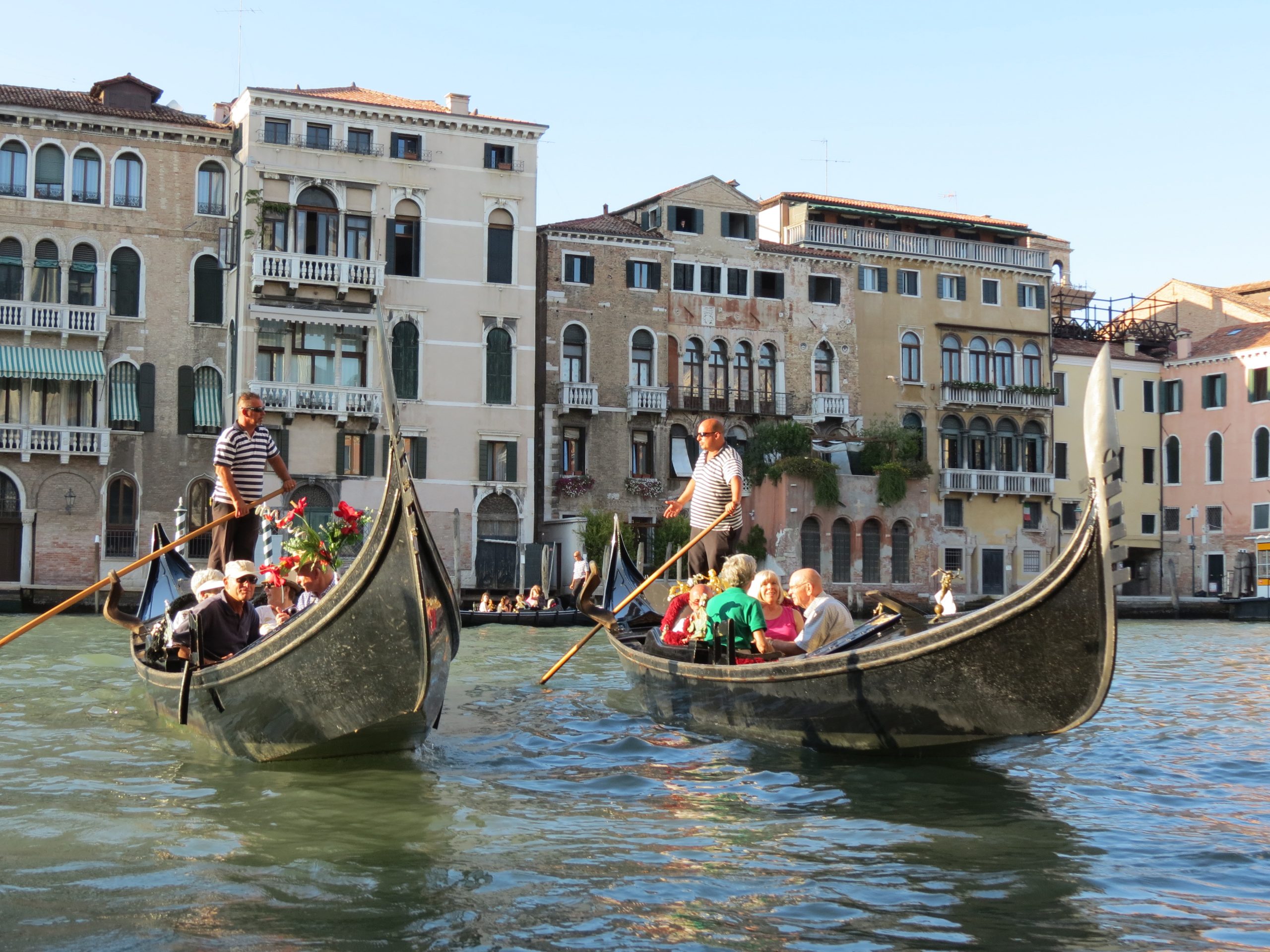
Later, we enjoyed a gondola ride with a serenade, and encountered a rare sight: a woman gondolier. We learned that she is the only one in the area, and unfortunately, her male counterparts reportedly give her a difficult time.
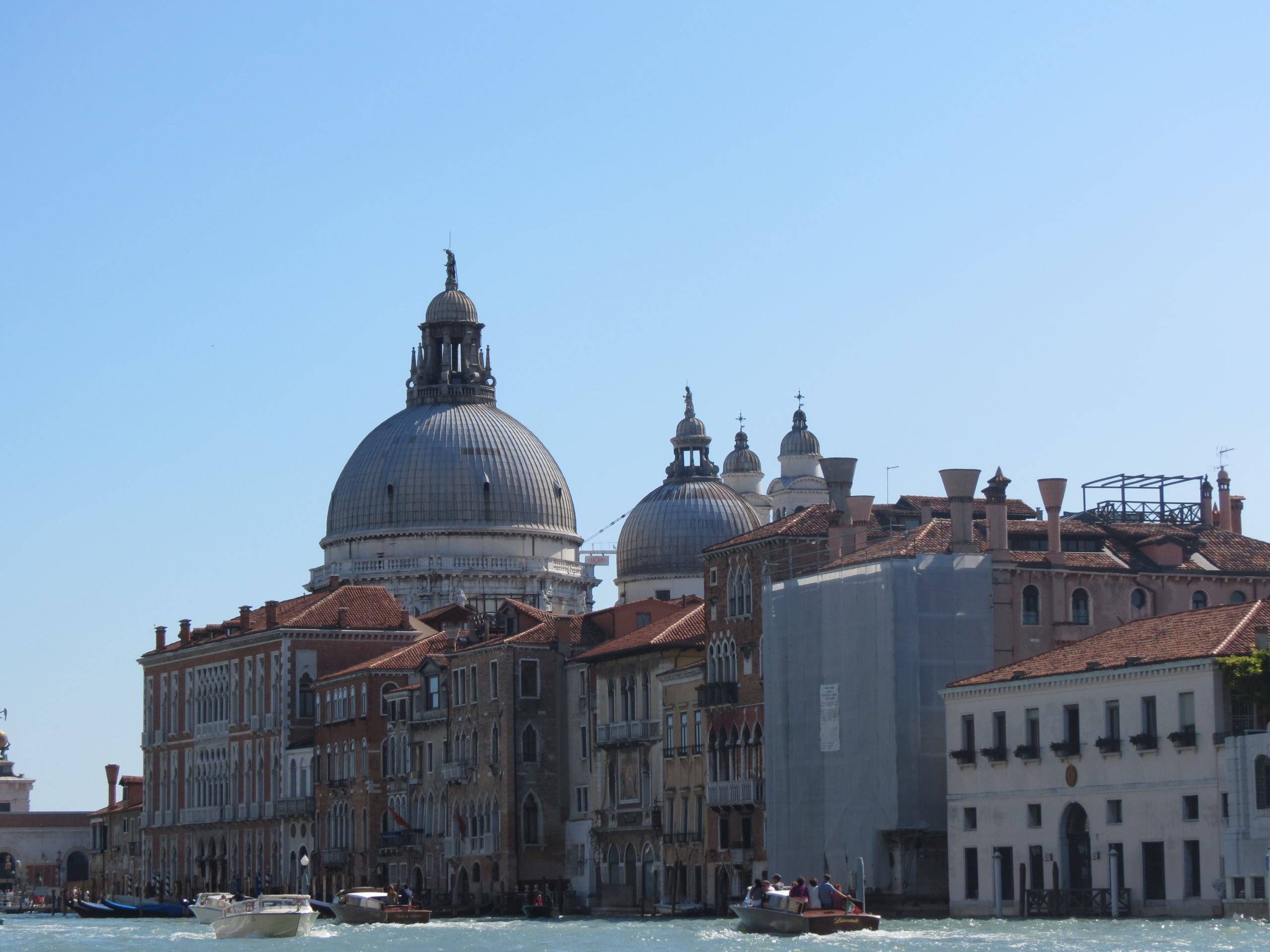
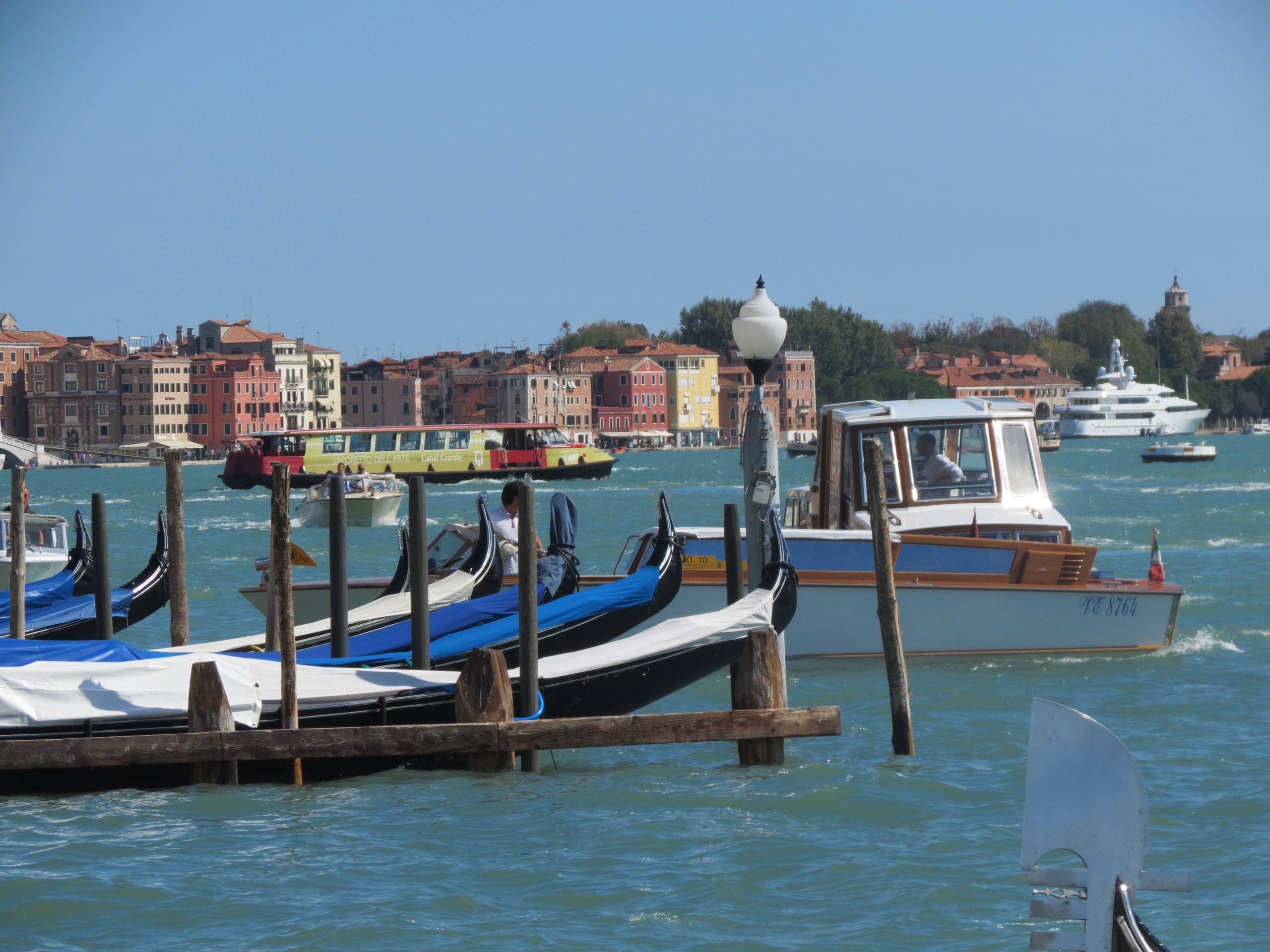
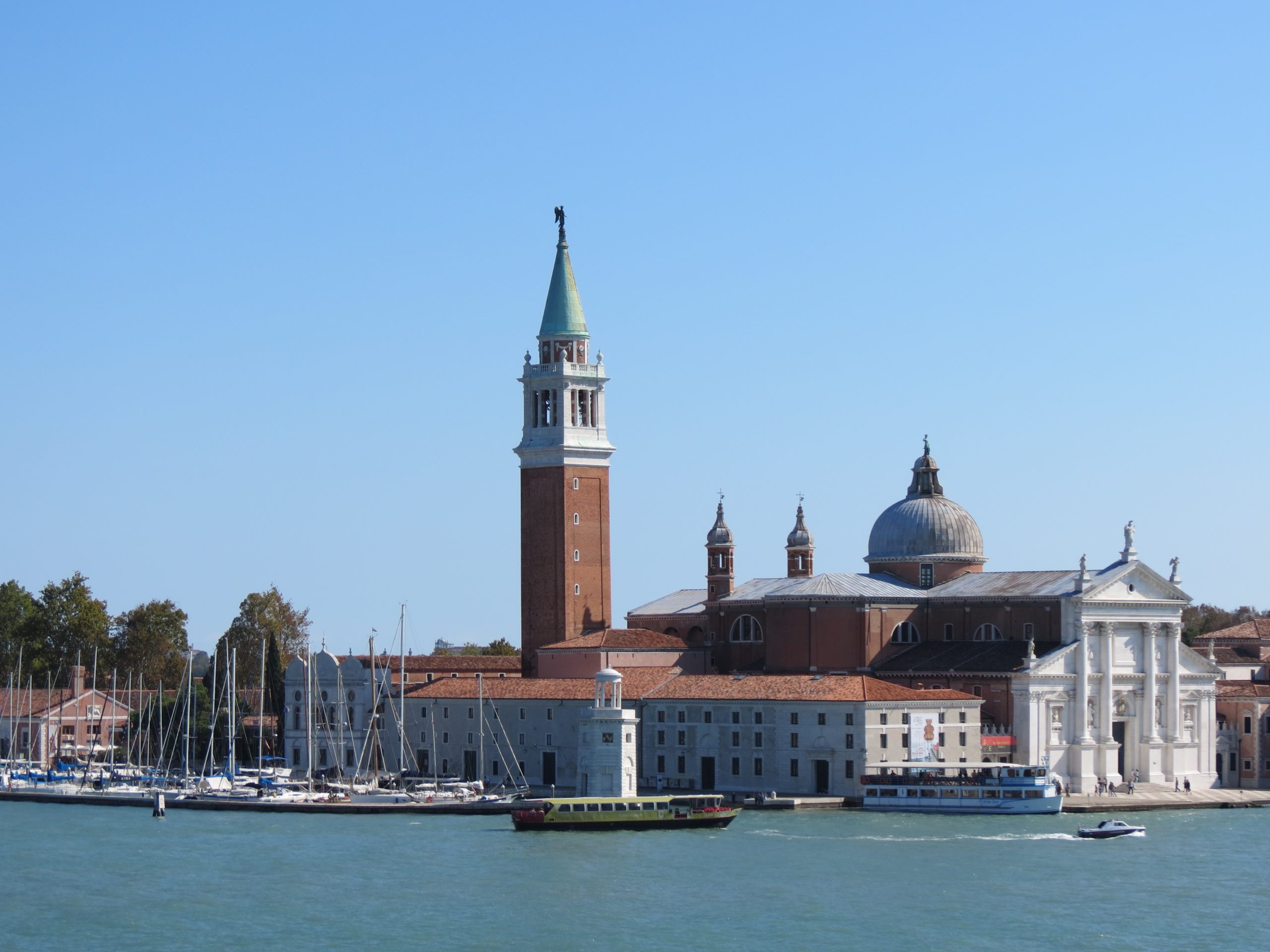
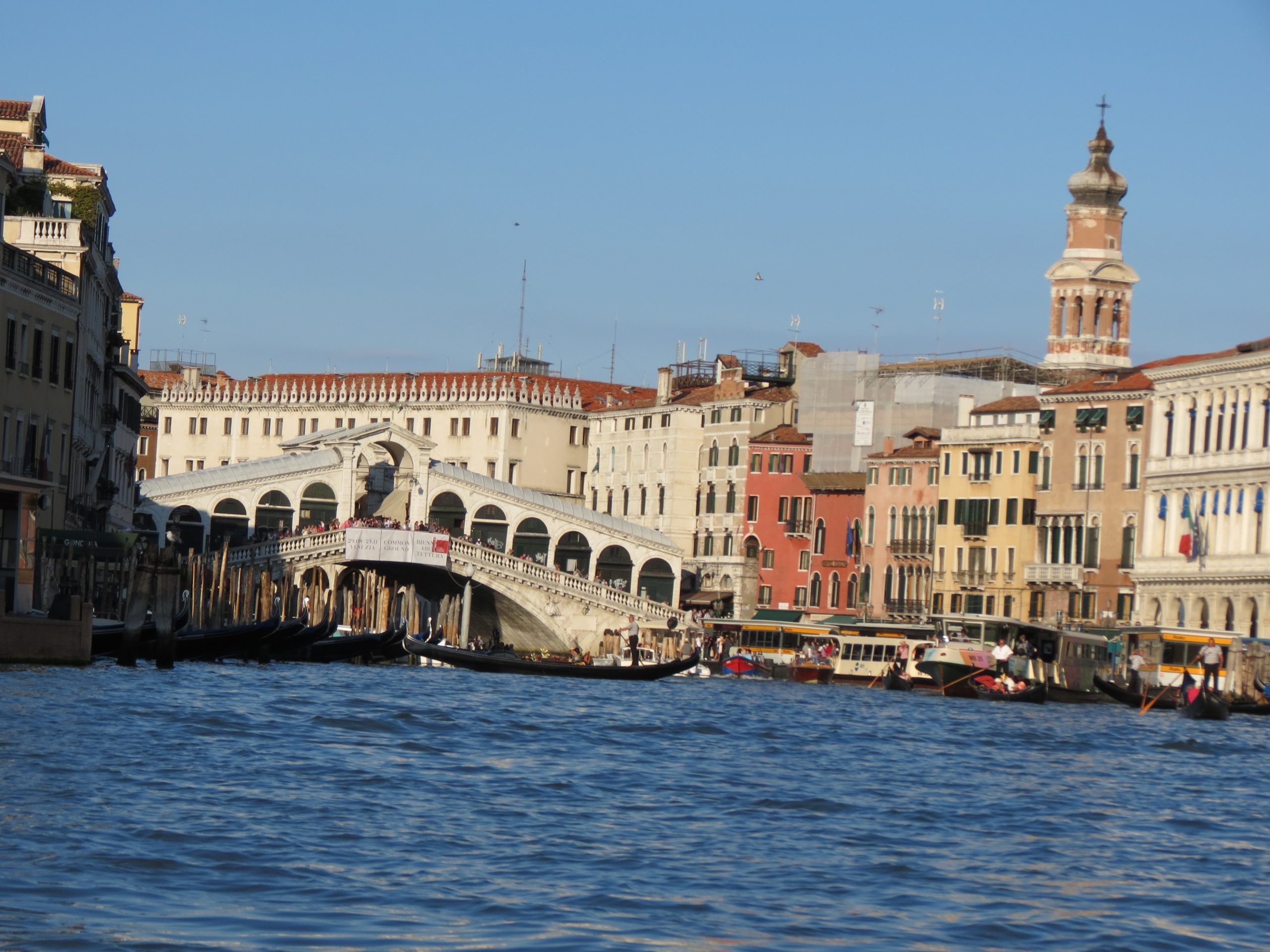
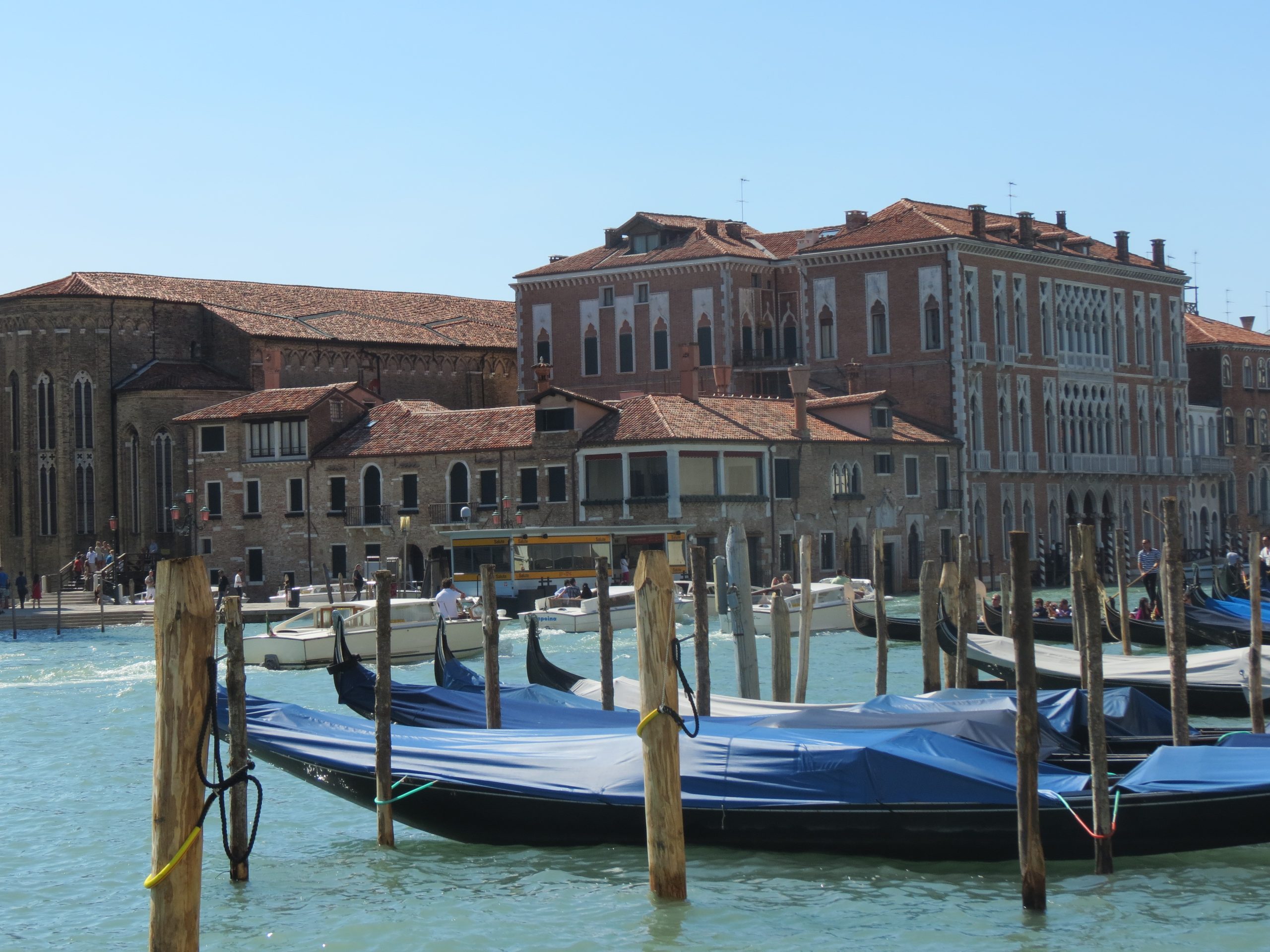
In the evening, we wandered to a square near the Accademia Bridge, stopping by a flea market and a museum showcasing stringed instruments on our way back.
Reflections on Venice: Tourist Crowds and Underwater Wonders – September 17, 2012
On our last day in Venice, we visited St. Mark’s. There were too many tourists, and the church was overly decorated with gold. We went at a time when water began to seep into the square, and we got trapped, unable to exit without getting wet. We continued walking until we reached the Accademia Gallerie, but it was closed by the time we arrived. So, we proceeded to I Frari and the Church of St. Roch, where we saw more beautiful art.
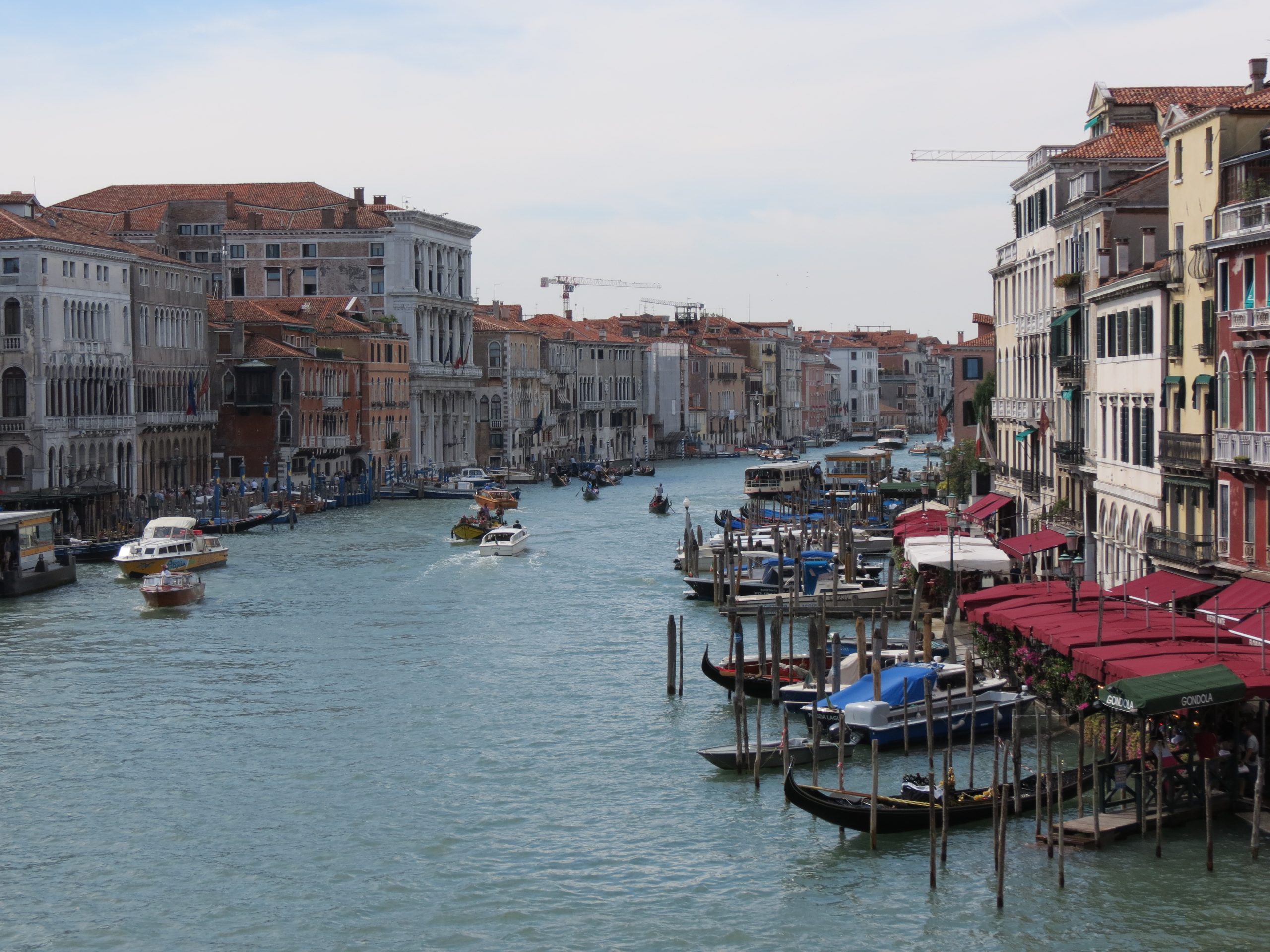
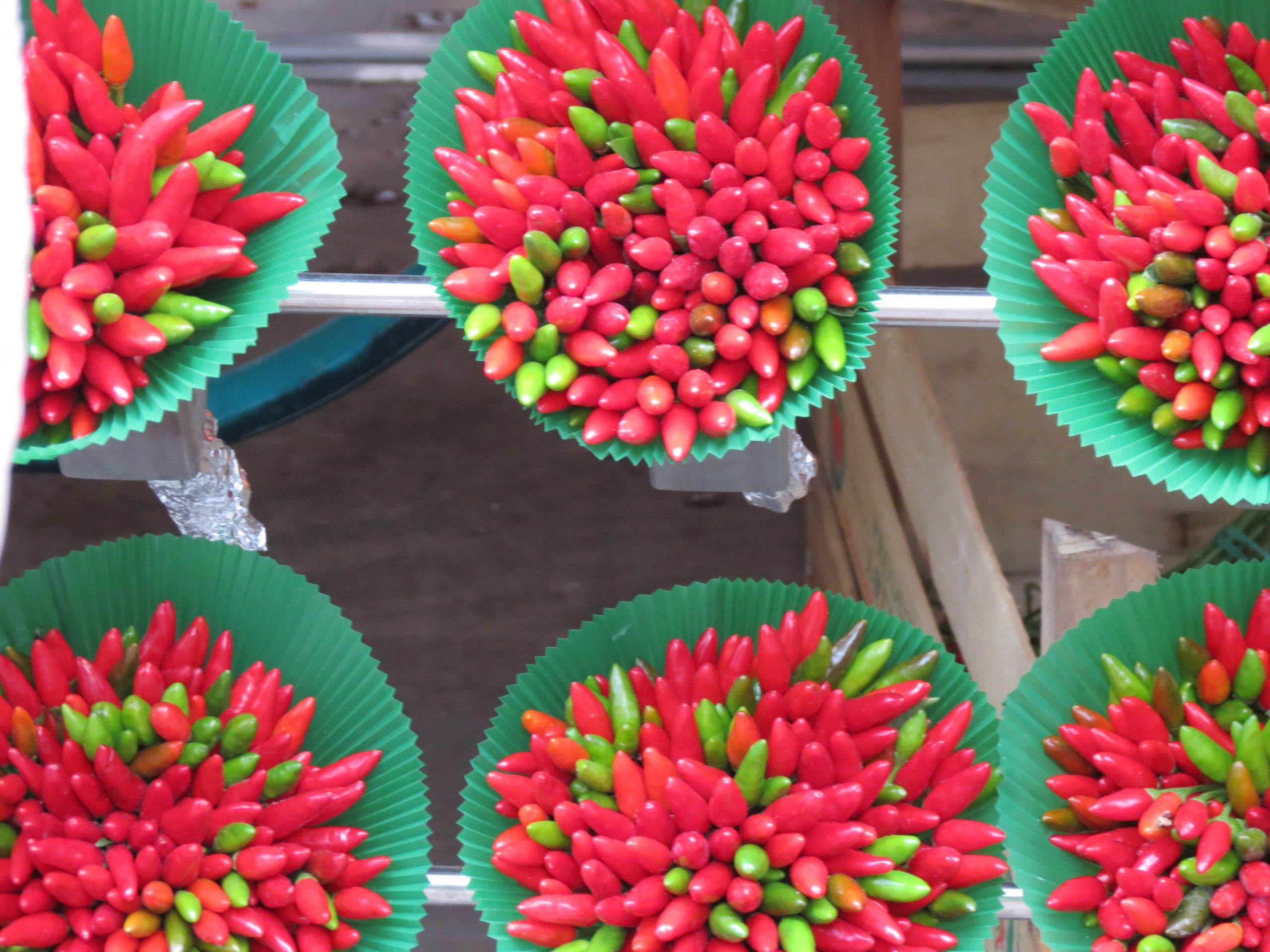
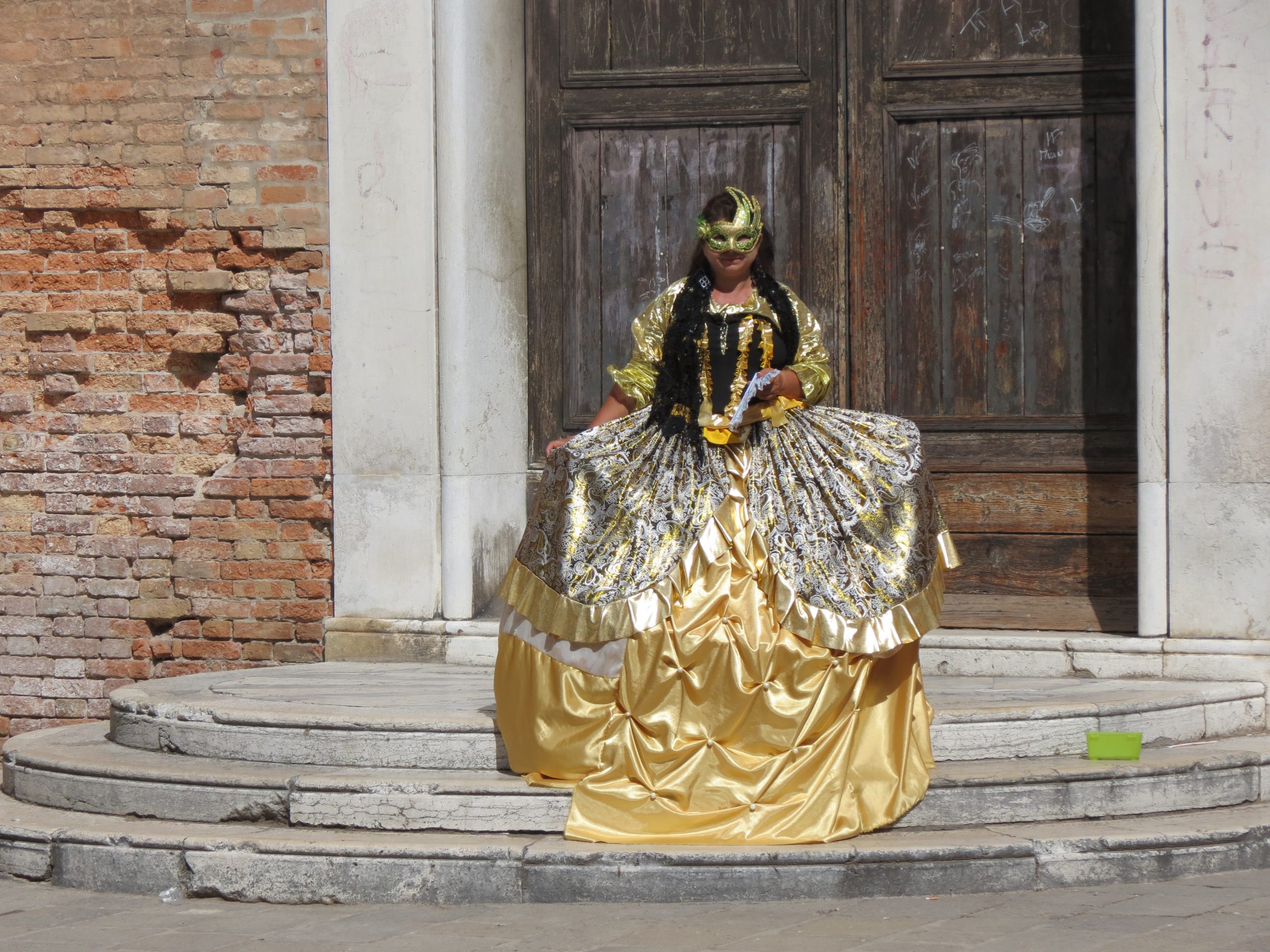
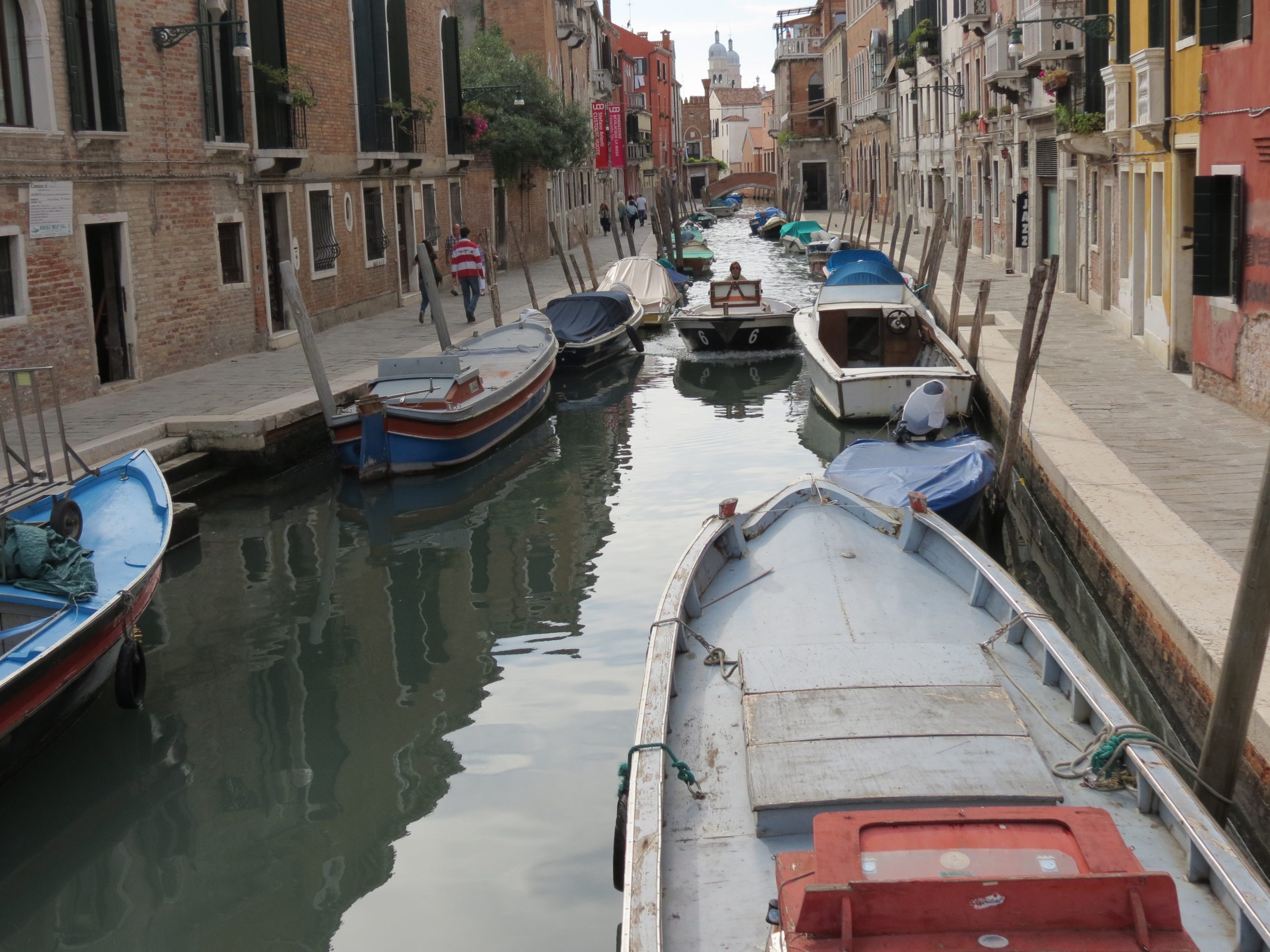


After spending two days in Venice, we suppose it’s time to wax poetic about its romanticism. Yes, we’re sure it’s romantic for the tourists, but it must be very challenging to live in a place constantly underwater, where the walls of the buildings are encrusted with barnacles, where everything has to be imported, and where it’s impossible for locals to find housing. One’s got to be very tough to be a Venetian and very patient with the constant influx of tourists, though we suspect patience is wearing thin.
Ciao and Homeward Bound – September 18, 2012
End of a fantastic vacation. We boarded a water taxi to Marco Polo Airport and flew back home.