
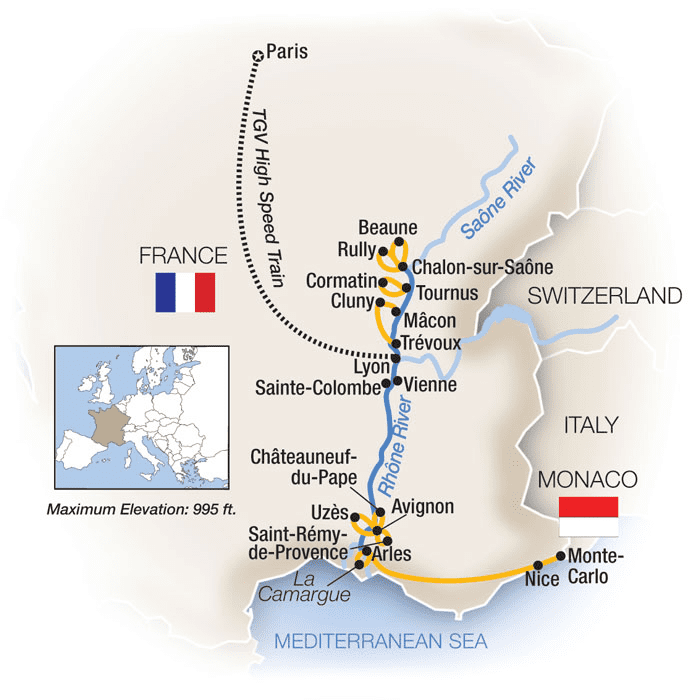
This marks our second river cruise through the southern part of France—the first was in 2016, when we were enthralled by the beauty, history, culture, and food that left us wanting to return for more. On this new French escapade, we sailed along the picturesque Saône and Rhône rivers, starting with a short visit to Paris, followed by brief stops in many towns throughout the enchanting regions of Lyon and Provence, and ending in the sparkling, jet-set destination of Monte-Carlo on the Côte d’Azur. We looked forward to discovering new sights, savoring regional cuisine, making new friends, and soaking in the unique charm each location had to offer. The trip more than met our expectations.
A Journey Through Time at Père Lachaise – June 2, 2025
Our flight from Newark to Paris was pleasantly uneventful, despite ominous forecasts of delays caused by disruptions in the Newark air traffic control system. A sweet surprise was having Kim Clijsters—a four-time Grand Slam singles and two-time doubles titleholder—seated in the row ahead of us.
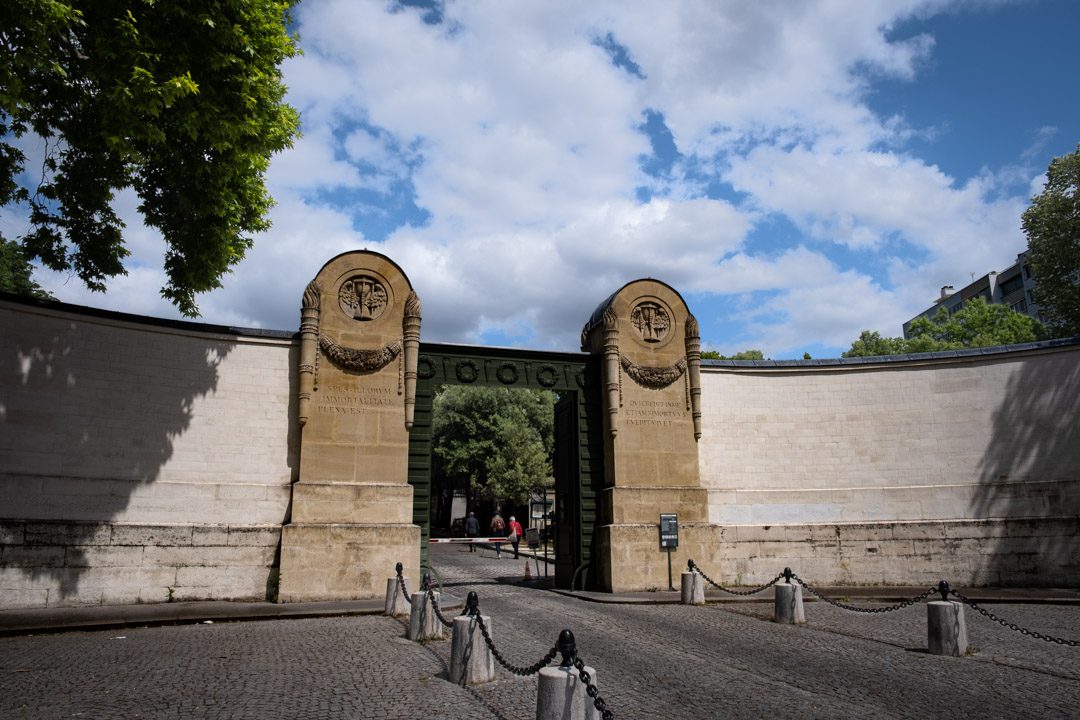
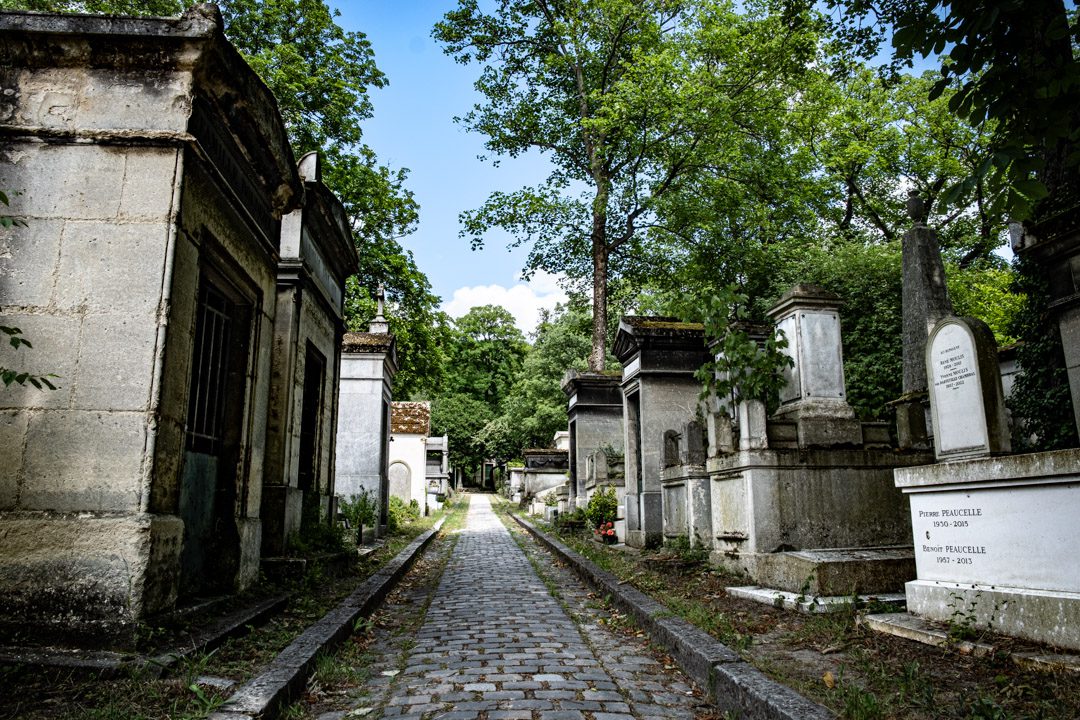
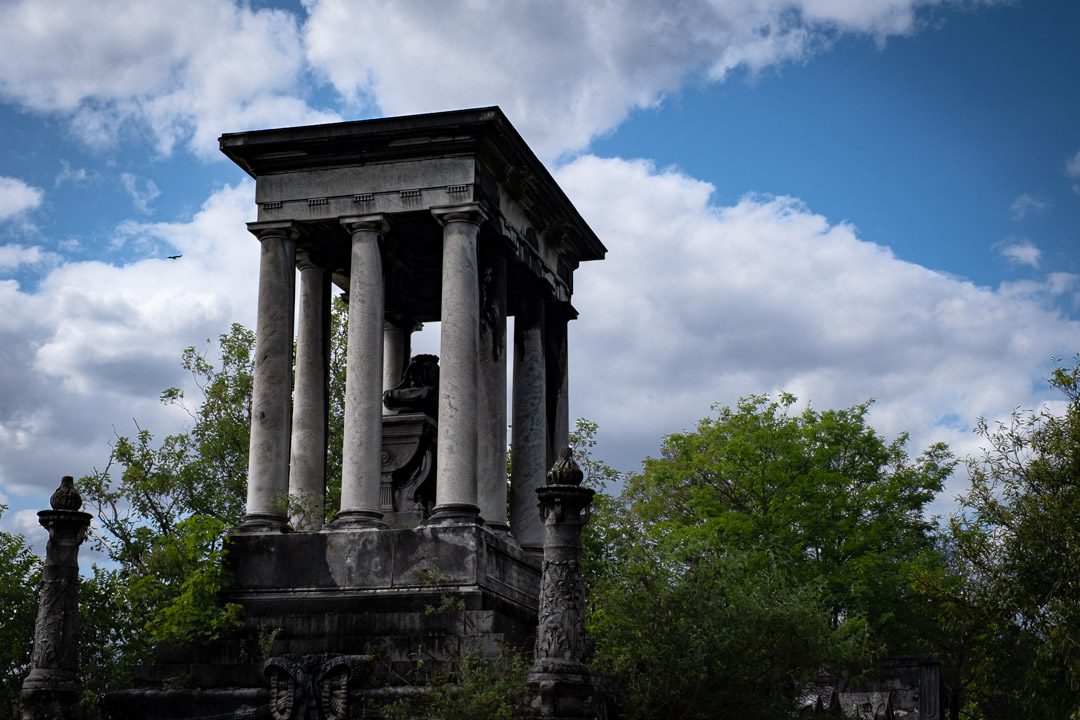
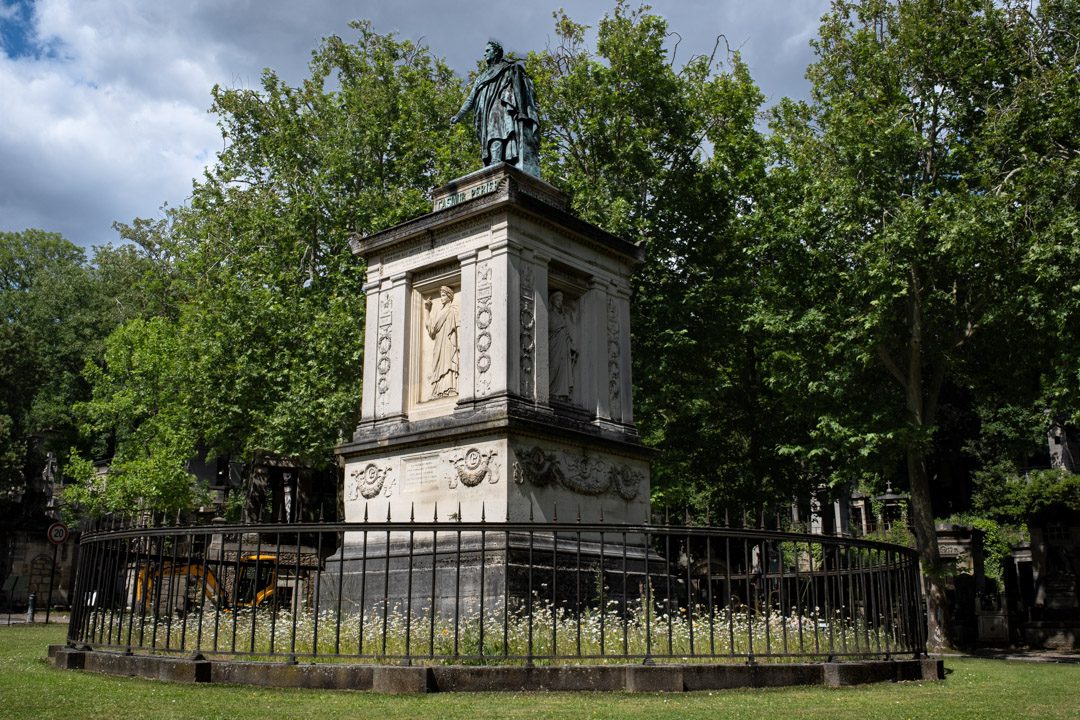
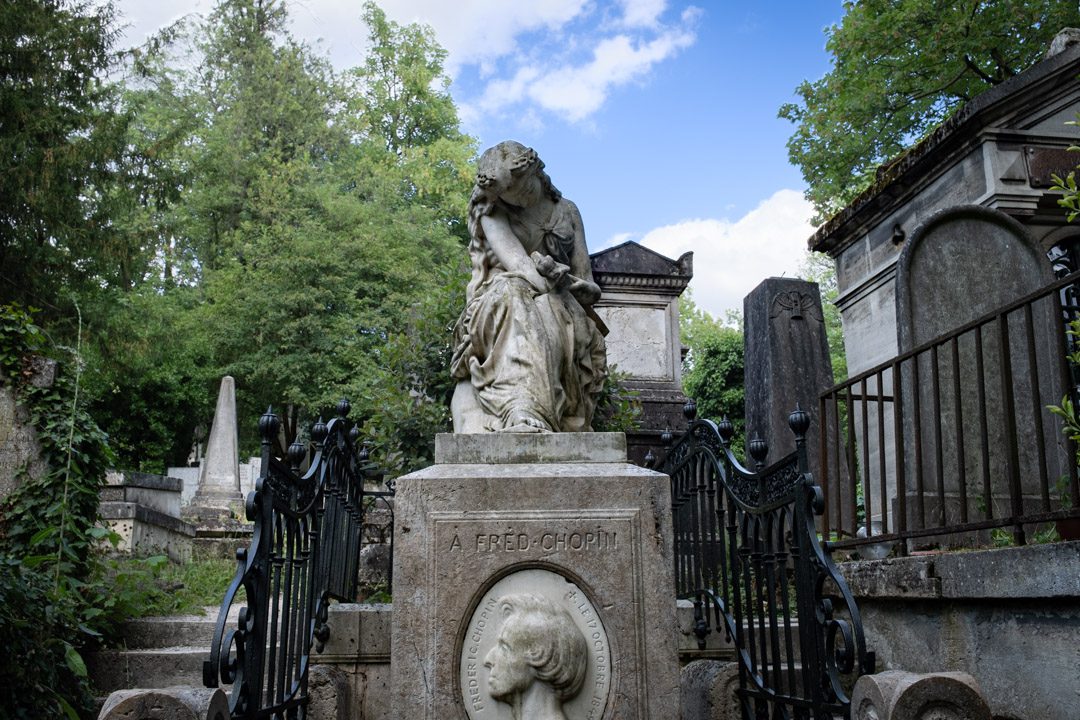
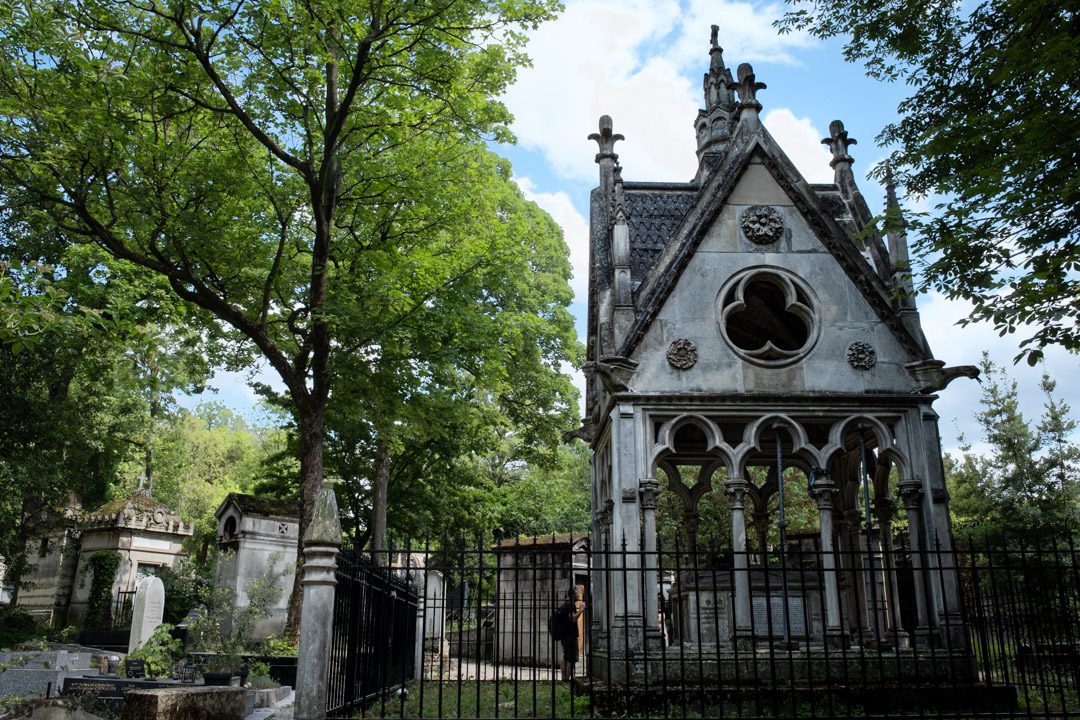
After check-in at our hotel, we set out to explore one of Paris’s most intriguing—but somewhat morbid—landmarks: Cimetière du Père-Lachaise, the city’s most famous cemetery, where ordinary people of every religious background lie peacefully alongside major celebrities—more than 70,000 and counting. We joined a guided tour that led us through the cemetery’s tree-lined cobblestone paths, past centuries-old mausoleums and ivy-covered tombs.
Among the many notable graves we visited were those of Abélard and Héloïse —the legendary medieval lovers, now buried together; Jim Morrison, forever linked with the mystique of The Doors and his untimely death in Paris; and others such as Molière, Jean de La Fontaine, Frédéric Chopin, Édith Piaf, Oscar Wilde, Balzac, Proust, Sarah Bernhardt, and more.
The cemetery was opened in 1804 by order of Napoleon, but for the first few years, interments were slow due to its distance from central Paris and the fact that the land had not been blessed by the Church. To generate interest, the remains of Molière and Jean de La Fontaine were reinterred here in 1817 to attract buyers for burial plots. A little later, Abélard and Héloïse were also moved here from their previous resting place. This strategy worked, and the number of interments increased steadily.
For those who preferred cremation, a Byzantine-style crematorium and columbarium were constructed. In addition to the individual mausoleums, there are monuments dedicated to victims of war, genocide, aerial disasters, concentration camps, and other global tragedies. Today, it is extremely difficult to purchase a new burial plot in the cemetery, and doing so requires entering into a 50-year concession contract to ensure the upkeep of the site and any monument erected.
The tour brought history to life, transforming a quiet cemetery visit into a fascinating journey through France’s cultural legacy.
We ended our day with a wonderful dinner at Bofinger, one of Paris’s oldest continuously operating restaurants, in business since 1864.
Mont Saint-Michel: A Dream Fulfilled – June 3, 2025
We woke up at an ungodly hour to catch the tour bus bound for Mont Saint-Michel in Normandy (named after the Norse men, aka the Vikings)—a place that has been on Christabel’s bucket list for years.
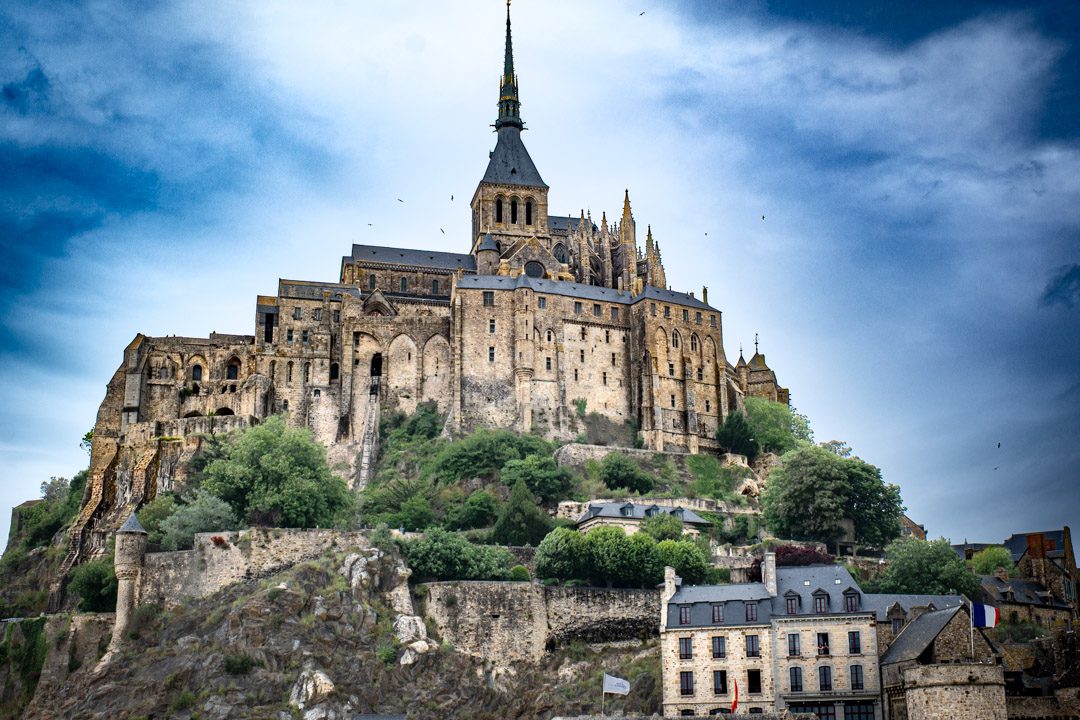
The journey was long, about five hours each way. Upon arrival, we were dropped off at the visitor parking area, from where we boarded a shuttle that took us across the causeway to the island. As Mont Saint-Michel rose dramatically from the tidal flats, with the golden statue of St. Michael atop its tallest spire coming into view, it felt like we were approaching a fairytale fortress. While we traveled in relative ease on the shuttle, others chose to approach on foot by sea, braving the tide and quicksand.
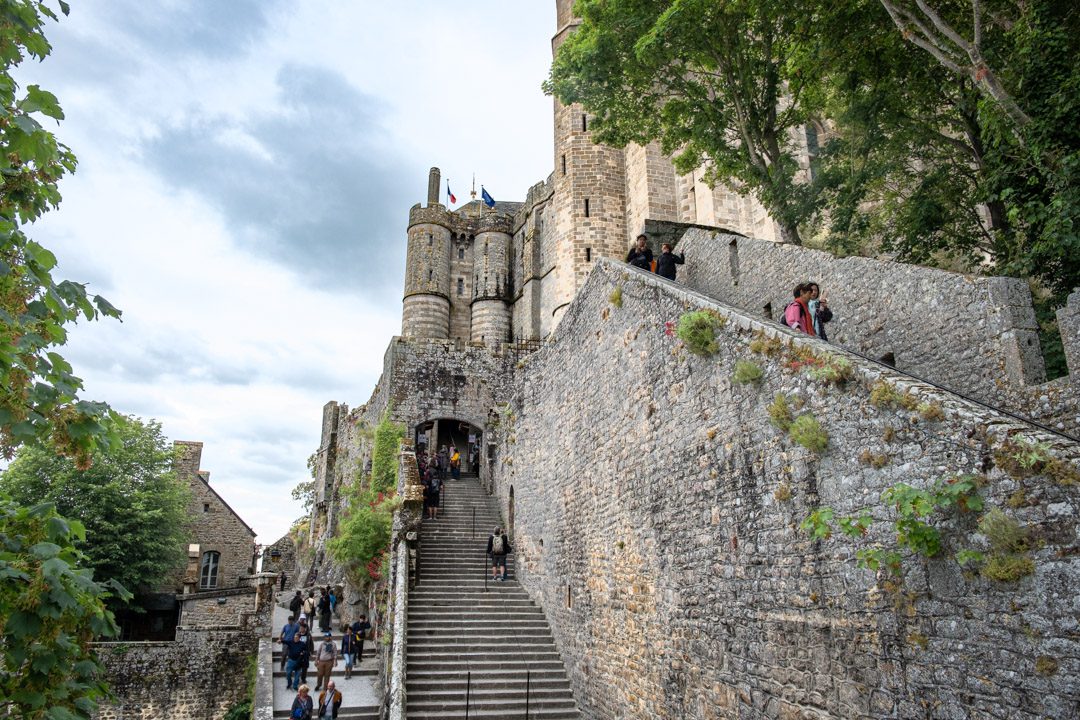
Once we arrived at the base, we followed our guide to climb through the crowded, narrow, winding streets of the medieval village, then scaled many steep steps to reach the entrance portal at the top. The guided tour of the abbey was fascinating. We learned that St. Aubert, who was Bishop of Avranches during the late Merovingian period, founded the monastery of Mont Saint-Michel after having visions of St. Michael commanding him to build a monastery on the island at the mouth of the Couesnon River. St. Michael had to appear twice more before Aubert was convinced his visions were real—the last time leaving a hole in Aubert’s skull where the archangel’s finger allegedly touched him.
The foundations of the abbey were laid in 708 AD. Perched high atop the mount, the abbey is a remarkable blend of Romanesque and Gothic architecture. Our guide skillfully walked us through centuries of history—from its founding in the 8th century as a modest oratory, to its evolution into a powerful Benedictine monastery, and later, its transformation into a fortress and prison during the French Revolution. In the mid-1800s, prominent citizens like Victor Hugo campaigned for the prison to be shut down and the abbey restored. During World War II, the Germans moved in, turning St. Aubert’s church into a lookout post.
We explored the elegant cloisters, the grand refectory where monks once dined in silence, and the vast stone halls that echo with history. Today, about three million people visit the abbey, which is now home to a small community of four monks and seven nuns from the Monastic Fraternities of Jerusalem. In 1979, the abbey became a UNESCO World Heritage site.

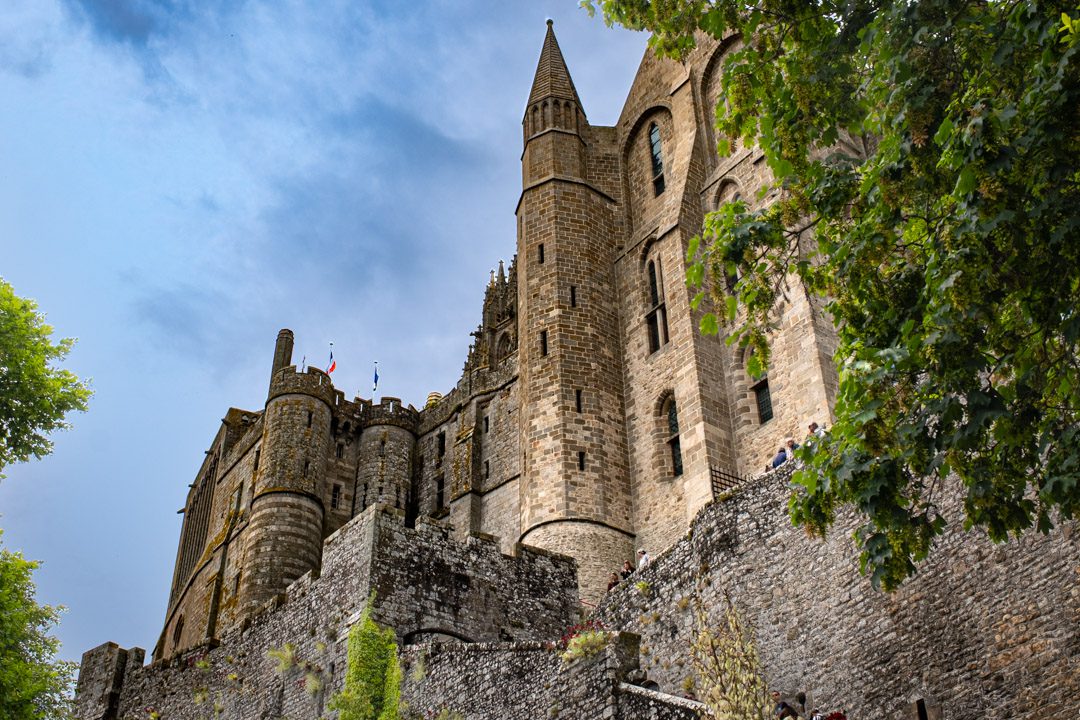

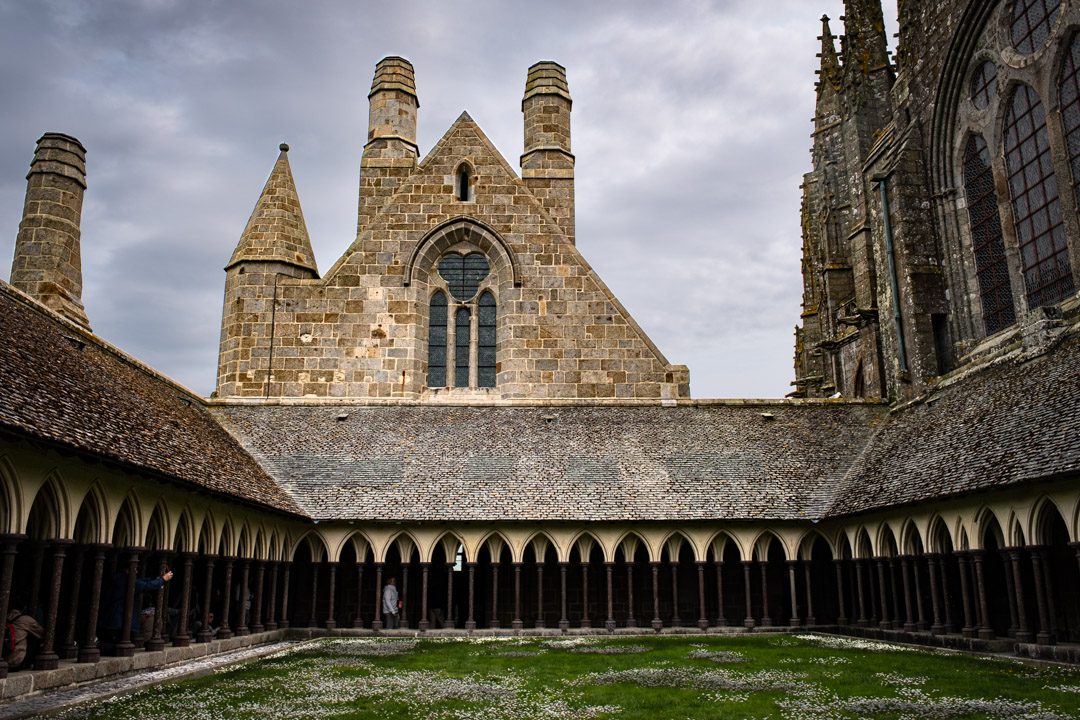
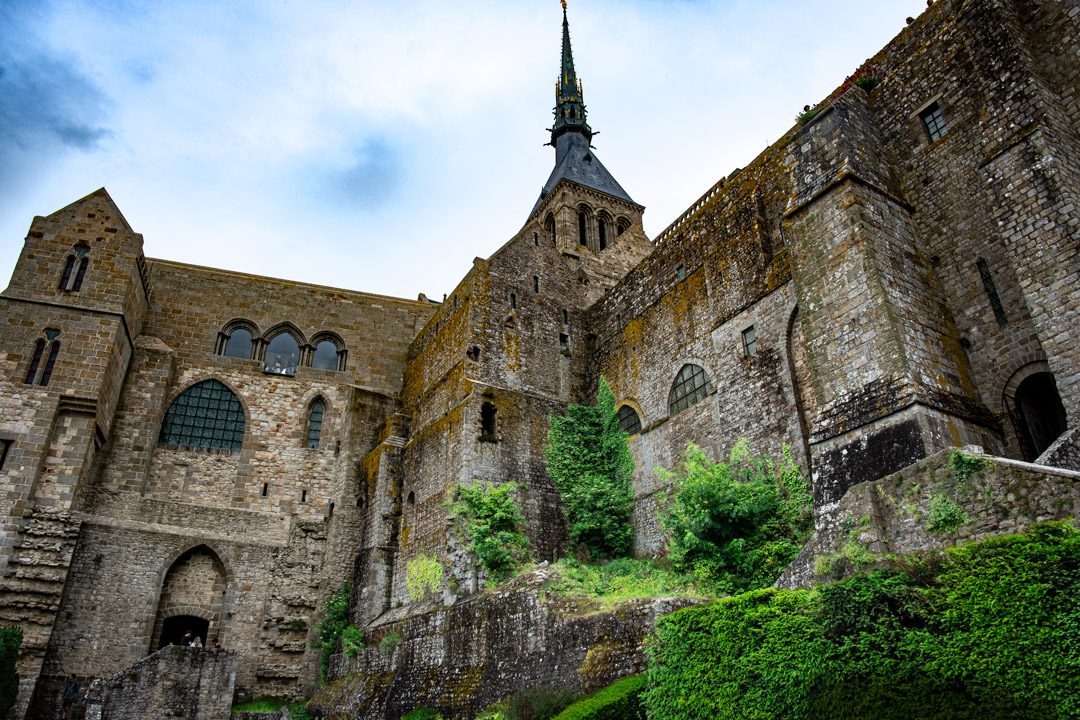
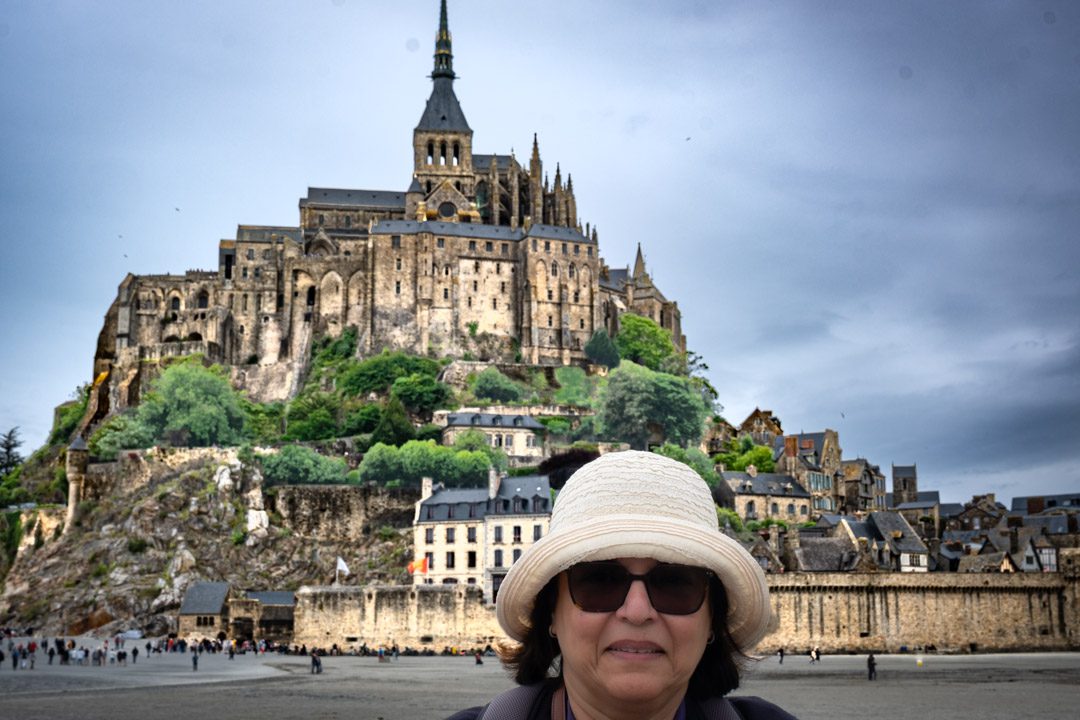
After the tour, we had lunch at one of the nearby cafés, enjoying a much-needed break. We drank cider and Calvados, and ate crêpes and apple tart—all specialties the island is famous for. We decided we’d try the Camembert, Mrs. Poulard’s omelettes, and the lamb—whose meat is naturally salted from grazing in the surrounding salt meadows—on our next visit. Refreshed, we boarded the shuttle back to the parking lot and settled in for the long drive back to our hotel in Paris.
Though it was a long and tiring day, it was absolutely worth it. For Christabel, it was a dream fulfilled. Mission accomplished..
Paris Revisited: Restoration, Radiance & Revolution – June 4, 2025
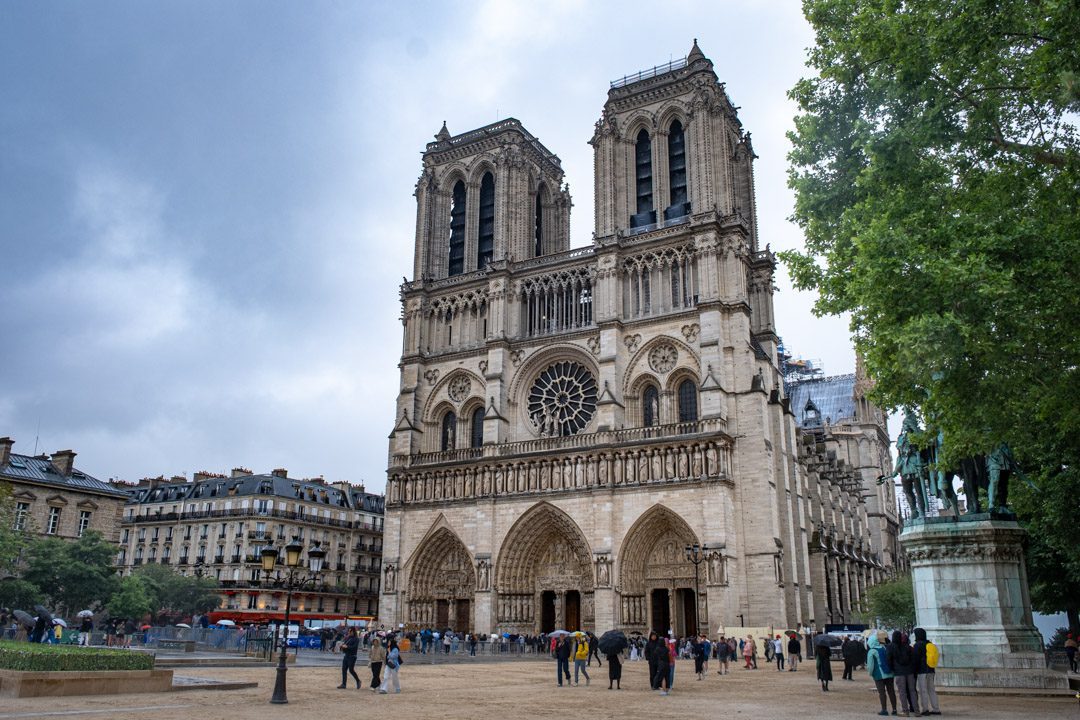
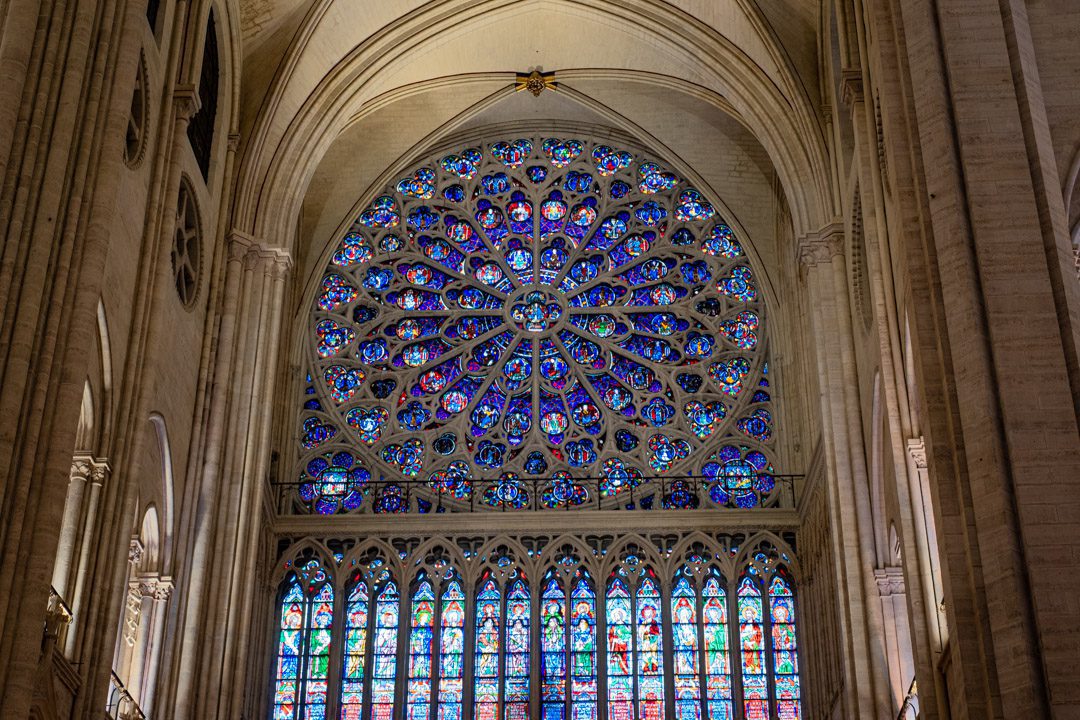
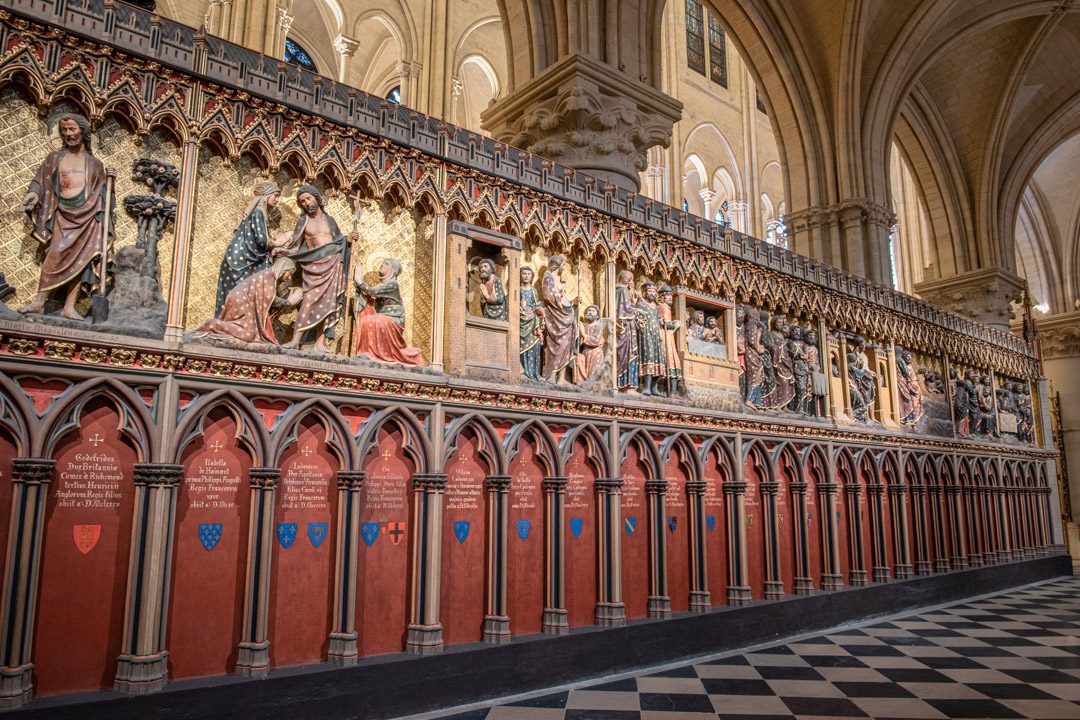
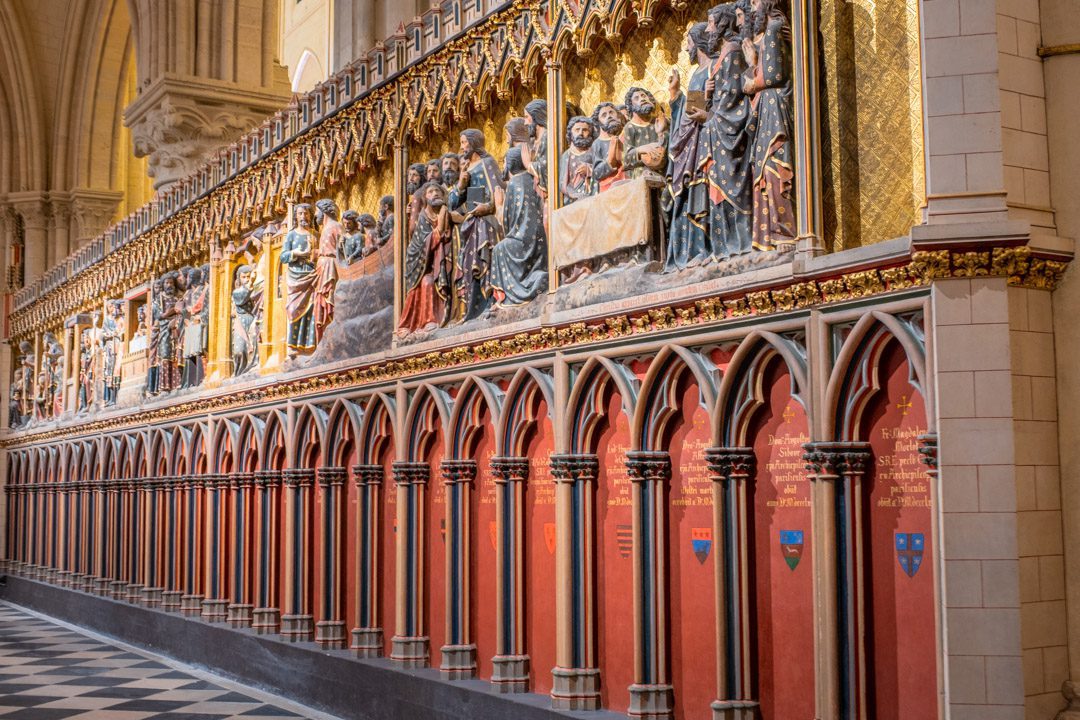
After breakfast, we took an Uber to Notre-Dame Cathedral, where we had timed-entry tickets booked online in advance. Seeing the newly restored cathedral in person was truly moving. The exterior looked beautiful—clean, detailed, and full of life again after the fire. Inside, the transformation was even more impressive. The high ceilings and stone arches looked just as grand as we remembered, but now everything seemed brighter and more polished. The famous stained-glass windows, especially the rose windows, were glowing with color and light. As we walked through the cathedral, we could see signs of the restoration everywhere—from the rebuilt wooden roof structure (the charpente) to the carefully cleaned sculptures and carvings. By the end of the visit, we felt grateful to have seen Notre-Dame reborn. It was both familiar and new, and the care that went into the €800+ million restoration made it feel even more special.


Later in the afternoon, we had timed-entry tickets to visit Sainte-Chapelle and the Conciergerie, both were part of the medieval complex of the Palais de la Cité. Although we had been to Sainte-Chapelle many years ago, it felt like a first-time experience—especially for Albert, who could not recall our previous visit. When we arrived, we were surprised to see a long line stretching outside. Despite having reserved time slots, entry was delayed, and we waited quite a while before finally being let in. Fortunately, the wait was worth it. As we stepped inside Sainte-Chapelle, the space opened up into a breathtaking kaleidoscope of color and light. The upper chapel, with its towering stained-glass windows, was as magical as ever. Each panel tells a biblical story, and together they create a wall of light that surrounds you in blues, reds, and golds. Sainte-Chapelle was commissioned in the mid-13th century by Louis IX to house relics, including the Crown of Thorns.
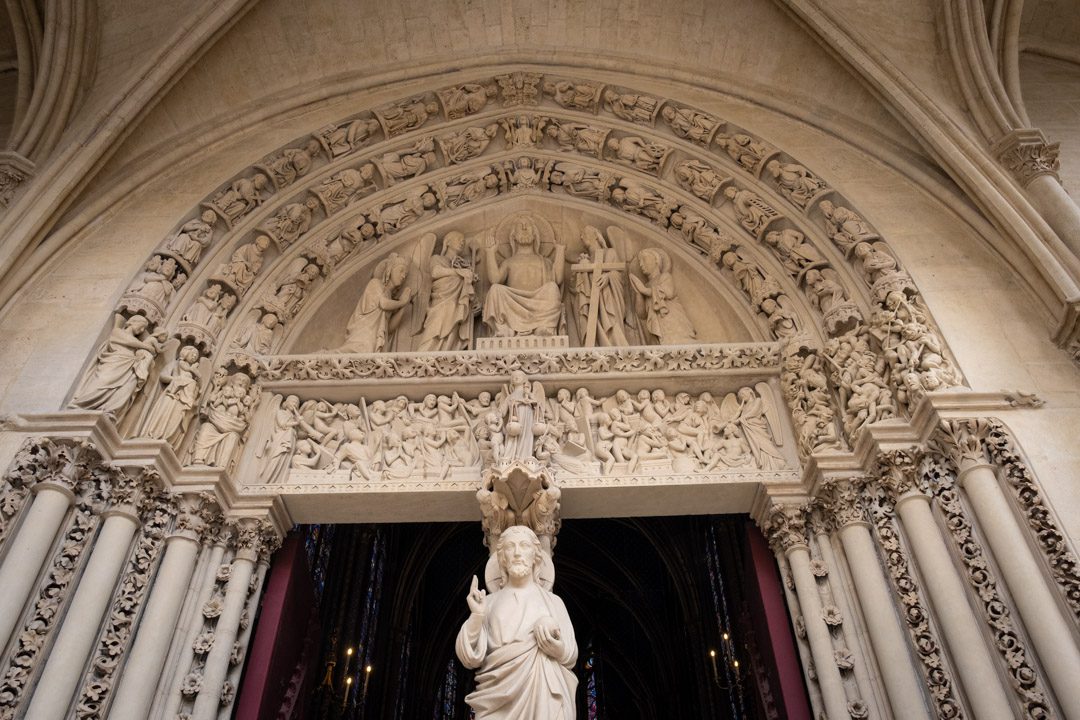
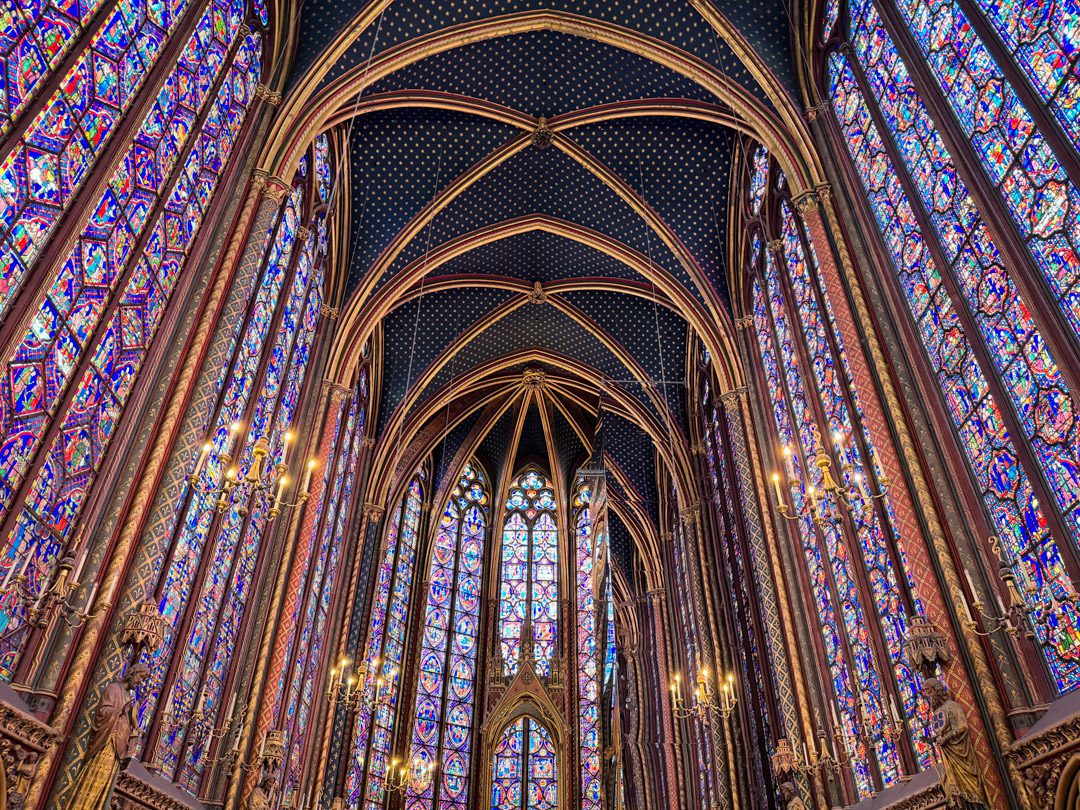
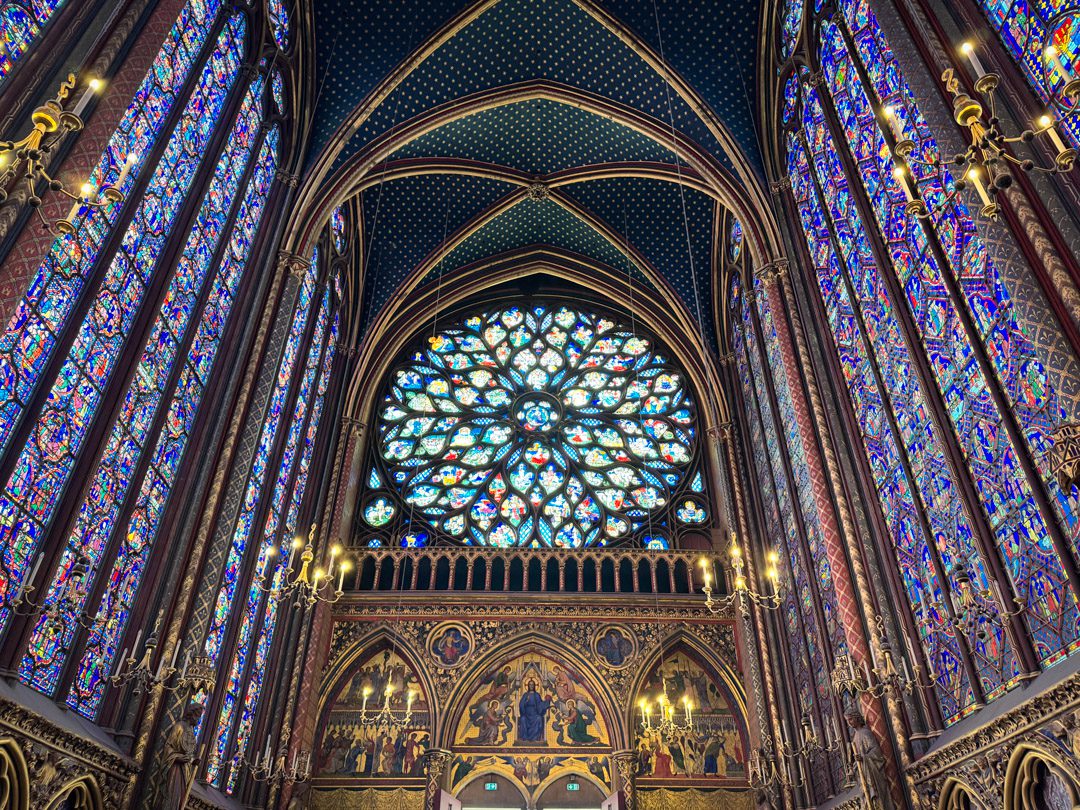
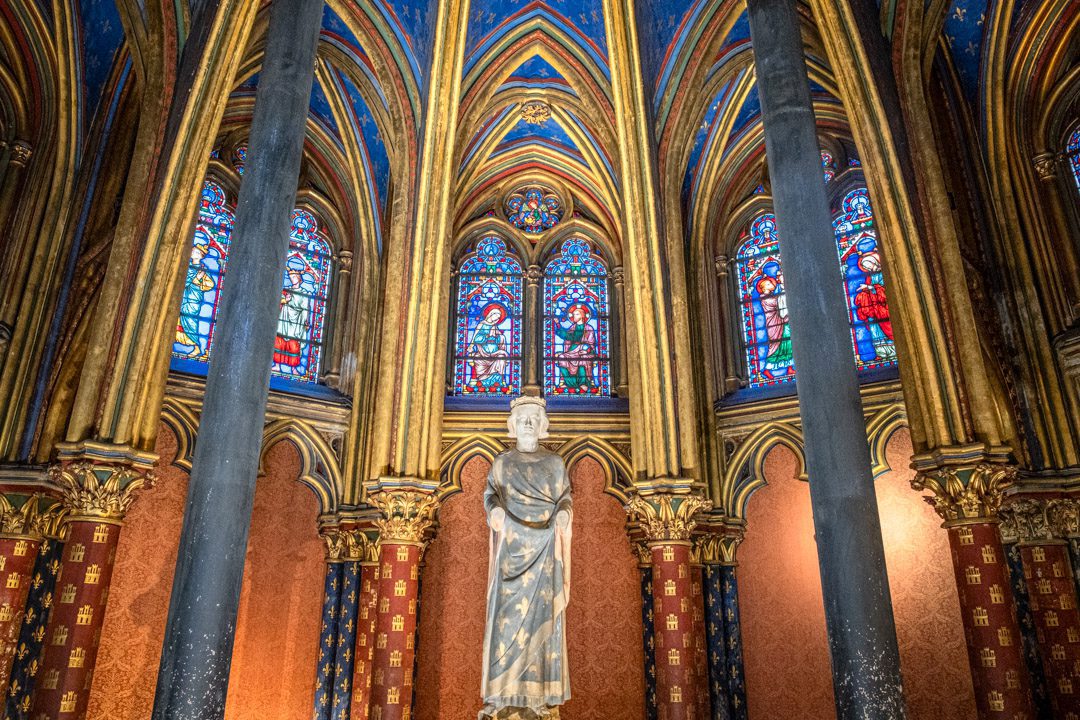
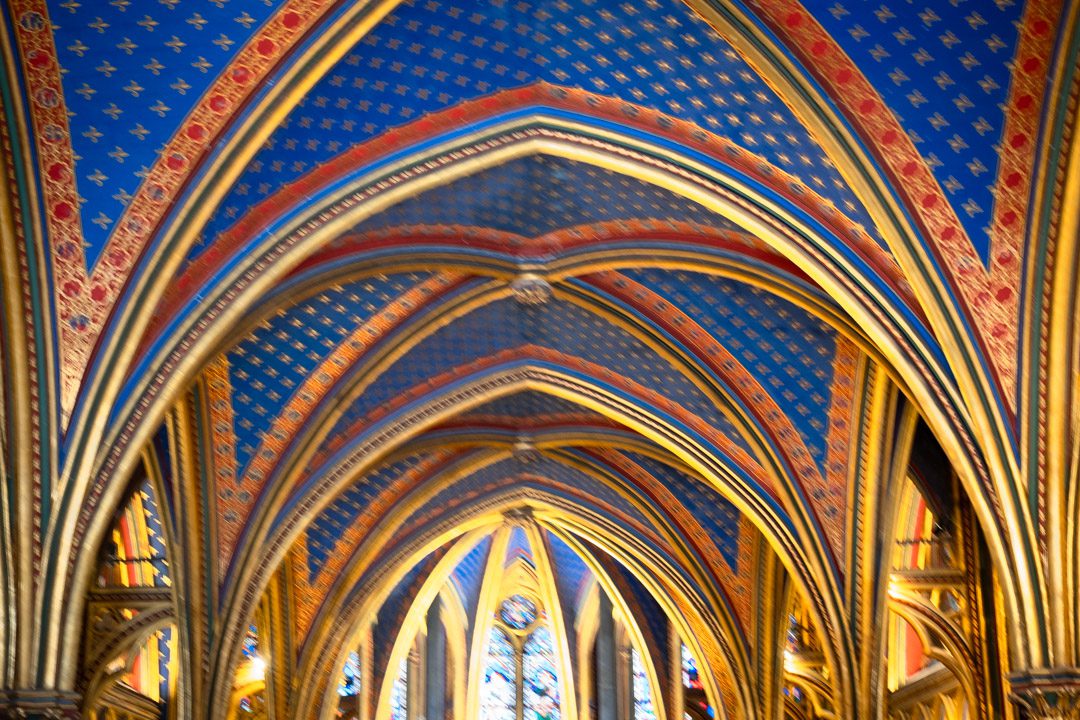

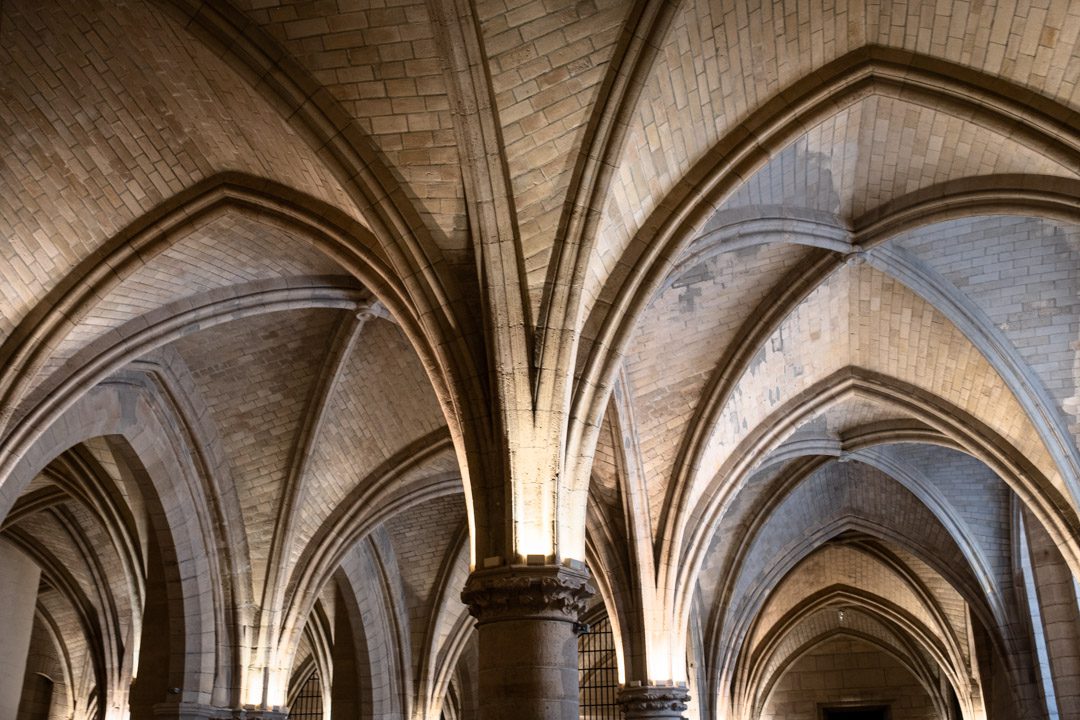
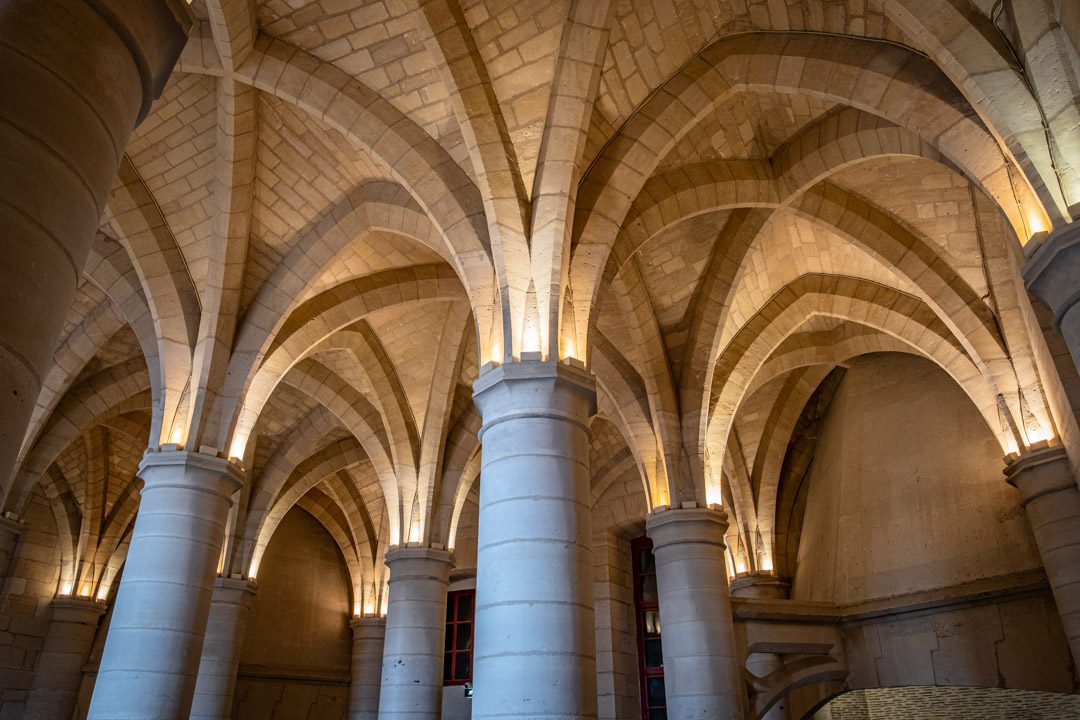
From there, we walked over to the Conciergerie, just next door. The contrast between the two sites was striking. Where Sainte-Chapelle felt heavenly and ornate, the Conciergerie carried a heavier, more somber atmosphere. Once a royal palace and later a prison during the French Revolution, the building still retains its medieval character, with massive stone halls and vaulted ceilings. We wandered through the ancient guardrooms and prison cells, including the reconstructed cell where Marie Antoinette was held before her execution. The displays and historical context helped bring the past to life—especially the darker chapters of French history. It was haunting and fascinating at the same time.
Later in the evening, we joined our fellow travelers for a welcome reception and dinner at the renowned Fouquet’s Brasserie on theChamps-Élysées. A legendary Parisian institution since 1899, Fouquet’s is known not only for its elegant Art Deco interiors but also for its deep connection to French cinema and culture. This marked the official start of our Tour de France!
After dinner, we walked past the hotel that Louis Vuitton is building right next to Fouquet’s. What stood out is that to disguise the construction, the scaffolding has been transformed into a giant art installation of LV’s famous suitcases—this time in silver. The one in New York features a similar design, except that it’s in the more familiar brown.
On the way back to the hotel, we learned that “Champs-Élysées” means “Elysian Fields”, or the place where heroes go to rest—which is why the Arc de Triomphe, with sculptures representing France’s military victories, is located there.
Paris: Landmarks, the Louvre & Artemisia – June 5, 2025
Soon after breakfast, we boarded the bus for an orientation tour of Paris with our local guide, Cécilia. Her contribution to our understanding of the French language was that French people now often use “Coucou” instead of “Bonjour” when speaking informally! Another tidbit she shared is that the nickname for police in France is “poulet,” meaning chicken. This originated because the site chosen for the police headquarters in Paris was once a chicken market.
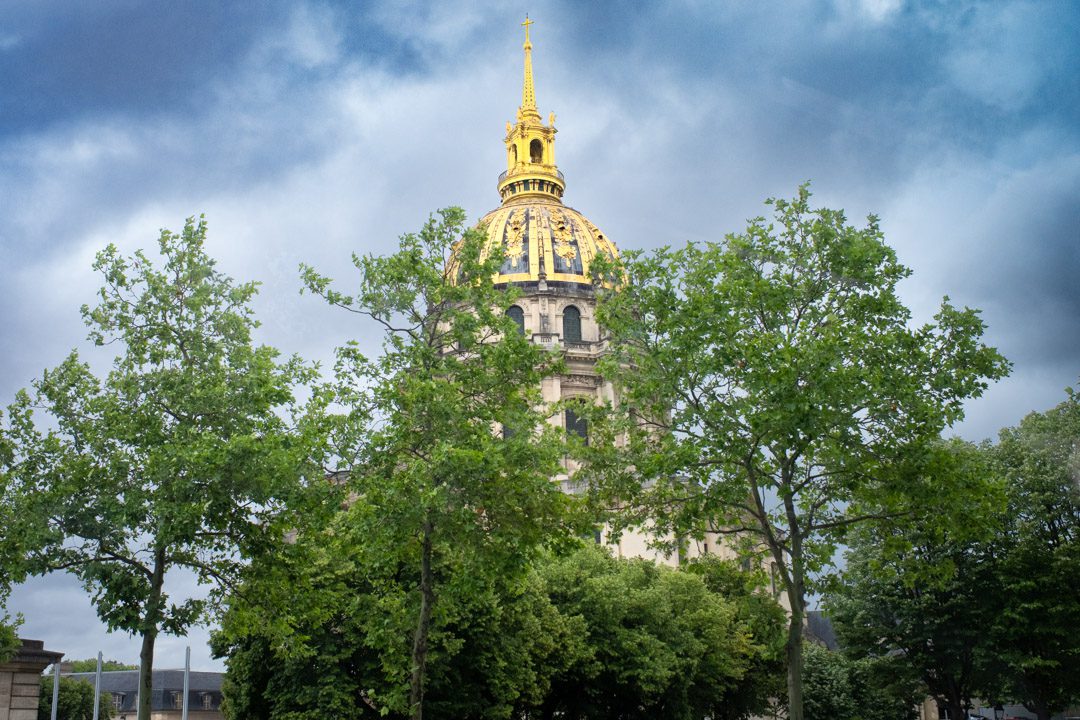
As we drove through the city, she pointed out major landmarks like the Arc de Triomphe, Champs-Élysées, Eiffel Tower, Place de la Concorde, and Les Invalides, sharing interesting facts and bits of history along the way. There was a noticeable police presence throughout the city due to the official visit of Brazilian President Lula, which caused a few minor delays. Still, the tour gave us a great overview of Paris.

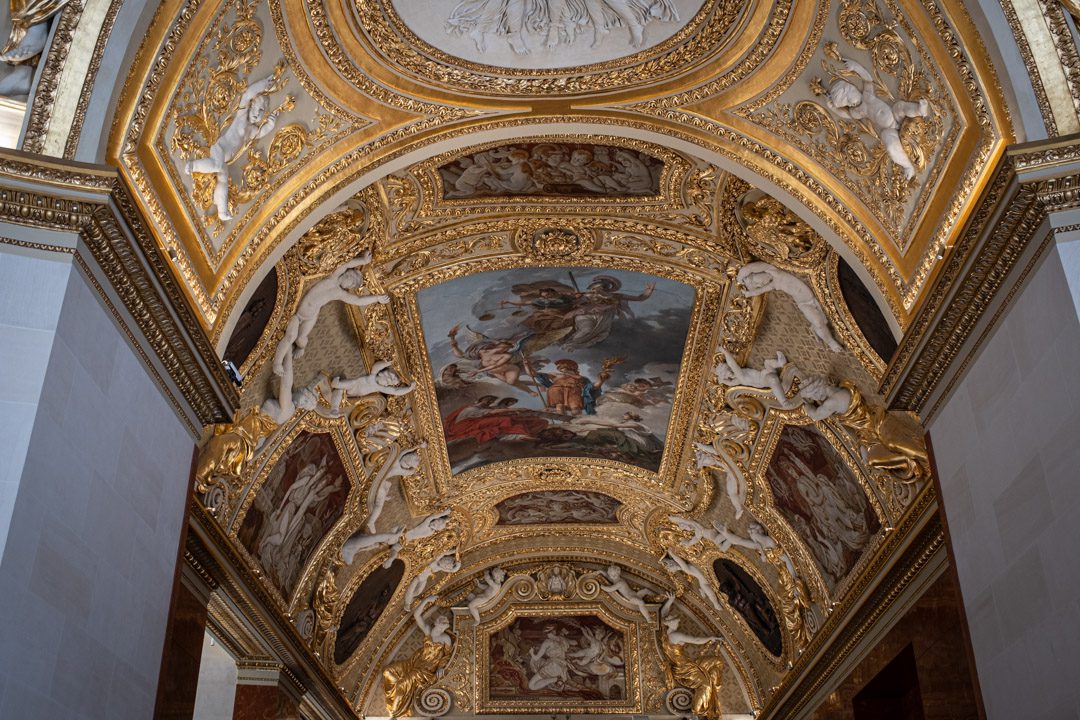
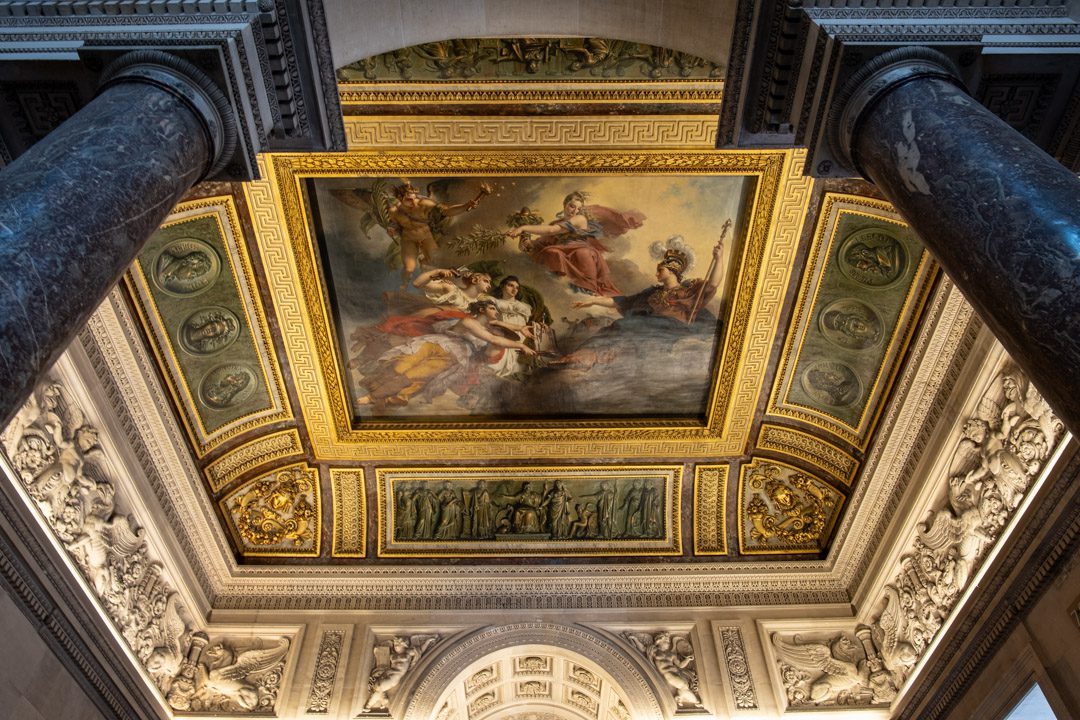
After the bus tour, Cécilia took us on a 90-minute highlights tour of the Louvre. Though we’d been before, the museum never loses its charm. We saw several key pieces, including a quick look at the three ladies: the Mona Lisa, Venus de Milo, and Winged Victory of Samothrace; and works like The Coronation of Napoleon by Jacques-Louis David, The Wedding at Cana by Veronese, Liberty Leading the People by Delacroix, and Joan of Arc at the Coronation of Charles VII by Ingres. We also saw several sculptures, including two by Michelangelo: The Dying Slave and The Rebellious Slave. Cécilia’s insights brought the artworks to life.
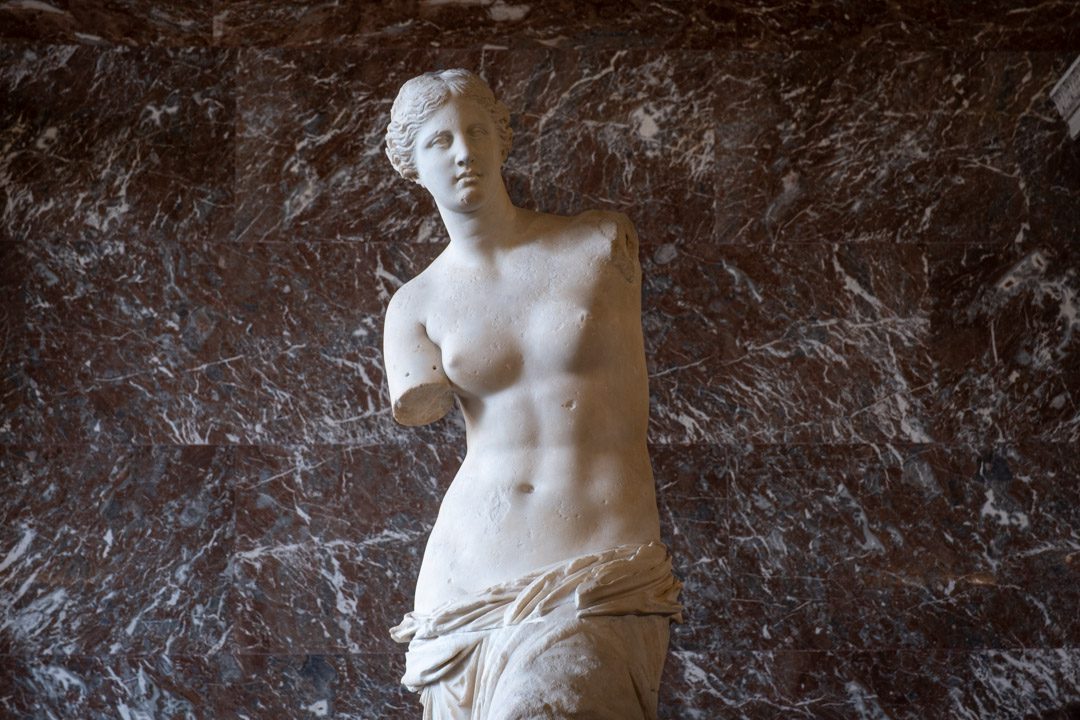
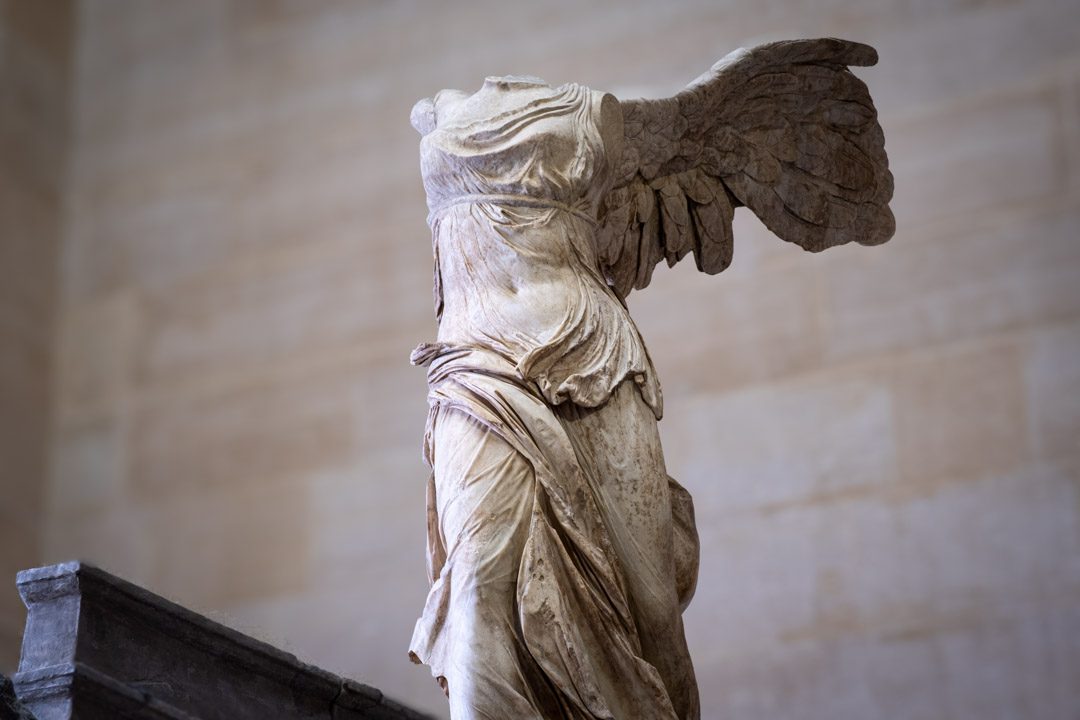
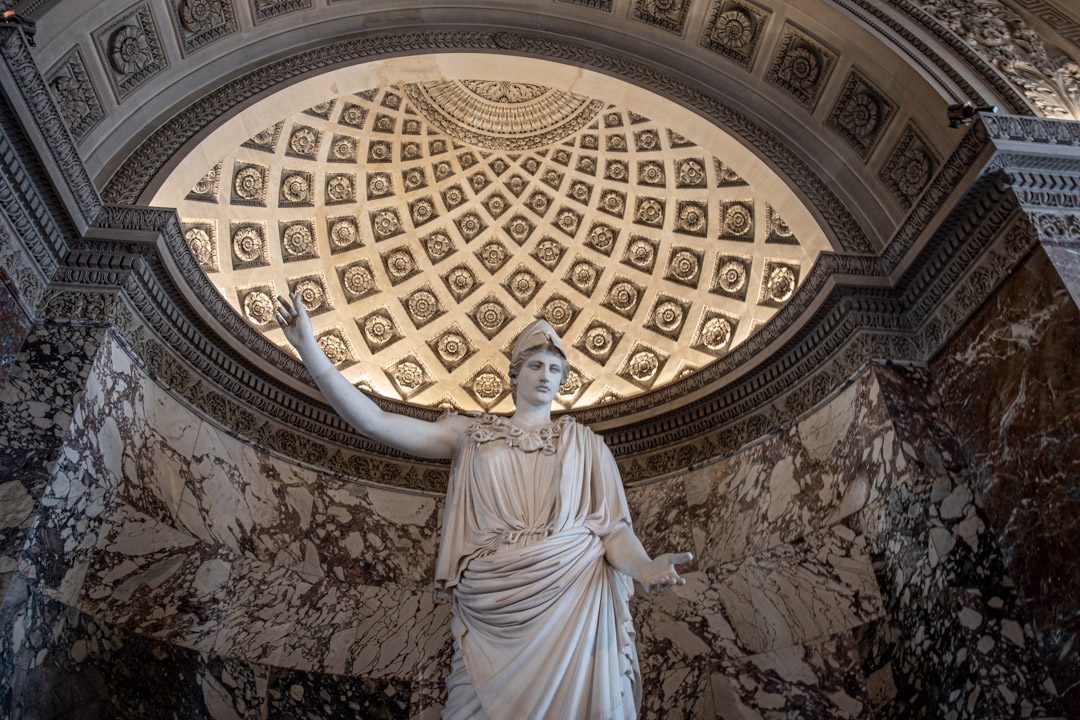
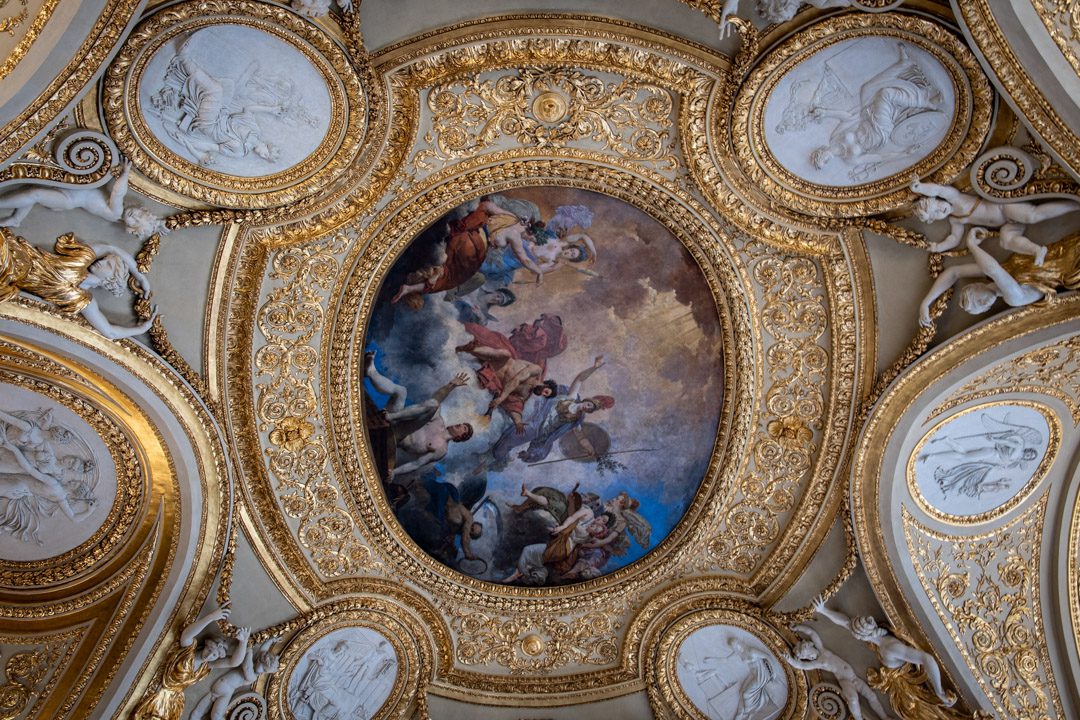
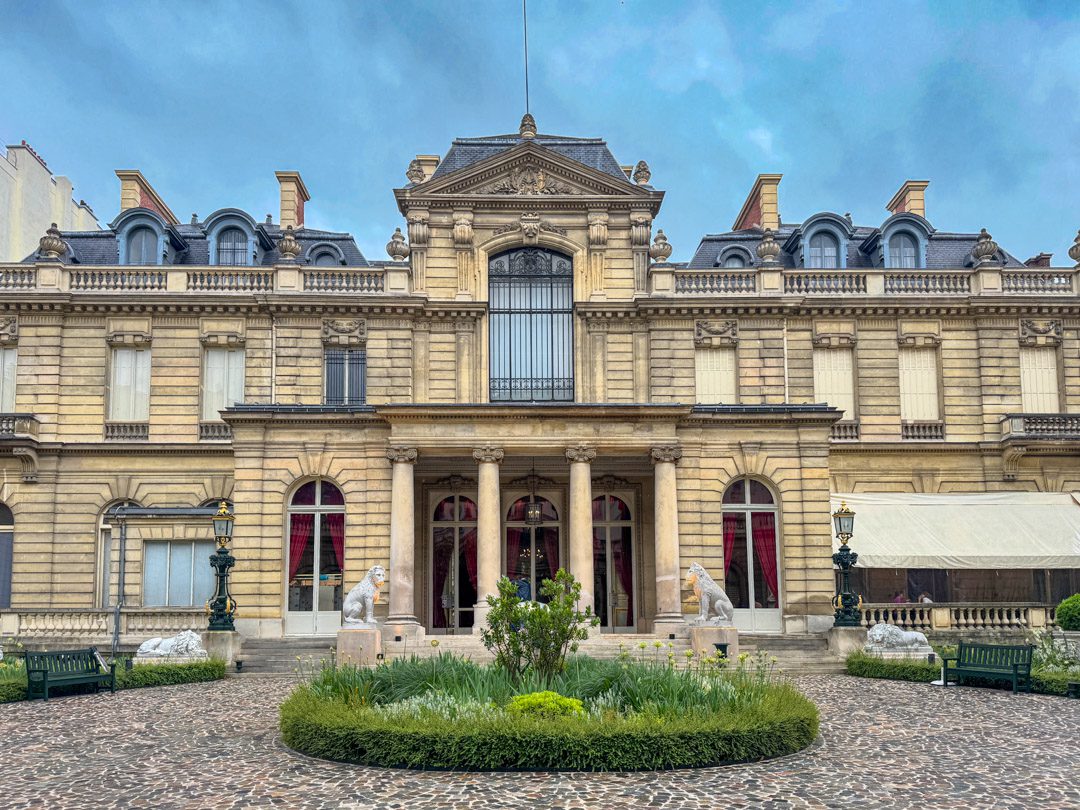
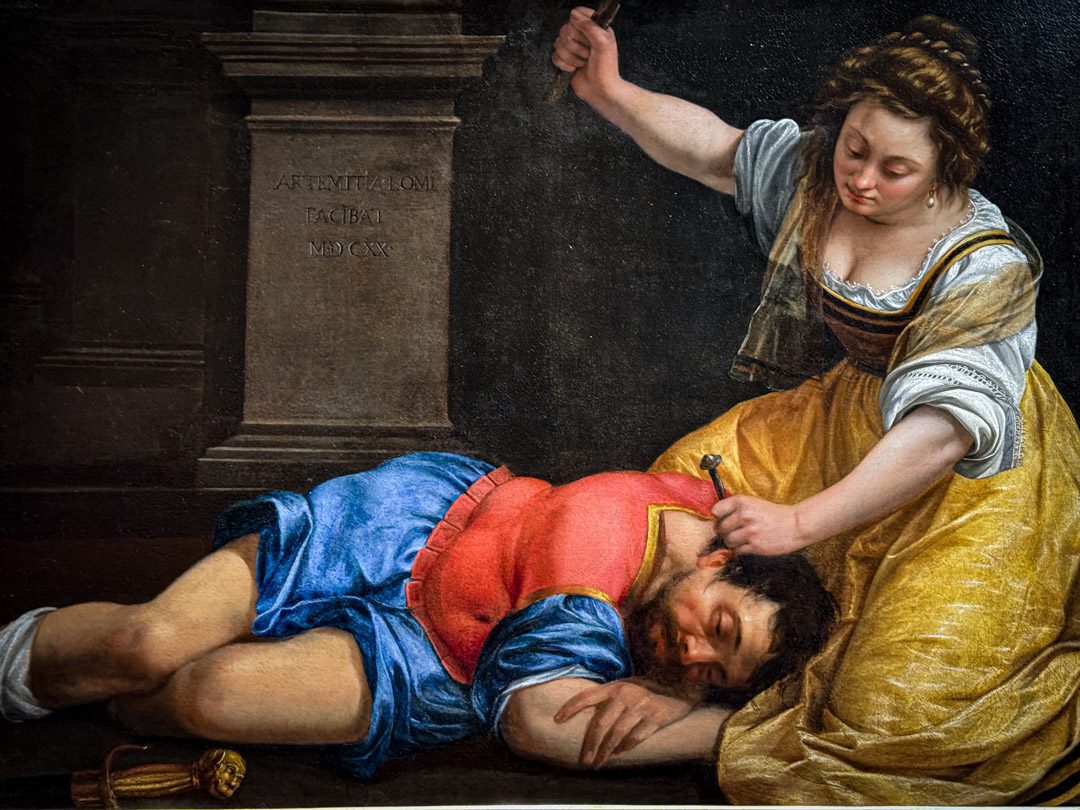
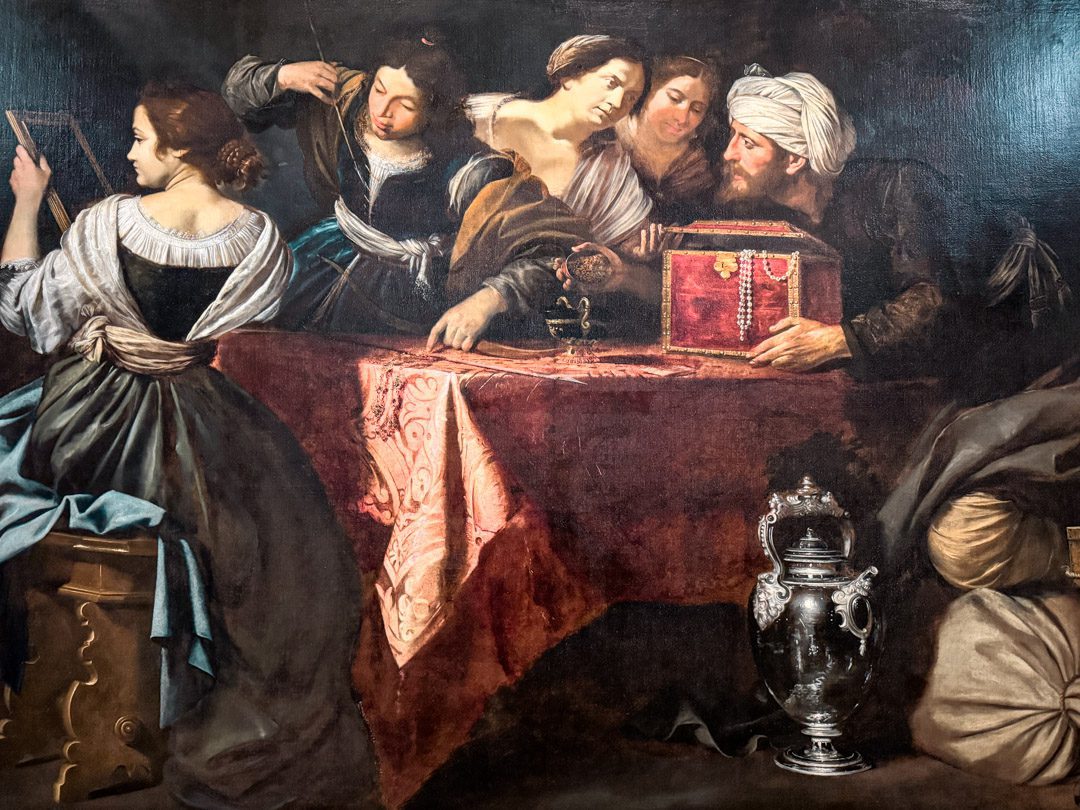
In the afternoon, we walked to the nearby Musée Jacquemart-André, just a short stroll from our hotel. The museum was hosting Artemisia: Heroine of Art, a remarkable retrospective dedicated to Artemisia Gentileschi, the groundbreaking 17th-century Italian Baroque painter. Set within the elegant former private mansion of Édouard André and Nélie Jacquemart, the museum itself provided a refined and intimate setting for the exhibition. It featured approximately 40 works, including several recently rediscovered paintings that shed new light on Gentileschi’s artistic development. Highlights included Self-Portrait as a Lute Player, believed to have been commissioned by the Medici, and Virgin of the Annunciation, one of her earliest known works. Also on display was Ulysses Recognizing Achilles Among the Daughters of Lycomedes, a privately held masterpiece exhibited for the first time.

Morning in Paris, Evening on the Rhône – June 6, 2025
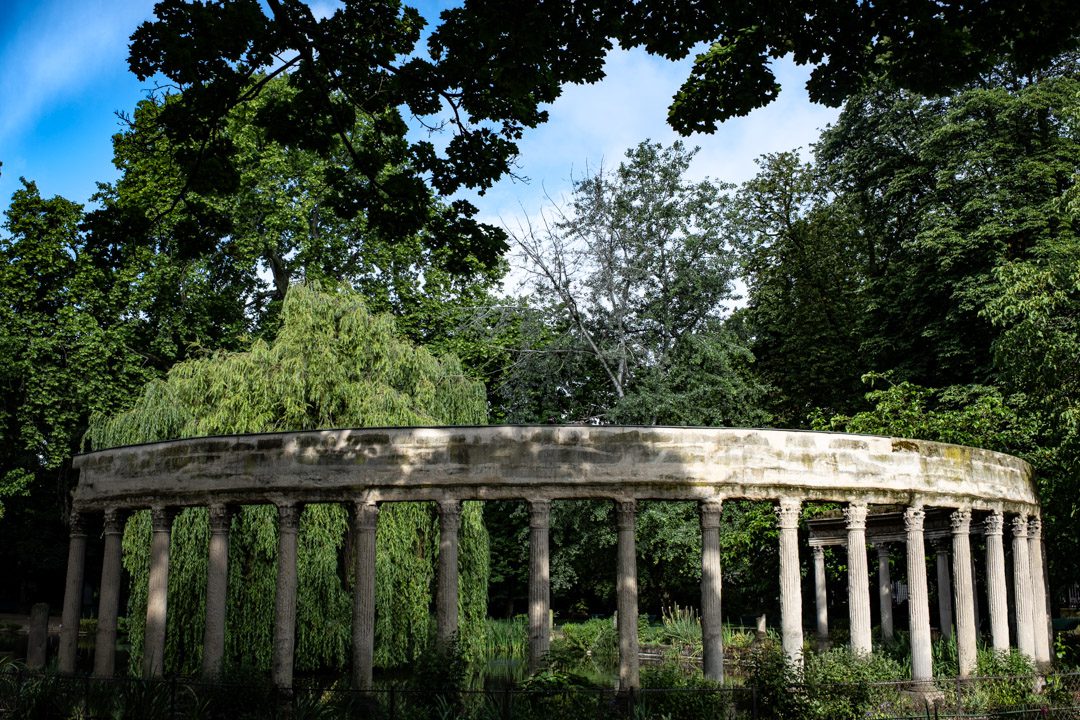
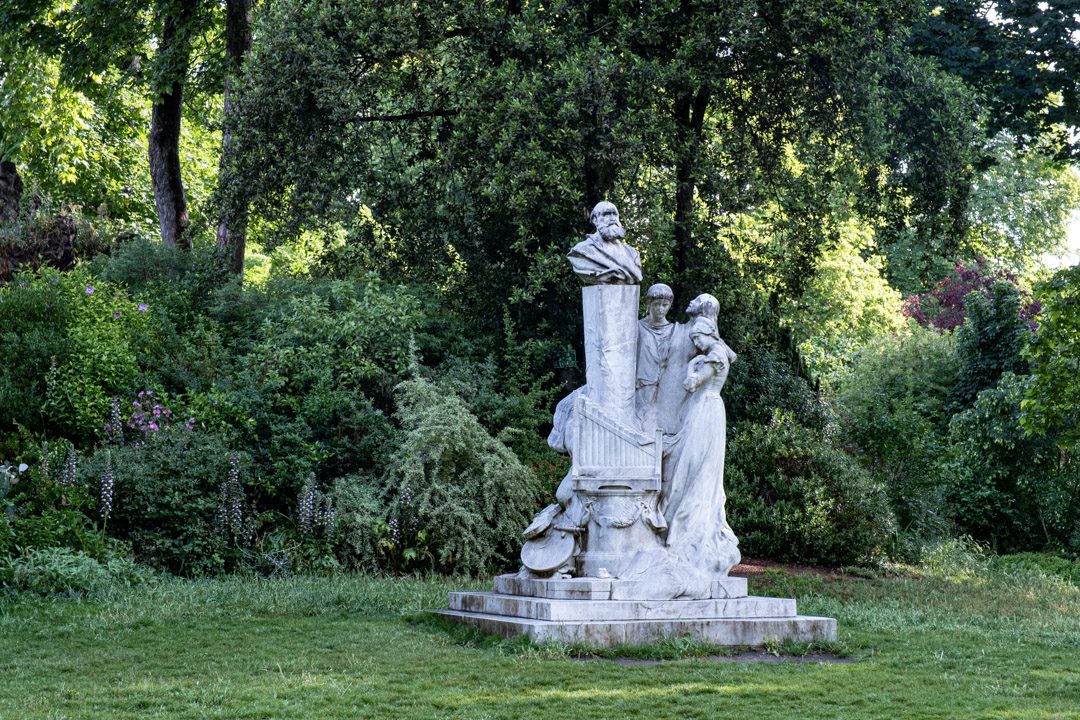
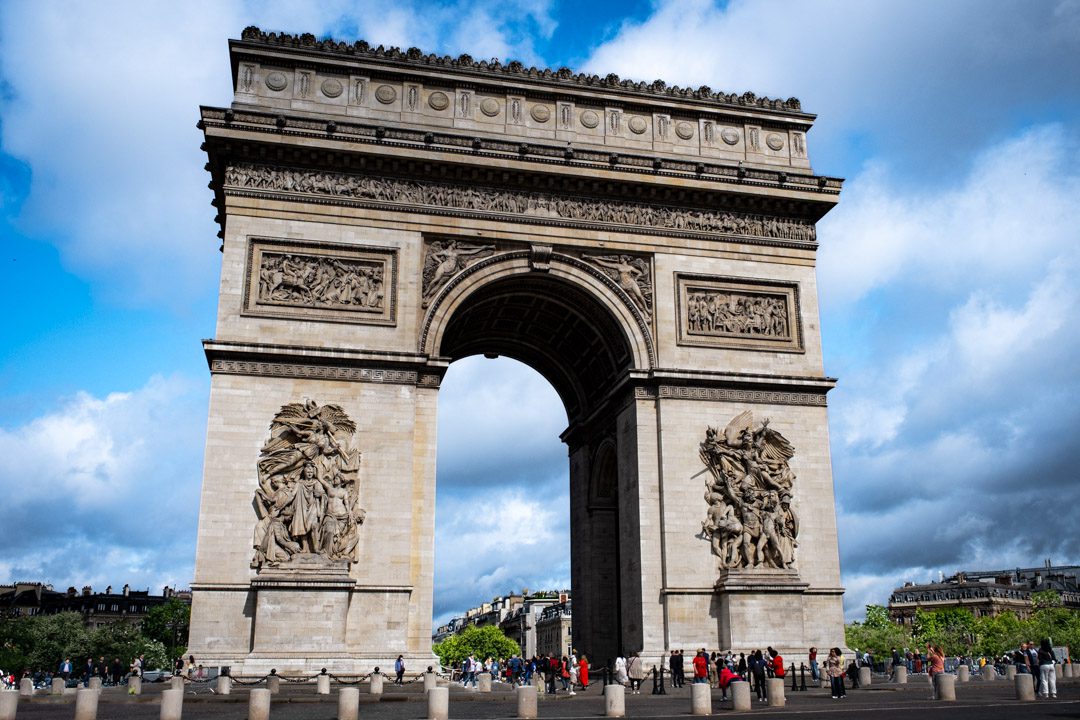
After breakfast, we took a leisurely walk through nearby Parc Monceau—a beautiful green space known for its manicured gardens, elegant statues, and steady stream of joggers. Later, Albert set off on foot toward the Arc de Triomphe to snap a few photos. As expected, the iconic monument was swarming with tourists, many of whom were enthusiastically posing for selfies—some in rather amusing ways.
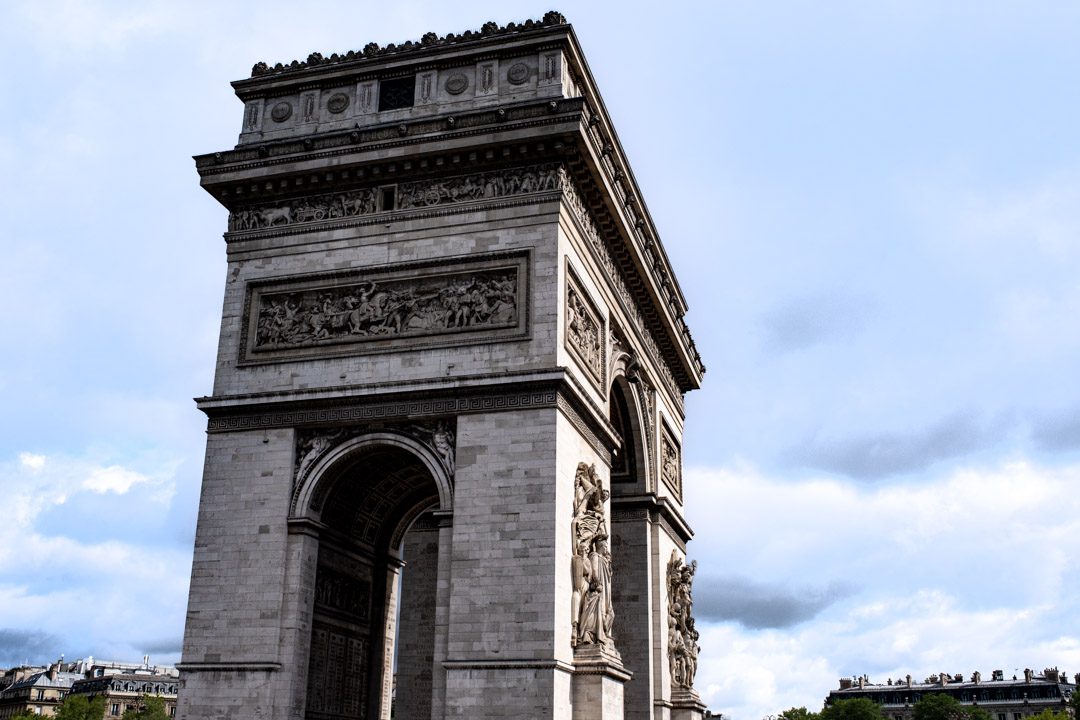
Around noon, we bid au revoir to the City of Light and boarded the high-speed TGV train to Lyon. There, in the late afternoon, we embarked on the MS Emerald to begin our scenic river cruise through France, following the Saône and Rhône rivers.
Burgundy Highlights – June 7, 2025
This morning, we arrived in Chalon-sur-Saône, a picturesque town nestled along the banks of the Saône River. Though known today for its charm and cultural heritage, it is also an industrial town with glass factories that produce bottles for Bordeaux wines.
After enjoying breakfast on board, we boarded a bus with our local guide and set off for the historic walled city of Beaune—widely regarded as the wine capital of Burgundy. Our main destination was Beaune’s most iconic landmark, the Hôtel-Dieu (also known as the Hospices de Beaune), a charitable hospital founded in 1443 by Nicolas Rolin, Chancellor to Duke Philip the Good of Burgundy, and his wife, Guigone de Salins (he had the political clout, she had the money). The hospital was established shortly after the end of the Hundred Years’ War, during a time when the population of Beaune was destitute and ravaged by plague. Although the facility no longer functions as a hospital, its original Gothic structure has been meticulously preserved as a museum. With its vibrant patterned tile roof and intricate woodwork, it stands as one of the finest surviving examples of 15th-century French architecture, offering a vivid glimpse into the region’s medieval history. Inside, we saw the ward for the poor—20+ curtained beds arranged in two rows, each meant to accommodate two or three patients, with no heating or running water. The chapel, apothecary, and other rooms are still intact, and the patients were cared for by nuns. The hospice houses many treasures, including The Last Judgment altarpiece by Rogier van der Weyden, murals, and tapestries.
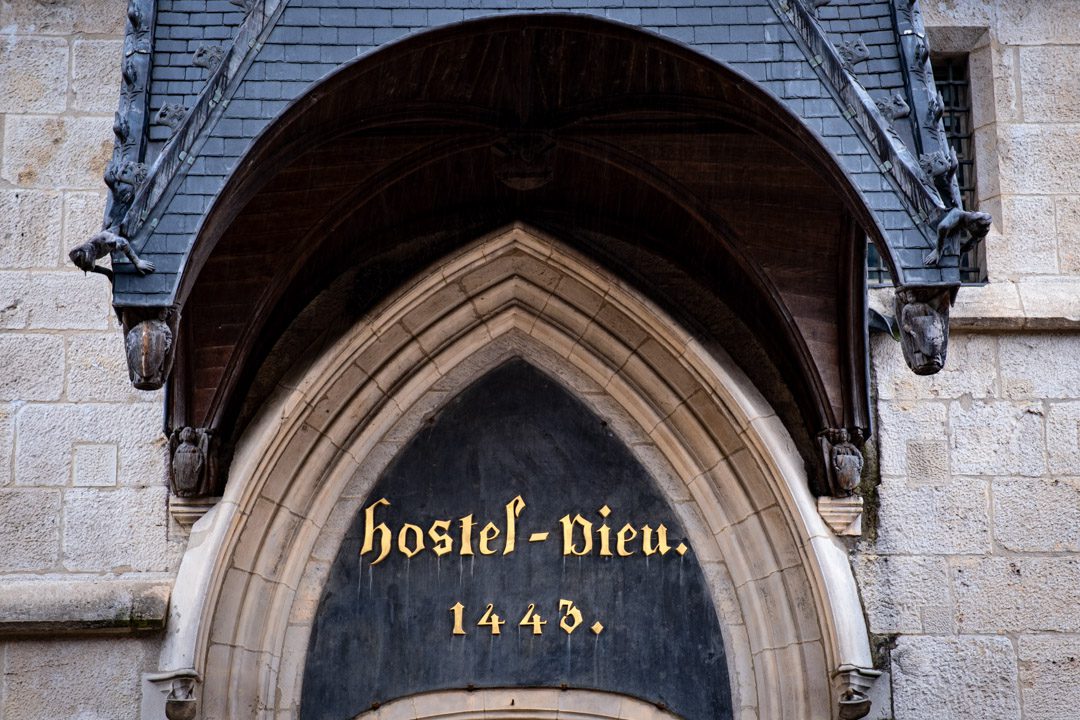
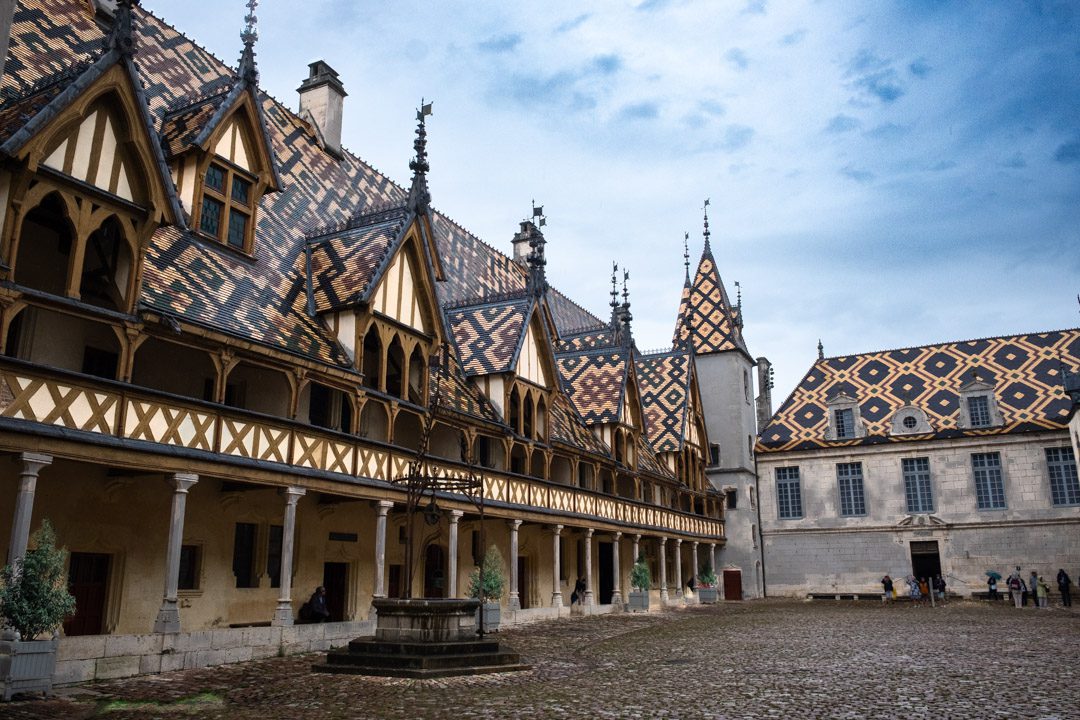
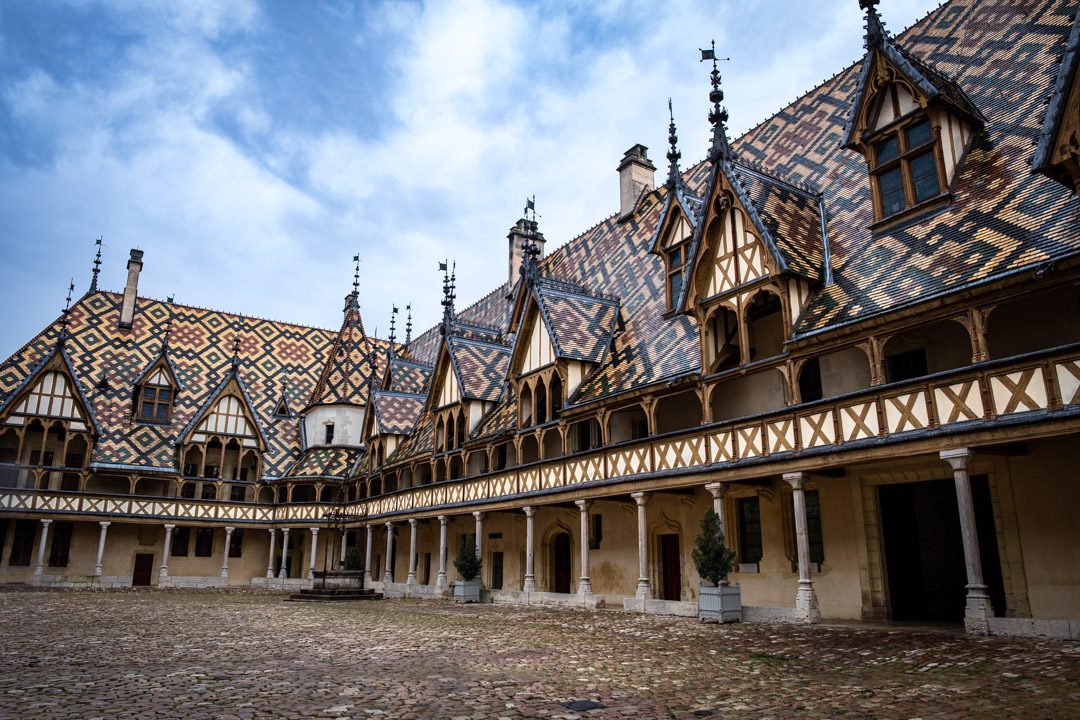
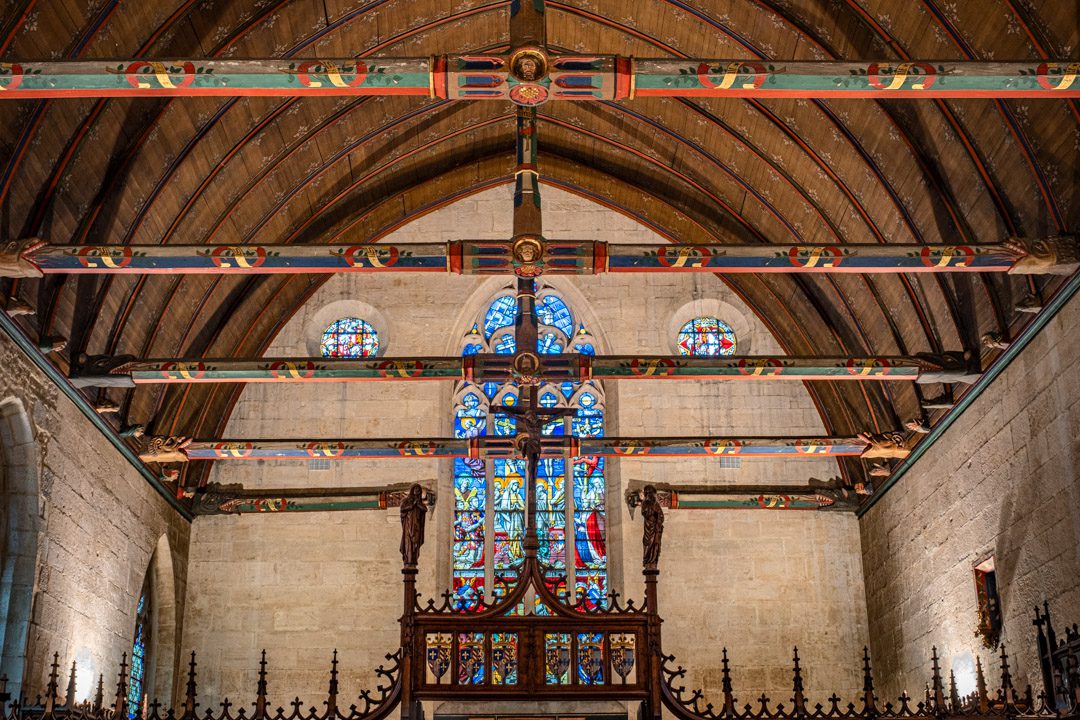
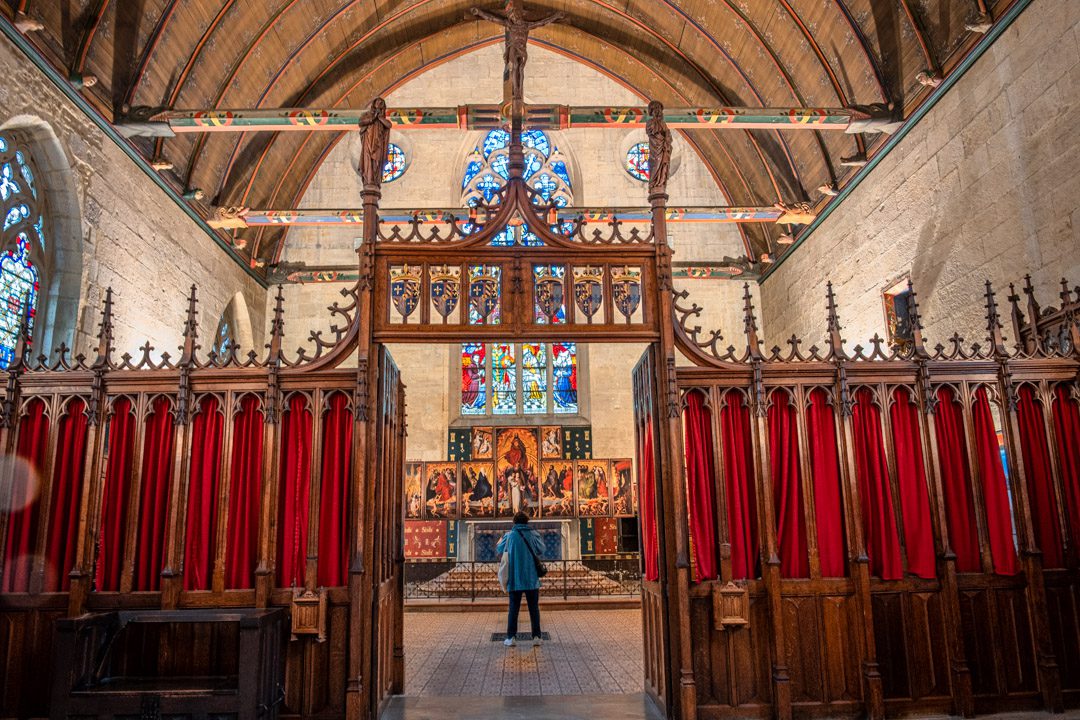
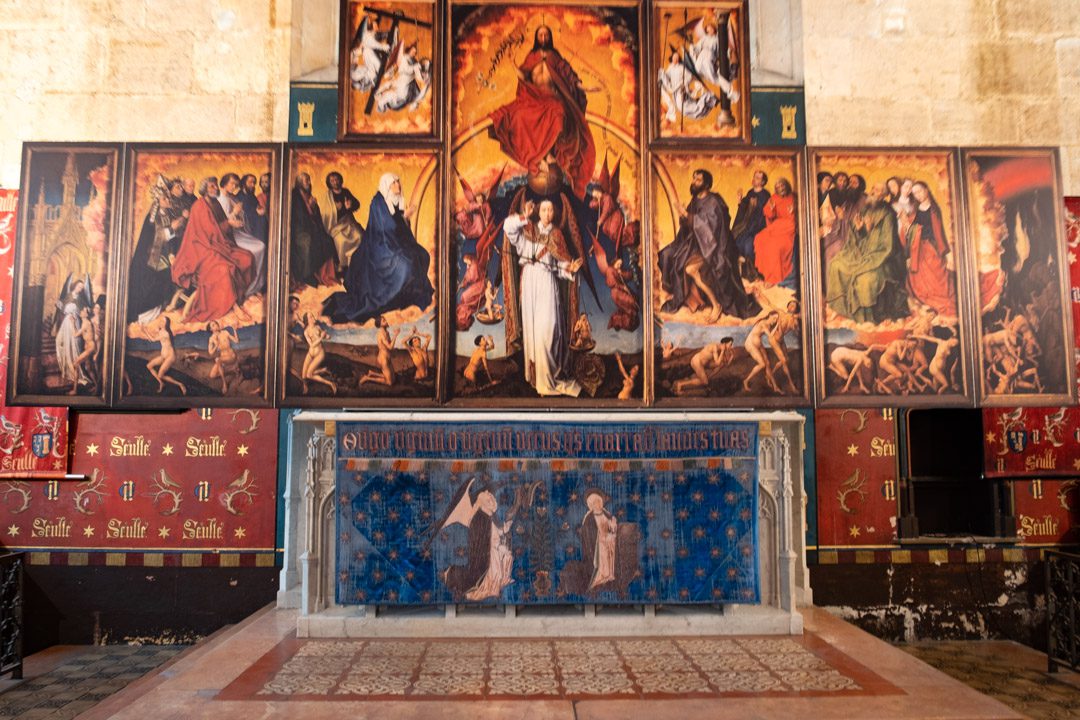
After the visit, we explored Beaune’s bustling Saturday market, which had drawn both locals and tourists. The produce—vegetables, fruit, oils, spices, jams, baked goods, cured meats, and fish—was exceptional in both variety and quality.
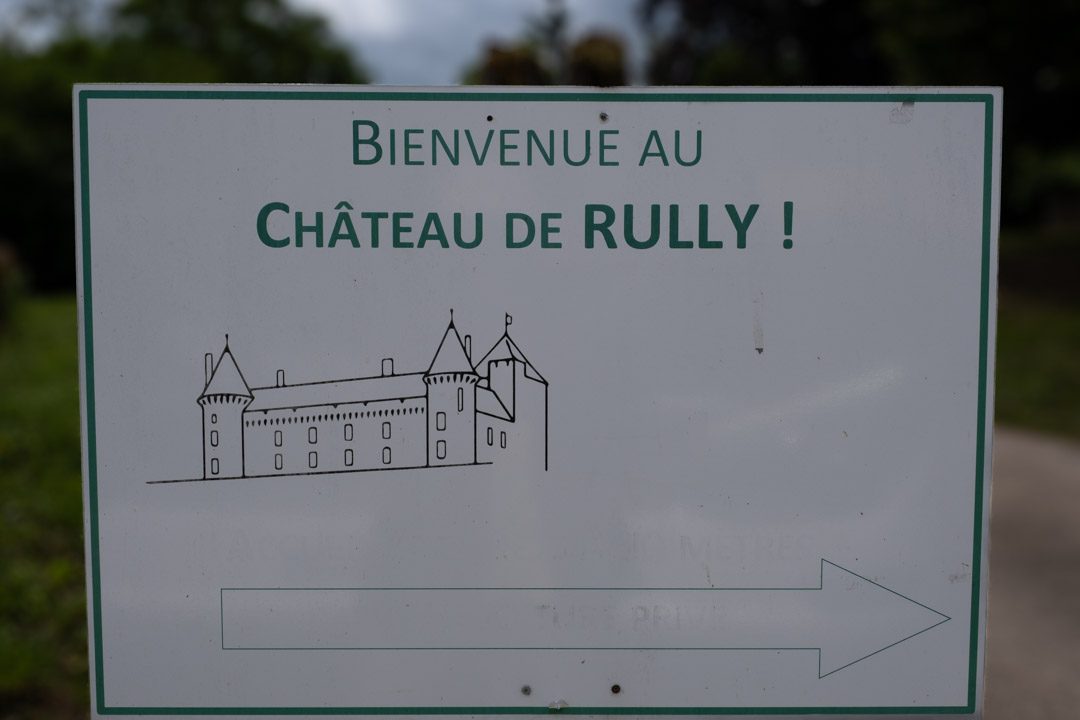
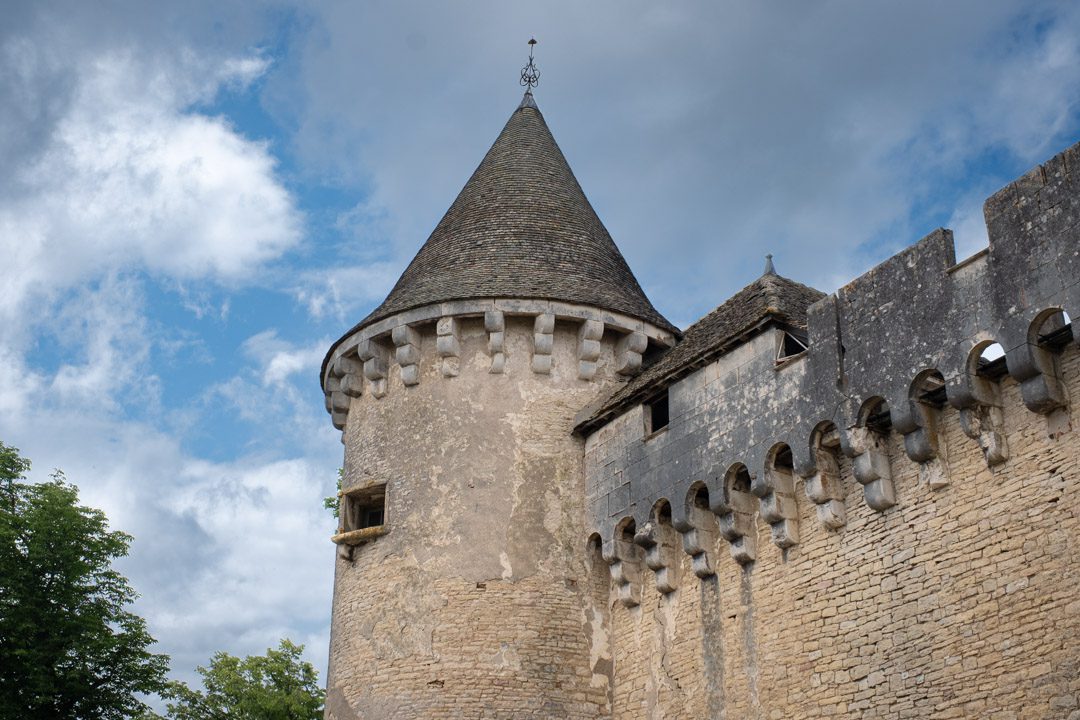
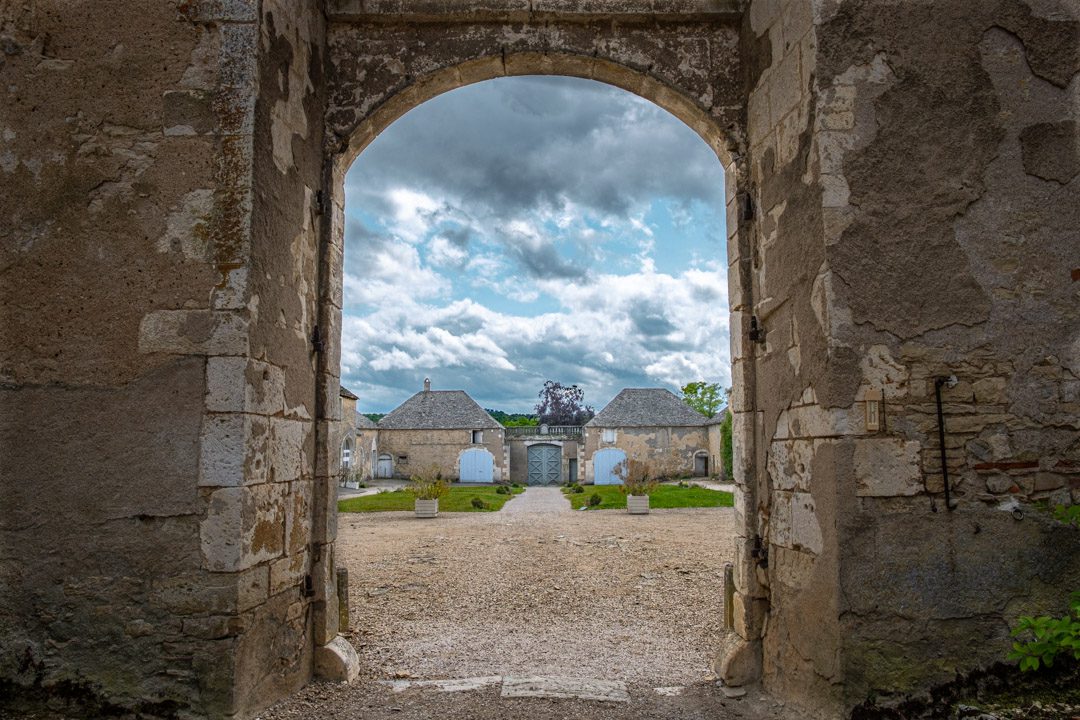
This afternoon, Albert visited a private vineyard on a historic family estate in the Côte Chalonnaise, one of Burgundy’s important wine-producing regions. The destination was the Château de Rully, a beautifully preserved 12th-century fortress that has evolved into a stately family manor. We were warmly welcomed by the current owner, Count Raoul de Ternay, who personally guided us through the château and shared its rich, multi-generational history. Renowned for its Chardonnay, the estate offered an intimate wine tasting where we sampled two Chardonnays and one Pinot Noir—each reflecting the unique character and terroir of the region.
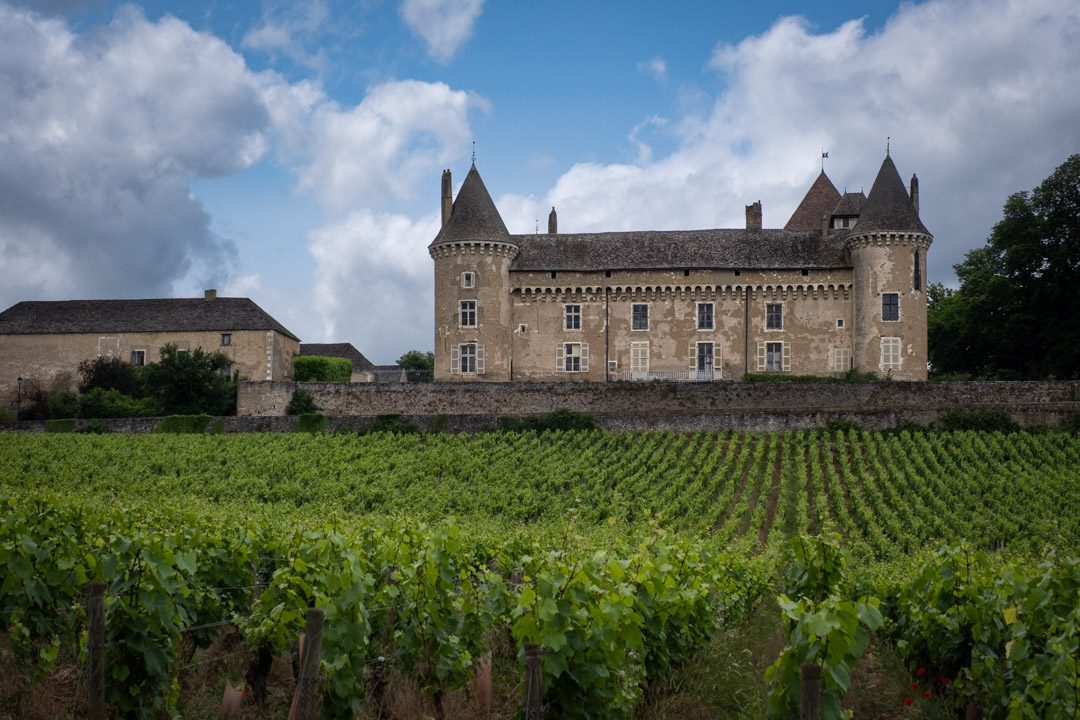
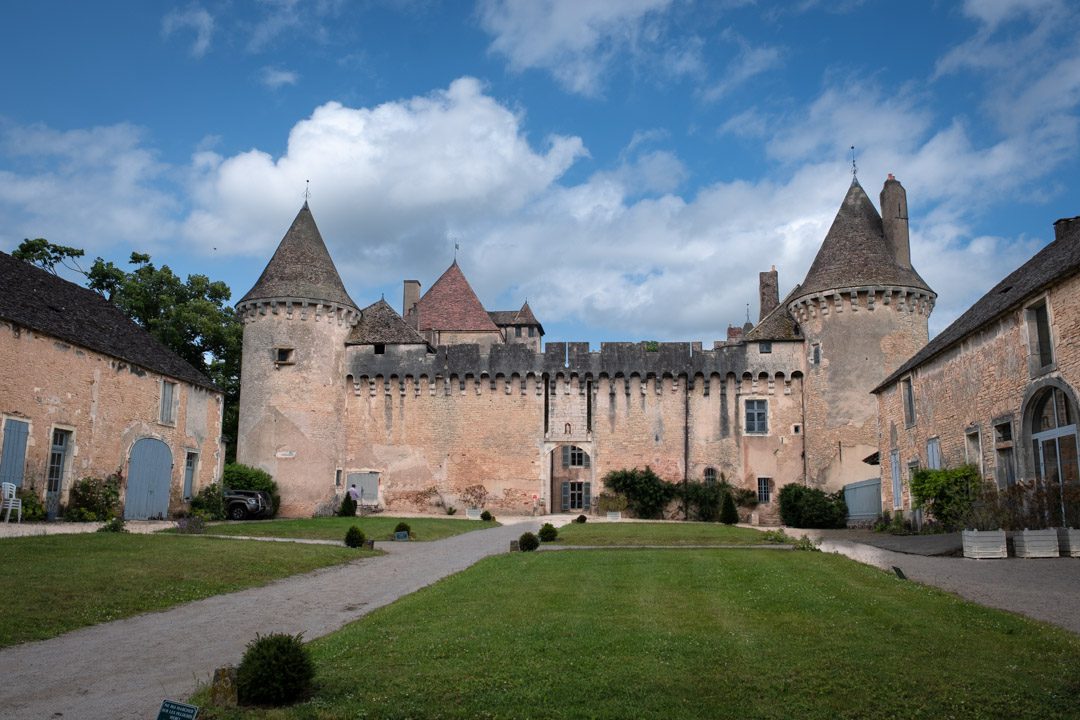
While Albert visited the private vineyard, Christabel joined a guided walking tour of Chalon-sur-Saône—a charming town once a Roman port and later the birthplace of photography, thanks to the pioneering work of Nicéphore Niépce. Kodak was the town’s major employer until the early 2000s. Located in the heart of southern Burgundy, Chalon-sur-Saône is steeped in history and culture. The tour included a stroll through the picturesque Saint-Vincent Square, the lively heart of the old town, dominated by the impressive Saint-Vincent Cathedral, with its blend of Romanesque and Gothic architecture (currently closed for renovation).
In Théâtre Square, a trompe l’œil mural of Molière drew the selfie enthusiasts among the tourists. Along the way, we stopped at Comptoir de Mathilde to sample gingerbread, mustard with white wine on crackers, and Burgundy truffles, and at Allex Chocolatier to taste bonbons of milk chocolate, crème ganache, and candied orange rind. A wedding was taking place at the Town Hall, and across the street, café patrons watched the antics of the wedding party while sipping their beverages.
Burgundy’s Hidden Treasures: Cormatin & Chapaize – June 8, 2025
This morning found us docked in the quaint town of Tournus. After breakfast, we set out by coach to explore the scenic countryside of southern Burgundy, passing through the charming villages of Ozenay, Brancion, and Chapaize—each rich in history and traditional architecture.
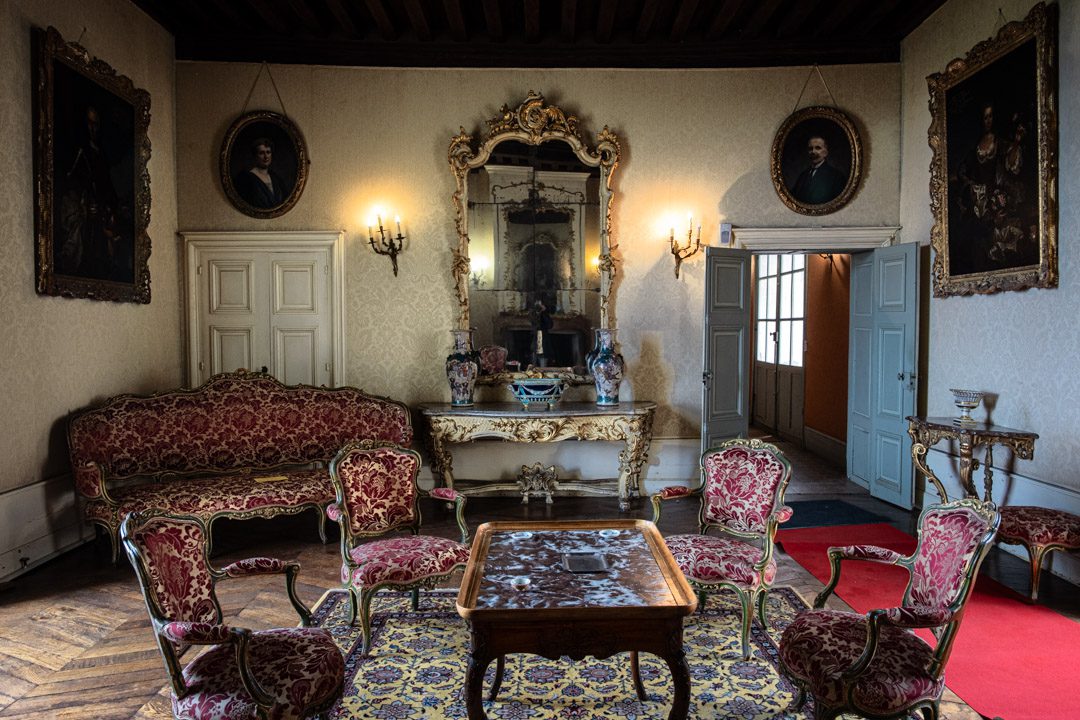
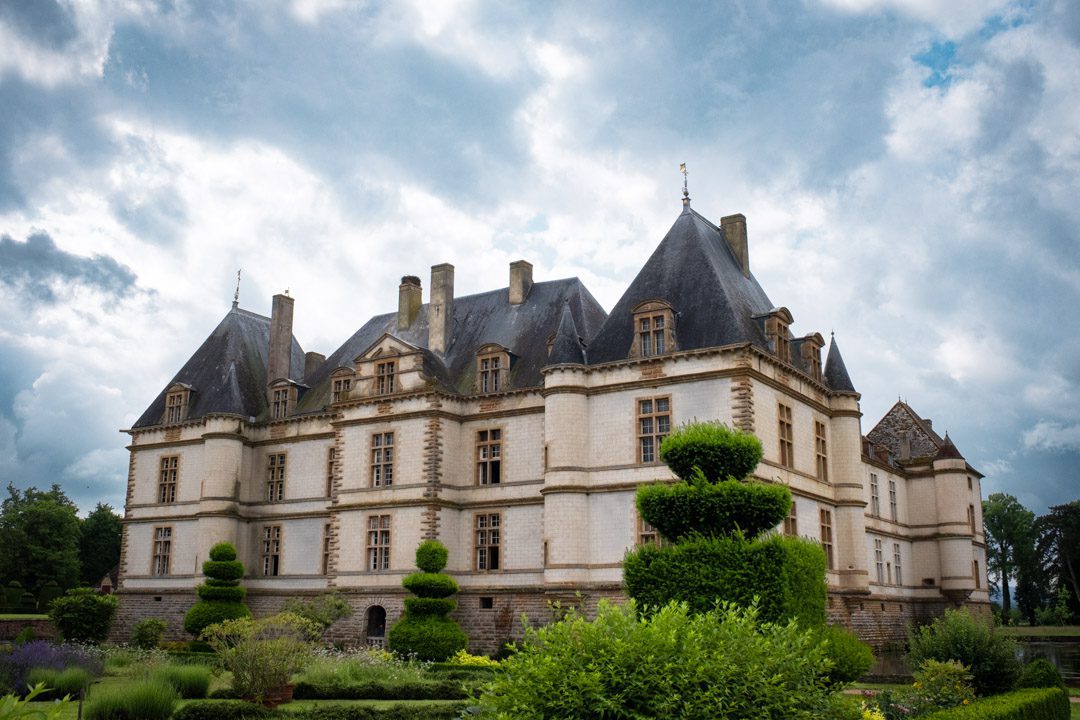
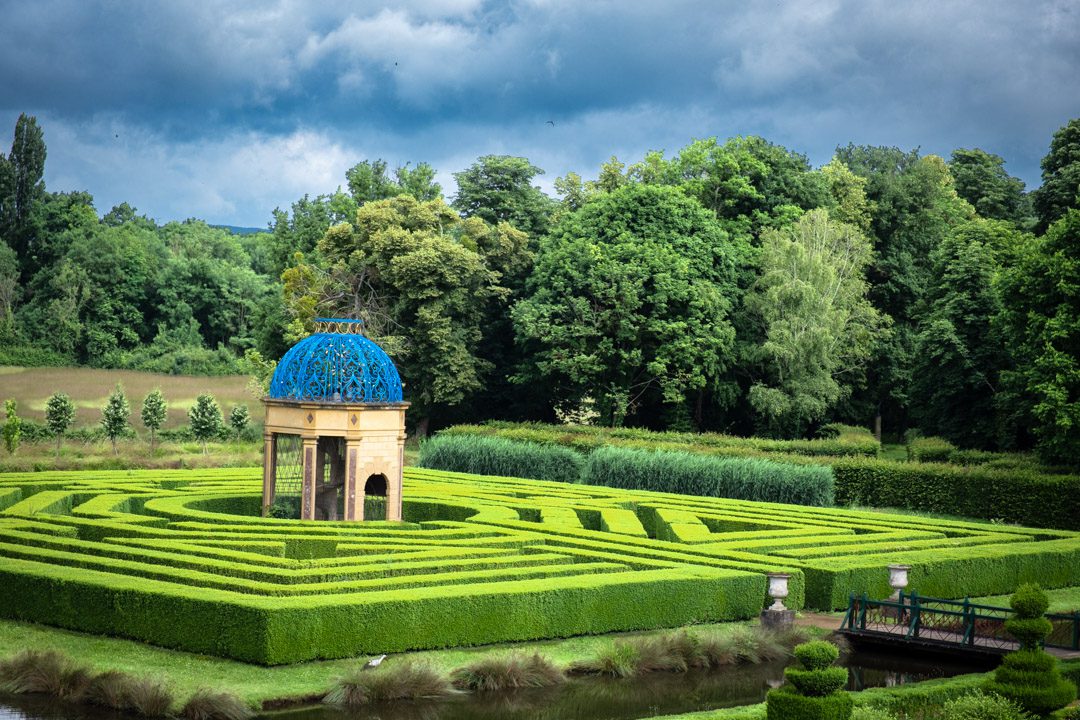
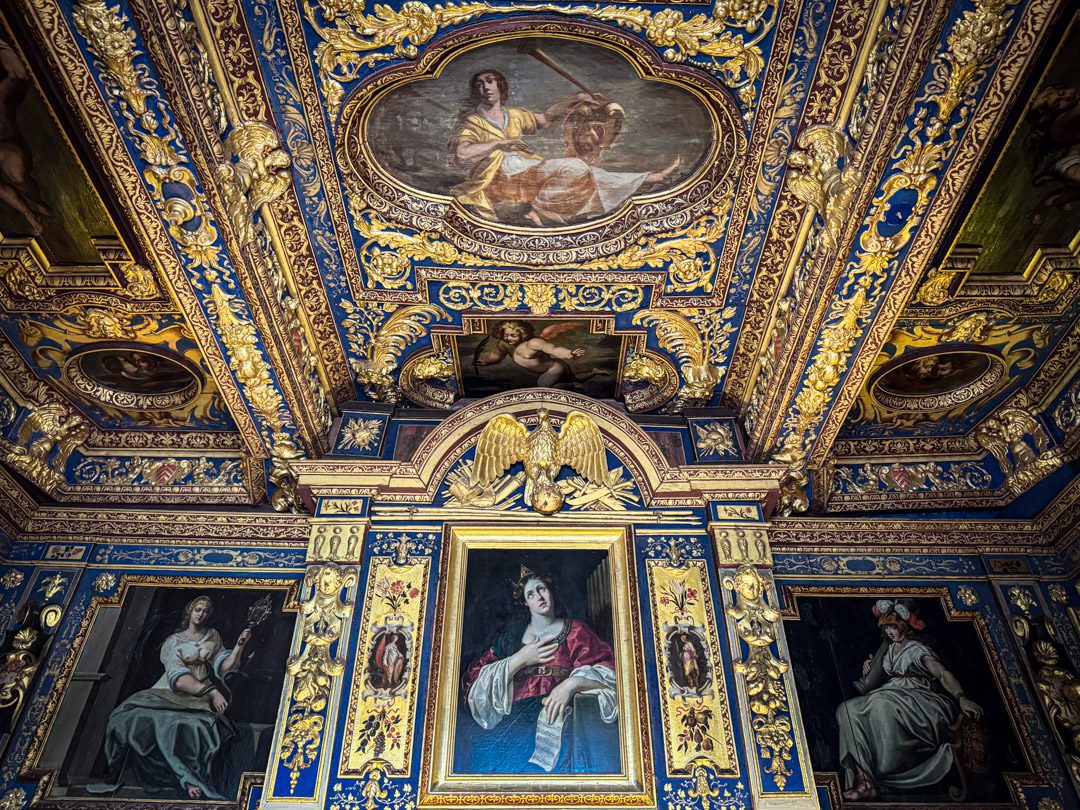
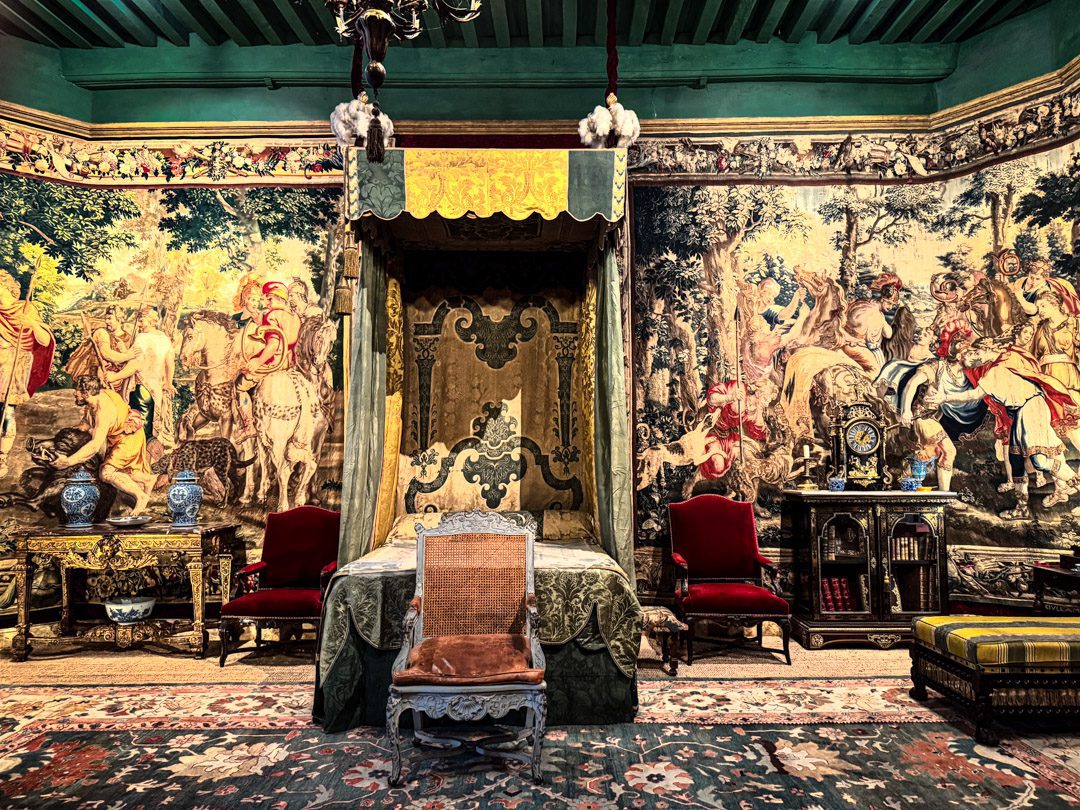
Our destination was the Château de Cormatin, a beautifully preserved 17th-century castle surrounded by formal gardens and a moat. While the current château dates to the early 1600s, the estate’s noble roots trace back to 1280, when Henry du Blé built a fortress on the banks of the Grosne River to control the road leading to the Abbey of Cluny. The medieval fortress was dismantled after 1606 when Antoine du Blé began constructing the château we see today. We were welcomed by our guide—an American from Houston now living in Burgundy—who brought both enthusiasm and local insight to the tour. Inside, we explored ornately decorated antechambers, chambers, and curiosity cabinets of the du Blé family, including the grand staircase and the gilded Golden Room, once used for royal receptions. The sumptuous décor, tapestries, paintings, and furnishings must be seen to be believed. The family’s refined taste was influenced by Queen Marie de Medici. We then visited the kitchen, which had originally served as the marquis’ antechamber. During revolutionary times, the room was converted into a kitchen where Sophie Verne, the owner at the time, lived with her six children. She managed to save the property and its treasures from revolutionary destruction by divorcing her husband, opening the cellars to the intruders, and handing over the château’s coat of arms, which they considered valuable. In doing so, she gained their trust. Thanks to Sophie’s actions, we have an accurate glimpse into 17th- and 18th-century interior decoration. Of special note: Toward the end of the 19th century, the château was owned by Raoul Gunsbourg, Director of the Monte Carlo Opera. He introduced an eclectic and whimsical style in the guest rooms. Many of his guests were famous opera singers, including Enrico Caruso and Nellie Melba. Gunsbourg acquired a painting titled Ronde Antique by Feyen-Perrin, depicting women dancing in a circle. This artwork is believed to have inspired Henri Matisse’s famous painting The Dance. The visit concluded with a walk through the immaculate gardens, featuring manicured hedges, colorful flowerbeds, an aviary, and a charming maze.


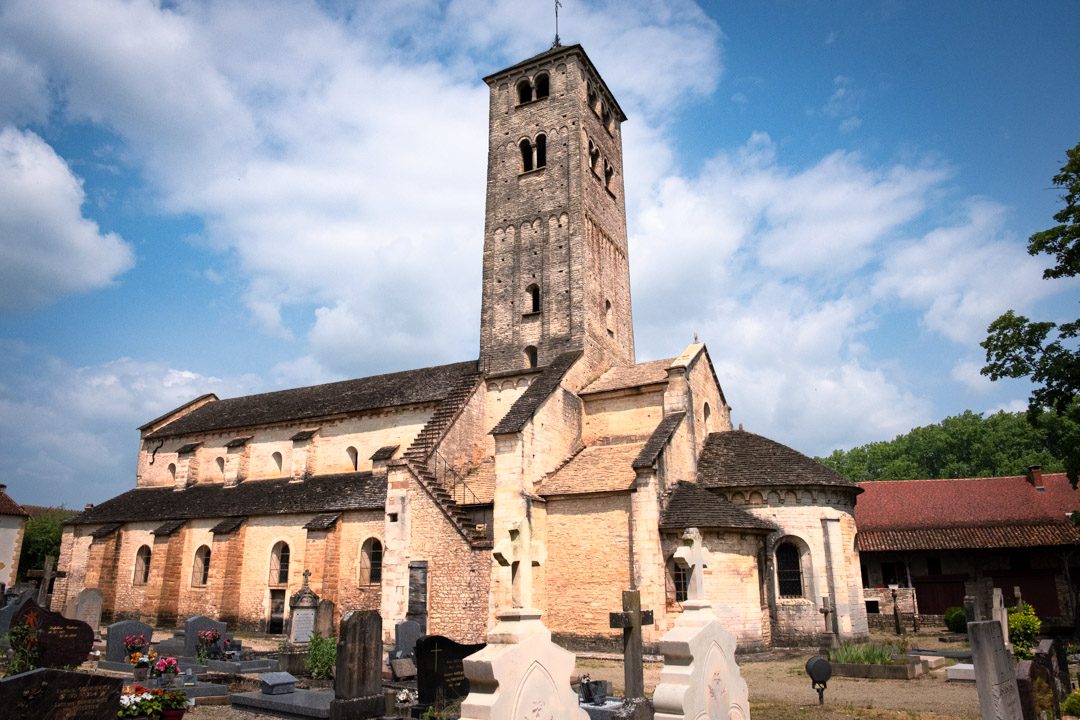
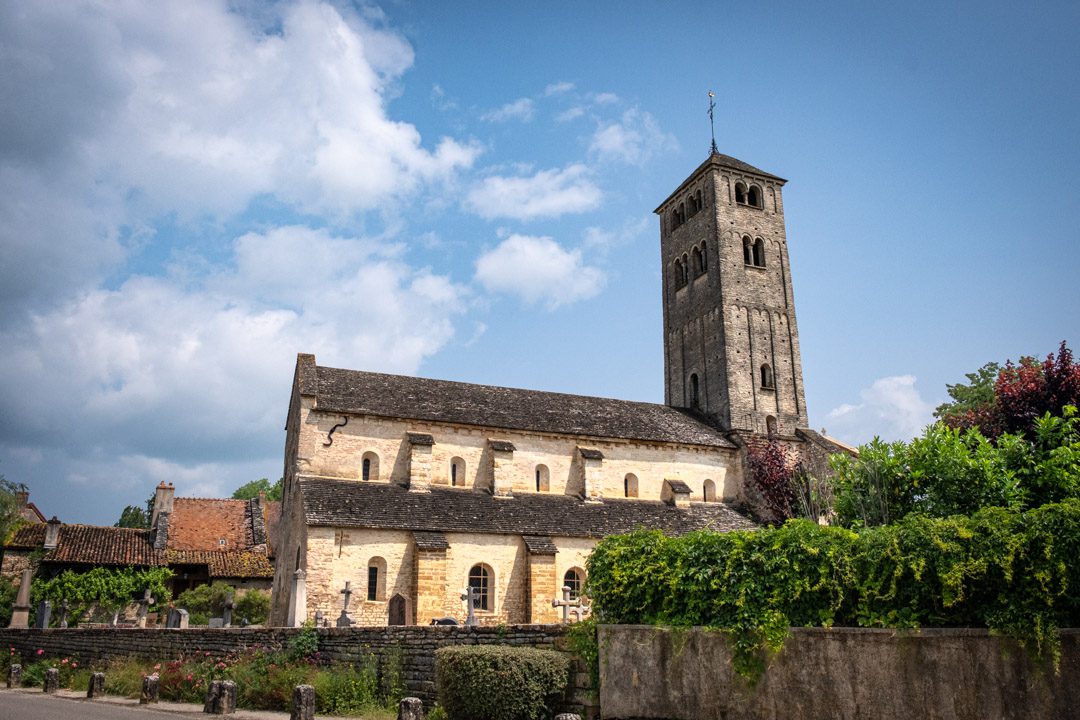
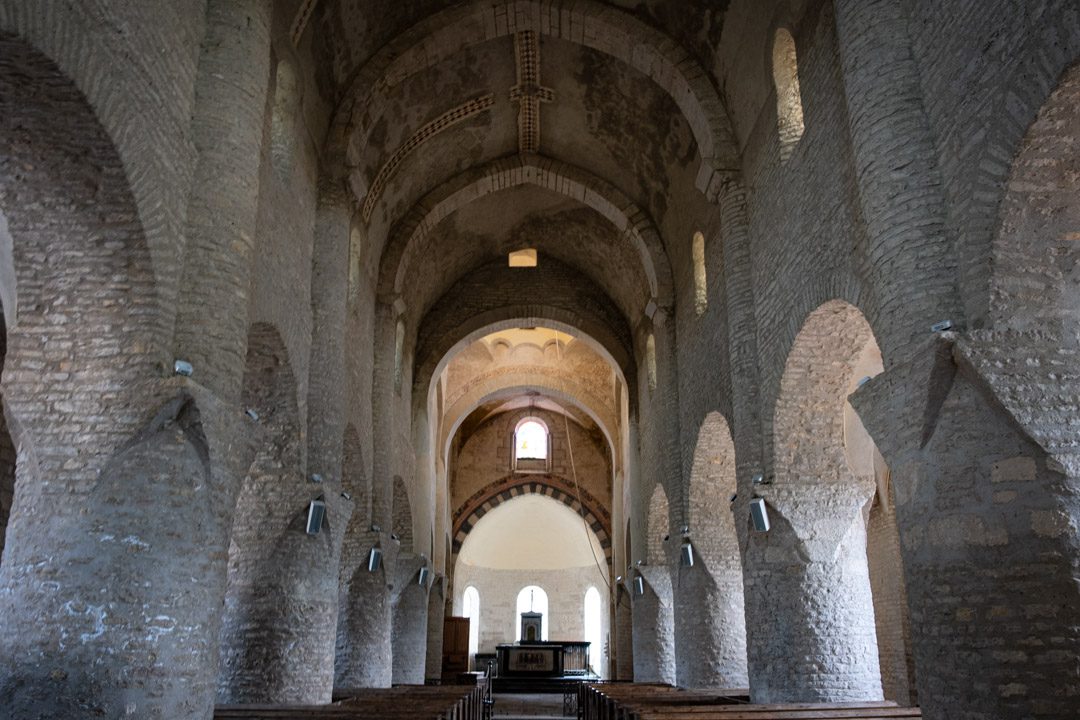
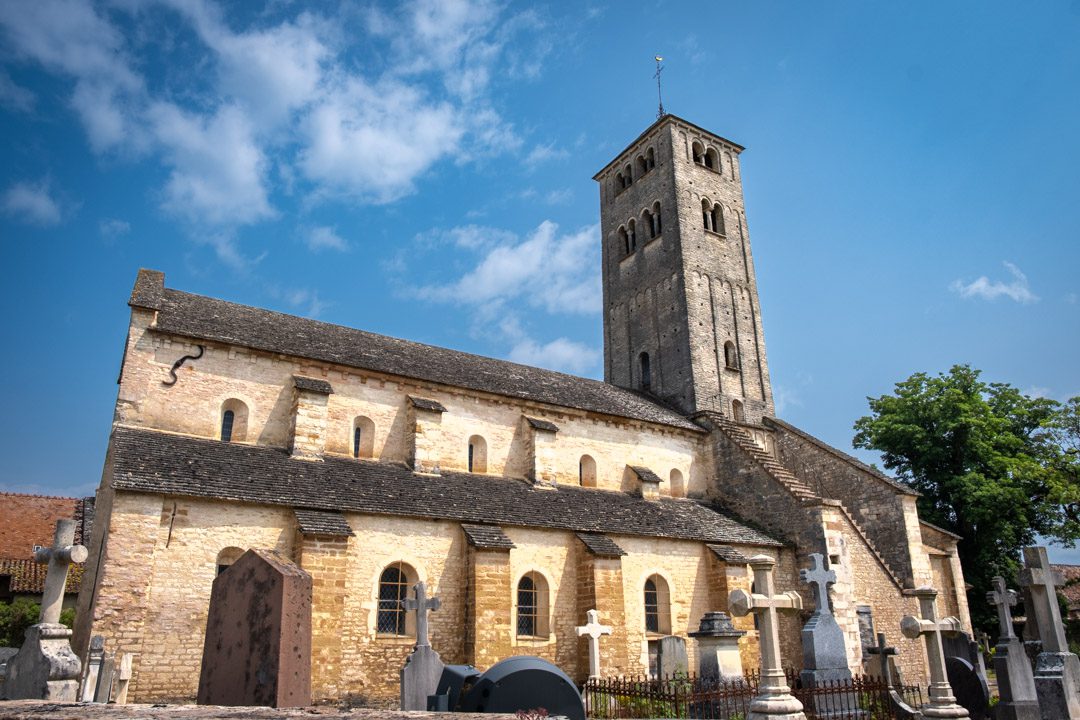
On our way back from the Château de Cormatin, we made a brief stop to visit the Church of Saint-Martin, located in the heart of the village of Chapaize. This striking 11th-century Romanesque church is renowned for its tall Lombard-style bell tower and elegant simplicity. Constructed from pale limestone, it features rounded arches and thick stone walls, characteristic of early Romanesque architecture.
Cluny Abbey and Lunch at Château Pruzilly – June 9, 2025
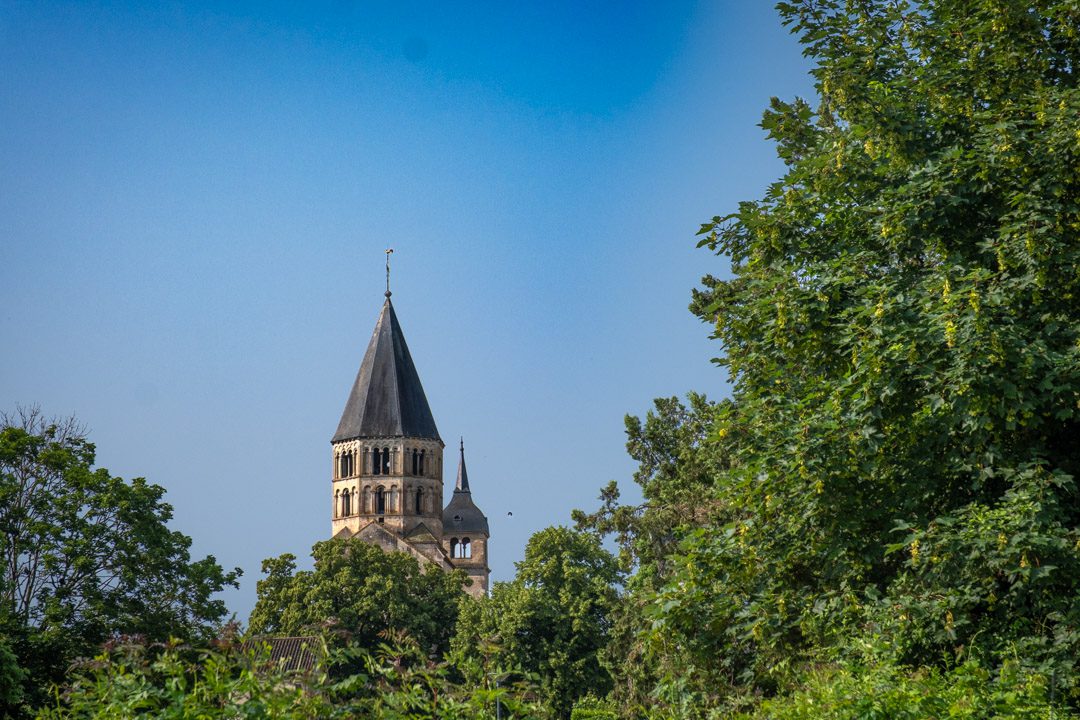
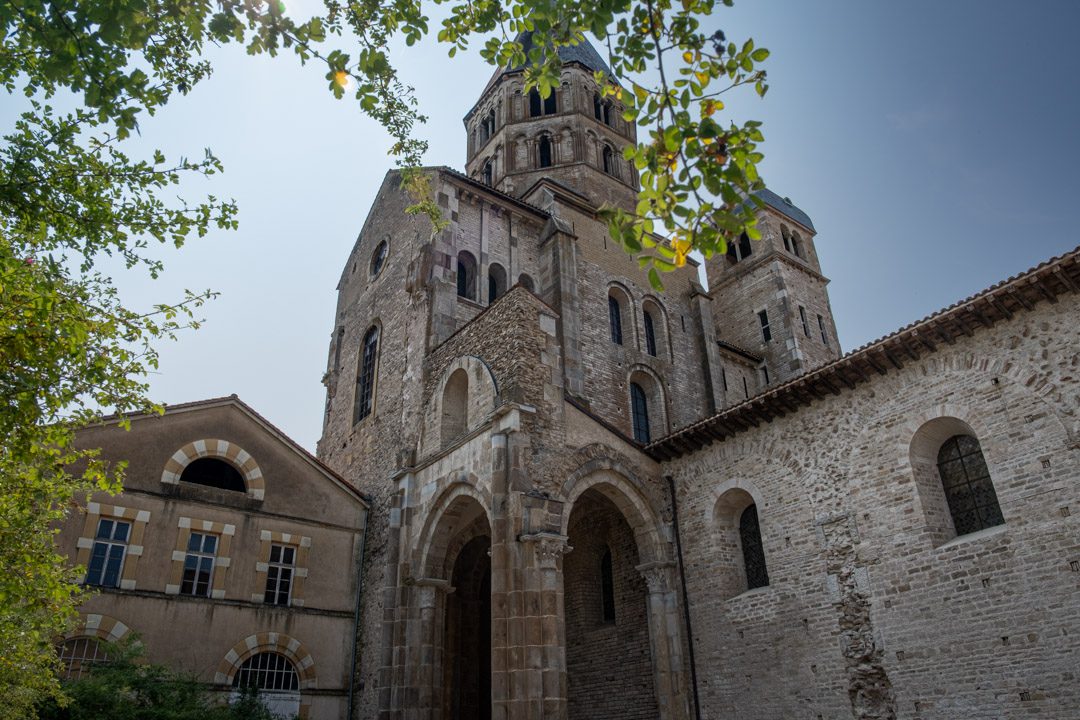
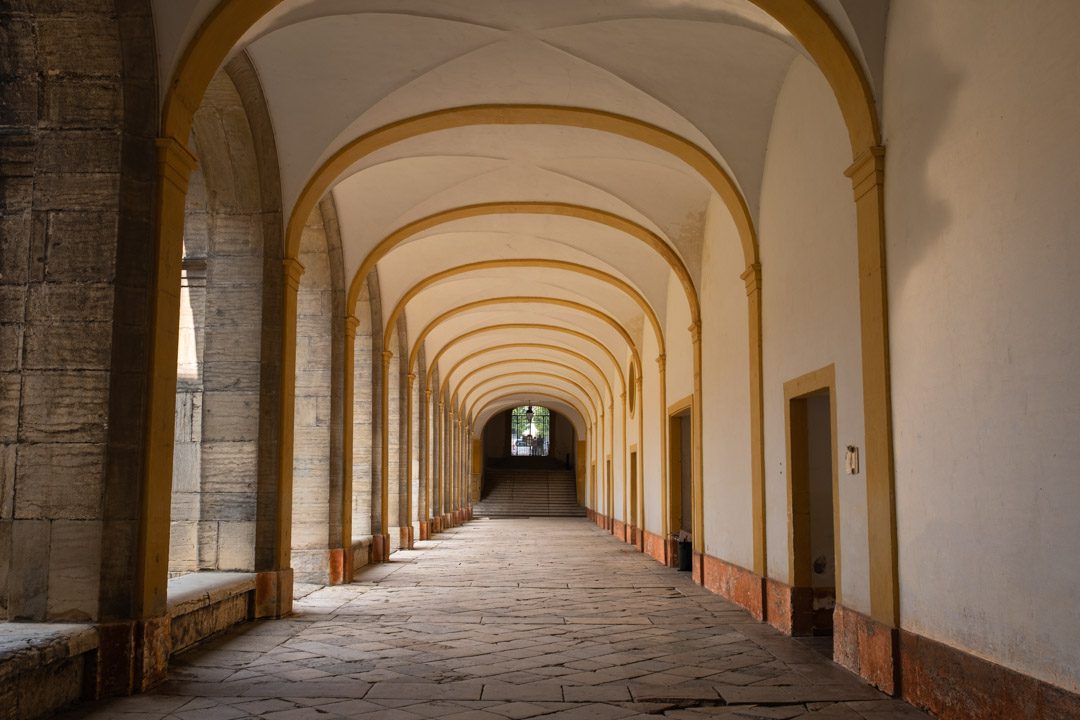
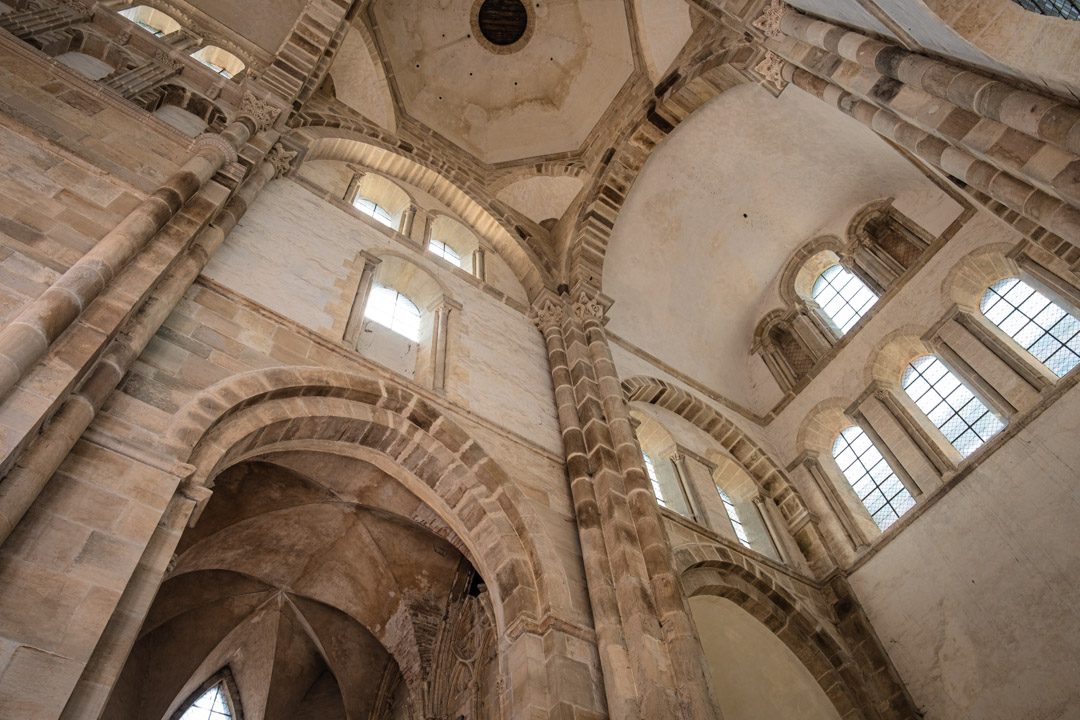
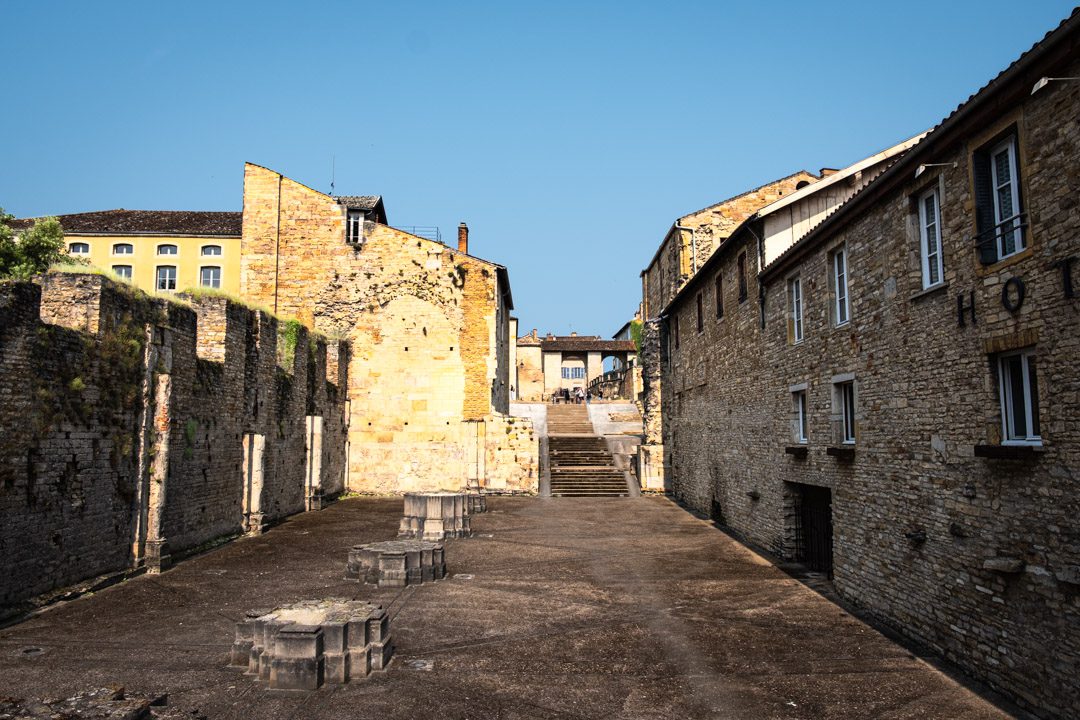
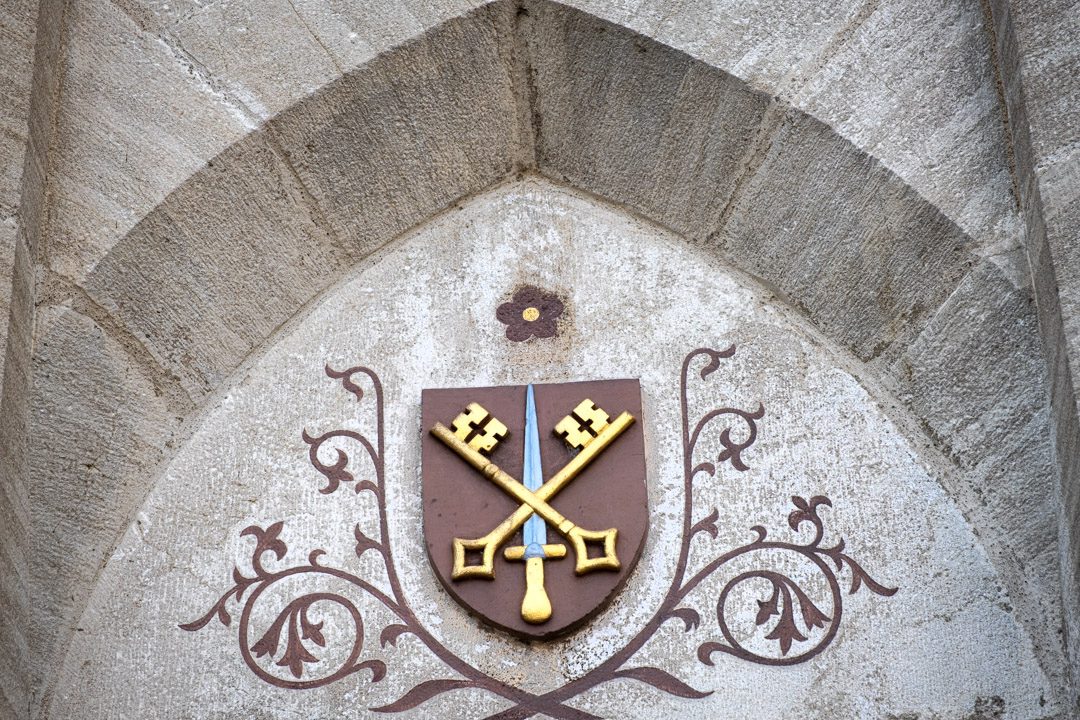
This morning we docked in the picturesque town of Mâcon, located along the banks of the Saône River in the Burgundy region of France. After breakfast, we boarded a bus for an excursion to the historic town of Cluny, once home to the Benedictine monks of Cluny Abbey. The monks are no longer at the abbey, which is currently home to a state school specializing in high-speed machining, the wood industry, and digital modeling and virtual imaging. The land was originally donated by William I of Aquitaine, who, supposedly wanting to ensure a place in heaven for himself and his family, gave up his best hunting preserve to have the monastery built in the Romanesque style and appointed Abbot Berno to lead it. At its height during the 10th to 12th centuries, Cluny Abbey was the largest church in Christendom until the construction of St. Peter’s Basilica in Rome. The abbey was a center of religious reform, architectural innovation, and cultural advancement, playing a pivotal role in the spiritual and political life of Europe during the Middle Ages. A local guide met us upon arrival, and before beginning our tour of the abbey, we were treated to a delightful surprise—a piano recital by Marcia Hadjimarkos, an American expatriate who has made Burgundy her home for several years. She performed on a historical keyboard instrument (a square piano by Johannes Bätz, 1789), a variation of an antique piano, which added an authentic and atmospheric touch to the experience. Following the recital, our guide walked us through the impressive ruins of the abbey. Though much of it was destroyed during the French Revolution, enough remains to give a strong sense of its former grandeur. The guide’s stories brought the past to life—monastic routines, architectural breakthroughs, and the far-reaching influence of Cluny’s reforms.


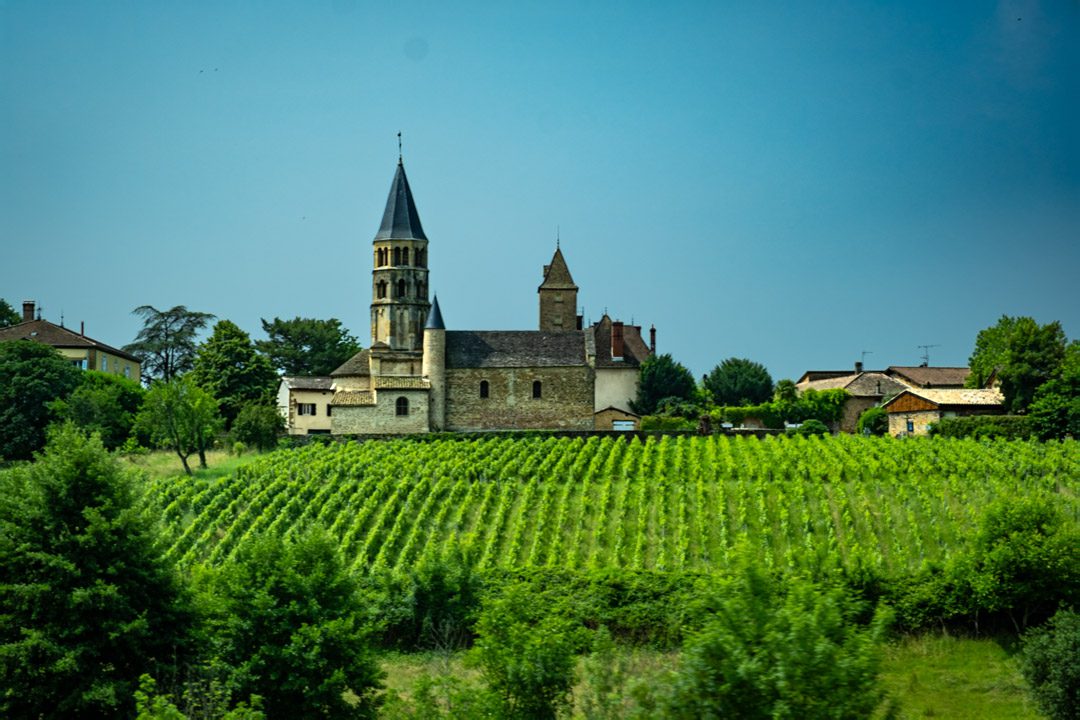
After our visit to Cluny, we continued our journey through the scenic countryside to Château Pruzilly, beautifully situated on the border between the Beaujolais and southern Burgundy regions. Perched atop rolling hills at an elevation of about 1,200 feet, the château is surrounded by a picturesque patchwork of vineyards and lush forests—a quintessential Burgundy landscape. Upon arrival, we were warmly greeted by the château’s owners, Jean-Paul and Anna. As we took in the views from the terrace, we were offered a traditional apéritif—Kir Royale, a delightful blend of crème de cassis and sparkling wine. It was the perfect prelude to the elegant three-course lunch that followed.
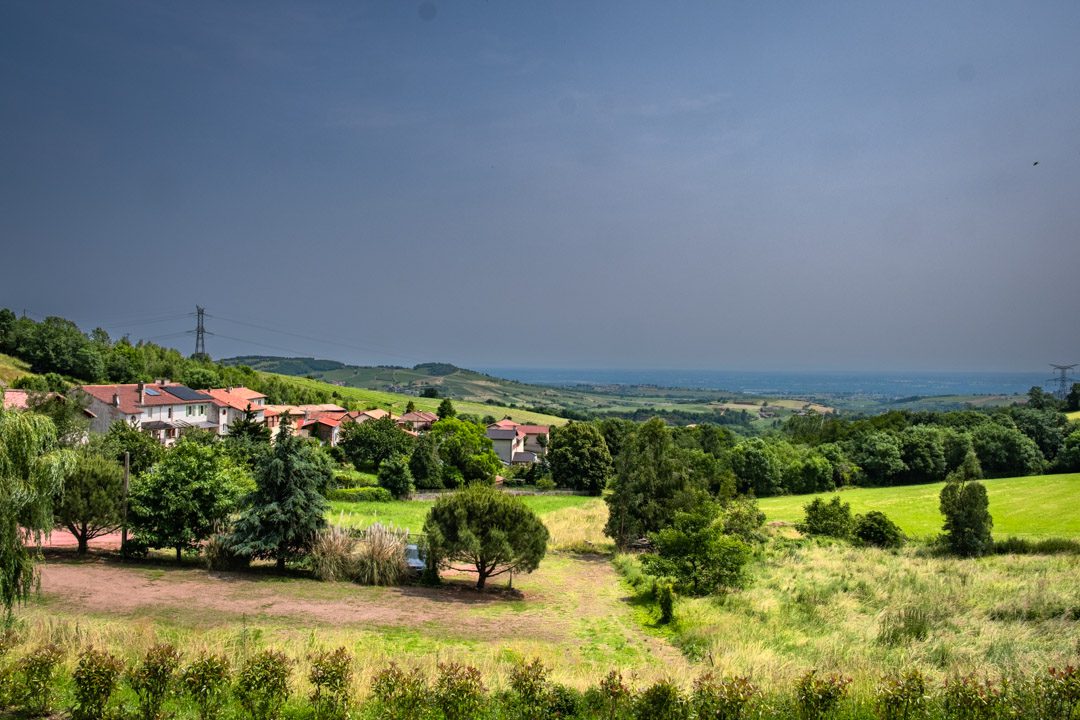
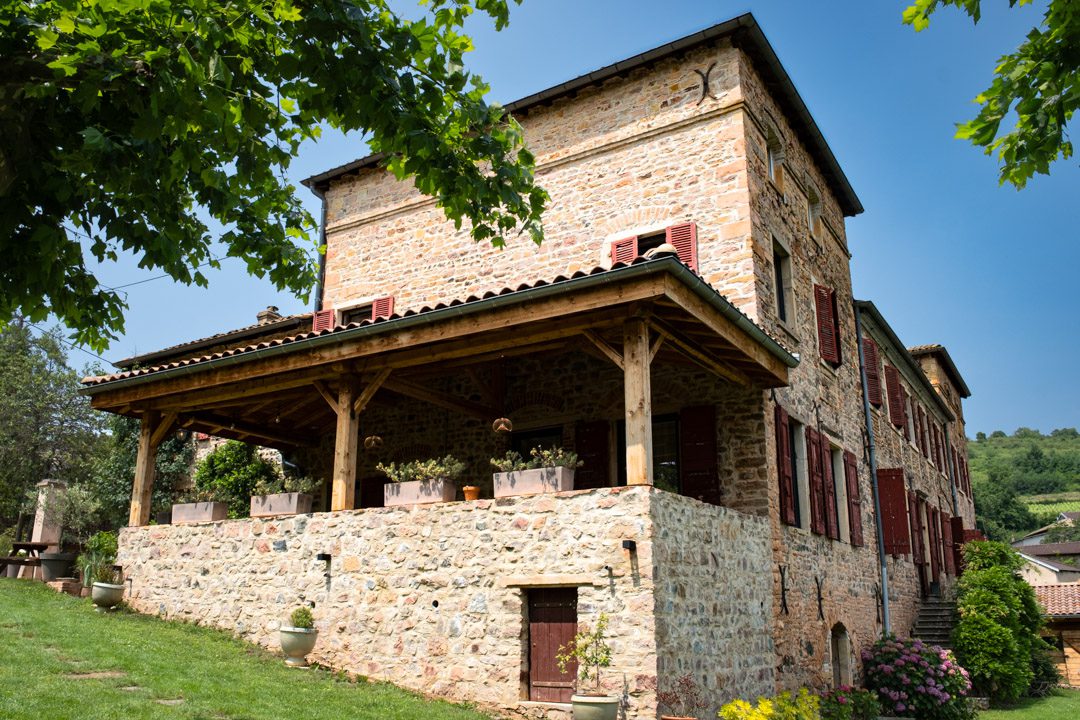
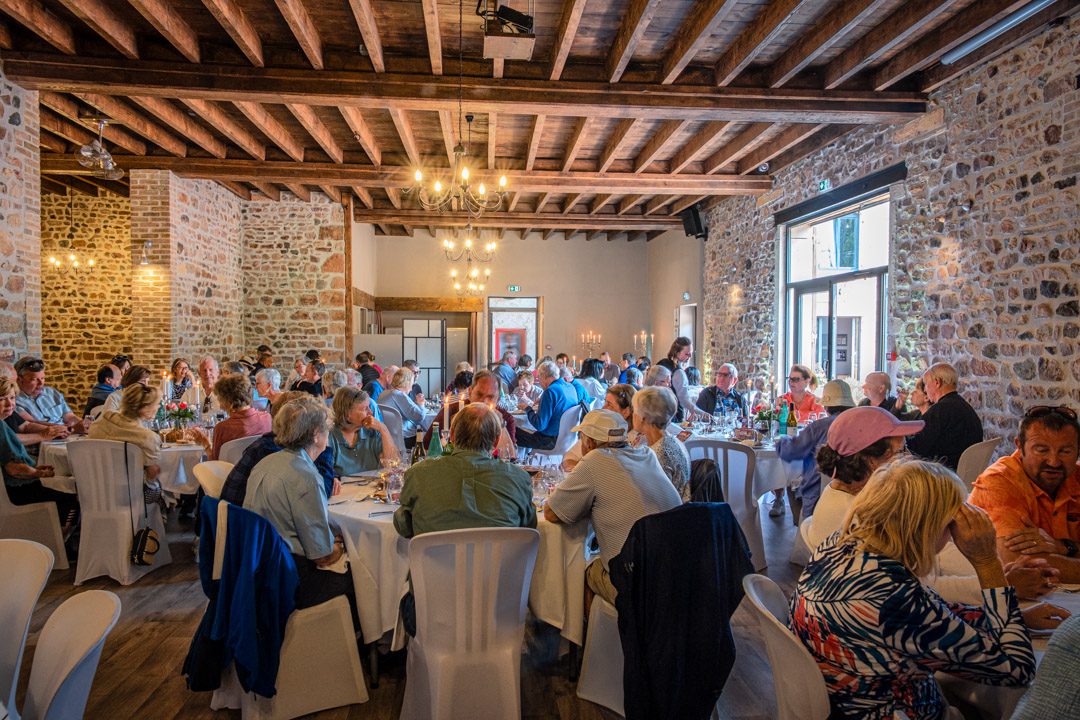
Following lunch, we enjoyed a scenic drive through the picturesque Burgundy countryside to rejoin our ship in Trévoux. While we were exploring Cluny and dining at the château, the ship had sailed from Mâcon to meet us at this new docking point along the Saône River.
Lyon: Basilicas, Silk, and Secret Passages – June 10, 2025
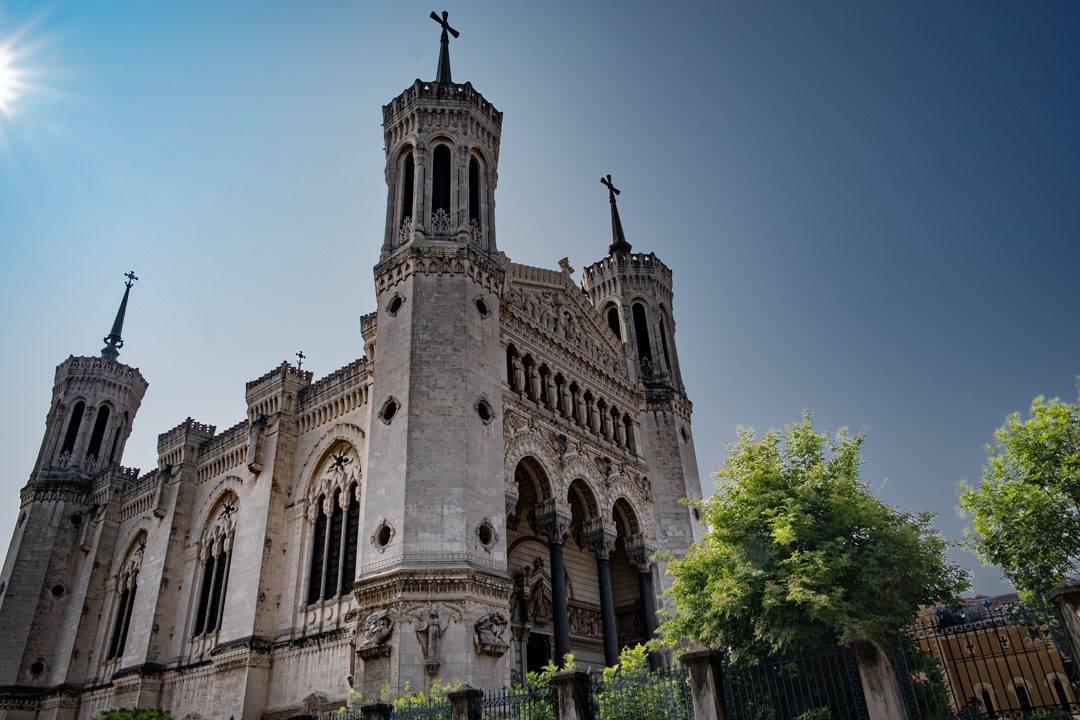
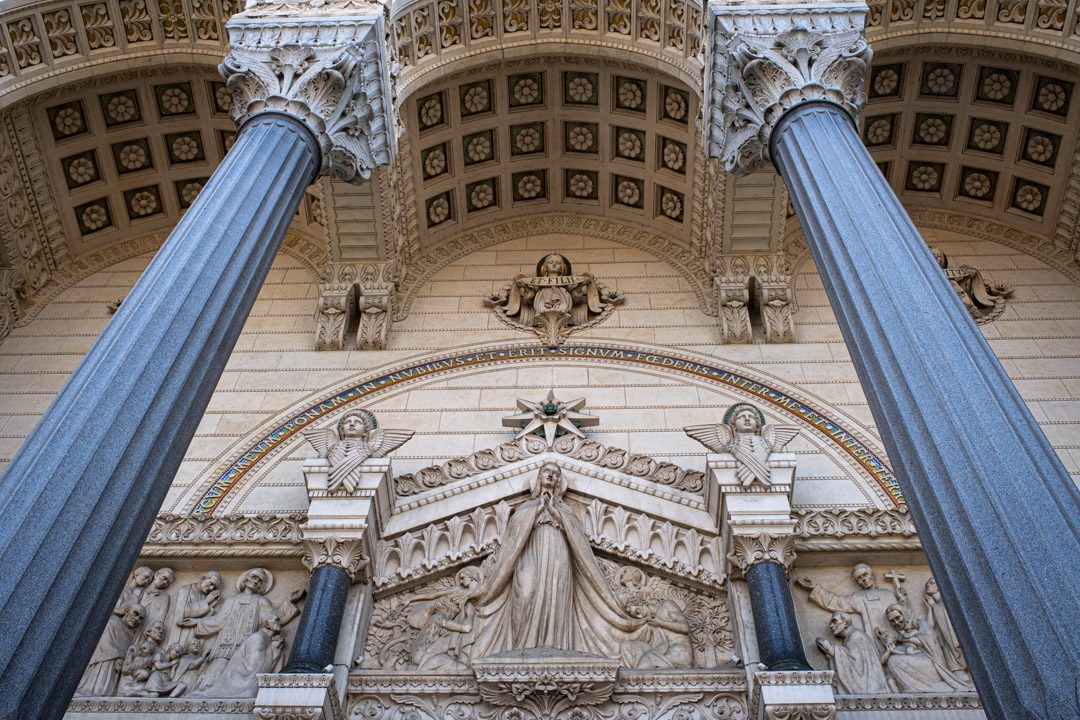
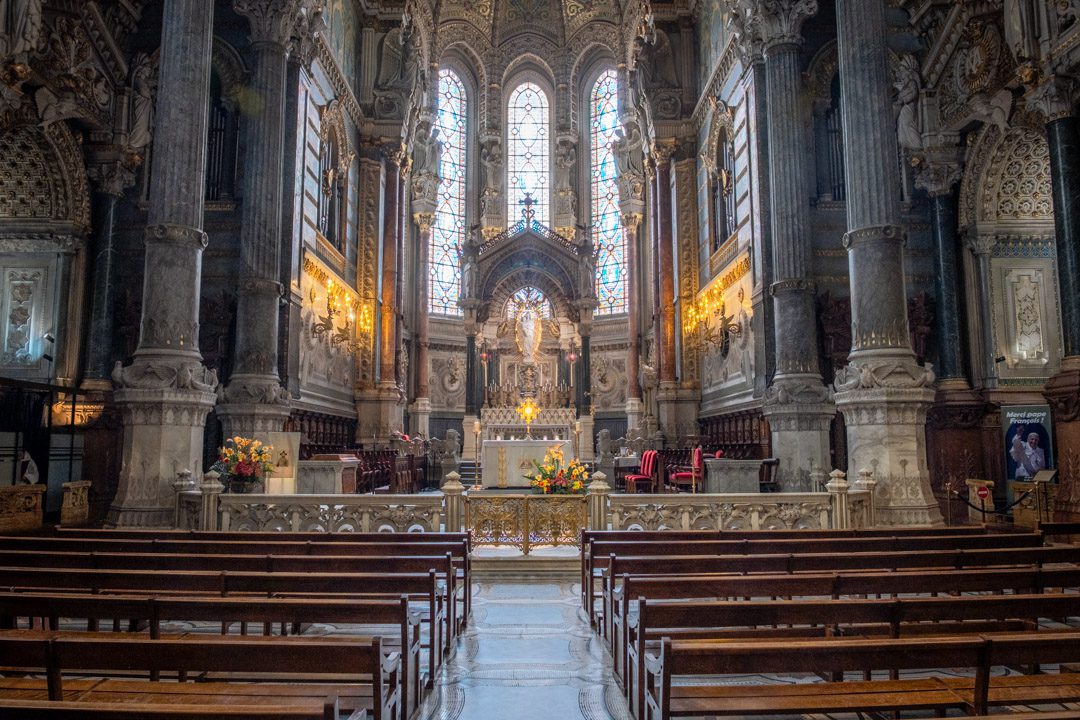
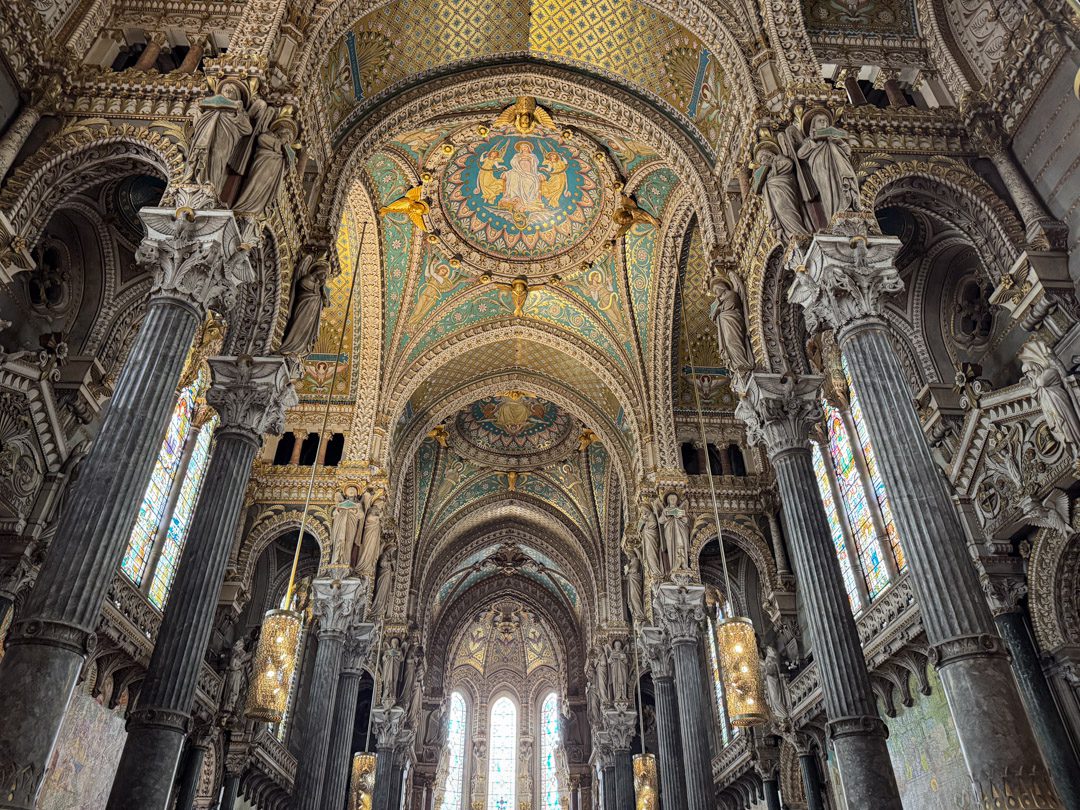
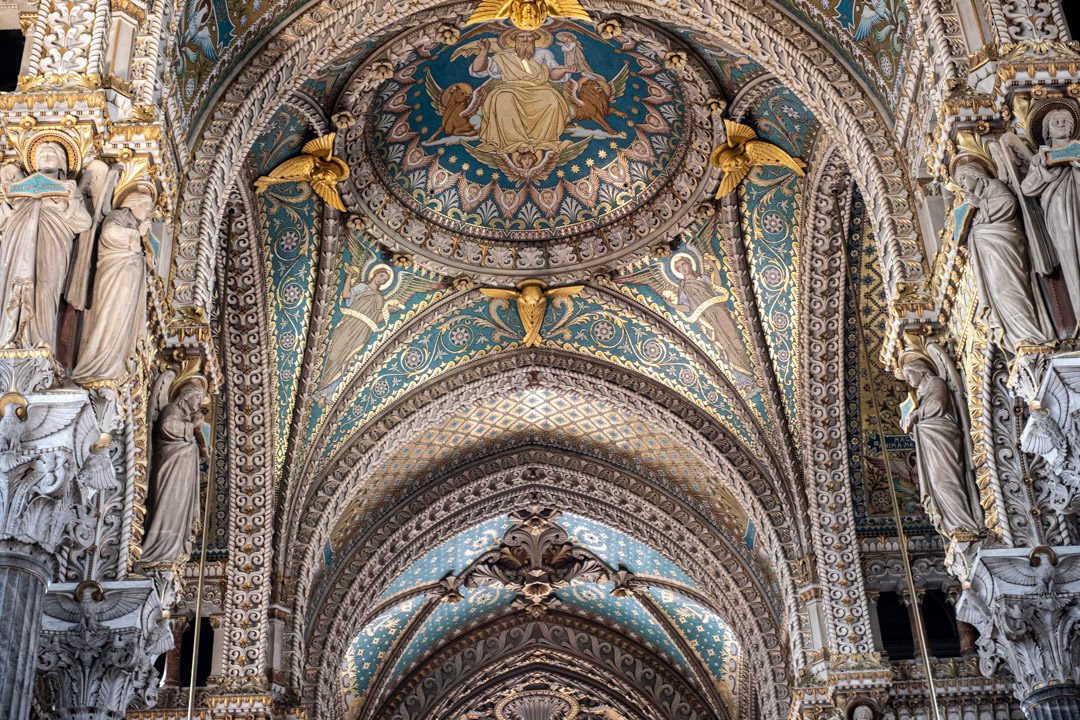
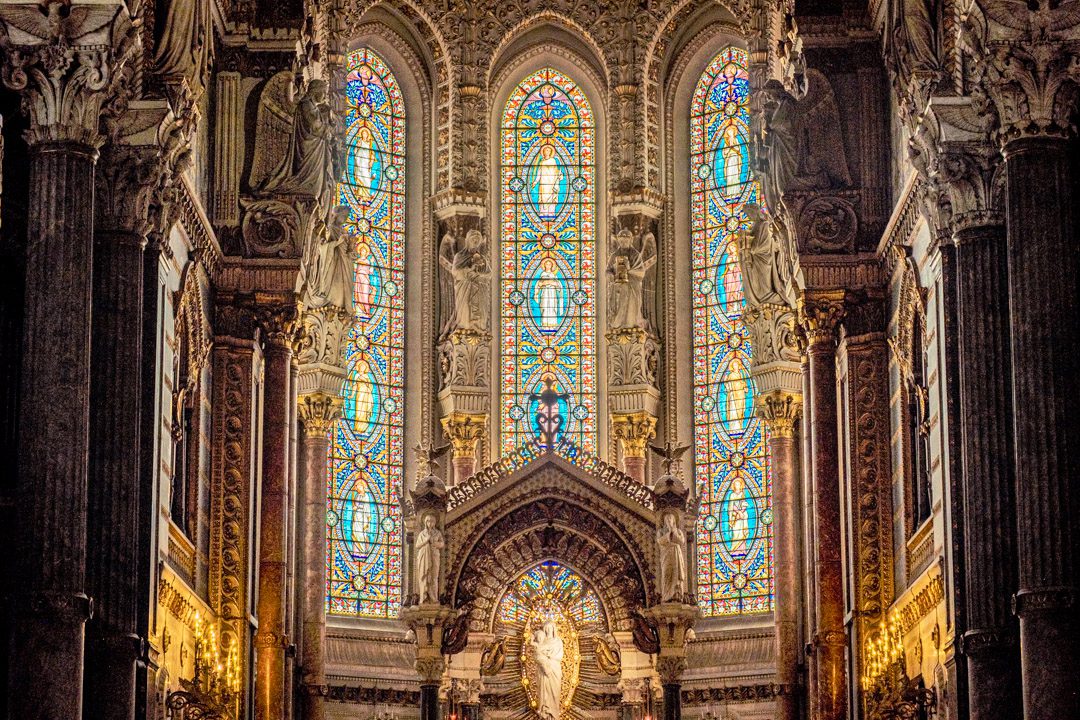
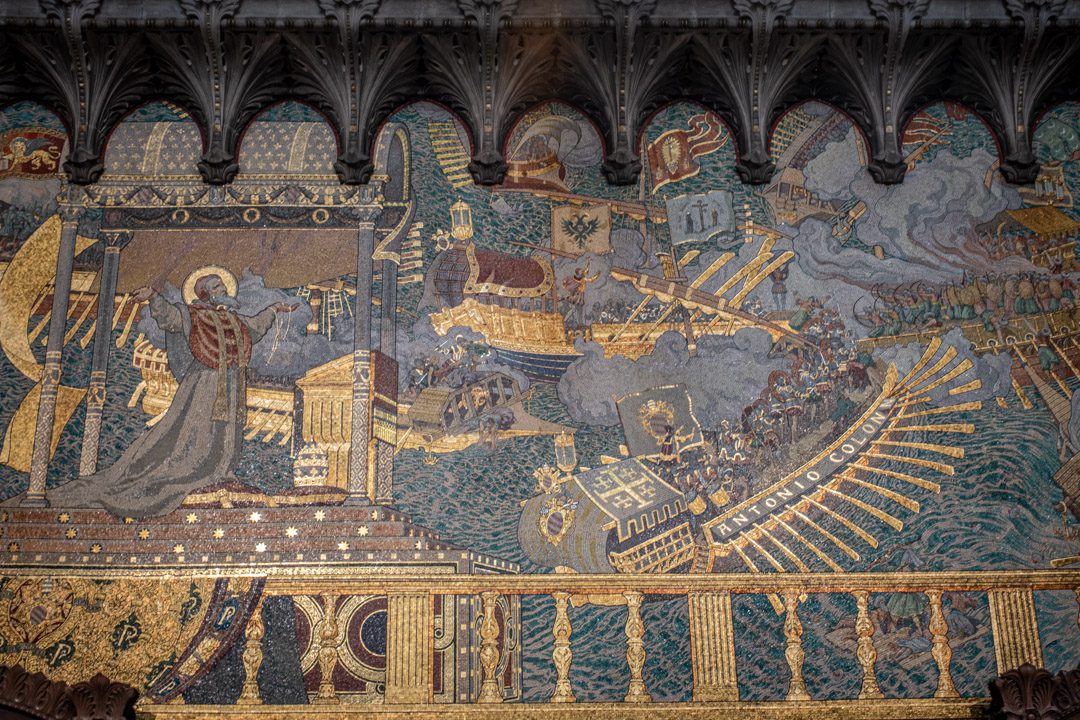
We docked in Lyon today at the confluence of the Saône and Rhône rivers. This is our second visit to the city, which was once an important outpost of the Roman Empire. Lyon is often called the food capital of France, with more restaurants per person than anywhere else in the country. We started our day with a guided tour of the beautiful Basilica of Notre-Dame de Fourvière, which sits on a hill overlooking the city. Built in the late 19th century (construction began in 1872 and finished in 1896), the basilica is known for its mix of Romanesque and Byzantine Revival styles. Inside, we saw stunning marble columns, colorful stained-glass windows, intricate mosaics, and lavish gold decorations. The cost of decorating this church far exceeded the original budget, so some of the statues on the pillars were never completed—an anomaly that only the most observant visitors might notice. The view from the terrace outside was just as impressive, offering a sweeping panorama over all of Lyon.
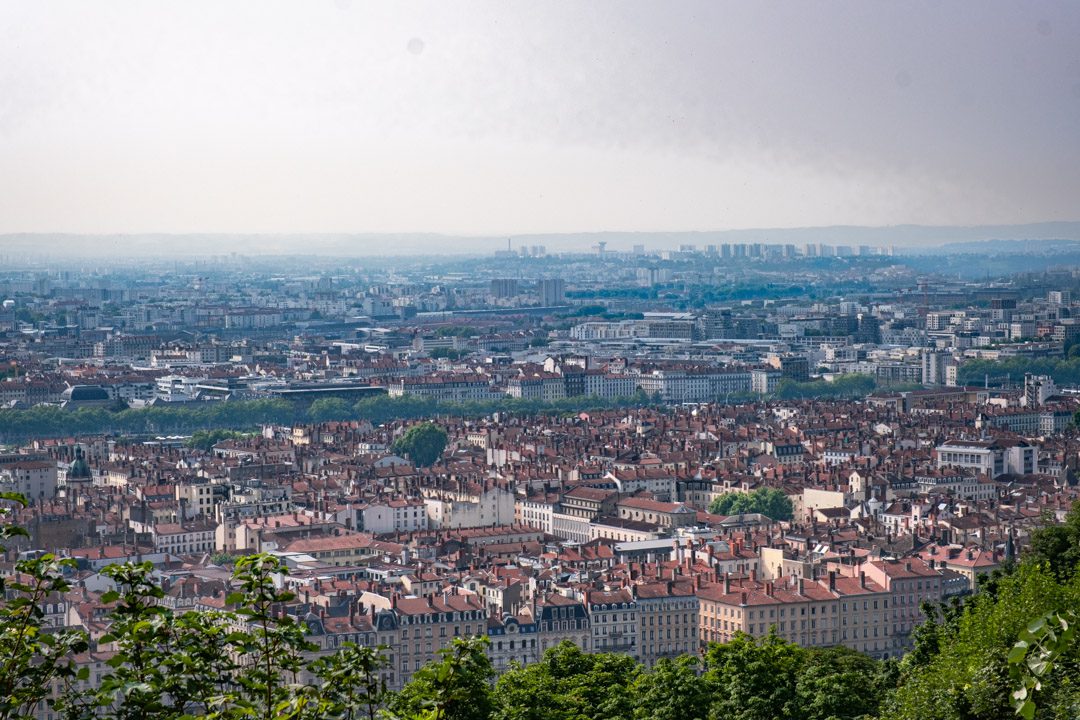
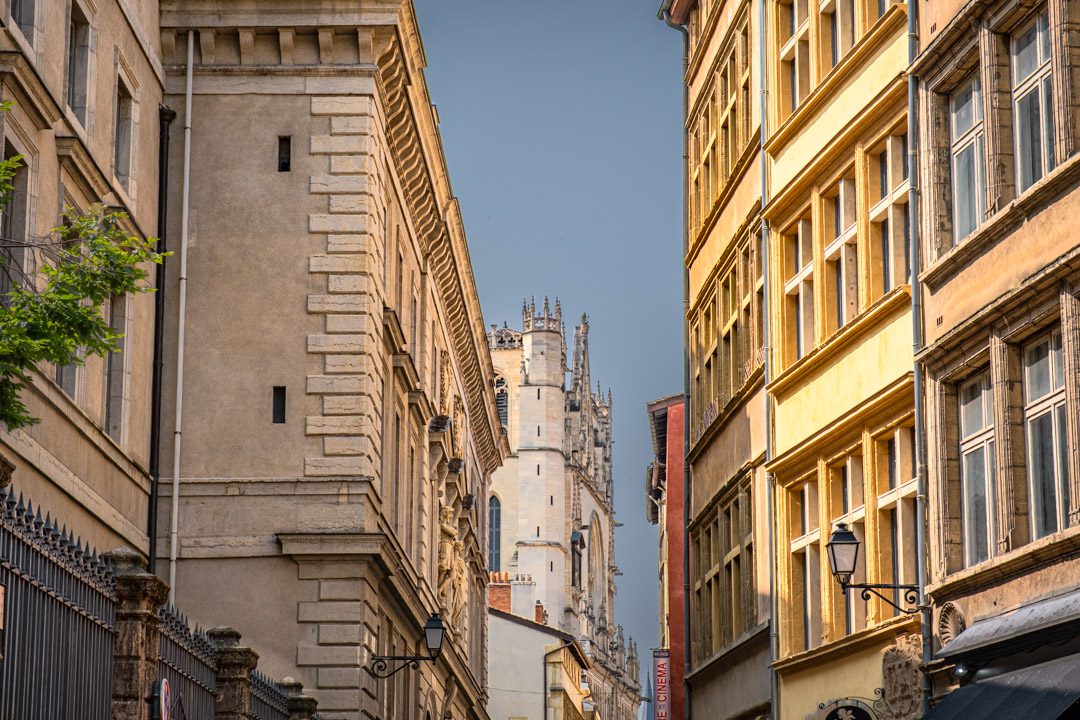
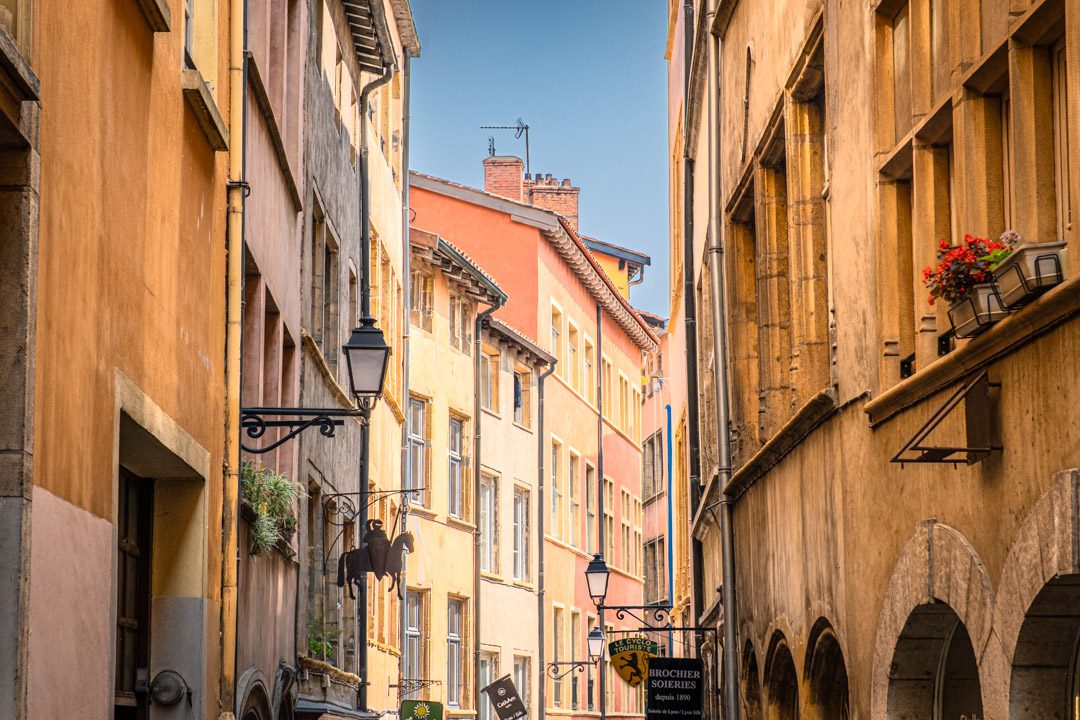
Next, we traveled by bus to the Old Town, a designated UNESCO World Heritage Site. Along the way, some of the newer buildings were pointed out to us, including one nicknamed “The Pencil Sharpener.” Upon arrival, our guide led us on an immersive walk through the town’s charming, streets and historic traboules—hidden covered passageways unique to Lyon that connect buildings and streets, offering a glimpse into the city’s rich architectural heritage.
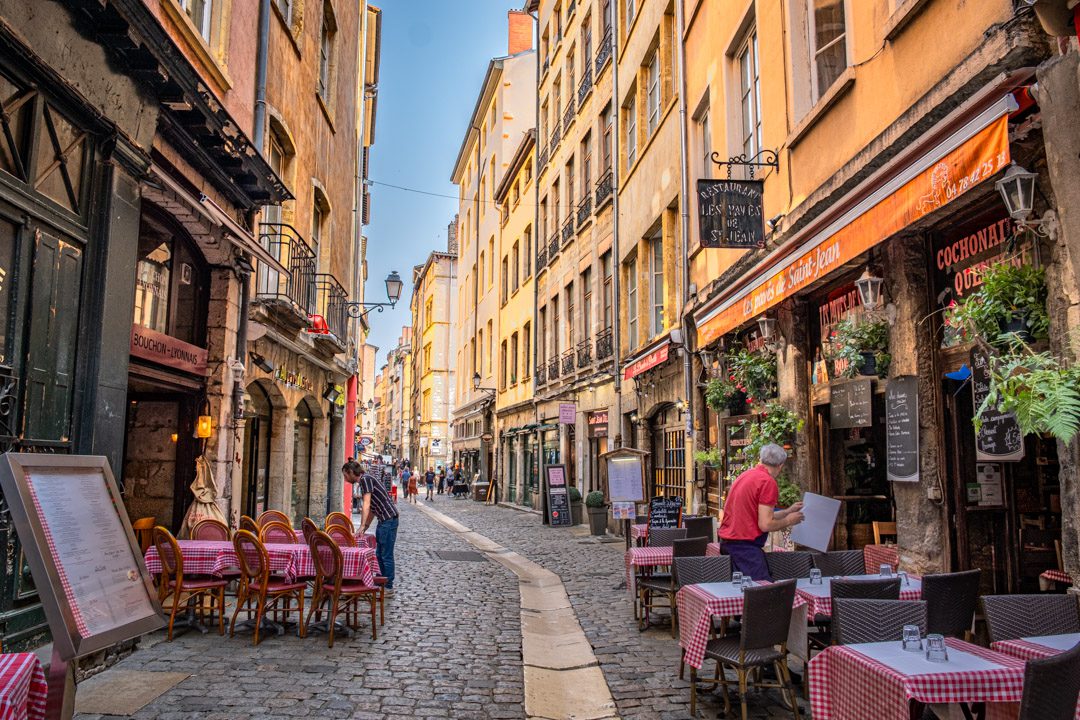
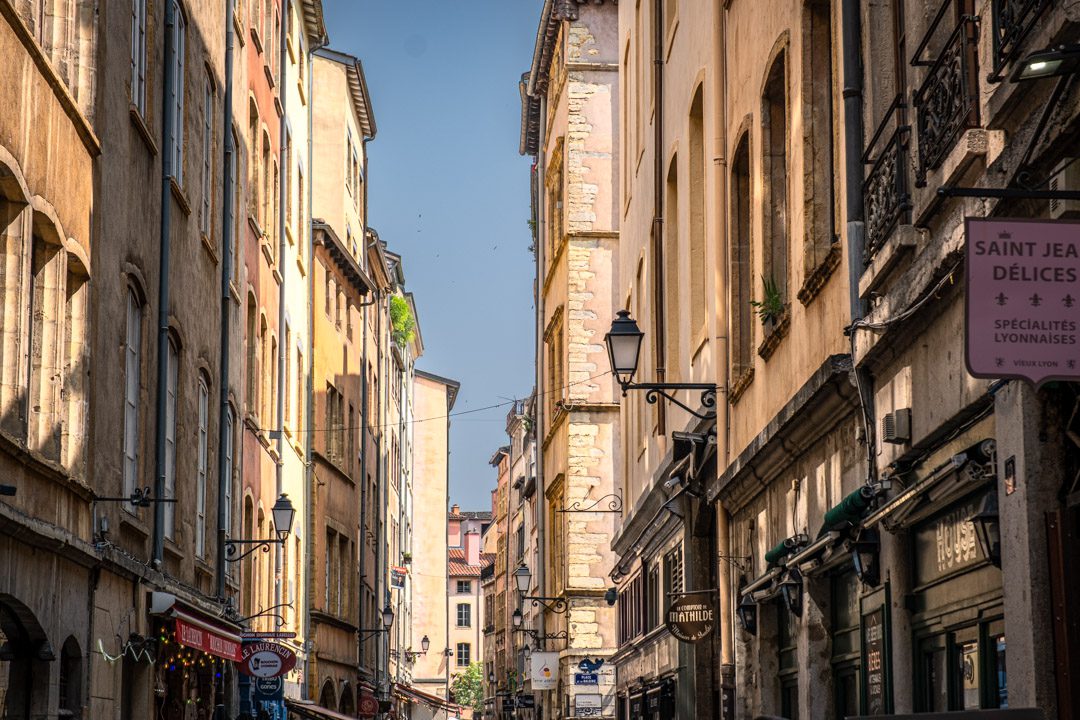
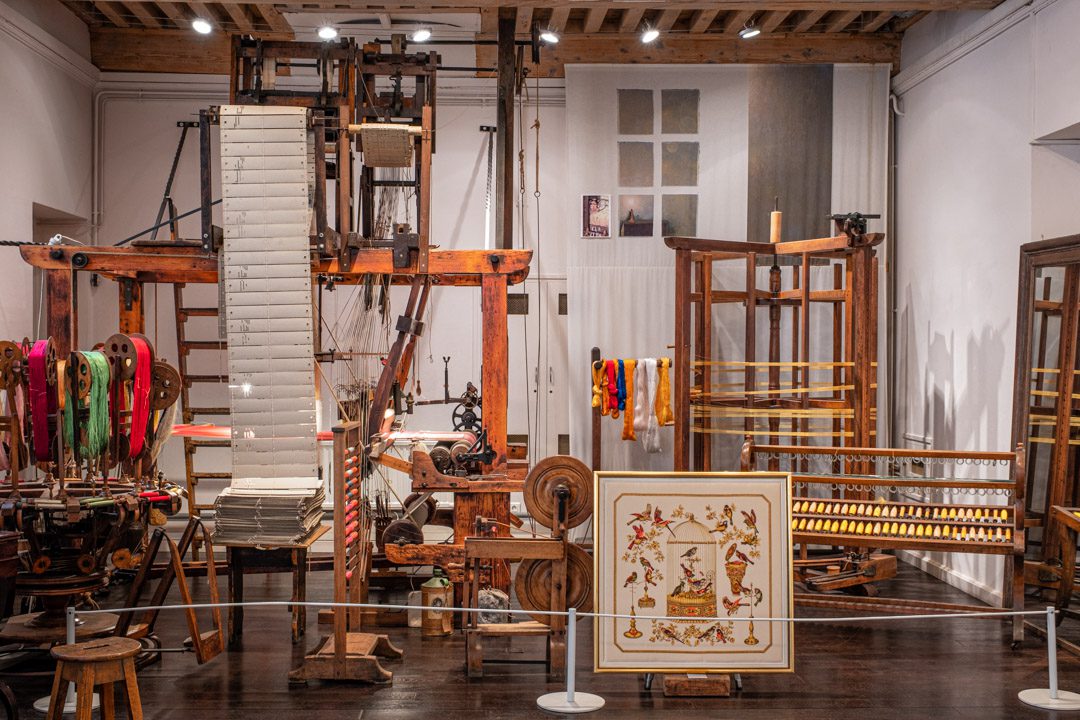
After lunch, some of us took a bus to visit the Maison des Canuts, a museum dedicated to the history and craftsmanship of Lyon’s renowned silk industry. On the way, we stopped at a François Pralus shop on Rue St. Jean to taste a Prauline (properly called a Praluline), a buttery brioche stuffed with crushed pink pralines, originally created in 1955 by Auguste Pralus and still made by his family’s patisserie today. At the museum, we were welcomed by the owner, Filbert, who gave us a fascinating introduction to the art of silk weaving using traditional Jacquard looms. He explained the pivotal role of Lyon in the development of the silk trade, which began in the early 16th century when King François I invited two Italian master weavers—Giovanni Francesco Sersale and Barthélemy Naris—to settle in Lyon and introduce their expertise. Their arrival marked the beginning of Lyon’s rise as the center of silk production in France. Filbert also described how the invention of the Jacquard loom in 1804 revolutionized the industry by allowing complex patterns to be woven automatically using punch cards—technology that laid the groundwork for both modern textile manufacturing and early computing. He demonstrated how silk is woven on one of his looms. These exquisite textiles can cost several thousand dollars per meter and are made primarily for restorations in palaces, castles, and other historic buildings.
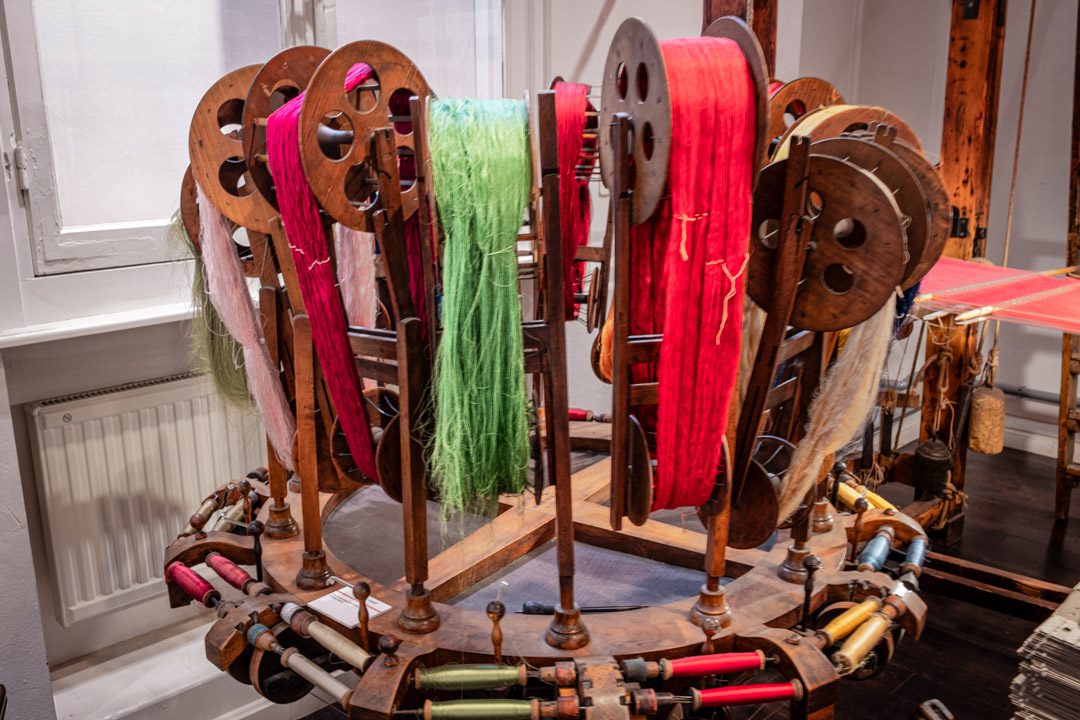
Vienne Sightseeing – June 11, 2025
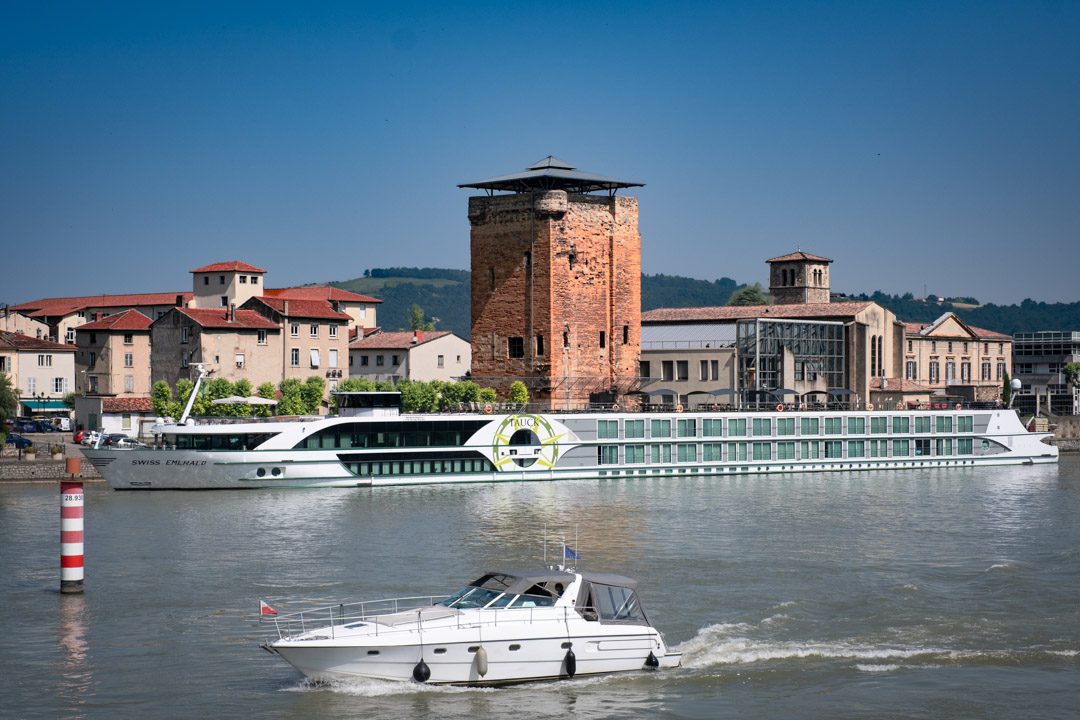
We are docked at Sainte-Colombe, just across the Rhône River from the historic city of Vienne. Our day began with a scenic ride on the mini-train that took us up to the summit of Mount Pipet. From this elevated viewpoint, we enjoyed a stunning panoramic view of Vienne, including its well-preserved Roman ruins and the surrounding Rhône Valley. Before heading back to town, we stopped at the Chapelle Notre-Dame de la Salette, a small church with remarkable acoustics, which our guide Stéphanie demonstrated by singing an aria for us. At the top of the belvedere outside the church stands Léonard Périer’s Volvic stone statue of the Virgin and Child.
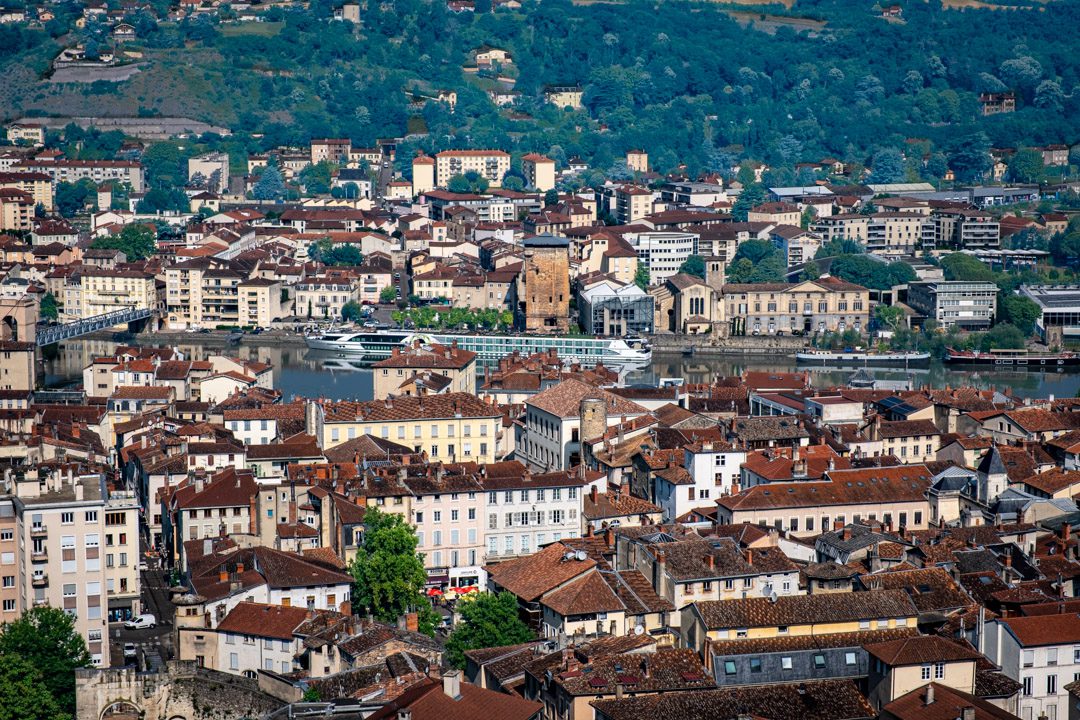
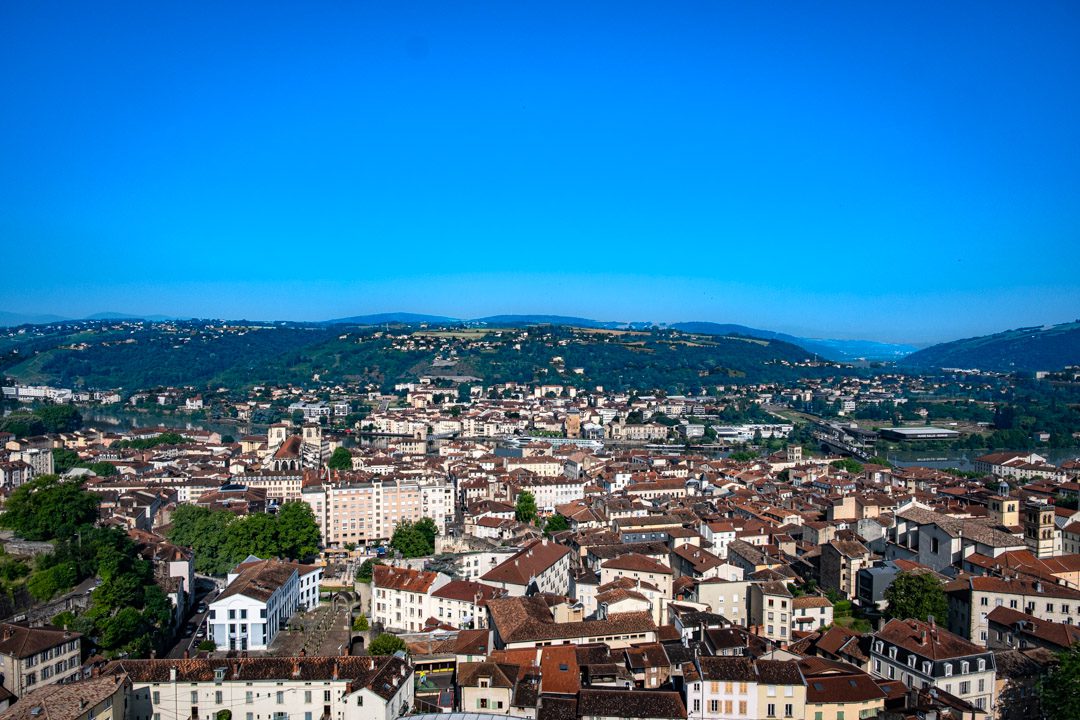
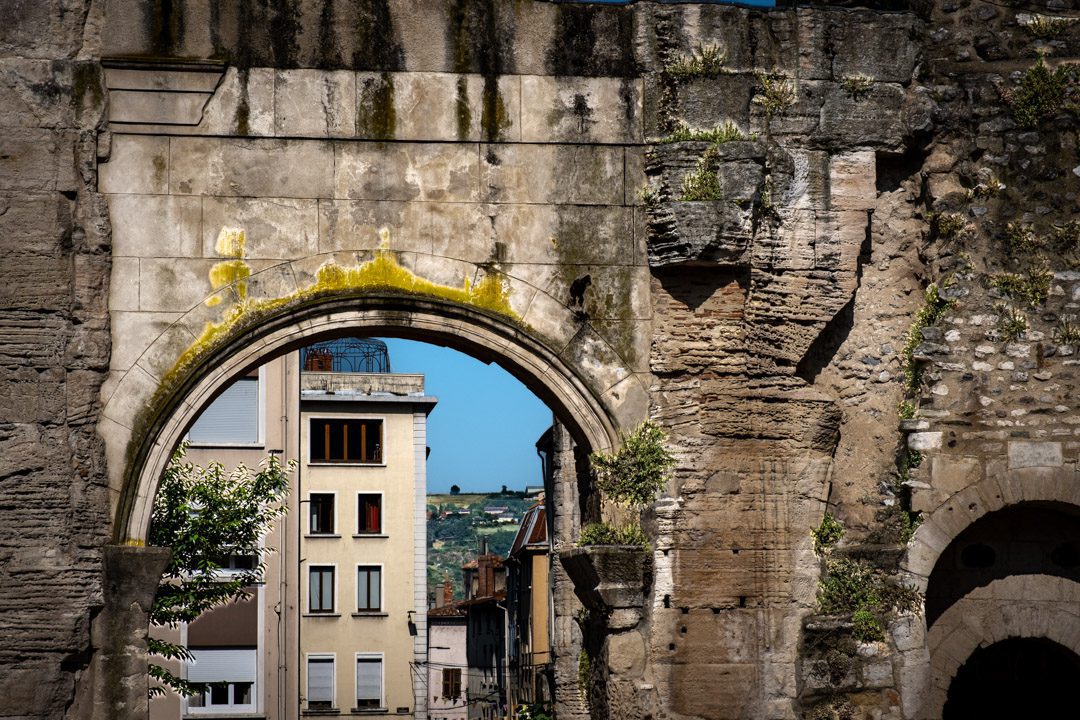
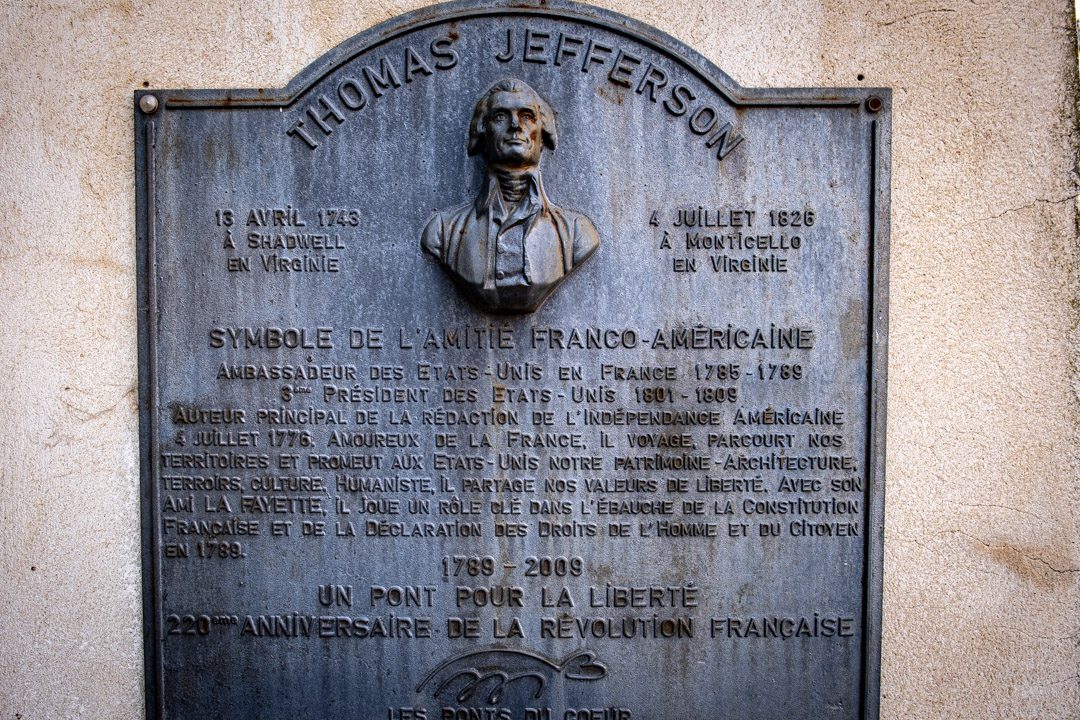
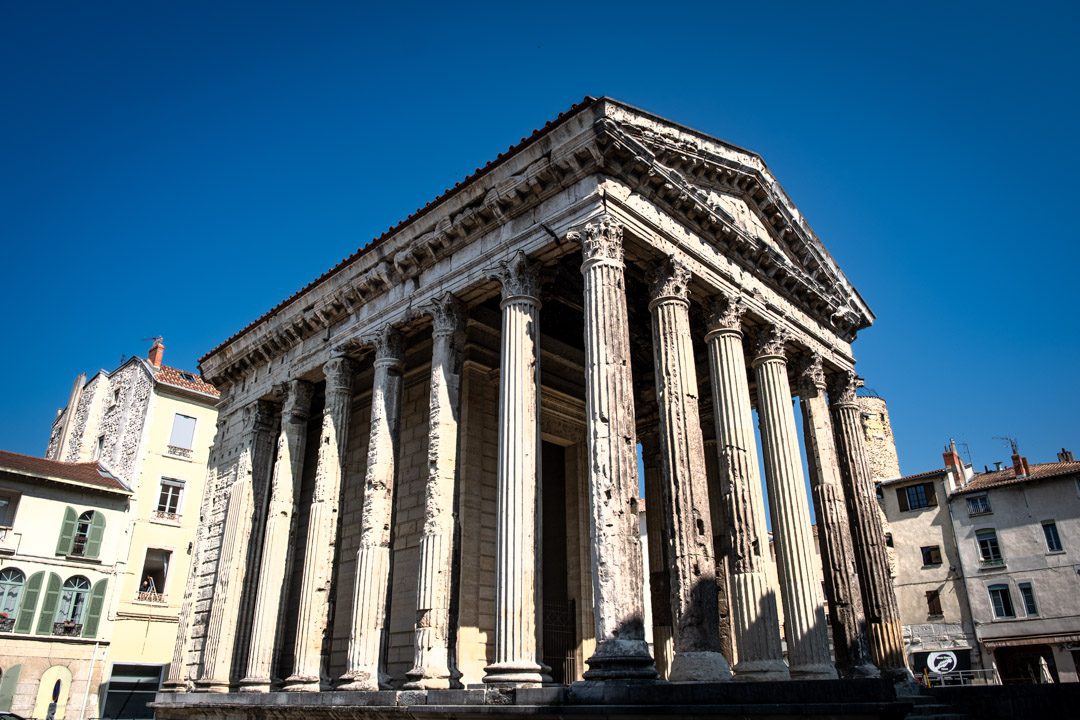
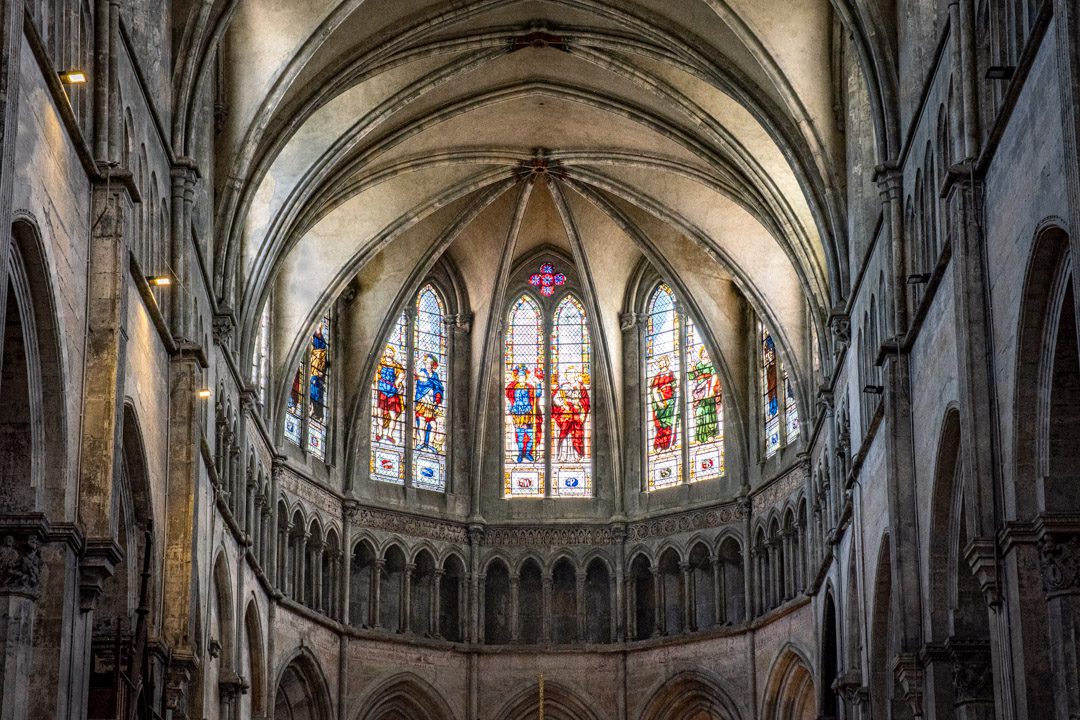
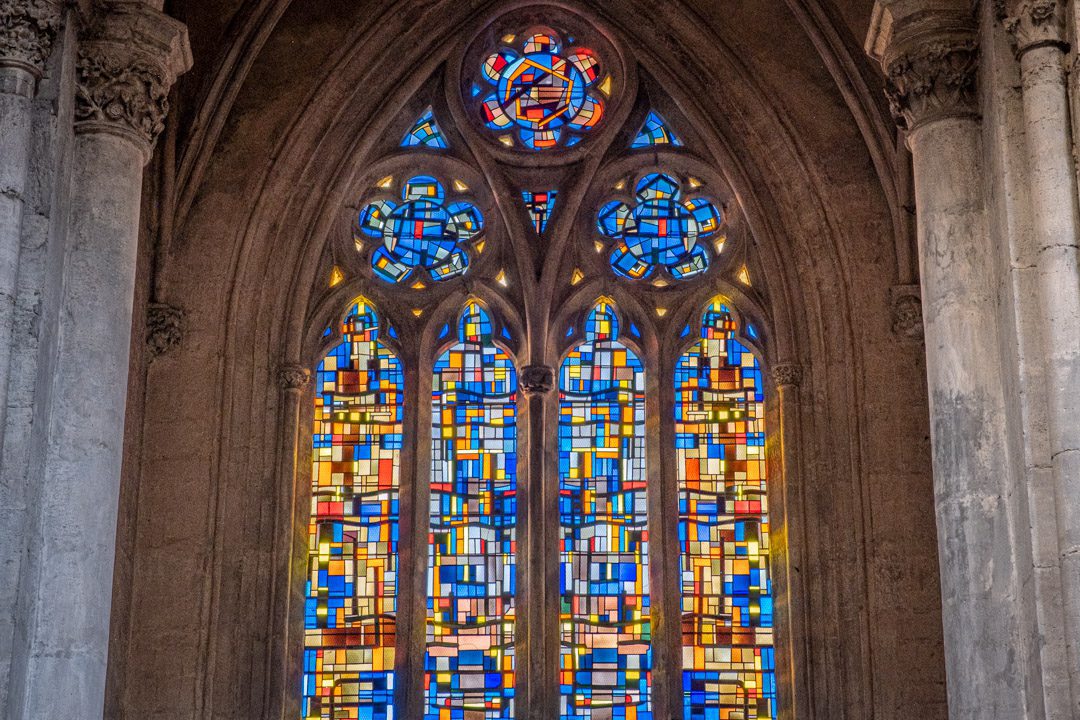
Next, we took a walking tour of Vienne—known as Vienna during Roman times. Like many towns along the Rhône, Vienne reflects the deep imprint of the Roman Empire. Originally the capital of the Gallic Allobroges tribe, it came under Roman control in 47 BC through Julius Caesar and later became a provincial capital. On the tour, we saw several impressive Roman ruins, including the well-preserved Temple of Augustus and Livia (Thomas Jefferson visited here in 1787, and there is a plaque nearby commemorating the visit) and the 13,000-seat Roman theatre built into the hillside (excavated between 1908 and 1938). On the theatre wall near the Jardin de Cybèle, we saw a beautiful trompe-l’œil mural depicting cultural icons such as Molière, Berlioz, Miles Davis, and Dee Dee Bridgewater in a Roman setting. The trompe-l’œil was painted in 1994 and is a well-known sight in Vienne. Miles Davis performed at the theatre several times. We also visited Saint-Maurice Cathedral in the heart of Vienne, a striking example of Romanesque and Gothic architecture. Originally built in the 12th century and expanded over several centuries, the cathedral features beautifully detailed stonework, stained glass windows (some of which are clearly new because the originals were badly damaged during the war), and a richly decorated interior.
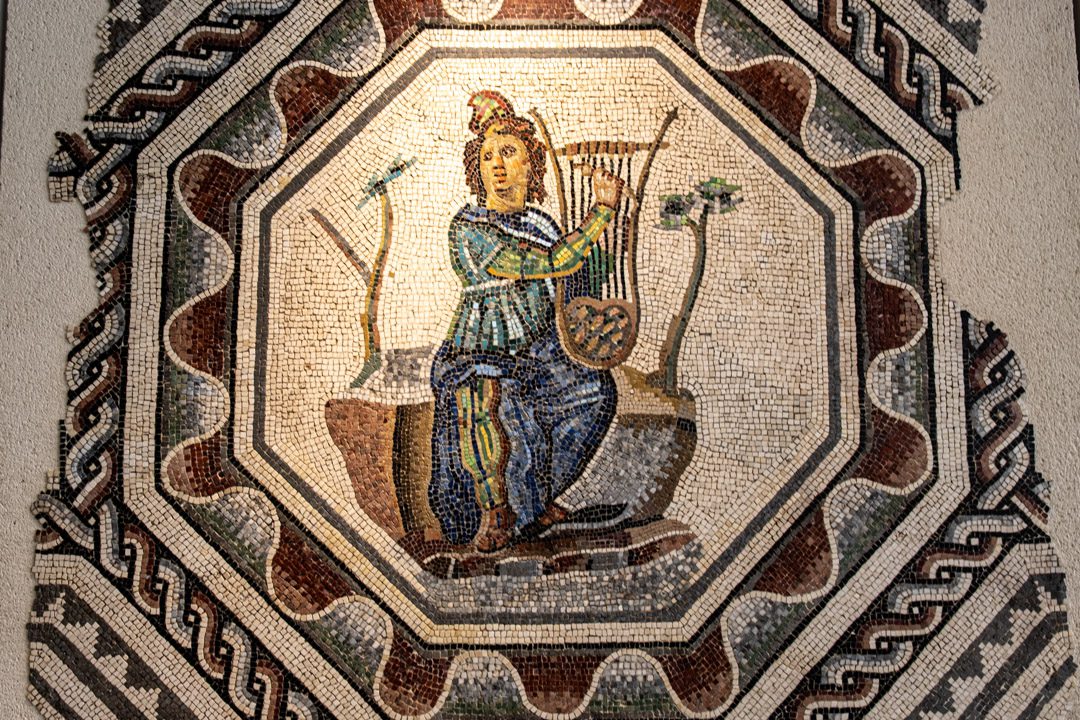
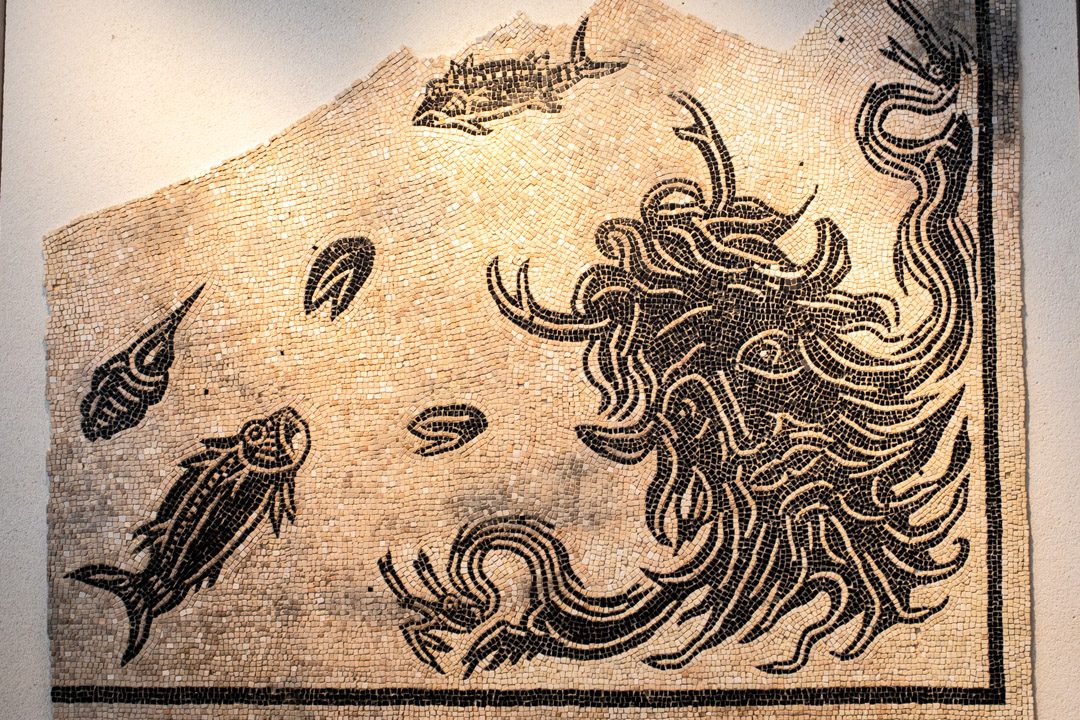
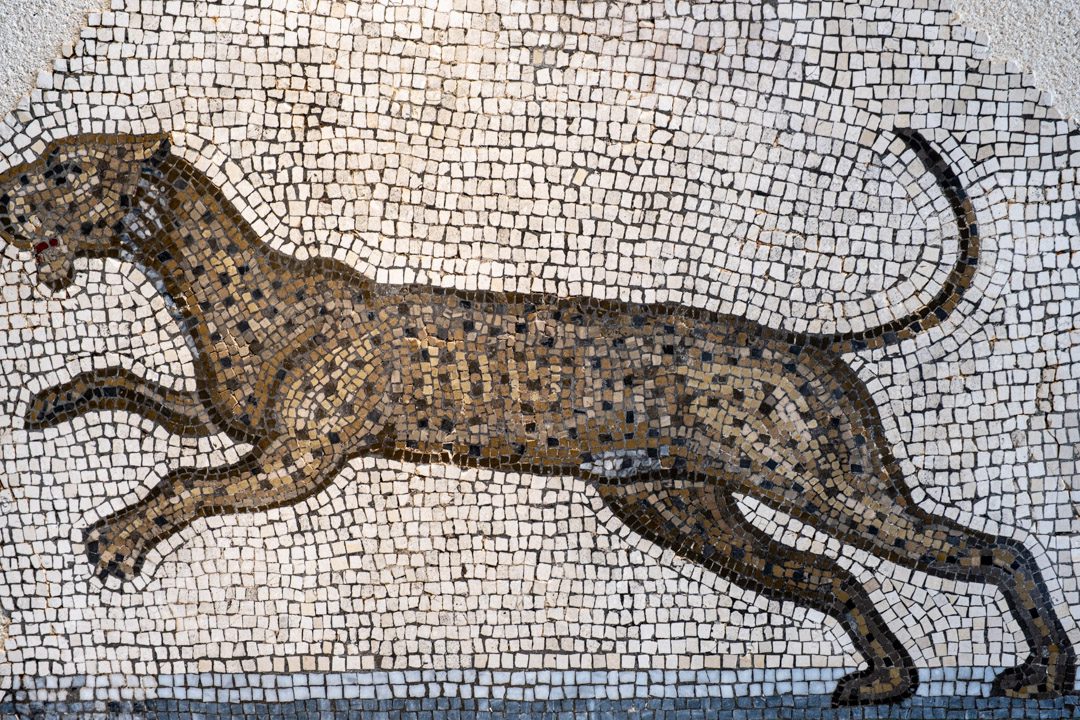
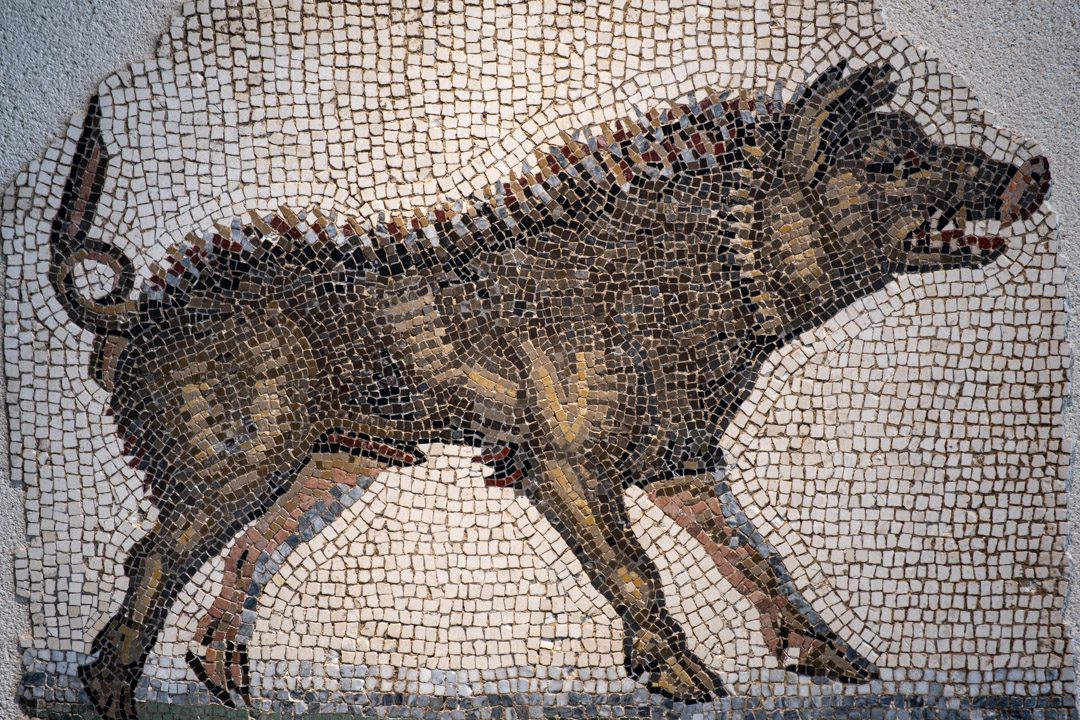
Our final stop of the day was the Gallo-Roman Museum, conveniently located just a short walk from our ship. During our tour, we explored an impressive collection of mosaics, artifacts, and frescoes that offered rich insights into daily life in Roman Gaul. Highlights included intricately preserved floor mosaics, everyday household items, and vibrant frescoes that once adorned the walls of Roman villas.
Avignon: Popes, Palaces & Roman Marvels – June 12, 2025
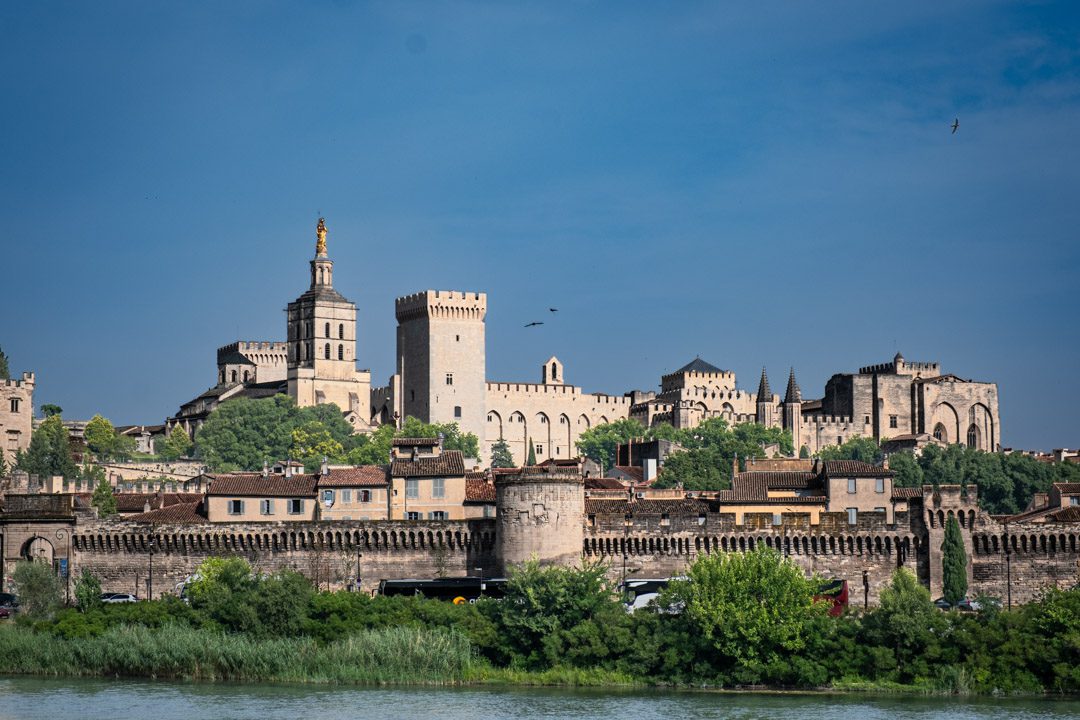
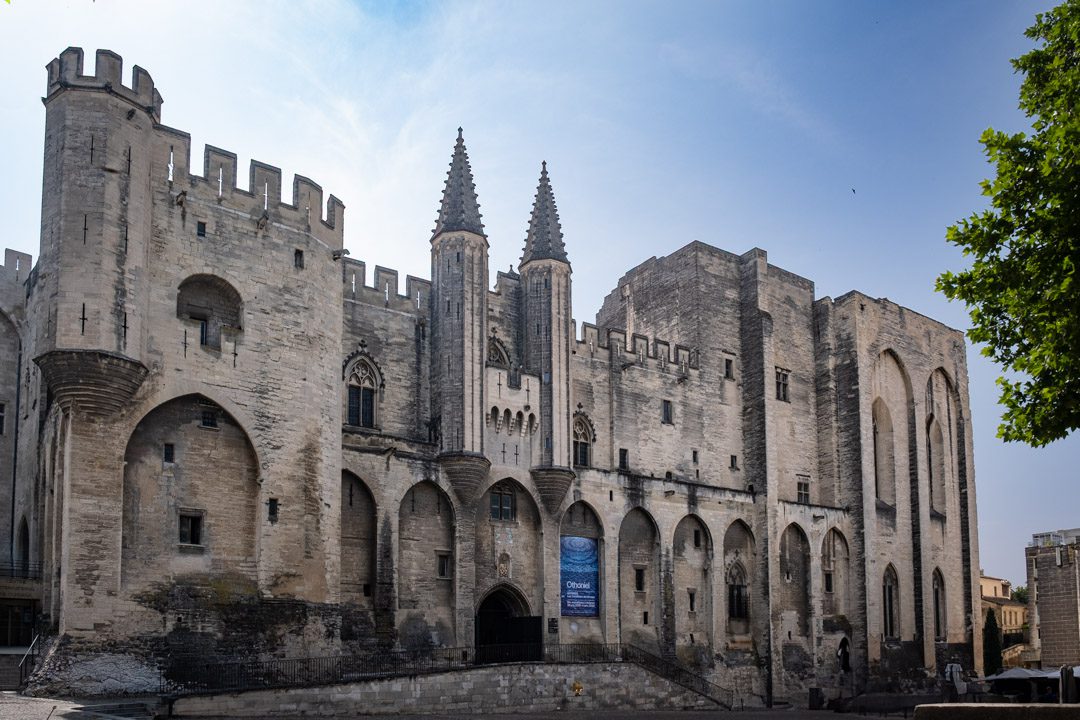
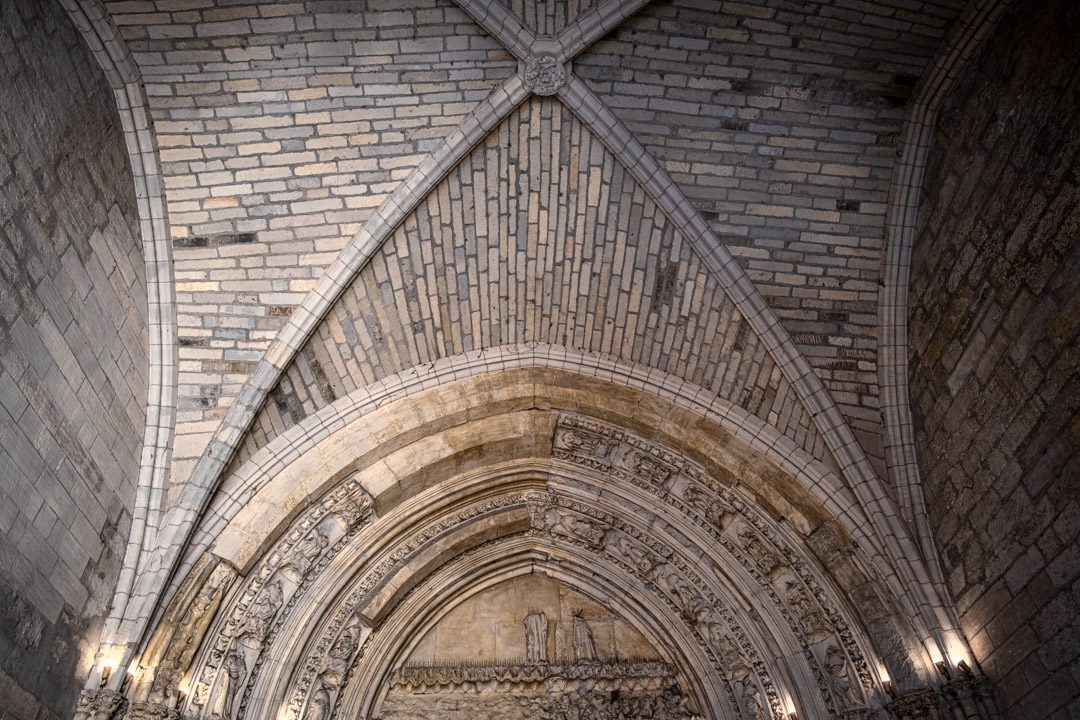
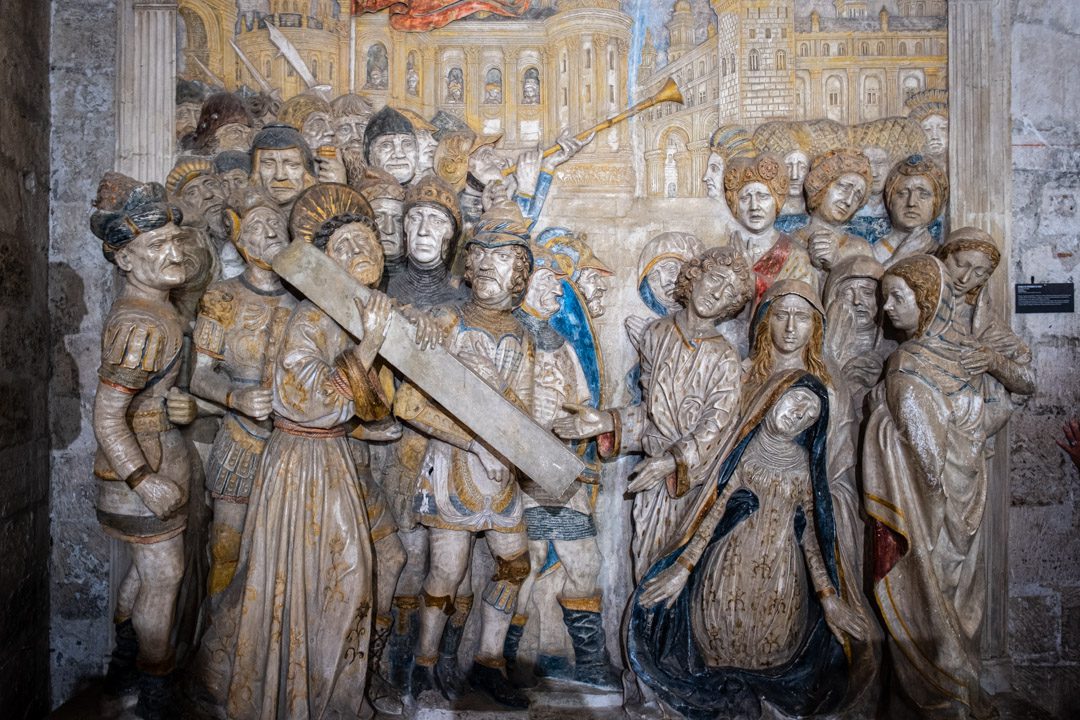
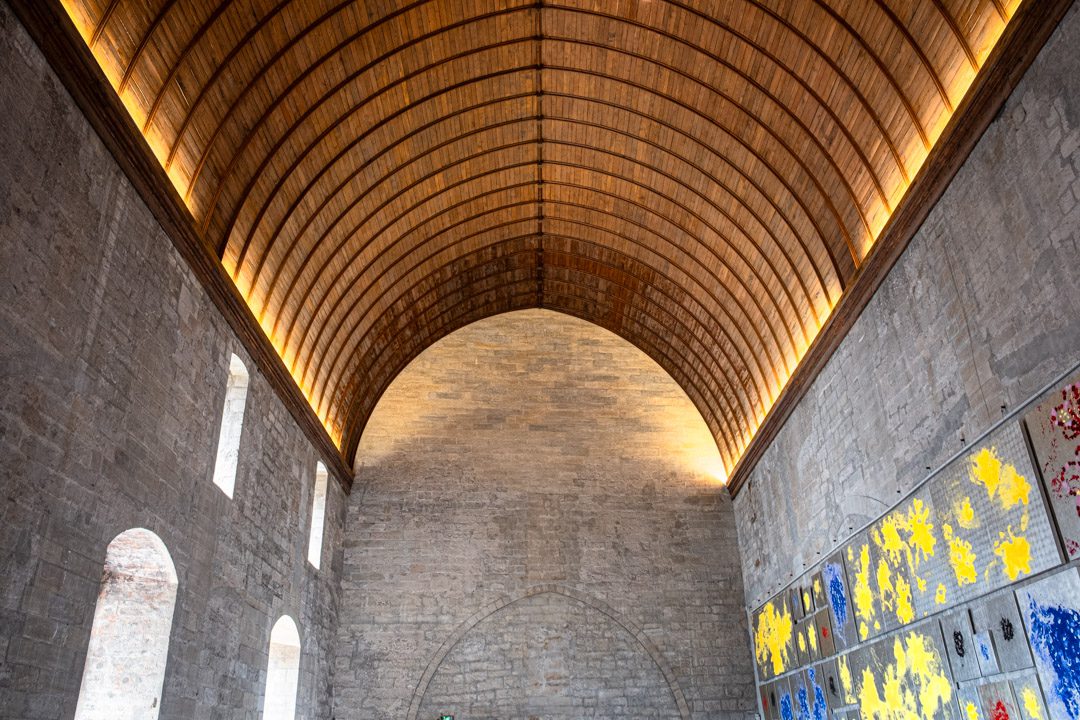
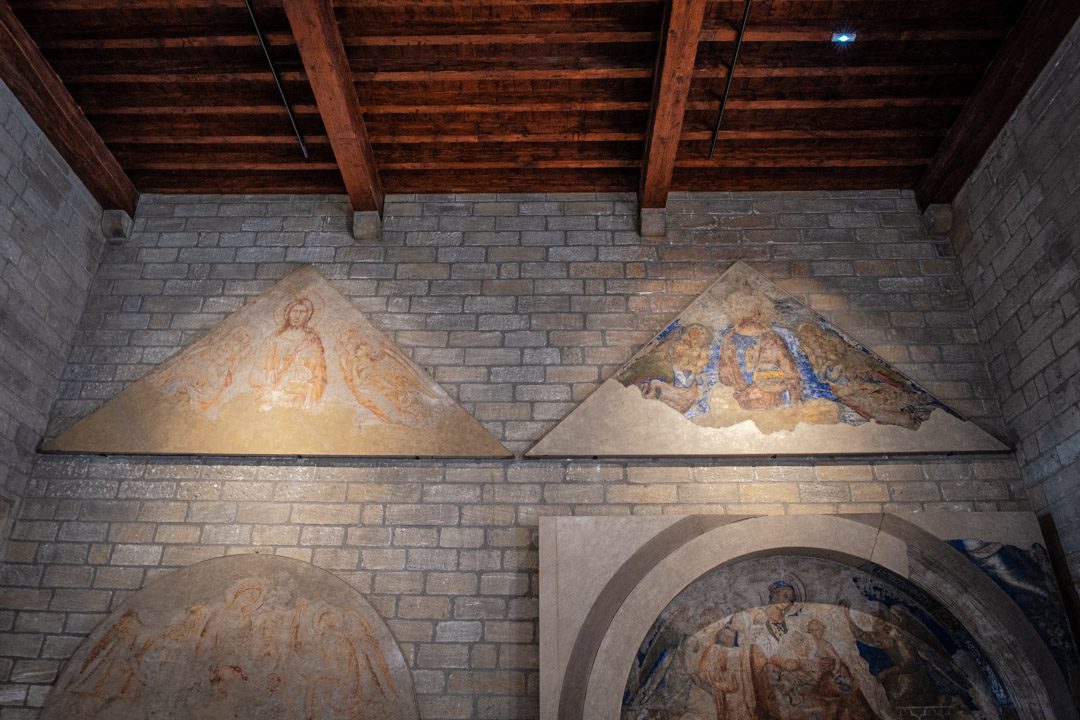
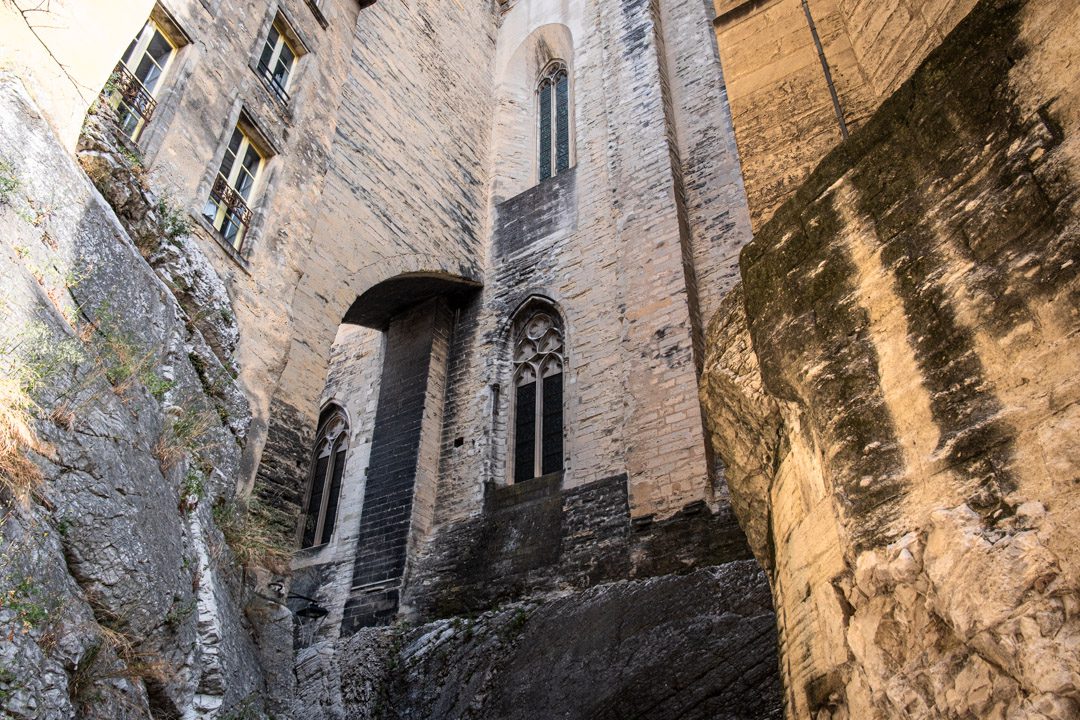
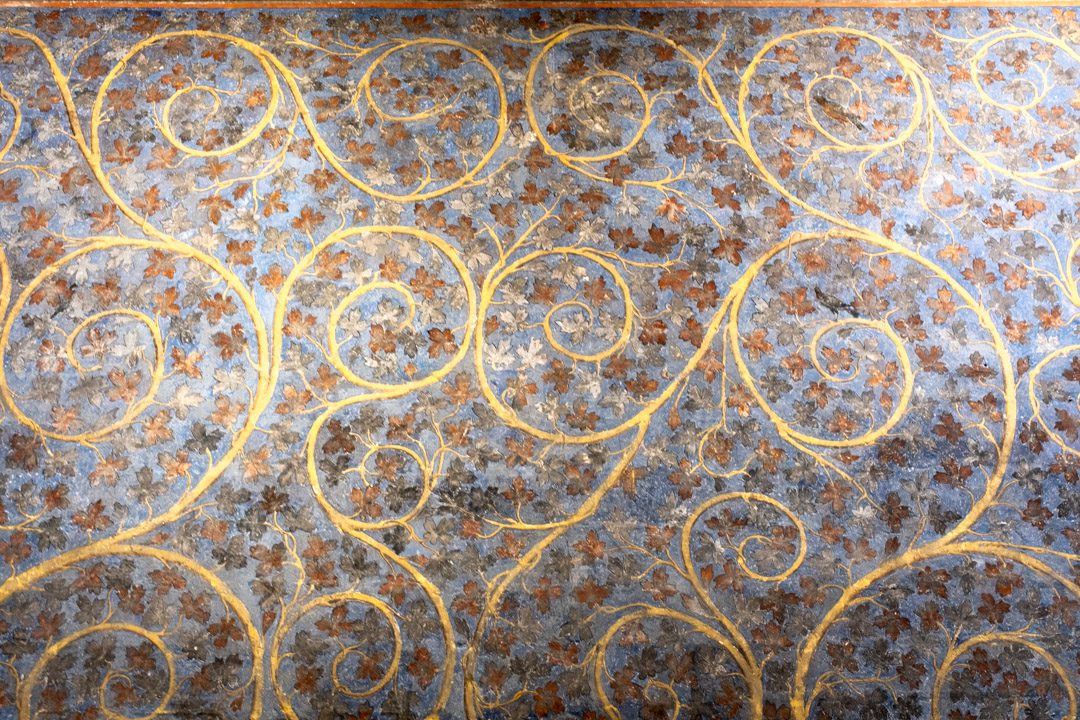
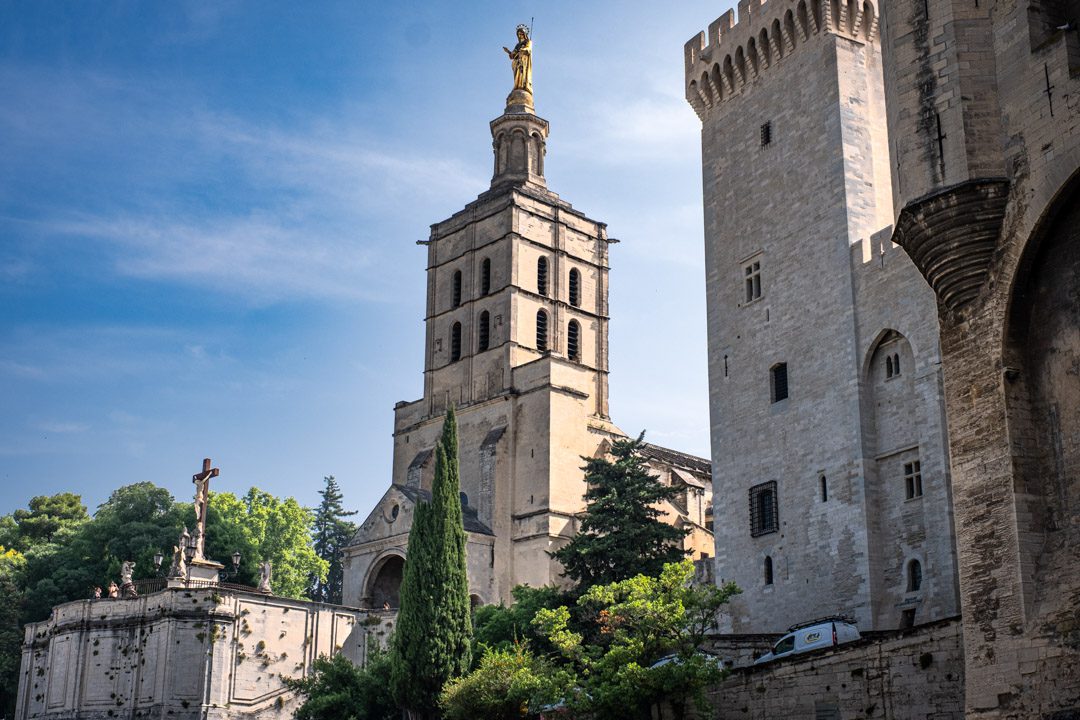
We woke up this morning to find ourselves docked in the beautiful and historic city of Avignon. After breakfast, we set off on a guided walking tour through the cobblestone streets of this fortified medieval city, nestled on the banks of the Rhône River. This is our second visit to the city. Avignon was likely a quieter and more peaceful place before the 14th century, when political instability in Rome made it “inconvenient” for the popes to remain there. When the Frenchman Clement V was elected pope, he relocated the papacy to Avignon, and for nearly 70 years—during what’s now known as the Avignon Papacy—this city became the administrative and spiritual center of the Roman Catholic Church. Though the popes stayed for less than a century, they left an enormous legacy. During their time here, they commissioned grand buildings, solidified Avignon’s importance in Europe, and oversaw the construction of what remains one of the most impressive landmarks in the city: the Palais des Papes. Our tour took us inside this massive Gothic complex, which served both as a palace and a fortress. Walking through its imposing halls and vast chambers, we could imagine the power and influence once wielded within these walls. After the papacy returned to Rome in 1377, rival claimants—known as antipopes—continued to reside in Avignon. The palace gradually fell into neglect and later suffered damage during centuries of revolution and conflict. Fortunately, restoration efforts began in the 20th century, and today the Palais des Papes stands as one of the largest and most significant Gothic structures in all of Europe. Most of the original artifacts were removed to Rome; others were lost or destroyed. The papal palace is so vast that it is the equivalent of four Gothic cathedrals, yet it took only 20 years to build. Around 25 rooms are open to visitors, and their sheer size is impressive. We did not visit Avignon Cathedral, which stands beside the palace, as we had done so previously.
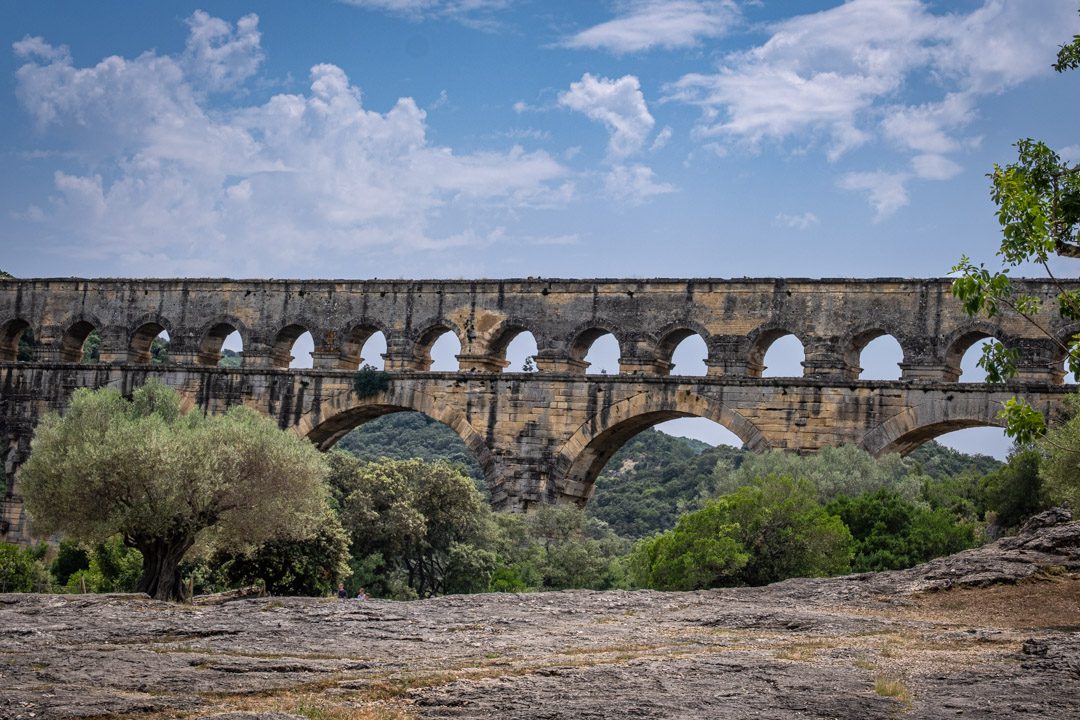
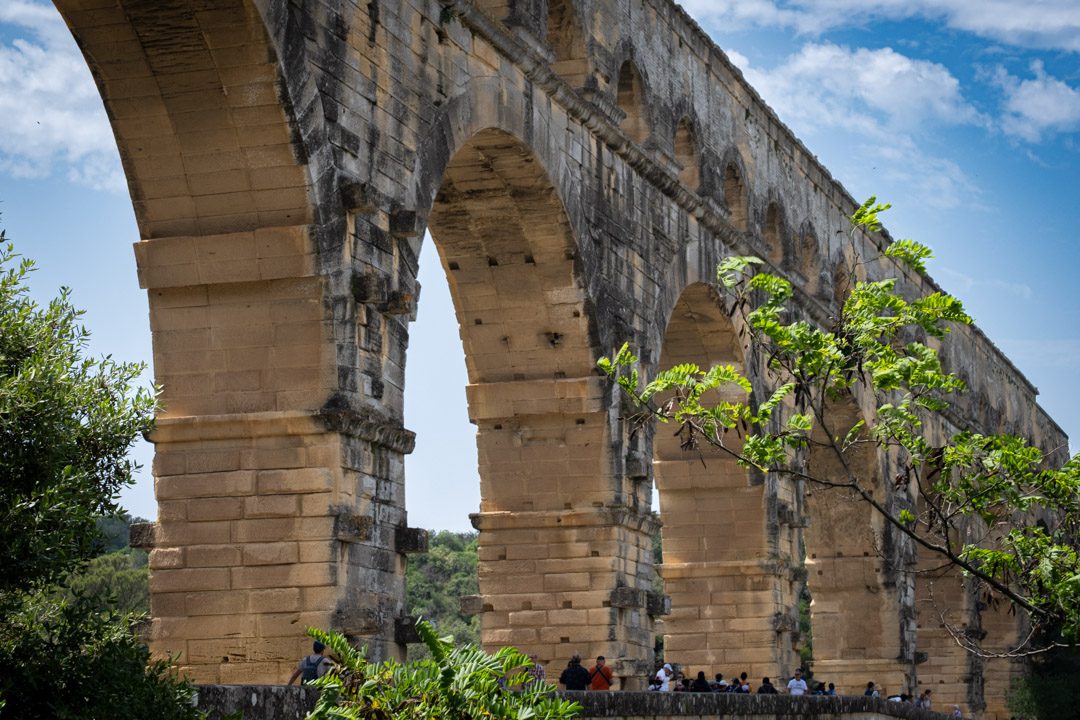
Soon after lunch, while Christabel chose to stay on the ship, Albert joined the optional excursion to the Pont du Gard, an impressive ancient Roman aqueduct that crosses the Gardon River in southern France. It’s part of a 31-mile (50-kilometer) system built in the first century AD to carry water from a spring near Uzès to the Roman city of Nîmes. Although we had both seen it before, visiting the aqueduct again—and exploring the nearby museum—was still a memorable experience.
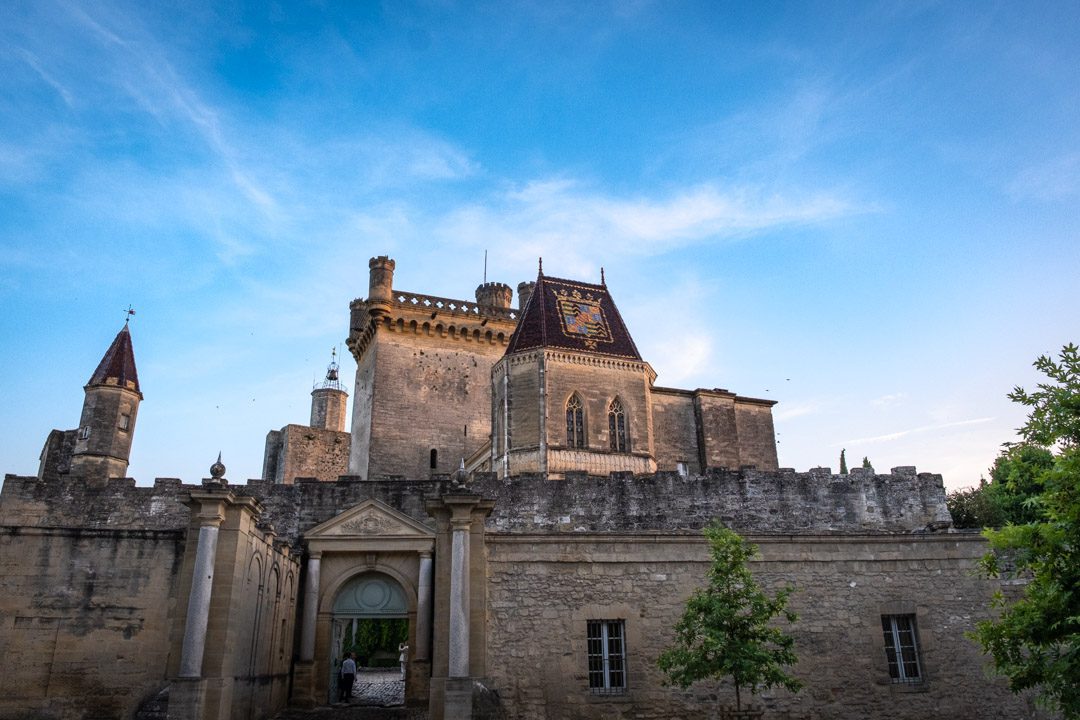
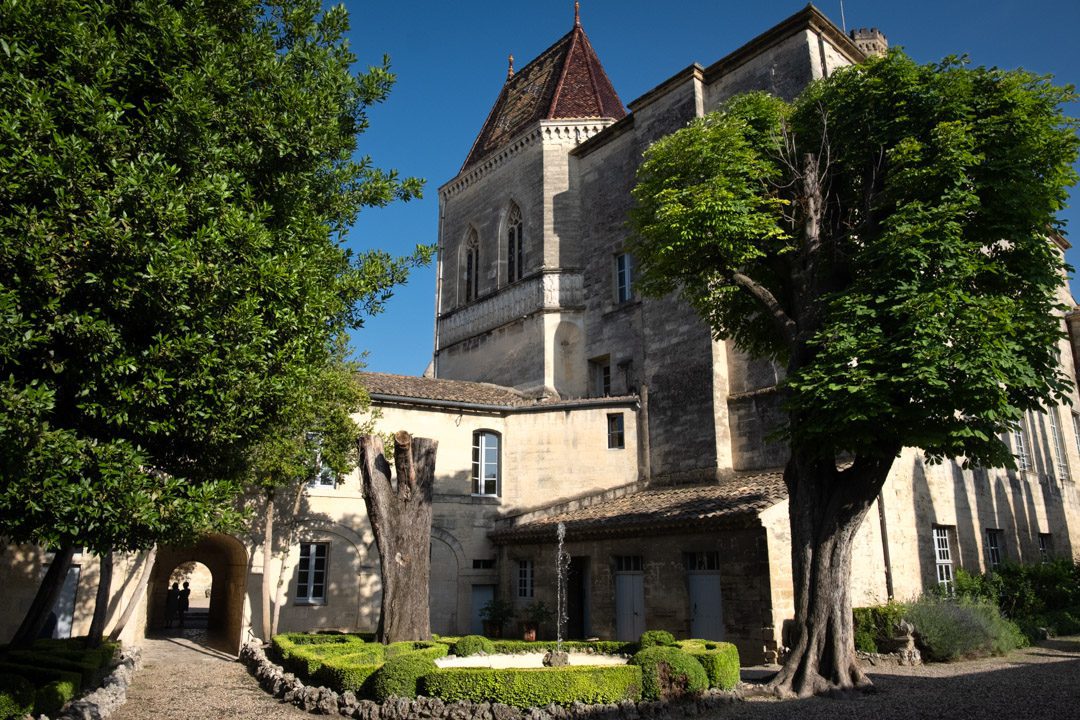
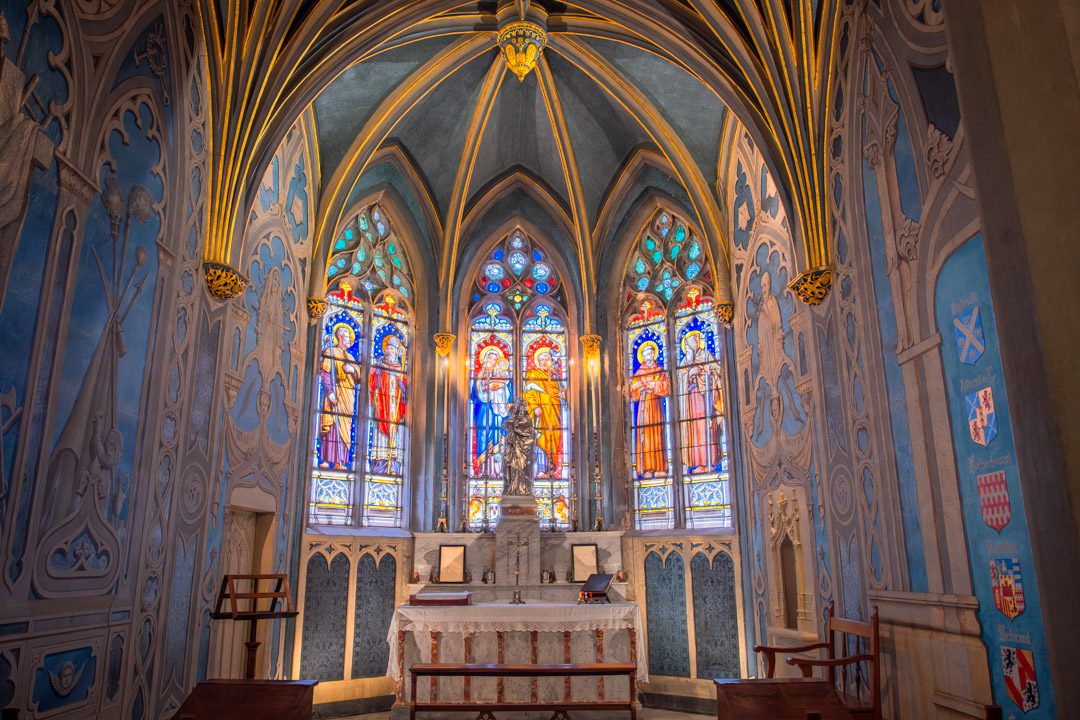
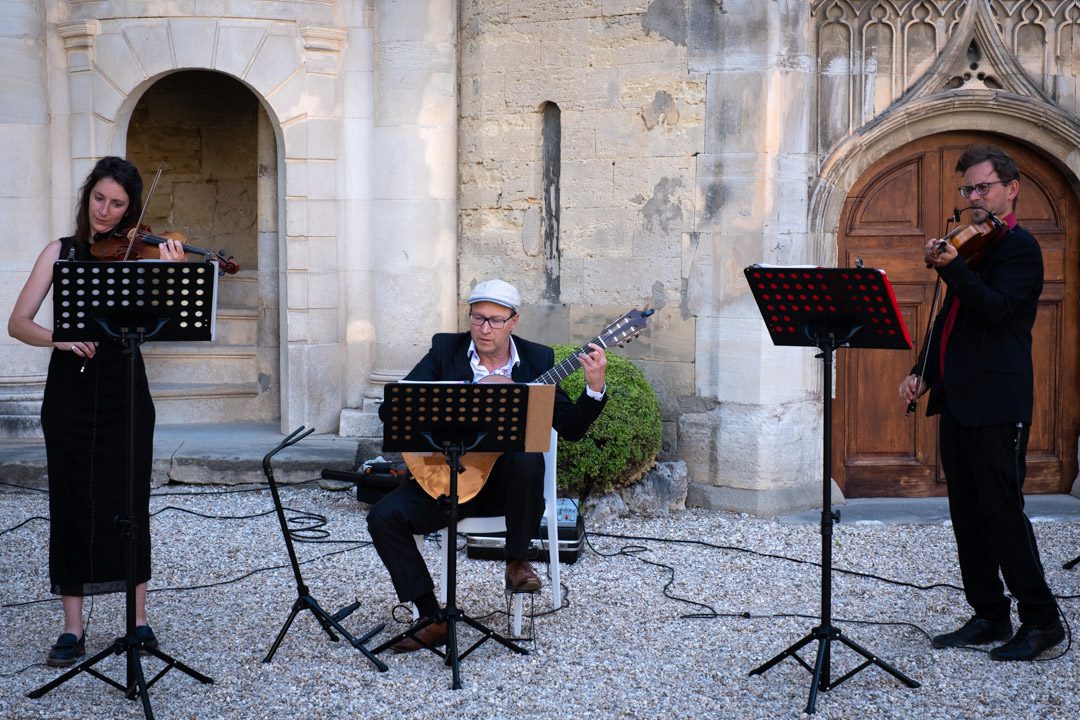
Later in the evening, we traveled about 45 minutes by bus to attend a wonderful reception and dinner, complete with live musical entertainment, at the Château Ducal d’Uzès. This marked our second visit to the château, which holds the distinction of being the seat of the first Duchy of France, established in 1632 under King Louis XIII. Before dinner, we had the opportunity to explore five beautifully preserved rooms—one of which was the family chapel—each offering a glimpse into the rich history and noble heritage of the Duchy.

Van Gogh & Vines – June 13, 2025
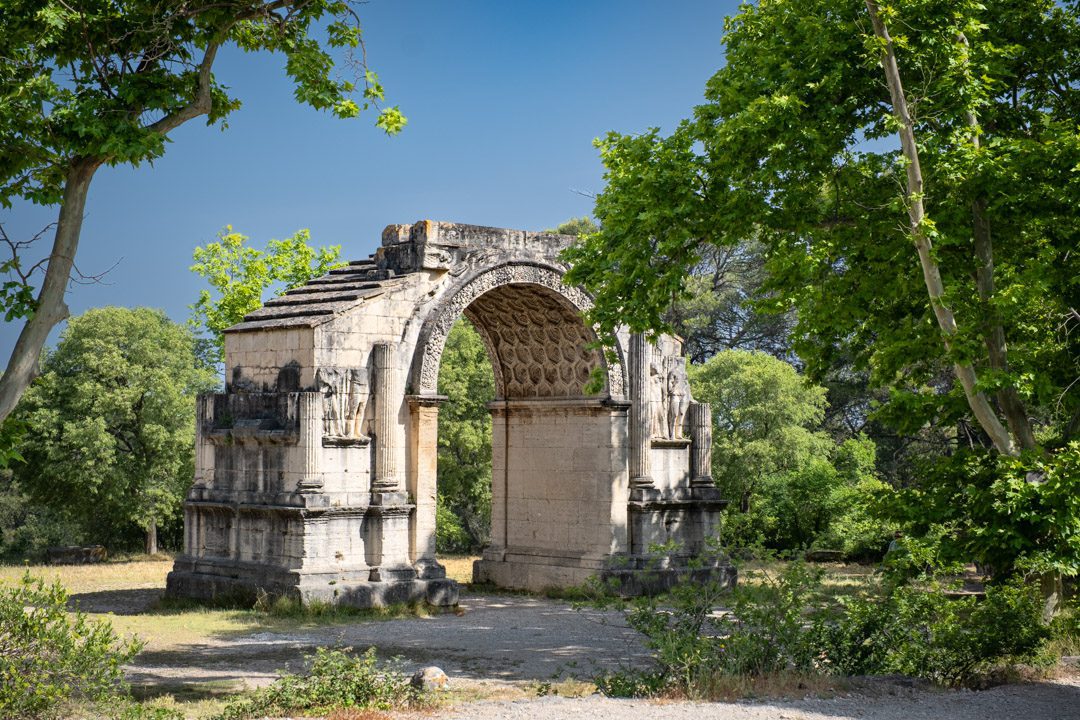
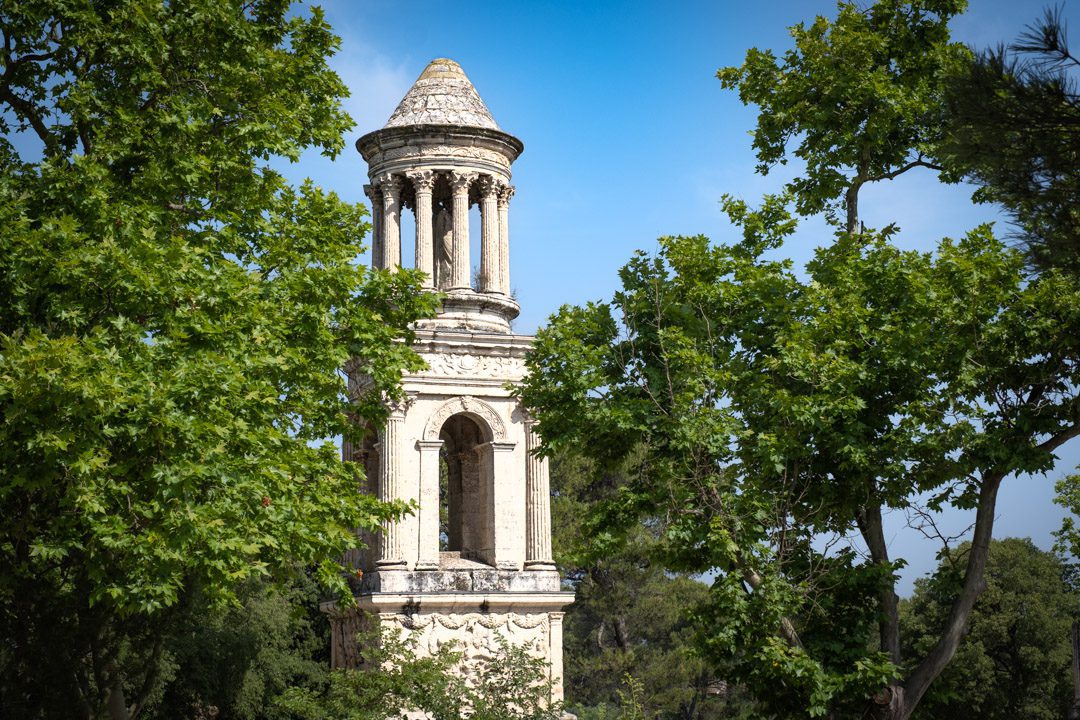
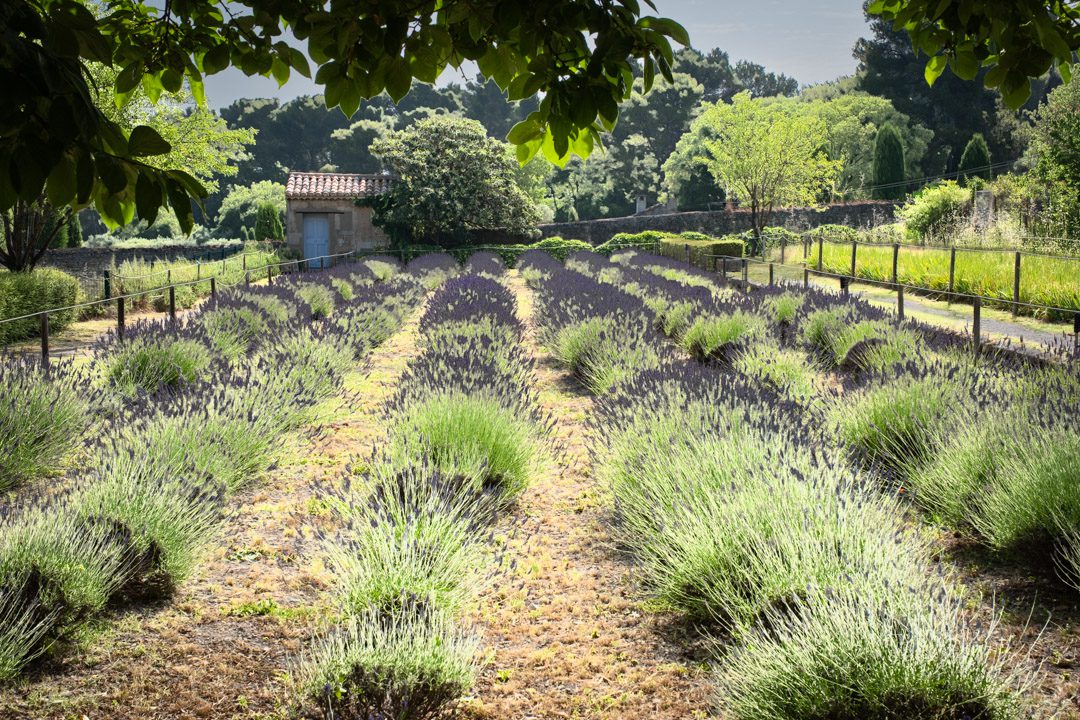
We are still docked in Avignon, and today was filled with enriching experiences. After breakfast, we set off on a scenic one-hour drive to Saint-Rémy-de-Provence, a picturesque town near the Alpilles mountain range. Our first stop was to visit two of the ancient monuments of the city of Glanum: the Mausoleum of the Julii and the Arc de Triomphe. Both structures are remarkably well preserved and are believed to have been built under Augustus around 10 BC.
This area is also famously associated with Vincent van Gogh, who lived and worked here from 1889 to 1890 during his voluntary stay at the Saint-Paul de Mausole asylum—a former 11th-century Romanesque monastery that had been converted into a psychiatric hospital. During his year at Saint-Paul, van Gogh created over 150 paintings, drawing inspiration from the surrounding landscape and the view from his window. It was here that he painted some of his most iconic works, including the celebrated Starry Night. Today, parts of the monastery have been preserved and transformed into a small museum that pays tribute to van Gogh’s time in Saint-Rémy.
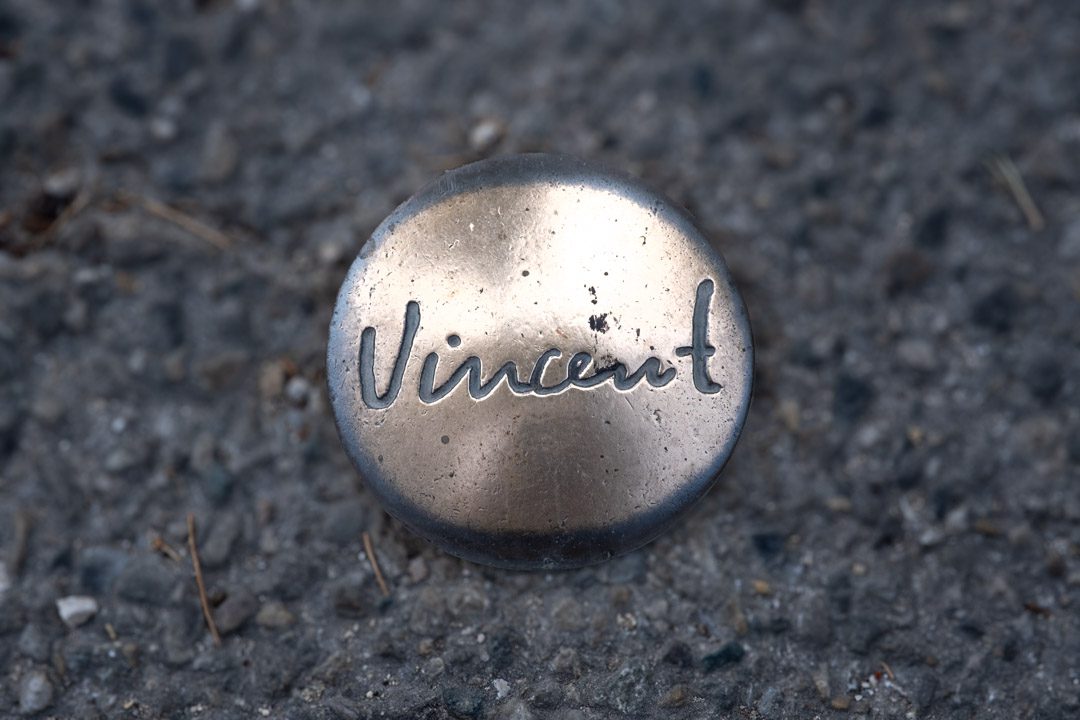
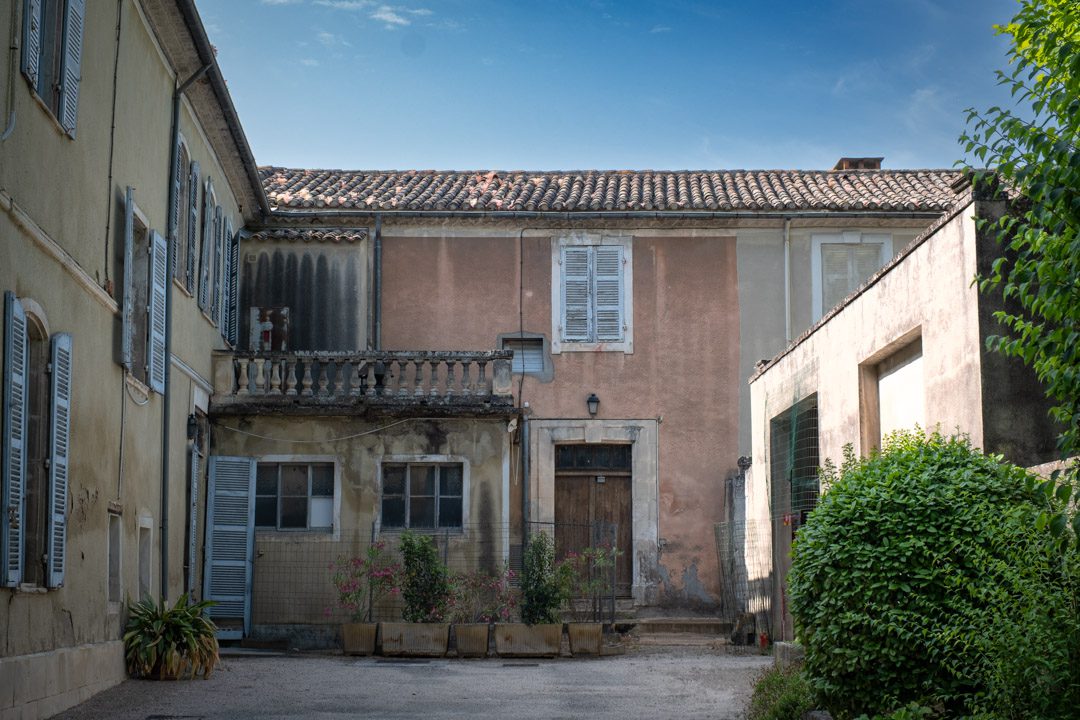
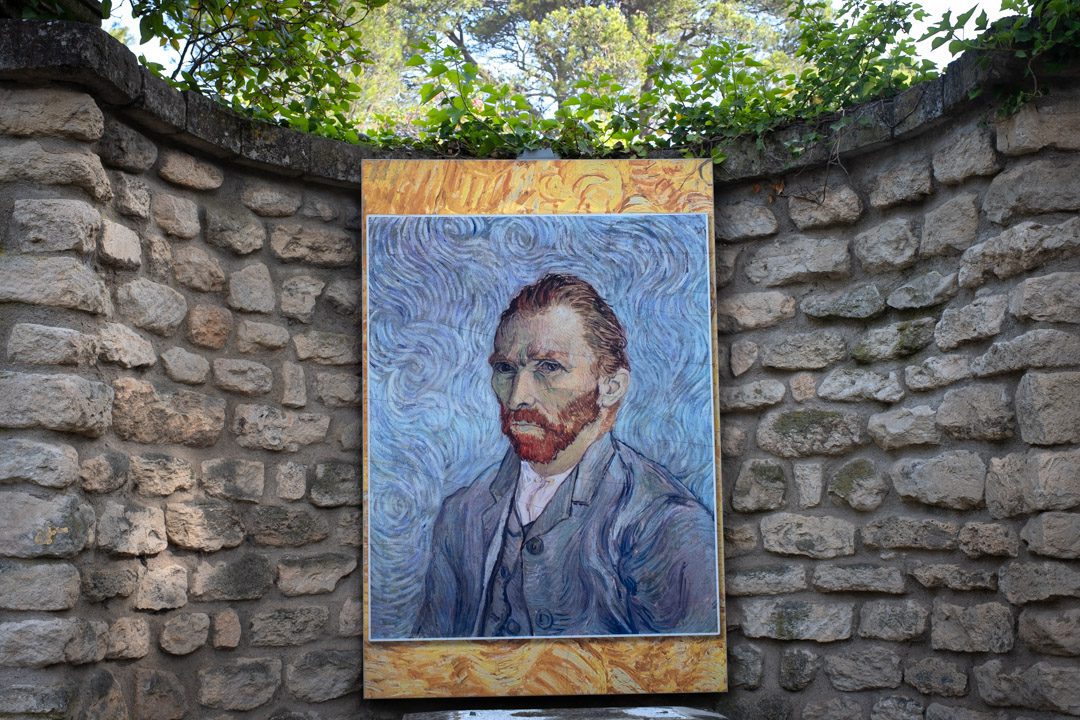
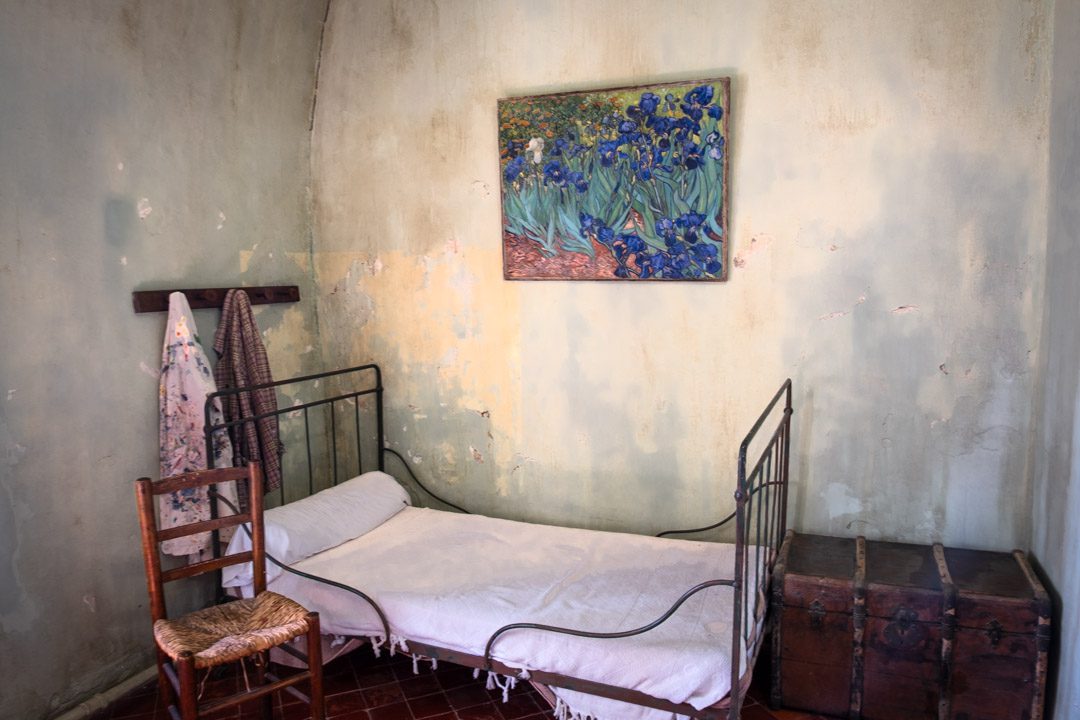

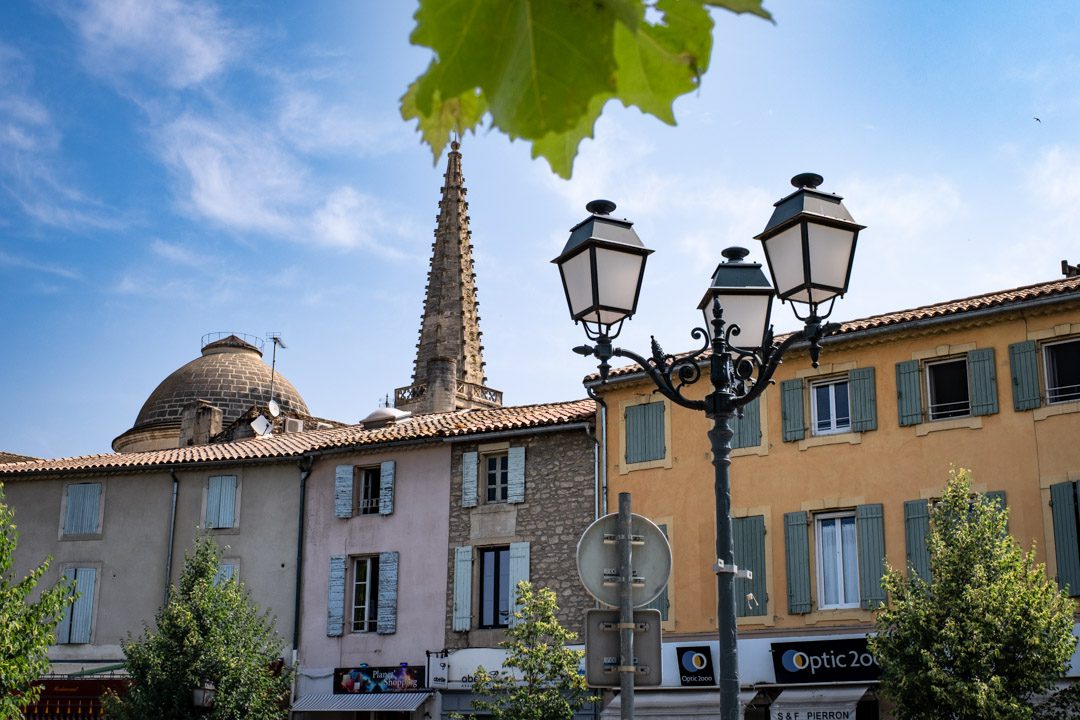
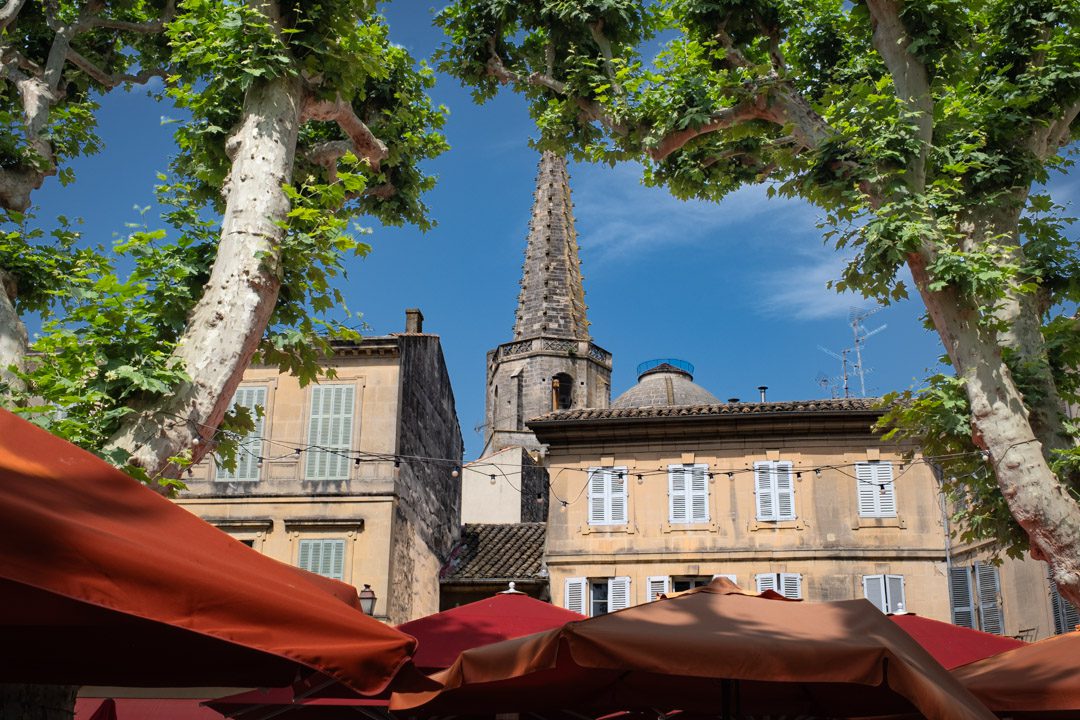
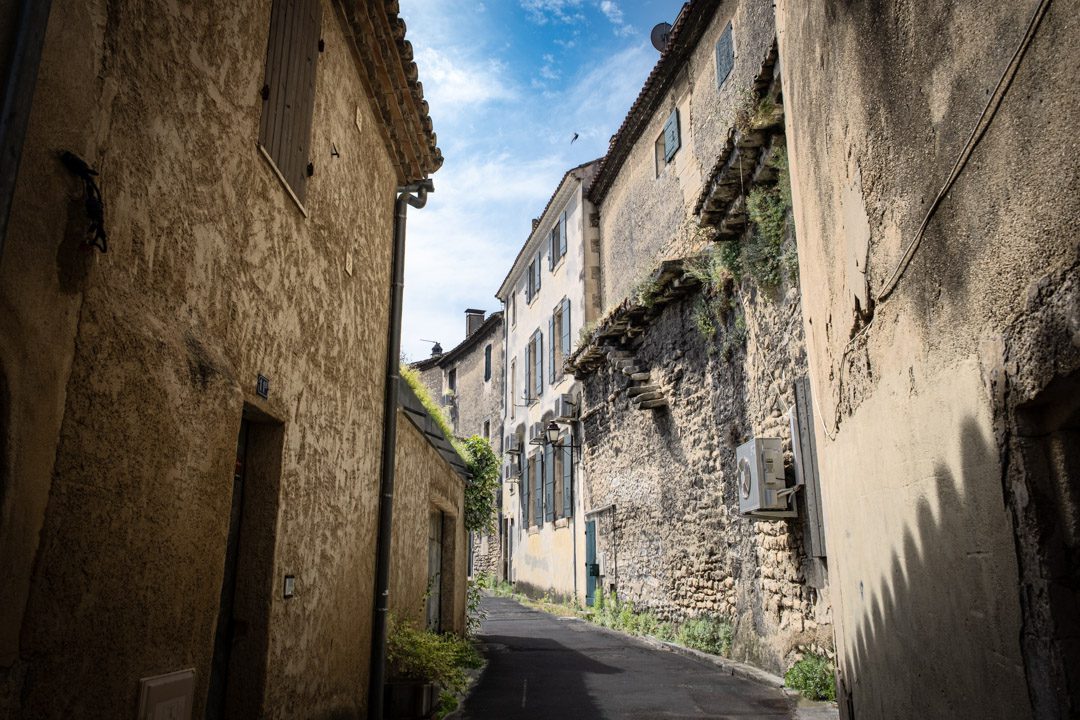
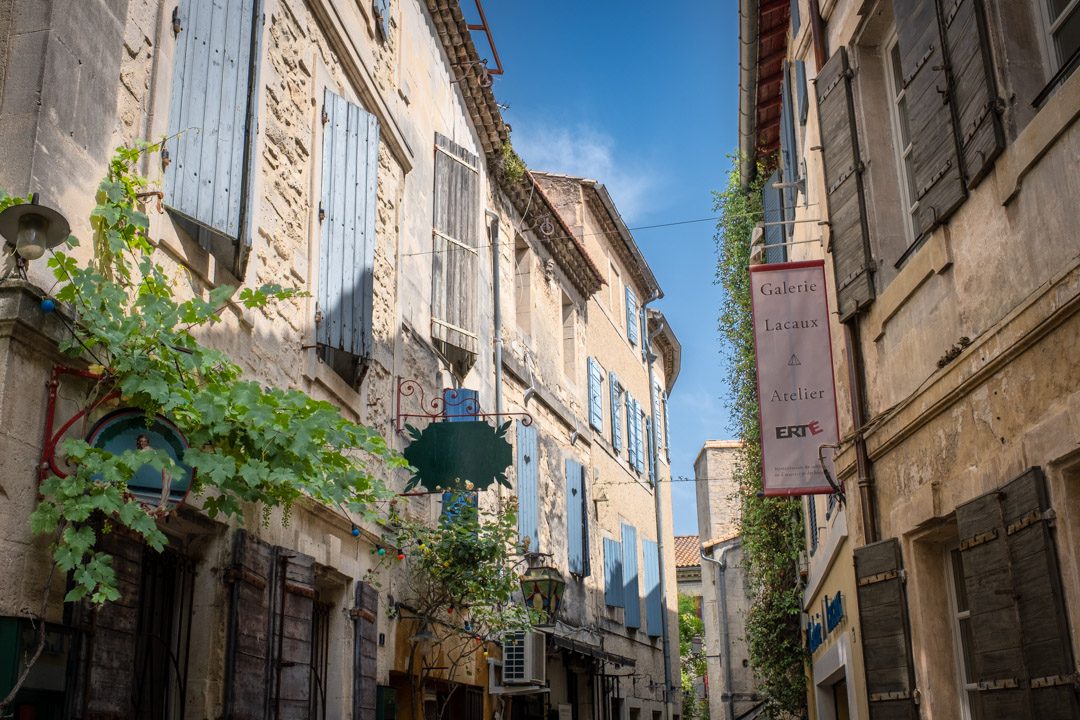
After our tour of the asylum, we went on a guided walk through the charming town of Saint-Rémy-de-Provence. We strolled along its narrow, historic streets lined with churches, old stone buildings (including the house where Nostradamus was born and raised), peaceful fountains, shady squares, and a mix of shops, cafés, and restaurants.
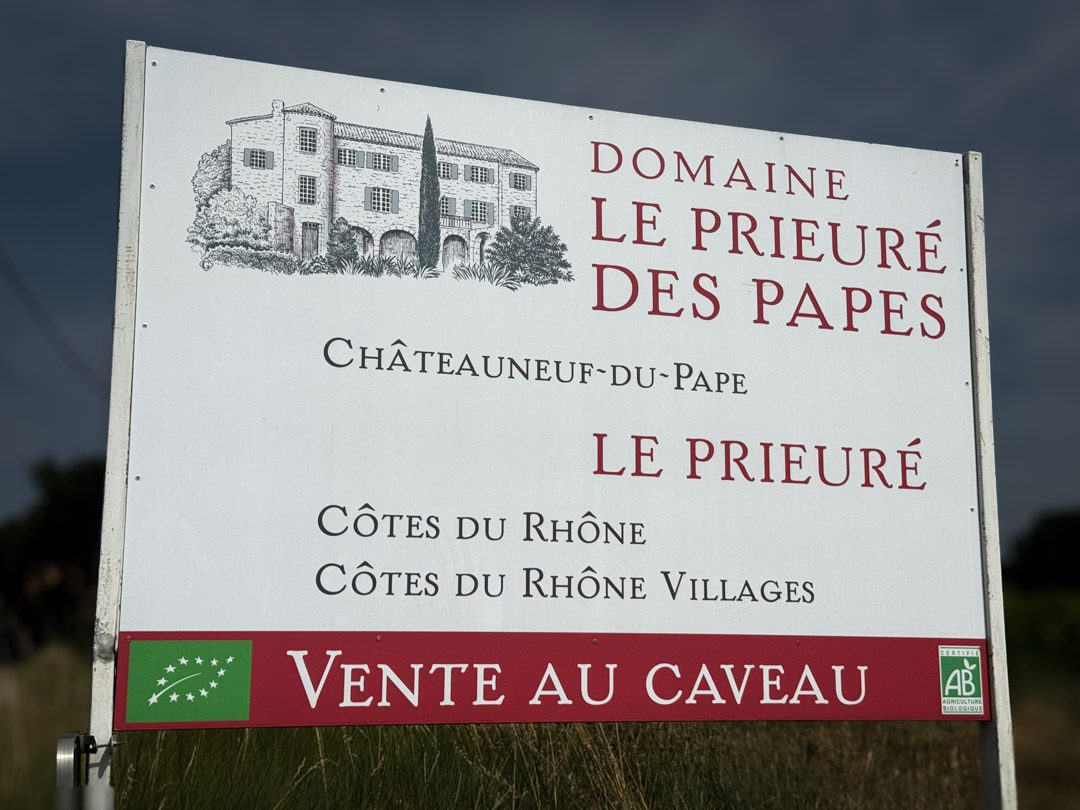
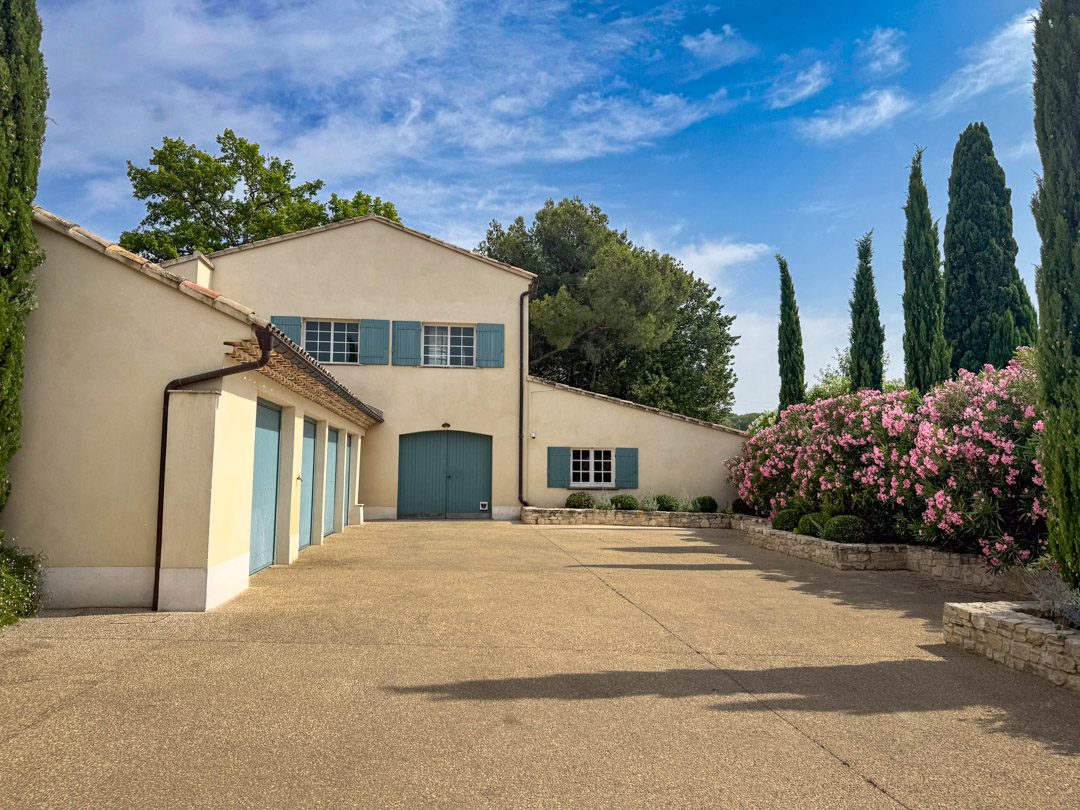
After lunch, Christabel opted for a foot massage while Albert took a 40-minute drive to the renowned wine region of Châteauneuf-du-Pape, famous for its bold red wines. At the local vineyard Domaine Le Prieuré des Papes, a sommelier led the group through a tasting. Unlike Burgundy, which is known for its white wines (especially Chardonnay), this region specializes in robust reds. Albert sampled one white and three red wines, each reflecting the unique character of the area.
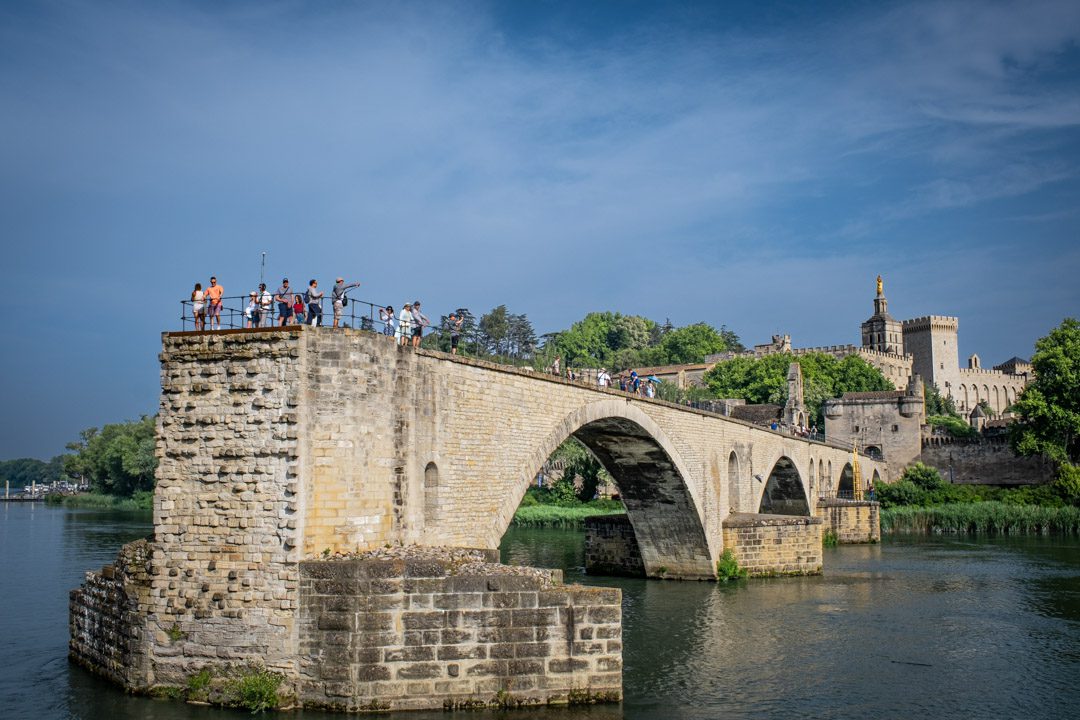
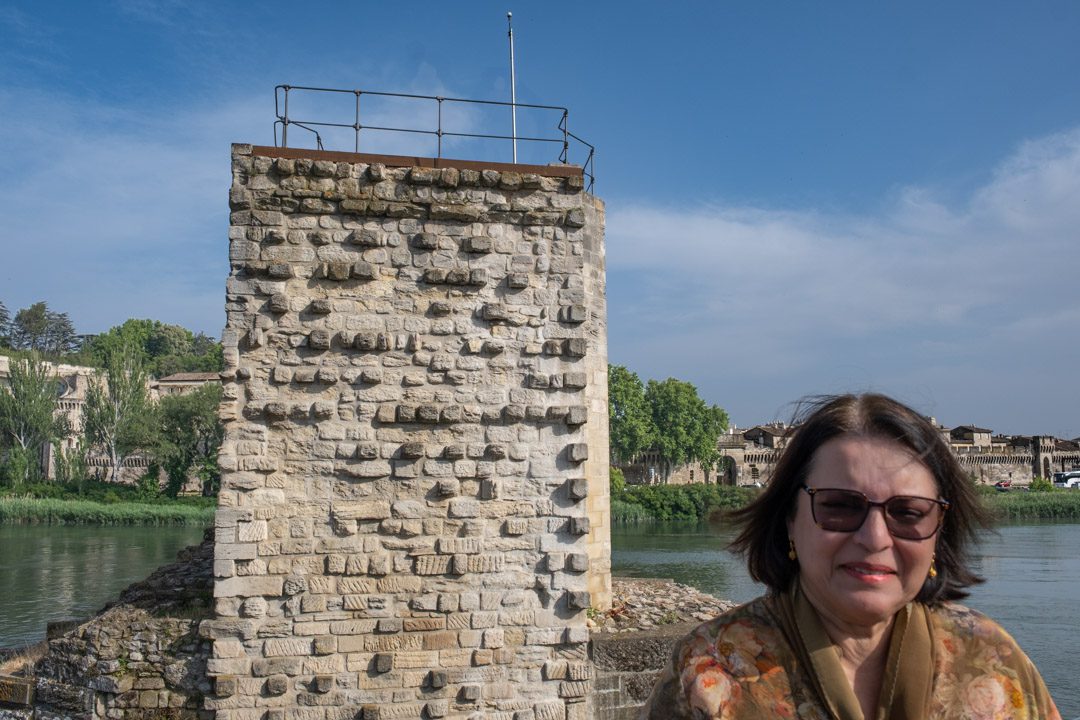
Before we sailed this evening, we said goodbye to the Pont d’Avignon, which once had 22 stone arches but today only four remain, along with the small chapel dedicated to Saint Nicholas, patron saint of Rhône boatmen. The Pont d’Avignon is officially known as Pont Saint-Bénézet. Bénézet was an uneducated shepherd who, according to legend, was instructed by an angel to build a bridge across the Rhône. The bishop, hoping to dismiss him, asked Bénézet to prove that he was sent by God. Bénézet demonstrated this by lifting a boulder that would have been too heavy for several men and throwing it into the river. This convinced the bishop, who agreed to fund the project. Bénézet did not live to see the bridge’s completion; he was buried in the chapel on the bridge for several centuries until a major flood destroyed part of the bridge. His remains were then moved to a local church.
Arles: Roman Ruins, Van Gogh, and Camargue Adventure – June 14, 2025
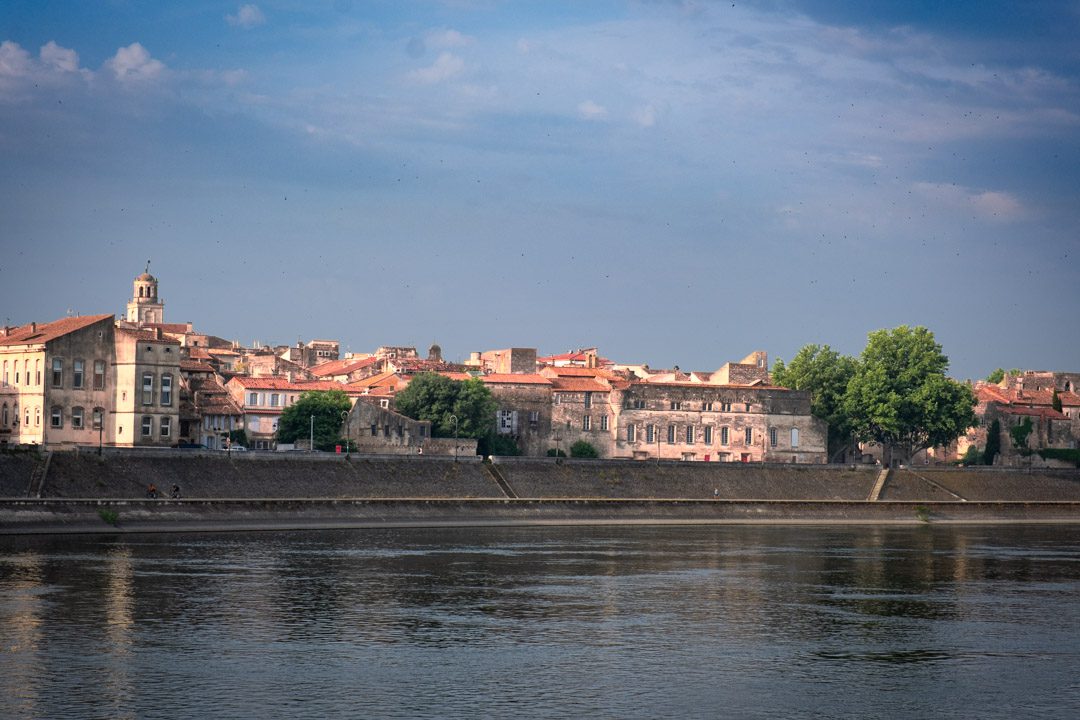
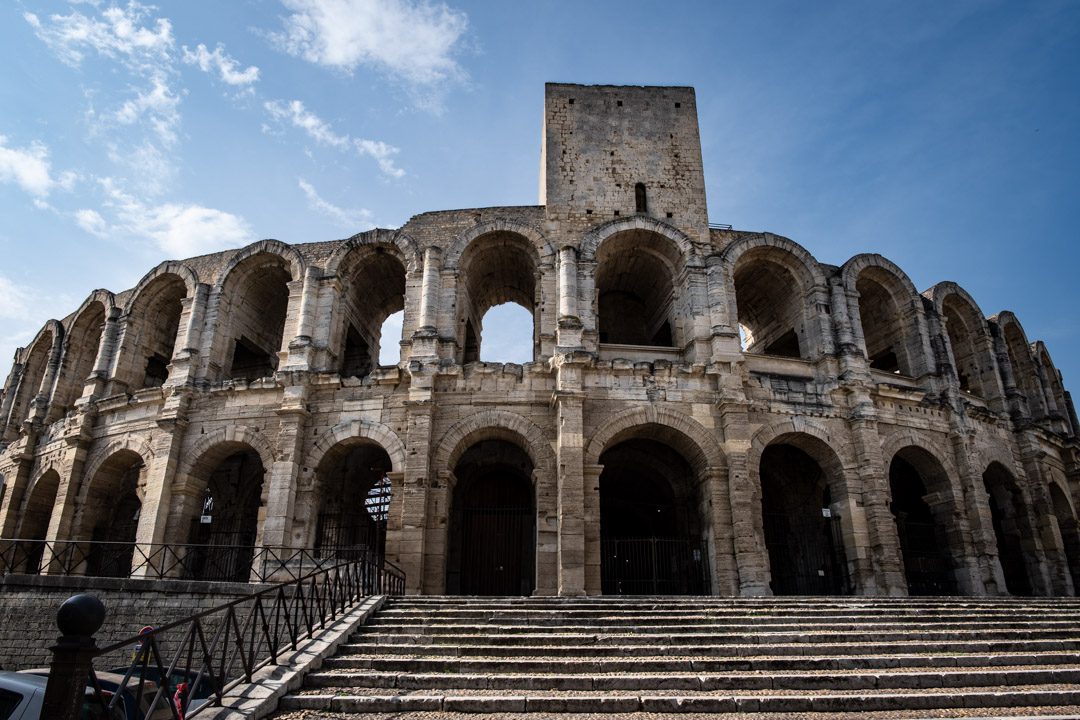
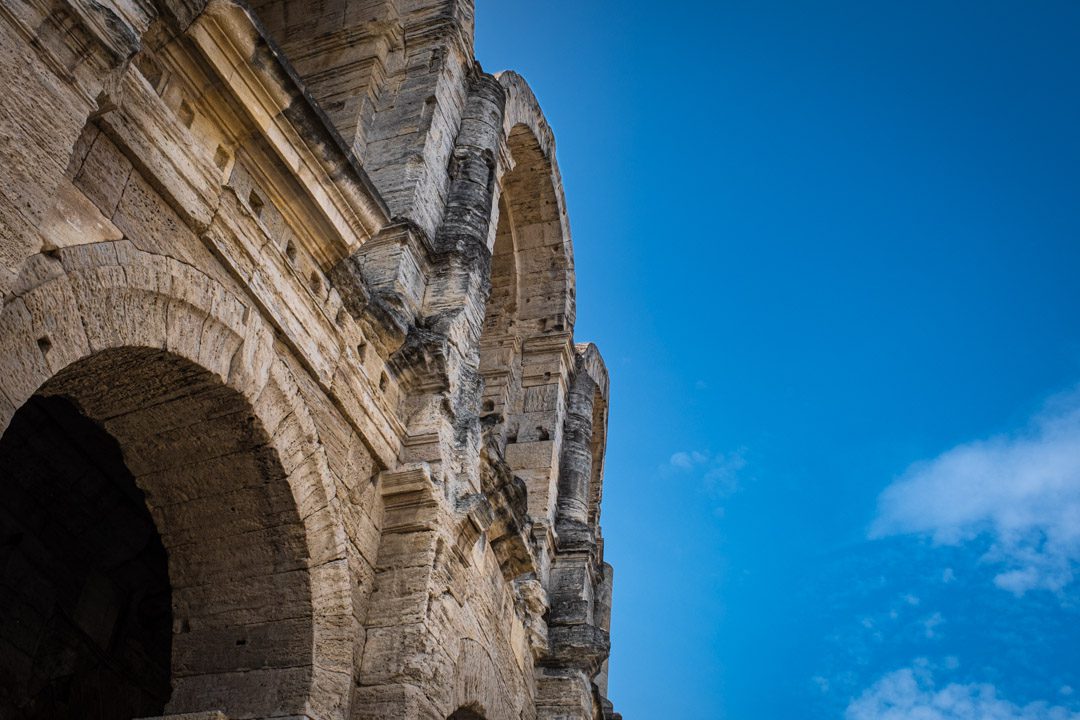
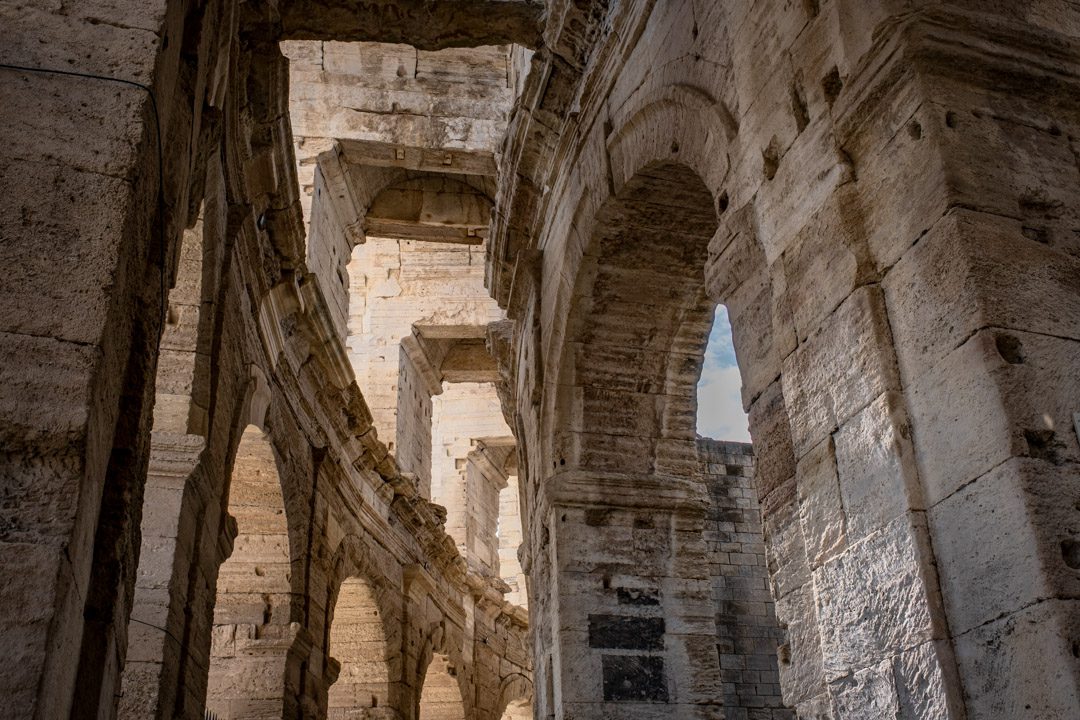
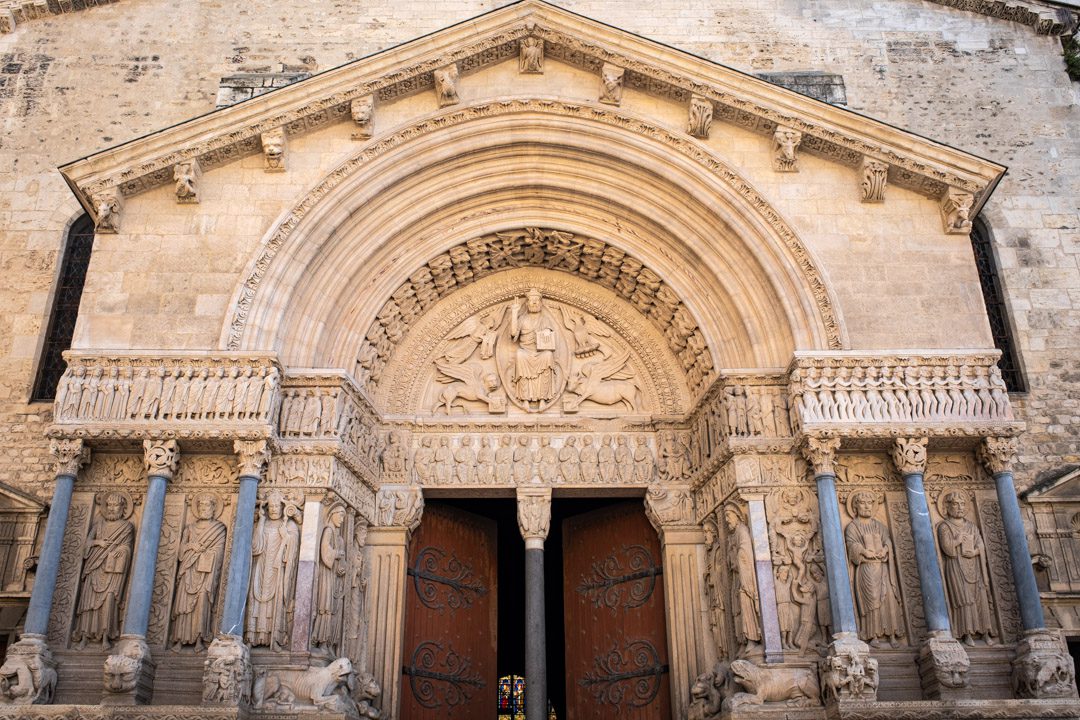
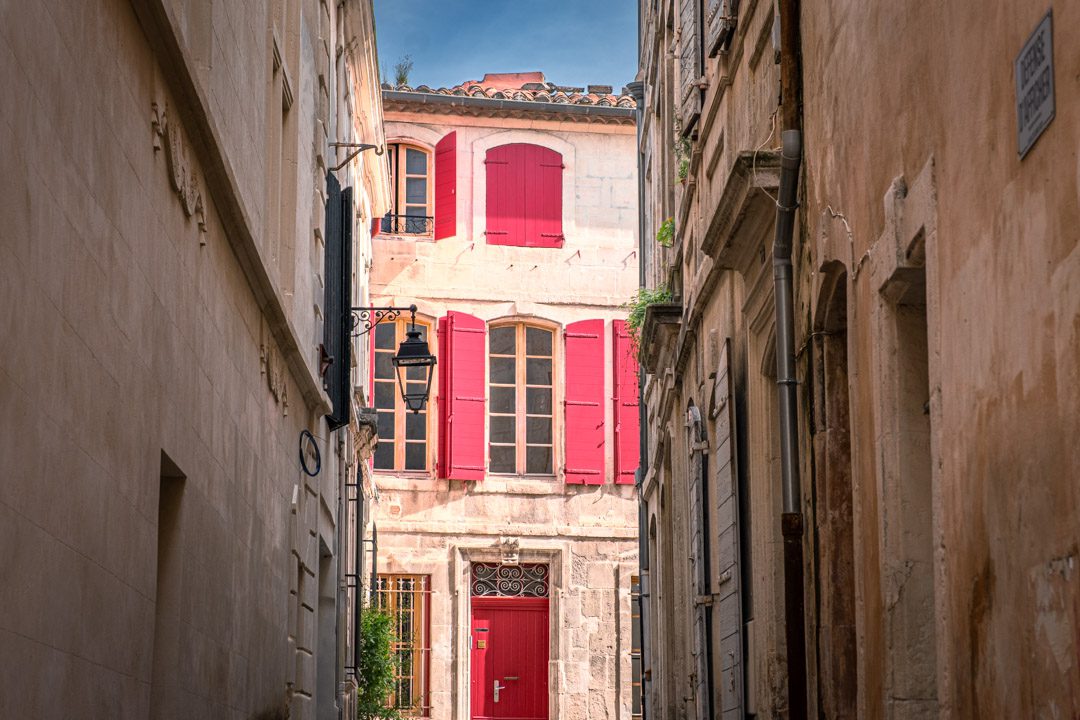
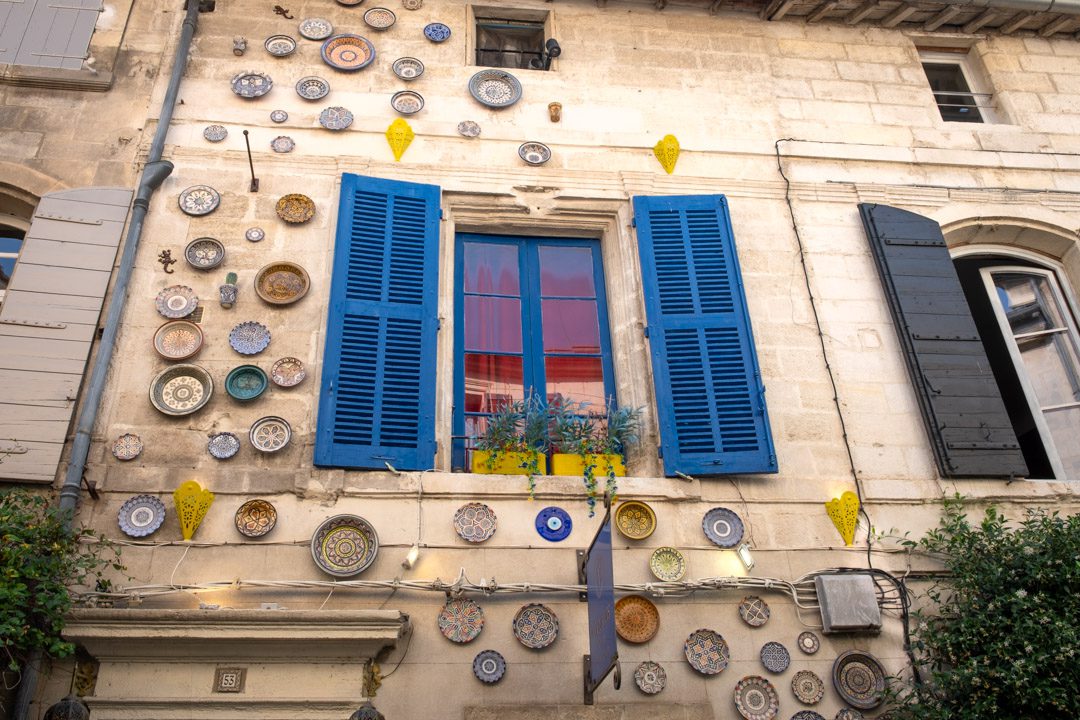
After breakfast, we set out on a guided walking tour of Arles, a charming Provençal city with a rich history. In ancient times, the Romans left their mark all along the Rhône River, and Arles is no exception. The city is home to an impressive collection of Roman ruins that speak to its former importance as a regional capital of the Roman Empire. As we strolled through Arles’ narrow streets and lively squares, we saw many of these ancient structures firsthand. Highlights include a grand triumphal arch, the remains of a Roman circus, a thermal bath complex, a classical theatre, and most striking of all, the remarkably well-preserved Arles Amphitheatre. This two-tiered, three-towered 2000-year-old arena—still in use today for public events—once hosted gladiator games and could seat over 20,000 spectators.
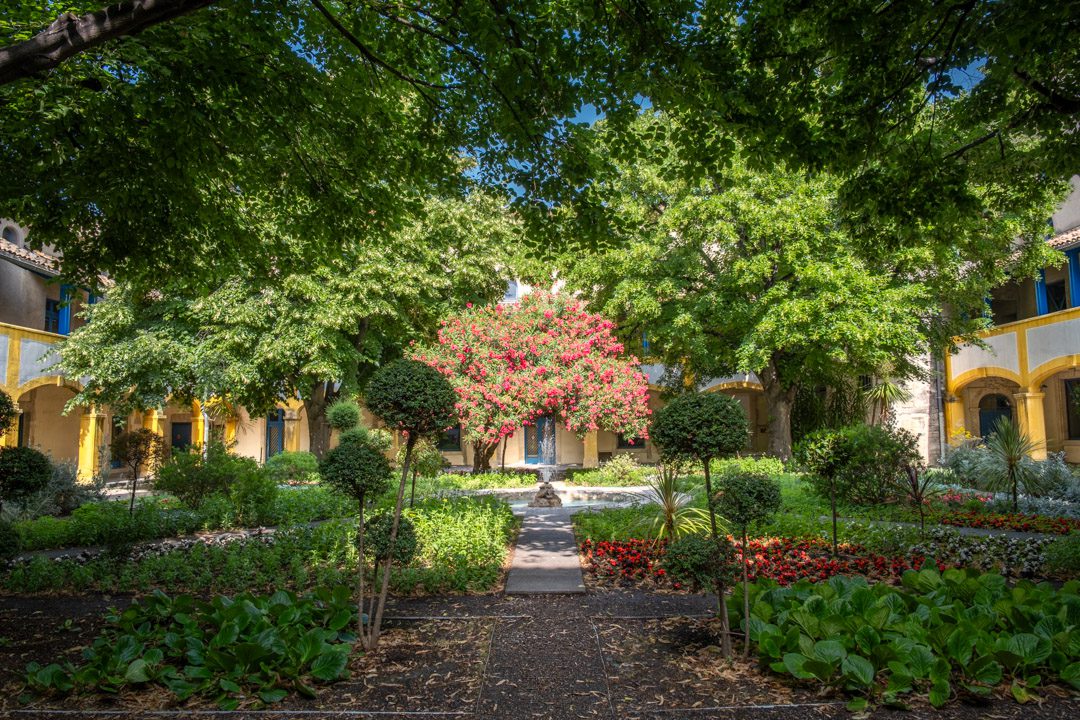
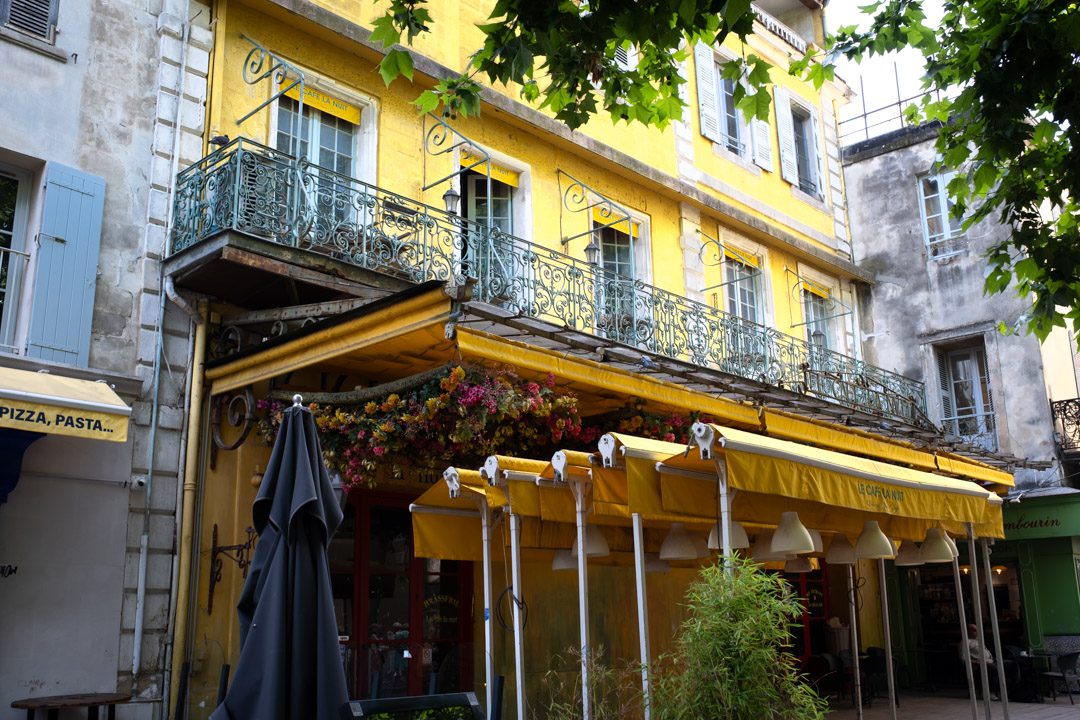
Beyond its impressive Roman heritage, Arles is also famous for the extraordinary quality of its light—a feature that has drawn many artists over the years, most notably Vincent van Gogh. During our walk, our local guide pointed out several locations that inspired van Gogh’s paintings, including scenes he captured during his time in Arles. Van Gogh lived in Arles from 1888 to 1889, one of the most productive periods of his life. In just over a year, he created more than 300 works, including some of his most iconic pieces like The Yellow House, Café Terrace at Night, and Starry Night Over the Rhône. We also visited the site of the former hospital where van Gogh was admitted after his well-known mental health crisis. The courtyard, now beautifully restored, still resembles the peaceful garden he painted during his stay, offering a moving glimpse into the artist’s troubled yet intensely creative time in Arles.
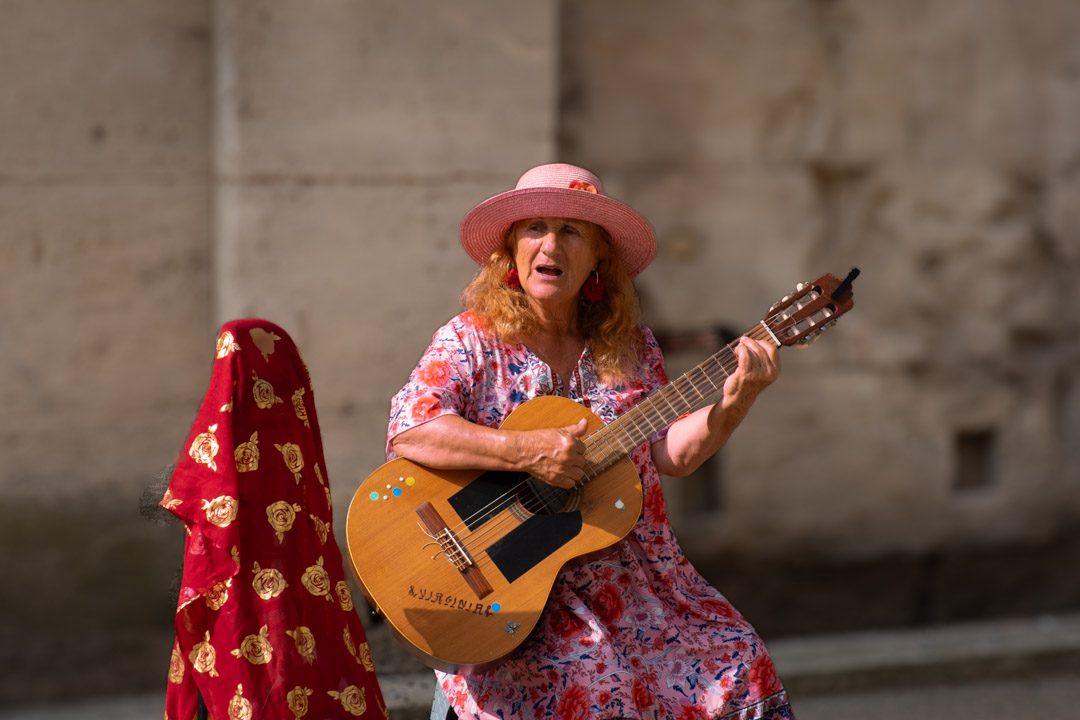
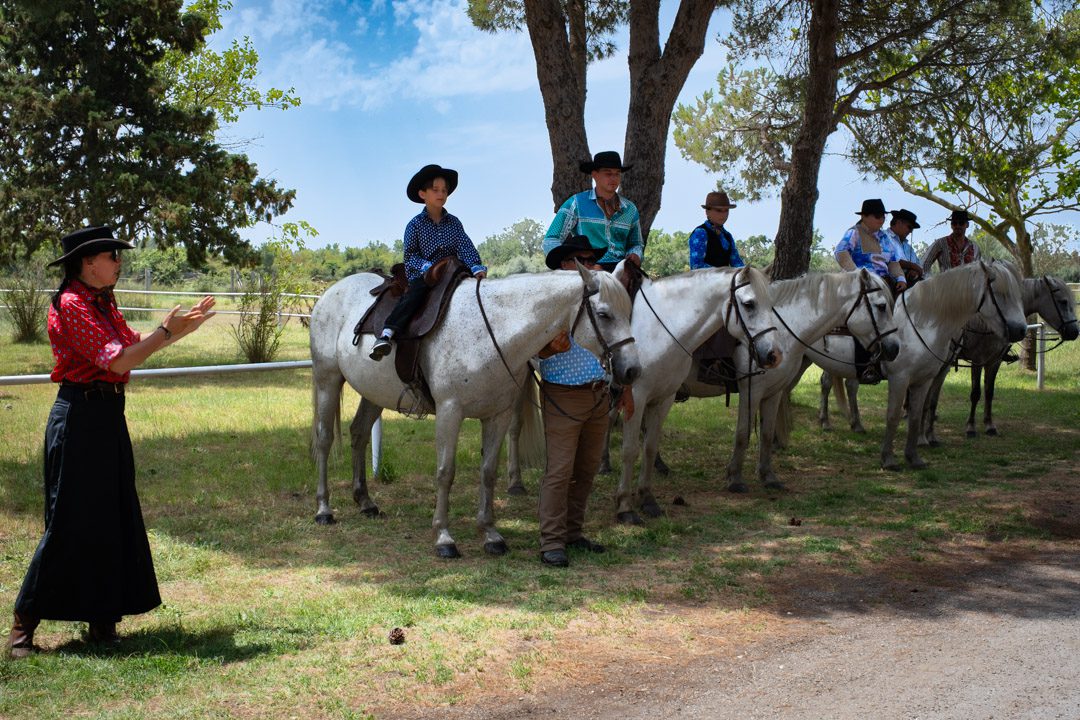
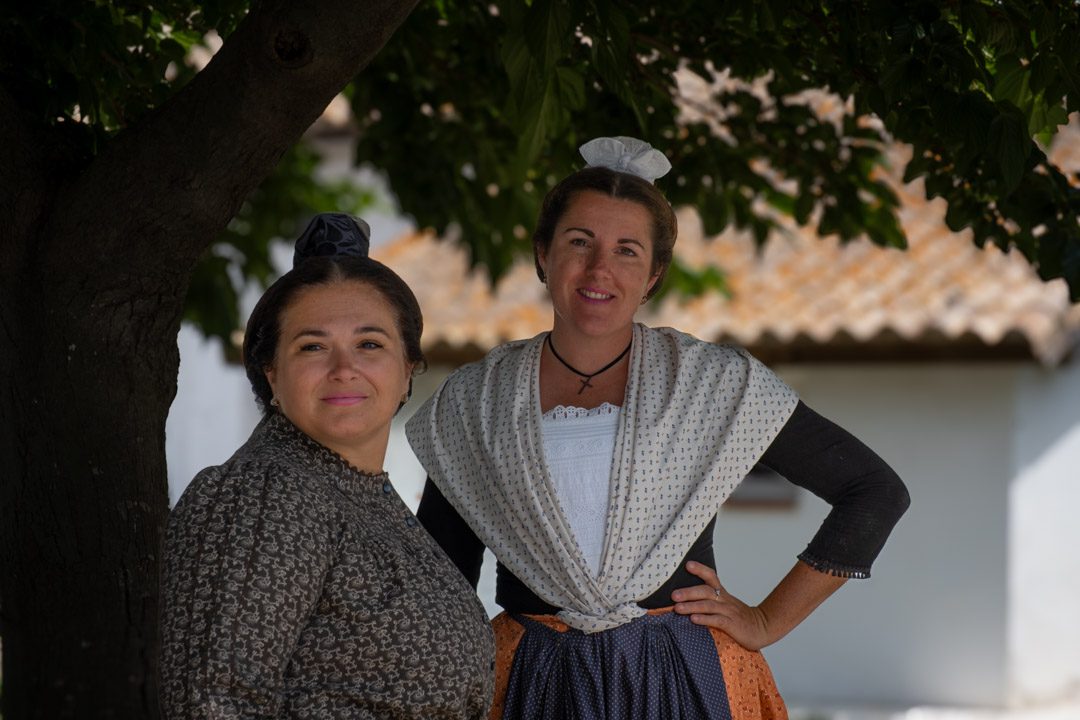
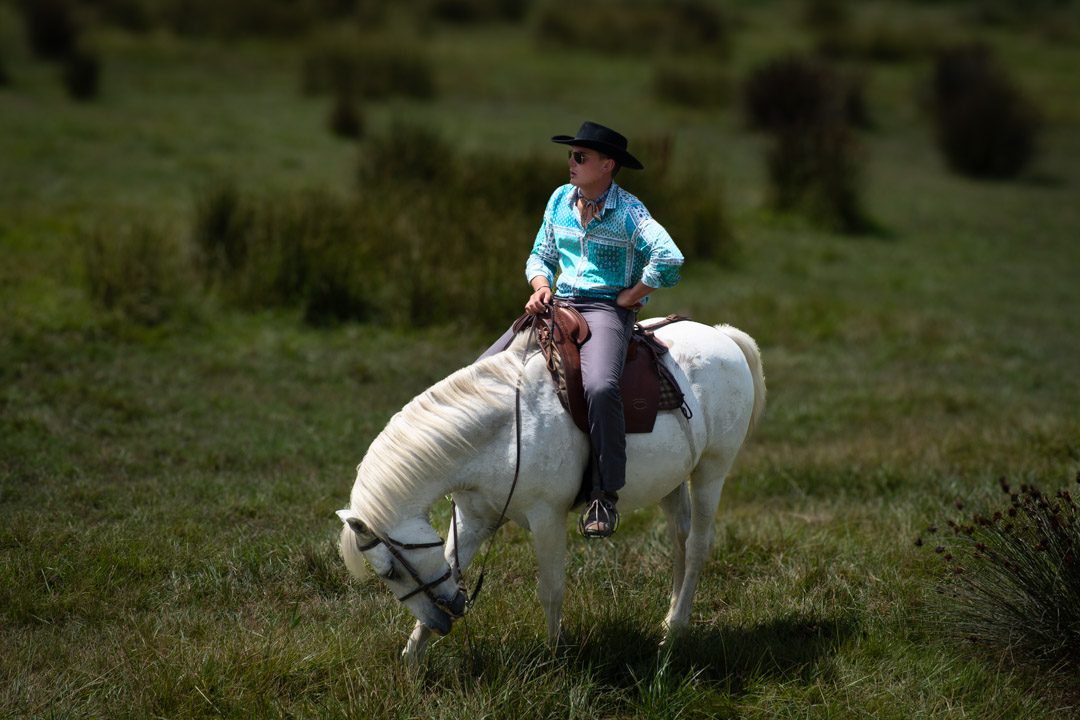
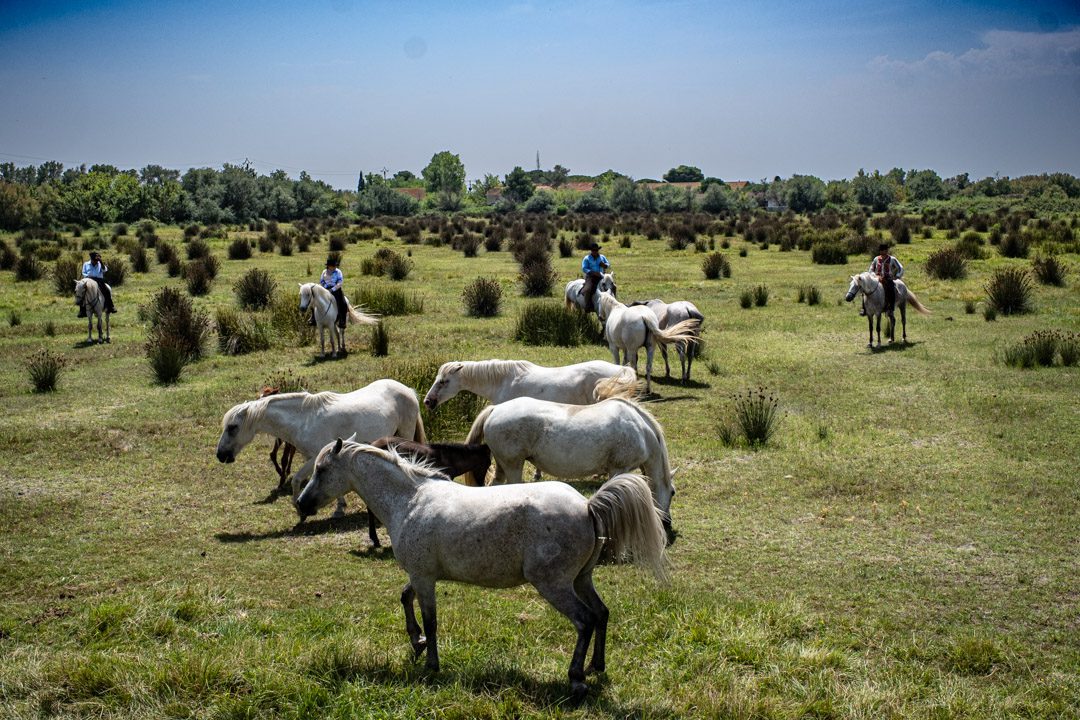
Next, we traveled by coach for an excursion to the Camargue region, a unique and striking landscape located in the Rhône River delta in southern France. Known as the largest and flattest plain in western Europe, the Camargue is a vast expanse of wetlands, salt flats, and fields that make it ideal for agriculture—especially the cultivation of rice, which has been grown here for centuries. Our visit took us to a traditional working manade—a type of ranch unique to the Camargue—where we were warmly welcomed by the Laurent family, our gracious hosts. There, we enjoyed a delicious Provençal-style lunch featuring local ingredients and regional specialties, all served in a relaxed, rustic setting with Gypsy Kings-style singing performed by some of the staff. (The Gipsy Kings live in Arles and are French-born, but their heritage is Catalan.) The dining room was decorated with memorabilia of their prizewinning fighting bulls, including mounted heads of deceased bulls, saddles, photographs, and more. All the staff were dressed in traditional costume. Frédéric Mistral, the French Nobel laureate, led a revival of the local Provençal language (Occitan) and literature. He was also instrumental in preserving the traditional clothing of the region. On the 100th anniversary of his birth, a festival was established to elect the Queen of Arles and her maids of honor. This festival is held every three years. To qualify, contestants must be between 18 and 24 years old; both parents must have been born in the area; they must demonstrate knowledge of Provençal history, literature, architecture, and art; speak the language; ride a horse sidesaddle; and look beautiful in arlésienne costume. The selection process is rigorous, requiring the candidates to take written and oral tests and undergo interviews over a two-day period. Two of the young women who served us at lunch were maids of honor. After lunch, we set off on a wagon ride across the property to see the animals that make the Camargue so distinctive. We encountered the famous Camargue black, long-horned bulls, known for their agility and spirited nature, traditionally raised for local bull games and festivals. We also saw the iconic Camargue horses—small, sturdy, and almost always white—one of the oldest horse breeds in the world. Bull games are extremely popular here. The goal of the game is for the raseteur (the daring participant, not a matador in the Spanish sense) to pluck a ribbon or rosette from between the bull’s horns. This is extremely dangerous for the men, who often end up leaping into the bleachers with the bull in hot pursuit. Unlike Spanish-style bullfighting, the bulls here are not killed. In fact, they are the stars of the show and can have careers lasting a decade or more, growing more powerful with each passing year. We rode in a wagon and watched the gardians (the Camargue cowboys and cowgirls) herding the bulls with the help of their horses. It was fascinating to see how completely docile the bulls were with the horses and the gardians, while in the arena they are so fierce with the raseteurs.


From Provence to the Riviera – June 15, 2025
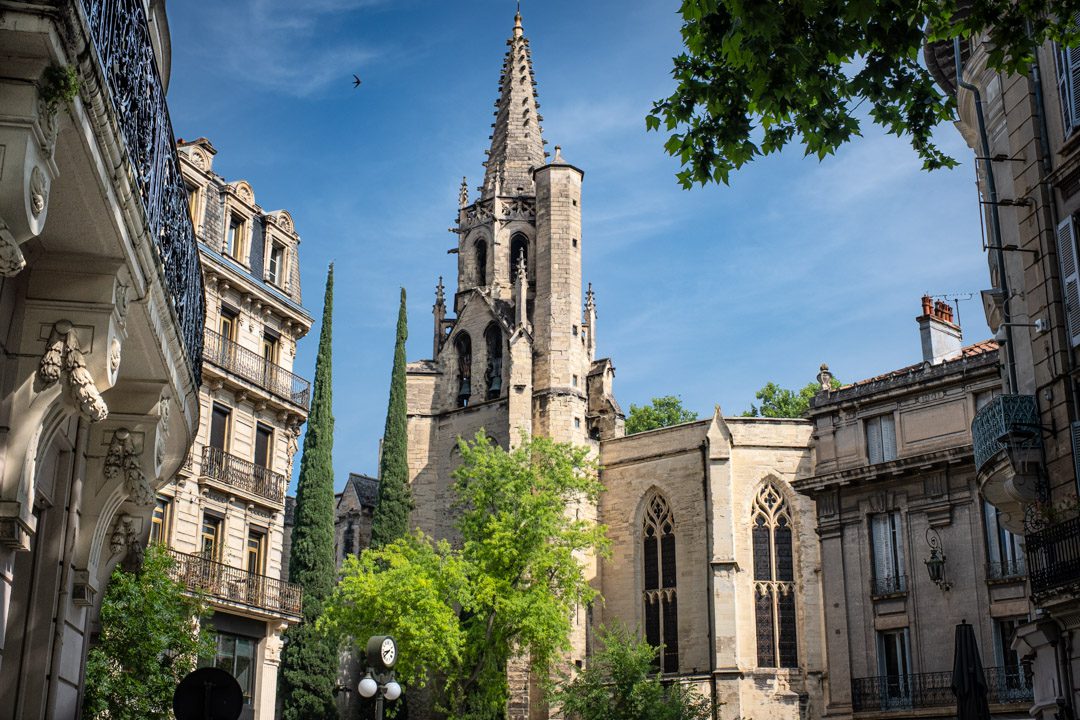
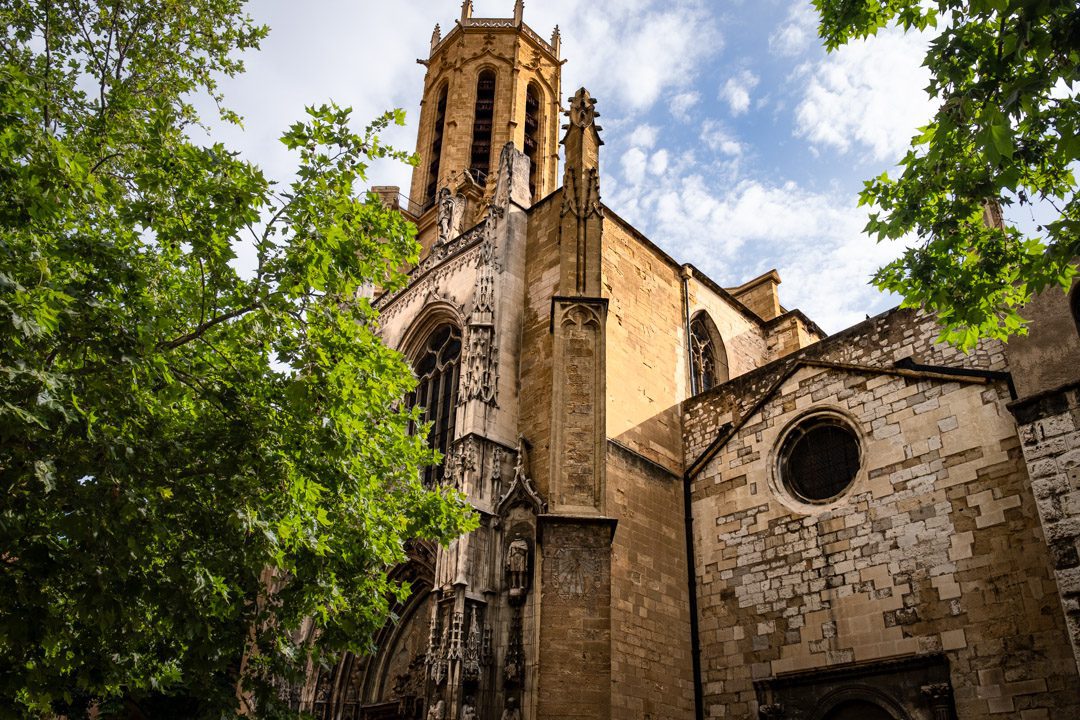
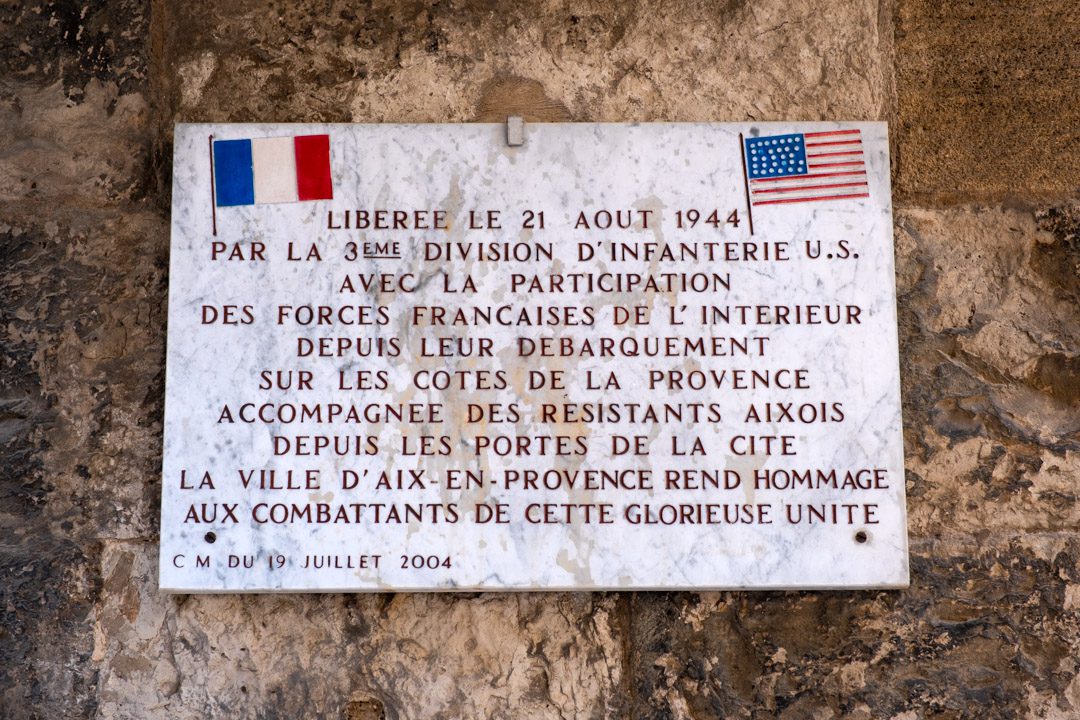
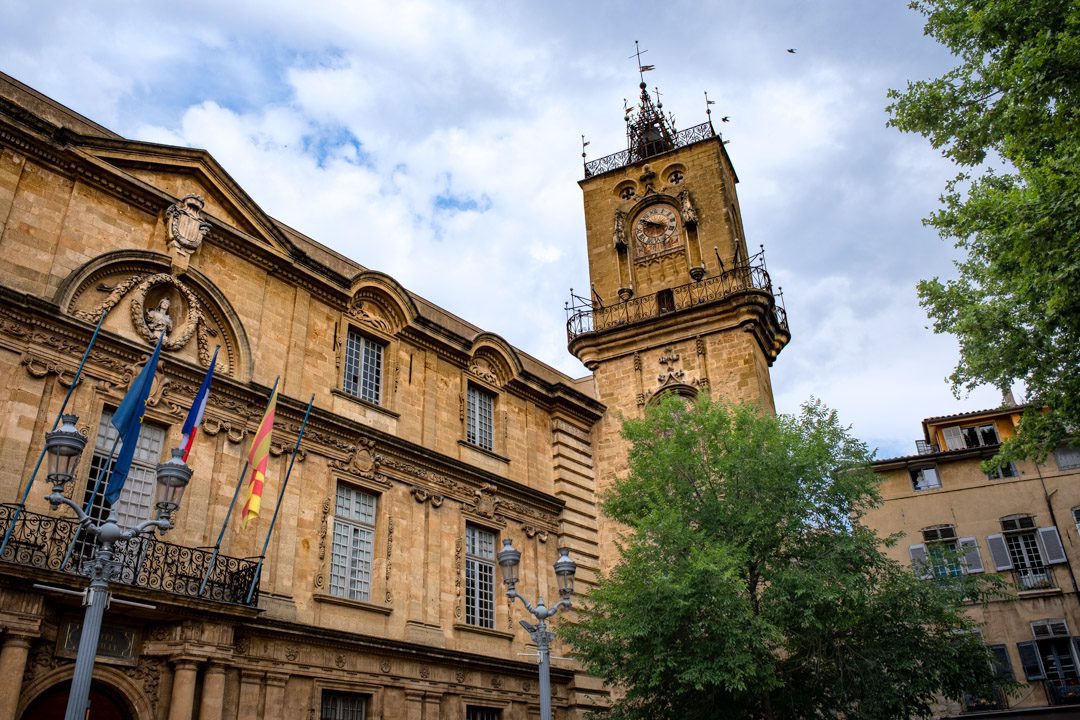
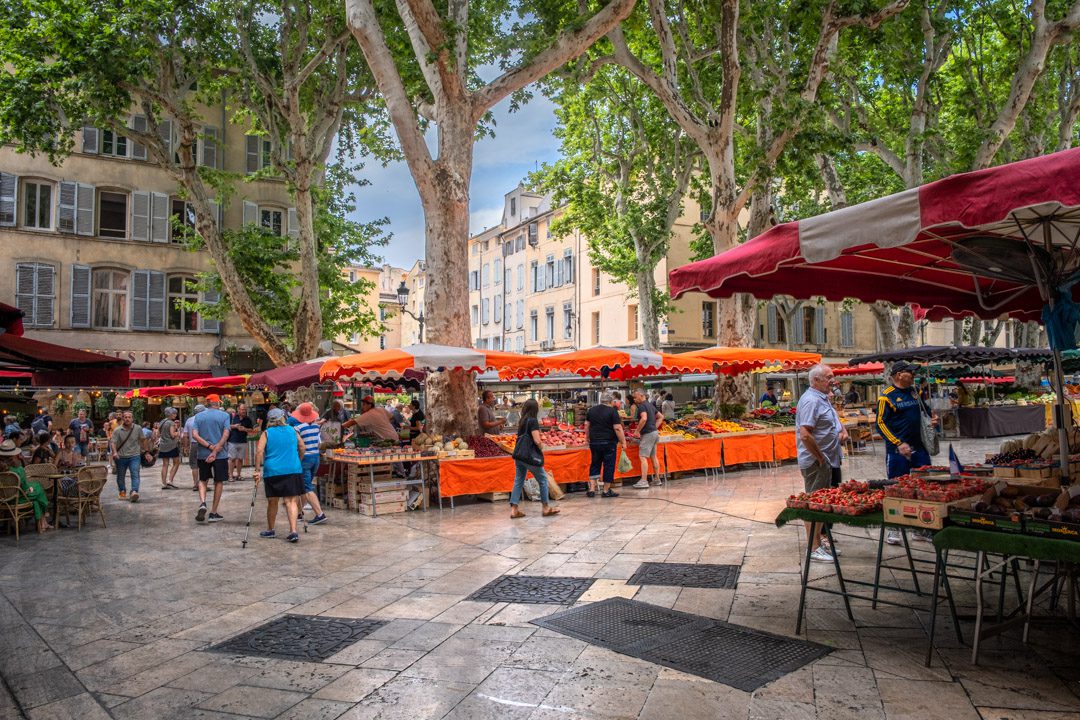
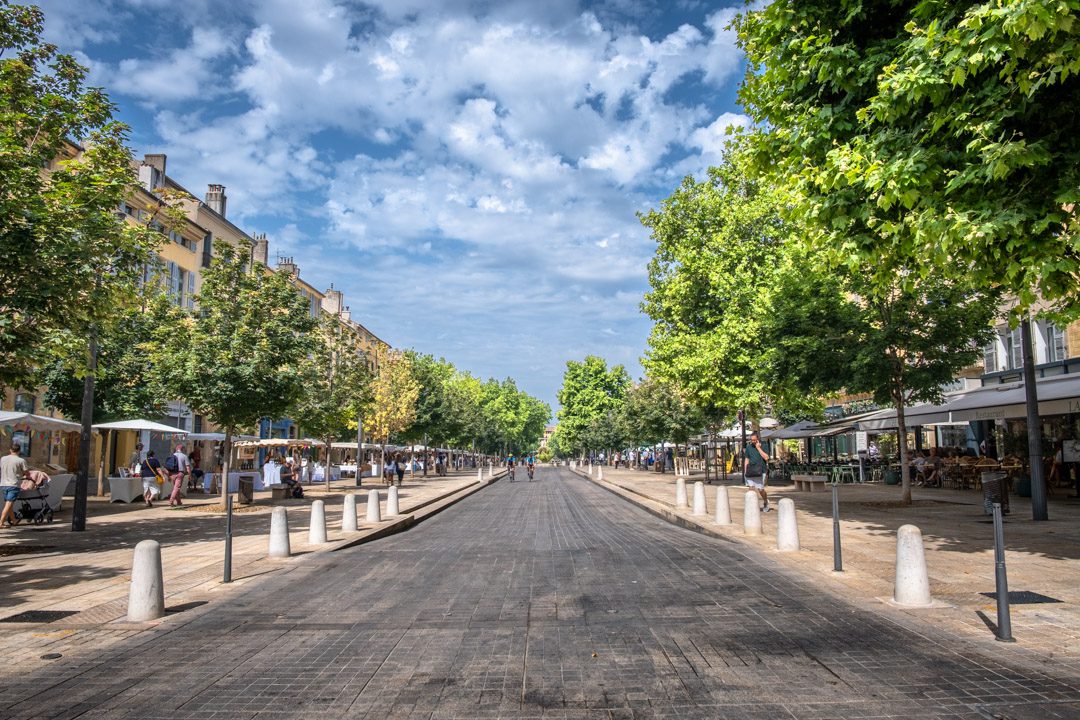
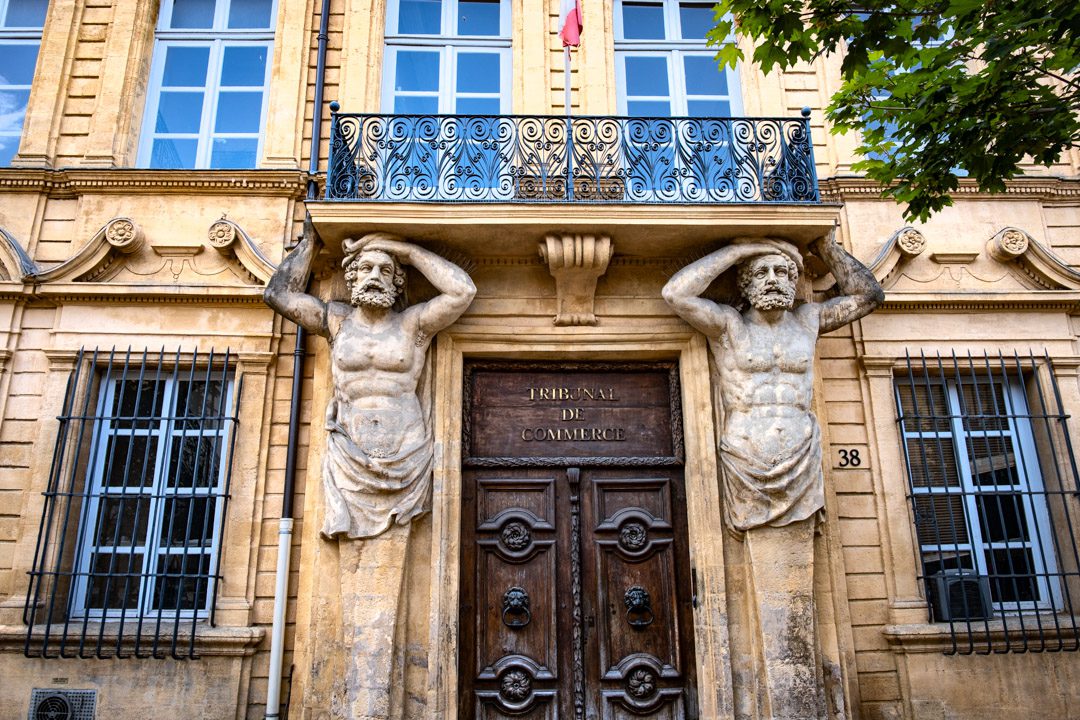
Sadly, our river cruise has come to an end. After breakfast, we disembarked from our riverboat in Arles and headed toward Nice on the beautiful French Riviera. On the way, we stopped in Aix-en-Provence—the birthplace of the famous artist Paul Cézanne and the city where he lived and died. Known as the city of a thousand fountains, Aix is also a vibrant university town and was once the capital of Provence. We met our local guide, who took us on a walking tour of the city. We started at the Saint-Sauveur Cathedral, which features a mix of Romanesque and Gothic styles. From there, we wandered through narrow, winding streets lined with golden stone buildings and graceful fountains. We admired the charming architecture, visited small shops, and explored lively markets. Along the way, we passed through quiet, shady squares that added to the city’s peaceful feel. The tour ended in front of Tribunal de Commerce located on the renowned Cours Mirabeau – the city’s central promenade lined with cafés and fountains.

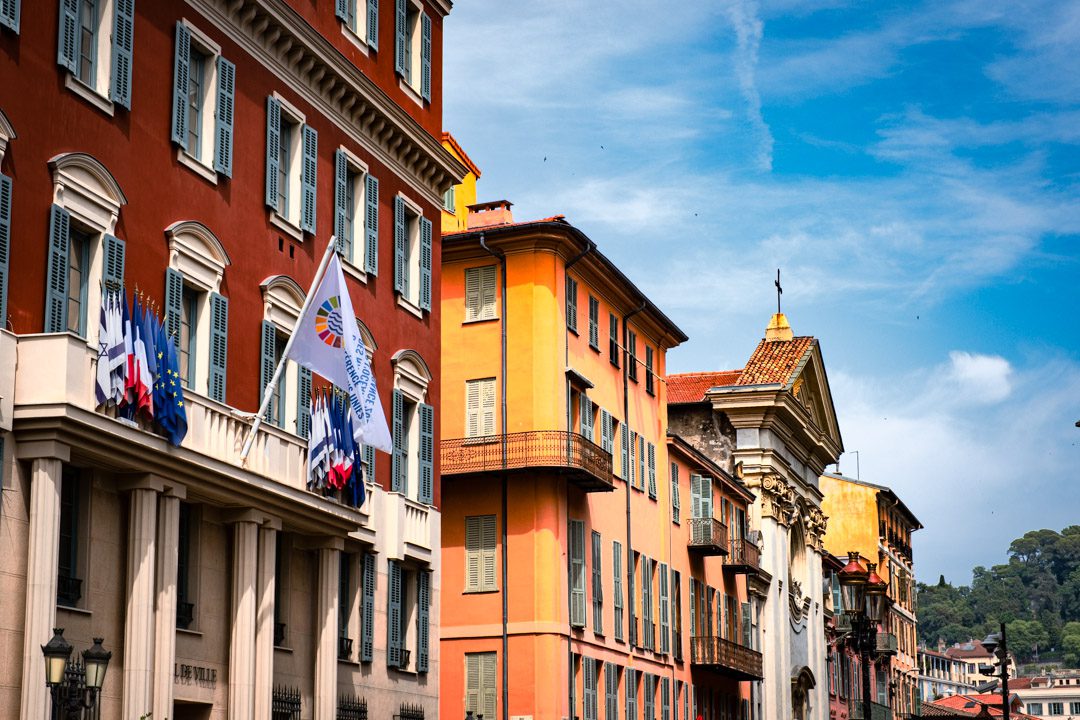
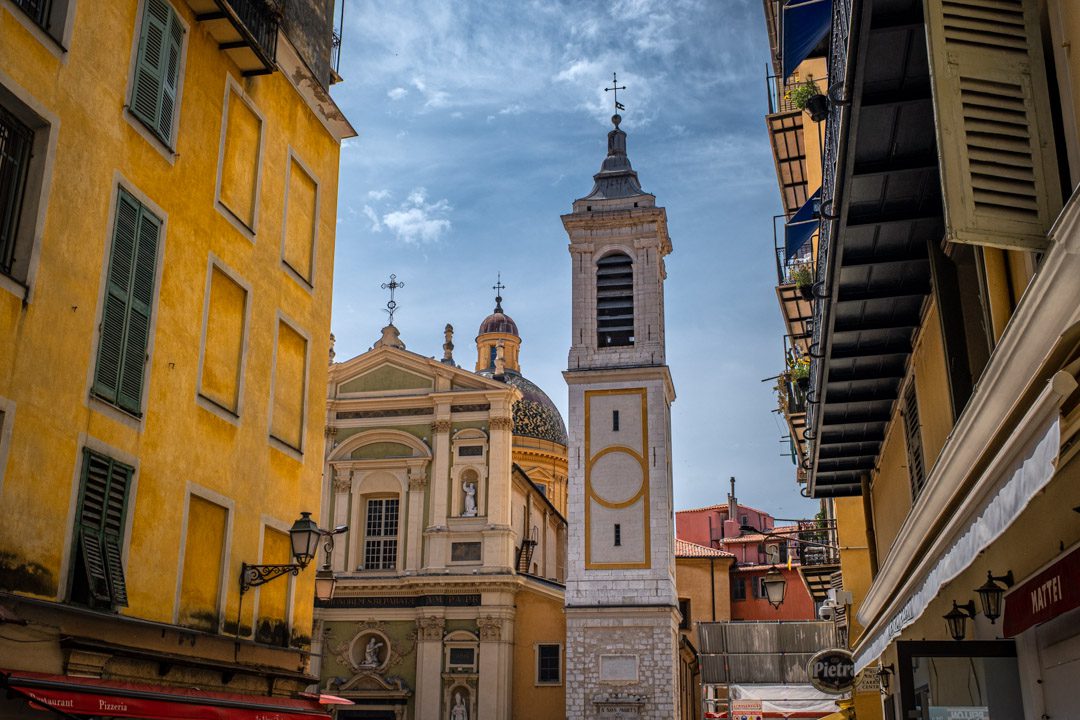
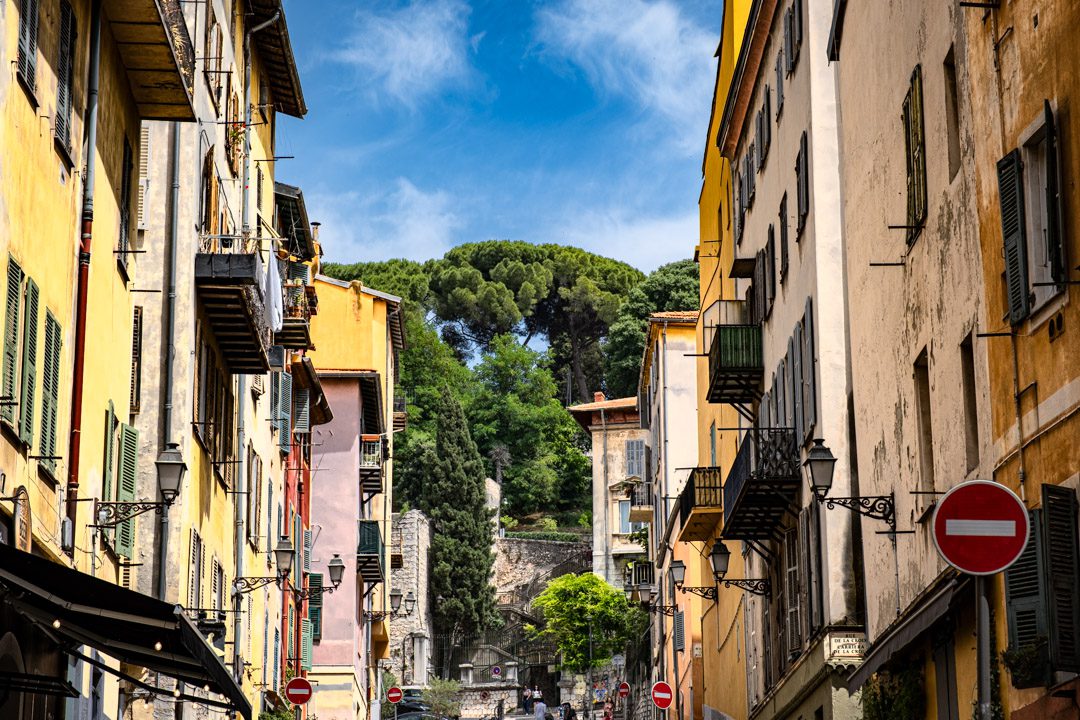
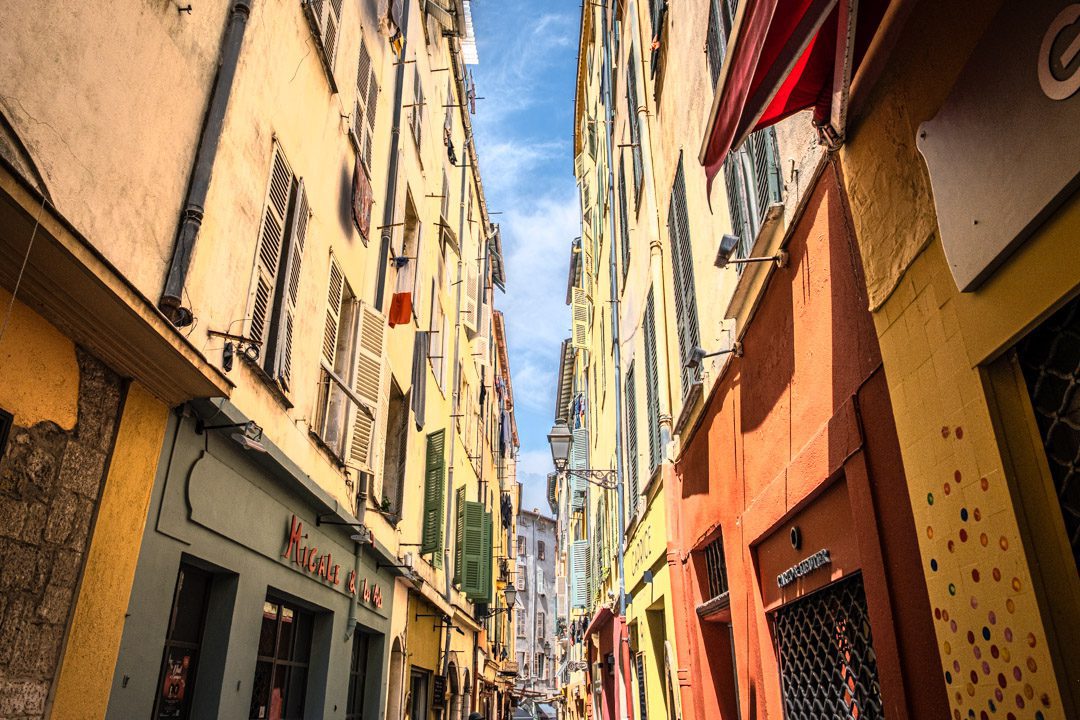
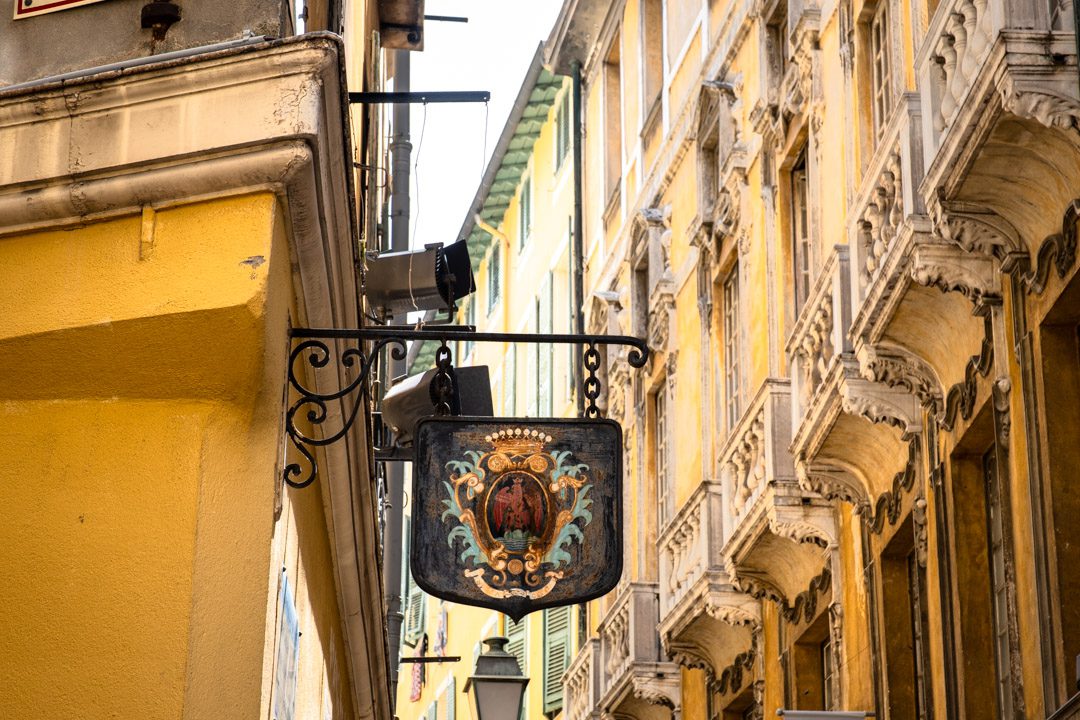
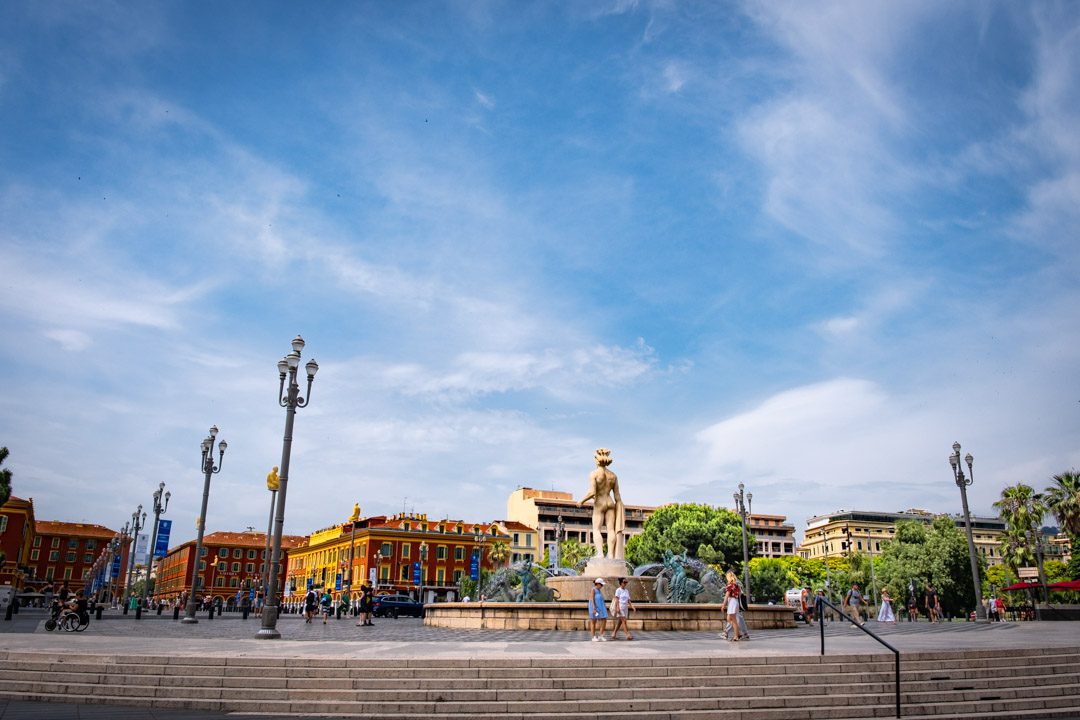
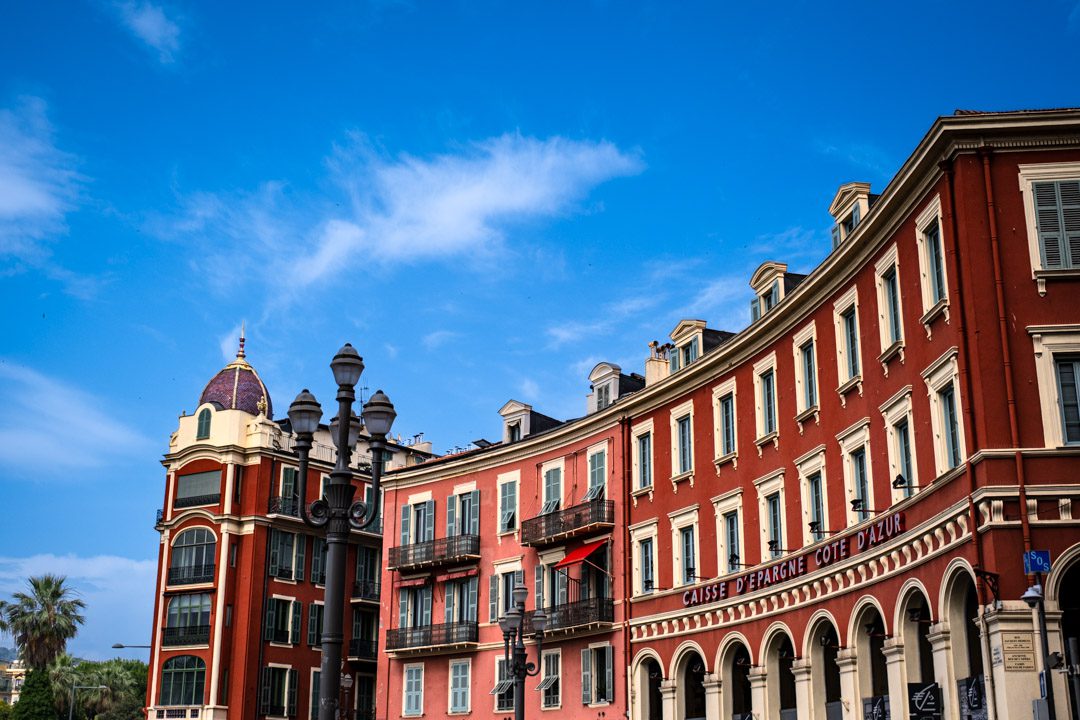
After visiting Aix-en-Provence, we continued our drive to Nice. The two-hour journey took us through beautiful countryside with rolling hills, olive trees, and small villages. When we arrived in Nice, a local guide took us on a walking tour of the Old Town, known as Vieux Nice. We wandered through narrow, colorful streets filled with shops, markets, and cafés. The buildings had bright facades and old-style shutters. Our guide pointed out highlights like the Cathédrale Sainte-Réparate; the lively Cours Saleya market; the house where the artist Henri Matisse once lived; and the Bernar Venet’s Neuf Lignes Obliques sculpture, which symbolizes the nine valleys converging toward Nice. We also saw the saucy 23-foot statue of Apollo in the Fontaine du Soleil on Place Masséna, surrounded by five bronze statues representing Earth, Mars, Venus, Mercury, and Saturn. We even caught a peak at sunbathers on the beaches along the Mediterranean Sea. Along the way, we learned about Nice’s history and how it blends French and Italian culture. Nice ping-ponged between Italian and French rule several times before being annexed by France in 1860. Our brief tour was a wonderful introduction to this beautiful city on the French Riviera.
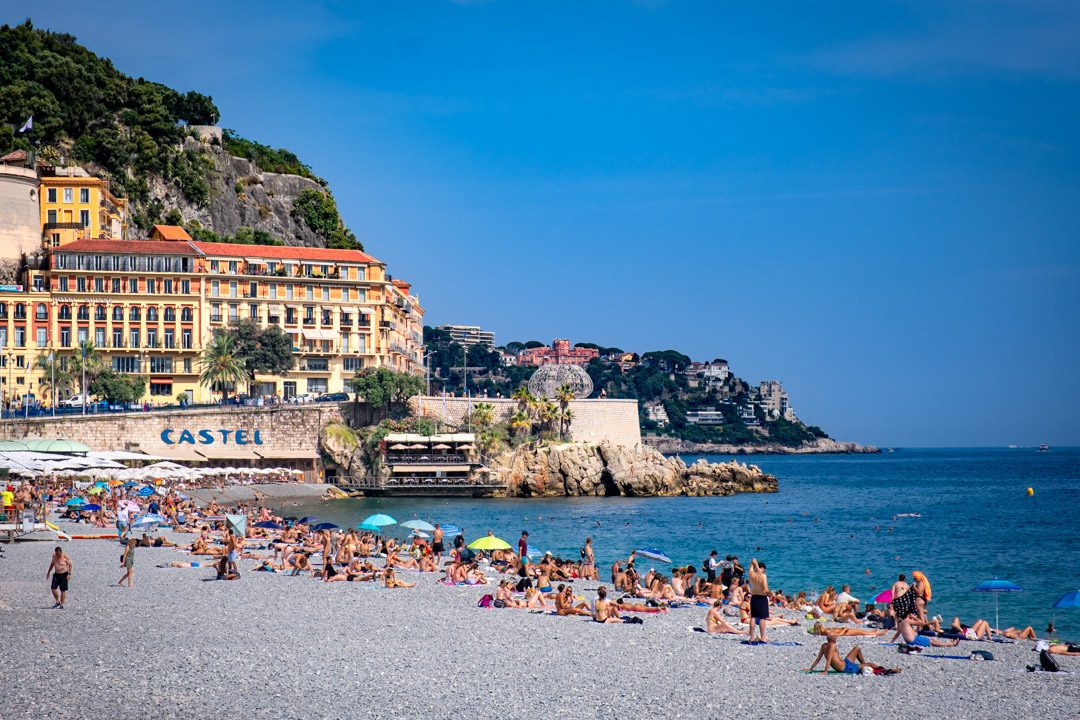
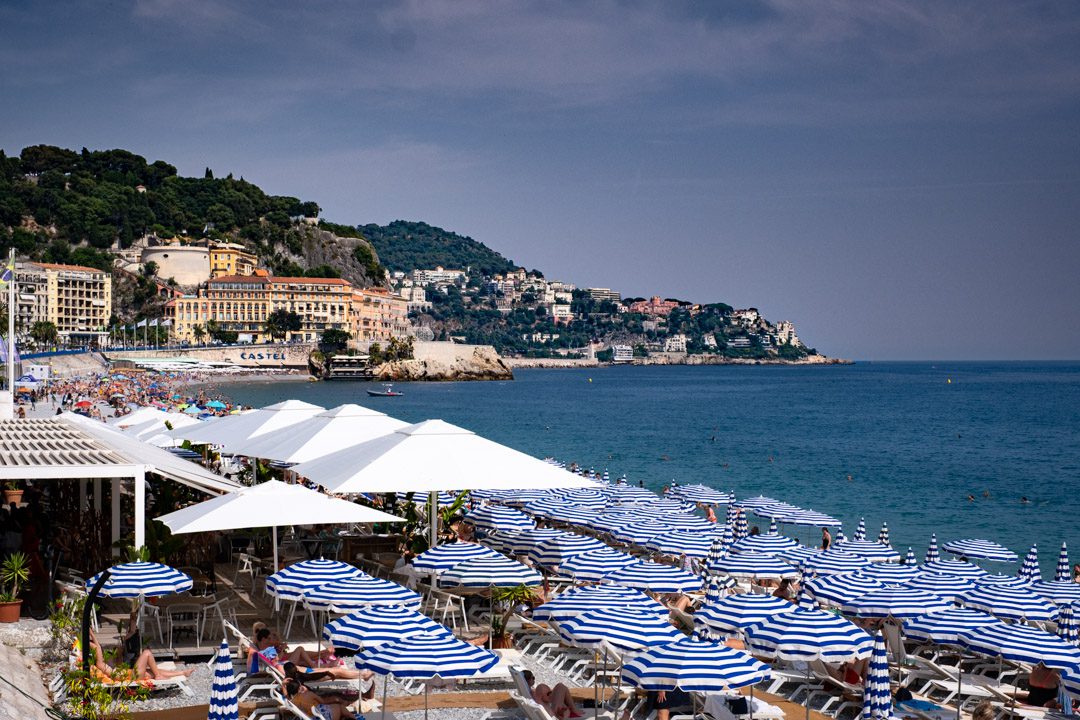
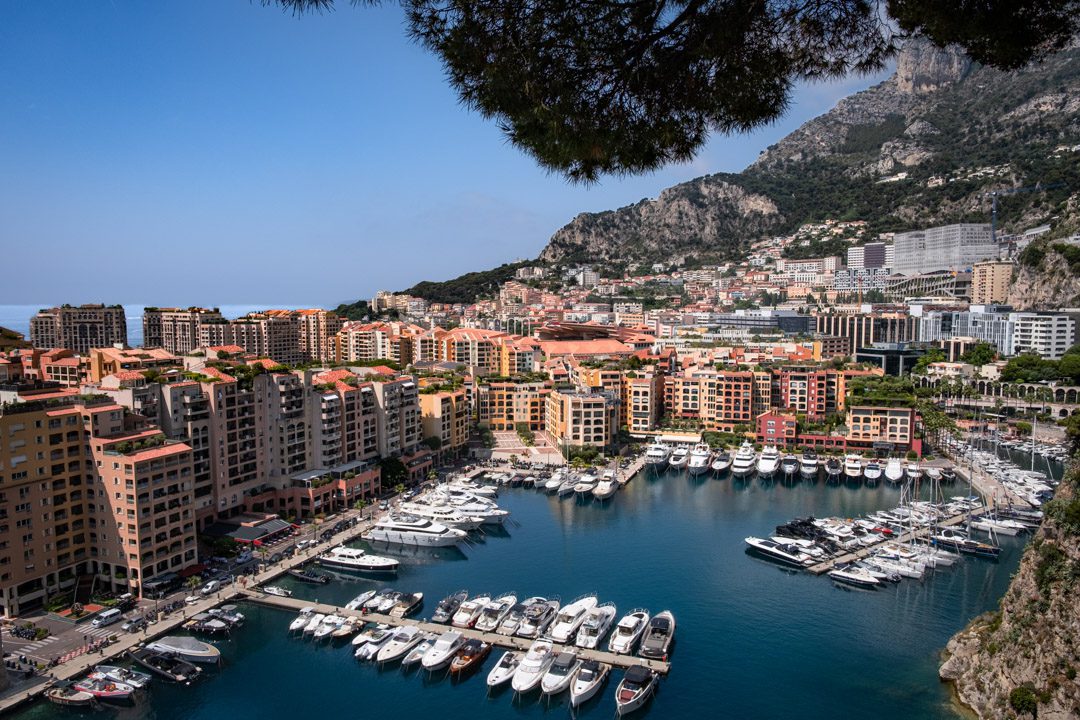
Next, we drove to Monaco, a scenic one-hour journey from Nice. Along the way, we stopped at a viewpoint for a quick photo opportunity, capturing the stunning coastal views of the French Riviera. Upon arrival in Monaco, we checked into our hotel and took some time to settle in and enjoy the surroundings of this glamorous city-state.
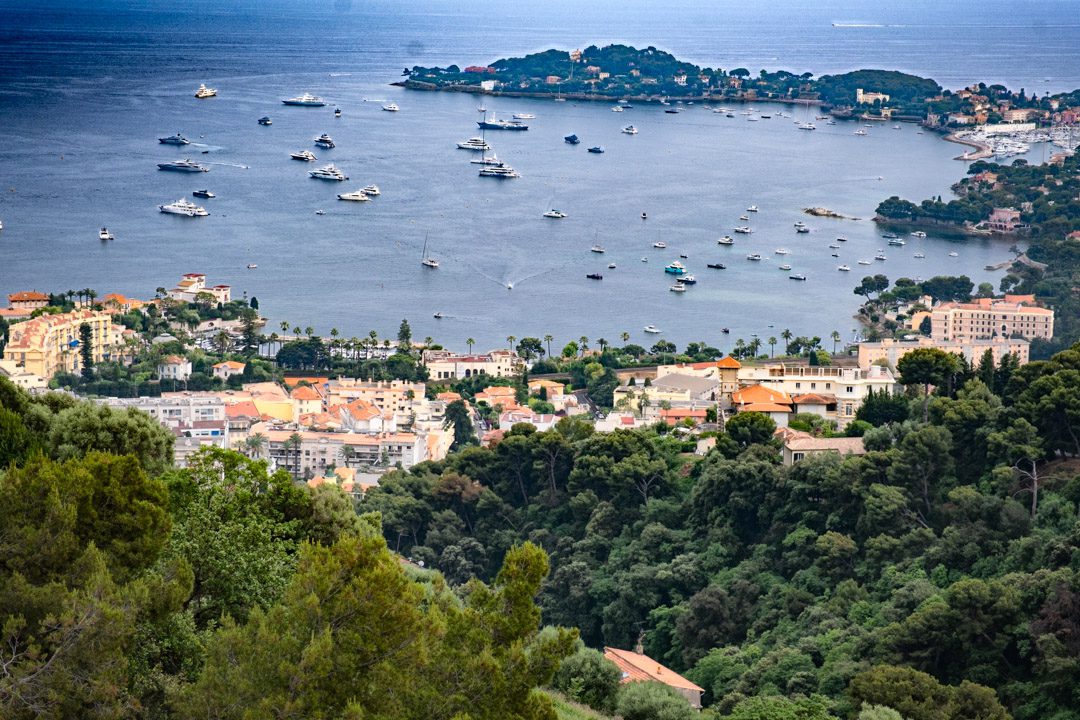
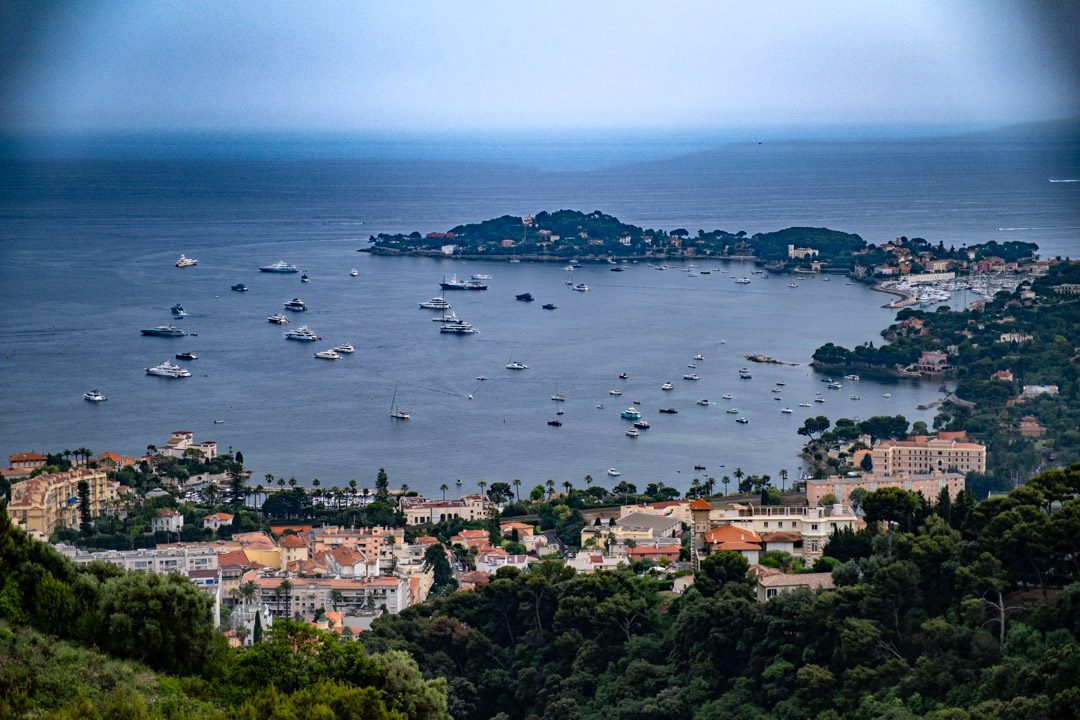
Monaco: Casino Royale and Le Rocher – June 16, 2025
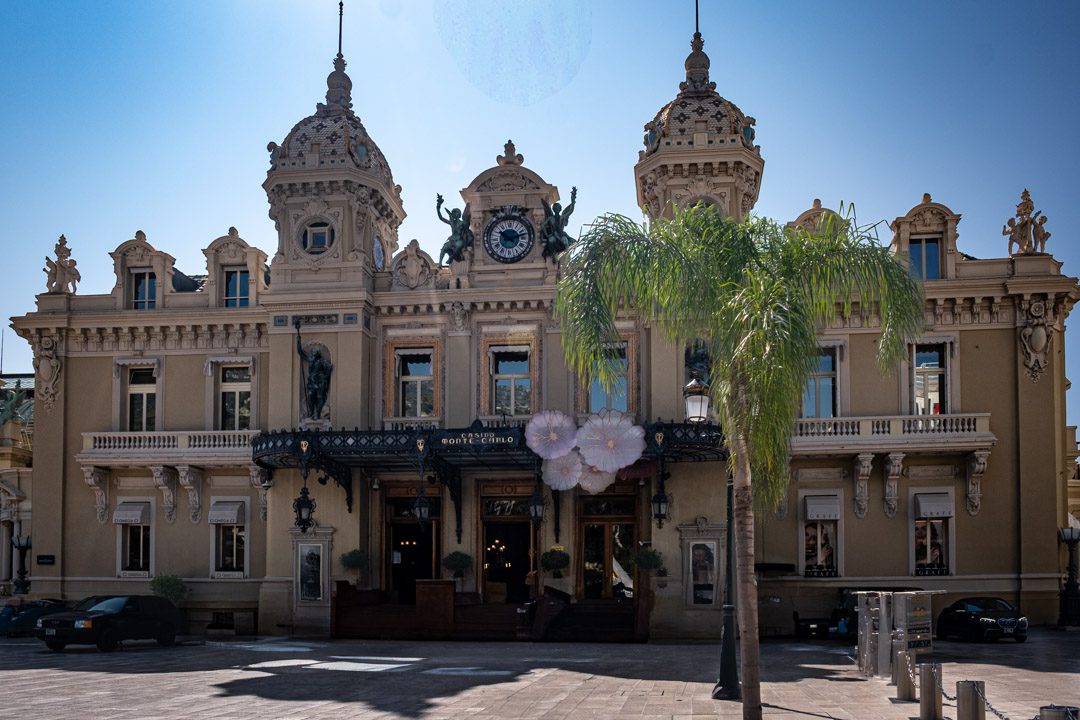
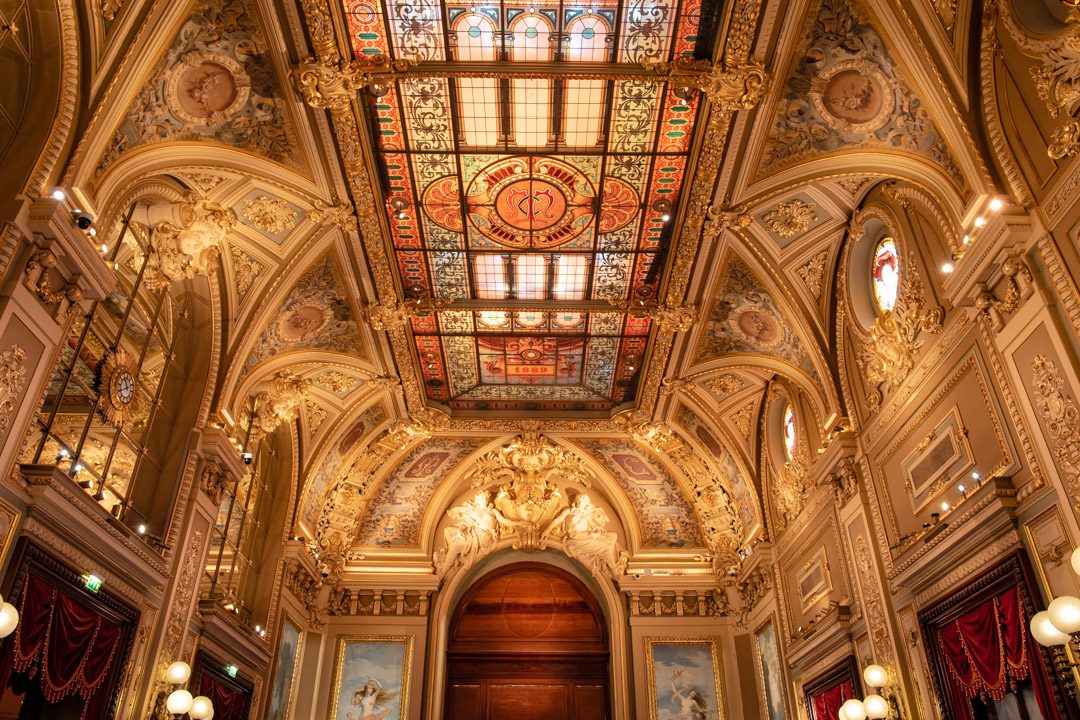
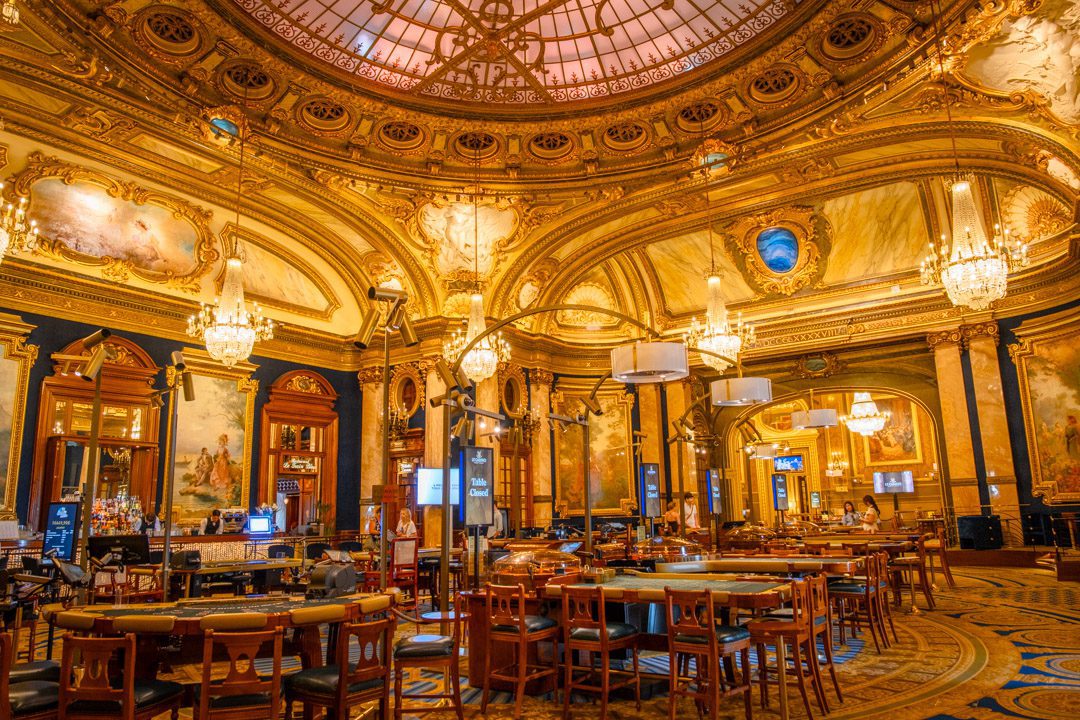
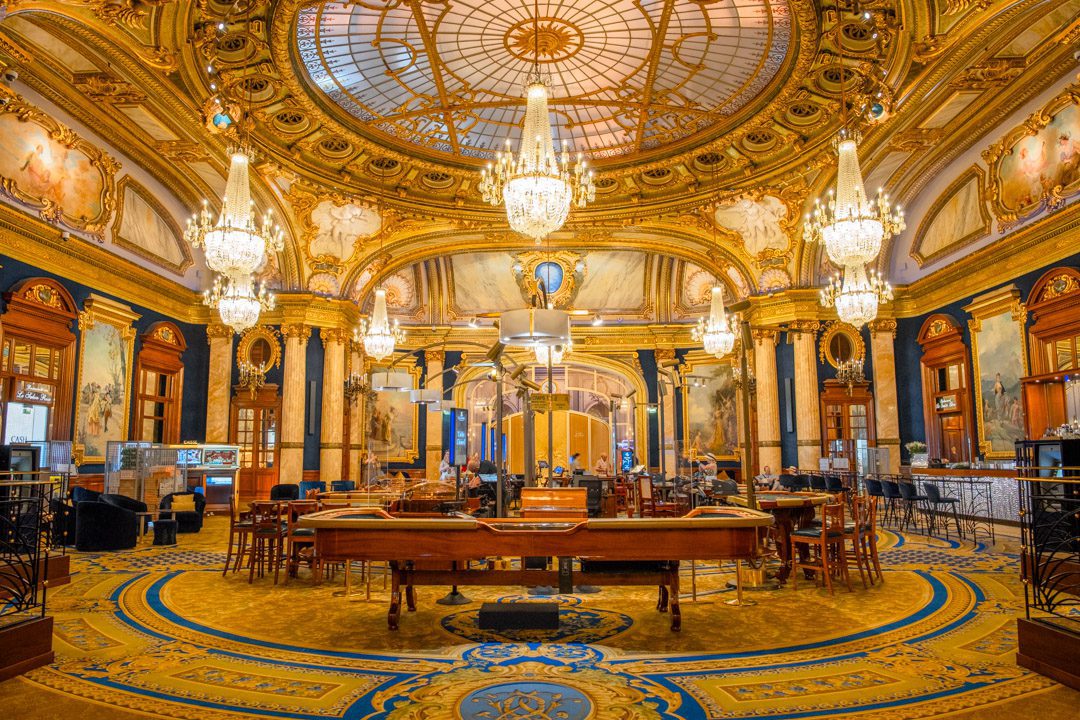
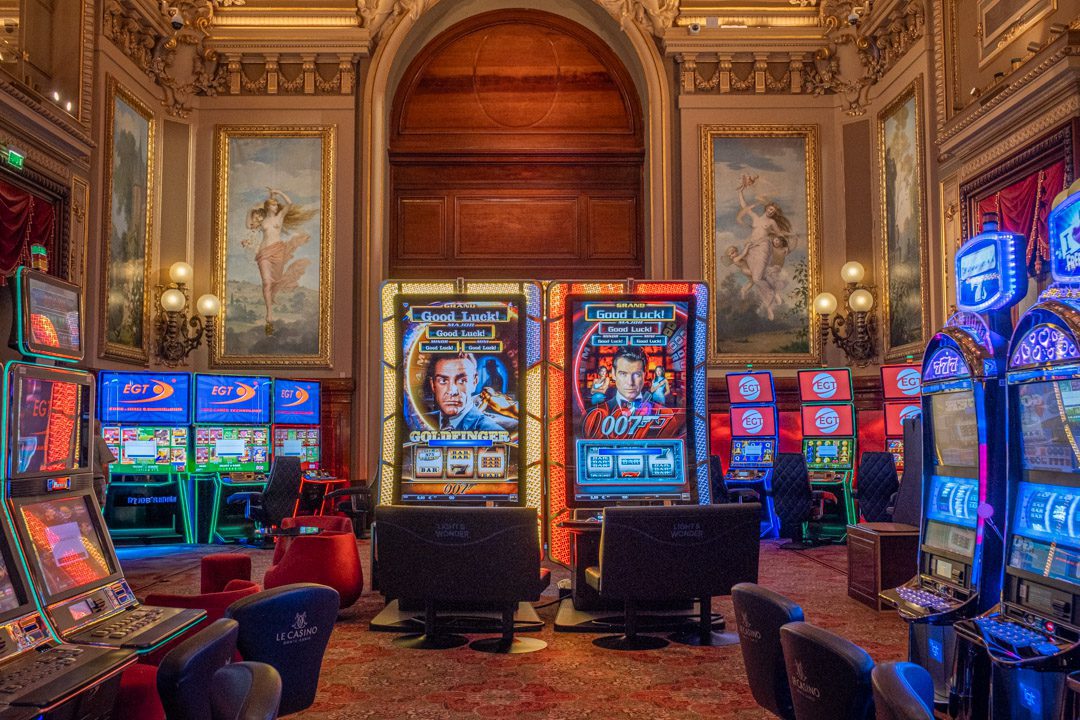
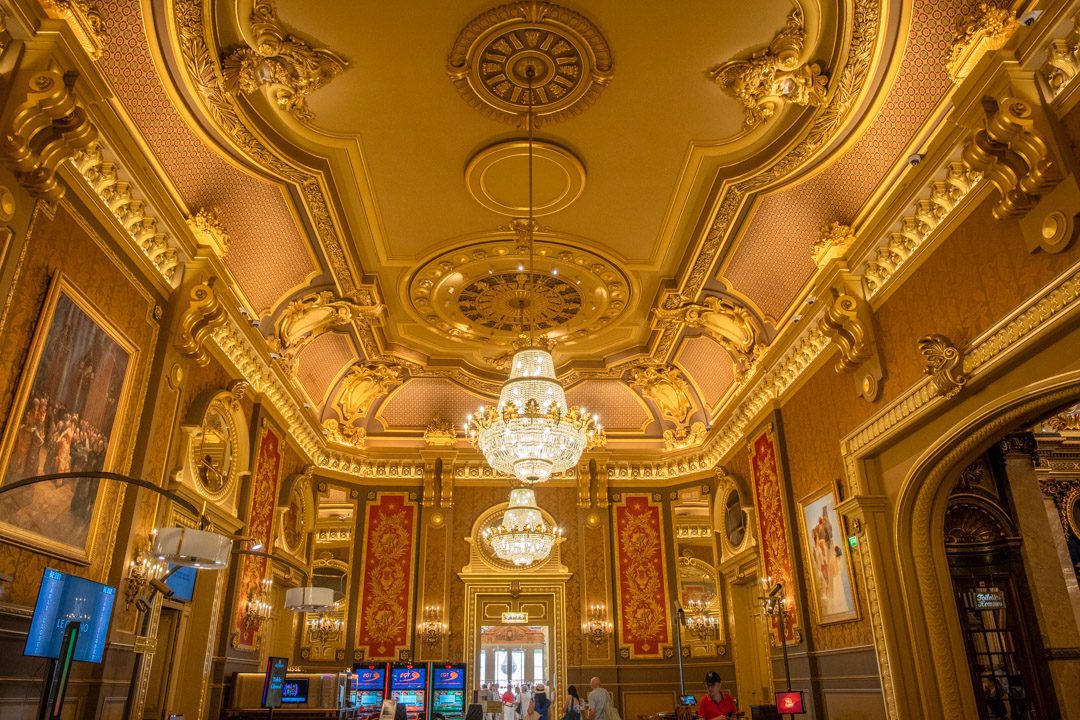
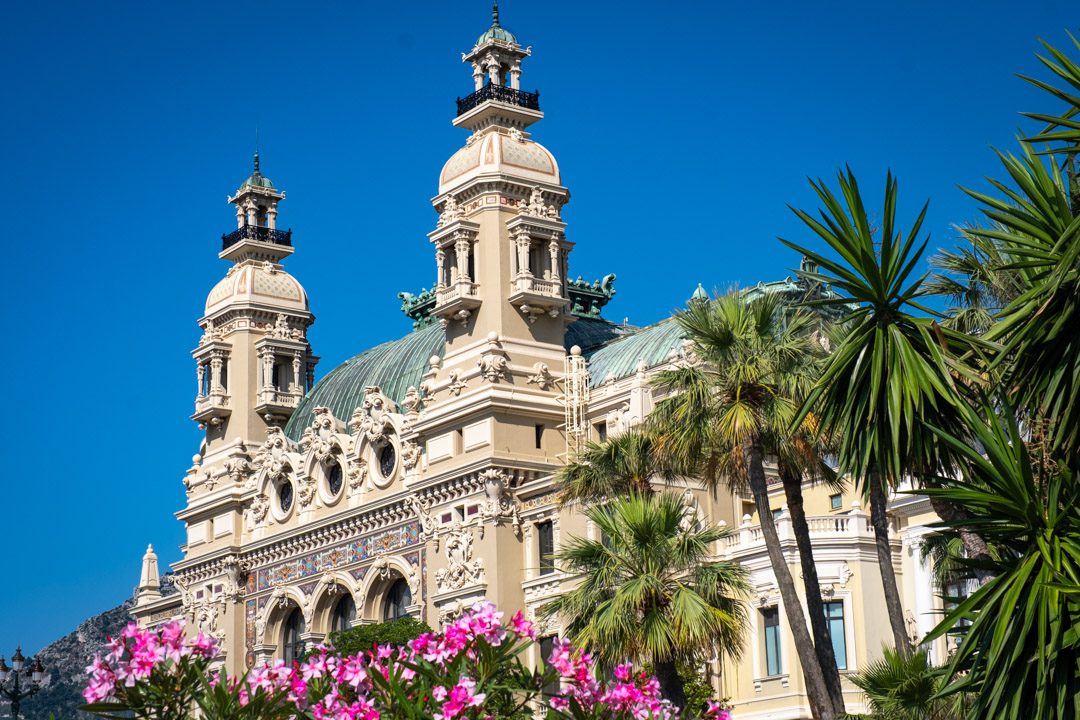
We woke up in Monaco, the second smallest country in the world after Vatican City. Nestled between France and the Mediterranean Sea, it is officially known as the Principality of Monaco. Although it uses the euro as its currency, Monaco is not a member of the European Union. Our day began with a guided tour, led by a local guide originally from Denmark, of the world-famous Monte Carlo Casino—a symbol of luxury and elegance. Designed by Charles Garnier, who also designed the Paris Opera House (Palais Garnier), the casino is renowned for its stunning Belle Époque architecture and lavish interiors. It has appeared in multiple James Bond films. Inside, we admired the grand gaming rooms, sparkling chandeliers, marble pillars, clocks, paintings, restaurants, and James Bond movie posters (the book Casino Royale was inspired by the casino, and parts of GoldenEye and Never Say Never Again were filmed here)—a glimpse into the glamour that defines Monaco. An interesting fact: Monégasques are not allowed to gamble or work in the casino. Right next to the casino is the Salle Garnier, which houses the Monte Carlo Opera and the Monte Carlo Ballet (successor to Sergei Diaghilev’s famous Ballets Russes).
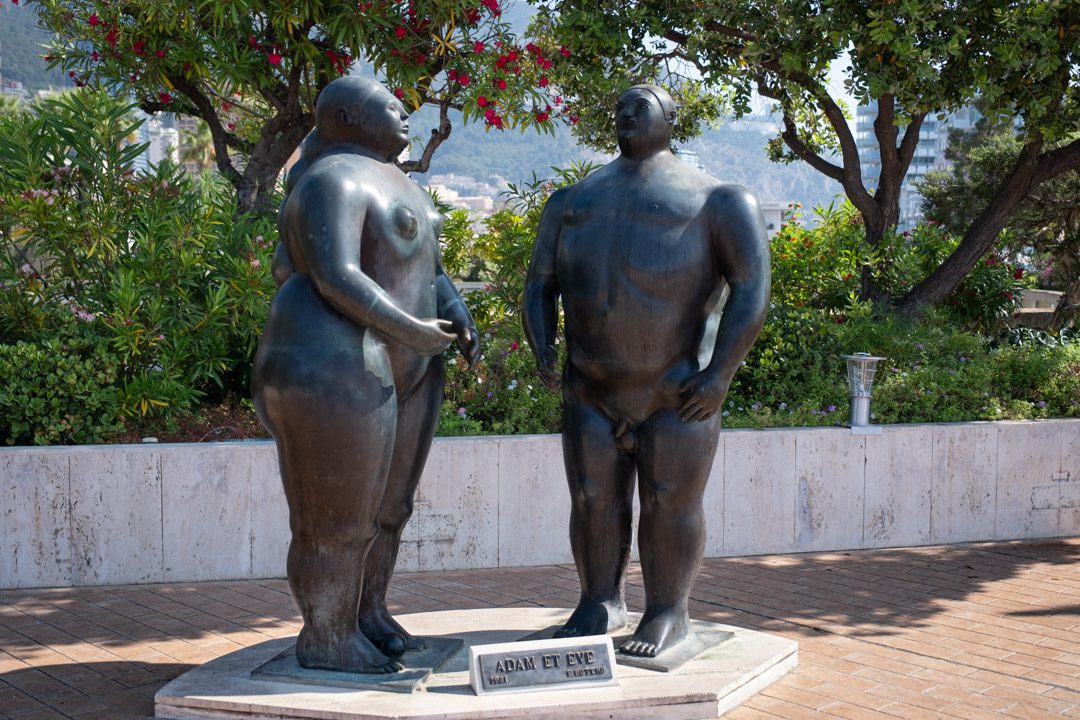
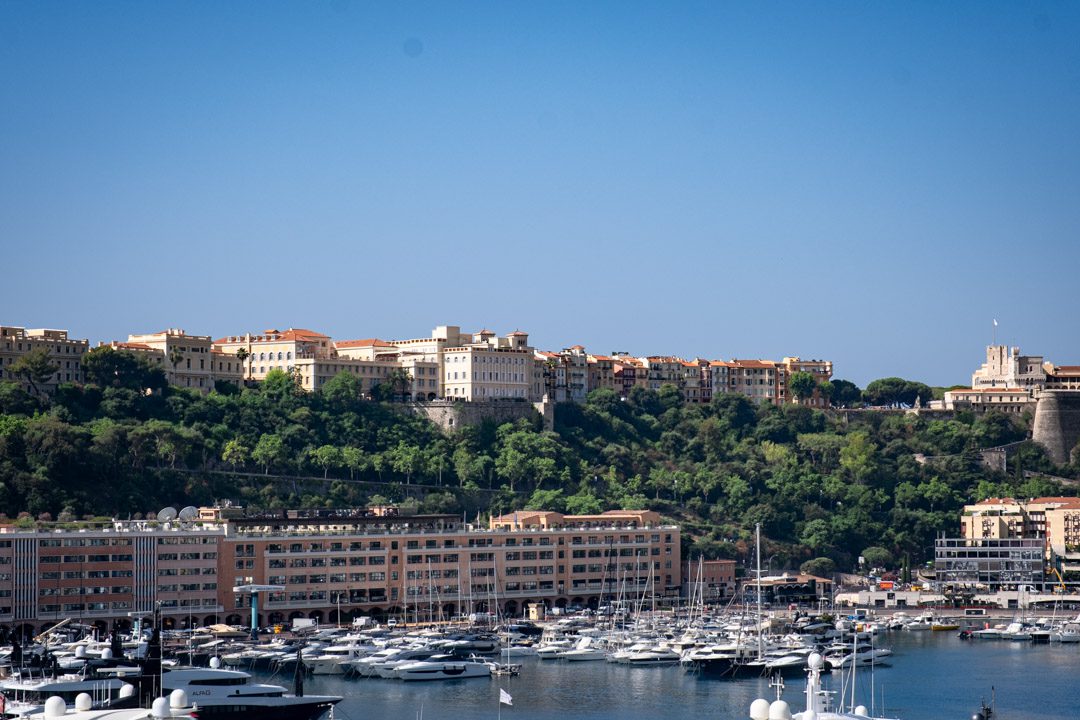
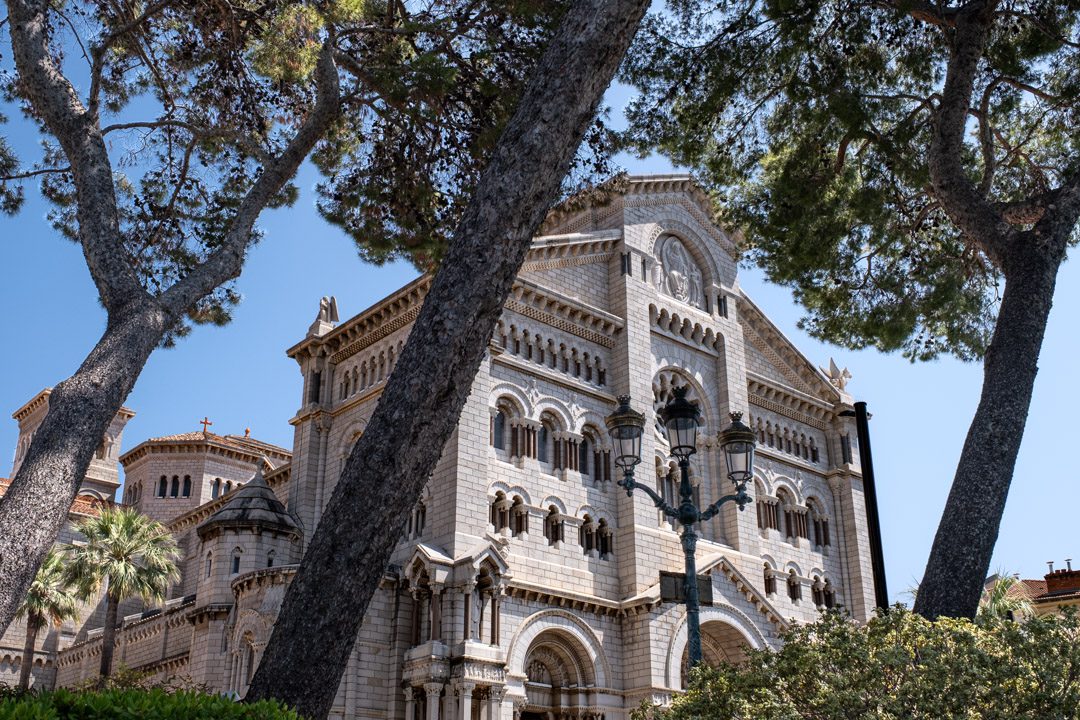
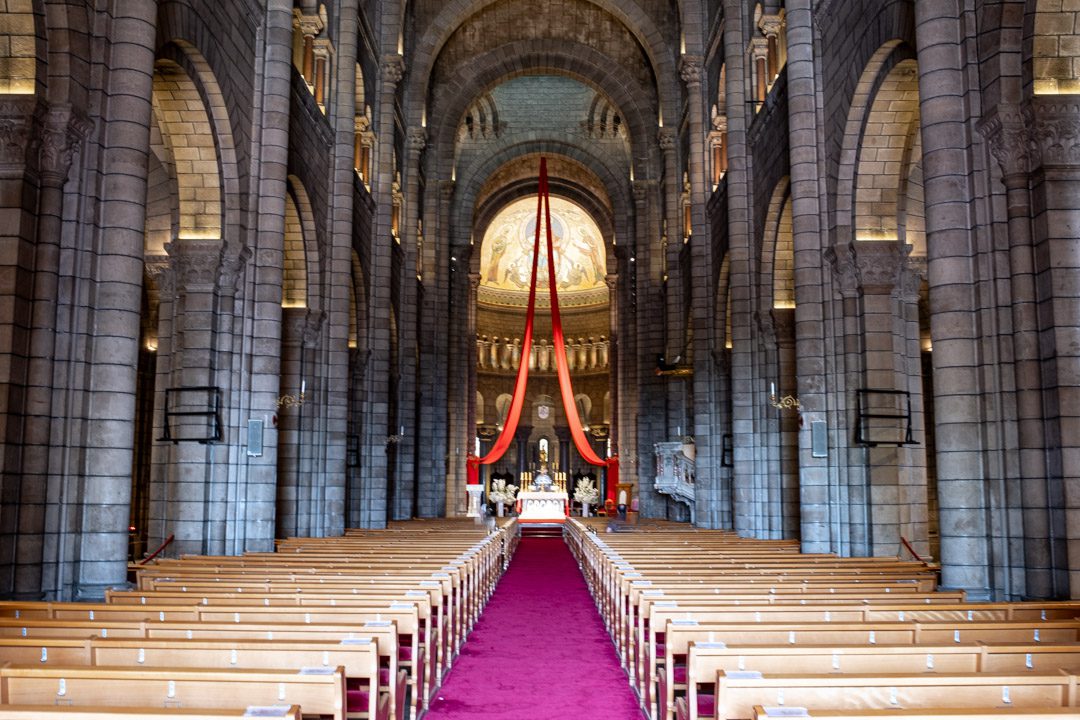
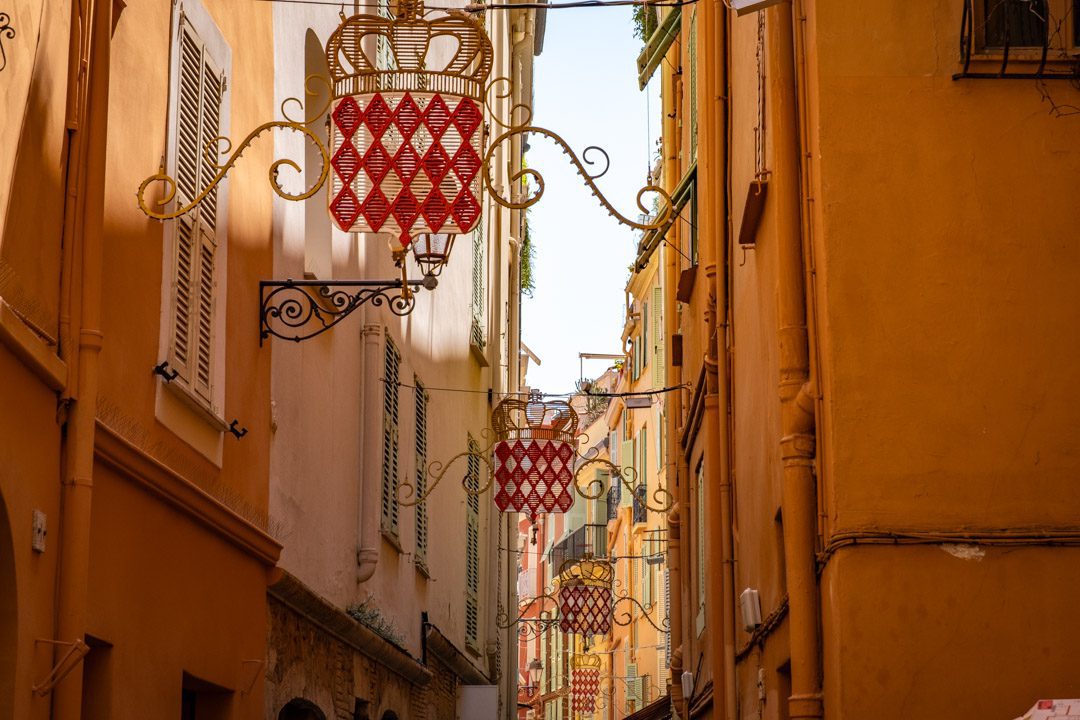
Next, we went on a guided walking tour of Old Monaco, also known as Le Rocher. We started at the famous Oceanographic Museum and Aquarium—Jacques Cousteau was one of its directors from 1957 to 1988—which sits high on a cliff and features sea life from around the world. From there, we walked through the peaceful Saint-Martin Gardens, enjoying the flowers, sculptures, and views of the sea. We passed Saint Nicholas Cathedral, where we viewed the relic of Saint Devote’s hand (she is the patron saint of Monaco, and her feast day in January is celebrated by burning a red-and-white boat—a replica of the one that, according to tradition, brought her body to Monaco after she was martyred by Roman Emperor Diocletian). Inside the cathedral, we visited the graves of Prince Rainier III and Princess Grace and admired its beautiful architecture. Our tour ended at the Prince’s Palace, the residence of the royal family. Unfortunately, there was no Changing of the Guard during our visit, but we still enjoyed the stunning views of the harbor and city below. We also got to see Prince Albert’s car pass by, accompanied by his security detail on motorcycles with flashing lights and sirens.

Today marked the end of our tour. In the evening, we gathered with our fellow travelers for a cocktail reception followed by a farewell dinner.
Homeward Bound – June 17, 2025
We said adieu to Monaco as we were driven to Nice Côte d’Azur Airport for our flight home. Thankfully the flight was uneventful.
I love reading all about your adventures and the pictures are stunning.
Thank you, Judie.