
Uneventful Arrival in Cancun – January 29, 2020
Our flight to Cancun was uneventful, except for the gate change. Upon exiting the airport in Cancun, we navigated the gauntlet of tour guides, taxi representatives, and hotel representatives until we located our transfer ride to the Fairmont Mayakoba Resort.
Once at the Mayakoba, we took a short stroll around the grounds and enjoyed a late lunch at the Laguna restaurant. The grounds are very impressive, and our room was both gorgeous and incredibly spacious.
Chichen Itza: A World Wonder – January 30, 2020
We woke up very early to visit Chichen Itza, the final destination on our bucket list of the Seven Wonders of the world. While thankful for the hotel pickup, we quickly realized that we had been assigned to a different tour than the one we had originally booked.
Our itinerary included shopping, a dip in a cenote, lunch, a drive through a typical Mayan village to Chichen Itza followed by Valladolid (pronounced vayadholeed). However, what we had anticipated as an early morning viewing of the monuments turned out to be a visit in the heat and crowds.
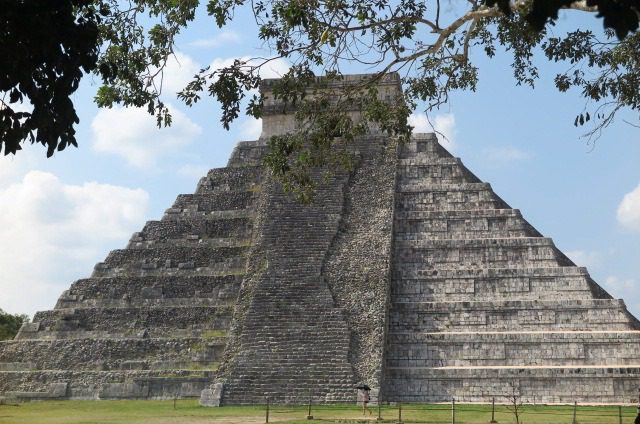
Chichen Itza is very impressive in so many ways. It was built by the Mayans, who are very short and had no metal instruments with which to build these huge monuments. Also, the main pyramid (called El Castillo) is built to represent a calendar and has all kinds of astrological and astronomical significance, which is hard to imagine for the time in which it was constructed. How they managed to do this is hard to fathom. The Mayans were a matriarchal society who moved to the Americas from Asia and had almond shaped eyes.
We would have loved to climb the stairs to the top of the pyramid, each side with 91 steps, but unfortunately, the stairs on one side are crumbling, making climbing virtually impossible.
Besides the pyramid, there are several other structures, such as the arena where a ballgame was played with a large, heavy rubber ball to determine who would be sacrificed to the gods to ensure good harvest. Players could not use their hands and feet to throw the ball through a hoop attached to the side of a wall. This was a team sport, and no one knows for sure whether the winning team or the losing team was sacrificed.
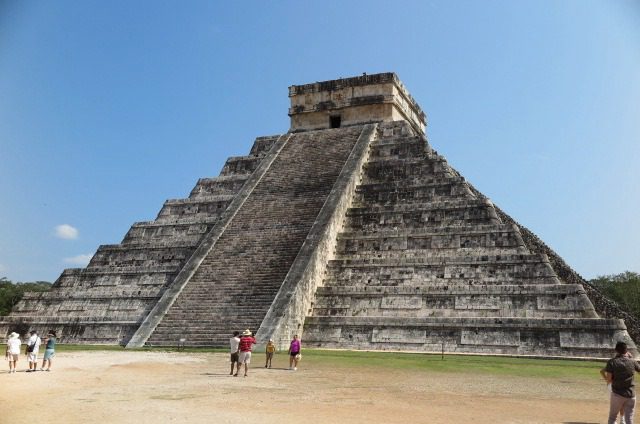

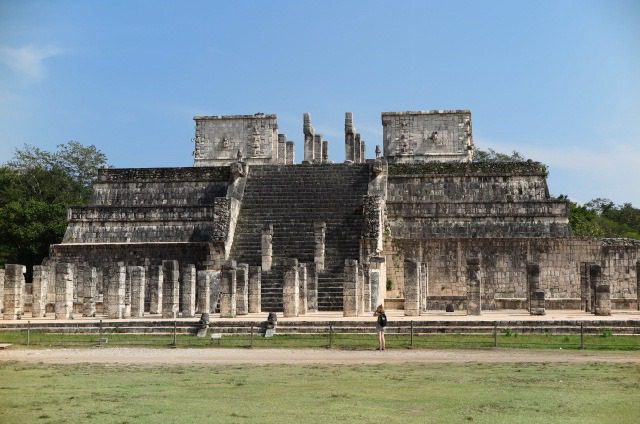
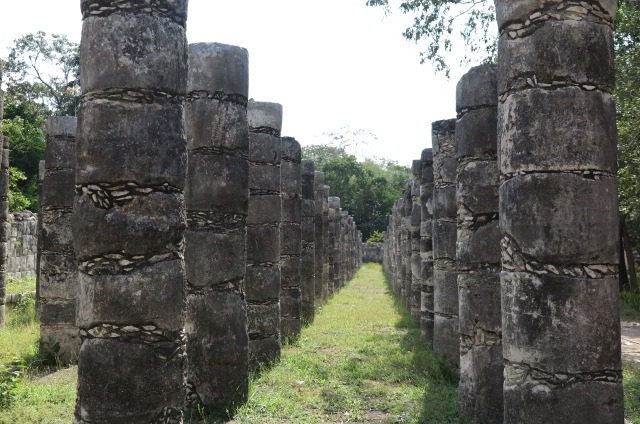
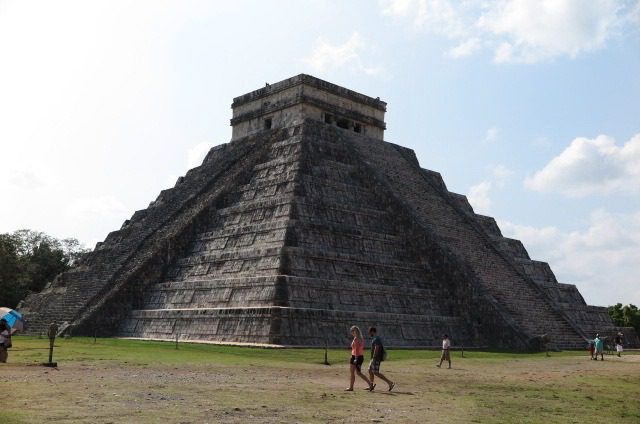
Then there is the Temple of Skulls, where each brick with a skull represents a sacrifice; the Temple of the Jaguars, the Temple of the Warriors, with its 200 pillars; the observatory, called El Caracol. And there is the sacred cenote (a well-like structure that forms when limestone bedrock collapses and exposes the groundwater underneath).
Valladolid is a very colorful Spanish town that offers a glimpse into the colonial era of Mexico. We attempted to visit the Cathedral of San Servicio, but unfortunately, it was closed.
We returned to Mayacoba very late, missing most of the welcome reception. However, the staff graciously provided us with dinner.
Aktun Chen: Nature’s Hidden Gems – January 31, 2020
Today we visited Aktun Chen, meaning cave well in Mayan. This nature preserve boasts remarkable stalactites and stalagmites and serves as a rehabilitation center for monkeys, snakes, and other animals. Rated by National Geographic as one of the top underground walks, our journey began with a crouch to enter the caves, gradually becoming easier as we ventured further. The footing was slightly tricky and one member of our group unfortunately took a bad fall. The cenote, predominantly dry, offered a fascinating view of ficus trees extending their roots down to the limestone bed.
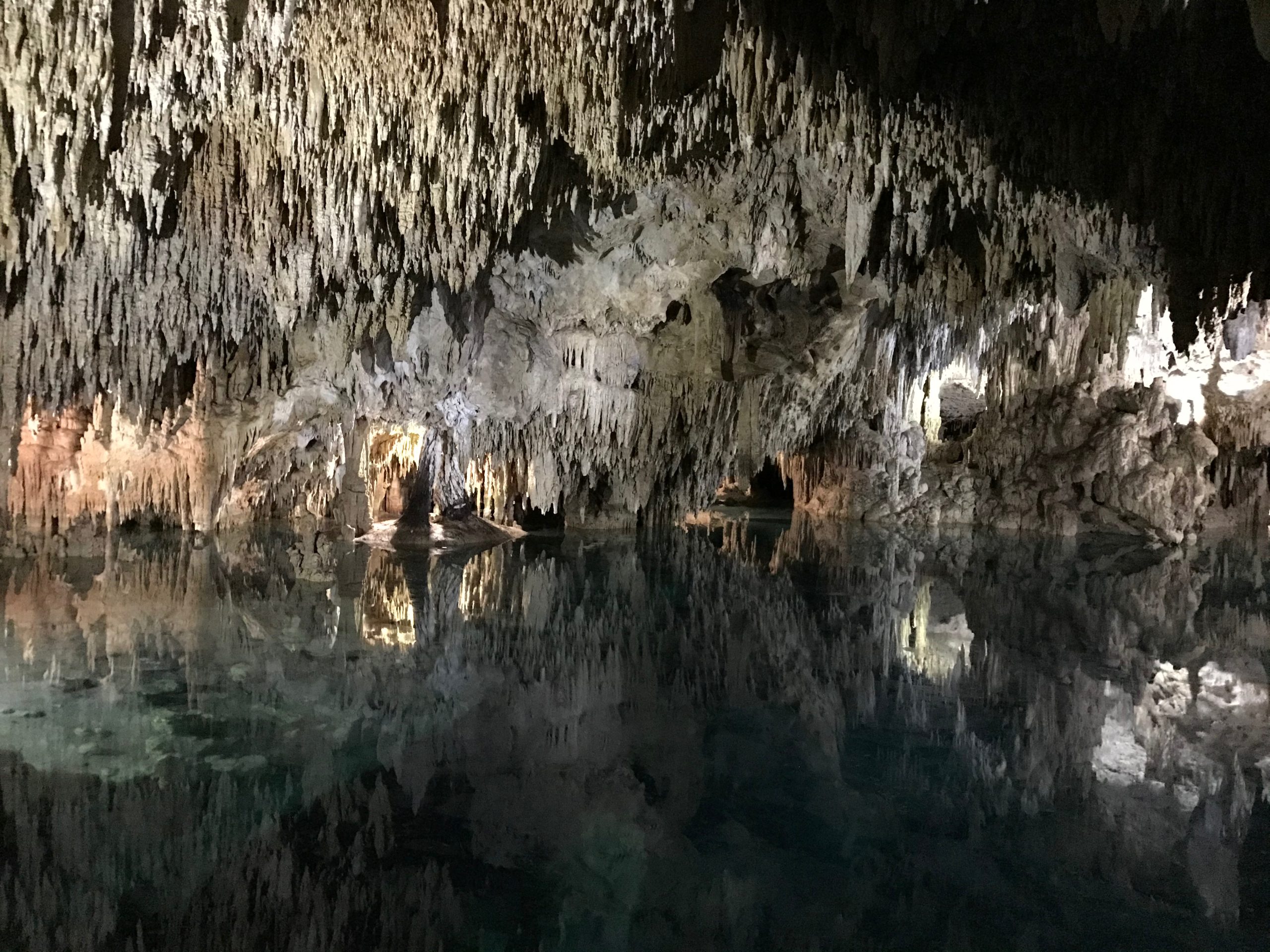
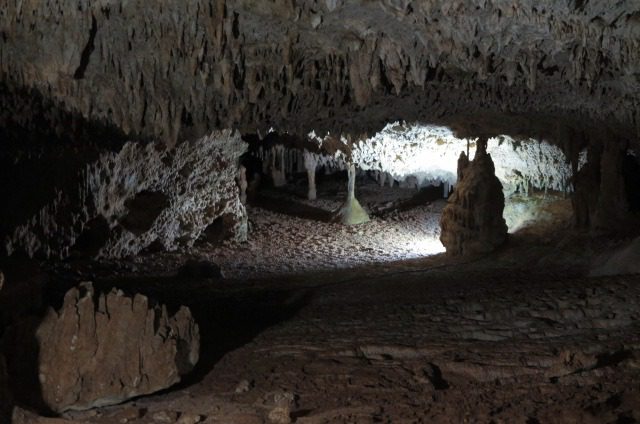
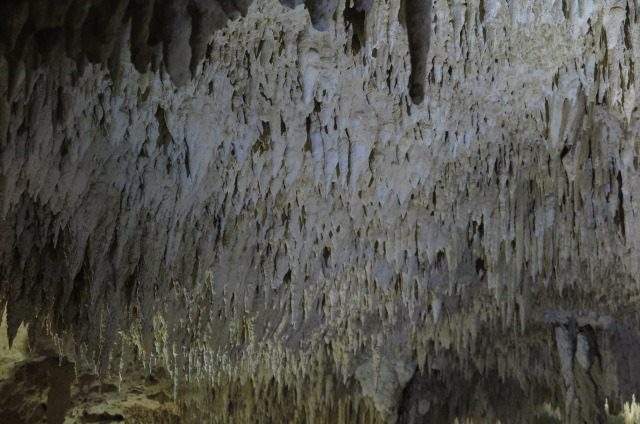
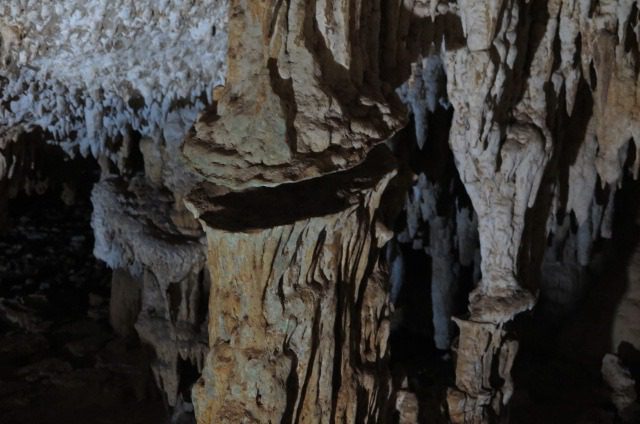
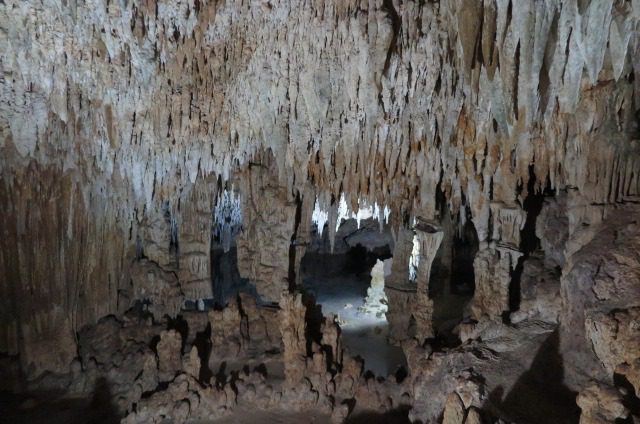
Our guide pointed out a poisonwood tree and the tree that provides the antidote to the poison. Both trees are often found in close proximityto each other.
The bathrooms in the reception area were rather interesting. No water is available for flushing, instead natural ingredients are used to keep the bathrooms really clean.
Following our Aktun Chen excursion, we were dropped off in downtown Playa del Carmen. Along Fifth Avenue, we were approached by a man claiming to be a waiter at our hotel, but we did not recognize him as he was not in uniform. Both of us found this encounter peculiar. He directed us to La Parrillo, supposedly his family’s restaurant, which we planned to visit the next day.
We found a little artisan shop selling beautiful handmade textiles and wooden boxes and other artifacts. We thought the prices were notably high for Mexico.
Tulum Excursion – February 1, 2020
This morning, we checked out of Mayakoba and embarked on a visit to Tulum, the walled city in the Mexican state of Quintana Roo, now in ruins. The three main sights we explored were the pyramid called El Castillo, the Temple of the Frescoes, and the Temple of the Descending God. Situated facing the Caribbean Sea, this site was once a hub for obsidian trade. Notable features include the surrounding city walls. On our way out, we opted for the scenic route and saw the small strip of beach where turtles lay their eggs.
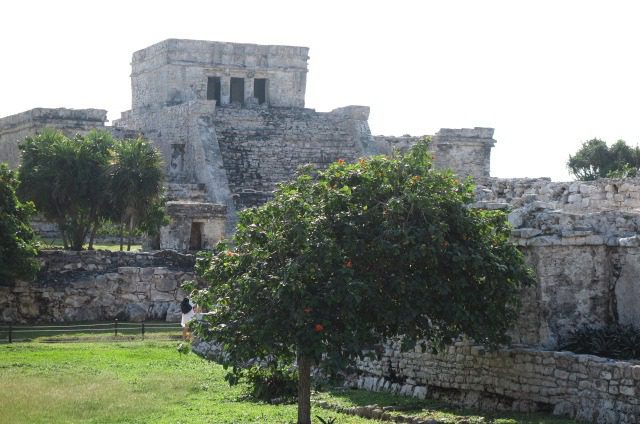
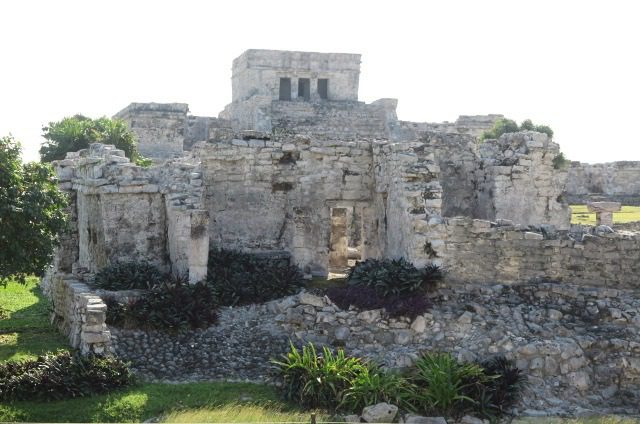
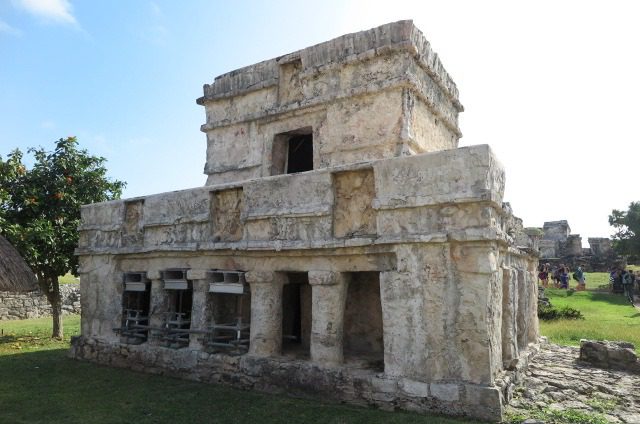
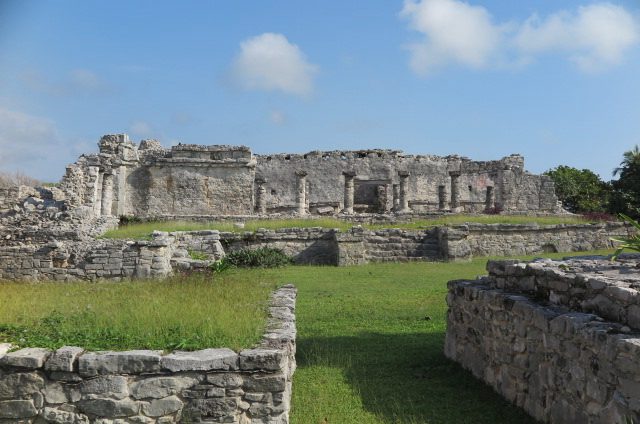
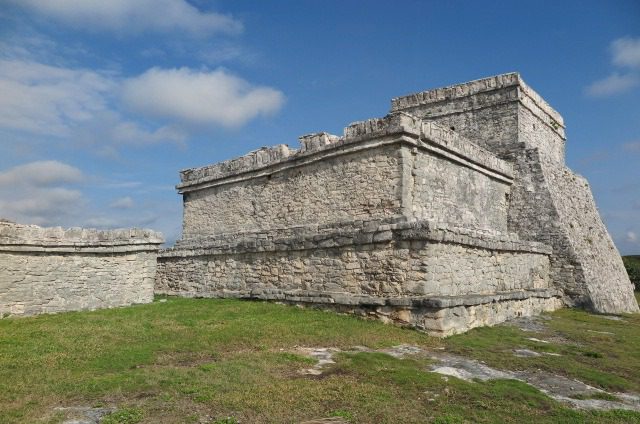
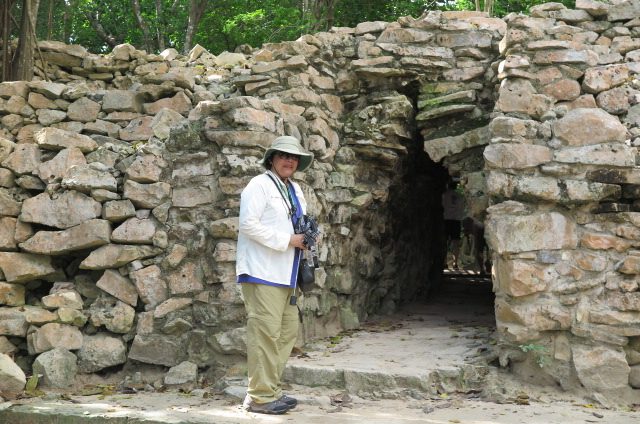
After our visit, we met for a group lunch at La Parrillo in the Fifth Avenue shopping district of Playa del Carmen. Following lunch, we took a leisurely stroll down 5th Avenue, encountering yet another individual attempting to engage us by shaking our hands, claiming he was on the wait staff of the Mayakoba. It seems to be a common ploy to attract patrons to specific establishments. We found two more shops offering exquisitely painted wooden animals and embroidered textiles.
At 4 PM, we made our way to the ferry to Cozumel to join our ship, Le Champlain. Waiting by the ferry gates, was Arthur Tauck who apparently spends time in Cancun. The water was very choppy and the sailing was quite rough.
Our ship, Le Champlain, is beautiful compared to the Le Ponant that we sailed on through Sicily.
A Day at Sea: Cultural Insights and Culinary Delights – February 2, 2020
Today was spent entirely sailing. Some of the onboard activities were a presentation on Diego Rivera and a demonstration on how to make corn tortillas. The lecture on Diego Rivera by Carmen Nunez, one of our tour directors from Spain, proved to be very interesting, focusing mainly on his murals.
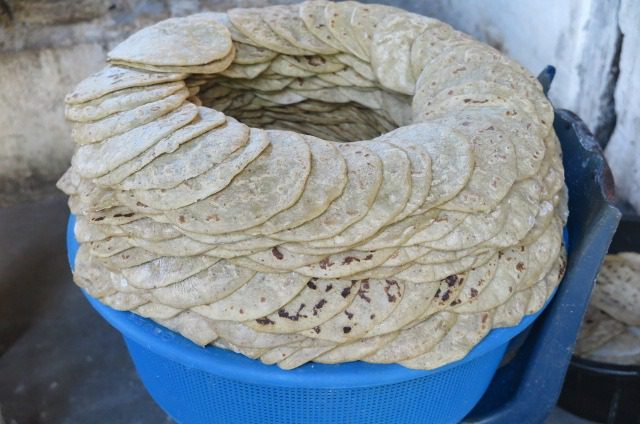
The corn tortillas made by Wendy Rodrigues, one of our tour directors from Costa Rica, were exceptionally tasty. Her recipe included 2 cups of corn flour, 1 cup of water, and a pinch of salt. The dough was kneaded and formed into golf ball-sized rounds, flattened between two pieces of plastic, and then dry-fried over a heat source. It was advised not to flatten them too thin.
Tonight, we set our clocks back an hour.
Honduras: A Journey to Copan Ruinas – February 3, 2020
This morning, we arrived at San Pedro Sula, the second largest city in Honduras. The capital, Tegucigalpa, is the largest.
We left at 7 AM taking first a bus and then a plane and then another bus to visit the Mayan ruins at Copan Ruinas. Security at the airport was quite thorough. Along the way we saw a few Tuk Tuks which are imported from India, except that in India they are called rickshaws, and they are black and yellow. These were white and red. The ruins are quite impressive, particularly the 65 stairs with hieroglyphics. All around the ruins were birds, such as macaws and turkeys.
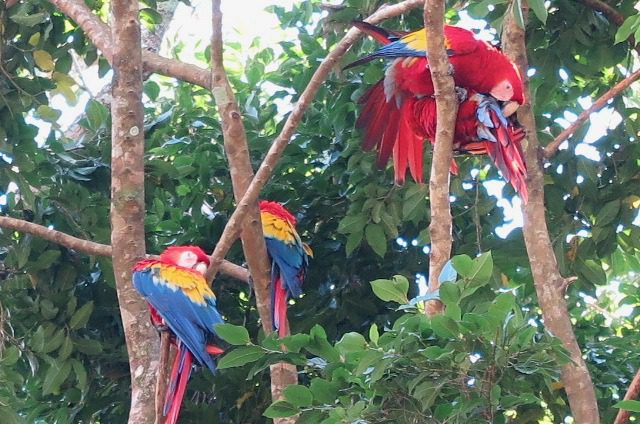
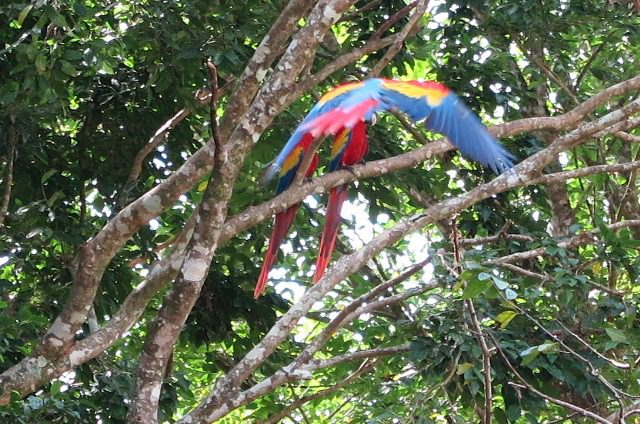
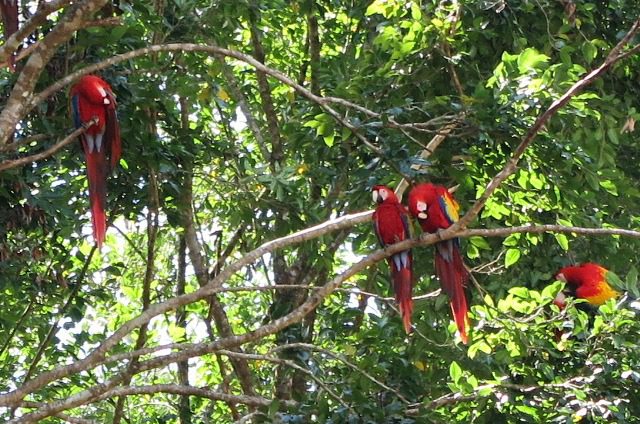
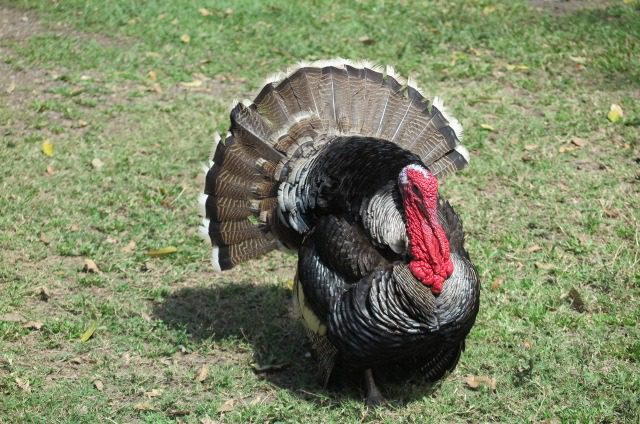
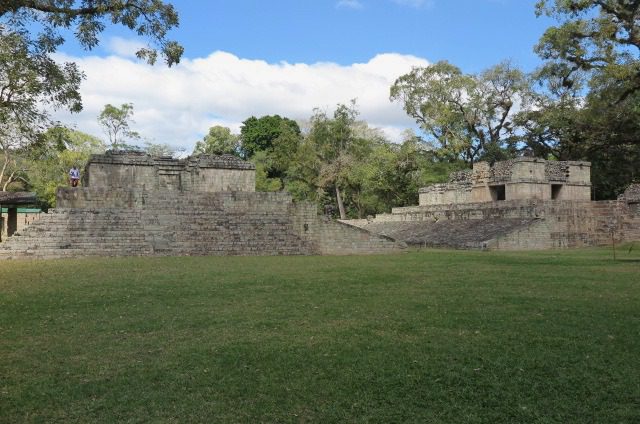
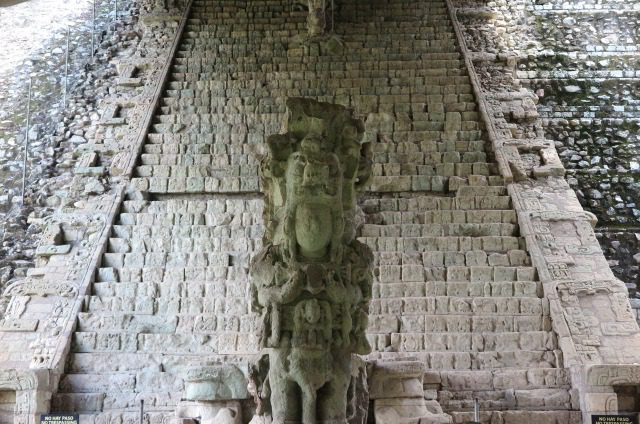
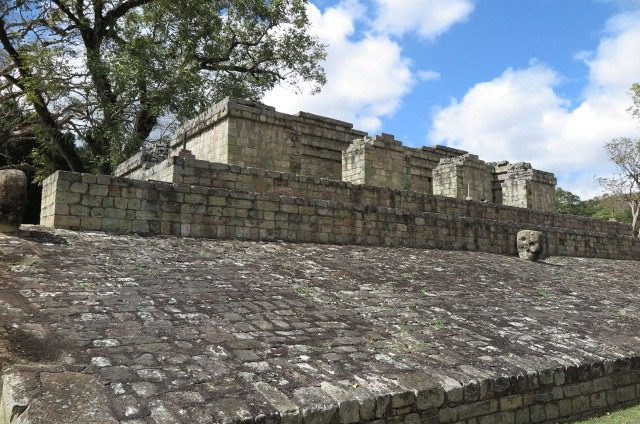
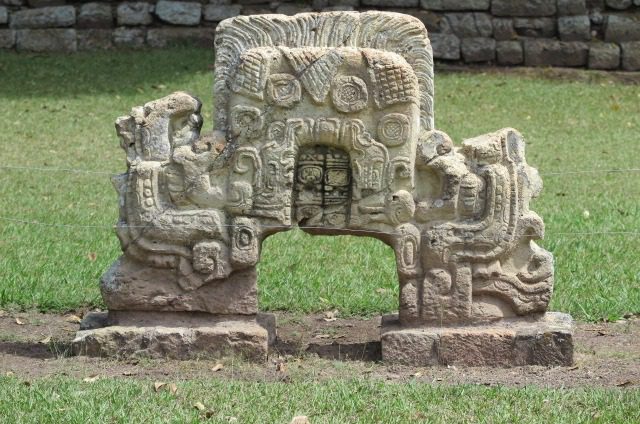
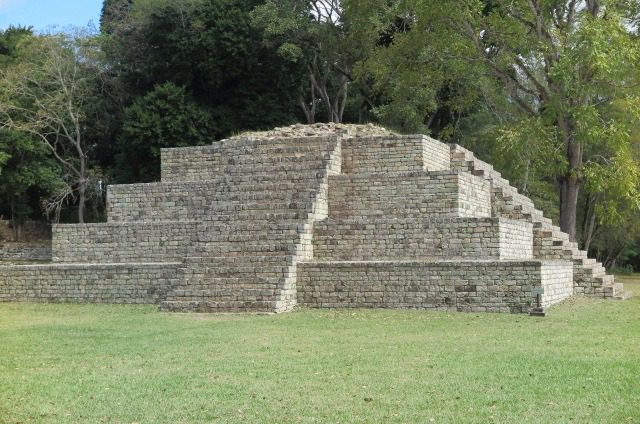
As we were leaving the ruins, we were approached by two little girls selling corn dolls for a dollar a piece. Both of us succumbed and bought a doll each.
After admiring the ruins, we had lunch in a restaurant downtown, where we sampled stuffed tortillas and a coffee flan that was to die for.
Guatemala: Exploring Tikal Ruins – February 4, 2020
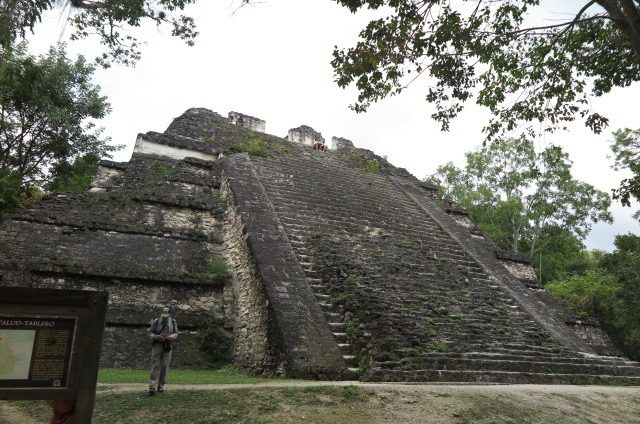
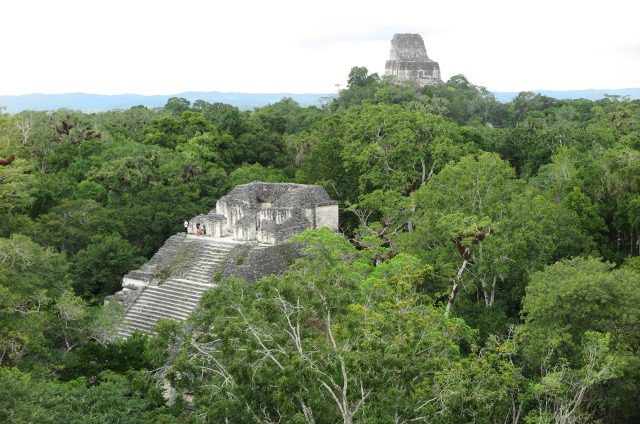
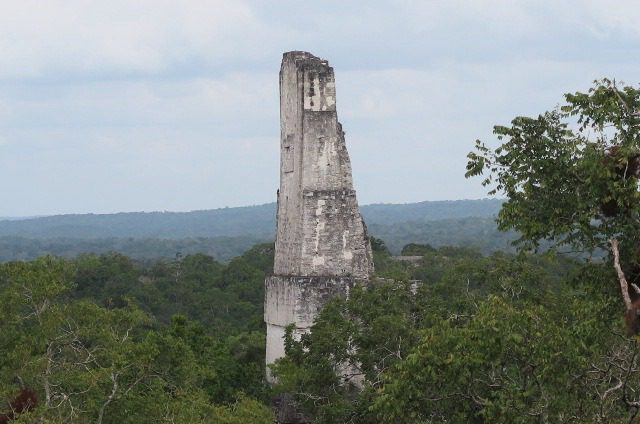
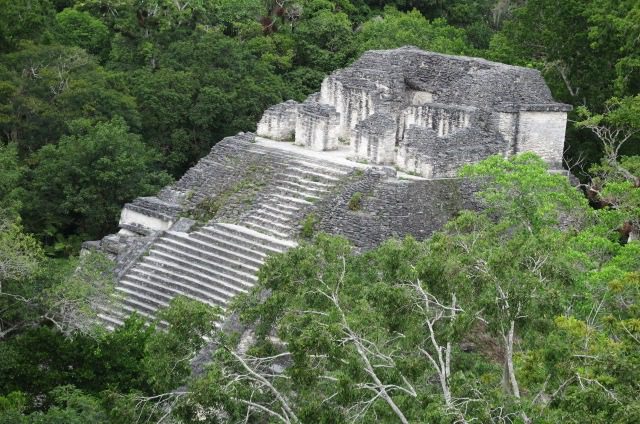
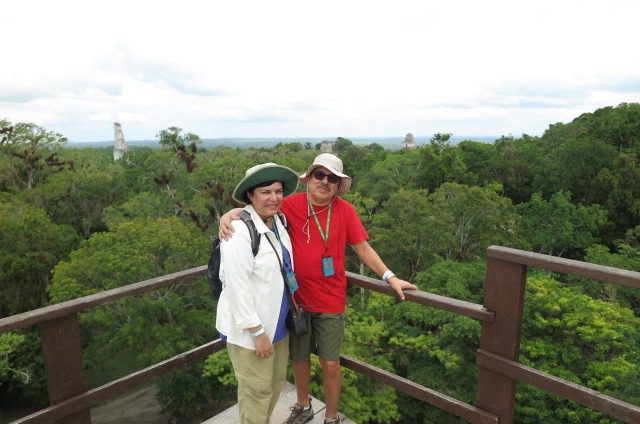
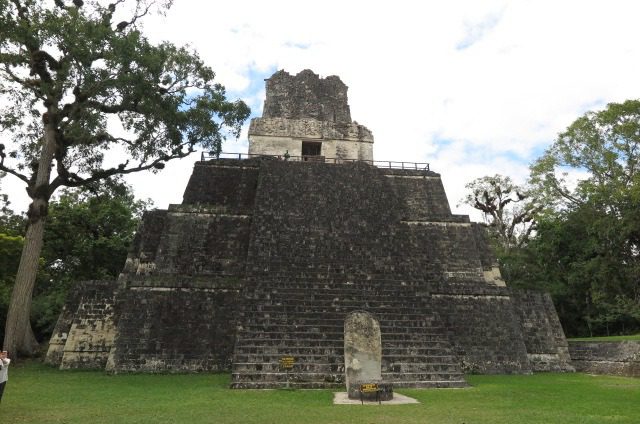
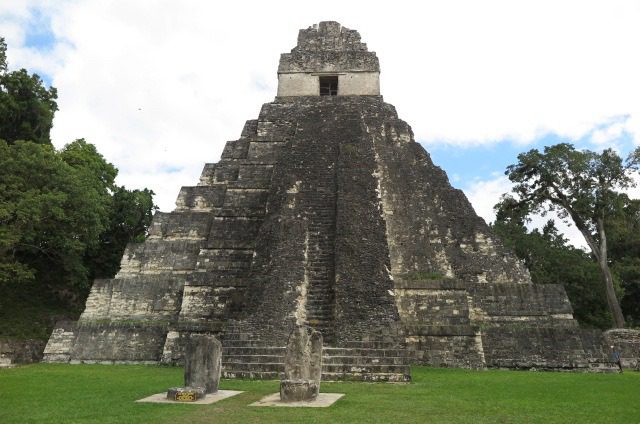
We boarded a bus early in the morning, followed by a plane ride, and then another bus ride to reach Tikal in Guatemala, yet another Mayan ruin. There was no security check this time, but we noticed soldiers drilling behind the airport. This site boasts many temples, among them the Temple of the Masks, Temple of the Grand Jaguar, and Temple of the Great Priest. Visitors are allowed to climb these temples; we climbed one by means of a wooden staircase rather than the original steps and were rewarded with a fabulous view of the complex. Some of the discoveries and restorations at Tikal were carried out by the University of Pennsylvania. In addition to temples, the site features expansive squares, burial sites, residential areas (though inaccessible to visitors), and twin pyramid complexes
River Adventure: Exploring Guatemala’s Cultural Gems – February 5, 2020
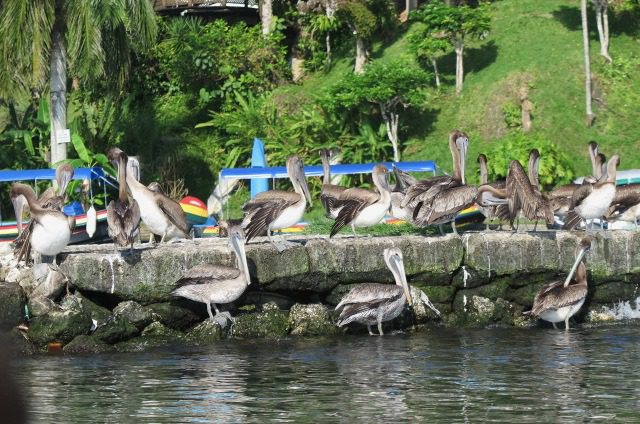
We are still docked in Guatemala. This morning, we went on a long boat ride along the River Dulce. Along the way, we saw various bird species, including pelicans, cormorants, and egrets. Occasionally, villagers in canoes approached us, offering handmade knickknacks for sale. For lunch, we dined at a riverside restaurant, enjoying a seafood feast of fish soup, fish curry, fried fish, and more, much to the delight of fish lovers among us.
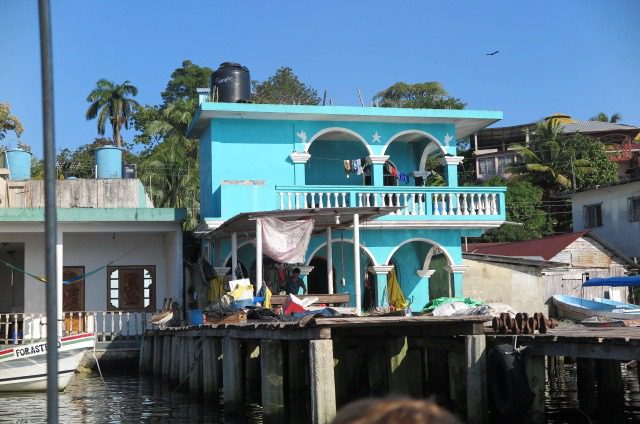
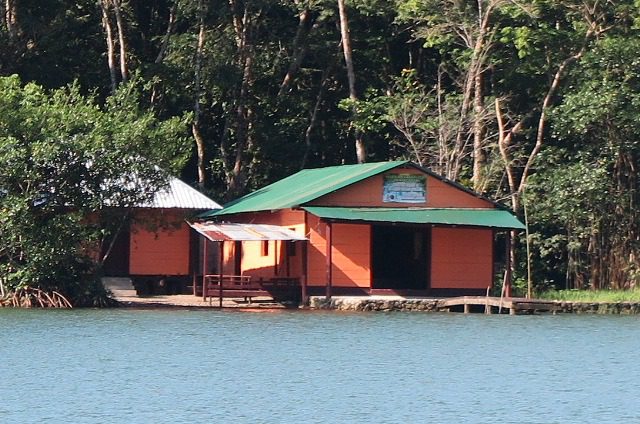
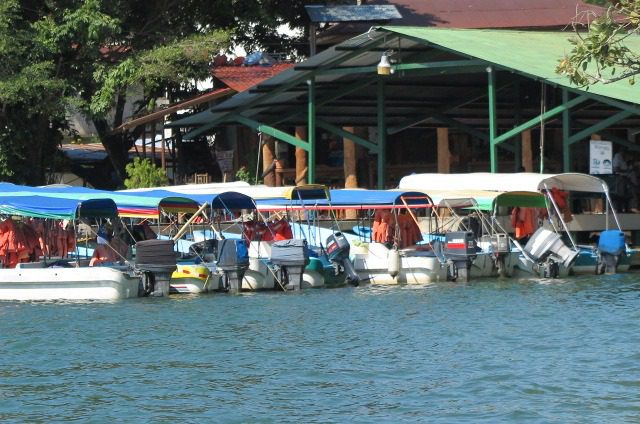
Following lunch, we visited Ak’Tenamit, a school for high school students from Guatemala’s agricultural regions, preparing them for careers in tourism and hospitality while providing invaluable work experience not readily available in their communities.
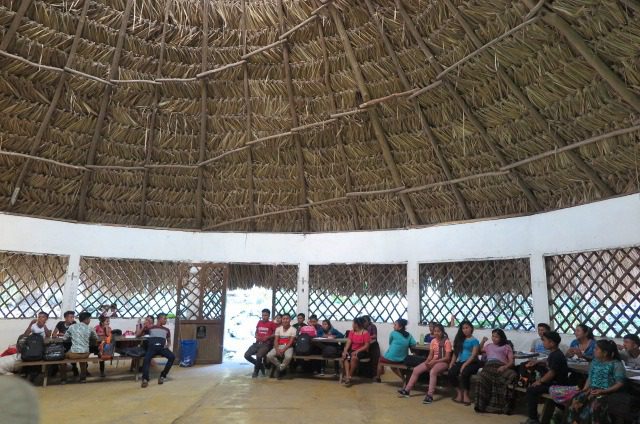
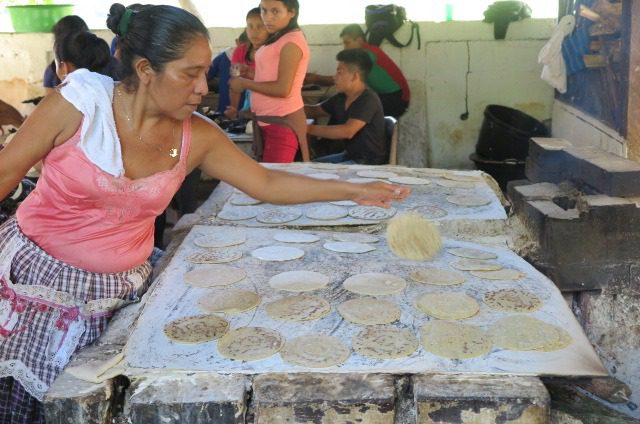
We stopped in Livingstone for a little while, but the streets were so crowded that we had to abandon the idea of visiting the shops along the route.
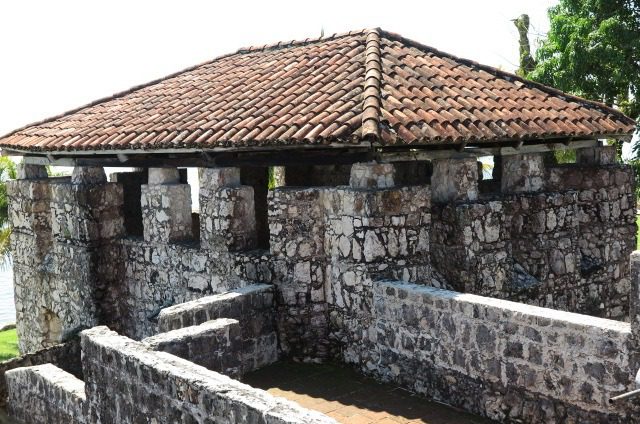
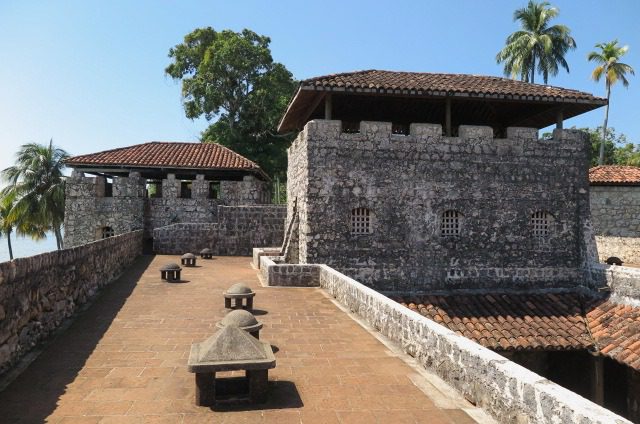
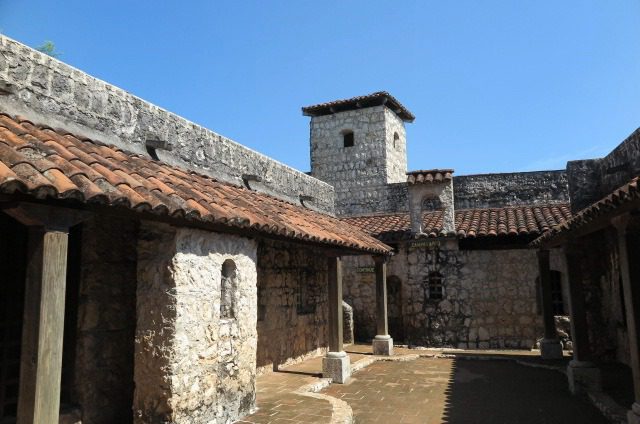
Our final stop was Castillo de San Felipe, a Spanish fortress guarding the mouth of Lake Izabal. Although the original wooden tower was destroyed by fire in 1604, the fortress was rebuilt in 1644 to defend against pirate attacks. It was called Fuerte Bustamente after the General in charge. It was redesigned in 1687, featuring a moat and drawbridge entrance.

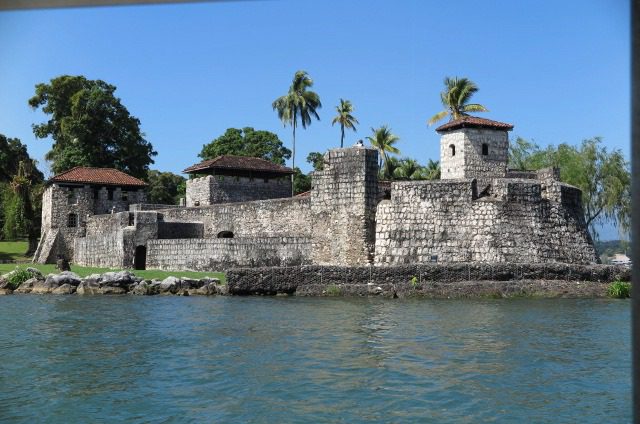
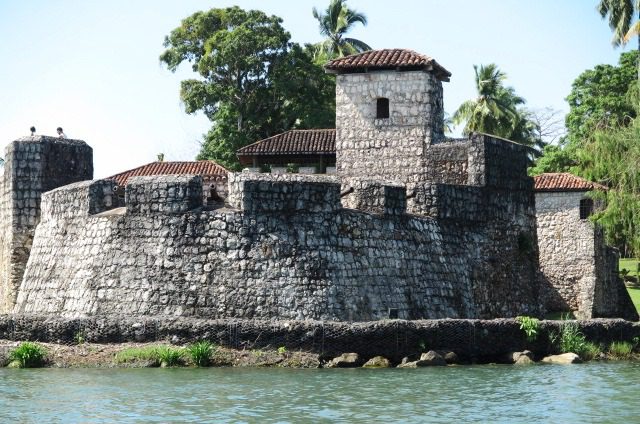
Upon our return to Le Champlain, we attended a dance performance by the Hawani Garinagu folkloric group, showcasing several traditional Garifuna dances accompanied by authentic musical instruments and a vocalist. The Garifuna represent one of Guatemala’s four main cultural groups, alongside the Maya, Ladina, and Xinca, with 22 ethnic Mayan groups, each speaking distinct dialects.
Later in the evening, at 9:30 PM, Christabel attended a piano recital by Anastasiia Kolieva, a Ukrainian pianist, featuring pieces by Liszt, Chopin, Debussy, Schubert, and Rachmaninov.
Discovering Lamanai: Ancient Wonders of Belize – February 6, 2020
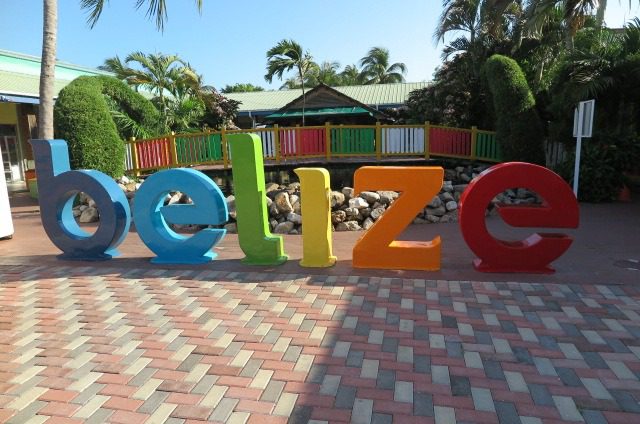
Today, we anchored off the coast of Belize, a former British colony where English is the national language. Unlike other Central American states, Belize boasts a diverse population, including Indian, Chinese, Mayan, African, and Spanish communities. It is also in dispute with Guatemala over its borders.
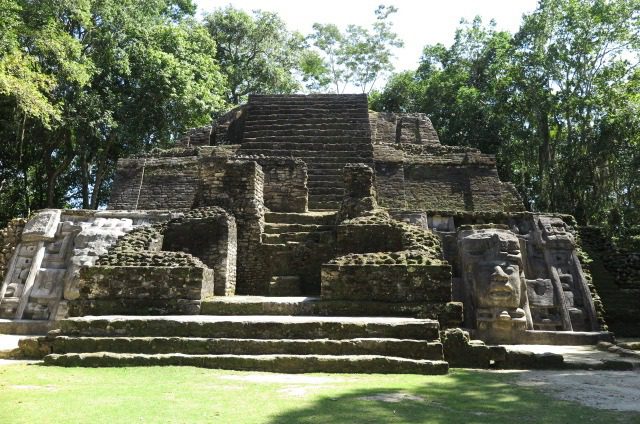
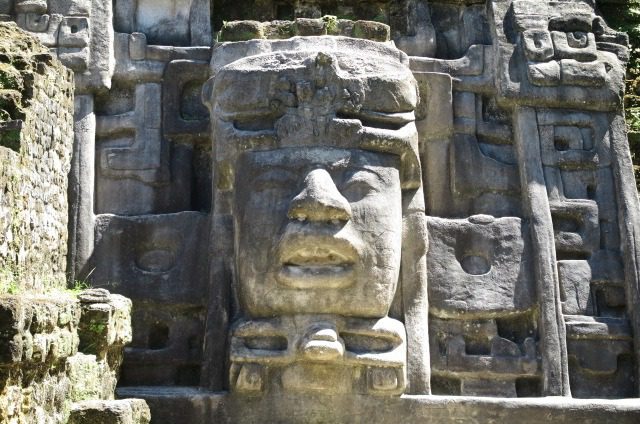
Our journey took us to Belize City via boat, followed by a long bus ride and another equally long boat excursion along the New River to Lamanai, a Mesoamerican archaeological site, once a thriving Mayan city. Lamanai means submerged crocodile, but we did not see any crocodiles. Exploring the site, we visited three pyramid structures: the Temple of Masks, the Grand Temple, and the Jaguar Temple. The Temple of Masks featured huge masks, while at the Jaguar Temple, remnants of masks hinted at their former glory. Although a wooden staircase allowed access to the Grand Temple, neither of us scaled the monument. Following our exploration, we enjoyed an alfresco lunch of rice, beans, chicken, and refreshing papaya and watermelon for dessert.
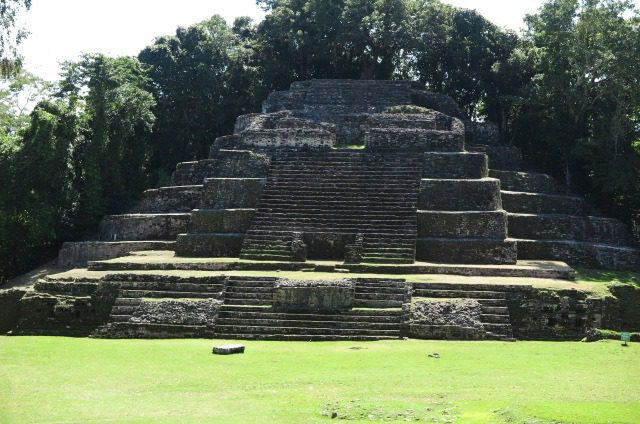
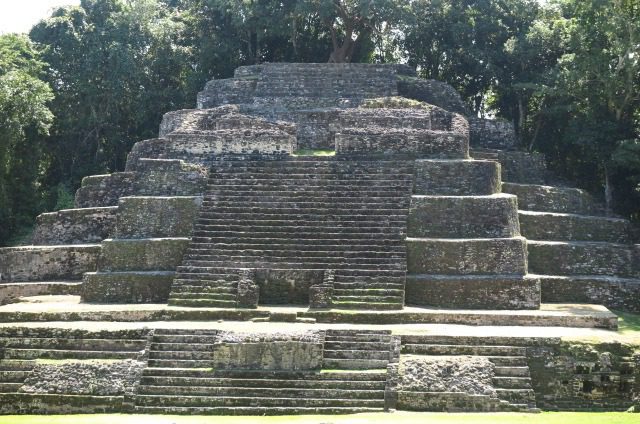

On our way back to the ship, we stopped at a shop specializing in Tanzanite and met one of the salespeople originally from Mumbai, now residing in Belize.
Exploring Half Moon Caye – February 7, 2020
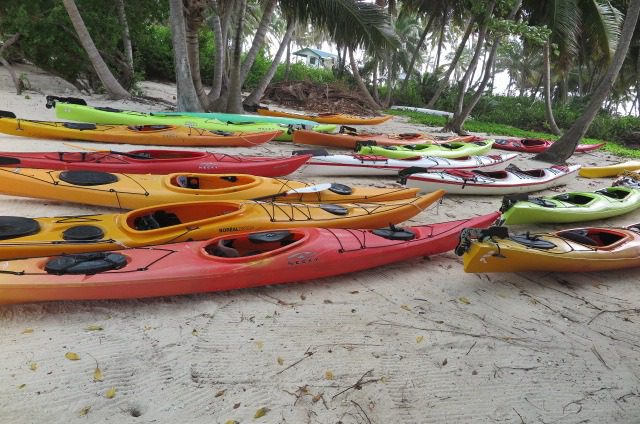
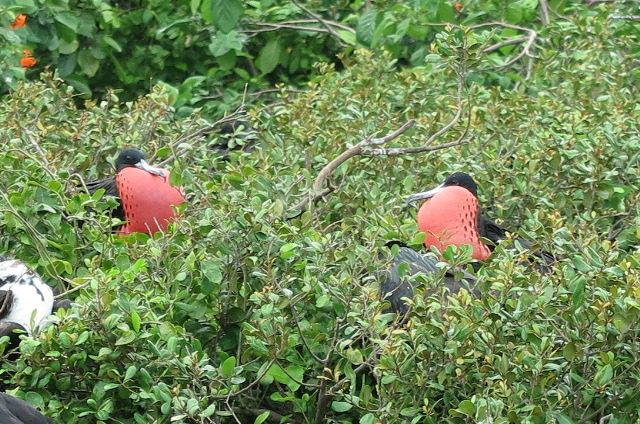
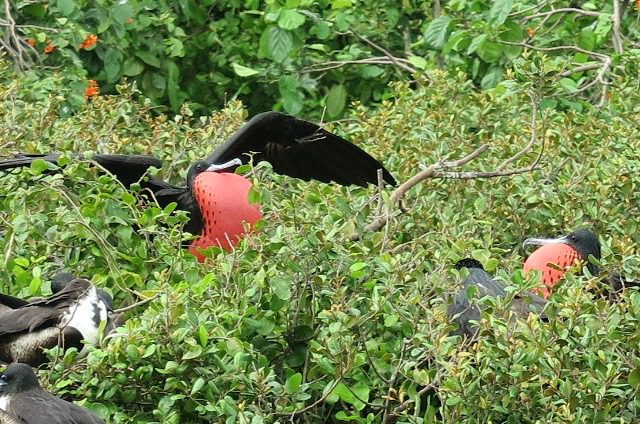
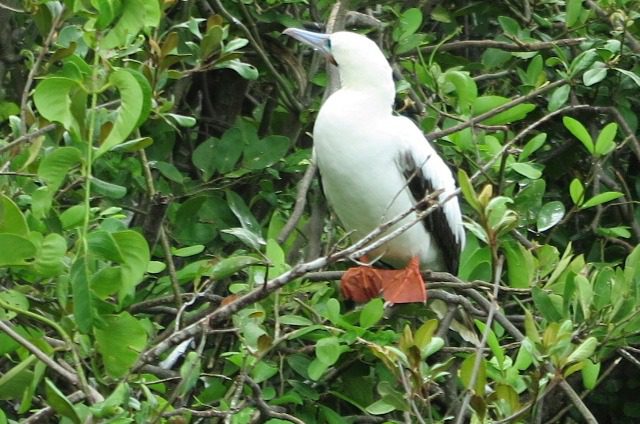
Due to choppy seas, the trip to the Blue Hole was canceled, but the visit to the habitat of the red-footed booby birds on Half Moon Caye island proceeded as planned. These birds play a vital role in the ecosystem, providing guano that fertilizes trees, which in turn creates habitats for the boobies, leaf-toed geckos, and various sea turtle species. The Blue Hole, a giant sinkhole that is part of the Belize Great Barrier Reef, would have been best explored through snorkeling.
Farewell to Cozumel – February 8, 2020
We sailed into Cozumel early this morning. After disembarking the ship, we joined a few other travelers in a van bound for the airport. The trip back home was uneventful.