When we started traveling in 2010, we used to post our travel diary with pictures on a commercial website. Unfortunately, we lost all the posted content as this website shut down without notice, leaving us scrambling to come up with a more permanent alternative.
Now that we have our own travel website, we are attempting to recreate some of the lost blogs based on notes, itineraries, Wikipedia, and good old-fashioned memory. This is one such recreation. It’s a labor of love, piecing together the adventures that shaped our lives and sharing them with you once again.
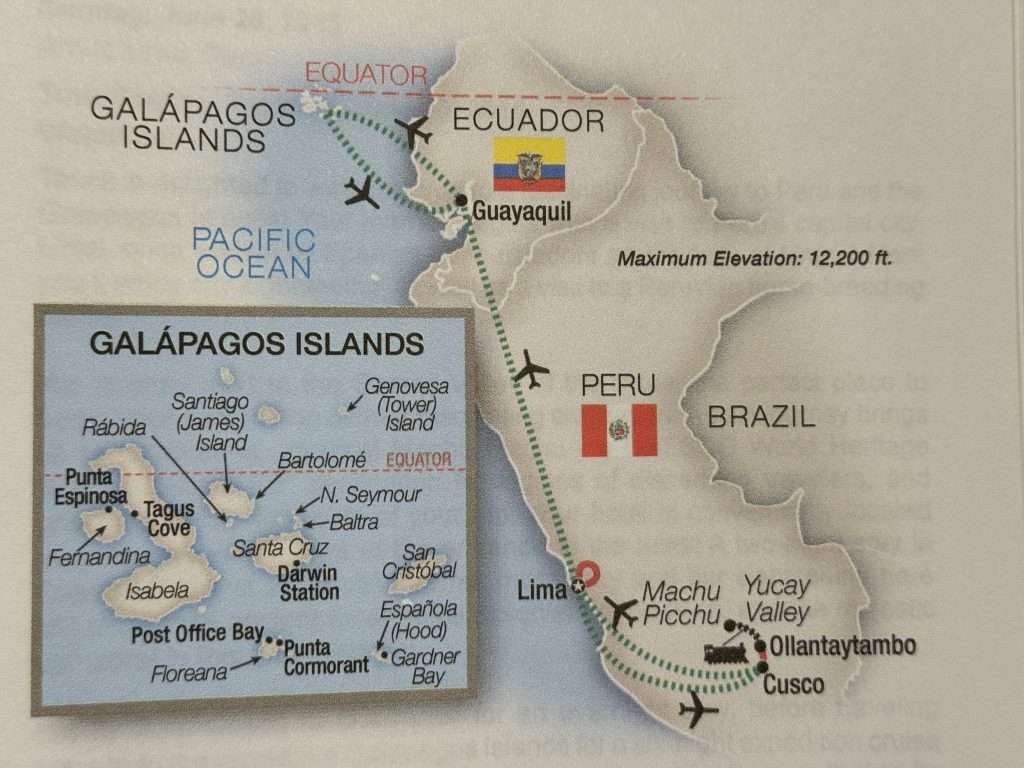
In this recreated blog, we take you on our epic adventure from the ancient land of the Incas and the mystical ruins of Machu Picchu in Peru to the legendary Galapagos, following in the footsteps of Darwin.
Lima on Our Own – June 29, 2015
Yesterday, we flew from Newark to Lima on a comfortable and uneventful flight. We’re staying at the Belmond Miraflores Park Hotel, where we’ll be spending the next four days. Our room overlooks the Pacific Ocean, and we can see surfers and hand gliders. The hotel is full of groupies of someone called Ravi Shankar, not the sitarist as he passed away in 2012.
We had a lovely breakfast and tried cactus fruit for the first time. It was sweet but filled with large seeds. Later, we walked around the Barranco district, which is known for its art galleries. Unfortunately, most of them were closed due to the feast of Saints Peter and Paul, a public holiday in Lima.
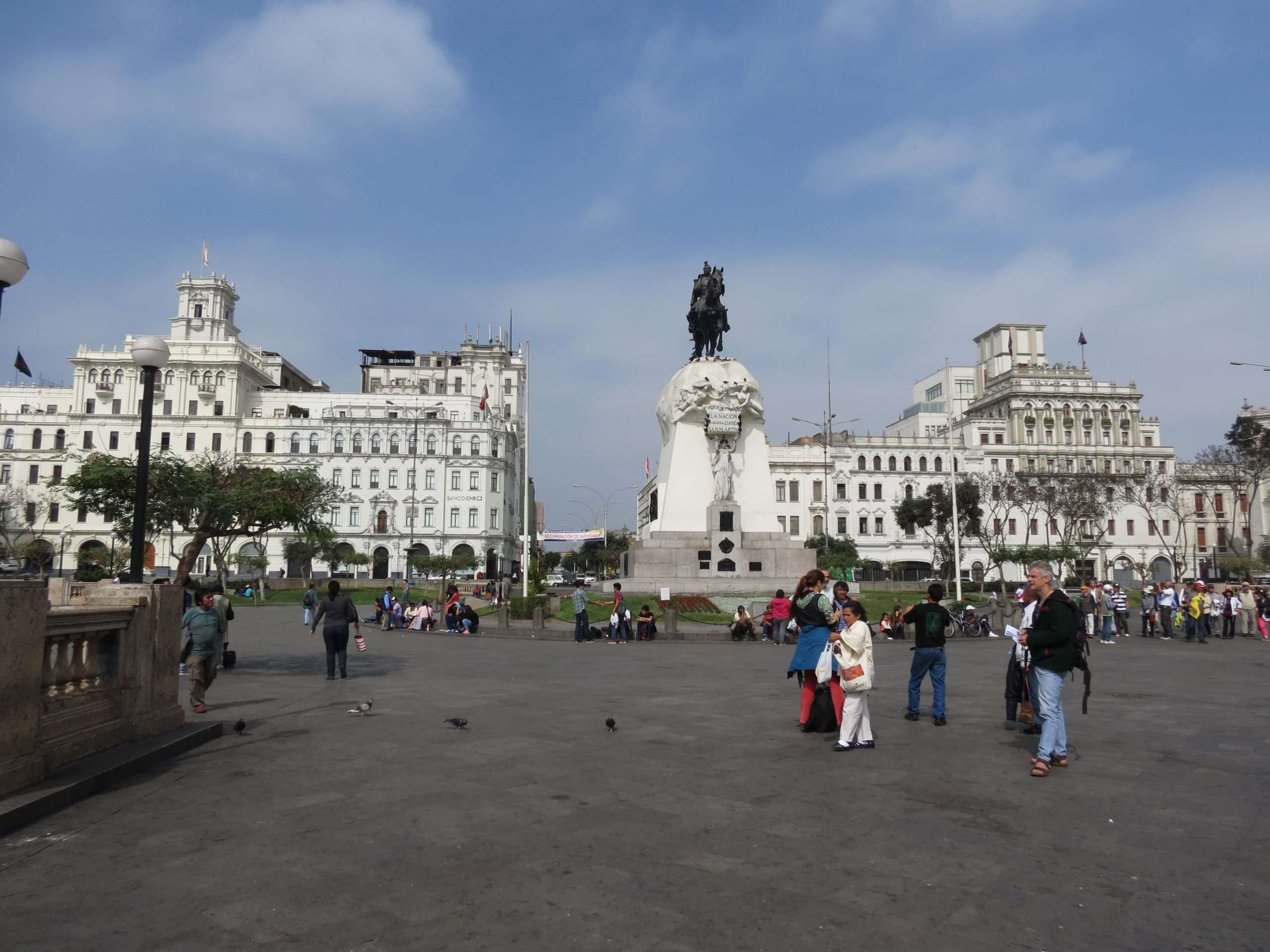
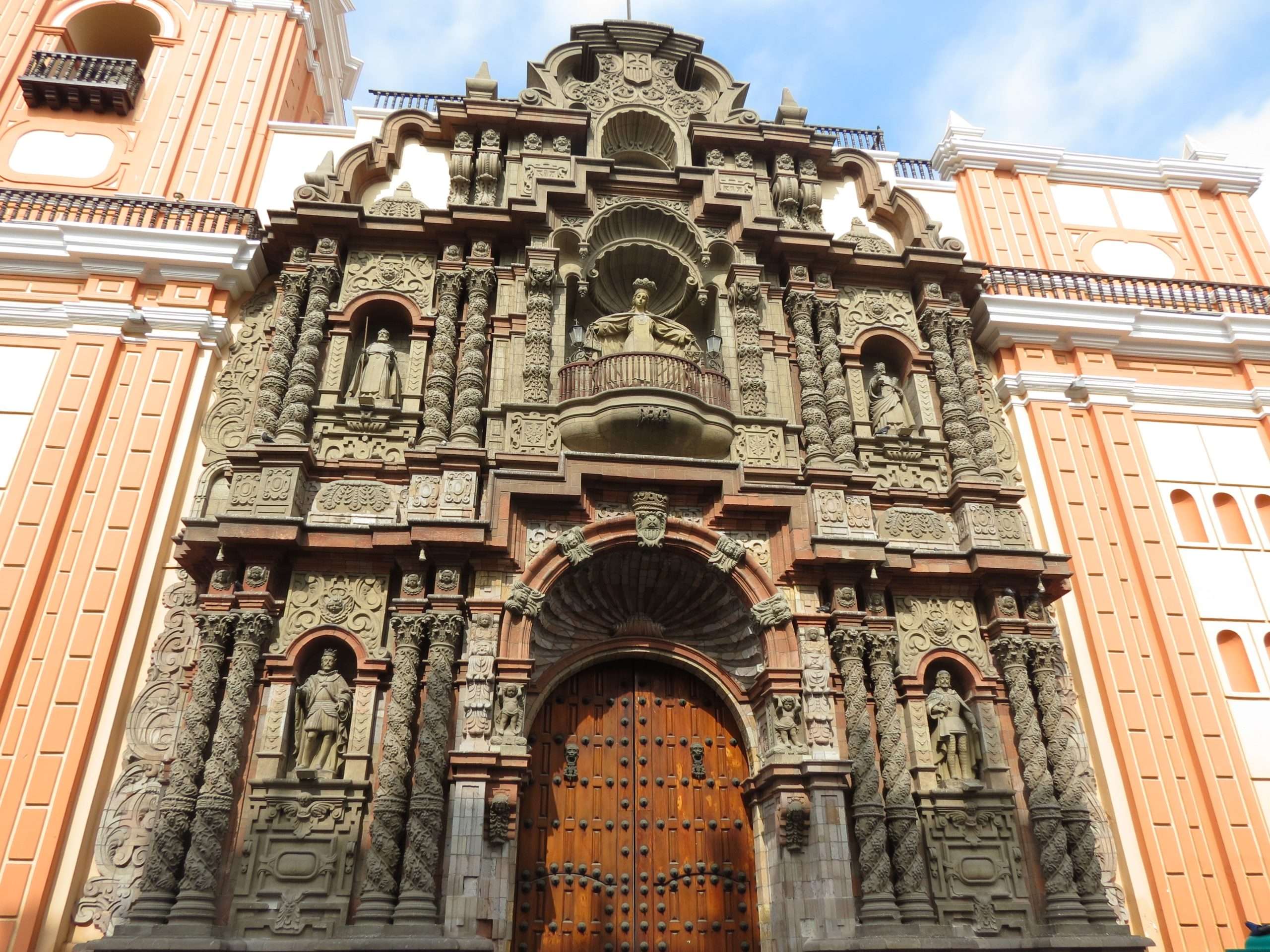
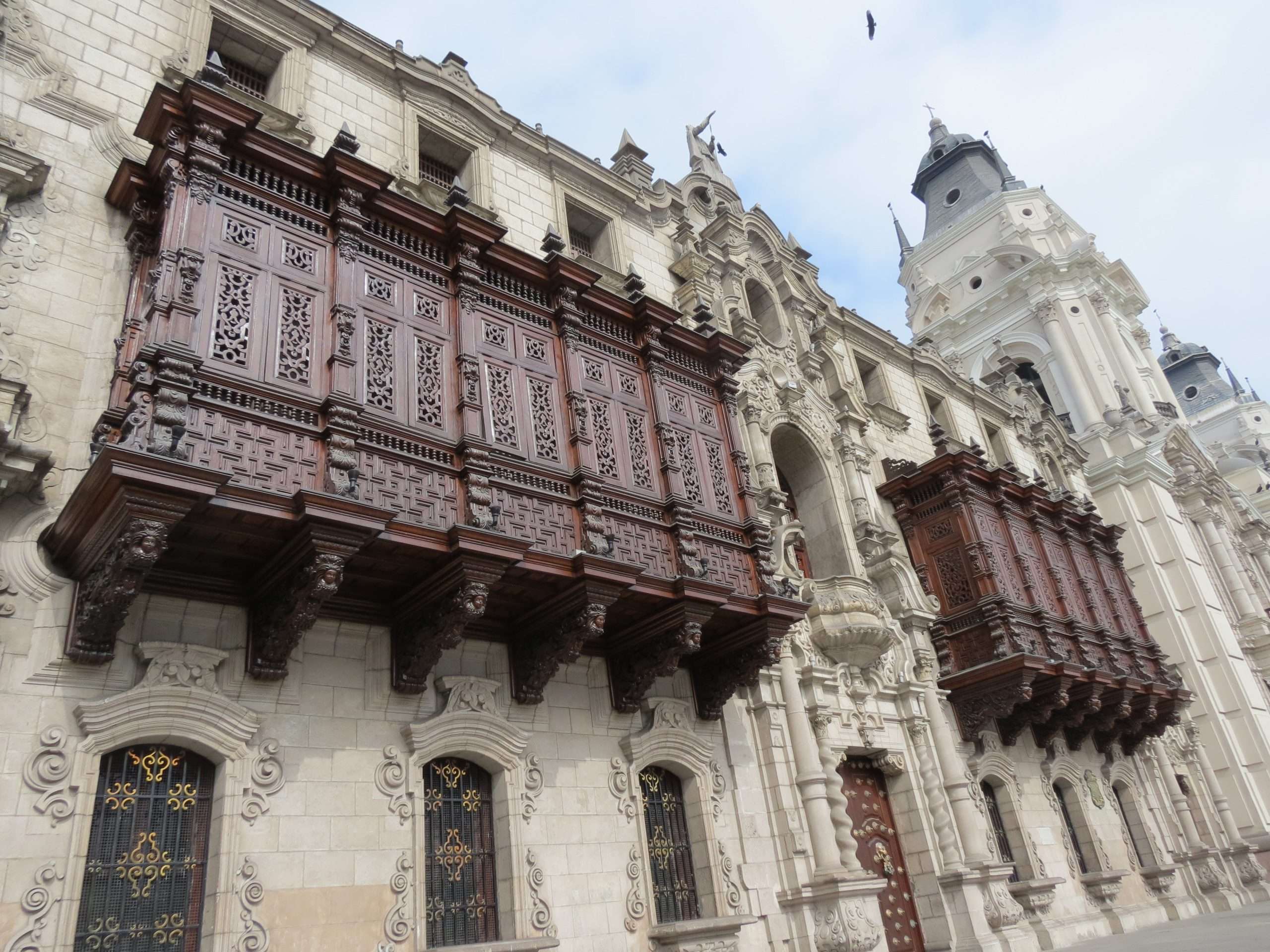
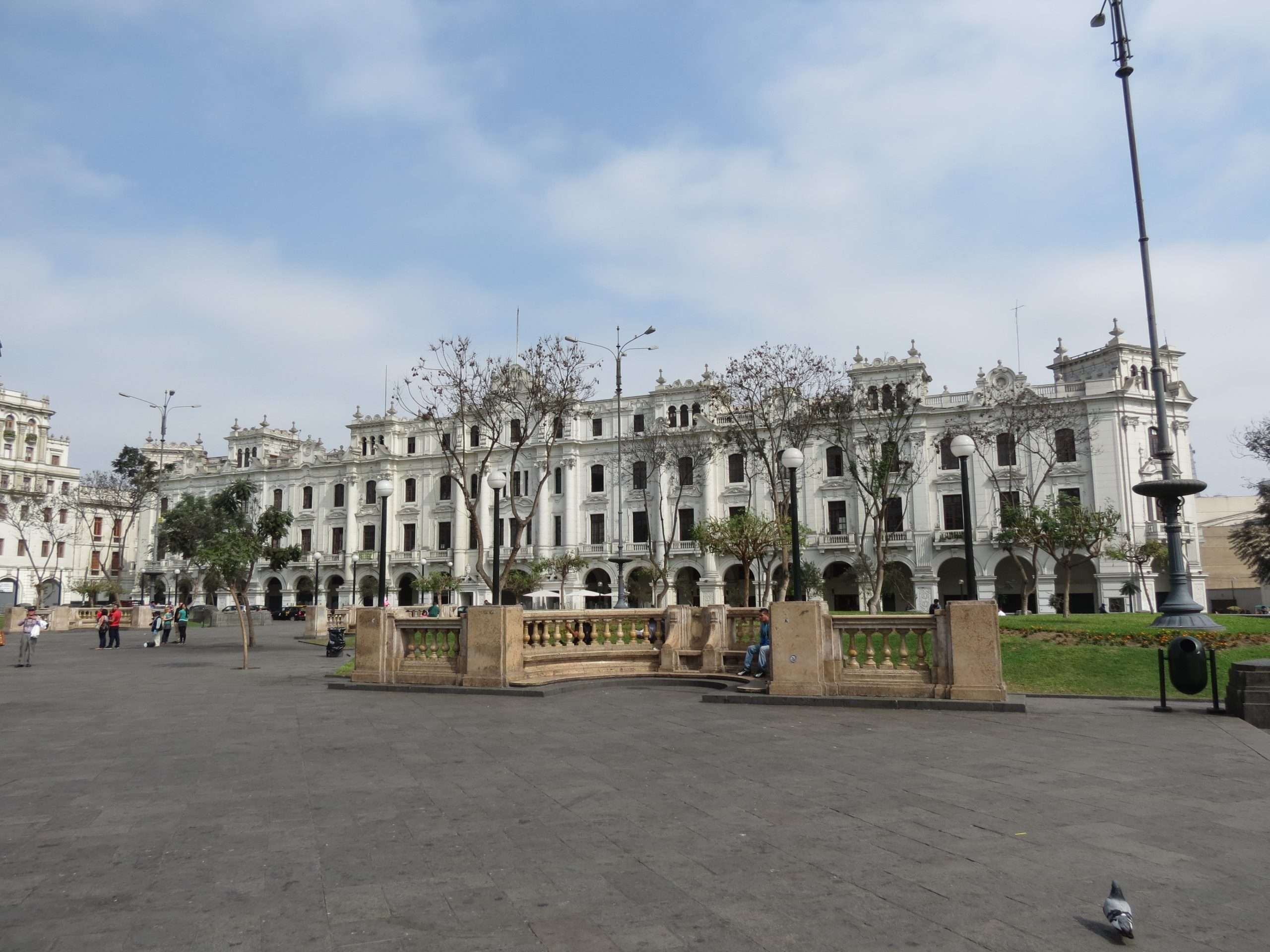
In the afternoon, we did a walking tour of the center of Lima. The buildings are fantastic, with lots of covered balconies made of wood. It doesn’t rain much, so the wood holds up well. We’re charmed by the layout of the city—lots of parks. We visited the Franciscan Monastery, where over 40,000 people are buried in the catacombs under the church —quite impressive.
We’ve seen exquisite tiles everywhere, with particularly fine examples in the monastery. These were all crafted by a single artisan who, according to legend, was saved from execution because of his exceptional tile-making skills. Another marvel in the church is the wooden ceilings, including the rotunda ceilings, which are based on Moorish star patterns. Remarkably, these ceilings were assembled without nails—the pieces interlock and stay in place solely due to their weight.
There is a magnificent library, though not as beautiful as the one we saw in Hungary. Most of the books were hidden during the revolution. In the monks’ dining hall, is a magnificent painting of the Last Supper, but in an Incan style, featuring a round table, children, chilies, guinea pigs, etc. The artist did not sign the painting but included himself, his wife, and their child in the picture. In the cloister, we saw five fountains representing the five wounds of Christ and several varieties of mango trees.
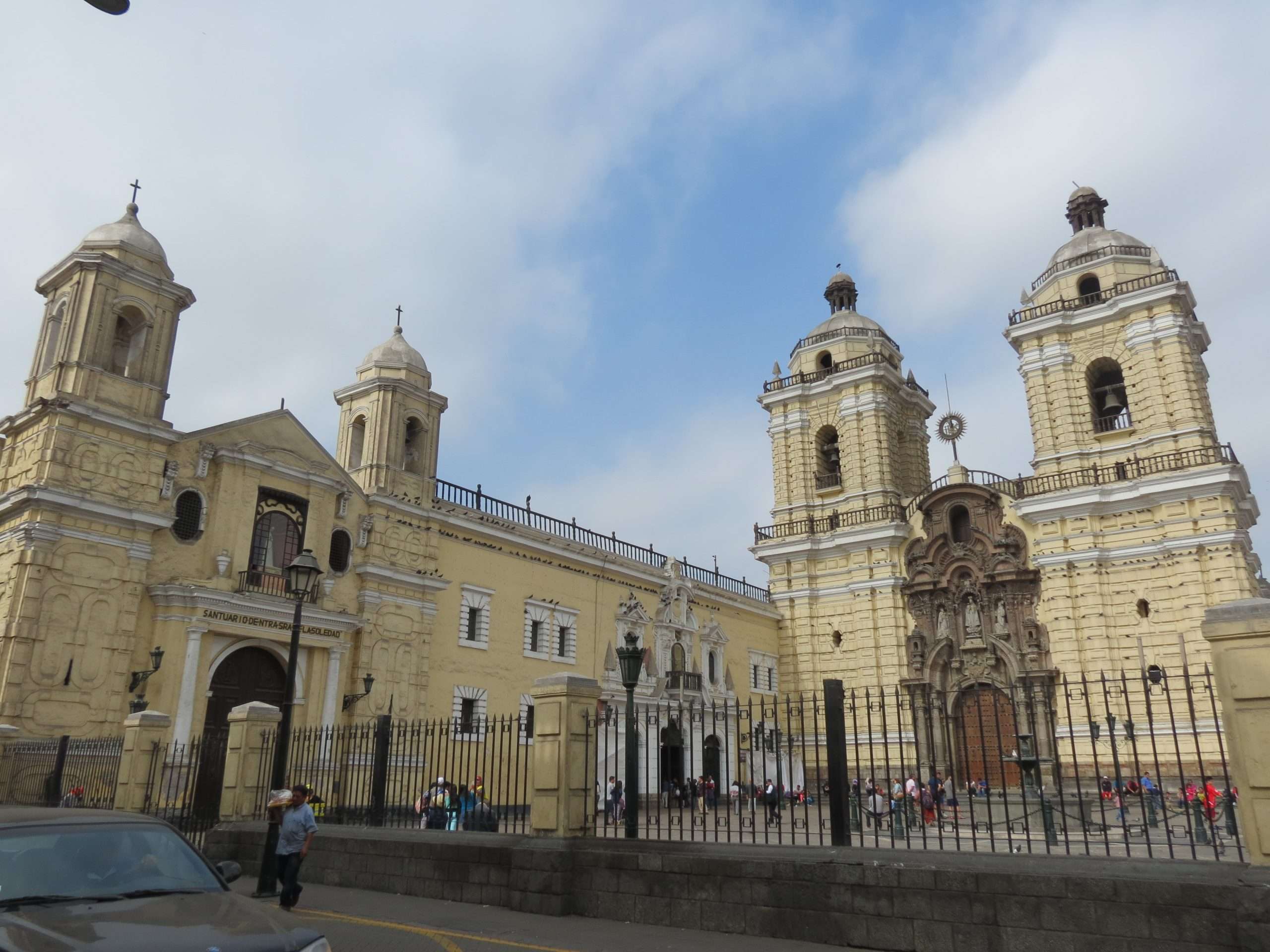
The Last Supper painting was cut into strips and hidden during the troubles to prevent it from being stolen by soldiers. Although the painting has been restored, the cuts are still visible. The monastery once housed several hundred monks, but now only about 30 to 40 remain. After visiting the monastery, we walked to Chinatown, but the market was closed.
We had a Peruvian Chinese dinner at Madam Tusan, featuring duck braised in wine and empanadas that were amazingly good.
A Day Trip to Pachacamac – June 30, 2015
Today, we visited Pachacamac, a temple dedicated to the sun god that predates the Spanish. Pilgrims used to come here, and there were 16 or 17 pyramids made of sand bricks, built on stone foundations. A few have been excavated, but mostly, the stone foundations remain. The tops of the pyramids were flat and contained administrative offices for accepting pilgrims’ donations. There was a convent where girls aged 8 to 18 were housed. These were chosen to be sacrificed to the sun god. The place must have been rebuilt recently but has since suffered some damage. It is called Manconia. Pachacamac must have been a huge site; most of it is buried under the nearby shantytown. Under the pyramids are hundreds of mummies. We hoped to see some in the museum, but it was too crowded, so our guide, Susie, skipped it. The site was discovered by a German archaeologist, Max Uhle. Some of the best mummies were taken to Germany but disappeared during the Second World War.
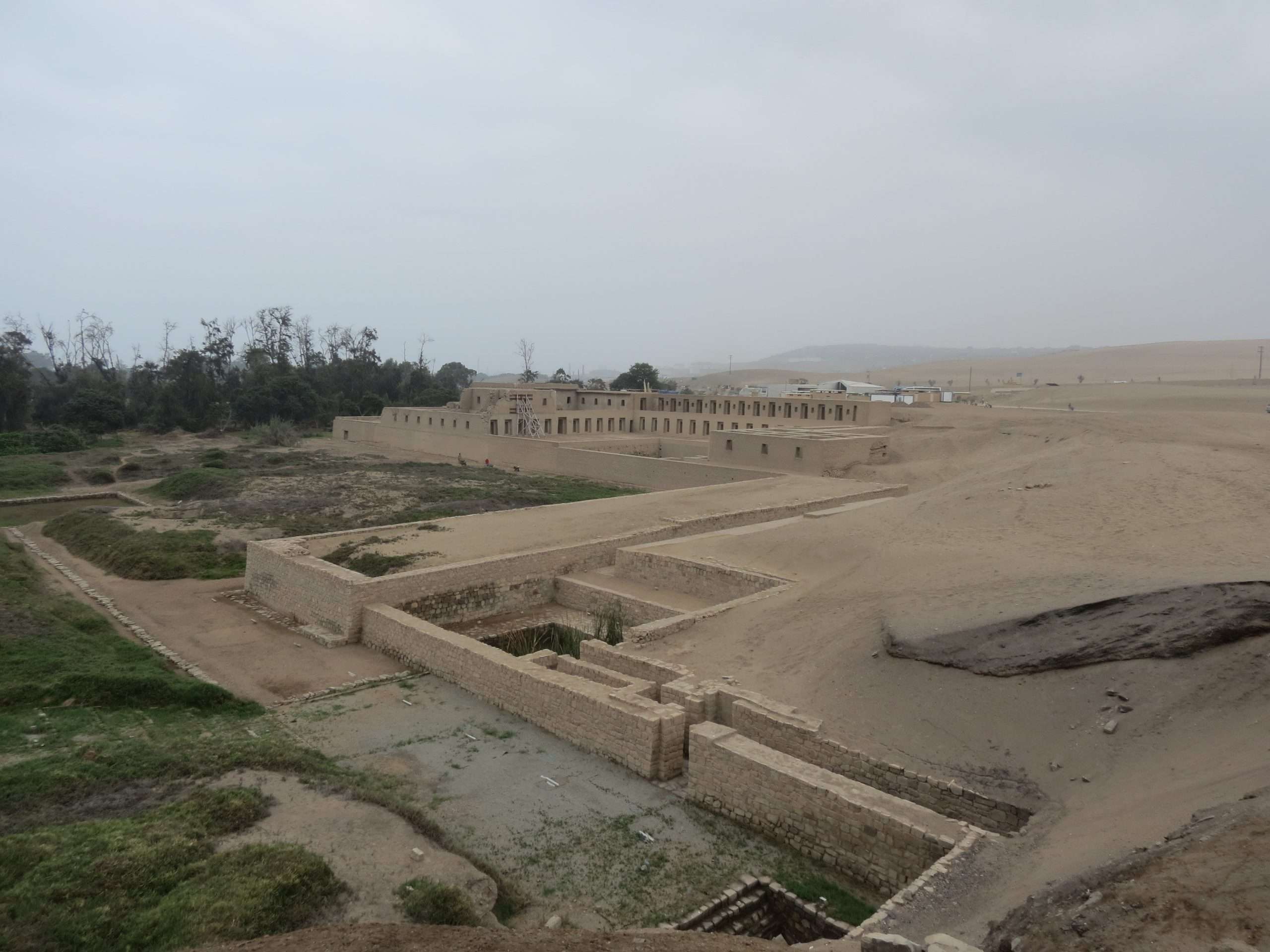
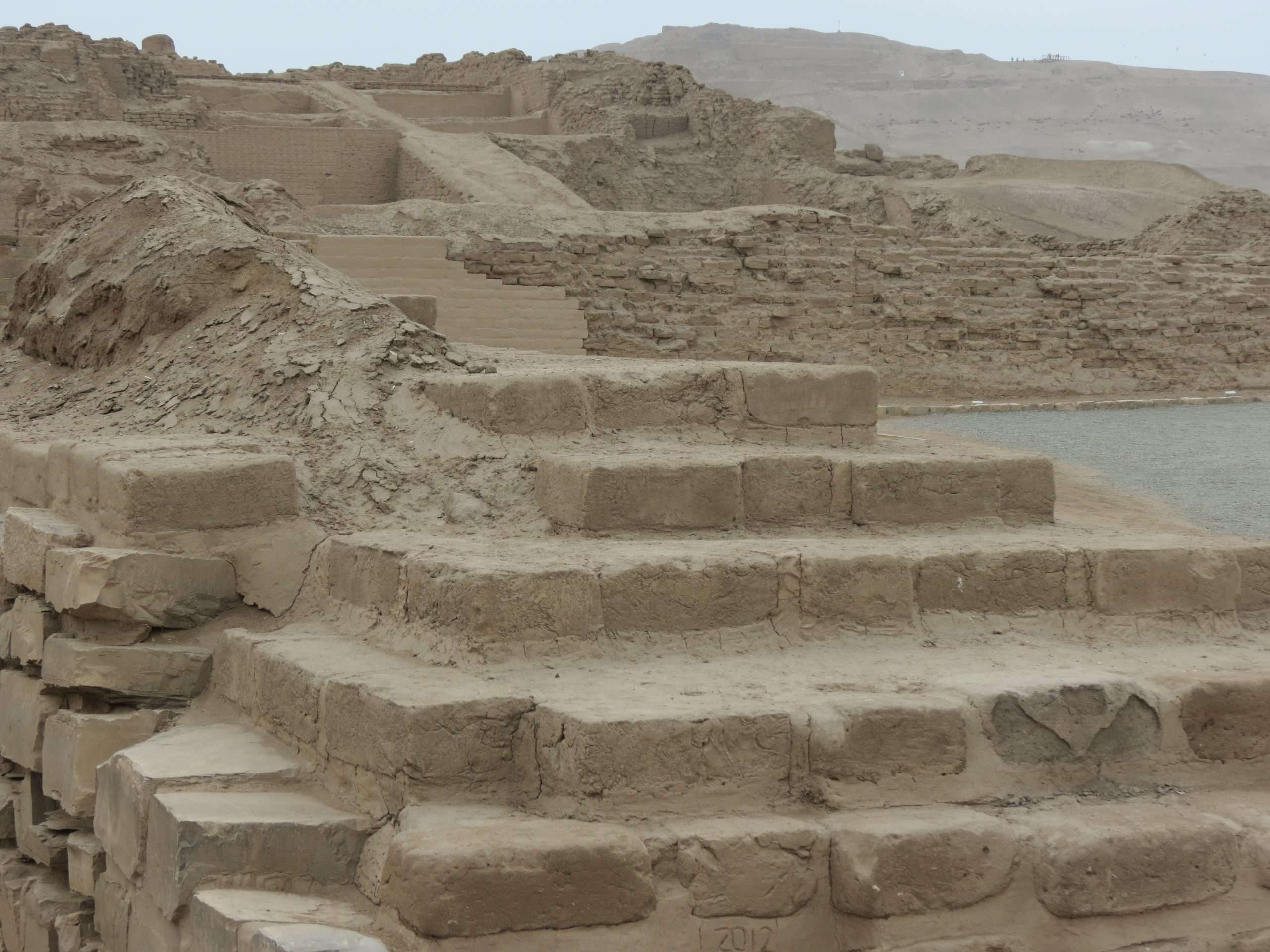
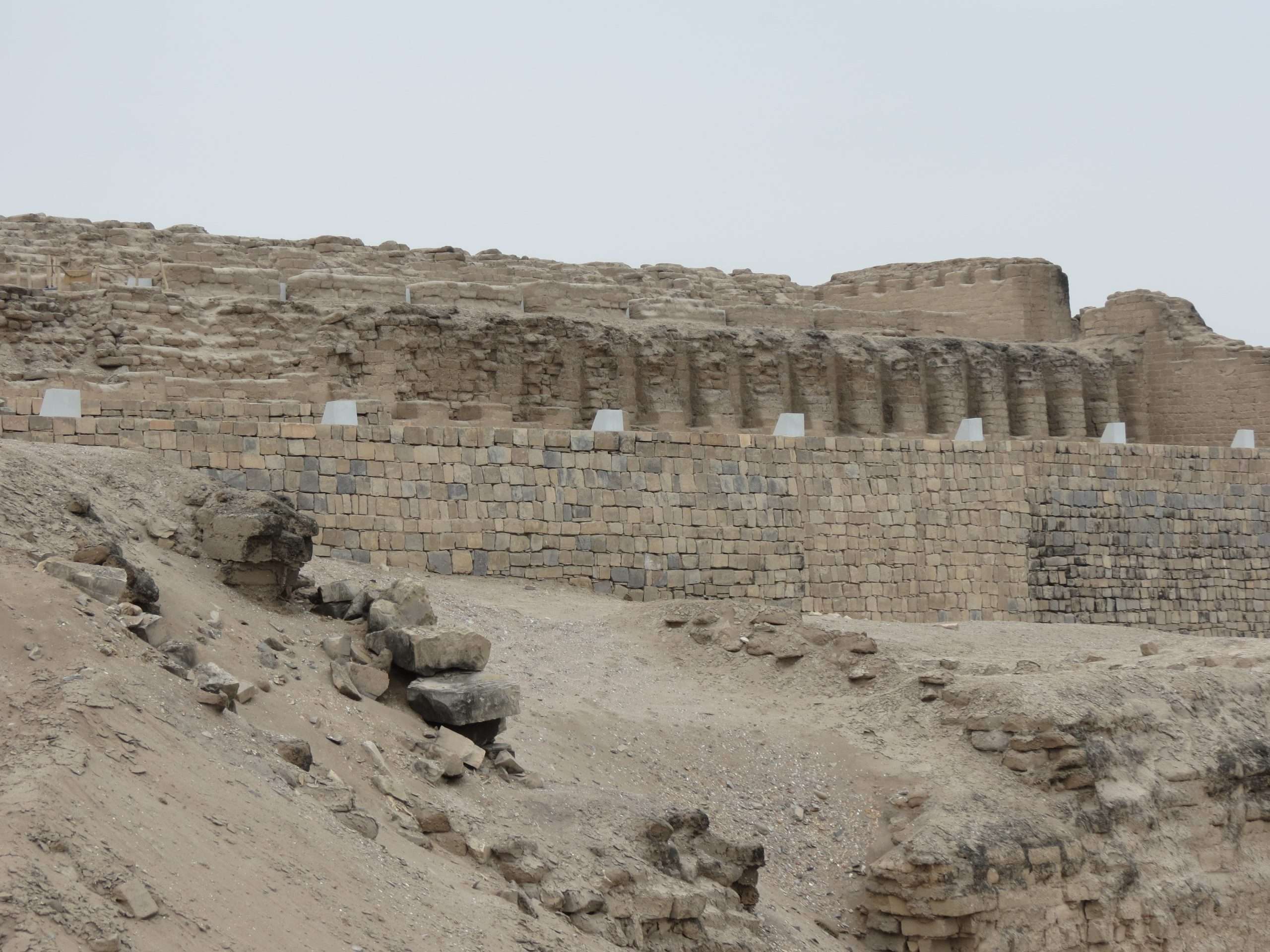
When we started the tour, we drove through Barranco and stopped at the Bridge of Sighs. Susie pointed out a restaurant, Tia Maria’s as being noted for a cow’s heart dish. We drove through a few other districts and then took the Panamericana highway to Pachacamac. At the end of the tour, we stopped at Kennedy Park, which is full of cats. We walked through an array of Indian handicrafts—so many stores, so much stuff, but almost no buyers.
Transportation here is quite interesting. You’ll find taxis (both legitimate and not), tuk-tuks (auto rickshaws), and both public and private buses. Traffic is very congested during rush hours, and while the driving can be chaotic, it’s not as extreme as in some other countries we’ve visited. Taxis don’t use meters, so you need to negotiate the fare before getting in. Additionally, many houses are barred, and some have electric fences, a remnant from the 80s and 90s when residents had to deal with the Shining Path’s serious political activism.
Another Day in Lima & Welcome Reception – July 1, 2015
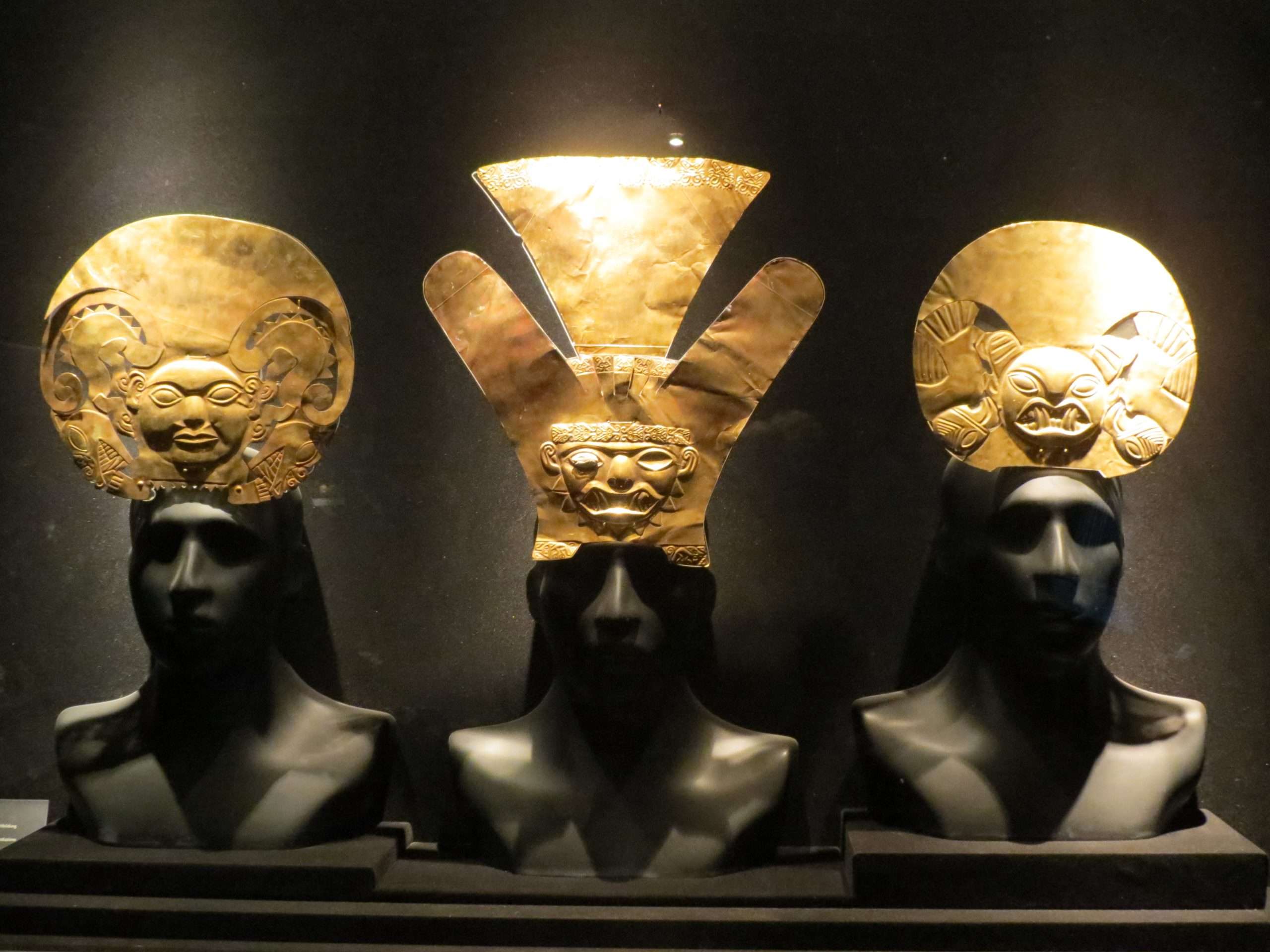
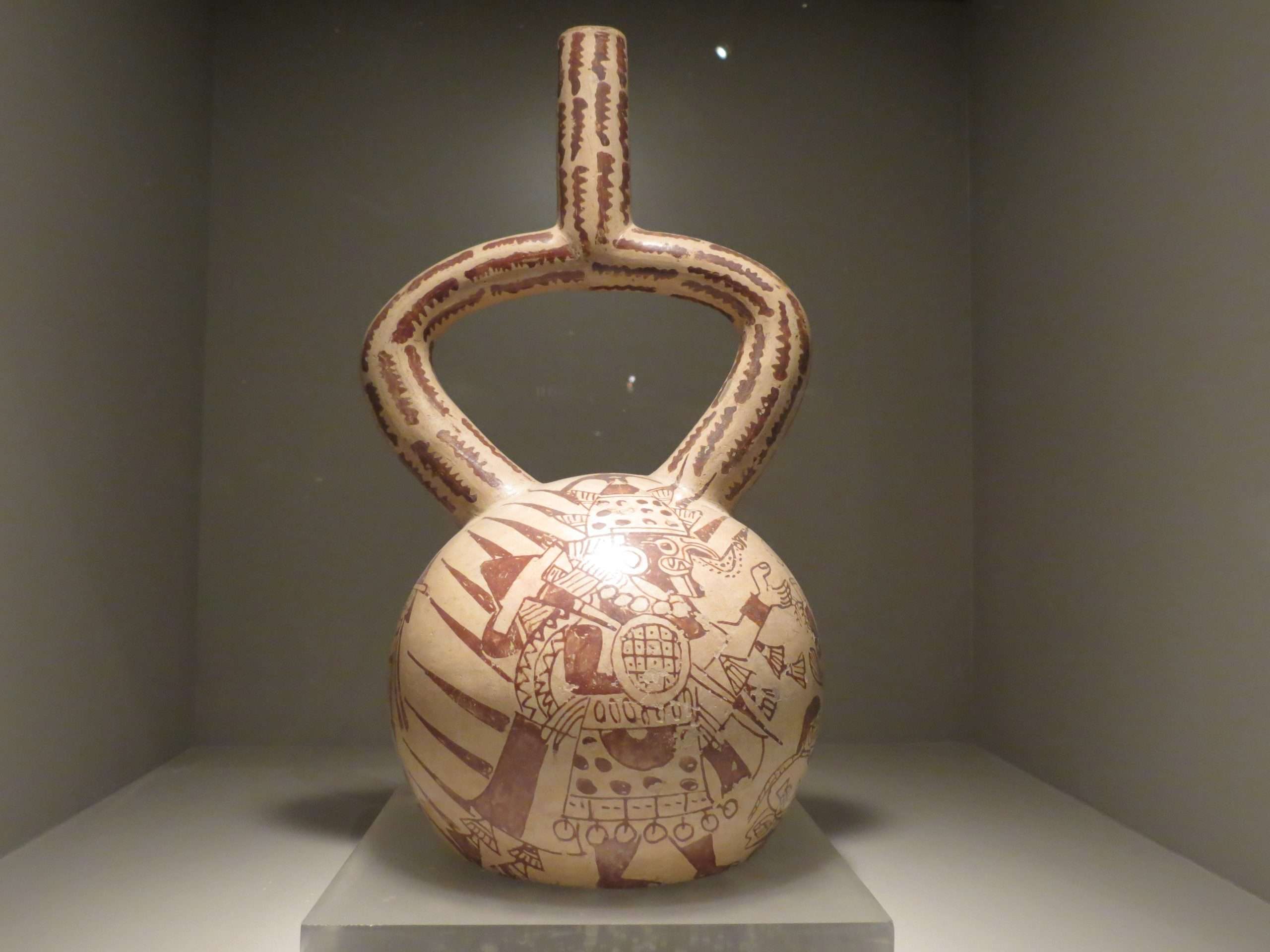
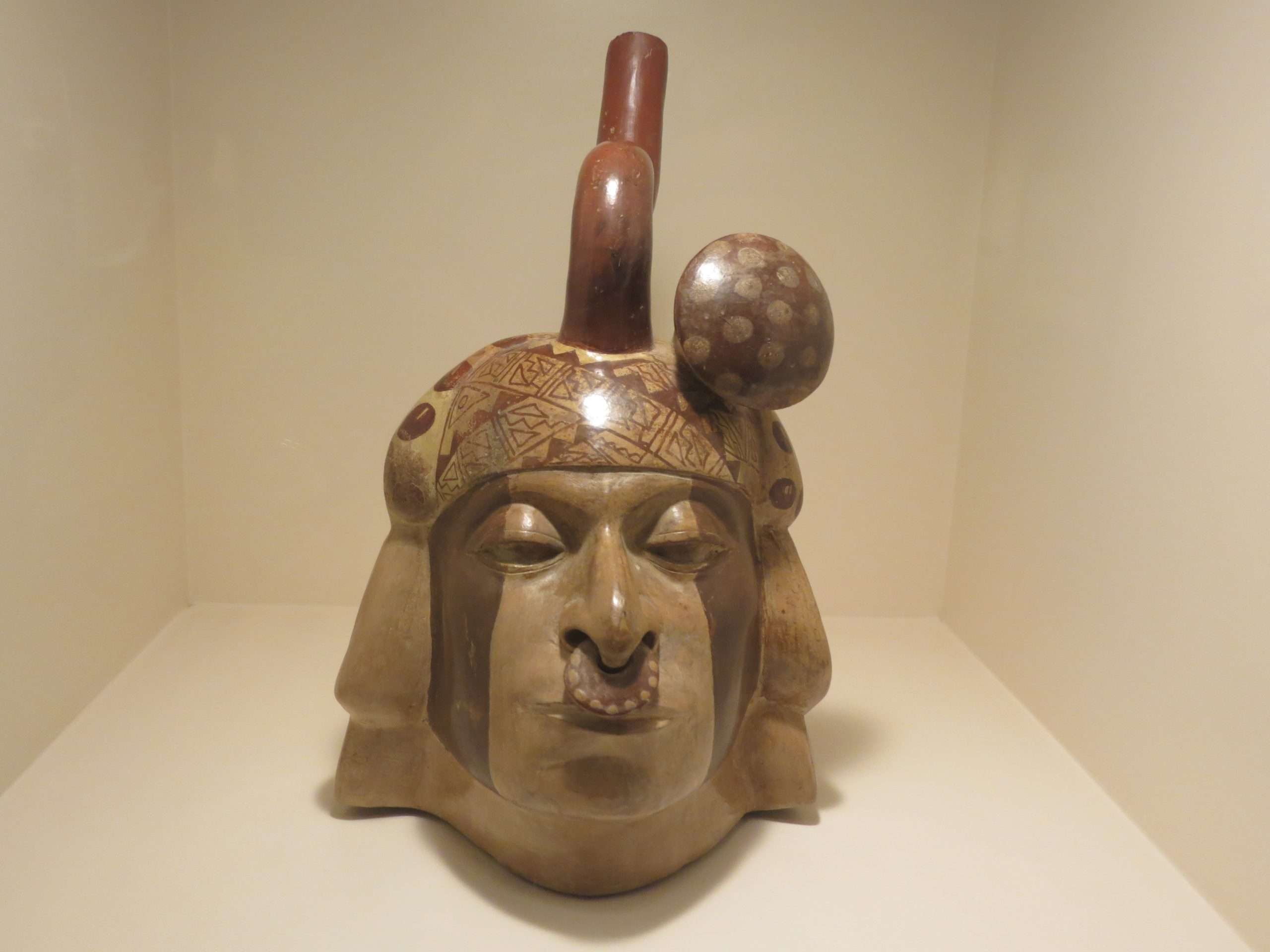
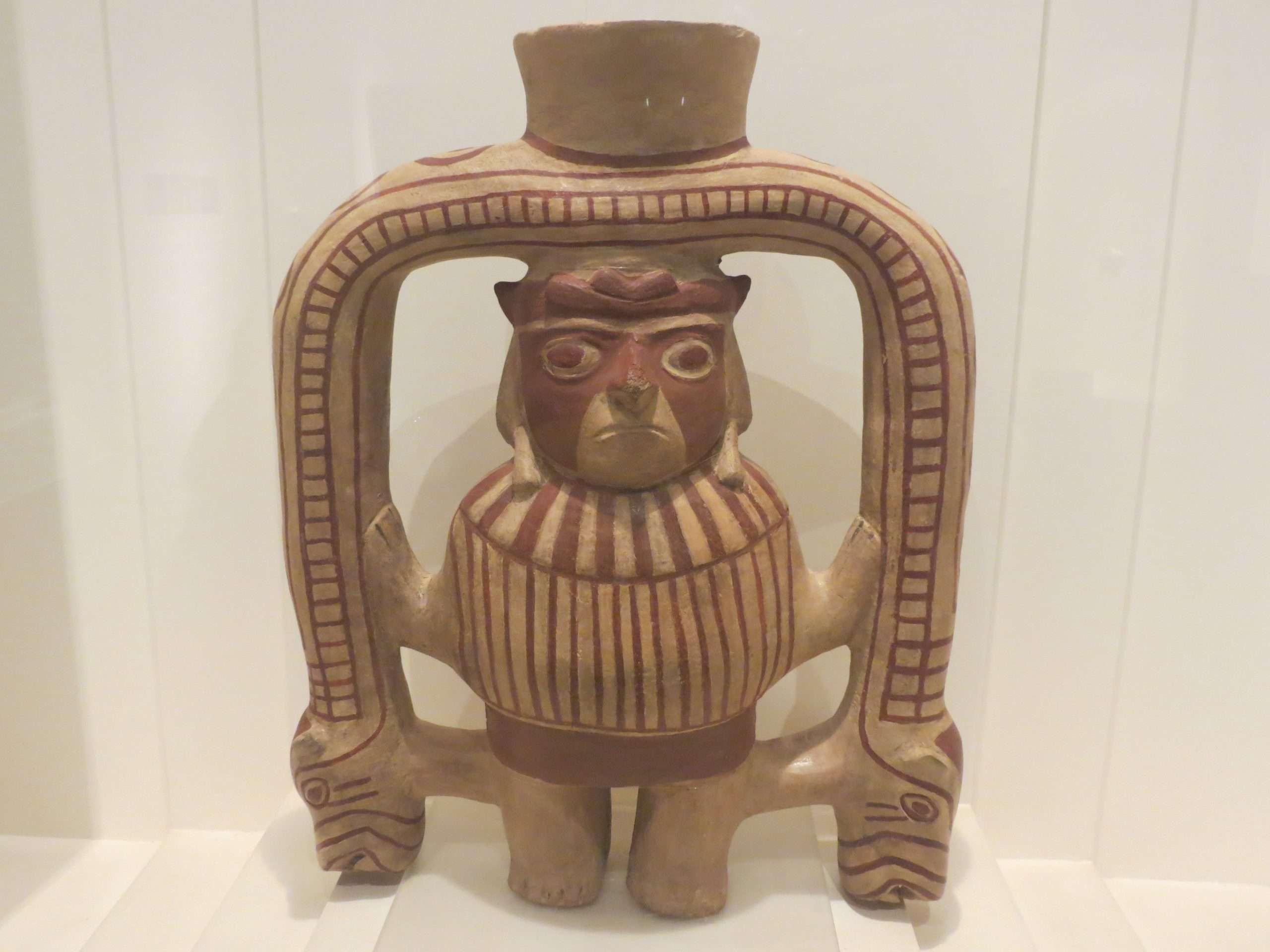
Today, we started the official tour. In the morning, we visited the Larco Herrera Museum — gold, gold, and more gold. Enrique Larco started this museum at the age of 25. There are some 45,000 pieces of pottery on display, all in pristine condition. Also on view is an erotic collection. Our guide, Julia, a self-described Inca Princess, said that when you see the erotic collection, you will realize nothing is new under the sun (necrophilia, venereal disease, homosexuality, etc., all on display).
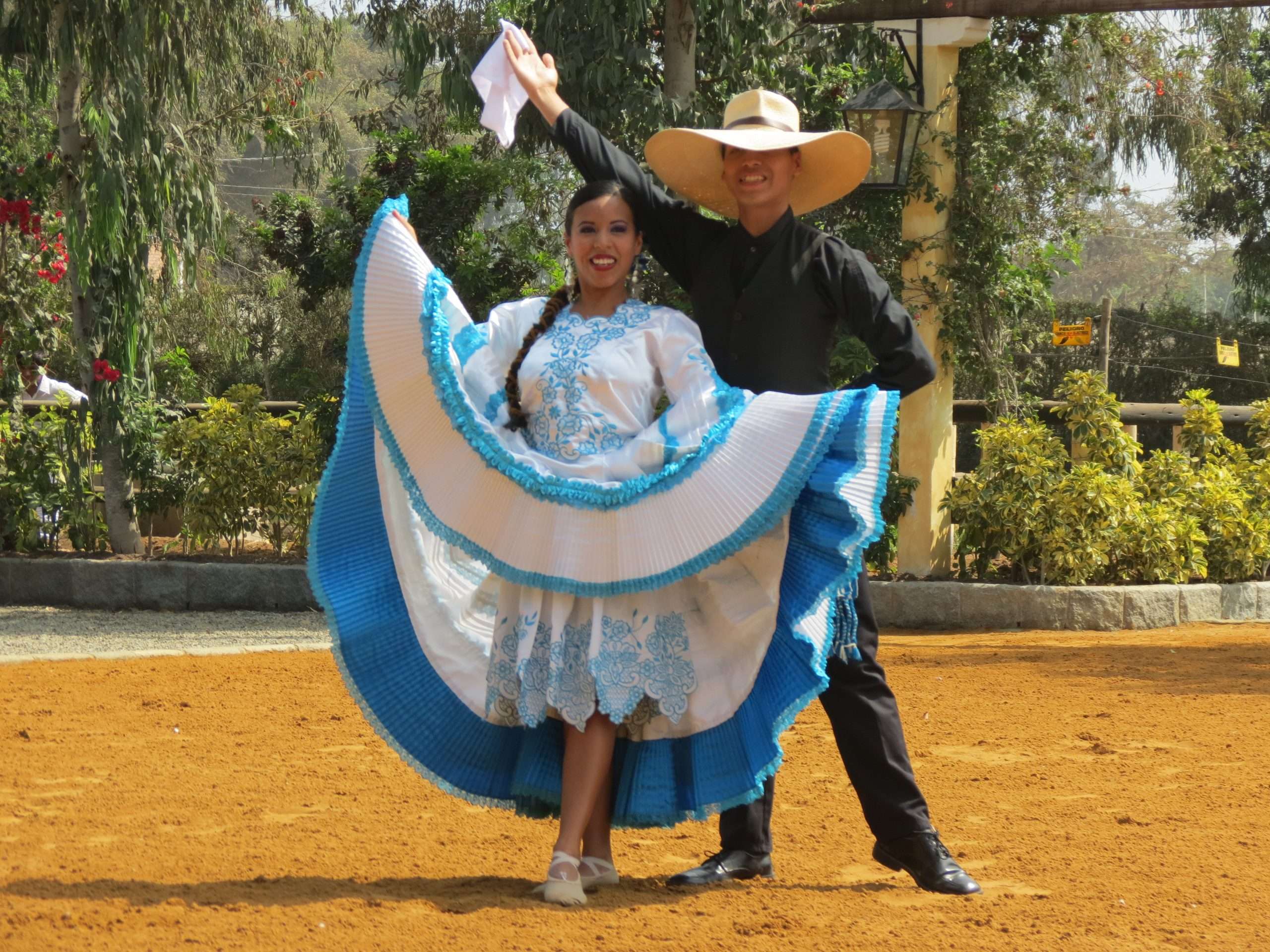
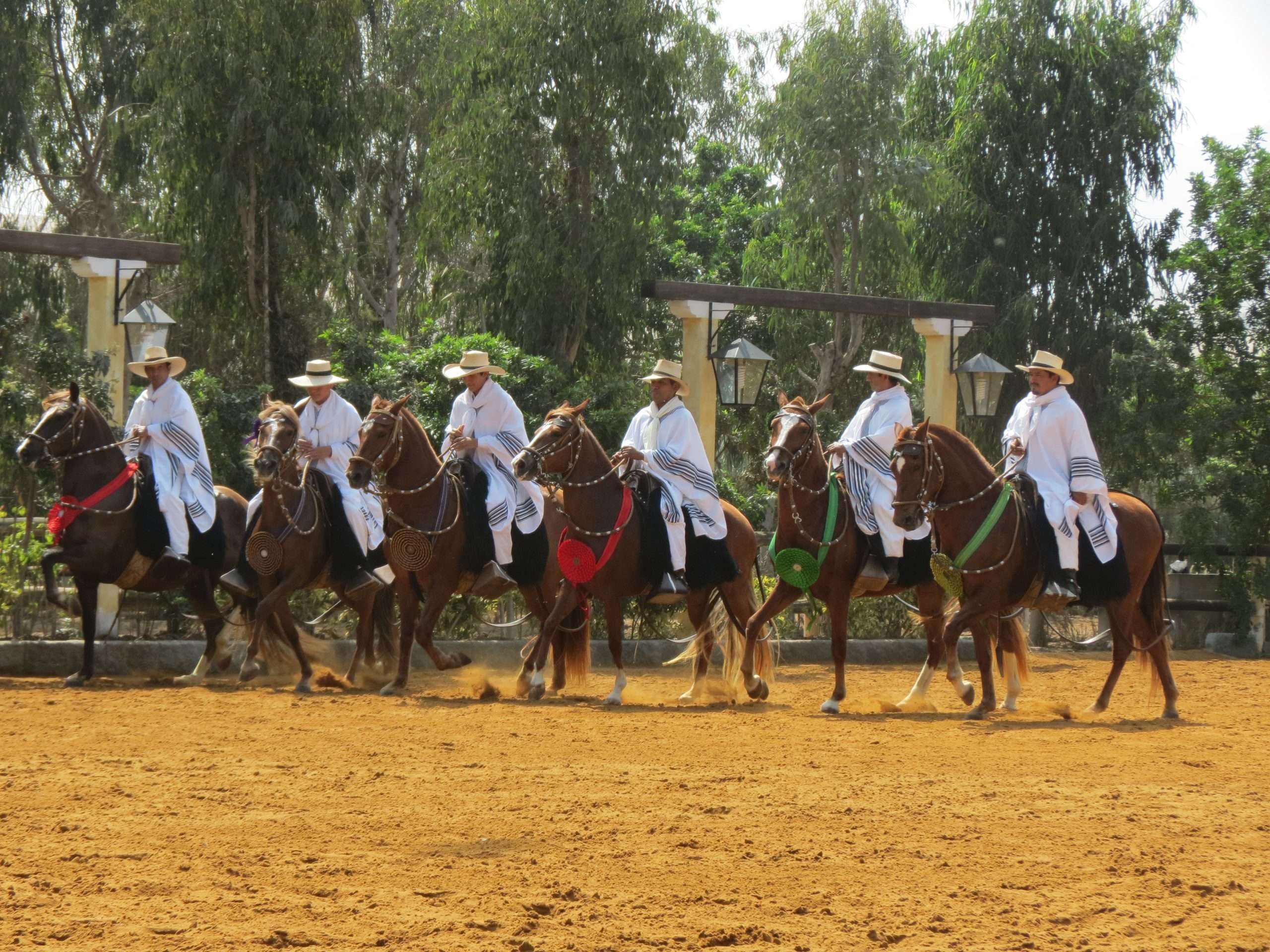
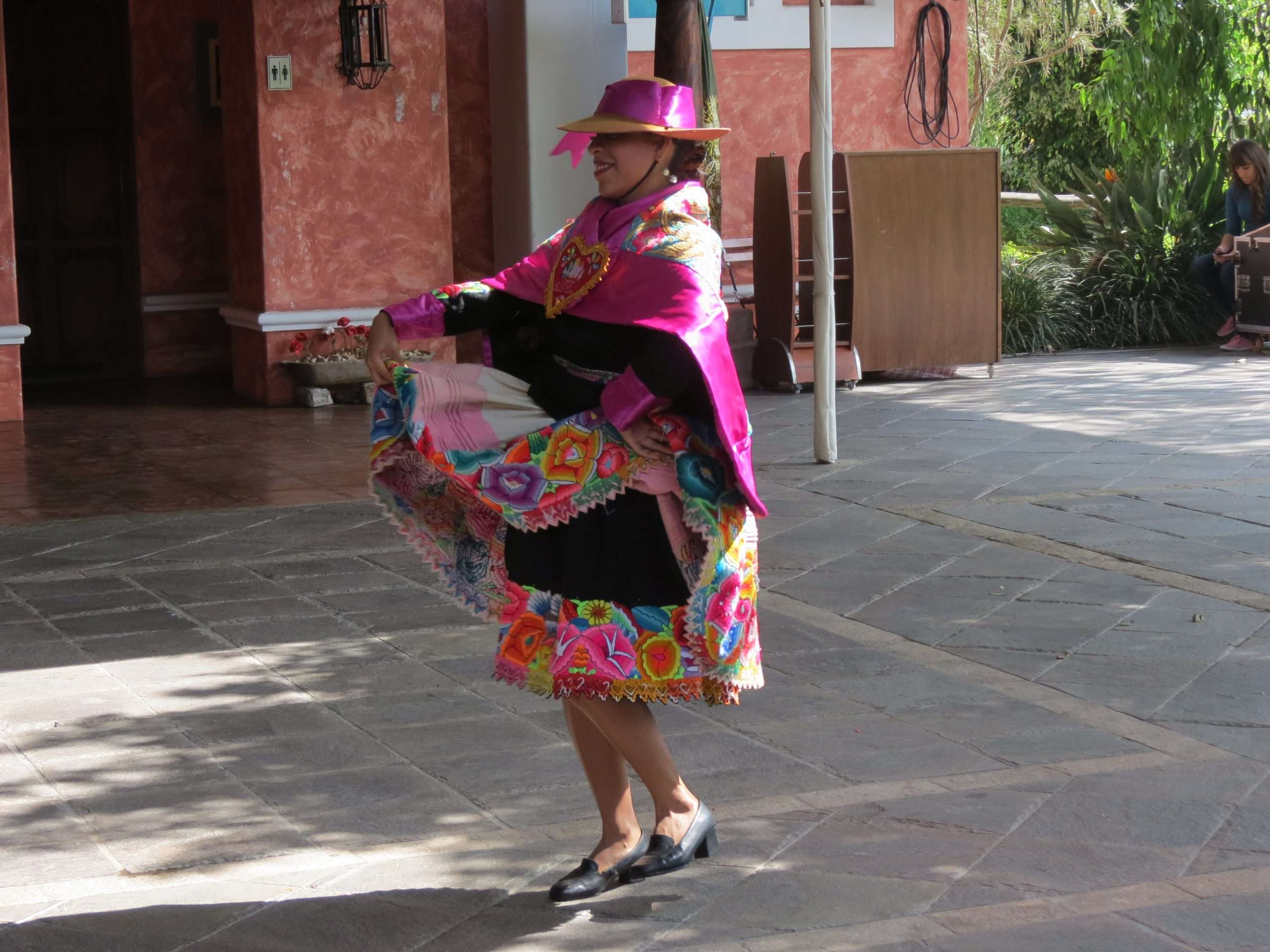
Next, we visited Hacienda Mamacona to see the Peruvian Paso horses. It is run by an Italian family who has been breeding them for the last three generations. The horses are known for their smooth gait. This ranch is one of the top three or five horse breeding ranches in Peru, and the horses do very well in competitions. We saw a demonstration of their gait with a horseshow, and we also saw a few Peruvian dances. Then they let people ride the horses — you had to sign a waiver to do that. We had a Peruvian-style lunch after the ride.
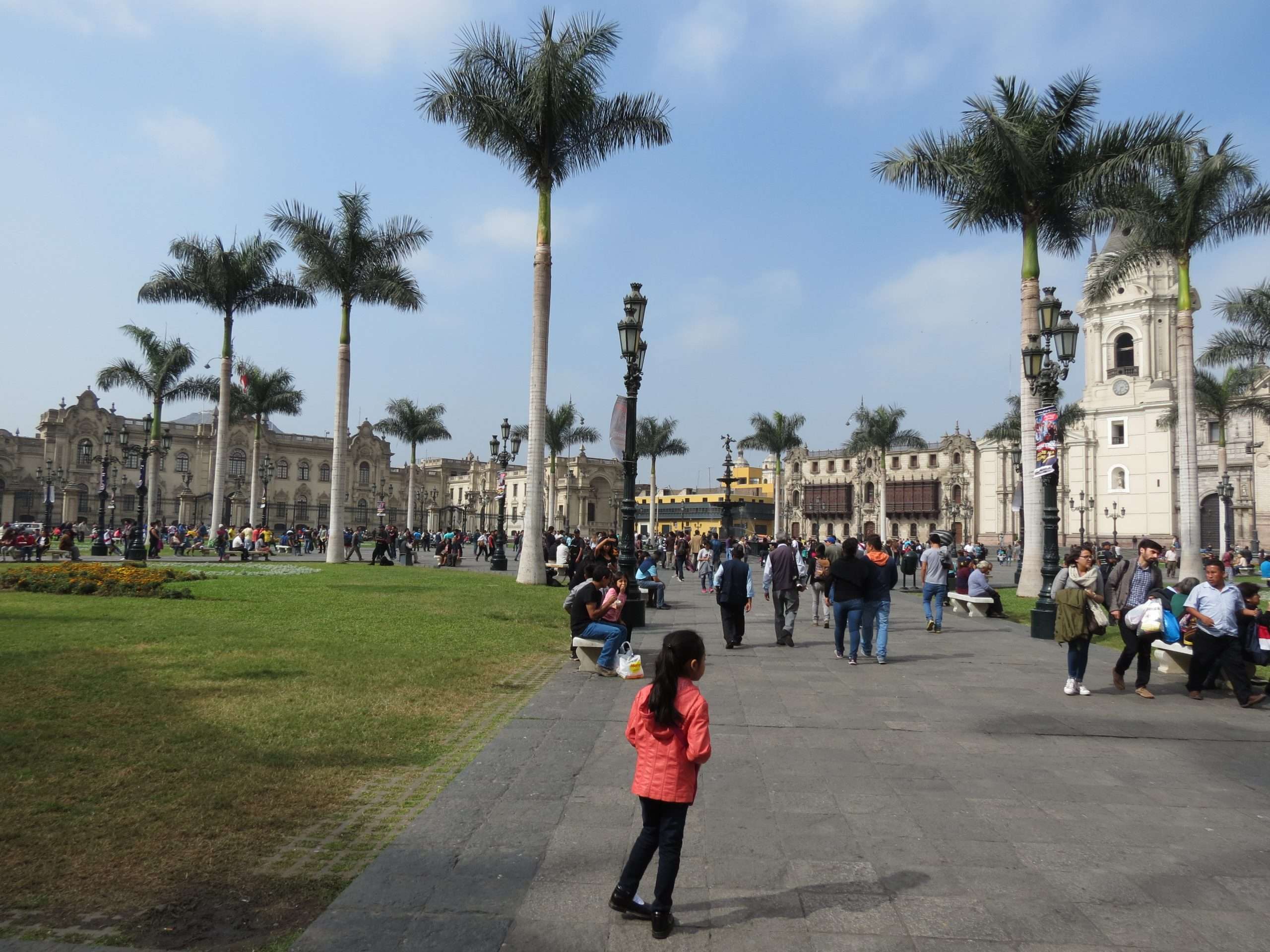
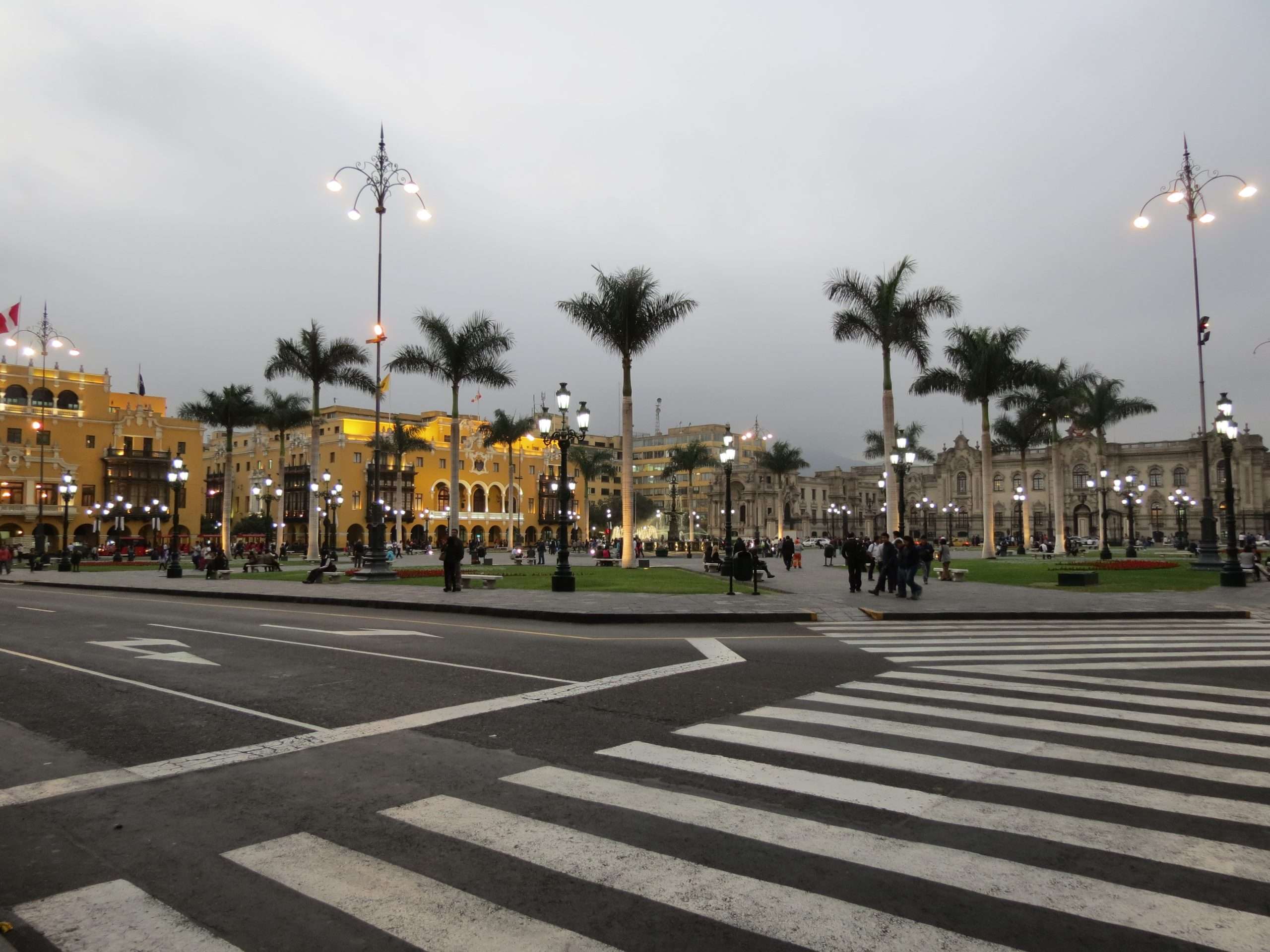
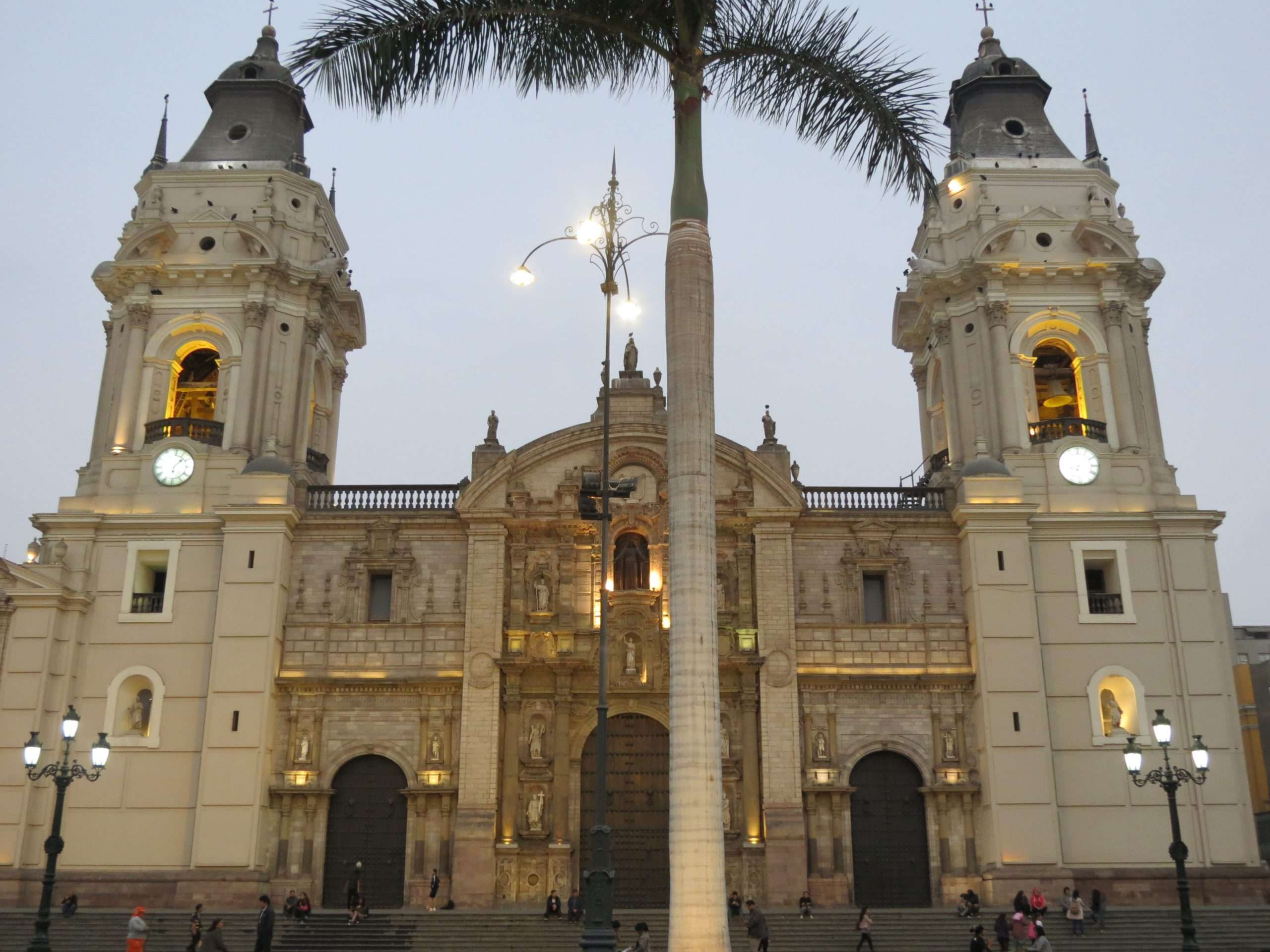
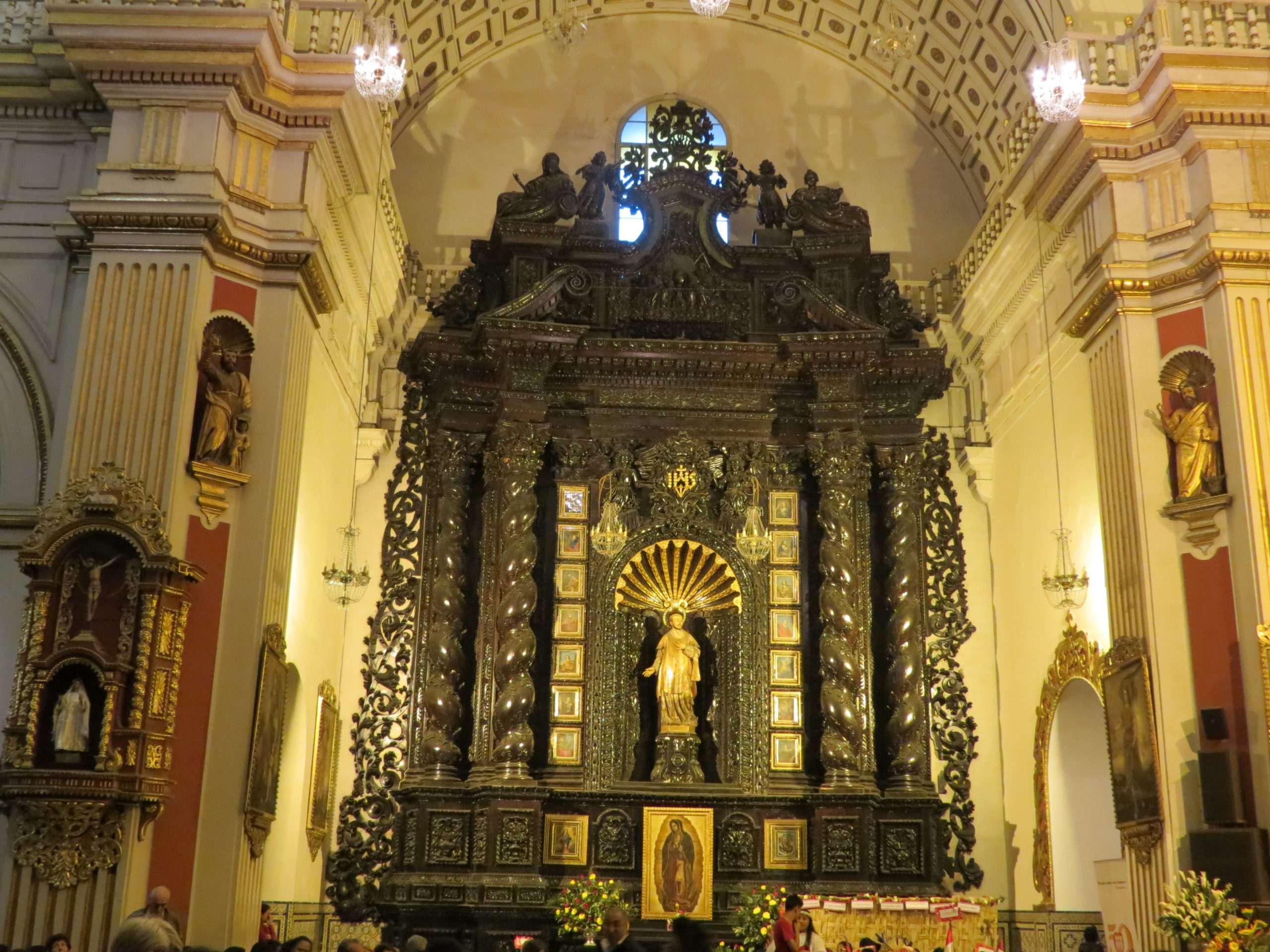
In the evening, we took a short tour of Plaza Mayor, downtown Lima. It included the cathedral, the Presidential Palace, and City Hall. Francisco Pizarro, the conquistador who discovered Peru, was killed in the Presidential Palace. Next, we took a short tour of San Pedro’s Church. It was exquisite, with amazing stone tiles and beautiful wooden carvings.
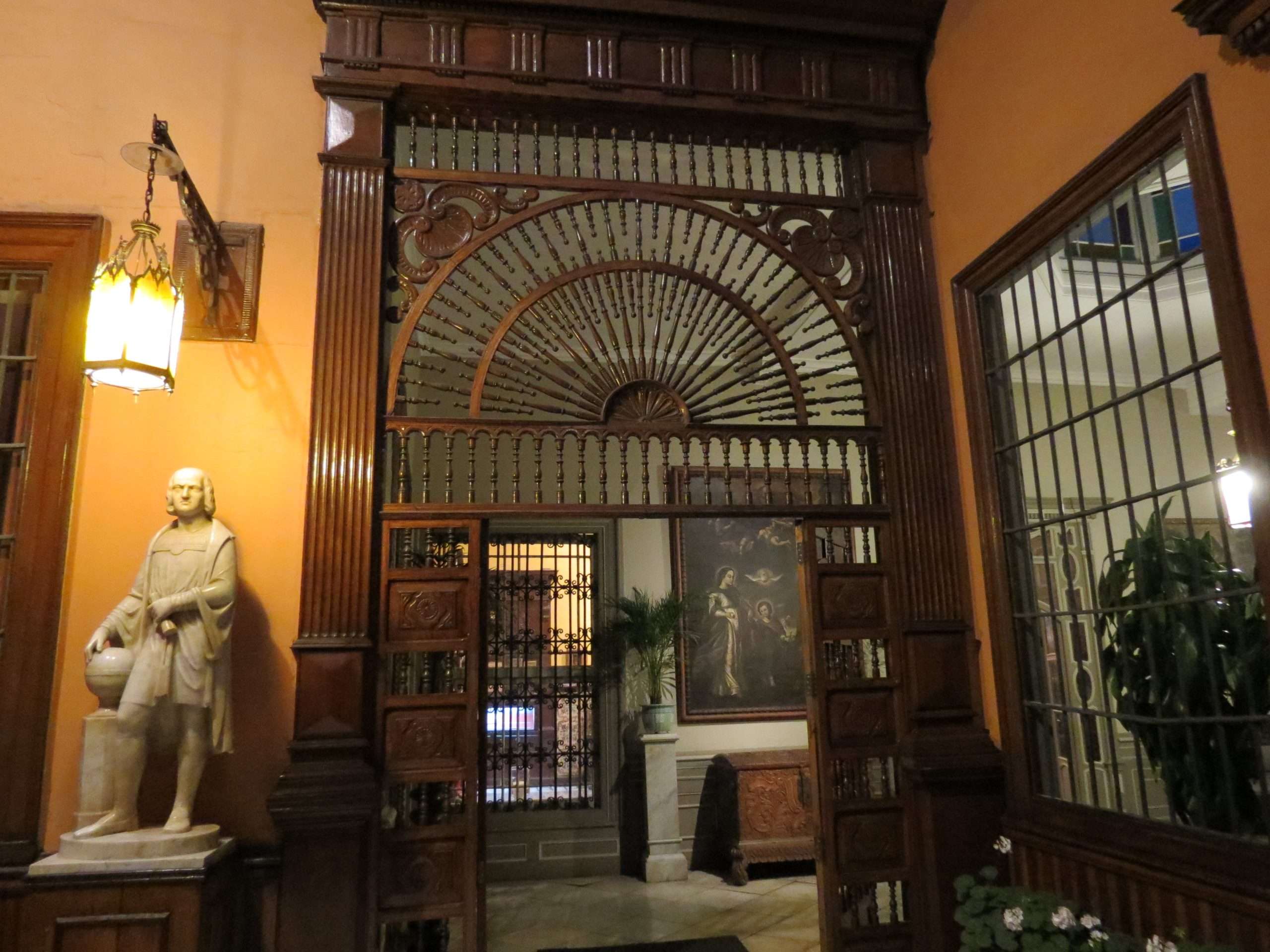
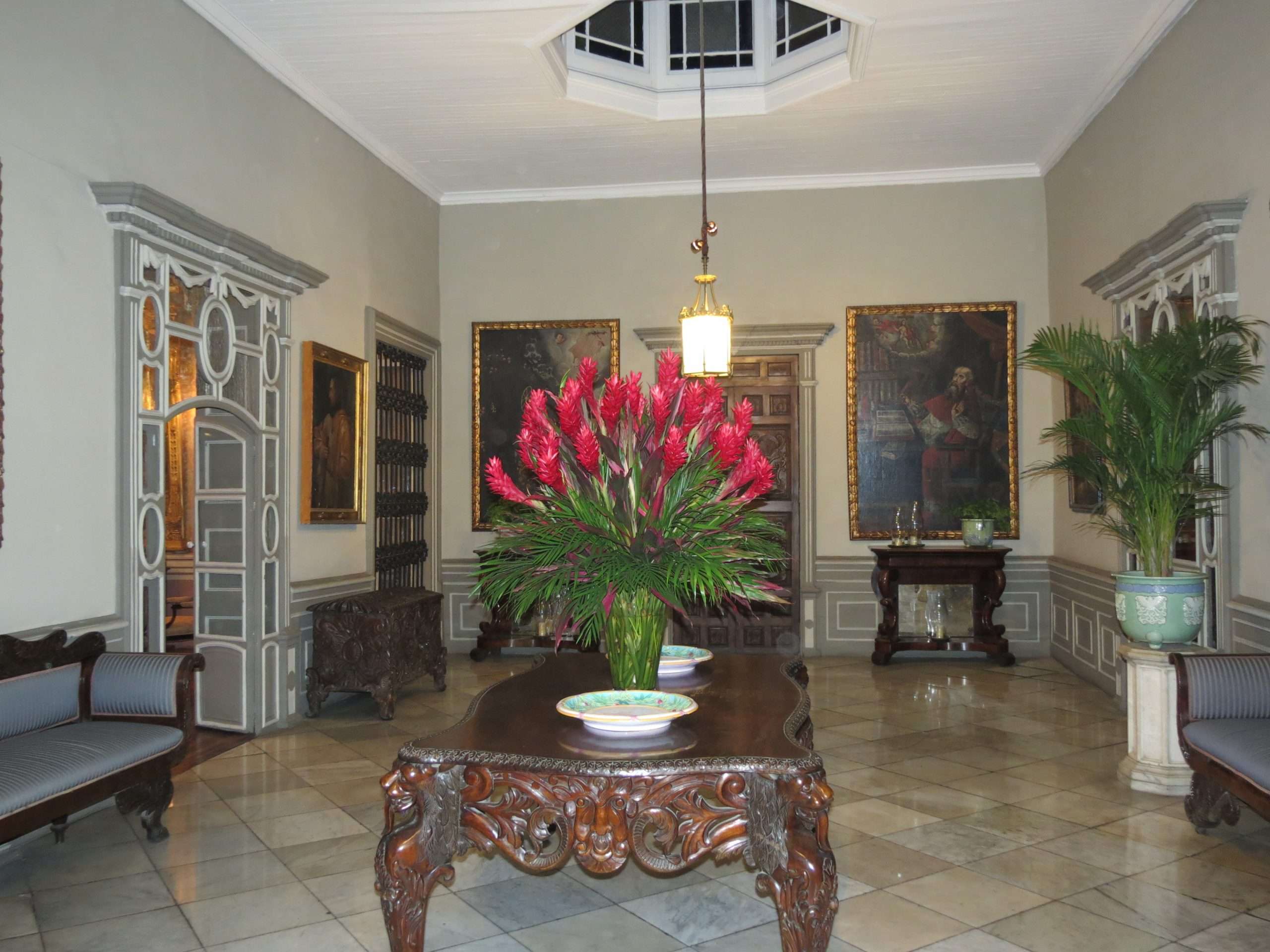
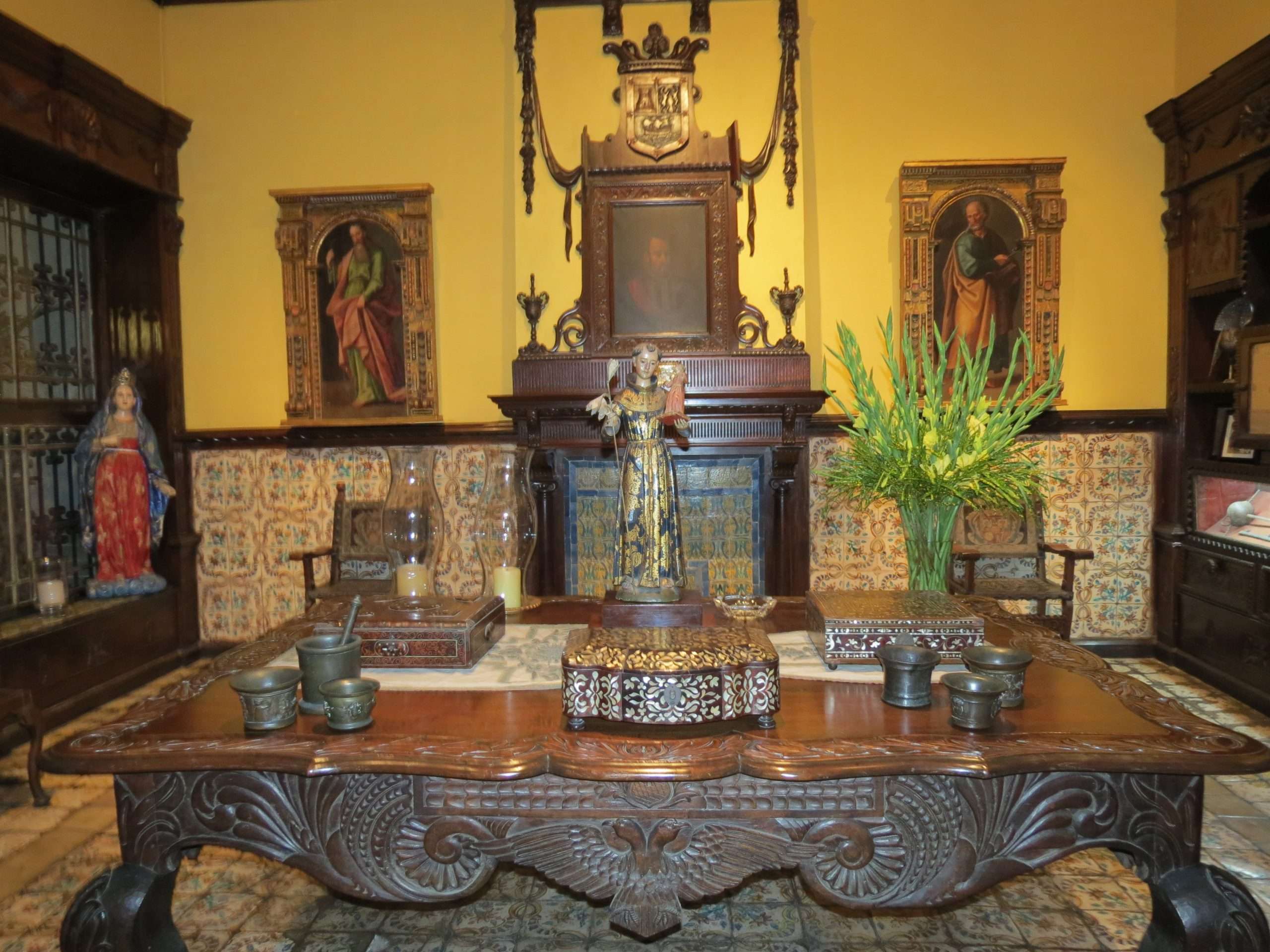
For dinner, we ate at the private residence of a family called De Aliaga. Jeronimo de Aliaga came with Pizarro and started building the house in the 1500s. It took over a century to complete, and everything in it had to be imported from Spain. The house is called Casa Solariega. It is gorgeous. It has been home to 17 generations of the De Aliaga family and has been in continuous use. The food was very good.
Sacred Valley of the Incas – July 2, 2015
Today we flew to Cusco. The flight was uneventful. Cusco is at an elevation of 11,200 feet, so altitude sickness is a concern. Christabel experienced just a bit of tingling in her fingers. We were driven much higher into the Andes to see a glacier and the Urubamba River. Then we drove down to have lunch at Casa Orihuela. What a magnificent house! The food was again absolutely superb. The gardens were exquisite, featuring beautiful pottery and religious paintings.
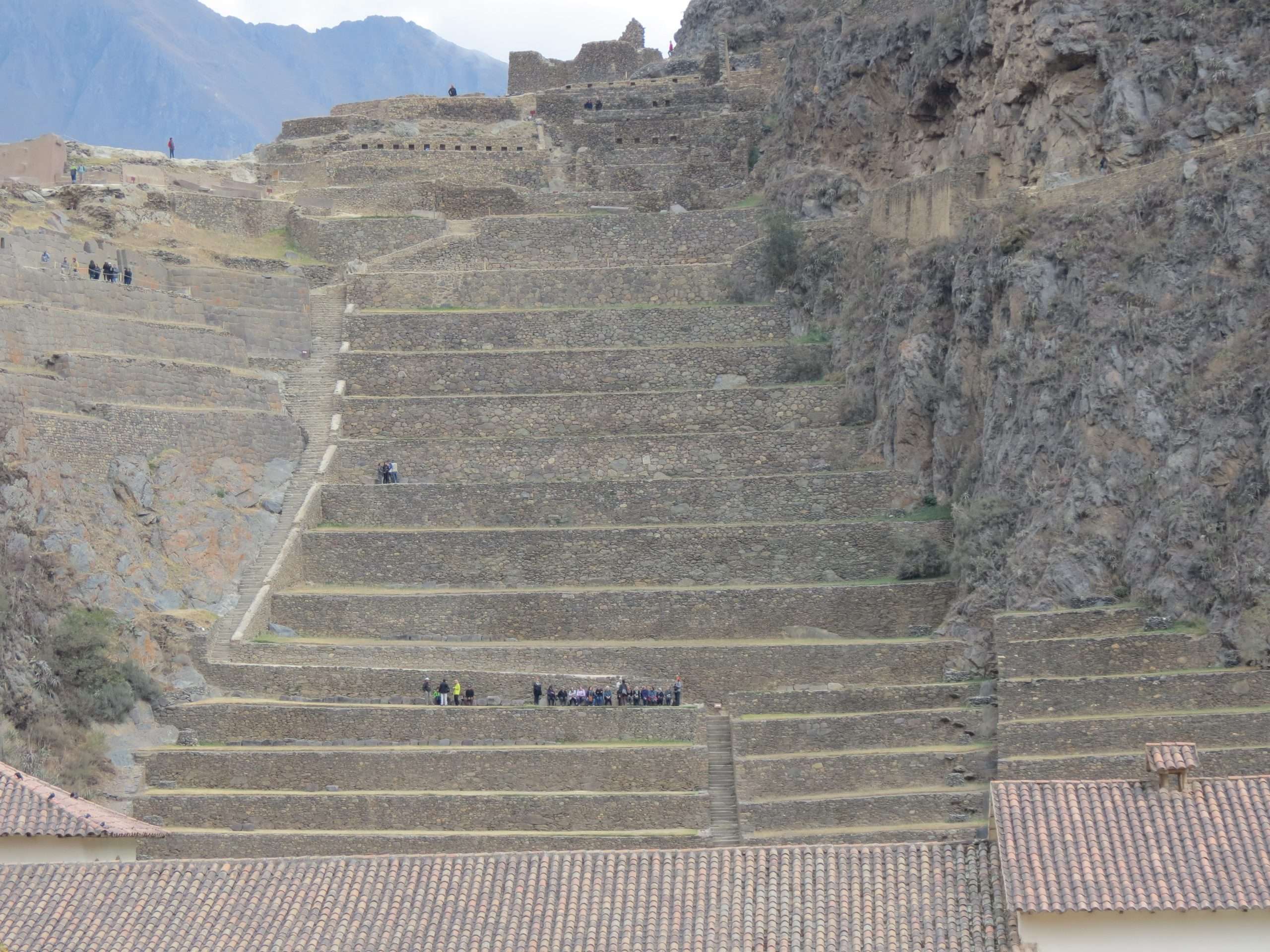
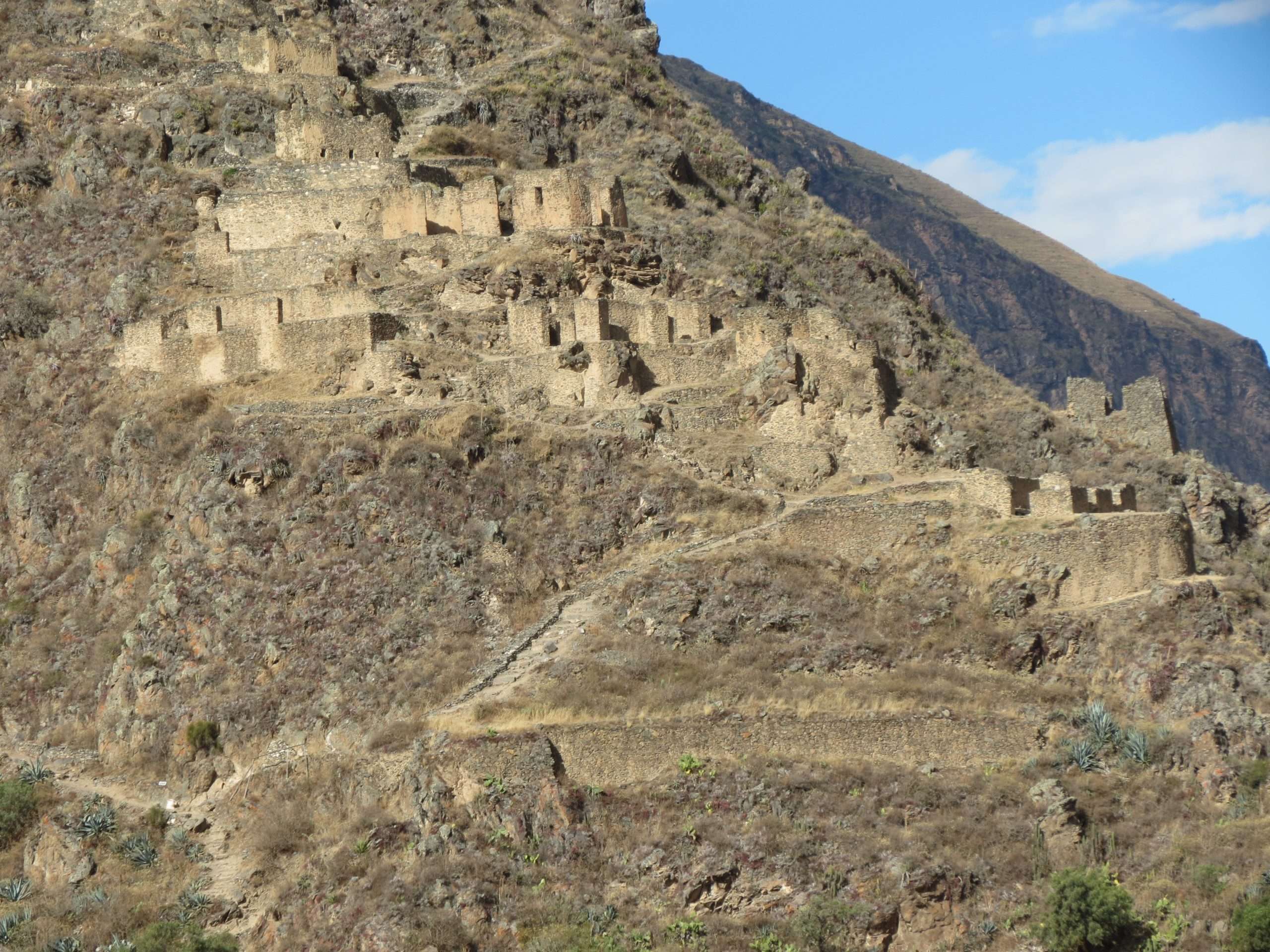
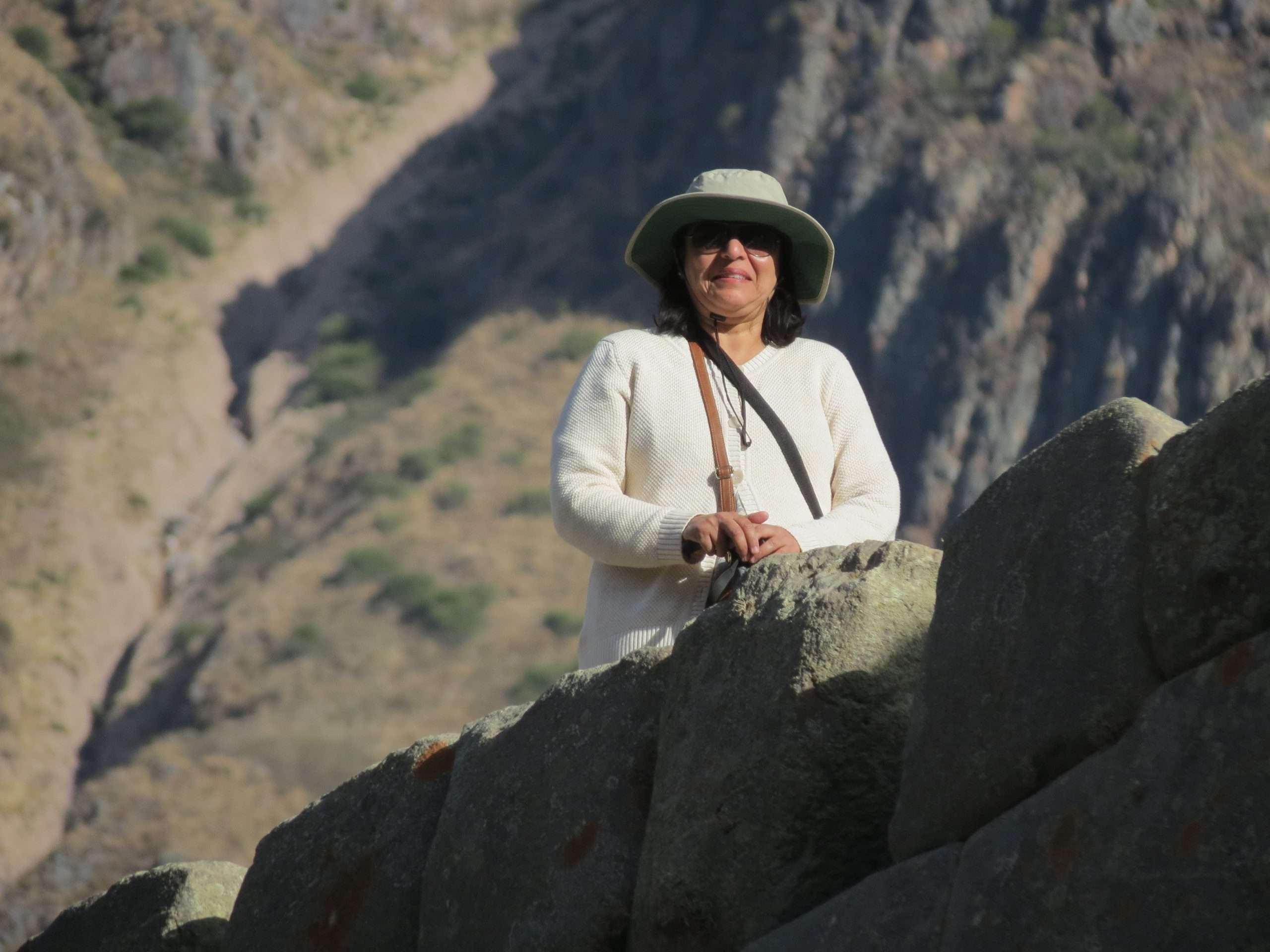
After lunch, we drove to Ollantaytambo, an impressive Inca ruin. We climbed about 600 feet to view the remarkable stonework of the Inca masons. Located in southern Peru at an elevation of 9,000 feet, Ollantaytambo dates back to the 15th century and includes some residences that have been continuously occupied. The stonework we saw was part of a temple, which features a doorway aligned specifically for the sun. Unfortunately, the temple is in ruins.
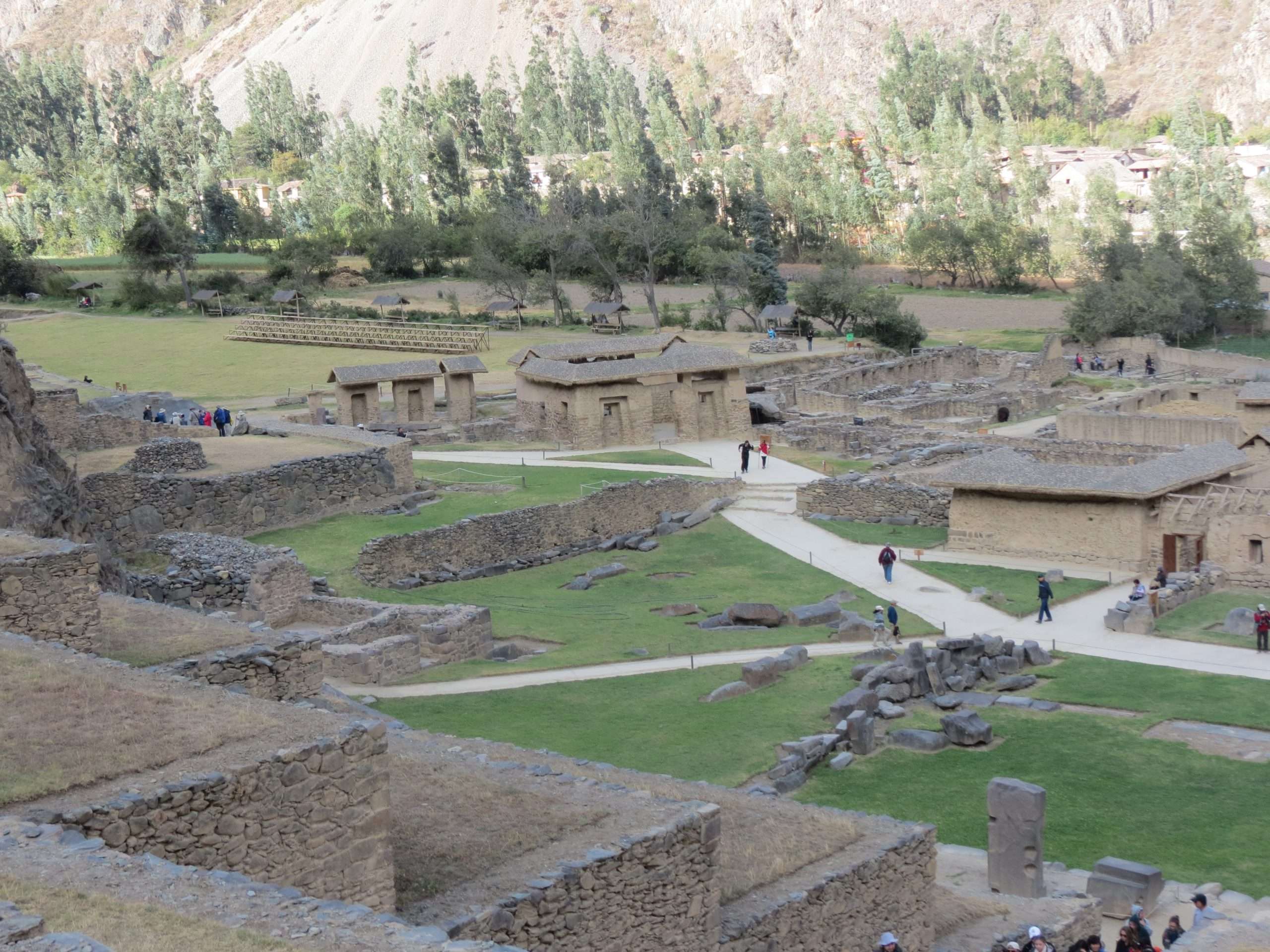
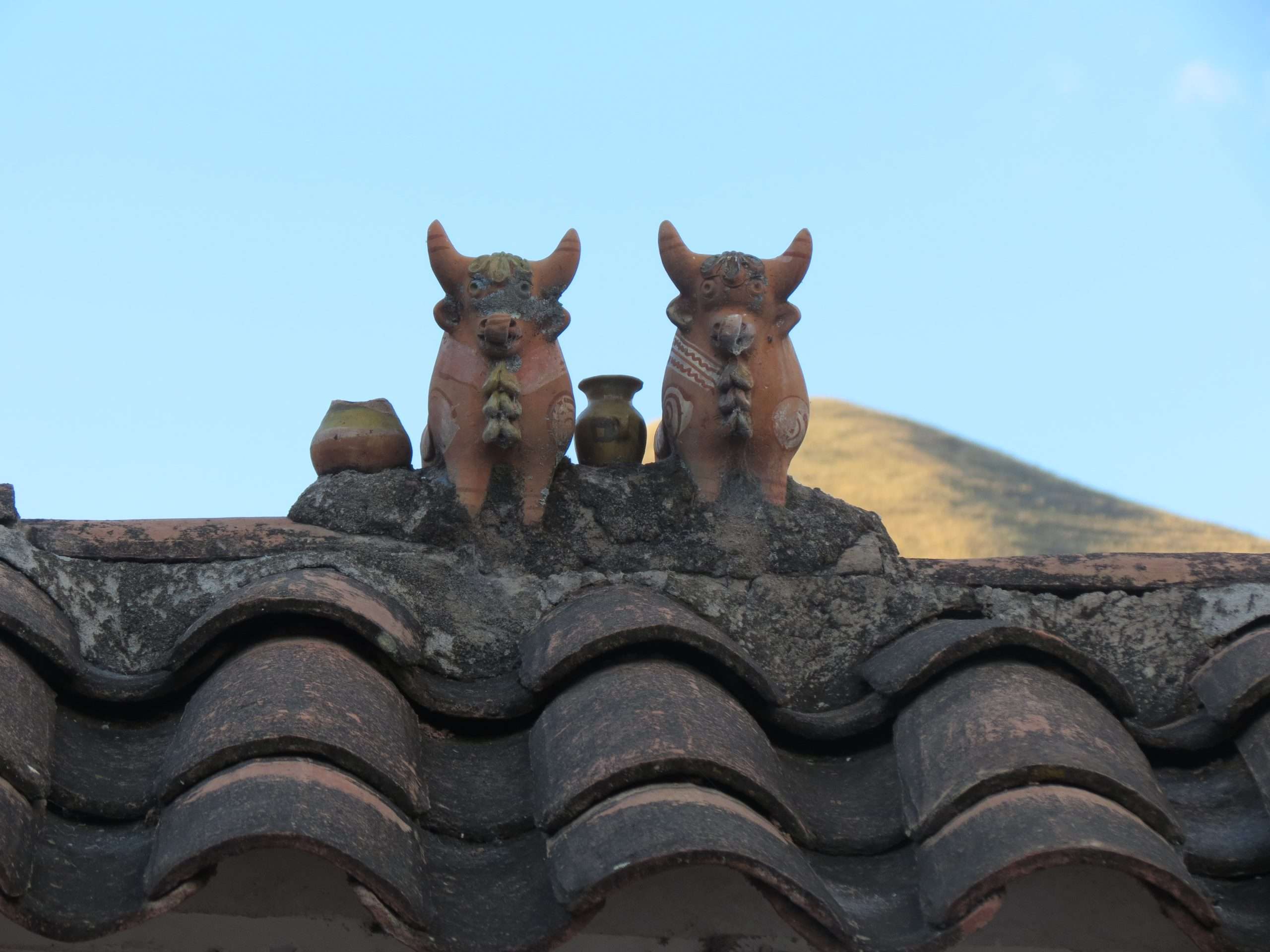
One interesting sight was a pair of oxen on top of the houses, meant to bring prosperity to the house. Another notable feature was the red flags outside the houses, indicating that chicha (corn beer) is ready. This is done by each house and shared freely. The beer is very thick and can substitute for a meal for laborers returning from the farms.
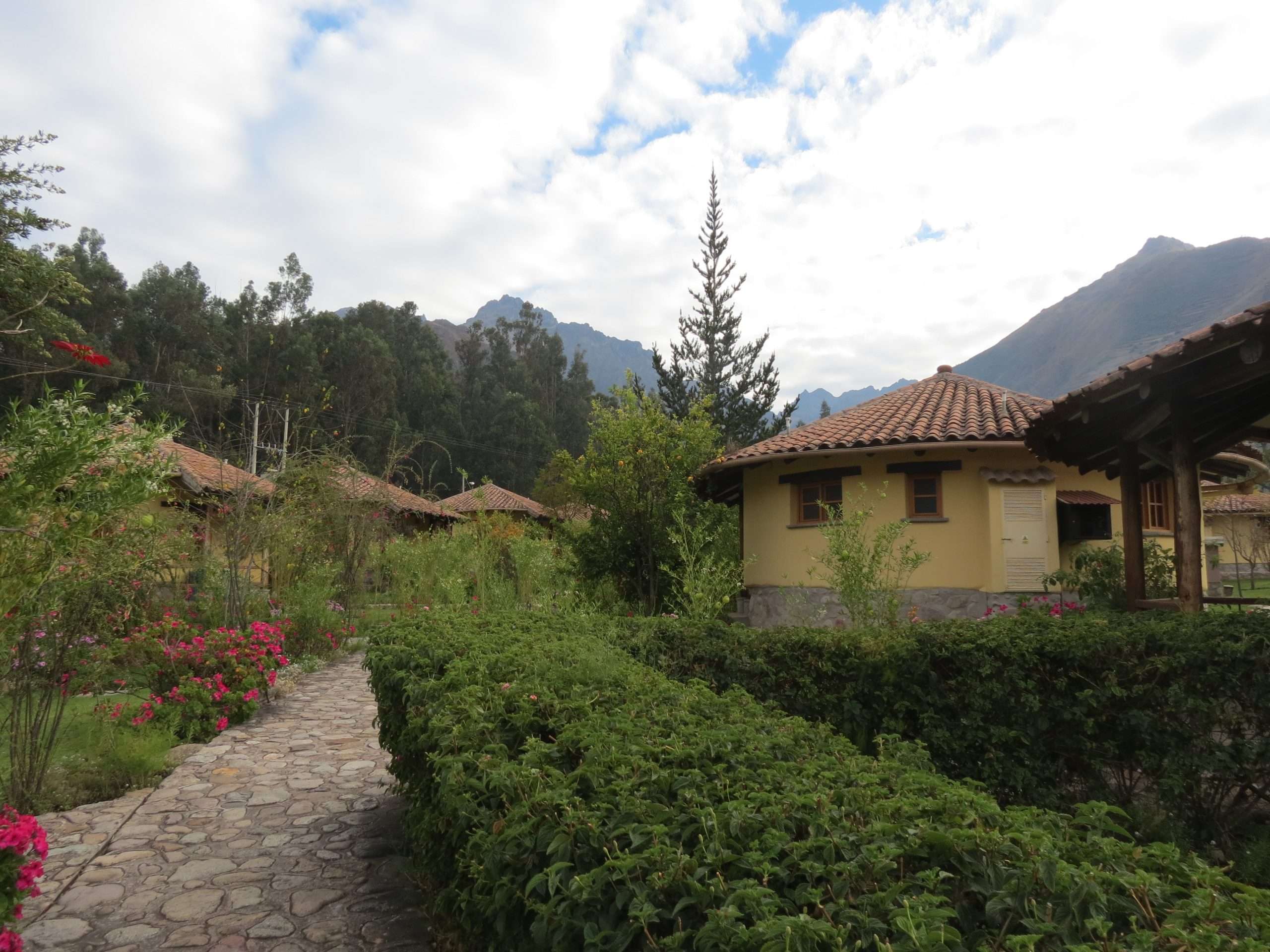
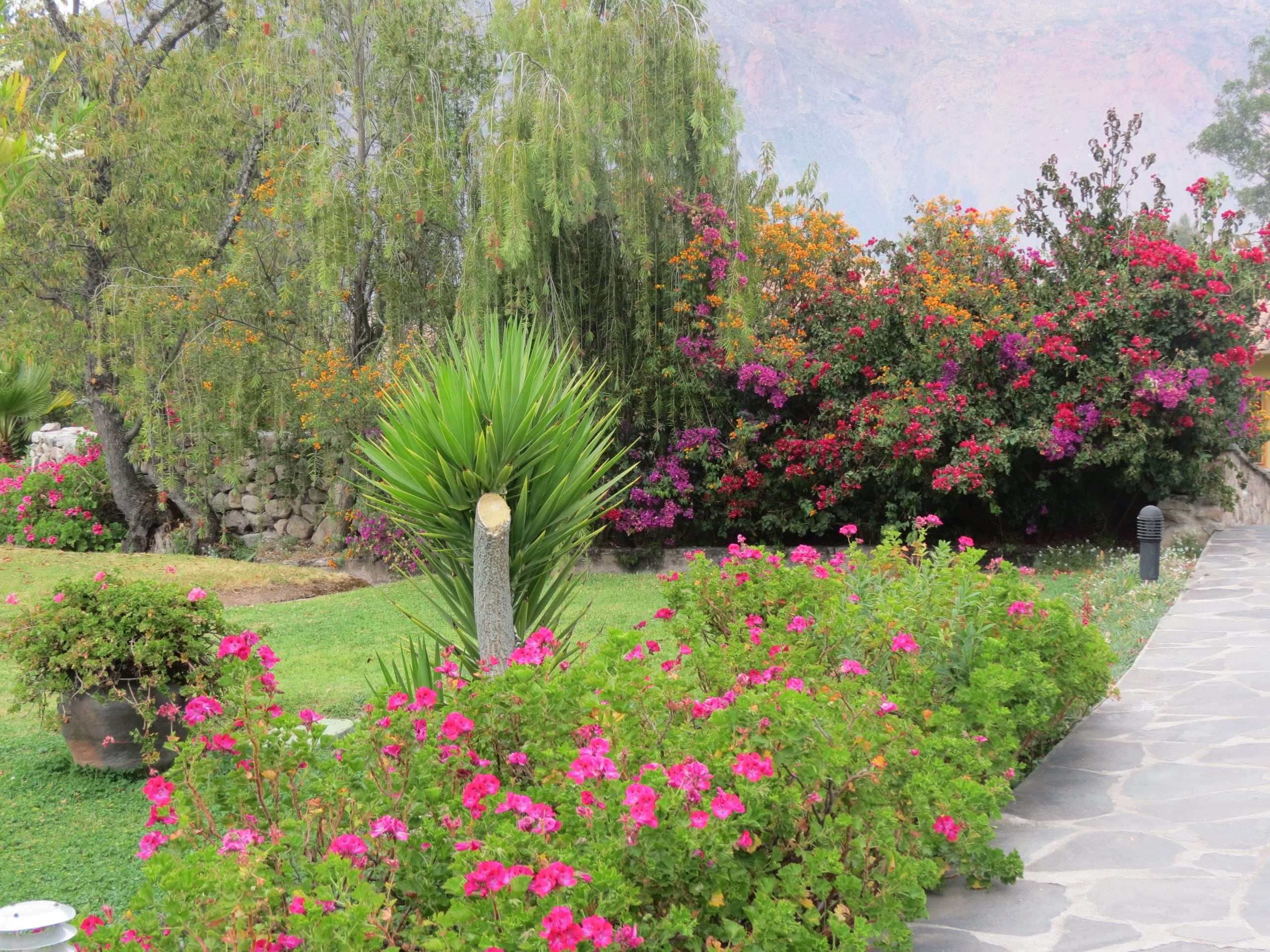
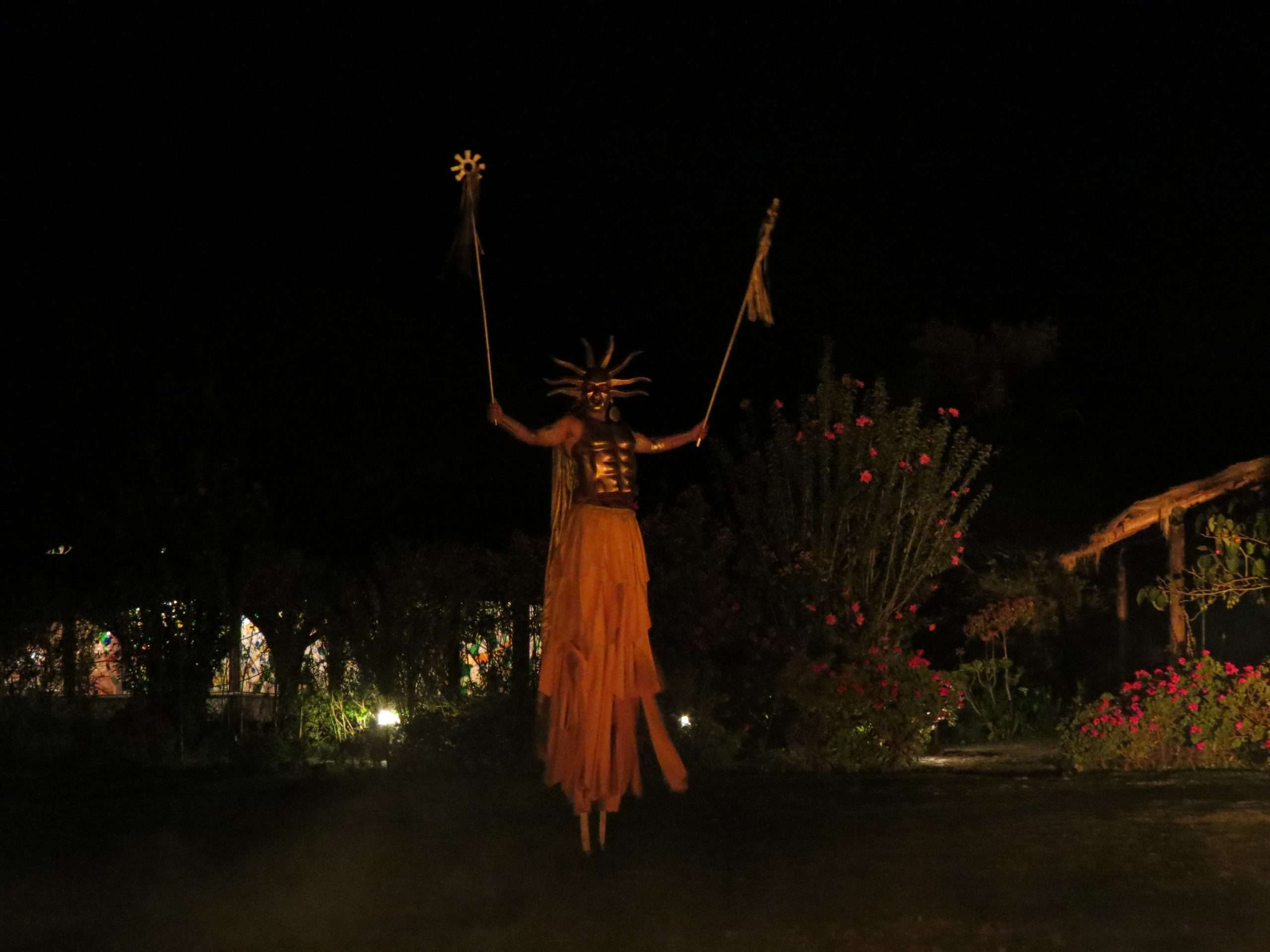
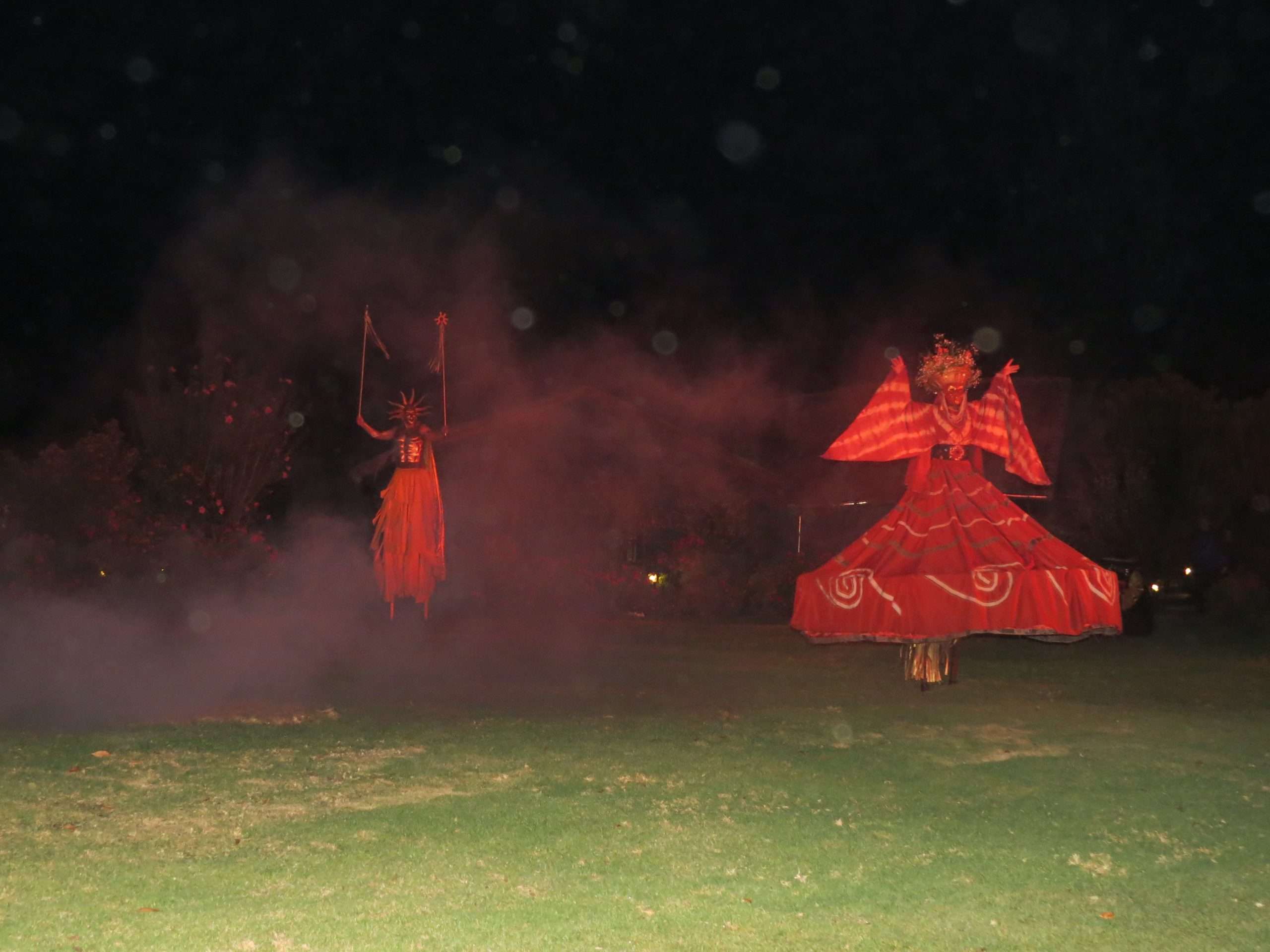
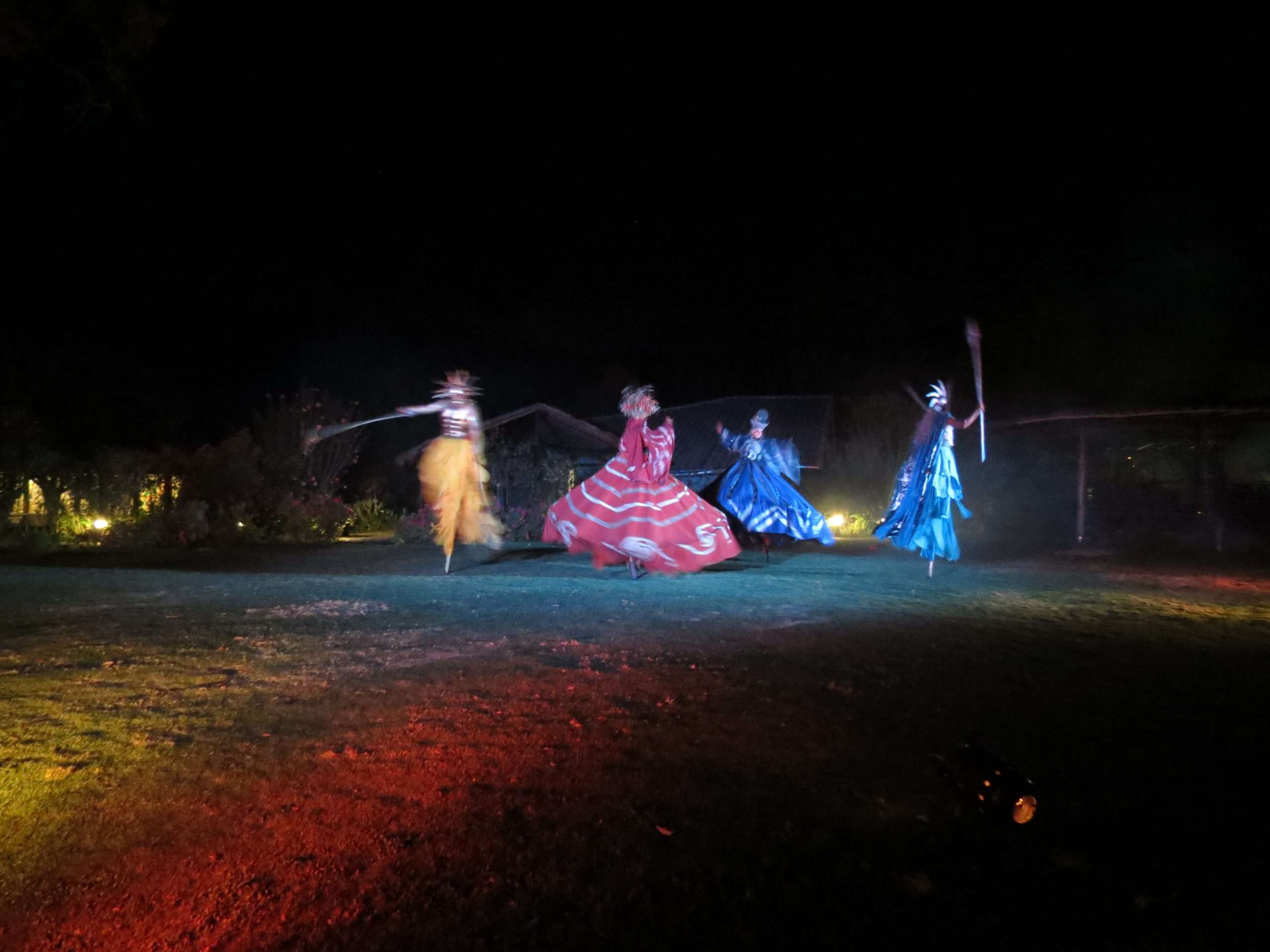
After visiting the ruins, we checked into our hotel, Sol y Luna Lodge & Spa. Each room at the hotel is a standalone casita, beautifully designed, and set amidst lovely gardens with many hummingbirds. In the evening, before dinner, we attended a 30-minute show called “Gods of the Andes.” This performance combined Quechua lore and Inca mythology, featuring a woman narrating the story through song and dance. The show included four gods on stilts—Inti (the sun god), Pachamama (the earth goddess), Mama Quilla (the moon goddess), and Illapa (the god of lightning) The performance was beautifully done with backup dancers and musicians.
Mystical Machu Picchu – July 3, 2015
Today we went back to Ollantaytambo to see a small-town residence which dates back to Inca times. What’s fascinating is that people still honor their heritage. In the house we visited, they had a grinding stone, guinea pigs, two skulls of their ancestors, and a farming implement called tinyaq (foot plow). From what our guide Ernesto told us, girls are tested for marriage by how well they can clean and cook guinea pig. Boys are tested on how well they can use the tinyaq. In this little town, we also visited the market. Many items were completely new to us; for example, today we had prickly pear for breakfast as well as grape gooseberry jam.
After the visit, we took a trip to the train station to catch the Machu Picchu train. It was a very pleasant ride in a glass-roof train. They even had food service with very fresh strawberries, a small banana, a pastry, a slice of quiche, and a selection of beverages. Then they came around selling souvenirs. When we got off the train at Aguas Calientes, we walked to the bus stop where we caught a shuttle.
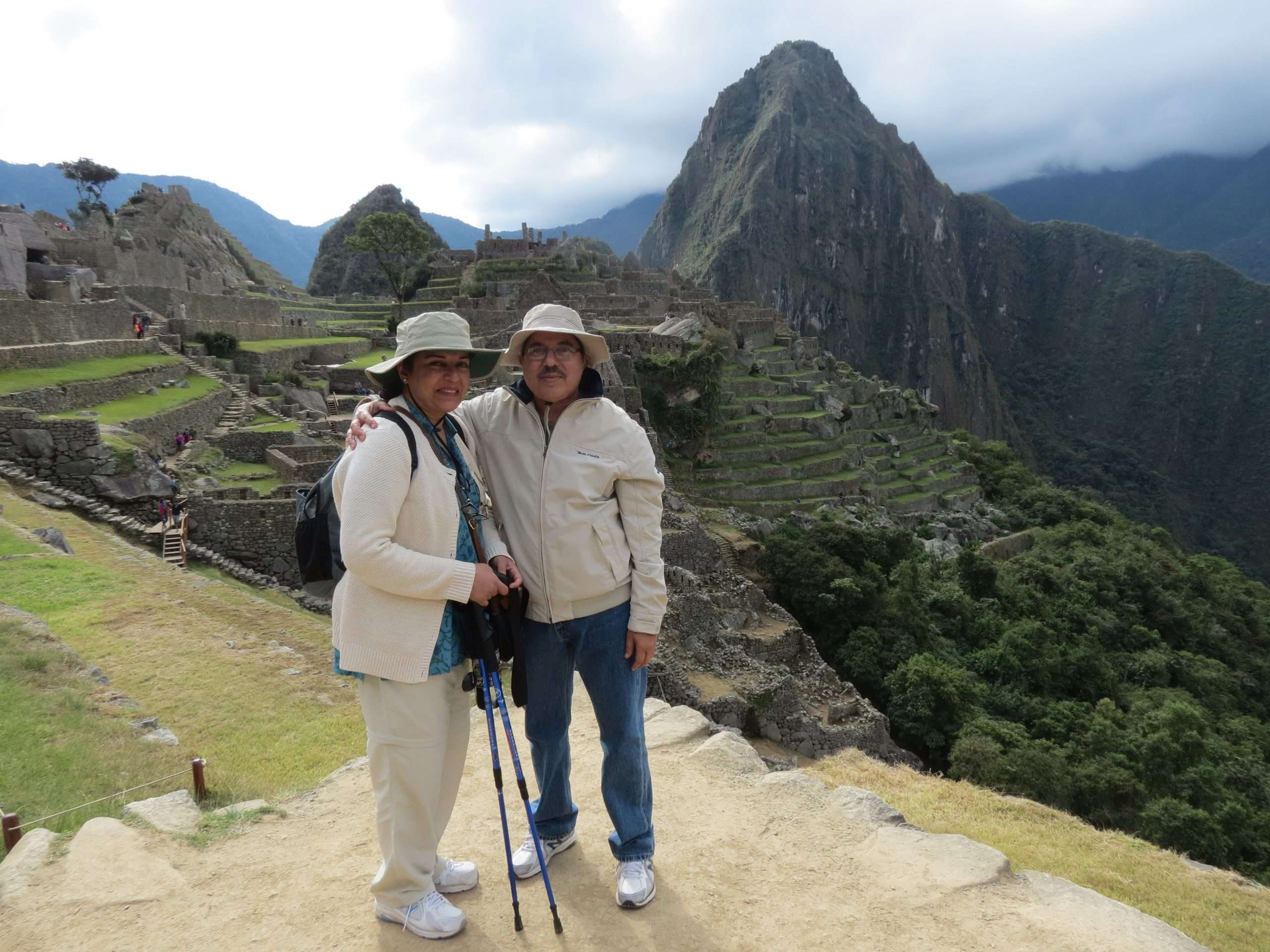
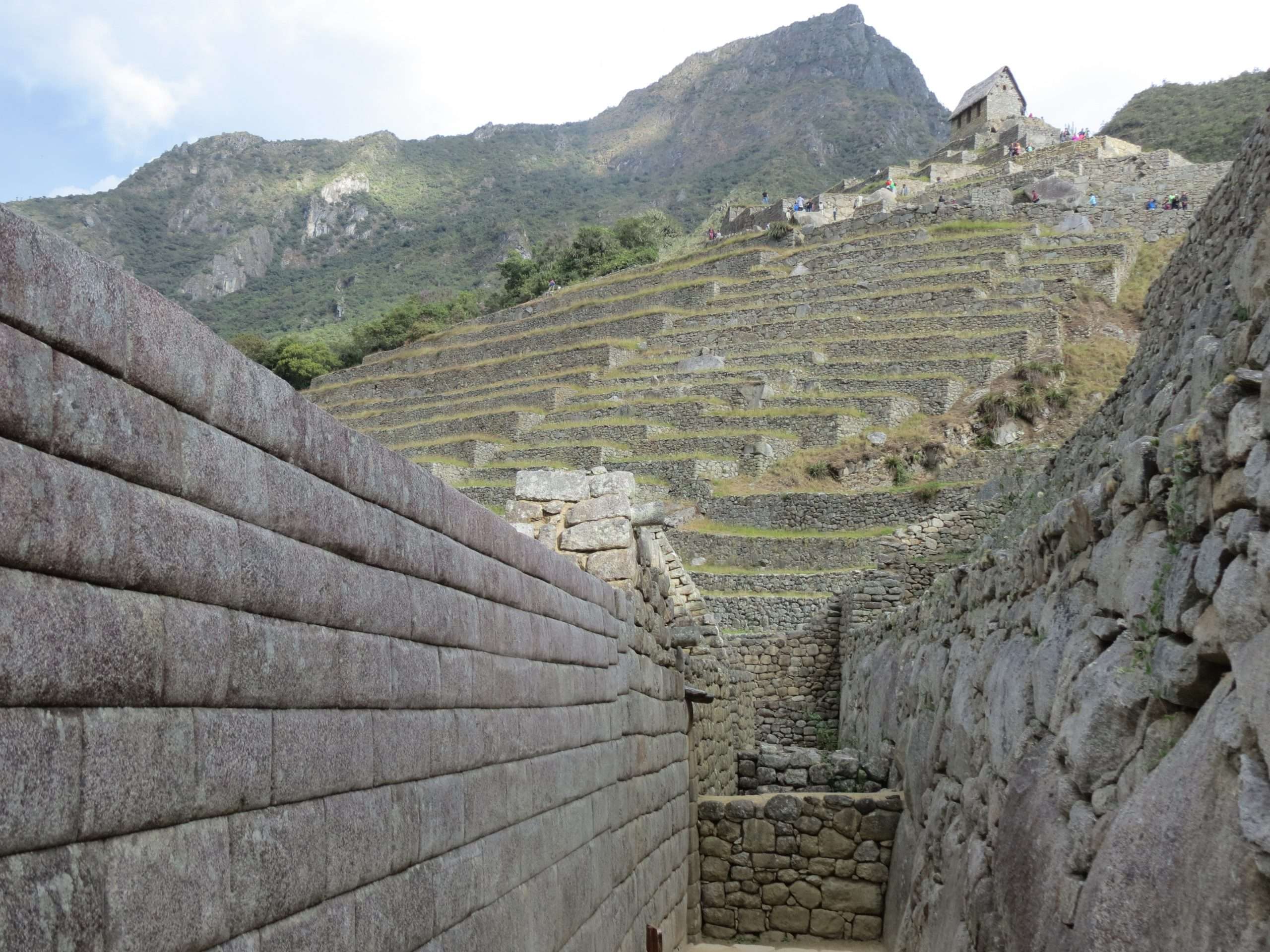
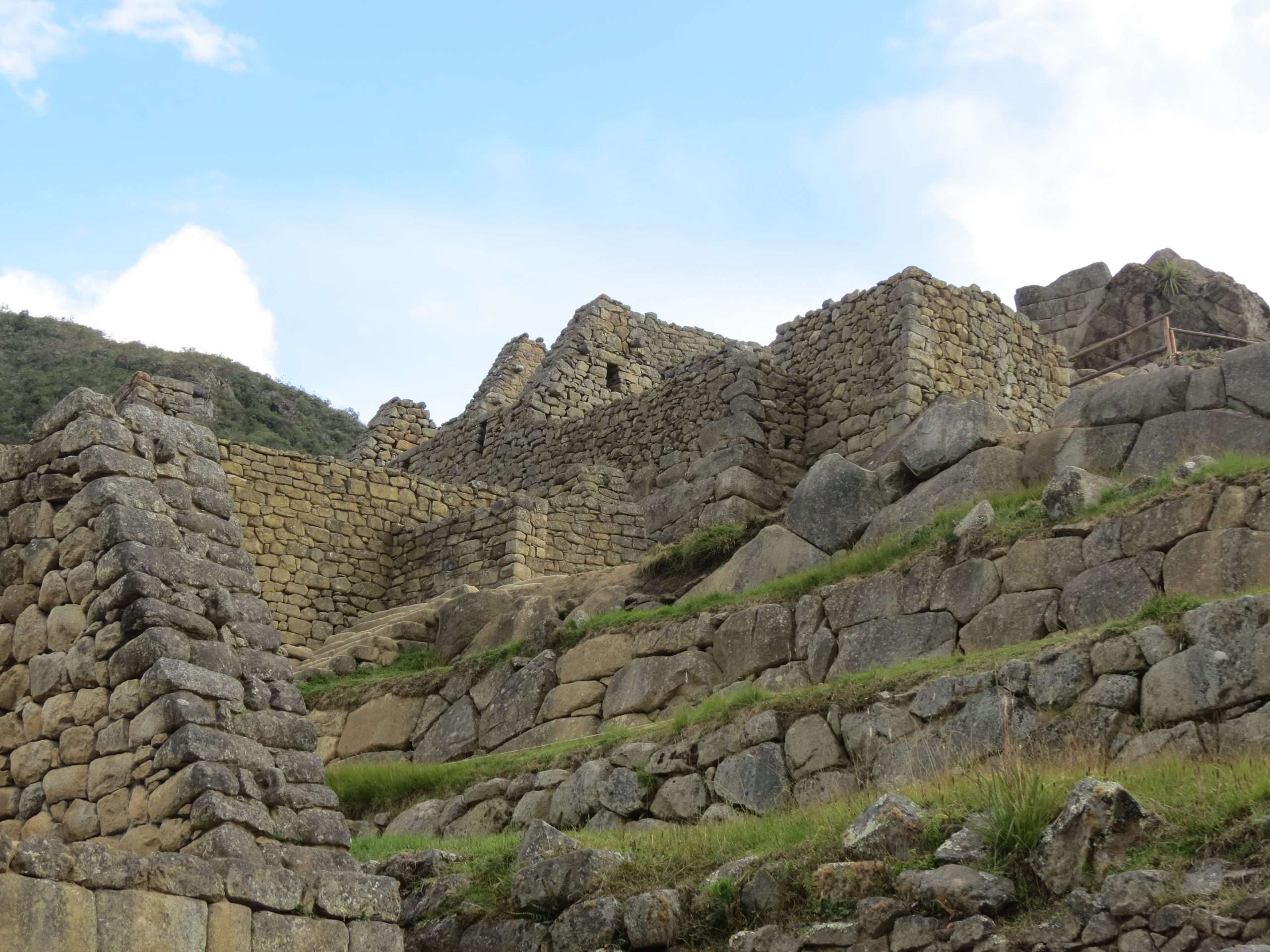
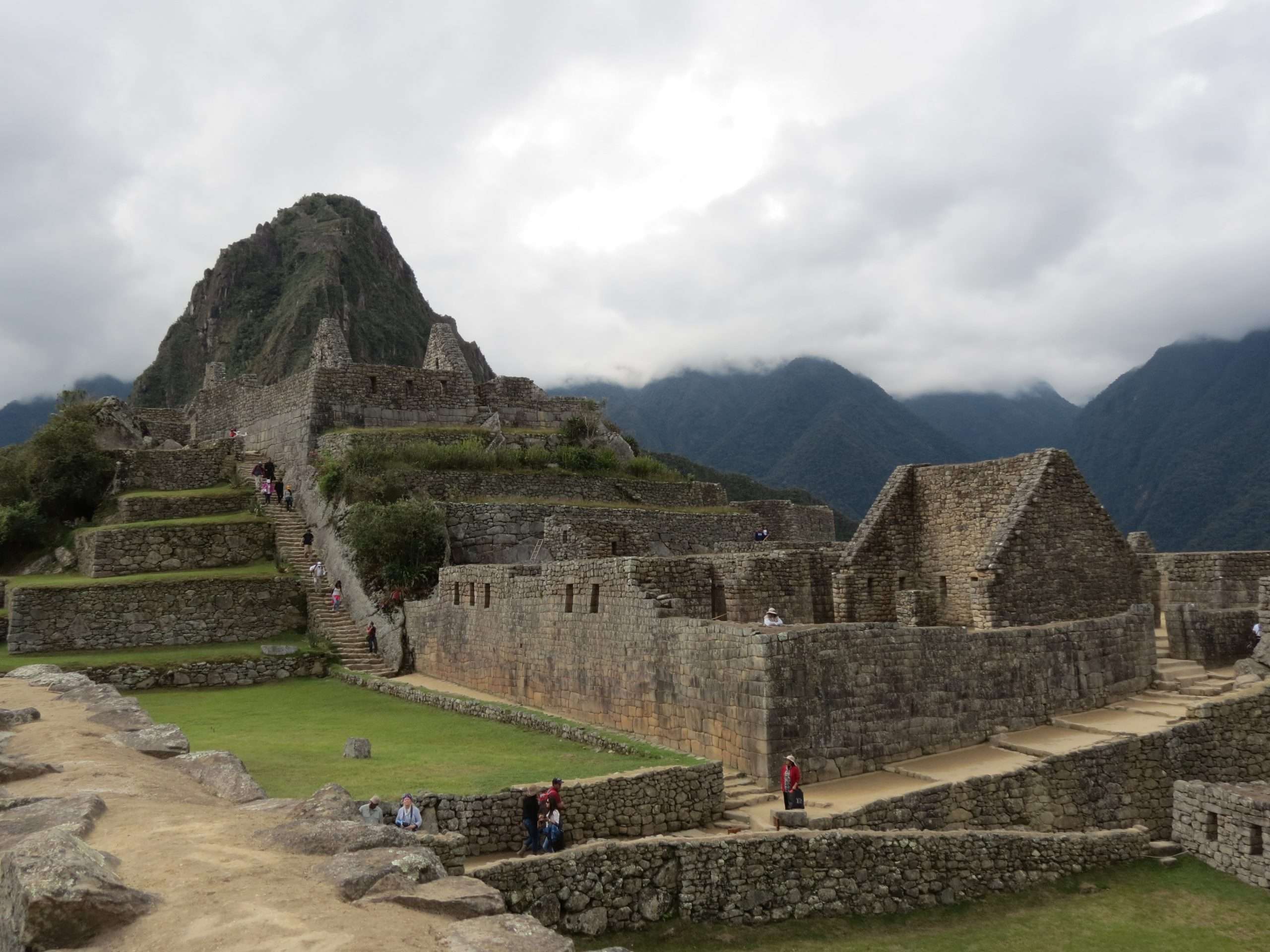
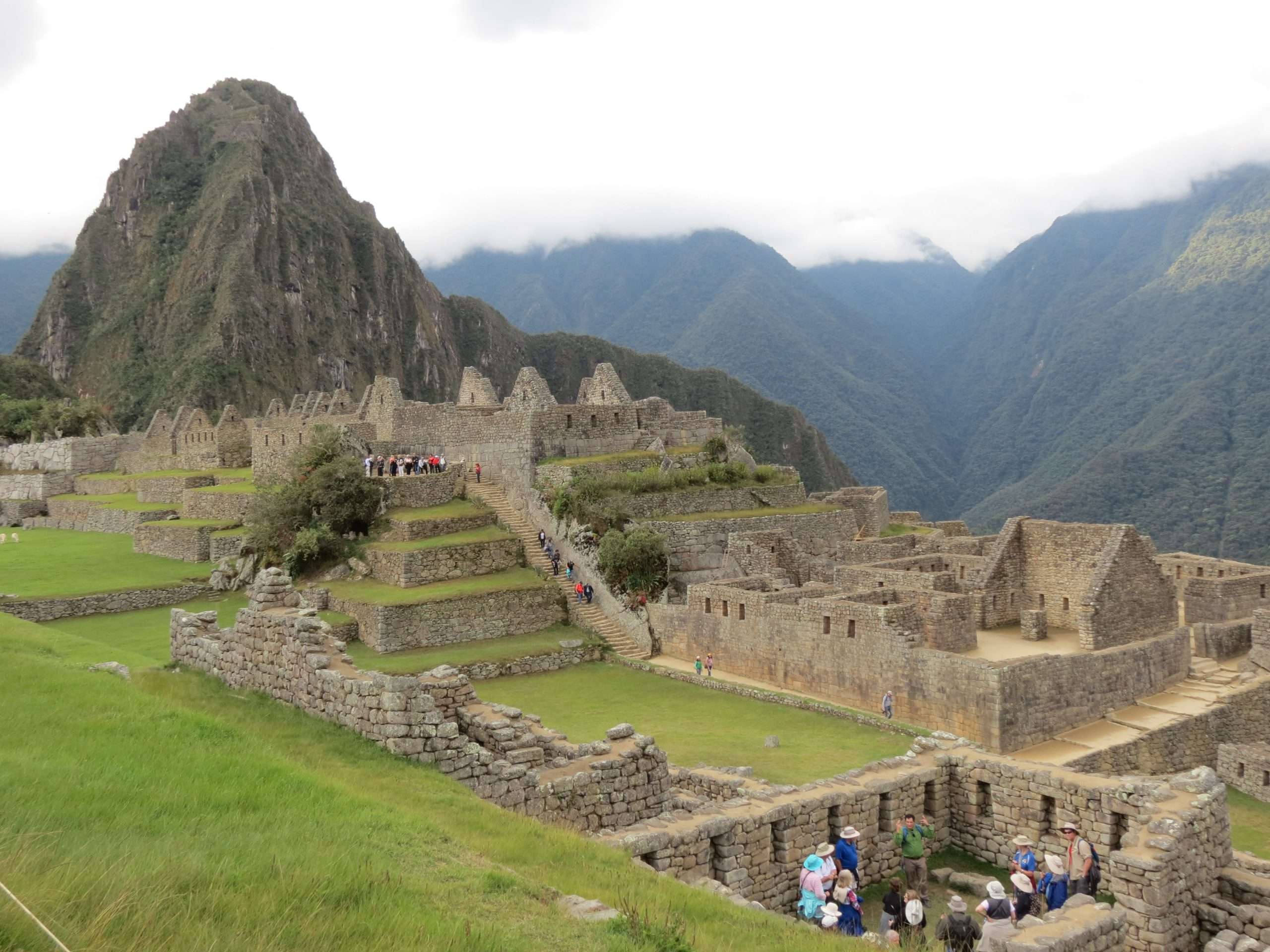
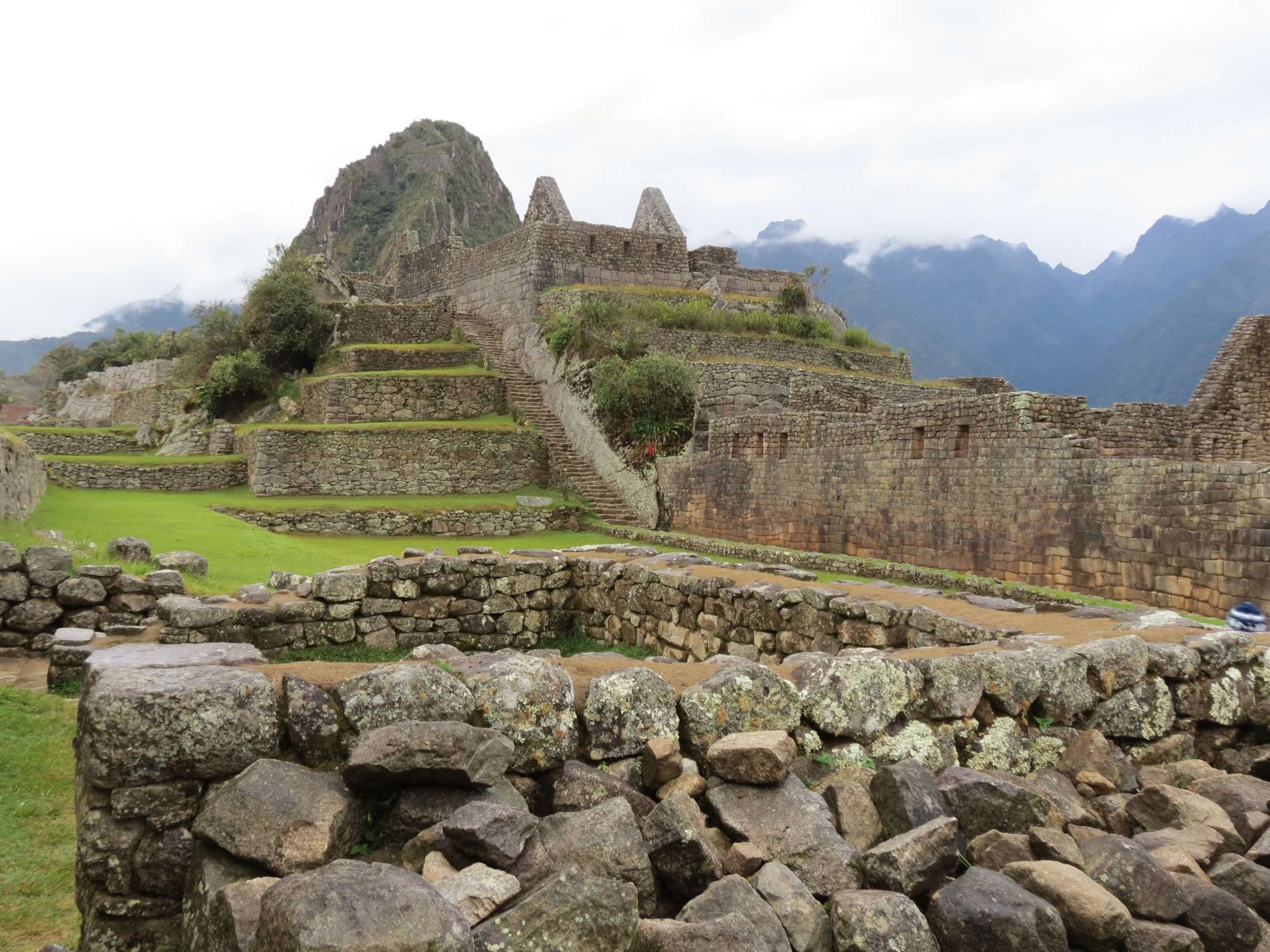
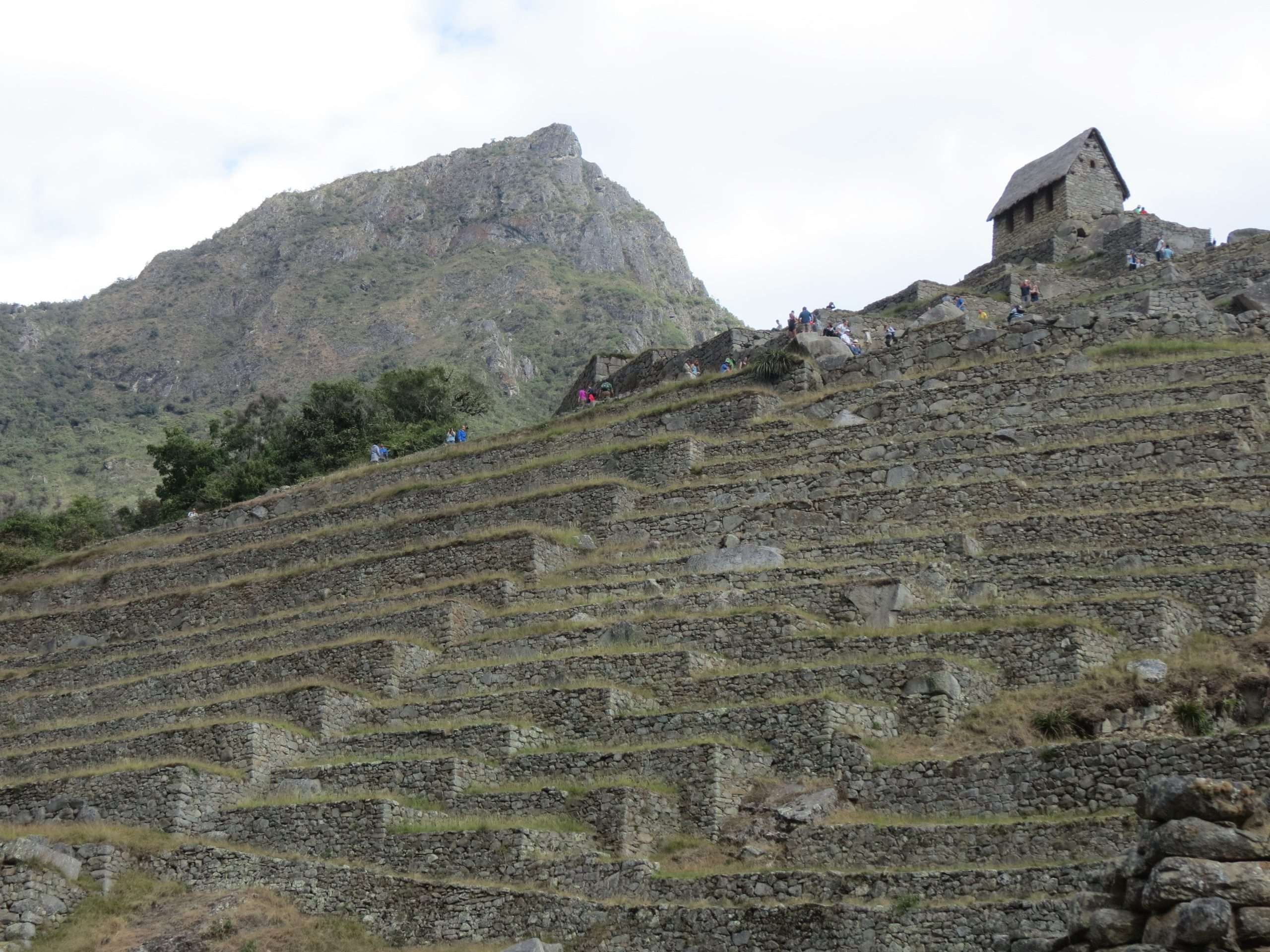
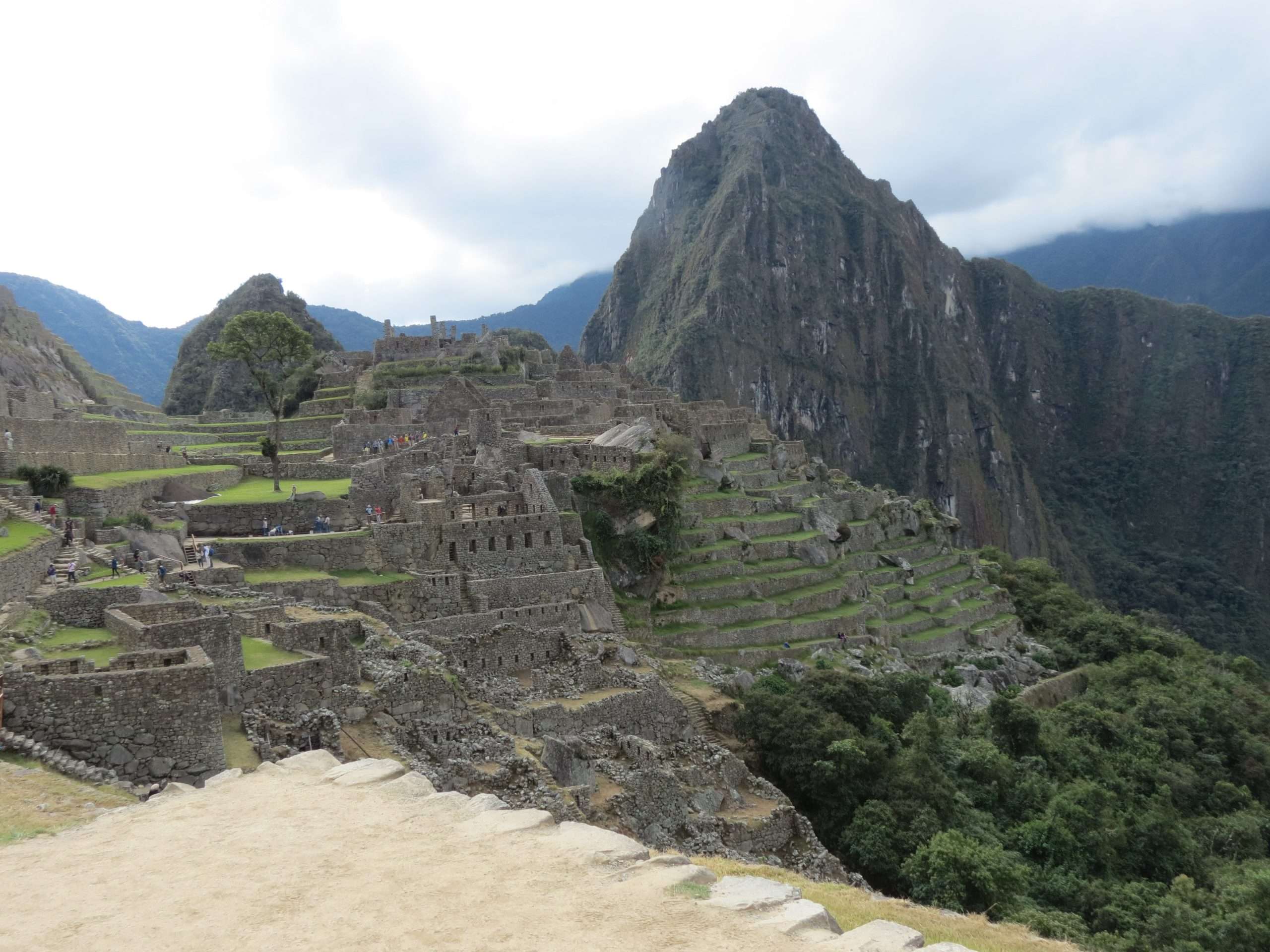
After a very steep ride, we arrived at Machu Picchu (the mountain), checked into the Belmond Sanctuary Lodge, which is just outside the park gate, grabbed a quick lunch, and then set off to explore Machu Picchu, one of the seven wonders of the world. The sanctuary was built by Pachacuti of gray-white granite. It is a large site with ruins of temples, dwellings, and guard houses. The stone masonry is exquisite in places, but in others, it looks like novices were being trained. Actually, what happened is that after the civil war broke out, all the important people moved to Cusco, and the people who remained behind tried to complete the work, but their skills were inferior
Machu Picchu & Cusco – July 4, 2015
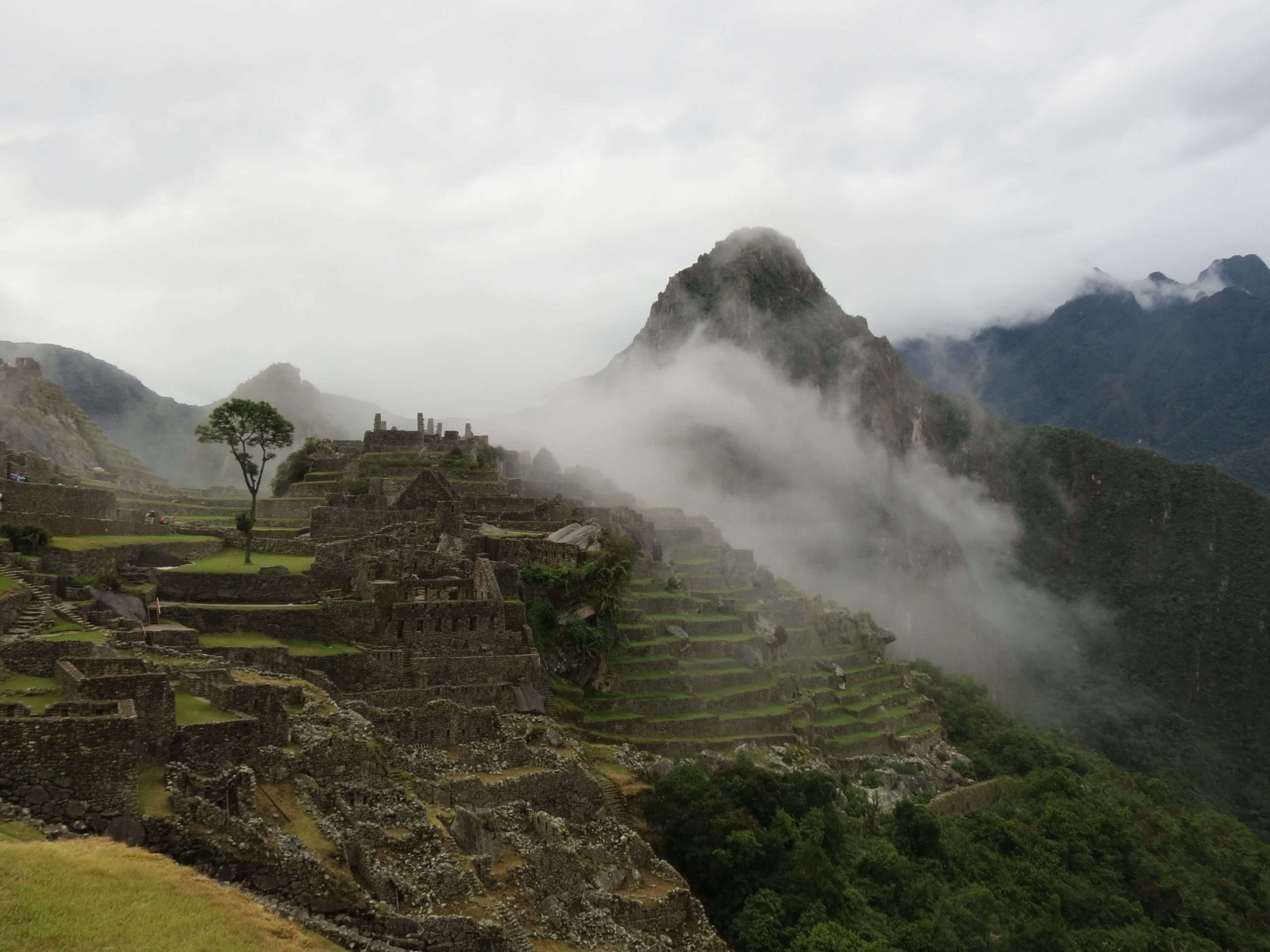
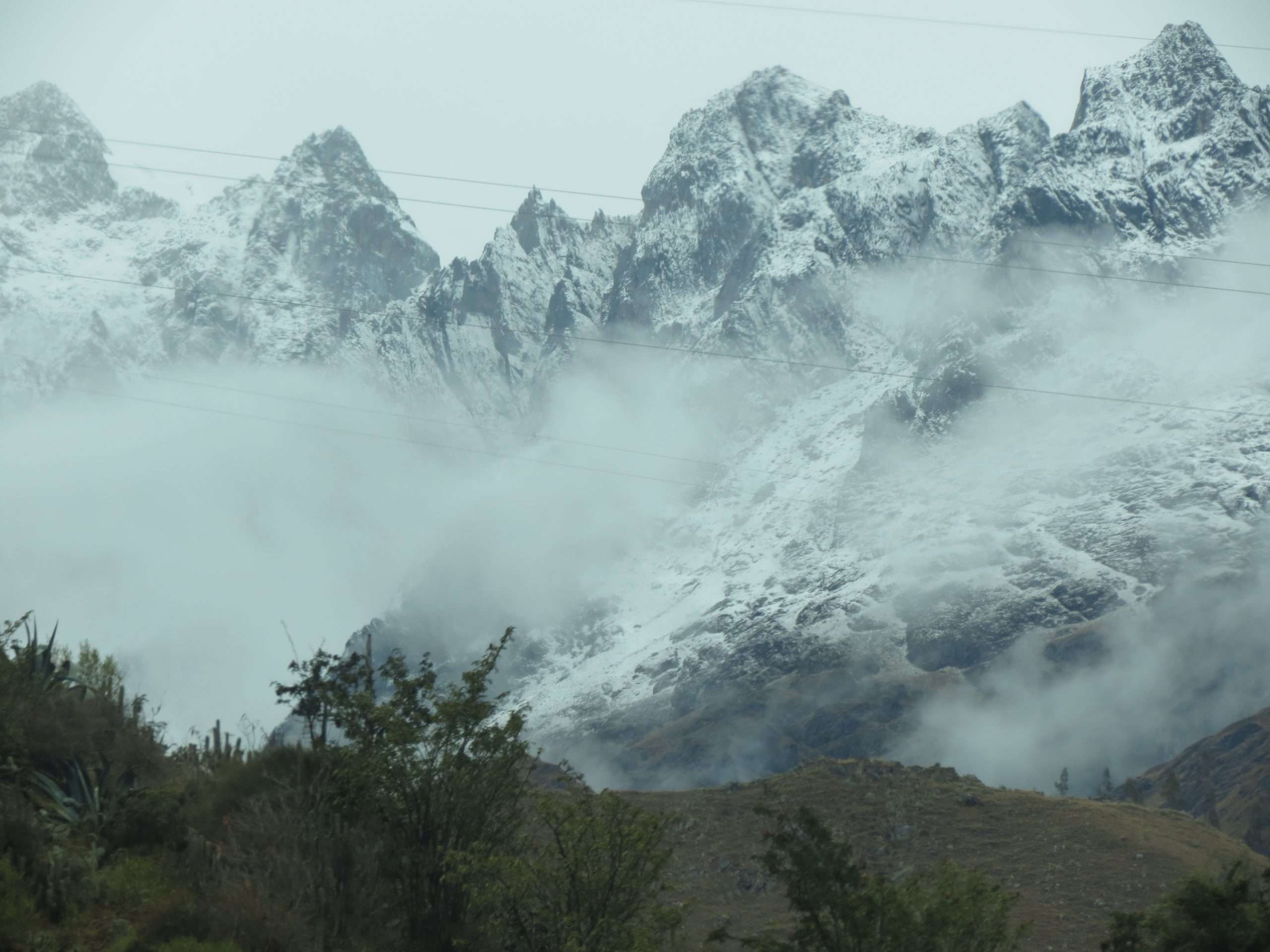
This morning was very rainy. We walked back into the park to explore another set of ruins. The path was slippery, but the effort was well worth it. The mountains were shrouded in mist that would appear, disappear, and then reappear, creating a mystical atmosphere. This area is part of the cloud forest, where it rains year-round. The site we visited was specifically chosen to study rain, a crucial resource for an agrarian society. We visited the Condor Temple before taking the bus to the train station in Aguas Calientes and boarding the Vistadome train to Cusco. This time on the train, they served a nice lunch of causa, which is mashed potato topped with beef and onions, though the toppings can vary. There was also a devil dance and a fashion show on board. The scenery along the way was stunning.
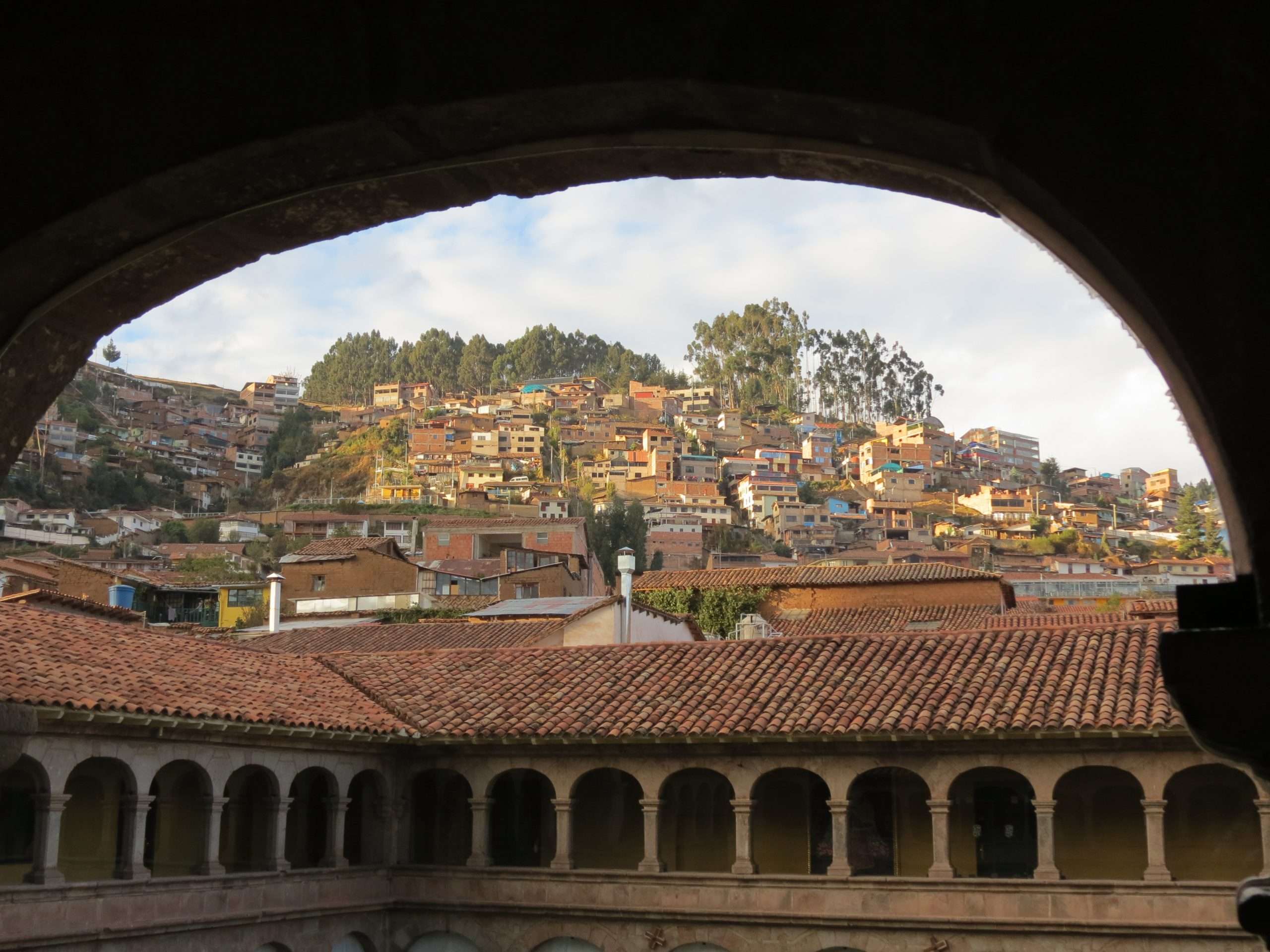
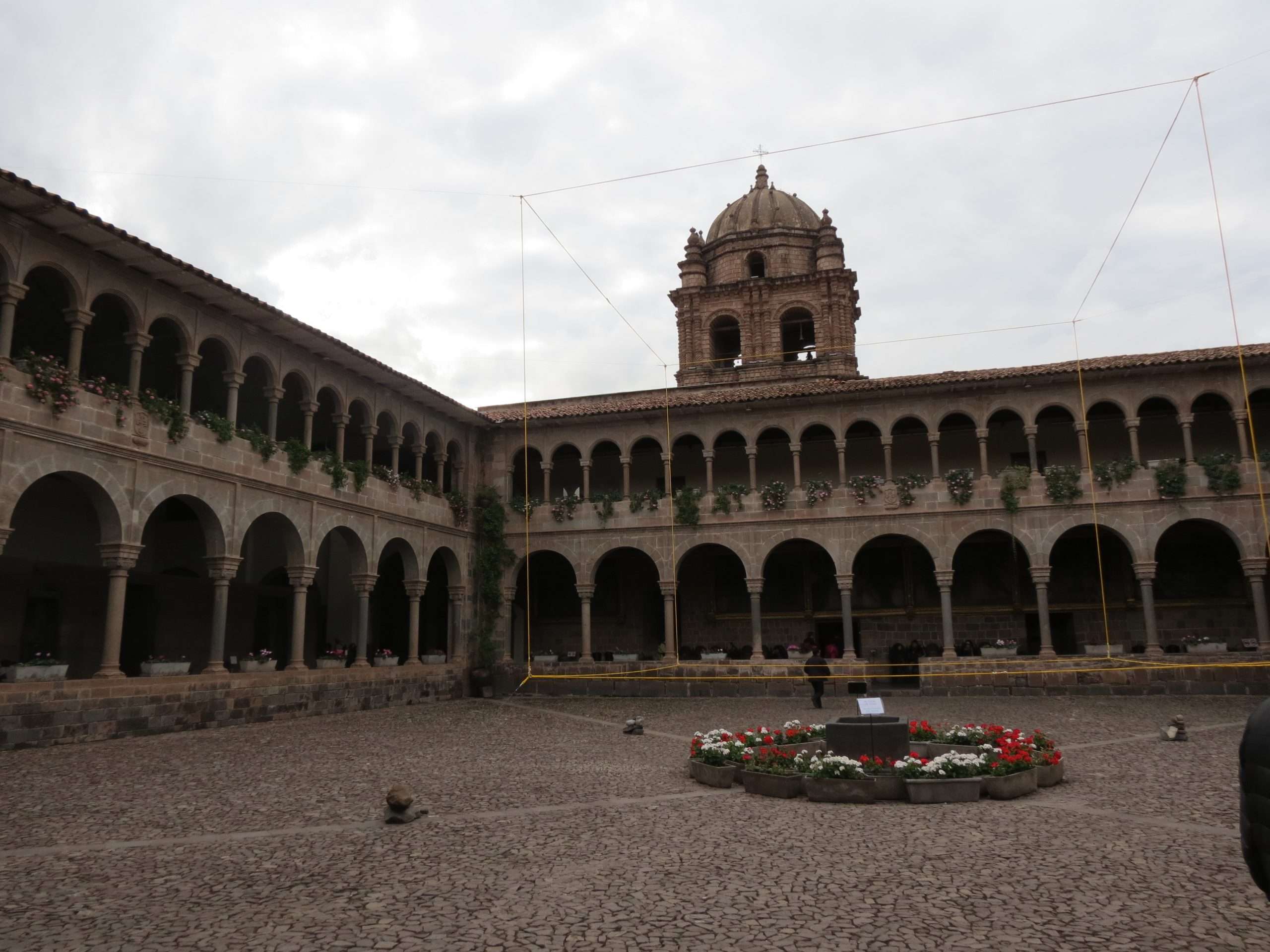
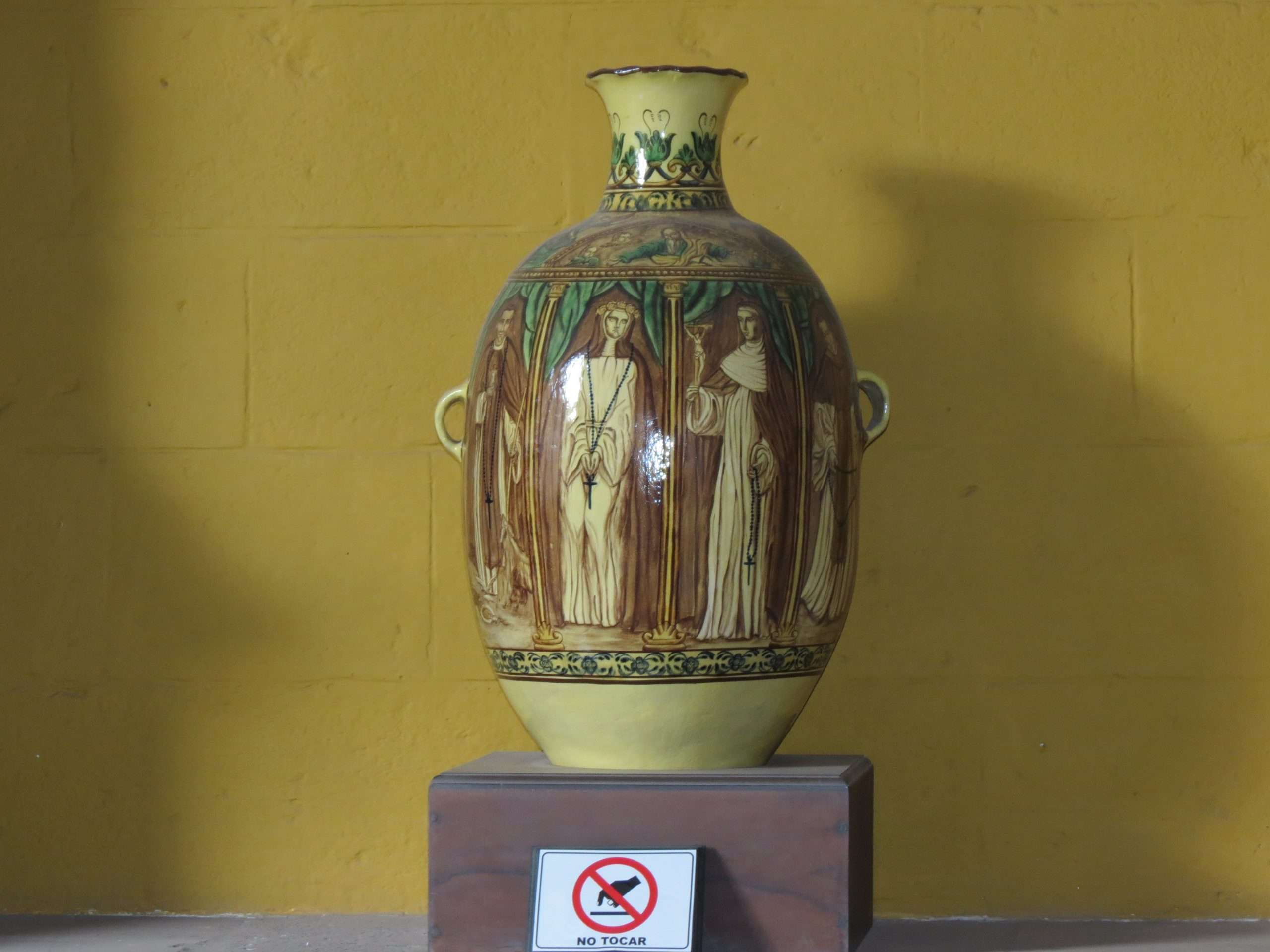
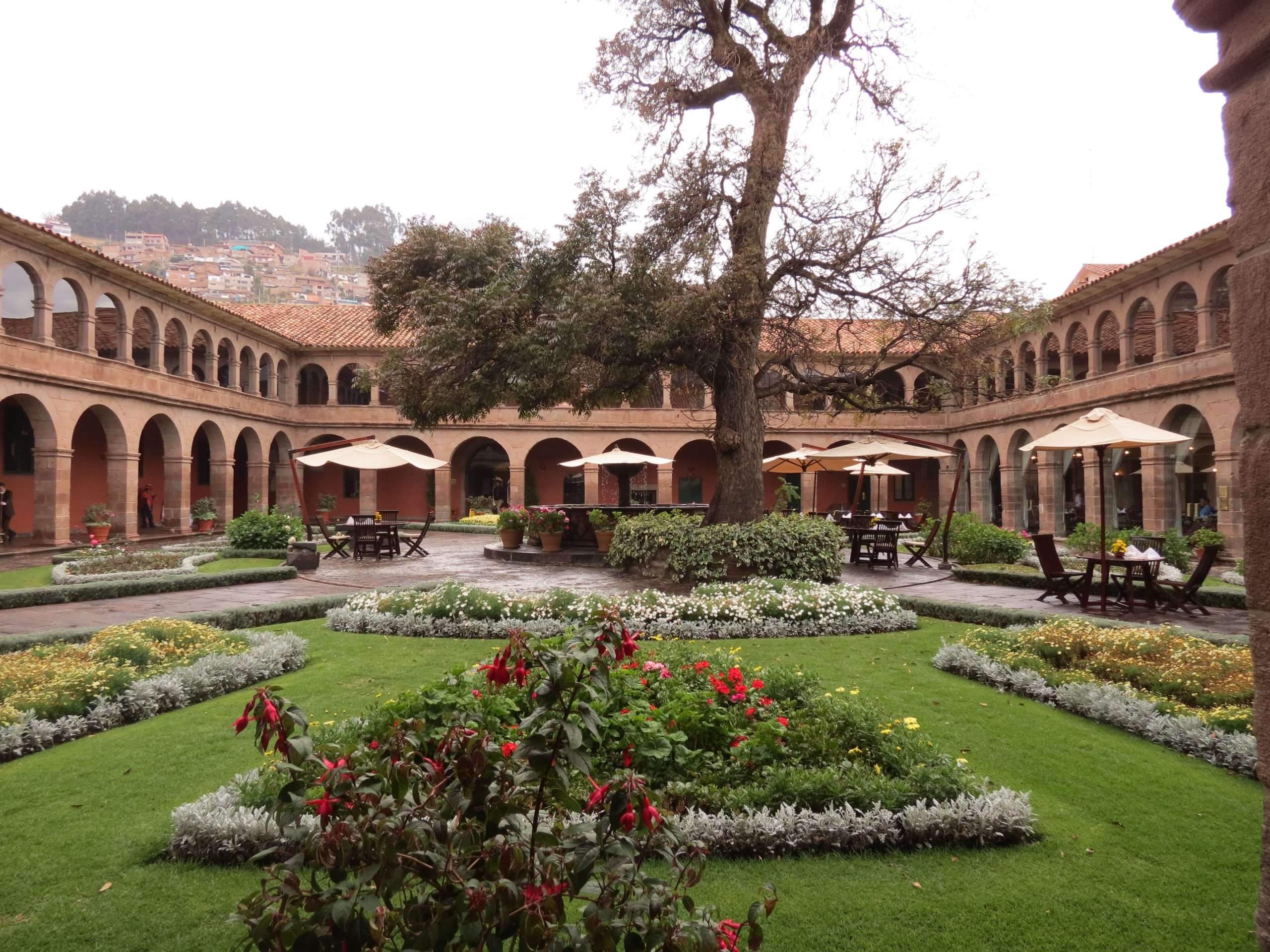
In Cusco, we checked into the Hotel Monasterio, a gorgeous hotel with incredible religious artwork. Before checking in, we visited the Convento of Santo Domingo del Cusco, also known as Coricancha (Golden Palace), which was originally an Incan temple before becoming a church. Ernesto explained the astrological and accounting systems used by the Incas. After checking in, we went shopping for jewelry at Inka Treasures. Dinner was at Monasterio’s El Tupay, where it was opera night—a very pleasant evening.
Exploring Cusco – July 5, 2015
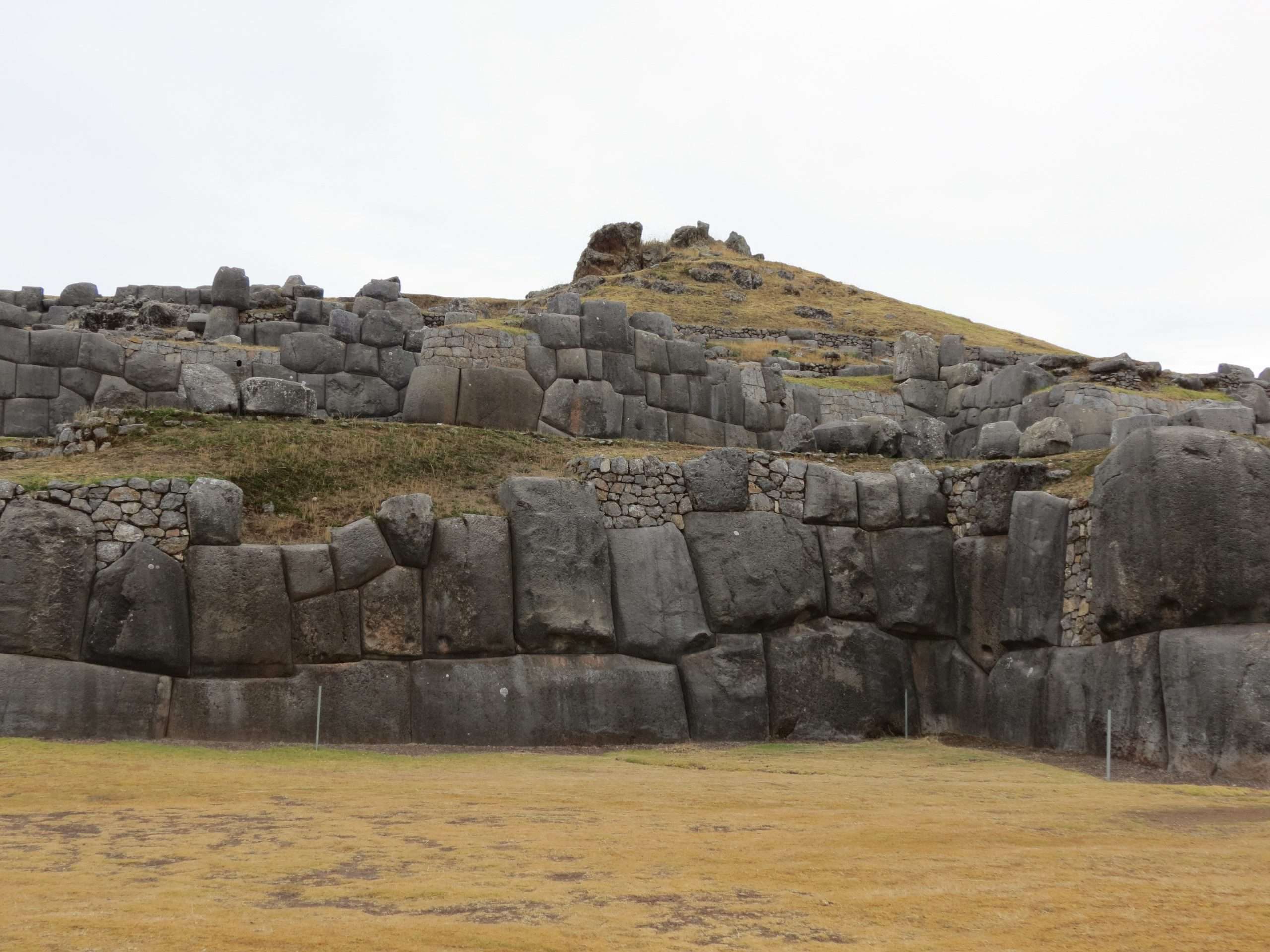
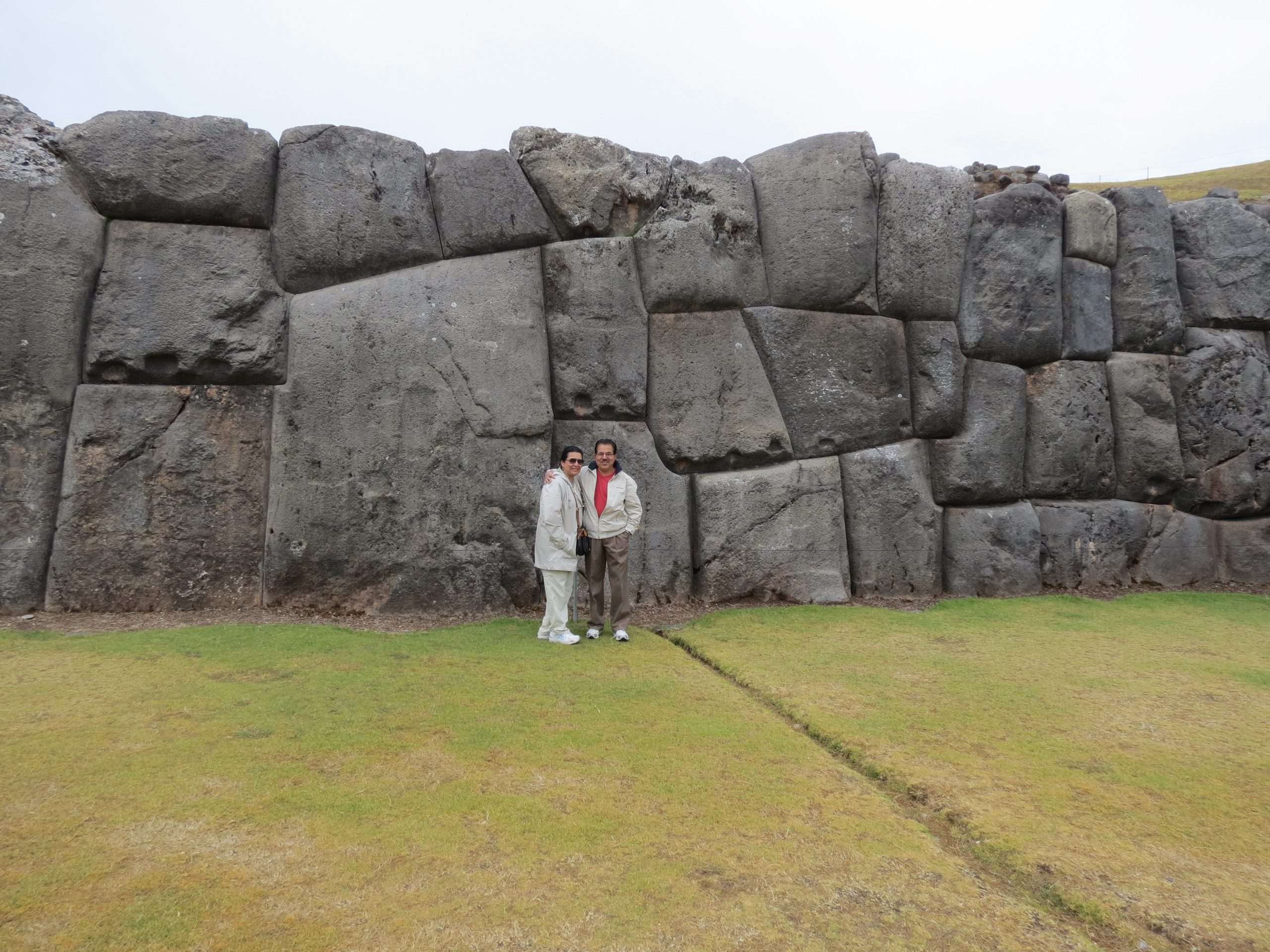
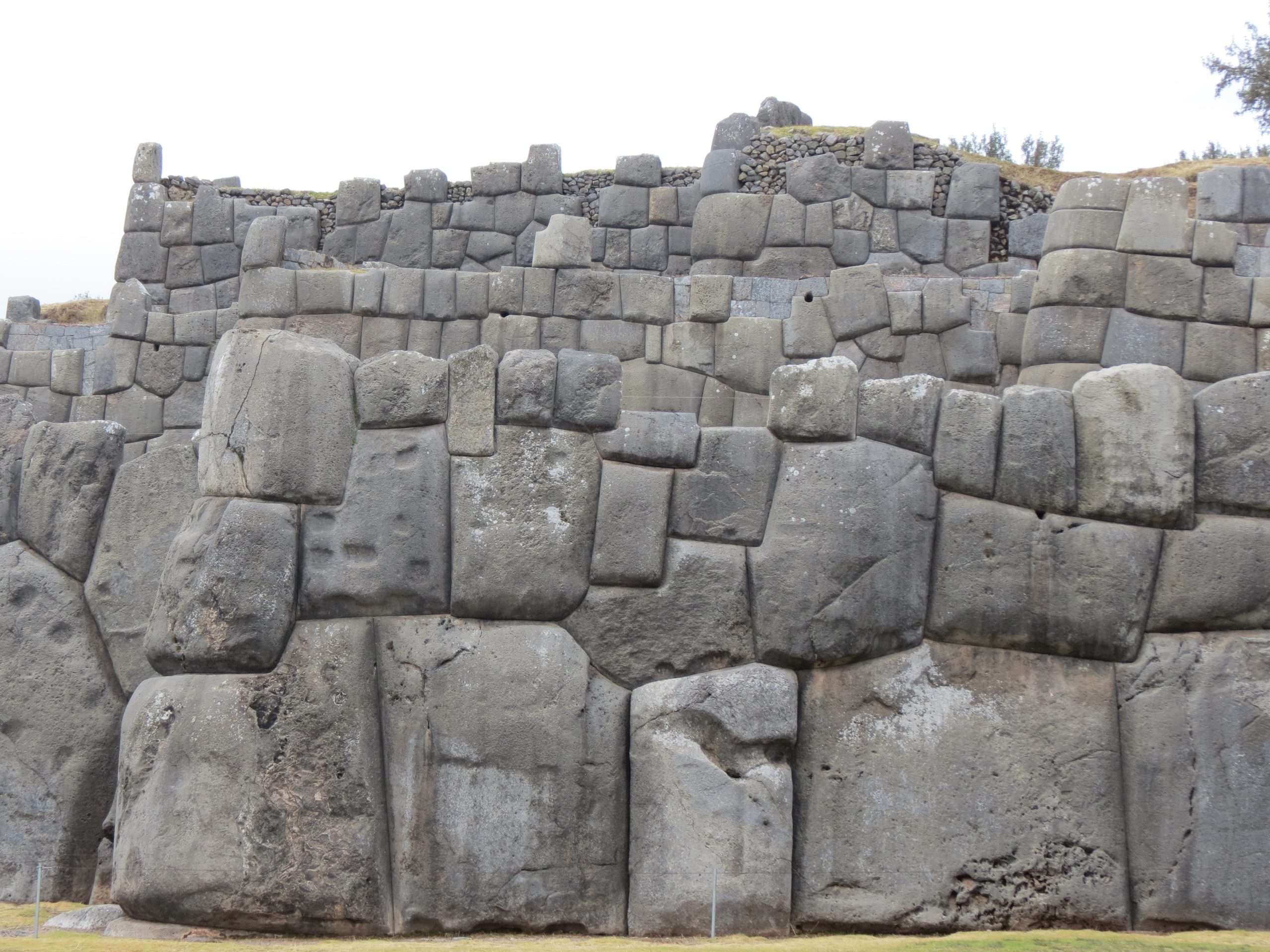
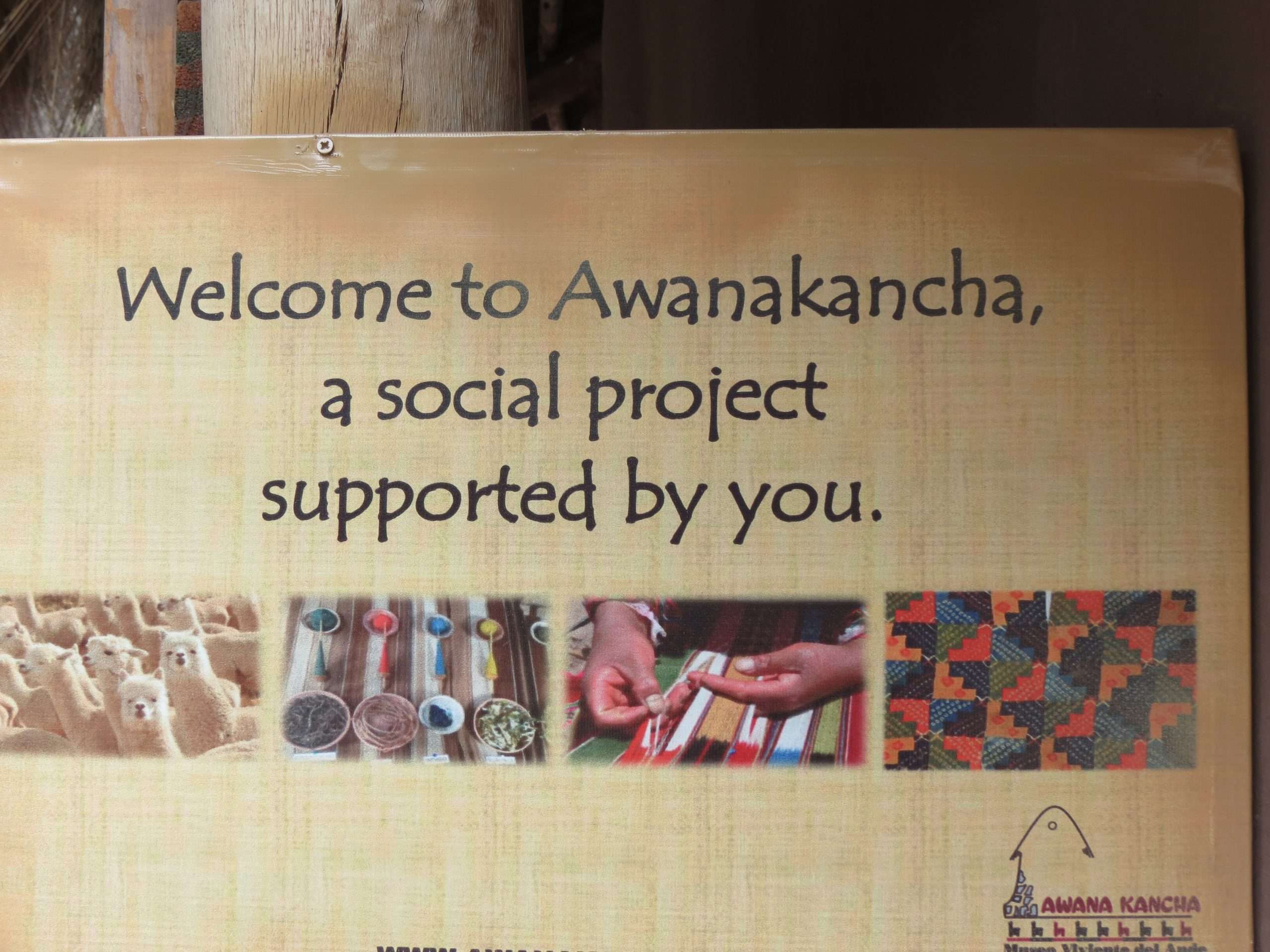
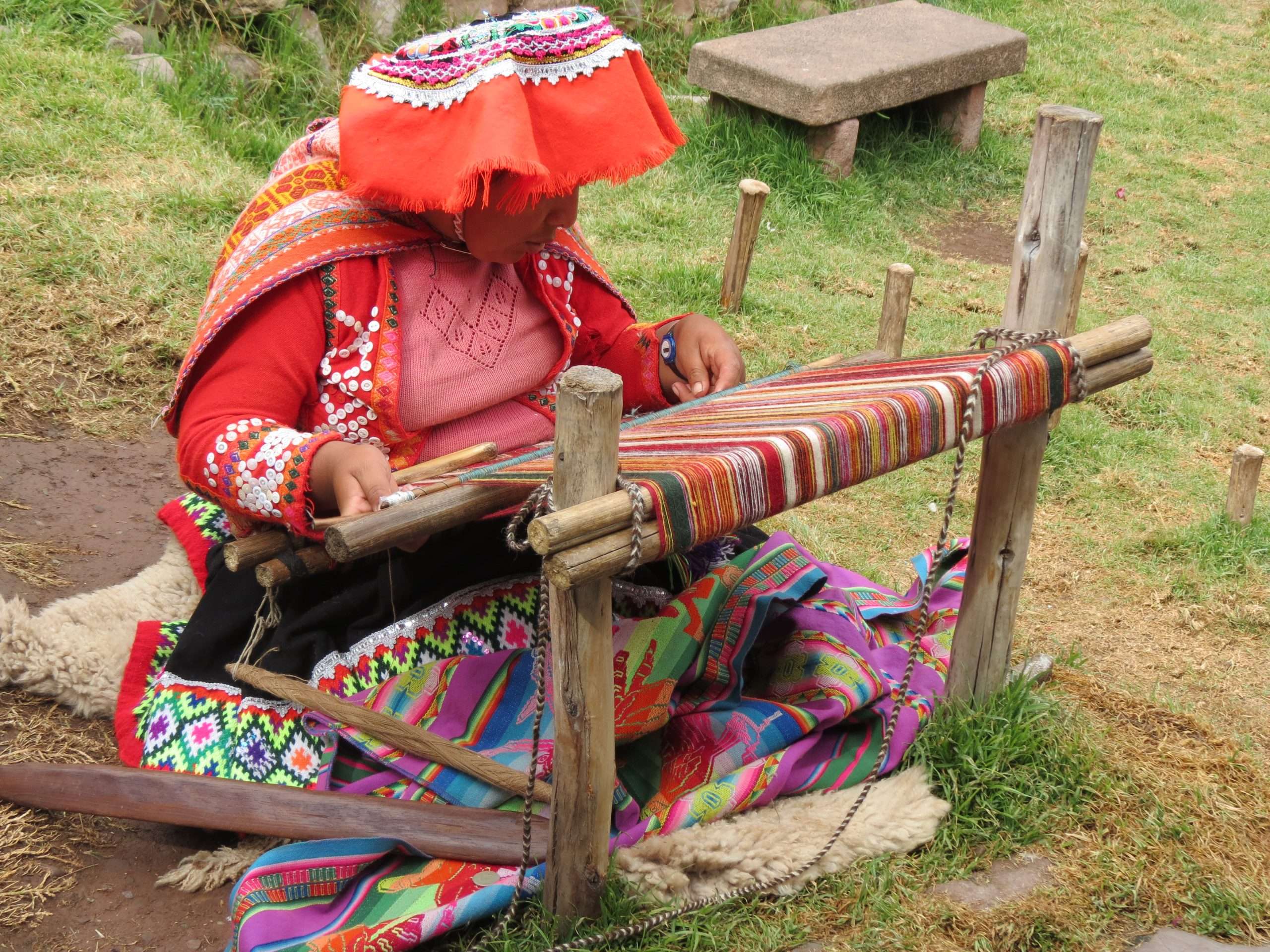
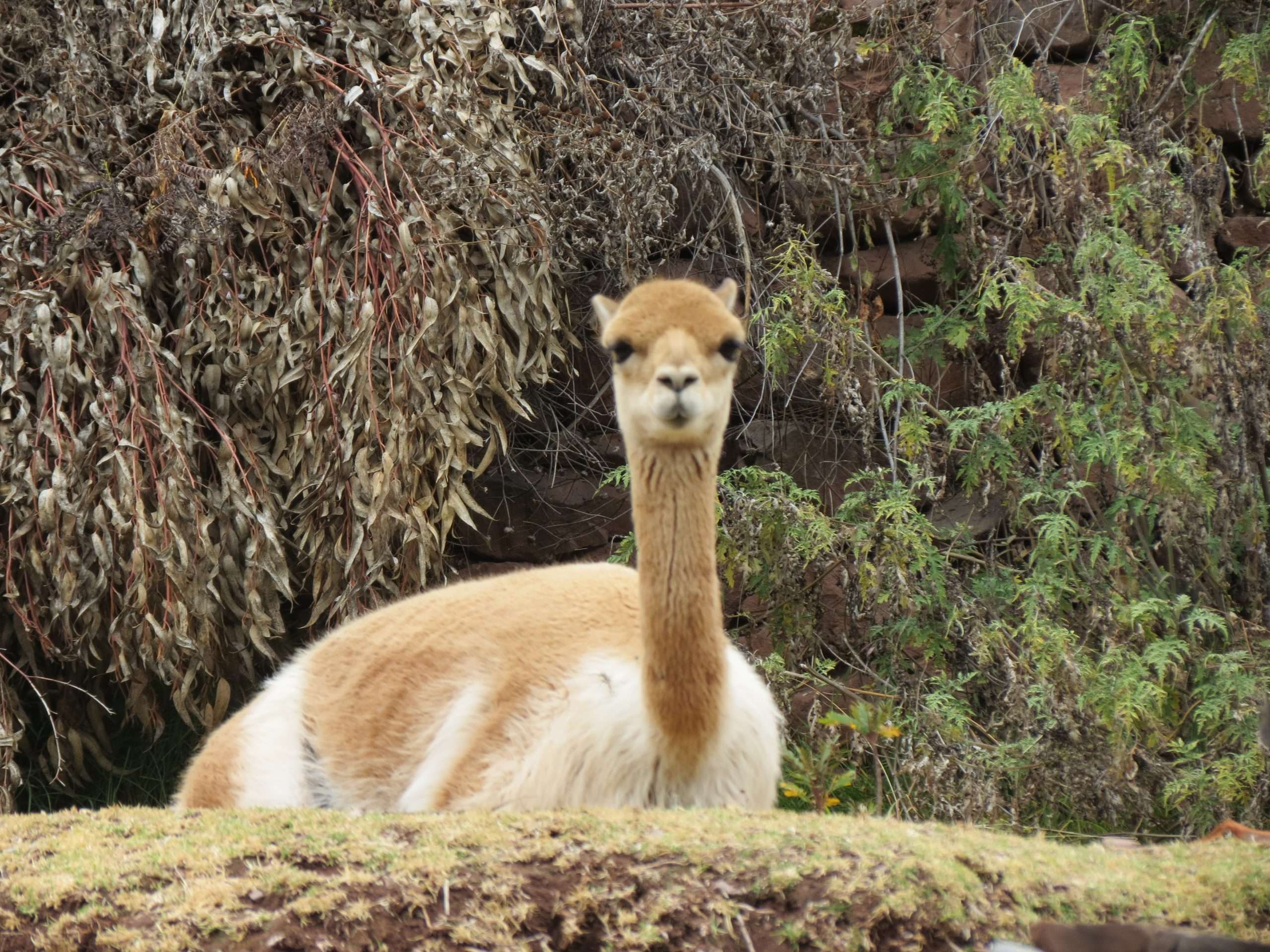
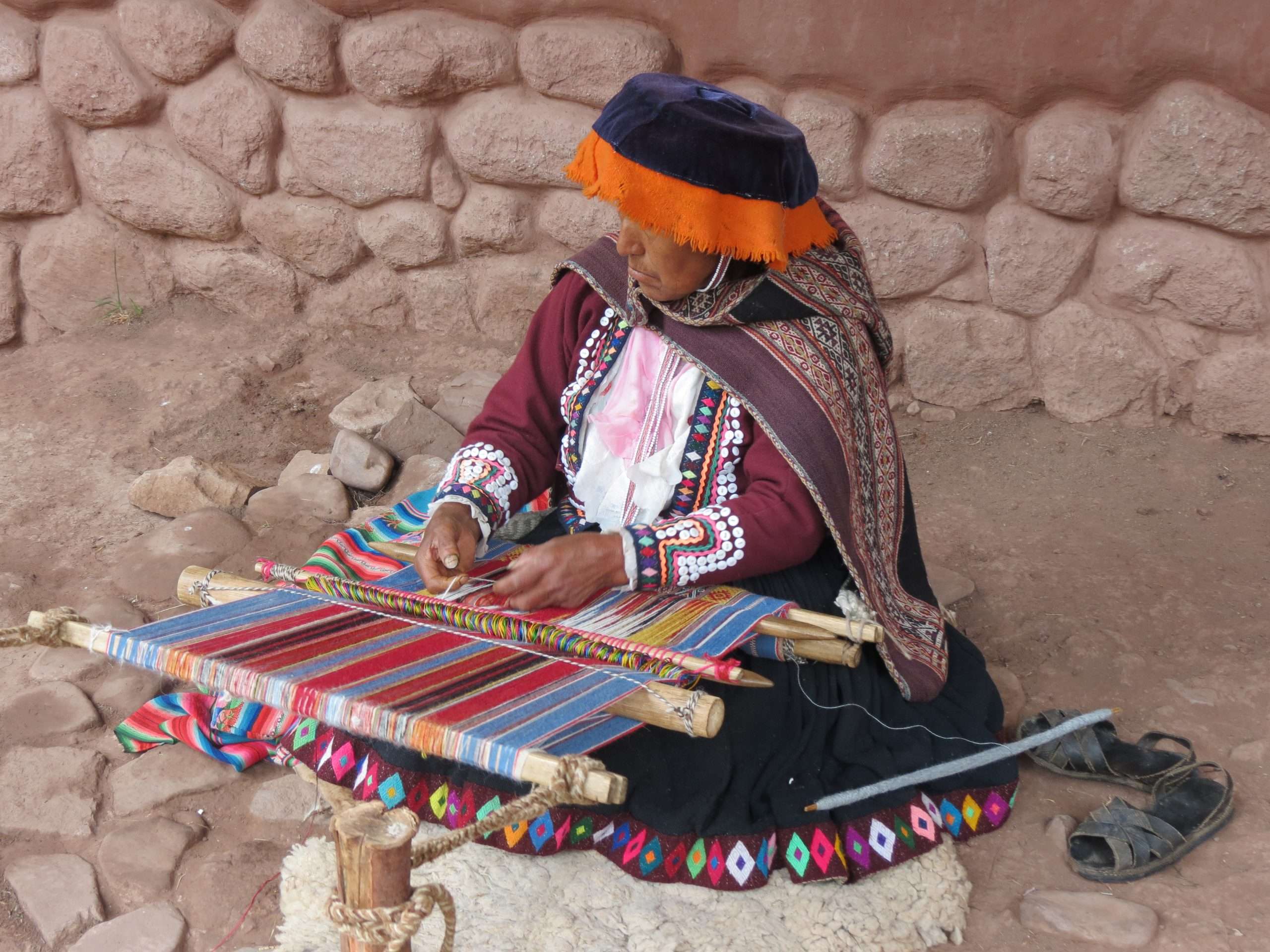
In the morning, we visited Sacsayhuamán, the temple of the Grey Monk. It is an incredible temple that is still in use. The boulders here are simply gigantic and made of limestone. It was started by Pachacuti but completed by his great-grandson. After the temple visit, we went to the Awana Kancha project, to see the llamas, alpacas, and vicuñas and learn about textile weaving, including how the yarn is made and dyed.
Next, we went to the cathedral in the Plaza de Armas. The cathedral is said to be the same size as Chartres in France, and the altars are stunning. We learned why Christ on the cross wears a skirt—just as the native priests do. We bid farewell to our guide Ernesto, who also works with Abercrombie & Kent and National Geographic. Afterward, we explored the shops and had lunch at Limo Cocina Peruana & Pisco Bar (Novo Andino).
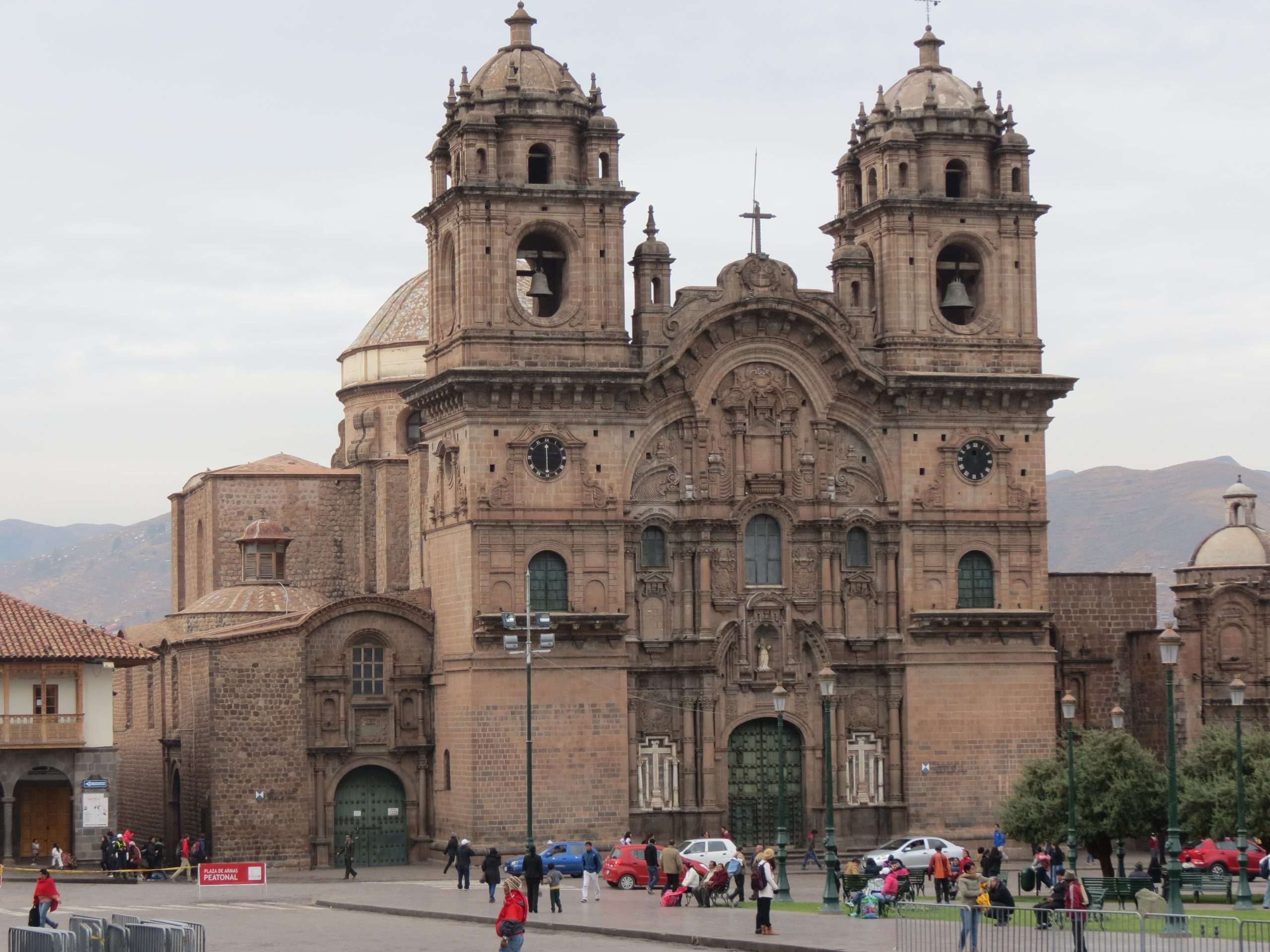
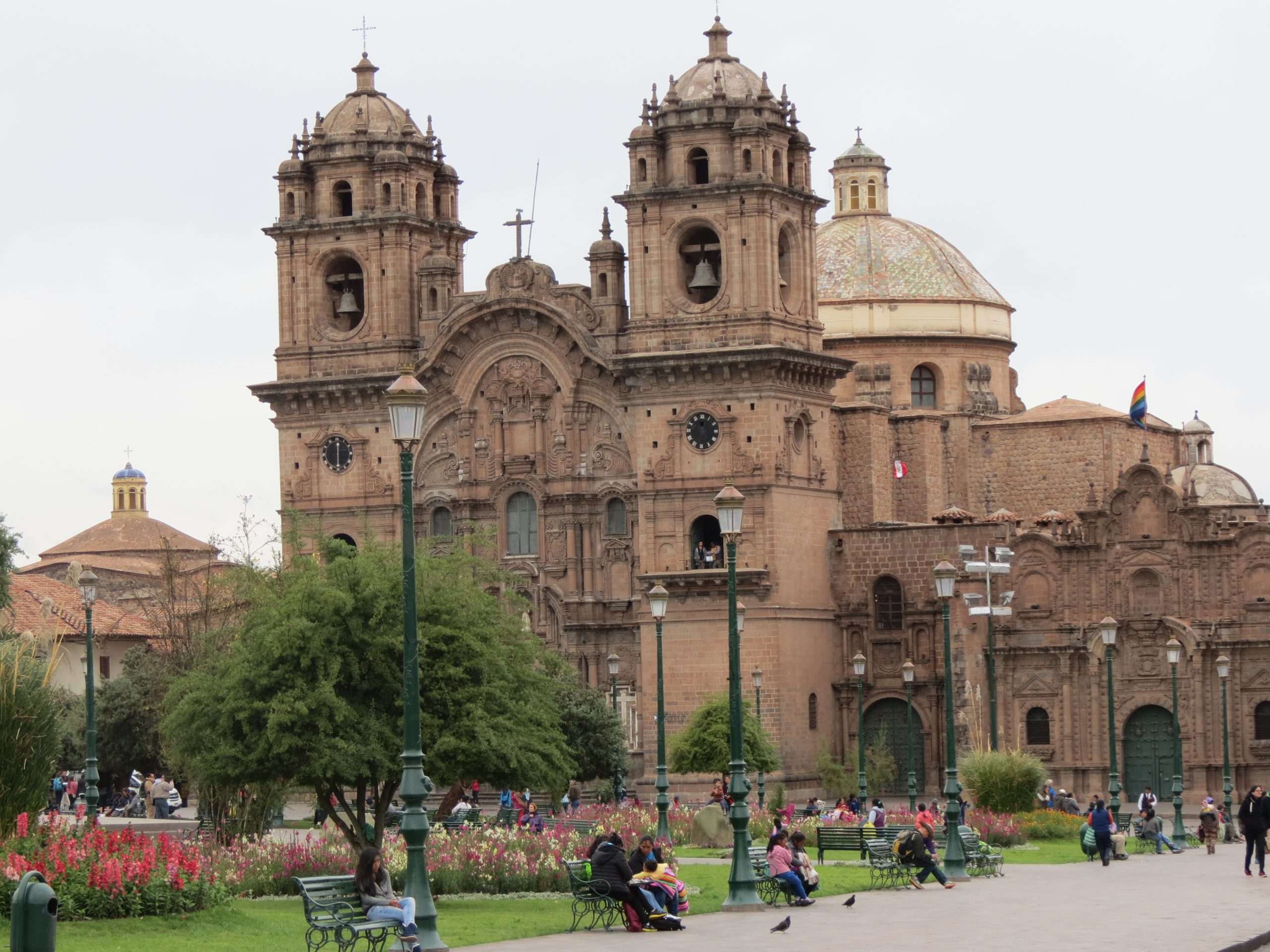
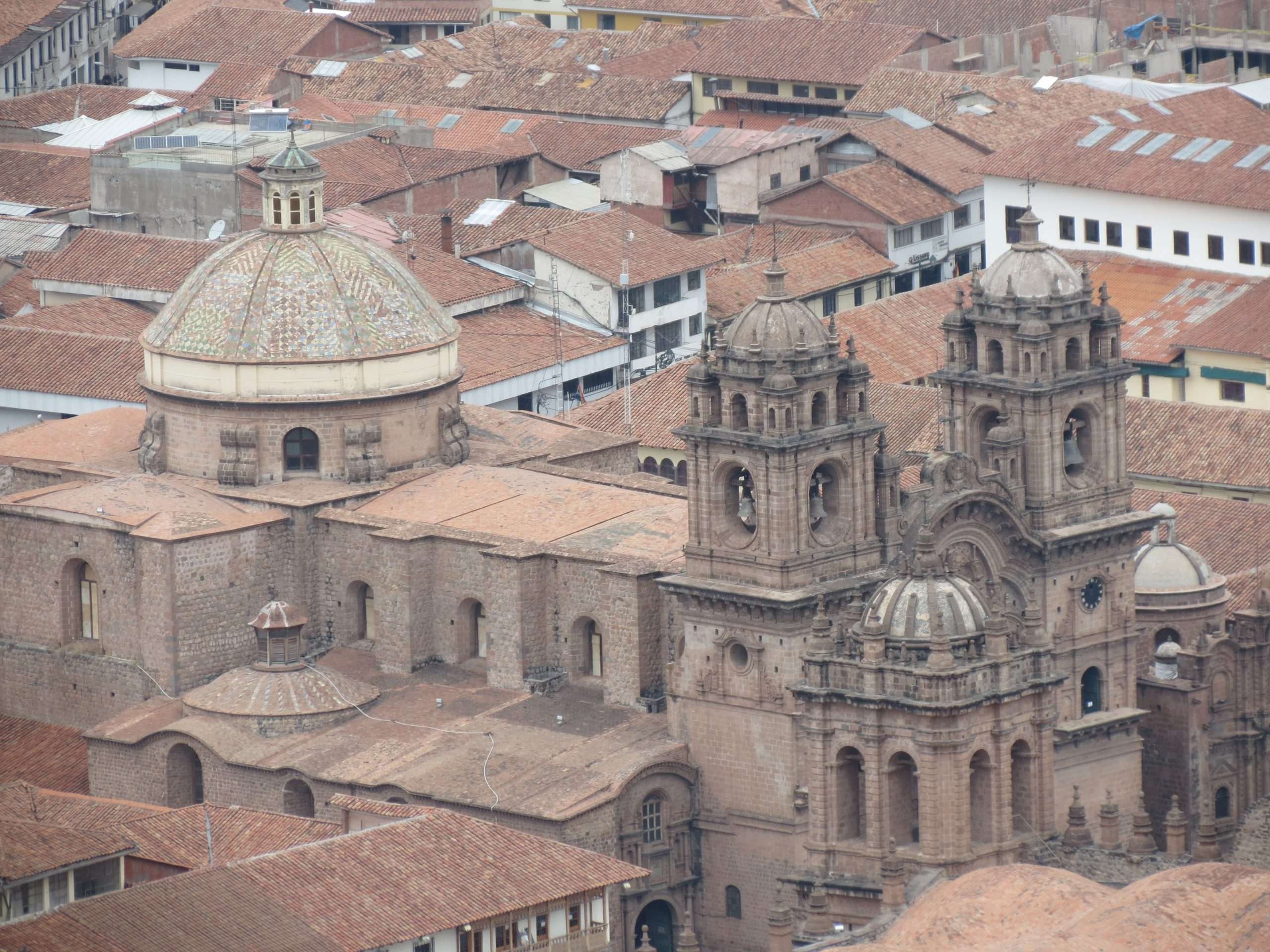
In the evening, we attended mass at La Compañía de Jesús and then had dinner at Chicha. The mass was beautiful, with the priests coming down to kiss all the elderly women as a sign of peace and blessing everyone individually at the end.
Now, about the hotel: it was originally built in 1595 and later became the Seminary of San Antonio Abad. After being damaged by an earthquake in 1650, it was restored, and a beautiful chapel was added, which we briefly visited—it truly is stunning. The building was converted into a hotel in 1999.
Short Flight to Guayaquil – July 6, 2015
Today, we flew to Guayaquil, Ecuador. We had planned to visit downtown, but with Pope Francis in town, all the major roads were blocked. We’re staying at the Hilton Colón.
Flight to Galapagos & Embarkation – July 7, 2015
We flew to San Cristóbal today and boarded the Isabella II, a small yacht with a crew of about 19. We’re the only people on board (35 of us). In the afternoon, we went to an orientation session at the Interpretation Center. We have already mastered the art of getting into and out of dinghies, aka pangas, here.
Exploring Genovesa Island: Birds, Wildlife, and Natural Wonders – July 8, 2015
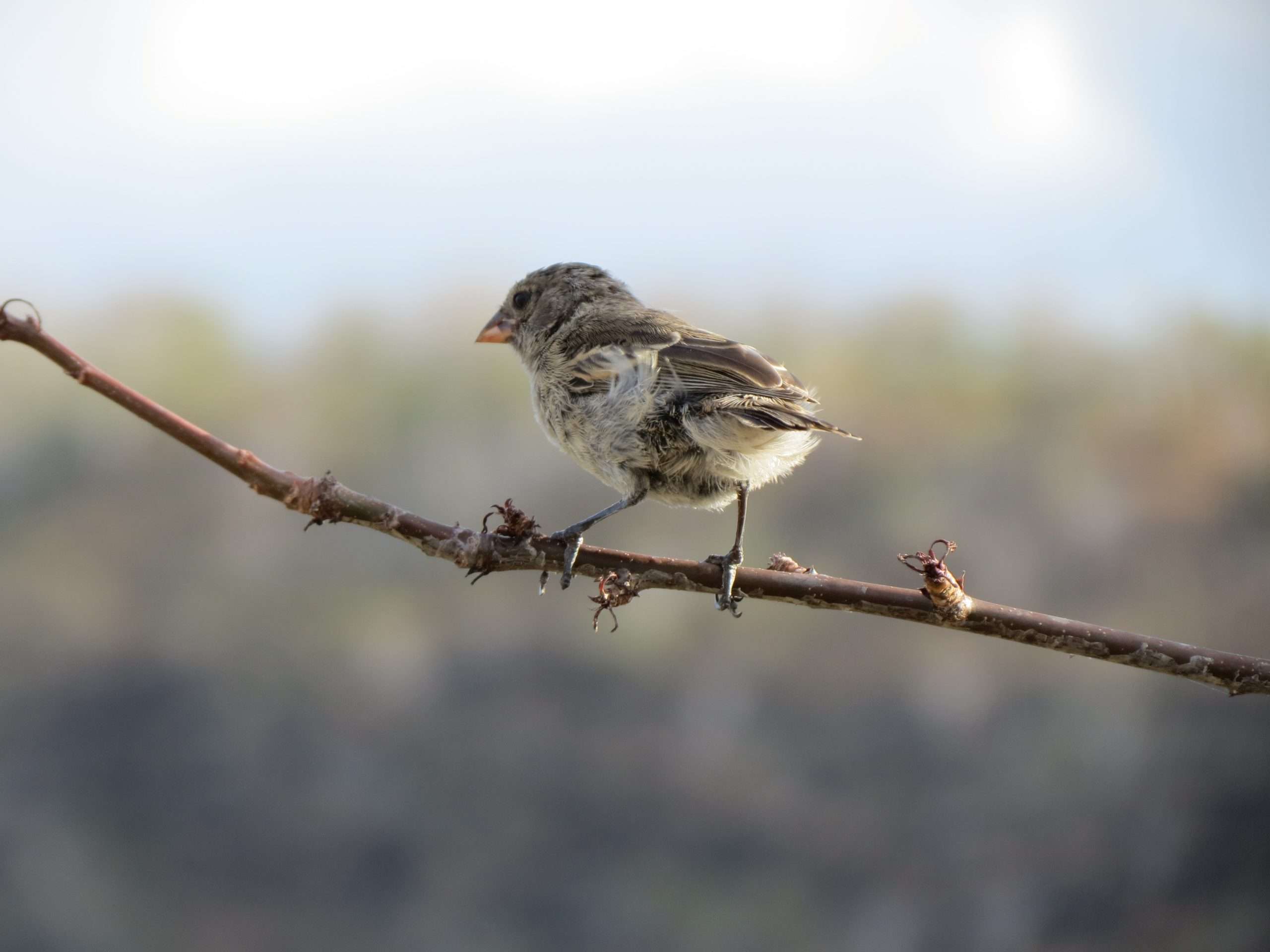
We sailed all night and crossed the equator around 2:30 AM. We are now in Genovesa, also known as Tower Island, in the northern Galapagos. We climbed Prince Philip’s Steps, a 90-foot climb of very steep steps made of lava rocks. We saw lots of birds—Nazca and red-footed boobies, finches, mockingbirds, and frigatebirds. In the afternoon, we returned to the island and did a wet landing in Darwin Bay. We saw more birds up close and sea lions. Others in our group went snorkeling and kayaking. It is mating season here, and we saw several frigates still searching for mates. The females are very selective, and to attract their attention, the males inflate a large red gular sac on their chests. We learned that boobies engage in siblicide. When one egg hatches, the first chick kills the next one to hatch (only two eggs are laid), thus practicing a sort of natural selection.
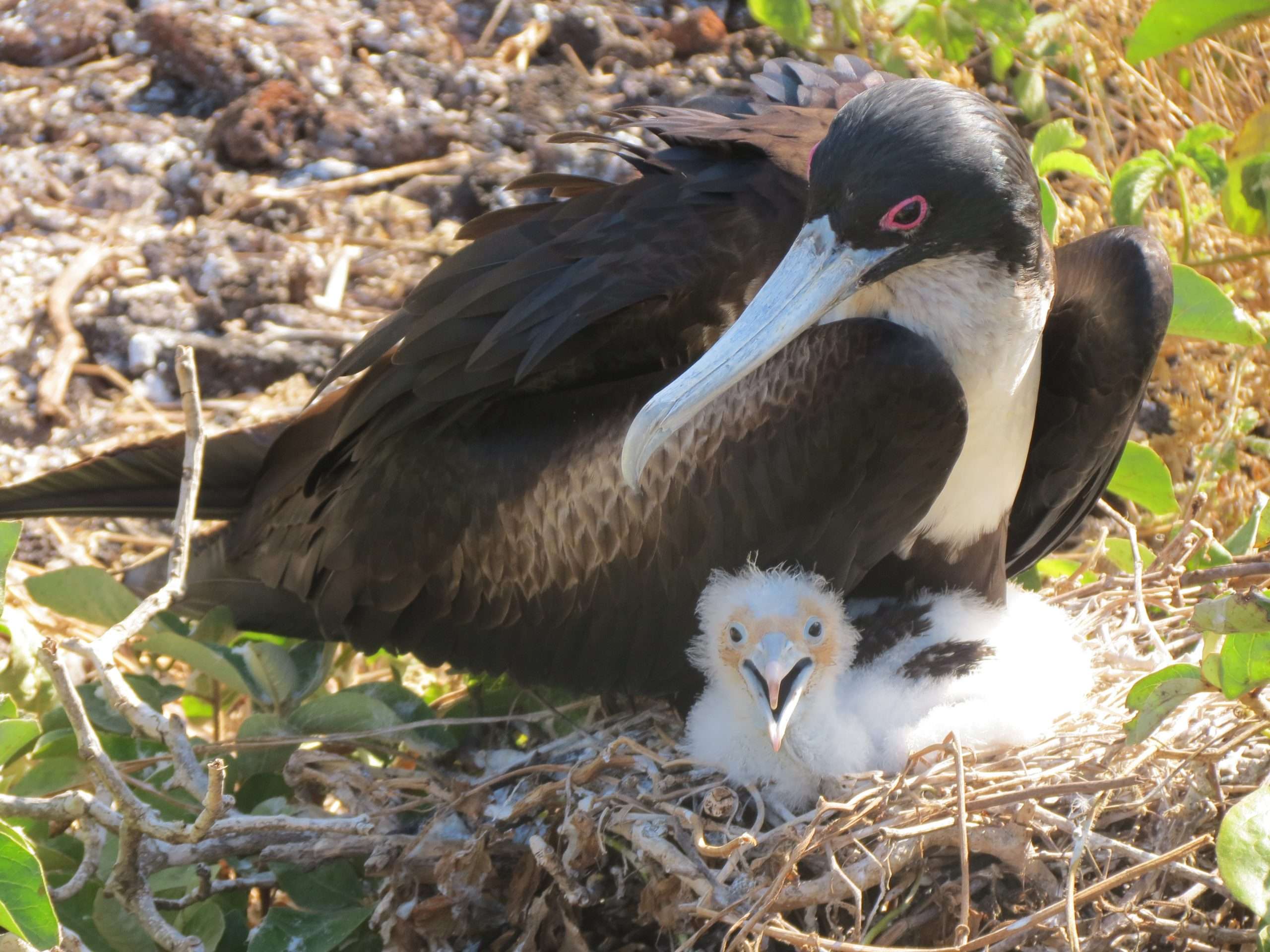
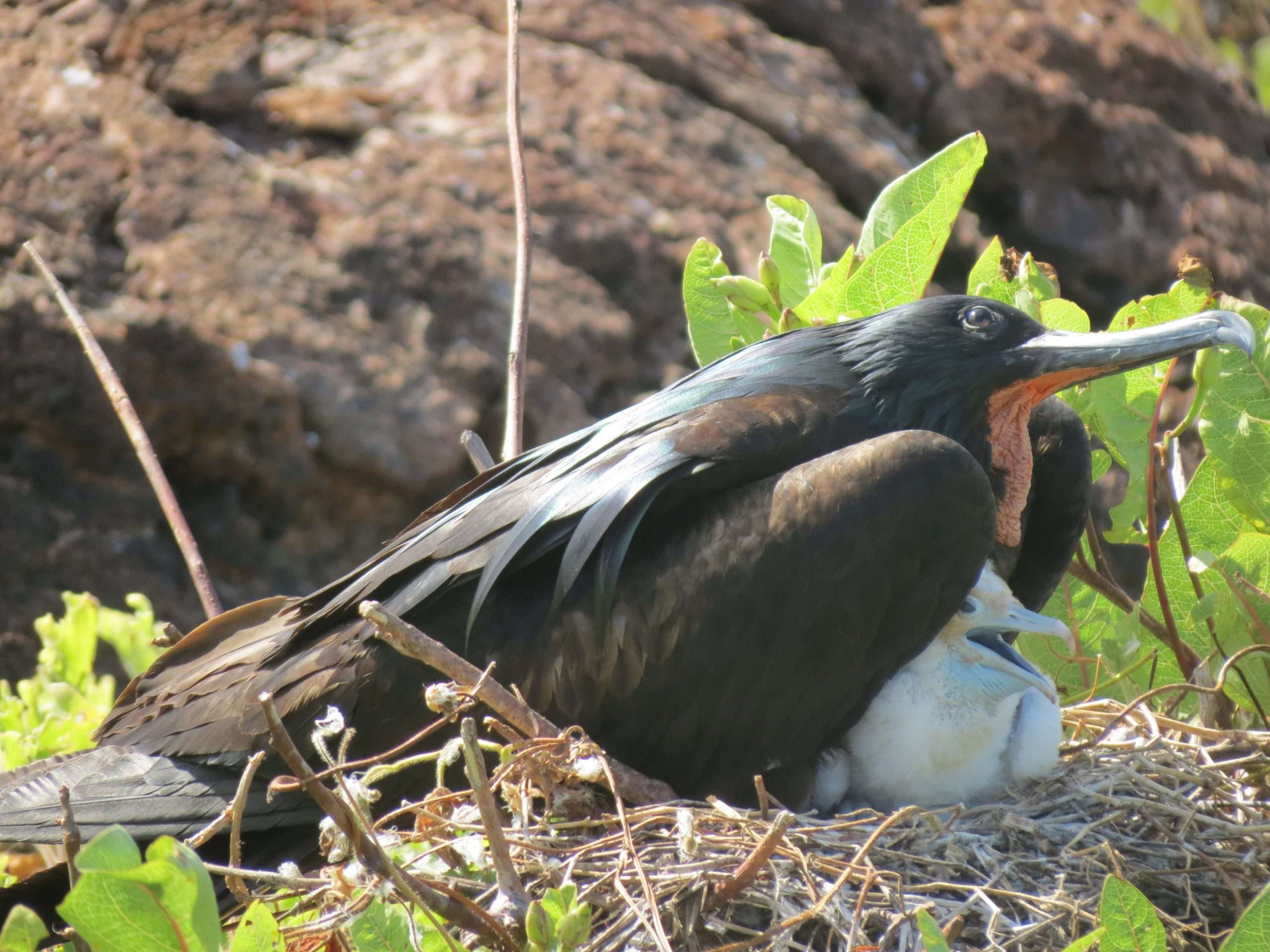
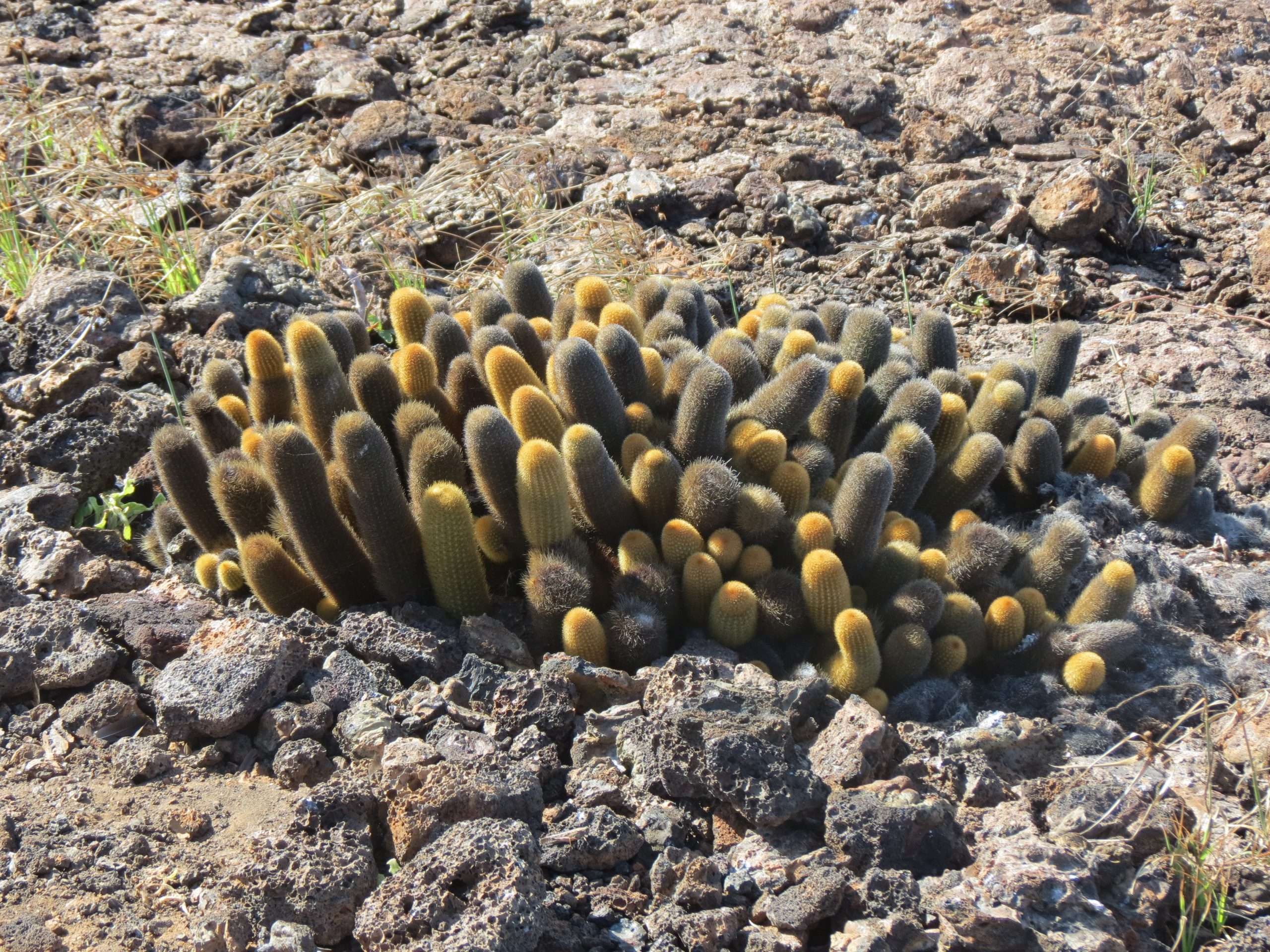
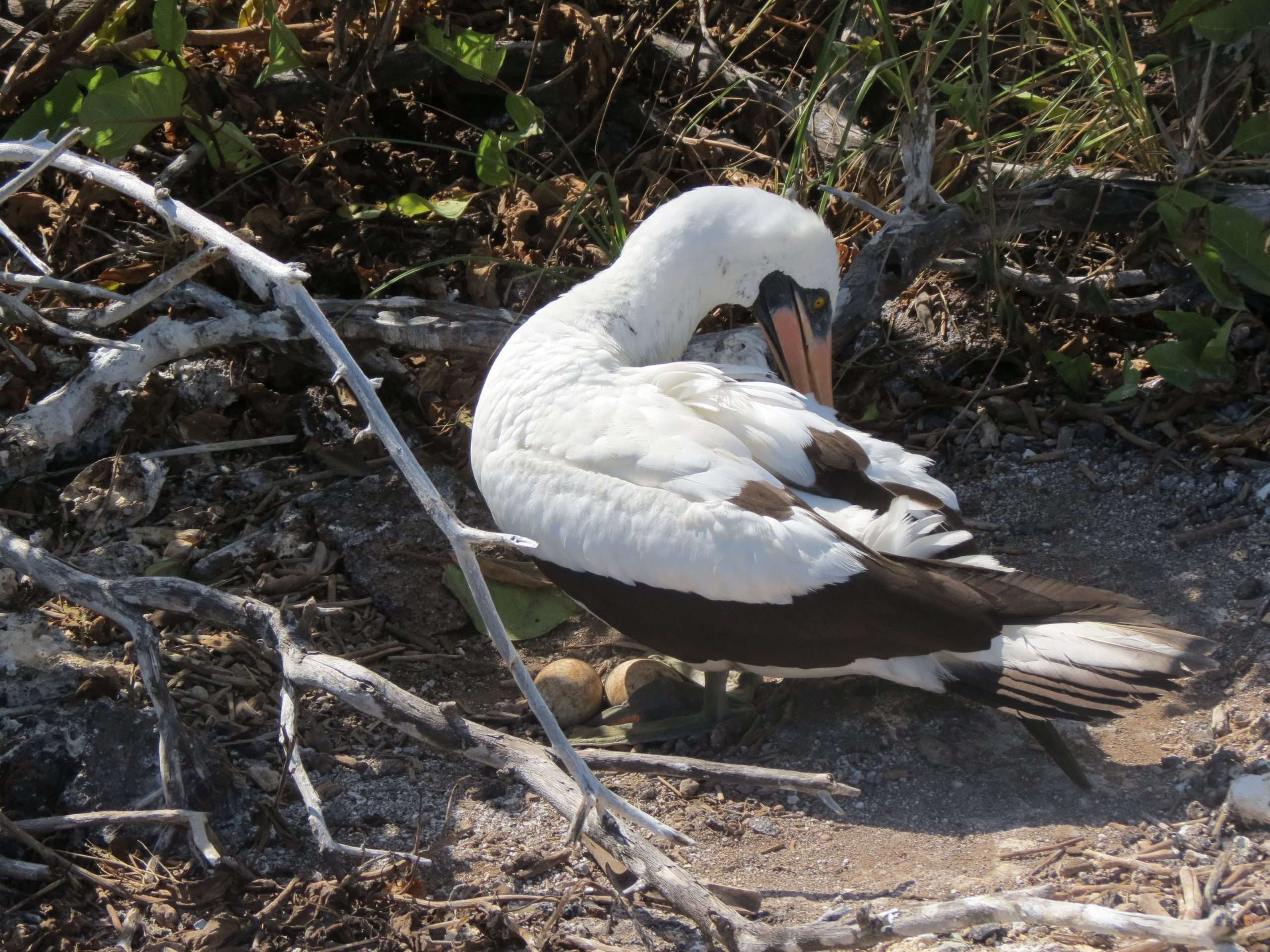
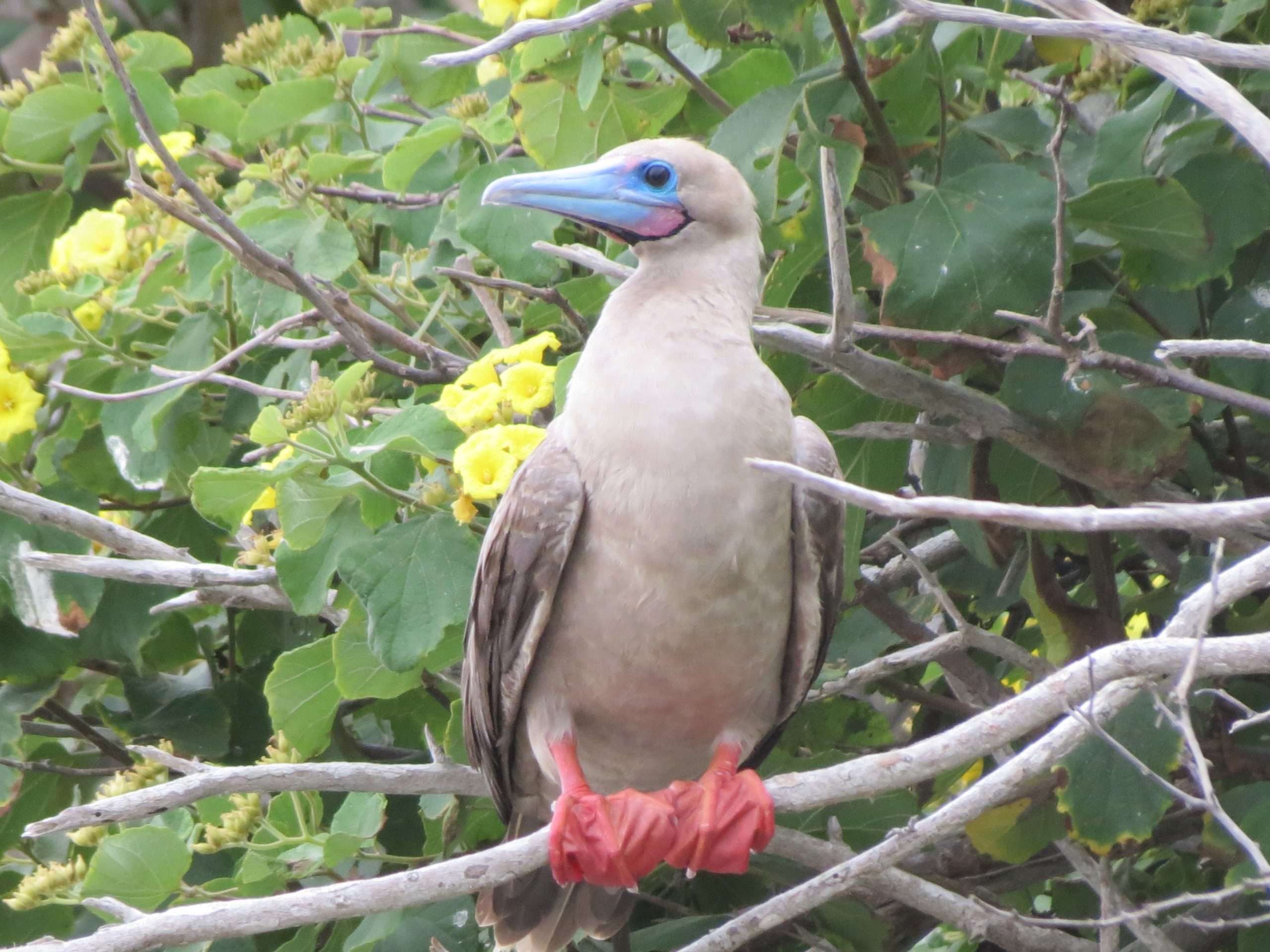
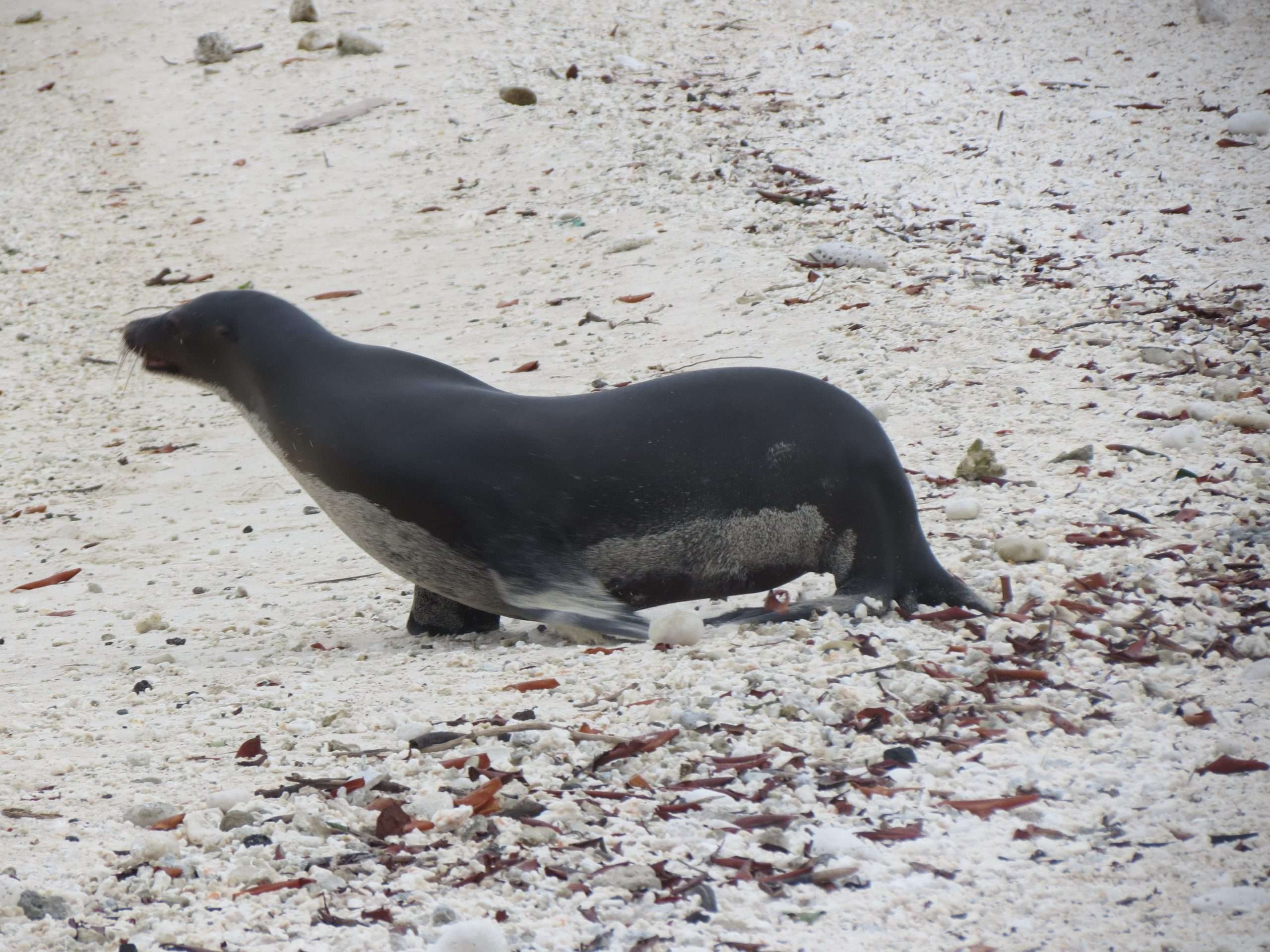
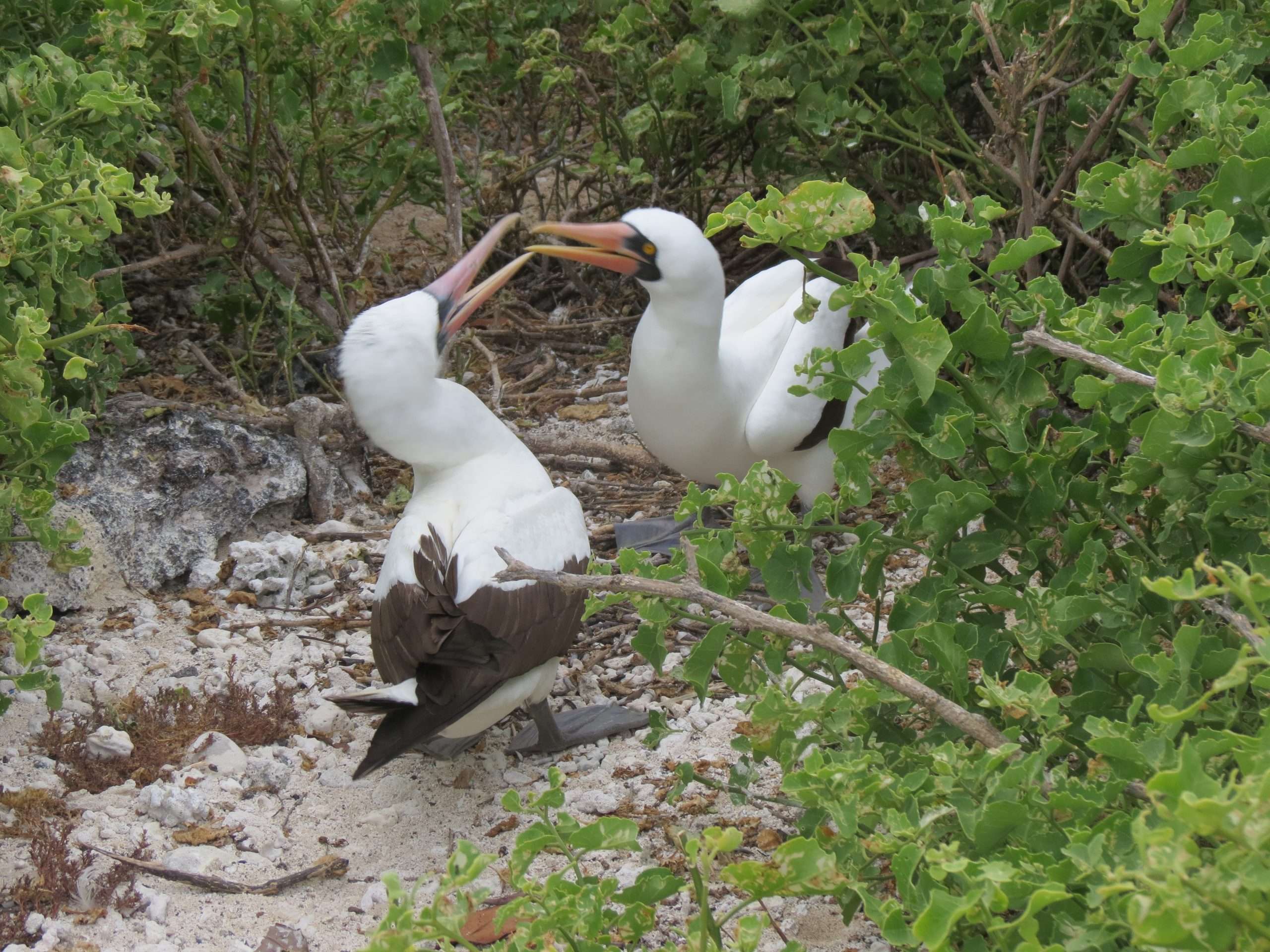
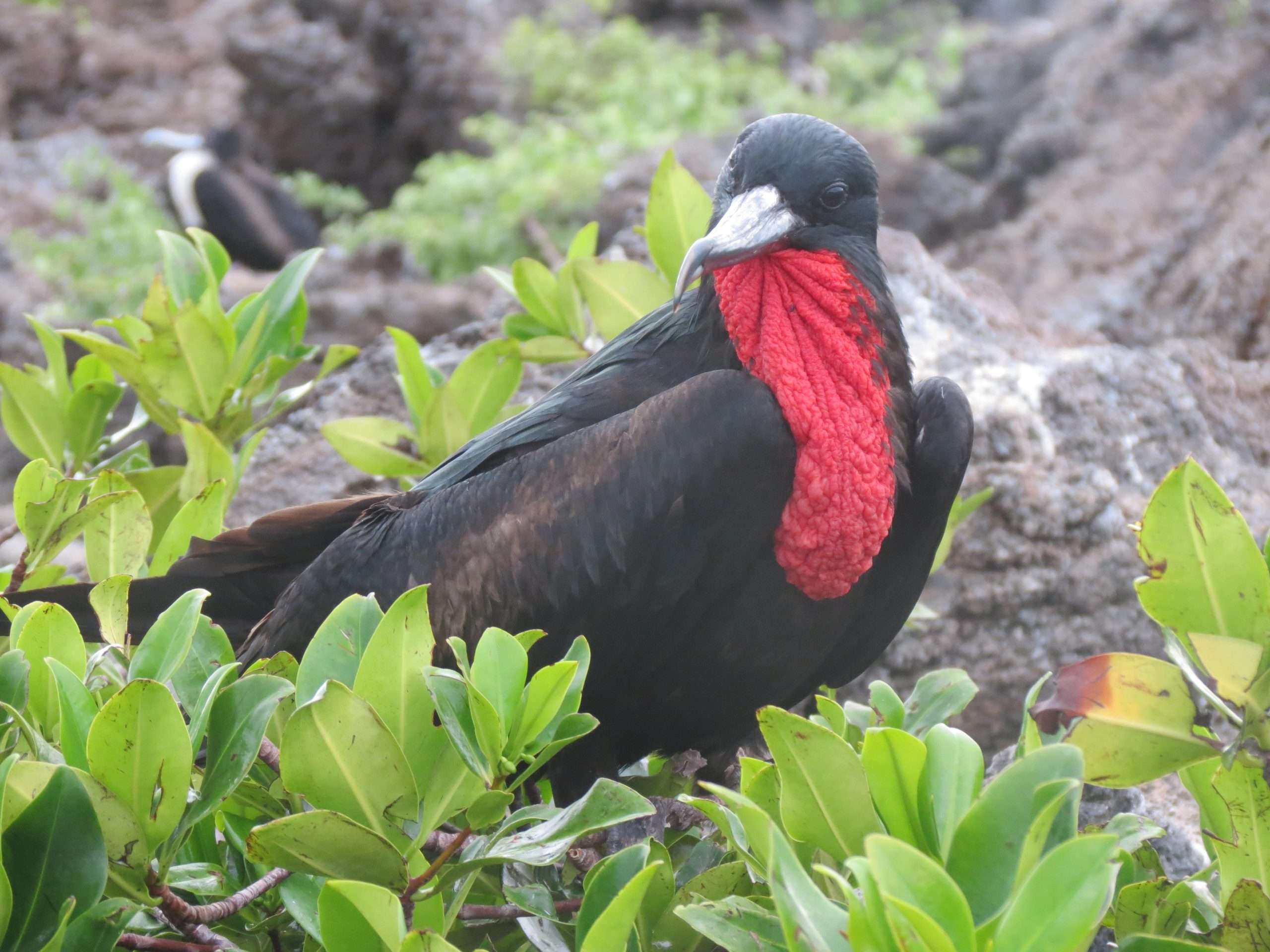
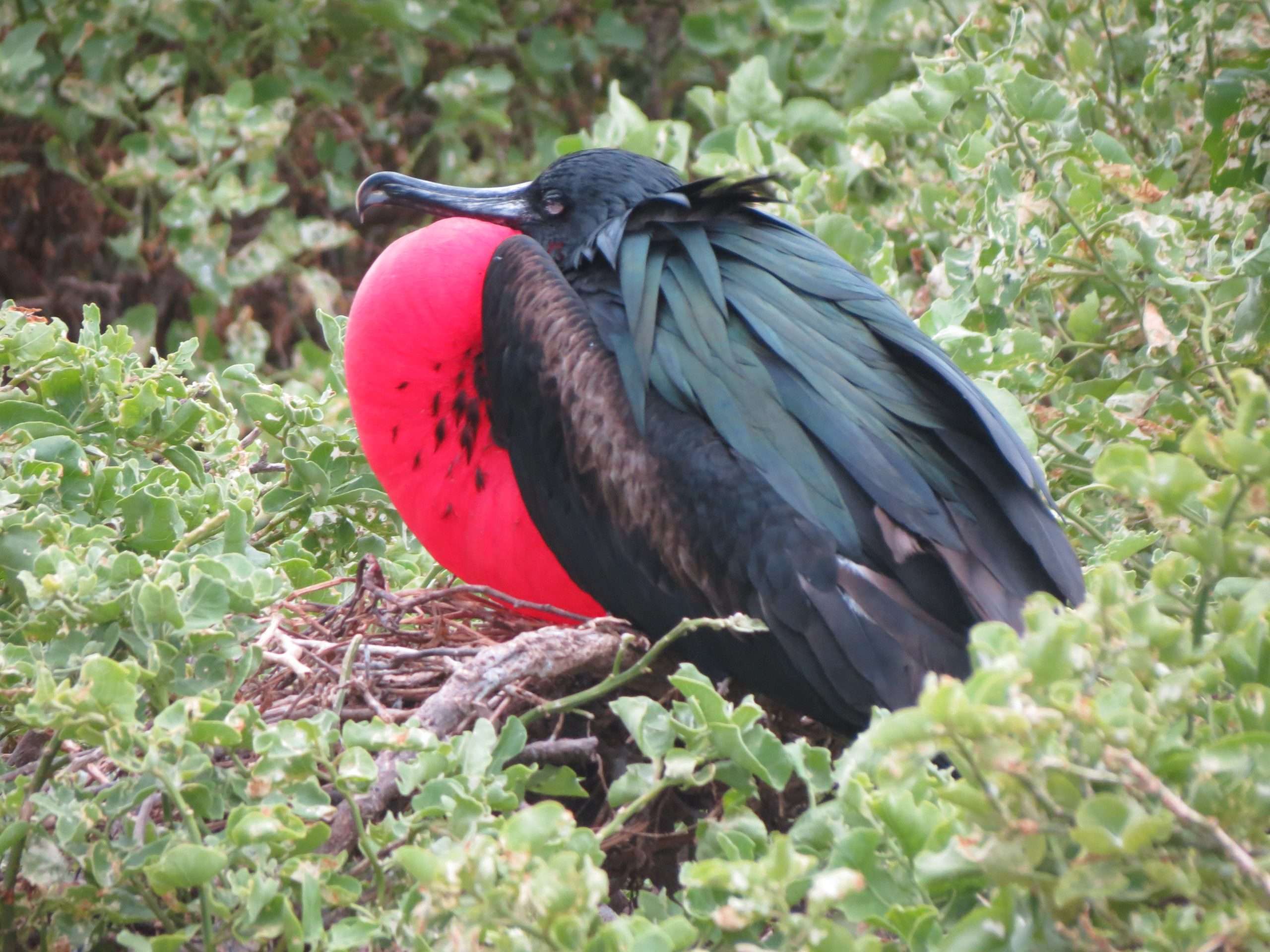
In terms of terrain, we were in a caldera or a crater created by a collapsed volcano, which forms an almost perfect harbor. We saw an incense tree and lava cactus, as well as some very pretty petunias.
Exploring Santiago Island: Wildlife, History, and Stargazing – July 9, 2015
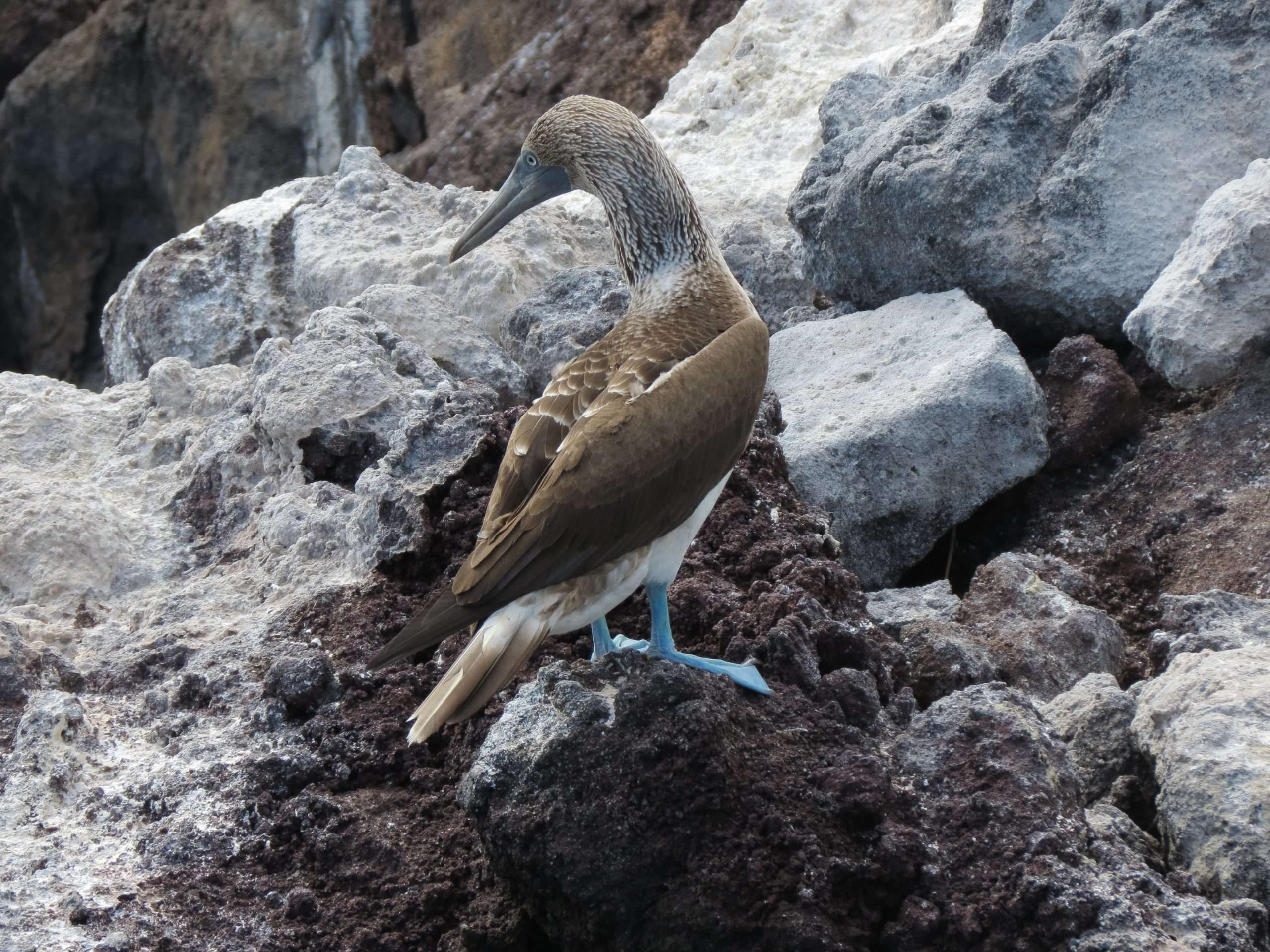
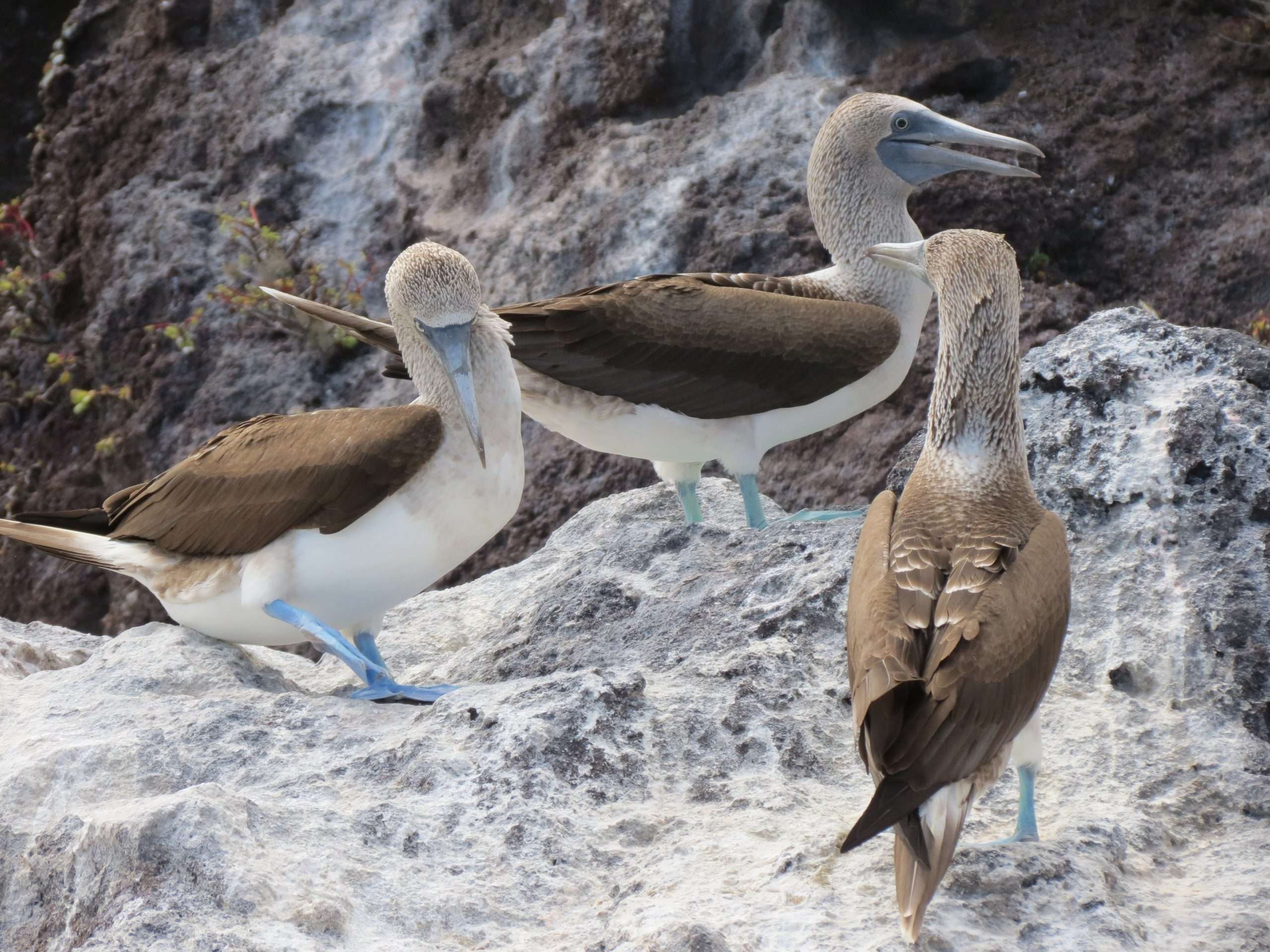
Today, we visited Santiago Island, also known as James Island. Our morning began with a boat ride to Buccaneer Cove, where we spotted a few blue-footed boobies, submerged turtles, and a few fur seals. Later, we took a ride on a glass-bottom boat, observing parrotfish, a king angelfish, and surgeonfish.
In the afternoon, we made a wet landing at Puerto Egas, the site of Hector Egas’s salt mine. Although the operation failed due to competition from mainland salt mines, remnants of his house and the workers’ posts are still visible. We also saw the Galapagos Croton, a plant with medicinal properties for cuts and gastric issues, and lava lizards—females with red coloring and males with green markings.
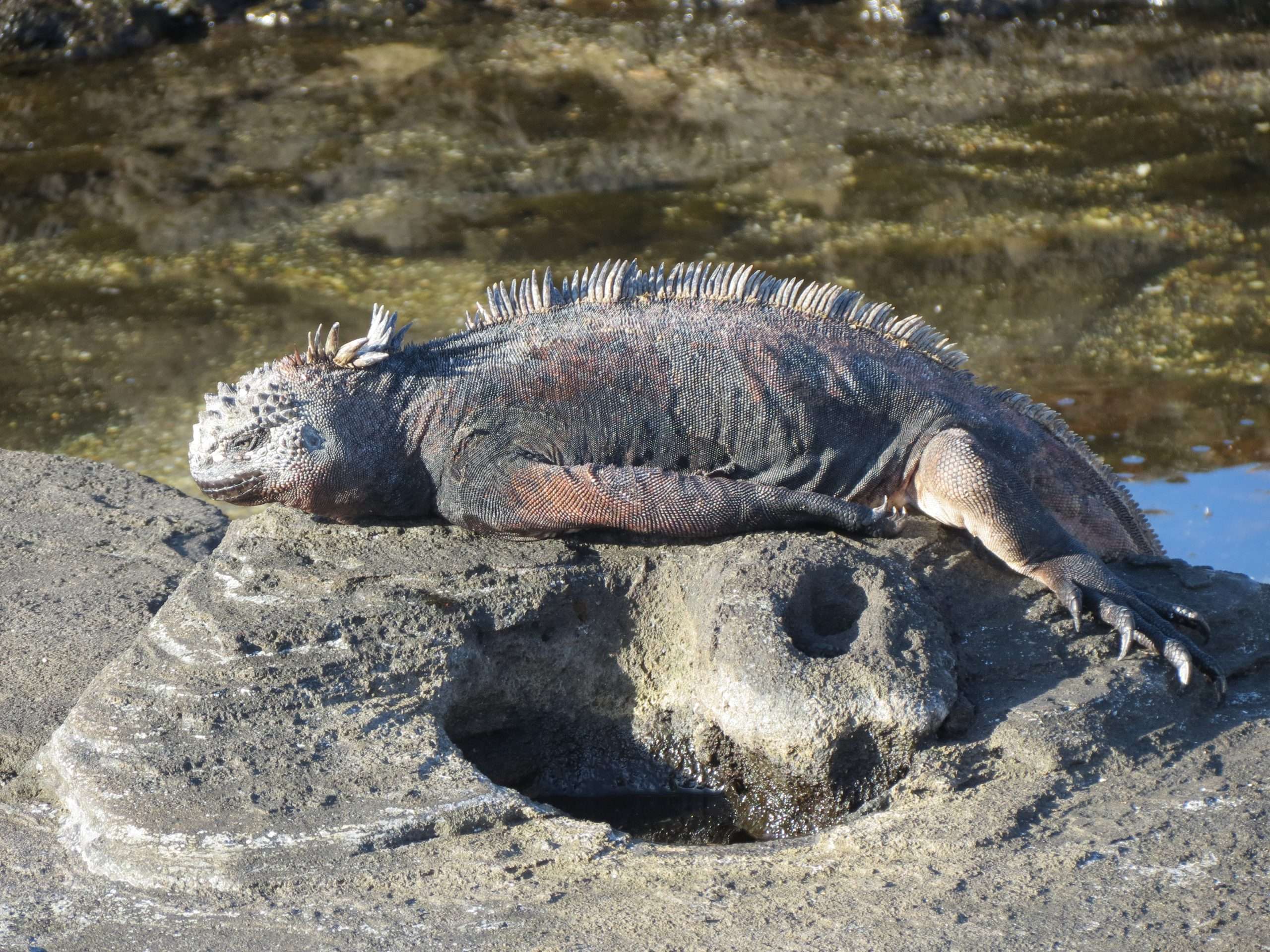
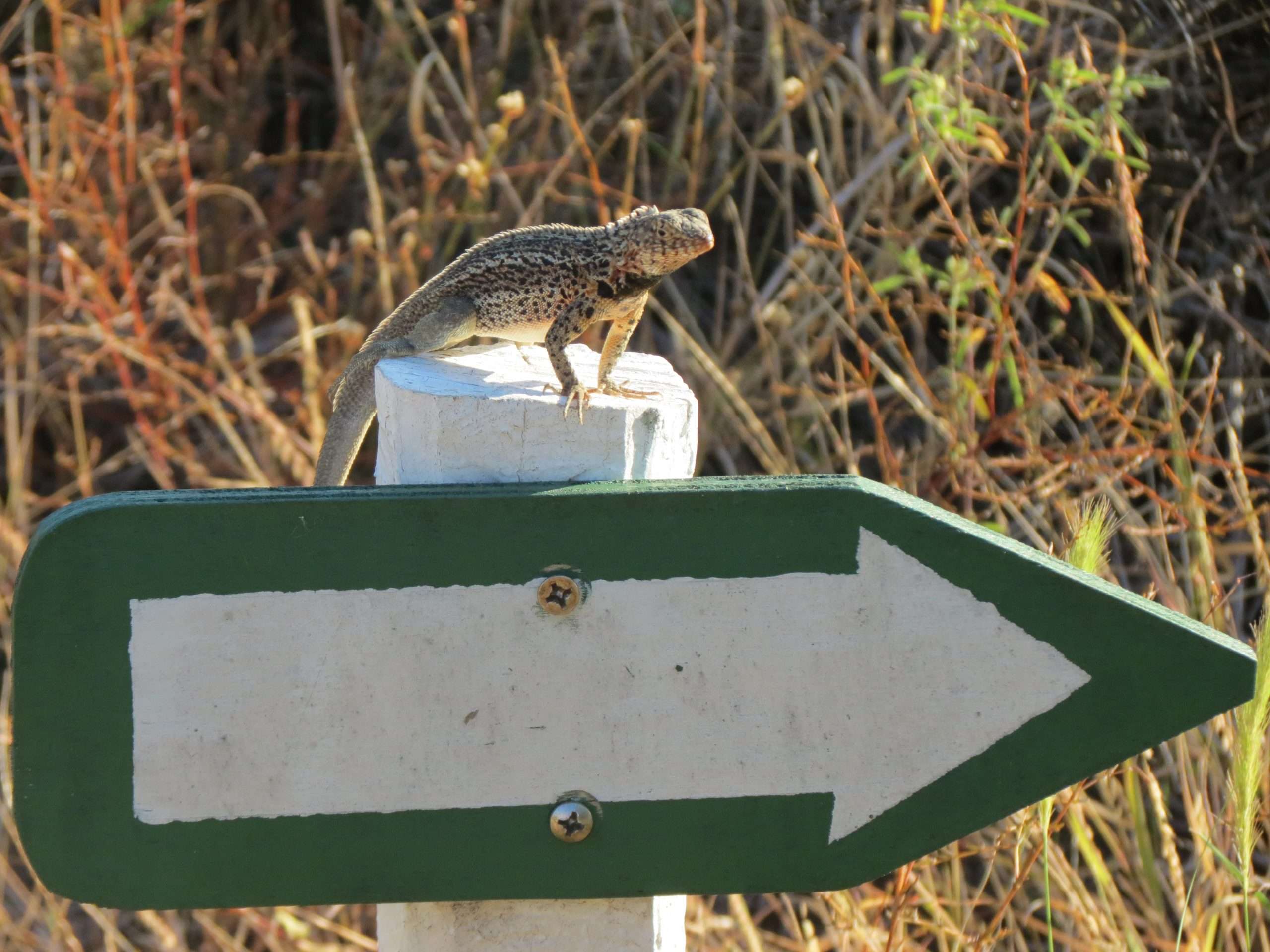
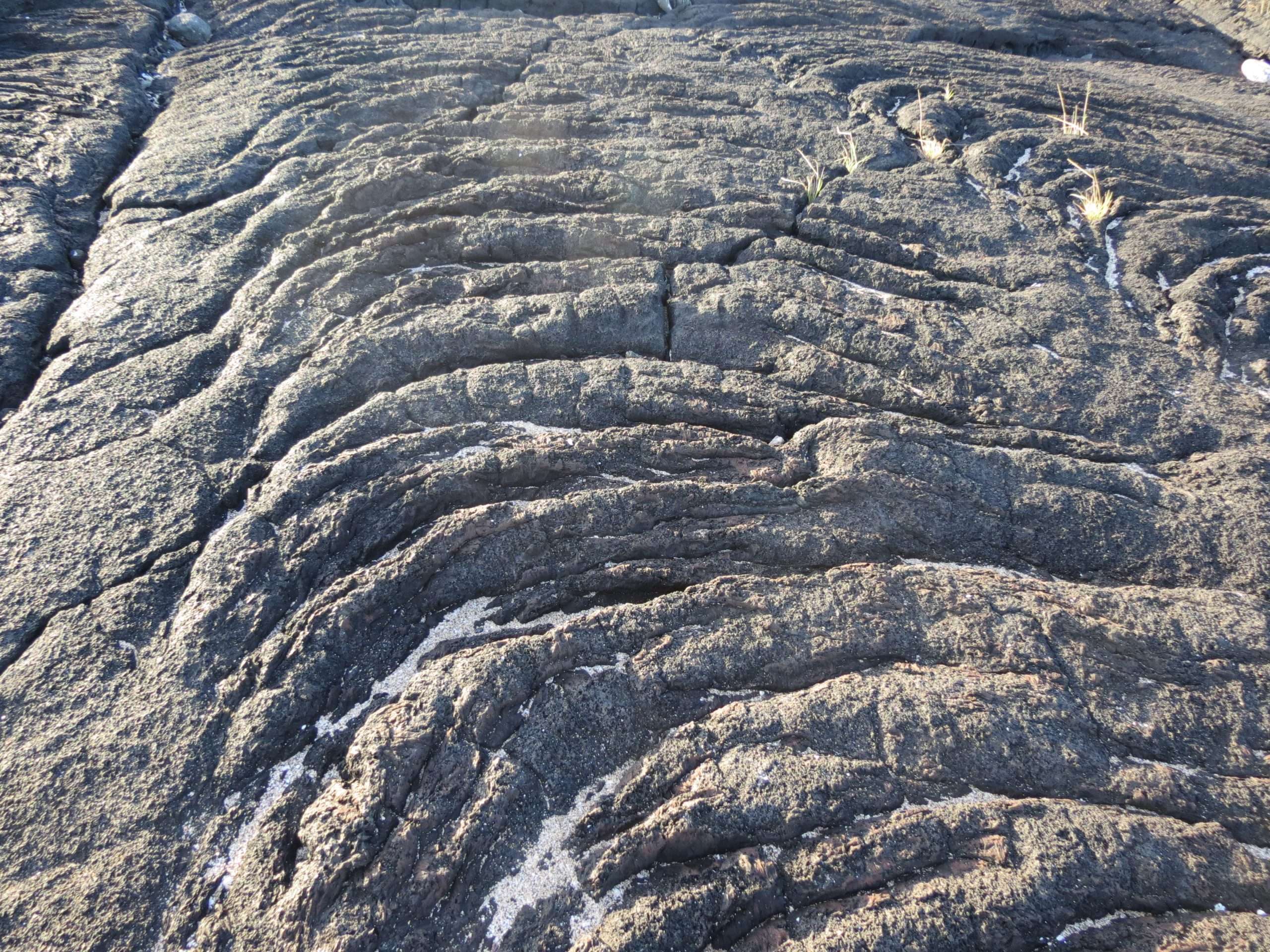
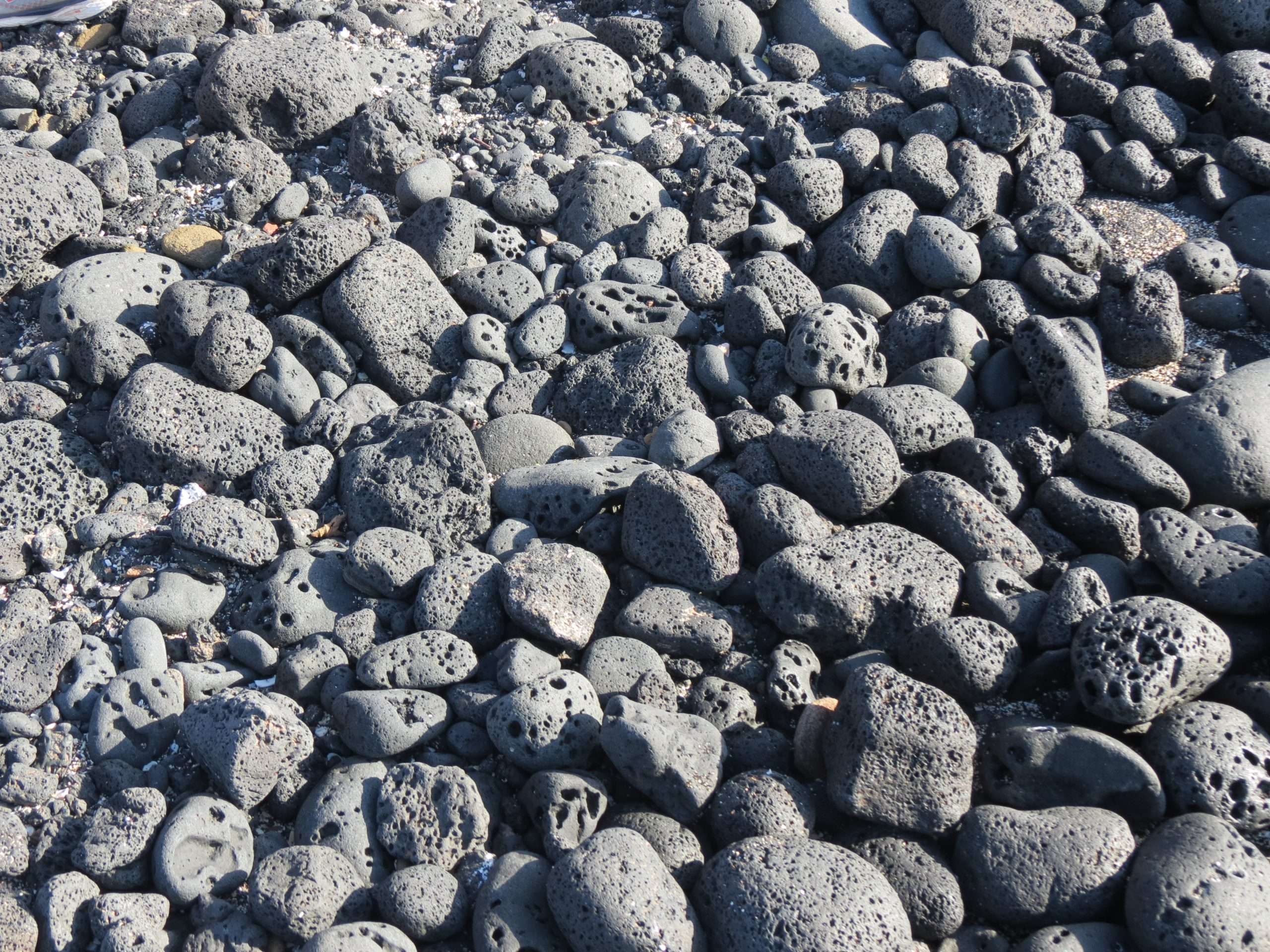
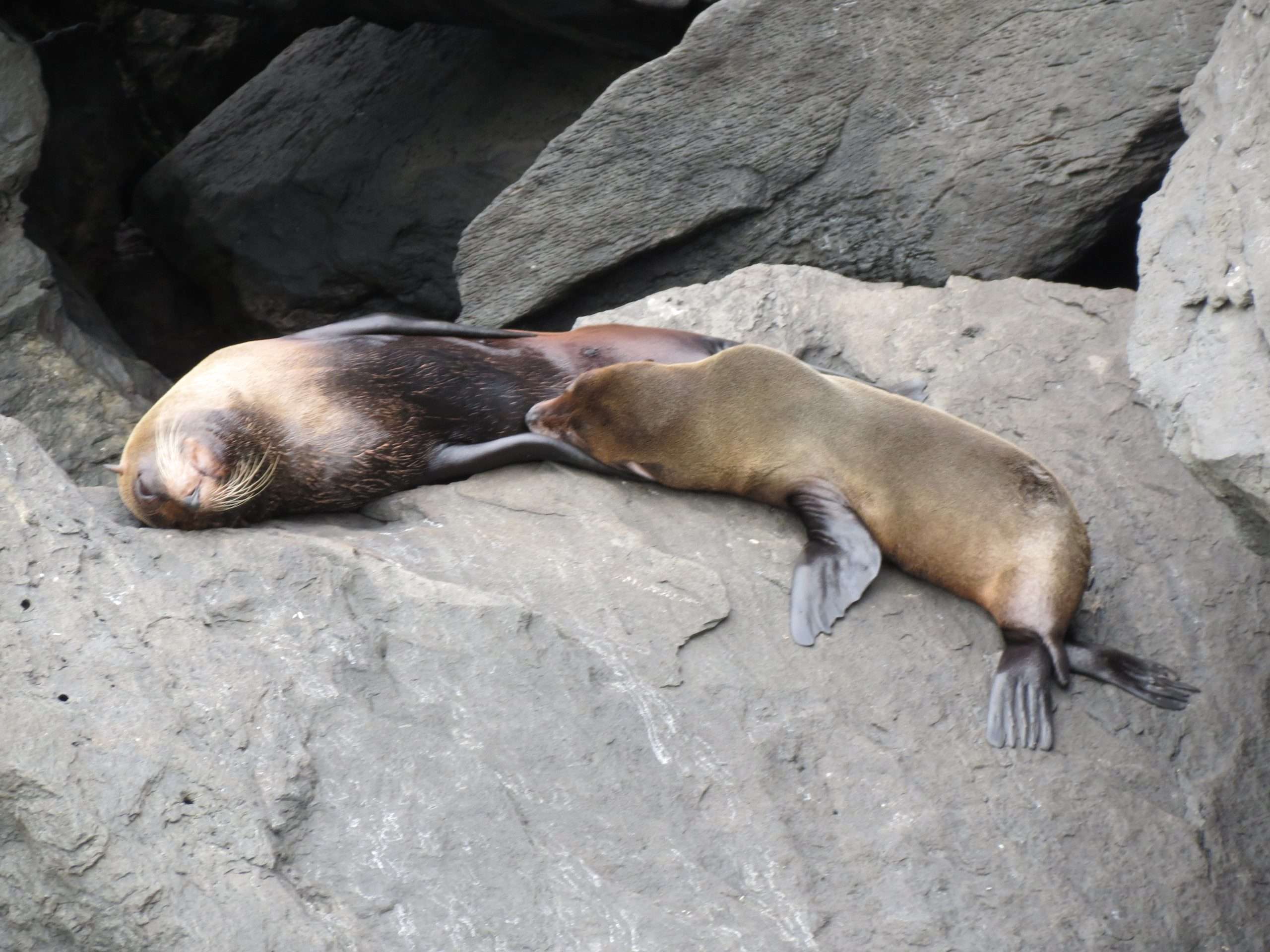
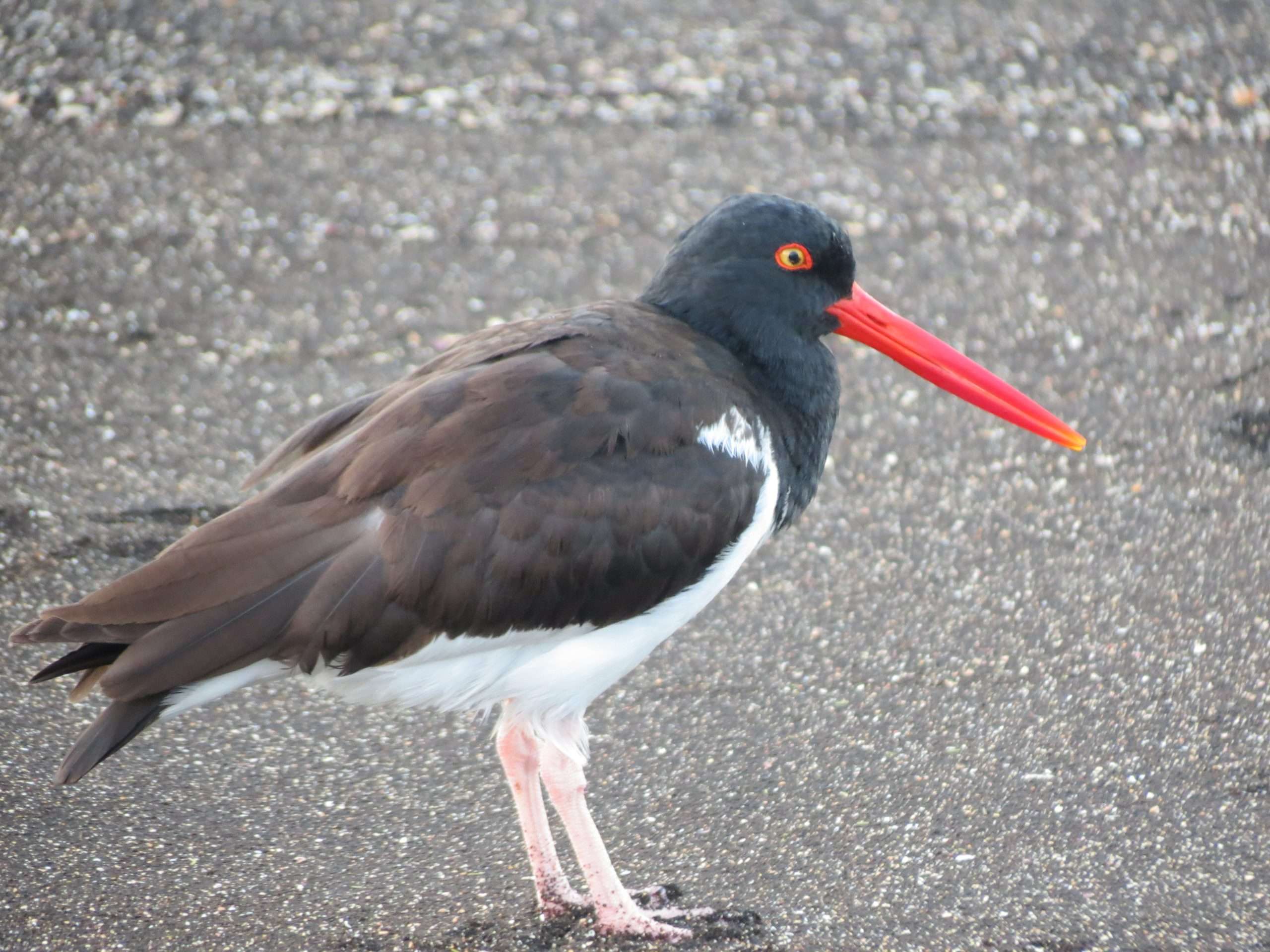
The island is rich in wildlife, including blue-footed boobies, frigates, mockingbirds, finches, and sea lions. Santiago Island is notable for being one of the islands Darwin visited. Back on the ship, we observed storm petrels, also known as “Jesus birds” because they appear to walk on water.
After dinner, we enjoyed stargazing with Dennis, one of our three naturalists, alongside Sabina and José. We spotted the Southern Cross, Alpha and Beta Centauri, and several other constellations in the Milky Way.
Exploring Fernandina and Isabela: Lava, Wildlife, and Stunning Views – July 10, 2015
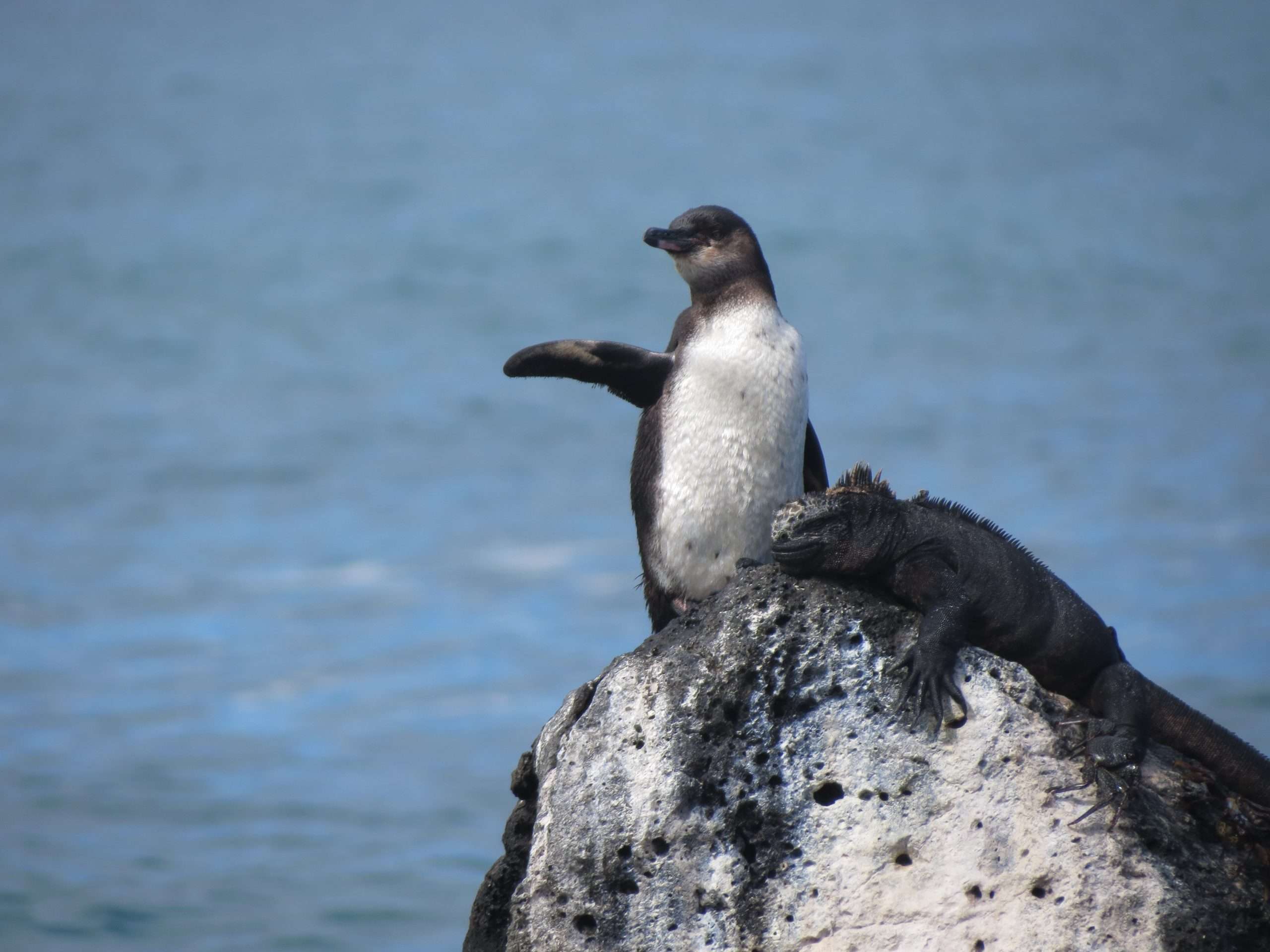
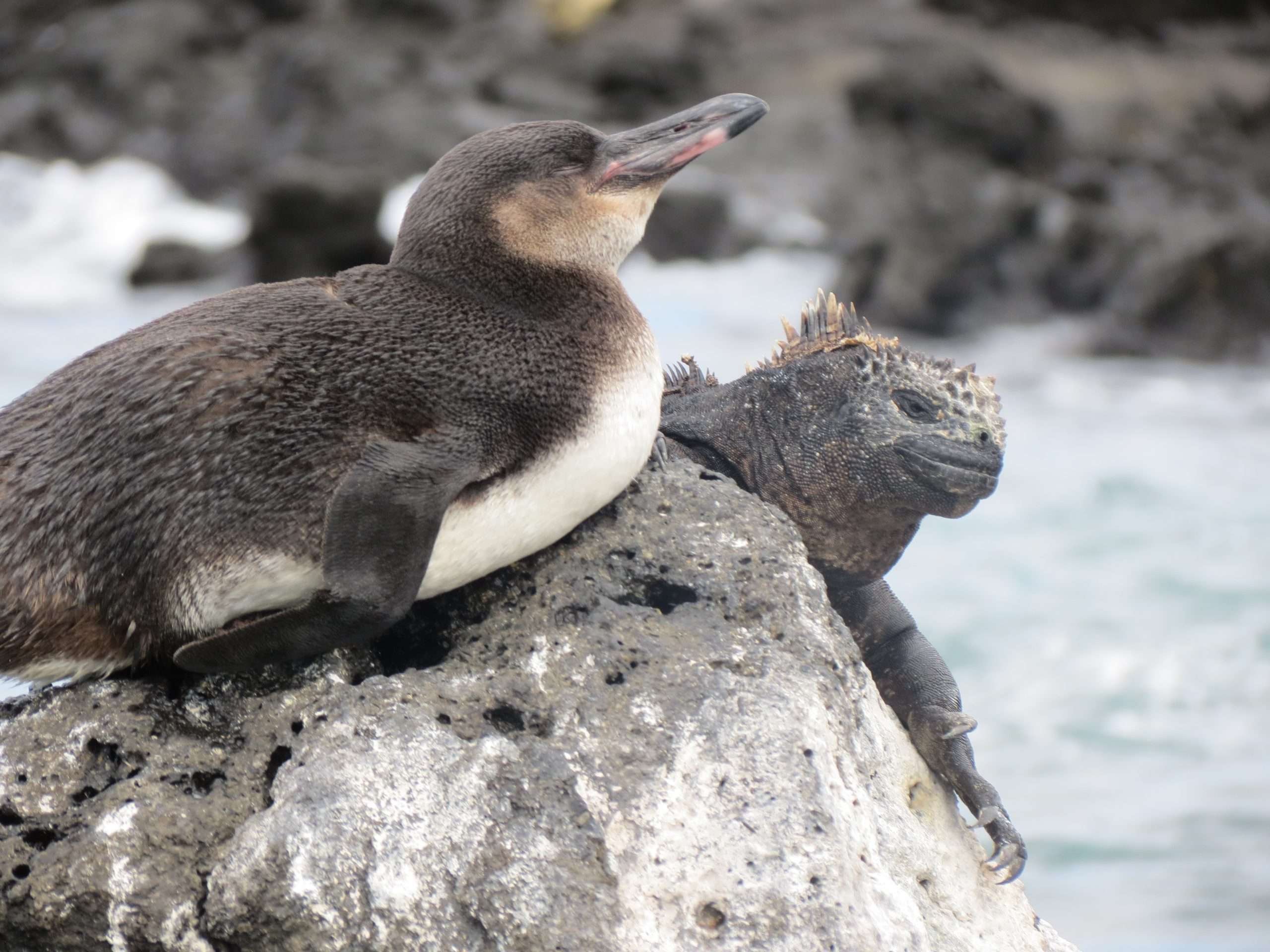
Today, we visited Fernandina (Narborough). It is one large chunk of lava rock. Our landing was supposed to be dry, but shortly after, we had to wade through a pool of water to get to dry land. Wading was not difficult; walking barefoot on the lava rocks was. This is an island that has very little by way of foliage, but tons and tons of marine iguanas. They are found only in the Galapagos Islands. We saw orange sally lightfoot crabs and flightless cormorants. We also saw carcasses of lots of dead creatures. The water here is quite cold because of the Cromwell Current. The site we visited is called Punta Espinoza.
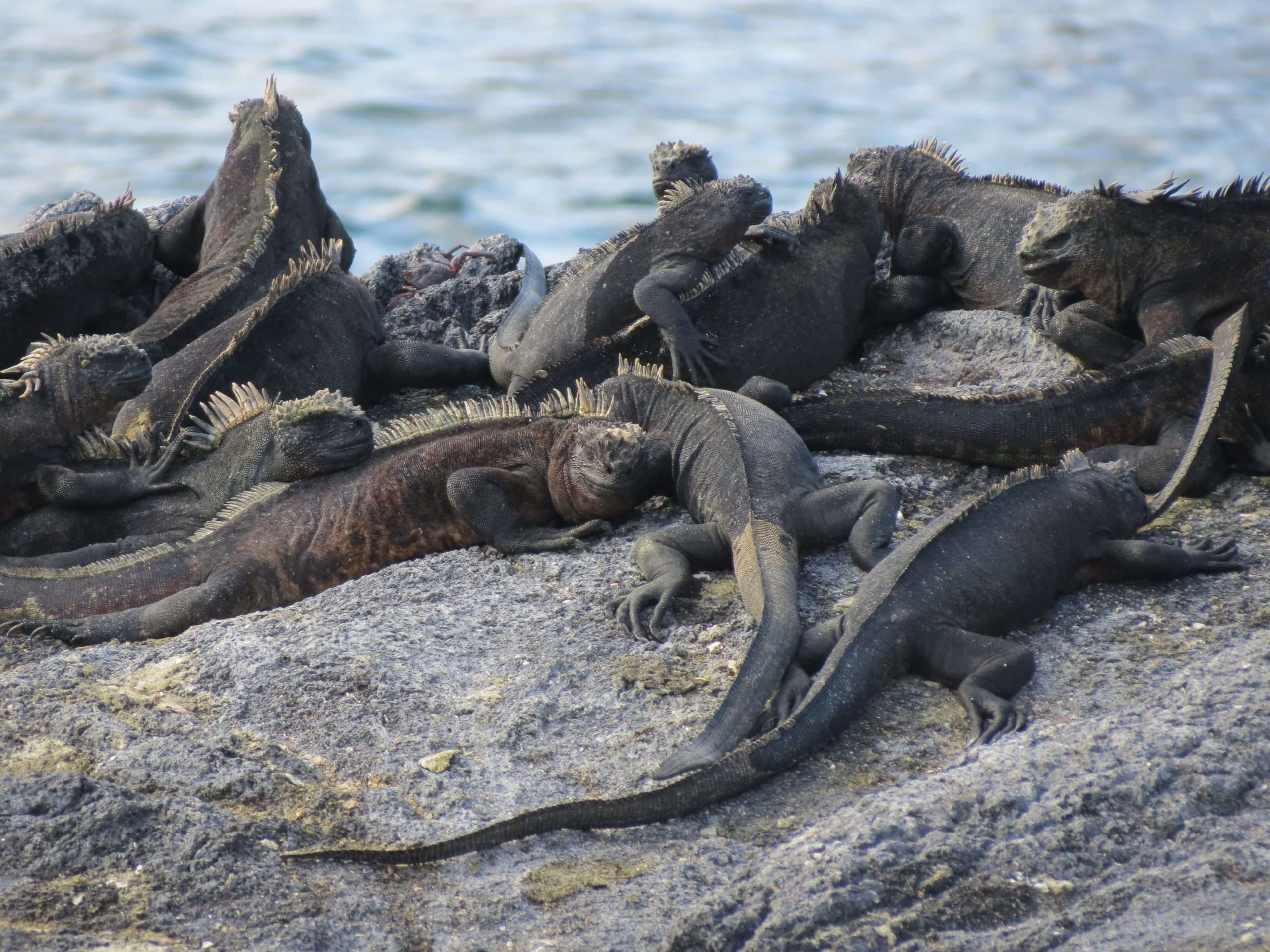
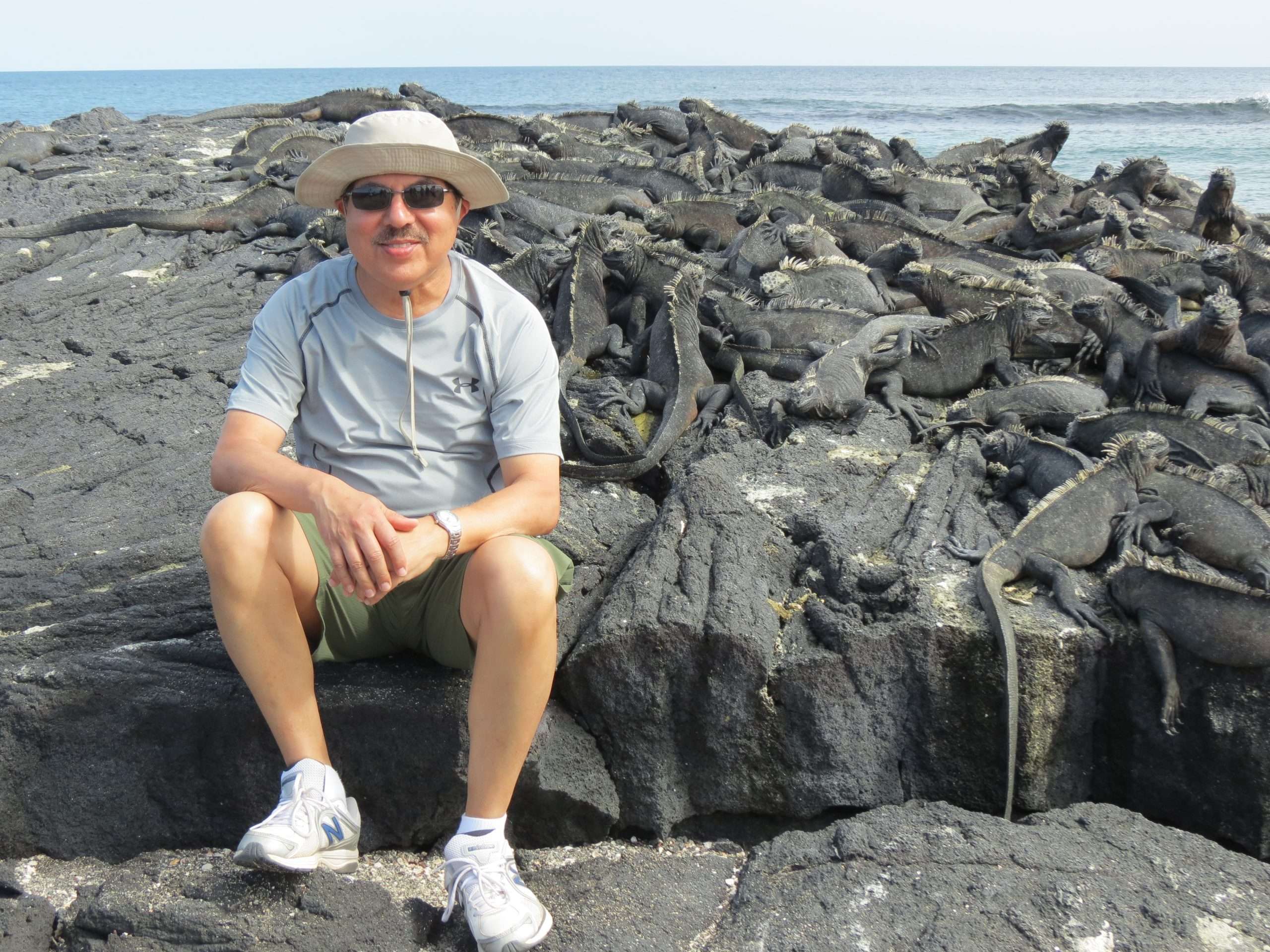
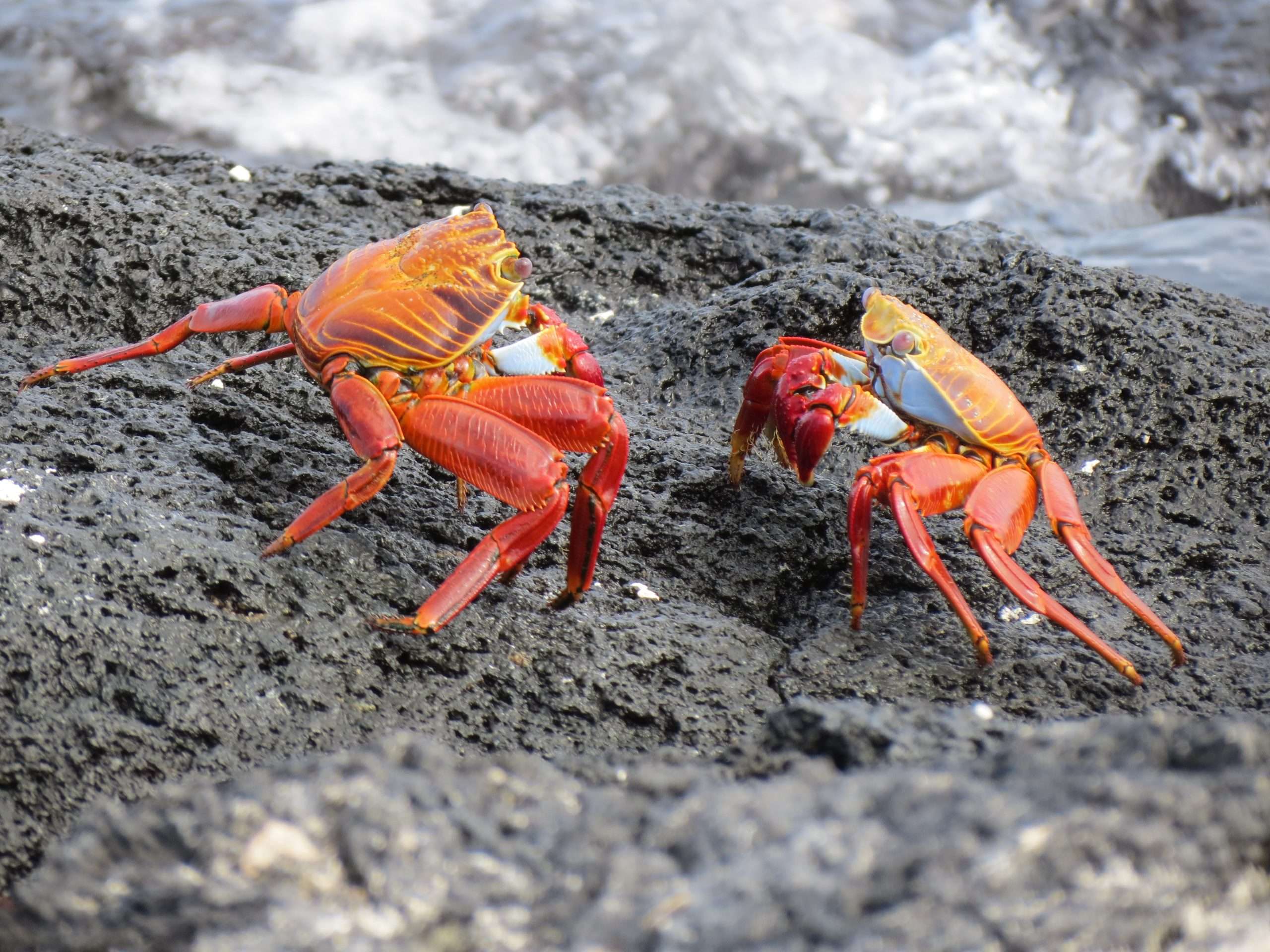
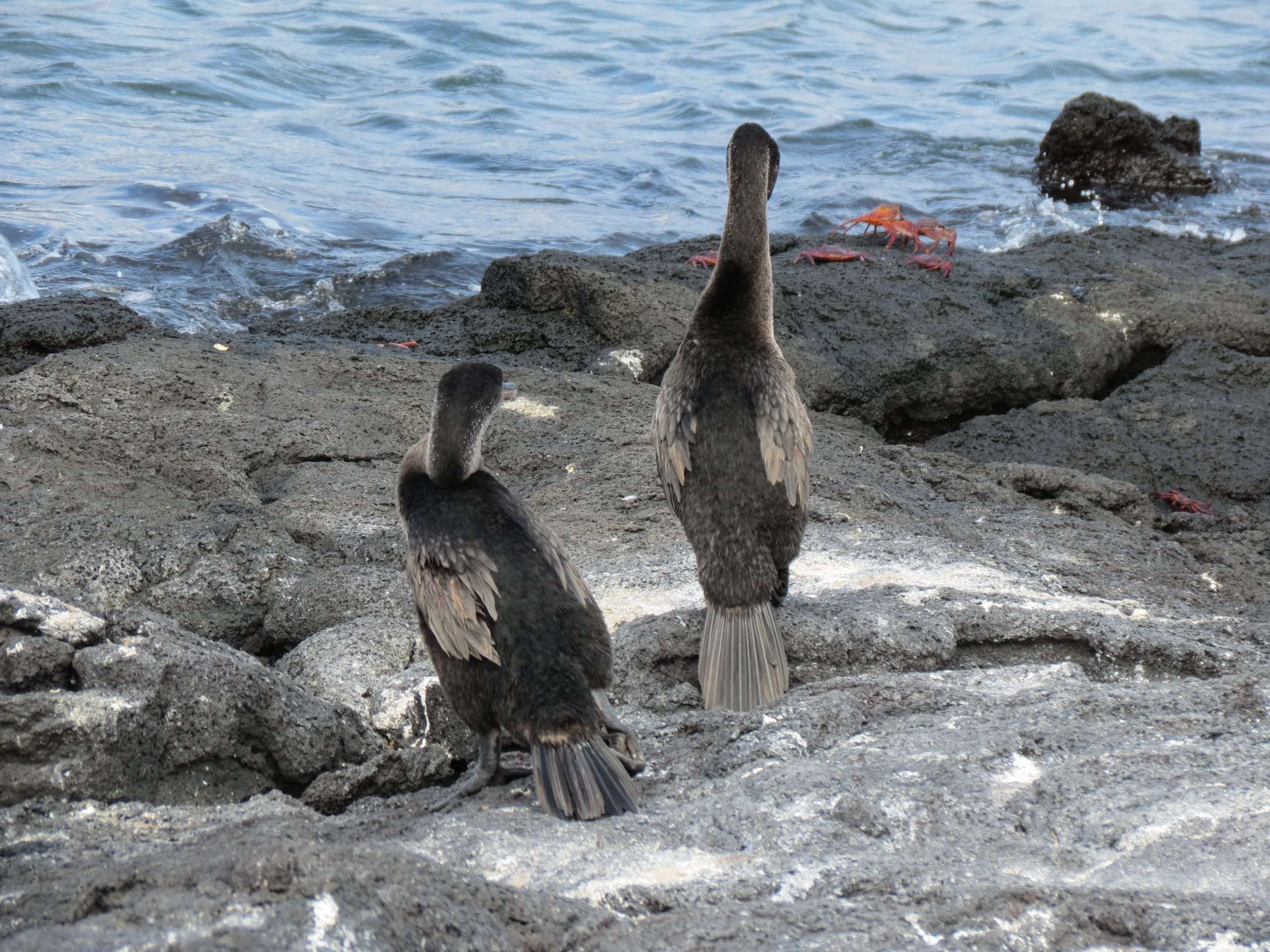
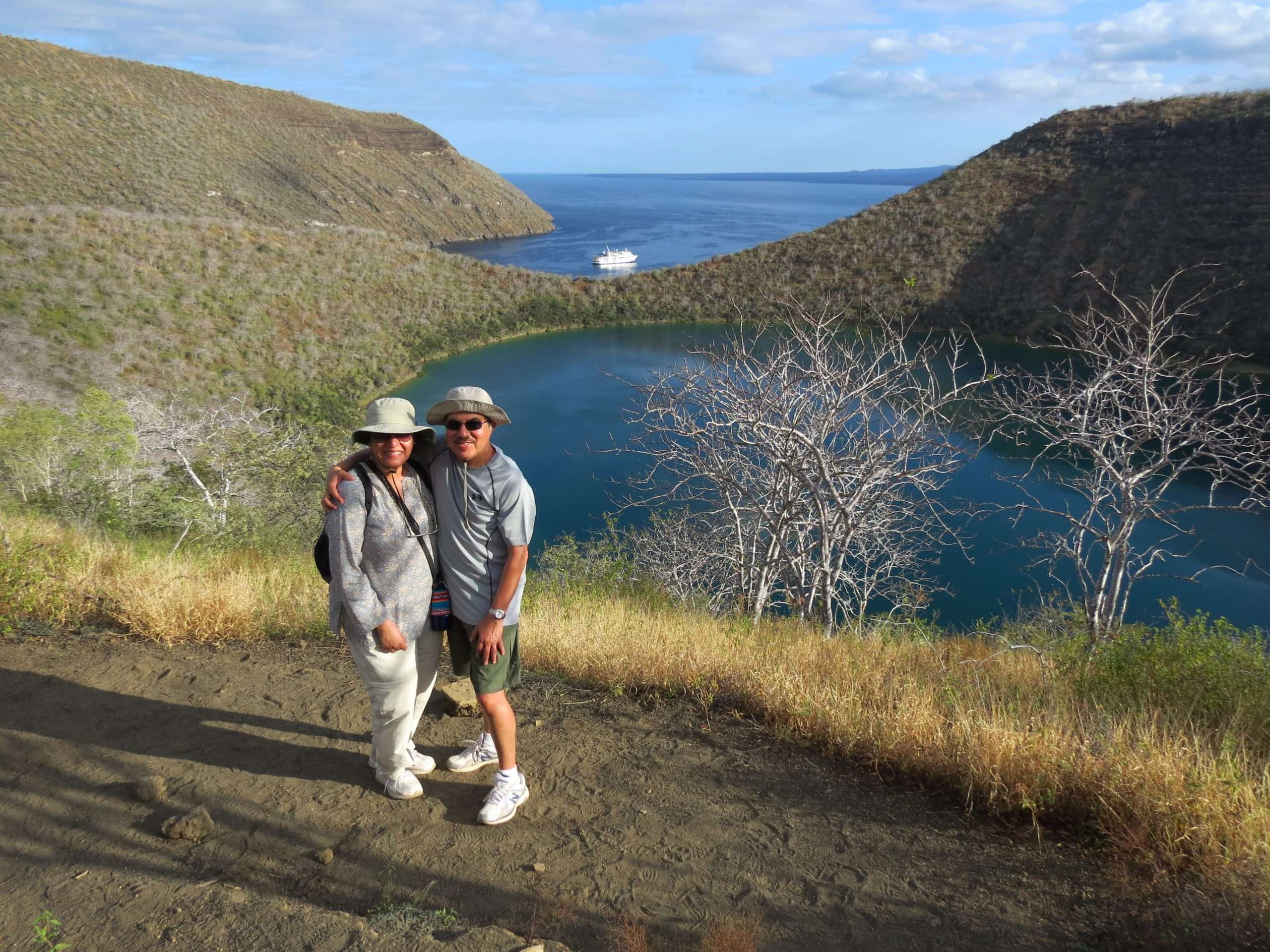
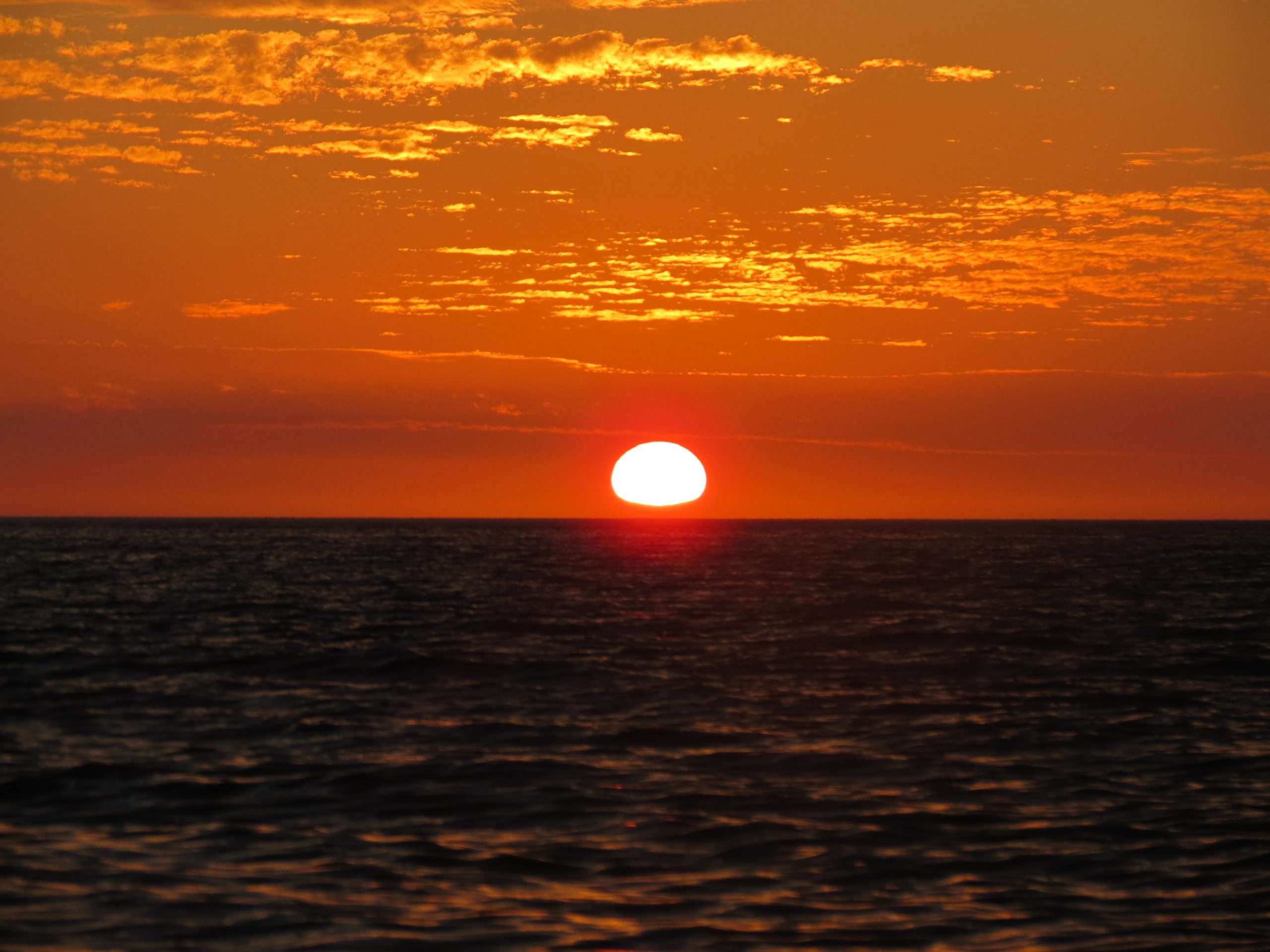
In the afternoon, we visited Isabela (Albemarle), the largest of the islands. It used to be a whaling station in the 19th century. Now, it is uninhabited. We disembarked on Tagus Cove and walked up a steep hike to see Darwin Lake. The views were amazing. Only six of us hiked. After the hike, we took a short Zodiac ride. Afterward, we took a short Zodiac ride. Our navigator spotted a whale, but the rest of us missed it, though we did enjoy a beautiful sunset.
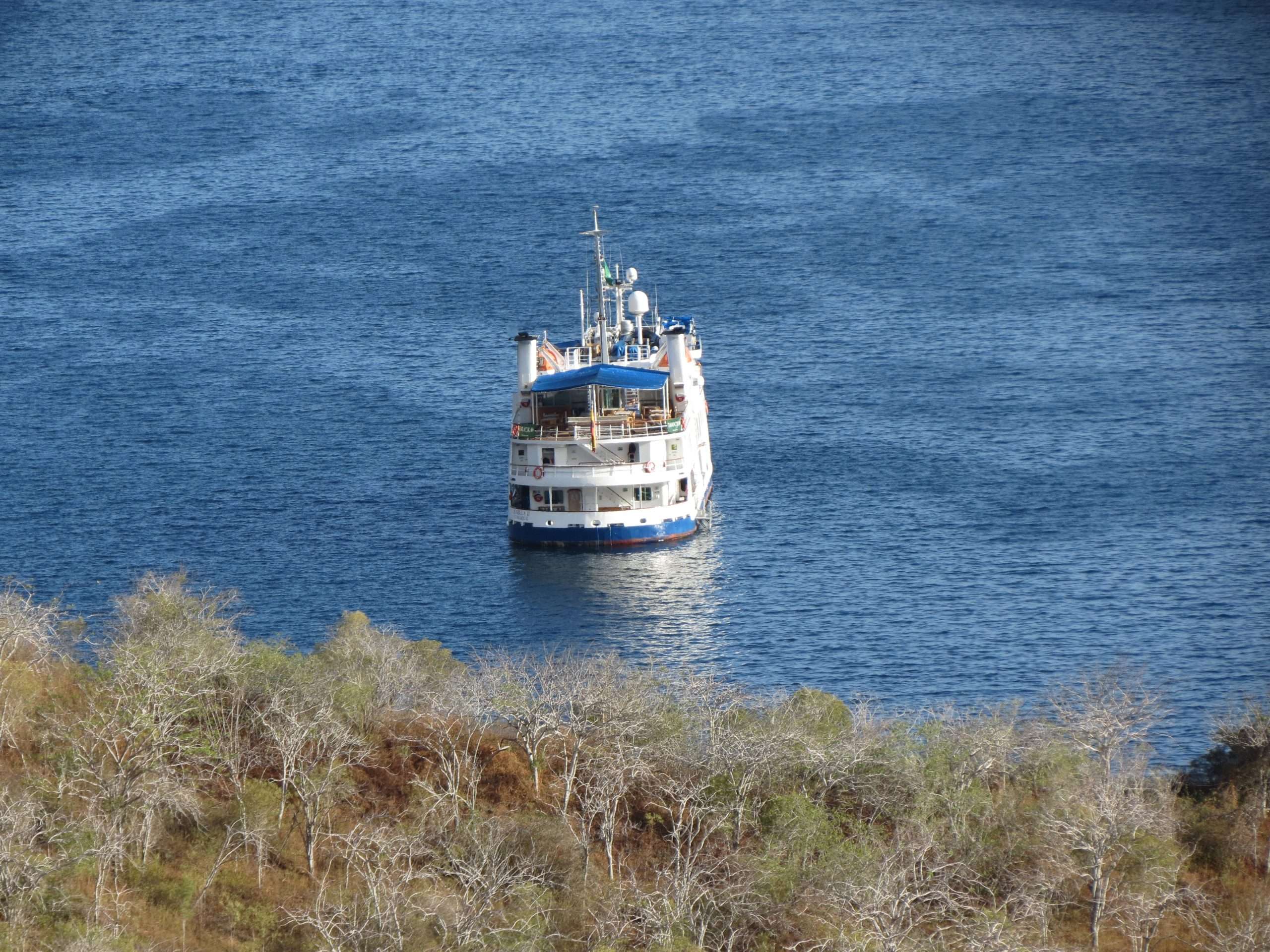
In the evening, we watched a BBC Tauck video, which focused on the sound engineer and his incredible work recording marine iguanas snorting salt from their bodies. It was fascinating to see how this unique sound was captured.
Exploration of Isabela Continues – July 11, 2015
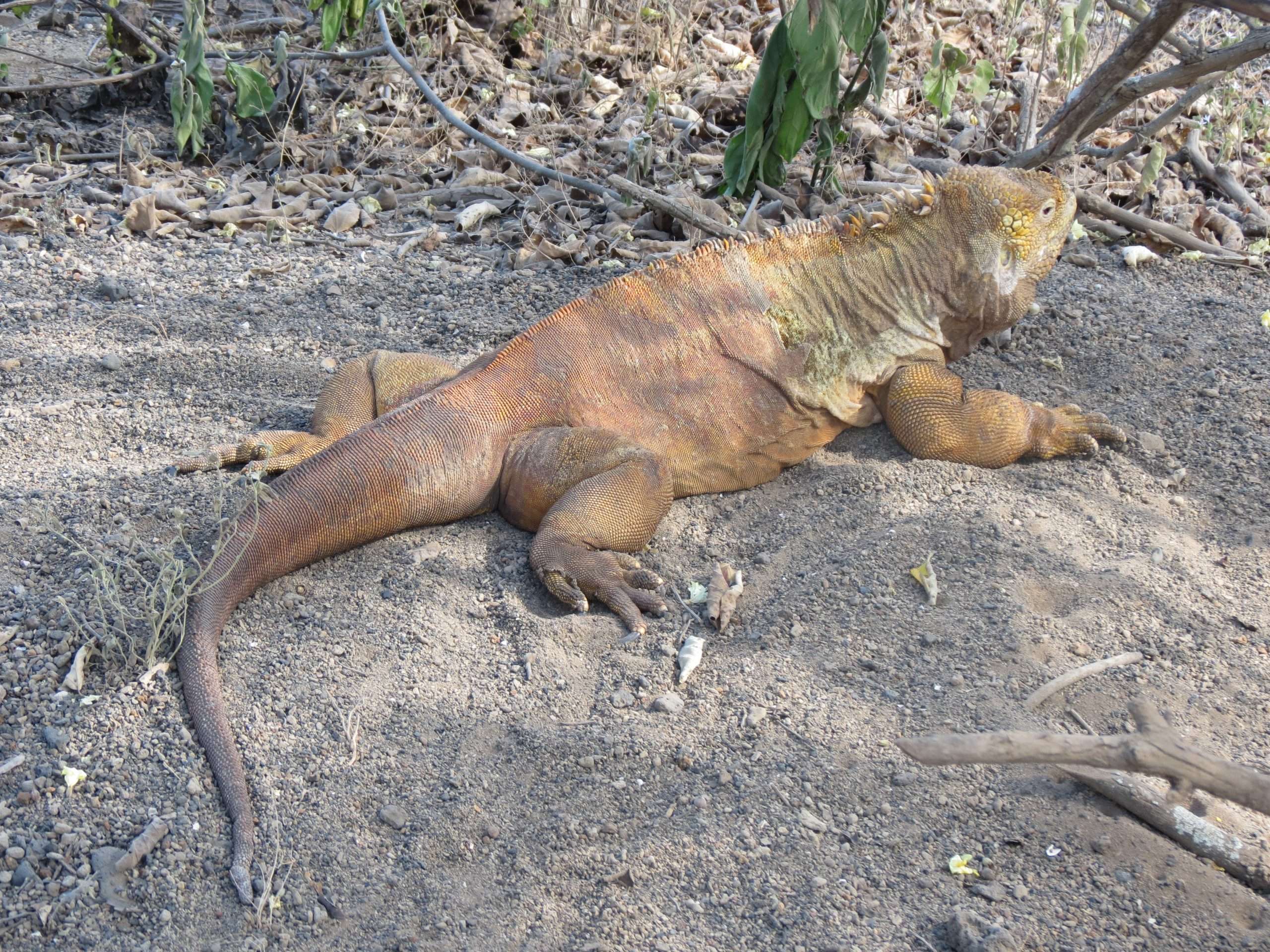
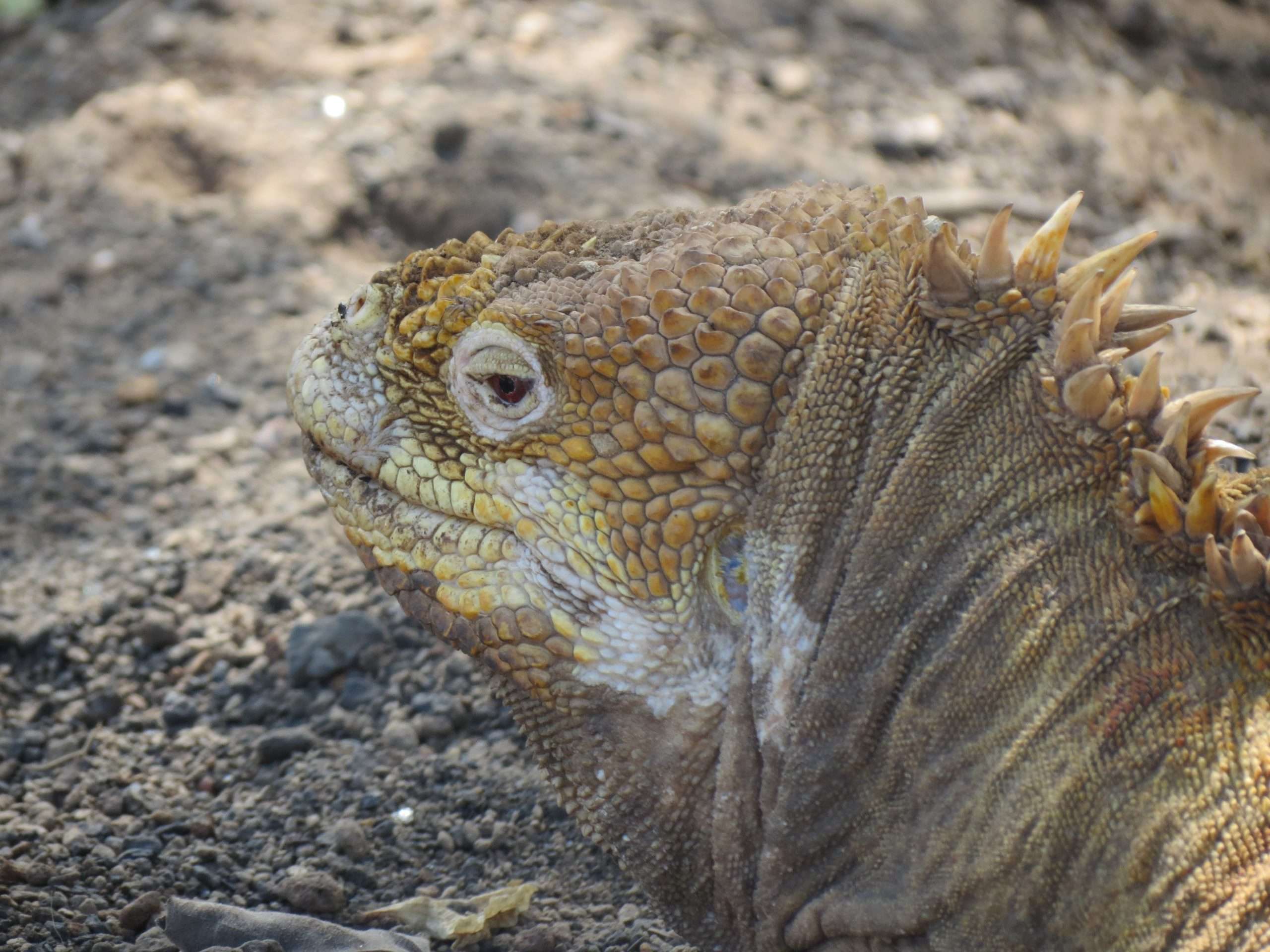
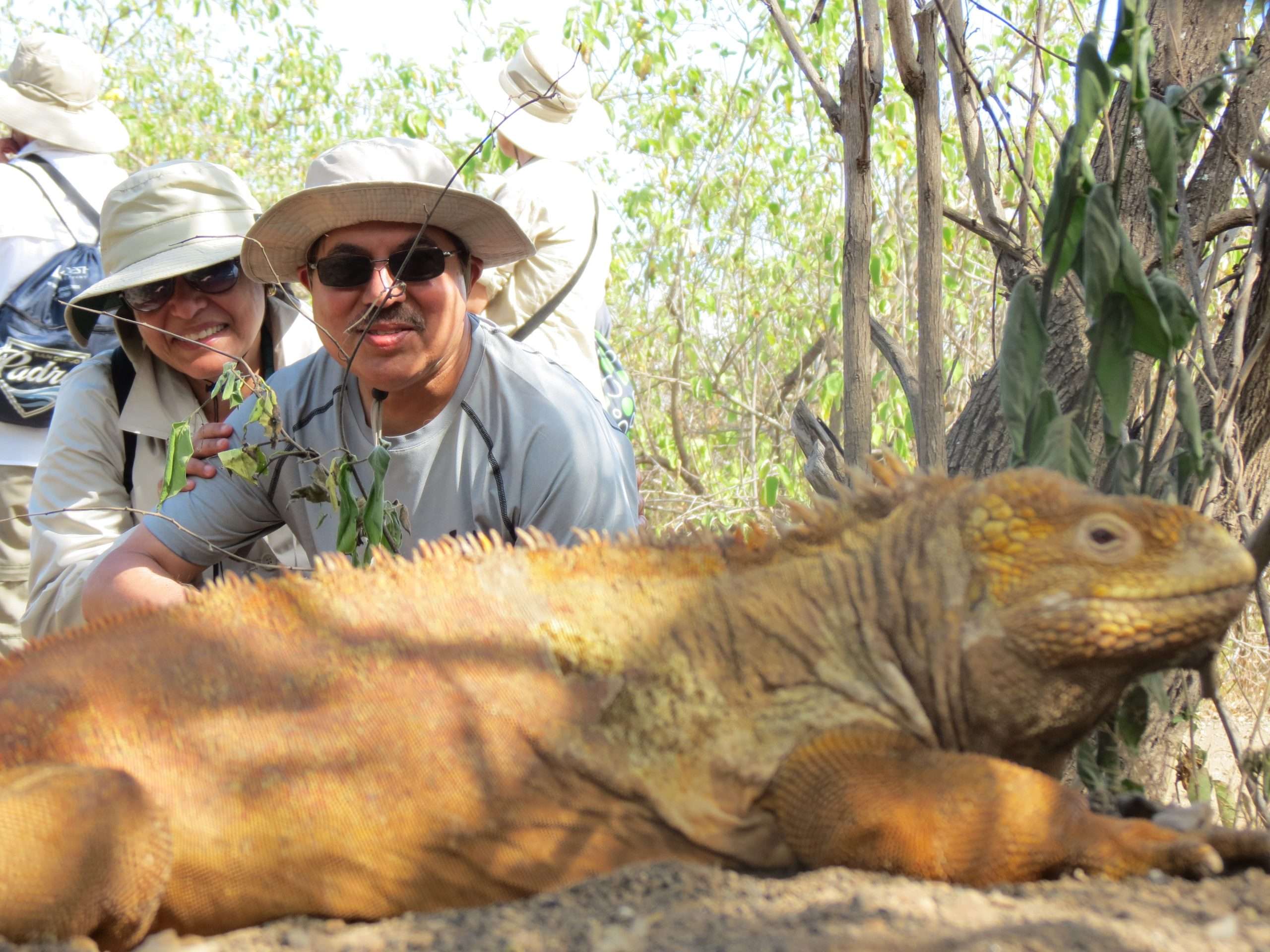
We’re still on Isabella Island, the largest of the 13 major Galápagos islands. This island has five or six volcanoes, with Wolf Volcano being the one that erupted about six weeks ago. Today, we made another wet landing, this time at Urbina Bay. We hoped to see giant tortoises but only spotted two—one large and one small. We did, however, see several large yellow land iguanas. They’re more striking than marine iguanas, and their yellow color comes from the flowers they eat. We also saw Galápagos croton trees; their flowers start out red and turn yellow as they mature. In the afternoon, we sailed to Punta Vicente Roca and took a glass-bottom boat to view the turtles and fish. The turtles here are enormous.
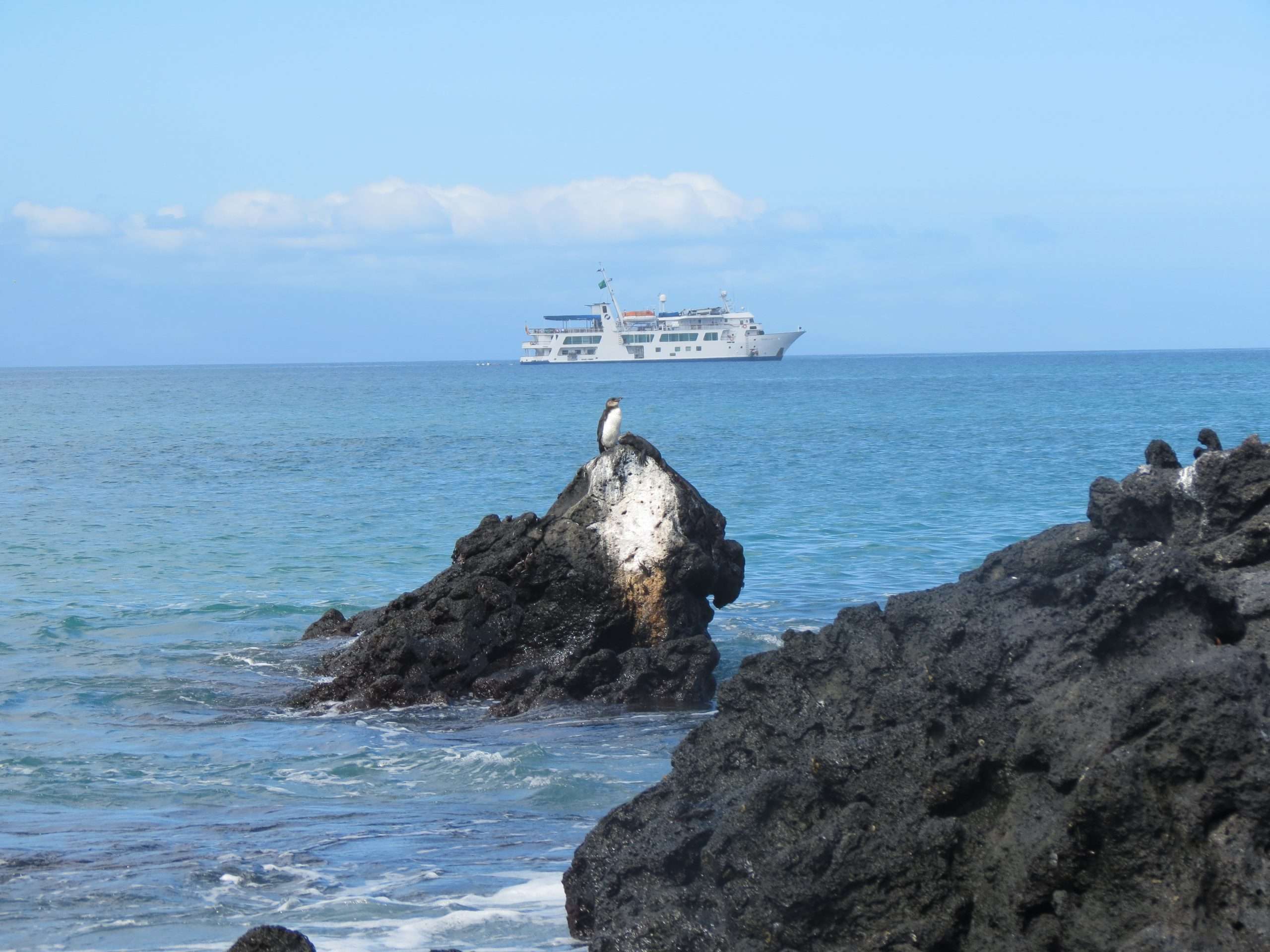
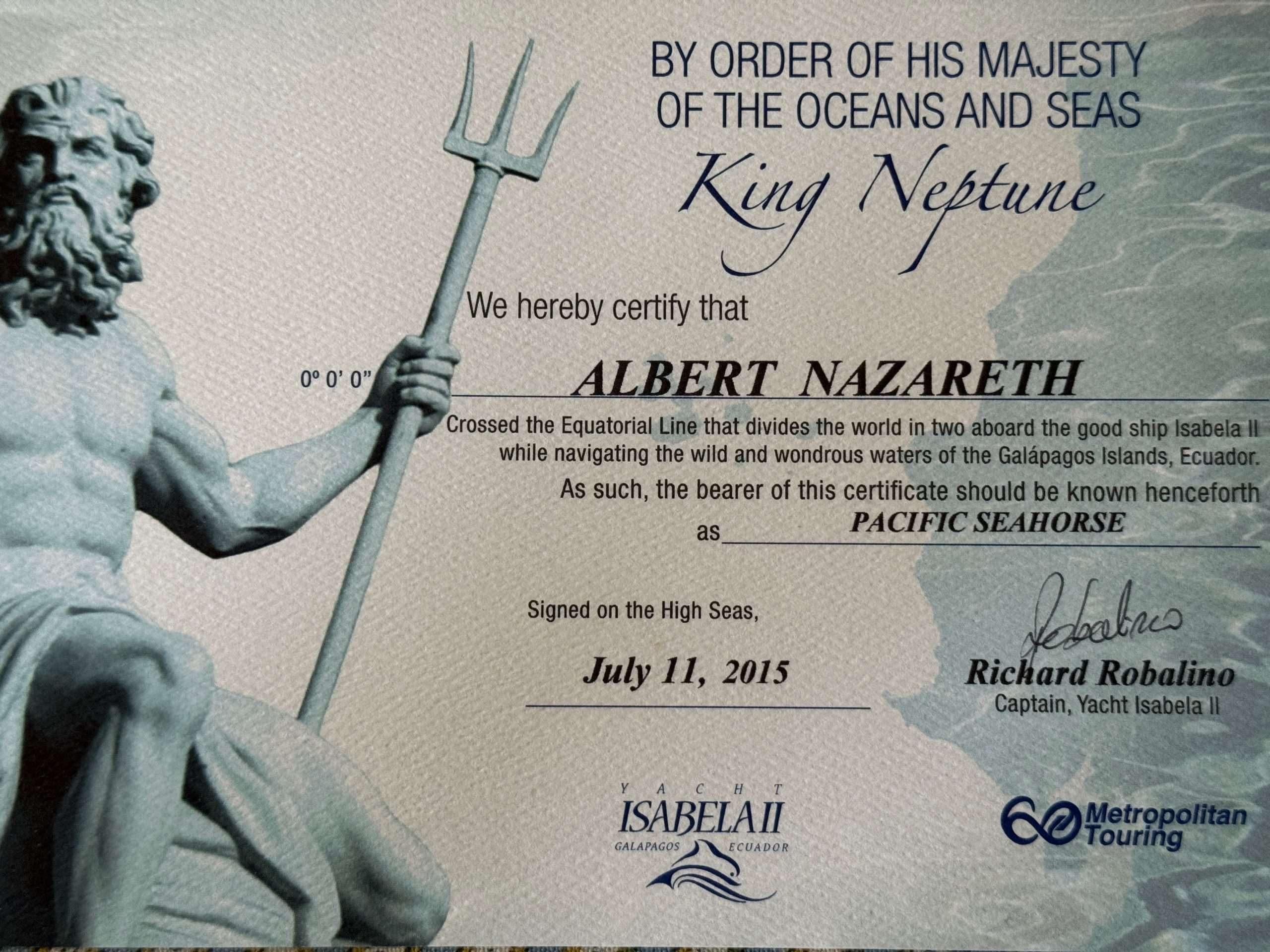
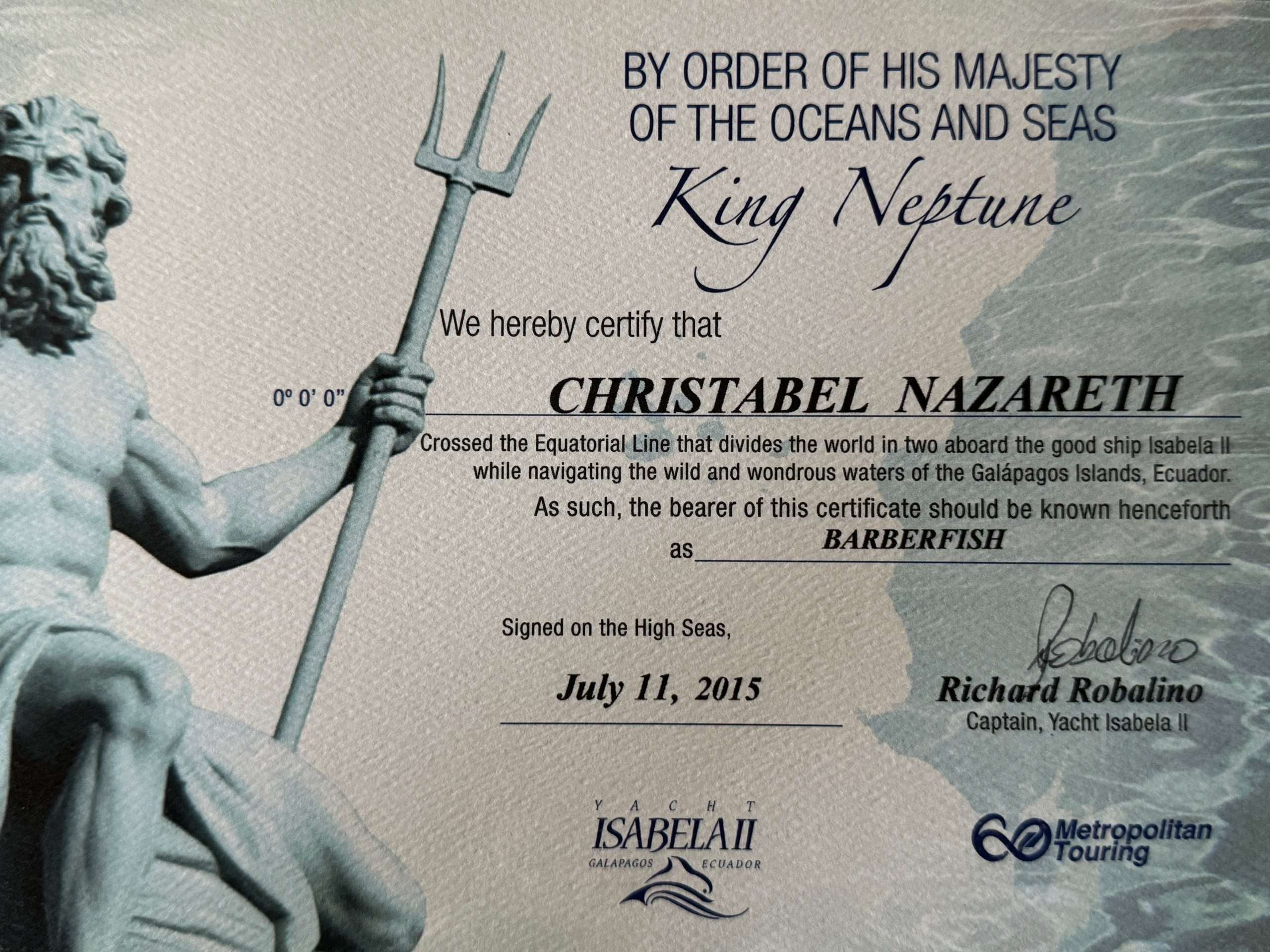
Today, we received certificates from the captain confirming that both of us crossed the equator while navigating the waters of the Galápagos Islands aboard our yacht, Isabella II.
Celebrating Tauck’s 90th Anniversary on Rabida Island – July 12 , 2015
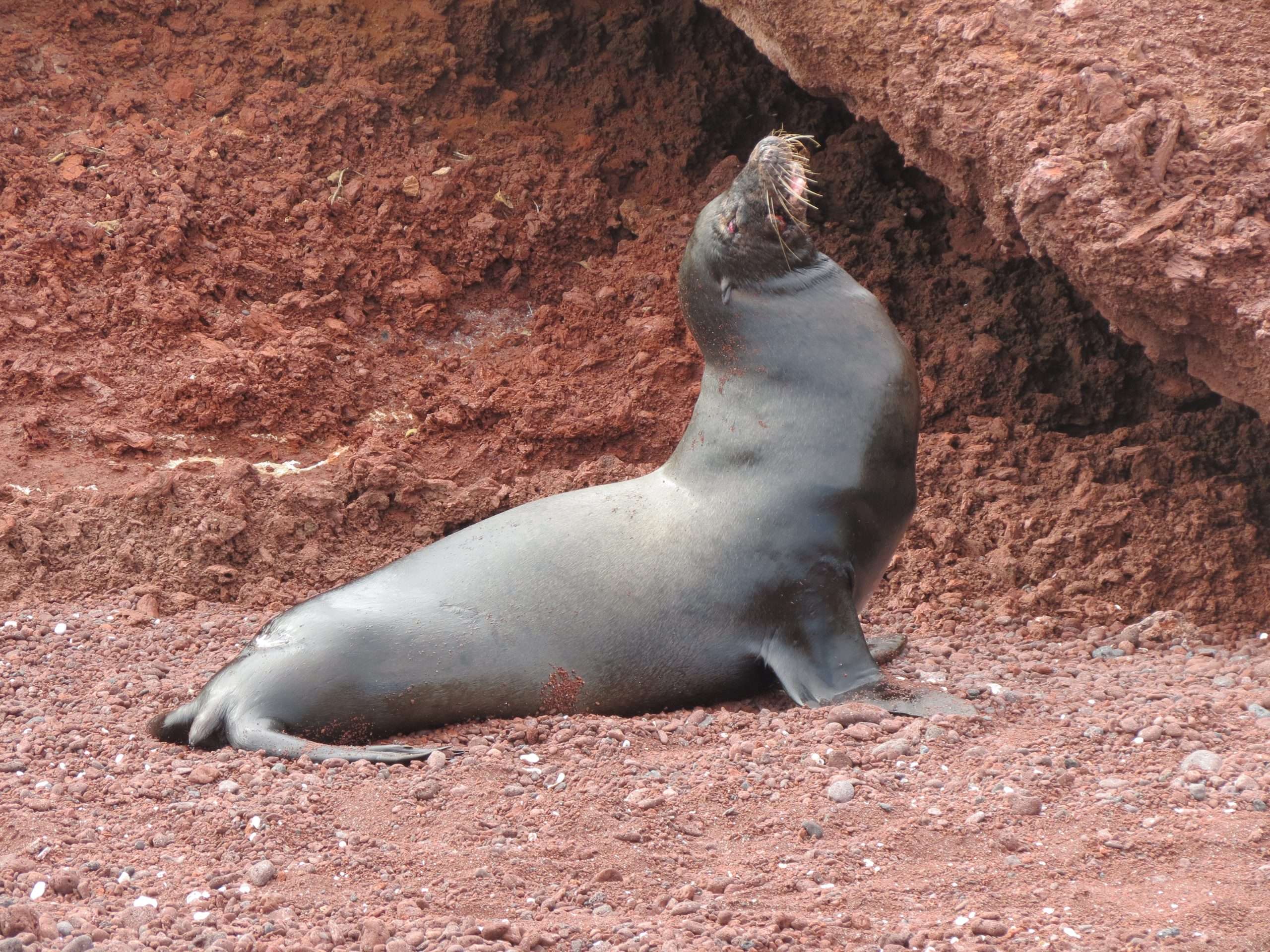
This morning, we arrived at Rabida (Jarvis) Island. The beach here is strikingly red and pebbly, making it difficult to walk on. The red color is due to the high iron content in the sand. Today was filled with celebratory events. We all gathered on the beach for a group photo and a brief video with the ship in the background to commemorate Tauck’s 90th anniversary. Back on the ship, we enjoyed a special lunch. In the afternoon, we sailed to Santa Cruz, where we spotted a few land iguanas; they blend in well with the vegetation. We also saw several flamingos, which was a thrilling sight both on our way out and on our return. Dinner and cocktail hour were also dedicated to the anniversary celebration, and we’re now on our second cake.
Last Morning on the Galapagos & Brief Tour of Guayaquil – July 13, 2015
On our final morning in the Galapagos, we left the ship on a panga and headed to Santa Cruz Island. From there, we took a ferry and then a bus to the Highlands. The ride was long, with banana trees along the way, and we passed a severe car accident—the vehicle was completely crushed.
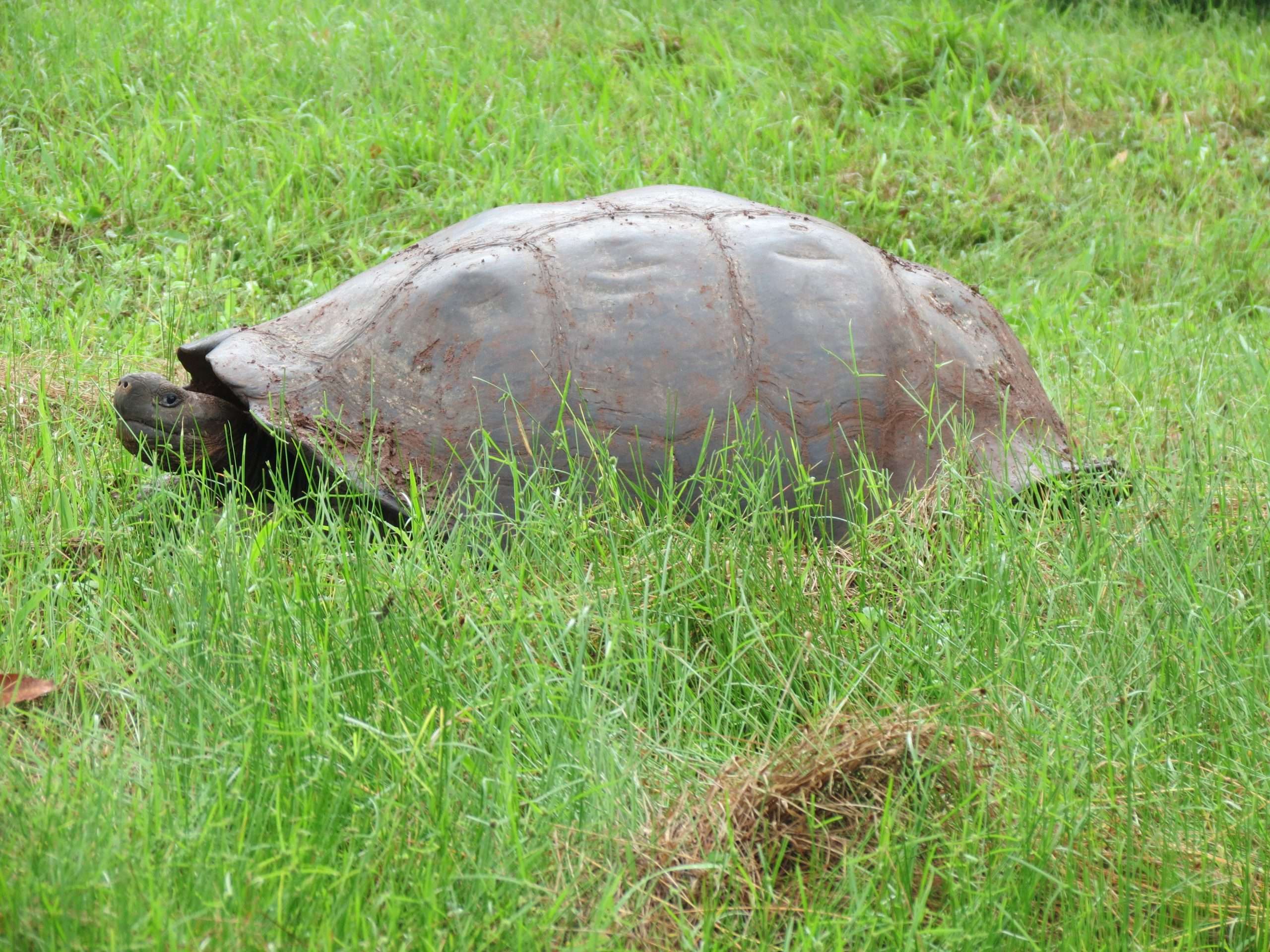
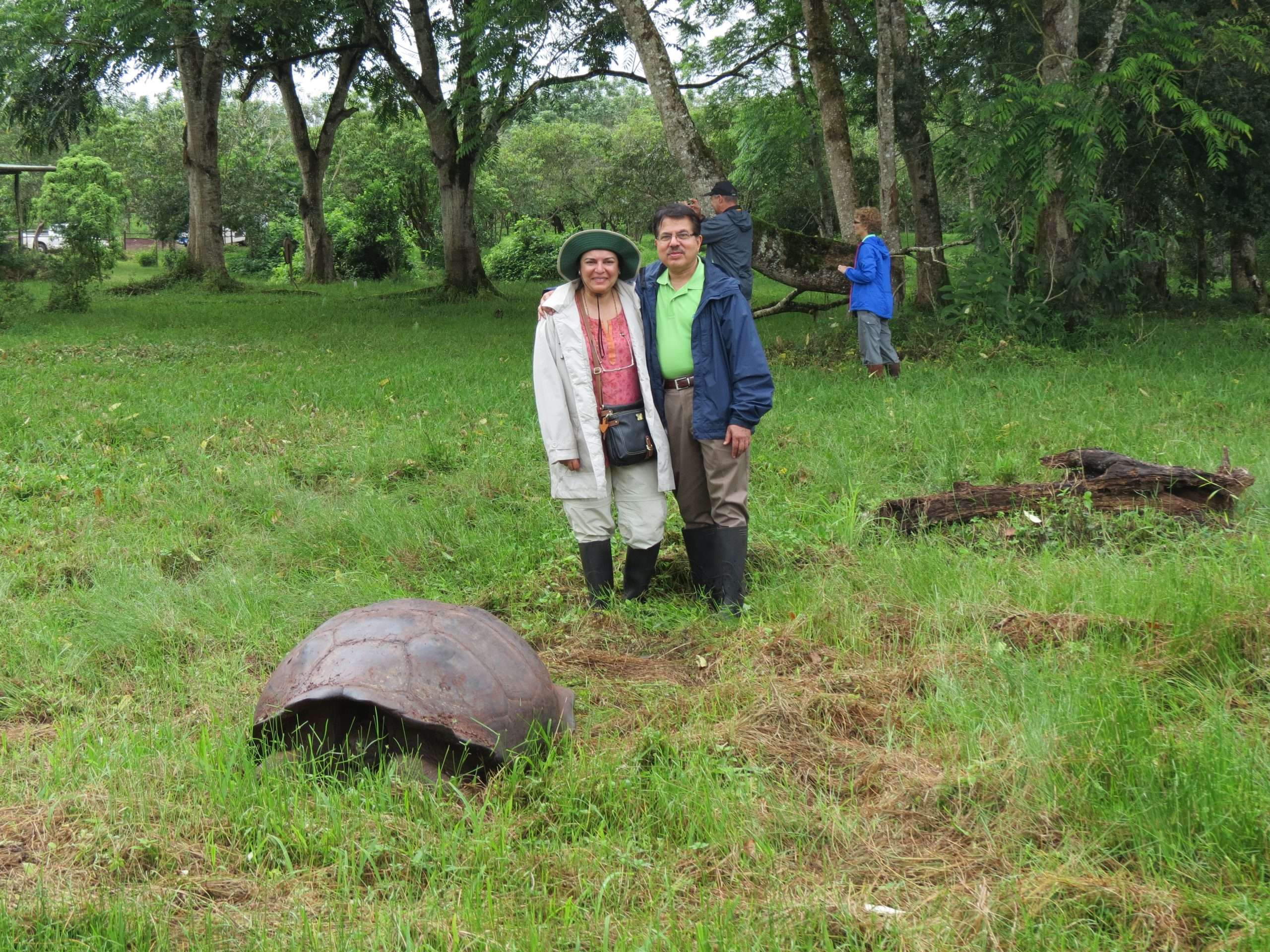
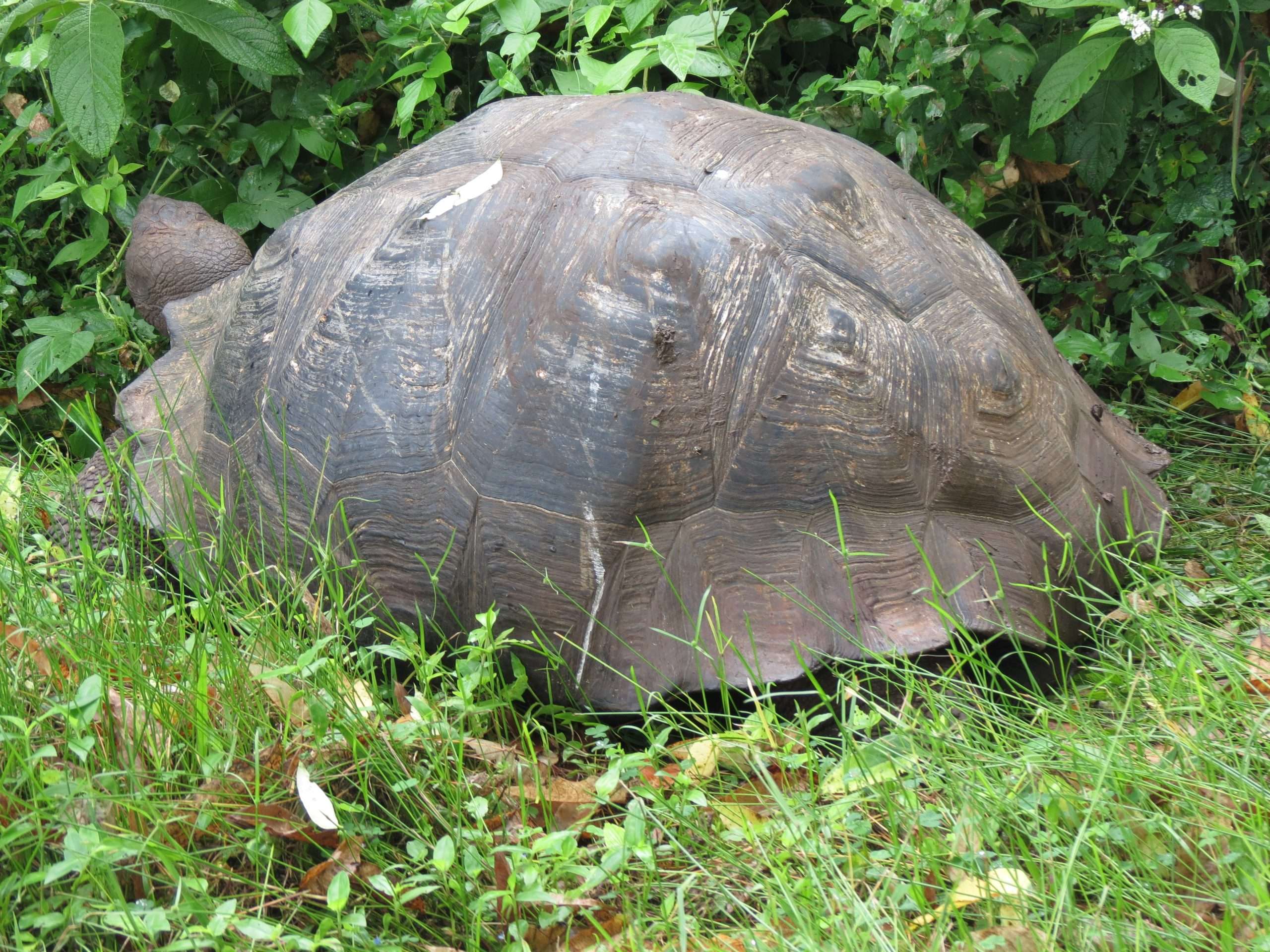
Our first stop was at a small farm, where we had to change into gumboots. We then explored an underground tunnel, though the purpose of the visit was unclear. We were in and out quickly, eager to see the giant tortoises. We saw a few, but it required walking through a lot of muck—hence the gumboots. Christabel had expected the tortoises to be much larger and older, but that was not the case. We didn’t see them together; each one was in its own zone.
We were keen to take pictures, but getting close was challenging. When we finally found a tortoise willing to be photographed, it got spooked by someone’s high-pitched voice and retreated into its shell. Well, Christabel came to the Galapagos to see the tortoises, and now she’s seen them.
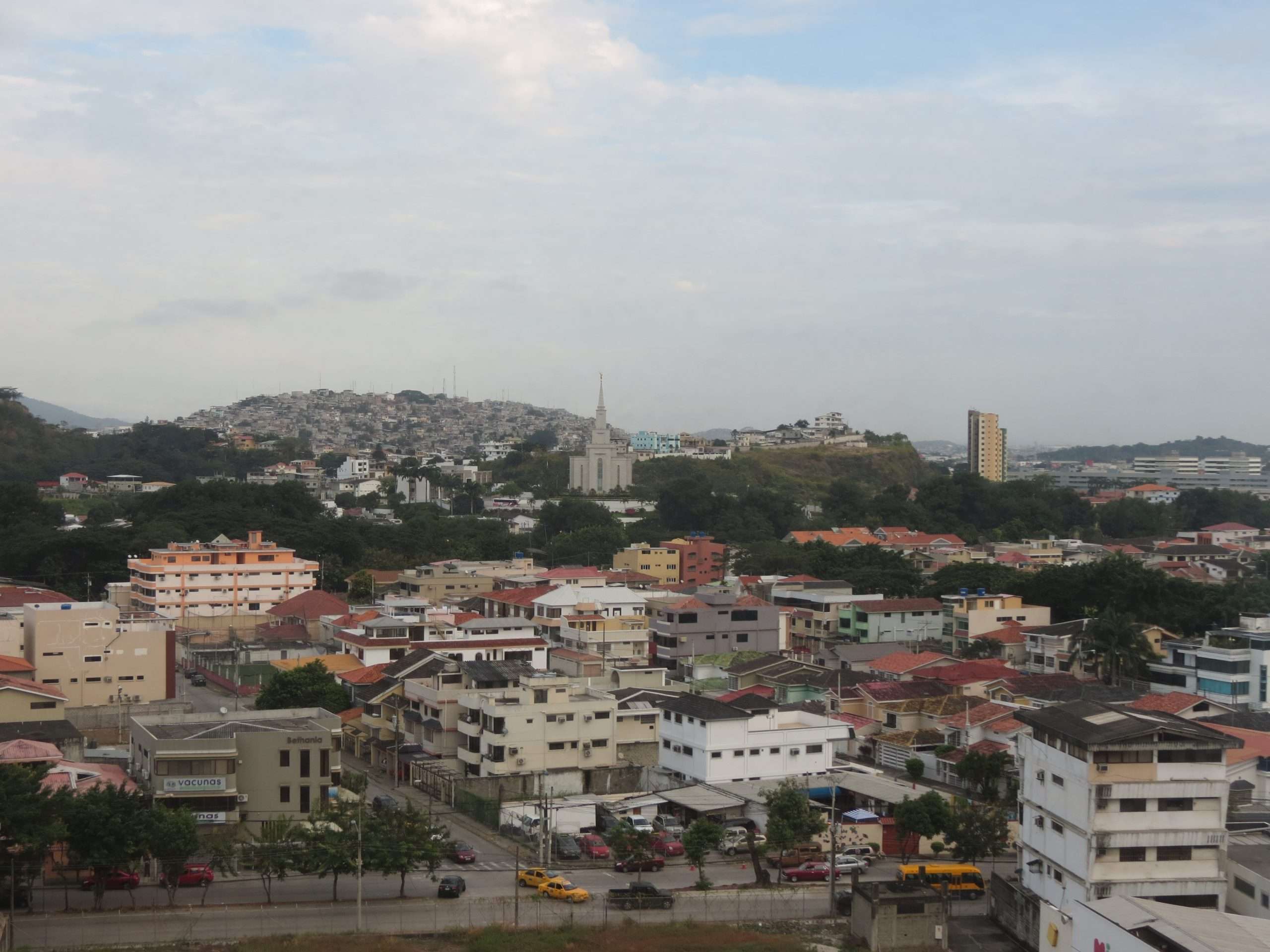
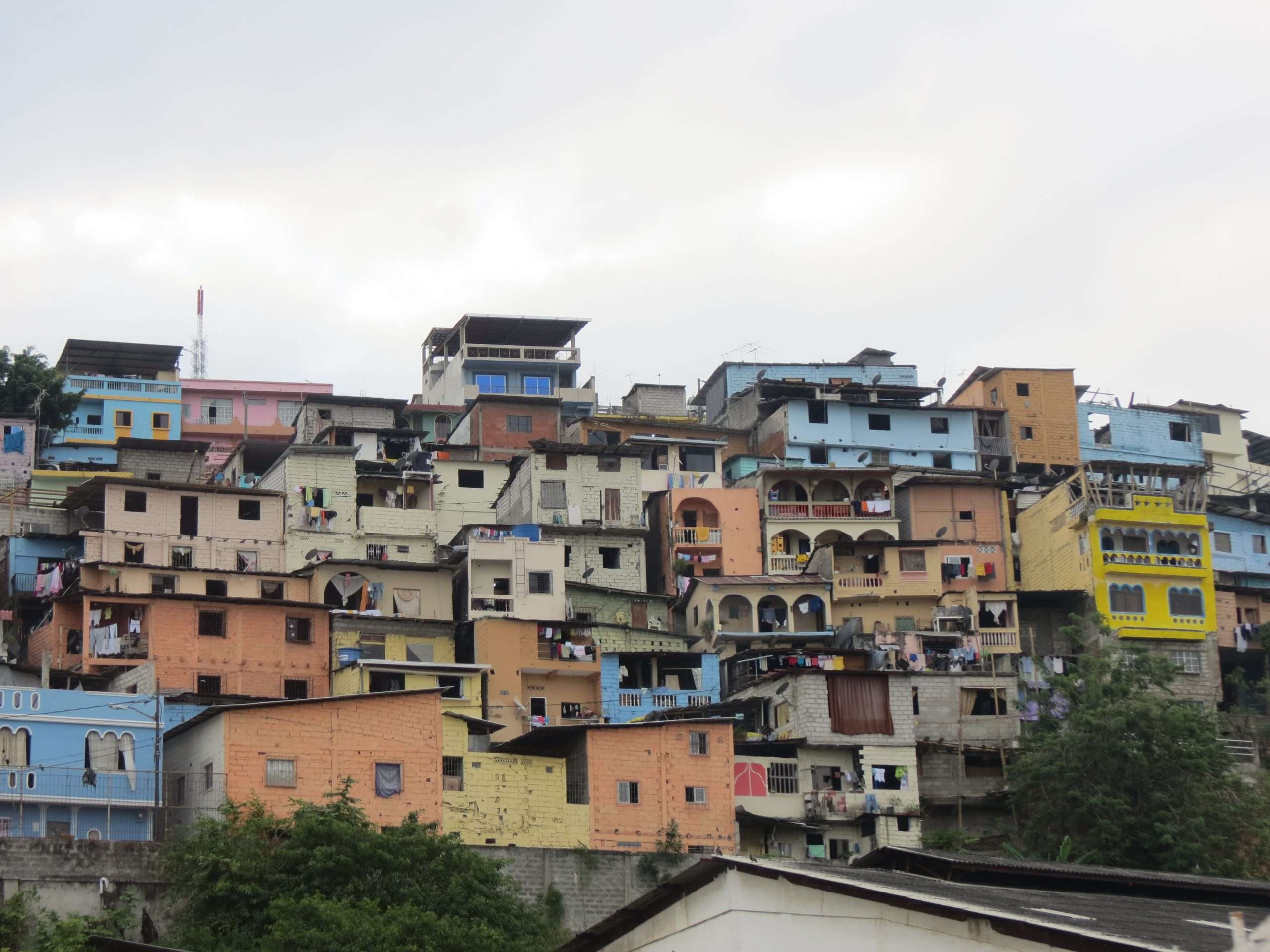
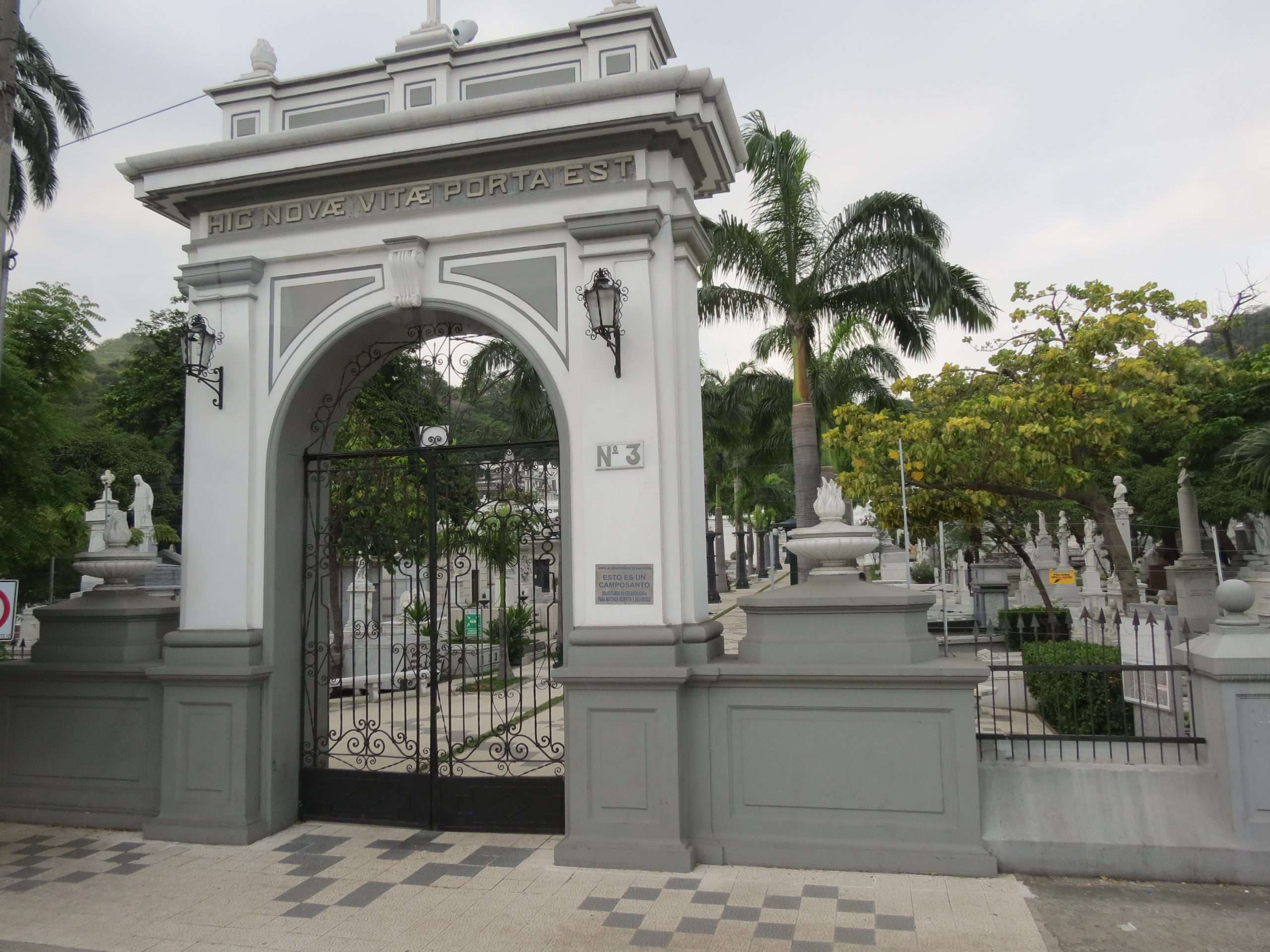
After saying goodbye to the tortoises, we took the bus back to the jetty, caught the ferry back to the other side of the island, and then another bus to the airport. We said our farewells to our guides—Dennis, Sabina, and José—and flew to Guayaquil, returning to the Hilton Colon. On our first visit, the Pope was in town, so we couldn’t explore the city. This time, we managed to see a few highlights, including the Malecon, a cemetery reminiscent of the one in Buenos Aires, and a park downtown opposite the cathedral, which was teeming with iguanas—every surface seemed to be covered with them.
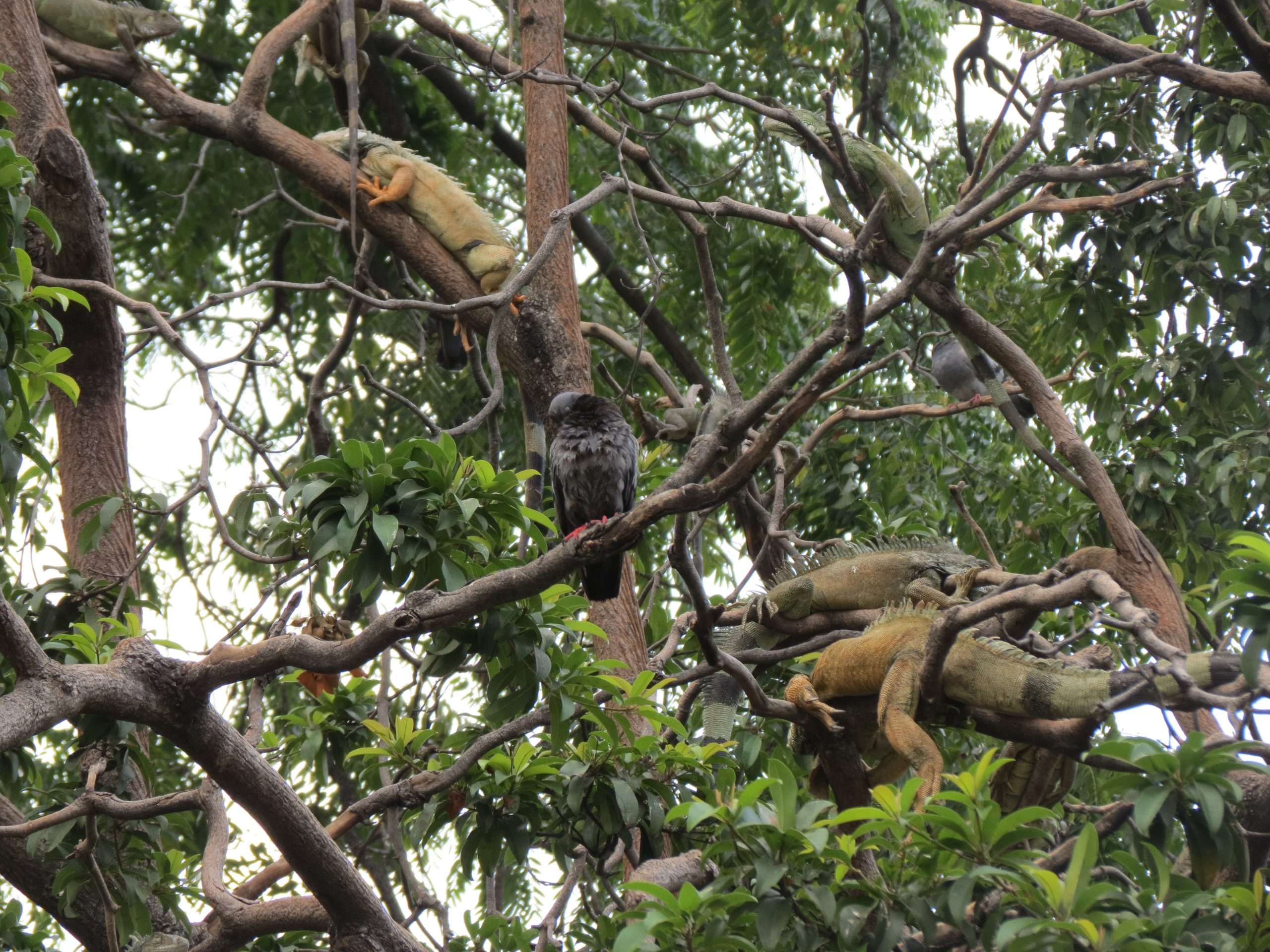
That evening, we had a farewell dinner with yet another celebratory cake—the third one of the trip. We reluctantly said our goodbyes, knowing we had a very early departure the next morning.
Homeward Bound – July 14, 2015
Early in the morning, we departed for the airport for our flight home, with a short lay over in Panama City. Overall, our impression of Ecuador is that it is a poor country. While there is some beautiful architecture, maintaining it is challenging. Like in many cities, the old is being replaced with the charmless new.