
When we started traveling in 2010, we used to post our travel diary with pictures on a commercial website. Unfortunately, we lost all the posted content as this website shut down without notice, leaving us scrambling to come up with a more permanent alternative.
Now that we have our own travel website, we are attempting to recreate some of the lost blogs based on notes, itineraries, Wikipedia, and good old-fashioned memory. This is one such recreation. It’s a labor of love, piecing together the adventures that shaped our lives and sharing them with you once again.
In this blog, we invite you to join us on a pilgrimage to the shrine of St. James in Santiago de Compostela. After a couple of days in the beautiful city of Madrid, we began our 100-mile journey in León, walking through rolling hills, lush forests, and charming historic towns, ending in Santiago de Compostela. The journey was not only a physical challenge but also a deeply spiritual and culturally enriching experience.
A Day of Discovery in Madrid – September 12, 2014
We arrived in Madrid this morning after an uneventful flight and checked into a very modern hotel with a monochromatic color scheme of black, white, and grey.
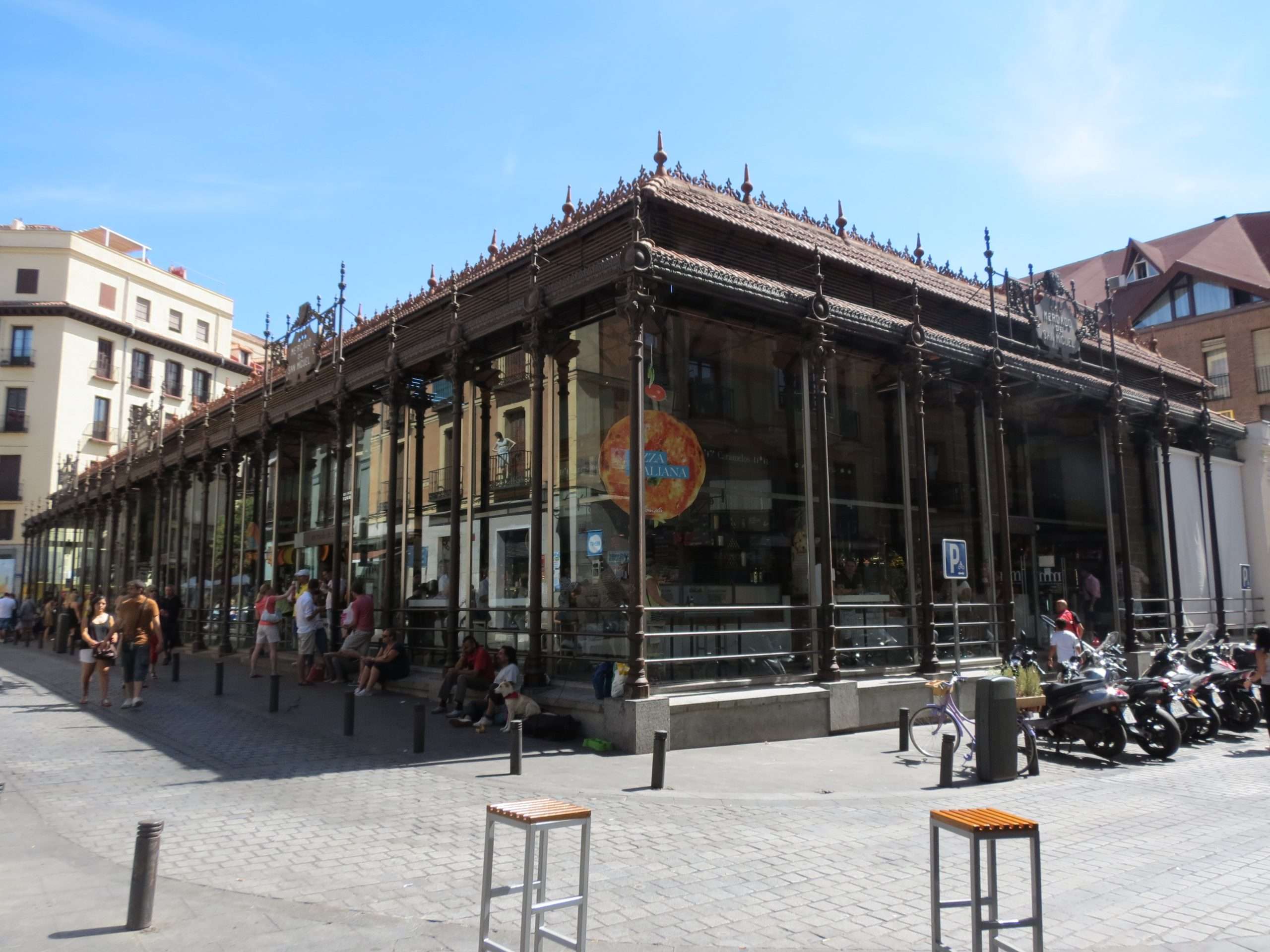
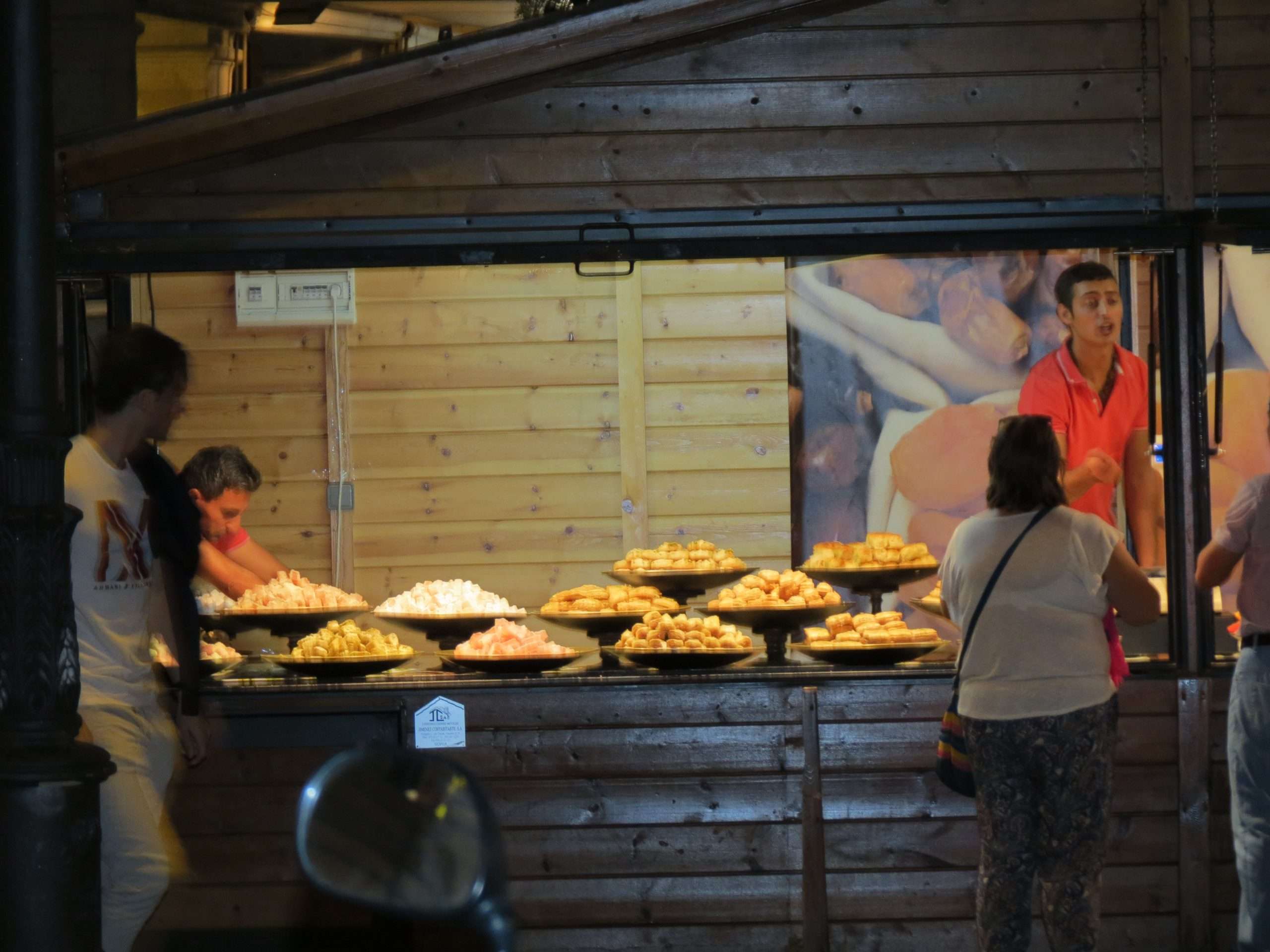
Our day was spent exploring the city, beginning with a visit to the bustling Mercado de San Miguel. The food looked delicious, but it was too crowded for a standup lunch. Instead, we found a small café and enjoyed a delicious meal of curry chicken in phyllo with goat cheese and caramelized onions.
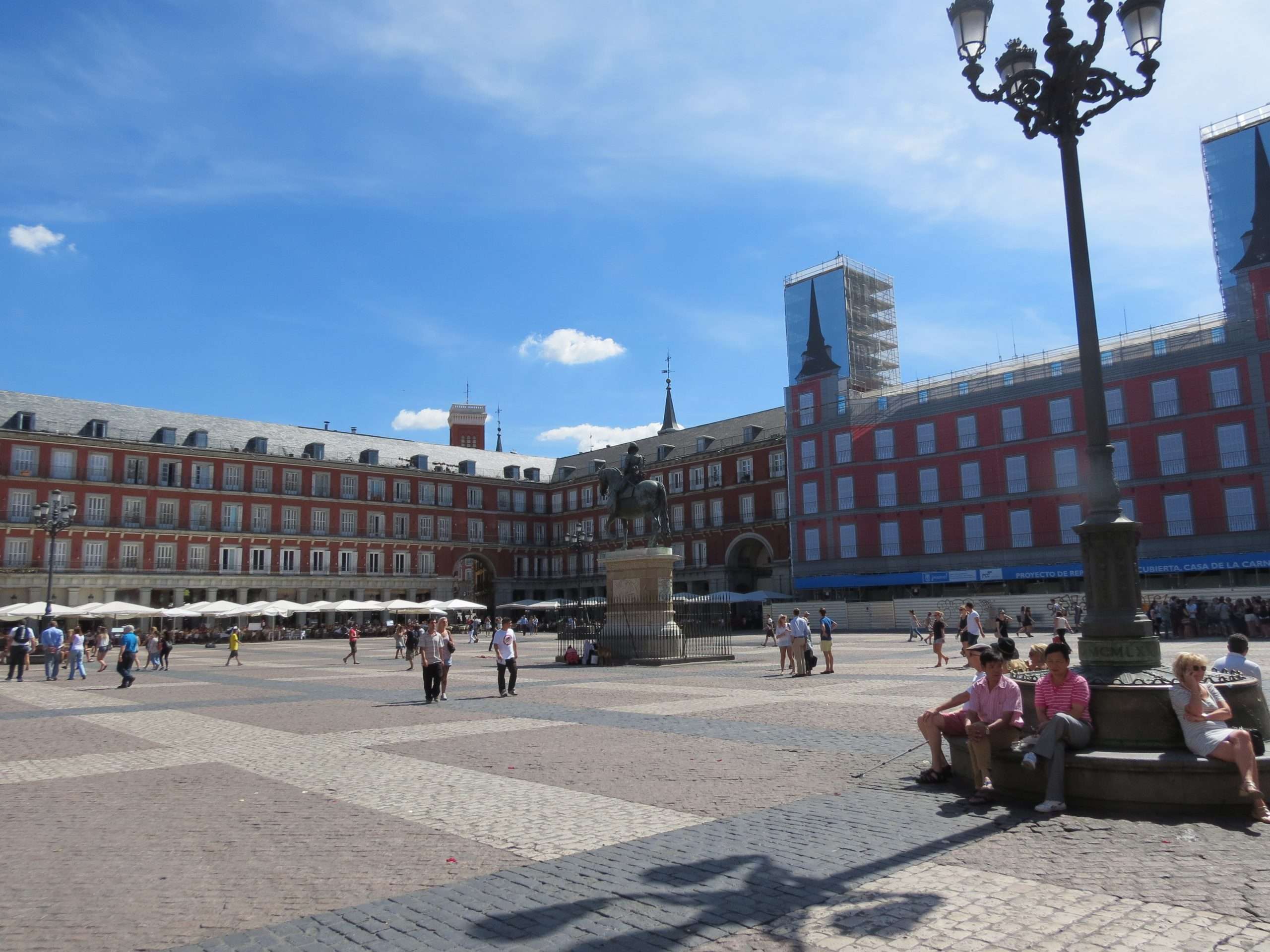
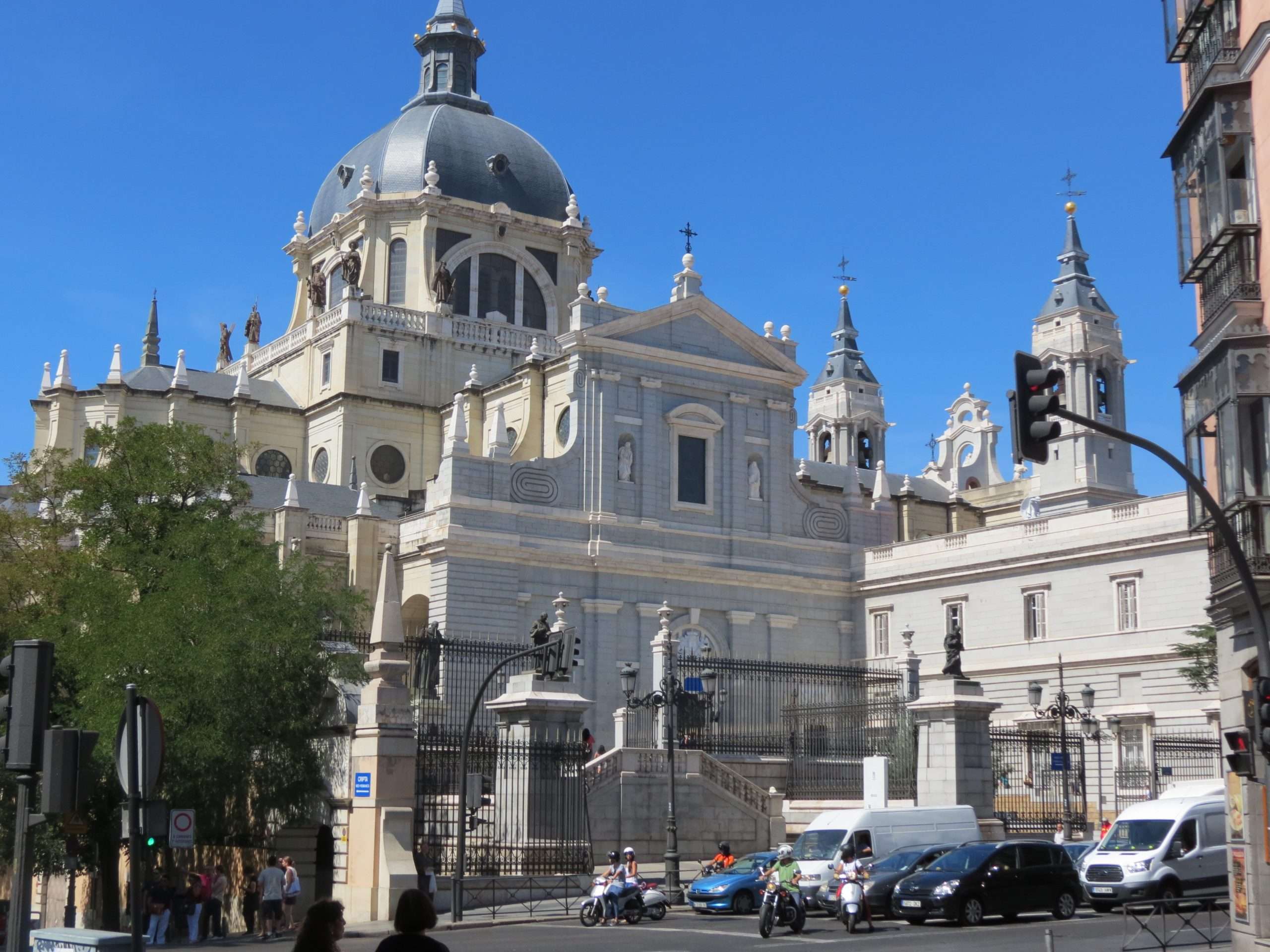
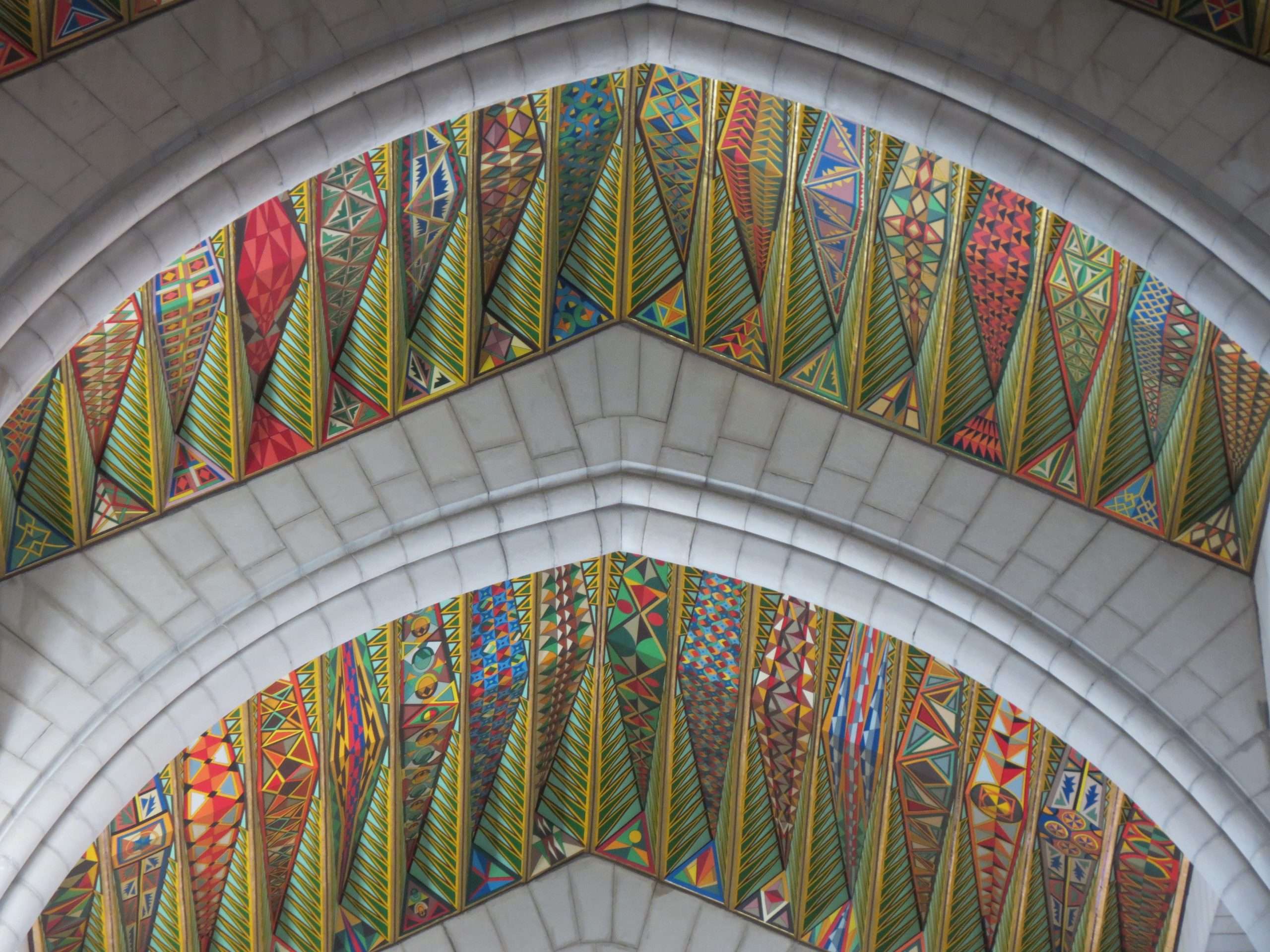
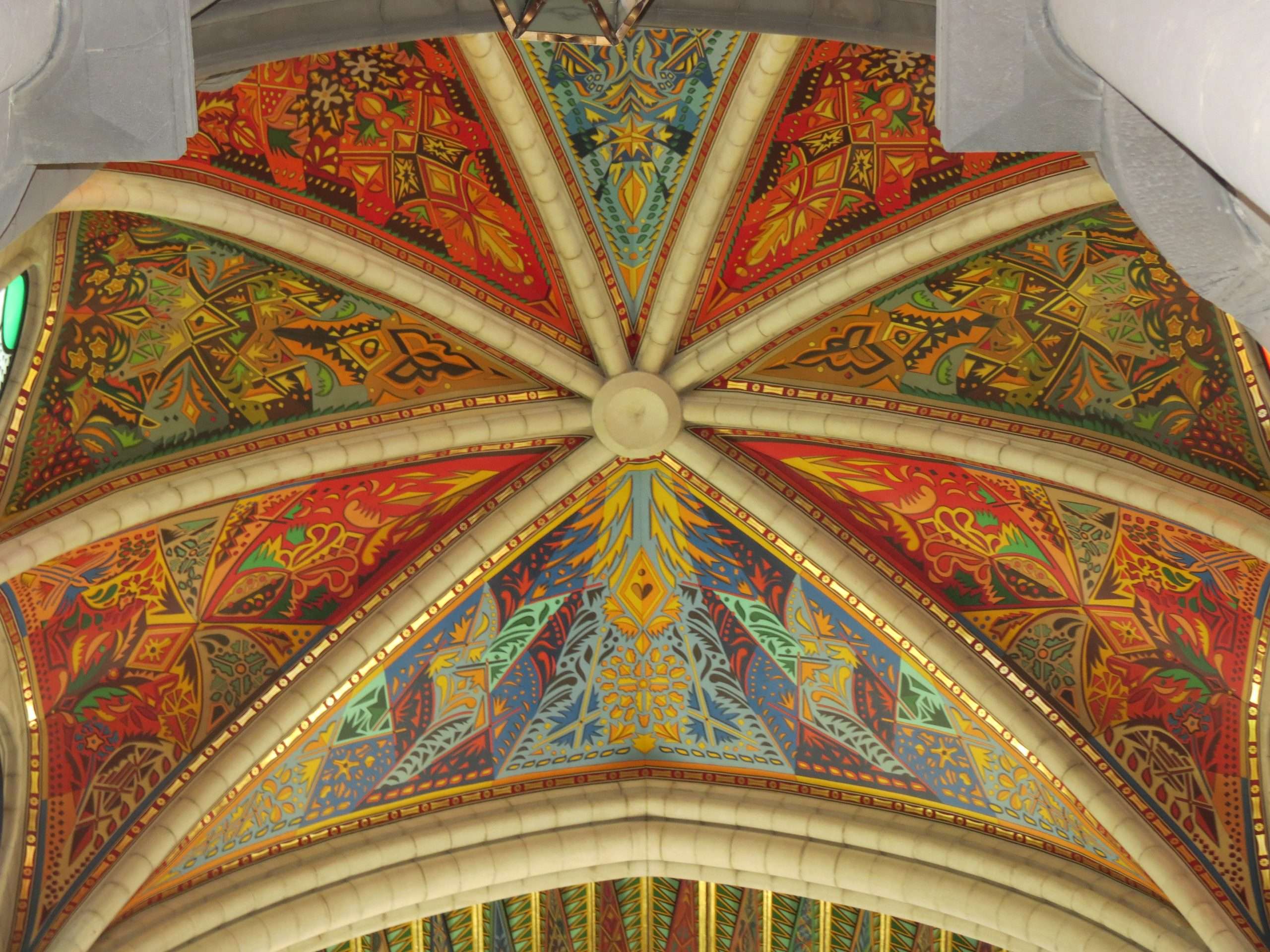
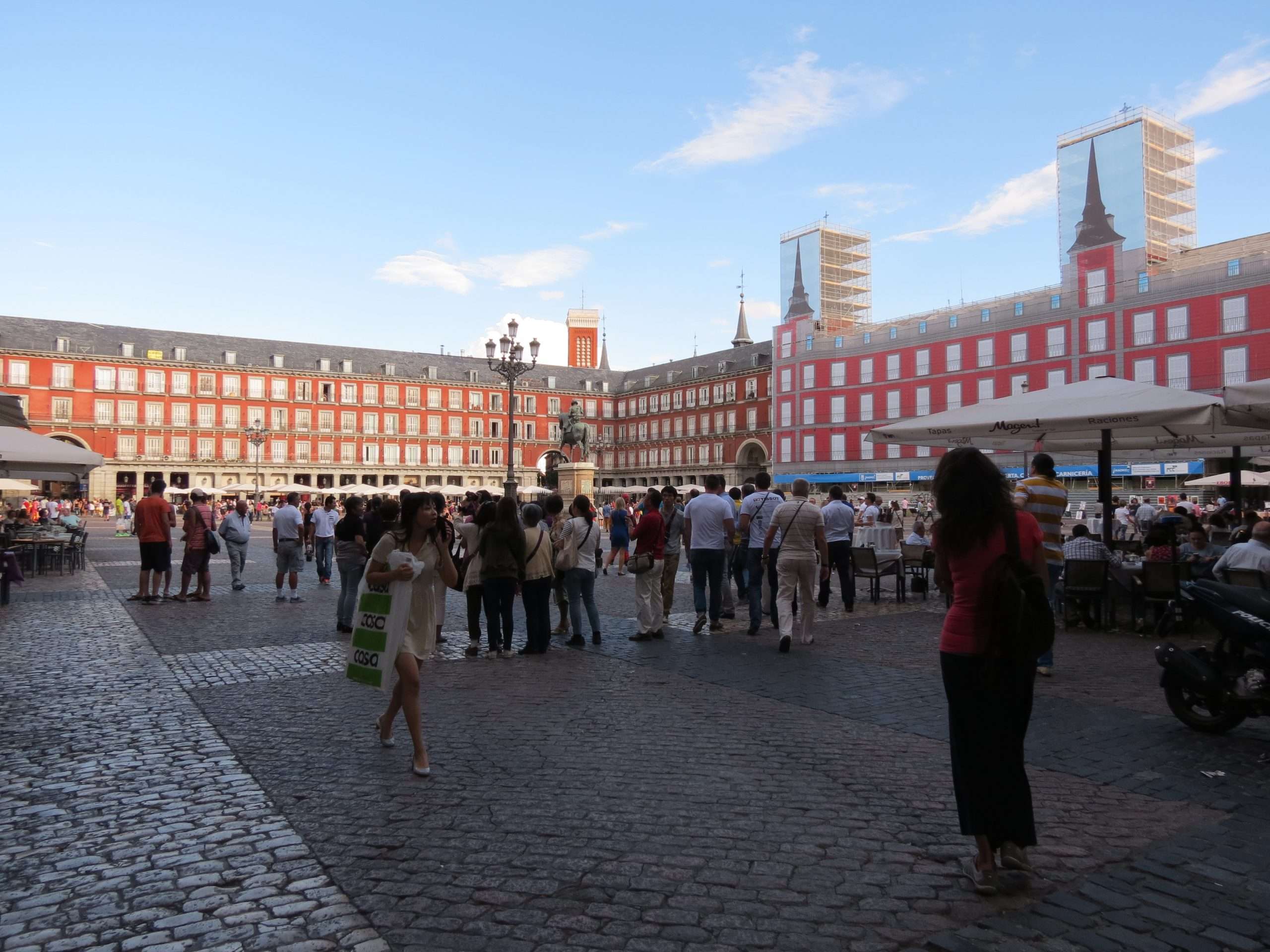
After lunch, we walked to Plaza Mayor, a grand square reminiscent of those in Rome and Brussels. From there, we visited the Almudena Cathedral, opposite the Royal Palace. Completed in 1993 and consecrated by Pope John Paul II, the cathedral features modern stained glass.
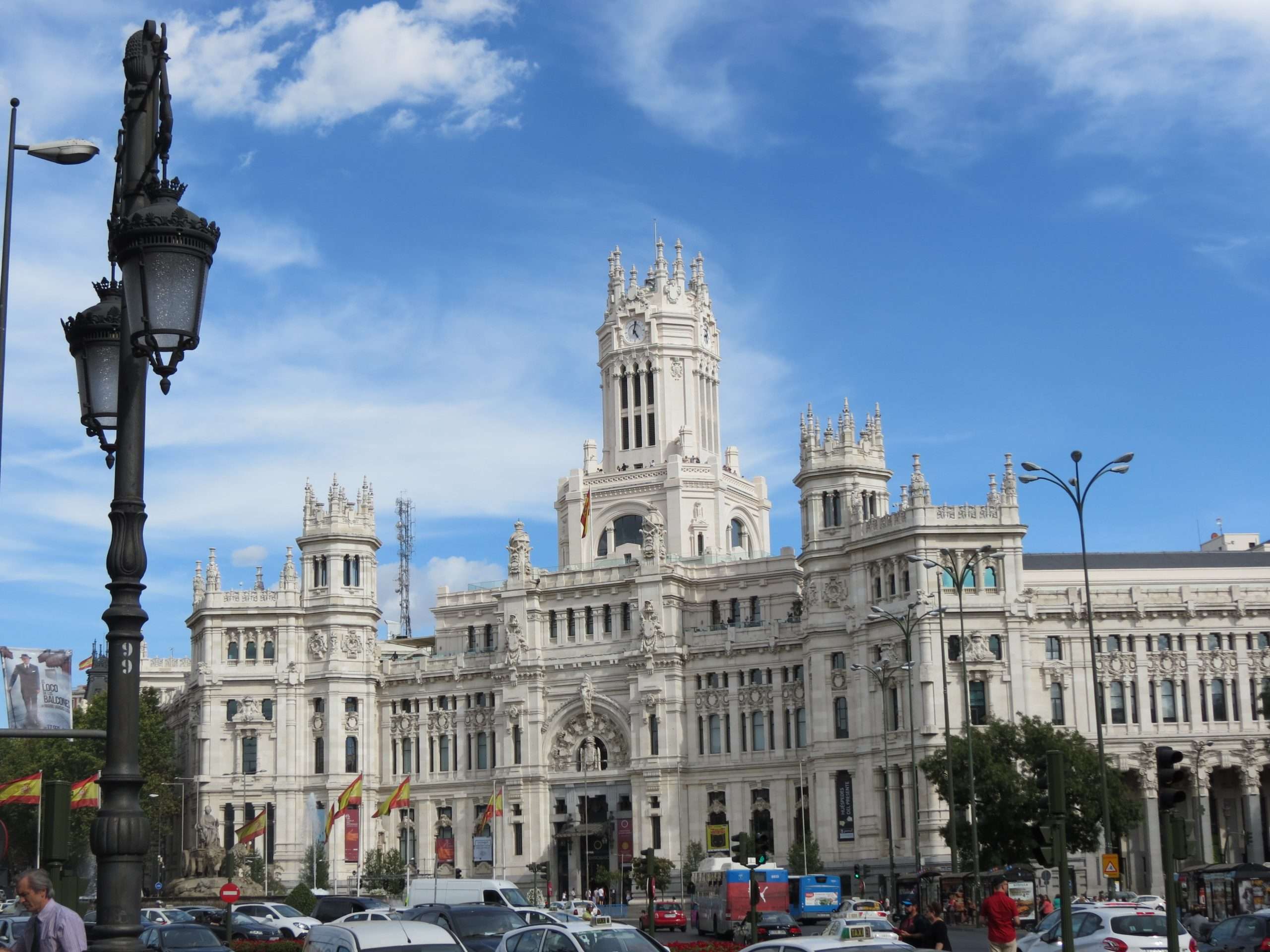
Next, we went to Plaza España to find Julia Travels and book tours for the next couple of days. Feeling exhausted, we returned to the hotel to rest.
Later in the evening, we strolled around in search of dinner and ended up at a sidewalk café, where we coincidentally had curried chicken again, along with ham and caramelized onion crepes.
A Day in Avila and Segovia – September 13, 2014
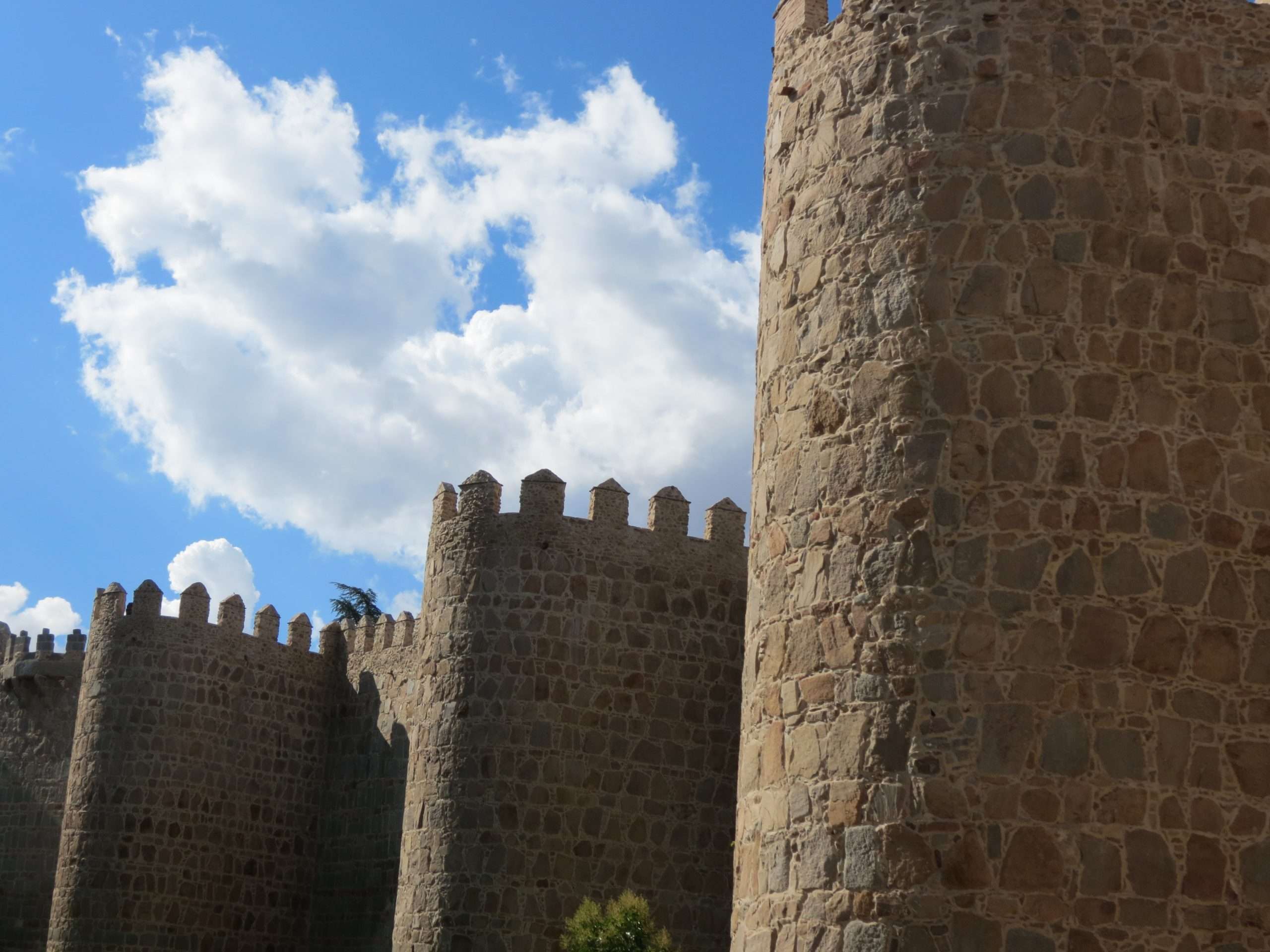
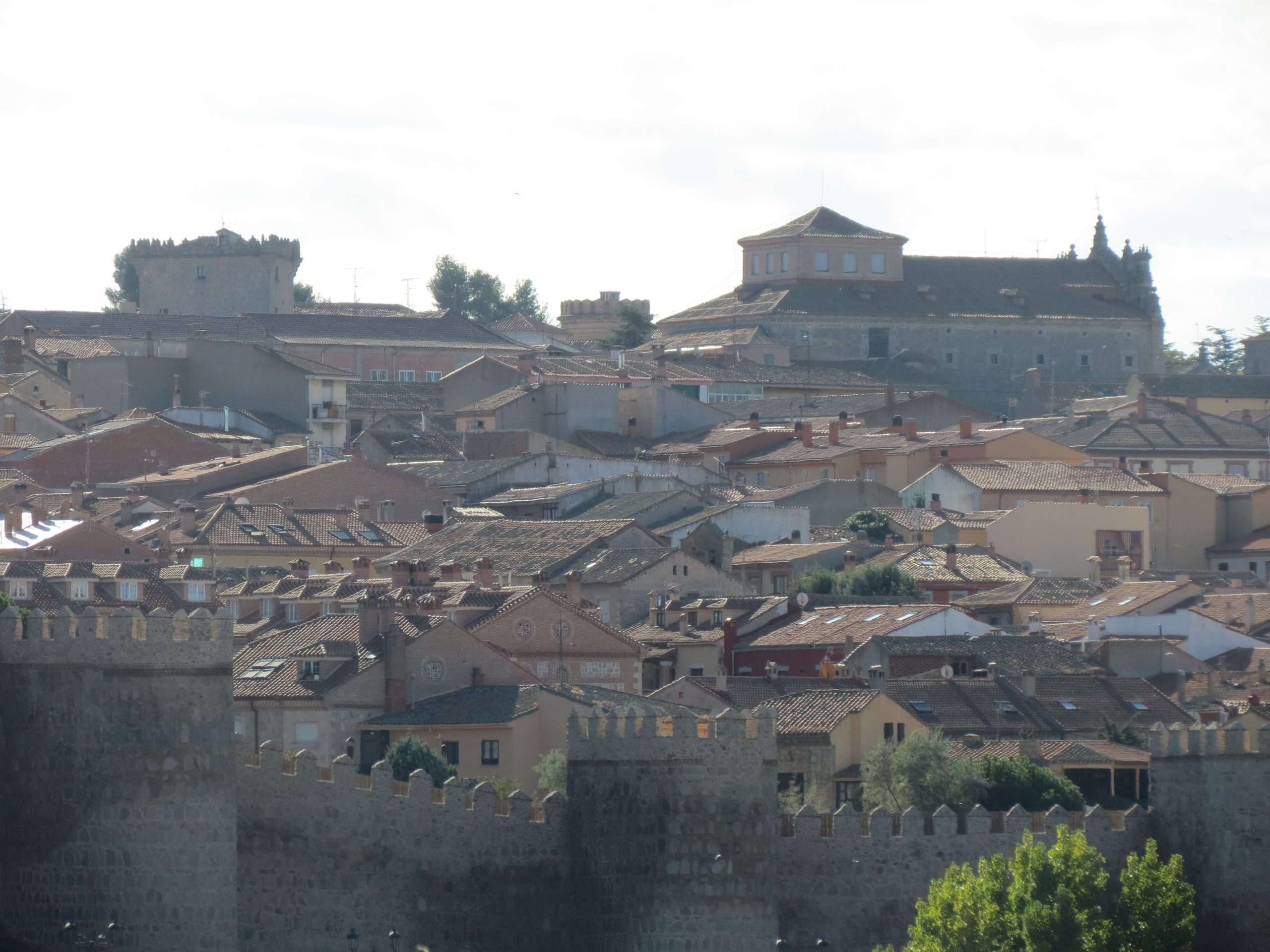
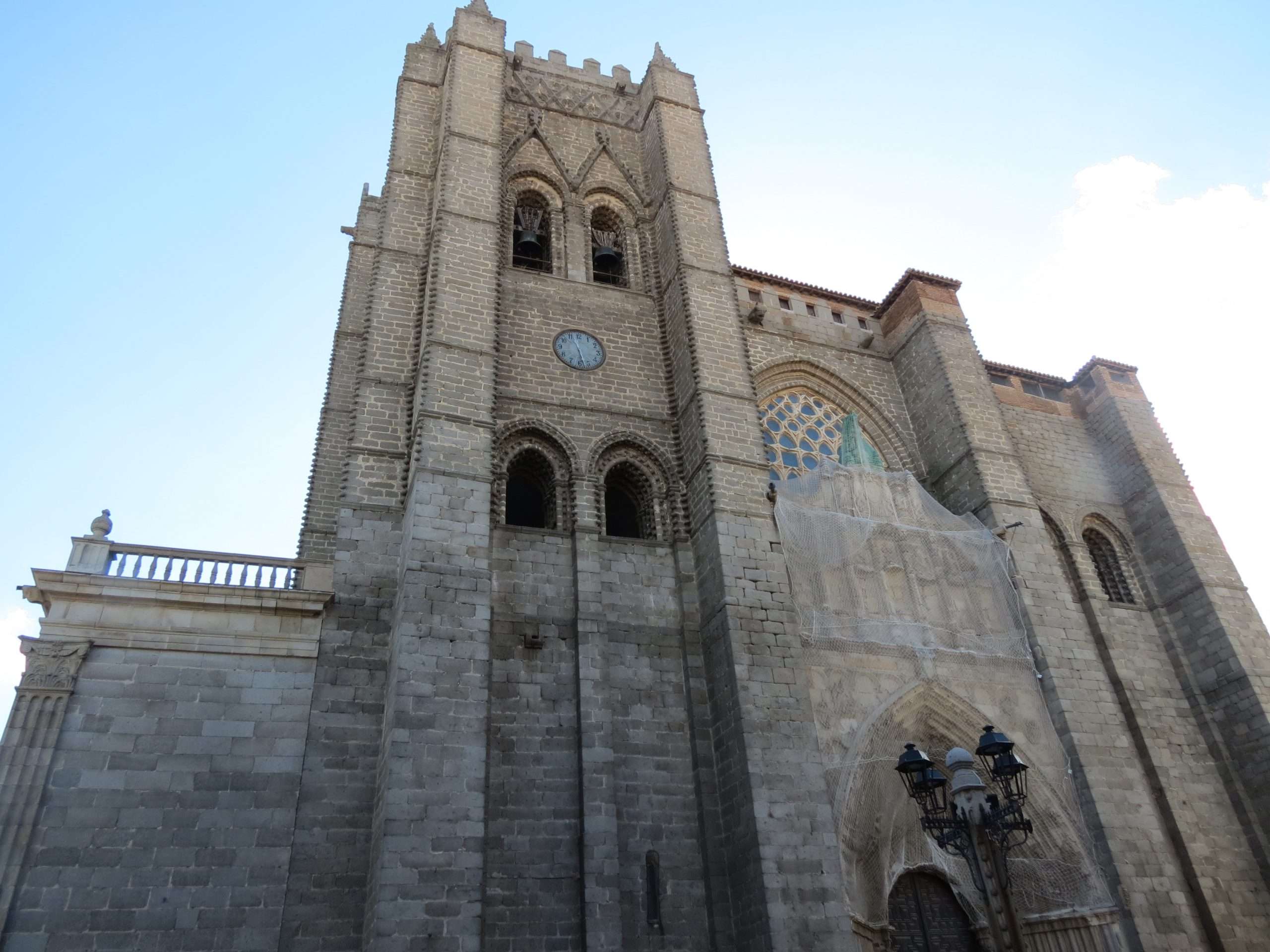
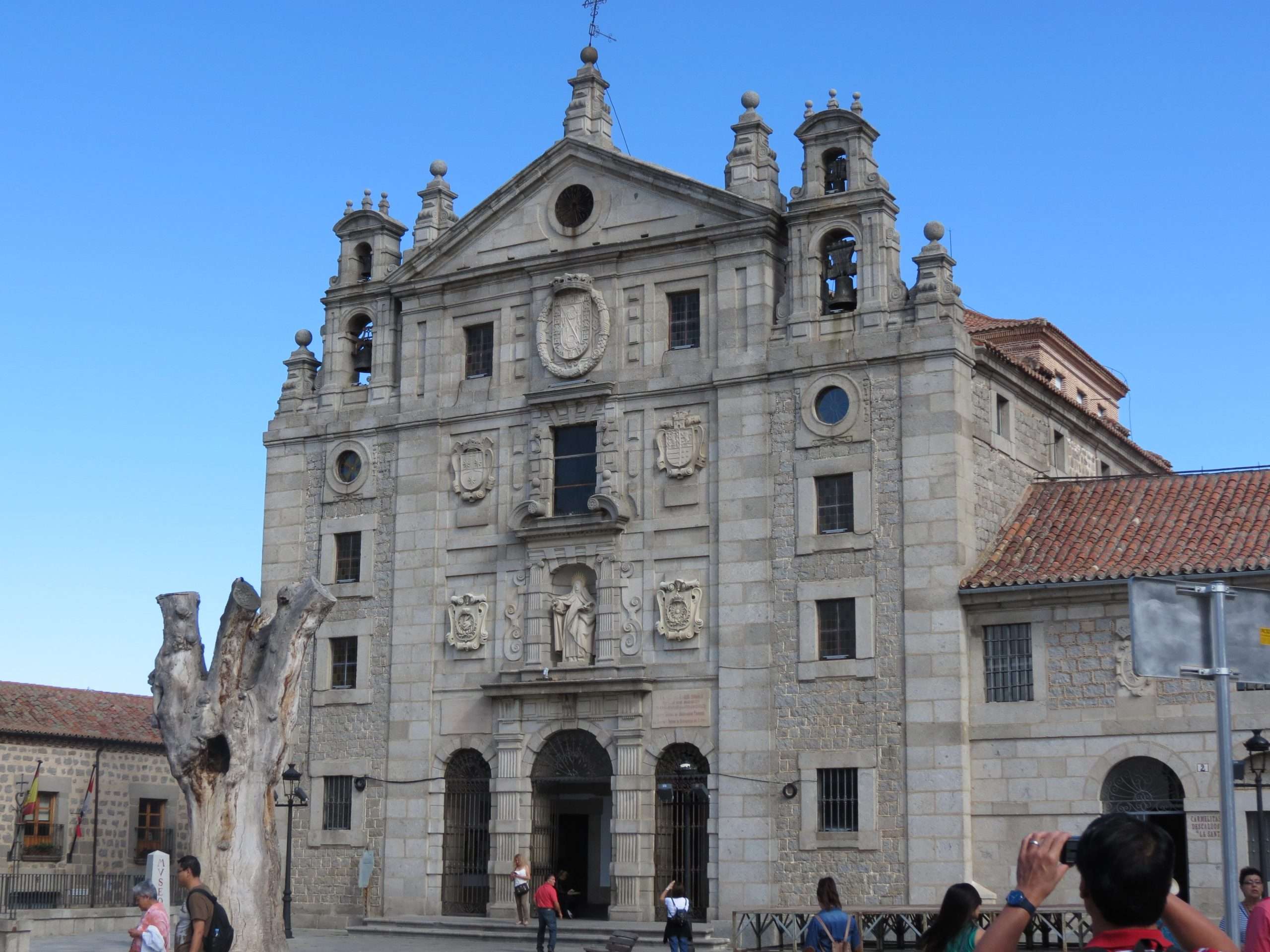
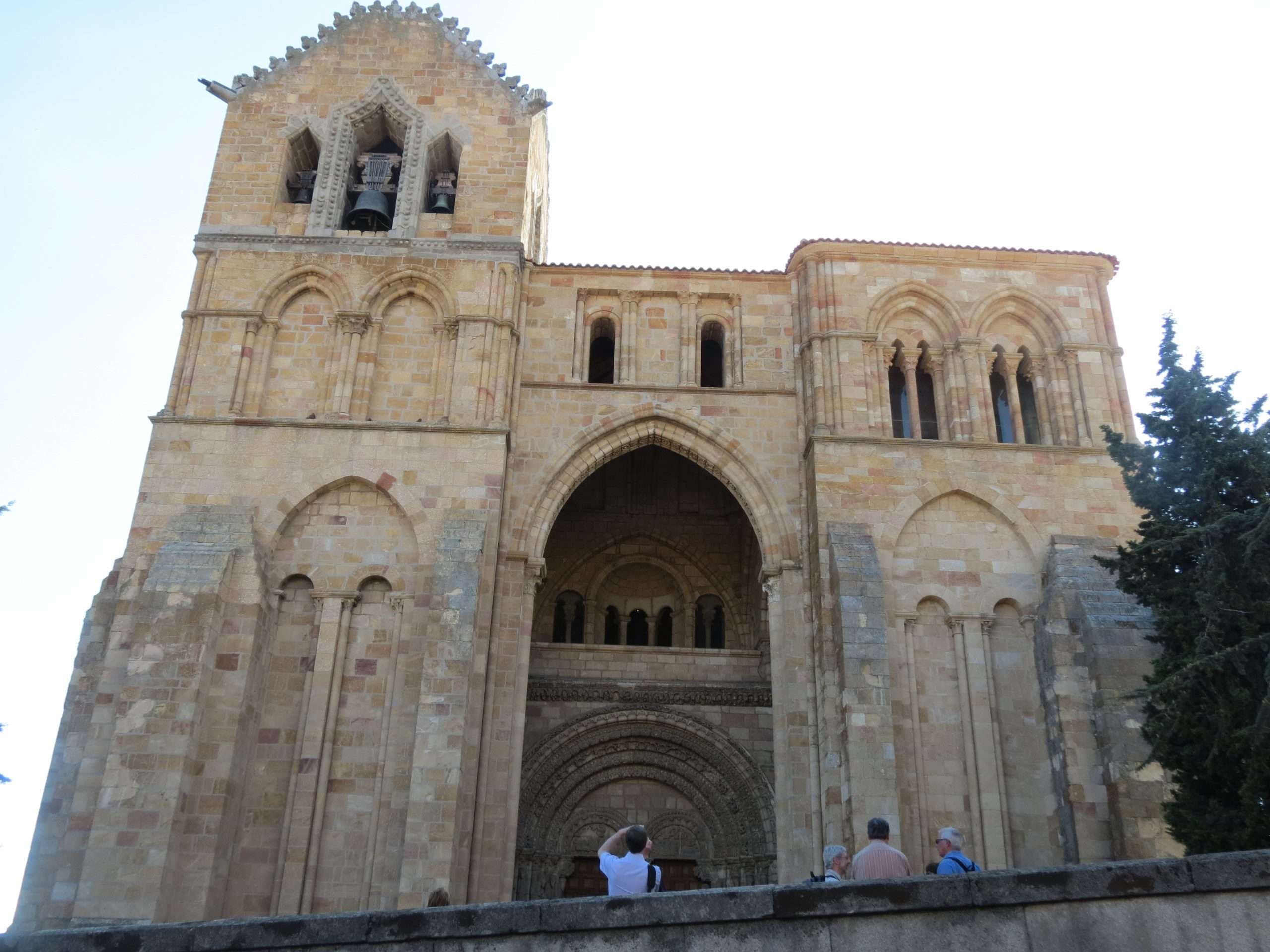
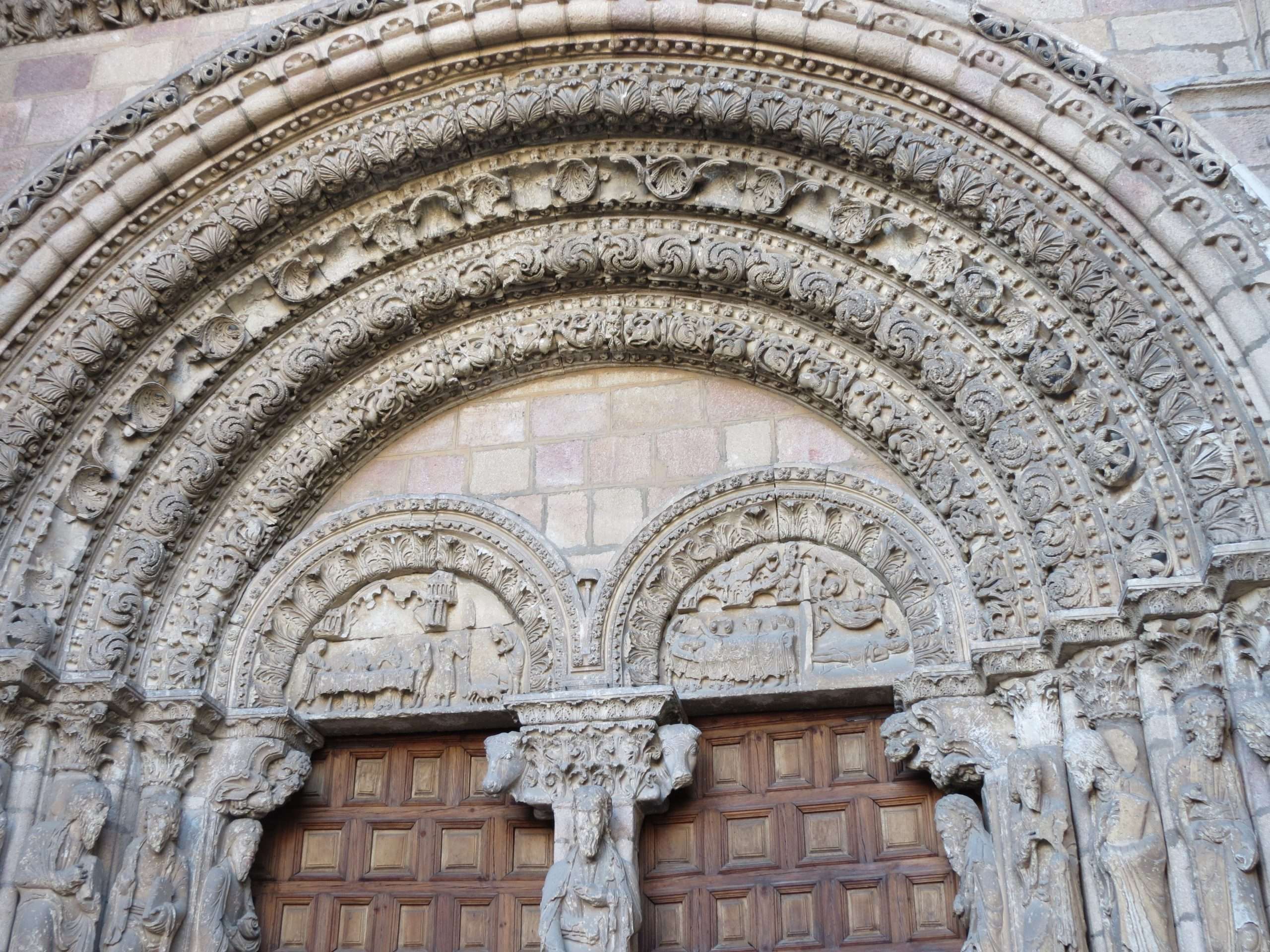
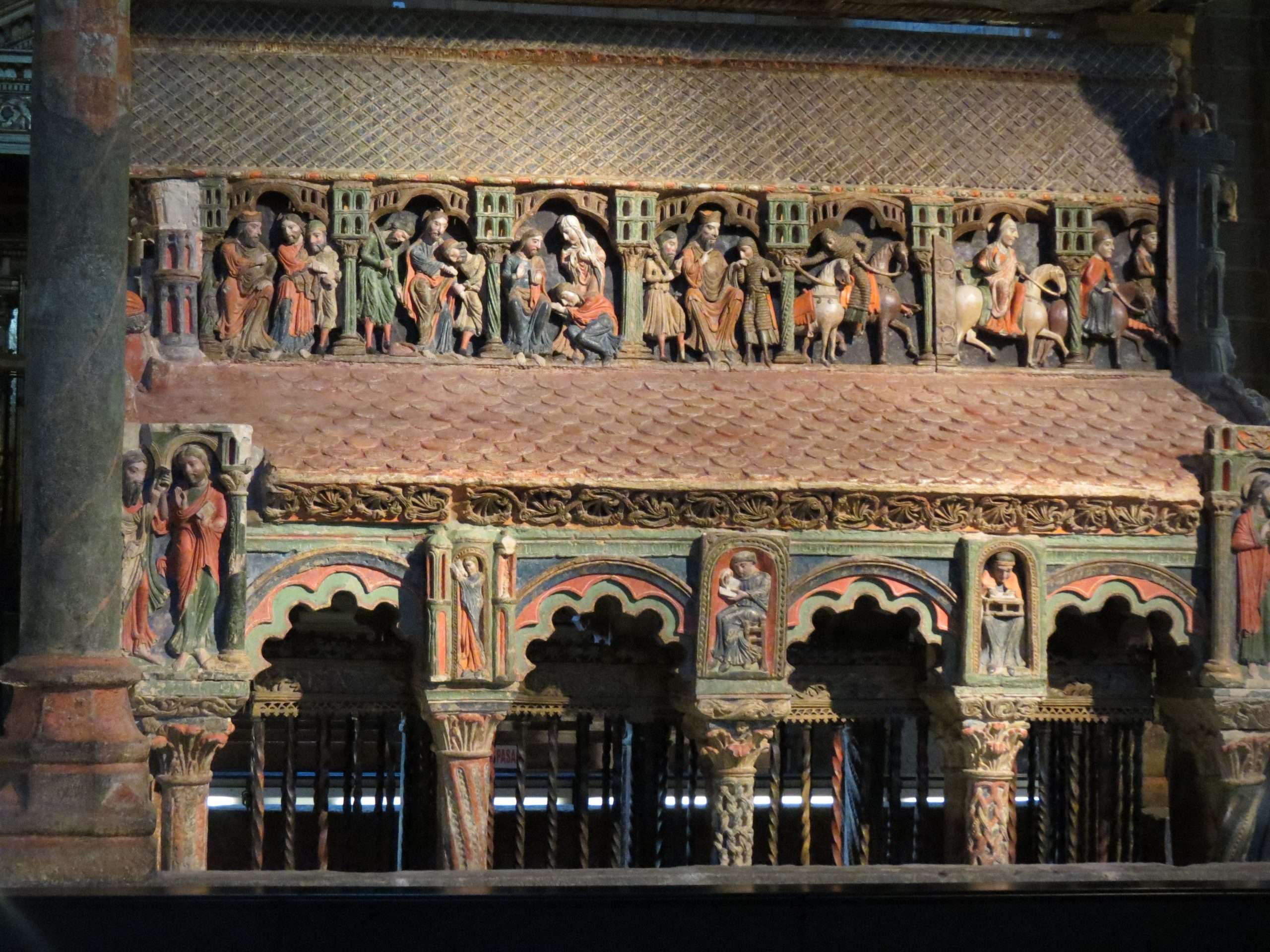
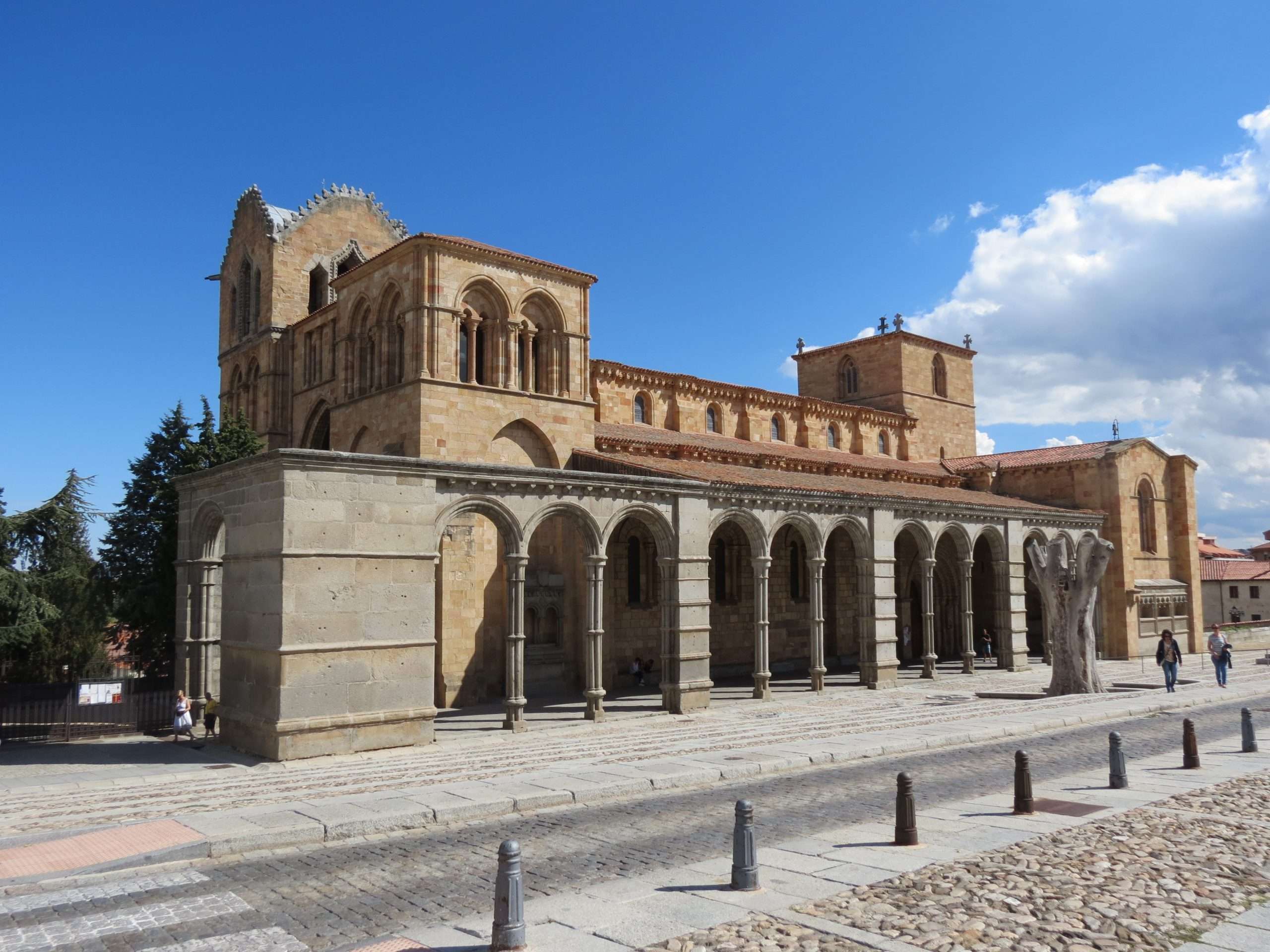
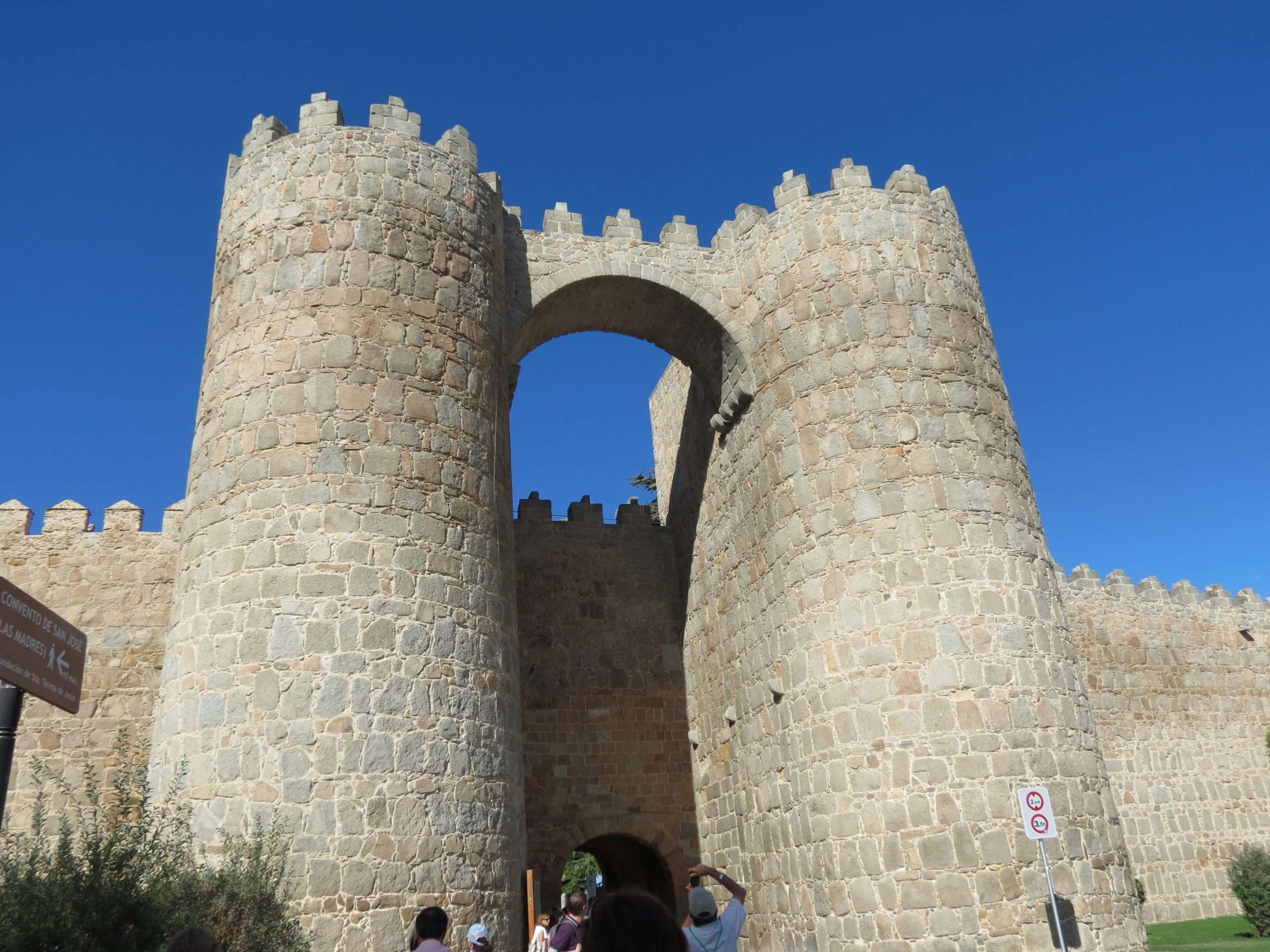
Today, we visited Avila and Segovia. The drive to Avila was long but worthwhile. The city’s perfectly preserved walls are remarkable and were designated a UNESCO World Heritage Site in 1985, along with the old town and its churches. Our first stop was the Basilica of San Vicente, an impressive Romanesque structure. It houses the tombs of San Vicente and his sisters, Cristeta and Sabina, who were martyred during the reign of Emperor Diocletian. The tomb is ornate, depicting scenes of their martyrdom, although the basilica itself dates back to the 12th century. From there, we walked to the birthplace of St. Teresa, where we briefly viewed the room where she was born and then visited the room housing her relics, including her right ring finger adorned with a beautiful emerald ring. We also saw a book containing her writings, which was particularly fascinating.
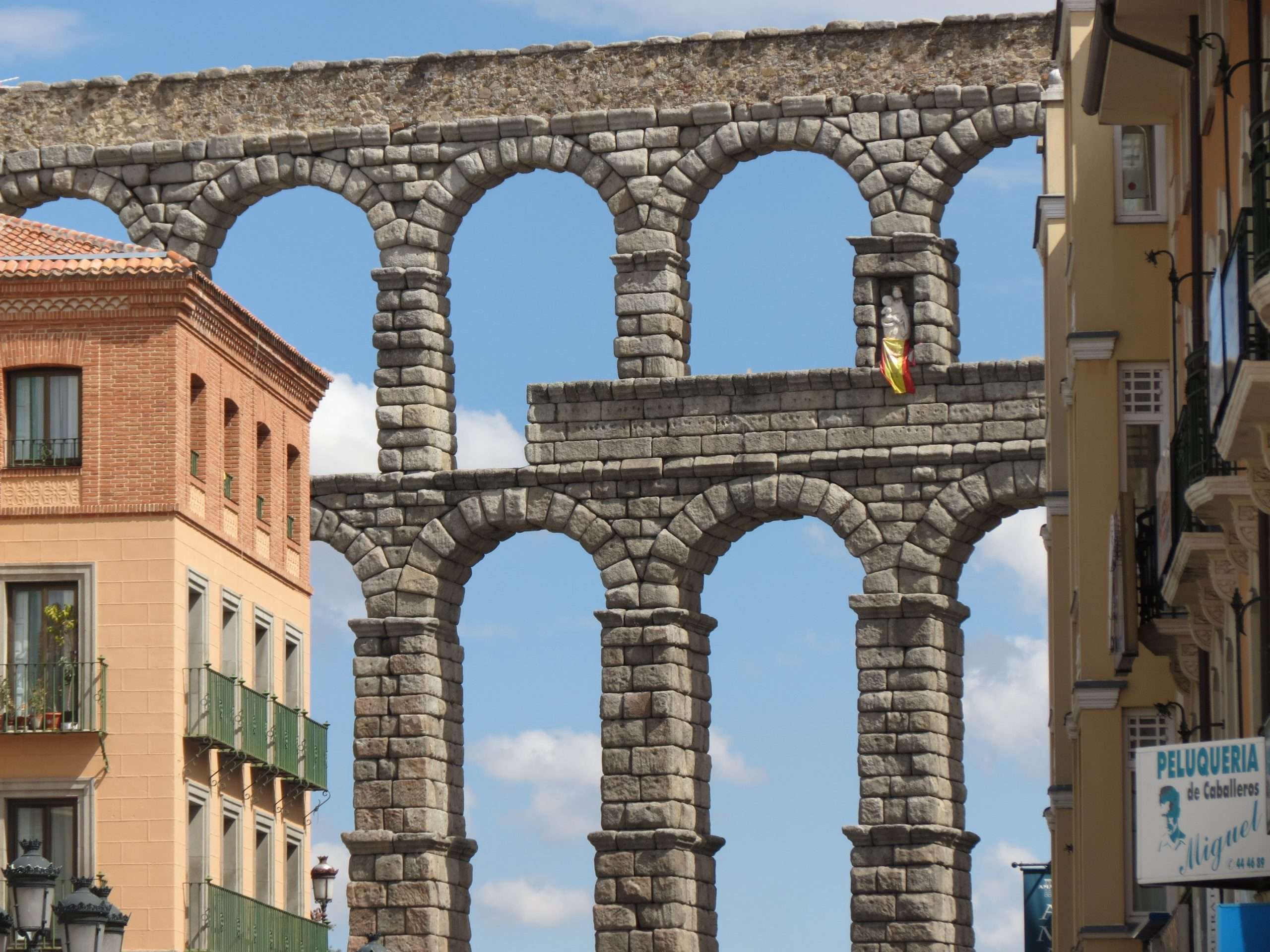
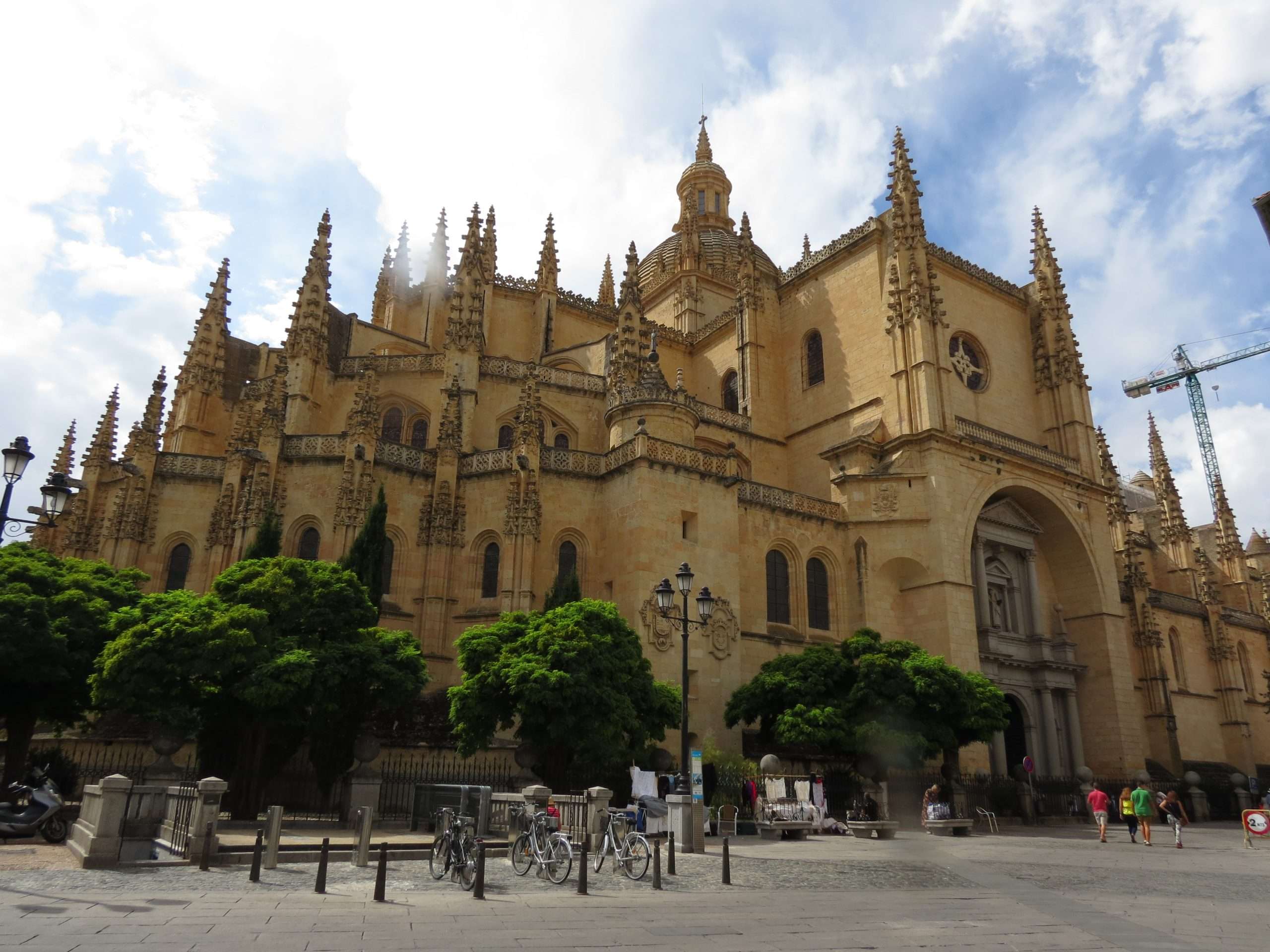
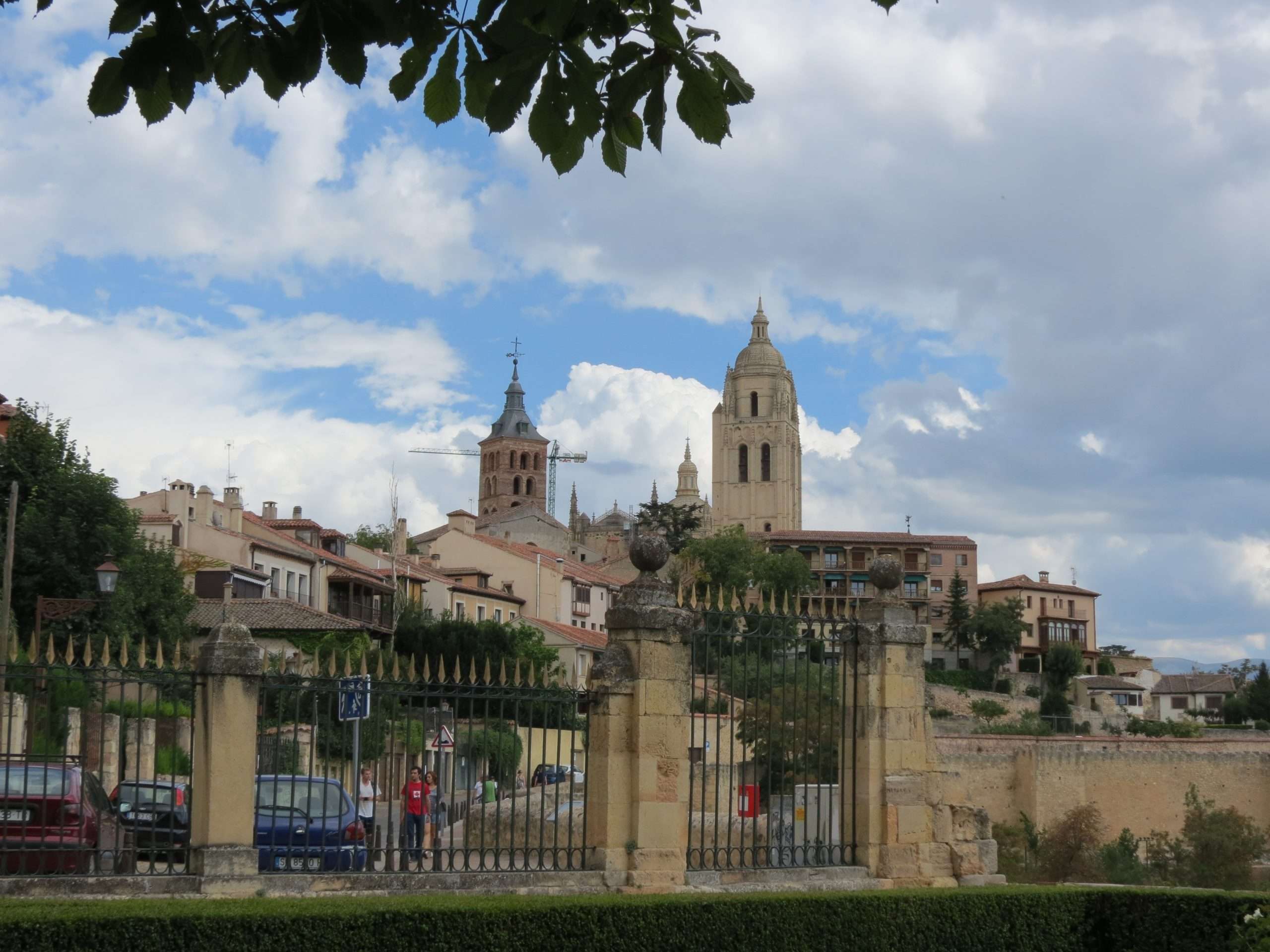
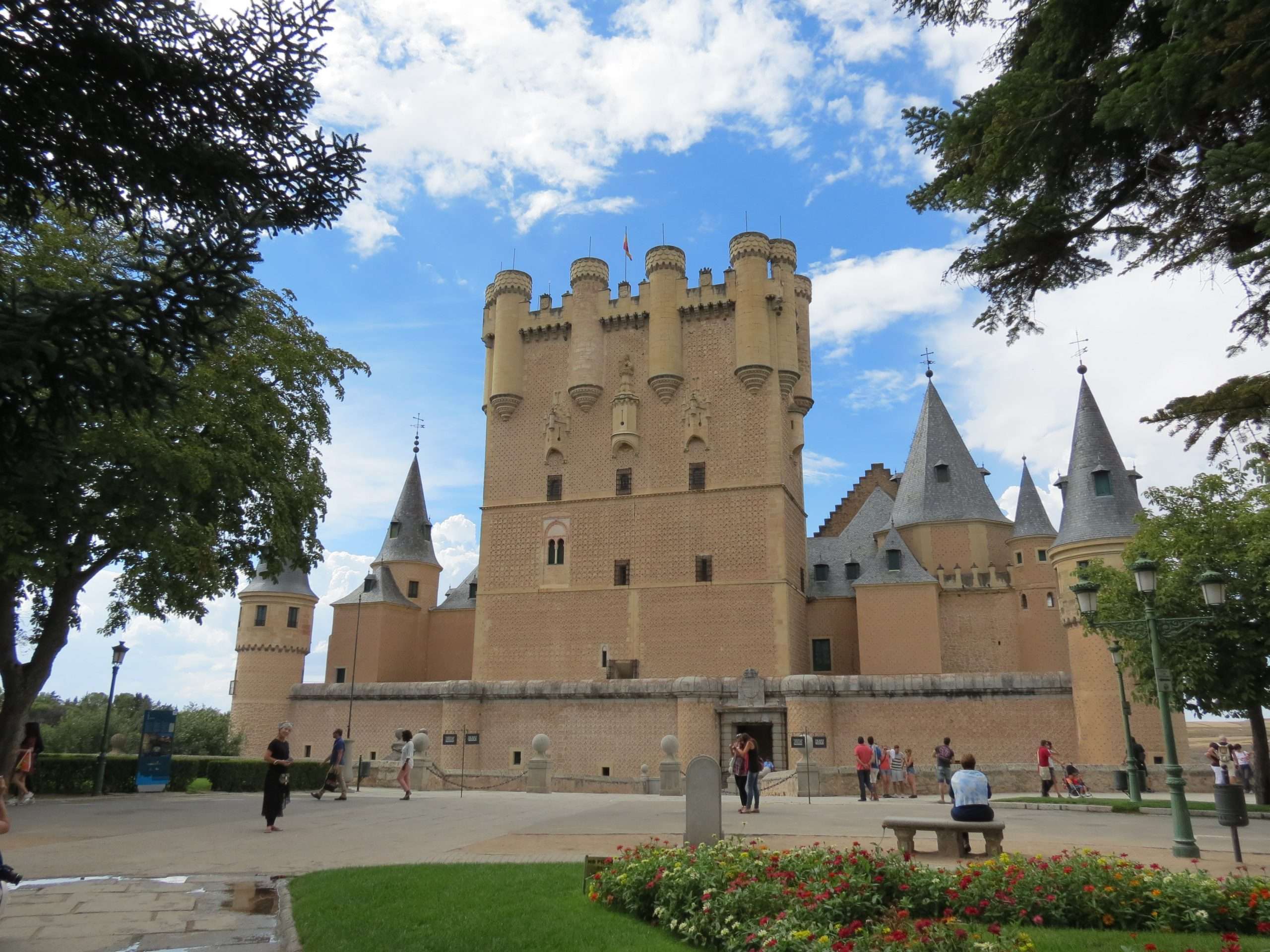
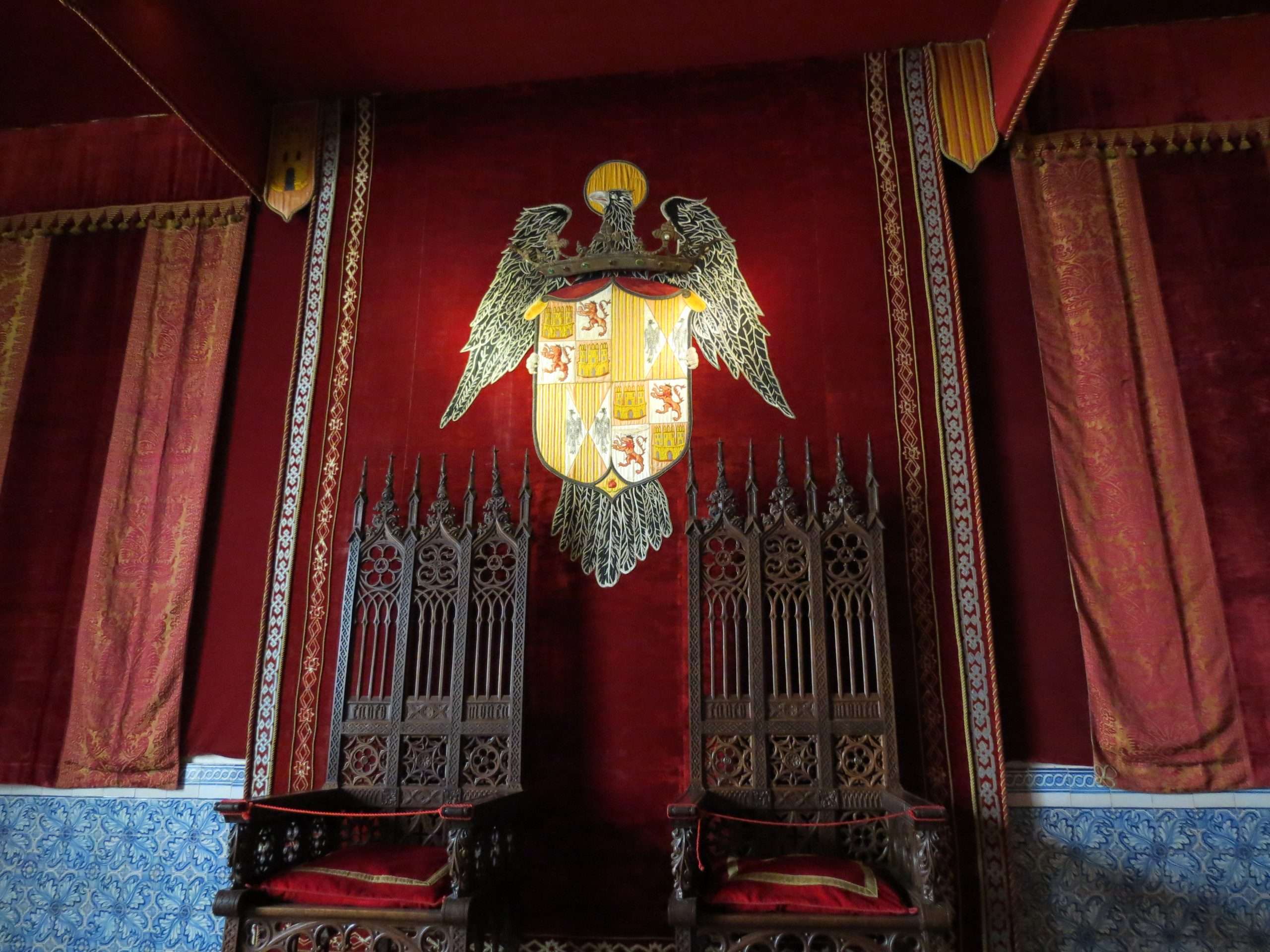
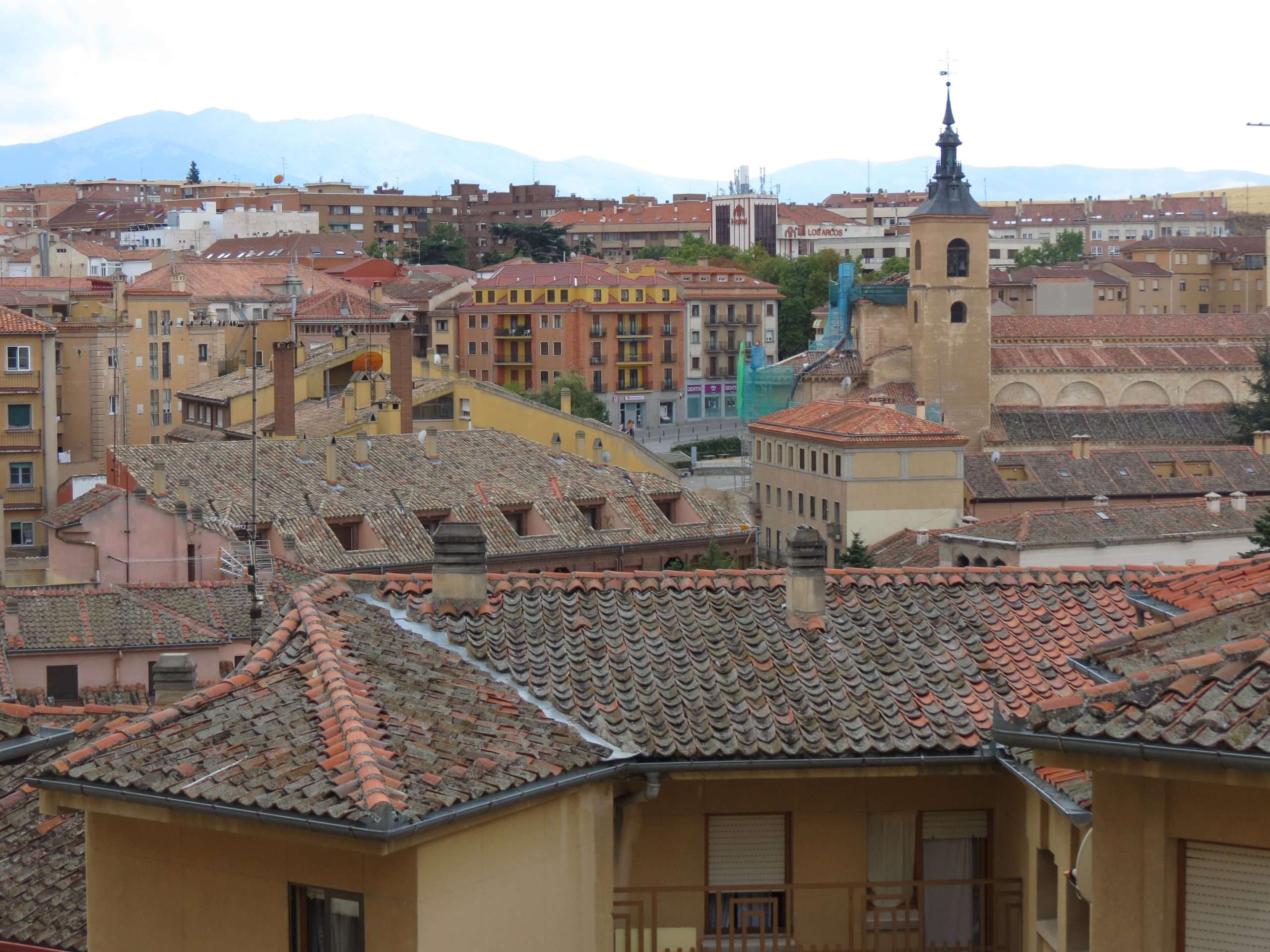
Next, we drove to Segovia, another UNESCO World Heritage site, to visit the aqueduct, cathedral, and Alcázar. Before exploring, we stopped for lunch, which included braised veal, vegetables, and a bean and chorizo soup that was quite good. In hindsight, we should have skipped lunch to spend more time at the aqueduct. The cathedral was magnificent, filled with statues of Spanish saints. Every church here seems to be brimming with local saints. The cathedral appeared to include elements from another church, reassembled here. The cloister, with its elegant pillars, was particularly charming. Finally, we visited the Alcázar, said to be the inspiration for Disney’s castle. The ceilings and tiles, inspired by Moorish designs, were stunning. We saw the thrones of Isabella and Ferdinand, as well as armor worn by soldiers, both child and adult. Some Bosch paintings were also on display. The views from the Alcázar were fantastic, reminiscent of Tuscany, with terracotta-colored buildings dotting the landscape. Afterward, we drove two hours back to Madrid.
From Ancient Temples to Tapas: A Day in Madrid – September 14, 2014
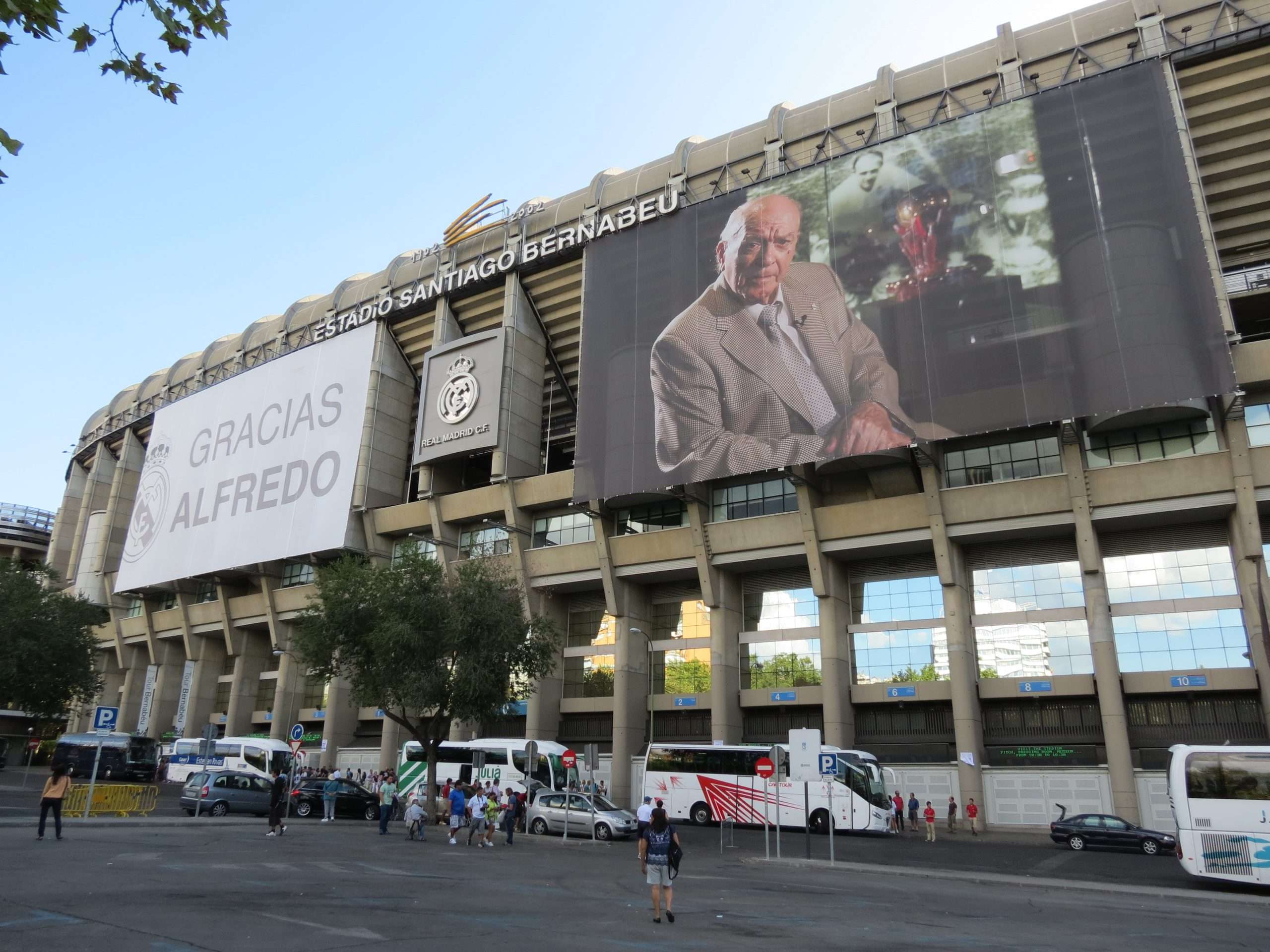
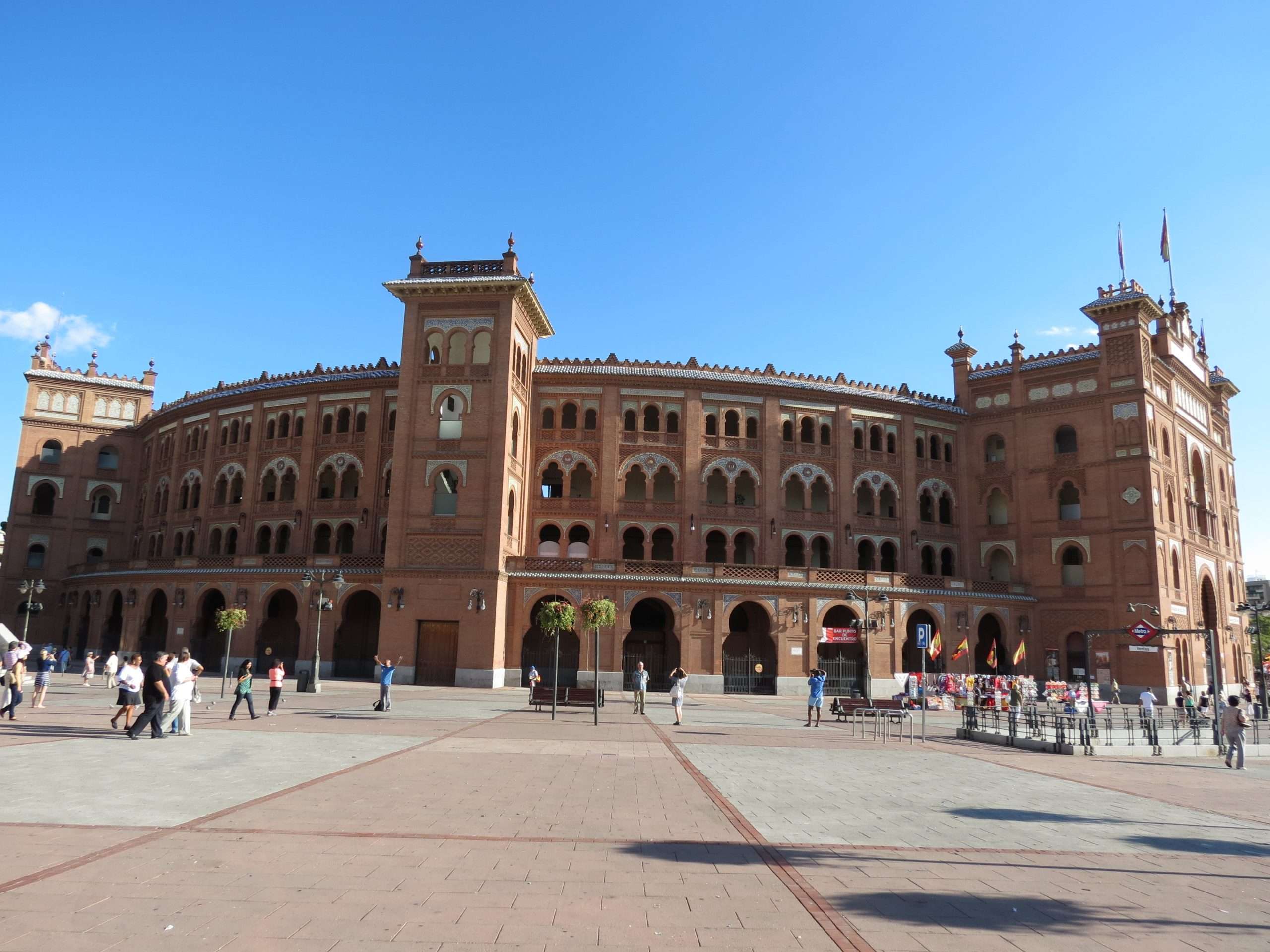
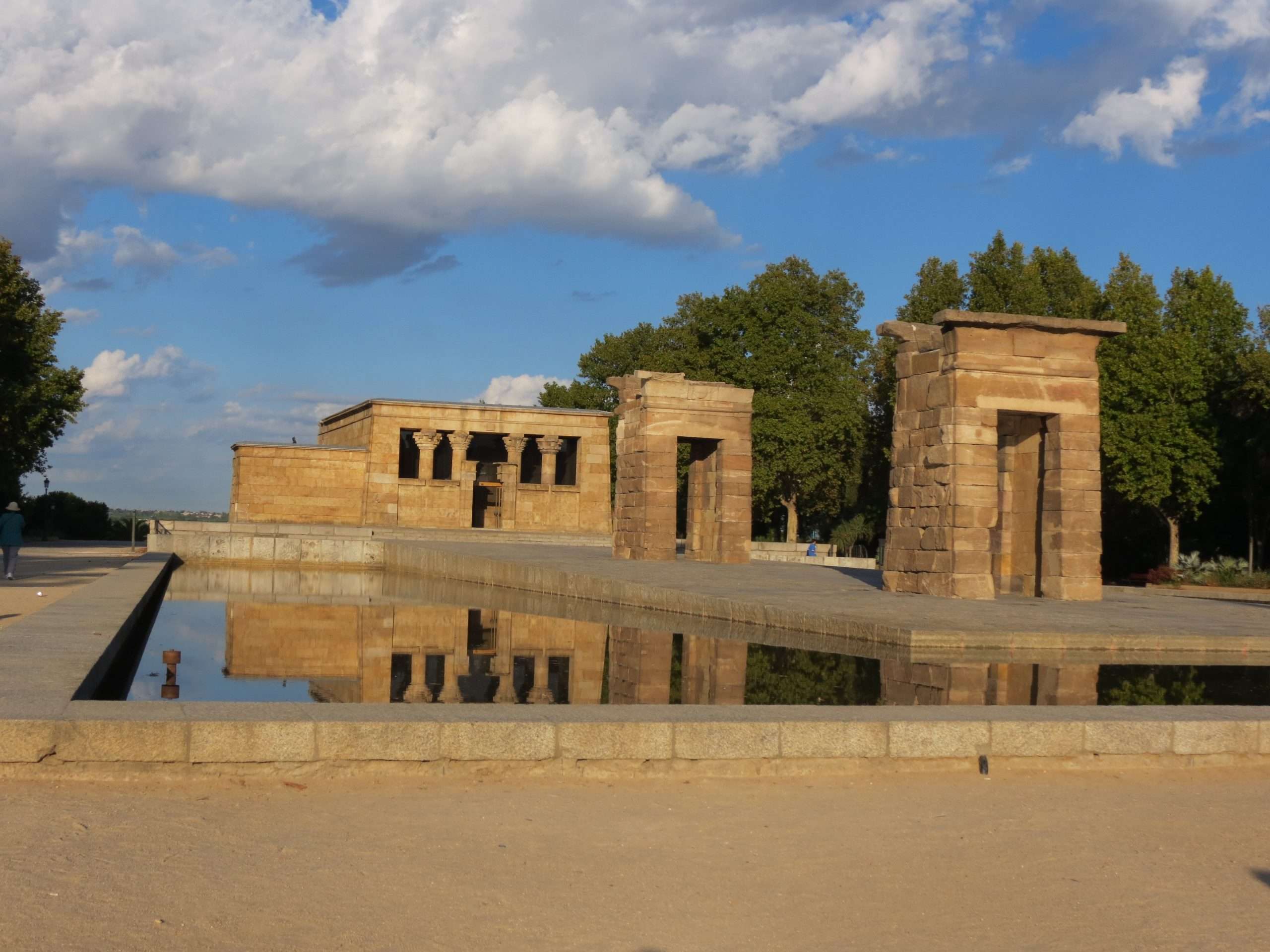
We had a long day today. We started early, but finding breakfast at 7:30 AM was a challenge, so we ended up at Dunkin’ Donuts. The tour began with an overview of the city, with our first stop at the Temple of Debod in Cuartel de la Montaña Park. This ancient temple, over 2,200 years old, was a gift from Egypt to Spain for helping restore the Abu Simbel temples. It was dedicated to the goddess Isis and the god Amun and is believed to be the birthplace of Horus, the bird god. We also visited a beautifully decorated bullfighting ring, a Hard Rock Café, and the Real Madrid stadium, where it was surprising to see young boys with large golf bags heading inside.
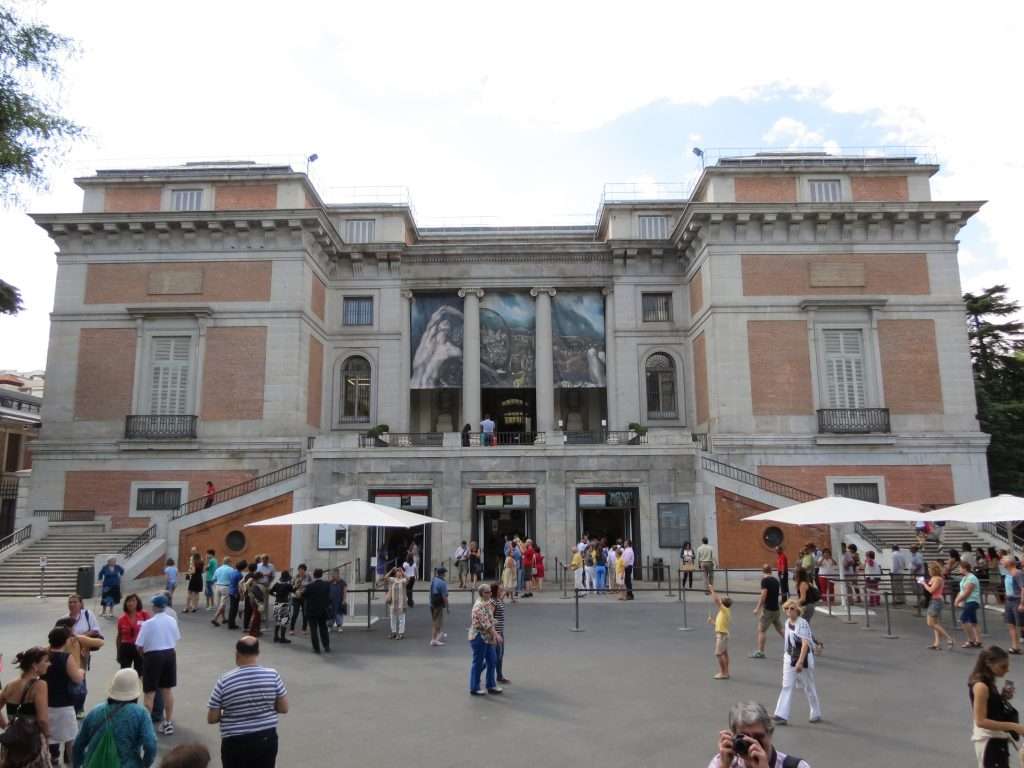
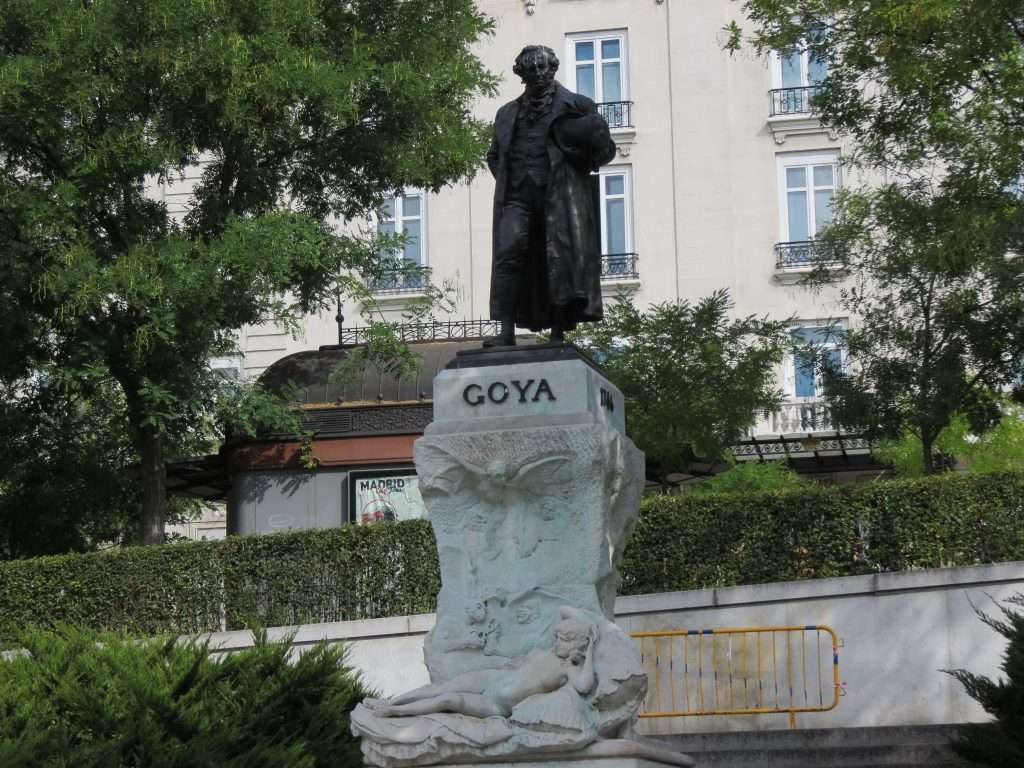
Our final stop was the Prado Museum, where we admired the works of El Greco, Velasquez, Goya, and El Bosco (Hieronymus Bosch). The museum wasn’t crowded, so we could take our time.
In the evening, we joined a food tour led by Clara, a guide from Equatorial Guinea. Also on the tour was Maggie, a sheep farmer from Western Australia whose sheep number in the 1000s. Despite just arriving from Perth, she had already done a three-hour bike ride, a 1.5-hour Prado tour, and was ready for a three-hour tapas tour. We visited the Mercato to taste local cheeses and croquetas and learned the difference between Serrano and Iberico ham. Then we headed to Los Galayos in Plaza Mayor, a restaurant established in 1894, where we enjoyed local wines and a variety of tapas. Next was Taberna del Chato, where we had an amazing tomato and bread soup served in a small stemless wine glass. Our final stop was in the literary district, where we tasted Txakoli, a young wine.
Madrid to Leon – September 15, 2014
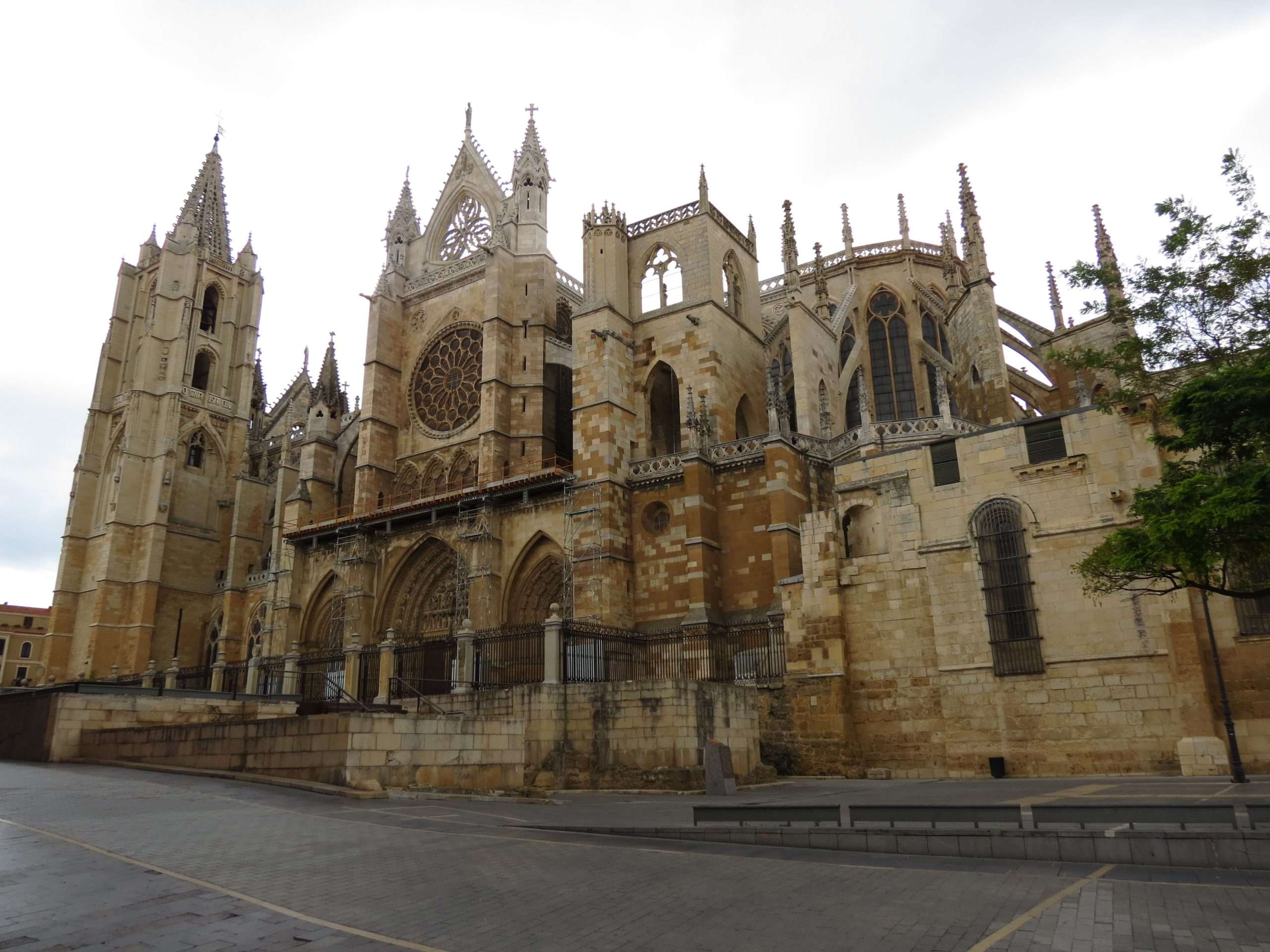
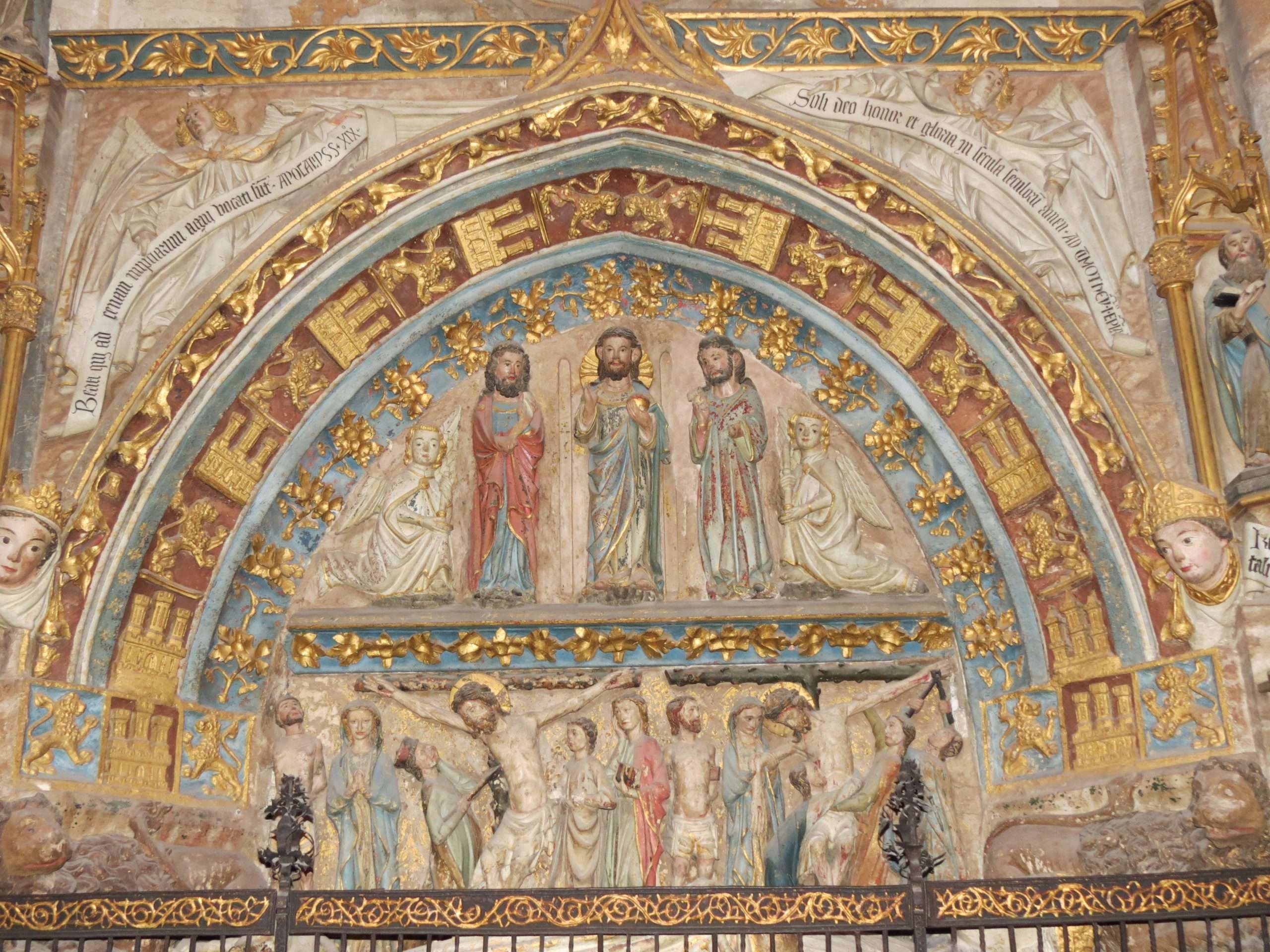
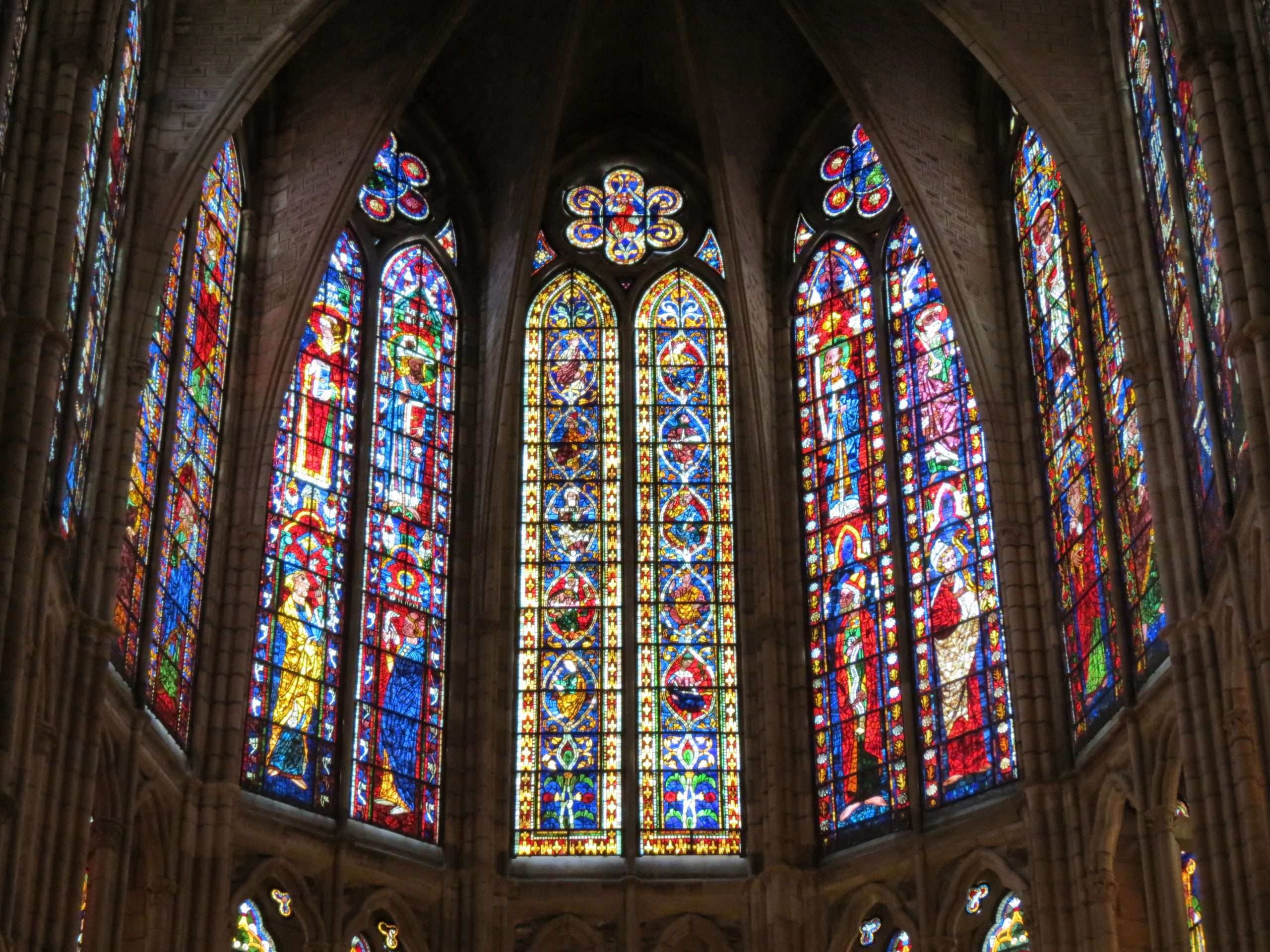
We moved to a new hotel, where we met our fellow travelers, guides Jason and Jeffrey, and our driver, Alberto. After a brief orientation, we drove to León and checked into the Posada Regia. In León, we met our local guide, Lourdes, who took us to León Cathedral, where we received our first pilgrim stamps. The stained glass in this Gothic cathedral is stunning.
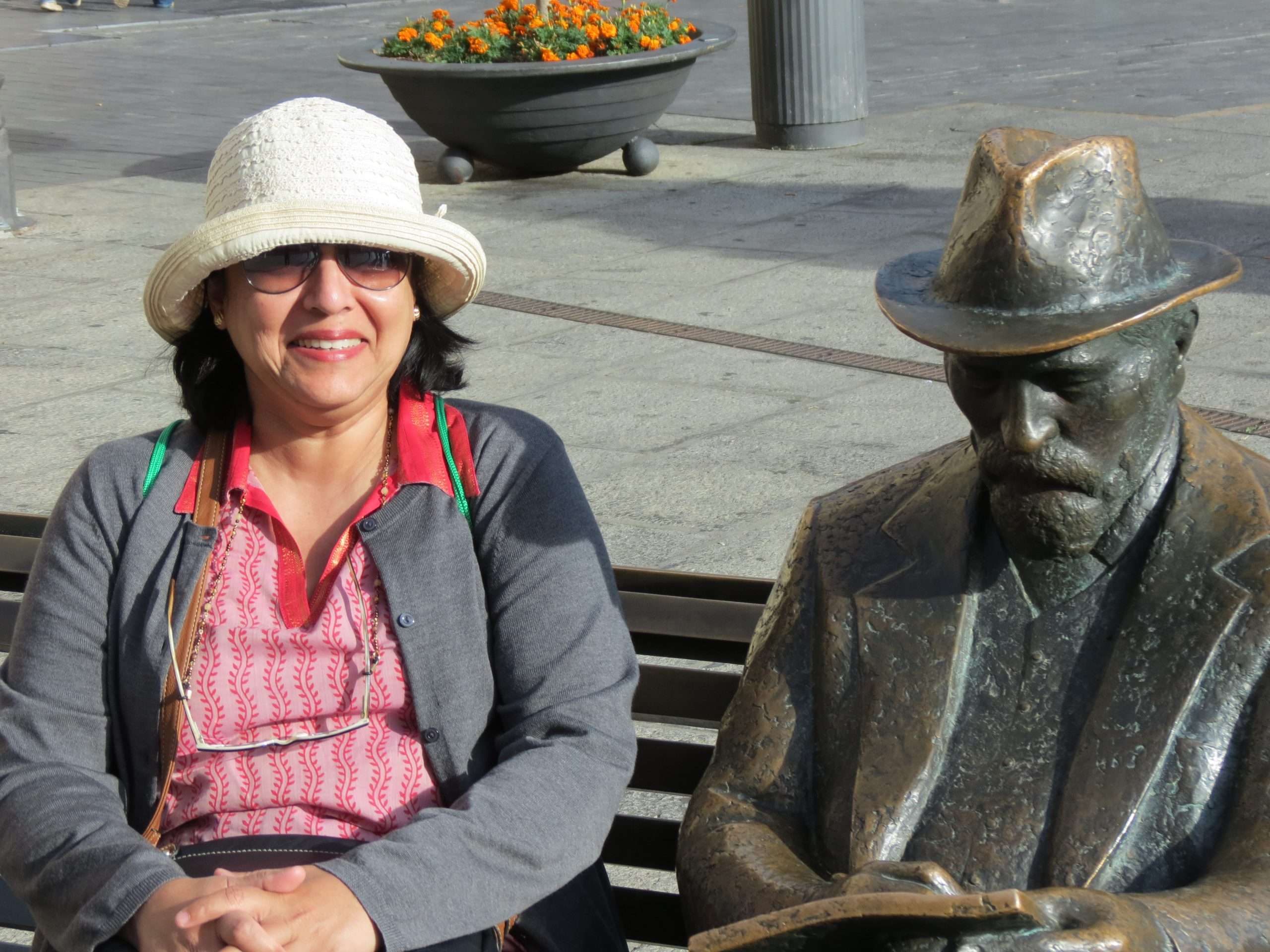
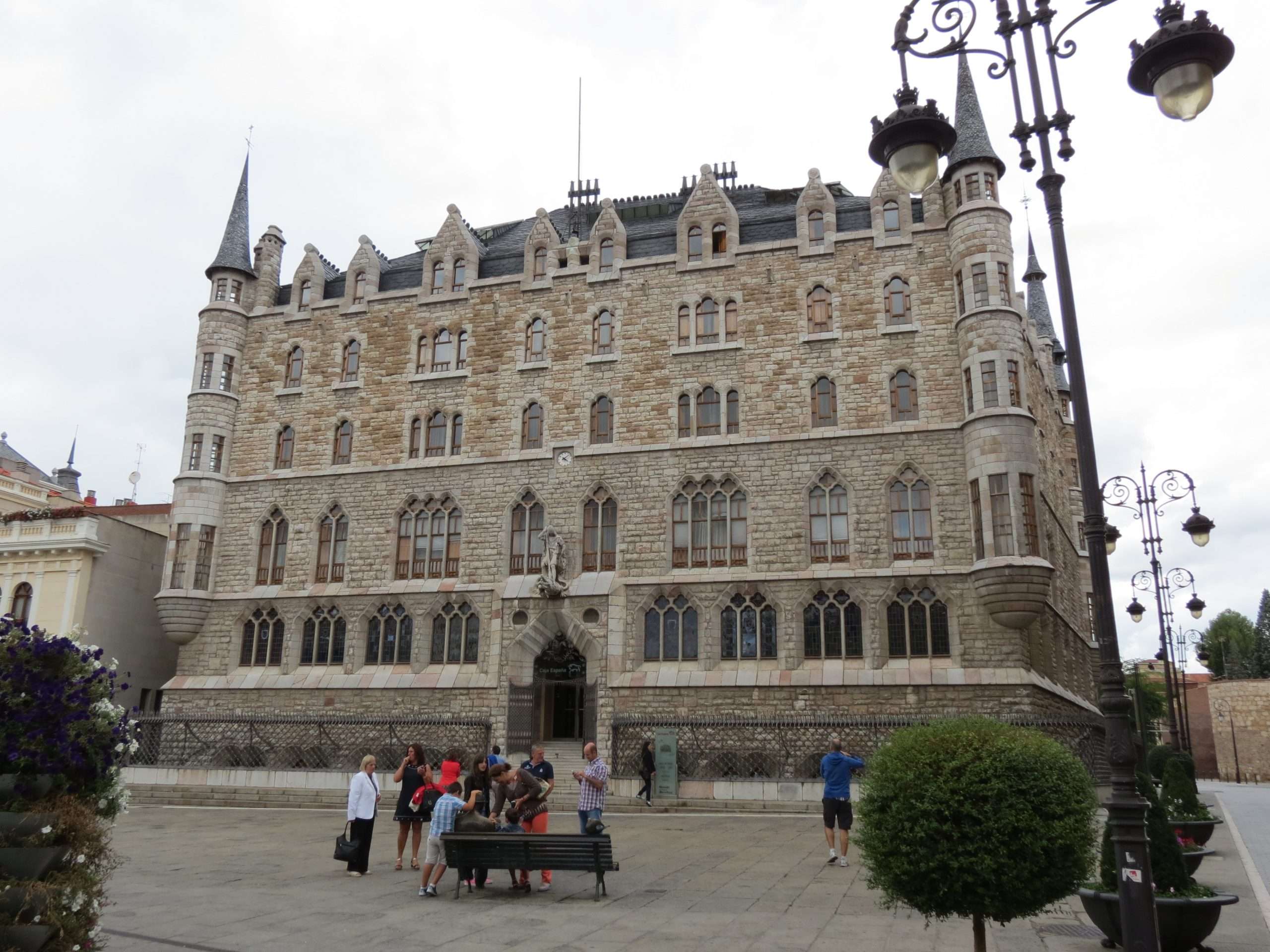
From the cathedral, we walked to Casa de los Botines, a building designed by Antonio Gaudí. We also saw ancient Roman walls and soldier footprints embedded in the streets, marking where the Romans once were. We then visited the Romanesque Basilica of St. Isidoro, where we attended a pilgrims’ mass. After the blessing, we were invited to the vestry to get our pilgrim passports stamped.
Following the mass, we enjoyed a heavenly dinner at Zuloaga.
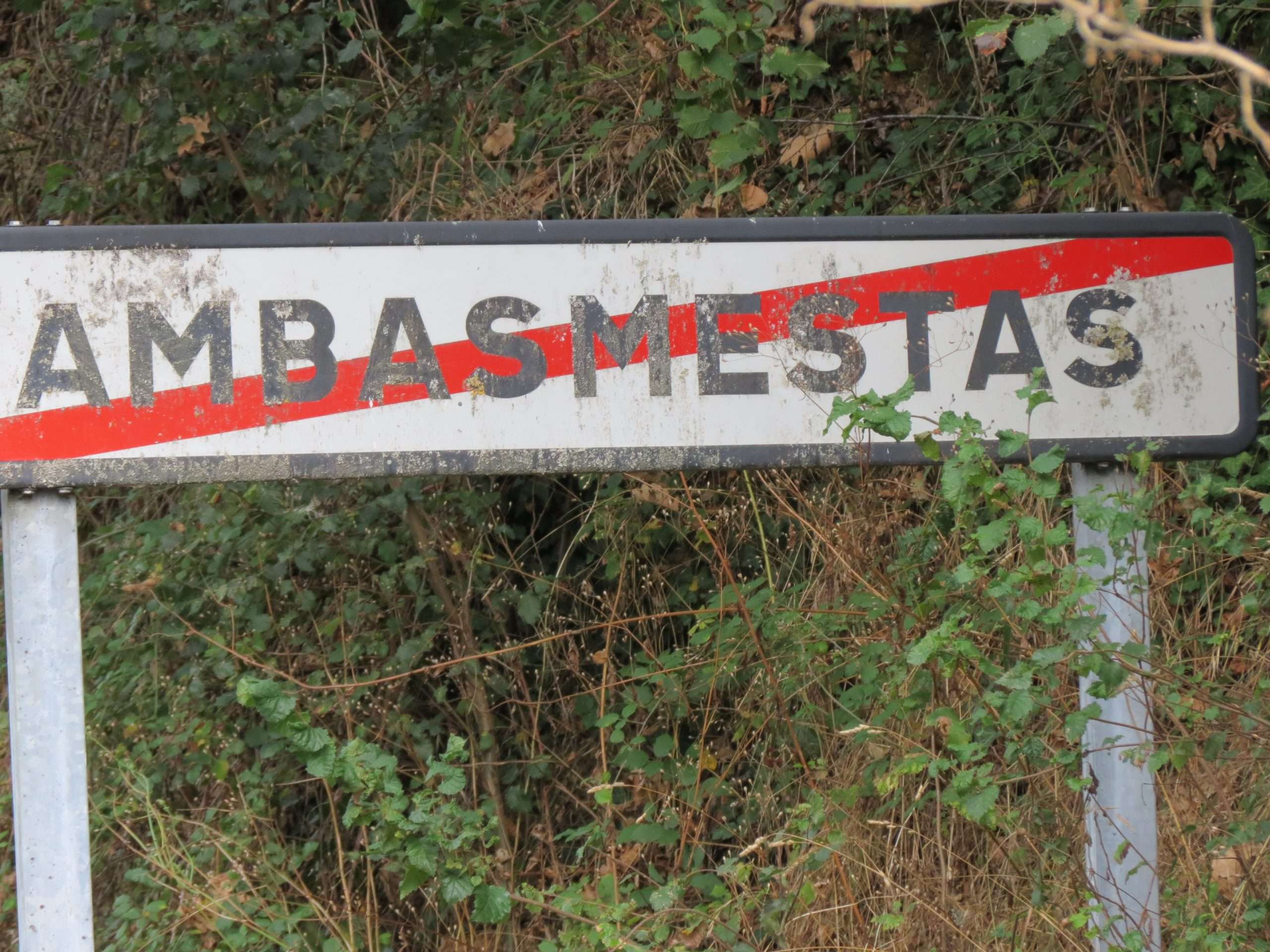
Ambasmestas to O Cebreiro – September 16, 2014
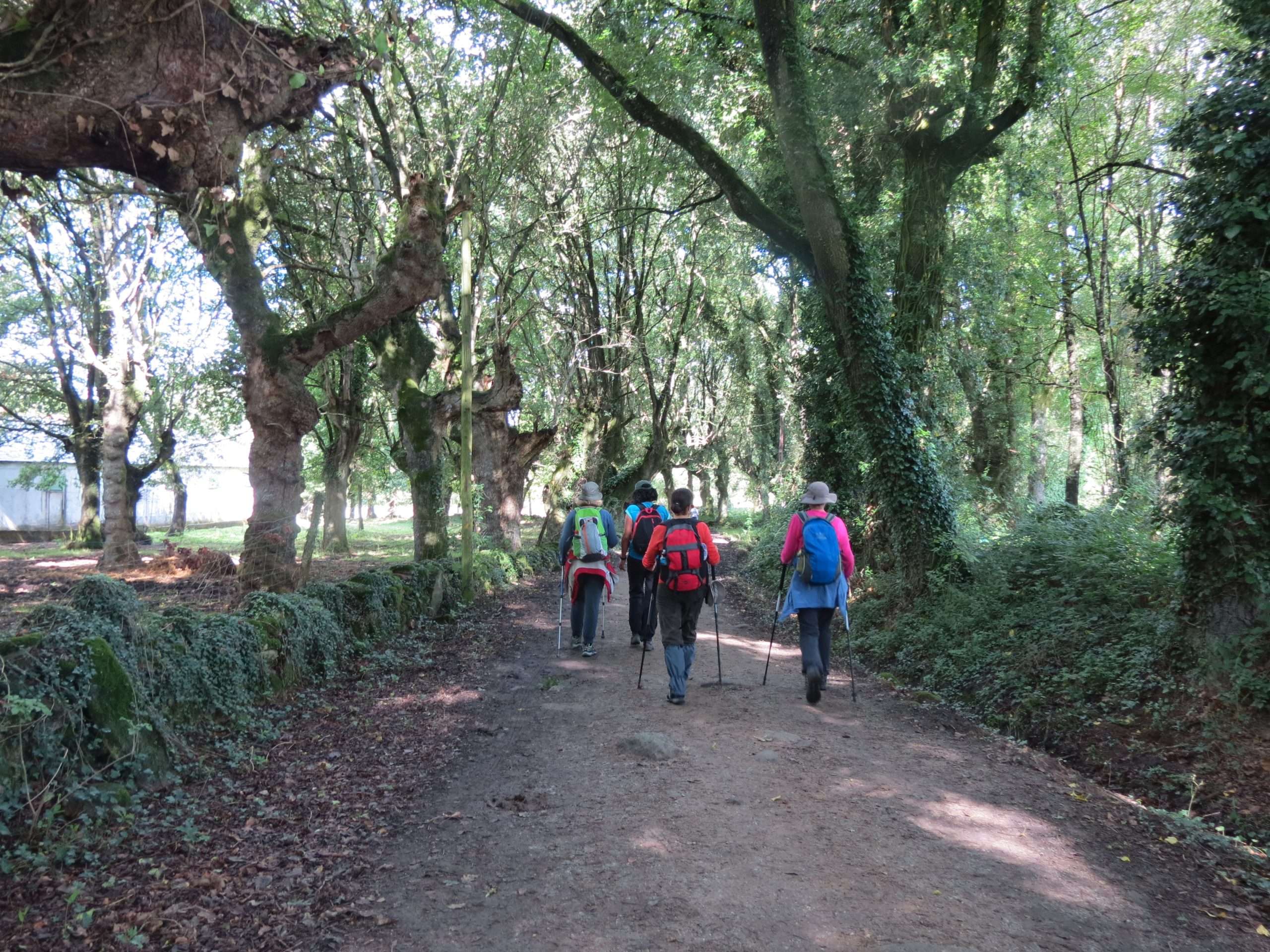
This morning, we were dropped off at Ambasmestas to begin our walk. We had been warned that the first day would be tough, and it was—brutal, in fact. The flat ground quickly became steep. This route can also be done on horseback.
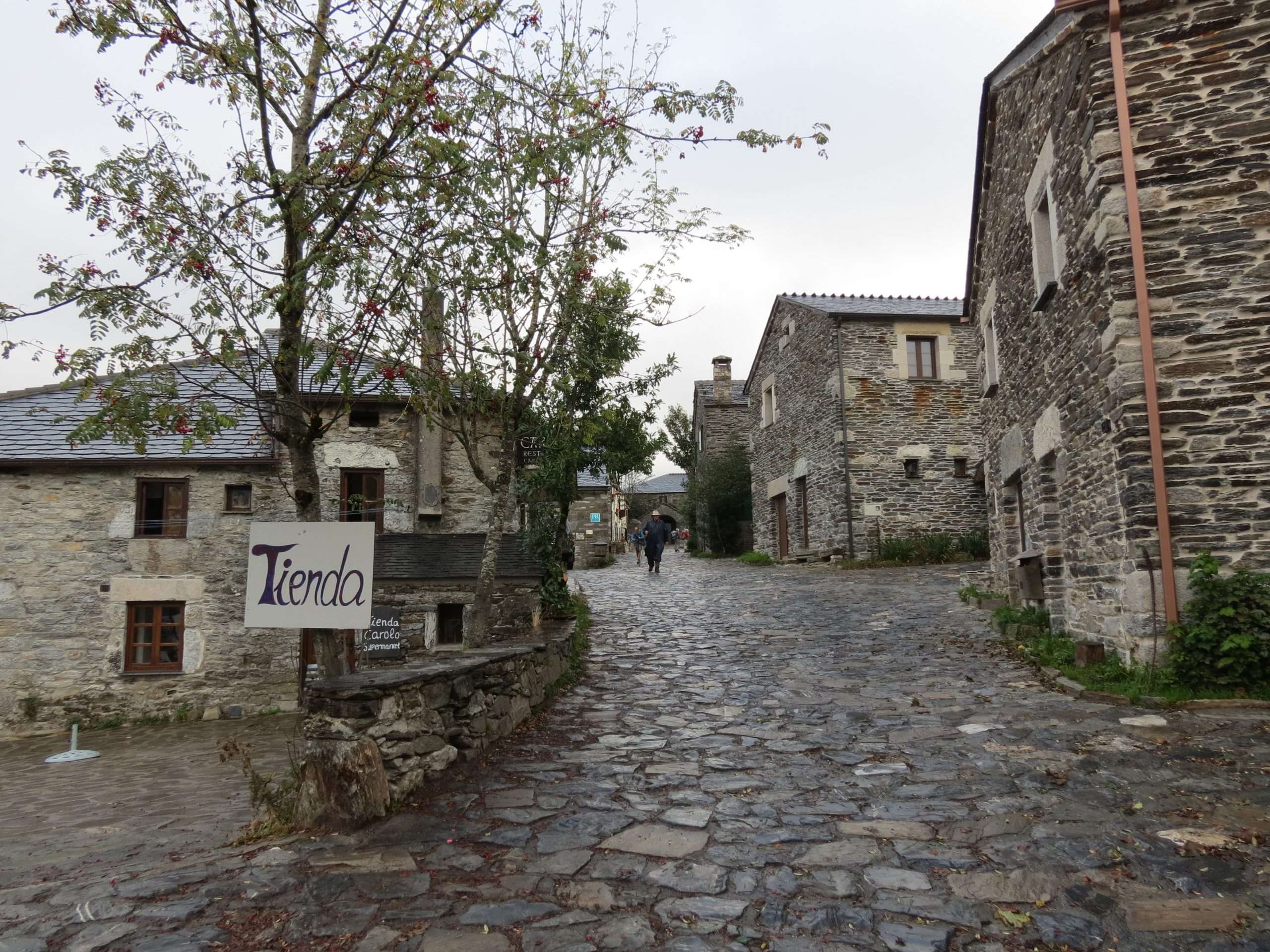
We passed through the Valcarce Valley, starting from Vega de Valcarce and stopping for lunch at Las Herrerías. From there, we continued on to La Faba, then Laguna, and finally reached O Cebreiro.
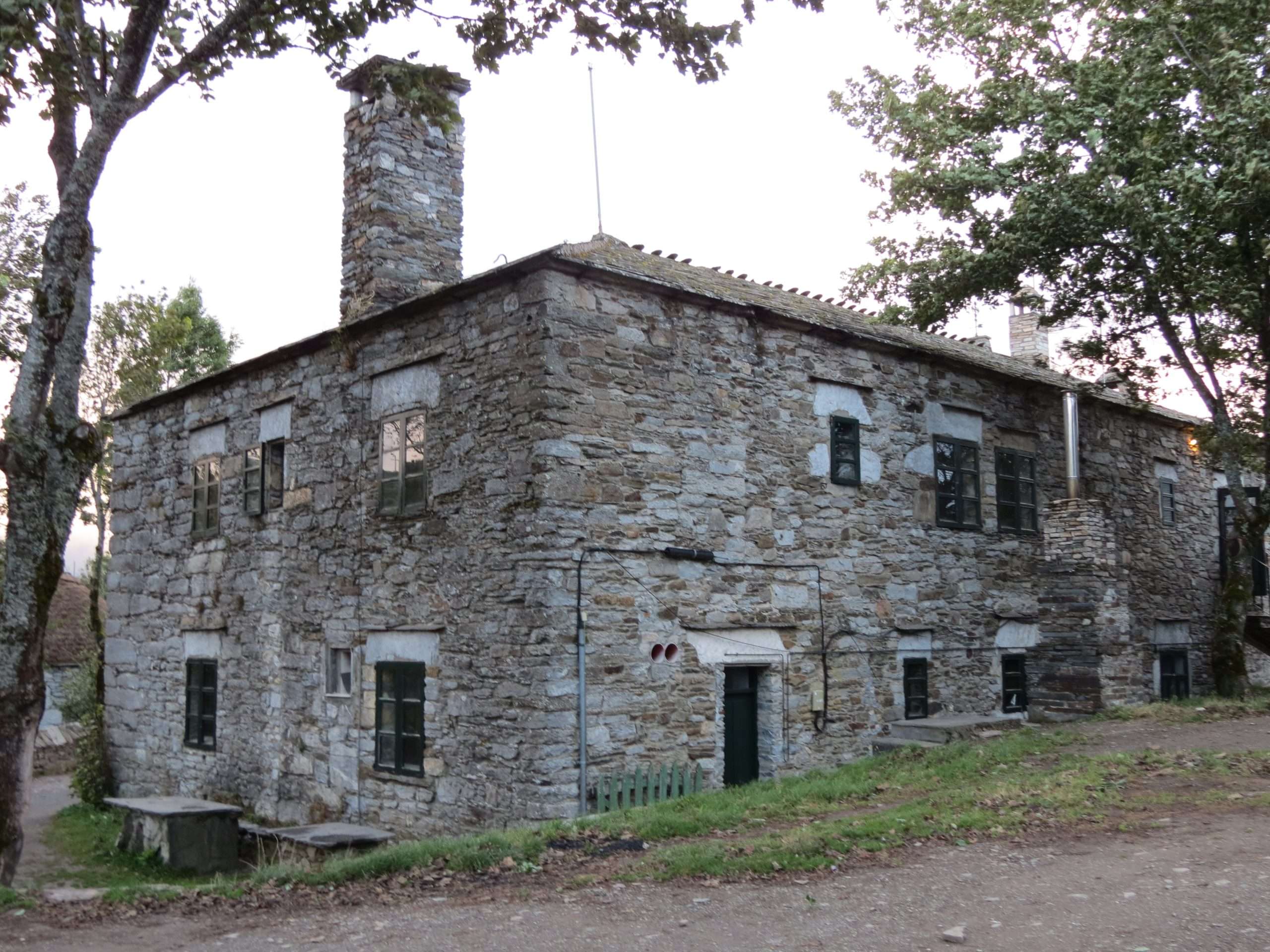
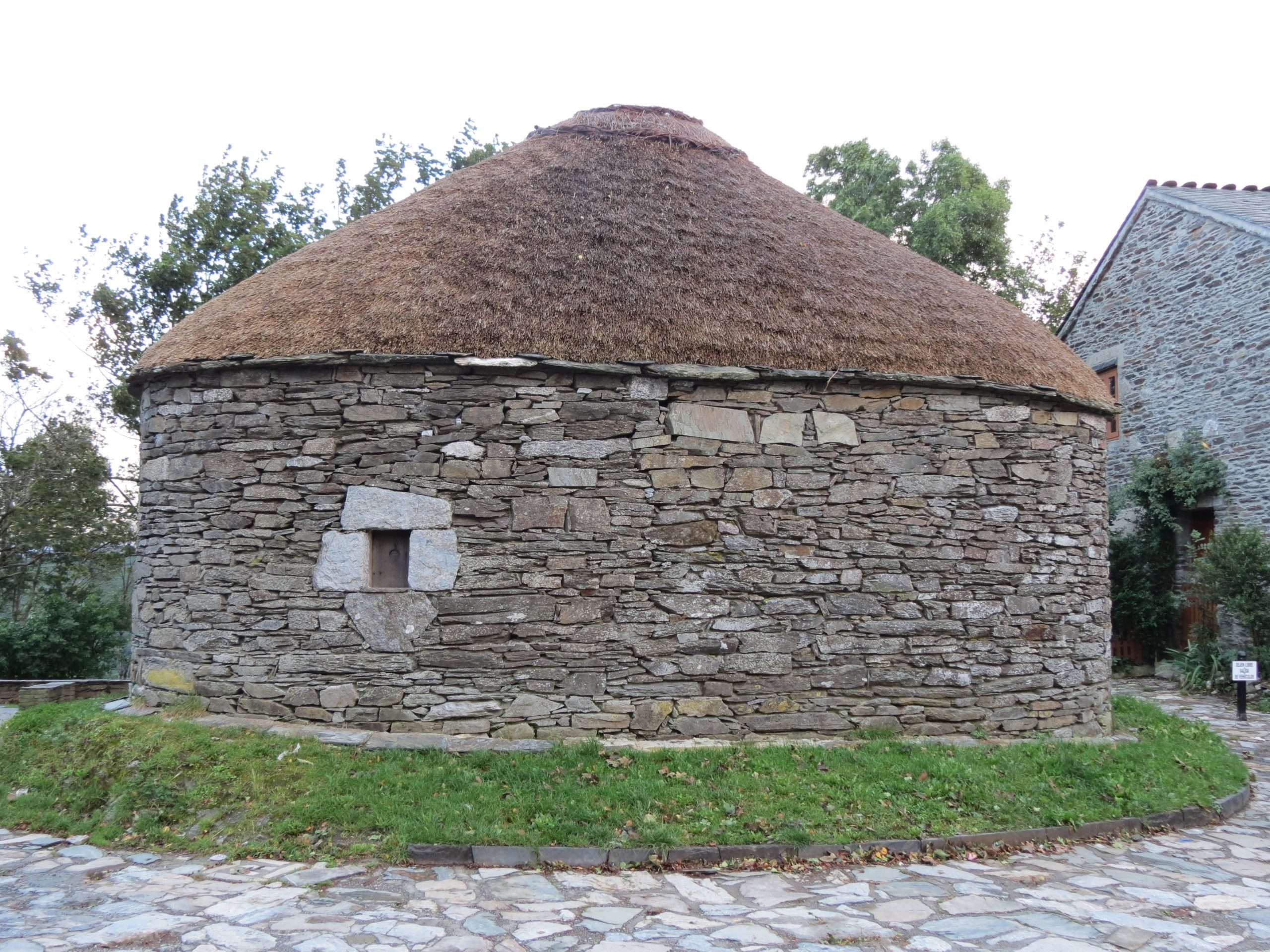
In O Cebreiro, we stayed at the hostel next to the Church of Santa María la Real, a Holy Grail church. The chalice, believed to have held wine that miraculously turned into blood, is on display, along with relics in a beautiful silver casket. The priest who revived the Camino, Elias Valiña Sampedro, is buried near the church. We walked roughly 8 miles today.


O Cebreiro to Triacastela – September 17, 2014
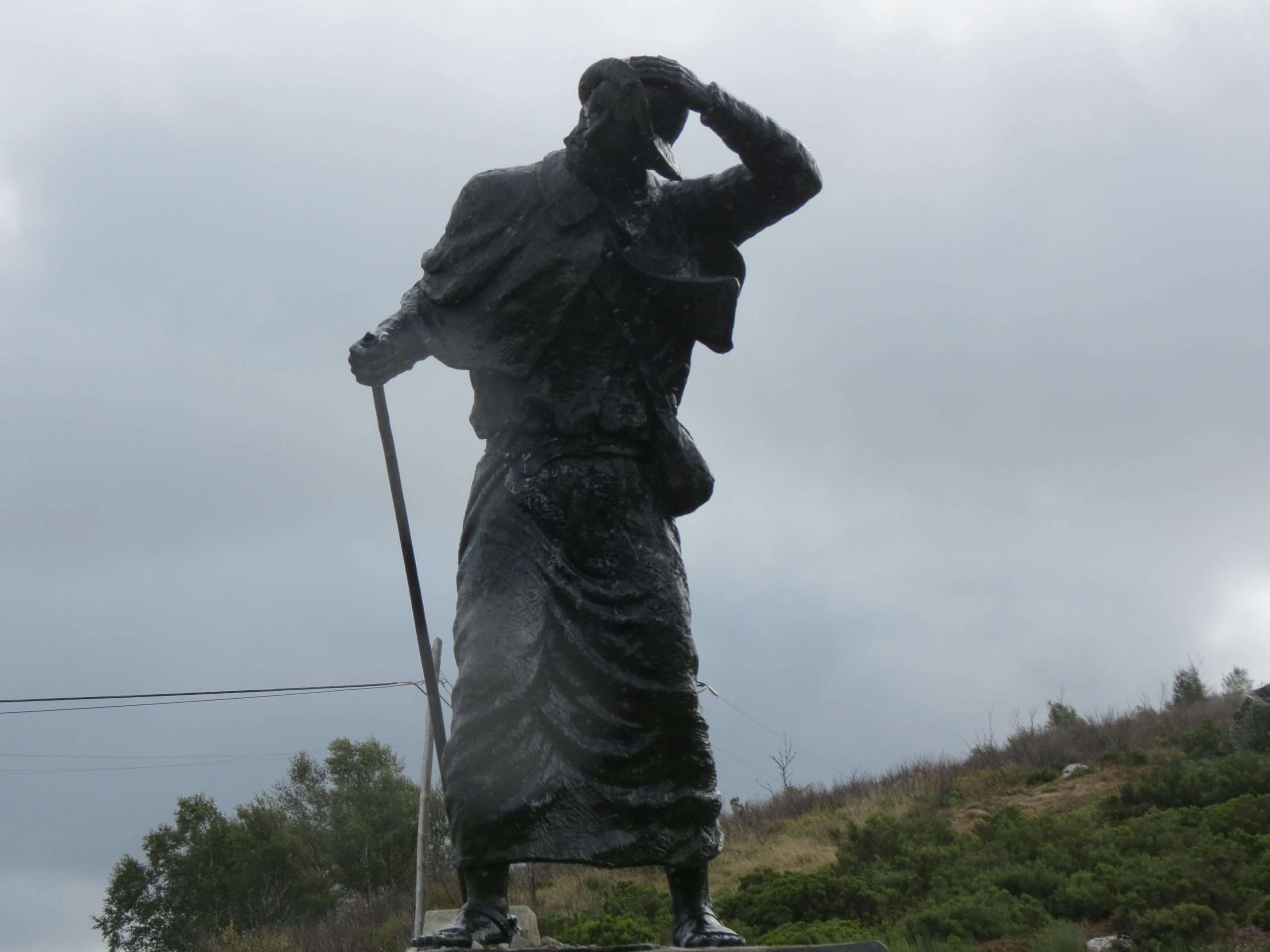
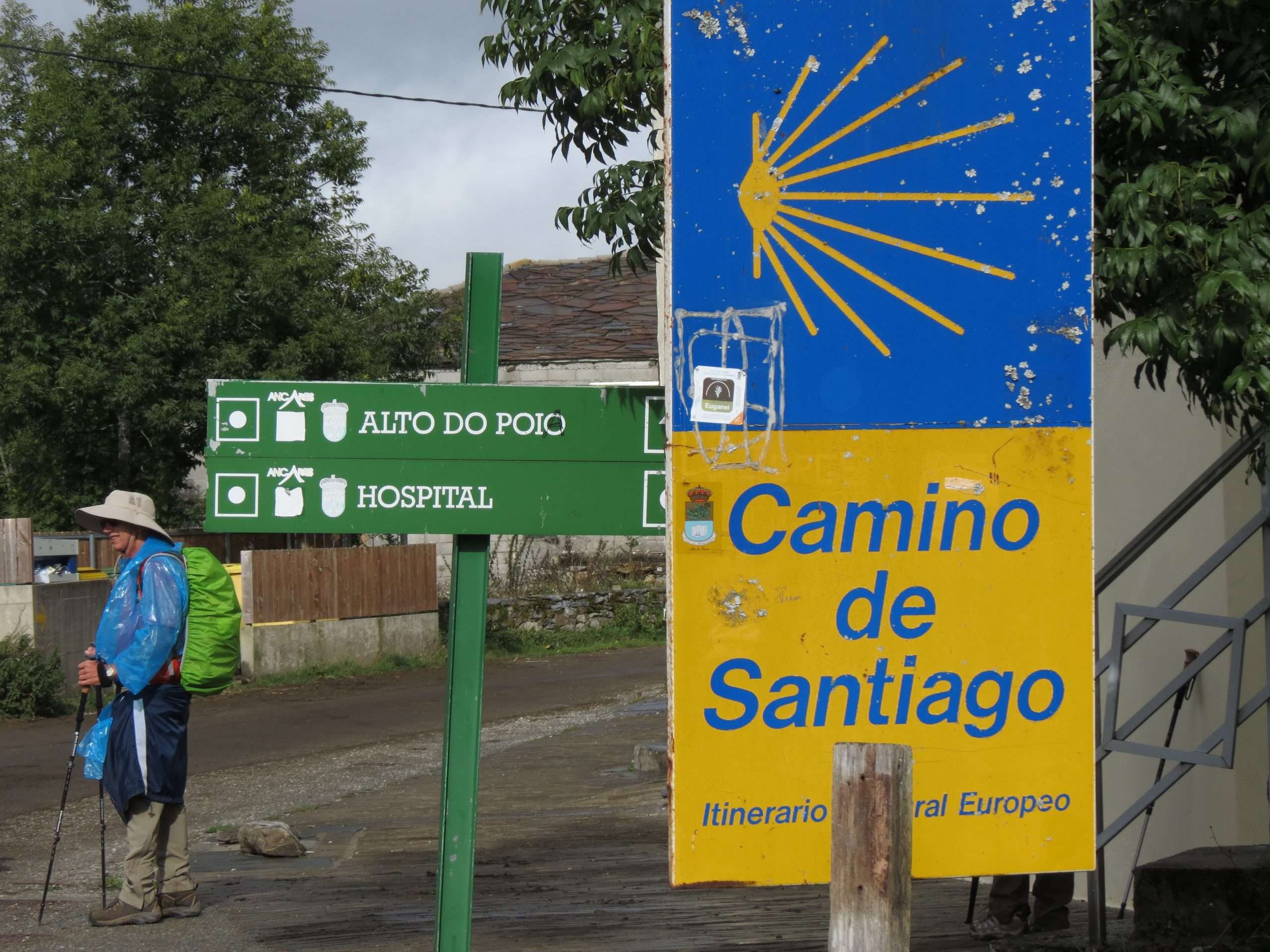
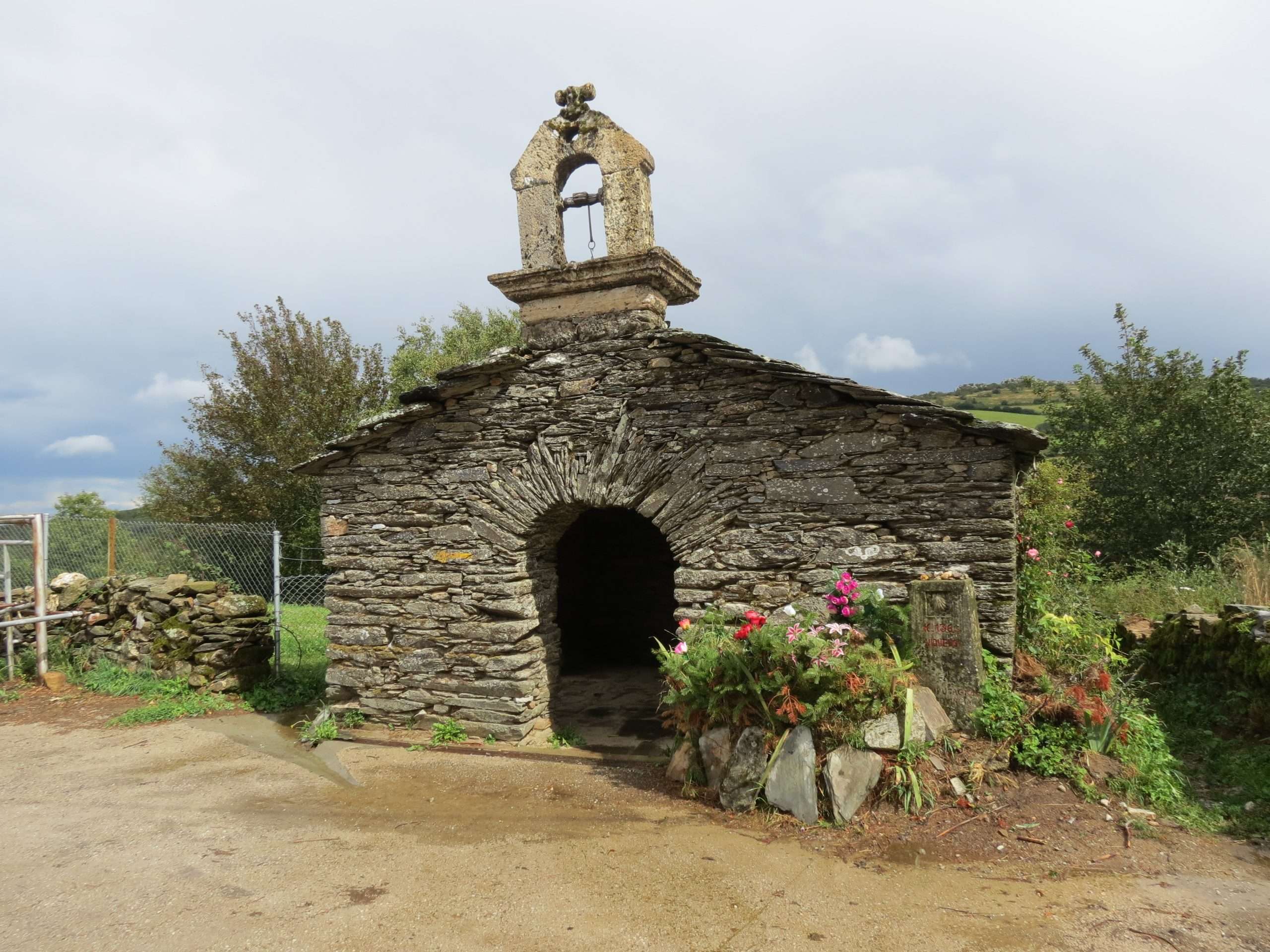
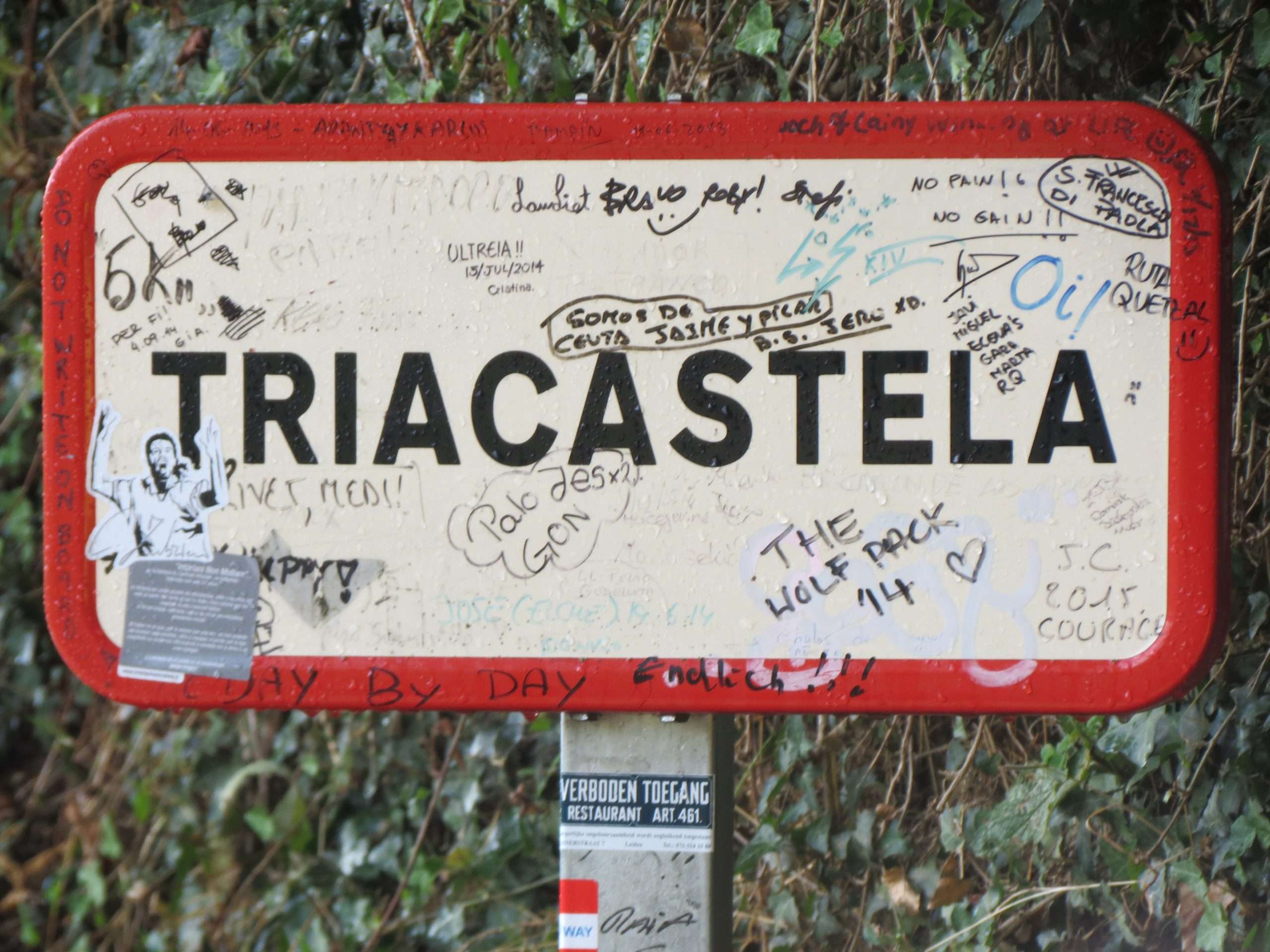
The valley views were spectacular, but we were focused on the climb. The whole day, the sky threatened rain, and finally, it did. Thick black clouds and strong winds surrounded the church. From O Cebreiro, we descended to Linares, then ascended to Alto de San Roque, home to the famous statue of Saint Roque. It was very cold, windy, and rainy. We then descended to Hospital da Condesa, climbed to Alto do Poio, the highest point on the Camino, and continued through Fonfría, Ventas de Narón (where we had lunch), Filloval, and finally, Triacastela. We had descended to 130 feet from 1,300 feet. Completely soaked, with waterlogged shoes, we stayed at a lovely family-owned parador run by a woman named Marisol. She served us a fabulous lamb dinner, with everything either raised or grown by her. Because our shoes were so wet, we stuffed them with newspapers and placed them in the boiler room to dry. Today, we walked 13 miles.

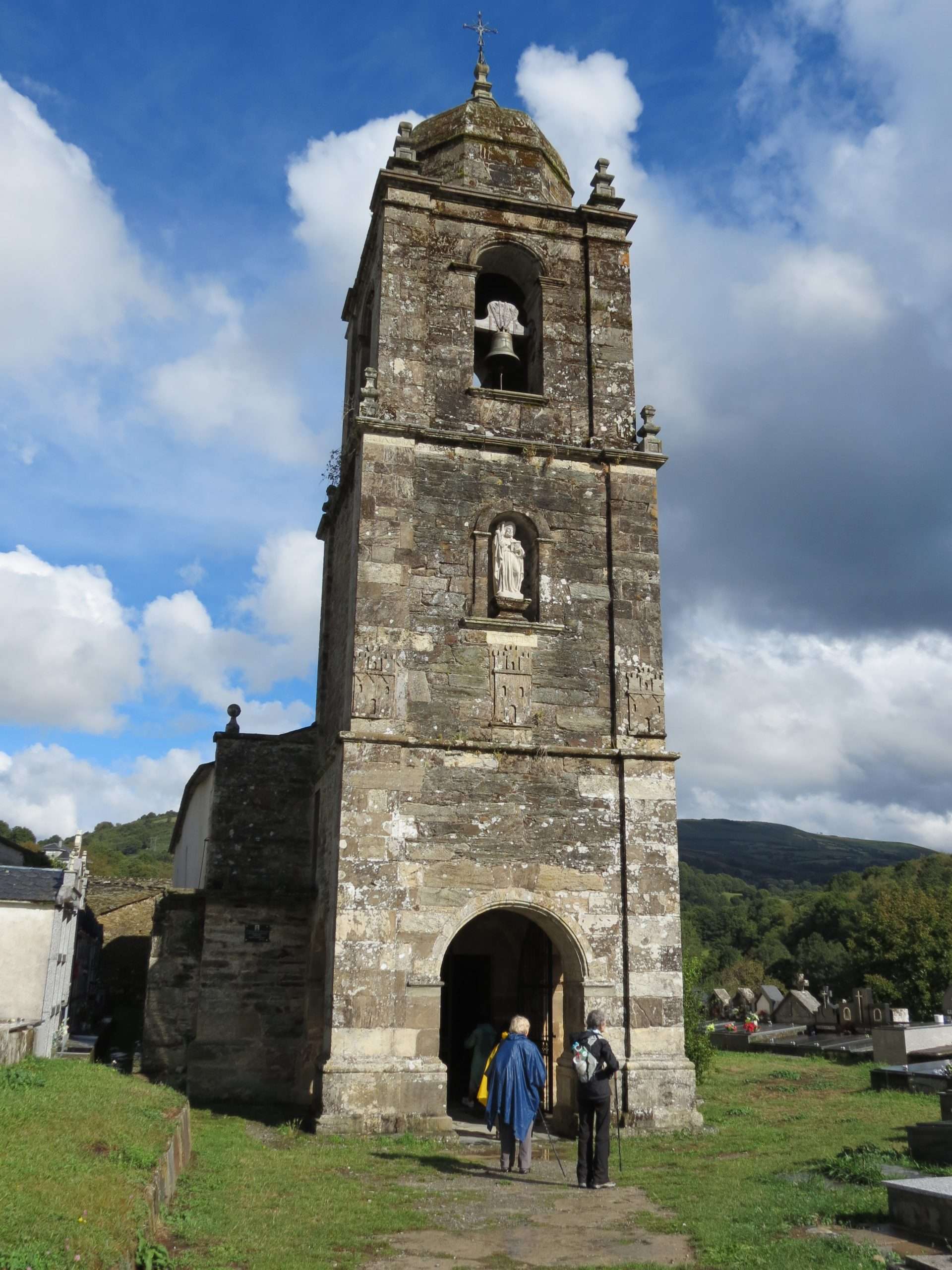
Tricastela to Sarria – September 18, 2014
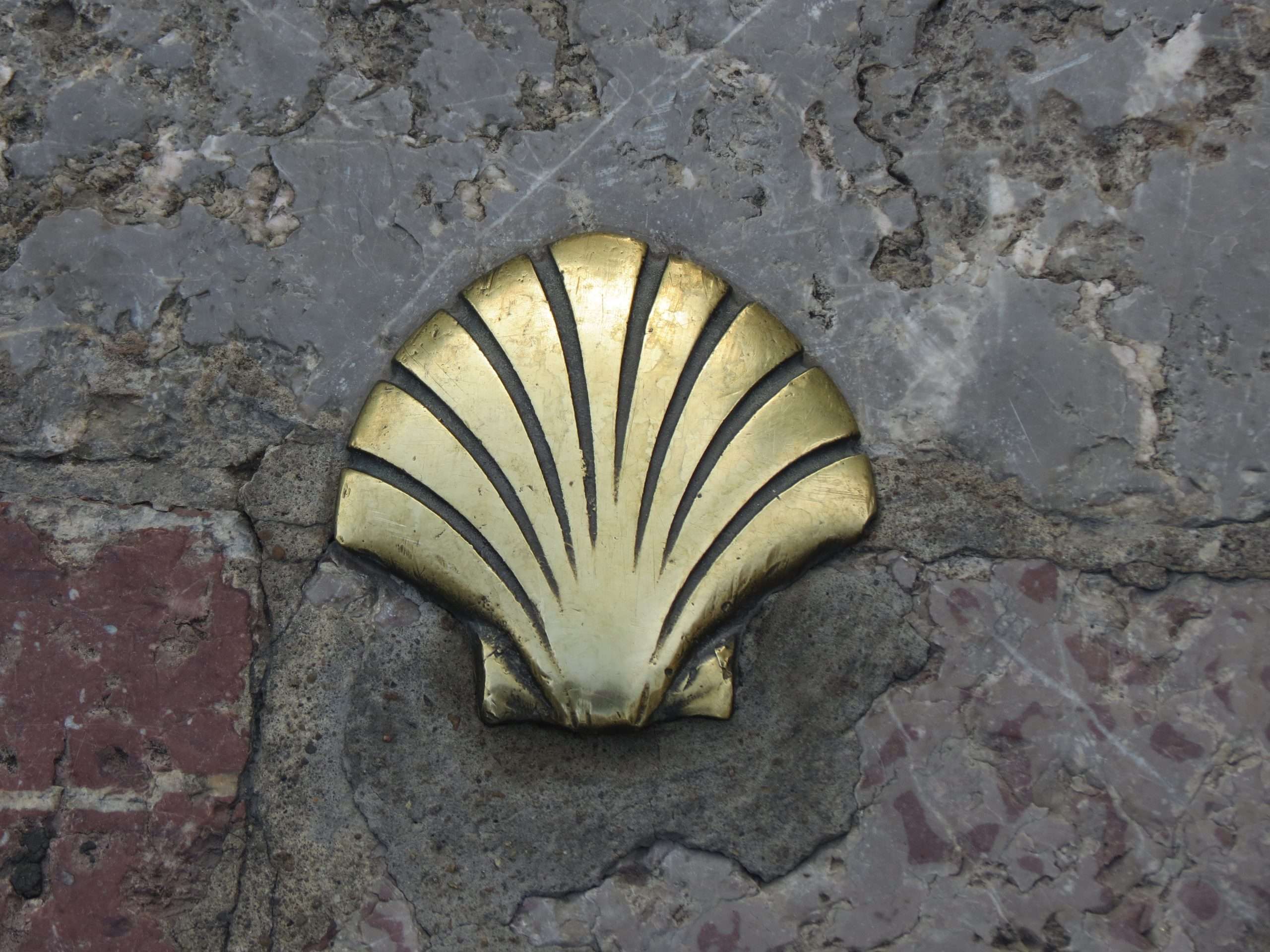
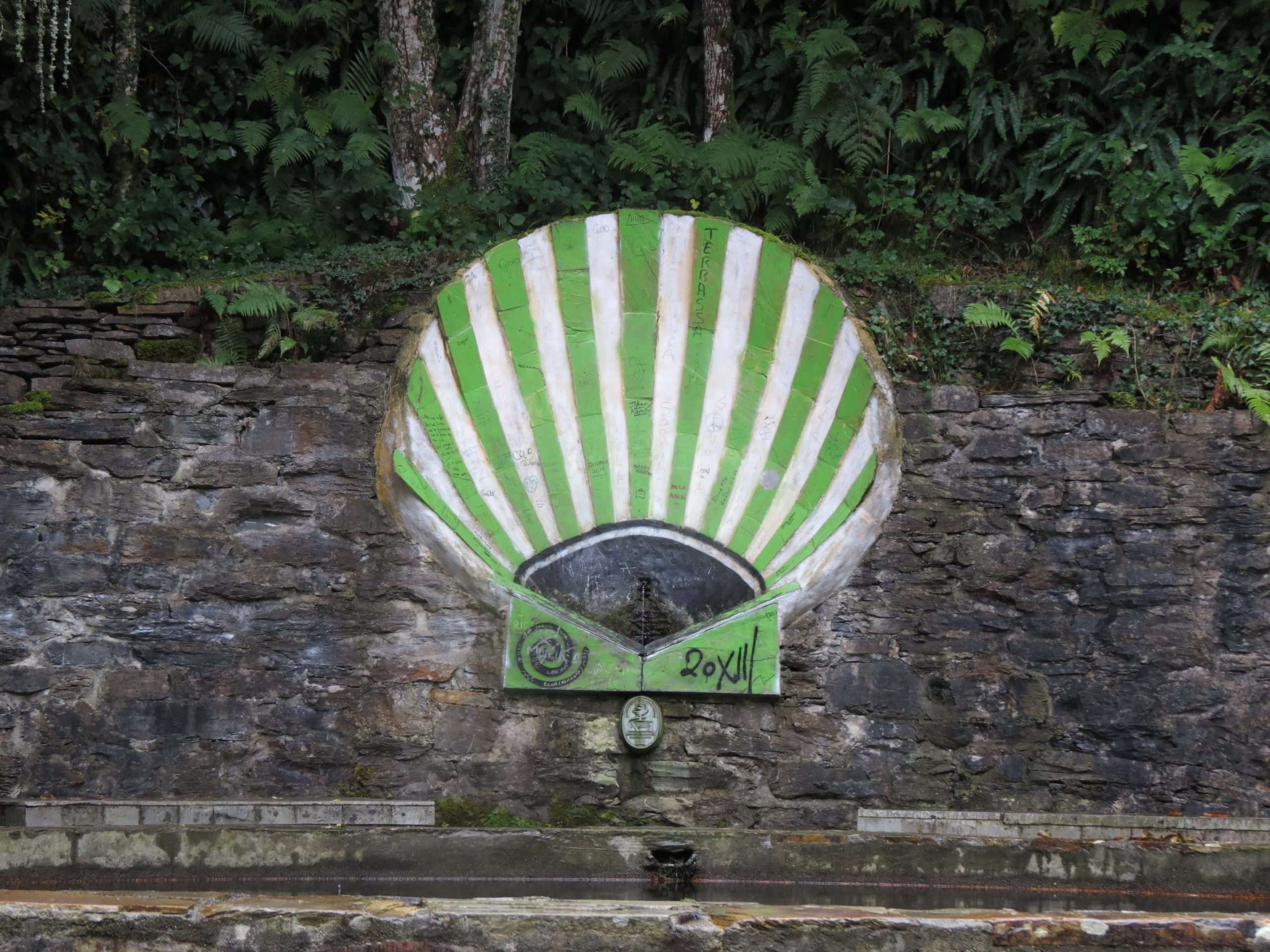
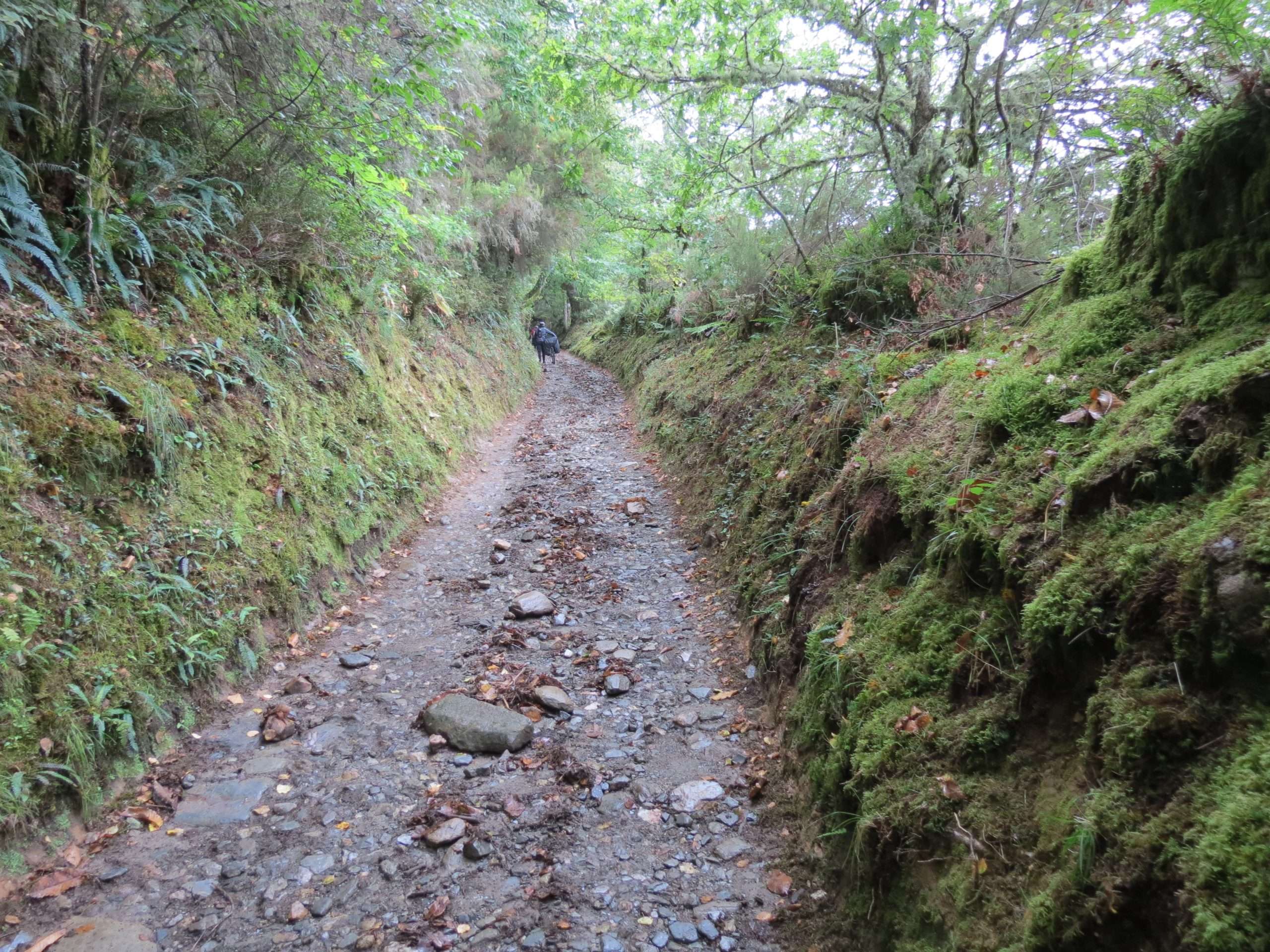
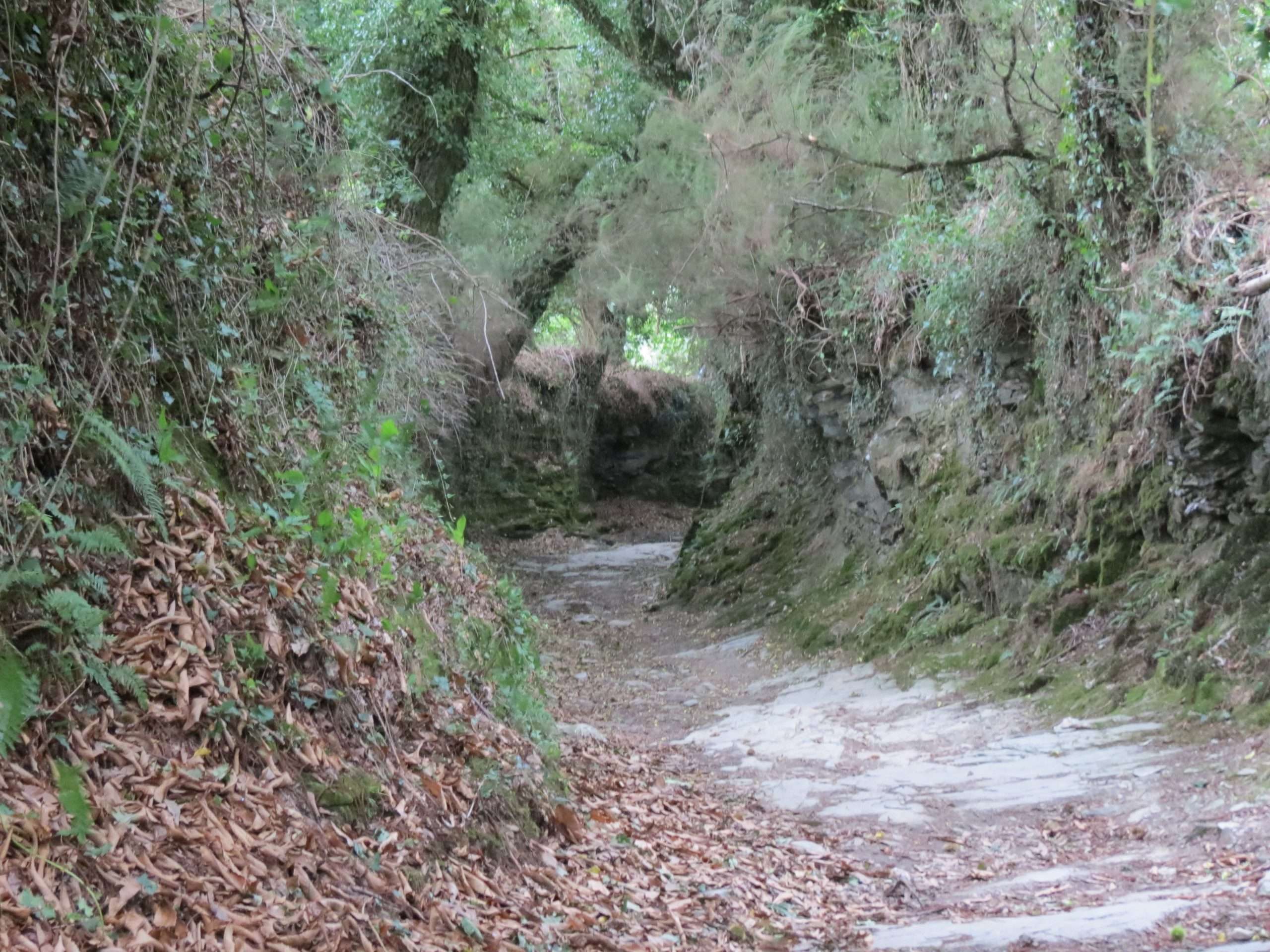
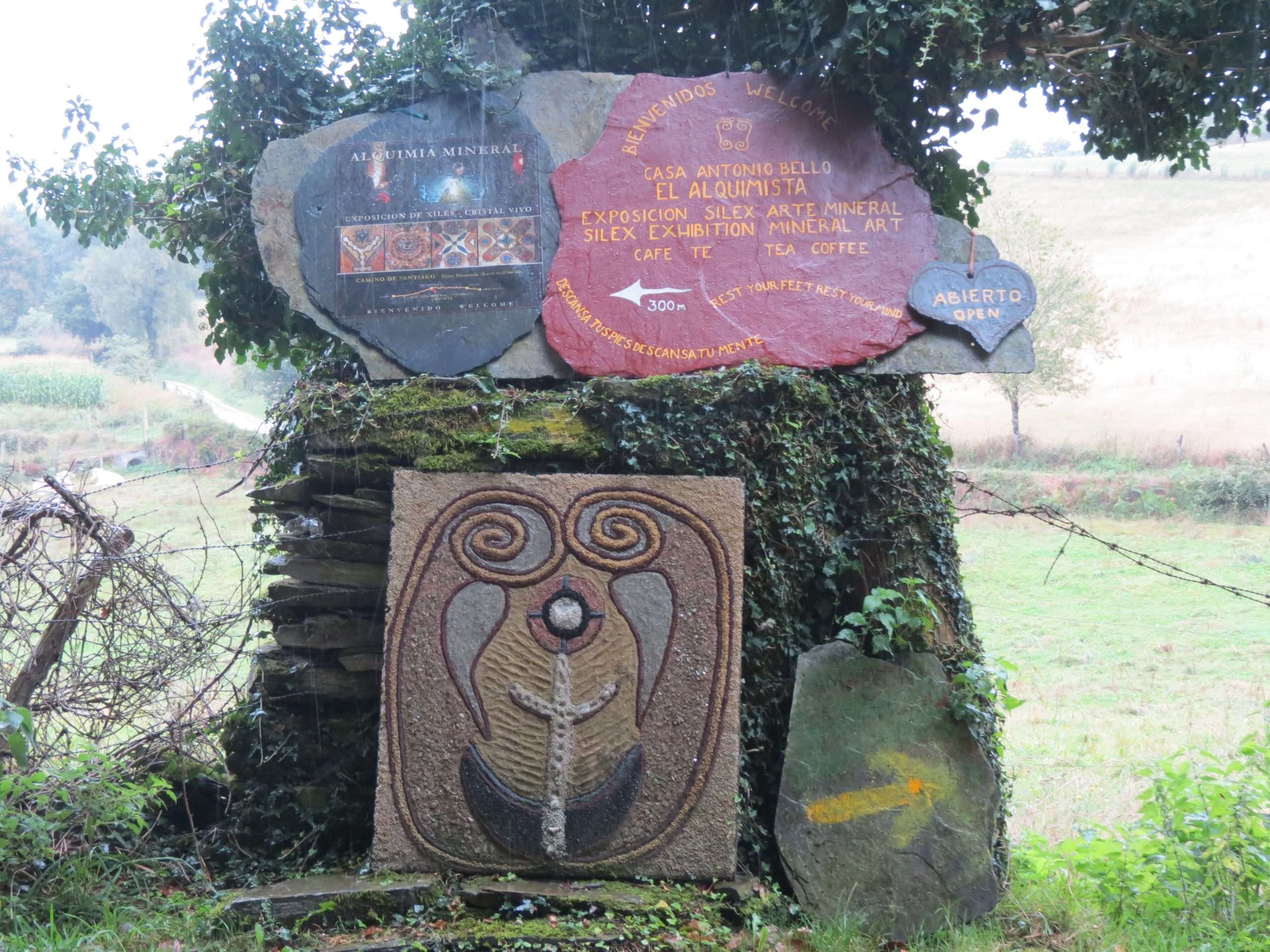
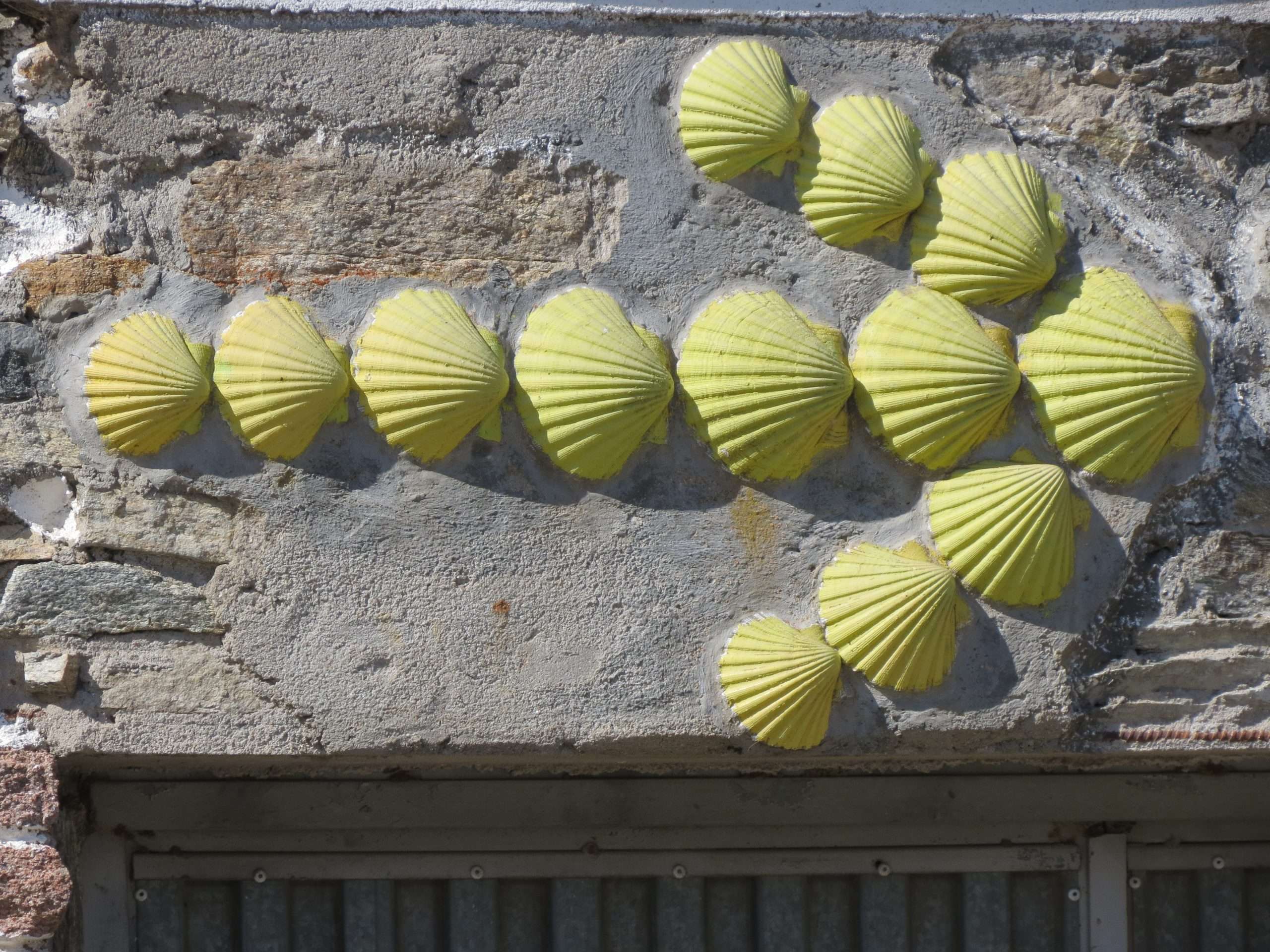
We walked from Triacastela to A Balsa, passing the Scallop Shell Fountain. Then, we ascended to San Xil and continued up to Alto do Riocabo, reaching an elevation of 900 feet. From there, we descended to Montán, arriving at Casa do Franco for lunch. Afterward, we continued down to Pintín, passed through San Estevo, A Guiada, and finally reached Sarria. Our shoes were wet again, and the elevation had dropped to 450 feet. The steep descent, with many unstable small stones, made the journey quite precarious.
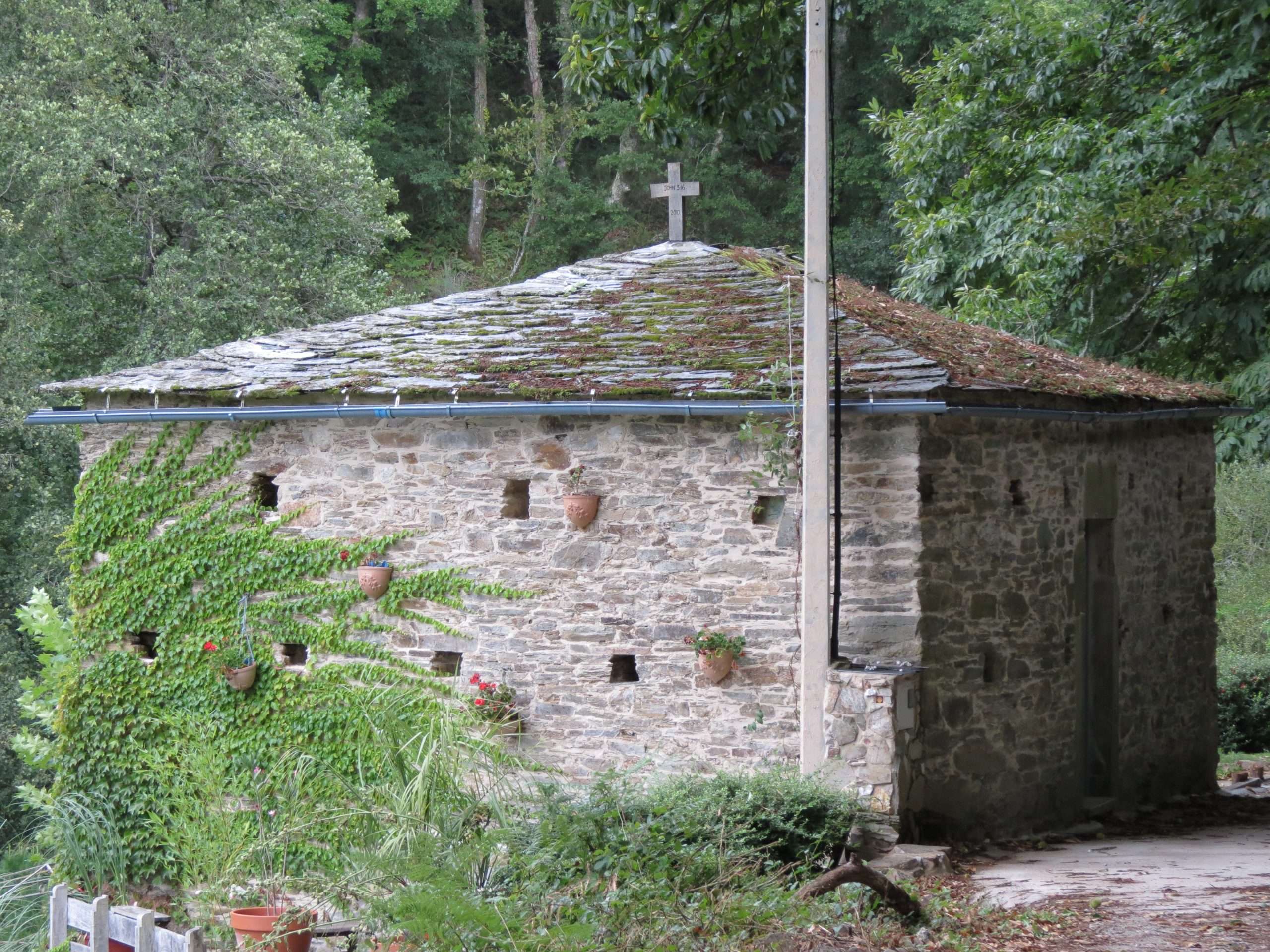
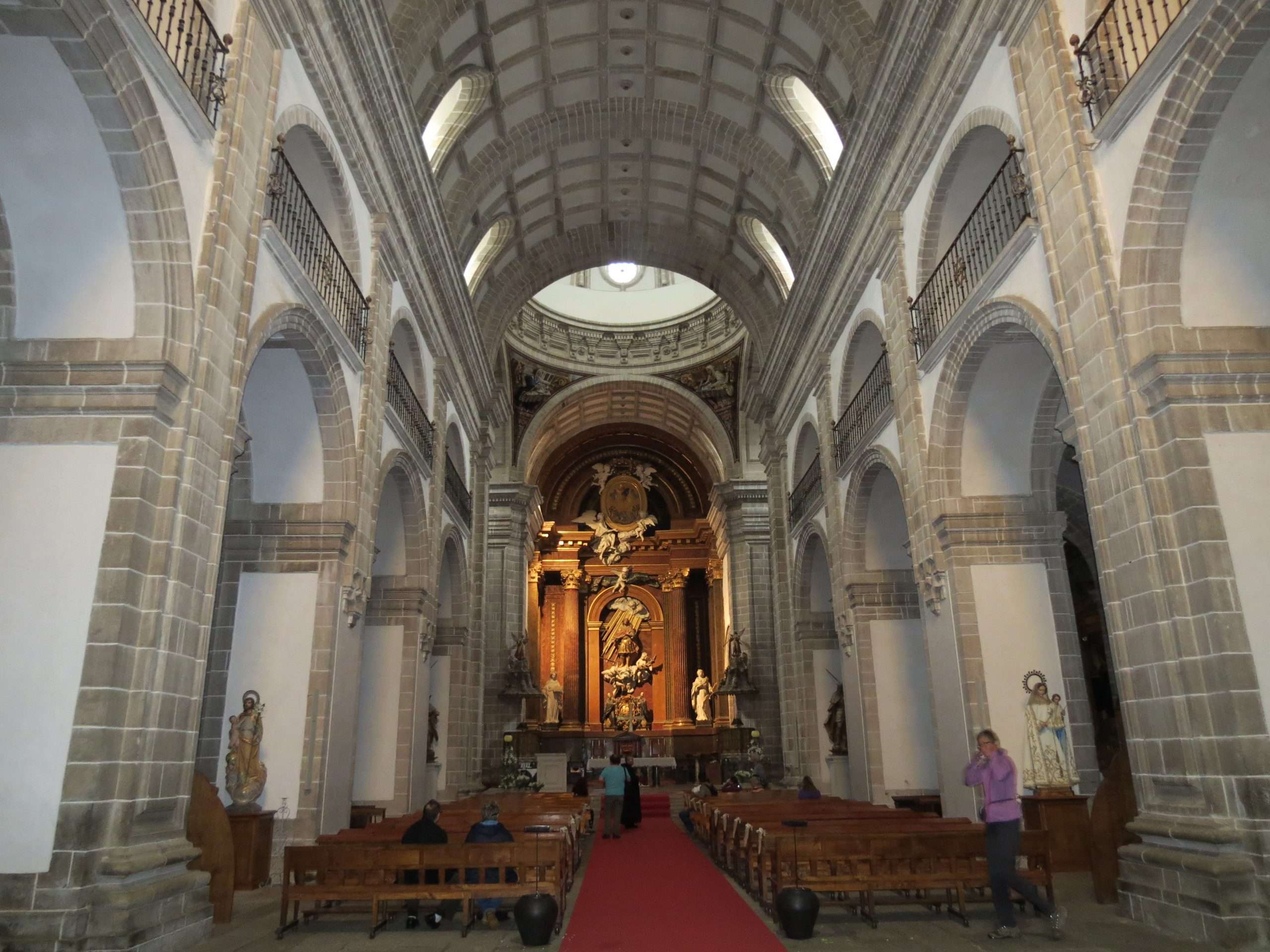
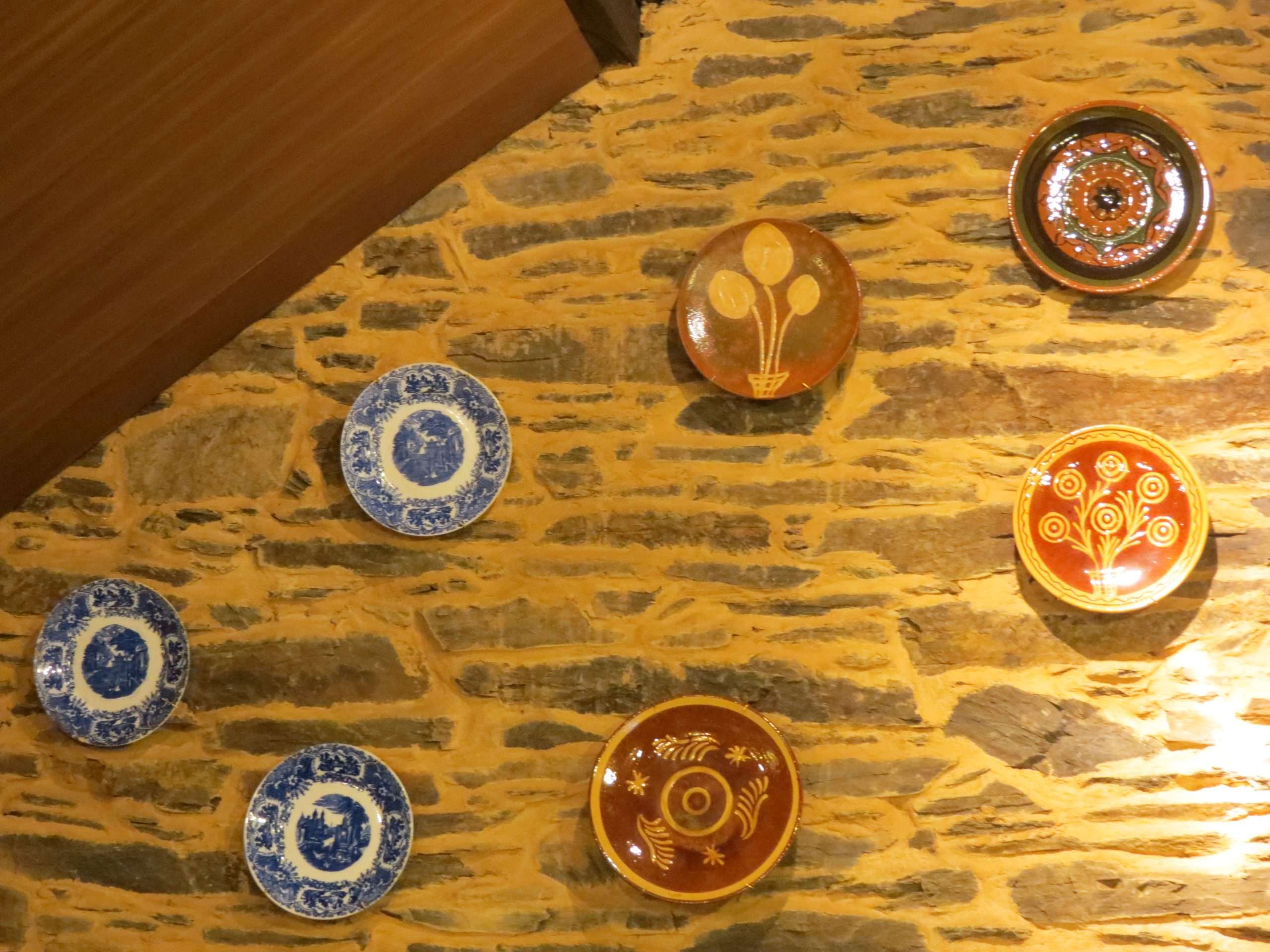
We had planned to tour the Monastery of Samos, but the rain prevented us from doing so. Instead, we attended Vespers and then Mass at the Benedictine Monastery. The monastery is dedicated to two female saints, whose busts are under the altar. On either side of the altar are various statues, including one of Alfonso II (we think) beheading the Moors. Dinner was fantastic, cooked by a woman named Elena. The restaurant’s walls were covered with plates she received from patrons around the world. We had trout for dinner. Today, we walked 10.3 miles.
Sarria to Portomarin – September 19, 2014
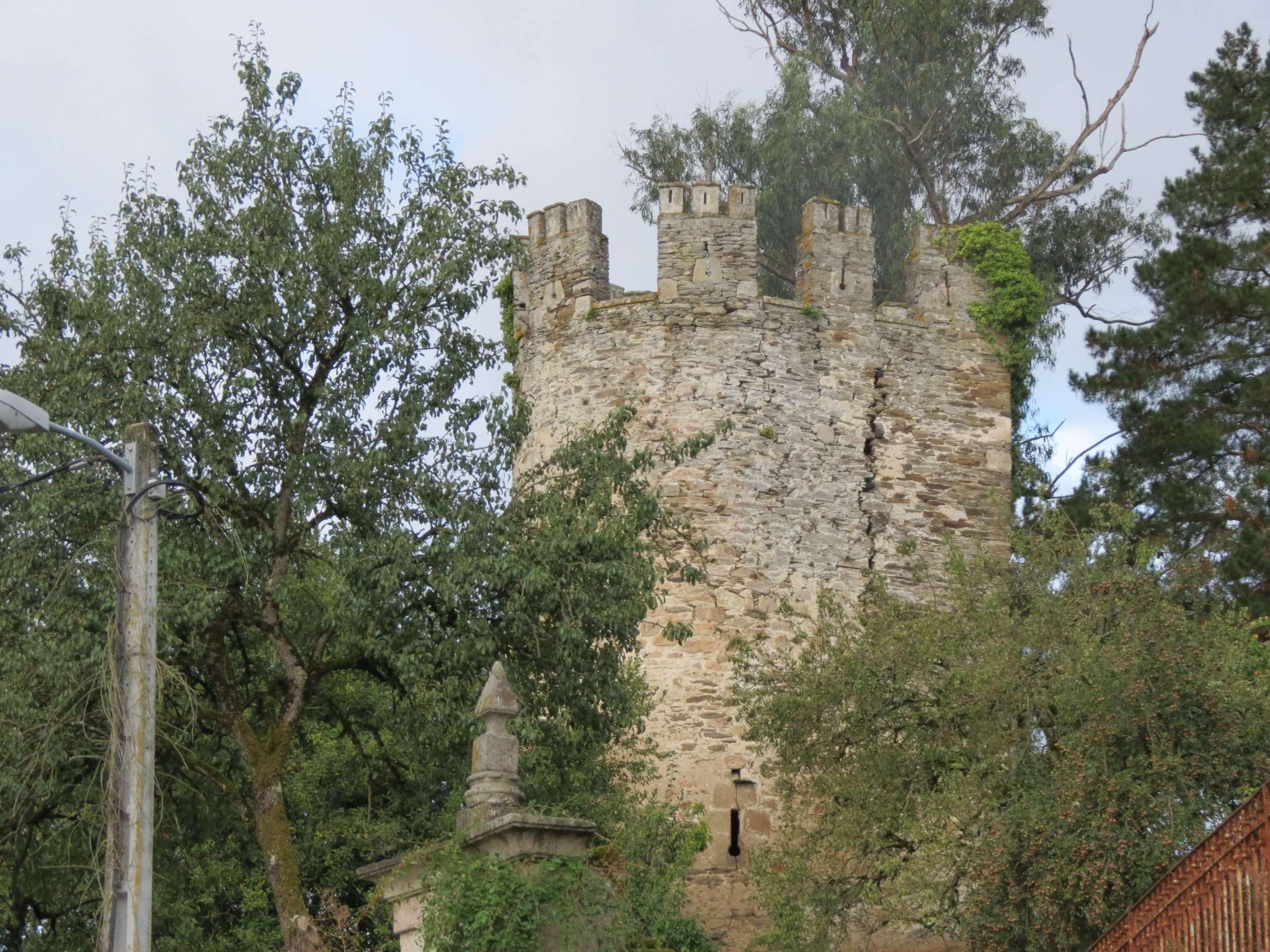
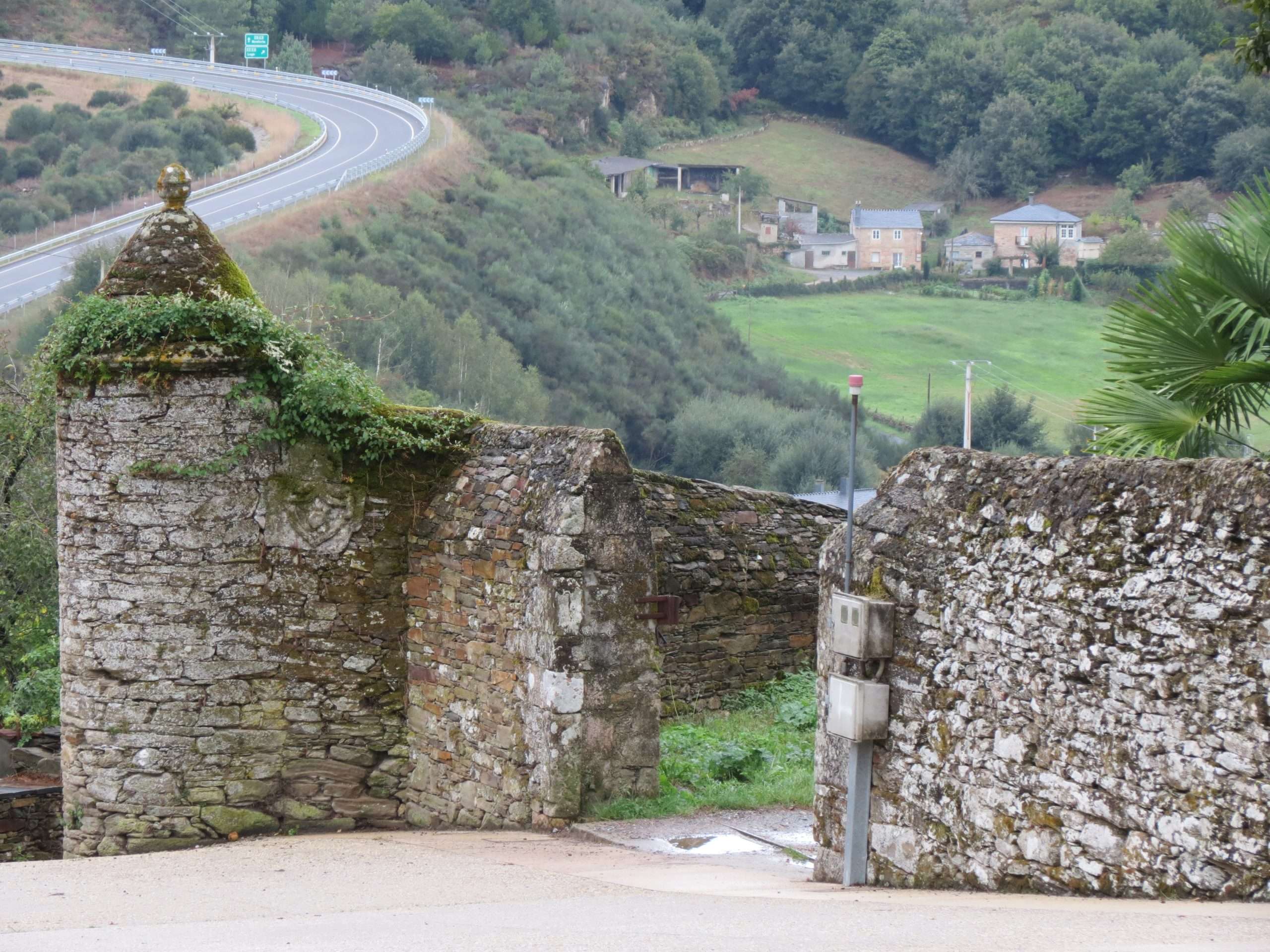
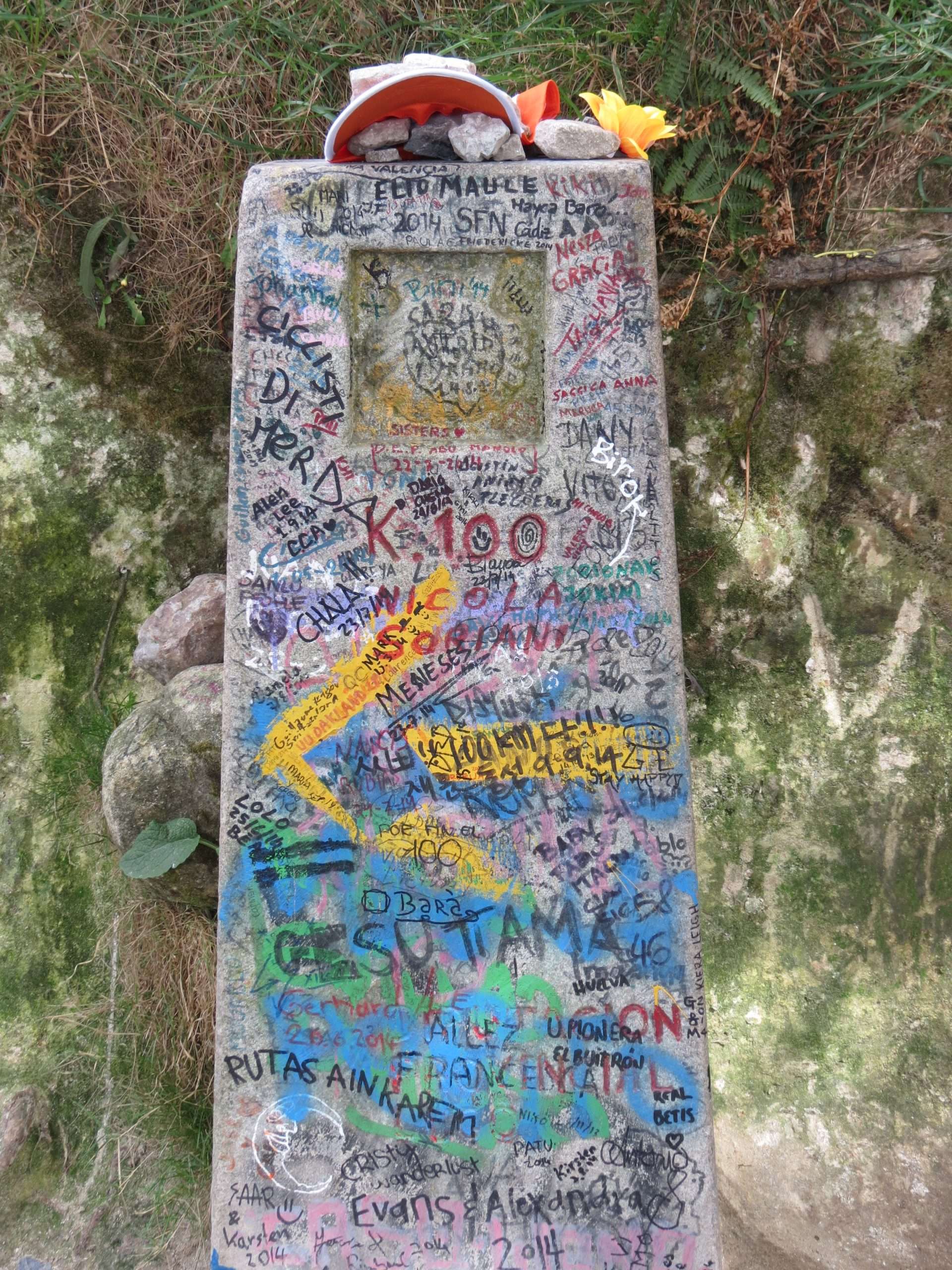
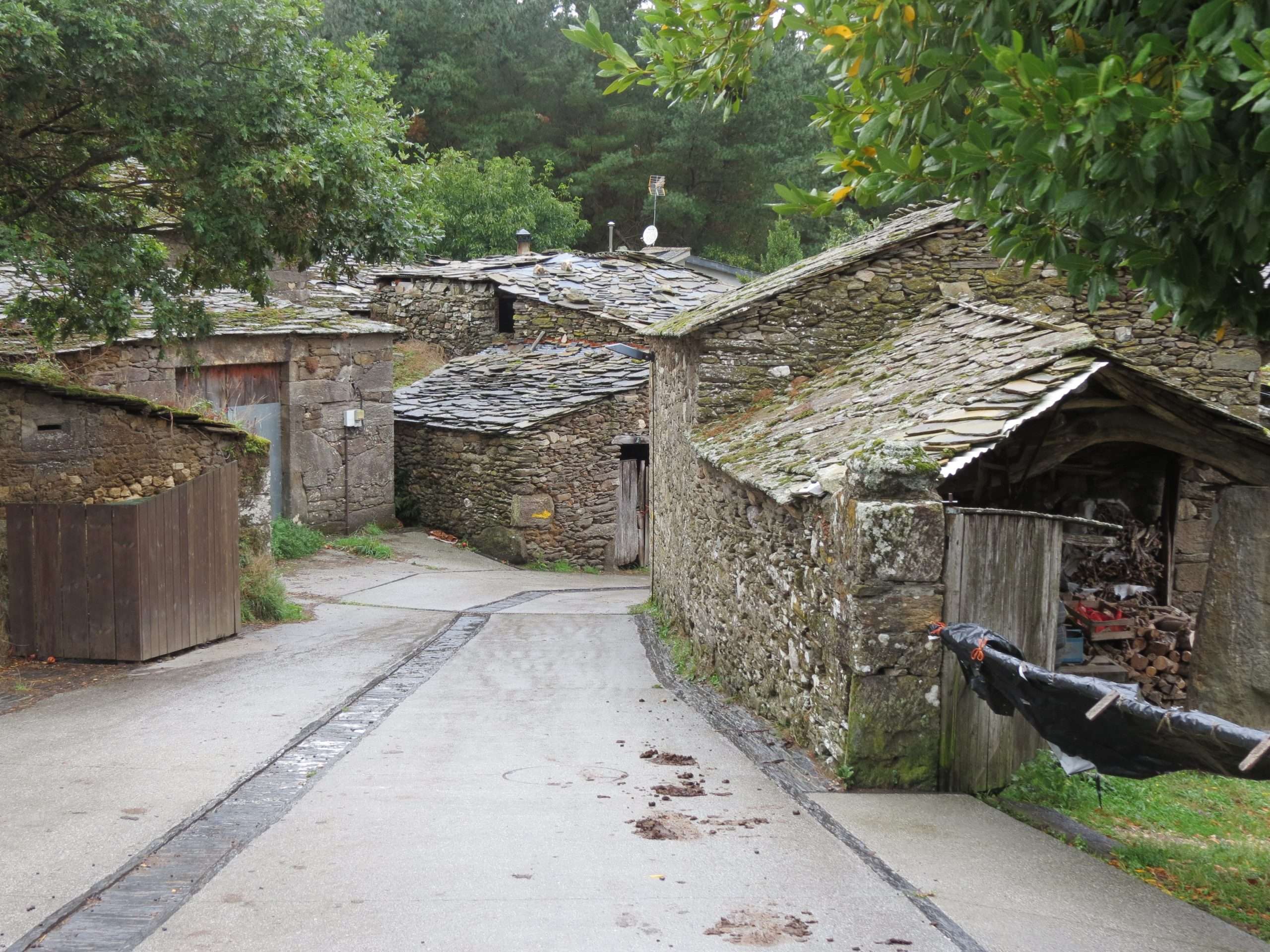
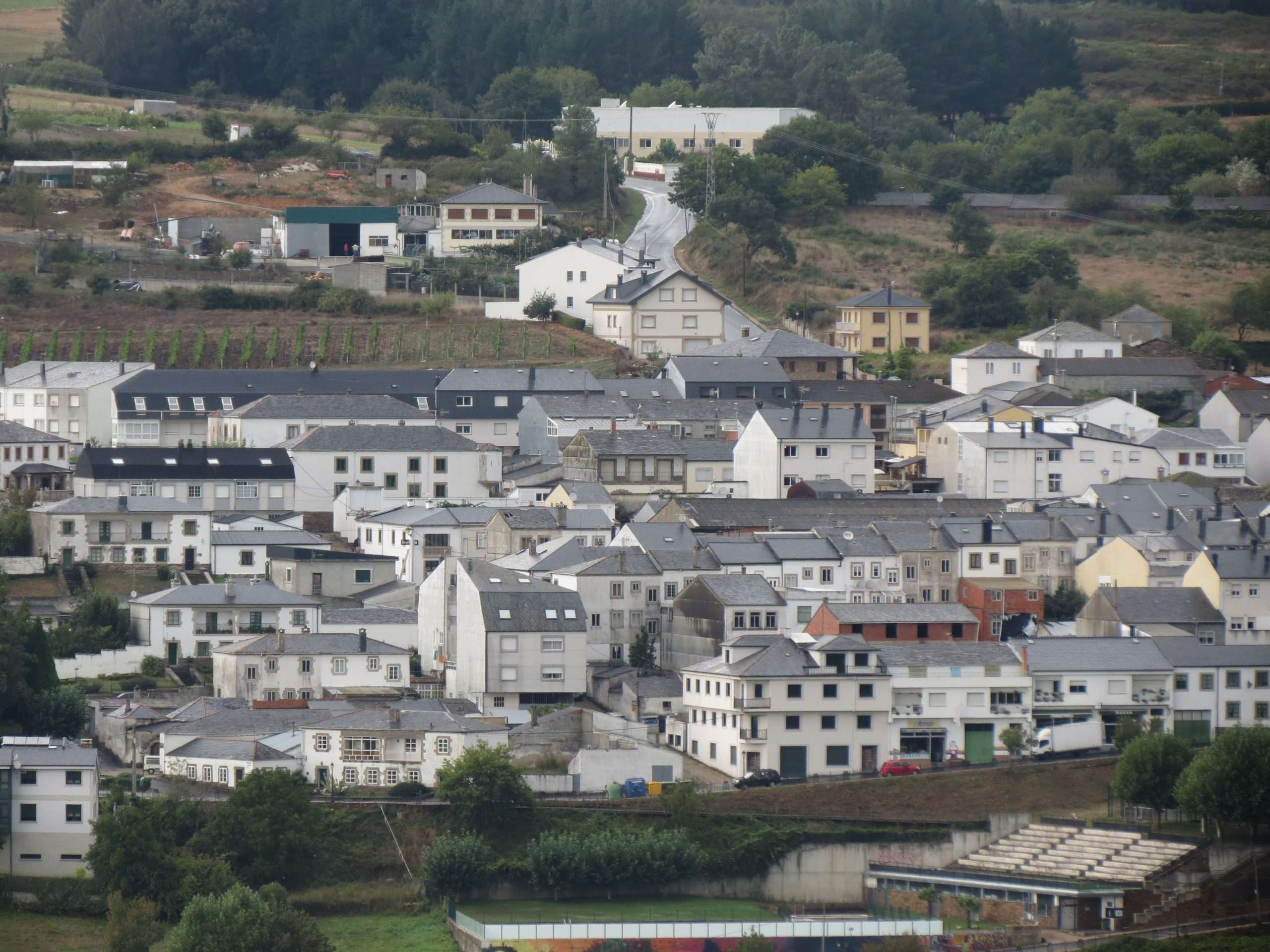
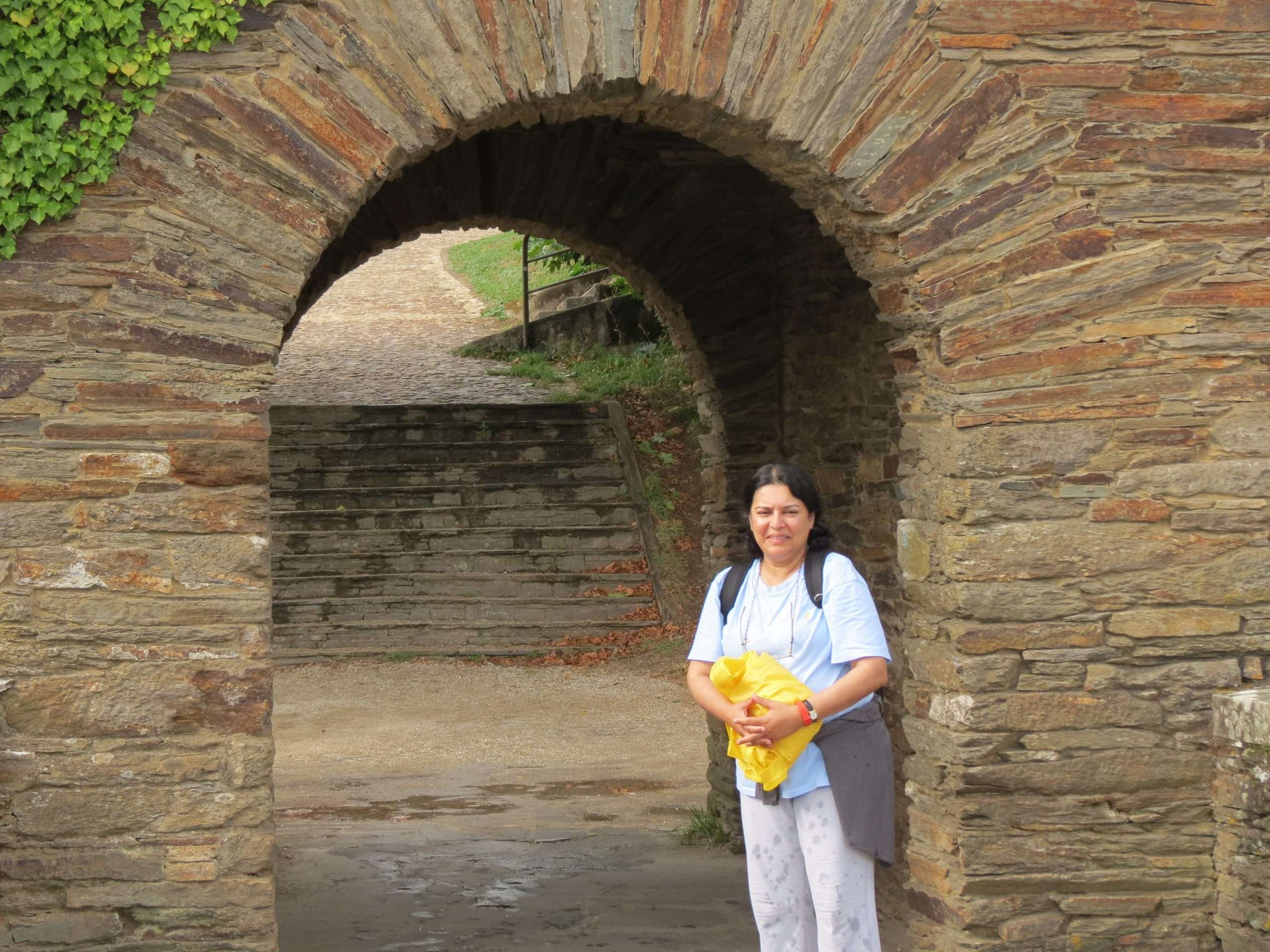
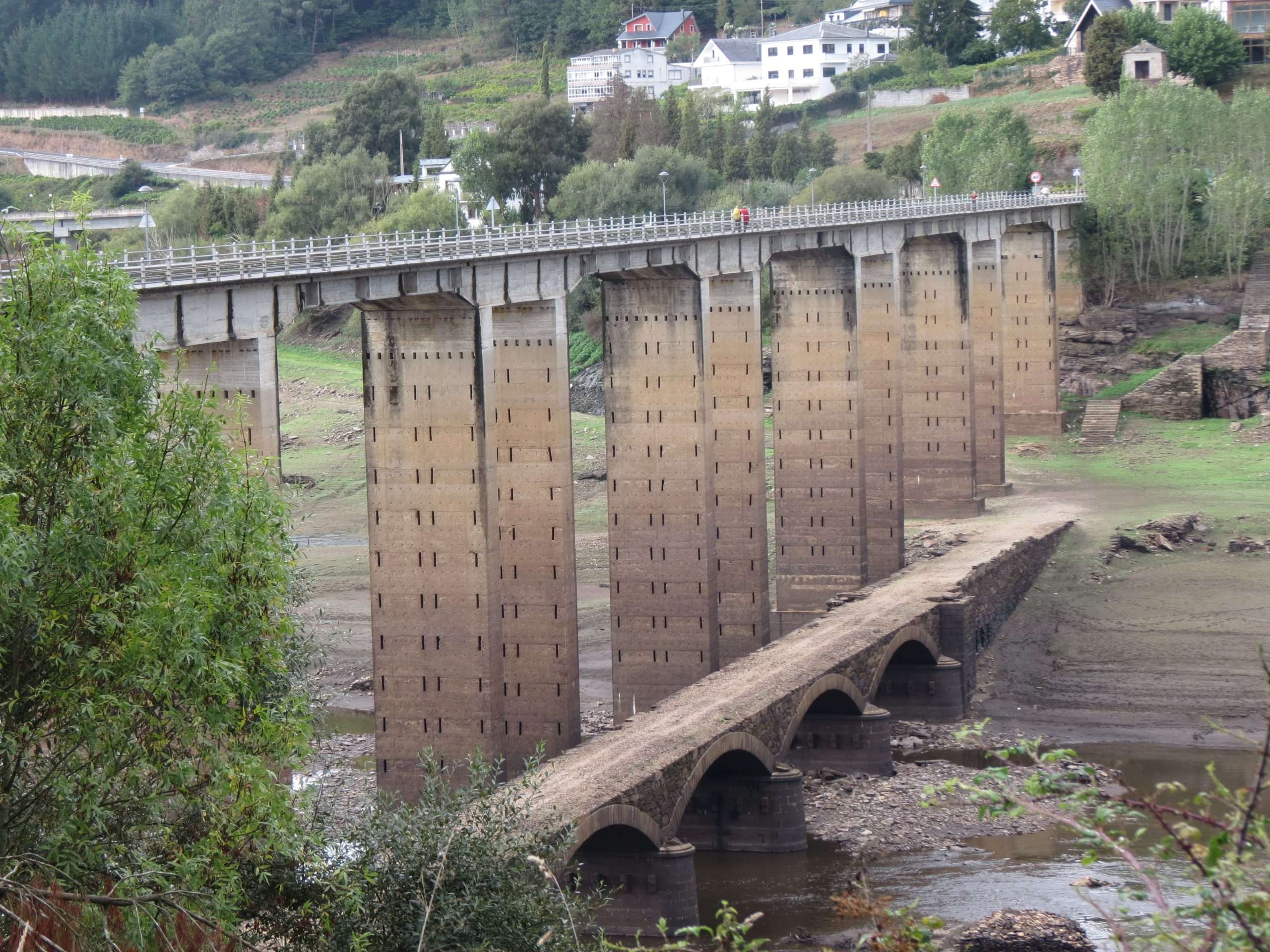
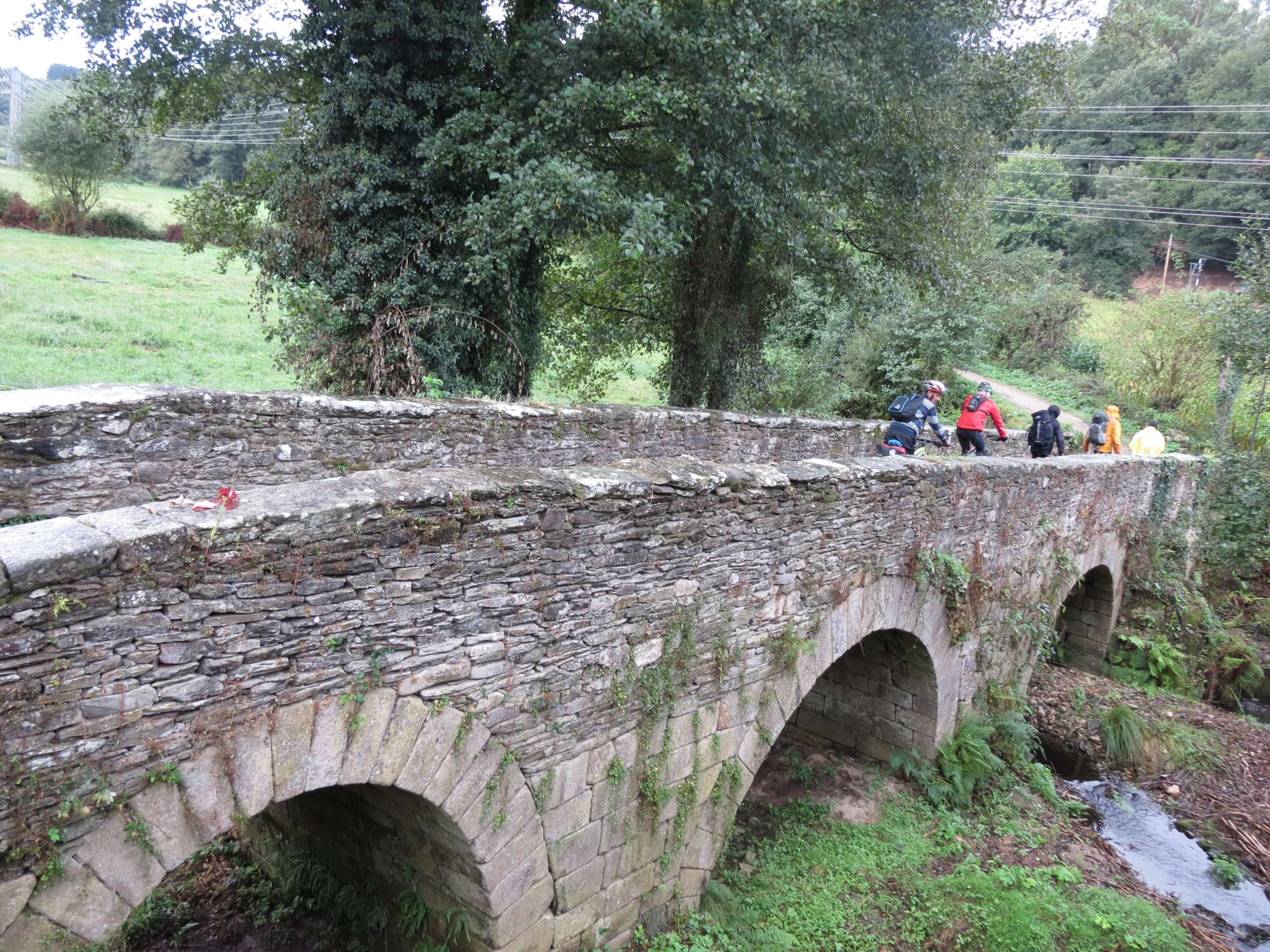
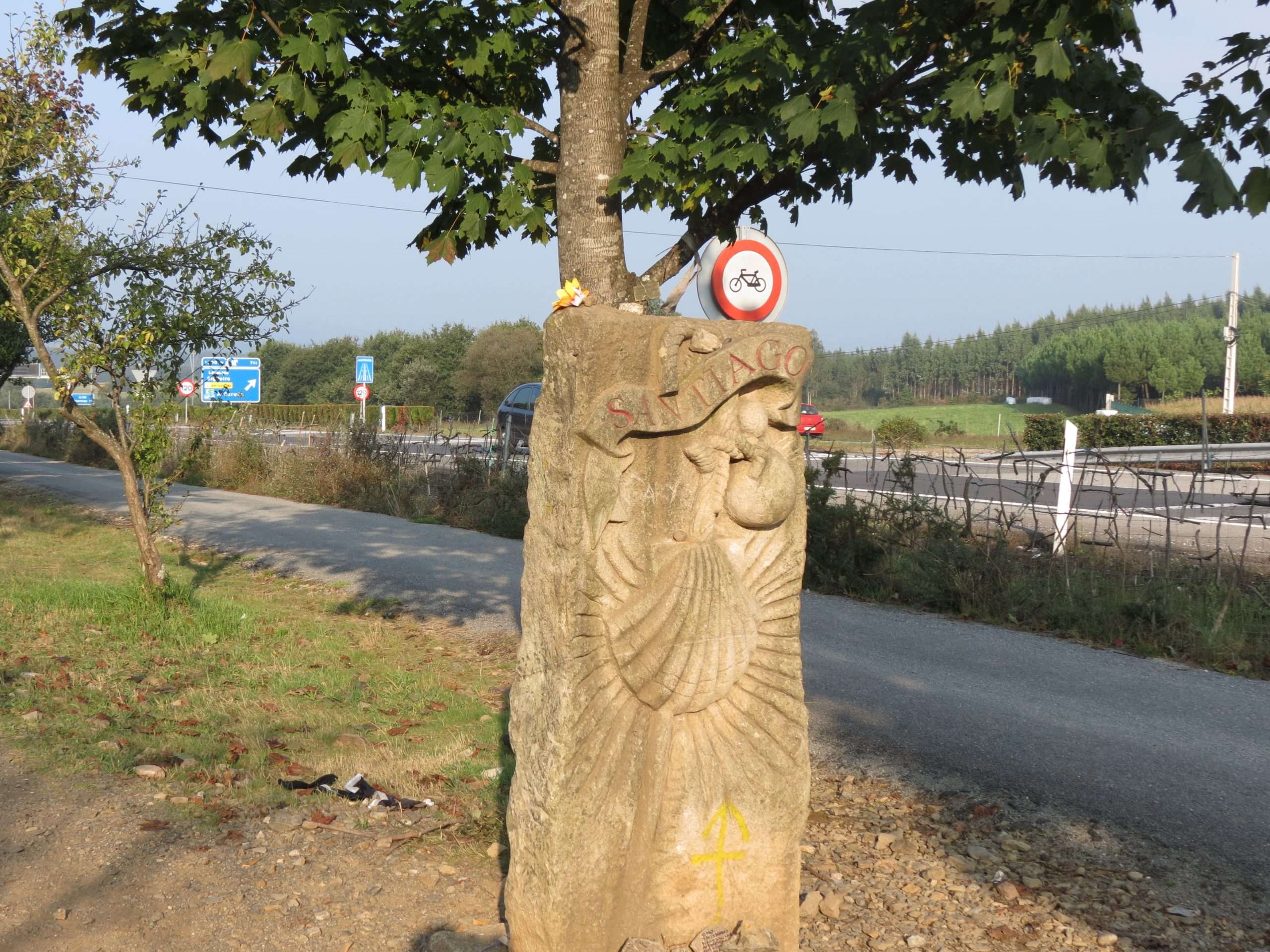
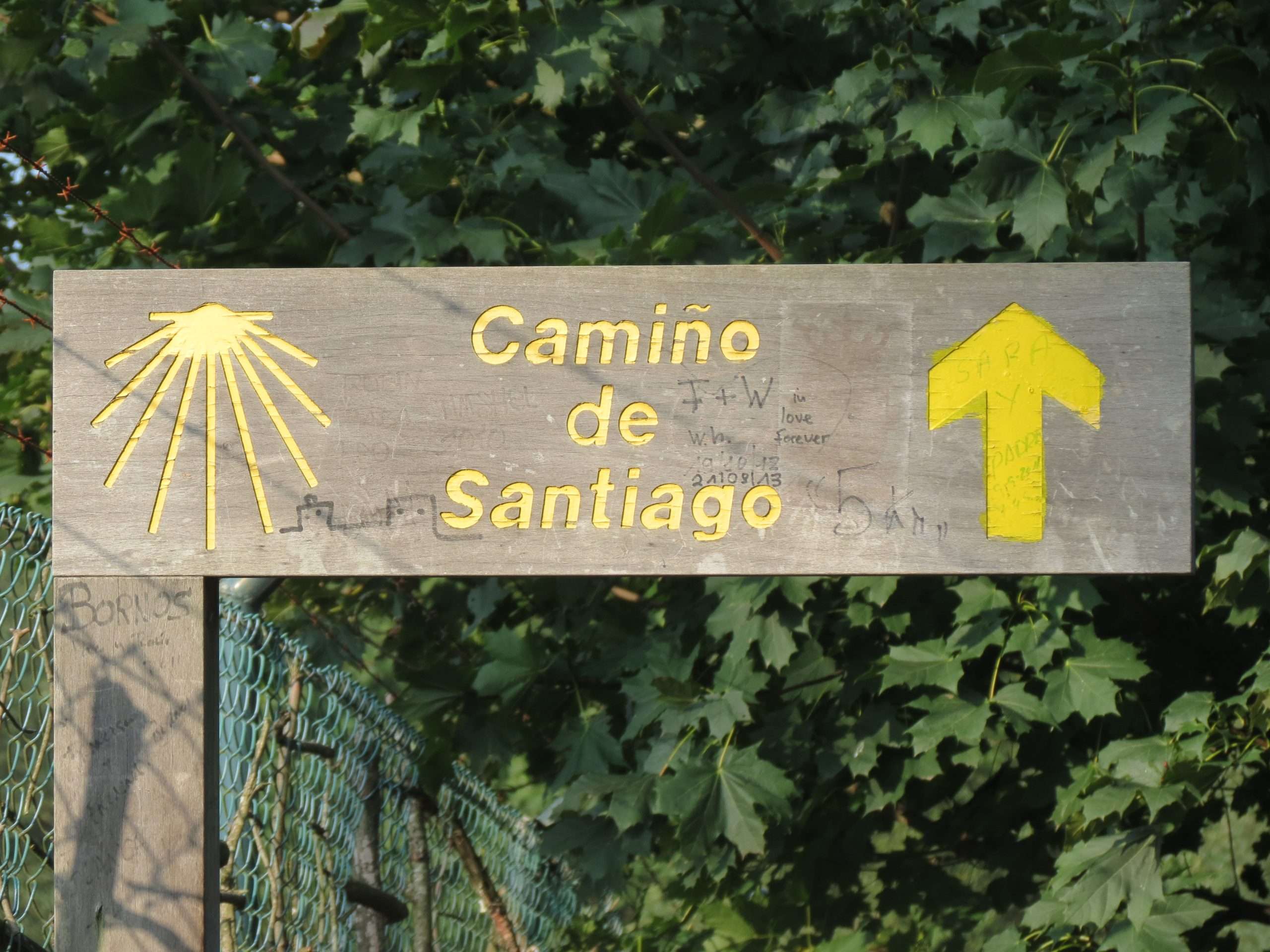
We walked from Sarria up to Vilei, then to Barbadelo and Mercado, continuing on flat terrain through Peruscallo, Morgade, Ferreras, Mercadoiro, and Vilachá, before finally descending into Portomarín. There was much excitement when we reached the 100-kilometer marker. The prominent one is large and decorated by pilgrims, but the actual marker comes before it and is often overlooked. There was some rain today, and the walk was the longest so far. We had to drag ourselves across the reservoir and up the stairs to Portomarín. Despite the challenging day, we enjoyed a lovely dinner as the weather improved significantly. Today’s walk covered 14 miles.
Portomarin to Palais de Rei – September 20, 2014
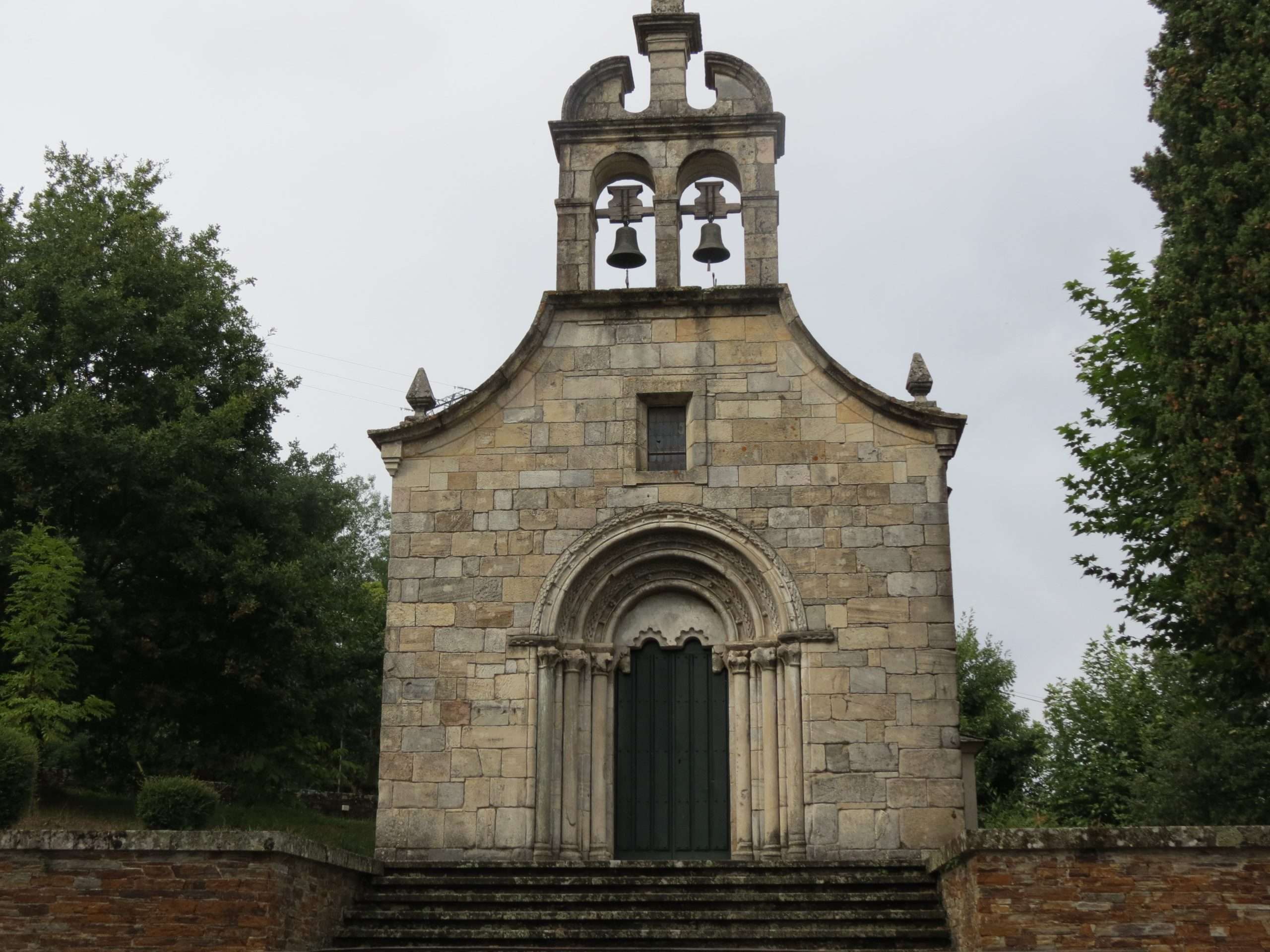
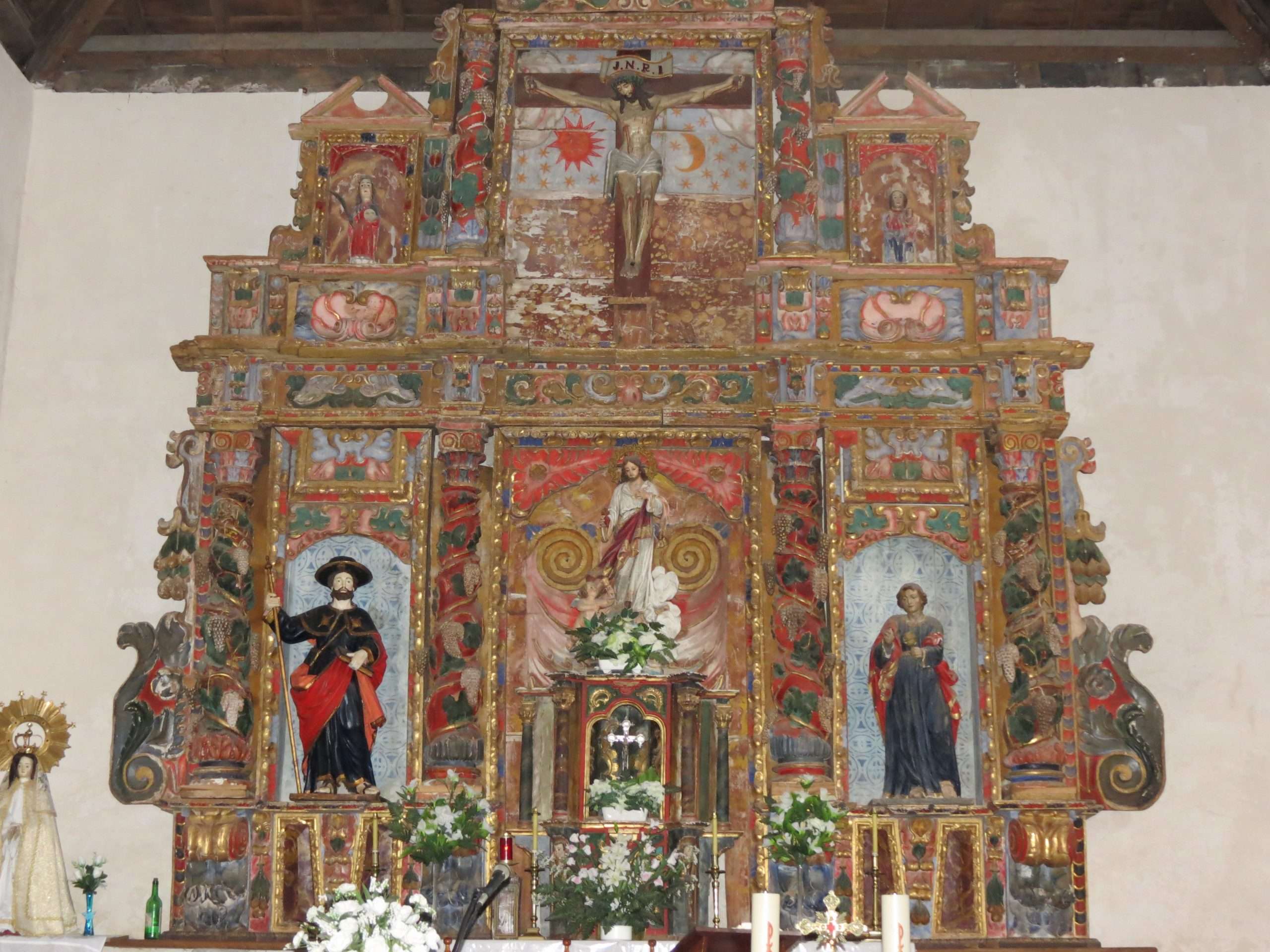
We began our journey at the Church of Saint John and Saint Nicholas, which was rebuilt after being moved from its original location. The stones were numbered during the reconstruction, and those marks, along with the master mason’s marks, are still visible today. Similar marks can be seen on some of the stones at the cathedral in León. In the nearby reservoir, one can even spot the remains of old houses.
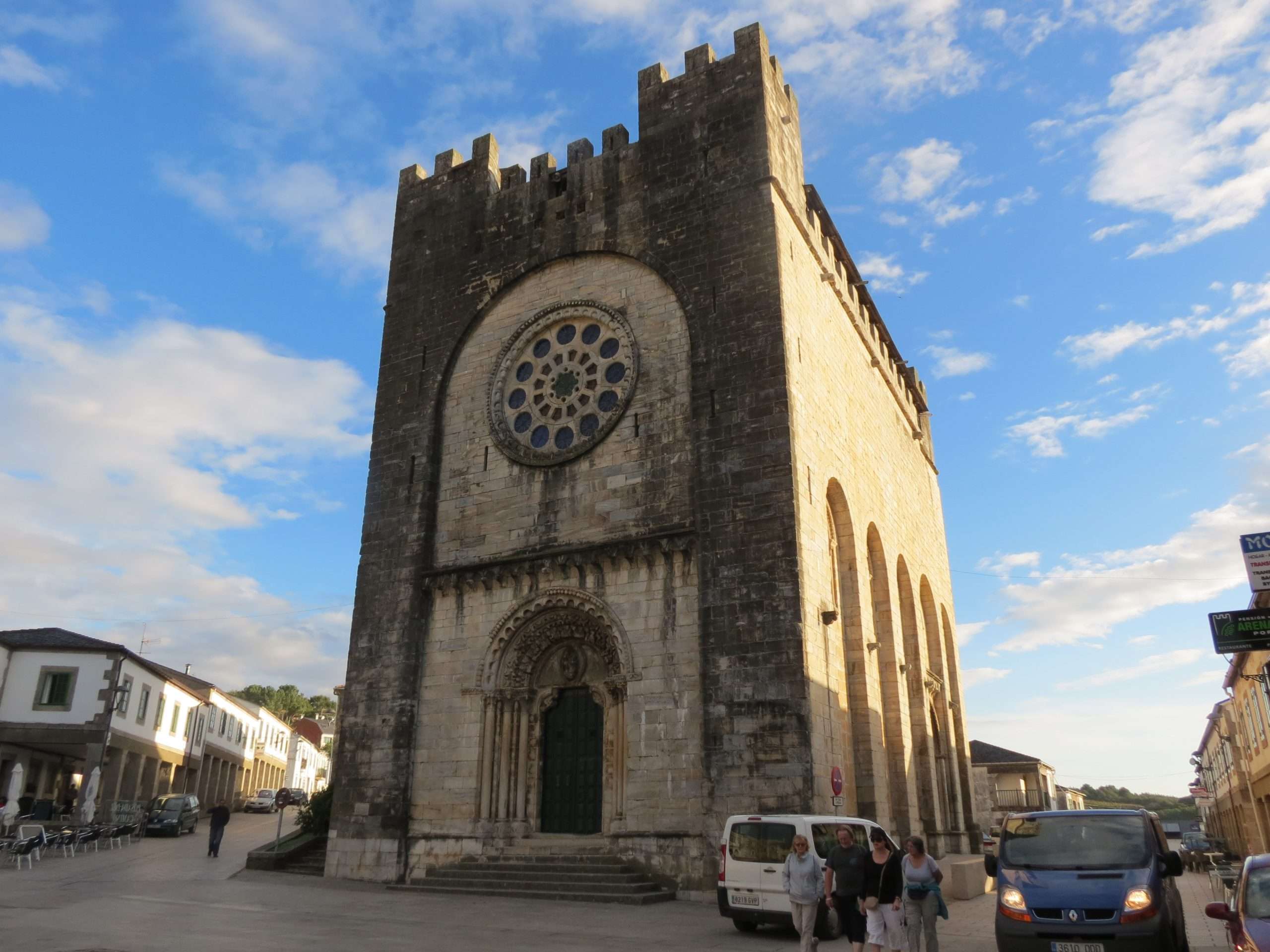
Our route took us on a steep climb from Portomarín to Gonzar, then through Castromaior, Hospital, and Ventas de Narón. From there, we descended 700 feet to Ligonde, passing through Eirexe, Lestedo, and finally reaching Palas de Rei at 500 feet. At the Britannia Bar, we met Alyssa, one of the Fresco employees who had been corresponding with Albert.
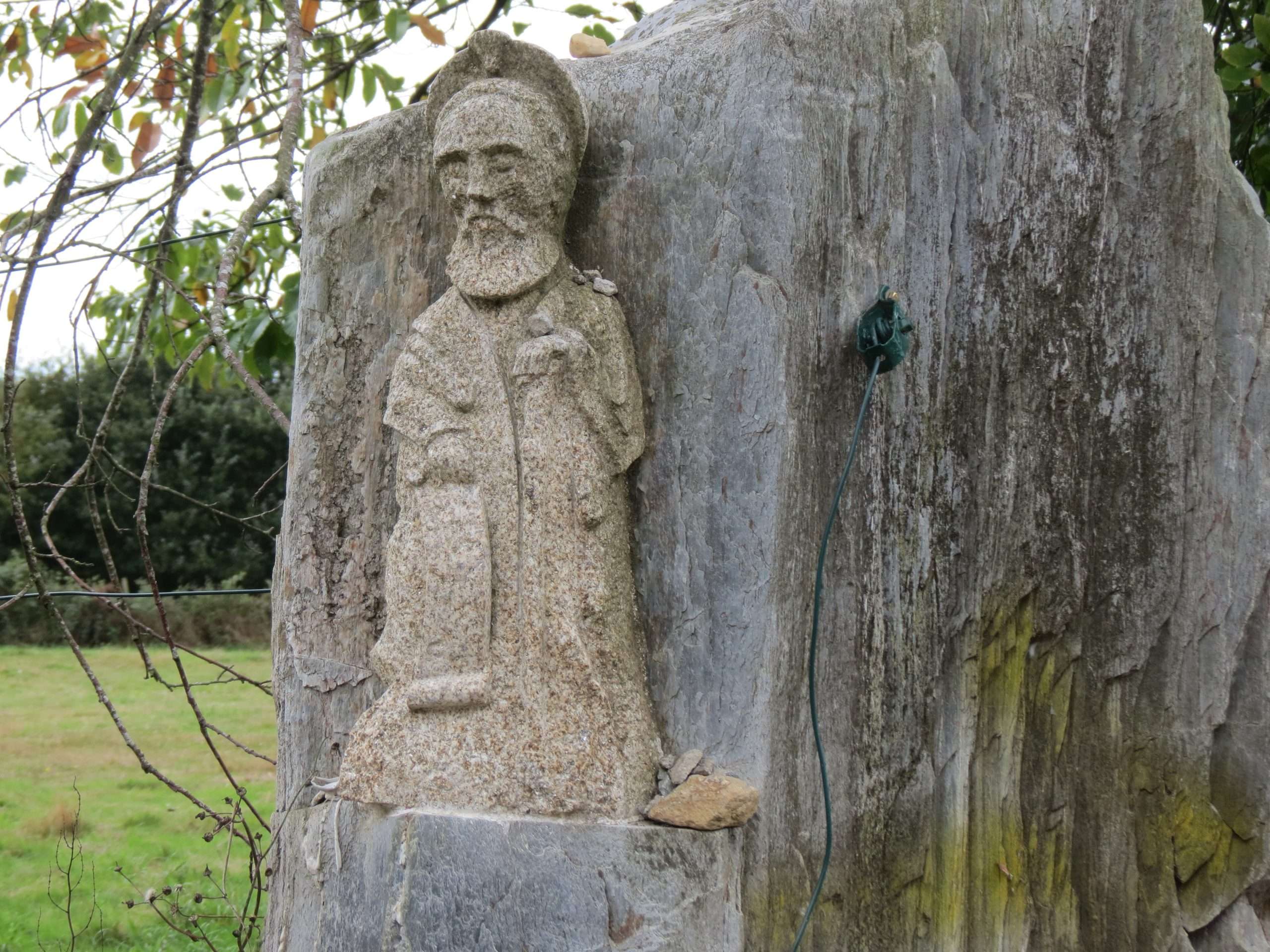
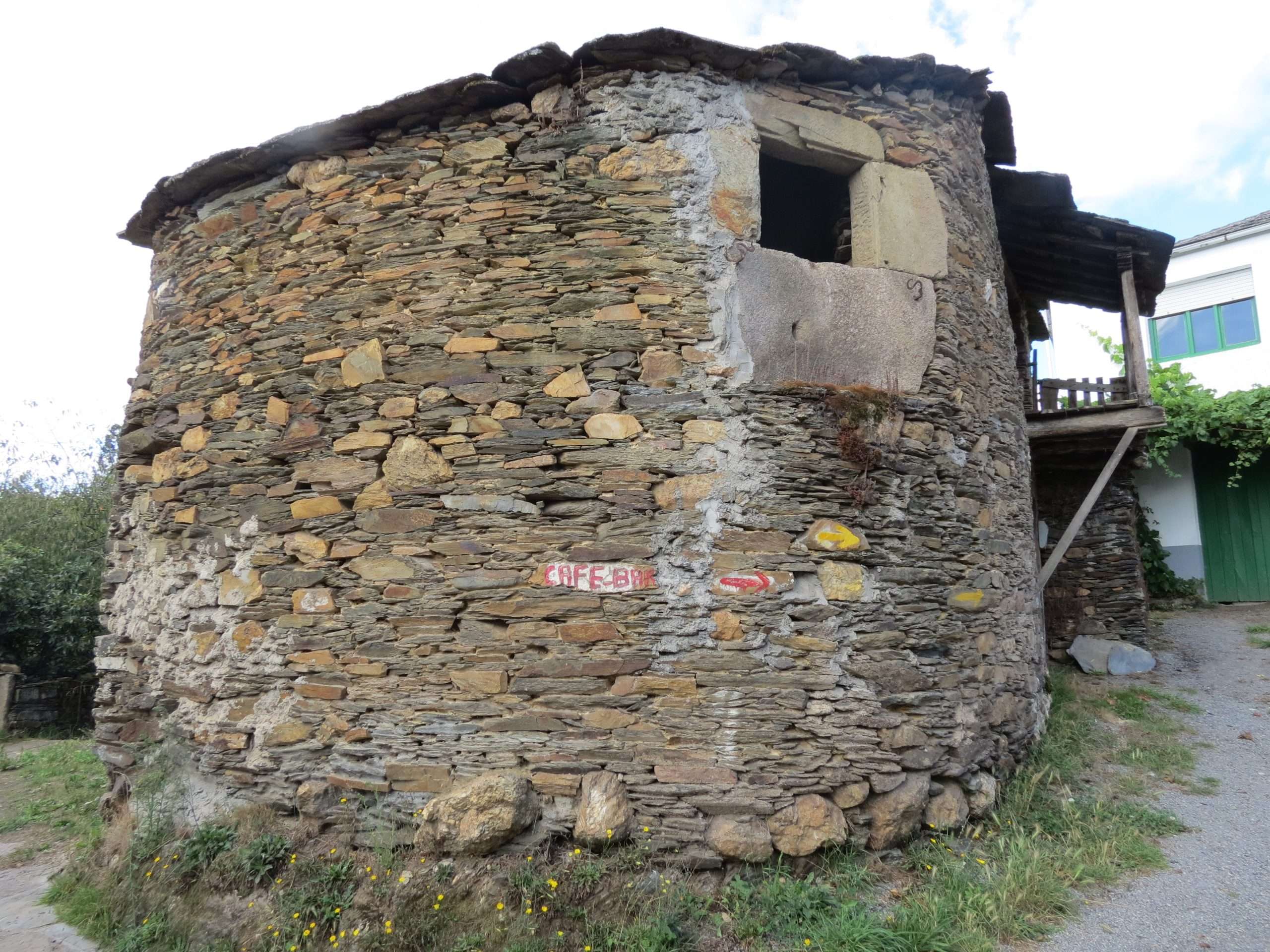

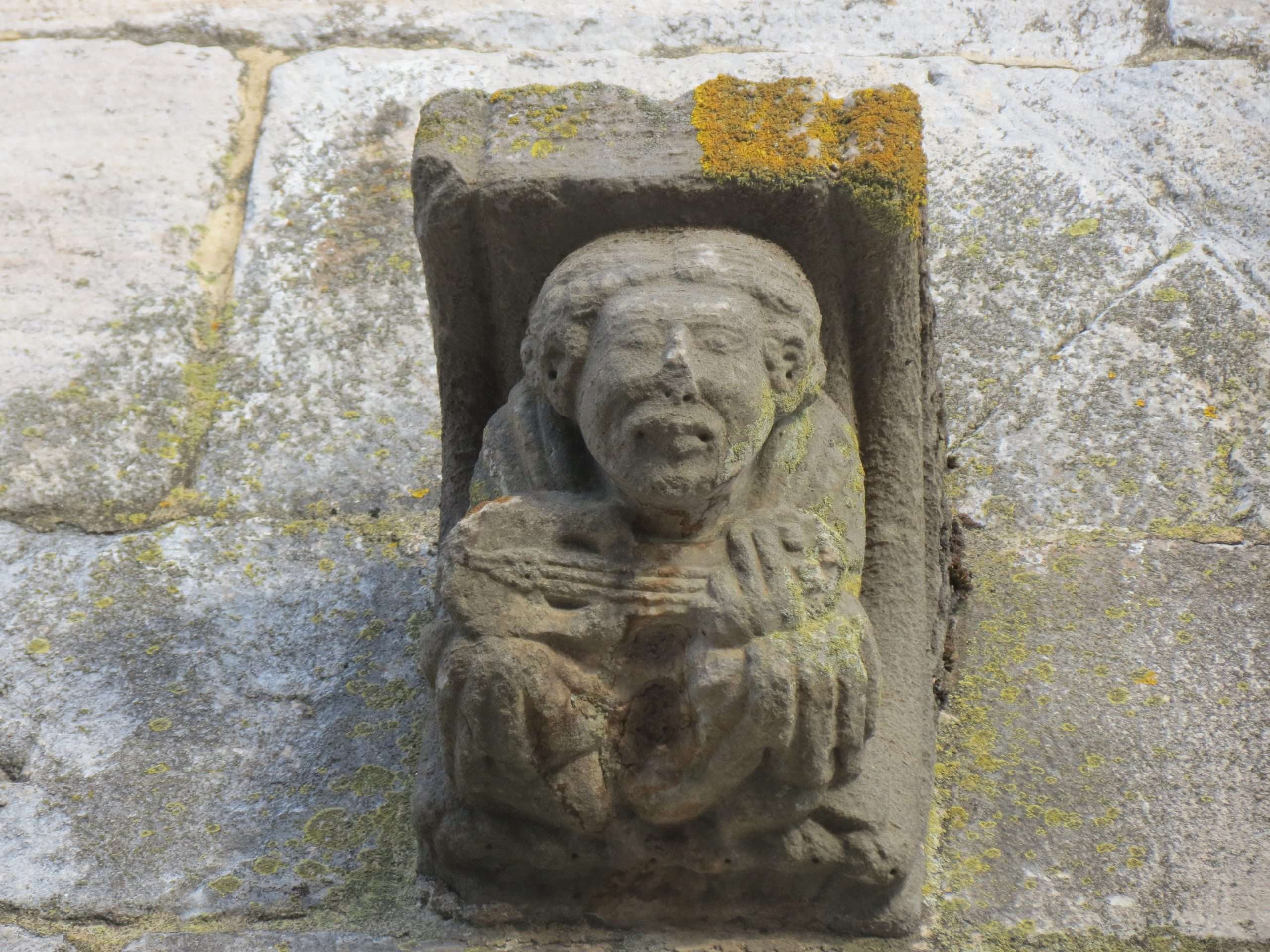
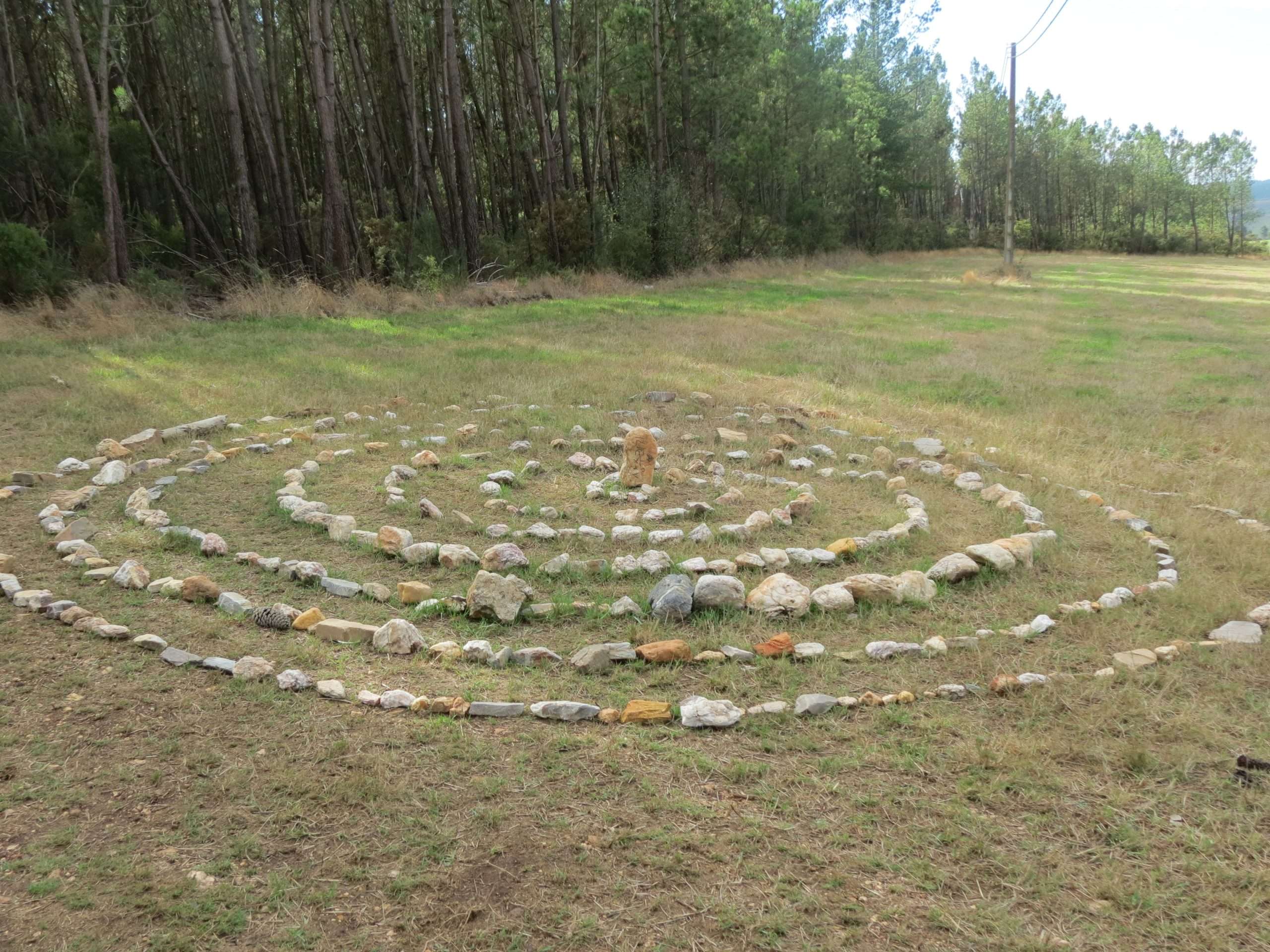
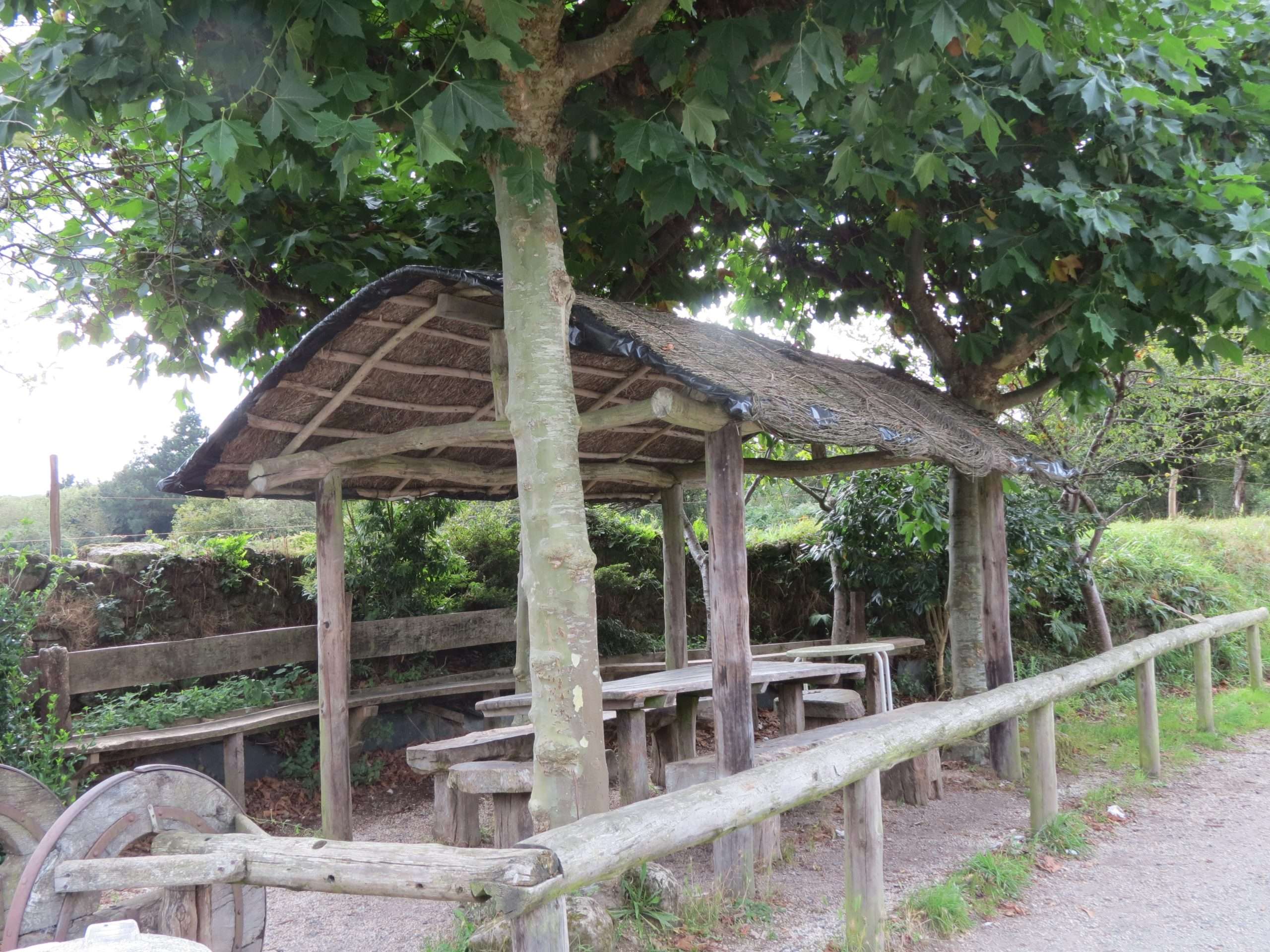
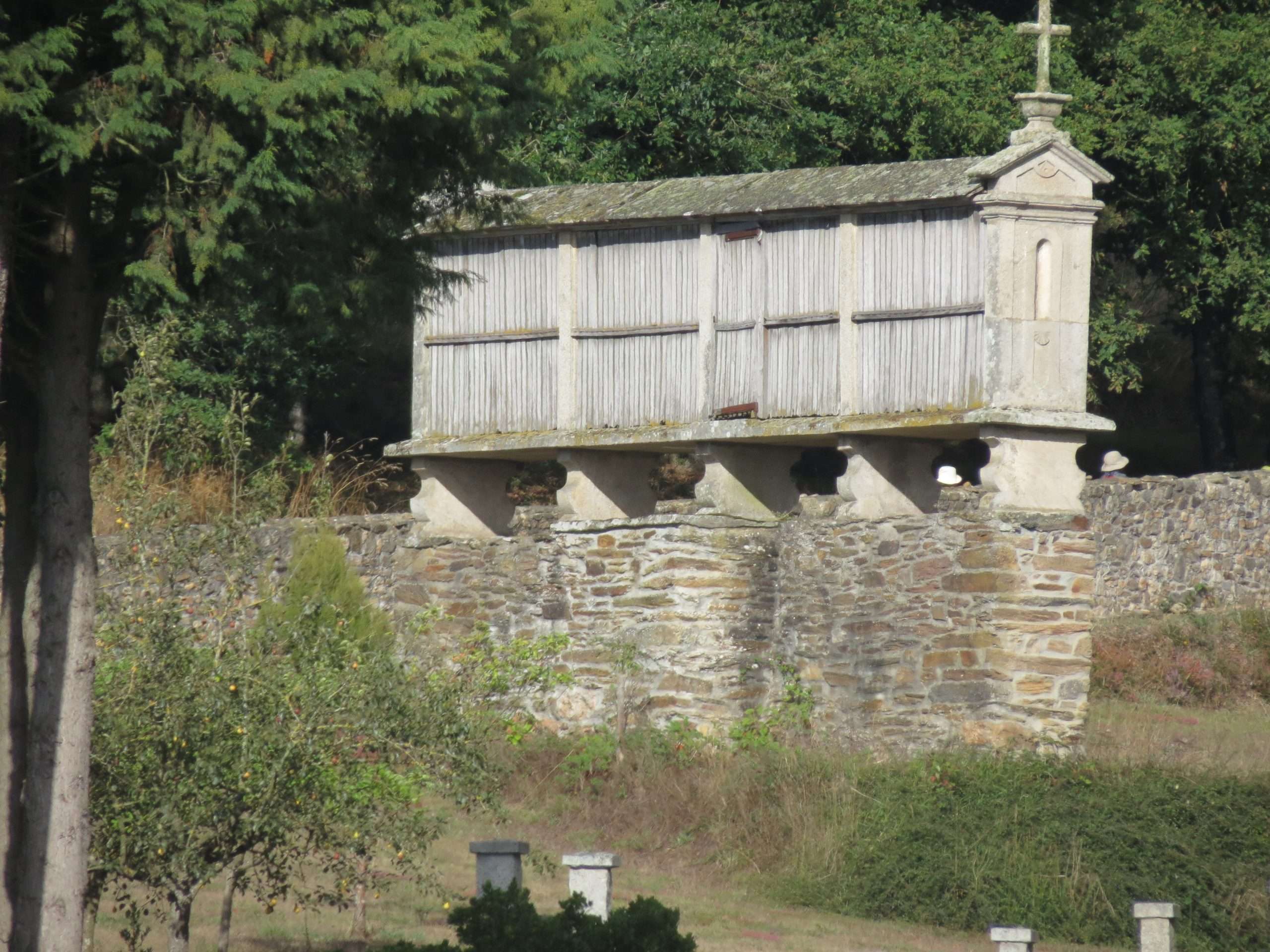
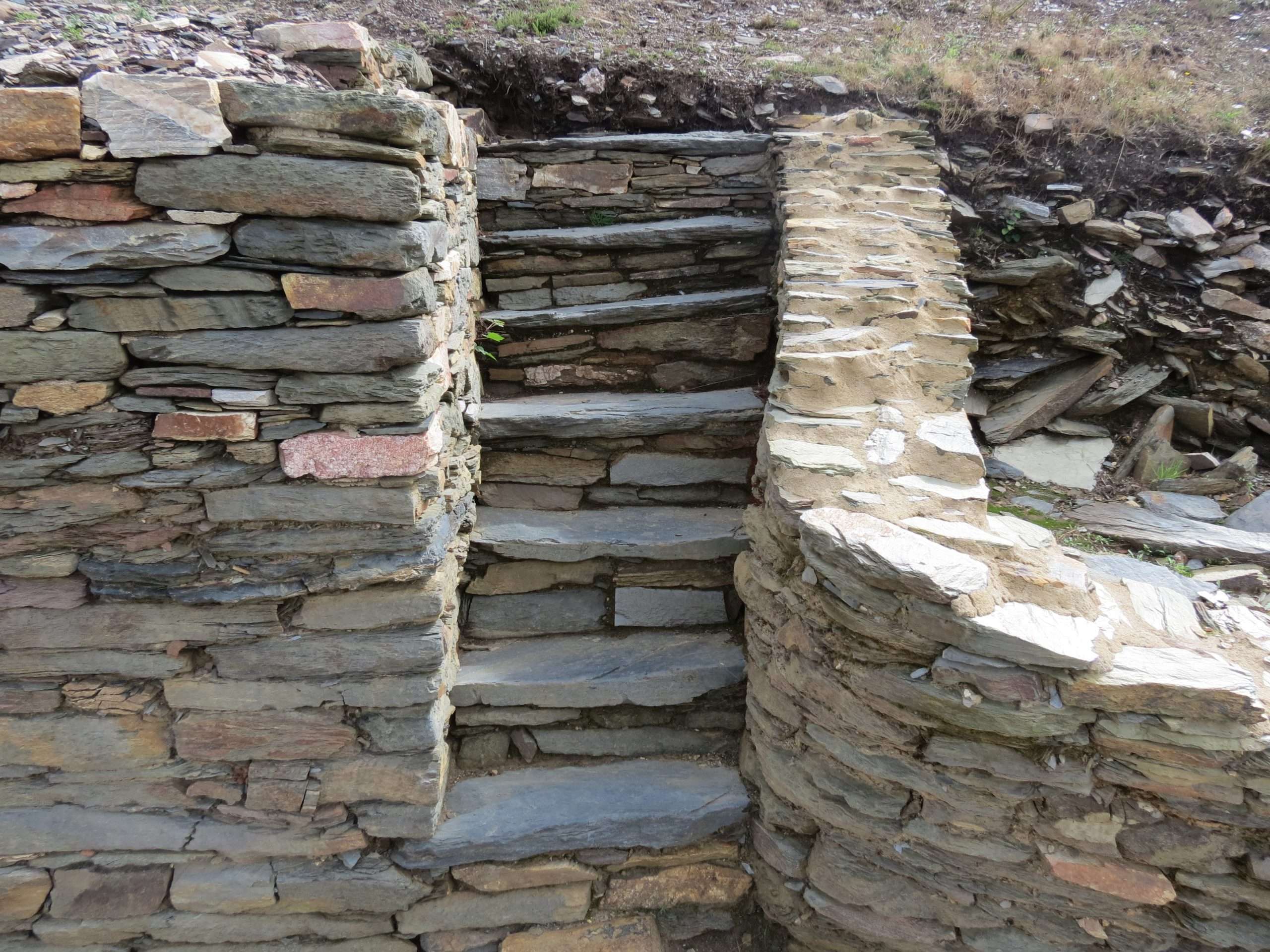
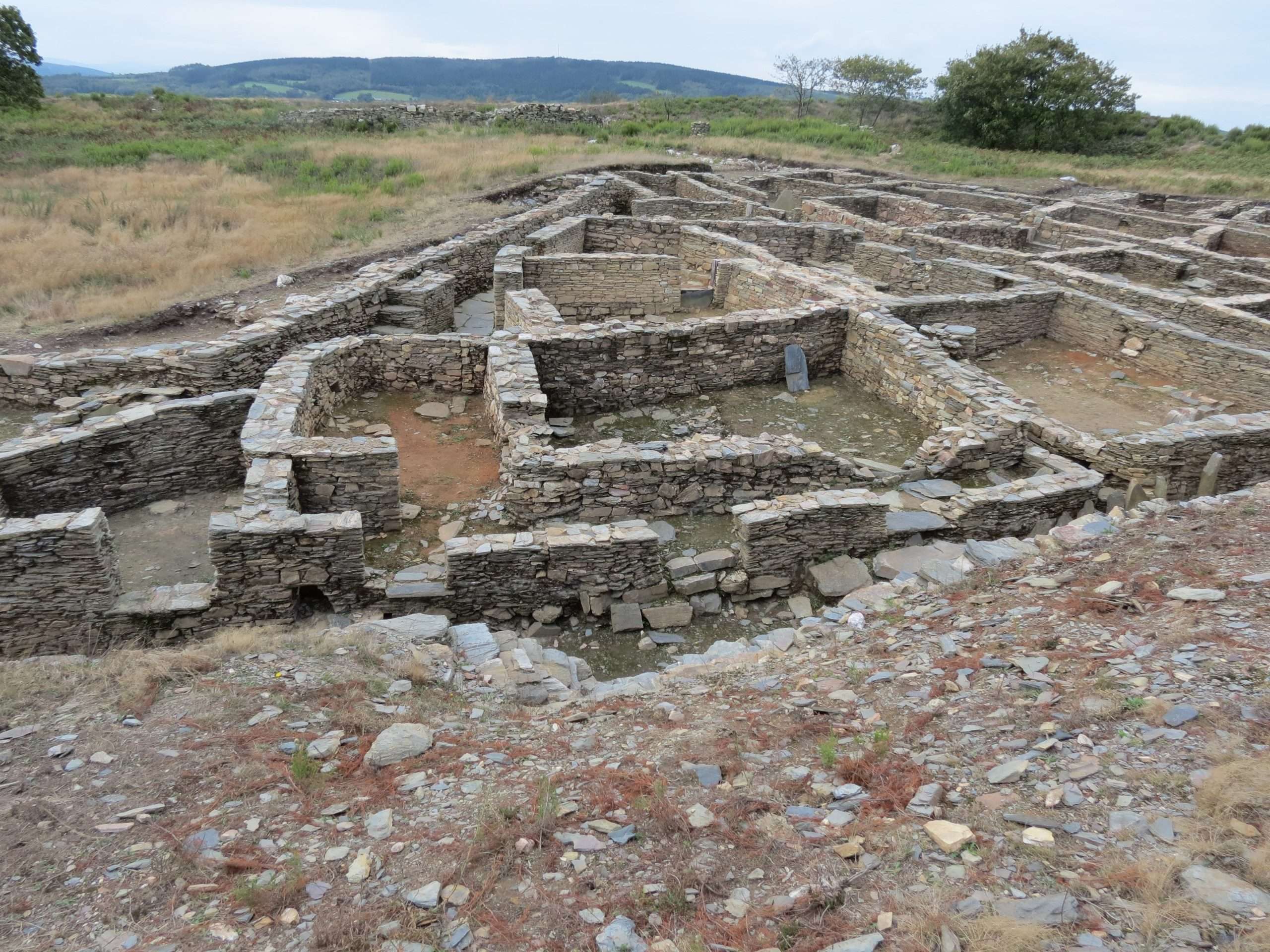
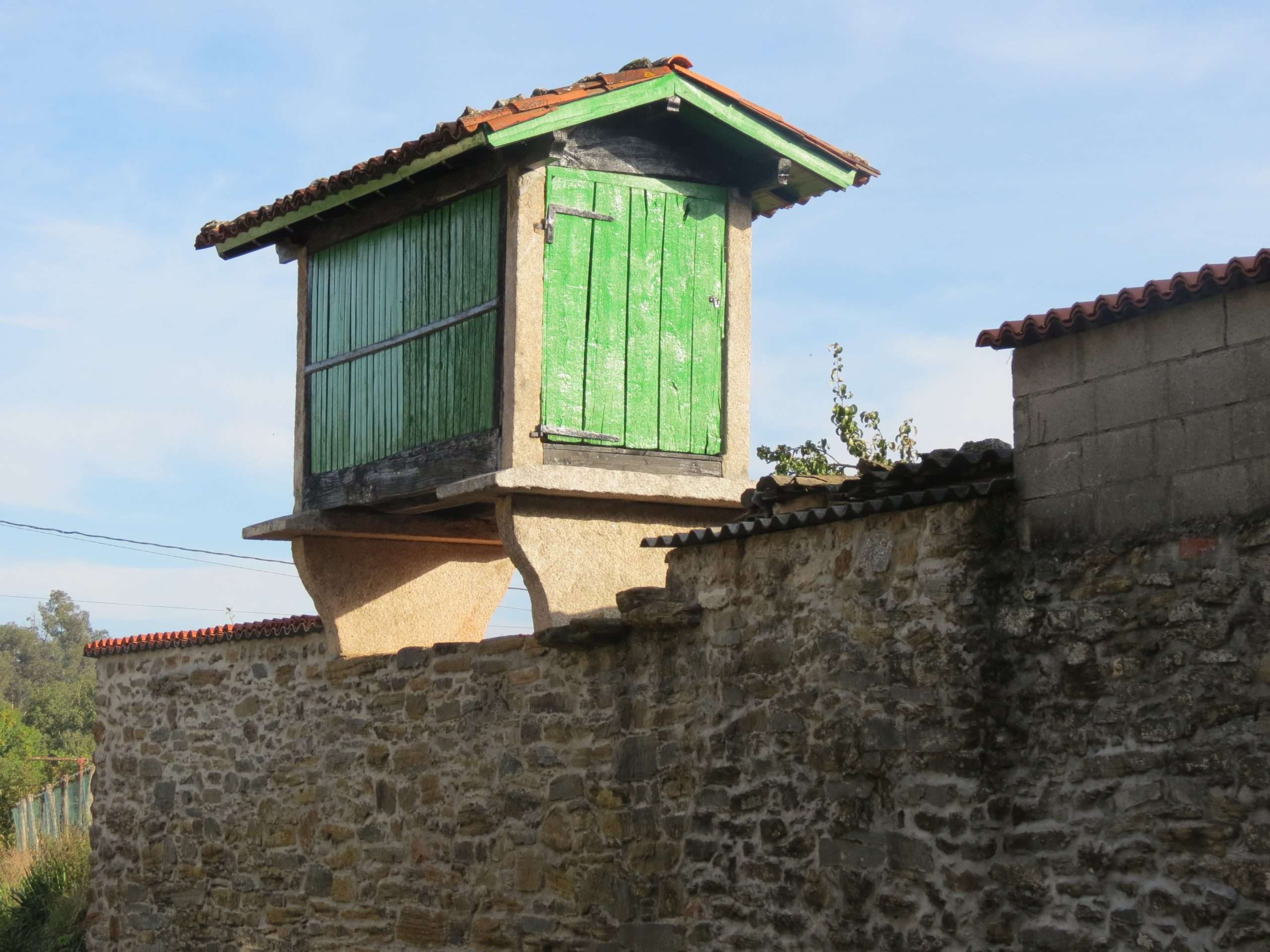
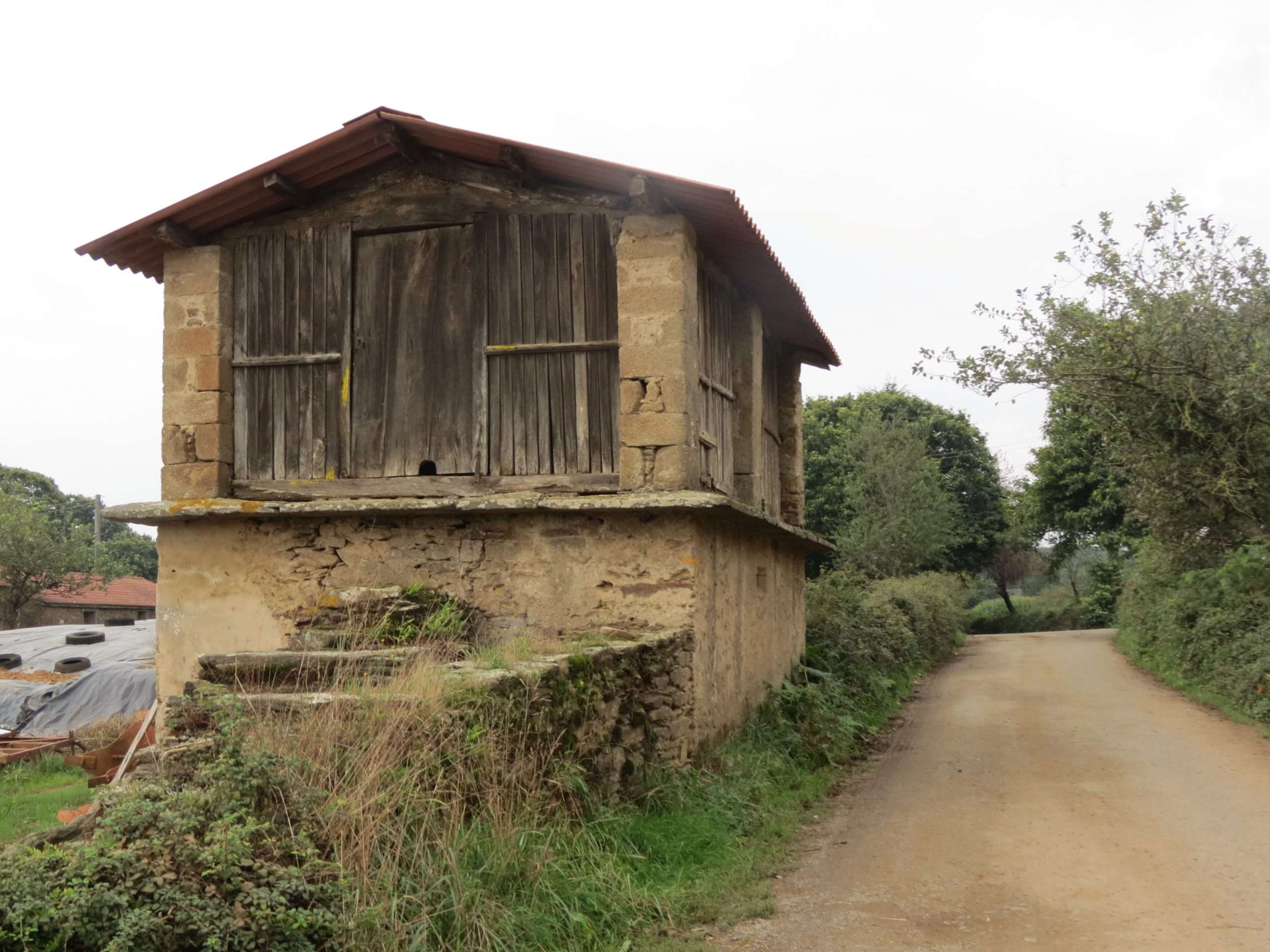
Along the way, we saw the traditional “hórreos,” which are corn cribs designed to allow air circulation while keeping animals and birds out. At Castromaior, we took a detour to visit a Celtic settlement dating back to 500 BC. Although the excavation work has stalled due to lack of funds, it was incredible to stand in such an ancient place.
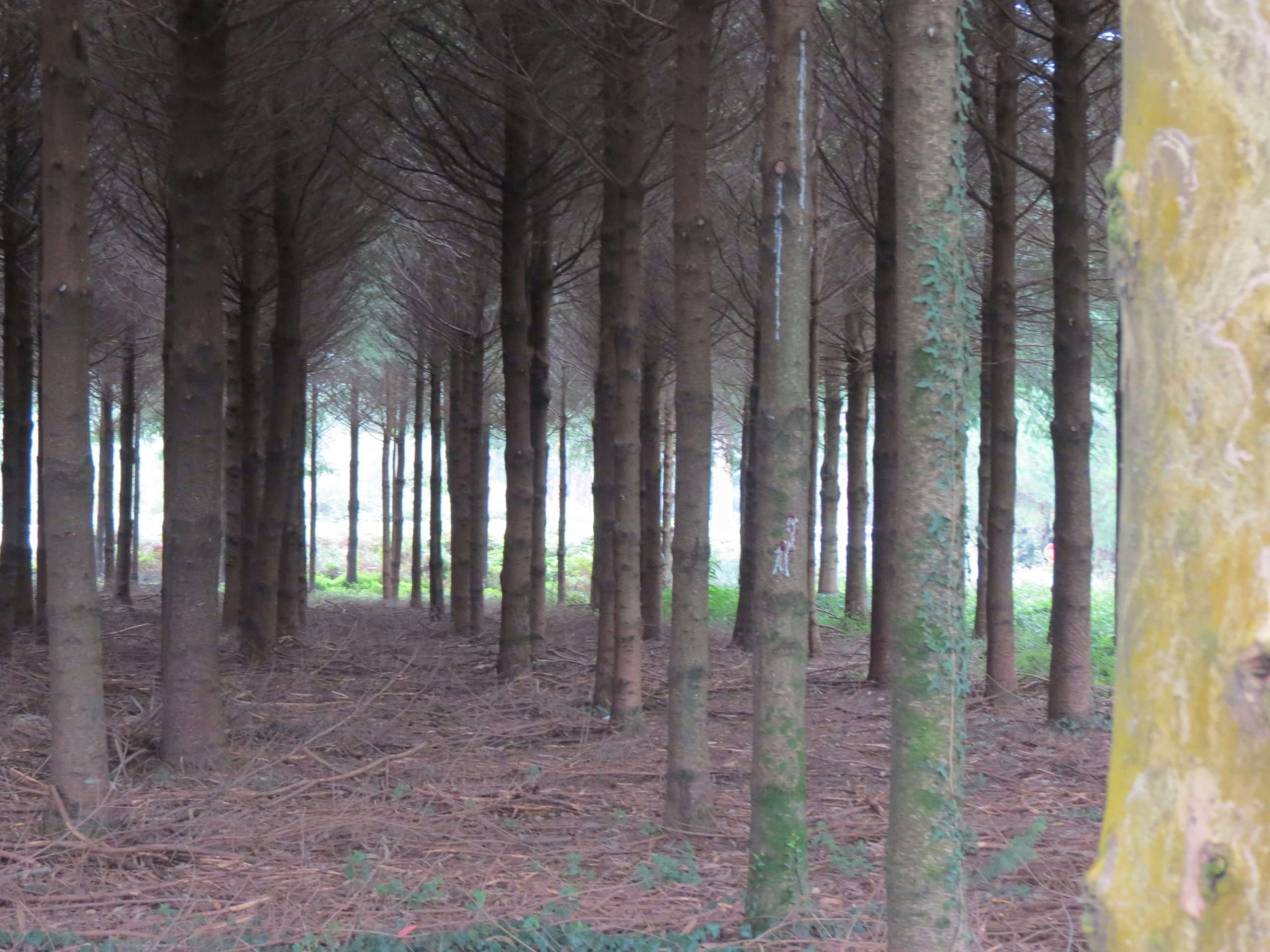
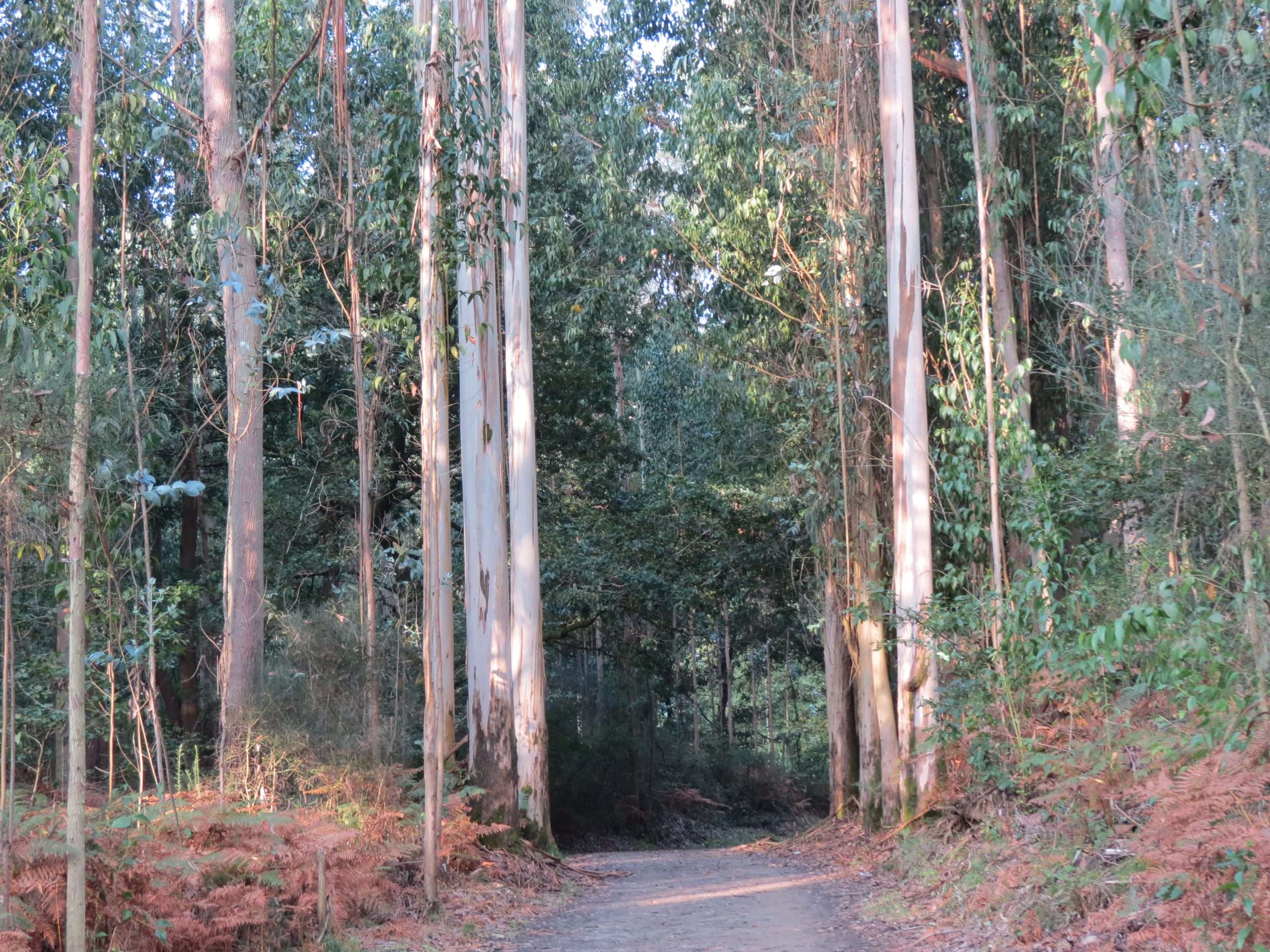
Lunch was a delicious picnic arranged by Jeffrey, and despite the exhausting walk, the weather improved, with only one brief rain shower. We passed through eucalyptus forests and ended the day with dinner at the Mirador. Later, we attended Mass at the Church of Saint John and Saint Nicholas, which once served as a fortress or military church. Outside in the square, drummers and singers performed, competing with the Mass for our attention. Today, we walked 15.5 miles.
Palais de Rei to Melide – September 21, 2014
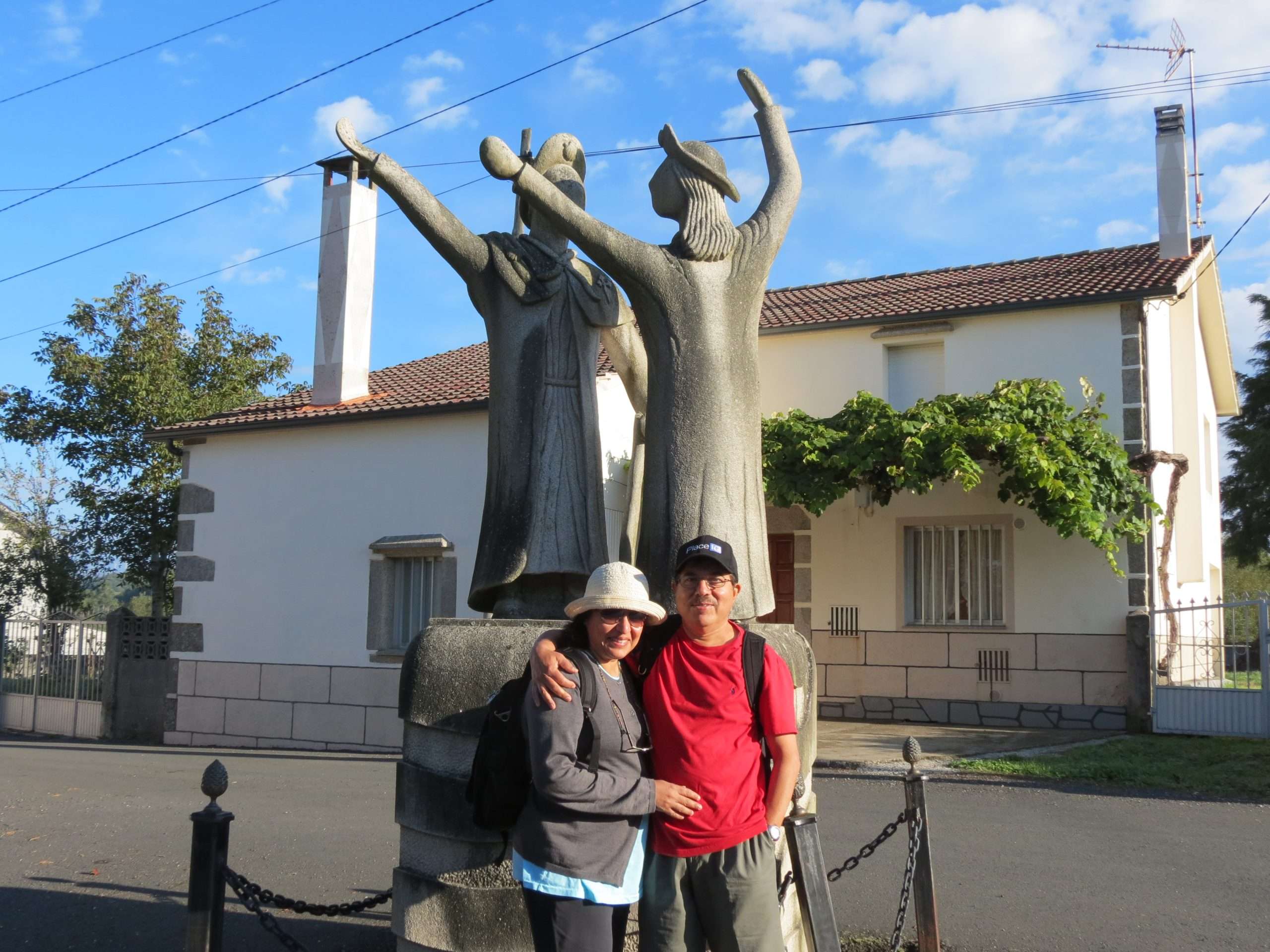
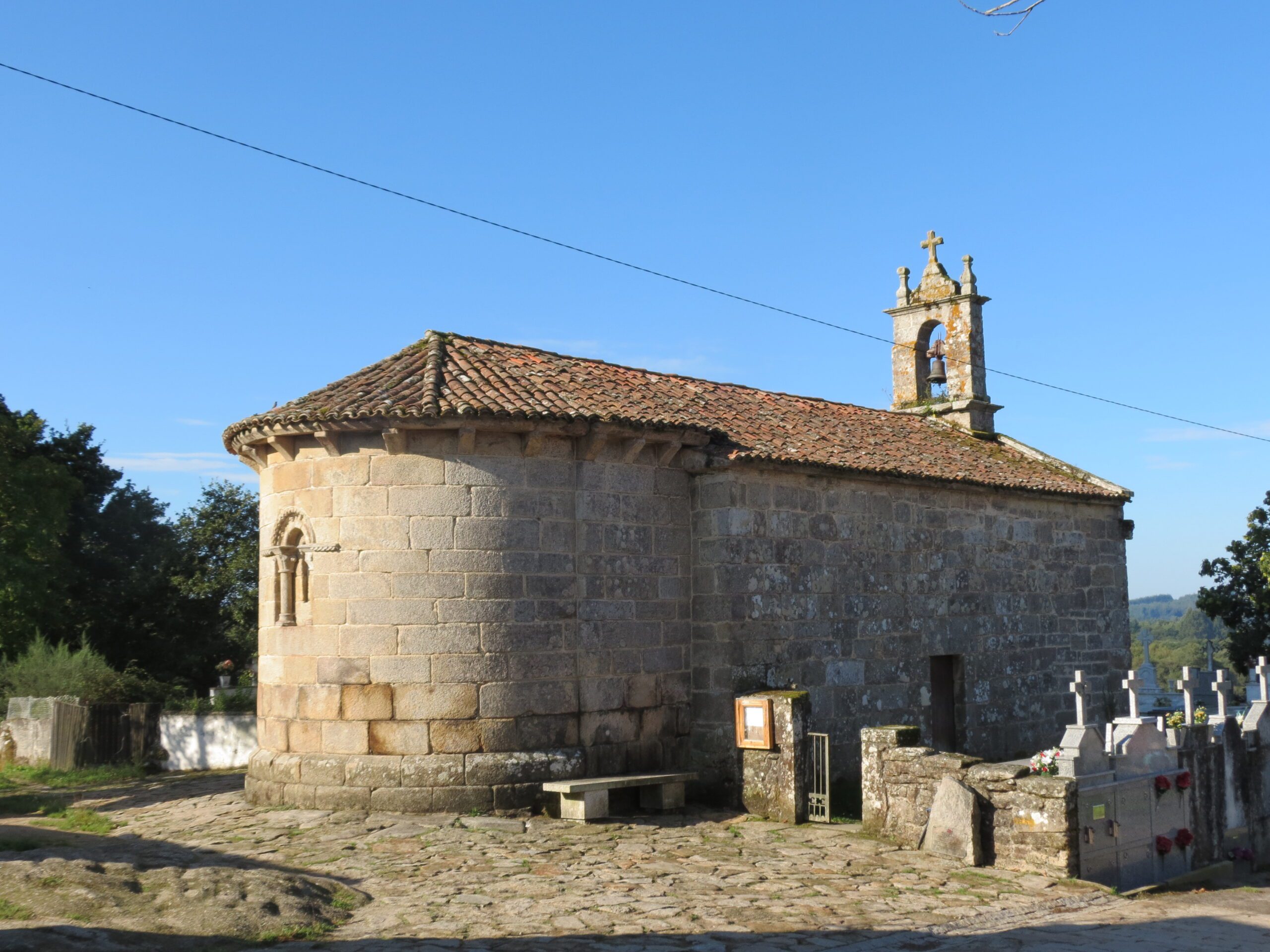
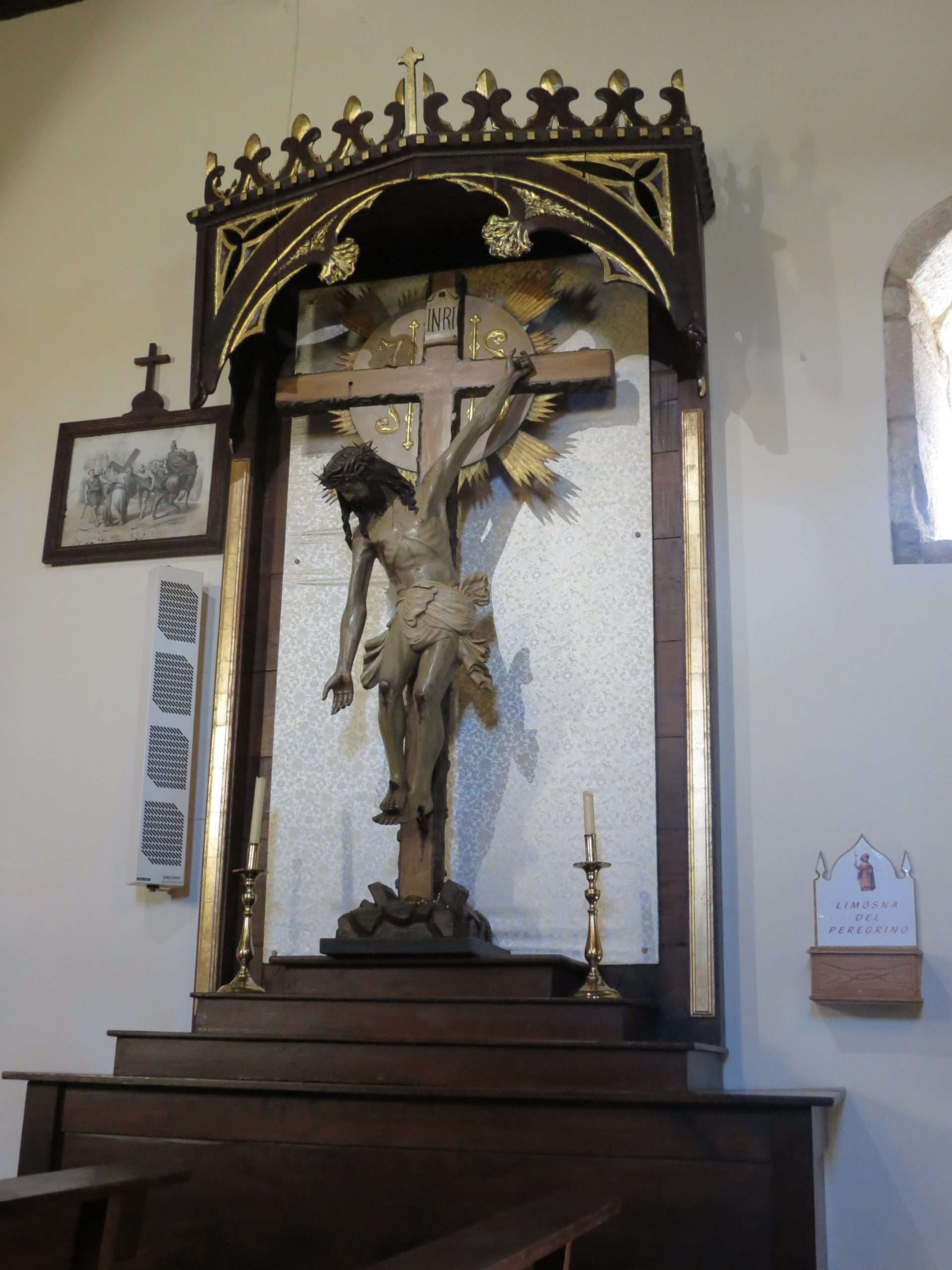
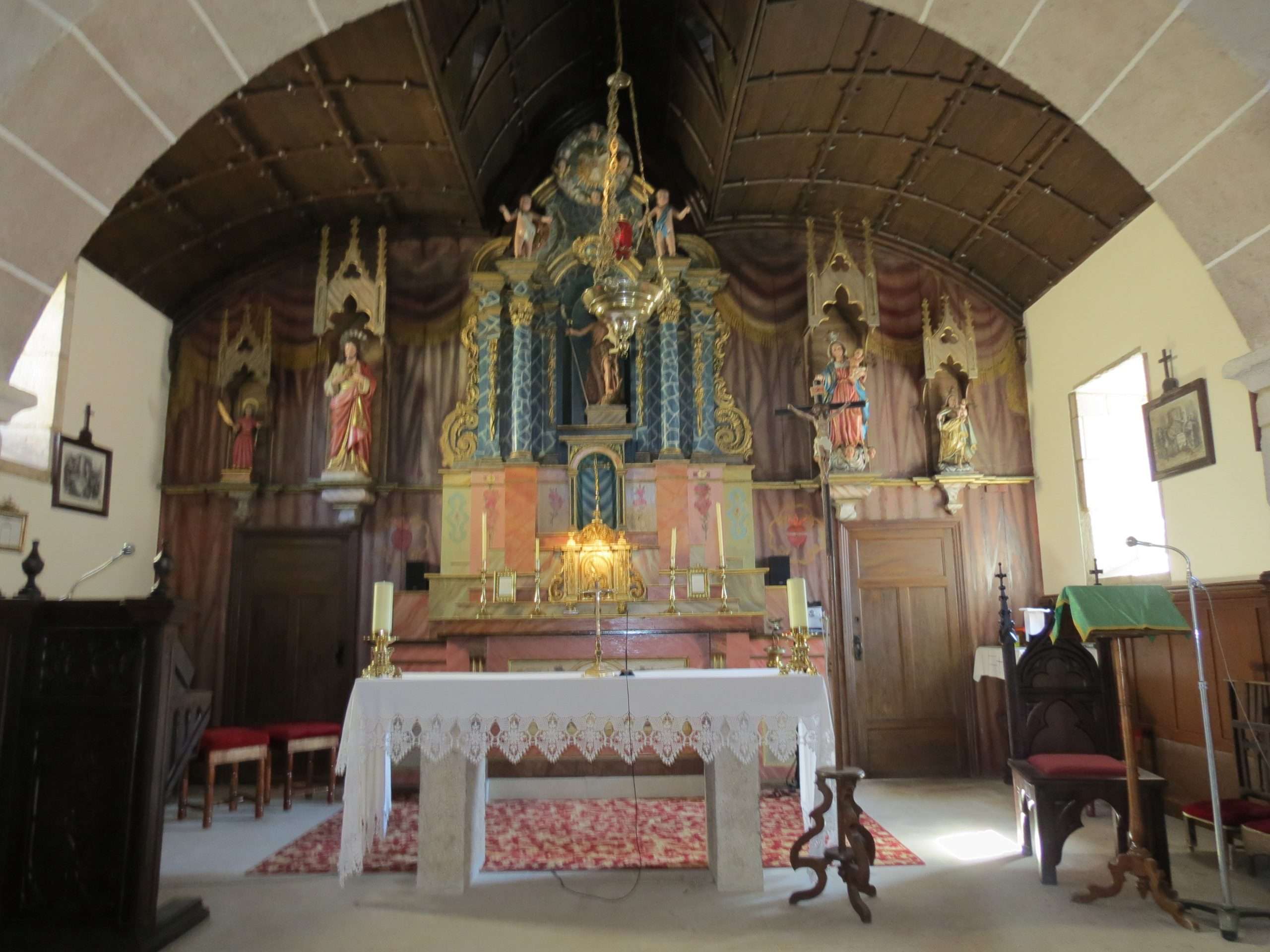
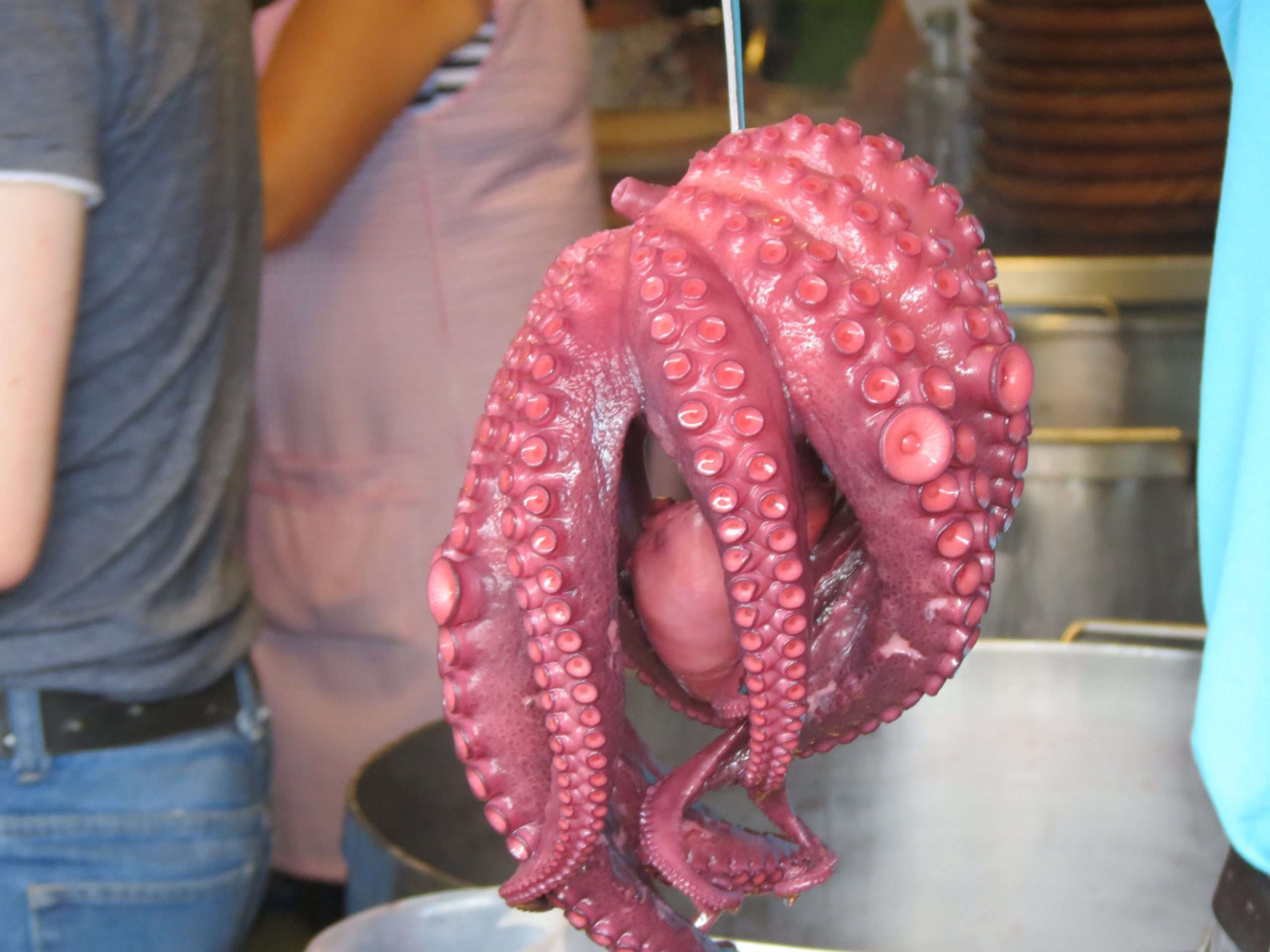
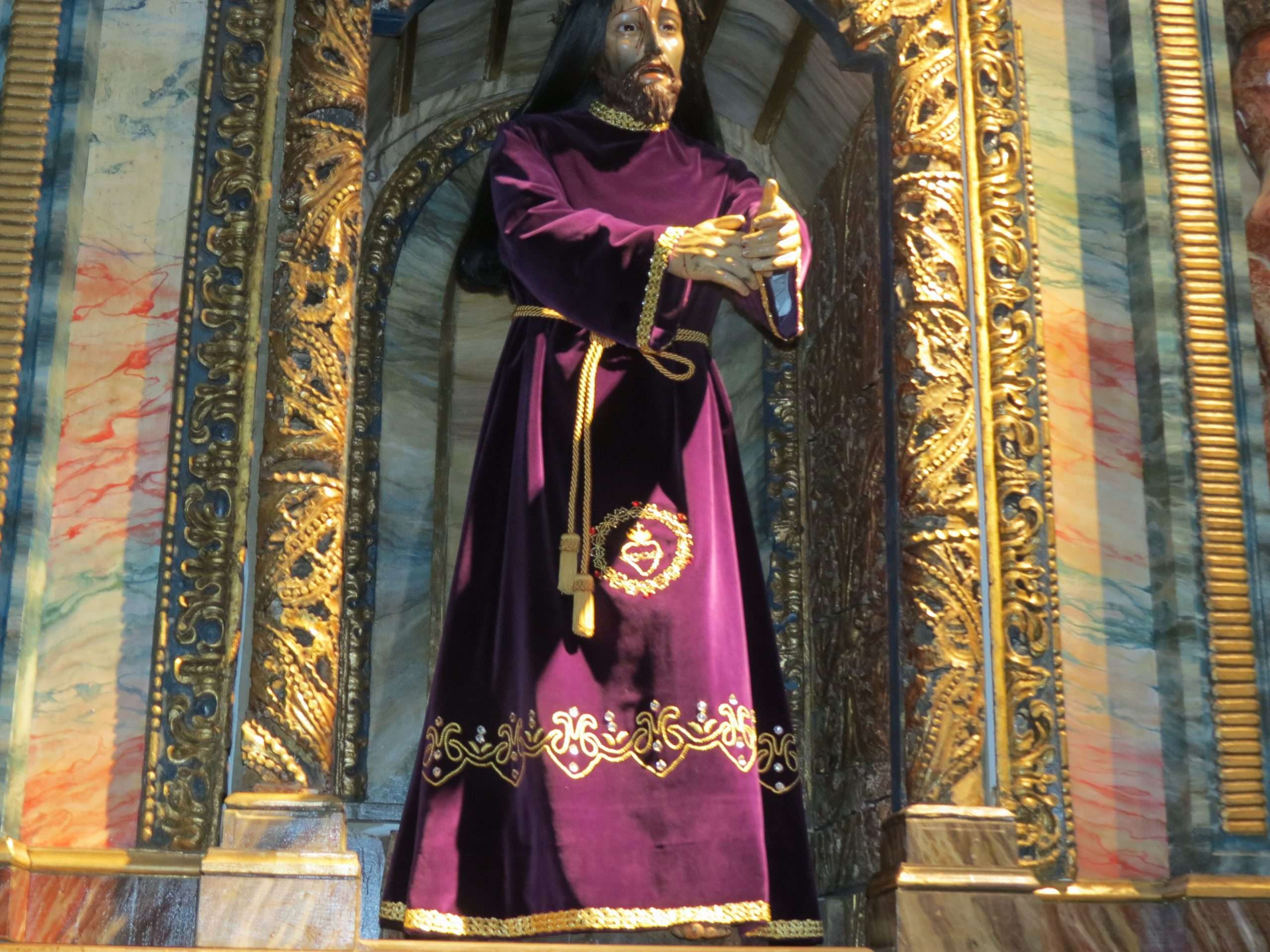
We walked from Palas de Rei through San Xulián, Pontecampaña, Casanova, Leboreiro, and Furelos, finally reaching Melide—the pulpo (octopus) capital of Galicia, where Christabel tried her first bite of pulpo. The walk was tough, starting with a short stroll through a beautiful forest before moving into industrial areas under a relentless sun. In Furelos, we visited the church with the unique crucifix, Cristo de San Xoan de Furelos, where Jesus is depicted with one hand extended downward, symbolizing his willingness to give others a hand even when he is in agony. Today, we walked 9 miles.
Melide to Arzúa – September 22, 2014
The weather was beautiful today. We’re staying at a hotel that is a restored garrison. According to legend, a rebel or soldier was hanged at its gates. Last night’s dinner was a simple yet spectacular affair, featuring the best croquetas we’ve had and our first taste of hake fish.
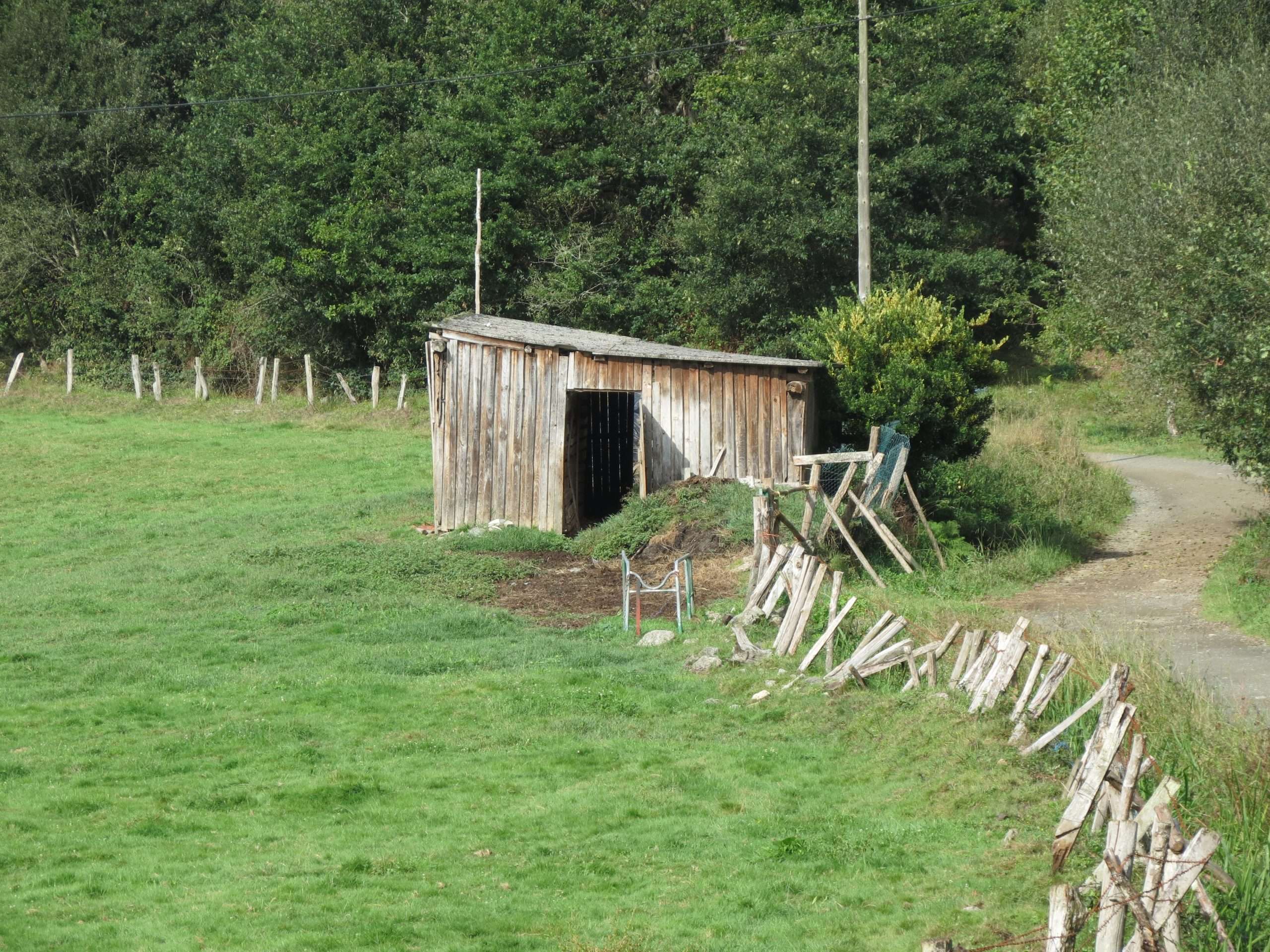
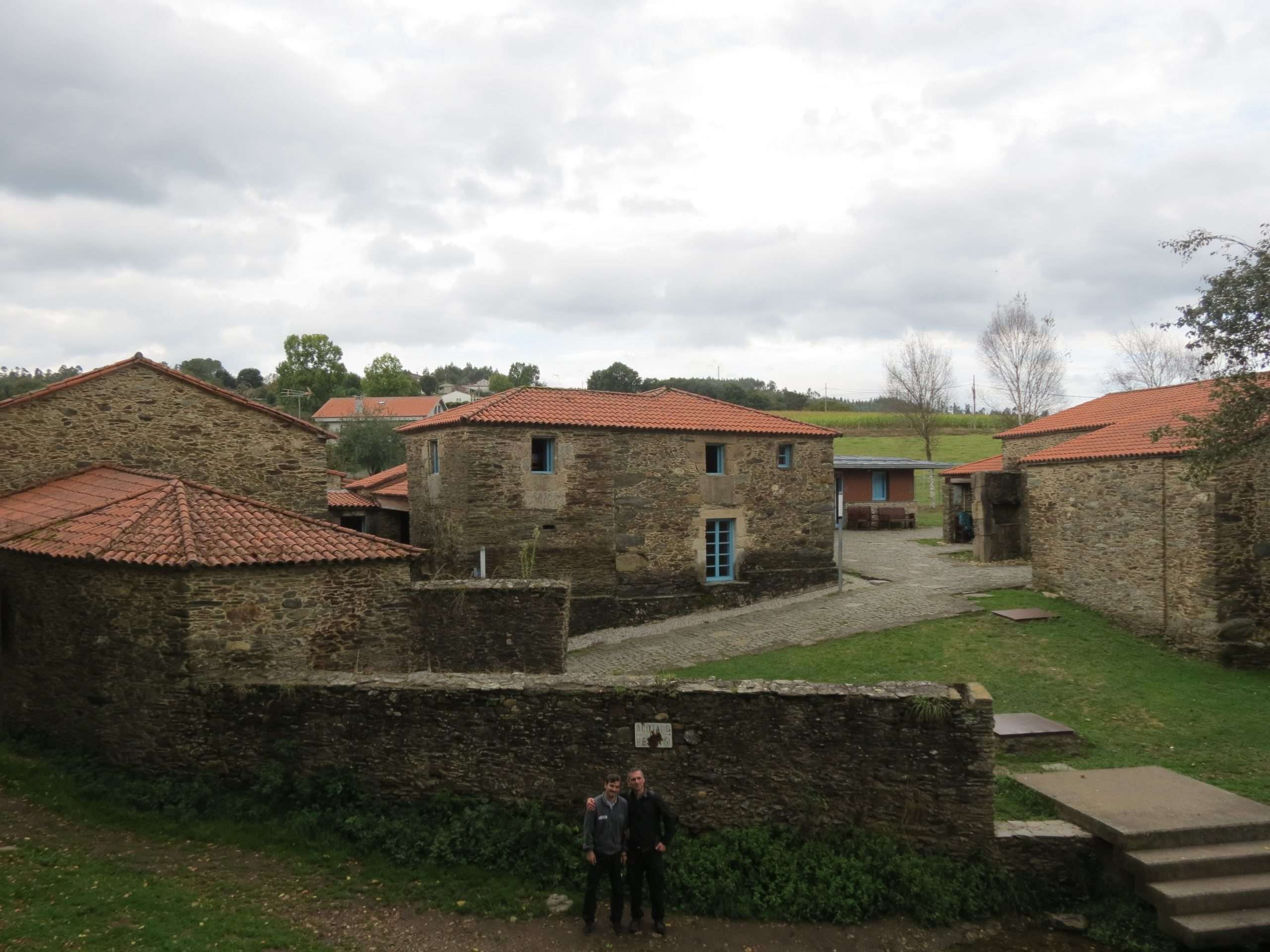
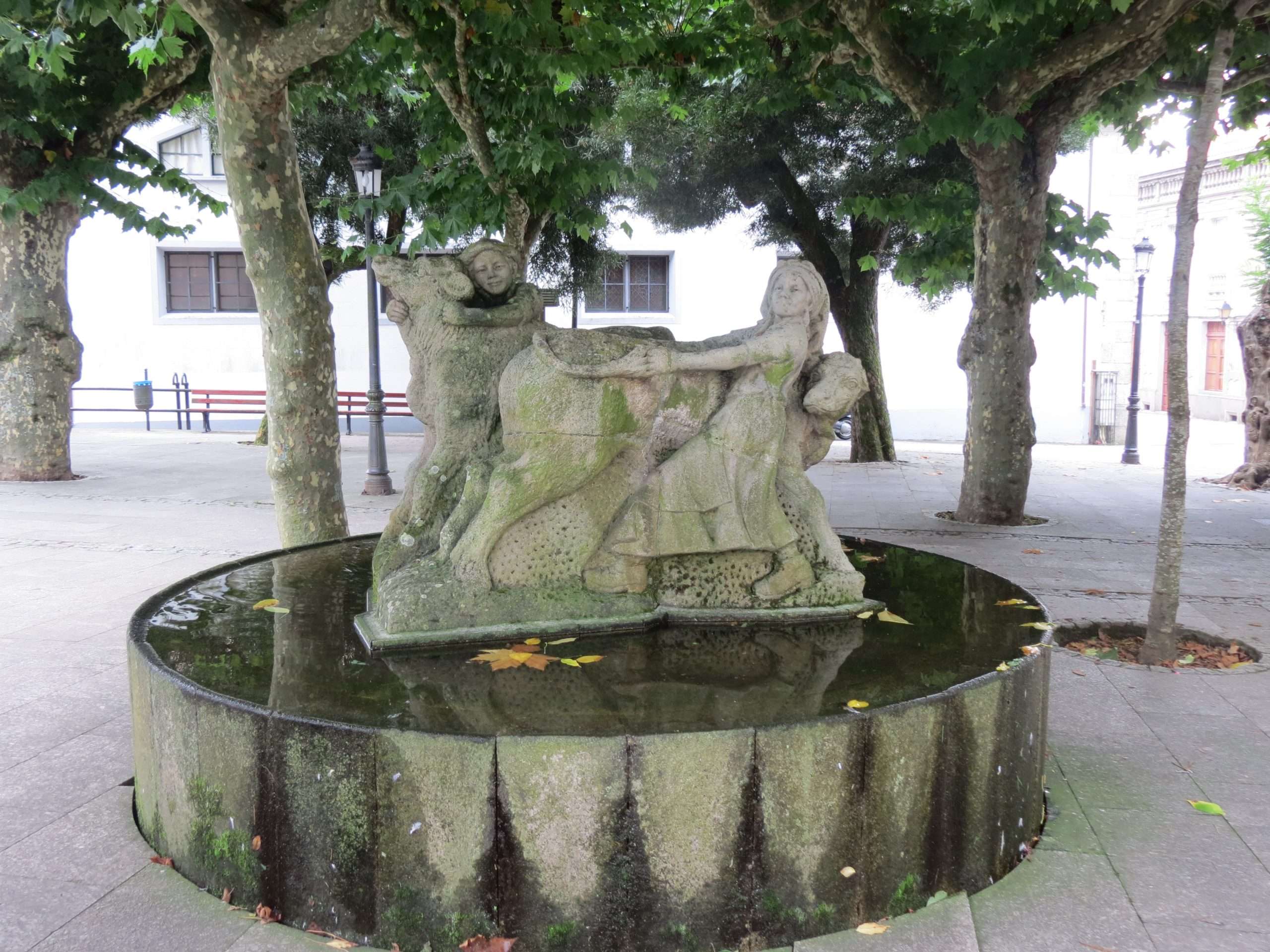
Today, we took a short, pleasant walk from Melide to Arzúa, passing through A Ponte (Stonebridge), Boente, Castañeda, and Ribadiso da Baixo. Arzúa is the cheese capital of Galicia, and we had some lovely cheeses at lunch. We climbed four hills, with elevations ranging from 300 to 450 feet. We’re getting closer to Santiago. Albert met a girl from Denver who is walking the Camino solo, arranged by Map Adventurers from the UK. She joined us for a while. Distance covered: 9 miles.

Arzúa to Arca – September 23, 2014
We checked out of our hotel where dinner last night was fabulous—paella and coffee flan, both delicious. Today’s walk was long but enjoyable, with perfect weather. We traveled from Arzúa to Arca passing through Calzada, Calle, Salceda, Santa Irene and Pedroso . The route from Pedroso was the same one Angela Merkel walked with the Spanish premier.
We met a man from Montreal who had walked the Camino from Saint-Jean-Pied-de-Port to Burgos last year and is now completing the rest of the journey over two more weeks.
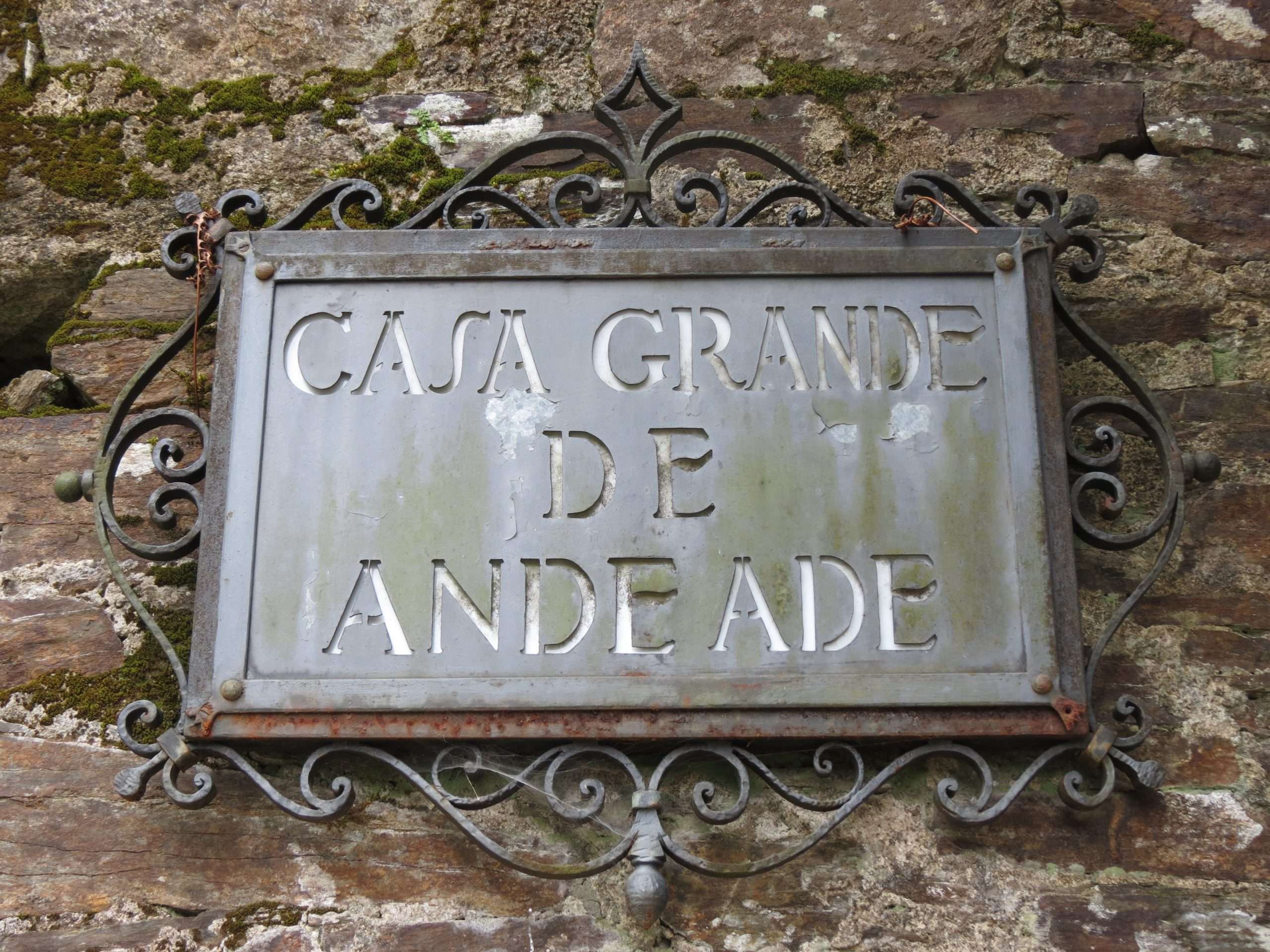
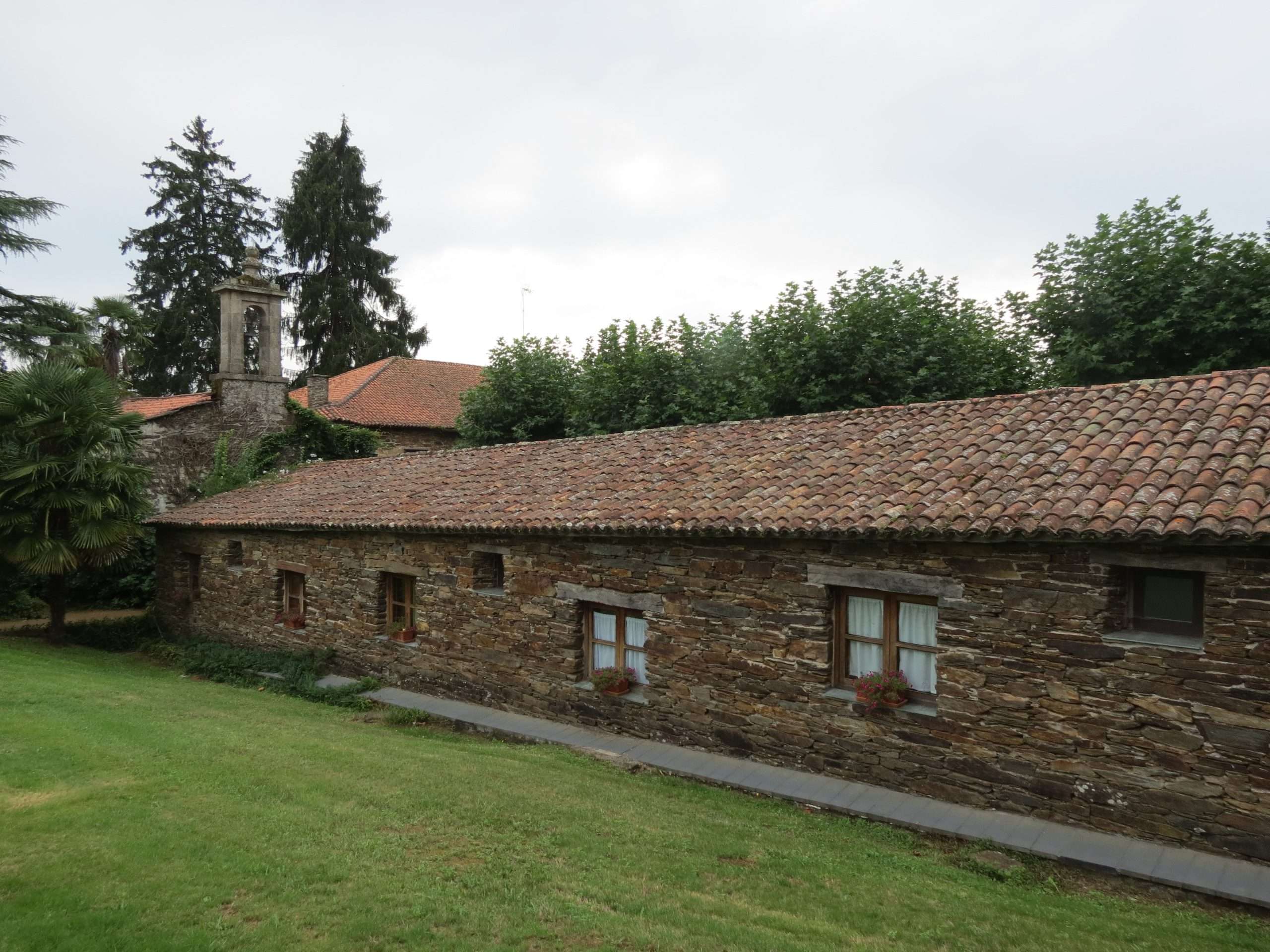
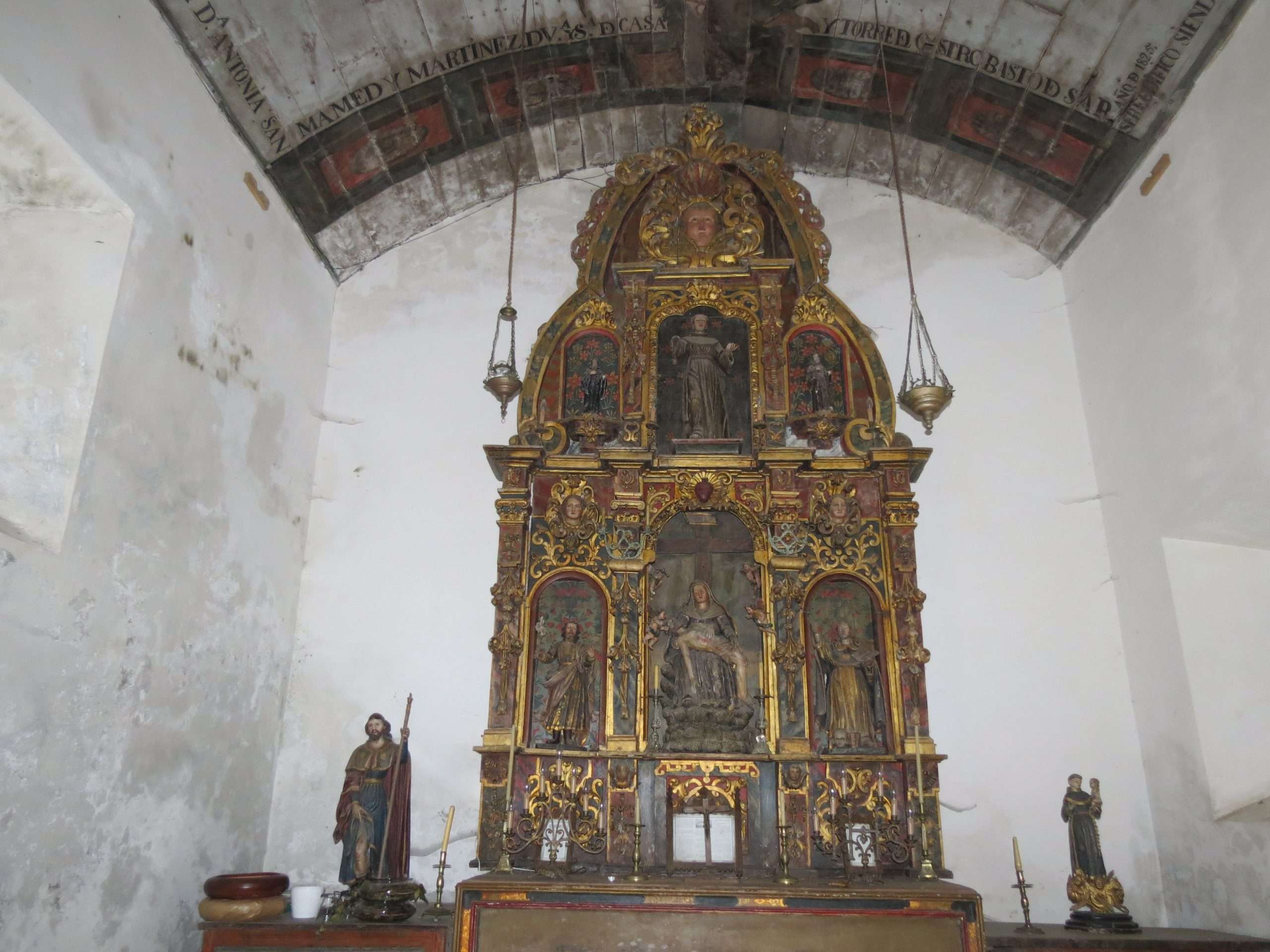
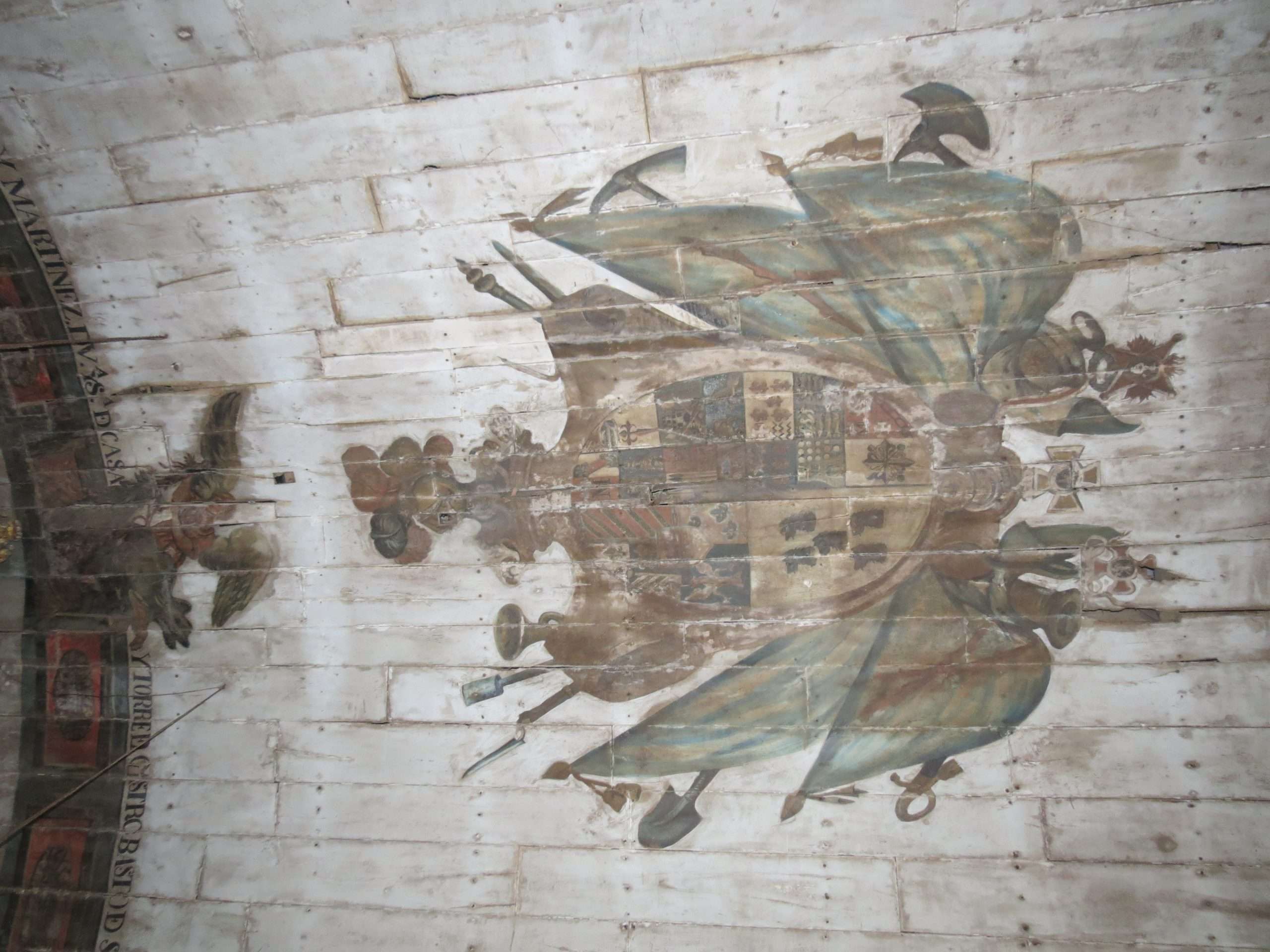
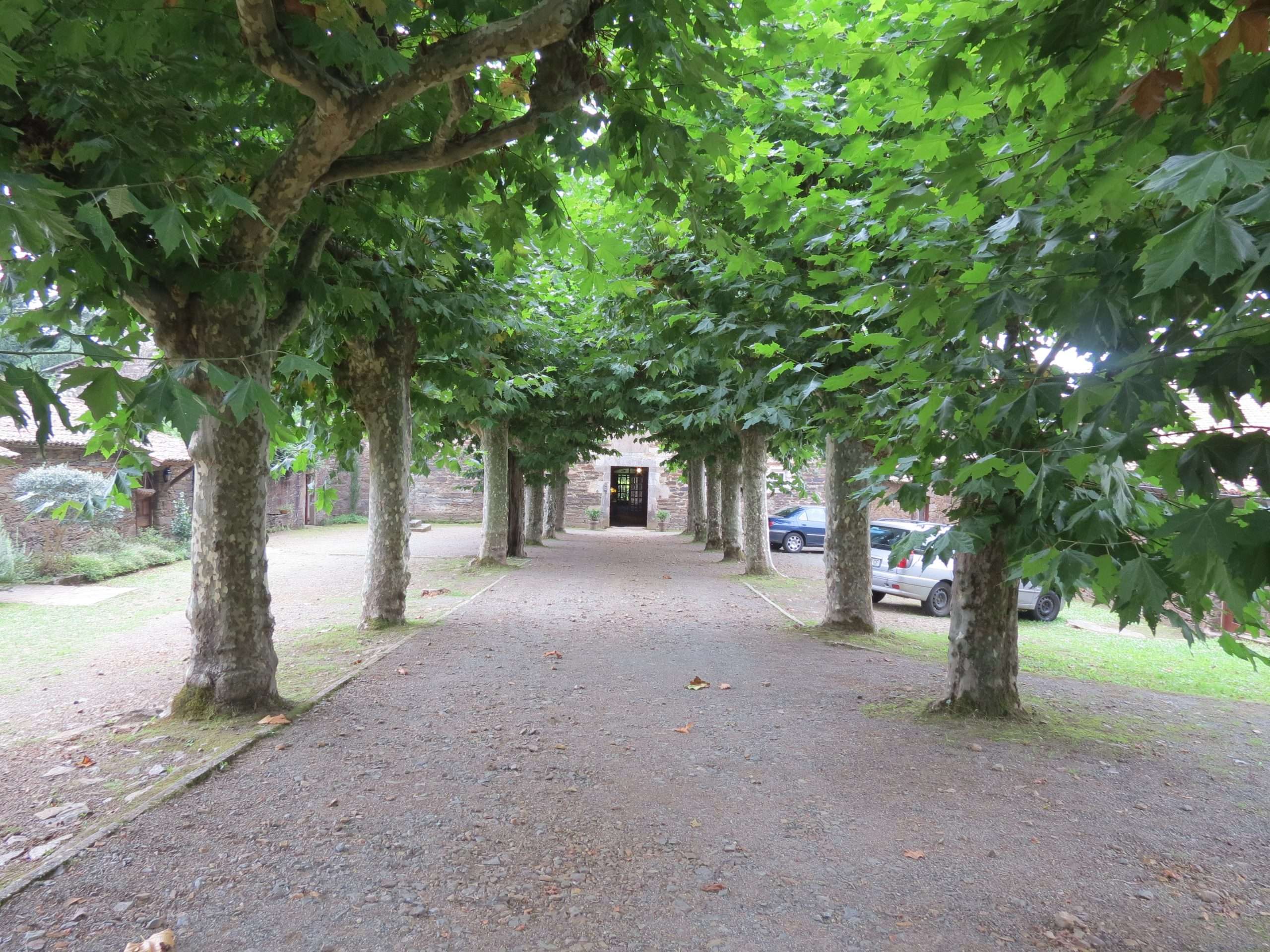
Lunch was a picnic organized by Jason, featuring pulpo, cucumber sandwiches, and a local cheese shaped like a small breast (tetilla). We then checked into the Pazo de Andeade, a Michelin-rated converted family home with a chapel dating back to 1825. The family tree includes 17 generations, including Saint Hubert, whose sainthood is confirmed by a papal bull on the chapel walls. Hubert was a hunter who saw a stag with a crucifix between its antlers and is now the patron saint of hunters.
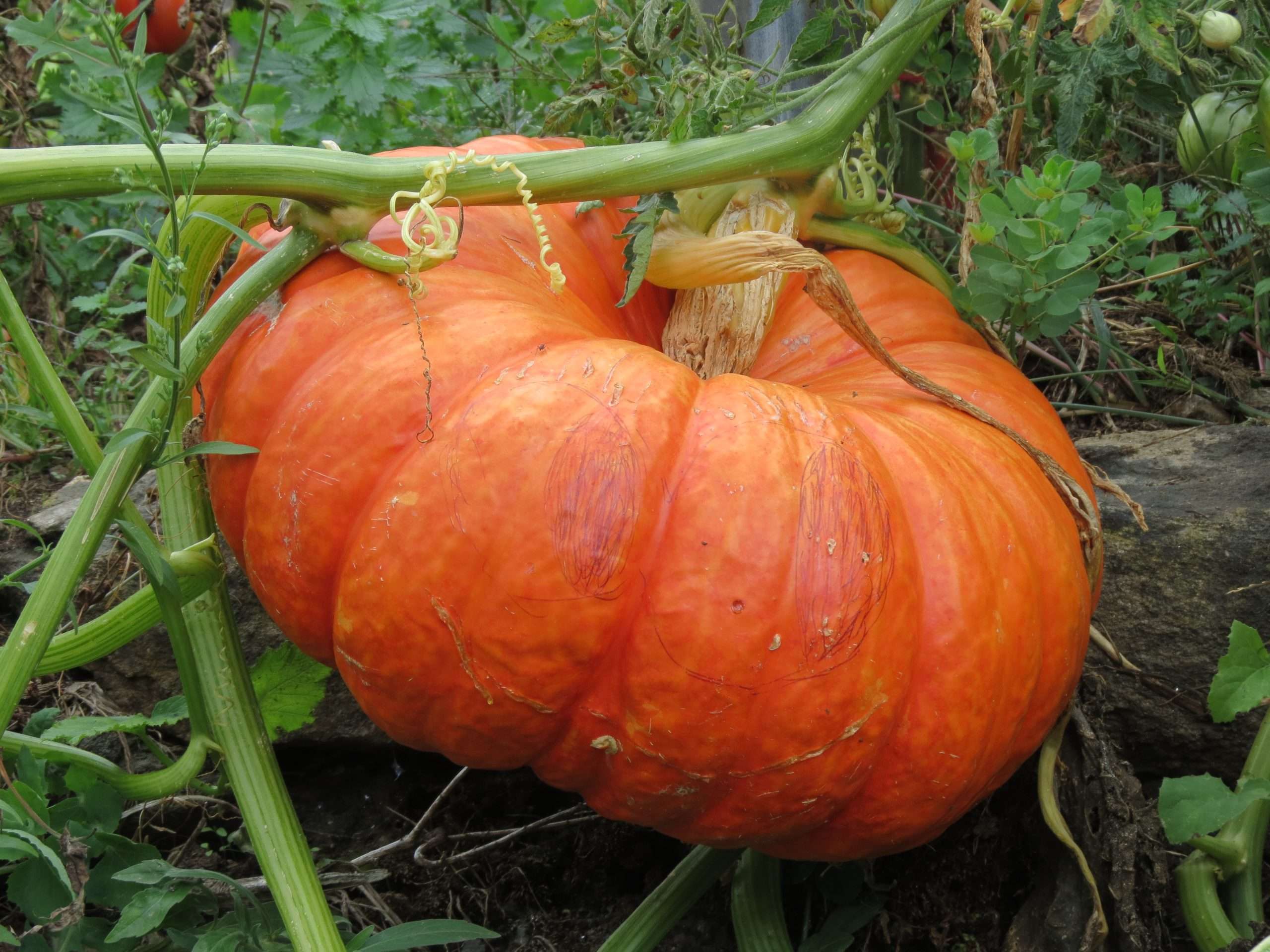
Dinner was exceptional, with the highlight being the Quemada (a Galician punch made in a pumpkin or a clay pot using an alcohol called orujo and other ingredients accompanied by an incantation, much stirring, and the burning of the alcohol. The ritual is traditionally held after dinner and in the dark and is meant to ward off evil spirits). The daughter of the house recited the traditional words while Jason stirred a brew of coffee beans, orange peels, sugar, and alcohol. The flames rose higher with each stir. Jason then read the words in English, and we all took turns stirring before drinking the quemada from small cups. Today, we walked 13.6 miles.

Arca to Santiago de Compostela – September 24, 2014
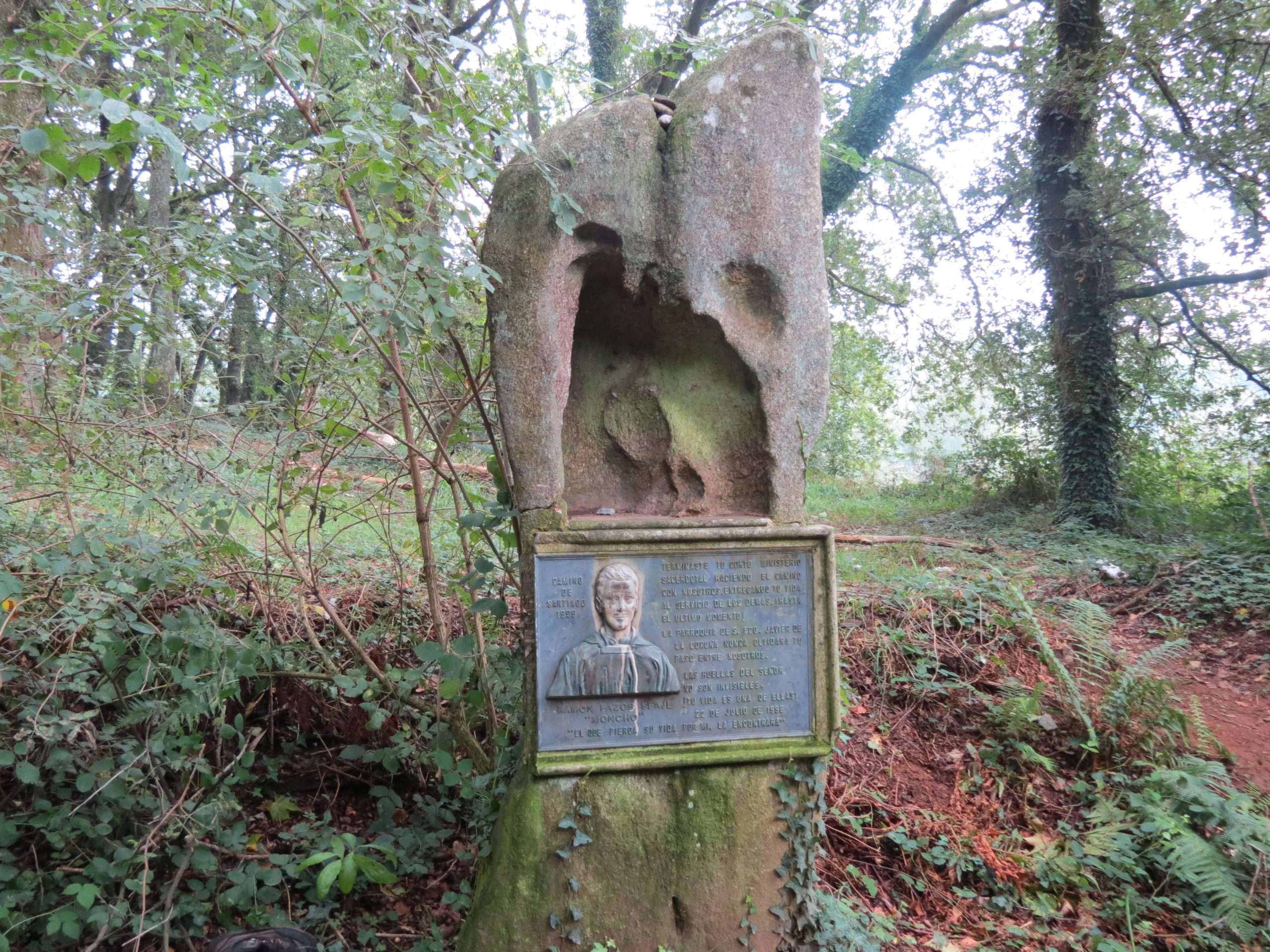
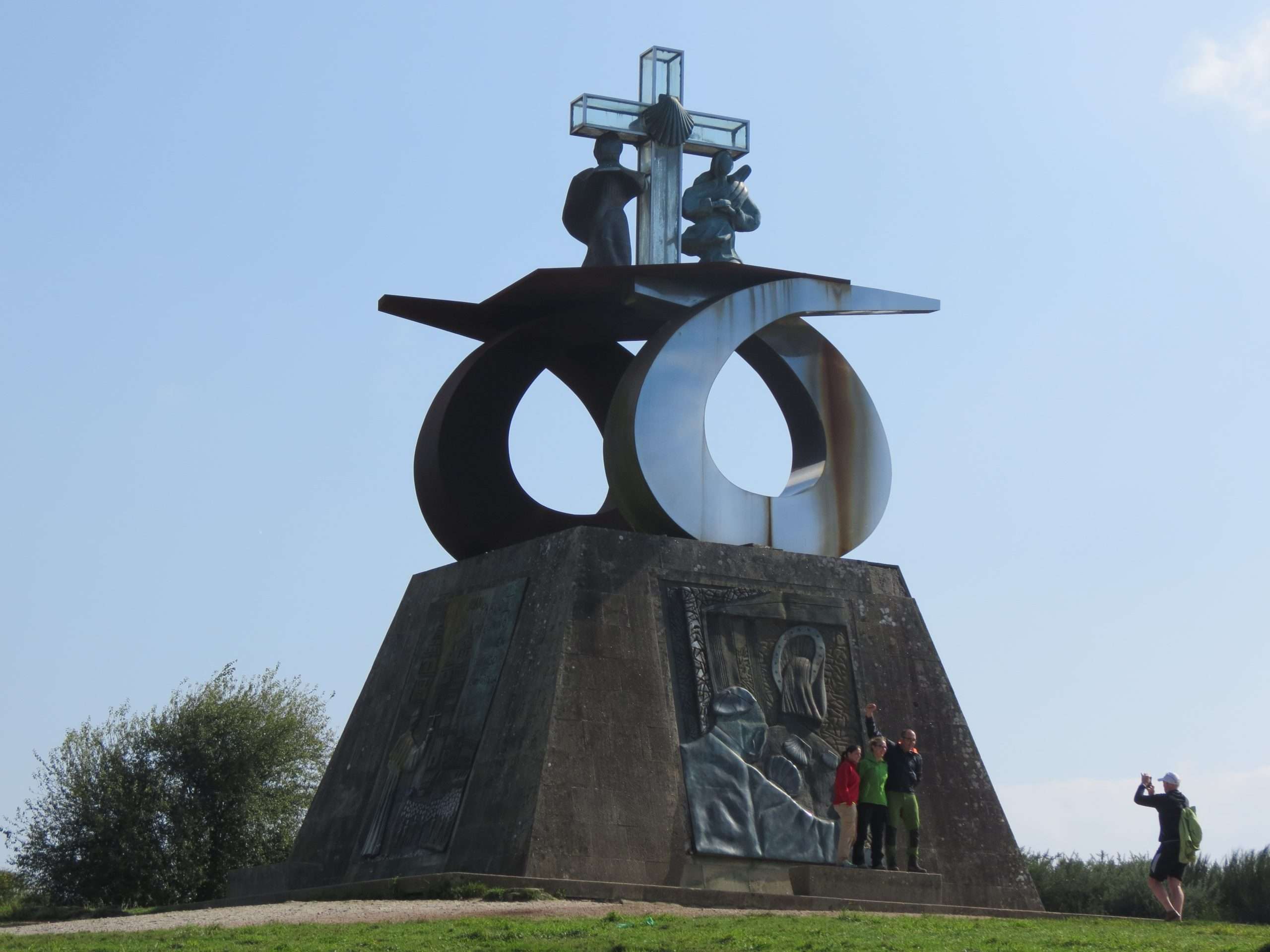
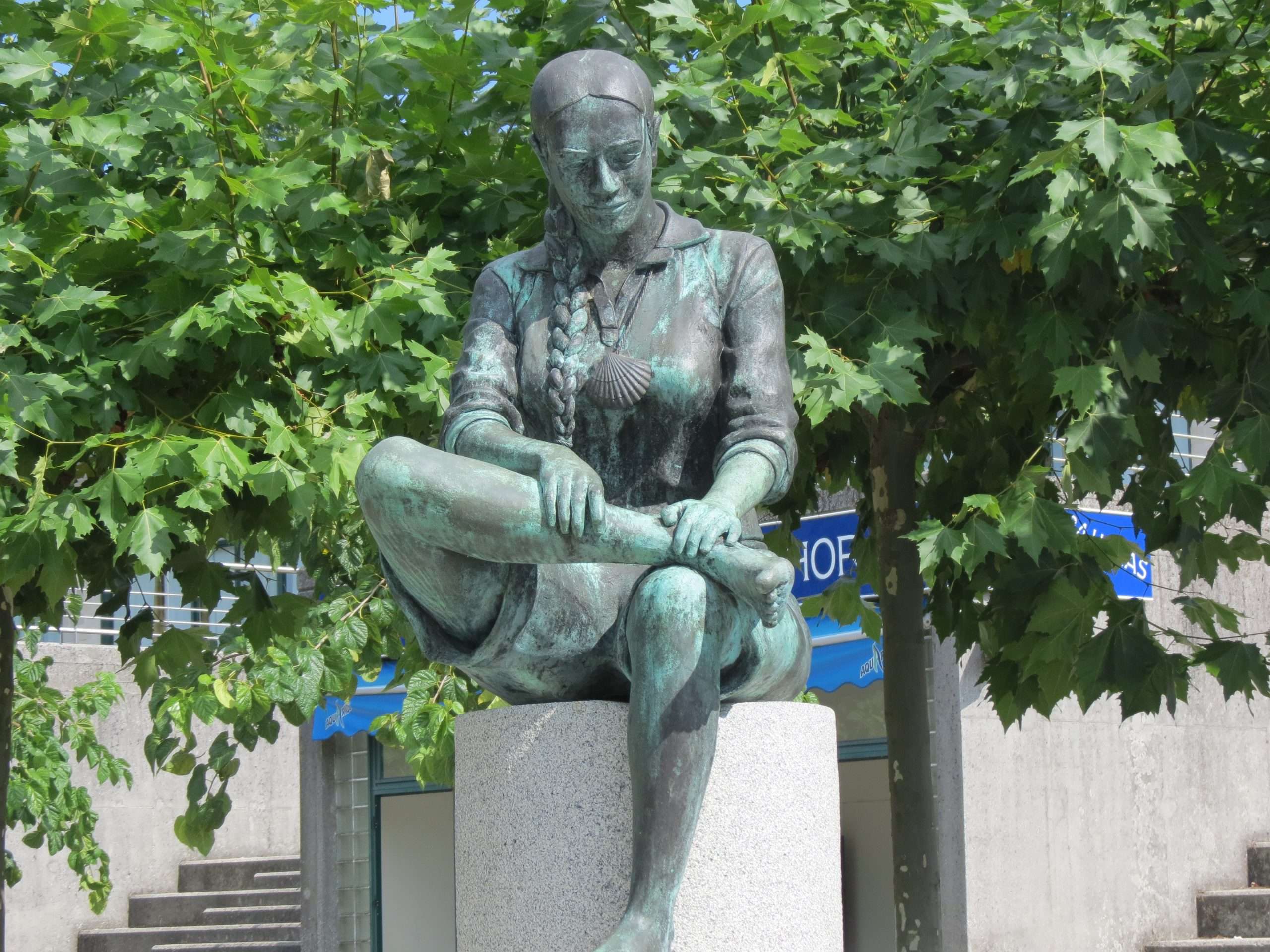
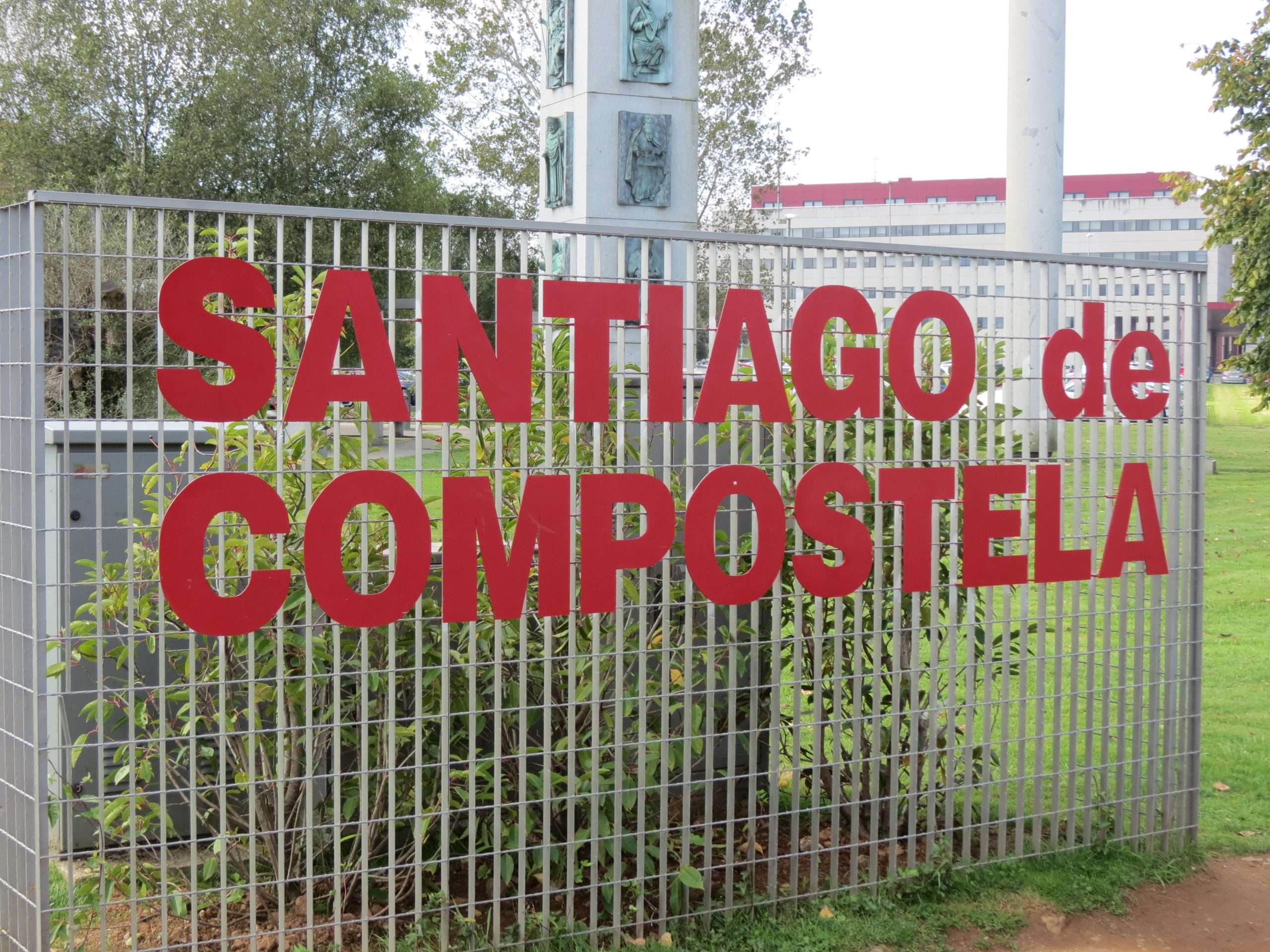
The weather was lovely, but the walk felt endless. We had a picnic at Monte de Gozo, where Jeffrey had organized a feast with the best empanadas. Our route took us from Arca to San Paio (passing Santiago airport), then to Lavacolla (where pilgrims traditionally wash), followed by Villamaior, San Marcos, and finally Monte de Gozo. At Monte de Gozo, we said goodbye to Alberto, our driver. From there, we continued to San Lázaro and finally into Santiago de Compostela.
At Monte de Gozo, there’s a monument to John Paul II and a barracks-like auberge. We desperately needed to use the facilities, but everything was locked. A kind maid told us to go in and not to mention her if we got caught. Santiago was magnificent. We each placed a foot on the oyster shell in the square in front of the cathedral. Afterward, we headed to our lovely hotel, Vixce Don Cerca. Later in the evening, we enjoyed a wonderful farewell dinner with plenty of Orujo. We said our goodbyes to Jason and Jeffrey. Today’s walk covered 10 miles.
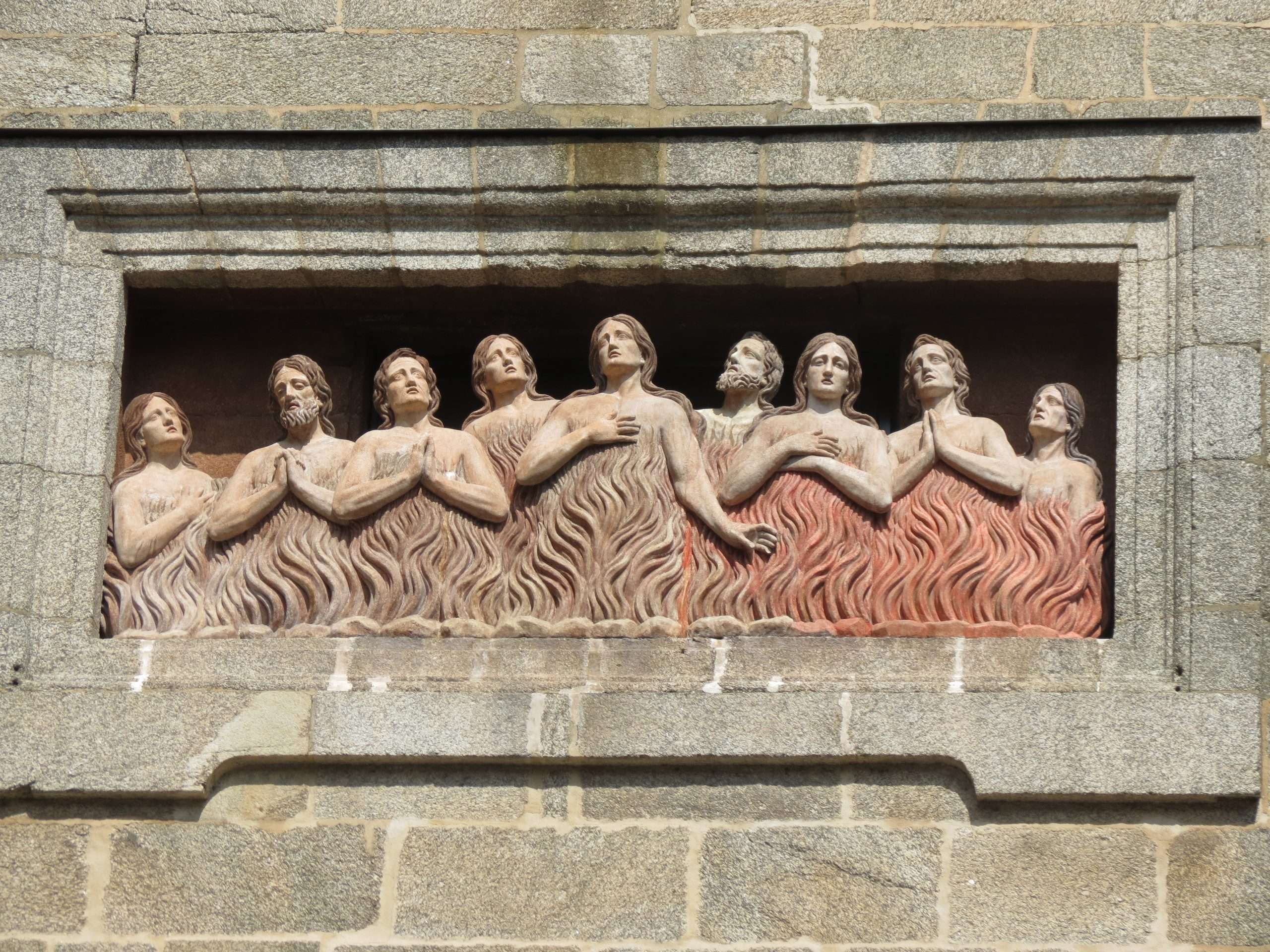
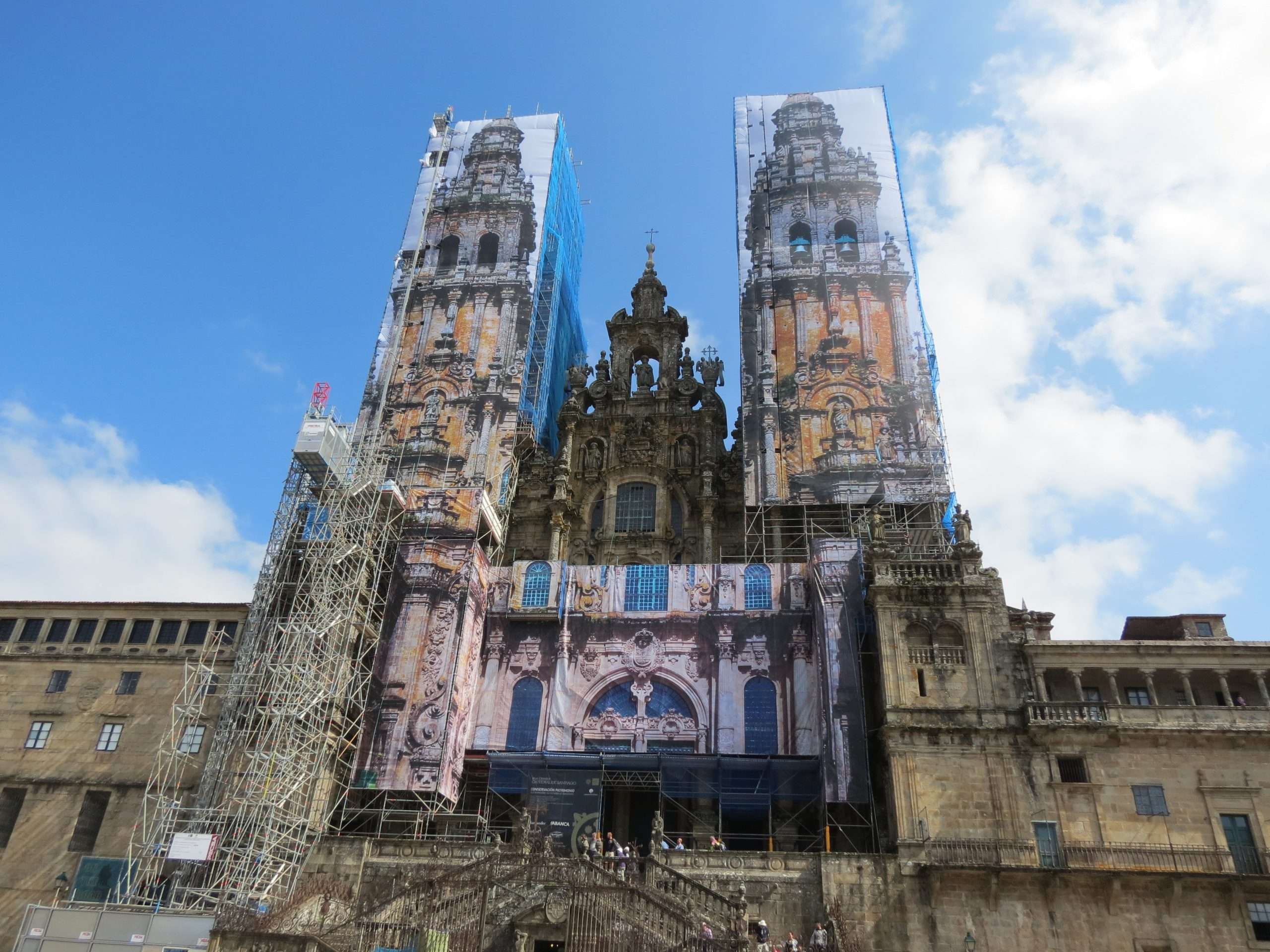
Santiago de Compostela – September 25, 2014
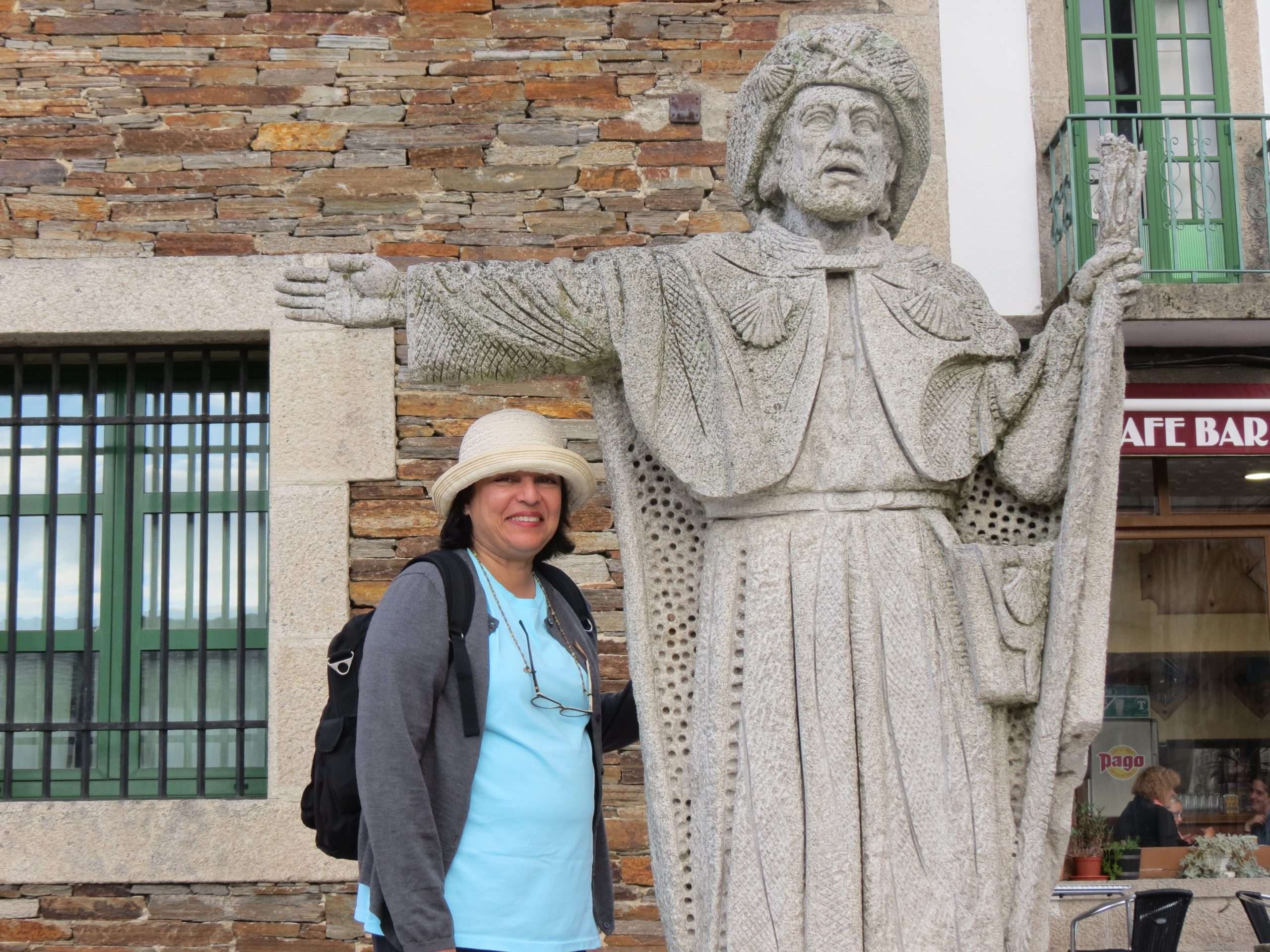
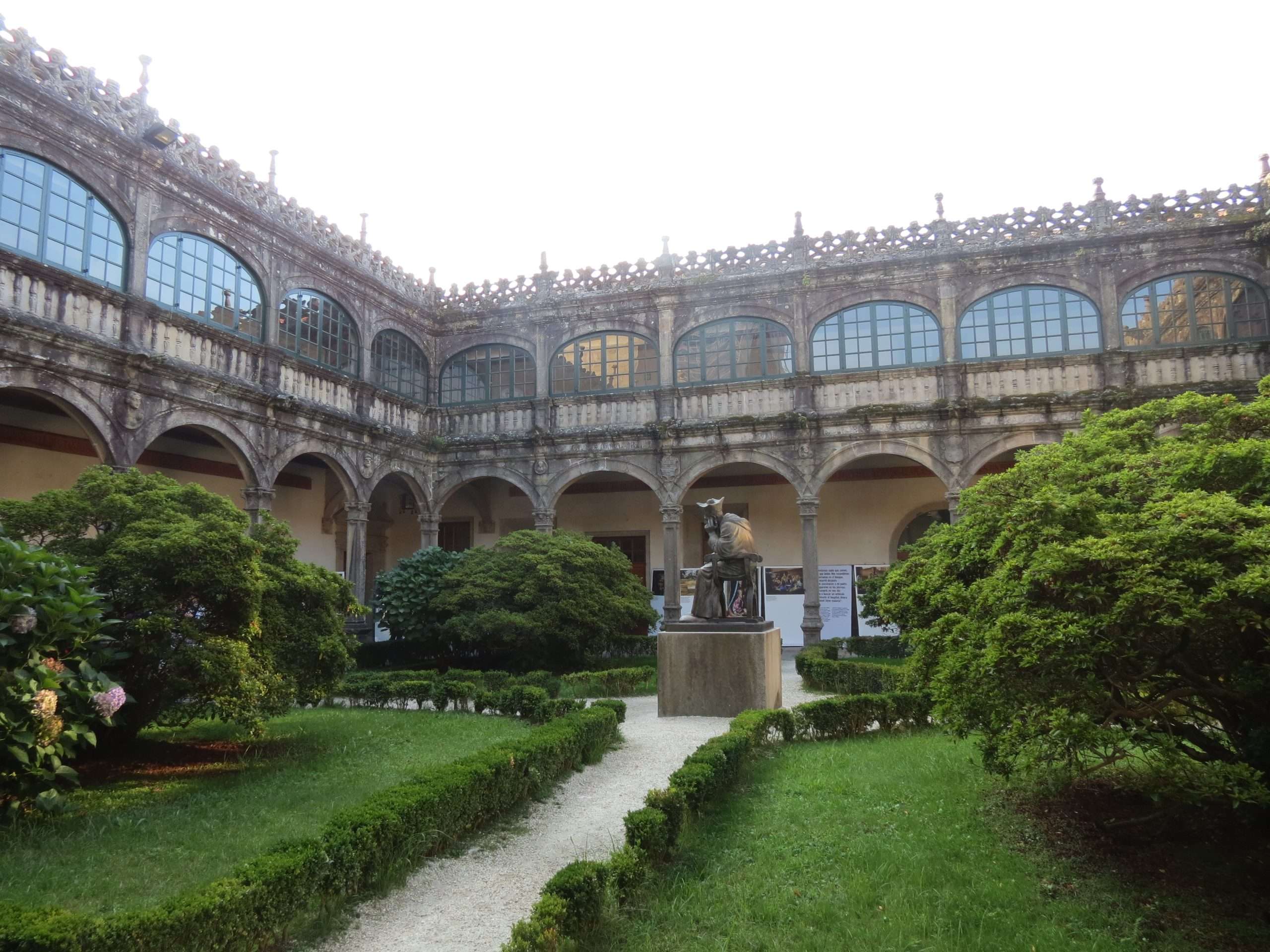
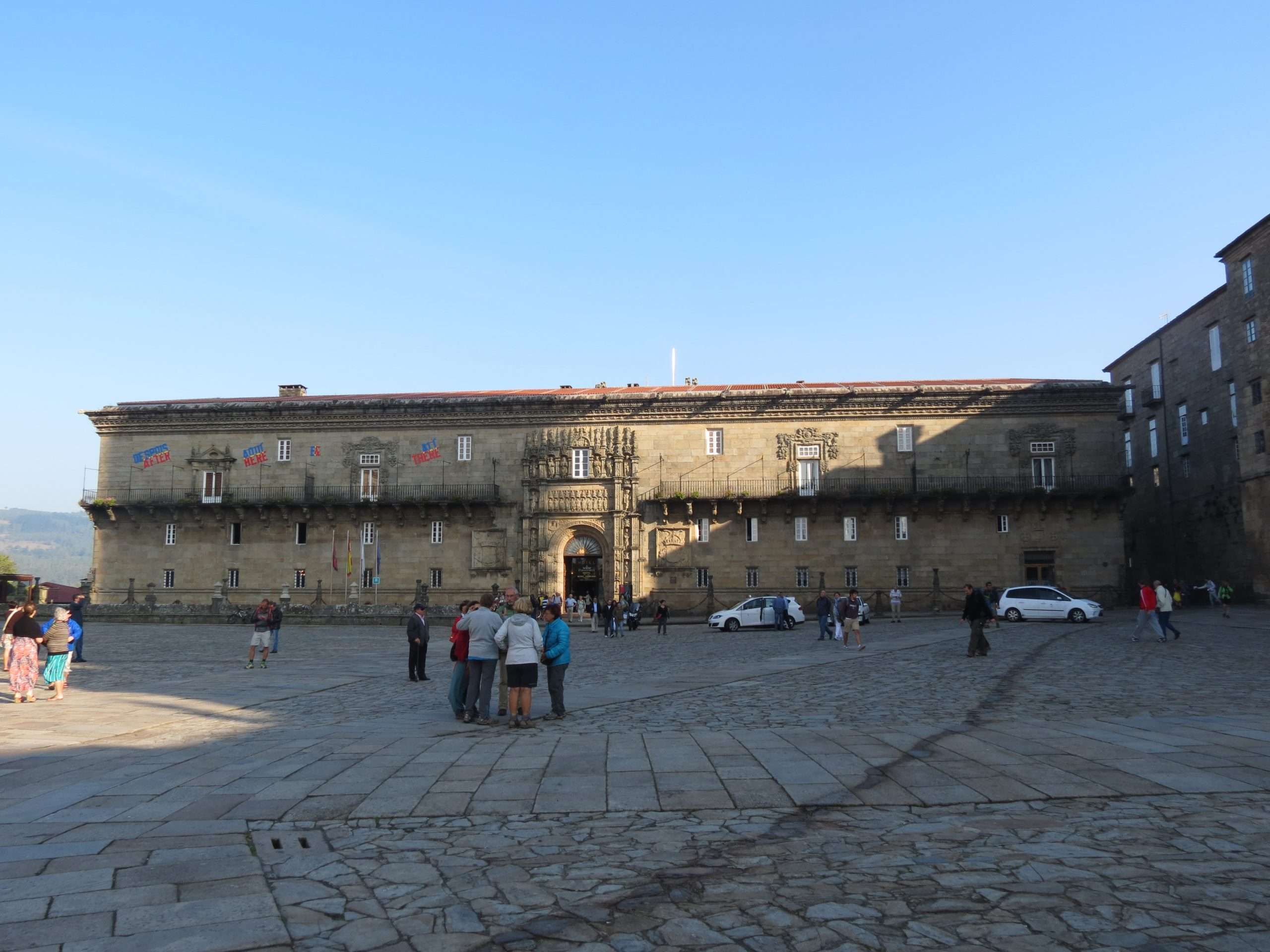
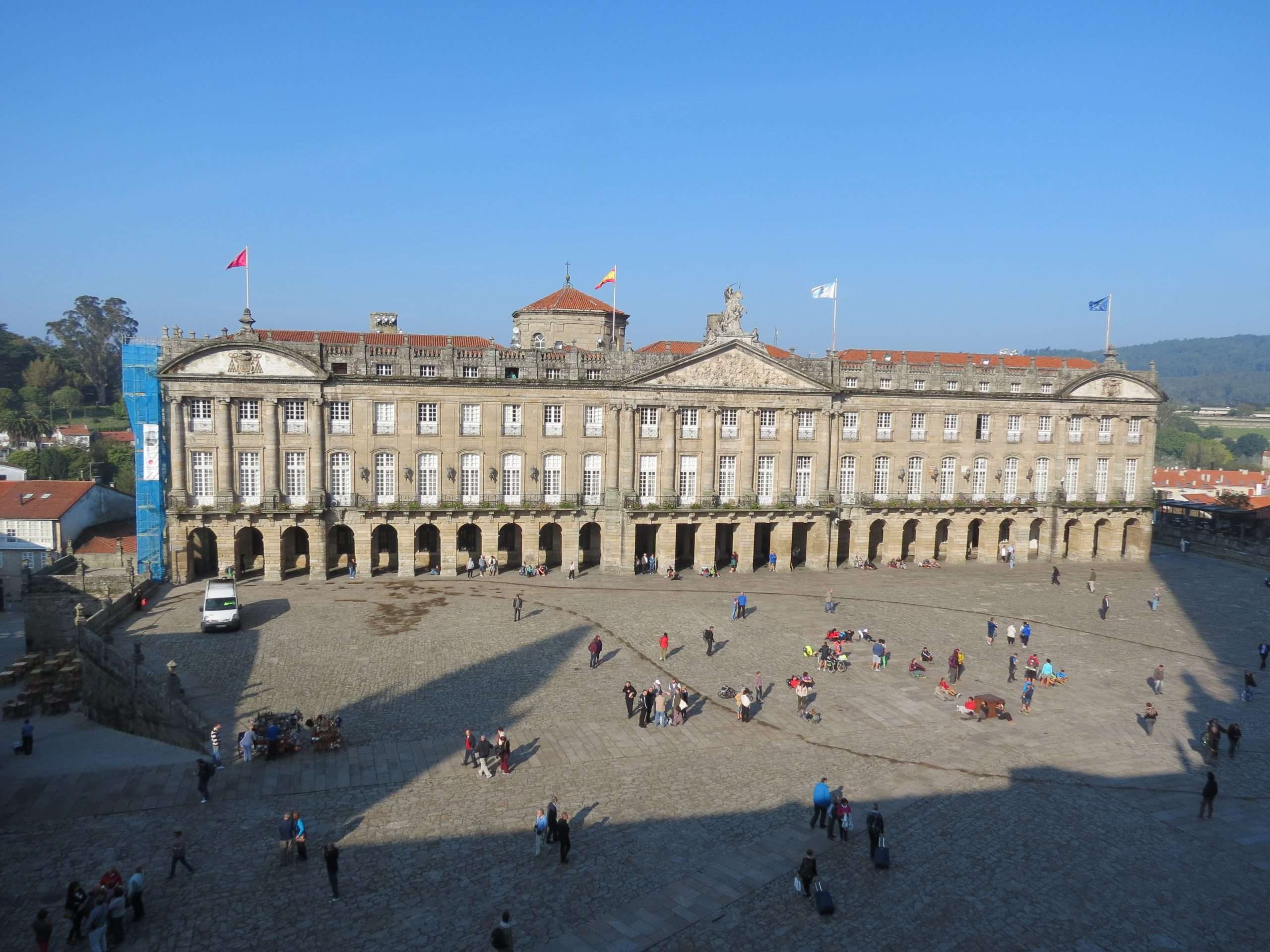
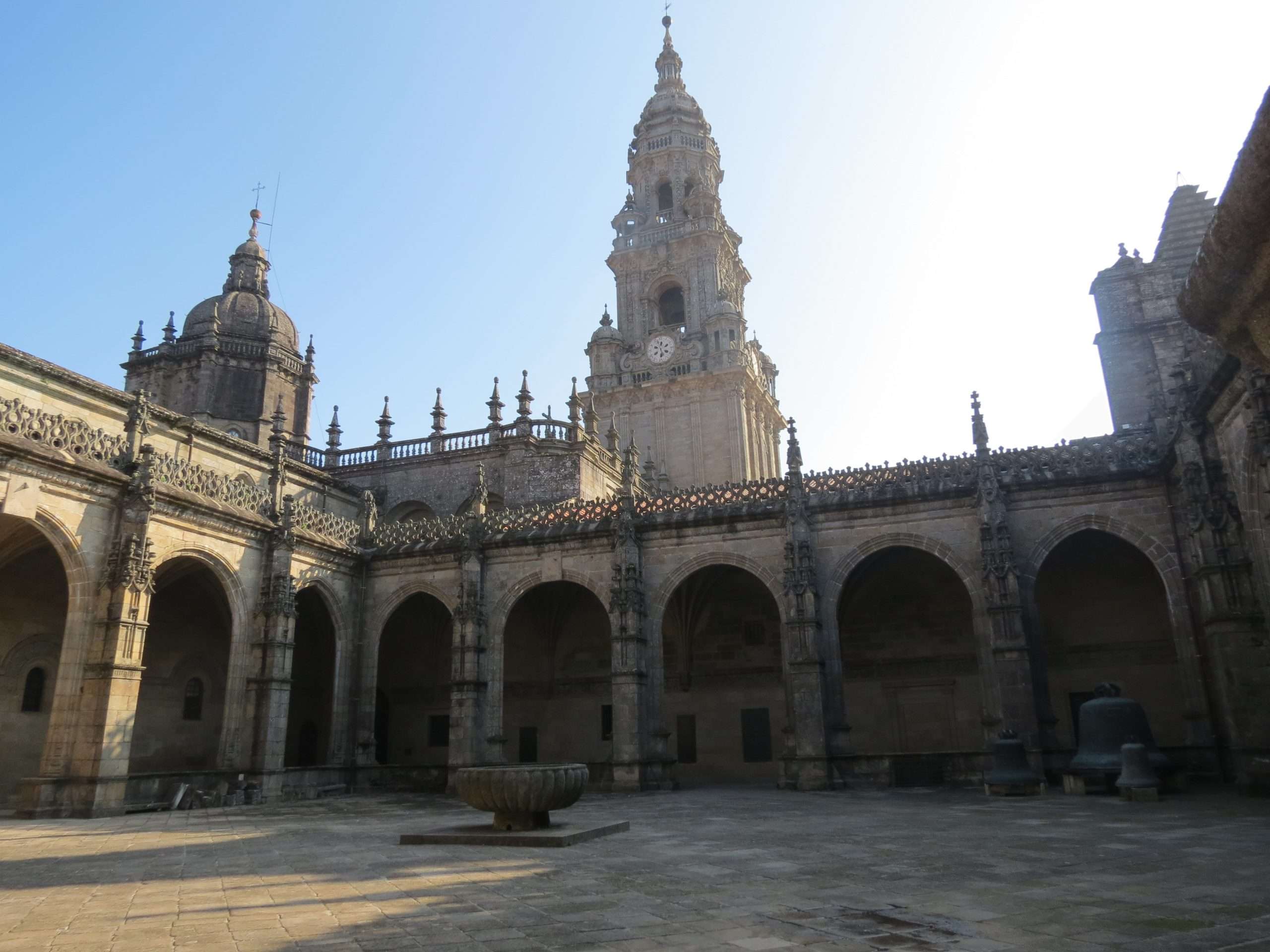
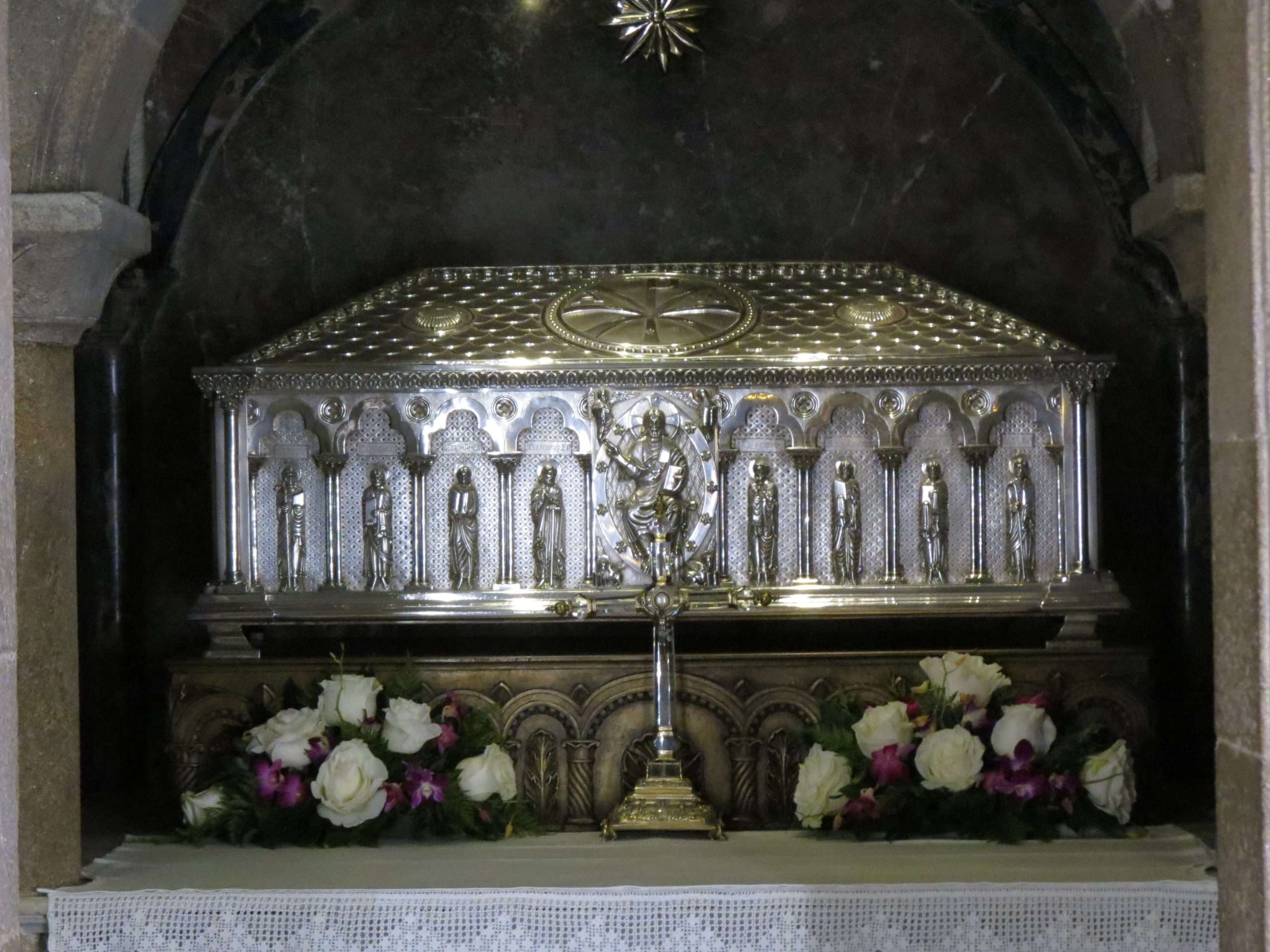
This morning, our local tour guide led us around Santiago. We explored several squares, the open-air market, the cathedral museum, the Door of Glory, and finally the cathedral itself. We stayed for the Pilgrim Mass, which was quite chaotic. Unfortunately, we didn’t get to see the botafumeiro (the large incense burner) in action. Later, we returned to visit the relics of Saint James and to embrace the statue of the Saint. Two people from our group did see the botafumeiro in action, thanks to a group from New York who had paid for it in memory of one of their members who had passed away.
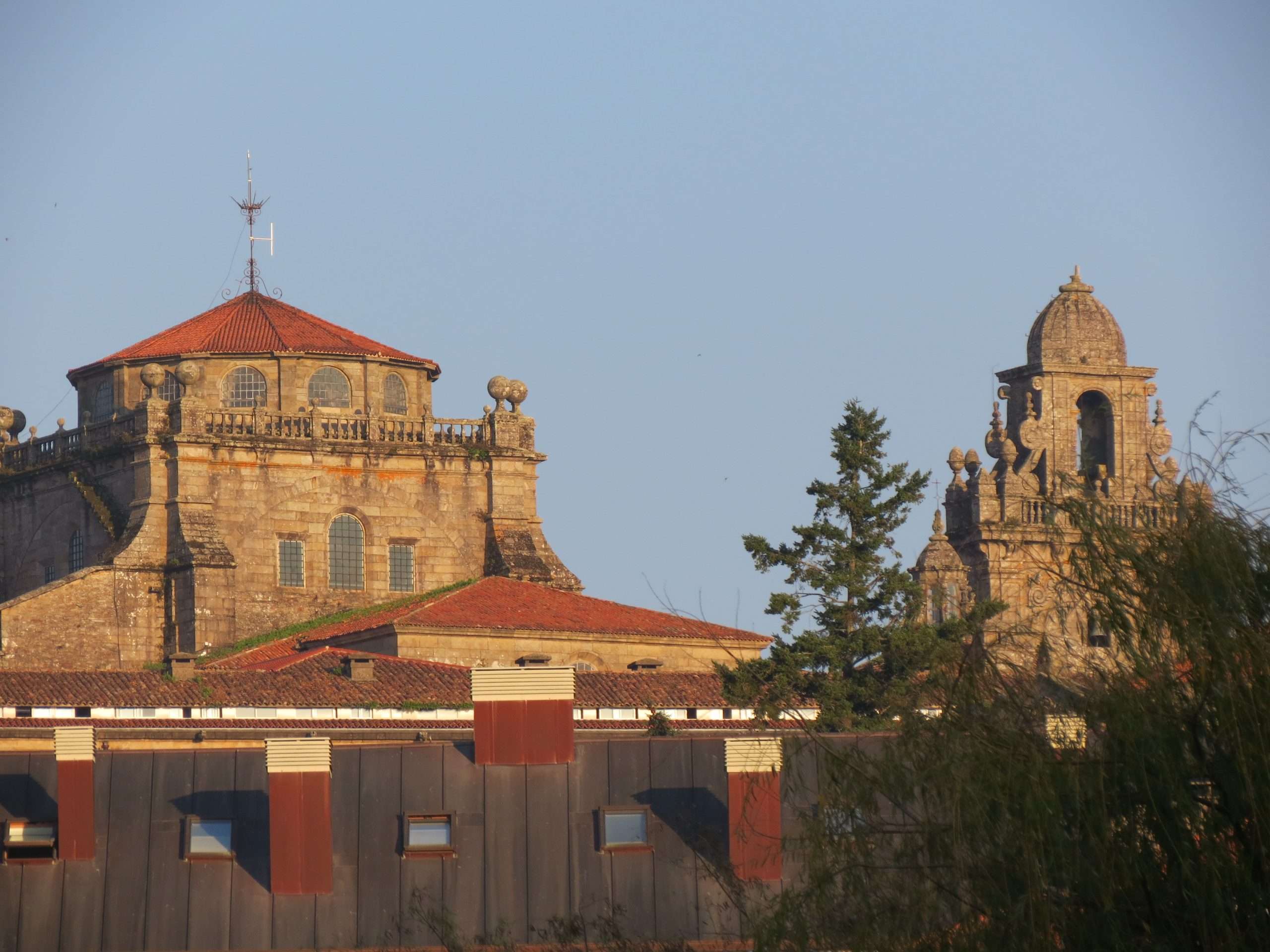
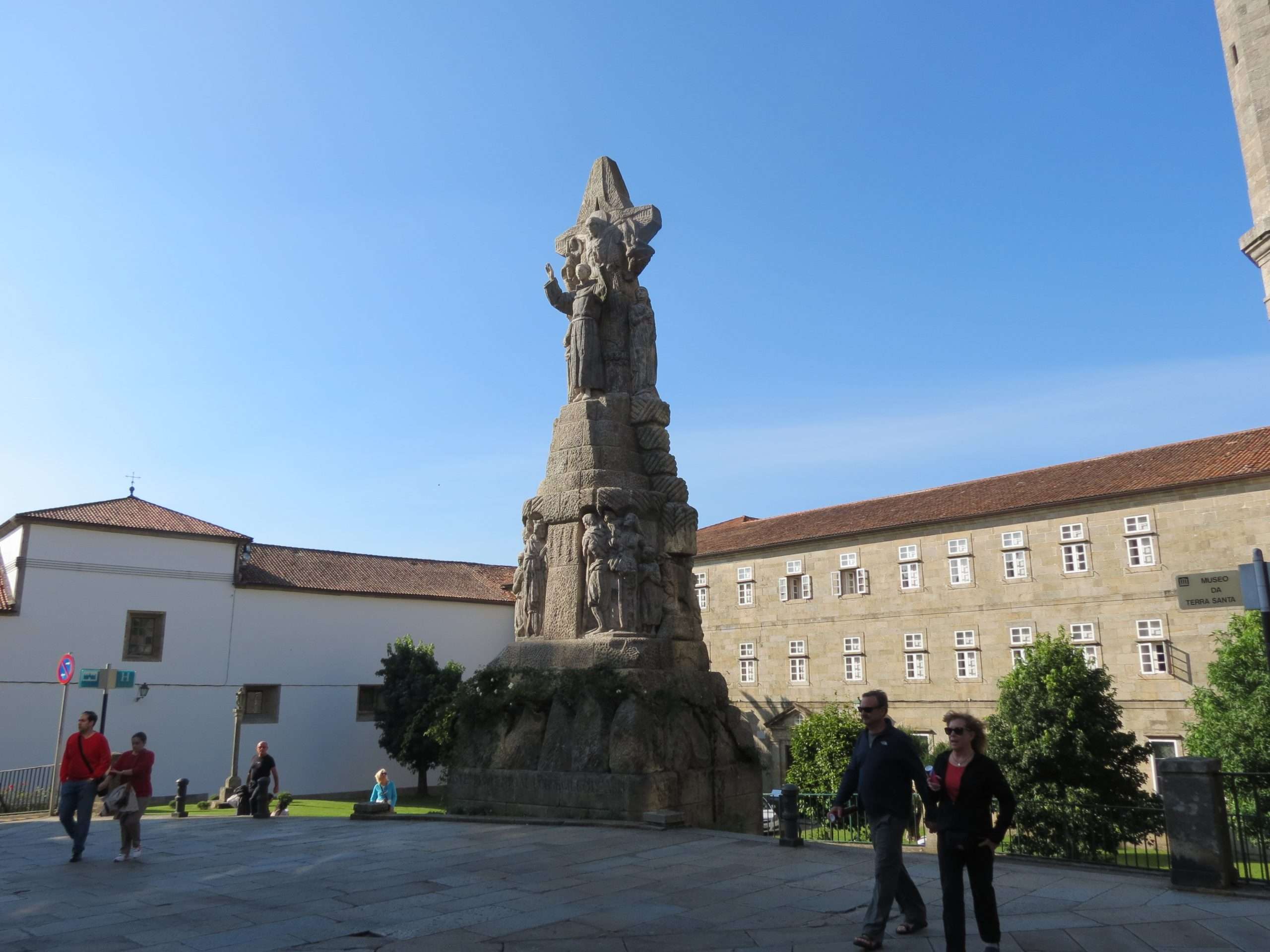
We received three certificates: one for the pilgrimage, one for distance, and one commemorating the 800th anniversary of the pilgrimage that Saint Francis of Assisi supposedly undertook in 1214. This trip is likely a legend, recorded by his biographer a century after his death.
There was a slight mishap with Christabel’s Pilgrim certificate, as her name was misspelled. She managed to get it corrected by sneaking into the cathedral gift shop and enlisting the help of an Irish volunteer.
Last Day in Santiago – September 26, 2014
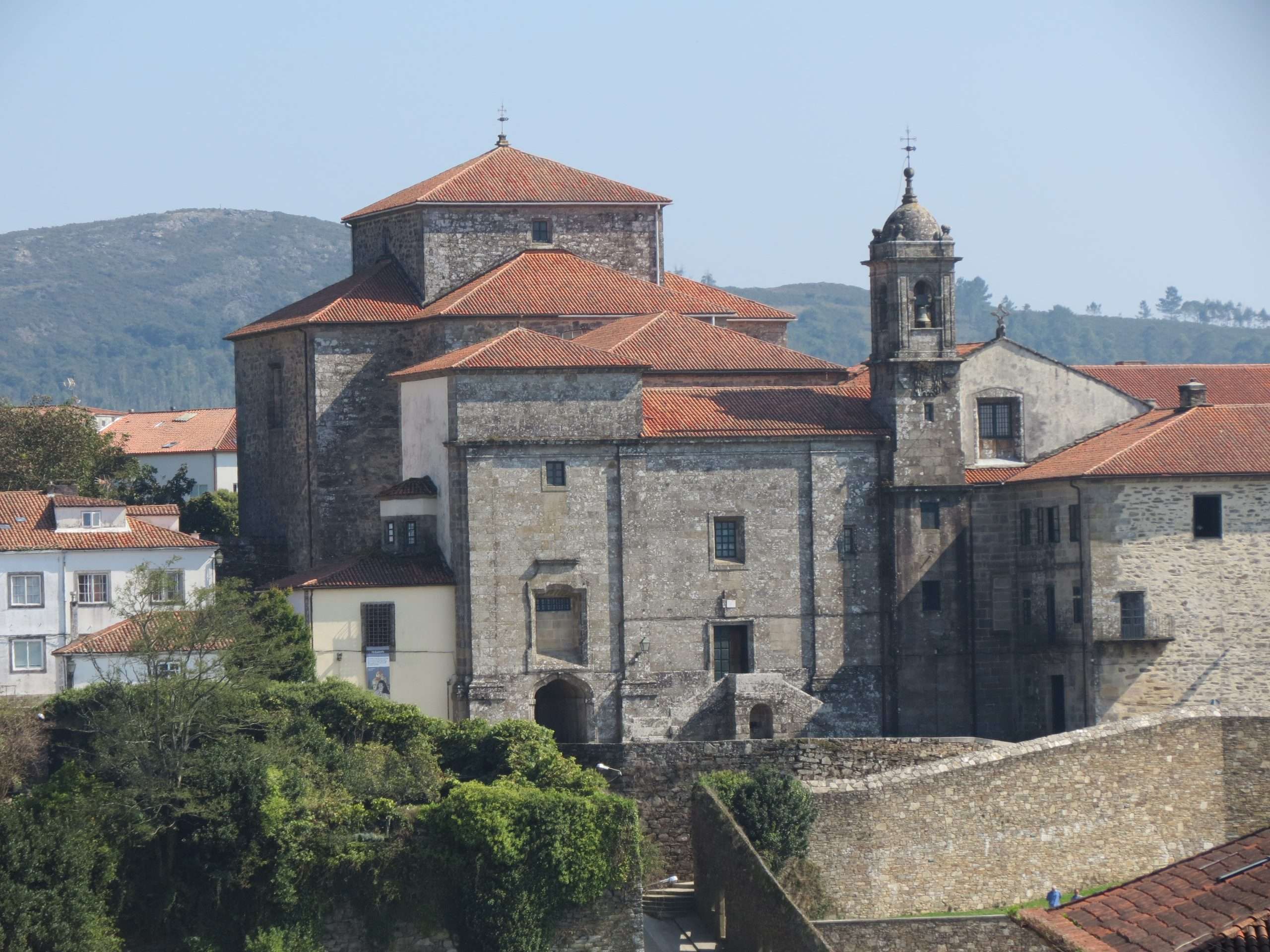
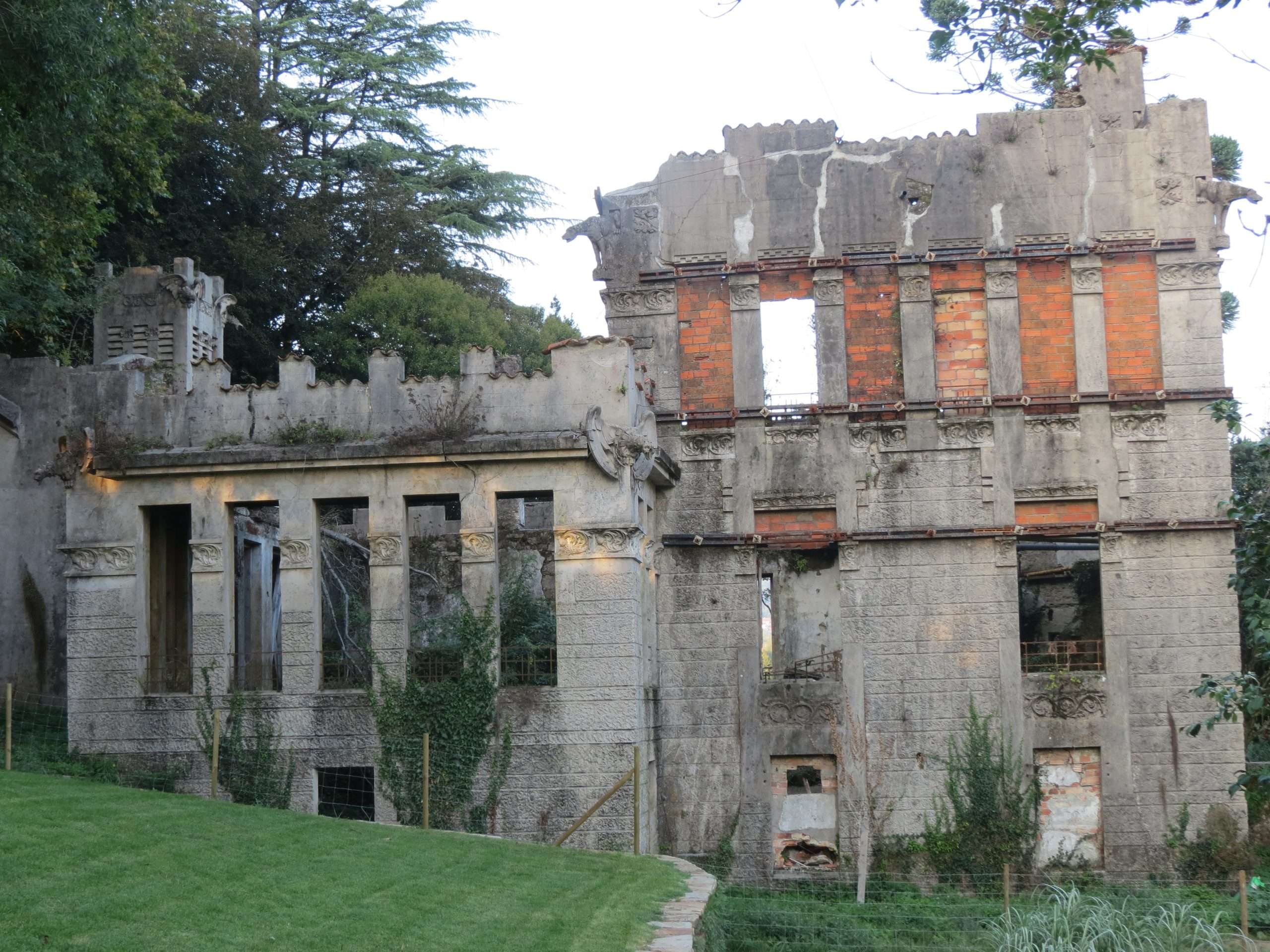
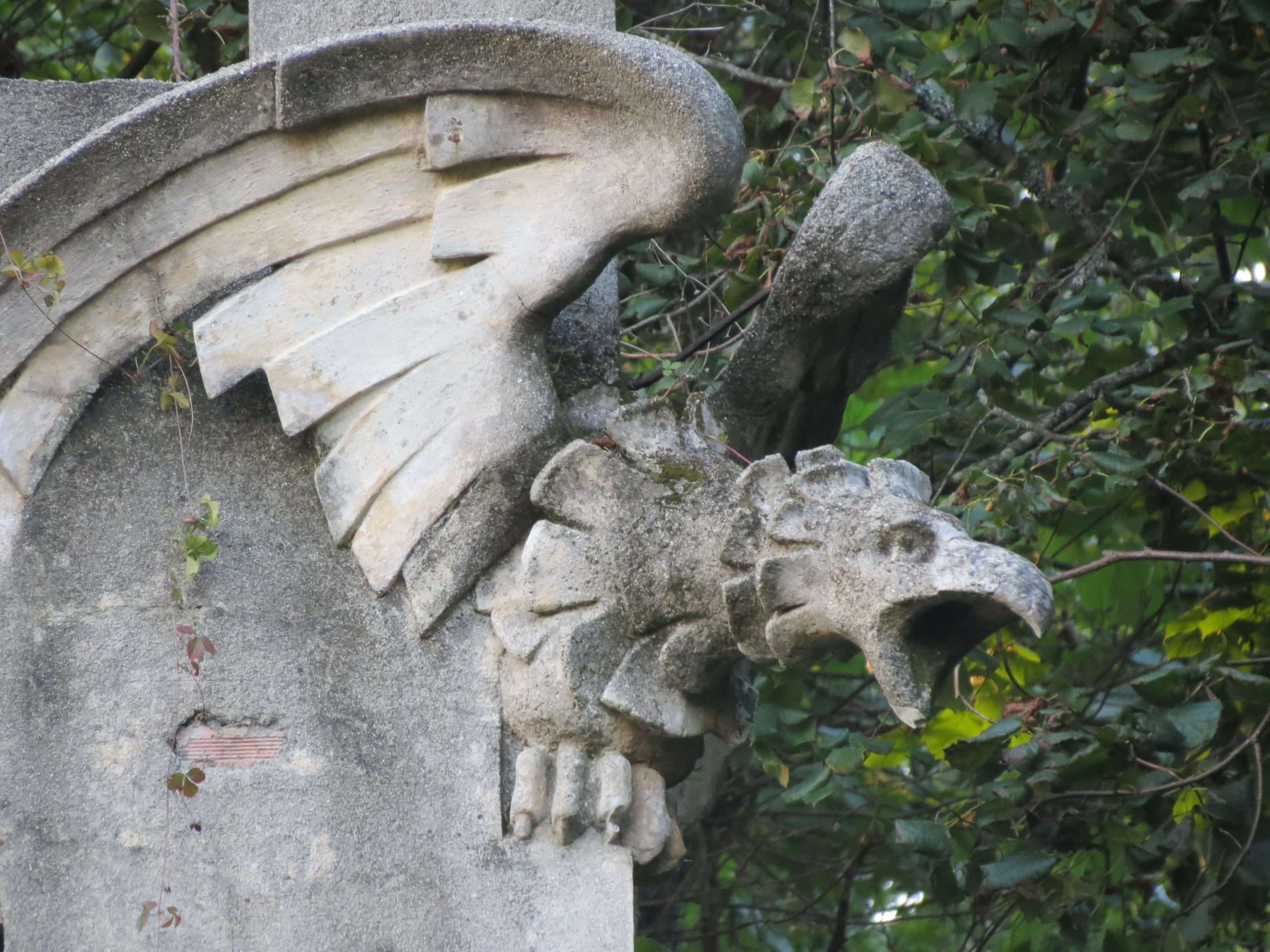
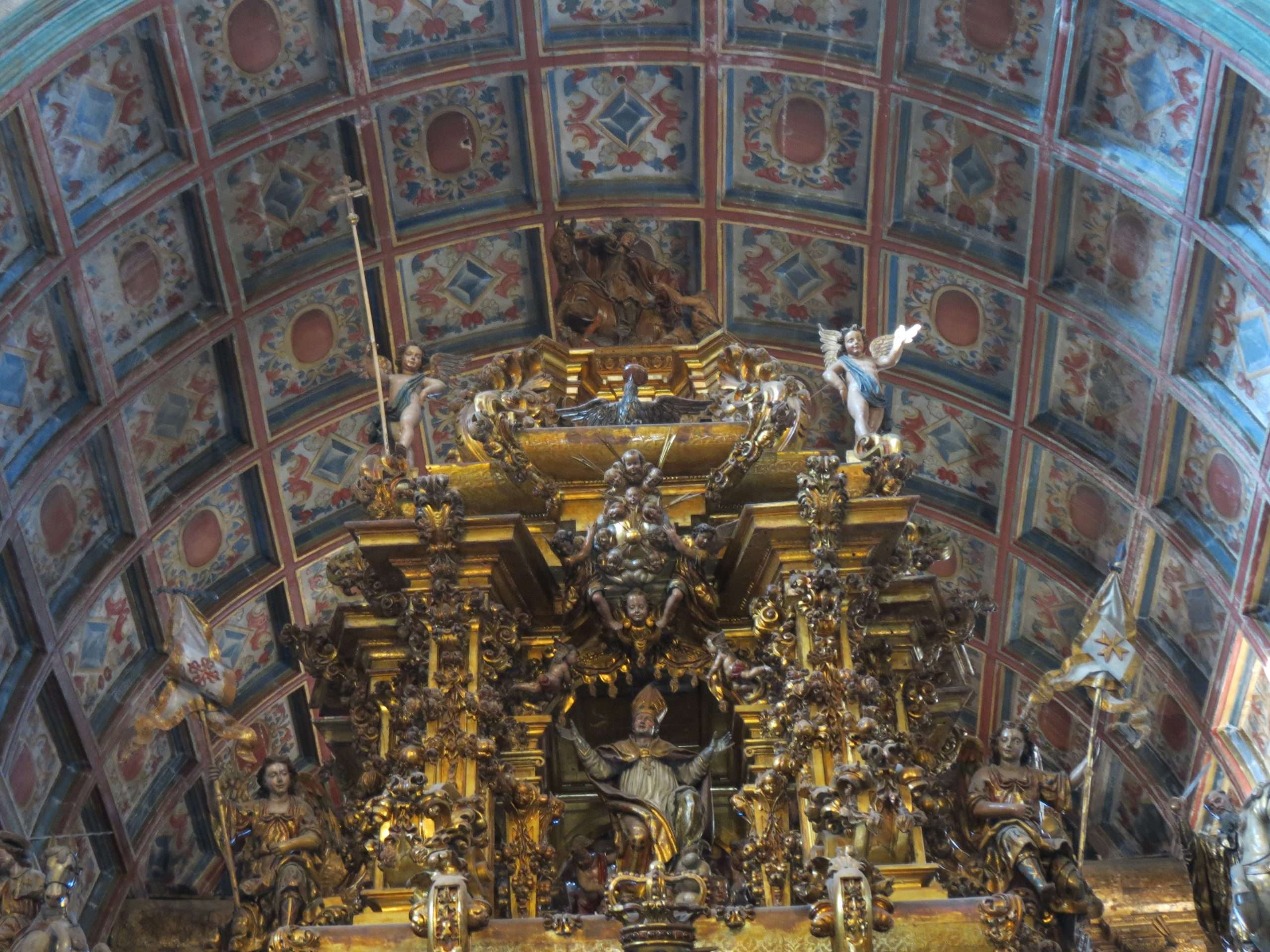
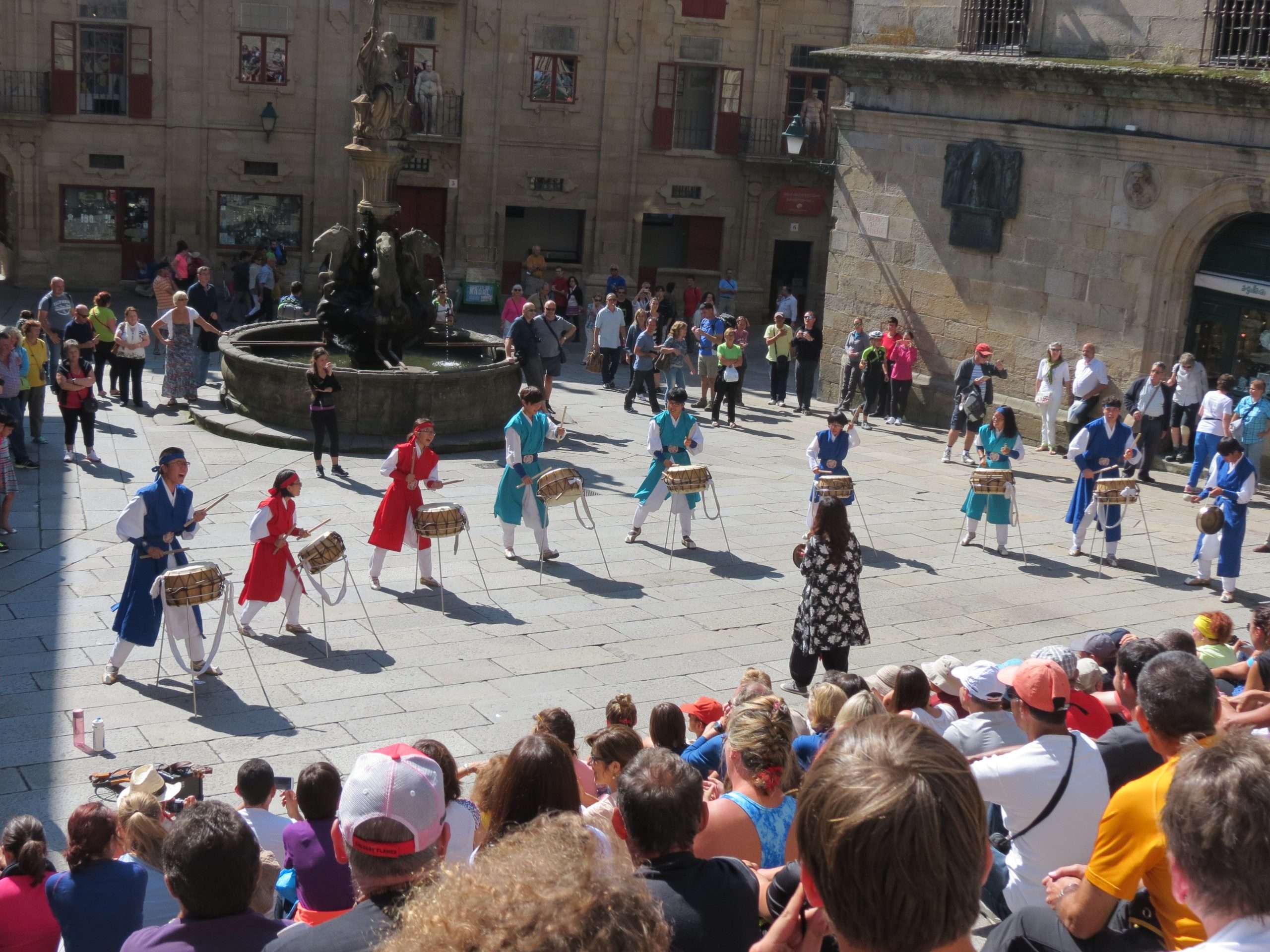
Today, we spent the day exploring the city. We visited the Monastery of San Martín Pinario, a stunning church and museum. For lunch, we had tapas at the same place where we dined the previous evening. Afterward, we strolled to the park for a panoramic view of the city and passed by an abandoned church with magnificent gargoyles still clinging to its walls. Along the way, we encountered a bagpipe player, an opera singer, a harpist, several guitarists, and the same drum troupe of Korean kids we had seen in Portomarín, all performing outside the cathedral.

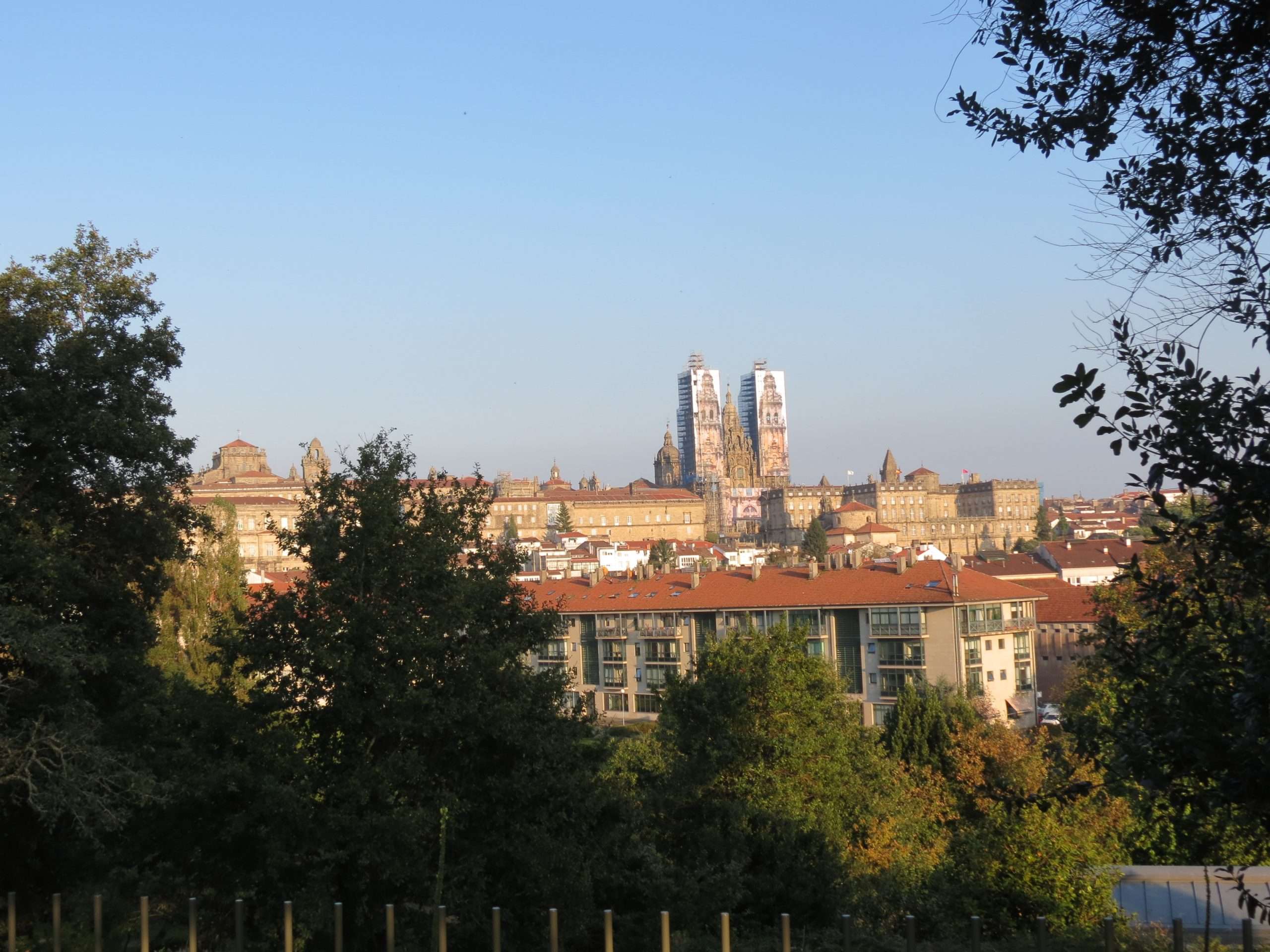
Later in the afternoon, we reluctantly said goodbye to Santiago and headed to the airport for our flight to Madrid. The next day, we would fly home.