
The Adventure Begins – March 1, 2024
Arriving in Delhi from Mumbai in the morning, we checked in at The Imperial. This historic hotel, established in 1931, boasts an impressive art collection and has hosted renowned figures like Gandhi, Nehru, Jinnah, and Mountbatten. The hotel exudes an old-world charm and features a welcoming ceremony where both men and women receive bindis (colored dots on the forehead).
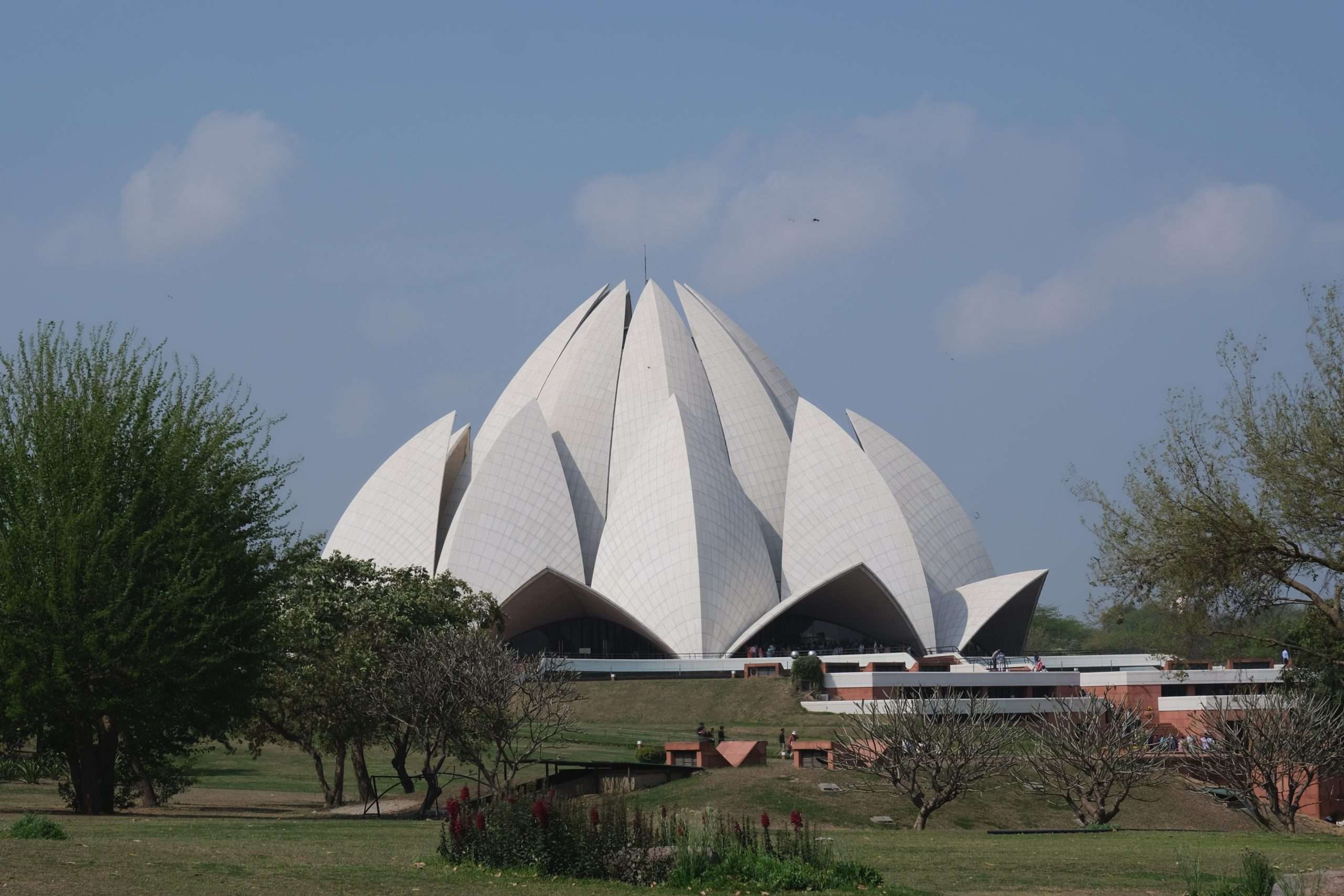
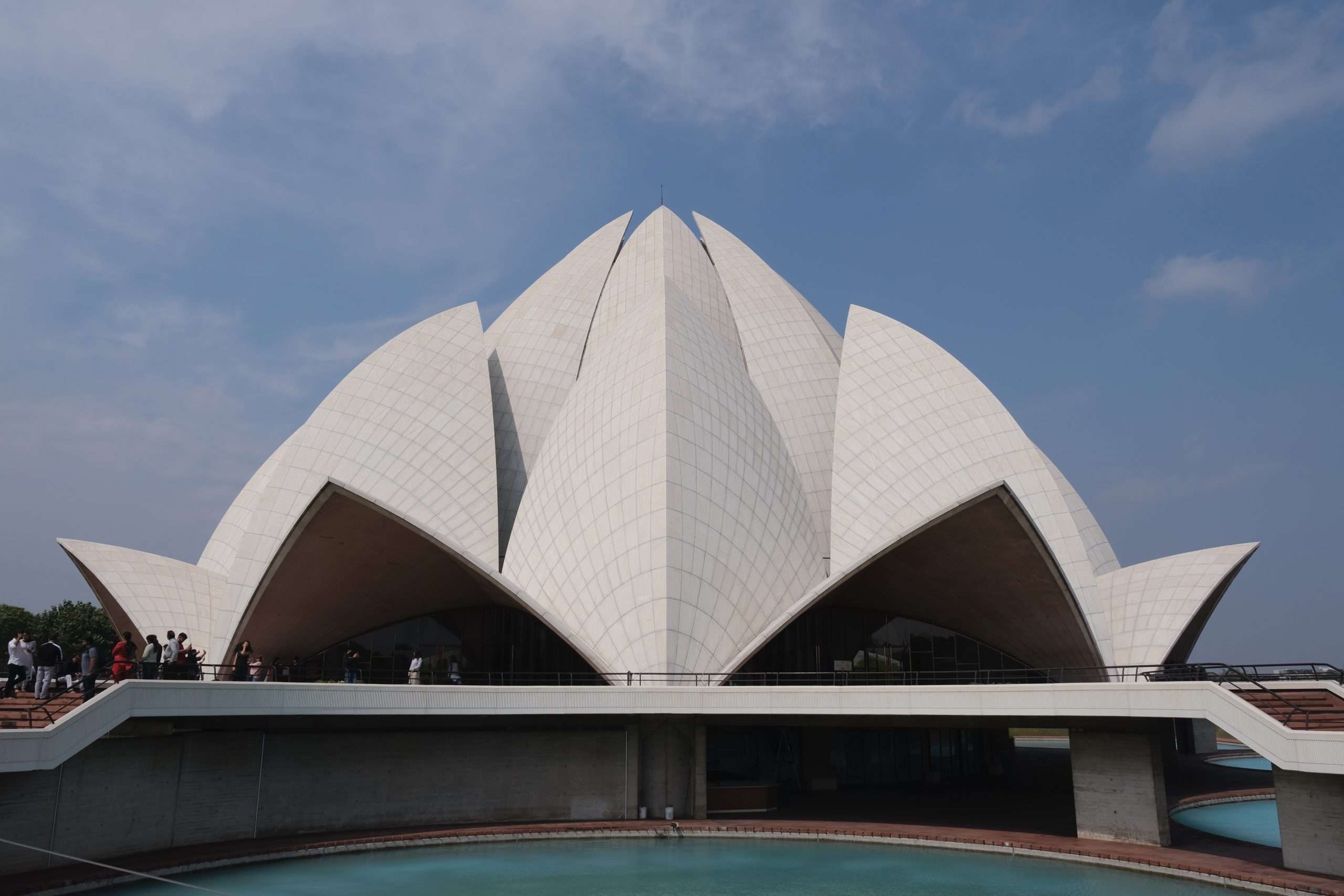
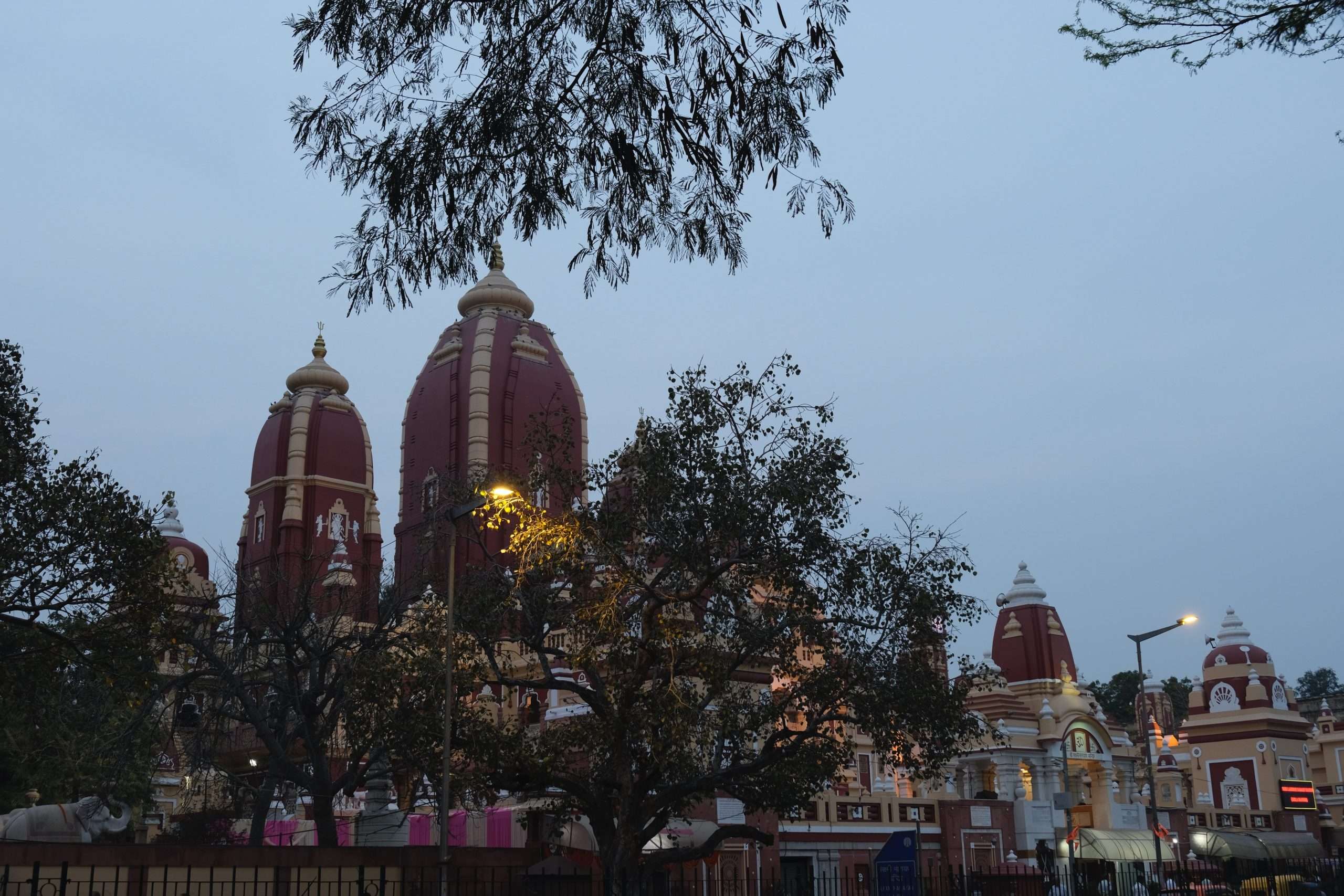
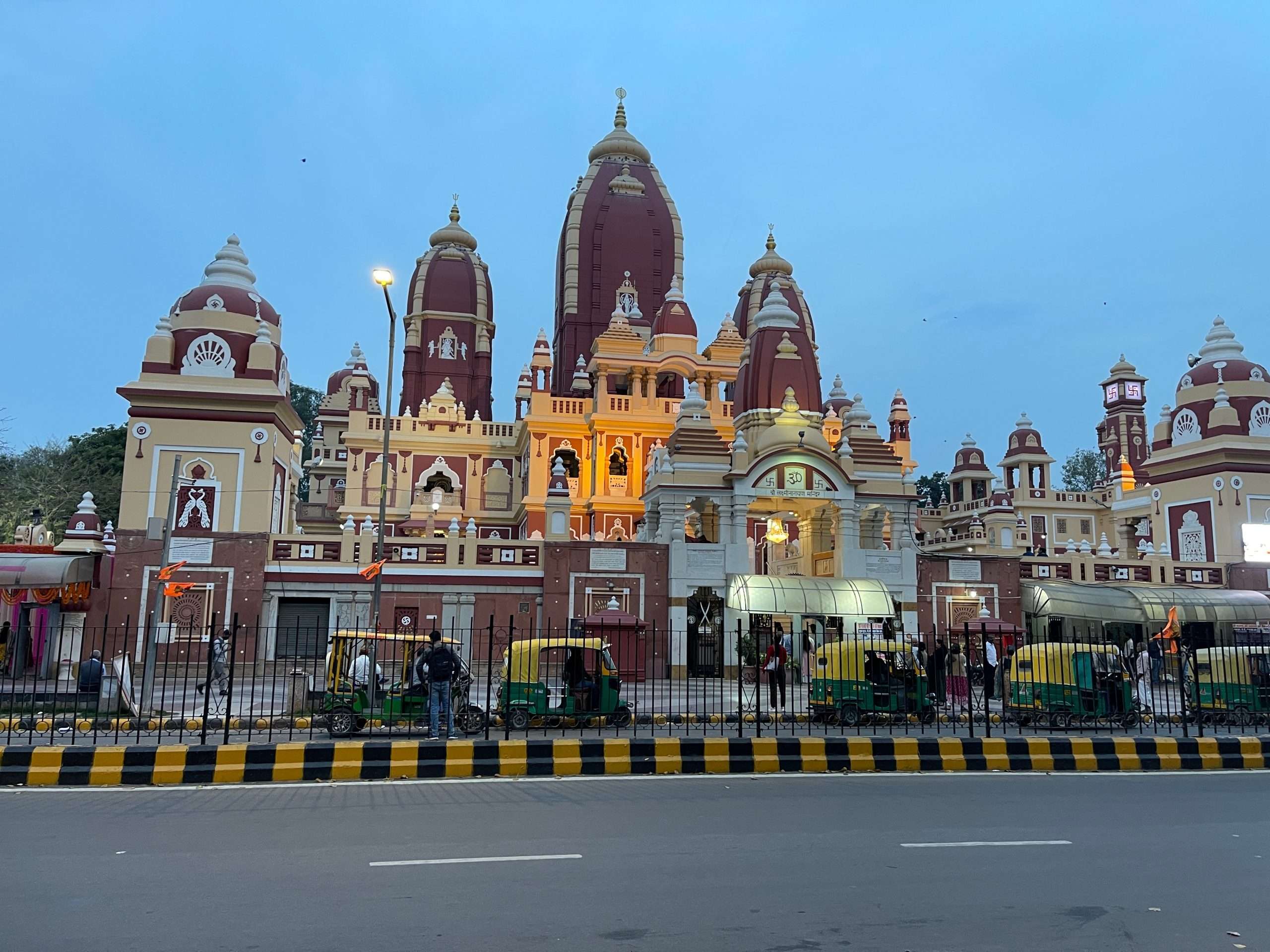
In the evening, we took Uber to visit the Baha’i Gardens, only to find it closing. However, we caught a glimpse of the Lotus Temple’s beautiful architecture from outside. Our next stop, the Laxmi Narayan Temple, also known as the Birla Mandir, didn’t allow photography inside, so we admired it from across the road.
We spent the evening walking around Connaught Place, looking for a pharmacy. The day’s adventures left us famished, so we indulged in a delicious dinner at the Punjab Grill.
After spending nearly two weeks exploring Mumbai and Goa, we’re now eagerly anticipating the start of our guided tour of Northern India and Nepal, beginning tomorrow afternoon.
Exploring Delhi’s Heritage – March 2, 2024
This morning, we explored the Red Fort, a UNESCO World Heritage site. Rain and a lackluster tour guide dampened our visit. The fort was built by Shah Jahan and is still in use today. Despite its historical significance, only two buildings were accessible. Albert revisited the Baha’i Gardens, gaining entry to the Lotus Temple, though finding it less impressive than the Baha’i Gardens in Haifa, Israel.

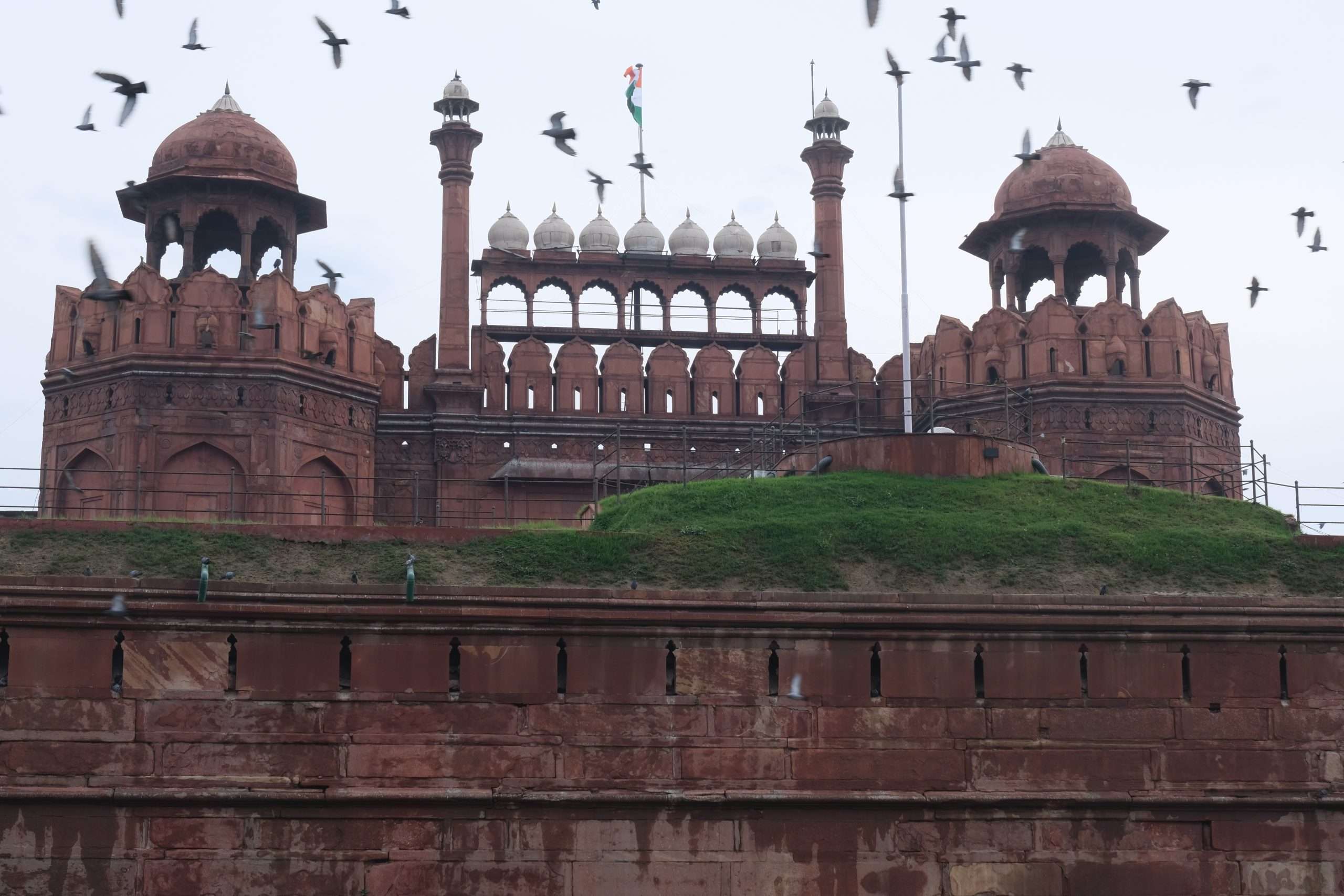
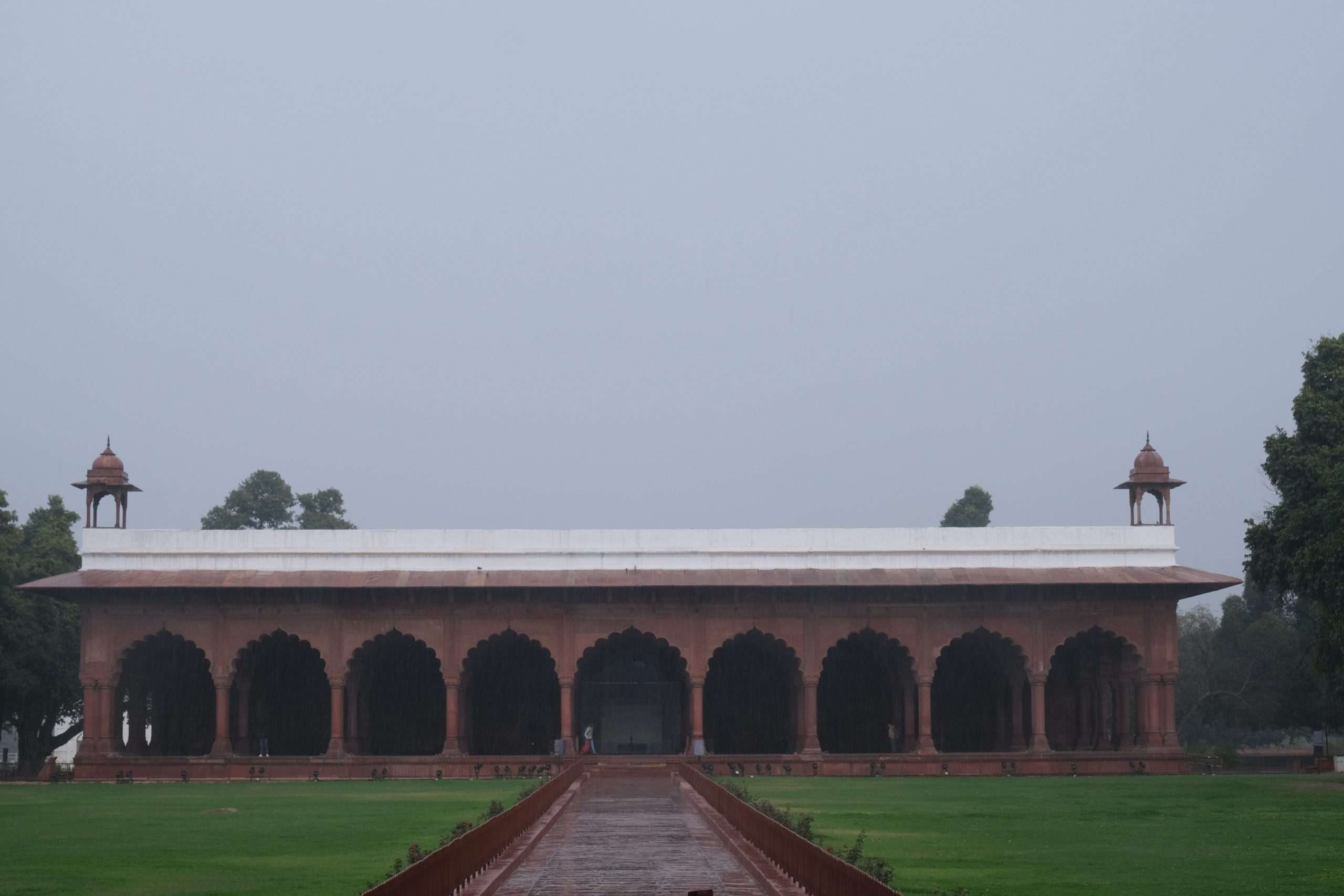
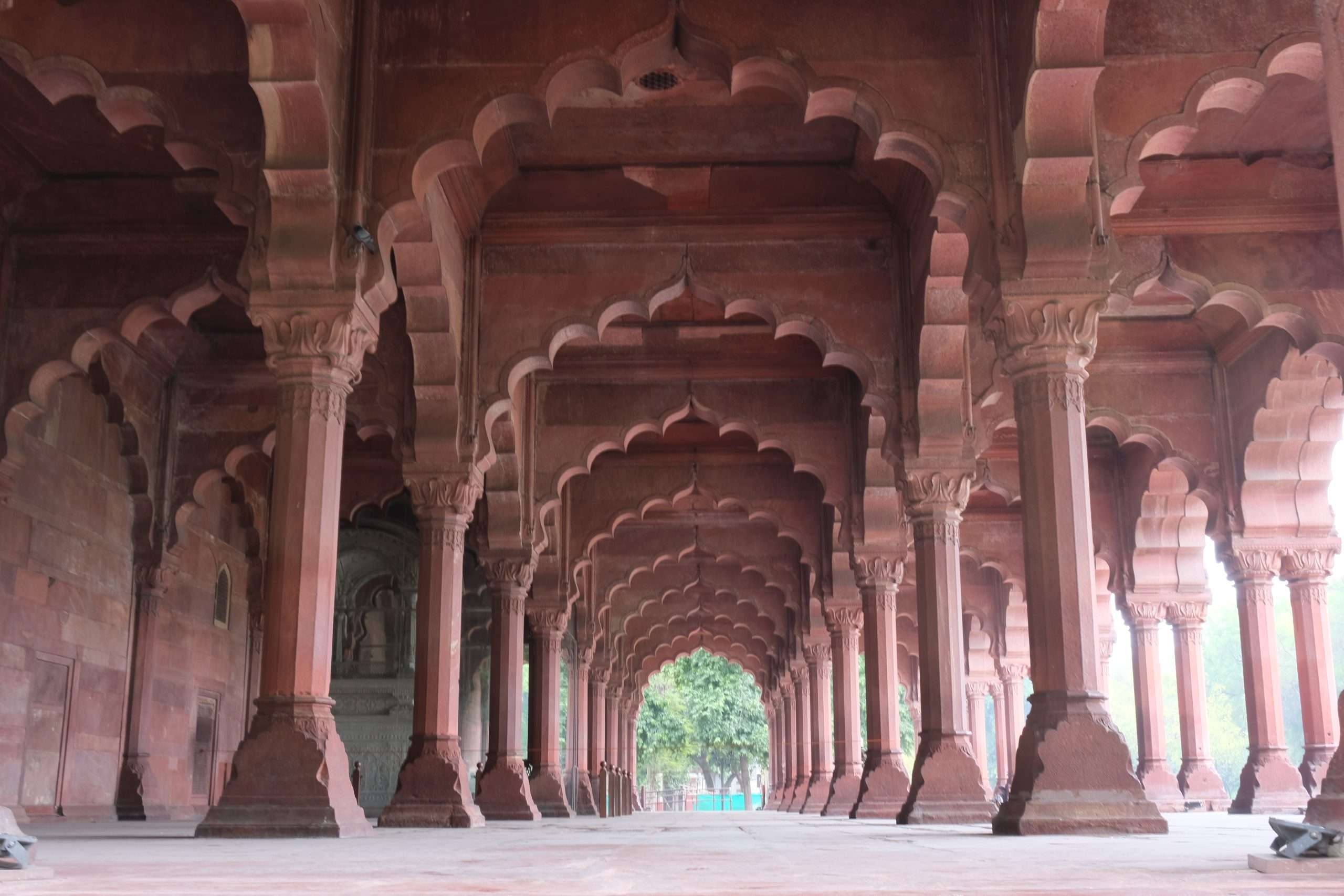
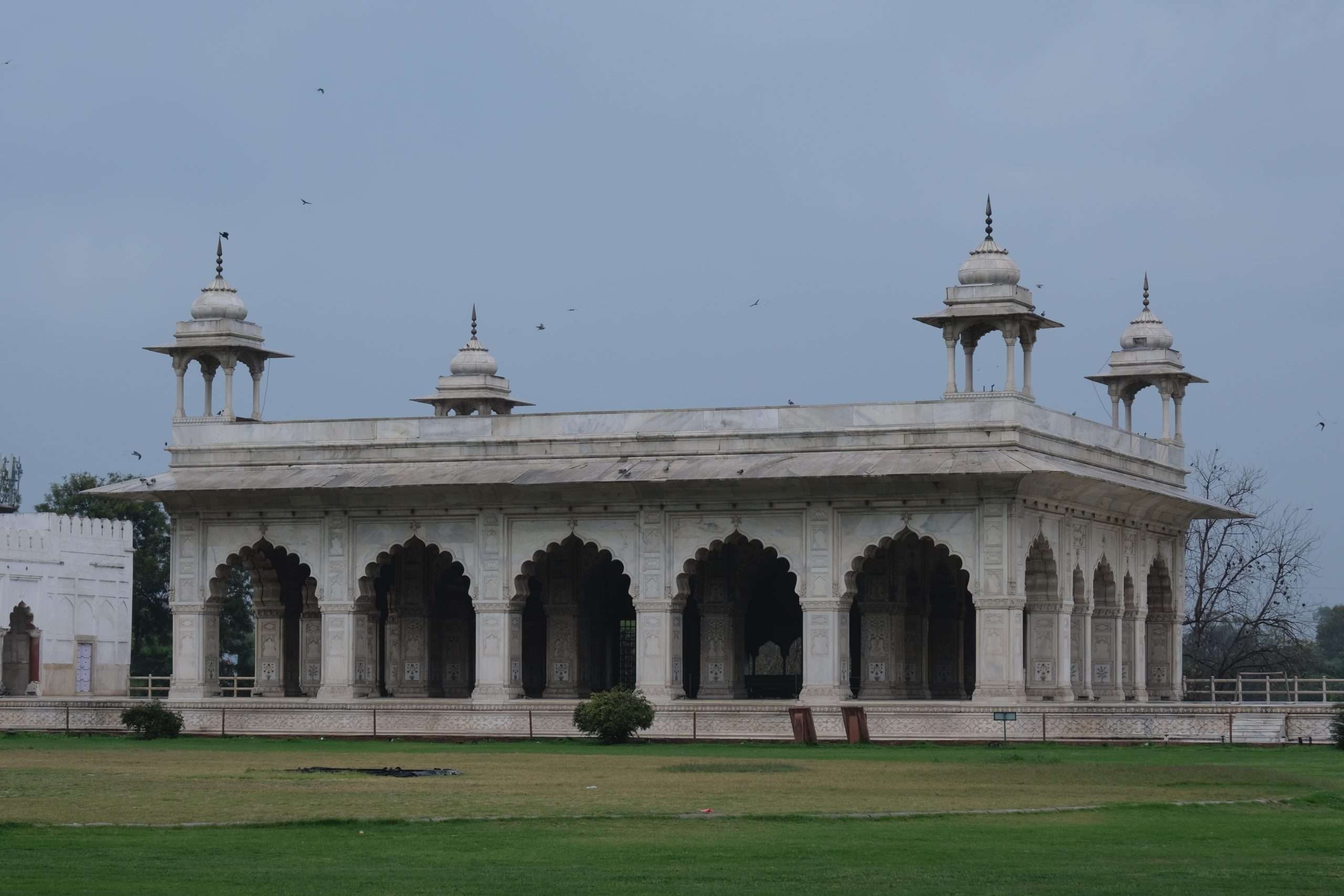
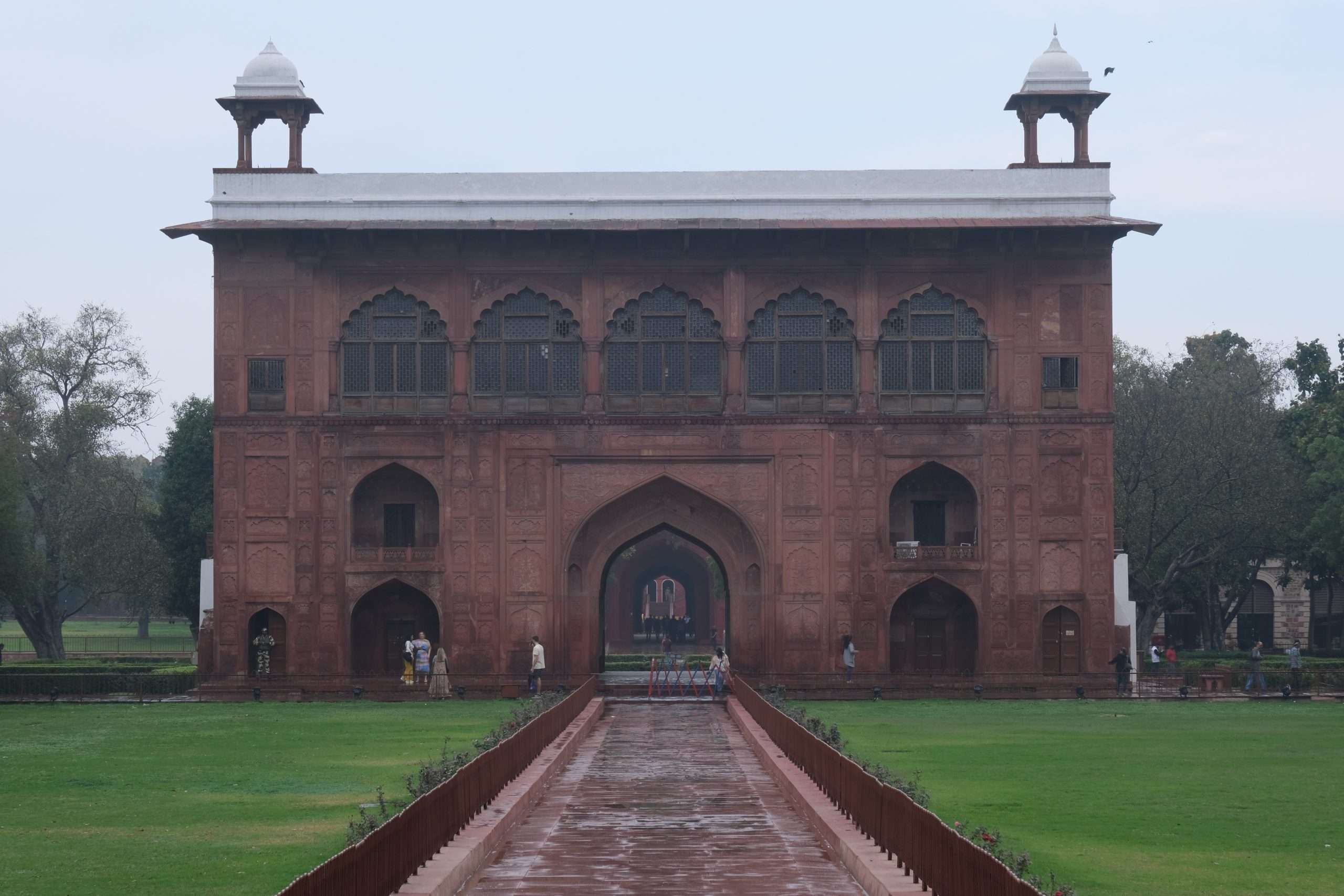
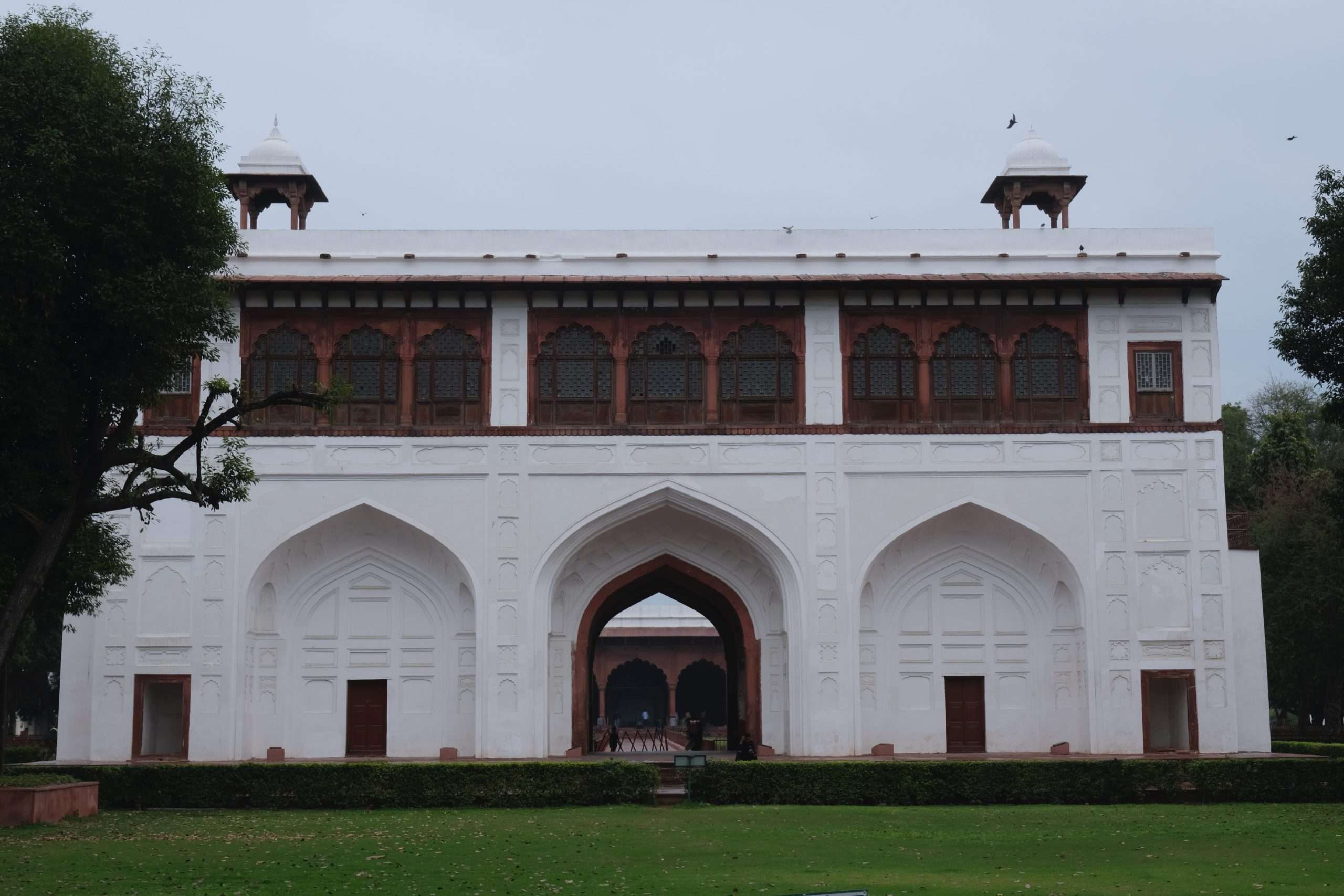
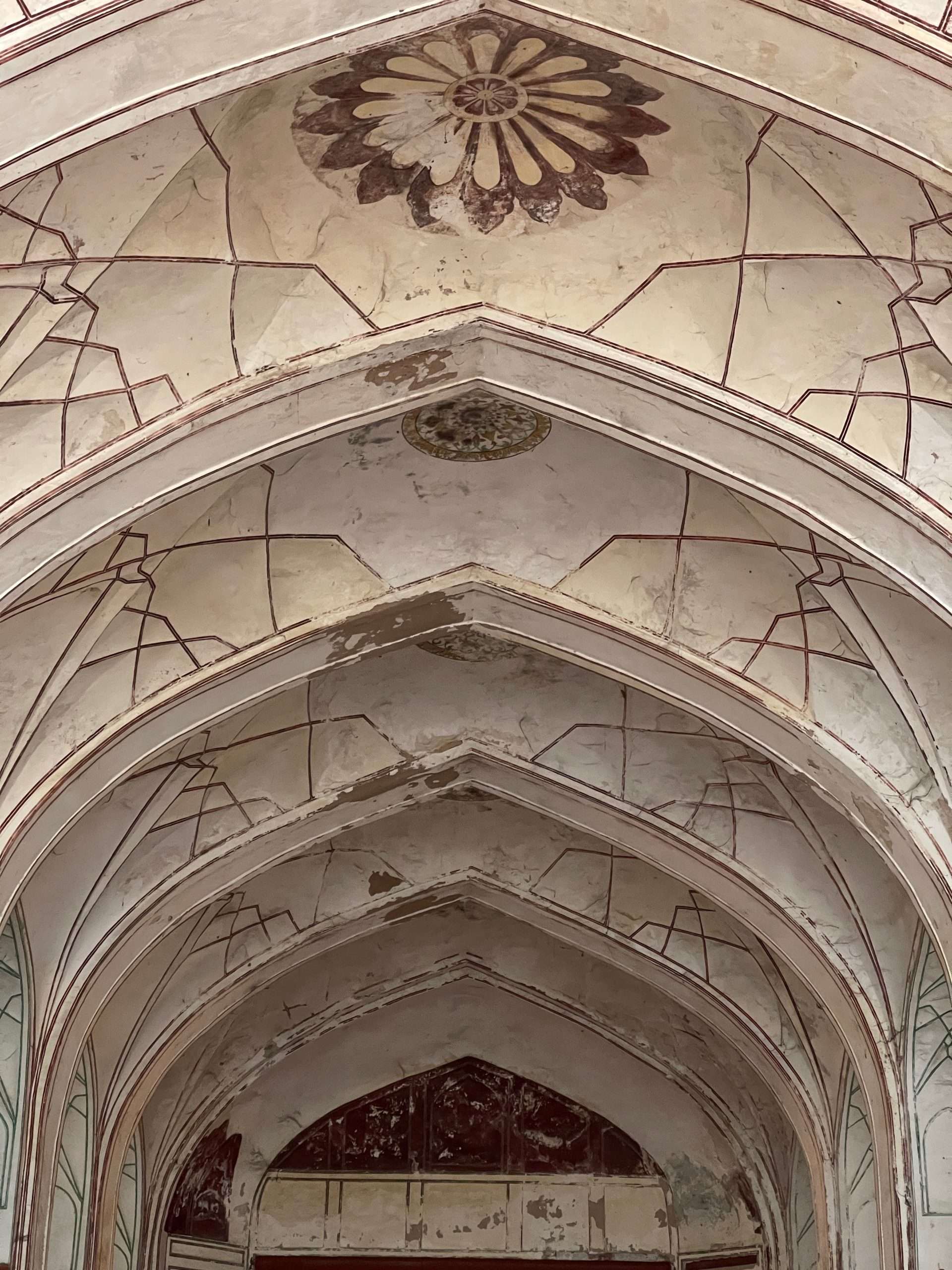
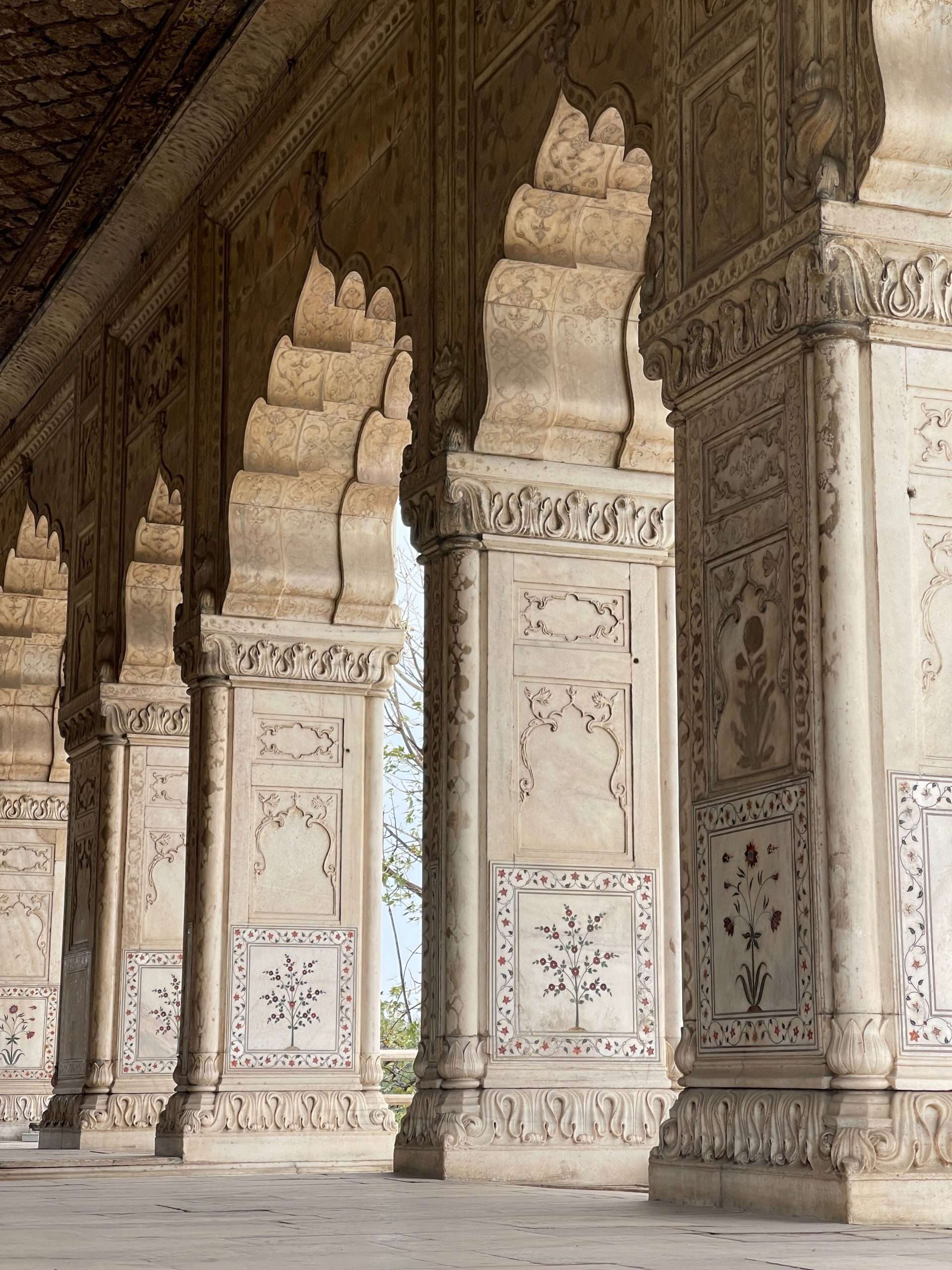
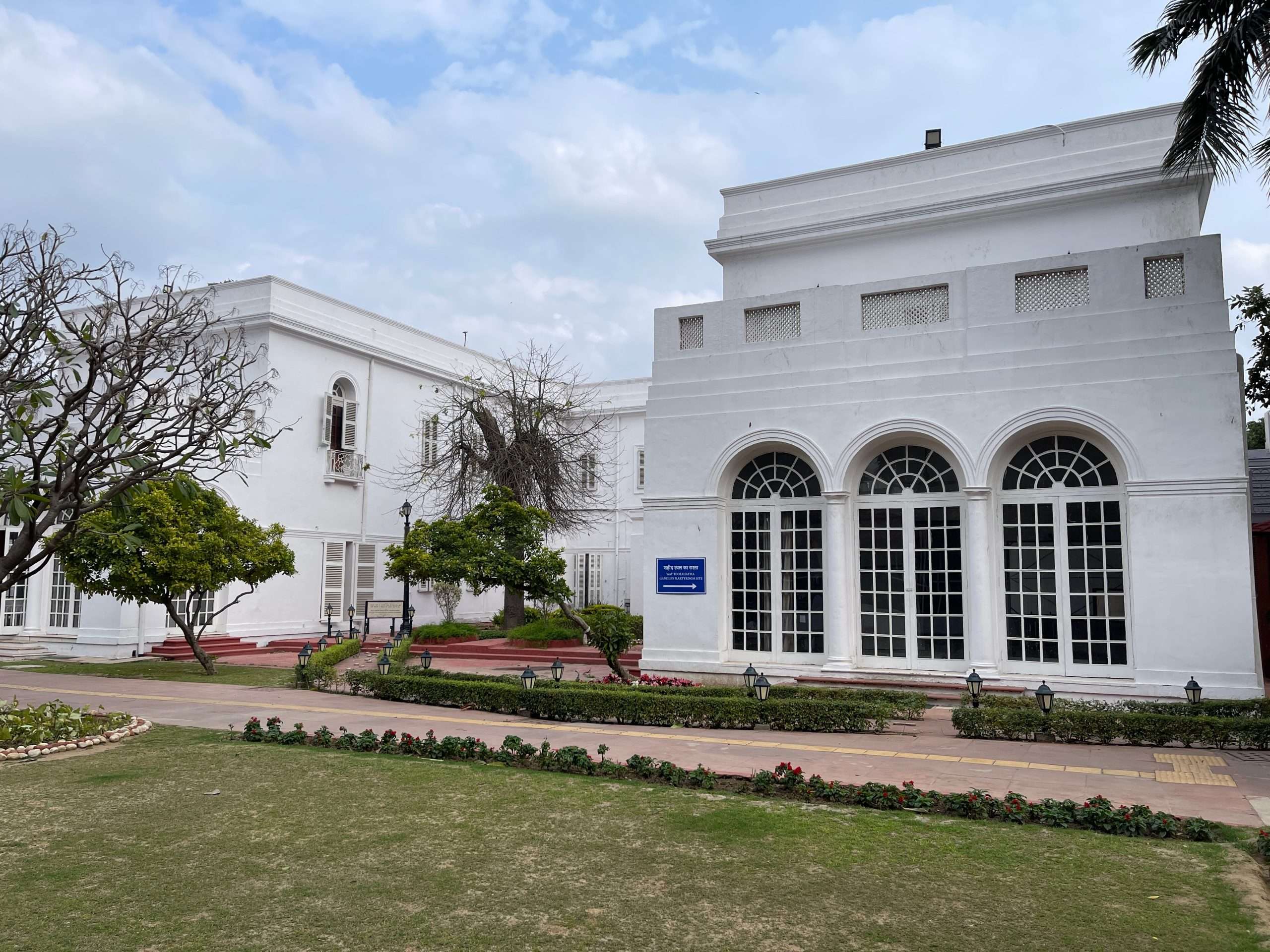
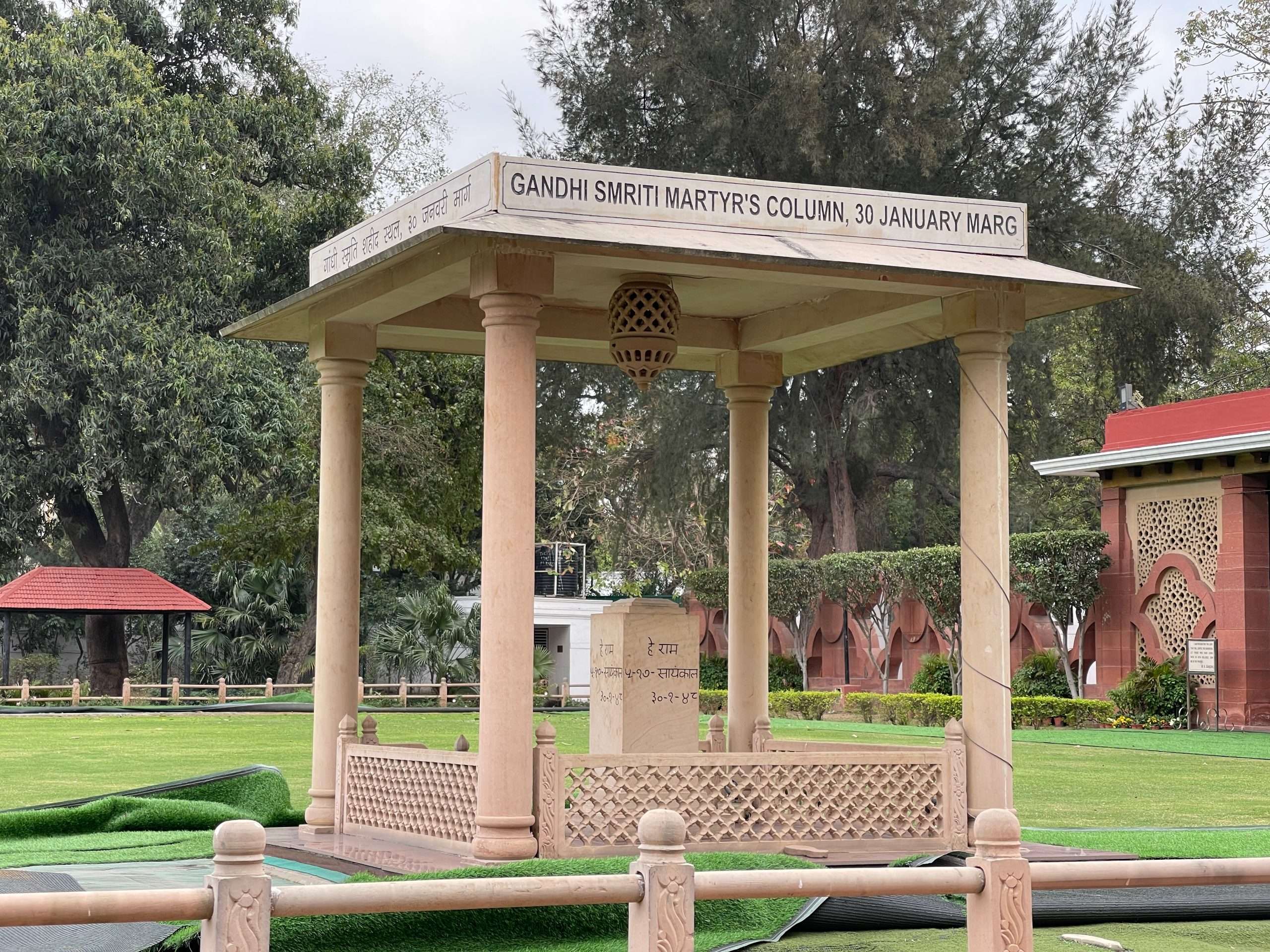
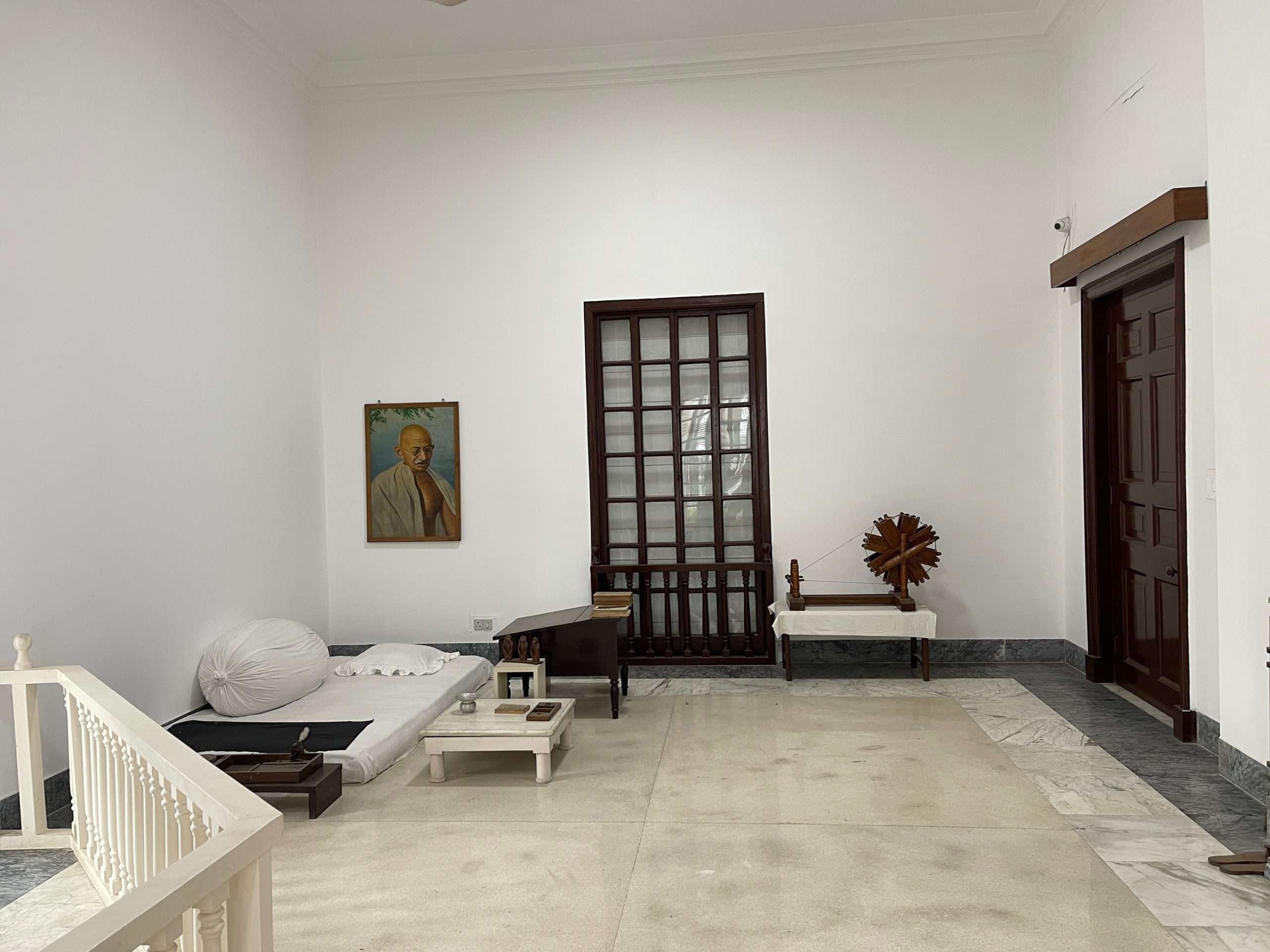
In the afternoon, we met our tour director, Shireen, and fellow travelers. Shireen, of French-Parsi descent, holds a UK passport but resides in the US. Accompanied by our local guide, Sameera, we toured New Delhi, passing landmarks like the palace of the Nizam of Hyderabad, once upon a time the richest man in the world, the old parliament building and the new one, the supreme court and other sites associated with Indian royalty and government. We also visited Gandhi Smriti, formerly known as the Birla House, where Mahatma Gandhi spent the last 144 days of his life and where he was assassinated by Nathuram Godse on January 30, 1948. The day concluded with cocktails and dinner with the entire group at the 1911 Bar and Restaurant in the hotel.
Gems of Mughal Architecture – March 3, 2024
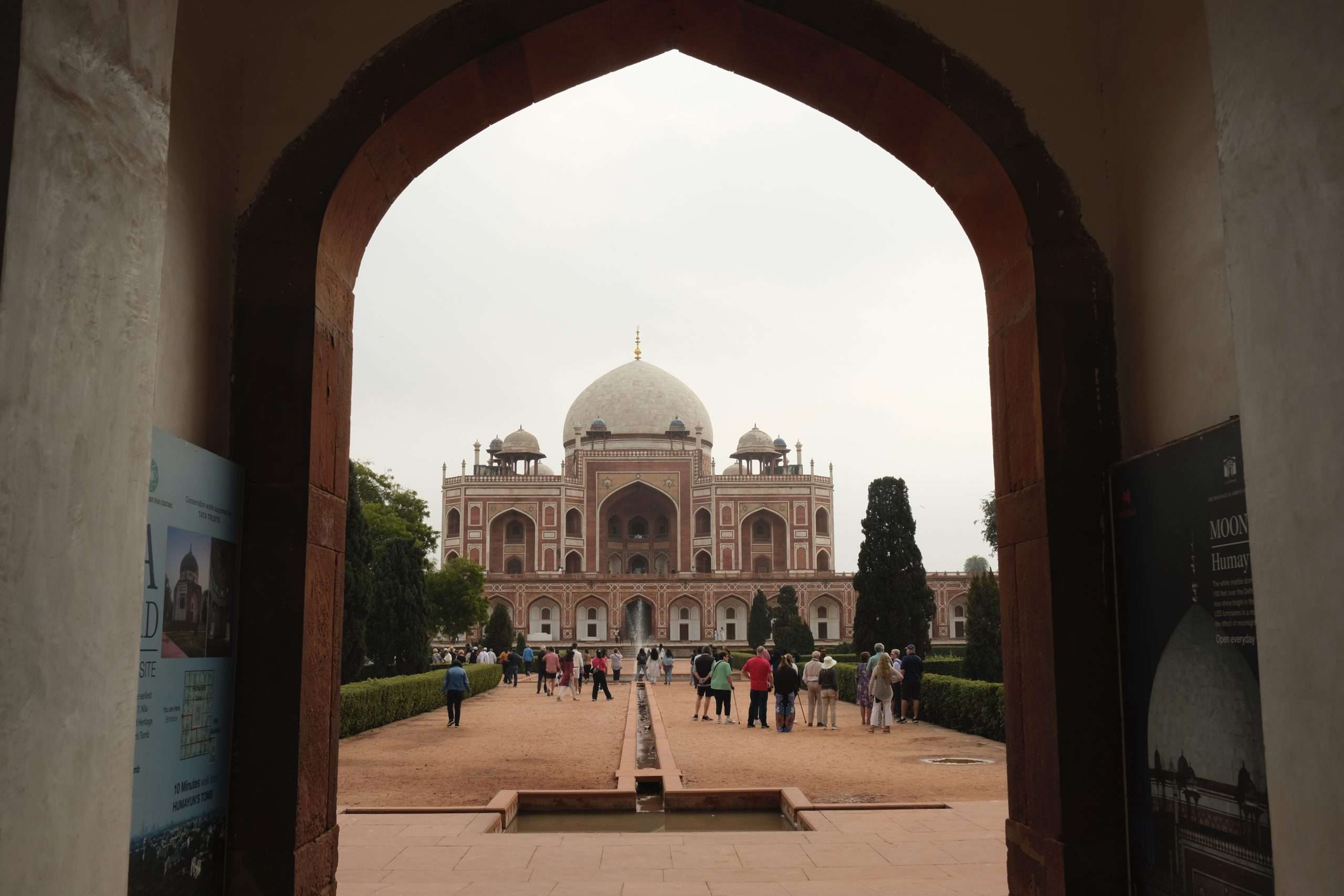
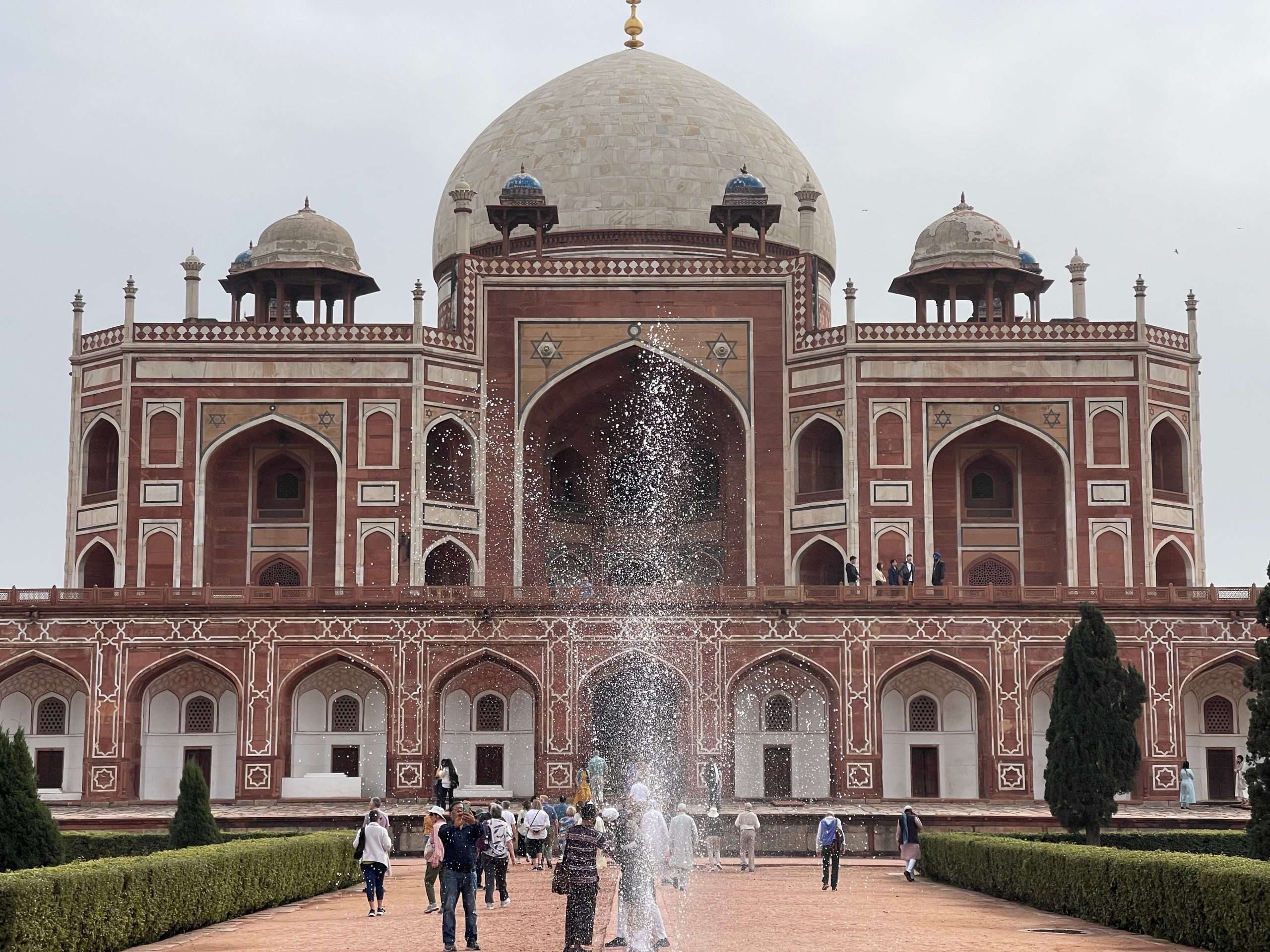
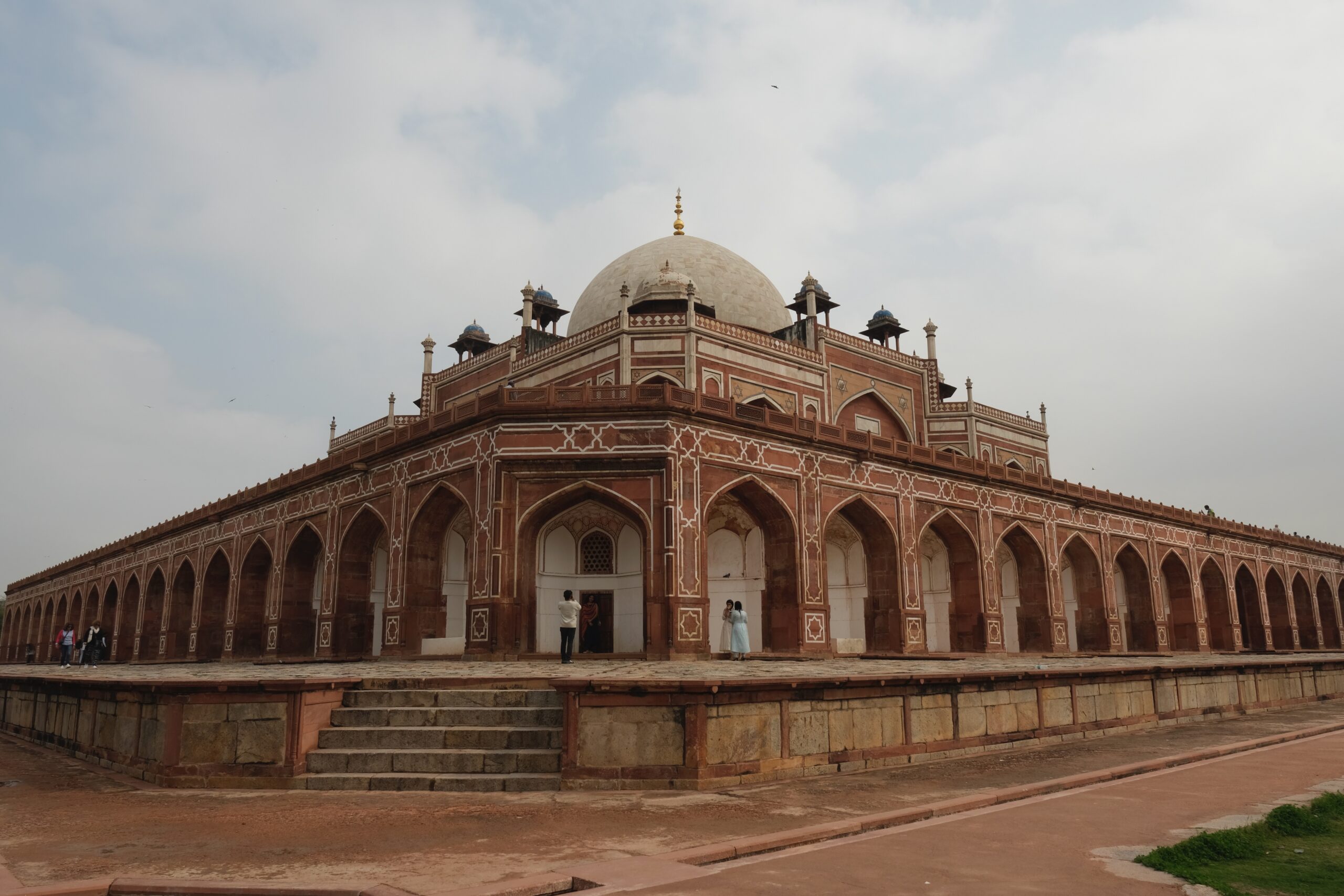
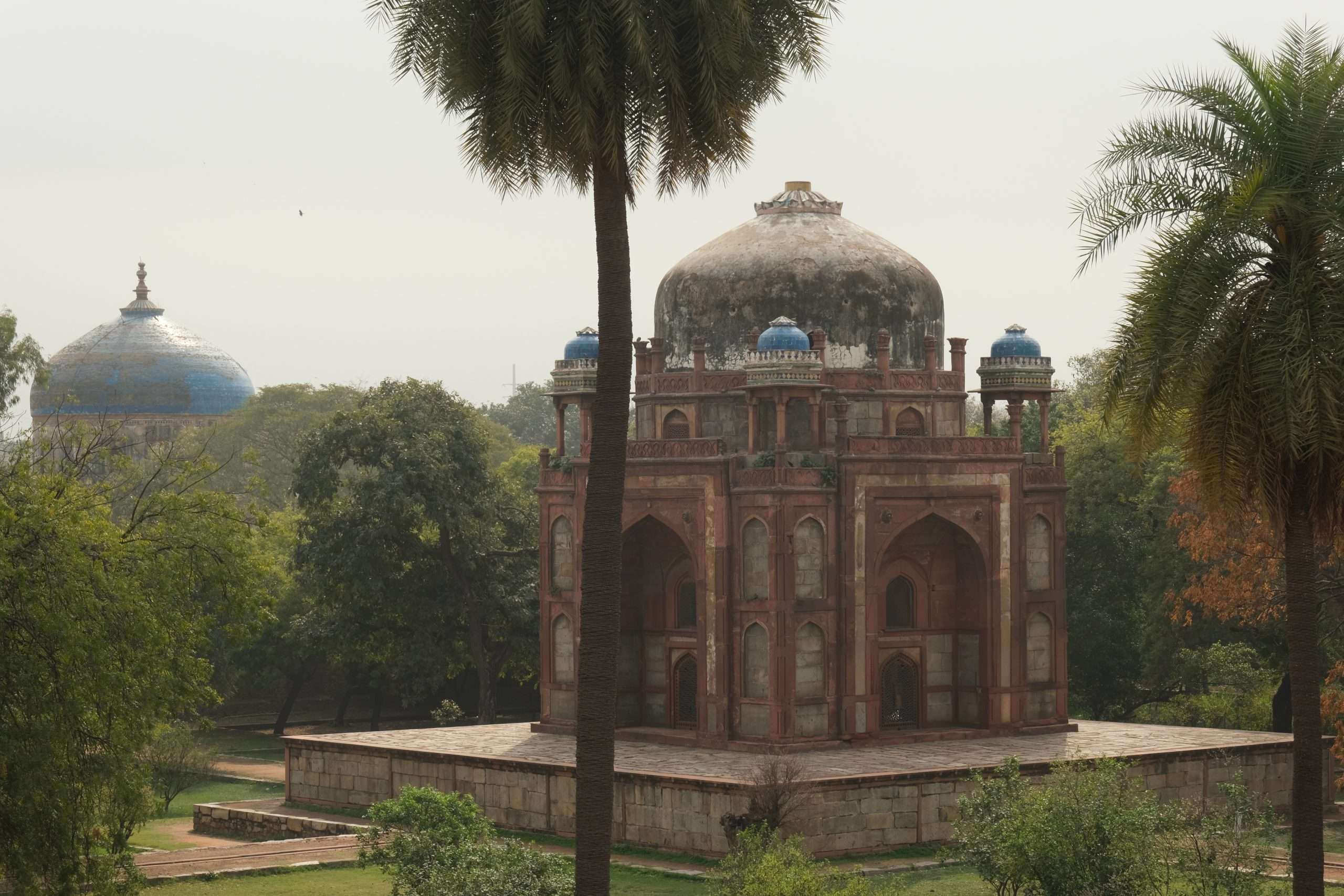
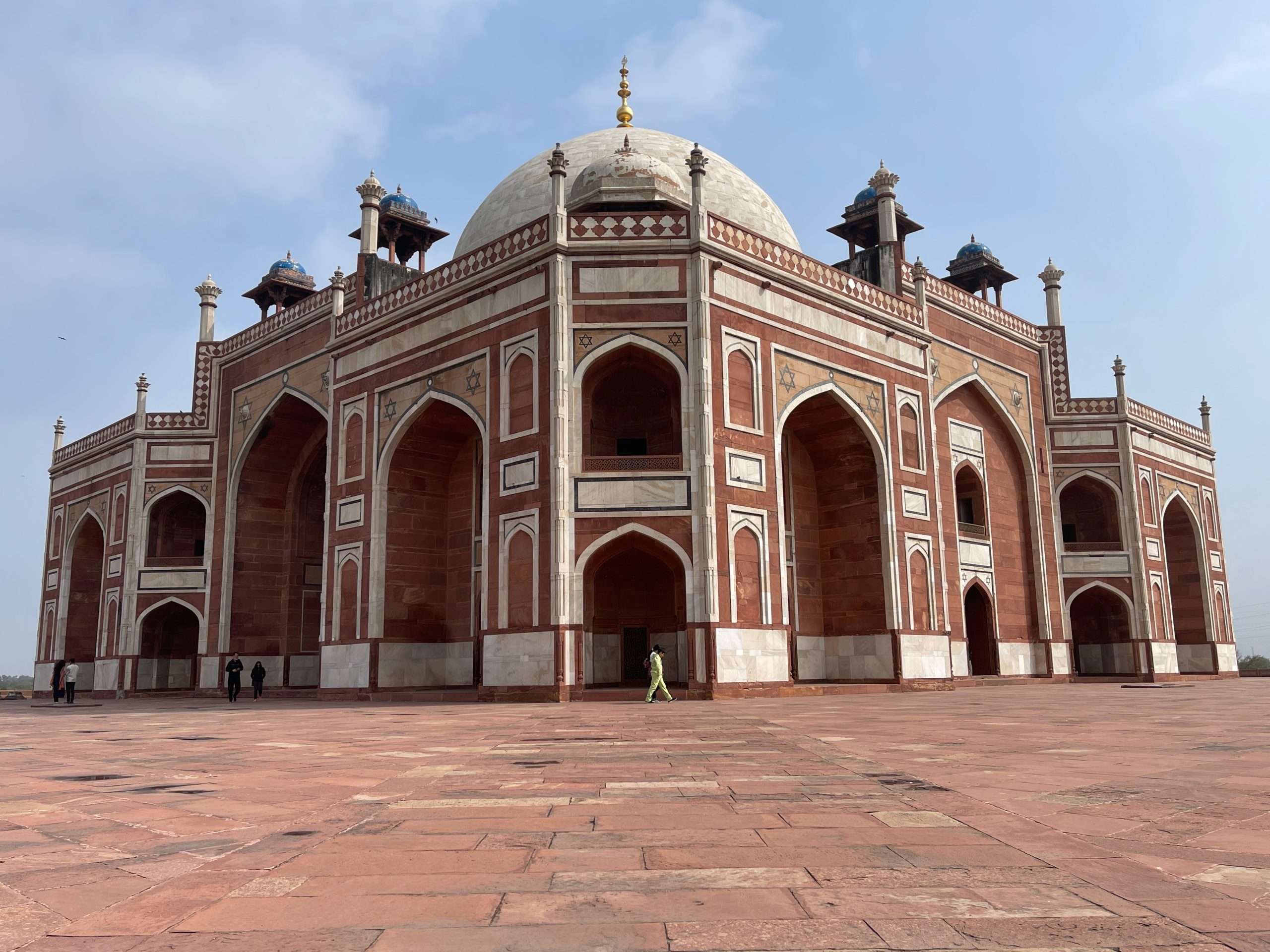
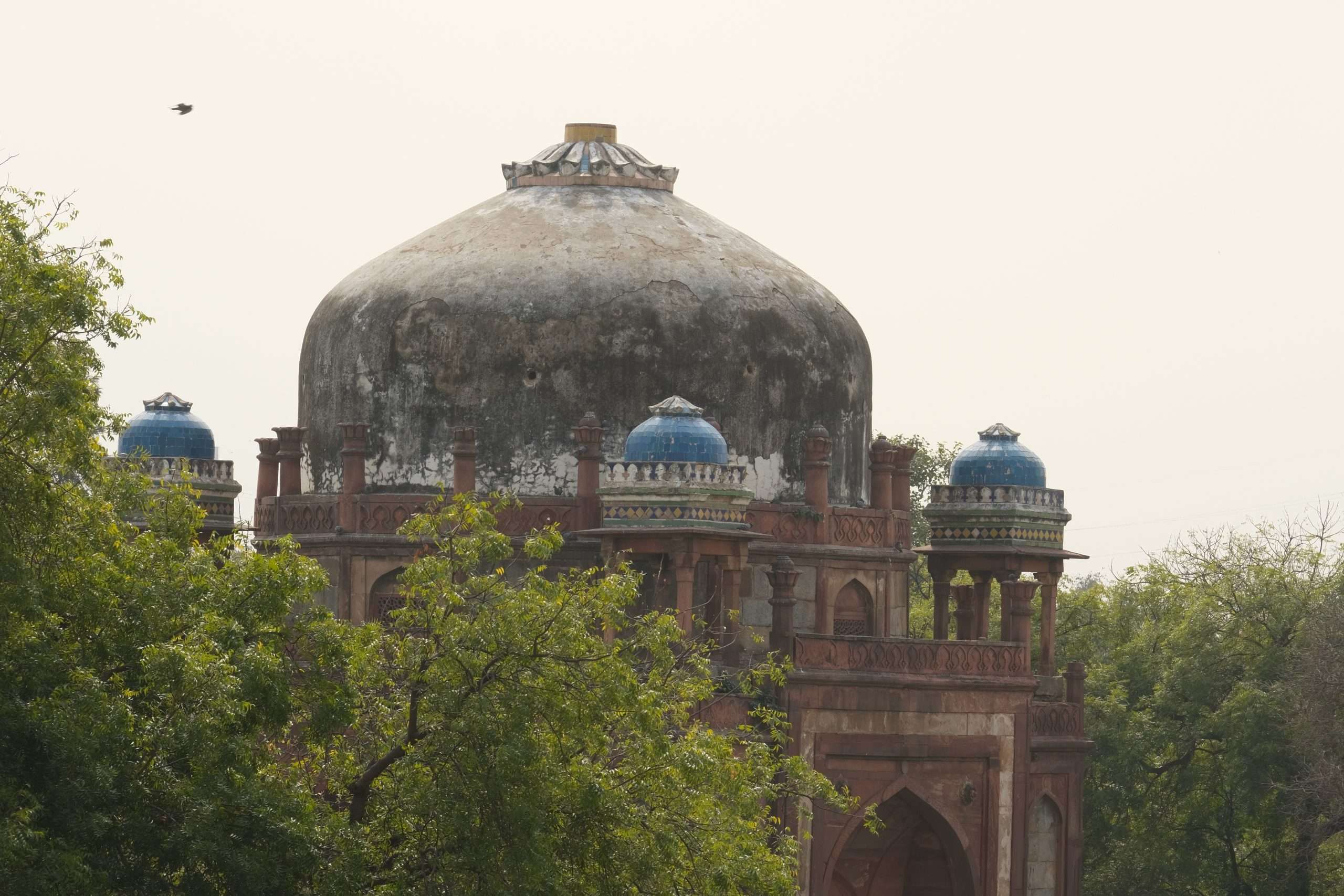
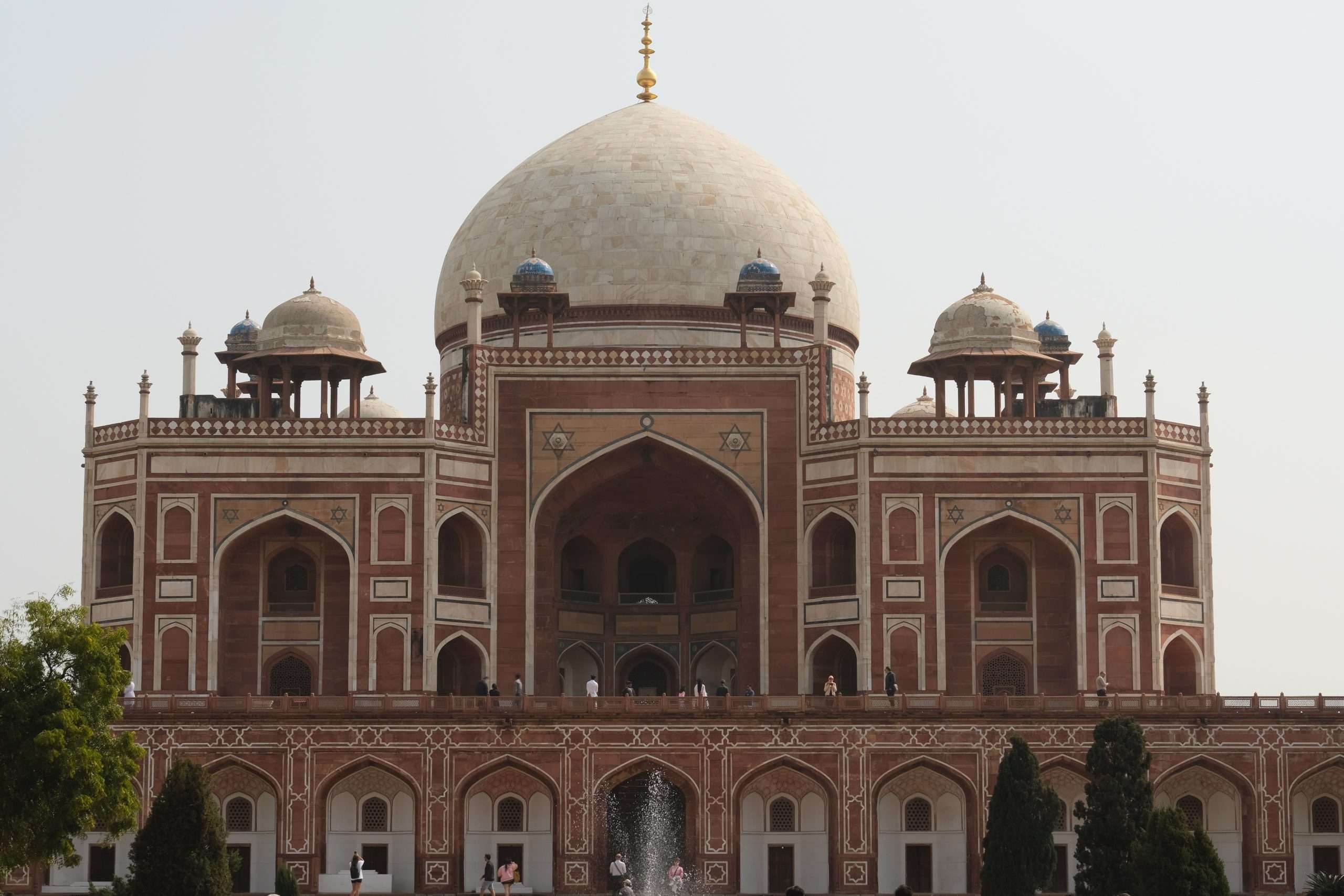
This morning our first visit of the day was to Humayun’s tomb which was completed in 1570 and is now a UNESCO World Heritage site. Humayun was second in the line of Mughal rulers and was father to Emperor Akbar who was perhaps the greatest of them all. His was the first garden tomb to be built in India and was to be the inspiration for the Taj Mahal some 80 years later. The tomb was built by Persian and Indian craftsmen and at the time was the grandest garden tomb in the Islamic world. The mausoleum stands on a high terraced platform and has a huge white dome and several kiosks with smaller domes supported by pillars. Within the mausoleum are the tombs of Humayun and his chief wife Bega Begum, who was instrumental in getting the edifice built, and the tombs of about 150 members of the family. The complex itself contains the tombs of many other famous Mughals as well as that of a Sufi saint. The building is made of red sandstone with white and black inlaid marble.


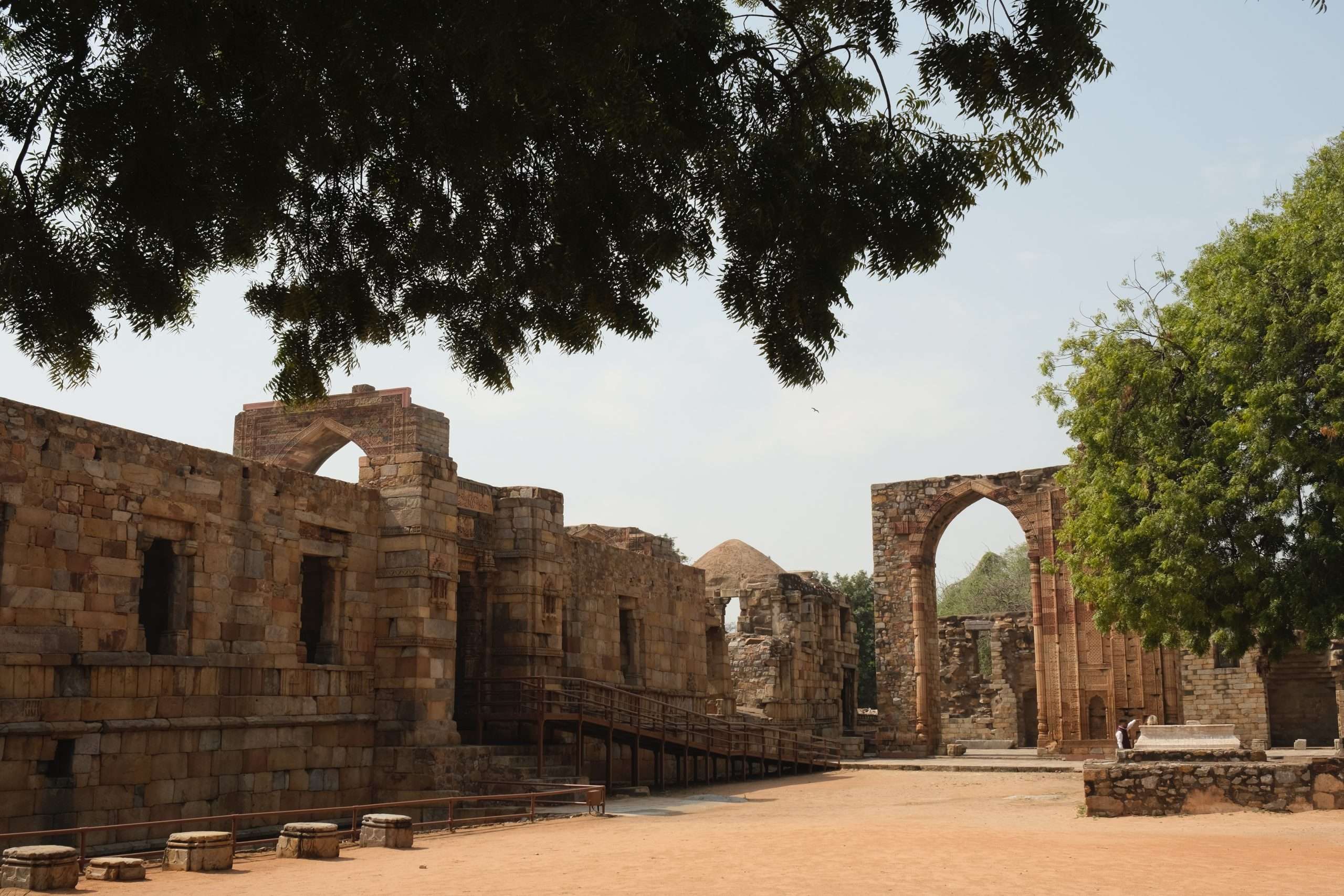
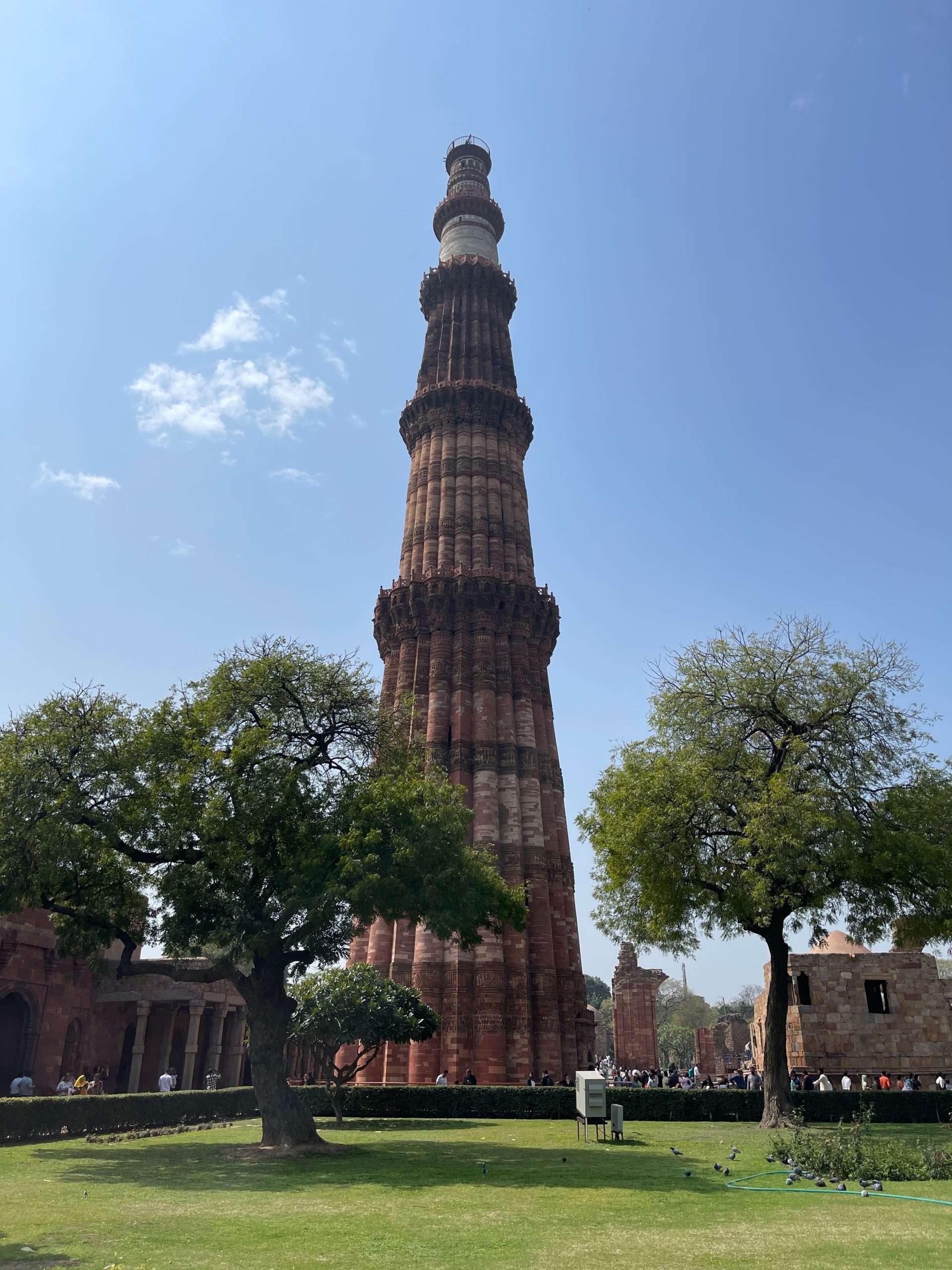
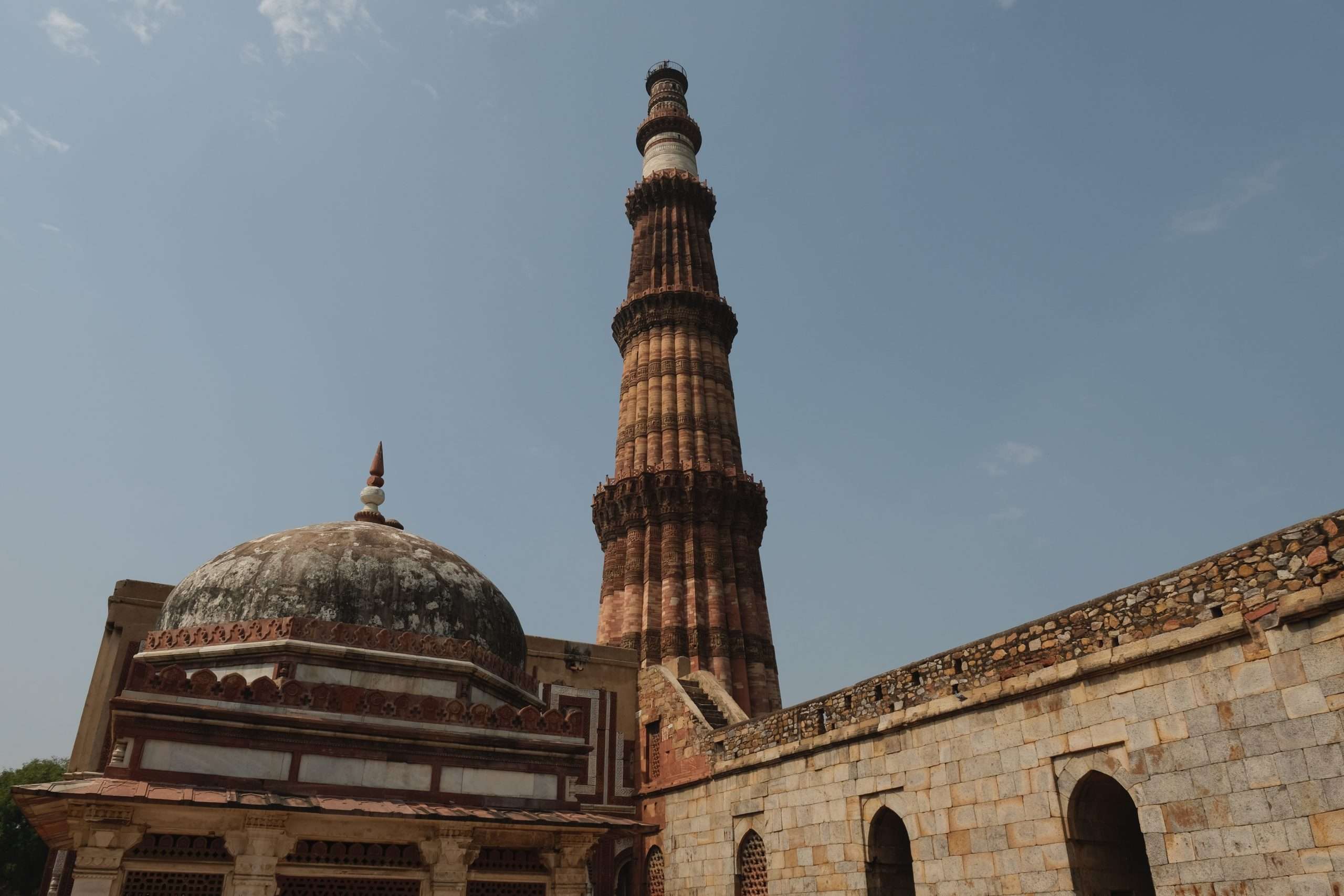
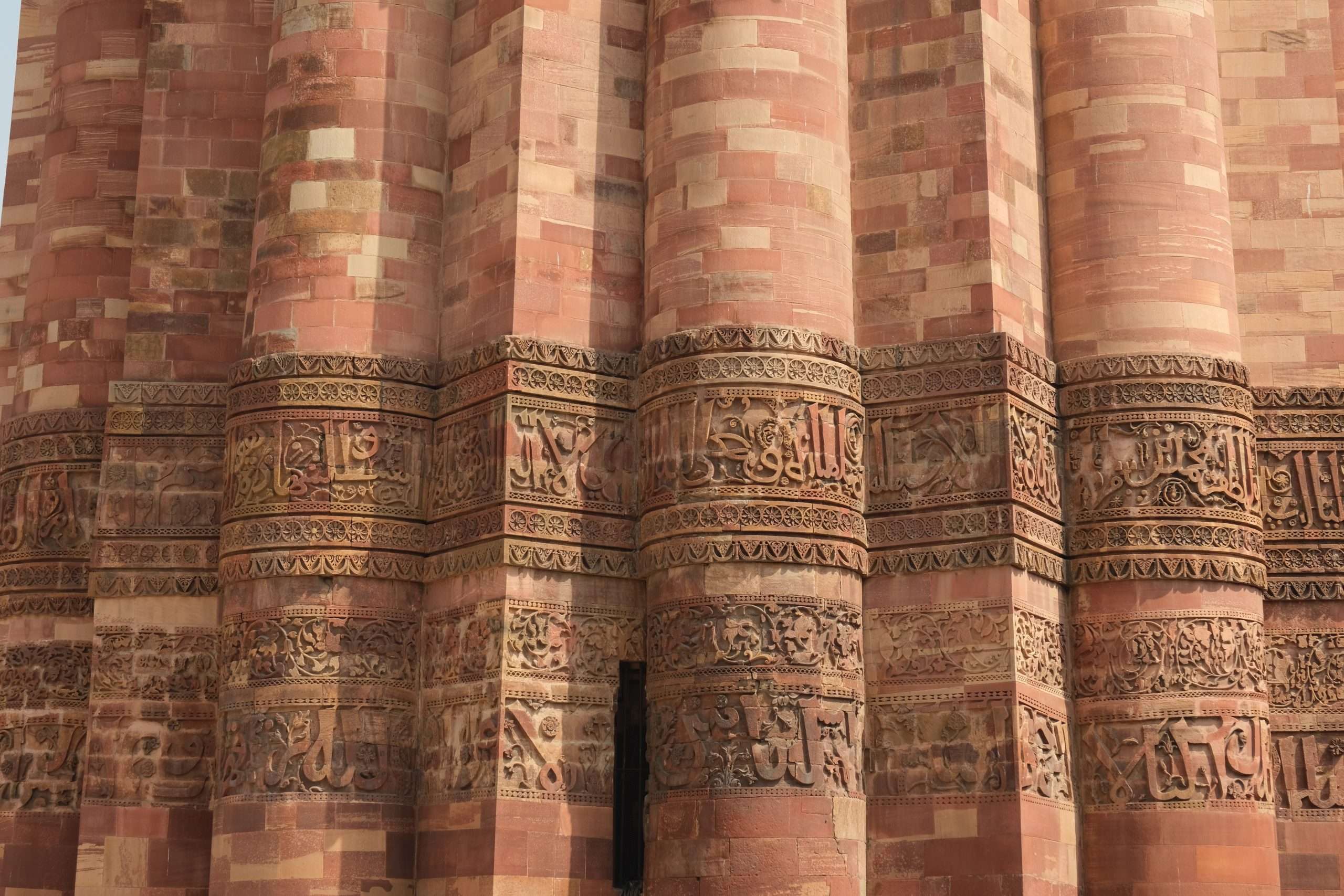
Next, we visited the Qutab Minar, a red sandstone minaret symbolizing Muhammad of Ghor’s victory over Prithviraj Chauhan and the introduction of Islam to India. It is now a UNESCO World Heritage site. Built over Hindu and Jain ruins, the minaret stands 73 meters tall with five fluted stories. The construction was started in 1192 by Qutub-ud-Din Aibak, continued with his son-in-law Shams-ud-Din Iltutmish, completed by Firuz Shah Tughlaq, and then extended by the addition of a cupola by Major Robert Smith of the British Army. Viceroy Hardinge had the cupola removed. It now stands in the complex and is known as Smith’s Folly. The courtyard of the adjacent Quwwat-ul-Islam Mosque features an iron pillar dating back to the 6th century Gupta period, remarkable for its resistance to rust.
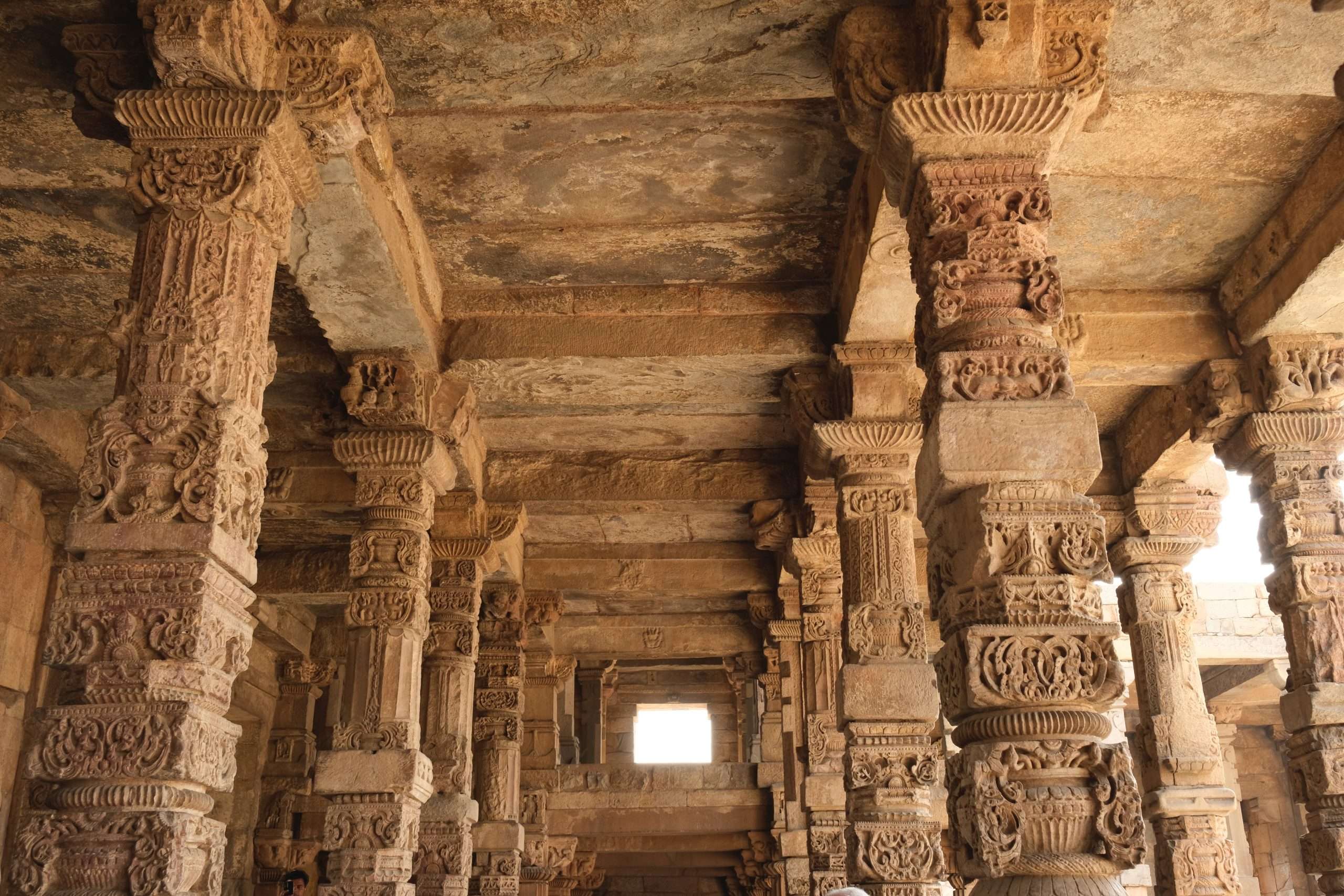
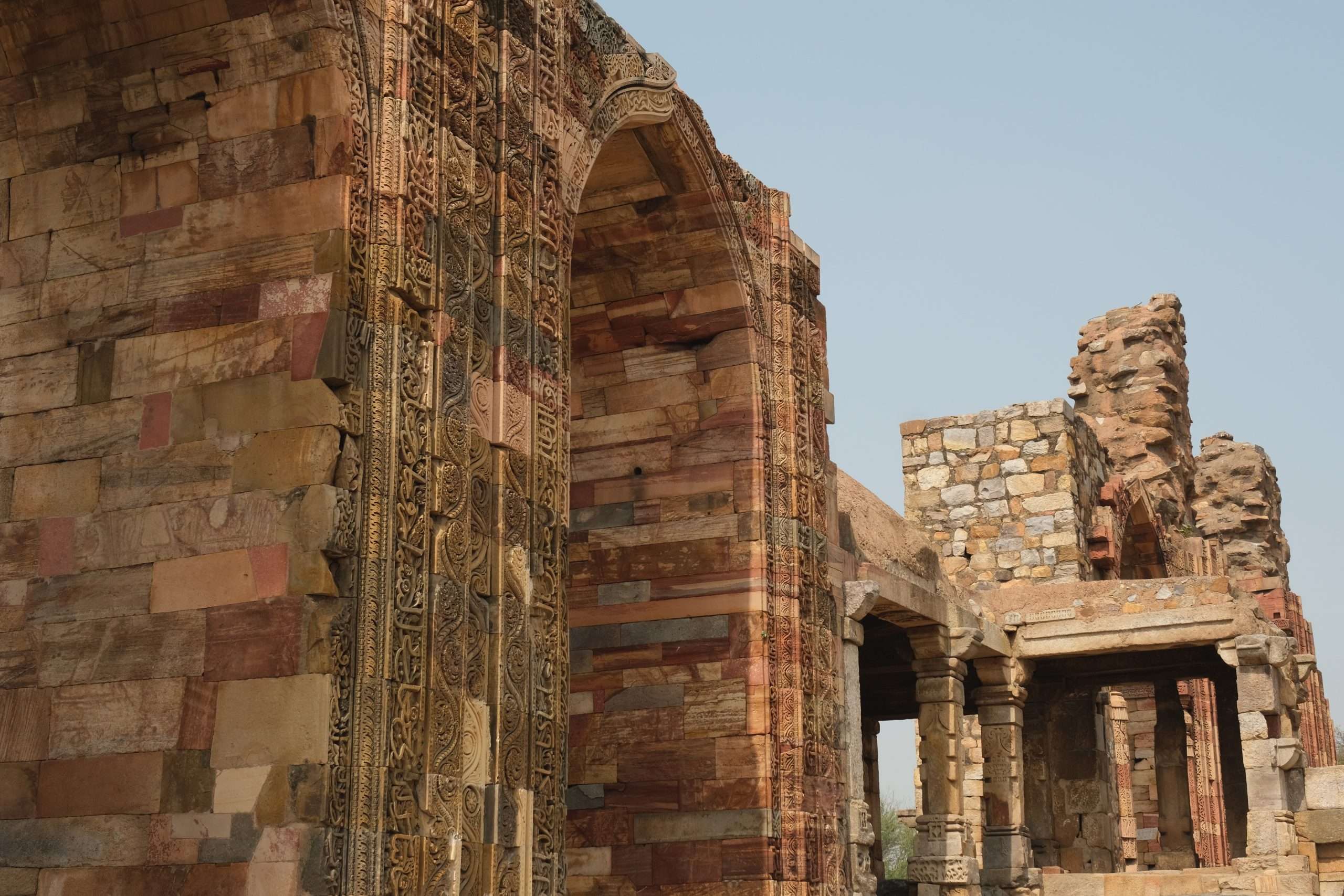
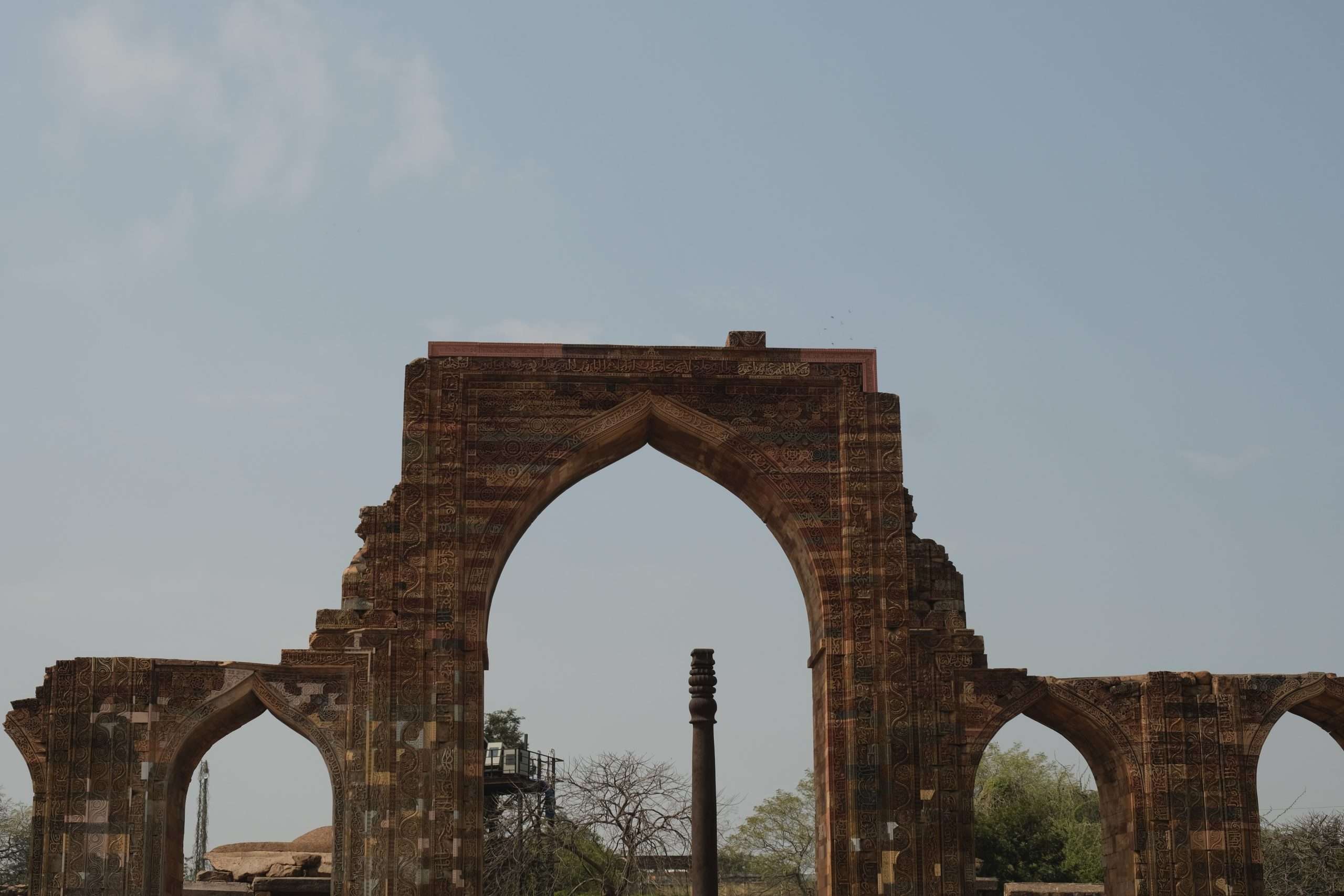
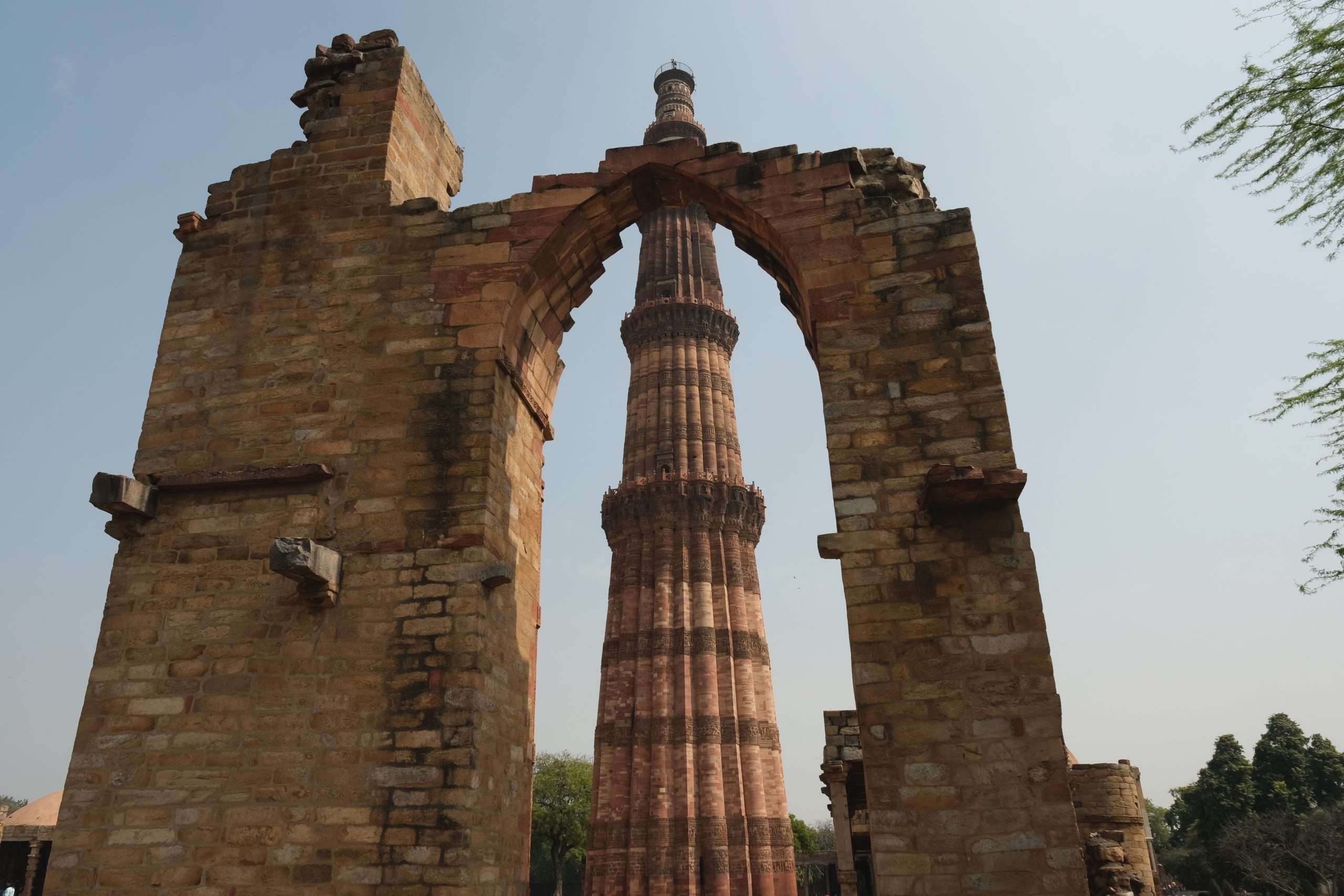

Lunch was at Olive Bar & Kitchen, a Mediterranean restaurant, featuring a live band with two singers to entertain all the Sunday brunchers. Upon our return to the hotel, we packed for our trip to Nepal. Dinner was at The Spice Route, one of the hotel’s restaurants. The décor in this restaurant is outstanding. The murals are all hand-painted with vegetable and flower dyes. The food was delicious too.
Journey to Kathmandu – March 4, 2024
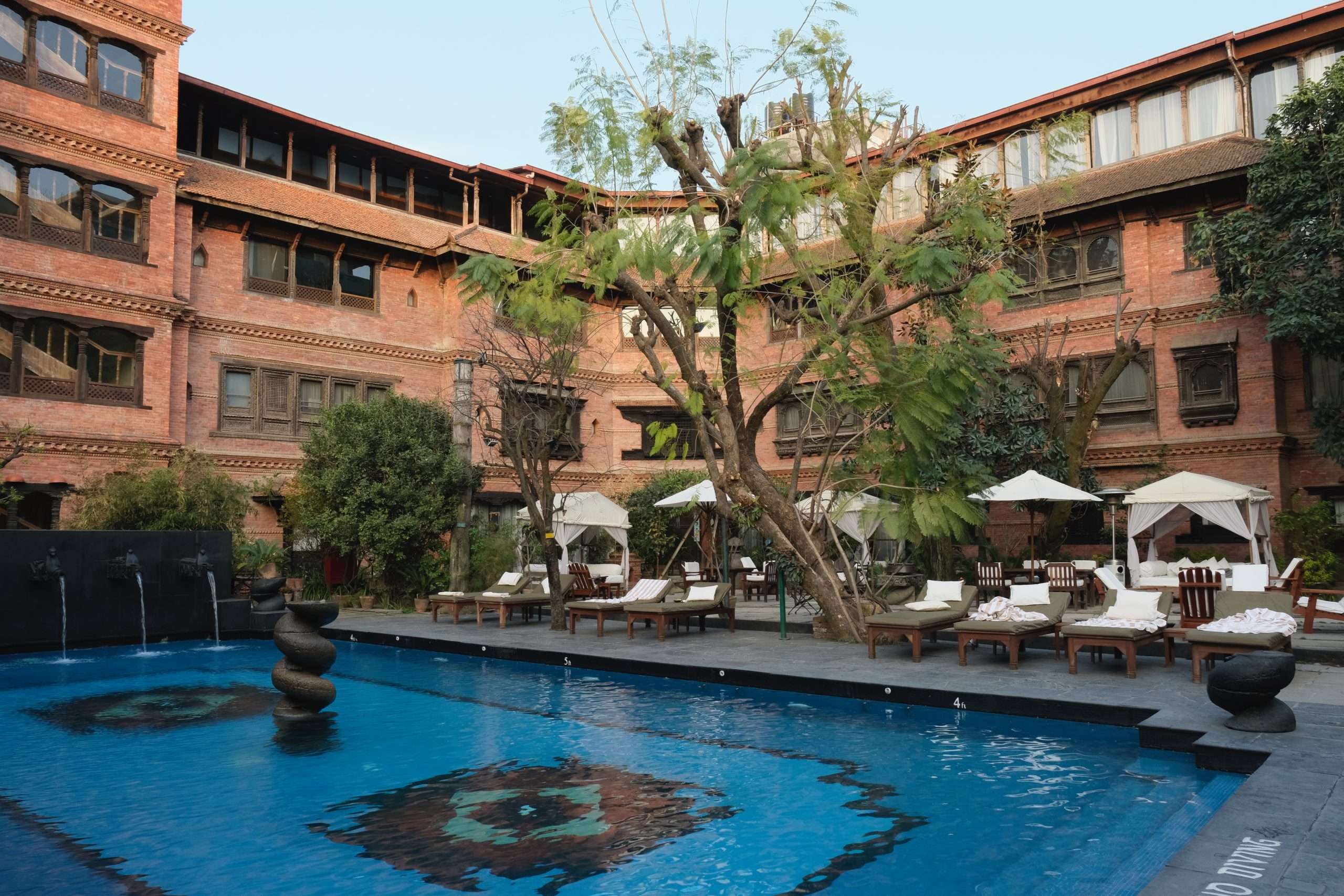
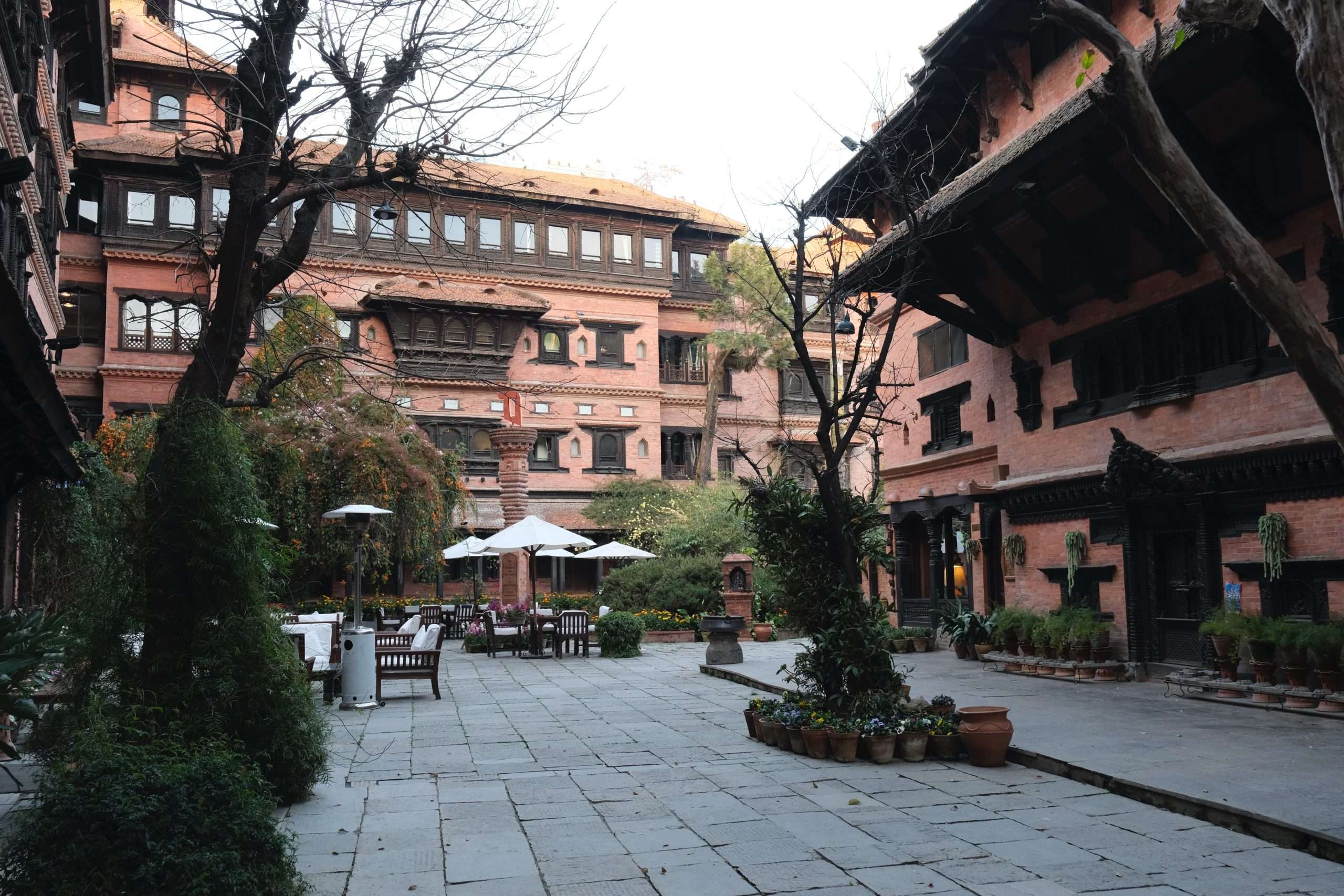
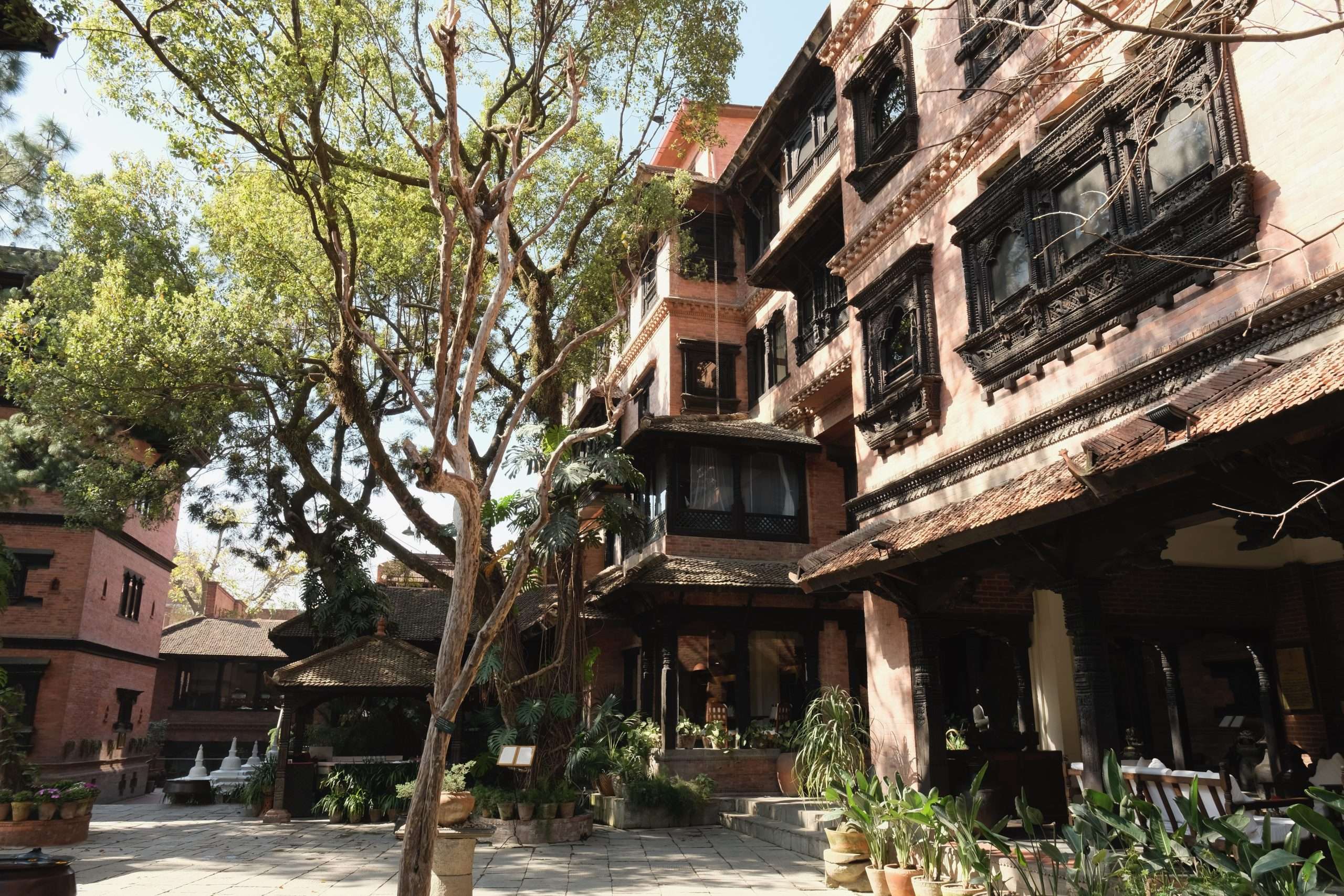
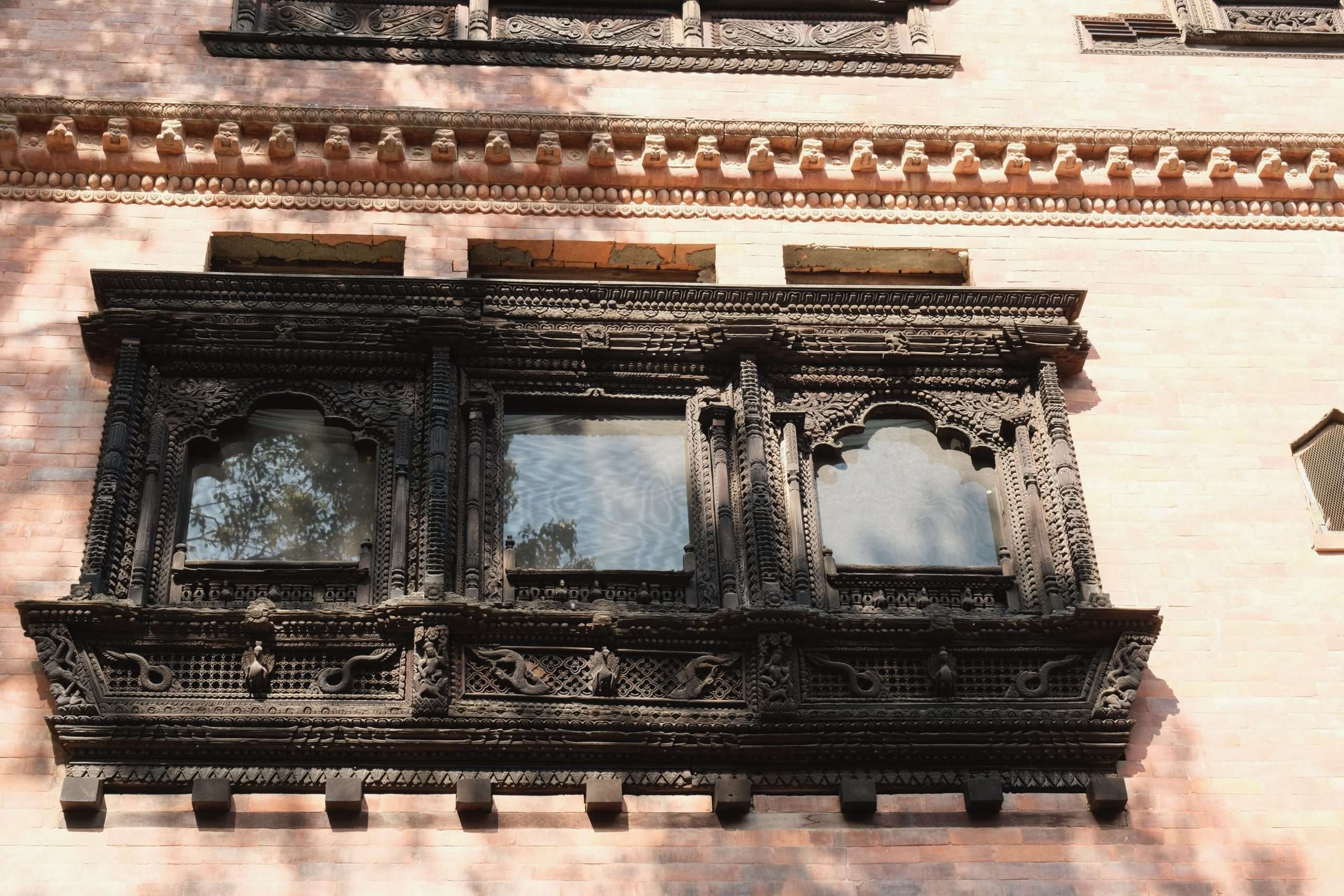
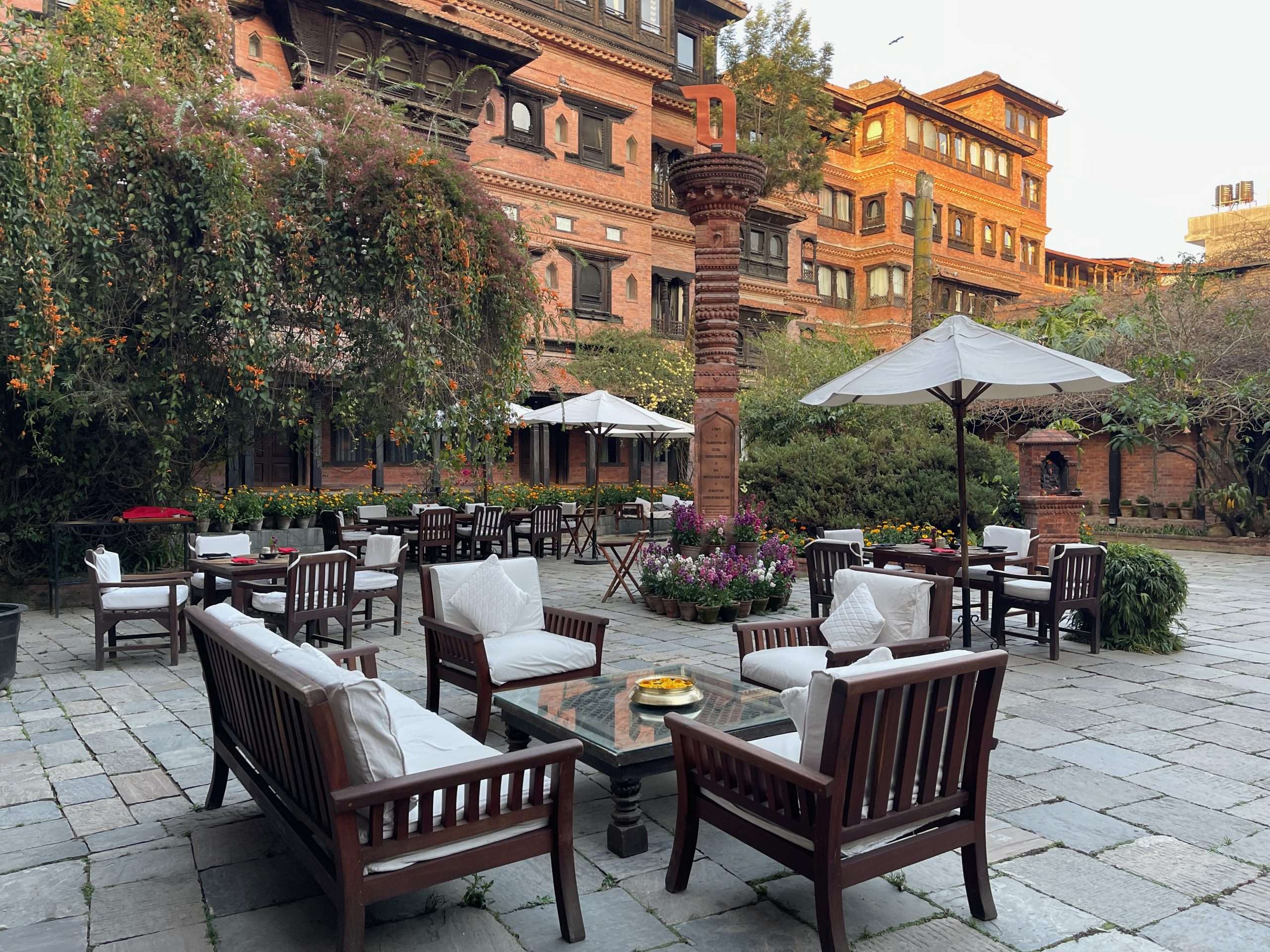
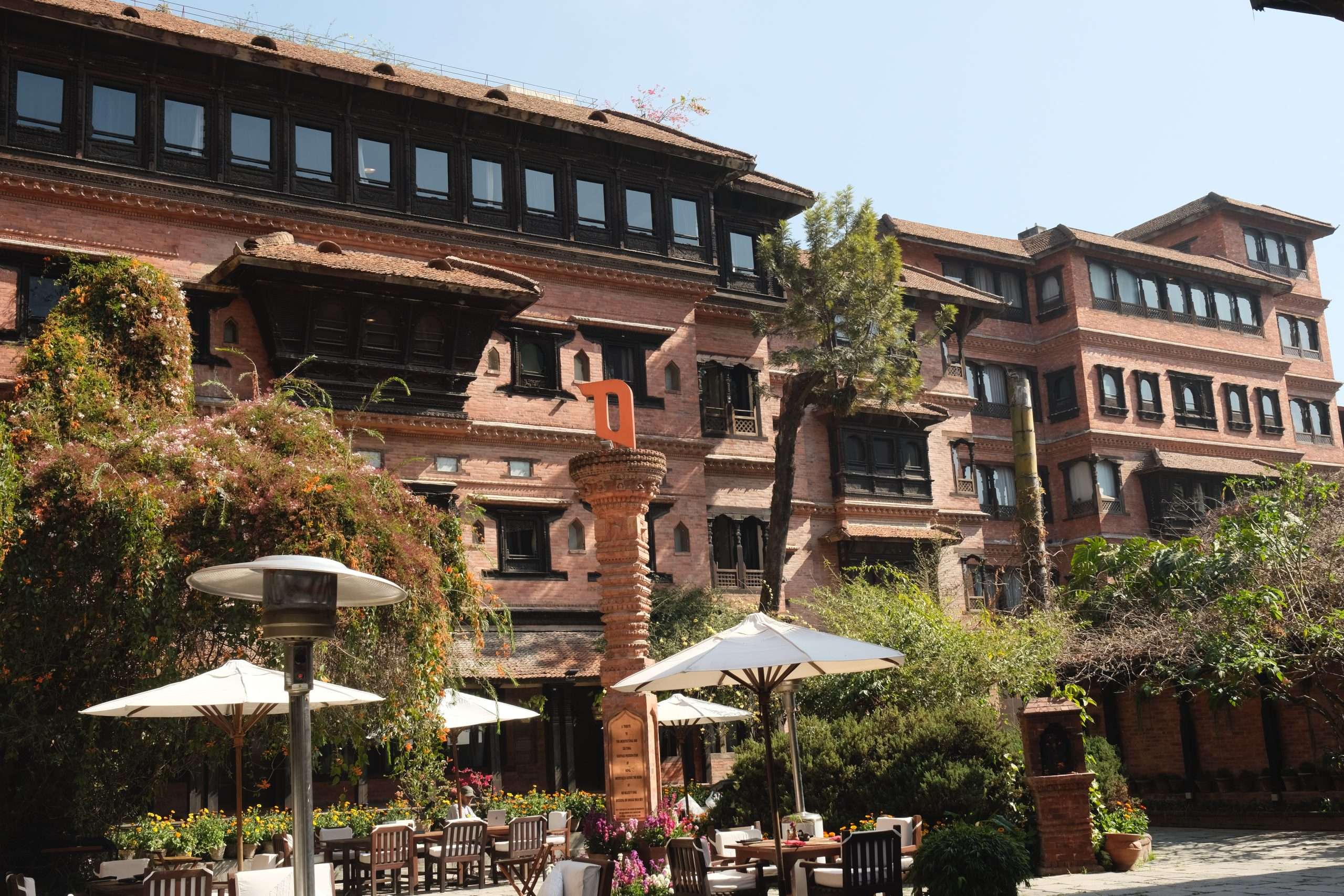
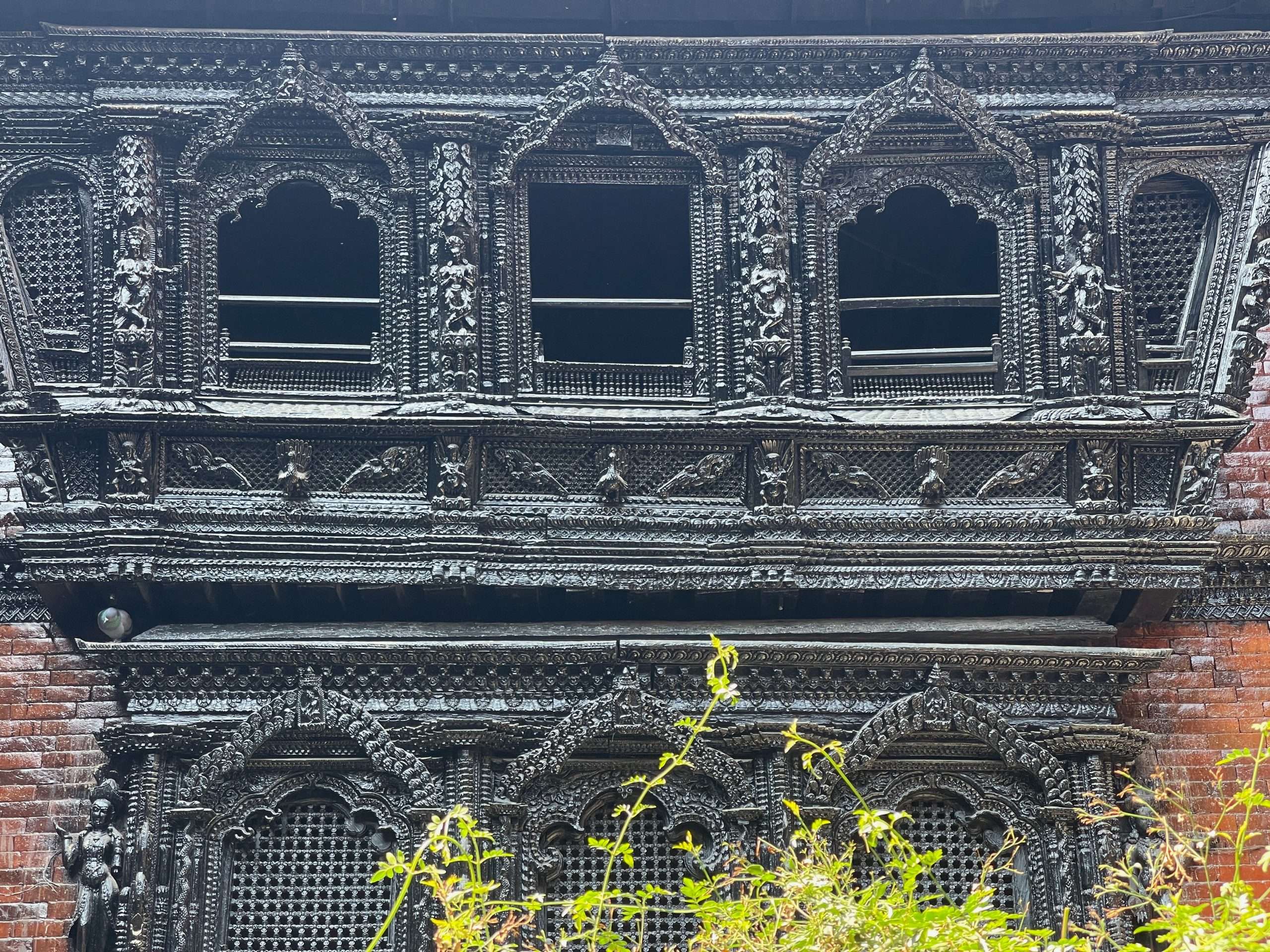
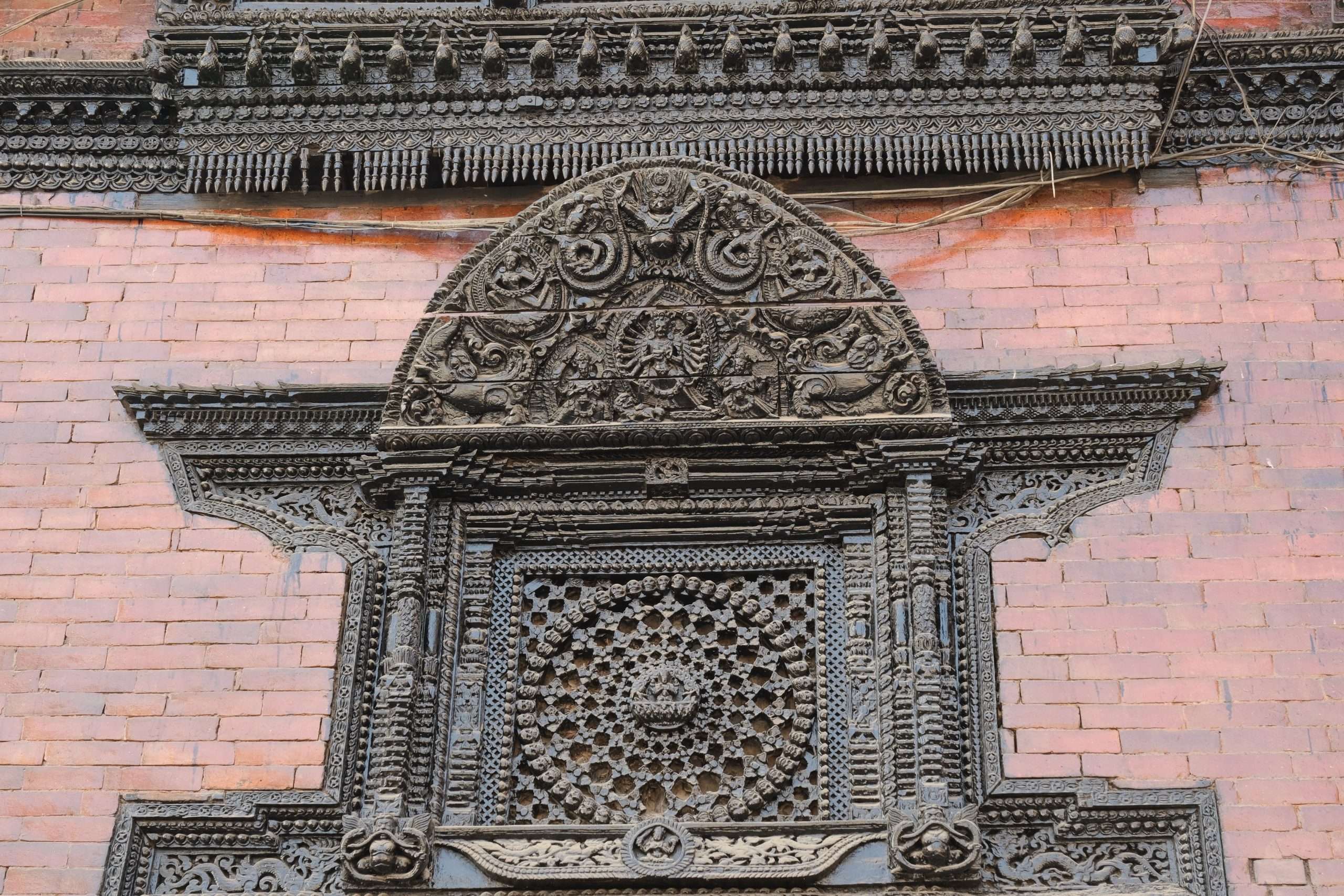
Today, we departed from the Imperial and flew to Kathmandu, Nepal, navigating security without any issues. Arriving at Dwarika’s, our hotel for the next three days, we were warmly welcomed by the hotel staff who garlanded us with mala prayer beads. Our spacious room boasted intricate woodcarvings, artwork, and a stunning mountain view. We were given a tour of the hotel by the grandson of the founder Dwarika Das Shrestha. Dwarika was very passionate about saving and restoring artifacts of the Nepalese heritage. He rescued woodcarvings from buildings that were being demolished and when his collection got very large, gave the woodcarvings a new lease on life by using them to decorate his hotels. His family continues his legacy.
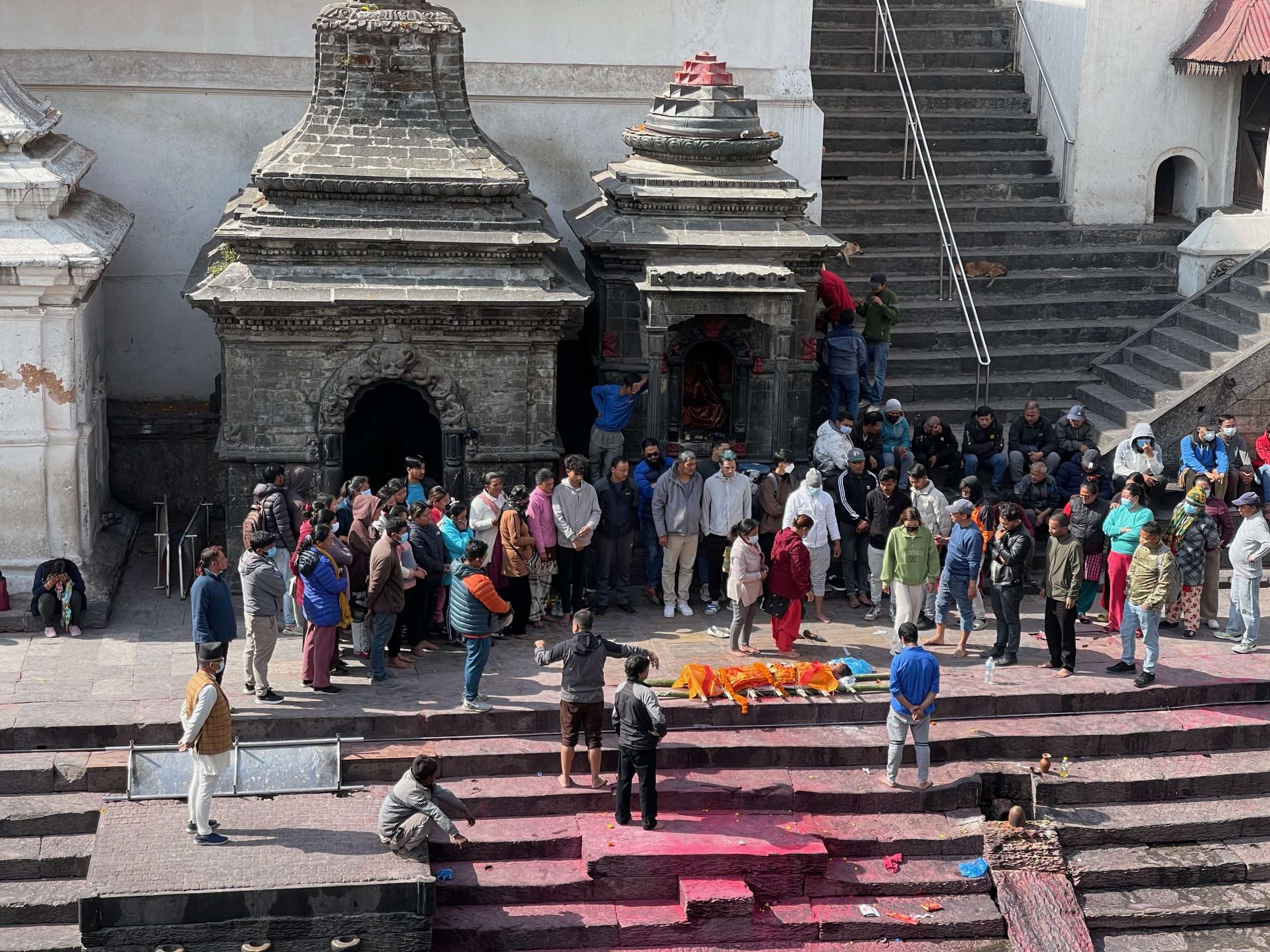
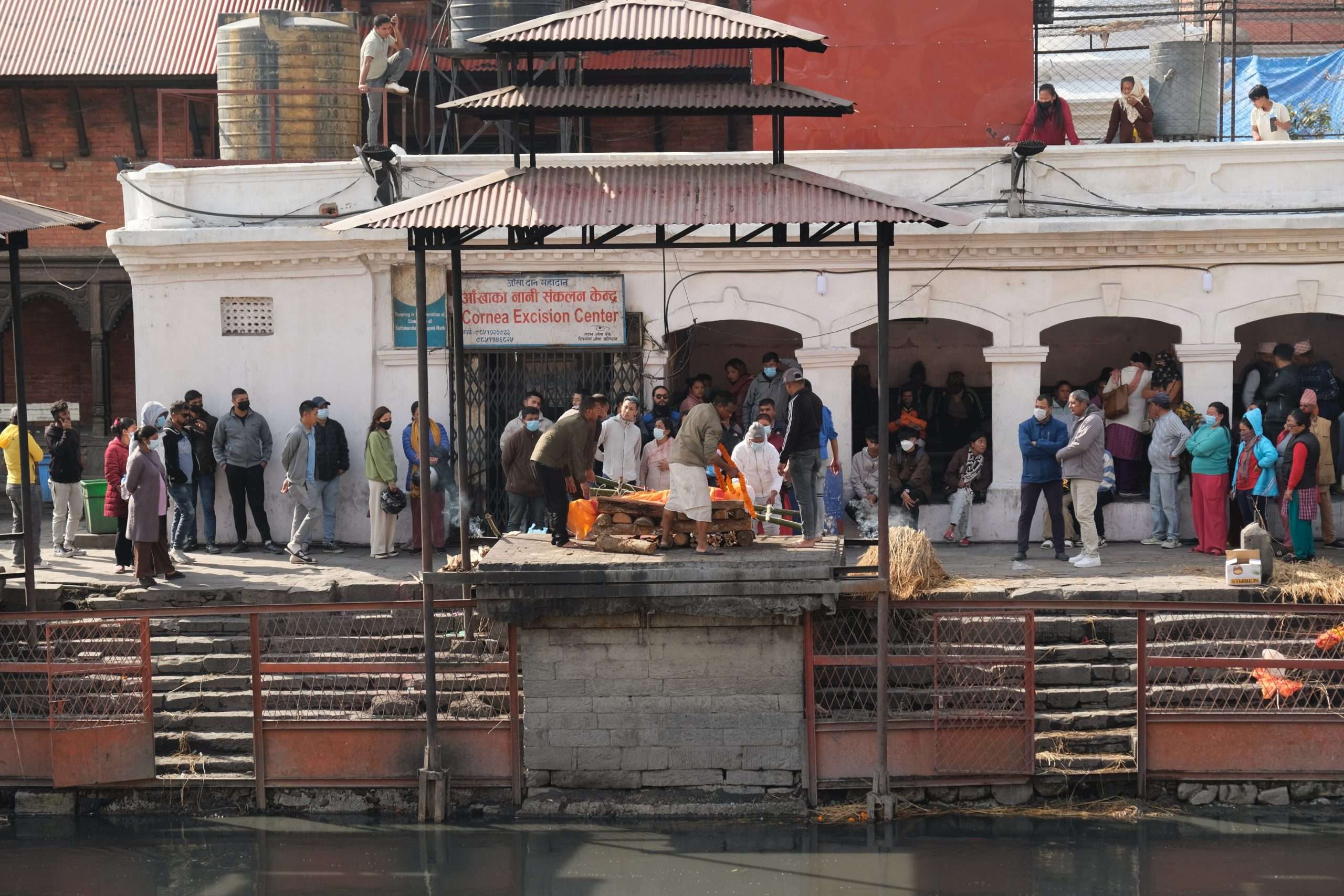
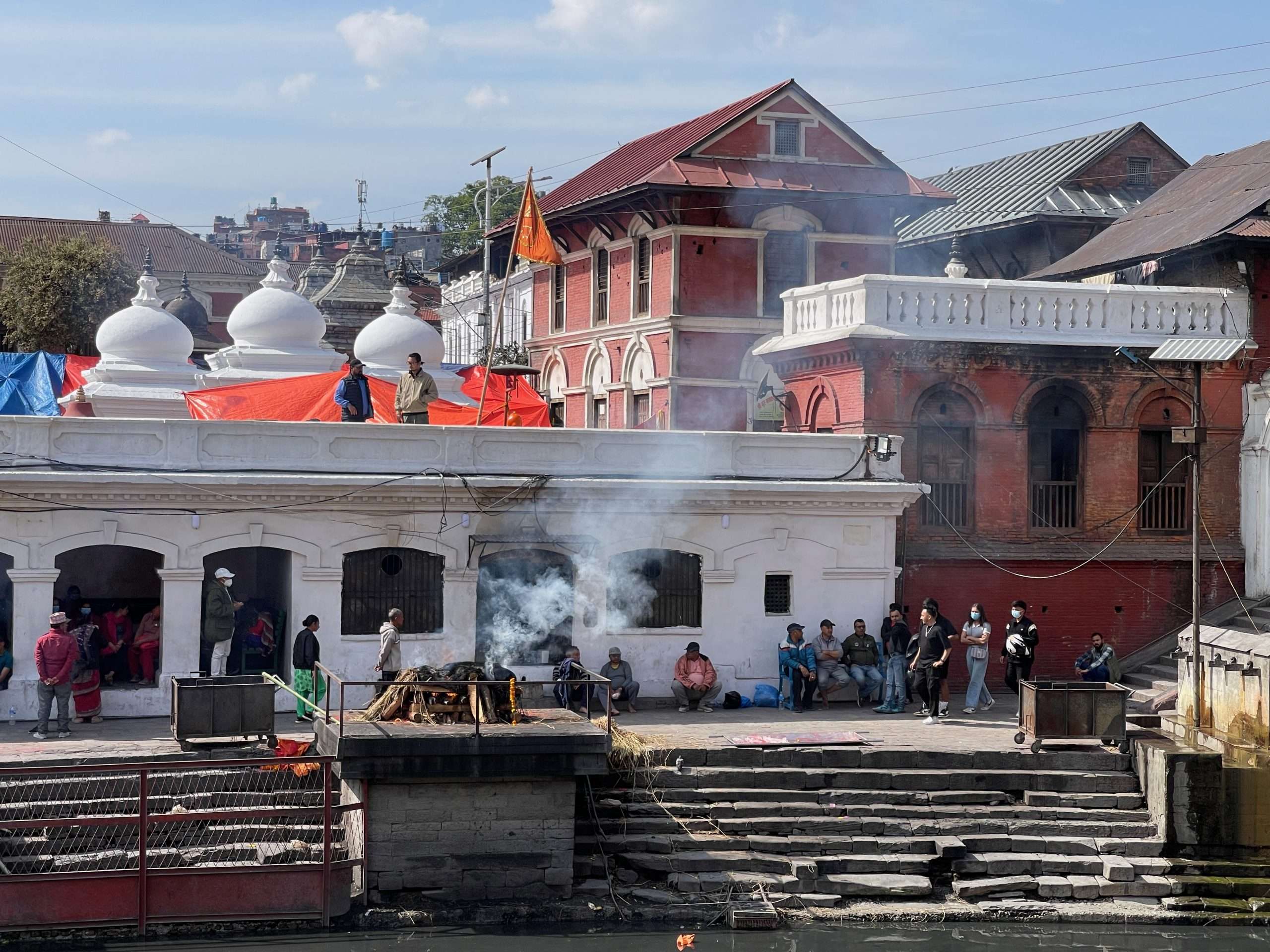
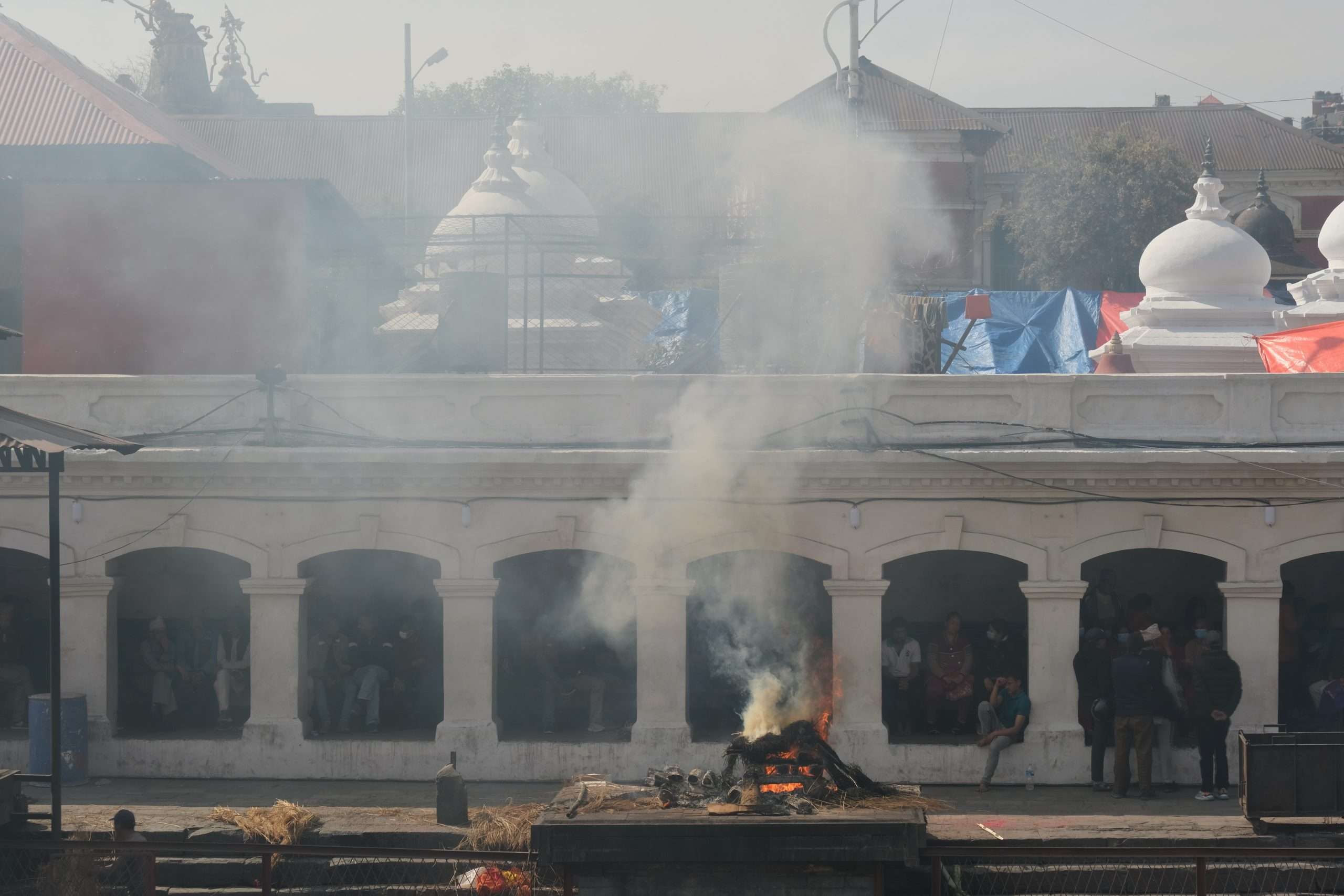
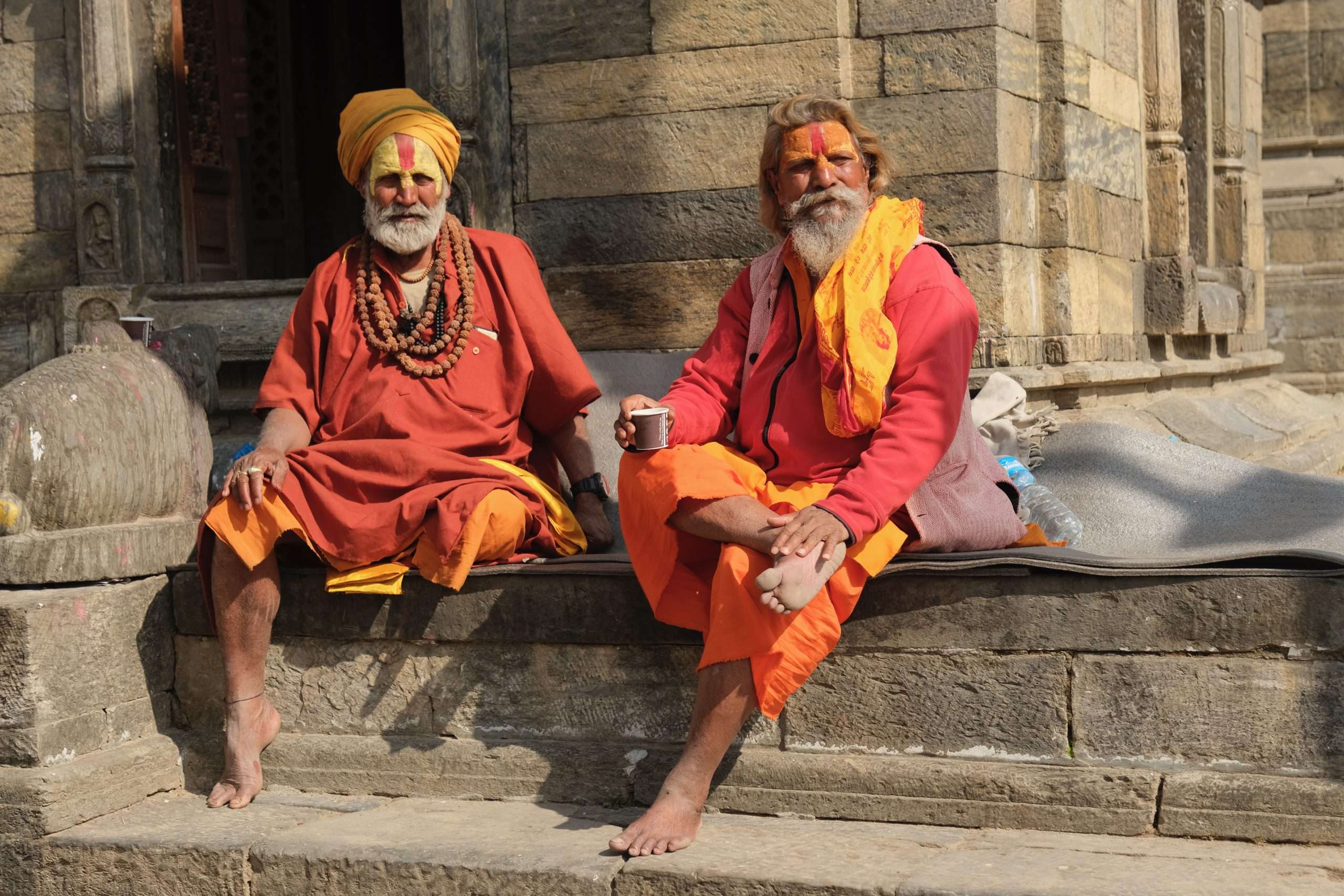
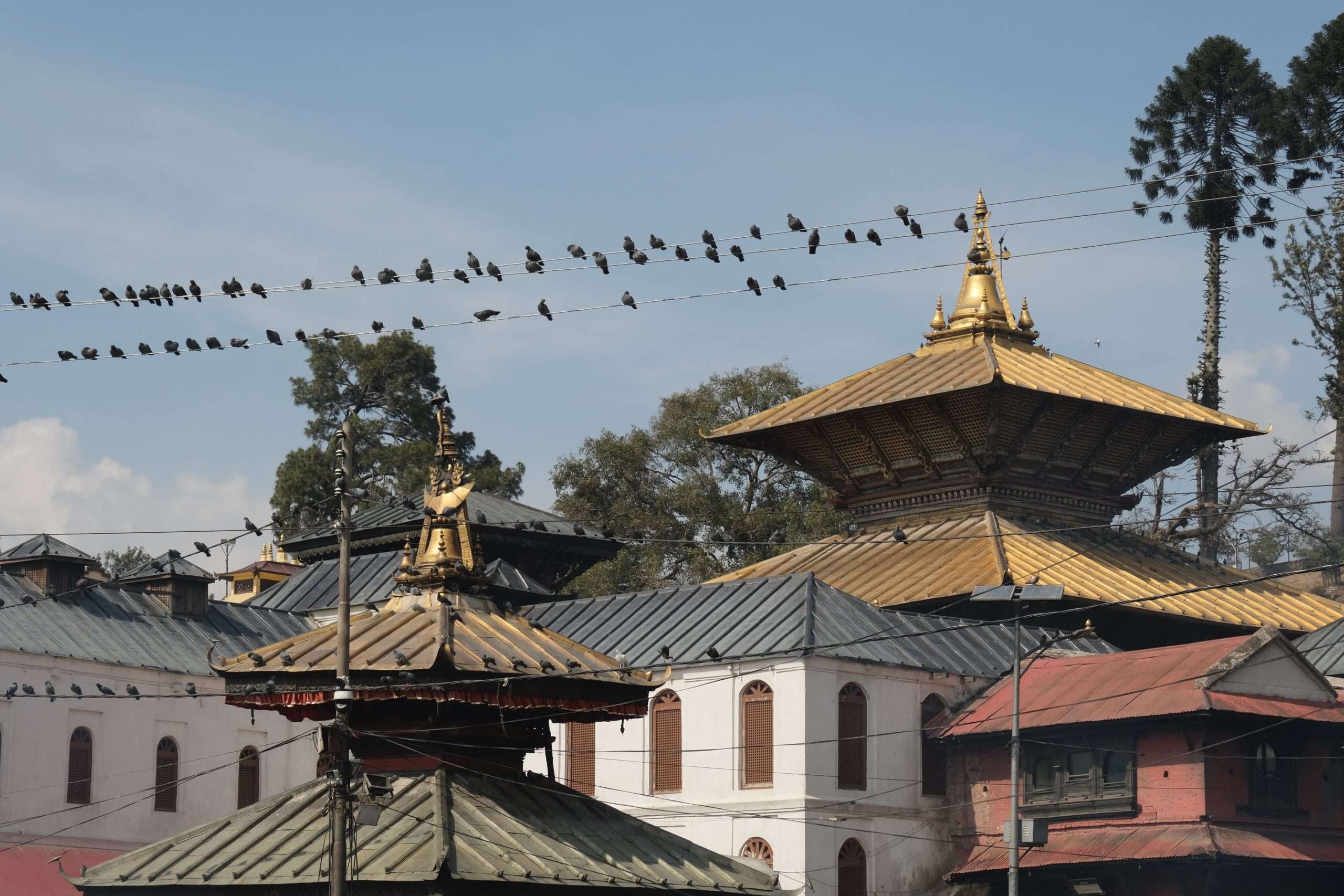
In the afternoon, we visited the Pashupatinath Temple Complex on the banks of the Bagmati River. There are over 500 shrines and ashrams sprinkled throughout the complex which extends to both banks of the river. The chief deity here is Lord Shiva. Non-Hindus are not allowed inside the temple. So, from across the river, we watched several cremations in process and one which was about to commence, starting with the farewell, the building of the pyre, the placing of the body on the stacked wood, the lighting of the fire, the stoking of the flames, etc. After the fire dies out, the ashes are tipped into the Bagmati. Open-air cremations as well as those in the crematorium take place here seven days a week. The complex was quite crowded, and the priests obligingly posed for the tourists. Pashupatinath is one of several monuments in the Kathmandu Valley designated as a UNESCO World Heritage site. It is one of the oldest Hindu temples in Nepal, a country which until 2008 was the only Hindu state in the world. It is also the only country in the world to have its national flag that is non-quadrilateral. The current two-storied pagoda-shaped temple with its gold covered copper roofs was built in 1692, but records point to a temple being here since 6 AD.
In the evening, we dined at Toran, one of the hotel’s restaurants, featuring produce sourced from their own farms.
Himalayan Heights & Cultural Insights – March 5, 2024
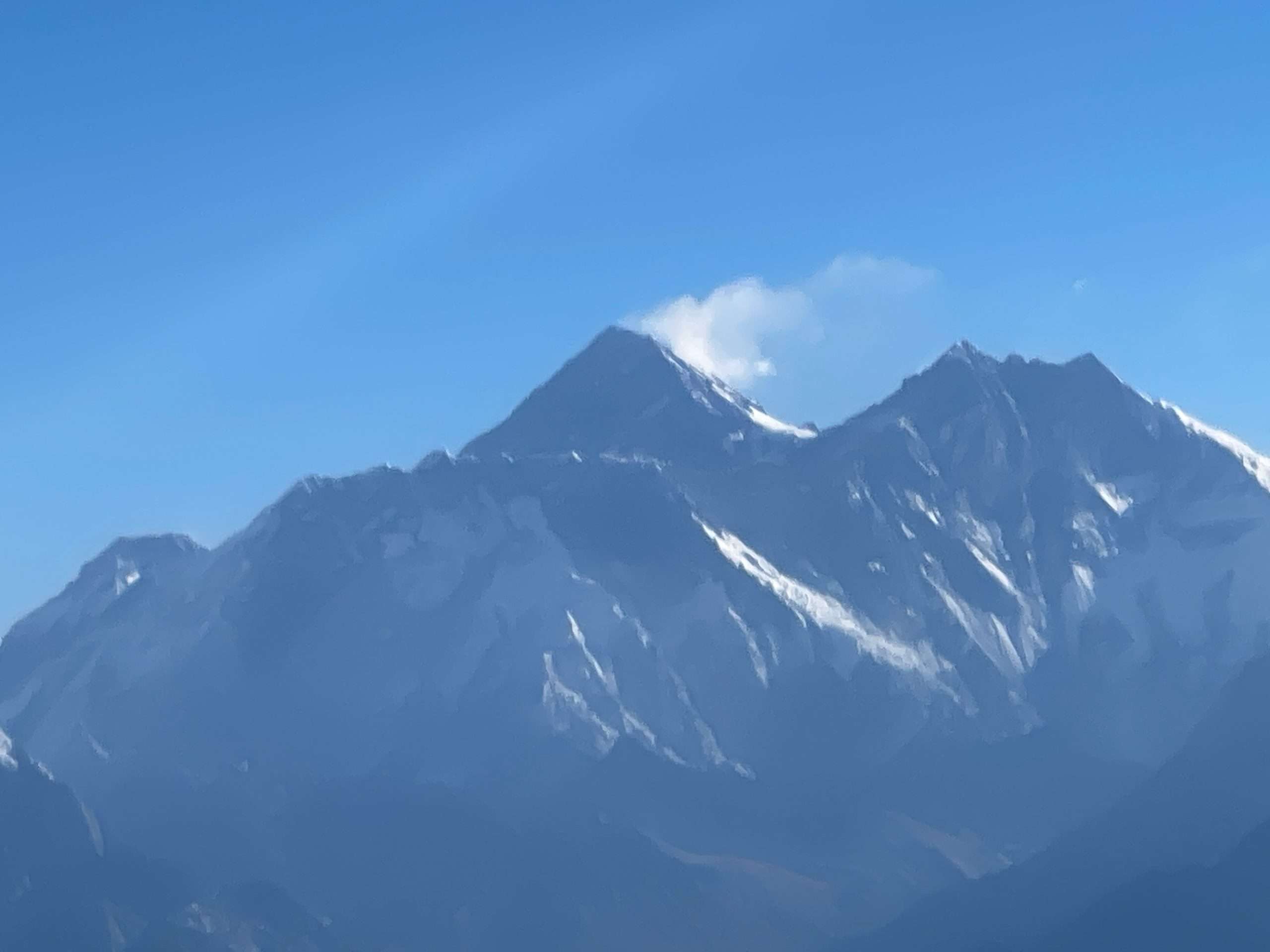
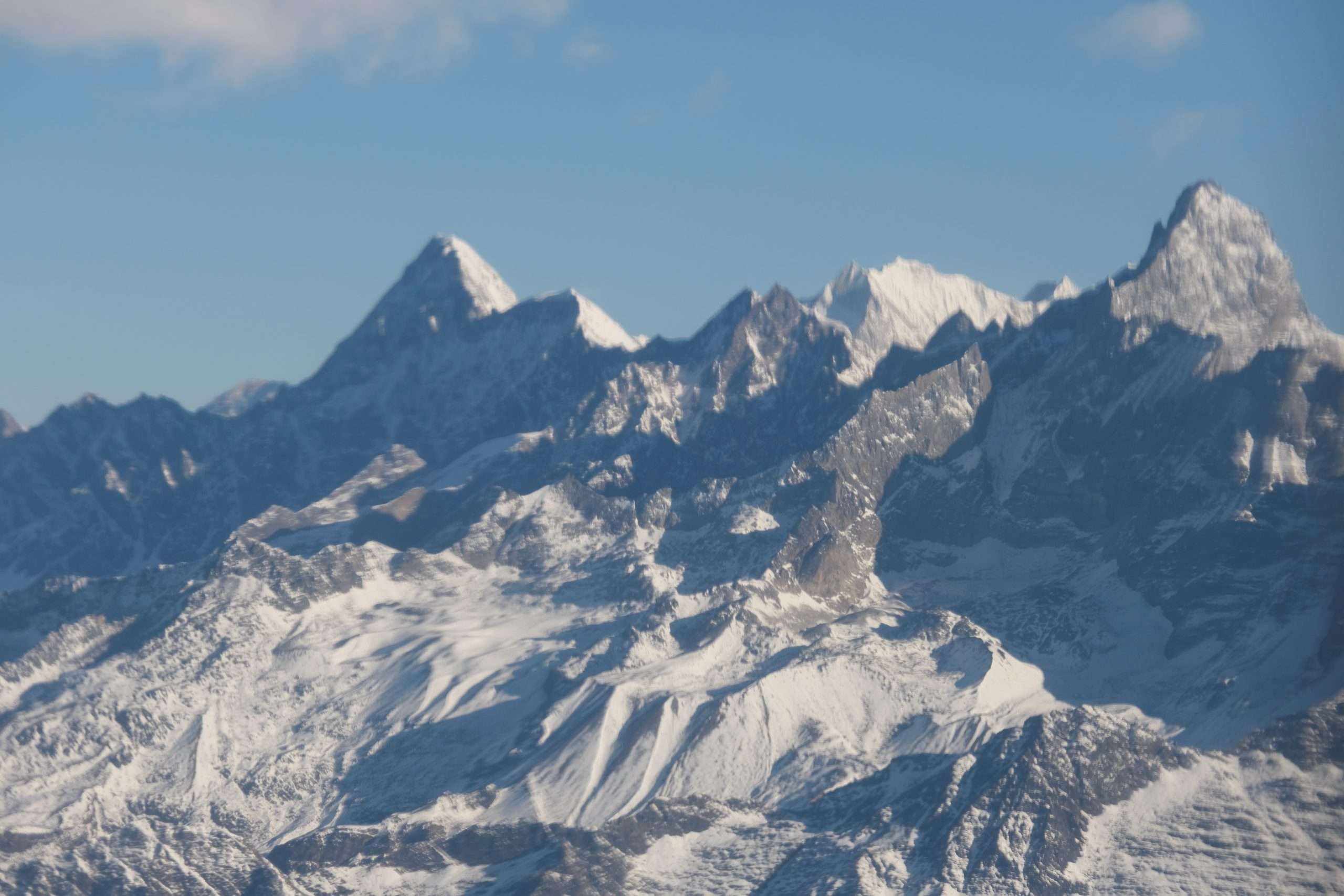
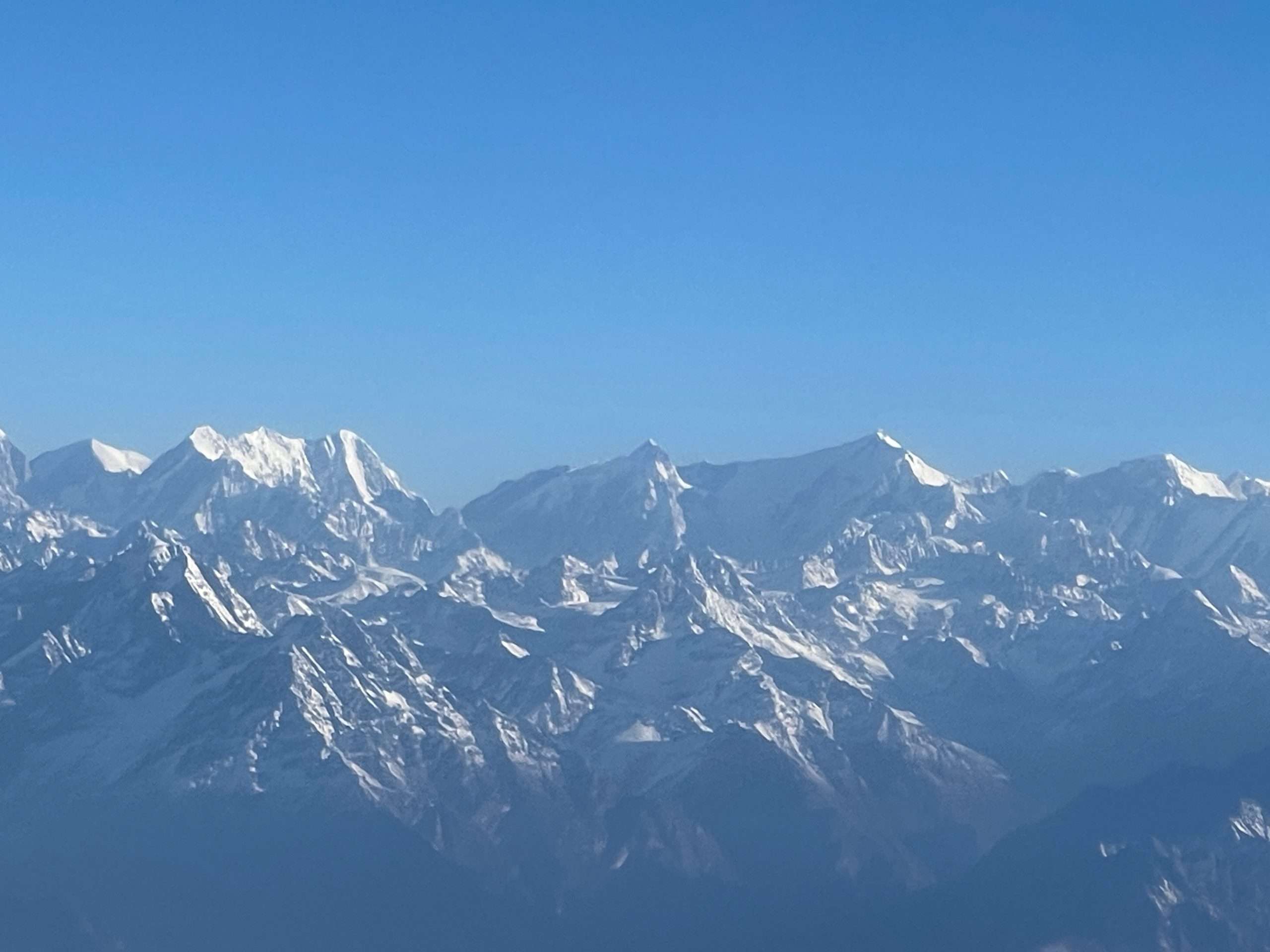
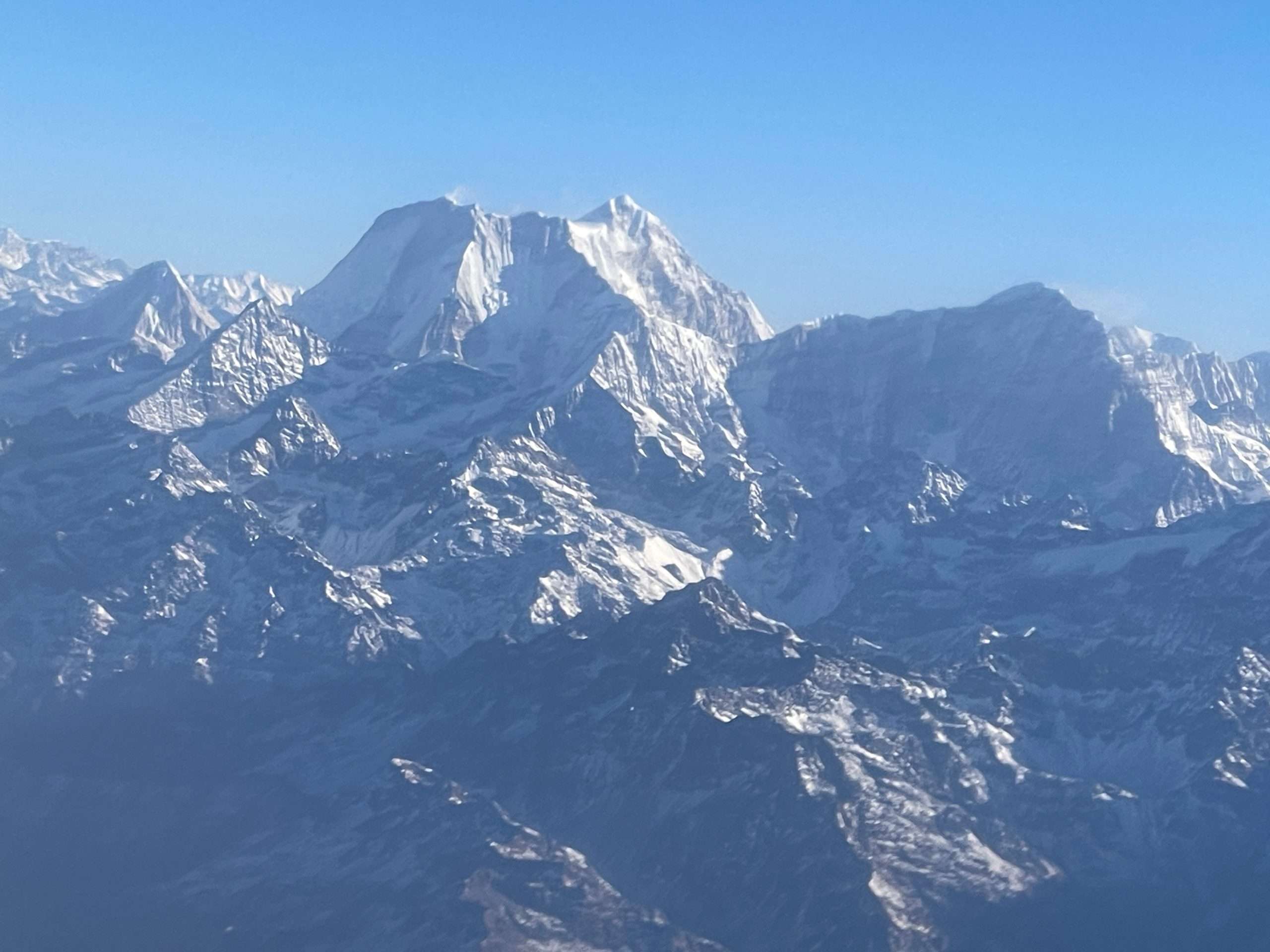
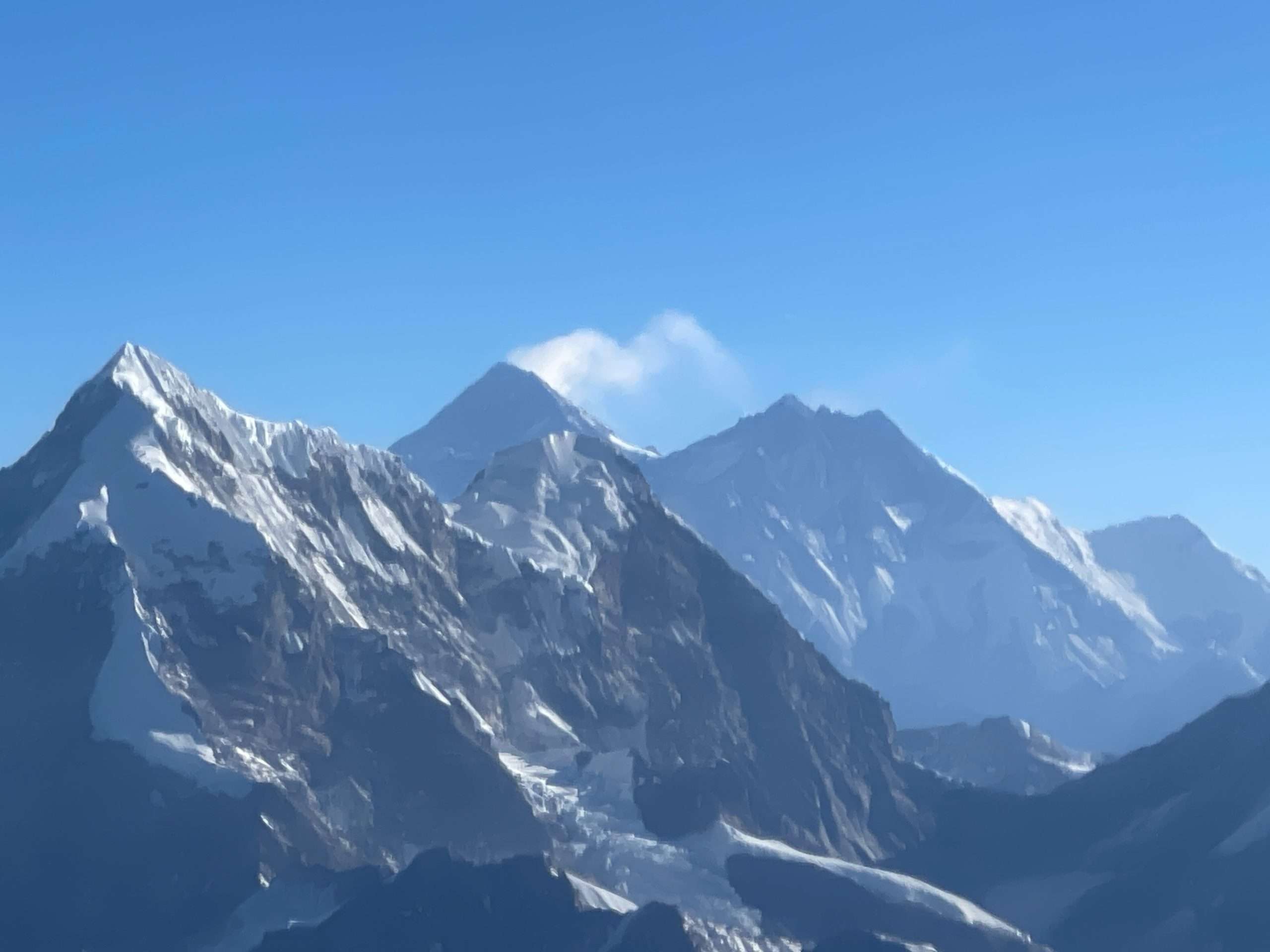
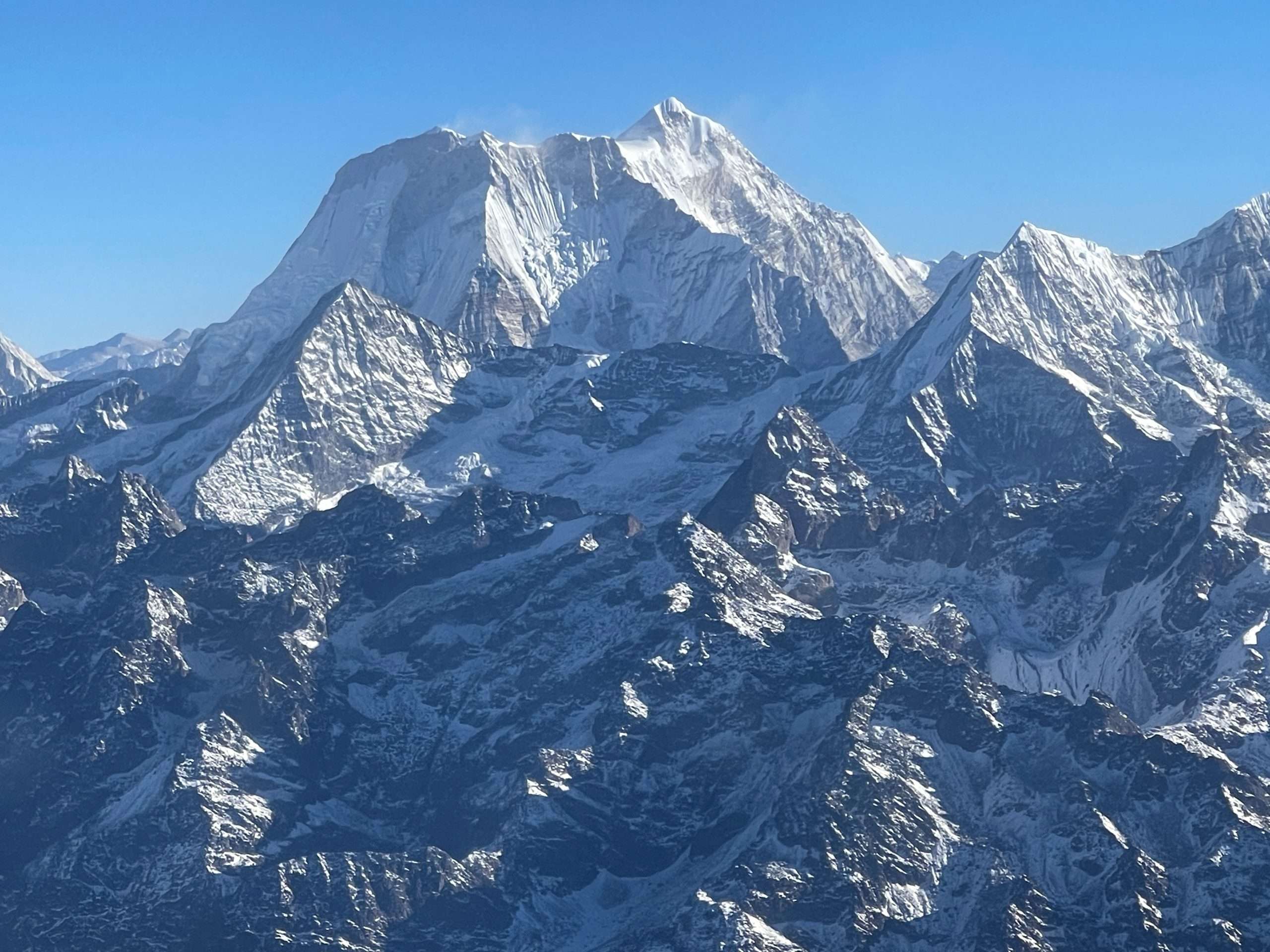
In the early hours of the morning, we boarded a chartered Buddha Air flight to view the Himalayas. Once in the air, we flew into an almost cloudless blue sky to gawk at the world’s tallest mountain. We had a splendid view of the various peaks in the range, many of which are plus 7,000-8,000 meters tall. The flight attendants were available to help us identify the different peaks. When viewing them through the windows of our small plane, they appeared very serene and yet so many people have lost their lives or limbs or had to call a halt in their attempts to conquer these formidable summits.
Our next destination was Durbar Square, a royal palace complex in Kathmandu and a UNESCO World Heritage site. En route, we strolled through Ason Bazaar, home to the Annapurna Temple, a pagoda-shaped sanctuary honoring Annapurna Ajima, the deity of prosperity and abundance. Built in 1893 under the Shah dynasty’s reign, this temple holds immense significance for the marketplace vendors, who rely on the goddess for the prosperity of their endeavors. A central silver bowl filled with grain symbolizes her presence. Tradition suggests that walking clockwise around the temple, placing a coin on one’s head, and then casting it into the temple brings prosperity. Does this ritual hinge solely on the use of Nepalese coin, or does any coinage suffice?
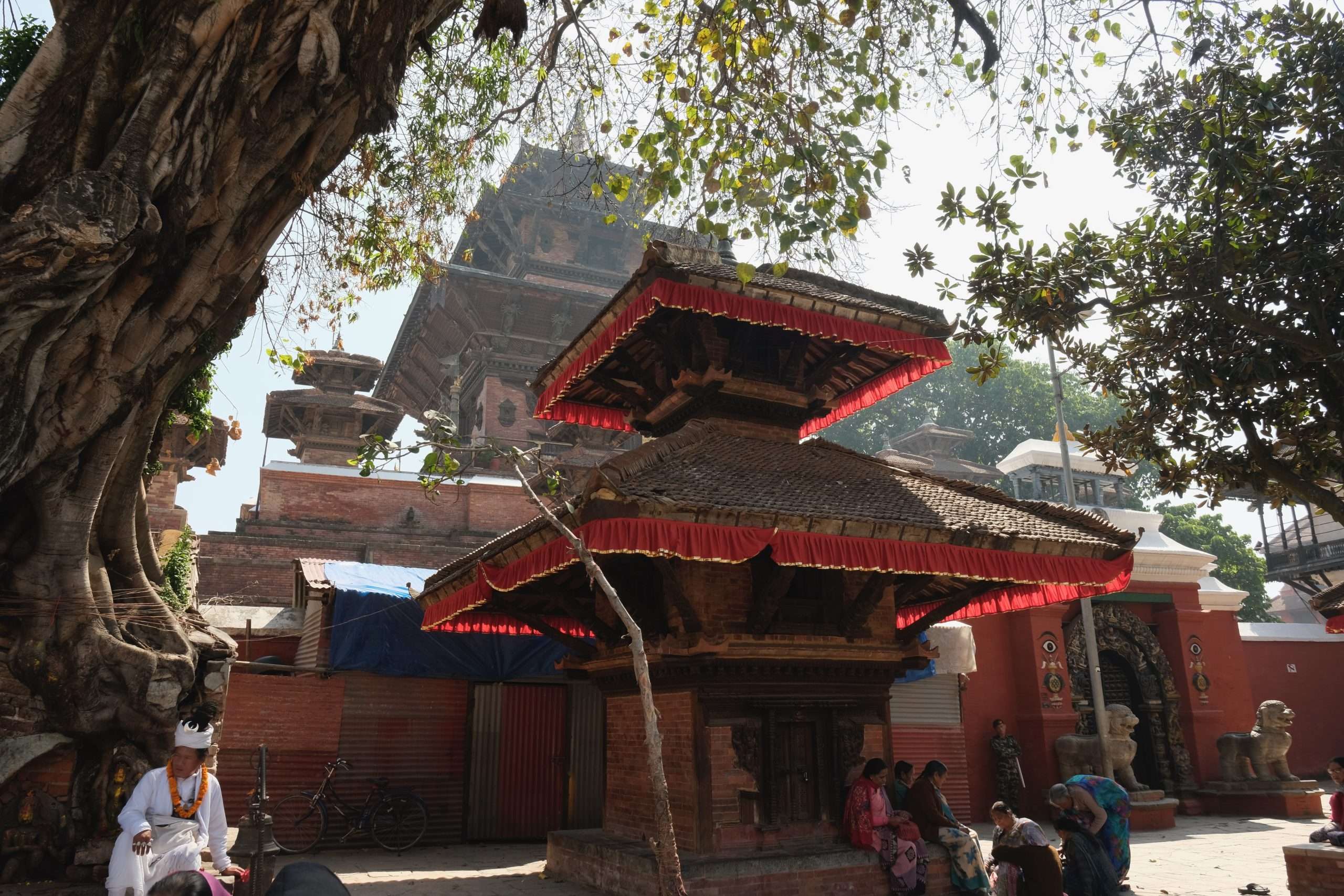
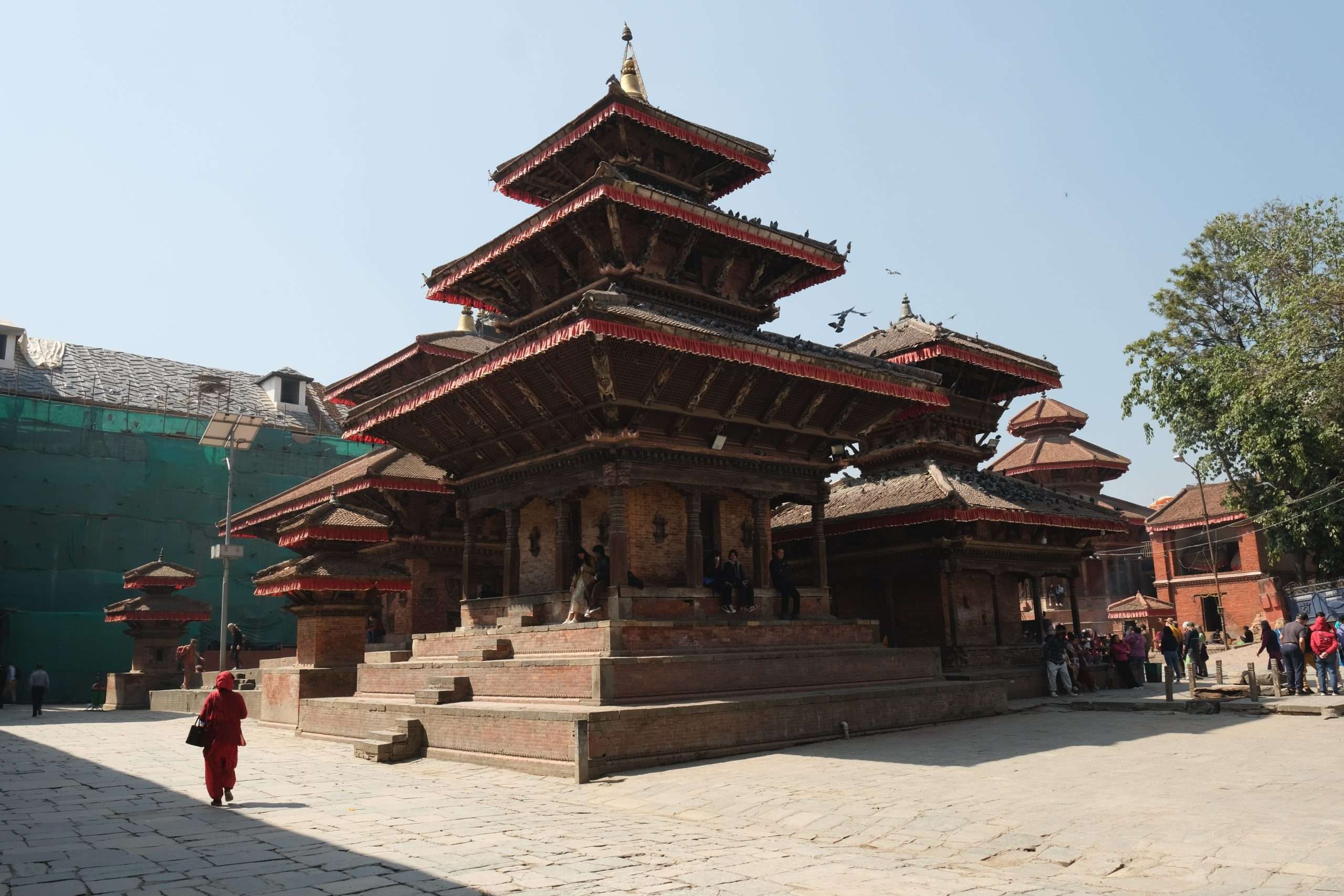
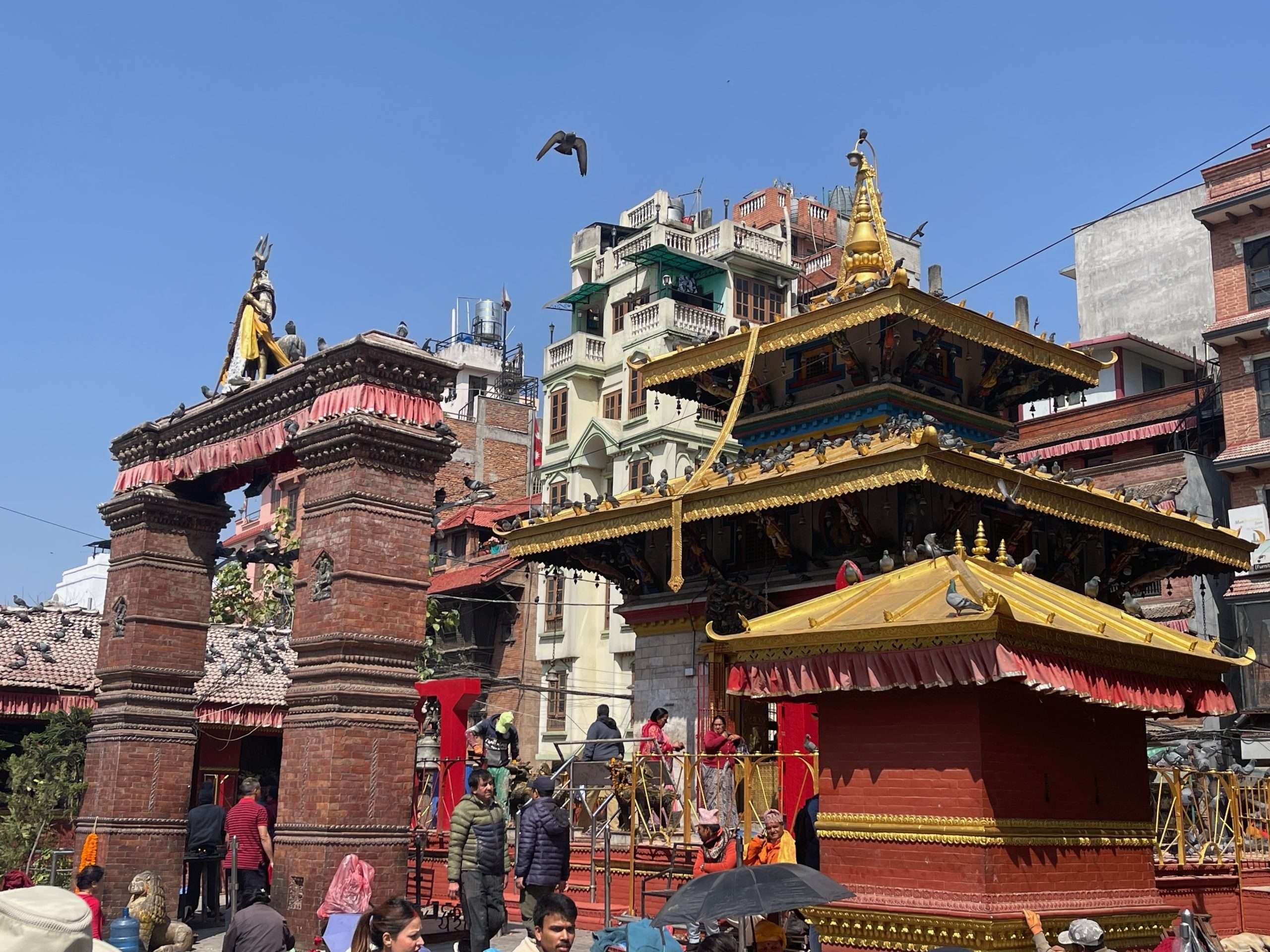
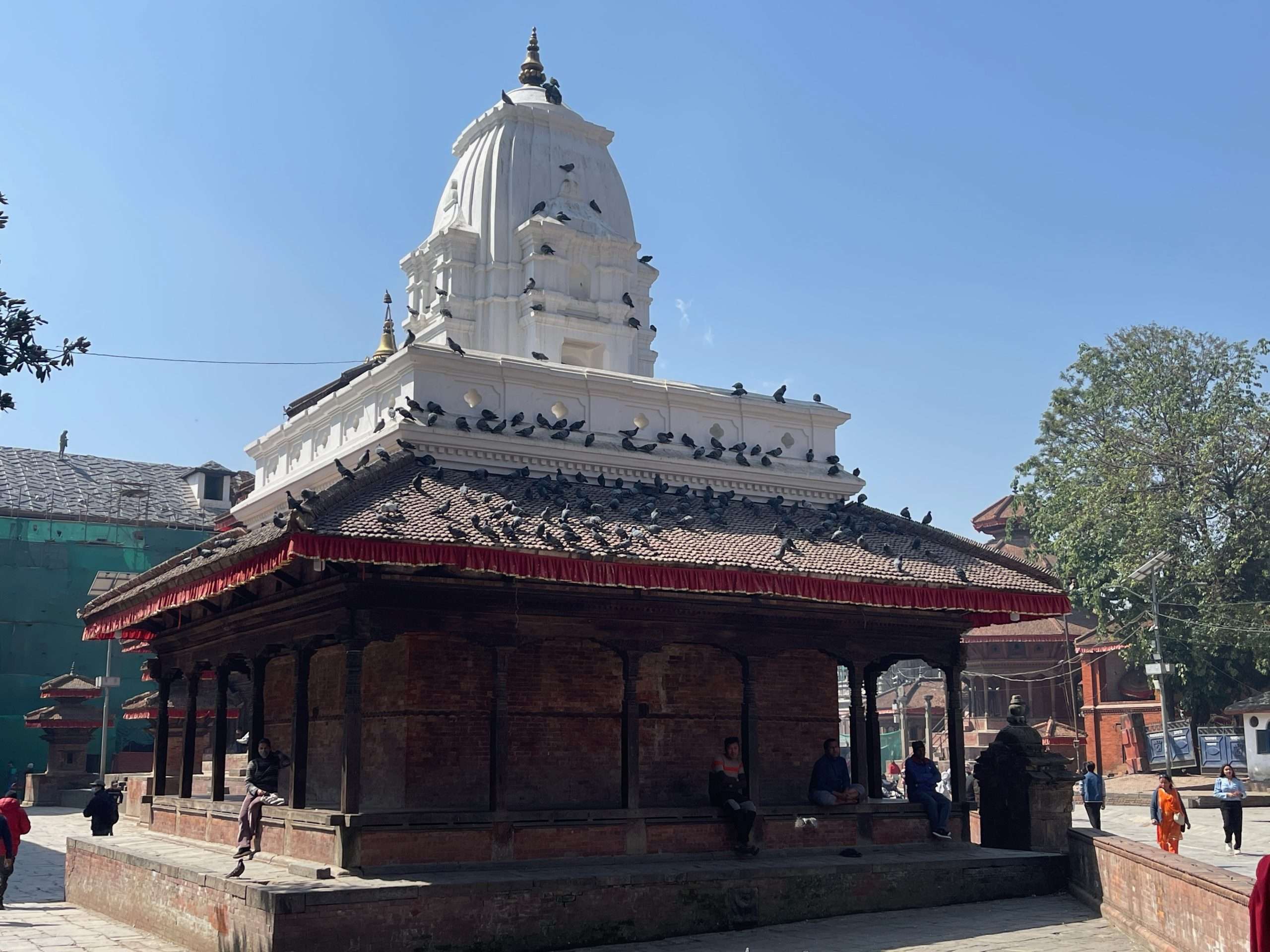
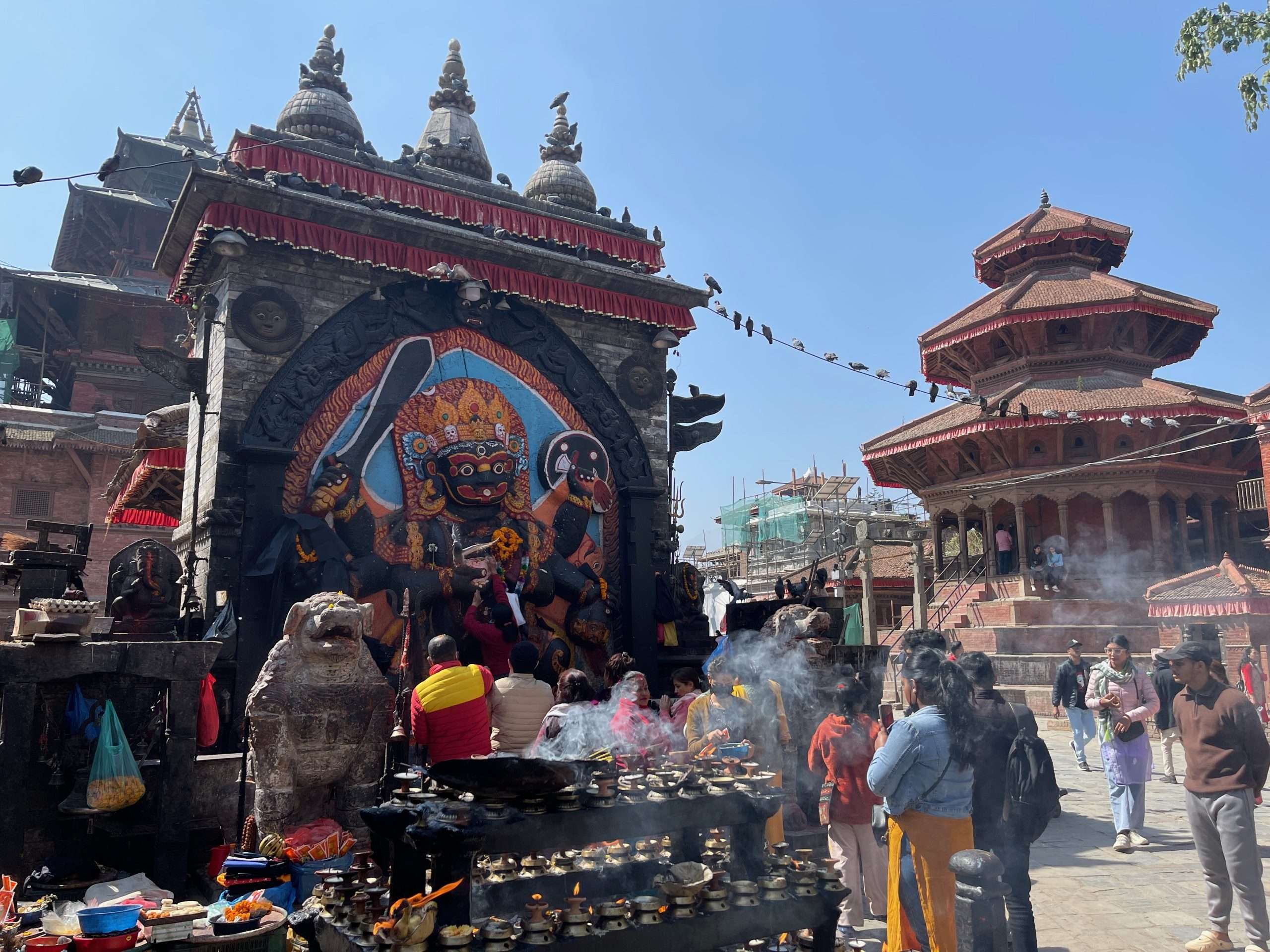
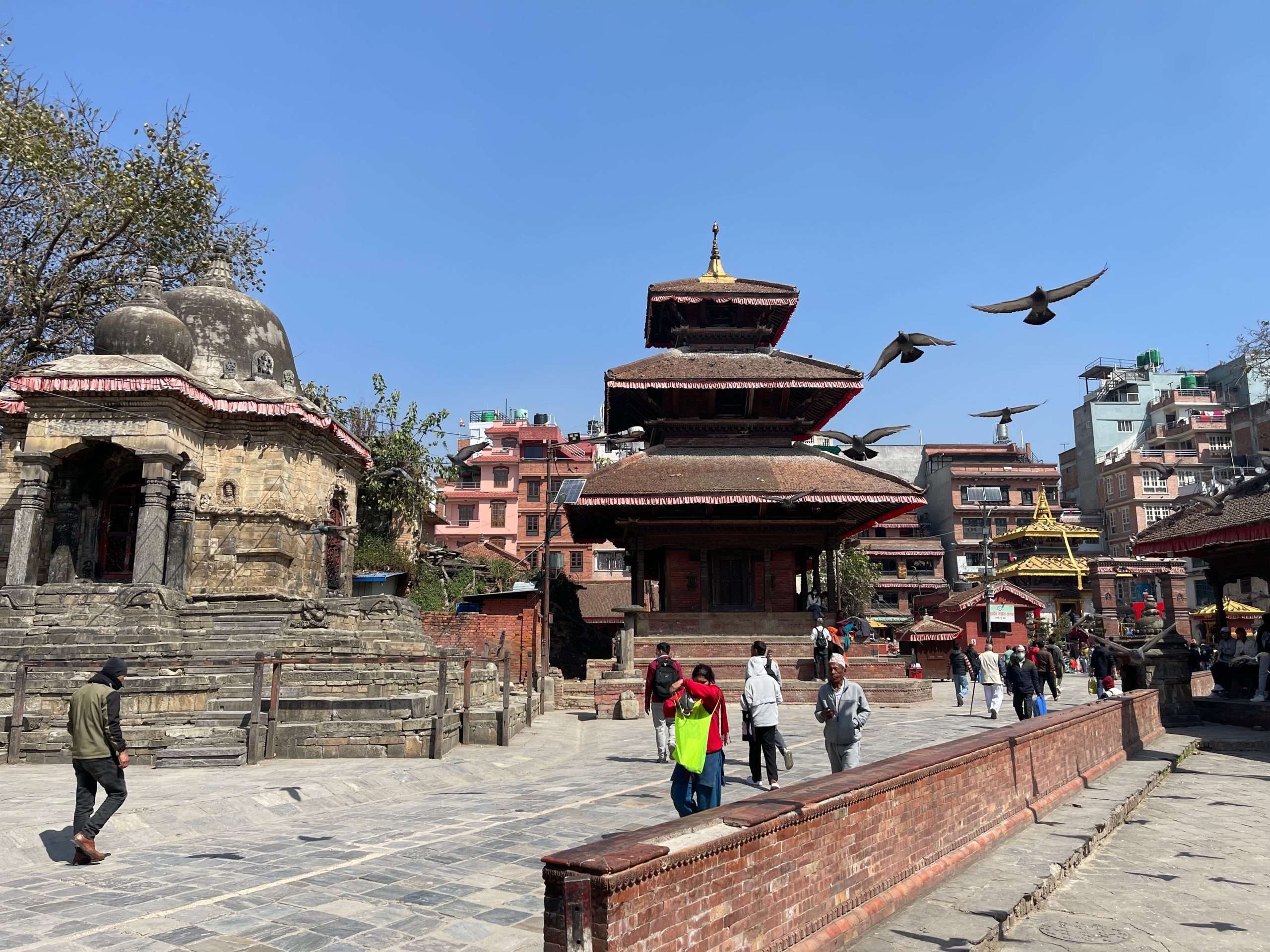
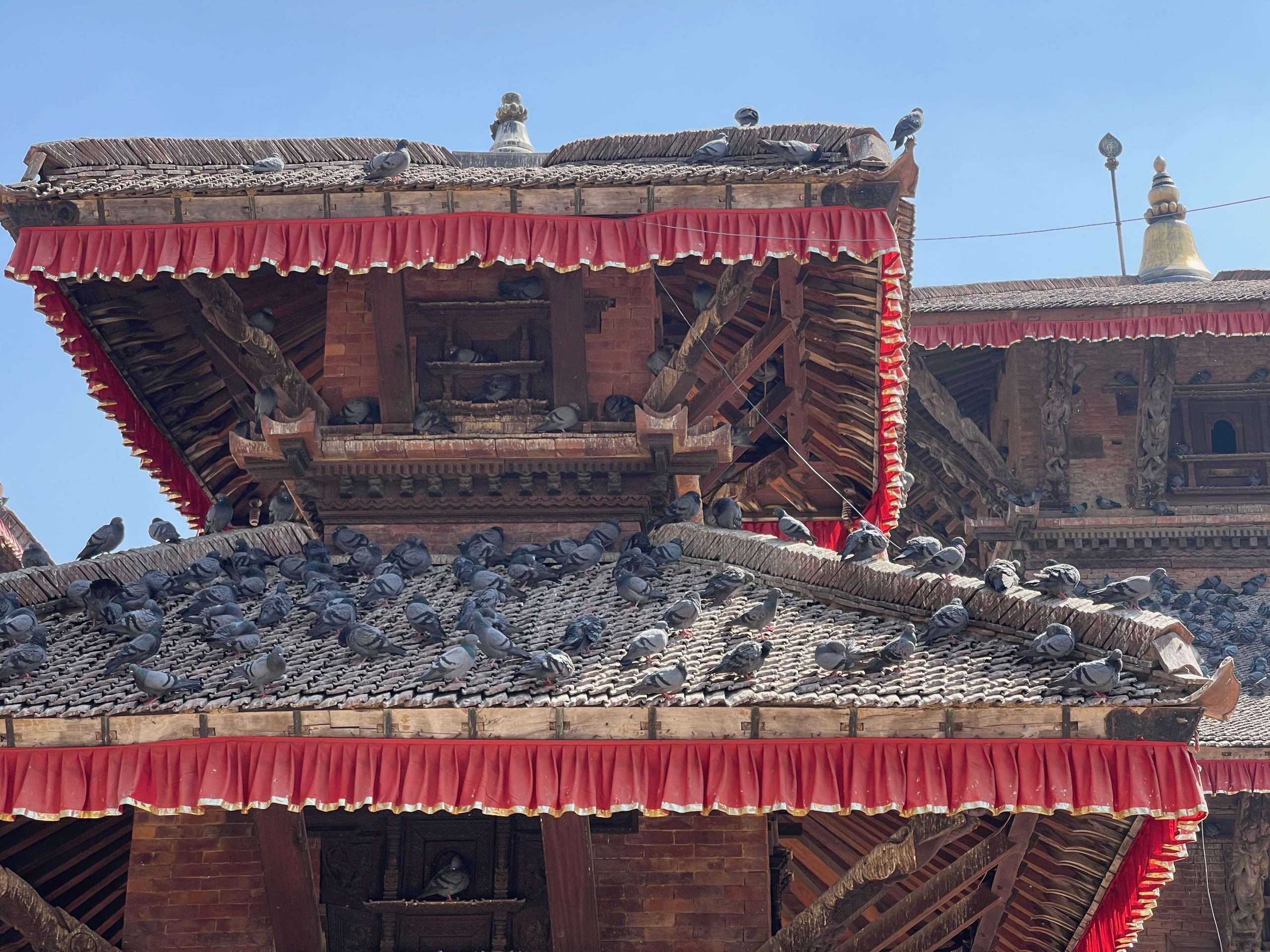
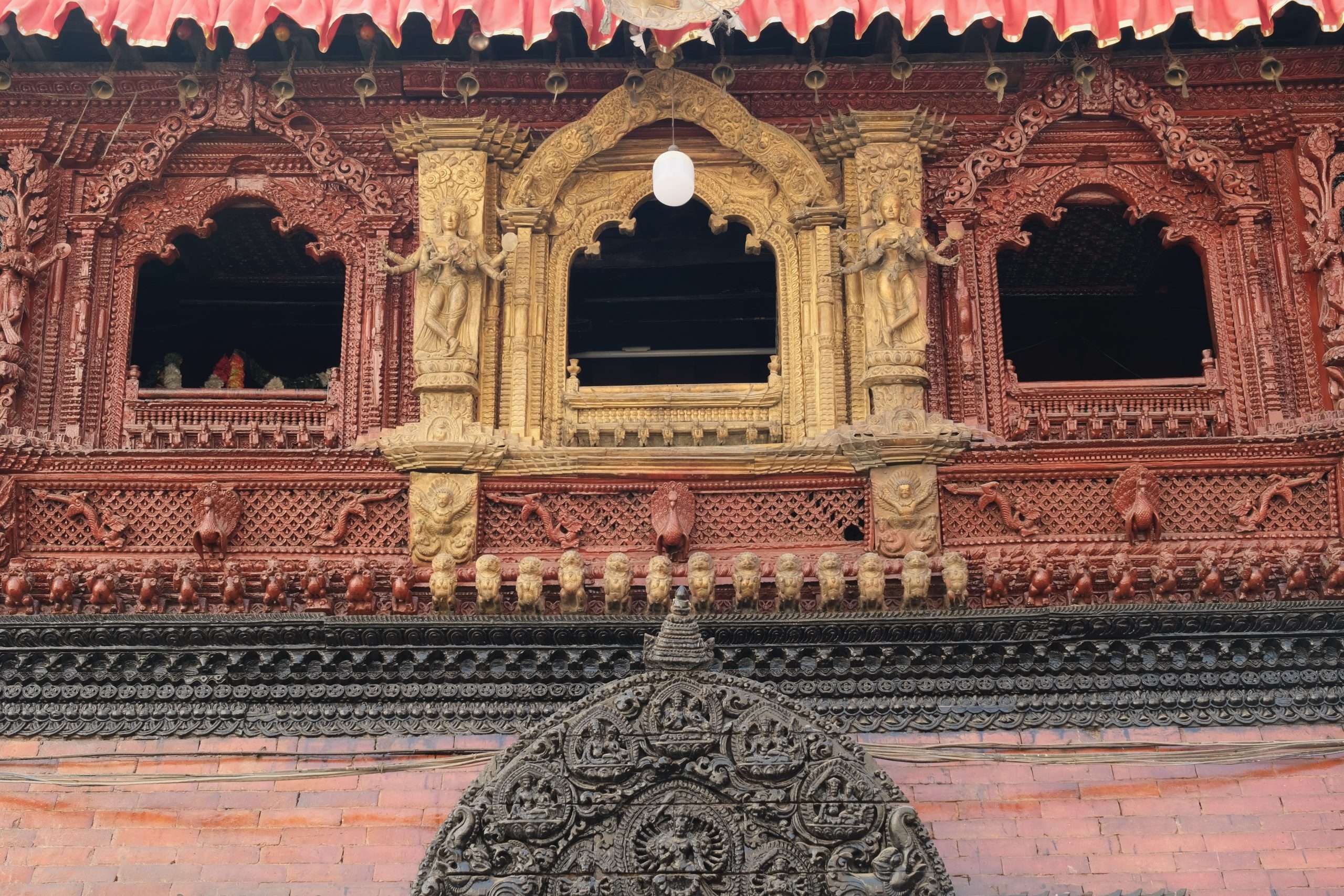
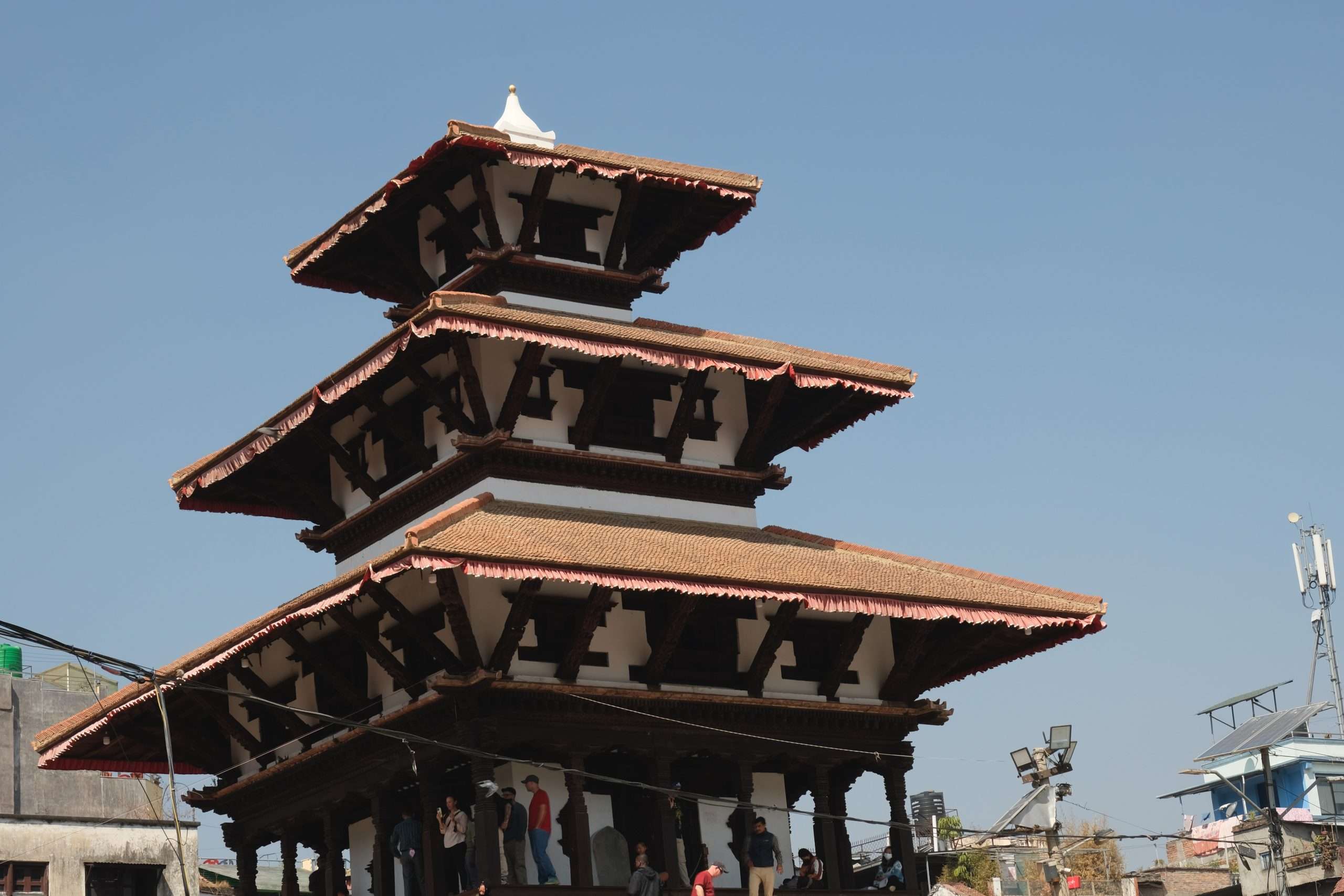
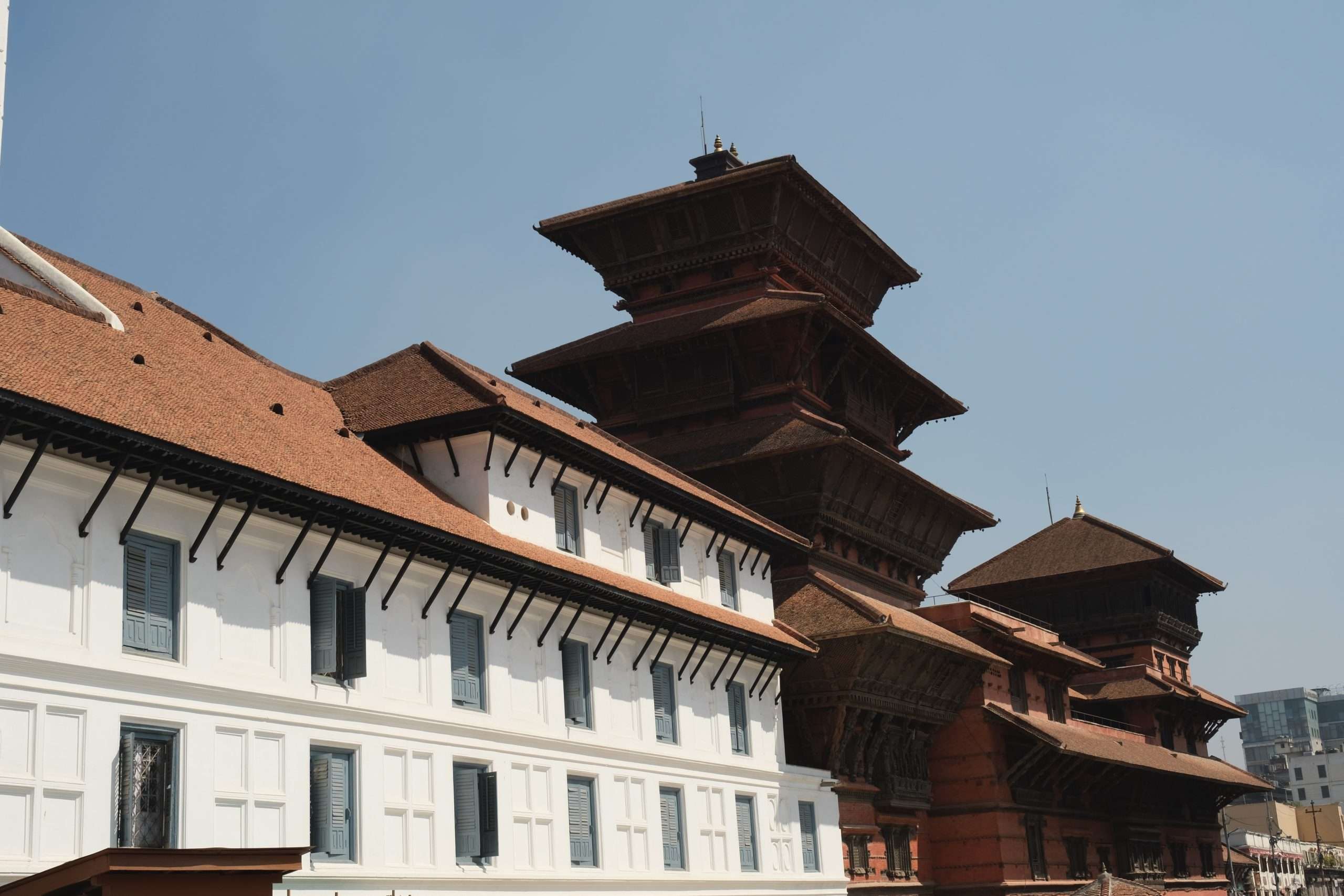
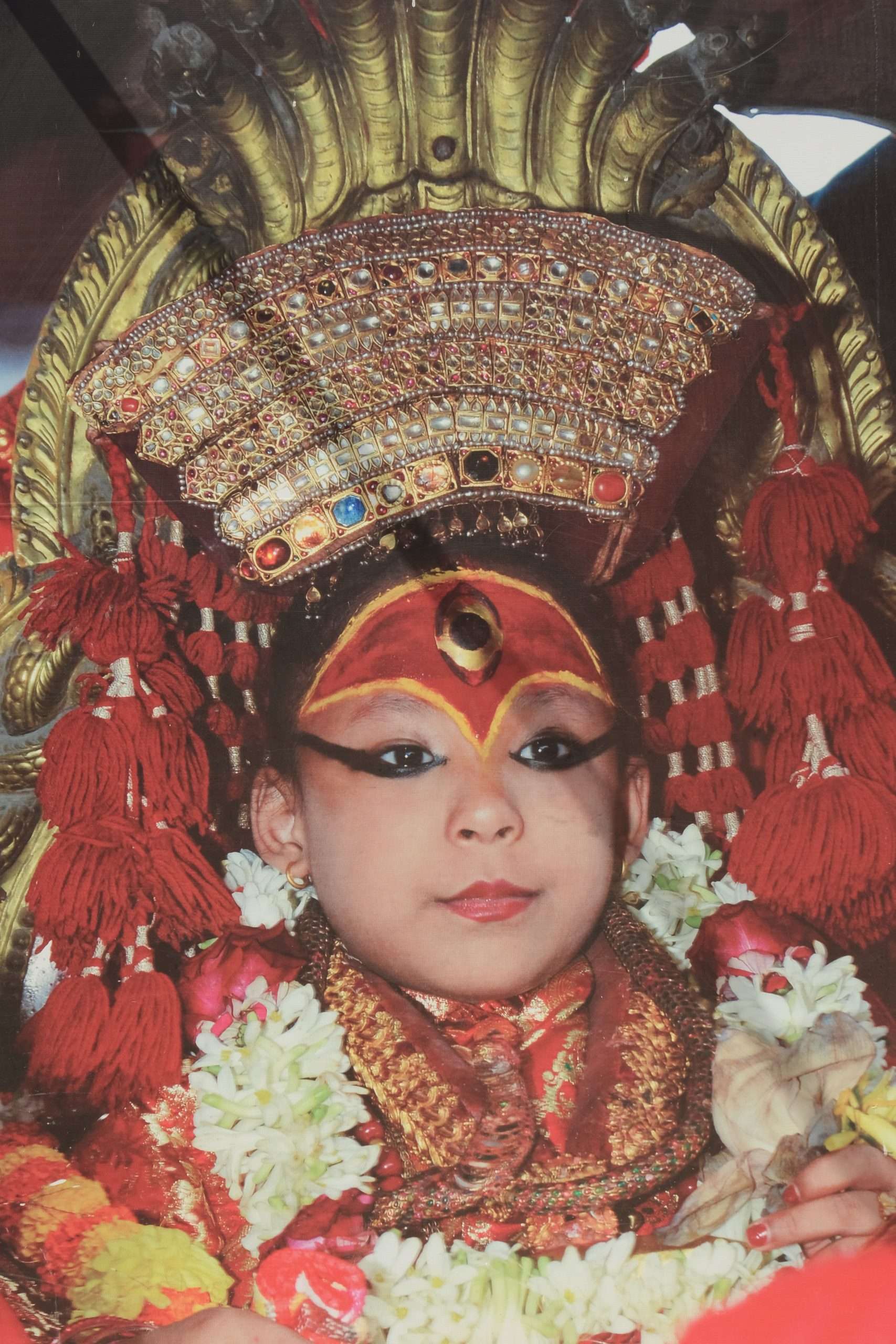
In Durbar Square, we saw many temples and palaces. This area was affected by the 2015 earthquake and many buildings have been or are being repaired. The oldest building destroyed was the Kasthamandap temple. We visit Kumari Ghar, a red colored royal palace where the Living Goddess resides. We waited in the courtyard to get a glimpse of her. She is about nine years old and is from a Buddhist family but is chosen to be the embodiment of a Hindu goddess until she reaches puberty. She must meet a long list of criteria to fulfill this role. Once she is chosen, she moves away from her family to live in the palace and is looked after by caretakers who educate her on the demeanor befitting a goddess. She reveals herself to us for a few minutes but displays no emotion. She leaves the palace 12 times a year to attend processions and fulfill other religious duties.
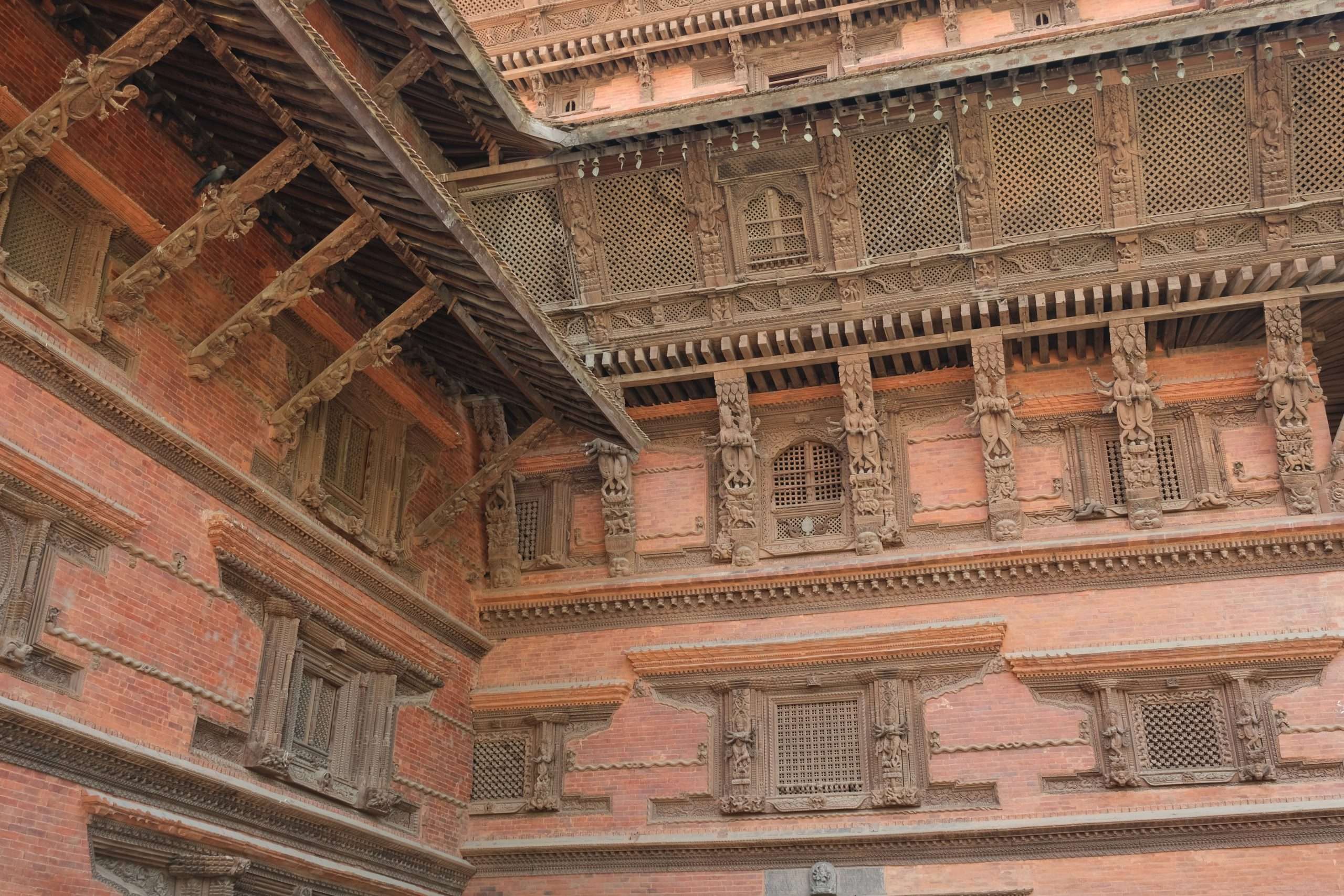
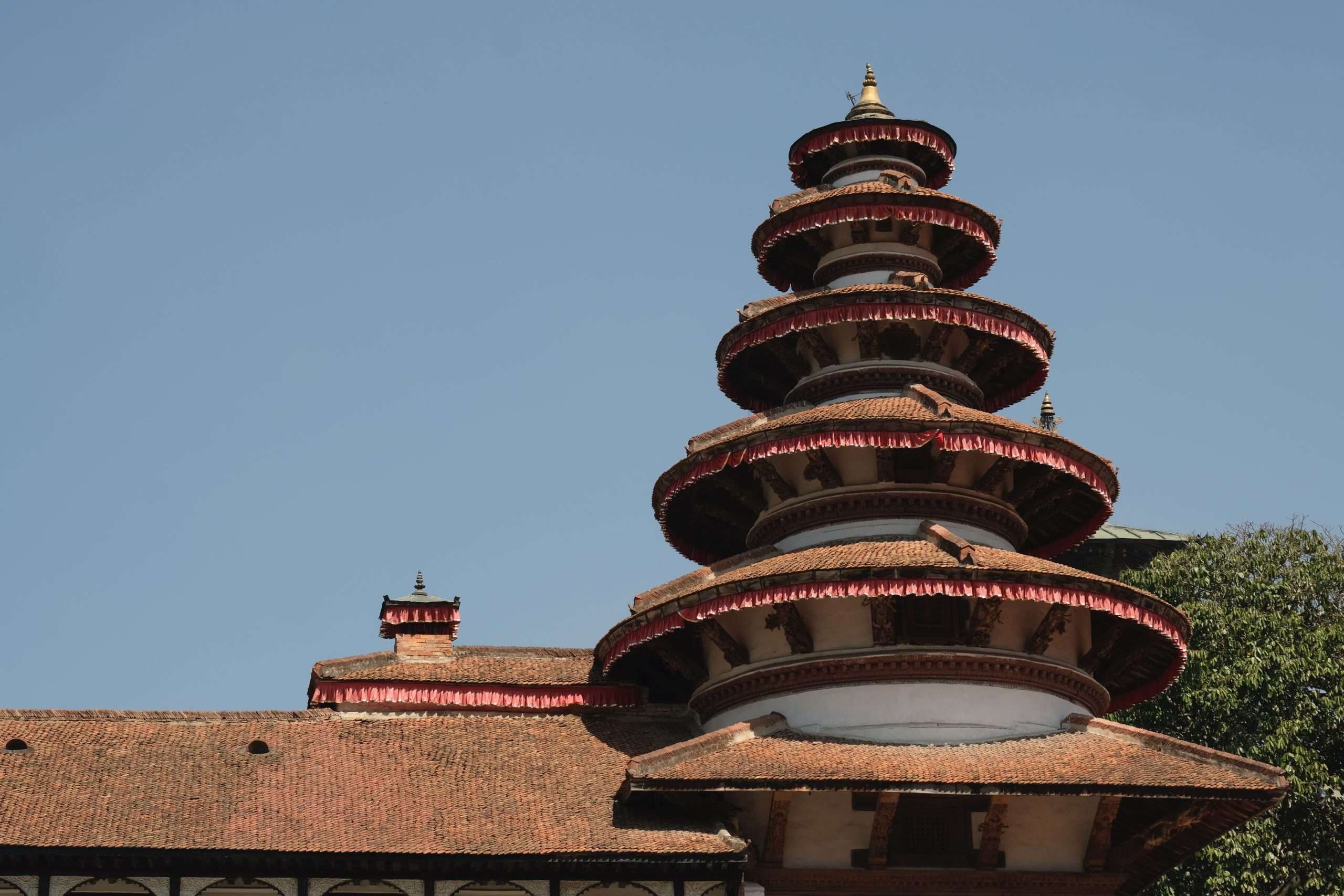
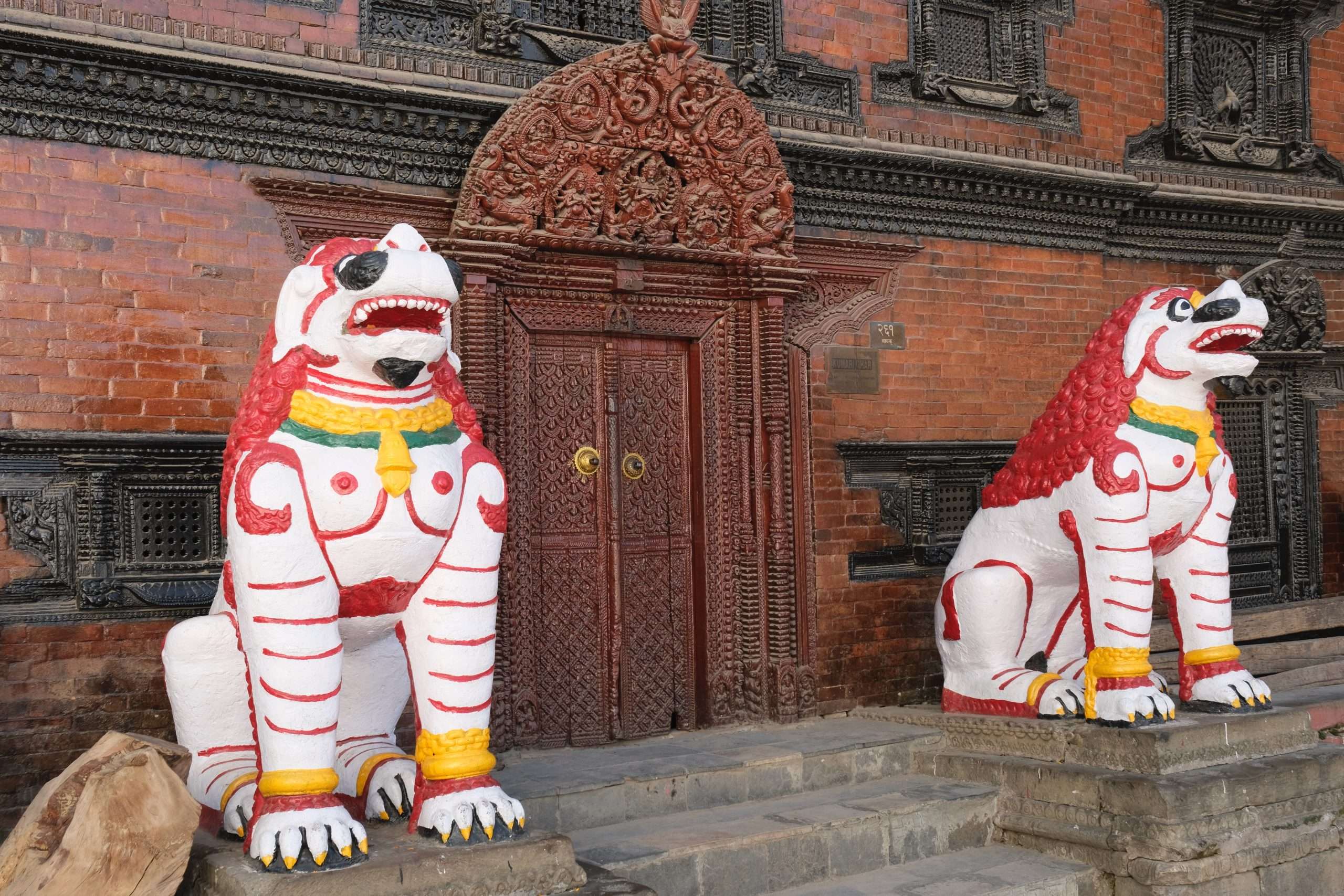
During our palace tour, our guide recounted the tragic events of June 1, 2001, when Crown Prince Dipendra allegedly perpetrated a massacre, claiming the lives of nine members of the royal family, including King Birendra, Queen Aishwarya, and his own siblings, before ending his own life. The motive reportedly stemmed from a dispute over the prince’s desire to marry his girlfriend, a member of an Indian royal family. Similar to the aftermath of the JFK assassination, numerous conspiracy theories have emerged surrounding this tragic event. Following Dipendra’s death on June 4th, his uncle Gyanendra ascended to the throne, succeeding King Birendra.
Following our visit to Durbar Square, we rode in cycle rickshaws to Nepali Ghar for lunch.
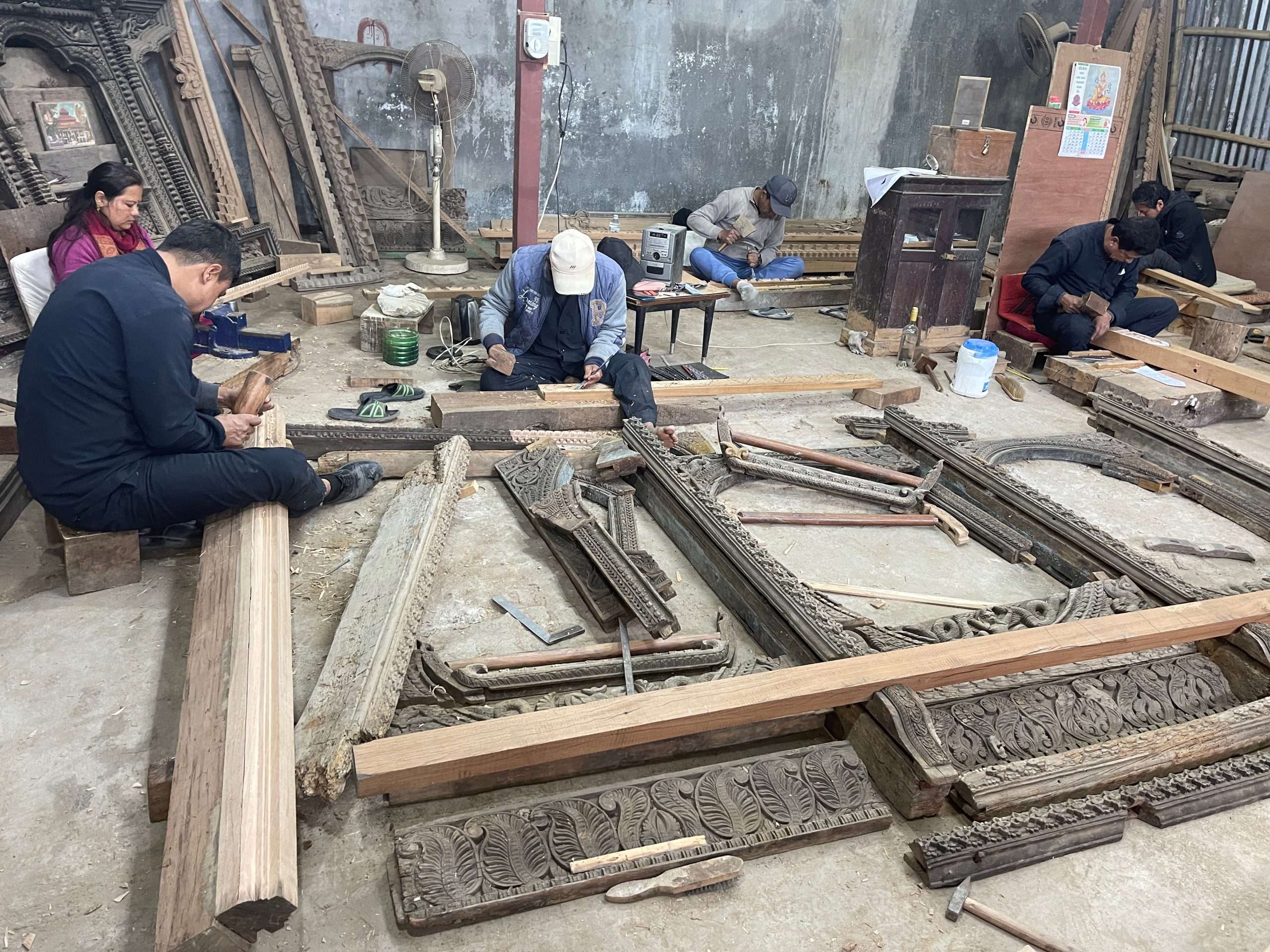
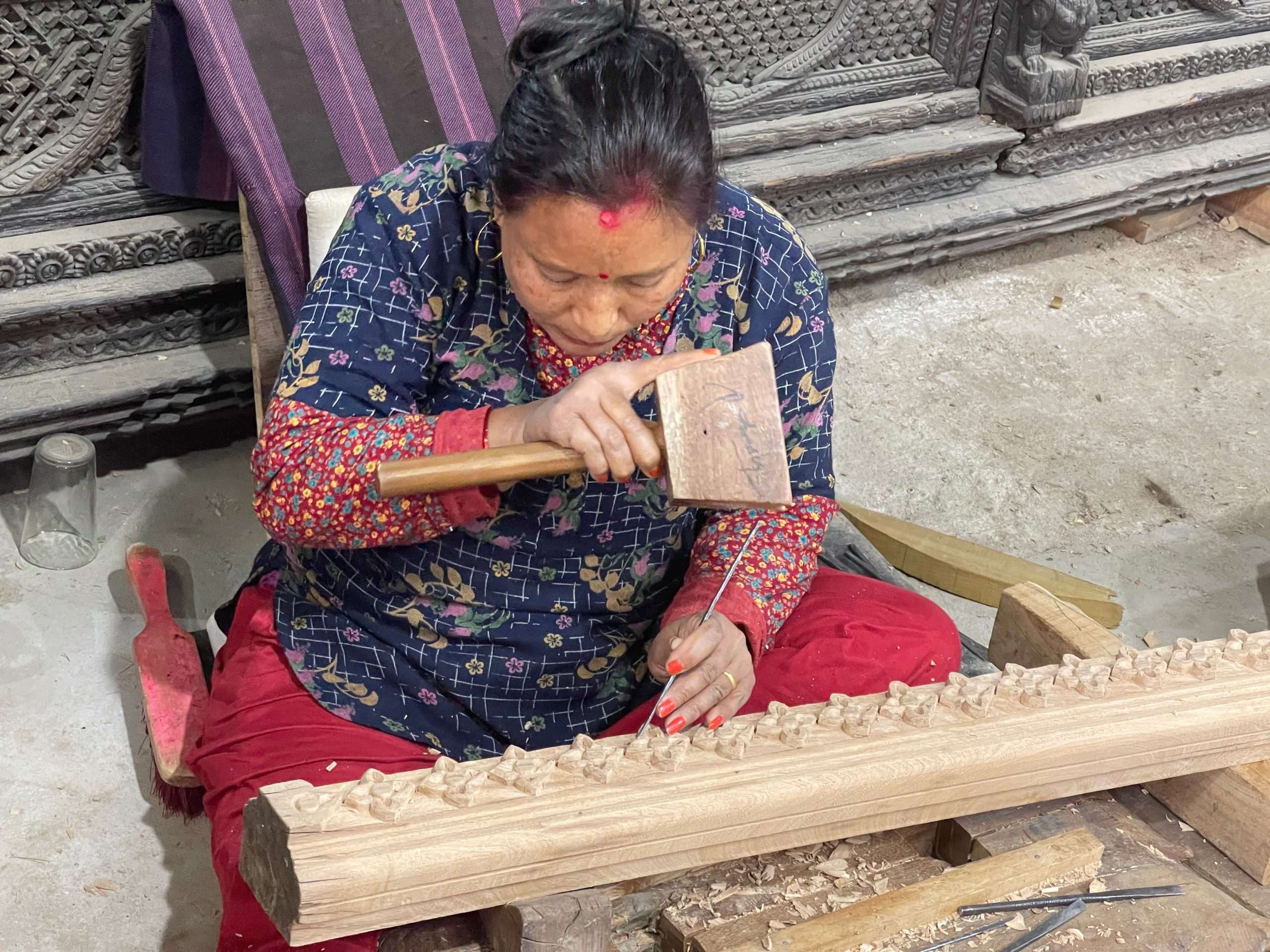
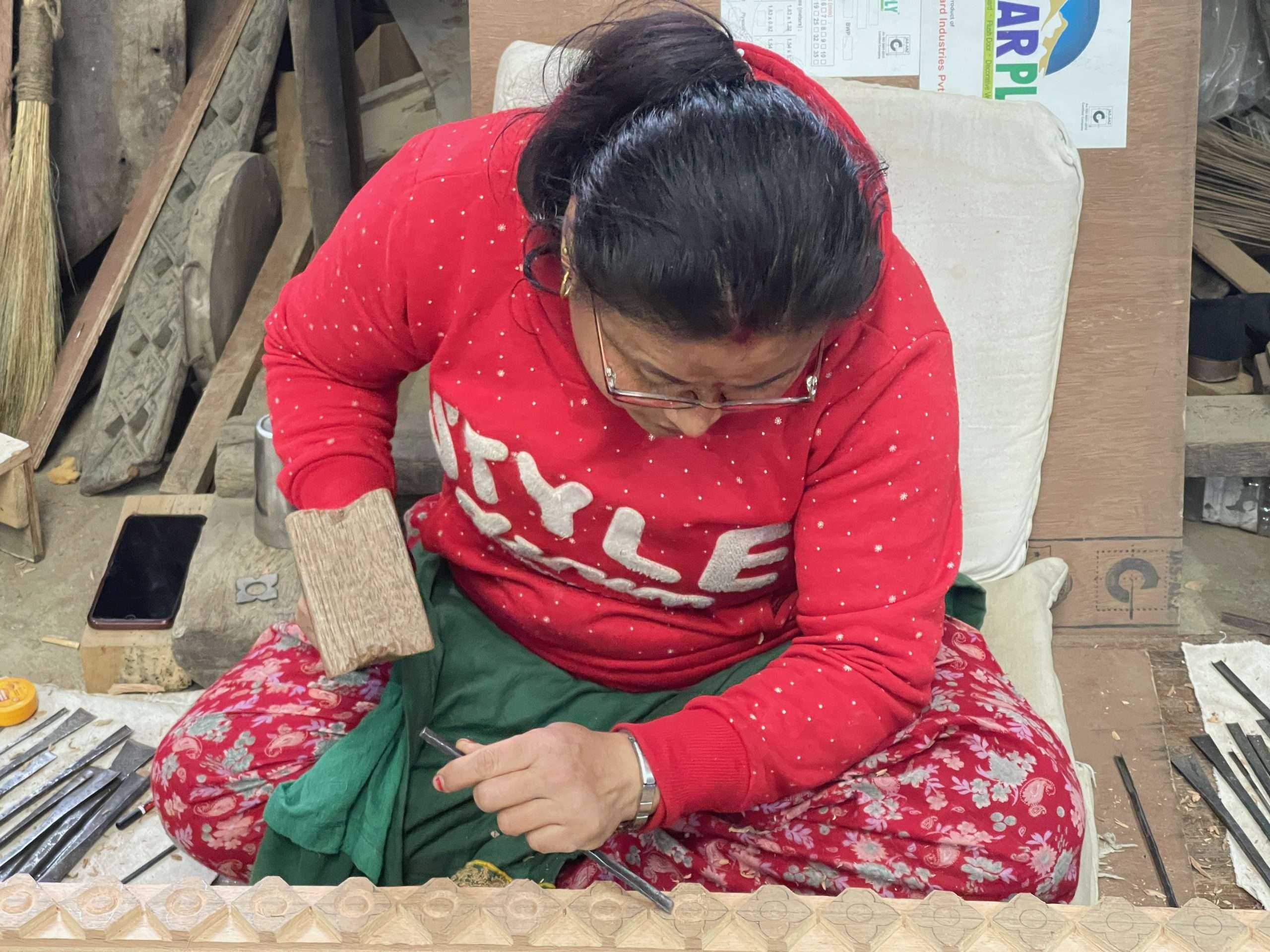
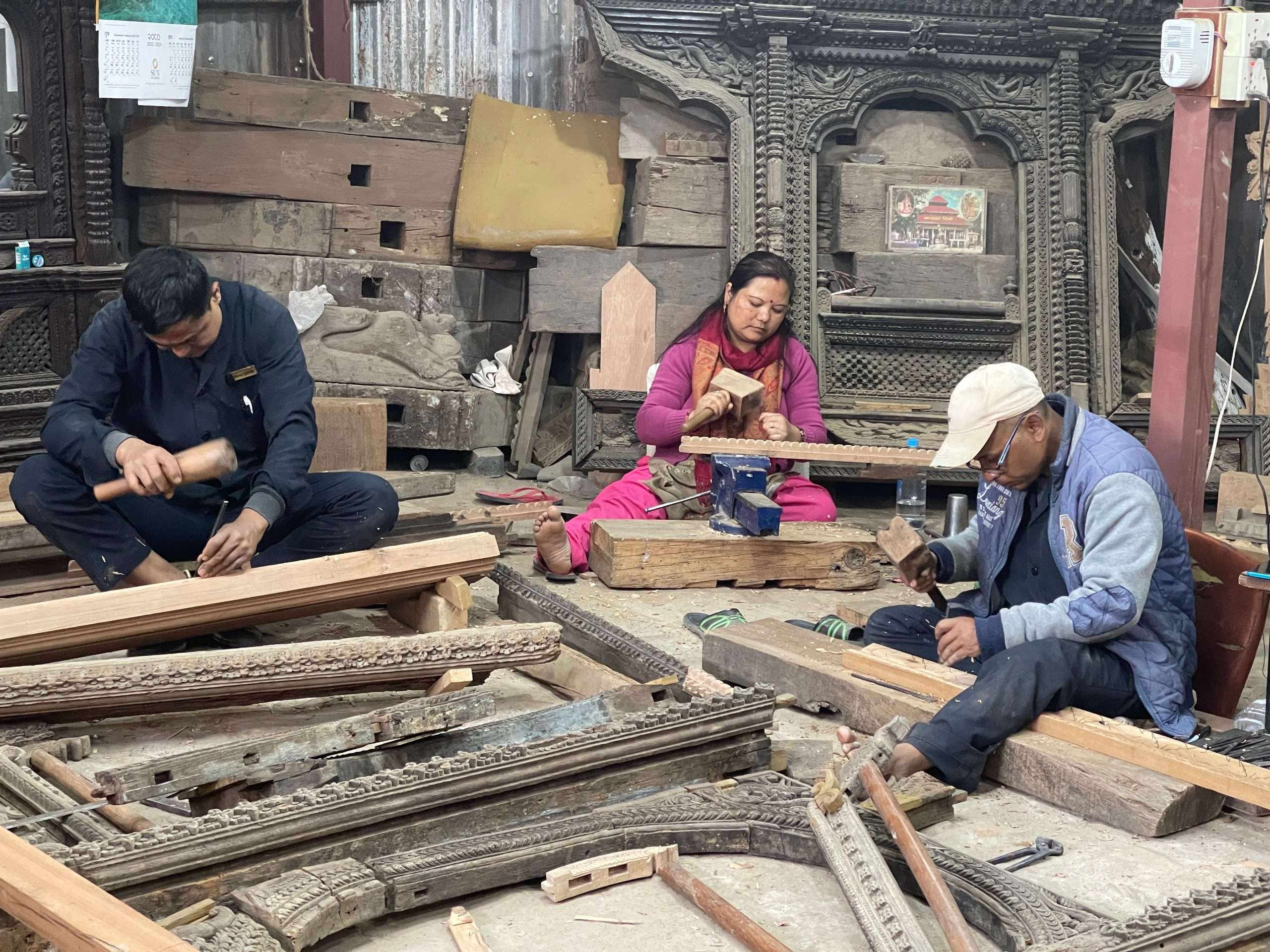
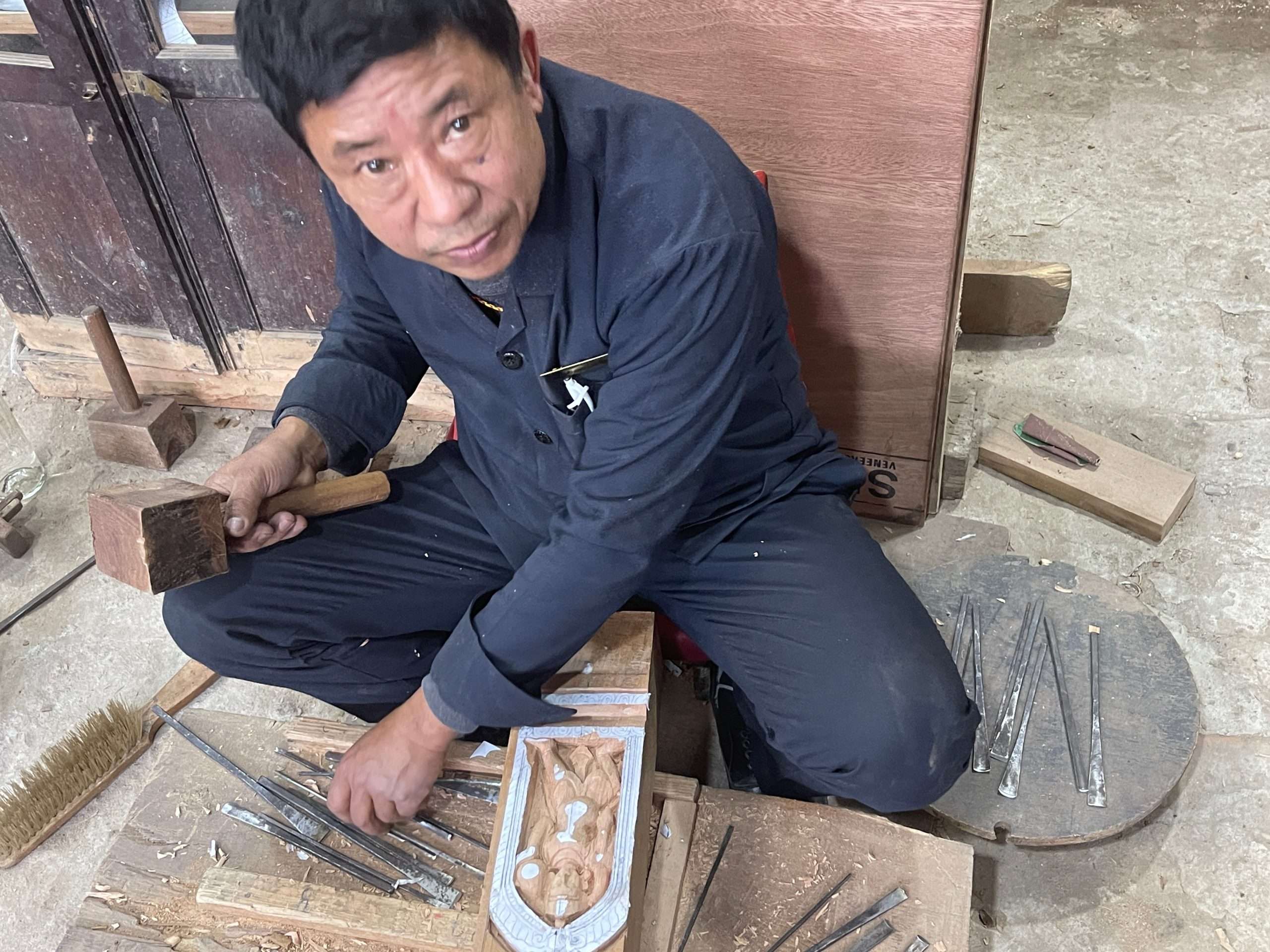
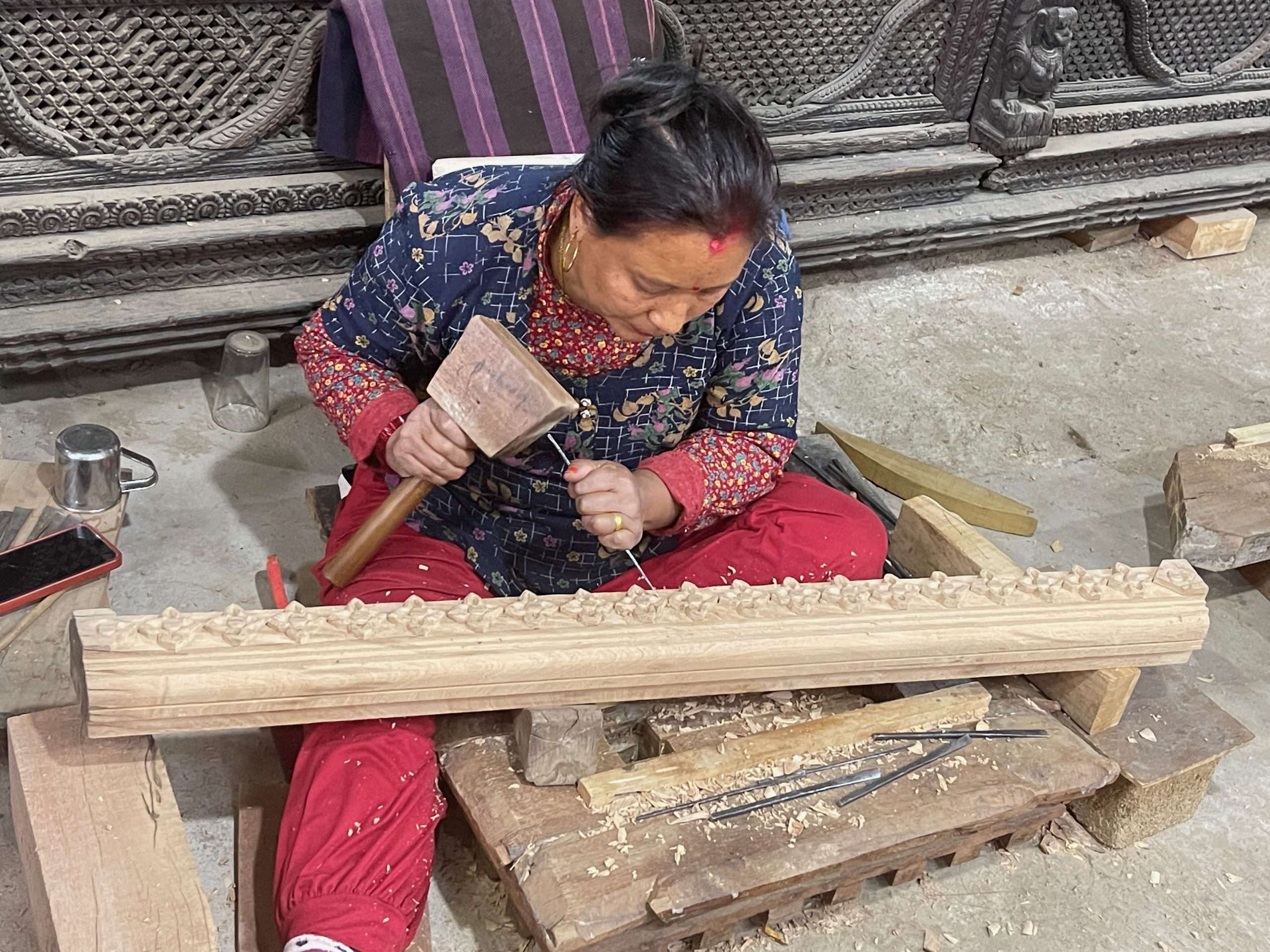
In the afternoon, we had a short tour of Dwarika’s woodworking workshop where wood carvings are restored. We were quite fascinated by the work and very pleased to see that three of the master crafts people were women.
In the evening, we were privileged to attend a captivating lecture by Maya Sherpa, a young woman who has climbed Mt. Everest three times (in 2006, 2007, and 2016) and scaled seven of the 14 formidable 8,000-meter peaks, including the perilous K2 in Pakistan. During the session, a member of our group inquired about her physical preparation for such demanding climbs, to which Maya surprising replied that she does not engage in specific physical training. That had us all stumped. She does have the advantage of living at a high elevation, so undoubtedly her lungs are already conditioned for the rarified atmosphere of an 8,000-meter peak.
We concluded our day with a 6-course Nepalese dinner at the hotel’s Krishnarpan (meaning offering to Lord Krishna) restaurant where not only did we sample Nepalese food, but we also ate in a manner traditional to the Nepalese, such as leaving our footwear outside the restaurant and sitting on chairs very close to the ground.
Sacred Sites & Cultural Marvels – March 6, 2024
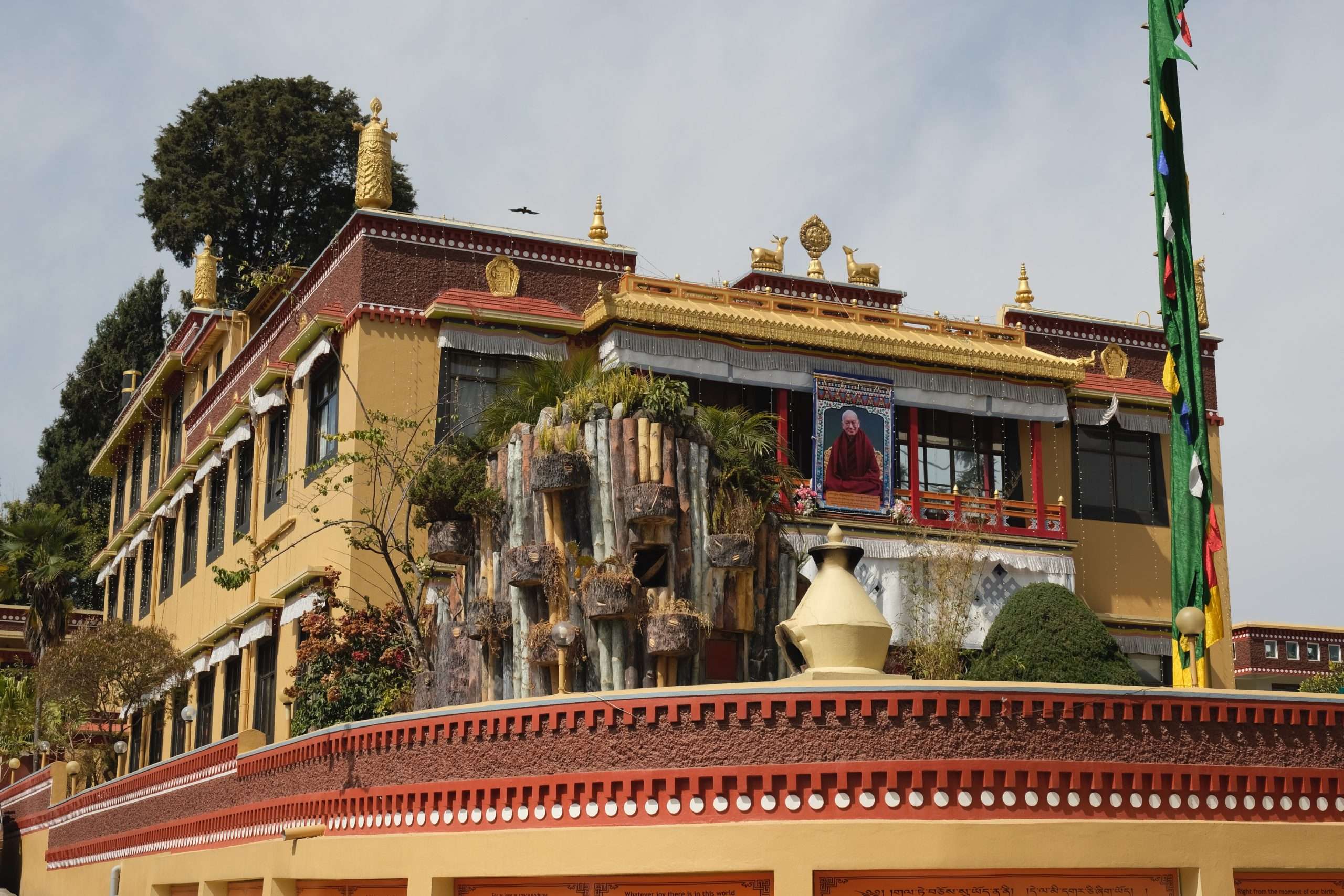
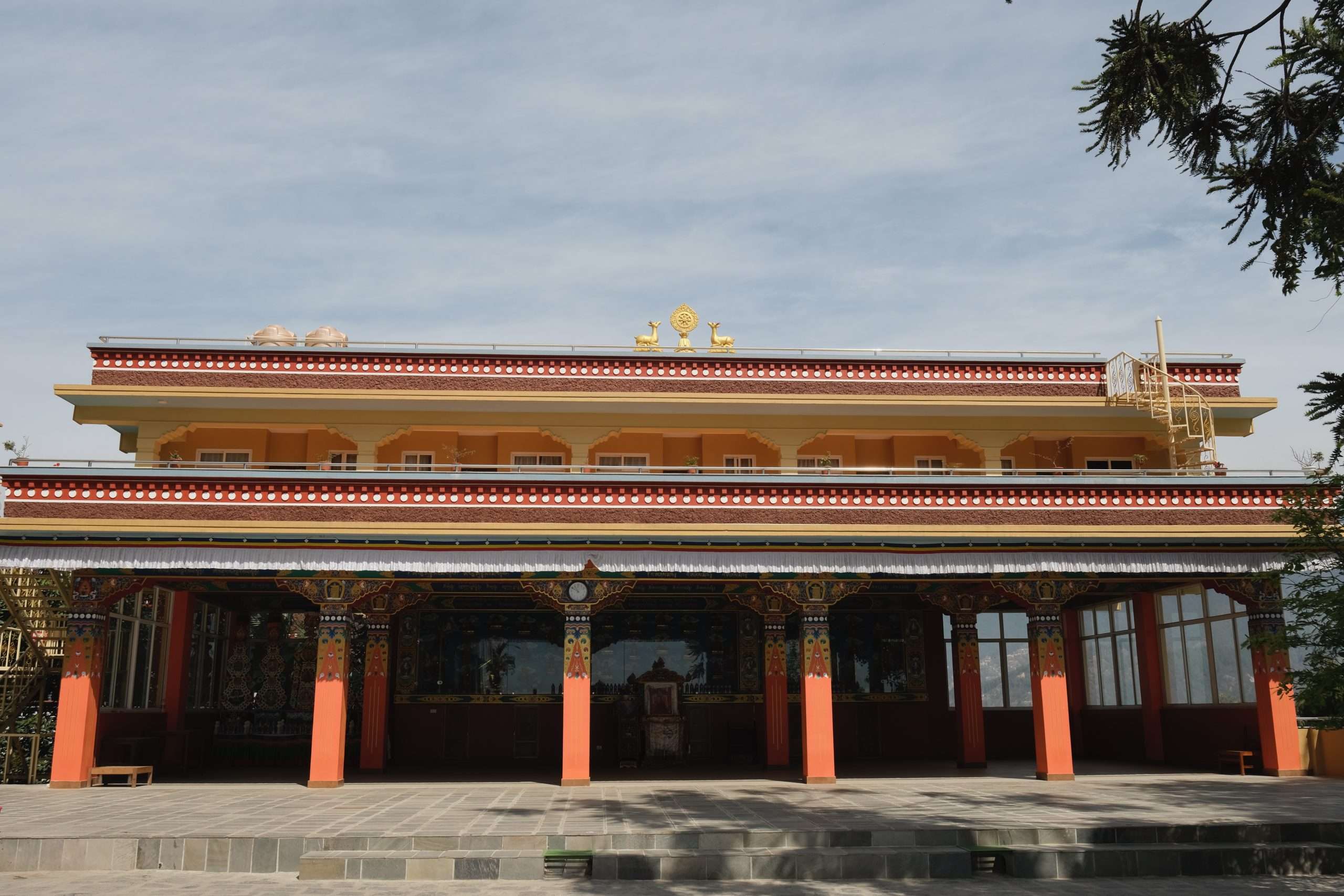
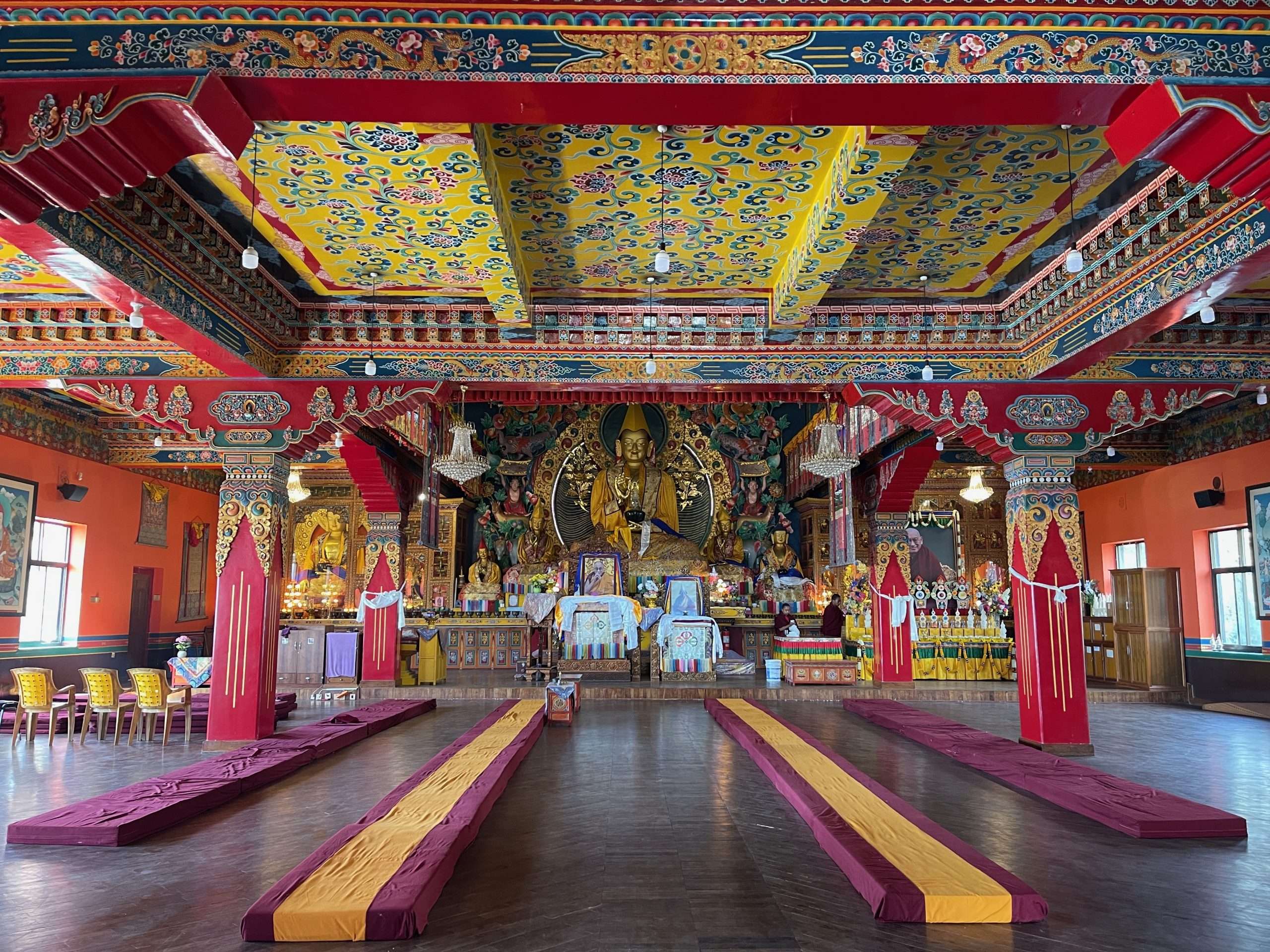
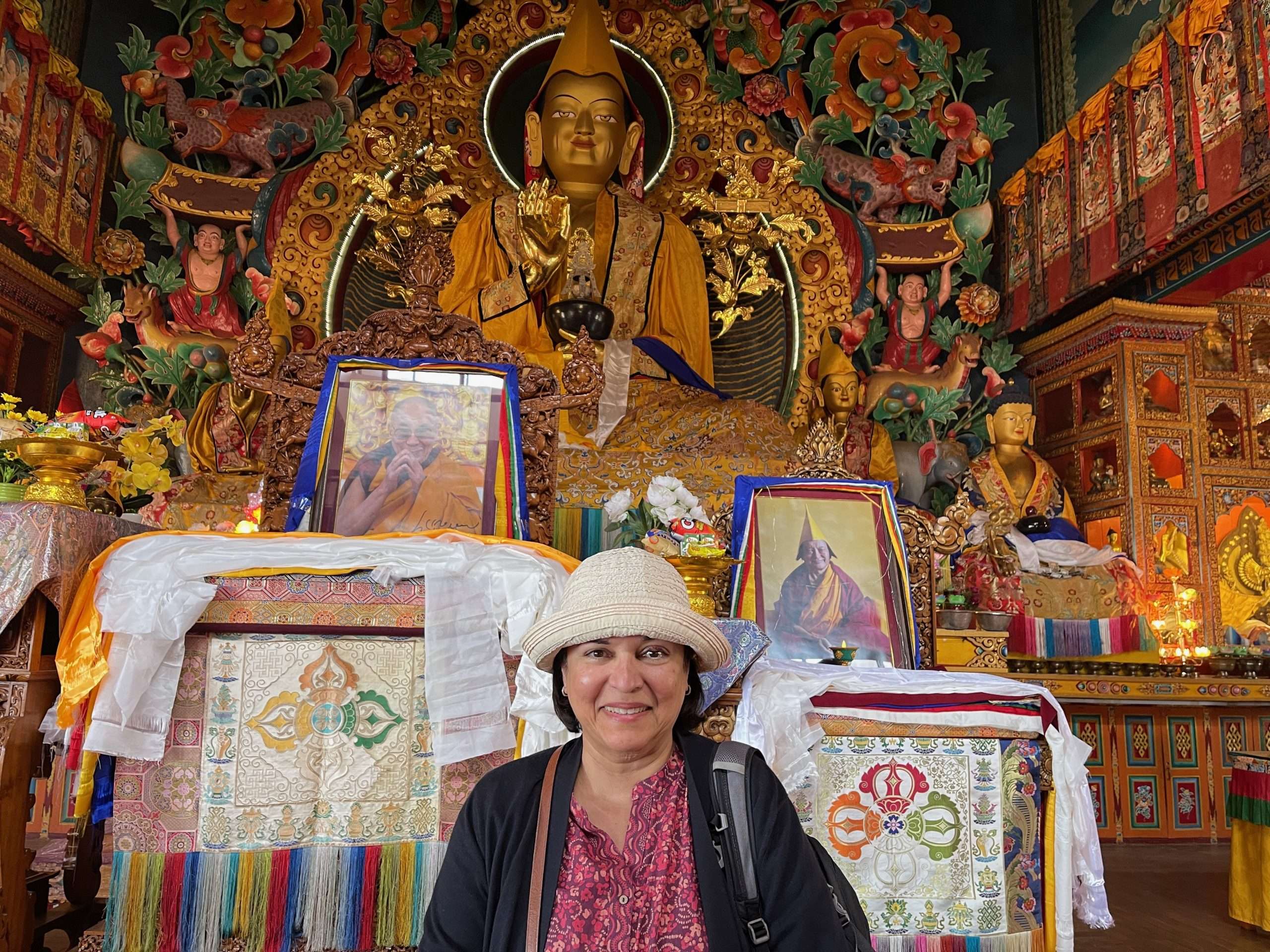
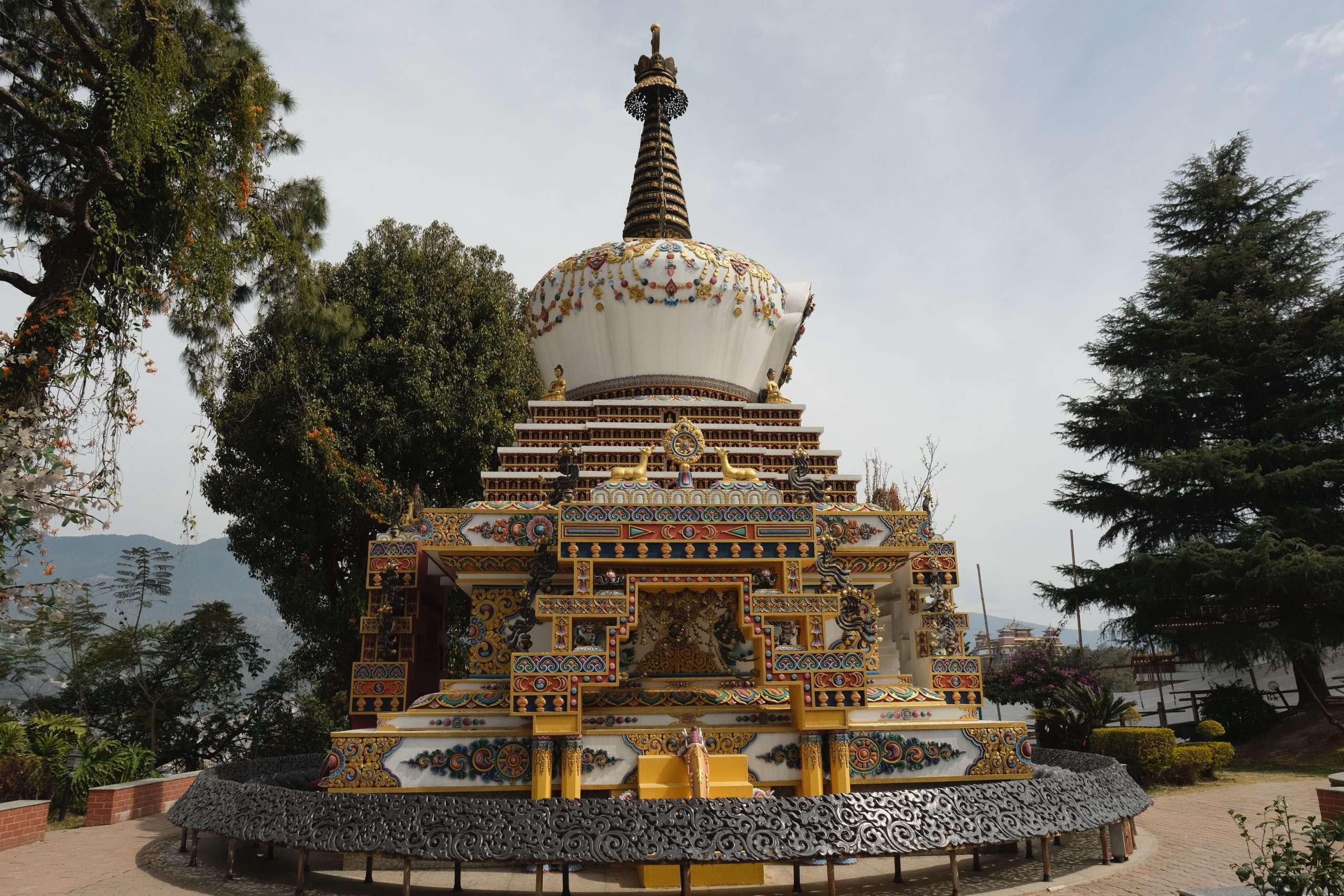
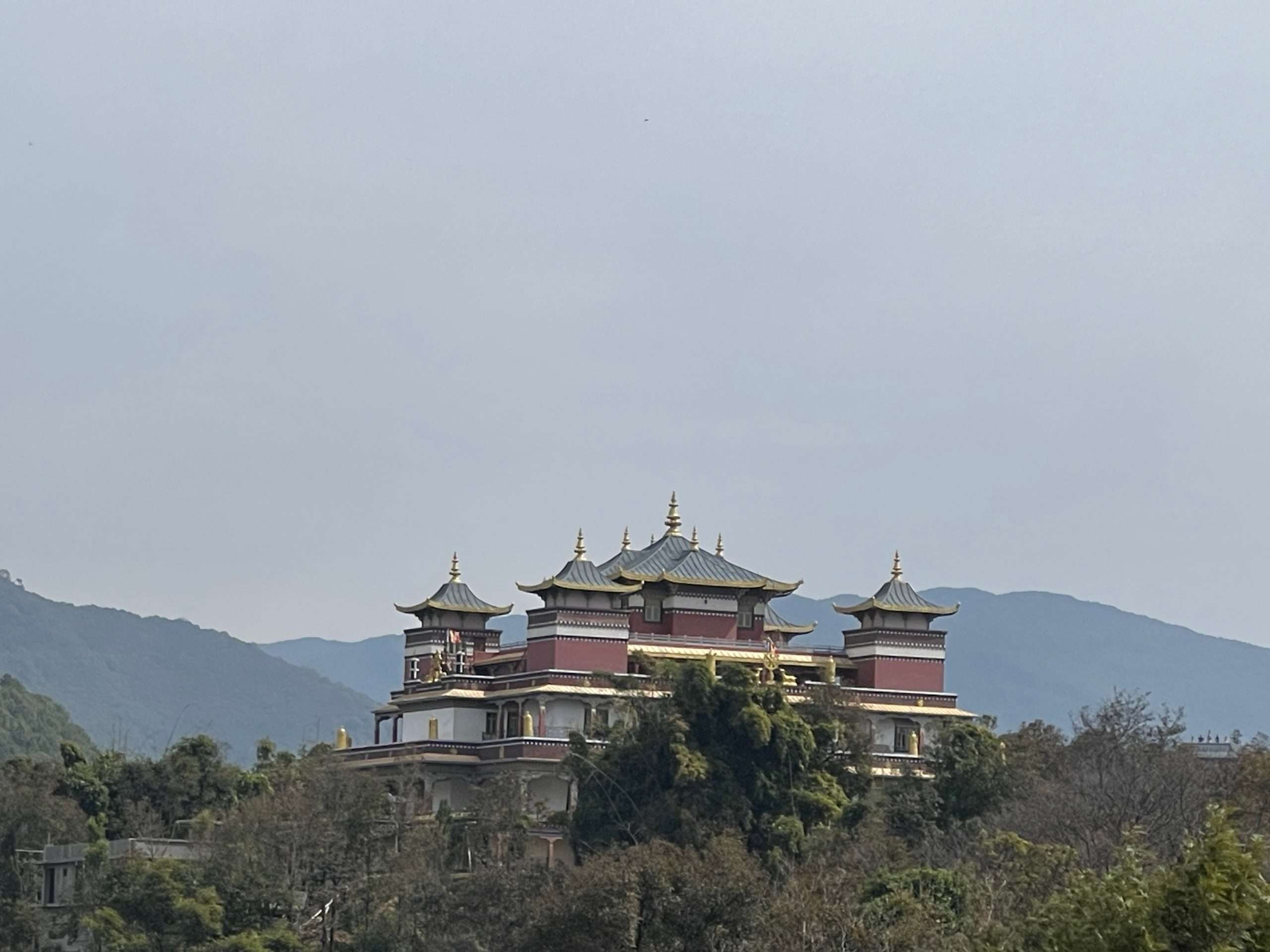
After breakfast, we drove to Kopan monastery located near Boudhanath on the outskirts of Kathmandu. Since its establishment in 1969, it has become a renowned center for teaching Buddhism to westerners. The monks wear yellow hats and belong to the Gelugpa sect of Buddhism and so does the Dalai Lama. Novice monks, preparing for monastic life, and a nearby nunnery housing around 400 nuns are part of the serene landscape. Following a meditation session and sermon with the head monk, we admired the beautiful monastery ceiling before strolling through the garden and viewing the stupas.
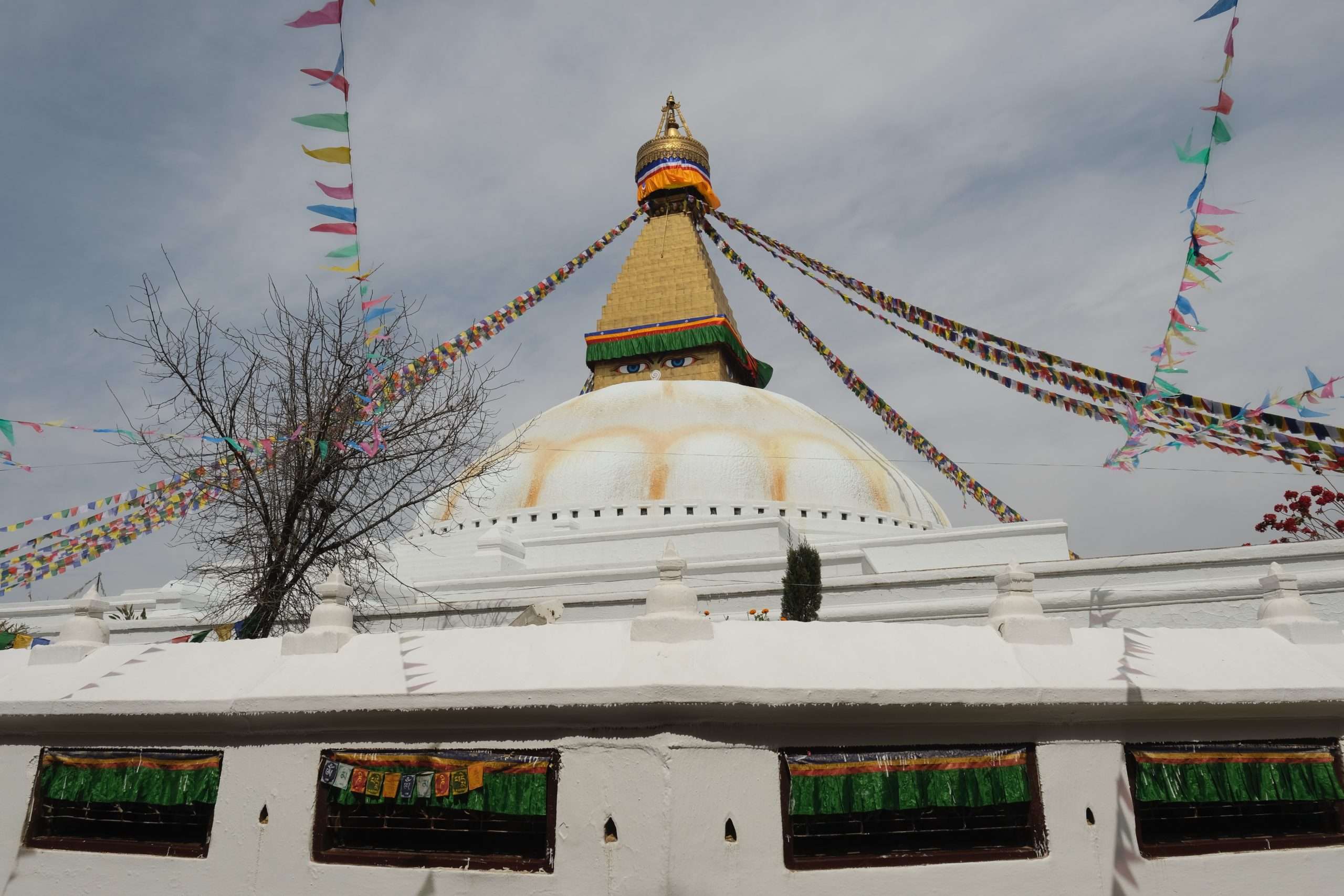
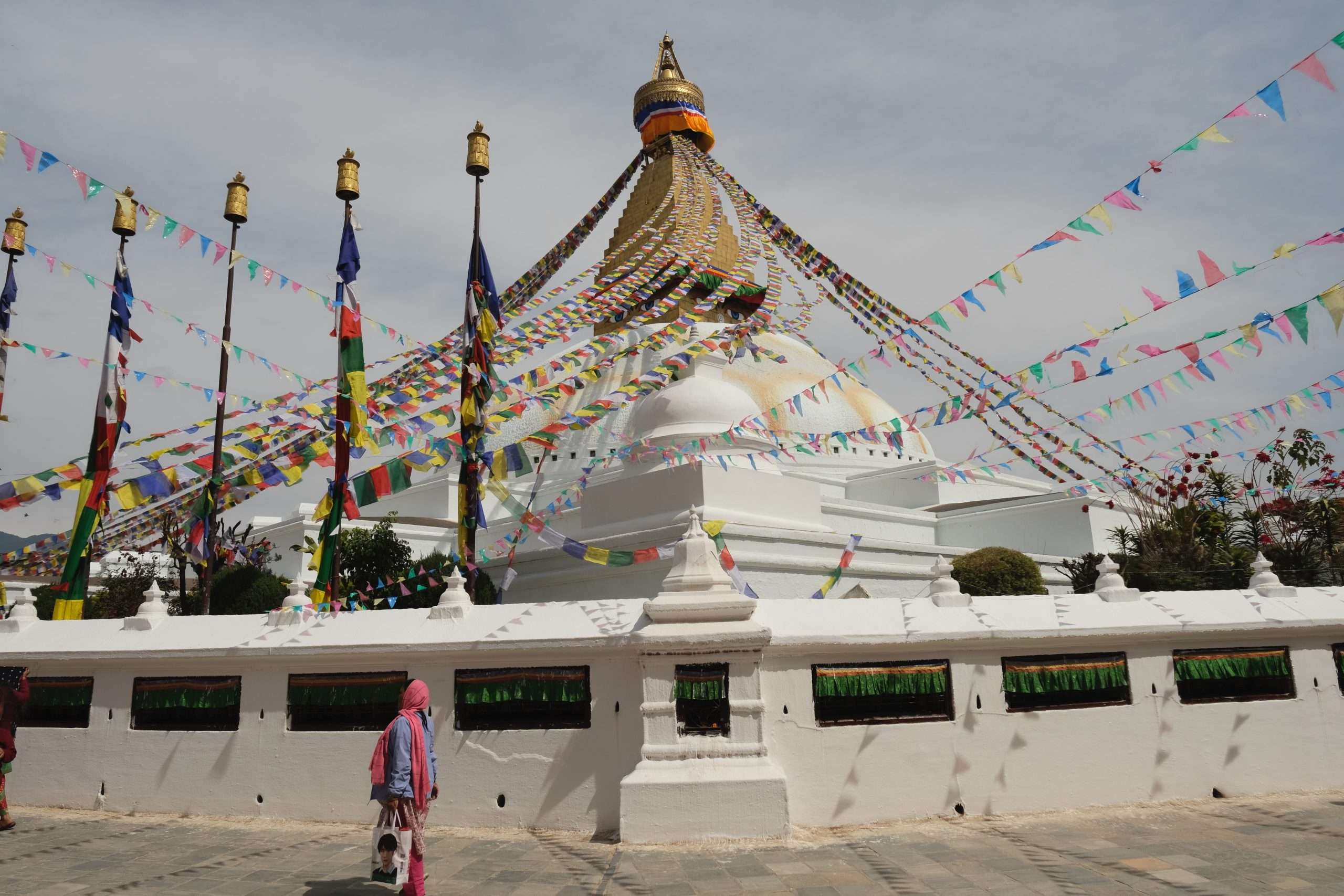
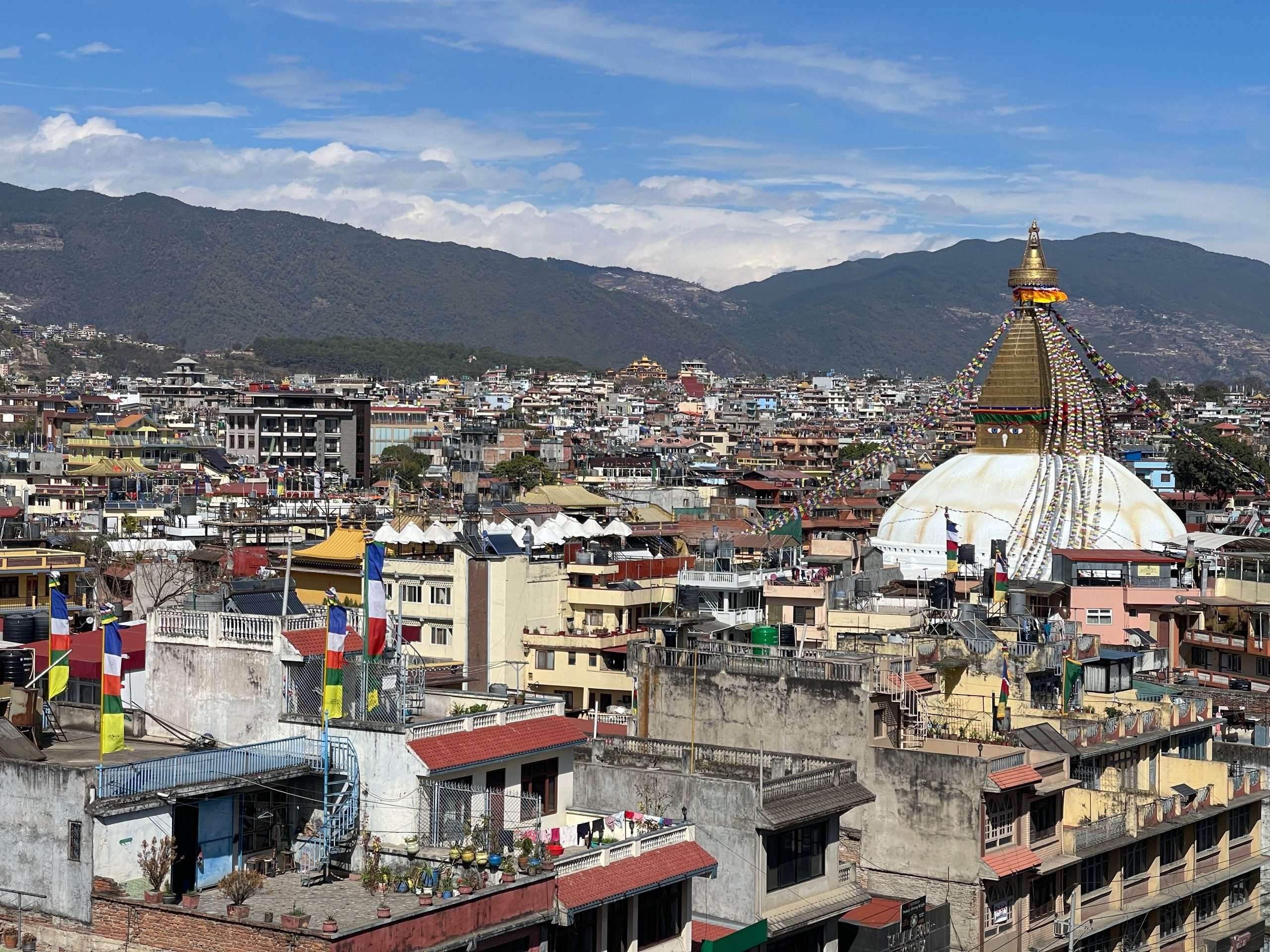
Our next stop was a visit to the Boudhanath Stupa. It is the largest spherical stupa in Nepal and is easily identifiable by its white color and blue eyes at the top of the stupa. It was damaged during the 2015 earthquake and has since been repaired. We walked around the entire outer edge of the stupa along with hundreds of other tourists and devotees and then turned our attention to some serious shopping. We bought a painted brass statue of the Buddha while others elected to buy some of the thangka paintings.
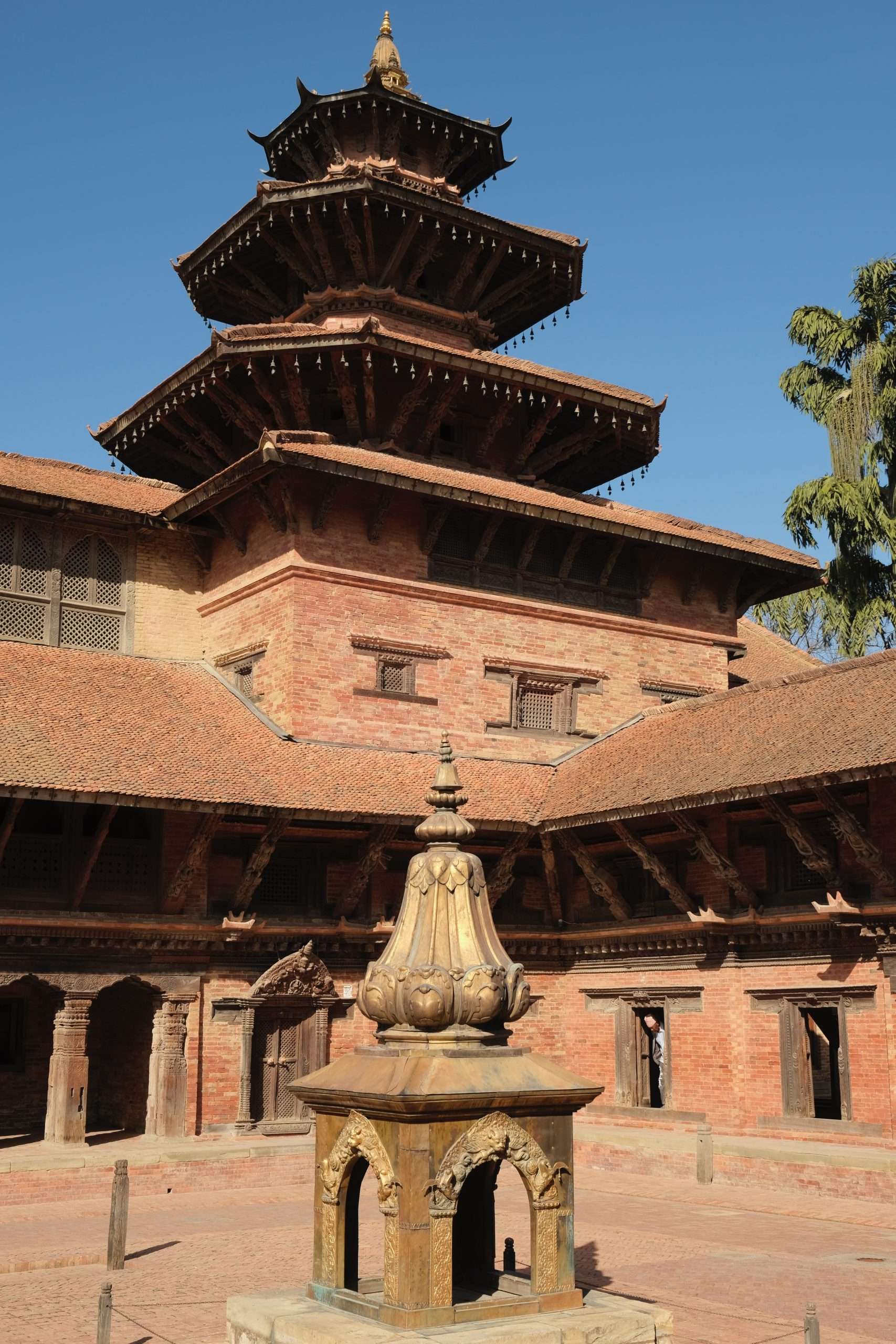
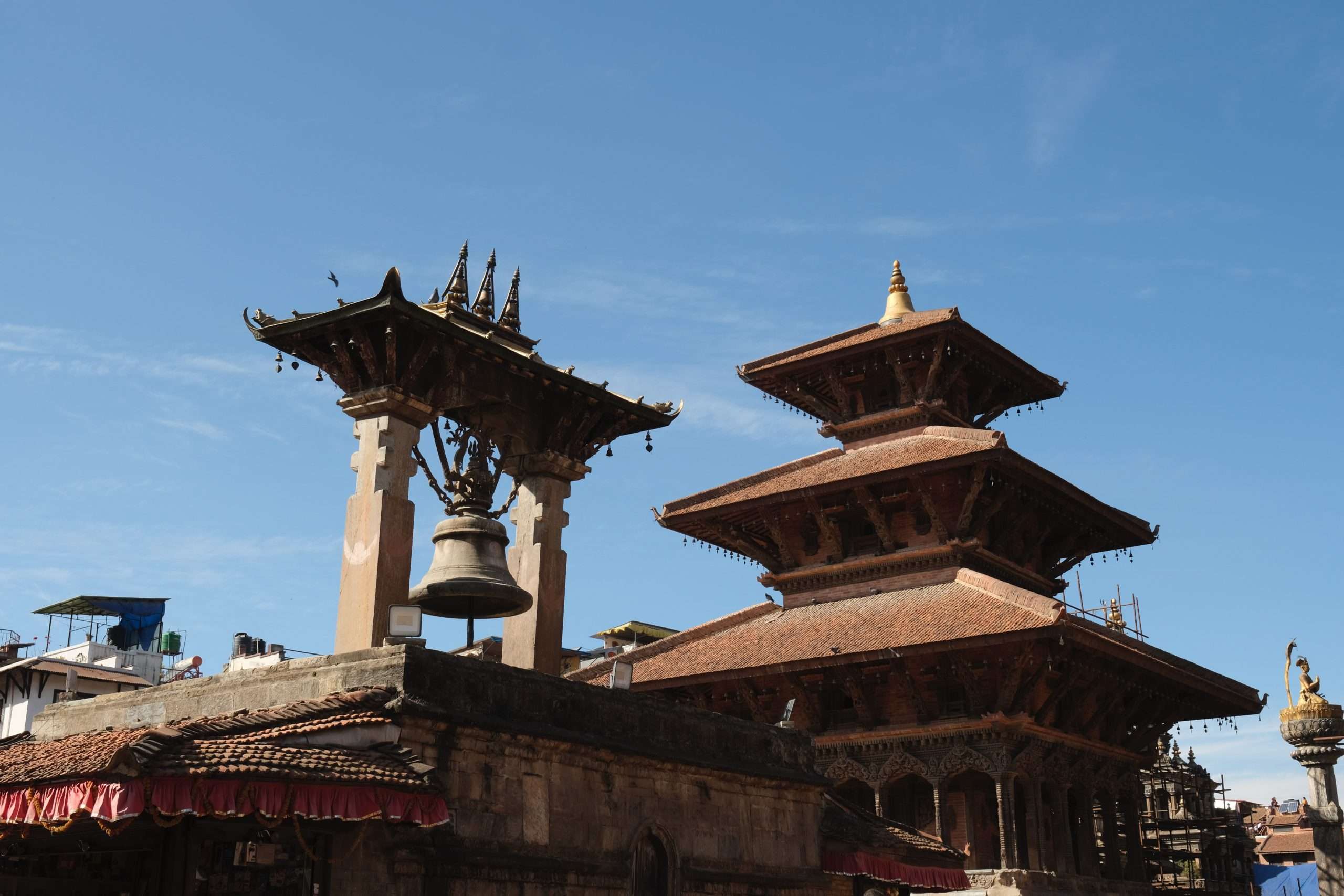
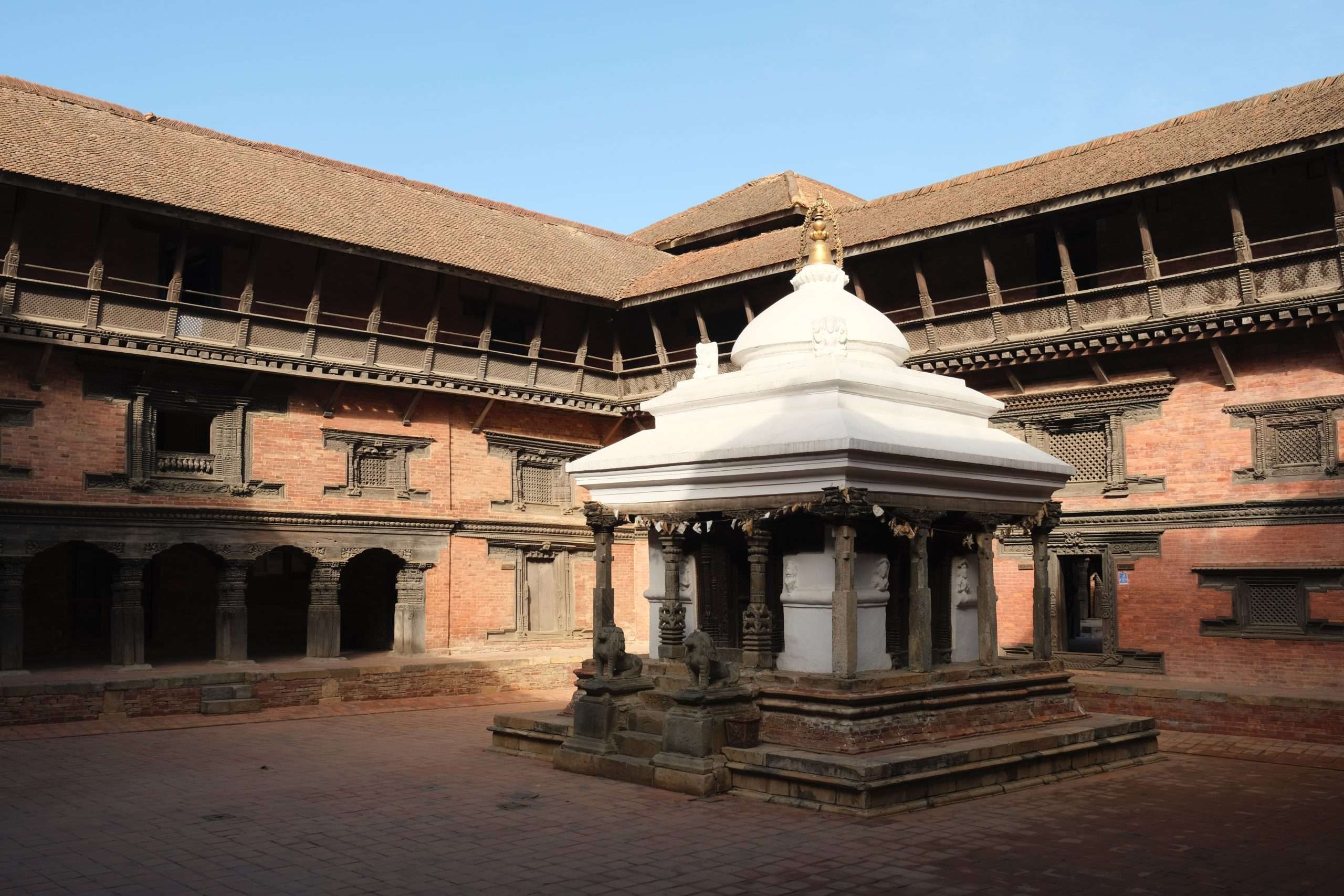
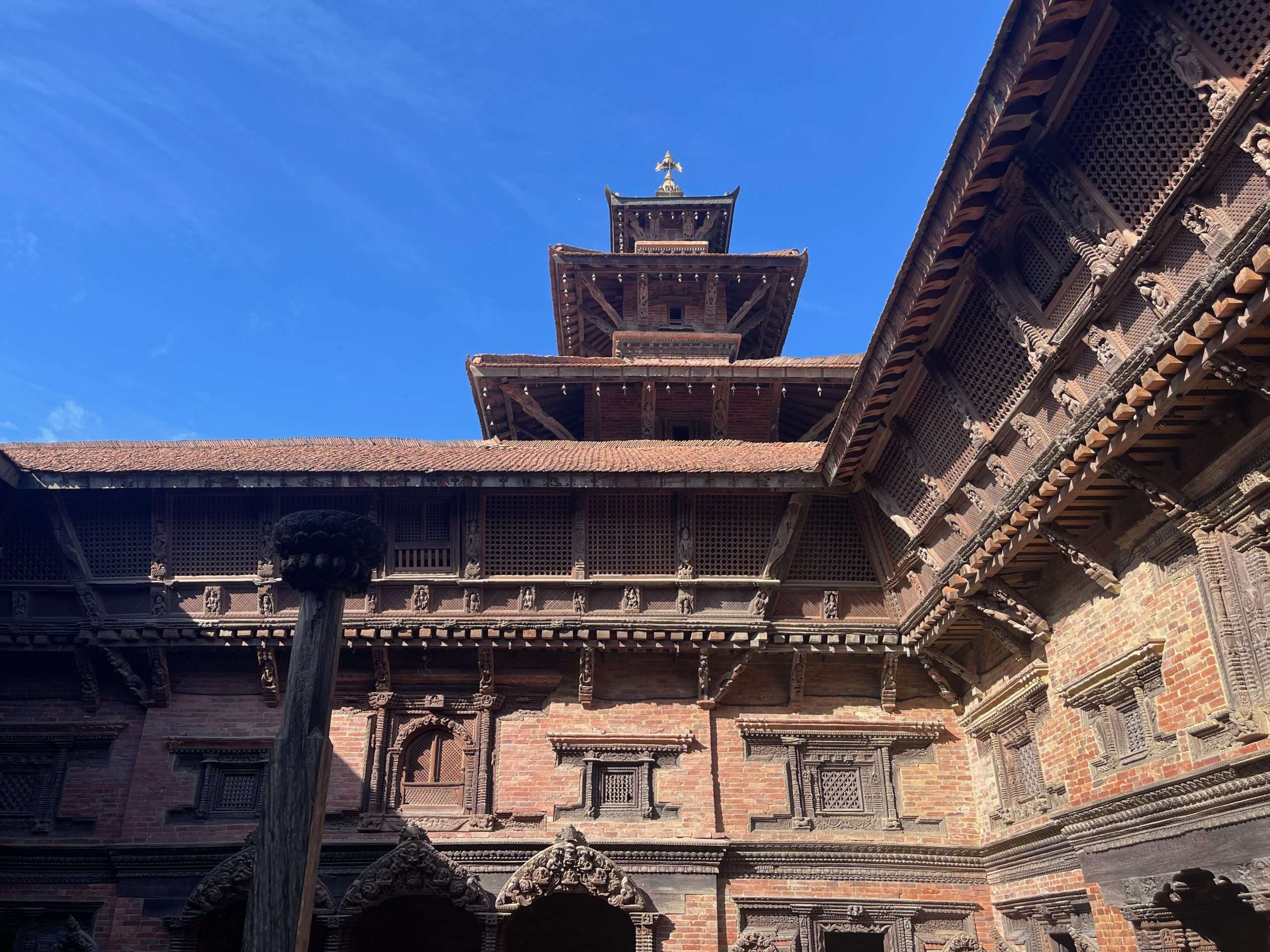
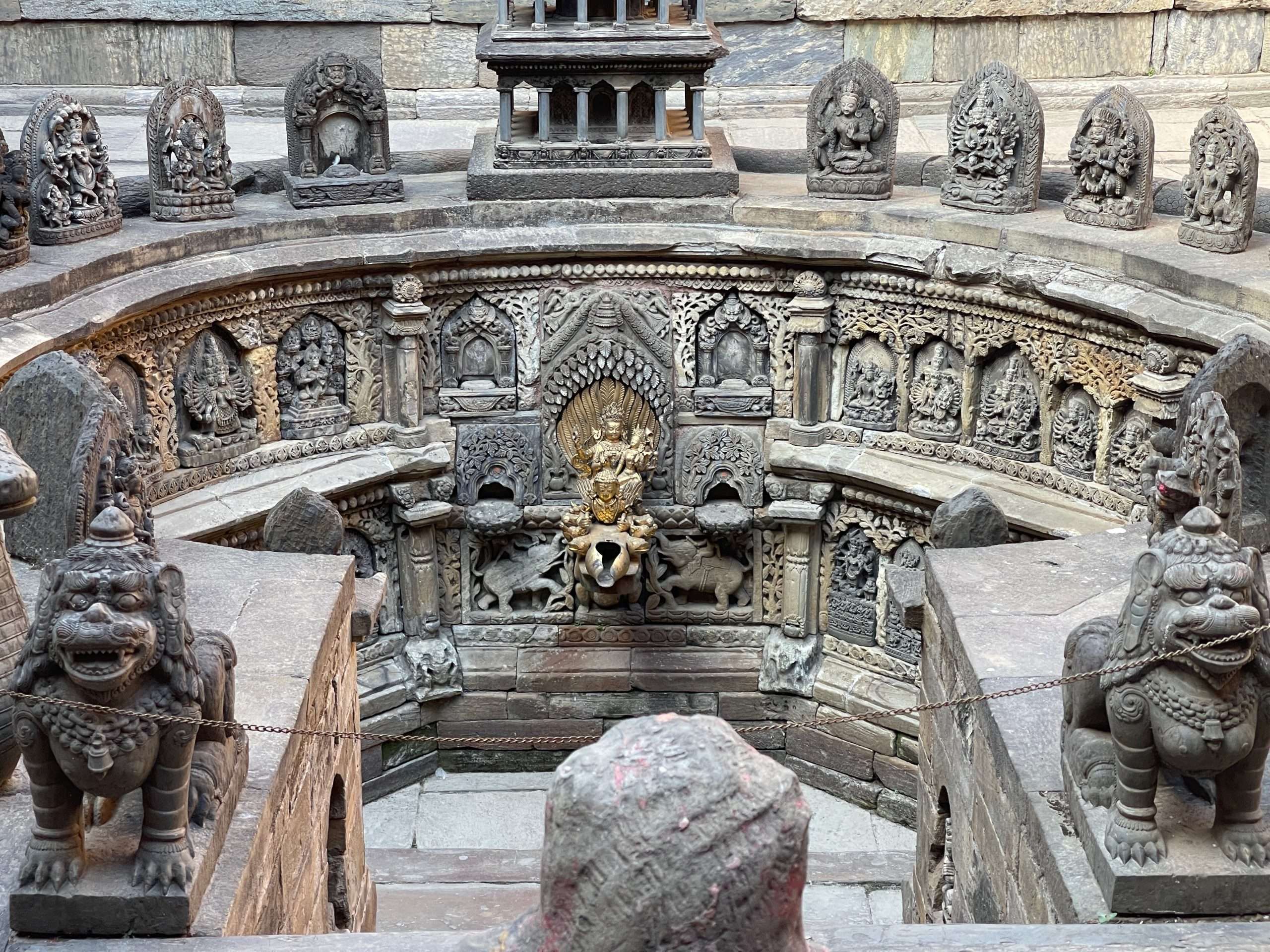
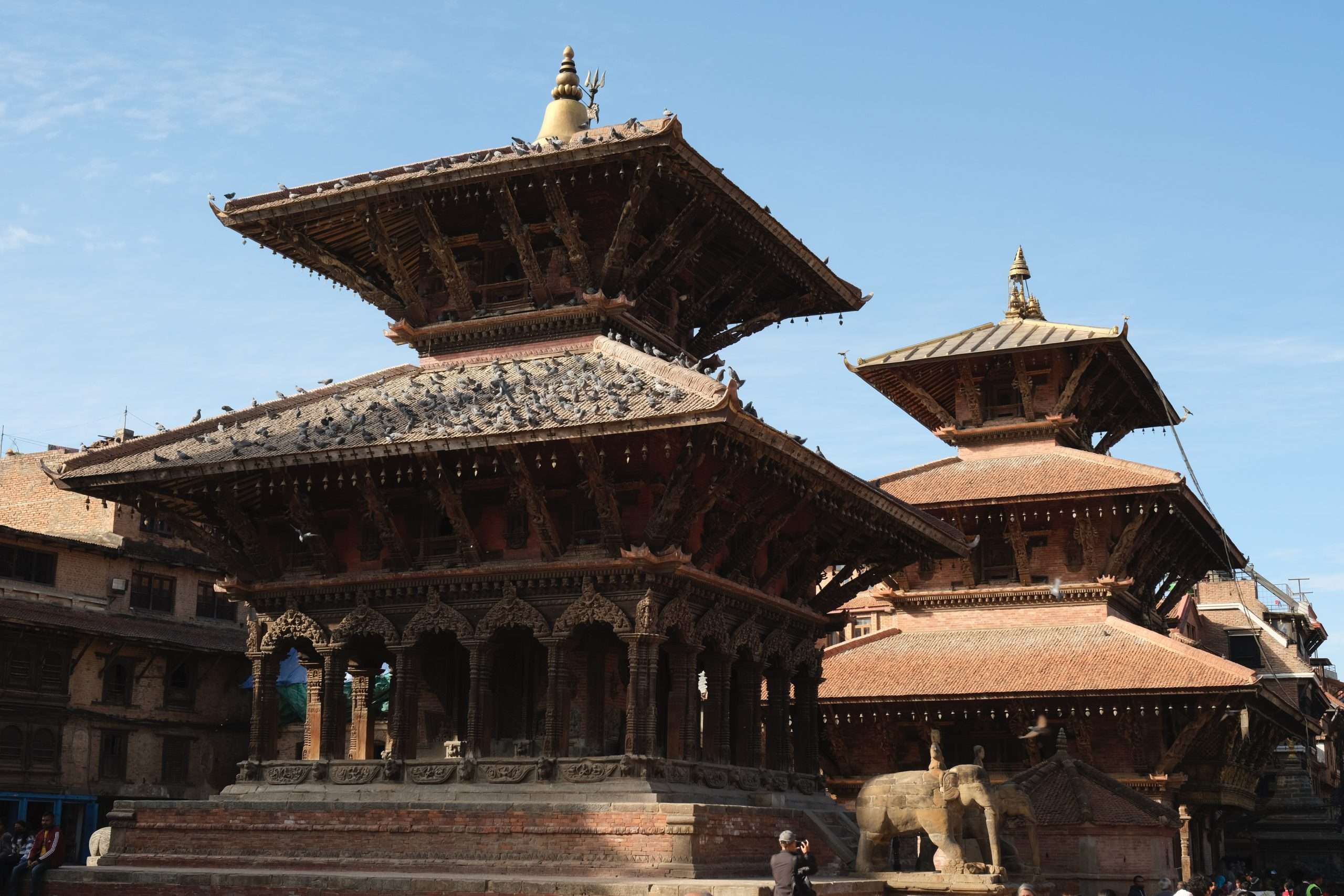
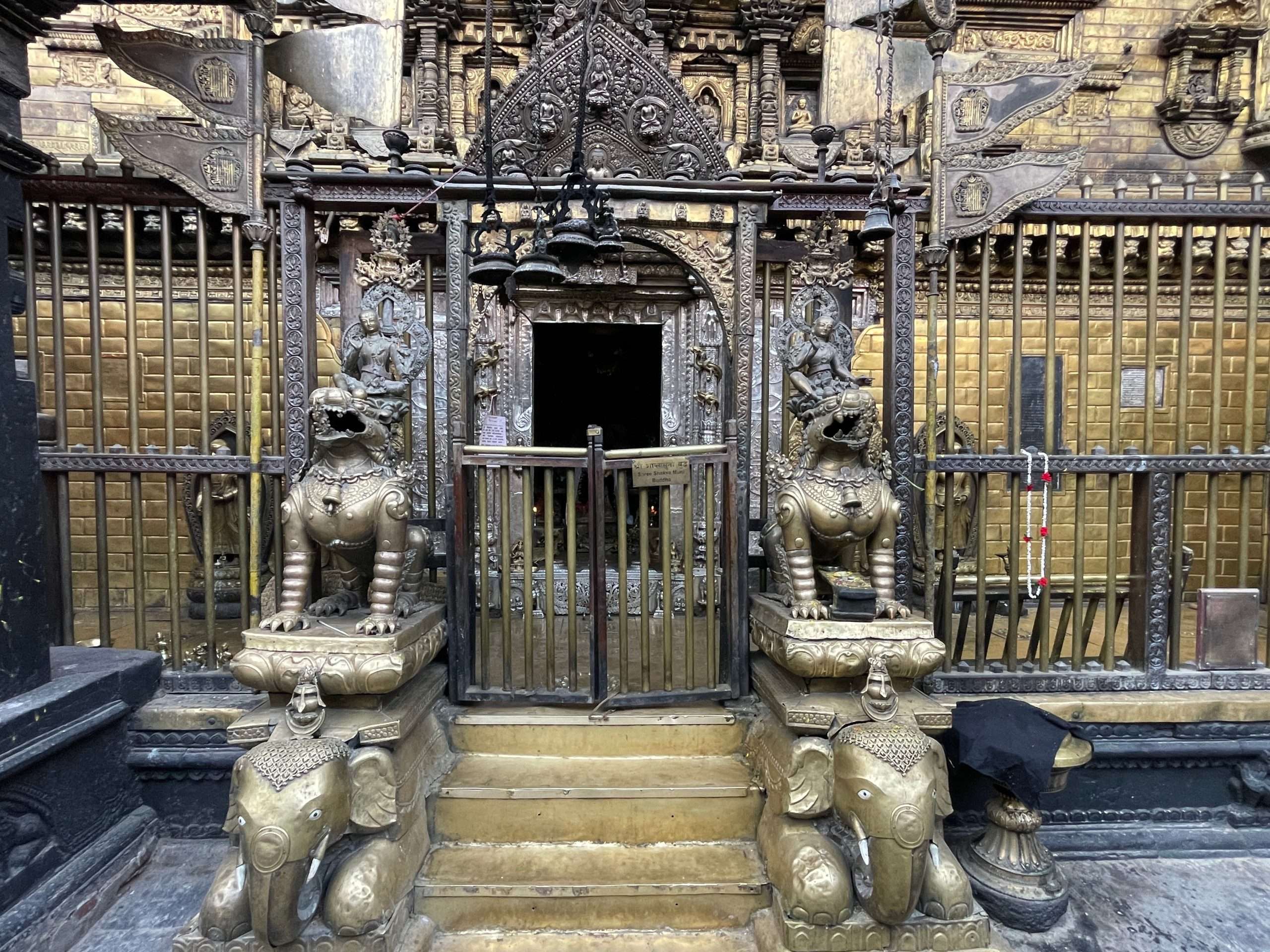
After lunch, we visited Patan, another UNESCO World Heritage site. Many of the monuments in Patan’s Durbar Square were affected by the 2015 earthquake. Some have been restored while others are still under restoration. The Krishna Mandir, a Malla-era, shikara-style temple which stands in front of the palace, is one of those temples that has been restored. A statue of Garuda can be found at the top of a pillar in front of the temple. Other temples in Durbar Square are the Chyasin Dewal, the Bhimsen, the Vishwanath, the Hari Shankar, and the Char Narayan, as well as the Taleju bell and the King Yoganarendra Malla Column. The palace of the Malla kings consists of three courtyards. In the residential courtyard, Keshav Narayan Chowk, is the Keshav Narayan Temple dedicated to Lord Vishnu. The golden gate at the entrance to this courtyard is guarded by two lions. In the largest of the three courtyards, Mul Chowk, there are two temples dedicated to Taleju, and in the smallest of the courtyards, Sundari Chowk, there is a beautiful sunken bath.
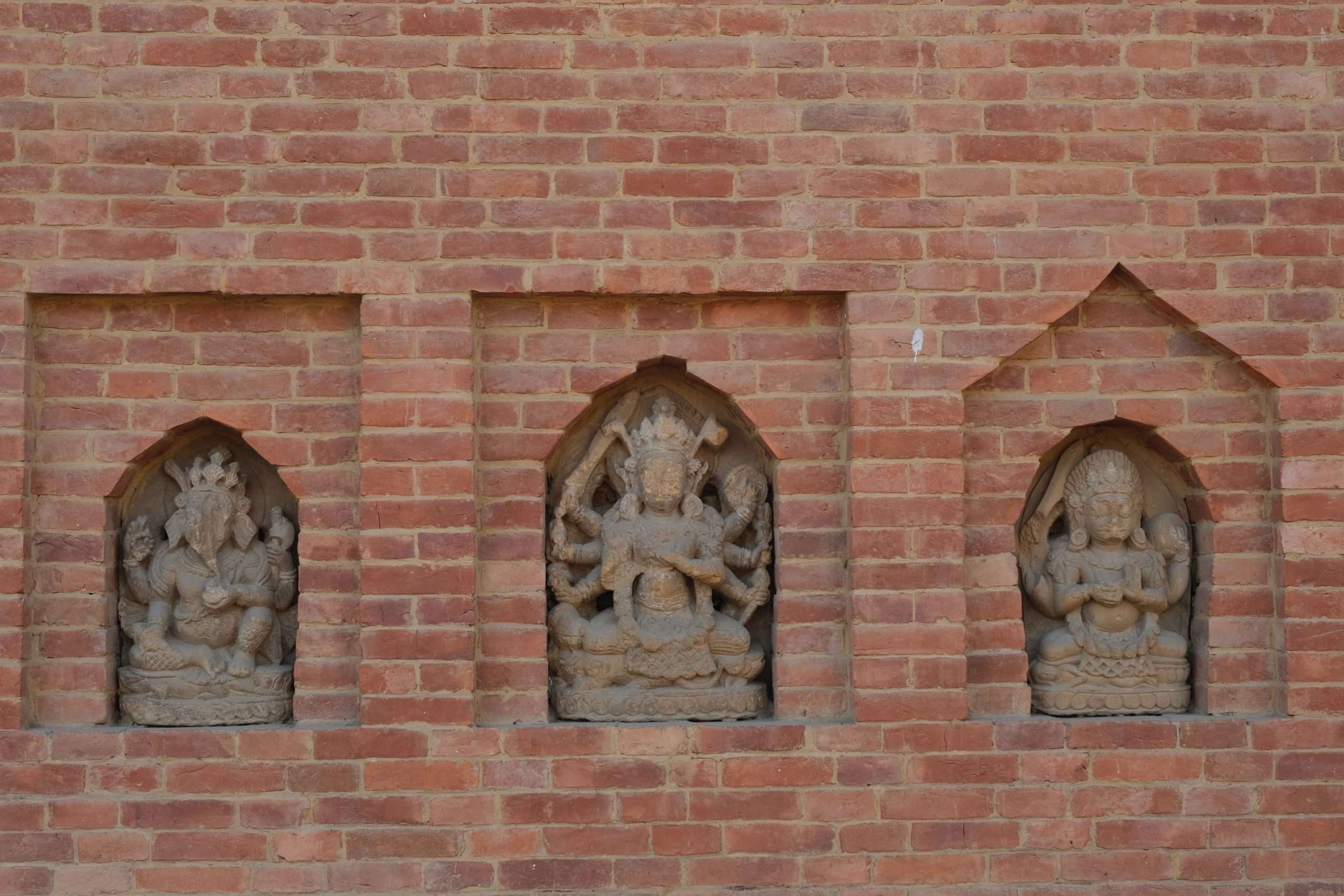
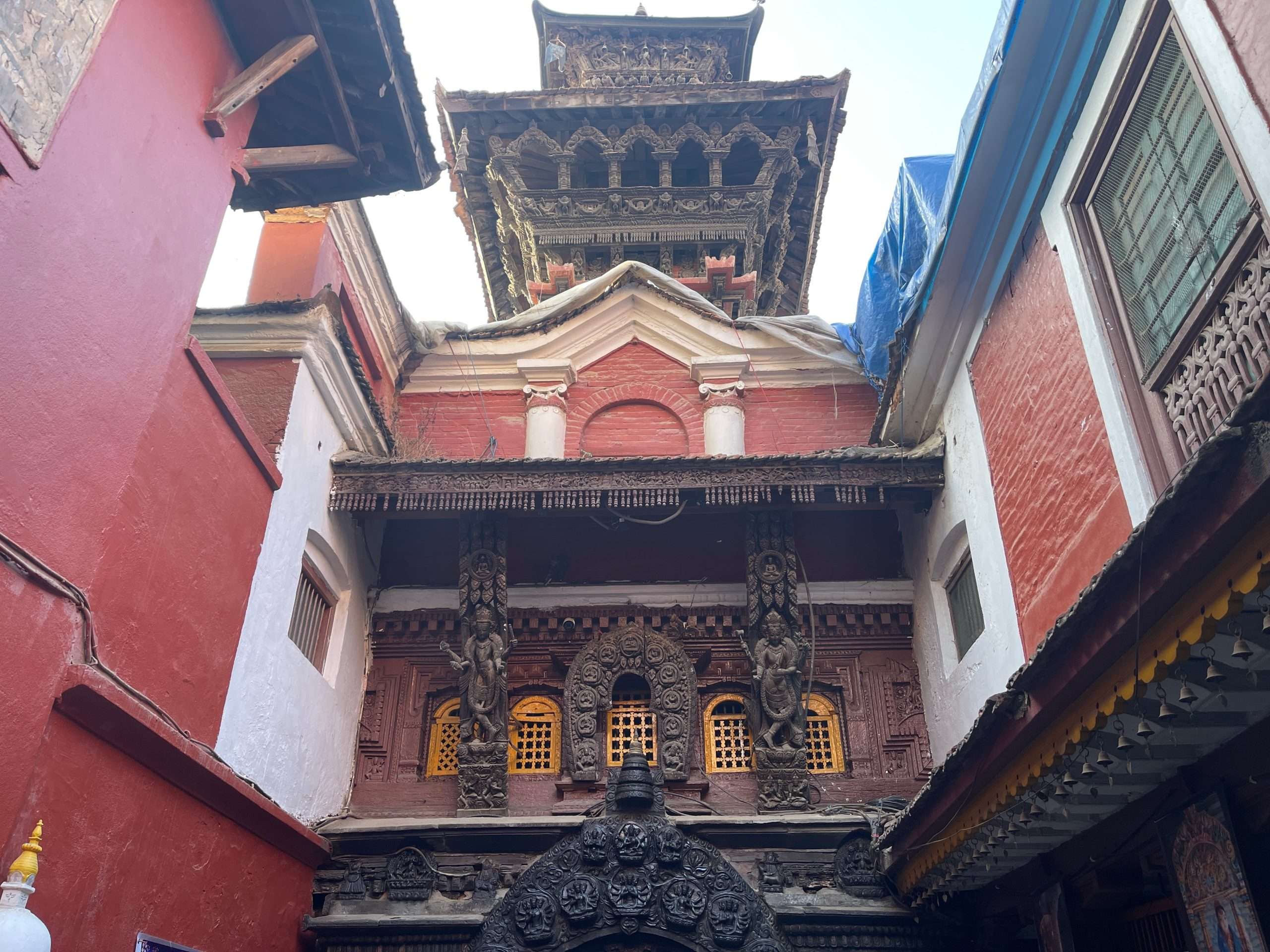
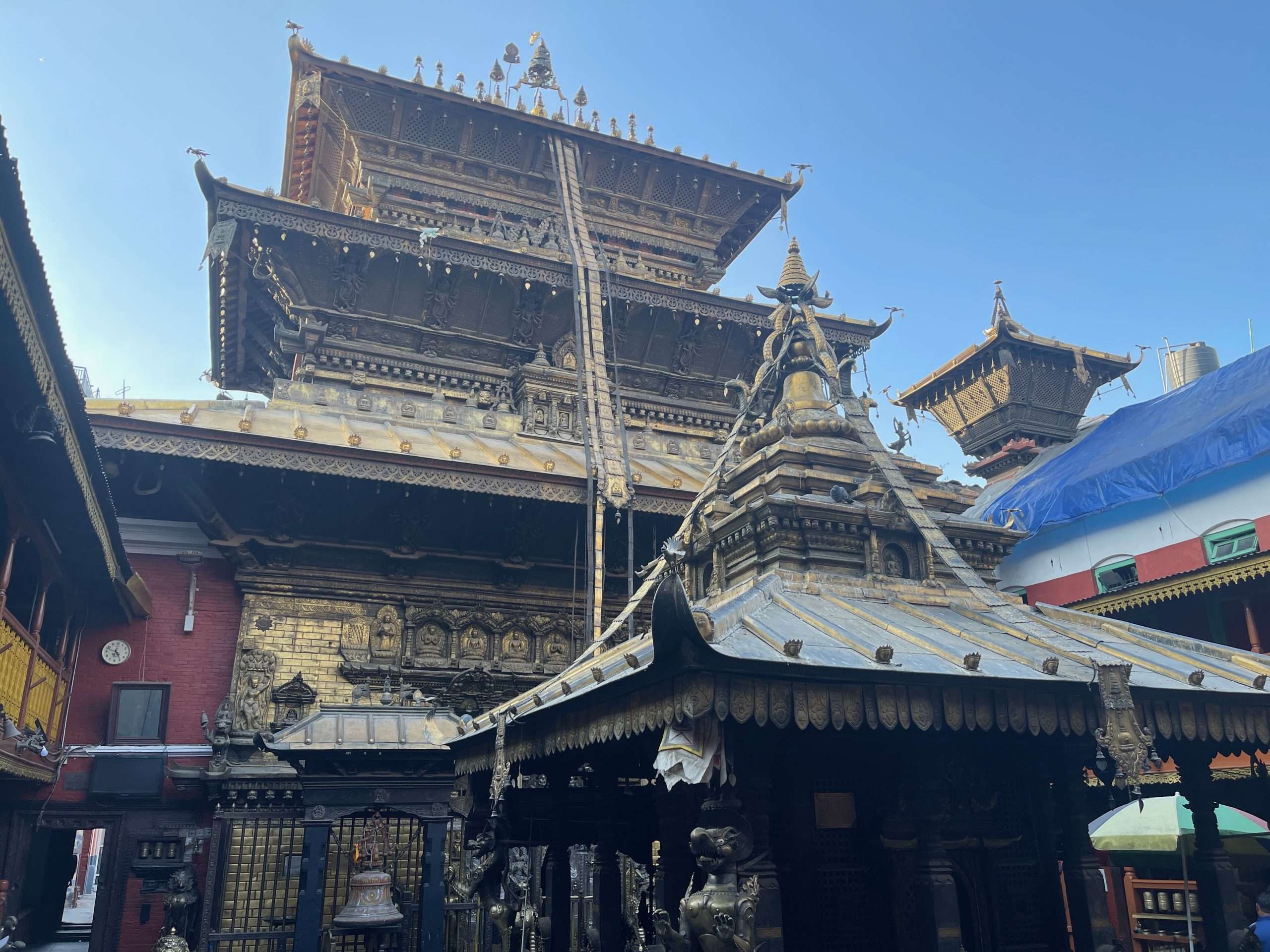
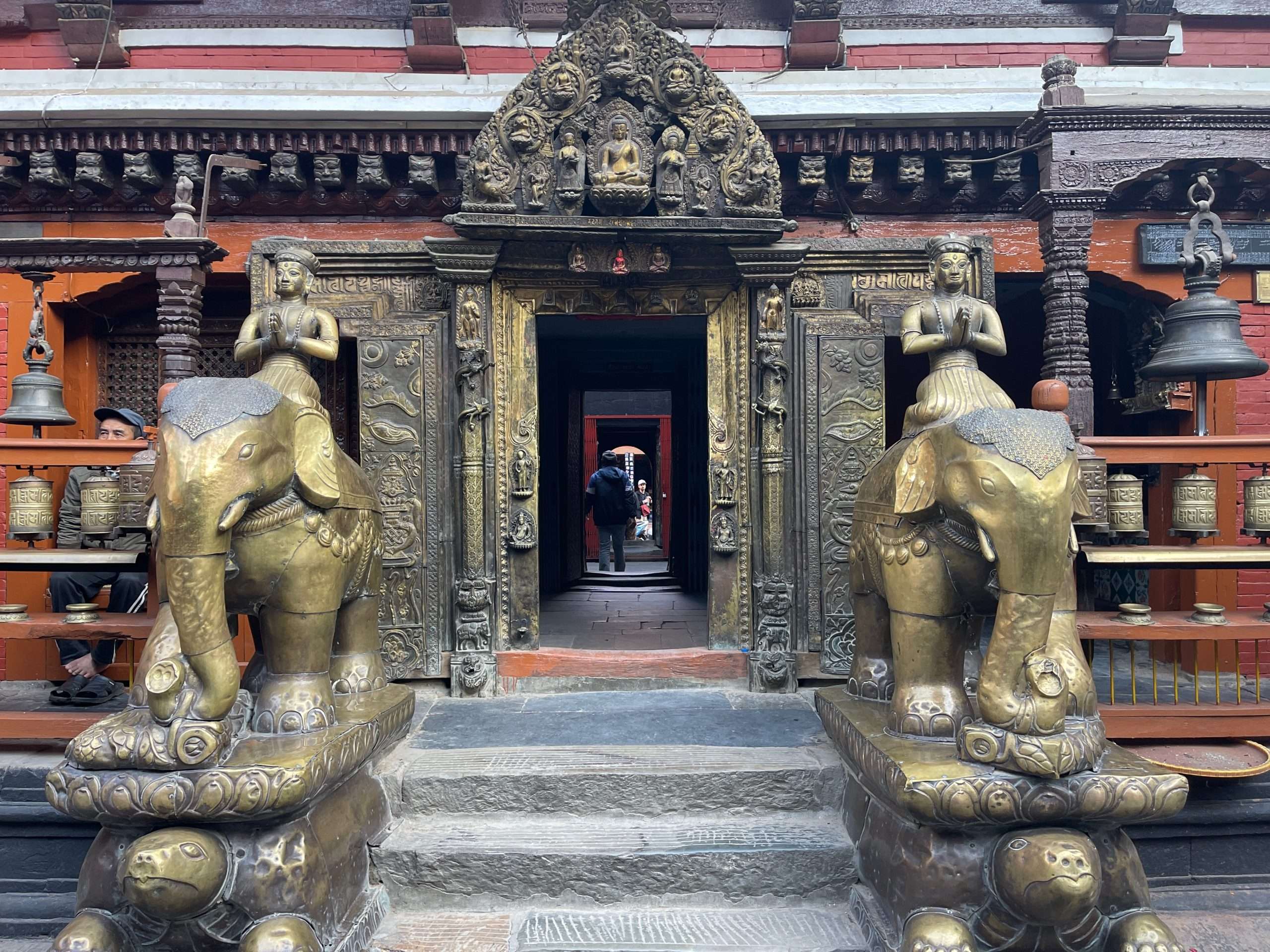
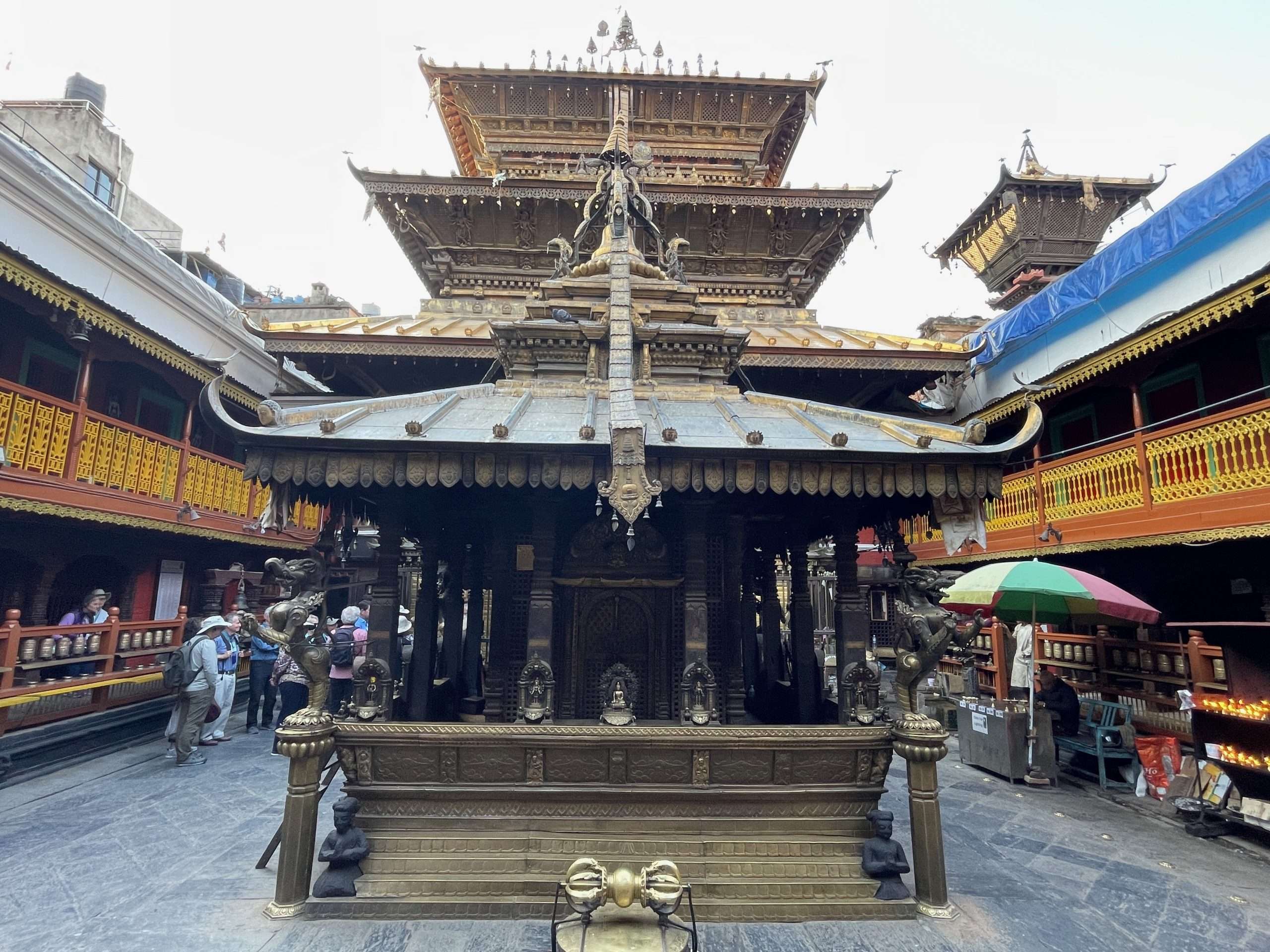
Outside Durbar Square is the Golden Temple. The head priest is a young boy under 12 years who serves for one month before being replaced by another young boy. We were able to talk to the young priest who told us he likes soccer. Inside the courtyard is a shrine with a tall statue of Buddha. There are also monkey statues holding jackfruit in each corner of the courtyard. Other notable temples are the Kumbeshwar Temple and the Mahabuddha Temple, which was destroyed during the 2015 earthquake and is now being rebuilt.
A Boat Safari in Chitwan National Park – March 7, 2024
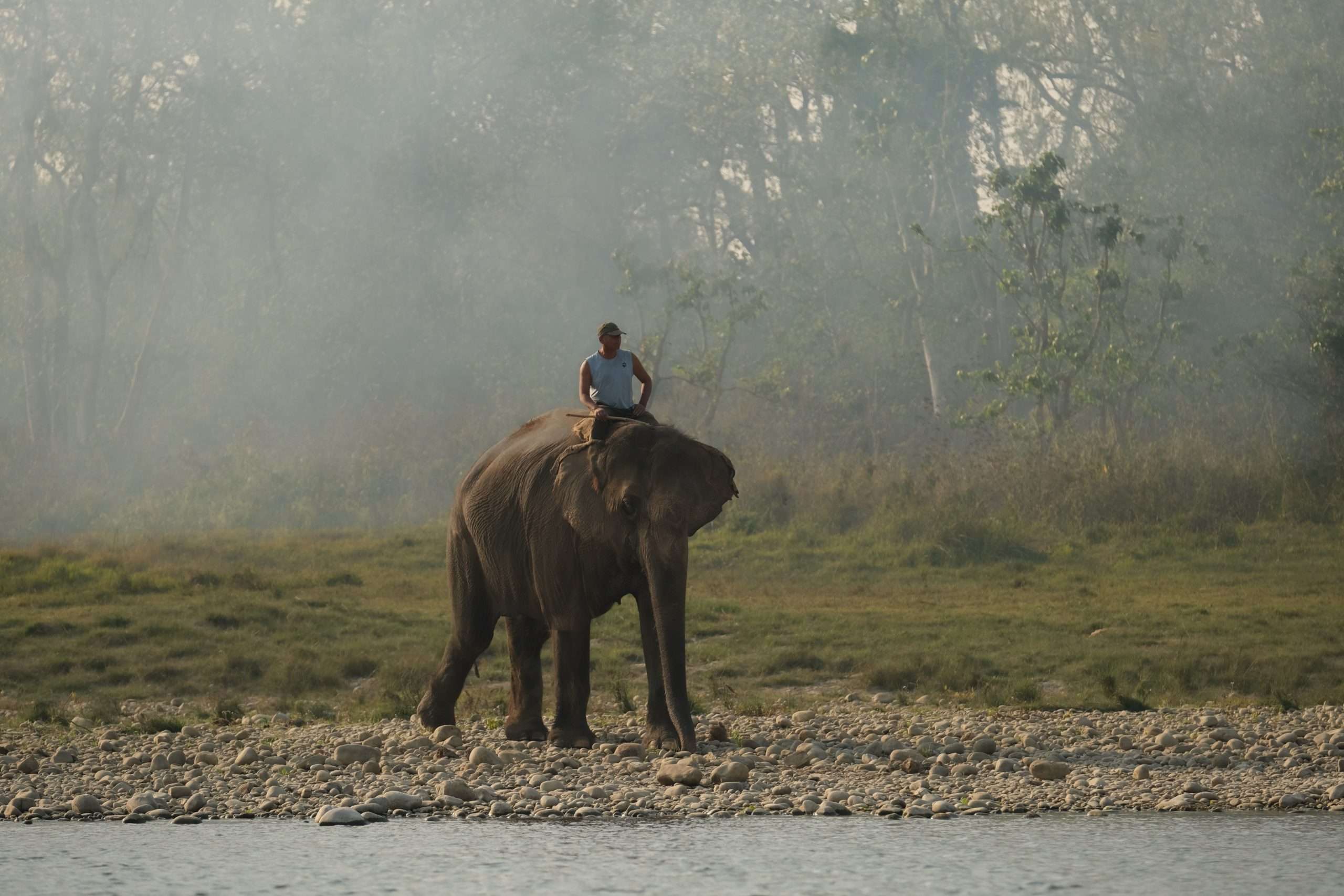
Today, we embarked on a journey to Chitwan National Park in Nepal, to see the endangered one-horned rhino. Before the brief flight to Bharatpur in the southern part of Nepal, we faced a humorous hiccup at security when our checked bag containing the painted metal Buddha was flagged. Imagine Buddha Air not wanting a Buddha on board! Fortunately, the situation was resolved, and we continued our journey to Chitwan, passing picturesque rice paddies and vegetable fields once on the ground.
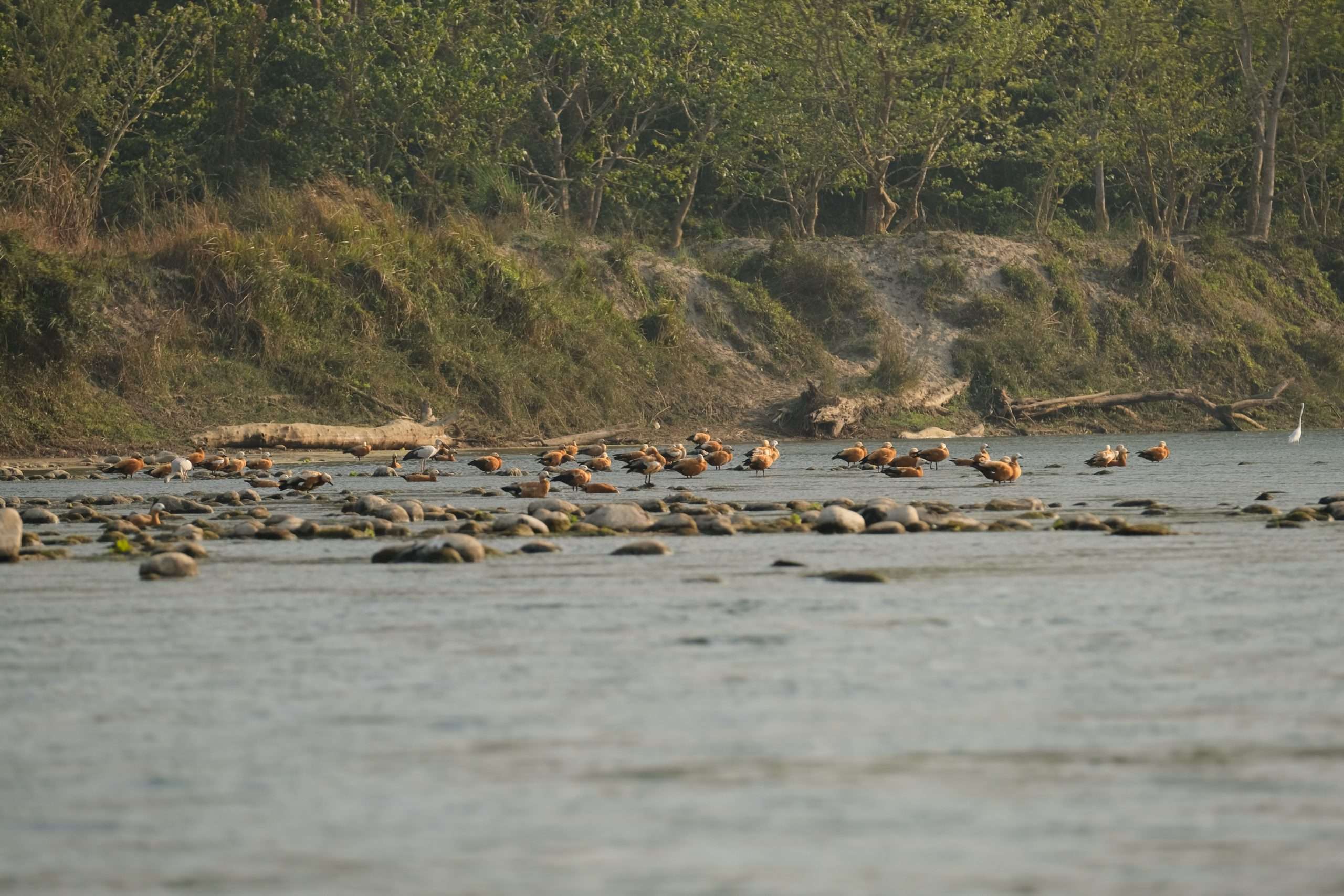
Arriving at Taj Meghauli Serai, nestled along the Rapti river, we learned about the park’s rich biodiversity from a local ecologist. Chitwan, a UNESCO World Heritage Site, boasts diverse habitats and is home to numerous species, including 643 bird species, 75 mammals, 56 reptiles/amphibians, and 206 species of butterflies. Three different habitats are found here: grasslands, riverine, and sal tree forests. Following the presentation, we floated down the Rapti river in a wooden boat. Along the way we saw gharial crocodiles with long snouts who only eat fish; bar-headed geese who can fly over the Himalayas; great egret and black ibis birds; and hog deer. We also sailed by a controlled fire set to promote vegetation growth.

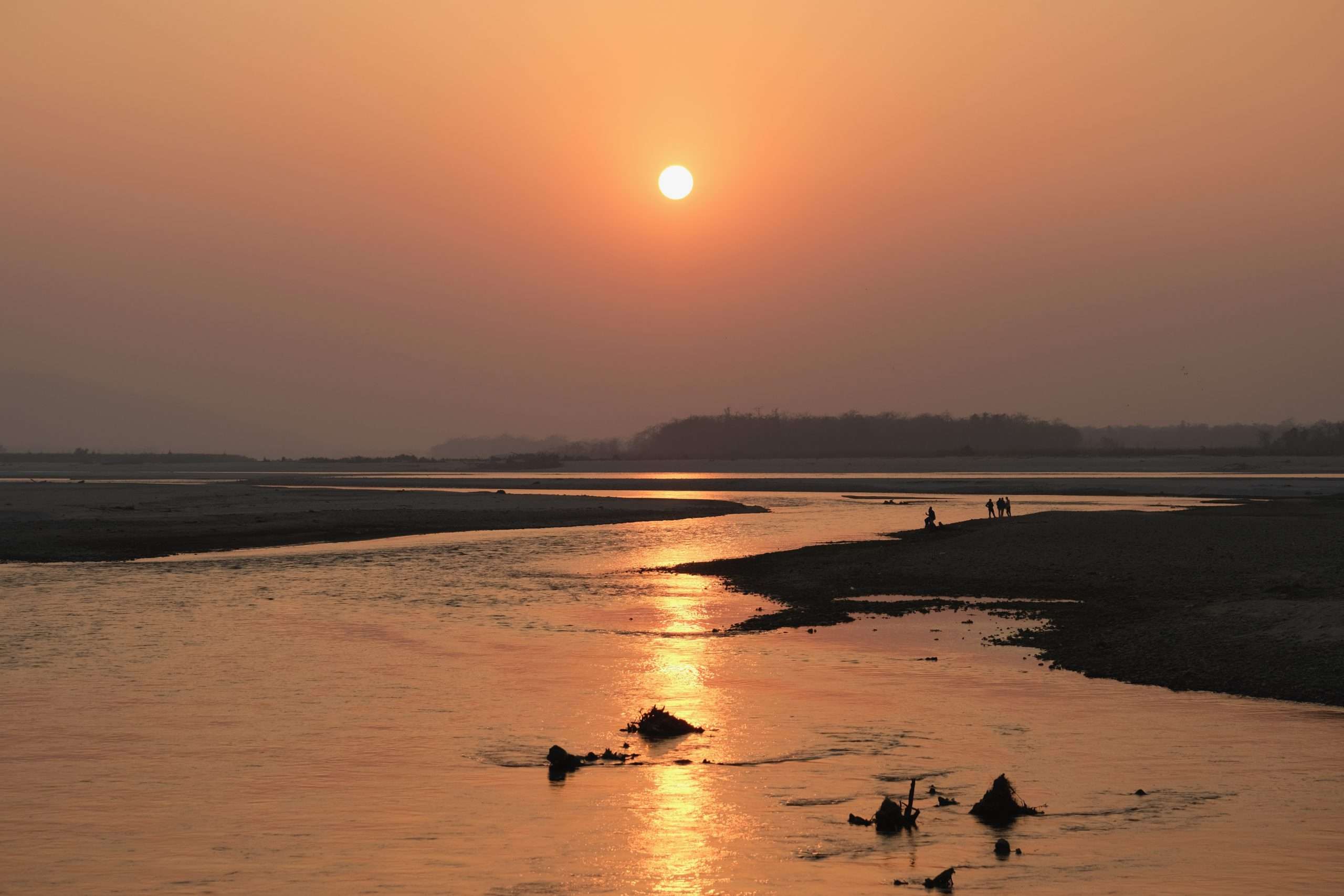
On the way back to the hotel, we saw a high wall separating a village from the park, highlighting the delicate balance between human settlements and wildlife conservation. The day concluded with a delightful Nepalese dinner at the hotel’s restaurant, accompanied by refreshing hibiscus lemonade cocktails.
Rhino Safari: Wildlife and Culture – March 8, 2024
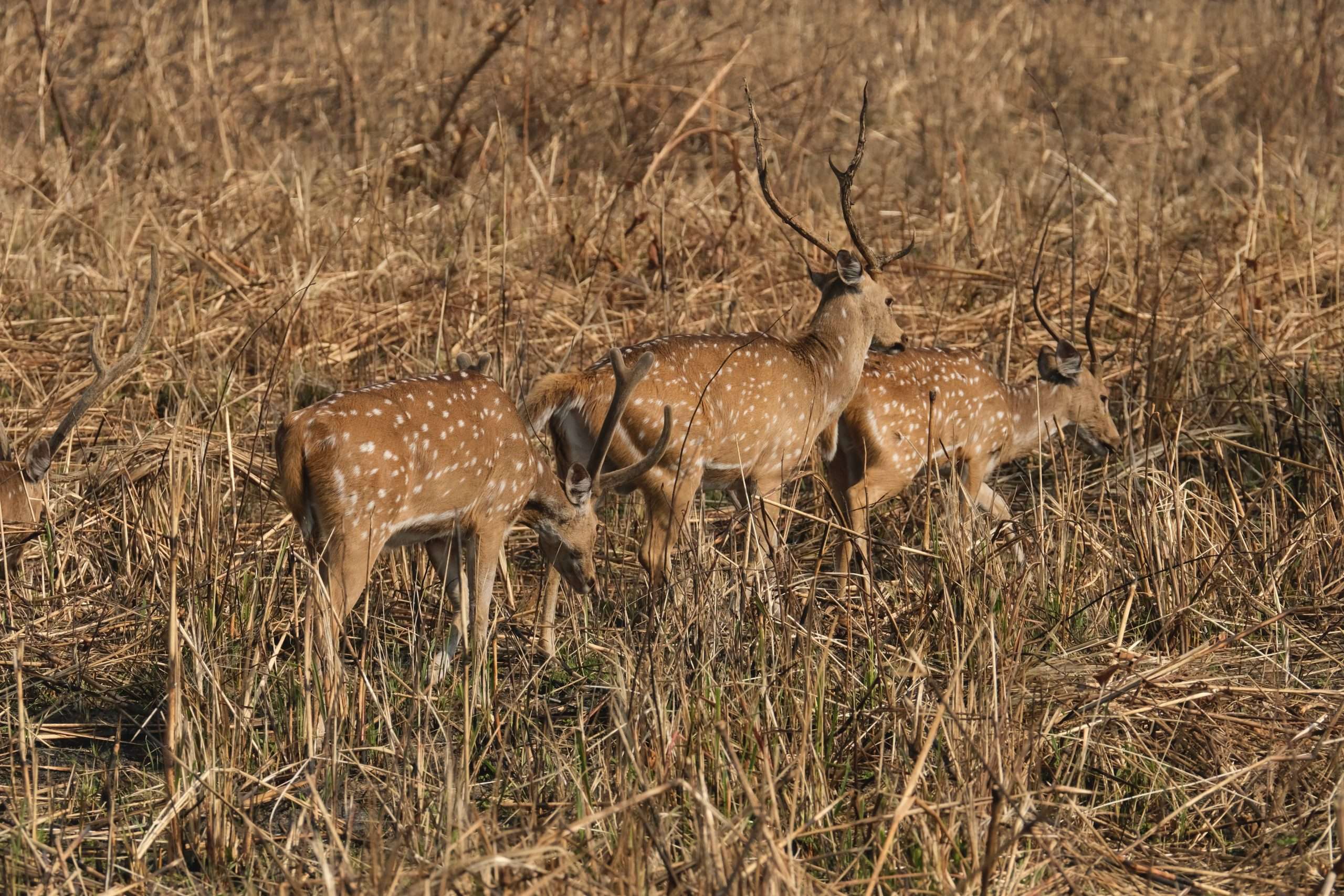
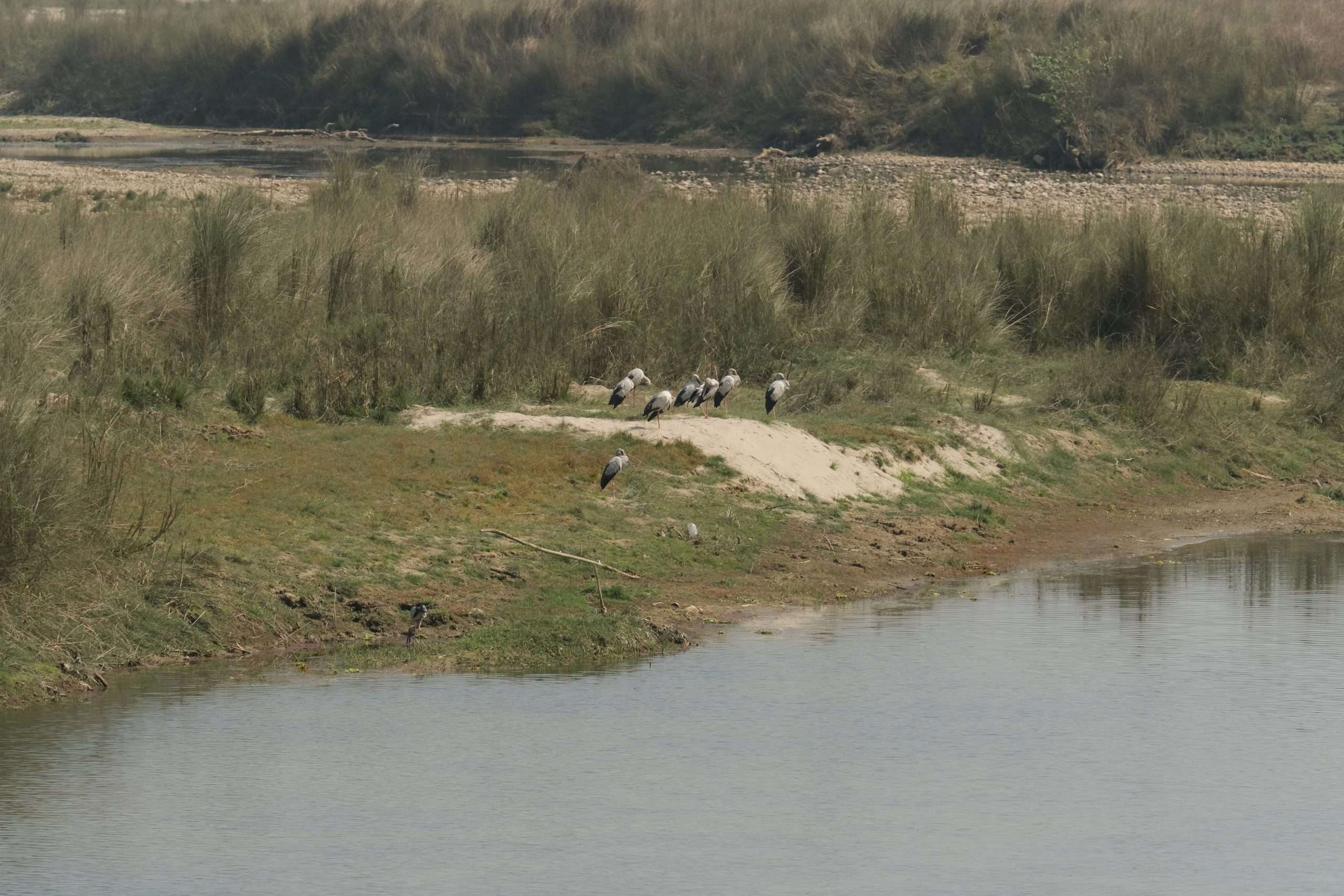
We set out early in the morning, filled with high hopes of spotting rhinos. Crossing over to the opposite bank of the Rapti, we climbed into open-air jeeps. Despite our efforts, we only managed to catch a glimpse of three rhinos, mostly at a distance where they revealed only parts of their bodies. Nevertheless, we had to be content in observing various bird species such as the lesser adjutant stork, red-crested potsherd ducks, peacocks, parakeets, white-eyed buzzards, and crested serpent eagles, as well as animals like the chital deer, hog deer, barking deer, wild boar and langur monkeys.


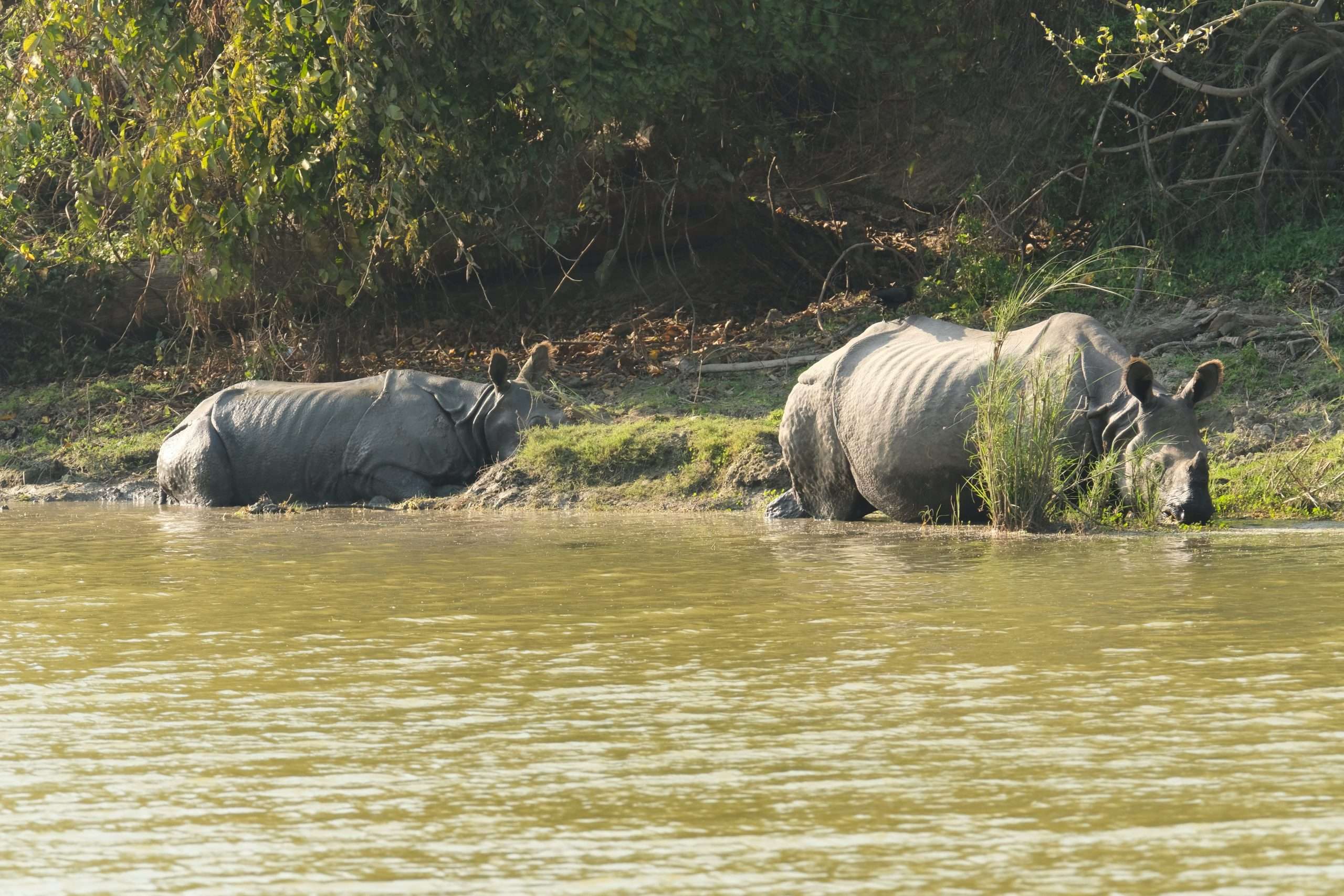
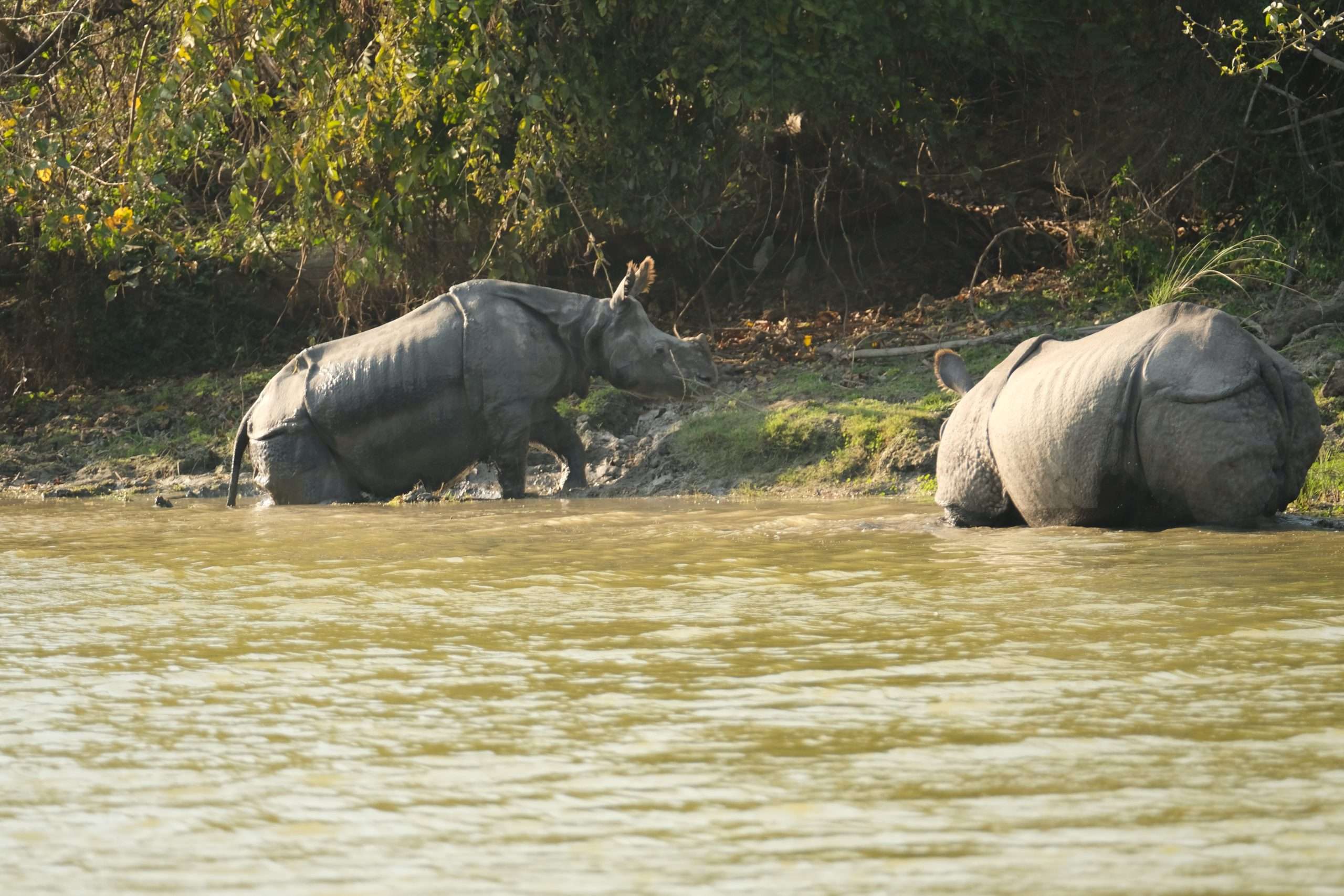
Our luck changed during the afternoon drive as we hit the jackpot. Several rhinos made appearances, including a mother and baby duo. While our group didn’t have the fortune of spotting a tiger, another group did.
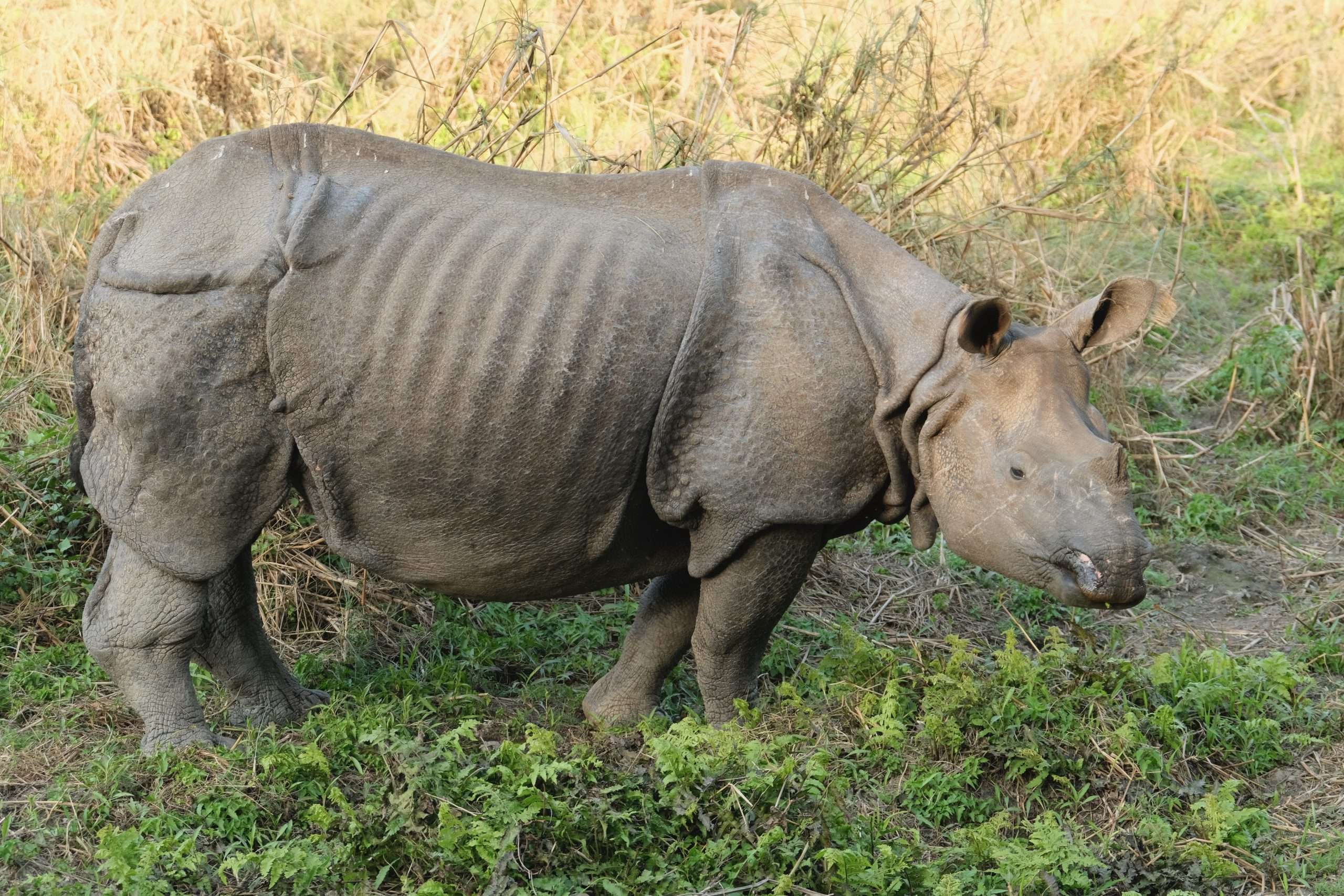
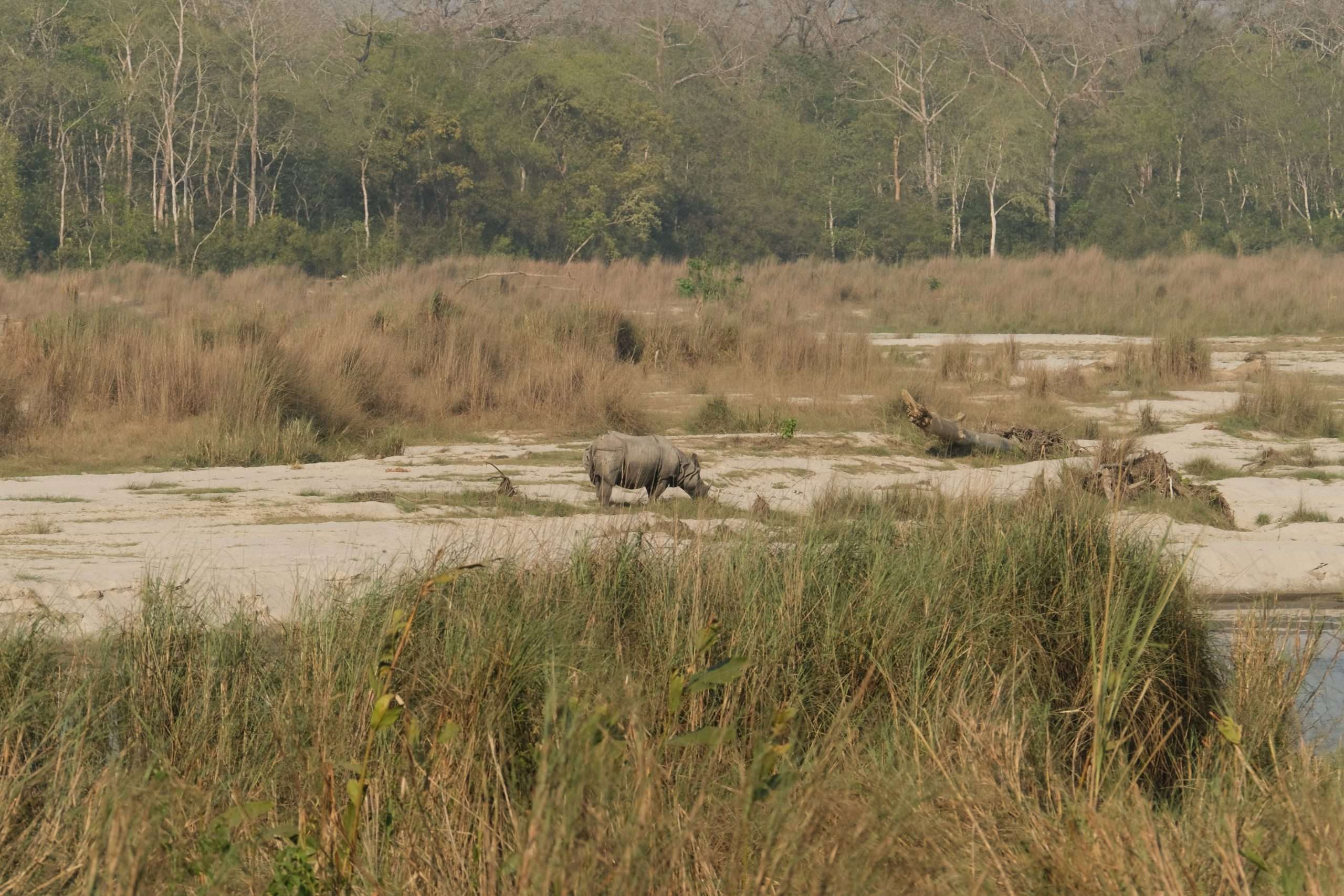
For evening entertainment, we were treated to a dance by villagers belonging to the Tharur tribe. Despite their ancestors originating from Kapilvastu in India and settling in the Terai of Nepal’s west, they resemble people of Mongol descent. After performing four dances themed around defense, death, prosperity, and harvest, they led a Holi celebration dance, encouraging most of the audience to join in. Dinner was pretty tasty too.
A Cultural Exploration of Bhaktapur – March 9, 2024
Today, we travelled to Bhaktapur, another UNESCO World Heritage site, arriving later than expected. After lunch at the Heritage Hotel, we explored Bhaktapur, a medieval city boasting four main squares: Pottery Square, Taumadhi Square, Durbar Square, and Dattatraya Square. Once the capital of Nepal in the 12th century, Bhaktapur thrived as a trading hub between Tibet and India, known for its unique cultural offerings such as yogurt, beaten rice, and black sarees with red borders. It is primarily home to laboring communities and apparently communism is popular in this region. It is also known as the city of devotees, which evokes Marx’s famous quote about religion being the opium of the people.
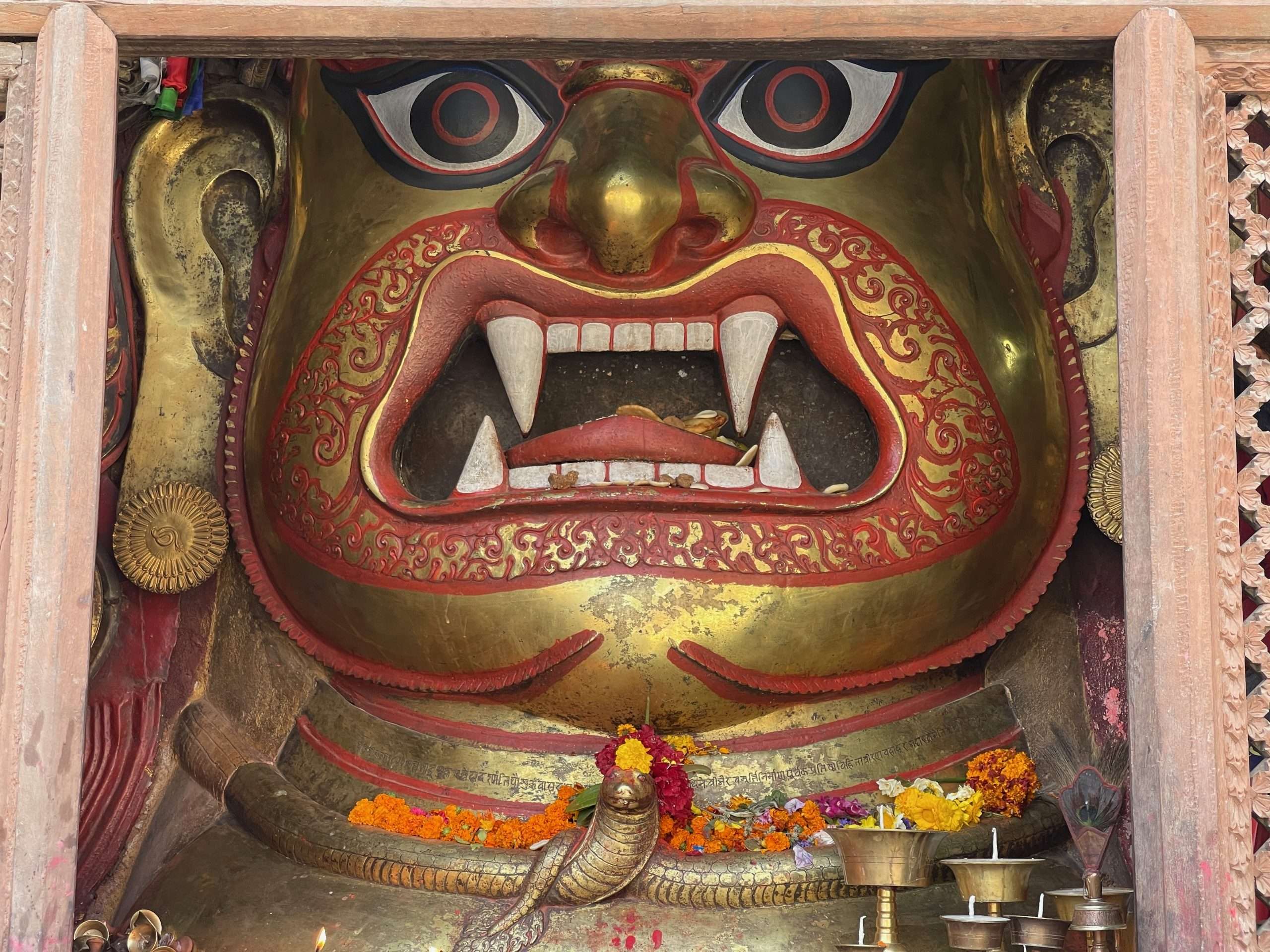
In Pottery Square, traditional pottery making methods are still practiced, while Taumadhi Square showcases significant temples including the Til Madhav Narayan Temple, Bhairabnath Temple, and the Nyatapola Temple. The Til Madhav Narayan Temple is one of the oldest in Bhaktapur. It is a small but beautiful temple dedicated to Lord Vishnu in his incarnation as Narayan. The Bhairabnath Temple is three stories tall and is dedicated to Bhairab, a terrifying form of Lord Shiva. The Nyatapola Temple is five stories tall and is dedicated to the Goddess Siddhi Lakshmi. The temple is open only to priests. On each plinth along the stairway to heaven are a pair of guardians. The first plinth has wrestlers; the second has elephants; the third has lions; the fourth has griffins; and the fifth at the top has goddesses.
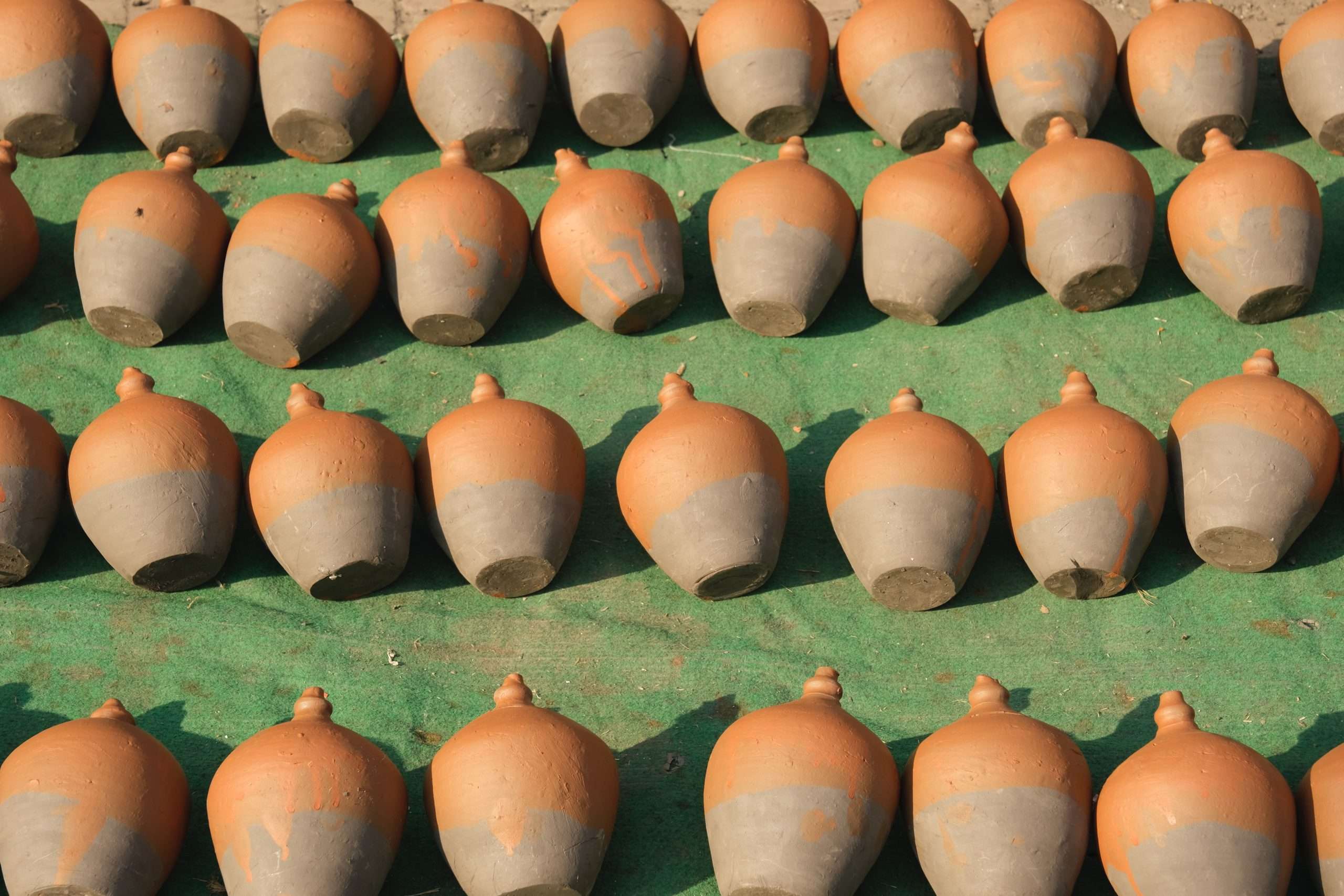
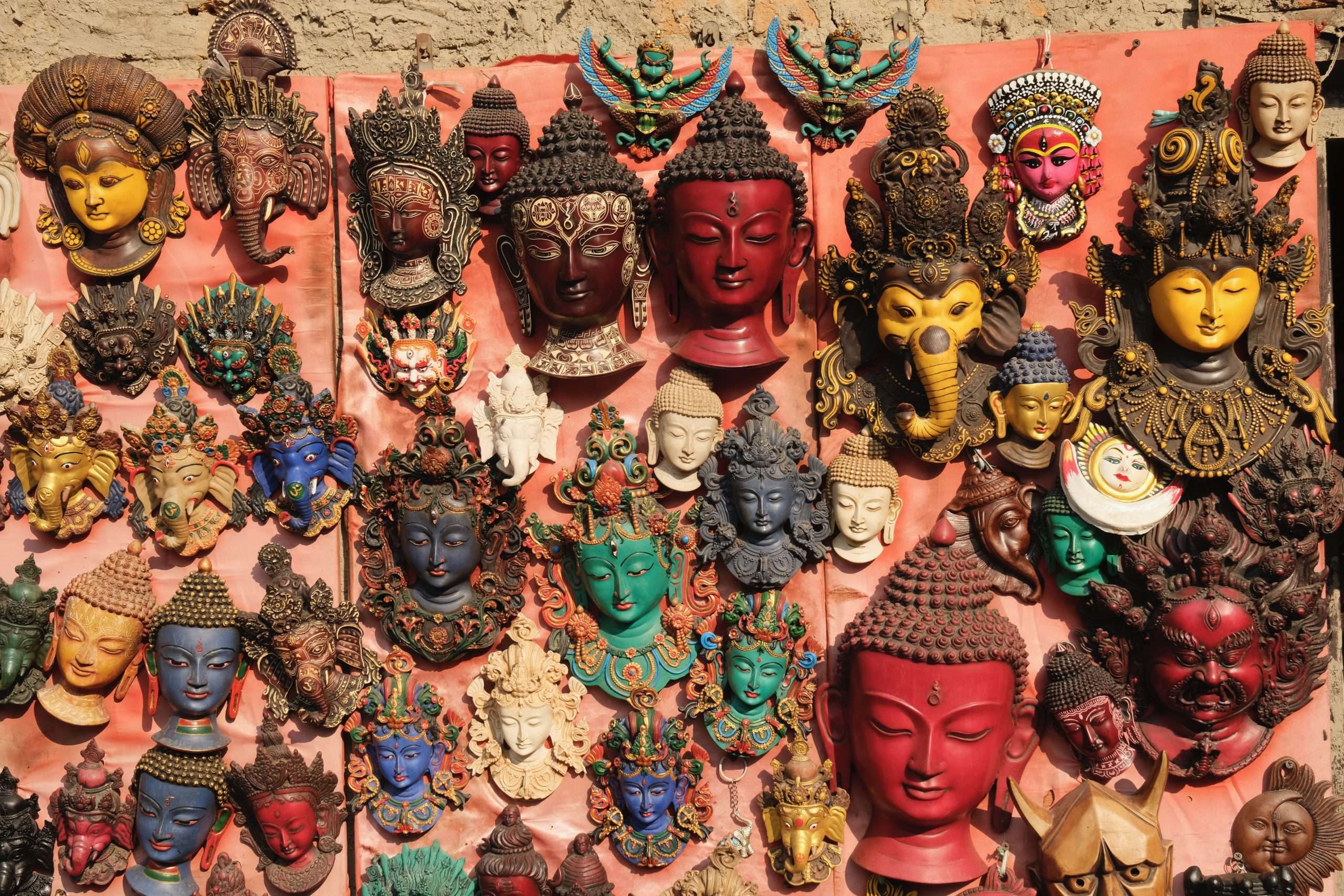
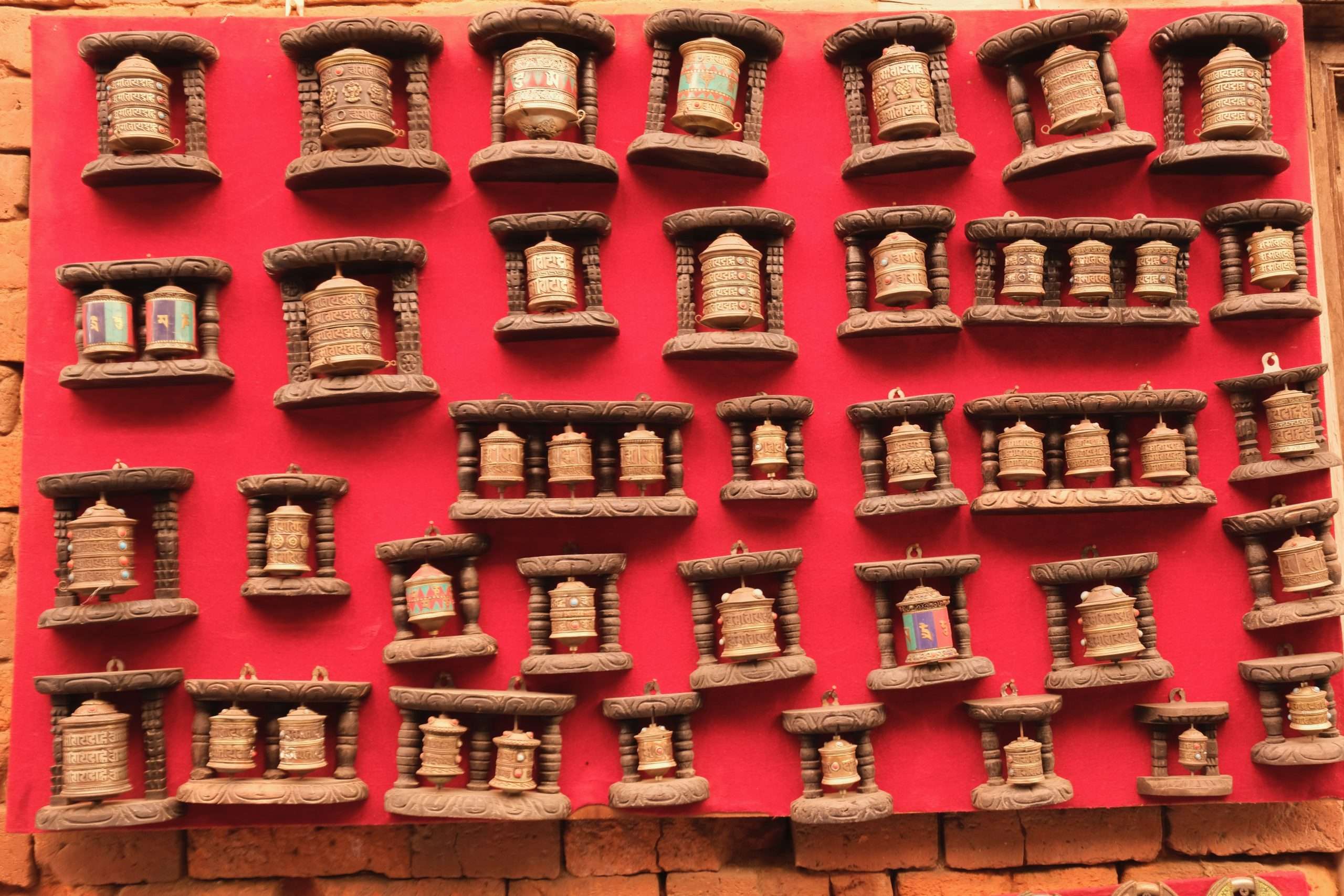
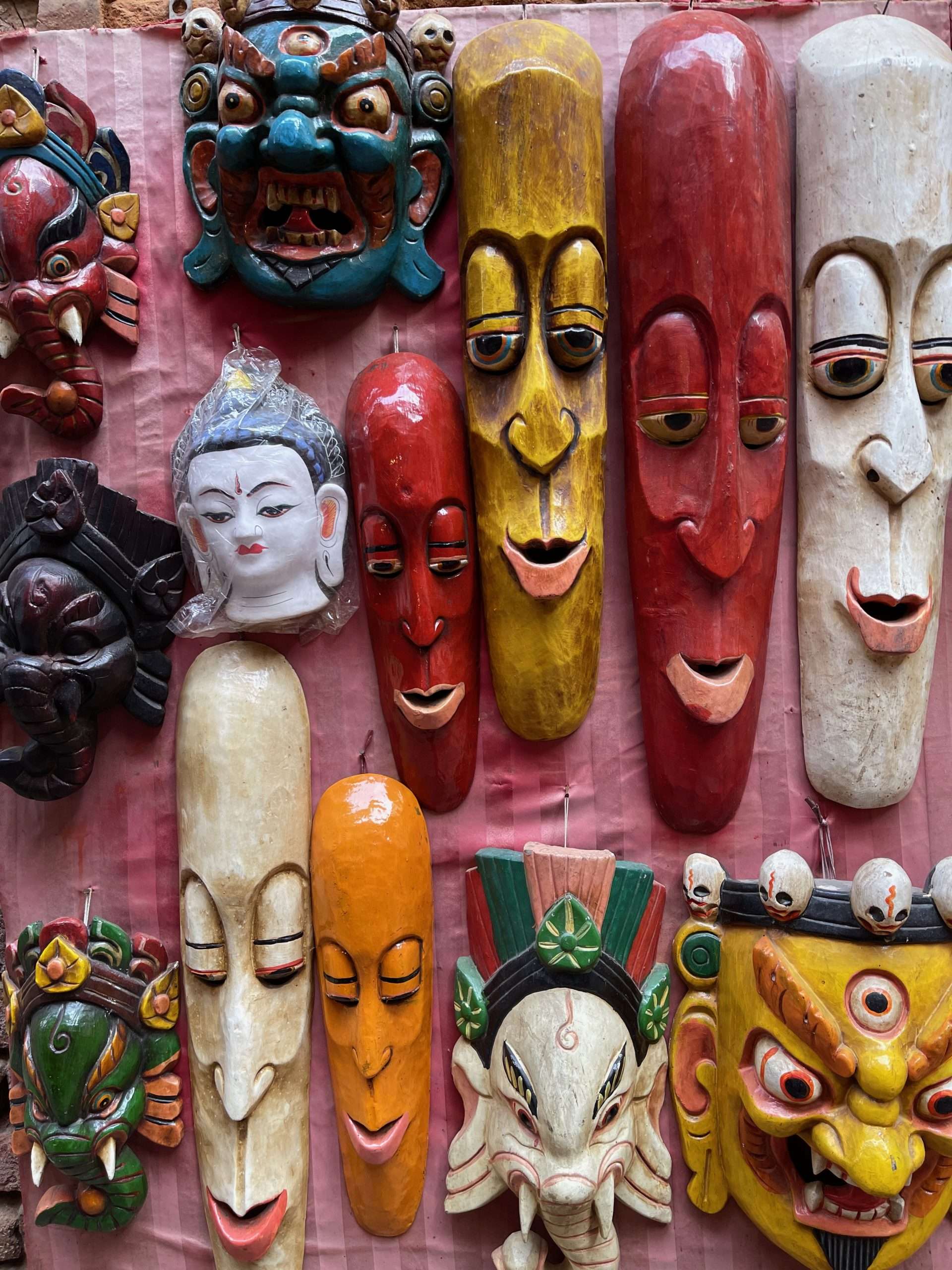
Durbar Square, the largest square in Bhaktapur, hosts significant architectural wonders. The Golden Gate, made from copper and built by King Ranajit Malla, serves as the entrance to the Royal Palace which is adorned with 55 windows. Within the palace courtyard lies the Taleju Temple, central to religious ceremonies. The palace, renowned for its intricate woodcarvings, underwent reconstruction after the 1934 earthquake. King Ranajit Malla’s contribution includes the Taleju Bell, used in Goddess Taleju’s worship. A bronze statue of King Bhupatindra Malla, Ranajit’s father, faces the temple. Adjacent stands the shikara-style Vatsala Durga Temple, rebuilt after the 2015 earthquake, alongside the Yaksheswor Mahadev Temple, a tribute to Lord Shiva. Dating back to the 17th century, the Siddhi Lakshmi Temple features a pair of guardians on each of its five plinths: the first is a man and a woman; the second a pair of horses; the third a pair of rhinos; the fourth a pair of human lions, and the fifth a pair of camels.
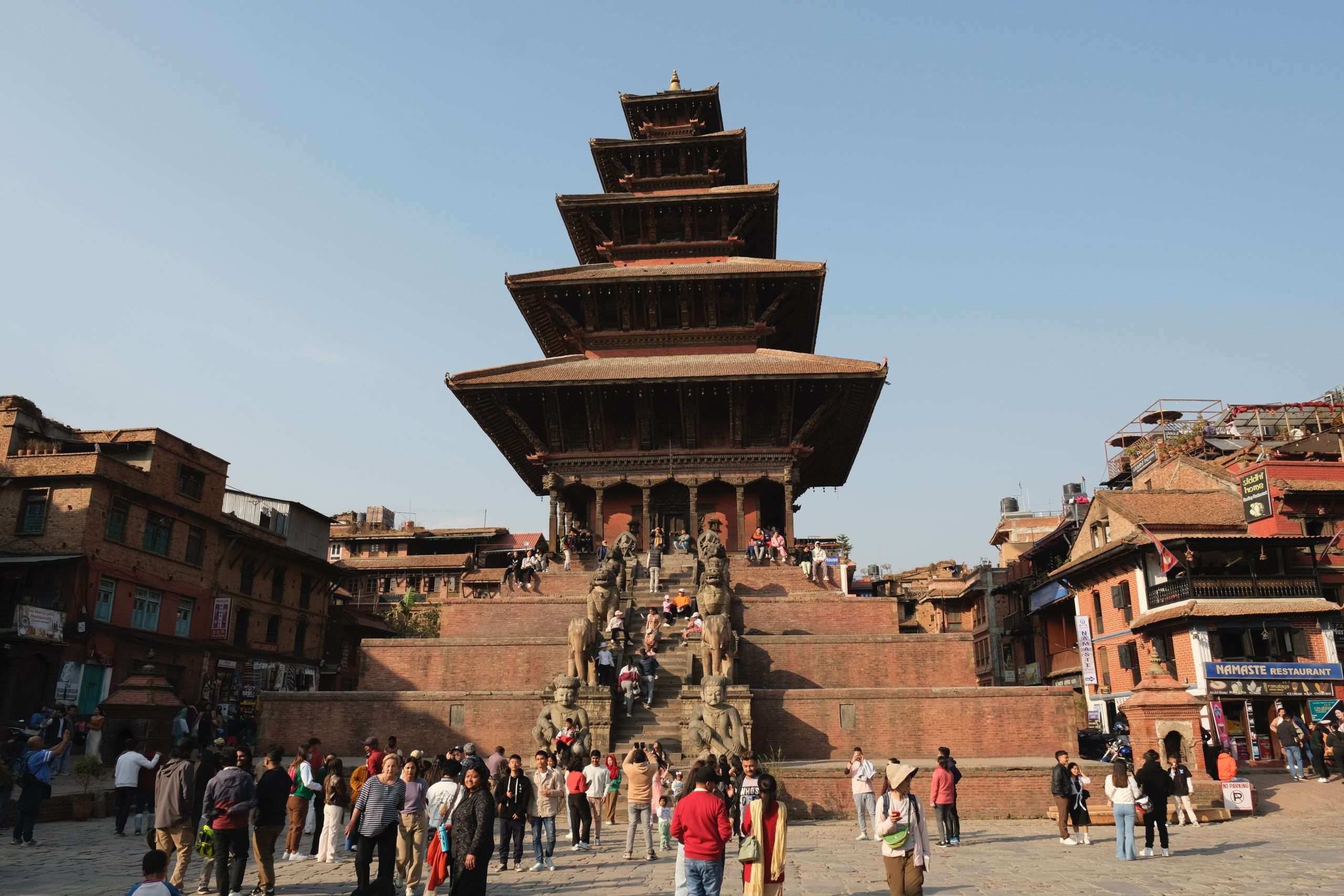
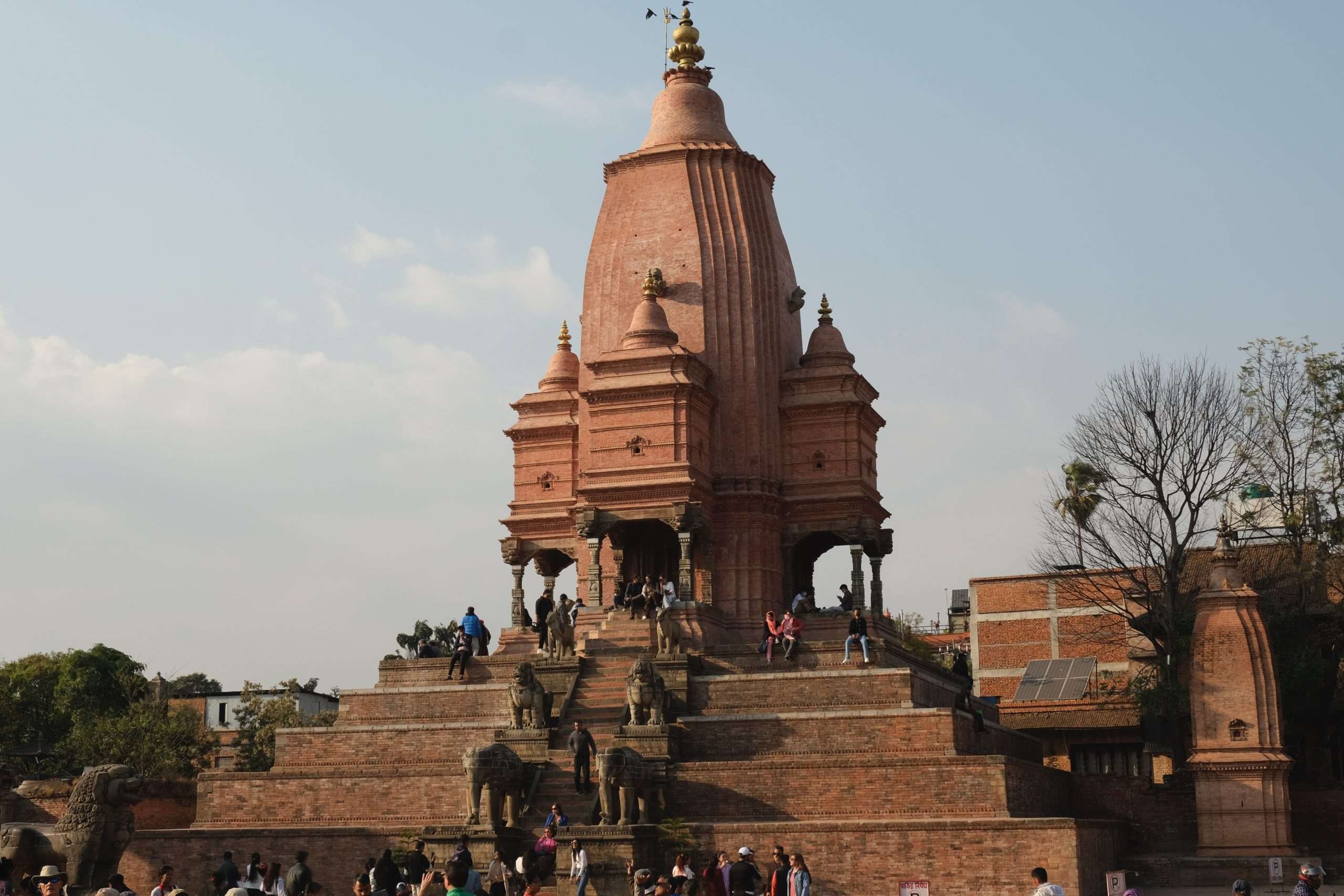
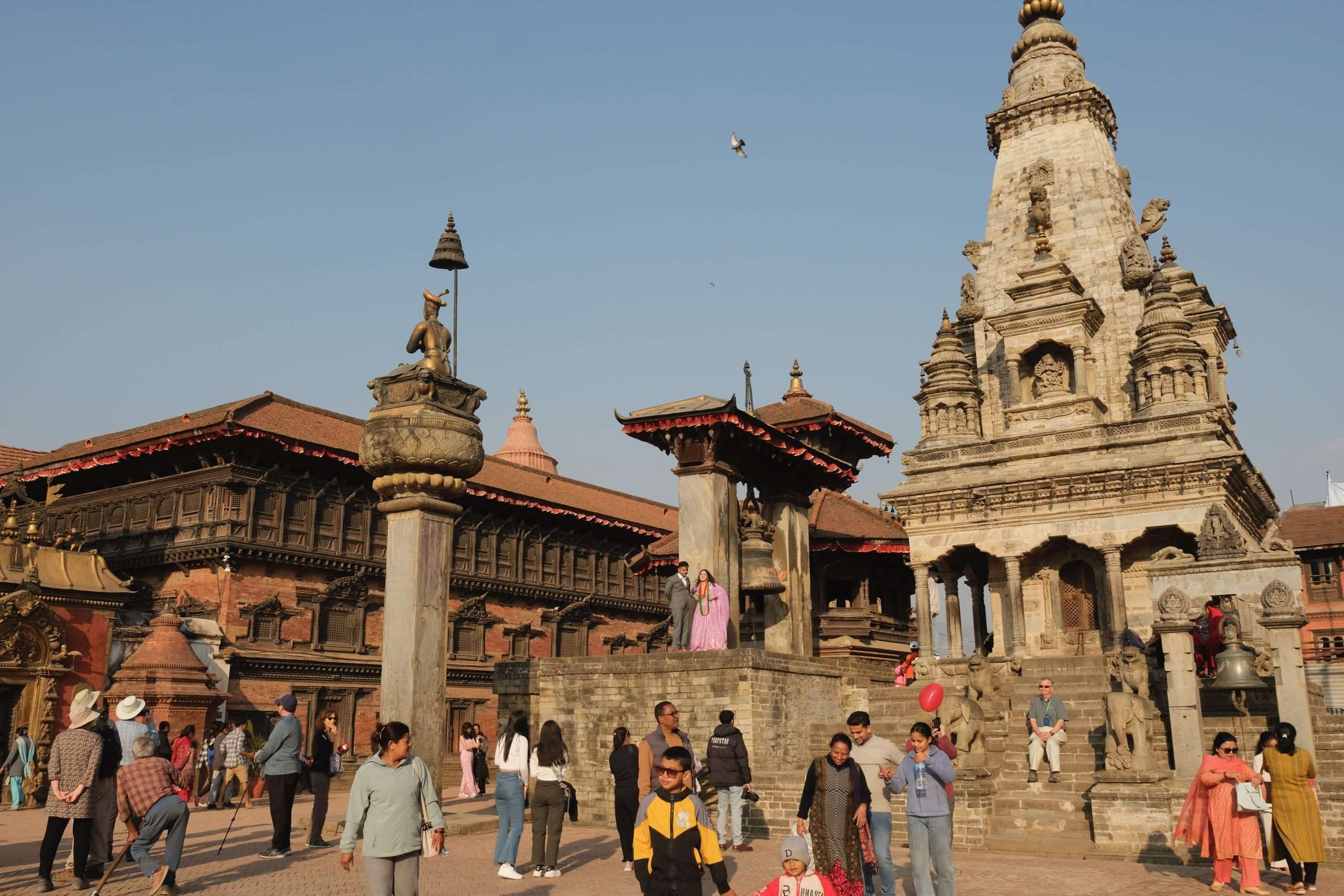
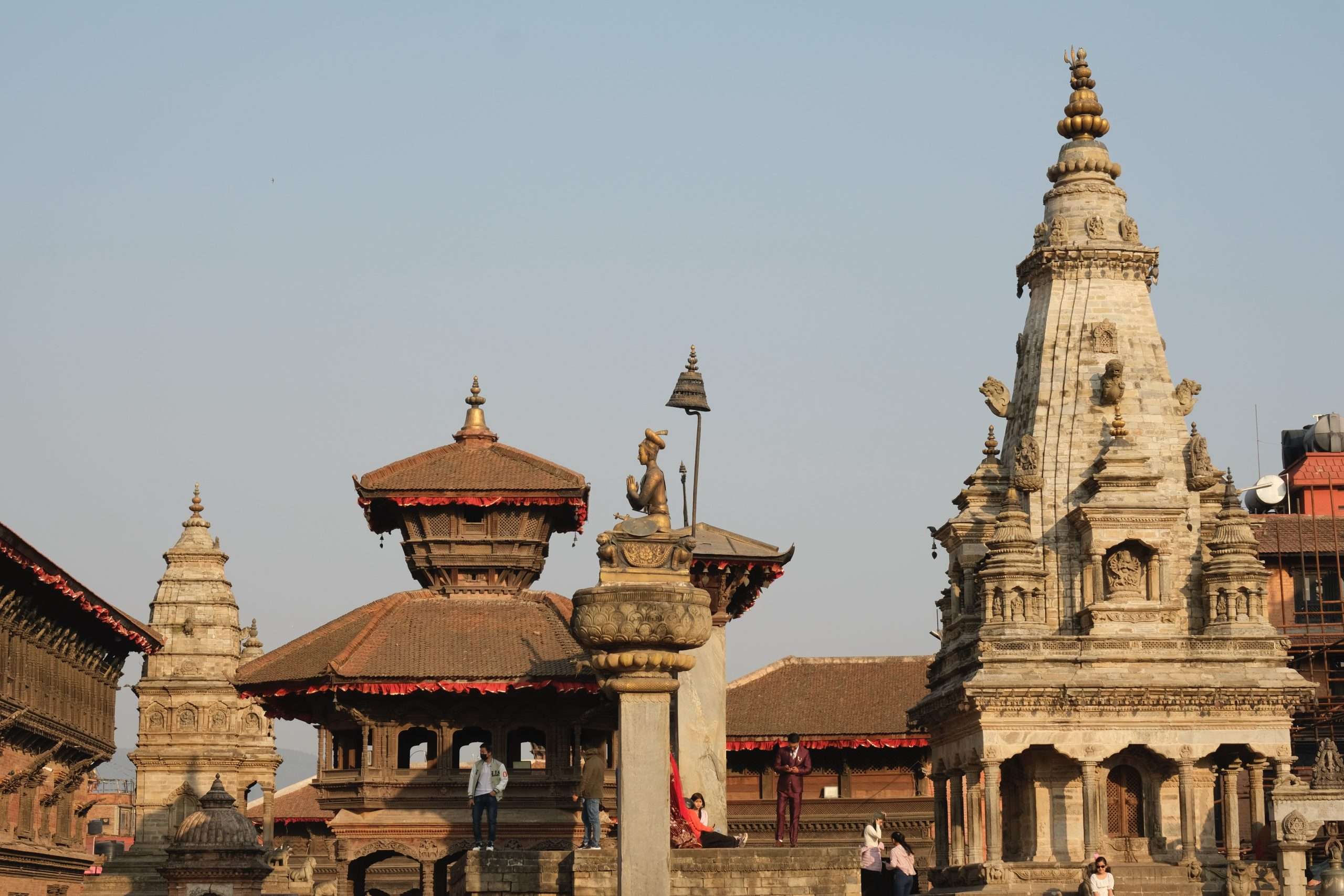
Dattatraya Square is the oldest square in Bhaktapur. The Dattatreya Temple is dedicated to the trinity of Lord Brahma, Lord Vishnu, and Lord Shiva. The three-story temple is built using wood from a single tree. It is guarded by the statues of the two famous wrestlers who also protect the Nyatapola Temple. Also noteworthy in this square is the peacock window. The wooden carved window was created in the 15th century and the building is now the Woodcarving Museum. There are two other museums in this square, the National Art Museum and the Brass and Bronze Museum.
Following our exploration of Bhaktapur, we drove to Dhulikhel to spend two nights at Dwarika’s Resort Hotel. Specializing in holistic treatments, the resort provided a serene environment despite the haze from nearby brick kilns. The grounds of the resort are beautiful and extensive, and our room is huge with a fabulous view of the mountains. The resort’s service was exceptional, though navigating its extensive grounds proved challenging.
A Day of Rest & Relaxation – March 10, 2024
Today was truly a day of rest and relaxation. Looking out over the valley and the mountains, everything is shrouded in mist. Unfortunately, the snow-covered peaks eluded our view. The day began with a visit to the Himalayan Rock Salt House, where the calming atmosphere and mineral-rich air provided a sensory treat. Next, we made our way to the Crystal Room with crystals from floor to ceiling and the faint sound of relaxation music making it the most wonderful place to meditate. These were the only activities that we participated in from a long list of spa sessions, yoga sessions, communing with nature sessions, and on and on….

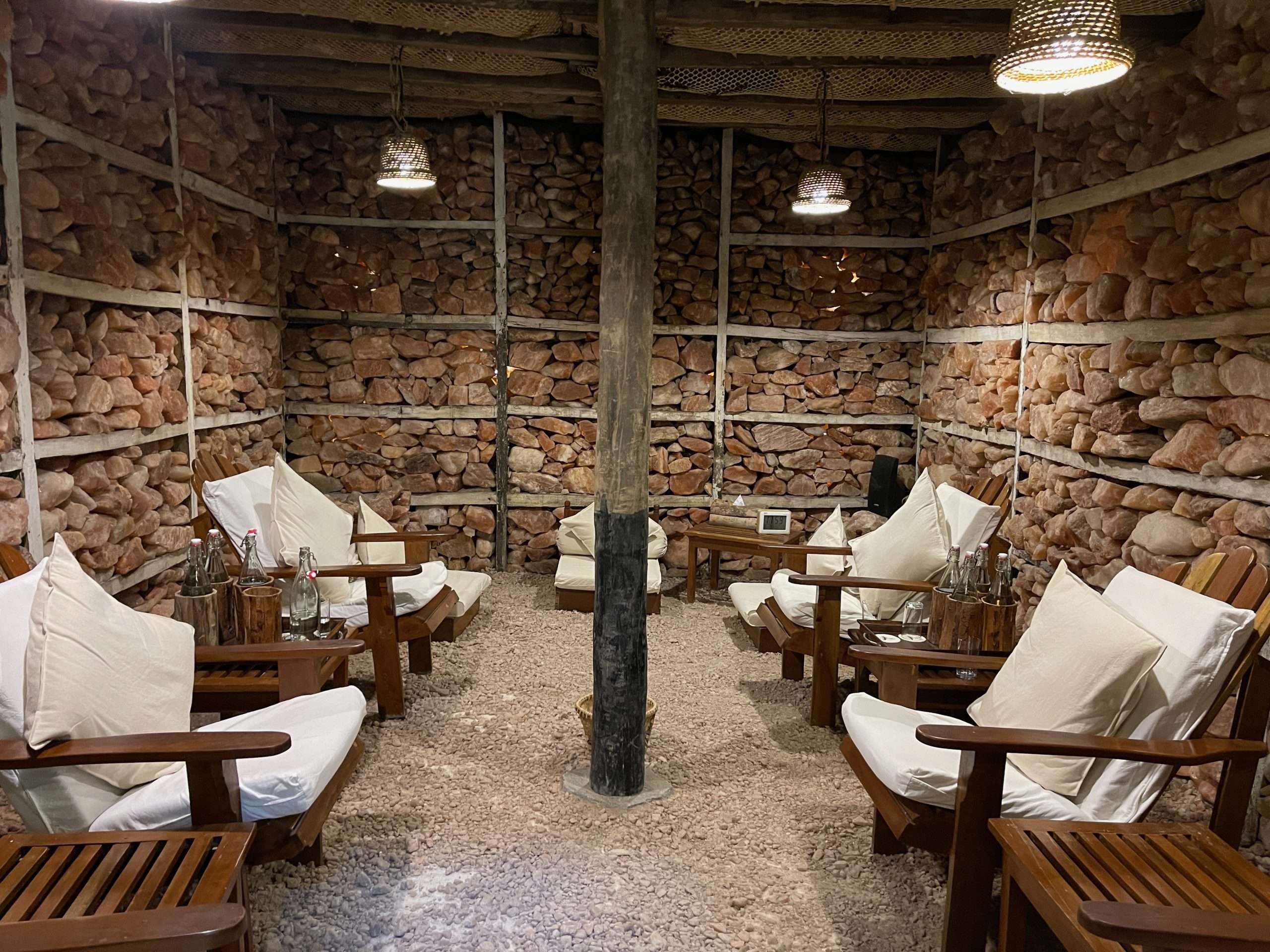
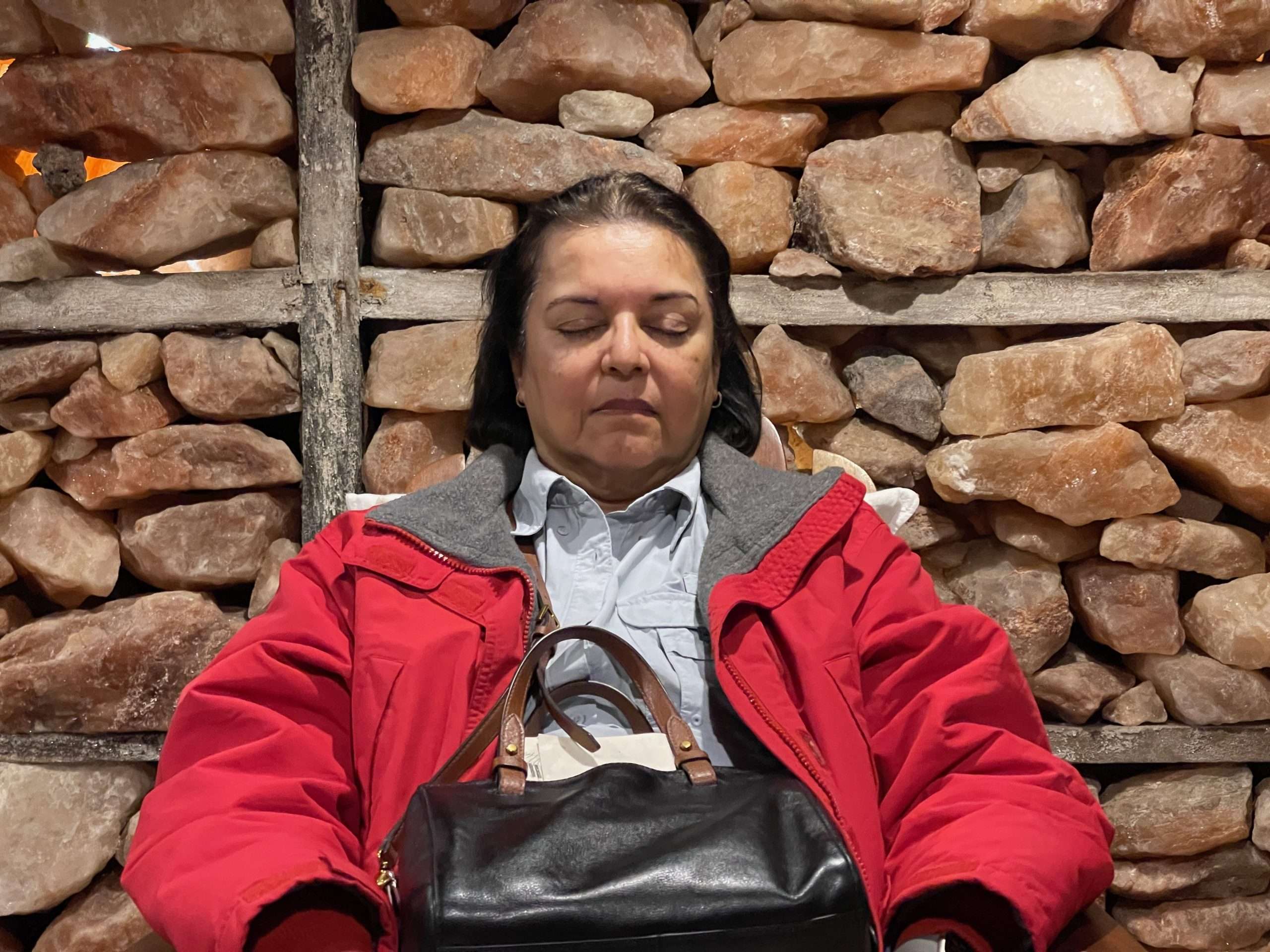
In the evening, Albert attended a singing bowl demonstration followed by a delightful cooking demonstration, highlighting the art of making momos and aromatic masala tea.
Return to Delhi & Drive to Agra – March 11, 2024
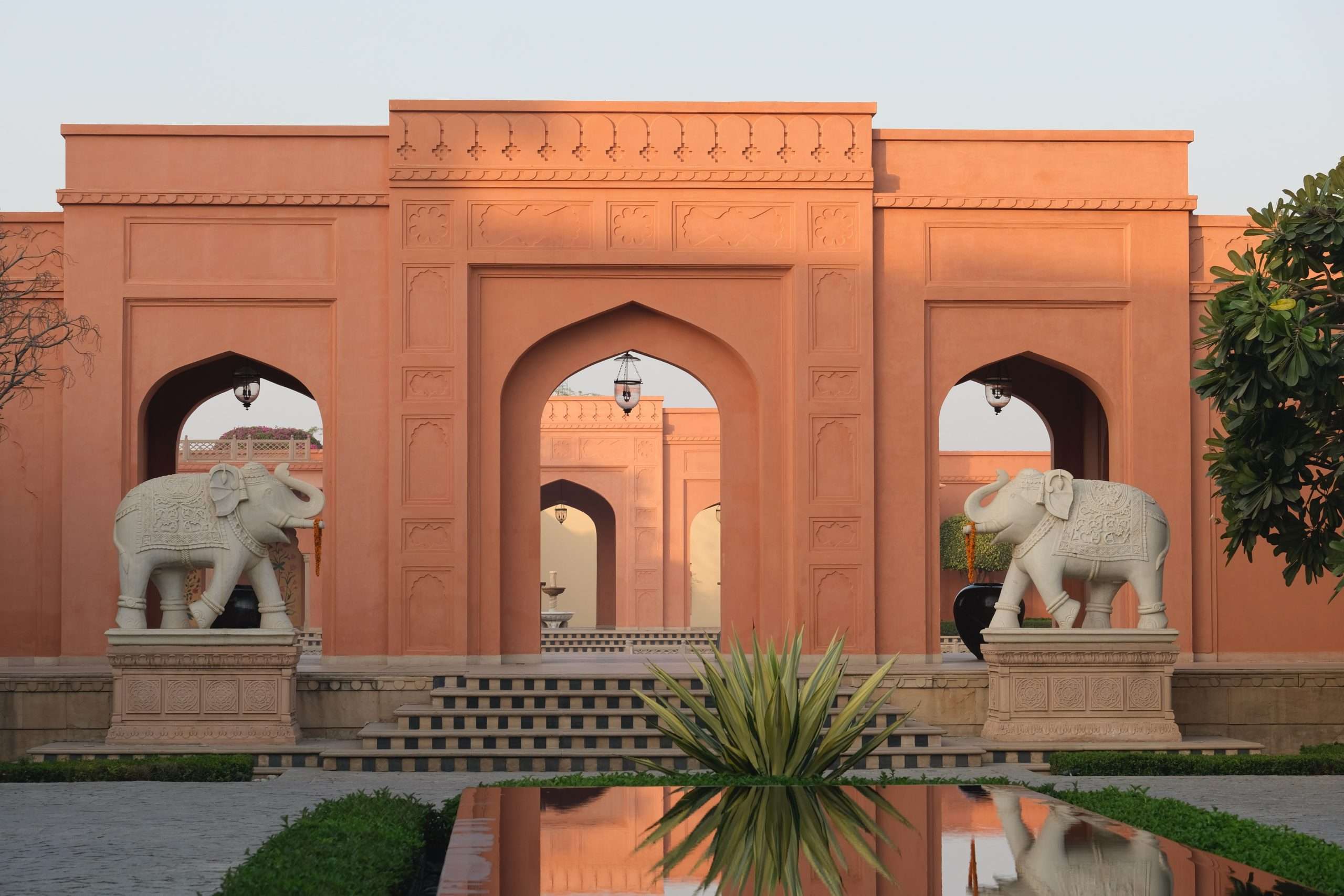
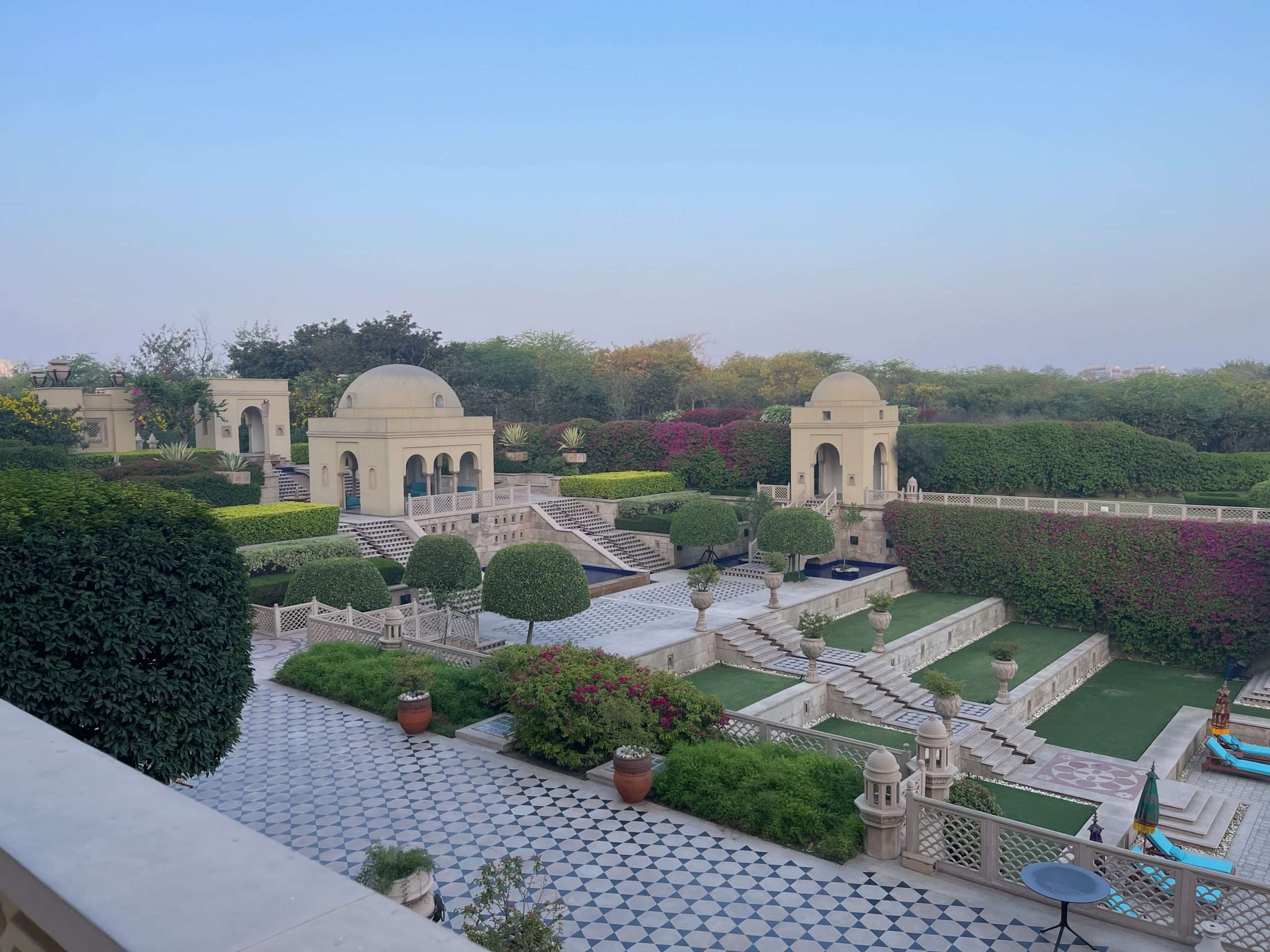
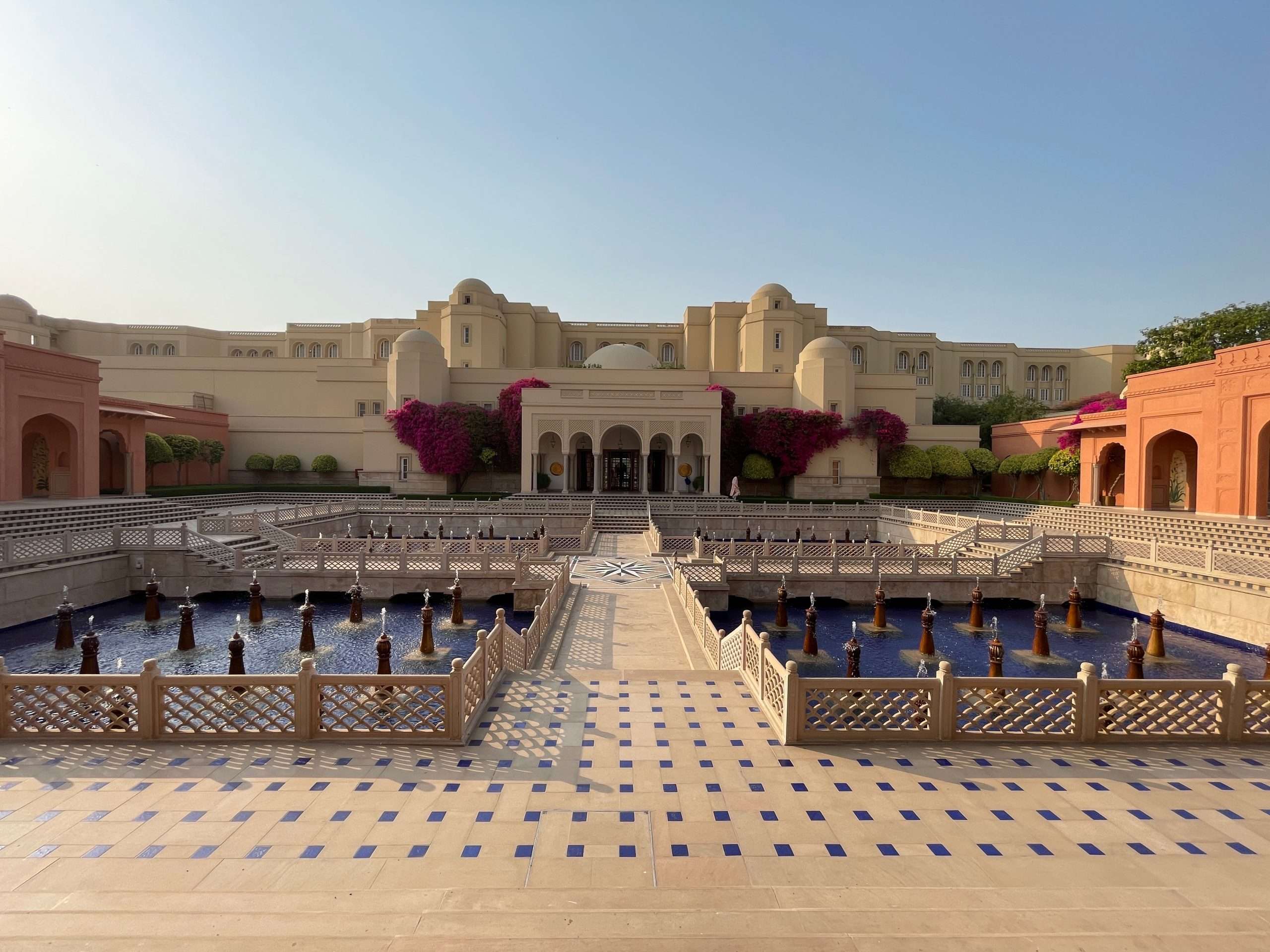
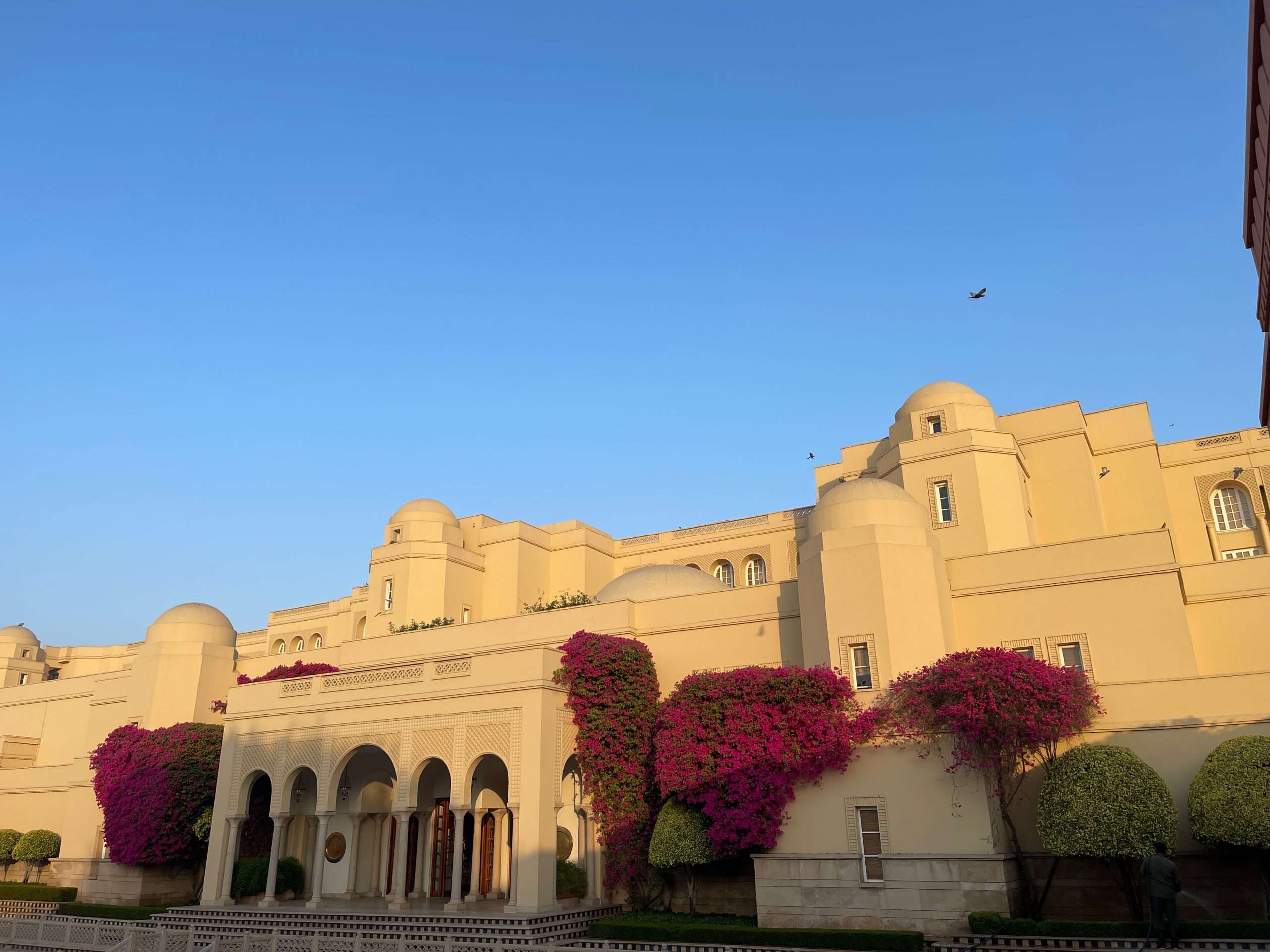
After breakfast, we headed to the airport for our flight to Delhi. Upon arrival, we enjoyed a buffet lunch at the Roseatte House before boarding the bus for the four-hour drive to Agra. We checked in at the Oberoi Amravillas, a stunning property with terraced lawns, fountains, and pavilions beside a magnificent view of the Taj Mahal. We wrapped up the day with dinner at the hotel.
Taj Mahal & Agra Red Fort: A Journey Through History – March 12, 2024
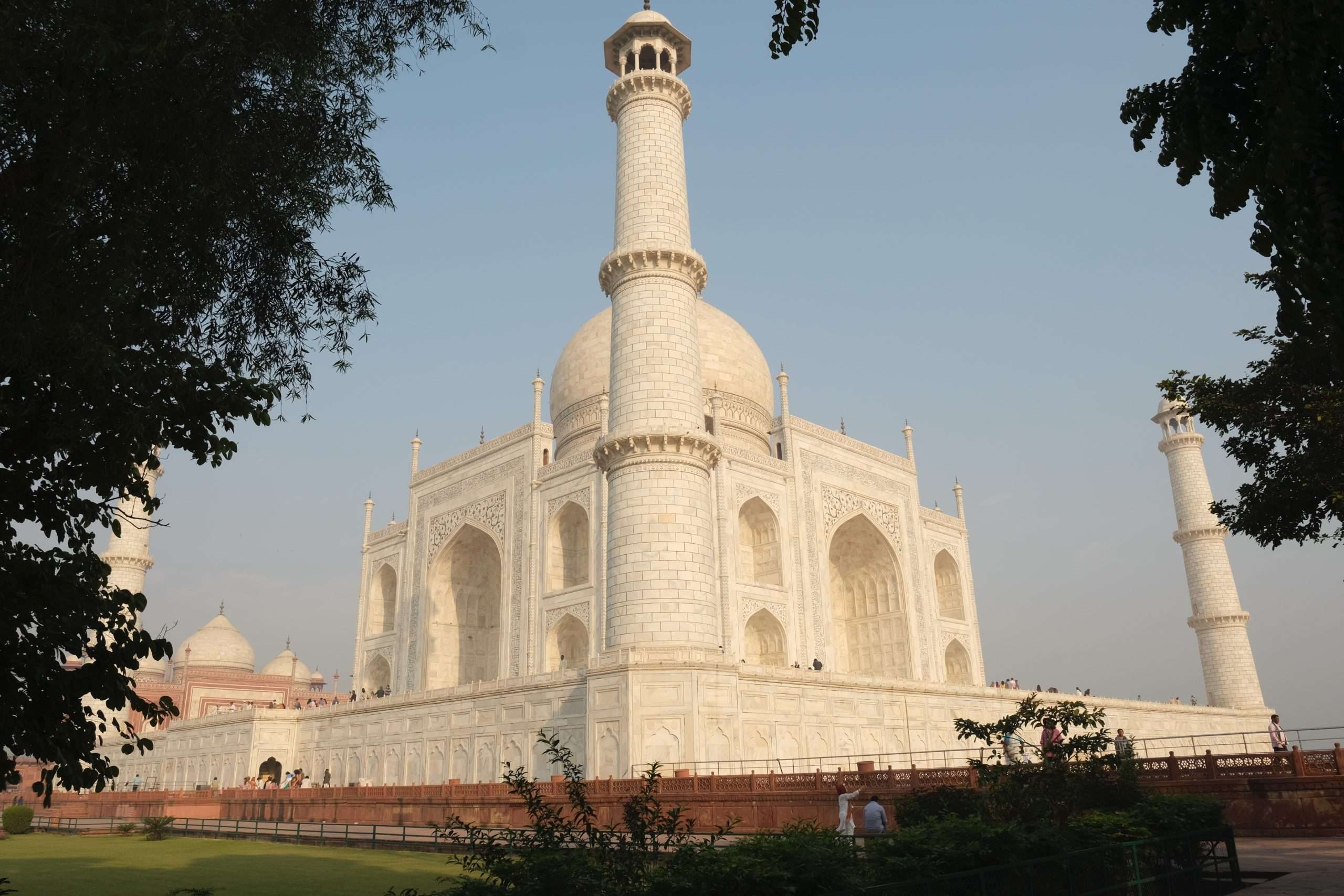
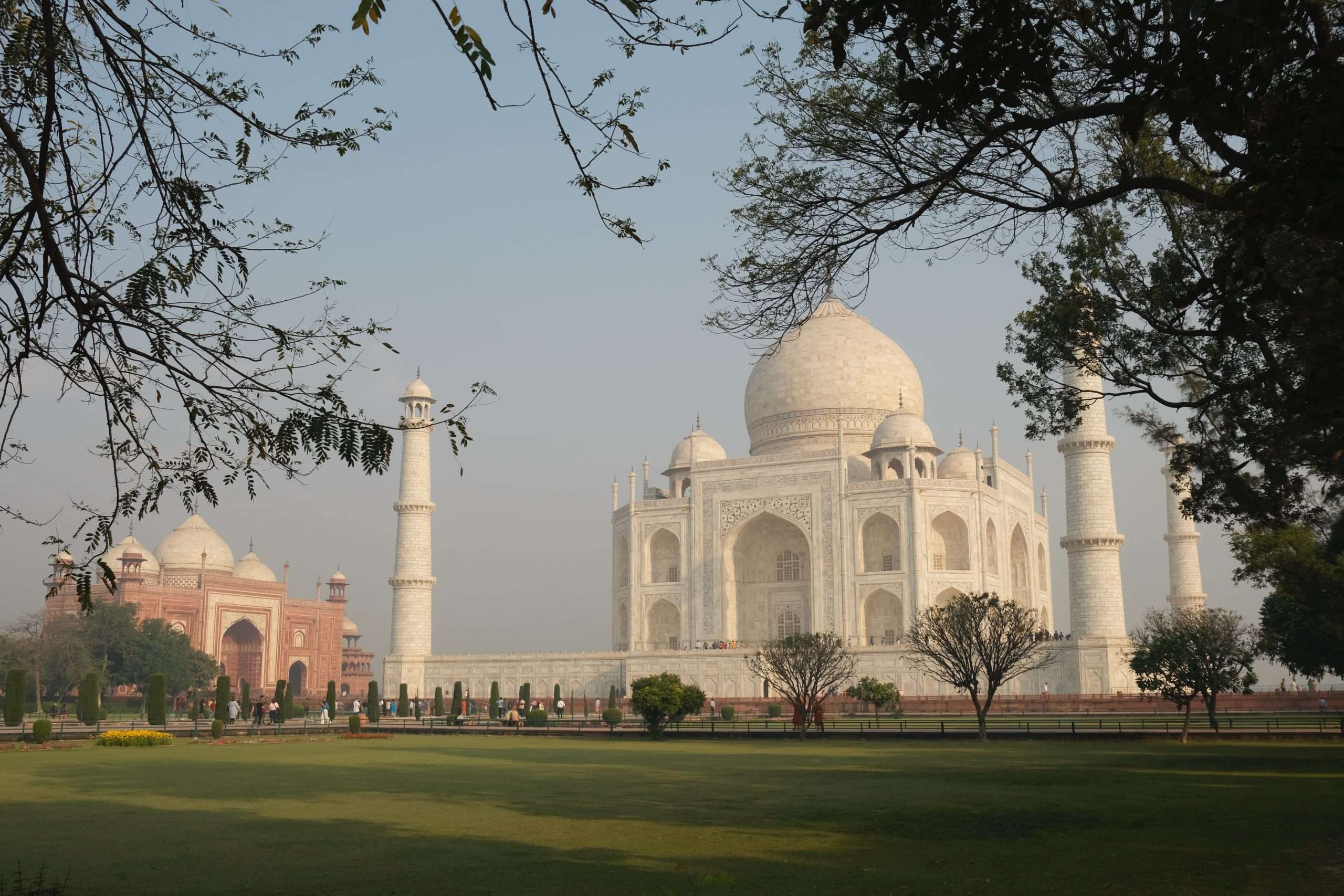
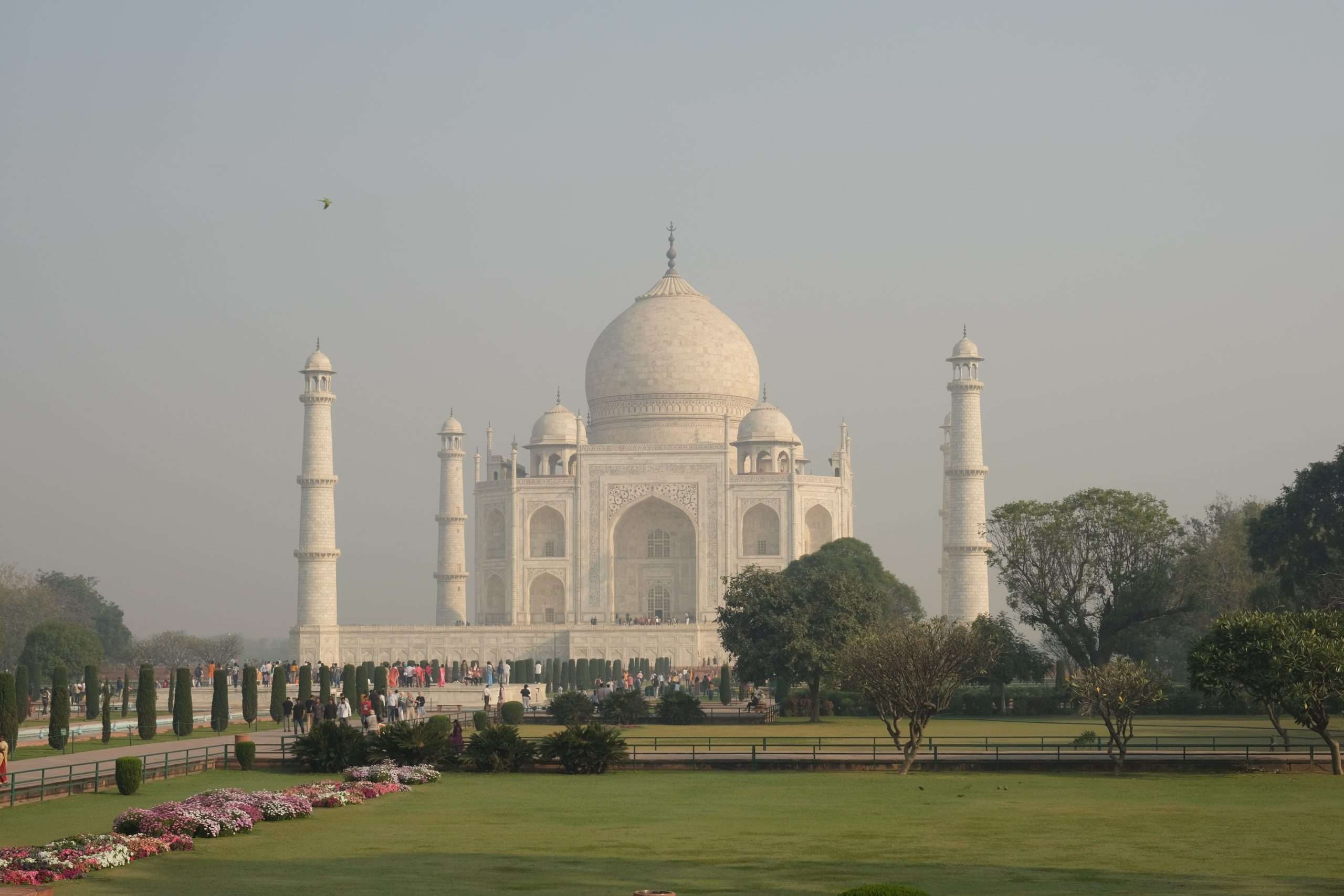
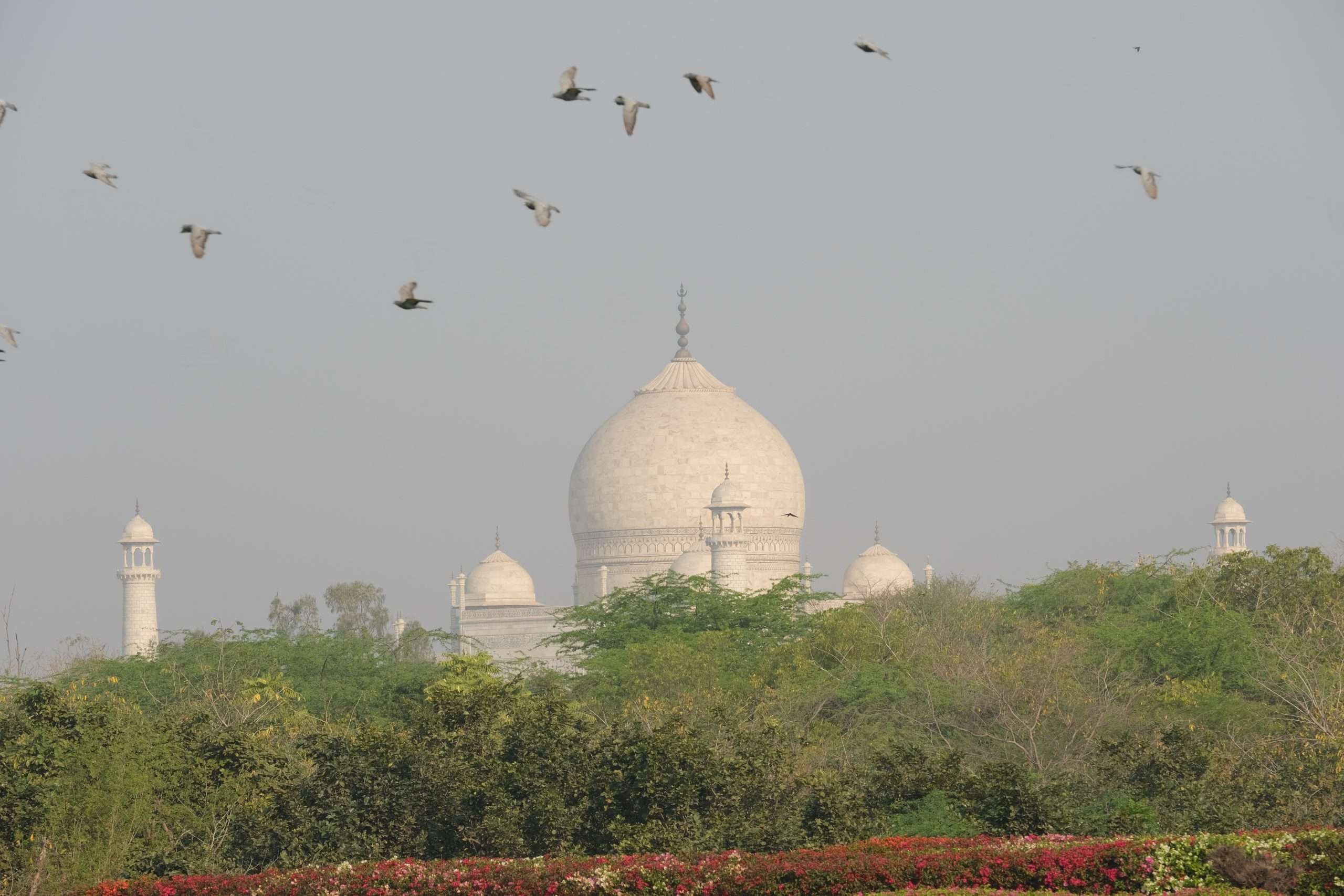
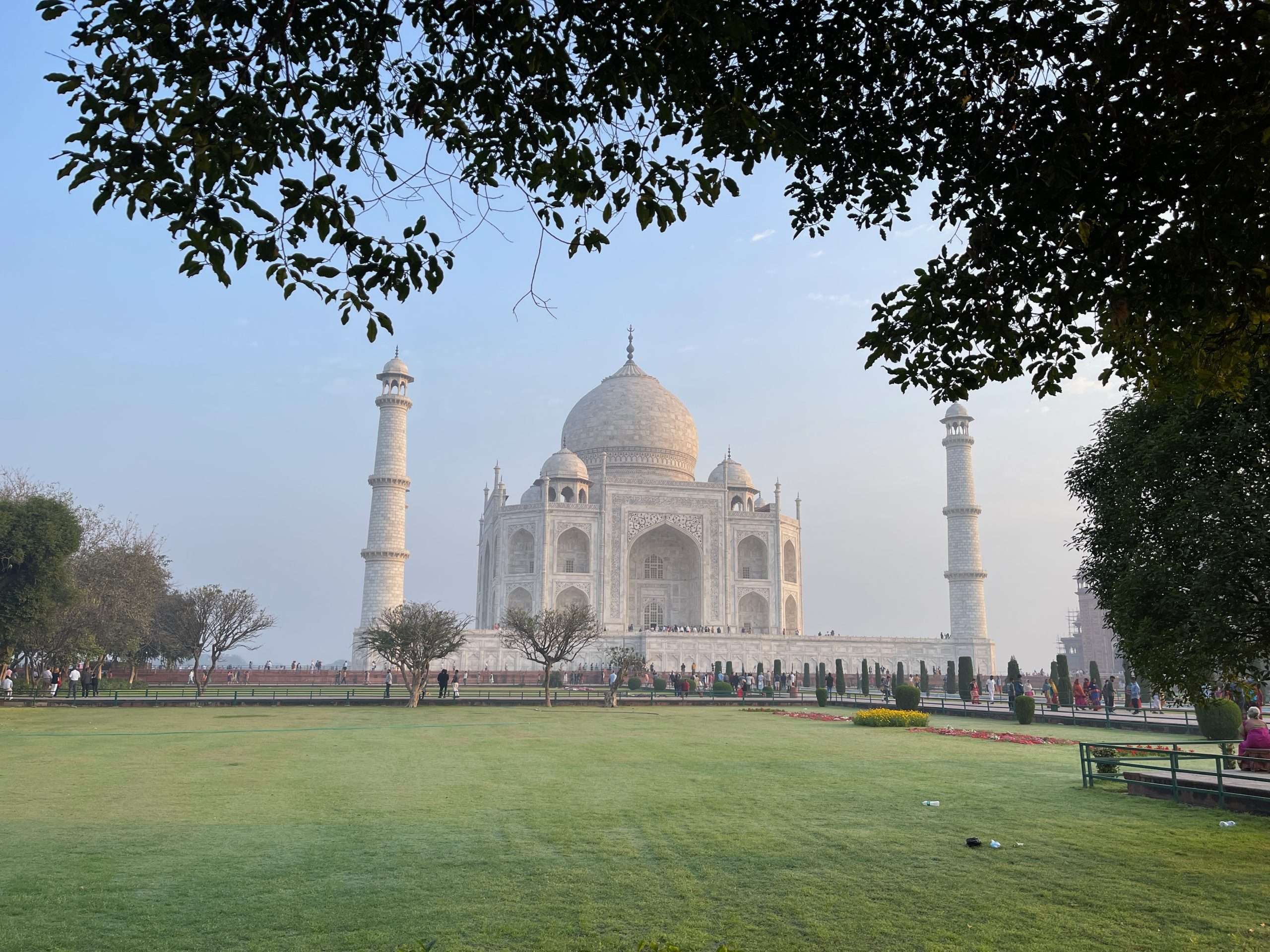
We left at 6:16 AM to visit the Taj Mahal, one of the Seven Wonders of the world and a UNESCO World Heritage site. The Taj Mahal, a stunning ivory white mausoleum constructed by Mughal Emperor Shah Jahan in memory of his favorite wife Mumtaz Mahal, is as splendid as we remember it during our last visit in 2007. The construction, involving 20,000 workers over 16 years, cost over $78 million. Its architectural beauty, decorated with precious stones from Tibet, Afghanistan, Sri Lanka, and Arabia, is breathtaking. The interior, dimly lit and adorned with exquisite decorations, holds the tombs of Shah Jahan and Mumtaz Mahal, though the real tombs lie below and are not open to the public. A red sandstone mosque and guesthouse flank the Taj Mahal. The mosque is open for prayers on Friday which is the day when the Taj Mahal is closed to tourists.

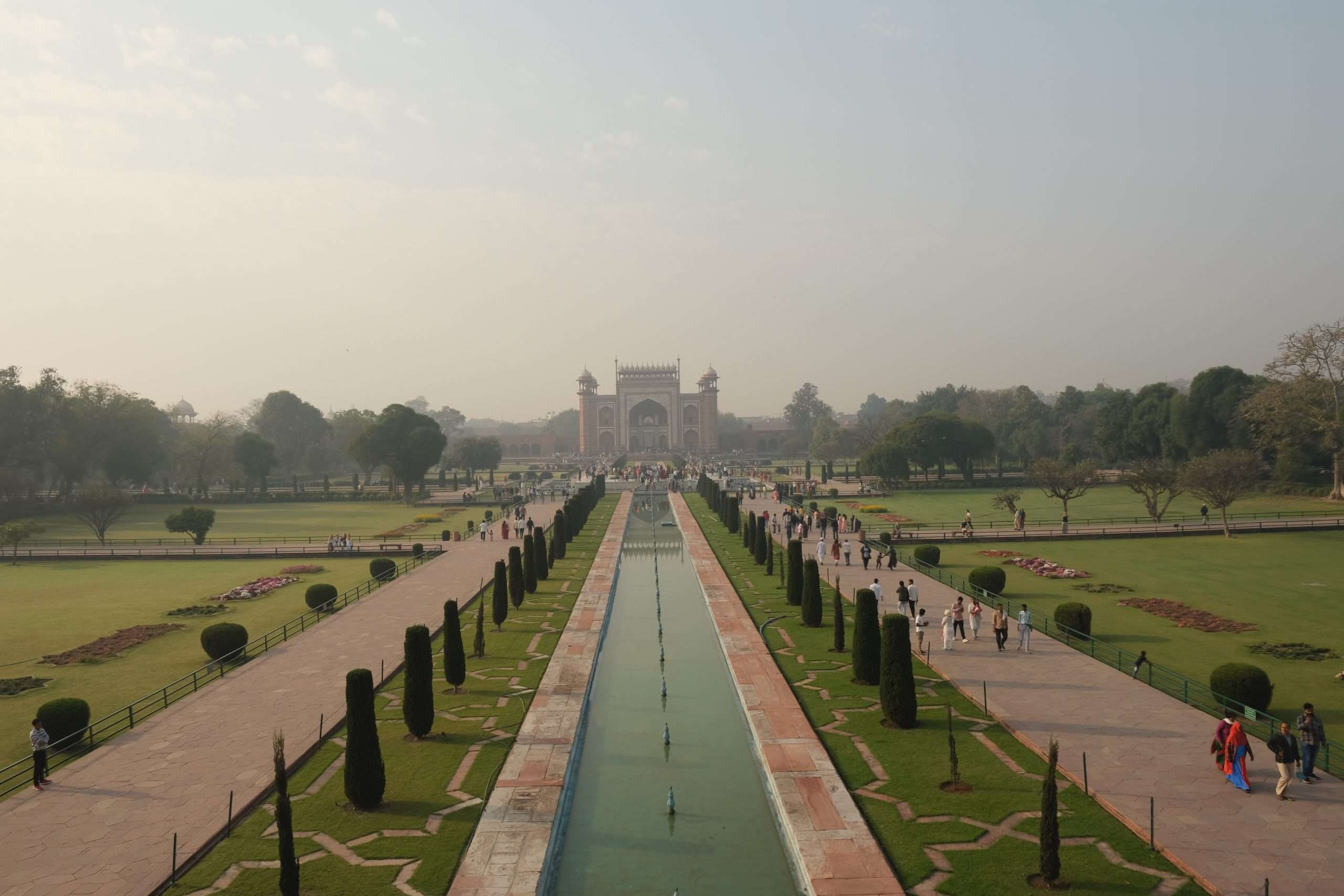
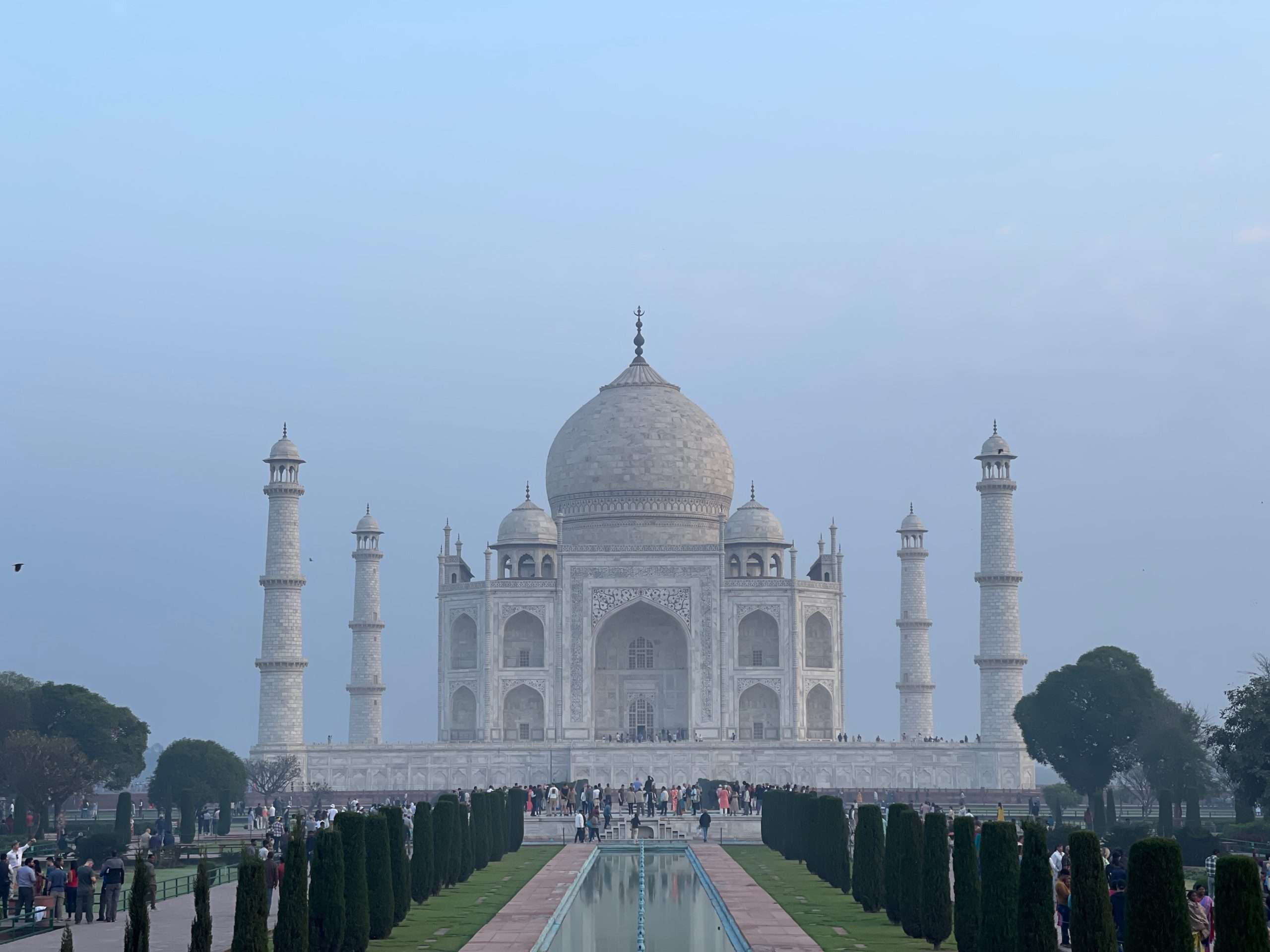
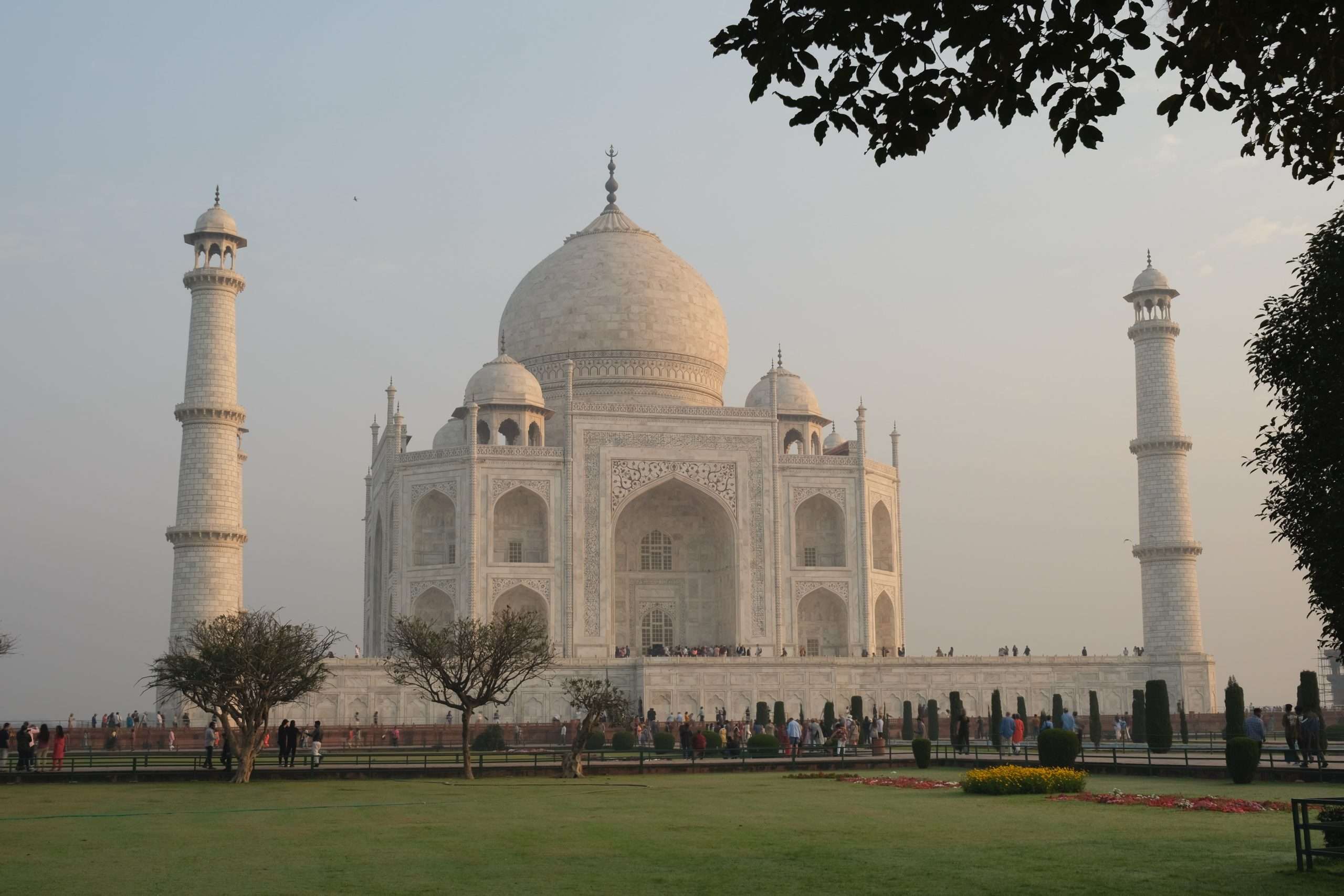
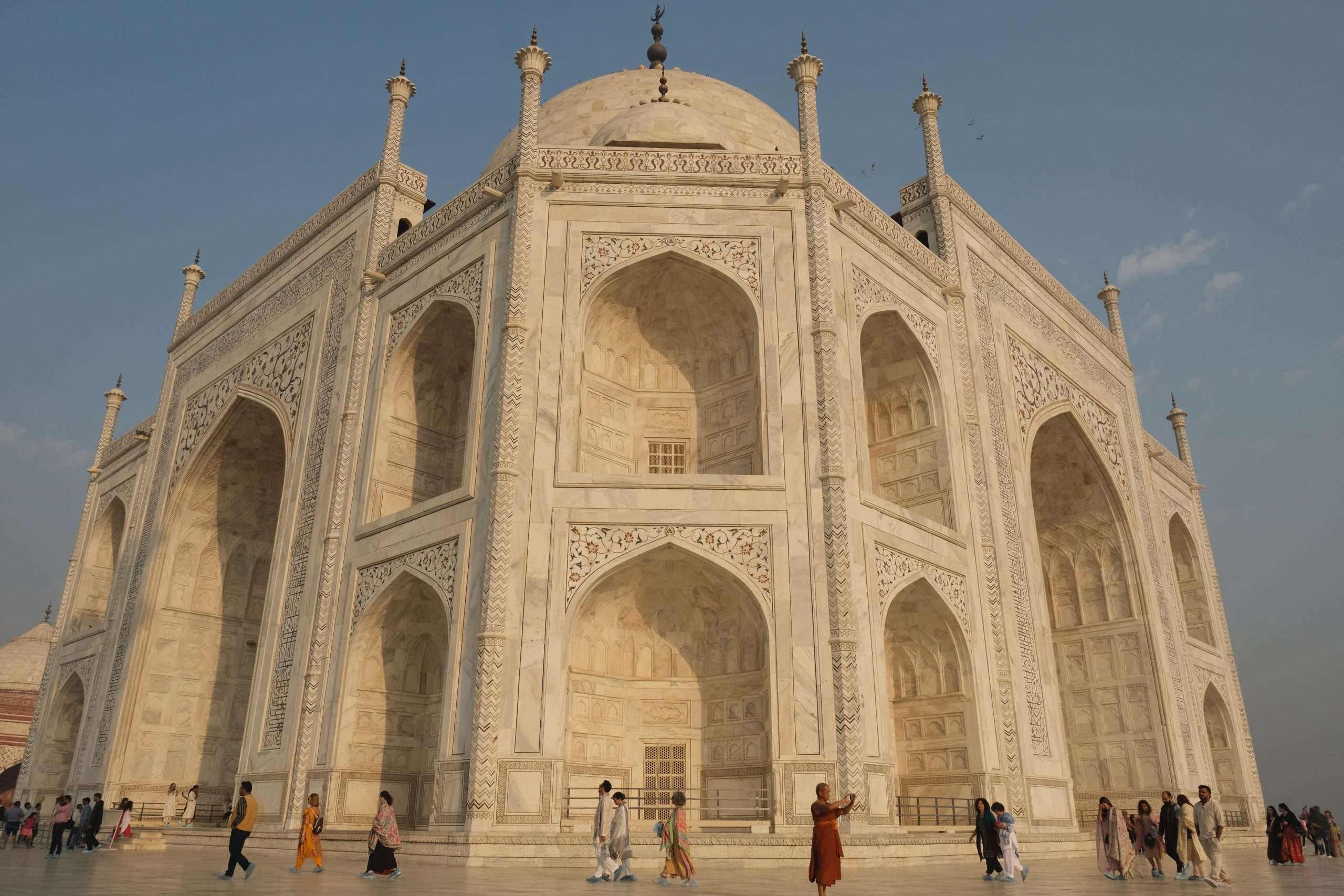
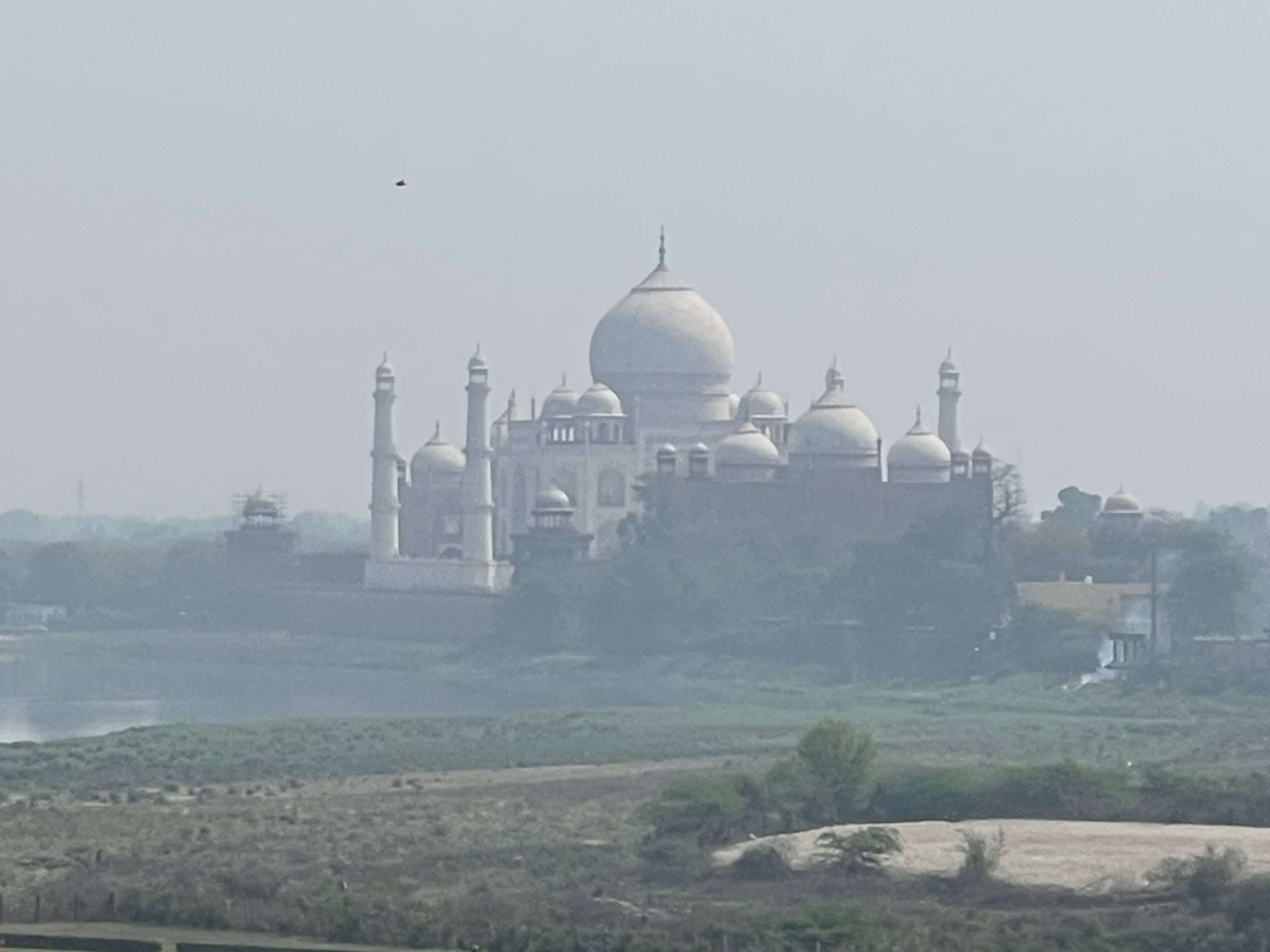
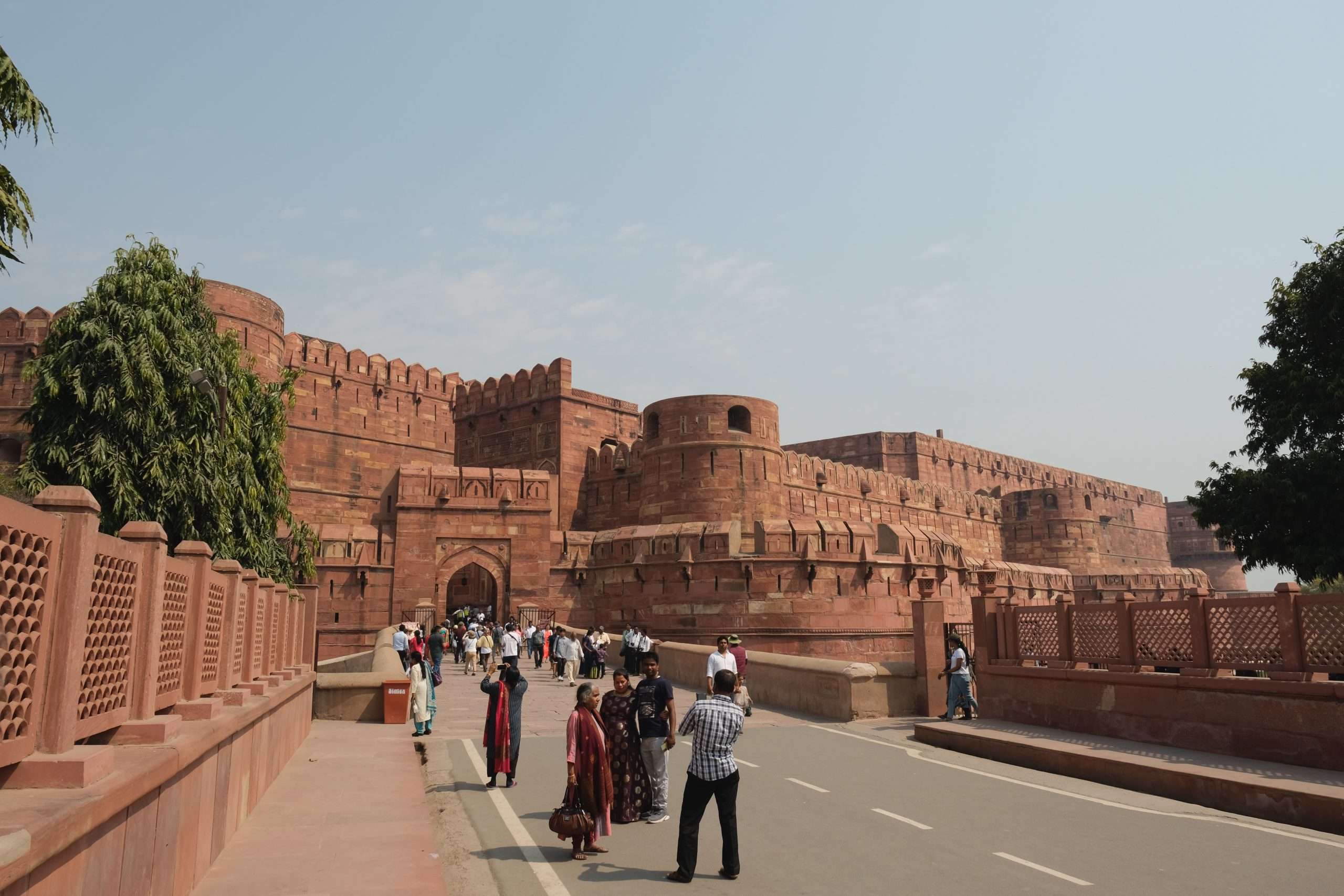
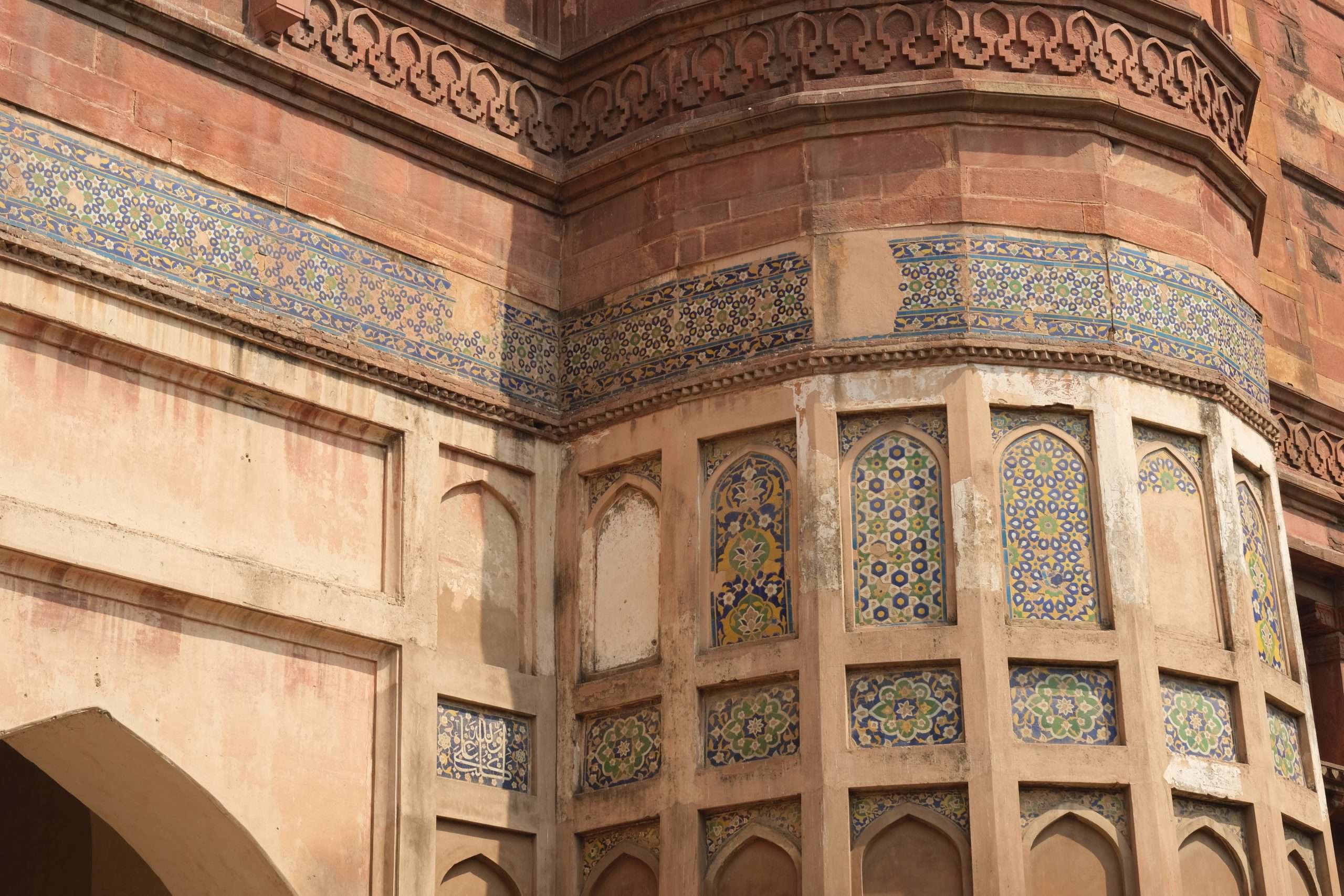
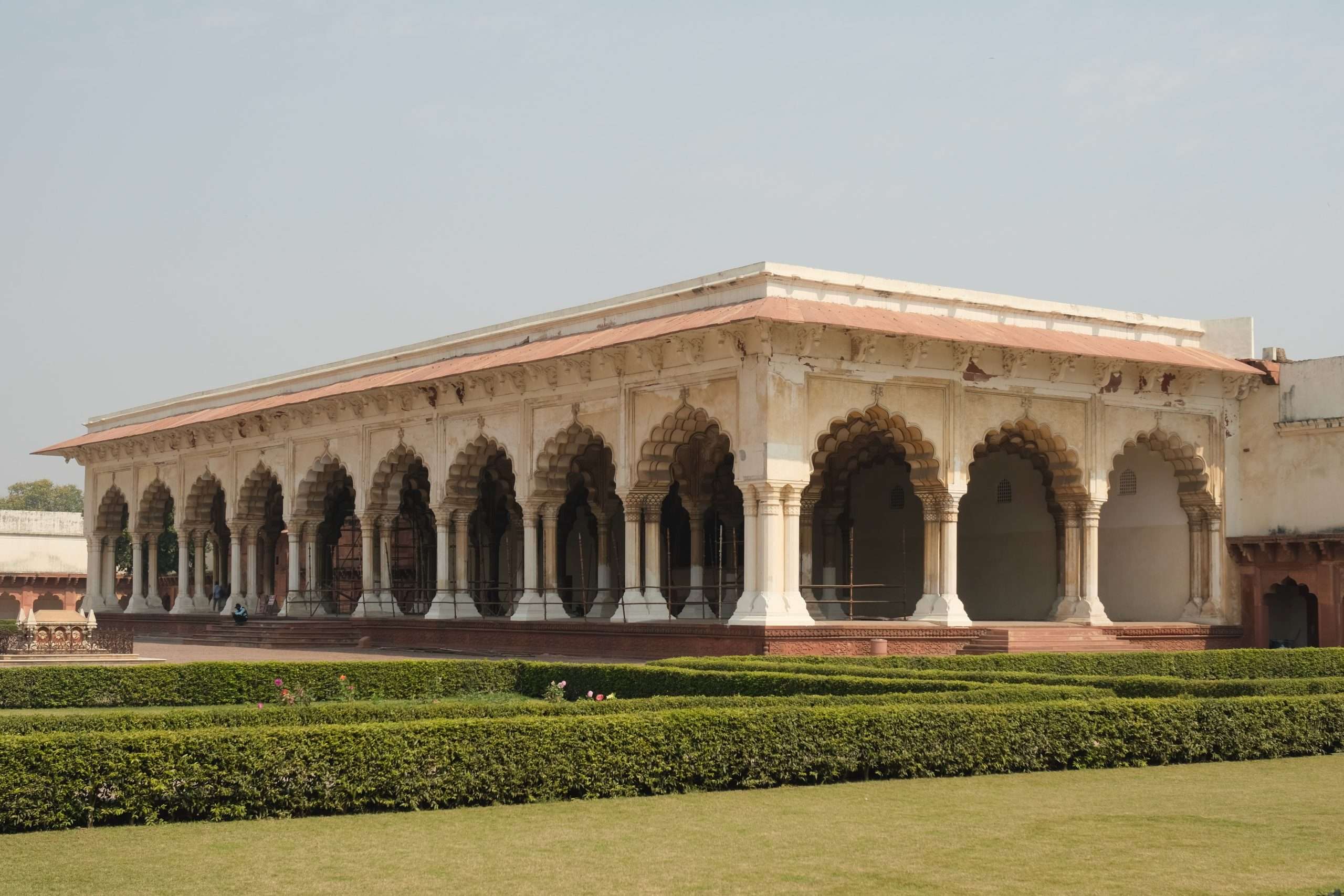
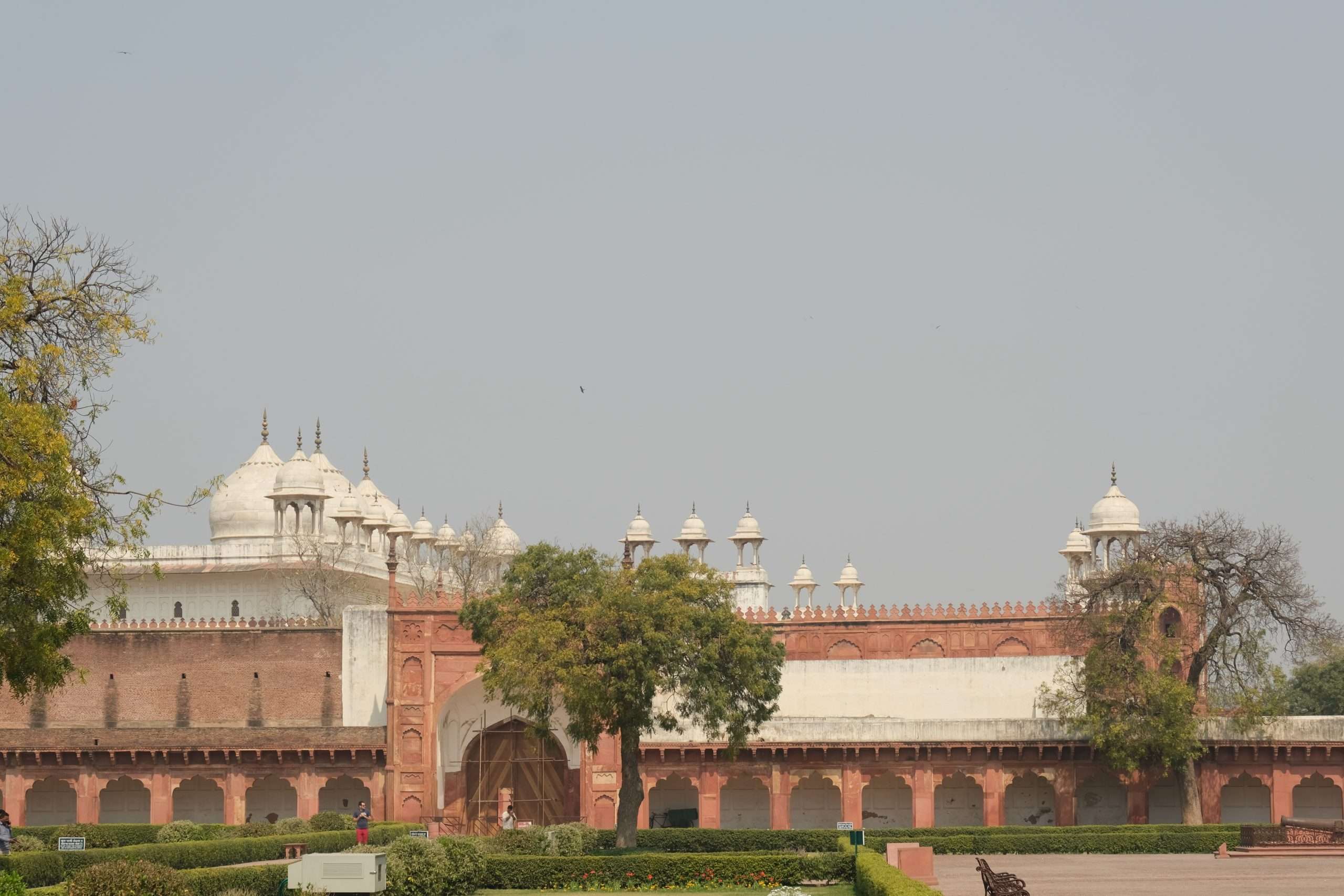
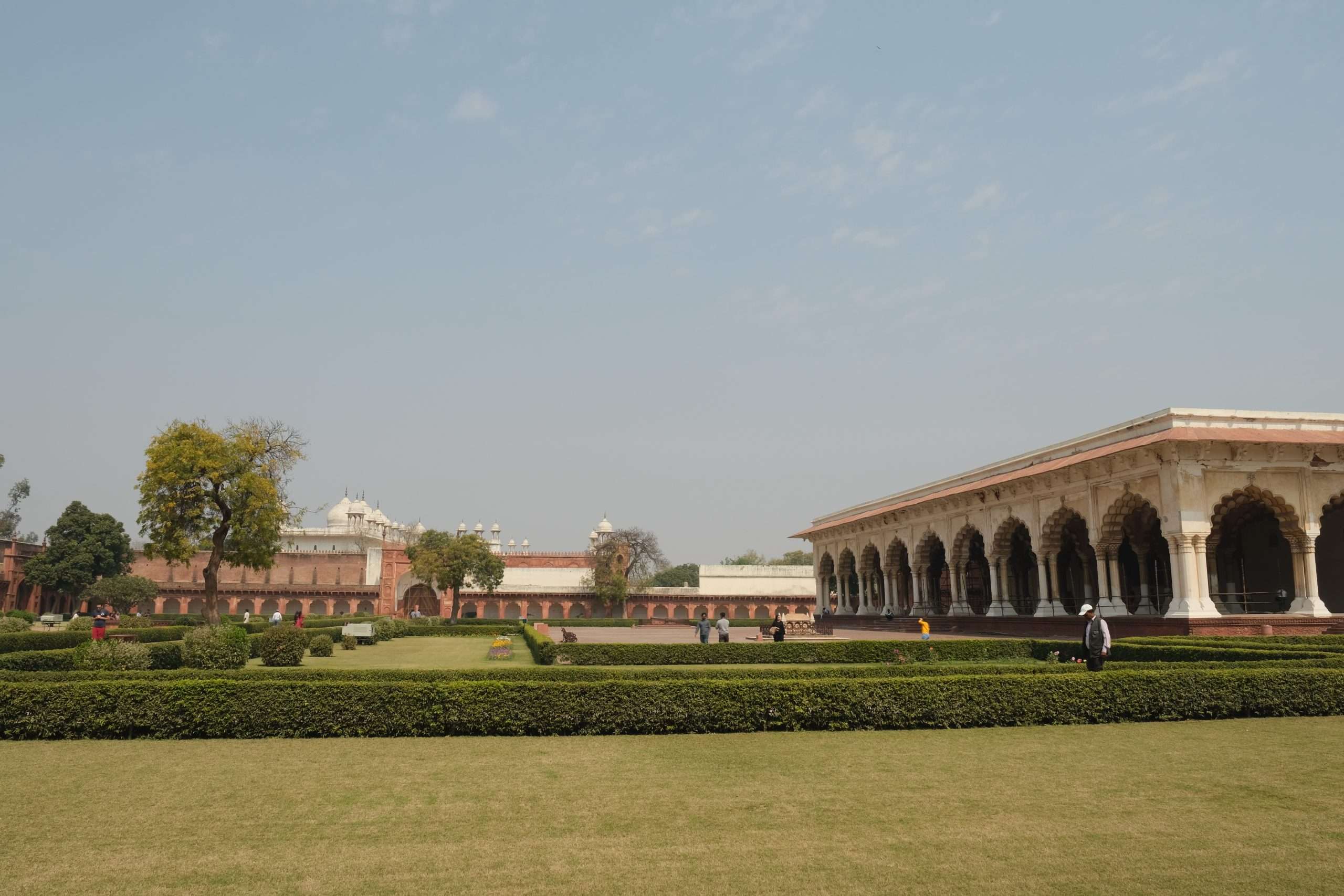
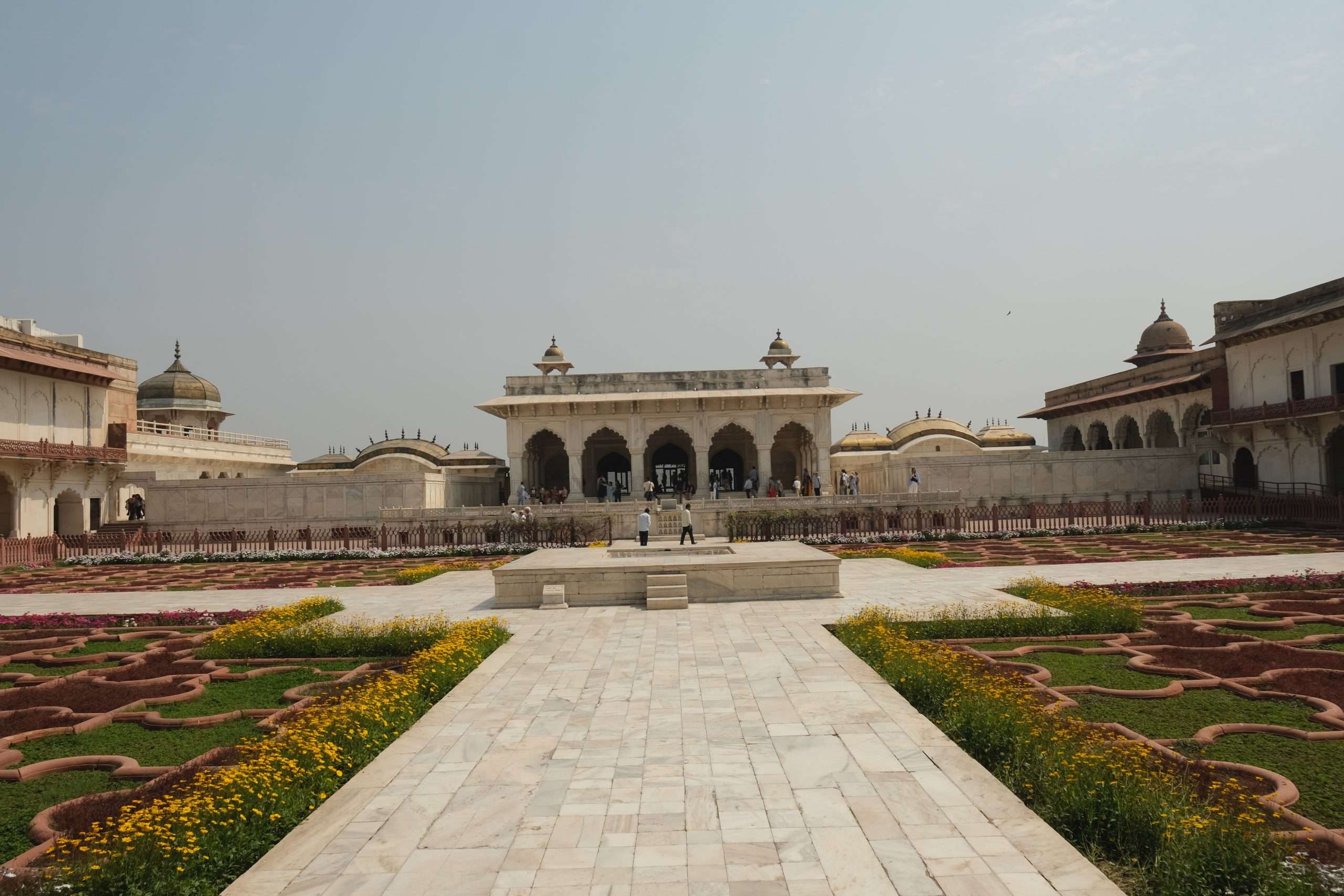
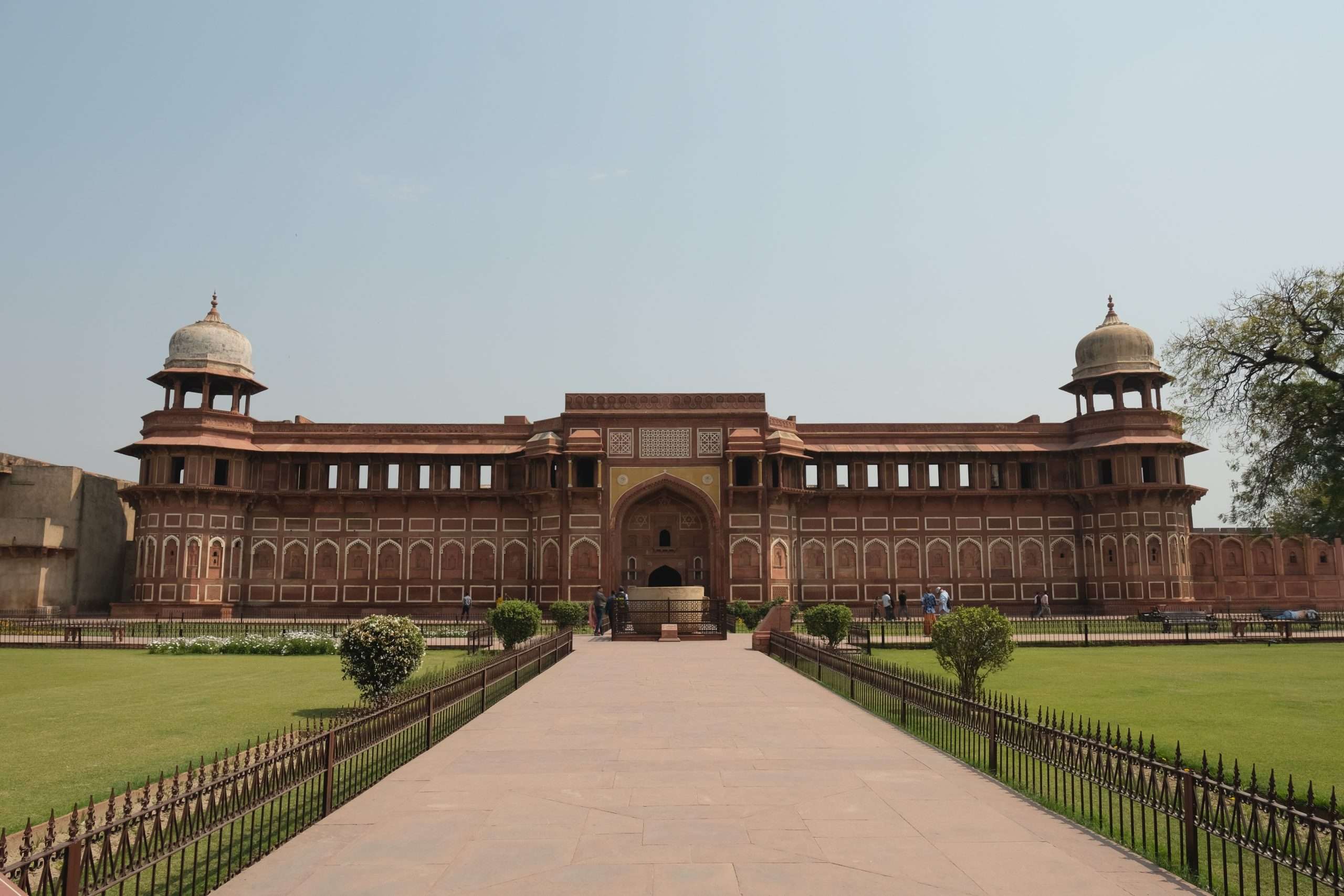
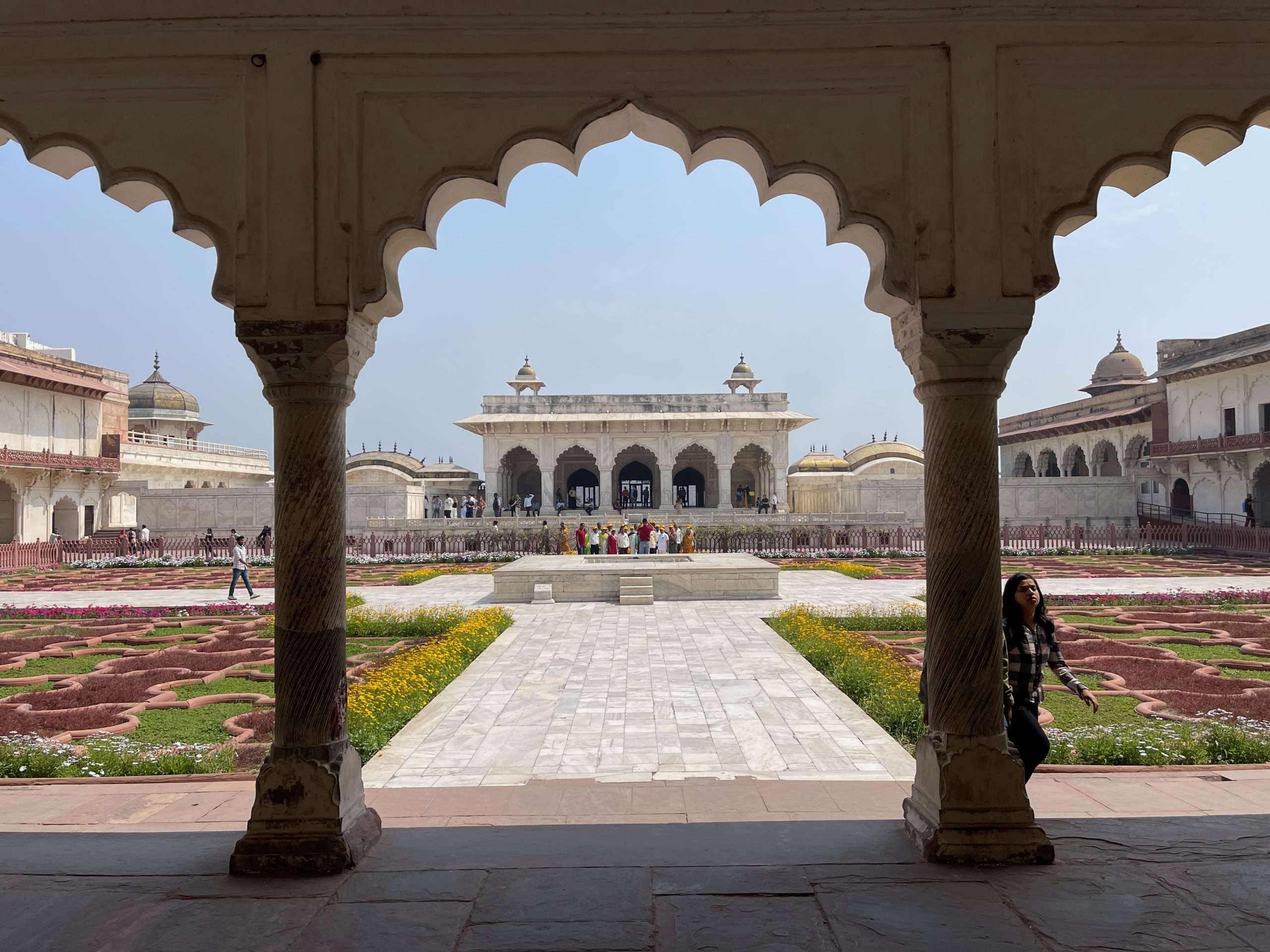
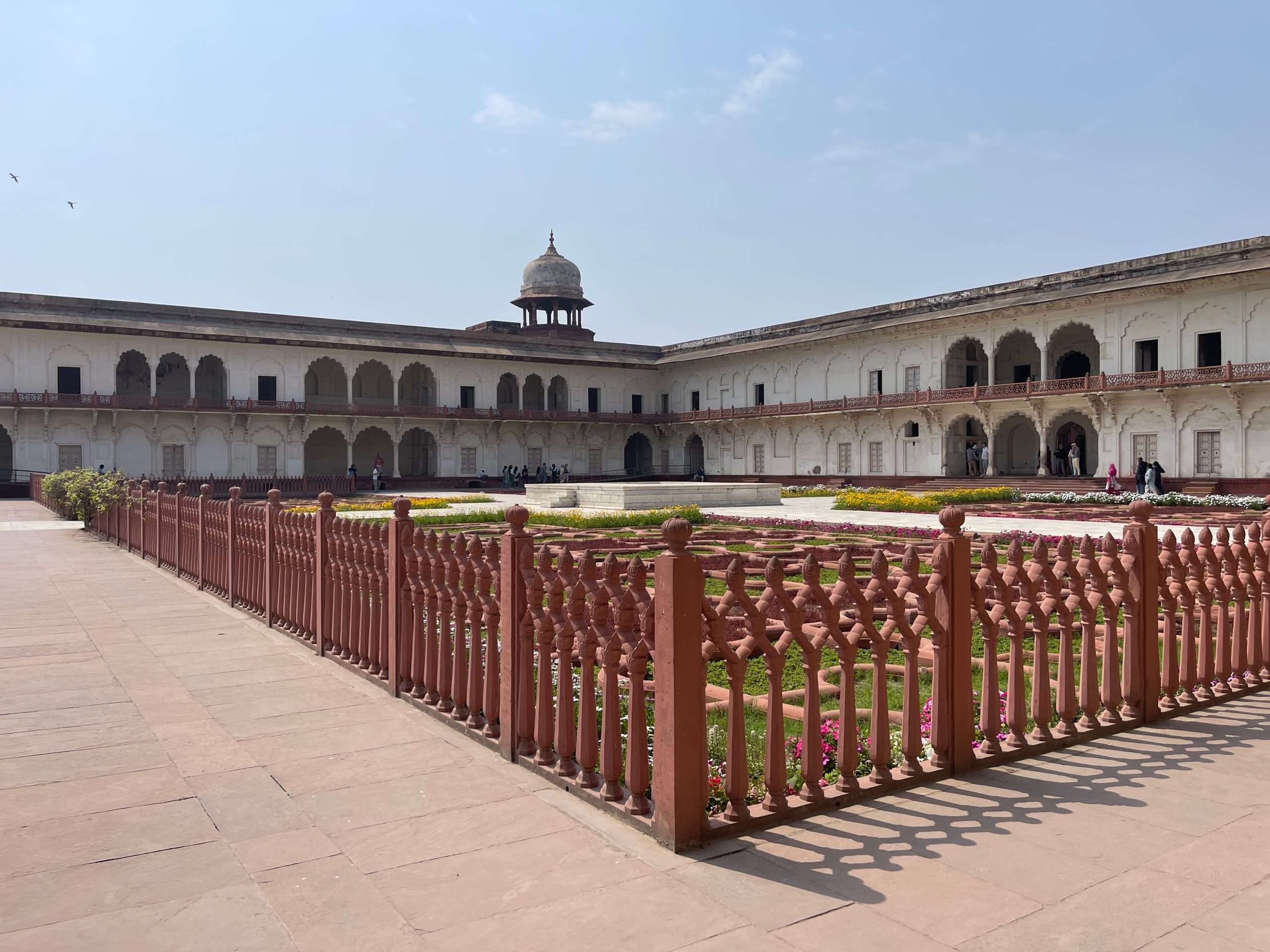
We next visited the Agra Red Fort, another UNESCO World Heritage site. Some version of this fort has been around since the 11th century. It was Akbar who transformed it into a palace fort and increased its significance by adding stunning structures such as the Diwan-i-Am (Hall of Public Audience; this is where the Peacock Throne was located until the capital was moved to Delhi; it was later annexed by Nadir Shah and was moved to Persia) and Diwan-i-Khas (Hall of Private Audience). Other interesting structures within the fort are the Khas Mahal (Private Palace), the Shish Mahal (Mirrors Palace), the Machchhi Bhavan (Fish House) and the Moti Masjid (Pearl Mosque). It was in this fort, that Shah Jahan was kept prisoner by his son Aurangzeb until his death. From his location within the fort, he was able to see the Taj Mahal, where he was subsequently entombed. Exiting the fort, we saw a large stone bathtub in the shape of a cup, a gift to Akbar from the Raja of Jaipur on the occasion of the birth of a son by Akbar’s Hindu wife.
Lunch was followed by a brief shopping excursion, where we saw the intricate art of semi-precious stone inlay work on marble. The work is fascinating and requires tremendous dexterity, creativity, and patience.
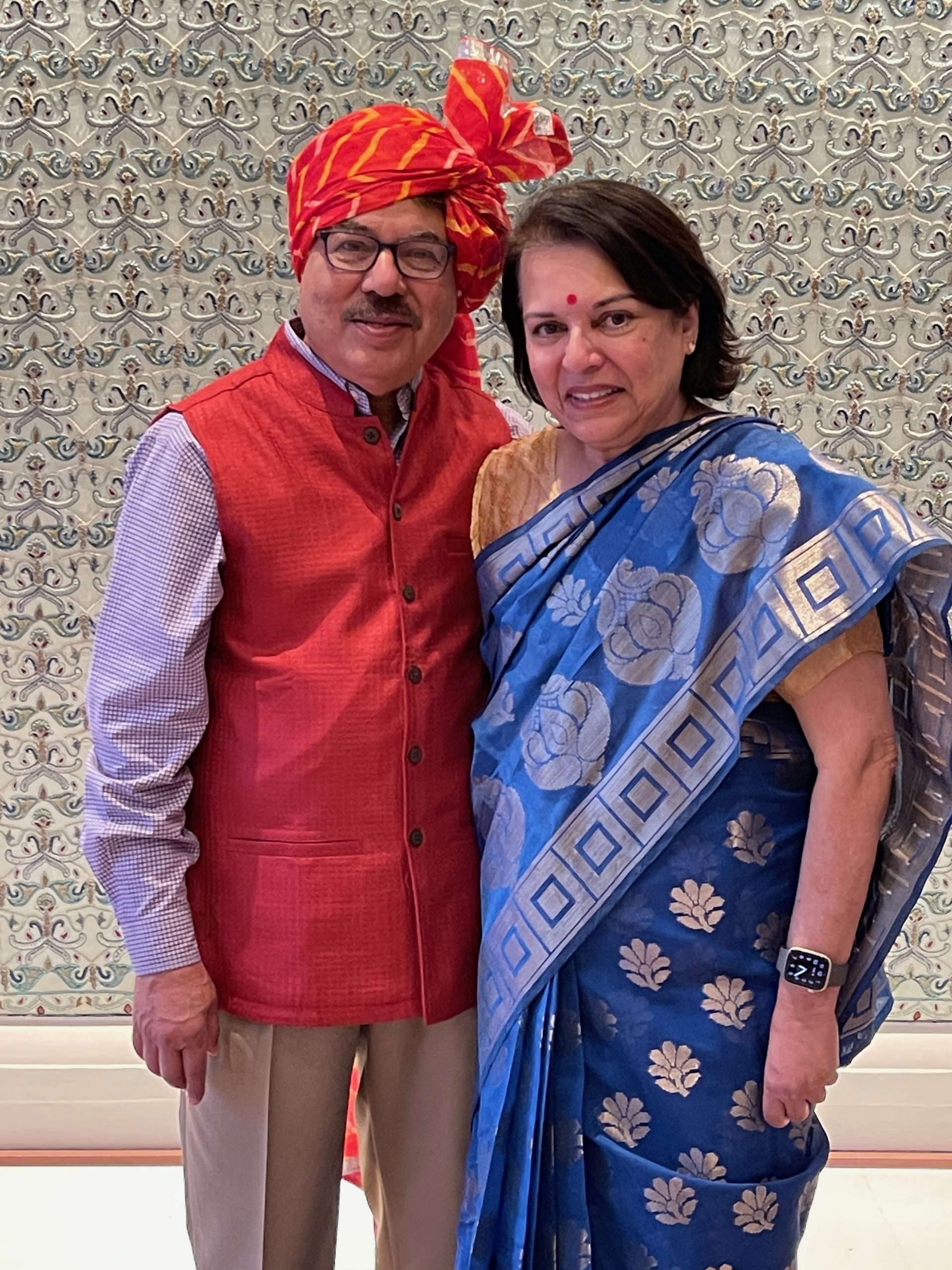
This evening all the women in the group dressed up in saris and all the men were shown how to tie a turban using 9 meters of cloth. We then had a special dinner outdoors with Indian classical music and dance. The entire place was lit up with lamps. It was a truly memorable event.
Exploring the Temples of Khajuraho – March 13, 2024
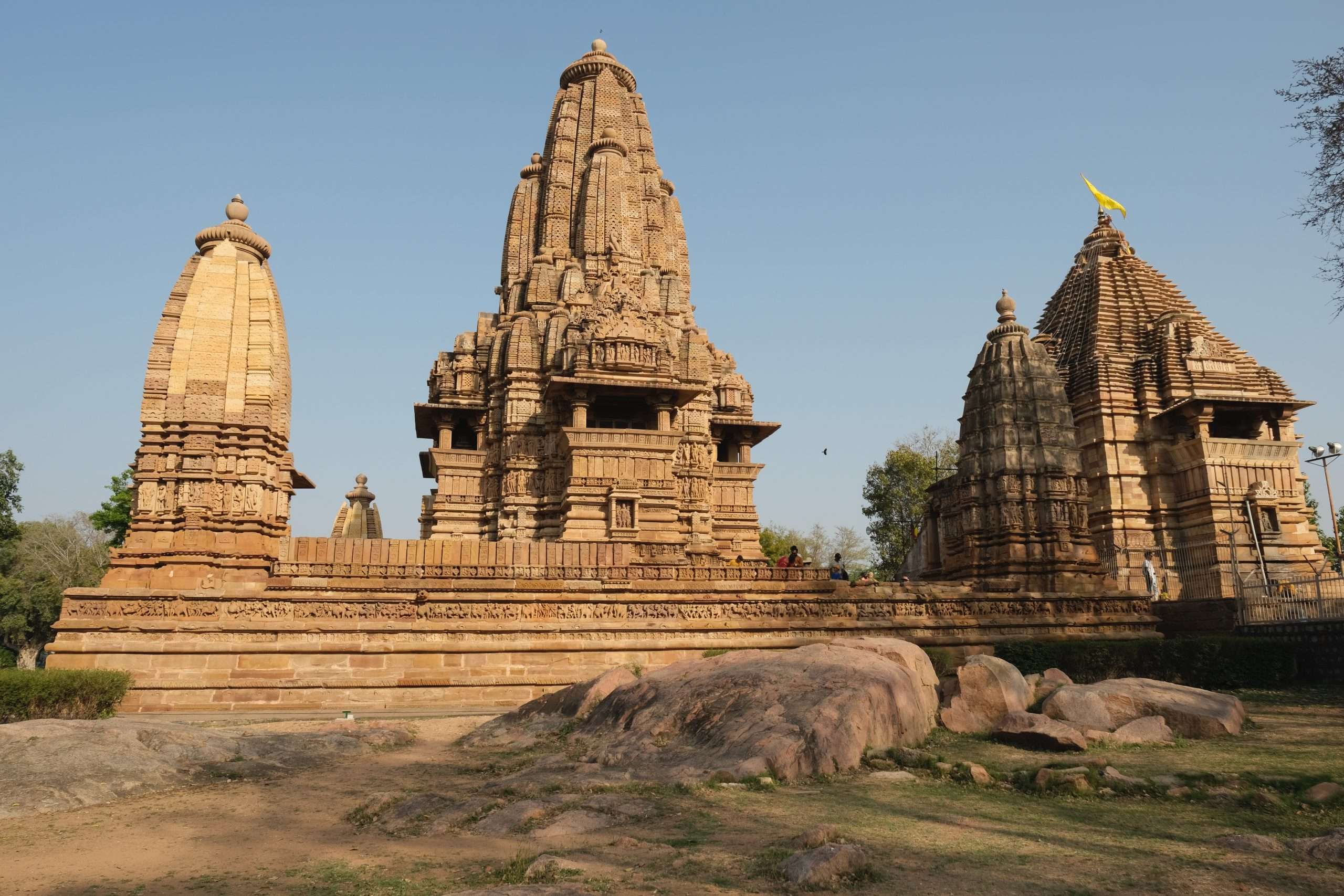
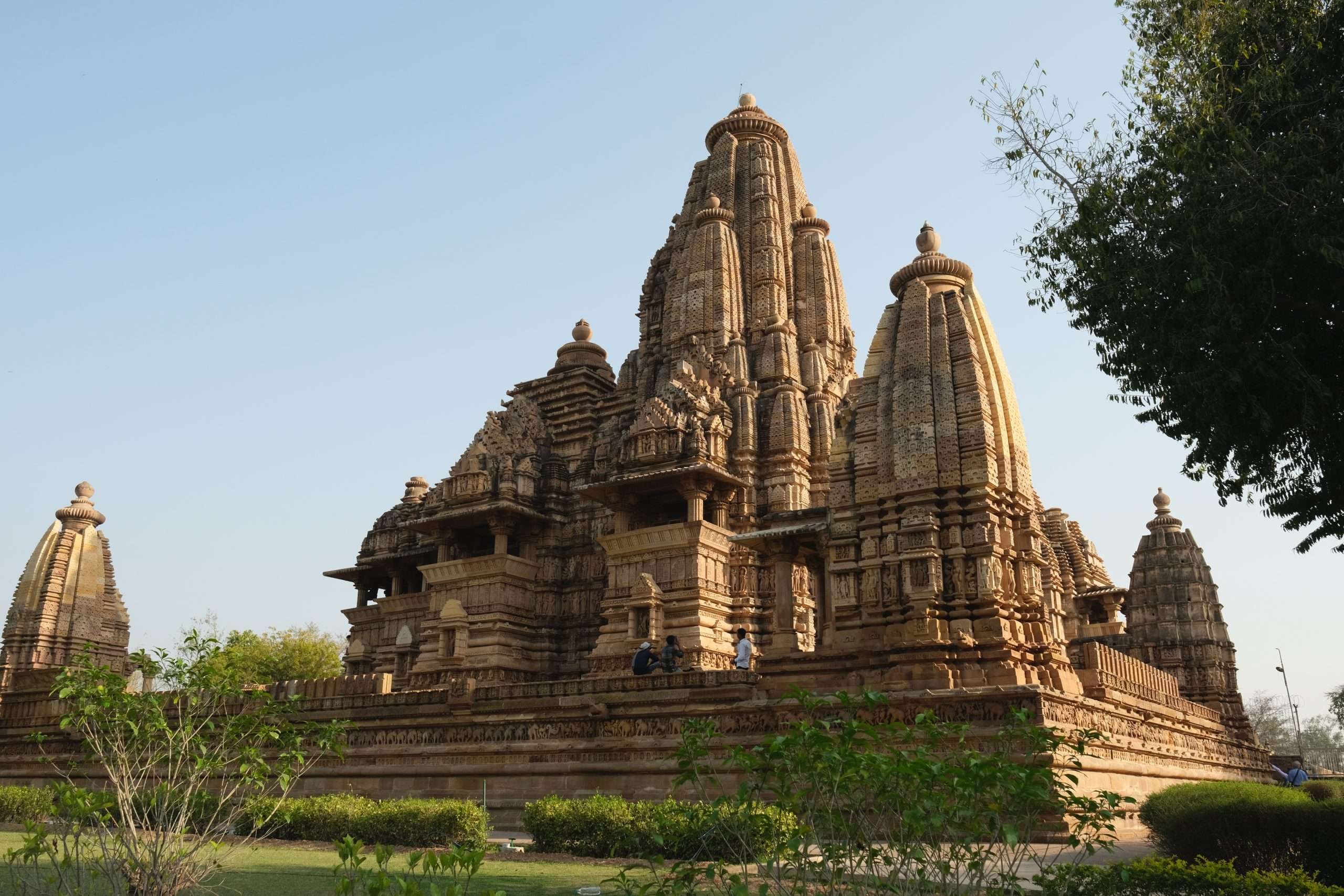
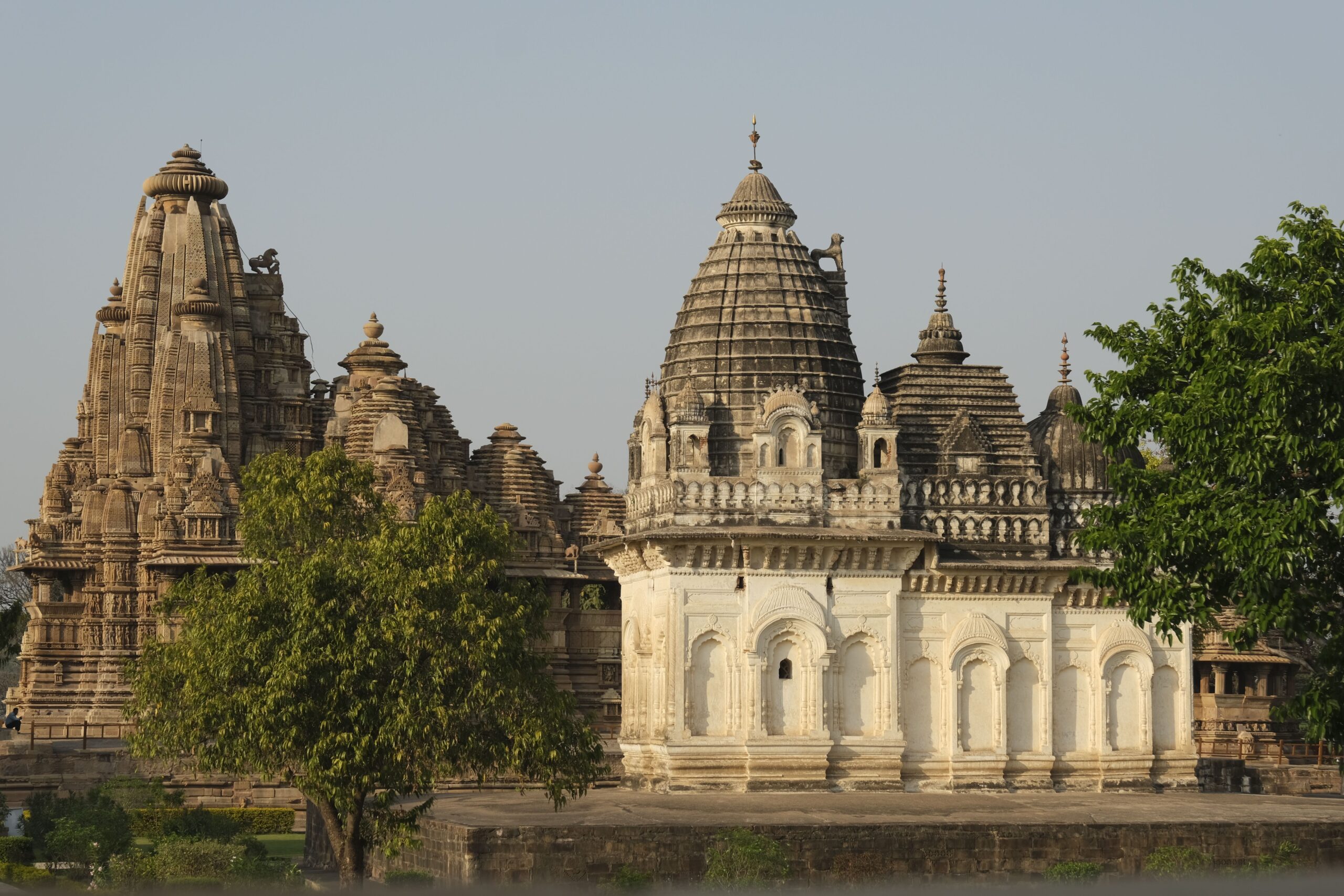
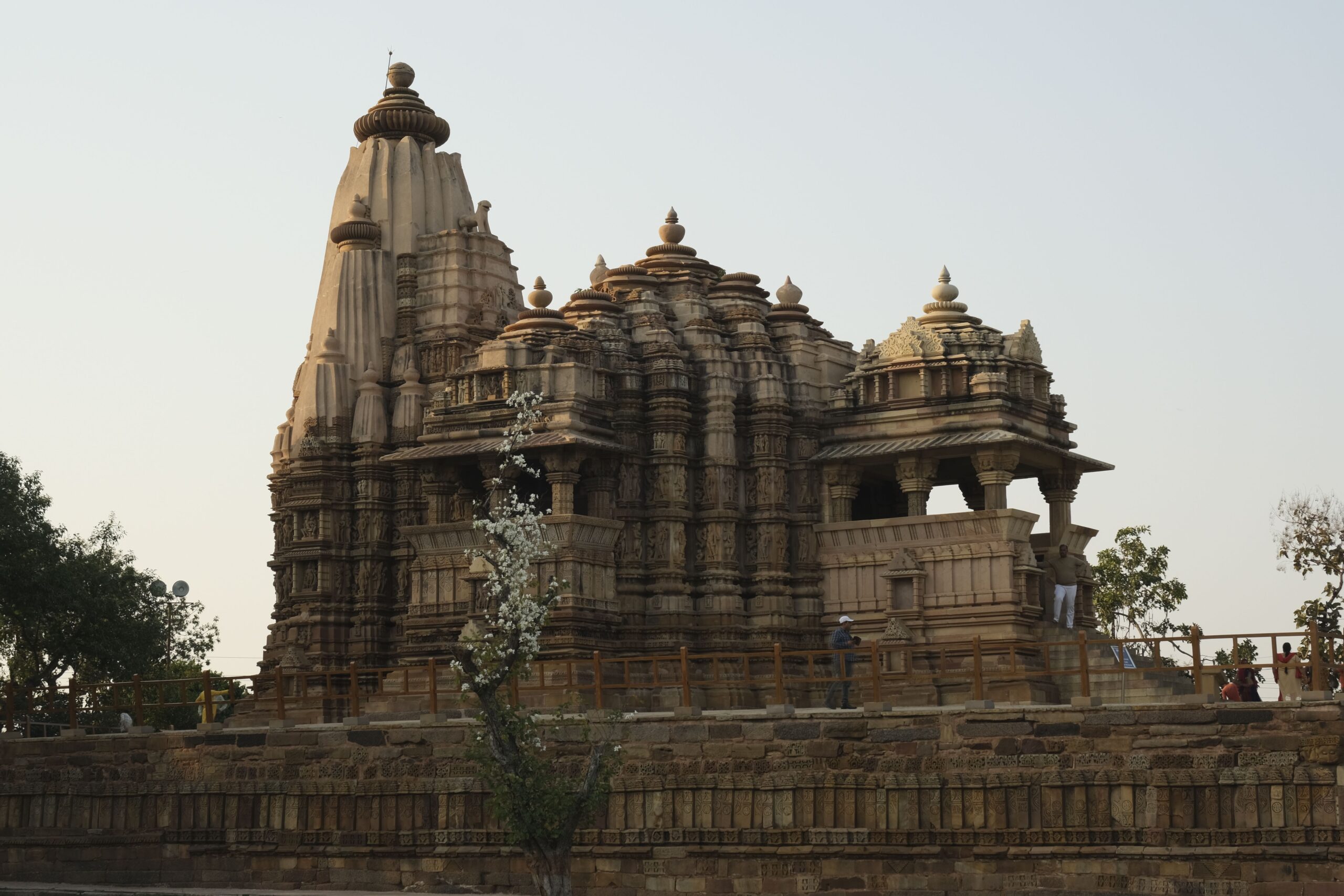
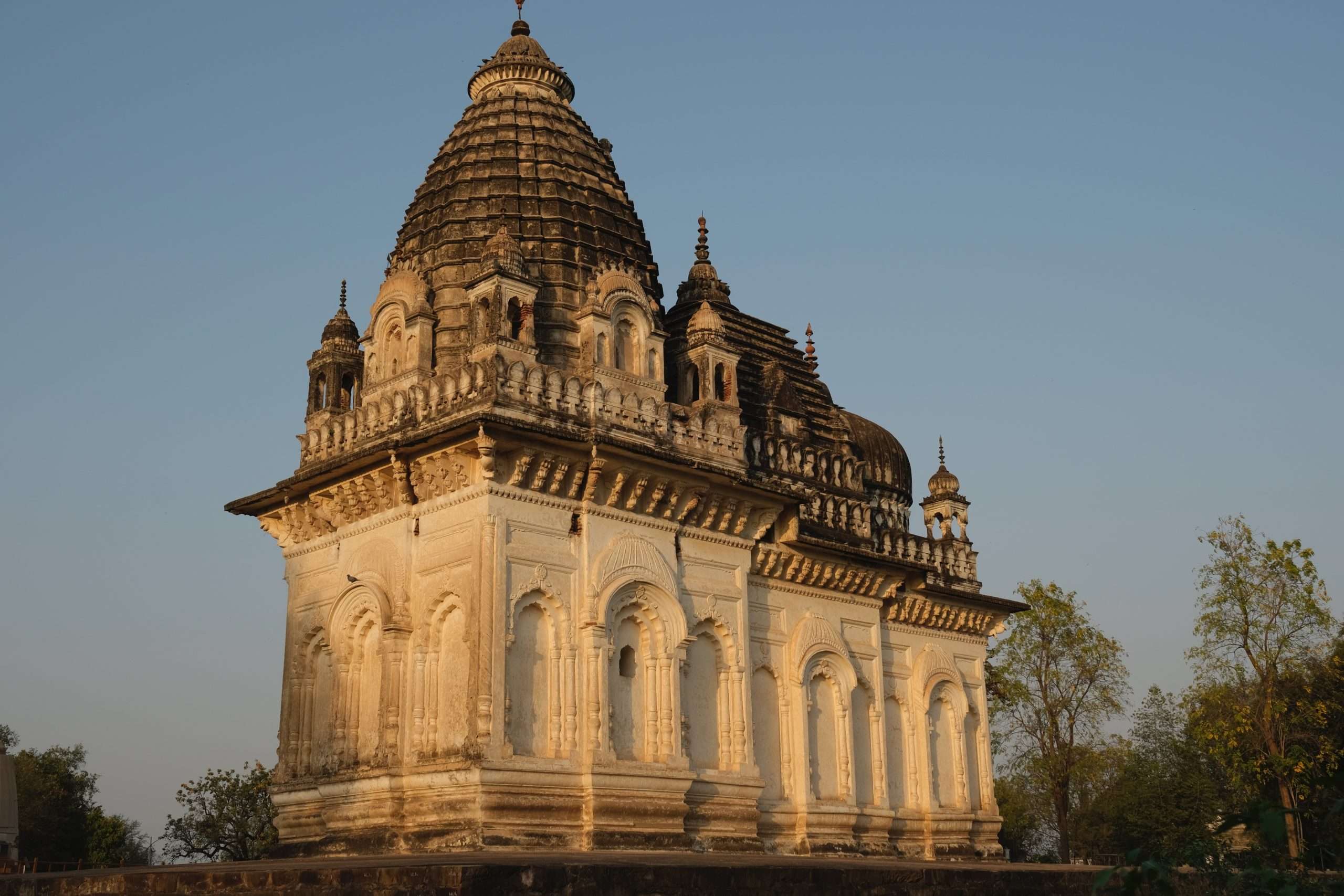
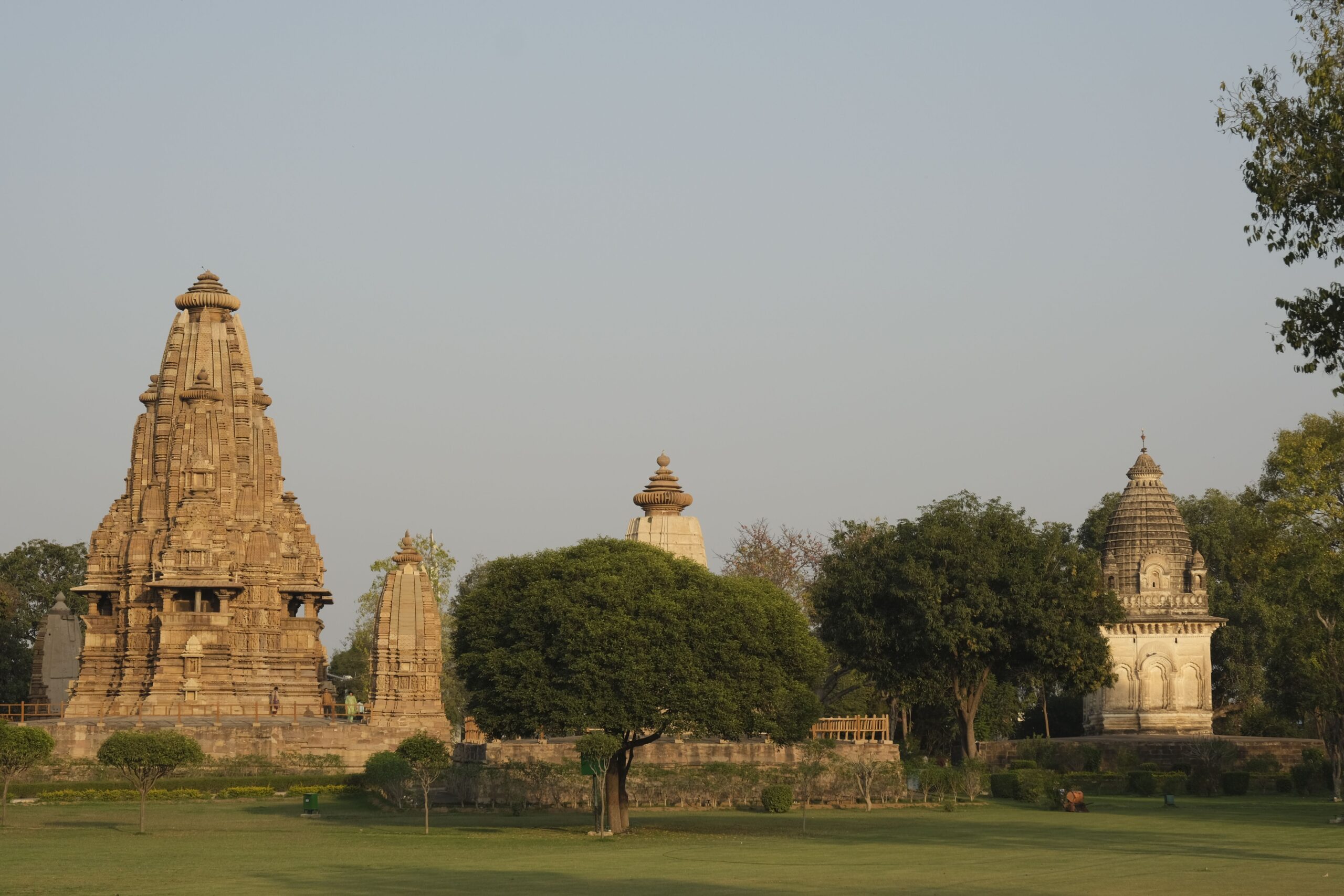
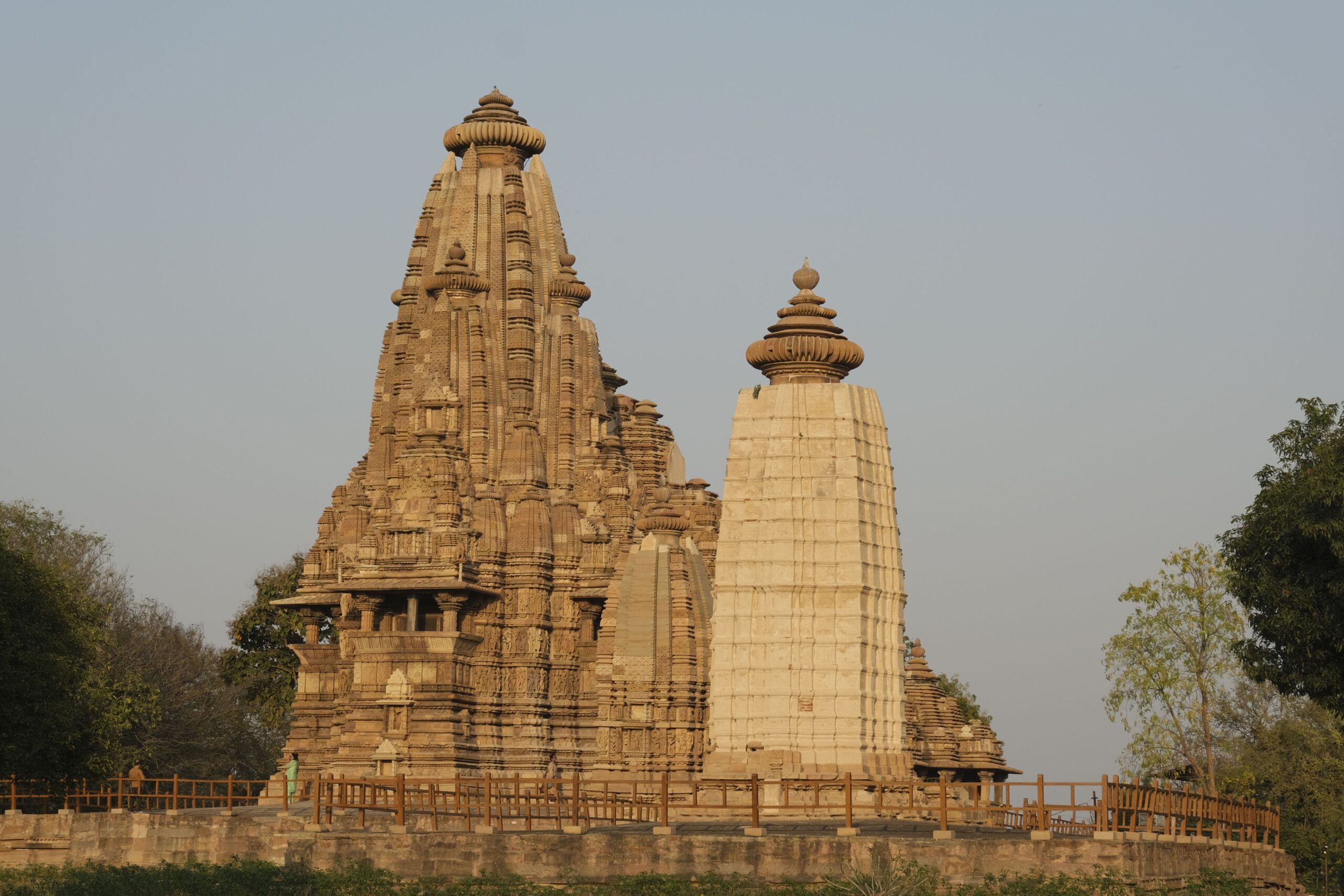
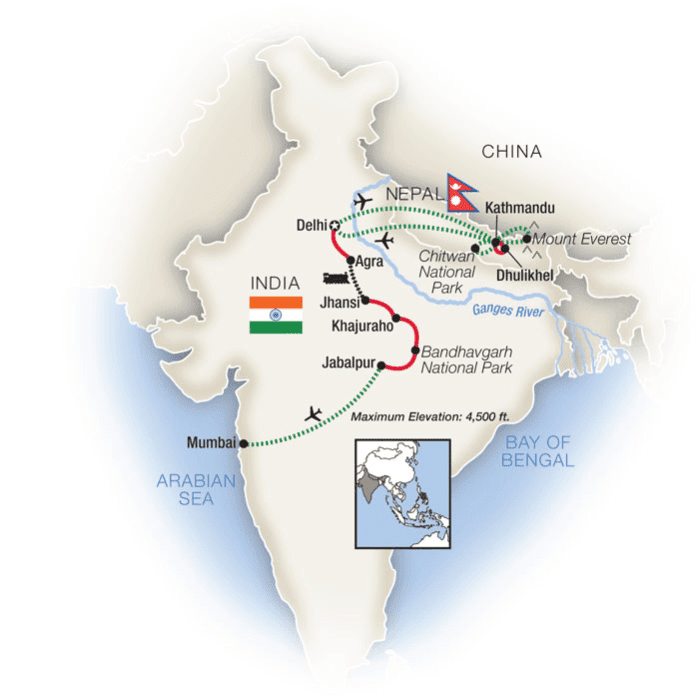
After breakfast this morning, we said goodbye to the Taj Mahal and the Amarvilas Hotel and drove to the Agra Cantonment train station to board the Gatimaan Express 12050 to Jhansi in the southwestern part of Uttar Pradesh. Nearly three hours later we arrived at Jhansi and then drove for another two-plus hours in a caravan of SUVs to Khajuraho in northern Madhya Pradesh to view the temples that the Chandella dynasty built between 950 and 1050 CE. Khajuraho used to be called Kharjuravahaka in Sanskrit, meaning bearer of date palms. Once the Chandellas disappeared, the temples were forgotten and were left un-desecrated because they were in such a remote area. The temples were rediscovered by British surveyor T.S. Burt in 1830.
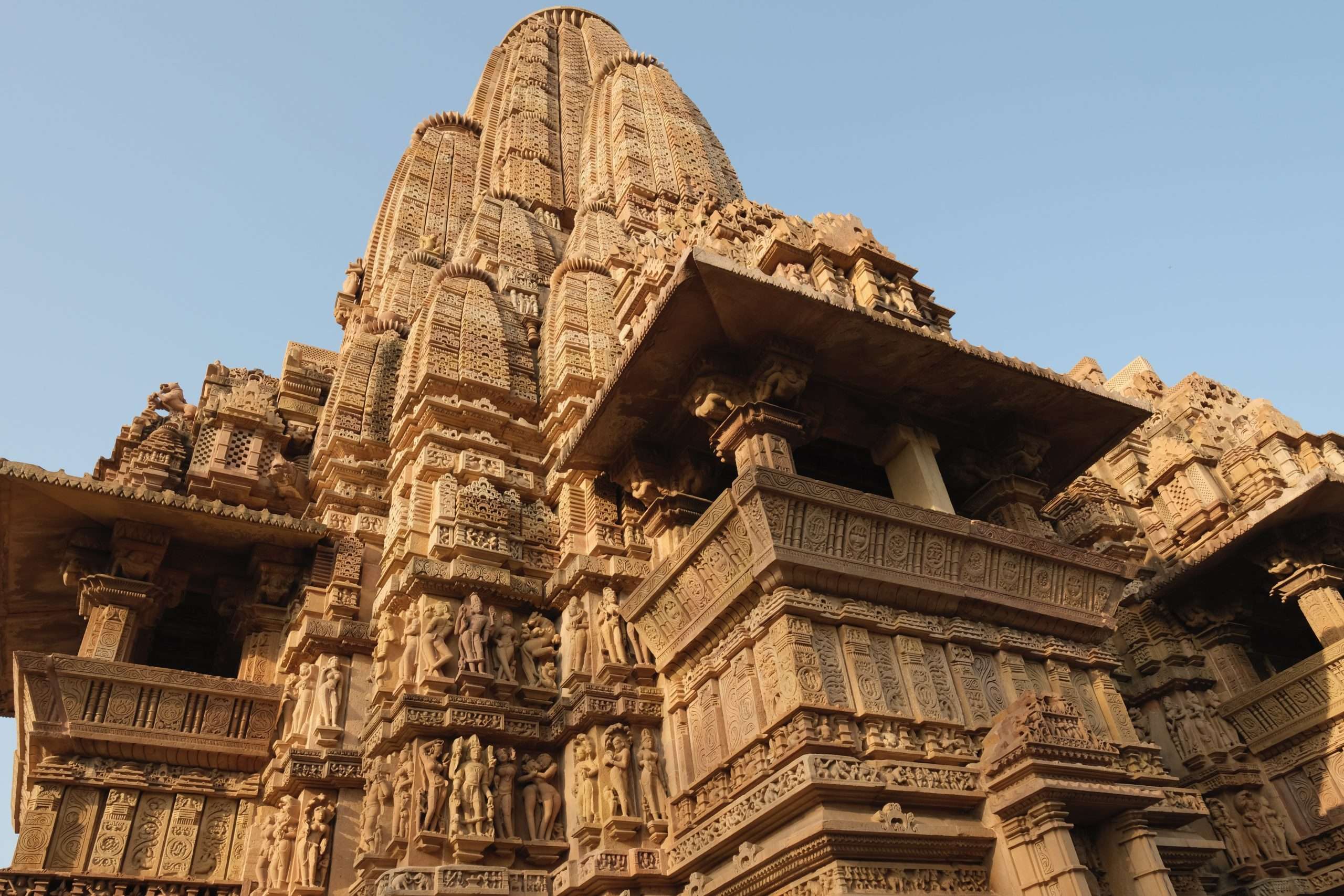
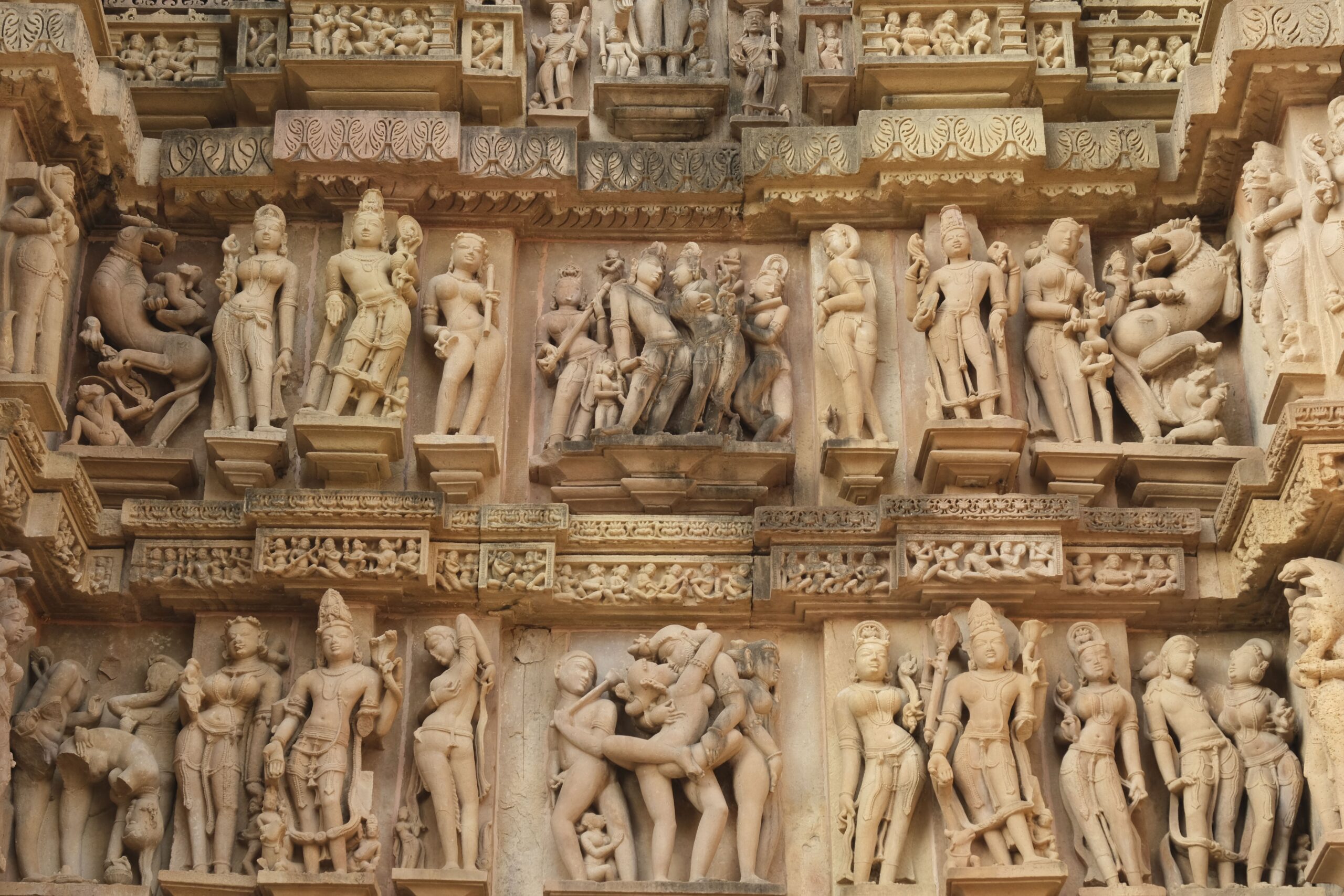
Currently only 25 of the original 85 temples are still standing and are spread out over a 6-square-kilometer area. The temples are dedicated to Hindu and Jain deities. The largest temple is the Kandariya Mahadeo Temple that is dedicated to Lord Shiva. The temples, which are mostly built of sandstone using keystones and the tongue-and-groove method, are best known for the beautiful intricate sculptures on its outer walls. Some of the sculptures are erotic and others portray everyday life of both men and women.
We admired the temples from the outside and walked around the complex to view most of them before we boarded the bus for our hotel. Many of the temples have been restored and others are undergoing restoration. Khajuraho is a UNESCO World Heritage site.
Bhandargarh National Park – March 14, 2024
This morning, we had a long drive of almost four hours to Bandhavgarh National Park. We arrived at the Taj Safari Mahua Kothi Lodge just in time for lunch. Soon after, we left for our first safari drive. Bandhavgarh is located on the slopes of the Vindhya hills in the state of Madhya Pradesh. Now a tiger reserve, it was formerly the royal hunting grounds for the Maharaja of Rewa. It is of great historical significance as it was mentioned in the Ramayana, the famous Hindu epic that is more than 2000 years old. The forest has numerous sal and bamboo trees, and vast areas of open grasslands. A red flowering tree caught our attention but none of us could identify it. Thanks to Google we discovered that it is called the Palash tree.
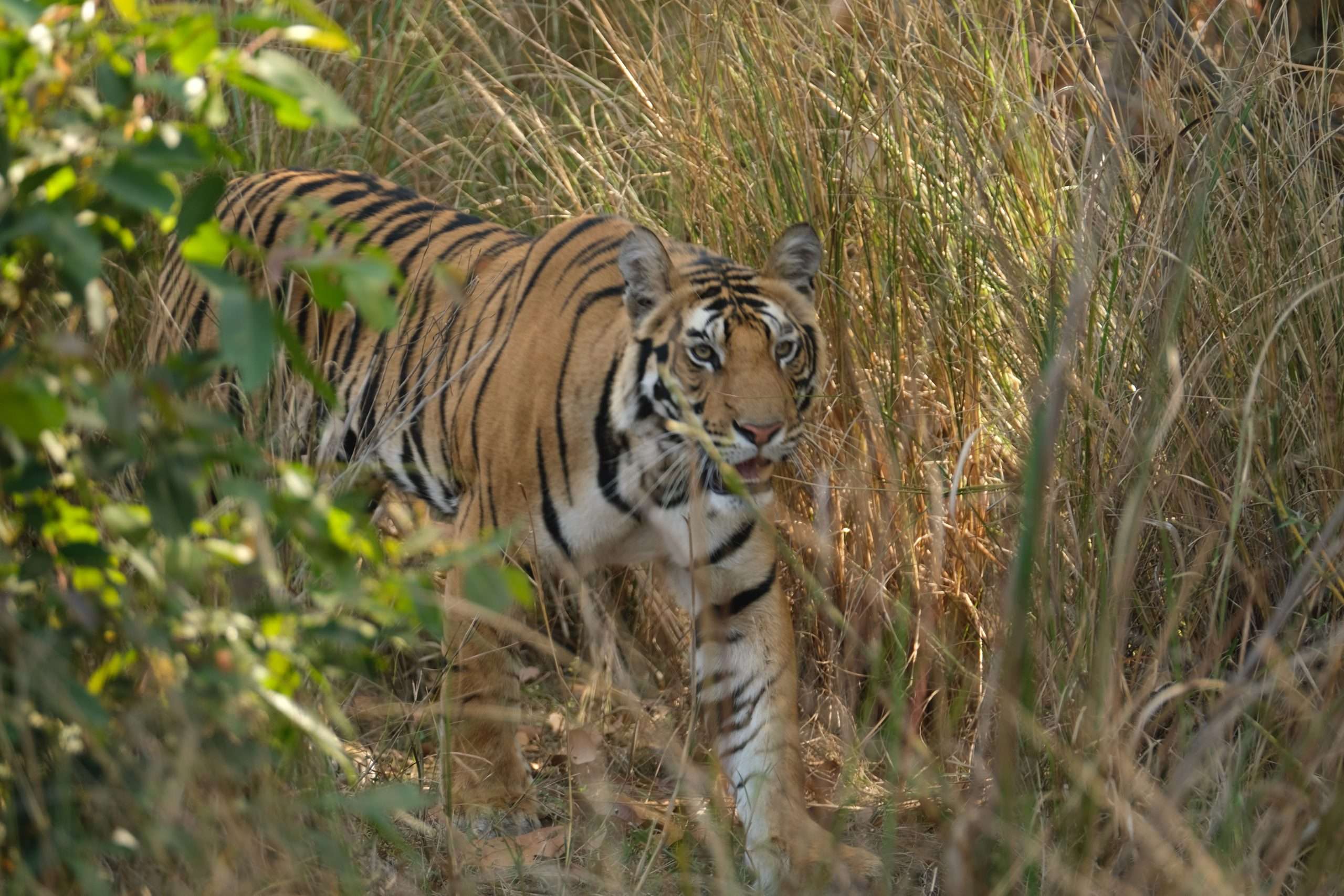
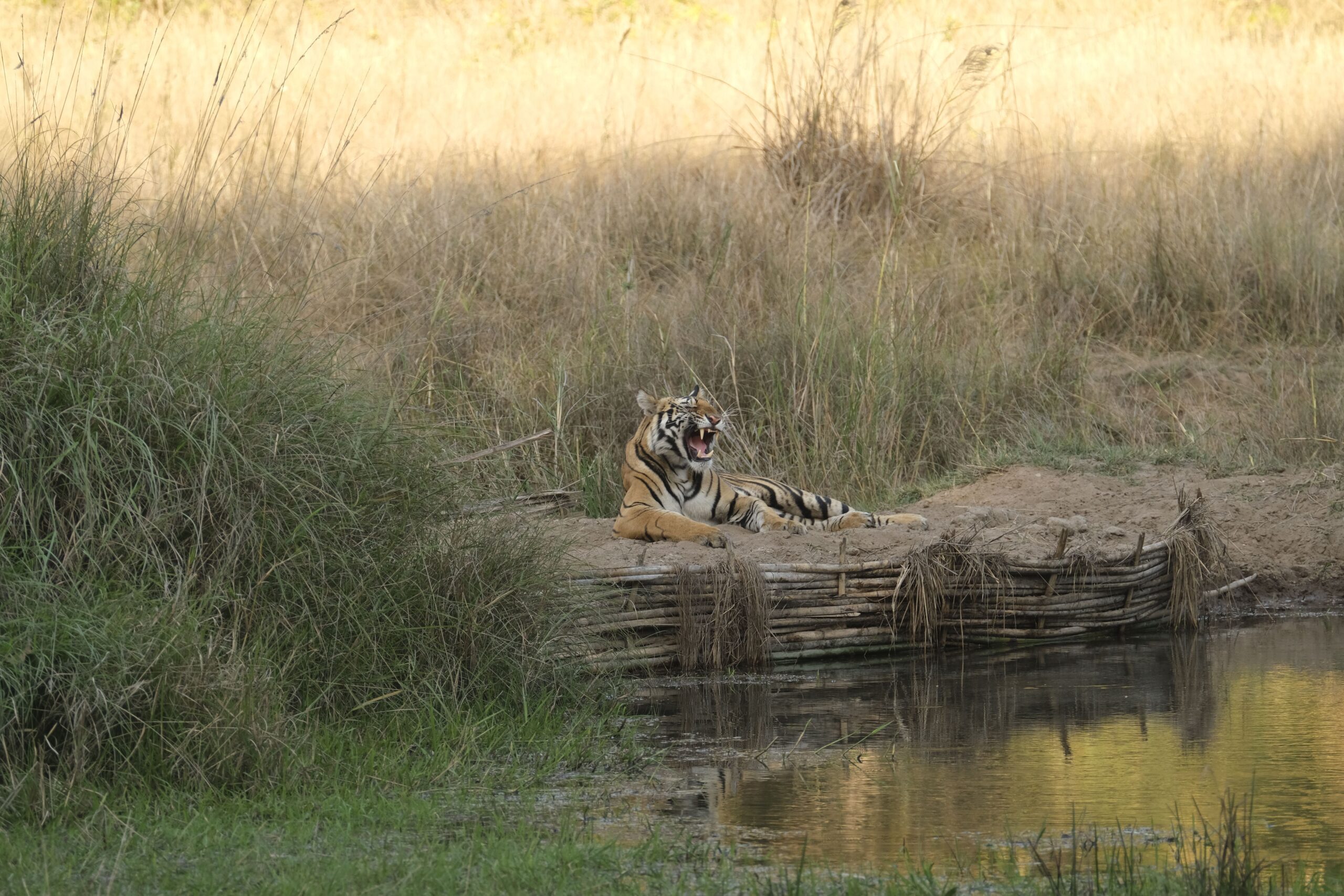
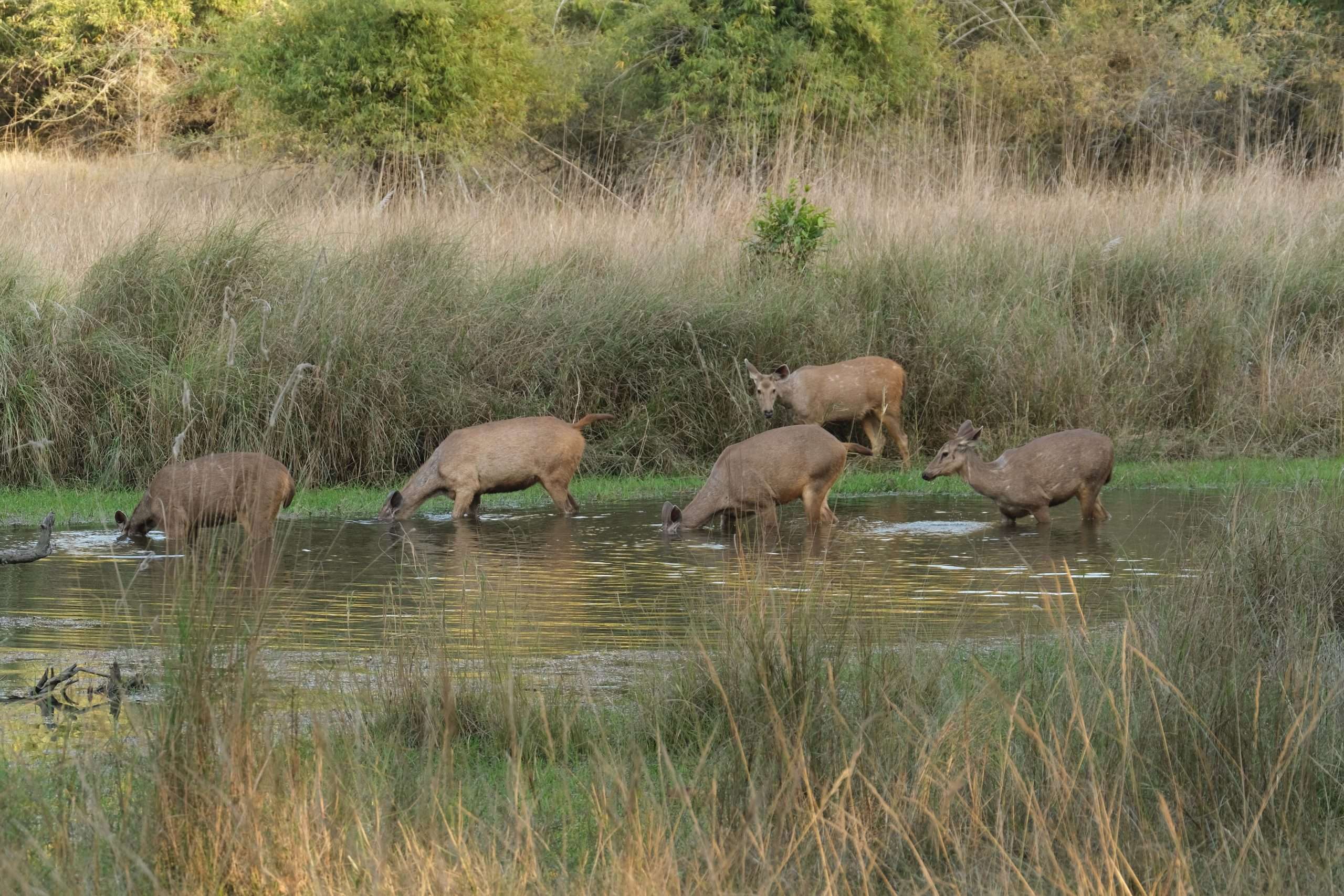
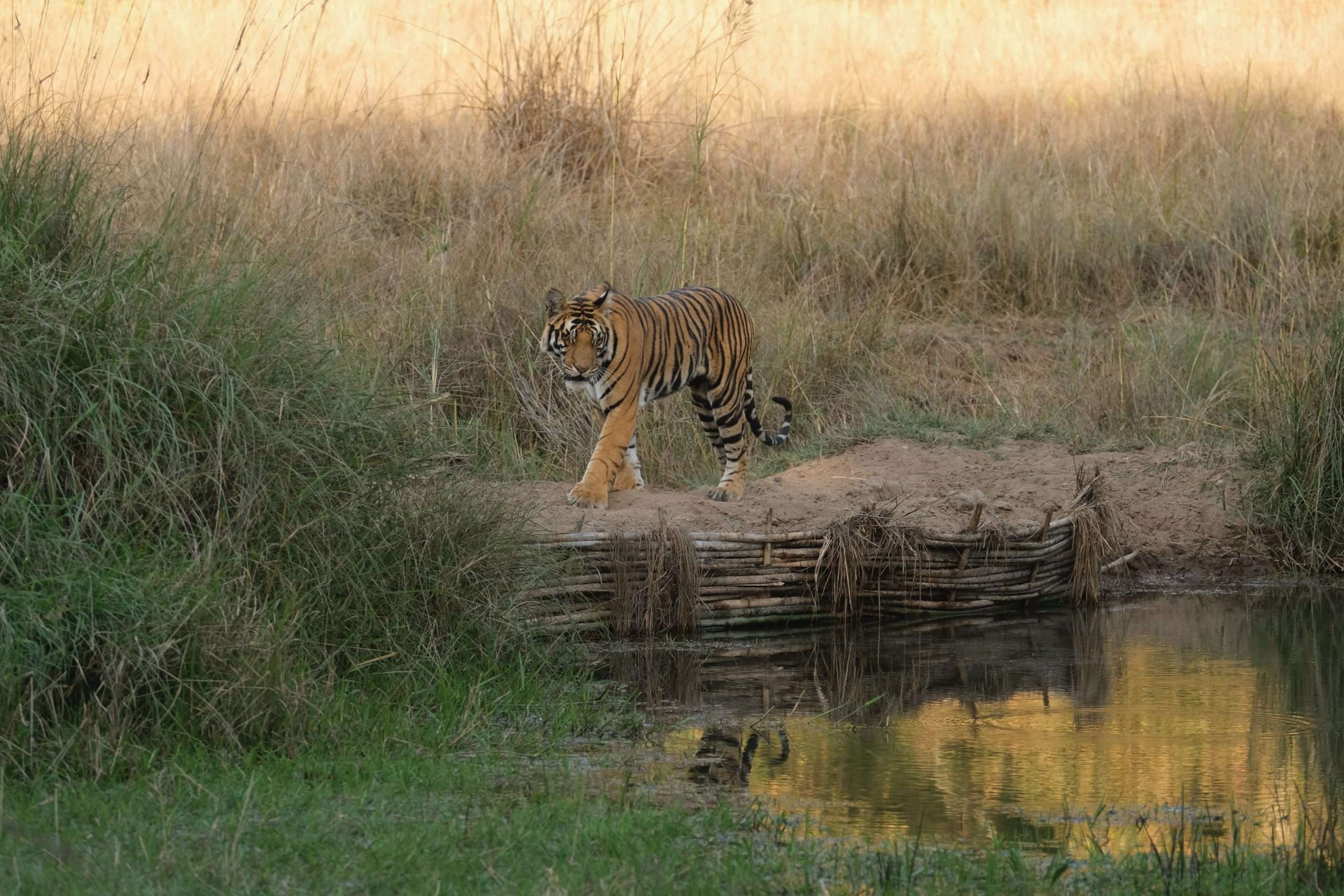
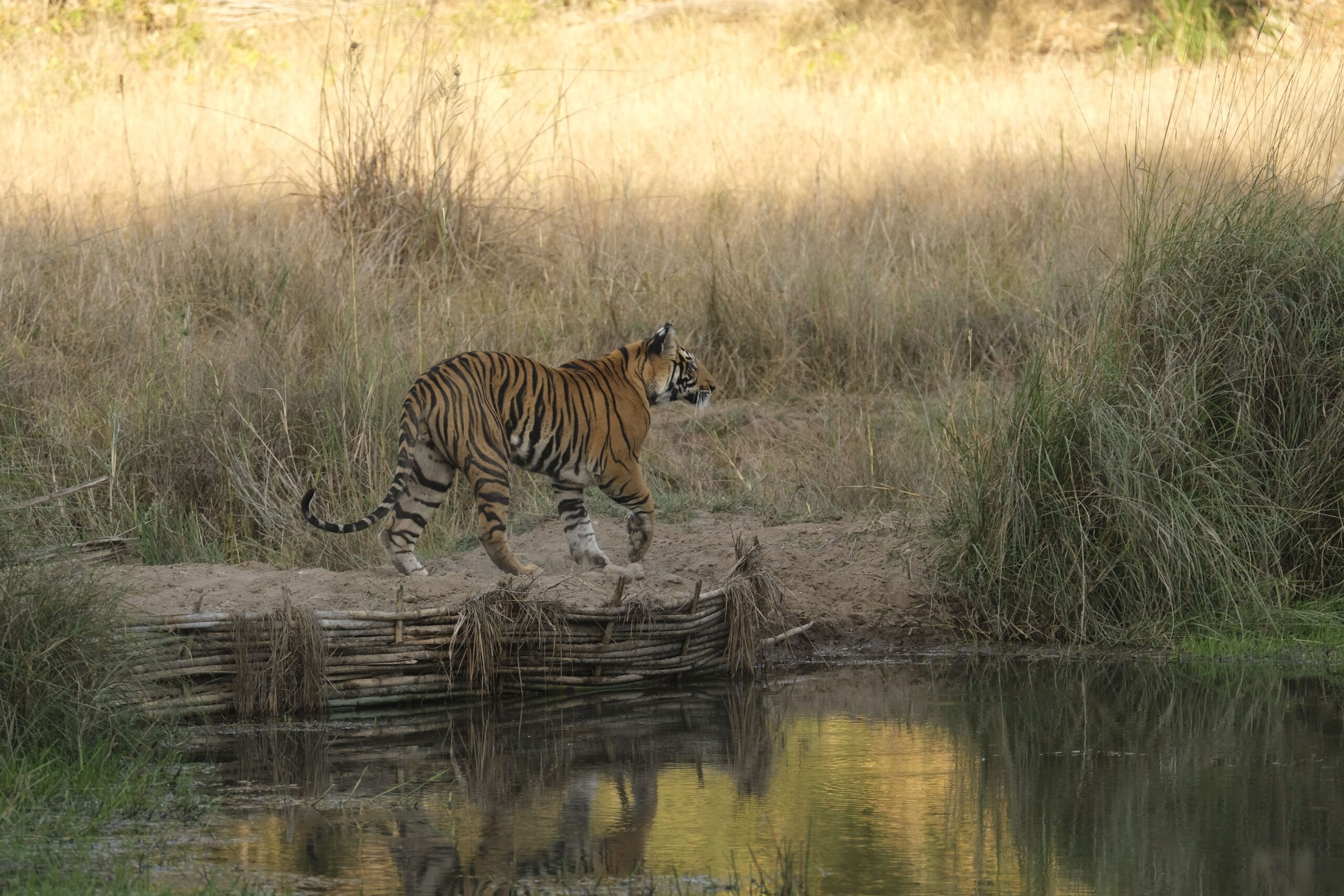
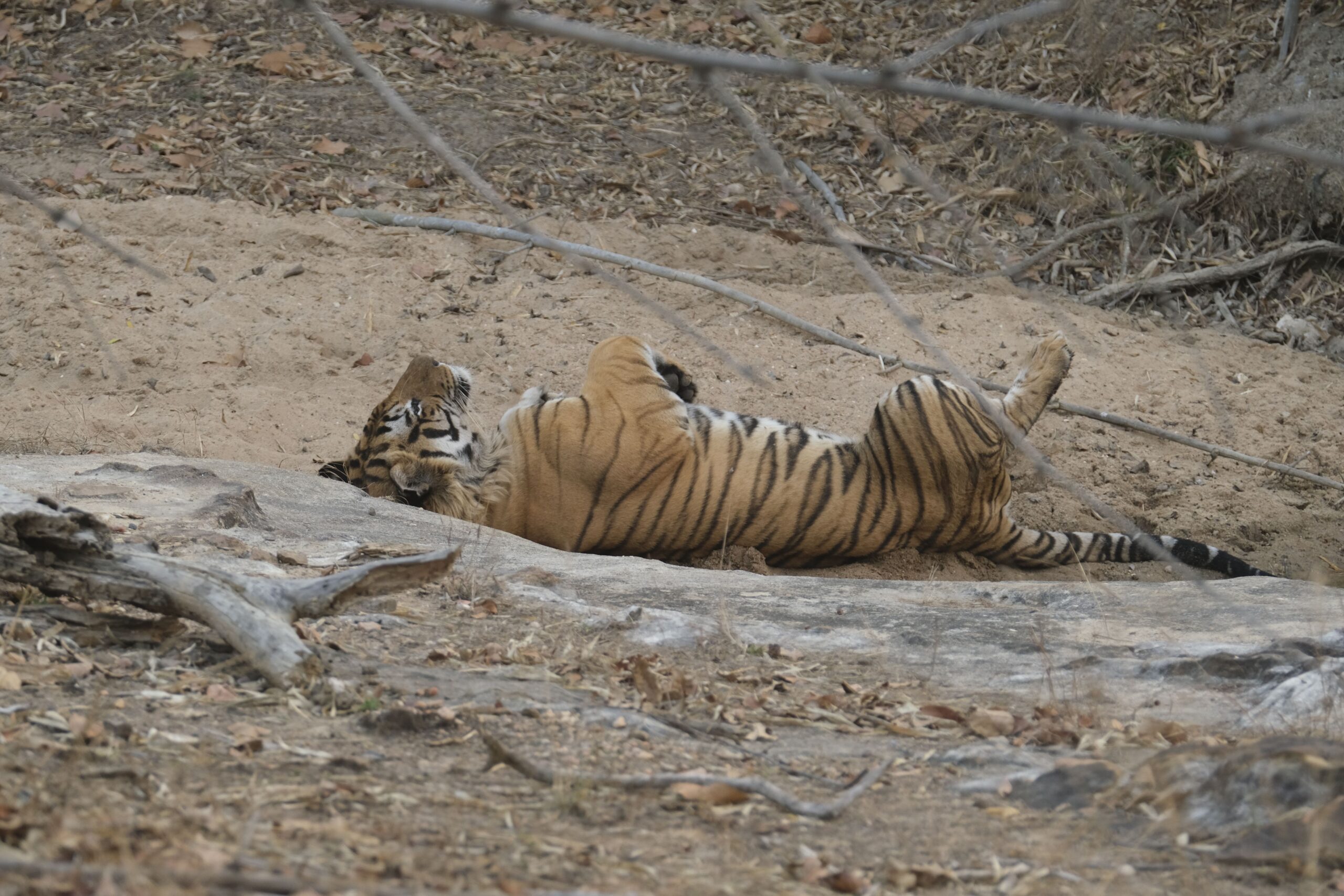
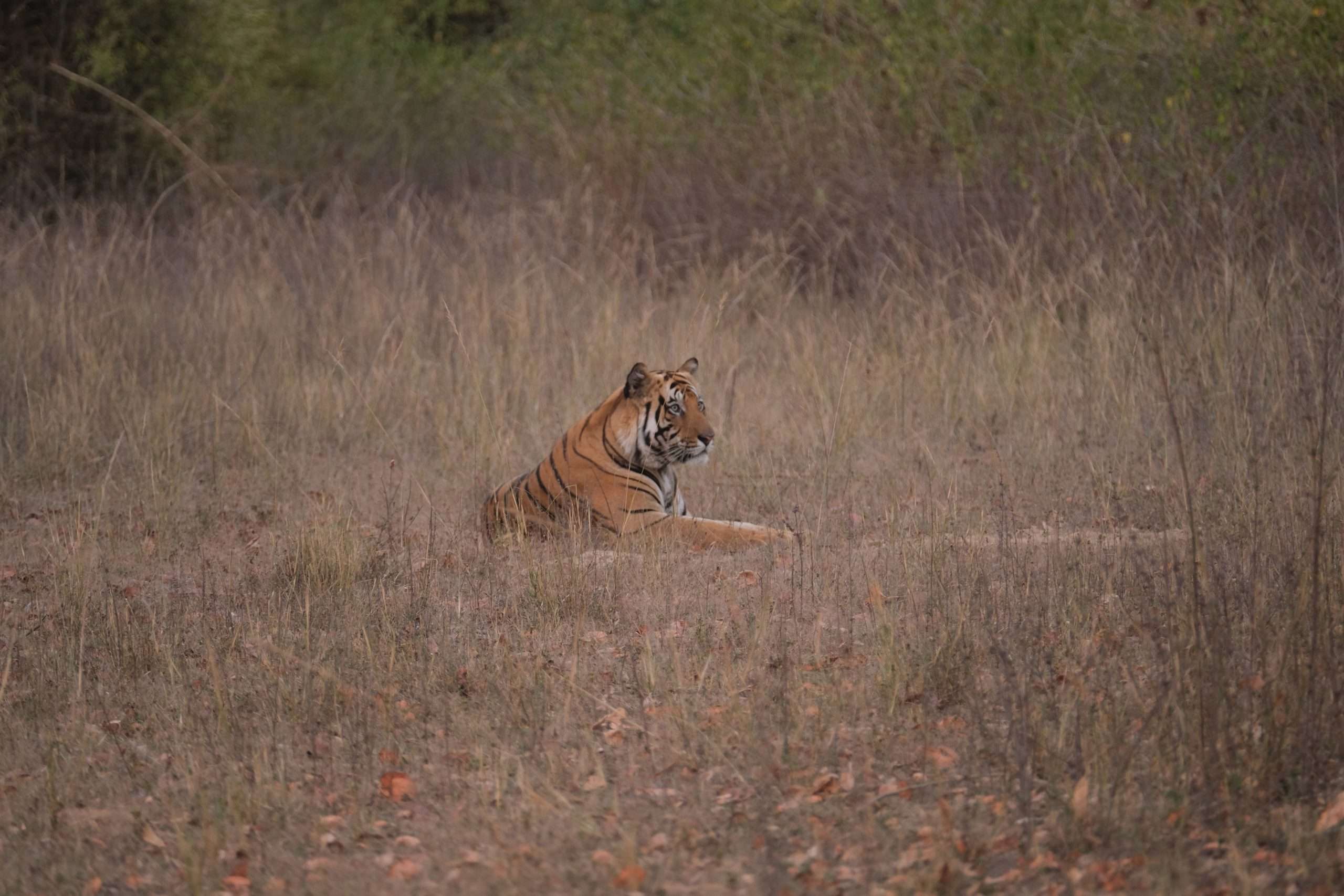
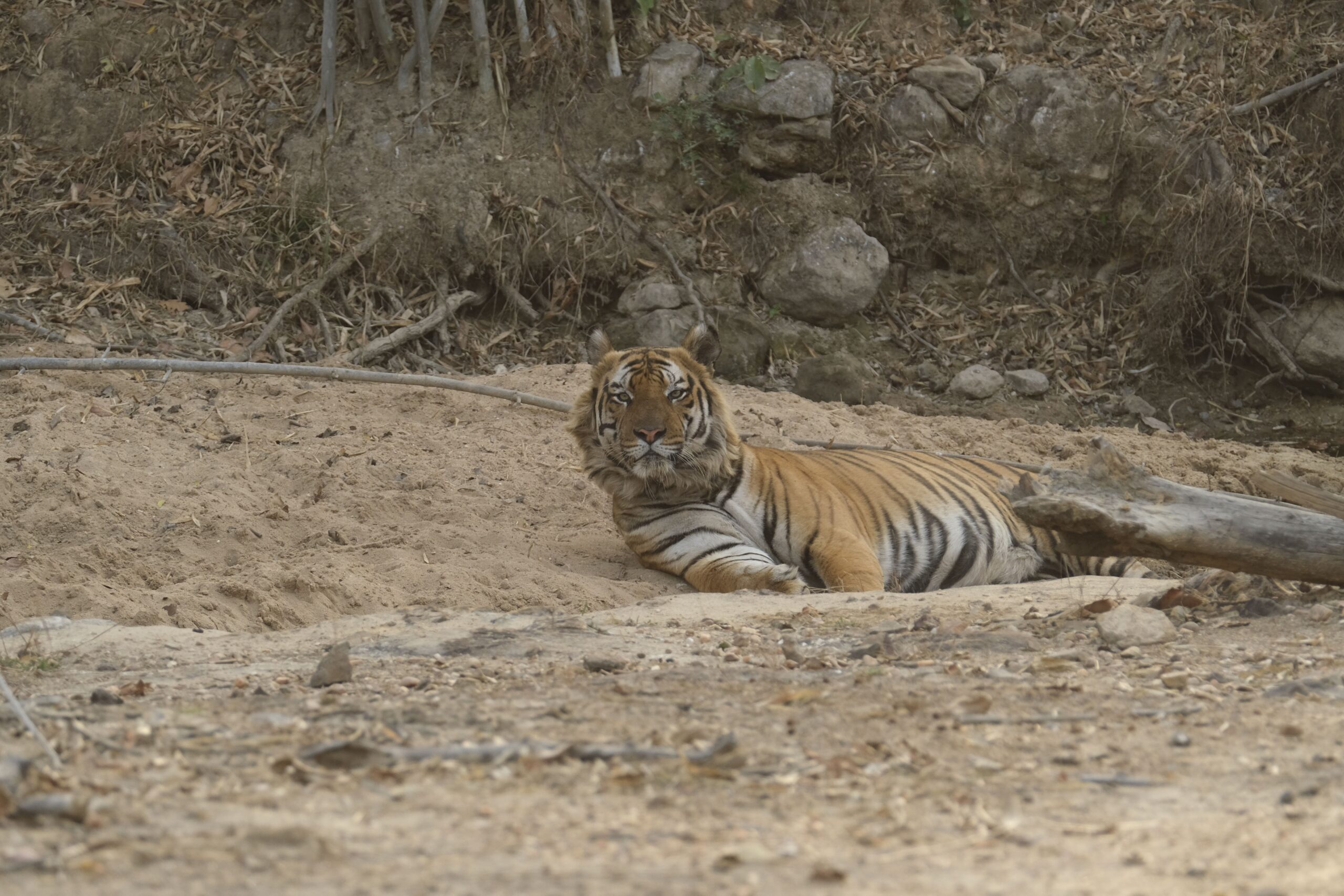
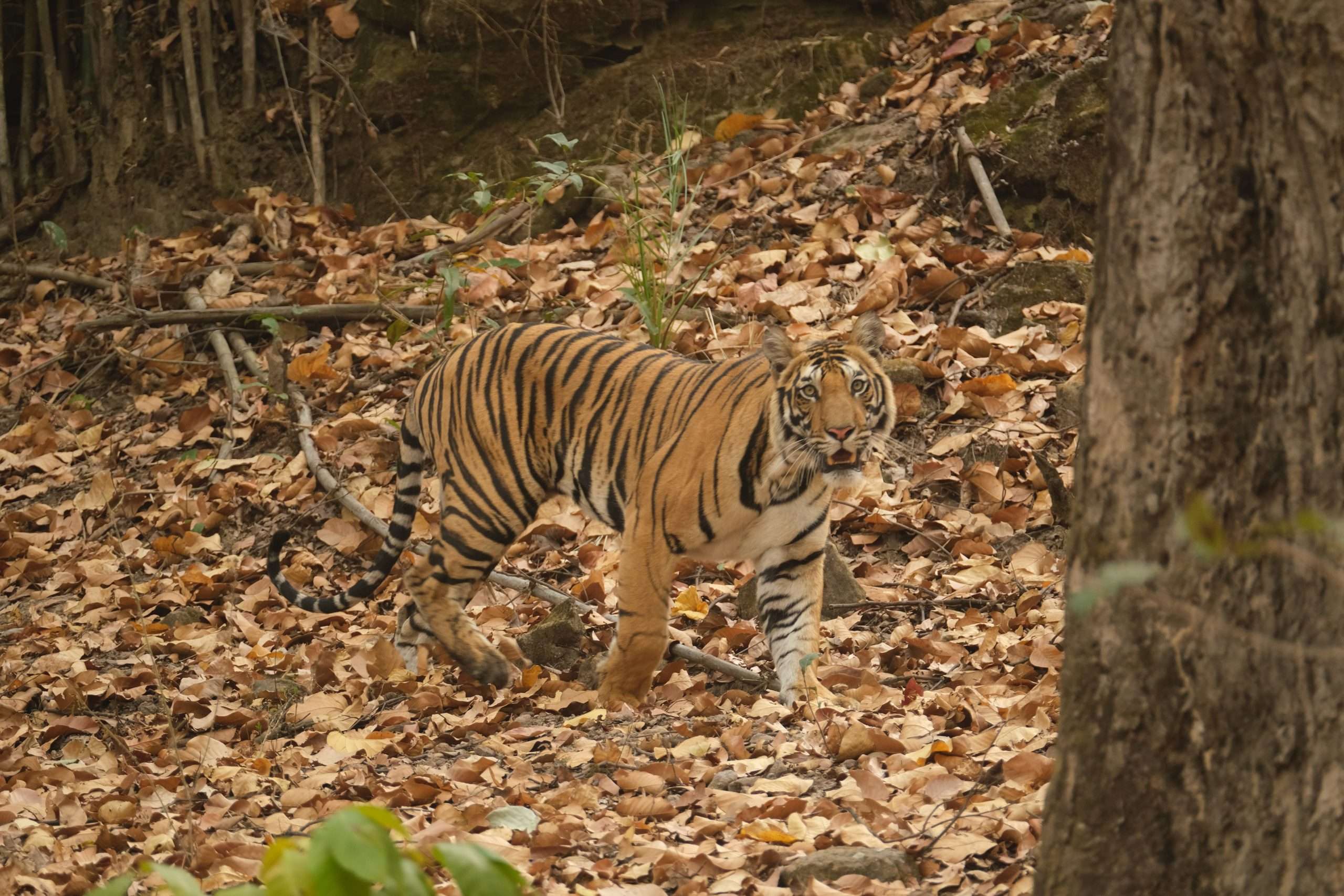
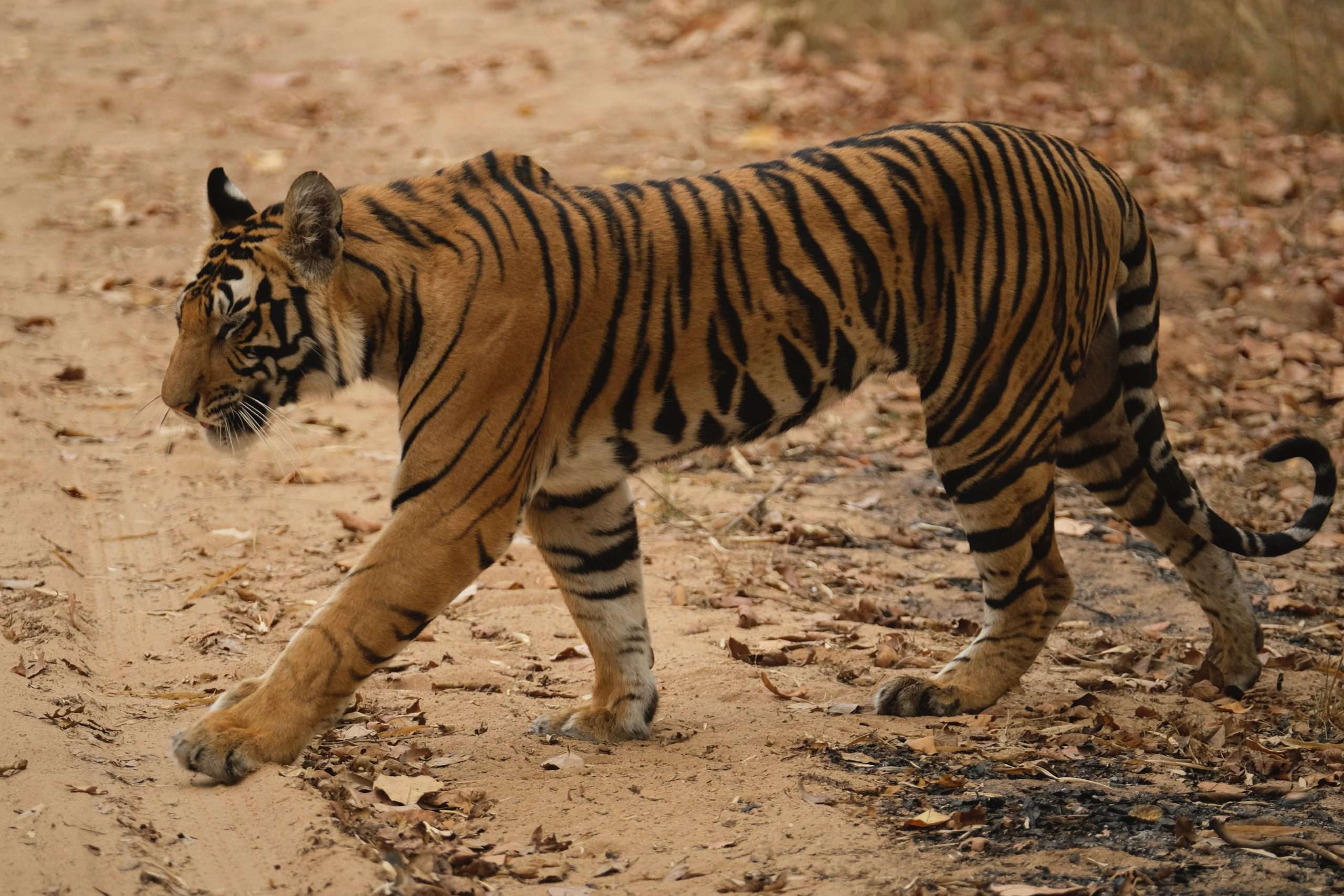
On our first excursion in the reserve’s Tala Zone, we spotted stork, peacocks, sambal deer, spotted deer, brown fish owl, gaur (Indian Bison), and had our first sighting of the royal Bengal tiger. What a supremely lazy creature! He slept, woke up, laid down again, yawned, slept some more. We learned that there are nine subspecies of tiger: Siberian, Bengal, Indo Chinese, Malayan, South Chinese, Sumatran, Caspian, Bali, and Javan. The last three are extinct. The tigers must work extremely hard for their meal. Their hunting success rate is merely 5% to 10%.
Bandhavgarh Game Drives – March 15, 2024
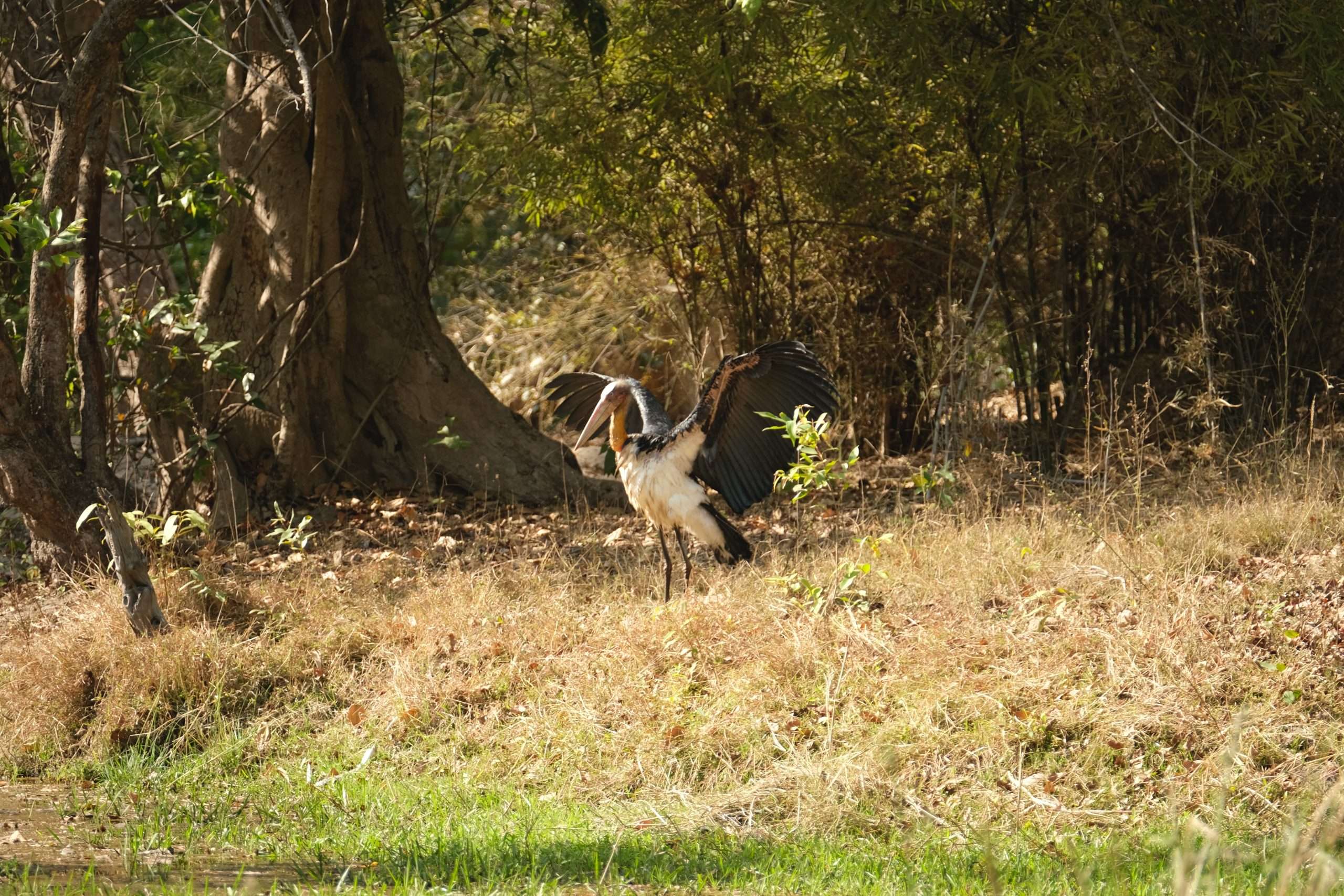
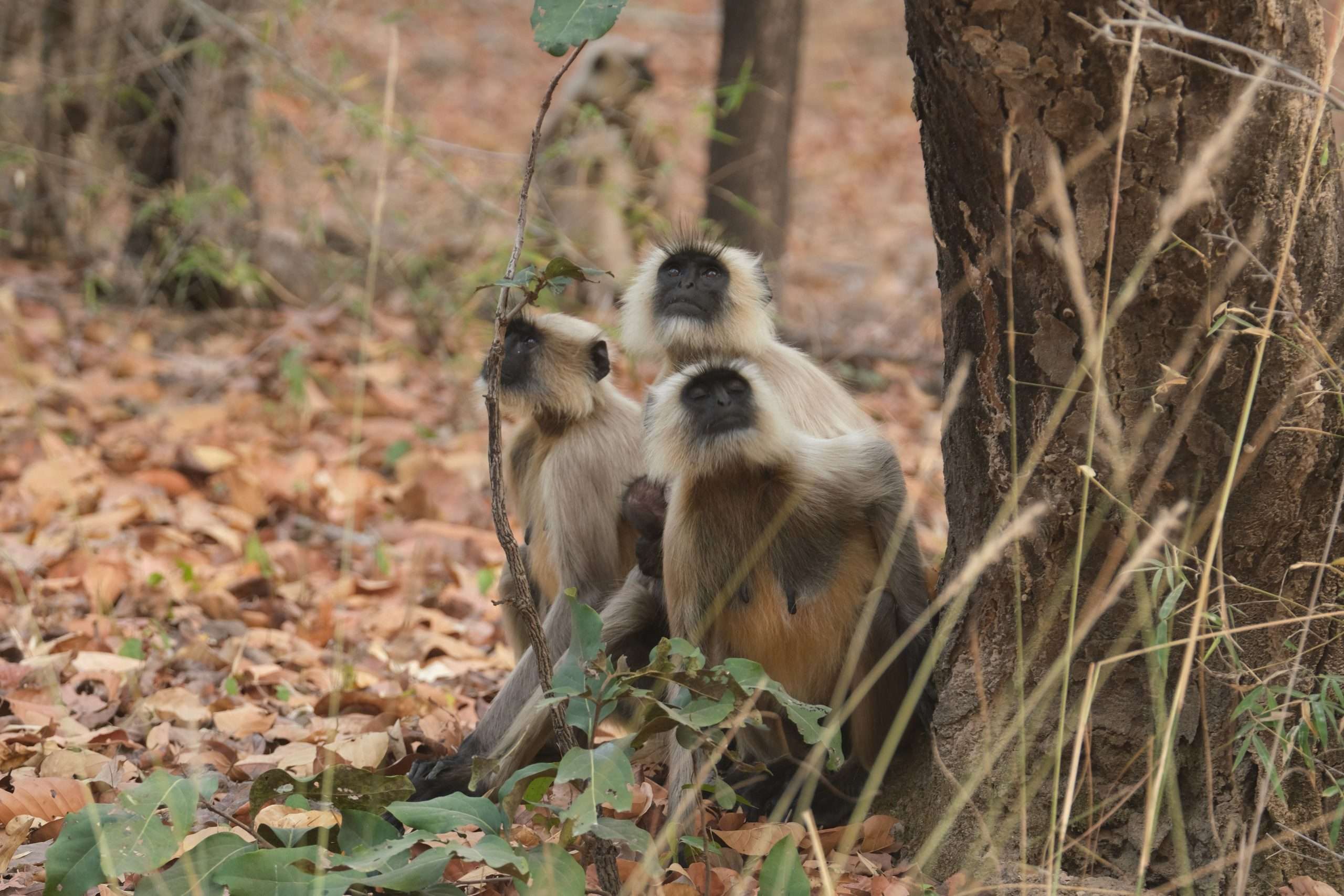
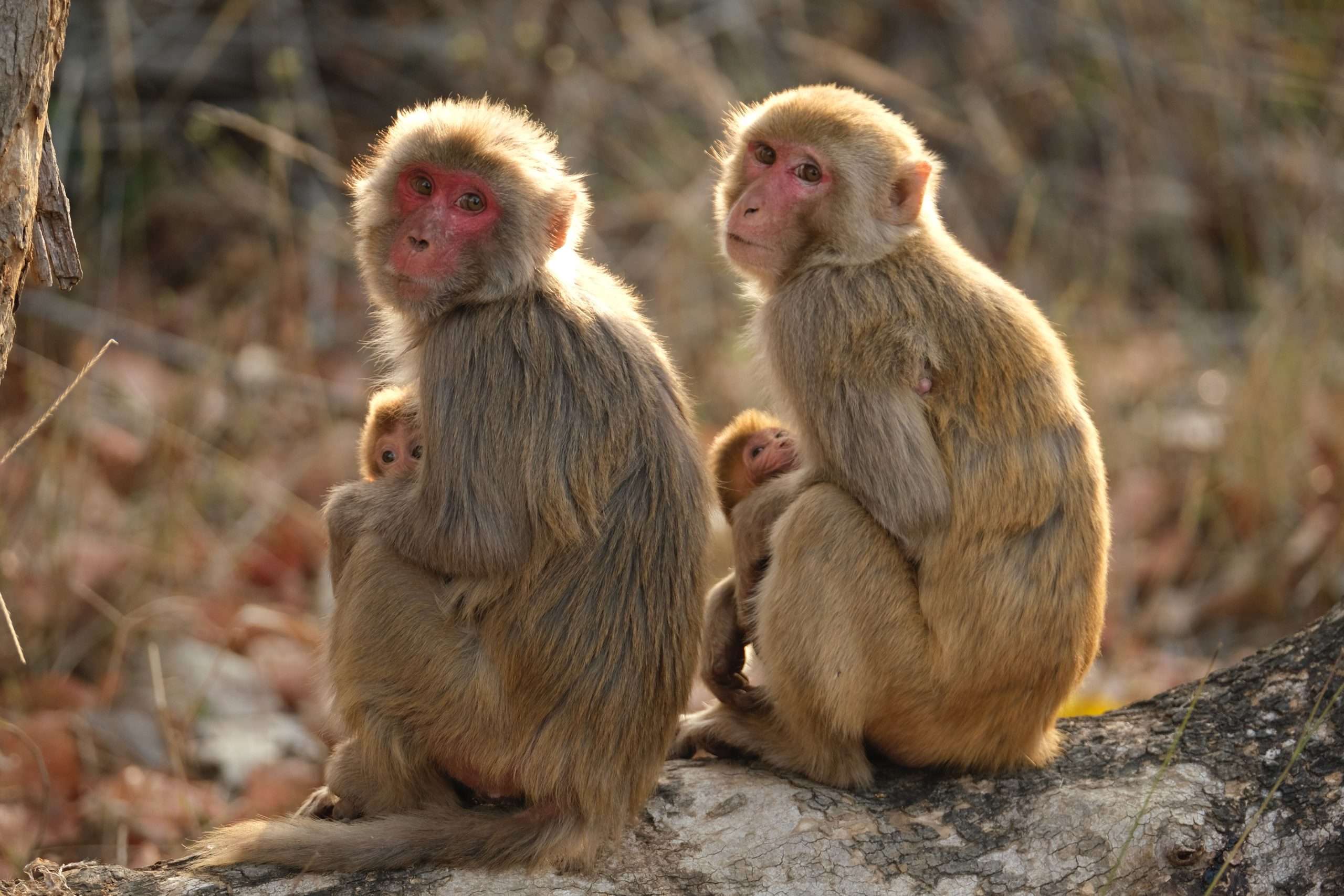
We had two excursions in the reserve today. We left for the first one through Gate 2 of the reserve’s Maghadi Zone at 6:15 AM. We saw langur and macaque monkeys, white-eyed buzzard, spotted deer, peacocks, wild boar, wild roosters, golden jackal, spotted owl, plum headed parakeet, rose ringed parakeet, and red wattled lapwing. No tiger sightings this morning.
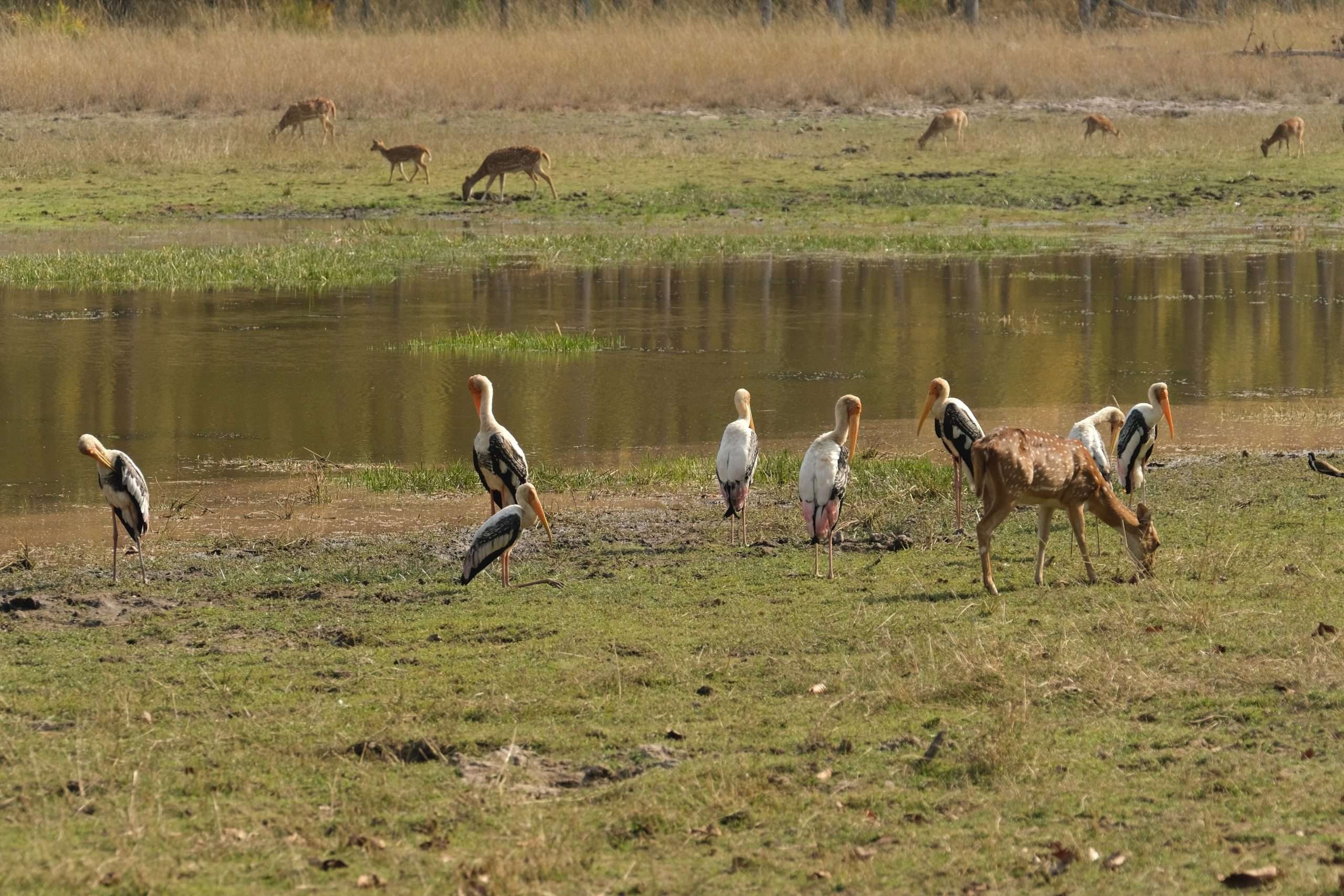
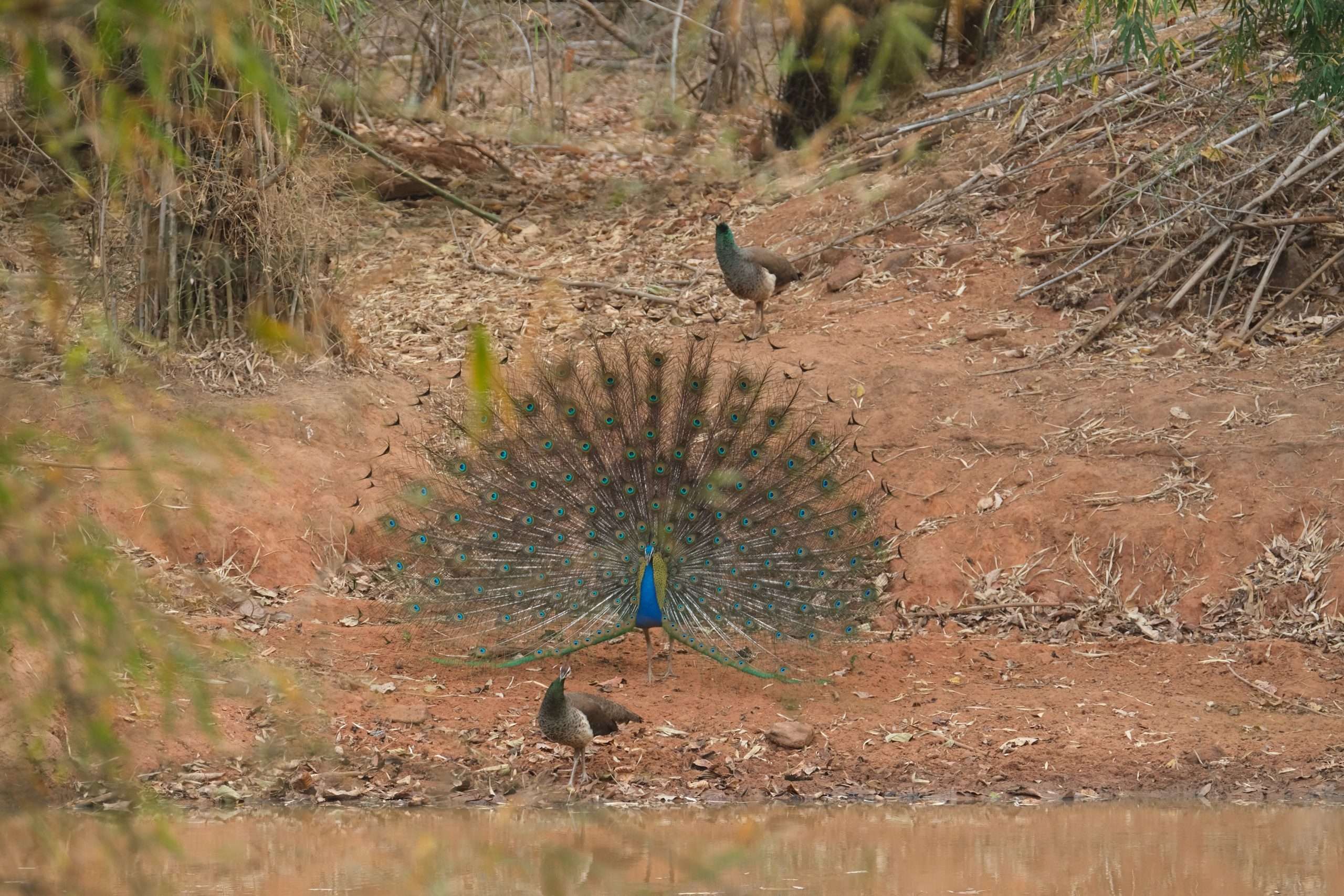
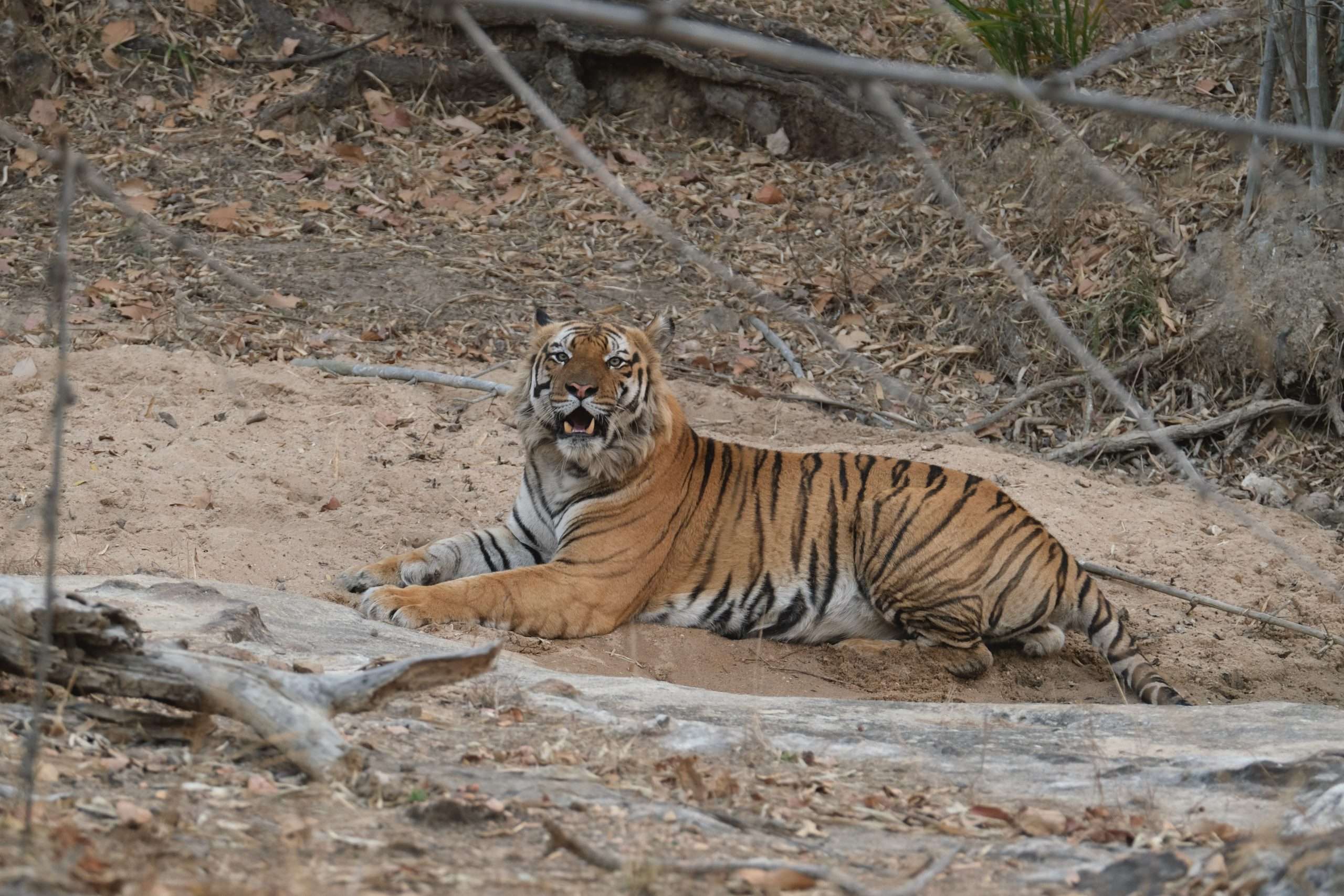
In the afternoon, we spent time in the Khitauli Zone entering via Gate 3. We were in luck. We saw two tigers and barking deer, sambal deer, gaur, ibis, painted stork, egret, grey hornbill, and a peacock with five peahens. In the evening, we had a dance performance by the Baiga tribe. The people of this tribe used to live within the reserve but have been relocated to a buffer zone outside the park.
Our Last Drives in the Bandhavgarh Park – March 16, 2024
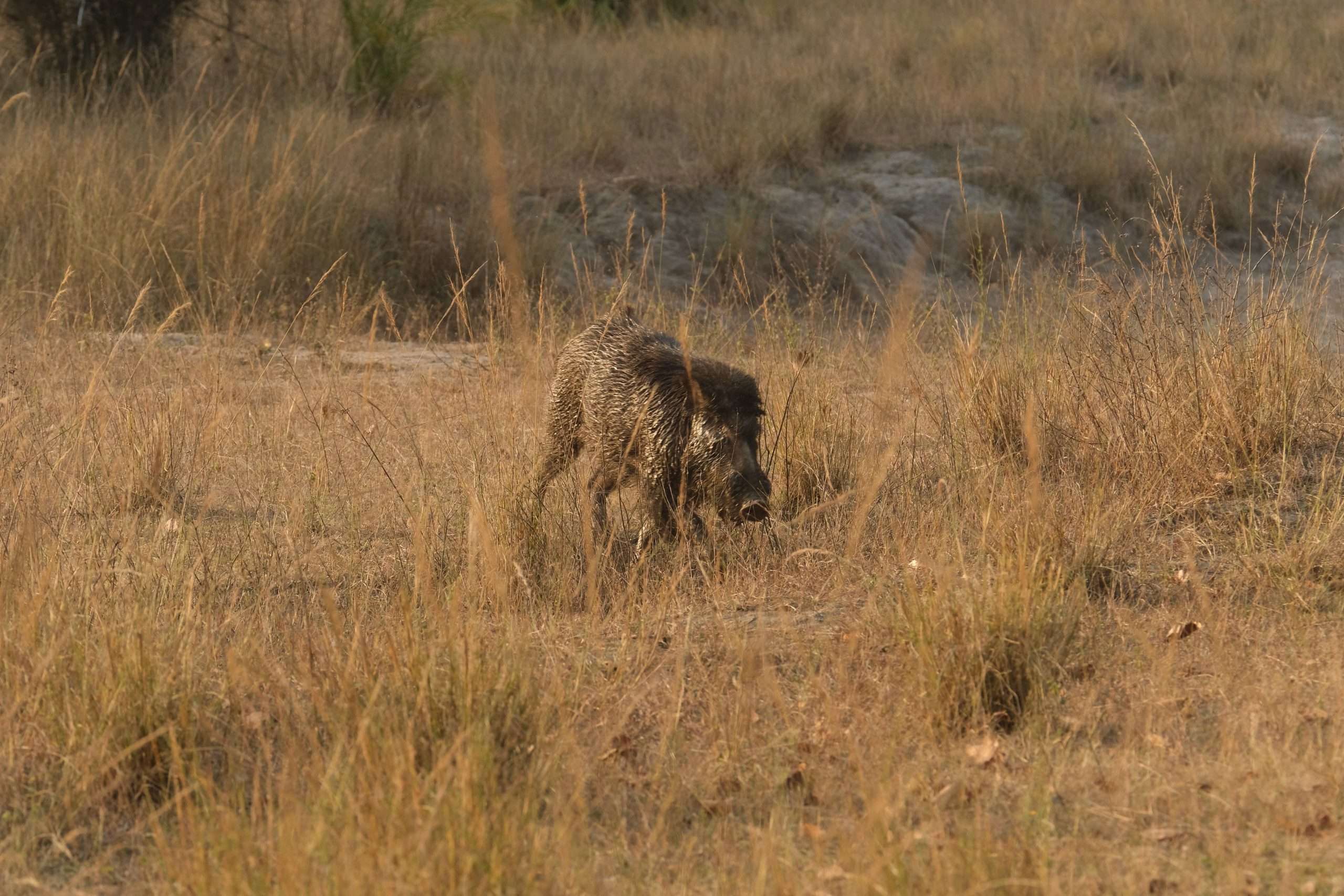
This morning was a repeat of yesterday morning. Entering Maghadi Zone through Gate 2, Albert saw wild boar, gaur, jackals, spotted deer and several types of birds, including a red-headed buzzard. Again, no tiger sightings.
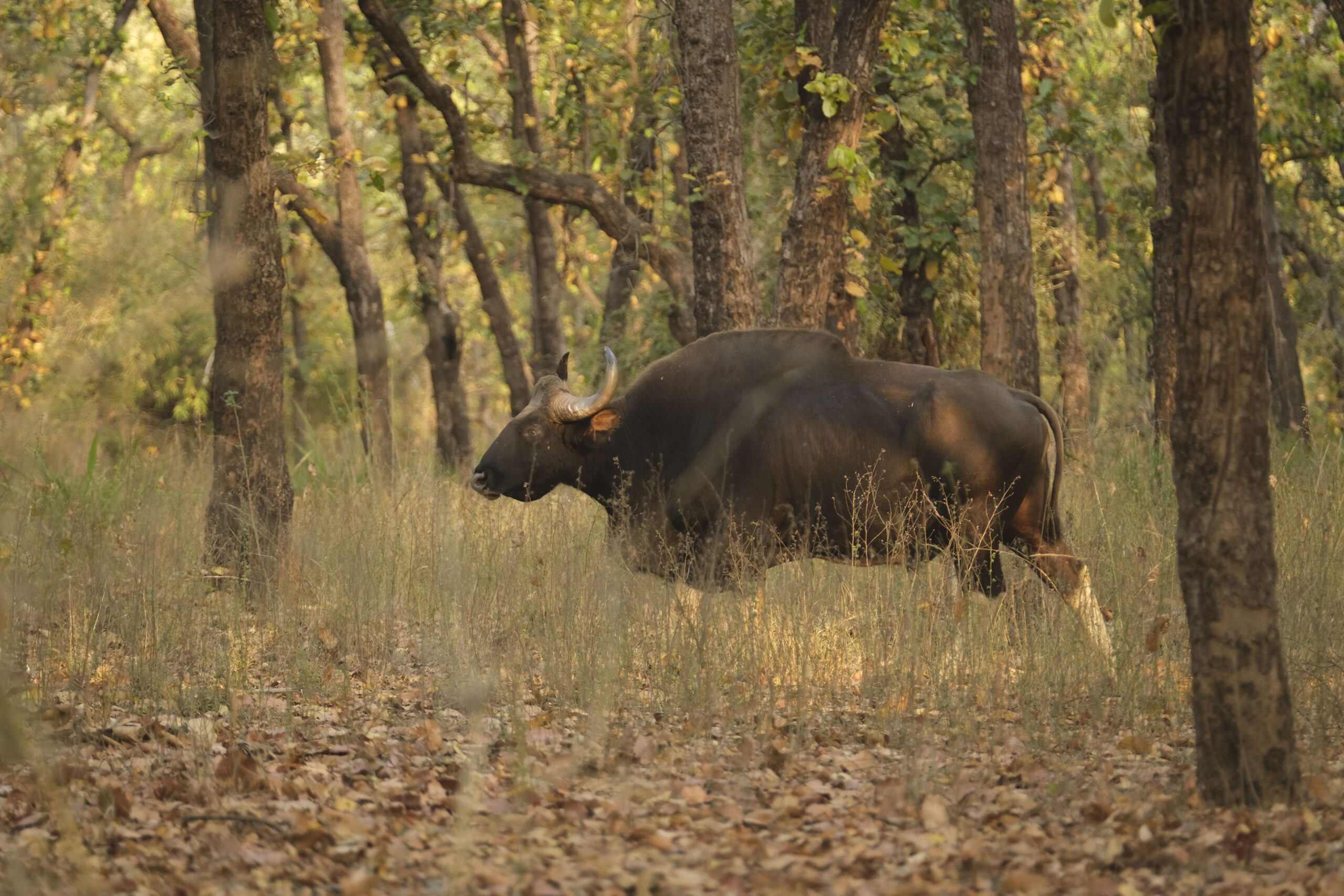
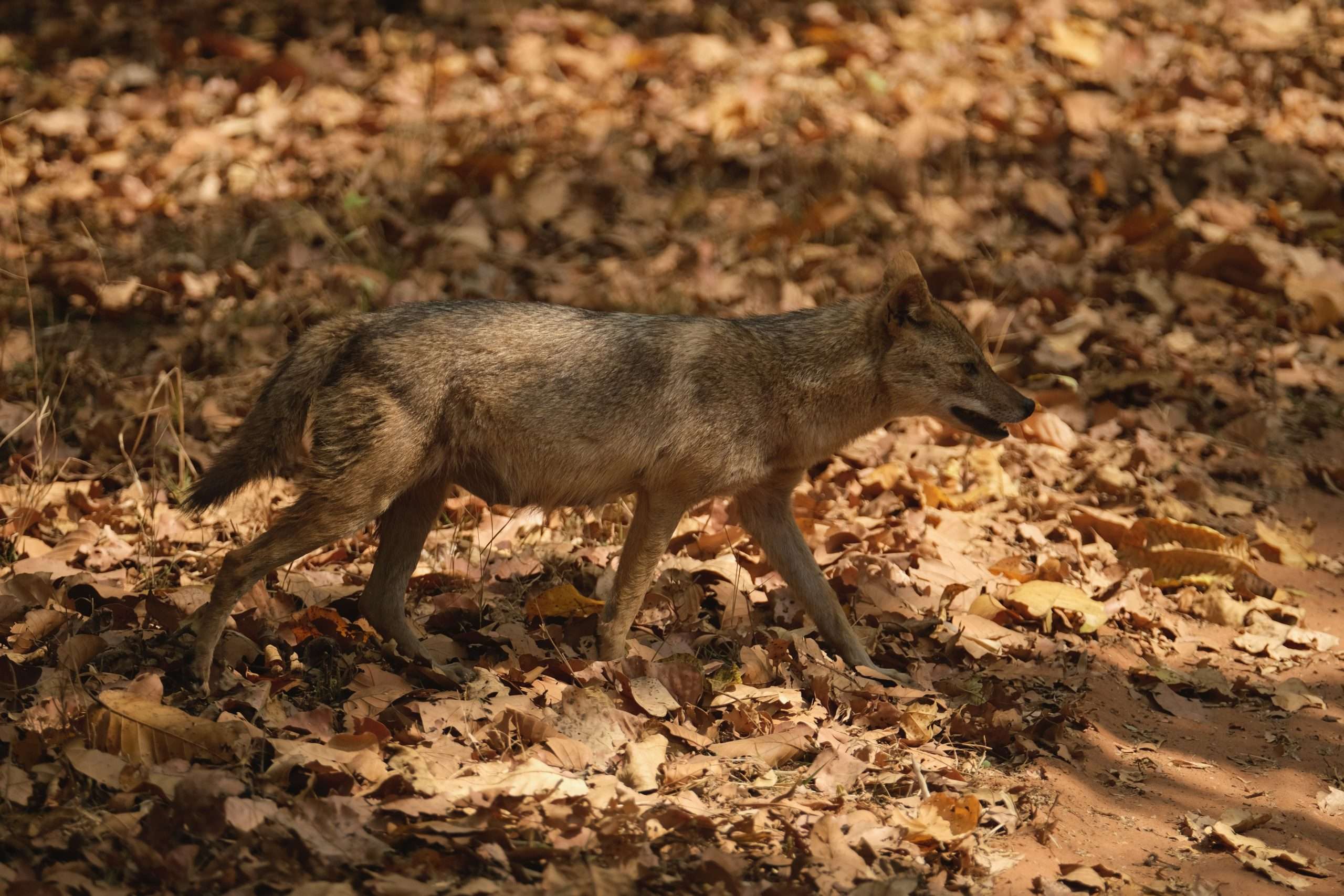
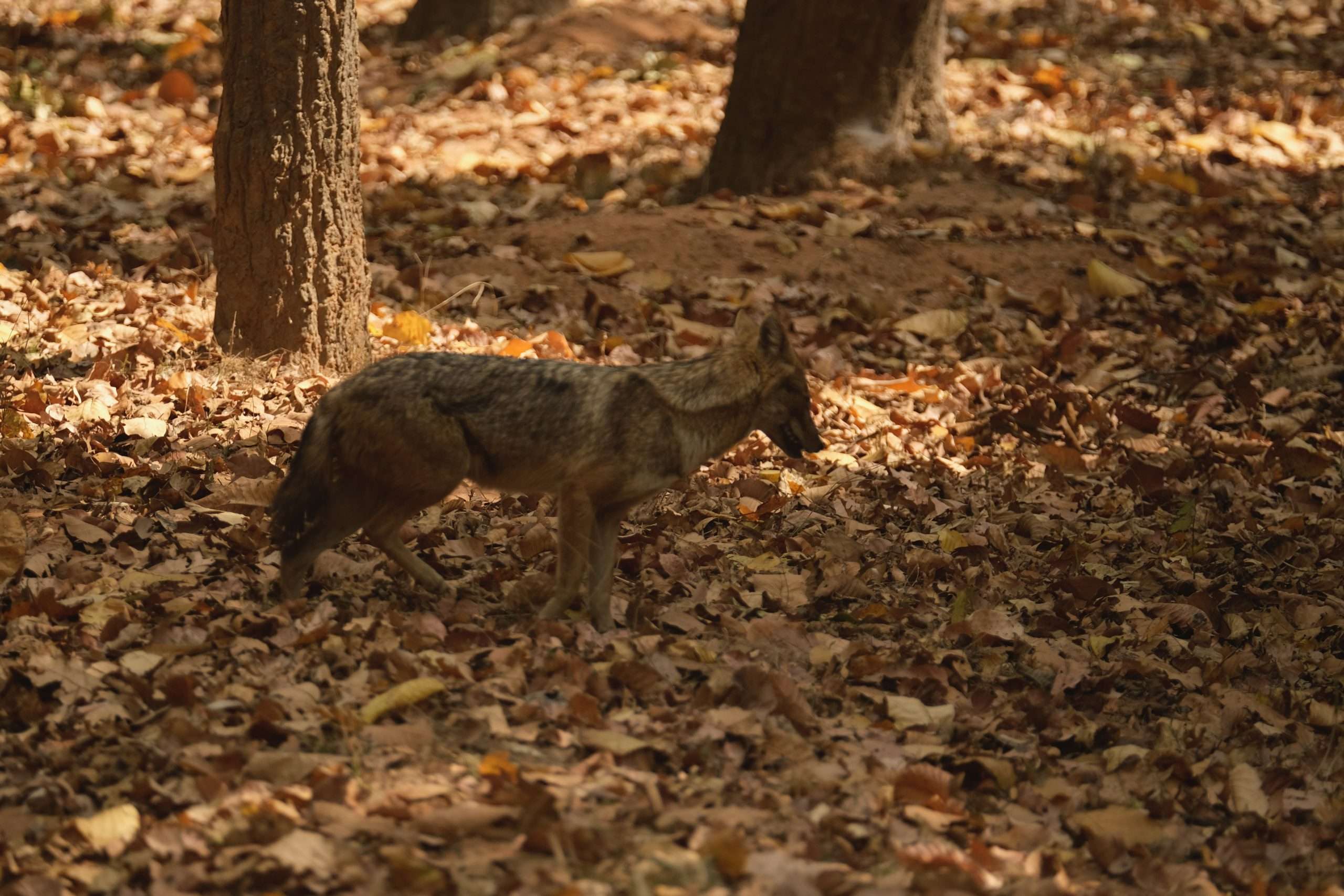
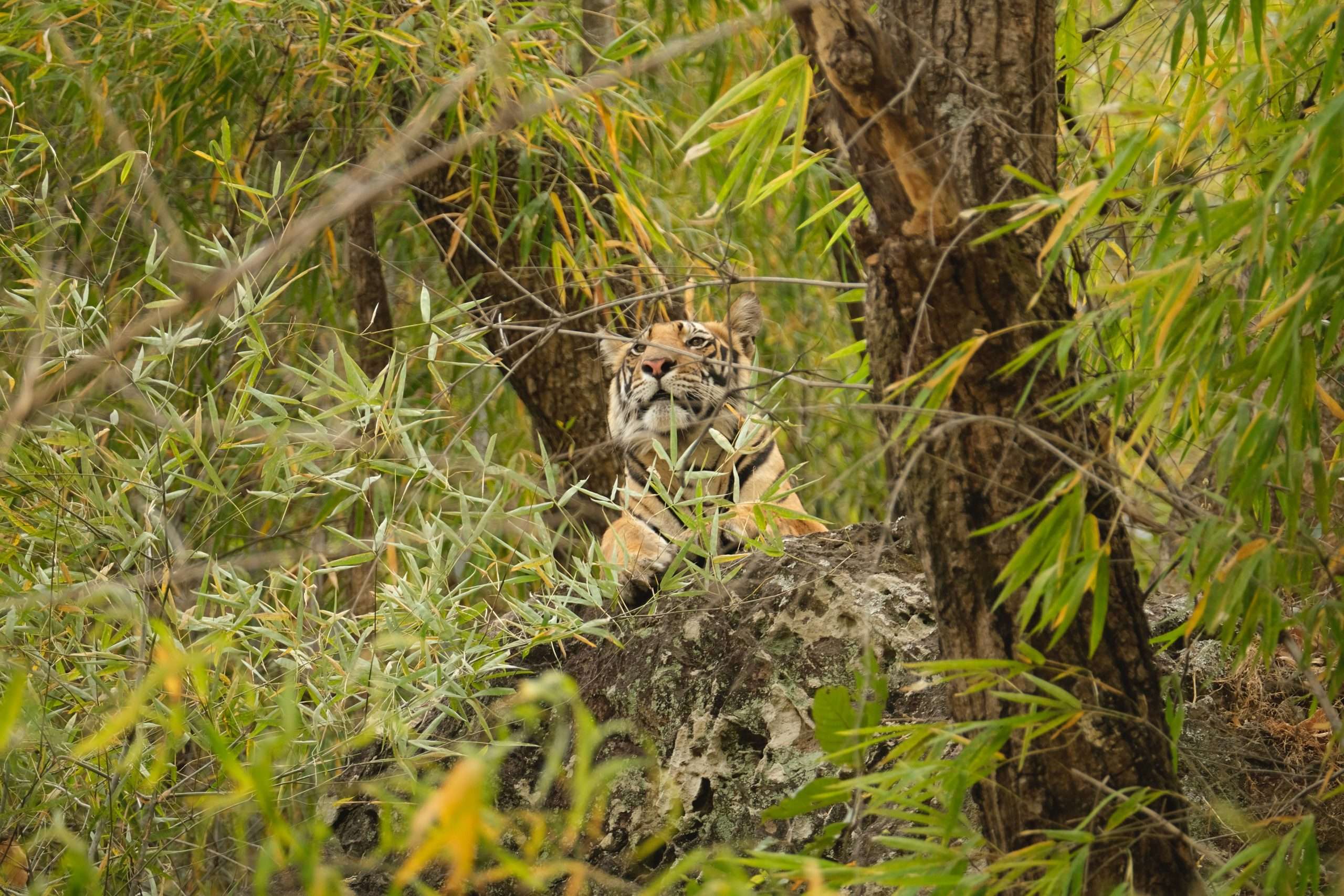
In the afternoon, the group visited the Tala Zone through Gate 1 and Albert sighted two tigers. That made his day. Christabel visited the village of Dhoba. Sadly, a tiger descended upon the village the previous night and killed a cow belonging to the family we were going to visit. So, plans were revised, and another family hosted us on the fly. It was eye opening to see the family’s living quarters.
This evening’s dinner was very special as the chef shared several of his recipes with us. Christabel has since made the eggplant recipe. It is absolutely fabulous.
A Long Travel Day – March 17, 2024
Today turned out to be an unexpectedly long journey. Our plans for a non-stop flight from Jabalpur to Mumbai hit a snag when the flight got cancelled. We found ourselves rerouted, first flying from Jabalpur to Delhi. After a two-hour layover at the Delhi airport, we finally boarded our flight to Mumbai. It was well past midnight when we reached the Oberoi Hotel in the heart of the city, tired but relieved to have finally arrived at our destination.
Farewell to Mumbai – March 18, 2024
We decided to skip today’s planned tour activities, such as visiting the iconic Gateway of India, strolling through South Mumbai’s Fort Heritage district, and taking a bus trip to Dhobi Ghat. Instead, we opted to catch up with Christabel’s cousin Joan and her husband Godwin over a leisurely lunch in Bandra, a vibrant suburb of Mumbai, and formerly Albert’s old stomping ground.
Later in the evening, we reunited with the group for a farewell cocktail reception and dinner at Ziya, an elegant modern Indian restaurant in the hotel.
Homeward Bound – March 19, 2024
We departed for the airport early in the morning for our journey home. Despite an extended layover at Istanbul, the flight was uneventful.
Hi Christabel,
Thanks so much for sharing this wonderful report on your amazing trip! I can see why you and Albert must have loved every day of it. Hope we get to see you soon and learn even more. Bebe
Thank you. Hope you had a wonderful time in Charleston.