
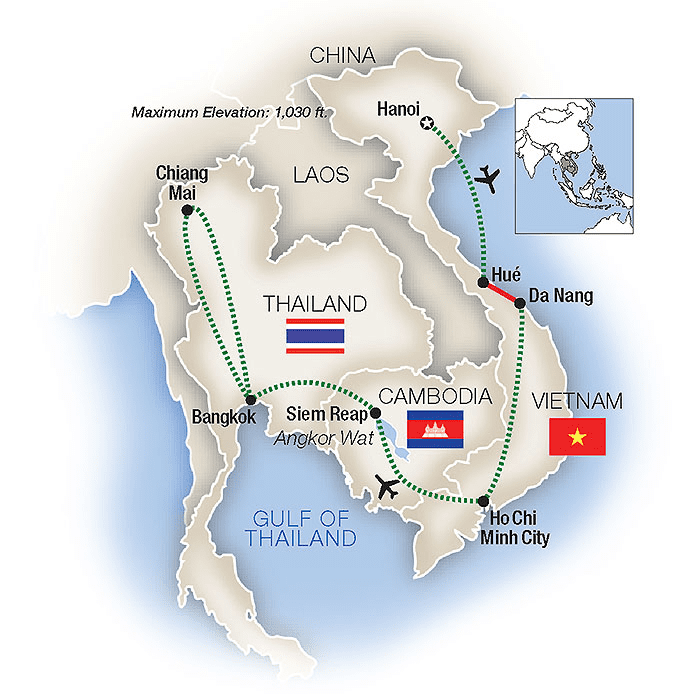
Our long-awaited trip to Southeast Asia finally became a reality this year. Visiting Vietnam, Cambodia, and Thailand had always been a dream, and our journey took us through some of the region’s most captivating destinations. From the historic charm of Old Hanoi and the awe-inspiring Angkor Wat to the vibrant energy of Bangkok, we explored three UNESCO World Heritage sites and experienced the rich culture, history, and beauty of these incredible countries.
Arrival in Hanoi to a Delayed Start – January 20, 2025
We took an early morning flight on Scoot, but unfortunately, it was delayed, causing us to arrive in Hanoi later than planned. As a result, we missed the orientation walk of the old city that had been organized by our tour director. The drive from the airport to our hotel took approximately 45 minutes. Much of the journey felt familiar, as the scenery—featuring bustling streets, modest buildings, and scattered greenery—bore a striking resemblance to areas around Mumbai airport.
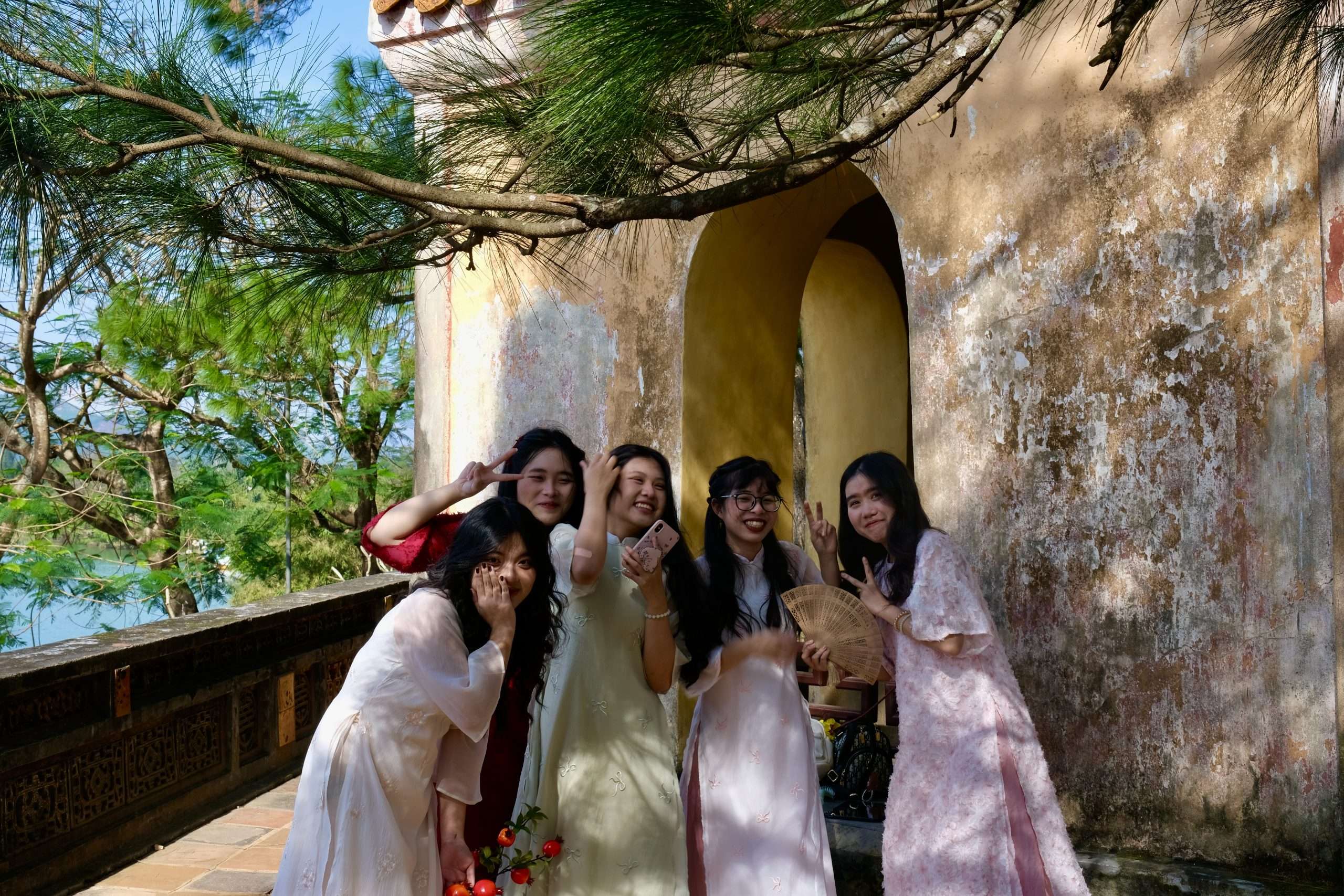
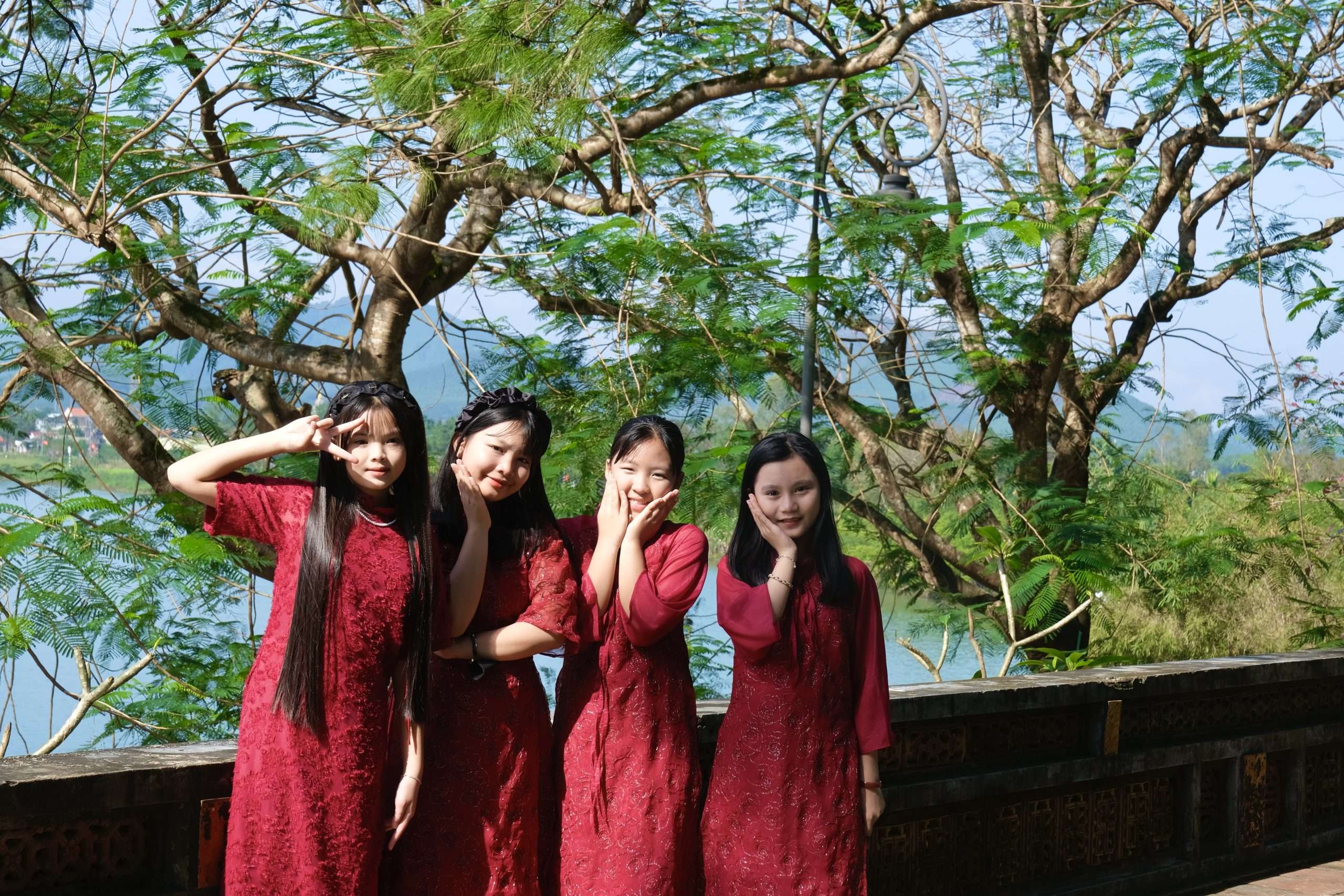
Upon arrival, we checked into the Sofitel Metropole, an exquisite hotel steeped in history and charm. After settling in, Albert took a leisurely walk around the hotel and Hoàn Kiếm Lake. He noticed many young women dressed to the nines, posing for selfies or with professional photographers around the lake, and wondered why.
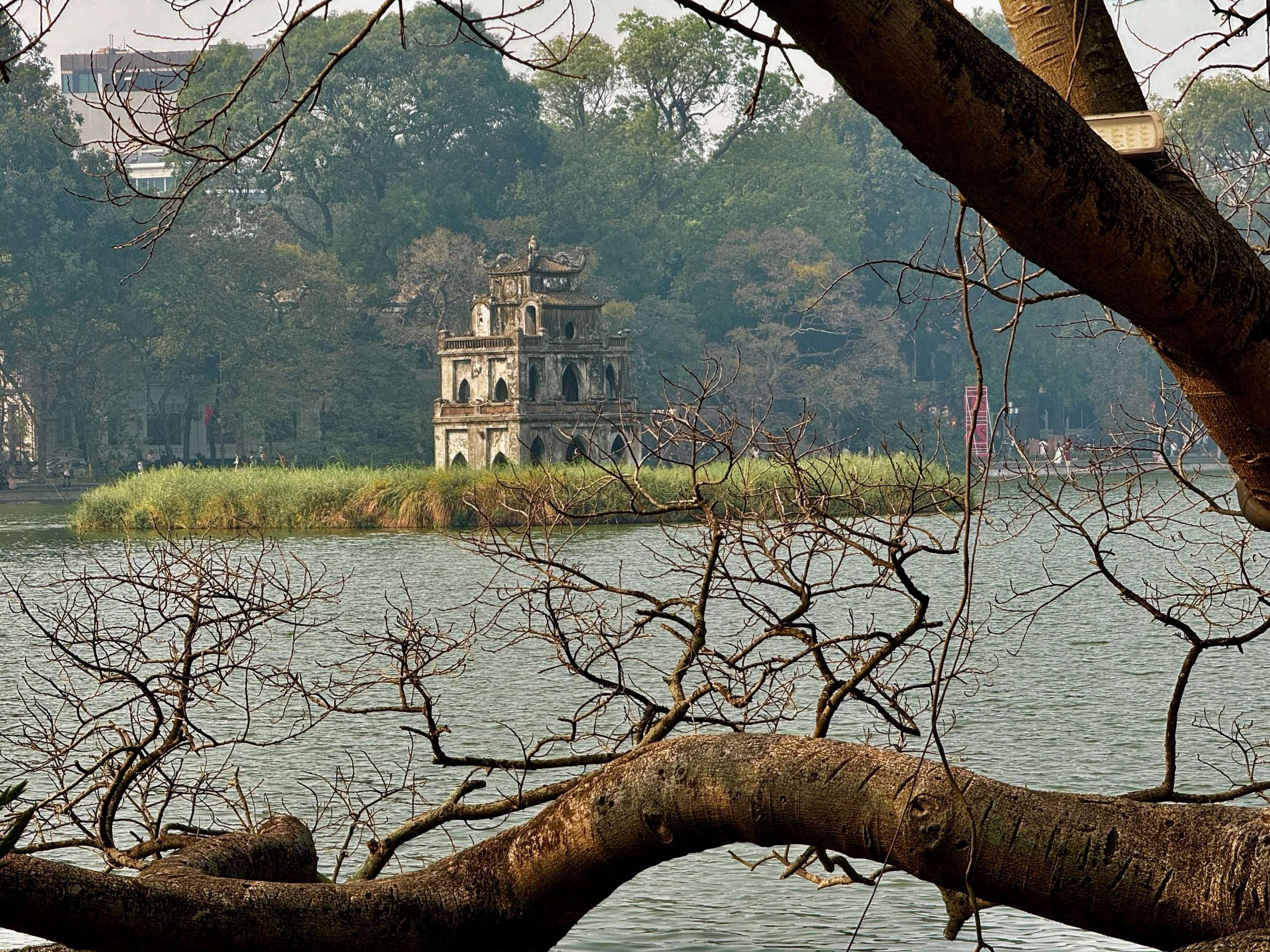
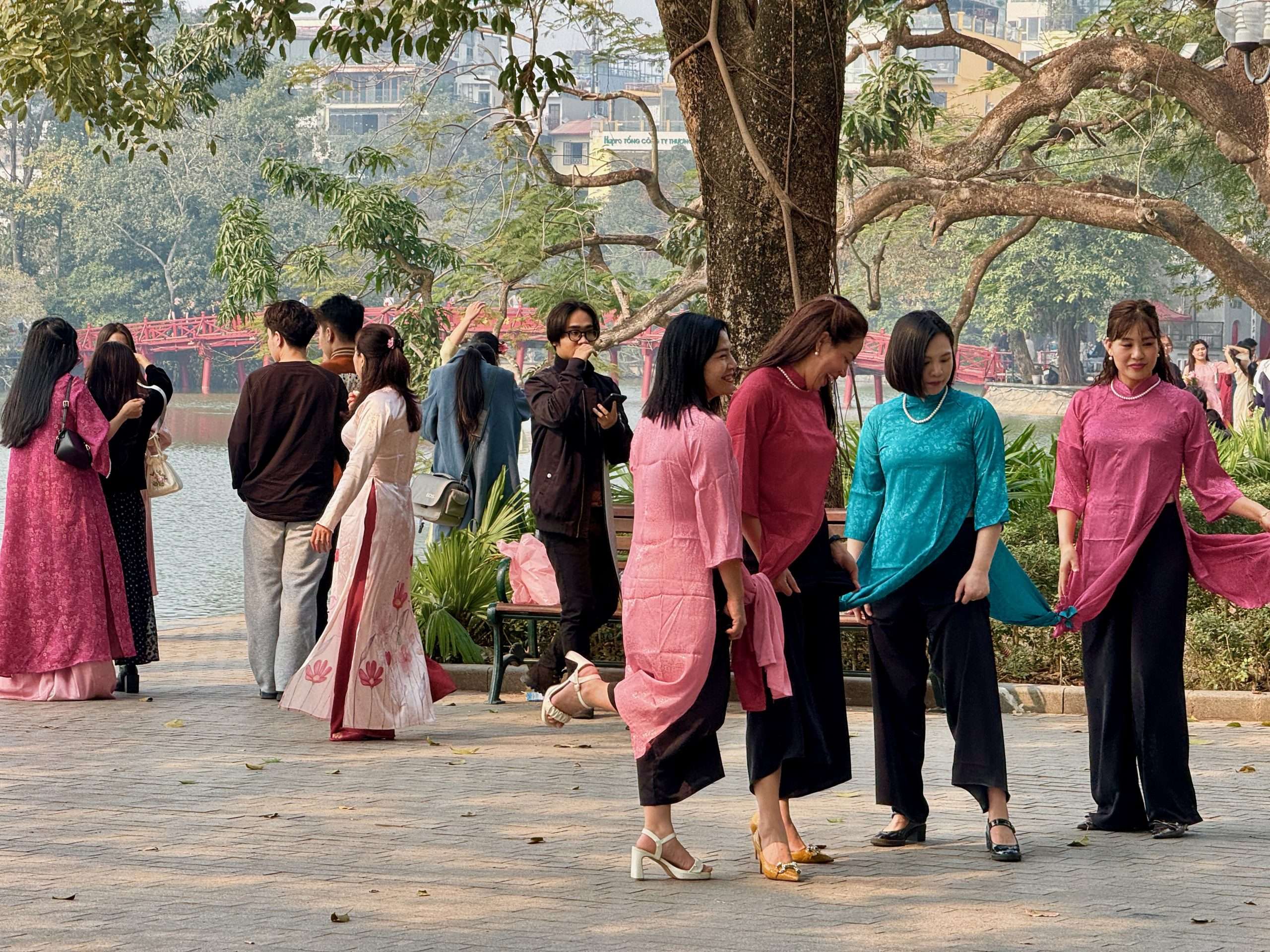
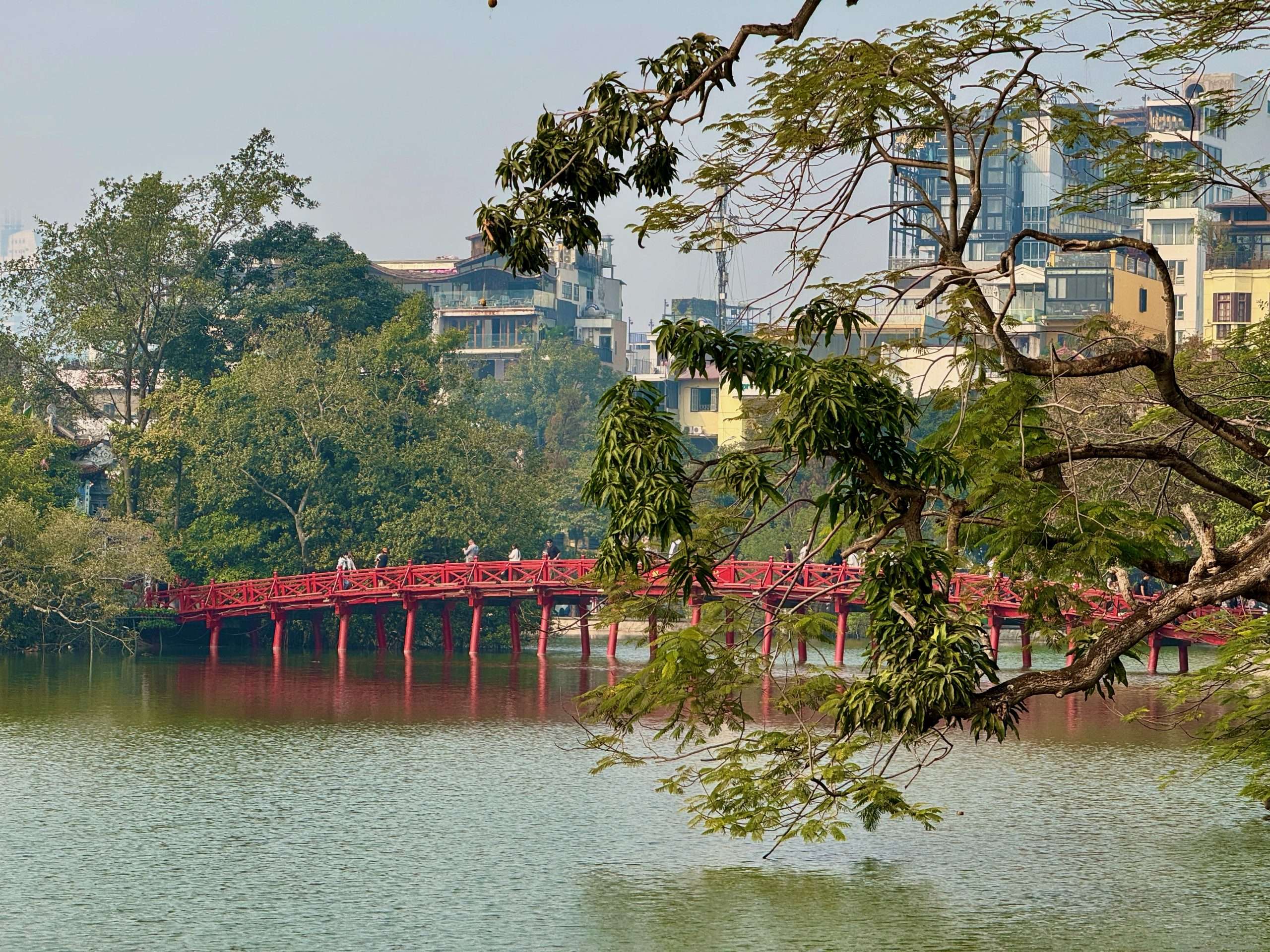
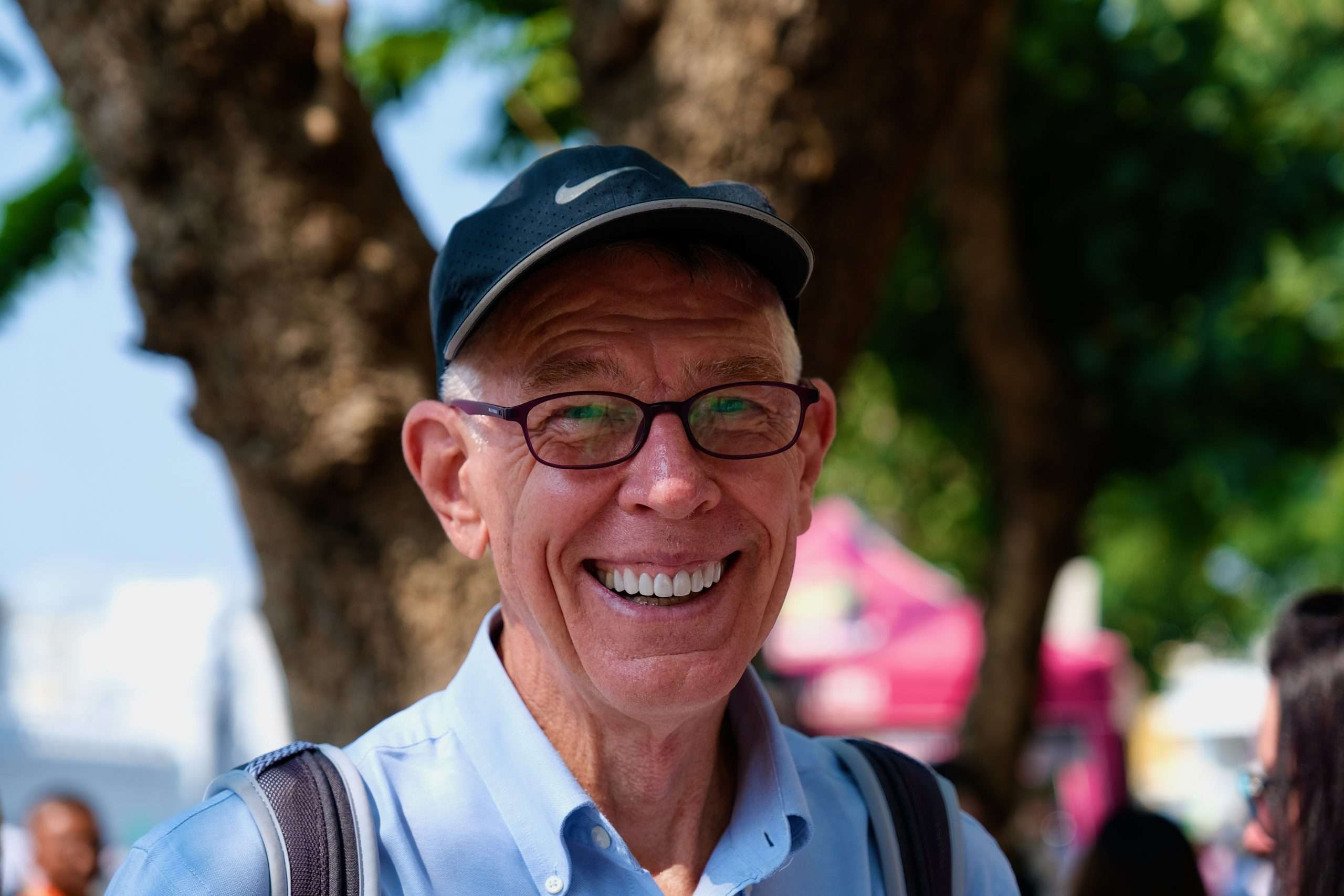
Later in the evening, we gathered with our tour director and a group of 30 fellow travelers for a welcome reception. This was followed by an elegant dinner at Le Beaulieu, the hotel’s renowned French restaurant.
Exploring Hanoi’s Heritage and Culture – January 21, 2025
After enjoying breakfast, we embarked on a 45-minute exploration of Hanoi’s Old Quarter in open club cars. The city’s most visited attraction, this historic area—reminiscent of Mumbai’s Crawford Market—is a vibrant maze of narrow streets and French colonial-era architecture, bustling with local vendors, cafés, and traditional shops. Known as the 36 Old Streets, each street is named after a particular trade, such as Silk Street, where silk goods were sold, or Silver Street, known for silver and jewelry.
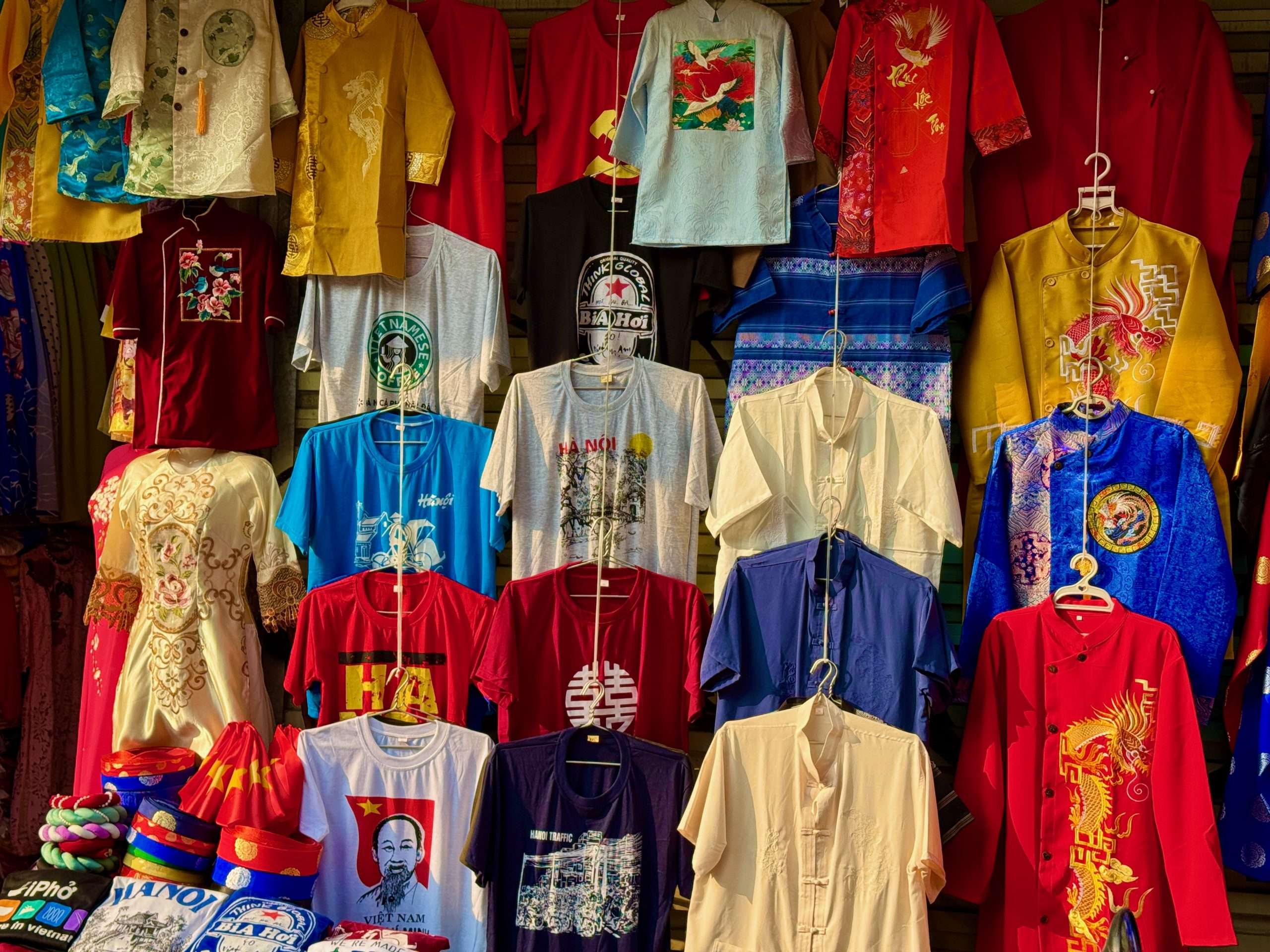

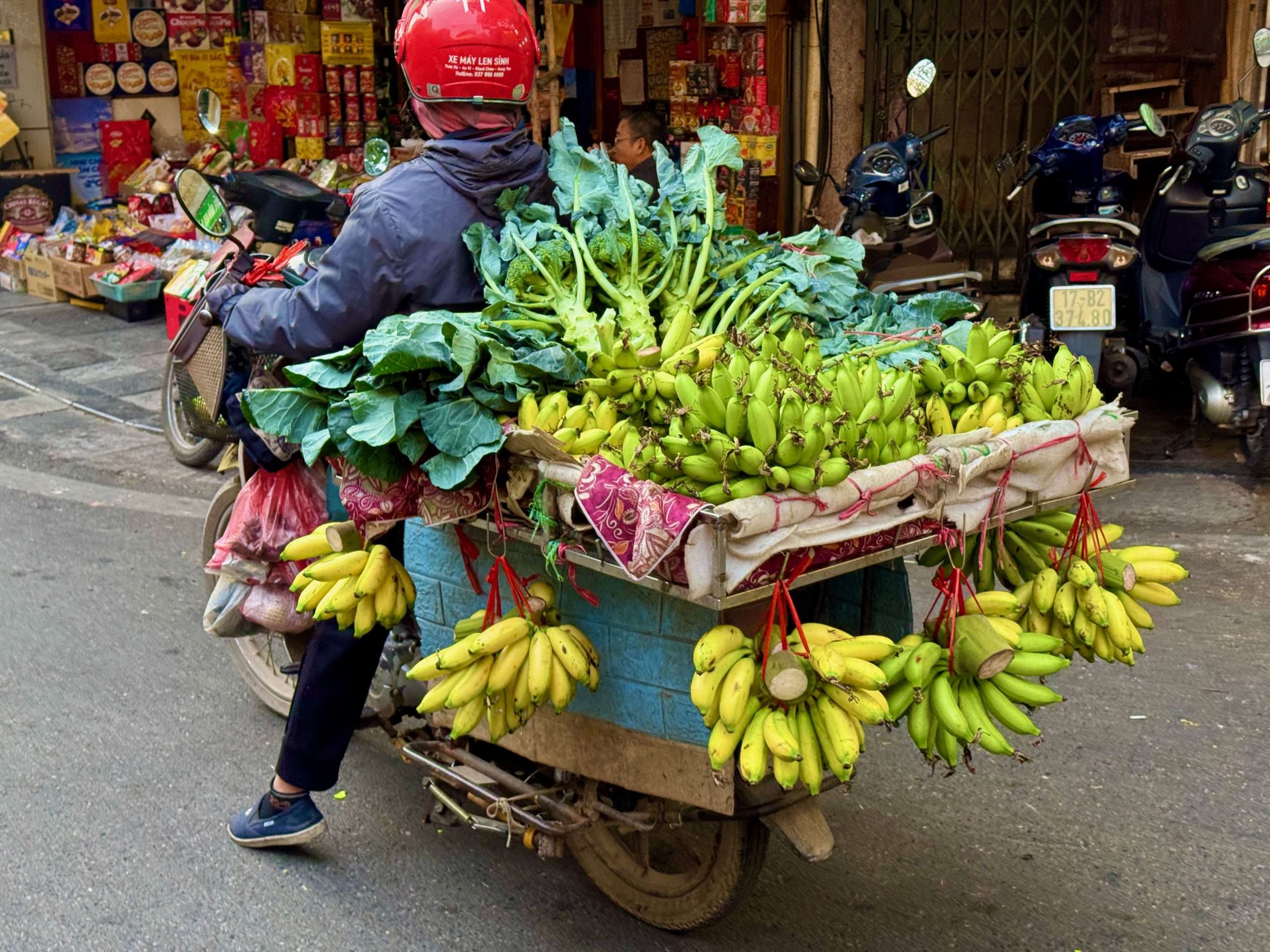
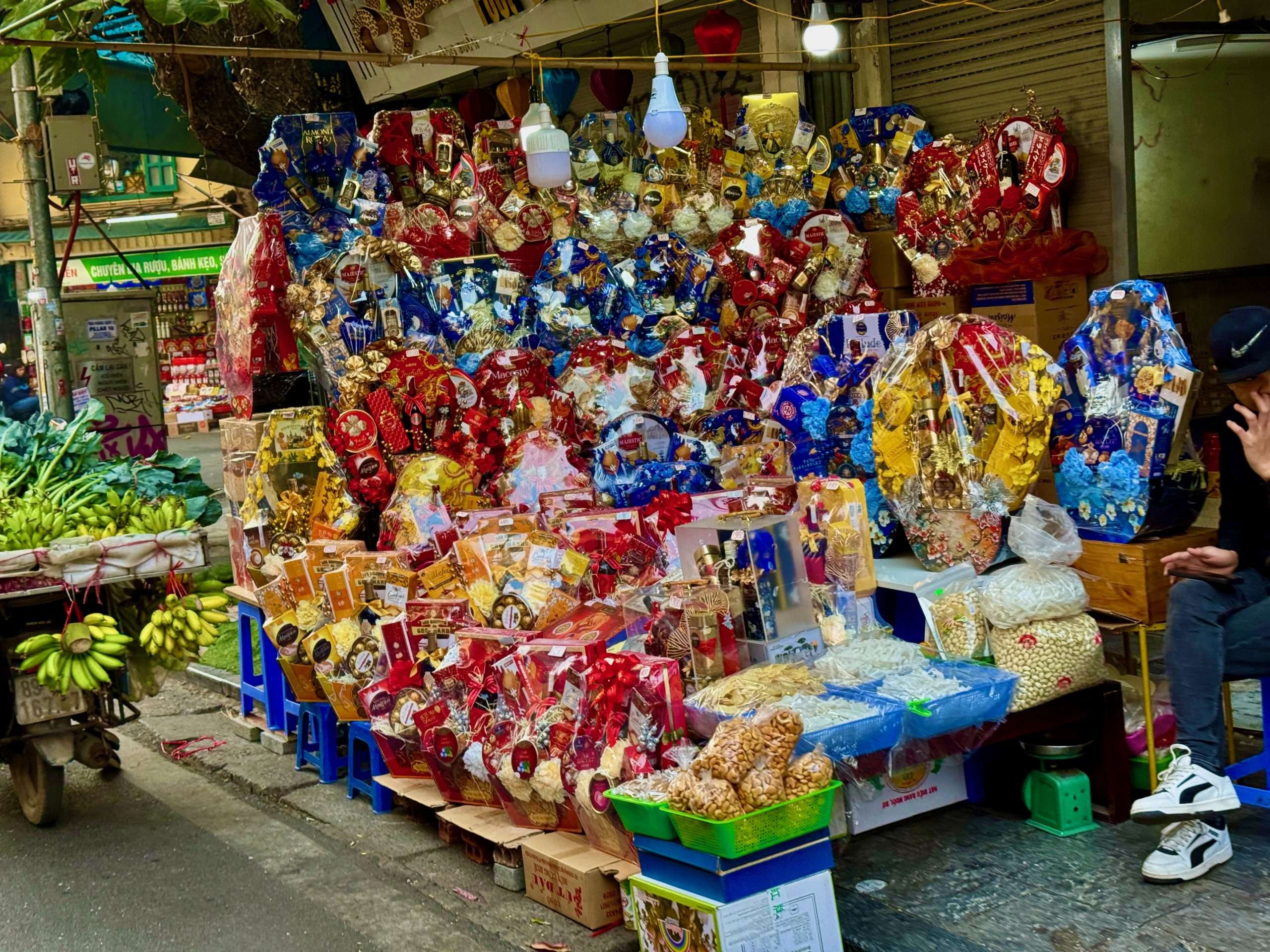
Following a brief break, we continued our journey to explore the Ho Chi Minh Mausoleum Complex, which includes several key landmarks such as the Presidential Palace, Ho Chi Minh’s Residence, One Pillar Pagoda, and the Ho Chi Minh Museum.
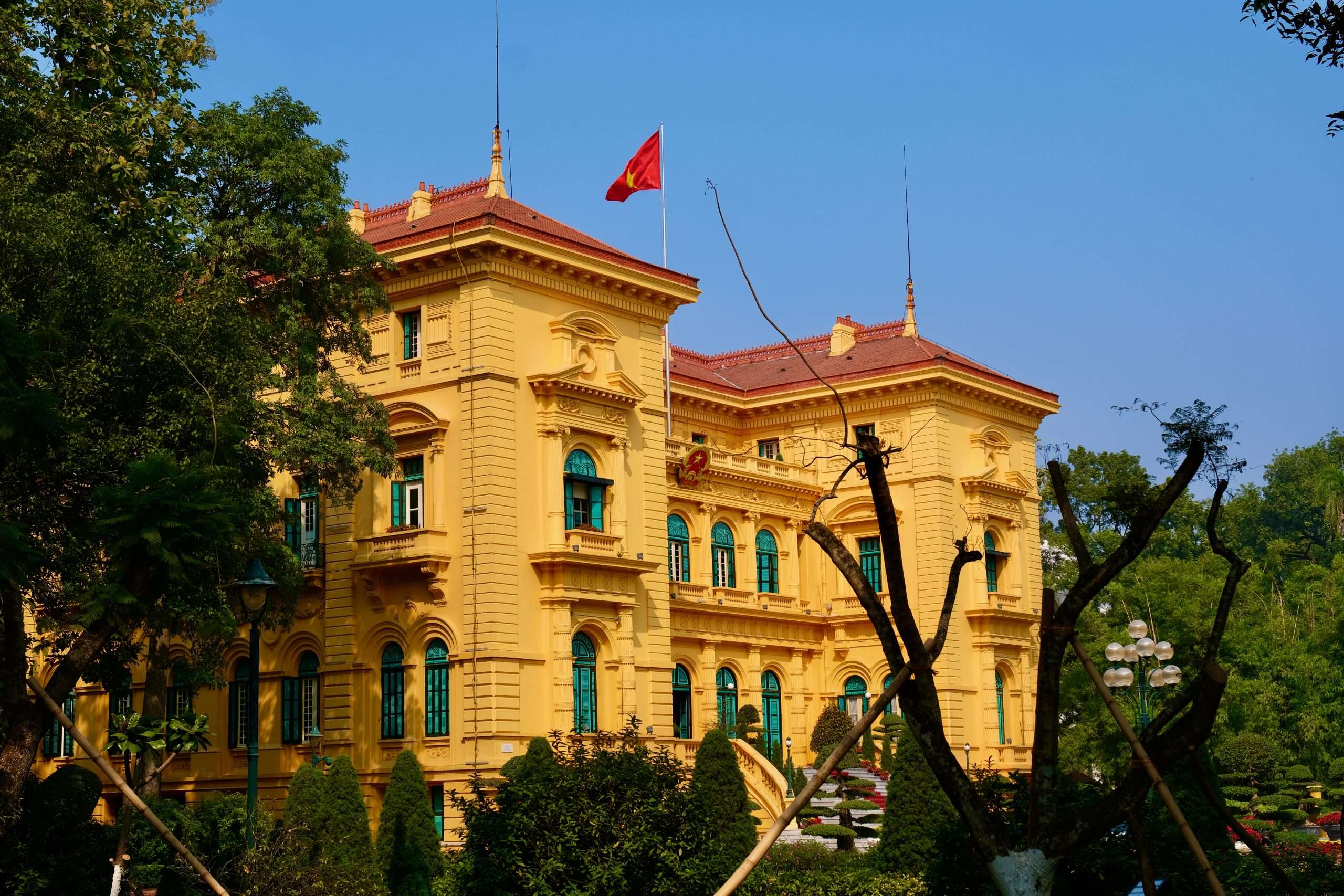
Our first stop was Ho Chi Minh’s Mausoleum, a solemn and revered site where the embalmed body of modern Vietnam’s founding leader is preserved. We were able to enter the mausoleum and see the burial chamber. Next, we visited the Presidential Palace, an elegant colonial-era building that once housed the Governor-General of Indochina and now serves as an important symbol of Vietnam’s government.
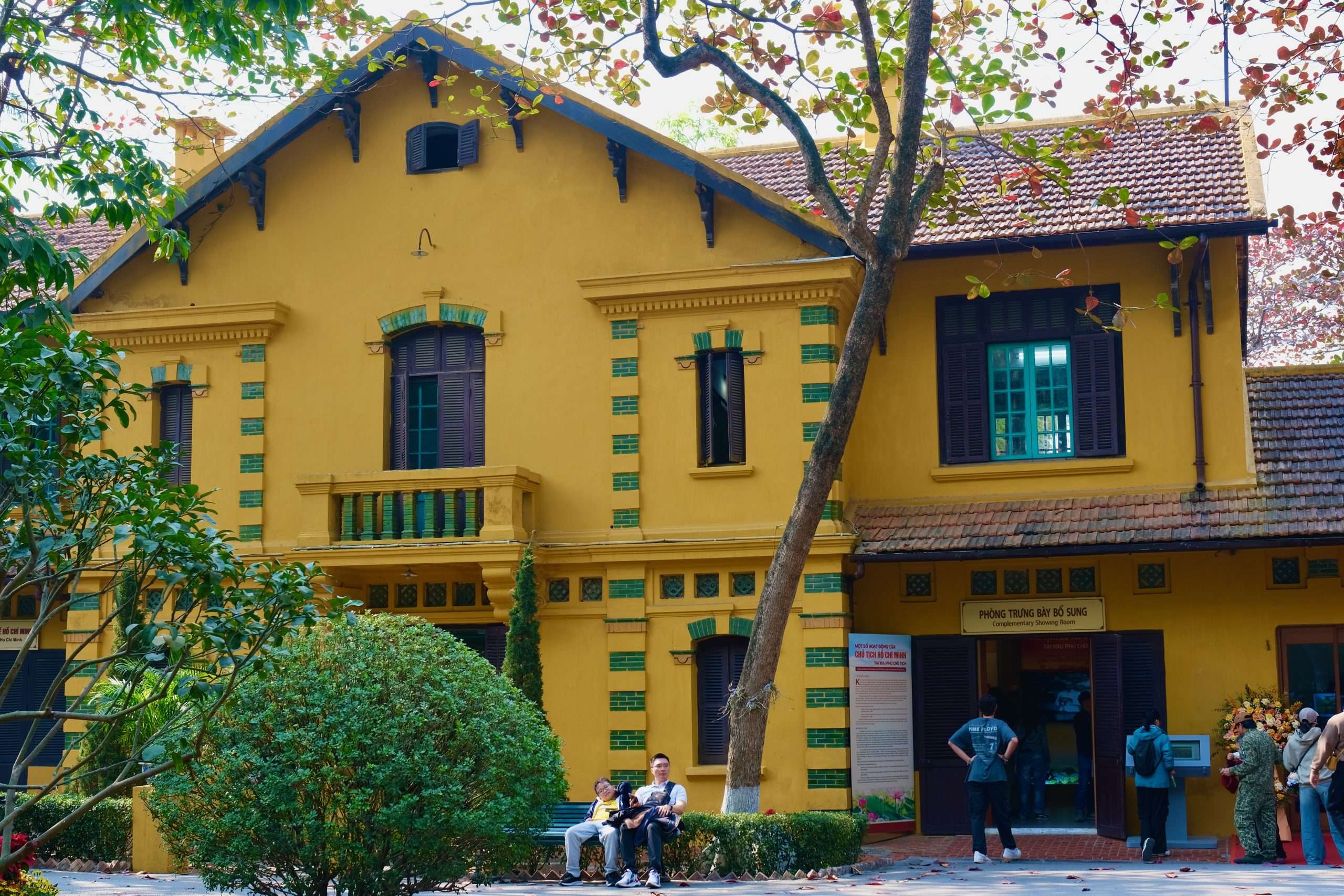
We then walked through Ho Chi Minh’s Stilt House, where one could see how simply he lived by viewing his study, sleeping quarters, and bomb shelter. We were also able to see his fishpond, orchard, and a collection of cars.
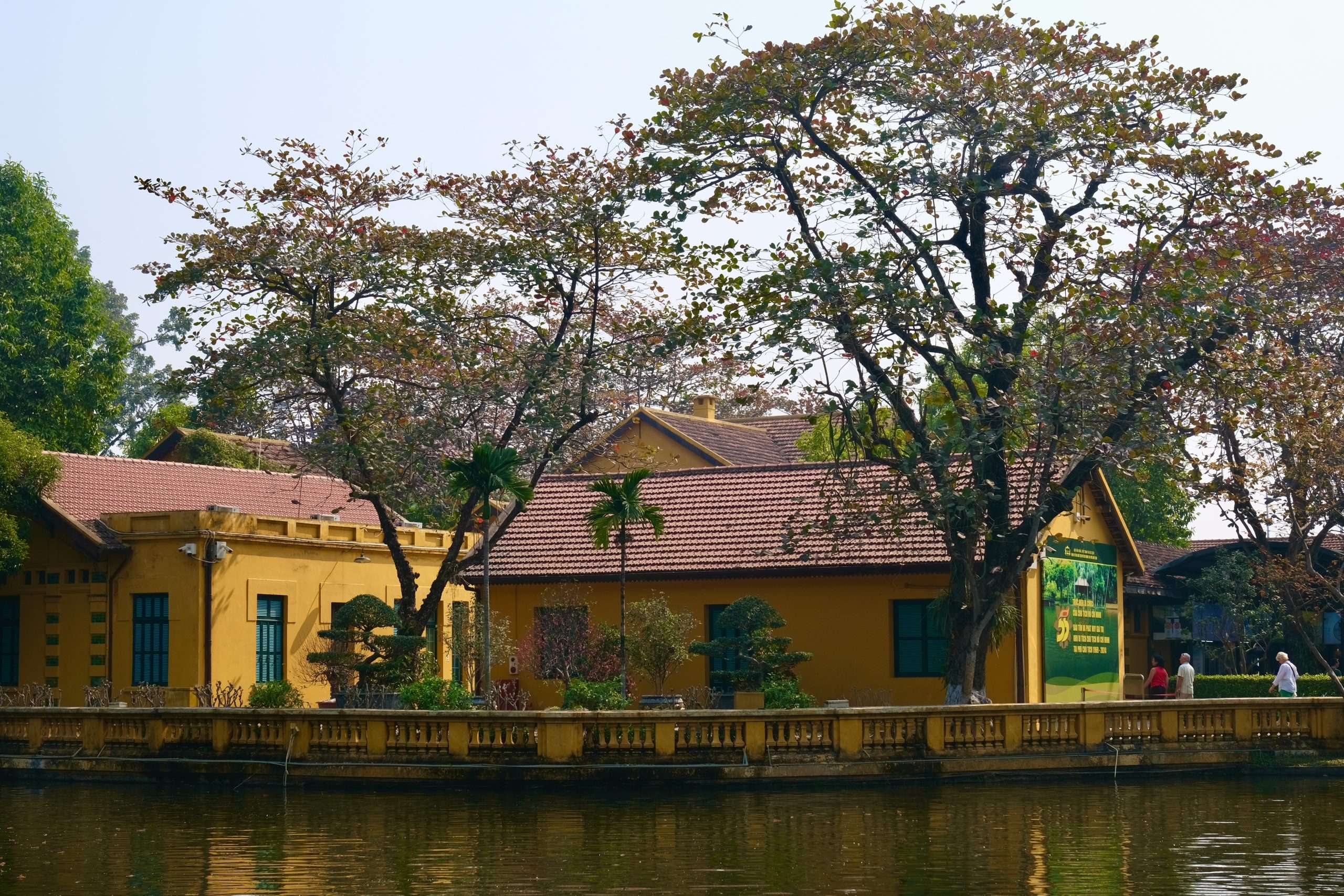

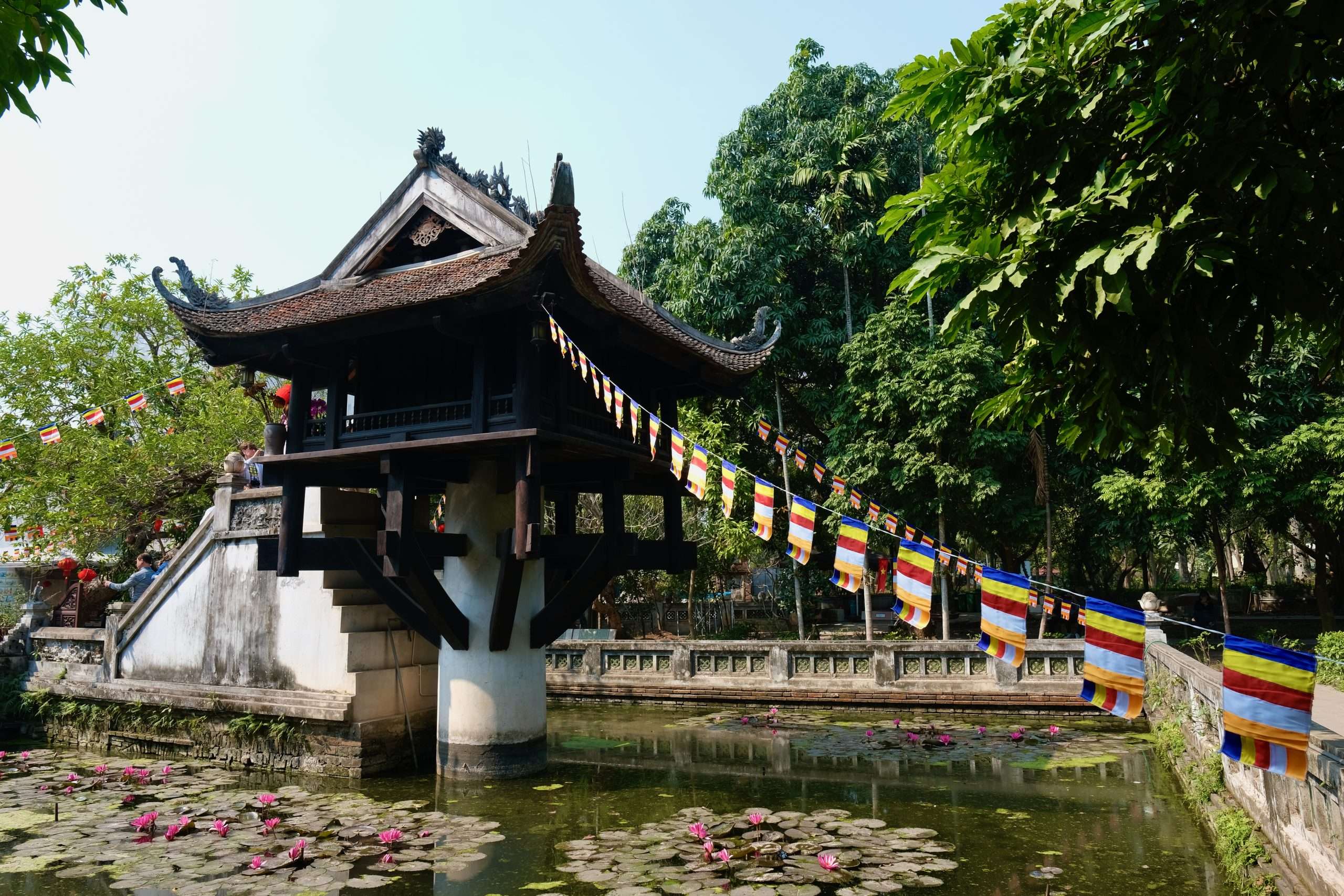
Afterwards, we visited the One Pillar Pagoda, an iconic Buddhist temple known for its unique architecture and historical significance. Legend has it that Emperor Ly Thai Tong built it in gratitude to the Goddess of Mercy for granting him a son. The original was destroyed by the French, but the temple was later rebuilt by the new government.

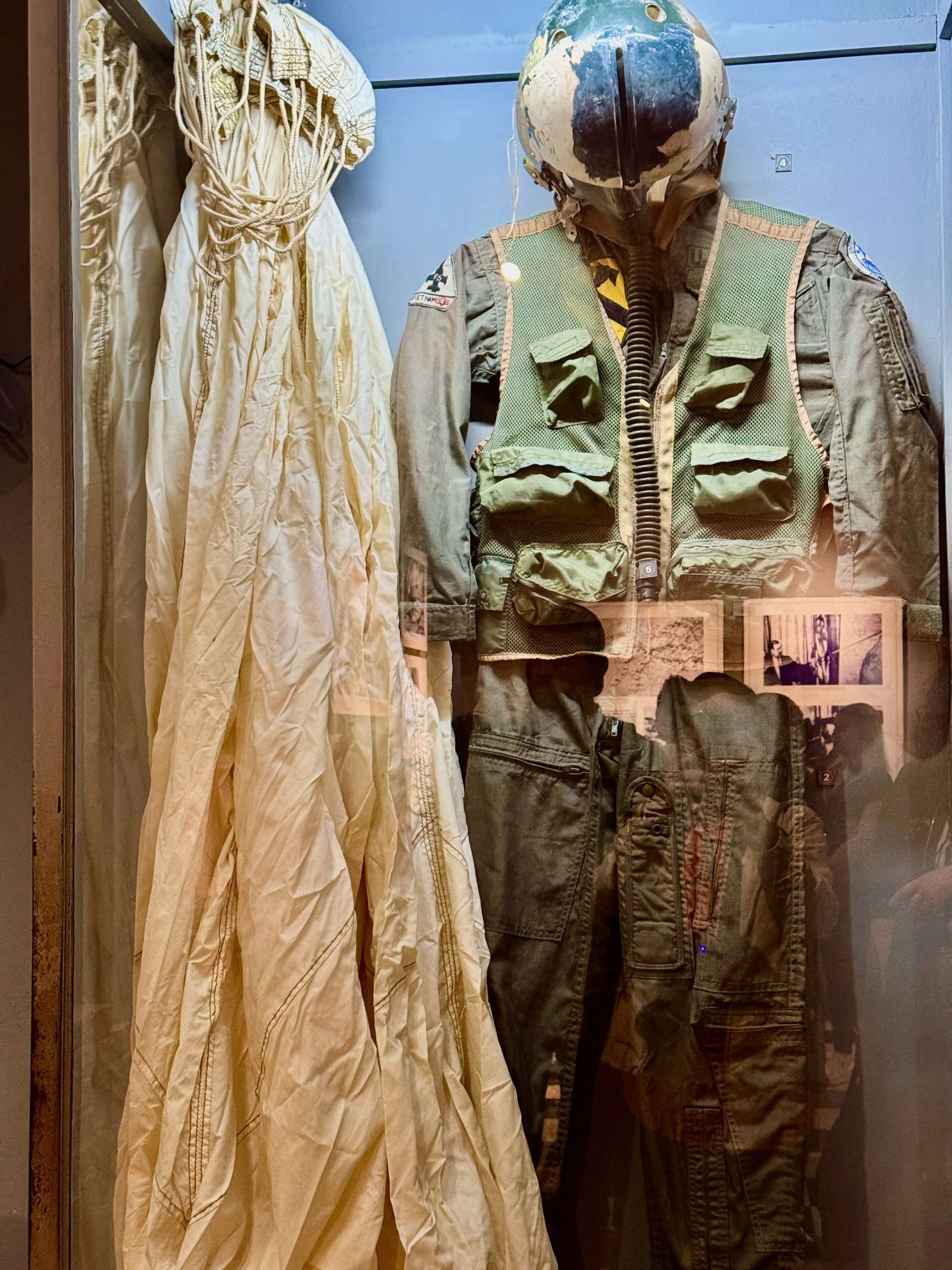
Our last stop of the morning was the infamous Hoa Lo Prison, built by the French to incarcerate the Vietnamese and later used by the Vietnamese to imprison U.S. POWs. Often referred to as the ‘Hanoi Hilton,’ it offers a sobering glimpse into the experiences of prisoners during Vietnam’s turbulent history. It made for eerie viewing.
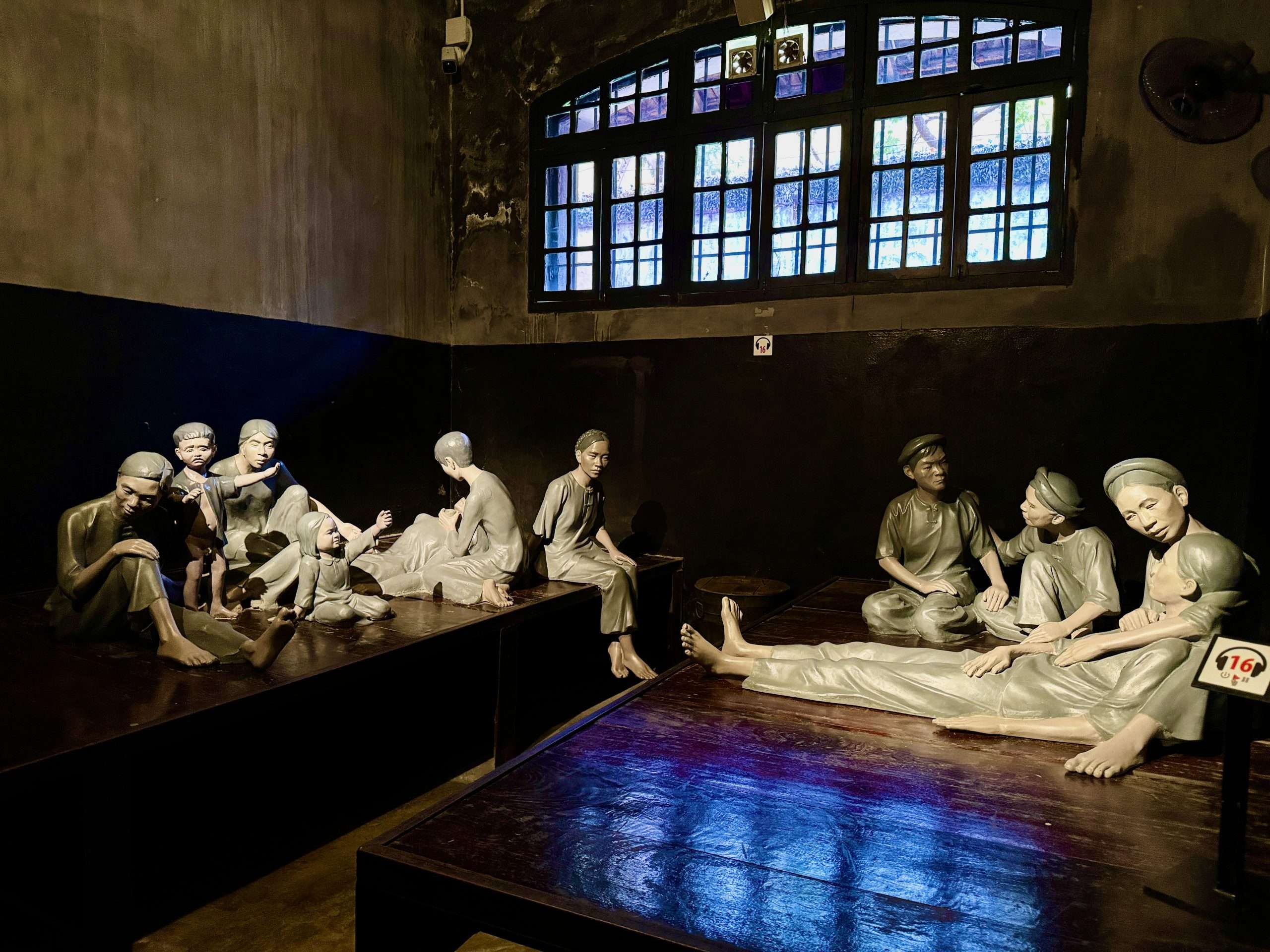
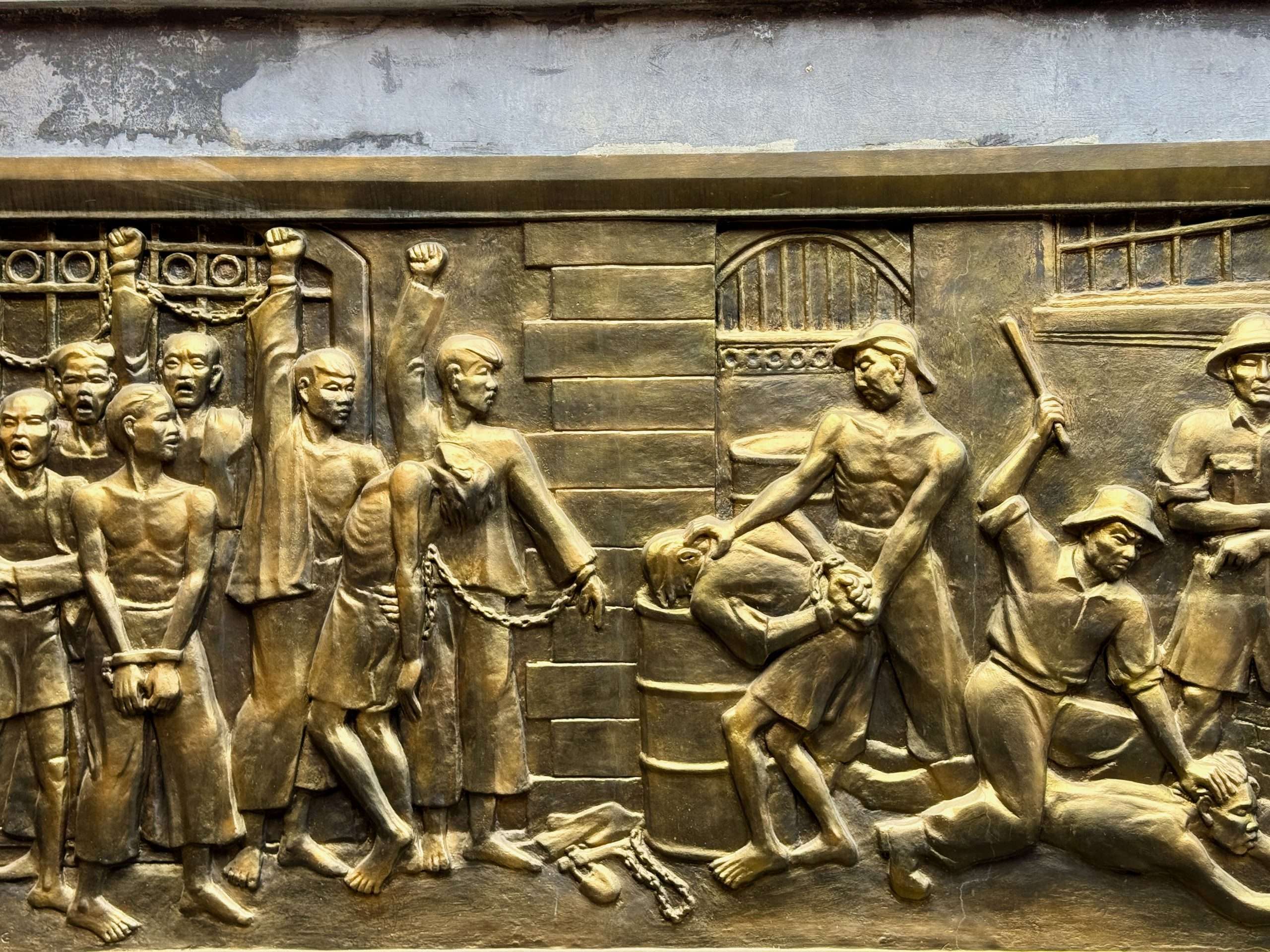
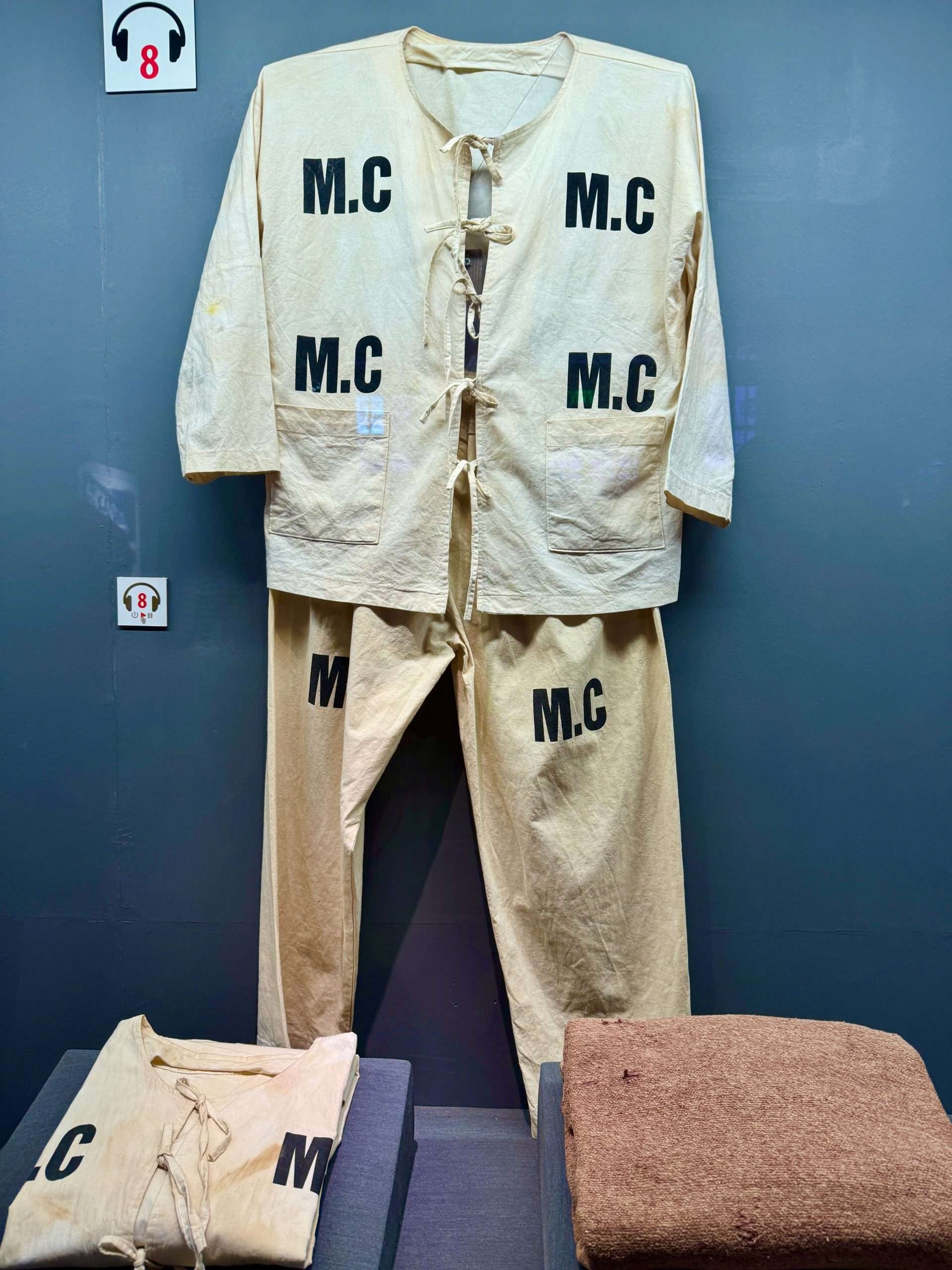
For lunch, we savored an authentic Vietnamese meal at the renowned Ly Club, located in a restored 19th-century colonial villa just steps from the Metropole Hotel.
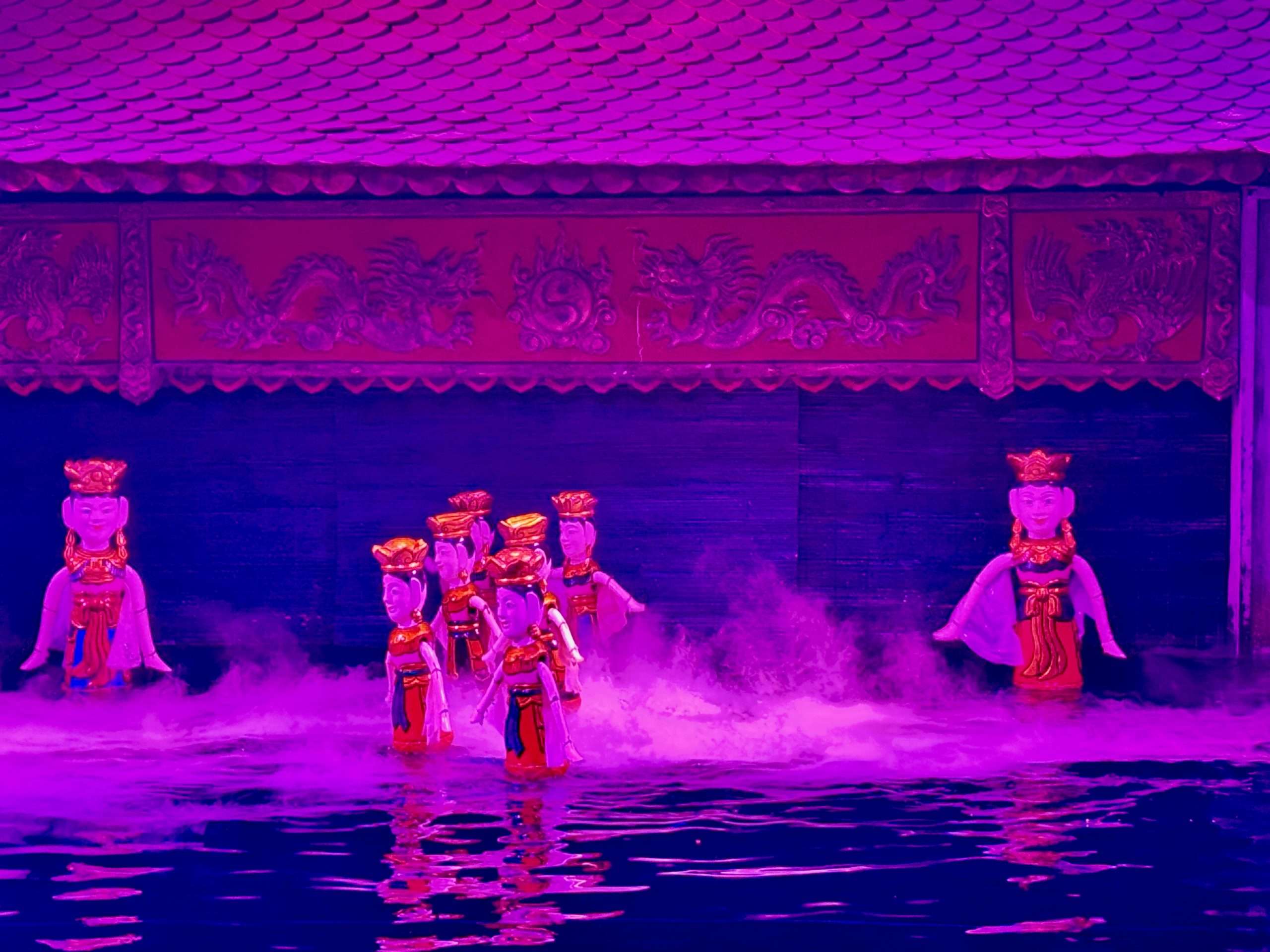
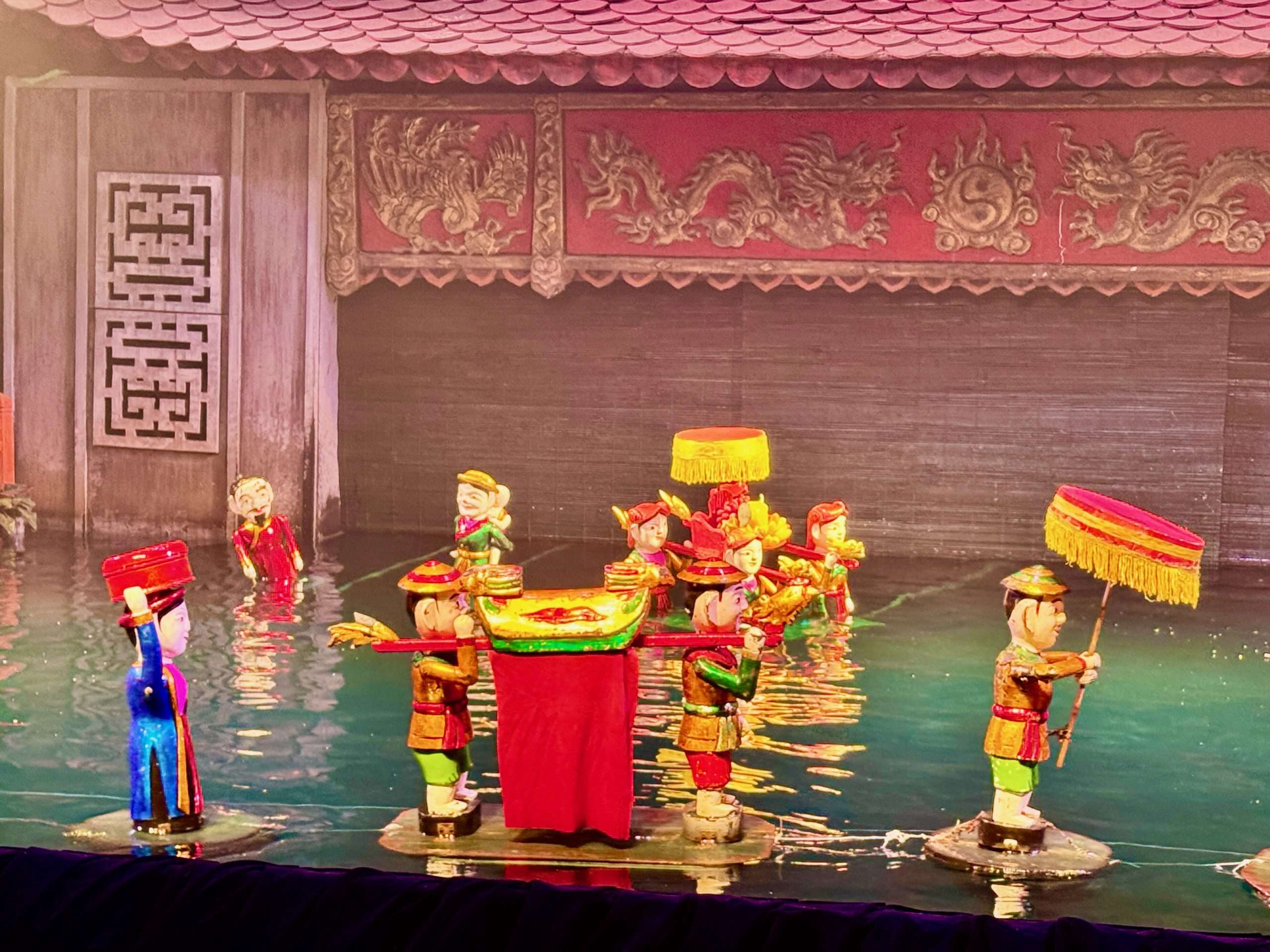
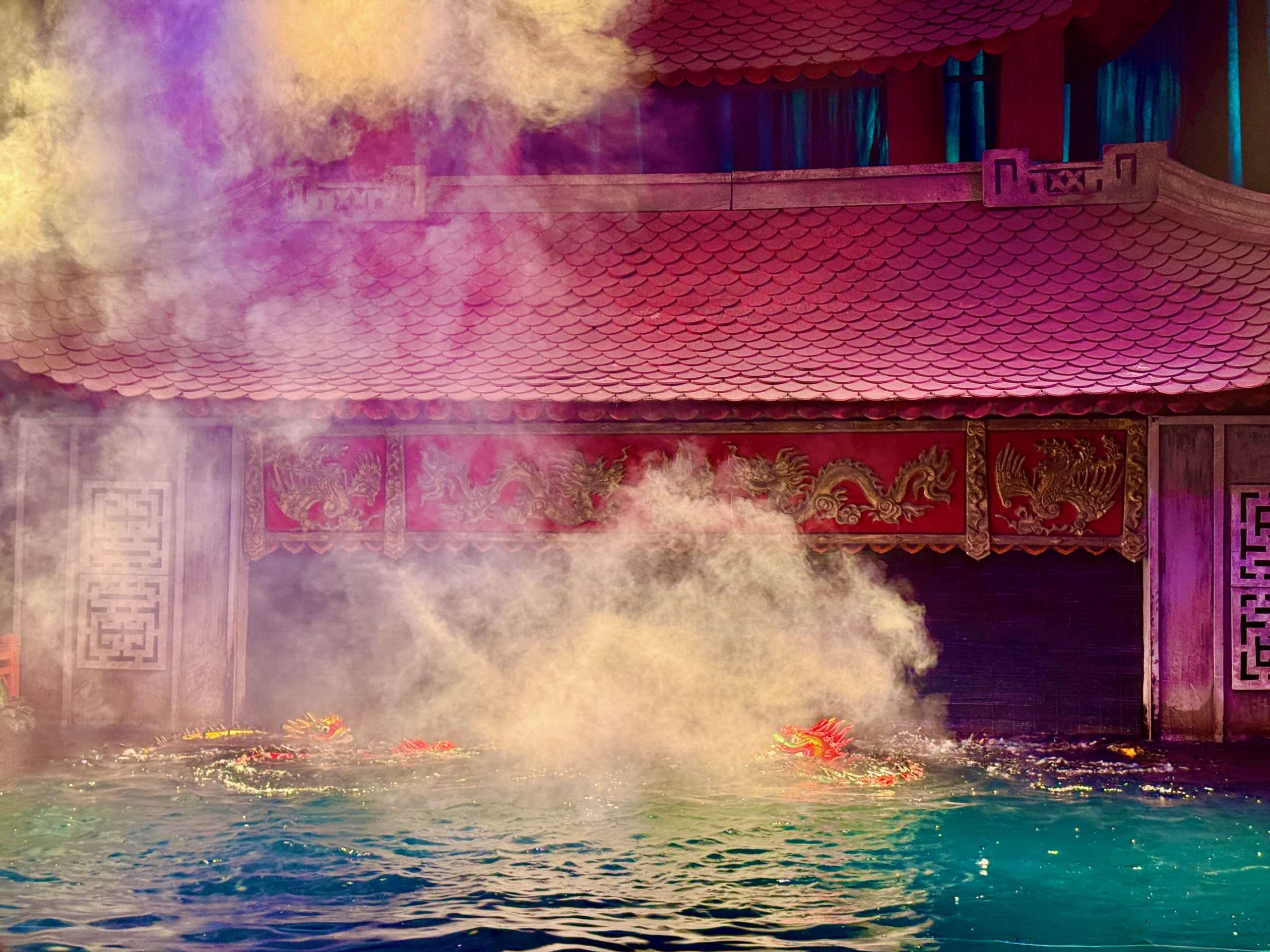
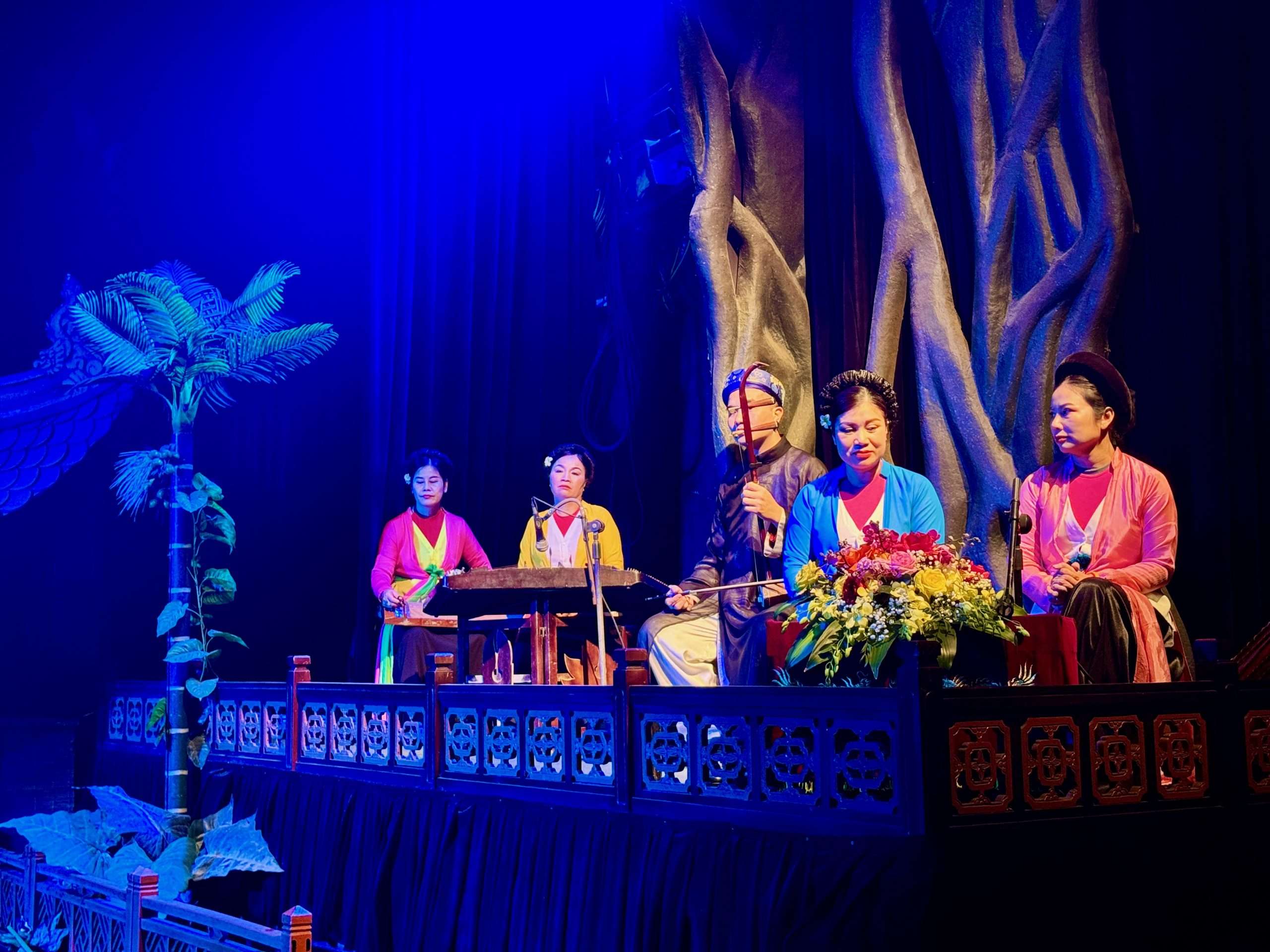
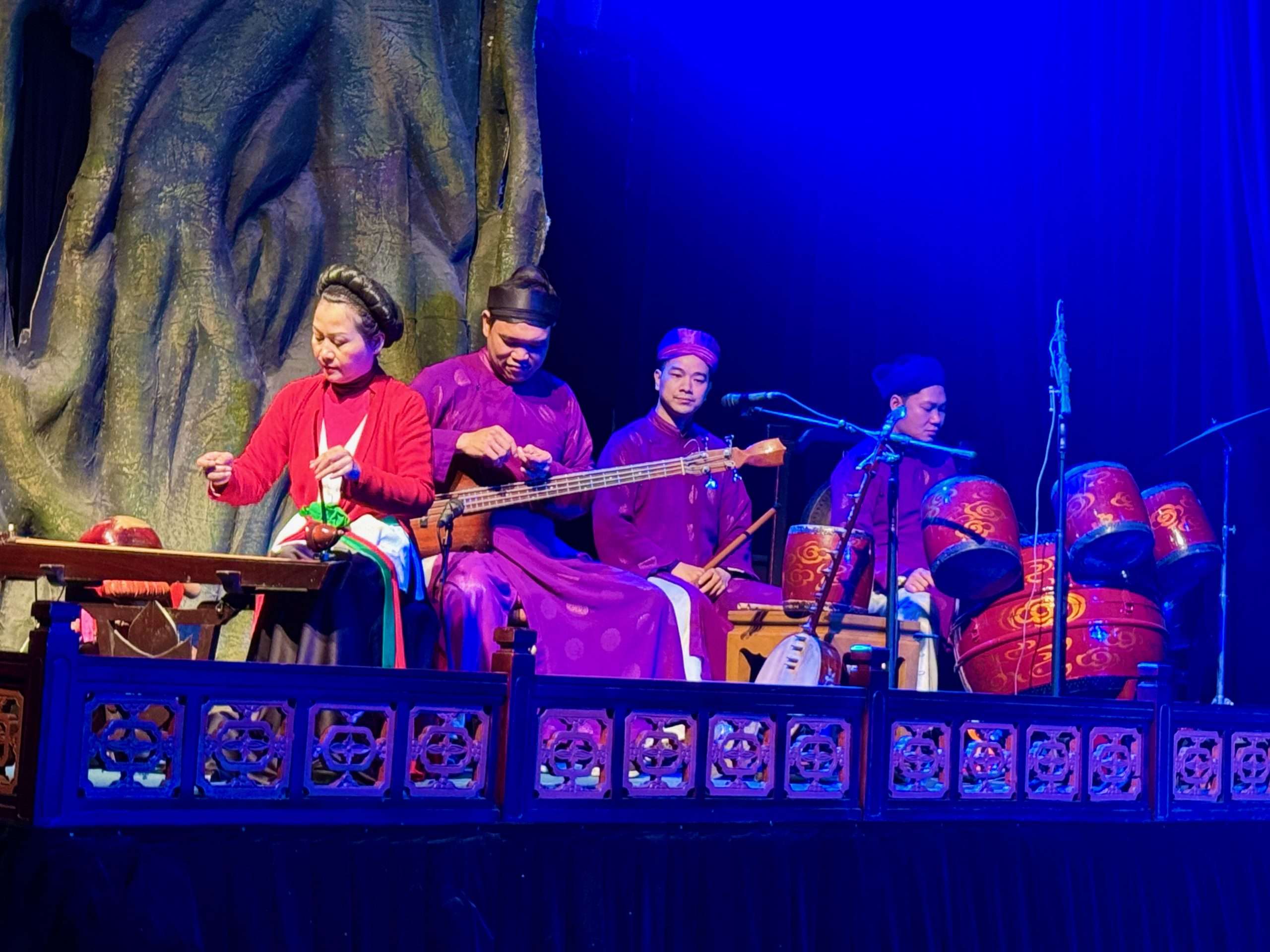
In the afternoon, we attended an extraordinary water puppet performance at the Thang Long Water Puppet Theater. Set on a water-filled stage, this traditional Vietnamese art form dates back 1,000 years and combines storytelling, music, singing, and intricate puppetry.
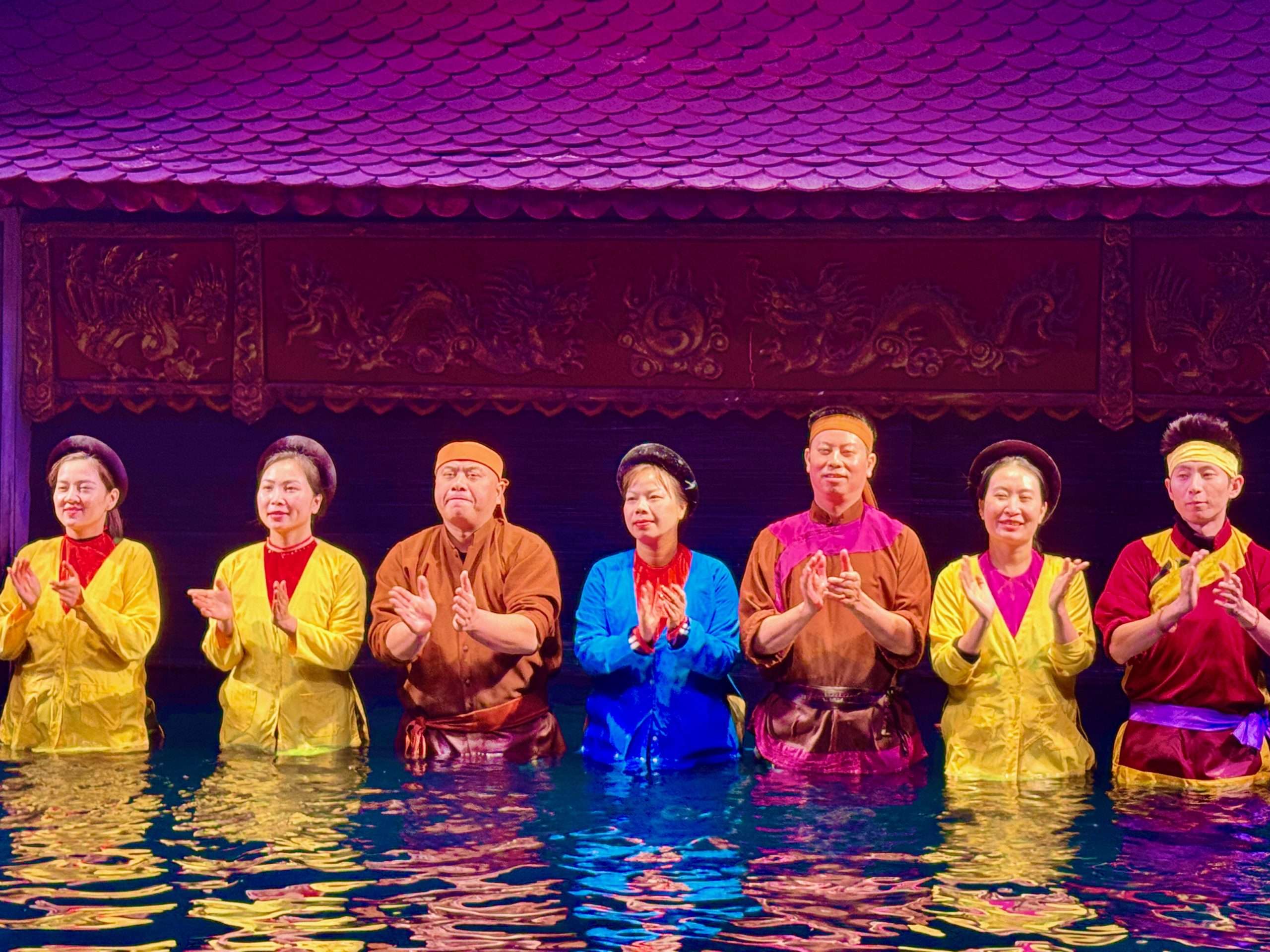
Later in the evening, we took a guided tour of the legendary Metropole Hotel, led by a resident historian. The guide shared fascinating insights into the hotel’s origins, architectural evolution, and historical significance. He recounted stories of notable figures who had stayed there, including writers, diplomats, and celebrities such as Joan Baez, Graham Greene, Somerset Maugham, and Charlie Chaplin. We also had an exclusive look at the hotel’s bomb bunkers, unearthed accidentally and now preserved as a poignant reminder of Hanoi’s wartime past. Despite the war, the hotel remained unscathed and was never bombed.
Journey to Huế: Exploring Imperial Heritage – January 22, 2025
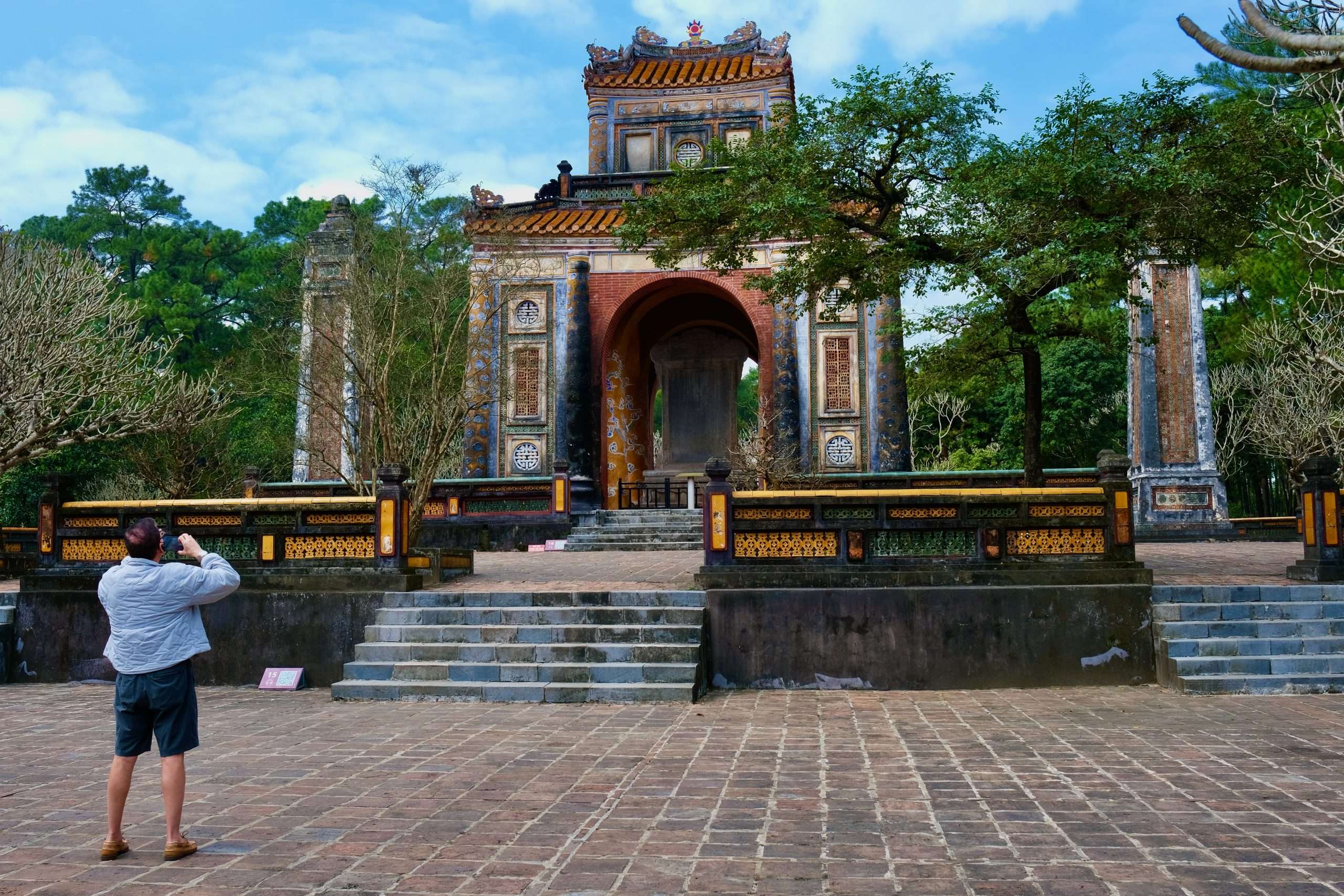
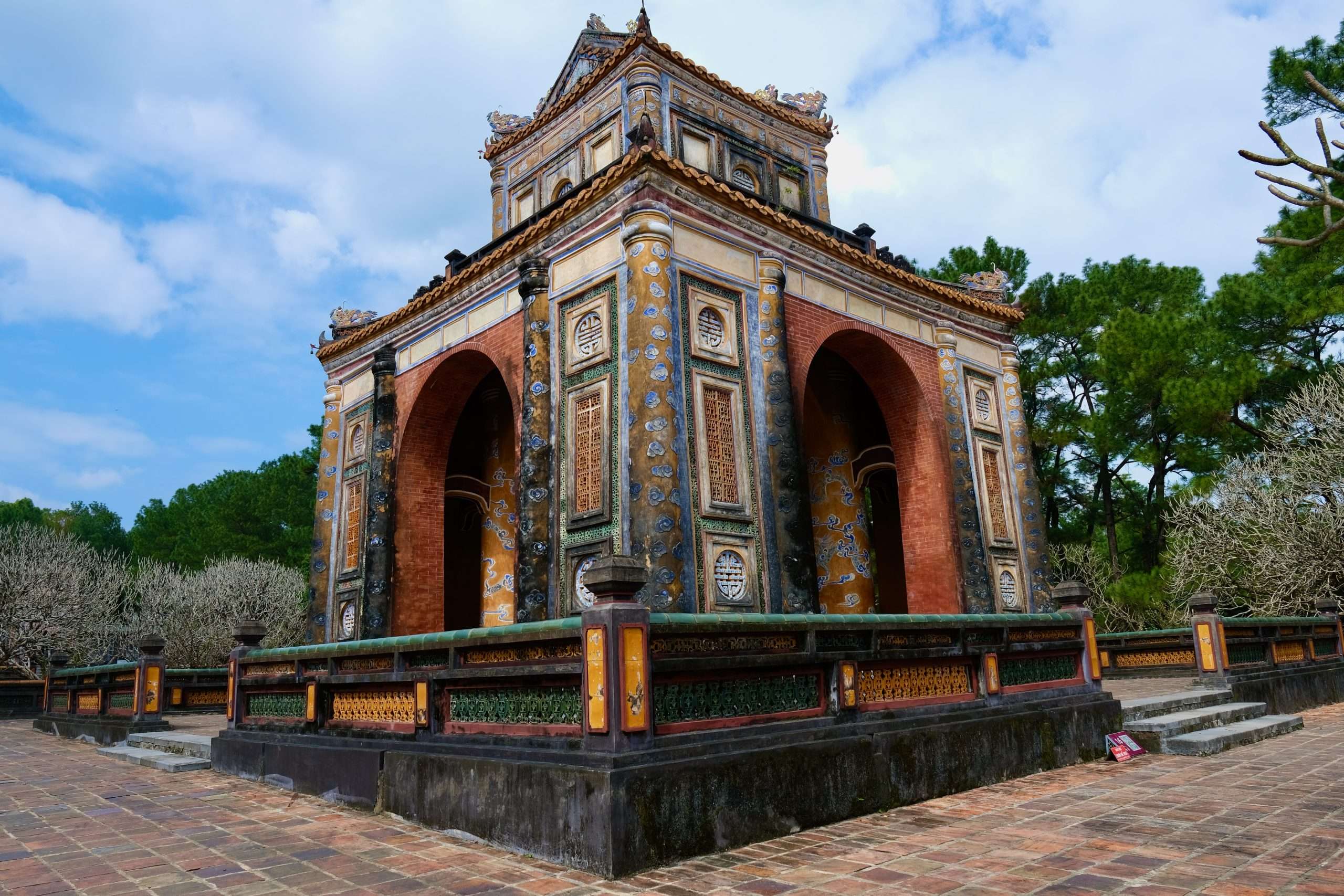
After an early morning breakfast, we drove to the airport for a short flight on Pacific Airlines to Huế, a UNESCO World Heritage site often regarded as Vietnam’s most beautiful city. Upon arrival, we went directly to visit the tomb of Tu Duc, the 4th emperor in the Nguyen dynasty. Tu Duc was beset with rebellious subjects, French encroachment, court intrigues, and to top all of this, did not have a son. His tomb complex, a stunning example of Vietnamese royal architecture, is divided into two main sections: the tomb area and the temple area. Since the emperor spent much time here, there is a pleasure pavilion and a landing dock which you have to pass before getting to the tomb area. There is also a steele pavilion with a 22-ton tablet containing his autobiography. Tu Duc is not buried here; his whereabouts are unknown as all the laborers involved in burying him and hiding his treasures were executed. After spending a couple of hours exploring the complex, we proceeded to our hotel, La Residence. This former governor’s residence, situated along the Perfume River, features a distinctive Art Deco design that evokes the colonial Indochina era.
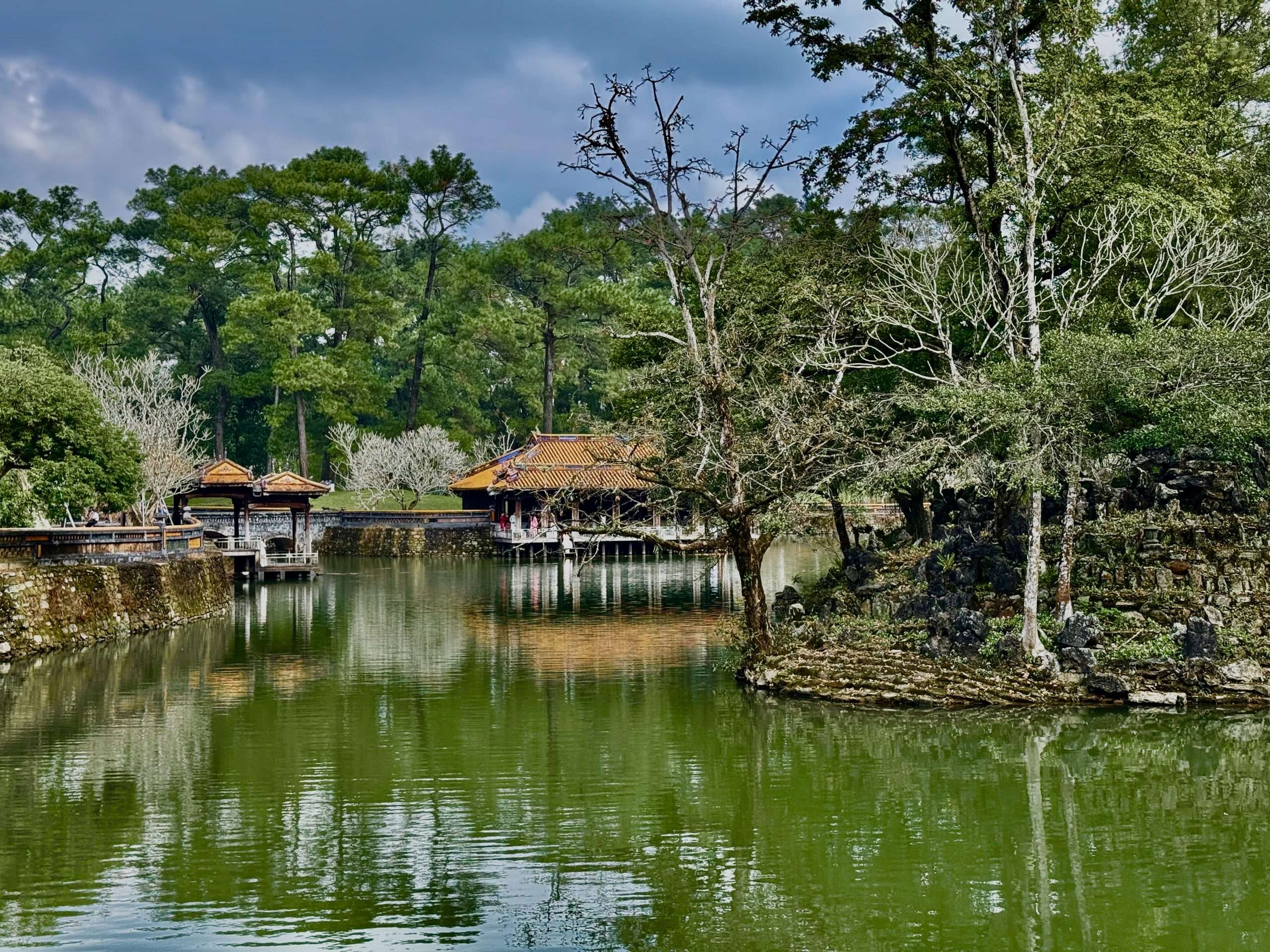
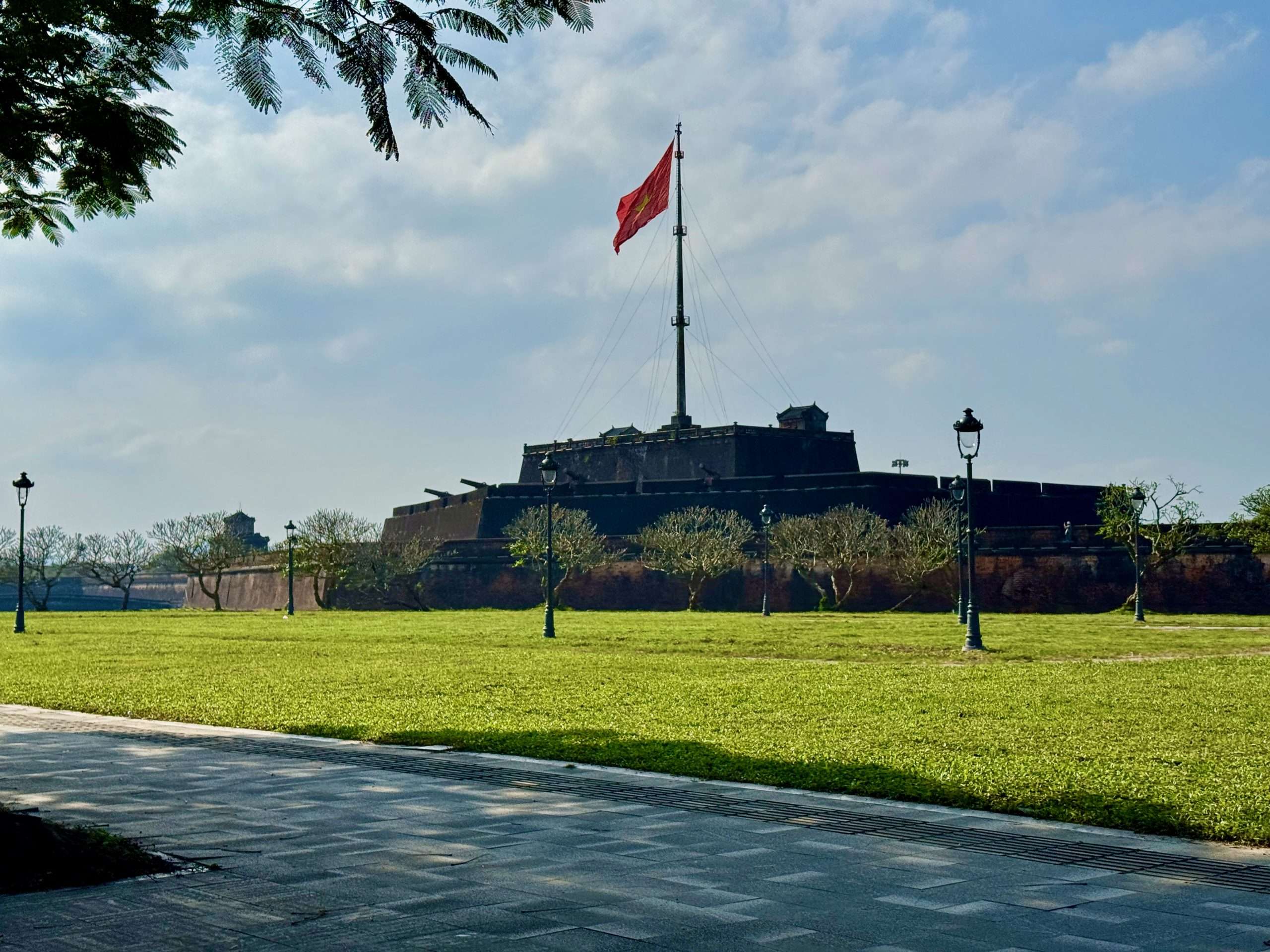
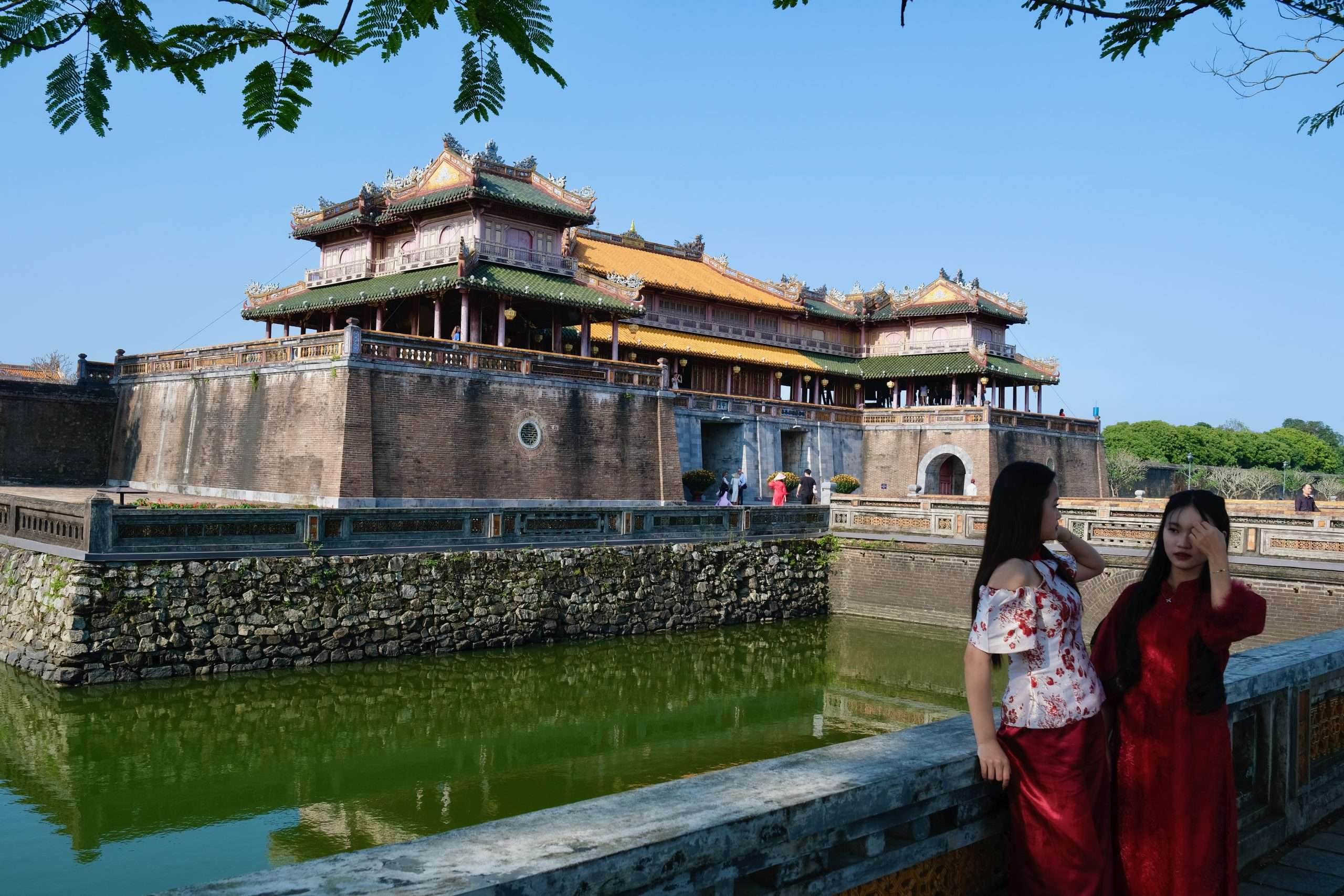
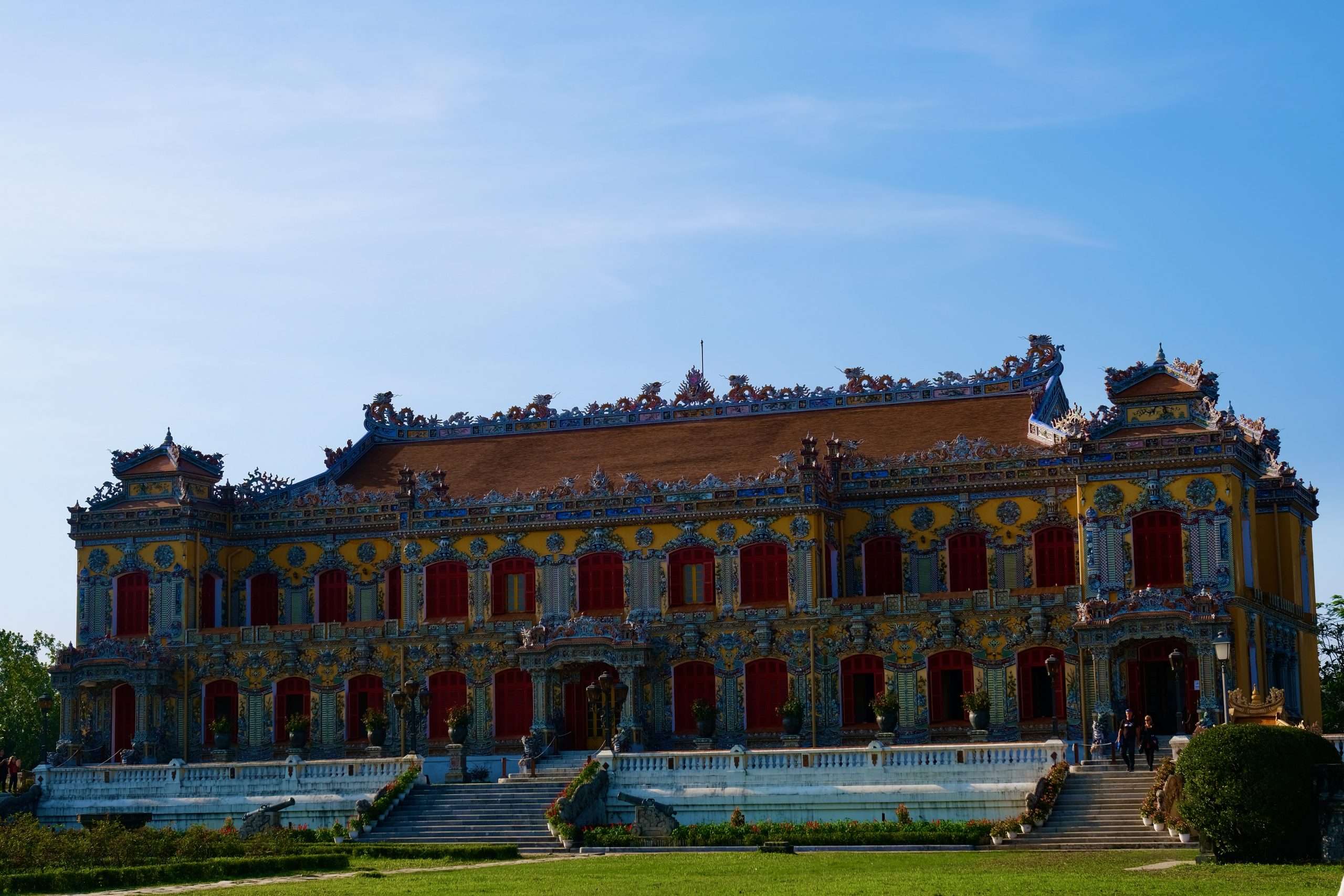
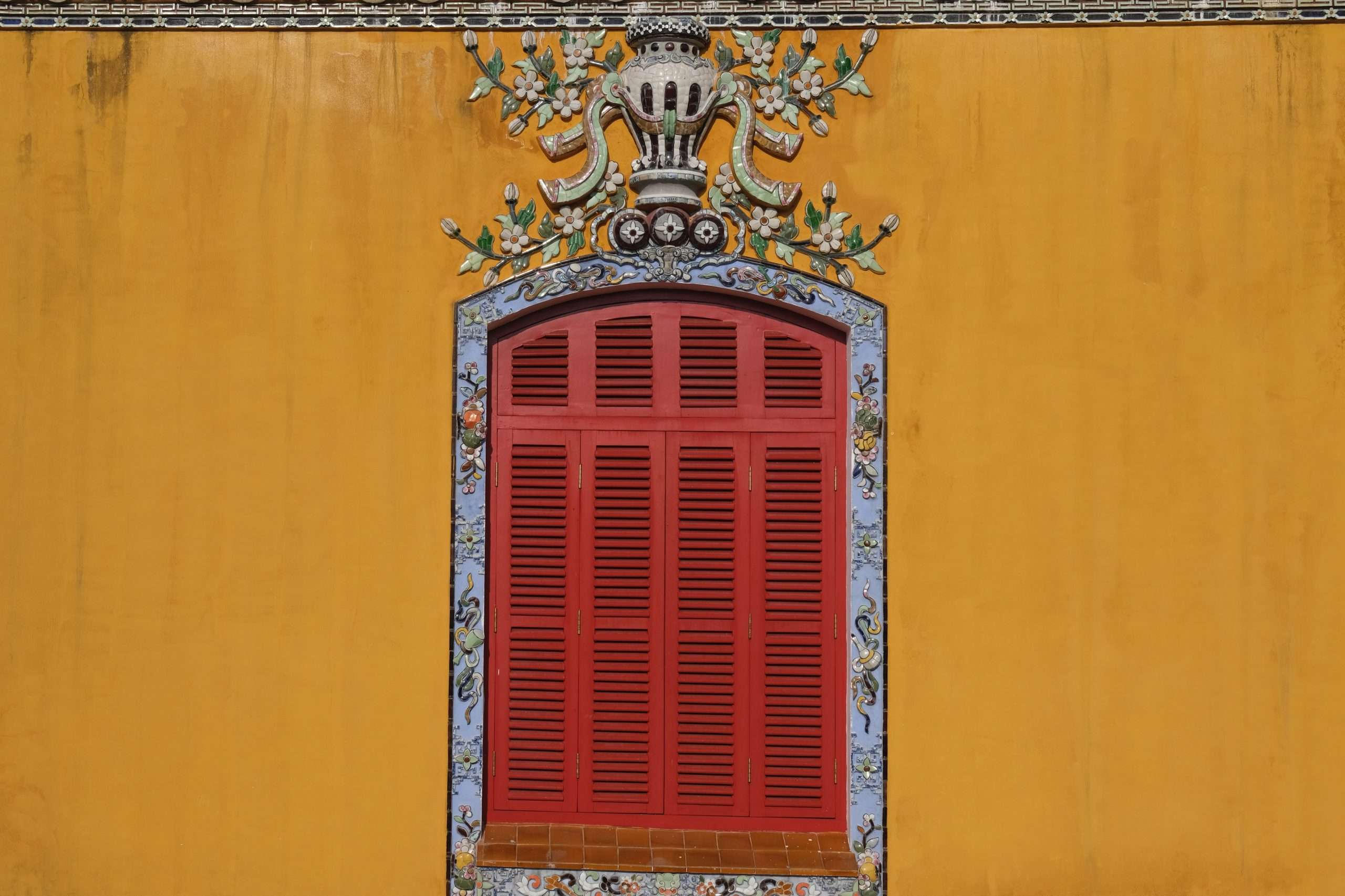
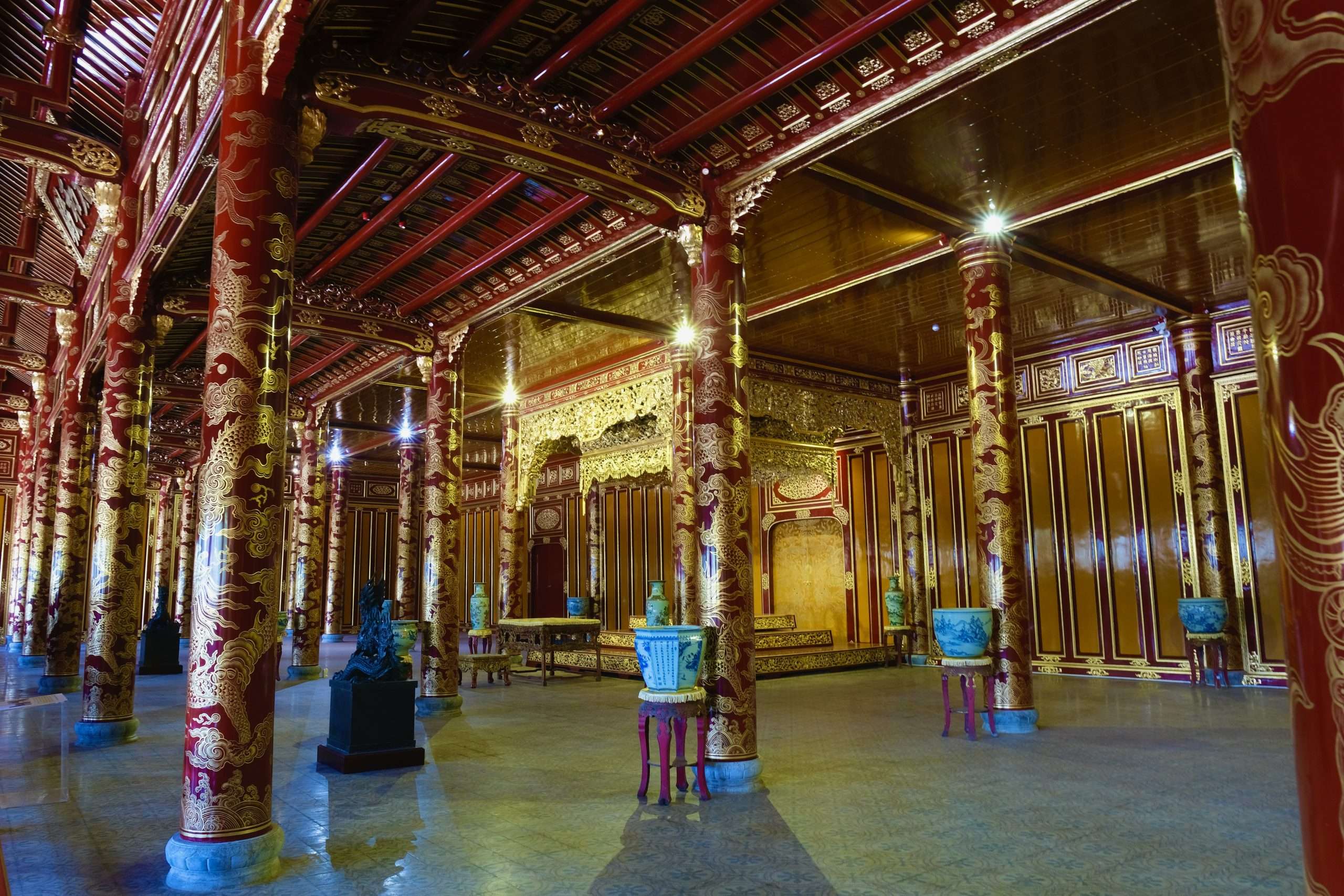
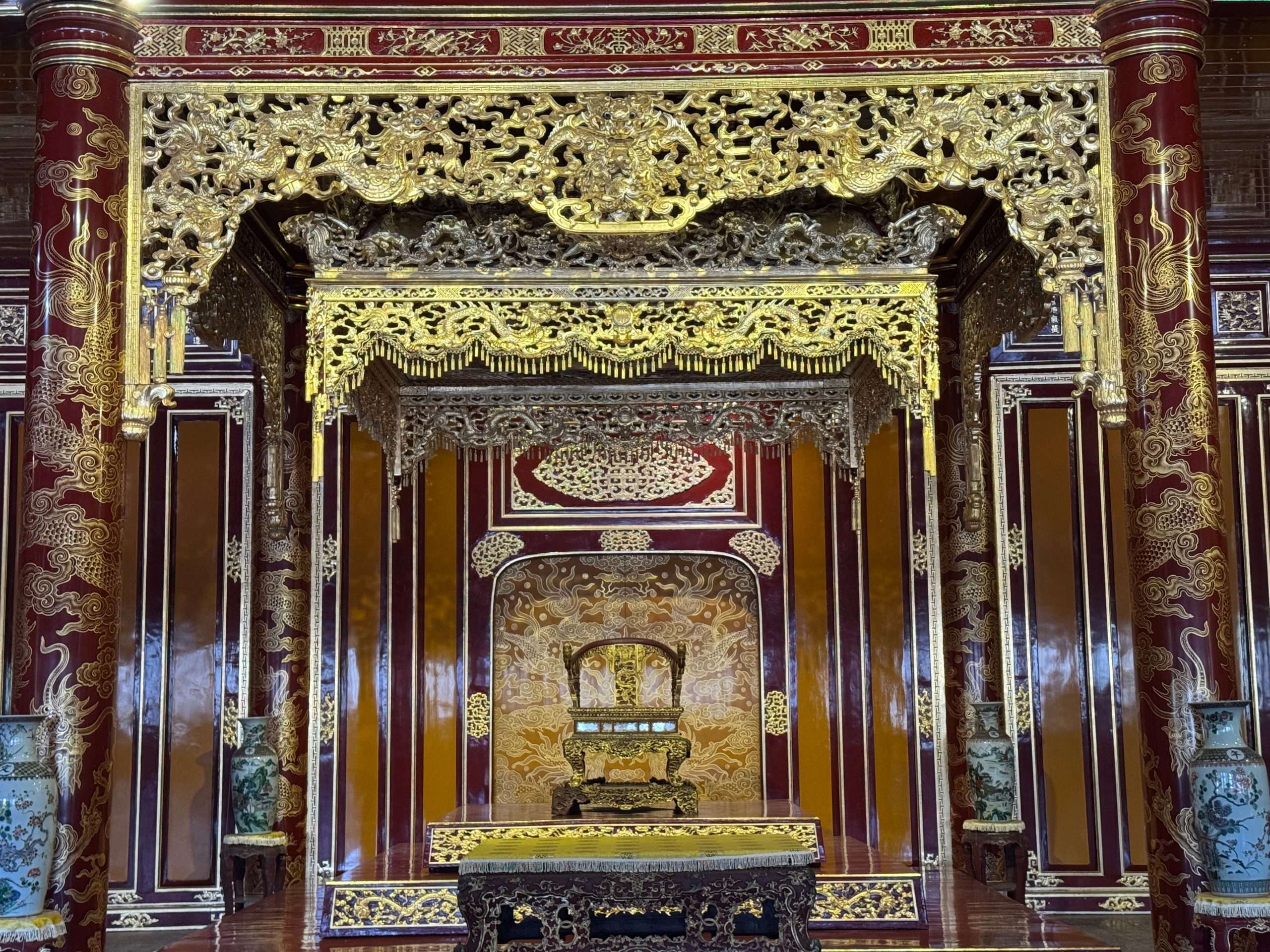
Later in the afternoon, we toured Huế’s Citadel aboard a private pedal-powered rickshaw. The Citadel is home to the Imperial City, the best-preserved remnant of a vast historical complex. It contains the palaces that housed the imperial family, as well as shrines, gardens, and villas for mandarins. In the early 19th century, Emperor Gia Long aimed to create a scaled-down replica of Beijing’s Forbidden City. The Imperial City was ringed by fortified ramparts and a moat. The Citadel has 10 gates, while the Imperial City has four. Our tour began at Ngo Mon Gate, the Citadel’s main entrance. The gate’s lower structure is built of stone, while its upper section, the “Belvedere of the Five Phoenixes,” served as a platform where the emperor appeared during significant events. Notably, it was here that the last emperor abdicated in 1945 to Ho Chi Minh’s Revolutionary Government. The complex is enormous, with an outer court, an inner court, many halls, residences for mandarins and those who followed more martial pursuits, offices, kitchens, pavilions, the Throne Room, the palaces, the harems, and the gardens.
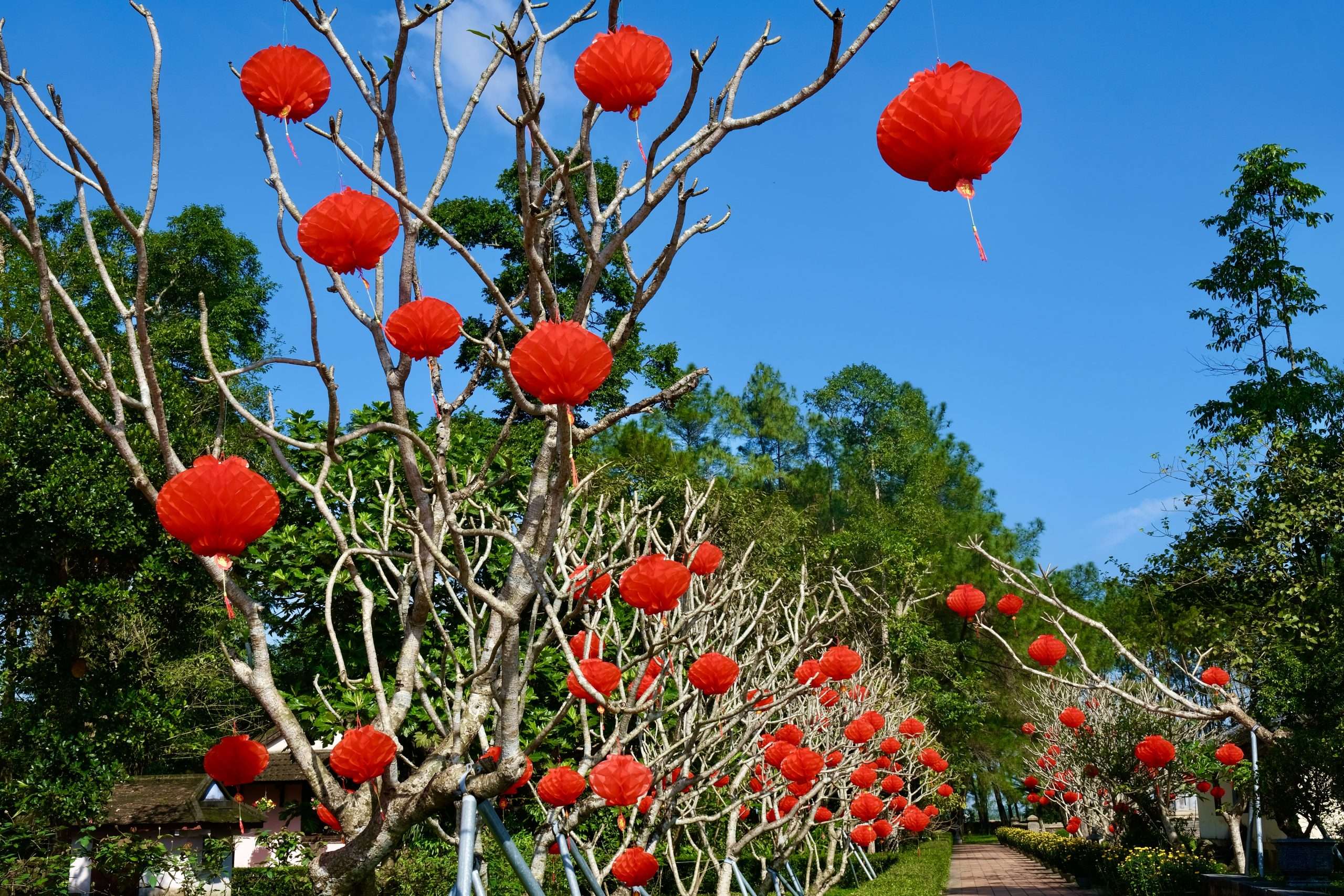
With the Lunar New Year just seven days away, red and yellow decorations are everywhere. In the Citadel complex, we see people posing for photographs in elegant clothing. Red lanterns, red money or gift envelopes on orange trees, and apricot and peach blossoms fill the scene, creating a colorful atmosphere.
Scenic Journey from Huế to Da Nang – January 23, 2025
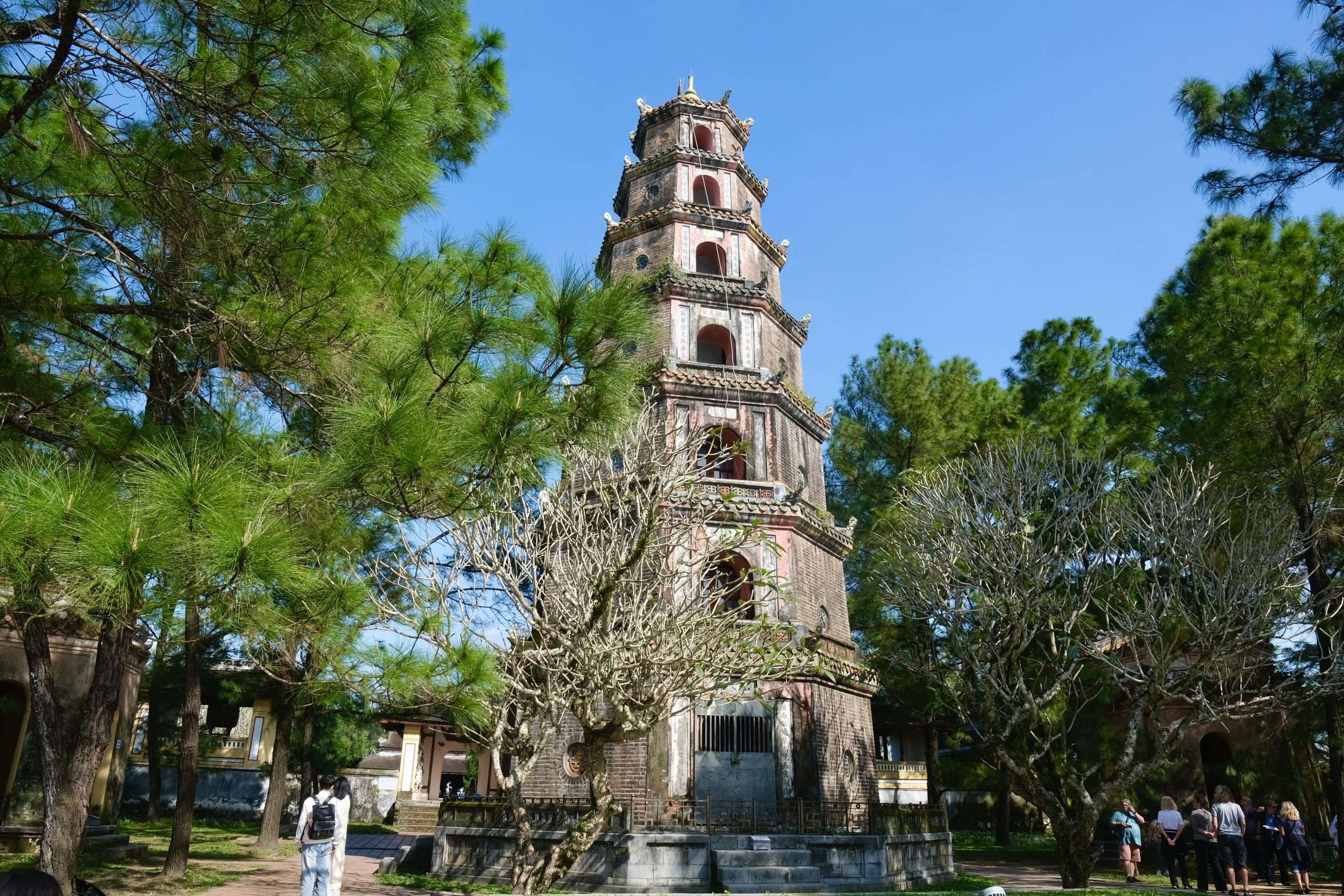
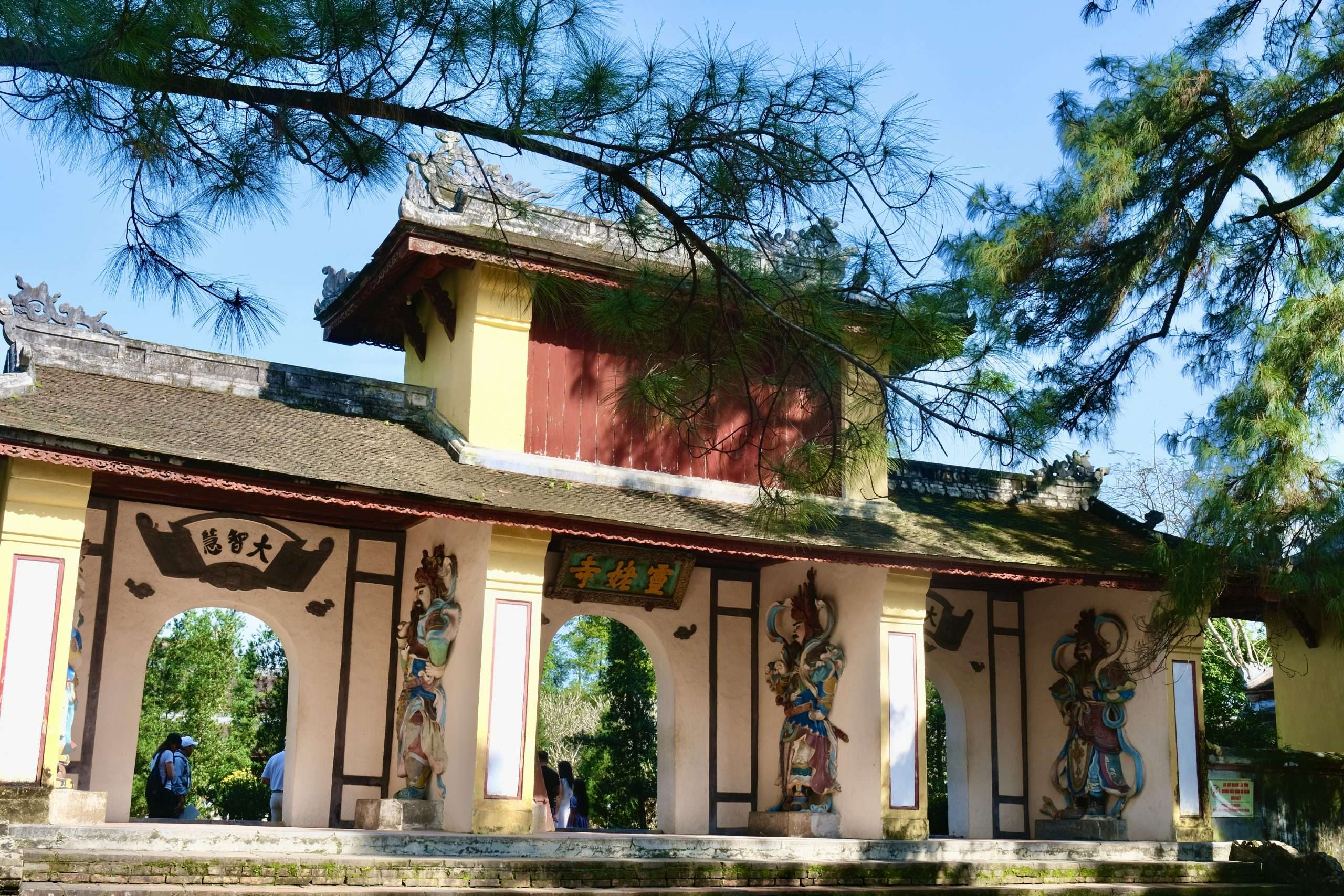
Today was less hectic than usual, though still relatively long. After breakfast, we set out to visit the iconic Thien Mu Pagoda, also known as the “Heavenly Lady Pagoda.” This striking seven-story octagonal tower, constructed in 1844, is a prominent symbol of Huế. We enjoyed a guided tour of the site, which included its beautiful gardens, historic buildings, and the monastery.
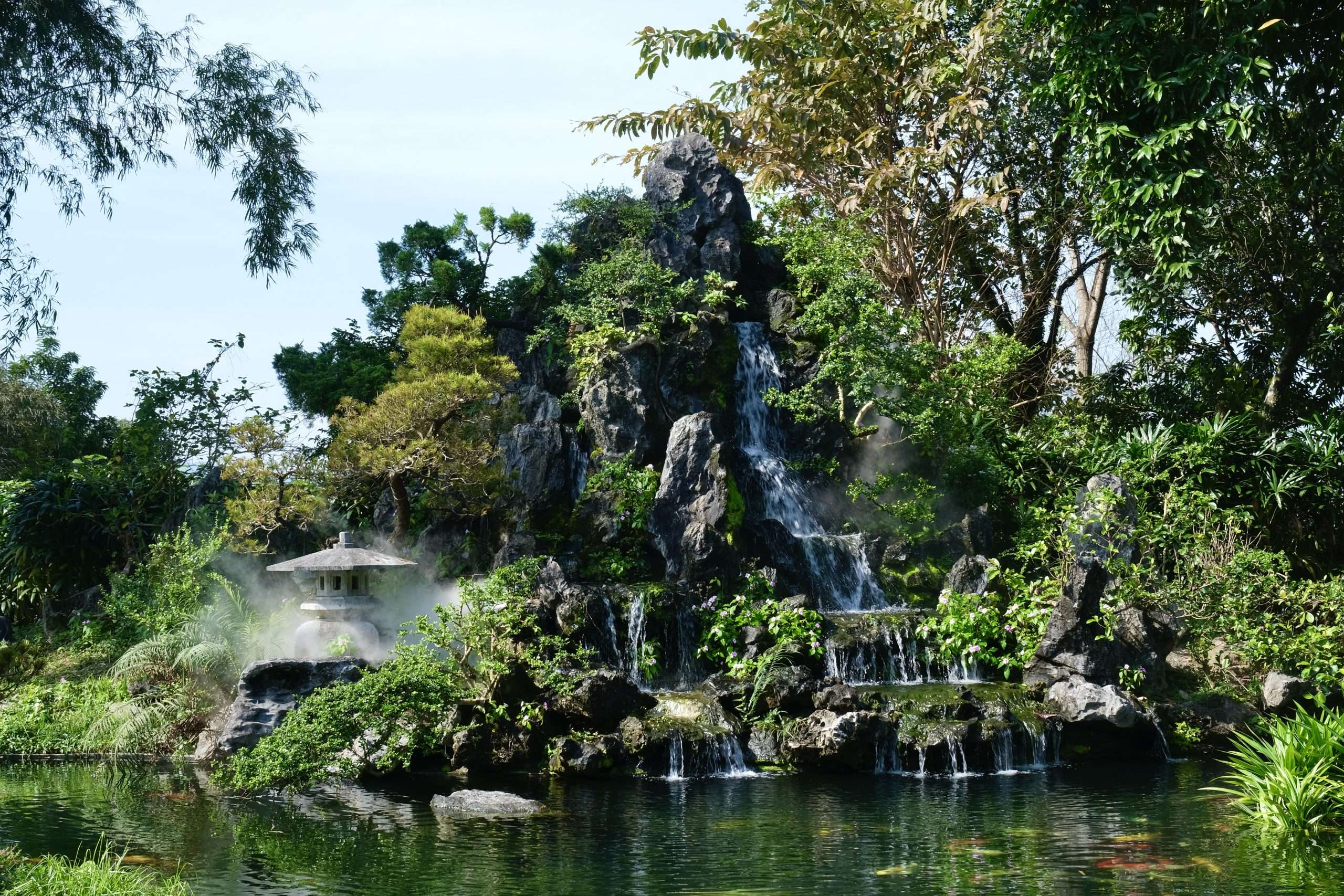
Following our visit, we embarked on a scenic cruise in a dragon boat along the Perfume River. The tranquil journey offered views of the river’s vibrant life, including the boats that serve as floating homes for many families in Huế. The boat that we were travelling in was outfitted with clothing and souvenirs, which were actively pedaled to us and almost everyone succumbed.
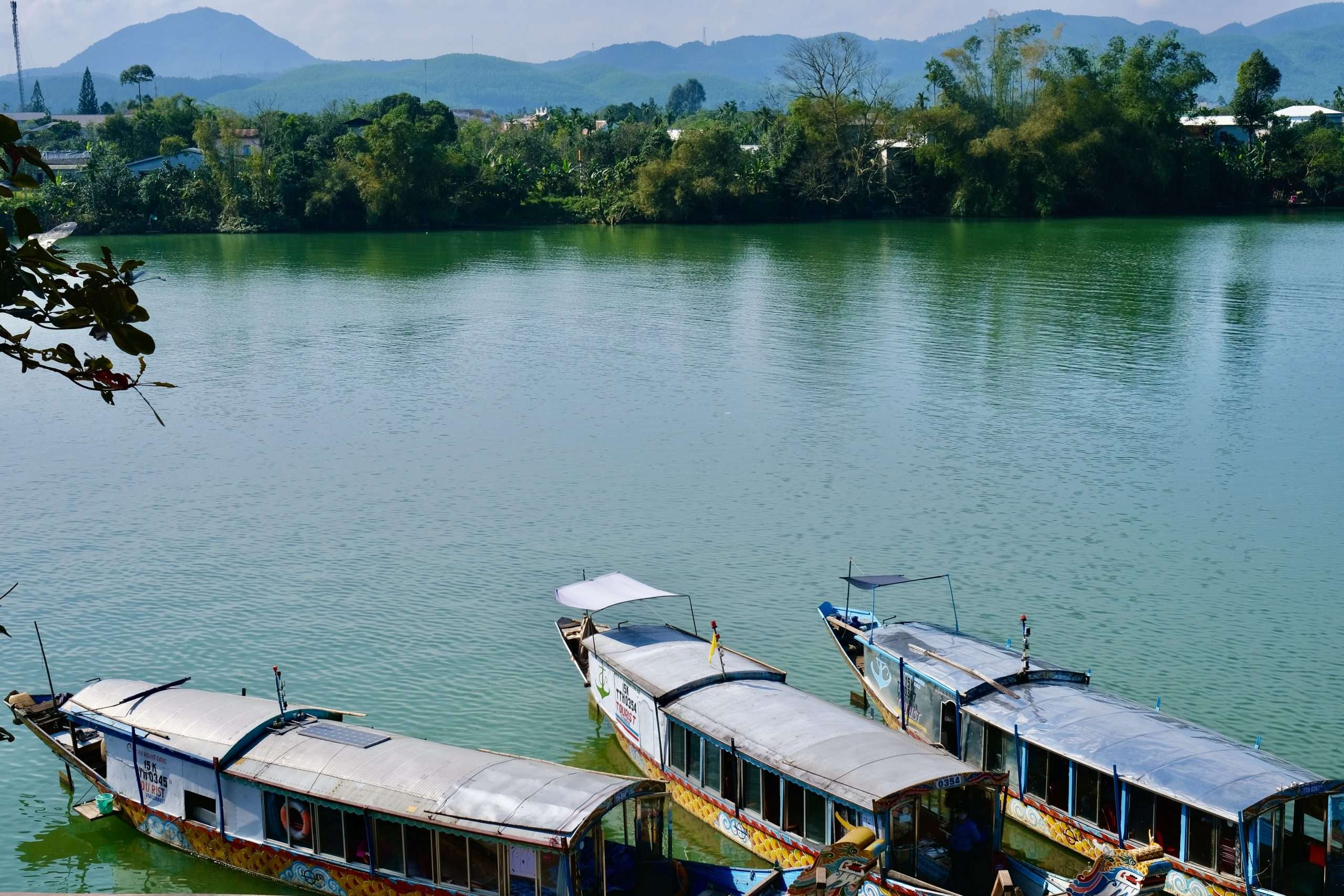
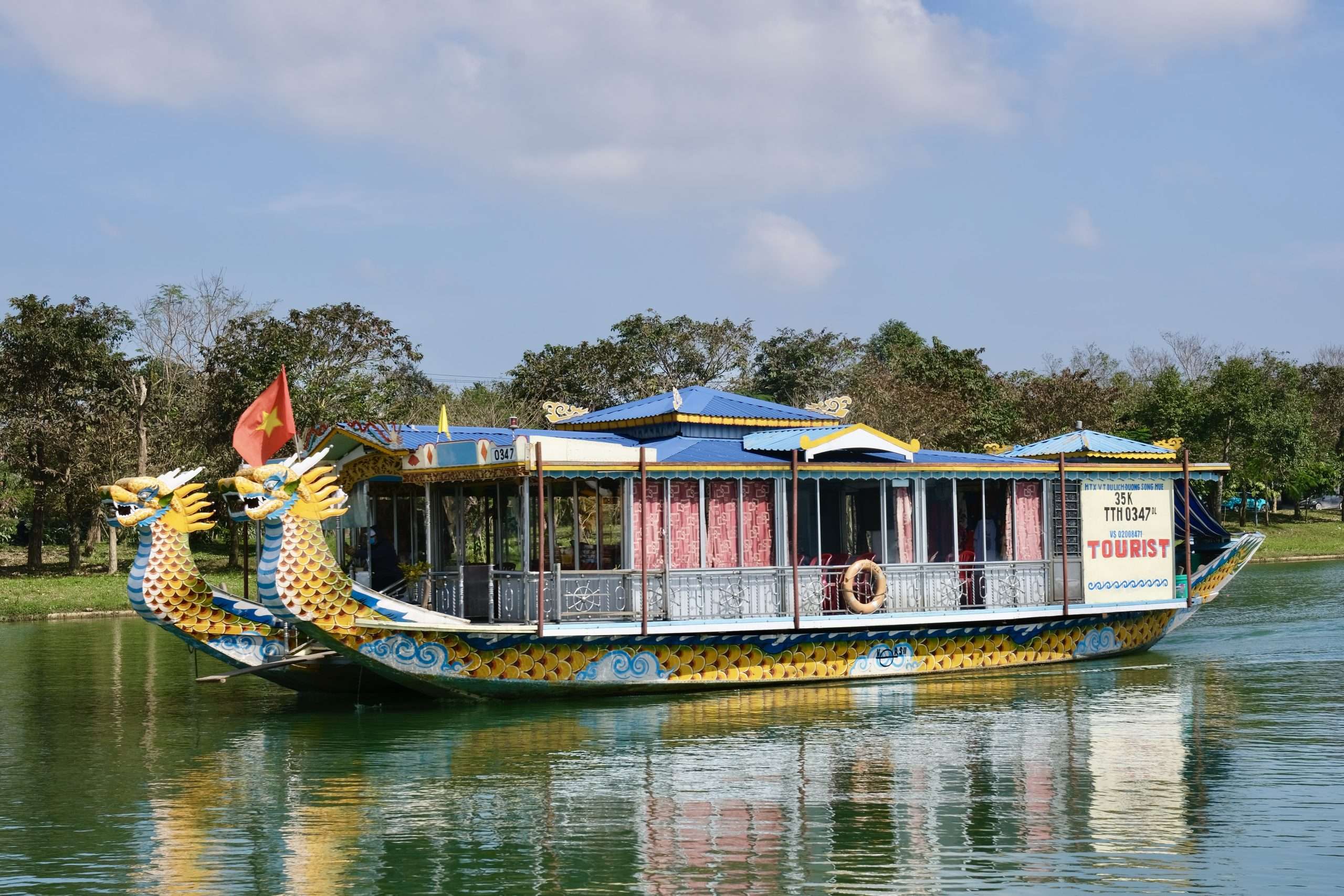
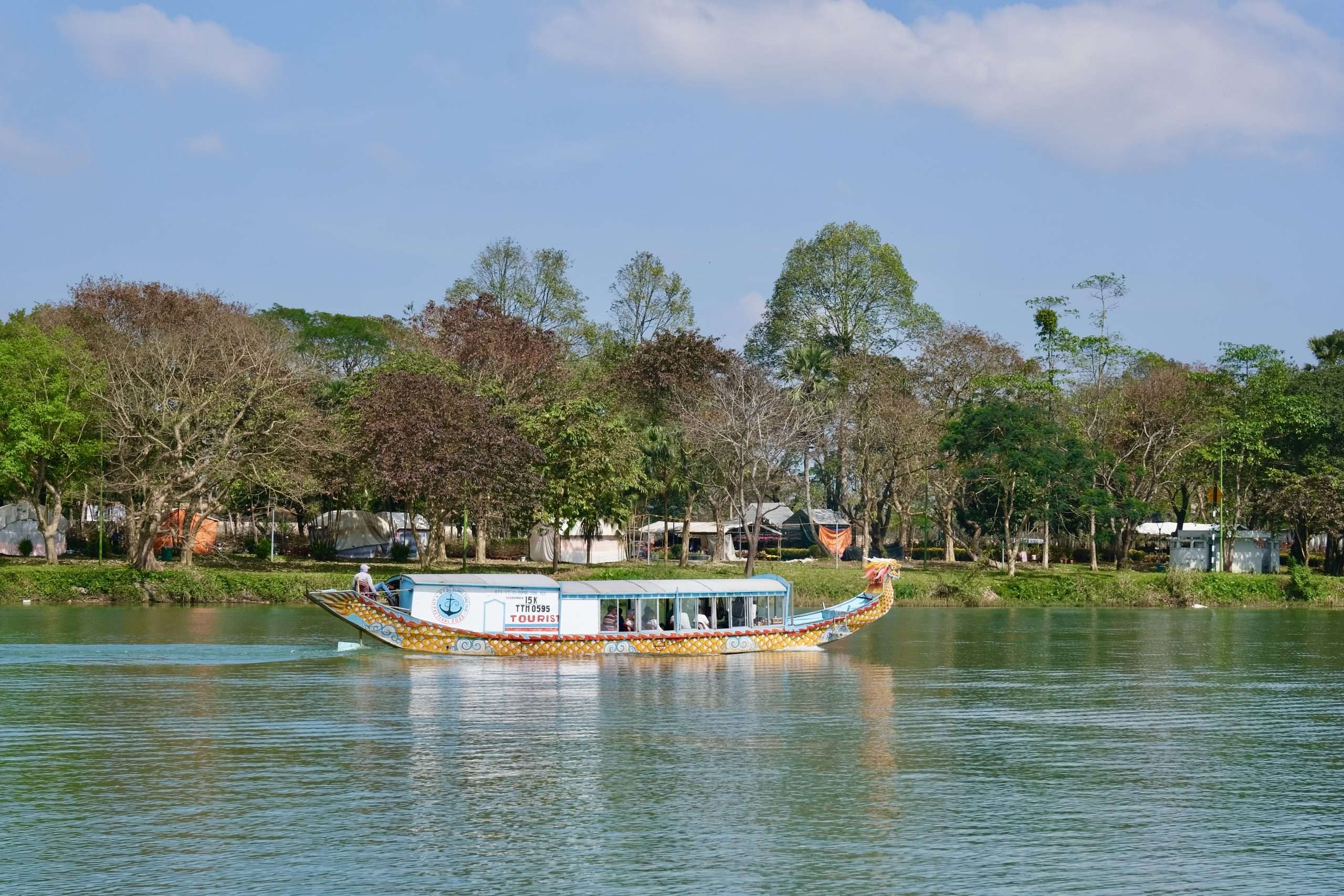
After the cruise, we departed Huế and began traveling along the coast via Highway 1 past a fishing village. Midway through the journey, we stopped for lunch at the beautiful Vedana Resort. Resuming our trip, we drove through breathtaking landscapes and ascended the Hai Van Pass, the highest pass in Vietnam. The name “Hai Van” translates to “Sea of Clouds,” aptly describing the stunning vistas of mist-shrouded mountains and the expansive coastline below.
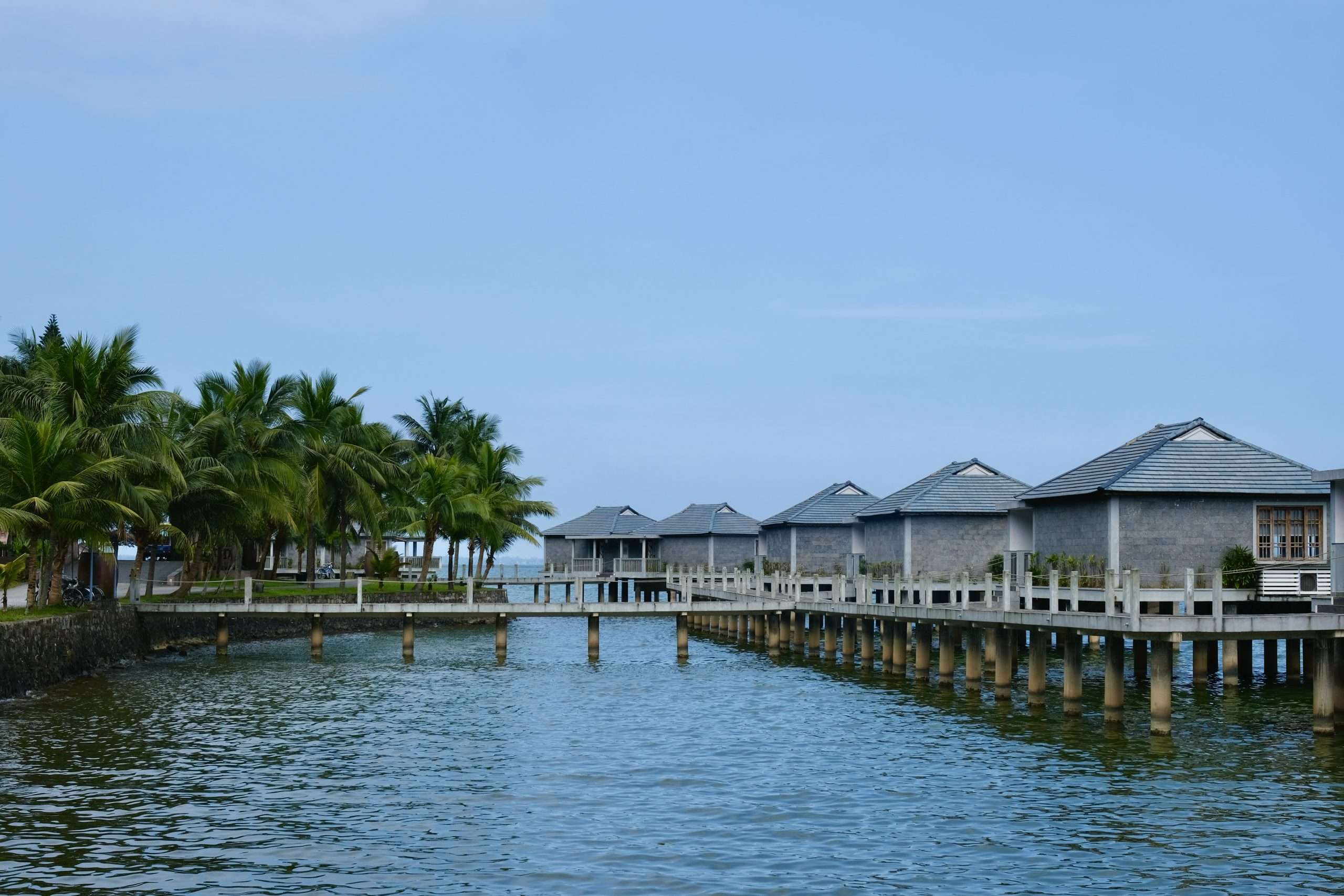
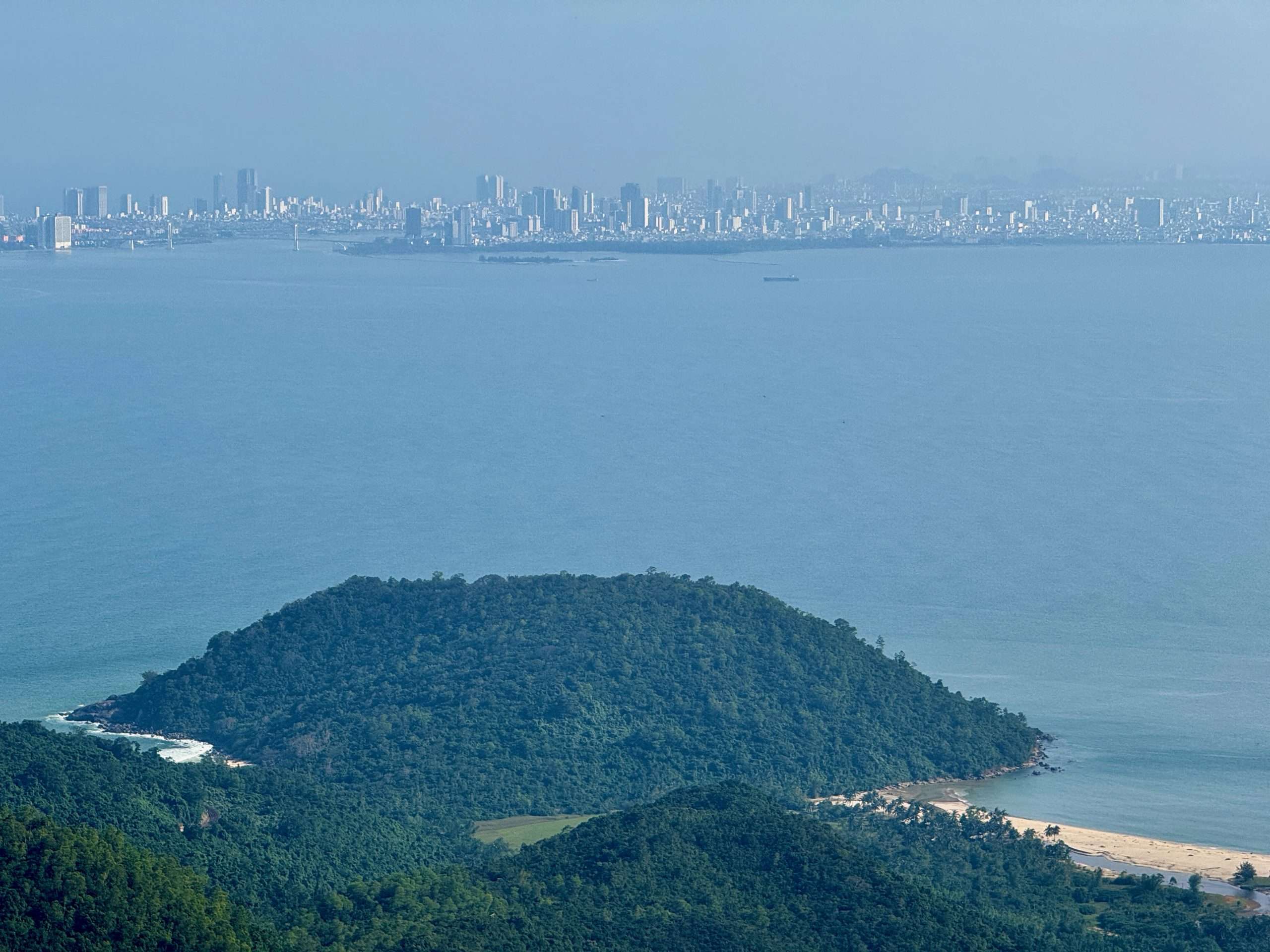
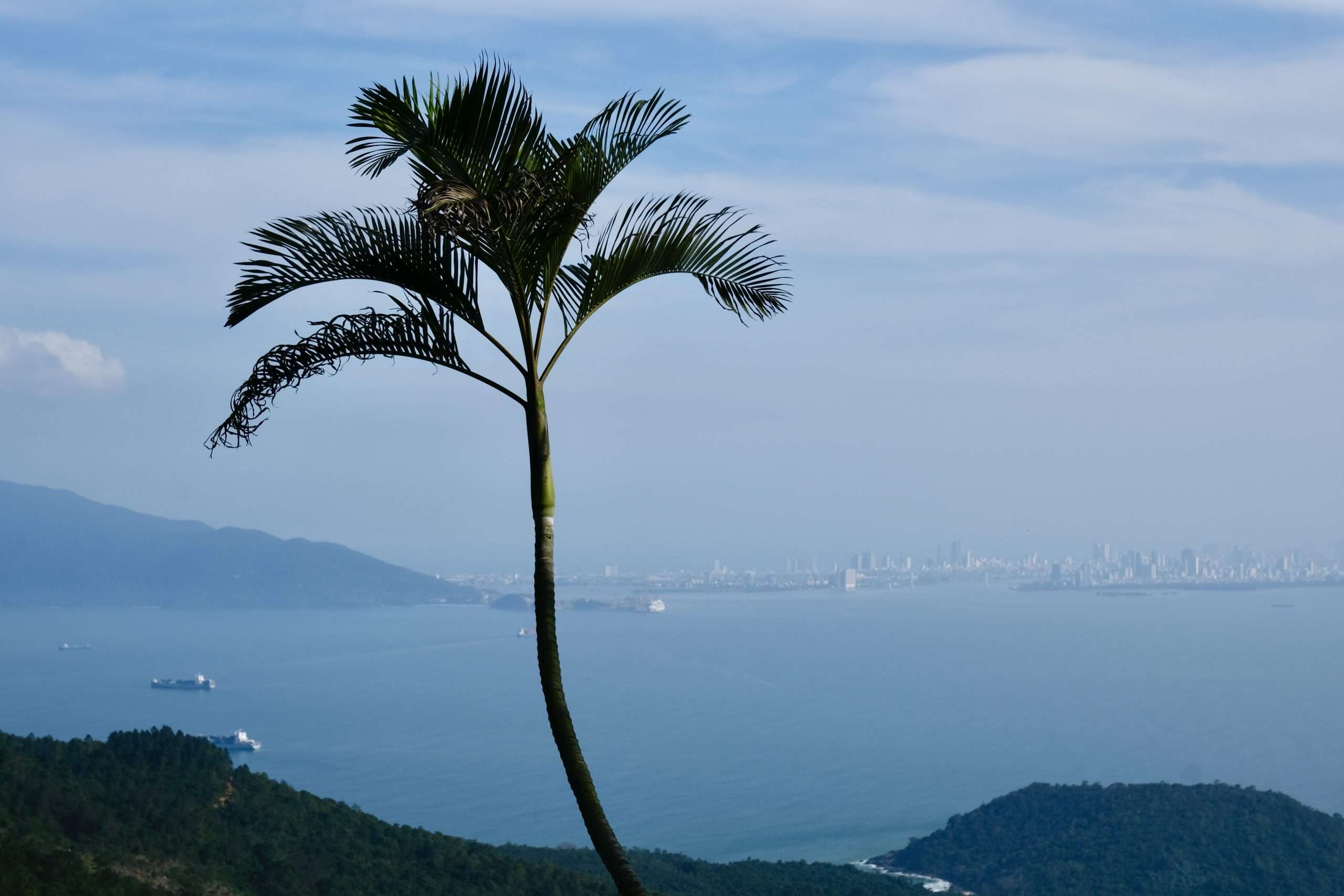
Finally, we arrived at the luxurious Furama Resort in Da Nang, perfectly situated along the famous “China Beach.” At this point, the Lunar New Year celebrations were in full swing, and the hotel was filled with locals partying. We had been eating Vietnamese and Chinese food for breakfast, lunch, and dinner, so this evening, many of us opted for an Italian meal after a brief walk on the beach.
Discovering Local Life and Historic Hoi An – January 24, 2025
After breakfast, we began our day with a visit to the village of Phuong Nam, where we stopped at the home of a local villager, Mr. Trang, who is 87 years old, to gain a glimpse into the daily life and traditions of the community. Mr. Trang has eight children, 20 grandchildren, and four great-grandchildren. He allowed us to wander through his house, where we saw his bed, built on a raised tiled platform to stay cool in the summer, with a mattress of rice paddy to keep warm in the winter.
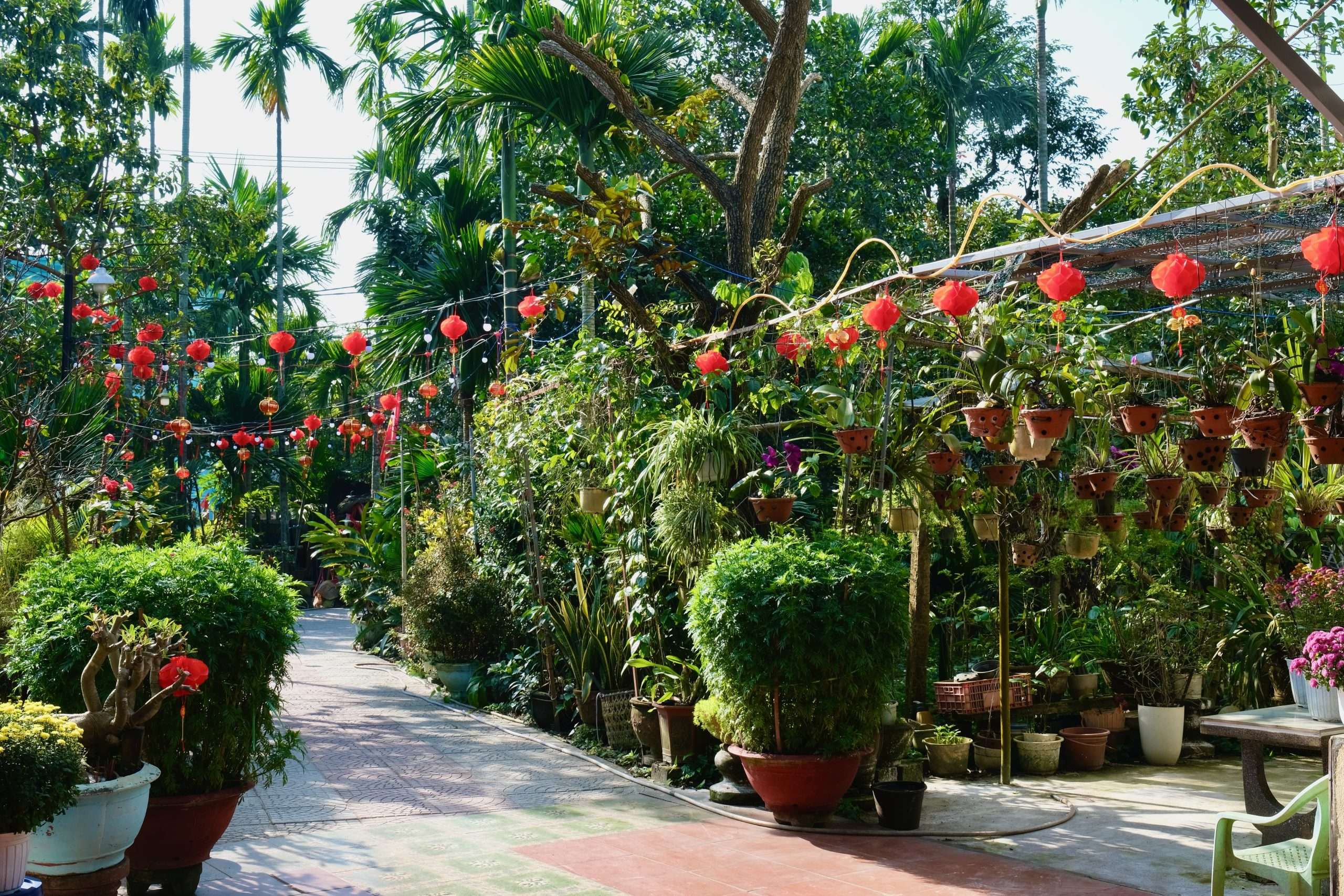
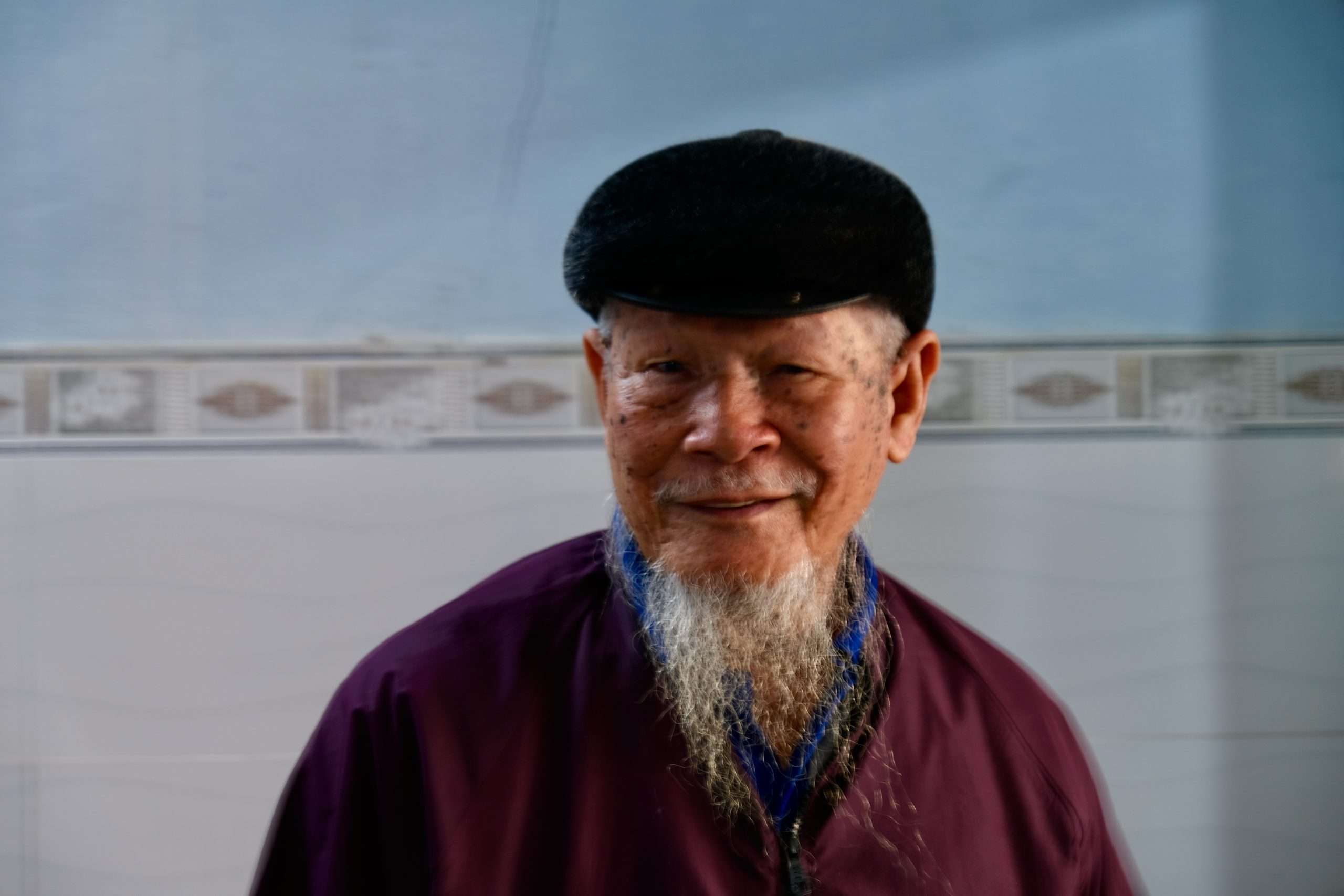
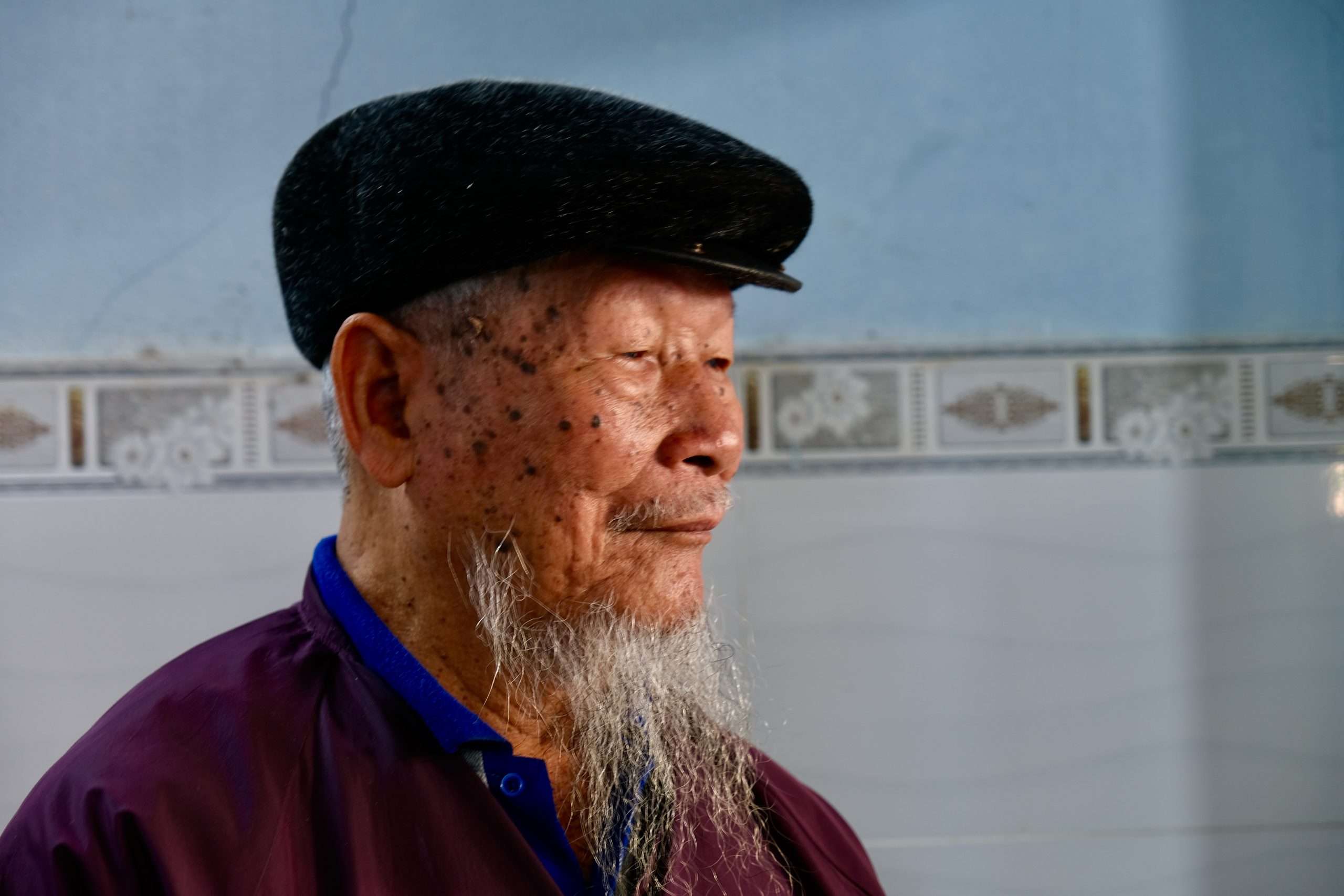
Vietnam remains an agricultural country, exporting fish, coffee, black pepper, cashew nuts, and rubber. It is the world’s second-largest coffee exporter, and Vietnamese people are very fond of coffee with condensed milk. In the village, we saw rice fields being tended by women. Two crops are grown each year, with the fields fertilized using ashes, old plants, and animal waste. Seedlings are transplanted by hand and pollinated by cicadas and other insects. Growing rice is highly labor-intensive. We also saw many hungry ghost shrines outside houses, where food was offered to appease spirits and prevent them from disturbing the residents. Ancestral worship is important throughout Vietnam, and we had the opportunity to see the shrine dedicated to the ancestors of the family whose house we visited.
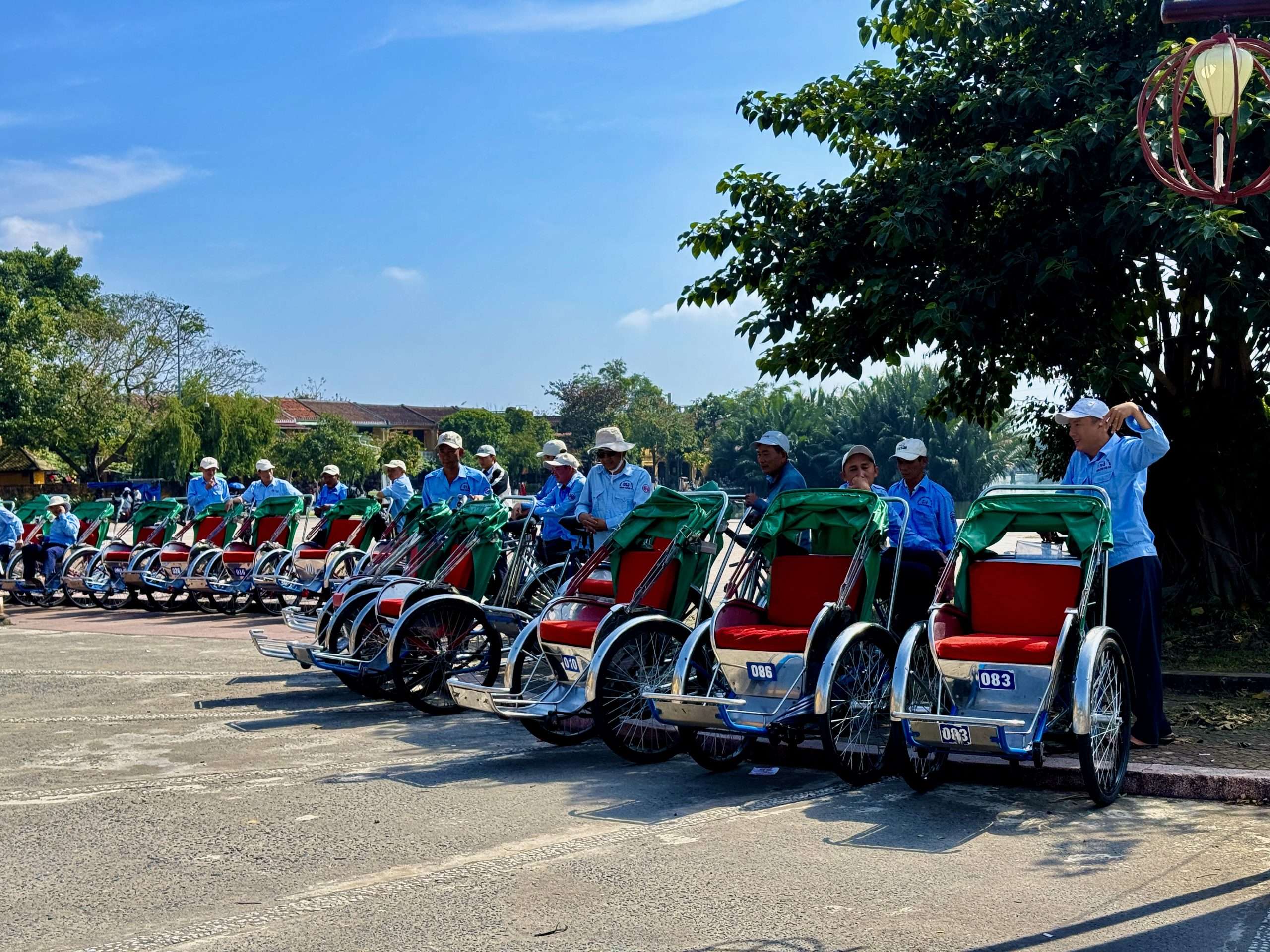
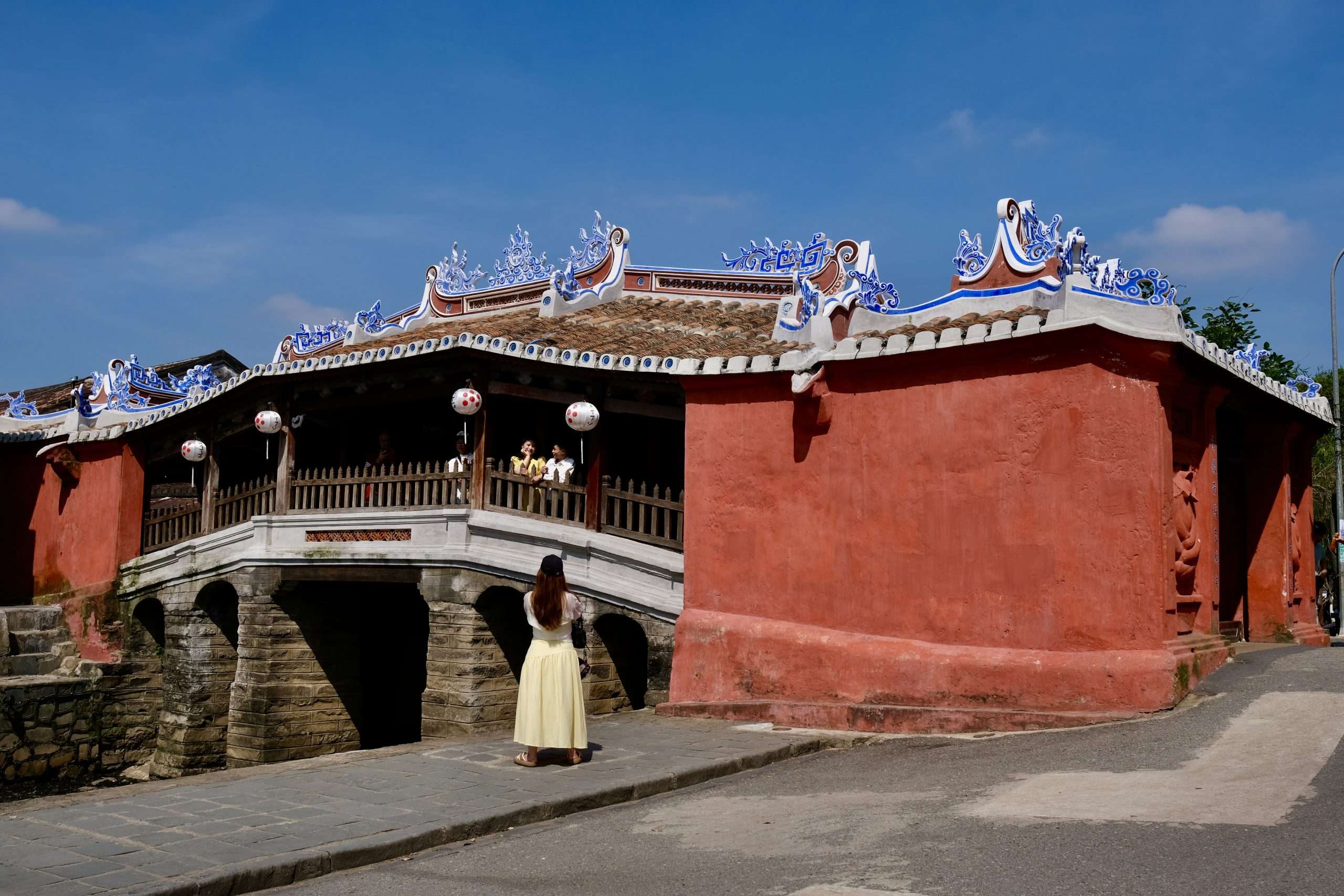
From there, we continued to the historic town of Hoi An, a prominent trading port along the South China Sea from the 15th to the 19th centuries, now recognized as a UNESCO World Heritage Site. We explored its charming, shop-lined streets aboard traditional rickshaws called cyclos. We then stopped by the Japanese Covered Bridge, Chùa Cầu, a footbridge with a Chinese pagoda dedicated to the God of Weather. At one end of the bridge stands a dog god, and at the other, a monkey god. No one knows for certain why they are there, but one explanation is that construction on the bridge began in the Year of the Monkey and was completed in the Year of the Dog. The bridge has been restored many times.
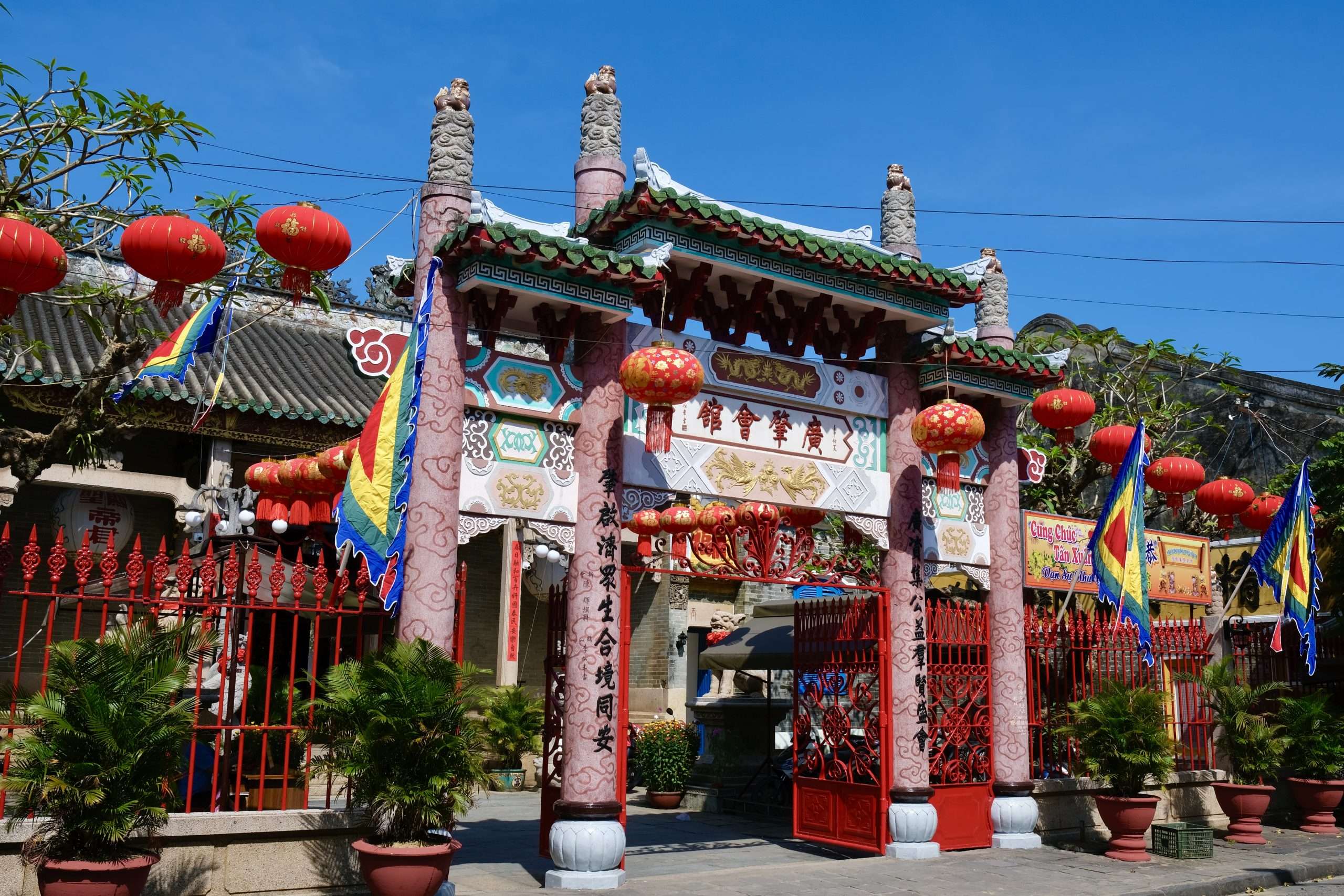
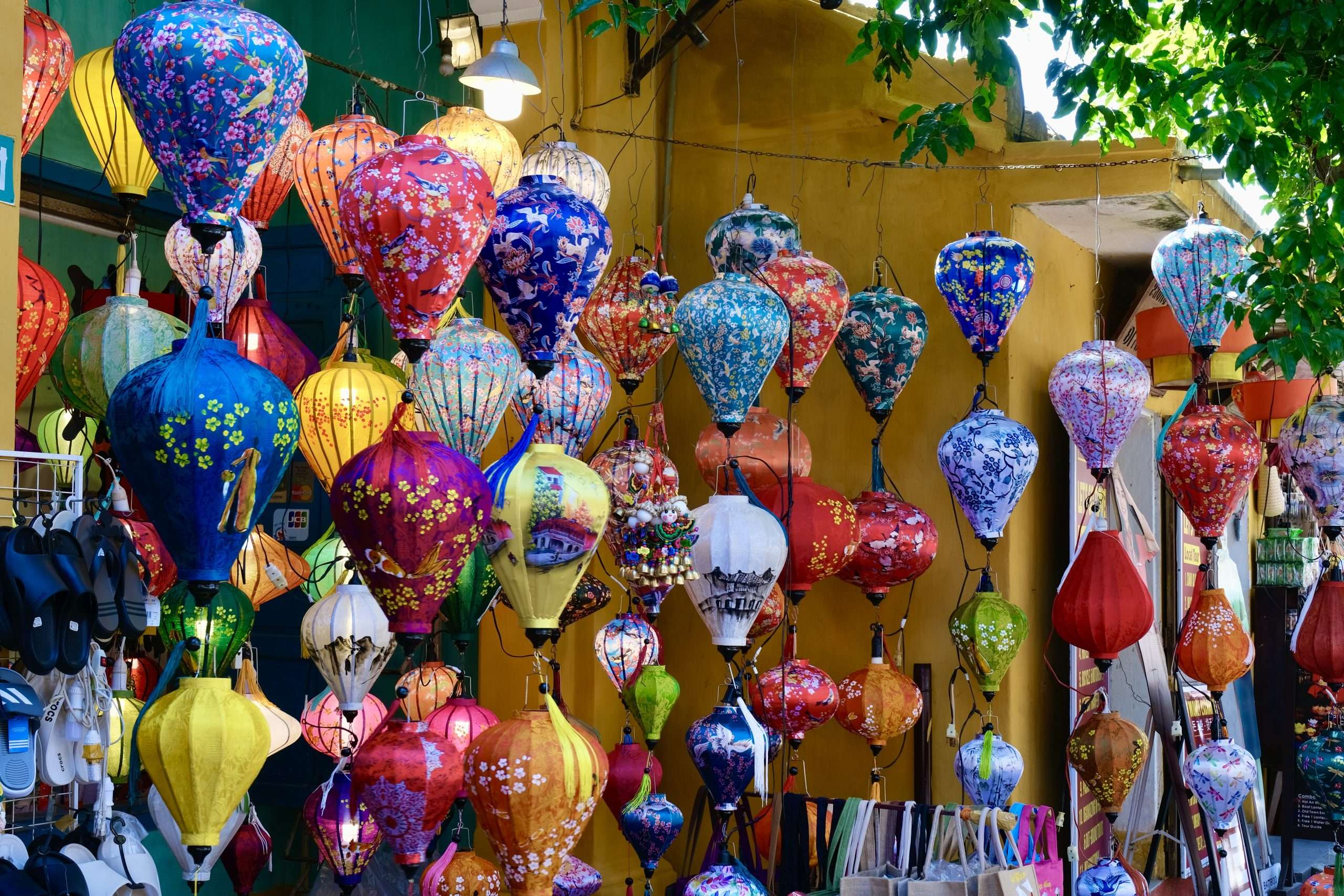
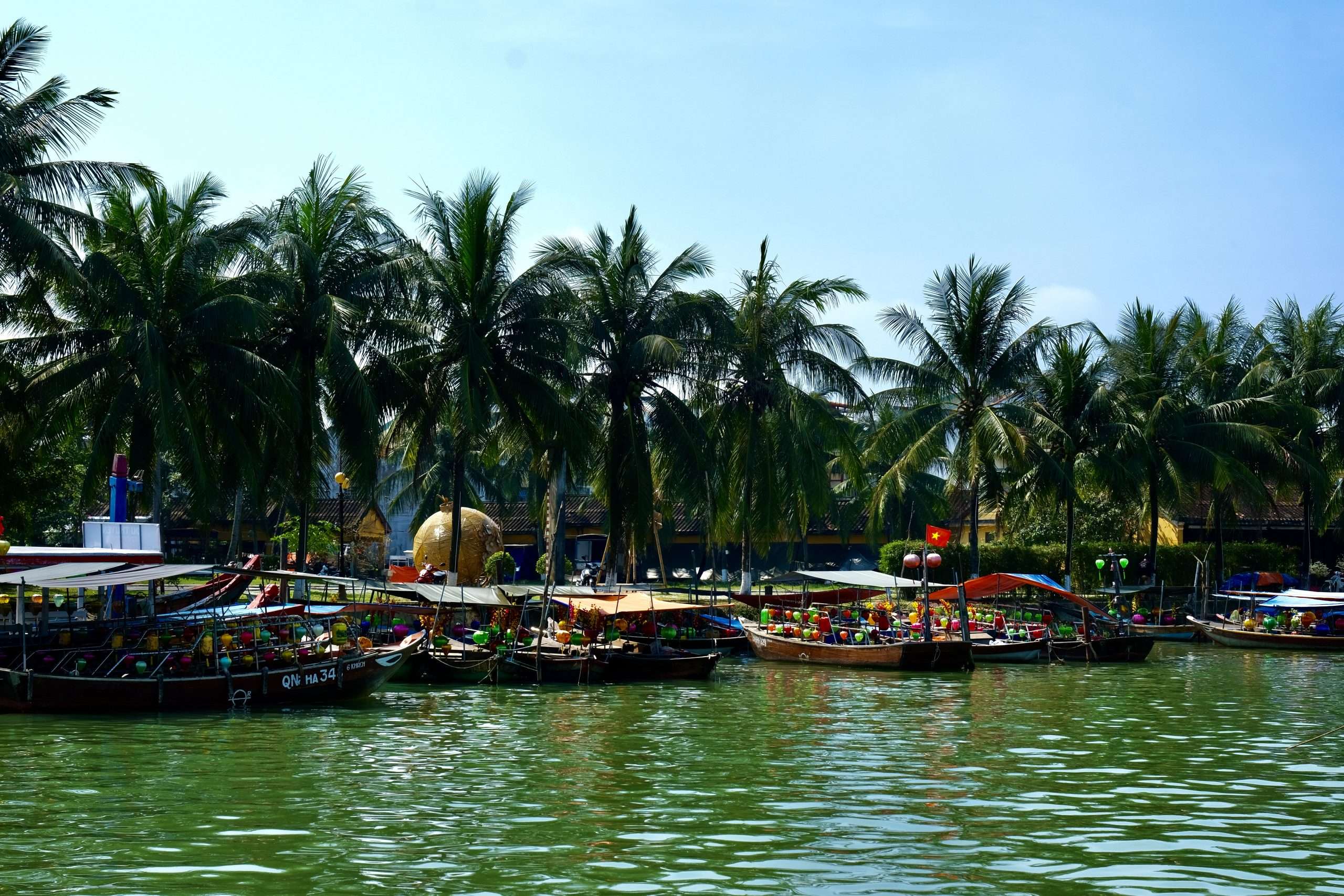
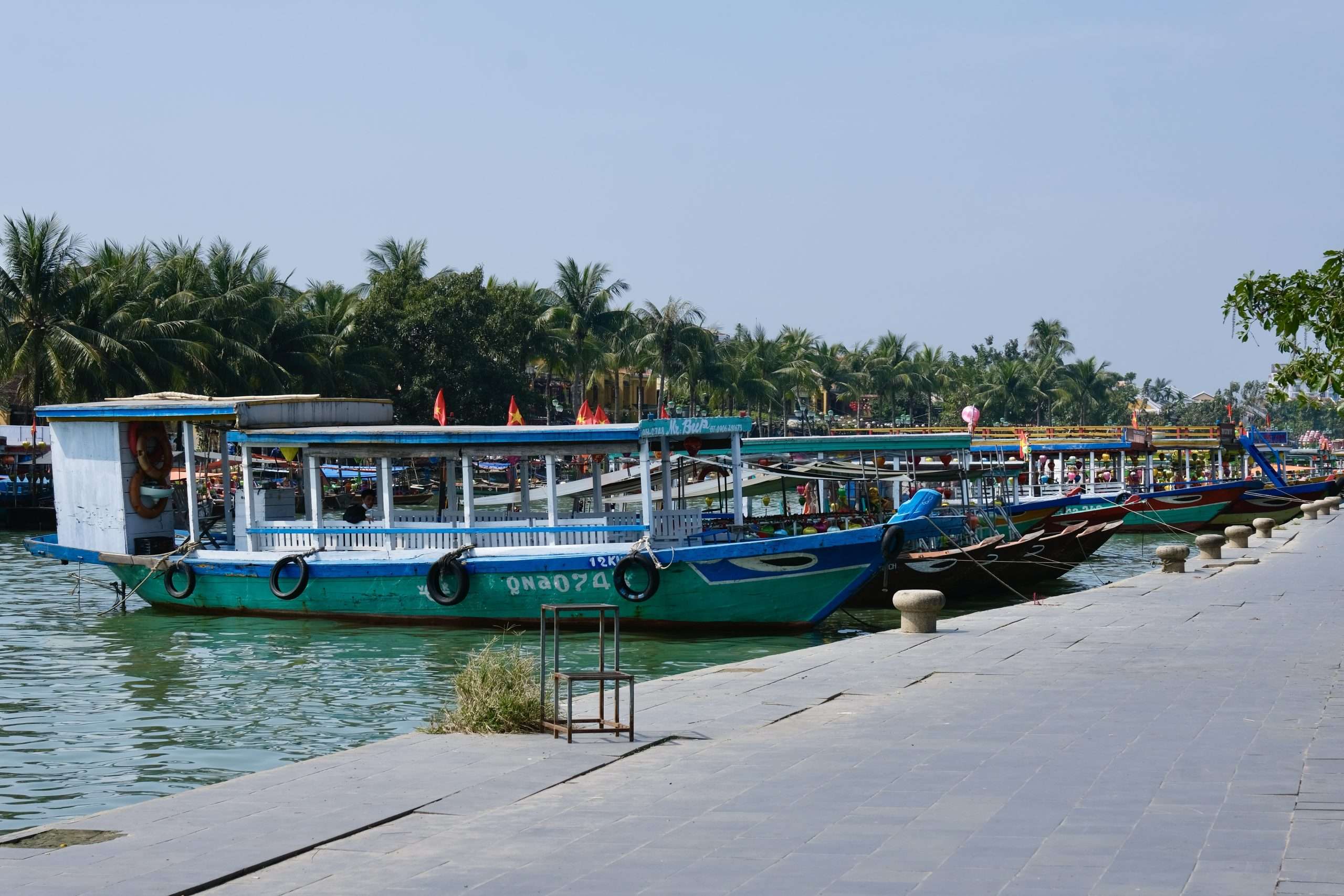
Our journey also took us to the Phung Hung House, a 240-year-old structure renowned for its distinctive architecture, which blends Chinese, Japanese, and Vietnamese influences. These design elements help keep the house cool in summer, warm in winter, and allow furniture to be moved easily to prevent damage during flooding. The house’s 80 wooden pillars, made of ironwood, rest on stone to prevent settlement and mold. It offers valuable insights into the lifestyle and trade practices of Hoi An’s merchant families during its heyday as a bustling port town. The antiques inside are particularly stunning.
Da Nang is home to many bridges, including the impressive Dragon Bridge and the Nguyen Van Troi Bridge, which resembles DNA strands.
Arrival in Ho Chi Minh City and Cu Chi Tunnels – January 25, 2025
A short and uneventful flight on Vietnam Airlines brought us to Ho Chi Minh City, Vietnam’s largest metropolis. Often referred to as Saigon, the city is a vibrant blend of Asian and French influences, reflecting its rich and complex history. Saigon served as the capital of South Vietnam until the country’s reunification in 1975. Interestingly, the city originated as a small fishing village called Prey Nokor. Before the Vietnamese expanded into the area, it was swampy land inhabited for centuries by the Khmer people, who left an indelible mark on its early history.
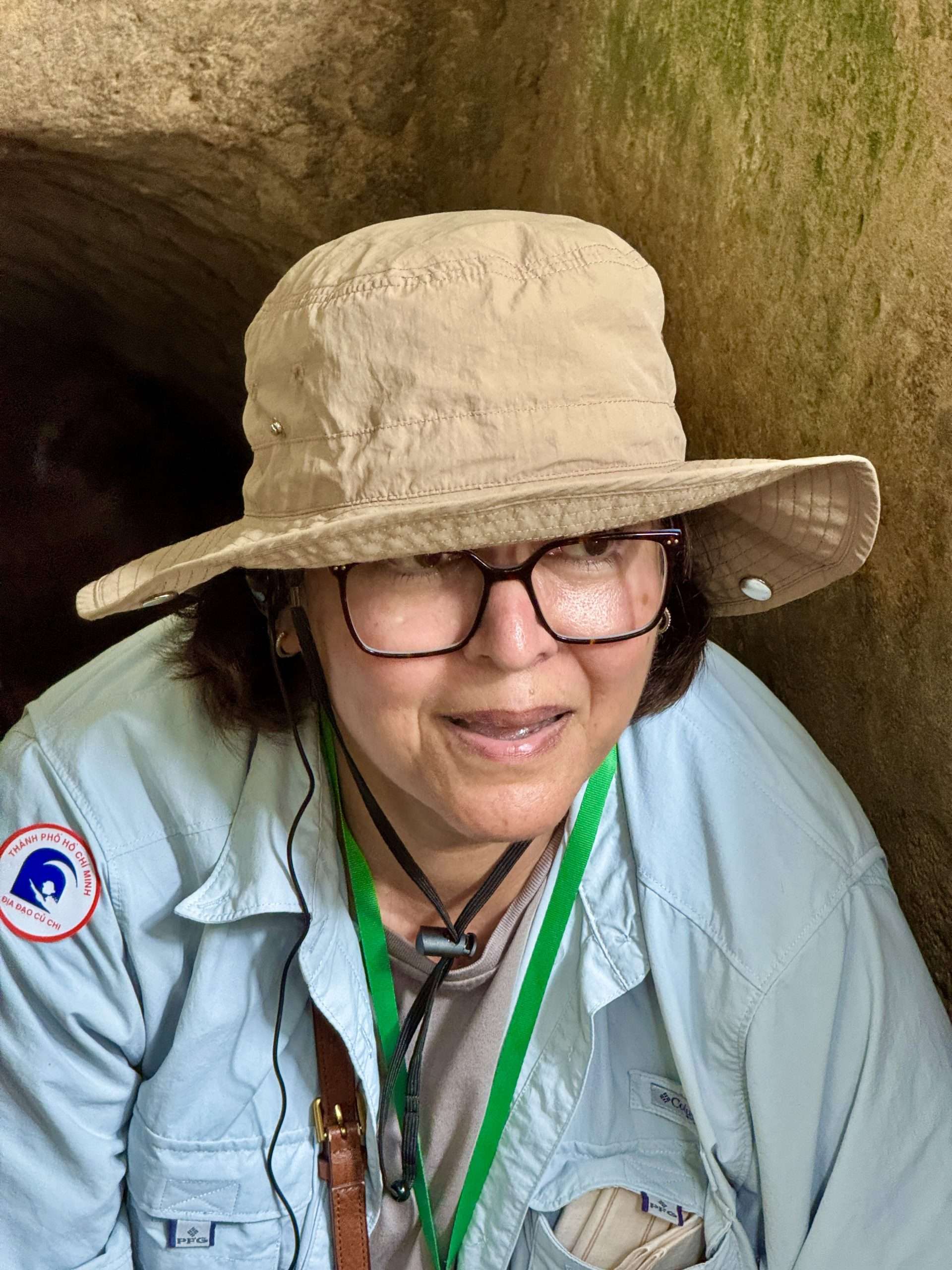
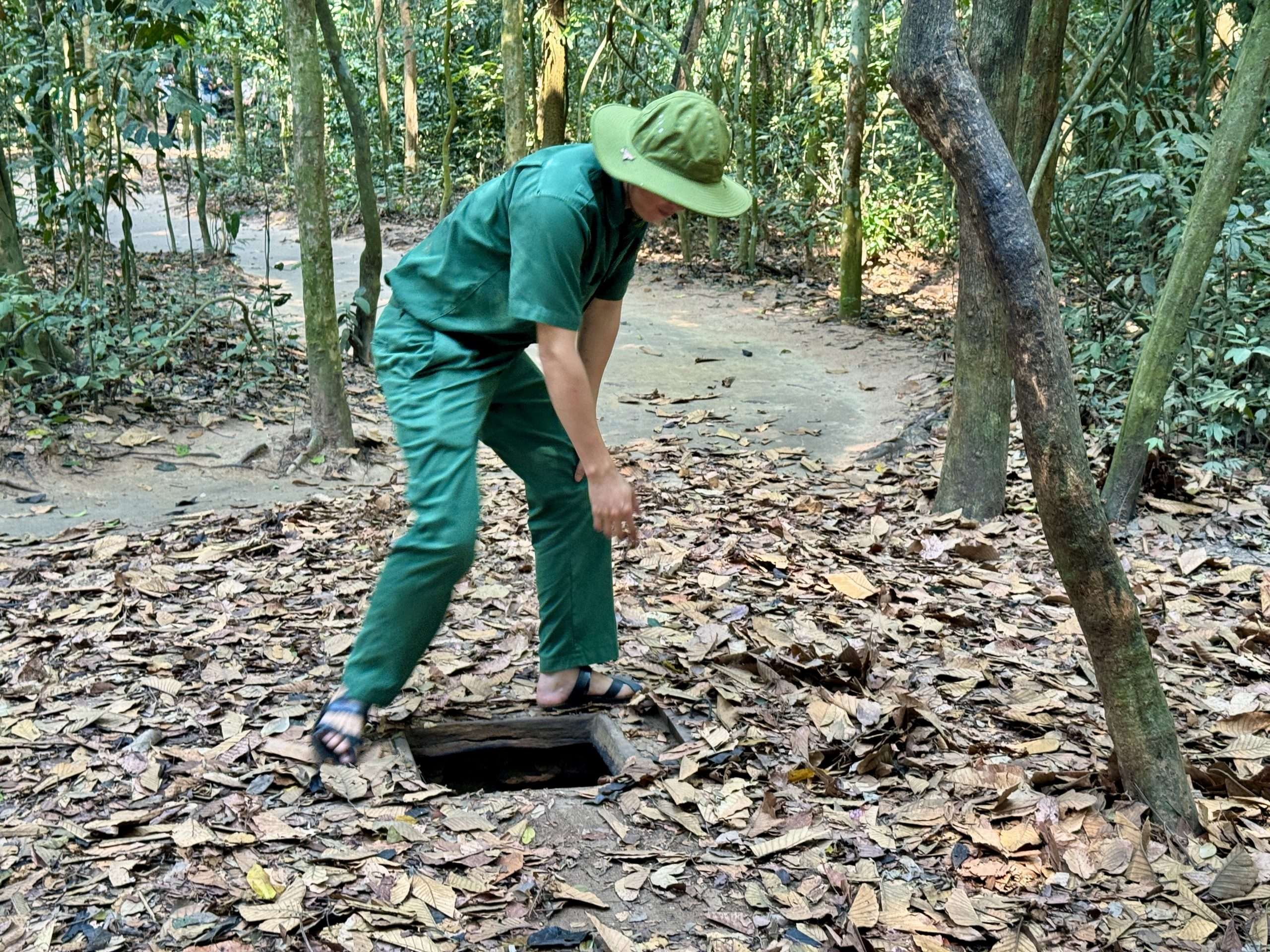
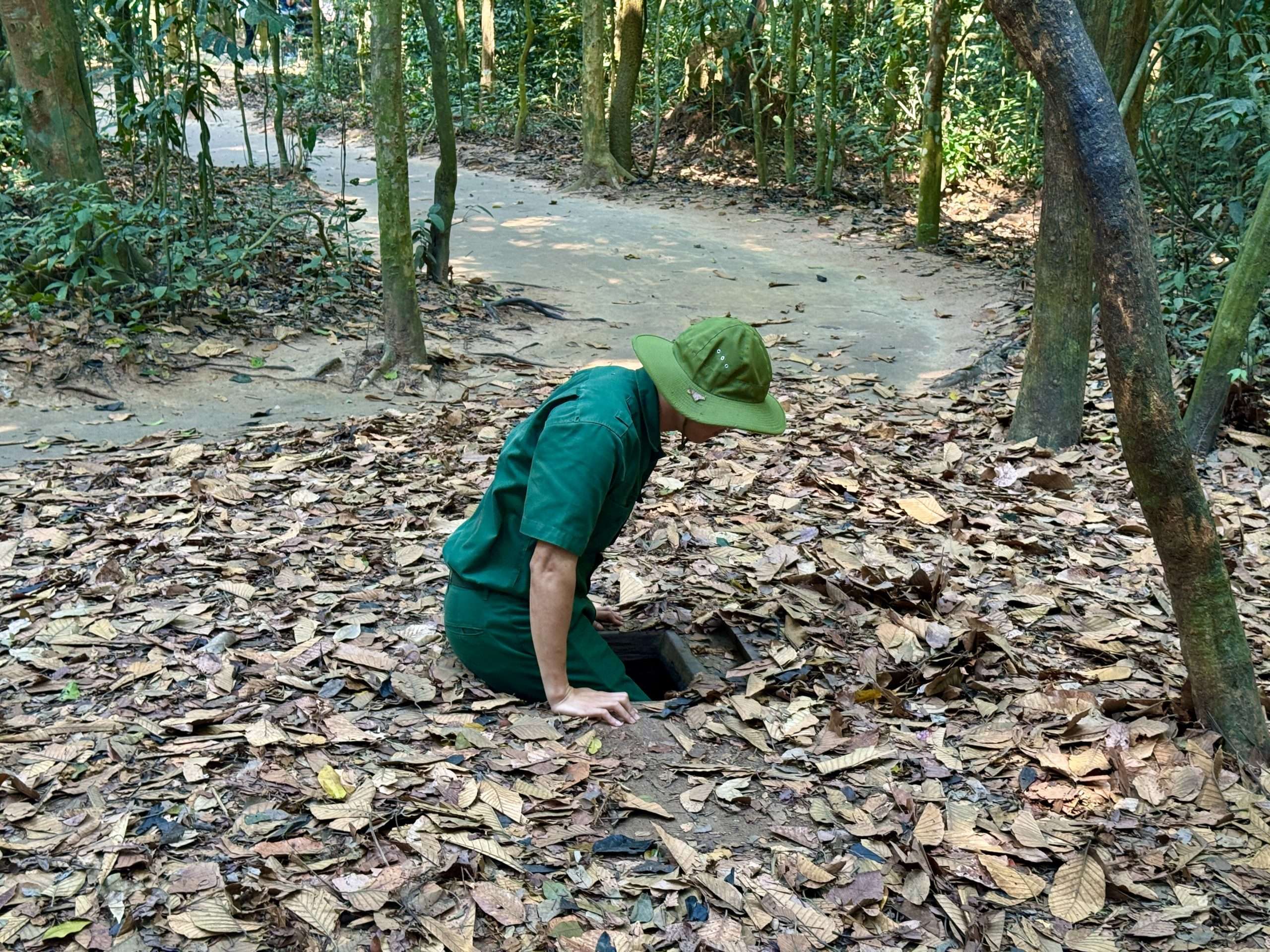
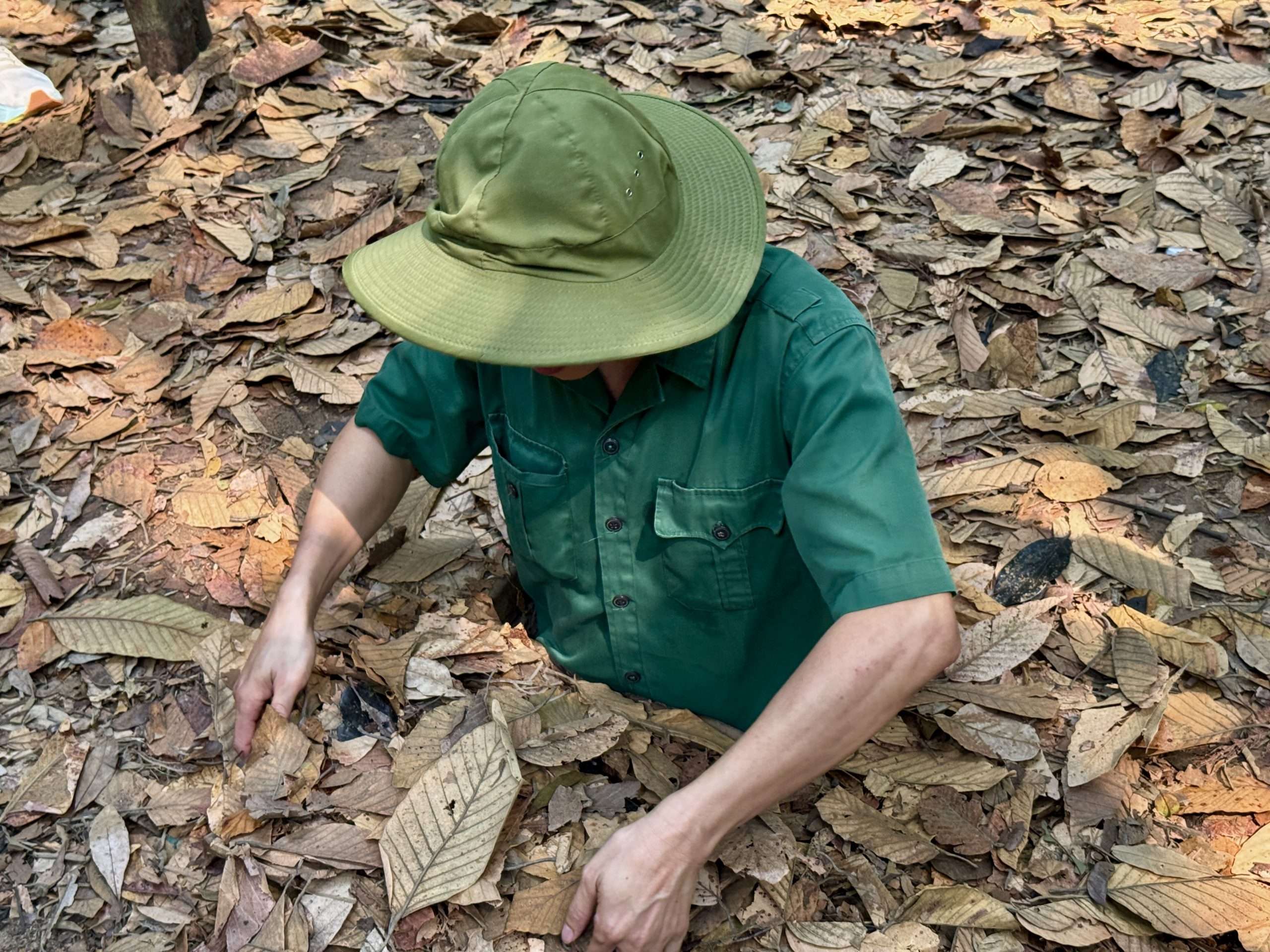
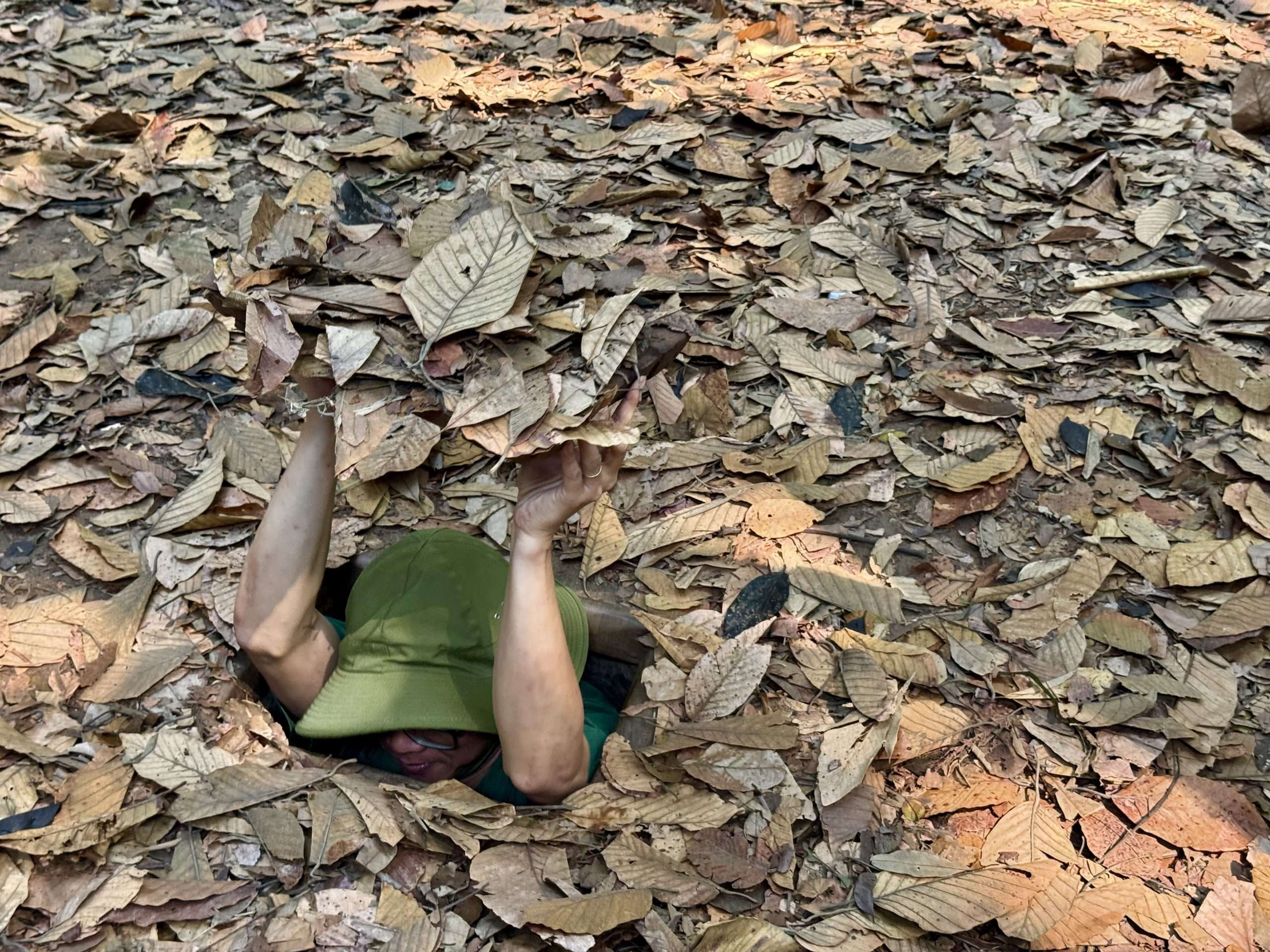
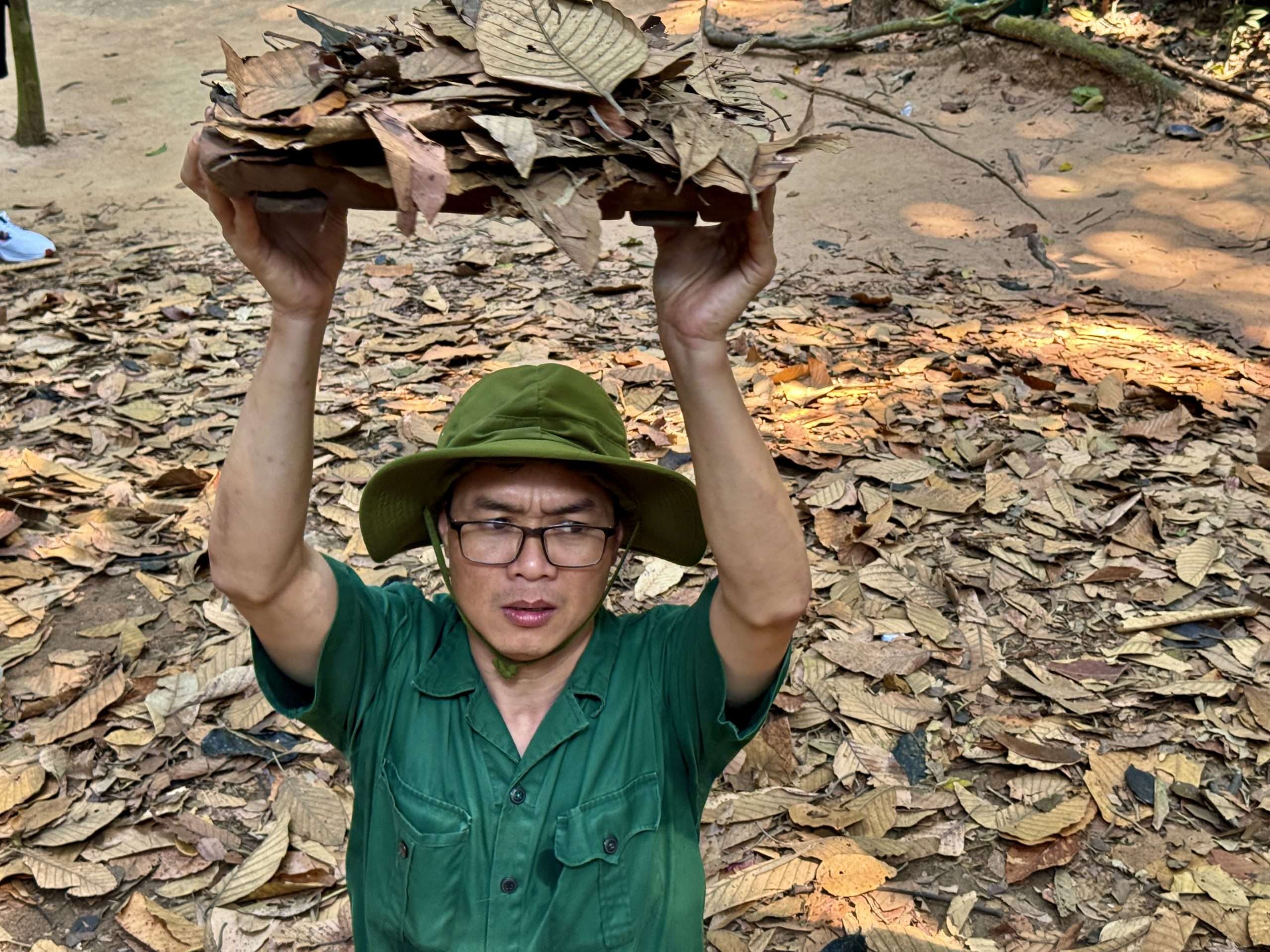
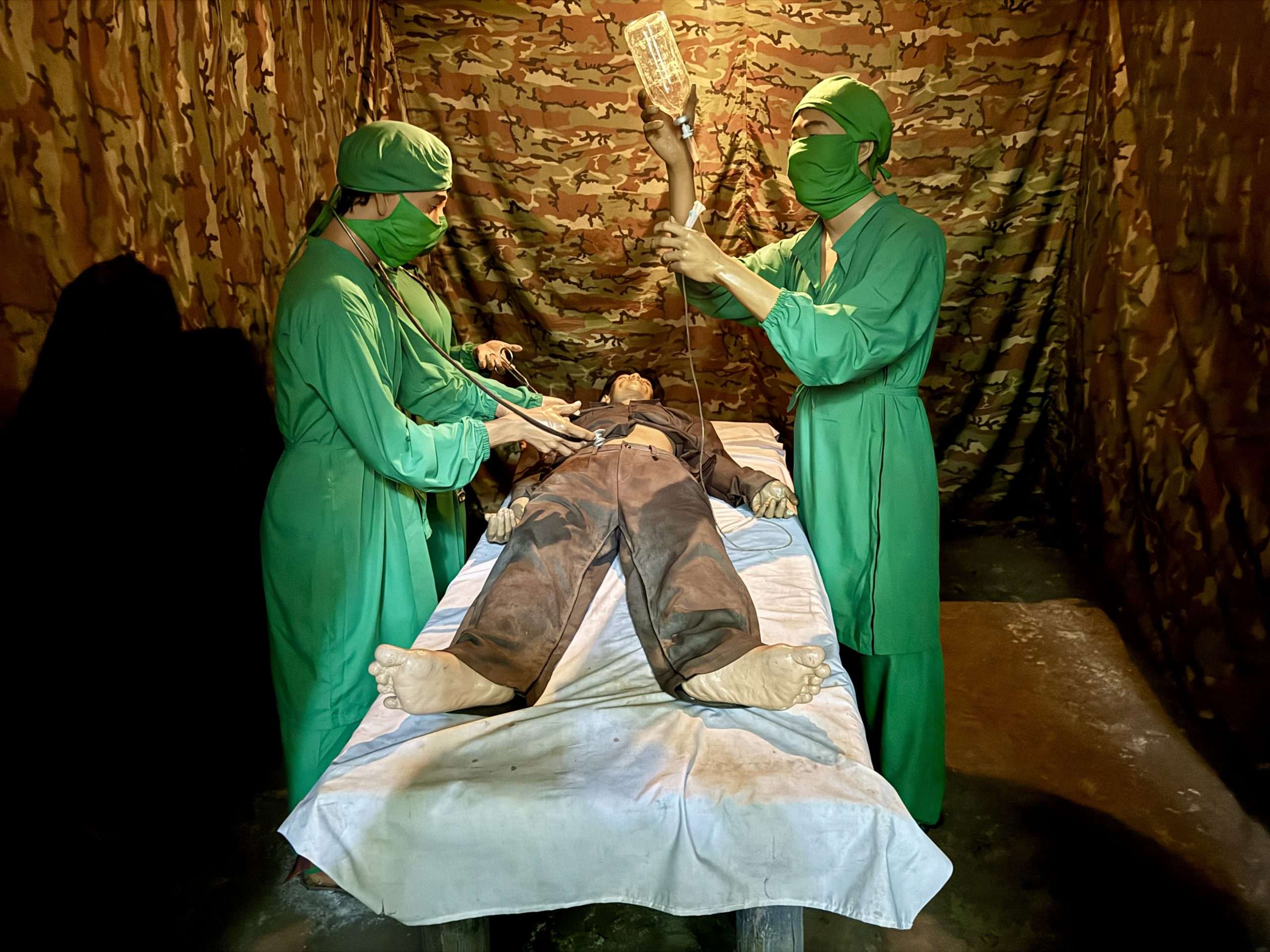
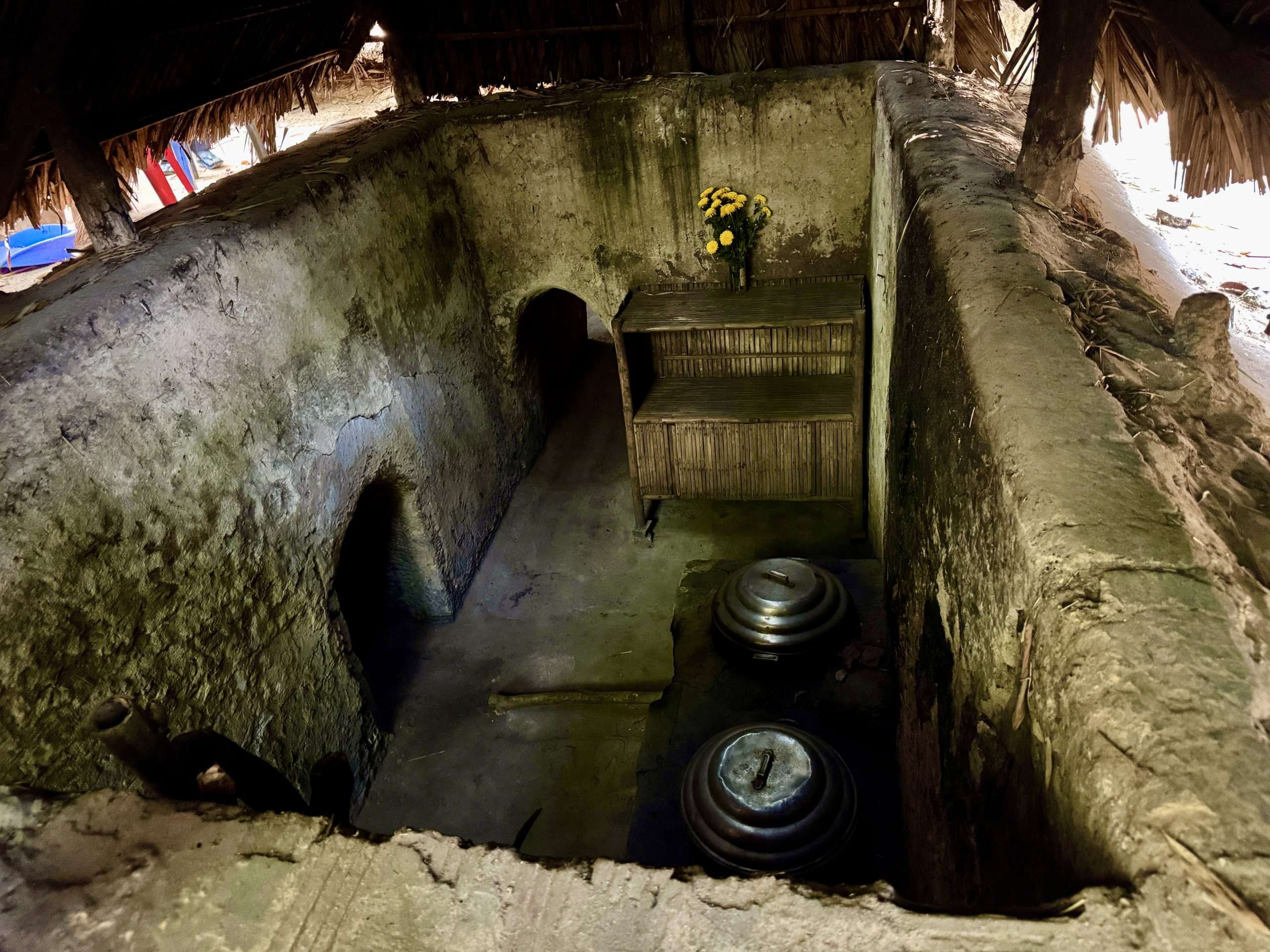
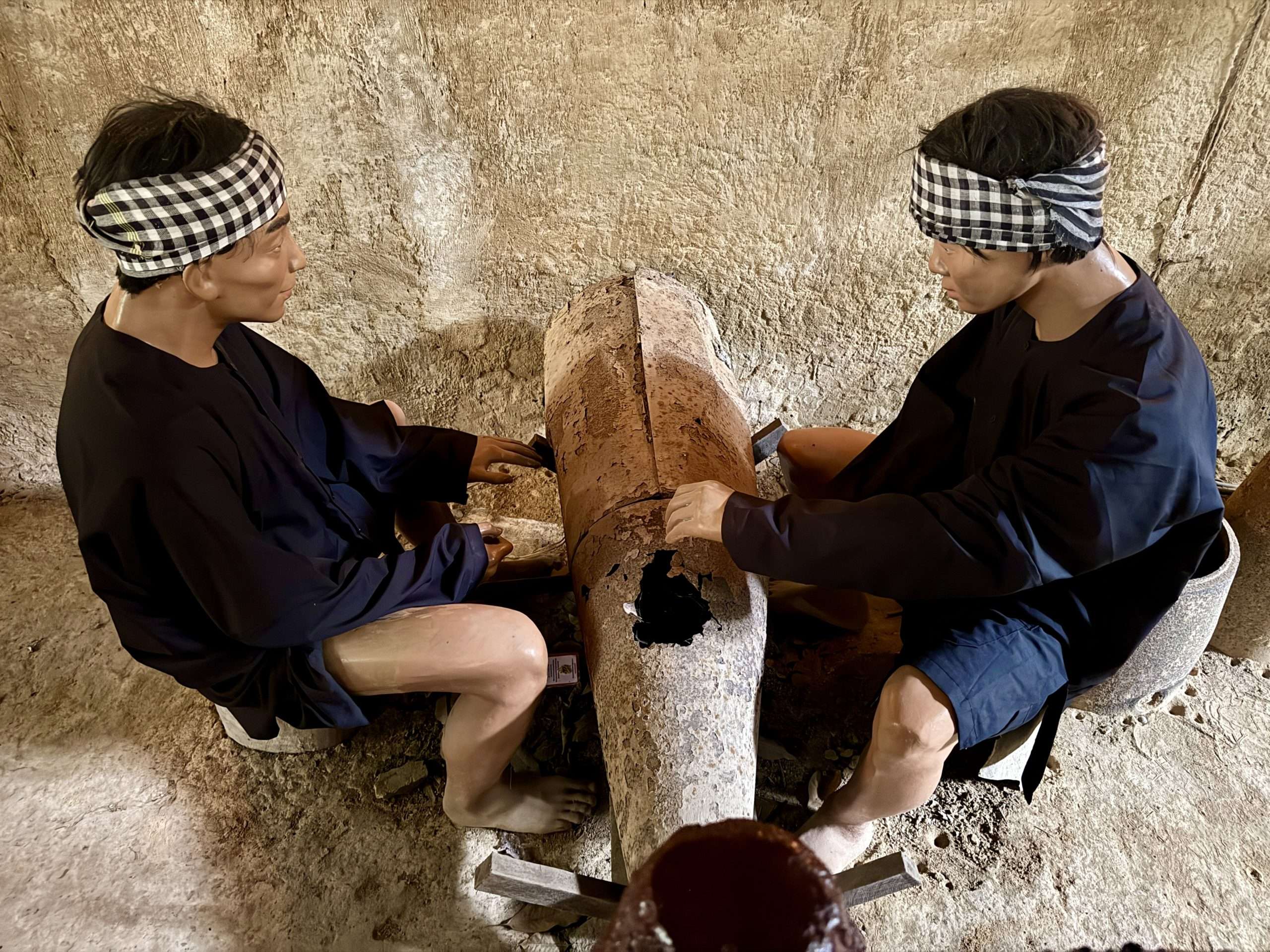
From the airport, we journeyed inland to Cu Chi, a region steeped in historical significance. There, we explored the extensive Cu Chi tunnel system, a fascinating and intricate network stretching over 120 miles. Christabel crawled through one of the tunnels, while Albert crawled through two. The tunnels, some reaching depths of three stories, zigzagged from the southernmost parts of the Ho Chi Minh Trail to the Saigon River. During our guided tour, we discovered how these underground passages played a critical role in the Vietnam War. They housed hidden chambers that served various purposes, including kitchens, dormitories, storerooms, munitions workshops, hospitals, and even makeshift schools.
Saigon then, Ho Chi Minh City now – January 26, 2025
We began our city tour with a bus ride guided by a knowledgeable local expert. Our first stop was the bustling Ben Thanh Market, a vibrant hub for local produce, clothing, souvenirs, and street food.
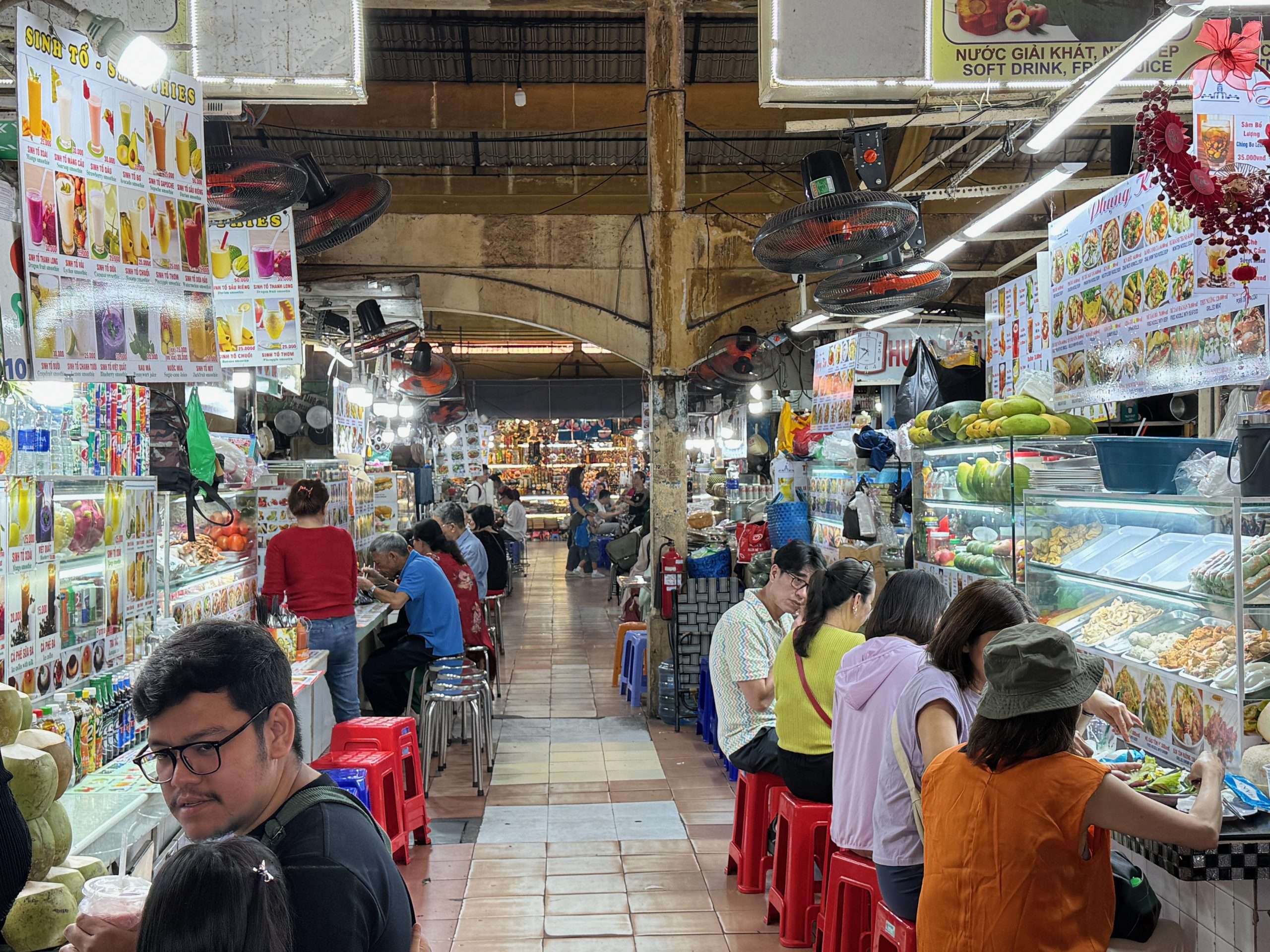
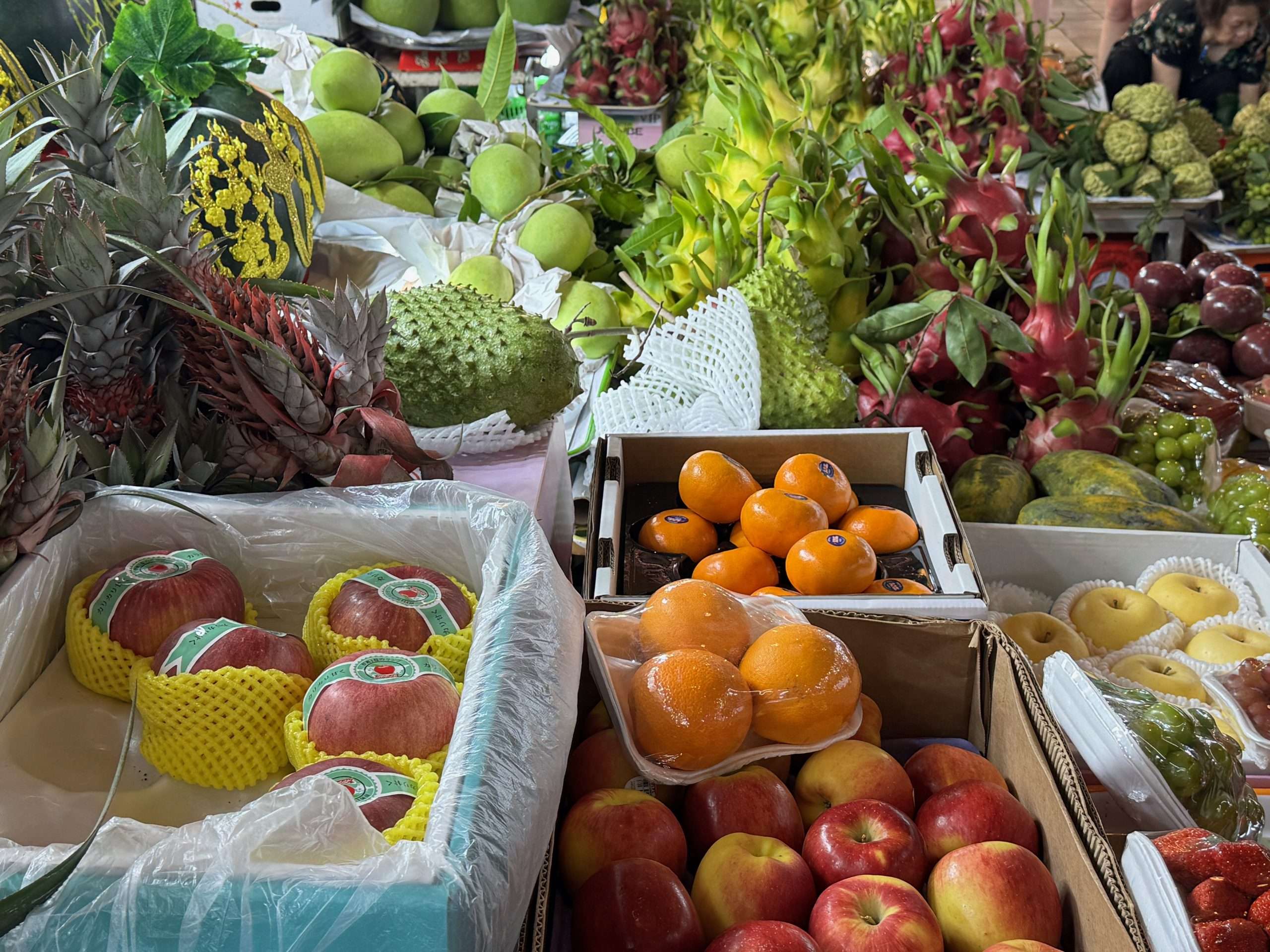
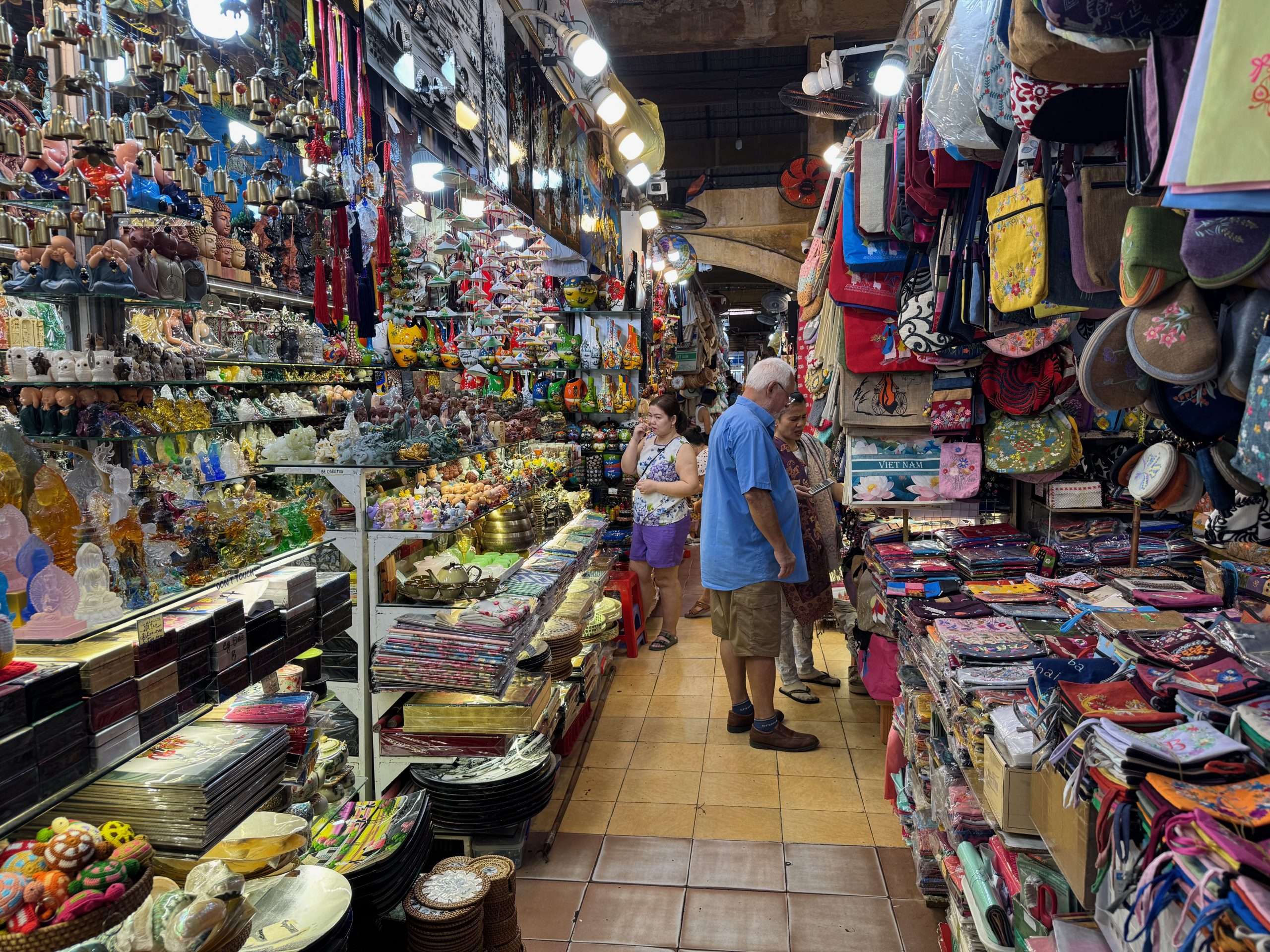
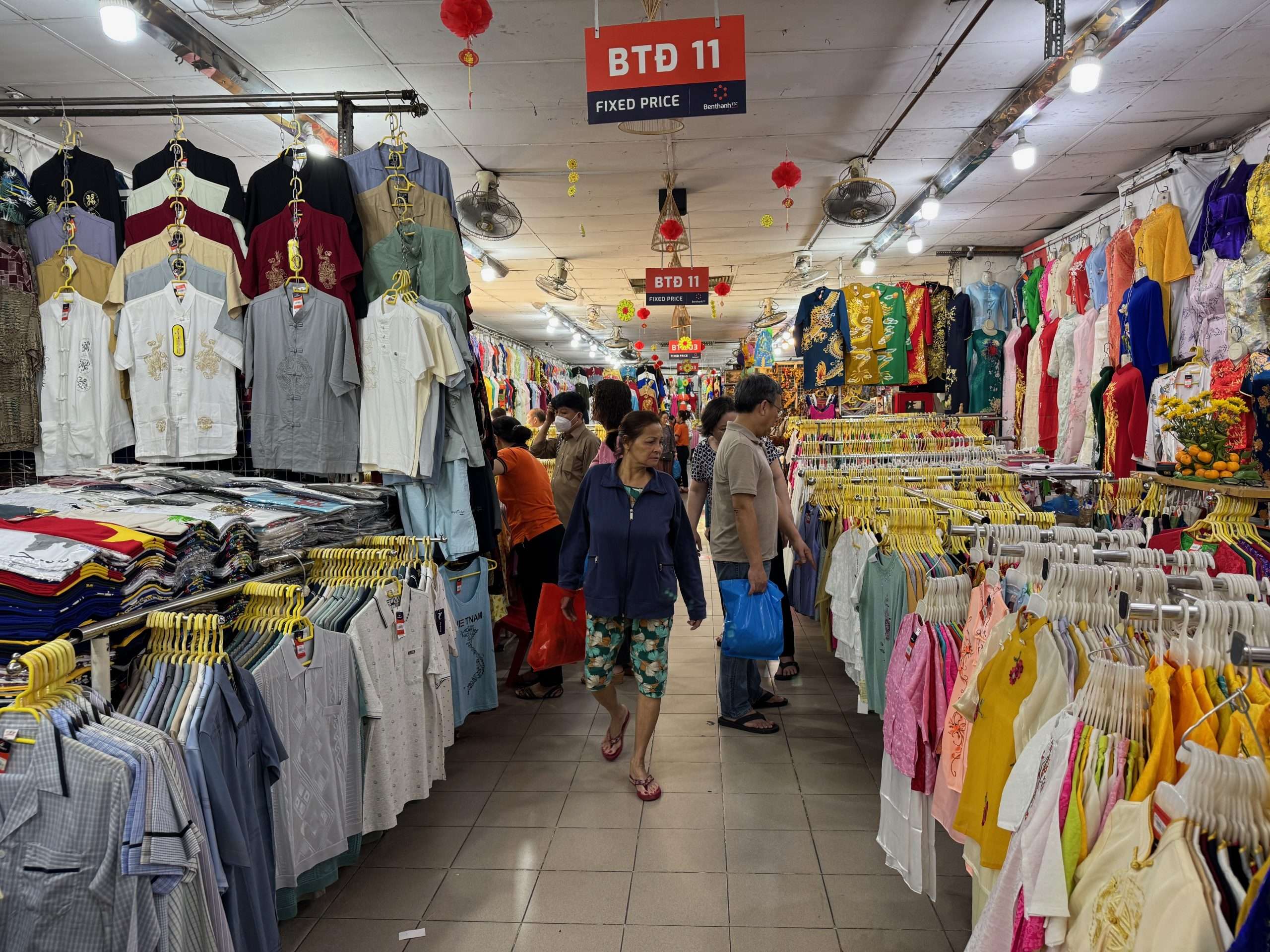
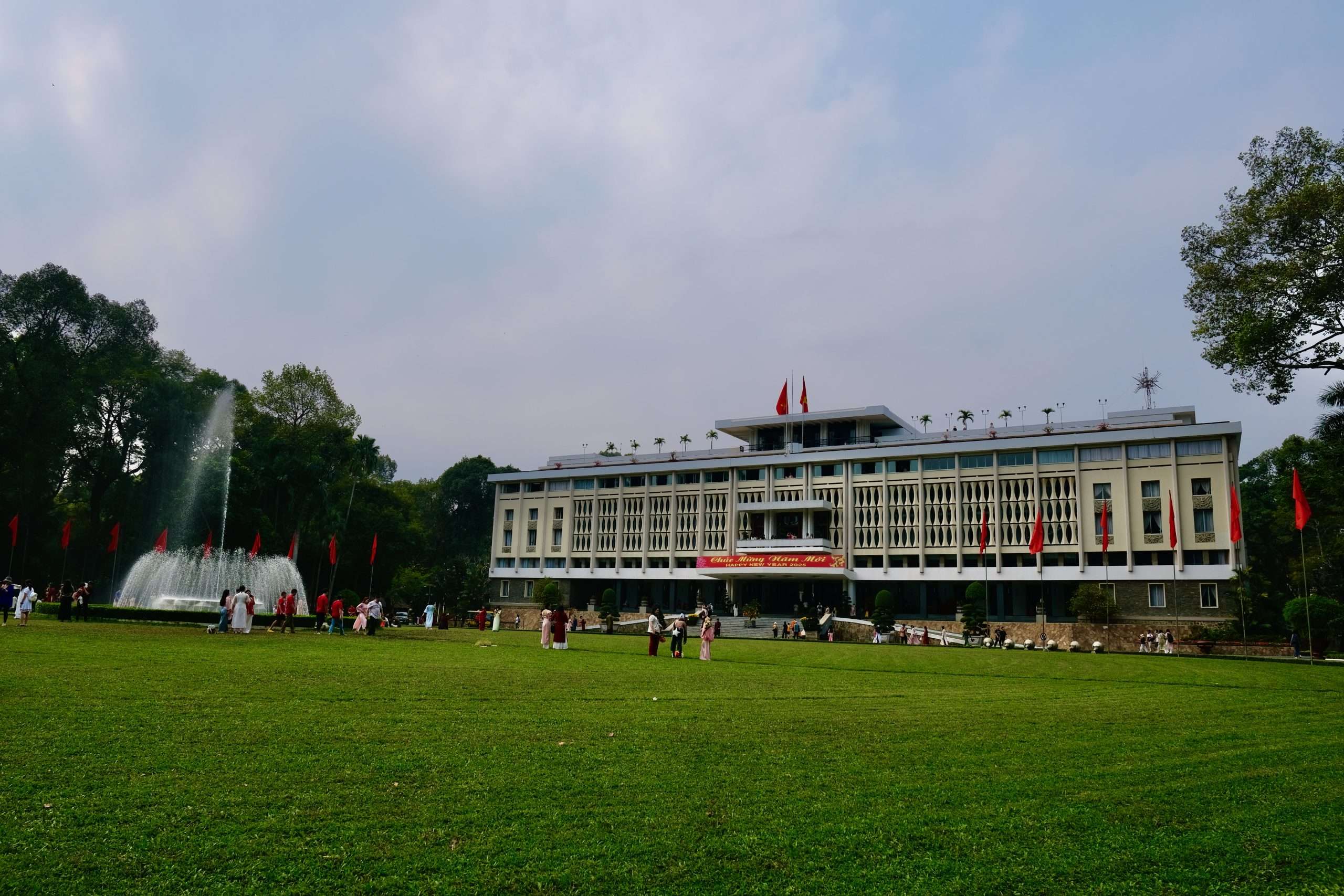
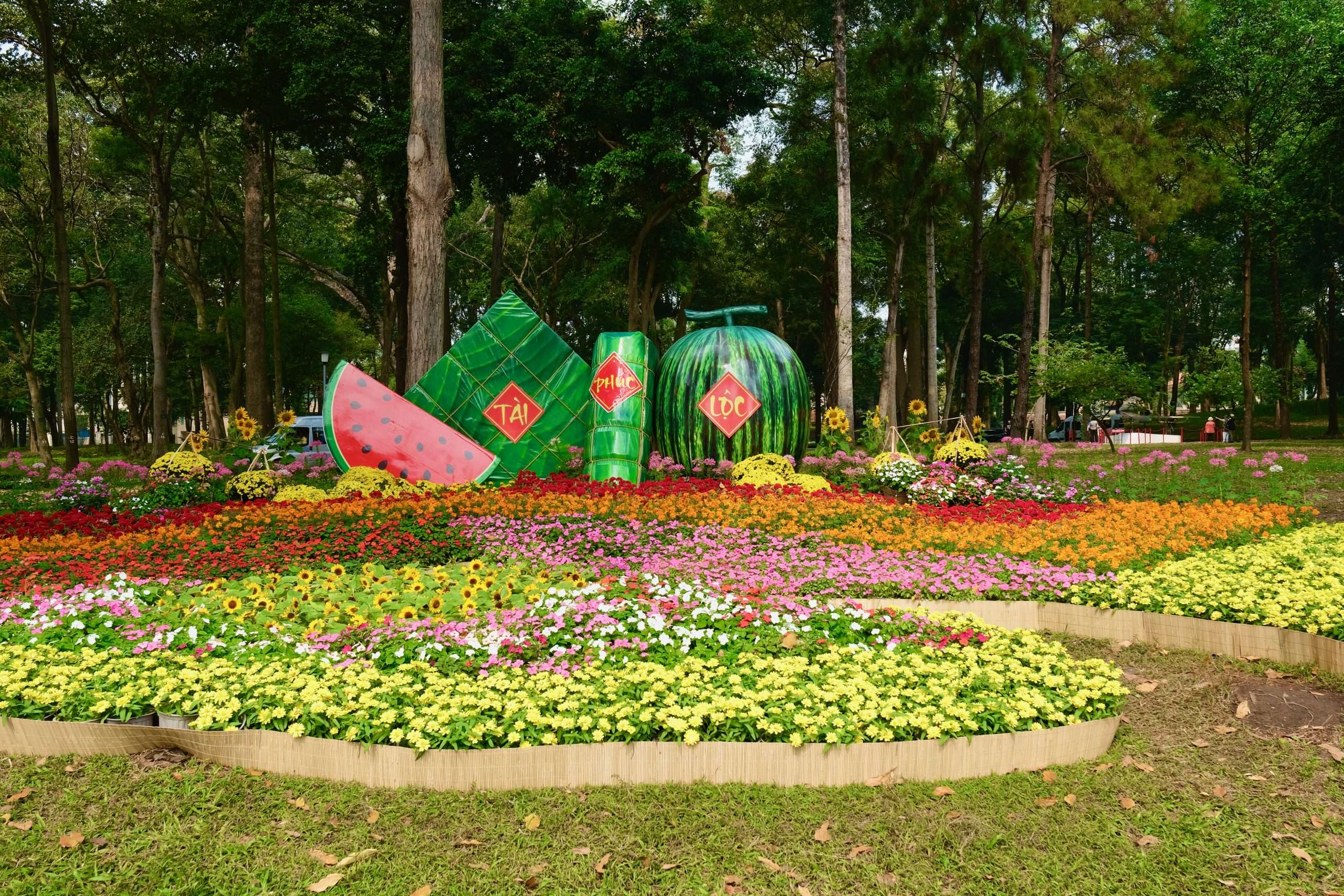
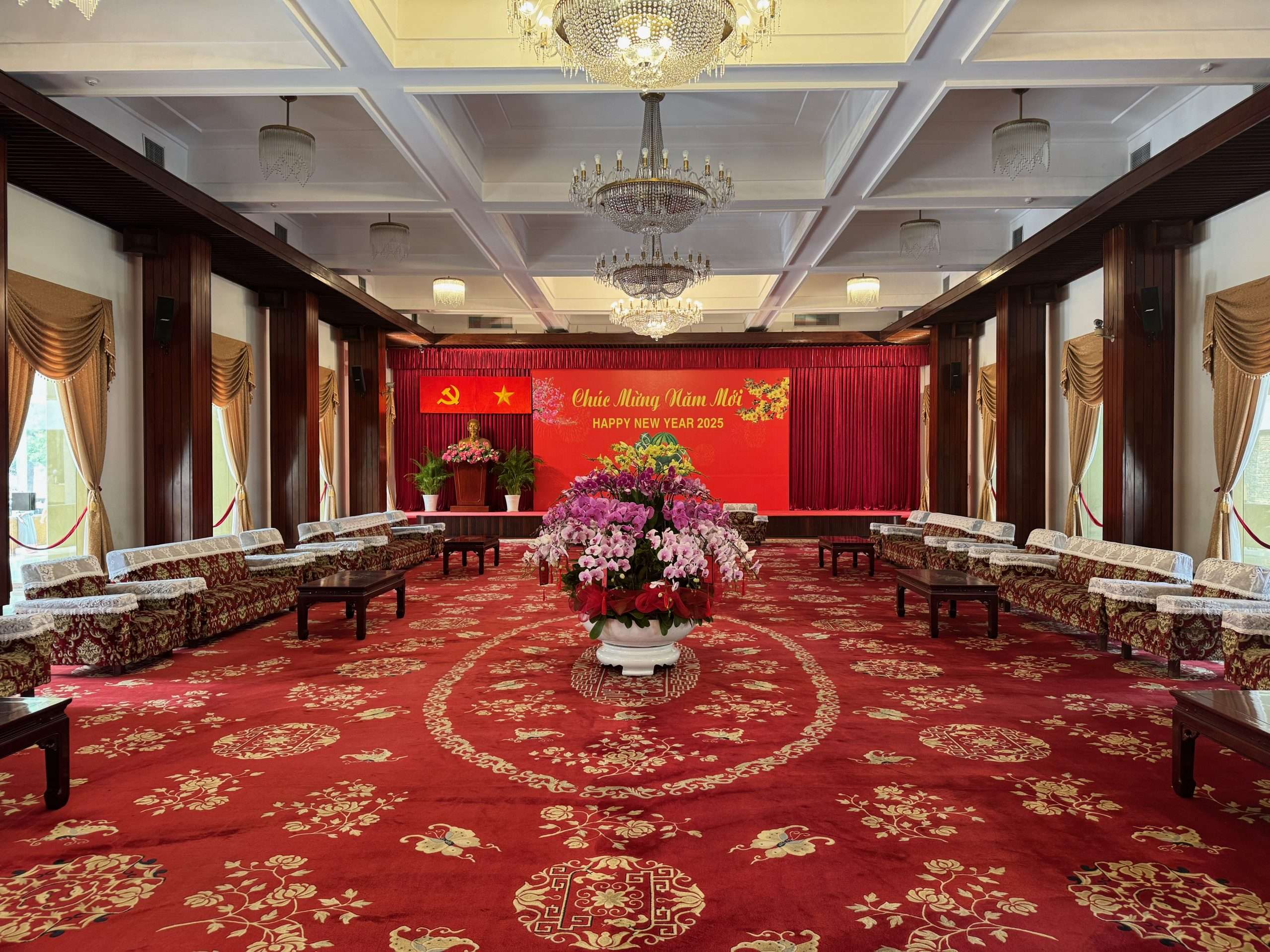
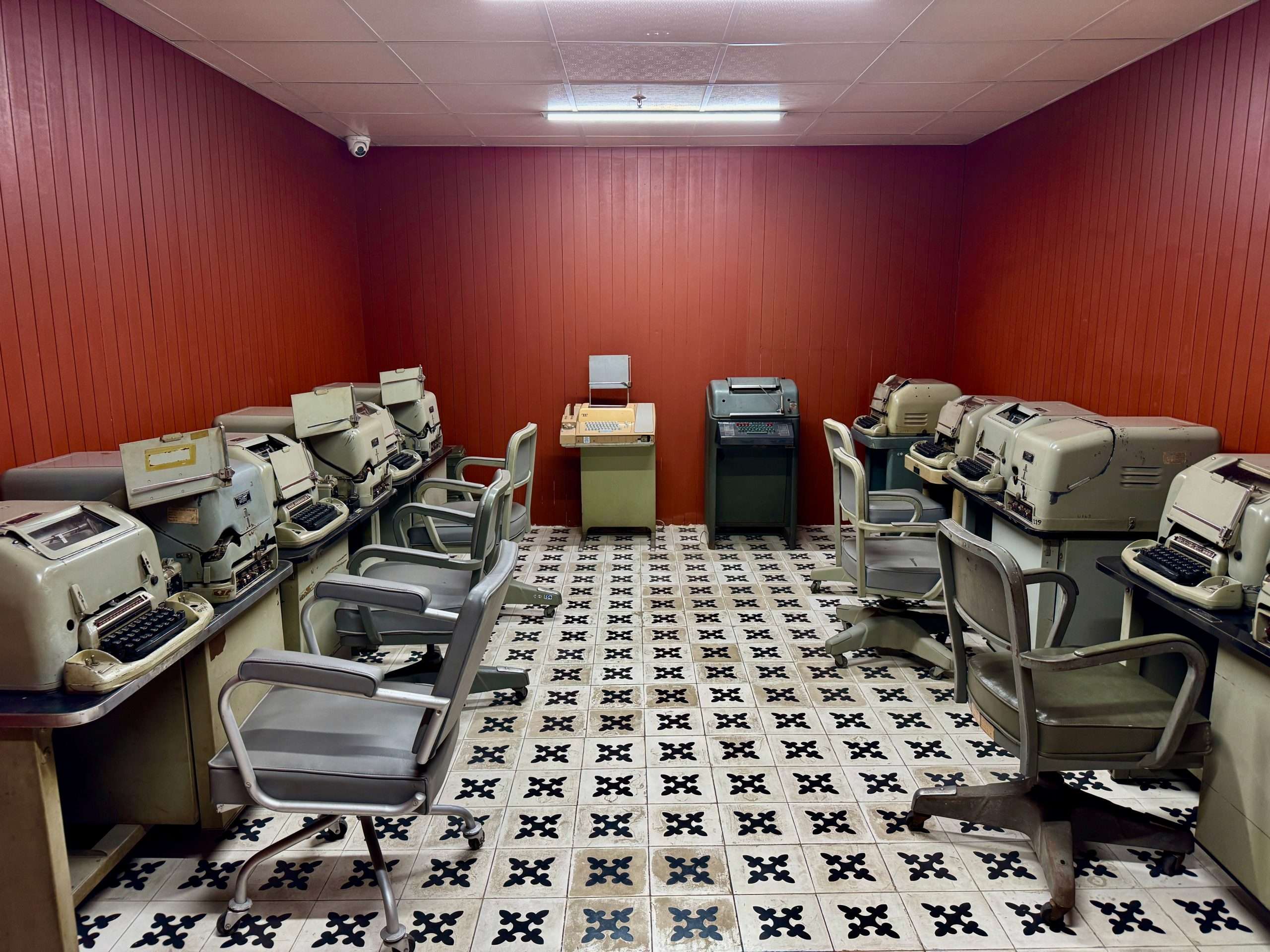
Next, we visited the former Presidential Palace, now known as Reunification Hall, a landmark of historical significance. This building became a symbol of reunification after negotiations brought the North and South of Vietnam together in 1975. As part of the tour, we explored some of the building’s areas, including conference rooms, reception halls, and bunkers.
From there, we stopped to admire the architectural elegance of the Central Post Office, designed by the renowned French engineer Gustave Eiffel, which blends Gothic, Renaissance, and French influences. During the bus ride, we also passed by notable landmarks, including the site of the former U.S. Embassy, the Saigon River, and the Saigon Notre Dame Cathedral, an iconic 19th-century structure. Unfortunately, the cathedral was closed for renovation during our visit.
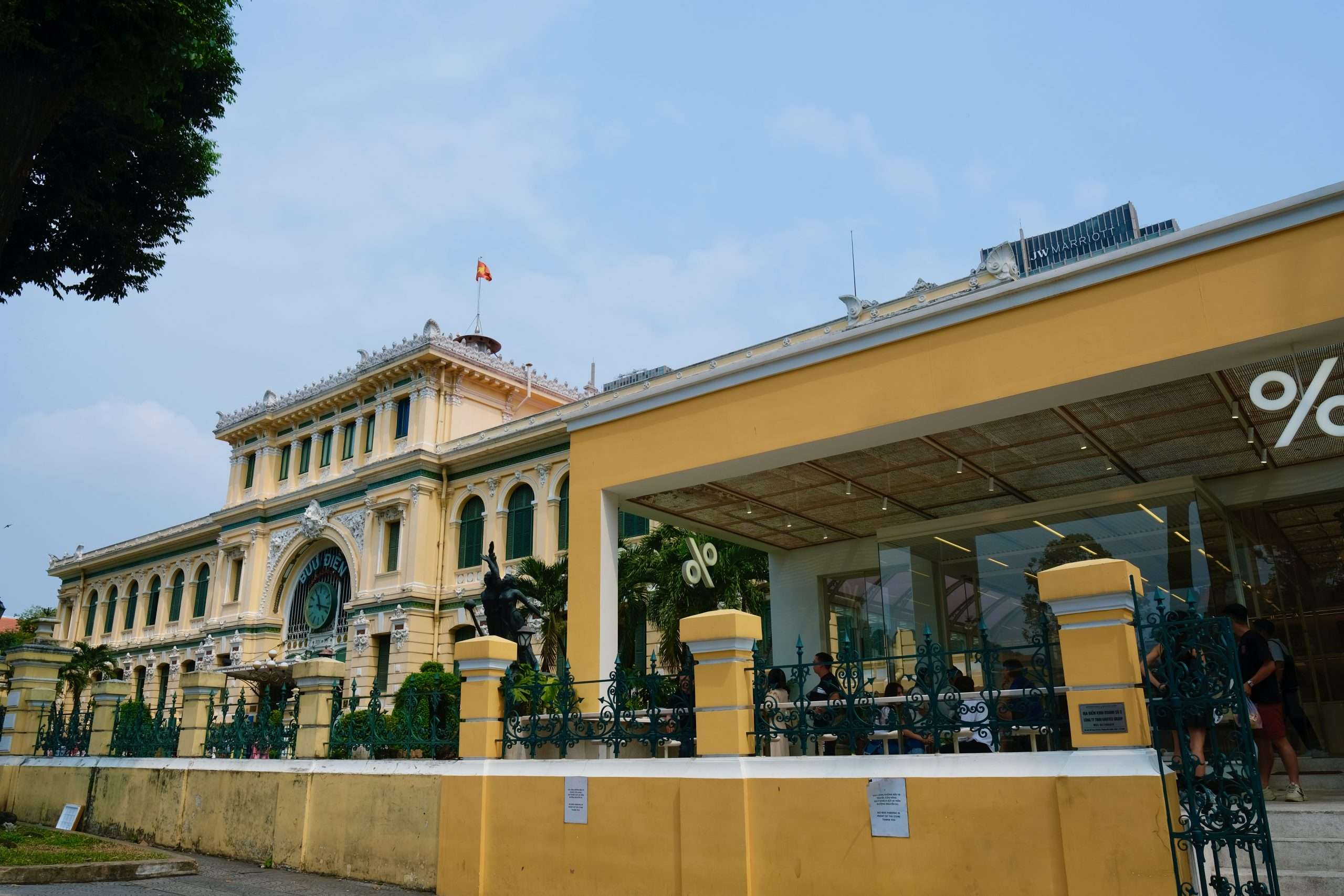
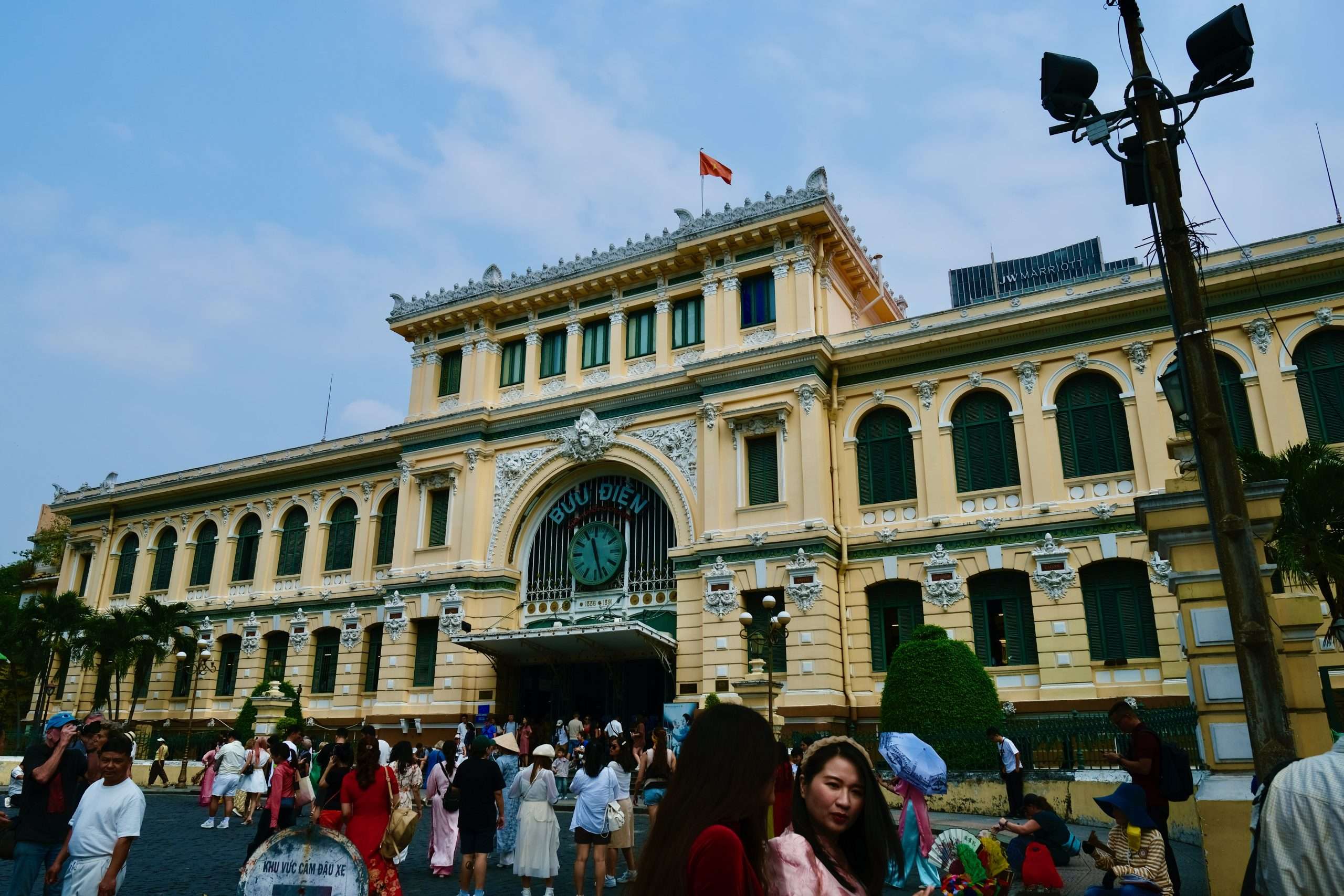
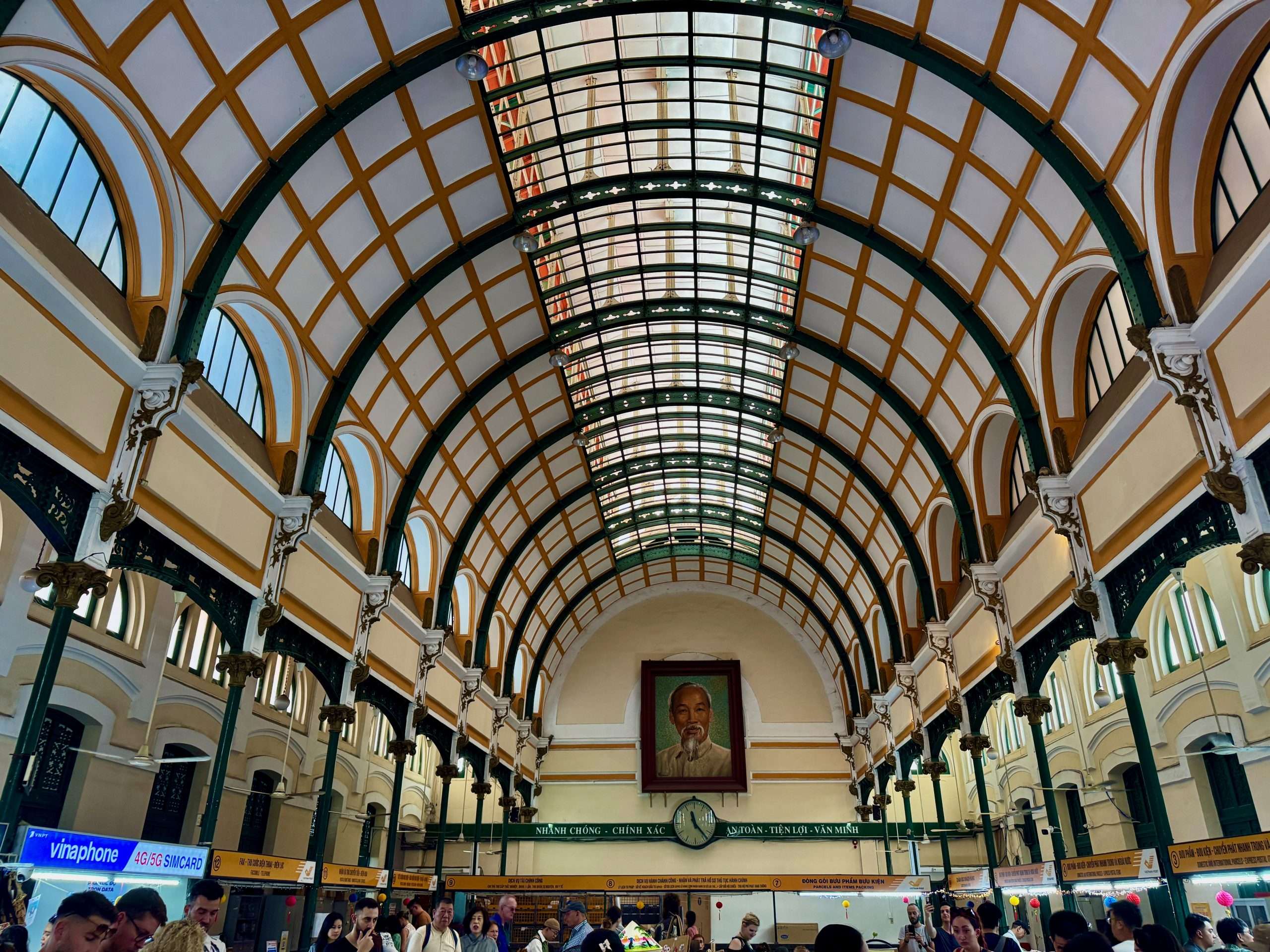
In the afternoon, we visited a lacquerware manufacturing factory, where we observed the intricate process of crafting this traditional Vietnamese art form. Our afternoon concluded with a visit to the War Remnants Museum, which is housed in the former US Information Service building. This museum is dedicated to preserving artifacts and media from the Vietnam War. It was tough viewing.
Later in the evening, we embarked on an exciting adventure: a Vespa tour of the city. Each of us was paired with an individual driver, adding a personal touch to the experience. After being fitted with helmets, we set off, zipping through the bustling streets brightly decorated for the Lunar New Year.
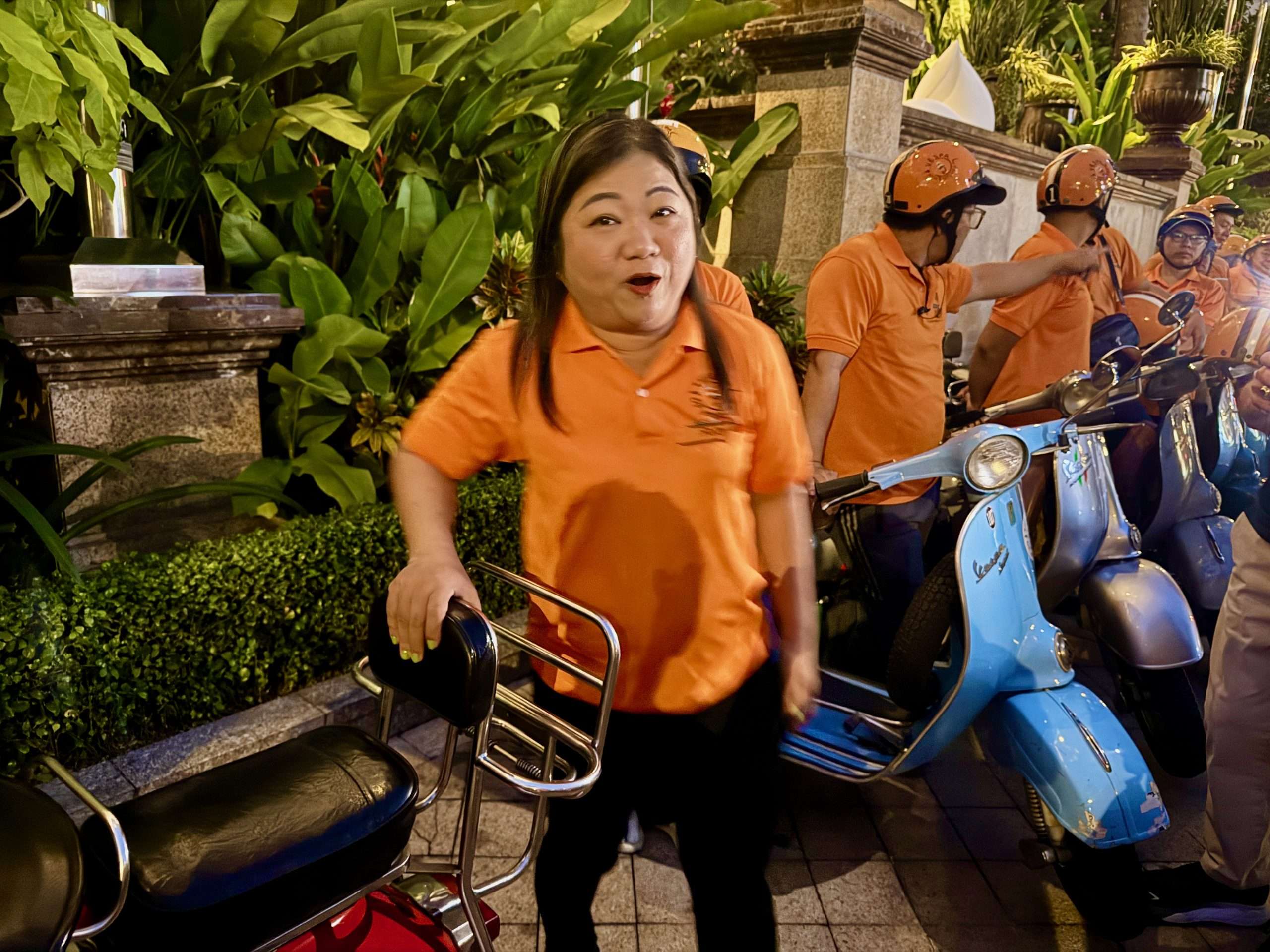
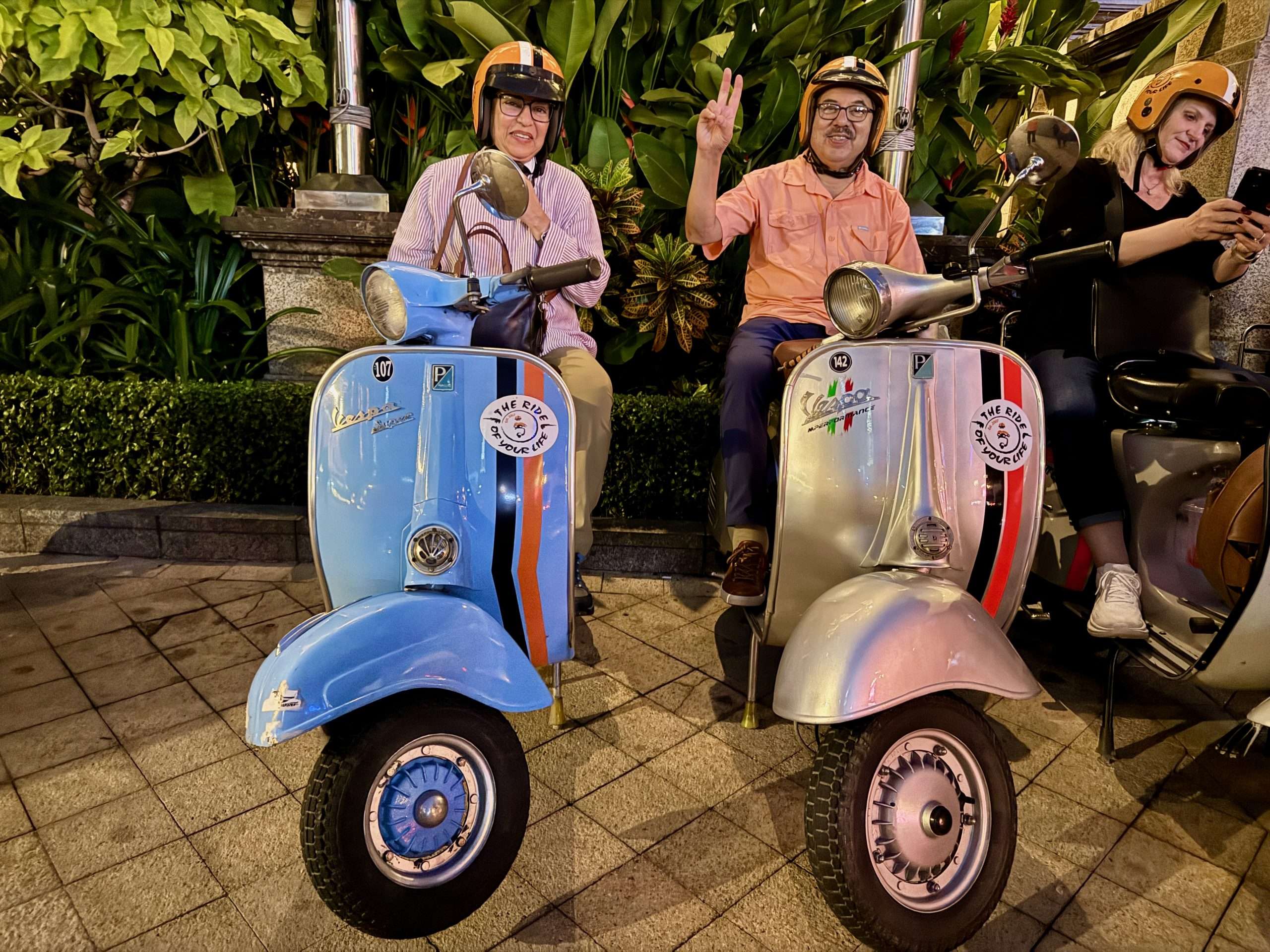
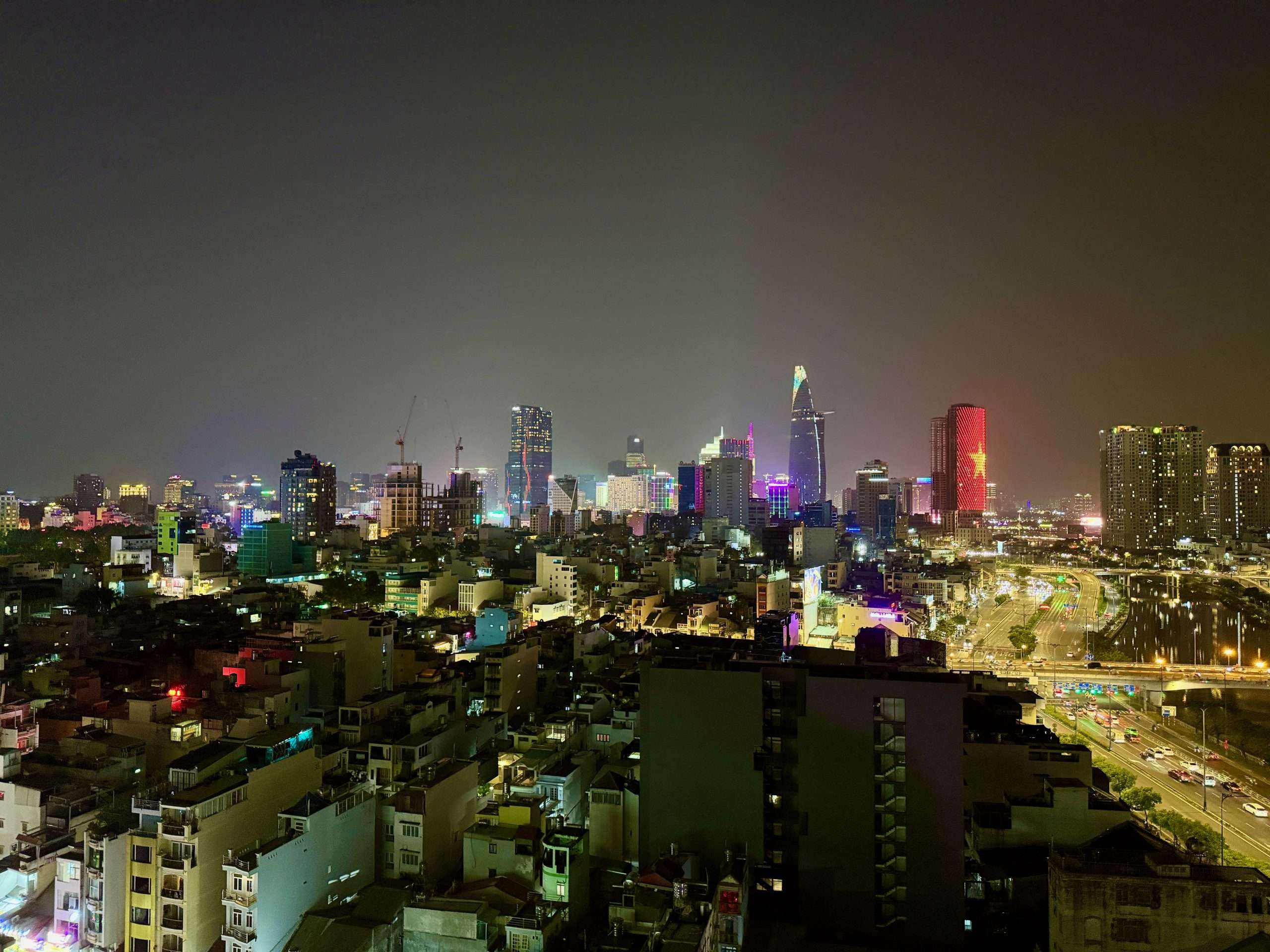
Our first stop was at a rooftop bar offering breathtaking panoramic views of the city skyline—a perfect spot to soak in the beauty of the surroundings. Next, we drove through narrow streets, bridges and the marina and made our way to another charming venue, where we enjoyed a selection of appetizers and refreshing drinks.
Although the itinerary included two more stops, we chose to skip them, making the experience slightly shorter but no less memorable. The entire outing was a blast, evoking fond memories of similar adventures in India.
Exploring Angkor Wat and Siem Reap’s Cultural Charm – January 27, 2025
We departed on a late-morning flight on Air Cambodia from Ho Chi Minh City to Siem Reap, a small, charming town that serves as the gateway to the renowned UNESCO World Heritage Site of the Angkor temples. Siem Reap itself is a collection of small villages nestled along the banks of the Siem Reap River. These villages were originally established around Buddhist pagodas, or wats, which are evenly distributed along the river and remain integral to the area’s cultural and spiritual identity.
Upon landing in Siem Reap, we drove directly to the awe-inspiring Angkor Wat, the largest religious monument in the world. Rising majestically above the surrounding jungle, its five iconic towers, perfectly symmetrical, soar 210 feet into the sky. Constructed in the early 12th century under the reign of King Suryavarman II, Angkor Wat was originally dedicated to the Hindu god Vishnu. Over time, it transitioned to a Buddhist temple, reflecting the region’s shifting spiritual landscape. This architectural masterpiece exemplifies the high classical style of Khmer architecture and stands as a powerful symbol of Cambodia, prominently featured on the country’s national flag.
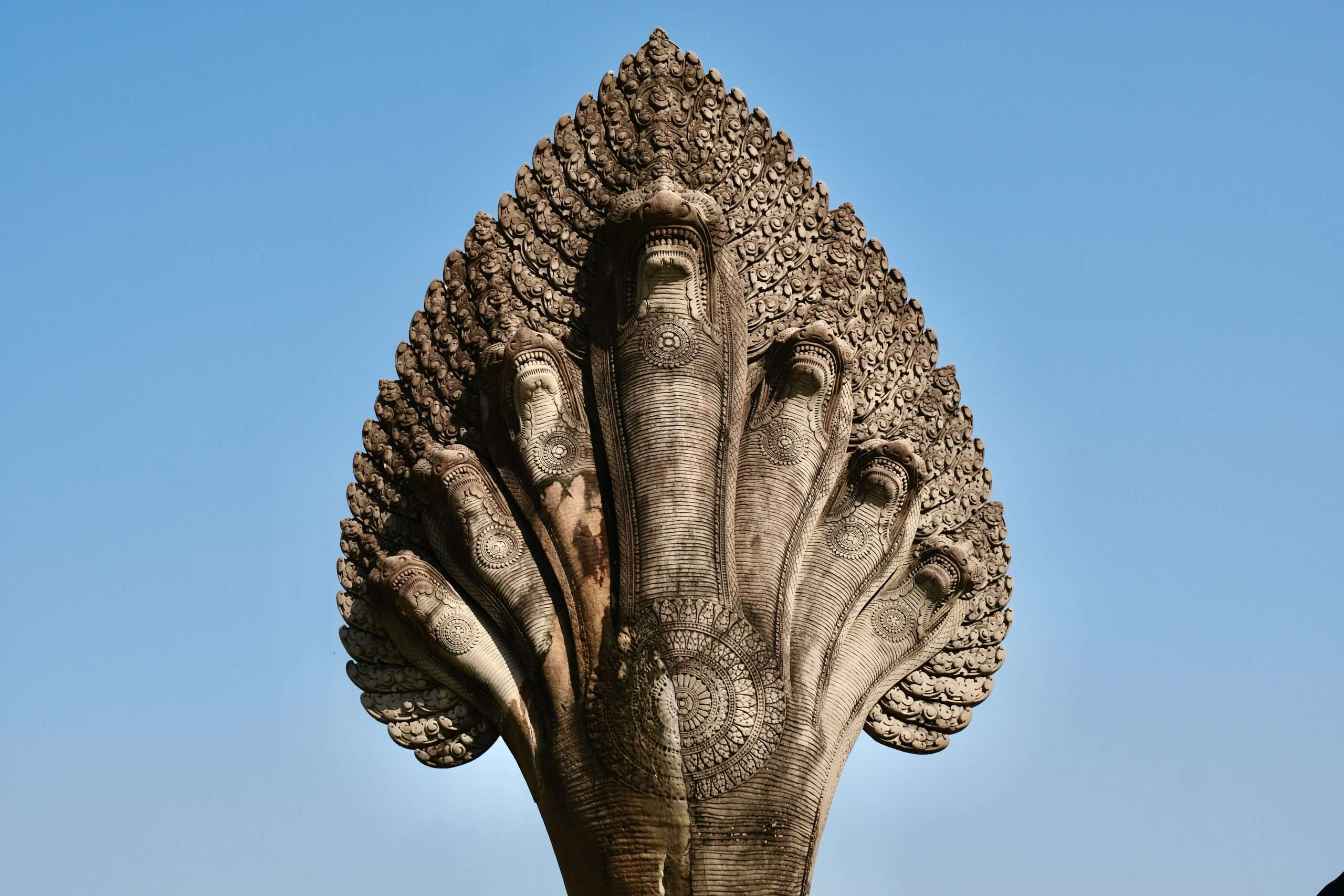
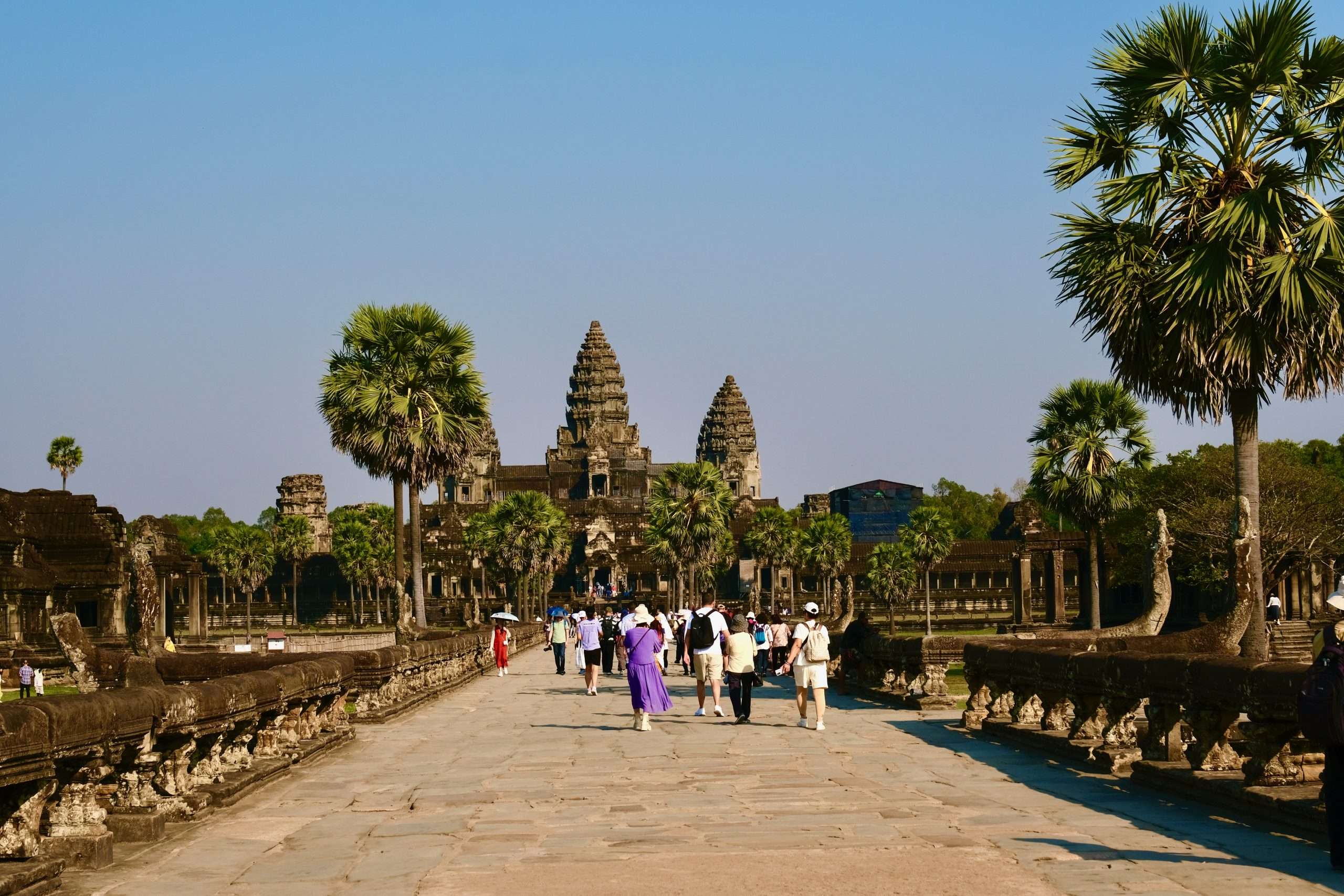
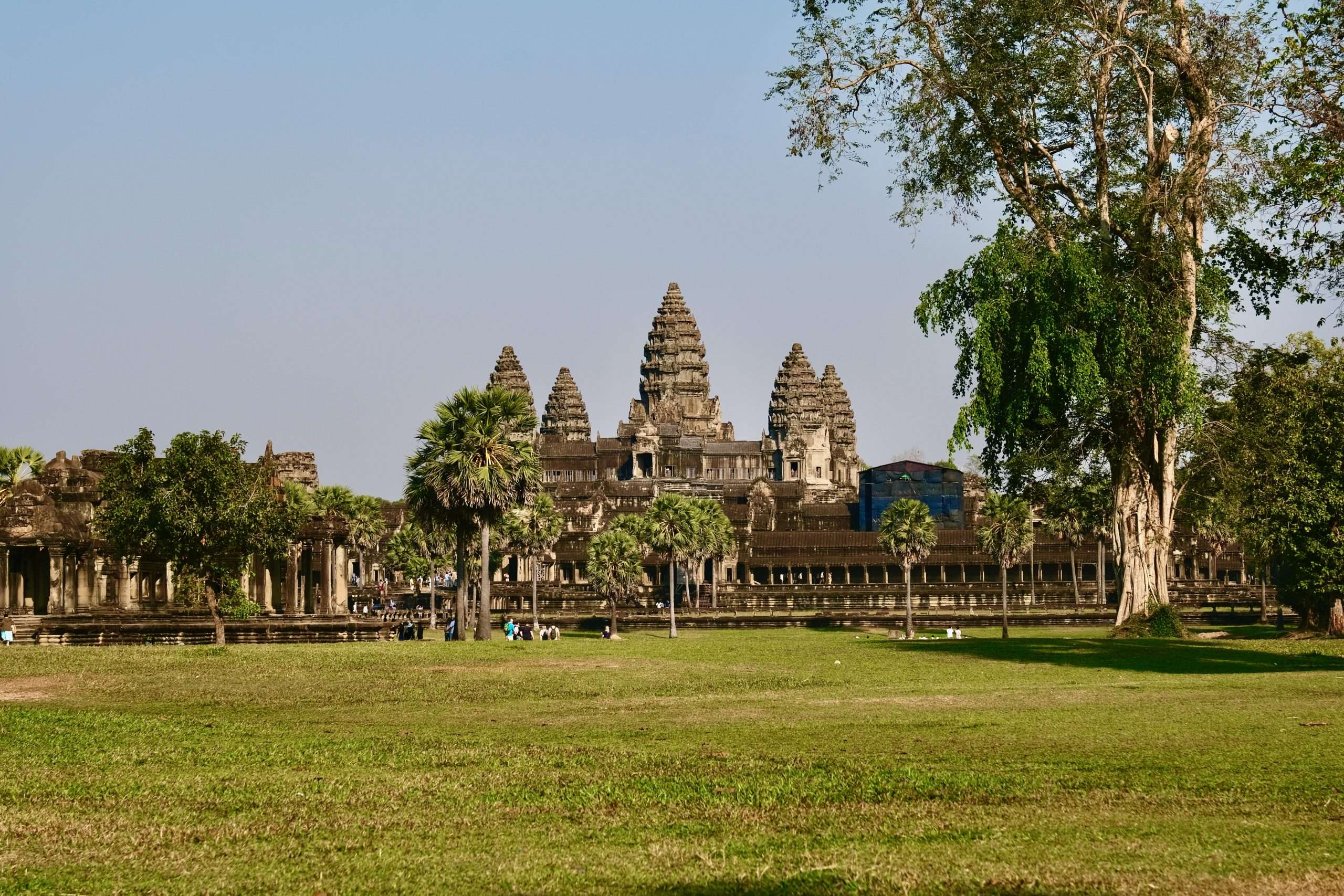
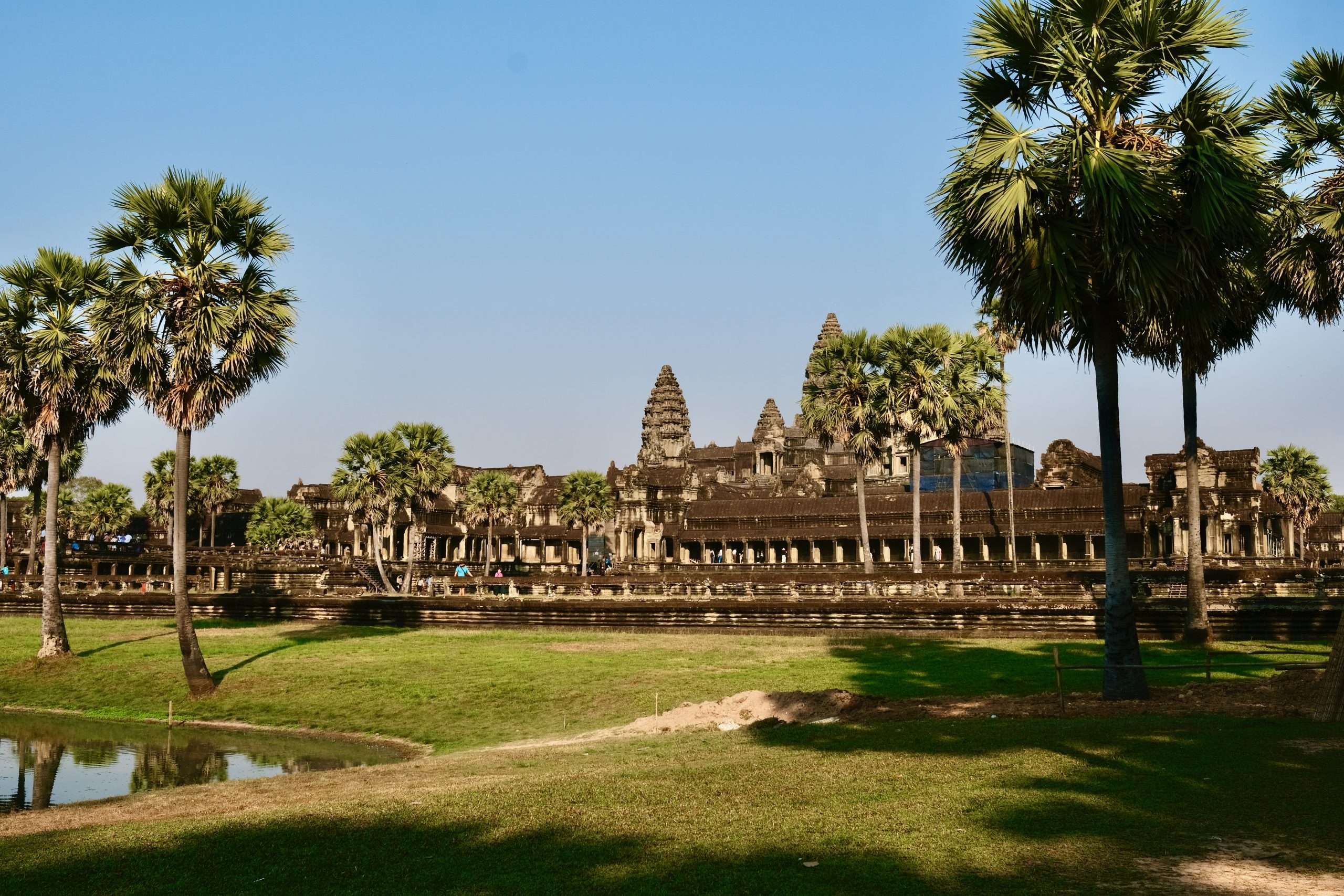
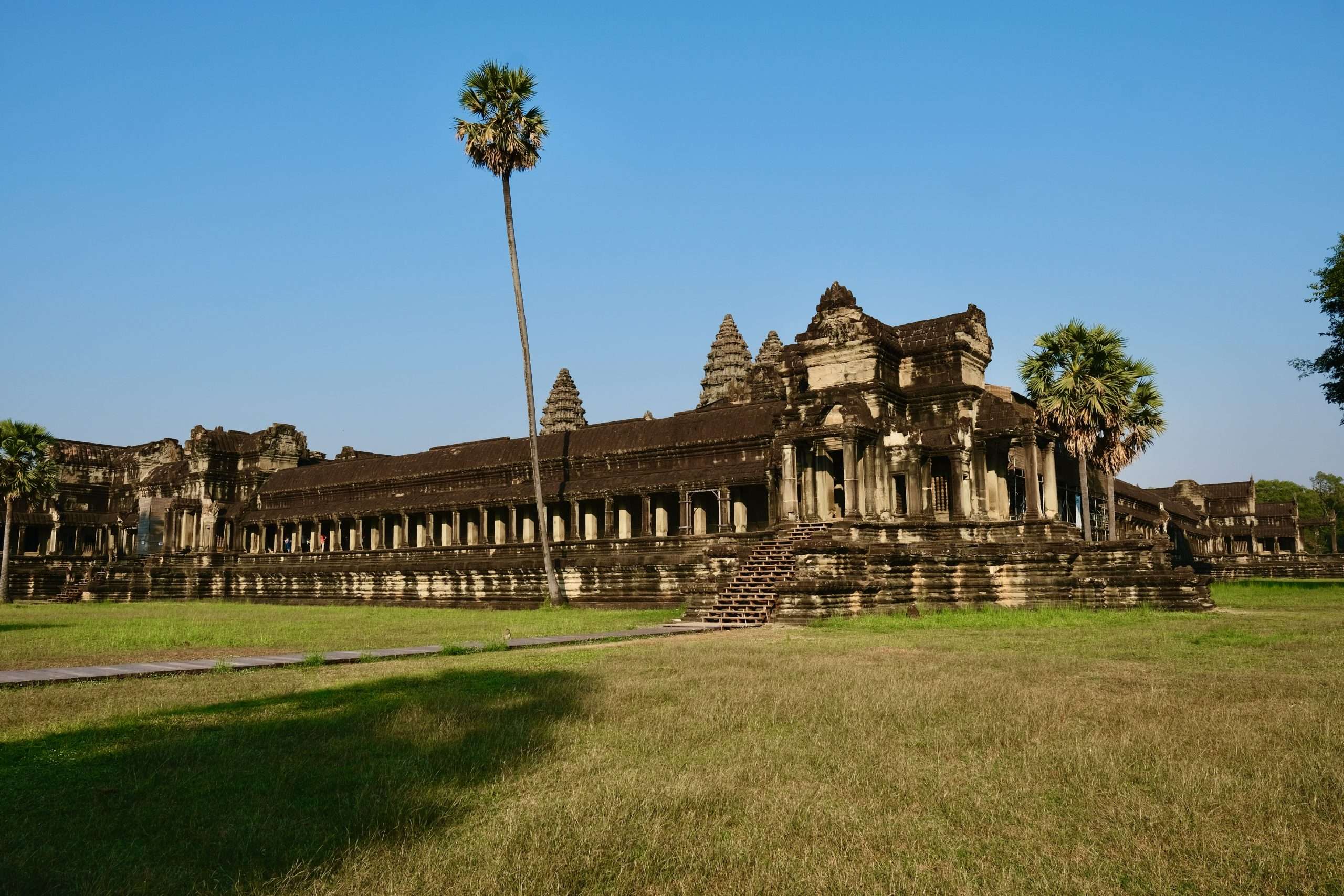
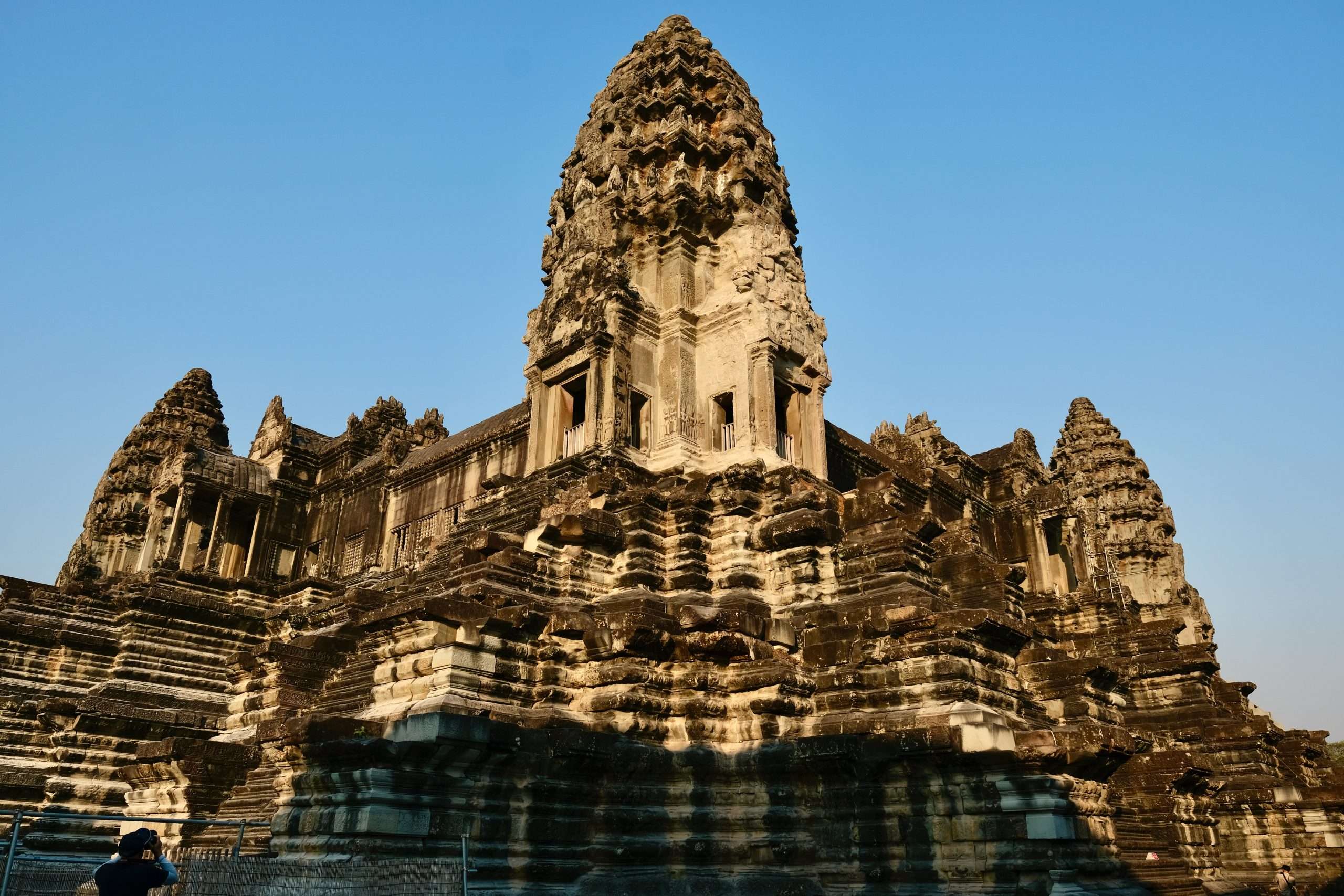
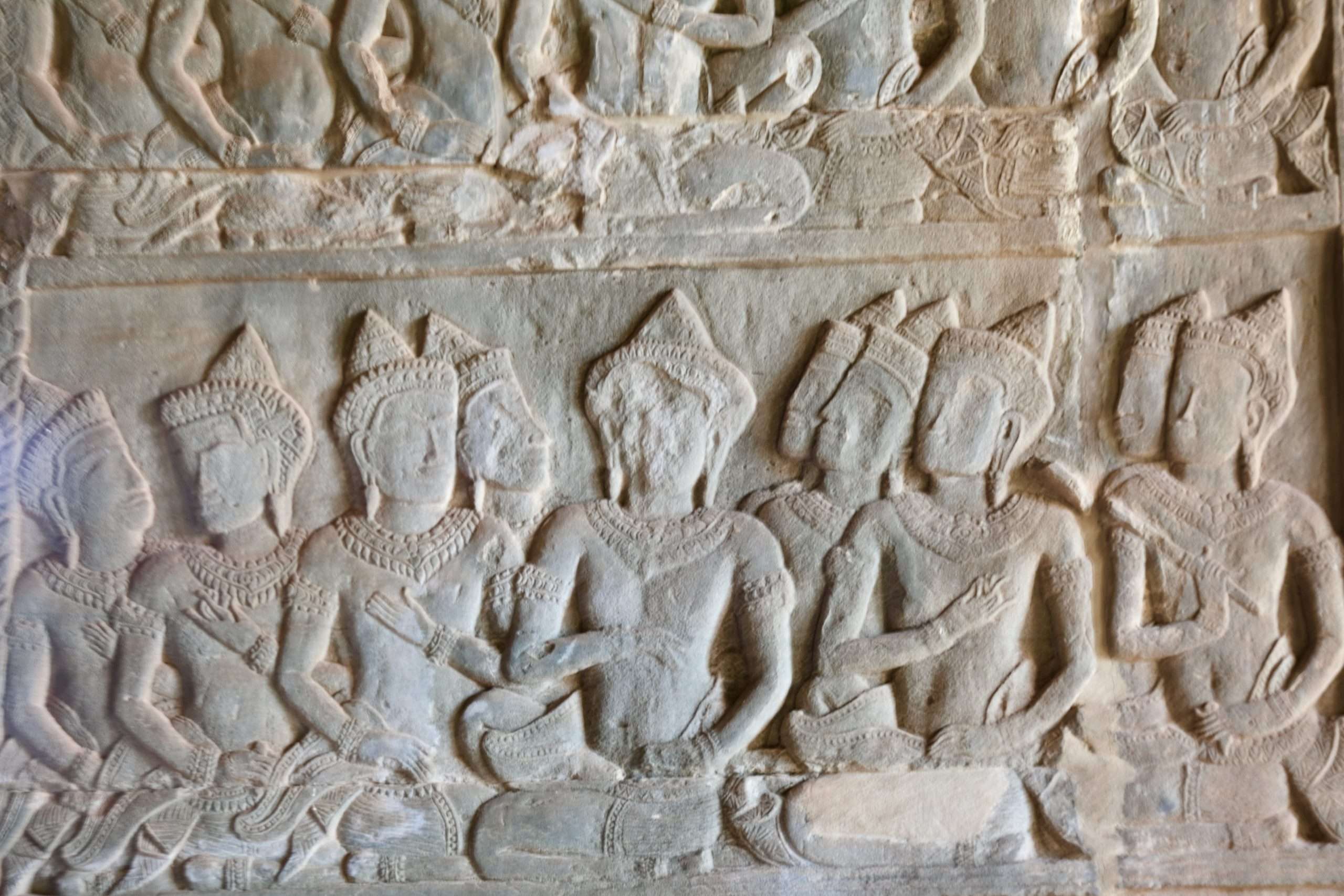
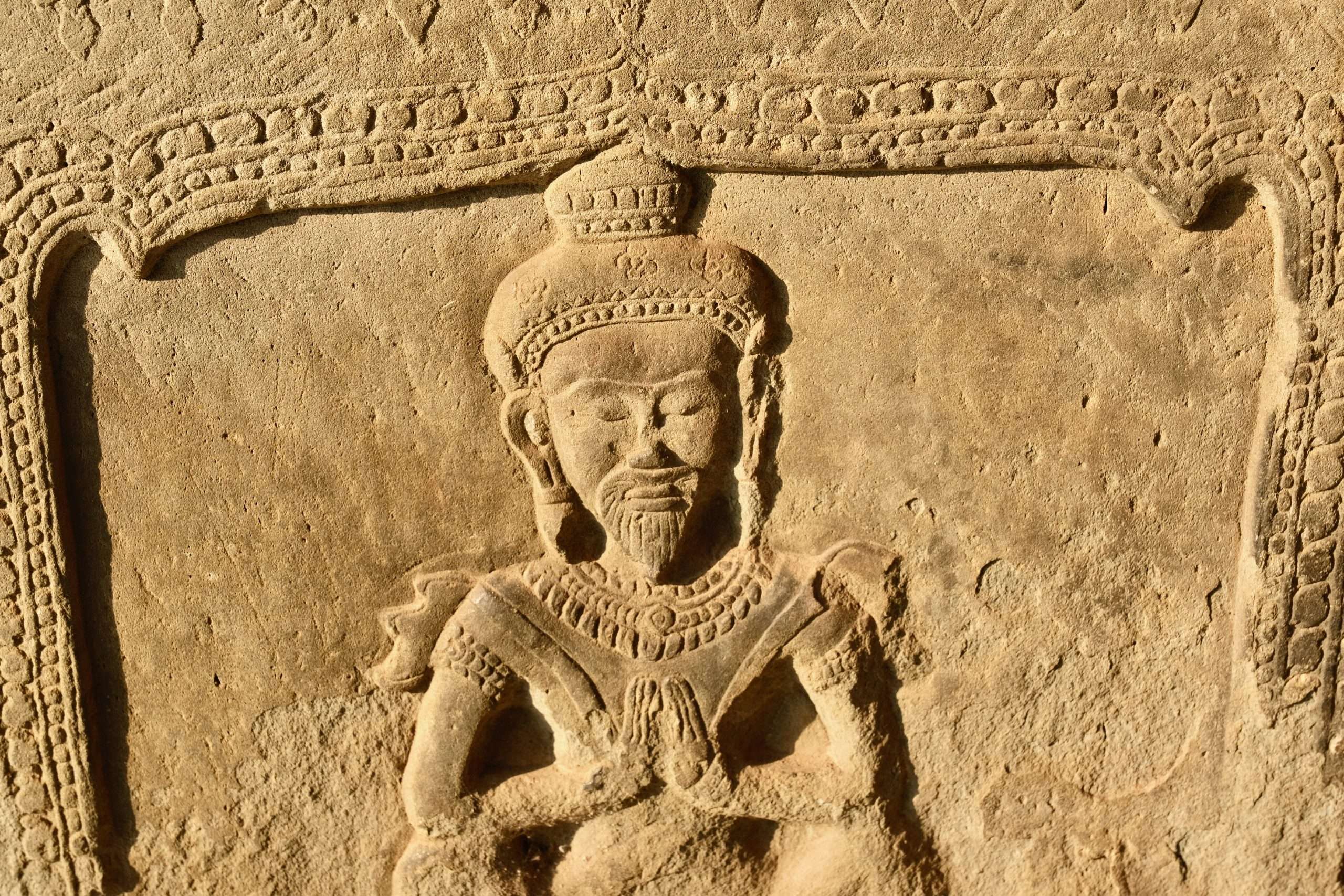
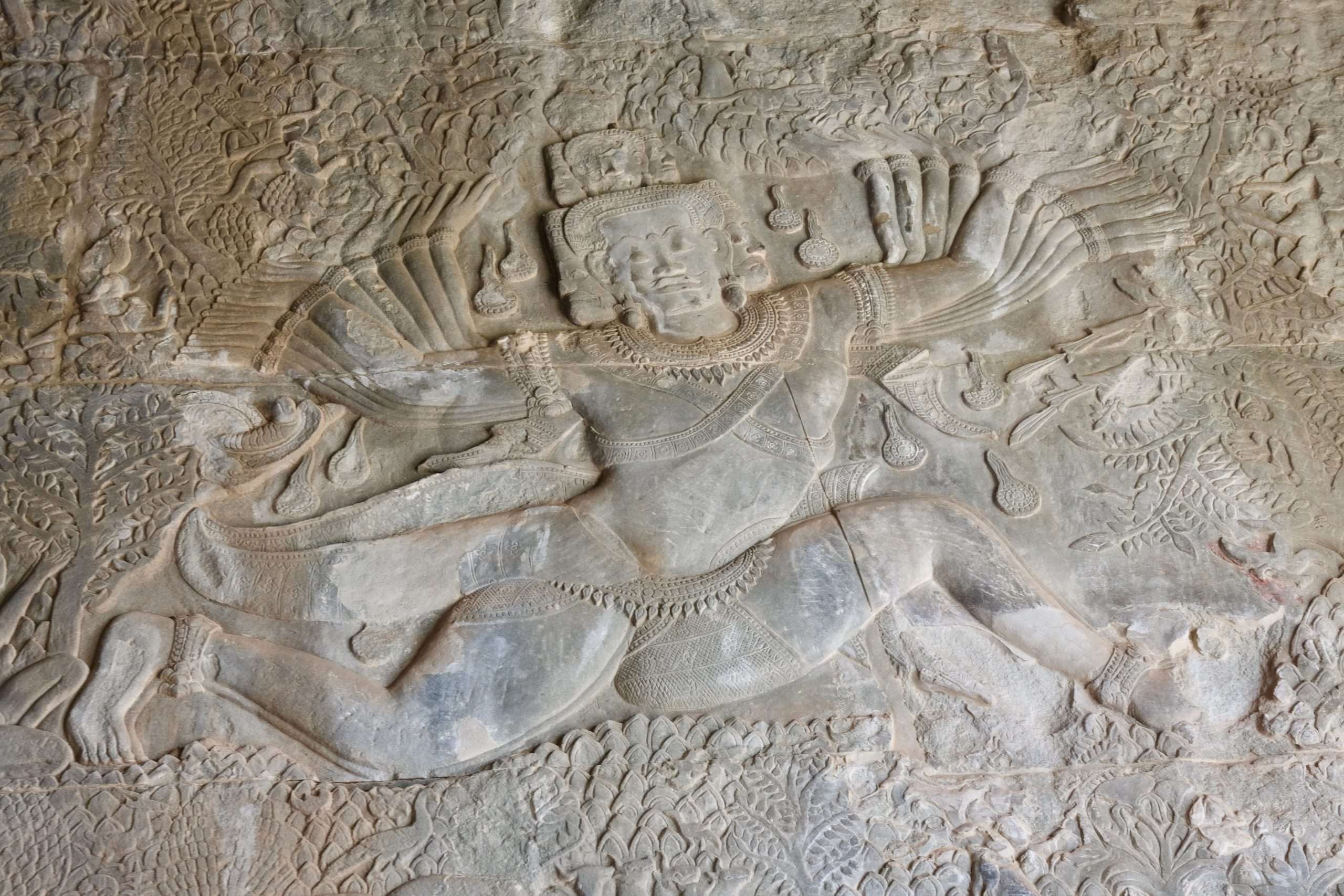
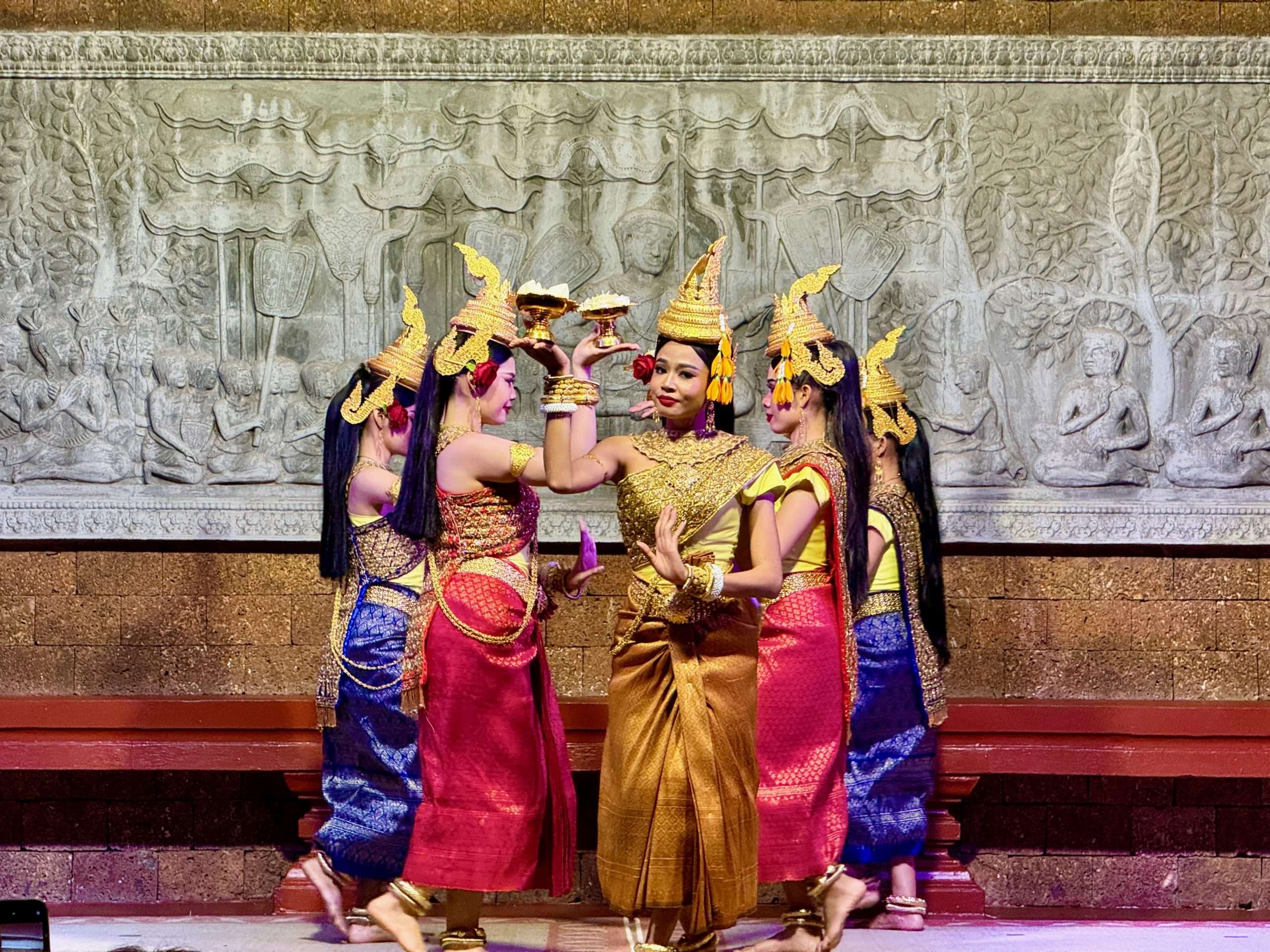
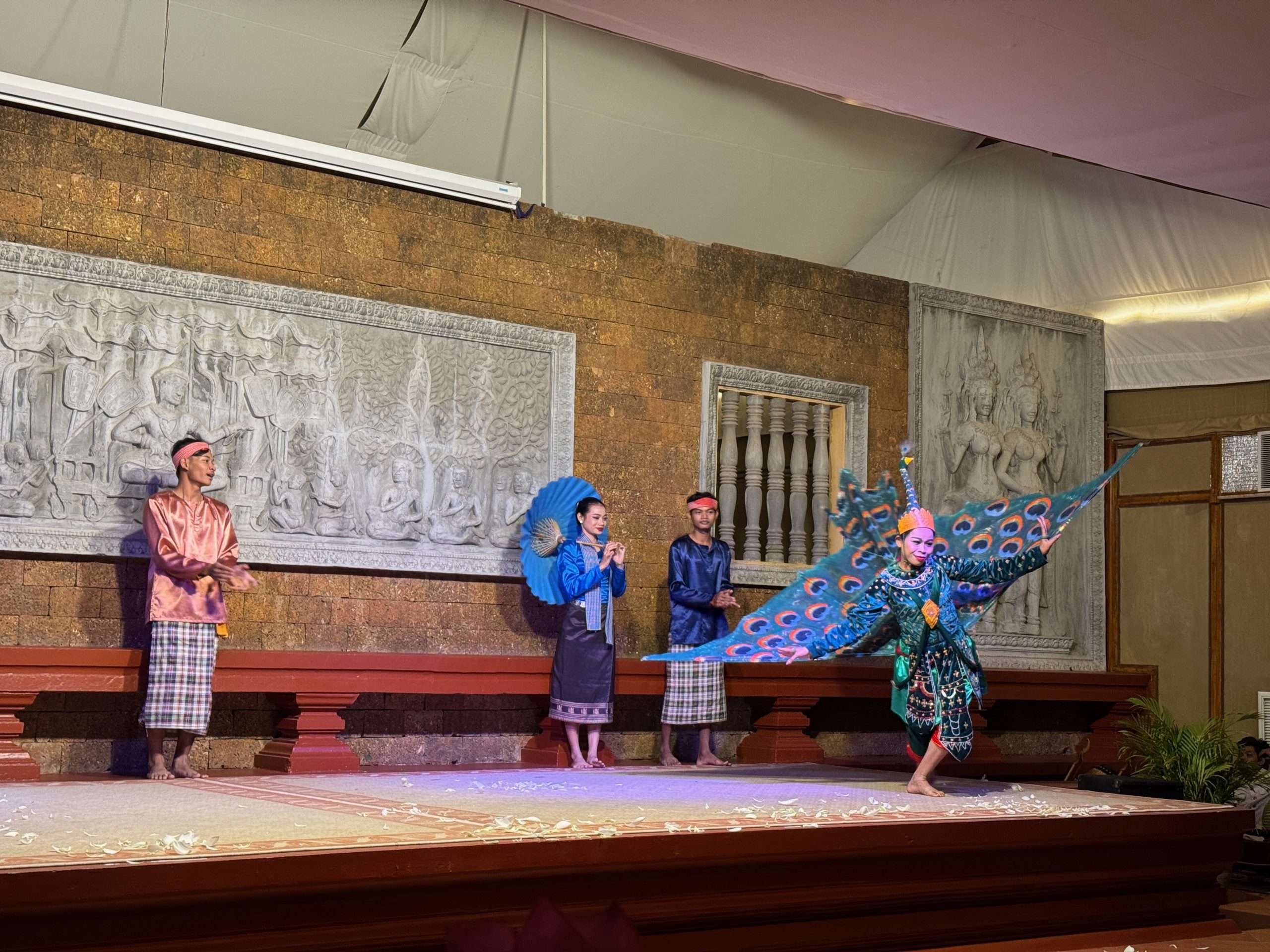
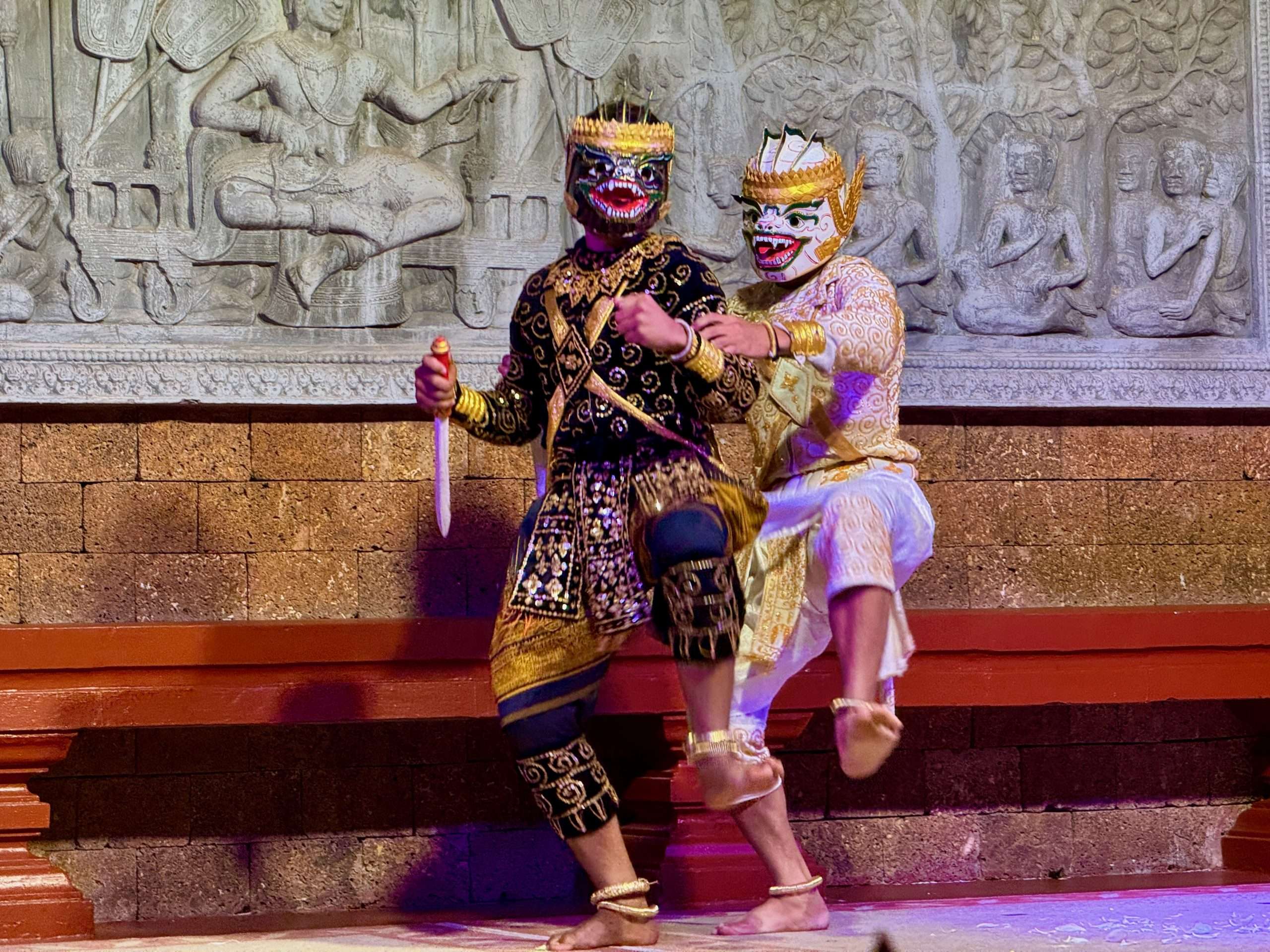
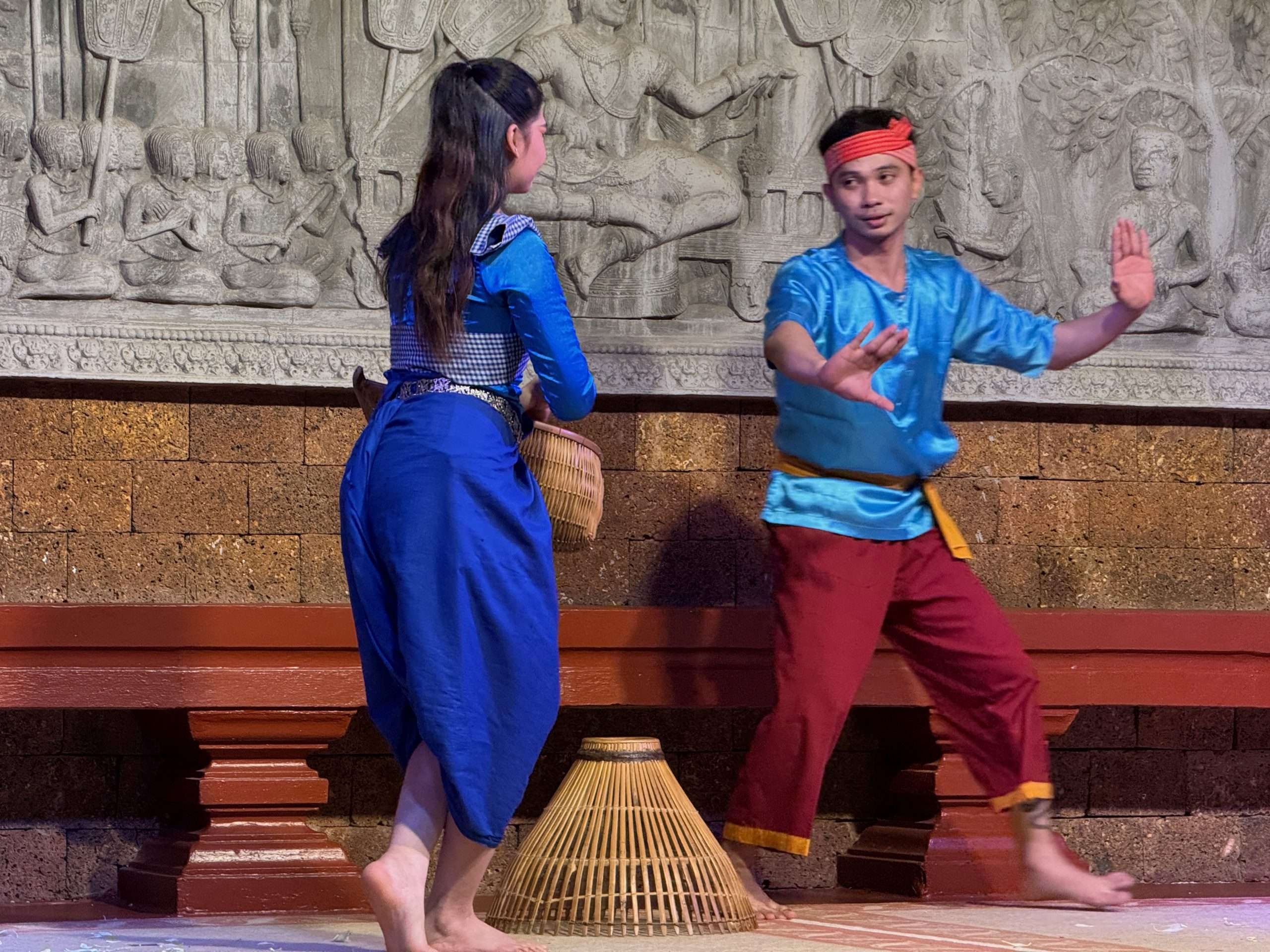
After exploring Angkor Wat and climbing to the highest level possible, we checked in to our hotel, where we enjoyed a traditional Khmer meal. The evening was enhanced by a captivating folk dance performance, showcasing Cambodia’s rich cultural through graceful movements, colorful costumes, and lively music. The dances that enchanted us were: the Blessing Dance, usually performed during festive holidays; the Pailin Peacock Dance, which is about digging up precious stones from a mine; the Martial Art Contest, fought between white and black monkeys to see who is the best protector; the Fishing Dance, which is meant to remind people of the traditional ways of fishing; and finally, the Apsara Dance, these are celestial dancers who dance for the gods to encourage prosperity and to protect the kingdom.
Exploring Angkor Thom and Tonle Sap Lake – January 28, 2025
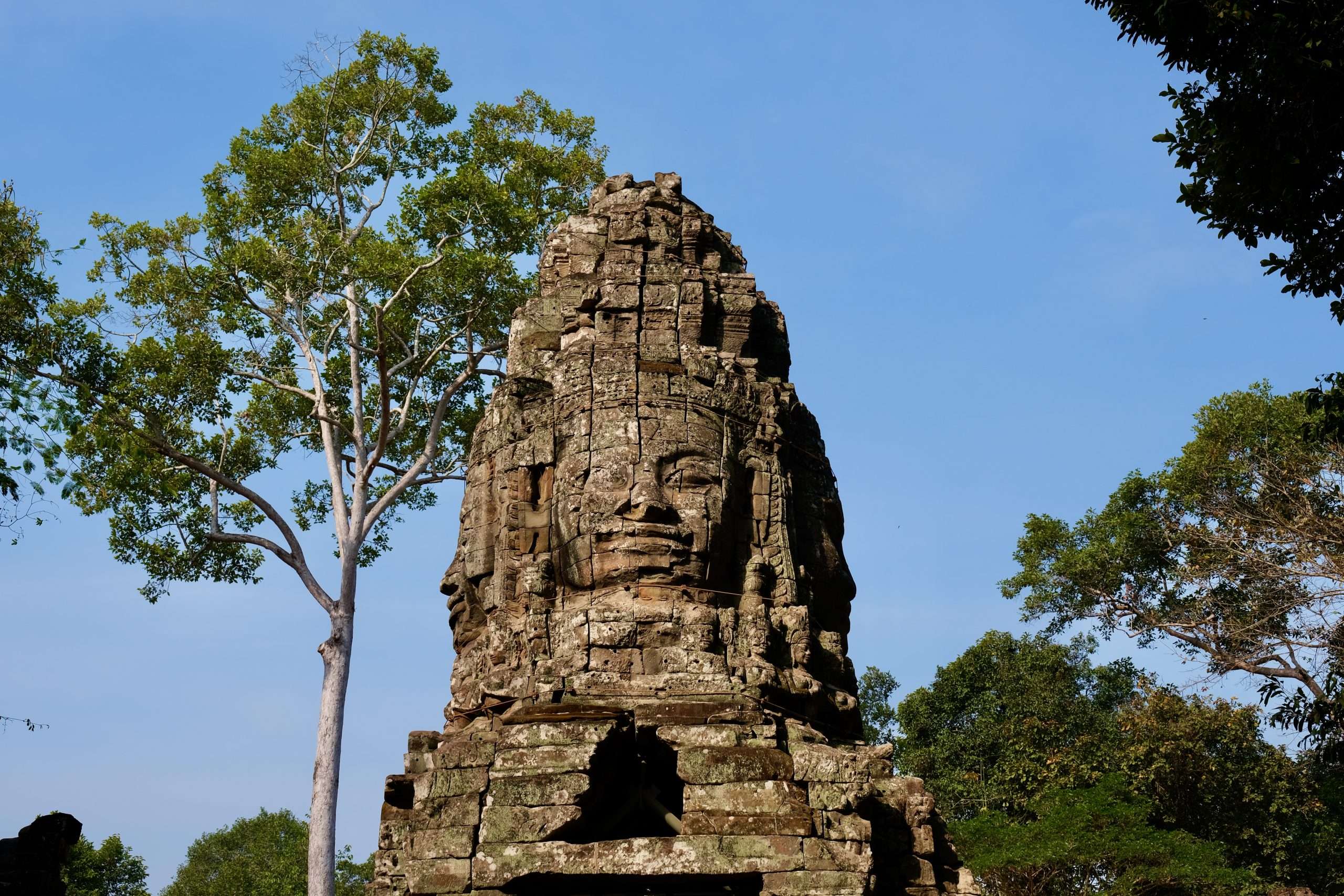
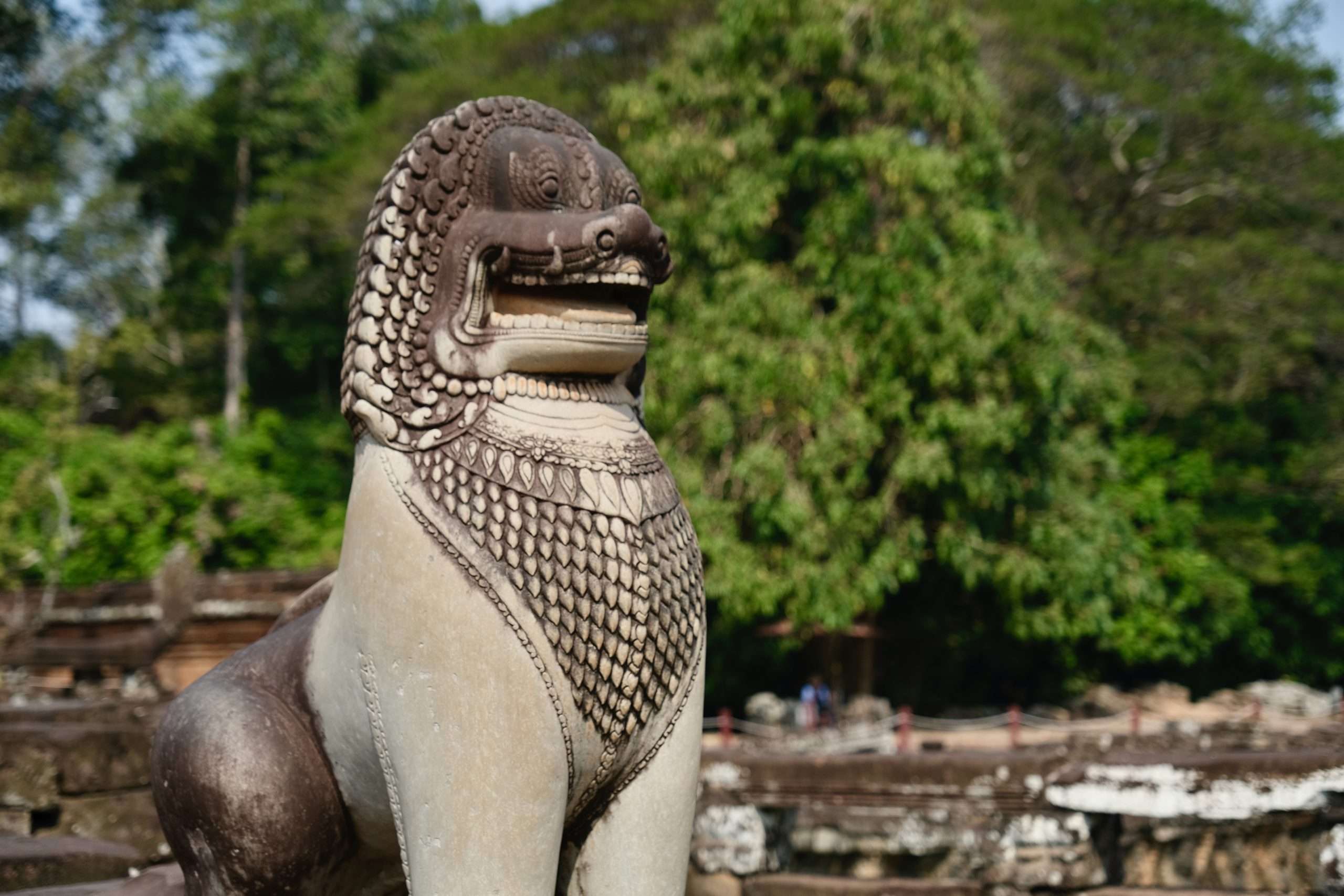
Early in the morning, we departed by bus to explore Angkor Thom, an ancient walled city entirely encircled by a wide moat. The city features five monumental gates, each towering 20 meters high, adorned with intricate stone carvings of elephant trunks and crowned by four colossal faces. Flanking each gate are 54 massive statues of gods and demons, standing in two rows.
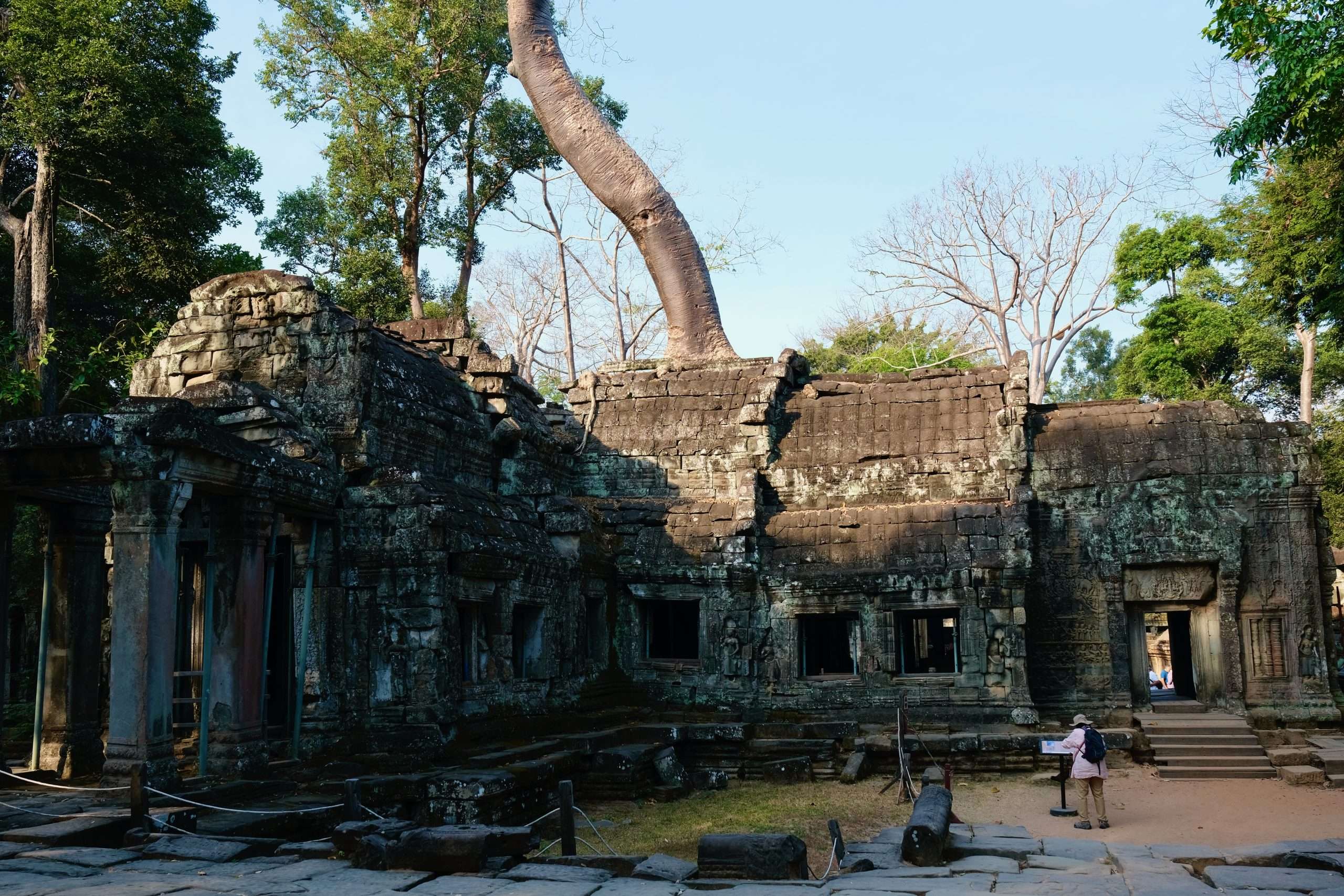
Our first stop was Ta Prohm Temple, one of the most enchanting sites in Angkor. Built in 1186 by King Jayavarman VII, who reclaimed the Khmer Empire from Cham invaders, the temple was dedicated to the deity Prajnaparamita, the “Perfection of Wisdom,” whose likeness was carved to honor the king’s mother. Today, the forest has reclaimed major parts of the temple, as witnessed by the massive roots growing out of its structure. Some scenes of the movie Lara Croft: Tomb Raider were filmed at this site.
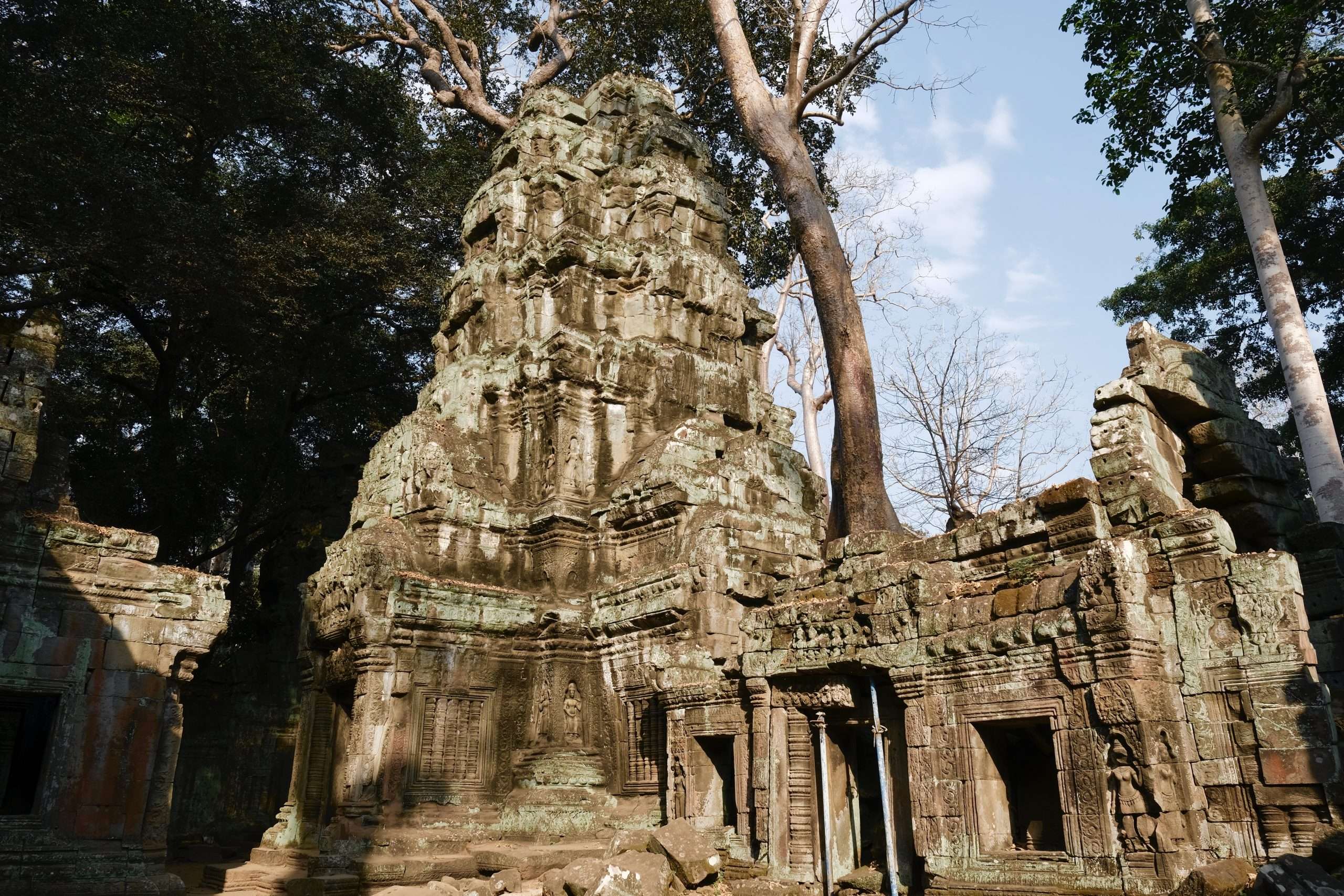
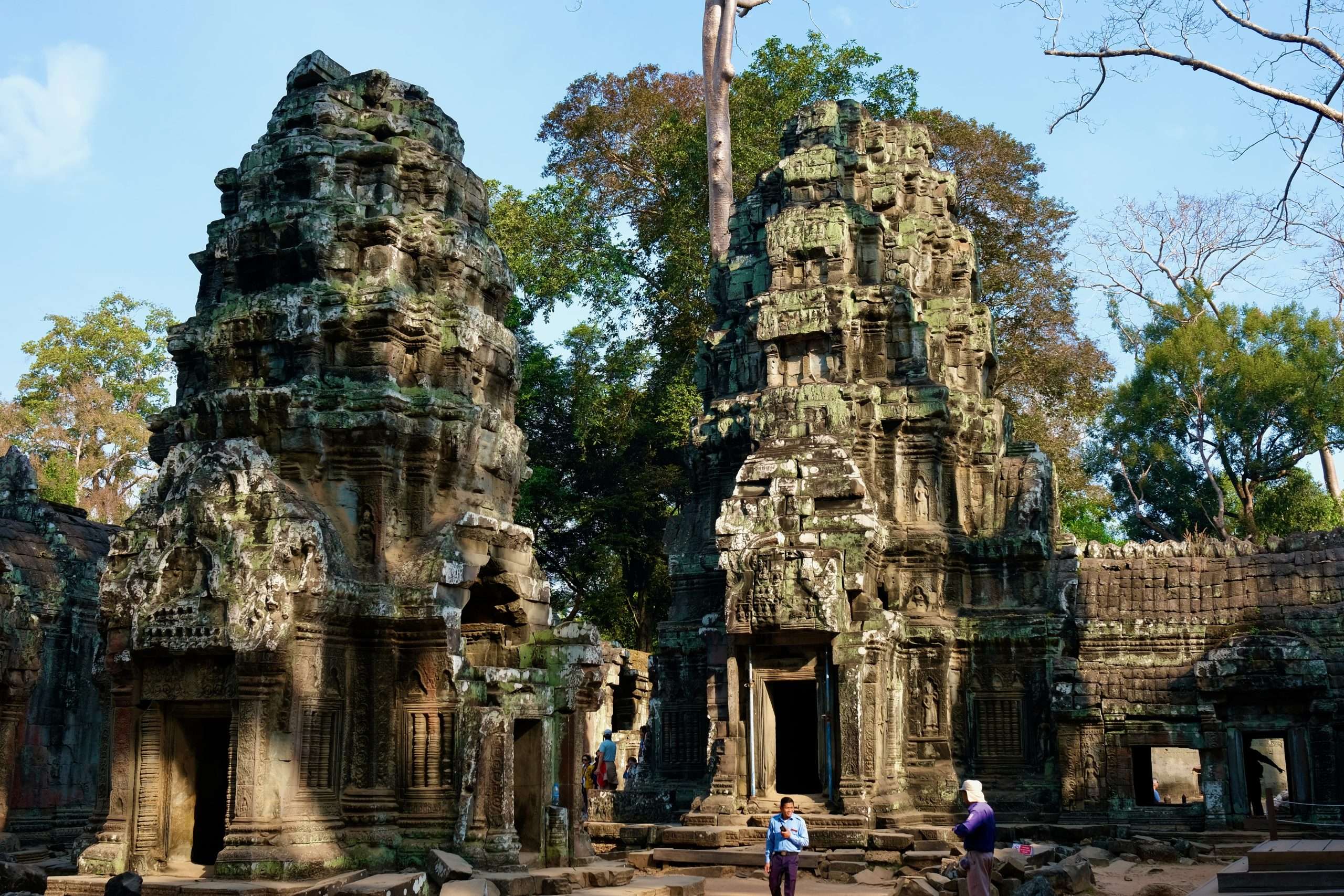
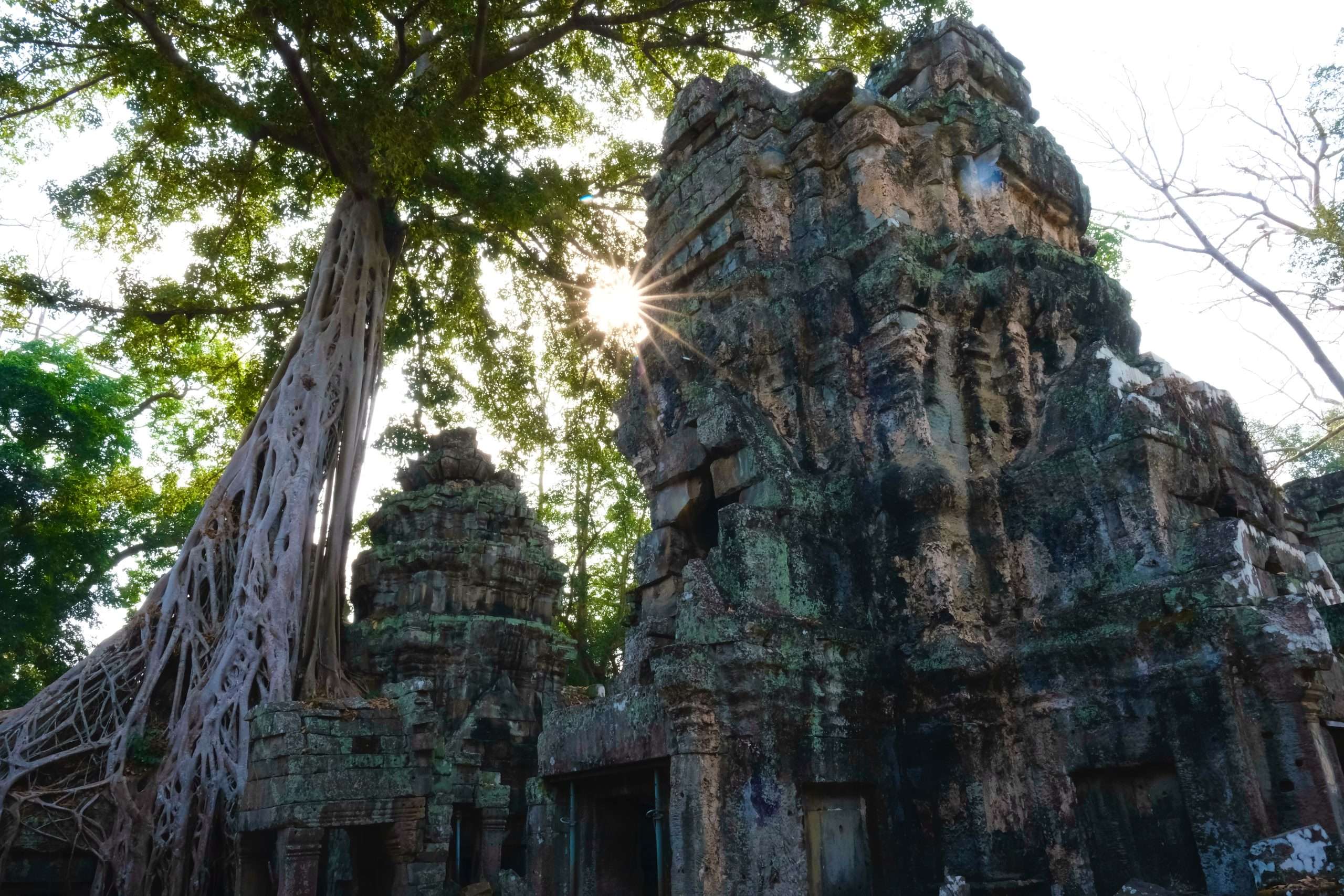
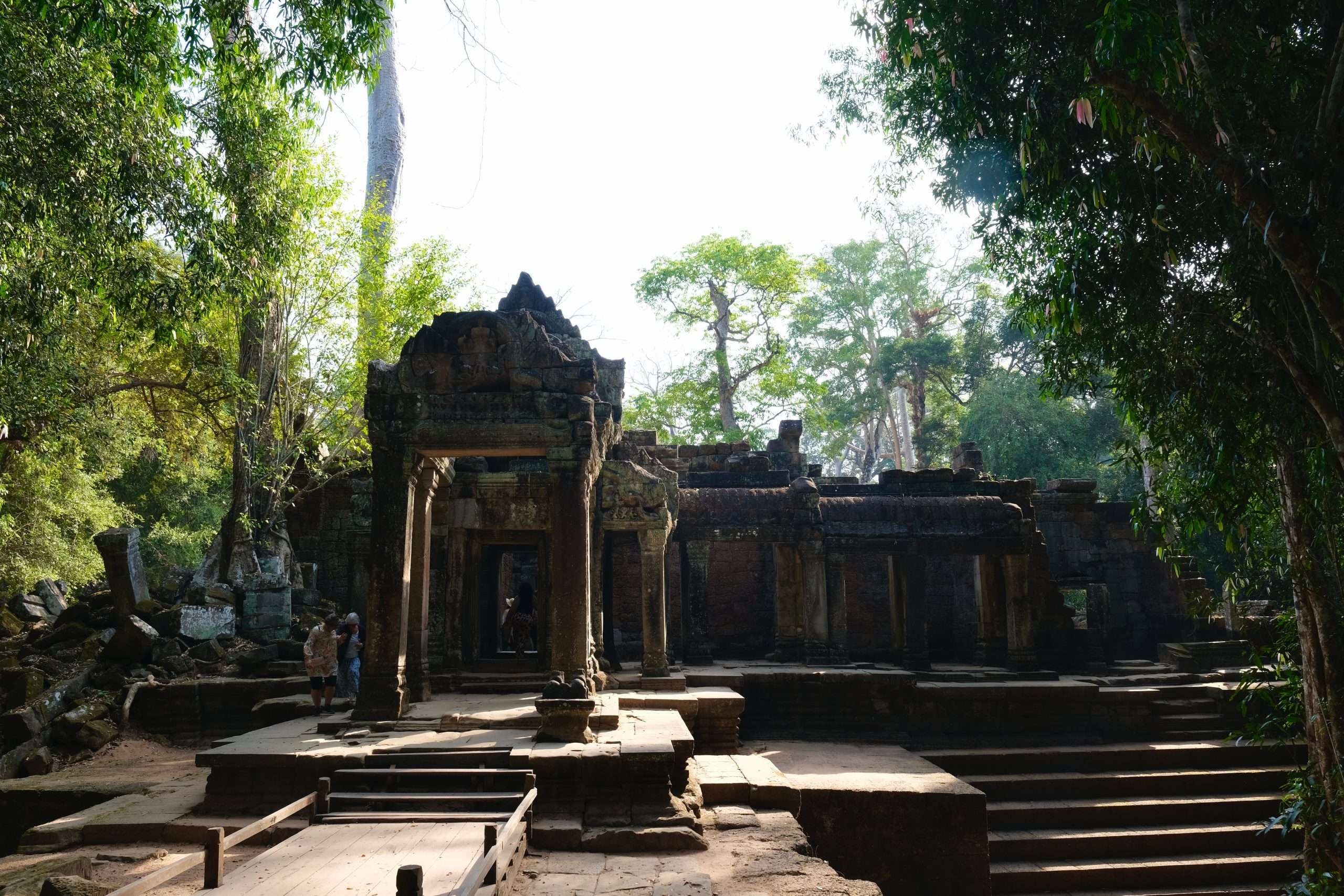
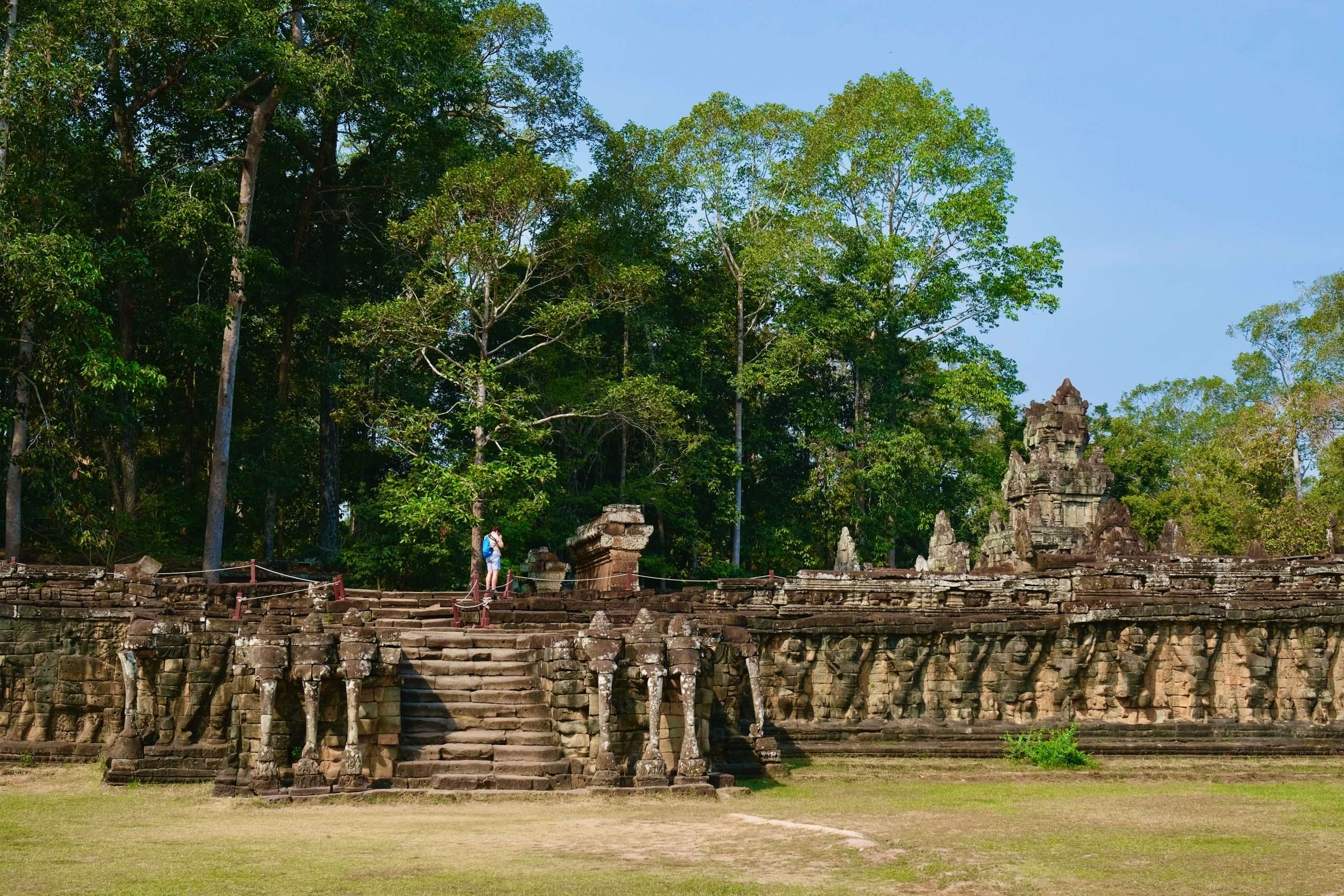
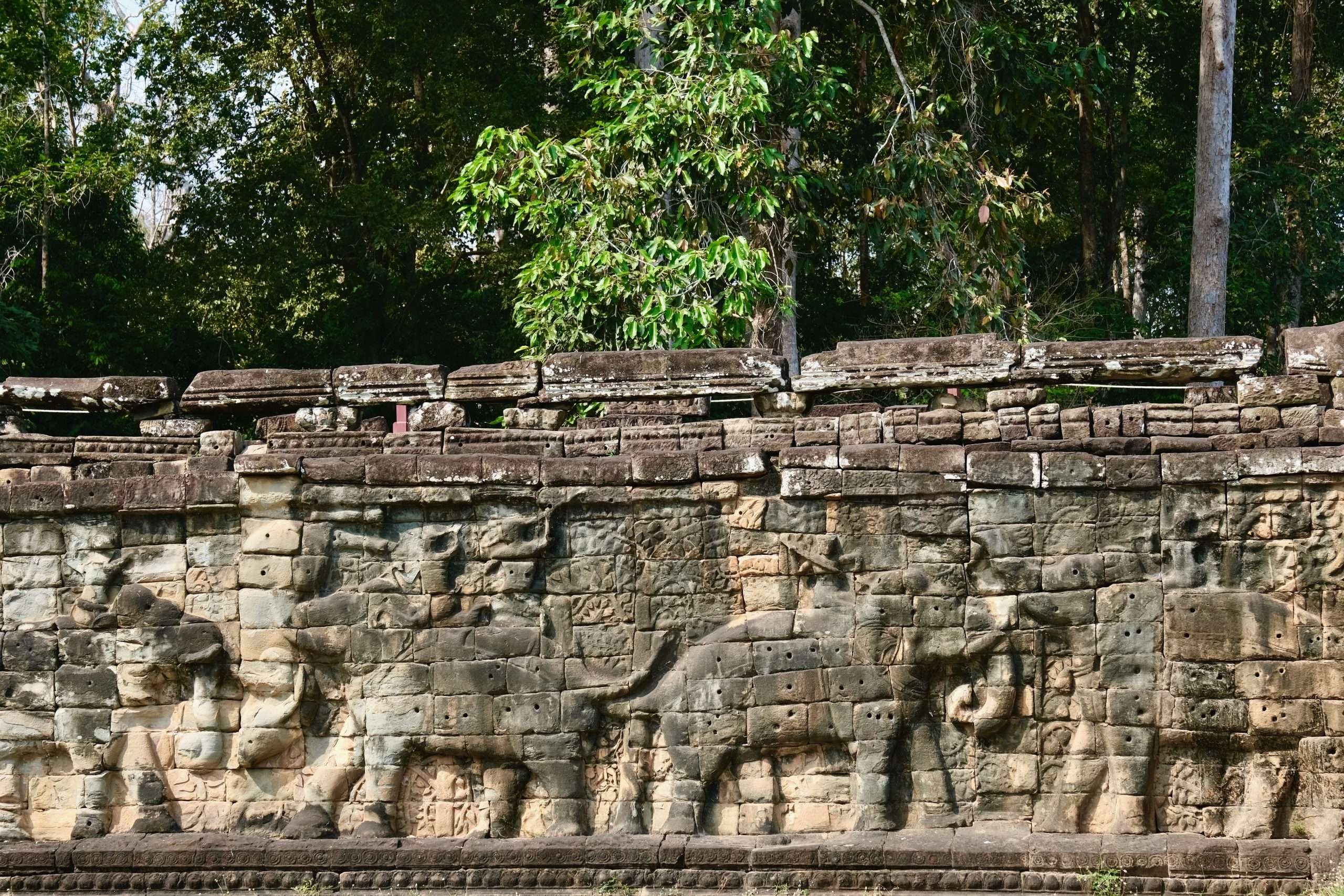
Next, we visited the Terrace of Elephants, once a grand ceremonial platform used for royal processions, public gatherings, and the king’s formal audiences. This expansive structure is adorned with detailed carvings of elephants and other mythological creatures.
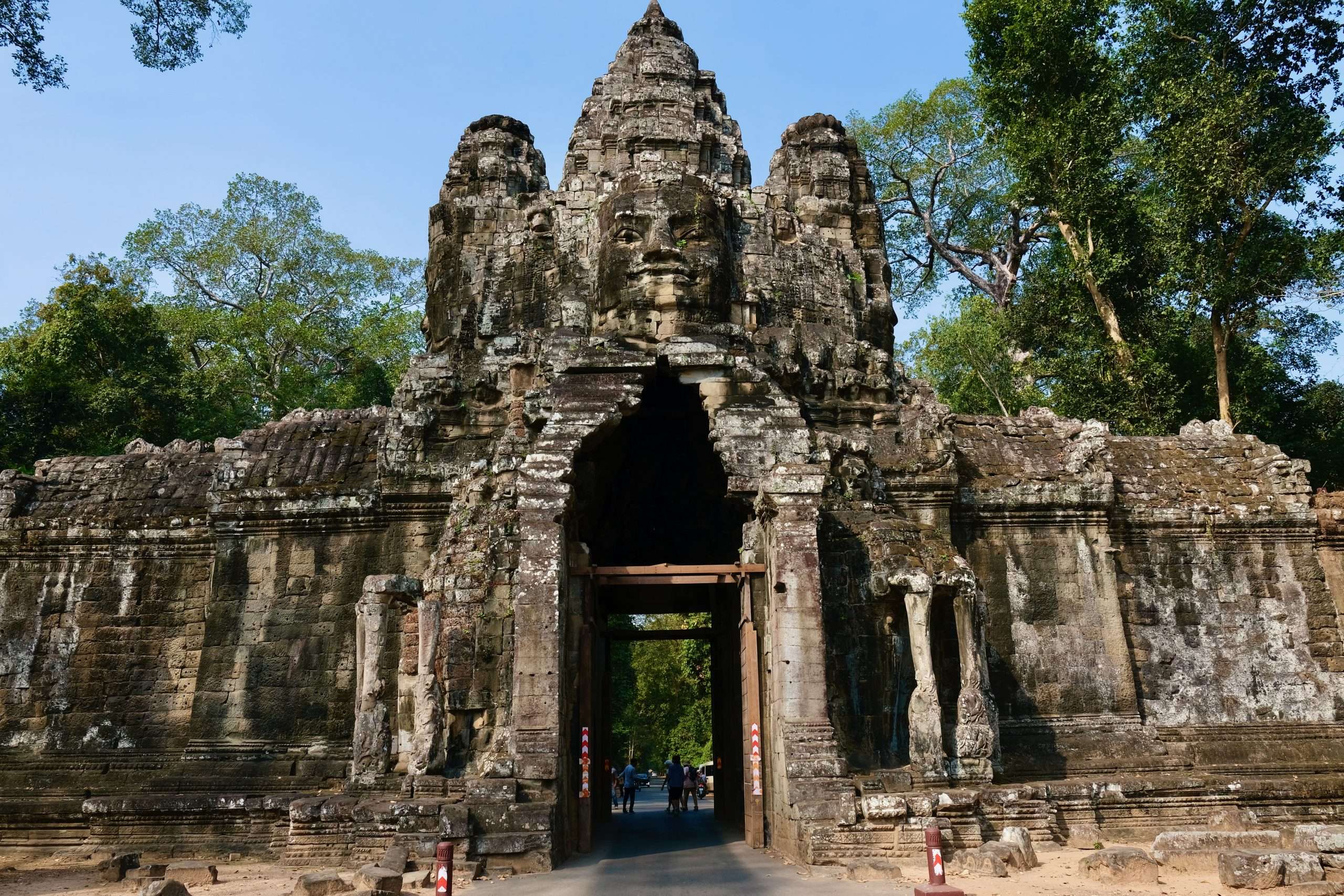
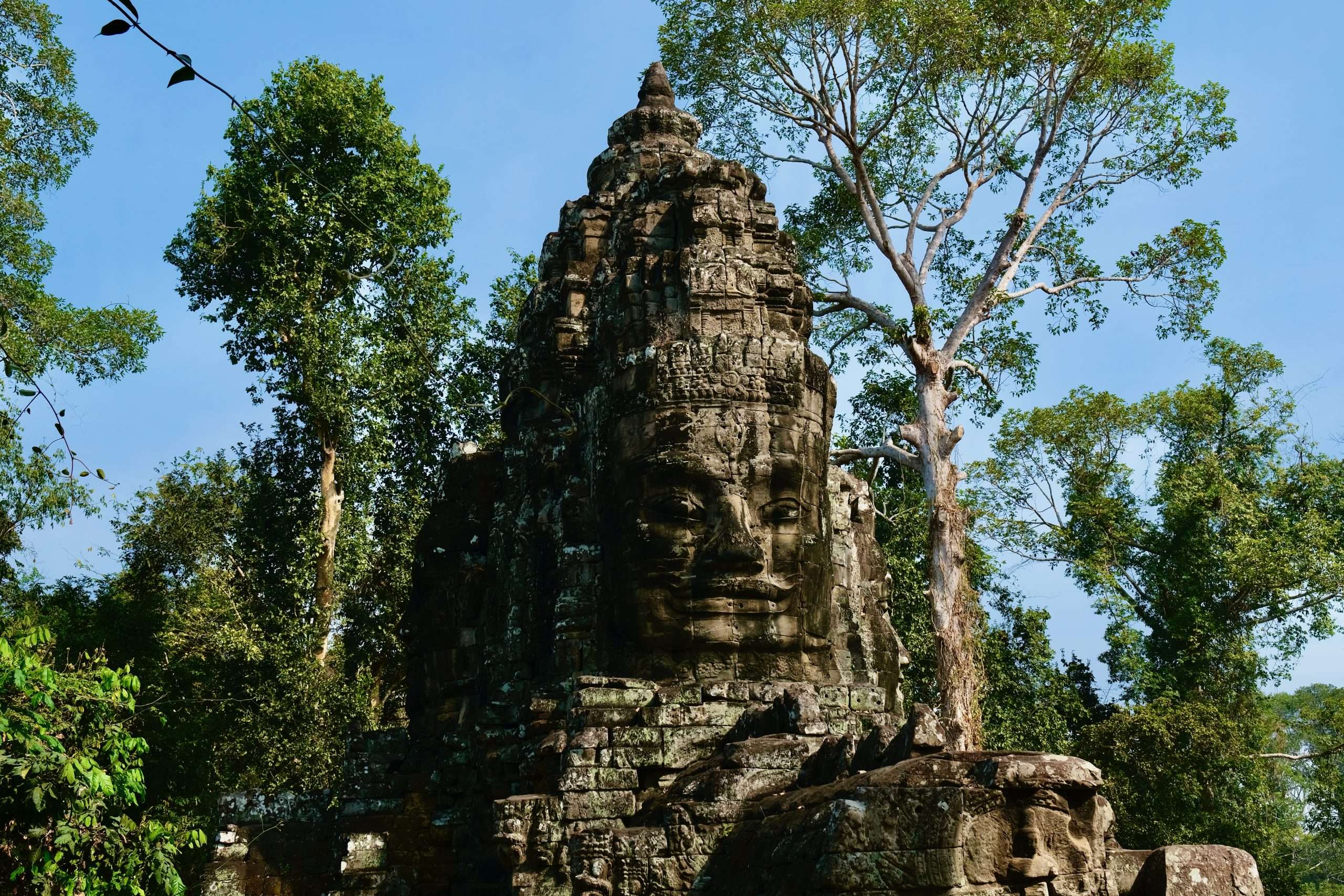
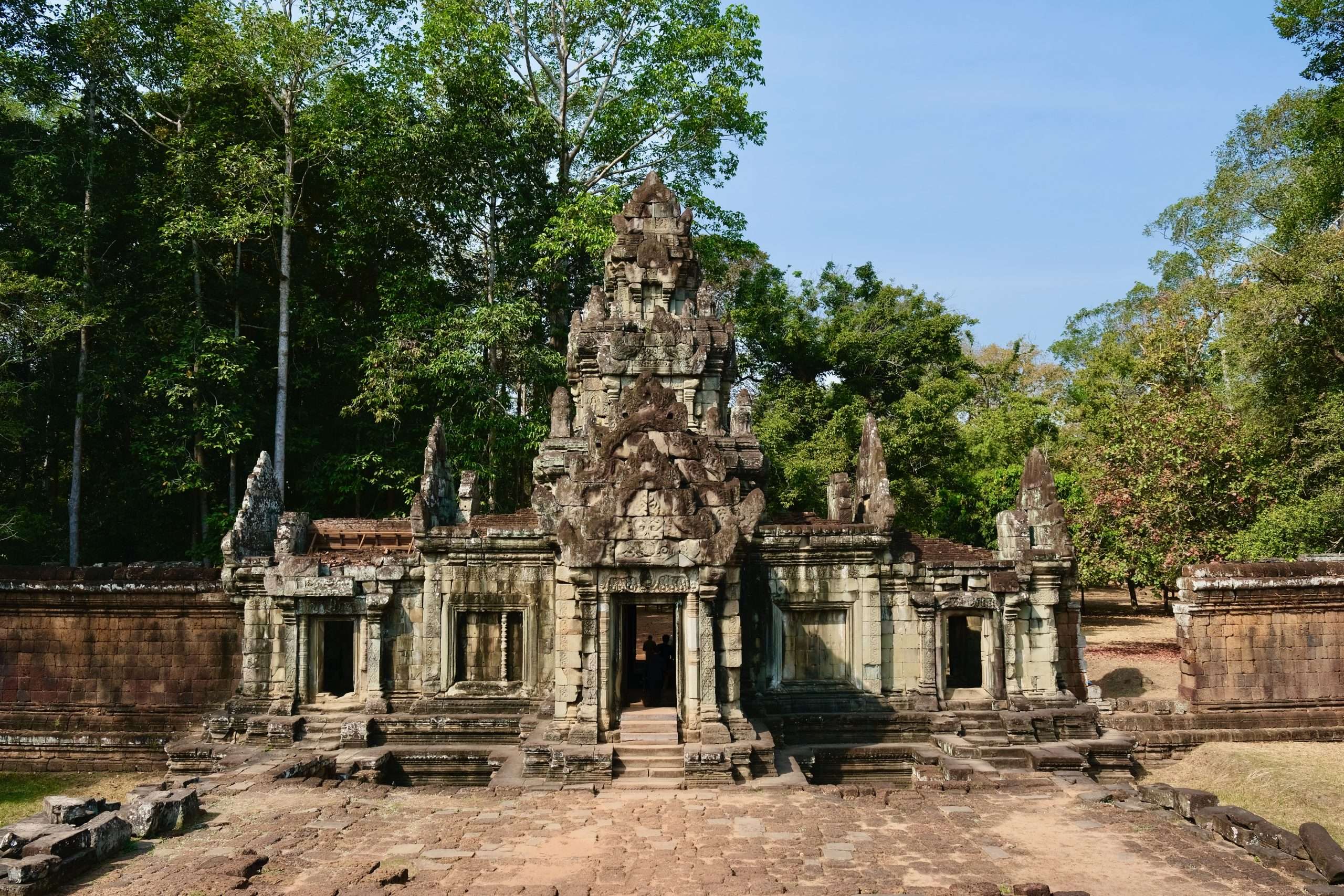
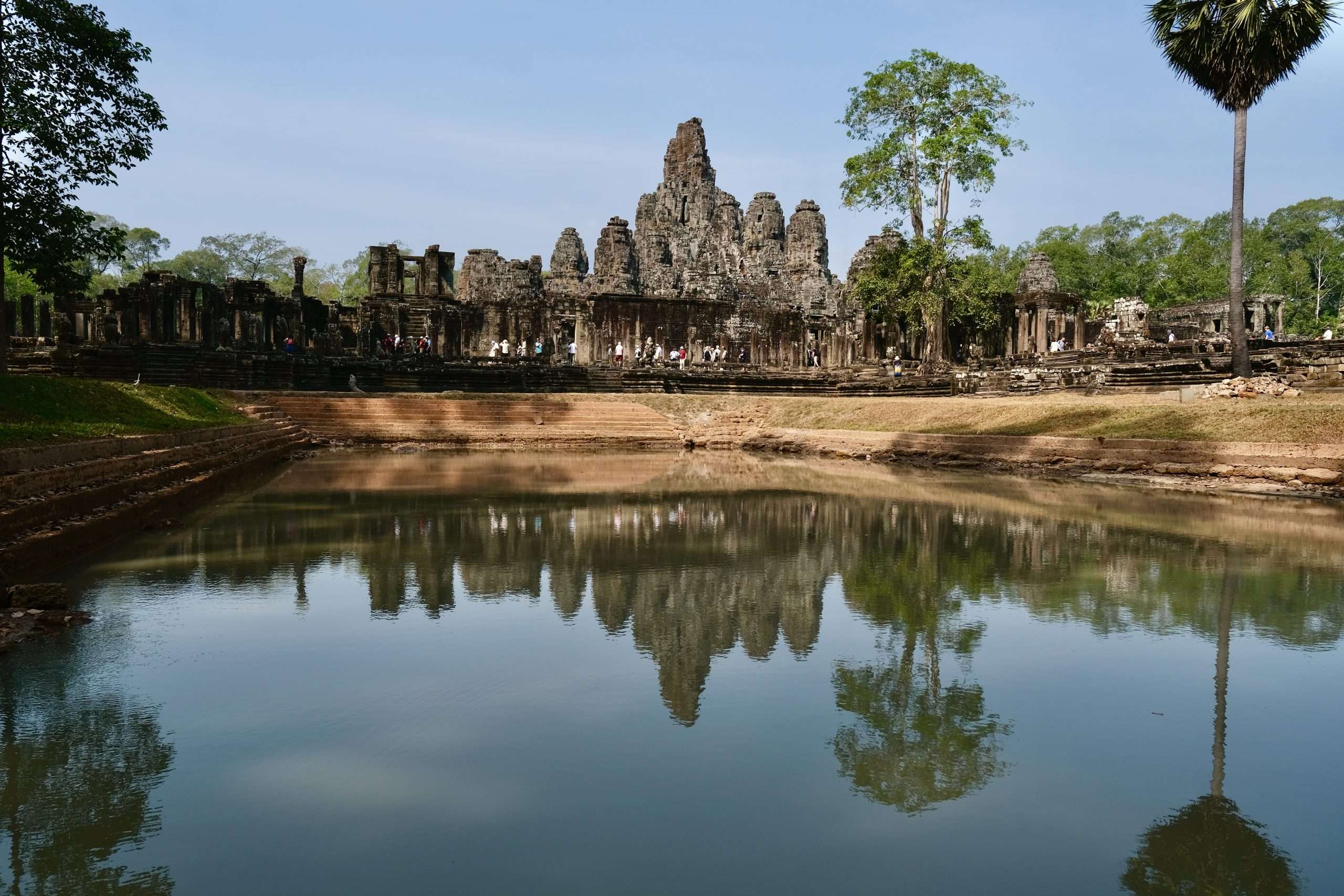
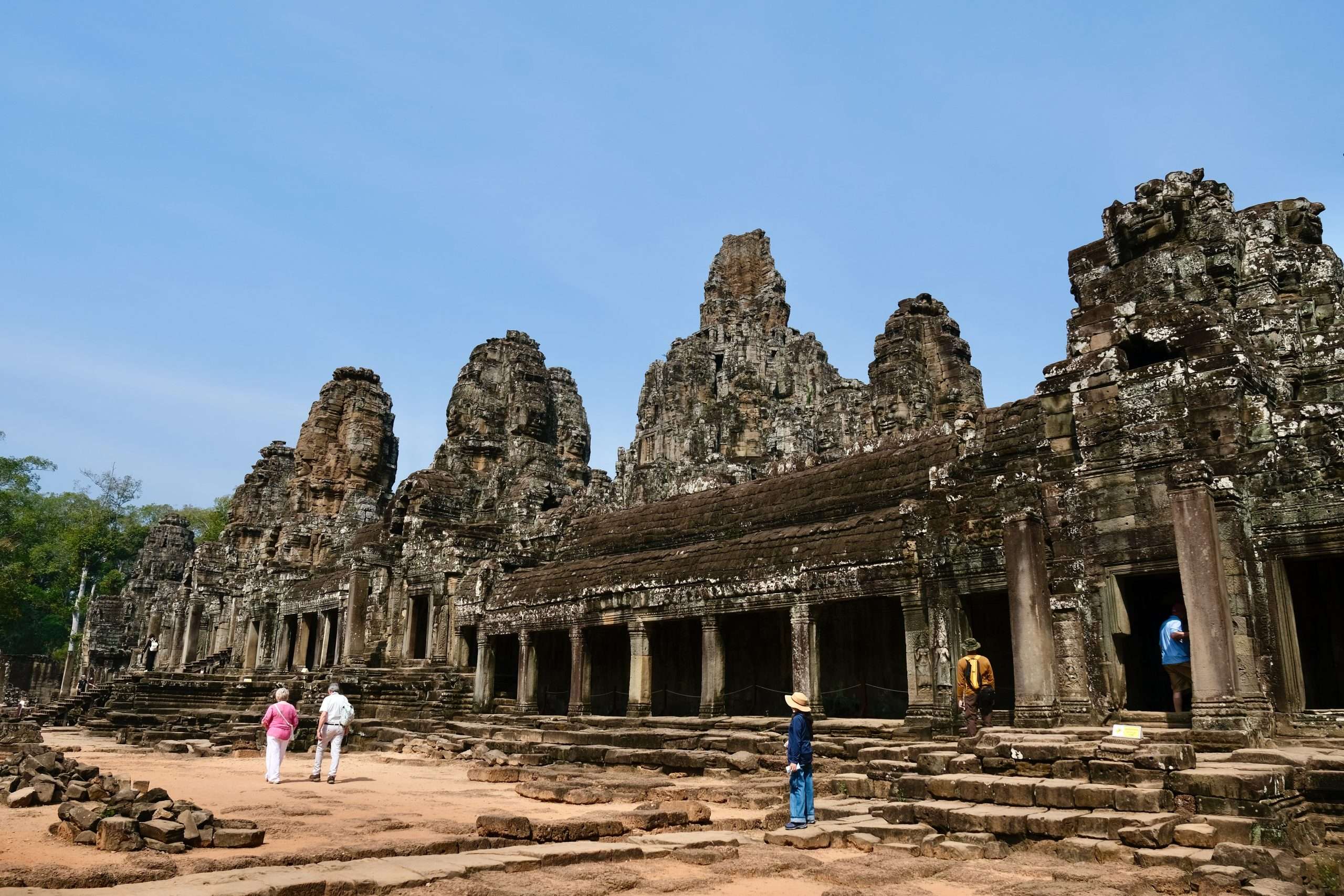
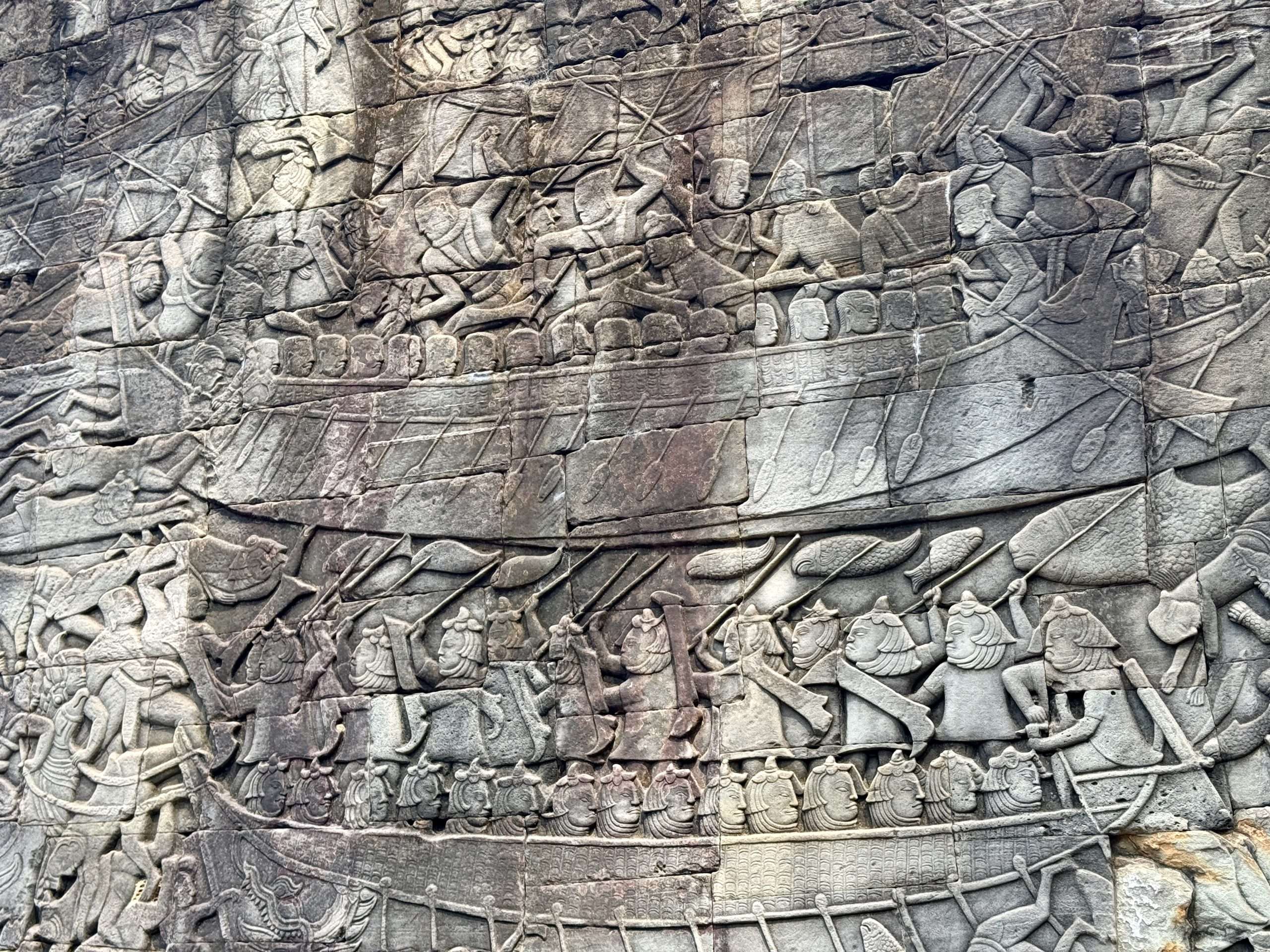
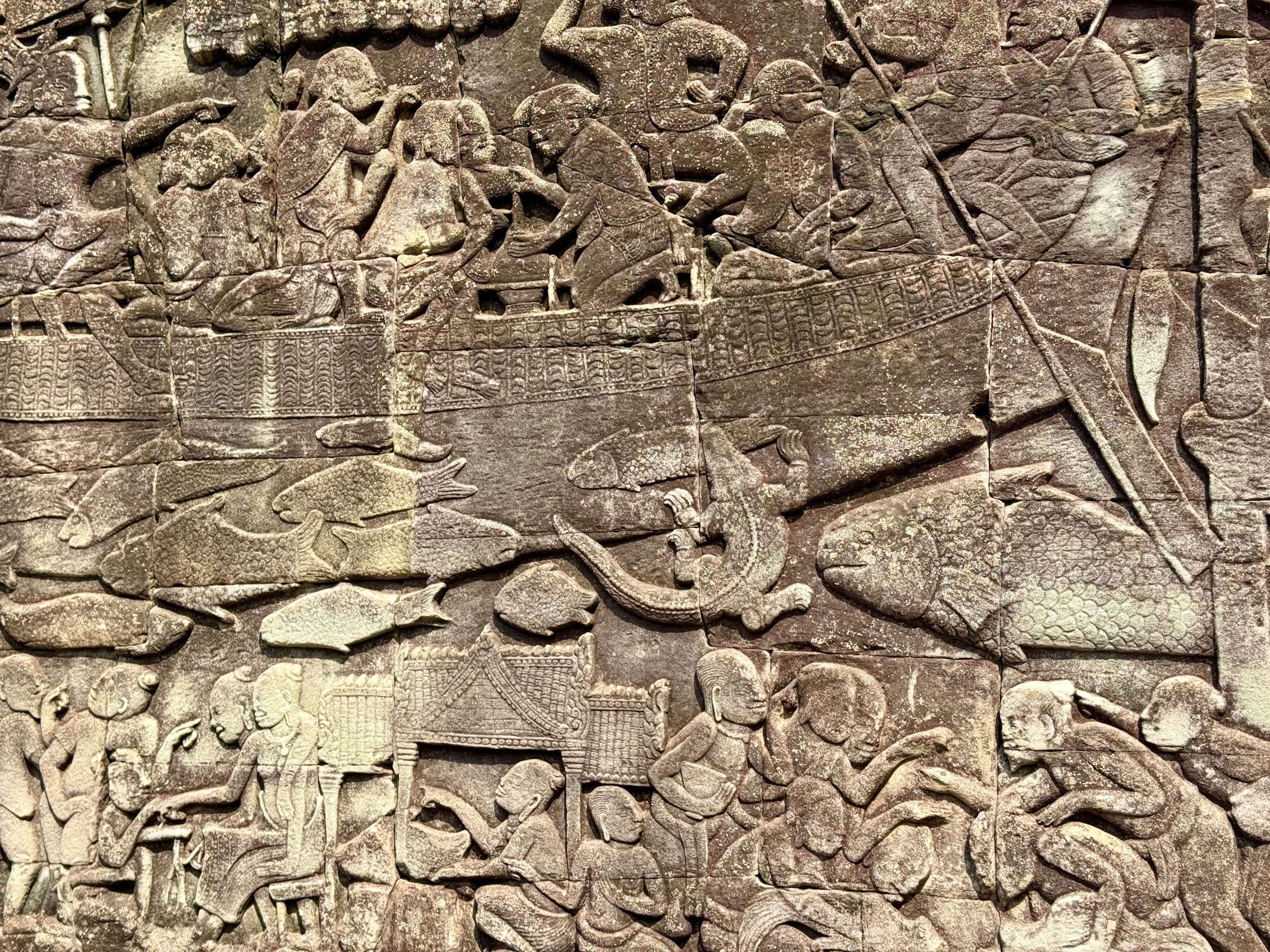
Our final stop within Angkor Thom was the Bayon Temple, a 12th-century architectural masterpiece also built by Jayavarman VII. Renowned for its 54 towers, each featuring serene, smiling faces, the temple is thought to represent either Avalokiteshvara, the bodhisattva of compassion, or the king himself. Its intricately carved bas-reliefs vividly depict scenes of Khmer daily life, historical battles, and mythological stories, blending Buddhist and Hindu influences.
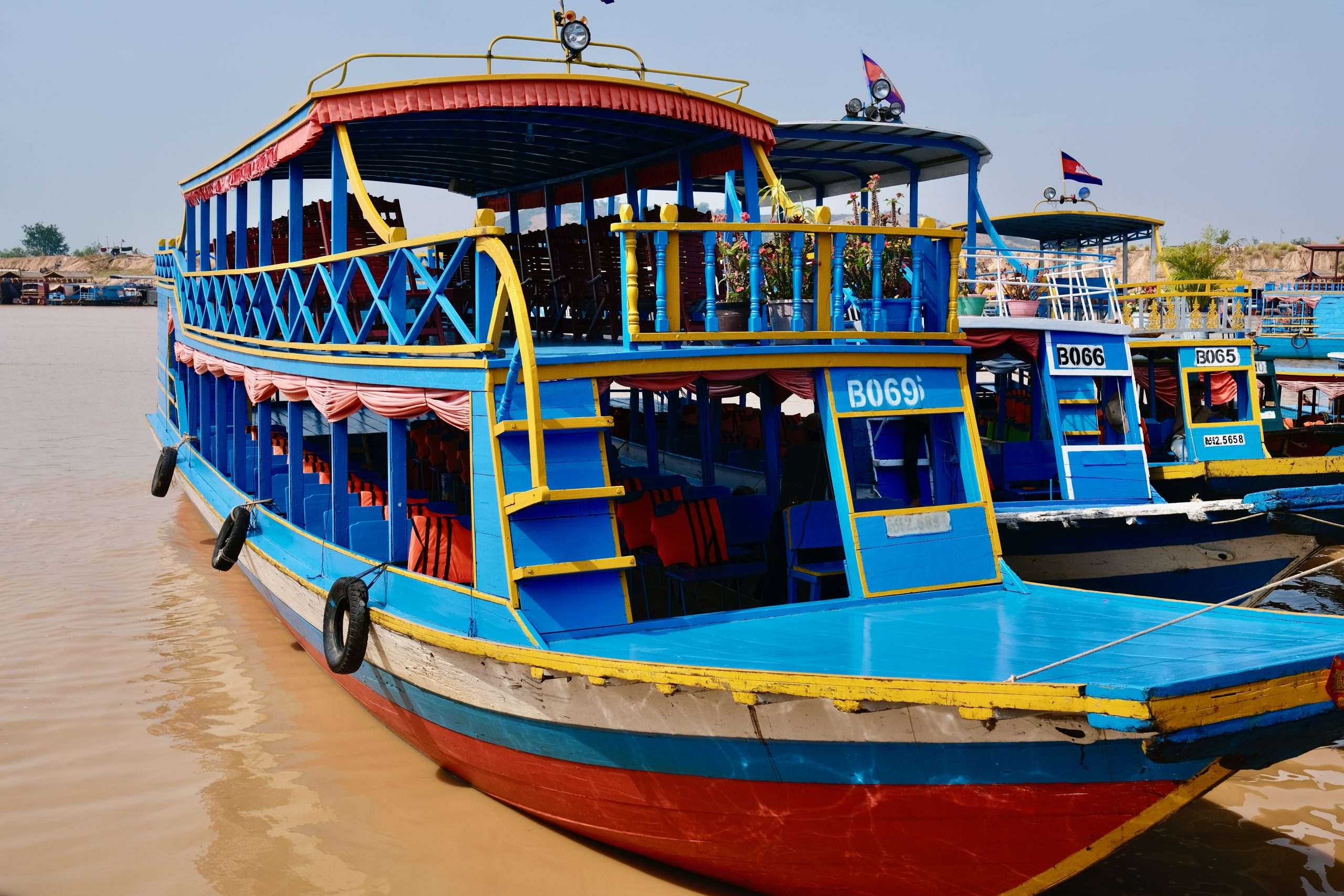
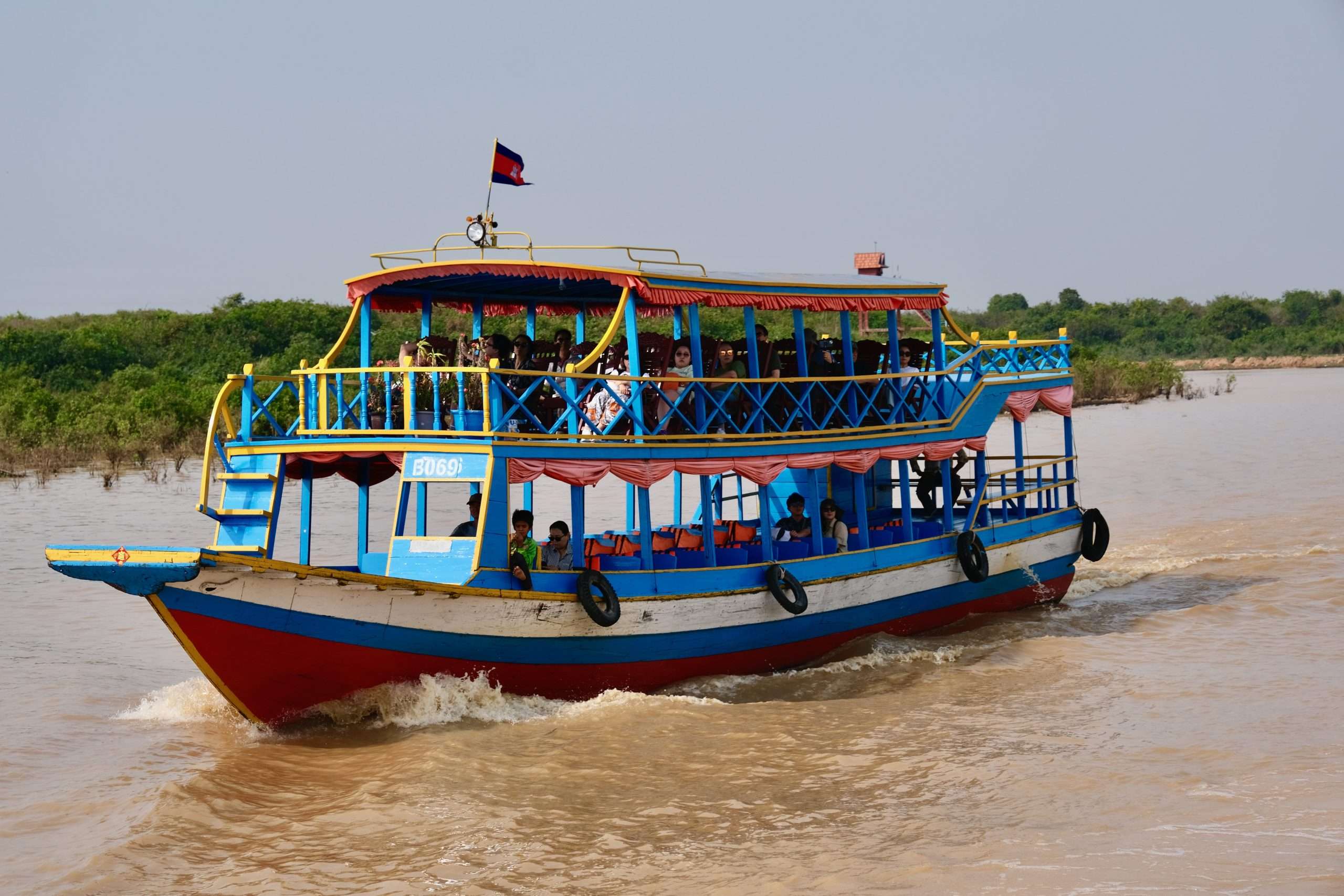
After lunch at Sokkak Restaurant, we concluded our day with a visit to the colorful floating villages of Tonle Sap Lake, taking a scenic boat cruise to see life on the water.
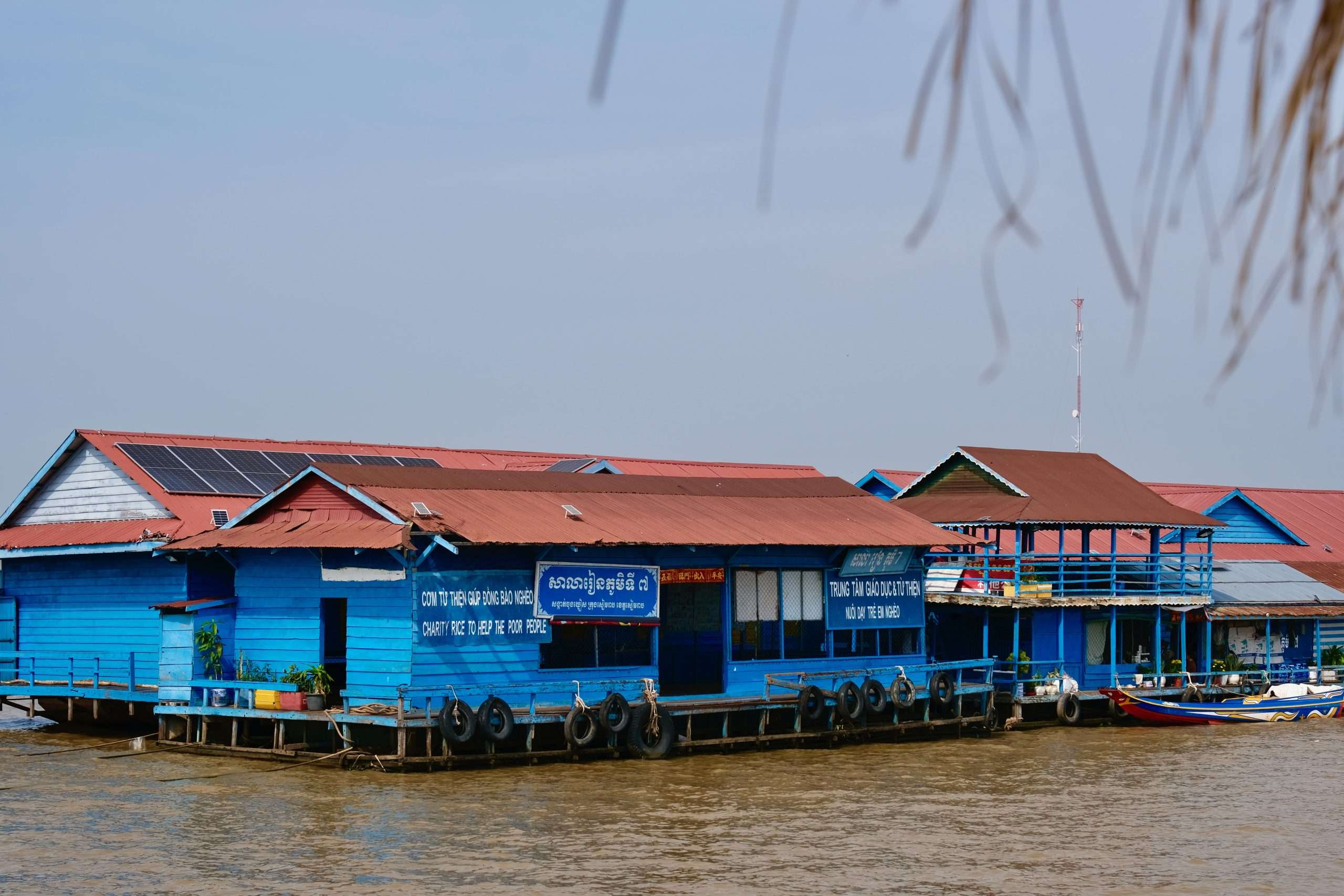
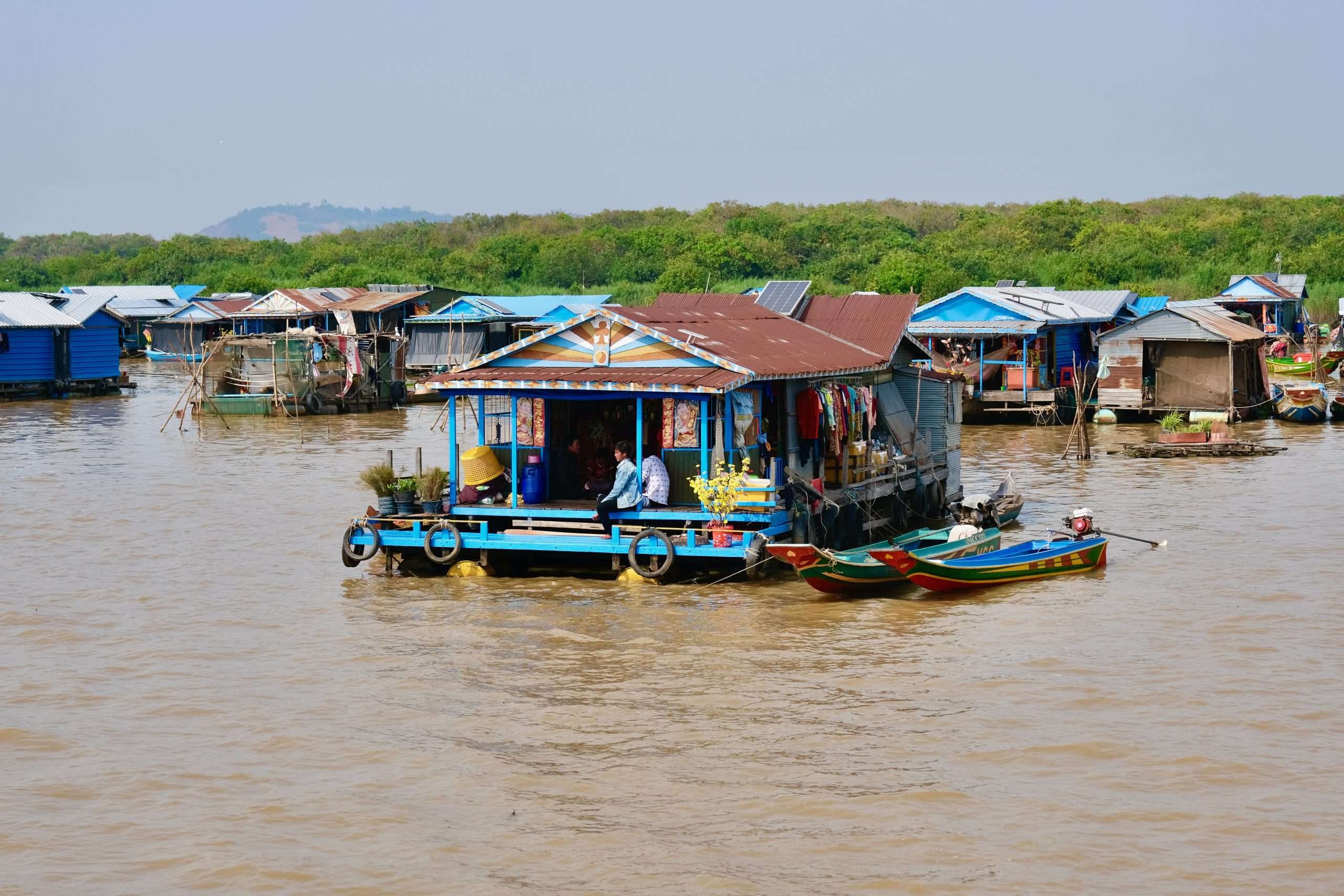
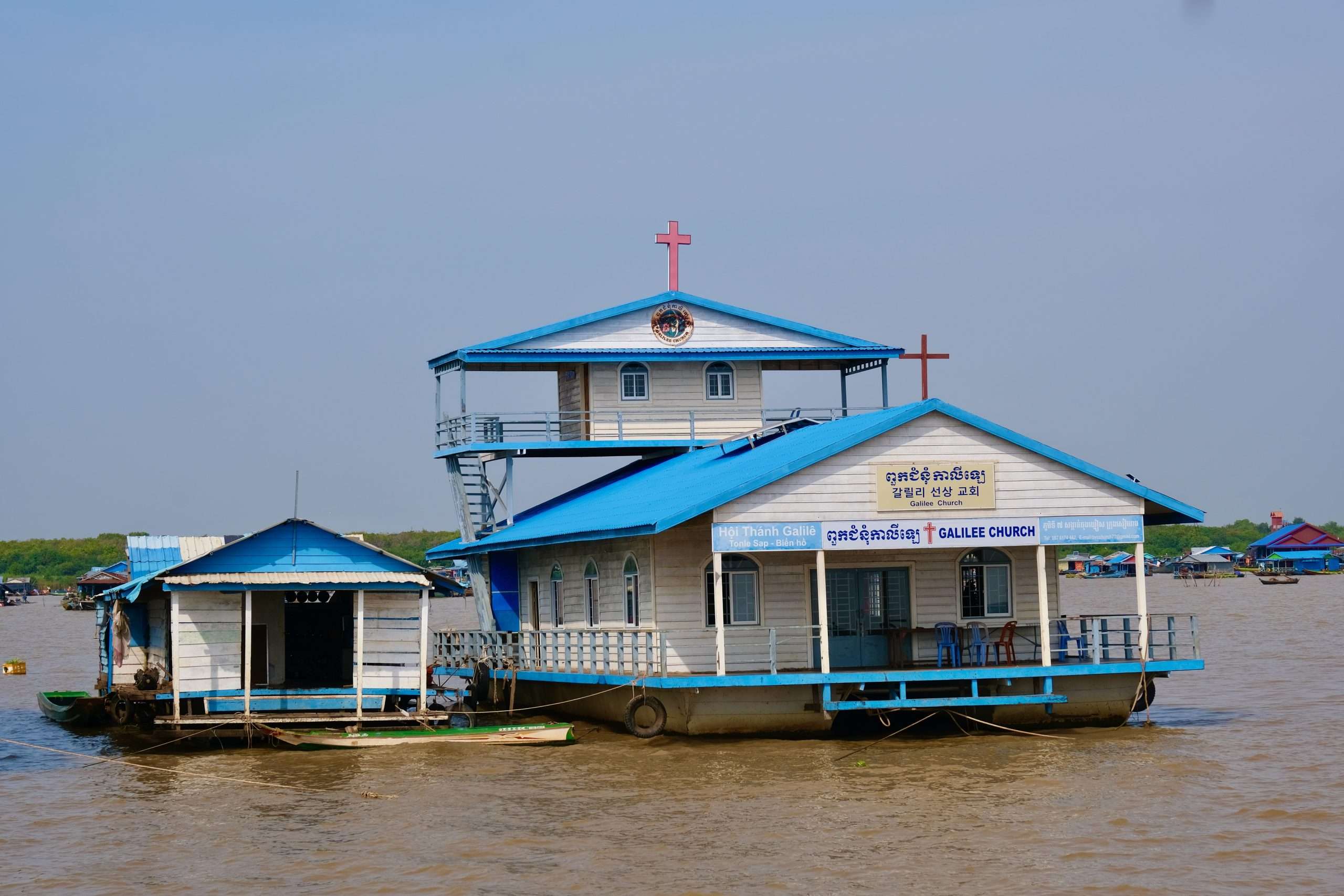
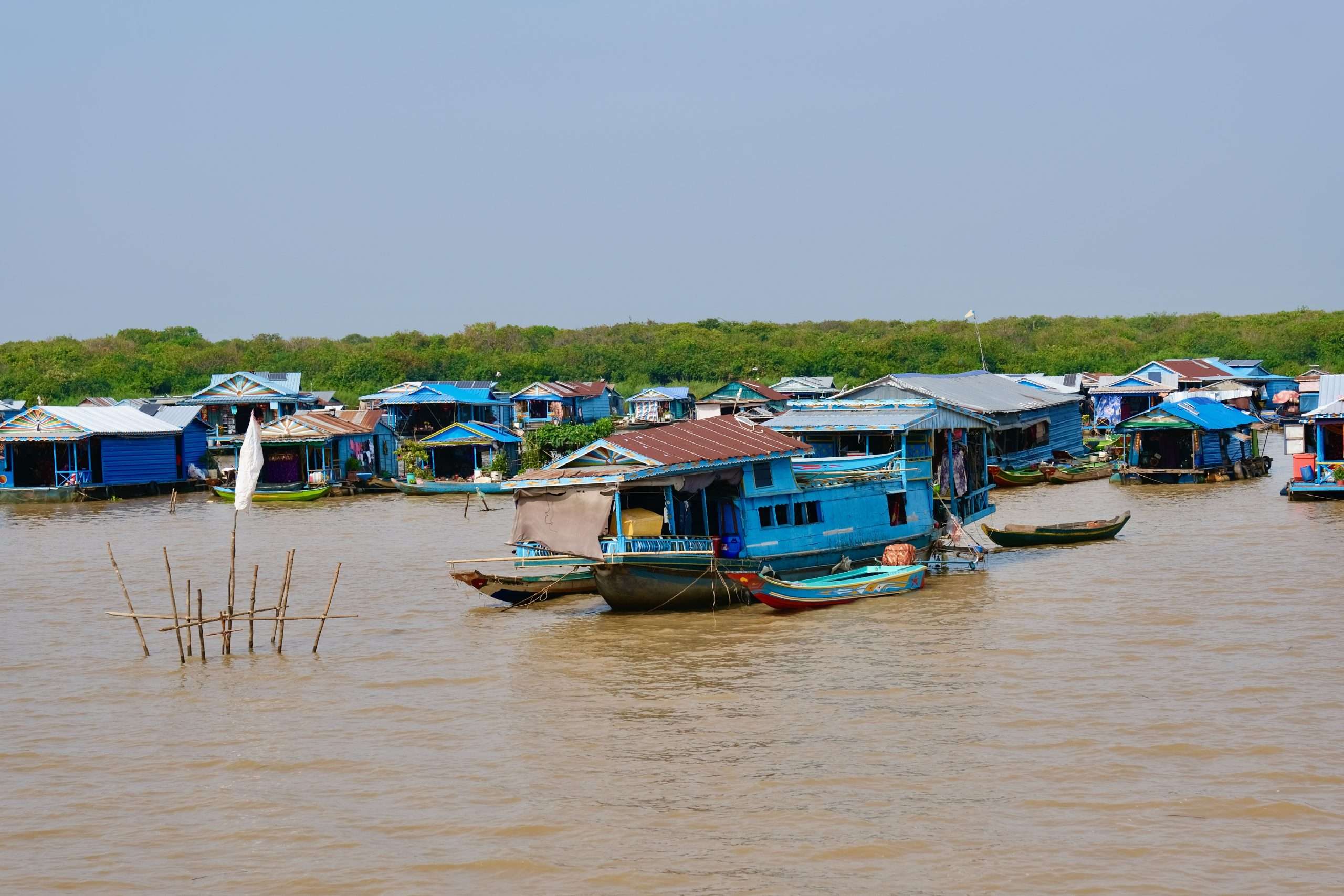
Arrival in Chiang Mai: A Cultural Welcome – January 29, 2025
Today is New Year’s Day according to the Lunar calendar.
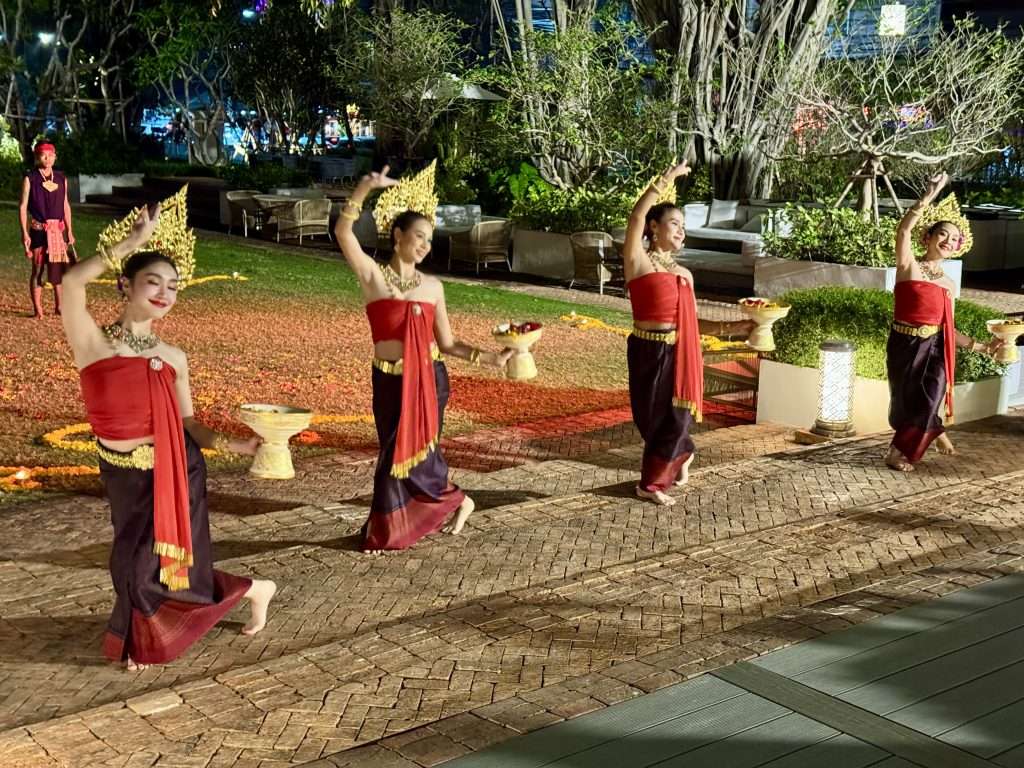
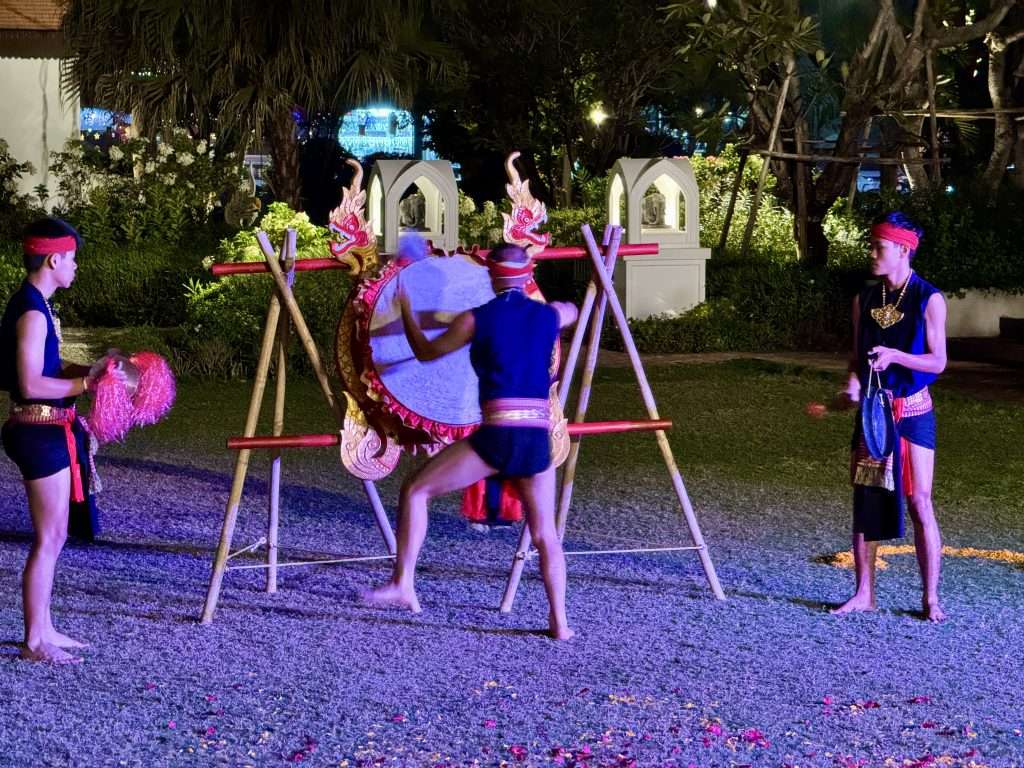
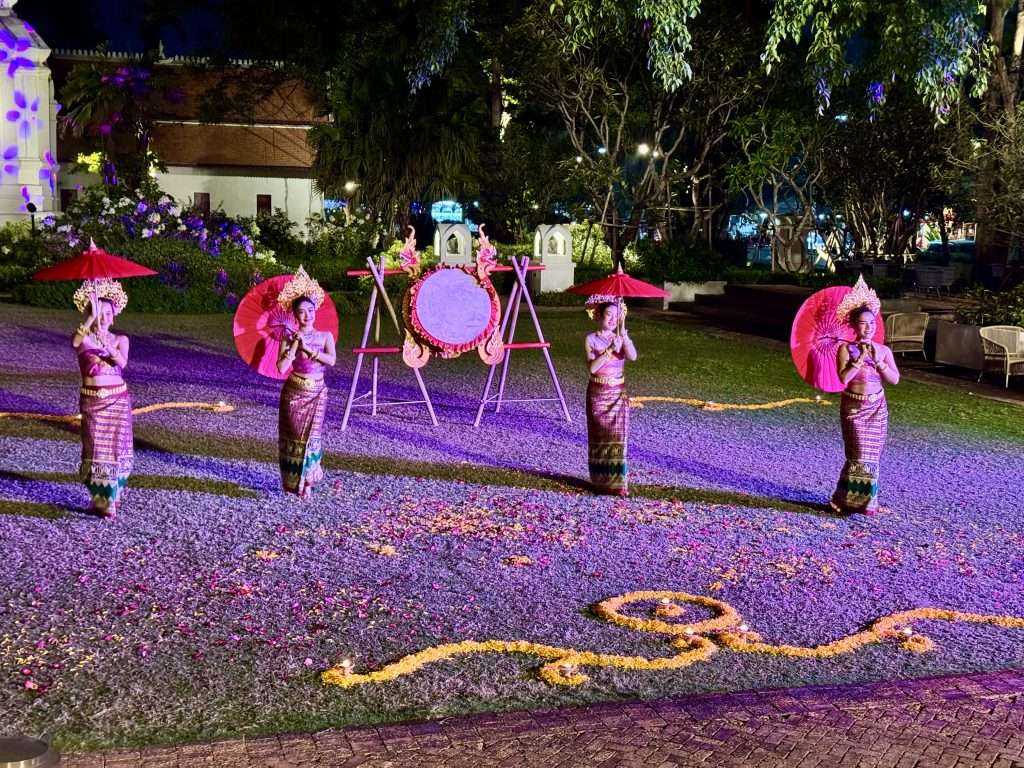
Early this morning, we boarded two flights—one from Siem Reap to Bangkok and another from Bangkok to Chiang Mai on Thai Airways, often referred to as the “Rose of the North.” It was the capital of the Lan Na capital. Upon arrival, we had a brief orientation to familiarize ourselves with the city’s history and key landmarks before checking into our hotel. In the evening, we enjoyed an outdoor banquet, where we dined under the open sky while being entertained by live traditional music and cultural dance performances, and then enjoyed dancing with the performers.
A Day with Elephants and Hill Tribe Communities – January 30, 2025
Soon after breakfast, we departed for Kanta Elephant Sanctuary to experience an up-close encounter with these gentle giants. Upon arrival, a sanctuary worker provided us with a brief but informative orientation about the sanctuary’s mission, the ethical treatment of elephants, and guidelines for interacting with them.
After changing into designated uniforms, we had the incredible opportunity to feed the elephants sugarcane and then vitamin balls, which we made using banana, salt, vitamins, and tamarind. We observed their bathing rituals, and some in our group even waded into the pool to help scrub them. It was fascinating to witness firsthand their remarkable intelligence and skills.
Wild elephants reside in national parks that are not open to the public, while domesticated elephants are sent to sanctuaries when their owners can no longer care for them. This sanctuary is home to about 20 elephants, ranging from babies to teenagers to adults, each with its own mahout.
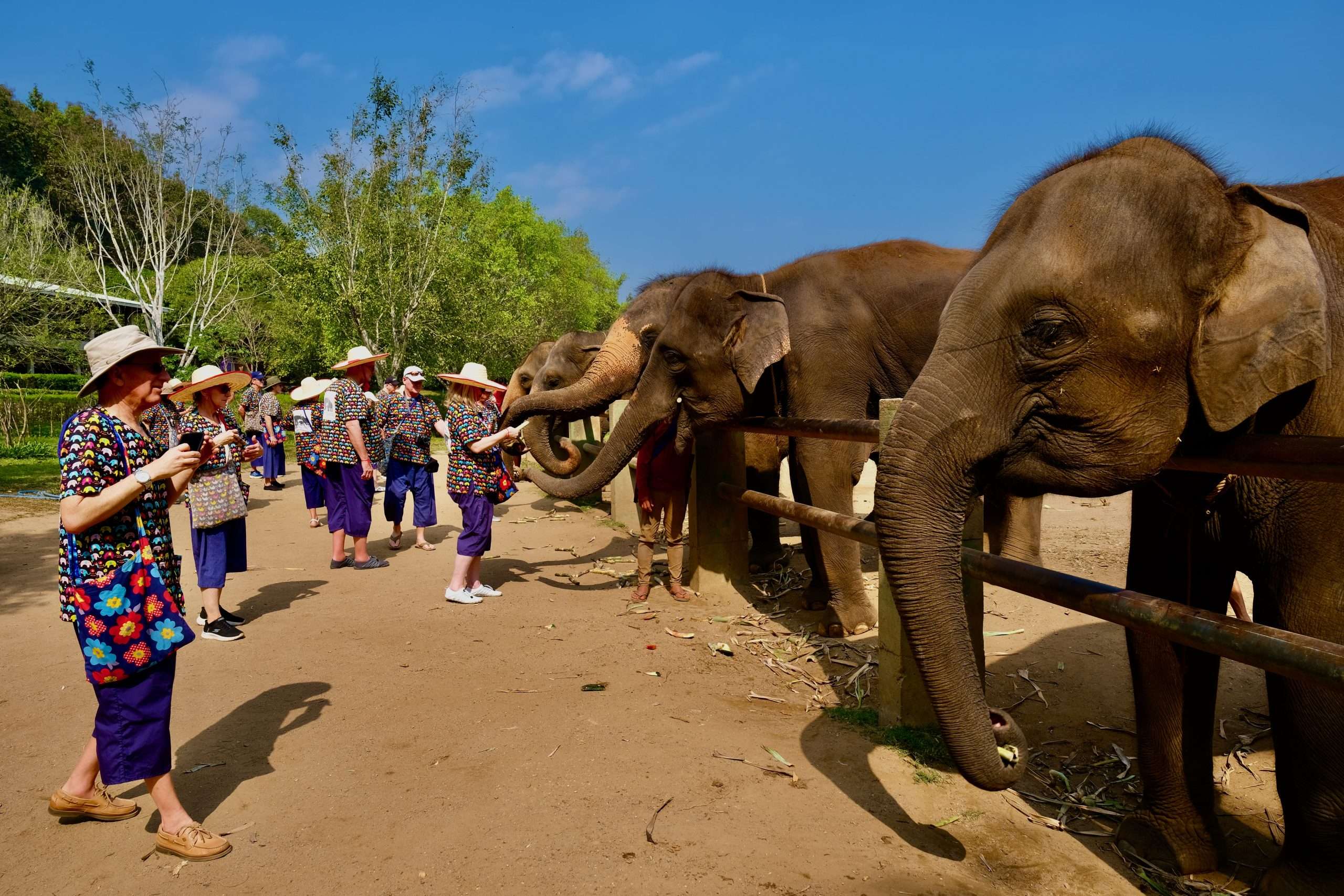
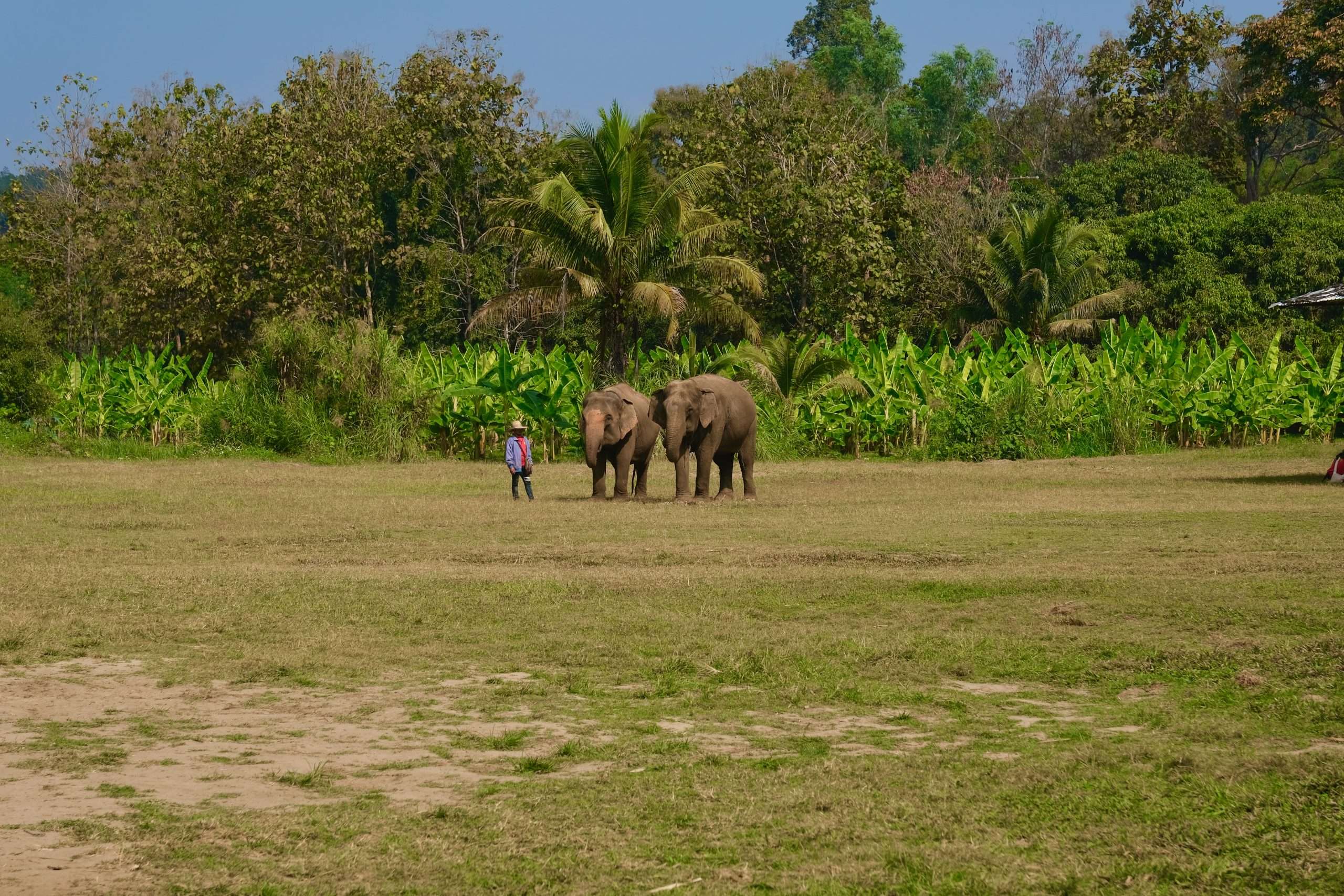
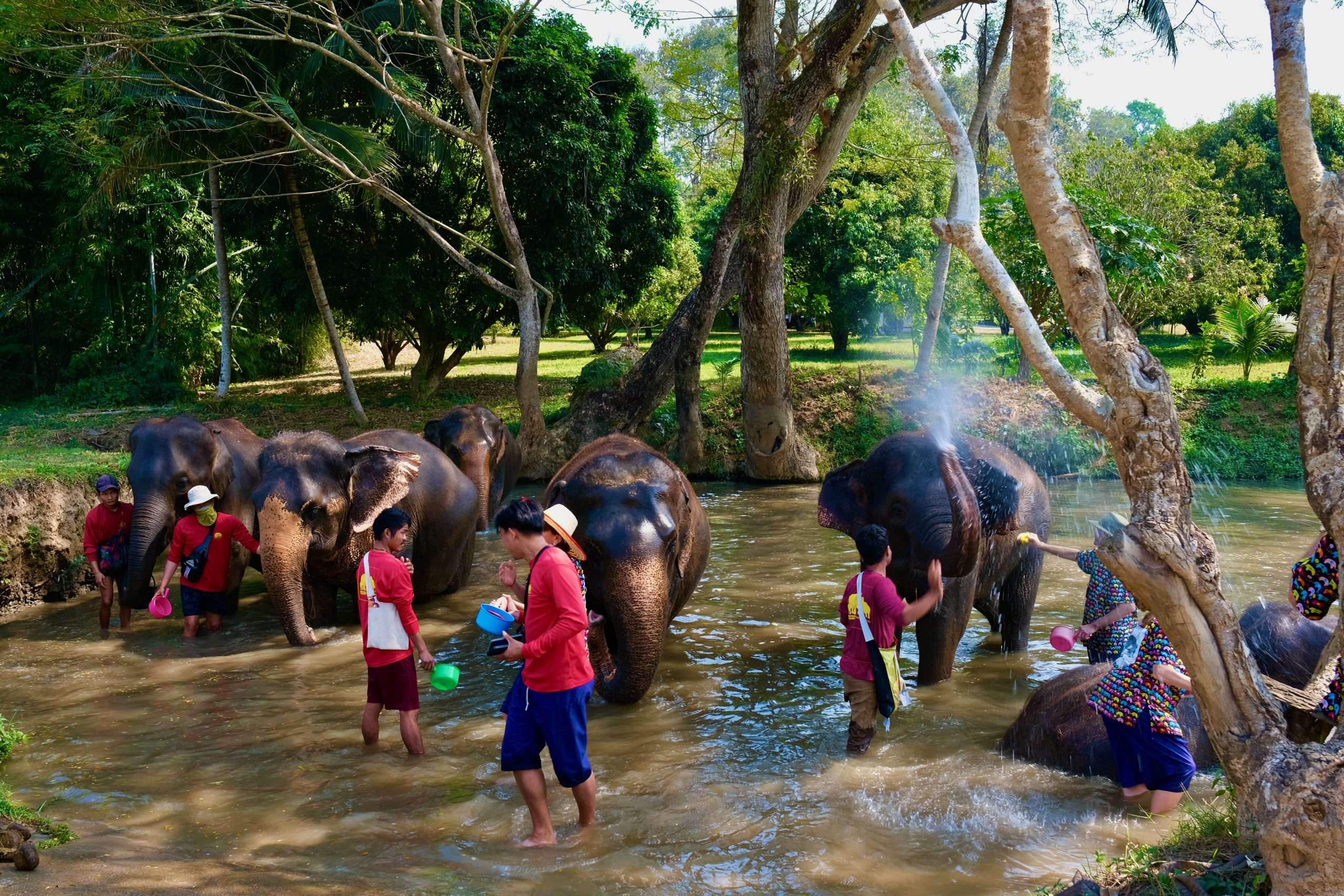
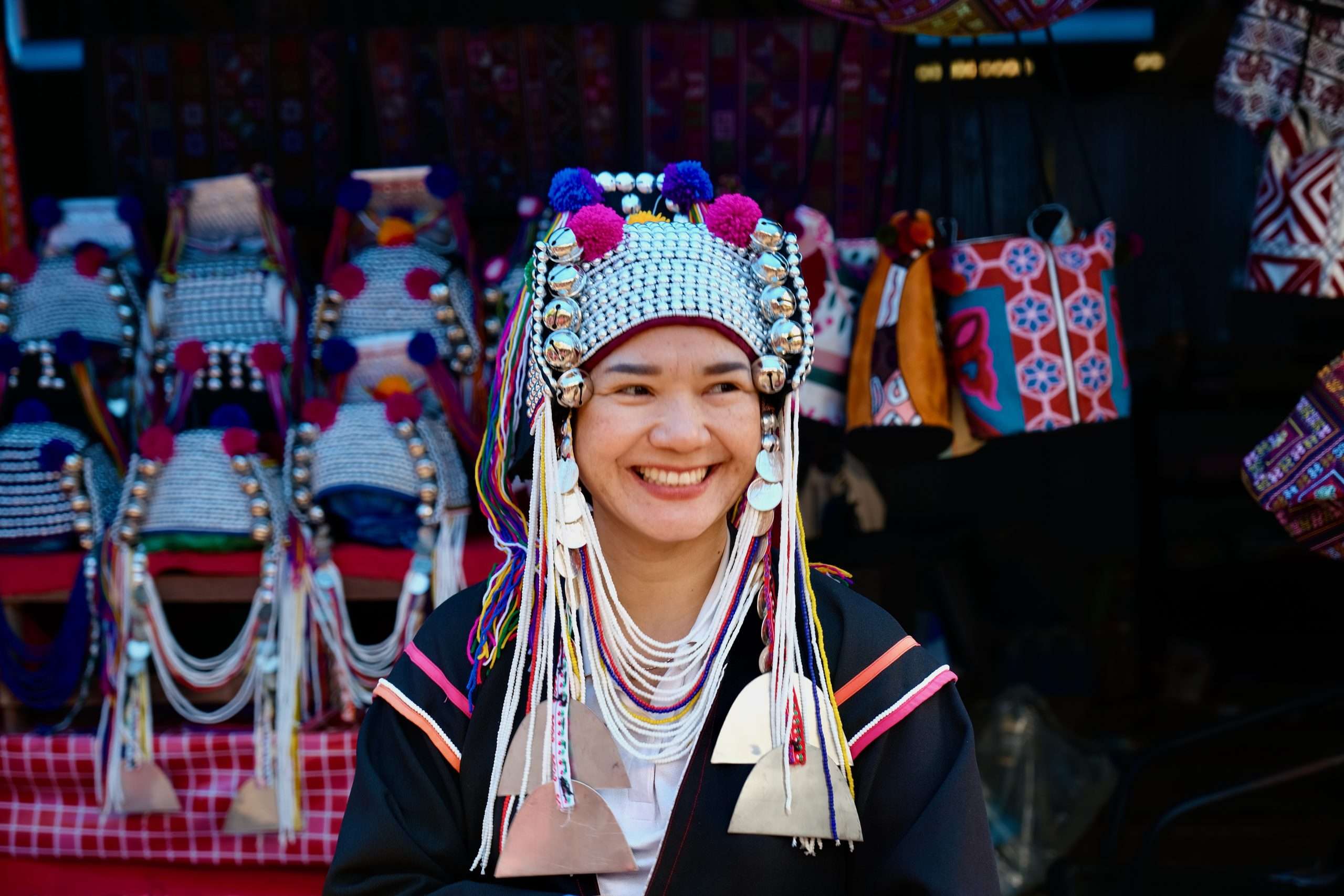
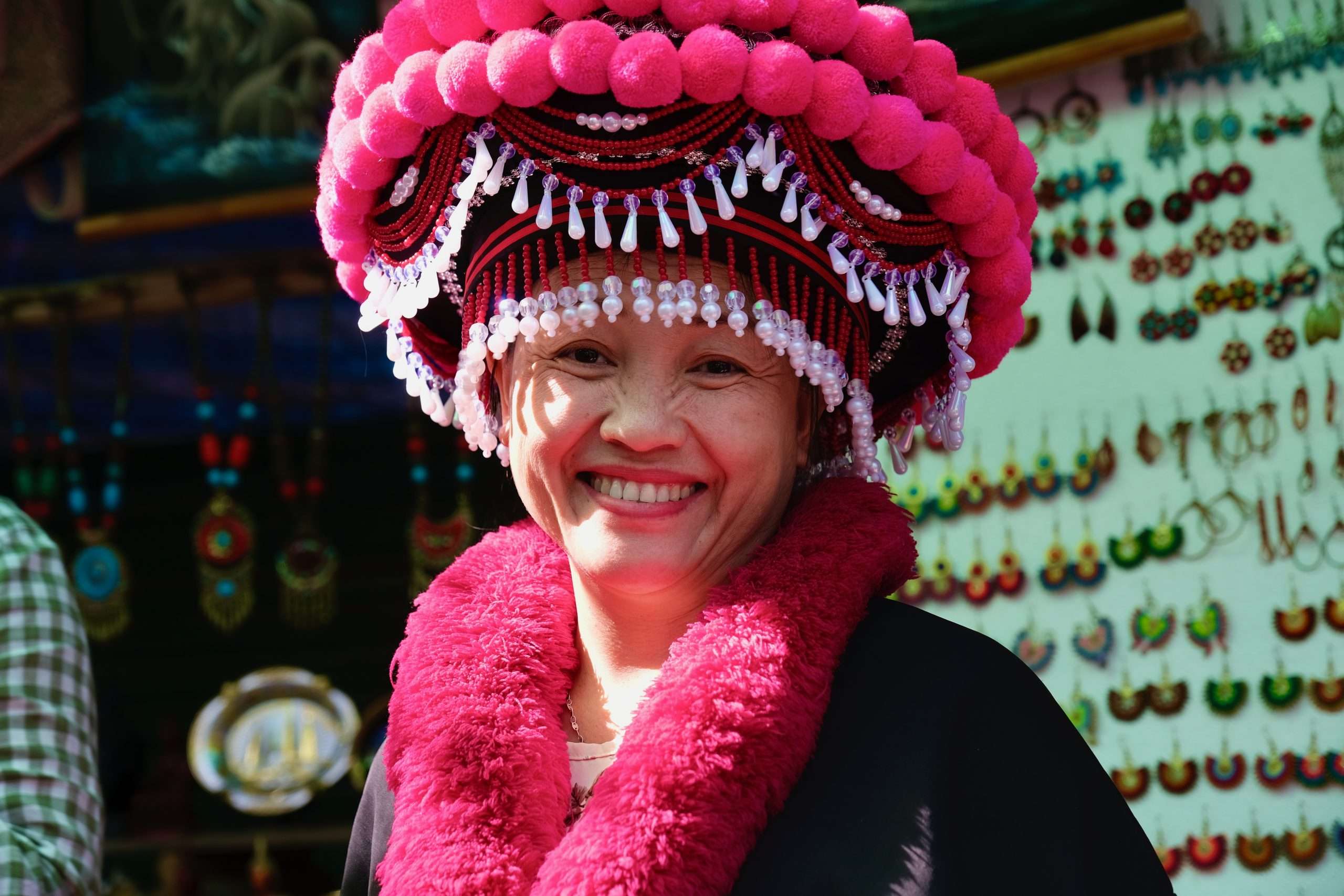
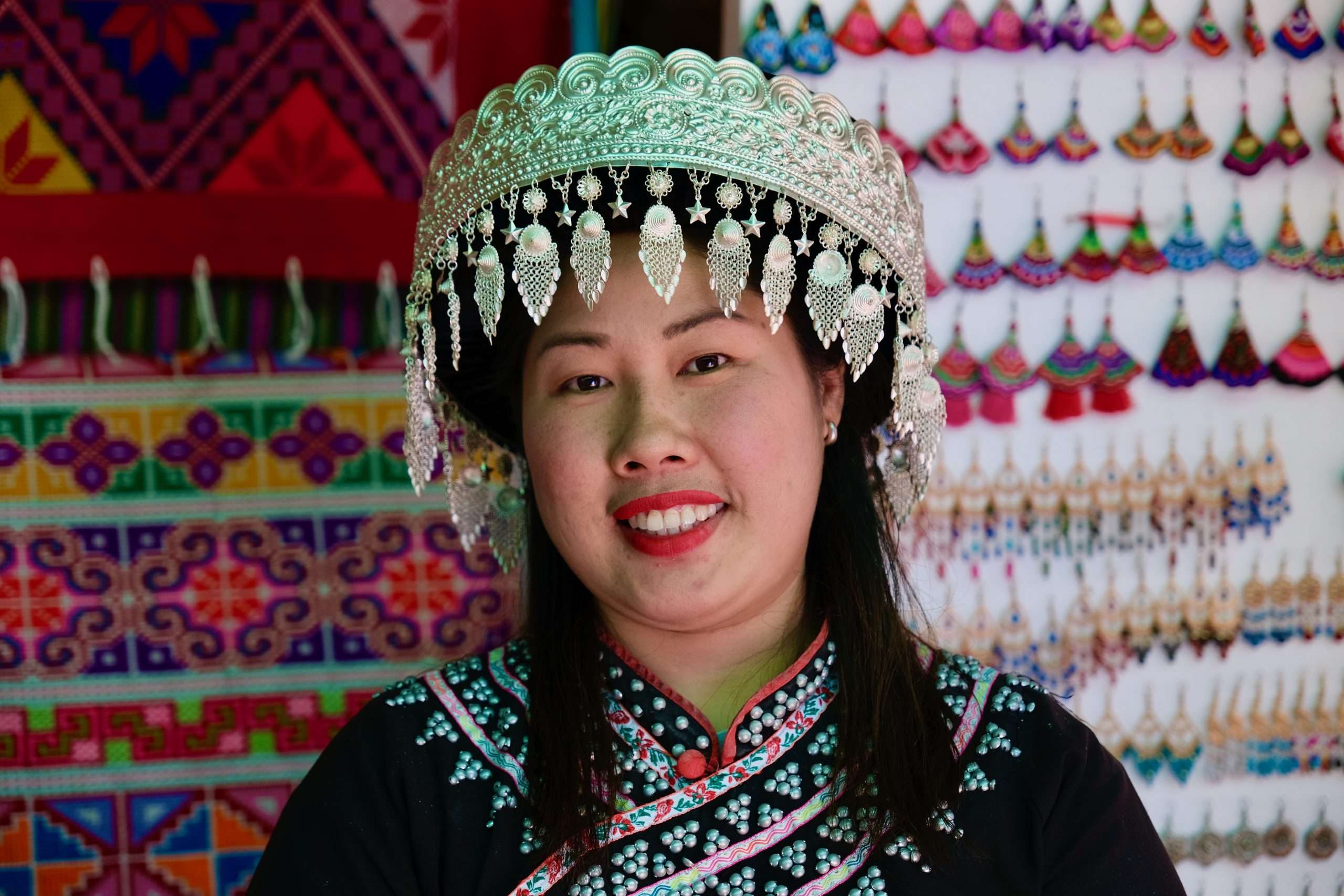
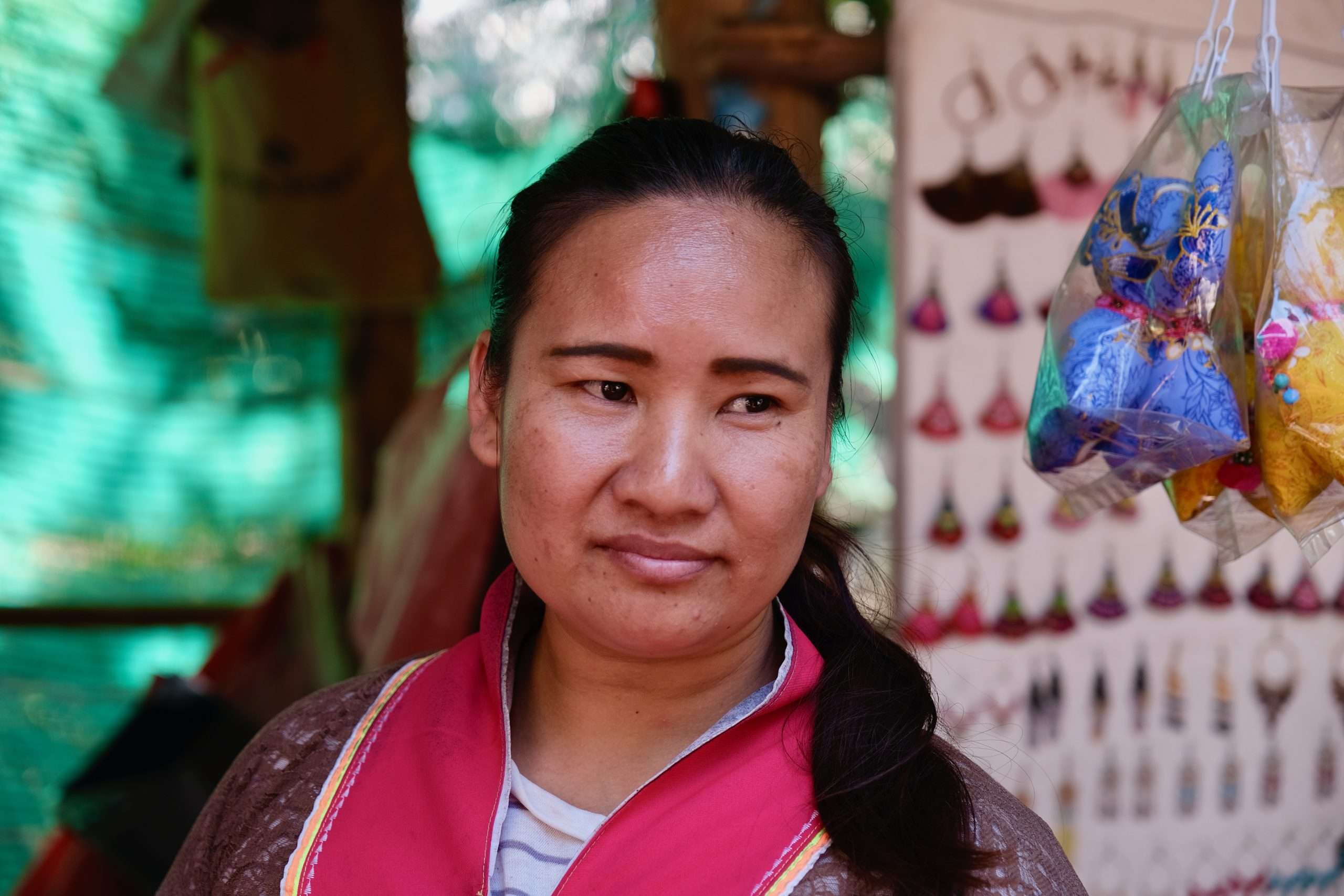
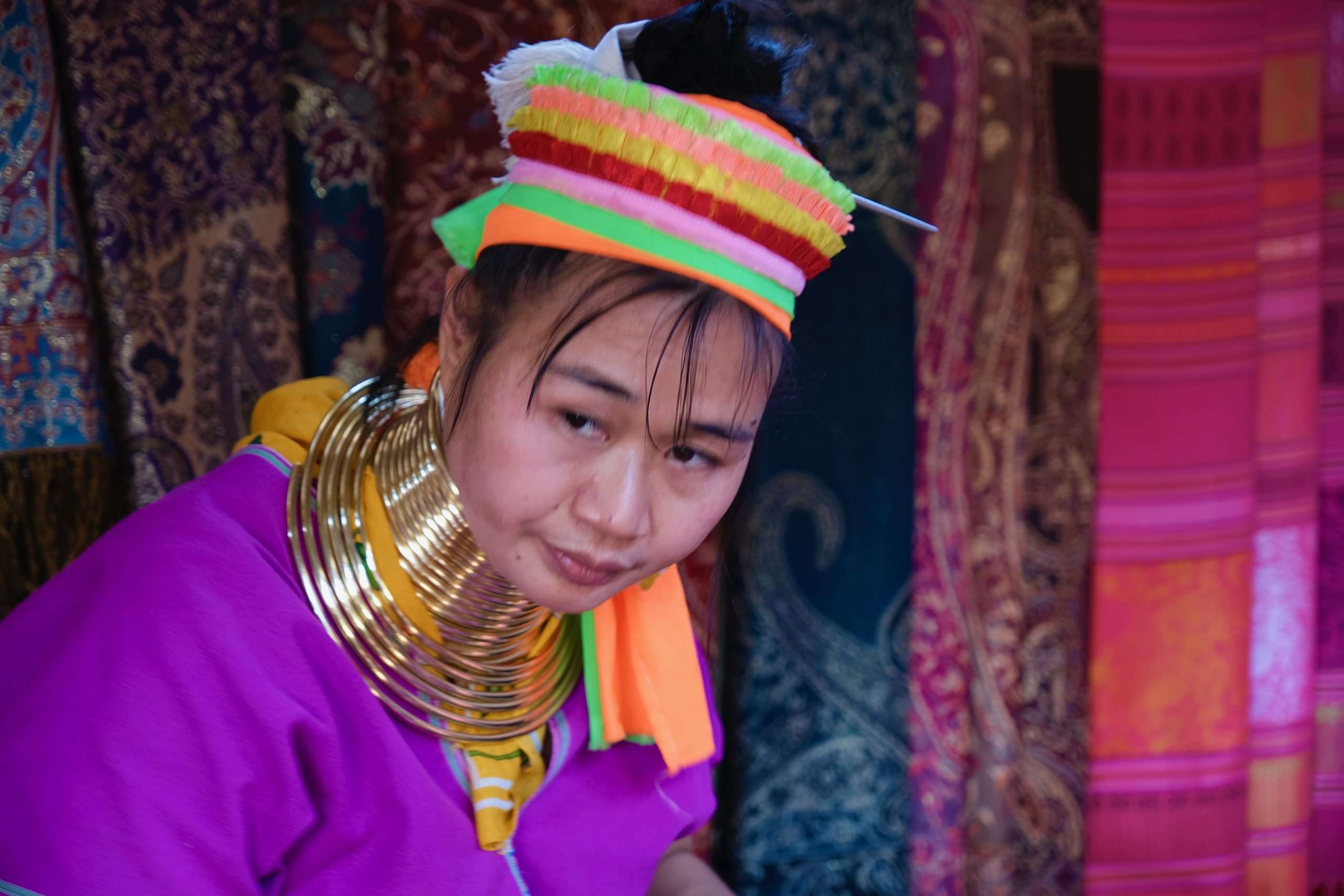
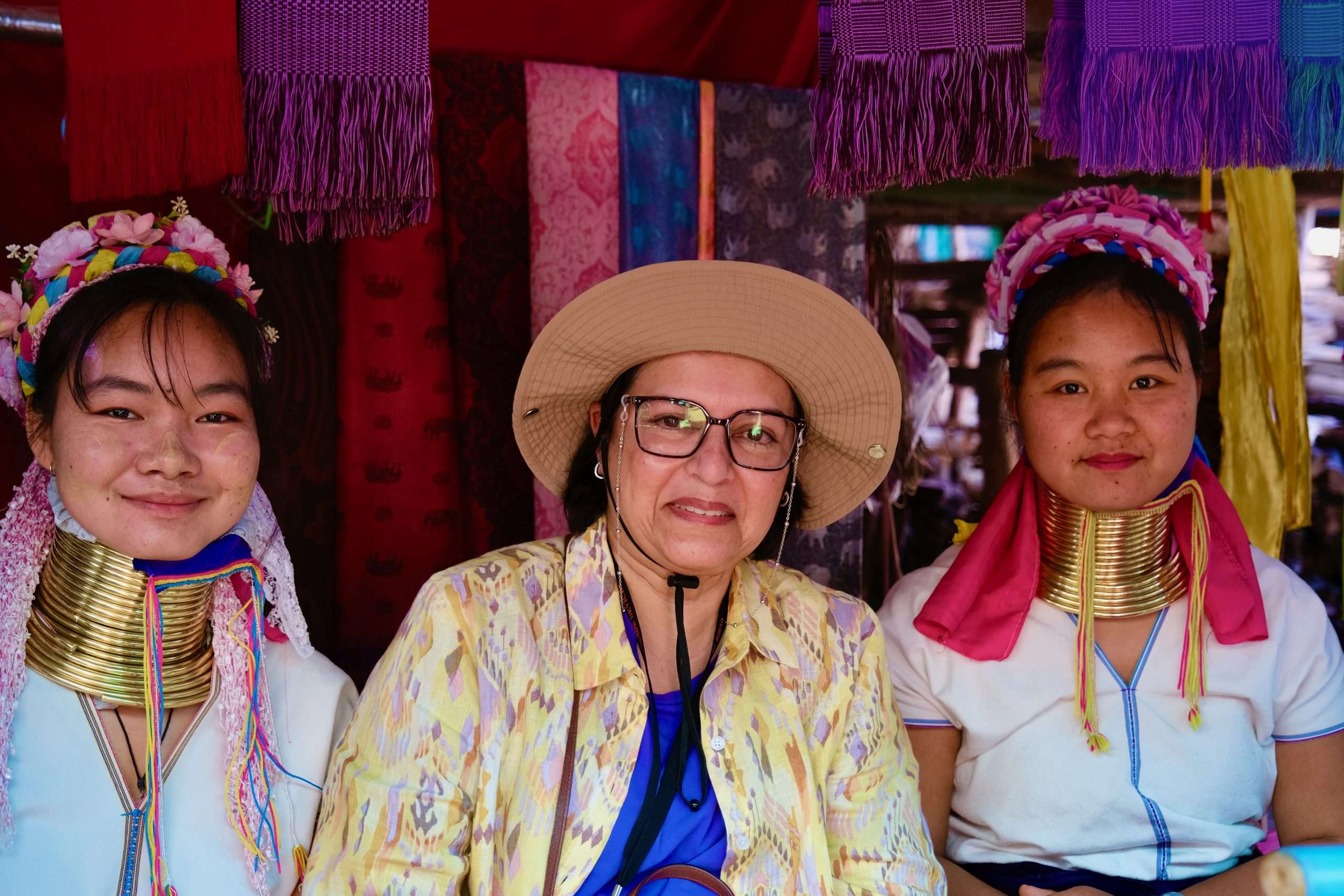
Following a picnic lunch at the sanctuary, we continued our journey to visit several Hill Tribe communities. There, we gained insight into their rich cultural heritage, traditional attire, and intricate adornments. Some of the women in these tribes elongated their neck by wearing several rings; others wore jewelry which elongated their ear lobes; and still others wore exquisite headgear.
Exploring Doi Suthep and Chiang Mai’s Craftsmanship – January 31, 2025
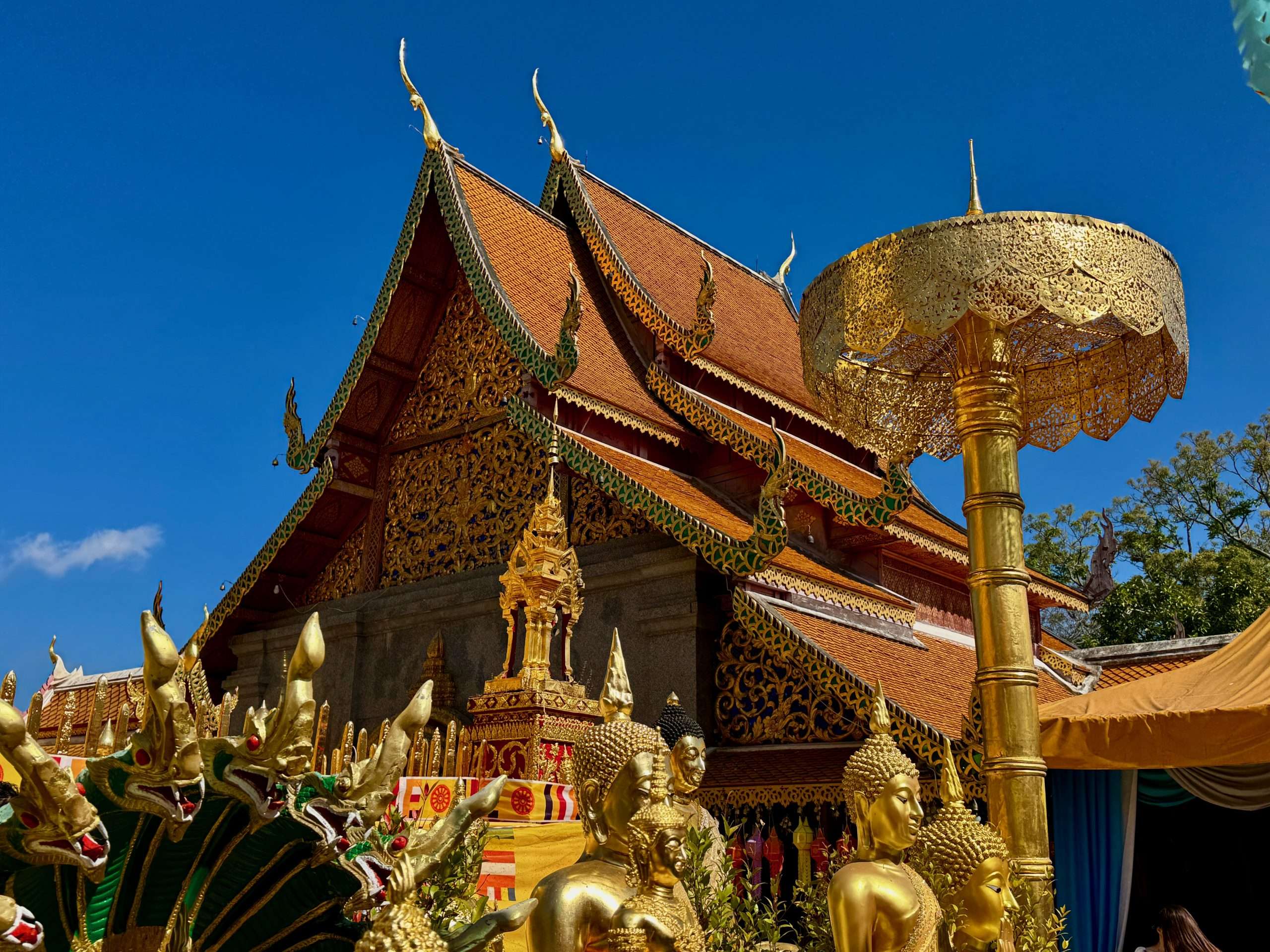
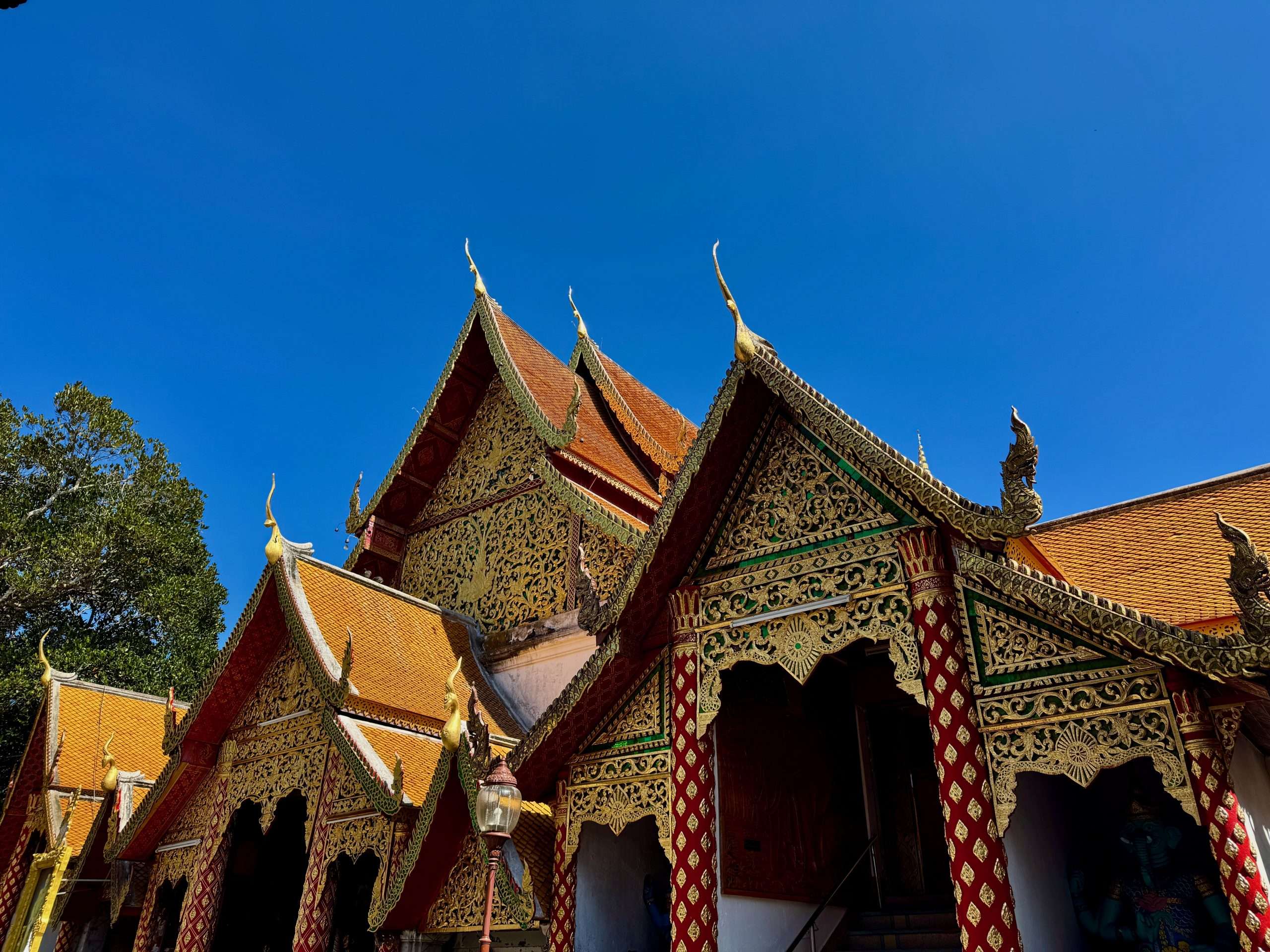
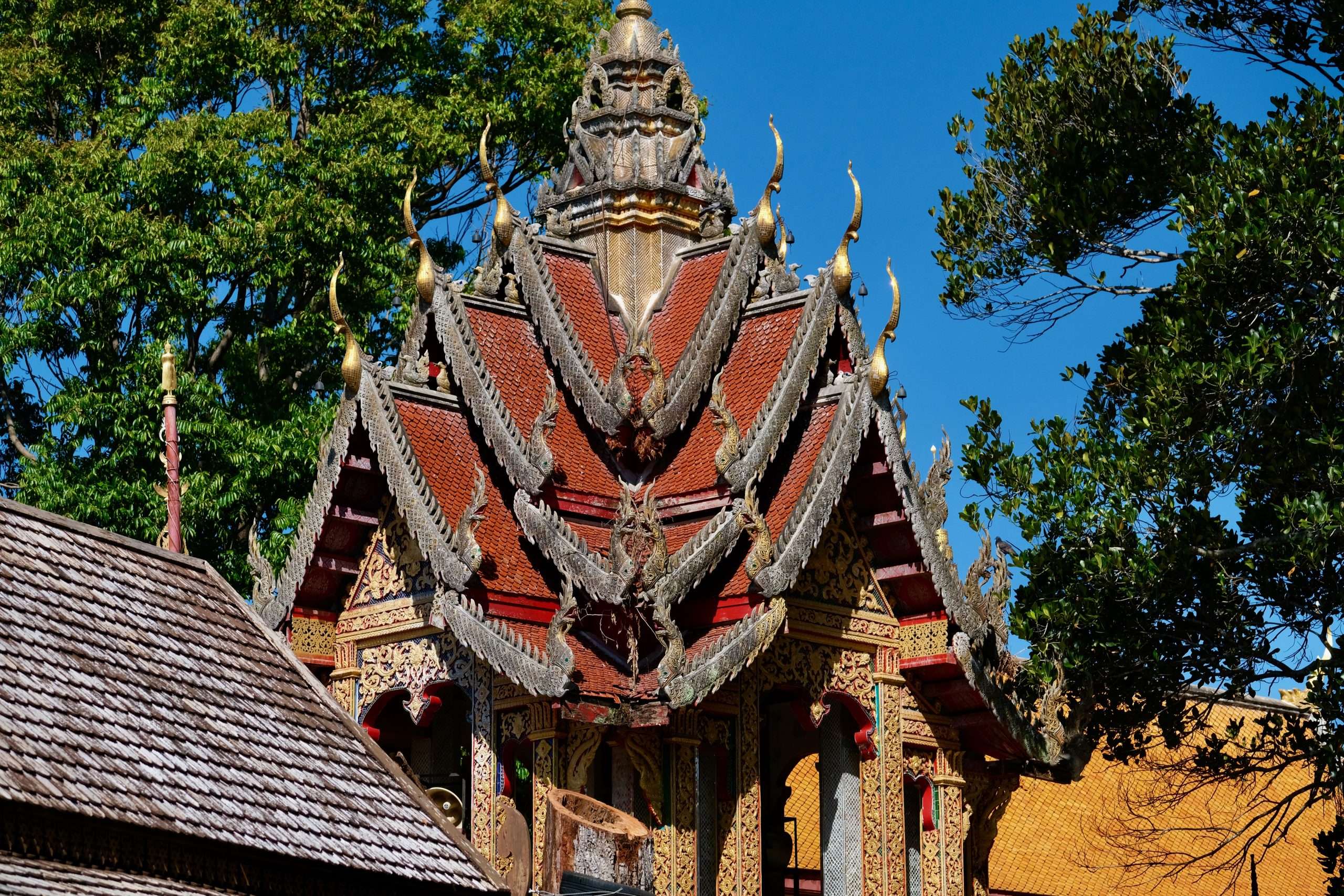
This morning, we took a scenic drive through Doi Suthep National Park, winding through lush, forested hills to reach Wat Phra That Doi Suthep, Chiang Mai’s most famous temple. Perched atop the mountain, it offers breathtaking panoramic views of the city below. We rode the funicular up to the temple grounds, where the golden stupa gleamed brilliantly in the sunlight. As we explored, we admired intricate Buddhist statues and ornate shrines. The amount of gold adorning the statues and the décor boggles the mind. For our descent, we took the iconic 306-step Naga staircase, flanked by beautifully carved serpent railings.
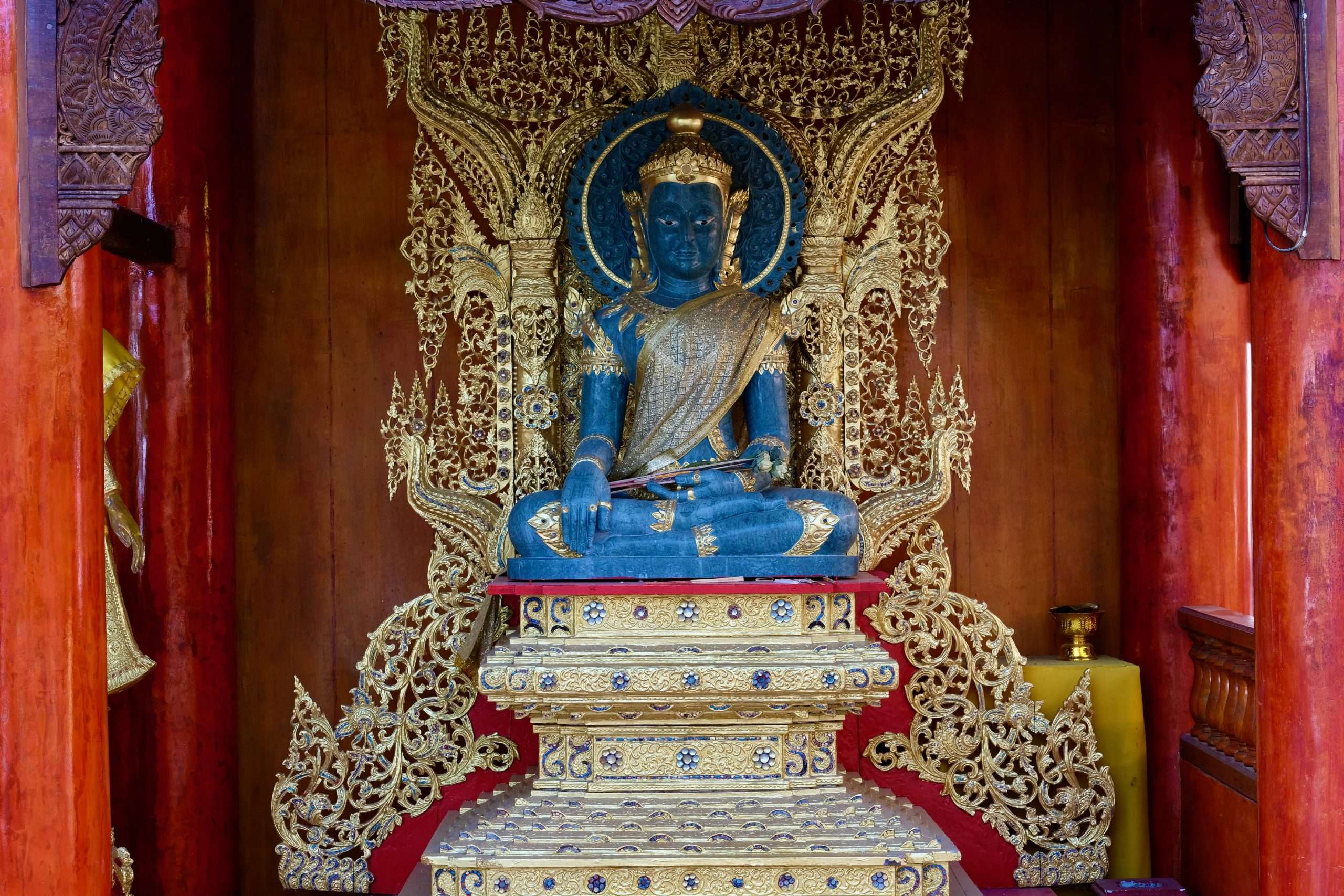
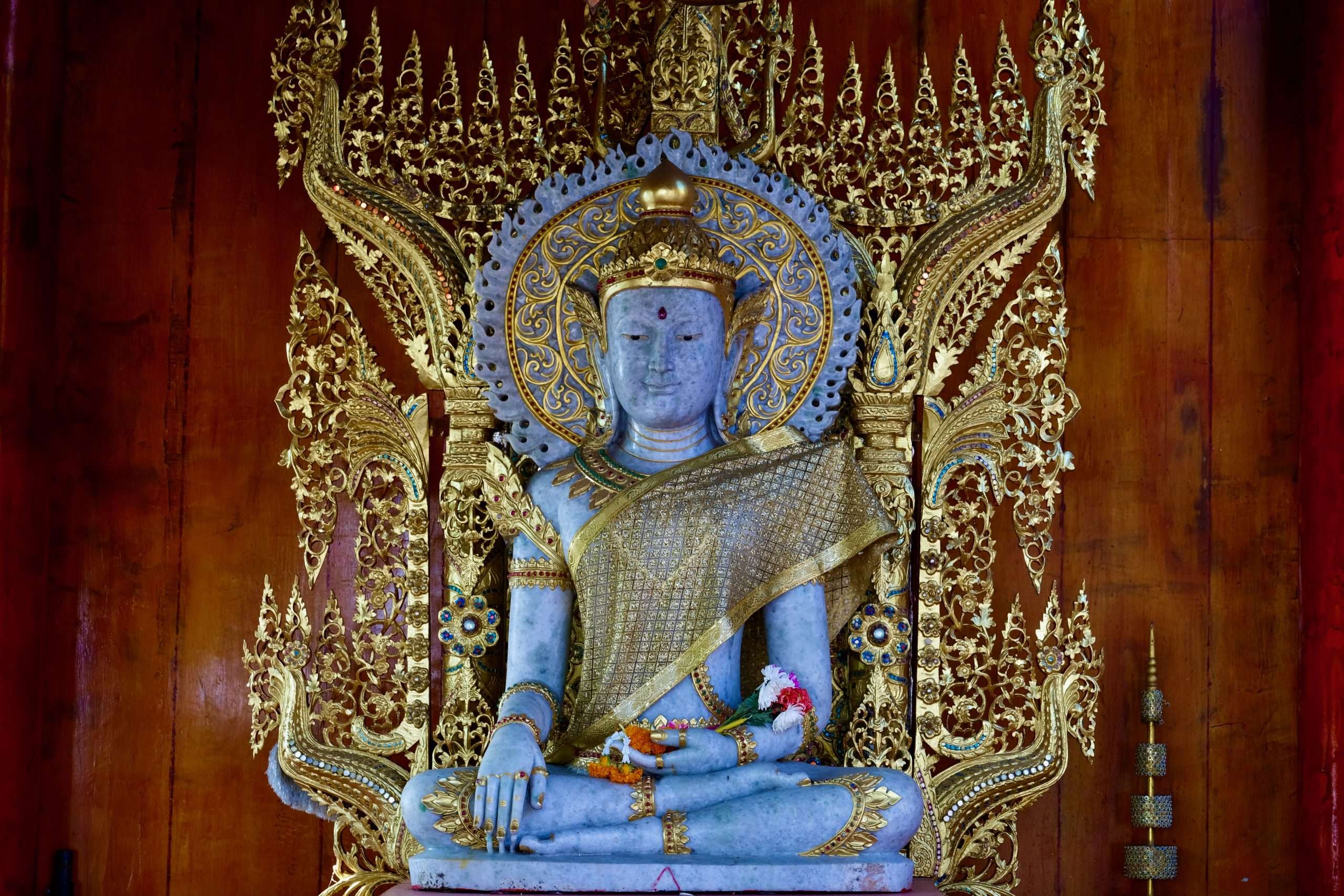
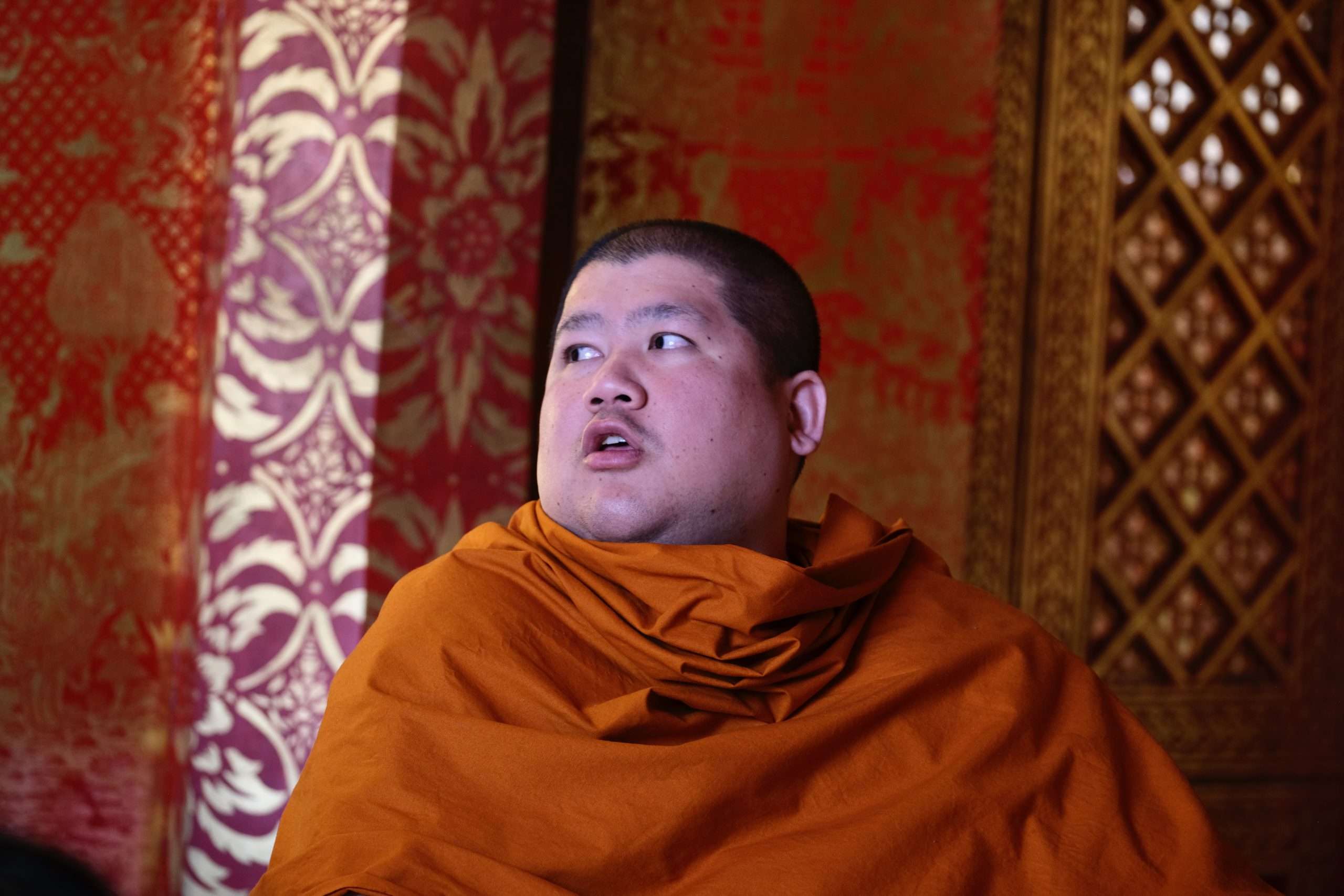
Afterward, we visited the Orchid and Jade Factory, where skilled artisans carved intricate jewelry and sculptures, demonstrating their craftsmanship. We also learned about the different grades of jade and its cultural significance in Thailand. Albert was relieved when Christabel decided not to make a purchase.
Arrival in Bangkok and Jim Thompson House Tour – February 1, 2025
After breakfast, we flew to Bangkok on Bangkok Airways and arrived at our hotel in time for lunch.
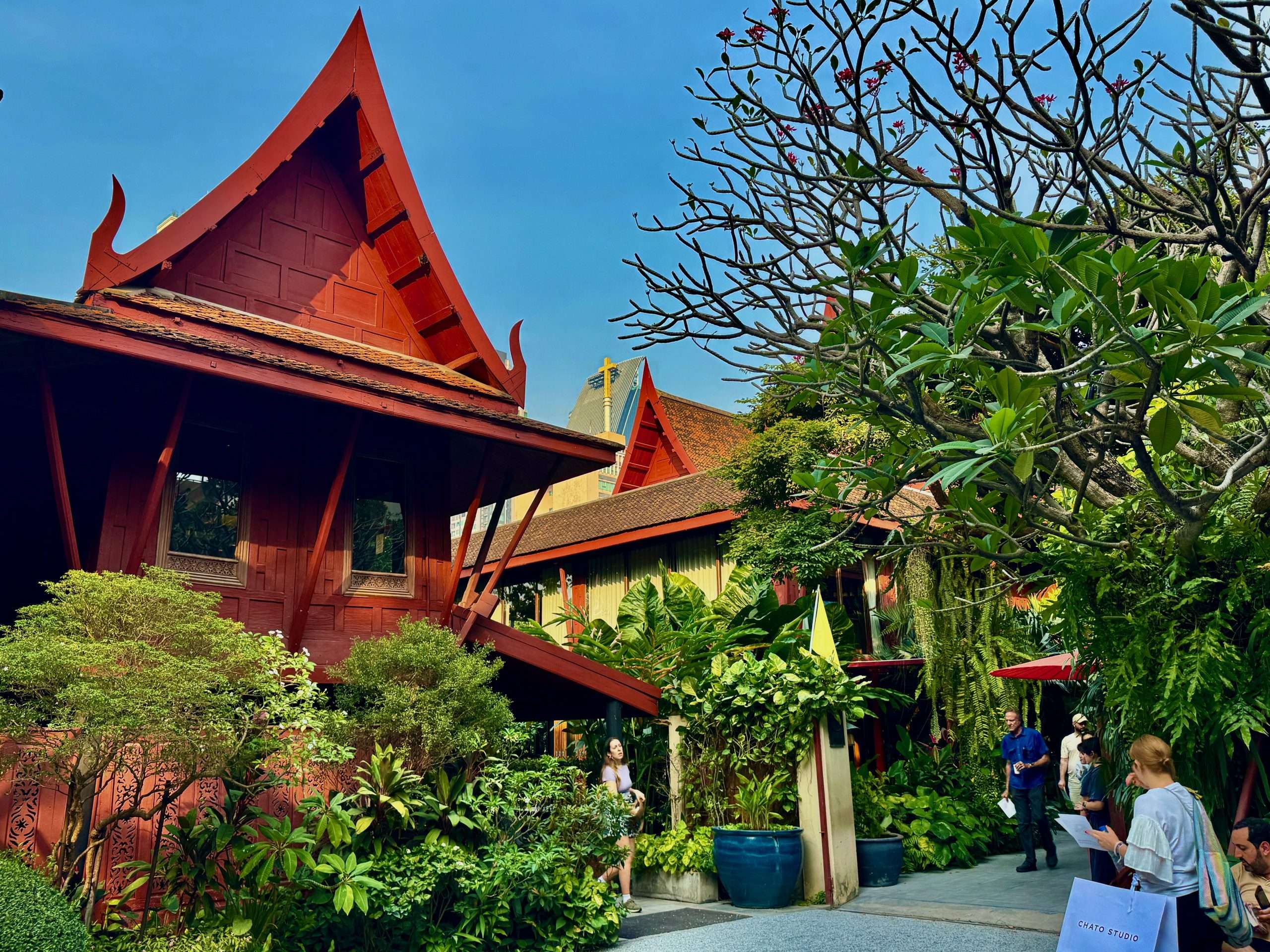
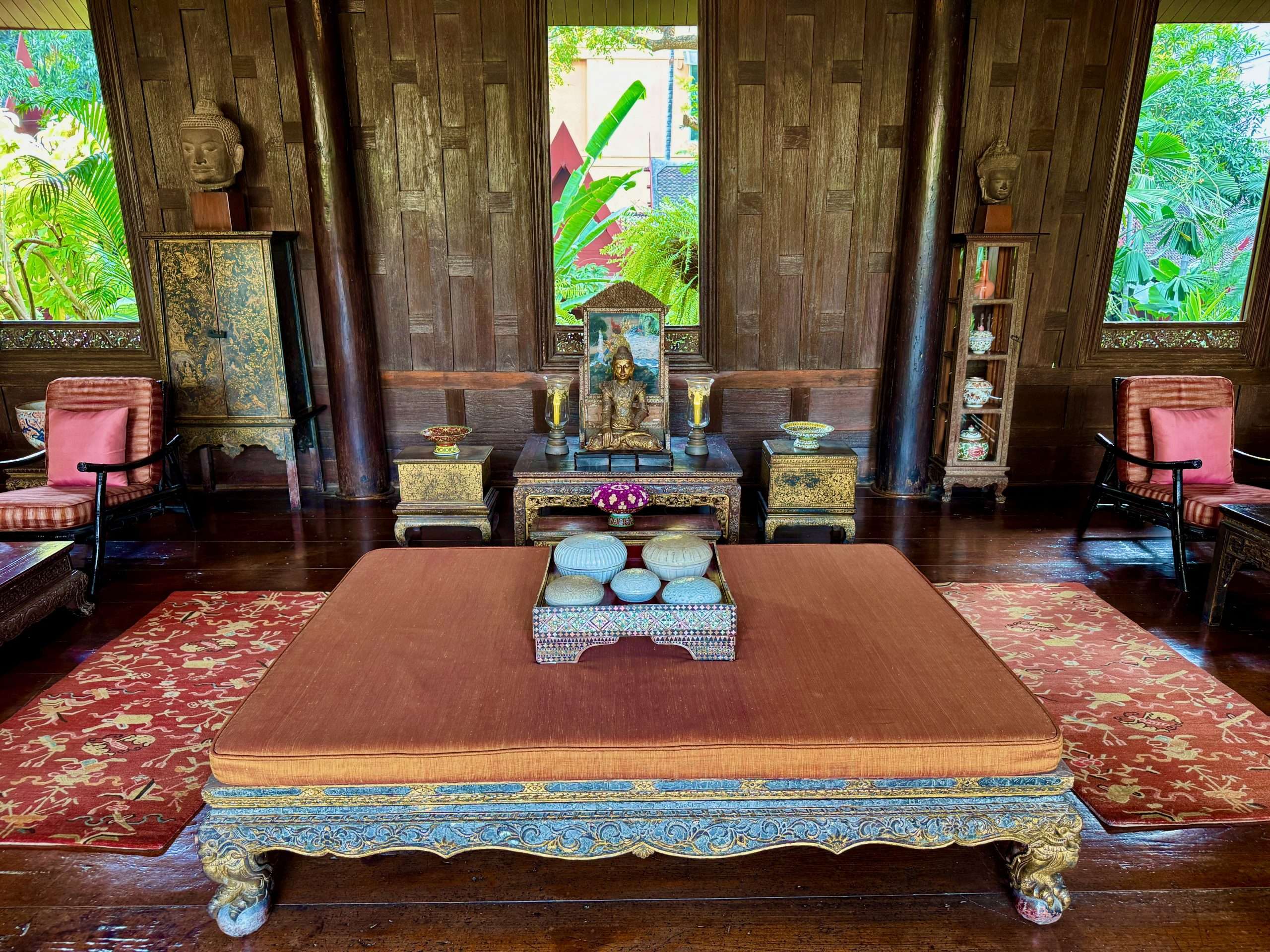
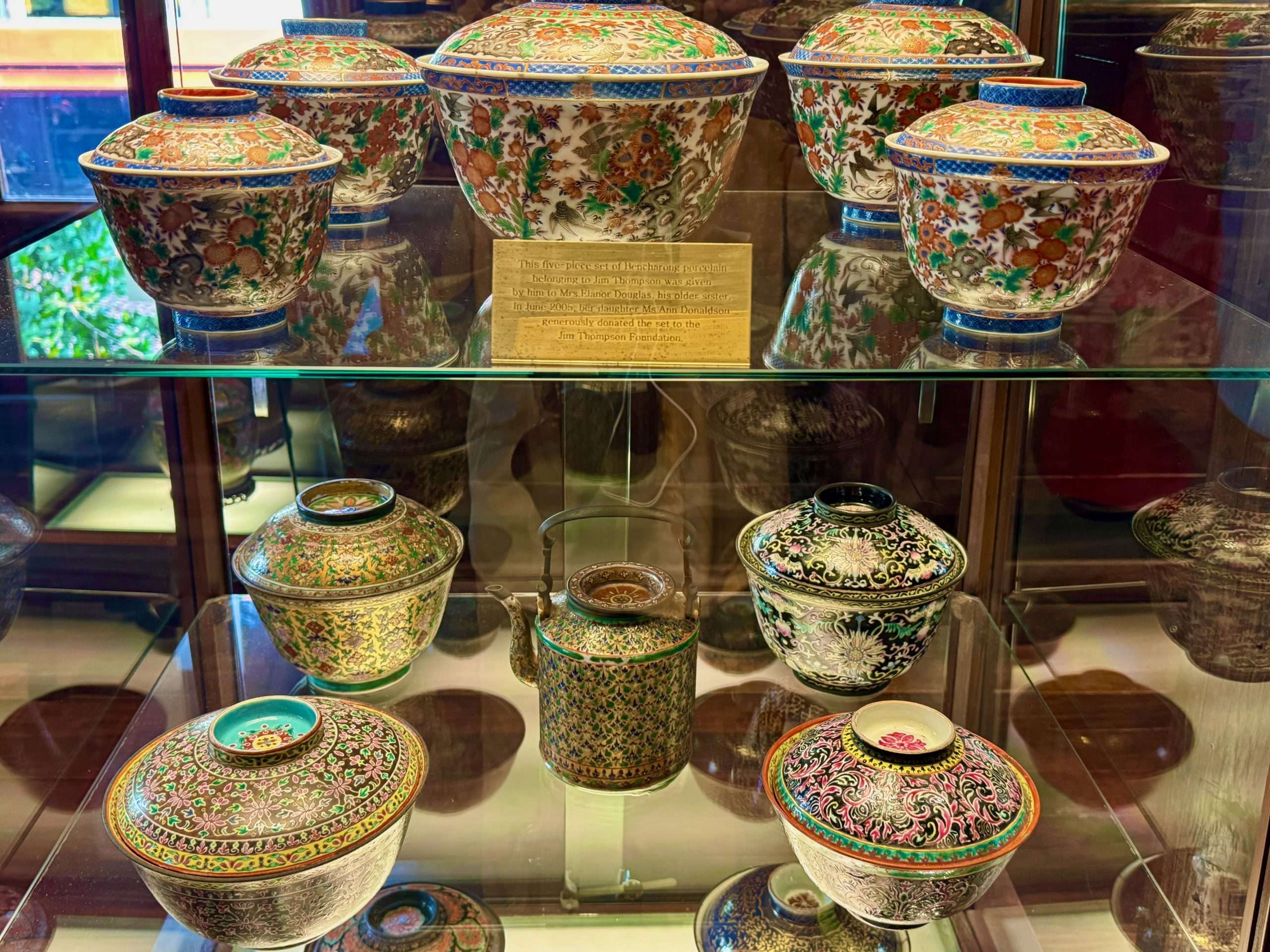
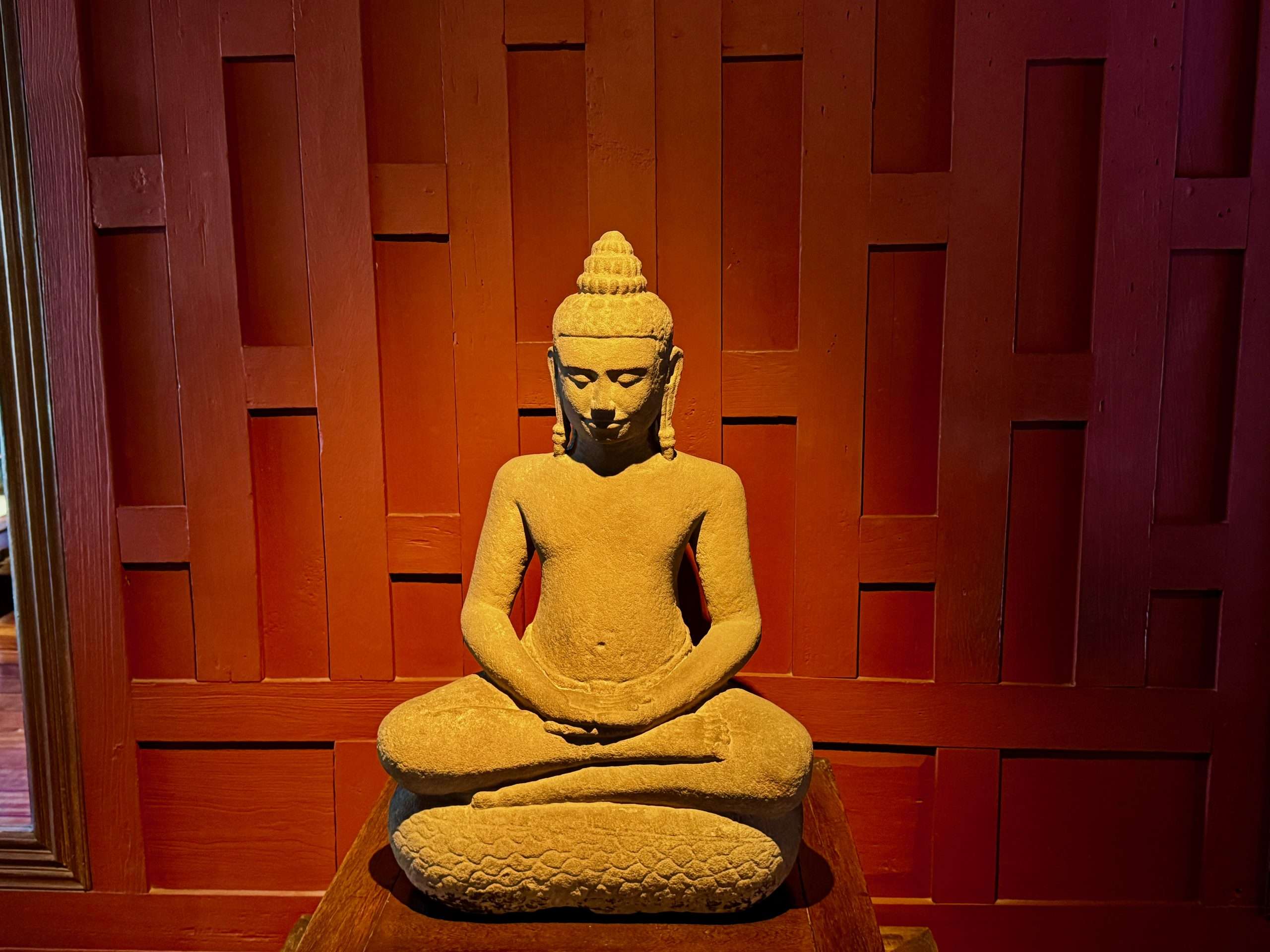
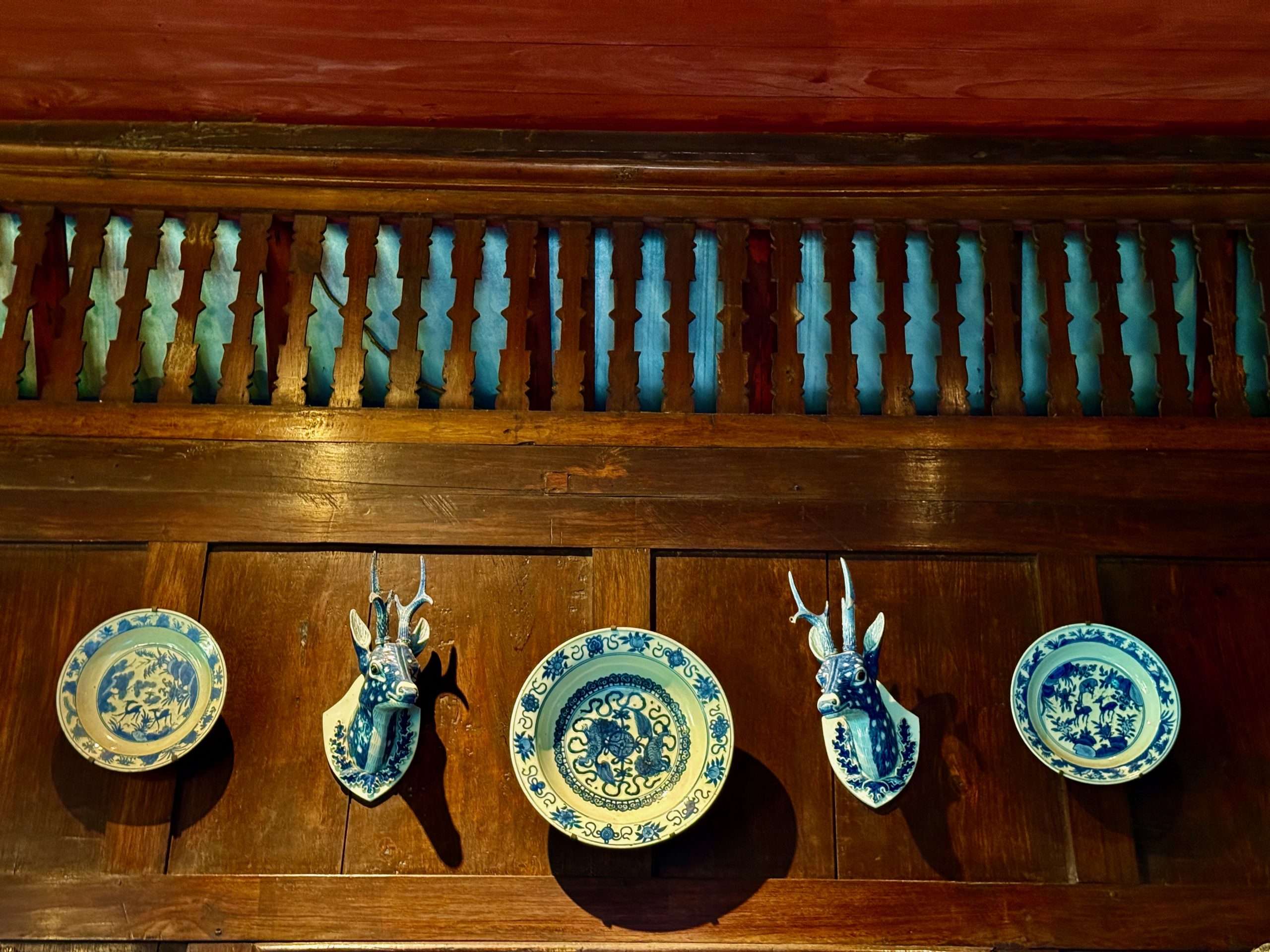
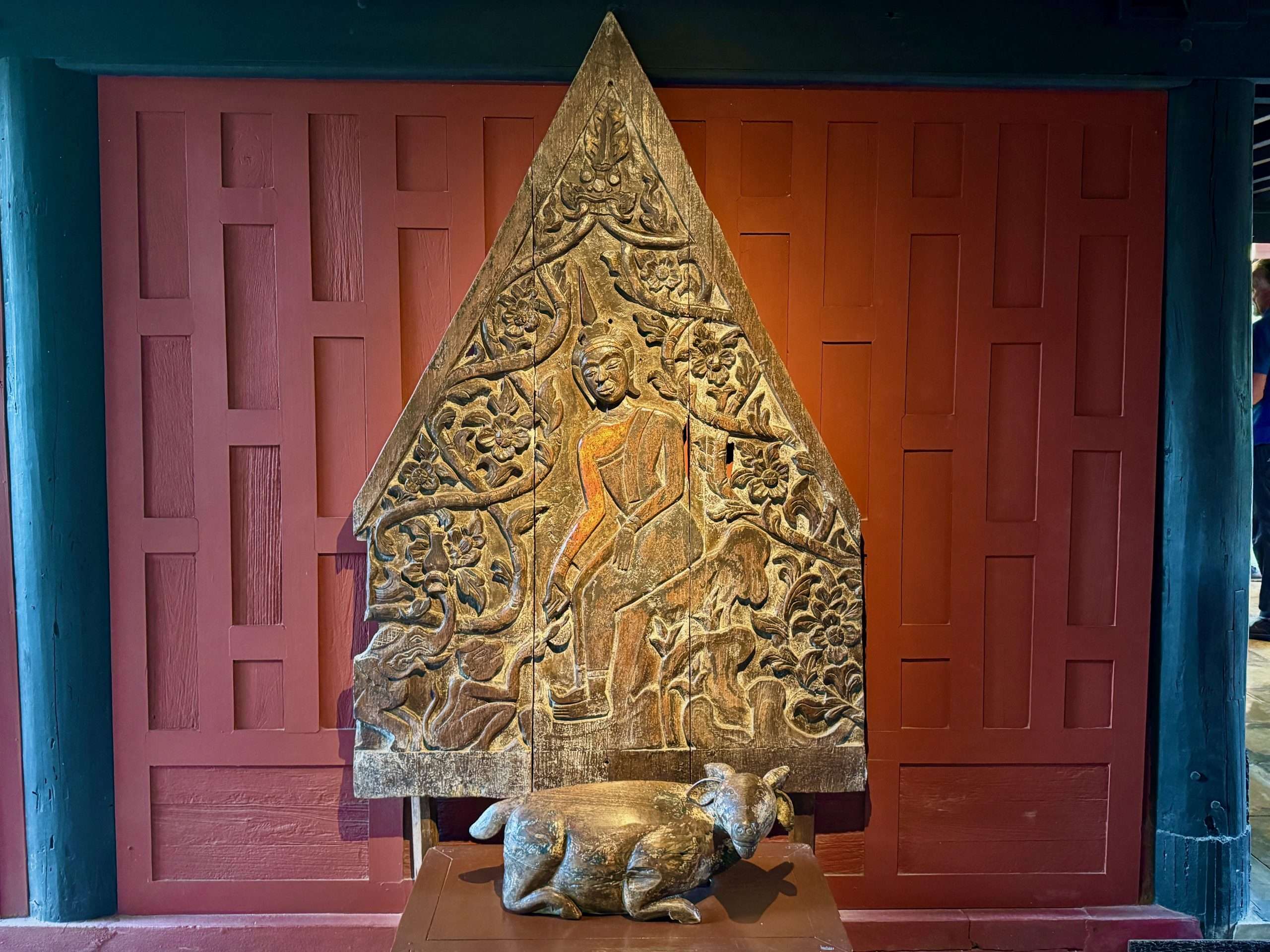
In the afternoon, we took the Skytrain, Bangkok’s elevated rail system, to the Jim Thompson House Museum for a guided tour. Jim Thompson was an American architect, intelligence officer, and entrepreneur who played a key role in reviving Thailand’s silk industry after World War II. He provided silks for the 1956 movie The King and I. In 1967, he mysteriously disappeared while visiting Malaysia, and his fate remains unknown. The house, with its integration of six traditional Thai teak buildings (which were transported to this location from different parts of Thailand and then elevated a whole story above ground to protect from flooding) and its collection of antiques, was charming. However, the noise from nearby construction and the crowds in the house and gardens detracted from what could have been a sublime experience.
Wat Arun, Klongs and Cabaret Show – February 2, 2025
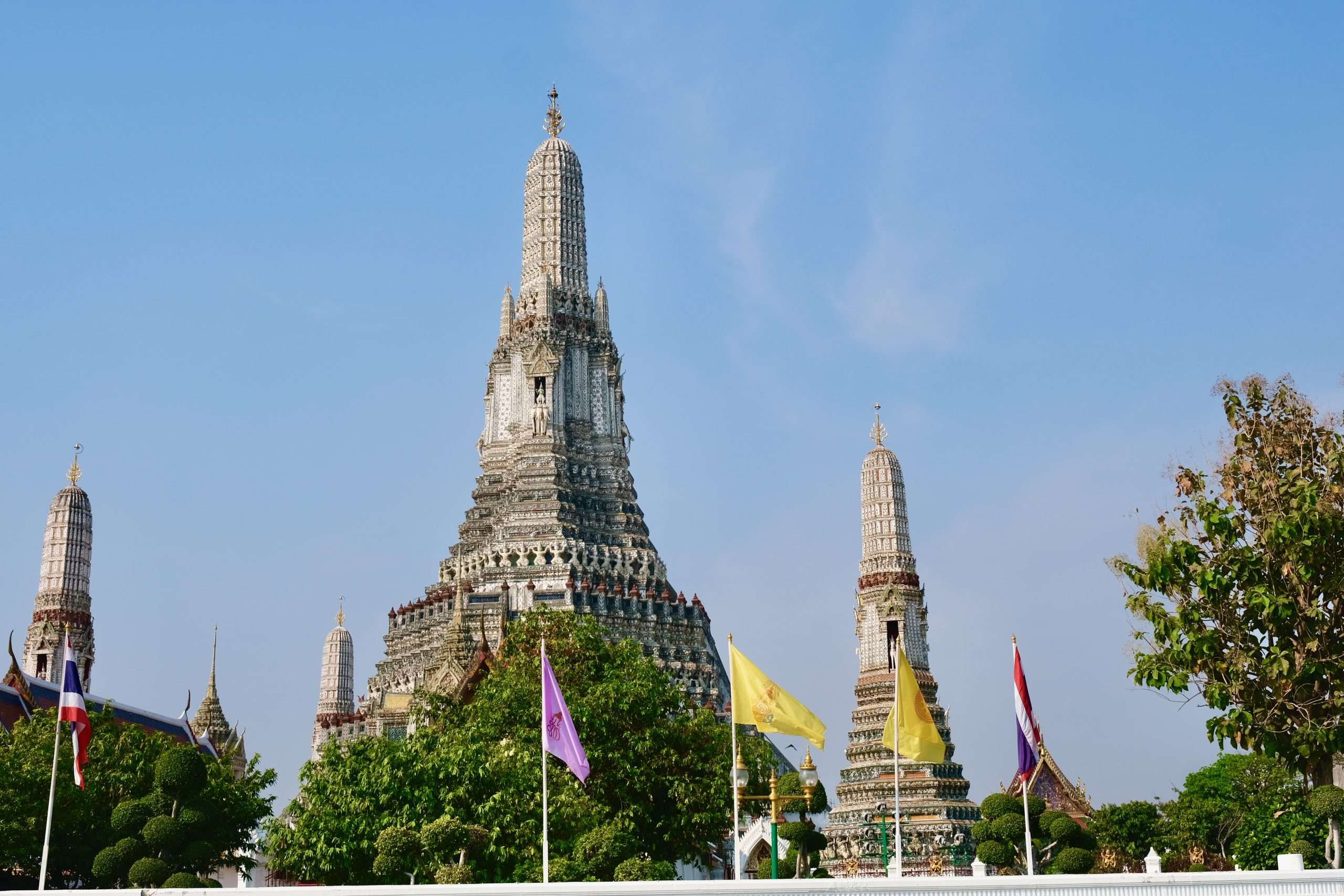
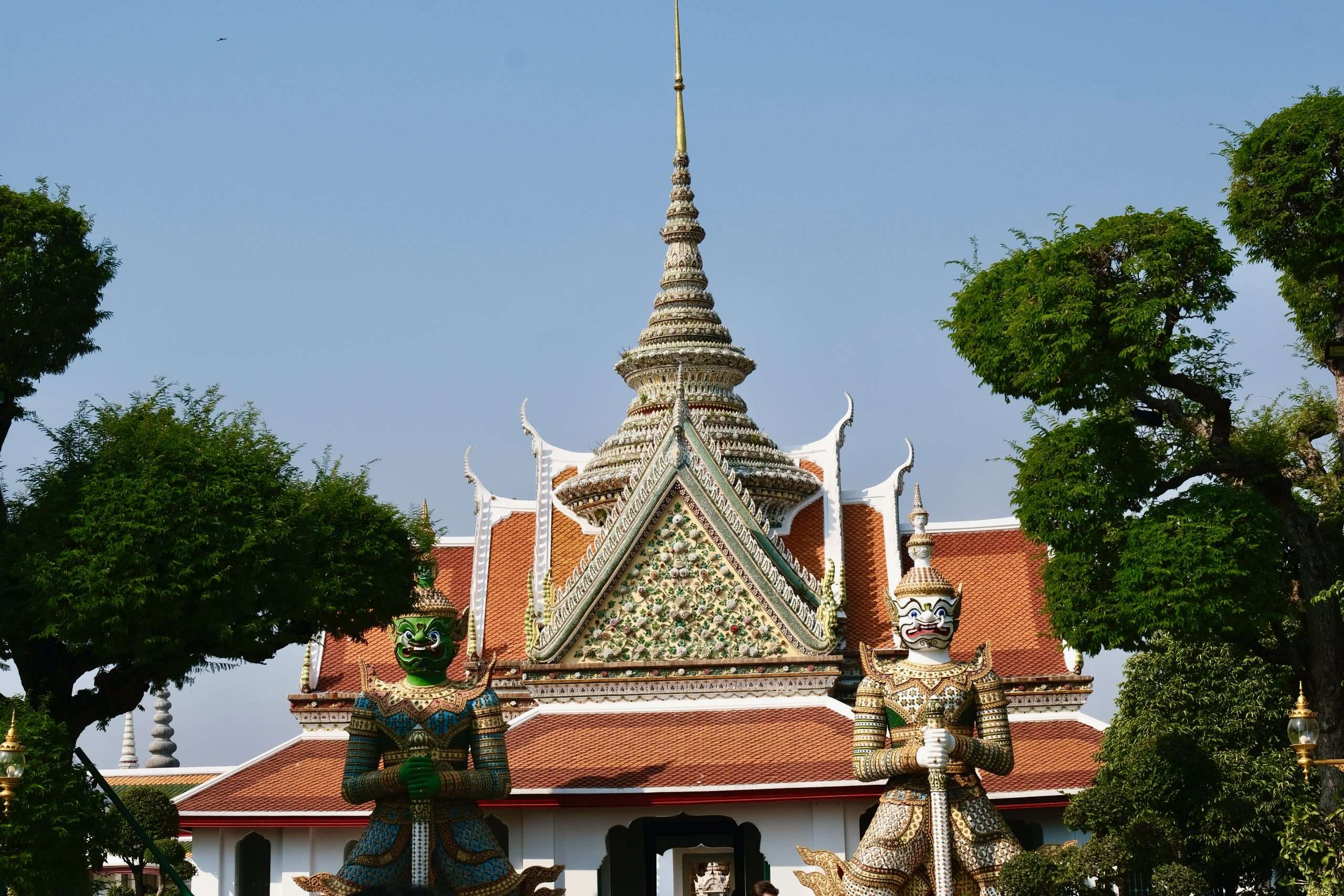
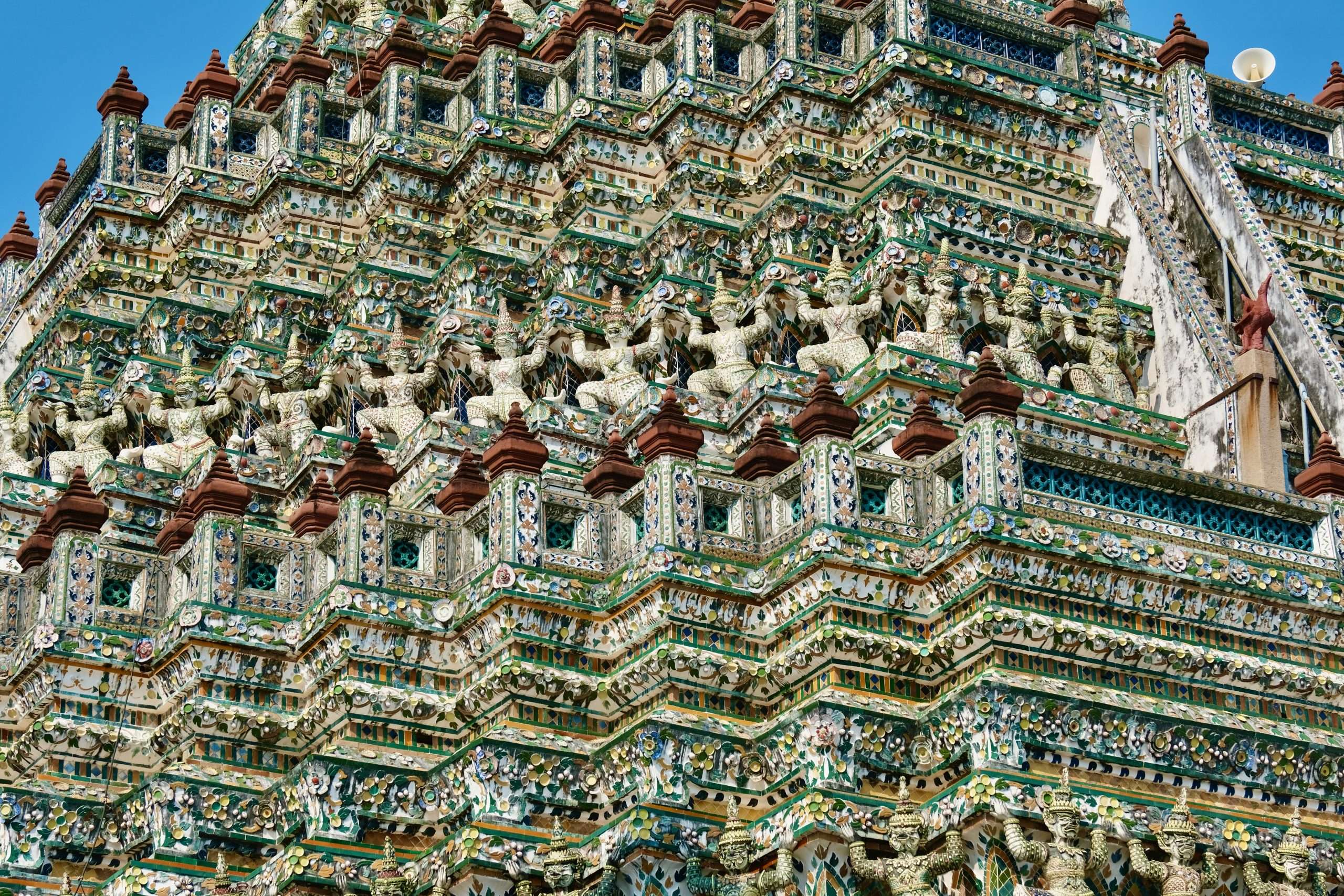
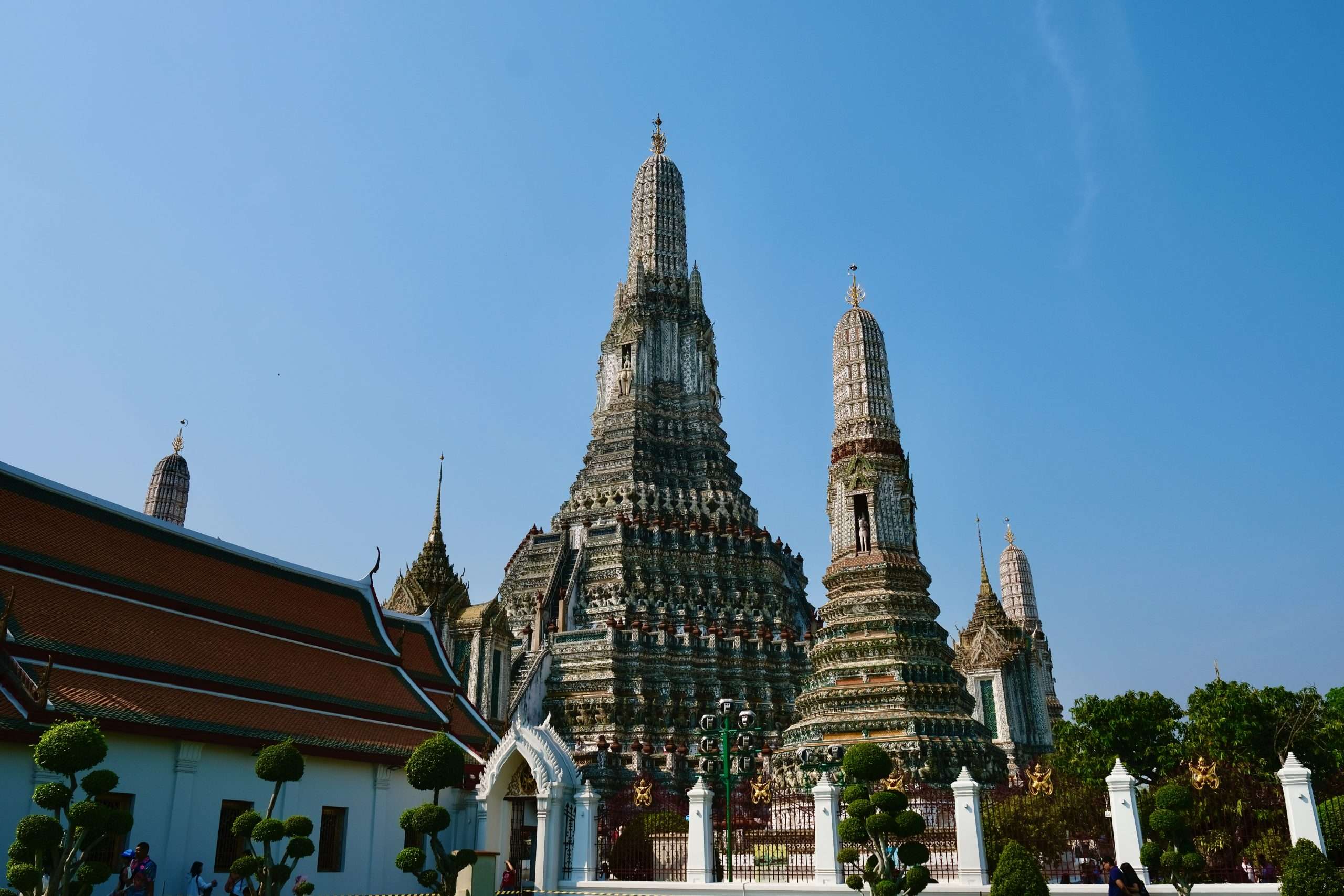
After a brief bus ride, we boarded a traditional longtail boat to visit the stunning Wat Arun, also known as the Temple of Dawn. This iconic riverside temple, with its soaring central prang (Khmer-style tower) adorned with intricate porcelain mosaics, is one of Bangkok’s most recognizable landmarks.
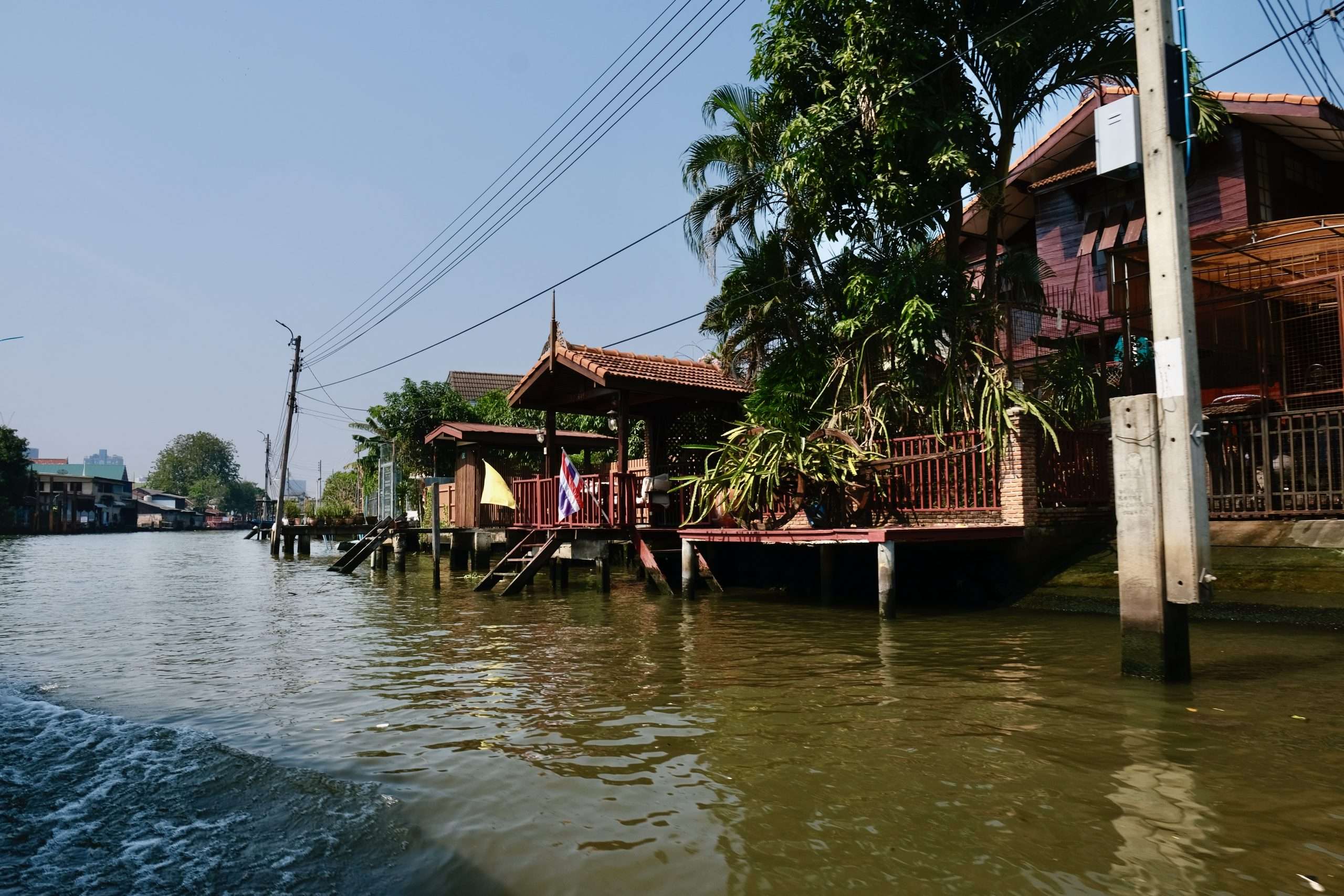
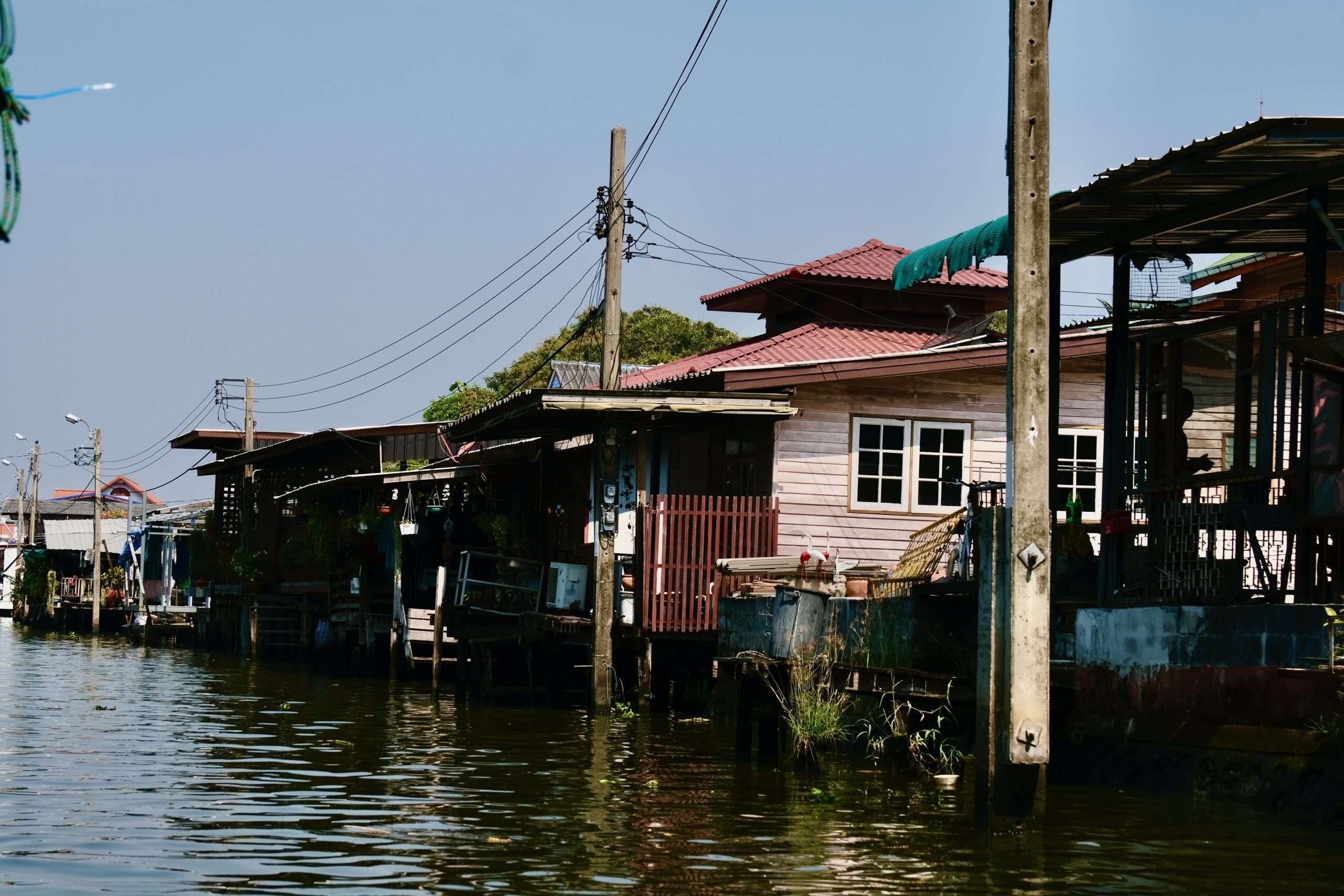
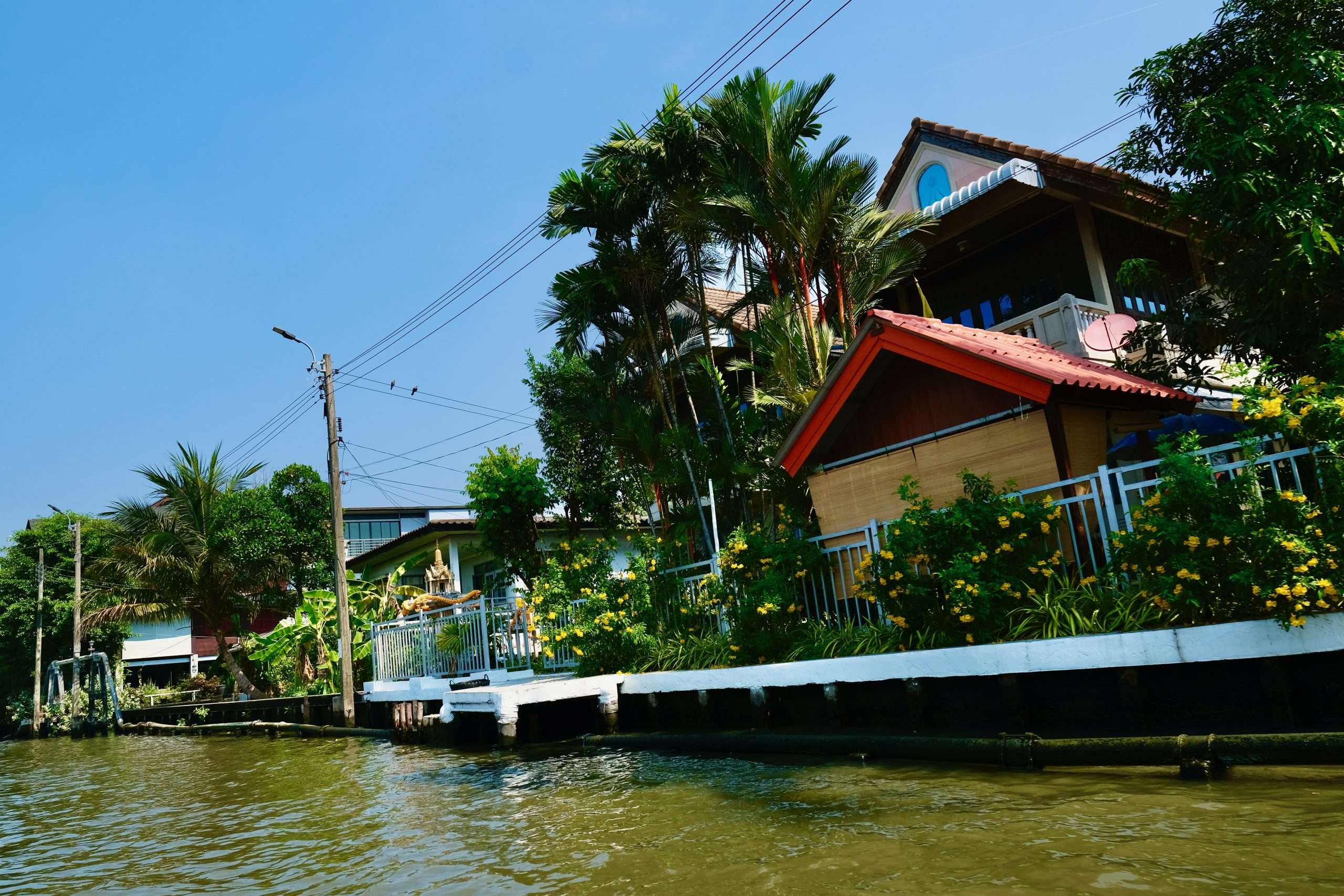
Historically, Bangkok relied heavily on an extensive network of canals, or klongs, for transportation, earning it the nickname “Venice of the East.” To get a glimpse of daily life along these waterways, we reboarded our boat and navigated through the winding klongs in the Thonburi section of the Chao Phraya River, passing stilted wooden homes, floating markets, and hidden temples. Along the way, we saw monitor lizards sunning themselves and white cranes. At one point, we were handed bread to feed the catfish, and we were delighted to see them surface, eagerly competing for the food. The water in these canals is controlled by gates.markets, and hidden temples.
For lunch, we dined at Methavalai Sorndaeng, a Michelin-rated restaurant renowned for its classic Thai cuisine and old-world charm, complete with a crooner belting out songs from the 60s and 70s in English. Their Massaman curry was to die for. We were told that the chicken is cooked for three hours!
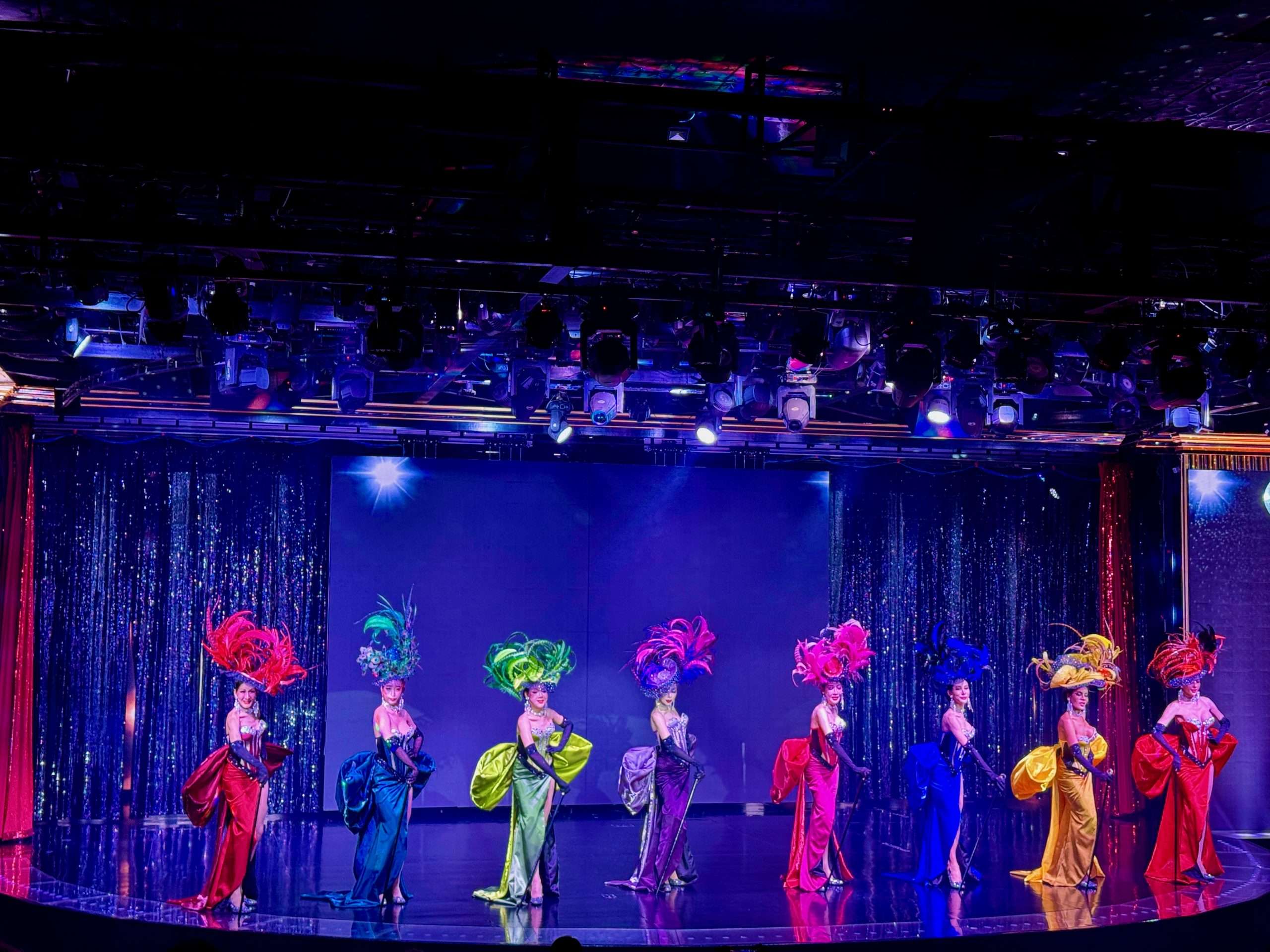
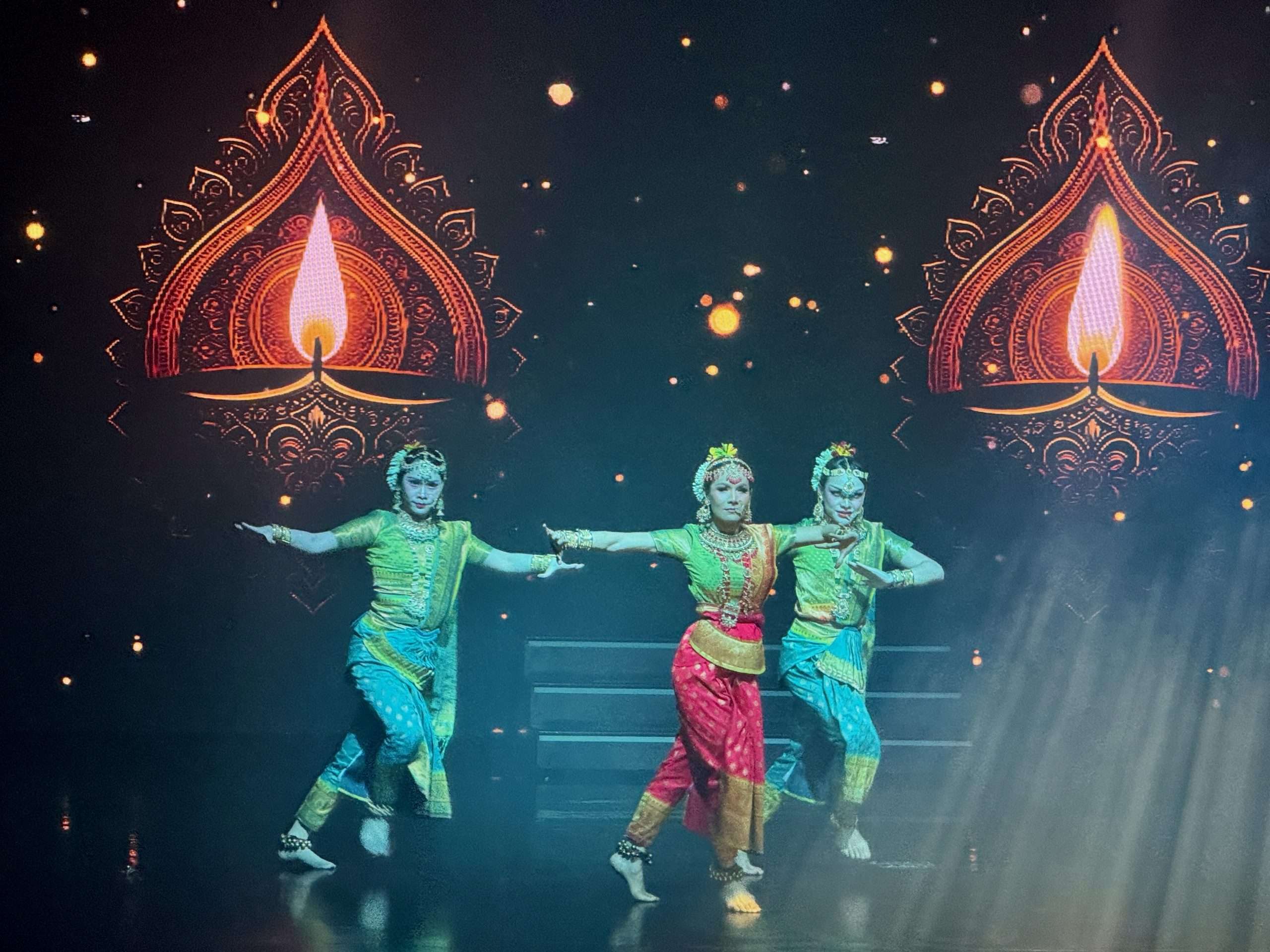
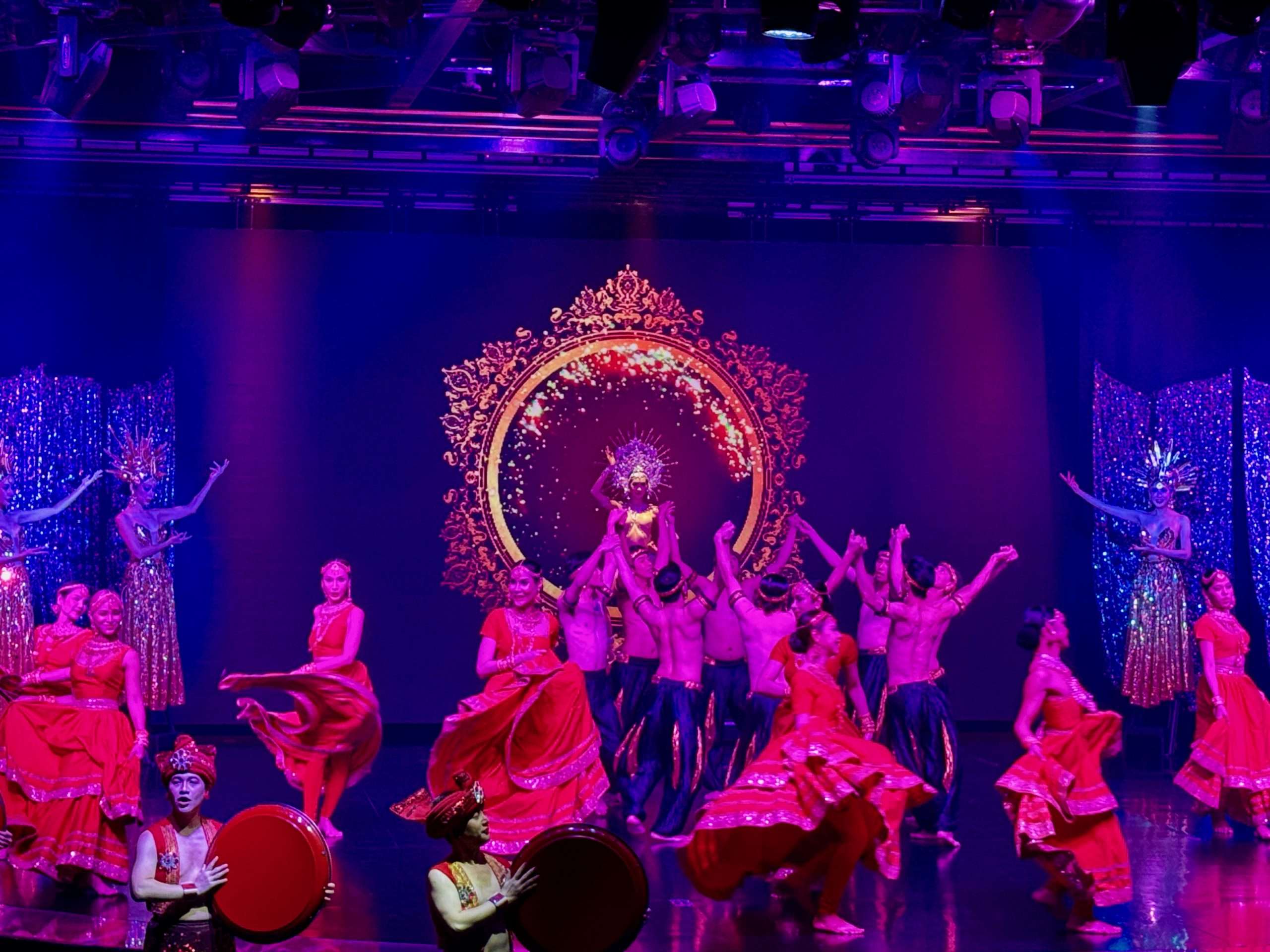
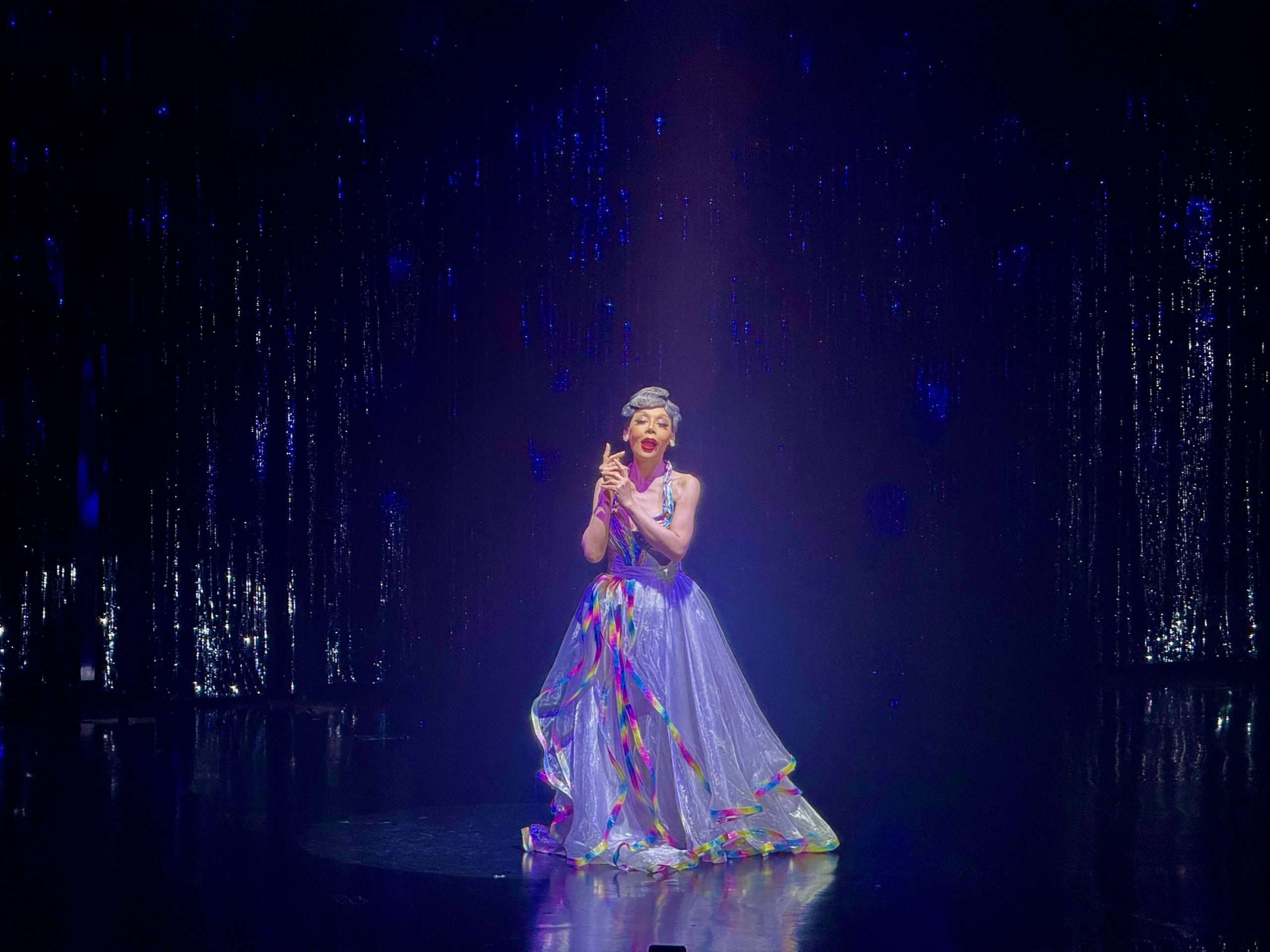
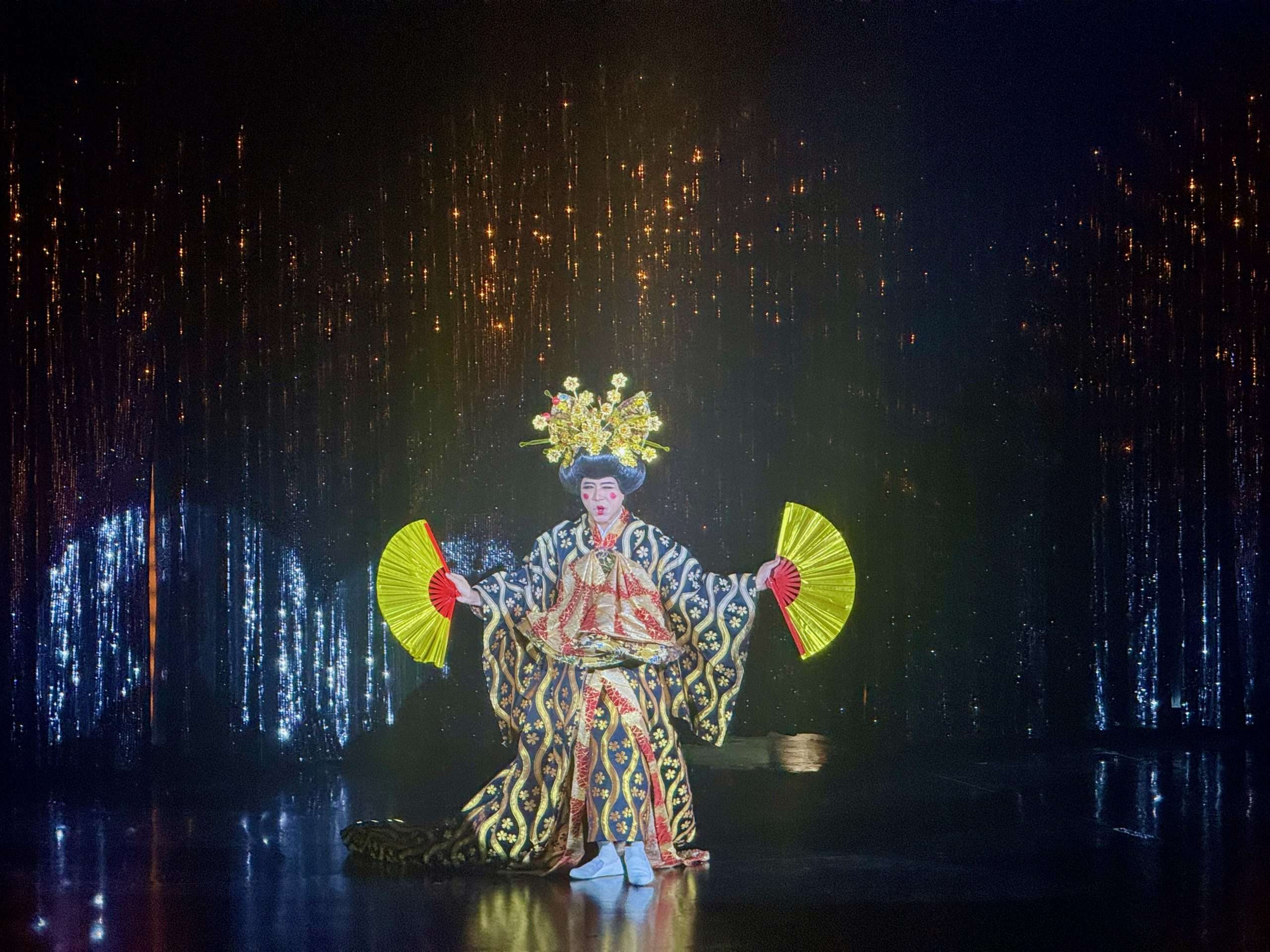
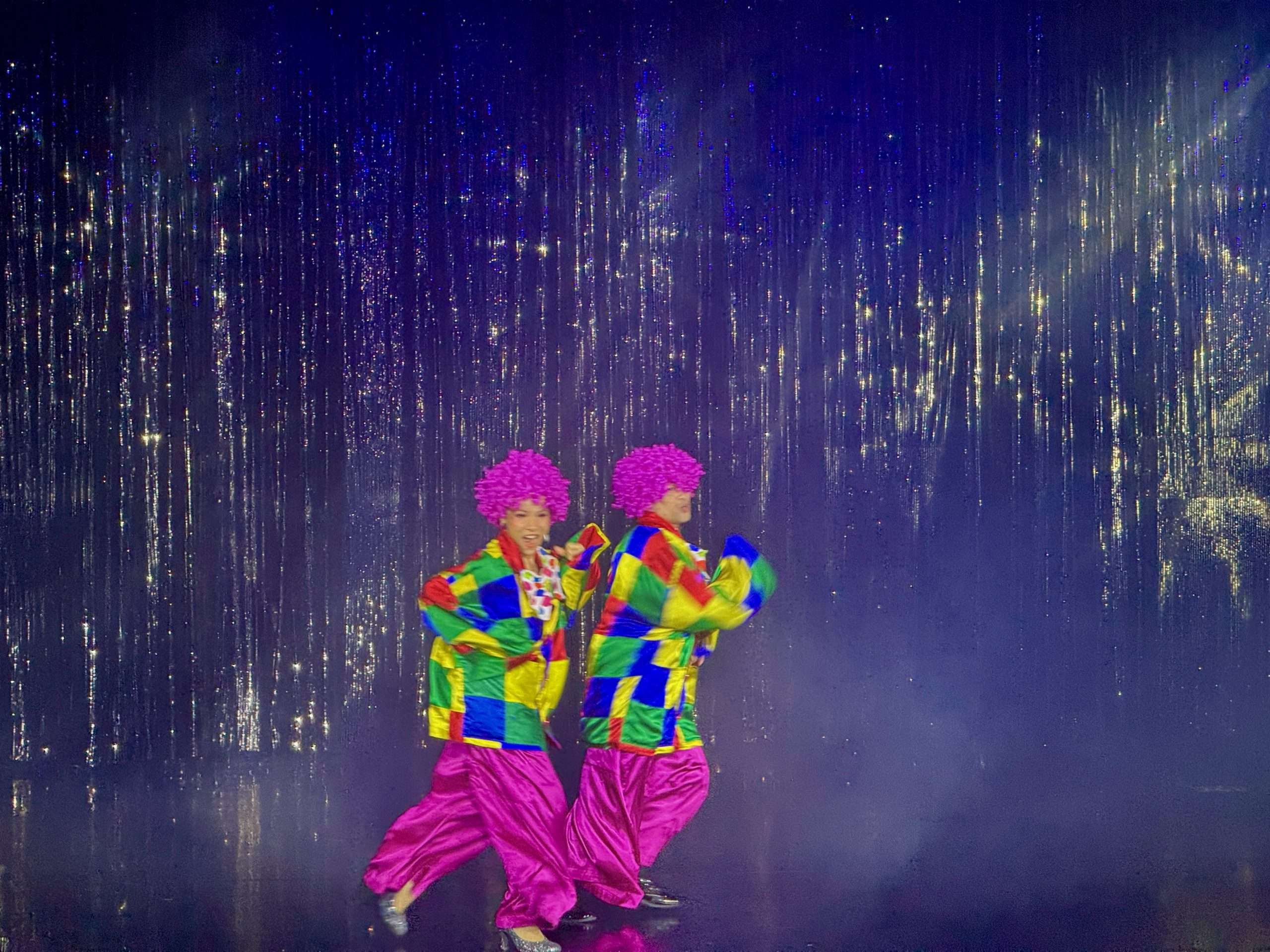
In the evening, we had an unforgettable experience at Calypso Cabaret in Bangkok, enjoying dazzling performances, stunning costumes, and high-energy dances by a troupe of men. The mix of Broadway-style acts, Thai cultural showcases, and celebrity impersonations made for a vibrant, top-quality show—a night of pure glitz and entertainment! The theatre is located in the former East Asiatic, now called Asiatique, an open-air mall that offers a shopping, dining, and entertainment extravaganza.
The Grand Palace & Reclining Buddha – February 3, 2025
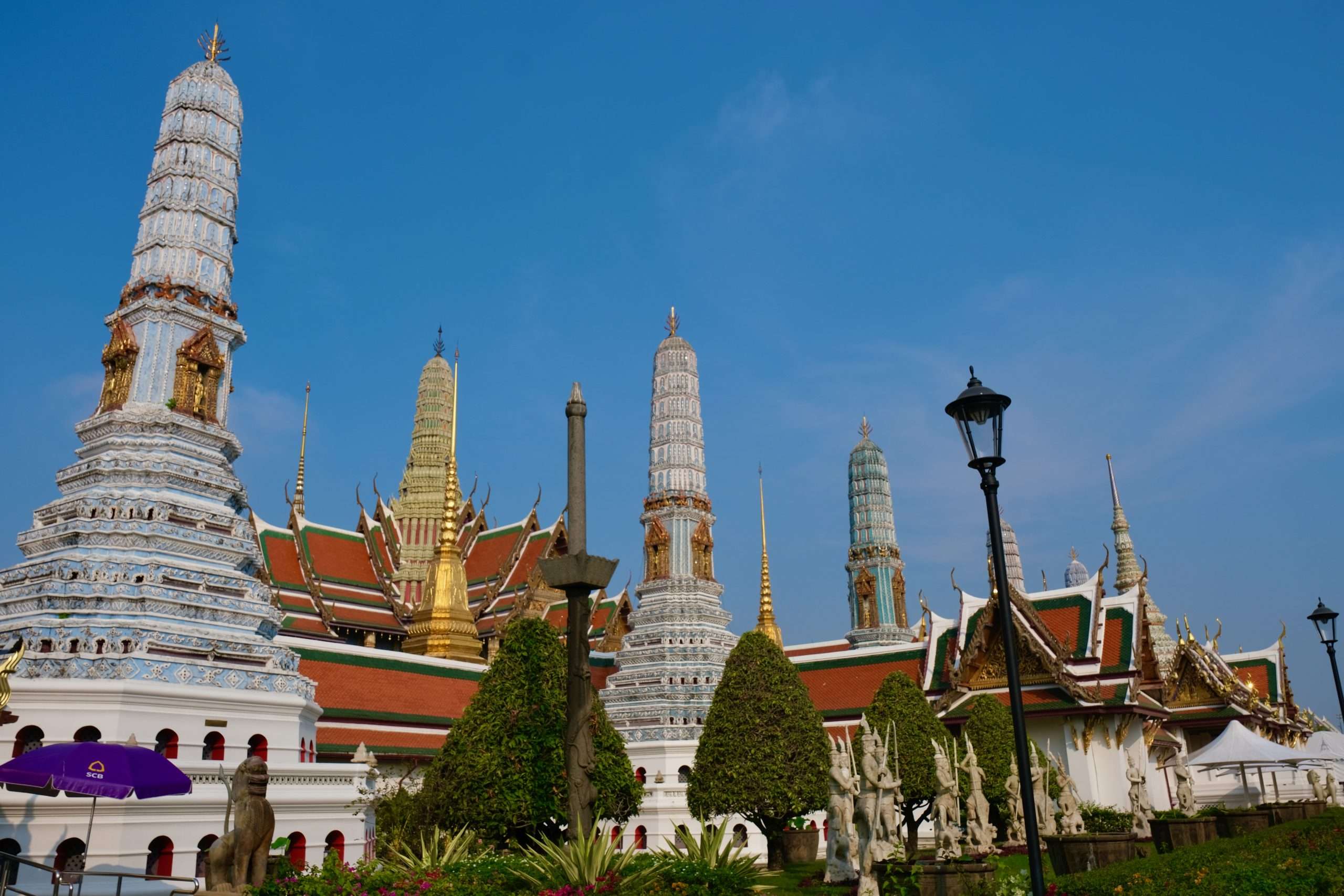
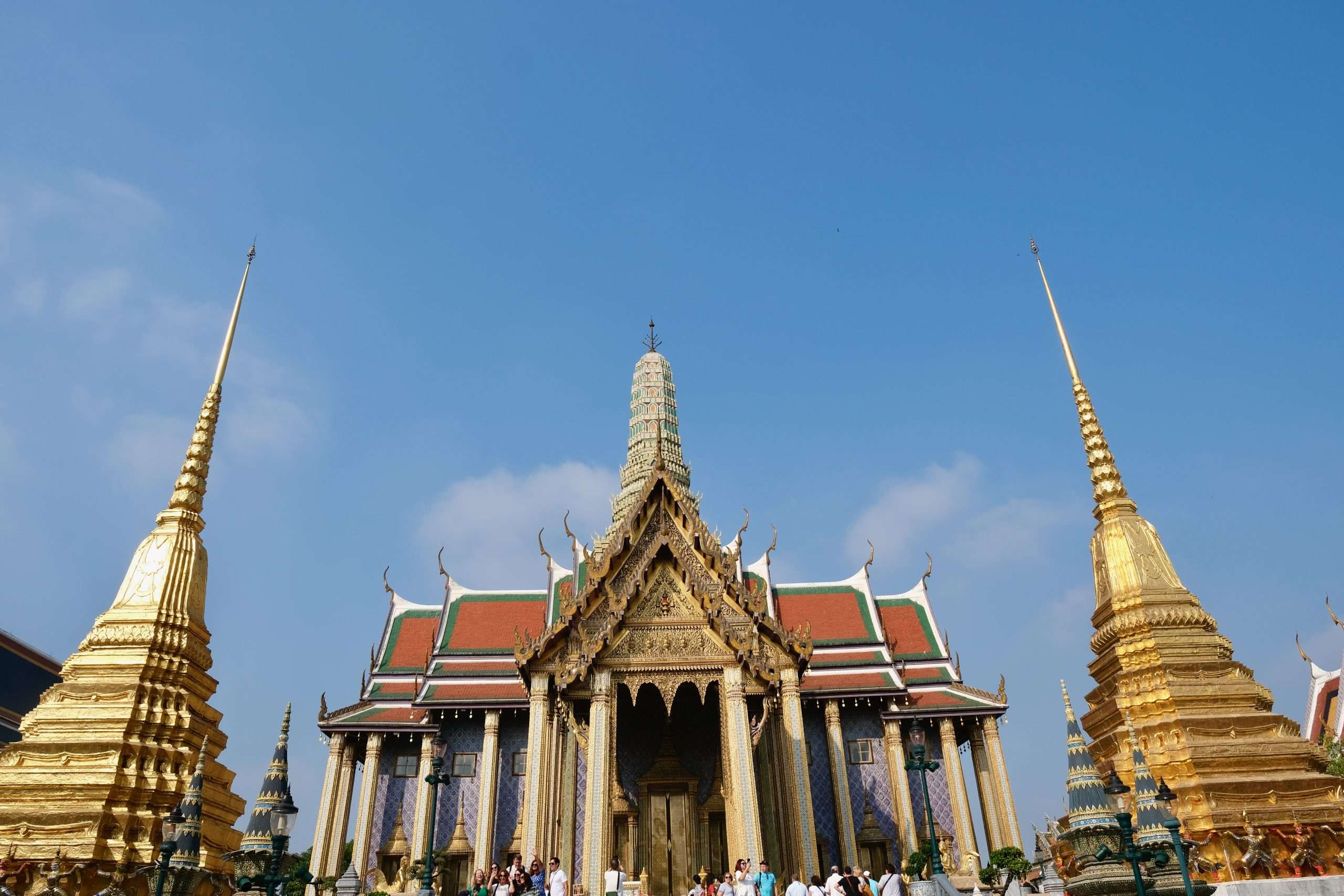
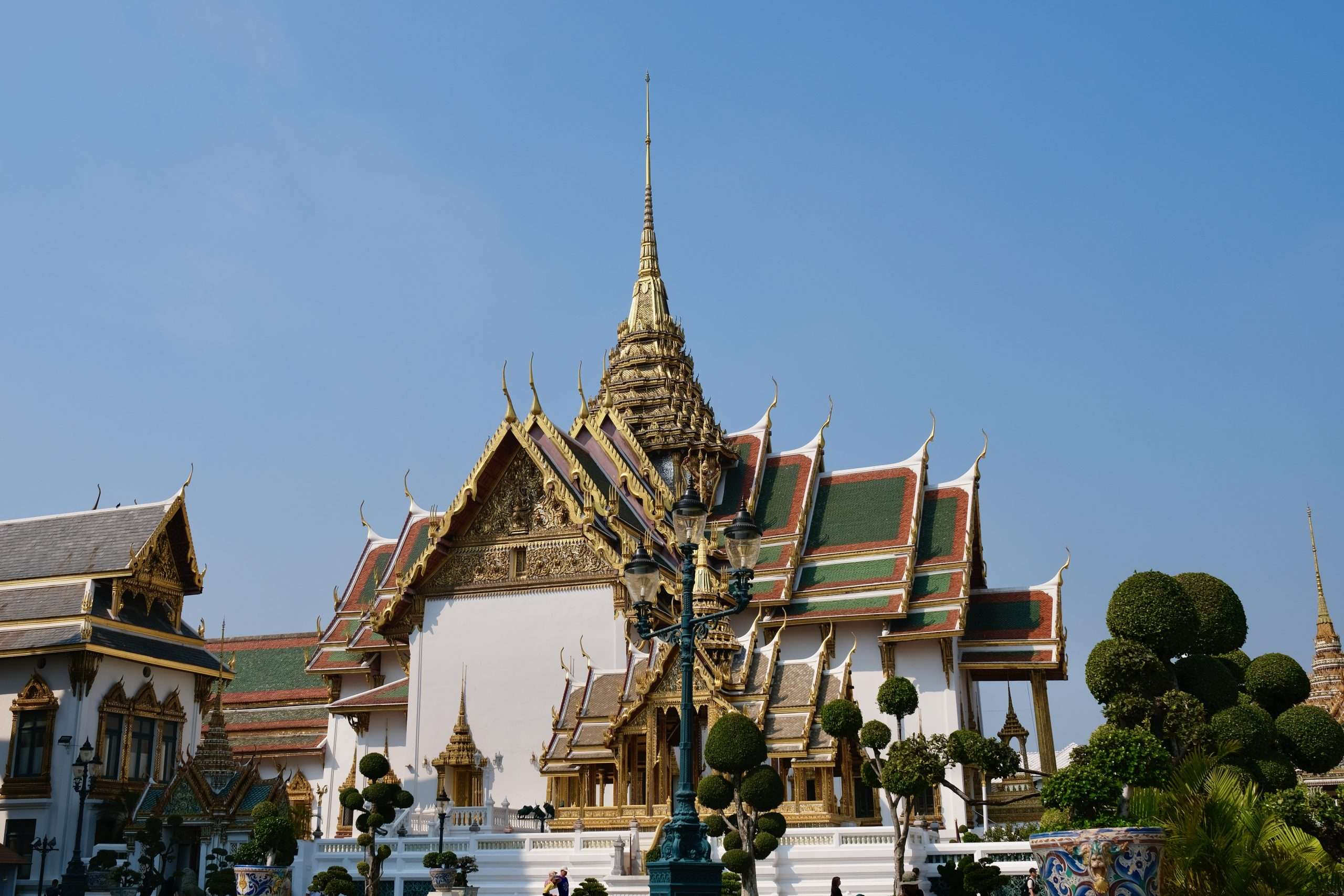
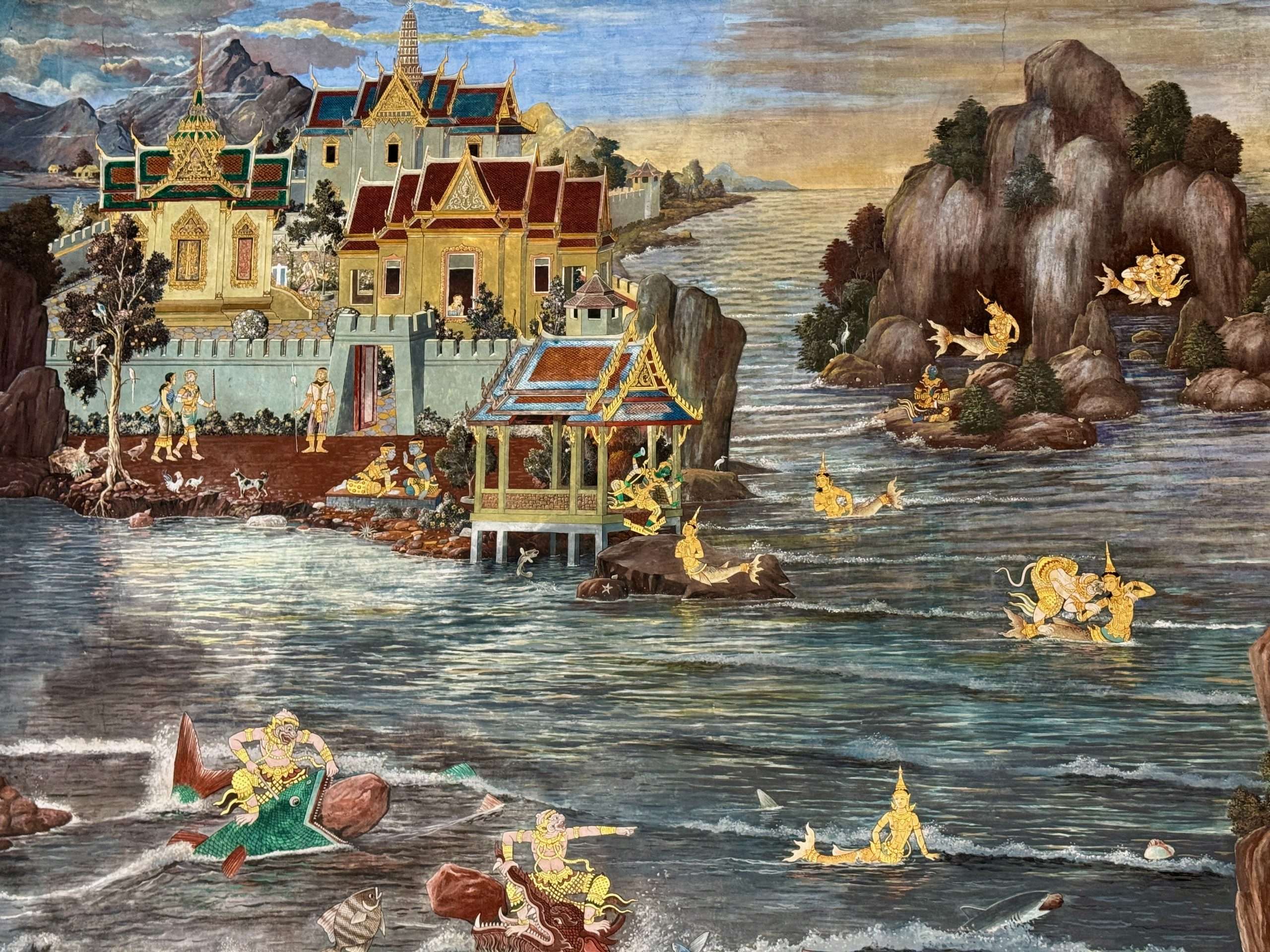
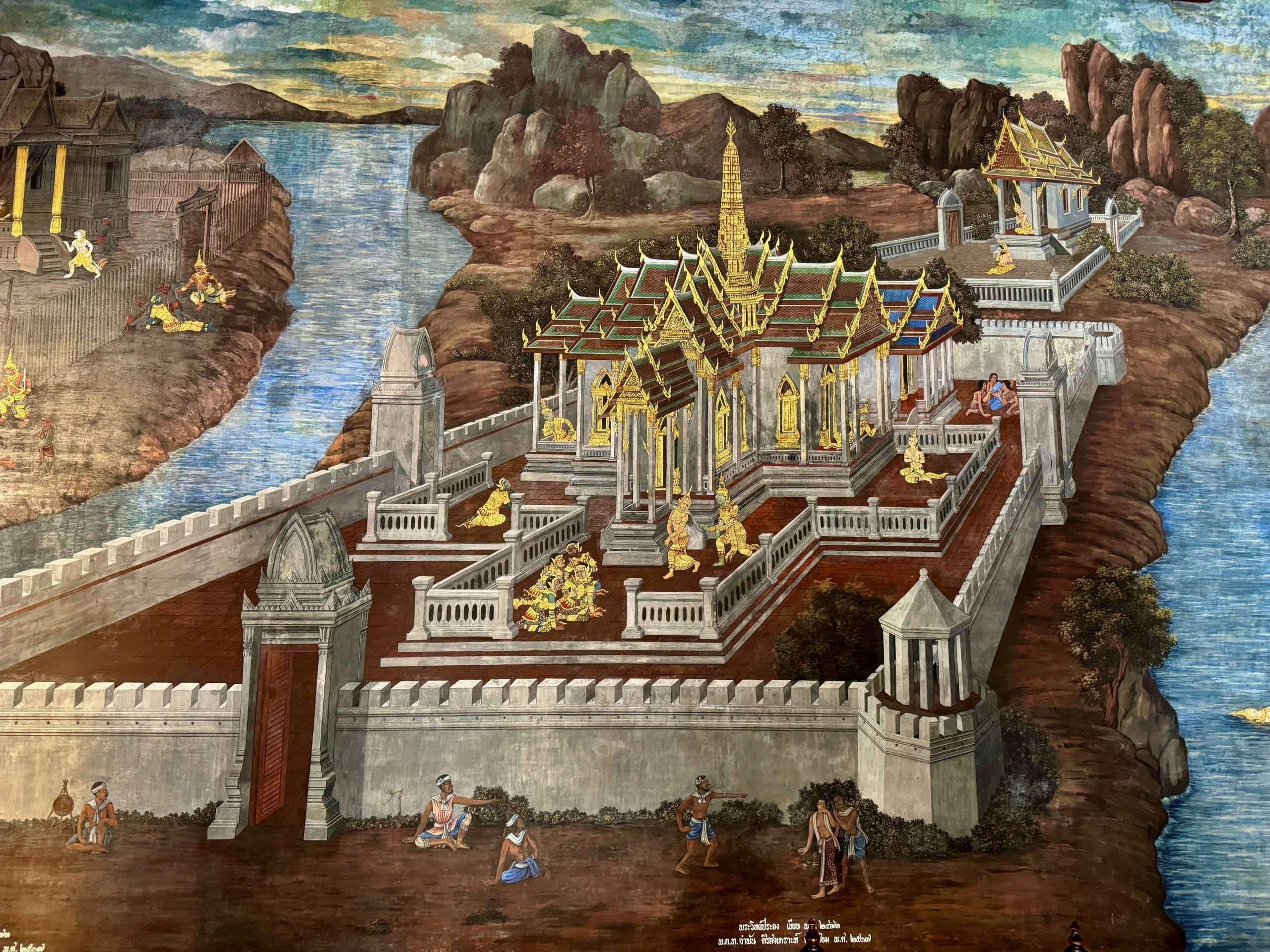
We departed early for the Grand Palace, an architectural marvel of jeweled monuments and gilded spires that served as the official residence of the King of Thailand from the late 18th century until the mid-20th century. This sprawling complex is also home to the revered Temple of the Emerald Buddha (Wat Phra Kaew), which enshrines a sacred Buddha statue intricately carved from a single piece of jade from the Chiang Rai area of Thailand. Although the statue itself is unadorned, it is ceremoniously dressed in three different sets of gold garments, which are changed by the King of Thailand during elaborate seasonal rituals. These ceremonies take place at the beginning of Thailand’s three main seasons—hot, rainy, and cool—around March, July, and November. Some of the other areas that we visited are the Buddha Image Halls that contain 42 gilded images of Buddha and the gallery that contains murals of the Ramayana called the Ramakien Gallery. The royal family no longer lives here and the palace is used for official functions only. While the Grand Palace complex is huge, not all buildings are open to the public.
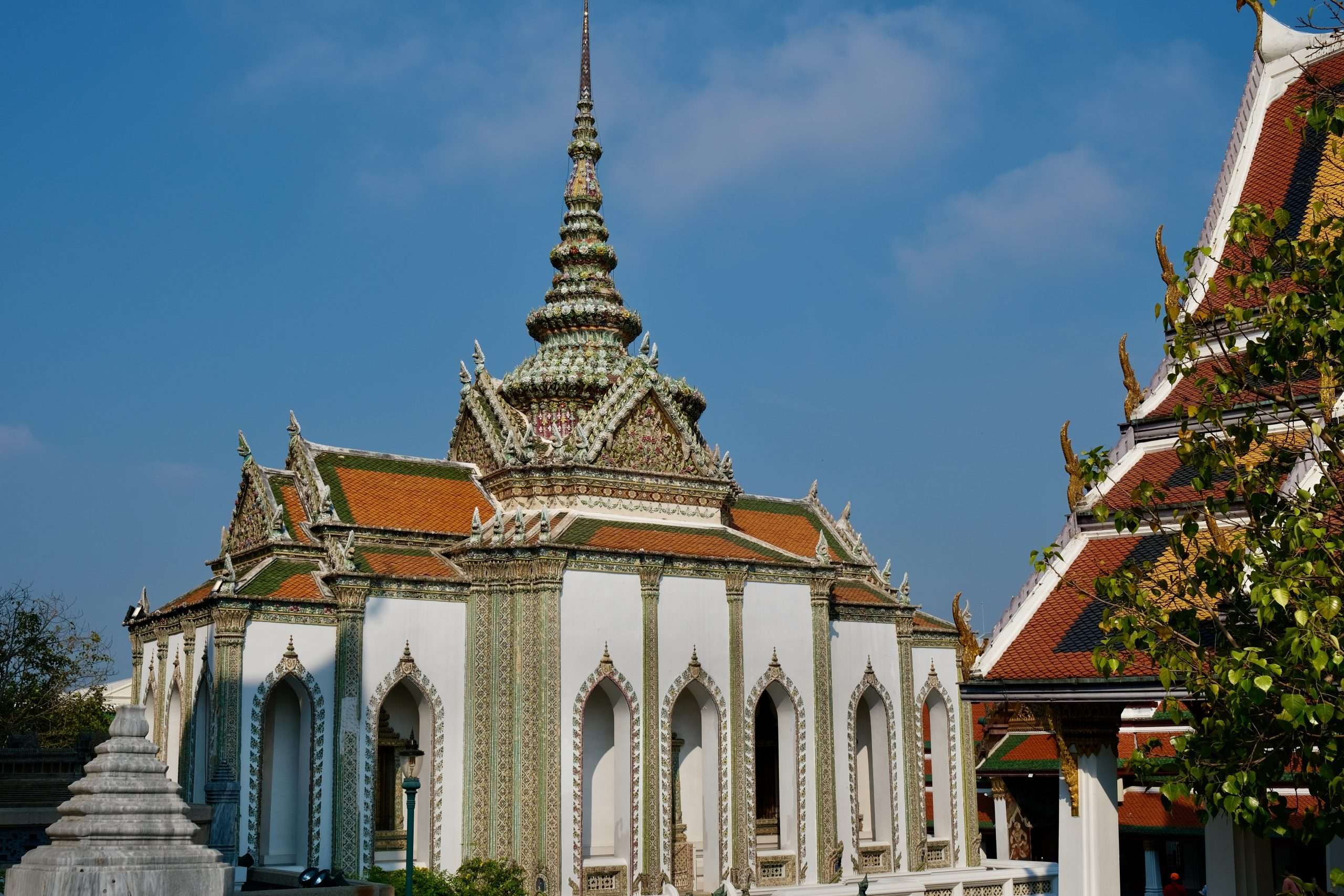
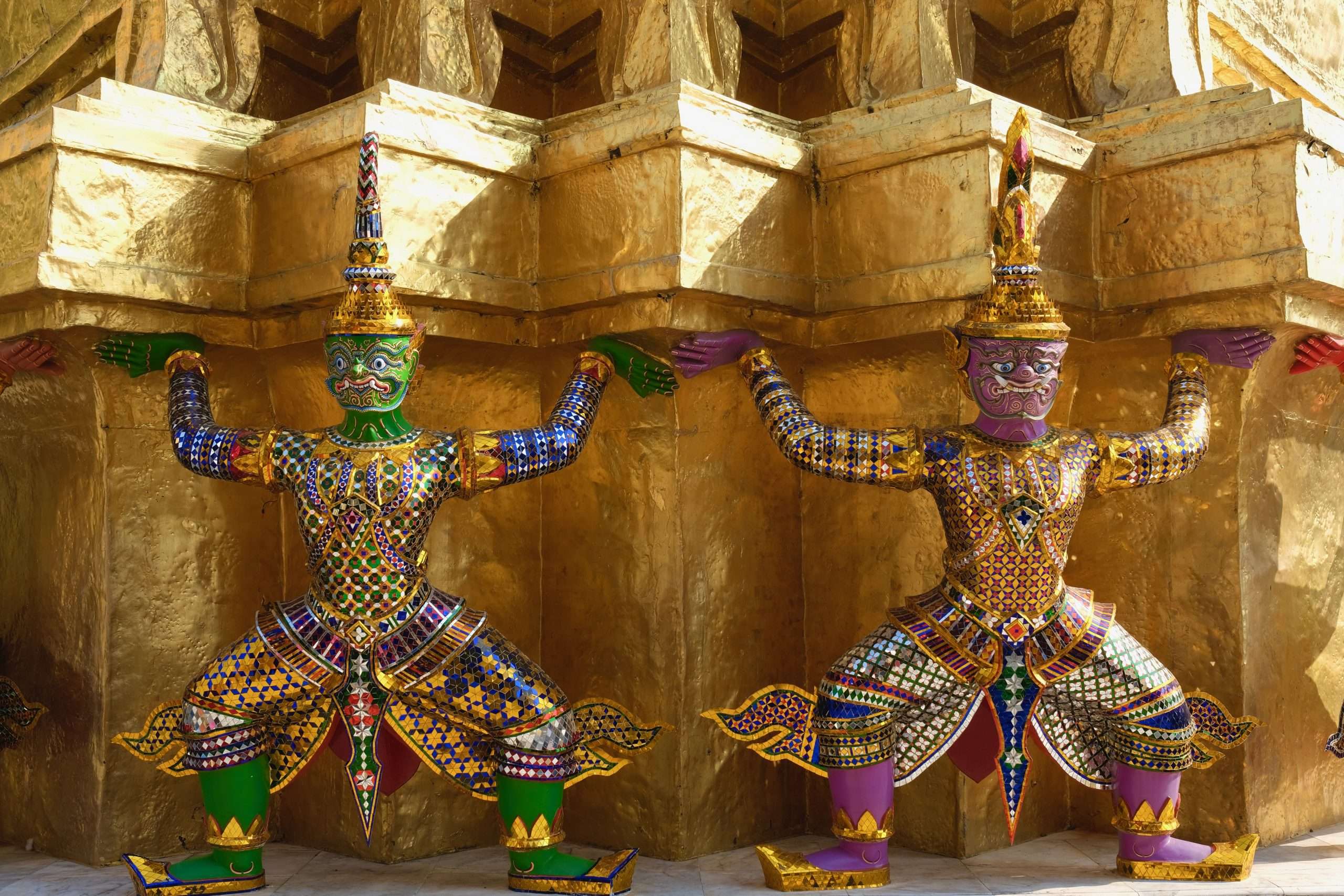
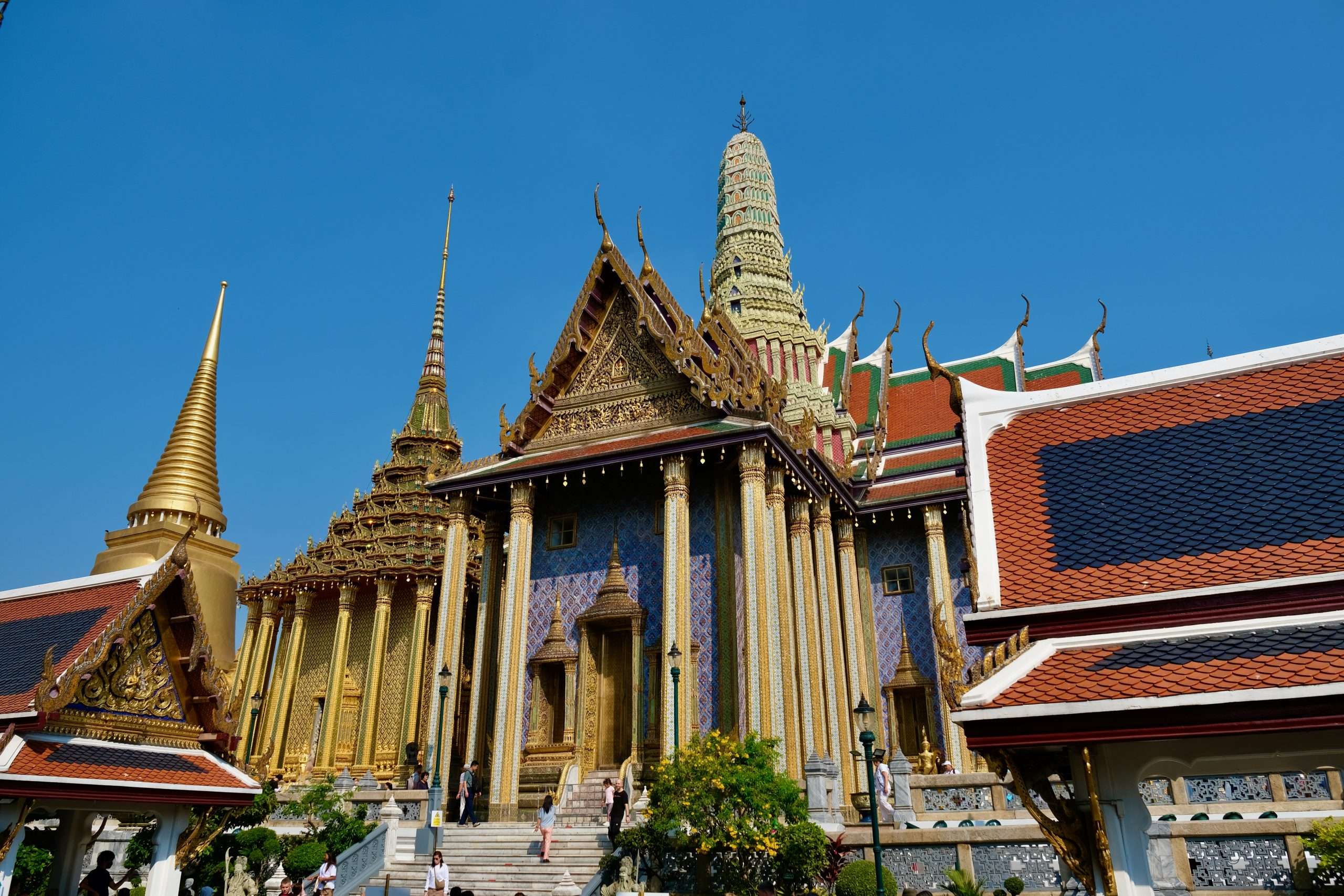
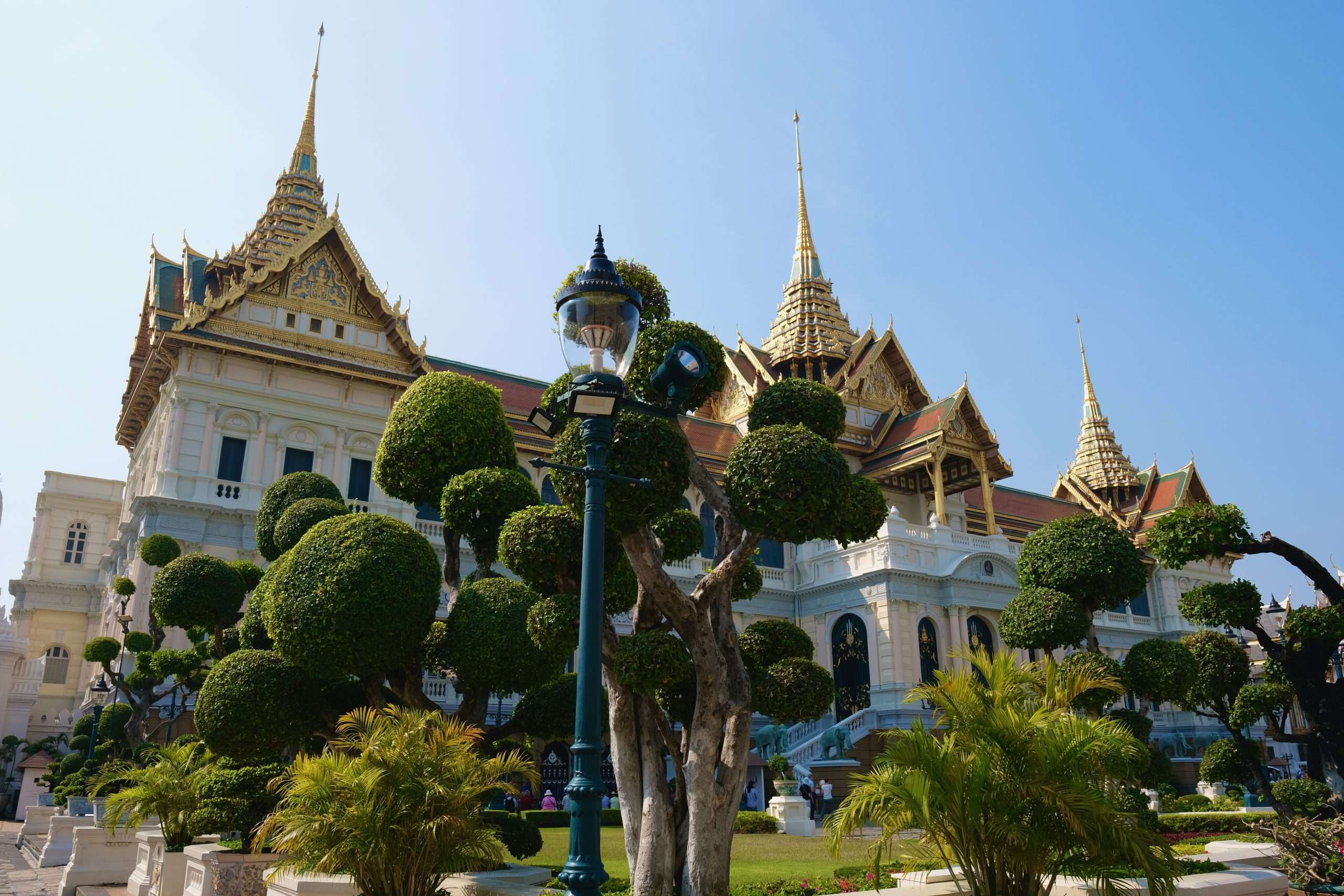
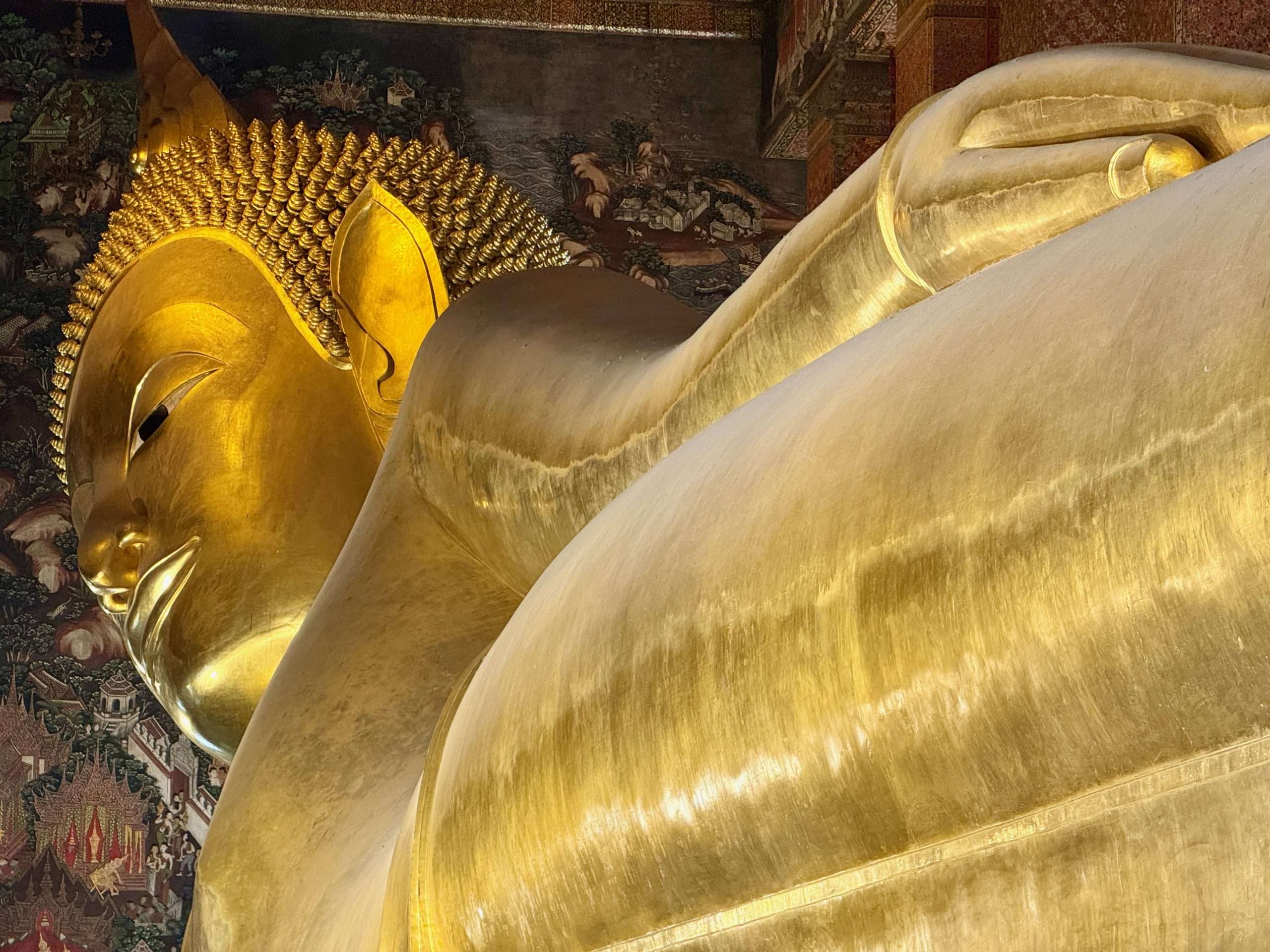
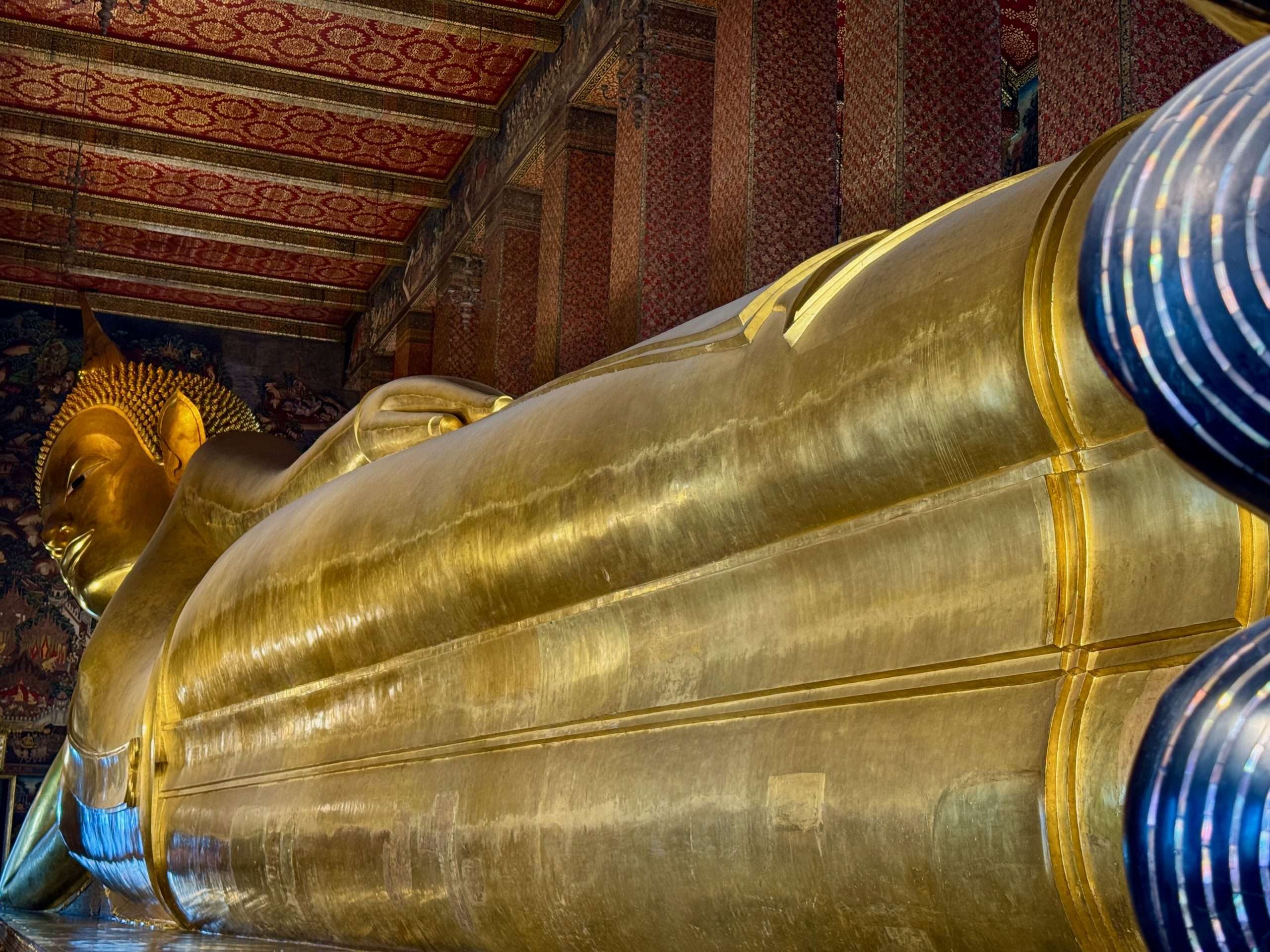
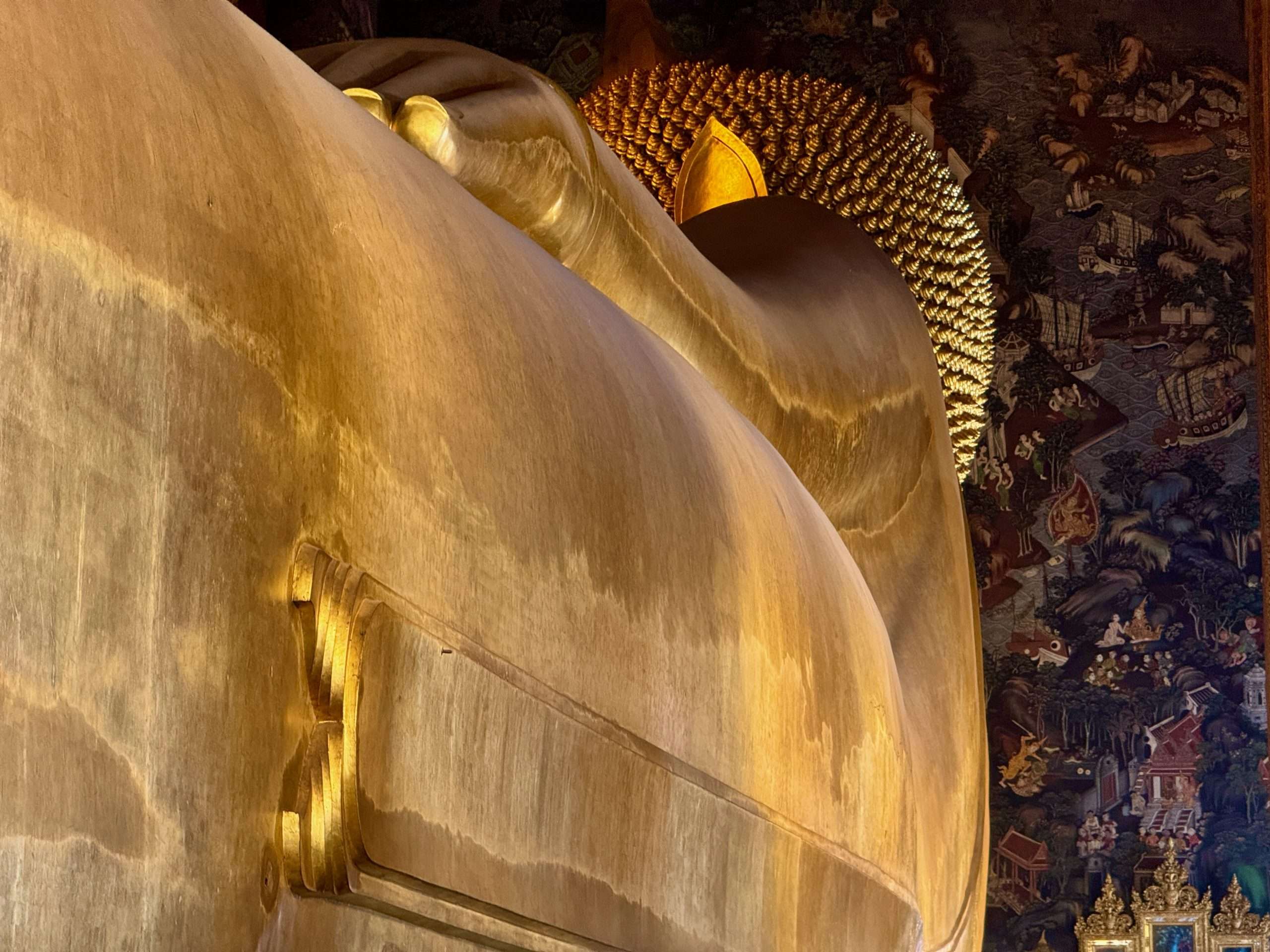
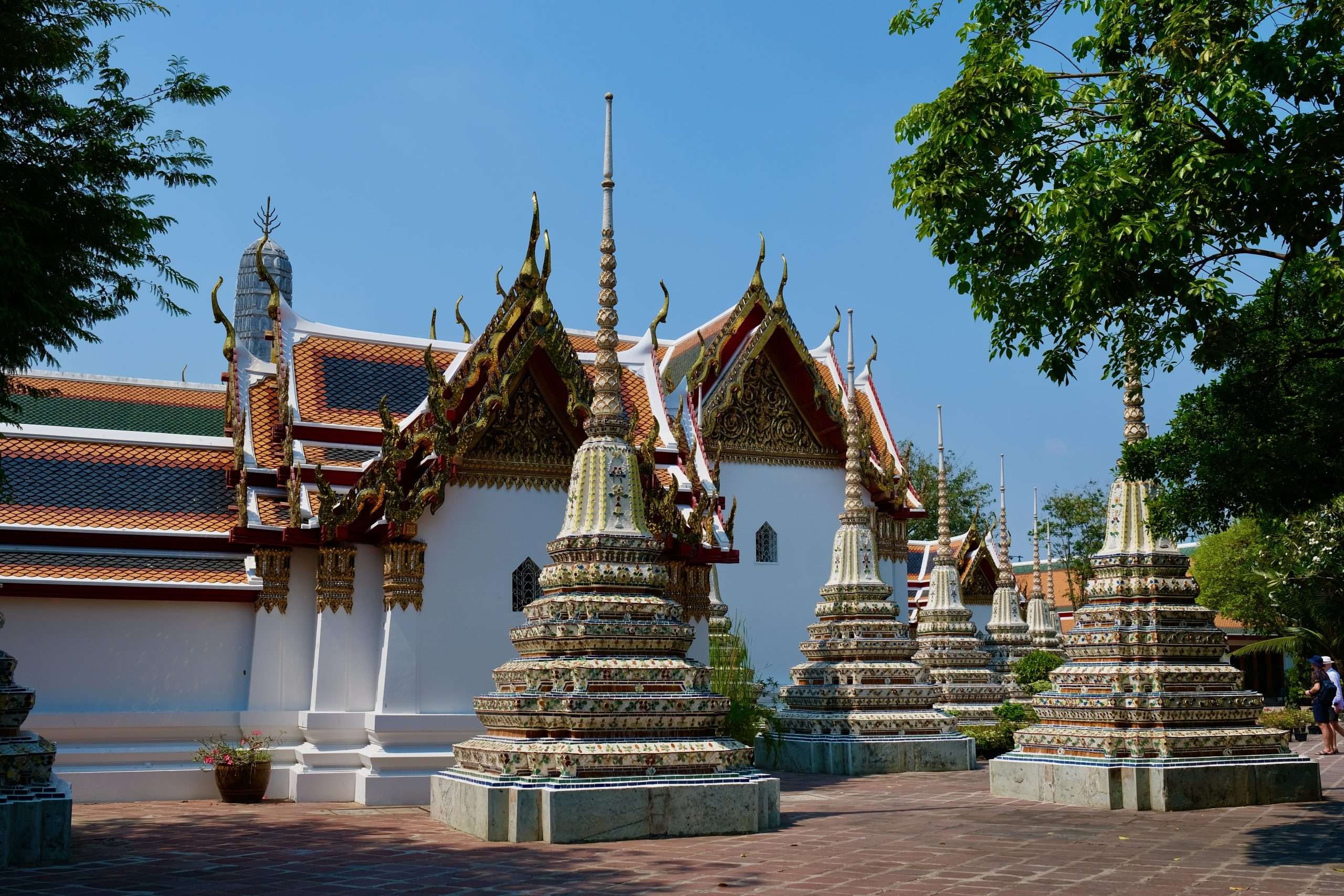
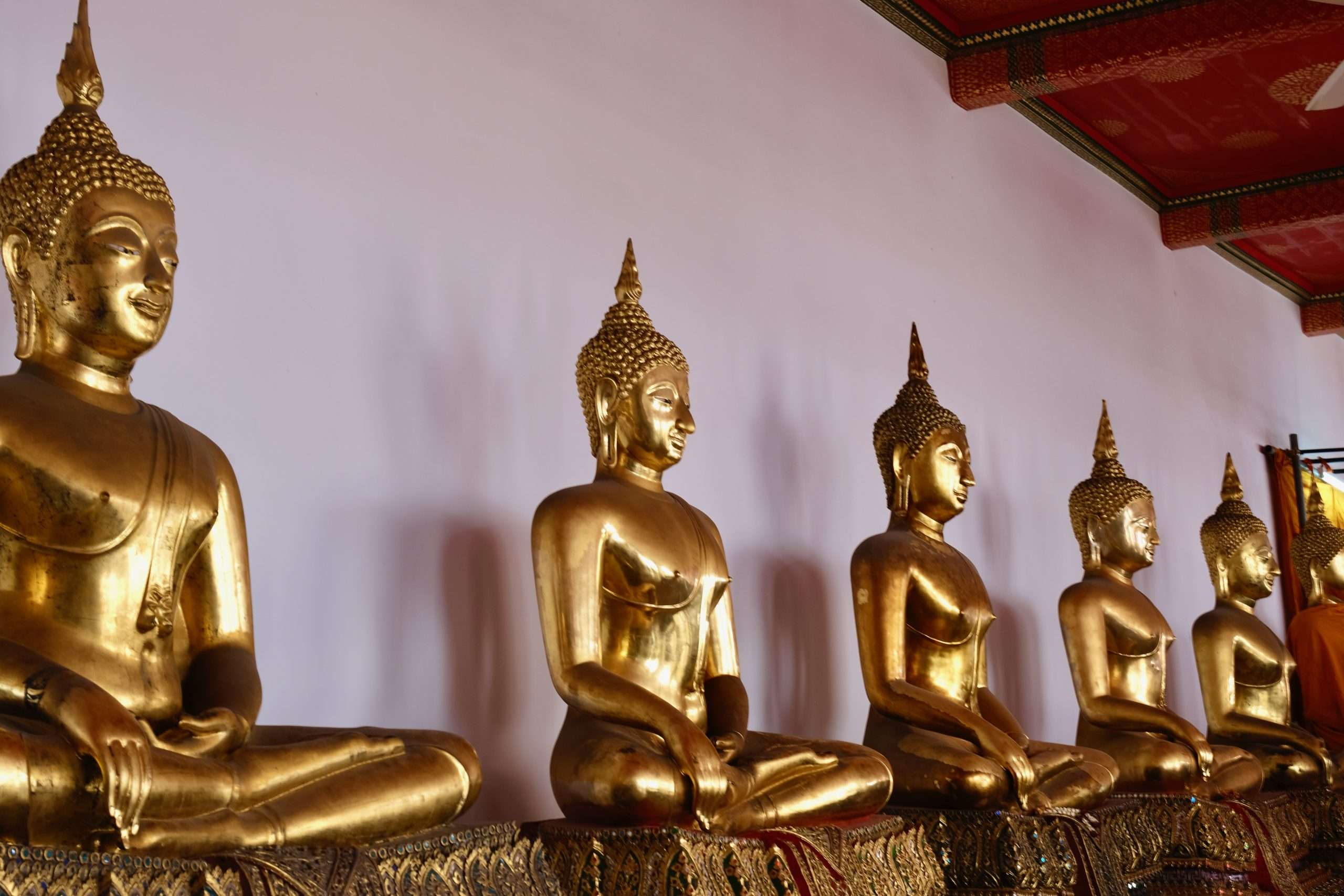
Next, we took a tuk-tuk (auto rickshaw) ride through the historic heart of Bangkok to visit Wat Pho, one of the city’s most significant and revered temples. Officially known as Wat Phra Chetuphon, this temple is best known for housing the breathtaking Reclining Buddha, a massive gold-plated statue measuring 46 meters in length and 15 meters in height. Designed to depict the Buddha’s transition into Nirvana, the statue’s serene expression and graceful posture evoke a sense of peace and enlightenment. Its feet and eyes are inlaid with intricate mother-of-pearl designs, and the soles of the feet are adorned with 108 auspicious symbols representing the true Buddha.
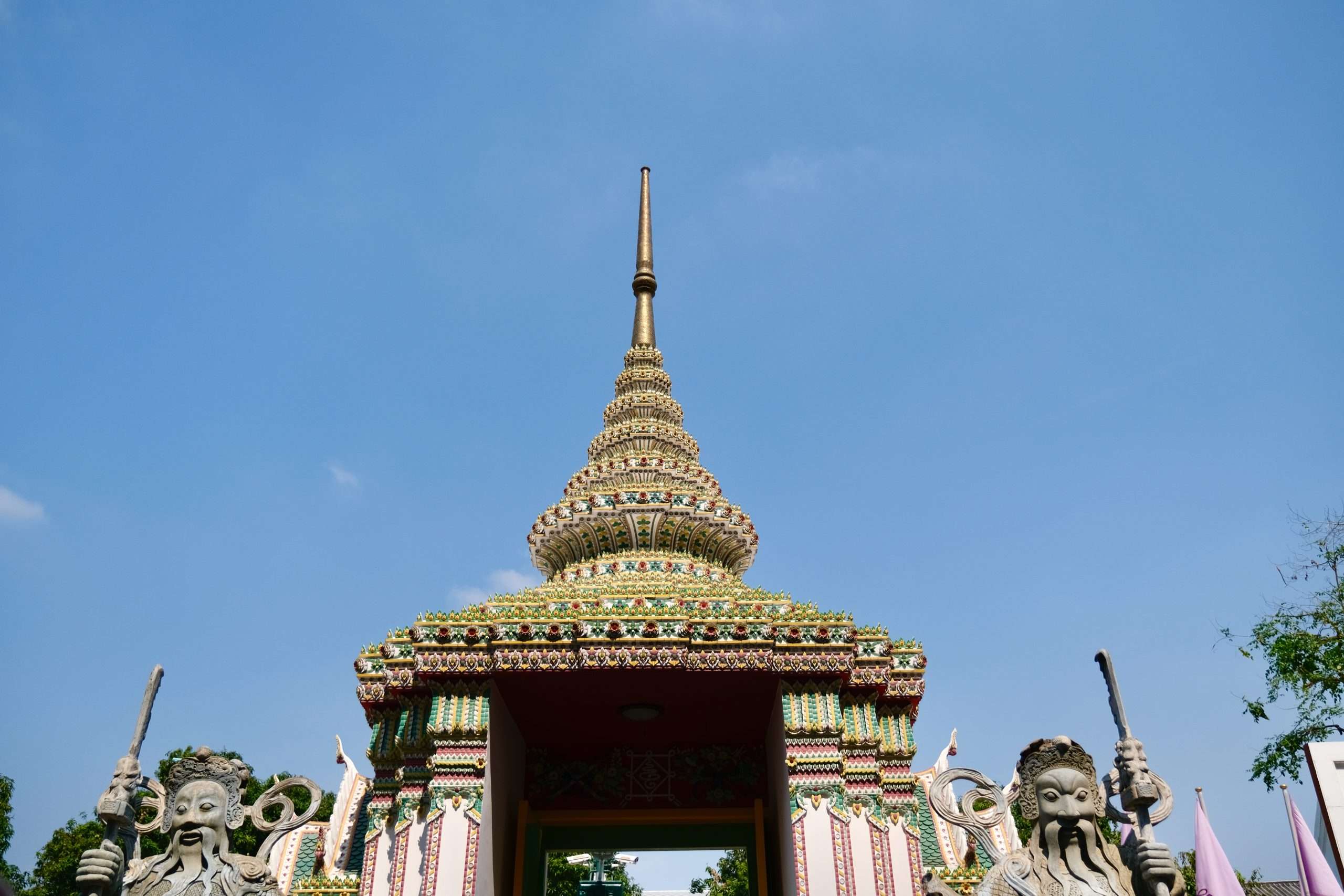
Tonight marked the end of our incredible journey through Southeast Asia. We gathered for a farewell reception and dinner, sharing our final moments with fellow travelers and expressing our thanks to our exceptional tour director before parting ways.
Free Time in Bangkok – February 4, 2025
Today, we slept in and had a relaxed start to the day. Later in the morning, we walked to the nearby Central Embassy Mall, known for its wide selection of high-end brand stores and diverse dining options. After exploring for a while, we had lunch before returning to the hotel to finish packing for our journey back home tomorrow morning.
Homeward Bound – February 5, 2025
We left early in the morning for the airport to catch our flight home on All Nippon Airways, with stopovers in Tokyo and Chicago. All three flights were smooth and uneventful.
Our overall impression of the three countries we visited was that the people are friendly and are doing their best to preserve their culture, traditions, and heritage. The food was great, the service at all the hotels we stayed at was phenomenal, and we were able to experience many stellar sightseeing, gastronomic, and shopping adventures.
.
Thank you so much for the detail and pictures! All of those are on our bucket list and we will use this as a way to plan. Hope you are both well!